50 Matching Annotations
  1. Sep 2023
    1. cosmogenesis

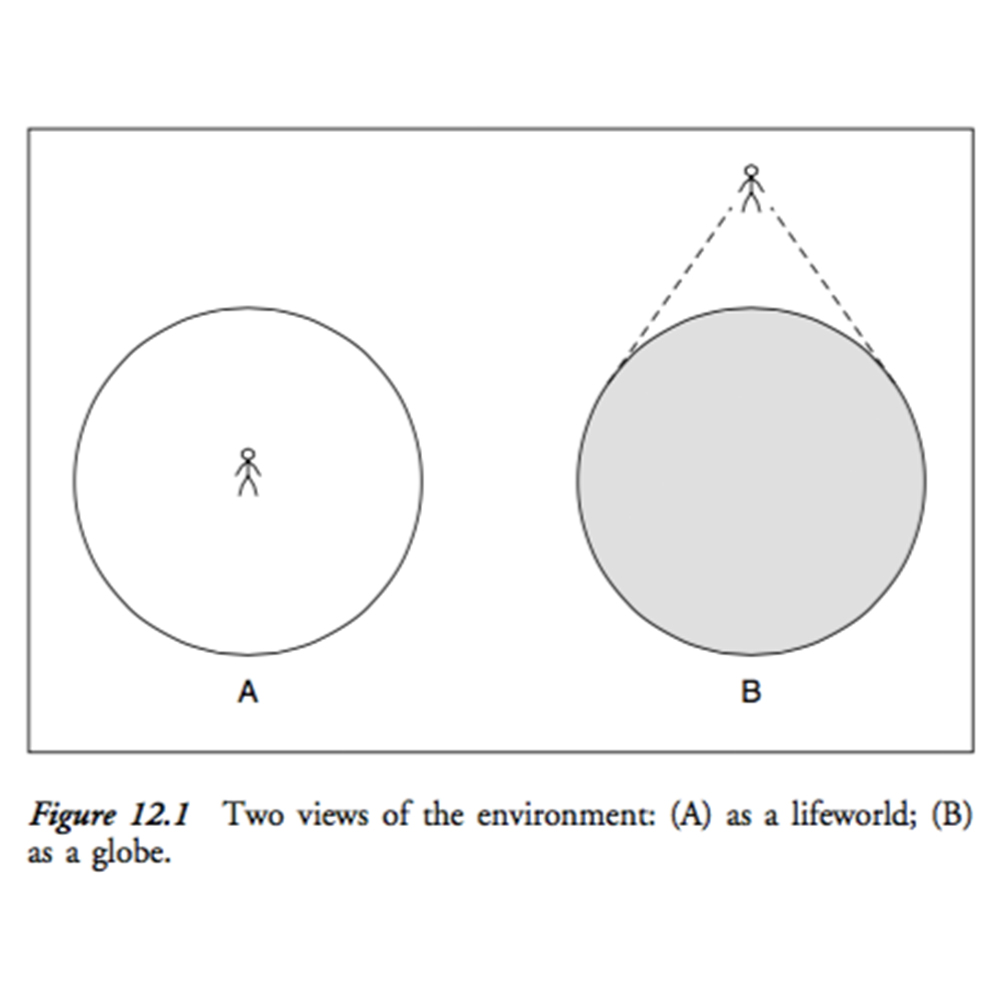
      The most fundamental basis of the world was what Deleuze and Guattari strangely called “the Earth.” As a matter of fact, the latter was described as composed of “unformed, unstable matters, by flows in all directions, by free intensities or nomadic singularities, by mad or transitory particles.” It was “a body without organ,” which contained an infinite number of molecular and mobile quanta of matter and energy.

      He [Professor Challenger] explained that the Earth—the Deterritorialized, the Glacial, the giant Molecule—[was] a body without organs. This body without organs [was] permeated by unformed, unstable matters, by flows in all directions, by free intensities or nomadic singularities, by mad or transitory particles. (A Thousand Plateaus, 1980, trans. B. Massumi, 1987, p. 40, my mod.)

      At first, “the Earth” resembled the first steps of cosmogenesis in Morin’s narrative: the big bang projecting the first cloud of photons, the materializing of the first particles, their aggregation in simple nuclei then in atomic compounds. But it soon became clear to the reader that the “Earth” was considered the underlying reality even today. More than a first phase in the history of the world as reconstituted by modern cosmo-physics, it was a basic metaphysical datum concerning the part “before” the being becomes “actual” or “starts” to really exist under the various forms it actually takes, that is, what philosophers called its “virtual” part. This was Deleuze and Guattari’s manner to address the question of the “foundational crisis” that stroke philosophy with Nietzsche in the second half of the 19th century and mathematics in the early 20th century (Lapoujade, 2014, p. 31). The Earth was the virtual and self-disappearing foundation of all that existed.

      Pascal Michon, "Double Articulation as Primary Form of Cosmological Stratification"
    2. Fig. 84

      Caniggia gives us 4 examples related to urban dynamics:

      Ex 1.

      An owner wants to expand, with two choices: add a floor or expand into available space. If not, they buy a neighboring property. In both cases, expansion follows the modular system, preserving the property's character. Growth isn't continuous, but sporadic, adding modular units step by step. Many palaces in Venice, Rome, etc., grew over decades, starting from an elementary structure, with later phases visible in the ground plan despite Renaissance facades.

      Ex 2.

      When a community's population grows, habitable space saturates, prompting expansion. Larger lots from semi-rural times with open spaces for agriculture become unsuitable. They're gradually transformed, using open spaces for construction, without major public interventions. Private property shapes development. Despite fragmentation, the original grid of lots remains visible, showing the urban fabric's inertia and its impact on modernization.

      Ex. 3.

      Over time, architectural accumulation brings both positive and negative effects that require collective management. Consider fires in urban history: transitioning to compact settlements increased fire risk. Yet, benefits like social interaction, division of labor, and security balanced this. Solutions weren't solely private; regulations emerged: row houses with fire-resistant materials, firewalls, wider paths, water supply. Individual actions led to economies of scale, collectively managed, influencing private construction.

      Ex. 4.

      Consider planned interventions before spontaneous actions. This applies to settlements created for new territories. A planner designates construction and agricultural zones, road networks, and positions for public buildings. Craftsmen settle near the busy gate, becoming a commerce center. Temporary stalls emerge, followed by an official market. Growth prompts a new protective wall and relocating barracks. This process follows logical order spatially and over time, with structural changes having a rational connection.

    3. Maps

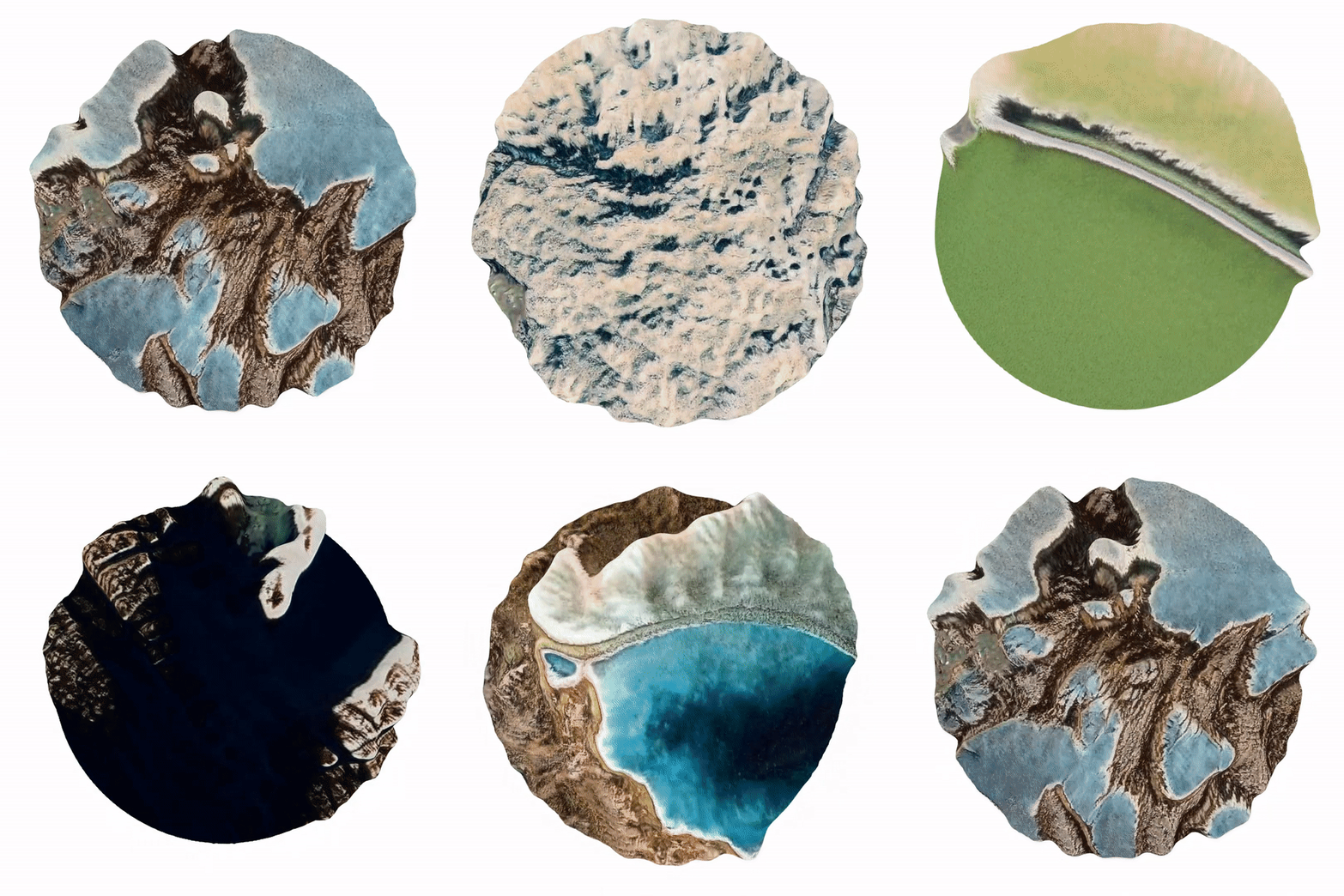
      (https://www.instagram.com/p/B-f2pekn1wR/?img_index=1)

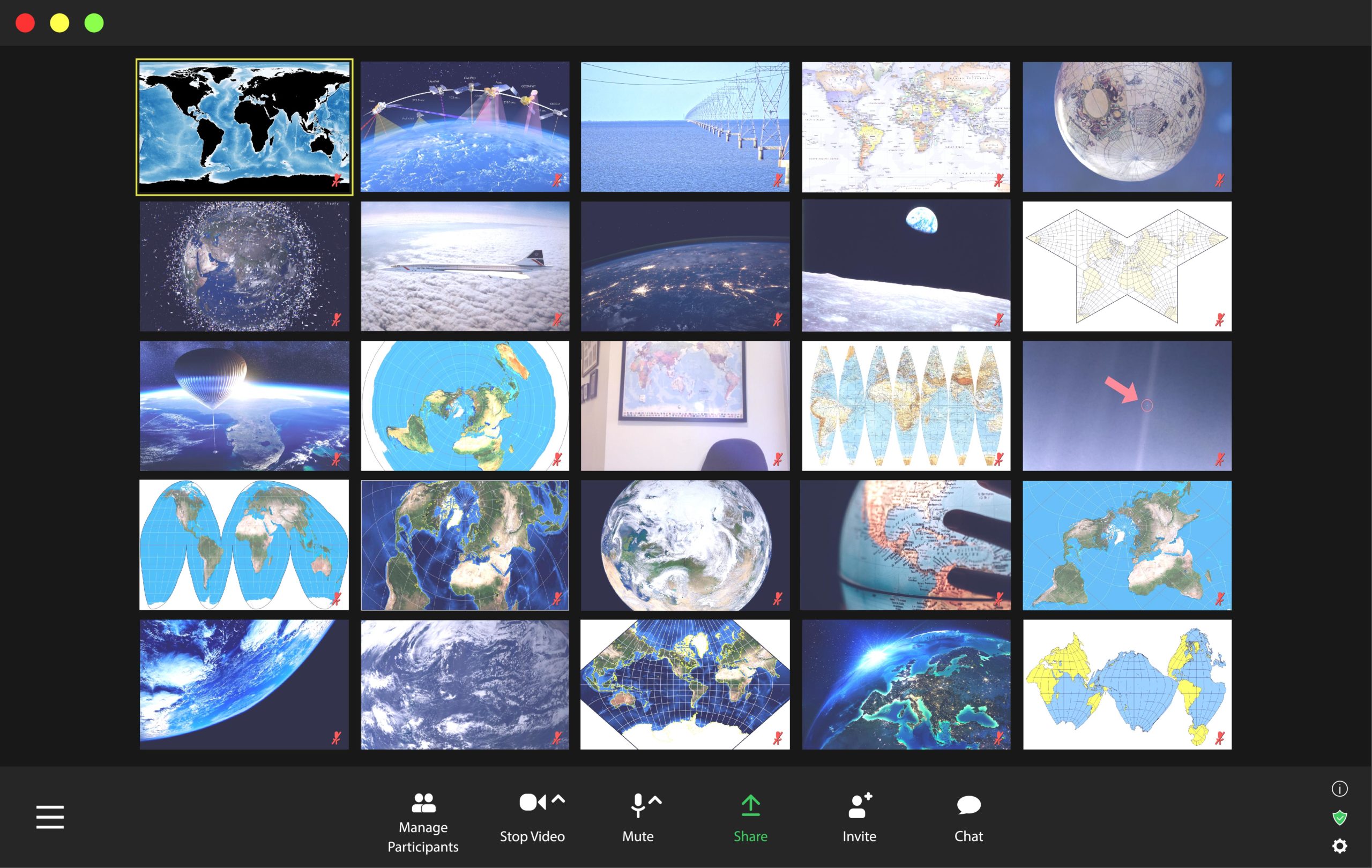
      "The way that maps are able to do this is through conventions. These are the human-imposed ideas that are evident on maps but which cannot be found on the land itself. Examples of conventions include orientation, projection, and symbolization and generalization. Each of these must be utilized in order to create a map of the world, but - at the same time - they are each human constructs. .... The earth, as a physical entity, simply exists. Any purpose that we see in the world through a map is one that has been imposed by humans. This is the sole reason for maps’ existence. They exist to show us something about the world, not to simply show us the world. They can illustrate any multitude of things, from migration patterns of Canadian geese to fluctuations in the earth’s gravitational field, but every map must show us something about the earth upon which we live. Maps lie, to tell the truth. They lie in order to make a point."

      "What do maps really do?" / Laura Herbert / 17-6-2018

    4. place

      https://vimeo.com/321749680

      Behind me in the lemon grove I could hear the faint sound of a girl's voice singing. A splash of oars came across the water, and radio music from below in some fishing town, a shadow-town which never knew twilight or evening, and was forever eclipsed by a somber half-darkness at three in the afternoon.

      ∆ William Styron, Set This House on Fire, p. 37 (1959)

    5. local

      "Each time we enter a new place, we become on of the ingredients of an existing hybridity, which is really what all “local places” consist of. " —Lucy Lippard

    6. places

      "Each time we enter a new place, we become on of the ingredients of an existing hybridity, which is really what all “local places” consist of. " —Lucy Lippard

    7. urbanization

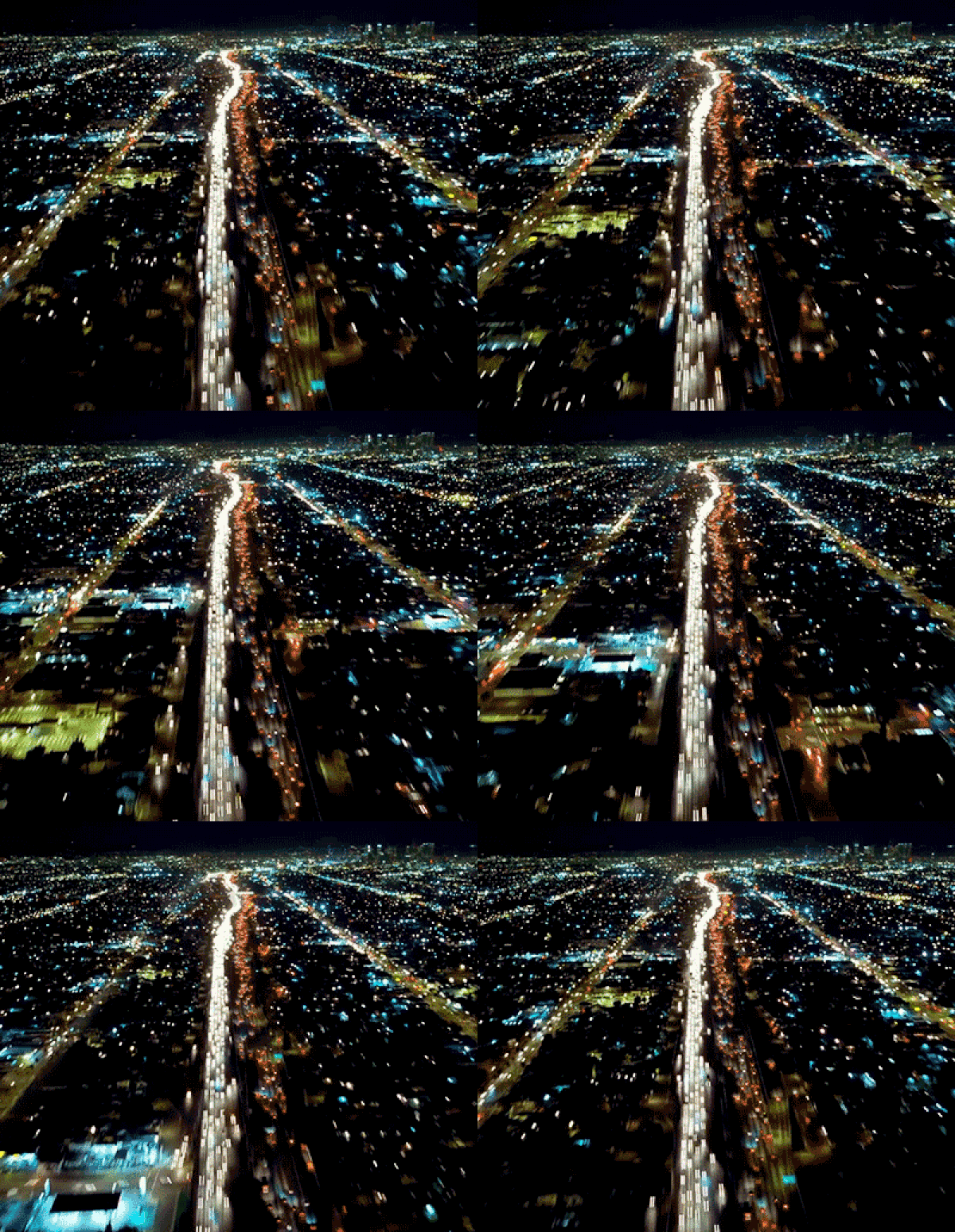
      "Destruction and demolition, expropriation and rapid changes in use and as a result of speculation and obsolescence, are the most recognizable signs of the urban dynamic. But beyond all else, the images suggest the interrupted destiny of the individual, of his often sad and difficult participation in the destiny of the collective.

      Aldo Rossi. (The Architecture of the City, p.22)

      Expropriation: the action by the state or an authority of taking property from its owner for public use or self benefit.

    8. Urban Artifact

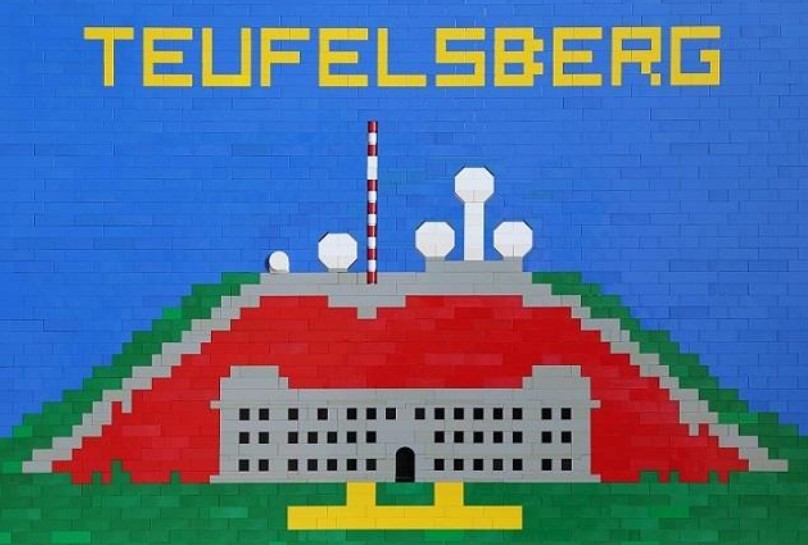
      Rubble from Teufelsberg, the 70 meter-high “Devil’s Mountain” created from the wreckage of post-war Berlin.

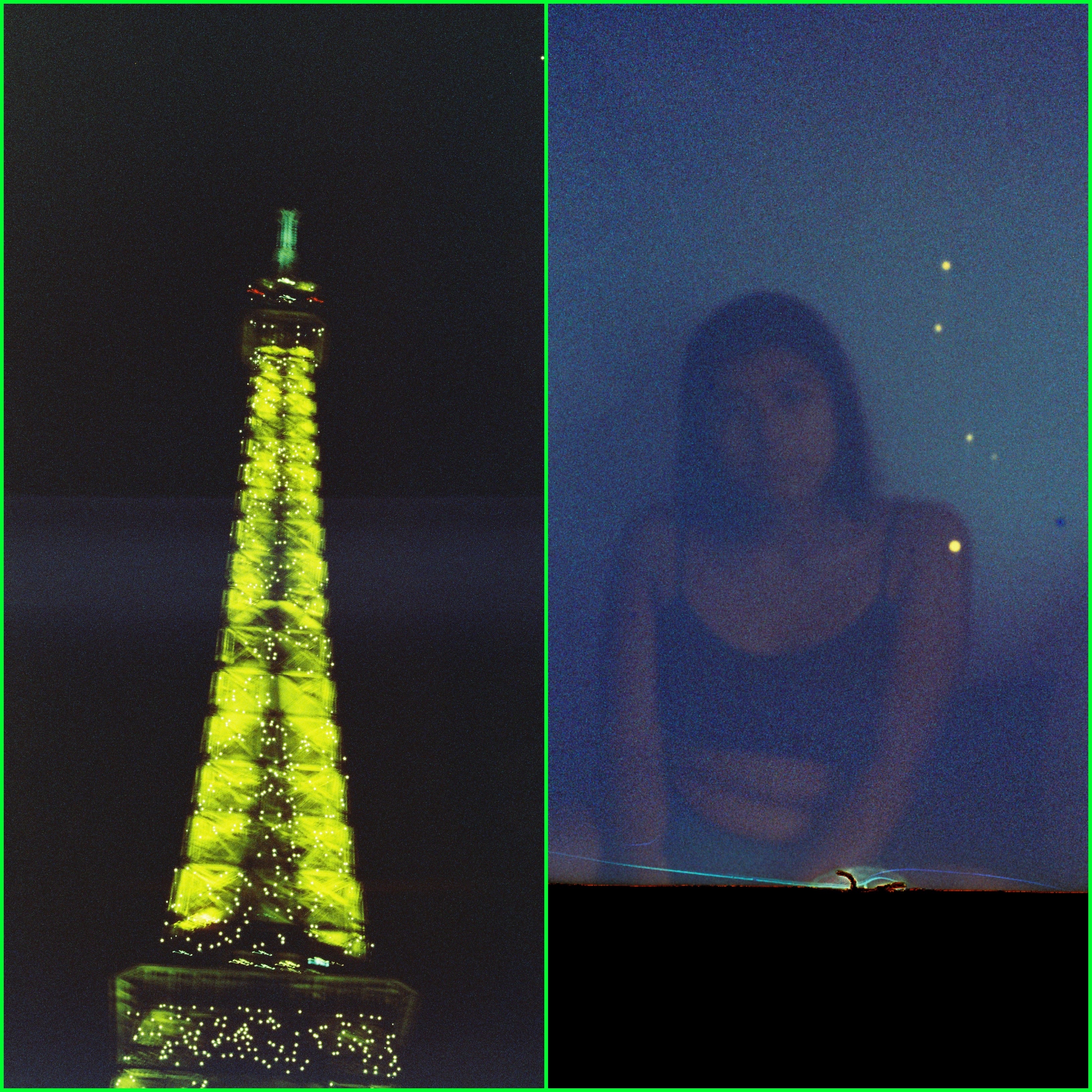
      “Coming back to Paris,” she said, after a moment, “is always so lovely, no matter where you’ve been.” We got into a cab and our driver made a wide, reckless circle into the stream of traffic. “I should think that even if you returned here in some awful sorrow, you might—well, you might find it possible here to begin to be reconciled.” -James Baldwin - Giovanni's Room

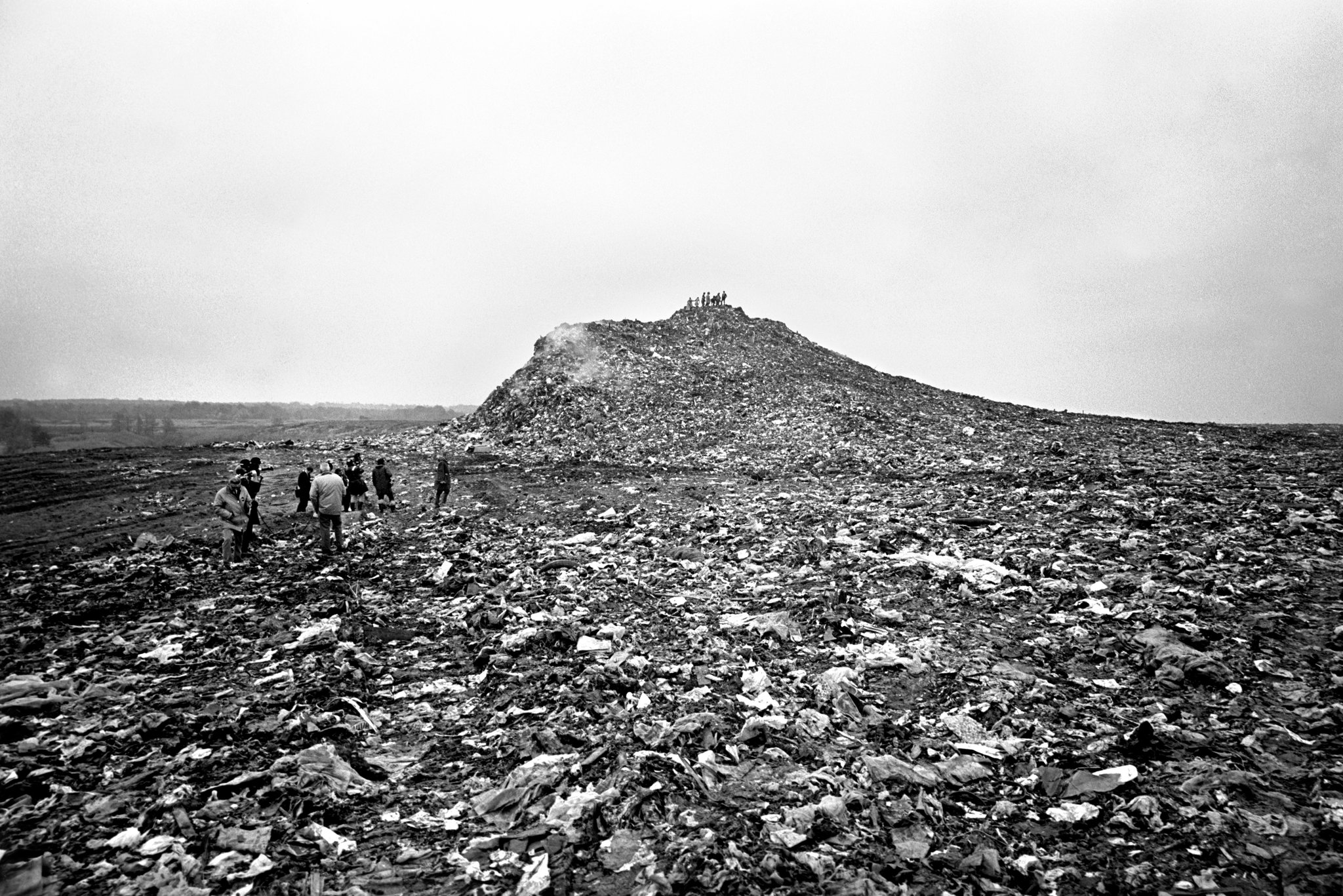
      Fresh Kills Landfill. Staten Island, New York. November 1972. Credit William E. Sauro/The New York Times

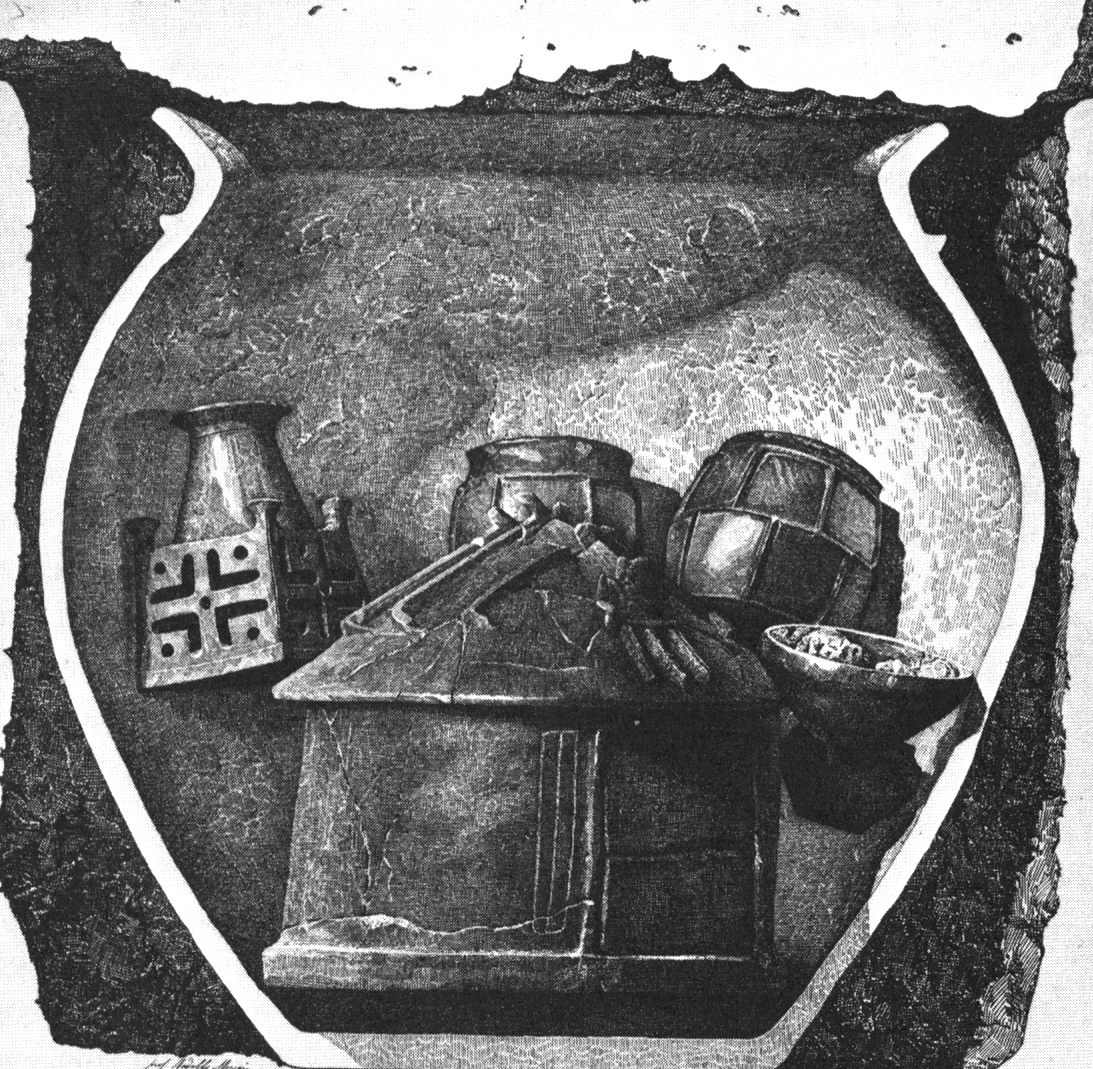
      Thomas Browne: It is astounding, he says, how long these thin walled clay urns remained intact a yard underground, while the sword and ploughshare above them and great buildings, palaces, and cloud-high towards crumbled and collapsed. Thomas Browne - Urn Burial

    9. book

      Hartfield says this about good writing: "Writing is, in effect, the act of verifying the distance between us and the things surrounding us. What we need is not sensitivity but a measuring stick" (from What's So Bad About Feeling Good?, I936).

      Haruki Murakami. (Wind/Pinball, p.6)

      “Research is a ceremony for building closer relationship with an idea”

      Shawn Wilson. (Research is Ceremony: Researching within an Indigenous Paradigm)

    10. bottom-up

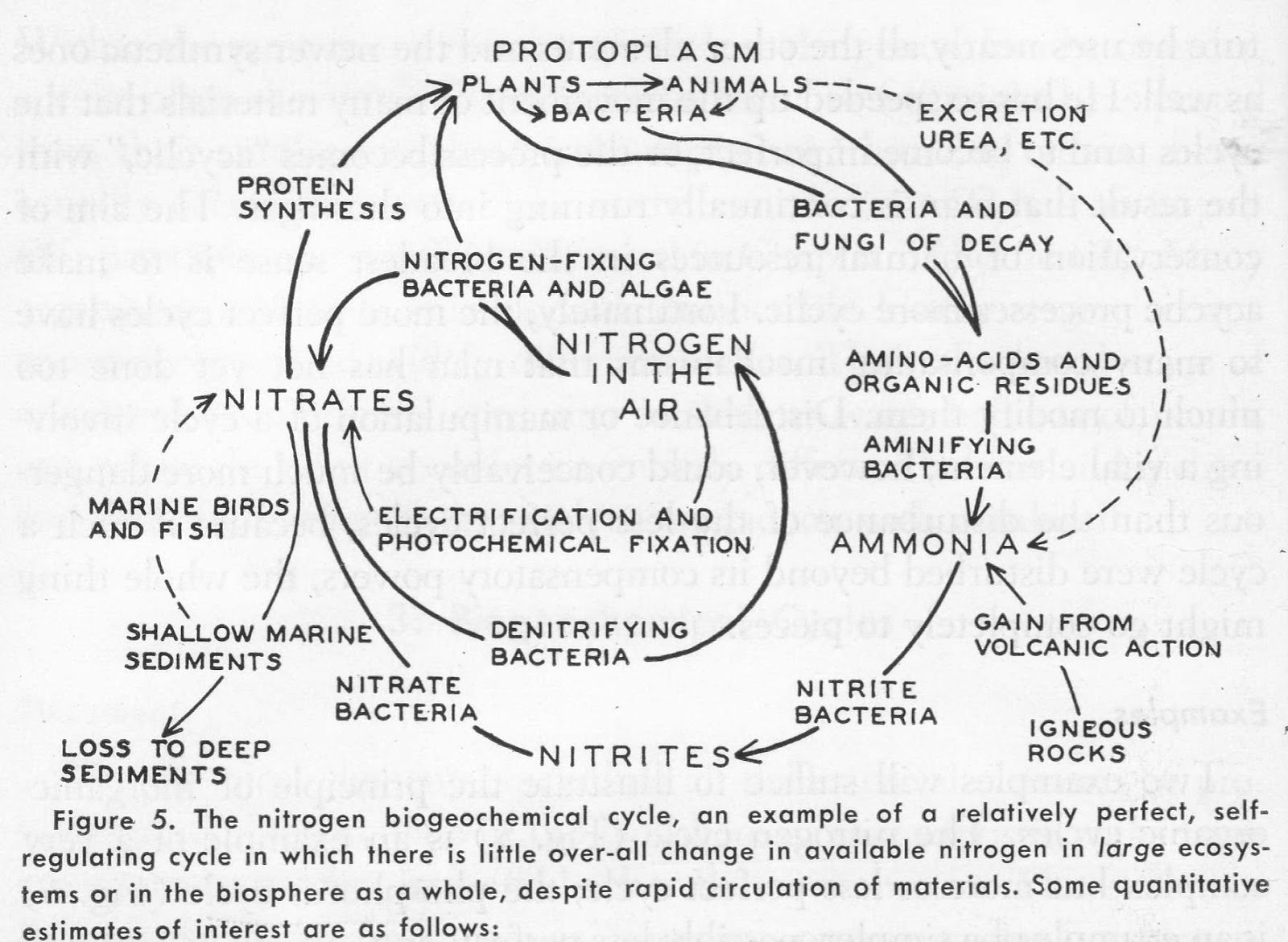
      Ecosystem Ecology, Arthur Tansley

      “Any fact becomes important when it’s connected to another.”

      ― Umberto Eco, Foucault’s Pendulum

      The biggest thing that I’ve learned from nature is the importance of relationships. E.g. an ecosystem isn’t just a list of living things (squirrel, tree, bee, flower); it’s the set of relationships between those living things (the squirrel lives in the tree, the bee pollinates the flower). In terms of organizing, this means that a given social movement isn’t a list of organizations, or campaigns, or even individuals; it’s the set of relationships between organizations, campaigns, individuals, etc.

      Laura Coombs, Laurel Schwulst, Mindy Seu. (Multidimensional Citation. P. 5)

      https://www.are.na/block/23006261

    11. interaction between parts

      Assemblage, as used in Deleuze and Guattari's A Thousand Plateaus, refers to a site where material practices intersect with discursive formations. An assemblage contains

      "lines of articulation or segmentarity, strata and territories; but also lines of flight, movements of deterritorialization and destratificaion. Comparative rates of flow on these lines produce phenomena of relative slowness and viscosity, or, on the contrary, of acceleration and rupture. All this, lines and measurable speeds, constitutes an assemblage" (A Thousand Plateaus, p.4)

    12. structure

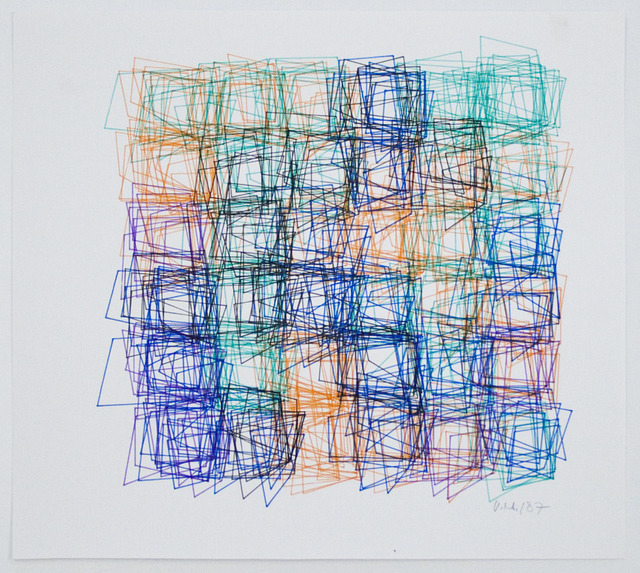
      Vera Molnar, Structure de Quadrilatéres (Square Structures). 1987, colored ball point pen on paper.

      Structure is the arrangement of and relations between the parts or elements of something complex.

    13. terrain

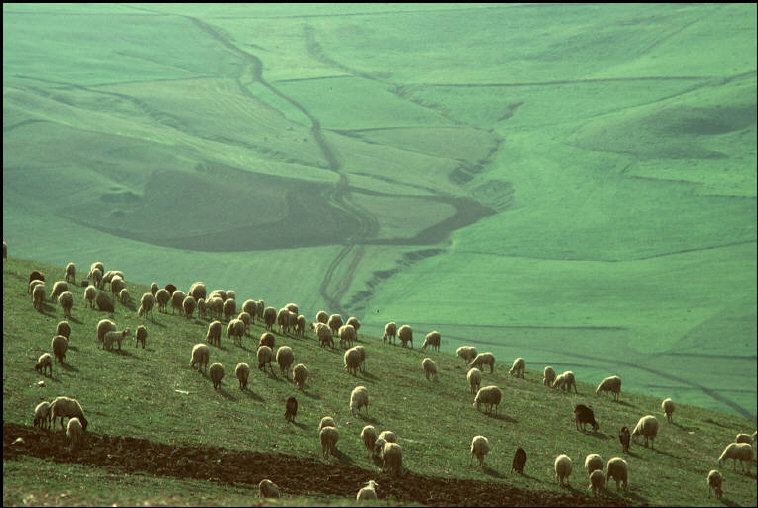
      ALGERIA. Near Constantine. 1982. © A. Abbas/Magnum Photos

      The taut, grimacing, duplicitous rictus — the modern American smile — rose out of a great emotional shift in the 18th century, theorizes Christina Kotchemidova, who teaches theory, gender, and intercultural communication at Spring Hill College in Alabama. But it is also based on a lie.

      As Baker writes:

      Prior to this shift, [Kotchemidova] believes, the American emotional landscape revolved around negative emotions like sadness and melancholy, which were seen as indicative of compassion and nobleness. Informed by ideas from pre- and early Reformation European Christianity, both Americans and Europeans saw earthly suffering as noble and necessary for a happy afterlife. Literature, visual art, and theater in this period aimed to provoke sadness, and crying in public was commonplace in Europe. Diderot and Voltaire, Kotchemidova writes, were seen crying repeatedly.

      The Age of Enlightenment pushed the culture in a different direction. As thinkers and artists embraced reason, they also began to believe that happiness was permissible during our earthly life as well as the afterlife. The culture of sadness began to be supplanted by one of cheerfulness, which in turn influenced a changing class structure. The emerging middle class took the ability to manage emotions as key to its identity. Business failures and sickness were linked to failures of emotional control, and cheerfulness to prosperity. Eventually, cheerfulness became a prerequisite for employment.

    14. urbanization

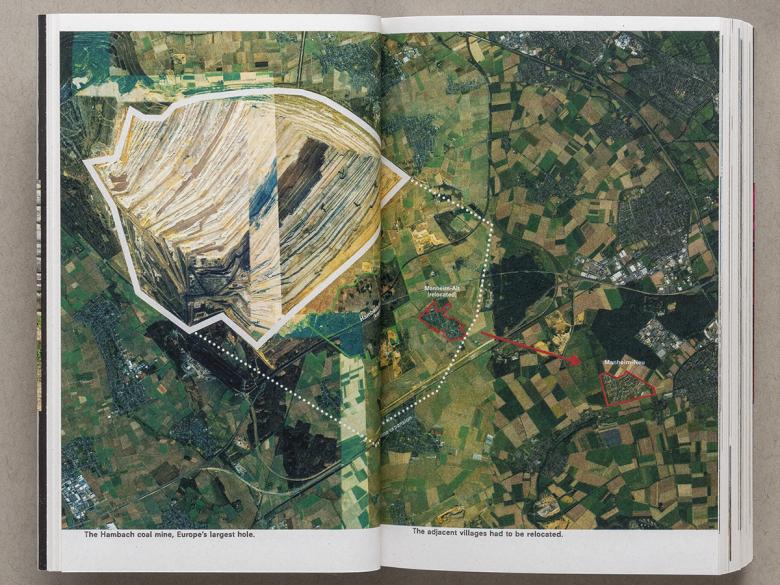
      Hambach Mine

      Ildefons Cerda first coined the term urbanism at the moment that a new kind of design was necessary. In which the focus was no longer just the city form but the whole functioning of the inhabited territory as a large-scale infrastructural project.

      See Andrea Cavaletti, La citta biopolitica: Mitologie della sicurezza (Milan: Monadadori Bruno, 2005).

      See also Ross Exo Adams, "The Burden of the Present: On the Concept of Urbanisation, Society and Space, Feburary 11, 2014.

      See also, Countryside, A Report - OMA for an interesting story concerning Hambach mine.

  2. Aug 2023
    1. chologist who is principally interested in explaining these drives of stimulus and phenomena. Rossi continuously references th

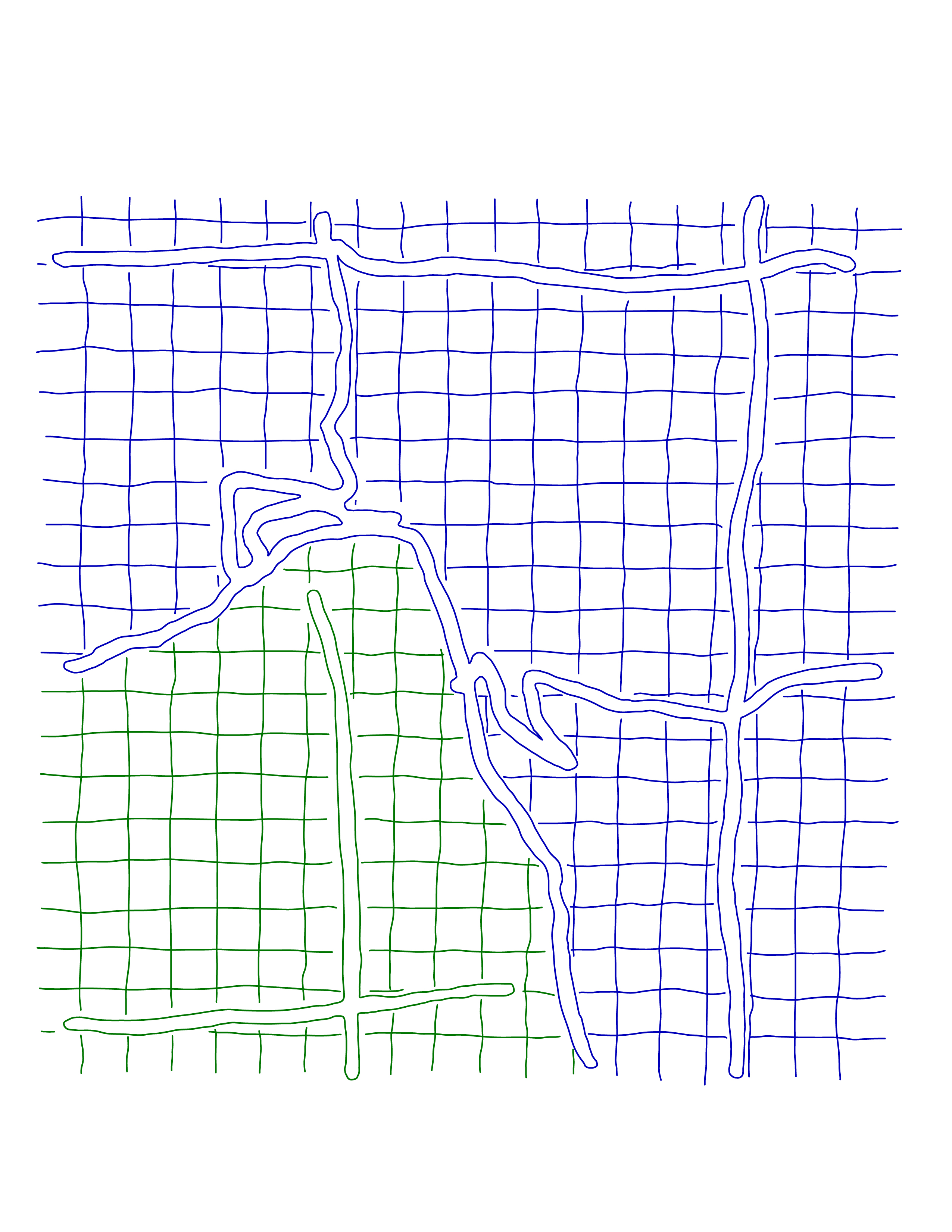
      This is a rossi drawing, nice right.

    2. d the urban conditions embedded within them to understand how they remain distinct within an overarching system of capital. It is my belief that we can read these places, in

    3. nly ever use intermediaries. Maps and satellite imagery when discussing the planetary or numerical data and graphic vectors for variable supply chains. Once we admit that we cannot understand the entirety of our impact on the built environment and recognize that our models are insufficient and outdated in respect to modern discussio

      bottom-up, community-centered approach to urban planning and at the same time Aldo Rossi for his analysis of the Urban Artifact. Although in both regards, I am interested in not just the city but positioning my work as a larger schema to evaluate the built environment through Urban Artifacts I have found which are not in the city, but embedded in the greater ur

  3. Jul 2023
  4. multidimensional.link multidimensional.link
    1. o out for my morning walk with tapes from two very different audio-books, and let those ideas bounce off each other, simmer, reproduce in some odd way, so that I come up with ideas that I might not have come up with if I had simply stuck to one book until I was done with it and then gone a