15 Matching Annotations
  1. Last 7 days
    1. They are buried without scalp in the shattered bedrock of our home

      https://youtu.be/Y6wqbrPX-lA?si=QiovqjG3VgeWDs9V

      In a video recorded in one of his concert, Hozier refers to a traditional Irish song called "The Wind that Shakes the Barley". This song refers to the barley young men would put as provisions in their pockets before joining the rebellion, which grew years later on mass-grave sites where these men were killed without a proper burial.
    2. The ears were chopped from young men if the pitch cap didn’t kill them

      According to Irish Legal News, "victims were subjected to “caps” full of boiling tar, or “pitch”, and gunpowder, forced on their heads and set alight. If the victims were not killed in the process of pitchcapping, they were often scalped by the removal of the cooled pitchcap, and left blind by the hot tar running into their eyes."

    3. A butchered tongue still singin’ here above the ground

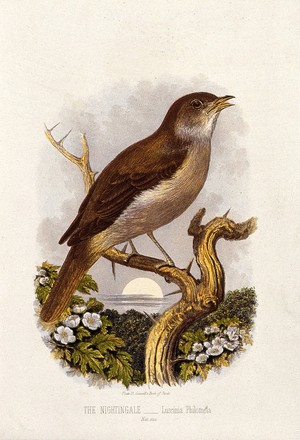
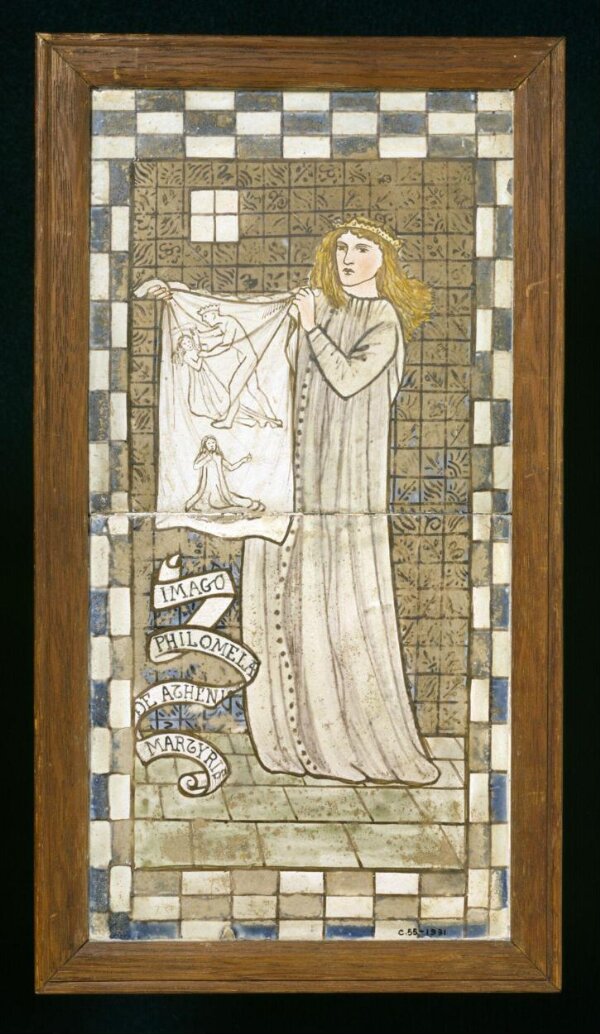
      This could refer to the myth of Philomela, who was raped by her sister's husband before he cut her tongue off, making sure she could not tell her story. Hozier draws a parallel here between sexual violence/control over women's body, to colonialism. This is a motif we find again in his song Swan Upon Leda, where he compares Leda's rape by Zeus to colonialism:

      "The swan upon Leda / Occupier upon ancient land"

    4. “Appalacicola” or, “Hushpuckena,” like, “Gweebarra”

      Hozier mentioned himself that these places in the US have indigenous names, and when he asked locals about what they meant, no one could answer him. He expresses gratefulness that Irish history has been document and is accessible, and acknowledges that this is not the case everywhere, therefore some places have had their tongue butchered even worse.

    5. Butchered Tongue

      The title of this song refers to the violence and torture inflicted upon Irish rebels by the British, during the 1798 Irish Rebellion. Butchered Tongue refers both to the physical violence (such as severing ears, or pitchcapping, as well as losing their language due to colonisation, resulting in many Irish people still unable to speak their land's language today.

    1. A grip taking hold Like a cancer that grows Each piece of your body that it takes

      "Amor, ch’a nullo amato amar perdona" — Dante Alighieri, Inferno (Canto V, line 103)

      Possible translation: "Love, which spares none of the loved from loving in return."

    2. When the heart would cease Ours never knew peace

      The Death of Francesca da Rimini and Paolo Malatesta, Alexandre Cabanel, 1870 (Musée d'Orsay, Paris).

    3. FRANCESCA

      The title of this song refers to Francesca da Rimini, who was a real was Italian noblewoman who was murdered by her husband upon his discovery of her affair with his brother, Paolo Malatesta.

      In Dante's Inferno, she is found in the 2nd circle of Hell, the circle of Lust, where she tell her story to the narrator while Paolo remains silent behind her. In this song however, Hozier decides to give a voice to Paolo, making him the narrator to express his love to Francesca.

    4. I’ll tell them put me back in it

      In modern relationships, this idea resonates with couples who, despite facing difficult challenges, would still choose to go through it all over again. Here, Paolo says that even knowing their love would lead them to Hell, he would not have chosen differently. Given the context of adultery in their relationship, this shows that their loyalty lays in their love and passion, rather than into moral expectations, as Francesca was married at a yougn age in a political marriage.

    5. My life was a storm, since I was born How could I fear any hurricane?

      In the second circle of Hell, the lustful are being buffeted by violent winds in a similar manner that they allowed themselves to be swept away by their passions when alive. Here, the narrator suggests that their punishment is tolerable compared to this own life when he was alive, expressing no regrets.