22 Matching Annotations
  1. Feb 2024
    1. But when you strum that iron with your handIt looks like something has changed

      Bocchi playing in her closet

      • Based on context in the song, the “iron” is a metaphor that refers to Bocchi’s guitar and we already know that she needs it in her life. Previously, Bocchi only talked about how the guitar is her form of expression, but here Bocchi is saying that playing the guitar has changed “something”. We can infer that that “something” is her feeling of inferiority, that she is powerless and is worst than others in society. Thus, saying that “something” has changed emphasises how Bocchi feels more powerful, or that she has more confidence. This conveys how Bocchi doesn’t just enjoy the guitar, she feels proud about it. This doesn’t necessarily mean that she has no more social anxiety or that she is full of confidence but it does mean that her guitar has impacted her positively.

      • However if context outside the song can be taken, this cold be more of a reference to Bocchi starting to play in a band. Bocchi have always wanted to be in a band to be noticed and to satisfy her craving for social interactions. Thus, her learning the guitar and joining the band gave her access to the social connections that she desired so much. Thus, learning the guitar didn’t just change her confidence level, but it also opened a whole new world for her and allowed her to make friends.

      • The connotation of "earth" being a open place is also a juxtaposition to what Bocchi described to be a "dizzying spiral" which is a metaphor for her social anxiety and other issues. This suggest how the guitar allowed Bocchi "explore" more after being confined to the claustrophobic space that is her troubles. This emphasises how Bocchi is not just able to express but learn more about herself learning the guitar, find out her own perks instead of sulking that she doesn't have any that society wants her to have.

      Main message of pre-chorus 2 - This pre-chorus further develops and elaborates on Bocchi’s relationship with her guitar, and emphasises how playing the guitar has changed her life. Considering how Bocchi’s main struggle portrayed in the song is her anxiety and inferiority, we can infer that her guitar has changed that by giving her more confidence and sense of self-identity, allowing her to slowly realise that she does have a place in society.
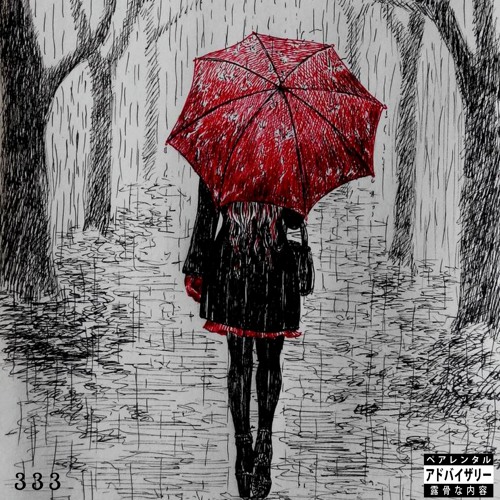

    2. Entrusting my thoughts to the stars

      I think that this repeated line bears a different meaning compared to where it was first written i the pre-chorus. In the pre-chorus, its used to emphasise how the only place Bocchi can feel safe and comfortable trusting her thoughts is the unknown where no once can know, in a way hiding them from society, showing her insecurity and social anxiety. However, considering the context in this chorus, I think that this metaphor is now used to emphasise how Bocchi is allowing her thoughts to float around in a place that is something greater than herself. This symbolises how she is willing to let her worries go, her worries that she will never be something greater or that her isolation will only worsen. I feel happy for Bocchi here because of how even though she has not accomplished her goal, this line conveys how she is taking a small but scary step. She knows her flaws but now thinks that she deserves other’s care and love because she’s human who all has flaws and that idea that she is deserving of good gave her the trust she needs to at least trust something, to let go of some of her worries and burdens which she has been harbouring for so long.

      Main idea of Chorus

      • This chorus, while reiterating the severity of Bocchi's self-esteem and anxiety issues, shows quite a bit of Bocchi's character arc. This chorus shows the full effect of Bocchi finding a new self-identity in her guitar, showing how even though she still wants to be noticed and loved by others, she thinks she deserves it now. Her declaring that she should get other's attention, that she is human like them emphasises how she grew and matured as a person, to treasure and prioritise what she has now and not to ignore it like before just because she has something that she wants to have.
    3. A sudden evening shower falls, ah, I don't have an umbrellaWho cares how the sky's feeling?

      “A sudden evening shower falls, ah, I don’t have an umbrella” - “A sudden evening shower falls” is a metaphor for rain or a change in the weather. The interjection of “ah” suggests that the speaker feels surprised about this recent development and alongside “I don’t have an umbrella”, it conveys the idea that the speaker is concerned and frustrated about the change in weather and that they are unable to deal or adapt to it.

      Who cares about how the sky’s feeling - However, unlike the previous quote, this quote has a dismissive tone to it which gives listeners the idea that this isn’t the same person who talked about the last quote. This quote emphasises how Bocchi is the one who doesn’t or cannot “care how the sky’s feeling”. In fact, her first line is her assumption of how others in society feels. This stark contrast between what she thinks and what she believes society to usually thinks conveys the idea that Bocchi feels disconnected from society. What other’s perceive to be a negative thing that gets them wet and uncomfortable doesn’t give Bocchi any feelings or thoughts at all.

      • This line also suggests another idea. A “sudden” change in weather often make others feel a sense of surprise but it Bocchi doesn’t feel this way. Aside from conveying how she feels disconnected from typical society, it also suggest that she finds her life boring. There is no “sudden evening shower falls” and maybe there isn’t a reason to “have an umbrella”. Bocchi thinks that there’s nothing to get excited about in life at all. I feel sympathy for Bocchi here because of how she assumes that her life is meaningless and because of how she disconnected she feels from society. From this first line, I can reflect on the theme of isolation and how one can feel disconnected from others in society when we feel that we are substantially different from them and don't feel a sense of belonging there.
    4. Nothing happens, I'm powerless
      • The dejected tone in “nothing happens, I’m powerless” suggests that despite Bocchi’s best efforts to fight against her anxieties and negative thoughts, they were too overwhelming. This conveys how useless and inferior Bocchi believes herself to be, how she feels that she cannot make the change that she wants to make, be the person she wants to be. I can reflect on the theme of inferiority and how it can cause us to feel useless and powerless to make any change in the world. It can also make us undermine the effort that we put into improving ourselves as we feel unhappy with the results.
    5. When I couldn't even make a sound I tried to scream louderI screamed without being able to let out anythingI want to be somethingAnything is fineSo I'm singing just like the fool I am
      • The repetition of the idea of “screaming” is the same as all the other references, but the connotation and hidden meaning of the sentence has changed. I think that now Bocchi is repeating this sentence to emphasise that her struggles are still there, that she still feels isolated and lonely. Despite having a better mindset, she is still unable to trust others, that her social anxiety and insecurities still exists. This emphasises how Bocchi’s traumatic experiences have and will still continue to haunt her, that even though she’s trying to be more and more positive in her life, she still has the same desires and wants to escape from the suffocating trap that she finds herself in due to her social anxiety. She still wants to be noticed and have a way for her “screams” to heard because that’s just human nature. I feel sad for Bocchi here because of how impacted she is impacted by her past trauma. Despite believing that she deserves good after spending the entire song talking about her she doesn’t deserve it, her past experiences and suffering still comes back to haunt her, emphasising how they are still a reminder that Bocchi’s loneliness and anxiety still exists and are still haunting Bocchi.
    6. Even if it's just for a moment...ahListenListen to me!

      Listen, Listen to me!

      • The word intensity of “Listen to me!”, emphasises how much Bocchi wants others to listen to her, to understand her struggles and to be with her so that she can leave the lonely “blue planet” which she hates so much. The addition word “me” of the second plea conveys how Bocchi doesn’t want people’s attention to be at her “uncool shadow” or even her ”singing”, she wants it to be at her, her bottled up emotions. Bocchi wants to find a way to let it all go, she wants to vulnerable to others so that she doesn’t need to bear her burden of carrying these scary emotions around anymore. She wants to find someone she can trust to share this baggage with.

      (I’m not sure if the following analysis should be allowed, but I saw this idea on a comment thread and felt that it should at least be shared)

      • The original lyrics of “Listen, Listen to me” is 聞いて and 聴けよ respectively. The former is a verb that is used with a lower intensity, and the latter is of a higher intensity. So looking at these two phrases from the surface, the growing intensity in diction from one phrase to another symbolises Bocchi’s growing desperateness to be heard and to be noticed.

      • But if we were to look deeper, the general use of the former phrase is to “listen to me like I’m white noise and only do it just because I exists, not because you want to listen to it”. This would then emphasises how Bocchi saw herself as a burden, someone that causes inconvenience to others. This conveys the overwhelming sense of self-doubt Bocchi feels to the extent that it overpowers Bocchi’s craving for human connection and attention, which like seen before, is written to be a a huge desire of Bocchi’s.

      • But the second phrase is used in the Japanese language when a person genuinely wants to listen and pays attention. Bocchi choosing to use the latter phrase’s connotation emphasises how somehow, one way or another, she views herself as something more, something worth others to listen to. Previously, she always expected others to just listen to her with the former phrase since she thought that that was all she deserved. Thus, ordering the latter phrase second strongly suggest that something changed in her life, and the one other time she mentioned that something has changed is after she learnt her guitar. And based on the analysis in verse 2, we can’t conclude that this change in attitude both triggered by her being tired of constantly being unnoticed as well as her newfound pride in playing and expressing herself through guitar gave her the confidence she needs to think herself that she is worthy and deserving of other’s attention. I feel proud for Bocchi here because of how she is able to break free of the toxic mentality of thinking that she isn’t worth it. Previously, she only hoped that people with listen to her because she never really experienced it and thus never expected people to actually want to listen to her. But now, this change in connotation emphasises how she now thinks that she does deserve people’s attention, and that can be seen in the next chorus.

      (I just realised all of these is technically the same thing oh what the heck)

    7. When it's time for the seasons to changeWhat are you supposed to wear?Spring and fall, where did they go?

      • Theses lines could repeat the idea of the last quote, where this line is Bocchi’s assumption of what typical people worry about and that change is happening to their lives, making it more meaningful. Bocchi’s own thoughts than later states “Spring and fall, where did they go”? The juxtaposition here once again emphasises like last time that Bocchi doesn’t see the same change in her life that she sees in other’s. That life is just the same loop and there are no changing of season's in her life.

      • However, this line could also suggest that Bocchi feels pressured by society’s expectations, and she feels a little dissatisfied that she didn’t really have the time to meet them. If taken that Bocchi wrote the the first half of this quote as a question asked by herself, then this could be the case. The word “wear” connotes that Bocchi is concerned about her how she looks to others both physically and not physically. This could be caused by the pressures she feel from having to meet society’s expectations of her. This is further developed later if the quote “spring and fall, where did they go?” Is read with a more betrayed tone. If this is the case, Bocchi is frustrated at time passing so quickly, which could also suggest that Bocchi feels that she doesn’t have enough time to meet society’s and her own expectations. I feel pity for Bocchi here because of how she feels pressured by society’s expectations and that her choice aren’t really ones that she wants to make, but rather choices she thinks she must make in order to maintain her physical image so she will fit into society better. I can reflect on the theme of expectations and how our expectations of ourselves are often there as a result of society's expectations of us. This can suggest how the pressure we exert on ourselves is unnecessary and even harmful to us just like how it makes Bocchi feel like an outcast here.

      Main idea of verse 1

      • Main ideas might contain context from anime just to have a more accurate representation of what the song means in context of the anime
      • I think the main message of verse 1 is that Bocchi feels disconnected from society and has felt this way from young. She is unable to relate to society and feels pressured by what it expects of her. The last line of the verse can also suggest how time passes so quickly for her due to how boring and meaningless Bocchi finds her life to be everyday feels like the previous one.
    8. Brilliant, dazzlingDon't shine so muchMy uncool shadowWill become darker

      Brilliant, dazzling

      • This metaphor emphasises how Bocchi perceives those around her too, people who are more intelligent and better than her. This comparison emphasises her insecurities and tendency to compare herself to others to meet society’s expectations. Furthermore, it is also conveys why she feel that she will be unnoticed. Bocchi considers her life to be boring, and that she is less gifted than others, so she feel that that’s why she isn’t noticed, that its her fault when in reality it isn’t true.

      Don’t shine so much, my uncool shadow will become darker

      • The jealous tone in this quote emphasises how much Bocchi envy’s other’s gifts that she lacks. Bocchi admits that she feels pathetic and useless here and this only worsened her social anxiety. She might even be acknowledging that what she said in the first verse might not be true, that she does want to care and worry about the same thing as society does. She want to be of equal status to the rest of society. This also goes on and cause Bocchi to feel even less worthy or deserving of good thing and affects her self-esteem even more.

      Brilliant, dazzling. Don’t shine so much, my uncool shadow will become darker

      • This quote can also give off the tone of fear which emphasises how Bocchi might even view those who are “Brilliant, dazzling” to be people with bad intentions. This can also be seen with the visual imagery of “shadow” “become darker”. This conveys the idea that Bocchi thinks others are blocking her from the light or that they are stopping her from succeeding in her goals, thus creating her shadow. This emphasises the seriousness of her social anxiety and how she fails to trust others since she assumes that she’s not cool enough. She thinks that she isn’t worthy of others good heart and cannot see them being nice to her. Because of this, she is terrified that she cannot form social connections and fulfil her hopes.
    9. The process of replacing an elixir is quite annoyingI slighly touched my chipped nailThe 300mm body screams desperatelyFor music, this is the earth

      Replacing an elixir, touched my chipped nail

      • Looking at this quote literally, the elixir refers to a type of guitar string, so this quote literally is “The process of replacing a musical string is quite annoying”. With this context and the later quotes, it’s safe to assume that she is replacing a guitar string on a guitar. This phrase gives readers the impression that Bocchi dislikes maintaining her guitar and that Bocchi might even have regretted picking it up. The tactile imagery of “touched my chipped nail” conveyed Bocchi’s physical pain as she practised her guitar, mirroring the idea from the previous quote that she disliked it.

      The 300mm body screams desperately - This personification emphasises strongly how it’s not just the guitar screaming out, but it’s also Bocchi who is playing it who is expressing herself and screaming out. This is a callback to the chorus where Bocchi repeatedly used to word “scream” as a way for her to let her feelings and emotions out and the word intensity in “desperately” once again shows a desire to be noticed, to have a connection with society and be a part of it.

      For music, this is the earth - The “earth” is a metaphor for Bocchi’s own reality, her own world and that emphasises the significant impact music has on her and explains why she feels that its her only form of expression. To Bocchi, since she revealed before that she feels that she can freely “scream” and express herself or be vulnerable to it, and that to her it is everything, it emphasises how the first two line of the verses have a hidden meaning. The quotes “The process of replacing an elixir is quite annoying” and “I slightly touched my chipped nail” now emphasises that Bocchi herself did indeed feel pain and do find the process annoying, but she never resented or regretted it. Instead, considering how to her her guitar is everything, she’s going through all that physical pain willingly just to play the instrument. This sacrifice emphasises how much Bocchi relies on her guitar and the great significance it has in her life as it is her source of expressing herself and that its her method of escaping the real world into her “earth”. This is huge contrast compared to the pervious verses which stated how Bocchi doesn’t really feel much change in life. But Bocchi noticing her guitar and having a genuine relationship also shows how much the guitar has affected her in her life.

      Main message of verse 2

      • Verse 2 mainly talked about how much Bocchi loves playing her guitar, that despite the difficulties and pain it causes to her, she still plays it and the lyrics reveals that Bocchi does this as it is her way of expressing herself. In fact, it goes onto convey how the guitar is her entire world because it is the only object that she feels safe expressing herself with.
    10. Entrusting my thoughts to the stars

      The juxtaposition in “entrusting” emphasises the contrast between the levels of trust Bocchi has towards to “stars”, which symbolises the endless void where no one can hear her, compared to her lack of trust towards others who triggers her society anxiety and makes her doubt their intentions. This once again mirrors and emphasises on the idea about Bocchi’s anxiety by conveying how the only thing Bocchi trust is the endless void where no one can hear her. After all, Bocchi feels so trapped that she thinks that all she can really do is vent to the void, showing how little social support she thinks that she has.

      (The stars also refer to Bocchi’s online life where she feels a sense of belonging to the online community since she is well known for being a crazy good guitar player)

      Main message of Chorus 1

      • Like the pre-chorus, this first chorus explores the psychological effects of Bocchi’s social anxieties. It emphasises how Bocchi feels inferior compared to others, how her social anxiety stops her from being able to trust and confide in others. It also shows the harmful effects this has on her mental health, and her harmful way of coping with her struggles.
    11. I can hear myself breathing louder and louderBut it's strange. I can't hear the sounds of the world

      I can hear myself breathing louder and louder

      • The repetition of “louder” reveals how Bocchi can only hear herself in her life, strongly emphasise on how alone she feels. This is further supported by how she “can’t hear the sounds of the world”. Bocchi wrote this with the intent of implying that she can hear her breathing or rather the sounds that she make louder than the sounds the world make. This once again conveys how disconnected and isolated Bocchi feels from the rest of society. The use of diction in “strange” also strongly conveys this idea. Bocchi wrote previously that she tends to compare herself to society and its expectations or more specifically her perspective of society and its expectations. Thus it should be reasonable to conclude that Bocchi wrote the word “strange” to clear show the differences between herself and the world.

      • Bocchi’s “breathing” can also be a metaphor for her thoughts and emotions, how they seem to spiral and get more and more overwhelming. In fact, if her “breathing” are her thoughts than it could also emphasise Bocchi’s desire to let it out, which could explain why they are getting louder and louder as she bottles her “breathing” or thoughts up.

      I can’t hear the sounds of the world

      • The “sound” symbolises how much Bocchi feels connected to society and so if she cannot hear the sounds of the world, it emphasises how outcasted she feels and how lonely she feels. This quote can also be treated as an auditory imagery, giving listeners the sense of complete quietness. This conveys how empty Bocchi feels because of her lack of connection to society.

      Main message in Pre-Chorus

      • I think the main message of this pre-chorus is to emphasise how Bocchi feels like her life is a mess and this is more obvious in the anime where Bocchi can be seen with a lot of interesting daydreams, such as her being chained to a wooden pole as thousands of people chant and walk around her with bright burning torches (pls watch the anime). Her head is constantly filled with potential scenarios and “what ifs”, revealing her overthinking nature. It also conveys how Bocchi feels lost and have no idea what to do with this mountain of information.
    12. Where am I?

      • The scared tone of “Where am I” emphasises Bocchi’s fear of being in this “dizzying spiral” and ”suffocating” under “the pressure of information”. This line and the fear of the unknown that Bocchi feels gives listeners a whole new understanding of the previous lines in the pre-chorus. The quote “where am I” repaints the picture that whatever information is suffocating Bocchi is trapping her in an endless dizzying spiral that makes her lose her sense of direction and connection to reality. And that same old and routine suffocation Bocchi feels is so scary that it makes her afraid even when she is already to used a boring life that seems like an endless cycle. The way this first half of the pre-chorus paints this “information” and “pressure” as a scary and overwhelming obstacle that is currently controlling Bocchi’s life.
    13. The pressure of information is suffocating

      • The diction and tactile imagery of “pressure” emphasises the discomfort Bocchi feels as a result of the “information”. It conveys how Bocchi doesn’t want this “pressure” which based on the previous quotes could be society’s expectations or in later verses her social anxiety. This also emphasises how Bocchi feels that her mind is a mess. It gives listeners the idea that there is so much information in her head and that it is negatively affecting her.

      • The high word intensity of the word “suffocating” then goes on the emphasise Bocchi’s suffering and pain as she processes whatever the “information” is. It convey’s how the pressure of this information is almost killing Bocchi emotionally, how she is unable to breathe and take a break. It gives listeners the idea that Bocchi is exhausted, that she is tired of having to withstand the pressure of this information. “Suffocating” can also be a metaphor for how Bocchi is unable to breathe or that she has to bottle up these emotions. This act of isolation from others will then be further elaborated and developed later on in the song.

    14. It's a dizzying spiral

      Dizzying spiral

      • The diction of “dizzying“ emphasises how Bocchi can’t see of feel things clearly. This could mean that Bocchi herself cannot find a direction in her life, an idea elaborated later on. It could also connote how Bocchi feels disconnected from her own sense of self in the midst of this “spiral”. While a bit of a stretch, Bocchi cannot feel or understand her own emotions in this spiral since she cannot see or feel clearly. This could symbolise how overwhelming her emotions and thoughts are to the extent that she is unable to control or even understand them.

      • The visual imagery in “spiral” paints the picture of a never ending circular staircase. Bocchi wrote this as a metaphor for her life, emphasising how Bocchi views her own life as a never ending circle. This emphasises how much pain and pressure Bocchi is feeling under the pressures of life or the “information”. Circles are also perfectly smooth and has no edges, and Bocchi used this metaphor to convey her own dissatisfaction with her life. She thinks that her life has no bumps and edges or that there aren’t any perks to this. It’s just the same texture, mirroring the same idea in verse 1.

    15. It won't stopI'm singing just like the fool I amMy heart won't shut up

      It won’t stop, my heart just wont stop

      • The “it” and “heart” refers to Bocchi’s craving to play her guitar and the repetition of “stop” emphasises how much she needs some way to express herself in her life as “if” it stops, if she doesn’t plays her guitar, Bocchi will be unable to express herself and after spending all her life being trapped in the endless cycle of feeling alone, she just doesn’t want to relive that experience. She needs to let her bottle emotions and thoughts out and she feels so disconnected and trapped that the only way she feel that she can do that comfortably is with her guitar.

      I’m singing just like the fool I am

      • The diction of “fool” in this part of the chorus emphasises how Bocchi considers herself to be less than others, once again mirrors the idea that she is afraid she is inferior compared to others, This emphasis on how Bocchi feels useless and powerless also conveys how worthless and undeserving she feels, suggesting how unlikely she thinks others will notice her. This line explains why Bocchi, despite wanting social connections so much, still cannot let herself be vulnerable to others. It’s hard for her to believe that others have good intentions and that she can confide in them.

      Main message of Chorus 2

      • This chorus like before reiterates the idea in verse and pre-chorus 2, emphasising how to Bocchi, the guitar is giving her hope in her misery and suffering. It also heavily emphasises how inferior Bocchi feels compared to others, how she is afraid that they are against her and will stop her from being ”noticed” by others.
    16. All alone on this blue planetI've heard lots of sounds

      All alone on this blue planet

      • The hyperbole of “all alone” emphasises how isolated and lonely Bocchi feels. It paints a picture to listeners about being in world so endlessly large with no one to talk to. The colour “blue” also symbolises Bocchi’s loneliness as it give listeners a sense of emptiness and sadness, further conveying the extent of Bocchi’s suffering and mirroring the theme of isolation explained above.

      I’ve heard lots of sounds

      • Bocchi wrote previously in pre-chorus 1 that she “couldn’t hear the sounds of the world” which emphasised how empty she feels due a lack of connections to society. But interestingly, Bocchi now say that she’ve heard “lots of sounds” despite still feeling that same isolation from others as stated in “all alone on this blue planet”, we can infer that something has changed. Looking at the lines before the pre-chorus, it emphasised how Bocchi can hear her breathing getting louder and louder, which conveys how she’s bottling up more and more of her emotions and feelings and that the world is getting quieter and quieter. Looking at the second chorus before Bocchi mentioned the sounds the second time, she talks about how strong her passion is for her guitar and how much she needs it in her life. It is highly possible that Bocchi’s switch in mindset here is as a result of her learning at letting the guitar change her life. Like mentioned before, Bocchi said that “something” has changed and one of the “something”s refers to her having something to be proud about, and maybe having something to be proud of gave Bocchi’s a new sense of self. This will be elaborated further about Bocchi having a new sense of self but this idea is subtly suggested here.

      • Unlike the pre-chorus where Bocchi all she could “hear” was her own “breathing”, her own struggles and negative thoughts. But now Bocchi’s could hear other things in the world, showing character growth as she matures as it emphases how Bocchi is now able to see pastT her own struggles and see some of the positive things in life. That doesn’t mean that all of Bocchi’s struggles are gone, she obviously still feels isolated and still feels unnoticed and unwanted, but she now understands who she is better than before and is able to see past those negative things.

      (Or it could all be a translation error shrug i think I’m reading too much into it)

    17. It's not enough, not enoughNo one notices I'm here

      It’s not enough, not enough

      • The frustrated tone and repetition in “not enough, not enough” emphasises once again how dissatisfied Bocchi is with her boring life and how she desires for more human connection. She feels so trapped in that suffocating spiral described in the pre-chorus and desperately wants others to understand her struggles.

      • The repetition of “not enough” can also emphasise how Bocchi is expecting more herself, saying that her skill set is not enough, conveying how inferior she feels to others. This line being ranged before “No one notices I’m here” can also suggest that Bocchi thinks that the areas where she “is not enough” is the reason why she feels that she goes unnoticed by others. This emphasises the self-resentment Bocchi has as she thinks that her inferiority compared to others in society is the issue.

      • But the sudden change and contrast to a more disappointed tone in “No one notices I’m here” is even more significant. Up till here, Bocchi never explains why she feels so disconnected and meaningless in life and this line is her declaring the reason. She thinks that no one notices that she’s there, that no one cares about her existence at all.

    18. Continuously rotating for billions of years

      Hyperbole in “rotating for billions of years” once again mirrors and emphasises how much pain and suffering Bocchi went through and the lasting trauma that she has due to her constant isolation from others. It is also callback to the first verse where Bocchi described her misery as a “dizzy spiral”. The diction of “rotating” mirrors the idea of being “trapped in a spiral” with there being smooth edges all around and where you cannot tell which side of the circle you are on. This sense of disorientation emphasises how lost Bocchi felt when she was isolated and how she felt like she didn’t have a direction in her life.

    19. So I'm singing just likе the fool I am

      So I’m singing

      • The diction of “singing” is quite a large contrast to the “screaming” that Bocchi wrote in the previous lines. “Singing” generally refers to something that is an art form, where there is rhythm and structure, it sounds nice and is done for entertainment or pleasure. But “screaming” in this context refers to Bocchi venting, trying to let out her bottled emotions and thoughts in a more violent and aggressive manner, and is not musical in any way. The use of “singing emphasises on how Bocchi is trying to put up a facade because she assumes that her real self is not good enough, when what she really needs is to “scream”, this emphasises how Bocchi needs to let her emotions out and be vulnerable around others but can’t bring herself to do it.

      Just like the fool I am

      • The frustrated tone of “fool” can once again mirror the idea that Bocchi’ doesn’t want to hide behind a facade and views it as a necessity rather than a desire. This goes to show how traumatised and how bad her social anxiety is to the extent that despite her strong desire to have social interactions, she can’t let herself have it. She feels the need to protect herself from the dangers of society and so protects herself by not being vulnerable in front of anyone, but considers this action to be foolish, showcasing her inner conflict.
    20. Grabbing the air, punching the sky
      • “Grabbing” and “punching” are both tactile imagery that suggest a strong and sudden action, which both connotes Bocchi’s anger and frustration towards something, which literally means the sky. But punching the sky achieves nothing aside from letting out some of her feelings so this action of being violent could be a way she is “screaming”. However, “punching” and “grabbing” can also be viewed as actions done as a way of self-defence. Previously, Bocchi was just “screaming” by bottling up her feelings and “singing” by putting on a facade. But this time Bocchi chose physical actions which could emphasise how she is trying to fight back with her hardest, that she isn’t just trying to run away from her problems by pretending it doesn’t exist in front of others but try to do her best to resist her negative thoughts and anxieties.
    21. To whom should I show who I am?
      • The apprehensive tone in this quote emphasises not only’s Bocchi’s lack of trust in others to be able to confide to them about her struggles, but to even act naturally and be herself. This line conveys the idea that Bocchi is actively withdrawing from social interactions by hiding her true self, putting on facades that she thinks others want to see. This links back to how she has the strong desire to meet society’s an expectations of her. Even then, she acknowledges here that is hiding a lot of herself from others, that she doesn't’ want or couldn’t let herself engage in personal relationships with others. After all, she assumes that she doesn’t deserve to have a real relationship with others as she thinks that they will dislike the real her.
    22. When I couldn't even makе a sound I tried to scream louder

      When I couldn’t make a sound - The disappointing (idk how else to describe this) tone in “couldn’t even” emphasises how Bocchi simply couldn’t let herself be vulnerable to others. Her inability to hear the sounds of the world and self-consciousness that others can makes her feel unworthy or more careful in letting herself let other’s hear her thoughts and feelings. After all, her insecurities and worries stopped her from forming even simple social connections or even relating with society. She feels so disconnected and alone that she couldn’t let herself trust anyone enough to confide in them.

      I tried to scream louder

      • The juxtaposition in “couldn’t make a sound” and “I tried to scream louder” conveys many different things. Firstly, Bocchi didn’t write “I tried to scream” or “I then screamed”, she wrote “I screamed louder”, and the high word intensity emphasises how she is already giving it her all to let others hear and understand her so that she will be noticed and so that she can belong. Despite not being heard, she still tries to scream and This mirrors the intensity that she shows in the previous line of her desire to be noticed and to belong in the society that she felt so disconnected from for so long. All this conveys Bocchi’s emotional pain and suffering from this ordeal from having to bottle up her emotions and to simple bear the knowledge that she has no one to rely on.