4 Matching Annotations
  1. Sep 2025
    1. While AI is a powerful tool, the human touch remains crucial.

      I have heard a lot of people believe that sometime in the future, AI might be able to take human's job, However I think otherwise and this statement is what I mean. Yes, AI is still improving, however as Aristotle as mentioned that rational intellect is how we can differentiate Human. We have a mind of our own, whereas AI are made by humans, it will still be difficult to find an AI that has the ability to act rational on its own, regardless of how it is programmed.
    2. For an example of how AI hallucinations can play out in the real world, consider the legal case of Mata v. Avianca. In this case, a New York attorney representing a client’s injury claim relied on ChatGPT to conduct his legal research.

      It is just like how those AI videos these days seem TOO real that it's become difficult to identify the authentic to AI work now. However, in this case, it is just more frightening reaching beyond the screens now, bold enough to use for a court trial.

    1. You are influenced in a systematic manner (i.e., you are biased) by elements in your environment (e.g., the skin color of the applicant) even though you did not intend to be influenced and were focusing on other things

      I now commend people who are able to control their implicit biases that are able to act against their unconscious minds and the stereotype. The article implies that everybody have an unconscious bias without wanting it, and being able to control this is what I think we need to learn in order to avoid such controversies, as well as thinking that if it's on one's minds, it means it is part of one's belief or something should be removed from one's mentality in order to minimize controversies like these.

      Another thought I have is that being able to understand every or at least most of the perspective will be able to widen our perspective regarding the issue in order to resist against our own implicit bias and avoid acting on it as it is an inevitable event anyway.

      Regardless if it's not inevitable, I think that control and not acting on it a big step on resisting stereotypes.

    2. You are implicitly biased by the arrows, that is, what you consciously perceive is influenced in a systematic manner by the arrows (i.e., you are biased) even though you do not intend to be influenced or might even want to prevent being influenced by the arrows (i.e., the bias is implicit

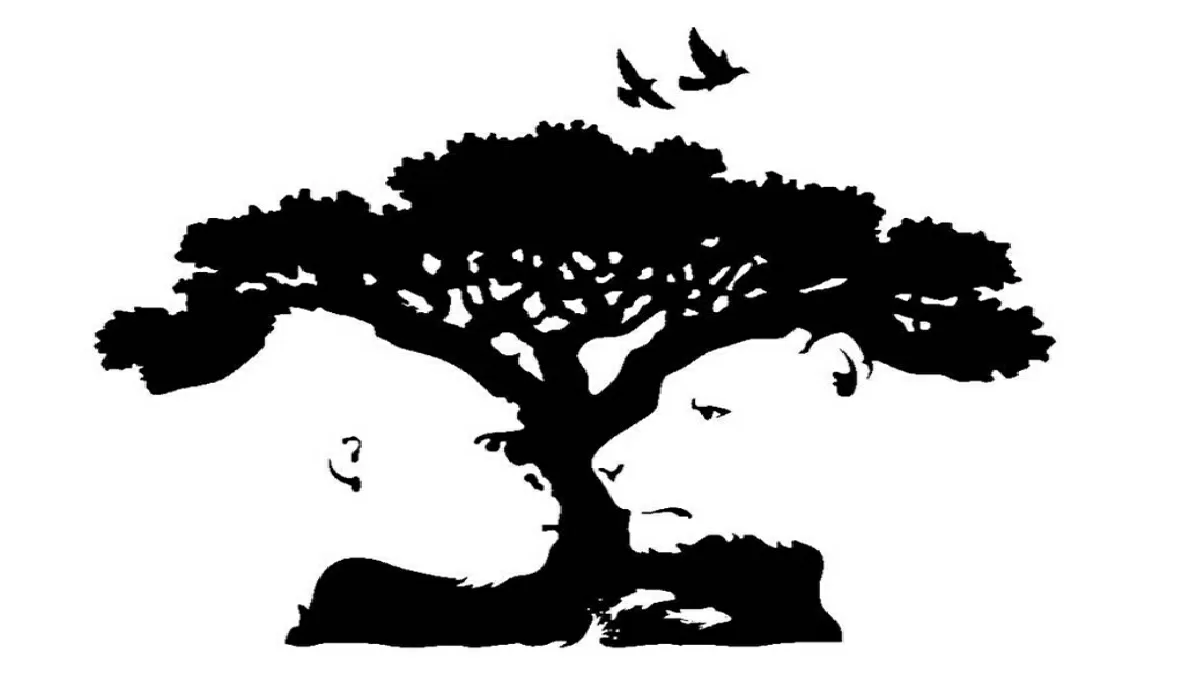
      I feel like this model is similar to the psychology optical illusion that shows a different image at first glance and shows the other after a moment of observation that can no longer be unseen afterwards, seeing two image afterwards.

      I think that implicit bias is inevitable, however awareness and exploring all about the concept or stereotype can improve perspective and understanding towards it. You can never unsee it but it still possible to see various perspective of it to fully comprehend.