You're a flashback in a film reel on the one screen in my town
 The metaphor, “You're a flashback”, shows how the past incidents and events relating to “You” once again refers either to her past self or her ex, are now nothing but distant and faint memories to her, with little relevance anymore. Despite this, she describes this as “in a film reel”, continuing the metaphor, suggesting that the memories and experiences referenced in the previous line are ones that are also preserved, etched, and imprinted into her mind, now also conveying how they are memorable experiences for her because of how they have impacted and influenced her. The visual imagery of it also implies a whole string of pictures, and in this case memories, telling us the significance it holds for her because of the amount of memories she has kept of them, “the” shows the speaker directly addressing a specific object, in this case a “screen”. ”one screen” remains an addition to the metaphor and now describes how it is the single and only place things are shown on. This represents how all she sees and all that is playing in her mind is her past and specifically the incidents referenced here, with nothing else different, rehashing the idea repeated through the poem of how she is still hung up on it and is unable to move on or past it. In the context of the metaphor, “in my town” refers to her mind. It has the dual effect of further supporting what has already been established, as well as providing us more insight into her view and stand on the situation. “my town” suggests a homely region that provides the individual with a great sense of calm comfort and security. Applying this to her current context, it also seems to imply that he invades and disrupts the privacy and comfort of her mind, through constantly playing memories of him. I feel slight annoyance at how hung up she is and the significance she places in something that is so seemingly unimportant. I reflect on the theme of moving on and how it can be detrimental to continue to cling to the past even though it is something not in our control and that we cannot change.
 “And” shows her adding to the growing list of effects and impacts it has had on her life she lists out. “it's hard” the diction made use of here, paired with her exasperated tone of voice applied, highlights her exhaustion from all the pain and suffering she has endured and how this adds on to that suffering, painting her situation out to be a painful and great struggle once more. “party” connotes a lively atmosphere of a gathering held for the purposes of celebration, a joyful and exciting occasion. However, since the line tells us she is unable to enjoy parties now, it has the direct meaning that she is unable to have fun and enjoy herself at parties, but also signifies how she is unable to enjoy herself and have fun anymore, even during times of joy and celebration. “I feel like an open wound” the simile compares her current mental and emotional state to an “open wound”. “open wound” implies great vulnerability to pain due to a lack of healing at that point in time, of a recent injury, one that is serious enough to pierce through the top layers of the skin and expose blood and the lower layers of the skin. This mirrors and subsequently emphasises how her recent detrimental and harmful situation has left her vulnerable and more prone to even greater pain and suffering because she has not yet healed or moved on from it yet.
 “ahead of the curve” refers to being ahead in thinking and execution, doing something other are yet to do but will soon follow behind, something with a positive connotation as it suggests being the lead of something, and therefore at an advantage. However, its positive connotation is flipped around when the speaker describes that she is “so” ahead of the curve, implying too much of it, causing “the curve” to become “a sphere”. The metaphor serves to show how she used to be at an advantage, so much so that it started to have the opposite effect and become a disadvantage to her. This is an idea repeated through the song of how wasted she feels her potential and accomplishments in the past were. The visual imagery of a curve becoming a sphere has an open line forming a loop that is endless. This mirrors how she once felt fully in control and on top of her life, but she went back to how she used to be, indicating a lack of growth and improvement, and it became an endless cycle with no exit which trapped her instead. The repetition of the idea of being trapped emphasises to us how helpless and desperate she feels in this situation, with seemingly no way out of it. This evokes immense sorrow in me for how stuck the speaker feels and her inability to reverse it. I reflect on the theme of entrapment and how lost and helpless we may easily begin to feel in a situation and how a way out may not always appear as clear as it actually is in the moment.
  “But” shows how despite the previous line highlighting to us her hesitation and worry, the speaker is able to overcome her fears and anxieties and being able to muster up the courage in order to face her ex, and by association, her past mistakes and failures, therefore coming to terms with the mistakes she may have made in the past and taking accountability for them. This displays to the readers her growth and how she is able to start taking the initial small steps to improve her situation, in turn showing her willingness and hope to do so as well. “I'm” displays to the reader how she is able to make the brave decision to bear the responsibility of the situation on her own and is able to take accountability for what has happened. This shows the emotional maturity she takes the conscious effort to keep up and do what is right instead of what is easy, once more linking back to the title and showing how she is “trying” to improve the situation. “doorway” evokes the visual imagery of the speaker slightly stepping foot in the entrance of her ex’s home, ready to finally face him. This also works as a metaphor for how the speaker is ready to face and tackle her problems head on, even if she is just beginning to take the first step. This once again pushes to the readers the speaker’s desire and willingness to improve her situation. Admiration is evoked in me by the speaker’s bravery as she possesses the strength and courage to fight through the pain and sadness she is made to endure, to improve her situation and circumstance. This pushes me to reflect on the theme of courage and how much of it it takes to constantly overcome fears and pressures in order for us to flip the odds in our favour and improve any bad situation we may be in.
  The line serves as a metaphor mirroring her relationship so far and its recent shift in tone, with her "wheels", signifying her progress in it so far. The diction of "had" implies something that was once present and in the possession of the speaker but now absent. The visual imagery of the comparative adjective, "shinest", used shows the once immense and extreme luxury and value present in the relationship. Up till this point, it has been pristine with no issues and smooth sailing, secure and comfortable. However, this is then followed by "now" and "rusting" showing how the once smooth sailing and comfortable relationship has taken a sharp and likely recent turn and is now beginning to become tainted and is now starting to wear off, revealing its true dull and problematic nature. The once comfortable and smooth sailing relationship she enjoyed has now lost its allure and turned into something ugly, unusable, and unstable as the "wheels" are no longer able to function as they were made to. I feel great pity at the speaker's sudden plight and how affected by it she is. I reflect on the theme of relationships and how much pain and suffering they can bring when they turn sour because of the value and importance we place in it.
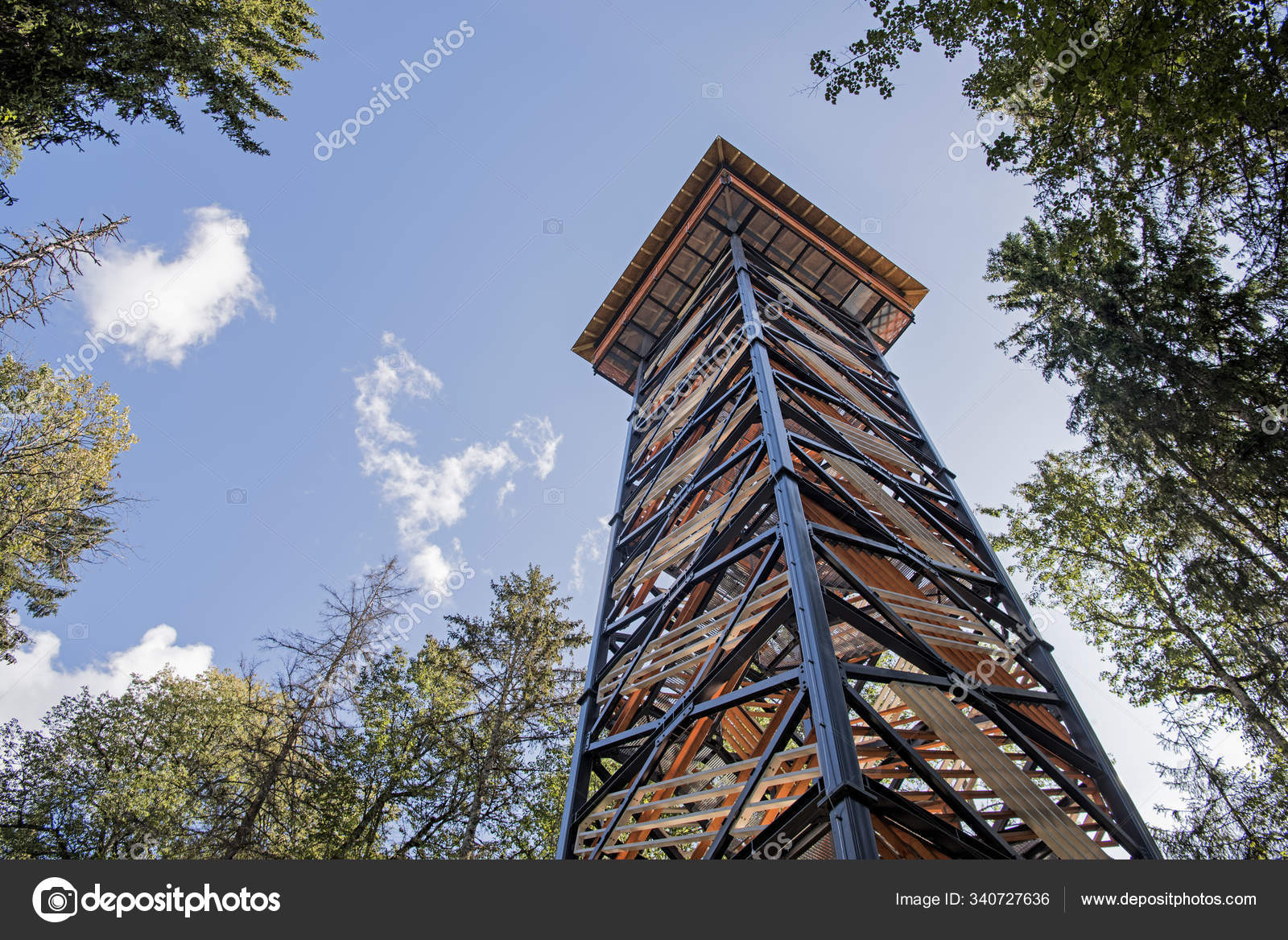 The visual imagery of "Pulled the car off the road to the lookout" vividly paints the picture for the readers of how the speaker drives to a lookout, a tall tower, with the intention to end her life. The fact that she deliberately drives to the lookout with the preconceived knowledge wants to end her life there creates a dark and sombre atmosphere because of how serious of a situation this is. This helps to emphasise to us how truly dreary and depressing her situation is and how much it is affecting her, even to the extreme extent where she considers taking her own life.
  The absolute word “all” used conveys to the reader how others attempt to help her but they end up doing the opposite as they do not understand the situation well enough and up end over generalising the speaker’s struggles due to their ignorance yet still feel they have the right to tell her what to do, something that could be greatly detrimental to her situation. “my” shows us that despite the fact that the metaphorical “cages” belong to her, implying a deep connection only she has with them, she is still told by others through unsolicited advice what it is or isn’t, evoking great pity towards the speaker because her judgement of what is best for herself gets clouded by others who barely understand the situation and have nothing to do with it at all. The vivid tactile imagery evoked by “cages” creates a claustrophobic and uncomfortable sense of entrapment and a lack of freedom. This closely mirrors how trapped the speaker feels by her metaphorical “cages”, in this case referring to her “mental” setbacks caused by the situation. “mental” implies to us that others seem to be telling the speaker that all her problems are made up in her head and are therefore neglecting and belittling her true pain and suffering, therefore painting her out to be self-sabotaging and pushing the blame of her failures all onto her.
  “words” are a double-edged sword. They are able to bring about joy, comfort, and excitement, along with other various positive benefits when used properly and responsibly. However on the other hand, it can bring around the exact opposite and cause great hurt and pain to those on the receiving end. In this case, words being used with a negative intention are what is referenced. “my words” proves to us the impact and intent of her words. It directly references this scenario and the line continues with the negative intention and effect behind it. “shoot to kill” is a metaphor, in this case, used to refer to the detrimental and harmful impact of her words. It relates this act to a deadly and lethal action of utilising a weapon against someone with the intention of lethally harming and injuring them. The high word intensity of “shoot” and “kill” in this metaphor further helps to emphasise the extreme nature of this action and its greatly aggressive and violent nature. This displays to the reader a different side of her, exposing her aggressive and violent nature when provoked and in this case, “mad”.