Web3 Communities (1 of 4) with IDEO - Web3 Community Principles 757 views 1 year ago
4,934 Matching Annotations
- Jan 2023
-
-
-
www.google.com www.google.com
-
!- search : morphic
-
-
morphic.org morphic.org
-
make graphic design easier, and solved a problem with cross-platform usability
= morphic - make = graphic design - easier - solve : problem - with = cross-platform usability
make the web : - a boundariless - people cantered ecosystem - autonomous - local first, - off line first - permanent - interpersonal - intentionally/meraningluffy/self-revealing - networks of information and - autonomous morphic collaborative hypermedia spaces at the edges, in the long tail completing and enhance the value of the existing web, while overcomming its limitations and problems
search = morphic - for = morhic digital experiences over the web in autonomous interpersonal digitsl spaces at the edges - completing the existing web
examples for : = the power of names = problems define their own solution - as in morphic user interfaces - morphjc, lively, autonomous personal and collaborative digital experiences, with permanence and full provenance of evolution of ideas, connections and attention
-
Meaningful use of computers
- necessity
-
-
morphic.org morphic.org
-
Morphic Enterprise Morphic helps organizations build an inclusive digital environment.

-
-
docdrop.org docdrop.org
-
4:34 LISP logical language to use
https://hyp.is/3AI-QJwrEe2D5k9UW3mOYw/docdrop.org/video/cMMiaCtOzV0/
= LISP and = logic has one thing in common
= information processing language
LISP's precursor
a universal mechanism for processing representation of information
what if we include in the way information is presented clues to how the information is to be processed in a domain specific context dependent way!
We do not need programming languages any more
and in fact can replace logical mechanism with context/domain specific information processing we may ber able to preserve convey process intent/meaning/symmathesy in a much richer and powerful ways
LISP followed IPL Information Processing Language
The historical development of Programming languages can be characterized by a kind of growing amnesia regarding that origin
TrailMarks as a notation returns us back to that root
Allows information processing to go the way of improved articulation capabilities, Structuring for Interpretation
The Structure and Interpretation of Computer Programs
should be eclipsed by the Intent laden Structuring and Articulation of Information for domain/intent specific Interpretations
-
-
www.radicalxchange.org www.radicalxchange.org
-
Data Dignity
Connor McCormick
-
-
www.p2plab.gr www.p2plab.gr
-
Transvestment: Value and cooperation in the digital commons economy
Transvestment
- value &
- coopoeration in the digital commons
-
potential of “design global, manufacture local”
- design global
- manufacture local
-
-
www.p2plab.gr www.p2plab.gr
-
participatory and community-based methods
= participatory
= community-based methods
-
The P2P Lab is an interdisciplinary research collective focused on the commons.

-
-
-
People who like “The P2P Value Project - Promoting the Tech Commons”
-
-
-
The P2P Value Project - Promoting the Tech Commons
= CBPP
-
-
primer.commonstransition.org primer.commonstransition.org
-
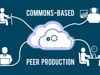
Commons-based peer production (CBPP)
= CBPP
= Commons-based peer production - model of social innovation - collaborative production by citizens - techno-social software platforms
--
- we need :
-
open protocols not platforms
-
open, commons-based, peer produced constellations on top of open platforrm
-
Commons Based Peer Production in a Nutshell

-
-
www.goodreads.com www.goodreads.com
-

-
“We shall not cease from exploration
We shall not cease from exploration
And the end of all our exploring
Will be to arrive where we started
And know the place for the first time.
—T.S. Eliot, from “Little Gidding,” Four Quartets (Gardners Books; Main edition, April 30, 2001) Originally published 1943.”

-
-
-
CTA Open Community Meetup Jan 10, 2023.mp4
= Collaborative Technology Alliance
-
-
www.linkedin.com www.linkedin.com
-
“Perhaps what we might need is some subtle change in perspective - something we have all missed...”
Yes get out of the pink plain to a higher dimension for a better viewpoint
may need to be more than subtle though
Kerpow
https://hypothes.is/a/Zt5PNhA2Ee2KQJcKsVUjbw

-
Holistic Worldview and Practice - navigating ‘edge of chaos’?
-
-
indieweb.org indieweb.orgIndieWeb5
-
You are in control
on the = IndyWeb you are in control of
sharing - within self-created intertpersonal networks
collaboration - designated topics - accompanying other collaborative venues
engagements - own your connections with your audience - comments - threaded conversation
content : - self-describing/structured content
promote : re- - use - mix - purpose
You can post anything you want, in any format you want, with no one monitoring you. In addition, you share simple readable links such as example.com/ideas. These links are permanent and will always work
-
You are better connected
scaling your reach - share links to your content in context - all content you share carries permanent self-links - when followed you control what to share - full provenance of even readership is maintained - create trustful rapport - to engage in conversations - invite others into your interpersonal network of trusted collaborations in designated context, purpose
-
Your content is yours
= IndyWeb - combine local first ownership of data across owned devices - strong privacy guarantees with permanence
-
What is the IndieWeb? The IndieWeb is a people-focused alternative to the "corporate web".
what is = The IndieWeb - people-focused alternative to the "corporate web"
what - is = The IndyWeb - inspired by the IndieWeb - delivers all the values of the IndieWeb - with zero friction onboarding - completing the existing Web
bootstrapping : - commons based, - peer co-evolving - constellations - for webnative, local first apps - at the edges
-
- an interpersonal autonomous network of networks
- build from trust for trust
- combine local first ownership with permanence
- full control of sharing
- scaling reach with
- full provenance
- personal custody of all contributions
- connecting people, ideas and webnative capabilities
- at the edges
- for the benefit of the participants
- not aggregatorsi
it - is : bootstrapped: on top of the InterPlanetary Permanent Hypermedia Protocol: IPFS - as - commons based - peer produced - constellations - for the future of the web at the edges
offers : - boundless interoperability - tinkerability - plays nice with the exiting web - aims to complete not to compete
-
-
www.hylo.com www.hylo.com
-
Day Waterbury2d agoTibet Sprague Just confirming applications are open through Jan 24th and we'll be considering project candidates up through Feb 21st, yes? Tibet Sprague2d agowe havent actually shared the proposal submission form yet, we will kick off that process on jan 24 and it will be open until feb 7 when discussions of the proposals start
applications open 24th of Jan
-
-
www.linkedin.com www.linkedin.com
-
Day Davis Waterbury (He/Him) 2nd degree connection 2nd Thought Partner at Consensual Ventures Consensual Ventures California Institute of Integral Studies Oakland, California, United States Contact info
-
-
www.linkedin.com www.linkedin.com
-
The End of the Silicon Valley Mythhttps://gerd.fm/3WOdkbA
-
-
social.coop social.coop
-
All of this expertise is in my brain. The *data base*, if you will. And the *interfac* is me. My speech, my typing, my expressions, my gestures. I can produce these outputs externally, or I can experience them in my head.

-
-
www.youtube.com www.youtube.com
-
if you go to ANTLR, it is a 100 percent solution to parsing.
x
-
-
www.linkedin.com www.linkedin.com
-
Brad deGraf (He/Him) 1st degree connection 1st Trust Networks and Collective Decision-Making UC San Diego Sebastopol, California, United States Contact info
now 1st degree connection
-
-
www.politico.eu www.politico.eu
-
Germany’s strategic timidity Washington knows Berlin might be a bad ally, but at least it’s America’s bad ally.

-
-
www.hylo.com www.hylo.com
-
Join us in envisioning a future where our tech platforms are designed to work together, honor the sovereignty and privacy of every person, and enable collaboration and cooperation across the globe in ways not yet possible.

-
-
-
Paying it forward

-
-
www.youtube.com www.youtube.com
-
IPFS Camp - Opening Keynote Presentations - Lisbon, Portugal - Oct. 28th, 2022
https://www.youtube.com/watch?v=OxmndRBGuUM&t=5811s

-
-
www.collaborative.tech www.collaborative.tech
-
movement together, as a community.
movement
as a community
-
move at the speed of trust
move at the speed of trust
not so fast and surely not to break things!
-
open to adapt and evolve our technology
open to adapt evolve
-
learning and growing together as we collaborate
mutual learning growing
-
commit to interoperability
interoperability yes
-
open
Open Mutual Learning Commons
-
flow
data, information knowledge must flow
-
platforms
Open, commons based protocols and constellations
Let the Players be the platform ultimately
-
technology is not neutral
safety and inclusiveness AND autonomy
-
trustful networks in order to mitigate the erosion of trust within and across communities
build from trust for trust yes
-
design products that are usable and accessible
systems first with focus on products
-
We honor the privacy of our users, and never share their data without informed consent.
privacy of users
let them be actors let them give consent directly to whomever whenever they share whatever they hold
-
enshrine participants’ ownership and control of their information
participants ownership and control of their information
add : permaneence, trust, provenance of interactions and their outcomes
-
enable both individual and collective agency
individual and collective agency
-
Before building new systems, we look for, and amplify what is already working.
look for and amplify existing systems
-
weaving a deeply interconnected, interdependent, and interoperable technology ecosystem
weaving - inter(connected & dependent &operable) - technology
-
learn to truly collaborate and cooperate at all scales
collaborate and cooperate at scale
-
not only as users.
not only users
-
take responsibility for the impact our tools and platforms
responsibility how we shape tools that shape us
-
technology to last
enduring tech
the longview
-
-
dkejevlwldw.typeform.com dkejevlwldw.typeform.com
-
Join the Collaborative Technology Alliance!
-
-
bafybeienbksr36eol27zmsfq6mekoedqhlleqkahcrzggmuosbhzjm44rm.ipfs.w3s.link bafybeienbksr36eol27zmsfq6mekoedqhlleqkahcrzggmuosbhzjm44rm.ipfs.w3s.link
-
optimal richness, expressiveness, and extensibility
in an explicit meta-elaboration?
-
schema
schema encodes a meta-level concpetualization of a solution
with TrailMarks and IndyWeb we have the freedom to make schemas emergent, and FAIR
we may articulate explicitly the structure of the content we are creating ith spelling out interpretations delivering on our specific intent, but by making the organization of content explicit and homoiconic, we can kind of co-evolve solutions
-
-
humansandnature.org humansandnature.org
-
Entangling Humanism By Bruce Jennings
from : indynao | 2023 01 18

-
-
-
self-owning and self-governing social graph as a platform cooperative / commons
platform cooperative / commons - self-owning - self-governing
add : - self-creating as in autopoietic - bootstrapable - lively growing constellation - people cantered
-
Graph databases
alternative to : graph database - in an (inter)personal settings - with IPFS - the Network is the - Open Commons-based, peer produced, Graph anti-database
https://hyp.is/iCZ2rkWFEeyZ7LtPCb0IFA/www.quora.com/What-is-a-database-in-your-own-idea
-
-
www.hylo.com www.hylo.com
-
among the platform builders
for : Indy Web / Hub / Net / Lab / Xxxx
= protocols not platforms - free speech futures
= constellations built with new protocols - freedom of reach
But now that we have the Inter Planetary HyperMedia Protocol thanks to IPFS and the "Convergence Stack" of Web 3 or DHT vs DLT both based on Decentralized Hash Technology not Decentralized Ledger Technology
the CryptoCosm (not so much crypto currencies but relying on the power of cryptography, true names, and chains of them, build trust, but verify! and permanence)
We can bootstrap Commons based, peer produced, born interoperable collaborative autonomous coevolving constellations Name Anything That We Care About Intentional form Networked Improvement Communities

-
Collaborative Technology AlliancePublic - Anyone can find and see this groupClosed - This group is invitation onlyGlobal

-
-
twitter.com twitter.com
-
Distributed Hashtable Technology
= DLT vs DHT - fallacy of absolute time - global God's eye view is a view from nowhere - global control will never hold, can only destroy us
-
-
knightcolumbia.org knightcolumbia.org
-
Free Speech Futures An essay series reimagining the First Amendment in the digital age

-
-
outlierventures.io outlierventures.io
-
The Convergence Stack
archived
-
https://hyp.is/bdKscnm9EeqPilMeqDamXw/outlierventures.io/the-convergence-stack/
-
-
www.collaborative.tech www.collaborative.tech
-
3/21: Final presentations. We will kickoff a participatory process for deciding how much money to allocate to each project. This is still being designed.
as with all succesful co-operastion everything that we we would do thorughout rhis hackathon would be a reward in itself. If it was not it would not be worth our time!
-
Check-point event: teams can present their work so far
that would be a great opportunity to scale our reach and visibility within the alliance and the wider Pradigm Flipping movement
-
2/21: Build kickoff event: Highlight projects and teams that are moving forward into the build phase
the Build phase in our case would benevisioning and organizing collaboration with othere teams in this space to plugout and interoperate with the indyNet/Web/Lab and build their own IndyXxxx
-
Discussion of projects
we could provide an alternative for setting up discussions for for the IndyNet/Nao projects and offer support for others building bridges between loomio and the IndyNet/Lab
Aside we have explored fully the possibikity of using approaches that lead to indyweb and trailmarks to do full projhect comprehension tools and can combine thsew with interpersonal communication collaboration support
-
Proposals for projects can be submitted
that's what we need to prepare ship the current plan on the IndyWeb and allow conversations through those artifacts
-
Social interoperability
IndyNet is a new paradigm for social interoperabiity permanence, accountability and trust
-
Sovereign identity (e.g. adopting DID-based login)
identity is established and maintained recoverd via gossip networks with personal human connections combined with full provenance of interactions and permanence of recods
-
Agreeing on shared data schemas, to make it easy to export/import data
IndyWeb proposes an universal intentional instance first end-to-end workable framework for personal first, interpersonal collaboration in autonomous evergreen hypermedia spaces
Flipping the current paradigm based on schemas and APIs
instead create exemplars of extensible, malleable, ustomizable ready to use and extend framework that emphasizes actor autnonomy, privacy, trust networks based on Human trust , for trust where each component is exchangable and born interoperable
-
Technical interoperability & data portability across social platforms.
IndyWeb's primary goal is to bootstrap the co-evolution of Open Commons Based peer-produced constellations for a People-Centered Intetrnet for boundaryless autnomous deep collaboration
-
-
www.linkedin.com www.linkedin.com
-
Tibet Sprague (He/Him) 2nd degree connection 2nd Communitarian technologist and core steward of Terran Collective and Hylo, working for a world where all beings can thrive
-
-
www.hylo.com www.hylo.com
-
PubHubs and Networks for Public Institutions

-
-
d3ngex8q79bk55.cloudfront.net d3ngex8q79bk55.cloudfront.net
-
TrailHub
IndyHub for the IndyWeb
-
the simplest possible [webnative] database that could possibly be built.
edge native evergreen, inter(planetary|personal) autonomous human trust based networks and constellations
-
TrailMarks’ vision and mission with Trailhub
TrailHub is IndyHub with TrailMarks as an Independent Software Vendor
Although we incorporated as TrailMarks LTD in the UK we wish to explore going the route of Open Collective which is especially important for Commons based peer production of born interoperable webnative long tail web apps co-creating a FAIR social software alliance to "Build the future of web apps at the edges" Fission
-
masters of their own personal social networks
portable autonomous social networks
-
-
who.is who.is
-
Registered On 2016-05-16
hyperblog
-
-
www.theatlantic.com www.theatlantic.com
-
So Much for the Decentralized Internet
from : https://hyp.is/o1eaWpaoEe2XF8vzkC9mxQ/twitter.com/psb_dc/status/1287417549441904641
-
-
twitter.com twitter.com
-
Thought-provoking read from @ibogost So Much for the Decentralized Internet
so much for the decentralized internet
-
-
-
search : decentralized
-
-
boffosocko.com boffosocko.com
-
This is an aspirational post.
what if = decentralized, open web - was - a historical aberration - an accident between broadcast models - not an ideal that was won then lost
We have nothing to loose but those cookies
All to play for!
https://hyp.is/o3XPCJanEe2l48vfa8UuUg/hackeducation.com/2015/12/21/trends-indie

-
And this resistance is happening…
resistance is not useless!
-
-
tantek.com tantek.com
-
Thanks to Chris Aldrich (https://boffosocko.com/) for the banner image.
banner image
-
Your #IndieWeb site can be the home you’ve always wanted on the internet.

-
-
martymcgui.re martymcgui.re
-
All members of the webring get a unique emoji ID when they first sign in.
unique emoji ids
-
-
xn--sr8hvo.ws xn--sr8hvo.ws🕸💍4
-
Mark Sutherland Web Designer, Developer & Digital Creative
📻📅🚿
-
liaison between creativity and logic.
🎼🍳🌹
-
A Directory of Active Sites with Profiles
-
An IndieWeb Webring
🕸💍
-
-
tomcritchlow.com tomcritchlow.com
-
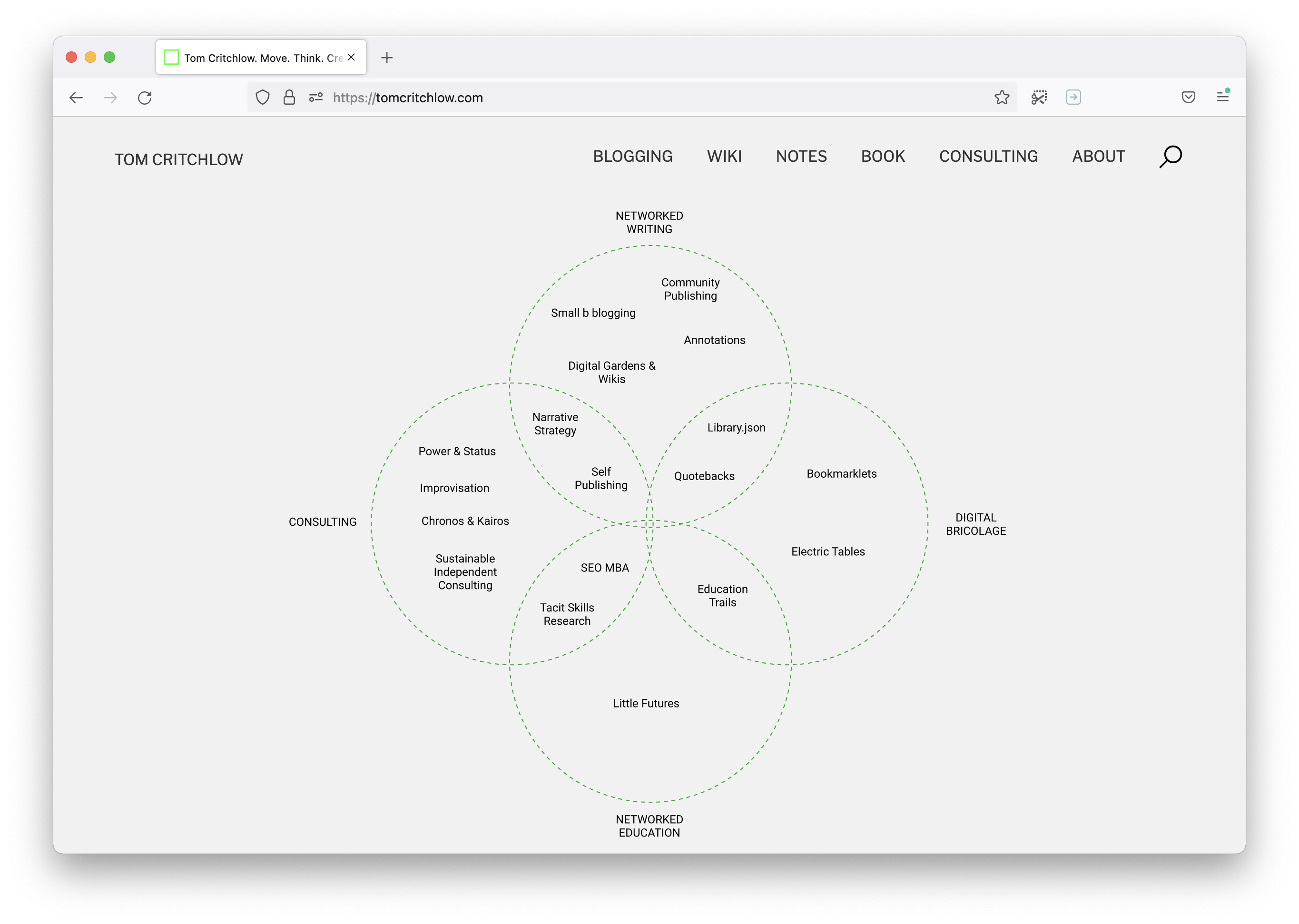
“map of inquiry”
for = HyperBlog
-
Networked Writing
Named Networked Writing Networks
-
how do we build in-line comments and discussion to the web?
problem : indyweb
how we build : - in-line comments - discussions
-
Blogging still feels very single player.
MultipPlayer Blogging
-
-
app.harvestr.io app.harvestr.io
-
Enable instructors to assign H content to student groups
D2L Groups
-
-
app.harvestr.io app.harvestr.io
-
Annotate over VitalSource owned ebooks and PDFs
JSTOR integration
-
-
app.harvestr.io app.harvestr.ioRoadmap1
-
hypothesis roadmap
-
-
www.linkedin.com www.linkedin.com
-
Crucially, the lessons from this process are informing the global efforts to create a universally-accepted set of policies and practices for DAOs.
= DAO
= WEF
-
-
www.weforum.org www.weforum.org
-
Decentralized Autonomous Organization Toolkit
-
-
brendanschlagel.com brendanschlagel.com
-
Personal Canon These are the things that have most influenced my work and thinking; the things that I return to and share with others again and again.
from : https://hyp.is/P8JDOJaTEe2J8qfa3aMPSQ/www.brendanschlagel.com/about/
-
-
www.brendanschlagel.com www.brendanschlagel.com
-
personal canon
-
Brendan Schlagel
about
-
forging meaningful communities, and continuing to craft my own self-directed learning program.
self-directed learning program
-
-
www.antilibrari.es www.antilibrari.es
-
Catalogs and catacombs of books unread. Browse the Antilibrary below! Reload the page to see a random selection or continue to the entire collection.
-
-
forum.hyperlink.academy forum.hyperlink.academy
-
Antilibraries
-
brendan Brendan

-
learning adventures

-
-
www.srg.com www.srg.com
-
We are a creative collective that pursues meaning
searched for srg
-
-
richdecibels.com richdecibels.com
-
Hi I’m Rich
founder of https://www.loomio.com/images/brand/logo_gold.svg

-
-
www.loomio.com www.loomio.com
-
Make decisions together online
LOOMIO

-
-
www.amazon.com www.amazon.com
-
The original “Mad Professor” of cyberpunk

-
-
frametrail.org frametrail.org
-
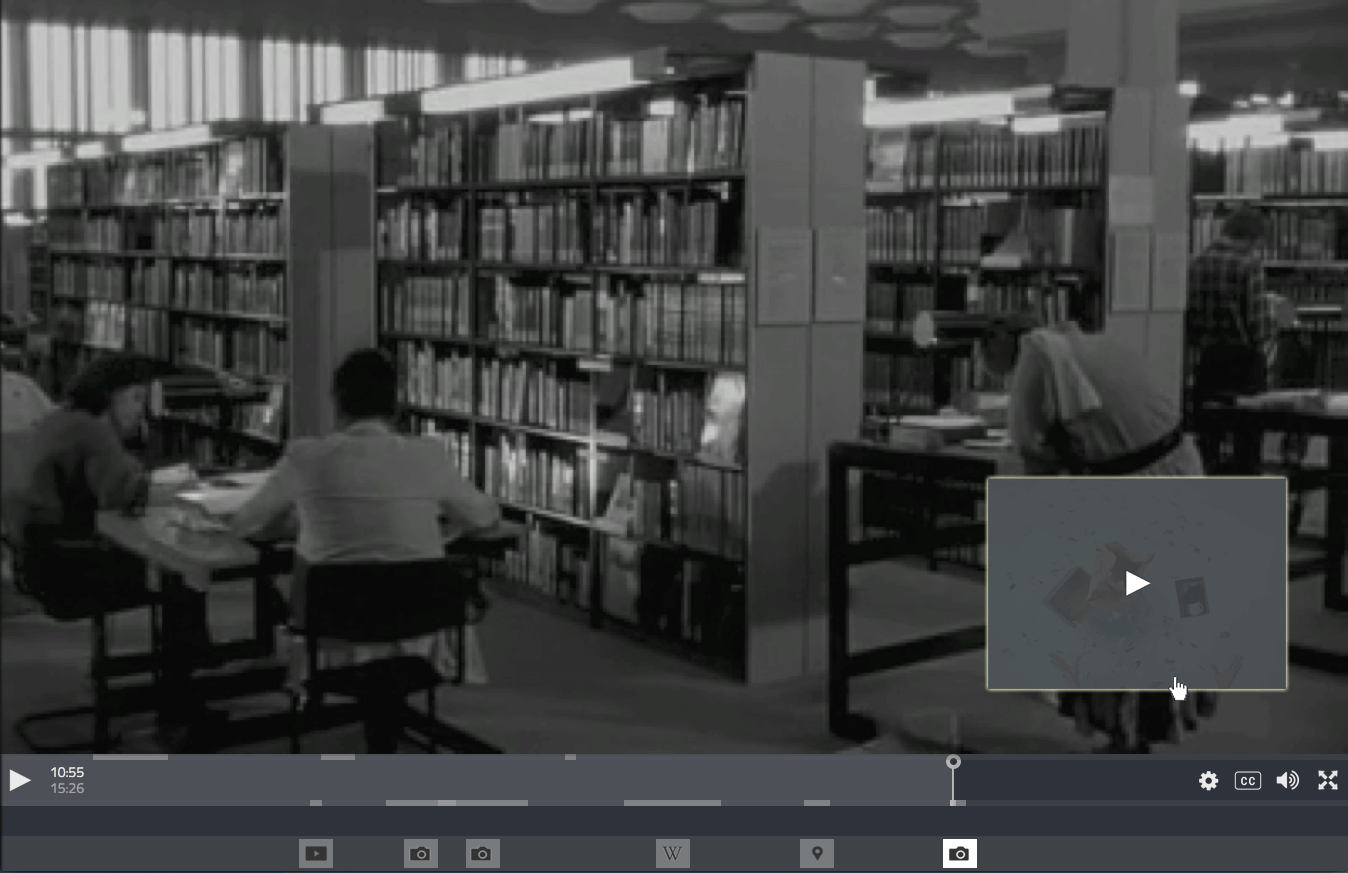
FrameTrail
indie software = FrameTrail - hyperlink filmic content
-
-
medium.com medium.com
-
WHAT IS TOMBSTONE DIAGRAM ?

-
-
www.youtube.com www.youtube.com
-
Scalabel v0.3.0 Demo

-
-
peergos.net peergos.netPeergos1
-
4:38 : Social Bookmarking Tool -

-
-
docdrop.org docdrop.org
-
difference between 00:03:53 the more transient um like metadata type pheromone markings in contrast with the more content like architectural modifications so there's a lot of like resonances 00:04:05 across systems and hence not exactly one ontology or way to talk about the different components
contrast : metadata content - transient metadata type pheromone markings - content like architectural modifications
comment : named plexes/pages - combine trailmarks qualifiers with subject object name combinations
-
https://hyp.is/iro2rpNEEe2r27OLNvaamw/www.youtube.com/watch?v=BrcQXlLOuE8

-
-
twitter.com twitter.com
-
beyond' ontology
Dynamic Self-organization of all content in relevant contexts adept at context-switching/recall via "shapes" giving the illusion of having a single big ontology
-
-
twitter.com twitter.com
-
ENTIRE SCAFFOLD
“the inheritance from the master becomes not only his additions to the world’s record, but for his disciples the entire scaffolding by which they were erected."
We GATHER here to build TOGETHER the MEMEX for the Web
-
-
twitter.com twitter.com
-
A (pipe?)dream is about to come true across the Web. Just "Think A Link" and it get's you into the right context across the Web of Networked Thoughts and Trust we need to tackle urgent problems. https://youtube.com/watch?v=_M05U9BHYzM&feature=youtu.be&t=3990
Just "Think a Link"
-
-
twitter.com twitter.com
-
"think a link"
The Way We Link
Capture the learning (not semantics)
-
-
twitter.com twitter.com
-
Don't let the memex be a dreamex
-
-
-
Don't let the memex be a dreamex
-
-
gyurilajos.keybase.pub gyurilajos.keybase.pub
-
algorithms we are developing for socialMindGraphing,
HyperKnowledge by construction
-
Personal Knowledge Mastery,
now : Open mutual learning commons Homebrew personalised social software constellations of born interoperable exchangeable holonic components self-suits
-
Chrome Webstore
dApp stores or personal self-configured fungible tinkerable long tail homebrew apps plugouts
-
DriveGraph
Turn Google Drive into a MindGraph
now : Fission Peergos Web3 storage and other alternative operational/scaling privacy requirements are all possible that are all exchangeable free choice including Of course Google drive or any other centralised choices
-
Knowledge Platform.Support deep collaboration at the meta level by facilitating the merging and consolidation ofalternative conceptu
Meta
-
does not need to be backed up with venturecapita
No Need for VC capital to scale
Once yu go from 0 to 1 it is already at scale!
-
Knowledge Mastery is a meta-reflective problem. Offer a meta-reflectivetechnology to kick start co-evolution.
knowledge mastery
meta-reflective problem
requiring meta-reflective, tinkerable co-evolvable tools
-
a reusable Universal framework where everything is a graph andall capabilities are expressed in terms of a Graph based model of computation. surely it willbe copied and set to become a new paradigm.
reusable universal framework
everything is a graph
-
eflect in a MindGraph what they are doing, seeking to learn and write to think about,while capturing and saving relevant content always in the right context.
- seek to learn
- write to think about
- capturing saving
- relevant content in context
constellations of tools to think with
-
merging graph neighborhoods
MindPlexes
-
Personal Knowledge Work tomove towards support for collaborative Knowledge Work.
going from Personal Knowledge Work to Collaborative Knowledge Work
-
Google Drive™
not just Google Drive
but Fission Drive, Peergos etc
-
WikiNizer does not have to build the cost of “free services” into its prices.
all data is local first exists on user's own devices synced
-
Everything is thus contextualized, reused, and reconstituted as MindGraphs
- contextualized
- reused
- reconstituted
as MindGraphs
-
Google Drive™.
on IPFS now
-
Users are thus forced to disperse related information
forced to disperse : related information - diagrams, - notes, - mindmaps, - pearl trees, - presentations, and - blog entries, - across siloed centralized services
-
leaving the automatic formation of communities to berealized at some future time.
xref : https://hyp.is/3WM6tHTaEe2UsOMC3CrTDg/nao.is/

-
-
ourcodeworld.com ourcodeworld.com
-
How to create a file and generate a download with Javascript in the Browser (without a server)
do how : download content javascript
-
-
www.brendanschlagel.com www.brendanschlagel.com
-
indie creator economics
indie creator economy
-
building hyperlink.academy, a new platform for collaborative learning.
building hyperlink academy
-
-
www.brendanschlagel.com www.brendanschlagel.com
-
to display and disseminate and put into action all that which I build.
- structure to hold it
- display
- disseminate
- put into actions all that I buiuld
-
“blog” to mean an individual’s online home base, an identity owned and consolidated rather than diluted across the social media spectrum,
blog - individual home base- identity owned - consolidated - rather than diluted across social media spectrum -
can we bring those toghether seamlessly as autononmous actor interpersonal connections and conversations?
-
“lifestream”
life slip stream
-
“The blog is dead, long live the blog”
blog dead long live
-
built over time, with love and care and generosity and effort shining through.
love and care and generosity
-
carefully built space
show heart of their thoughts
-
A Personal Niche, An Internet Cathedral, A Networked Empire
-
-
www.niemanlab.org www.niemanlab.org
-
The blog is dead, long live the blog
-
-
www.brendanschlagel.com www.brendanschlagel.com
-
A portfolio; a cathedral
portofilo
cathedral
-
one author, many blogs!
one author many blogs
-
group blog! One blog, many authors, a shared set of themes or editorial voice.
group blog
- many authors
- shared set of themes or
- editorial voice
-
learning-focused communal blogging
learning focused
communal blogging
- exploring particular question together
- aggregating collection of resources
- reflection on shared experiences
-
Blogging Futures learning adventure
-
discussion of hyperlink.academy
-
But I want more structures; grander structures!
want : hyperblog indyweb/net/lab/blog - more strucure - or as Ted Nelson said: structure & collaboration
-
I want big, simple, legible ways to link blog discussions together. I want: blogging megastructures!
want : hyperblog indyweb - legible ways to link blog discussions together - blogging megasgtructures
-
Networked Communities
-
-
buttondown.email buttondown.email
-
hyperlink.academy 🌱 threads.garden Hyperlink Hypotenuse

-
-
www.ribbonfarm.com www.ribbonfarm.com
-
quit the regular paycheck lifestyle in 2011 to go feral.
quit paycheck lifestyle go feral
-
essence of it was legible to new readers willing to do a bit of clicking around.
essence legible clicking around
-
-
www.ribbonfarm.com www.ribbonfarm.com
-
navigating the warrens of the funding and publishing ecosystems
navigating warrens of funding publishing ecosystem
-
wasn’t powerful enough to reshape the landscape in ways that could create room for me.
reshape landscape room for me
-
The publish or perish equation gets massively loaded on the perish side, and I perished.
perished
saved?
-
fall right through the cracks between the fields of AI, operations research, cognitive science and control theory.
fall right through the cracks
-
disreputable interdisciplinary TV science (Santa Fe has a far bigger reputation in pop science than in mainstream academia).
pop science santa fe
-
complex systems that are also recursively self-aware
recursively self-aware
-
Resurrecting Self-Organized Criticality?
self-organized criticality
-
biological systems self-organize in ways that keep them on the edge of criticality
edge of criticallity
aplex : - metaphysics of adjacency interactions
-
social systems that thrive and grow are on the edge of legibility.
social systems grow
at the edge of legibiity
-
A warren
is a : - a social environment - where no participant can see beyond their little corner of a larger maze
Warrens - emerge - through people personalizing and customizing their individual environments - with some degree of emergent collaboration.
-
Warrens vs. Plazas

-
A plaza is
= plaza - is : - an environment - where you can easily get to a global/big picture viewof the whole thing - created by central planners - who believe they know what’s best for everyone. - contrast : Long Tail of software JotSpot
warren plaza - as terms are : - evocative - remind you of the idea of legibility in physical environments
-
fascinating series he is doing on social software.
social software
-
-
-
www.ribbonfarm.com www.ribbonfarm.com
-
Good for creating tunnel/warren-like architectures that are more “indoors” than “outdoors”.
tunnel/warren -like architectures
-
Gutenberg block editor which introduces, among a lot of other things, reusable container-like blocks.
wordpress
-
Q7: What’s a blogchain?
gloss : blockchain - longform by other means # - containerized longform - themed blog-within-a-blog, - built as a series of short, ideally fixed-length posts (we’re trying to standardize on 300 words as one container size). - blockhain analogies apply
-
retcon
retroactive continuity
-
-
www.sciencedirect.com www.sciencedirect.com
-
Imperialist appropriation in the world economy: Drain from the global South through unequal exchange, 1990–2015
forensic economist
-
-
app.harvestr.io app.harvestr.io
-
We are working towards adding features based upon colored highlights to enhance the end users experience.
coloured highlights
-
-
app.harvestr.io app.harvestr.io
-
Our partnership with VitalSource will be expanded to improve the user experience on documents with multiple pages.
UI for documents with multipage
-
-
-
Have a real conversation again

-
-
www.linkedin.com www.linkedin.com
-
Funding is flowing to superficial things rather than connecting the fancy faucets to the plumbing that already exists,
funding superficial things
connecting fancy faucets to the plumbing that already exists
-
-
www.brendanschlagel.com www.brendanschlagel.com
-
open writing ecosystems, working in public, the greater blogsphere present and future…
open writing ecosystems
-
networked communities — exploring
networked communities
-
-
tomcritchlow.com tomcritchlow.com
-
Networked Communities How do networks form, adapt and work in the networked age?
Named Network Communities Weaving the IndyNet
-
-
indieweb.xyz indieweb.xyz
-
Use brid.gy to connect your Twitter and all that if you honestly need it.
-
The benefit is that people will read your posts on your actual blog. This could be nice for you!
people read your posts on your actual blog
oh and go WebNative with IndyWeb Hyperblog
soon will have a link for it here!
-
-
fed.brid.gy fed.brid.gy
-
Bridgy Fed connects your web site to Mastodon and the fediverse. Learn more...
-
-
-
Bridgy connects your web site to social media. Likes, retweets, mentions, cross-posting, and more...

-
-
indieweb.xyz indieweb.xyz
-
you still need to have the sub link in the blog entry that you are submitting. (As described here!)
This gives a way to submit link from any IndyWeb HyperBlog to the IndieWeb Blogs. Subs.

-


 from :