10,000 Matching Annotations
  1. Dec 2025
    1. Author response:

      The following is the authors’ response to the original reviews

      Public Reviews:

      Reviewer #1 (Public review):

      Summary:

      In this study, Jeong and Choi examine neural correlates of behavior during a naturalistic foraging task in which rats must dynamically balance resource acquisition (foraging) with the risk of threat. Rats first learn to forage for sucrose reward from a spout, and when a threat is introduced (an attack-like movement from a "LobsterBot"), they adjust their behavior to continue foraging while balancing exposure to the threat, adopting anticipatory withdraw behaviors to avoid encounter with the LobsterBot. Using electrode recordings targeting the medial prefrontal cortex (PFC), they identify heterogenous encoding of task variables across prelimbic and infralimbic cortex neurons, including correlates of distance to the reward/threat zone and correlates of both anticipatory and reactionary avoidance behavior. Based on analysis of population responses, they show that prefrontal cortex switches between different regimes of population activity to process spatial information or behavioral responses to threat in a context-dependent manner. Characterization of the heterogenous coding scheme by which frontal cortex represents information in different goal states is an important contribution to our understanding of brain mechanisms underlying flexible behavior in ecological settings.

      Strengths:

      As many behavioral neuroscience studies employ highly controlled task designs, relatively less is generally known about how the brain organizes navigation and behavioral selection in naturalistic settings, where environment states and goals are more fluid. Here, the authors take advantage of a natural challenge faced by many animals - how to forage for resources in an unpredictable environment - to investigate neural correlates of behavior when goal states are dynamic. Related to his, they also investigate prefrontal cortex (PFC) activity is structured to support different functional "modes" (here, between a navigational mode and a threat-sensitive foraging mode) for flexible behavior. Overall, an important strength and real value of this study is the design of the behavioral experiment, which is trial-structured, permitting strong statistical methods for neural data analysis, yet still rich enough to encourage natural behavior structured by the animal's volitional goals. The experiment is also phased to measure behavioral changes as animals first encounter a threat, and then learn to adapt their foraging strategy to its presence. Characterization of this adaptation process is itself quite interesting and sets a foundation for further study of threat learning and risk management in the foraging context. Finally, the characterization of single-neuron and population dynamics in PFC in this naturalistic setting with fluid goal states is an important contribution to the field. Previous studies have identified neural correlates of spatial and behavioral variables in frontal cortex, but how these representations are structured, or how they are dynamically adjusted when animals shift their goals, has been less clear. The authors synthesize their main conclusions into a conceptual model for how PFC activity can support mode switching, which can be tested in future studies with other task designed and functional manipulations.

      Weaknesses:

      While the task design in this study is intentionally stimulus-rich and places minimal constraint on the animal to preserve naturalistic behavior, this also introduces confounds that limit interpretability of the neural analysis. For example, some variables which are the target of neural correlation analysis, such as spatial/proximity coding and coding of threat and threat-related behaviors, are naturally entwined. To their credit, the authors have included careful analyses and control conditions to disambiguate these variables and significantly improve clarity.

      The authors also claim that the heterogenous coding of spatial and behavioral variables in PFC is structured in a particular way that depends on the animal's goals or context. As the authors themselves discuss, the different "zones" contain distinct behaviors and stimuli, and since some neurons are modulated by these events (e.g., licking sucrose water, withdrawing from the LobsterBot, etc.), differences in population activity may to some extent reflect behavior/event coding. The authors have included a control analysis, removing timepoints corresponding to salient events, to substantiate the claim that PFC neurons switch between different coding "modes." While this significantly strengthens evidence for their conclusion, this analysis still depends on relatively coarse labeling of only very salient events. Future experiment designs, which intentionally separate task contexts (e.g. navigation vs. foraging), could serve to further clarify the structure of coding across contexts and/or goal states.

      Finally, while the study includes many careful, in-depth neural and behavioral analyses to support the notion that modal coding of task variables in PFC may play a role in organizing flexible, dynamic behavior, the study still lacks functional manipulations to establish any form of causality. This limitation is acknowledged in the text, and the report is careful not to over interpret suggestions of causal contribution, instead setting a foundation for future investigations.

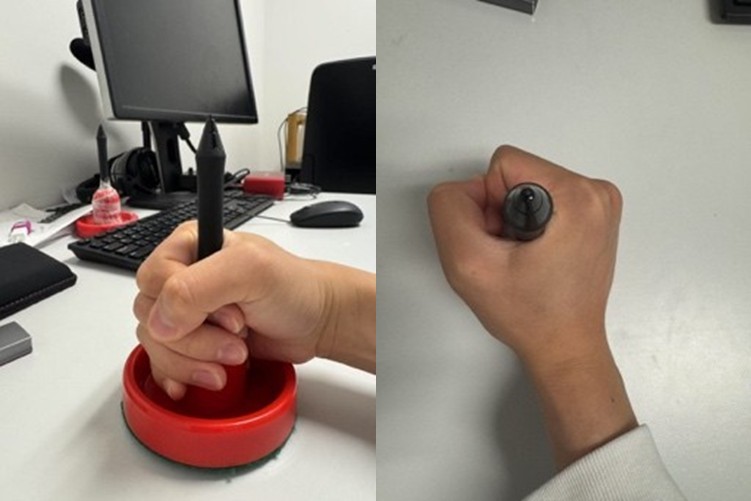
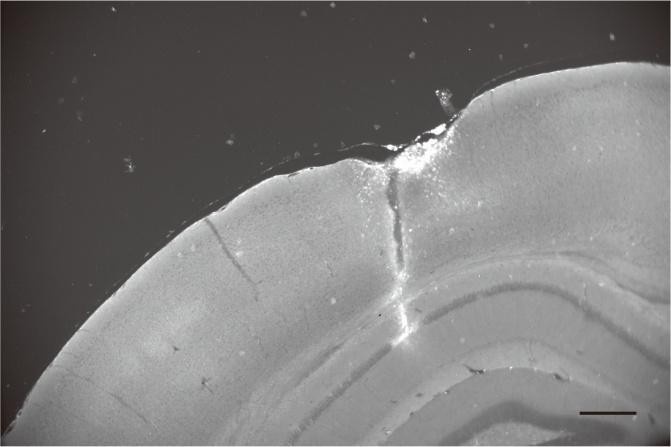
      Thank you for the positive comment. We also acknowledge the inherent drawbacks of studying naturalistic behavior. As you also mentioned in the second round of review, separating navigation and foraging tasks in a larger apparatus, such as the one illustrated below, could better distinguish neural activity patterns associated with these different task types. To address the limitations of the current study, we have revised the report to avoid overinterpretation or unwarranted assumptions, and we appreciate that you have recognized this effort.

      Author response image 1.

      Reviewer #2 (Public review):

      Summary:

      Jeong & Choi (2023) use a semi-naturalistic paradigm to tackle the question of how the activity of neurons in the mPFC might continuously encode different functions. They offer two possibilities: either there are separate dedicated populations encoding each function, or cells alter their activity dependent on the current goal of the animal. In a threat-avoidance task rats procurred sucrose in an area of a chamber where, after remaining there for some amount of time, a 'Lobsterbot' robot attacked. In order to initiate the next trial rats had to move through the arena to another area before returning to the robot encounter zone. Therefore the task has two key components: threat avoidance and navigating through space. Recordings in the IL and PL of the mPFC revealed encoding that depended on what stage of the task the animal was currently engaged in. When animals were navigating, neuronal ensembles in these regions encoded distance from the threat. However, whilst animals were directly engaged with the threat and simultaneously consuming reward, it was possible to decode from a subset of the population whether animals would evade the threat. Therefore the authors claim that neurons in the mPFC switched between two functional modes: representing allocentric spatial information, and representing egocentric information pertaining to the reward and threat. Finally, the authors propose a conceptual model based on these data whereby this switching of population encoding is driven by either bottom-up sensory information or top-down arbitration.

      Strengths:

      Whilst these multiple functions of activity in the mPFC have generally been observed in tasks dedicated to the study of a singular function, less work has been done in contexts where animals continuously switch between different modes of behaviour in a more natural way. Being able to assess whether previous findings of mPFC function apply in natural contexts is very valuable to the field, even outside of those interested in the mPFC directly. This also speaks to the novelty of the work; although mixed selectivity encoding of threat assessment and action selection has been demonstrated in some contexts (e.g. Grunfeld & Likhtik, 2018) understanding the way in which encoding changes on-the-fly in a self-paced task is valuable both for verifying whether current understanding holds true and for extending our models of functional coding in the mPFC.

      The authors are also generally thoughtful in their analyses and use a variety of approaches to probe the information encoded in the recorded activity. In particular, they use relatively close analysis of behaviour as well as manipulating the task itself by removing the threat to verify their own results. The use of such a rich task also allows them to draw comparisons, e.g. in different zones of the arena or different types of responses to threat, that a more reduced task would not otherwise allow. Additional in-depth analyses in the updated version of the manuscript, particularly the feature importance analysis, as well as complimentary null findings (a lack of cohesive place cell encoding, and no difference in location coding dependent on direction of trajectory) further support the authors' conclusion that populations of cells in the mPFC are switching their functional coding based on task context rather than behaviour per se. Finally, the authors' updated model schematic proposes an intriguing and testable implementation of how this encoding switch may be manifested by looking at differentiable inputs to these populations.

      Weaknesses:

      The main existing weakness of this study is that its findings are correlational (as the authors highlight in the discussion). Future work might aim to verify and expand the authors' findings - for example, whether the elevated response of Type 2 neurons directly contributes to the decision-making process or just represents fear/anxiety motivation/threat level - through direct physiological manipulation. However, I appreciate the challenges of interpreting data even in the presence of such manipulations and some of the additional analyses of behaviour, for example the stability of animals' inter-lick intervals in the E-zone, go some way towards ruling out alternative behavioural explanations. Yet the most ideal version of this analysis is to use a pose estimation method such as DeepLabCut to more fully measure behavioural changes. This, in combination with direct physiological manipulation, would allow the authors to fully validate that the switching of encoding by this population of neurons in the mPFC has the functional attributes as claimed here.

      I wanted to add a minor comment about interpreting the two possible accounts presented in fig. 8 to suggest a third possibility: that both bottom-up sensory and top-down arbitration mechanisms can occur simultaneously to influence whether the activity of the population switches. Indeed, a model where these inputs are balanced or pitted against each other, so to speak, to continuously modulate encoding in the mPFC seems both adaptive and likely. Further, some speculation on the source of the 'arbitrator' in the top-down account would make this model more tractable for future testing of its validity.

      We thank the reviewer for highlighting this important perspective. We fully agree that an intricate and recurrent interaction between bottom-up and top-down modulations is a highly plausible account of how the mPFC changes its encoding mode. In line with this suggestion, we have incorporated this idea as a third possibility in the revised Discussion, alongside an updated version of Figure 8 that explicitly illustrates this competitive model.

      Although we were unable to identify a definitive study directly measuring how the mPFC switches encoding modes across tasks, we did find relevant human EEG and fMRI studies addressing this issue. Based on these findings, we now propose the anterior cingulate cortex (ACC) as a potential hub for top-down arbitration. We have added a paragraph in the Discussion describing this possibility and its implications for future testing.

      “Which brain region might act as this arbitrator? Evidence from human neuroimaging studies implicates the anterior cingulate cortex (ACC) as a central hub for switching cognitive modes. During task switching, the ACC shows increased activation (Hyafil et al., 2009), enhances connectivity with task-specific regions (Aben et al., 2020), correlates with multitask performance (Kondo et al., 2004), and monitors the reliability of competing decision systems (Lee et al., 2014). Collectively, these findings point to a pivotal role for the ACC in coordinating task assignment. Rodent studies also link the ACC to strategic mode switching (Tervo et al., 2014), suggesting that the rodent ACC could similarly arbitrate between strategies, determining which task-relevant variables are represented in the ventral mPFC, including the PL and IL. Future studies combining multi-context tasks with causal manipulations will be essential to determine whether these functional shifts are driven primarily by top-down arbitration or by bottom-up sensory inputs.”

      Reviewer #3 (Public review):

      Summary:

      This study investigates how various behavioral features are represented in the medial prefrontal cortex (mPFC) of rats engaged in a naturalistic foraging task. The authors recorded electrophysiological responses of individual neurons as animals transitioned between navigation, reward consumption, avoidance, and escape behaviors. Employing a range of computational and statistical methods, including artificial neural networks, dimensionality reduction, hierarchical clustering, and Bayesian classifiers, the authors sought to predict from neural activity distinct task variables (such as distance from the reward zone and the success or failure of avoidance behavior). The findings suggest that mPFC neurons alternate between at least two distinct functional modes, namely spatial encoding and threat evaluation, contingent on the specific location.

      Strengths:

      This study attempt to address an important question: understanding the role of mPFC across multiple dynamic behaviors. The authors highlight the diverse roles attributed to mPFC in previous literature and seek to explain this apparent heterogeneity. They designed an ethologically relevant foraging task that facilitated the examination of complex dynamic behavior, collecting comprehensive behavioral and neural data. The analyses conducted are both sound and rigorous.

      Weaknesses:

      Because the study still lacks experimental manipulation, the findings remain correlational. The authors have appropriately tempered their claims regarding the functional role of the mPFC in the task. The nature of the switch between functional modes encoding distinct task variables (i.e., distance to reward, and threat-avoidance behavior type) is not established. Moreover, the evidence presented to dissociate movement from these task variables is not fully convincing, particularly without single-session video analysis of movement. Specifically, while the new analyses in Figure 7 are informative, they may not fully account for all potential confounding variables arising from changes in context or behavior.

      Regarding the claim of highly stereotyped behavior, there are some inconsistencies. While the authors assert this, Figure 1F shows inter-animal variability, and the PETHs, representing averaged activity, may not fully capture the variability of the behavior across sessions and animals. To strengthen this aspect, a more detailed analysis that examines the relationship between behavior and neural activity on a trial-by-trial basis, or at minimum, per session, could help.

      We thank the reviewer for this thoughtful recommendation and the opportunity to clarify our use of the term “stereotyped behavior.” By this, we were specifically referring to the animals’ consistent licking behavior in the E-zone, rather than to the latency of head withdrawal, which indeed varied across trials and animals. Because licking tempo and body posture during sucrose consumption were highly consistent, the decision to avoid or stay (AW vs. EW) could not be predicted from overt behavior alone. This consistency strengthens our conclusion that the significant predictive power of the Bayesian decoding analysis reflects intrinsic firing patterns of the mPFC neural network, rather than simple behavioral correlates of avoidance.

      We also note that the Bayesian model was conducted on a trial-by-trial basis, and the reported prediction accuracy of 73% represents the average across all individual trials (Figure 6B, C). Thus, the analysis inherently captures variability across trials and animals, directly addressing the reviewer’s concern.

      The reviewer is correct that the PETHs shown in Figure 5 are based on session-averaged activity aligned to head-entry and head-withdrawal events. The purpose of this analysis was to illustrate that certain modulation patterns could be grouped into 2–3 distinct categories. While averaged activity can provide insight into collective responses to external events, we agree that trial-based analyses provide a more rigorous demonstration of the link between neural ensemble activity and behavioral decisions. This is precisely why we complemented the PETH analysis with Bayesian decoding, which provides stronger evidence that mPFC ensemble activity is predictive of the animal’s choice to avoid or stay.

      Similarly, the claim regarding the limited scope of extraneous behavior (beyond licking) requires further substantiation. It would be more convincing to quantify potential variations in licking vigor and to provide evidence for the absence of significant postural changes.

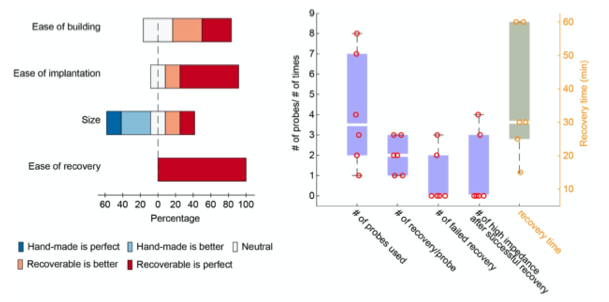
      To address this concern, we quantified licking vigor using the inter-lick interval (ILI) as an indirect index. A lick was defined as the period from tongue contact with the IR beam (Lick-On) to withdrawal (Lick-Off), and the ILI was calculated as the time between a Lick-Off and the subsequent Lick-On. Across all animals, ILIs were clustered within a narrow range with a median of 0.155 s (see Author response image 4, left panel).

      We analyzed licking vigor at two levels: within trials and within sessions. Because reduced vigor or satiation would lengthen ILIs, comparing the first half and the last half of ILIs within a trial or within a session provides a sensitive proxy for licking consistency.

      Within trials: For each of 2,820 trials, we compared the mean ILI of the first half of licks to that of the second half. The average difference was only ~ 17 ms (middle panel). Across sessions: Trial-averaged ILIs were compared between the first and last halves of each session, yielding a mean difference ~ 1.7 ms per session (right panel).

      These analyses demonstrate that rats maintained stable licking vigor whenever they entered the E-zone, regardless of avoidance outcome.

      Author response image 2.

      Concerning the ANN model, while I understand the choice of a 4-layer network for its performance, the study could have benefited from exploring simpler models. A model where weight corresponds directly to individual neurons could improve interpretability and facilitate the investigation of dynamic changes in neuronal 'modes' (i.e., weight adjustments) over time.

      We fully agree with the reviewer on the importance of biologically interpretable models. While artificial neural networks (ANNs) share certain similarities with neural computation, they are not intended to capture biological realism. For example, the error correction mechanism used in ANNs, such as backpropagation has no direct counterpart in mammalian neural circuits. Although we considered approaches that would link each computational node more directly to the activity of individual neurons, building such a model would require temporally sensitive, mechanistic frameworks (e.g., leaky integrate-and-fire networks) and an extensive behavioral alignment effort, which is beyond the scope of the current study.

      Our use of an ANN was intended solely as an analytical tool to uncover hidden patterns in multi-unit activity that may not be detectable with traditional methods. Among various machine-learning algorithms, we selected a four-layer ANN regressor because it achieved significantly lower decoding errors (Supplementary Figure S3) and showed robustness to hyperparameter variation (Glaser et al., 2020). To acknowledge the limitations of this approach and suggest future directions, we have revised the Results section to explicitly discuss these points.

      “Among various machine learning algorithms, we selected a robust tool for decoding underlying patterns in the data, rather than to model the architecture of the mPFC. We implemented a four-layer artificial neural network regressor (ANN; see Materials and Methods for a detailed structure), as the ANN achieves significantly lower decoding errors (Supplementary Figure S3) and has robustness to hyperparameter changes (Glaser et al., 2020).”

    1. Author response:

      The following is the authors’ response to the original reviews.

      Reviewer #1 (Public review):

      In the Late Triassic and Early Jurassic (around 230 to 180 Ma ago), southern Wales and adjacent parts of England were a karst landscape. The caves and crevices accumulated remains of small vertebrates. These fossil-rich fissure fills are being exposed in limestone quarrying. In 2022 (reference 13 of the article), a partial articulated skeleton and numerous isolated bones from one fissure fill of end-Triassic age (just over 200 Ma) were named Cryptovaranoides microlanius and described as the oldest known squamate - the oldest known animal, by some 20 to 30 Ma, that is more closely related to snakes and some extant lizards than to other extant lizards. This would have considerable consequences for our understanding of the evolution of squamates and their closest relatives, especially for their speed and absolute timing, and was supported in the same paper by phylogenetic analyses based on different datasets.

      In 2023, the present authors published a rebuttal (reference 18) to the 2022 paper, challenging anatomical interpretations and the irreproducible referral of some of the isolated bones to Cryptovaranoides. Modifying the datasets accordingly, they found Cryptovaranoides outside Squamata and presented evidence that it is far outside. In 2024 (reference 19), the original authors defended most of their original interpretation and presented some new data, some of it from newly referred isolated bones. The present article discusses anatomical features and the referral of isolated bones in more detail, documents some clear misinterpretations, argues against the widespread but not justifiable practice of referring isolated bones to the same species as long as there is merely no known evidence to the contrary, further argues against comparing newly recognized fossils to lists of diagnostic characters from the literature as opposed to performing phylogenetic analyses and interpreting the results, and finds Cryptovaranoides outside Squamata again.

      Although a few of the character discussions and the discussion of at least one of the isolated bones can probably still be improved (and two characters are addressed twice), I see no sign that the discussion is going in circles or otherwise becoming unproductive. I can even imagine that the present contribution will end it.

      We appreciate the positive response from reviewer 1!

      Reviewer #2 (Public review):

      Congratulations on this thorough manuscript on the phylogenetic affinities of Cryptovaranoides.

      Thank you.

      Recent interpretations of this taxon, and perhaps some others, have greatly changed the field's understanding of reptile origins- for better and (likely) for worse.

      We agree, and note that while it is possible for challenges to be worse than the original interpretations, both the original and subsequent challenges are essential aspects of what make science, science.

      This manuscript offers a careful review of the features used to place Cryptovaranoides within Squamata and adequately demonstrates that this interpretation is misguided, and therefore reconciles morphological and molecular data, which is an important contribution to the field of paleontology. The presence of any crown squamate in the Permian or Triassic should be met with skepticism, the same sort of skepticism provided in this manuscript.

      We agree and add that every testable hypothesis requires skepticism and testing.

      I have outlined some comments addressing some weaknesses that I believe will further elevate the scientific quality of the work. A brief, fresh read‑through to refine a few phrases, particularly where the discussion references Whiteside et al. could also give the paper an even more collegial tone.

      We have followed Reviewer 2’s recommendations closely (see below) and have justified in our responses if we do not fully follow a particular recommendation.

      This manuscript can be largely improved by additional discussion and figures, where applicable. When I first read this manuscript, I was a bit surprised at how little discussion there was concerning both non-lepidosauromorph lepidosaurs as well as stem-reptiles more broadly. This paper makes it extremely clear that Cryptovaranoides is not a squamate, but would greatly benefit in explaining why many of the characters either suggested by former studies to be squamate in nature or were optimized as such in phylogenetic analyses are rather widespread plesiomorphies present in crownward sauropsids such as millerettids, younginids, or tangasaurids. I suggest citing this work where applicable and building some of the discussion for a greatly improved manuscript. In sum:

      (1) The discussion of stem-reptiles should be improved. Nearly all of the supposed squamate features in Cryptovaranoides are present in various stem-reptile groups. I've noted a few, but this would be a fairly quick addition to this work. If this manuscript incorporates this advice, I believe arguments regarding the affinities of Cryptovaranoides (at least within Squamata) will be finished, and this manuscript will be better off for it.

      (2) I was also surprised at how little discussion there was here of putative stem-squamates or lepidosauromorphs more broadly. A few targeted comparisons could really benefit the manuscript. It is currently unclear as to why Cryptovaranoides could not be a stem-lepidosaur, although I know that the lepidosaur total-group in these manuscripts lacks character sampling due to their scarcity.

      We are responding to (1) and (2) together. We agree with the Reviewer that a thorough comparison of Cryptovaranoides to non-lepidosaurian reptiles is critical. This is precisely what we did in our previous study: Brownstein et al. (2023)— see main text and supplementary information therein. As addressed therein, there is a substantial convergence between early lepidosaurs and some groups of archosauromorphs (our inferred position for Cryptovaranoides). Many of those points are not addressed in detail here in order to avoid redundancy and are simply referenced back to Brownstein et al. (2023). Secondly, stem reptiles (i.e., non-lepidosauromorphs and non-archosauromorphs), such as suggested above (millerettids, younginids, or tangasaurids), are substantially more distantly related to Cryptovaranoides (following any of the published hypotheses). As such, they share fewer traits (either symplesiomorphies or homoplasies), and so, in our opinion, we would risk directing losing the squamate-focus of our study.

      We thus respectfully decline to engage the full scope of the problem in this contribution, but do note that this level of detailed work would make for an excellent student dissertation research program.

      (3) This manuscript can be improved by additional figures, such as the slice data of the humerus. The poor quality of the scan data for Cryptovaranoides is stated during this paper several times, yet the scan data is often used as evidence for the presence or absence of often minute features without discussion, leaving doubts as to what condition is true. Otherwise, several sections can be rephrased to acknowledge uncertainty, and probably change some character scorings to '?' in other studies.

      We strongly agree with the reviewer. Unfortunately, the original publication (Whiteside et al., 2021) did not make available the raw CT scan data to make this possible. As noted below in the Responses to Recommendations Section, we only have access to the mesh files for each segmented element. While one of us has observed the specimens personally, we have not had the opportunity to CT scan the specimens ourselves.

      Reviewer #3 (Public review):

      Summary:

      The study provides an interesting contribution to our understanding of Cryptovaranoides relationships, which is a matter of intensive debate among researchers. My main concerns are in regard to the wording of some statements, but generally, the discussion and data are well prepared. I would recommend moderate revisions.

      Strengths:

      (1) Detailed analysis of the discussed characters.

      (2) Illustrations of some comparative materials.

      Thank you for noting the strengths inherent to our study.

      Weaknesses:

      Some parts of the manuscript require clarification and rewording.

      One of the main points of criticism of Whiteside et al. is using characters for phylogenetic considerations that are not included in the phylogenetic analyses therein. The authors call it a "non-trivial substantive methodological flaw" (page 19, line 531). I would step down from such a statement for the reasons listed below:

      (1) Comparative anatomy is not about making phylogenetic analyses. Comparative anatomy is about comparing different taxa in search of characters that are unique and characters that are shared between taxa. This creates an opportunity to assess the level of similarity between the taxa and create preliminary hypotheses about homology. Therefore, comparative anatomy can provide some phylogenetic inferences.

      That does not mean that tests of congruence are not needed. Such comparisons are the first step that allows creating phylogenetic matrices for analysis, which is the next step of phylogenetic inference. That does not mean that all the papers with new morphological comparisons should end with a new or expanded phylogenetic matrix. Instead, such papers serve as a rationale for future papers that focus on building phylogenetic matrices.

      We agree completely. We would also add that not every study presenting comparative anatomical work need be concluded with a phylogenetic analysis.

      Our criticism of Whiteside et al. (2022) and (2024) is that these studies provided many unsubstantiated claims of having recovered synapomorphies between Cryptovaranoides and crown squamates without actually having done so through the standard empirical means (i.e., phylogenetic analysis and ancestral state reconstruction). Both Whiteside et al. (2022) and (2024) indicate characters presented as ‘shared with squamates’ along with 10 characters presented as synapomorphies (10). However, their actual phylogenetically recovered synapomorphies were few in number (only 3) and these were not discussed.

      Furthermore, Whiteside et al. (2022) and (2024) comparative anatomy was restricted to comparing †Cryptovaranoides to crown squamates., based on the assumption that †Cryptovaranoides was a crown squamate and thus only needed to be compared to crown squamates.

      In conclusion, we respectfully, we maintain such efforts are “non-trivial substantive methodological flaw(s)”.

      (2) Phylogenetic matrices are never complete, both in terms of morphological disparity and taxonomic diversity. I don't know if it is even possible to have a complete one, but at least we can say that we are far from that. Criticising a work that did not include all the possibly relevant characters in the phylogenetic analysis is simply unfair. The authors should know that creating/expanding a phylogenetic matrix is a never-ending work, beyond the scope of any paper presenting a new fossil.

      Respectfully, we did not criticize previous studies for including an incomplete phylogeny. Instead, we criticized the methodology behind the homology statements made in Whiteside et al. (2022) and Whiteside et al. (2024).

      (3) Each additional taxon has the possibility of inducing a rethinking of characters. That includes new characters, new character states, character state reordering, etc. As I said above, it is usually beyond the scope of a paper with a new fossil to accommodate that into the phylogenetic matrix, as it requires not only scoring the newly described taxon but also many that are already scored. Since the digitalization of fossils is still rare, it requires a lot of collection visits that are costly in terms of time.

      We agree on all points, but we are unsure of what the Reviewer is asking us to do relative to this study.

      (4) If I were to search for a true flaw in the Whiteside et al. paper, I would check if there is a confirmation bias. The mentioned paper should not only search for characters that support Cryptovaranoides affinities with Anguimorpha but also characters that deny that. I am not sure if Whiteside et al. did such an exercise. Anyway, the test of congruence would not solve this issue because by adding only characters that support one hypothesis, we are biasing the results of such a test.

      We would refer the Reviewer to their section (1) on comparative anatomy. As we and the Reviewer have pointed out, Whiteside et al. did not perform comparative anatomical statements outside of crown Squamata in their original study. More specifically, Whiteside et al. (2022, Fig. 8) presented a phylogeny where Cryptovaranoides formed a clade with Xenosaurus within the crown of Anguimorpha or what they termed “Anguiformes”, and made comparisons to the anatomies of the legless anguids, Pseudopus and Ophisaurus. Whiteside et al. (2024), abandoned “Anguiformes”, maintained comparisons to Pseudopus and emphasized affinities with Anguimorpha (but almost all of their phylogenies as published, they do not recover a monophyletic Angumimorpha unless amphisbaenians and snakes are considered to be anguimorphans. Thus, we agree that confirmation bias was inherent in their studies.

      To sum up, there is nothing wrong with proposing some hypotheses about character homology between different taxa that can be tested in future papers that will include a test of congruence. Lack of such a test makes the whole argumentation weaker in Whiteside et al., but not unacceptable, as the manuscript might suggest. My advice is to step down from such strong statements like "methodological flaw" and "empirical problems" and replace them with "limitations", which I think better describes the situation.

      We agree with the first sentence in this paragraph – there is nothing wrong with proposing character homologies between different taxa based on comparative anatomical studies. However, that is not what Whiteside et al. (2022) and (2024) did. Instead, they claimed that an ad hoc comparison of Cryptovaranoides to crown Squamata confirmed that Cryptovaranoides is in fact a crown squamate and likely a member of Anguimorpha. Their study did not recognize limitations, but rather, concluded that their new taxon pushed the age of crown Squamata into the Triassic.

      As noted by Reviewer 2, such a claim, and the ‘data’ upon which it is based, should be treated with skepticism. We have elected to apply strong skepticism and stringent tests of falsification to our critique.

      Reviewer #1 (Recommendations for the authors):

      (1) Lines 596-598 promise the following: "we provide a long[-]form review of these and other features in Cryptovaranoides that compare favorably with non-squamate reptiles in Supplementary Material." You have kindly informed me that all this material has been moved into the main text; please amend this passage.

      This has been deleted.

      (2) Comments on science

      41: I would rather say "an additional role".

      This has been edited accordingly.

      43: Reconstructing the tree entirely from extant organisms and adding fossils later is how Hennig imagined it, because he was an entomologist, and fossil insects are, on average,e extremely rare and usually very incomplete (showing a body outline and/or wing venation and little or nothing else). He was wrong, indeed wrong-headed. As a historical matter, phylogenetic hypotheses were routinely built on fossils by the mid-1860s, pretty much as soon as the paleontologists had finished reading On the Origin of Species, and this practice has never declined, let alone been interrupted. As a theoretical matter, including as many extinct taxa as possible in a phylogenetic analysis is desirable because it breaks up long branches (as most recently and dramatically shown by Mongiardino Koch & Parry 2020), and while some methods and some kinds of data are less susceptible to long-branch attraction and long-branch repulsion than others, none are immune; and while missing data (on average more common in fossils) can actively mislead parametric methods, this is not the case with parsimony, and even in Bayesian inference the problem is characters with missing data, not taxa with missing data. Some of you have, moreover, published tip-dated phylogenetic analyses. As a practical matter, molecular data are almost never available from fossils, so it is, of course, true that analyses which only use molecular data can almost never include fossils; but in the very rare exceptions, there is no reason to treat fossil evidence as an afterthought.

      We agree and have changed “have become” to “is.”

      49-50, 59: The ages of individual fissure fills can be determined by biostratigraphy; as far as I understand, all specimens ever referred to Cryptovaranoides [13, 19] come from a single fill that is "Rhaetian, probably late Rhaetian (equivalent of Cotham Member, Lilstock Formation)" [13: pp. 2, 15].

      We appreciate this comment; the recent literature, however, suggests that variable ages are implied by the biostratigraphy at the English Fissure Fills, so we have chosen to keep this as is. Also note that several isolated bones were not recovered with the holotype but were discussed by Whiteside et al. (2024). The provenance of these bones was not clearly discussed in that paper.

      59-60: Why "putative"? Just to express your disagreement? I would do that in a less misleading way, for example: "and found this taxon as a crown-group squamate (squamate hereafter) in their phylogenetic analyses." - plural because [19] presented four different analyses of two matrices just in the main paper.

      We have removed this word.

      121-124: The entepicondylar foramen is homologous all the way down the tree to Eusthenopteron and beyond. It has been lost a quite small number of times. The ectepicondylar foramen - i.e., the "supinator" (brachioradialis) process growing distally to meet the ectepicondyle, fusing with it and thereby enclosing the foramen - goes a bit beyond Neodiapsida and also occurs in a few other amniote clades (...as well as, funnily enough, Eusthenopteron in later ontogeny, but that's independent).

      We agree. However, the important note here is that the features on the humerus of Cryptovaranoides are not comparable (differ in location and morphology) to the ent- and ectepondylar foramina in other reptiles, as we discuss at length. As such, we have kept this sentence as is.

      153: Yes, but you [18] mistakenly wrote "strong anterior emargination of the maxillary nasal process, which is [...] a hallmark feature of archosauromorphs" in the main text (p. 14) - and you make the same mistake again here in lines 200-206! Also, the fact [19: Figure 2a-c] remains that Cryptovaranoides did not have an antorbital fenestra, let alone an antorbital fossa surrounding it (a fossa without a fenestra only occurs in some cases of secondary loss of the fenestra, e.g., in certain ornithischian dinosaurs). Unsurprisingly, therefore, Cryptovaranoides also does not have an orbital-as-opposed-to-nasal process on its maxilla [19: Figure 2a-c].

      Line 243-249 (in original manuscript) deal with the emargination of maxillary nasal process (but this does not imply a full antorbital fenestra).  We explicitly state that this feature alone "has limited utility" for supporting archosauromorph affinity.

      158-173: The problem here is not that the capitellum is not preserved; from amniotes and "microsaurs" to lissamphibians and temnospondyls, capitella ossify late, and larger capitella attach to proportionately larger concave surfaces, so there is nothing wrong with "the cavity in which it sat clearly indicates a substantial condyle in life". Instead, the problem is a lack of quantification (...as has also been the case in the use of the exact same character in the debate on the origin of lissamphibians); your following sentence (lines 173-175) stands. The rest of the paragraph should be drastically shortened.

      We appreciate this comment. We note that the ontogenetic variation of this feature is in part the issue with the interpretation provided by Whiteside et al. (2024). The issue is the lack of consistency on the morphology of the capitellum in that study. We are unclear on what the reviewer means by ‘quantification,’ as the character in question is binary. 

      250-252: It's not going to matter here, but in any different phylogenetic context, "sphenoid" would be confusing given the sphenethmoid, orbitosphenoid, pleurosphenoid, and laterosphenoid. I actually recommend "parabasisphenoid" as used in the literature on early amniotes (fusion of the dermal parasphenoid and the endochondral basisphenoid is standard for amniotes).

      We have added "(=parabasisphenoid)" on first use but retain use of sphenoid because in the squamate and archosauromorph literature, sphenoid (or basisphenoid) is used more frequently.

      314-315: Vomerine teeth are, of course, standard for sarcopterygians. Practically all extant amphibians have a vomerine toothrow, for example. A shagreen of denticles on the vomer is not as widespread but still reaches into the Devonian (Tulerpeton).

      We agree, but vomerine teeth are rare in lepidosaurs and archosaurs and occur only in very recent clades e.g. anguids and one stem scincoid. Their presence in amphibians is not directly relevant to the phylogenetic placement of Cryptovaranoides among reptiles.

      372: Fusion was not scored as present in [13], but as unknown (as "partial" uncertainty between states 0 and 1 [19:8]), and seemingly all three options were explored in [19].

      We politely disagree with the reviewer; state 1 is scored in Whiteside et al. (2024).

      377-383: Together with the partially fused NHMUK PV R37378 [13: Figure 4B, C; 19: 8], this is actually an argument that Cryptovaranoides is outside but close to Unidentata. The components of the astragalus fuse so early in extant amniotes that there is just a single ossification center in the already fused cartilage, but there are Carboniferous and Permian examples of astragali with sutures in the expected places; all of the animals in question (Diadectes, Hylonomus, captorhinids) seem to be close to but outside Amniota. (And yet, the astragalus has come undone in chamaeleons, indicating the components have not been lost.) - Also, if NHMUK PV R37378 doesn't belong to a squamate close to Unidentata, what does it belong to? Except in toothless beaks, premaxillary fusion is really rare; only molgin newts come to mind (and age, tooth size, and tooth number of NHMUK PV R37378 are wholly incompatible with a salamandrid).

      The relevance of the astragalus is to the current discussion is unclear as we do not mention this element in our manuscript.  We discuss the fusion in the premaxillae in response to previous comment. 

      471-474: That thing is concave. (The photo is good enough that you can enlarge it to 800% before it becomes too pixelated.) It could be a foramen filled with matrix; it does not look like a grain sticking to the outside of the bone. Also, spell out that you're talking about "suc.fo" in Figure 3j.

      We are also a bit confused about this comment, as we state:

      “Finally, we note here that Whiteside et al. [19] appear to have labeled a small piece of matrix attached to a coracoid that they refer to †C. microlanius as the supracoroacoid [sic] foramen in their figure 3, although this labeling is inferred because only “suc, supracoroacoid [sic]” is present in their figure 3 caption.” (L. 519-522, P. 17). We cannot verify that this structure is concave, as so we keep this text as is.

      476-489: [19] conceded in their section 4.1 (pp. 11-12) that the atlas pleurocentrum, though fused to the dorsal surface of the axis intercentrum as usual for amniotes and diadectomorphs, was not fused to the axis pleurocentrum.

      This is correct, as we note in the MS. The issue is whether these elements are clearly identifiable.

      506-510: [19:12] did identify what they considered a possible ulnar patella, illustrated it (Figure 4d), scored it as unknown, and devoted the entire section 4.4 to it.<br /> 512-523: What I find most striking is that Whiteside et al., having just discovered a new taxon, feel so certain that this is the last one and any further material from that fissure must be referable to one of the species now known from there.

      We agree with these points and believe we have devoted adequate text to addressing them. Note that the reviewer does not recommend any revisions to these sections.

      553: Not that it matters, but I'm surprised you didn't use TNT 1.6; it came out in 2023 and is free like all earlier versions.

      We have kept this as is following the reviewer comment, and because we were interested in replicating the analyses in the previous publications that have contributed to the debate about the identity of this taxon.  For the present simple analyses both versions should perform identically, as the search algorithms for discrete characters are identical across these versions.

      562: Is "01" a typo, or do you mean "0 or 1"? In that case, rather write "0/1" or "{01}".

      This has been corrected to {01}

      (3) Comments on nomenclature and terminology

      55, 56: Delete both "...".

      This has been corrected.

      100: "ent- and ectepicondylar"

      For clarity, we have kept the full words.

      107-108: I understand that "high" is proximal and "low" is distal, but what is "the distal surface" if it is not the articular surface in the elbow joint?

      This has been corrected.

      120: "stem pan-lepidosaurs, and stem pan-squamates"; Lepidosauria and Squamata are crown groups that don't contain their stems

      This has been corrected.

      122, 123: Italics for Claudiosaurus and Delorhynchus.

      This has been corrected.

      130: Insert a space before "Tianyusaurus" (it's there in the original), and I recommend de-italicizing the two genus names to keep the contrast (as you did in line 162).

      This has been corrected.

      130, 131: Replace both "..." by "[...]", though you can just delete the second one.

      This has been corrected.

      174: Not a capitulum, but a grammatically even smaller (double diminutive) capitellum.

      This has been corrected.

      209, 224, Table 1: Both teams have consistently been doing this wrong. It's "recessus scalae tympani". The scala tympani ("ladder/staircase of the [ear]drum") isn't the recess, it's what the recess is for; therefore, the recess is named "recess of the scala tympani", and because there was no word for "of" in Classical Latin ("de" meant "off" and "about"), the genitive case was the only option. (For the same reason, the term contains "tympani", the genitive of "tympanum".)

      This has been corrected.

      415-425: This is a terminological nightmare. Ribs can have (and I'm not sure this is exhaustive): a) two separate processes (capitulum, tuberculum) that each bear an articulating facet, and a notch in between; b) the same, but with a non-articulating web of bone connecting the processes; c) a single uninterrupted elongate (even angled) articulating facet that articulates with the sutured or fused dia- and parapophysis; d) a single round articulating facet. Certainly, a) is bicapitate and d) is unicapitate, but for b) and c) all bets are off as to how any particular researcher is going to call them. This is a known source of chaos in phylogenetic analyses. I recommend writing a sentence or three on how the terms "unicapitate" & "bicapitate" lack fixed meanings and have caused confusion throughout tetrapod phylogenetics, and that the condition seen in Cryptovaranoides is nonetheless identical to that in archosauromorphs.

      This has been added: “This confusion in part stems from the lack of a fixed meaning for uni- and bicapitate rib heads; in any case, †C. microlanius possesses a condition identical to archosauromorphs as we have shown.”  (L.475-477, P.16).

      439-440: Other than in archosaurs, some squamates and Mesosaurus, in which sauropsids are dorsal intercentra absent?

      We are unclear about the relevance of the question to this section. The issue at hand is that some squamate lineages possess dorsal intercentra, so the absence of dorsal intercentra cannot be considered a squamate synapomorphy without the optimization of this feature along a phylogeny (which was not accomplished by Whiteside et al.).

      458: prezygapophyses.

      This has been corrected.

      516: "[...]".

      This has been corrected.

      566: synapomorphies.

      This has been corrected.

      587: Macrocnemus.

      This has been corrected.

      585: I strongly recommend either taking off and nuking the name Reptilia from orbit (like Pisces) or using it the way it is defined in Phylonyms, namely as the crown group (a subset of Neodiapsida). Either would mean replacing "neodiapsid reptiles" with "neodiapsids".

      This has been corrected to “neodiapsids.”

      625: Replace "inclusive clades" by "included clades", "component clades", "subclades", or "parts," for example.

      This has been kept as is because “inclusive clades” is common terminology and is used extensively in, for example, the PhyloCode. 

      659: Please update.

      References are updated.

      Fig. 8: Typo in Puercosuchus.

      This has been corrected.

      (4) Comments on style and spelling

      You inconsistently use the past and the present tense to describe [13, 19], sometimes both in the same sentence (e.g., lines 323 vs. 325). I recommend speaking of published papers in the past tense to avoid ascribing past views and acts to people in their present state.

      This has been corrected to be more consistent throughout the manuscript.

      48: Remove the second comma.

      This has been corrected.

      91: Replace "[13] and WEA24" by "[13, 19]".

      This has been corrected.

      100: Commas on both sides of "in fact" or on neither

      This has been corrected.

      117: I recommend "the interpretation in [19]". I have nothing against the abbreviation "WEA24", but you haven't defined it, and it seems like a remnant of incomplete editing. - That said, eLife does not impose a format on such things. If you prefer, you can just bring citation by author & year back; in that case, this kind of abbreviation would make perfect sense (though it should still be explicitly defined).<br /> 129, 145: Likewise.

      We have modified this [13] and [19] where necessary.

      192-198: Surely this should be made part of the paragraph in lines 158-175, which has the exact same headline?

      This has been corrected.

      200-206: Surely this should be made part of the paragraph in lines 148-156, which has the exact same headline?

      These sections deal with different issues pertaining to the analyses of Whiteside et al. (2024) and so we have kept to organization as is.

      214: Delete "that".

      This has been deleted.

      312: "Vomer" isn't an adjective; I'd write "main vomer body" or "vomer's main body" or "main body of the vomer".

      This has been corrected.

      350: "figured"

      This has been corrected.

      400: Rather, "rearticulated" or "worked to rearticulate"? - And why "several"? Just write "two". "Several" implies larger numbers.

      These issues have been corrected.

      448, 500: As which? As what kind of feature? I'm aware that "as such" is fairly widely used for "therefore", but it still confuses me every time, and I have to suspect I'm not the only one. I recommend "therefore" or "for this reason" if that is what you mean.

      “As such” has been deleted.

      452: Adobe Reader doesn't let me check, but I think you have two spaces after "of".

      This has been corrected.

      514, 539, 546, 552, 588, Fig. 3, 5, 6, Table 1: "WEA24" strikes again.

      This has been corrected.

      515: Remove the parentheses.

      This has been corrected.

      531: Insert a space after the period.

      This has been corrected.

      532: Remove both commas and the second "that".

      This has been corrected.

      538: Remove the comma.

      This has been kept as is because changing it would render the sentence grammatically incorrect.

      545: "[...]" or, better, nothing.

      This has been corrected.

      547: Spaces on both sides of the dash or on neither (as in line 553).

      This has been corrected.

      552: Rather, "conducted a parsimony analysis".

      This has been corrected.

      556: Space after "[19]".

      This has been corrected.

      560: Comma after "narrow".

      This has been corrected.

      600: Comma after "above" to match the one in the preceding line - there's an insertion in the sentence that must be flanked by commas on both sides.

      This has been corrected.

      603: Compound adjectives like "alpha-taxonomic" need a hyphen to avoid tripping readers up.

      This has been corrected.

      612: Similarly, "ancestral-state reconstruction" needs one to make immediately clear it isn't a state reconstruction that is ancestral but a reconstruction of ancestral states.

      This has been corrected.

      613: If you want to keep this comma, you need to match it with another after "Cryptovaranoides" in line 611.

      We have kept this as is, because removing this comma would render the sentence grammatically incorrect.

      615: Likewise, you need a comma after "and" because "except for a few features" is an insertion. The other comma is actually optional; it depends on how much emphasis you want to place on what comes after it.

      this has been added.

      622: Comma after "[48, 49]".

      this has been added.

      672: Missing italics and two missing spaces.

      This has been corrected.

      678, 680-681, 693, 700-701, 734, 742, 747, 788, 797, 799, 803, 808, 810-811, 814, 817, 820, 823, 828, 841, 843: Missing italics.

      This has been corrected.

      683, 689: These are book chapters. Cite them accordingly.

      This has been corrected.

      737: Missing DOI.

      No DOI is available.

      793: Missing Bolosaurus major; and I'd rather cite it as "2024" than "in press", and "online early" instead of "n/a".

      This has been corrected.

      835: Hoffstetter, RJ?

      This has been corrected.

      836: Is there something missing?

      This has been corrected.

      839: This is the same reference as number 20 (lines 683-684), and it is miscited in a different way...!

      This has been corrected.

      Reviewer #2 (Recommendations for the authors):

      (1) There is a brief mention of a phylogenetic analysis being re-run, but it is unclear if any modifications (changes in scoring) based on the very observations were made. Please state this explicitly.

      This is explained from lines 600-622, P.20-21, in the section “Apomorphic characters not empirically obtained.”  "In order to check the characters listed by Whiteside et al. [19] (p.19) as “two diagnostic characters” and “eight synapomorphies” in support of a squamate identity for †Cryptovaranoides, we conducted a parsimony analysis of the revised version of the dataset [32] provided by Whiteside et al. [19] in TNT v 1.5 [91]. We used Whiteside et al.’s [19] own data version"

      (2) Line 20: There is almost no discussion of non‑lepidosaur lepidosauromorphs. I suggest including this, as the archosauromorph‑like features reported in Cryptovaranoides appear rather plastic. Furthermore, diagnostic features of Archosauromorpha in other datasets (e.g., Ezcurra 2016 or the works of Spiekman) are notably absent (and unsampled) in Cryptovaranoides. Expanding this comparison would greatly strengthen the manuscript.

      The brief discussion (although not absent) of non-lepidosaur lepidosauromorphs is largely a function of the poor fossil record of this grade. But where necessary, we do discuss these taxa. Also see our previous study (Brownstein et al. 2023) for an extensive discussion of characters relevant to archosauromorphs.

      (3) Line 38: I suggest removing "Archosauromorpha" from the keywords. The authors make a compelling case that Cryptovaranoides is not a squamate, yet they do not fully test its placement within Archosauromorpha (as they acknowledge). Perhaps use "Reptilia" instead?

      We have removed this keyword.

      (4) Line 99: The authors' points here are well made and largely valid. The presence of the ent‑ and ectepicondylar foramina is indeed an amniote plesiomorphy and cannot confirm a squamate identity. Their absence, however, can be informative - although it is unclear whether the CT scans of the humerus are of sufficient resolution, and Figure 4 of Brownstein et al. looks hastily reconstructed (perhaps owing to limited resolution). Moreover, the foramina illustrated by Whiteside do resemble those of other reptiles, albeit possibly over‑prepared and exaggerated.

      The issue with the noted figure is indeed due to poor resolution from the scans. Although we agree with the reviewer, we hesitate to talk about absence in this taxon being phylogenetically informative given the confounding influence of ontogeny.

      (5) I encourage the authors to provide slice data to support the claim that the foramina are absent (which could certainly be correct!); otherwise, the assertion remains unsubstantiated.

      We only have access to the mesh files of segmented bones, not the raw (reconstructed slice) data.

      (6) PLEASE NOTE - because the specimen is juvenile, the apparent absence of the ectepicondylar foramen is equivocal: the supinator process develops through ontogeny and encloses this foramen (see Buffa et al. 2025 on Thadeosaurus, for example).

      See above.

      (7) Line 122: Italicize 'Delorhynchus'

      This has been corrected.

      (8) Lines 131‑132: I'd suggest deleting the final sentence; it feels a little condescending, and your argument is already persuasive.

      This has been corrected.

      (9) Line 129: Please note that owenettid "parareptiles" also lack this process, as do several other stem‑saurians. Its absence is therefore not diagnostic of Squamata.<br /> Also: Such plasticity is common outside the crown. Milleropsis and Younginidae develop this process during ontogeny, even though a lower temporal bar never fully forms.

      We appreciate this point. See discussion later in the manuscript.

      (11) Line 172: Consider adding ontogeny alongside taphonomy and preservation. A juvenile would likely have a poorly developed radial condyle, if any. Acknowledging this possibility will add some needed nuance.

      This sentence has been modified, but we have not added in discussion of ontogeny here because it is not immediately relevant to refuting the argument about inference of the presence of this feature when it is not preserved.

      (12) Line 177: The "septomaxilla" in Whiteside et al. (2024, Figure 1C) resembles the contralateral premaxilla in dorsal view, with the maxillary process on the left and the palatal (or vomerine) process on the right (the dorsal process appears eroded). The foramen looks like a prepalatal foramen, common to many stem and crown reptiles. Consequently, scoring the septomaxilla as absent may be premature; this bone often ossifies late. In my experience with stem‑reptile aggregations, only one of several articulated individuals may ossify this element.

      We agree that presence of a late-ossifying septomaxilla cannot be ruled out, but our point remains (and in agreement with Referee) that scoring the septomaxilla as present based on the amorphous fragments is premature.

      (13) Line 200: Tomography data should be shown before citing it. The posterior margin of the maxilla appears rather straight, and the maxilla itself is tall for an archosauromorph. It would be more convincing to score this feature as present only after illustrating the relevant slices - and, as you note, the trait is widespread among non‑archosauromorphs.

      See above and Brownstein et al. (2023).

      (14) Line 208: Well argued: how could Whiteside et al. confidently assign a disarticulated element? Their "vagus" foramen actually resembles a standard hypoglossal foramen - identical to that seen in many stem reptiles, which often have one large and one small opening.

      Thank you!

      (15) Line 248: Again, please illustrate this region. One cannot argue for absence without showing the slice data. Note that millerettids and procolophonians - contemporaneous with Cryptovaranoides - possess an enclosed vidian canal, so the feature is broadly distributed.

      See above.

      (16) Line 258: The choanal fossa is intriguing: originally created for squamate matrices, yet present (to varying degrees) in nearly every reptile I have examined. It is strongly developed in millerettids (see Jenkins et al. 2025 on Milleropsis and Milleretta) and younginids, much like in squamates - Tiago appropriately scores it as present. Thus, it may be more of a "Neodiapsida + millerettids" character. In any case, the feature likely forms an ordered cline rather than a simple binary state.

      We agree and look forward to future study of this feature.

      (17) Line 283: Bolosaurids are not diapsids and, per Simões, myself, and others, "Diapsida" is probably invalid, at least how it is used here. Better to say "neodiapsids" for choristoderes and "stem‑reptiles" or "sauropsids" for bolosaurids. Jenkins et al.'s placement is largely a function of misidentifying the bolosaurid stapes as the opisthotic.

      We are not entirely clear on this point since bolosaurids are not mentioned in this section.

      (18) Line 298: Here, you note that the CT scans are rather coarse, which makes some earlier statements about absence/presence less certain (e.g., humeral foramina). It may strengthen the paper to make fewer definitive claims where resolution limits interpretation.

      We appreciate this point. However, in the case of the humeral foramina the coarseness of the scans is one reason why we question Whiteside et al. scoring of the presence of these features.

      (19) Line 314: Multiple rows of vomerine teeth are standard for amniotes; lepidosauromorphs such as Paliguana and Megachirella also exhibit them (though they may not have been segmented in the latter's description). Only a few groups (e.g., varanopids, some millerettids) have a single medial row.

      We appreciate this point and have added in those citations into the following added sentence: “Multiple rows of vomerine teeth are common in reptiles outside of Squamata [76]; the presence of only one row is restricted to a handful of clades, including millerettids [77,78], †Tanystropheus [49], and some [79], but not all [71,80] choristoderes.” (L. 360-363, P. 12).

      (20) Line 317: This is likely a reptile plesiomorphy - present in all millerettids (e.g., Milleropsis and Milleretta per Jenkins et al.). Citing these examples would clarify that it is not uniquely squamate. Could it be secondarily lost in archosauromorphs?

      We appreciate this point and have cited Jenkins et al. here. It is out of the scope of this discussion to discuss the polarity of this feature relative to Archosauromorpha.

      (21) Line 336: Unfortunately, a distinct quadratojugal facet is usually absent in Neodiapsids and millerettids; where present, the quadratojugal is reduced and simply overlaps the quadrate.

      We appreciate this point but feel that reviewing the distribution of this feature across all reptiles is not relevant to the text noted.

      (22) Line 357: Pterygoid‑quadrate overlap is likely a tetrapod plesiomorphy. Whiteside et al. do not define its functional or phylogenetic significance, and the overlap length is highly variable even among sister taxa.

      We agree, but in any case this feature is impossible to assess in Cryptovaranoides.

      (23) Line 365: Another well‑written section - clear and persuasive.

      Thank you!

      (24) Line 385: The cephalic condyle is widespread among neodiapsids, so it is not uniquely squamate.

      We agree.

      (25) Character 391: Note that the frontal underlapping the parietal is widespread, appearing in both millerettids and neodiapsids such as Youngina.

      We appreciate this point, but the point here deals with the fact that this feature is not observable in the holotype of Cryptovaranoides.

      (26) Line 415: The "anterior process" is actually common among crown reptiles, including sauropterygians, so it cannot by itself place Cryptovaranoides within Archosauromorpha.

      We agree but also note that we do not claim this feature unambiguously unites Cryptovaranoides with Archosauromorpha.

      (28) Line 460: Yes - Whiteside et al. appear to have relabeled the standard amniote coracoid foramen. Excellent discussion.

      Thank you!

      (29) Line 496: While mirroring Whiteside's structure, discussing this mandibular character earlier, before the postcrania, might aid readability.

      We have chosen to keep this structure as is.

      (30) Lines 486-588: This section oversimplifies the quadrate articulation.

      We are unclear how this is an oversimplification.

      (31) Both Prolacerta and Macrocnemus possess a cephalic condyle and some mobility (though less than many squamates). In Prolacerta (Miedema et al. 2020, Figure 4), the squamosal posteroventral process loosely overlaps the quadrate head.

      We assume this comment refers to the section "Peg-in-notch articulation of quadrate head"; we appreciate clarification that this feature occurs in variable extent outside squamates, but this does not affect our statement that the material of Cryptovaranoides is too poorly preserved to confirm its presence.

      (32) Where is this process in Cryptovaranoides? It is not evident in Whiteside's segmentation of the slender squamosal - please illustrate.

      We are unclear as to which section this comment refers.

      (33) Additionally, the quadrate "conch" of Cryptovaranoides is well developed, bearing lateral and medial tympanic crests; the lateral crest is absent in the cited archosauromorphs.

      We note that no vertebrate has a medial tympanic crest (it is always laterally placed for the tympanic membrane, when present). If this is what the reviewer refers to, this is a feature commonly found across all tetrapods bearing a tympanum attached to the quadrate (e.g., most reptiles), and so it is not very relevant phylogenetically. Regarding its presence in Cryptovaranoides, the lateral margin of the quadrate is broken (Brownstein et al., 2023), so it cannot be determined. This incomplete preservation also makes an interpretation of a quadrate conch very hard to determine. But as currently preserved, there is no evidence whatsoever for this feature.

      (34) Line 591: The cervical vertebrae of Cryptovaranoides are not archosauromorph‑like. Archosauromorph cervicals are elongate, parallelogram‑shaped, and carry long cervical ribs-none of which apply here. As the manuscript lacks a phylogenetic analysis, including these features seems unnecessary. Should they be added to other datasets, I suspect Cryptovaranoides would align along the lepidosaur stem (though that remains to be tested).

      We politely disagree. The reviewer here mentions that the cervical vertebrae of archosauromorphs are generally shaped differently from those in Cryptovaranoides. The description provided (“elongate, parallelogram‑shaped, and carry long cervical ribs-none”) is basically limited to protorosaurians (e.g., tanystropheids, Macrocnemus) and early archosauriforms. We note that archosauromorph cervicals are notoriously variable in shape, especially in the crown, but also among early archosauromorphs. Further, the cervical ribs, are notoriously similar among early archosauromorphs (including protorosaurians) and Cryptovaranoides, as discussed and illustrated in Brownstein et al., 2023 (Figs. 2 and 3), especially concerning the presence of the anterior process.

      Further, we do include a phylogenetic analysis of the matrix provided in Whiteside et al. (2024) as noted in our results section. In any case, we direct the reviewer to our previous study (Brownstein et al., 2023), in which we conduct phylogenetic analyses that included characters relevant to this note.

      Reviewer #3 (Recommendations for the authors):

      (1) The authors should use specimen numbers all over the text because we are talking about multiple individuals, and the authors contest the previous affinity of some of them. For example, on page 16, line 447, they mention an isolated vertebra but without any number. The specimen can be identified in the referenced article, but it would be much easier for the reader if the number were also provided here

      Agreed and added.

      (2) Abstract: "Our team questioned this identification and instead suggested Cryptovaranoides had unclear affinities to living reptiles."

      That is very imprecise. The team suggested that it could be an archosauromorph or an indeterminate neodiapsid. Please change accordingly.

      We politely disagree. We stated in our 2023 study that whereas our phylogenetic analyses place this taxon in Archosauromorpha, it remains unclear where it would belong within the latter. This is compatible with “unclear affinities to living reptiles”.

      (3) Page 7, line 172: "Taphonomy and poor preservation cannot be used to infer the presence of an anatomical feature that is absent." Unfortunate wording. Taphonomy always has to be used to infer the presence or absence of anatomical features. Sometimes the feature is not preserved, but it leaves imprints/chemical traces or other taphonomic indicators that it was present in the organism. Please remove or rewrite the sentence.

      We agree and have modified the sentence to read: “Taphonomy and poor preservation cannot be used alone to justify the inference that an anatomical feature was present when it is not preserved and there is no evidence of postmortem damage. In a situation when the absence of a feature is potentially ascribable to preservation, its presence should be considered ambiguous.” (L. 141-145, P.5).

      (4) Page 4, line 91, please explain "WEA24" here, though it is unclear why this abbreviation is used instead of citation in the manuscript.

      This has been corrected to Whiteside et al. [19].

      (5) Page 6, line 144: "Together, these observations suggest that the presence of a jugal posterior process was incorrectly scored in the datasets used by WEA24 (type (ii) error)." That sentence is unclear. Why did the authors use "suggest"? Does it mean that they did not have access to the original data matrix to check it? If so, it should be clearly stated at the beginning of the manuscript.

      See earlier; this has been modified and “suggest” has been removed.

      (6) Page 7, line 174: "Finally, even in the case of the isolated humerus with a preserved capitulum, the condyle illustrated by Whiteside et al. [19] is fairly small compared to even the earliest known pan-squamates, such as Megachirella wachtleri (Figure 4)." Figure 4 does not show any humeri. Please correct.

      The reference to figure 4 has been removed.

      (7) Page 8, line 195-198: "This is not the condition specified in either of the morphological character sets that they cite [18,38], the presence of a distinct condyle that is expanded and is by their own description not homologous to the condition in other squamates." This is a bit unclear. Could the authors explain it a little bit further? How is the condition that is specified in the referred papers different compared to the Whiteside et al. description?

      We appreciate this comment and have broken this sentence up into three sentences to clarify what we mean:

      “The projection of the radial condyle above the adjacent region of the distal anterior extremity is not the condition specified in either of the morphological character sets that Whiteside et al. [19] cite [18,32]. The condition specified in those studies is the presence of a distinct condyle that is expanded. The feature described in Whiteside et al. [19] does not correspond to the character scored in the phylogenetic datasets.” (L.220-225, P.8).

      (8) Page 16, line 446: "they observed in isolated vertebrae that they again refer to C. microlanius without justification". That is not true. The referred paper explains the attribution of these vertebrae to Cryptovaranoides (see section 5.3 therein). The authors do not have to agree with that justification, but they cannot claim that no justification was made. Please correct it here and throughout the text.

      We have modified this sentence but note that the justification in Whiteside et al. (2024) lacked rigor. Whiteside et al. (2024) state: “Brownstein et al. [5] contested the affinities of three vertebrae, cervical vertebra NHMUK PV R37276, dorsal vertebra NHMUK PV R37277 and sacral vertebra NHMUK PV R37275. While all three are amphicoelous and not notochordal, the first two can be directly compared to the holotype. Cervical vertebra NHMUK PV R37276 is of the same form as the holotype CV3 with matching neural spine, ventral keel (=crest) and the posterior lateral ridges or lamina (figure 3c,d) shown by Brownstein et al. [5, fig. 1a]. The difference is that NHMUK PV R37276 has a fused neural arch to the pleurocentrum and a synapophysis rather than separate diapophysis and parapophysis of the juvenile holotype (figure 3c). Neurocentral fusion of the neural arch and centrum can occur late in modern squamates, ‘up to 82% of the species maximum size’ [28].

      The dorsal surface of dorsal vertebra NHMUK PV R37277 (figure 3e) can be matched to the mid-dorsal vertebra in the †Cryptovaranoides holotype (figure 4d, dor.ve) and has the same morphology of wide, dorsally and outwardly directed, prezygapophyses, downwardly directed postzygapophyses and similar neural spine. It is also of similar proportions to the holotype when viewed dorsally (figures 3e and 4d), both being about 1.2 times longer anteroposteriorly than they are wide, measured across the posterior margin. The image in figure 4d demonstrates that the posterior vertebrae are part of the same spinal column as the truncated proximal region but the spinal column between the two parts is missing, probably lost in quarrying or fossil collection.”

      This justification is based on pointing out the presence of supposed shared features between these isolated vertebrae and those in the holotype of Cryptovaranoides, even though none of these features are diagnostic for that taxon. We have changed the sentence in our manuscript to read:

      “Whiteside et al. [19] concur with Brownstein et al. [18] that the diapophyses and parapophyses are unfused in the anterior dorsals of the holotype of †Cryptovaranoides microlanius, and restate that fusion of these structures is based on the condition they observed in isolated vertebrae that they refer to †C. microlanius based on general morphological similarity and without reference to diagnostic characters of †C. microlanius” (L. 502-507, P. 17).

      (9) Figure 2. The figure caption lacks some explanations. Please provide information about affinity (e.g., squamate/gekkotan), ag,e and locality of the taxa presented. Are these left or right palatines? The second one seems to be incomplete, and maybe it is worth replacing it with something else?

      The figure caption has been modified:

      “Figure 2. Comparison of palatine morphologies. Blue shading indicates choanal fossa. Top image of †Cryptovaranoides referred left palatine is from Whiteside et al. [19]. Middle is the left palatine of †Helioscopos dickersonae (Squamata: Pan-Gekkota) from the Late Jurassic Morrison Formation [62]. Bottom is the right palatine of †Eoscincus ornatus (Squamata: Pan-Scincoidea) from the Late Jurassic Morrison Formation [31].”

      (10) Figure 8. The abbreviations are not explained in the figure caption.

      These have been added.

    1. “The first step is admitting that everyone, from students to doctors, uses Wikipedia,” writes Jake Orlowitz, the head of The Wikipedia Library at the Wikimedia Foundation, in a blog. “We need to change the conversation from one of abstinence to intelligent information consumption.”

      Orlowitz points out that Wikipedia is already widely used by people across all professions, including experts. Instead of telling users to avoid it completely, he argues that educators should focus on teaching critical and informed use of information. The key message is that digital literacy—not prohibition—is what makes Wikipedia useful and reliable.

      LiDA101

    1. Author response:

      The following is the authors’ response to the original reviews

      We would like to thank all reviewers for their constructive and in-depth reviews. Thanks to your feedback, we realized that the main objective of the paper was not presented clearly enough, and that our use of the same “modality-agnostic” terminology for both decoders and representations caused confusion. We addressed these two major points as outlined in the following. 

      In the revised manuscript, we highlight that the main contribution of this paper is to introduce modality-agnostic decoders. Apart from introducing this new decoder type, we put forward their advantages in comparison to modality-specific decoders in terms of decoding performance and analyze the modality-invariant representations (cf. updated terminology in the following paragraph) that these decoders rely on. The dataset that these analyses are based on is released as part of this paper, in the spirit of open science (but this dataset is only a secondary contribution for our paper). 

      Regarding the terminology, we clearly define modality-agnostic decoders as decoders that are trained on brain imaging data from subjects exposed to stimuli in multiple modalities. The decoder is not given any information on which modality a stimulus was presented in, and is therefore trained to operate in a modality-agnostic way. In contrast, modality-specific decoders are trained only on data from a single stimulus modality. These terms are explained in Figure 2. While these terms describe different ways of how decoders can be trained, there are also different ways to evaluate them afterwards (see also Figure 3); but obviously, this test-time evaluation does not change the nature of the decoder, i.e., there is no contradiction in applying a modality-specific decoder to brain data from a different modality.

      Further, we identify representations that are relevant for modality-agnostic decoders using the searchlight analysis. We realized that our choice of using the same “modality-agnostic” term to describe these brain representations created unnecessary debate and confusion. In order to not conflate the terminology, in the updated manuscript we call these representations modality-invariant (and the opposite modality-dependent). Our methodology does not allow us to distinguish whether certain representations merely share representational structure to a certain degree, or are truly representations that abstract away from any modality-dependent information. However, in order to be useful for modality-agnostic decoding, a significant degree of shared representational structure is sufficient, and it is this property of brain representations that we now define as “modality-invariant”. 

      We updated the manuscript in line with this new terminology and focus: in particular, the first Related Work section on Modality-invariant brain representations, as well as the Introduction and Discussion.

      Public Reviews:

      Reviewer #1 (Public review):

      Summary:

      The authors introduce a densely-sampled dataset where 6 participants viewed images and sentence descriptions derived from the MS Coco database over the course of 10 scanning sessions. The authors further showcase how image and sentence decoders can be used to predict which images or descriptions were seen, using pairwise decoding across a set of 120 test images. The authors find decodable information widely distributed across the brain, with a left-lateralized focus. The results further showed that modality-agnostic models generally outperformed modality-specific models, and that data based on captions was not explained better by caption-based models but by modality-agnostic models. Finally, the authors decoded imagined scenes.

      Strengths:

      (1) The dataset presents a potentially very valuable resource for investigating visual and semantic representations and their interplay.

      (2) The introduction and discussion are very well written in the context of trying to understand the nature of multimodal representations and present a comprehensive and very useful review of the current literature on the topic.

      Weaknesses:

      (1) The paper is framed as presenting a dataset, yet most of it revolves around the presentation of findings in relation to what the authors call modality-agnostic representations, and in part around mental imagery. This makes it very difficult to assess the manuscript, whether the authors have achieved their aims, and whether the results support the conclusions.

      Thanks for this insightful remark. The dataset release is only a secondary contribution of our study; this was not clear enough in the previous version. We updated the manuscript to make the main objective of the paper more clear, as outlined in our general response to the reviews (see above).

      (2) While the authors have presented a potential use case for such a dataset, there is currently far too little detail regarding data quality metrics expected from the introduction of similar datasets, including the absence of head-motion estimates, quality of intersession alignment, or noise ceilings of all individuals.

      As already mentioned in the general response, the main focus of the paper is to introduce modality-agnostic decoders. The dataset is released in addition, this is why we did not focus on reporting extensive quality metrics in the original manuscript. To respond to your request, we updated the appendix of the manuscript to include a range of data quality metrics. 

      The updated appendix includes head motion estimates in the form of realignment parameters and framewise displacement, as well as a metric to assess the quality of intersession alignment. More detailed descriptions can be found in Appendix 1 of the updated manuscript.

      Estimating noise ceilings based on repeated presentations of stimuli (as for example done in Allen et al. (2022)) requires multiple betas for each stimulus. All training stimuli were only presented once, so this could only be done for the test stimuli which were presented repeatedly. However, during our preprocessing procedure we directly calculated stimulus-specific betas based on data from all sessions using one single GLM, which means that we did not obtain separate betas for repeated presentations of the same stimulus. We will however share the raw data publicly, so that such noise ceilings can be calculated using an adapted preprocessing procedure if required.

      Allen, E. J., St-Yves, G., Wu, Y., Breedlove, J. L., Prince, J. S., Dowdle, L. T., Nau, M., Caron, B., Pestilli, F., Charest, I., Hutchinson, J. B., Naselaris, T., & Kay, K. (2022). A massive 7T fMRI dataset to bridge cognitive neuroscience and artificial intelligence. Nature Neuroscience, 25(1), 116–126. https://doi.org/10.1038/s41593-021-00962-x

      (3) The exact methods and statistical analyses used are still opaque, making it hard for a reader to understand how the authors achieved their results. More detail in the manuscript would be helpful, specifically regarding the exact statistical procedures, what tests were performed across, or how data were pooled across participants.

      In the updated manuscript, we improved the level of detail for the descriptions of statistical analyses wherever possible (see also our response to your “Recommendations for the authors”, Point 6).

      Regarding data pooling across participants: 

      Figure 8 shows averaged results across all subjects (as indicated in the caption)

      Regarding data pooling for the estimation of the significance threshold of the searchlight analysis for modality-invariant regions: We updated the manuscript to clarify that we performed a permutation test, combined with a bootstrapping procedure to estimate a group-level null distribution: “For each subject, we evaluated the decoders 100 times with shuffled labels to create per-subject chance-level results. Then, we randomly selected one of the 100 chance-level results for each of the 6 subjects and calculated group-level statistics (TFCE values) the exact same way as described in the preceding paragraph. We repeated this procedure 10,000 times resulting in 10,000 permuted group-level results.”

      Additionally, we indicated that the same permutation testing methods were applied to assess the significance threshold for the imagery decoding searchlight maps (Figure 10). 

      (4) Many findings (e.g., Figure 6) are still qualitative but could be supported by quantitative measures.

      The Figures 6 and 7 are intentionally qualitative results to support the quantitative decoding results presented in Figures 4 and 5. (see also Reviewer 2 Comment 2)

      Figures 4 and 5 show pairwise decoding accuracy as a quantitative measure for evaluation of the decoders. This metric is the main metric we used to compare different decoder types and features. Based on the finding that modality-agnostic decoders using imagebind features achieve the best score on this metric, we performed the additional qualitative analysis presented in Figures 6 and 7. (Note that we expanded the candidate set for the qualitative analysis in order to have a larger and more diverse set of images.)

      (5) Results are significant in regions that typically lack responses to visual stimuli, indicating potential bias in the classifier. This is relevant for the interpretation of the findings. A classification approach less sensitive to outliers (e.g., 70-way classification) could avoid this issue. Given the extreme collinearity of the experimental design, regressors in close temporal proximity will be highly similar, which could lead to leakage effects.

      It is true that our searchlight analysis revealed significant activity in regions outside of the visual cortex. However, it is assumed that the processing of visual information does not stop at the border of the visual cortex. The integration of information such as the semantics of the image is progressively processed in other higher-level regions of the brain. Recent studies have shown that activity in large areas of the cortex (including many outside of the visual cortex) can be related to visual stimulation (Solomon et al. 2024; Raugel et al. 2025). Our work confirms this finding and we therefore do not see reason to believe that this is due to a bias in our decoders.

      Further, you are suggesting that we could replace our regression approach with a 70-way classification. However, this is difficult using our fMRI data as we do not see a straightforward way to assign the training and testing stimuli with class labels (the two datasets consist of non-overlapping sets of naturalistic images).

      To address your concerns regarding the collinearity of the experimental design and possible leakage effects, we trained and evaluated a decoder for one subject after running a “null-hypothesis” adapted preprocessing. More specifically, for all sessions, we shifted the functional data of all runs by one run (moving the data of the last run to the very front), but leaving the design matrices in place. Thereby, we destroyed the relationship of stimuli and brain activity but kept the original data and design with its collinearity (and possible biases). We preprocessed this adapted data for subject 1, and ran a whole-brain decoding using Imagebind features and verified that the decoding performance was at chance level:  Pairwise accuracy (captions): 0.43 | Pairwise accuracy (images): 0.47 | Pairwise accuracy (imagery): 0.50. This result provides evidence against the notion that potential collinearity or biases in our experimental design or evaluation procedure could have led to inflated results.

      Raugel, J., Szafraniec, M., Vo, H.V., Couprie, C., Labatut, P., Bojanowski, P., Wyart, V. and King, J.R. (2025). Disentangling the Factors of Convergence between Brains and Computer Vision Models. arXiv preprint arXiv:2508.18226.

      Solomon, S. H., Kay, K., & Schapiro, A. C. (2024). Semantic plasticity across timescales in the human brain. bioRxiv, 2024-02.

      (6) The manuscript currently lacks a limitations section, specifically regarding the design of the experiment. This involves the use of the overly homogenous dataset Coco, which invites overfitting, the mixing of sentence descriptions and visual images, which invites imagery of previously seen content, and the use of a 1-back task, which can lead to carry-over effects to the subsequent trial.

      Regarding the dataset CoCo: We agree that CoCo is somewhat homogenous, it is however much more diverse and naturalistic than the smaller datasets used in previous fMRI experiments with multimodal stimuli. Additionally, CoCo has been widely adopted as a benchmark dataset in the Machine Learning community, and features rich annotations for each image (e.g. object labels, segmentations, additional captions, people’s keypoints) facilitating many more future analyses based on our data.

      Regarding the mixing of sentence descriptions and images: Subjects were not asked to visualize sentences and different techniques for the one-back tasks might have been used. Generally, we do not see it as problematic if subjects are performing visual imagery to some degree while reading sentences, and this might even be the case during normal reading as well. A more targeted experiment comparing reading with and without interleaved visual stimulation in the form of images and a one-back task would be required to assess this, but this was not the focus of our study. For now, it is true that we can not be sure that our results generalize to cases in which subjects are just reading and are less incentivized to perform mental imagery.

      Regarding the use of a 1-back task: It was necessary to make some design choices in order to realize this large-scale data collection with approximately 10 hours of recording per subject. Specifically, the 1-back task was included in the experimental setup in order to assure continuous engagement of the participant during the rather long sessions of 1 hour. The subjects did indeed need to remember the previous stimulus to succeed at the 1-back task, which means that some brain activity during the presentation of a stimulus is likely to be related to the previous stimulus. We aimed to account for this confound during the preprocessing stage when fitting the GLM, which was fit to capture only the response to the presented image/caption, not the preceding one. Still, it might have picked up on some of the activity from preceding stimuli, causing some decrease of the final decoding performance.

      We added a limitations section to the updated manuscript to discuss these important issues.

      (7) I would urge the authors to clarify whether the primary aim is the introduction of a dataset and showing the use of it, or whether it is the set of results presented. This includes the title of this manuscript. While the decoding approach is very interesting and potentially very valuable, I believe that the results in the current form are rather descriptive, and I'm wondering what specifically they add beyond what is known from other related work. This includes imagery-related results. This is completely fine! It just highlights that a stronger framing as a dataset is probably advantageous for improving the significance of this work.

      Thanks a lot for pointing this out. Based on this comment and feedback from the other reviewers we restructured the abstract, introduction and discussion section of the paper to better reflect the primary aim. (cf. general response above).

      You further mention that it is not clear what our results add beyond what is known from related work. We list the main contributions here:

      A single modality-agnostic decoder can decode the semantics of visual and linguistic stimuli irrespective of the presentation modality with a performance that is not lagging behind modality-specific decoders.

      Modality-agnostic decoders outperform modality-specific decoders for decoding captions and mental imagery.

      Modality-invariant representations are widespread across the cortex (a range of previous work has suggested they were much more localized (Bright et al. 2004; Jung et al. 2018; Man et al. 2012; Simanova et al. 2014).

      Regions that are useful for imagery are largely overlapping with modality-invariant regions

      Bright, P., Moss, H., & Tyler, L. K. (2004). Unitary vs multiple semantics: PET studies of word and picture processing. Brain and language, 89(3), 417-432.

      Jung, Y., Larsen, B., & Walther, D. B. (2018). Modality-Independent Coding of Scene Categories in Prefrontal Cortex. Journal of Neuroscience, 38(26), 5969–5981.

      Liuzzi, A. G., Bruffaerts, R., Peeters, R., Adamczuk, K., Keuleers, E., De Deyne, S., Storms, G., Dupont, P., & Vandenberghe, R. (2017). Cross-modal representation of spoken and written word meaning in left pars triangularis. NeuroImage, 150, 292–307. https://doi.org/10.1016/j.neuroimage.2017.02.032

      Man, K., Kaplan, J. T., Damasio, A., & Meyer, K. (2012). Sight and Sound Converge to Form Modality-Invariant Representations in Temporoparietal Cortex. Journal of Neuroscience, 32(47), 16629–16636.

      Simanova, I., Hagoort, P., Oostenveld, R., & van Gerven, M. A. J. (2014). Modality-Independent Decoding of Semantic Information from the Human Brain. Cerebral Cortex, 24(2), 426–434.

      Reviewer #2 (Public review):

      Summary:

      This study introduces SemReps-8K, a large multimodal fMRI dataset collected while subjects viewed natural images and matched captions, and performed mental imagery based on textual cues. The authors aim to train modality-agnostic decoders--models that can predict neural representations independently of the input modality - and use these models to identify brain regions containing modality-agnostic information. They find that such decoders perform comparably or better than modality-specific decoders and generalize to imagery trials.

      Strengths:

      (1) The dataset is a substantial and well-controlled contribution, with >8,000 image-caption trials per subject and careful matching of stimuli across modalities - an essential resource for testing theories of abstract and amodal representation.

      (2) The authors systematically compare unimodal, multimodal, and cross-modal decoders using a wide range of deep learning models, demonstrating thoughtful experimental design and thorough benchmarking.

      (3) Their decoding pipeline is rigorous, with informative performance metrics and whole-brain searchlight analyses, offering valuable insights into the cortical distribution of shared representations.

      (4) Extension to mental imagery decoding is a strong addition, aligning with theoretical predictions about the overlap between perception and imagery.

      Weaknesses:

      While the decoding results are robust, several critical limitations prevent the current findings from conclusively demonstrating truly modality-agnostic representations:

      (1) Shared decoding ≠ abstraction: Successful decoding across modalities does not necessarily imply abstraction or modality-agnostic coding. Participants may engage in modality-specific processes (e.g., visual imagery when reading, inner speech when viewing images) that produce overlapping neural patterns. The analyses do not clearly disambiguate shared representational structure from genuinely modality-independent representations. Furthermore, in Figure 5, the modality-agnostic encoder did not perform better than the modality-specific decoder trained on images (in decoding images), but outperformed the modality-specific decoder trained on captions (in decoding captions). This asymmetry contradicts the premise of a truly "modality-agnostic" encoder. Additionally, given the similar performance between modality-agnostic decoders based on multimodal versus unimodal features, it remains unclear why neural representations did not preferentially align with multimodal features if they were truly modality-independent.

      We agree that successful modality-agnostic and cross-modal decoding does not necessarily imply that abstract patterns were decoded. In the updated manuscript, we therefore refer to these representations as modality-invariant (see also the updated terminology explained in the general response above).

      If participants are performing mental imagery when reading, and this is allowing us to perform cross-decoding, then this means that modality-invariant representations are formed during this mental imagery process, i.e. that the representations formed during this form of mental imagery are compatible with representations during visual perception (or, in your words, produce overlapping neural patterns). While we can not know to what extent people were performing mental imagery while reading (or having inner speech while viewing images), our results demonstrate that their brain activity allows for decoding across modalities, which implies that modality-invariant representations are present.

      It is true that our current analyses can not disambiguate modality-invariant representations (or, in your words, shared representational structure) from abstract representations (in your words, genuinely modality-independent representations). As the main goal of the paper was to build modality-agnostic decoders, and these only require what we call “modality-invariant” representations (see our updated terminology in the general reviewer response above), we leave this question open for future work. We do however discuss this important limitation in the Discussion section of the updated manuscript.

      Regarding the asymmetry of decoding results when comparing modality-agnostic decoders with the two respective modality-specific decoders for captions and images: We do not believe that this asymmetry contradicts the premise of a modality-agnostic decoder. Multiple explanations for this result are possible: (1) The modality-specific decoder for images might benefit from the more readily decodable lower-level modality-dependent neural activity patterns in response to images, which are less useful for the modality-agnostic decoder because they are not useful for decoding caption trials. The modality-specific decoders for captions might not be able to pick up on low-level modality-dependent neural activity patterns as these might be less easily decodable. 

      The signal-to-noise ratio for caption trials might be lower than for image trials (cf. generally lower caption decoding performance), therefore the addition of training data (even if it is from another modality) improves the decoding performance for captions, but not for images (which might be at ceiling already).

      Regarding the similar performance between modality-agnostic decoders based on multimodal versus unimodal features: Unimodal features are based on rather high-level features of the respective modality (e.g. last-layer features of a model trained for semantic image classification), which can be already modality-invariant to some degree. Additionally, as already mentioned before, in the updated manuscript we only require representations to be modality-invariant and not necessarily abstract.

      (2) The current analysis cannot definitively conclude that the decoder itself is modality-agnostic, making "Qualitative Decoding Results" difficult to interpret in this context. This section currently provides illustrative examples, but lacks systematic quantitative analyses.

      The qualitative decoding results in Figures 6 and 7 present exemplary qualitative results for the quantitative results presented in Figures 4 and 5 (see also Reviewer 1 Comment 4).

      Figures 4 and 5 show pairwise decoding accuracy as a quantitative measure for evaluation of the decoders. This metric is the main metric we used to compare different decoder types and features. Based on the finding that modality-agnostic decoders using imagebind features achieve the best score on this metric, we performed the additional qualitative analysis presented in Figures 6 and 7. (Note that we expanded the candidate set for the qualitative analysis in order to have a larger and more diverse set of images.)

      (3) The use of mental imagery as evidence for modality-agnostic decoding is problematic.

      Imagery involves subjective, variable experiences and likely draws on semantic and perceptual networks in flexible ways. Strong decoding in imagery trials could reflect semantic overlap or task strategies rather than evidence of abstraction.

      It is true that mental imagery does not necessarily rely on modality-agnostic representations. In the updated manuscript we revised our terminology and refer to the analyzed representations as modality-invariant, which we define as “representations that significantly overlap between modalities”. 

      The manuscript presents a methodologically sophisticated and timely investigation into shared neural representations across modalities. However, the current evidence does not clearly distinguish between shared semantics, overlapping unimodal processes, and true modality-independent representations. A more cautious interpretation is warranted.

      Nonetheless, the dataset and methodological framework represent a valuable resource for the field.

      We fully agree with these observations, and updated our terminology as outlined in the general response.

      Reviewer #3 (Public review):

      Summary:

      The authors recorded brain responses while participants viewed images and captions. The images and captions were taken from the COCO dataset, so each image has a corresponding caption, and each caption has a corresponding image. This enabled the authors to extract features from either the presented stimulus or the corresponding stimulus in the other modality.

      The authors trained linear decoders to take brain responses and predict stimulus features.

      "Modality-specific" decoders were trained on brain responses to either images or captions, while "modality-agnostic" decoders were trained on brain responses to both stimulus modalities. The decoders were evaluated on brain responses while the participants viewed and imagined new stimuli, and prediction performance was quantified using pairwise accuracy. The authors reported the following results:

      (1) Decoders trained on brain responses to both images and captions can predict new brain responses to either modality.

      (2) Decoders trained on brain responses to both images and captions outperform decoders trained on brain responses to a single modality.

      (3) Many cortical regions represent the same concepts in vision and language.

      (4) Decoders trained on brain responses to both images and captions can decode brain responses to imagined scenes.

      Strengths:

      This is an interesting study that addresses important questions about modality-agnostic representations. Previous work has shown that decoders trained on brain responses to one modality can be used to decode brain responses to another modality. The authors build on these findings by collecting a new multimodal dataset and training decoders on brain responses to both modalities.

      To my knowledge, SemReps-8K is the first dataset of brain responses to vision and language where each stimulus item has a corresponding stimulus item in the other modality. This means that brain responses to a stimulus item can be modeled using visual features of the image, linguistic features of the caption, or multimodal features derived from both the image and the caption. The authors also employed a multimodal one-back matching task, which forces the participants to activate modality-agnostic representations. Overall, SemReps-8K is a valuable resource that will help researchers answer more questions about modality-agnostic representations.

      The analyses are also very comprehensive. The authors trained decoders on brain responses to images, captions, and both modalities, and they tested the decoders on brain responses to images, captions, and imagined scenes. They extracted stimulus features using a range of visual, linguistic, and multimodal models. The modeling framework appears rigorous, and the results offer new insights into the relationship between vision, language, and imagery. In particular, the authors found that decoders trained on brain responses to both images and captions were more effective at decoding brain responses to imagined scenes than decoders trained on brain responses to either modality in isolation. The authors also found that imagined scenes can be decoded from a broad network of cortical regions.

      Weaknesses:

      The characterization of "modality-agnostic" and "modality-specific" decoders seems a bit contradictory. There are three major choices when fitting a decoder: the modality of the training stimuli, the modality of the testing stimuli, and the model used to extract stimulus features. However, the authors characterize their decoders based on only the first choice-"modality-specific" decoders were trained on brain responses to either images or captions, while "modality-agnostic" decoders were trained on brain responses to both stimulus modalities. I think that this leads to some instances where the conclusions are inconsistent with the methods and results.

      In our analysis setup, a decoder is entirely determined by two factors: (1) the modality of the stimuli that the subject was exposed to, and (2) the machine learning model used to extract stimulus features.

      The modality of the testing stimuli defines whether we are evaluating the decoder in a within-modality or cross-modality setting, but is not an inherent characteristic of a trained decoder

      First, the authors suggest that "modality-specific decoders are not explicitly encouraged to pick up on modality-agnostic features during training" (line 137) while "modality-agnostic decoders may be more likely to leverage representations that are modality-agnostic" (line 140). However, whether a decoder is required to learn modality-agnostic representations depends on both the training responses and the stimulus features. Consider the case where the stimuli are represented using linguistic features of the captions. When you train a "modality-specific" decoder on image responses, the decoder is forced to rely on modality-agnostic information that is shared between the image responses and the caption features. On the other hand, when you train a "modality-agnostic" decoder on both image responses and caption responses, the decoder has access to the modality-specific information that is shared by the caption responses and the caption features, so it is not explicitly required to learn modality-agnostic features. As a result, while the authors show that "modality-agnostic" decoders outperform "modality-specific" decoders in most conditions, I am not convinced that this is because they are forced to learn more modality-agnostic features.

      It is true that for example a modality-specific decoder trained on fmri data from images with stimulus features extracted from captions might also rely on modality-invariant features. We still call this decoder modality-specific, as it has been trained to decode brain activity recorded from a specific stimulus modality. In the updated manuscript we corrected the statement that “modality-specific decoders are not explicitly encouraged to pick up on modality-invariant features during training” to include the case of decoders trained on features from the other modality which might also rely on modality-invariant features.

      It is true that a modality-agnostic decoder can also have access to modality-dependent information for captions and images. However, as it is trained jointly with both modalities and the modality-dependent features are not compatible, it is encouraged to rely on modality-invariant features. The result that modality-agnostic decoders are outperforming modality-specific decoders trained on captions for decoding captions confirms this, because if the decoder was only relying on modality-dependent features the addition of additional training data from another stimulus modality could not increase the performance. (Also, the lack of a performance drop compared to modality-specific decoders trained on images is only possible thanks to the reliance on modality-invariant features. If the decoder only relied on modality-dependent features the addition of data from another modality would equal an addition of noise to the training data which must result in a performance drop at test time.). We can not exclude the possibility that modality-agnostic decoders are also relying on modality-dependent features, but our results suggest that they are relying at least to some degree on modality-invariant features.

      Second, the authors claim that "modality-specific decoders can be applied only in the modality that they were trained on, while "modality-agnostic decoders can be applied to decode stimuli from multiple modalities, even without knowing a priori the modality the stimulus was presented in" (line 47). While "modality-agnostic" decoders do outperform "modality-specific" decoders in the cross-modality conditions, it is important to note that "modality-specific" decoders still perform better than expected by chance (figure 5). It is also important to note that knowing about the input modality still improves decoding performance even for "modality-agnostic" decoders, since it determines the optimal feature space-it is better to decode brain responses to images using decoders trained on image features, and it is better to decode brain responses to captions using decoders trained on caption features.

      Thanks for this important remark. We corrected this statement and now say that “modality-specific decoders that are trained to be applied only in the modality that they were trained on”, highlighting that their training process optimizes them for decoding in a specific modality. They can indeed be applied to the other modality at test time, this however results in a substantial performance drop.

      It is true that knowing the input modality can improve performance even for modality-agnostic decoders. This can most likely be explained by the fact that in that case the decoder can leverage both, modality-invariant and modality-dependent features. We will not further focus on this result however as the main motivation to build modality-agnostic decoders is to be able to decode stimuli without knowing the stimulus modality a priori. 

      Recommendations for the authors:

      Reviewer #1 (Recommendations for the authors):

      I will list additional recommendations below in no specific order:

      (1) I find the term "modality agnostic" quite unusual, and I believe I haven't seen it used outside of the ML community. I would urge the authors to change the terminology to be more common, or at least very early explain why the term is much better suited than the range of existing terms. A modality agnostic representation implies that it is not committed to a specific modality, but it seems that a representation cannot be committed to something.

      In the updated manuscript we now refer to the identified brain patterns as modality-invariant, which has previously been used in the literature (Man et al. 2012; Devereux et al. 2013; Patterson et al. 2016; Deniz et al. 2019, Nakai et al. 2021) (see also the general response on top and the Introduction and Related Work sections of the updated manuscript).

      We continue to refer to the decoders as modality-agnostic, as this is a new type of decoder, and describes the fact that they are trained in a way that abstracts away from the modality of the stimuli. We chose this term as we are not aware of any work in which brain decoders were trained jointly on multiple stimulus modalities and in order not to risk contradictions/confusions with other definitions.

      Deniz, F., Nunez-Elizalde, A. O., Huth, A. G., & Gallant, J. L. (2019). The Representation of Semantic Information Across Human Cerebral Cortex During Listening Versus Reading Is Invariant to Stimulus Modality. Journal of Neuroscience, 39(39), 7722–7736. https://doi.org/10.1523/JNEUROSCI.0675-19.2019

      Devereux, B. J., Clarke, A., Marouchos, A., & Tyler, L. K. (2013). Representational Similarity Analysis Reveals Commonalities and Differences in the Semantic Processing of Words and Objects. The Journal of Neuroscience, 33(48).

      Nakai, T., Yamaguchi, H. Q., & Nishimoto, S. (2021). Convergence of Modality Invariance and Attention Selectivity in the Cortical Semantic Circuit. Cerebral Cortex, 31(10), 4825–4839. https://doi.org/10.1093/cercor/bhab125

      Man, K., Kaplan, J. T., Damasio, A., & Meyer, K. (2012). Sight and Sound Converge to Form Modality-Invariant Representations in Temporoparietal Cortex. Journal of Neuroscience, 32(47), 16629–16636.

      Patterson, K., & Lambon Ralph, M. A. (2016). The Hub-and-Spoke Hypothesis of Semantic Memory. In Neurobiology of Language (pp. 765–775). Elsevier. https://doi.org/10.1016/B978-0-12-407794-2.00061-4

      (2) The table in Figure 1B would benefit from also highlighting the number of stimuli that have overlapping captions and images.

      The number of overlapping stimuli is rather small (153-211 stimuli depending on the subject). We added this information to Table 1B. 

      (3) The authors wrote that training stimuli were presented only once, yet they used a one-back task. Did the authors also exclude the first presentation of these stimuli?

      Thanks for pointing this out. It is indeed true that some training stimuli were presented more than once, but only for the case of one-back target trials. In these cases the second presentation of the stimulus was excluded, but not the first. As the subject can not be aware of the fact that the upcoming presentation is going to be a one-back target, the first presentation can not be affected by the presence of the subsequent repeated presentation. We updated the manuscript to clarify this issue.

      (4) Coco has roughly 80-90 categories, so many image captions will be extremely similar (e.g., "a giraffe walking", "a surfer on a wave", etc.). How can people keep these apart?

      It is true that some captions and images are highly similar even though they are not matching in the dataset. This might result in several false button presses because the subjects identified an image-caption pair as matching when in fact it wasn't intended to. However, as there was no feedback given on the task performance, this issue should not have had a major influence on the brain activity of the participants.

      (5) Footnotes for statistics are quite unusual - could the authors integrate statistics into the text?

      Thanks for this remark, in the updated manuscript all statistics are part of the main text.

      (6) It may be difficult to achieve the assumptions of a permutation test - exchangeability, which may bias statistical results. It is not uncommon for densely sampled datasets to use bootstrap sampling on the predictions of the test data to identify if a given percentile of that distribution crosses 0. The lowest p-value is given by the number of bootstrap samples (e.g., if all 10,000 bootstrap samples are above chance, then p < 0.0001). This may turn out to be more effective.

      Thanks for this comment. Our statistical procedure was in fact involving a bootstrapping procedure to generate a null distribution on the group-level. We updated the manuscript to describe this method in more detail. Here is the updated paragraph: “To estimate the statistical significance of the resulting clusters we performed a permutation test, combined with a bootstrapping procedure to estimate a group-level null distribution see also Stelzer et al., 2013). For each subject, we evaluated the decoders 100 times with shuffled labels to create per-subject chance-level results. Then, we randomly selected one of the 100 chance-level results for each of the 6 subjects and calculated group-level statistics (TFCE values) the exact same way as described in the preceding paragraph. We repeated this procedure 10,000 times resulting in 10,000 permuted group-level results. We ensured that every permutation was unique, i.e. no two permutations were based on the same combination of selected chance-level results. Based on this null distribution, we calculated p-values for each vertex by calculating the proportion of sampled permutations where the TFCE value was greater than the observed TFCE value. To control for multiple comparisons across space, we always considered the maximum TFCE score across vertices for each group-level permutation (Smith and Nichols, 2009).”

      (7) The authors present no statistical evidence for some of their claims (e.g., lines 335-337). It would be good if they could complement this in their description. Further, the visualization in Figure 4 is rather opaque. It would help if the authors could add a separate bar for the average modality-specific and modality-agnostic decoders or present results in a scatter plot, showing modality-specific on the x-axis and modality-agnostic on the y-axis and color-code the modality (i.e., making it two scatter colors, one for images, one for captions). All points will end up above the diagonal.

      We updated the manuscript and added statistical evidence for the claims made:

      We now report results for the claim that when considering the average decoding performance for images and captions, modality-agnostic decoders perform better than modality-specific decoders, irrespective of the features that the decoders were trained on.

      Additionally, we report the average modality-agnostic and modality-specific decoding accuracies corresponding to Figure 4. For modality-agnostic decoders the average value is 81.86\%, for modality-specific decoders trained on images 78.15\%, and for modality-specific decoders trained on captions 72.52\%. We did not add a separate bar to Figure 4 as this would add additional information to a Figure which is already very dense in its information content (cf. Reviewers 2’s recommendations for the authors). We therefore believe it is more useful to report the average values in the text and provide results for a statistical test comparing the decoder types. A scatter plot would make it difficult to include detailed information on the features, which we believe is crucial.

      We further provide statistical evidence for the observation regarding the directionality of cross-modal decoding.

      Reviewer #2 (Recommendations for the authors):

      For achieving more evidence to support modality-agnostic representations in the brain, I suggest more thorough analyses, for example:

      (1) Traditional searchlight RSA using different deep learning models. Through this approach, it might identify different brain areas that are sensitive to different formats of information (visual, text, multimodal); subsequently, compare the decoding performance using these ROIs.

      (2) Build more dissociable decoders for information of different modality formats, if possible. While I do not have a concrete proposal, more targeted decoder designs might better dissociate representational formats (i.e., unimodal vs. modality-agnostic).

      (3) A more detailed exploration of the "qualitative decoding results"--for example, quantitatively examining error types produced by modality-agnostic versus modality-specific decoders--would be informative for clarifying what specific content the decoder captures, potentially providing stronger evidence for modality-agnostic representations.

      Thanks for these suggestions. As the main goal of the paper is to introduce modality-agnostic decoders (which should be more clear from the updated manuscript, see also the general response to reviews), we did not include alternative methods for identifying modality-invariant regions. Nonetheless, we agree that in order to obtain more in-depth insight into the nature of representations that were recorded, performing analyses with additional methods such as RSA, comparisons with more targeted decoder designs in terms of their target features will be indispensable, as well as more in-depth error type analyses. We leave these analyses as promising directions for future work.

      The writing could be further improved in the introduction and, accordingly, the discussion. The authors listed a series of theories about conceptual representations; however, they did not systematically explain the relationships and controversies between them, and it seems that they did not aim to address the issues raised by these theories anyway. Thus, the extraction of core ideas is suggested. The difference between "modality-agnostic" and terms like "modality-independent," "modality-invariant," "abstract," "amodal," or "supramodal," and the necessity for a novel term should be articulated.

      The updated manuscript includes an improved introduction and discussion section that highlight the main focus and contributions of the study.

      We believe that a systematic comparison of theories on conceptual representations involving their relationships and controversies would require a dedicated review paper. Here, we focused on the aspects that are relevant for the study at hand (modality-invariant representations), for which we find that none of the considered theories can be rejected based on our results.

      Regarding the terminology (modality-agnostic vs. modality-invariant, ..) please refer to the general response.

      The figures also have room to improve. For example, Figures 4 and 5 present dense bar plots comparing multiple decoding settings (e.g., modality-specific vs. modality-agnostic decoders, feature space, within-modal vs. cross-modal, etc.); while comprehensive, they would benefit from clearer labels or separated subplots to aid interpretation. All figures are recommended to be optimized for greater clarity and directness in future revisions.

      Thanks for this remark. We agree that the figures are quite dense in information. However, splitting them up into subplots (e.g. separate subplots for different decoder types) would make it much less straightforward to compare the accuracy scores between conditions. As the main goal of these figures is to compare features and decoder types, we believe that it is useful to keep all information in the same plot. 

      You are also suggesting to improve the clarity of the labels. It is true that the top left legend of Figures 4 and 5 was mixing information about decoder type and broad classes of features  (vision/language/multimodal). To improve clarity, we updated the figures and clearly separated information on decoder type (the hue of different bars) and features (x-axis labels).  The broad classes of features (vision/language/multimodal) are distinguished by alternating light gray background colors and additional labels at the very bottom of the plots.

      The new plots allow for easy performance comparison of the different decoder types and additionally provide information on confidence intervals for the performance of modality-specific decoders, which was not available in the previous figures.

      Reviewer #3 (Recommendations for the authors):

      (1) As discussed in the Public Review, I think the paper would greatly benefit from clearer terminology. Instead of describing the decoders as "modality-agnostic" and "modality-specific", perhaps the authors could describe the decoding conditions based on the train and test modalities (e.g., "image-to-image", "caption-to-image", "multimodal-to-image") or using the terminology from Figure 3 (e.g., "within-modality", "cross-modality", "modality-agnostic").

      We updated our terminology to be clearer and more accurate, as outlined in the general response. The terms modality-agnostic and modality-specific refer to the training conditions, and the test conditions are described in Figure 3 and are used throughout the paper.

      (2) Line 244: I think the multimodal one-back task is an important aspect of the dataset that is worth highlighting. It seems to be a relatively novel paradigm, and it might help ensure that the participants are activating modality-agnostic representations.

      It is true that the multimodal one-back task could play an important role for the activation of modality-invariant representations. Future work could investigate to what degree the presence of widespread modality-invariant representations is dependent on such a paradigm.

      (3) Line 253: Could the authors elaborate on why they chose a random set of training stimuli for each participant? Is it to make the searchlight analyses more robust?

      A random set of training stimuli was chosen in order to maximize the diversity of the training sets, i.e. to avoid bias based on a specific subsample of the CoCo dataset. Between-subject comparisons can still be made based on the test set which was shared for all subjects, with the limitation that performance differences due to individual differences or to the different training sets can not be disentangled. However, the main goal of the data collection was not to make between-subject comparisons based on common training sets, but rather to make group-level analyses based on a large and maximally diverse dataset. 

      (4) Figure 4: Could the authors comment more on the patterns of decoding performance in Figure 5? For instance, it is interesting that ResNet is a better target than ViT, and BERT-base is a better target than BERT-large.

      A multitude of factors influence the decoding performance, such as features dimensionality, model architecture, training data, and training objective(s) (Conwell et al. 2023; Raugel et al. 2025). Bert-base might be better than bert-large because the extracted features are of lower dimension. Resnet might be better than ViT because of its architecture (CNN vs. Transformer). To dive deeper into these differences further controlled analysis would be necessary, but this is not the focus of this paper. The main objective of the feature comparison was to provide a broad overview over visual/linguistic/multimodal feature spaces and to identify the most suitable features for modality-agnostic decoding.

      Conwell, C., Prince, J. S., Kay, K. N., Alvarez, G. A., & Konkle, T. (2023). What can 1.8 billion regressions tell us about the pressures shaping high-level visual representation in brains and machines? (p. 2022.03.28.485868). bioRxiv. https://doi.org/10.1101/2022.03.28.485868

      Raugel, J., Szafraniec, M., Vo, H.V., Couprie, C., Labatut, P., Bojanowski, P., Wyart, V. and King, J.R. (2025). Disentangling the Factors of Convergence between Brains and Computer Vision Models. arXiv preprint arXiv:2508.18226.

      (5) Figure 7: It is interesting that the modality-agnostic decoder predictions mostly appear traffic-related. Is there a possibility that the model always produces traffic-related predictions, making it trivially correct for the presented stimuli that are actually traffic-related? It could be helpful to include some examples where the decoder produces other types of predictions to dispel this concern.

      The presented qualitative examples were randomly selected. To make sure that the decoder is not always predicting traffic-related content, we included 5 additional randomly selected examples in Figures 6 and 7 of the updated manuscript. In only one of the 5 new examples the decoder was predicting traffic-related content, and in this case the stimulus had actually been traffic-related (a bus).

    1. Note: This response was posted by the corresponding author to Review Commons. The content has not been altered except for formatting.

      Learn more at Review Commons


      Reply to the reviewers

      Manuscript number: RC-2025-03195R

      Point-by-Point Response to Reviewers

      We thank the reviewers for their thoughtful and constructive evaluations, which have helped us substantially improve the clarity, rigor, and balance of our manuscript. We are grateful for their recognition that our integrated ATAC-seq and RNA-seq analyses provide a valuable and technically sound contribution to understanding soxB1-2 function and regenerative neurogenesis in planarians.

      We have carefully addressed the reviewers' major points as follows:

      1. Direct versus indirect regulation by SoxB1-2:____ In the revision, we explicitly acknowledge the limitations of inferring direct regulation from our current datasets and have revised statements throughout the Results and Discussion to emphasize that our findings are correlative.
      2. Evidence for pioneer activity:____ Although the pioneer role of SoxB1 transcription factors in well established in other systems, we agree that additional binding or motif data would be required to formally demonstrate SoxB1-2 pioneer function. Accordingly, we performed motif analysis and revised the text throughout to frame SoxB1-2's proposed role as consistent with, rather than demonstrating transcriptional activator activity.
      3. Motif enrichment and downstream regulatory interactions:____ In response to Reviewer #1's suggestion, we have included a new motif enrichment analysis in the supplement to contextualize possible co-regulators within the SoxB1-2 network.
      4. Data reproducibility and peak-calling consistency:____ We have included sample correlations ____and peak overlaps for ATAC-seq samples in the revision, providing a clearer assessment of reproducibility.
      5. Clarification of co-expression and downstream targets:____ We included co-expression plots for soxB1-2 with mecom and castor in the supplemental materials. These plots were generated from previously published scRNA-seq data and demonstrate that cells expressing soxB1-2 also express mecom and __ __We appreciate the reviewers' recognition that our methods are rigorous and our data accessible. We have incorporated all major revisions suggested and believe have strengthened the manuscript's precision, interpretations, and conclusions. Below, we respond to each comment in detail.

      Reviewer #1 (Evidence, reproducibility and clarity (Required)):

      Summary

      The authors of this interesting study take the approach of combining RNAi, RNA-seq and ATAC-seq to try to build a regulatory network surrounding the function of a planarian SoxB1 ortholog, broadly required for neural specification during planarian regeneration. They find a number of chromatin regions that differentially accessible (measured by ATAC-seq), associate these with potential genes by proximity to the TSS. They then compare this set of genes with those that are differentially regulated (using RNA-seq), after SoxB1 RNAi mediated knockdown. This allows them the authors some focus on potential directly regulated targets of the planarian SoxB1. Two of these downstream targets, the mecom and castor transcription factors are then studied in greater detail.

      Major Comments

      I have no suggestions for new experiments that fit sensibly with the scope of the current work. There are other analyses that could be appropriate with the ATAC-seq data, but may not make sense in the content of SoxB1 acting as pioneer factor.

      I would like to see motif enrichment analysis under the set of peaks to see if SoxB1 is opening chromatin for a restricted set of other transcription factors to then bind. Much of this could be taken from Neiro et al, eLife 2022 (which also used ATAC-seq) and matched planarians TF families to likely binding motifs. This could add some breadth to the regulatory network. It could be revealing for example if downstream TF also help regulate other targets that SoxB1 makes available, this is pattern often seen for cell specification (as I am sure the authors are aware). Alternatively, it may reveal other candidate regulators.

      Thank you for this suggestion. We agree with the reviewers that this analysis should be done. We ran the motif enrichment analysis using the same methods as outlined in Neiro et al. eLife, 2022. We have included a new motif enrichment analysis in the supplement to contextualize possible co-regulators within the SoxB1-2 network.

      Overall peak calling consistency with ATAC-sample would be useful to report as well, to give readers an idea of noise in the data. What was the correlation between samples?

      __Excellent point. In response to this comment, we ran a Pearson correlation test on replicates within gfp and soxB1-2 RNAi replicates to get an idea of overall correlation between replicates. Additionally, we calculated percent overlap of peaks for biological replicates and between treatment groups. __

      While it is logical to focus on downregulated genes, it would also be interesting to look at upregulated genes in some detail. In simple terms would we expect to see the representation of an alternate set of fate decisions being made by neoblast progeny?

      This is also an important point that we considered but initially did not pursue it due to the lack of tools to test upregulated gene function. However, the reviewer is correct that this is straightforward to perform computationally. Thus, we have performed Gene Ontology analysis on the upregulated genes in all RNA-seq datasets (soxB1-2 RNAi, mecom RNAi, and castor RNAi). Both mecom and castor datasets did not reveal enrichment within the upregulated portion of the dataset. Genes upregulated after soxB1-2 RNAi were enriched for metabolic, xenobiotic detoxification, potassium homeostasis, and endocytic programs. Rather than indicating a shift toward alternative lineages, including non-ectodermal fates, these signatures are consistent with stress-responsive and homeostatic programs activated following loss of soxB1-2. We did not detect enrichment patterns strongly associated with alternative cell fates. We conclude that this analysis does not formally exclude potential shifts in lineage-specific transcriptional programs, but does support our hypothesis that soxB1-2 functions as a transcriptional activator.

      Can the authors be explicit about whether they have evidence for co-expression of SoxB1/castor and SoxB1/mecom? I could find this clearly and it would be important to be clear whether this basic piece of evidence is in place or not at this stage.

      We included co-expression plots for soxB1-2 with mecom and castor in the supplemental material. These plots were generated from previously published scRNA-seq data and demonstrate that cells expressing soxB1-2 also express mecom and castor. We have not done experiments showing co-expression via in situ at this time.

      Minor comments

      Formally loss of castor and mecom expression does mean these cells are absent, strictly the cell absence needs an independent method. It might be useful to clarify this with the evidence of be clear that cells are "very probably" not produced.

      We agree that loss of castor and mecom expression does not formally demonstrate the physical absence of these cells, and that independent methods would be required to definitively confirm their loss. In response, we have revised our wording to indicate that castor- and mecom-expressing cells are very likely not being produced, rather than stating that they are absent.

      Reviewer #1 (Significance (Required)):

      Significance

      Strengths and limitations.

      The precise exploitation of the planarian system to identify potential targets, and therefore regulatory mechanisms, mediated by SoxB1 is an interesting contribution to the fi eld. We know almost nothing about the regulatory mechanisms that allow regeneration and how these might have evolved, and this work is well-executed step in that direction.

      Advance

      The paper makes a clear advance in our understanding of an important process in animals (neural specification) and how this happens in the context in the context during an example of animal regeneration. The methods are state-of-the-art with respect to what is possible in the planarian system.

      Audience

      This will be of wide interest to developmental biologists, particularly those studying regeneration in planarians and other regenerative systems,and those who study comparative neurodevelopment.

      Expertise

      I have expertise in functional genomics in the context of stem cells and regeneration, particularly in the planarian model system

      Reviewer #2 (Evidence, reproducibility and clarity (Required)):

      Review - Cathell, et al (RC-2025-03195)

      Summary and Significance:

      Understanding regenerative neurogenesis has been difficult due to the limited amount of neurogenesis that occurs after injury in most animal species. Planarians, with their adult neurogenesis and robust post-injury response, allow us to get a glimpse into regenerative neurogenesis. The Zayas laboratory previously revealed a key role for SoxB1-2 in maintenance and regeneration of a broad set of sensory and peripheral neurons in the planarian body. SoxB1-2 also has a role in many epidermal fates. Their previous work left open the tempting possibility that SoxB1-2 acts as a very upstream regulator of epidermal and neuronal fates, potentially acting as a pioneer transcription factor within these lineages. In the manuscript currently under review, Cathell and colleagues use ATAC-Seq and RNA-Seq to investigate chromatin changes after SoxB1-2(RNAi). With the experimental limitations in planarians, this is a strong first step toward testing their hypothesis that SoxB1-2acts as a pioneer within a set of planarian lineages. Beyond these cell types, this work is also important because planarian cell fates often rely on a suite of transcription factors, but the nature of transcription factor cooperation has been much less well understood. Indeed, the authors do show that loss of SoxB1-2 by RNAi causes changes in a number of accessible regions of the genome; many of these chromatin changes correspond to changes in gene expression of genes nearby these peaks. The authors also examine in more detail two genes that have genomic and transcriptomic changes after SoxB1-2(RNAi), mecom and castor. The authors completed RNA-Seq on mecom(RNAi) and castor(RNAi) animals, identifying genes downregulated after loss of either factor that are also seen in SoxB1-2(RNAi). The results in this paper are rigorous and very well presented. I will share two major limitations of the study and some suggestions for addressing them, but this work may also be acceptable without those changes at some journals.

      Limitation 1:

      The paper aims to test the hypothesis that SoxB1-2 is a pioneer transcription factor. Observation that SoxB1-2(RNAi) leads to loss of many accessible regions in the chromatin supports the hypothesis. However, an alternate possibility is that SoxB1-2 leads to transcription of another factor that is a pioneer factor or a chromatin remodeling enzyme; in either of these cases, the accessibility peak changes may not be due to SoxB1-2 directly but due to another protein that SoxB1-2 promotes. The authors describe how they can address this limitation in the future; in the meantime, is it known what the likely binding for SoxB1-2 would be (experimentally or based on homology)? If so, could the authors examine the relative abundance of SoxB1-2 binding sites in peaks that change after SoxB1-2(RNAi)? This could be compared to the abundance of the same binding sequence in non-changing peaks. Enrichment of SoxB1-2 binding sites in ATAC peaks that change after its RNAi would support the argument that chromatin changes are directly due to SoxB1-2.

      We appreciate the feedback and agree that distinguishing between direct SoxB1-2 pioneer activity and indirect effects mediated through downstream regulators is an important consideration. While we did not perform a direct abundance analysis of potential chromatin-remodeling cofactors, we conducted a motif enrichment analysis following the approach of Neiro et al. (eLife, 2022), comparing control and soxB1-2(RNAi) peak sets. This analysis revealed that Sox-family motifs, particularly SoxB1-like motifs, were among the most enriched in regions that remain accessible in control animals relative to soxB1-2(RNAi) animals, consistent with a model in which SoxB1-2 directly contributes to establishing or maintaining accessibility at these loci. We have now included this analysis in the supplemental materials to further contextualize potential co-regulators and transcriptional partners within the SoxB1-2 regulatory network. We agree and acknowledge in the report that future studies assessing chromatin remodeling factor expression and abundance will be valuable to definitively separate direct and indirect pioneer activity.

      Limitation 2:

      The characterization of mecom and castor is somewhat preliminary relative to the deep work in the rest of the paper. I think this could be addressed with a few experiments. The authors could validate RNA-seq findings with ISH to show that cells are lost after reduction of either TF (this would support the model figure). The authors could also try to define whether loss of either TF causes behavioral phenotypes that might be similar to SoxB1-2(RNAi); this would be a second line of evidence that the TFs are downstream of key events in the SoxB1-2

      pathway.

      Thank you for this suggestion. We agree that additional validation of the mecom and castor RNA-seq results and further phenotypic characterization would strengthen this section. We are currently conducting in situ hybridization experiments to validate transcriptional changes in mecom and castor using the same experimental framework applied to soxB1-2 downstream candidates. We anticipate completing these studies within the next three months and will incorporate the results into future work.

      Regarding behavioral phenotypes, we performed preliminary screening for robust behavioral responses, including mechanosensory responses, but did not observe overt defects. However, the lack of established, standardized behavioral assays in planarians presents a current limitation; such assays need to be developed de novo, and predicting specific behavioral phenotypes in advance remains challenging. We fully agree that functional behavioral assays represent an important next step and are actively exploring strategies to systematically develop and implement them going forward.

      Other questions or comments for the authors:

      Is it known how other Sox factors work as pioneer TFs? Are key binding partners known? I wondered if it would be possible to show that SoxB1-2 is co-expressed with the genes that encode these partners and/or if RNAi of these factors would phenocopy SoxB1-2. This is likely beyond the scope of this paper, but if the authors wanted to further support their argument about SoxB1-2 acting as a pioneer in planarians, this might be an additional way to do it.

      In other systems, Sox pioneer factors often act together with POU family transcription factors (for example, Oct4 and Brn2) and PAX family members such as Pax6. In planarians, a POU homolog (pou-p1) is expressed in neoblasts and may represent an interesting candidate co-factor for future investigation in the context of SoxB1-2 pioneer activity. We have also previously examined the relationship between SoxB1-2 and the POU family transcription factors pou4-1 and pou4-2. Although RNAi of these factors does not fully phenocopy soxB1-2 knockdown, pou4-2(RNAi) results in loss of mechanosensation, suggesting that downstream POU factors may contribute to aspects of neural function regulated by SoxB1-2 (McCubbin et al. eLife 2025). We agree that co-expression and functional interaction studies with these candidates would be highly informative, and we view this as an exciting future direction beyond the scope of the current manuscript.

      This paper is one of few to use ATAC-Seq in planarians. First, I think the authors should make a bigger deal of their generation of a dataset with this tool! Second, it would be great to know whether the ATAC-Seq data (controls and/or RNAi) will be browsable in any planarian databases or in a new website for other scientists. I believe that in addition to the data being used to test hypotheses about planarians, the data could also be a huge hypothesis generating resource in the planarian community, so I would encourage the authors to both self-promote their contribution and make plans to share it as widely and usably as possible.

      Thank you very much for this encouraging feedback. We appreciate the suggestion and have strengthened the text to emphasize the significance of generating this ATAC-seq resource for the planarian field. We agree that these datasets represent a valuable community resource and are committed to making all control and soxB1-2(RNAi) ATAC-seq data publicly accessible.

      Reviewer #2 (Significance (Required)):

      This paper's strengths are that it addresses an important problem in regenerative biology in a rigorous manner. The writing and presentation of the data are excellent. The paper also provides excellent datasets that will be very useful to other researchers in the fi eld. Finally, the work is one of, if not the first to examine how the action of one transcription factor in planarians leads to changes in the cellular and chromatin environment that could then be acted upon by subsequent factors. This is an important contribution to the planarian fi eld, but also one that will be useful for other developmental neuroscientists and regenerative biologists.

      I described a couple of limitations in the review above, but the strengths outweigh the weaknesses.

      Reviewer #3 (Evidence, reproducibility and clarity (Required)):

      The authors investigated the role of soxB1-2 in planarian neural and epidermal lineage specification. Using ATAC-seq and RNA-seq from head fragments after soxB1-2 RNAi, they identified regions of decreased chromatin accessibility and reduced gene expression, demonstrating that soxB1-2 induces neural and sensory programs. Integration of the datasets yielded 31 overlapping candidate targets correlating ATAC-seq and RNA-seq. Downstream analyses of transcription factors that had either/or differentially accessible regulatory region or showed differential expression (castor and mecom) implicated these transcription factors in mechanosensory and ciliary modules. The authors combined additional techniques, such as in situ hybridization to support the observations based on the ATACseq/RNAseq data. The manuscript is clearly written as well as data presentation in the main and supplementary figures. The major claim of the manuscript is that SoxB1-2 is likely a pioneer transcription factor that alters the accessibility of the chromatin, which if true, would be one of the first demonstrations of direct transcriptional regulation in planarians. As described below, I am not certain that this interpretation of the data is more valid than alternative interpretations.

      Major comments

      1. Direct vs. indirect regulation. The current analysis does not distinguish between direct and indirect soxB1-2 targets, therefore, this analysis cannot indicate whether soxB1-2 functions as a pioneer transcription. ATAC-seq and RNA-seq, as performed here, do not determine whether reduced accessibility or downregulation of gene expression represents a change within existing cells or a reduction in the proportion of specific cell types in the libraries produced. This limitation should be explicitly recognized where causal statements are made. In fact, several pieces of information strongly suggest that indirect effects are abundant in the data: (1) the observed loss of accessibility and gene expression in late epidermal progenitors likely represent indirect effects, indicating that within the timeframe of the experiment, it is impossible (using these techniques) to distinguish between the scenarios. (2) The finding that castor knockdown reduces soxB1-2 expression likely reflects population loss rather than direct regulation, given overlapping expression domains. This further illustrates the difficulty in inferring directionality from such datasets. In order to provide evidence for a more direct association between soxB1-2 and the differentially accessible chromatin regions, a sequence(e.g., motif) analysis would be required. Other approaches to infer direct regulation would have been useful, but they are not available in planarians to the best of my knowledge.

      We agree that distinguishing between direct SoxB1-2 pioneer activity and indirect chromatin changes mediated by downstream factors is an important consideration. As suggested, examining the enrichment of SoxB1-2 binding motifs in regions that lose accessibility following soxB1-2(RNAi) can provide supporting evidence for direct regulation.

      While we did not conduct a direct abundance analysis of all potential chromatin-remodeling cofactors, we performed a motif enrichment analysis following the methodology of Neiro et al. (eLife, 2022), comparing control-specific and soxB1-2(RNAi)-specific accessible peak sets. Consistent with a direct role for SoxB1-2 in chromatin regulation, Sox-family motifs, particularly SoxB1-like motifs, were among the most significantly enriched in regions that maintain accessibility in control animals relative to soxB1-2(RNAi) animals.

      Evidence for pioneer activity. The authors correctly acknowledge that they do not present direct evidence of soxB1-2 binding or chromatin opening. However, the section title in the Discussion could be interpreted as implying otherwise. The claim of pioneer activity should remain explicitly tentative until supported (at least) by motif or binding data.

      We have performed suggested motif analysis and changed the language in this section to better fit the data.

      Replication and dataset comparability. Both ATAC-seq and soxB1-2 RNA-seq were performed on head fragments, but the number of replicates differ between assays (ATAC-seq n=2 per group, RNA-seq n=4-6). This is of course acceptable, but when interpreting the results, it should be taken into consideration that the statistical power is different when using data collected using different techniques and having a varied number of replicates.

      Thank you for raising this important point regarding replication and comparability across datasets. We agree that the differing number of biological replicates between the ATAC-seq and RNA-seq experiments results in different statistical power across assays. We have now clarified this consideration in the manuscript text.

      Minor comments

      "Thousands of accessible chromatin sites". Please state the number of peaks and the thresholds for calling them. Ensure consistency between text (264 DA peaks) and Figure 1 legend (269 DA peaks).

      __We have clarified specific peak numbers and will include the calling parameters in the methods section. Additionally, we will fix the discrepancies between differential peaks. __

      Specify the y-axis normalization units in all coverage plots.

      We have specified this across plots.

      Clarify replicate numbers consistently in the text and figure legends.

      We have identified and corrected discrepancies in the figure legends vs text and correct them and ensured they are included consistently across datasets.

      Referees cross commenting

      The reviews are highly consistent. They recognize the value of the work, and raise similar points. The main shared view is that the current data do not distinguish direct from indirect effects, and claims about pioneer activity should be softened, and further analysis of the differentially accessible peaks could strengthen the link between SoxB1-2 and the chromatin changes.

      -I don't think that it's necessary to further characterize experimentally mecom or castor (as suggested), but of course that it could have value.

      We thank all three reviewers for their positive assessment of the value of our work aiming to elucidate mechanisms by which SoxB1-2 programs planarian stem cells. In the revision, we have improved the presentation and carefully edited conclusions about the function of SoxB1-2. Performing motif analysis and GO annotation of upregulated genes has strengthened our observation that SoxB1-2 acts as an activator and has revealed putative binding sites.

      The preliminary revision does not yet include further characterization of mecom and castor downstream genes. In response to Reviewer #2, we appreciate that additional validation of the mecom and castor RNA-seq results and further phenotypic characterization would strengthen this section. Although we are currently conducting in situ hybridization experiments to validate transcriptional changes in mecom and castor using the same experimental framework applied to soxB1-2 downstream candidates, we also reconsidered, as we did in our first revision, whether this is necessary or better suited for future investigations.

      In the revision, we noted that our Discussion points were not balanced and that we emphasized the mecom and castor results in a manner that distracted from the major focus of the work, likely contributing to the impression that additional experimental evidence was required. Therefore, we have revised the section accordingly and streamlined the Discussion to avoid repetitive statements and to focus on the insights gained into the mechanism of SoxB1-2 function in planarian neurogenesis. We remain open to including these additional experiments if the reviewers or handling editors consider them essential; however, we agree that their inclusion is not absolutely necessary.

      Reviewer #3 (Significance (Required)):

      General assessment. The study offers valuable observations by combining chromatin and transcriptional analysis of planarian neural differentiation. The integration with in situ validation convincingly demonstrates effects on neural tissues and provides a solid resource for future functional work. However, mechanistic interpretation remains limited, partly because of technical limitations of the system. The data support an important role for soxB1-2 in neural and epidermal lineage regulation, but not direct binding or chromatin-opening activity. The authors have previously published analysis of soxB1-2 in planarians, so the addition of ATAC-seq data contributes to solving another piece of the puzzle.

      __Advance. __

      This is one of the first studies to couple ATAC-seq and RNA-seq in planarian tissue to dissect regulatory logic during regeneration. It identifies new candidate regulators of sensory and epidermal differentiation and identifies soxB1-2 as a likely upstream factor in ectodermal lineage networks. The work extends previous studies on soxB1-2 activity and neural cell production by integrating chromatin and transcriptional layers. In that respect the results are very solid, although the study remains correlative at the mechanistic level.

      Audience.

      This work will potentially interest researchers interested in regeneration and transcriptional networks. The datasets and gene lists will be valuable references for follow-up studies on planarian ectodermal lineages, and therefore will appeal to this community.

    2. Note: This preprint has been reviewed by subject experts for Review Commons. Content has not been altered except for formatting.

      Learn more at Review Commons


      Referee #3

      Evidence, reproducibility and clarity

      The authors investigated the role of soxB1-2 in planarian neural and epidermal lineage specification. Using ATAC-seq and RNA-seq from head fragments after soxB1-2 RNAi, they identified regions of decreased chromatin accessibility and reduced gene expression, demonstrating that soxB1-2 induces neural and sensory programs. Integration of the datasets yielded 31 overlapping candidate targets correlating ATAC-seq and RNA-seq. Downstream analyses of transcription factors that had either/or differentially accessible regulatory region or showed differential expression (castor and mecom) implicated these transcription factors in mechanosensory and ciliary modules. The authors combined additional techniques, such as in situ hybridization to support the observations based on the ATACseq/RNAseq data. The manuscript is clearly written as well as data presentation in the main and supplementary figures. The major claim of the manuscript is that SoxB1-2 is likely a pioneer transcription factor that alters the accessibility of the chromatin, which if true, would be one of the first demonstrations of direct transcriptional regulation in planarians. As described below, I am not certain that this interpretation of the data is more valid than alternative interpretations.

      Major comments

      1. Direct vs. indirect regulation. The current analysis does not distinguish between direct and indirect soxB1-2 targets, therefore, this analysis cannot indicate whether soxB1-2 functions as a pioneer transcription. ATAC-seq and RNA-seq, as performed here, do not determine whether reduced accessibility or downregulation of gene expression represents a change within existing cells or a reduction in the proportion of specific cell types in the libraries produced. This limitation should be explicitly recognized where causal statements are made. In fact, several pieces of information strongly suggest that indirect effects are abundant in the data: (1) the observed loss of accessibility and gene expression in late epidermal progenitors likely represent indirect effects, indicating that within the timeframe of the experiment, it is impossible (using these techniques) to distinguish between the scenarios. (2) The finding that castor knockdown reduces soxB1-2 expression likely reflects population loss rather than direct regulation, given overlapping expression domains. This further illustrates the difficulty in inferring directionality from such datasets. In order to provide evidence for a more direct association between soxB1-2 and the differentially accessible chromatin regions, a sequence (e.g., motif) analysis would be required. Other approaches to infer direct regulation would have been useful, but they are not available in planarians to the best of my knowledge.
      2. Evidence for pioneer activity. The authors correctly acknowledge that they do not present direct evidence of soxB1-2 binding or chromatin opening. However, the section title in the Discussion could be interpreted as implying otherwise. The claim of pioneer activity should remain explicitly tentative until supported (at least) by motif or binding data.
      3. Replication and dataset comparability. Both ATAC-seq and soxB1-2 RNA-seq were performed on head fragments, but the number of replicates differ between assays (ATAC-seq n=2 per group, RNA-seq n=4-6). This is of course acceptable, but when interpreting the results, it should be taken into consideration that the statistical power is different when using data collected using different techniques and having a varied number of replicates.

      Minor comments

      "Thousands of accessible chromatin sites". Please state the number of peaks and the thresholds for calling them. Ensure consistency between text (264 DA peaks) and Figure 1 legend (269 DA peaks). Specify the y-axis normalization units in all coverage plots. Clarify replicate numbers consistently in the text and figure legends.

      Referees cross commenting

      The reviews are highly consistent. They recognize the value of the work, and raise similar points. The main shared view is that the current data do not distinguish direct from indirect effects, and claims about pioneer activity should be softened, and further analysis of the differentially accessible peaks could strengthen the link between SoxB1-2 and the chromatin changes.

      • I don't think that it's necessary to further characterize experimentally mecom or castor (as suggested), but of course that it could have value.

      Significance

      General assessment. The study offers valuable observations by combining chromatin and transcriptional analysis of planarian neural differentiation. The integration with in situ validation convincingly demonstrates effects on neural tissues and provides a solid resource for future functional work. However, mechanistic interpretation remains limited, partly because of technical limitations of the system. The data support an important role for soxB1-2 in neural and epidermal lineage regulation, but not direct binding or chromatin-opening activity. The authors have previously published analysis of soxB1-2 in planarians, so the addition of ATAC-seq data contributes to solving another piece of the puzzle.

      Advance. This is one of the first studies to couple ATAC-seq and RNA-seq in planarian tissue to dissect regulatory logic during regeneration. It identifies new candidate regulators of sensory and epidermal differentiation and identifies soxB1-2 as a likely upstream factor in ectodermal lineage networks. The work extends previous studies on soxB1-2 activity and neural cell production by integrating chromatin and transcriptional layers. In that respect the results are very solid, although the study remains correlative at the mechanistic level.

      Audience. This work will potentially interest researchers interested in regeneration and transcriptional networks. The datasets and gene lists will be valuable references for follow-up studies on planarian ectodermal lineages, and therefore will appeal to this community.

    1. On the other hand, a monarch, who is the head of the state, can act for the people, from a position independent of political debates.

      Core Themes: Key idea; monarchy as national symbol

  2. Nov 2025
    1. In the past year, Tesla CEO Elon Musk has become a major donor and close adviser to Trump, with the billionaire tasked to head up Trump's Department

      Contributes to the terrorist attack narrative, highlighting the fact that this was a Tesla in front of a Trump hotel, where the two work together, and the article shows that.

    1. It was on the third day, I think, of his being with me, and before any necessity had arisen for having his own writing examined, that, being much hurried to complete a small affair I had in hand, I abruptly called to Bartleby. In my haste and natural expectancy of instant compliance, I sat with my head bent over the original on my desk, and my right hand sideways, and somewhat nervously extended with the copy, so that immediately upon emerging from his retreat, Bartleby might snatch it and proceed to business without the least delay.

      [INT] On the third day of Bartleby's employment, the lawyer needs him to revise a document in terms of naturalized, capitalist demands: fast, so he. as the boss, could proceed with other (more meaningful) tasks "without the least delay."

    1. After fiveyears as head of the organization, frustration with Altman had reachedcritical levels over an issue strikingly similar to one that had arisen atLoopt: his seeming prioritization of his own projects and aspirations overthe organization’s—sometimes even at its expense.

      Recurring theme shown with:<br /> Loopt<br /> Y Combinator<br /> Elon Musk

    Tags

    Annotators

    1. Reviewer #2 (Public review):

      Summary:

      The authors report describes a novel vaccine platform derived from a newly discovered organelle called a migrasome. First, the authors address a technical hurdle for using migrasomes as a vaccine platform. Natural migrasome formation occurs at low levels and is labor intensive, however, by understanding the molecular underpinning of migrasome formation, the authors have designed a method to make engineered migrasomes from cultures cells at higher yields utilizing a robust process. These engineered migrasomes behave like natural migrasomes. Next, the authors immunized mice with migrasomes that either expressed a model peptide or the SARS-CoV-2 spike protein. Antibodies against the spike protein were raised that could be boosted by a 2nd vaccination and these antibodies were functional as assessed by an in vitro pseudoviral assay. This new vaccine platform has the potential to overcome obstacles such as cold chain issues for vaccines like messenger RNA that require very stringent storage conditions.

      Strengths:

      The authors present very robust studies detailing the biology behind migrasome formation and this fundamental understanding was used to from engineered migrasomes, which makes it possible to utilize migrasomes as a vaccine platform. The characterization of engineered migrasomes is thorough and establishes comparability with naturally occurring migrasomes. The biophysical characterization of the migrasomes is well done, including thermal stability and characterization of the particle size (important characterizations for a good vaccine).

      Weaknesses:

      With a new vaccine platform technology, it would be nice to compare them head-to-head against a proven technology. The authors would improve the manuscript if they made some comparisons to other vaccine platforms such as a SARS-CoV-2 mRNA vaccine or even an adjuvanted recombinant spike protein. This would demonstrate a migrasome based vaccine could elicit responses comparable to a proven vaccine technology. Additionally, understanding the integrity of the antigens expressed in their migrasomes could be useful. This could be done by looking at functional monoclonal antibody binding to their migrasomes in a confocal microscopy experiment.

      Updates after revision:

      The revised manuscript has additional experiments that I believe improve the strength of evidence presented in the manuscript and address the weaknesses of the first draft. First, they provide a comparison to the antibody responses induced by their migrasome based platform to recombinant protein formulated in an adjuvant and show the response is comparable. Second, they provide evidence that the spike protein incorporated into their migrasomes retains structural integrity by preserving binding to monoclonal antibodies. Together, these results strengthen the paper significantly and support the claims that the novel migrasome based vaccine platform could be a useful in the vaccine development field.

    1. oh! John, catch haud o’ him

      Johnston keeps up a strict rhyme scheme throughout the poem - aabbccbb, etc. However, the speaker's somewhat fourth wall breaking exclamation here tips that rhyme scheme on its head. Blin', in the Scots dialect, is a near rhyme with the word him, though that rhyme is lost some in other accents. Beyond the loose rhyme here, the outburst also changes the otherwise even flow of the rhythm through the poem.

      The thought of her child falling to the floor forces the speaker out of her careful patterns, highlighting the mother's love and care for her children.

    1. Author response:

      The following is the authors’ response to the original reviews.

      Reviewer #1 (Public Review):

      This study presents an exploration of PPGL tumour bulk transcriptomics and identifies three clusters of samples (labeled as subtypes C1-C3). Each subtype is then investigated for the presence of somatic mutations, metabolism-associated pathways and inflammation correlates, and disease progression. The proposed subtype descriptions are presented as an exploratory study. The proposed potential biomarkers from this subtype are suitably caveated and will require further validation in PPGL cohorts together with a mechanistic study.  

      The first section uses WGCNA (a method to identify clusters of samples based on gene expression correlations) to discover three transcriptome-based clusters of PPGL tumours. The second section inspects a previously published snRNAseq dataset, and labels some of the published cells as subtypes C1, C2, C3 (Methods could be clarified here), among other cells labelled as immune cell types. Further details about how the previously reported single-nuclei were assigned to the newly described subtypes C1-C3 require clarification.

      Thank you for your valuable suggestion. In response to the reviewer’s request for further clarification on “how previously published single-nuclei data were assigned to the newly defined C1-C3 subtypes,” we have provided additional methodological details in the revised manuscript (lines 103-109). Specifically, we aggregated the single-nucleus RNA-seq data to the sample level by summing gene counts across nuclei to generate pseudo-bulk expression profiles. These profiles were then normalized for library size, log-transformed (log1p), and z-scaled across samples. Using genesets scores derived from our earlier WGCNA analysis of PPGLs, we defined transcriptional subtypes within the Magnus cohort (Supplementary Figure. 1C). We further analyzed the single-nucleus data by classifying malignant (chromaffin) nuclei as C1, C2, or C3 based on their subtype scores, while non-malignant nuclei (including immune, stromal, endothelial, and others) were annotated using canonical cell-type markers (Figure. 4A). 

      The tumour samples are obtained from multiple locations in the body (Figure 1A). It will be important to see further investigation of how the sample origin is distributed among the C1C3 clusters, and whether there is a sample-origin association with mutational drivers and disease progression.

      Thank you for your valuable suggestion. In the revised manuscript (lines 74-79), Figure. 1A, Table S1 and Supplementary Figure. 1A, we harmonized anatomic site annotations from our PPGL cohort and the TCGA cohort and analyzed the distribution of tumor origin (adrenal vs extra-adrenal) across subtypes. The site composition is essentially uniform across C1-C3— approximately 75% pheochromocytoma (PC) and 25% paraganglioma (PG)—with only minimal variation. Notably, the proportion of extra-adrenal origin (paraganglioma origin) is slightly higher in the C1 subtype (see Supplementary Figure 1A), which aligns with the biological characteristics of tumors from this anatomical site, which typically exhibit more aggressive behavior.

      Reviewer #2 (Public Review):

      A study that furthers the molecular definition of PPGL (where prognosis is variable) and provides a wide range of sub-experiments to back up the findings. One of the key premises of the study is that identification of driver mutations in PPGL is incomplete and that compromises characterisation for prognostic purposes. This is a reasonable starting point on which to base some characterisation based on different methods. The cohort is a reasonable size, and a useful validation cohort in the form of TCGA is used. Whilst it would be resource-intensive (though plausible given the rarity of the tumour type) to perform RNA-seq on all PPGL samples in clinical practice, some potential proxies are proposed.

      We sincerely thank the reviewer for their positive assessment of our study’s rationale. We fully agree that RNA sequencing for all PPGL samples remains resource-intensive in current clinical practice, and its widespread application still faces feasibility challenges. It is precisely for this reason that, after defining transcriptional subtypes, we further focused on identifying and validating practical molecular markers and exploring their detectability at the protein level.

      In this study, we validated key markers such as ANGPT2, PCSK1N, and GPX3 using immunohistochemistry (IHC), demonstrating their ability to effectively distinguish among molecular subtypes (see Figure. 5). This provides a potential tool for the clinical translation of transcriptional subtyping, similar to the transcription factor-based subtyping in small cell lung cancer where IHC enables low-cost and rapid molecular classification.

      It should be noted that the subtyping performance of these markers has so far been preliminarily validated only in our internal cohort of 87 PPGL samples. We agree with the reviewer that largerscale, multi-center prospective studies are needed in the future to further establish the reliability and prognostic value of these markers in clinical practice.

      The performance of some of the proxy markers for transcriptional subtype is not presented.

      We agree with your comment regarding the need to further evaluate the performance of proxy markers for transcriptional subtyping. In our study, we have in fact taken this point into full consideration. To translate the transcriptional subtypes into a clinically applicable classification tool, we employed a linear regression model to compare the effect values (β values) of candidate marker genes across subtypes (Supplementary Figure. 1D-F). Genes with the most significant β values and statistical differences were selected as representative markers for each subtype.

      Ultimately, we identified ANGPT2, PCSK1N, and GPX3—each significantly overexpressed in subtypes C1, C2, and C3, respectively, and exhibiting the most pronounced β values—as robust marker genes for these subtypes (Figure. 5A and Supplementary Figure. 1D-F). These results support the utility of these markers in subtype classification and have been thoroughly validated in our analysis.

      There is limited prognostic information available.

      Thank you for your valuable suggestion. In this exploratory revision, we present the available prognostic signal in Figure. 5C. Given the current event numbers and follow-up time, we intentionally limited inference. We are continuing longitudinal follow-up of the PPGL cohort and will periodically update and report mature time-to-event analyses in subsequent work.

      Reviewer #1 (Recommendations for the authors):

      There is no deposition reference for the RNAseq transcriptomics data. Have the data been deposited in a suitable data repository?

      Thank you for your valuable suggestion. We have updated the Data availability section (lines 508–511) to clarify that the bulk-tissue RNA-seq datasets generated in this study are available from the corresponding author upon reasonable request.

      In the snRNAseq analysis of existing published data, clarify how cells were labelled as "C1", "C2", "C3", alongside cells labelled by cell type (the latter is described briefly in the Methods).

      Thank you for your valuable suggestion. In response to the reviewer’s request for further clarification on “how previously published single-nuclei data were assigned to the newly defined C1-C3 subtypes,” we have provided additional methodological details in the revised manuscript (lines 103-109). Specifically, we aggregated the single-nucleus RNA-seq data to the sample level by summing gene counts across nuclei to generate pseudo-bulk expression profiles. These profiles were then normalized for library size, log-transformed (log1p), and z-scaled across samples. Using genesets scores derived from our earlier WGCNA analysis of PPGLs, we defined transcriptional subtypes within the Magnus cohort (Supplementary Figure. 1C). We further analyzed the single-nucleus data by classifying malignant (chromaffin) nuclei as C1, C2, or C3 based on their subtype scores, while non-malignant nuclei (including immune, stromal, endothelial, and others) were annotated using canonical cell-type markers (Figure. 4A).

      Package versions should be included (e.g., CellChat, monocle2).

      We greatly appreciate your comments and have now added a dedicated “Software and versions” subsection in Methods. Specifically, we report Seurat (v4.4.0), sctransform (v0.4.2), CellChat (v2.2.0), monocle (v2.36.0; monocle2), pheatmap (v1.0.13), clusterProfiler (v4.16.0), survival (v3.8.3), and ggplot2 (v3.5.2) (lines 514-516). We also corrected a typographical error (“mafools” → “maftools”) (lines 463).

      Reviewer #2 (Recommendations for the authors):

      It would be helpful to provide a little more detail on the clinical composition of the cohort (e.g., phaeo vs paraganglioma, age, etc.) in the text, acknowledging that this is done in Figure 1.

      Thank you for your valuable suggestion. In the revision, we added Table S1 that provides a detailed summary of the clinical composition of the PPGL cohort. Specifically, we report the numbers and proportions (Supplementary Figure. 1A) of pheochromocytoma (PC) versus paraganglioma (PG), further subclassifying PG into head and neck (HN-PG), retroperitoneal (RPPG), and bladder (BC-PG).

      How many of each transcriptional subtype had driver mutations (germline or somatic)? This is included in the figures but would be worth mentioning in the text. Presumably, some of these may be present but not detected (e.g., non-coding variants), and this should be commented on. It is feasible that if methods to detect all the relevant genomic markers were improved, then the rate of tumours without driver mutations would be less and their prognostic utility would be more comprehensive.

      Thank you for your valuable suggestion. In the revision (lines 113–116), we now report the prevalence of driver mutations (germline or somatic) overall and by transcriptional subtype. We analyzed variant data across 84 PPGL-relevant genes from 179 tumors in the TCGA cohort and 30 tumors in Magnus’s cohort (Fig. 2A; Table S2). High-frequency genes were consistent with known biology—C1 enriched for [e.g., VHL/SDHB], C2 for [e.g., RET/HRAS], and C3 for [e.g., SDHA/SDHD]. We also note that a subset of tumors lacked an identifiable driver, which likely reflects current assay limitations (e.g., non-coding or structural variants, subclonality, and purity effects). Broader genomic profiling (deep WGS/long-read, RNA fusion, methylation) would be expected to reduce the “driver-negative” fraction and further enhance the prognostic utility of these classifiers.

      ANGPT2 provides a reasonable predictive capacity for the C1 subtype as defined by the ROC AUC. What was the performance of the PCSK1N and GPX3 as markers of the other subtypes?

      We agree with your comment regarding the need to further evaluate the performance of proxy markers for transcriptional subtyping, and we have supplemented the analysis with ROC and AUC values for two additional parameters (Author response image 1 , see below). Furthermore, in our study, we have in fact taken this point into full consideration. To translate the transcriptional subtypes into a clinically applicable classification tool, we employed a linear regression model to compare the effect values (β values) of candidate marker genes across subtypes (Supplementary Figure. 1D-F). Genes with the most significant β values and statistical differences were selected as representative markers for each subtype.

      Ultimately, we identified ANGPT2, PCSK1N, and GPX3—each significantly overexpressed in subtypes C1, C2, and C3, respectively, and exhibiting the most pronounced β values—as robust marker genes for these subtypes (Figure. 5A and Supplementary Figure. 1D-F). These results support the utility of these markers in subtype classification and have been thoroughly validated in our analysis.

      Author response image 1.

      Extended Data Figure A-B. (A) The ROC curve illustrates the diagnostic ability to distinguish PCSK1N expression in PPGLs, specifically differentiating subtype C2 from non-C2 subtypes. The red dot indicates the point with the highest sensitivity (93.1%) and specificity (82.8%). AUC, the area under the curve. (B) The ROC curve illustrates the diagnostic ability to distinguish GPX3 expression in PPGLs, specifically differentiating subtype C3 from non-C3 subtypes. The red dot indicates the point with the highest sensitivity (83.0%) and specificity (58.8%). AUC, the area under the curve.

      In the discussion, I think it would be valuable to summarise existing clinical/molecular predictors in PPGL and, acknowledging that their performance may be limited, compare them to the potential of these novel classifiers.

      Thank you for your valuable suggestion. We have added a concise overview of established clinical and molecular predictors in PPGL and compared them with the potential of our transcriptional classifiers. The new paragraph (Discussion, lines 315–338) now reads:

      “Compared to existing clinical and molecular predictors, risk assessment in PPGL has long relied on the following indicators: clinicopathological features (e.g., tumor size, non-adrenal origin, specific secretory phenotype, Ki-67 index), histopathological scoring systems (such as PASS/GAPP), and certain genetic alterations (including high-risk markers like SDHB inactivation mutations, as well as susceptibility gene mutations in ATRX, TERT promoter, MAML3, VHL, NF1, among others). Although these metrics are highly actionable in clinical practice, they exhibit several limitations: first, current molecular markers only cover a subset of patients, and technical constraints hinder the detection of many potentially significant variants (e.g., non-coding mutations), thereby compromising the comprehensiveness of prognostic evaluation; second, histopathological scoring is susceptible to interobserver variability; furthermore, the lack of standardized detection and evaluation protocols across institutions limits the comparability and generalizability of results. Our transcriptomic classification system—comprising C1 (pseudohypoxic/angiogenic signature), C2 (kinase-signaling signature), and C3 (SDHx-related signature)—provides a complementary approach to PPGL risk assessment. These subtypes reflect distinct biological backgrounds tied to specific genetic alterations and can be approximated by measuring the expression of individual genes (e.g., ANGPT2, PCSK1N, or GPX3). This study demonstrates that the classifier offers three major advantages: first, it accurately distinguishes subtypes with coherent biological features; second, it retains significant predictive value even after adjusting for clinical covariates; third, it can be implemented using readily available assays such as immunohistochemistry. These findings suggest that integrating transcriptomic subtyping with conventional clinical markers may offer a more comprehensive and generalizable risk stratification framework. However, this strategy would require validation through multi-center prospective studies and standardization of detection protocols.”

      A little more explanation of the principles behind WGCNA would be useful in the methods.

      We are grateful for your comments. We have expanded the Methods to briefly explain the principles of WGCNA (lines 426-454). In short, WGCNA constructs a weighted coexpression network from normalized gene expression, identifies modules of tightly co-expressed genes, summarizes each module by its eigengene (the first principal component), and then correlates module eigengenes with phenotypes (e.g., transcriptional subtypes) to highlight biologically meaningful gene sets and candidate hub genes. We now specify our preprocessing, choice of softthresholding power to approximate scale-free topology, module detection/merging criteria, and the statistics used for module–trait association and downstream gene-set scoring. 

      On line 234, I think the figure should be 5C?

      We greatly appreciate your comments and Correct to Figure 5C.

    1. Men are forgetting as I speak to you; By her head sever’d in that awful drouth Of pity that drew Agravaine’s fell blow,

      Guenevere's accusation suggest that Sir Gauwaine cannot claim moral superiority, as his own family history is fraught with similar transgression. This highlights the recurring theme of hypocrisy and flawed virtue among Arthurian knights. Furthermore, Guenevere is referring to the affair of Sir Gauwaine's mother, Morgause. She was killed by her son, Gaheris, when he discovered her relationship with Sir Lamorak. https://kingarthursknights.com/arthurian-characters/morgause/

    1. Reviewer #2 (Public review):

      Summary:

      In this manuscript, Malfatti et al. study the role of Chrna2 Martinotti cells (Mα2 cells), a subset of SST interneurons, for motor learning and motor cortex activity. The authors trained mice on a forelimb prehension task while recording neuronal activity of pyramidal cells using calcium imaging with a head-mounted miniscope. While chemogenetically increasing Mα2 cell activity did not affect motor learning, it changed pyramidal cell activity such that activity peaks became sharper and differently timed than in control mice. Moreover, co-active neuronal assemblies become more stable with a smaller spatial distribution. Increasing Mα2 cell activity in previously trained mice did increase performance on the prehension task and led to increased theta and gamma band activity in the motor cortex. On the other hand, genetic ablation of Mα2 cells affected fine motor movements on a pasta handling task while not affecting the prehension task.

      Strengths:

      The proposed question of how Chrna2-expressing SST interneurons affect motor learning and motor cortex activity is important and timely. The study employs sophisticated approaches to record neuronal activity and manipulate the activity of a specific neuronal population in behaving mice over the course of motor learning. The authors analyze a variety of neuronal activity parameters, comparing different behavior trials, stages of learning, and the effects of Mα2 cell activation. The analysis of neuronal assembly activity and stability over the course of learning by tracking individual neurons throughout the imaging sessions is notable, since technically challenging, and yielded the interesting result that neuronal assemblies are more stable when activating Mα2 cells.

      Overall, the study provides compelling evidence that Mα2 cells regulate certain aspects of motor behaviors, likely by shaping circuit activity in the motor cortex.

      Weaknesses:

      The main limitation of the study lies in its small sample sizes and the absence of key control experiments, which substantially weaken the strength of the conclusions.

      Core findings of this paper, such as the lack of effect of Mα2 cell activation on motor learning, as well as the altered neuronal activity, rely ona sample size of n=3 mice per condition, which is likely underpowered to detect differences in behavior and contributes to the somewhat disconnected results on calcium activity, activity timing, and neuronal assembly activity.

      More comprehensive analyses and data presentation are also needed to substantiate the results. For example, examining calcium activity and behavioral performance on a trial-by-trial basis could clarify whether closely spaced reaching attempts influence baseline signals and skew interpretation.

      The study uses cre-negative mice as controls for hM3Dq-mediated activation, which does not account for potential effects of Cre-dependent viral expression that occur only in Cre-positive mice.

      This important control would be necessary to substantiate the conclusion that it is increased Mα2 cell activity that drives the observed changes in behavior and cortical activity.

    1. The young lambs are bleating in the meadows ;    The young birds are chirping in the nest; The young fawns are playing with the shadows;    The young flowers are blowing toward the west— But the young, young children, O my brothers,       They are weeping bitterly!

      The deliberate refrain of "young" nature and the emphasized double "young, young children" point out the irony and tragedy of how life shouldn't be for these children. While nature frolic and play, the human children are weeping bitterly. In fact, some poems in the Victorian period use this juxtaposition of the free natural world versus the state of the oppressive poor. Thomas Hood's "Song of the Shirt" has these lines: "Oh! but to breathe the breath Of the cowslip and primrose sweet--- With the sky above my head, And the grass beneath my feet". Gerald Massey wrote in "Cry of the Unemployed": "Heaven droppeth down with manna still in many a golden shower, And feeds the leaves with fragrant breath, with silver dew, the flower; There's honeyed fruit for bee and bird, with bloom laughs out the tree". Nature is plentiful, beautiful, and free while humans suffer from hunger and fetters of their working class.

    1. In the figure of the 69-year-old former head of the Augustinian order, the Roman Catholic church has its very first US leader.

      The emphasis on "first US leader" puts an emphasis on the unusualness of the matter and proximity for American readers.

    1. In an Arabic-Hebrewbilingual kindergarten in Israel, Schwartz and Asli (2014) describe how both thechildren and their teachers use translanguaging

      This just popped into my head: If a classroom is discussing the concept of "souls," dont some (unnamed) cultures strictly believe women don't have souls? How do we justify changing what is the linguistic standard without also logically opening up the interpretation for everyone? And do we REALLY want to validate a movement that preaches women should have no autonomy or mention of a soul?

      I mean, I would LOVE it. But some might not.

      This is a reach of an argument, but whatever.

    1. One day you may catchyourself smiling at the voice in your head, as you would smile at the antics of achild. This means that you no longer take the content of your mind all thatseriously, as your sense of self does not depend on it.

      cesca the kitten

    2. The good news is that you can free yourself from your mind. This is the onlytrue liberation. You can take the first step right now. Start listening to the voicein your head as often as you can.

      the voice is cesca and i am watching. her

    3. t is not uncommon for the voice to be a person's own worst enemy. Manypeople live with a tormentor in their head that continuously attacks and punishesthem and drains them of vital energy.

      meeeee

    Annotators

    1. head is held high;

      This implies a sense of pride and confidence in what one was doing, which reinforces that the mind is without fear, because the body is visibly showing that. This also serves to highlight that the body and mind are acting in unison.

    1. Author response:

      The following is the authors’ response to the original reviews.

      Reviewer #1 (Public review):

      Lack of Sensitivity Analyses for some Key Methodological Decisions: Certain methodological choices in this manuscript diverge from approaches used in previous works. In these cases, I recommend the following: (i) The authors could provide a clear and detailed justification for these deviations from established methods, and (ii) supplementary sensitivity analyses could be included to ensure the robustness of the findings, demonstrating that the results are not driven primarily by these methodological changes. Below, I outline the main areas where such evaluations are needed:

      This detailed guidance is incredibly valuable, and we are grateful. Work of this kind is in its relative infancy, and there are so many design choices depending on the data available, questions being addressed, and so on. Help us navigate that has been extremely useful. In our revised manuscript we are very happy to add additional justification for design choices made, and wherever possible test the impact of those choices. It is certainly the case that different approaches have been used across the handful of papers published in this space, and, unlike in other areas of systems neuroscience, we have yet to reach the point where any of these approaches are established. We agree with the reviewer that wherever possible these design choices should be tested. 

      Use of Communicability Matrices for Structural Connectivity Gradients: The authors chose to construct structural connectivity gradients using communicability matrices, arguing that diffusion map embedding "requires a smooth, fully connected matrix." However, by definition, the creation of the affinity matrix already involves smoothing and ensures full connectedness. I recommend that the authors include an analysis of what happens when the communicability matrix step is omitted. This sensitivity test is crucial, as it would help determine whether the main findings hold under a simpler construction of the affinity matrix. If the results significantly change, it could indicate that the observations are sensitive to this design choice, thereby raising concerns about the robustness of the conclusions. Additionally, if the concern is related to the large range of weights in the raw structural connectivity (SC) matrix, a more conventional approach is to apply a log-transformation to the SC weights (e.g., log(1+𝑆𝐶<sub>𝑖𝑗</sub>)), which may yield a more reliable affinity matrix without the need for communicability measures.

      The reason we used communicability is indeed partly because we wanted to guarantee a smooth fully connected matrix, but also because our end goal for this project was to explore structure-function coupling in these low-dimensional manifolds.  Structural communicability – like standard metrics of functional connectivity – includes both direct and indirect pathways, whereas streamline counts only capture direct communication. In essence we wanted to capture not only how information might be routed from one location to another, but also the more likely situation in which information propagates through the system. 

      In the revised manuscript we have given a clearer justification for why we wanted to use communicability as our structural measure (Page 4, Line 179):

      “To capture both direct and indirect paths of connectivity and communication, we generated weighted communicability matrices using SIFT2-weighted fibre bundle capacity (FBC). These communicability matrices reflect a graph theory measure of information transfer previously shown to maximally predict functional connectivity (Esfahlani et al., 2022; Seguin et al., 2022). This also foreshadowed our structure-function coupling analyses, whereby network communication models have been shown to increase coupling strength relative to streamline counts (Seguin et al., 2020)”.

      We have also referred the reader to a new section of the Results that includes the structural gradients based on the streamline counts (Page 7, line 316):

      “Finally, as a sensitivity analysis, to determine the effect of communicability on the gradients, we derived affinity matrices for both datasets using a simpler measure: the log of raw streamline counts. The first 3 components derived from streamline counts compared to communicability were highly consistent across both NKI  (r<sub>s</sub> = 0.791, r<sub>s</sub> = 0.866, r<sub>s</sub> = 0.761) and the referred subset of CALM (r<sub>s</sub> = 0.951, r<sub>s</sub> = 0.809, r<sub>s</sub> = 0.861), suggesting that in practice the organisational gradients are highly similar regardless of the SC metric used to construct the affinity matrices”. 

      Methodological ambiguity/lack of clarity in the description of certain evaluation steps: Some aspects of the manuscript’s methodological description are ambiguous, making it challenging for future readers to fully reproduce the analyses based on the information provided. I believe the following sections would benefit from additional detail and clarification:

      Computation of Manifold Eccentricity: The description of how eccentricity was computed (both in the results and methods sections) is unclear and may be problematic. The main ambiguity lies in how the group manifold origin was defined or computed. (1) In the results section, it appears that separate manifold origins were calculated for the NKI and CALM groups, suggesting a dataset-specific approach. (2) Conversely, the methods section implies that a single manifold origin was obtained by somehow combining the group origins across the three datasets, which seems contradictory. Moreover, including neurodivergent individuals in defining the central group manifold origin in conceptually problematic. Given that neurodivergent participants might exhibit atypical brain organization, as suggested by Figure 1, this inclusion could skew the definition of what should represent a typical or normative brain manifold. A more appropriate approach might involve constructing the group manifold origin using only the neurotypical participants from both the NKI and CALM datasets. Given the reported similarity between group-level manifolds of neurotypical individuals in CALM and NKI, it would be reasonable to expect that this combined origin should be close to the origin computed within neurotypical samples of either NKI or CALM. As a sanity check, I recommend reporting the distance of the combined neurotypical manifold origin to the centres of the neurotypical manifolds in each dataset. Moreover, if the manifold origin was constructed while utilizing all samples (including neurodivergent samples) I think this needs to be reconsidered. 

      This is a great point, and we are very happy to clarify. Separate manifolds were calculated for the NKI and CALM participants, hence a dataset-specific approach. Indeed, in the long-run our goal was to explore individual differences in these manifolds, relative to the respective group-level origins, and their intersection across modalities, so manifold eccentricity was calculated at an individual level for subsequent analyses. At the group level, for each modality, we computed 3 manifold origins: one for NKI, one for the referred subset of CALM, and another for the neurotypical portion of CALM. Crucially, because the manifolds are always normal, in each case the manifold origin point is near-zero (extremely near-zero, to the 6<sup>th</sup> or 7<sup>th</sup> decimal place). In other words, we do indeed calculate the origin separately each time we calculate the gradients, but the origin is zero in every case. As a result, differences in the origin point cannot be the source of any differences we observe in manifold eccentricity between groups or individuals. We have updated the Methods section with the manifold origin points for each dataset and clarified our rationale (Page 16, Line 1296):

      “Note that we used a dataset-specific approach when we computed manifold eccentricity for each of the three groups relative to their group-level origin: neurotypical CALM (SC origin = -7.698 x 10<sup>-7</sup>, FC origin = 6.724 x 10<sup>-7</sup>), neurodivergent CALM (SC origin = -6.422 x 10 , FC origin = 1.363 x 10 ), and NKI (SC origin = -7.434 x 10 , FC origin = 4.308 x 10<sup>-6</sup>). Eccentricity is a relative measure and thus normalised relative to the origin. Because of this normalisation, each time gradients are constructed the manifold origin is necessarily near-zero, meaning that differences in manifold eccentricity of individual nodes, either between groups or individuals, are stem from the eccentricity of that node rather than a difference in origin point”. 

      We clarified the computation of the respective manifold origins within the Results section, and referred the reader to the relevant Methods section (Page 9, line 446):

      “For each modality (2 levels: SC and FC) and dataset (3 levels: neurotypical CALM, neurodivergent CALM, and NKI), we computed the group manifold origin as the mean of their respective first three gradients. Because of the normal nature of the manifolds this necessarily means that these origin points will be very near-zero, but we include the exact values in the ‘Manifold Eccentricity’ methodology sub-section”. 

      Individual-Level Gradients vs. Group-Level Gradients: Unlike previous studies that examined alterations in principal gradients (e.g., Xia et al., 2022; Dong et al., 2021), this manuscript focuses on gradients derived directly from individual-level data. In contrast, earlier works have typically computed gradients based on grouped data, such as using a moving window of individuals based on age (Xia et al.) or evaluating two distinct age groups (Dong et al.). I believe it is essential to assess the sensitivity of the findings to this methodological choice. Such an evaluation could clarify whether the observed discrepancies with previous reports are due to true biological differences or simply a result of different analytical strategies.

      This is a brilliant point. The central purpose of our project was to test how individual differences in these gradients, and their intersection across modalities, related to differences in phenotype (e.g. cognitive difficulties). These necessitated calculating gradients at the level of individuals and building a pipeline to do so, given that we could find no other examples. Nonetheless, despite this different goal and thus approach, we had expected to replicate a couple of other key findings, most prominently the ‘swapping’ of gradients shown by Dong et al. (2021). We were also surprised that we did not find this changing in order. The reviewer is right and there could be several design features that produce the difference, and in the revised manuscript we test several of them. We have added the following text to the manuscript as a sensitivity analysis for the Results sub-section titled “Stability of individual-level gradients across developmental time” (Page 7, Line 344 onwards):

      “One possibility is that our observation of gradient stability – rather than a swapping of the order for the first two gradients (Dong et al., 2021) – is because we calculated them at an individual level. To test this, we created subgroups and contrasted the first two group-level structural and functional gradients derived from children (younger than 12 years old) versus those from adolescents (12 years old and above), using the same age groupings as prior work (Dong et al., 2021). If our use of individually calculated gradients produces the stability, then we should observe the swapping of gradients in this sensitivity analysis. Using baseline scans from NKI, the primary structural gradient in childhood (N = 99) as shown in Figure 1f, this was highly correlated (r<sub>s</sub> = 0.995) with those derived from adolescents (N = 123). Likewise, the secondary structural gradient in childhood was highly consistent in adolescence (r<sub>s</sub> = 0.988). In terms of functional connectivity, the principal gradient in childhood (N = 88) was highly consistent in adolescence (r<sub>s</sub> = 0.990, N = 125). The secondary gradient in childhood was again highly similar in adolescence (r<sub>s</sub> = 0.984). The same result occurred in the CALM dataset: In the baseline referred subset of CALM, the primary and secondary communicability gradients derived from children (N = 258) and adolescents (N = 53) were near-identical (r<sub>s</sub> = 0.991 and r<sub>s</sub> = 0.967, respectively). Alignment for the primary and secondary functional gradients derived from children (N = 130) and adolescents (N = 43) were also near-identical (r<sub>s</sub> = 0.972 and r<sub>s</sub> = 0.983, respectively). These consistencies across development suggest that gradients of communicability and functional connectivity established in childhood are the same as those in adolescence, irrespective of group-level or individual-level analysis. Put simply, our failure to replicate the swapping of gradient order in Dong et al. (2021) is not the result of calculating gradients at the level of individual participants.”

      Procrustes Transformation: It is unclear why the authors opted to include a Procrustes transformation in this analysis, especially given that previous related studies (e.g., Dong et al.) did not apply this step. I believe it is crucial to evaluate whether this methodological choice influences the results, particularly in the context of developmental changes in organizational gradients. Specifically, the Procrustes transformation may maximize alignment to the group-level gradients, potentially masking individual-level differences. This could result in a reordering of the gradients (e.g., swapping the first and second gradients), which might obscure true developmental alterations. It would be informative to include an analysis showing the impact of performing vs. omitting the Procrustes transformation, as this could help clarify whether the observed effects are robust or an artifact of the alignment procedure. (Please also refer to my comment on adding a subplot to Figure 1). Additionally, clarifying how exactly the transformation was applied to align gradients across hemispheres, individuals, and/or datasets would help resolve ambiguity. 

      The current study investigated individual differences in connectome organisation, rather than group-level trends (Dong et al., 2021). This necessitates aligning individual gradients to the corresponding group-level template using a Procrustes rotation. Without a rotation, there is no way of knowing if you are comparing  ‘like with like’: the manifold eccentricity of a given node may appear to change across individuals simply due to subtle differences in the arbitrary orientation of the underlying manifolds. We also note that prior work examining individual differences in principal alignment have used Procrustes (Xia et al., 2022), who demonstrated emergence of the principal gradient across development, albeit with much smaller effects than Dong and colleagues (2021). Nonetheless, we agree, the Procrustes rotation could be another source of the differences we observed with the previous paper (Dong et al. 2021). We explored the impact of the Procrustes rotation on individual gradients as our next sensitivity analysis. We recalculated everyone’s gradients without Procrustes rotation. We then tested the alignment of each participant with the group-level gradients using Spearman’s correlations, followed by a series of generalised linear models to predict principal gradient alignment using head motion, age, and sex. The expected swapping of the first and second functional gradient (Dong et al., 2021) would be represented by a decrease in the spatial similarity of each child’s principal functional gradient to the principal childhood group-level gradient, at the onset of adolescence (~age 12). However, there is no age effect on this unrotated alignment, suggesting that the lack of gradient swapping in our data does not appear to be the result of the Procrustes rotation. When you use unrotated individual gradients the alignment is remarkably consistent across childhood and adolescence. Alignment is, however, related to head motion, which is often related to age. To emphasise the importance of motion, particularly in relation to development, we conducted a mediation analysis between the relationship between age and principal alignment (without correcting for motion), with motion as a mediator, within the NKI dataset. Before accounting for motion, the relationship between age and principal alignment is significant, but this can be entirely accounted for by motion. In our revised manuscript we have included this additional analysis in the Results sub-section titled “Stability of individual-level gradients across developmental time”, following on from the above point about the effect of group-level versus individual-level analysis (Page 8, Line 400):

      “A second possible discrepancy between our results and that of prior work examining developmental change in group-level functional gradients (Dong et al., 2021) was the use of Procrustes alignment. Such alignment of individual-level gradients to group-level templates is a necessary step to ensure valid comparisons between corresponding gradients across individuals, and has been implemented in sliding-window developmental work tracking functional gradient development (Xia et al., 2022). Nonetheless, we tested whether our observation of stable principal functional and communicability gradients may be an artefact of the Procrustes rotation. We did this by modelling how individual-level alignment without Procrustes rotation to the group-level templates varies with age, head motion, and sex, as a series of generalised linear models. We included head motion as the magnitude of the Procrustes rotation has been shown to be positively correlated with mean framewise displacement (Sasse et al., 2024), and prior group-level work (Dong et al., 2021) included an absolute motion threshold rather than continuous motion estimates. Using the baseline referred CALM sample, there was no significant relationship between alignment and age (β = -0.044, 95% CI = [-0.154, 0.066], p = 0.432) after accounting for head motion and sex. Interestingly, however head motion was significantly associated with alignment ( β = -0.318, 95% CI = [-0.428, -.207], p = 1.731 x 10<sup>-8</sup>), such that greater head motion was linked to weaker alignment. Note that older children tended to have exhibit less motion for their structural scans (r<sub>s</sub> = 0.335, p < 0.001). We observed similar trends in functional alignment, whereby tighter alignment was significantly predicted by lower head motion (β = -0.370, 95% CI = [-0.509, -0.231], p = 1.857 x 10<sup>-7</sup>), but not by age (β= 0.049, 95% CI = [-0.090, 0.187], p = 0.490). Note that age and head motion for functional scans were not significantly related (r<sub>s</sub> = -0.112, p = 0.137). When repeated for the baseline scans of NKI, alignment with the principal structural gradient was not significantly predicted by either scan age (β = 0.019, 95% CI = [-0.124, 0.163], p = 0.792) or head motion (β = -0.133, 95% CI = [-0.175, 0.009], p = 0.067) together in a single model, where age and motion were negatively correlated (r<sub>s</sub> = -0.355, p < 0.001). Alignment with the principal functional gradient was significantly predicted by head motion (β = -0.183, 95% CI = [-0.329, -0.036], p = 0.014) but not by age (β= 0.066, 95% CI = [-0.081, 0.213], p = 0.377), where age and motion were also negatively correlated (r<sub>s</sub> = -0.412, p < 0.001). Across modalities and datasets, alignment with the principal functional gradient in NKI was the only example in which there was a significant correlation between alignment and age (r<sub>s</sub> = 0.164, p = 0.017) before accounting for head motion and sex. This suggests that apparent developmental effects on alignment are minimal, and where they do exist they are removed after accounting for head motion. Put together this suggests that the lack of order swapping for the first two gradients is not the result of the Procrustes rotation – even without the rotation there is no evidence for swapping”.

      “To emphasise the importance of head motion in the appearance of developmental change in alignment, we examined whether accounting for head motion removes any apparent developmental change within NKI. Specifically, we tested whether head motion mediates the relationship between age and alignment (Figure 1X), controlling for sex, given that higher motion is associated with younger children (β= -0.429, 95% CI = [0.552, -0.305], p = 7.957 x 10<sup>-11</sup>), and stronger alignment is associated with reduced motion (β = -0.211, 95% CI = [-0.344, -0.078], p = 2.017 x 10<sup>-3</sup>). Motion mediated the relationship between age and alignment (β = 0.078, 95% CI = [0.006, 0.146], p = 1.200 x 10<sup>-2</sup>), accounting for 38.5% variance in the age-alignment relationship, such that the link between age and alignment became non-significant after accounting for motion (β = 0.066, 95% CI = [-0.081, 0.214], p = 0.378). This firstly confirms our GLM analyses, where we control for motion and find no age associations. Moreover, this suggests that caution is required when associations between age and gradients are observed. In our analyses, because we calculate individual gradients, we can correct for individual differences in head motion in all our analyses. However, other than using an absolute motion threshold and motion-matched child and adolescent groups, individual differences in motion were not accounted for by prior work which demonstrated a flipping of the principal functional gradients with age (Dong et al., 2021)”. 

      We further clarify the use of Procrustes rotation as a separate sub-section within the Methods (Page 25, Line 1273):

      “Procrustes Rotation

      For group-level analysis, for each hemisphere we constructed an affinity matrix using a normalized angle kernel and applied diffusion-map embedding. The left hemisphere was then aligned to the right using a Procrustes rotation. For individual-level analysis, eigenvectors for the left hemisphere were aligned with the corresponding group-level rotated eigenvectors. No alignment was applied across datasets. The only exception to this was for structural gradients derived from the referred CALM cohort. Specifically, we aligned the principal gradient of the left hemisphere to the secondary gradient of the right hemisphere: this was due to the first and second gradients explaining a very similar amount of variance, and hence their order was switched”. 

      SC-FC Coupling Metric: The approach used to quantify nodal SC-FC coupling in this study appears to deviate from previously established methods in the field. The manuscript describes coupling as the "Spearman-rank correlation between Euclidean distances between each node and all others within structural and functional manifolds," but this description is unclear and lacks sufficient detail. Furthermore, this differs from what is typically referred to as SC-FC coupling in the literature. For instance, the cited study by Park et al. (2022) utilizes a multiple linear regression framework, where communicability, Euclidean distance, and shortest path length are independent variables predicting functional connectivity (FC), with the adjusted R-squared score serving as the coupling index for each node. On the other hand, the Baum et al. (2020) study, also cited, uses Spearman correlation, but between raw structural connectivity (SC) and FC values. If the authors opt to introduce a novel coupling metric, it is essential to demonstrate its similarity to these previous indices. I recommend providing an analysis (supplementary) showing the correlation between their chosen metric and those used in previous studies (e.g., the adjusted R-squared scores from Park et al. or the SC-FC correlation from Baum et al.). Furthermore, if the metrics are not similar and results are sensitive to this alternative metric, it raises concerns about the robustness of the findings. A sensitivity analysis would therefore be helpful (in case the novel coupling metric is not like previous ones) to determine whether the reported effects hold true across different coupling indices.

      This is a great point, and we are happy to take the reviewer’s recommendation. There are multiple different ways of calculating structure-function coupling. For our set of questions, it was important that our metric incorporated information about the structural and functional manifolds, rather than being a separate approach that is unrelated to these low-dimensional embeddings. Put simply, we wanted our coupling measure to be about the manifolds and gradients outlined in the early sections of the results. We note that the multiple linear regression framework was developed by Vázquez-Rodríguez and colleagues (2019), whilst the structure-function coupling computed in manifold space by Park and colleagues (2022) was operationalised as a linear correlation between z-transformed functional connectomes and structural differentiation eigenvectors. To clarify how this coupling was calculated, and to justify why we developed a new coupling method based on manifolds rather than borrow an existing approach from the literature, we have revised the manuscript to make this far clearer for readers (Page 13, line 604):

      “To examine the relationship between each node’s relative position in structural and functional manifold space, we turned our attention to structure-function coupling. Whilst prior work typically computed coupling using raw streamline counts and functional connectivity matrices, either as a correlation (Baum et al., 2020) or through a multiple linear regression framework (Vázquez-Rodríguez et al., 2019), we opted to directly incorporate low-dimensional embeddings within our coupling framework. Specifically, as opposed to correlating row-wise raw functional connectivity with structural connectivity eigenvectors (Park et al., 2022), our metric directly incorporates the relative position of each node in low-dimensional structural and functional manifold spaces. Each node was situated in a low-dimensional 3D space, the axes of which were each participant’s gradients, specific to each modality. For each participant and each node, we computed the Euclidean distance with all other nodes within structural and functional manifolds separately, producing a vector of size 200 x 1 per modality. The nodal coupling coefficient was the Spearman correlation between each node’s Euclidean distance to all other nodes in structural manifold space, and that in functional manifold space. Put simply, a strong nodal coupling coefficient suggests that that node occupies a similar location in structural space, relative to all other nodes, as it does in functional space”. 

      We also agree with the reviewer’s recommendation to compare this to some of the more standard ways of calculating coupling. We compare our metric with 3 others (Baum et al., 2020; Park et al., 2022; VázquezRodríguez et al., 2019), and find that all metrics capture the core developmental sensorimotor-to-association axis (Sydnor et al., 2021). Interestingly, manifold-based coupling measures captured this axis more strongly than non-manifold measures. We have updated the Results accordingly (Page 14, Line 638):

      “To evaluate our novel coupling metric, we compared its cortical spatial distribution to three others (Baum et al., 2020; Park et al., 2022; Vázquez-Rodríguez et al., 2019), using the group-level thresholded structural and functional connectomes from the referred CALM cohort. As shown in Figure 4c, our novel metric was moderately positively correlated to that of a multi-linear regression framework (r<sub>s</sub> = 0.494, p<sub>spin</sub> = 0.004; Vázquez-Rodríguez et al., 2019) and nodal correlations of streamline counts and functional connectivity (r<sub>s</sub> = 0.470, p<sub>spin</sub> = 0.005; Baum et al., 2020). As expected, our novel metric was strongly positively correlated to the manifold-derived coupling measure (r<sub>s</sub> = 0.661, p<sub>spin</sub> < 0.001; Park et al., 2022), more so than the first (Z(198) = 3.669, p < 0.001) and second measure (Z(198) = 4.012, p < 0.001). Structure-function coupling is thought to be patterned along a sensorimotor-association axis (Sydnor et al., 2021): all four metrics displayed weak-tomoderate alignment (Figure 4c). Interestingly, the manifold-based measures appeared most strongly aligned with the sensorimotor-association axis: the novel metric was more strongly aligned than the multi-linear regression framework (Z(198) = -11.564, p < 0.001) and the raw connectomic nodal correlation approach (Z(198) = -10.724, p < 0.001), but the previously-implemented structural manifold approach was more strongly aligned than the novel metric  (Z(198) = -12.242, p < 0.001). This suggests that our novel metric exhibits the expected spatial distribution of structure-function coupling, and the manifold approach more accurately recapitulates the sensorimotor-association axis than approaches based on raw connectomic measures”.

      We also added the following to the legend of Figure 4 on page 15:

      “d. The inset Spearman correlation plot of the 4 coupling measures shows moderate-to-strong correlations (p<sub>spin</sub> < 0.005 for all spatial correlations). The accompanying lollypop plot shows the alignment between the sensorimotor-to-association axis and each of the 4 coupling measures, with the novel measure coloured in light purple (p<sub>spin</sub> < 0.007 for all spatial correlations)”. 

      Prediction vs. Association Analysis: The term “prediction” is used throughout the manuscript to describe what appear to be in-sample association tests. This terminology may be misleading, as prediction generally implies an out-of-sample evaluation where models trained on a subset of data are tested on a separate, unseen dataset. If the goal of the analyses is to assess associations rather than make true predictions, I recommend refraining from the term “prediction” and instead clarifying the nature of the analysis. Alternatively, if prediction is indeed the intended aim (which would be more compelling), I suggest conducting the evaluations using a k-fold cross-validation framework. This would involve training the Generalized Additive Mixed Models (GAMMs) on a portion of the data and training their predictive accuracy on a held-out sample (i.e. different individuals). Additionally, the current design appears to focus on predicting SC-FC coupling using cognitive or pathological dimensions. This is contrary to the more conventional approach of predicting behavioural or pathological outcomes from brain markers like coupling. Could the authors clarify why this reverse direction of analysis was chosen? Understanding this choice is crucial, as it impacts the interpretation and potential implications of the findings. 

      We have replaced “prediction” with “association” across the manuscript. However, for analyses corresponding to Figure 5, which we believe to be the most compelling, we conducted a stratified 5-fold cross-validation procedure, outlined below, repeated 100 times to account for random variation in the train-test splits. To assess whether prediction accuracy in the test splits was significantly greater than chance, we compared our results to those derived from a null dataset in which cognitive factor 2 scores had been permuted across participants. To account for the time-series element and block design of our data, in that some participants had 2 or more observations, we permuted entire participant blocks of cognitive factor 2 scores, keeping all other variables, including covariates, the same. Included in our manuscript are methodological details and results pertaining to this procedure. Specifically, the following has been added to the Results (Page 16, Line 758):

      “To examine the predictive value of the second cognitive factor for global and network-level structure-function coupling, operationalised as a Spearman rank correlation coefficient, we implemented a stratified 5-fold crossvalidation framework, and predictive accuracy compared with that of a null data frame with cognitive factor 2 scores permuted across participant blocks (see ‘GAMM cross-validation’ in the Methods). This procedure was repeated 100 times to account for randomness in the train-test splits, using the same model specification as above. Therefore, for each of the 5 network partitions in which an interaction between the second cognitive factor and age was a significant predictor of structure-function coupling (global, visual, somato-motor, dorsal attention, and default-mode), we conducted a Welch’s independent-sample t-test to compare 500 empirical prediction accuracies with 500 null prediction accuracies. Across all 5 network partitions, predictive accuracy of coupling was significantly higher than that of models trained on permuted cognitive factor 2 scores (all p < 0.001). We observed the largest difference between empirical (M = 0.029, SD = 0.076) and null (M = -0.052, SD = 0.087) prediction accuracy in the somato-motor network [t (980.791) = 15.748, p < 0.001, Cohen’s d = 0.996], and the smallest difference between empirical (M = 0.080, SD = 0.082) and null (M = 0.047, SD = 0.081) prediction accuracy in the dorsal attention network [t (997.720) = 6.378, p < 0.001, Cohen’s d = 0.403]. To compare relative prediction accuracies, we ordered networks by descending mean accuracy and conducted a series of Welch’s independent sample t-tests, followed by FDR correction (Figure 5X). Prediction accuracy was highest in the default-mode network (M = 0.265, SD = 0.085), two-fold that of global coupling (t(992.824) = 25.777, p<sub>FDR</sub> = 5.457 x 10<sup>-112</sup>, Cohen’s d = 1.630, M = 0.131, SD = 0.079). Global prediction accuracy was significantly higher than the visual network (t (992.644) = 9.273, p<sub>FDR</sub> = 1.462 x 10<sup>-19</sup>, Cohen’s d = 0.586, M = 0.083, SD = 0.085), but visual prediction accuracy was not significantly higher than within the dorsal attention network (t (997.064) = 0.554, p<sub>FDR</sub> = 0.580, Cohen’s d = 0.035, M = 0.080, SD = 0.082). Finally, prediction accuracy within the dorsal attention network was significantly stronger than that of the somato-motor network [t (991.566) = 10.158, p<sub>FDR</sub> = 7.879 x 10<sup>-23</sup>, Cohen’s d = 0.642 M = 0.029, SD = 0.076]. Together, this suggests that out-of-sample developmental predictive accuracy for structure-function coupling, using the second cognitive factor, is strongest in the higher-order default-mode network, and lowest in the lower-order somatosensory network”. 

      We have added a separate section for GAMM cross-validation in the Methods (Page 27, Line 1361):

      GAMM cross-validation

      “We implemented a 5-fold cross validation procedure, stratified by dataset (2 levels: CALM or NKI). All observations from any given participant were assigned to either the testing or training fold, to prevent data leakage, and the cross-validation procedure was repeated 100 times, to account for randomness in data splits. The outcome was predicted global or network-level structure-function coupling across all test splits, operationalised as the Spearman rank correlation coefficient. To assess whether prediction accuracy exceeded chance, we compared empirical prediction accuracy with that of GAMMs trained and tested on null data in which cognitive factor 2 scores were permuted across subjects. The number of observations formed 3 exchangeability blocks (N = 320 with one observation, N = 105 with two observations, and N = 33 with three observations), whereby scores from a participant with two observations were replaced by scores from another participant with two observations, with participant-level scores kept together, and so on for all numbers of observations. We compared empirical and null prediction accuracies using independent sample t-tests as, although the same participants were examined, the shuffling meant that the relative ordering of participants within both distributions was not preserved. For parallelisation and better stability when estimating models fit on permuted data, we used the bam function from the mgcv R package (Wood, 2017)”. 

      We also added a justification for why we predicted coupling using behaviour or psychopathology, rather than vice versa (Page 27, Line 1349):

      “When using our GAMMs to test for the relationship between cognition and psychopathology and our coupling metrics, we opted to predict structure-function coupling using cognitive or psychopathological dimensions, rather than vice versa, to minimise multiple comparisons. In the current framework, we corrected for 8 multiple comparisons within each domain. This would have increased to 16 multiple comparison corrections for predicting two cognitive dimensions using network-level coupling, and 24 multiple comparison corrections for predicting three psychopathology dimensions. Incorporating multiple networks as predictors within the same regression framework introduces collinearity, whilst the behavioural dimensions were orthogonal: for example, coupling is strongly correlated between the somato-motor and ventral attention networks (r<sub>s</sub> = 0.721), between the default-mode and frontoparietal networks (r<sub>s</sub> = 0.670), and between the dorsal attention and fronto-parietal networks (r<sub>s</sub> = 0.650)”. 

      Finally, we noticed a rounding error in the ages of the data frame containing the structure-function coupling values and the cognitive/psychopathology dimensions. We rectified this and replaced the GAMM results, which largely remained the same. 

      In typical applications of diffusion map embedding, sparsification (e.g., retaining only the top 10  of the strongest connections) is often employed at the vertex-level resolution to ensure computational feasibility. However, since the present study performs the embedding at the level of 200 brain regions (a considerably coarser resolution), this step may not be necessary or justifiable. Specifically, for FC, it might be more appropriate to retain all positive connections rather than applying sparsification, which could inadvertently eliminate valuable information about lower-strength connections. Whereas for SC, as the values are strictly non-negative, retaining all connections should be feasible and would provide a more complete representation of the structural connectivity patterns. Given this, it would be helpful if the authors could clarify why they chose to include sparsification despite the coarser regional resolution, and whether they considered this alternative approach (using all available positive connections for FC and all non-zero values for SC). It would be interesting if the authors could provide their thoughts on whether the decision to run evaluations at the resolution of brain regions could itself impact the functional and structural manifolds, their alteration with age, and or their stability (in contrast to Dong et al. which tested alterations in highresolution gradients).

      This is another great point. We could retain all connections, but we usually implement some form of sparsification to reduce noise, particularly in the case of functional connectivity. But we nonetheless agree with the reviewer’s point. We should check what impact this is having on the analysis. In brief, we found minimal effects of thresholding, suggesting that the strongest connections are driving the gradient (Page 7, Line 304):

      “To assess the effect of sparsity on the derived gradients, we examined group-level structural (N = 222) and functional (N = 213) connectomes from the baseline session of NKI. The first three functional connectivity gradients derived using the full connectivity matrix (density = 92%) were highly consistent with those obtained from retaining the strongest 10% of connections in each row (r<sub>1</sub> = 0.999, r<sub>2</sub> = 0.998, r<sub>3</sub> < 0.999, all p < 0.001). Likewise, the first three communicability gradients derived from retaining all streamline counts (density = 83%) were almost identical to those obtained from 10% row-wise thresholding (r<sub>1</sub> = 0.994, r<sub>2</sub> = 0.963, r<sub>3</sub> = 0.955, all p < 0.001). This suggests that the reported gradients are driven by the strongest or most consistent connections within the connectomes, with minimal additional information provided by weaker connections. In terms of functional connectivity, such consistency reinforces past work demonstrating that the sensorimotor-toassociation axis, the major axis within the principal functional connectivity gradient, emerges across both the top- and bottom-ranked functional connections (Nenning et al., 2023)”.

      Furthermore, we appreciate the nudge to share our thoughts on whether the difference between vertex versus nodal metrics could be important here, particularly regarding thresholds. To combine this point with R2’s recommendation to expand the Discussion, we have added the following paragraph (Page 19, Line 861): 

      “We consider the role of thresholding, cortical resolution, and head motion as avenues to reconcile the present results with select reports in the literature (Dong et al., 2021; Xia et al., 2022). We would suggest that thresholding has a greater effect on vertex-level data, rather than parcel-level. For example, a recent study revealed that the emergence of principal vertex-level functional connectivity gradients in childhood and adolescence are indeed threshold-dependent (Dong et al., 2024). Specifically, the characteristic unimodal organisation for children and transmodal organisation for adolescents only emerged at the 90% threshold: a 95% threshold produced a unimodal organisation in both groups, whilst an 85% threshold produced a transmodal organisation in both groups. Put simply, the ‘swapping’ of gradient orders only occurs at certain thresholds. Furthermore, our results are not necessarily contradictory to this prior report (Dong et al., 2021): developmental changes in high-resolution gradients may be supported by a stable low-dimensional coarse manifold. Indeed, our decision to use parcellated connectomes was partly driven by recent work which demonstrated that vertex-level functional gradients may be derived using biologically-plausible but random data with sufficient spatial smoothing, whilst this effect is minimal at coarser resolutions (Watson & Andrews, 2023). We observed a gradual increase in the variance of individual connectomes accounted for by the principal functional connectivity gradient in the referred subset of CALM, in line with prior vertex-level work demonstrating a gradual emergence of the sensorimotor-association axis as the principal axis of connectivity (Xia et al., 2022), as opposed to a sudden shift. It is also possible that vertex-level data is more prone to motion artefacts in the context of developmental work. Transitioning from vertex-level to parcel-level data involves smoothing over short-range connectivity, thus greater variability in short-range connectivity can be observed in vertex-level data. However, motion artefacts are known to increase short-range connectivity and decrease long-range connectivity, mimicking developmental changes (Satterthwaite et al., 2013). Thus, whilst vertexlevel data offers greater spatial resolution in representation of short-range connectivity relative to parcel-level data, it is possible that this may come at the cost of making our estimates of the gradients more prone to motion”.

      Evaluating the consistency of gradients across development: the results shown in Figure 1e are used as evidence suggesting that gradients are consistent across ages. However, I believe additional analyses are required to identify potential sources of the observed inconsistency compared to previous works. The claim that the principal gradient explains a similar degree of variance across ages does not necessarily imply that the spatial structure remains the same. The observed variance explanation is hence not enough to ascertain inconsistency with findings from Dong et al., as the spatial configuration of gradients may still change over time. I suggest the following additional analyses to strengthen this claim. Alignment to group-level gradients: Assess how much of the variance in individual FC matrices is explained by each of the group-level gradients (G1, G2, and G3, for both FC and SC). This analysis could be visualized similarly to Figure 1e, with age on the x-axis and variance explained on the y-axis. If the explained variance varies as a function of age, it may indicate that the gradients are not as consistent as currently suggested. 

      This is another great suggestion. In the additional analyses above (new group-level analyses and unrotated gradient analyses) we rule-out a couple of the potential causes of the different developmental trends we observe in our data – namely the stability of the gradients over time. The suggested additional analysis is a great idea, and we have implemented it as follows (Page 8, Line 363):

      “To evaluate the consistency of gradients across development, across baseline participants with functional connectomes from the referred CALM cohort (N = 177), we calculated the proportion of variance in individuallevel connectomes accounted for by group-level functional gradients. Specifically, we calculated the proportion of variance in an adjacency matrix A accounted for by the vector v<sub>i</sub> as the fraction of the square of the scalar projection of v<sub>i</sub> onto A, over the Frobenius norm of A. Using a generalised linear model, we then tested whether the proportion of variance explained varies systematically with age, controlling for sex and headmotion. The variance in individual-level functional connectomes accounted for by the group-level principal functional gradient gradually increased with development (β= 0.111, 95% CI = [0.022, 0.199], p = 1.452 x 10<sup>-2</sup>, Cohen’s d = 0.367), as shown in Figure 1g, and decreased with higher head motion ( β = -10.041, 95% CI = [12.379, -7.702], p = 3.900 x 10<sup>-17</sup>), with no effect of sex (β= 0.071, 95% CI = [-0.380, 0.523], p = 0.757). We observed no developmental effects on the variance explained by the second (r<sub>s</sub> = 0.112, p = 0.139) or third (r<sub>s</sub> = 0.053, p = 0.482) group-level functional gradient. When repeated with the baseline functional connectivity for NKI (N = 213), we observed no developmental effects (β = 0.097, 95% CI = [-0.035, 0.228], p = 0.150) on the variance explained by the principal functional gradient after accounting for motion (β= -3.376, 95% CI = [8.281, 1.528], p = 0.177) and sex (β = -0.368, 95% CI = [-1.078, 0.342], p = 0.309). However, we observed significant developmental correlations between age and variance (r<sub>s</sub> = 0.137, p = 0.046) explained before accounting for head motion and sex. We observed no developmental effects on the variance explained by the second functional gradient (r<sub>s</sub> = -0.066, p = 0.338), but a weak negative developmental effect on the variance explained by the third functional gradient (r<sub>s</sub> = -0.189, p = 0.006). Note, however, the magnitude of the variance accounted for by the third functional gradient was very small (all < 1%). When applied to communicability matrices in CALM, the proportion of variance accounted for by the group-level communicability gradient was negligible (all < 1%), precluding analysis of developmental change”. 

      “To further probe the consistency of gradients across development, we examined developmental changes in the standard deviation of gradient values, corresponding to heterogeneity, following prior work examining morphological (He et al., 2025) and functional connectivity gradients (Xia et al., 2022). Using a series of generalised linear models within the baseline referred subset of CALM, correcting for head motion and sex, we found that gradient variation for the principal functional gradient increased across development (= 0.219, 95% CI = [0.091, 0.347], p = 0.001, Cohen’s d = 0.504), indicating greater heterogeneity (Figure 1h), whilst gradient variation for the principal communicability gradient decreased across development (β = -0.154, 95% CI = [-0.267, -0.040], p = 0.008, Cohen’s d = -0.301), indicating greater homogeneity (Figure 1h). Note, a paired t-test on the 173 common participants demonstrated a significant effect of modality on gradient variability (t(172) = -56.639, p = 3.663 x 10<sup>-113</sup>), such that the mean variability of communicability gradients (M = 0.033, SD = 0.001) was less than half that of functional connectivity (M = 0.076, SD = 0.010). Together, this suggests that principal functional connectivity and communicability gradients are established early in childhood and display age-related refinement, but not replacement”. 

      The Issue of Abstraction and Benefits of the Gradient-Based View: The manuscript interprets the eccentricity findings as reflecting changes along the segregation-integration spectrum. Given this, it is unclear why a more straightforward analysis using established graph-theory metrics of segregationintegration was not pursued instead. Mapping gradients and computing eccentricity adds layers of abstraction and complexity. If similar interpretations can be derived directly from simpler graph metrics, what additional insights does the gradient-based framework offer? While the manuscript argues that this approach provides “a more unifying account of cortical reorganization”, it is not evident why this abstraction is necessary or advantageous over traditional graph metrics. Clarifying these benefits would strengthen the rationale for using this method. 

      This is a great point, and something we spent quite a bit of time considering when designing the analysis. The central goal of our project was to identify gradients of brain organisation across different datasets and modalities and then test how the organisational principles of those modalities align. In other words, how do structural and functional ‘spaces’ intersect, and does this vary across the cortex? That for us was the primary motivation for operationalising organisation as nodal location within a low-dimensional manifold space (Bethlehem et al., 2020; Gale et al., 2022; Park et al., 2021), using a simple composite measure to achieve compression, rather than as a series of graph metrics. The reason we subsequently calculated those graph metrics and tested for their association was simply to help us interpret what eccentricity within that lowdimensional space means. Manifold eccentricity was moderately positively correlated to graph-theory metrics of integration, leaving a substantial portion of variance unaccounted for, but that association we think is nonetheless helpful for readers trying to interpret eccentricity. However, since ME tells us about the relative position of a node in that low-dimensional space, it is also likely capturing elements of multiple graph theory measures. Following the Reviewer’s question, this is something we decided to test. Specifically, using 4 measures of segregation, including two new metrics requested by the Reviewer in a minor point (weighted clustering coefficient and normalized degree centrality), we conducted a dominance analysis (Budescu, 1993) with normalized manifold eccentricity of the group-level referred CALM structural connectome. We also detail the use of gradient measures in developmental contexts, and how they can be complementary to traditional graph theory metrics. 

      We have added the following to the Results section (Page 10, Lines 472 onwards): 

      “To further contextualise manifold eccentricity in terms of integration and segregation beyond simple correlations, we conducted a multivariate dominance analysis (Budescu, 1993) of four graph theory metrics of segregation as predictors of nodal normalized manifold eccentricity within the group-level referred CALM structural and functional connectomes (Figure 2c). A dominance analysis assesses the relative importance of each predictor in a multilinear regression framework by fitting 2<sup>n</sup> – 1 models (where n is the number of predictors) and calculating the relative increase in adjusted R2 caused by adding each predictor to the model across both main effects and interactions. A multilinear regression model including weighted clustering coefficient, within-module degree Z-score, participation coefficient and normalized degree centrality accounted for 59% of variance in nodal manifold eccentricity in the group-level CALM structural connectome. Withinmodule degree Z score was the most important predictor (40.31% dominance), almost twice that of the participation coefficient (24.03% dominance) and normalized degree centrality (24.05% dominance) which made roughly equal contributions. The least important predictor was the weighted clustering coefficient (11.62% dominance). When the same approach was applied for the group-level referred CALM functional connectome, the 4 predictors accounted for 52% variability. However, in contrast to the structural connectome, functional manifold eccentricity seemed to incorporate the same graph theory metrics in different proportions. Normalized degree centrality was the most important predictor (47.41% dominance), followed by withinmodule degree Z-score (24.27%), and then the participation coefficient (15.57%) and weighted clustering coefficient (12.76%) which made approximately equal contributions. Thus, whilst structural manifold eccentricity was dominated most by within-module degree Z-score and least by the weighted clustering coefficient, functional manifold eccentricity was dominated most by normalized degree centrality and least by the weighted clustering coefficient. This suggests that manifold mapping techniques incorporate different aspects of integration dependent on modality. Together, manifold eccentricity acts as a composite measure of segregation, being differentially sensitive to different aspects of segregation, without necessitating a priori specification of graph theory metrics. Further discussion of the value of gradient-based metrics in developmental contexts and as a supplement to traditional graph theory analyses is provided in the ‘Manifold Eccentricity’ methodology sub-section”. 

      We added further justification to the manifold eccentricity Methods subsection (Page 26, line 1283):

      “Gradient-based measures hold value in developmental contexts, above and beyond traditional graph theory metrics: within a sample of over 600 cognitively-healthy adults aged between 18 and 88 years old, sensitivity of gradient-based within-network functional dispersion to age were stronger and more consistent across networks compared to segregation (Bethlehem et al., 2020). In the context of microstructural profile covariance, modules resolved by Louvain community detection occupied distinct positions across the principal two gradients, suggesting that gradients offer a way to meaningfully order discrete graph theory analyses (Paquola et al., 2019)”. 

      We added the following to the Introduction section outlining the application of gradients as cortex-wide coordinate systems (Page 3, Line 121):

      “Using the gradient-based approach as a compression tool, thus forgoing the need to specify singular graph theory metrics a priori, we operationalised individual variability in low-dimensional manifolds as eccentricity (Gale et al., 2022; Park et al., 2021). Crucially, such gradients appear to be useful predictors of phenotypic variation, exceeding edge-level connectomics. For example, in the case of functional connectivity gradients, their predictive ability for externalizing symptoms and general cognition in neurotypical adults surpassed that of edge-level connectome-based predictive modelling (Hong et al., 2020), suggesting that capturing lowdimensional manifolds may be particularly powerful biomarkers of psychopathology and cognition”. 

      We also added the following to the Discussion section (Page 18, Line 839):

      “By capitalising on manifold eccentricity as a composite measure of segregation across development, we build upon an emerging literature pioneering gradients as a method to establish underlying principles of structural (Paquola et al., 2020; Park et al., 2021) and functional (Dong et al., 2021; Margulies et al., 2016; Xia et al., 2022) brain development without a priori specification of specific graph theory metrics of interest”. 

      It is unclear whether the statistical tests finding significant dataset effects are capturing effects of neurotypical vs. Neurodivergent, or simply different scanners/sites. Could the neurotypical portion of CALM also be added to distinguish between these two sources of variability affecting dataset effects (i.e. ideally separating this to the effect of site vs. neurotypicality would better distinguish the effect of neurodivergence).

      At a group-level, differences in the gradients between the two cohorts are very minor. Indeed, in the manuscript we describe these gradients as being seemingly ‘universal’. But we agree that we should test whether we can directly attribute any simple main effects of ‘dataset’ are resulting from the different site or the phenotype of the participants. The neurotypical portion of CALM (collected at the same site on the same scanner) helped us show that any minor differences in the gradient alignments is likely due to the site/scanner differences rather than the phenotype of the participants. We took the same approach for testing the simple main effects of dataset on manifold eccentricity. To better parse neurotypicality and site effects at an individual-level, we conducted a series of sensitivity analyses. First, in response to the reviewer’s earlier comment, we conducted a series of nodal generalized linear models for communicability and FC gradients derived from neurotypical and neurodivergent portions of CALM, alongside NKI, and tested for an effect of neurotypicality above and beyond scanner. As at the group level, having those additional scans on a ‘comparison’ sample for CALM is very helpful in teasing apart these effects. We find that neurotypicality affects communicability gradient expression to a greater degree than functional connectivity. We visualised these results and added them to Figure 1. Second, we used the same approach but for manifold eccentricity. Again, we demonstrate greater sensitivity of neurotypicality to communicability at a global-level, but we cannot pin these effects down to specific networks because the effects do not survive the necessary multiple comparison correction. We have added these analyses to the manuscript (Page 13, Line 583): 

      “Much as with the gradients themselves, we suspected that much of the simple main effect of dataset could reflect the scanner / site, rather than the difference in phenotype. Again, we drew upon the CALM comparison children to help us disentangle these two explanations. As a sensitivity analysis to parse effects of neurotypicality and dataset on manifold eccentricity, we conducted a series of generalized linear models predicting mean global and network-level manifold eccentricity, for each modality. We did this across all the baseline data (i.e. including the neurotypical comparison sample for CALM) using neurotypicality (2 levels: neurodivergent or neurotypical), site (2 levels: CALM or NKI), sex, head motion, and age at scan (Figure 3X). We restricted our analysis to baseline scans to create more equally-balanced groups. In terms of structural manifold eccentricity (N = 313 neurotypical, N = 311 neurodivergent), we observed higher manifold eccentricity in the neurodivergent participants at a global level (β = 0.090, p = 0.019, Cohen’s d = 0.188) but the individual network level effects did not survive the multiple comparison correction necessary for looking across all seven networks, with the default-mode network being the strongest (β = 0.135, p = 0.027, p<sub>FDR</sub> = 0.109, Cohen’s d = 0.177). There was no significant effect of neurodiversity on functional manifold eccentricity (N = 292 neurotypical and N = 177 neurodivergent). This suggests that neurodiversity is significantly associated with structural manifold eccentricity, over and above differences in site, but we cannot distinguish these effects reliably in the functional manifold data”. 

      Third, we removed the Scheirer-Ray-Hare test from the results for two reasons. First, its initial implementation did not account for repeated measures, and therefore non-independence between observations, as the same participants may have contributed both structural and functional data. Second, if we wanted to repeat this analysis in CALM using the referred and control portions, a significant difference in group size existed, which may affect the measures of variability. Specifically, for baseline CALM, 311 referred and 91 control participants contributed SC data, whilst 177 referred and 79 control participants contributed FC data. We believe that the ‘cleanest’ parsing of dataset and site for effects of eccentricity is achieved using the GLMs in Figure 3. 

      We observed no significant effect of neurodivergence on the magnitude of structure-function coupling across development, and have added the following text (Page 14, Line 632):

      “To parse effects of neurotypicality and dataset on structure-function coupling, we conducted a series of generalized linear models predicting mean global and network-level coupling using neurotypicality, site, sex, head motion, and age at scan, at baseline (N = 77 CALM neurotypical, N = 173 CALM neurodivergent, and N = 170 NKI). However, we found no significant effects of neurotypicality on structure-function coupling across development”. 

      Since we demonstrated no significant effects of neurotypicality on structure-function coupling magnitude across development, but found differential dataset-specific effects of age on coupling development, we added the following sentence at the end of the coupling trajectory results sub-section (Page 14, line 664):

      “Together, these effects demonstrate that whilst the magnitude of structure-function coupling appears not to be sensitive to neurodevelopmental phenotype, its development with age is, particularly in higher-order association networks, with developmental change being reduced in the neurodivergent sample”.  

      Figure 1.c: A non-parametric permutation test (e.g. Mann-Whitney U test) could quantitatively identify regions with significant group differences in nodal gradient values, providing additional support for the qualitative findings.

      This is a great idea. To examine the effect of referral status on nodal gradient values, whilst controlling for covariates (head motion and sex), we conducted a series of generalised linear models. We opted for this instead of a Mann-Whitney U test, as the former tests for differences in distributions, whilst the direction of the t-statistic for referral status from the GLM would allow us to specify the magnitude and direction of differences in nodal gradient values between the two groups. Again, we conducted this in CALM (referred vs control), at an individual-level, as downstream analyses suggested a main effect of dataset (which is reflected in the highly-similar group-level referred and control CALM gradients). We have updated the Results section with the following text (Page 6, Line 283):

      “To examine the effect of referral status on participant-level nodal gradient values in CALM, we conducted a series of generalized linear models controlling for head motion, sex and age at scan (Figure 1d). We restricted our analyses to baseline scans to reduce the difference in sample size for the referred (311 communicability and 177 functional gradients, respectively) and control participants (91 communicability and 79 functional gradients, respectively), and to the principal gradients. For communicability, 42 regions showed a significant effect (p < 0.05) of neurodivergence before FDR correction, with 9 post FDR correction. 8 of these 9 regions had negative t-statistics, suggesting a reduced nodal gradient value and representation in the neurodivergent children, encompassing both lower-order somatosensory cortices alongside higher-order fronto-parietal and default-mode networks. The largest reductions were observed within the prefrontal cortices of the defaultmode network (t = -3.992, p = 6.600 x 10<sup>-5</sup>, p<sub>FDR</sub> = 0.013, Cohen’s d = -0.476), the left orbitofrontal cortex of the limbic network (t = -3.710, p = 2.070 x 10<sup>-4</sup>, p<sub>FDR</sub> = 0.020, Cohen’s d = -0.442) and right somato-motor cortex (t = -3.612, p = 3.040 x 10<sup>-4</sup>, p<sub>FDR</sub> = 0.020, Cohen’s d = -0.431). The right visual cortex was the only exception, with stronger gradient representation within the neurotypical cohort (t = 3.071, p = 0.002, p<sub>FDR</sub> = 0.048, Cohen’s d = 0.366). For functional connectivity, comparatively fewer regions exhibited a significant effect (p < 0.05) of neurotypicality, with 34 regions prior to FDR correction and 1 post. Significantly stronger gradient representation was observed in neurotypical children within the right precentral ventral division of the defaultmode network (t = 3.930, p = 8.500 x 10<sup>-5</sup>, p<sub>FDR</sub> = 0.017, Cohen’s d = 0.532). Together, this suggests that the strongest and most robust effects of neurodivergence are observed within gradients of communicability, rather than functional connectivity, where alterations in both affect higher-order associative regions”. 

      In the harmonization methodology, it is mentioned that “if harmonisation was successful, we’d expect any significant effects of scanner type before harmonisation to be non-significant after harmonisation”. However, given that there were no significant effects before harmonization, the results reported do not help in evaluating the quality of harmonization.

      We agree with the Reviewer, and have removed the post-harmonisation GLMs, and instead stating that there were no significant effects of scanner type before harmonization. 

      Figure 3: It would be helpful to include a plot showing the GAMM predictions versus real observations of eccentricity (x-axis: predictions, y-axis: actual values). 

      To plot the GAMM-predicted smooth effects of age, which we used for visualisation purposes only, we used the get_predictions function from the itsadug R package. This creates model predictions using the median value of nuisance covariates. Thus, whilst we specified the entire age range, the function automatically chooses the median of head motion, alongside controlling for sex (default level: male) and, for each dataset-specific trajectory. Since the gamm4 package separates the fitted model into a gam and linear mixed effects model (which accounts for participant ID as a random effect), and the get_predictions function only uses gam, random effects are not modelled in the predicted smooths. Therefore, any discrepancy between the observed and predicted manifold eccentricity values is likely due to sensitivity to default choices of covariates other than age, or random effects. To prevent Figure 3 being too over-crowded, we opted to not include the predictions: these were strongly correlated with real structural manifold data, but less for functional manifold data especially where significant developmental change was absent.

      The 30mm threshold for filtering short streamlines in tractography is uncommon. What is the rationale for using such a large threshold, given the potential exclusion of many short-range association fibres?

      A minimum length of 30mm was the default for the MRtrix3 reconstruction workflow, and something we have previously used. In a previous project, we systematically varied the minimum fibre length and found that this had minimal impact on network organisation (e.g. Mousley et al. 2025). However, we accept that short-range association fibres may have been excluded and have included this in the Discussion as a methodological limitation, alongside our predictions for how the gradients and structure-function coupling may’ve been altered had we included such fibres (Page 20, Line 955):

      “A potential methodological limitation in the construction of structural connectomes was the 30mm tract length threshold which, despite being the QSIprep reconstruction default (Cieslak et al., 2021), may have potentially excluded short-range association fibres. This is pertinent as tracts of different lengths exhibit unique distributions across the cortex and functional roles (Bajada et al., 2019) : short-range connections occur throughout the cortex but peak within primary areas, including the primary visual, somato-motor, auditory, and para-hippocampal cortices, and are thought to dominate lower-order sensorimotor functional resting-state networks, whilst long-range connections are most abundant in tertiary association areas and are recruited alongside tracts of varying lengths within higher-order functional resting-state networks. Therefore, inclusion of short-range association fibres may have resulted in a relative increase in representation of lower-order primary areas and functional networks. On the other hand, we also note the potential misinterpretation of short-range fibres: they may be unreliably distinguished from null models in which tractography is restricted by cortical gyri only (Bajada et al., 2019). Further, prior (neonatal) work has demonstrated that the order of connectivity of regions and topological fingerprints are consistent across varying streamline thresholds (Mousley et al., 2025), suggesting minimal impact”. 

      Given the spatial smoothing of fMRI data (6mm FWHM), it would be beneficial to apply connectome spatial smoothing to structural connectivity measures for consistent spatial smoothness.

      This is an interesting suggestion but given we are looking at structural communicability within a parcellated network, we are not sure that it would make any difference. The data structural data are already very smooth. Nonetheless we have added the following text to the Discussion (Page 20, Line 968): 

      “Given the spatial smoothing applied to the functional connectivity data, and examining its correspondence to streamline-count connectomes through structure-function coupling, applying the equivalent smoothing to structural connectomes may improve the reliability of inference, and subsequent sensitivity to cognition and psychopathology. Connectome spatial smoothing involves applying a smoothing kernel to the two streamline endpoints, whereby variations in smoothing kernels are selected to optimise the trade-off between subjectlevel reliability and identifiability, thus increasing the signal-to-noise ratio and the reliability of statistical inferences of brain-behaviour relationships (Mansour et al., 2022). However, we note that such smoothing is more effective for high-resolution connectomes, rather than parcel-level, and so have only made a modest improvement (Mansour et al., 2022)”.

      Why was harmonization performed only within the CALM dataset and not across both CALM and NKI datasets? What was the rationale for this decision?

      We thought about this very carefully. Harmonization aims to remove scanner or site effects, whilst retaining the crucial characteristics of interest. Our capacity to retain those characteristics is entirely dependent on them being *fully* captured by covariates, which are then incorporated into the harmonization process. Even with the best set of measures, the idea that we can fully capture ‘neurodivergence’ and thus preserve it in the harmonisation process is dubious. Indeed, across CALM and NKI there are limited number of common measures (i.e. not the best set of common measures), and thus we are limited in our ability to fully capture the neurodivergence with covariates. So, we worried that if we put these two very different datasets into the harmonisation process we would essentially eliminate the interesting differences between the datasets. We have added this text to the harmonization section of the Methods (Page 24, Line 1225):

      “Harmonization aims to retain key characteristics of interest whilst removing scanner or site effects. However, the site effects in the current study are confounded with neurodivergence, and it is unlikely that neurodivergence may be captured fully using common covariates across CALM and NKI. Therefore, to preserve variation in neurodivergence, whilst reducing scanner effects, we harmonized within the CALM dataset only”. 

      The exclusion of subcortical areas from connectivity analyses is not justified. 

      This is a good point. We used the Schaefer atlas because we had previously used this to derive both functional and structural connectomes, but we agree that it would have been good to include subcortical areas (Page 20, Line 977). 

      “A potential limitation of our study was the exclusion of subcortical regions. However, prior work has shed light on the role of subcortical connectivity in structural and functional gradients, respectively, of neurotypical populations of children and adolescents (Park et al., 2021; Xia et al., 2022). For example, in the context of the primary-to-transmodal and sensorimotor-to-visual functional connectivity gradients, the mean gradient scores within subcortical networks were demonstrated to be relatively stable across childhood and adolescence (Xia et al., 2022). In the context of structural connectivity gradients derived from streamline counts, which we demonstrated were highly consistent with those derived from communicability, subcortical structural manifolds weighted by their cortical connectivity were anchored by the caudate and thalamus at one pole, and by the hippocampus and nucleus accumbens at the opposite pole, with significant age-related manifold expansion within the caudate and thalamus (Park et al., 2021)”. 

      In the KNN imputation method, were uniform weights used, or was an inverse distance weighting applied?

      Uniform weights were used, and we have updated the manuscript appropriately.

      The manuscript should clarify from the outset that the reported sample size (N) includes multiple longitudinal observations from the same individuals and does not reflect the number of unique participants.

      We have rectified the Abstract (Page 2, Line 64) and Introduction (Page 3, Line 138):

      “We charted the organisational variability of structural (610 participants, N = 390 with one observation, N = 163 with two observations, and N = 57 with three) and functional (512 participants, N = 340 with one observation, N = 128 with two observations, and N = 44 with three)”.

      The term “structural gradients” is ambiguous in the introduction. Clarify that these gradients were computed from structural and functional connectivity matrices, not from other structural features (e.g. cortical thickness).

      We have clarified this in the Introduction (Page 3, Line 134):

      “Applying diffusion-map embedding as an unsupervised machine-learning technique onto matrices of communicability (from streamline SIFT2-weighted fibre bundle capacity) and functional connectivity, we derived gradients of structural and functional brain organisation in children and adolescents…”

      Page 5: The sentence, “we calculated the normalized angle of each structural and functional connectome to derive symmetric affinity matrices” is unclear and needs clarification.

      We have clarified this within the second paragraph of the Results section (Page 4, Line 185):

      “To capture inter-nodal similarity in connectivity, using a normalised angle kernel, we derived individual symmetric affinity matrices from the left and right hemispheres of each communicability and functional connectivity matrix. Varying kernels capture different but highly-related aspects of inter-nodal similarity, such as correlation coefficients, Gaussian kernels, and cosine similarity. Diffusion-map embedding is then applied on the affinity matrices to derive gradients of cortical organisation”. 

      Figure 1.a: “Affine A” likely refers to the affinity matrix. The term “affine” may be confusing; consider using a clearer label. It would also help to add descriptive labels for rows and columns (e.g. region x region).

      Thank you for this suggestion! We have replaced each of the labels with “pairwise similarity”. We also labelled the rows and columns as regions.

      Figure 1.d: Are the cross-group differences statistically significant? If so, please indicate this in the figure.

      We have added the results of a series of linear mixed effects models to the legend of Figure 1 (Page 6, line 252):

      “indicates a significant effect of dataset (p < 0.05) on variance explained within a linear mixed effects model controlling for head motion, sex, and age at scan”.

      The sentence “whose connectomes were successfully thresholded” in the methods is unclear. What does “successfully thresholded” mean? Additionally, this seems to be the first mention of the Schaefer 100 and Brainnetome atlas; clarify where these parcellations are used. 

      We have amended the Methodology section (Page 23, Line 1138):

      “For each participant, we retained the strongest 10% of connections per row, thus creating fully connected networks required for building affinity matrices. We excluded any connectomes in which such thresholding was not possible due to insufficient non-zero row values. To further ensure accuracy in connectome reconstruction, we excluded any participants whose connectomes failed thresholding in two alternative parcellations: the 100node Schaefer 7-network (Schaefer et al., 2018) and Brainnetome 246-node (Fan et al., 2016) parcellations, respectively”. 

      We have also specified the use of the Schaefer 200-node parcellation in the first sentence on the second Results paragraph.

      The use of “streamline counts” is misleading, as the method uses SIFT2-weighted fibre bundle capacity rather than raw streamline counts. It would be better to refer to this measure as “SIFT2-weighted fibre bundle capacity” or “FBC”.

      We replaced all instances of “streamline counts” with “SIFT2-weighted fibre bundle capacity” as appropriate.

      Figure 2.c: Consider adding plots showing changes in eccentricity against (1) degree centrality, and (2) weighted local clustering coefficient. Additionally, a plot showing the relationship between age and mean eccentricity (averaged across nodes) at the individual level would be informative.

      We added the correlation between eccentricity and both degree centrality and the weighted local clustering coefficient and included them in our dominance analysis in Figure 2. In terms of the relationship between age and mean (global) eccentricity, these are plotted in Figure 3. 

      Figure 2.b: Considering the results of the following sections, it would be interesting to include additional KDE/violin plots to show group differences in the distribution of eccentricity within 7 different functional networks.

      As part of our analysis to parse neurotypicality and dataset effects, we tested for group differences in the distribution of structural and functional manifold eccentricity within each of the 7 functional networks in the referred and control portions of CALM and have included instances of significant differences with a coloured arrow to represent the direction of the difference within Figure 3. 

      Figure 3: Several panels lack axis labels for x and y axes. Adding these would improve clarity.

      To minimise the amount of text in Figure 3, we opted to include labels only for the global-level structural and functional results. However, to aid interpretation, we added a small schematic at the bottom of Figure 3 to represent all axis labels. 

      The statement that “differences between datasets only emerged when taking development into account” seems inaccurate. Differences in eccentricity are evident across datasets even before accounting for development (see Fig 2.b and the significance in the Scheirer-Ray-Hare test).

      We agree – differences in eccentricity across development and datasets are evident in structural and functional manifold eccentricity, as well as within structure-function coupling. However, effects of neurotypicality were particularly strong for the maturation of structure-function coupling, rather than magnitude. Therefore, we have rephrased this sentence in the Discussion (page 18, line 832):

      “Furthermore, group-level structural and functional gradients were highly consistent across datasets, whilst differences between datasets were emphasised when taking development into account, through differing rates of structural and functional manifold expansion, respectively, alongside maturation of structure-function coupling”.

      The handling of longitudinal data by adding a random effect for individuals is not clear in the main text. Mentioning this earlier could be helpful. 

      We have included this detail in the second sentence of the “developmental trajectories of structural manifold contraction and functional manifold expansion” results sub-section (page 11, line 503):

      “We included a random effect for each participant to account for longitudinal data”. 

      Figure 4.b: Why were ranks shown instead of actual coefficient of variation values? Consider including a cortical map visualization of the coefficients in the supplementary material.

      We visualised the ranks, instead of the actual coefficient of variation (CV) values, due to considerable variability and skew in the magnitude of the CV, ranging from 28.54 (in the right visual network) to 12865.68 (in the parietal portion of the left default-mode network), with a mean of 306.15. If we had visualised the raw CV values, these larger values would’ve been over-represented. We’ve also noticed and rectified an error in the labelling of the colour bar for Figure 4b: the minimum should be most variable (i.e. a rank of 1). To aid contextualisation of the ranks, we have added the following to the Results (page 14, line 626):

      “The distribution of cortical coefficients of variation (CV) varied considerably, with the largest CV (in the parietal division of the left default-mode network) being over 400 times that of the smallest (in the right visual network). The distribution of absolute CVs was positively skewed, with a Fisher skewness coefficient g<sub>1</sub> of 7.172, meaning relatively few regions had particularly high inter-individual variability, and highly peaked, with a kurtosis of 54.883, where a normal distribution has a skewness coefficient of 0 and a kurtosis of 3”. 

      Reviewer #2 (Public review):

      Some differences in developmental trajectories between CALM and NKI (e.g. Figure 4d) are not explained. Are these differences expected, or do they suggest underlying factors that require further investigation?

      This is a great point, and we appreciate the push to give a fuller explanation. It is very hard to know whether these effects are expected or not. We certainly don’t know of any other papers that have taken this approach. In response to the reviewer’s point, we decided to run some more analyses to better understand the differences. Having observed stronger age effects on structure-function coupling within the neurotypical NKI dataset, compared to the absent effects in the neurodivergent portion of CALM, we wanted to follow up and test that it really is that coupling is more sensitive to the neurodivergent versus neurotypical difference between CALM and NKI (rather than say, scanner or site effects). In short, we find stronger developmental effects of coupling within the neurotypical portion of CALM, rather than neurodivergent, and have added this to the Results (page 15, line 701):

      “To further examine whether a closer correspondence of structure-function coupling with age is associated with neurotypicality, we conducted a follow-up analysis using the additional age-matched neurotypical portion of CALM (N = 77). Given the widespread developmental effects on coupling within the neurotypical NKI sample, compared to the absent effects in the neurodivergent portion of CALM, we would expect strong relationships between age and structure-function coupling with the neurotypical portion of CALM. This is indeed what we found: structure-function coupling showed a linear negative relationship with age globally (F = 16.76, p<sub>FDR</sub> < 0.001, adjusted R<sup>2</sup> = 26.44%), alongside fronto-parietal (F = 9.24, p<sub>FDR</sub> = 0.004, adjusted R<sup>2</sup> = 19.24%), dorsalattention (F = 13.162, p<sub>FDR</sub> = 0.001, adjusted R<sup>2</sup>= 18.14%), ventral attention (F = 11.47, p<sub>FDR</sub>  = 0.002, adjusted R<sup>2</sup>= 22.78), somato-motor (F = 17.37, p<sub>FDR</sub>  < 0.001, adjusted R<sup>2</sup>= 21.92%) and visual (F = 11.79, p<sub>FDR</sub>  = 0.002, adjusted R<sup>2</sup>= 20.81%) networks. Together, this supports our hypothesis that within neurotypical children and adolescents, structure-function coupling decreases with age, showing a stronger effect compared to their neurodivergent counterparts, in tandem with the emergence of higher-order cognition. Thus, whilst the magnitude of structure-function coupling across development appeared insensitive to neurotypicality, its maturation is sensitive. Tentatively, this suggests that neurotypicality is linked to stronger and more consistent maturational development of structure-function coupling, whereby the tethering of functional connectivity to structure across development is adaptive”. 

      In conjunction with the Reviewer’s later request to deepen the Discussion, we have included an additional paragraph attempting to explain the differences in neurodevelopmental trajectories of structure-function coupling (Page 19, Line 924):

      “Whilst the spatial patterning of structure-function coupling across the cortex has been extensively documented, as explained above, less is known about developmental trajectories of structure-function coupling, or how such trajectories may be altered in those with neurodevelopmental conditions. To our knowledge, only one prior study has examined differences in developmental trajectories of (non-manifold) structure-function coupling in typically-developing children and those with attention-deficit hyperactivity disorder (Soman et al., 2023), one of the most common conditions in the neurodivergent portion of CALM. Namely, using cross-sectional and longitudinal data from children aged between 9 and 14 years old, they demonstrated increased coupling across development in higher-order regions overlapping with the defaultmode, salience, and dorsal attention networks, in children with ADHD, with no significant developmental change in controls, thus encompassing an ectopic developmental trajectory (Di Martino et al., 2014; Soman et al., 2023). Whilst the current work does not focus on any condition, rather the broad mixed population of young people with neurodevelopmental symptoms (including those with and without diagnoses), there are meaningful individual and developmental differences in structure-coupling. Crucially, it is not the case that simply having stronger coupling is desirable. The current work reveals that there are important developmental trajectories in structure-function coupling, suggesting that it undergoes considerable refinement with age. Note that whilst the magnitude of structure-function coupling across development did not differ significantly as a function of neurodivergence, its relationship to age did. Our working hypothesis is that structural connections allow for the ordered integration of functional areas, and the gradual functional modularisation of the developing brain. For instance, those with higher cognitive ability show a stronger refinement of structurefunction coupling across development. Future work in this space needs to better understand not just how structural or functional organisation change with time, but rather how one supports the other”. 

      The use of COMBAT may have excluded extreme participants from both datasets, which could explain the lack of correlations found with psychopathology.

      COMBAT does not exclude participants from datasets but simply adjusts connectivity estimates. So, the use of COMBAT will not be impacting the links with psychopathology by removing participants. But this did get us thinking. Excluding participants based on high motion may have systematically removed those with high psychopathology scores, meaning incomplete coverage. In other words, we may be under-representing those at the more extreme end of the range, simply because their head-motion levels are higher and thus are more likely to be excluded. We found that despite certain high-motion participants being removed, we still had good coverage of those with high scores and were therefore sensitive within this range. We have added the following to the revised Methods section (Page 26, Line 1338):

      “As we removed participants with high motion, this may have overlapped with those with higher psychopathology scores, and thus incomplete coverage. To examine coverage and sensitivity to broad-range psychopathology following quality control, we calculated the Fisher-Pearson skewness statistic g<sub>1</sub> for each of the 6 Conners t-statistic measures and the proportion of youth with a t-statistic equal to or greater than 65, indicating an elevated or very elevated score. Measures of inattention (g<sub>1</sub> = 0.11, 44.20% elevated), hyperactivity/impulsivity (g<sub>1</sub> = 0.48, 36.41% elevated), learning problems (g<sub>1</sub> = 0.45, 37.36% elevated), executive functioning (g<sub>1</sub> = 0.27, 38.16% elevated), aggression (g<sub>1</sub> = 1.65, 15.58% elevated), and peer relations (g<sub>1</sub> = 0.49, 38% elevated) were positively skewed and comprised of at least 15% of children with elevated or very elevated scores, suggesting sufficient coverage of those with extreme scores”. 

      There is no discussion of whether the stable patterns of brain organization could result from preprocessing choices or summarizing data to the mean. This should be addressed to rule out methodological artifacts. 

      This is a brilliant point. We are necessarily using a very lengthy pipeline, with many design choices to explore structural and functional gradients and their intersection. In conjunction with the Reviewer’s later suggestion to deepen the Discussion, we have added the following paragraph which details the sensitivity analyses we carried out to confirm the observed stable patterns of brain organization (Page 18, Line 863):

      “That is, whilst we observed developmental refinement of gradients, in terms of manifold eccentricity, standard deviation, and variance explained, we did not observe replacement. Note, as opposed to calculating gradients based on group data, such as a sliding window approach, which may artificially smooth developmental trends and summarise them to the mean, we used participant-level data throughout. Given the growing application of gradient-based analyses in modelling structural (He et al., 2025; Li et al., 2024) and functional (Dong et al., 2021; Xia et al., 2022) brain development, we hope to provide a blueprint of factors which may affect developmental conclusions drawn from gradient-based frameworks”.

      Although imputing missing data was necessary, it would be useful to compare results without imputed data to assess the impact of imputation on findings. 

      It is very hard to know the impact of imputation without simply removing those participants with some imputed data. Using a simulation experiment, we expressed the imputation accuracy as the root mean squared error normalized by the range of observable data in each scale. This produced a percentage error margin. We demonstrate that imputation accuracy across all measures is at worst within approximately 11% of the observed data, and at best within approximately 4% of the observed data, and have included the following in the revised Methods section (Page 27, Line 1348):

      “Missing data

      To avoid a loss of statistical power, we imputed missing data. 27.50% of the sample had one or more missing psychopathology or cognitive measures (equal to 7% of all values), and the data was not missing at random: using a Welch’s t-test, we observed a significant effect of missingness on age [t (264.479) = 3.029, p = 0.003, Cohen’s d = 0.296], whereby children with missing data (M = 12.055 years, SD = 3.272) were younger than those with complete data (M = 12.902 years, SD = 2.685). Using a subset with complete data (N = 456), we randomly sampled 10% of the values in each column with replacement and assigned those as missing, thereby mimicking the proportion of missingness in the entire dataset. We conducted KNN imputation (uniform weights) on the subset with complete data and calculated the imputation accuracy as the root mean squared error normalized by the observed range of each measure. Thus, each measure was assigned a percentage which described the imputation margin of error. Across cognitive measures, imputation was within a 5.40% mean margin of error, with the lowest imputation error in the Trail motor speed task (4.43%) and highest in the Trails number-letter switching task (7.19%). Across psychopathology measures, imputation exhibited a mean 7.81% error margin, with the lowest imputation error in the Conners executive function scale (5.75%) and the highest in the Conners peer relations scale (11.04%). Together, this suggests that imputation was accurate”.

      The results section is extensive, with many reports, while the discussion is relatively short and lacks indepth analysis of the findings. Moving some results into the discussion could help balance the sections and provide a deeper interpretation. 

      We agree with the Reviewer and appreciate the nudge to expand the Discussion section. We have added 4 sections to the Discussion. The first explores the importance of the default-mode network as a region whose coupling is most consistently predicted by working memory across development and phenotypes, in terms of its underlying anatomy (Paquola et al., 2025) (Page 20, Line 977):

      “An emerging theme from our work is the importance of the default-mode network as a region in which structure-function coupling is reliably predicted by working memory across neurodevelopmental phenotypes and datasets during childhood and adolescence. Recent neurotypical adult investigations combining highresolution post-mortem histology, in vivo neuroimaging, and graph-theory analyses have revealed how the underlying neuroanatomy of the default-mode network may support diverse functions (Paquola et al., 2025), and thus exhibit lower structure-function coupling compared to unimodal regions. The default-mode network has distinct neuroanatomy compared to the remaining 6 intrinsic resting-state functional networks (Yeo et al., 2011), containing a distinctive combination of 5 of the 6 von Economo and Koskinas cell types (von Economo & Koskinas, 1925), with an over-representation of heteromodal cortex, and uniquely balancing output across all cortical types. A primary cytoarchitectural axis emerges, beyond which are mosaic-like spatial topographies. The duality of the default-mode network, in terms of its ability to both integrate and be insulated from sensory information, is facilitated by two microarchitecturally distinct subunits anchored at either end of the cytoarchitectural axis (Paquola et al., 2025). Whilst beyond the scope of the current work, structure-function coupling and their predictive value for cognition may also differ across divisions within the default-mode network, particularly given variability in the smoothness and compressibility of cytoarchitectural landscapes across subregions (Paquola et al., 2025)”. 

      The second provides a deeper interpretation and contextualisation of greater sensitivity of communicability, rather than functional connectivity, to neurodivergence (Page 19, Lines 907):

      “We consider two possible factors to explain the greater sensitivity of neurodivergence to gradients of communicability, rather than functional connectivity. First, functional connectivity is likely more sensitive to head motion than structural-based communicability and suffers from reduced statistical power due to stricter head motion thresholds, alongside greater inter-individual variability. Second, whilst prior work contrasting functional connectivity gradients from neurotypical adults with those with confirmed ASD diagnoses demonstrated vertex-level reductions in the default-mode network in ASD and marginal increases in sensorymotor communities (Hong et al., 2019), indicating a sensitivity of functional connectivity to neurodivergence, important differences remain. Specifically, whilst the vertex-level group-level differences were modest, in line with our work, greater differences emerged when considering step-wise functional connectivity (SFC); in other words, when considering the dynamic transitions of or information flow through the functional hierarchy underlying the static functional connectomes, such that ASD was characterised by initial faster SFC within the unimodal cortices followed by a lack of convergence within the default-mode network (Hong et al., 2019). This emphasis on information flow and dynamic underlying states may point towards greater sensitivity of neurodivergence to structural communicability – a measure directly capturing information flow – than static functional connectivity”. 

      The third paragraph situates our work within a broader landscape of reliable brain-behaviour relationships, focusing on the strengths of combining clinical and normative samples to refine our interpretation of the relationship between gradients and cognition, as well as the importance of equifinality in developmental predictive work (Page 20, line 994):

      “In an effort to establish more reliable brain-behaviour relationships despite not having the statistical power afforded by large-scale, typically normative, consortia (Rosenberg & Finn, 2022), we demonstrated the development-dependent link between default-mode structure-function coupling and working memory generalised across clinical (CALM) and normative (NKI) samples, across varying MRI acquisition parameters, and harnessing within- and across-participant variation. Such multivariate associations are likely more reliable than their univariate counterparts (Marek et al., 2022), but can be further optimised using task-related fMRI (Rosenberg & Finn, 2022). The consistency, or lack of, of developmental effects across datasets emphasises the importance of validating brain-behaviour relationships in highly diverse samples. Particularly evident in the case of structure-function coupling development, through our use of contrasting samples, is equifinality (Cicchetti & Rogosch, 1996), a key concept in developmental neuroscience: namely, similar ‘endpoints’ of structure-function coupling may be achieved through different initialisations dependent on working memory. 

      The fourth paragraph details methodological limitations in response to Reviewer 1’s suggestions to justify the exclusion of subcortical regions and consider the role of spatial smoothing in structural connectome construction as well as the threshold for filtering short streamlines”. 

      While the methods are thorough, it is not always clear whether the optimal approaches were chosen for each step, considering the available data. 

      In response to Reviewer 1’s concerns, we conducted several sensitivity analyses to evaluate the robustness of our results in terms of procedure. Specifically, we evaluated the impact of thresholding (full or sparse), level of analysis (individual or group gradients), construction of the structural connectome (communicability or fibre bundle capacity), Procrustes rotation (alignment to group-level gradients before Procrustes), tracking the variance explained in individual connectomes by group-level gradients, impact of head motion, and distinguishing between site and neurotypicality effects. All these analyses converged on the same conclusion: whilst we observe some developmental refinement in gradients, we do not observe replacement. We refer the reviewer to their third point, about whether stable patterns of brain organization were artefactual. 

      The introduction is overly long and includes numerous examples that can distract readers unfamiliar with the topic from the main research questions. 

      We have removed the following from the Introduction, reducing it to just under 900 words:

      “At a molecular level, early developmental patterning of the cortex arises through interacting gradients of morphogens and transcription factors (see Cadwell et al., 2019). The resultant areal and progenitor specialisation produces a diverse pool of neurones, glia, and astrocytes (Hawrylycz et al., 2015). Across childhood, an initial burst in neuronal proliferation is met with later protracted synaptic pruning (Bethlehem et al., 2022), the dynamics of which are governed by an interplay between experience-dependent synaptic plasticity and genomic control (Gottlieb, 2007)”.

      “The trends described above reflect group-level developmental trends, but how do we capture these broad anatomical and functional organisational principles at the level of an individual?”

      We’ve also trimmed the second Introduction paragraph so that it includes fewer examples, such as removal of the wiring-cost optimisation that underlies structural brain development, as well as removing specific instances of network segregation and integration that occur throughout childhood.

    1. Reviewer #3 (Public review):

      The article's main question is how humans handle spurious transitions between object features when learning a predictive model for decision-making. The authors conjecture that humans use semantic knowledge about plausible causal relations as an inductive bias to distinguish true from spurious links.

      The authors simulate a successor feature (SF) model, demonstrating its susceptibility to suboptimal learning in the presence of spurious transitions caused by co-occurring but independent causal factors. This effect worsens with an increasing number of planning steps and higher co-occurrence rates. In a preregistered study (N=100), they show that humans are also affected by spurious transitions, but perform somewhat better when true transitions occur between features within the same semantic category. However, no evidence for the benefits of semantic congruency was found in test trials involving novel configurations, and attempts to model these biases within an SF framework remained inconclusive.

      Strengths:

      (1) The authors tackle an important question.

      (2) Their simulations employ a simple yet powerful SF modeling framework, offering computational insights into the problem.

      (3) The empirical study is preregistered, and the authors transparently report both positive and null findings.

      (4) The behavioral benefit during learning in the congruent vs incongruent condition is interesting

      Weaknesses:

      (1) A major issue is that approximately one quarter of participants failed to learn, while another quarter appeared to use conjunctive or configural learning strategies. This raises questions about the appropriateness of the proposed feature-based learning framework for this task. Extensive prior research suggests that learning about multi-attribute objects is unlikely to involve independent feature learners (see, e.g., the classic discussion of configural vs. elemental learning in conditioning: Bush & Mosteller, 1951; Estes, 1950).

      (2) A second concern is the lack of explicit acknowledgment and specification of the essential role of the co-occurrence of causal factors. With sufficient training, SF models can develop much stronger representations of reliable vs. spurious transitions, and simple mechanisms like forgetting or decay of weaker transitions would amplify this effect. This should be clarified from the outset, and the occurrence rates used in all tasks and simulations need to be clearly stated.

      (3) Another problem is that the modeling approach did not adequately capture participant behavior. While the authors demonstrate that the b parameter influences model behavior in anticipated ways, it remains unclear how a model could account for the observed congruency advantage during learning but not at test.

      (4) Finally, the conceptualization of semantic biases is somewhat unclear. As I understand it, participants could rely on knowledge such as "the shape of a building robot's head determines the kind of head it will build," while the type of robot arm would not affect the head shape. However, this assumption seems counterintuitive - isn't it plausible that a versatile arm is needed to build certain types of robot heads?

    1. If this joint approach is widely adopted, there will be cases where we need to resolve mismatches between typological and experimental findings. I have encountered two such mismatches in my recent work: one case where I think the hypothesised mechanisms are plausible even if the typology is highly contested, and one where the natural language facts seem to be agreed upon but we cannot support the mechanism experimentally. The first case relates to the well-known claim that languages spoken in larger, more heterogeneous communities, with more non-native speakers, tend to be morphologically simpler (e.g. Trudgill 2011); there is some quantitive evidence in support of this claim (e.g. Lupyan and Dale 2010; Sinnemäki 2020), although as we might expect in light of B&GN, different measures of morphological and social complexity and different analytic techniques produce different results (Koplenig 2019; Kauhanen et al. 2023; Shcherbakova et al. 2023). A small series of experiments have nevertheless tested some of the proposed mechanisms. In Smith (2024) I used an artificial language learning paradigm to test whether L2-like morphological simplifications made during (imperfect) learning could result in cumulative simplification of complex morphology as a language is transmitted across generations, and found that they could. Other work suggests other mechanisms that could explain the putative correlation, including e.g. the difficulty of converging on shared conventions with many versus few interlocutors (Raviv et al. 2019). My current impression is that there are probably several plausible mechanisms with at least some experimental support by which population size and proportion of non-native speakers could influence language complexity. If that link is not evident in the cross-linguistic data, it could be that the factors identified in the experiments are outweighed by other factors in the wild, or that the natural language data cannot show the correlation with confidence. In the second case we are testing mechanisms for unidirectionality in grammaticalisation (Kapron-King et al. under review, 2025). Concrete concepts (e.g. terms for body parts) tend to become grammatical markers (e.g. adpositions marking spatial relationships) but not vice versa. The intuitive and apparently quite widely-held assumption is that this unidirectionality is due to an inherent asymmetry in associations between these sets of concepts, such that e.g. body-part terms evoke spatial concepts but not the reverse. We have not been able to find evidence for this asymmetry across several semantic extension experiments; while our participants reliably associate body part terms and spatial relationships that are frequently involved in grammaticalisation pathways (as documented in Heine and Kuteva 2002, e.g. “head” and “above”), these associations are quite symmetrical. We have therefore (reluctantly!) become somewhat sceptical about association-based explanations of unidirectionality, and are exploring reanalysis-based accounts which do not rely on this asymmetry.

      if researchers combine typological and experimental approaches, they will find cases where the two types of evidence do not match. - The linguistic facts observed in natural languages are well-established, but the experiments fail to support the proposed cognitive mechanism (ex. typological data: ‘grammaticalisation’ goes from concrete concepts to abstract concepts, but not viceversa. Hypothesis: it is cognitively easier to do the association in this direction. Experimental data: false, people can do the association in both directions in their brain and it’s quite symmetrical —-> so why does it only happen in one direction in language?) - The cognitive mechanisms proposed by experimental data seem plausible, but the typological evidence is highly disputed among linguists (ex. experimental data: non native speakers simplify language and over time the standard variety also loose complexity. Typological data: imprecise data, variable based on the definition of ‘complexity’ and many more factors can influence the evolution of a language)

    1. Author response:

      The following is the authors’ response to the original reviews.

      Reviewer #1 (Public review):

      Summary:

      Syed et al. investigate the circuit underpinnings for leg grooming in the fruit fly. They identify two populations of local interneurons in the right front leg neuromere of ventral nerve cord, i.e. 62 13A neurons and 64 13B neurons. Hierarchical clustering analysis identifies 10 morphological classes for both populations. Connectome analysis reveals their circuit interactions: these GABAergic interneurons provide synaptic inhibition either between the two subpopulations, i.e., 13B onto 13A, or among each other, i.e., 13As onto other 13As, and/or onto leg motoneurons, i.e., 13As and 13Bs onto leg motoneurons. Interestingly, 13A interneurons fall into two categories, with one providing inhibition onto a broad group of motoneurons, being called "generalists", while others project to a few motoneurons only, being called "specialists". Optogenetic activation and silencing of both subsets strongly affect leg grooming. As well aas ctivating or silencing subpopulations, i.e., 3 to 6 elements of the 13A and 13B groups, has marked effects on leg grooming, including frequency and joint positions, and even interrupting leg grooming. The authors present a computational model with the four circuit motifs found, i.e., feed-forward inhibition, disinhibition, reciprocal inhibition, and redundant inhibition. This model can reproduce relevant aspects of the grooming behavior.

      Strengths:

      The authors succeeded in providing evidence for neural circuits interacting by means of synaptic inhibition to play an important role in the generation of a fast rhythmic insect motor behavior, i.e., grooming. Two populations of local interneurons in the fruit fly VNC comprise four inhibitory circuit motifs of neural action and interaction: feed-forward inhibition, disinhibition, reciprocal inhibition, and redundant inhibition. Connectome analysis identifies the similarities and differences between individual members of the two interneuron populations. Modulating the activity of small subsets of these interneuron populations markedly affects the generation of the motor behavior, thereby exemplifying their important role in generating grooming.

      We thank the reviewer for their thoughtful and constructive evaluation of our work. 

      Weaknesses:

      Effects of modulating activity in the interneuron populations by means of optogenetics were conducted in the so-called closed-loop condition. This does not allow for differentiation between direct and secondary effects of the experimental modification in neural activity, as feedforward and feedback effects cannot be disentangled. To do so, open loop experiments, e.g., in deafferented conditions, would be important. Given that many members of the two populations of interneurons do not show one, but two or more circuit motifs, it remains to be disentangled which role the individual circuit motif plays in the generation of the motor behavior in intact animals.

      Our optogenetic experiments show a role for 13A/B neurons in grooming leg movements – in an intact sensorimotor system - but we cannot yet differentiate between central and reafferent contributions. Activation of 13As or 13Bs disinhibits motor neurons and that is sufficient to induce walking/grooming. Therefore, we can show a role for the disinhibition motif.

      Proprioceptive feedback from leg movements could certainly affect the function of these reciprocal inhibition circuits. Given the synapses we observe between leg proprioceptors and 13A neurons, we think this is likely.

      Our previous work (Ravbar et al 2021) showed that grooming rhythms in dusted flies persist when sensory feedback is reduced, indicating that central control is possible. In those experiments, we used dust to stimulate grooming and optogenetic manipulation to broadly silence sensory feedback. We cannot do the same here because we do not yet have reagents to separately activate sparse subsets of inhibitory neurons while silencing specific proprioceptive neurons. More importantly, globally silencing proprioceptors would produce pleiotropic effects and severely impair baseline coordination, making it difficult to distinguish whether observed changes reflect disrupted rhythm generation or secondary consequences of impaired sensory input. Therefore, the reviewer is correct – we do not know whether the effects we observe are feedforward (central), feedback sensory, or both. We have included this in the revised results and discussion section to describe these possibilities and the limits of our current findings.

      Additionally, we have used a computational model to test the role of each motif separately and we show that in the results.

      Reviewer #2 (Public review):

      Summary:

      This manuscript by Syed et al. presents a detailed investigation of inhibitory interneurons, specifically from the 13A and 13B hemilineages, which contribute to the generation of rhythmic leg movements underlying grooming behavior in Drosophila. After performing a detailed connectomic analysis, which offers novel insights into the organization of premotor inhibitory circuits, the authors build on this anatomical framework by performing optogenetic perturbation experiments to functionally test predictions derived from the connectome. Finally, they integrate these findings into a computational model that links anatomical connectivity with behavior, offering a systems-level view of how inhibitory circuits may contribute to grooming pattern generation.

      Strengths:

      (1) Performing an extensive and detailed connectomic analysis, which offers novel insights into the organization of premotor inhibitory circuits.

      (2) Making sense of the largely uncharacterized 13A/13B nerve cord circuitry by combining connectomics and optogenetics is very impressive and will lay the foundation for future experiments in this field.

      (3) Testing the predictions from experiments using a simplified and elegant model.

      We thank the reviewer for their thoughtful and encouraging evaluation of our work. 

      Weaknesses:

      (1) In Figure 4, while the authors report statistically significant shifts in both proximal inter-leg distance and movement frequency across conditions, the distributions largely overlap, and only in Panel K (13B silencing) is there a noticeable deviation from the expected 7-8 Hz grooming frequency. Could the authors clarify whether these changes truly reflect disruption of the grooming rhythm? 

      We reanalyzed the dataset with Linear Mixed Models. We find significant differences in mean frequencies upon silencing these neurons but not upon activation. The experimental groups are also significantly more variable. We revised these panels with updated analysis. We think these data do support our interpretation that the grooming rhythms are disrupted. 

      More importantly, all this data would make the most sense if it were performed in undusted flies (with controls) as is done in the next figure.

      In our assay conditions, undusted flies groom infrequently. We used undusted flies for some optogenetic activation experiments, where the neuron activation triggers behavior initiation, but we chose to analyze the effect of silencing inhibitory neurons in dusted flies because dust reliably activates mechanosensory neurons and elicits robust grooming behavior enabling us to assess how manipulation of 13A/B neurons alters grooming rhythmicity and leg coordination.

      (2) In Figure 4-Figure Supplement 1, the inclusion of walking assays in dusted flies is problematic, as these flies are already strongly biased toward grooming behavior and rarely walk. To assess how 13A neuron activation influences walking, such experiments should be conducted in undusted flies under baseline locomotor conditions.

      We agree that there are better ways to assay potential contributions of 13A/13B neurons to walking. We intended to focus on how normal activity in these inhibitory neurons affects coordination during grooming, and we included walking because we observed it in our optogenetic experiments and because it also involves rhythmic leg movements. The walking data is reported in a supplementary figure because we think this merits further study with assays designed to quantify walking specifically. We will make these goals clearer in the revised manuscript and we are happy to share our reagents with other research groups more equipped to analyze walking differences.

      (3) For broader lines targeting six or more 13A neurons, the authors provide specific predictions about expected behavioral effects-e.g., that activation should bias the limb toward flexion and silencing should bias toward extension based on connectivity to motor neurons. Yet, when using the more restricted line labeling only two 13A neurons (Figure 4 - Figure Supplement 2), no such prediction is made. The authors report disrupted grooming but do not specify whether the disruption is expected to bias the movement toward flexion or extension, nor do they discuss the muscle target. This is a missed opportunity to apply the same level of mechanistic reasoning that was used for broader manipulations.

      Because we cannot unambiguously identify one of the neurons from our sparsest 13A splitGAL4 lines in FANC, we cannot say with certainty which motor neurons they target. That limits the accuracy of any functional predictions.  

      (4) Regarding Figure 5: The 70ms on/off stimulation with a slow opsin seems problematic. CsChrimson off kinetics are slow and unlikely to cause actual activity changes in the desired neurons with the temporal precision the authors are suggesting they get. Regardless, it is amazing that the authors get the behavior! It would still be important for the authors to mention the optogenetics caveat, and potentially supplement the data with stimulation at different frequencies, or using faster opsins like ChrimsonR.

      We were also intrigued by the behavioral consequences of activating these inhibitory neurons with CsChrimson. We appreciate the reviewer’s point that CsChrimson’s slow off-kinetics limit precise temporal control. To address this, we repeated our frequency analysis using a range of pulse durations (10/10, 50/50, 70/70, 110/110, and 120/120 ms on/off) and compared the mean frequency of proximal joint extension/flexion cycles across conditions. We found no significant difference in frequency (LLMS, p > 0.05), suggesting that the observed grooming rhythm is not dictated by pulse period but instead reflects an intrinsic property of the premotor circuit once activated. We now include these results in ‘Figure 5—figure supplement 1’ and clarify in the text that we interpret pulsed activation as triggering, rather than precisely pacing, the endogenous grooming rhythm. We continue to note in the manuscript that CsChrimson’s slow off-kinetics may limit temporal precision. We will try ChrimsonR in future experiments.

      Overall, I think the strengths outweigh the weaknesses, and I consider this a timely and comprehensive addition to the field.

      Reviewer #3 (Public review):

      Summary:

      The authors set out to determine how GABAergic inhibitory premotor circuits contribute to the rhythmic alternation of leg flexion and extension during Drosophila grooming. To do this, they first mapped the ~120 13A and 13B hemilineage inhibitory neurons in the prothoracic segment of the VNC and clustered them by morphology and synaptic partners. They then tested the contribution of these cells to flexion and extension using optogenetic activation and inhibition and kinematic analyses of limb joints. Finally, they produced a computational model representing an abstract version of the circuit to determine how the connectivity identified in EM might relate to functional output. The study, in its current form, makes an important but overclaimed contribution to the literature due to a mismatch between the claims in the paper and the data presented.

      Strengths:

      The authors have identified an interesting question and use a strong set of complementary tools to address it:

      (1) They analysed serial‐section TEM data to obtain reconstructions of every 13A and 13B neuron in the prothoracic segment. They manually proofread over 60 13A neurons and 64 13B neurons, then used automated synapse detection to build detailed connectivity maps and cluster neurons into functional motifs.

      (2) They used optogenetic tools with a range of genetic driver lines in freely behaving flies to test the contribution of subsets of 13A and 13B neurons.

      (3) They used a connectome-constrained computational model to determine how the mapped connectivity relates to the rhythmic output of the behavior.

      Weaknesses:

      The manuscript aims to reveal an instructive, rhythm-generating role for premotor inhibition in coordinating the multi-joint leg synergies underlying grooming. It makes a valuable contribution, but currently, the main claims in the paper are not well-supported by the presented evidence.

      Major points

      (1) Starting with the title of this manuscript, "Inhibitory circuits generate rhythms for leg movements during Drosophila grooming", the authors raise the expectation that they will show that the 13A and 13B hemilineages produce rhythmic output that underlies grooming. This manuscript does not show that. For instance, to test how they drive the rhythmic leg movements that underlie grooming requires the authors to test whether these neurons produce the rhythmic output underlying behavior in the absence of rhythmic input. Because the optogenetic pulses used for stimulation were rhythmic, the authors cannot make this point, and the modelling uses a "black box" excitatory network, the output of which might be rhythmic (this is not shown). Therefore, the evidence (behavioral entrainment; perturbation effects; computational model) is all indirect, meaning that the paper's claim that "inhibitory circuits generate rhythms" rests on inferred sufficiency. A direct recording (e.g., calcium imaging or patch-clamp) from 13A/13B during grooming - outside the scope of the study - would be needed to show intrinsic rhythmogenesis. The conclusions drawn from the data should therefore be tempered. Moreover, the "black box" needs to be opened. What output does it produce? How exactly is it connected to the 13A-13B circuit? 

      We modified the title to better reflect our strongest conclusions: “Inhibitory circuits control leg movements during Drosophila grooming”

      Our optogenetic activation was delivered in a patterned (70 ms on/off) fashion that entrains rhythmic movements, but this does not rule out the possibility that the rhythm is imposed externally. In the manuscript, we state that we used pulsed light to mimic a flexion-extension cycle and note that this approach tests whether inhibition is sufficient to drive rhythmic leg movements when temporally patterned. While this does not prove that 13A/13B neurons are intrinsic rhythm generators, it does demonstrate that activating subsets of inhibitory neurons is sufficient to elicit alternating leg movements resembling natural grooming and walking.

      Our goal with the model was to demonstrate that it is possible to produce rhythmic outputs with this 13A/B circuit, based on the connectome. The “black box” is a small recurrent neural network (RNN) consisting of 40 neurons in its hidden layer. The inputs are the “dust” levels from the environment (the green pixels in Figure 6I), the “proprioceptive” inputs (“efference copy” from motor neurons), and the amount of dust accumulated on both legs. The outputs (all positive) connect to the 13A neurons, the 13B neurons, and to the motor neurons. We refer to it as the “black box” because we make no claims about the actual excitatory inputs to these circuits. Its function is to provide input, needed to run the network, that reflects the distribution of “dust” in the environment as well as the information about the position of the legs.  

      The output of the “black box” component of the model might be rhythmic. In fact, in most instances of the model implementation this is indeed the case. However, as mentioned in the current version of the manuscript: “But the 13A circuitry can still produce rhythmic behavior even without those external inputs (or when set to a constant value), although the legs become less coordinated.” Indeed, when we refine the model (with the evolutionary training) without the “black box” (using a constant input of 0.1) the behavior is still rhythmic and sustained. Therefore, the rhythmic activity and behavior can emerge from the premotor circuitry itself without a rhythmic input.

      The context in which the 13A and 13B hemilineages sit also needs to be explained. What do we know about the other inputs to the motorneurons studied? What excitatory circuits are there? 

      We agree that there are many more excitatory and inhibitory, direct and indirect, connections to motor neurons that will also affect leg movements for grooming and walking. 13A neurons provide a substantial fraction of premotor input. For example, 13As account for ~17.1% of upstream synapses for one tibia extensor (femur seti) motor neuron and ~14.6% for another tibia extensor (femur feti) motor neuron. Our goal was to demonstrate what is possible from a constrained circuit of inhibitory neurons that we mapped in detail, and we hope to add additional components to better replicate the biological circuit as behavioral and biomechanical data is obtained by us and others.  

      Furthermore, the introduction ignores many decades of work in other species on the role of inhibitory cell types in motor systems. There is some mention of this in the discussion, but even previous work in Drosophila larvae is not mentioned, nor crustacean STG, nor any other cell types previously studied. This manuscript makes a valuable contribution, but it is not the first to study inhibition in motor systems, and this should be made clear to the reader.

      We thank the reviewer for this important reminder.  Previous work on the contribution of inhibitory neurons to invertebrate motor control certainly influenced our research. We have expanded coverage of the relevant history and context in our revised discussion.

      (2) The experimental evidence is not always presented convincingly, at times lacking data, quantification, explanation, appropriate rationales, or sufficient interpretation.

      We are committed to improving the clarity, rationale, and completeness of our experimental descriptions.  We have revisited the statistical tests applied throughout the manuscript and expanded the Methods.

      (3) The statistics used are unlike any I remember having seen, essentially one big t-test followed by correction for multiple comparisons. I wonder whether this approach is optimal for these nested, high‐dimensional behavioral data. For instance, the authors do not report any formal test of normality. This might be an issue given the often skewed distributions of kinematic variables that are reported. Moreover, each fly contributes many video segments, and each segment results in multiple measurements. By treating every segment as an independent observation, the non‐independence of measurements within the same animal is ignored. I think a linear mixed‐effects model (LMM) or generalized linear mixed model (GLMM) might be more appropriate.

      We thank the reviewer for raising this important point regarding the statistical treatment of our segmented behavioral data. Our initial analysis used independent t-tests with Bonferroni correction across behavioral classes and features, which allowed us to identify broad effects. However, we acknowledge that this approach does not account for the nested structure of the data. To address this, we re-analyzed key comparisons using linear mixed-effects models (LMMs) as suggested by the reviewer. This approach allowed us to more appropriately model within-fly variability and test the robustness of our conclusions. We have updated the manuscript based on the outcomes of these analyses.

      (4) The manuscript mentions that legs are used for walking as well as grooming. While this is welcome, the authors then do not discuss the implications of this in sufficient detail. For instance, how should we interpret that pulsed stimulation of a subset of 13A neurons produces grooming and walking behaviours? How does neural control of grooming interact with that of walking?

      We do not know how the inhibitory neurons we investigated will affect walking or how circuits for control of grooming and walking might compete. We speculate that overlapping pre-motor circuits may participate because both have similar extension flexion cycles at similar frequencies, but we do not have hard experimental data to support. This would be an interesting area for future research. Here, we focused on the consequences of activating specific 13A/B neurons during grooming because they were identified through a behavioral screen for grooming disruptions, and we had developed high-resolution assays and familiarity with the normal movements in this behavior.

      (5) The manuscript needs to be proofread and edited as there are inconsistencies in labelling in figures, phrasing errors, missing citations of figures in the text, or citations that are not in the correct order, and referencing errors (examples: 81 and 83 are identical; 94 is missing in text).

      We have proofread the manuscript to fix figure labeling, citation order, and referencing errors.

      Reviewing Editor Comments:

      In addition to the recommendations listed below, a common suggestion, given the lack of evidence to support that 13A and 13B are rhythm-generating, is to tone down the title to something like, for example, "Inhibitory circuits control leg movements during grooming in Drosophila" (or similar).

      We changed the title to Inhibitory circuits control leg movements during Drosophila  grooming

      Reviewer #1 (Recommendations for the authors):

      (1) Naming of movements of leg segments:

      The authors refer to movements of leg segments across the leg, i.e., of all joints, as "flexion" and "extension". For example, in Figure 4A and at many other places. This naming is functionally misleading for two reasons: (i) the anatomical organization of an insect leg differs in principle from the organization of the mammalian leg, which the manuscript often refers to. While the organization of a mammalian limb is planar the organization of the insect limb shows a different plane as compared to the body length axis (for detailed accounts see Ritzmann et al. 2004; Büschges & Ache, 2024); (ii) the reader cannot differentiate between places in the text, where "flexion" and "extension" refer to movements of the tibia of the femur-tibia joint, e.g. in the graphical abstract, in Figure 3 and its supplements, and other places, e.g. Figure 4 and its supplements, where these two words refer to movements of leg segments of other joints, e.g. thorax-coxa, coxa-trochanter and tarsal joints. The reviewer strongly suggests naming the movements of the leg segments according to the individual joint and its muscles.

      We accept this helpful suggestion. We now include a description of the leg segments and joints in the revised Introduction and refer to which leg segments we mean   

      “The adult Drosophila leg consists of serially arranged joints—bodywall/thoraco-coxal (Th-C), coxa–trochanter (C-Tr), trochanter–femur (Tr-F), femur–tibia (F-Ti), tibia–tarsus (Ti-Ta)—each powered by opposing flexor and extensor muscles that transmit force through tendons (Soler et al., 2004). The proximal joints, Th-C and C-Tr, mediate leg protraction–retraction and elevation–depression, respectively (Ritzmann et al., 2004; Büschges & Ache, 2025). The medial joint, F-Ti, acts as the principal flexion–extension hinge and is controlled by large tibia extensor motor neurons and flexor motor neurons (Soler et al., 2004; Baek and Mann 2009; Brierley et al., 2012; Azevedo et al., 2024; Lesser et al., 2024). By contrast, distal joints such as Ti-Ta and the tarsomeres contribute to fine adjustments, grasping, and substrate attachment (Azevedo et al., 2024).”

      We also clarified femur-tibia joints in the graphical abstract, modified Figure 3 legend and added joints at relevant places.

      (2)  Figures 3, 4, and 5 with supplements:

      The authors optogenetically silence and activate (sub)populations of 13A and 13B interneurons. Changes in frequency of movements and distance between legs or leg movements are interpreted as the effect of these experimental paradigms. No physiological recordings from leg motoneurons or leg muscles are shown. While I understand the notion of the authors to interpret a movement as the outcome of activity in a muscle, it needs to be remembered that it is well known that fast cyclic leg movements, including those for grooming, cannot be used to conclude on the underlying neural activity. Zakotnik et al. (2006) and others provided evidence that such fast cyclic movements can result from the interaction of the rhythmic activity of one leg muscle only, together with the resting tension of its silent antagonist. Given that no physiological recordings are presented, this needs to be mentioned in the discussion, e.g., in the section "Inhibitory Innervation Imbalance.......".

      Added studies from Heitler, 1974; Bennet-Clark, 1975; Zakotnik et al., 2006; Page et al., 2008 in discussion.

      (3) Introduction and Discussion:

      The authors refer extensively to work on the mammalian spinal cord and compare their own work with circuit elements found in the spinal cord. From the perspective of the reviewer this notion is in conflict with acknowledging prior research work on the role of inhibitory network interactions for other invertebrates and lower vertebrates: such are locust flight system (for feedforward inhibition, disinhibition), crustacean stomatogastric nervous system (reciprocal inhibition), clione swimming system (reciprocal inhibition, feedforward inhibition, disinhibition), leech swimming system (reciprocal inhibition, disinhibition, feedforward inhibition), xenopus swimming system (reciprocal inhibition). The next paragraph illustrates this criticism/suggestion for stick insect neural circuits for leg stepping.

      (4) Discussion:

      "Feedforward inhibition" and "Disinhibition": it is already been described that rhythmic activity of antagonistic insect leg motoneuron pools arises from alternating synaptic inhibition and disinhibition of the motoneurons from premotor central pattern generating networks, e.g., Büschges (1998); Büschges et al. (2004); Ruthe et al. (2024).

      We have added these references to the revised Discussion.

      (5) Circuit motifs of the simulation, i.e., mutual inhibition between interneurons and onto motoneurons and sensory feedback influences and pathways share similarities to those formerly used by studies simulating rhythmic insect leg movements, for example, Schilling & Cruse 2020, 2023 or Toth et al. 2012. For the reader, it appears relevant that the progress of the new simulation is explained in the light of similarities and differences to these former approaches with respect to the common circuit motifs used.

      We now put our work in the context of other models in the Discussion section: “Similar circuit motifs, namely reciprocal inhibitions between pre-motor neurons and the sensory feedback have been modeled before, in particular neuroWalknet, and such simple motifs do not require a separate CPG component to generate rhythmic behavior in these models (Schilling & Cruse 2020, 2023). However, our model is much simpler than the neuroWalknet - it controls a 2D agent operating on an abstract environment (the dust distribution), without physics. In real animals or complex mechanical models such as NeuroMechFly (Lobato-Rios et al), a more explicit central rhythm generation may be advantageous for the coordination across many more degrees of freedom.”

      Reviewer #2 (Recommendations for the authors):

      I might have missed this, but I couldn't find any mention of how the grooming command pathways, described by previous work from the authors' lab, recruit these predicted grooming pattern-generating neurons. This should be mentioned in the connectome analysis and also discussed later in the discussion.

      13A neurons are direct downstream targets of previously described grooming command neurons. Specifically, the antennal grooming command neuron aDN (Hampel et al., 2015) synapses onto two primary 13As (γ and α; 13As-i) that connect to proximal extensor and medial flexor motor neurons, as well as four other 13As (9a, 9c, 9i, 6e) projecting to body wall extensor motor neurons. The 13As-i also form reciprocal connections with 13As-ii, providing a potential substrate for oscillatory leg movements. aDN connects to homologous 13As on both sides, consistent with the bilateral coordination needed for antennal sweeping. 

      The head grooming/leg rubbing command neuron DNg12 (Guo et al., 2022)  synapses directly onto ~50 13As, predominantly those connected to proximal motor neurons. 

      While sometimes the structural connectivity suggests pathways for generating rhythmic movements, the extensive interconnections among command neurons and premotor circuits indicate that multiple motifs could contribute to the observed behaviors. Further work will be needed to determine how these inputs are dynamically engaged during normal grooming sequences. We have now added it to the discussion.

      I encourage the authors to be explicit about caveats wherever possible: e.g., ectopic expression in genetic tools, potential for other unexplored neurons as rhythm generators (rather than 13A/B), given that the authors never get complete silencing phenotypes, CsChrimson kinetics, neurotransmitter predictions, etc.

      We now explain these caveats as follows: Ectopic expression is noted in Figure 1—figure supplement 1, and we added the following to the Discussion: “While our experiments with multiple genetic lines labeling 13A/B neurons consistently implicate these cells in leg coordination, ectopic expression in some lines raises the possibility that other neurons may also contribute to this phenotype. In addition, other excitatory and inhibitory neural circuits, not yet identified, may also contribute to the generation of rhythmic leg movements. Future studies should identify such neurons that regulate rhythmic timing and their interactions with inhibitory circuits.”

      We also added a caveat regarding CsChrimson kinetics in the Results. Finally, our identification of these neurons as inhibitory is based on genetic access to the GABAergic population (we use GAD-spGAL4 as part of the intersection which targets them), rather than on predictions of neurotransmitter identity.

      Reviewer #3 (Recommendations for the authors):

      Detailed list of figure alterations:

      (1) Figure 1:

      (a) Figure 1B and Figure 1 - Figure Supplement 1 lack information on individual cells - how can we tell that the cells targeted are indeed 13A and 13B, and which ones they are? Since off-target expression in neighboring hemilineages isn't ruled out, the interpretation of results is not straightforward.

      The neurons labeled by R35G04-DBD and GAD1-AD are identified as 13A and 13B based on their stereotyped cell body positions and characteristic neurite projections into the neuropil, which match those of 13A and 13B neurons reconstructed in the FANC and MANC connectome. While we have not generated flip-out clones in this genotype, we do isolate 13A neurons more specifically later in the manuscript using R35G04-DBD intersected with Dbx-AD, and show single-cell morphology consistent with identified 13A neurons. The purpose of including this early figure was to motivate the study by showing that silencing this population, which includes 13A/13B neurons, strongly reduces grooming in dusted flies. 

      Regarding Figure 1—Figure Supplement 1:

      This figure showed the expression patterns of all lines used throughout the manuscript. Panels C and D illustrated lines with minimal to no ectopic expression. Panels A and B show neurons with posterior cell bodies that may correspond to 13A neurons not reconstructed in our dataset but described in Soffers et al., 2025 and Marin et al., 2025 and we have provided detailed information about all VNC expressions in the figure legend.

      (b) Figure 1D lacks explanation of boxplots, asterisks, genotypes/experimental design.

      Added.

      (c) Figures 1E-F and video 1 lack quantification, scale bars.

      Added quantification.

      (2) Figure 2:

      (a) Figure 2A, Figure 2 - Supplement 3: What are the details of the hierarchical clustering? What metric was used to decide on the number of clusters? 

      We have used FANC packages to perform NBLAST clustering (Azevedo et al., 2024, Nature). We now include the full protocol in Methods.  The details are as follows:

      We performed hierarchical clustering on pairwise NBLAST similarity scores computed using navis.nblast_allbyall(). The resulting similarity matrix was symmetrized by averaging it with its transpose, and converted into a distance matrix using the transformation:

      distance=(1−similarity)\text{distance} = (1 - \text{similarity})distance=(1−similarity)

      This ensures that a perfect NBLAST match (similarity = 1) corresponds to a distance of 0.

      Clustering was performed using Ward’s linkage method (method='ward' in scipy.cluster.hierarchy.linkage), which minimizes the total within-cluster variance and is well-suited for identifying compact, morphologically coherent clusters.

      We did not predefine the number of clusters. Instead, clusters were visualized using a dendrogram, where branch coloring is based on the default behavior of scipy.cluster.hierarchy.dendrogram(). By default, this function applies a visual color threshold at 70% of the maximum linkage distance to highlight groups of similar elements. In our dataset, this corresponded to a linkage distance of approximately 1–1.5, which visually separated morphologically distinct neuron types (Figures 2A and Figure 2—figure supplement 3A). This threshold was used only as a visual aid and not as a hard cutoff for quantitative grouping.

      The Methods section says that the classification "included left-right comparisons". What does that mean? What are the implications of the authors only having proofread a subset of neurons in T1L (see below)? 

      All adult leg motor neurons and 13A neurons (except one, 13A-ε) have neurite arbors restricted to the local, ipsilateral neuropil associated with the nearest leg.  Although 13B neurons have contralateral cell bodies, their projections are also entirely ipsilateral. The Tuthill Lab, with contributions from our group, focused proofreading efforts on the left front neuropil (T1L) in FANC. This is also where the motor neuron to muscle mapping has been most extensively done. We reconstructed/proofread the 13A and 13B neurons from the right side as well (T1R). We see similar clustering based on morphology and connectivity here as well.  

      Reconstructions lack scale bars and information on orientation (also in other figures), and the figures for the 13B analysis are not consistent with the main figure (e.g., labelling of clusters in panel B along x,y axes).

      Added.  

      (b) Figure 2B: Since the cosine similarity matrix's values should go from -1 to 1, why was a color map used ranging from 0 to 1? 

      While cosine similarity values can theoretically range from -1 to 1, in our case, all vector entries (i.e., synaptic weights) are non-negative, as they reflect the number of synapses from each 13A neuron to its downstream targets. This means all pairwise cosine similarities fall within the 0 to 1 range. 

      Why are some neurons not included in this figure, like 1g, 2b, 3c-f (also in Supplement 3)?

      The few 13A neurons that don’t connect to motor neurons are not shown in the figure.

      (c) Figures 2C and D: the overlaid neurites are difficult to distinguish from one another. If the point here is to show that each 13A neuron class innervates specific motor neurons, then this is not the clearest way of doing that. For instance, the legend indicates that extensors are labelled in red, and that MNs with the highest number of synapses are highlighted in red - does that work? I could not figure out what was going on. On a more general point: if two cells are connected, does that not automatically mean that they should overlap in their projection patterns?

      We intended these panels to illustrate that 13A neurons synapse onto overlapping regions of motor neurons, thereby creating a spatial representation of muscle targets. However, we agree that overlapping multiple neurons in a single flat projection makes the figure difficult to interpret. We have therefore removed Figures 2C and 2D.

      While neurons must overlap at least somewhere if they form a synaptic connection, the amount of their neurites that overlap can vary, and more extensive overlap suggests more possible connections. Because the synapses are computationally predicted, examining the overlap helps to confirm that these predictions are consistent.

      While connected neurons must overlap locally at their synaptic sites, they do not necessarily show extensive or spatially structured overlap of their projections. For example, descending neurons or 13B interneurons may form synapses onto motor neurons without exhibiting a topographically organized projection pattern. In contrast, 13A→MN connectivity is organized in a structured manner: specialist 13A neurons align with the myotopic map of MN dendrites, whereas generalist 13As project more broadly and target MN groups across multiple leg segments, reflecting premotor synergies. This spatial organization—combining both joint-specific and multi-joint representations—was a key finding we wished to highlight, and we have revised the Results text to make this clearer.

      (d) Figure 2 - Figure Supplement 1: Why are these results presented in a way that goes against the morphological clustering results, but without explanation? Clusters 1-3 seem to overlap in their connectivity, and are presented in a mixed order. Why is this ignored? Are there similar data for 13B?

      The morphological clusters 1–3 do exhibit overlapping connectivity, but this is consistent with both their anatomical similarity and premotor connectivity. Specifically, Cluster 1 neurons connect to SE and TrE motor neurons, Cluster 2 connects only to TrE motor neurons, and Cluster 3 targets multiple motor pools, including SE and TrE (Figure 2—Figure Supplement 1B). This overlap is also reflected in the high pairwise cosine similarity among Clusters 1–3 shown in Figure 2B. Thus, their similar connectivity profiles align with their proximity in the NBLAST dendrogram.

      Regarding 13B neurons: there is no clear correlation between morphological clusters and downstream motor targets, as shown in the cosine similarity matrix (Figure 2—figure supplement 3). Moreover, even premotor 13B neurons that fall within the same morphological cluster do not connect to the same set of motor neurons (Figure 3—figure supplement 1F). For example, 13B-2a connects to LTrM and tergo-trochanteral MNs, 13B-2b connects to TiF MNs, and 13B-2g connects to Tr-F, TiE, and tergo-T MNs. Together, these results demonstrate that 13A neurons are spatially organized in a manner that correlates with their motor neuron targets, whereas 13B neurons lack such spatially structured organization, suggesting distinct principles of connectivity for these two inhibitory premotor populations.

      (e) Figure 2 - Figure Supplement 2: A comparison is made here between T1R (proofread) and T1L (largely not proofread). A general point is made here that there are "similar numbers of neurons and cluster divisions". First, no quantitative comparison is provided, making it difficult to judge whether this point is accurate. Second, glancing at the connectivity diagram, I can identify a large number of discrepancies. How should we interpret those? Can T1L be proofread? If this is too much of a burden, results should be presented with that as a clear caveat.

      The 13A and 13B neurons in the T1L hemisegment are fully proofread (Lesser et al, 2024, current publication); the T1R has been extensively analyzed as well.  To compare the clustering and match identities of 13A and 13B neurons on the left and the right, We mirrored the 13A neurons from the left side and used NBLAST to match them with their counterparts on the right.

      While individual synaptic counts differ between sides in the FANC dataset (T1L generally showing higher counts), the number of 13A neurons, their clustering, and the overall patterns of connectivity are largely conserved between T1L and T1R.

      Importantly, each 13A cluster targets the same subset of motor neurons on both sides, preserving the overall pattern of connectivity. The largest divergence is seen in cluster 9, which shows more variable connectivity.  

      (f) Figure 2 - Figure Supplements 4 & 5: Why did the authors choose to present the particular cell type in Supplement 4?  Why are the cell types in Supplement 5 presented differently? Labels in Supplement 5 are illegible, but I imagine this is due to the format of the file presented to reviewers. Why are there no data for 13B?

      We chose to present the particular cell type in Supplement 4 because it corresponds to cell types targeted in the genetic lines used in our behavioral experiments. The 13A neuron shown is also one of the primary neurons in this lineage. This example illustrates its broader connectivity beyond the inhibitory and motor connections emphasized in the main figures.

      In Supplement 5, we initially aimed to highlight that the major downstream targets of 13A neurons are motor neurons. We have now removed this figure and instead state in the text that the major downstream targets are MNs.

      We did not present 13B neurons in the same format because their major downstream targets are not motor neurons. Instead, we emphasize their role in disinhibition and their connections to 13A neurons, as shown in a specific example in Figure 3—figure supplement 2. This 13B neuron also corresponds to a cell type targeted in the genetic line used in our behavioral experiments.

      (3) Figure 3:

      (a) Figure 3A: the collection of diagrams is not clear. I'd suggest one diagram with all connections included repeated for each subpanel, with each subpanel highlighting relevant connections and greying out irrelevant ones to the type of connection discussed. The nomenclature should be consistent between the figure and the legend (e.g., feedforward inhibition vs direct MN inhibition in A1.

      The intent of Figure 3A is to highlight individual circuit motifs by isolating them in separate panels. Including all connections in every sub panel would likely reduce clarity and make it harder to follow each motif. For completeness, we show the full set of connections together in Panel D. We updated the nomenclature as suggested. 

      (b) Figure 3B: Why was the medial joint discussed in detail? Do the thicknesses of the lines represent the number of synapses? There should be a legend, in that case. Why are the green edges all the same thickness? Are they indeed all connected with a similarly low number of synapses?

      We focused on the medial joint (femur-tibia joint) because it produces alternating flexion and extension of the tibia during both head sweeps and leg rubbing, which are the main grooming actions we analyzed. During head grooming, the tarsus is typically suspended in the air, so the cleaning action is primarily driven by tibial movements generated at the medial joint. 

      The thickness of the edges represents the number of synapses, and we have now clarified this in the legend. The green edges represent connections from 13B neurons, which were manually added to the graph, as described in the Methods section. 13B neurons are smaller than 13A neurons and form significantly fewer total downstream synapses. For example, the 13B neuron shown in Figure 3—figure supplement 2 makes a total of 155 synapses to all downstream neurons, with only 22 synapses to its most strongly connected partner, a 13A neuron. The relatively sparse connectivity of 13B neurons is shown in thinner or uniform edge weights in this graph.

      (C) Figure 3C: This is a potentially important panel, but the connections are difficult to interpret. Moreover, the text says, "This organizational motif applies to multiple joints within a leg as reciprocal connections between generalist 13A neurons suggest a role in coordinating multi-joint movements in synergy". To what extent is this a representative result? The figure also has an error in the legend (it is not labelled as 3C).

      This statement is true and based on the connectivity of these neurons. We now added

      “Data for 13A-MN connections shown in Figure 2—figure supplement 1 I9, I6, I7, H9, H4, and H5; 13A-13A connections shown in Figure 3—figure supplement 1C.” to the figure legend.

      Thanks, we fixed the labelling error.

      (d) Figure 3 - Figure Supplement 1: Panel A is very difficult to interpret. Could a hierarchical diagram be used, or some other representation that is easier to digest?

      Panel A provides a consolidated view of all upstream and downstream interconnections among individual 13A and 13B neurons, allowing readers to quickly assess which neurons connect to which others without having to examine all subpanels. For a hierarchical representation, we have provided individual neuron-level diagrams in Panels C–F. 

      (e) Figure 3 - Figure Supplement 2: Why was this cell type selected?

      We selected this 13B because it is involved in the disinhibition of 13A neurons and is also present in the genetic line used for our behavioral experiments. 

      (f) Figure 3 - Figure Supplement 3: The diagram is confusing, with text aligned randomly, and colors lacking some explanations. Legend has odd formatting.

      The diagram layout and text alignment are designed to reflect the logical grouping of proprioceptors, 13A neurons, and motor neurons. To improve clarity, we have added node colors, included a written explanation for edge colors, and corrected the formatting of the figure legend.

      (4) Figure 4:

      (a) Figure 4A: This has no quantification, poor labelling, and odd units (centiseconds?). The colours between the left and right panels also don't align.

      We have fixed these issues.

      (b) Figure 4D-K: The ranges on the different axes are not the same (e.g., y axis on box plots, x axis on histograms). This obscures the fact that the differences between experimental and control, which in many cases are not big, are not consistent between the various controls. Moreover, the data that are plotted are, as far as I can tell (which is also to say: this should be explained), one value per frame. With imaging at 100Hz, this means that an enormous number of values are used in each analysis. Very small differences can therefore be significant in a statistical sense. However, how different something is between conditions is important (effect size), and this is not taken int account in this manuscript. For instance, in 4D-J, the differences in the mean seem to be minimal. Should that not be taken into consideration? A point in case is panel D in Figure 4 - Figure Supplement 1: even with near identical distributions, a statistically significant difference is detected. The same applies to Figure 4 - Figure Supplements 1-3. Also, what do the boxes and whiskers in the box plots show, exactly?

      We have re-plotted all summary panels using linear mixed-effects models (LMMs) as suggested. In the updated plots, each dot represents the mean value for a single animal, and bar height represents the group mean. Whiskers indicate the 95% confidence interval around the group mean. This approach avoids inflating sample size by using per-frame values and provides a more accurate view of both variability and effect size. 

      (e) Figure 4 - Figure Supplement 1: There are 6 cells labelled in the split line; only 4 are shown in A3. Is cluster 6 a convincing match between EM and MCFO?

      We indeed report four neurons targeted by the split-GAL4 line in flip out clones. Generating these clones was technically challenging. In our sample (n=23), we may not have labeled all of the neurons.  Alternatively, two neurons may share very similar morphology and connectivity, making it difficult to tell them apart. We have added this clarification to the revised figure legend.

      It is interesting to see data on walking in panel K, but why were these analyses not done on any of the other manipulations? What defect produced the reduction in velocity, exactly? How should this be interpreted?

      Our primary focus was on grooming, but we did observe changes in walking, so we report illustrative examples. We initially included a panel showing increased walking velocity upon 13A activation, but this effect did not survive FDR correction and was removed in the revised version. We instead included data for 13A silencing which did not affect the frequency of joint movements during walking. However, spatial aspects of walking were affected: the distance between front leg tips during stance was reduced, indicating that although flies continued to walk rhythmically, the positioning of the legs was altered. This suggests that these specific 13A neurons may influence coordination and limb placement during walking without disrupting basic rhythmicity. As reviewer #2 also noted, dust may itself affect walking, so we have chosen not to further pursue this aspect in the current study.

      (f) Figure 4 - Figure Supplement 2: panel A is identical to Figure 1 - Figure Supplement 1C. This figure needs particular attention, both in content and style. Why present data on silencing these neurons in C-D, but not in E-F?

      We removed the panel Figure 1 - Figure Supplement 1C and kept it in Figure 4 - Figure Supplement 2 A. E-F also shows data on silencing, as C’.

      (g) Figure 4 - Figure Supplement 3: In panel B, the authors should more clearly demonstrate the identity of 4b and 4a. Why present such a limited number of parameters in F and G?

      The cells shown in panel B represent the best matches we could identify between the light-level expression pattern and EM reconstructions. In panels F and G, we focused on bout duration, as leg position/inter-leg distance and frequency were already presented (in Figure 4). Together, these parameters demonstrate the role of 13B neurons in coordinating leg movements. Maximum angular velocity of proximal joints was not significantly affected and is therefore not included.

      (5) Figure 5:

      (a) Figure 5B: Lacks a quantification of the periodic nature of the behavior, which is required to compare to experimental conditions, e.g., in panel C.

      Added

      (b) Figure 5C: Requires a quantification; stimulus dynamics need to be incorporated.

      Added

      (c) Figure 5D: More information is needed. Does "Front leg" mean "leg rub", and "Head" "head sweep"? How do the dynamics in these behaviors compare to normal grooming behavior?

      Yes, head grooming is head sweeps and Front leg grooming is leg rub. Comparison added, shown in 5E-F

      (d) Figure 5E: How should we interpret these plots? Do these look like normal grooming/walking?

      We have now included the comparison.

      (e) Figure 5F: Needs stats to compare it to 5B'.

      Done

      (6) Figure 6:

      (a) Figure 6A: I think the circuit used for the model is lacking the claw/hook extension - 13Bs connection. Any other changes? What is the rationale?

      13Bs upstream of these particular 13As do not receive significant connections from claw/hook neurons (there’s only one ~5 synapses connection from one hook extension to one 13B neurons, which we neglected for the modeling purpose). 

      (b) Figure 6B and C: Needs labels, legend; where is 13B?

      In the figure legend we now added: “The 13B neurons in this model do not connect to each other, receive excitatory input from the black box, and only project to the 13As (inhibitory). Their weight matrix, with only two values, is not shown.” We added the colorbar and corrected the color scheme.

      (c) Figure 6D-H: plots are very difficult to interpret. Units are also missing (is "Time" correct?).

      The units are indeed Time in frames (of simulation). We added this to the figure and the legend. We clarified the units of all variables in these panels. Corrected the color scheme and added their meaning to the legend text.

      (d) Figure 6I: I think the authors should consider presenting this in a different format.

      (e)  Figure 6 J and K (also Figure Supplement): lacks labels.

      We added labels for the three joints, increased the size of fonts for clarity, and added panel titles on the top.

      More specific suggestions:

      (1) It would be helpful if the titles of all figures reflected the take-away message, like in Figure 2.

      (2) "Their dendrites occupy a limited region of VNC, suggesting common pre-synaptic inputs" - all dendrites do, so I'd suggest rephrasing to be more precise.

      (3) "We propose that the broadly projecting primary neurons are generalists, likely born earlier, while specialists are mostly later-born secondary neurons" - this needs to be explained.

      We added the explanation.

      We propose that the broadly projecting primary neurons are generalists, likely born earlier, while specialists are mostly later-born secondary neurons. This is consistent with the known developmental sequence of hemilineages, where early-born primary neurons typically acquire larger arbors and integrate across broader premotor and motor targets, whereas later-born secondary neurons often have more spatially restricted projections and specialized roles[18,19,81,82,85]. Our morphological clustering supports this idea: generalist 13As have extensive axonal arbors spanning multiple leg segments, whereas specialist neurons are more narrowly tuned, connecting to a few MN targets within a segment. Thus, both their morphology and connectivity patterns align with the expectation from birth-order–dependent diversification within hemilineages.

      (4) "We did not find any correlation between the morphology of premotor 13B and motor connections" - this needs to be explained, as morphology constrains connectivity.

      We agree that morphology often constrains connectivity. However, in contrast to 13A neurons—where morphological clusters strongly predict MN connectivity—we did not observe such a correlation for 13B neurons. As we noted in our response to comment 2d, 13B neurons can form synapses onto MNs without exhibiting extensive or spatially structured overlap of their axonal projections with MN dendrites. This suggests that 13B→MN connectivity may be governed by more local, synapse-specific rules rather than by large-scale morphological positioning, in contrast to the spatially organized premotor map we observe for 13As.

      (5) "Based on their connectivity, we hypothesized that continuously activating them might reduce extension and increase flexion. Conversely, silencing them might increase extension and reduce flexion." - these clear predictions are then not directly addressed in the results that follow.

      We have now expanded this section.

      (6) "Thus, 13A neurons regulate both spatial and temporal aspects of leg coordination" "Together, 13A and 13B neurons contribute to both spatial and temporal coordination during grooming" - are these not intrinsically linked? This needs to be explained/justified.

      The spatial (leg positioning, joint angles) and temporal (frequency, rhythm) aspects are often linked, but they can be at least partially dissociated. This has been shown in other systems: for example, Argentine ants reduce walking speed on uneven terrain primarily by decreasing stride frequency while maintaining stride length (Clifton et al., 2020), and Drosophila larvae adjust crawling speed mainly by modulating cycle period rather than the amplitude of segmental contractions (Heckscher et al., 2012). Consistent with these findings, we observe that 13A neuron manipulation in dusted flies significantly alters leg positioning without changing the frequency of walking cycles. Thus, leg positioning can be perturbed while the number of extension–flexion cycles per second remains constant, supporting the view that spatial and temporal features are at least partially dissociable.

      (7) "Connectome data revealed that 13B neurons disinhibit motor pools (...) One of these 13B neurons is premotor, inhibiting both proximal and tibia extensor MN" - these are not possible at the same time.

      We show that the 13B population contains neurons with distinct connectivity motifs:

      some inhibit premotor 13A neurons (leading to disinhibition of motor pools), while others directly inhibit motor neurons. The split-GAL4 line we use labels three 13B neurons—two that inhibit the primary 13A neuron 13A-9d-γ (which targets proximal extensor and medial flexor MNs) and one that is premotor, directly inhibiting both proximal and tibia extensor MNs. Although these functions may appear mutually exclusive, their combined action could converge to a similar outcome: disinhibition of proximal extensor and medial flexor MNs while simultaneously inhibiting medial extensor MNs. This suggests that the labeled 13B neurons act in concert to bias the network toward a specific motor state rather than producing contradictory effects.

      (8) "we often observed that one leg became locked in flexion while the other leg remained extended, (indicating contribution from additional unmapped left right coordination circuits)." - Are these results not informative? I'd suggest the authors explain the implications of this more, rather than mentioning it within brackets like this.

      We agree with the reviewer that these results are highly informative. The observation that one leg can remain locked in flexion while the other stays extended suggests that additional left–right coordination circuits are engaged during grooming. This cross-talk is likely mediated by commissural interneurons downstream of inhibitory premotor neurons, which have not yet been systematically studied. Dissecting these circuits will require a dedicated project combining bilateral connectomic reconstruction, studying downstream targets of these commissural neurons, and functional interrogation, which is beyond the scope of the current study.

      (9) "Indeed, we observe that optogenetic activation of specific 13A and 13B neurons triggers grooming movements. We also discover that" - this phrasing suggests that this has already been shown.external

      We replaced ‘indeed’ with “Consistent with this connectivity,”

      (10) "But the 13A circuitry can still produce rhythmic behavior even without those  sensory inputs (or when set to a constant value), although the legs become less coordinated." - what does this mean?

      We can train (fine-tune) the model without the descending inputs from the “black box” and the behavior will still be rhythmic, meaning that our modeled 13A circuit alone can produce rhythmic behavior, i.e. the rhythm is not generated externally (by the “black box”). We added Figure 7 to the MS and re-wrote this paragraph. In the revised manuscript we now state: “But the 13A circuitry can still produce rhythmic behavior even without those excitatory inputs from the “black box” (or when set to a constant value), although the legs become less coordinated (because they are “unaware” of each other’s position at any time). Indeed, when we refine the model (with the evolutionary training) without the “black box” (using instead a constant input of 0.1) the behavior is still rhythmic although somewhat less sustained (Figure 7). This confirms that the rhythmic activity and behavior can emerge from the modeled pre-motor circuitry itself, without a rhythmic input.”

      (11) "However, to explore the possibility of de novo emergent periodic behavior (without the direct periodic descending input) we instead varied the model's parameters around their empirically obtained values." - why do the authors not show how the model performs without tuning it first? What are the changes exactly that are happening as a result of the tuning? Are there specific connections that are lost? Do I interpret Figure 6B and C correctly when I think that some connections are lost (e.g., an SN-MN connection)? How does that compare to the text, which states that "their magnitudes must be at least 80% of the empirical weights"?

      Without the fine-tuning we do not get any behavior (the activation levels saturate). So, we tolerate 20% divergence from the empirically established weights and we keep the signs the same. However, in the previous version we allowed the weights to decrease below 20% of the empirical weight (as long as the sign didn’t change) but not above (the signs were maintained and synapses were not added or removed). We thank the reviewer for observing this important discrepancy. In the current version we ensured that the model’s weights are bounded in both directions (the tolerance = 0.2), but we also partially relaxed the constraint on adjacency matrix re-scaling (see Methods, the “The fine-tuning of the synaptic weights” section, where we now clarify more precisely how the evolving model is fitted to the connectome constraints). We then re-ran the fine-tuning process. The Figure 6B and C is now corrected with the properly constrained model, as well as other panels in the figure.  We also applied a better color scheme (now, blue is inhibitory and red is excitatory) for Fig. 6B and C.

      (12) "Interestingly, removing 13As-ii-MN connections to the three MNs (second row of the 13A → MN matrices in Figures 6B and C) does not have much effect on the leg movement (data not shown). It seems sufficient for this model to contract only one of the two antagonistic muscles per joint, while keeping the other at a steady state." - this is not clear.

      We repeated this test with the newly fine-tuned model and re-wrote the result as follows:  “...when we remove just the 13A-i-MN connections (which control the flexors of the right leg) we likewise get a complete paralysis of the leg. However, removing the 13A-ii-MN (which control the extensors of the right leg) has only a modest effect on the leg movement. So, we need the 13A-i neurons to inhibit the flexors (via motor neurons), but not extensors, in order to obtain rhythmic movements.”

      (13) The Discussion needs to reference the specific Results in all relevant sections.

      We have revised the discussion to explicitly reference the specific results.

      (14) "Flexors and extensors should alternate" - there are circumstances in which flexors and extensors should co-contract. For instance, co-contraction modulates joint stiffness for postural stability and helps generate forces required for fast movements.

      Thanks for pointing this out. We added “However, flexor–extensor co-contraction can also be functionally relevant, such as for modulating joint stiffness during postural stabilization or for generating large forces required for fast movements (Zakotnik et al., 2006; Günzel et al., 2022; Ogawa and Yamawaki 2025). Some generalist 13A neurons could facilitate co-contraction across different leg segments, but none target antagonistic motor neurons controlling the same joint. Therefore, co-contraction within a single joint would require the simultaneous activation of multiple 13A neurons.”

      (15) "While legs alternate between extension and flexion, they remain elevated during grooming. To maintain this posture, some MNs must be continuously activated while their antagonists are inactivated." - this is not necessarily correct. Small limbs, like those of Drosophila, can assume gravity-independent rest angles (10.1523/JNEUROSCI.5510-08.2009).

      We added it to discussion

      (16) The discussion "Spatial Mapping of premotor neurons in the nerve cord" seems to me to be making obvious points, and does not need to be included.

      We have now revised this section to highlight the significance of 13A spatial organization, emphasizing premotor topographic mapping, multi-joint movement modules, and parallels to myotopic, proprioceptive, and vertebrate spinal maps.

      (17) Key point, albeit a small one: "Normal activity of these inhibitory neurons is critical for grooming" - the use of the word critical is problematic, and perhaps typical of the tone of the manuscript. These animals still groom when many of these neurons are manipulated, so what does "critical" really mean?

      In this instance, we now changed “critical” to “important”. We observed that silencing or activating a large number (>8) 13A neurons or few 13A and B neurons together completely abolishes grooming in dusted flies as flies get paralyzed or the limbs get locked in extreme poses. Therefore we think we have a justification for the statement that these neurons are critical for grooming.  These neurons may contribute to additional behaviors, and there may be partially redundant circuits that can also support grooming. We have revised the manuscript  with the intention of clarifying both what we have observed and the limits.

    1. For example, the sign for a bull resembles a bull's head. Sometimes these pictograms were used symbolically to express the natural association of ideas. The sign picturing a star was also used to denote heaven or god, since the celestial realm was considered an abode of the gods.

      This was before the acrophonic principle was introduced which associated certain pictures with certain sounds

    1. Author Response:

      Evaluation Summary:

      Since DBS of the habenula is a new treatment, these are the first data of its kind and potentially of high interest to the field. Although the study mostly confirms findings from animal studies rather than bringing up completely new aspects of emotion processing, it certainly closes a knowledge gap. This paper is of interest to neuroscientists studying emotions and clinicians treating psychiatric disorders. Specifically the paper shows that the habenula is involved in processing of negative emotions and that it is synchronized to the prefrontal cortex in the theta band. These are important insights into the electrophysiology of emotion processing in the human brain.

      The authors are very grateful for the reviewers’ positive comments on our study. We also thank all the reviewers for the comments which has helped to improve the manuscript.

      Reviewer #1 (Public Review):

      The study by Huang et al. report on direct recordings (using DBS electrodes) from the human habenula in conjunction with MEG recordings in 9 patients. Participants were shown emotional pictures. The key finding was a transient increase in theta/alpha activity with negative compared to positive stimuli. Furthermore, there was a later increase in oscillatory coupling in the same band. These are important data, as there are few reports of direct recordings from the habenula together with the MEG in humans performing cognitive tasks. The findings do provide novel insight into the network dynamics associated with the processing of emotional stimuli and particular the role of the habenula.

      Recommendations:

      How can we be sure that the recordings from the habenula are not contaminated by volume conduction; i.e. signals from neighbouring regions? I do understand that bipolar signals were considered for the DBS electrode leads. However, high-frequency power (gamma band and up) is often associated with spiking/MUA and considered less prone to volume conduction. I propose to also investigate that high-frequency gamma band activity recorded from the bipolar DBS electrodes and relate to the emotional faces. This will provide more certainty that the measured activity indeed stems from the habenula.

      We thank the reviewer for the comment. As the reviewer pointed out, bipolar macroelectrode can detect locally generated potentials, as demonstrated in the case of recordings from subthalamic nucleus and especially when the macroelectrodes are inside the subthalamic nucleus (Marmor et al., 2017). However, considering the size of the habenula and the size of the DBS electrode contacts, we have to acknowledge that we cannot completely exclude the possibility that the recordings are contaminated by volume conduction of activities from neighbouring areas, as shown in Bertone-Cueto et al. 2019. We have now added extra information about the size of the habenula and acknowledged the potential contamination of activities from neighbouring areas through volume conduction in the ‘Limitation’:

      "Another caveat we would like to acknowledge that the human habenula is a small region. Existing data from structural MRI scans reported combined habenula (the sum of the left and right hemispheres) volumes of ~ 30–36 mm3 (Savitz et al., 2011a; Savitz et al., 2011b) which means each habenula has the size of 2~3 mm in each dimension, which may be even smaller than the standard functional MRI voxel size (Lawson et al., 2013). The size of the habenula is also small relative to the standard DBS electrodes (as shown in Fig. 2A). The electrodes used in this study (Medtronic 3389) have electrode diameter of 1.27 mm with each contact length of 1.5 mm, and contact spacing of 0.5 mm. We have tried different ways to confirm the location of the electrode and to select the contacts that is within or closest to the habenula: 1.) the MRI was co-registered with a CT image (General Electric, Waukesha, WI, USA) with the Leksell stereotactic frame to obtain the coordinate values of the tip of the electrode; 2.) Post-operative CT was co-registered to pre-operative T1 MRI using a two-stage linear registration using Lead-DBS software. We used bipolar signals constructed from neighbouring macroelectrode recordings, which have been shown to detect locally generated potentials from subthalamic nucleus and especially when the macroelectrodes are inside the subthalamic nucleus (Marmor et al., 2017). Considering that not all contacts for bipolar LFP construction are in the habenula in this study, as shown in Fig. 2, we cannot exclude the possibility that the activities we measured are contaminated by activities from neighbouring areas through volume conduction. In particular, the human habenula is surrounded by thalamus and adjacent to the posterior end of the medial dorsal thalamus, so we may have captured activities from the medial dorsal thalamus. However, we also showed that those bipolar LFPs from contacts in the habenula tend to have a peak in the theta/alpha band in the power spectra density (PSD); whereas recordings from contacts outside the habenula tend to have extra peak in beta frequency band in the PSD. This supports the habenula origin of the emotional valence related changes in the theta/alpha activities reported here."

      We have also looked at gamma band oscillations or high frequency activities in the recordings. However, we didn’t observe any peak in high frequency band in the average power spectral density, or any consistent difference in the high frequency activities induced by the emotional stimuli (Fig. S1). We suspect that high frequency activities related to MUA/spiking are very local and have very small amplitude, so they are not picked up by the bipolar LFPs measured from contacts with both the contact area for each contact and the between-contact space quite large comparative to the size of the habenula.

      A

      B

      Figure S1. (A) Power spectral density of habenula LFPs across all time period when emotional stimuli were presented. The bold blue line and shadowed region indicates the mean ± SEM across all recorded hemispheres and the thin grey lines show measurements from individual hemispheres. (B) Time-frequency representations of the power response relative to pre-stimulus baseline for different conditions showing habenula gamma and high frequency activity are not modulated by emotional

      References:

      Savitz JB, Bonne O, Nugent AC, Vythilingam M, Bogers W, Charney DS, et al. Habenula volume in post-traumatic stress disorder measured with high-resolution MRI. Biology of Mood & Anxiety Disorders 2011a; 1(1): 7.

      Savitz JB, Nugent AC, Bogers W, Roiser JP, Bain EE, Neumeister A, et al. Habenula volume in bipolar disorder and major depressive disorder: a high-resolution magnetic resonance imaging study. Biological Psychiatry 2011b; 69(4): 336-43.

      Lawson RP, Drevets WC, Roiser JP. Defining the habenula in human neuroimaging studies. NeuroImage 2013; 64: 722-7.

      Marmor O, Valsky D, Joshua M, Bick AS, Arkadir D, Tamir I, et al. Local vs. volume conductance activity of field potentials in the human subthalamic nucleus. Journal of Neurophysiology 2017; 117(6): 2140-51.

      Bertone-Cueto NI, Makarova J, Mosqueira A, García-Violini D, Sánchez-Peña R, Herreras O, et al. Volume-Conducted Origin of the Field Potential at the Lateral Habenula. Frontiers in Systems Neuroscience 2019; 13:78.

      Figure 3: the alpha/theta band activity is very transient and not band-limited. Why refer to this as oscillatory? Can you exclude that the TFRs of power reflect the spectral power of ERPs rather than modulations of oscillations? I propose to also calculate the ERPs and perform the TFR of power on those. This might result in a re-interpretation of the early effects in theta/alpha band.

      We agree with the reviewer that the activity increase in the first time window with short latency after the stimuli onset is very transient and not band-limited. This raise the question that whether this is oscillatory or a transient evoked activity. We have now looked at this initial transient activity in different ways: 1.) We quantified the ERP in LFPs locked to the stimuli onset for each emotional valence condition and for each habenula. We investigated whether there was difference in the amplitude or latency of the ERP for different stimuli emotional valence conditions. As showing in the following figure, there is ERP with stimuli onset with a positive peak at 402 ± 27 ms (neutral stimuli), 407 ± 35 ms (positive stimuli), 399 ± 30 ms (negative stimuli). The flowing figure (Fig. 3–figure supplement 1) will be submitted as figure supplement related to Fig. 3. However, there was no significant difference in ERP latency or amplitude caused by different emotional valence stimuli. 2.) We have quantified the pure non-phase-locked (induced only) power spectra by calculating the time-frequency power spectrogram after subtracting the ERP (the time-domain trial average) from time-domain neural signal on each trial (Kalcher and Pfurtscheller, 1995; Cohen and Donner, 2013). This shows very similar results as we reported in the main manuscript, as shown in Fig. 3–figure supplement 2. These further analyses show that even though there were event related potential changes time locked around the stimuli onset, and this ERP did NOT contribute to the initial broad-band activity increase at the early time window shown in plot A-C in Figure 3. The figures of the new analyses and following have now been added in the main text:

      "In addition, we tested whether stimuli-related habenula LFP modulations primarily reflect a modulation of oscillations, which is not phase-locked to stimulus onset, or, alternatively, if they are attributed to evoked event-related potential (ERP). We quantified the ERP for each emotional valence condition for each habenula. There was no significant difference in ERP latency or amplitude caused by different emotional valence stimuli (Fig. 3–figure supplement 1). In addition, when only considering the non phase-locked activity by removing the ERP from the time series before frequency-time decomposition, the emotional valence effect (presented in Fig. 3–figure supplement 2) is very similar to those shown in Fig.3. These additional analyses demonstrated that the emotional valence effect in the LFP signal is more likely to be driven by non-phase-locked (induced only) activity."

      A

      B

      Fig. 3–figure supplement 1. Event-related potential (ERP) in habenula LFP signals in different emotional valence (neutral, positive and negative) conditions. (A) Averaged ERP waveforms across patients for different conditions. (B) Peak latency and amplitude (Mean ± SEM) of the ERP components for different conditions.

      Fig. 3–figure supplement 2. Non-phase-locked activity in different emotional valence (neutral, positive and negative) conditions (N = 18). (A) Time-frequency representation of the power changes relative to pre-stimulus baseline for three conditions. Significant clusters (p < 0.05, non-parametric permutation test) are encircled with a solid black line. (B) Time-frequency representation of the power response difference between negative and positive valence stimuli, showing significant increased activity the theta/alpha band (5-10 Hz) at short latency (100-500 ms) and another increased theta activity (4-7 Hz) at long latencies (2700-3300 ms) with negative stimuli (p < 0.05, non-parametric permutation test). (C) Normalized power of the activities at theta/alpha (5-10 Hz) and theta (4-7 Hz) band over time. Significant difference between the negative and positive valence stimuli is marked by a shadowed bar (p < 0.05, corrected for multiple comparison).

      References:

      Kalcher J, Pfurtscheller G. Discrimination between phase-locked and non-phase-locked event-related EEG activity. Electroencephalography and Clinical Neurophysiology 1995; 94(5): 381-4.

      Cohen MX, Donner TH. Midfrontal conflict-related theta-band power reflects neural oscillations that predict behavior. Journal of Neurophysiology 2013; 110(12): 2752-63.

      Figure 4D: can you exclude that the frontal activity is not due to saccade artifacts? Only eye blink artifacts were reduced by the ICA approach. Trials with saccades should be identified in the MEG traces and rejected prior to further analysis.

      We understand and appreciate the reviewer’s concern on the source of the activity modulations shown in Fig. 4D. We tried to minimise the eye movement or saccade in the recording by presenting all figures at the centre of the screen, scaling all presented figures to similar size, and presenting a white cross at the centre of the screen preparing the participants for the onset of the stimuli. Despite this, participants my still make eye movements and saccade in the recording. We used ICA to exclude the low frequency large amplitude artefacts which can be related to either eye blink or other large eye movements. However, this may not be able to exclude artefacts related to miniature saccades. As shown in Fig. 4D, on the sensor level, the sensors with significant difference between the negative vs. positive emotional valence condition clustered around frontal cortex, close to the eye area. However, we think this is not dominated by saccades because of the following two reasons:

      1.) The power spectrum of the saccadic spike artifact in MEG is characterized by a broadband peak in the gamma band from roughly 30 to 120 Hz (Yuval-Greenberg et al., 2008; Keren et al., 2010). In this study the activity modulation we observed in the frontal sensors are limited to the theta/alpha frequency band, so it is different from the power spectra of the saccadic spike artefact.

      2.) The source of the saccadic spike artefacts in MEG measurement tend to be localized to the region of the extraocular muscles of both eyes (Carl et al., 2012).We used beamforming source localisation to identify the source of the activity modulation reported in Fig. 4D. This beamforming analysis identified the source to be in the Broadmann area 9 and 10 (shown in Fig. 5). This excludes the possibility that the activity modulation in the sensor level reported in Fig. 4D is due to saccades. In addition, Broadman area 9 and 10, have previously been associated with emotional stimulus processing (Bermpohl et al., 2006), Broadman area 9 in the left hemisphere has also been used as the target for repetitive transcranial magnetic stimulation (rTMS) as a treatment for drug-resistant depression (Cash et al., 2020). The source localisation results, together with previous literature on the function of the identified source area suggest that the activity modulation we observed in the frontal cortex is very likely to be related to emotional stimuli processing.

      References:

      Yuval-Greenberg S, Tomer O, Keren AS, Nelken I, Deouell LY. Transient induced gamma-band response in EEG as a manifestation of miniature saccades. Neuron 2008; 58(3): 429-41.

      Keren AS, Yuval-Greenberg S, Deouell LY. Saccadic spike potentials in gamma-band EEG: characterization, detection and suppression. NeuroImage 2010; 49(3): 2248-63.

      Carl C, Acik A, Konig P, Engel AK, Hipp JF. The saccadic spike artifact in MEG. NeuroImage 2012; 59(2): 1657-67.

      Bermpohl F, Pascual-Leone A, Amedi A, Merabet LB, Fregni F, Gaab N, et al. Attentional modulation of emotional stimulus processing: an fMRI study using emotional expectancy. Human Brain Mapping 2006; 27(8): 662-77.

      Cash RFH, Weigand A, Zalesky A, Siddiqi SH, Downar J, Fitzgerald PB, et al. Using Brain Imaging to Improve Spatial Targeting of Transcranial Magnetic Stimulation for Depression. Biological Psychiatry 2020.

      The coherence modulations in Fig 5 occur quite late in time compared to the power modulations in Fig 3 and 4. When discussing the results (in e.g. the abstract) it reads as if these findings are reflecting the same process. How can the two effect reflect the same process if the timing is so different?

      As the reviewer pointed out correctly, the time window where we observed the coherence modulations happened quite late in time compared to the initial power modulations in the frontal cortex and the habenula (Fig. 4). And there was another increase in the theta band activities in the habenula area even later, at around 3 second after stimuli onset when the emotional figure has already disappeared. Emotional response is composed of a number of factors, two of which are the initial reactivity to an emotional stimulus and the subsequent recovery once the stimulus terminates or ceases to be relevant (Schuyler et al., 2014). We think these neural effects we observed in the three different time windows may reflect different underlying processes. We have discussed this in the ‘Discussion’:

      "These activity changes at different time windows may reflect the different neuropsychological processes underlying emotion perception including identification and appraisal of emotional material, production of affective states, and autonomic response regulation and recovery (Phillips et al., 2003a). The later effects of increased theta activities in the habenula when the stimuli disappeared were also supported by other literature showing that, there can be prolonged effects of negative stimuli in the neural structure involved in emotional processing (Haas et al., 2008; Puccetti et al., 2021). In particular, greater sustained patterns of brain activity in the medial prefrontal cortex when responding to blocks of negative facial expressions was associated with higher scores of neuroticism across participants (Haas et al., 2008). Slower amygdala recovery from negative images also predicts greater trait neuroticism, lower levels of likability of a set of social stimuli (neutral faces), and declined day-to-day psychological wellbeing (Schuyler et al., 2014; Puccetti et al., 2021)."

      References:

      Schuyler BS, Kral TR, Jacquart J, Burghy CA, Weng HY, Perlman DM, et al. Temporal dynamics of emotional responding: amygdala recovery predicts emotional traits. Social Cognitive and Affective Neuroscience 2014; 9(2): 176-81.

      Phillips ML, Drevets WC, Rauch SL, Lane R. Neurobiology of emotion perception I: The neural basis of normal emotion perception. Biological Psychiatry 2003a; 54(5): 504-14.

      Haas BW, Constable RT, Canli T. Stop the sadness: Neuroticism is associated with sustained medial prefrontal cortex response to emotional facial expressions. NeuroImage 2008; 42(1): 385-92.

      Puccetti NA, Schaefer SM, van Reekum CM, Ong AD, Almeida DM, Ryff CD, et al. Linking Amygdala Persistence to Real-World Emotional Experience and Psychological Well-Being. Journal of Neuroscience 2021: JN-RM-1637-20.

      Be explicit on the degrees of freedom in the statistical tests given that one subject was excluded from some of the tests.

      We thank the reviewers for the comment. The number of samples used for each statistics analysis are stated in the title of the figures. We have now also added the degree of freedom in the main text when parametric statistical tests such as t-test or ANOVAs have been used. When permutation tests (which do not have any degrees of freedom associated with it) are used, we have now added the number of samples for the permutation test.

      Reviewer #2 (Public Review):

      In this study, Huang and colleagues recorded local field potentials from the lateral habenula in patients with psychiatric disorders who recently underwent surgery for deep brain stimulation (DBS). The authors combined these invasive measurements with non-invasive whole-head MEG recordings to study functional connectivity between the habenula and cortical areas. Since the lateral habenula is believed to be involved in the processing of emotions, and negative emotions in particular, the authors investigated whether brain activity in this region is related to emotional valence. They presented pictures inducing negative and positive emotions to the patients and found that theta and alpha activity in the habenula and frontal cortex increases when patients experience negative emotions. Functional connectivity between the habenula and the cortex was likewise increased in this band. The authors conclude that theta/alpha oscillations in the habenula-cortex network are involved in the processing of negative emotions in humans.

      Because DBS of the habenula is a new treatment tested in this cohort in the framework of a clinical trial, these are the first data of its kind. Accordingly, they are of high interest to the field. Although the study mostly confirms findings from animal studies rather than bringing up completely new aspects of emotion processing, it certainly closes a knowledge gap.

      In terms of community impact, I see the strengths of this paper in basic science rather than the clinical field. The authors demonstrate the involvement of theta oscillations in the habenula-prefrontal cortex network in emotion processing in the human brain. The potential of theta oscillations to serve as a marker in closed-loop DBS, as put forward by the authors, appears less relevant to me at this stage, given that the clinical effects and side-effects of habenula DBS are not known yet.

      We thank the reviewers for the favourable comments about the implication of our study in basic science and about the value of our study in closing a knowledge gap. We agree that further studies would be required to make conclusions about the clinical effects and side-effects of habenula DBS.

      Detailed comments:

      The group-average MEG power spectrum (Fig. 4B) suggests that negative emotions lead to a sustained theta power increase and a similar effect, though possibly masked by a visual ERP, can be seen in the habenula (Fig. 3C). Yet the statistics identify brief elevations of habenula theta power at around 3s (which is very late), a brief elevation of prefrontal power a time 0 or even before (Fig. 4C) and a brief elevation of Habenula-MEG theta coherence around 1 s. It seems possible that this lack of consistency arises from a low signal-to-noise ratio. The data contain only 27 trails per condition on average and are contaminated by artifacts caused by the extension wires.

      With regard to the nature of the activity modulation with short latency after stimuli onset: whether this is an ERP or oscillation? We have now investigated this. In summary, by analysing the ERP and removing the influence of the ERP from the total power spectra, we didn’t observe stimulus emotional valence related modulation in the ERP, and the modulation related to emotional valence in the pure induced (non-phase-locked) power spectra was similar to what we have observed in the total power shown in Fig. 3. Therefore, we argue that the theta/alpha increase with negative emotional stimuli we observed in both habenula and prefrontal cortex 0-500 ms after stimuli onset are not dominated by visual or other ERP.

      With regard to the signal-to-noise ratio from only 27 trials per condition on average per participant: We have tried to clean the data by removing the trials with obvious artefacts characterised by increased measurements in the time domain over 5 times the standard deviation and increased activities across all frequency bands in the frequency domain. After removing the trials with artefacts, we have 27 trials per condition per subject on average. We agree that 27 trials per condition on average is not a high number, and increasing the number of trials would further increase the signal-to-noise ratio. However, our studies with EEG recordings and LFP recordings from externalised patients have shown that 30 trials was enough to identify reduction in the amplitude of post-movement beta oscillations at the beginning of visuomotor adaption in the motor cortex and STN (Tan et al., 2014a; Tan et al., 2014b). These results of motor error related modulation in the post-movement beta have been repeated by other studies from other groups. In Tan et al. 2014b, with simultaneous EEG and STN LFP measurements and a similar number of trials (around 30), we also quantified the time-course of STN-motor cortex coherence during voluntary movements. This pattern has also been repeated in a separate study from another group with around 50 trials per participant (Talakoub et al., 2016). In addition, similar behavioural paradigm (passive figure viewing paradigm) has been used in two previous studies with LFP recordings from STN from different patient groups (Brucke et al., 2007; Huebl et al., 2014). In both studies, a similar number of trials per condition around 27 was used. The authors have identified meaningful activity modulation in the STN by emotional stimuli. Therefore, we think the number of trials per condition was sufficient to identify emotional valence induced difference in the LFPs in the paradigm.

      We agree that the measurement of coherence can be more susceptible to noise and suffer from the reduced signal-to-noise ratio in MEG recording. In Hirschmann et al. 2013, 5 minutes of resting recording and 5 minutes of movement recording from 10 PD patients were used to quantify movement related changes in STN-cortical coherence and how this was modulated by levodopa (Hirschmann et al., 2013). Litvak et al. (2012) have identified movement-related changes in the coherence between STN LFP and motor cortex with recording with simultaneous STN LFP and MEG recordings from 17 PD patients and 20 trials in average per participant per condition (Litvak et al., 2012). With similar methods, van Wijk et al. (2017) used recordings from 9 patients and around on average in 29 trials per hand per condition, and they identified reduced cortico-pallidal coherence in the low-beta decreases during movement (van Wijk et al., 2017). So the trial number per condition participant we used in this study are comparable to previous studies.

      The DBS extension wires do reduce signal-to-noise ratio in the MEG recording. therefore the spatiotemporal Signal Space Separation (tSSS) method (Taulu and Simola, 2006) implemented in the MaxFilter software (Elekta Oy, Helsinki, Finland) has been applied in this study to suppress strong magnetic artifacts caused by extension wires. This method has been proved to work well in de-noising the magnetic artifacts and movement artifacts in MEG data in our previous studies (Cao et al., 2019; Cao et al., 2020). In addition, the beamforming method proposed by several studies (Litvak et al., 2010; Hirschmann et al., 2011; Litvak et al., 2011) has been used in this study. In Litvak et al., 2010, the artifacts caused by DBS extension wires was detailed described and the beamforming was demonstrated to effectively suppress artifacts and thereby enable both localization of cortical sources coherent with the deep brain nucleus. We have now added more details and these references about the data cleaning and the beamforming method in the main text. With the beamforming method, we did observe the standard movement-related modulation in the beta frequency band in the motor cortex with 9 trials of figure pressing movements, shown in the following figure for one patient as an example (Figure 5–figure supplement 1). This suggests that the beamforming method did work well to suppress the artefacts and help to localise the source with a low number of trials. The figure on movement-related modulation in the motor cortex in the MEG signals have now been added as a supplementary figure to demonstrate the effect of the beamforming.

      Figure 5–figure supplement 1. (A) Time-frequency maps of MEG activity for right hand button press at sensor level from one participant (Case 8). (B) DICS beamforming source reconstruction of the areas with movement-related oscillation changes in the range of 12-30 Hz. The peak power was located in the left M1 area, MNI coordinate [-37, -12, 43].

      References:

      Tan H, Jenkinson N, Brown P. Dynamic neural correlates of motor error monitoring and adaptation during trial-to-trial learning. Journal of Neuroscience 2014a; 34(16): 5678-88.

      Tan H, Zavala B, Pogosyan A, Ashkan K, Zrinzo L, Foltynie T, et al. Human subthalamic nucleus in movement error detection and its evaluation during visuomotor adaptation. Journal of Neuroscience 2014b; 34(50): 16744-54.

      Talakoub O, Neagu B, Udupa K, Tsang E, Chen R, Popovic MR, et al. Time-course of coherence in the human basal ganglia during voluntary movements. Scientific Reports 2016; 6: 34930.

      Brucke C, Kupsch A, Schneider GH, Hariz MI, Nuttin B, Kopp U, et al. The subthalamic region is activated during valence-related emotional processing in patients with Parkinson's disease. European Journal of Neuroscience 2007; 26(3): 767-74.

      Huebl J, Spitzer B, Brucke C, Schonecker T, Kupsch A, Alesch F, et al. Oscillatory subthalamic nucleus activity is modulated by dopamine during emotional processing in Parkinson's disease. Cortex 2014; 60: 69-81.

      Hirschmann J, Ozkurt TE, Butz M, Homburger M, Elben S, Hartmann CJ, et al. Differential modulation of STN-cortical and cortico-muscular coherence by movement and levodopa in Parkinson's disease. NeuroImage 2013; 68: 203-13.

      Litvak V, Eusebio A, Jha A, Oostenveld R, Barnes G, Foltynie T, et al. Movement-related changes in local and long-range synchronization in Parkinson's disease revealed by simultaneous magnetoencephalography and intracranial recordings. Journal of Neuroscience 2012; 32(31): 10541-53.

      van Wijk BCM, Neumann WJ, Schneider GH, Sander TH, Litvak V, Kuhn AA. Low-beta cortico-pallidal coherence decreases during movement and correlates with overall reaction time. NeuroImage 2017; 159: 1-8.

      Taulu S, Simola J. Spatiotemporal signal space separation method for rejecting nearby interference in MEG measurements. Physics in Medicine and Biology 2006; 51(7): 1759-68.

      Cao C, Huang P, Wang T, Zhan S, Liu W, Pan Y, et al. Cortico-subthalamic Coherence in a Patient With Dystonia Induced by Chorea-Acanthocytosis: A Case Report. Frontiers in Human Neuroscience 2019; 13: 163.

      Cao C, Li D, Zhan S, Zhang C, Sun B, Litvak V. L-dopa treatment increases oscillatory power in the motor cortex of Parkinson's disease patients. NeuroImage Clinical 2020; 26: 102255.

      Litvak V, Eusebio A, Jha A, Oostenveld R, Barnes GR, Penny WD, et al. Optimized beamforming for simultaneous MEG and intracranial local field potential recordings in deep brain stimulation patients. NeuroImage 2010; 50(4): 1578-88.

      Litvak V, Jha A, Eusebio A, Oostenveld R, Foltynie T, Limousin P, et al. Resting oscillatory cortico-subthalamic connectivity in patients with Parkinson's disease. Brain 2011; 134(Pt 2): 359-74.

      Hirschmann J, Ozkurt TE, Butz M, Homburger M, Elben S, Hartmann CJ, et al. Distinct oscillatory STN-cortical loops revealed by simultaneous MEG and local field potential recordings in patients with Parkinson's disease. NeuroImage 2011; 55(3): 1159-68.

      I doubt that the correlation between habenula power and habenula-MEG coherence (Fig. 6C) is informative of emotion processing. First, power and coherence in close-by time windows are likely to to be correlated irrespective of the task/stimuli. Second, if meaningful, one would expect the strongest correlation for the negative condition, as this is the only condition with an increase of theta coherence and a subsequent increase of theta power in the habenula. This, however, does not appear to be the case.

      The authors included the factors valence and arousal in their linear model and found that only valence correlated with electrophysiological effects. I suspect that arousal and valence scores are highly correlated. When fed with informative yet highly correlated variables, the significance of individual input variables becomes difficult to assess in many statistical models. Hence, I am not convinced that valence matters but arousal not.

      For the correlation shown in Fig. 6C, we used a linear mixed-effect modelling (‘fitlme’ in Matlab) with different recorded subjects as random effects to investigate the correlations between the habenula power and habenula-MEG coherence at an earlier window, while considering all trials together. Therefore the reported value in the main text and in the figure (k = 0.2434 ± 0.1031, p = 0.0226, R2 = 0.104) show the within subjects correlation that are consistent across all measured subjects. The correlation is likely to be mediated by emotional valence condition, as negative emotional stimuli tend to be associated with both high habenula-MEG coherence and high theta power in the later time window tend to happen in the trials with.

      The arousal scores are significantly different for the three valence conditions as shown in Fig. 1B. However, the arousal scores and the valence scores are not monotonically correlated, as shown in the following figure (Fig. S2). The emotional neutral figures have the lowest arousal value, but have the valence value sitting between the negative figures and the positive figures. We have now added the following sentence in the main text:

      "This nonlinear and non-monotonic relationship between arousal scores and the emotional valence scores allowed us to differentiate the effect of the valence from arousal."

      Table 2 in the main text show the results of the linear mixed-effect modelling with the neural signal as the dependent variable and the valence and arousal scores as independent variables. Because of the non-linear and non-monotonic relationship between the valence and arousal scores, we think the significance of individual input variables is valid in this statistical model. We have now added a new figure (shown below, Fig. 7) with scatter plots showing the relationship between the electrophysiological signal and the arousal and emotional valence scores separately using Spearman’s partial correlation analysis. In each scatter plot, each dot indicates the average measurement from one participant in one emotional valence condition. As shown in the following figure, the electrophysiological measurements linearly correlated with the valence score, but not with the arousal scores. However, the statistics reported in this figure considered all the dots together. The linear mixed effect modelling taking into account the interdependency of the measurements from the same participant. So the results reported in the main text using linear mixed effect modelling are statistically more valid, but supplementary figure here below illustrate the relationship.

      Figure S2. Averaged valence and arousal ratings (mean ± SD) for figures of the three emotional condition. (B) Scatter plots showing the relationship between arousal and valence scores for each emotional condition for each participant.

      Figure 7. Scatter plots showing how early theta/alpha band power increase in the frontal cortex (A), theta/alpha band frontal cortex-habenula coherence (B) and theta band power increase in habenula stimuli (C) changed with emotional valence (left column) and arousal (right column). Each dot shows the average of one participant in each categorical valence condition, which are also the source data of the multilevel modelling results presented in Table 2. The R and p value in the figure are the results of partial correlation considering all data points together.

      Page 8: "The time-varying coherence was calculated for each trial". This is confusing because coherence quantifies the stability of a phase difference over time, i.e. it is a temporal average, not defined for individual trials. It has also been used to describe the phase difference stability over trials rather than time, and I assume this is the method applied here. Typically, the greatest coherence values coincide with event-related power increases, which is why I am surprised to see maximum coherence at 1s rather than immediately post-stimulus.

      We thank the reviewer for pointing out this incorrect description. As the reviewer pointed out correctly, the method we used describe the phase difference stability over trials rather than time. We have now clarified how coherence was calculated and added more details in the methods:

      "The time-varying cross trial coherence between each MEG sensor and the habenula LFP was first calculated for each emotional valence condition. For this, time-frequency auto- and cross-spectral densities in the theta/alpha frequency band (5-10 Hz) between the habenula LFP and each MEG channel at sensor level were calculated using the wavelet transform-based approach from -2000 to 4000 ms for each trial with 1 Hz steps using the Morlet wavelet and cycle number of 6. Cross-trial coherence spectra for each LFP-MEG channel combination was calculated for each emotional valence condition for each habenula using the function ‘ft_connectivityanalysis’ in Fieldtrip (version 20170628). Stimulus-related changes in coherence were assessed by expressing the time-resolved coherence spectra as a percentage change compared to the average value in the -2000 to -200 ms (pre-stimulus) time window for each frequency."

      In the Morlet wavelet analysis we used here, the cycle number (C) determines the temporal resolution and frequency resolution for each frequency (F). The spectral bandwidth at a given frequency F is equal to 2F/C while the wavelet duration is equal to C/F/pi. We used a cycle number of 6. For theta band activities around 5 Hz, we will have the spectral bandwidth of 25/6 = 1.7 Hz and the wavelet duration of 6/5/pi = 0.38s = 380ms.

      As the reviewer noticed, we observed increased activities across a wide frequency band in both habenula and the prefrontal cortex within 500 ms after stimuli onset. But the increase of cross-trial coherence starts at around 300 ms. The increase of coherence in a time window without increase of power in either of the two structures indicates a phase difference stability across trials in the oscillatory activities from the two regions, and this phase difference stability across trials was not secondary to power increase.

      Reviewer #3 (Public Review):

      This paper describes the oscillatory activity of the habenula using local field potentials, both within the region and, through the use of MEG, in connection to the prefrontal cortex. The characteristics of this activity were found to vary with the emotional valence but not with arousal. Sheding light on this is relevant, because the habenula is a promising target for deep brain stimulation.

      In general, because I am not much on top of the literature on the habenula, I find difficult to judge about the novelty and the impact of this study. What I can say is that I do find the paper is well-written and very clear; and the methods, although quite basic (which is not bad), are sound and rigourous.

      We thank the reviewer for the positive comments about the potential implication of our study and on the methods we used.

      On the less positive side, even though I am aware that in this type of studies it is difficult to have high N, the very low N in this case makes me worry about the robustness and replicability of the results. I'm sure I have missed it and it's specified somewhere, but why is N different for the different figures? Is it because only 8 people had MEG? The number of trials seems also a somewhat low. Therefore, I feel the authors perhaps need to make an effort to make up for the short number of subjects in order to add confidence to the results. I would strongly recommend to bootstrap the statistical analysis and extract non-parametric confidence intervals instead of showing parametric standard errors whenever is appropriate. When doing that, it must be taken into account that each two of the habenula belong to the same person; i.e. one bootstraps the subjects not the habenula.

      We do understand and appreciate the concern of the reviewer on the low sample numbers due to the strict recruitment criteria for this very early stage clinical trial: 9 patients for bilateral habenula LFPs, and 8 patients with good quality MEGs. Some information to justify the number of trials per condition for each participant has been provided in the reply to the Detailed Comments 1 from Reviewer 2. The sample number used in each analysis was included in the figures and in the main text.

      We have used non-parametric cluster-based permutation approach (Maris and Oostenveld, 2007) for all the main results as shown in Fig. 3-5. Once the clusters (time window and frequency band) with significant differences for different emotional valence conditions have been identified, parametric statistical test was applied to the average values of the clusters to show the direction of the difference. These parametric statistics are secondary to the main non-parametric permutation test.

      In addition, the DICS beamforming method was applied to localize cortical sources exhibiting stimuli-related power changes and cortical sources coherent with deep brain LFPs for each subject for positive and negative emotional valence conditions respectively. After source analysis, source statistics over subjects was performed. Non-parametric permutation testing with or without cluster-based correction for multiple comparisons was applied to statistically quantify the differences in cortical power source or coherence source between negative and positive emotional stimuli.

      References:

      Maris E, Oostenveld R. Nonparametric statistical testing of EEG- and MEG-data. Journal of Neuroscience Methods 2007; 164(1): 177-90.

      Related to this point, the results in Figure 6 seem quite noisy, because interactions (i.e. coherence) are harder to estimate and N is low. For example, I have to make an effort of optimism to believe that Fig 6A is not just noise, and the result in Fig 6C is also a bit weak and perhaps driven by the blue point at the bottom. My read is that the authors didn't do permutation testing here, and just a parametric linear-mixed effect testing. I believe the authors should embed this into permutation testing to make sure that the extremes are not driving the current p-value.

      We have now quantified the coherence between frontal cortex-habenula and occipital cortex-habenula separately (please see more details in the reply to Reviewer 2 (Recommendations for the authors 6). The new analysis showed that the increase in the theta/alpha band coherence around 1 s after the negative stimuli was only observed between prefrontal cortex-habenula and not between occipital cortex-habenula. This supports the argument that Fig. 6A is not just noise.

    1. The brush head is positioned in an oblique direction pointing to the root apex,with the bristles partially located on the gingiva and on the dental surface andafter applying a slight vibrating movement, the brush head turns progressivelyon the occlusal or incisal directio

      ① Fırça başı, kök ucuna doğru yönelen eğik bir açıyla konumlandırılır; kılların bir kısmı diş etine bir kısmı diş yüzeyine temas eder ve hafif titreşimli bir hareket uygulandıktan sonra fırça başı giderek oklüzal veya insizal yöne doğru döndürülür.

    2. Place the head of a soft brush parallel with theocclusal plane, with the brush head covering three tofour teeth, beginning at the most distal tooth in thearch

      Yumuşak bir fırça başını oklüzal düzleme paralel yerleştirin, fırça başı üç ila dört dişi kapsayacak şekilde konumlandırın ve çenede en distal dişten başlayın.

    Annotators

  3. rws511.pbworks.com rws511.pbworks.com
    1. For most of modern history, the easiest way to block the spread of an idea was to keep it frombeing mechanically disseminated. Shutter the newspaper, pressure the broadcast chief,install an official censor at the publishing house. Or, if push came to shove, hold a loaded gunto the announcer’s head.

      very 1984

    1. Author Response

      Reviewer #1 (Public Review):

      1) It would be helpful to include some sort of comparison in Fig. 4, e.g. the regressions shown in Fig 3, to indicate to what extent the ICCl data corresponds to the "control range" of frequency tuning.

      Figure 4 was modified to show the frequency range typically found in the ICCls. This range is based on results from Wagner et al., 2007, which extensively surveyed ICCls responses. This modification shows that our ICCls recordings in the ruff-removed owls cover the normal frequency hearing range of the owl.

      2) A central hypothesis of the study is that the frequency preference of the high-frequency neurons is lower in ruff-removed owls because of the lowered reliability caused by a lack of the ruff. Yet, while lower, the frequency range of many neurons in juvenile and ruff-removed owls seems sufficiently high to be still responsive at 7-8 kHz. I think it would be important to know to what extent neurons are still ITD sensitive at the "unreliable high frequencies" even if the CFs are lower since the "optimization" according to reliability depends not on the best frequency of each neuron per se, but whether neurons are less ITD sensitive at the higher, less reliable frequencies.

      The concern regarding the frequency range that elicits responsivity was largely addressed above. Specifically, Figure L1 showing frequency tuning of frontally tuned ICx neurons in ruff-removed owls indicates that while there is some variability of tuning across neurons, there is little responsivity above 6 kHz. In contrast, equivalent analysis in juvenile owls (Figure L3), shows there is much more responsiveness and variability across neurons to high and low frequencies. This evidence supports our hypothesis that the juvenile owl brain is still highly plastic, which facilitates learning during development. Although the underlying data was already reported in Figure 7 of our previously submitted manuscript, we can include Figures L1 and L2, potentially as supplemental figures, if considered useful by editors and reviewers. Nevertheless, this argumentation was further expanded in the revised text (Line 229).

      Figure L1. Frequency tuning of frontally-tuned ICx neurons in ruff-removed owls. Tuning curves are normalized by the max response. Thick black line indicates the average tuning curve. Dashed black line indicates basal response.

      Figure L2. ITD sensitivity across frequencies in ruff-removed owl. Two example neurons shown in a and b. ITD tuning for tones (colored) and broadband (black) plotted by firing rate (non-normalized). Solid colored lines indicate responses to frequencies that are within the neuron’s preferred frequency range (i.e. above the half-height, see Methods), dashed lines indicate frequencies outside of the neuron’s frequency range.

      Figure L3. Frequency tuning of frontally-tuned ICx neurons in juvenile owls. Tuning curves are normalized by the max response. Thick black line indicates the average tuning curve. Dashed black line indicates basal response.

      3) It would be interesting to have an estimate of the time scale of experience dependency that induces tuning changes. Do the authors have any data on this question? I appreciate the authors' notion that the quantifications in Fig 7 might indicate that juvenile owls are already "beginning to be shaped by ITD reliability" (line 323 in Discussion). How many days after hearing onset would this correspond to? Does this mean that a few days will already induce changes?

      While tracking changes induced by ruff-removal over development were outside of the scope of this study, many other studies have assessed experience-dependent plasticity in the barn owl. The recordings in this study were performed approximately 20 days after hearing onset, suggesting that the juveniles had ample time to begin learning. These points were expanded upon in the discussion (Lines 254, 280-283).

      Reviewer #2 (Public Review):

      1) Why is IPD variability plotted instead of ITD variability (or indeed spatial reliability)? The relationship between these measures is likely to vary across frequency, which makes it difficult to compare ITD variability across frequency when IPDs are plotted. Normalizing data across frequencies also makes it difficult to compare different locations and acoustical conditions. For example, in Fig.1a and Fig.1b, the data shown for 3 kHz at ~160 degrees seems quantitatively and visually quite different, but the difference (in Fig.1c) appears to be negligible.

      Justification of why IPD variability is used as an estimate of ITD variability was added to introduction (Lines 55-60), results (Line 100) and methods (Lines 371-374) sections of the manuscript, explaining the fact that because ITD detection is based on phase locking by auditory nerve and ITD detector neurons tuned to narrow frequency bands, responses of ITD detector neurons forwarded to downstream midbrain regions are therefore determined by IPD variability. Additionally, ITD is calculated by dividing IPD by frequency, which makes comparisons of ITD reliability across frequency mathematically uninformative.

      2) How well do the measures of ITD reliability used reflect real-world listening? For example, the model used to calculate ITD reliability appears to assume the same (flat) spectral profile for targets and distractors, which are presented simultaneously with the same temporal envelope, and a uniform spatial distribution of sounds across space. It is therefore unclear how robust the study's results are to violations of these assumptions.

      While we agree that our analysis cannot completely capture real-world listening for the barn owl, a general analysis using similar flat spectral profiles for targets and concurrent sounds provides a broad assessment of reliability of ITD cues. While a full recapitulation of real-world listening is beyond the scope of this study (i.e. recording natural scenes from the ear canals of wild barn owls), we included additional analyses of ITD reliability in Figure 1-figure supplement 1, described above.

      3) Does facial ruff removal produce an isolated effect on ITD variability or does it also produce changes in directional gain, and the relationship between spatial cues and sound location? Although the study considers this issue in some places (e.g. Fig.2, Fig.5), a clearer presentation of the acoustical effects of facial ruff removal and their implications (for all locations, not just those to the front), as well as an attempt to understand how these acoustical changes lead to the observed changes in ITD reliability, would greatly strengthen the study. In addition, Fig.1 shows average ITD reliability across owls, but it would be helpful to know how consistent these measures are across owls, given individual variability in Head-Related Transfer Functions (HRTFs). This potentially has implications for the electrophysiological experiments, if the HRTFs of those animals were not measured. One specific question that is potentially very relevant is whether the facial ruff attenuates sounds presented behind the animal and whether it does so in a frequency-dependent way. In addition, if facial ruff removal enables ILDs to be used for azimuth, then ITDs may also become less necessary at higher frequencies, even if their reliability remains unchanged.

      Additional analysis was conducted to generate representation of changes in directional gain induced by ruff removal, added to new figure (Fig 5). This analysis shows that changes in gain following ruff-removal are largely frequency-independent: there is a de-attenuation of peripherally and rearwardly located sounds, but the highest gain remains for high frequencies in frontal space. There is an additional increase in gain for high frequencies from rearward space, these changes would not explain the changes in frequency tuning we report. As mentioned in new additions to the manuscript, the changes at the most rearward-located auditory spatial locations are unlikely to have an effect on the auditory midbrain. No studies in the barn owl have found neurons in the ICx or optic tectum tuned to >120° (Knudsen, 1982; Knudsen, 1984; Cazettes et al., 2014). In addition, variability of IPD reliability across owls was analyzed and reported in the amended Figure 1, which notes very little changes across owls. In this analysis, we did realize that the file of one of the HRTFs obtained from von Campenhausen et al. 2006 was mislabeled, which explains slight differences in revised Fig 1b. Nevertheless, added analysis of IPD reliability across owls indicates that the pattern in ITD reliability is stable across owls (Fig. 1d,e), which supports our decision to not record HRTFs from owls used in this study. Finally, we added to the discussion that clarifies that the use of ILD for azimuth would not provide the same resolution as ITD would (Lines 295-303). We also do not believe that the use of ILD for azimuth would make “ITDs… less necessary at higher frequencies”, given that the ICCls is still computing ITD at these high frequencies (Fig 4), and that ILDs also have higher resolution at higher frequencies, with and without the facial ruff (Olsen et al, 1989; Keller et al., 1998; von Campenhausen et al., 2006).

      1) It is unclear why some analyses (Fig.5, Fig.7) are focused on frontal locations and frontally-tuned neurons. It is also unclear why neurons with a best ITDs of 0 are described as frontally tuned since locations behind the animal produce an ITD of 0 also. Related to this, in Fig.1, facial ruff removal appears to reduce IPD variability at low frequencies for locations to the rear (~160 degrees), where the ITD is likely to be close to 0. Neurons with a best ITD of 0 might therefore be expected to adjust their frequency tuning in opposite directions depending on whether they are tuned to frontal or rearward locations.

      An extensive explanation was added to the methods detailing why we do not believe the neurons recorded in this study are tuned to the rear. Namely, studies mapping the barn owl’s ICx and optic tectum have not reported neurons tuned to locations >120°, with the number of neurons representing a given spatial location decreasing with eccentricity (Knudsen, 1982; Knudsen, 1984; Cazettes et al., 2014). While we agree that there does seem to be a change in ITD reliability at ~160° following ruff-removal, the result is largely similar to the change that occurs in frontal space (Fig 1b), which is consistent with the ruff-removed head functioning as a sphere. Thus, we wouldn’t expect rearwardly-tuned neurons, if they could be readily found, to adjust their frequency tuning to higher frequencies. Finally, we want to clarify that we focused our analyses on frontally-tuned neurons because frontal space is where we observed the largest change in ITD reliability. Text was added to the Discussion section to clarify this point (Lines 313-321).

      2) The study suggests that information about high-frequency ITDs is not passed on to the ICX if the ICX does not contain neurons that have a high best frequency. However, neurons might be sensitive to ITDs at frequencies other than the best frequency, particularly if their frequency tuning is broader. It is also unclear whether the best frequency of a neuron always corresponds to the frequency that provides the most reliable ITD information, which the study implicitly assumes.

      The concern about ITD sensitivity at non-preferred frequencies was addressed under the essential revision #3, as well as under Reviewer 1’s concerns.

    1. Author Response:

      Reviewer #2 (Public Review):

      1. The novelty of the current observation of two types of links is overstated, for example, in the abstract: "Our data reveal the existence of two molecular connectors/spacers which likely contribute to the nanometer scale precise stacking of the ROS disks" (Line 25). In fact, both of these links have been shown before (Usukura and Yamada, 1981; Roof and Heuser, 1982; Corless and Schneider, 1987; Corless et al., 1987; Kajimura et al., 2000). These previous studies deserve to be recognized. Of special note is the paper by Usukura and Yamada whose images of the disc rim connectors are by no means less convincing than shown in the current manuscript. On the other hand, the novelty and impact of the data related to peripherin appears to be understated, particularly in the abstract.

      We changed the abstract line 27 to: “Our data confirm the existence of two previously observed molecular connectors …”, cite the recommended references in the introduction (lines 54-55), the results (lines 131-132), and the discussion (lines 282/285). To highlight the previous reports, we rephrased the sentence in lines 132-133, “In agreement with these previous findings, we observed structures that connect membranes of two adjacent disks …”; the discussion is rephrased in lines 280-281, “Similar connectors have been observed previously ...” and “… and their statistical analysis confirmed the existence of two distinct connector species.”, and in lines 291-292, “Based on previous studies combined with our quantitative analysis, we put forward a hypothesis for the molecular identity of the disk rim connector which agrees in part with recent models”.

      1. Notably, ROM-1 has not been found in peripherin oligomers larger than octamers (e.g. Loewen and Molday, 2000 and subsequent studies by Naash and colleagues). This should be discussed in the context of the current model.

      We agree that this is an important aspect. We pick subvolumes along all disk rims, and on average we obtain the ordered scaffold as shown in the manuscript. We expect heterogeneity in the data because of the different degrees of oligomerization and the exclusion of ROM1 from higher oligomers. Our analysis required substantial classification to achieve convergence to a stable average, indeed indicating heterogeneity in the rim structure. However, we could not resolve additional structures to sufficient quality. It might be that this heterogeneity is what ultimately limits our achievable resolution. We added these thoughts in the discussion starting in lines 377-378, “PRPH2-Rom1 oligomers isolated from native sources exhibit varying degrees of polymerization (Loewen and Molday, 2000), and ROM1 is excluded from larger oligomers (Milstein et al., 2020). We could not resolve this heterogeneity as additional structures to sufficient quality by subvolume averaging, but in combination with the inherent flexibility of the disk rim, this heterogeneity might be the reason for the restricted resolution of our averages.”

      1. The following statement should be reconsidered given the established role of cysteine-150 in peripherin oligomerization: "We hypothesize that the necessary cysteine residues are located in the head domain of the tetramers (Figure 5B), ..." It has been firmly established that only one cysteine (C150) located in the intradiscal loop is not engaged in intramolecular interactions and is essential for peripherin oligomerization.

      Thank you for this advice. We agree and rephrased our discussion in lines 368-371, “The intermolecular disulfide brides are exclusively formed by the PRPH2-C150 and ROM1-C153 cysteine residues, which are located in the luminal domain (Zulliger et al., 2018). We hypothesize that these disulfide bonds (Figure 5B), are responsible for the contacts across rows (Figure 3) ...”

      1. Line 340: "A model involving V-shaped tetramers for membrane curvature formation was proposed recently (Milstein et al., 2020), but it comprises two rows of tetramers which are linked in a head-tohead manner. Our analysis instead resolves three rows organized side-by side in situ (Figure 5A)." I am confused by this statement: doesn't your model also show long rows connected head-to-head? The real difference is that Milstein and colleagues proposed four tetramers per rim whereas the current data reveal three.

      Thank you for pointing out this imprecise description. The model proposed by Milstein and the model in the old version of our manuscript, both propose linkage between tetramers via their disk luminal domains. In our manuscript, we refer to the luminal domain as the head domain. However, to our understanding, the Milstein model suggests two rows of tetramers, where one tetramer in the first row is rotated 180° with respect to a tetramer in the second row (therefore head-to-head), while our data indicate that the V-shaped repeats which we originally hypothesized to be tetramers are only rotated ~63° with respect to one another and are therefore rather oriented side-by-side:

      Fig. 2: Comparison of models for the organization of the ROS disk rim as proposed in in Milstein et al., 2020 (top panel)

      and in our work (lower panel). We now rephrased lines 383-385, “Instead, our analysis in situ resolves three rows of repeats which are also linked by the luminal domain but are rather organized side-by-side (Figure 5A).”

      1. Line 347: "Our data indicate that the luminal domains of tetramers hold the disk rim scaffold together (Figure 3C), which is supported by the fact that most pathological mutations of PRPH2 affect its luminal domain (Boon et al., 2008; Goldberg et al., 2001). It is possible that these mutations impair the formation of tetramers, rows of tetramers, and their disulfide bond-stabilized oligomerization. These alterations could impede or completely prevent disk morphogenesis which, in turn, would disrupt the structural integrity of ROS, compromise the viability of the retina and ultimately lead to blindness." This is not an original idea, as many studies showed that disruptions in peripherin oligomerization lead to anatomical defects in disc formation and subsequent photoreceptor cell death.

      Thank you for pointing this out. Our data are indeed in good agreement with the results made by many groups and further expand on them. We rephrased the manuscript in several places to clarify this relationship: in the abstract lines 32-34, “Our Cryo-ET data provide novel quantitative and structural information on the molecular architecture in ROS and substantiate previous results on proposed mechanisms underlying pathologies of certain PRPH2 mutations leading to blindness.”; in the introduction lines 78-79, “… allowed us to obtain 3D molecular-resolution images of vitrified ROS in a close-to-native state providing further evidence for previously suggested mechanisms leading to ROS dysfunction”; and in the discussion lines 393-397, “In good agreement with previous work, it is possible that these mutations impair the formation of complexes, and their disulfide bond-stabilized oligomerization (Chang et al., 2002; Conley et al., 2019; Zulliger et al., 2018). Hence, these alterations could impede or completely prevent disk morphogenesis …”. Also, additional relevant publications are cited in line 395.

      1. In regards to the distance between disc rims and plasma membrane, the authors cite the data obtained with frogs (10 nm) but not a more relevant, previously reported measurement in mice (Gilliam et al, 2012). The value of 18 nm reported in that study is much closer to the currently reported value.

      We appreciate the reference to this excellent paper. We added it in lines 335-337, “This value was derived from amphibians (Roof and Heuser, 1982) and deviates considerably from recent results (18 nm, (Gilliam et al., 2012)) and from our current measurements in mice (~25 nm).” Our aim was to point out that a model for ROS organization that is often cited and is otherwise well-founded (BatraSafferling et al., 2006) makes a wrong assumption about distance in the context of the mammalian systems. 7. The authors are (correctly) being very careful in assigning the molecular identity of disc interior connectors to PDE6. However, they are more confident in assigning the disc rim connectors to GARP2, which is reflected in the labeling of these links in figure

      1. Their arguments are valid, but these links are not attached to peripherin (a protein considered to be the membrane binding partner for GARPs), which is not immediately consistent with this hypothesis. Perhaps it would be fair to re-label the corresponding links in figure 5 as "disc rim connectors".

      That is an excellent and fair suggestion. We changed Figure 5 accordingly.

      1. On a similar note, the disc rim connectors seem to be located where ABCA4 is presumed to be localized within the rim, which may not be just a coincidence. The authors already have tomograms obtained from ABCA4 knockout animals. Is it possible to analyze whether these links are preserved in these tomograms?

      We agree, this is an important question to address. Unfortunately, neither the biological preparation nor the tomograms of the ABCA4 knockout were as good in quality as for the WT. Still, we frequently see connectors at the disk rim, especially after denoising of the tomograms.

      Fig. 3: connectors at disk rims in WT (left) and ABCA4 knockout mice (right).

      Sometimes it appears the connectors between adjacent disks are linked via an intradisk densities, which was already observed in Corless et al., 1987. We thought that these densities could be ABCA4 and tried to find them with two approaches in our WT tomograms (data not shown). In the first approach using a segmentation similar to what we did for the connectors between disks, we found an order of magnitude fewer intradisk connectors than (inter)disk rim connectors. In the second approach, we used the positions of segmented (inter)disk rim connectors and classified rotational averages which focused on the disk luminal space next to the contact point of a connector with the disk membrane. Again, less than 10% of the disk rim connector subvolumes were assigned to classes with an additional luminal density. Both experiments indicate that disk rim connectors sometimes occur with an additional luminal density. In total, we found less than 100 of these intradisk densities, an observation which seems to be preserved in WT and ABCA4 KO. Based on this small number of positions/locations, however, we cannot draw any conclusion. Therefore, we did not add this point to the manuscript.

    1. Author Response

      Reviewer #1 (Public Review):

      This is a very interesting paper describing membrane potential dynamics of hippocampal principal cells during UP/DOWN transitions and sharp-wave ripples. Using whole-cell in combination with linear LFP recordings in head-fixed awake mice, the authors show striking differences of membrane potential responses in principal cells from the dentage gyrus, CA3 and CA1 sectors. The authors propose that switches between a dominant inhibitory excitable state and a disinhibited non-excitable state control the intra-hippocampal dynamics during UP/DOWN transitions.

      Obtaining intracellular recordings in vivo is commendable. The authors provide valuable data and analysis. While data show clear trends and some of the conclusions are well supported, the authors may need to clarify the following potential confounds, which can actually impact their conclusions and interpretation:

      1- All the analysis is based in z-scored membrane potential responses but the mean resting membrane potential is never reported. For DG granule cells recorded in awake conditions, the membrane potential is usually hyperpolarized so that most of the effect may be due to reversed GABAa mediated currents. Similarly, for those cells exhibiting the non-expected polarization during UP/DOWN states there may be drifts around reversal potentials explaining their behavior. Moreover, regional trends on passive and active membrane parameters and connectivity can actually explain part of the variability. A longitudinal comparison of state Vm and spikes in fig.5 suggests that some of the largest depolarized responses are not correlated with firing. Authors should evaluate this angle, ideally showing the distribution of membrane potential values across cells and regions and confronting this with the different membrane potential responses.

      We added Figure 1 - figure supplement 4, which now describes the mean resting membrane potential, input resistance, burst propensity, and spikes per burst for the recorded cells. These data are provided in Figure 1 - source data 1 together with a recording identifier that can be used to link each cell to all other figure panels and data files. We further added Figure 1 - figure supplement 1, which provides examples of morphological information for our recordings, Figure 1 - figure supplement 2 that shows examples of bursts from morphologically identified neurons, and Figure 1 - figure supplement 3 that shows the locations of recorded cells.

      In addition, we added Figure 5 - figure supplement 4 that includes the resting Vm and proximodistal location of cells in relation to their UP-DOWN modulation. We did not detect any significant trends with respect to brain state modulation. DG cells are more hyperpolarized compared to CA3 and CA1 cells and are closest to the reversal potential for GABAa (Figure 1 - figure supplement 4). The lack of any clear trends with respect to the resting Vm suggests that drifts around the GABAa reversal potential are unlikely to be a major factor driving variability in the observed UDS modulation.

      2- While there are some trends for each hippocampal regions, there is also individual variability across cells during UP/DOWN transitions (fig.5) and near ripples (fig.6). What part of this variability can be explained by proximodistal and/or deep-superficial differences of cell location and identity? Can authors provide some morphological validation, even if in only a subset of cells? For CA3, proximodistal heterogeneity for intrinsic properties and entorhinal input responses are well documented in intracellular recordings both in vitro and in vivo. What is the location of CA3 cell contributing to this study? For CA1 cells, deep-superficial trends of GABAergic perisomatic inhibition and connectivity with input pathways dominate firing responses. Regarding DG cells, are all they from the upper blade?

      We now provide morphological validation for a subset of cells (Figure 1 - figure supplement 1). Since we patch multiple cells in each experiment it is not possible to unequivocally determine their depth within the cell layer, although it is possible to confirm that they are granule cells or pyramidal cells in experiments where all labeled cells are principal neurons (Figure 1 - figure supplement 1). In addition, we added Figure 1 - figure supplement 3 that shows the proximodistal locations of recorded cells. With respect to the DG cells 20/22 are from the upper blade, with only two granule cells recorded in the lower blade (Figure 1 - figure supplement 3).

      We added Figure 5 - figure supplement 4 that includes the resting Vm and proximodistal location of each cell as a function of UP-DOWN modulation. We did not detect any significant trends with respect to UDS modulation.

      In addition, we added Figure 6 - figure supplement 1 that includes the resting Vm and proximodistal location of each cell as a function of ripple modulation. This figure shows that the most depolarized CA3 cells tend to hyperpolarize most during ripples, consistent with the fact that these cells are furthest away from the GABAa reversal potential and experience the highest driving force. No other significant trends were detected, although we would like to note that our recordings do not span the full proximodistal axis and may hence not be ideally suited to test the dependence of our results on proximodistal location.

      3- AC-coupled LFP recordings cannot provide unambiguous identification of the sign of phasic CSD signals, because fluctuations accompanying UP/DOWN states alter the baseline reference. This is actually the case, given changes of membrane potential accompanying UP/DOWN transitions. I recommend reading Brankack et al. 1993 doi: 10.1016/0006-8993(93)90043-m. The authors should acknowledge this limitation and discuss how it could influence their results. One potential solution to get rid of this effect is using principal/independent component analysis for blind source separation.

      We acknowledge the inherent limitations of AC-coupled recordings in regards to CSD analysis (Brankack et al., 1993). However, we do not believe these limitations affect our analysis or results for the reasons illustrated in Figure R1. Specifically, we do not attempt to measure the low frequency (< 1 Hz) CSD content directly. Instead, we extract the envelope of the rectified fast CSD transients. In the original submission we referred to this envelope signal as “DG CSD magnitude”, which may have been confusing. In the revised manuscript we use “DG CSD activity” instead to remove any suggestion that the low frequency CSD signal was directly measured. Notice that because of the rectification step the envelope signal is insensitive to the actual polarity of the fast transient CSD fluctuations. Using the envelope, we identify UP states as time periods when the rate and amplitude of EC input current transients, rather than the DC level, increases, in accordance with previous publications (Isomura et al., 2006). We further validated that the extracted UP/DOWN states reflect modulation of pupil diameter and ripple rate, quantities that are independently measured.

      Figure R1. Deriving slow envelope signal from AC coupled recordings. (A) In this example the true CSD signal contains both a slow component (8 Hz) and a fast component (80 Hz) that is amplitude modulated by the slow component. Such phase-amplitude coupling is well known between theta and gamma oscillations in the hippocampus. The true CSD shows a current sink with time-varying magnitude. (B) The power spectral density (PSD) estimate of the signal in (A) shows both the slow (8 Hz) and fast (three peaks near 80 Hz) components. (C) Assume LFP recordings are obtained with a high-pass filter that has eliminated the slow component. Consequently, the estimated CSD signal contains only fast fluctuations. Furthermore, instead of a time-varying current sink it shows quickly alternating sinks and sources (both negative and positive values). The slow component can be visualized as the amplitude envelope (interrupted red line) of the signal. (D) PSD estimate shows that the slow component is absent from the extracted CSD signal. (E) Rectifying the CSD estimate (black) and then filtering (red) approximately recovers the true slow component (red interrupted). This is how the DG CSD activity signal is obtained. (F) PSD estimate of the rectified and filtered CSD signal recovers the slow component (interrupted red vertical line).

      Reviewer #2 (Public Review):

      In this manuscript "Inhibition is the hallmark of CA3 intracellular dynamics around awake ripples" the authors obtained Vm recordings from CA1, CA3 and DG neurons while also obtaining local field potentials across the CA1 and DG layers. This enabled them to identify periods of up and down state transitions, and to detect sharp-wave ripples (SWRs). Using these data, they then came to the conclusion that compared to CA1 and DG, the Vm of more CA3 neurons is hyperpolarized at the approximate time of SWRs.

      Unfortunately, for the following reasons, the current manuscript does not necessarily support this conclusion:

      Recordings are obtained in mice who are recently (same day) recovering from craniotomy surgery/anesthesia and have no training on head fixation. This means that the behavioral state is abnormal, and the animal may have residual anesthesia effects.

      The main surgery for implanting the head-fixation apparatus and marking the coordinates for multisite and pipette insertion was carried out at least two days before the experiment. On the day of the experiment animals were briefly lightly anesthetized (<1 hr, at <1% isoflurane at 1 lit/min) for the sole purpose of resecting the dura at the two sites for multisite probe and pipette insertion. This procedure was carried out on the same day as the experiment in order to minimize the time the brain was exposed and optimize the quality of the recordings. Experiments began at least six hours after this short procedure. Furthermore, animals were given time to get familiarized with the behavioral apparatus before recordings began and showed no signs of distress.

      Previous studies show that about 95% of isoflurane is eliminated within minutes by exhalation (Holaday et al., 1975). The further elimination of isoflurane proceeds with a fast phase with half-time of about 7-9 min and a slower phase with half-time of about 100-115 min (Chen et al., 1992), with the faster phase reflecting elimination from the brain (Litt et al., 1991). Given these considerations there should be negligible residual isoflurane from the short anesthesia six hours later when recordings are initiated.

      In order to further investigate whether the short and light anesthesia during the day of recordings has any effect on the results reported in the paper, we carried out additional experiments in which we performed the surgery, including dura removal, 3 days before the recording session. The animals were habituated under head-fixation on the spherical treadmill for two hour periods each of the two days following the surgery. On the third day after surgery, we carried out recordings without any surgical procedures or anesthesia. The durations of UP and DOWN states without same day anesthesia were similar to those obtained in our previous experiments (Figure 2- figure supplement 4). The additional CA3 whole-cell recordings obtained in these new experiments have the same hyperpolarization features typical of our previous recordings. These additional experiments argue that the brief anesthesia on the day of recordings has no significant effect on the results.

      Most of the paper is dedicated to dynamics around up-down state transitions, not focused on ripples.

      We changed the title to “Up-Down states and ripples differentially modulate membrane potential dynamics across DG, CA3, and CA1 in awake mice” to reflect the analysis of both UP-DOWN state transitions and ripples. The two analyses are linked as the brain state modulation accounts for the slow Vm modulation around ripples.

      Vm should be examined raw first, then split into fast and slow -the cell lives with the raw Vm.

      The raw Vm can be obtained by adding the slow and fast Vm components. Hence the behavior of the Vm around ripples can be obtained by adding the panels of columns 1 and 3 in Figure 6. Decomposing into the slow and fast components illustrates how the slow modulation around ripples is due to brain state modulation of the slow component of the Vm (Figure 6).

      While some (assumed) CA3 principal cells were hyperpolarized around the time of ripples, saying inhibition is the hallmark of CA3 dynamics around ripples is an exaggeration, especially because it does not seem mechanistically tied to anything else.

      While a small fraction of CA3 cells is excited around ripples, the majority is inhibited. We suggest that the inhibition of the majority of CA3 neurons can account for the sparse and selective activation of CA3 around ripples.

      The use of ripple onset time is questionable, since the detected onset of the ripple depends on the detector settings, amplifier signal-to-noise ratio, etc. The best and most widely used (including by a subset of these authors) metric is the ripple peak time.

      We added Figure 6 - figure supplement 2, which shows that the Vm modulation around peak ripple power is the same as the modulation around ripple start, except for a small time shift due to the fact that the ripple power peaks shortly after ripple start. Our focus on ripple onset facilitates characterizing the timing of pre-ripple activity, such as the Vm depolarization observed before ripple onset for DG and CA1 neurons.

      There is not enough raw data (or quality metrics) shown to judge the quality of the data, especially for the whole cell recordings. For instance what was the input resistance of the neurons? Was the access resistance constant?

      We added Figure 1 - figure supplement 4, which now describes the mean resting membrane potential, input resistance, burst propensity, and spikes per burst for the recorded cells. These data are provided in Figure 1 - source data 1 together with a recording identifier that can be used to link each cell to all other figure panels and data files. We further added Figure 1- figure supplement 1, which provides examples of morphological information for our recordings, Figure 1 - figure supplement 2 that shows examples of bursts from morphologically identified neurons, and Figure 1 - figure supplement 3 that shows the locations of recorded cells.

      There is not enough explanation regarding why the reported results on the spiking of CA1 and CA3 neurons in SWRs is so different than previously published. In general, whole cell recording is not the most reliable way to record spike timing, and the presented whole cell data differ from previously published juxtacellular and extracellular recording methods, which better preserve physiological spiking activity.

      The CA1 neurons in this study depolarize and elevate their firing around ripples, consistent with previous intracellular and extracellular recordings. Our study reveals hyperpolarization of the majority of CA3 cells while only a small fraction is depolarized. This is consistent with the sparse activation of CA3 around ripples previously reported with extracellular studies. The overall firing rate change of CA3 neurons around ripples is a balance between the firing rate elevation of the small subset of activated cells and the net decrease in firing across the rest of the population. Since the baseline firing rate of CA3 pyramidal neurons in quiet wakefulness and sleep is low, the ripple-associated inhibition may not be readily observable in the spiking of individual CA3 neurons due to a “floor effect”. The overall rate of CA3 neurons we record increases before ripple onset, consistent with previous studies (Fig. 6D4). The subthreshold hyperpolarization of the majority of neurons provides novel insights into the mechanisms ensuring sparse and selective activation of the CA3 population around ripples.

      The number of neurons from each area is not reported.

      The number of cells was (indirectly) reported as the number of rows in Figs. 3-7. We now report the number of cells explicitly: 22 DG cells, 32 CA3 cells, and 32 CA1 cells.

      There is no verification of cell type so it is inappropriate to assume that all neurons are the principal neurons.

      We added Figure 1 - figure supplement 1, which shows morphological identification of recorded cells. We patch multiple cells in each experiment, but we can confirm the morphological identity of principal neurons when all stained cells have morphology of dentate granule cells or CA3/CA1 pyramidal neurons. The properties of morphologically identified cells in Figure 1 - figure supplement 1 are typical of all recorded cells (morphologically identified neurons from Figure 1 - figure supplement 1 are shown as diamonds in Figure 1- figure supplement 4, while the rest are shown as dots). There were no significant differences between the two groups (p > 0.05 t-test; p > 0.05 Wilcoxon rank sum test).

      Are the fluctuations in the CA3 Vm generally smaller than for CA1 and DG because of physiology or technical reasons?

      The recordings were done in exactly the same way across areas, arguing against technical reasons for any differences observed across the hippocampal subfields.

      Reviewer #3 (Public Review):

      During slow wave sleep and quiet immobility, communication between the hippocampus and the neocortex is thought to be important for memory formation notably during periods of hippocampal synchronous activity called sharp-wave ripple events. The cellular mechanisms of sharp-wave ripple initiation in the hippocampus are still largely unknown, notably during awake immobility. In this paper, the authors addressed this question using patch-clamp recordings of principal cells in different hippocampal subfields (CA3, CA1 and the dentate gyrus) combined with extracellular recordings in awake head-fixed mice as well as computer modeling. Using the current source density (CSD) profile of local field potential (LFP) recordings in the molecular layer of the dentate gyrus as a proxy of UP/DOWN state activity in the entorhinal cortex they report the preferential occurrence of sharp-wave ripple (recorded in area CA1) during UP states with a higher probability toward the end of the UP state (unlike eye blinks which preferentially occur during DOWN states). Patch-clamp recordings reveal that a majority of dentate granule cells get depolarized during UP state while a majority of CA3 pyramidal cells get hyperpolarized and CA1 pyramidal cells show a more mixed behavior. Closer examination of Vm behavior around state transitions revealed that CA3 pyramidal cells are depolarized and spike at the DOWN/UP transition (with some cells depolarizing even earlier) and then progressively hyperpolarize during the course of the UP state while DGCs and CA1 pyramidal cells tend to depolarize and fire throughout the UP state. Interestingly, CA3 pyramidal cells also tend to be hyperpolarized during ripples (except for a minority of cells that get depolarized and could be instrumental in ripple generation), while DGCs and CA1 pyramidal cells tend to be depolarized and fire. The strong activation of dentate granule cells during ripples is particularly interesting and deserves further investigations. The observation that the probability of ripple occurrence increases toward the end of the UP state, when CA3 pyramidal cells are maximally hyperpolarized, suggests that the inhibitory state of the CA3 hippocampal network could be permissive for ripple generation possibly by de-inactivation of voltage-gated channels thus increasing their excitability (i.e. ability to get excited). Altogether, these results confirm previous work on the impact of slow oscillations on the membrane potential of hippocampal neurons in vivo under anesthesia but also point to specificities possibly linked to the awake state. They also invite to revisit previous models derived from in vitro recordings attributing synchronous activity in CA3 to a global build-up of excitatory activity in the network by suggesting a role for Vm hyperpolarization in preserving the excitability of the CA3 network.

      1) In light of recent report of heterogeneity within hippocampal cell types (and notably description of a new CA3 pyramidal cell type instrumental for sharp-wave ripple generation) (Hunt et al., 2018), the small minority of CA3 pyramidal cells depolarized during ripples deserve more attention. These cells are indeed likely key in the generation of sharp wave ripple. Several analyses could be performed in order to decipher whether they have specific intrinsic properties (baseline Vm, firing threshold, burst propensity), whether they are located in specific sub-areas of CA3 (a versus b, deep versus superficial) and whether they are distinctively modulated during UP/DOWN states.

      Following the reviewer’s suggestion we now analyze the properties and UDS modulation of the CA3 neurons that are depolarized around ripples (Figure 6 - figure supplement 3). These neurons have comparable resting Vm, spike thresholds, and burst propensity as the rest of the CA3 population (p > 0.05, t-test). These CA3 cells had lower firing probability in the DOWN state. The locations of the depolarized cells are distributed across CA3c,b and are not clustered compared to the rest of the cells (Figure R2).

      Figure R2. Proximodistal locations of CA3 cells that depolarize during ripples. Same as Figure 1 - figure supplement 3, but CA3 cells showing depolarization in their ripple-triggered average (RTA) response are marked with black dots. There was no significant difference in the proximodistal locations of these cells compared to the rest of the CA3 population (p > 0.05, t-test).

      The population of athorny cells described in Hunt et al. represents a small percentage of CA3 cells (10-20%) that are concentrated in the CA3a region, which we do not sample in our recordings. Hence, the depolarized cells are unlikely to correspond to the athorny cells reported in Hunt et al.

      2) The authors use CSD analysis in the DG as a proxy of synaptic inputs coming from the EC to define alternating periods of UP and DOWN states. I have few questions concerning this procedure: 1- It is unclear if only periods when animals was still/immobile were analyzed. 2- How coherent were these periods with slow oscillations recorded in the cortex (which are also recorded with the linear probe?).

      The analysis was restricted to periods of immobility, which comprise the majority of the recording time as the animals are not performing any task. Cortical LFPs exhibit high coherence for low frequencies (<1 Hz) with the rectified DG CSD signal (Figure R3), although the contribution of volume conduction to this effect cannot be ruled out.

      Figure R3. Coherence between DG CSD power and cortical LFP. (Top) population average magnitude squared coherence between DG CSD power (rectified CSD from the DG molecular layer) and cortical LFP across all recorded datasets. Notice the elevated coherence at low frequencies (< 1 Hz, vertical interrupted line) as well as the peak at theta ( 7-8 Hz). Volume conduction from other brain areas (i.e. the hippocampus) contributes to the cortical LFP and may be responsible for the coherence at theta, as well as at low frequencies. (Bottom) Each row in the pseudocolor image shows the coherence between DG CSD power and cortical LFP for a given dataset.

      3- How long did these periods last? Did they occur during classically described hippocampal states (LIA/SIA) or do they correspond to a different state (Wolansky et al., J Neurosci 2006).

      The distribution of UP and DOWN state durations is shown in Figure 2 - figure supplement 4.

      We also added Figure 2 - supplementary figure 8 that shows the distribution of LIA and SIA transitions as a function of UDS phase. The LIA and SIA states were computed based on LFPs from CA1 stratum radiatum as described in (Hulse et al., 2017). The detected LIA→SIA transitions map very closely to UP→DOWN transitions. The SIA→LIA transitions are also concentrated around DOWN→UP transitions, but the distribution is broader compared to the LIA→SIA transitions. These observations are consistent with UP states broadly overlapping with LIA and DOWN states with SIA.

      3) To better characterize hippocampal CSD profiles around ripples and UP/Down states transitions, could you plot ripple and UDS transition-triggered average CSD profiles across hippocampal subfields?

      We added Figure 2 - supplementary figure 7 that shows average CSD profiles around UP/DOWN state transitions and ripples.

      4) The duration of UP states appears longer than that reported in anesthetized animals. To ascertain this fact could the authors quantify and report mean UP and DOWN states durations? Shorter DOWN states would decrease the probability to detect ripple. Could the authors correct for this bias in their analysis of ripple occurrence during UP and DOWN states?

      We report the medians and means of the distributions of UP and DOWN durations in Figure 2 - figure supplement 4. Ripples occur almost exclusively during the UP states, with almost no ripples occurring in DOWN states. Furthermore, the duration of UP and DOWN states is comparable suggesting that the duration of DOWN states does not bias the probability of ripple detection. We also added Figure 2 - figure supplement 2B, showing the rate (in Hz) of ripple occurrence as a function of UDS phase, which explicitly controls for UDS phase occupancy.

      The duration of UP and DOWN states in quiet wakefulness depend on the behavior of the animal, attentional state, and external stimuli and need not be the same as in anesthesia or sleep when the animal is not behaving and is less responsive to external stimuli. To provide validation that the extracted UP and DOWN states in quiet wakefulness indeed correspond to genuine brain states, we show that the pupil diameter and ripple rates which are independently extracted are strongly modulated around the extracted UP and DOWN states.

      5) The authors report a high coherence between the Vm of an example CA3 pyramidal cells and UP/DOWN state in DG. Was it a general property of a majority of CA3 pyramidal cells? The coherence values should be reported for all CA3 pyramidal cells.

      We added Figure 2 - figure supplement 1, which reports the coherence of all cells across the subfields with the rectified DG CSD. The coherence values are similar across cells and subfields. We also report correlations between the slow component of the Vm and DG CSD activity for all cells in Figure 3. Neurons in CA3 exhibit negative correlations in contrast to DG and CA1, with the absolute values of the correlations similar across the subfields.

      6) Was the high coherence between DG CSD magnitude and CA3 Vm specific to these slow oscillatory periods or a more general feature of the DG/CA3 functional coupling. For example, was it also observed during theta/movement periods?

      Figure 2 - figure supplement 1 reports the coherence of all cells across the subfields with rectified DG CSD over the entire recording duration. Mice do not perform any tasks during the recordings so periods of immobility and quiet wakefulness comprise the majority of the recording session and are the focus of our analysis. During some occasional theta periods there is increased coherence in the theta frequency band (figure R4).

      7) Fig. 6 shows depolarization and increase firing in DGCs up to 150 ms prior to ripple onset. However, ripples sometime occur in bursts with one ripple following others. Could such phenomenon explain the firing prior to ripples? (which would in fact correspond to firing during a previous ripple). What is the behavior of firing rate and Vm of different cells types if analysis is restricted to isolated ripples? This analysis is notably important in CA3 where feedback inhibition following a first ripple could lead to hyperpolarization « during » the next ripple.

      We added a new figure (Figure 7 - figure supplement 2) that compares Vm aligned to the onset of isolated single ripples vs. ripple doublets. The pre-ripple depolarization in DG and CA1 is similar for isolated ripples and ripple doublets arguing against the hypothesis that pre-ripple responses are a reflection of ripple bursts.

    1. Author Response:

      Reviewer #1 (Public Review):

      The lateral entorhinal cortex (LEC) receives direct inputs from the olfactory bulb (OB) but their odor response properties have not been well characterized despite a recent increase in interests in the role of LEC in olfactory behaviors. In this study, Bitzenhofer and colleagues provide unprecedented details of odor response properties of layer 2 cells in LEC. The authors first show that LEC neurons respond to odors with a rapid burst of activity time-locked to inhalation onset, similarly to the piriform cortex (PCx), but distinct from the OB. Firing rates of LEC ensembles conveyed information about odor identify whereas timing of spikes odor intensity. The authors then examined the difference between two major cell types in LEC layer 2 - fan cells and pyramidal neurons, and found that, on average, fan cells responded earlier than pyramidal neurons, and pyramidal neurons, but not fan cells, changed their peak timing in response to changes in concentrations, providing a basis for temporal coding of odor concentrations. Additionally, the authors show that inactivation of LEC impairs odor discrimination based on either identify or intensity, and demonstrate different cellular properties of fan cells and pyramidal neurons. Finally, the authors also examined the odor response properties of hippocampal CA1 neurons, and showed that odor identify can be decoded by firing rate responses, while decoding of odor concentration depended on spike timing.

      The authors performed a large amount of experiments, and provide an impressive set of data regarding odor response properties of LEC layer 2 neurons in a cell type specific manner. The results reported are very interesting, and will be a point of reference for future studies on odor coding and processing in the LEC. The manuscript is clearly written, and data are well analyzed and presented clearly. I have only relatively minor concerns or suggestions.

      1. The authors infer the time at which "mice could discriminate odors" from the time at which d-prime becomes significantly different between baseline and odor stimulation conditions (line 111 and line 121). However, the statistical test applied to these data does not guarantee that an observer can accurately discriminate odors. For example, a small p-value can be obtained even when discrimination accuracy is only slightly above chance if there are many trials. The statement such as "mice could discriminate two odors by as early as 225 ms after inhalation onset" (line 111) can be misleading because this might sound as if mice can accurately discriminate odors at this timepoint, while this is not necessarily the case (as indicated by the d-prime value).

      We have added plots of performance accuracy over time under control conditions (LED off) to Figure 2-supplement 1. These plots of fraction of correct responses (binned every 50 ms) show that mice (n = 6) are making choices significantly different from chance within 200 ms of odor inhalation. We changed the wording in the Results to now say: “Moreover, by analyzing lick timing, we determined that the discriminability measure d’ became significantly different under control conditions as early as 225 ms after inhalation onset and performance accuracy increased within 200 ms of inhalation (Fig. 2b, Figure 2-supplement 1).”

      1. Optogenetic identification can be a little tricky when identifying excitatory neurons as in this study. Please discuss some rational or difficulty regarding how to distinguish those that are activated directly by light from those activated indirectly (i.e. synaptically). Do the results hold if the authors use only those that the authors are more confident about identification?

      We only used the cells that were confidently identified using a combination of two criteria. First, tagged cells had to show a significant increase in firing (p_Rate <0.01) during the 5 ms LED illumination period versus 100 randomly selected time windows before LED stimulation. Cells also had to respond with a fixed latency to reduce the chance of including cells recruited by polysynaptic excitation. Further, we used the stimulus associated spike latency test (SALT) as detailed in Kvitsiani et al., 2013. To be judged as tagged, units had to show significantly less spike jitter during the 5 ms LED illumination than 100 randomly selected time windows before LED stimulation (p_SALT<0.01). Only those cells with BOTH p_Rate<0.01 and p_Salt<0.01 were considered as tagged (both methods typically agreed for most cells). Moreover, slice work testing synaptic connections between LEC layer 2 cells found extremely low levels of connectivity between fan and pyramidal cells Nilssen et al., J. Neuroscience, 2018. This makes it unlikely that LED-induced firing of fan or pyramidal cells would recruit indirectly (synaptically) excited cells.

      1. The authors sort odor response profiles by peak timing, and indicate that odor responses peak at different timing that tiles respiration cycles. However, this analysis does not indicate the reliability of peak timing. Sorting random activity by "peak timing" could generate similar figure. One way to show the reliability or significance of peaks is to cross-validate. For instance, one can use a half of the trials to sort, and plot the rest of the trials. If the peak timing is reliable, the original pattern will be replicated by the other half, and those neurons that are not reliable will lose their peaks. Please use such a method so that we can evaluate the reliability of peaks.

      We analyzed the data as suggested by this reviewer as shown below (Author response image 1). Plotting only the odd trials sorted by the odd trials in the dataset (top) looked identical to the data from all trails used in Figure 1g. More importantly, plotting only the even trials sorted by the odd trials (bottom), though noisier due to trial-by-trial variation, showed the same general structure of tiling throughout the respiration cycle for OB cells.

      Author response image 1

      Reviewer #2 (Public Review):

      In this study, Bitzenhofer et al recorded odor-evoked activity in the LEC and examined the coding of odor identity and intensity using extracellular recordings in head-fixed mice, and used the standard suite of quantitative tools to interpret these data (decoding analyses, dimensionality reduction, etc). In addition, they performed behavioral experiments to show the necessity of LEC in odor identity and intensity discrimination, and deploy some elegant and straightforward 'circuit-busting' slice physiology experiments to characterize this circuit. Importantly, they performed some of their experiments in Ntng1-cre and Calb-cre mice, which allowed them to differentiate between the two major classes of LEC principal neurons, fan cells and pyramidal cells, respectively. Many of their results are contrasted with what has previously been observed in the piriform cortex (PCx), where odor coding has been studied much more extensively.

      Their major conclusions are:

      Cells in the LEC respond rapidly to odor stimuli. Within the first 300 ms after inhalation, odor identity is encoded by the ensemble of active neurons, while odor intensity (more specifically, responses to different concentrations) is encoded by the timing of the LEC response; specifically, the synchrony of the response. These coding strategies have been described in the PCx by Bolding & Franks. Bolding also found two populations of responses to different concentrations: one population of responses was rapid and barely changed with concentration and the second population of responses had onset latencies that decreased with increasing concentration. Roland et al also found two populations of responses using calcium imaging in anesthetized mice: one population of responses was concentration-dependent and another population was 'concentration-invariant'. However, neither Bolding nor Roland were able to determine whether these populations of responses emerged from distinct populations of cells. Here, the authors elegantly register these two response types in LEC to different cell types: fan cells respond early and stably, and pyramidal cells response latencies decrease with concentration. This is a novel and important finding. They also showed that, unlike PCx or LEC where concentration primarily affects timing rather than rate/number, odor concentration in CA1 is only reflected in the timing of responses.

      Using optogenetic suppression of LEC in a 2AFC task, the authors purport to show that LEC is required for both the discrimination of odor identity and odor intensity. If true, this is an important result, but see below.

      In slice experiments, the authors characterize the differential connectivity of fan and pyramidal cells to direct olfactory bulb input, input from PCx, and inhibitory inputs from SOM and PV cells. This work is elegant, novel, and important, although it is a little out of place in this manuscript. As such, their findings are irrelevant/orthogonal to the rest of the results in this study. But fine.

      The simultaneous recordings from three different stations along the olfactory pathway are impressive.

      Major concern

      My major concern with this manuscript regards the behavioral experiments. The authors show that blue light over the LEC in GAD2-Cre/Ai32 mice completely abolishes (i.e. to chance) the mouse's ability to perform a 2AFC task discriminating between either two different odorants or one odorant at different concentrations. Their interpretation is that LEC is required for rapid odor-driven behavior. The sensory component of the task is so easy, and the effect is so striking that I find this result surprising and almost too good to be true. The authors do control for a blue-light distraction effect by repeating the experiments in mice that don't express ChR2, but do not control for the effect of rapidly shutting down a large part of the sensory/limbic system. If they did this experiment in the bulb I would be impressed with how clean the result was but not conceptually surprised by the outcome. I think a different negative control is needed here to convince me that the LEC is necessary for this simple sensory discrimination task. For example, the authors could activate all the interneurons (i.e. use this protocol) in another part of the brain, ideally in the olfactory pathway not immediately upstream of the LEC, and show that the behavior is not affected.

      This reviewer suggests a negative control experiment for the effects we observe on behavior when optogenetically silencing LEC. However, we disagree that it would be informative to silence other olfactory pathways in search of those that do not affect behavior. Our strong effects on behavior are also in complete agreement with recent findings that muscimol inactivation of LEC abolishes discrimination of learned odor associations (Extended Data Figure 8, Lee et. al., Nature, 2021).

      More specifically, both the presentation and the interpretation of the data are confusing. First, there is a lack of detail about the behavioral task. I was not sure exactly when the light comes on and goes off, when the cue was presented, and when the reward was presented. In the manuscript they say (line 108) "…used to suppress activity during odor delivery on a random subset…". There is nothing more about this in the figure legend or Methods. The only clue to this is the dotted line in the 'LED On' example at the bottom of Fig. 2a. The authors also say that (line 660) "Trials were initiated with a 50 ms tone." When exactly was the tone presented? In the absence of any other information, I assume it was presented at odor onset. When was the reward presented? Lines 106-7 say "Mice were free to report their choice (left or right lick) at any time within 2 s of odor onset." Presumably this means the reward was presented to one of the ports for 2 seconds, starting at odor onset.

      The LED is applied during odor delivery, the 50 ms tone immediately precedes odor delivery, and water reward is dispensed after the first lick at the correct lick port during the choice period. The choice period begins with the odor onset and odor delivery is terminated by the first lick at either the correct or incorrect port. If there is no lick at either port, odor delivery lasts 1s and is followed by an extended choice period (terminated by correct or incorrect lick) lasting 1s. To clarify the behavior protocol, we have included a schematic of the trial structure in Figure 2-supplement 1.

      These details matter because the authors want to claim that "LEC is essential for rapid odor-driven behavior." The data presented in support of this claim are (1) that mice perform this task at chance levels in LED On trials, presumably based on which port the mouse licked first (this is the 'essential' part), and (2) that in control in LED Off trials, d' becomes statistically different from baseline after ~200 ms (this is the 'rapid' part).

      To further support the argument that LEC is required for rapid odor-driven behavior, we now show a plot of % correct responses over time from first odor inhalation.

      On first reading, these suggested that shutting off LEC makes odor discrimination worse and/or slower. However, the supplementary data clarifies several things. First, the mice never Miss (Fig.2S.2a & c), meaning then they always lick. Second, in LED Off trials (F2S2 & e), the mice make few mistakes, and these only occur immediately after inhalation, presumably meaning the mice occasionally guess, possibly in response to the auditory cue. Thus, the mean time to lick is much shorter for Error trials than Correct trials. To state the obvious, the mice often wait >300 ms before they lick, and when they do wait, they never make mistakes. Now, in the LED On trials, the mice almost always lick within the first 300 ms and perform at chance levels, with the distribution of lick times for Correct and Error trials almost overlapping. In fact, although the authors claim LEC is required for rapid odor discrimination, the mean time to lick on Correct trials appears to decrease in LED On trials. This makes me think that the mice are making ballistic guesses in response to the tone in LED On cases, which doesn't necessarily implicate a dependence on LEC for odor discrimination.

      We do not believe that mice are making ballistic guesses in response to the tone for LED on trials. First, although a 50 ms tone immediately precedes odor delivery, all data in Figure 2-supplement 1 shows lick times aligned to the first inhalation of odor. Thus, time 0 ms is not the tone or subsequent odor onset but rather a variable time point coinciding with the first odor inhalation (the delay from odor onset to first inhalation is ~300 ms, the average respiration interval under our conditions). In fact, we excluded trials if mice made premature licks between the time of odor onset and first odor inhalation. We re-analyzed these trials to test the reviewer’s idea that mice were more likely to make fast ballistic guesses when the LEC was silenced. However, we saw no evidence that mice made more premature licks in trials with LED on (Author response image 2).

      Author response image 2

      The authors' interpretation of their data would be more solid if, for example, there were a delay between the auditory cue and odor delivery and/or if the reward was only available with some delay after the odor offset. Here, however, it seems just as likely as not that the mice are making ballistic guesses in response to the tone in LED On cases, which doesn't necessarily involve dependence on LEC for odor discrimination. Here, the divergence of d' from baseline in the control (i.e LED Off) condition seems mostly because mice take longer to correctly discriminate under control conditions. While this is not formally contradictory to LEC is essential for rapid odor-driven behavior", it is nevertheless a bit contrived and misleading. An interesting (thought) experiment is what would happen if the authors presented a tone but no odor. I would guess that the mice would continue licking randomly in Light On trials.

      While a delay between odor delivery and reward would have been useful for some aspects of interpreting the behavior, we would have lost the ability to examine the role of LEC in response timing. To address this reviewer’s concern, we have added a section to the Discussion mentioning caveats related to the interpretation of experiments using acute optogenetic silencing to understand behavior.

    1. Author Response:

      Reviewer #1 (Public Review):

      The authors make juxtacellular recordings on awake mice, which should yield clear responses of actions potentials, and employ a number of manipulations to silence pathways. They also record from a "non"-whisker secondary thalamic region, LP, as a null hypothesis to establish if certain effects are related to "behavior" - read arousal or saliency". I have no major qualms.

      In light of Petersen's paper (Cell Reports 2014) on cholinergic effects on spike rates in primary whisker somatosensory cortex, I can imagine that the authors considered measuring from cholinergic neurons in nucleus basalis during whisking. I'll assume that this is easier said than done. As such, the current manuscript passes my threshold for publication modulo issues raised below that are related to anatomy.

      The cholinergic experiments are an interesting idea. However, inactivation of S1 did not change the relationship between POm and whisking, suggesting that cholinergic modulation of S1 and thereby corticothalamic output are not the key mechanism. It is conceivable that acetylcholine modulates POm directly, but the critical experiments would involve extensive manipulations of POm (a whole additional study). Nevertheless, we have added a reference to Eggermann & Petersen and discussed this issue further in the revision.

      I provide a figure-by-figure critique:

      (1) Recent work from Deschênes et al (Neuron 2016) points to a description of whisking in terms of Angle = Set-point_angle - Whisking-amplitude [1 + cosine(Phase - Phase_0)], where Phase is a rapidly varying, typically rhythmic function of time. Why not use this notation as opposed to yet another descriptive statistic and report the kinetics as the time averaged parameters , i.e., the most forward position, and ,Whisking-amplitude>, i.e., the half-amplitude of the average whisk?

      We are not entirely sure what the reviewer means by “another descriptive statistic” as we do not introduce new approaches for analyzing whisking in this paper. (Perhaps the reviewer refers to “median angle”, which is an average of all the whisker positions on a single frame. We use this measurement because our videos contain the entire whisker field rather than just a single whisker as in our other studies, e.g. Hong et al 2018, Rodgers et al 2021). We based our parameterization of median angle on two publications: Hill et al (2011 Neuron) and Moore et al (2015 PLoS Biology). Moore et al describes whisking as a function of phase, amplitude, and midpoint:

      where 𝜃(t) is the median whisker angle at time 𝑡 , 𝜙 is the phase as computed by the Hilbert transform of the filtered whisker angle, 𝜃^Amplitude is the difference between the most protracted and retracted whisker positions over a single cycle, and 𝜃^midpoint is the central angle of a single whisk cycle. As we understand the reviewer, we are using the formulation they describe. We are happy to consider alternate formulations if we are missing something.

      A critical issue is to confirm where the recording were made. This the authors should supply at least a typical record of anatomy from their POm as well as VPM and LP recording. The beauty of the juxtacellular technique is that neurons can be labeling after the recording

      We used the juxtacellular recording technique for its superior recording quality. We did not label individual cells after recording because we recorded multiple cells per animal over several days. The number of cells would complicate matching of filled cells to recorded physiological data, and biotin filling is not stable over multiple days (beyond 36 hours). Instead, as described in the original manuscript, we tracked the relative locations of all inserted pipettes and labeled the final track with DiI. Cells were roughly localized along the tracks using relative microdrive depths. Due to the morphological homogeneity of thalamic neurons, filling individual cells would not be more informative than labelling the recording site with DiI. New Figure 1 – figure supplement 1 includes representative histology images from our recordings in POm, VPM, LP, and M1.

      (2) Did the authors make sure that the mystacial pad is not moving by imaging the pad as opposed to just the shaft of the whiskers? The top view in Figure 1A makes this hard to check.

      To address this concern, we provide new data, in which both the cut and uncut sides of the face of mice were imaged. We measured the movement of the mystacial pads as motion energy – the mean absolute difference in pixel values across video frames. The motor nerve surgery almost completely abolished movement of the mystacial pad. A new figure panel (Figure 2B) demonstrates the movement of the normal and paralyzed mystacial pads.

      Further, did the authors perform post-hoc anatomy to insure that both the ramus buccolabialis inferior and ramus buccolabialis superior muscles were cut? This is critical; it is also easy to leave the maxillolabialis (external retractor) innervated if the cut is too far rostral.

      We did not attempt to cut muscles. We only cut the motor nerve. We did not examine the face post mortem, as it was obvious that both whisker and mystacial pad movement were absent (as in new Figure 2B).

      (3/4) As relevant background, the text should note that whisker primary motor cortex maintains a copy of the envelope of the whisking, i.e., an ill-defined summation of set-point and amplitudes, even if the sensory input (Ahrens & Kleinfeld J Neurophysiol 2004) or motor output (Fee et al. J Neurophysiol 1997) in the periphery are cut.

      The Results text now cites these papers as motivation for the experiments of Figure 3.

      (6/7) Same comments in (1) in whisking parameters and anatomy.

      As we discussed in (1), we are using the conventional parameterization of others. Histological examples are now included in Figure 1 – figure supplement 1.

      Reviewer #3 (Public Review):

      Previous studies in urethane-anesthetized rats (PMID 16605304) proposed that POm cells code whisker movements. This was observed using "artificial whisking" procedures (stimulating the motor nerve to produce a whisking-like movement). It has been clear for some time now that there are substantial (obvious) differences between this procedure and natural whisking. In addition, under urethane-anesthesia animals are in a sleep-like state that is very dissimilar to waking (although some work has tested the effect of network state on artificial whisking responses in both primary thalamus and cortex; see 25505118). In the present study, the authors measured activity in POm cells during whisking in awake (head-fixed) mice to determine if they code whisking movement. However, this seems to have already been done previously. For instance, Moore et al (2015; 26393890) found that coding of whisking in the ascending paralemniscal pathway, including POm, is "relatively poor" (as stated in the abstract), which is the same conclusion reached in the present study. The authors should clarify the main differences observed in whisking coding between their study and previous work.

      The authors then focused on the idea that POm codes behavioral state. However, many studies have previously determined that state has a great impact on thalamocortical dynamics; thalamic cells are very sensitive to state including cells in primary whisker thalamic nuclei, such as VPM, and these effects can be produced by neuromodulators (see work by Castro-Alamancos' group, for example, 16306412). There is nothing special about VPM in this regard; other thalamic sensory nuclei are also sensitive to behavioral state and neuromodulators. Therefore, the observation that POm and LP cells are sensitive to state is unsurprising. It is also known that these thalamic state changes have a great impact on the state of the cortex (see 20053845), which seems very relevant to the main conclusion. The POm has to be doing something different than coding behavioral state since most thalamic nuclei do this. The study did not identify the role of POm, which certainly has to be different from LP (otherwise, why would these nuclei be differentiated?). POm is unlikely to be specialized for monitoring state since this is done by most of the thalamus -including VPM, which projects to the same cortical region. Thus, while it is interesting that most of the whisker-related activity in POm is state-dependent, the study does not clarify the role of POm.

      We have added the references we did not already include to our text and improved our discussion.

      Prior studies (such as Moore et al 2015 and Urbain et al 2015) have previously characterized the encoding of whisker motion in POm. Indeed, we note the consistency between our results and such studies in both the introduction and conclusion. Here we expand upon prior studies to directly test two prominent hypotheses about the role of the paralemniscal pathway: that it encodes sensory reafference, and that it inherits a motor efference copy from cortical and subcortical regions. We present the impact of several manipulations of the vibrissal system (facial paralysis, cortical silencing, and lesion of superior colliculus) on thalamic activity that, to our knowledge, have not been previously reported. Moreover, we leveraged a novel comparison of POm and LP to test whether movement‐correlations of POm reflected true motor modulation or rather state dependency. We have provided evidence that the coupling of POm activity to whisking reflects state rather than motor signals. We never suggested that POm is a unique monitor of behavioral state. We suggest instead that secondary thalamic nuclei may be state‐modulated and have specific impacts on response gain and plasticity in their respective cortical areas. While our work is consistent with previous studies, we believe these results are novel extensions of past work.

      The main strength of the study is that it was performed in awake mice with behavioral state monitoring, which contributes to the current understanding of active whisking coding in the complex network of the vibrissa system.

      In our opinion, the main strength of our study is its multiple manipulations to test the sources of modulation and the leveraging of a POm‐LP comparison. We have revised the text to reinforce these points.

    1. Author Response

      Reviewer #1 (Public Review):

      Bice et al. present new work using an optogenetics-based stimulation to test how this affects stroke recovery in mice. Namely, can they determine if contralateral stimulation of S1 would enhance or hinder recovery after a stroke? The study provides interesting evidence that this stimulation may be harmful, and not helpful. They found that contralesional optogenetic-based excitation suppressed perilesional S1FP remapping, and this caused abnormal patterns of evoked activity in the unaffected limb. They applied a network analysis framework and found that stimulation prevented the restoration of resting-state functional connectivity within the S1FP network, and resulted in limb-use asymmetry in the mice. I think it's an important finding. My suggestions for improvement revolve around quantitative analysis of the behavior, but the experiments are otherwise convincing and important.

      Thank you for the positive feedback regarding our work.

      Other comments - Data and paper presentation:

      1) Figure 1A is misleading; it appears as if optogenetic stimulation is constant (which indeed would be detrimental to the tissue). Also, the atlas map overlaps color-wise with conditions; at a glance it looks like the posterior cortex might be stimulated; consider making greyscale?

      We have updated Figure 1A to address these concerns.

      Reviewer #2 (Public Review):

      These studies test the effect of stimulation of the contralateral somatosensory cortex on recovery, evoked responses, functional interconnectivity and gene expression in a somatosensory cortex stroke. Using transgenic mice with ChR2 in excitatory neurons, these neurons are stimulated in somatosensory cortex from days 1 after stroke to 4 weeks. This stimulation is fairly brief: 3min/day. Mice then received behavioral analysis, electrical forepaw stimulation and optical intrinsic signal mapping, and resting state MRI. The core finding is that this ChR2 stimulation of excitatory neurons in contralateral somatosensory cortex impairs recovery, evoked activity and interconnectivity of contralateral (to the stimulation, ipsilateral to the stroke) cortex in this localized stroke model. This is a surprising result, and resonates with some clinical findings, and a robust clinical discussion, on the role of the contralateral cortex in recovery. This manuscript addresses several important topics. The issue of brain stimulation and alterations in brain activity that the studies explore are also part of human brain stimulation protocols, and pre-clinical studies. The finding that contralateral stimulation inhibits recovery and functional circuit remapping is an important one. The rsMRI analysis is sophisticated.

      Thank you for the supportive comments regarding our manuscript

      Concerns:

      1) The gene expression data is to be expected. Stimulation of the brain in almost any context alters the expression of genes.

      We agree with the reviewer that stimulation of the brain is expected to broadly alter gene expression. However, in this set of studies, we examined a subset of genes that are of particular interest in neuroplasticity, and compared expression in ipsi-lesional vs. contra-lesional cortex in the presence or absence of contralesional stimulation during the post stroke recovery period. Genes like Arc, for example, have been shown by our group to be necessary for perilesional plasticity and recovery (Kraft, et al., Science Translational Medicine, 2018). The finding that validated plasticity genes are suppressed by contralesional stimulation is consistent with the central finding that contralesional stimulation suppresses the recovery of normal patterns of brain organization and activity. Importantly, there were also genes associated with spontaneous recovery that were unaltered or increased by contra-lesional brain stimulation. While these data do not provide causal associations, they may prove to be useful for developing hypotheses regarding molecular mechanisms involved in spontaneous brain repair for future studies.

      In light of the reviewer’s comment, we have altered text throughout to not focus on specific directionality of transcripts. Instead, we indicate that relevant transcript changes are those that are altered in association with spontaneous recovery, and which are altered in the opposite direction with contralesional brain stimulation.

      Minor points.

      1) Was the behavior and the functional imaging done while the brain was being stimulated?

      We have updated the methods (page 17) to clarify that the only experiments during which the photostimulus occurred during neuroimaging are reported in new Figure 6, and to clarify that photostimulation did not occur during the behavioral tests of asymmetry.

      2) It would be useful to understand what is being stimulated. The stimulation method is not described. Is an entire cortical width of tissue stimulated, and this is what is feeding back onto the contralateral cortex? Or is this stimulation mostly affecting excitatory (CaMKII+) cells in upper or lower layers? This will be important to be able to compare to the Chen et al study that gave rise to the stimulation approach here. This gets to the issue of the circuitry that is important in recovery, or in inhibiting recovery. One might answer this question by doing the stimulation and staining tissue for immediate early gene activation, to see the circuits with evoked activity. Also, the techniques used in this study could be applied with OIS or rsMRI during stimulation, to determine the circuits that are activated.

      We have clarified the stimulation protocol in response to Essential point 2.2. Due to light scattering and appreciable attenuation of 473nm in brain tissue, only ~1% of photons penetrate to a depth of 600 microns. Experimentally, this provides superficial-layer specificity to Layer 2/3 Camk2a cells (https://doi.org/10.1016/j.neuron.2011.06.004)

      To answer the question of what circuits are affecting recovery, we performed 2 sets of additional experiments – Experiment 1: OISI during photostimulation before and after photothrombosis, and Experiment 2: tissue staining for IEG expression (cFOS). We describe each below:

      Experiment 1 New results are included from 16 Camk2a-ChR2 mice (Results, page 10-11; Methods, page 18) and reported as new Figure 6. Similar to the previously reported experiments, all mice were subject to photothrombosis of left S1FP, half of which received interventional optogenetic photostimulation beginning 1 day after photothrombosis (+Stim) while the other half recovered spontaneously (-Stim). To visualize in real time whether contralesional photostimulation differentially affected global cortical activity in these 2 groups, concurrent awake OISI during acute contralesional photostimulation was performed in +Stim and –Stim groups before, 1, and 4 weeks after photothrombosis. At baseline, all mice exhibited focal increases in right S1FP activity during photostimulation that spread to contralateral (left) S1FP and other motor regions approximately 8-10 seconds after stimulus onset. While activity increases within the targeted circuit, subtle inhibition of cortical activity can also be observed in surrounding non-targeted cortices. Thus, activity both increases and decreases in different cortical regions during and after optogenetic stimulation of the right S1FP circuit. Of note, regions that are inhibited by S1FP stimulation show more pronounced decreases in activity in +Stim mice at 1 and 4 weeks compared to baseline and were significantly larger in +Stim mice compared to –Stim mice. We conclude that focal stimulation of contralesional cortex results in significant, widespread inhibitory influences that extend well beyond the targeted circuit.

      Experiment 2 For experiment 2, we hypothesized that IEG expression would increase in photostimulated regions, cortical regions functionally connected to targeted areas, and potentially deeper brain regions. For the IEG experiments, healthy ChR2 naïve animals (C57 mice) or CamK2a-ChR2 mice were acclimated to the head-restraint apparatus described in the manuscript used for photostimulation treatment. Once trained, awake mice were subject to the same photostimulus protocol as described in the manuscript applied to forepaw somatosensory cortex in the right hemisphere. After stimulation, mice were sacrificed, perfused, and brains were harvested for tissue slicing and immunostaining for cFOS. Tissue slices containing right and left primary forepaw somatosensory cortex and primary and secondary motor cortices (+0.5mm A/P) or visual cortex (-2.8mm A/P) were examined for cFOS staining and compared across groups.

      Below is a summary table of our findings, and representative tissue slices. While c-FOS IHC was successful, results are not consistent with expectations from the mouse strains used. Only 1 ChR2+ mouse exhibited staining patterns consistent with local S1FP photostimulation, while expression in ChR2- mice was more variable, and in some instances exhibits higher expression in targeted circuits compared to ChR2+ mice. It is possible that awake behaving mice already exhibit high activity in sensorimotor cortex at rest, which might obscure changes specific to optogenetic photostimulation. Regardless, because the tissue staining experiments were inconclusive in healthy animals, we did not proceed with further experiments in the stroke groups, and do not report these findings in the manuscript.

      3) Also, it is possible that contralateral stimulation is impairing recovery, not through an effect on the contralateral cortex (the site of the stroke), but on descending projections, or theoretically even through evoking activity or subclinical movement of the contralateral limb (ipsilateral to the stroke). By more carefully mapping the distribution of the activity of the stimulated brain region, and what exactly is being stimulated, these issues can be explored.

      The reviewer raises an excellent point. We have added to the “Limitations and Future work” section of the Discussion on pages 15-16

    1. Author Response

      Reviewer #2 (Public Review):

      Activation of TEAD-dependent transcription by YAP/TAZ has been implicated in the development and progression of a significant number of malignancies. For example, loss of function mutations in NF2 or LATS1/2 (known upstream regulators that promote YAP phosphorylation and its retention and degradation in the cytoplasm) promote YAP nuclear entry and association with TEAD to drive oncogenic gene transcription and occurs in >70% of mesothelioma patients. High levels of nuclear YAP have also been reported for a number of other cancer cell types. As such, the YAP-TEAD complex represents a promising target for drug discovery and therapeutic intervention. Based on the recently reported essential functional role for TEAD palmitoylation at a conserved cysteine site, several groups have successfully targeted this site using both reversible binding non-covalent TEAD inhibitors (i.e., flufenamic acid (FA), MGH-CP1, compound 2 and VT101~107), as well as covalent TEAD inhibitors (i.e., TED-347, DC-TEADin02, and K-975), which have been demonstrated to inhibit YAP-TEAD function and display antitumor activity in cells and in vivo.

      Here, Fan et al. disclose the development of covalent TEAD inhibitors and report on the therapeutic potential of this class of agents in the treatment of TEAD-YAP-driven cancers (e.g., malignant pleural mesothelioma (MPM)). Optimized derivatives of a previously reported flufenamic acid-based acrylamide electrophilic warhead-containing TEAD inhibitor (MYF-01-37, Kurppa et al. 2020 Cancer Cell), which display improved biochemical- and cell-based potency or mouse pharmacokinetic profiles (MYF-03-69 and MYP-03-176) are described and characterized.

      Strengths:

      All of the authors' claims and conclusions are very well supported and justified by the data that is provided. Clear improvements in biochemical- and cell-based potencies have been made within the compound series. Cell-based selective activities in the HIPPO pathway defective versus normal/control cell types are established. Transcriptional effects and the regulation of BMF proapoptotic mRNA levels are characterized. A 1.68 A X-Ray co-crystal structure of MYF-03-69 covalently bound to TEAD1 via Cys359 is provided. In vivo efficacy in a relevant xenograft is demonstrated, using a 30 mg/kg, BID PO dose.

      We thank the reviewer for appreciating and highlighting the strengths of our study.

      Weaknesses:

      Beyond the impact on BMF gene regulation, new biological insights reported here for this compound series are moderate. Progress and differentiation with respect to activity and/or ADME PK profiles relative to the very closely related and previously described (Keneda et al. 2020 Am J Cancer Res 10:4399. PMID 33415007) acrylamide-based covalent TEAD inhibitor K-975 (identical 11 nM cell-based potencies when compared head-to-head and identical reported in vivo efficacy doses of 30 mg/kg) is not entirely clear. Demonstration of on-target in vivo activity is lacking (e.g., impact on BMF gene expression at the evaluated exposure levels).

      We thank the reviewer’s question. We have compared mouse liver microsome stability and hepatocyte stability of K-975 and MYF-03-176 and found that K-975 is metabolically less stable.

      Consistently, when NCI-H226 cells derived xenograft mice were dosed with 30 mg/kg K-975 twice daily, the tumors kept growing and reach more than 1.5-fold volume on 14th day. While with the same dosage, MYF-03-176 showed a significant tumor regression. K-975 did not reach such efficacy even with 100 or 300 mg/kg twice daily, either in NCI-H226 or MSTO-211H CDX mouse model according to the paper (Keneda et al. 2020 Am J Cancer Res 10:4399).

      To demonstrate the on-target in vivo activity, we tested expression of the TEAD downstream genes and BMF in tumor sample after 3-day BID treatment (PD study) and we observed reduction of CTGF, CYR61, ANKRD1 and an increase of BMF, which indicates an on-target activity in vivo.

    1. Author Response

      Reviewer #1 (Public Review):

      This study provides further detailed analysis of recently published Fly Atlas datasets supplemented with newly generated single cell RNA-seq data obtained from 6,000 testis cells. Using these data, the authors define 43 germline cell clusters and 22 somatic cell clusters. This work confirms and extends previous observations regarding changing gene expression programs through the course of germ cell and somatic cell differentiation.

      This study makes several interesting observations that will be of interest to the field. For example, the authors find that spermatocytes exhibit sex chromosome specific changes in gene expression. In addition, comparisons between the single nucleus and single cell data reveal differences in active transcription versus global mRNA levels. For example, previous results showed that (1) several mRNAs remain high in spermatids long after they are actively transcribed in spermatocytes and (2) defined a set of post-meiotic transcripts. The analysis presented here shows that these patterns of mRNA expression are shared by hundreds of genes in the developing germline. Moreover, variable patterns between the sn- and sc-RNAseq datasets reveals considerable complexity in the post-transcriptional regulation of gene expression.

      Overall, this paper represents a significant contribution to the field. These findings will be of broad interest to developmental biologists and will establish an important foundation for future studies. However, several points should be addressed.

      In figure 1, I am struck by the widespread expression of vasa outside of the germ cell lineage. Do the authors have a technical or biological explanation for this observation? This point should be addressed in the paper with new experiments or further explanation in the text.

      Thank you for pointing this out. We found that our single cell dataset shows a similar (low) level of vasa expression outside the germline, suggesting that this is not due to single nucleus versus single cell RNA-seq (cluster 1, red in the lefthand umap).

      Analyzing the single nucleus RNA-seq in more detail revealed that, compared to the germline, both the fraction of cells in a cluster expressing vasa and the level at which they express it are very low. This analysis is included in a new Figure 1 – figure supplement 1. It is likely that much of this is due to a technical artifact, such as ambient RNA. Finally, we note in the resubmission that vasa is in fact expressed in embryonic somatic cells, and thus some of the vasa expression we observe may be real (Renault. Biol Open 2012; https://doi.org/10.1242/bio.20121909).

      Plots in the original submission drew undue attention to the few somatic cells that exhibited vasa signal, due to the fact that expressing cell points were forced to the front of the plot. Given our new analysis reporting the low levels and fraction of cells exhibiting vasa expression (Figure 1 – figure supplement 1), we have modified the panels of Figure 1, changing point size to more faithfully reflect the small proportion of somatic cells with some vasa expression.

      The proposed bifurcation of the cyst cells into head and tail populations is interesting and worth further exploration/validation. While the presented in situ hybridization for Nep4, geko, and shg hint at differences between these populations, double fluorescent in situs or the use of additional markers would help make this point clearer. Higher magnification images would also help in this regard.

      We thank the reviewer for their suggestions on clarifying the differences between HCC and TCC populations. As suggested, we have repeated the FISH experiments of Nep4 and geko with higher resolution, and included the additional marker Coracle that demarcates the junction between HCC and TCC (Figure 6O,Q,S,T). These panels replaced previous Nep4 and geko FISH images (see previous Figure 6Q,U,U’). FISH for Nep4 validated the split, and the enrichment of geko strongly suggests that this arm represents one cell type (HCCs). We have not yet identified a gene reciprocally enriched to the other arm. Therefore, in the revised submission, we call the assignment of TCC identity, and to a lesser extent, HCC identity ‘tentative’, but point out that genes predicted to be enriched to one or the other arm represent fertile candidates for the field to test.

      Reviewer #2 (Public Review):

      In this manuscript the authors explain in greater detail a recent testis snRNAseq dataset that many of these authors published earlier this year as part of the Fly Cell Atlas (FCA) Li et al. Science 2022. As part of the current effort additional collaborators were recruited and about 6,000 whole cell scRNAseq cells were added to the previous 42,000 nuclei dataset. The authors now describe 65 snRNseq clusters, each representing potential cell types or cell states, including 43 germline clusters and 22 somatic clusters. The authors state that this analysis confirms and extends previously knowledge of the testis in several important areas.

      “However, in areas where testis biology is well studied, such as the development of germ cells from GSC to the onset of spermatocyte differentiation, the resolution seems less than current knowledge by considerable margins. No clusters correspond to GSCs, or specific mitotic spermatogonia, and even the major stages of meiotic prophase are not resolved. Instead, the transitions between one state and the next are broad and almost continuous, which could be an intrinsic characteristic of the testis compared to other tissues, of snRNAseq compared to scRNAseq, or of the particular experimental and software analysis choices that were used in this study.”

      Note that the referee raises the same issue later in their review also. To respond succinctly, we placed the relevant sentence from a later portion of this referee’s comment here

      “Support for the view that the problems are mostly technical, rather than a reflection of testis biology, comes from studies of scRNAseq in the mouse, where it has been possible to resolve a stem cell cluster, and germ cell pathways that follow known germ cell differentiation trajectories with much more discrete steps than were reported here (for example, Cao et al. 2021 cited by the authors).”

      Respectfully, we have a different interpretation of other work as cited by this referee. Our data, as well as that from others, supports the notion that transitions are generally broad and continuous and are indeed a feature of testis biology. As we report here, data from both single cell and single nucleus RNAseq exhibit transitions from one cluster to the next. Thus, this feature cannot be due to the choice of method (single cell versus single nucleus).

      In fact, prior scRNA-seq results on systems containing a continuously renewing cell population, such as is the case in the testis, do indeed exhibit a contiguous trajectory rather than discrete, well-separated cell states in gene expression space (that is, in a UMAP presentation). For example, this is the case from single-cell or single-nucleus sequencing from spermatogenesis in mouse (Cao et al 2021), human (Sohni et al 2019), and zebrafish (Qian et al 2022).

      Along differentiation trajectories in these tissues, successive clusters are defined by their aggregate, transcript repertoire. Indeed, differentially-expressed genes can be identified for clusters, with expression enriched in a given cluster. However, expression is rarely restricted to a cluster. For instance, Cao et al. subcluster spermatogonia into four subgroups, termed SPG1-4. They state clearly that these SPG1-4 “follow a continuous differentiation trajectory,” as can be inferred by marker expression across cells in this lineage. Similar to our findings, while the spermatogonia can fall into discrete clusters, gene expression patterns are contiguous. For example, the “undifferentiated” marker used in Cao et al, Crabp1, clearly shows expression in SPG1-3, annotated as spermatogonial stem cells, undifferentiated spermatogonia, and early differentiated spermatogonia, respectively. Likewise, markers for the “SPG3” state spermatogonia have detectable expression in SPG2 and SPG4, and likewise for markers of the “SPG4” state (with expression found also in SPG3). <br /> Analogous study of human spermatogenesis arrives at a similar conclusion. In that work, although clusters are named as “spermatogonial stem cell (SSC)”, the authors are careful to specifically point out that, “…while we refer to the SSC-1 and SSC-2 cell clusters as ‘‘SSCs,’’ scRNA-seq is not a functional assay and thus we do not know the percentage of cells in these clusters with SSC activity. These subsets almost certainly contain other A-SPG cells [A type spermatogonia], including SPG progenitors that have committed to differentiate.” (Sohi et al 2019)

      Thus, the work in several disparate systems, all involving renewing lineages, finds that discrete clusters, such as a “stem cell cluster” are not identified. In the Drosophila testis, germline differentiation flows in a continuous-like manner similar to spermatogenesis in several other organisms studied by scRNA-seq, and our finding is not a function of the methodology, but rather a facet of the biology of the organ.

      Operating in parallel with continuous differentiation, we did find evidence of, and extensively discussed in concert with Figure 4, huge and dramatic shifts in transcriptional state in spermatocytes compared to spermatogonia, in early spermatids compared to spermatocytes, and in late spermatid elongation. Lastly, as we describe further below, new data in this resubmission identify four distinct genes with stage-selective expression as predicted by our analysis (new Figure 2 - figure supplement 1), illustrating the utility of our study for the field to find new markers and new genes to test for function.

      A goal of the study was to identify new rare cell types, and the hub, a small apical somatic cell region, was mentioned as a target region, since it regulates both stem cell populations, GSCs and CySCs, is capable of regeneration, and other fascinating properties. However the analysis of the hub cluster revealed more problems of specificity. 41 or 120 cells in the cluster were discordant with the remaining 79 which did express markers consistent with previous studies. Why these cells co-clustered was not explained and one can only presume that similar problems may be found in other clusters.

      Our writing seems not to have been clear enough on this point and we thank the reviewer. We have revised the section. In addition, we have added new data (Figure 7 - figure supplement 2). We had already stated that only 79 of these 120 nuclei were near to each other in 2D UMAP space, while other members of original cluster 90 were dispersed. Thus the 79 hub nuclei in fact clustered together on the UMAP. Other nuclei that mapped at dispersed positions were initially ‘called’ as part of this cluster in the original Fly Cell Atlas (FCA) paper (Li et al., 2022), making it obvious that a correction to that assignment was necessary, which we carried out. To our eye, no other called cluster was represented by such dispersed groupings. For the hub, we definitively established the 79 nuclei to represent hub cells by marker gene analysis, including the identification of a new maker, tup, that was included in the 79 annotated hub nuclei but excluded from the 41 other nuclei (Figure 7). In this resubmission, to independently verify the relationship of the 79 nuclei to each other, we subjected the 120 nuclei from the original cluster 90 defined by the FCA study to hierarchical clustering using only genes that are highly expressed and variable in these nuclei (Figure 7 - figure supplement 2). This computationally distinct approach strongly supported our identification of the 79 definitive hub nuclei.

      Indeed, many other indications of specificity issues were described, including contamination of fat body with spermatocytes, the expression of germline genes such as Vasa in many somatic cell clusters like muscle, hemocytes, and male gonad epithelium, and the promiscuous expression of many genes, including 25% of somatic-specific transcription factors, in mid to late spermatocytes. The expression of only one such genes, Hml, was documented in tissue, and the authors for reasons not explained did not attempt to decisively address whether this phenomenon is biologically meaningful.

      We discussed the question of vasa expression in somatic clusters in some detail above, in response to referee #1, and included new analysis in the resubmission.

      With respect to the observation of ‘somatic gene’ expression in spermatocytes, we are also intrigued. We do not believe this is due to “contamination,” but rather a spermatocyte expression program that includes expression of somatic genes. First, these somatic markers were not observed in other germline clusters, which would be expected if this was due to general transcript contamination. Second, we observed expression of somatic markers in spermatocytes independently in the single-cell and single-nucleus data, making it unlikely to be an artifact of preparation of isolated nuclei. Finally, in the resubmission, in addition to Hml, we validated ‘somatic’ marker expression in spermatocytes by FISH of a somatic, tail cyst cell marker, Vsx1. Vsx1 is predicted to be expressed at low levels in spermatocytes in our dataset and is clearly visible in germline cells by FISH (Figure 3 – figure supplement 2G,H). We also refer the referee to Figure 6K, where the mRNA for the somatic cyst cell marker eya was observed by FISH at low levels in spermatocytes.

      A truly interesting question mentioned by the authors is why the testis consistently ranks near the top of all tissues in the complexity of its gene expression. In the Li et al. (2022) paper it was suggested that this is due an inherently greater biological complexity of spermiogenesis than other tissues. It seems difficult to independently and rationally determine "biological complexity," but if a conserved characteristic of testis was to promiscuously express a wide range of (random?) genes, something not out of the question, this would be highly relevant and important.

      We agree that the massive transcriptional program found in spermatocytes is, indeed, truly interesting. There are many speculations as to why spermatocytes are so highly transcriptional, including the possibility of “transcriptional scanning” (e.g., Xia et al. 2020) regulating the evolution of new genes. Testing such models is beyond the scope of this paper. However, one must also keep in mind that spermatogenesis involves one of the most dramatic cellular transformations in biology, where cellular components spanning from nuclei to chromatin to Golgi, cell cycle, extensive membrane addition, changes in cell shape, and building of a complex swimming organelle all must occur and be temporally coordinated. Small wonder that many genes must be expressed to accomplish these tasks.

      Unfortunately, the most likely problems are simply technical. Drosophila cells are small and difficult to separate as intact cells. The use of nuclei was meant to overcome this inherent problem, but the effectiveness of this new approach is not yet well-documented. Support for the view that the problems are mostly technical, rather than a reflection of testis biology, comes from studies of scRNAseq in the mouse, where it has been possible to resolve a stem cell cluster, and germ cell pathways that follow known germ cell differentiation trajectories with much more discrete steps than were reported here (for example, Cao et al. 2021 cited by the authors).

      We respectfully disagree with the referee about this collection of statements. First, the use of snRNASeq has been extensively characterized and compared to scRNA-seq in brain tissue by McLaughlin et al., 2021 (cited in the original submission) and was shown to be effective (McLaughlin, et al. eLife 2021;10:e63856. DOI: https://doi.org/10.7554/eLife.63856). snRNA-seq has a distinct advantage when dealing with long, thin cells, such as neurons or cyst cells (as featured in this work), where cytoplasm can easily be sheared off during cell isolation. Second, in a previous portion of our response to this referee, we discussed how our interpretation of Cao et al., 2021 differs from that expressed by this referee. Lastly, as requested in ‘Essential revision’ 2, we adjusted clustering methods and selected four genes, two predicted to be markers for early stage germline cells, and two for mid-spermatocyte stage development. FISH analysis demonstrates that expression for each of these maps to the appropriate stages (new Figure 2 - figure supplement 1). This confirms that the datasets we present in this manuscript can be mined to identify unique, diagnostic markers for various stages.

      The conclusions that were made by the authors seem to either be facts that are already well known, such as the problem that transcriptional changes in spermatocytes will be obscured by the large stored mRNA pool, or promises of future utility. For example, "mining the snRNA-seq data for changes in gene expression as one cluster advances to the next should identify new sub-stage-specific markers." If worthwhile new markers could be identified from these data, surely this could have been accomplished and presented in a supplemental Table. As it currently stands, the manuscript presents the dataset including a fair description of its current limitations, but very little else of novel biological interest is to be found.

      “In sum, this project represents an extremely worthwhile undertaking that will eventually pay off. However, some currently unappreciated technical issues, in cell/nuclear isolation, and certainly in the bioinformatic programs and procedures used that mis-clustered many different cells, has created the current difficulties.

      Most scRNAseq software is written to meet the needs of mammalian researchers working with cultured cells, cellular giants compared to Drosophila and of generally similar size. Such software may not be ideal for much smaller cells, but which also include the much wider variation in cell size, properties and biological mechanisms that exist in the world of tissues.”

      We appreciate the referee’s acknowledgement that this ‘undertaking will eventually pay off’. It was not our intention to address ‘function’ for this study, but rather to make the system accessible to the broadest community possible. We are uncertain if there is any remaining reservation held by this referee. A brief summary of what we covered in the manuscript may help allay any residual concern. Obviously, study of the Drosophila testis and spermatogenesis benefits from the knowledge of a large number of established cell-type and stage-selective markers. Thus, we extensively used the community’s accepted markers to assign identity to clusters in both the sn- and sc-RNA-seq UMAPs. We believe that effort well establishes the validity and reliability of the dataset . Furthermore, we identified upwards of a dozen new markers out of the cluster analysis, and verified their expression by FISH or reporter line in various figures throughout (tup, amph, piwi, geko, Nep4, CG3902, Akr1B, loqs, Vsx1, Drep2, Pxt, CG43317, Vha16-5, l(2)41Ab). To our mind, these contributions, coupled with annotation of the datasets, suggest strongly that they will serve the community well. This is especially true as we provide users with objects that they can feed into commonly used software algorithms such as Seurat and Monocle to explore the datasets to their purposes. Rather than simply relying on default settings within some of the applications, we also adjusted parameters for various clusterings as called for; some of which were in response to astute comments from referees, and included in the resubmission. Of course, it is possible that rare issues may arise in the datasets as these are further studied, but that is the case with all scRNA-seq data, and is not specific to work on this model organism.

      Reviewer #3 (Public Review):

      In this study, the authors use recently published single nucleus RNA sequencing data and a newly generated single cell RNA sequencing dataset to determine the transcriptional profiles of the different cell types in the Drosophila ovary. Their analysis of the data and experimental validation of key findings provide new insight into testis biology and create a resource for the community. The manuscript is clearly written, the data provide strong support for the conclusions, and the analysis is rigorous. Indeed, this manuscript serves as a case study demonstrating best practices in the analysis of this type of genomics data and the many types of predictions that can be made from a deep dive into the data. Researchers who are studying the testis will find many starting points for new projects suggested by this work, and the insightful comparison of methods, such as between slingshot and Monocle3 and single cell vs single nucleus sequencing will be of interest beyond the study of the Drosophila testis.

      We greatly appreciate the reviewer’s comments.

      Reviewer #4 (Public Review):

      This is an extraordinary study that will serve as key resource for all researchers in the field of Drosophila testis development. The lineages that derive from the germline stem cells and somatic stem cells are described in a detail that has not been previously achieved. The RNAseq approaches have permitted the description of cell states that have not been inferred from morphological analyses, although it is the combination of RNAseq and morphological studies that makes this study exceptional. The field will now have a good understanding of interactions between specific cell states in the somatic lineage with specific states in the germ cell lineage. This resource will permit future studies on precise mechanisms of communication between these lineages during the differentiation process, and will serve as a model for studies of co-differentiation in other stem cell systems. The combination of snRNAseq and scRNAseq has conclusively shown differences in transcriptional activation and RNA storage at specific stages of germ cell differentiation and is a unique study that will inform other studies of cell differentiation.

      Could the authors please describe whether genes on the Y chromosome are expressed outside of the male germline. For example, what is represented by the spots of expression within the seminal vesicle observed in Figure 3D?

      Prior work demonstrated that proteins encoded by Y-linked genes are not expressed outside of the germline (Zhang et al. Genetics 2020. https://doi.org/10.1534/genetics.120.303324). In our snRNAseq dataset, we find that genes on the Y chromosome are not highly expressed outside of the male germline (on the order of ~100-fold lower in other tissues). In fact, we observe Y chromosome transcripts at this level in many nuclei across tissues collected for the Fly Cell Atlas project, including the ovary. Since we have not followed up on the Fly Cell Atlas observations directly using FISH to examine Y chromosome transcript expression outside the germline, we cannot rule out the possibility that such low level expression is real. However, the detection across several tissues argues that this is likely technical artifact. With regard to ‘spots of expression within the seminal vesicle’ (Figure 3D), a spot is colored red if the average expression level of genes on the Y chromosome is greater in that cell than in an average cell on our plot. These red spots are likely due to ambient RNA being carried over.

      I would appreciate some discussion of the "somatic factors" that are observed to be upregulated in spermatocytes (e.g. Mhc, Hml, grh, Syt1). Is there any indication of functional significance of any of these factors in spermatocytes?

      This is an excellent question. Although we validated expression for several (Hml, Vsx1 and eya), we did not test for their function here and this issue remains to be studied. This is now directly stated in the main text.

      In the discussion of cyst cell lineage differentiation following cluster 74 the authors state that neither the HCC or TCC lineages were enriched for eya (Figure 6V). It seems in this panel that cluster 57 shows some enrichment for eya - is this regarded as too low expression to be considered enriched?

      We thank the reviewer for their insightful comment and we agree with their conclusions. We have modified the text to reflect the low, but present, expression of eya in the HCC and TCC lineages. The text now reads as follows at line (insert line # here): “Enrichment of eya was dramatically reduced in the clusters along either late cyst cell branch compared to those of earlier lineage nuclei (Figure 6J,U).”

    1. Author Response

      Reviewer #1 (Public Review):

      1) Comment: To determine the effect of diseased monocytes on retinal health, light-injured mouse retinas were injected with monocytes isolated from AMD patients (Figure 1 - figure supplement 1). This resulted in a reduction in photoreceptor number and ERG b-wave amplitude. However, the light-injured control eye was injected with PBS only, so no cells were present. The reasoning for using this control was not provided. The appropriate injection control would include monocytes isolated from non-AMD patients. This control should be performed side-by-side with cells from AMD patients.

      We thank the reviewer for this important comment. The purpose of the current study was to identify the macrophage subtype that may be associated with cell death in aAMD. We have previously reported that macrophages from AMD patient demonstrate a different phenotype compared with healthy patient in the rodent model for laser induced CNV (Hagbi-Levi S et al, 2016). Per the reviewer comment, we have performed additional experiments to assess the effect of monocytes from healthy controls in the photic retinal injury model. Results showed that monocytes from AMD and healthy patients exert different impact on the retina in this rodent model for aAMD. Interestingly, we found that monocytes from healthy patients were more neurotoxic to photoreceptors compared with monocytes from AMD patients. These results are included in the revised ms. as Figure 1- figure supplement 1H. A possible explanation for these findings is discussed in lines 179-190 of the revised manuscript. This finding reinforces the idea that the use of monocytes from AMD patients in the experiments is required to obtain a comprehensive understanding of their involvement in the progression of the disease.

      2) Comment: The authors hypothesize, from the experiments presented in Figure 1 - figure supplement 1, that the injected monocytes generated macrophages in the retina, which were responsible for the observed neurotoxicity (Lines 143-145). However, no direct evidence was presented. This idea should be tested in vivo. This could be done by injecting tracer-labeled human AMD-derived monocytes into light-injured mouse retinas. If the authors' hypothesis is true, collected retinas should contain tracer-labeled cells that express macrophage markers. Tracer-labeled M2a macrophage cells should be present since subsequent experiments identify this subclass as being associated with retinal cell death.

      Thank you for this important comment. To address the reviewers comment, retinal section from mice exposed to photic-retinal injury and injected with Dio-tracer labelled monocytes were stained with two M2a macrophages markers, CD206 (mannose receptor) and VEGF (Kadomoto, S et al, 2022; Jayasingam SD et al, 2019). Interestingly, we found co-localization of Dio-tracer staining (representing the injected human macrophages) with CD206 and VEGF markers in monocytes localized in different retinal layers, but not in monocytes remaining in the vitreous cavity. These data indicate that M2a markers are expressed during the polarization of monocytes into M2a phenotype which is maintained only upon entry into the retina tissue. These results were included in Figure 1- figure supplement 1K-S and discussed in the revised manuscript in lines 179-182.

      3) Comment: Photoreceptor number and b-wave amplitudes were measured in light-injured retinas injected with one of four macrophage cell types generated from human AMD-derived monocytes. The authors conclude that only injection of M2a cells reduced photoreceptor number and b-wave amplitudes (Figure 1C, E). This may be true, but it is difficult for the reader to make a conclusion (especially in Fig. 1E) due to the large error bars and five different traces overlapping each other. To make these results easier to interpret, graph control cells with only one experimental sample (cell type) at a time.

      Thank you for this comment. Per the reviewer comment, the graphs were modified in the revised ms. (Figure 1, panel H-K).

      4) Comment: Most injected macrophages were located in the vitreous. In the case of M2a cells, the authors note that "several of the cells migrated across the retinal layers reaching the subretinal space" (Lines 167,168). One possible explanation for why M0, M1, and M2c macrophages did not induce retinal degeneration is that they did not migrate to the subretinal space and around the optic nerve head. Supplementary figures should be added to demonstrate that this is not the case.

      Thank you for this comment. To address the reviewer comment we compared the migration patterns of the different macrophage phenotypes following intravitreal injection in mice exposed to photic-injury. Our results indicated that M0, M1 and M2c macrophages, similarly to M2a macrophages, migrated to the subretinal space and around the optic nerve. Thus, the neurotoxic effect of M2a is not explained by their capacity to infiltrate the retinal tissues. These results was included in Figure 1- figure supplement 2 E-H of the revised manuscript. These results are supported by our ex-vivo experiments, showing that co-culture of M2a macrophages with a retinal explants was associated with increased photoreceptor cells death compared to M1 macrophages. The results are presented and discussed in the revised manuscript in lines 200-203.

      5) Comment: Figure 1 - figure supplement 2: Panel A, B cells were stained with CD206 to demonstrate the presence of M2a macrophages (panel B). The authors conclude that panel A contains M1 and panel B contains M2a cells. The lack of CD206 expression illustrates that panel A cells are not M2a macrophages but do not demonstrate they are M1 macrophages. A control using an M1 cell marker is necessary to show that panel A cells are M1 and M1 cells are not detected in M2a cultures.

      Thank you for this comment. We have validated the phenotype of each macrophages subtype by qPCR (Figure 1 panel A). To further address the reviewer comment, we have performed additional immunocytochemistry for M1 macrophages using anti-CD80 antibody which is utilized as M1 macrophages marker (Bertani FR et al.2017). Results of the staining confirmed the identity of the M1 macrophages. These new results were included in Figure 1- figure supplement 2A, and are discussed in lines 168-170.

      6) Comment: Ex vivo, apoptotic photoreceptor and RPE cells are observed when cultured with M2a macrophages (Figure 2). Do injected M2a cells also induce apoptosis of RPE cells in vivo? This is important to establish that retinal explants are a good model for in vivo experiments.

      Thank you for this comment. To address the reviewer comment, we assessed RPE apoptosis (using TUNEL, Caspase 3 staining and RPE65 marker) after M2A cells delivery, in the in-vivo photic injury model. We could not detect apoptotic signal in the RPE layers 7 days after photic injury and therefore could not evaluate the effect of M2a macrophages on the RPE cells in-vivo (see Author response image 1). One possible explanation is that RPE cells that have undergone apoptosis are rapidly removed from the damaged tissue and are no longer detectable unlike photoreceptors. Furthermore, a study that investigated the impact of bright light on RPE cells in-vivo, showed that although RPE cells undergone structural and chemical modifications after photic-injury, TUNEL signal was not detected because RPE cell die by necrosis mechanism and not apoptosis (Jaadane I et al, 2017). Other studies validated that blue light induces RPE necrosis (Song W et al, 2022; Mohamed A et al, 2022). Taken together, it seems that ex-vivo retinal explant and in-vivo photic injury both simulate the mechanism of retinal cell death. However, the use of ex-vivo model allows for establishing the direct impact of M2a macrophages on retina in non-inflammatory context.

      Author responnse image 1.

      7) Comment: Reactive oxygen species (ROS) production was measured to determine if M2a cell-mediated neurotoxicity was due to oxidative stress. It is concluded that a ROS increase is partly responsible (Line 218). The data do not support this conclusion. ROS was detected in cultured M2a macrophages. More importantly, however, there was no increase in oxidative damage in vivo. The in vivo and cell culture results contradict each other so no conclusion can be made. The lack of in vivo confirmation weakens the argument that ROS drives M2a neurotoxicity. Text suggesting a role for ROS in neurotoxicity should be appropriately edited (Lines including 218, 244, 401,406,481).

      Thank you for this comment. The manuscript was revised according to the reviewer suggestion (Lines 250-256).

      8) Comment: The authors ask if the photoreceptor cell death is cytokine-mediated. Multiple cytokines were enriched in M2a-conditioned media. Of particular interest were CCR1 ligands MPIF1 and MCP4. The implication is that these two ligands mediate the M2a macrophages to photoreceptor cell death through CCR1. However, there is no attempt to show that either MPIF1 or MCP4 are present in vivo, or are sufficient to induce the retinal response observed. This could be demonstrated by injection of MPIF1 or MCP4. Evidence that either ligand phenocopies M2a macrophage injection would be direct evidence that CCR1 ligands activate the retinal response. Furthermore, co-injection with BX174 should block the effect of these ligands if they work through CCR1.

      Thank you for this comment. The identification of CCR1 ligands expression from M2a polarized macrophages directed our decision to study CCR1 in the context of atrophic AMD. We do not claim that these specific CCR1 ligands are sufficient to activate CCR1 and exert retinal injury. The mechanism is likely more complex. Yet, to address the reviewer comment, we have performed the experiments suggested by the reviewer. Mice were exposed to photic injury and immediately injected in one eye with MPIF1, MCP-4, or a combination of both and in second eye with PBS as vehicle. Intravitreal cytokines delivery was repeated two days later (following the half-life time of these cytokines) and ERG were recorded two days after the last injection. Injection of cytokines at a concentration of 300 ng per eye did not exacerbated photoreceptor death. Then, the same experiment was repeated with two higher concentrations of cytokine, 1.2 ug/eye and 2 ug/eye, but no changes are observed between the cytokines treated-eyes and the vehicle treated-eyes. Based on previous studies reporting the physiological concentration of different cytokines in eyes of un/healthy individuals and on experiments in which different cytokines are injected in rodent eye (Estevao C et al, 2021. Zeng Y et al, 2019; Roybal CN et al, 2018; Mugisho OO et al, 2018), the cytokine concentrations used in our experiment are in the range in which effect on the retina is expected.

      It is likely that a synergistic effect of M2a-secreted proteins in a particular microenvironment is necessary to increase the level of retinal damage (Bartee E et al, 2013). It is also likely that in the photic retinal injury model there is upregulation of cytokines that may mask additional delivery of exogenous cytokines. Comprehensive understanding of the complex interactions of these cytokines during retinal degeneration is beyond the scope of the current manuscript which is not focus on identifying ligand-induced CCR1 activation and its consequences. Additionally, we suggest that due to cytokine redundancy (Nicola NA; 1994), demonstrating that MPIF-4 or MCP-3 can increase photoreceptor death is not required for proving CCR1 receptor involvement.

    1. Author Response

      Reviewer #1 (Public Review):

      In this work George et al. describe RatInABox, a software system for generating surrogate locomotion trajectories and neural data to simulate the effects of a rodent moving about an arena. This work is aimed at researchers that study rodent navigation and its neural machinery.

      Strengths:

      • The software contains several helpful features. It has the ability to import existing movement traces and interpolate data with lower sampling rates. It allows varying the degree to which rodents stay near the walls of the arena. It appears to be able to simulate place cells, grid cells, and some other features.

      • The architecture seems fine and the code is in a language that will be accessible to many labs.

      • There is convincing validation of velocity statistics. There are examples shown of position data, which seem to generally match between data and simulation.

      Weaknesses:

      • There is little analysis of position statistics. I am not sure this is needed, but the software might end up more powerful and the paper higher impact if some position analysis was done. Based on the traces shown, it seems possible that some additional parameters might be needed to simulate position/occupancy traces whose statistics match the data.

      Thank you for this suggestion. We have added a new panel to figure 2 showing a histogram of the time the agent spends at positions of increasing distance from the nearest wall. As you can see, RatInABox is a good fit to the real locomotion data: positions very near the wall are under-explored (in the real data this is probably because whiskers and physical body size block positions very close to the wall) and positions just away from but close to the wall are slightly over explored (an effect known as thigmotaxis, already discussed in the manuscript).

      As you correctly suspected, fitting this warranted a new parameter which controls the strength of the wall repulsion, we call this “wall_repel_strength”. The motion model hasn’t mathematically changed, all we did was take a parameter which was originally a fixed constant 1, unavailable to the user, and made it a variable which can be changed (see methods section 6.1.3 for maths). The curves fit best when wall_repel_strength ~= 2. Methods and parameters table have been updated accordingly. See Fig. 2e.

      • The overall impact of this work is somewhat limited. It is not completely clear how many labs might use this, or have a need for it. The introduction could have provided more specificity about examples of past work that would have been better done with this tool.

      At the point of publication we, like yourself, also didn’t know to what extent there would be a market for this toolkit however we were pleased to find that there was. In its initial 11 months RatInABox has accumulated a growing, global user base, over 120 stars on Github and north of 17,000 downloads through PyPI. We have accumulated a list of testimonials[5] from users of the package vouching for its utility and ease of use, four of which are abridged below. These testimonials come from a diverse group of 9 researchers spanning 6 countries across 4 continents and varying career stages from pre-doctoral researchers with little computational exposure to tenured PIs. Finally, not only does the community use RatInABox they are also building it: at the time of writing RatInABx has received logged 20 GitHub “Issues” and 28 “pull requests” from external users (i.e. those who aren’t authors on this manuscript) ranging from small discussions and bug-fixes to significant new features, demos and wrappers.

      Abridged testimonials:

      ● “As a medical graduate from Pakistan with little computational background…I found RatInABox to be a great learning and teaching tool, particularly for those who are underprivileged and new to computational neuroscience.” - Muhammad Kaleem, King Edward Medical University, Pakistan

      ● “RatInABox has been critical to the progress of my postdoctoral work. I believe it has the strong potential to become a cornerstone tool for realistic behavioural and neuronal modelling” - Dr. Colleen Gillon, Imperial College London, UK

      ● “As a student studying mathematics at the University of Ghana, I would recommend RatInABox to anyone looking to learn or teach concepts in computational neuroscience.” - Kojo Nketia, University of Ghana, Ghana

      ● “RatInABox has established a new foundation and common space for advances in cognitive mapping research.” - Dr. Quinn Lee, McGill, Canada

      The introduction continues to include the following sentence highlighting examples of past work which relied of generating artificial movement and/or neural dat and which, by implication could have been done better (or at least accelerated and standardised) using our toolbox.

      “Indeed, many past[13, 14, 15] and recent[16, 17, 18, 19, 6, 20, 21] models have relied on artificially generated movement trajectories and neural data.”

      • Presentation: Some discussion of case studies in Introduction might address the above point on impact. It would be useful to have more discussion of how general the software is, and why the current feature set was chosen. For example, how well does RatInABox deal with environments of arbitrary shape? T-mazes? It might help illustrate the tool's generality to move some of the examples in supplementary figure to main text - or just summarize them in a main text figure/panel.

      Thank you for this question. Since the initial submission of this manuscript RatInABox has been upgraded and environments have become substantially more “general”. Environments can now be of arbitrary shape (including T-mazes), boundaries can be curved, they can contain holes and can also contain objects (0-dimensional points which act as visual cues). A few examples are showcased in the updated figure 1 panel e.

      To further illustrate the tools generality beyond the structure of the environment we continue to summarise the reinforcement learning example (Fig. 3e) and neural decoding example in section 3.1. In addition to this we have added three new panels into figure 3 highlighting new features which, we hope you will agree, make RatInABox significantly more powerful and general and satisfy your suggestion of clarifying utility and generality in the manuscript directly.

      On the topic of generality, we wrote the manuscript in such a way as to demonstrate how the rich variety of ways RatInABox can be used without providing an exhaustive list of potential applications. For example, RatInABox can be used to study neural decoding and it can be used to study reinforcement learning but not because it was purpose built with these use-cases in mind. Rather because it contains a set of core tools designed to support spatial navigation and neural representations in general. For this reason we would rather keep the demonstrative examples as supplements and implement your suggestion of further raising attention to the large array of tutorials and demos provided on the GitHub repository by modifying the final paragraph of section 3.1 to read:

      “Additional tutorials, not described here but available online, demonstrate how RatInABox can be used to model splitter cells, conjunctive grid cells, biologically plausible path integration, successor features, deep actor-critic RL, whisker cells and more. Despite including these examples we stress that they are not exhaustive. RatInABox provides the framework and primitive classes/functions from which highly advanced simulations such as these can be built.”

      Reviewer #3 (Public Review):

      George et al. present a convincing new Python toolbox that allows researchers to generate synthetic behavior and neural data specifically focusing on hippocampal functional cell types (place cells, grid cells, boundary vector cells, head direction cells). This is highly useful for theory-driven research where synthetic benchmarks should be used. Beyond just navigation, it can be highly useful for novel tool development that requires jointly modeling behavior and neural data. The code is well organized and written and it was easy for us to test.

      We have a few constructive points that they might want to consider.

      • Right now the code only supports X,Y movements, but Z is also critical and opens new questions in 3D coding of space (such as grid cells in bats, etc). Many animals effectively navigate in 2D, as a whole, but they certainly make a large number of 3D head movements, and modeling this will become increasingly important and the authors should consider how to support this.

      Agents now have a dedicated head direction variable (before head direction was just assumed to be the normalised velocity vector). By default this just smoothes and normalises the velocity but, in theory, could be accessed and used to model more complex head direction dynamics. This is described in the updated methods section.

      In general, we try to tread a careful line. For example we embrace certain aspects of physical and biological realism (e.g. modelling environments as continuous, or fitting motion to real behaviour) and avoid others (such as the biophysics/biochemisty of individual neurons, or the mechanical complexities of joint/muscle modelling). It is hard to decide where to draw but we have a few guiding principles:

      1. RatInABox is most well suited for normative modelling and neuroAI-style probing questions at the level of behaviour and representations. We consciously avoid unnecessary complexities that do not directly contribute to these domains.

      2. Compute: To best accelerate research we think the package should remain fast and lightweight. Certain features are ignored if computational cost outweighs their benefit.

      3. Users: If, and as, users require complexities e.g. 3D head movements, we will consider adding them to the code base.

      For now we believe proper 3D motion is out of scope for RatInABox. Calculating motion near walls is already surprisingly complex and to do this in 3D would be challenging. Furthermore all cell classes would need to be rewritten too. This would be a large undertaking probably requiring rewriting the package from scratch, or making a new package RatInABox3D (BatInABox?) altogether, something which we don’t intend to undertake right now. One option, if users really needed 3D trajectory data they could quite straightforwardly simulate a 2D Environment (X,Y) and a 1D Environment (Z) independently. With this method (X,Y) and (Z) motion would be entirely independent which is of unrealistic but, depending on the use case, may well be sufficient.

      Alternatively, as you said that many agents effectively navigate in 2D but show complex 3D head and other body movements, RatInABox could interface with and feed data downstream to other softwares (for example Mujoco[11]) which specialise in joint/muscle modelling. This would be a very legitimate use-case for RatInABox.

      We’ve flagged all of these assumptions and limitations in a new body of text added to the discussion:

      “Our package is not the first to model neural data[37, 38, 39] or spatial behaviour[40, 41], yet it distinguishes itself by integrating these two aspects within a unified, lightweight framework. The modelling approach employed by RatInABox involves certain assumptions:

      1. It does not engage in the detailed exploration of biophysical[37, 39] or biochemical[38] aspects of neural modelling, nor does it delve into the mechanical intricacies of joint and muscle modelling[40, 41]. While these elements are crucial in specific scenarios, they demand substantial computational resources and become less pertinent in studies focused on higher-level questions about behaviour and neural representations.

      2. A focus of our package is modelling experimental paradigms commonly used to study spatially modulated neural activity and behaviour in rodents. Consequently, environments are currently restricted to being two-dimensional and planar, precluding the exploration of three-dimensional settings. However, in principle, these limitations can be relaxed in the future.

      3. RatInABox avoids the oversimplifications commonly found in discrete modelling, predominant in reinforcement learning[22, 23], which we believe impede its relevance to neuroscience.

      4. Currently, inputs from different sensory modalities, such as vision or olfaction, are not explicitly considered. Instead, sensory input is represented implicitly through efficient allocentric or egocentric representations. If necessary, one could use the RatInABox API in conjunction with a third-party computer graphics engine to circumvent this limitation.

      5. Finally, focus has been given to generating synthetic data from steady-state systems. Hence, by default, agents and neurons do not explicitly include learning, plasticity or adaptation. Nevertheless we have shown that a minimal set of features such as parameterised function-approximator neurons and policy control enable a variety of experience-driven changes in behaviour the cell responses[42, 43] to be modelled within the framework.

      • What about other environments that are not "Boxes" as in the name - can the environment only be a Box, what about a circular environment? Or Bat flight? This also has implications for the velocity of the agent, etc. What are the parameters for the motion model to simulate a bat, which likely has a higher velocity than a rat?

      Thank you for this question. Since the initial submission of this manuscript RatInABox has been upgraded and environments have become substantially more “general”. Environments can now be of arbitrary shape (including circular), boundaries can be curved, they can contain holes and can also contain objects (0-dimensional points which act as visual cues). A few examples are showcased in the updated figure 1 panel e.

      Whilst we don’t know the exact parameters for bat flight users could fairly straightforwardly figure these out themselves and set them using the motion parameters as shown in the table below. We would guess that bats have a higher average speed (speed_mean) and a longer decoherence time due to increased inertia (speed_coherence_time), so the following code might roughly simulate a bat flying around in a 10 x 10 m environment. Author response image 1 shows all Agent parameters which can be set to vary the random motion model.

      Author response image 1.

      • Semi-related, the name suggests limitations: why Rat? Why not Agent? (But its a personal choice)

      We came up with the name “RatInABox” when we developed this software to study hippocampal representations of an artificial rat moving around a closed 2D world (a box). We also fitted the random motion model to open-field exploration data from rats. You’re right that it is not limited to rodents but for better or for worse it’s probably too late for a rebrand!

      • A future extension (or now) could be the ability to interface with common trajectory estimation tools; for example, taking in the (X, Y, (Z), time) outputs of animal pose estimation tools (like DeepLabCut or such) would also allow experimentalists to generate neural synthetic data from other sources of real-behavior.

      This is actually already possible via our “Agent.import_trajectory()” method. Users can pass an array of time stamps and an array of positions into the Agent class which will be loaded and smoothly interpolated along as shown here in Fig. 3a or demonstrated in these two new papers[9,10] who used RatInABox by loading in behavioural trajectories.

      • What if a place cell is not encoding place but is influenced by reward or encodes a more abstract concept? Should a PlaceCell class inherit from an AbstractPlaceCell class, which could be used for encoding more conceptual spaces? How could their tool support this?

      In fact PlaceCells already inherit from a more abstract class (Neurons) which contains basic infrastructure for initialisation, saving data, and plotting data etc. We prefer the solution that users can write their own cell classes which inherit from Neurons (or PlaceCells if they wish). Then, users need only write a new get_state() method which can be as simple or as complicated as they like. Here are two examples we’ve already made which can be found on the GitHub:

      Author response image 2.

      Phase precession: PhasePrecessingPlaceCells(PlaceCells)[12] inherit from PlaceCells and modulate their firing rate by multiplying it by a phase dependent factor causing them to “phase precess”.

      Splitter cells: Perhaps users wish to model PlaceCells that are modulated by recent history of the Agent, for example which arm of a figure-8 maze it just came down. This is observed in hippocampal “splitter cell”. In this demo[1] SplitterCells(PlaceCells) inherit from PlaceCells and modulate their firing rate according to which arm was last travelled along.

      • This a bit odd in the Discussion: "If there is a small contribution you would like to make, please open a pull request. If there is a larger contribution you are considering, please contact the corresponding author3" This should be left to the repo contribution guide, which ideally shows people how to contribute and your expectations (code formatting guide, how to use git, etc). Also this can be very off-putting to new contributors: what is small? What is big? we suggest use more inclusive language.

      We’ve removed this line and left it to the GitHub repository to describe how contributions can be made.

      • Could you expand on the run time for BoundaryVectorCells, namely, for how long of an exploration period? We found it was on the order of 1 min to simulate 30 min of exploration (which is of course fast, but mentioning relative times would be useful).

      Absolutely. How long it takes to simulate BoundaryVectorCells will depend on the discretisation timestep and how many neurons you simulate. Assuming you used the default values (dt = 0.1, n = 10) then the motion model should dominate compute time. This is evident from our analysis in Figure 3f which shows that the update time for n = 100 BVCs is on par with the update time for the random motion model, therefore for only n = 10 BVCs, the motion model should dominate compute time.

      So how long should this take? Fig. 3f shows the motion model takes ~10-3 s per update. One hour of simulation equals this will be 3600/dt = 36,000 updates, which would therefore take about 72,000*10-3 s = 36 seconds. So your estimate of 1 minute seems to be in the right ballpark and consistent with the data we show in the paper.

      Interestingly this corroborates the results in a new inset panel where we calculated the total time for cell and motion model updates for a PlaceCell population of increasing size (from n = 10 to 1,000,000 cells). It shows that the motion model dominates compute time up to approximately n = 1000 PlaceCells (for BoundaryVectorCells it’s probably closer to n = 100) beyond which cell updates dominate and the time scales linearly.

      These are useful and non-trivial insights as they tell us that the RatInABox neuron models are quite efficient relative to the RatInABox random motion model (something we hope to optimise further down the line). We’ve added the following sentence to the results:

      “Our testing (Fig. 3f, inset) reveals that the combined time for updating the motion model and a population of PlaceCells scales sublinearly O(1) for small populations n > 1000 where updating the random motion model dominates compute time, and linearly for large populations n > 1000. PlaceCells, BoundaryVectorCells and the Agent motion model update times will be additionally affected by the number of walls/barriers in the Environment. 1D simulations are significantly quicker than 2D simulations due to the reduced computational load of the 1D geometry.”

      And this sentence to section 2:

      “RatInABox is fundamentally continuous in space and time. Position and velocity are never discretised but are instead stored as continuous values and used to determine cell activity online, as exploration occurs. This differs from other models which are either discrete (e.g. “gridworld” or Markov decision processes) or approximate continuous rate maps using a cached list of rates precalculated on a discretised grid of locations. Modelling time and space continuously more accurately reflects real-world physics, making simulations smooth and amenable to fast or dynamic neural processes which are not well accommodated by discretised motion simulators. Despite this, RatInABox is still fast; to simulate 100 PlaceCell for 10 minutes of random 2D motion (dt = 0.1 s) it takes about 2 seconds on a consumer grade CPU laptop (or 7 seconds for BoundaryVectorCells).”

      Whilst this would be very interesting it would likely represent quite a significant edit, requiring rewriting of almost all the geometry-handling code. We’re happy to consider changes like these according to (i) how simple they will be to implement, (ii) how disruptive they will be to the existing API, (iii) how many users would benefit from the change. If many users of the package request this we will consider ways to support it.

      • In general, the set of default parameters might want to be included in the main text (vs in the supplement).

      We also considered this but decided to leave them in the methods for now. The exact value of these parameters are subject to change in future versions of the software. Also, we’d prefer for the main text to provide a low-detail high-level description of the software and the methods to provide a place for keen readers to dive into the mathematical and coding specifics.

      • It still says you can only simulate 4 velocity or head directions, which might be limiting.

      Thanks for catching this. This constraint has been relaxed. Users can now simulate an arbitrary number of head direction cells with arbitrary tuning directions and tuning widths. The methods have been adjusted to reflect this (see section 6.3.4).

      • The code license should be mentioned in the Methods.

      We have added the following section to the methods:

      6.6 License RatInABox is currently distributed under an MIT License, meaning users are permitted to use, copy, modify, merge publish, distribute, sublicense and sell copies of the software.

    1. Author Response:

      Reviewer #1 (Public Review):

      The authors present a system that allows the measurement of OCR on diverse tissues. Using two optopes, one before the tissue under examination, and one after, allows the OCR to be measured as the difference between the concentration of O2 in the in-flow gas and the concentration of O2 in the out-flow gas. The system maintains the tissue at a set concentration of dissolved O2 so that experiments can be performed over a long period of time. The authors have provided ample data and full methods and their conclusions are most likely reliable.

      Currently, we know that O2 is critical for diverse physiological processes, however it is rarely as well controlled for as well as non-gas solutes such as glucose, as we lack methods to control its delivery and infer its consumption. By addressing this need, the authors contribute something valuable to the field, which will hopefully be built on by others. The authors have already begun to show the utility of their system by exploring the complicated biology of H2S. As delivering this gas in a controlled manner is hard, often people use NaHS instead. In line with previous studies (well cited by the authors), differences are observed.

      Specific points

      1) The gas control system is used with islets, INS-1 832/12 cells, retinas, and liver tissue, demonstrating its broad applicability.

      2) The system as a platform can have diverse extra measurement modalities attached to it, for example visible-wavelength absorbance and fluorescence. Metabolite concentrations in the tissue culture outflow could also be measured.

      3) The reduction state of cyt c and cyt c oxidase are measured from the second derivative of absorbance at 550 and 605 nm. Ideally, to reliably decompose these signals full spectra around 550-605 nm would be collected. As the authors are only using cytochrome reduction state as a qualitative measure and appear careful to avoid over-interpretation this method should be fine. However, the authors ought to show a representative time course including the fully oxidised and reduced states demonstrating this approach as making these measurements is demanding and will depend on the exact spectroscopic set-up. Without this information it is hard to judge the reliability of the paper.

      We appreciate giving us the latitude for a less robust measurement. However, we actually did do what you have suggested should be done. That is, with the Ocean Optics spectrophotometer, we measure the full light spectrum from 400 to 650. Using this spectral data, we calculate the first and second derivatives of the absorption. We have previously published our approach to spectral analysis, as well as the inclusion of the fully oxidized and reduced states (Sweet IR, G Khalil, AR Wallen, M Steedman, KA Schenkman, JA Reems, SE Kahn, JB Callis. Continuous measurement of oxygen consumption by pancreatic islets. Diabetes Tech. Ther. 4: 661-672, 2002; Sweet IR, Cook DL, DeJulio E, Wallen AR, Khalil G, Callis JB, Reems JA: Regulation of ATP/ADP in pancreatic islets. Diabetes 53:401-409. 2004), so we did not include all the details. In order to ensure that our description is clear, we have added a more thorough explanation that we used spectral analysis and not just data obtained as single wavelengths.

      Reviewer #2 (Public Review):

      The present project is an extension of prior work from this work group in which they describe a technological advancement to their published flow-culture system. Such improvements now incorporate technology that allows for metabolic characterization of mammalian tissues while precisely controlling the concentration of abundant gases (e.g., O2), as well as trace gases (e.g., H2S). The present article demonstrates the utility of this system in the context of hypoxia/re-oxygenation experiments, as well as exposure to H2S. Although the methodology described herein is clearly capable of detecting nuanced metabolic changes in response to variations in O2 or H2S, the lack of a head-to-head comparison with other techniques makes it difficult to discern the potential impact of the technology.

      We understand the benefit of comparing compare a new method with the currently utilized methods. However, the novelty of our methodology is that it is able to control the exposure of tissue to levels of both abundant and trace dissolved gas composition, functions that neither of these existing instruments provide. In addition, continuous flow of media allows maintenance and assessment of tissue models that cannot be accommodated by static or spinner systems. Since we are the first to report an entirely novel technology, the direct comparison to benchmarks is not possible. In the past, however, we have tested liver slices and retina in a Seahorse and the tissue died within 120 minutes presumably due to the lack of flow/reoxygenation in the tissue. In addition, islets placed in spinner systems such as the Oxygraph become fragmented and broken very rapidly. So, a head to head comparison on the tissue OCR response to changes in gas composition cannot be meaningfully carried out for the facets of our method that we highlighted. The methodology we present has capabilities that do not exist in any other commercially available system. We have stated this latter point in the last line of the second paragraph of the Introduction. Regarding the general reliability of the O2 consumption measurement: the unprecedented accuracy and stability of the O2 detectors and the ability of our flow system to maintain tissue for days while generating accurate and reproducible measurements of O2 consumption has previously been established (Sweet IR, Gilbert M, Sabek O, Fraga DW, Gaber AO, Reems JA. Glucose Stimulation of Cytochrome c Reduction and Oxygen Consumption as Assessment of Human Islet Quality. Transplantation 80: 1003- 1011, 2005; Neal AS, Rountree AM, Philips CW, Kavanagh TJ, Williams DP, Newham P, Khalil G, Cook DL, Sweet IR. Quantification of low-level drug effects using real-time, in vitro measurement of oxygen consumption rate. Toxicological Sciences 148: 594-602, 2015).

      In addition, diffusion gradients both in the bath, as well as the tissue itself likely impact the accuracy of the metabolic measurements. This is likely relevant for the liver slices experiments.

      We agree that there are certainly concentration gradients within tissue, and these are increased in the absence of capillary flow. Nonetheless, the gradients will certainly be less than what occurs in static systems. In general, optimal size of tissue pieces are a trade-off between potential for hypoxia if the tissue is too large, and a lack of untraumatized tissue if it is too small. We have added text to address this concern that these effects are to be considered when choosing the size and shape of the liver slices or other tissue models to place into the flow system.

      Following resection, liver tissue can be mechanically permeabilized (PMID: 12054447). In the present experiments, no controls were put in place to discern if the tissue was permeabilized. This could be checked by adding in adenylates and additional carbon substrates and assessing the impact on OCR. Similar controls likely need to be implemented for the islet and retina experiments.

      As we have used flow systems in the past to maintain islets and liver for 24 hours and more (Neal AS, Rountree AM, Kernan K, Van Yserloo B, Zhang H, Reed BJ, Osborne W, Wang W, Sweet IR. Real time imaging of intracellular hydrogen peroxide in pancreatic islets. Biochem. J. 473:4443-4456, 2016; Neal AS, Rountree AM, Philips CW, Kavanagh TJ, Williams DP, Newham P, Khalil G, Cook DL, Sweet IR. Quantification of low-level drug effects using real-time, in vitro measurement of oxygen consumption rate. Toxicological Sciences 148: p. 594-602, 2015) and based on stable OCR we concluded that the tissue is viable. However, it is possible that the membranes of some of the tissue would become permeabilized which would affect the responses to test compounds. We considered this issue from two perspectives. 1. Whether established models that we used to test the BaroFuse were prone to high cell permeability; and 2. Whether loading and maintenance of the tissue models in the fluidics system resulted in increased permeability. We did do experiments measuring the ADP responses in OCR by islets and retina within the fluidics system. Effects were observable but small. However, these results are not definitive, because it was difficult to know what the response in permeabilized tissue was (and permeabilizing tissue slices was difficult). We then used Propidium Iodide staining to visualize and quantify the level of permeability. In islets, the fluorescence in isolated islets before and after perifusion was negligible compared to that in islets permeabilized by H2O2 treatment (see below).

      Fig. 1. Staining of isolated rat islets with the indicator of cell membrane integrity propidium iodide. Islets were stained either before or after a 3-hour perifusion. As a positive control for PI staining, islets were treated with 500 uM H2O2 for 30 minutes and incubated overnight. Each data point was the average +/- SE for an n of 3.

      There was some fluorescence in retina and liver however, but it was difficult to interpret this data in terms of a fraction of the tissue that is permeabilized due to the fact that dye close to the surface of the tissue is preferentially imaged. So, we finally assessed the amount of permeabilized tissue in retina and liver by comparing uptake of 3H H2O and an extracellular marker C14 sucrose.

      Fig. 2. Fraction of tissue water space that is accessible to the extracellular marker sucrose. Left: Mouse retina. Right: Rat liver slice. Each data point was the average +/- SE for an n of 3.

      Extracellular water in liver and retina is well established to be about 25%, close to the volume of distribution of sucrose. Thus, we cannot rule out that there are a small percentage of cells that are permeabilized, but the vast majority are not.

      Additional comments are detailed below:

      -The experiments with H2S are particularly interesting, as this system does seem well suited to investigate the metabolic effects of H2S.

      Thanks! We are excited by the potential for this method to assess the effects of H2S and other trace gases.

      -The authors state the transient rise in O2 consumption was surprising; however, accumulation of succinate during ischemia and rapid oxidation upon reperfusion has been previously demonstrated (PMID: 32863205).

      This is an interesting paper which describes findings that speak to the role of succinate in supplying fuel that could drive the transient changes in O2 consumption observed following hypoxia. It would be an interesting experiment to perform our hypoxia-reoxygenation experiment in the absence and presence of the permeable malonate to see if the spike in O2 consumption following reoxygenation was absent in the presence of the drug. We have removed the word surprising and cited this paper.

      -In the paper, Zaprinast was used to block pyruvate uptake. However, the rationale to use this compound, as opposed to the more specific MPC inhibitor UK5099 is unclear.

      We could have used UK5099, but we had used Zaprinast in past studies (Du J, Cleghorn WM, Contreras L, Lindsay K, Rountree AM, Chertov AO, Turner SJ, Sahaboglu A, Linton J, Sadilek M, Satrústegui I, Sweet IR, Paquet-Durand F, Hurley JB. Inhibition of mitochondrial pyruvate transport by Zaprinast causes massive accumulation of aspartate at the expense of glutamate in retinas. J Biol. Chem, 288:36129-40, 2013) and so we knew that in our hands that it blocked pyruvate mitochondrial uptake and would therefore be a good test of the rapid transfer of pyruvate across the plasma membrane.

      -Throughout the paper, the authors list 'COVID-19' as a potential application. It is not clear how this technology could be used in the context of COVID-19.

      Reference to COVID-19 has been removed.

    1. Author Response:

      Reviewer #2 (Public Review):

      The molecular mechanisms as well as the cellular players of colonization of the adult thymus are incompletely understood. In this manuscript, the authors investigate the role of the SIRPa-CD47 ligand pair in seeding of bone-marrow derived progenitors to the adult murine thymus. The study is based on the authors' earlier characterization of thymic portal endothelial cells, which have a role in mediating progenitor homing to the thymus (Shi et al., 2016). The authors show that loss of SIRPa or CD47 results in reduced frequencies and numbers of early T lineage progenitors (ETPs), but no substantial alterations in thymocyte numbers at later developmental stages and of bone-marrow precursors. Short-term homing assays suggest impaired colonization of the thymus. The authors further characterize cell biology and biochemistry of the SIRPa-CD47 system using peripheral lymphocyte co-cultures with genetically engineered MS1 endothelial cells. Finally, they assess the role of SIRPa-CD47 in thymus regeneration in combination with growth of a model tumor.

      Strengths:

      The authors describe a clear phenotype, consistent with the moderate effect size in ETP loss upon deletion of other homing mediators, such as PSGL-1 or individual chemokine receptors, such as CCR7, CCR9 or CXCR4.

      The authors use multiple genetic models, including both, SIRPa and CD47 deficient mouse strains, to support their findings. Using the Tie2Cre model for endothelial cell-specific deletion is particularly informative and could have been used more extensively. Some data are further strengthened by the complementary use of inhibitory SIRPa-Ig fusion proteins.

      In vitro analysis of the molecular mechanism and the role of signaling mediators using MS1 cells is well executed and conclusive.

      Weaknesses:

      Short-term homing assays suffer from the problem that the system is overwhelmed by an excessive number of donor cells (millions), whereas at steady state only a few hundred HPCs capable of colonizing the thymus circulate in peripheral blood, questioning the physiological relevance of this approach. The short-term nature of the experiments also precludes analysis, whether homed cells do in fact constitute T cell progenitors. More suitable experiments comprise mixed competitive bone marrow chimeras using congenically discernible donor cells or, even better, transfers into non-irradiated recipients of defined age as pioneered by the Goldschneider and Petrie labs. Thus, the conclusion that the SIRPa-CD47 system mediates homing of thymus seeding progenitors is not fully justified.

      a) Thank you for the comments. To overcome the disadvantage of total bone marrow transfer, we sorted progenitor-containing lineage- bone marrow cells, which takes about 3% of the total bone marrow cells, by MACS enrichment followed by FACS. The amount of donor cells needed for transfer was therefore reduced from 5×10^7 total bone marrow cells per mouse to less than 1×10^6 lineagecells per mouse. This would prevent the overwhelming effect in the previous method. Result of short-term homing assay with 1×10^6 lineage- bone marrow cells confirmed the homing defect in the thymus of Sirpα^-/- mice (new Figure 2I), but not in the spleen (new Figure2—figure supplement 2J).

      b) To track whether immigrated lineage^- progenitors actually develop into thymocytes, we conducted adoptive transfer of congenically marked (CD45.1) WT lineage^- into naïve non-irradiated WT or Sirpα^-/- (CD45.2) recipients. 3 weeks later, donor-derived cell subsets were detected. Significant defect of donor-derived thymocyte development, particularly at DN and DP stages, was found in Sirpα^-/- mice as shown in new Figure 2J,K. Therefore, the defective thymic homing of progenitor cells in Sirpα^-/- mice indeed influence following T cell development.

      c) Mixed bone marrow chimera or mixed congenically discernible WT and CD47KO progenitor cell transfer into non-irradiated WT recipients is not applicable as has been explained in details in response to the 2nd point of Summary of Essential Revisions. This is probably due to rapid clearance of CD47-null cells from the system by phagocytosis(Jaiswal et al., 2009). Therefore, it currently remains a technical difficulty to address the role of CD47 on progenitor cells for thymic homing using mixed competitive bone marrow chimeras or mixed progenitor cell transfer in non-irradiated hosts. Instead, we have used cleaner in vitro transwell assay to confirm the role of CD47 on progenitor cells during TEM (new Figure 4F), as explained in more details just below.

      While technically elegant and mechanistically conclusive, the in vitro studies using MS1 cells and peripheral lymphocytes are somewhat isolated from the original focus of the paper addressing the role of SIRPa-CD47 specifically in thymus seeding. It should be considered devising similar assays replacing lymphocytes with bone-marrow derived progenitors.

      Major in vitro transendothelial migration assays have been repeated with FACS sorted lineage^- bone marrow progenitor cells (Lin^- BMCs). Lin^- BMCs showed significant defect of TEM on Sirpα^-/- ECs compared to that on WT ECs (new Figure 3F); Cd47^-/- Lin^- BMCs also showed significant defect of TEM compared with WT Lin^- BMCs (new Figure 4F). Therefore, the conclusion that progenitor CD47 - endothelial SIRPα signaling is required for TEM remains unchanged.

      Analysis of thymus regeneration is interesting, but a number of open questions remain for this experimental setup, also in part raised by the authors in the discussion section. Most notably, during regeneration, the reduction in ETPs is accompanied by reduced numbers in more mature thymocyte subsets and peripheral T cells. Such a reduction was not observed at steady-state in KO models and it cannot be concluded from this experiment, that these observations are caused by a defect in thymus colonization. Notably, SL-TBI is associated with massive cell death and alterations in phagocytosis and many other factors may come into play here as well.

      We agree with these comments. CV-1 treatment during SL-TBI induced thymic injury and regeneration is a complicated scenario. To make it cleaner, we did SL-TBI directly on Sirpα^-/- mice and control mice. Congenically marked bone marrow cells were also adoptively transferred for better monitoring. At 4 weeks after transfer, donor derived DN thymocyte subset was found defective in Sirpα^-/- recipients compared to that in control hosts (Figure R1). However, DP, SP subsets did not show difference, probably due to compensation effect.

      Figure R1. Reconstitution of bone marrow-derived progenitors in Sirpα^-/- *mice. (A) Schematic view of the experiment. (B,C) Statistics of proportion (B) and cell number (C) of donor derived cells in the thymus 4 weeks after SL-TBI and adoptive transfer. n=6 in each group, unpaired t-test applied. *: p <0.01*

      As the reviewer indicated, SB-TBI is associated with massive changes on many aspects. Therefore, we also tested the role of SIRPα on thymic homing and thymocyte development in steady state. First, we conducted short-term homing assay using sorted lineage- bone marrow progenitor cells instead of total bone marrow cells to avoid the overwhelming effect of massive number of cells used. Short-term homing assay with 1×10^6 lineage^- bone marrow progenitor cells showed similarly significant defect in Sirpα^-/- recipient thymus (new Figure 2I), but not in the spleen (new Figure2—figure supplement 2J). Second, we also examined following T cell development in this scenario. At 3 weeks after adoptive transfer of lineage^- bone marrow progenitor cells, significantly reduced population of donor-derived thymocytes (mainly DP subset) was found in Sirpα^-/- mice (new Figure 2J,K). However, it should be noted that, later stage of thymocyte development, such as SP, was not significantly impaired, although there is a trend to be reduced in Sirpα^-/- mice.

      Thus, our data suggest that while SIRPα deficiency results in impaired thymic homing of progenitor cells and is accompanied with reduced ETP population and impaired early thymocyte development, later thymocyte development is less affected probably due to compensation effect. Whether this effect might be amplified at certain scenarios remains an intriguing open question.

      Taken together, the study in its presents form contains the description of an interesting new phenotype, consistent with a role of the CD47-SIRPa interaction in colonization of the thymus by bone-marrow derived progenitors. However, at present, homing experiments lack sufficient rigor and experiments on thymus regeneration, while showing an interesting additional finding, do not justify to conclude homing as mechanistic explanation.

      Thank you for the comment. With these new data, hopefully the role of SIRPα on thymic progenitor homing, T cell development during steady state and T cell regeneration at SL-TBI scenario has been made clearer. We agree that the causal relationship between thymic progenitor homing and thymus regeneration is still indirect and inconclusive, which may require further investigation in future. In this study, we would like to emphasize more on the novel role of CD47-SIRPα in controlling thymic progenitor homing, and the underlying molecular and biochemical mechanism. We hope these have been validated.

      Reviewer #3 (Public Review):

      The manuscript by Ren et al. seeks to describe a role for endothelial cell (EC) expression of Sirpα playing a role in the importation of hematopoietic progenitors from the circulation into the thymus. Specifically, the authors demonstrate that there is a reduction in the number of the earliest T lineage progenitors (ETPs) in the thymus in mice deficient for Sirpa or CD47 (its ligand), and through a series of elegant in vitro transendothelial migration studies, identify that intracellular Sirpα signaling mediates this process by regulating VE-Cadherin expression and thus EC tight junctions. In particular, the use of transwell assays modified to study TEM is particularly well utilized to tease apart the mechanisms. Overall, I found this to be an excellent manuscript. In fact, every time I had a critique developing in my head, the authors quickly dispensed of it by producing some follow up data that addressed my concern! My biggest concern with the manuscript is that it was difficult to determine exactly how many repeats of each experiment have been performed and what data is being presented in the figures (and being statistically analyzed). This should not change the conclusions of the manuscript but will make reading the figures and matching them with the legends easier. The following are a some major and minor concerns that should be addressed to strengthen the manuscript:

      Major:

      • My main concern is that there needs to be greater care taken with highlighting the number of repeats done for each individual study as it is not always clear. For instance, in Figure 2 the data are presented as being representative of three independent experiments with an n of 3 in each experiment but in 2B, D, and F there are 4 data points for the Sirpa-/- group. This is likely explained by there being 4 mice in that particular experiment, but that is why the numbers should be presented for each experiment rather than a general statement at the end. Another example of this is that in Figure 2 S1 the authors would like to claim that the only differences are in the DN1 subsets which contains the ETPs. However, it is likely this is just due to low numbers as it seems like there is a real decrease in the number of DN2, DN3, DN4 and even DP thymocytes (as well as total cellularity).

      1. This should not change any conclusions of the paper but will aid in reader interpretation.

      Thank you for your advice and we apologize for the negligence and have rechecked all figure legends and reported sample size for each panel individually. Furthermore, we repeated those experiments with too few samples in the group. For mouse experiments, we used littermates for detection which were not always have equal number of individual mouse in each group, now mouse used have been labeled specifically in each experiment. For thymic subset detection in Sirpα^-/- mice, we have increased sample size (n=5 for both Sirpα^-/- and control group as shown in Figure 2—figure supplement 1AE) and indeed found significant decrease of DN2, DN3 and DN4 subsets in Sirpα KO mice, though total cellularity was still not significantly changed. Overall, the conclusion of defective early thymocyte development in Sirpα^-/- mice retains valid.

      2. In this manuscript the authors show that Sirpa expression by TPECs is critical for their capacity to guide the importation of HPCs, and in their previous work they have shown that lymphotoxin can regulate the importation capacity of these same TPECs. Therefore, it would be extremely interesting to know if LT signaling is regulating the expression of Sirpa. Furthermore, it would be important to at least comment on what may be influencing Sirpa expression. For instance, we know from the work of Petrie and others that DN niche availability can influence the ability of the thymus to import of progenitors. Similarly, after TBI the "gates" are let open and the capacity of the thymus to import progenitors increases. Do the authors know (or could they comment) on what happens to Sipra expression after TBI in ECs?

      Thank you for your suggestion. It is an interesting and important question how SIRPα expression is regulated on TPECs. As the reviewer suggested, we examined SIRPα expression in different settings. Given the important role of LT-LTβR signaling on TPEC development and maintenance, we first tested whether LT-LTβR signal would be required for SIRPα expression. However, the remaining TPECs in Ltbr^-/- mice showed similar level of SIRPα expression compared to that in WT mice (new Figure 1—figure supplement 1C). Thymic stromal niche is another factor regulating thymic settling of progenitor cells (Krueger, 2018; Prockop and Petrie, 2004). Increased thymic stromal niche was found during irradiation (Zlotoff et al., 2011). We also detected SIRPα expression on TEPC at Day 14 after 5.5Gy total body sublethal irradiation and found no significant change in SIRPα expression (new Figure 1—figure supplement 1D). Whether SIRPα expression on TPECs is a constitutive event or regulatable upon thymic microenvironmental change remains to be tested in future.

      3. The use of the in vitro TEM assays in transwell plates are a nifty way of interrogating and manipulating the effect of Sirpa in these conditions, however, the caveat is that these all use EC cell lines that do not correspond to the TPECs being described in vivo. This caveat should be acknowledged in the text.

      Thank you for the advice, EC cell line we used is a pancreatic islet endothelial cell line (MS1), which is not derived from or corresponding to TPECs. We have mentioned this caveat in the text.

      4. I am a little confused as to the interpretation of the final experiment looking at tumor clearance. The authors show that this could be clinically relevant as blockade of the CD47-Sirpa axis is becoming an increasingly attractive immunotherapy option but its use could preclude thymic recovery after damage and thus contribute toward poorer T cell responses against tumors. This last study is very interesting but also very hard to interpret given the likely positive effect of Sirpa-CD47 blockade on tumor clearance, in opposition to its potential effects hindering thymic repair. While it is notable that there is reduced clearance of tumor in mice treated with CV1, it is unclear why there does not seem to be any positive effect of CV1 on tumor clearance (is this because there are fewer T cells in the periphery as it is still early after damage?). On the thymic repair and reconstitution front, perhaps a cleaner way would be to look in Sirpa or CD47 deficient mice and without tumors.

      We agree that the findings regarding tumor immunotherapy need further explanation on detailed mechanism, therefore this part of results was removed from this project. CV1 treatment in our approach is ahead of tumor inoculation, therefore, CV1 mediated blockaded of CD47 (which is the case in CV1 mediated tumor clearance) would not occur on tumor cells. However, we did not test for the mechanism behind, which is quite interesting and would be done in future study.

      As to the suggestion of testing thymic regeneration in straightforward Sirpα or CD47 deficient mice, we have done this in Sirpα deficient mice. We conducted SL-TBI directly on Sirpα-/- mice and control mice. Congenically marked bone marrow cells were also adoptively transferred for better monitoring. At 4 weeks after transfer, donor derived DN thymocyte subset was found defective in Sirpα-/- recipients compared to that in control hosts (Figure R1). However, DP, SP subsets did not show difference, probably due to compensation effect. (Figure R1).

      Minor Comments:

      • In Fig. 2I (and Fig. 2S2I-J), it is difficult to determine how long after the chimera transplant the homing assays were performed. However, this approach has limitations as the process of creating those chimeras (conditioning such as irradiation etc.) will change the function and possibly the mechanisms of progenitor entry into the thymus. There is clearly still an effect of Sirpa in this context but it is possible (even likely) that the importation mechanisms in the thymus change after damage such as that caused by the conditioning required in the initial chimera generation.

      For the study of short-term homing in bone marrow chimeric mice, we have updated legends for the related figure (which is now Figure 2G in the article). The homing assays were performed at 8 weeks after the chimeric reconstruction. Meanwhile, it is indeed possible that the changes of the thymic homing mechanisms may give rise to the abnormal progenitor cells entry. In order to exclude this potential effect, we conducted homing assays without irradiation. In this experiment, we also observed impaired shortterm homing (new Figure 2I) and following T cell development (new Figure 2J,K)

      Furthermore, although using the Tie2-Cre strain will distinguish Sirpa on ECs and TECs, it will not distinguish between expression on other cells such as DCs (Tie2 will delete expression in both endothelial and hematopoietic lineages). Although the optimal experiment to address these concerns would be to delete Sirpa from ECs specifically (such as with Cdh5-CreERT2 mice), I am convinced by the preponderance of in vitro data that there is an EC-specific effect and therefore it is not necessary to perform this time-consuming, albeit interesting, potential experiment. However, these limitations should be acknowledged in the discussion or text.

      Thank you for your kind suggestion, we have discussed this limitation in the text.

      • As a technical note I am surprised that there was considerable reconstitution of naive T cells at day 21 after TBI (Fig.7G-H). In our experience that is very early for naïve T cells in the periphery which generally take about 4 weeks to start reconstituting in a real sense. Is it possible there are direct effects of this treatment on residual radio-resistant peripheral T cell numbers?

      Thank you very much for sharing your information. Indeed, we cannot exclude the possibility of residual radio-resistant peripheral T cells. To better clarify this, we have performed SL-TBI (6 Gy) followed by adoptive transfer of congenically marked WT (CD45.1) total bone marrow cells into Sirpα^-/- or control mice (CD45.2) for better monitoring. In this situation, we found that at day 28, more that 97% of thymocytes were donor-derived in both groups and the thymus had been completely reconstituted (Figure R2). In addition, as have been shown in Figure R1, donor-derived DN thymocyte subset was found significantly reduced in Sirpα^-/- mice compared to that in control mice. However, no defect was found at later development stages of thymocytes.

      Given the complication of the original experimental design, and as suggested by the reviewers, the original Fig. 7 was removed. The new data described above are hopeful informative to understand the role of SIRPα in a thymic regeneration scenario.

      Figure R4. Chimerism detection at day 28 in host transferred with bone marrow cells. (A) Chimerism of thymic subsets, chimerism=CD45.1^+%/(CD45.1+ %+CD45.2^+ %). (B) Representative FACS of donor (CD45.1) and host (CD45.2) cells in total thymocyte (single and live cell gated). n=6 in each group, unpaired t-test applied. **: p<0.01

    1. Author Response

      Reviewer #1 (Public Review):

      Point 1) There is affluent evidence that the cortical activity in the waking brain, even in head restrained mice, is not uniform but represents a spectrum of states ranging from complete desynchronization to strong synchronization, reminiscent of the up and down states observed during sleep (Luczak et al., 2013; McGinley et al., 2015; Petersen et al., 2003). Moreover, awake synchronization can be local, affecting selective cortical areas but not others (Vyazovskiy et al., 2011). State fluctuations can be estimated using multiple criteria (e.g., pupil diameter). The authors consider reduced glutamatergic drive or long-range inhibition as potential sources of the voltage decrease but do not attempt to address this cortical state continuum, which is also likely to play a role. For example: does the voltage inactivation following ripples reflect a local downstate? The authors could start by detecting peaks and troughs in the voltage signal and investigate how ripple power is modulated around those events.

      Our study is correlational, and hence, we cannot speak as to any casual role that the awake hippocampal ripples may play in the post-ripple hyperpolarization observed in aRSC. It is indeed possible that the post-awake-ripple neocortical hyperpolarization is independent of ripples and reflects other mechanisms that our experiments have possibly been blind to. One such mechanism is neocortical synchronization in the awake state. As reviewer 1 pointed out, it is possible that a proportion of hippocampal ripples occur before neocortical awake down-states. To test this hypothesis, we triggered the ripple power signal by the troughs (as proxies of awake down-states) and peaks (as proxies of awake up-states) of the voltage signals, captured from different neocortical regions, during periods of high ripple activity when the probability of neocortical synchronization is highest (McGinley et al., 2015; Nitzan et al., 2020). According to this analysis (see the figure below), the ripple power was, on average, higher before troughs of aRSC voltage signal than before those of other regions. On the other hand, the ripple power, on average, was not higher after the peaks of aRSC voltage signal than after those of other regions. This observation supports the hypothesis that a local awake down-state could occur in aRSC after the occurrence of a portion of hippocampal ripples. However, a recent work whose preprint version was cited in our submission (Chambers et al., 2022, 2021) reported that, out of 33 aRSC neurons whose membrane potentials were recorded, only 1 showed up-/down-states transitions (bimodal membrane potential distribution). Still, a portion (10 out of 30) of the remaining neurons showed an abrupt post-ripple hyperpolarization. In addition, they reported a modest post-ripple modulation of aRSC neurons’ membrane potential (~ %20 of the up/down-states transition range). Hence, these results suggest that the post-ripple aRSC hyperpolarization is not necessarily the result of down-states in aRSC. A paragraph discussing this point was added to the discussion lines 262-279.

      Mean ripple power triggered by troughs and peaks of voltage signal captured from aRSC, V1, and FLS1. Zero time represents the timestamp of neocortical troughs/peaks. The shading represents SEM (n = 6 animals).

      Point 2) Ripples are known to be heterogeneous in multiple parameters (e.g., power, duration, isolated events/ ripple bursts, etc.), and this heterogeneity was shown to have functional significance on multiple occasions (e.g. Fernandez-Ruiz et al., 2019 for long-duration ripples; Nitzan et al., 2022 for ripple magnitude; Ramirez-Villegas et al., 2015 for different ripple sharp-wave alignments). It is possible that the small effect size shown here (e.g. 0.3 SD in Fig. 2a) is because ripples with different properties and downstream effects are averaged together? The authors should attempt to investigate whether ripples of different properties differ in their effects on the cortical signals.

      The seeming small effect size (e.g. 0.3 SD in Fig. 2a) is because the individual peri-ripple voltage/glutamate traces were z-scored against a peri-non-ripple distribution and then averaged. Alternatively, the peri-ripple traces could have been averaged first, and the averaged trace could have been z-scored against a sampling distribution constructed from the abovementioned peri-non-ripple distribution where the sample size would have been the number of ripples detected for a specific animal. In the latter case, the standard deviation of the sampling distribution would have been used as the divisor in the z-scoring process as opposed to the former case where the standard deviation of the original peri-non-ripple distribution would have been used. Since the standard deviation of the sampling distribution is smaller than the standard deviation of the original distribution by a factor of √(sample size), the final z-scored values in the latter would be higher than those in the former case by a factor of √(sample size). For instance, if the sample size in Fig. 2A (number of ripples) was 100, the mean z-scored value would be 0.3*10 = 3. In any case, it is of interest to investigate the relationship between the ripple and neocortical activity features.

      To investigate the relationship between the hippocampal ripple power and the peri-ripple neocortical voltage activity, we focused on the agranular retrosplenial cortex (aRSC) as it showed the highest level of modulation around ripples. To get an idea of what features of the aRSC voltage activity might be correlated with the ripple power, the ripples were divided into 8 subgroups using 8-quantiles of their power distribution, and the corresponding aRSC voltage traces were averaged for each subgroup (similar to the work of Nitzan et al. (Nitzan et al., 2022)). The results of this analysis are summarized in the figure below.

      Left: peri-ripple aRSC voltage trace was triggered on ripples in the odd-numbered ripple power subgroups for each animal and then averaged across 6 animals. The standard errors of the mean were not shown for the sake of simplicity. Right: the same as the left panel but for only lowest and highest power subgroups. The shading represents the standard error of the mean.

      These results suggested that there might be a positive correlation between the ripple power and the pre-ripple and post-ripple aRSC voltage amplitude. To test this possibility, Pearson’s correlation between the ripple power and pre-/post-ripple aRSC amplitude was calculated for each animal separately. The ripple power for each detected ripple was defined as the average of the ripple-band-filtered, squared, and smoothed hippocampal LFP trace from -50 ms to +50ms relative to the ripple's largest trough timestamp (ripple center). The pre- and post-ripple aRSC amplitude for each ripple was calculated as the average of the aRSC voltage trace over the intervals [-200ms, 0] and [0, 200ms], respectively. The results come as follows.

      Top: the scatter plots of the ripple power and pre-ripple aRSC voltage amplitude for individual animals. The black lines in each graph represent the linear regression line. The blue circles in each graph are associated with one ripple. The Pearson’s correlation values (ρ) and the p-value of their corresponding statistical significance are represented on top of each graph. Bottom: the same as top graphs but for post-ripple aRSC amplitude.

      According to this analysis, 4 out of 6 animals showed a weak positive correlation (ρ = 0.0806 ± 0.0115; mean ± std), 1 animal showed a negative correlation (ρ = -0.20183), and 1 animal did not show a statistically significant correlation (p-value > 0.05) between ripple power and pre-ripple aRSC voltage amplitude. Moreover, 2 out of 6 animals showed a negative correlation (ρ = -0.1 and -0.14), and 4 animals did not show a statistically significant correlation (p-value > 0.05) between ripple power and post-ripple aRSC voltage amplitude.

      To check that the correlation results were not influenced by the extreme values of the ripple power and aRSC voltage, we repeated the same correlation analysis after removing the ripples associated with top and bottom %5 of the ripple power and aRSC voltage values. According to this analysis, 1 out of 6 animals showed a negative correlation (ρ = -0.13), and 5 animals did not show a statistically significant correlation (p-value > 0.05) between ripple power and pre-ripple aRSC voltage amplitude. Moreover, 2 out of 6 animals showed a negative correlation (same animals that showed negative correlation before removing the extreme values; ρ = -0.12 and -0.14), 1 animal showed a positive correlation (ρ = 0.1), and 3 animals did not show a statistically significant correlation (p-value > 0.05) between ripple power and post-ripple aRSC voltage amplitude.

      Based on these results, we cannot conclude that there is a meaningful correlation between the ripple power and amplitude of aRSC voltage activity before and after the ripples. It is noteworthy to mention that Nitzan et al. (see Fig S6 in (Nitzan et al., 2022)) did not report a statistically significant correlation between ripple power octile number (by discretizing a continuous-valued random variable into 8 subgroups) and pre-ripple firing rate of the mouse visual cortex. However, they reported a statistically significant negative correlation (ρ = -0.13) between the ripple power octile number and post-ripple firing rate of the mouse visual cortex. It appears that their reported negative correlation was influenced by the disproportionately larger values of the firing rate associated with the first ripple power octile compared to the other octiles. Therefore, repeating their analysis after removing the first octile would probably lead to a weak correlation value close to 0.

      Next, we investigated the relationship between ripple duration and aRSC voltage activity. To get an idea of what features of the aRSC voltage activity might be correlated with the ripple duration, the ripples were divided into 8 subgroups using 8-quantiles of their duration distribution, and the corresponding aRSC voltage traces were averaged for each subgroup. The results of this analysis are summarized in the figure below.

      Left: peri-ripple aRSC voltage trace was triggered on ripples in the odd-numbered ripple duration subgroups for each animal and then averaged across 6 animals. The standard errors of the mean were not shown for the sake of simplicity. Right: the same as the left panel but for only lower and highest duration subgroups. The shading represents standard error of the mean.

      These results do not reveal a qualitative difference between the patterns of aRSC peri-ripple voltage modulation and ripple duration. However, the same correlation analysis performed for the ripple power was also conducted for the ripple duration. Only 1 animal out of 6 showed a statistically significant correlation (ρ = 0.08) between pre-ripple aRSC voltage amplitude and ripple duration.

      Moreover, only 1 animal out of 6 showed a statistically significant correlation (ρ = -0.08) between post-ripple aRSC voltage amplitude and ripple duration. In conclusion, there does not seem to be a meaningful linear relationship between peri-ripple aRSC voltage amplitude and ripple duration.

      Next, we investigated whether the peri-ripple aRSC voltage modulation differs depending on whether a single or a bundled ripple occurs in the dorsal hippocampus. The bundled ripples were detected following the method described in our previous work (Karimi Abadchi et al., 2020). We found that 9.4 ± 3.5 (mean ± std across 6 animals) percent of the ripples occurred in bundles. Then, the aRSC voltage trace was triggered by the centers of the single as well as centers of the first/second ripples in the bundled ripples, averaged for each animal, and averaged across 6 animals. The results of this analysis are represented in the following figure.

      Left: animal-wise average of mean peri-ripple aRSC voltage trace triggered by centers of the single and centers of the first ripple in the bundled ripples. Right: Same to the left but triggered by the centers of the second ripple in the bundled ripples.

      These results suggest that the amplitude of aRSC voltage activity is larger before bundled than single ripples, and the timing of aRSC voltage activity is shifted to the later times for bundled versus single ripples. The pre-ripple larger depolarization might signal the occurrence of a bundled ripple (similar to larger pre-bundled- than pre-single-ripple deactivation observed during sleep (Karimi Abadchi et al., 2020)).

      Point 3) The differences between the voltage and glutamate signals are puzzling, especially in light of the fact that in the sleep state they went hand in hand (Karimi Abadchi et al., 2020, Fig. 2). It is also somewhat puzzling that the aRSC is the first area to show voltage inactivation but the last area to display an increase in glutamate signal, despite its anatomical proximity to hippocampal output (two synapses away). The SVD analysis hints that the glutamate signal is potentially multiplexed (although this analysis also requires more attention, see below), but does not provide a physiologically meaningful explanation. The authors speculate that feed-forward inhibition via the gRSC could be involved, but I note that the aRSC is among the two major targets of the gRSC pyramidal cells (the other being homotypical projections) (Van Groen and Wyss, 2003), i.e., glutamatergic signals are also at play. To meaningfully interpret the results in this paper, it would be instrumental to solve this discrepancy, e.g., by adding experiments monitoring the activity of inhibitory cells.

      Observing that glutamate and voltage signals do not go hand-in-hand in awake versus sleep states was surprising for us as well, and it was the main reason that SVD analysis was performed. Especially that a portion of aRSC excitatory neurons showed elevated calcium activity despite the reduction of voltage and delayed elevation of glutamate signals in aRSC at the population level. At the time of initial submission, pre-ripple reduction and post-ripple elevation of calcium activity in a portion of three subclasses of the superficial aRSC inhibitory neurons were reported (Chambers et al., 2022, 2021), and it was the basis of our speculation on the potential involvement of feed-forward inhibition in the post-ripple voltage reduction. We speculated that the source of this potential feed-forward inhibition could stem from gRSC excitatory neurons, as the reviewer 1 pointed out, or from other neocortical or subcortical regions projecting to aRSC. It is also possible that feedback inhibition would be involved where the principal aRSC neurons that are excited by gRSC (as reviewer 1 pointed out) or any other region, including aRSC itself, excite aRSC inhibitory neurons.

      Point 4) I am puzzled by the ensemble-wise correlation analysis of the voltage imaging data: the authors point to a period of enhanced positive correlation between cortex and hippocampus 0-100 ms after the ripple center but here the correlation is across ripple events, not in time. This analysis hints that there is a positive relationship between CA1 MUA (an indicator for ripple power) and the respective cortical voltage (again an incentive to separate ripples by power), i.e. the stronger the ripple the less negative the cortical voltage is, but this conclusion is contradictory to the statements made by the authors about inhibition.

      A closer look at Figure 2B iv reveals that elevation of the cross-correlation function between peri-ripple aRSC voltage and hippocampal MUA starts with a short delay (~20 ms) and peaks around 75 ms after the ripple centers. It means the maximum correlation between the two signals occurs at point (75ms, 75ms) on the MUA time-voltage time plane whose origin (i.e. the point (0, 0)) is the ripple centers in the hippocampal MUA and corresponding imaging frame in the voltage signal. Reviewer 1’s interpretation would be correct if the maximum correlation occurred at the point (0, 0) not at the point (75ms, 75 ms). It is because the MUA value at the time of ripple centers (t = 0) is the indicator of the ripple power not at the time t = 75ms. Figure 2B iii shows that the amplitude of hippocampal MUA is more than 2 dB less at t = 75ms than at t = 0 which is a reflection of the fact that ripples are often short-duration events. Instead, if the maximum correlation occurred at the point (0, 100ms) where the ripples had maximum power and aRSC voltage was at its trough (Figure 2B iii), it could have been concluded that “the stronger the ripple the less negative the cortical voltage”.

      Point 5) Following my previous point, it is difficult to interpret the ensemble-wise correlation analysis in the absence of rigorous significance testing. The increased correlation between the HPC and RSC following ripples is equal in magnitude to the correlation between pre-ripple HPC MUA and post-ripple cortical activity. How should those results be interpreted? The authors could, for example, use cluster-based analysis (Pernet et al., 2015) with temporal shuffling to obtain significant regions in those plots. In addition, the authors should mark the diagonal of those plots, or even better compute the asymmetry in correlation (see Steinmetz et al., 2019 Extended Fig. 8 as an example), to make it easier for the reader to discern lead/lag relationships.

      The purpose of calculating the ensemble-wise correlation coefficient was to provide further information about the relationship between the two random processes peri-ripple HPC MUA and peri-ripple neocortical activity. In general, the correlation between the two random processes cannot be inferred from the temporal relationship between their mean functions. In other words, there are infinitely many options for the shape of the correlation function between two random processes with given mean functions. Moreover, the point was to compare the correlation of peri-ripple neocortical activity and HPC MUA across neocortical regions. The fact that mean peri-ripple activity in, for example, RSC and FLS1 are different does not necessarily mean their correlation functions with peri-ripple HPC MUA are also different.

      As requested, we performed cluster-based significant testing via temporal shuffling for each individual VSFP (n = 6), iGluSnFR Ras (n = 4), and iGluSnFR EMX (n = 4) animals. The following figures summarize the number of animals showing significant regions in their correlation functions between peri-ripple HPC MUA and different neocortical regions. The diagonal of the correlation functions is marked; however, the temporal lead/lag should not be inferred from these results mainly because the temporal resolution of the two signals, one electrophysiological and one optical, are not the same.

      Point 6) For the single cell 2-photon responses presented in Fig. 3, how should the reader interpret a modulation that is at most 1/20 of a standard deviation? Was there any attempt to test for the significance of modulation (e.g., by comparing to shuffle)? If yes, what is the proportion of non-modulated units? In addition, it is not clear from the averages whether those cells represent bona fide distinct groups or whether, for instance, some cells can be upmodulated by some ripples but downmodulated by others. Again, separation of ripples based on objective criteria would be useful to answer this question.

      As explained in response to point 2, the seeming small modulation size (e.g. 0.05 SD in Fig. 3b) is because the individual peri-ripple calcium traces were z-scored against a peri-non-ripple distribution and then averaged. Alternatively, the peri-ripple traces could have been averaged first, and the averaged trace could have been z-scored against a sampling distribution constructed from the abovementioned peri-non-ripple distribution where the sample size would have been the number of ripples detected for a specific animal. In this latter case, the standard deviation of the sampling distribution would have been used as the divisor in the z-scoring process as opposed to the former case where the standard deviation of the original peri-non-ripple distribution would have been used. Since the standard deviation of the sampling distribution is smaller than that of the original distribution by a factor of √(sample size), the final z-scored values in the latter would be higher than those in the former case by a factor of √(sample size).

      As suggested by the reviewer and to make our results more comparable with those of electrophysiological studies, we deconvolved the calcium traces and tested for the significance of the modulation of each neuron by comparing its mean peri-ripple deconvolved trace with a neuron-specific shuffled distribution (see the methods section for details). We found %8.46 ± 3 (mean ± std across 11 mice) of neurons were significantly modulated over the interval [0, 200ms] and %81.08 ± 8.91 (mean ± std across 11 mice) of which were up-modulated. If the criterion of being distinct is being significantly up- or down-modulated, these two groups could be considered distinct groups. The following figures show mean peri-ripple calcium and deconvolved traces, averaged across up- or down-modulated neurons for each mouse and then averaged across 11 mice.

      Point 7) Fig. 3: The decomposition-based analysis of glutamate imaging using SVD needs to be improved. First, it is not clear how much of the variance is captured by each component, and it seems like no attempt has been made to determine the number of significant components or to use a cross-validated approach. Second, the authors imply that reconstructing the glutamate imaging data using the 2nd-100th components 'matches' the voltage signal but this statement holds true only in the case of the aRSC and not for other regions, without providing an explanation, raising questions as to whether this similarity is genuine or merely incidental.

      The first 100 components explained about %99.9 of the variance in the concatenated stack of peri-ripple neocortical glutamate activity for each animal which is practically equivalent to the entire variance in the data. Our goal was not to obtain a low-rank approximation of the data for which the number of significant components had to be determined. Instead, we decomposed the data into the activity along the first principal component for which there was no noticeable topography among neocortical regions and the activity along the rest of the components for which there was a noticeable topography among neocortical regions. The first component explained %83.11 ± 6.75 (mean ± std across 4 iGluSnFR Ras mice) and %83.3 ± 5.07 (mean ± std across 4 iGluSnFR EMX mice) of variance in the concatenated stack of peri-ripple neocortical glutamate activity.

      As we discussed in the discussion section of the manuscript, SVD is agnostic about brain mechanisms and only cares about capturing maximum variance. Specifically, it is not designed to capture the maximum similarity between glutamate and voltage activity in the brain. Therefore, the only thing we can say with certainty comes as follows: when the activity along the axis with maximum co-variability (1st principal component) across the neocortical regions’ glutamate activity is removed, only aRSC, and no other regions, show a post-ripple down-modulation, whose timing matches that of aRSC post-ripple voltage down-modulation. Moreover, the timing of activity of 1st principal component matches better with that of calcium activity among the up-modulated portion of aRSC neurons. Even though the genuineness of these results is not guaranteed, the similarity between the timing of SVD output in aRSC glutamatergic activity with that in two independently collected signals in aRSC, i.e. voltage and calcium, could support the idea that peri-ripple aRSC glutamatergic activity is likely a mixture of up- and down-modulated components.

      Point 8) The estimation of deep pyramidal cells' glutamate activity by subtracting the Ras group (Fig. 4d) is not very convincing. First, the efficiency of transgene expression can vary substantially across different mouse lines. Second, it is not clear to what extent the wide field signal reflects deep cells' somatic vs. dendritic activity due to non-linear scattering (Ma et al., 2016), and it is questionable whether a simple linear subtraction is appropriate. The quality of the manuscript would improve substantially if the authors probe this question directly, either by using deep layer specific line/ 2-P imaging of deep cells or employing available public datasets.

      Simulation studies have suggested that the signal, captured by wide-field imaging of voltage-sensitive dye, can be modeled as a weighted sum of voltage activity across neocortical layers (Chemla and Chavane, 2010; Newton et al., 2021). Hence, modeling the glutamate signal as a weighted sum of the glutamate activity across neocortical layers is a good starting point. Future studies would be needed to improve this starting point by imaging glutamate activity in a cohort of mice with iGluSnFR expression in only deep layers’ neurons. Moreover, Ma et al. (Ma et al. 2016) stated that “This means that signal detected at the cortical surface (in the form of a two-dimensional image) represents a superficially weighted sum of signals from shallow and deeper layers of the cortex”.

      Reviewer #2 (Public Review):

      Point 1) The authors throughout the manuscript compare the correlation between hippocampal MUA and the imaged cortical ensemble activity (Example: Lines 120-122). There is a potential time lag in signal detection with regard to the two detection methods. While the time lag using electrophysiological recording is at the scale of milliseconds, the glutamate-sensitive imaging might take several 100s of ms to be detected. It is not clear in the manuscript how the authors considered this problem during the analysis.

      The ensemble-wise correlation analysis characterizes the relationship between two random processes, peri-ripple HPC MUA and peri-ripple neocortical activity (please see the response to reviewer 1’s major point 5). Although it is a valid point that the temporal resolution of the two signals is not the same which could introduce an error in the exact timing of the relationship between the two processes, we did not draw any conclusion based on the exact timing of the elevated correlation between the two processes. Moreover, we smoothed (equivalent to low-pass filtering) and down-sampled the MUA signal (please see the methods section) to bring the temporal scale of the two processes closer to each other. We also want to clarify that the temporal resolution of voltage and glutamate imaging is in the range of 10s of ms (Xie et al., 2016).

      Point 2) In the results section "The peri-ripple glutamatergic activity is layer dependent", are the Ras and EMX expressed in two different experimental animal groups? If yes, and there was a time lag between the two groups, is it valid to estimate the deeper layer activity using a scaled version of the Ras from the EMX signal?

      This comment is addressed in response to reviewer 1’s major point 8.

      Point 3) The authors did not discuss the results adequately in the discussion section. Since there is no behavioral paradigm and no behavioral read-out to induce or correlate it with possible planning and future decision-making process, the significance of the paper will be enhanced by discussing the possible underlying circuitry mechanism that might cause the reported observations. With no planning periods in the task (instead just sitting on a platform), it is actually quite unclear what the purpose of wake ripples should be. For example, the authors discuss the superficial and deep layer responses and their relation to the memory index theory. However, the RSC possesses different groups of excitable neurons in different layers. Specifically, three excitable neurons are found within the different layers of the RSC; the intrinsically bursting neurons (IB), regular spiking (RS), and low-rheobase (LR) neurons. These neurons are distributed heterogeneously within the RSC cortical layer. Although the RS are abundant in the deeper layers of the RSC, they occupy 40% of the total amount of excitable neurons found in layers II/III. On the other hand, the LR is the dominant excitable neuron in the superficial layers. It will add to the significance of the work if the authors discussed the results in the context of the cellular structure of the RSC and how would that impact the observed inhibition in the peri-ripple time window. It would be helpful for the readers and the reviewers to add a schematic diagram to the discussion section.

      The goal of our study was to characterize the patterns of neocortical activity around hippocampal ripples in the awake state and not shed light on the function (purpose) of awake ripples. However, we speculated about what our results could mean in the discussion section. To address the reviewer’s comment on the differences across RSC layers, the following paragraph was added to the discussion section lines 342-353.

      “Our results suggest that dendrites of deep pyramidal neurons, arborized in the superficial layers of the neocortex, receive glutamatergic modulation earlier than those of the superficial ones. However, the results do not provide a mechanistic explanation of the phenomenon. It is possible that the observed layer-dependency of the glutamatergic modulation would partially result from the heterogeneity of the excitatory as well as inhibitory neurons across aRSC layers. But, the question is how this heterogeneity may lead to the above-mentioned layer-dependency to which our data does not provide an answer. It could be speculated that the difference in the dendritic morphology and firing type of different types of RSC excitatory neurons (Yousuf et al., 2020) or the difference in connectivity of different RSC layers with other brain regions would play a role (Sugar et al., 2011; van Groen and Wyss, 1992; Whitesell et al., 2021). This is a complicated problem and could only be resolved by conducting experiments specifically designed to address this problem.”

      Point 4. A general issue (in addition to the missing behaviour), is the mix of the methods. On one side this makes the article very interesting since it highlights that with different methods you actually observe different things. But on the other side, it makes it very difficult to follow the results. It would be a major improvement of the article if the authors could include (as mentioned above) a schematic of the results and their theory, especially highlighting how the different methods would capture different parts of the mechanism. Finally, the authors should not use calcium signals as a direct measure of neuronal firing. Calcium influx is only seen in bursts of firing, not with individual spikes. It is a plasticity signal and therefore should be treated and discussed as such. Just recently it was shown by Adamantidis lab that the calcium signal changes between wake and sleep and this change does not parallel changes in neuronal firing/spikes.

      We agree with the reviewer that the calcium signal is biased toward burst of spikes (Huang et al., 2021). To address this concern, the term “spiking activity” was replaced with “calcium activity” throughout the manuscript. Moreover, the calcium signal was deconvoled to get a better estimate of the spiking activity (please refer to our response to the reviewer 1’s point 6).

      Point 5. In the discussion section, the authors focus their discussion on the connectivity between the CA1 area and the RSC. Although it is an important point, since the authors are examining the peri-ripple cortical dynamics, it is critical to discuss other possible connectivity effects. Furthermore, the hippocampal input preferentially targets the granular RSC, how would that impact the results and the interpretation of the authors? Additionally, a previous study reported the suppression of the thalamic activity during hippocampal ripples (Yang et al., 2019). Importantly, the thalamic inputs to the RSC target the superficial layers. It will add to the value of the paper if the authors expanded the discussion section and elaborated further on the possible interpretation of the results.

      At the time of our initial submission, pre-ripple reduction and post-ripple elevation of calcium activity in a portion of three subclasses of the superficial aRSC inhibitory neurons were reported (Chambers et al., 2022, 2021), and it was the basis of our speculation on the potential involvement of feed-forward inhibition in the post-ripple voltage reduction. We speculated that the source of this potential feed-forward inhibition could stem from gRSC excitatory neurons or other neocortical or subcortical regions projecting to aRSC (please see the discussion section). However, the source being from the thalamus is less likely because multiple studies have observed the suppression of the majority of thalamic neurons during awake ripples (Logothetis et al., 2012; Nitzan et al., 2022; Yang et al., 2019). Moreover, peri-awake-ripple suppression of thalamic axons projecting to the first layer of aRSC is reported (Chambers et al., 2022). On the other hand, it is also possible that feedback inhibition would be involved where the excitatory aRSC neurons that are excited by gRSC (as reviewer 1 pointed out) or any other region, including aRSC itself, excite aRSC inhibitory neurons which in turn inhibit pyramidal cells. To address this comment, the following paragraph was added to the discussion section in lines 323-328.

      “Thalamus is another source of axonal projections to aRSC (Van Groen and Wyss, 1992). However, it is less likely that thalamic projections contribute to the peri-awake-ripple aRSC activity modulation because multiple studies have observed the suppression of the majority of thalamic neurons during awake ripples (Logothetis et al., 2012; Nitzan et al., 2022; Yang et al., 2019). Moreover, peri-awake-ripple suppression of thalamic axons projecting to the first layer of aRSC is reported (Chambers et al., 2022).”

    1. Author Response

      Reviewer #3 (Public Review):

      The authors showed that D2R antagonism did not affect the initial dip amplitude but shortened the temporal length of the dip and the rebound ACh levels. In addition, by using both ACh and DA sensors, the authors showed DA levels correlate with ACh dip length and rebound level, not the dip amplitude. Both pieces of evidence support their conclusion that DA does not evoke the dip but controls the overall shape of ACh dip. Overall the current study provides solid data and interpretation. The combination of D2R antagonist and CIN-specific Drd2 KO further support a causal relationship between DA and ACh dip. Overall, the experiments are well-designed, carefully conducted and the manuscript is well-written.

      At the behavioral level, the author found a positive correlation between total AUC (of ACh signal dip) and press latency in Figure 10, indicating cholinergic levels contributes to the motivation. The next logic experiment would be to compare the press latency between control and ChAT-Drd2KO mice, since KO mice have smaller AUC while not affecting DA. However, this piece of information was missing in the manuscript. The author instead showed the correlation between AUC and latency was disrupted, which is indirectly related to the conclusion and hard to interpret. Figure 10 showed that eticlopride elongates the press latency, in a dose-dependent manner. However, it is not clear what this press latency means and how it was measured in this CRF task (Since there is no initial cue in the CRF test, how can we define the press latency?).

      We did compare the press latency between control and ChATDrd2KO mice (Figure 10B). At baseline (saline), there is no difference between press latency between these two groups. We measured press latency as the time to press the lever after the lever has been extended. When the lever extends, it makes a sound (cue), which signals to the mice that a new trial has started. The fact that press latency is not enhanced in ChATDrd2KO mice was surprising to us. It is possibly due to compensation via other neuronal mechanisms that regulate press latency (see discussion to comment 6 of public review).

      Pearson r<0.5 is normally defined as a weak correlation. It is better to state r values and discuss that in the manuscript.

      A valid comment. We clarified our correlation analyses in the methods section (line 717):

      “We used a variance explained statistical analysis (R2) to determine the % of variance in our correlation analyses (example: a correlation of 0.5 means 0.52 X 100= 25% of the variance in Y is “explained” or predicted by the X variable. When comparing correlation values, Fisher’s transformation was used to convert Pearson correlation coefficients to z-scores.”

      We also added this to the result section: e.g., line 256: “which accounts for 22% of the variance in the ACh decrease explained by the DA peak.

      Is there any correlation between ACh AUC and other behavior indexes such as press speed or the time between press and reward licking?

      We don’t have the ability to measure press speed and there is no press rate because the lever retracts after the first lever press. We quantified the correlation between time to press until head entry (press to reward latency) and ACh AUC and the results are difficult to interpret. For Drd2f/fl control mice we determined a weak negative correlation (the larger the ACh dip the lower the press to reward latency). In contrast, in ChATDrd2KO mice we found a weak positive correlation between ACh AUC and press to reward latency (the smaller the dip, the lower the press to reward latency). Given these conflicting results, it is difficult to determine how the ACh AUC affects press to reward latency.

      In figure 2B CS+ group, the author was focusing on the responses at CS+, however, the ACh dips at reward delivery seem to persist even after in this particular example. This might be an interesting phenomenon in which ACh got dissociated from DA signals, which needs further analysis from the author.

      We see a persistent signal at reward delivery in both DA and ACh up to the 8 days of testing. However, 1 mouse lost its optical fiber for the GACh signal so the data from Days 6-8 is from 2 mice. We also measured the correlation between DA and ACh at reward delivery for all 8 days of testing (see below). The correlation data is variable with the strongest correlation being observed on Day 2. It is possible that these signals could get dissociated after even more days of testing, but we do not have this data available.

    1. Author Response:

      Reviewer #1:

      In this ms, Voroslakos et al., describe a customizable and versatile microdrive and head cap system for silicon probe recordings in freely moving rodents (mice and rats). While there are similar designs elsewhere, the added value here is: a) a carefully designed solution to facilitate probe recovery, thus reducing experimental costs and favoring reproducibility; b) flexibility to accommodate several microdrives and additional instrumentation; c) open access design and documentation to favor customization and dissemination. Authors provide detailed description to faccilitate building the system.

      Personally, I found this resource very useful to democratize multi-site recordings, not only for standard silicon probes, but also more novel integrated optoelectrodes and neuropixels. While there are other solutions, this design is quite simple and versatile. A potential caveat is whether it could be perceived as just an upgrade, given some similitudes with previous designs (e.g. Chung et al., Sci Rep 2017 doi: 10.1038/s41598-017-03340-5) and concepts (Headley et al., JNP doi: 10.1152/jn.00955.2014). However, the system presented in this paper provides added value and knowledge-based solutions to make silicon probe recordings more accessible.

      We thank the reviewer for carefully reading our manuscript and providing useful and constructive comments.

      Reviewer #2:

      This manuscript provides an updated guide on the procedures for performing chronic recordings with silicon probes in mice and rats in the lab of the senior author, who is one of the leaders in the use of this experimental method. The new set of procedures relies on metal and plastic 3D printed parts, and represents a major improvement over the older methodology (i.e. Vandecasteele et al. 2012).

      The manuscript is clearly written and the technical instructions (in the Methods section) seem rather detailed. The main concerns I had are as follows.

      We thank the reviewer for carefully reading our manuscript and providing useful and constructive comments.

      1) The present design is an improvement over Chung et al. (the most similar previously published explantable microdrive design, as far as I am aware) in terms of the footprint and travel distance. However, a main disadvantage of the system in its present form is that (apparently) it does not support Neuropixels probes. While such probes might not be suitable for some uses (e.g. to record from large populations in dorsal hippocampus), Neuropixels probes are of considerable interest to many labs.

      Our microdrive and head cap system can also support Neuropixels probes. Since our initial submission, we have implanted a Neuropixels probe in the intermediate hippocampus of a rat using our recoverable, plastic microdrive. At the end of the experiment, the Neuropixels probe was successfully recovered, cleaned, and implanted again in a new rat. In addition, we designed a new arm for our metal microdrive which can support Neuropixels probes (Figure 2) and implanted another rat (Figure 3 and 4). We have also created a video showing how to attach Neuropixels probe to a metal microdrive (Suppl. Video 3).

      Figure 2. Metal microdrive adapter for Neuropixels probe. A Arm design for 64-channel silicon probes. 45o, front, side and top views are shown (from left to right). All dimensions are in mm. B Changing the overall length (from 7.35 mm to 10 mm) and width (from 4 mm to 5.4 mm) of the 64-channel arm makes our metal microdrive compatible with Neuropixels probe. Note, that only three dimensions of the 64-channel arm were modified (red numbers). 45-degree, front, side and top views are shown (from left to right). All dimensions are in mm. C Photograph of the different arm designs of the metal, recoverable microdrive (top shows an arm designed for a 64-ch silicon probe, bottom shows an arm designed for Neuropixels probe).

      Figure 3. Recording of unit firing with Neuropixels probe attached to a metal microdrive in freely moving rat. A Metal microdrive for Neuropixels probe (a – stereotax attachment, b – drive holder, c – metal microdrive, d – Neuropixels probe and e – Neuropixels headstage). B Photo of Neuropixels probe attached to a metal microdrive (a-e same as in A). C Location of probe implantation (Bregma - 4.8 mm, mediolateral + 4.6 mm, 11-degree angle). D High pass filtered traces (1s) from a freely moving rat implanted with Neuropixels probe. Note the single unit activity in the cellular layer of cortex (top) and hippocampus (bottom).

      Figure 4. Implantation of Neuropixels probe in a rat using metal microdrive and rat cap system. A The base of the rat cap is attached to the skull. Reference (ref) and ground (gnd) screws are placed over the cerebellum. Neuropixels probe is mounted on a metal microdrive. The microdrive is held by the drive holder and attached to a stereotax arm using the stereotax attachment. For more details, see video: Neuropixels_attachment.mp4. B Once the probe is inserted to its final depth (left), the base of the microdrive is cemented to the skull (zoomed in photograph on the right). C The surface of the brain is kept wet using saline during probe insertion and during cementing the base of the microdrive. D After the base is cemented, the craniotomy is sealed with bone wax. E Releasing the drive from the drive holder. Once it is released the stereotax arm is moved upwards. F Neuropixels headstage is removed from the male header of the stereotax attachment (soldering joint) and placed on the animals back. G The walls of the cap system are attached to the base. Ground and reference wires are soldered to the probe (not shown). H The male header of the headstage is secured to the walls. The headstage and its cable are oriented to allow easy access to the screw head of the microdrive. Note, that there is enough room for custom connectors inside the rat cap.

      2) The total weight of the mouse implant seems quite high (together with the headstage, I estimate it is >= 4gr). Could the authors provide the exact value, and describe whether this has any impact on the way the animal moves? Also, the authors should describe how the animals are housed (e.g. do they carry the headstage even when not being recorded). The authors say that a mouse can be implanted with more than one microdrive. The authors should clarify whether they actually have an experience with such implants, or is this just a suggestion based on their educated estimate?

      The total weight of the metal microdrive, including the base, body and arm is 0.87 gram. Additional weight is the metabond and dental acrylic cement. The amount of cement that is used during surgery can vary between researchers and the type of surgery. The overall weight of the assembly also depends on the silicon probe with Omnetics connector(s) that is used for the surgery, e.g.: 32-channel micro-LED probe is 1.11g (NeuroLight Technologies LTD.), 64-channel 4-shank probe is 0.96g (ASSY E-1, Cambridge NeuroTech), 64-channel 5-shank probe is 1.05g (A5x12- 16-Buz-Lin-5mm, NeuroNexus Ltd.) and a 128-channel 4-shank probe with integrated Intan chips is 0.94g (P128-5, Diagnostic Biochips). In addition, the overall weight of the entire assembly can change if optic fibers are used in optogenetic studies or if any custom connectors are implanted (e.g., connector and wires for brain stimulation). That is the reason why we reported the overall weight of each system (metal microdrive, mouse cap and rat cap) individually.

      The implanted mice are single housed, and they do not carry the headstage while in the vivarium. During recordings, the headstage is attached and a counterbalanced pulley system ensures that the animal is not carrying the extra weight of the headstage. We have quantitatively compared running speed with traditional and the new head caps in both rats and mice (Fig. 6).

      The small footprint of the metal microdrive enables researchers to perform more than one silicon probe implantation in freely moving mice. For this purpurse, larger mice (>35 g) are selected (Figure 5).

      Figure 5. Metal microdrive enables double silicon probe recordings in freely moving mice. A Intraoperative photograph of double silicon probe implantation. Note that the metal microdrive on the left had been secured to the skull and the second drive is being implanted using the stereotaxic attachment and drive holder. The probe PCBs are placed on the copper mesh. B Photograph focused on the metal microdrives.

      3) There is no information in the results section on the number of implants performed, the duration the animals were implanted, the quality of the recordings obtained, number of successes or failures failures. The figures merely provide examples of one successful recording in a mouse and in a rat. All these details should be provided, along with details of how many probes were reused and how many times (a brief mention of one case, lines 252-253 and 359-360, is not sufficient).

      We have added a Supplementary Table explaining all the details of our implants. We would like to refer the Reviewer to response #1 to Reviewer 1.

      Adapting new technology is challenging. To date, we have extensive experience with the rat cap system only (n=3 users in the lab, n = 25 rats implanted). Two lab members have started to adapt our mouse cap and implanted 3 mice since our submission. We included their maze running behavioral data for comparison between the copper mesh and cap system.

      Prior to the development of the metal microdrive, we have conducted an internal lab survey comparing the hand-made microdrive (Vandecasteele et al., 2012) and our recoverable, plastic microdrive. Six lab members who had extensive experience with both types participated (Figure 6). Our questions were:

      1) On a scale 1-10, how would you compare the plastic, recoverable drive to the Vandecasteele et. al. 2012 one in terms of: a) ease of building a drive, b) size and c) ease of recovery.

      Figure 6. Internal lab survey using recoverable, plastic microdrives. A User feedback based on four criteria: ease of building, ease of implantation, size, ease of recovery. The 3D printed microdrive surpasses the manually built drive (Vandecasteele et. al., 2012) on every parameter except the size. B 24 silicon probes were used with the recoverable plastic microdrive. On average each probe was recovered two times. Out of these 48 recovery attempts 5 failed only. There were 2 total losses during recovery and in three cases different number of shanks broke during the recovery process making the recovery partially successful. One major limitation of reusability is the sudden increase in impedance over time (we have to discard 30% of the successfully recovered probes due this reason). Researchers in our lab spend on average 30 minutes to recover a silicon probe.

      Overall, the success rate of recovery is much higher using a recoverable microdrive system, but the size of the plastic, recoverable microdrive is limits certain experiments. This was one of the main motivations to develop the metal, recoverable microdrive.

      4) In fig. 2, spike waveforms are classified as pyramidal, wide or narrow interneurons. I did not find any description of how this classification was performed.

      We have removed the single cell putative cell types from the manuscript as this issue is not relevant to the current manuscript. Figure 2 has been simplified and a new figure 5 is dedicated to the single cell quantification.

      5) Also in fig. 2, refractory period violations are reported in percent (permille in fact). First, it is not clear how refractory period was defined. Second, such quantification is incorrect in principle: we use refractory period violations to infer the rate of false positives. Yet the relationship between fraction of ISI violations and false positive rate depends on the firing rate of the neuron. For example, 0.1% of ISI violations is quite good for a unit spiking at 10 spikes/s, is so so for a unit spiking at 1 spike/s, and is very bad if the firing rate is 0.1 spike/s (see Hill et al. JNeurosci. 2011 for derivation). Alternatively, the authors can follow an approach described in an old paper by the same lab (Harris et al., JNeuropsysiol. 2000), quantifying the violations in spike autocorrelogram relative to its asymptotic height.

      We have removed this panel from Fig. 2 and dedicated a new figure (Fig. 5) to the single cell quantification. Refractory violations can be used as an alarm for poor cluster quality. Absence of refractory violations alone does not guarantee good separation for the reasons the Reviewer mentioned.

      6) Line 477: the authors write that the probes were mounted on a plastic microdrive. This seems to contradict the key claim of the manuscript (namely that the microdrives were from stainless steel).

      We apologize if this description was not clear in the original manuscript. In the revised version, we have added a table (Suppl. Table 1) explaining all details of each animal subject (species, strain, weight, cap type), type of silicon probe and microdrive used. As we explained in Response 3, our main goal was to test each system individually and once all components have been verified, we combined everything into one surgery.

      The plastic and metal microdrives are based on the same principles. The implantation/recovery tools are also identical in design concepts. Based on our own experience, users dol not recognize any changes in terms of ease of use, ease of implantation and ease of recovery when changing from plastic recoverable microdrives to metal ones. The advantage of metal drives is size reduction, their multiple reusability and stability.

      7) I believe that the work of Luo & Bondy et al. (eLife 2020) and should be references and compared to.

      We reference Luo et. al. (2020) in our revised manuscript. One of the main advantages of using a microdrive system is the ability to move the recording probe inside the brain tissue and sample new sets of neurons. This is not the case in Luo & Bondy et al. (eLife 2020).

    1. Author response:

      Reviewer #1 (Public Review):

      Reviewer #1, comment #1: The study is thorough and systematic, and in comparing three well-separated hypotheses about the mechanism leading from grid cells to hexasymmetry it takes a neutral stand above the fray which is to be particularly appreciated. Further, alternative models are considered for the most important additional factor, the type of trajectory taken by the agent whose neural activity is being recorded. Different sets of values, including both "ideal" and "realistic" ones, are considered for the parameters most relevant to each hypothesis. Each of the three hypotheses is found to be viable under some conditions, and less so in others. Having thus given a fair chance to each hypothesis, nevertheless, the study reaches the clear conclusion that the first one, based on conjunctive grid-by-head-direction cells, is much more plausible overall; the hypothesis based on firing rate adaptation has intermediate but rather weak plausibility; and the one based on clustering of cells with similar spatial phases in practice would not really work. I find this conclusion convincing, and the procedure to reach it, a fair comparison, to be the major strength of the study.

      Response: Thanks for your positive assessment of our manuscript.

      Reviewer #1, comment #2: What I find less convincing is the implicit a priori discarding of a fourth hypothesis, that is, that the hexasymmetry is unrelated to the presence of grid cells. Full disclosure: we have tried unsuccessfully to detect hexasymmetry in the EEG signal from vowel space and did not find any (Kaya, Soltanipour and Treves, 2020), so I may be ranting off my disappointment, here. I feel, however, that this fourth hypothesis should be at least aired, for a number of reasons. One is that a hexasymmetry signal has been reported also from several other cortical areas, beyond entorhinal cortex (Constantinescu et al, 2016); true, also grid cells in rodents have been reported in other cortical areas as well (Long and Zhang, 2021; Long et al, bioRxiv, 2021), but the exact phenomenology remains to be confirmed.

      Response: Thank you for the suggestion to add the hypothesis that the neural hexasymmetry observed in previous fMRI and intracranial EEG studies may be unrelated to grid cells. Following your suggestion, we have now mentioned at the end of the fourth paragraph of the Introduction that “the conjunctive grid by head-direction cell hypothesis does not necessarily depend on an alignment between the preferred head directions with the grid axes”. Furthermore, at the end of section “Potential mechanisms underlying hexadirectional population signals in the entorhinal cortex” (in the Discussion) we write: “However, none of the three hypotheses described here may be true and another mechanism may explain macroscopic grid-like representations. This includes the possibility that neural hexasymmetry is completely unrelated to grid-cell activity, previously summarized as the ‘independence hypothesis' (Kunz et al., 2019). For example, a population of head-direction cells whose preferred head directions occur at offsets of 60 degrees from each other could result in neural hexasymmetry in the absence of grid cells. The conjunctive grid by head-direction cell hypothesis thus also works without grid cells, which may explain why grid-like representations have been observed (using fMRI) in regions outside the entorhinal cortex, where rodent studies have not yet identified grid cells (Doeller et al., 2010; Constantinescu et al., 2016). In that case, however, another mechanism would be needed that could explain why the preferred head directions of different head-direction cells occur at multiples of 60 degrees. Attractor-network structures may be involved in such a mechanism, but this remains speculative at the current stage.” We now also mention the results from Long and Zhang (second paragraph of the Introduction): “Surprisingly, grid cells have also been observed in the primary somatosensory cortex in foraging rats (Long and Zhang, 2021).”

      Regarding your EEG study, we have added a reference to it in the manuscript and state that it is an example for a study that did not find evidence for neural hexasymmetry (end of first paragraph of the Discussion): “We note though that some studies did not find evidence for neural hexasymmetry. For example, a surface EEG study with participants “navigating” through an abstract vowel space did not observe hexasymmetry in the EEG signal as a function of the participants’ movement direction through vowel space (Kaya et al., 2020). Another fMRI study did not find evidence for grid-like representations in the ventromedial prefrontal cortex while participants performed value-based decision making (Lee et al., 2021). This raises the question whether the detection of macroscopic grid-like representations is limited to some recording techniques (e.g., fMRI and iEEG but not surface EEG) and to what extent they are present in different tasks.”

      Reviewer #1, comment #3: Second, as the authors note, the conjunctive mechanism is based on the tight coupling of a narrow head direction selectivity to one of the grid axes. They compare "ideal" with "Doeller" parameters, but to me the "Doeller" ones appear rather narrower than commonly observed and, crucially, they are applied to all cells in the simulations, whereas in reality only a proportion of cells in mEC are reported to be grid cells, only a proportion of them to be conjunctive, and only some of these to be narrowly conjunctive. Further, Gerlei et al (2020) find that conjunctive grid cells may have each of their fields modulated by different head directions, a truly surprising phenomenon that, if extensive, seems to me to cast doubts on the relation between mass activity hexasymmetry and single grid cells.

      Response: We have revised the manuscript in several ways to address the different aspects of this comment.

      Firstly, we agree with the reviewer that our “Doeller” parameter for the tuning width is narrower than commonly observed. We have therefore reevaluated the concentration parameter κ_c in the ‘realistic’ case from 10 rad-2 (corresponding to a tuning width of 18o) to 4 rad-2 (corresponding to a tuning width of 29o). We chose this value by referring to Supplementary Figure 3 of Doeller et al. (2010). In their figure, the tuning curves usually cover between one sixth and one third of a circle. Since stronger head-direction tuning contributes the most to the resulting hexasymmetry, we chose a value of κ_c=4 for the tuning parameter, which corresponds to a tuning width (= half width) of 29o (full width of roughly one sixth of a circle). Regarding the coupling of the preferred head directions to the grid axes, the specific value of the jitter σc = 3 degrees that quantifies the coupling of the head-direction preference to the grid axes was extracted from the 95% confidence interval given in the third row of the Table in Supplementary Figure 5b of Doeller et al. 2010. We now better explain the origin of these values in our new Methods section “Parameter estimation” and provide an overview of all parameter values in Table 1.

      Furthermore, in response to your comment, we have revised Figure 2E to show neural hexasymmetries for a larger range of values of the jitter (σc from 0 to 30 degrees), going way beyond the values that Doeller et al. suggested. We have also added a new supplementary figure (Figure 2 – figure supplement 1) where we further extend the range of tuning widths (parameter κ_c) to 60 degrees. This provides the reader with a comprehensive understanding of what parameter values are needed to reach a particular hexasymmetry.

      Regarding your comments on the prevalence of conjunctive grid by head-direction cells, we have revised the manuscript to make it explicit that the actual percentage of conjunctive cells with the necessary properties may be low in the entorhinal cortex (first paragraph of section “A note on our choice of the values of model parameters” of the Discussion): “Empirical studies in rodents found a wide range of tuning widths among grid cells ranging from broad to narrow (Doeller et al., 2010; Sargolini et al., 2006). The percentage of conjunctive cells in the entorhinal cortex with a sufficiently narrow tuning may thus be low. Such distributions (with a proportionally small amount of narrowly tuned conjunctive cells) lead to low values in the absolute hexasymmetry. The neural hexasymmetry in this case would be driven by the subset of cells with sufficiently narrow tuning widths. If this causes the neural hexasymmetry to drop below noise levels, the statistical evaluation of this hypothesis would change.” In addition, in Figure 5, we have applied the coupling between preferred head directions and grid axes to only one third of all grid cells (parameter pc= ⅓ in Table 1), following the values reported by Boccara et al. 2010 and Sargolini et al. 2006. To strengthen the link between Figure 5 and Figure 2, we now state the hexasymmetry when using pc= ⅓ along with a ‘realistic’ tuning width and jitter for head-direction modulated grid cells in Figure 2H. Additionally, we performed new simulations where we observed a linear relationship (above the noise floor) between the proportion of conjunctive cells and the hexasymmetry. This shall help the reader understand the effect of a reduced percentage of conjunctive cells on the absolute hexasymmetry values. We have added these results as a new supplementary figure (Figure 2 – figure supplement 2).

      Finally, regarding your comment on the findings by Gerlei et al. 2020, we now reference this study in our manuscript and discuss the possible implications (second paragraph of section “A note on our choice of the values of model parameters” of the Discussion): “Additionally, while we assumed that all conjunctive grid cells maintain the same preferred head direction between different firing fields, conjunctive grid cells have also been shown to exhibit different preferred head directions in different firing fields (Gerlei et al., 2020). This could lead to hexadirectional modulation if the different preferred head directions are offset by 60o from each other, but will not give rise to hexadirectional modulation if the preferred head directions are randomly distributed. To the best of our knowledge, the distribution of preferred head directions was not quantified by Gerlei et al. (2020), thus this remains an open question.”

      Reviewer #1, comment #4: Finally, a variant of the fourth hypothesis is that the hexasymmetry might be produced by a clustering of head direction preferences across head direction cells similar to that hypothesized in the first hypothesis, but without such cells having to fire in grid patterns. If head direction selectivity is so clustered, who needs the grids? This would explain why hexasymmetry is ubiquitous, and could easily be explored computationally by, in fact, a simplification of the models considered in this study.

      Response: We fully agree with you. We now explain this possibility in the Introduction where we introduce the conjunctive grid by head-direction cell hypothesis (fourth paragraph of the Introduction) and return to it in the Discussion (section “Potential mechanisms underlying hexadirectional population signals in the entorhinal cortex”). There, we now also explain that in such a case another mechanism would be needed to ensure that the preferred head directions of head-direction cells exhibit six-fold rotational symmetry.

      Reviewer #2 (Public Review):

      Reviewer #2, comment #1: Grid cells - originally discovered in single-cell recordings from the rodent entorhinal cortex, and subsequently identified in single-cell recordings from the human brain - are believed to contribute to a range of cognitive functions including spatial navigation, long-term memory function, and inferential reasoning. Following a landmark study by Doeller et al. (Nature, 2010), a plethora of human neuroimaging studies have hypothesised that grid cell population activity might also be reflected in the six-fold (or 'hexadirectional') modulation of the BOLD signal (following the six-fold rotational symmetry exhibited by individual grid cell firing patterns), or in the amplitude of oscillatory activity recorded using MEG or intracranial EEG. The mechanism by which these network-level dynamics might arise from the firing patterns of individual grid cells remains unclear, however.

      In this study, Khalid and colleagues use a combination of computational modelling and mathematical analysis to evaluate three competing hypotheses that describe how the hexadirectional modulation of population firing rates (taken as a simple proxy for the BOLD, MEG, or iEEG signal) might arise from the firing patterns of individual grid cells. They demonstrate that all three mechanisms could account for these network-level dynamics if a specific set of conditions relating to the agent's movement trajectory and the underlying properties of grid cell firing patterns are satisfied.

      The computational modelling and mathematic analyses presented here are rigorous, clearly motivated, and intuitively described. In addition, these results are important both for the interpretation of hexadirectional modulation in existing data sets and for the design of future experiments and analyses that aim to probe grid cell population activity. As such, this study is likely to have a significant impact on the field by providing a firmer theoretical basis for the interpretation of neuroimaging data. To my mind, the only weakness is the relatively limited focus on the known properties of grid cells in rodent entorhinal cortex, and the network level activity that these firing patterns might be expected to produce under each hypothesis. Strengthening the link with existing neurobiology would further enhance the importance of these results for those hoping to assay grid cell firing patterns in recordings of ensemble-level neural activity.

      Response: Thank you very much for reviewing our manuscript and your positive assessment. Following your comments, we have revised the manuscript to more closely link our simulations to known properties of grid cells in the rodent entorhinal cortex.

      Reviewer #3 (Public Review):

      Reviewer #3, comment #1: This is an interesting and carefully carried out theoretical analysis of potential explanations for hexadirectional modulation of neural population activity that has been reported in the human entorhinal cortex and some other cortical regions. The previously reported hexadirectional modulation is of considerable interest as it has been proposed to be a proxy for the activation of grid cell networks. However, the extent to which this proposal is consistent with the known firing properties of grids hasn't received the attention it perhaps deserves. By comparing the predictions of three different models this study imposes constraints on possible mechanisms and generates predictions that can be tested through future experimentation.

      Overall, while the conclusions of the study are convincing, I think the usefulness to the field would be increased if null hypotheses were more carefully considered and if the authors' new metric for hexadirectional modulation (H) could be directly contrasted with previously used metrics. For example, if the effect sizes for hexadirectional modulation in the previous fMRI and EEG data could be more directly compared with those of the models here, then this could help in establishing the extent to which the experimental hexadirectional modulation stands out from path hexasymmetry and how close it comes to the striking modulation observed with the conjunctive models. It could also be helpful to consider scenarios in which hexadirectional modulation is independent of grid firing, for example perhaps with appropriate coordination of head direction cell firing.

      Response: Thanks for reviewing our manuscript and for the overall positive assessment. The new Methods section “Implementation of previously used metrics” starts with the following sentences: “We applied three previously used metrics to our framework: the Generalized Linear Model (GLM) method by Doeller et al. 2010; the GLM method with binning by Kunz et al. 2015; and the circular-linear correlation method by Maidenbaum et al. 2018.” We have created a new supplementary figure (Figure 5 – figure supplement 4) in which we compare the results from these other methods to the results of our new method. Overall, the results are highly similar, indicating that all these methods are equally suited to test for a hexadirectional modulation of neural activity.

      In section “Implementation of previously used metrics” we then explain: “In brief, in the GLM method (e.g. used in Doeller et al., 2010), the hexasymmetry is found in two steps: the orientation of the hexadirectional modulation is first estimated on the first half of the data by using the regressors and on the time-discrete fMRI activity (Equation 9), with θt being the movement direction of the subject in time step t. The amplitude of the signal is then estimated on the second half of the data using the single regressor , where . The hexasymmetry is then evaluated as .

      The GLM method with binning (e.g. used in Kunz et al., 2015) uses the same procedure as the GLM method for estimating the grid orientation in the first half of the data, but the amplitude is estimated differently on the second half by a regressor that has a value 1 if θt is aligned with a peak of the hexadirectional modulation (aligned if , modulo operator) and a value of -1 if θt is misaligned. The hexasymmetry is then calculated from the amplitude in the same way as in the GLM method.

      The circular-linear correlation method (e.g. used in Maidenbaum et al., 2018) is similar to the GLM method in that it uses the regressors β1 cos(6θ_t) and β2 on the time-discrete mean activity, but instead of using β1 and β2 to estimate the orientation of the hexadirectional modulation, the beta values are directly used to estimate the hexasymmetry using the relation .”

      For each of the three previously used metrics and our new method, we estimated the resulting hexasymmetry (new Figure 5 – figure supplement 4 in the manuscript). In the Methods section “Implementation of previously used metrics” we then continue with our explanations: “Regarding the statistical evaluation, each method evaluates the size of the neural hexasymmetry differently. Specifically, the new method developed in our manuscript compares the neural hexasymmetry to path hexasymmetry to test whether neural hexasymmetry is significantly above path hexasymmetry. For the two generalized linear model (GLM) methods, we compare the hexasymmetry to zero (using the Mann-Whitney U test) to establish significance. Hexasymmetry values can be negative in these approaches, allowing the statistical comparison against 0. Negative values occur when the estimated grid orientation from the first data half does not match the grid orientation from the second data half. Regarding the statistical evaluation of the circular-linear correlation method, we calculated a z-score by comparing each empirical observation of the hexasymmetry to hexasymmetries from a set of surrogate distributions (as in Maidenbaum et al., 2018). We then calculate a p-value by comparing the distribution of z-scores versus zero using a Mann-Whitney U test. We use the z-scores instead of the hexasymmetry for the circular-linear correlation method to match the procedure used in Maidenbaum et al. (2018). We obtained the surrogate distributions by circularly shifting the vector of movement directions relative to the time dependent vector of firing rates. For random walks, the vector is shifted by a random number drawn from a uniform distribution defined with the same length as the number of time points in the vector of movement directions. For the star-like walks and piecewise linear walks, the shift is a random integer multiplied by the number of time points in a linear segment. Circularly shifting the vector of movement directions scrambles the correlations between movement direction and neural activity while preserving their temporal structure.”

      The results of these simulations, i.e. the comparison of our new method to previously used metrics, are summarized in Figure 5 – figure supplement 4 and show qualitatively identical findings when using the different methods. We have added this information also to the manuscript in the third paragraph of section “Quantification of hexasymmetry of neural activity and trajectories” of the Methods: “Empirical (fMRI/iEEG) studies (e.g. Doeller et al., 2010; Kunz et al., 2015; Maidenbaum et al., 2018) addressed this problem of trajectories spuriously contributing to hexasymmetry by fitting a Generalized Linear Model (GLM) to the time discrete fMRI/iEEG activity. In contrast, our new approach to hexasymmetry in Equation (12) quantifies the contribution of the path to the neural hexasymmetry explicitly, and has the advantage that it allows an analytical treatment (see next section). Comparing our new method with previous methods for evaluating hexasymmetry led to qualitatively identical statistical effects (Figure 5 – figure supplement 4).” We have also added a pointer to this new supplementary figure in the caption of Figure 5 in the manuscript: “For a comparison between our method and previously used methods for evaluating hexasymmetry, see Figure 5 – figure supplement 4.”

    1. Author Response

      Reviewer #1 (Public Review):

      This manuscript will interest cognitive scientists, neuroimaging researchers, and neuroscientists interested in the systems-level organization of brain activity. The authors describe four brain states that are present across a wide range of cognitive tasks and determine that the relative distribution of the brain states shows both commonalities and differences across task conditions.

      The authors characterized the low-dimensional latent space that has been shown to capture the major features of intrinsic brain activity using four states obtained with a Hidden Markov Model. They related the four states to previously-described functional gradients in the brain and examined the relative contribution of each state under different cognitive conditions. They showed that states related to the measured behavior for each condition differed, but that a common state appears to reflect disengagement across conditions. The authors bring together a state-of-the-art analysis of systemslevel brain dynamics and cognitive neuroscience, bridging a gap that has long needed to be bridged.

      The strongest aspect of the study is its rigor. The authors use appropriate null models and examine multiple datasets (not used in the original analysis) to demonstrate that their findings replicate. Their thorough analysis convincingly supports their assertion that common states are present across a variety of conditions, but that different states may predict behavioural measures for different conditions. However, the authors could have better situated their work within the existing literature. It is not that a more exhaustive literature review is needed-it is that some of their results are unsurprising given the work reported in other manuscripts; some of their work reinforces or is reinforced by prior studies; and some of their work is not compared to similar findings obtained with other analysis approaches. While space is not unlimited, some of these gaps are important enough that they are worth addressing:

      We appreciate the reviewer’s thorough read of our manuscript and positive comments on its rigor and implications. We agree that the original version of the manuscript insufficiently situated this work in the existing literature. We have made extensive revisions to better place our findings in the context of prior work. These changes are described in detail below.

      1) The authors' own prior work on functional connectivity signatures of attention is not discussed in comparison to the latest work. Neither is work from other groups showing signatures of arousal that change over time, particularly in resting state scans. Attention and arousal are not the same things, but they are intertwined, and both have been linked to large-scale changes in brain activity that should be captured in the HMM latent states. The authors should discuss how the current work fits with existing studies.

      Thank you for raising this point. We agree that the relationship between low-dimensional latent states and predefined activity and functional connectivity signatures is an important and interesting question in both attention research and more general contexts. Here, we did not empirically relate the brain states examined in this study and functional connectivity signatures previously investigated in our lab (e.g., Rosenberg et al., 2016; Song et al., 2021a) because the research question and methodological complexities deserved separate attention that go beyond the scope of this paper. Therefore, we conceptually addressed the reviewer’s question on how functional connectivity signatures of attention are related to the brain states that were observed here. Next, we asked how arousal relates to the brain states by indirectly predicting arousal levels of each brain state based on its activity patterns’ spatial resemblance to the predefined arousal network template (Goodale et al., 2021).

      Latent states and dynamic functional connectivity

      Previous work suggested that, on medium time scales (~20-60 seconds), changes in functional connectivity signatures of sustained attention (Rosenberg et al., 2020) and narrative engagement (Song et al., 2021a) predicted changes in attentional states. How do these attention-related functional connectivity dynamics relate to latent state dynamics, measured on a shorter time scale (1 second)?

      Theoretically, there are reasons to think that these measures are related but not redundant. Both HMM and dynamic functional connectivity provide summary measures of the whole-brain functional interactions that evolve over time. Whereas HMM identifies recurring low-dimensional brain states, dynamic functional connectivity used in our and others’ prior studies captures high-dimensional dynamical patterns. Furthermore, while the mixture Gaussian function utilized to infer emission probability in our HMM infers the states from both the BOLD activity patterns and their interactions, functional connectivity considers only pairwise interactions between regions of interests. Thus, with a theoretical ground that the brain states can be characterized at multiple scales and different methods (Greene et al., 2023), we can hypothesize that the both measures could (and perhaps, should be able to) capture brain-wide latent state changes. For example, if we were to apply kmeans clustering methods on the sliding window-based dynamic functional connectivity as in Allen et al. (2014), the resulting clusters could arguably be similar to the latent states derived from the HMM.

      However, there are practical reasons why the correspondence between our prior dynamic functional connectivity models and current HMM states is difficult to test directly. A time point-bytime point matching of the HMM state sequence and dynamic functional connectivity is not feasible because, in our prior work, dynamic functional connectivity was measured in a sliding time window (~20-60 seconds), whereas the HMM state identification is conducted at every TR (1 second). An alternative would be to concatenate all time points that were categorized as each HMM state to compute representative functional connectivity of that state. This “splicing and concatenating” method, however, disrupts continuous BOLD-signal time series and has not previously been validated for use with our dynamic connectome-based predictive models. In addition, the difference in time series lengths across states would make comparisons of the four states’ functional connectomes unfair.

      One main focus of our manuscript was to relate brain dynamics (HMM state dynamics) to static manifold (functional connectivity gradients). We agree that a direct link between two measures of brain dynamics, HMM and dynamic functional connectivity, is an important research question. However, due to some intricacies that needed to be addressed to answer this question, we felt that it was beyond the scope of our paper. We are eager, however, to explore these comparisons in future work which can more thoroughly address the caveats associated with comparing models of sustained attention, narrative engagement, and arousal defined using different input features and methods.

      Arousal, attention, and latent neural state dynamics

      Next, the reviewer posed an important question about the relationship between arousal, attention, and latent states. The current study was designed to assess the relationship between attention and latent state dynamics. However, previous neuroimaging work showed that low-dimensional brain dynamics reflect fluctuations in arousal (Raut et al., 2021; Shine et al., 2016; Zhang et al., 2023). Behavioral studies showed that attention and arousal hold a non-linear relationship, for example, mind-wandering states are associated with lower arousal and externally distracted states are associated with higher arousal, when both these states indicate low attention (Esterman and Rothlein, 2019; Unsworth and Robison, 2018, 2016).

      To address the reviewer’s suggestion, we wanted to test if our brain states reflected changes in arousal, but we did not collect relevant behavioral or physiological measures. Therefore, to indirectly test for relationships, we predicted levels of arousal in brain states by applying the “arousal network template” defined by Dr. Catie Chang’s group (Chang et al., 2016; Falahpour et al., 2018; Goodale et al., 2021). The arousal network template was created from resting-state fMRI data to predict arousal levels indicated by eye monitoring and electrophysiological signals. In the original study, the arousal level at each time point was predicted by the correlation between the BOLD activity patterns of each TR to the arousal template. The more similar the whole-brain activation pattern was to the arousal network template, the higher the participant was predicted to be aroused at that moment. This activity pattern-based model was generalized to fMRI data during tasks (Goodale et al., 2021).

      We correlated the arousal template to the activity patterns of the four brain states that were inferred by the HMM. The DMN state was positively correlated with the arousal template (r=0.264) and the SM state was negatively correlated with the arousal template (r=-0.303) (Author response image 1). These values were not tested for significance because they were single observations. While speculative, this may suggest that participants are in a high arousal state during the DMN state and a low arousal state during the SM state. Together with our results relating brain states to attention, it is possible that the SM state is a common state indicating low arousal and low attention. On the other hand, the DMN state, a signature of a highly aroused state, may benefit gradCPT task performance but not necessarily in engaging with a sitcom episode. However, because this was a single observation and we did not collect a physiological measure of arousal to validate this indirect prediction result, we did not include the result in the manuscript. We hope to more directly test this question in future work with behavioral and physiological measures of arousal.

      Author response image 1.

      Changes made to the manuscript

      Importantly, we agree with the reviewer that a theoretical discussion about the relationships between functional connectivity, latent states, gradients, as well as attention and arousal was a critical omission from the original Discussion. We edited the Discussion to highlight past literature on these topics and encourage future work to investigate these relationships.

      [Manuscript, page 11] “Previous studies showed that large-scale neural dynamics that evolve over tens of seconds capture meaningful variance in arousal (Raut et al., 2021; Zhang et al., 2023) and attentional states (Rosenberg et al., 2020; Yamashita et al., 2021). We asked whether latent neural state dynamics reflect ongoing changes in attention in both task and naturalistic contexts.”

      [Manuscript, page 17] “Previous work showed that time-resolved whole-brain functional connectivity (i.e., paired interactions of more than a hundred parcels) predicts changes in attention during task performance (Rosenberg et al., 2020) as well as movie-watching and story-listening (Song et al., 2021a). Future work could investigate whether functional connectivity and the HMM capture the same underlying “brain states” to bridge the results from the two literatures. Furthermore, though the current study provided evidence of neural state dynamics reflecting attention, the same neural states may, in part, reflect fluctuations in arousal (Chang et al., 2016; Zhang et al., 2023). Complementing behavioral studies that demonstrated a nonlinear relationship between attention and arousal (Esterman and Rothlein, 2019; Unsworth and Robison, 2018, 2016), future studies collecting behavioral and physiological measures of arousal can assess the extent to which attention explains neural state dynamics beyond what can be explained by arousal fluctuations.”

      2) The 'base state' has been described in a number of prior papers (for one early example, see https://pubmed.ncbi.nlm.nih.gov/27008543). The idea that it might serve as a hub or intermediary for other states has been raised in other studies, and discussion of the similarity or differences between those studies and this one would provide better context for the interpretation of the current work. One of the intriguing findings of the current study is that the incidence of this base state increases during sitcom watching, the strongest evidence to date is that it has a cognitive role and is not merely a configuration of activity that the brain must pass through when making a transition.

      We greatly appreciate the reviewer’s suggestion of prior papers. We were not aware of previous findings of the base state at the time of writing the manuscript, so it was reassuring to see consistent findings. In the Discussion, we highlighted the findings of Chen et al. (2016) and Saggar et al. (2022). Both studies highlighted the role of the base state as a “hub”-like transition state. However, as the reviewer noted, these studies did not address the functional relevance of this state to cognitive states because both were based on resting-state fMRI.

      In our revised Discussion, we write that our work replicates previous findings of the base state that consistently acted as a transitional hub state in macroscopic brain dynamics. We also note that our study expands this line of work by characterizing what functional roles the base state plays in multiple contexts: The base state indicated high attentional engagement and exhibited the highest occurrence proportion as well as longest dwell times during naturalistic movie watching. The base state’s functional involvement was comparatively minor during controlled tasks.

      [Manuscript, page 17-18] “Past resting-state fMRI studies have reported the existence of the base state. Chen et al. (2016) used the HMM to detect a state that had “less apparent activation or deactivation patterns in known networks compared with other states”. This state had the highest occurrence probability among the inferred latent states, was consistently detected by the model, and was most likely to transition to and from other states, all of which mirror our findings here. The authors interpret this state as an “intermediate transient state that appears when the brain is switching between other more reproducible brain states”. The observation of the base state was not confined to studies using HMMs. Saggar et al. (2022) used topological data analysis to represent a low-dimensional manifold of resting-state whole-brain dynamics as a graph, where each node corresponds to brain activity patterns of a cluster of time points. Topologically focal “hub” nodes were represented uniformly by all functional networks, meaning that no characteristic activation above or below the mean was detected, similar to what we observe with the base state. The transition probability from other states to the hub state was the highest, demonstrating its role as a putative transition state.

      However, the functional relevance of the base state to human cognition had not been explored previously. We propose that the base state, a transitional hub (Figure 2B) positioned at the center of the gradient subspace (Figure 1D), functions as a state of natural equilibrium. Transitioning to the DMN, DAN, or SM states reflects incursion away from natural equilibrium (Deco et al., 2017; Gu et al., 2015), as the brain enters a functionally modular state. Notably, the base state indicated high attentional engagement (Figure 5E and F) and exhibited the highest occurrence proportion (Figure 3B) as well as the longest dwell times (Figure 3—figure supplement 1) during naturalistic movie watching, whereas its functional involvement was comparatively minor during controlled tasks. This significant relevance to behavior verifies that the base state cannot simply be a byproduct of the model. We speculate that susceptibility to both external and internal information is maximized in the base state—allowing for roughly equal weighting of both sides so that they can be integrated to form a coherent representation of the world—at the expense of the stability of a certain functional network (Cocchi et al., 2017; Fagerholm et al., 2015). When processing rich narratives, particularly when a person is fully immersed without having to exert cognitive effort, a less modular state with high degrees of freedom to reach other states may be more likely to be involved. The role of the base state should be further investigated in future studies.”

      3) The link between latent states and functional connectivity gradients should be considered in the context of prior work showing that the spatiotemporal patterns of intrinsic activity that account for most of the structure in resting state fMRI also sweep across functional connectivity gradients (https://pubmed.ncbi.nlm.nih.gov/33549755/). In fact, the spatiotemporal dynamics may give rise to the functional connectivity gradients (https://pubmed.ncbi.nlm.nih.gov/35902649/). HMM states bear a marked resemblance to the high-activity phases of these patterns and are likely to be closely linked to them. The spatiotemporal patterns are typically obtained during rest, but they have been reported during task performance (https://pubmed.ncbi.nlm.nih.gov/30753928/) which further suggests a link to the current work. Similar patterns have been observed in anesthetized animals, which also reinforces the conclusion of the current work that the states are fundamental aspects of the brain's functional organization.

      We appreciate the comments that relate spatiotemporal patterns, functional connectivity gradients, and the latent states derived from the HMM. Our work was also inspired by the papers that the reviewer suggested, especially Bolt et al.’s (2022), which compared the results of numerous dimensionality and clustering algorithms and suggested three spatiotemporal patterns that seemed to be commonly supported across algorithms. We originally cited these studies throughout the manuscript, but did not discuss them comprehensively. We have revised the Discussion to situate our findings on past work that used resting-state fMRI to study low-dimensional latent brain states.

      [Manuscript, page 15-16] “This perspective is supported by previous work that has used different methods to capture recurring low-dimensional states from spontaneous fMRI activity during rest. For example, to extract time-averaged latent states, early resting-state analyses identified task-positive and tasknegative networks using seed-based correlation (Fox et al., 2005). Dimensionality reduction algorithms such as independent component analysis (Smith et al., 2009) extracted latent components that explain the largest variance in fMRI time series. Other lines of work used timeresolved analyses to capture latent state dynamics. For example, variants of clustering algorithms, such as co-activation patterns (Liu et al., 2018; Liu and Duyn, 2013), k-means clustering (Allen et al., 2014), and HMM (Baker et al., 2014; Chen et al., 2016; Vidaurre et al., 2018, 2017), characterized fMRI time series as recurrences of and transitions between a small number of states. Time-lag analysis was used to identify quasiperiodic spatiotemporal patterns of propagating brain activity (Abbas et al., 2019; Yousefi and Keilholz, 2021). A recent study extensively compared these different algorithms and showed that they all report qualitatively similar latent states or components when applied to fMRI data (Bolt et al., 2022). While these studies used different algorithms to probe data-specific brain states, this work and ours report common latent axes that follow a long-standing theory of large-scale human functional systems (Mesulam, 1998). Neural dynamics span principal axes that dissociate unimodal to transmodal and sensory to motor information processing systems.”

      Reviewer #2 (Public Review):

      In this study, Song and colleagues applied a Hidden Markov Model to whole-brain fMRI data from the unique SONG dataset and a grad-CPT task, and in doing so observed robust transitions between lowdimensional states that they then attributed to specific psychological features extracted from the different tasks.

      The methods used appeared to be sound and robust to parameter choices. Whenever choices were made regarding specific parameters, the authors demonstrated that their approach was robust to different values, and also replicated their main findings on a separate dataset.

      I was mildly concerned that similarities in some of the algorithms used may have rendered some of the inter-measure results as somewhat inevitable (a hypothesis that could be tested using appropriate null models).

      This work is quite integrative, linking together a number of previous studies into a framework that allows for interesting follow-up questions.

      Overall, I found the work to be robust, interesting, and integrative, with a wide-ranging citation list and exciting implications for future work.

      We appreciate the reviewer’s comments on the study’s robustness and future implications. Our work was highly motivated by the reviewer’s prior work.

      Reviewer #3 (Public Review):

      My general assessment of the paper is that the analyses done after they find the model are exemplary and show some interesting results. However, the method they use to find the number of states (Calinski-Harabasz score instead of log-likelihood), the model they use generally (HMM), and the fact that they don't show how they find the number of states on HCP, with the Schaeffer atlas, and do not report their R^2 on a test set is a little concerning. I don't think this perse impedes their results, but it is something that they can improve. They argue that the states they find align with long-standing ideas about the functional organization of the brain and align with other research, but they can improve their selection for their model.

      We appreciate the reviewer’s thorough read of the paper, evaluation of our analyses linking brain states to behavior as “exemplary”, and important questions about the modeling approach. We have included detailed responses below and updated the manuscript accordingly.

      Strengths:

      • Use multiple datasets, multiple ROIs, and multiple analyses to validate their results

      • Figures are convincing in the sense that patterns clearly synchronize between participants

      • Authors select the number of states using the optimal model fit (although this turns out to be a little more questionable due to what they quantify as 'optimal model fit')

      We address this concern on page 30-31 of this response letter.

      • Replication with Schaeffer atlas makes results more convincing

      • The analyses around the fact that the base state acts as a flexible hub are well done and well explained

      • Their comparison of synchrony is well-done and comparing it to resting-state, which does not have any significant synchrony among participants is obvious, but still good to compare against.

      • Their results with respect to similar narrative engagement being correlated with similar neural state dynamics are well done and interesting.

      • Their results on event boundaries are compelling and well done. However, I do not find their Chang et al. results convincing (Figure 4B), it could just be because it is a different medium that explains differences in DMN response, but to me, it seems like these are just altogether different patterns that can not 100% be explained by their method/results.

      We entirely agree with the reviewer that the Chang et al. (2021) data are different in many ways from our own SONG dataset. Whereas data from Chang et al. (2021) were collected while participants listened to an audio-only narrative, participants in the SONG sample watched and listened to audiovisual stimuli. They were scanned at different universities in different countries with different protocols by different research groups for different purposes. That is, there are numerous reasons why we would expect the model should not generalize. Thus, we found it compelling and surprising that, despite all of these differences between the datasets, the model trained on the SONG dataset generalized to the data from Chang et al. (2021). The results highlighted a robust increase in the DMN state occurrence and a decrease in the base state occurrence after the narrative event boundaries, irrespective of whether the stimulus was an audiovisual sitcom episode or a narrated story. This external model validation was a way that we tested the robustness of our own model and the relationship between neural state dynamics and cognitive dynamics.

      • Their results that when there is no event, transition into the DMN state comes from the base state is 50% is interesting and a strong result. However, it is unclear if this is just for the sitcom or also for Chang et al.'s data.

      We apologize for the lack of clarity. We show the statistical results of the two sitcom episodes as well as Chang et al.’s (2021) data in Figure 4—figure supplement 2 in our original manuscript. Here, we provide the exact values of the base-to-DMN state transition probability, and how they differ across moments after event boundaries compared to non-event boundaries.

      For sitcom episode 1, the probability of base-to-DMN state transition was 44.6 ± 18.8 % at event boundaries whereas 62.0 ± 10.4 % at non-event boundaries (FDR-p = 0.0013). For sitcom episode 2, the probability of base-to-DMN state transition was 44.1 ± 18.0 % at event boundaries whereas 62.2 ± 7.6 % at non-event boundaries (FDR-p = 0.0006). For the Chang et al. (2021) dataset, the probability of base-to-DMN state transition was 33.3 ± 15.9 % at event boundaries whereas 58.1 ± 6.4 % at non-event boundaries (FDR-p < 0.0001). Thus, our result, “At non-event boundaries, the DMN state was most likely to transition from the base state, accounting for more than 50% of the transitions to the DMN state” (pg 11, line 24-25), holds true for both the internal and external datasets.

      • The involvement of the base state as being highly engaged during the comedy sitcom and the movie are interesting results that warrant further study into the base state theory they pose in this work.

      • It is good that they make sure SM states are not just because of head motion (P 12).

      • Their comparison between functional gradient and neural states is good, and their results are generally well-supported, intuitive, and interesting enough to warrant further research into them. Their findings on the context-specificity of their DMN and DAN state are interesting and relate well to the antagonistic relationship in resting-state data.

      Weaknesses:

      • Authors should train the model on part of the data and validate on another

      Thank you for raising this issue. To the best of our knowledge, past work that applied the HMM to the fMRI data has conducted training and inference on the same data, including initial work that implemented HMM on the resting-state fMRI (Baker et al., 2014; Chen et al., 2016; Vidaurre et al., 2018, 2017) as well as more recent work that applied HMMs to the task or movie-watching fMRI (Cornblath et al., 2020; Taghia et al., 2018; van der Meer et al., 2020; Yamashita et al., 2021). That is, the parameters—emission probability, transition probability, and initial probability—were estimated from the entire dataset and the latent state sequence was inferred using the Viterbi algorithm on the same dataset.

      However, we were also aware of the potential problem this may have. Therefore, in our recent work asking a different research question in another fMRI dataset (Song et al., 2021b), we trained an HMM on a subset of the dataset (moments when participants were watching movie clips in the original temporal order) and inferred latent state sequence of the fMRI time series in another subset of the dataset (moments when participants were watching movie clips in a scrambled temporal order). To the best of our knowledge, this was the first paper that used different segments of the data to fit and infer states from the HMM.

      In the current study, we wanted to capture brain states that underlie brain activity across contexts. Thus, we presented the same-dataset training and inference procedure as our primary result. However, for every main result, we also showed results where we separated the data used for model fitting and state inference. That is, we fit the HMM on the SONG dataset, primarily report the inference results on the SONG dataset, but also report inference on the external datasets that were not included in model fitting. The datasets used were the Human Connectome Project dataset (Van Essen et al., 2013), Chang et al. (2021) audio-listening dataset, Rosenberg et al. (2016) gradCPT dataset, and Chen et al. (2017) Sherlock dataset.

      However, to further address the concern of the reviewer whether the HMM fit is reliable when applied to held-out data, we computed the reliability of the HMM inference by conducting crossvalidations and split-half reliability analysis.

      (1) Cross-validation

      To separate the dataset used for HMM training and inference, we conducted cross-validation on the SONG dataset (N=27) by training the model with the data from 26 participants and inferring the latent state sequence of the held-out participant.

      First, we compared the robustness of the model training by comparing the mean activity patterns of the four latent states fitted at the group level (N=27) with the mean activity patterns of the four states fitted across cross-validation folds. Pearson’s correlations between the group-level vs. cross-validated latent states’ mean activity patterns were r = 0.991 ± 0.010, with a range from 0.963 to 0.999.

      Second, we compared the robustness of model inference by comparing the latent state sequences that were inferred at the group level vs. from held-out participants in a cross-validation scheme. All fMRI conditions had mean similarity higher than 90%; Rest 1: 92.74 ± 5.02 %, Rest2: 92.74 ± 4.83 %, GradCPT face: 92.97 ± 6.41 %, GradCPT scene: 93.27 ± 5.76 %, Sitcom ep1: 93.31 ± 3.92 %, Sitcom ep2: 93.13 ± 4.36 %, Documentary: 92.42 ± 4.72 %.

      Third, with the latent state sequences inferred from cross-validation, we replicated the analysis of Figure 3 to test for synchrony of the latent state sequences across participants. The crossvalidated results were highly similar to manuscript Figure 3, which was generated from the grouplevel analysis. Mean synchrony of latent state sequences are as follows: Rest 1: 25.90 ± 3.81%, Rest 2: 25.75 ± 4.19 %, GradCPT face: 27.17 ± 3.86 %, GradCPT scene: 28.11 ± 3.89 %, Sitcom ep1: 40.69 ± 3.86%, Sitcom ep2: 40.53 ± 3.13%, Documentary: 30.13 ± 3.41%.

      Author response image 2.

      (2) Split-half reliability

      To test for the internal robustness of the model, we randomly assigned SONG dataset participants into two groups and conducted HMM separately in each. Similarity (Pearson’s correlation) between the two groups’ activation patterns were DMN: 0.791, DAN: 0.838, SM: 0.944, base: 0.837. The similarity of the covariance patterns were DMN: 0.995, DAN: 0.996, SM: 0.994, base: 0.996.

      Author response image 3.

      We further validated the split-half reliability of the model using the HCP dataset, which contains data of a larger sample (N=119). Similarity (Pearson’s correlation) between the two groups’ activation patterns were DMN: 0.998, DAN: 0.997, SM: 0.993, base: 0.923. The similarity of the covariance patterns were DMN: 0.995, DAN: 0.996, SM: 0.994, base: 0.996.

      Together the cross-validation and split-half reliability results demonstrate that the HMM results reported in the manuscript are reliable and robust to the way we conducted the analysis. The result of the split-half reliability analysis is added in the Results.

      [Manuscript, page 3-4] “Neural state inference was robust to the choice of 𝐾 (Figure 1—figure supplement 1) and the fMRI preprocessing pipeline (Figure 1—figure supplement 5) and consistent when conducted on two groups of randomly split-half participants (Pearson’s correlations between the two groups’ latent state activation patterns: DMN: 0.791, DAN: 0.838, SM: 0.944, base: 0.837).”

      • Comparison with just PCA/functional gradients is weak in establishing whether HMMs are good models of the timeseries. Especially given that the HMM does not explain a lot of variance in the signal (~0.5 R^2 for only 27 brain regions) for PCA. I think they don't report their own R^2 of the timeseries

      We agree with the reviewer that the PCA that we conducted to compare with the explained variance of the functional gradients was not directly comparable because PCA and gradients utilize different algorithms to reduce dimensionality. To make more meaningful comparisons, we removed the data-specific PCA results and replaced them with data-specific functional gradients (derived from the SONG dataset). This allows us to directly compare SONG-specific functional gradients with predefined gradients (derived from the resting-state HCP dataset from Margulies et al. [2016]). We found that the degrees to which the first two predefined gradients explained whole-brain fMRI time series (SONG: 𝑟! = 0.097, HCP: 0.084) were comparable to the amount of variance explained by the first two data-specific gradients (SONG: 𝑟! = 0.100, HCP: 0.086). Thus, the predefined gradients explain as much variance in the SONG data time series as SONG-specific gradients do. This supports our argument that the low-dimensional manifold is largely shared across contexts, and that the common HMM latent states may tile the predefined gradients.

      These analyses and results were added to the Results, Methods, and Figure 1—figure supplement 8. Here, we only attach changes to the Results section for simplicity, but please see the revised manuscript for further changes.

      [Manuscript, page 5-6] “We hypothesized that the spatial gradients reported by Margulies et al. (2016) act as a lowdimensional manifold over which large-scale dynamics operate (Bolt et al., 2022; Brown et al., 2021; Karapanagiotidis et al., 2020; Turnbull et al., 2020), such that traversals within this manifold explain large variance in neural dynamics and, consequently, cognition and behavior (Figure 1C). To test this idea, we situated the mean activity values of the four latent states along the gradients defined by Margulies et al. (2016) (see Methods). The brain states tiled the two-dimensional gradient space with the base state at the center (Figure 1D; Figure1—figure supplement 7). The Euclidean distances between these four states were maximized in the two-dimensional gradient space, compared to a chance where the four states were inferred from circular-shifted time series (p < 0.001). For the SONG dataset, the DMN and SM states fell at more extreme positions of the primary gradient than expected by chance (both FDR-p values = 0.004; DAN and SM states, FDRp values = 0.171). For the HCP dataset, the DMN and DAN states fell at more extreme positions on the primary gradient (both FDR-p values = 0.004; SM and base states, FDR-p values = 0.076). No state was consistently found at the extremes of the secondary gradient (all FDR-p values > 0.021).

      We asked whether the predefined gradients explain as much variance in neural dynamics as latent subspace optimized for the SONG dataset. To do so, we applied the same nonlinear dimensionality reduction algorithm to the SONG dataset’s ROI time series. Of note, the SONG dataset includes 18.95% rest, 15.07% task, and 65.98% movie-watching data whereas the data used by Margulies et al. (2016) was 100% rest. Despite these differences, the SONG-specific gradients closely resembled the predefined gradients, with significant Pearson’s correlations observed for the first (r = 0.876) and second (r = 0.877) gradient embeddings (Figure 1—figure supplement 8). Gradients identified with the HCP data also recapitulated Margulies et al.’s (2016) first (r = 0.880) and second (r = 0.871) gradients. We restricted our analysis to the first two gradients because the two gradients together explained roughly 50% of the entire variance of functional brain connectome (SONG: 46.94%, HCP: 52.08%), and the explained variance dropped drastically from the third gradients (more than 1/3 drop compared to second gradients). The degrees to which the first two predefined gradients explained whole-brain fMRI time series (SONG: 𝑟! = 0.097, HCP: 0.084) were comparable to the amount of variance explained by the first two data-specific gradients (SONG: 𝑟! = 0.100, HCP: 0.086; Figure 1—figure supplement 8). Thus, the low-dimensional manifold captured by Margulies et al. (2016) gradients is highly replicable, explaining brain activity dynamics as well as data-specific gradients, and is largely shared across contexts and datasets. This suggests that the state space of whole-brain dynamics closely recapitulates low-dimensional gradients of the static functional brain connectome.”

      The reviewer also pointed out that the PCA-gradient comparison was weak in establishing whether HMMs are good models of the time series. However, we would like to point out that the purpose of the comparison was not to validate the performance of the HMM. Instead, we wanted to test whether the gradients introduced by Margulies et al. (2016) could act as a generalizable lowdimensional manifold of brain state dynamics. To argue that the predefined gradients are a shared manifold, these gradients should explain SONG data fMRI time series as much as the principal components derived directly from the SONG data. Our results showed comparable 𝑟!, both in predefined gradient vs. data-specific PC comparisons and predefined gradient vs. data-specific gradient comparisons, which supported our argument that the predefined gradients could be the shared embedding space across contexts and datasets.

      The reviewer pointed out that the 𝑟2 of ~0.5 is not explaining enough variance in the fMRI signal. However, we respectfully disagree with this point because there is no established criterion for what constitutes a high or low 𝑟2 for this type of analysis. Of note, previous literature that also applied PCA to fMRI time series (Author response image 4A and 4B) (Lynn et al., 2021; Shine et al., 2019) also found that the cumulative explained variance of top 5 principal components is around 50%. Author response image 4C shows cumulative variances to which gradients explain the functional connectome of the resting-state fMRI data (Margulies et al., 2016).

      Author response image 4.

      Finally, the reviewer pointed out that the 𝑟! of the HMM-derived latent sequence to the fMRI time series should be reported. However, there is no standardized way of measuring the explained variance of the HMM inference. There is no report of explained variance in the traditional HMMfMRI papers (Baker et al., 2014; Chen et al., 2016; Vidaurre et al., 2018, 2017). Rather than 𝑟!, the HMM computes the log likelihood of the model fit. However, because log likelihood values are dependent on the number of data points, studies do not report log likelihood values nor do they use these metrics to interpret the goodness of model fit.

      To ask whether the goodness of the HMM fit was significant above chance, we compared the log likelihood of the HMM to the log likelihood distribution of the null HMM fits. First, we extracted the log likelihood of the HMM fit with the real fMRI time series. We iterated this 1,000 times when calculating null HMMs using the circular-shifted fMRI time series. The log likelihood of the real model was significantly higher than the chance distribution, with a z-value of 2182.5 (p < 0.001). This indicates that the HMM explained a large variance in our fMRI time series data, significantly above chance.

      • Authors do not specify whether they also did cross-validation for the HCP dataset to find 4 clusters

      We apologize for the lack of clarity. When we computed the Calinski-Harabasz score with the HCP dataset, three was chosen as the most optimal number of states (Author response image 5A). When we set K as 3, the HMM inferred the DMN, DAN, and SM states (Author response image 5C). The base state was included when K was set to 4 (Author response image 5B). The activation pattern similarities of the DMN, DAN, and SM states were r = 0.981, 0.984, 0.911 respectively.

      Author response image 5.

      We did not use K = 3 for the HCP data replication because we were not trying to test whether these four states would be the optimal set of states in every dataset. Although the CalinskiHarabasz score chose K = 3 because it showed the best clustering performance, this does not mean that the base state is not meaningful to this dataset. Likewise, the latent states that are inferred when we increase/decrease the number of states are also meaningful states. For example, in Figure 1—figure supplement 1, we show an example of the SONG dataset’s latent states when we set K to 7. The seven latent states included the DAN, SM, and base states, the DMN state was subdivided into DMN-A and DMN-B states, and the FPN state and DMN+VIS state were included. Setting a higher number of states like K = 7 would mean that we are capturing brain state dynamics in a higher dimension than when using K = 4. Because we are utilizing a higher number of states, a model set to K = 7 would inevitably capture a larger variance of fMRI time series than a model set to K = 4.

      The purpose of latent state replication with the HCP dataset was to validate the generalizability of the DMN, DAN, SM, and base states. Before characterizing these latent states’ relevance to cognition, we needed to verify that these latent states were not simply overfit to the SONG dataset. The fact that the HMM revealed a similar set of latent states when applied to the HCP dataset suggested that the states were not merely specific to SONG data.

      To make our points clearer in the manuscript, we emphasized that we are not arguing for the four states to be the exclusive states. We made edits to Discussion as follows.

      [Manuscript, page 16] “Our study adopted the assumption of low dimensionality of large-scale neural systems, which led us to intentionally identify only a small number of states underlying whole-brain dynamics. Importantly, however, we do not claim that the four states will be the optimal set of states in every dataset and participant population. Instead, latent states and patterns of state occurrence may vary as a function of individuals and tasks (Figure 1—figure supplement 2). Likewise, while the lowest dimensions of the manifold (i.e., the first two gradients) were largely shared across datasets tested here, we do not argue that it will always be identical. If individuals and tasks deviate significantly from what was tested here, the manifold may also differ along with changes in latent states (Samara et al., 2023). Brain systems operate at different dimensionalities and spatiotemporal scales (Greene et al., 2023), which may have different consequences for cognition. Asking how brain states and manifolds—probed at different dimensionalities and scales—flexibly reconfigure (or not) with changes in contexts and mental states is an important research question for understanding complex human cognition.”

      • One of their main contributions is the base state but the correlation between the base state in their Song dataset and the HCP dataset is only 0.399

      This is a good point. However, there is precedent for lower spatial pattern correlation of the base state compared to other states in the literature.

      Compared to the DMN, DAN, and SM states, the base state did not show characteristic activation or deactivation of functional networks. Most of the functional networks showed activity levels close to the mean (z = 0). With this flattened activation pattern, relatively low activation pattern similarity was observed between the SONG base state and the HCP base state.

      In Figure 1—figure supplement 6, we write, “The DMN, DAN, and SM states showed similar mean activity patterns. We refrained from making interpretations about the base state’s activity patterns because the mean activity of most of the parcels was close to z = 0”.

      A similar finding has been reported in a previous work by Chen et al. (2016) that discovered the base state with HMM. State 9 (S9) of their results is comparable to our base state. They report that even though the spatial correlation coefficient of the brain state from the split-half reliability analysis was the lowest for S9 due to its low degrees of activation or deactivation, S9 was stably inferred by the HMM. The following is a direct quote from their paper:

      “To the best of our knowledge, a state similar to S9 has not been presented in previous literature. We hypothesize that S9 is the “ground” state of the brain, in which brain activity (or deactivity) is similar for the entire cortex (no apparent activation or deactivation as shown in Fig. 4). Note that different groups of subjects have different spatial patterns for state S9 (Fig. 3A). Therefore, S9 has the lowest reproducible spatial pattern (Fig. 3B). However, its temporal characteristics allowed us to distinguish it consistently from other states.” (Chen et al., 2016)

      Thus, we believe our data and prior results support the existence of the “base state”.

      • Figure 1B: Parcellation is quite big but there seems to be a gradient within regions

      This is a function of the visualization software. Mean activity (z) is the same for all voxels within a parcel. To visualize the 3D contours of the brain, we chose an option in the nilearn python function that smooths the mean activity values based on the surface reconstructed anatomy.

      In the original manuscript, our Methods write, “The brain surfaces were visualized with nilearn.plotting.plot_surf_stat_map. The parcel boundaries in Figure 1B are smoothed from the volume-to-surface reconstruction.”

      • Figure 1D: Why are the DMNs further apart between SONG and HCP than the other states

      To address this question, we first tested whether the position of the DMN states in the gradient space is significantly different for the SONG and HCP datasets. We generated surrogate HMM states from the circular-shifted fMRI time series and positioned the four latent states and the null DMN states in the 2-dimensional gradient space (Author response image 6).

      Author response image 6.

      We next tested whether the Euclidean distance between the SONG dataset’s DMN state and the HCP dataset’s DMN state is larger than would be expected by chance (Author response image 7). To do so, we took the difference between the DMN state positions and compared it to the 1,000 differences generated from the surrogate latent states. The DMN states of the SONG and HCP datasets did not significantly differ in the Gradient 1 dimension (two-tailed test, p = 0.794). However, as the reviewer noted, the positions differed significantly in the Gradient 2 dimension (p = 0.047). The DMN state leaned more towards the Visual gradient in the SONG dataset, whereas it leaned more towards the Somatosensory-Motor gradient in the HCP dataset.

      Author response image 7.

      Though we cannot claim an exact reason for this across-dataset difference, we note a distinctive difference between the SONG and HCP datasets. Both datasets largely included resting-state, controlled tasks, and movie watching. The SONG dataset included 18.95% of rest, 15.07% of task, and 65.98% of movie watching. The task only contained the gradCPT, i.e., sustained attention task. On the other hand, the HCP dataset included 52.71% of rest, 24.35% of task, and 22.94% of movie watching. There were 7 different tasks included in the HCP dataset. It is possible that different proportions of rest, task, and movie watching, and different cognitive demands involved with each dataset may have created data-specific latent states.

      • Page 5 paragraph starting at L25: Their hypothesis that functional gradients explain large variance in neural dynamics needs to be explained more, is non-trivial especially because their R^2 scores are so low (Fig 1. Supplement 8) for PCA

      We address this concern on page 21-23 of this response letter.

      • Generally, I do not find the PCA analysis convincing and believe they should also compare to something like ICA or a different model of dynamics. They do not explain their reasoning behind assuming an HMM, which is an extremely simplified idea of brain dynamics meaning they only change based on the previous state.

      We appreciate this perspective. We replaced the Margulies et al.’s (2016) gradient vs. SONGspecific PCA comparison with a more direct Margulies et al.’s (2016) gradient vs. SONG-specific gradient comparison as described on page 21-23 of this response letter.

      More broadly, we elected to use HMM because of recent work showing correspondence between low-dimensional HMM states and behavior (Cornblath et al., 2020; Taghia et al., 2018; van der Meer et al., 2020; Yamashita et al., 2021). We also found the model’s assumption—a mixture Gaussian emission probability and first-order Markovian transition probability—to be the most suited to analyzing the fMRI time series data. We do not intend to claim that other data-reduction techniques would not also capture low-dimensional, behaviorally relevant changes in brain activity. Instead, our primary focus was identifying a set of latent states that generalize (i.e., recur) across multiple contexts and understanding how those states reflect cognitive and attentional states.

      Although a comparison of possible data-reduction algorithms is out of the scope of the current work, an exhaustive comparison of different models can be found in Bolt et al. (2022). The authors compared dozens of latent brain state algorithms spanning zero-lag analysis (e.g., principal component analysis, principal component analysis with Varimax rotation, Laplacian eigenmaps, spatial independent component analysis, temporal independent component analysis, hidden Markov model, seed-based correlation analysis, and co-activation patterns) to time-lag analysis (e.g., quasi-periodic pattern and lag projections). Bolt et al. (2022) writes “a range of empirical phenomena, including functional connectivity gradients, the task-positive/task-negative anticorrelation pattern, the global signal, time-lag propagation patterns, the quasiperiodic pattern and the functional connectome network structure, are manifestations of the three spatiotemporal patterns.” That is, many previous findings that used different methods essentially describe the same recurring latent states. A similar argument was made in previous papers (Brown et al., 2021; Karapanagiotidis et al., 2020; Turnbull et al., 2020).

      We agree that the HMM is a simplified idea of brain dynamics. We do not argue that the four number of states can fully explain the complexity and flexibility of cognition. Instead, we hoped to show that there are different dimensionalities to which the brain systems can operate, and they may have different consequences to cognition. We “simplified” neural dynamics to a discrete sequence of a small number of states. However, what is fascinating is that these overly “simplified” brain state dynamics can explain certain cognitive and attentional dynamics, such as event segmentation and sustained attention fluctuations. We highlight this point in the Discussion.

      [Manuscript, page 16] “Our study adopted the assumption of low dimensionality of large-scale neural systems, which led us to intentionally identify only a small number of states underlying whole-brain dynamics. Importantly, however, we do not claim that the four states will be the optimal set of states in every dataset and participant population. Instead, latent states and patterns of state occurrence may vary as a function of individuals and tasks (Figure 1—figure supplement 2). Likewise, while the lowest dimensions of the manifold (i.e., the first two gradients) were largely shared across datasets tested here, we do not argue that it will always be identical. If individuals and tasks deviate significantly from what was tested here, the manifold may also differ along with changes in latent states (Samara et al., 2023). Brain systems operate at different dimensionalities and spatiotemporal scales (Greene et al., 2023), which may have different consequences for cognition. Asking how brain states and manifolds—probed at different dimensionalities and scales—flexibly reconfigure (or not) with changes in contexts and mental states is an important research question for understanding complex human cognition.”

      • For the 25- ROI replication it seems like they again do not try multiple K values for the number of states to validate that 4 states are in fact the correct number.

      In the manuscript, we do not argue that the four will be the optimal number of states in any dataset. (We actually predict that this may differ depending on the amount of data, participant population, tasks, etc.) Instead, we claim that the four identified in the SONG dataset are not specific (i.e., overfit) to that sample, but rather recur in independent datasets as well. More broadly we argue that the complexity and flexibility of human cognition stem from the fact that computation occurs at multiple dimensions and that the low-dimensional states observed here are robustly related to cognitive and attentional states. To prevent misunderstanding of our results, we emphasized in the Discussion that we are not arguing for a fixed number of states. A paragraph included in our response to the previous comment (page 16 in the manuscript) illustrates this point.

      • Fig 2B: Colorbar goes from -0.05 to 0.05 but values are up to 0.87

      We apologize for the confusion. The current version of the figure is correct. The figure legend states, “The values indicate transition probabilities, such that values in each row sums to 1. The colors indicate differences from the mean of the null distribution where the HMMs were conducted on the circular-shifted time series.”

      We recognize that this complicates the interpretation of the figure. However, after much consideration, we decided that it was valuable to show both the actual transition probabilities (values) and their difference from the mean of null HMMs (colors). The values demonstrate the Markovian property of latent state dynamics, with a high probability of remaining in the same state at consecutive moments and a low probability of transitioning to a different state. The colors indicate that the base state is a transitional hub state by illustrating that the DMN, DAN, and SM states are more likely to transition to the base state than would be expected by chance.

      • P 16 L4 near-critical, authors need to be more specific in their terminology here especially since they talk about dynamic systems, where near-criticality has a specific definition. It is unclear which definition they are looking for here.

      We agree that our explanation was vague. Because we do not have evidence for this speculative proposal, we removed the mention of near-criticality. Instead, we focus on our observation as the base state being the transitional hub state within a metastable system.

      [Manuscript, page 17-18] “However, the functional relevance of the base state to human cognition had not been explored previously. We propose that the base state, a transitional hub (Figure 2B) positioned at the center of the gradient subspace (Figure 1D), functions as a state of natural equilibrium. Transitioning to the DMN, DAN, or SM states reflects incursion away from natural equilibrium (Deco et al., 2017; Gu et al., 2015), as the brain enters a functionally modular state. Notably, the base state indicated high attentional engagement (Figure 5E and F) and exhibited the highest occurrence proportion (Figure 3B) as well as the longest dwell times (Figure 3—figure supplement 1) during naturalistic movie watching, whereas its functional involvement was comparatively minor during controlled tasks. This significant relevance to behavior verifies that the base state cannot simply be a byproduct of the model. We speculate that susceptibility to both external and internal information is maximized in the base state—allowing for roughly equal weighting of both sides so that they can be integrated to form a coherent representation of the world—at the expense of the stability of a certain functional network (Cocchi et al., 2017; Fagerholm et al., 2015). When processing rich narratives, particularly when a person is fully immersed without having to exert cognitive effort, a less modular state with high degrees of freedom to reach other states may be more likely to be involved. The role of the base state should be further investigated in future studies.”

      • P16 L13-L17 unnecessary

      We prefer to have the last paragraph as a summary of the implications of this paper. However, if the length of this paper becomes a problem as we work towards publication with the editors, we are happy to remove these lines.

      • I think this paper is solid, but my main issue is with using an HMM, never explaining why, not showing inference results on test data, not reporting an R^2 score for it, and not comparing it to other models. Secondly, they use the Calinski-Harabasz score to determine the number of states, but not the log-likelihood of the fit. This clearly creates a bias in what types of states you will find, namely states that are far away from each other, which likely also leads to the functional gradient and PCA results they have. Where they specifically talk about how their states are far away from each other in the functional gradient space and correlated to (orthogonal) components. It is completely unclear to me why they used this measure because it also seems to be one of many scores you could use with respect to clustering (with potentially different results), and even odd in the presence of a loglikelihood fit to the data and with the model they use (which does not perform clustering).

      (1) Showing inference results on test data

      We address this concern on page 19-21 of this response letter.

      (2) Not reporting 𝑹𝟐 score

      We address this concern on page 21-23 of this response letter.

      (3) Not comparing the HMM model to other models

      We address this concern on page 27-28 of this response letter.

      (4) The use of the Calinski-Harabasz score to determine the number of states rather than the log-likelihood of the model fit

      To our knowledge, the log-likelihood of the model fit is not used in the HMM literature. It is because the log-likelihood tends to increase monotonically as the number of states increases. Baker et al. (2014) illustrates this problem, writing:

      “In theory, it should be possible to pick the optimal number of states by selecting the model with the greatest (negative) free energy. In practice however, we observe that the free energy increases monotonically up to K = 15 states, suggesting that the Bayes-optimal model may require an even higher number of states.”

      Similarly, the following figure is the log-likelihood estimated from the SONG dataset. Similar to the findings of Baker et al. (2014), the log-likelihood monotonically increased as the number of states increased (Author response image 8, right). The measures like AIC or BIC, which account for the number of parameters, also have the same issue of monotonic increase.

      Author response image 8.

      Because there is “no straightforward data-driven approach to model order selection” (Baker et al., 2014), past work has used different approaches to decide on the number of states. For example, Vidaurre et al. (2018) iterated over a range of the number of states to repeat the same HMM training and inference procedures 5 times using the same hyperparameters. They selected the number of states that showed the highest consistency across iterations. Gao et al. (2021) tested the clustering performance of the model output using the Calinski-Harabasz score. The number of states that showed the highest within-cluster cohesion compared to the across-cluster separation was selected as the number of states. Chang et al. (2021) applied HMM to voxels of the ventromedial prefrontal cortex using a similar clustering algorithm, writing: “To determine the number of states for the HMM estimation procedure, we identified the number of states that maximized the average within-state spatial similarity relative to the average between-state similarity”. In our previous paper (Song et al., 2021b), we reported both the reliability and clustering performance measures to decide on the number of states.

      In the current manuscript, the model consistency criterion from Vidaurre et al. (2018) was ineffective because the HMM inference was extremely robust (i.e., always inferring the exact same sequence) due to a large number of data points. Thus, we used the Calinski-Harabasz score as our criterion for the number of states selected.

      We agree with the reviewer that the selection of the number of states is critical to any study that implements HMM. However, the field lacks a consensus on how to decide on the number of states in the HMM, and the Calinski-Harabasz score has been validated in previous studies. Most importantly, the latent states’ relationships with behavioral and cognitive measures give strong evidence that the latent states are indeed meaningful states. Again, we are not arguing that the optimal set of states in any dataset will be four nor are we arguing that these four states will always be the optimal states. Instead, the manuscript proposes that a small number of latent states explains meaningful variance in cognitive dynamics.

      • Grammatical error: P24 L29 rendering seems to have gone wrong

      Our intention was correct here. To avoid confusion, we changed “(number of participantsC2 iterations)” to “(#𝐶!iterations, where N=number of participants)” (page 26 in the manuscript).

      Questions:

      • Comment on subject differences, it seems like they potentially found group dynamics based on stimuli, but interesting to see individual differences in large-scale dynamics, and do they believe the states they find mostly explain global linear dynamics?

      We agree with the reviewer that whether low-dimensional latent state dynamics explain individual differences—above and beyond what could be explained by the high-dimensional, temporally static neural signatures of individuals (e.g., Finn et al., 2015)—is an important research question. However, because the SONG dataset was collected in a single lab, with a focus on covering diverse contexts (rest, task, and movie watching) over 2 sessions, we were only able to collect 27 participants. Due to this small sample size, we focused on investigating group-level, shared temporal dynamics and across-condition differences, rather than on investigating individual differences.

      Past work has studied individual differences (e.g., behavioral traits like well-being, intelligence, and personality) using the HMM (Vidaurre et al., 2017). In the lab, we are working on a project that investigates latent state dynamics in relation to individual differences in clinical symptoms using the Healthy Brain Network dataset (Ji et al., 2022, presented at SfN; Alexander et al., 2017).

      Finally, the reviewer raises an interesting question about whether the latent state sequence that was derived here mostly explains global linear dynamics as opposed to nonlinear dynamics. We have two responses: one methodological and one theoretical. First, methodologically, we defined the emission probabilities as a linear mixture of Gaussian distributions for each input dimension with the state-specific mean (mean fMRI activity patterns of the networks) and variance (functional covariance across networks). Therefore, states are modeled with an assumption of linearity of feature combinations. Theoretically, recent work supports in favor of nonlinearity of large-scale neural dynamics, especially as tasks get richer and more complex (Cunningham and Yu, 2014; Gao et al., 2021). However, whether low-dimensional latent states should be modeled nonlinearly—that is, whether linear algorithms are insufficient at capturing latent states compared to nonlinear algorithms—is still unknown. We agree with the reviewer that the assumption of linearity is an interesting topic in systems neuroscience. However, together with prior work which showed how numerous algorithms—either linear or nonlinear—recapitulated a common set of latent states, we argue that the HMM provides a strong low-dimensional model of large-scale neural activity and interaction.

      • P19 L40 why did the authors interpolate incorrect or no-responses for the gradCPT runs? It seems more logical to correct their results for these responses or to throw them out since interpolation can induce huge biases in these cases because the data is likely not missing at completely random.

      Interpolating the RTs of the trials without responses (omission errors and incorrect trials) is a standardized protocol for analyzing gradCPT data (Esterman et al., 2013; Fortenbaugh et al., 2018, 2015; Jayakumar et al., 2023; Rosenberg et al., 2013; Terashima et al., 2021; Yamashita et al., 2021). The choice of this analysis is due to an assumption that sustained attention is a continuous attentional state; the RT, a proxy for the attentional state in the gradCPT literature, is a noisy measure of a smoothed, continuous attentional state. Thus, the RTs of the trials without responses are interpolated and the RT time courses are smoothed by convolving with a gaussian kernel.

      References

      Abbas A, Belloy M, Kashyap A, Billings J, Nezafati M, Schumacher EH, Keilholz S. 2019. Quasiperiodic patterns contribute to functional connectivity in the brain. Neuroimage 191:193–204.

      Alexander LM, Escalera J, Ai L, Andreotti C, Febre K, Mangone A, Vega-Potler N, Langer N, Alexander A, Kovacs M, Litke S, O’Hagan B, Andersen J, Bronstein B, Bui A, Bushey M, Butler H, Castagna V, Camacho N, Chan E, Citera D, Clucas J, Cohen S, Dufek S, Eaves M, Fradera B, Gardner J, Grant-Villegas N, Green G, Gregory C, Hart E, Harris S, Horton M, Kahn D, Kabotyanski K, Karmel B, Kelly SP, Kleinman K, Koo B, Kramer E, Lennon E, Lord C, Mantello G, Margolis A, Merikangas KR, Milham J, Minniti G, Neuhaus R, Levine A, Osman Y, Parra LC, Pugh KR, Racanello A, Restrepo A, Saltzman T, Septimus B, Tobe R, Waltz R, Williams A, Yeo A, Castellanos FX, Klein A, Paus T, Leventhal BL, Craddock RC, Koplewicz HS, Milham MP. 2017. Data Descriptor: An open resource for transdiagnostic research in pediatric mental health and learning disorders. Sci Data 4:1–26.

      Allen EA, Damaraju E, Plis SM, Erhardt EB, Eichele T, Calhoun VD. 2014. Tracking whole-brain connectivity dynamics in the resting state. Cereb Cortex 24:663–676.

      Baker AP, Brookes MJ, Rezek IA, Smith SM, Behrens T, Probert Smith PJ, Woolrich M. 2014. Fast transient networks in spontaneous human brain activity. Elife 3:e01867.

      Bolt T, Nomi JS, Bzdok D, Salas JA, Chang C, Yeo BTT, Uddin LQ, Keilholz SD. 2022. A Parsimonious Description of Global Functional Brain Organization in Three Spatiotemporal Patterns. Nat Neurosci 25:1093–1103.

      Brown JA, Lee AJ, Pasquini L, Seeley WW. 2021. A dynamic gradient architecture generates brain activity states. Neuroimage 261:119526.

      Chang C, Leopold DA, Schölvinck ML, Mandelkow H, Picchioni D, Liu X, Ye FQ, Turchi JN, Duyn JH. 2016. Tracking brain arousal fluctuations with fMRI. Proc Natl Acad Sci U S A 113:4518–4523.

      Chang CHC, Lazaridi C, Yeshurun Y, Norman KA, Hasson U. 2021. Relating the past with the present: Information integration and segregation during ongoing narrative processing. J Cogn Neurosci 33:1–23.

      Chang LJ, Jolly E, Cheong JH, Rapuano K, Greenstein N, Chen P-HA, Manning JR. 2021. Endogenous variation in ventromedial prefrontal cortex state dynamics during naturalistic viewing reflects affective experience. Sci Adv 7:eabf7129.

      Chen J, Leong YC, Honey CJ, Yong CH, Norman KA, Hasson U. 2017. Shared memories reveal shared structure in neural activity across individuals. Nat Neurosci 20:115–125.

      Chen S, Langley J, Chen X, Hu X. 2016. Spatiotemporal Modeling of Brain Dynamics Using RestingState Functional Magnetic Resonance Imaging with Gaussian Hidden Markov Model. Brain Connect 6:326–334.

      Cocchi L, Gollo LL, Zalesky A, Breakspear M. 2017. Criticality in the brain: A synthesis of neurobiology, models and cognition. Prog Neurobiol 158:132–152.

      Cornblath EJ, Ashourvan A, Kim JZ, Betzel RF, Ciric R, Adebimpe A, Baum GL, He X, Ruparel K, Moore TM, Gur RC, Gur RE, Shinohara RT, Roalf DR, Satterthwaite TD, Bassett DS. 2020. Temporal sequences of brain activity at rest are constrained by white matter structure and modulated by cognitive demands. Commun Biol 3:261.

      Cunningham JP, Yu BM. 2014. Dimensionality reduction for large-scale neural recordings. Nat Neurosci 17:1500–1509.

      Deco G, Kringelbach ML, Jirsa VK, Ritter P. 2017. The dynamics of resting fluctuations in the brain: Metastability and its dynamical cortical core. Sci Rep 7:3095.

      Esterman M, Noonan SK, Rosenberg M, Degutis J. 2013. In the zone or zoning out? Tracking behavioral and neural fluctuations during sustained attention. Cereb Cortex 23:2712–2723.

      Esterman M, Rothlein D. 2019. Models of sustained attention. Curr Opin Psychol 29:174–180.

      Fagerholm ED, Lorenz R, Scott G, Dinov M, Hellyer PJ, Mirzaei N, Leeson C, Carmichael DW, Sharp DJ, Shew WL, Leech R. 2015. Cascades and cognitive state: Focused attention incurs subcritical dynamics. J Neurosci 35:4626–4634.

      Falahpour M, Chang C, Wong CW, Liu TT. 2018. Template-based prediction of vigilance fluctuations in resting-state fMRI. Neuroimage 174:317–327.

      Finn ES, Shen X, Scheinost D, Rosenberg MD, Huang J, Chun MM, Papademetris X, Constable RT. 2015. Functional connectome fingerprinting: Identifying individuals using patterns of brain connectivity. Nat Neurosci 18:1664–1671.

      Fortenbaugh FC, Degutis J, Germine L, Wilmer JB, Grosso M, Russo K, Esterman M. 2015. Sustained attention across the life span in a sample of 10,000: Dissociating ability and strategy. Psychol Sci 26:1497–1510.

      Fortenbaugh FC, Rothlein D, McGlinchey R, DeGutis J, Esterman M. 2018. Tracking behavioral and neural fluctuations during sustained attention: A robust replication and extension. Neuroimage 171:148–164.

      Fox MD, Snyder AZ, Vincent JL, Corbetta M, Van Essen DC, Raichle ME. 2005. The human brain is intrinsically organized into dynamic, anticorrelated functional networks. Proc Natl Acad Sci U S A 102:9673–9678.

      Gao S, Mishne G, Scheinost D. 2021. Nonlinear manifold learning in functional magnetic resonance imaging uncovers a low-dimensional space of brain dynamics. Hum Brain Mapp 42:4510–4524.

      Goodale SE, Ahmed N, Zhao C, de Zwart JA, Özbay PS, Picchioni D, Duyn J, Englot DJ, Morgan VL, Chang C. 2021. Fmri-based detection of alertness predicts behavioral response variability. Elife 10:1–20.

      Greene AS, Horien C, Barson D, Scheinost D, Constable RT. 2023. Why is everyone talking about brain state? Trends Neurosci.

      Greene DJ, Marek S, Gordon EM, Siegel JS, Gratton C, Laumann TO, Gilmore AW, Berg JJ, Nguyen AL, Dierker D, Van AN, Ortega M, Newbold DJ, Hampton JM, Nielsen AN, McDermott KB, Roland JL, Norris SA, Nelson SM, Snyder AZ, Schlaggar BL, Petersen SE, Dosenbach NUF. 2020. Integrative and Network-Specific Connectivity of the Basal Ganglia and Thalamus Defined in Individuals. Neuron 105:742-758.e6.

      Gu S, Pasqualetti F, Cieslak M, Telesford QK, Yu AB, Kahn AE, Medaglia JD, Vettel JM, Miller MB, Grafton ST, Bassett DS. 2015. Controllability of structural brain networks. Nat Commun 6:8414.

      Jayakumar M, Balusu C, Aly M. 2023. Attentional fluctuations and the temporal organization of memory. Cognition 235:105408.

      Ji E, Lee JE, Hong SJ, Shim W (2022). Idiosyncrasy of latent neural state dynamic in ASD during movie watching. Poster presented at the Society for Neuroscience 2022 Annual Meeting.

      Karapanagiotidis T, Vidaurre D, Quinn AJ, Vatansever D, Poerio GL, Turnbull A, Ho NSP, Leech R, Bernhardt BC, Jefferies E, Margulies DS, Nichols TE, Woolrich MW, Smallwood J. 2020. The psychological correlates of distinct neural states occurring during wakeful rest. Sci Rep 10:1–11.

      Liu X, Duyn JH. 2013. Time-varying functional network information extracted from brief instances of spontaneous brain activity. Proc Natl Acad Sci U S A 110:4392–4397.

      Liu X, Zhang N, Chang C, Duyn JH. 2018. Co-activation patterns in resting-state fMRI signals. Neuroimage 180:485–494.

      Lynn CW, Cornblath EJ, Papadopoulos L, Bertolero MA, Bassett DS. 2021. Broken detailed balance and entropy production in the human brain. Proc Natl Acad Sci 118:e2109889118.

      Margulies DS, Ghosh SS, Goulas A, Falkiewicz M, Huntenburg JM, Langs G, Bezgin G, Eickhoff SB, Castellanos FX, Petrides M, Jefferies E, Smallwood J. 2016. Situating the default-mode network along a principal gradient of macroscale cortical organization. Proc Natl Acad Sci U S A 113:12574–12579.

      Mesulam MM. 1998. From sensation to cognition. Brain 121:1013–1052.

      Munn BR, Müller EJ, Wainstein G, Shine JM. 2021. The ascending arousal system shapes neural dynamics to mediate awareness of cognitive states. Nat Commun 12:1–9.

      Raut R V., Snyder AZ, Mitra A, Yellin D, Fujii N, Malach R, Raichle ME. 2021. Global waves synchronize the brain’s functional systems with fluctuating arousal. Sci Adv 7.

      Rosenberg M, Noonan S, DeGutis J, Esterman M. 2013. Sustaining visual attention in the face of distraction: A novel gradual-onset continuous performance task. Attention, Perception, Psychophys 75:426–439.

      Rosenberg MD, Finn ES, Scheinost D, Papademetris X, Shen X, Constable RT, Chun MM. 2016. A neuromarker of sustained attention from whole-brain functional connectivity. Nat Neurosci 19:165–171.

      Rosenberg MD, Scheinost D, Greene AS, Avery EW, Kwon YH, Finn ES, Ramani R, Qiu M, Todd Constable R, Chun MM. 2020. Functional connectivity predicts changes in attention observed across minutes, days, and months. Proc Natl Acad Sci U S A 117:3797–3807.

      Saggar M, Shine JM, Liégeois R, Dosenbach NUF, Fair D. 2022. Precision dynamical mapping using topological data analysis reveals a hub-like transition state at rest. Nat Commun 13.

      Schaefer A, Kong R, Gordon EM, Laumann TO, Zuo X-N, Holmes AJ, Eickhoff SB, Yeo BTT. 2018. Local-Global Parcellation of the Human Cerebral Cortex from Intrinsic Functional Connectivity MRI. Cereb Cortex 28:3095–3114.

      Shine JM. 2019. Neuromodulatory Influences on Integration and Segregation in the Brain. Trends Cogn Sci 23:572–583.

      Shine JM, Bissett PG, Bell PT, Koyejo O, Balsters JH, Gorgolewski KJ, Moodie CA, Poldrack RA. 2016. The Dynamics of Functional Brain Networks: Integrated Network States during Cognitive Task Performance. Neuron 92:544–554.

      Shine JM, Breakspear M, Bell PT, Ehgoetz Martens K, Shine R, Koyejo O, Sporns O, Poldrack RA. 2019. Human cognition involves the dynamic integration of neural activity and neuromodulatory systems. Nat Neurosci 22:289–296.

      Smith SM, Fox PT, Miller KL, Glahn DC, Fox PM, Mackay CE, Filippini N, Watkins KE, Toro R, Laird AR, Beckmann CF. 2009. Correspondence of the brain’s functional architecture during activation and rest. Proc Natl Acad Sci 106:13040–13045.

      Song H, Emily FS, Rosenberg MD. 2021a. Neural signatures of attentional engagement during narratives and its consequences for event memory. Proc Natl Acad Sci 118:e2021905118.

      Song H, Park B-Y, Park H, Shim WM. 2021b. Cognitive and Neural State Dynamics of Narrative Comprehension. J Neurosci 41:8972–8990.

      Taghia J, Cai W, Ryali S, Kochalka J, Nicholas J, Chen T, Menon V. 2018. Uncovering hidden brain state dynamics that regulate performance and decision-making during cognition. Nat Commun 9:2505.

      Terashima H, Kihara K, Kawahara JI, Kondo HM. 2021. Common principles underlie the fluctuation of auditory and visual sustained attention. Q J Exp Psychol 74:705–715.

      Tian Y, Margulies DS, Breakspear M, Zalesky A. 2020. Topographic organization of the human subcortex unveiled with functional connectivity gradients. Nat Neurosci 23:1421–1432.

      Turnbull A, Karapanagiotidis T, Wang HT, Bernhardt BC, Leech R, Margulies D, Schooler J, Jefferies E, Smallwood J. 2020. Reductions in task positive neural systems occur with the passage of time and are associated with changes in ongoing thought. Sci Rep 10:1–10.

      Unsworth N, Robison MK. 2018. Tracking arousal state and mind wandering with pupillometry. Cogn Affect Behav Neurosci 18:638–664.

      Unsworth N, Robison MK. 2016. Pupillary correlates of lapses of sustained attention. Cogn Affect Behav Neurosci 16:601–615.

      van der Meer JN, Breakspear M, Chang LJ, Sonkusare S, Cocchi L. 2020. Movie viewing elicits rich and reliable brain state dynamics. Nat Commun 11:1–14.

      Van Essen DC, Smith SM, Barch DM, Behrens TEJ, Yacoub E, Ugurbil K. 2013. The WU-Minn Human Connectome Project: An overview. Neuroimage 80:62–79.

      Vidaurre D, Abeysuriya R, Becker R, Quinn AJ, Alfaro-Almagro F, Smith SM, Woolrich MW. 2018. Discovering dynamic brain networks from big data in rest and task. Neuroimage, Brain Connectivity Dynamics 180:646–656.

      Vidaurre D, Smith SM, Woolrich MW. 2017. Brain network dynamics are hierarchically organized in time. Proc Natl Acad Sci U S A 114:12827–12832.

      Yamashita A, Rothlein D, Kucyi A, Valera EM, Esterman M. 2021. Brain state-based detection of attentional fluctuations and their modulation. Neuroimage 236:118072.

      Yeo BTT, Krienen FM, Sepulcre J, Sabuncu MR, Lashkari D, Hollinshead M, Roffman JL, Smoller JW, Zöllei L, Polimeni JR, Fisch B, Liu H, Buckner RL. 2011. The organization of the human cerebral cortex estimated by intrinsic functional connectivity. J Neurophysiol 106:1125–1165.

      Yousefi B, Keilholz S. 2021. Propagating patterns of intrinsic activity along macroscale gradients coordinate functional connections across the whole brain. Neuroimage 231:117827.

      Zhang S, Goodale SE, Gold BP, Morgan VL, Englot DJ, Chang C. 2023. Vigilance associates with the low-dimensional structure of fMRI data. Neuroimage 267.

    1. Author Response:

      Reviewer #1:

      Insulin-secreting beta-cells are electrically excitable, and action potential firing in these cells leads to an increase in the cytoplasmic calcium concentration that in turn stimulates insulin release. Beta-cells are electrically coupled to their neighbours and electrical activity and calcium waves are synchronised across the pancreatic islets. How these oscillations are initiated are not known. In this study, the authors identify a subset of 'first responders' beta-cells that are the first to respond to glucose and that initiate a propagating Ca2+ wave across the islet. These cells may be particularly responsive because of their intrinsic electrophysiological properties. Somewhat unexpectedly, the electrical coupling of first responder cells appears weaker than that in the other islet cells but this paradox is well explained by the authors. Finally, the authors provide evidence of a hierarchy of beta-cells within the islets and that if the first responder cells are destroyed, other islet cells are ready to take over.

      The strengths of the paper are the advanced calcium imaging, the photoablation experiments and the longitudinal measurements (up to 48h).

      Whilst I find the evidence for the existence of first responders and hierarchy convincing, the link between the first responders in isolated individual islets and first phase insulin secretion seen in vivo (which becomes impaired in type-2 diabetes) seems somewhat overstated. It is is difficult to see how first responders in an islet can synchronise secretion from 1000s (rodents) to millions of islets (man) and it might be wise to down-tone this particular aspect.

      We thank the reviewer for highlighting this point. We acknowledge that we did not measure insulin from individual islets post first responder cell ablation, where we observed diminished first phase Ca2+. We do note that studies have linked the first phase Ca2+ response to first phase insulin release [Henquin et al, Diabetes (2006) and Head et al, Diabetes (2012)], albeit with additional amplification signals for higher glucose elevations. Thus a diminished first phase Ca2+ would imply a diminished first phase insulin (although given the amplifying signals the converse would not necessarily be the case).

      Nevertheless there are also important caveats to our experiment. Within islets we ablated a single first responder cell. In small islets this ablation diminished Ca2+ in the plane that we imaged. In larger islets this ablation did not, pointing to the presence of multiple first responder cells. Furthermore we only observed the plane of the islet containing the ablated first responder. It is possible elsewhere in the islet that [Ca2+] was not significantly disrupted. Thus even within a small islet it is possible for redundancy, where multiple first responder cells are present and that together drive first phase [Ca2+] across the islet. Loss of a single first responder cell only disrupts Ca2+ locally. That we see a relationship between the timing of the [Ca2+] response and distance from the first responder would support this notion. Results from the islet model also support this notion, where >10% of cells were required to be ablate to significantly disrupt first-phase Ca2+.

      While we already discuss the issue of redundancy in large islets and in 3D, we now briefly mention the importance of measuring insulin release.

      Reviewer #2:

      Kravets et al. further explored the functional heterogeneity in insulin-secreting beta cells in isolated mouse islets. They used slow cytosolic calcium [Ca2+] oscillations with a cycle period of 2 to several minutes in both phases of glucose-dependent beta cell activity that got triggered by a switch from unphysiologically low (2 mM) to unphysiologically high (11 mM) glucose concentration. Based on the presented evidence, they described a distinct population of beta cells responsible for driving the first phase [Ca2+] elevation and characterised it to be different from some other previously described functional subpopulations.

      Strengths:

      The study uses advanced experimental approaches to address a specific role a subpopulation of beta cells plays during the first phase of an islet response to 11 mM glucose or strong secretagogues like glibenclamide. It finds elements of a broadscale complex network on the events of the slow time scale [Ca2+] oscillations. For this, they appropriately discuss the presence of most connected cells (network hubs) also in slower [Ca2+] oscillations.

      Weakness:

      The critical weakness of the paper is the evaluation of linear regressions that should support the impact of relative proximity (Fig. 1E), of the response consistency (Fig. 2C), and of increased excitability of the first responder cells (Fig. 3B). None of the datasets provided in the submission satisfies the criterion of normality of the distribution of regression residuals. In addition, the interpretation that the majority of first responder cells retain their early response time could as well be interpreted that the majority does not.

      We thank the reviewers for their input, as it really opened multiple opportunities for us to improve our analysis and strengthen our arguments of the existence and consistency of the first responder cells. We present more detailed analysis for these respective figures below and describe how these are included in the manuscript.

      As it is described below, we performed additional in-depth analysis and statistical evaluation of the data presented in figures 1E, 2C, and 3B. We now report that two of the datasets (Fig.1 E, Fig.2 C) satisfy the criterion of normality of the distribution of regression residuals. The third dataset (Fig.3 B) does not satisfy this criterion, and we update our interpretation of this data in the text.

      Figure 1E Statistics, Scatter: We now show the slope and p-value indicating deviation of the slope from 0, and r^2 values in Fig.1 E. While the scatter is large (r^2=0.1549 in Fig.1E) for cells located at all distances from the first responder cell, we found that scatter substantially diminishes when we consider cells located closer to the first responder (r^2=0.3219 in Fig.S1 F): the response time for cells at distances up to 60 μm from the first responder cells now is shown in Fig.S1 F. The choice of 60 μm comes from it being the maximum first-to-last responder distance in our data set (see red box in Fig.1D).

      Additionally, we noticed that within larger islets there may be multiple domains with their own first responder in the center (now in Fig.S1 E) and below. Linear distance/time dependence is preserved withing each domain.

      Figure 1E Normality of residuals: We appreciate reviewer’s suggestion and now see that the original “distance vs time” dependence in Fig.1 E did not meet normality of residuals test. When plotted as distance (μm)/response time (percentile), the cumulative distribution still did not meet the Shapiro-Wilk test for normality of residuals (see QQ plot “All distances” below). However, for cells located in the 60 μm proximity of the first responder, the residuals pass the Shapiro- Wilk normality test. The QQ-plots for “up to 60 μm distances” are included in Fig.S1 G.

      Figure 2C Statistic and Scatter: After consulting a biostatistician (Dr. Laura Pyle), we realized that since the Response time during initial vs repeated glucose elevation was measured in the same islet, these were repeated measurements on the same statistical units (i.e. a longitudinal study). Therefore, it required a mixed model analysis, as opposed to simple linear regression which we used initially. We now have applied linear mixed effects model (LMEM) to LN- transformed (original data + 0.0001). The 0.0001 value was added to avoid issues of LN(0).

      We now show LMEM-derived slope and p-value indicating deviation of the slope from 0 in Fig.2 C. Further, we performed sorting of the data presented in Fig.2 C by distance to each of the first responders (now added to Fig.2D). An example of the sorted vs non-sorted time of response in the large islet with multiple first responders is added to the Source Data – Figure 1. We found a substantial improvement of the scatter in the distance- sorted data, compared to the non-sorted, which indicates that consistency of the glucose response of a cell correlates with it’s proximity to the first responder. We also discuss this in the first sub-section of the Discussion.

      Figure 2C Normality of residuals: The residuals pass Shapiro-Wilk normality test for LMEM of the LN-transformed data. We added very small number (0.0001) to all 0 values in our data set, presented in Fig.2C, D, and Fig.S4 A, to perform natural-log transformation. Details on the LMEM and it’s output are added to the Source data – Statistical analysis file.

      Figure 3B Statistic and Scatter: We now show LMEM-derived slope and p-value, indicating deviation of the slope from 0, values in Fig.3 B (below). The LMEM-derived slope has p-value of 0.1925, indicating that the slope is not significantly different from 0. This result changes our original interpretation, and we now edit the associated results and discussion.

      Figure 3B Normality of residuals: This data set does not pass Shapiro-Wilk test.

      A major issue of the work is also that it is unnecessarily complicated. In the Results section, the authors introduce a number of beta cell subpopulations: first responder cell, last responder cell, wave origin cell, wave end cell, hub-like phase 1, hub-like phase 2, and random cells, which are all defined in exclusively relative terms, regarding the time within which the cells responded, phase lags of their oscillations, or mutual distances within the islet. These cell types also partially overlap.

      To address this comment, we added Table 1 to describe the properties of these different populations.

      Their choice to use the diameter percentile as a metrics for distances between the cells is not well substantiated since they do not demonstrate in what way would the islet size variability influence the conclusion. All presented islets are of rather a comparable size within the diffusion limits.

      We replaced normalized distances in Fig.1 D with absolute distance from first responder in μm.

      The functional hierarchy of cells defining the first response should be reflected in the consistency of their relative response time. The authors claim that the spatial organisation is consistent over a time of up to 24 hours. In the first place, it is not clear why would this prolonged consistency be of an advantage in comparison to the absence of such consistency. The linear regression analysis between the initial and repeated relative activation times does suggest a significant correlation, but the distribution of regression residuals of the provided data is again not normal and non-conclusive, despite the low p-value. 50% of the cells defined a first responder in the initial stimulation were part of that subpopulation also during the second stimulation, which is rather random.

      We began to describe our analysis of the response time to initial and repeated glucose stimulation earlier in this reply. Further evidence of the distance-dependence of the consistency of the response time is now presented in Fig.S4 A: a response time consistency for cells at 60 μm, 50μm, and 40 μm proximity to the first responder. The closer a cell is located to the first responder, the higher is the consistency of its response time (the lower the scatter), below.

      If we analyze this data with a linear regression model, where the r^2 allows us to quantitatively demonstrate decrease of the scatter, we observe r^2 of 0.3013, 0.3228, 0.3674 respectively for cells at 60 μm, 50μm, and 40 μm proximity to the first responder (below). This data is not included in the manuscript because residuals do not pass Shapiro-Wilk Normality test for this model (while they do for the LMEM).

      One of the most surprising features of this study is the total lack of fast [Ca2+] oscillations, which are in mouse islets, stimulated with 11 mM glucose typically several seconds long and should be easily detected with the measurement speed used.

      Our data used in this manuscript contains Ca2+ dynamics from islets with a) slow oscillations only, b) fast oscillations superimposed on the slow oscillations, c) no obvious oscillations (likely continual spiking). Representative curves are below. Because we focused our study on the slow oscillations, we used dynamics of type (a) in our figures, which formed an impression that no fast oscillations were present. In our analysis of dynamics of type (b) we used Fourier transformation to separate slow oscillations from the fast (described in Methods). Dynamics of type (c) were excluded from the analysis of the oscillatory phase, and instead only used for the first-phase analysis. We indicate this exclusion in the methods.

      And lastly, we should also not perpetuate imprecise information about the disease if we know better. The first sentence of the Introduction section, stating that "Diabetes is a disease characterised by high blood glucose, …" is not precise. Diabetes only describes polyuria. Regarding the role of high glucose, a quote from a textbook by K. Frayn, R Evans: Human metabolism - a regulatory perspective, 4rd. 2019 „The changes in glucose metabolism are usually regarded as the "hallmark" of diabetes mellitus, and treatment is always monitored by the level of glucose in the blood. However, it has been said that if it were as easy to measure fatty acids in the blood as it is to measure glucose, we would think of diabetes mellitus mainly as a disorder of fat metabolism."

      We acknowledge that Diabetes alone refers to polyurea, and instead state Diabetes Mellitus to be more precise to the disease we refer to. We stated “Diabetes is a disease characterized by high blood glucose, ... “ as this is in line with internationally accepted diagnoses and classification criteria, such as position statements from the American Diabetes Association [‘Diagnosis and Classification of Diabetes Mellitus” AMERICAN DIABETES ASSOCIATION, DIABETES CARE, 36, (2013)]. We certainly acknowledge the glucose-centric approach to characterizing and diagnosing Diabetes Mellitus is largely born of the ease of which glucose can be measured. Thus if blood lipids could be easily measured we may be characterizing diabetes as a disease of hyperlipidemia (depending how lipidemia links with complications of diabetes).

    1. Author Response:

      Reviewer #1 (Public Review):

      In this article, Bollmann and colleagues demonstrated both theoretically and experimentally that blood vessels could be targeted at the mesoscopic scale with time-of-flight magnetic resonance imaging (TOF-MRI). With a mathematical model that includes partial voluming effects explicitly, they outline how small voxels reduce the dependency of blood dwell time, a key parameter of the TOF sequence, on blood velocity. Through several experiments on three human subjects, they show that increasing resolution improves contrast and evaluate additional issues such as vessel displacement artifacts and the separation of veins and arteries.

      The overall presentation of the main finding, that small voxels are beneficial for mesoscopic pial vessels, is clear and well discussed, although difficult to grasp fully without a good prior understanding of the underlying TOF-MRI sequence principles. Results are convincing, and some of the data both raw and processed have been provided publicly. Visual inspection and comparisons of different scans are provided, although no quantification or statistical comparison of the results are included.

      Potential applications of the study are varied, from modeling more precisely functional MRI signals to assessing the health of small vessels. Overall, this article reopens a window on studying the vasculature of the human brain in great detail, for which studies have been surprisingly limited until recently.

      In summary, this article provides a clear demonstration that small pial vessels can indeed be imaged successfully with extremely high voxel resolution. There are however several concerns with the current manuscript, hopefully addressable within the study.

      Thank you very much for this encouraging review. While smaller voxel sizes theoretically benefit all blood vessels, we are specifically targeting the (small) pial arteries here, as the inflow-effect in veins is unreliable and susceptibility-based contrasts are much more suited for this part of the vasculature. (We have clarified this in the revised manuscript by substituting ‘vessel’ with ‘artery’ wherever appropriate.) Using a partial-volume model and a relative contrast formulation, we find that the blood delivery time is not the limiting factor when imaging pial arteries, but the voxel size is. Taking into account the comparatively fast blood velocities even in pial arteries with diameters ≤ 200 µm (using t_delivery=l_voxel/v_blood), we find that blood dwell times are sufficiently long for the small voxel sizes considered here to employ the simpler formulation of the flow-related enhancement effect. In other words, small voxels eliminate blood dwell time as a consideration for the blood velocities expected for pial arteries.

      We have extended the description of the TOF-MRA sequence in the revised manuscript, and all data and simulations/analyses presented in this manuscript are now publicly available at https://osf.io/nr6gc/ and https://gitlab.com/SaskiaB/pialvesseltof.git, respectively. This includes additional quantifications of the FRE effect for large vessels (adding to the assessment for small vessels already included), and the effect of voxel size on vessel segmentations.

      Main points:

      1) The manuscript needs clarifying through some additional background information for a readership wider than expert MR physicists. The TOF-MRA sequence and its underlying principles should be introduced first thing, even before discussing vascular anatomy, as it is the key to understanding what aspects of blood physiology and MRI parameters matter here. MR physics shorthand terms should be avoided or defined, as 'spins' or 'relaxation' are not obvious to everybody. The relationship between delivery time and slab thickness should be made clear as well.

      Thank you for this valuable comment that the Theory section is perhaps not accessible for all readers. We have adapted the manuscript in several locations to provide more background information and details on time-of-flight contrast. We found, however, that there is no concise way to first present the MR physics part and then introduce the pial arterial vasculature, as the optimization presented therein is targeted towards this structure. To address this comment, we have therefore opted to provide a brief introduction to TOF-MRA first in the Introduction, and then a more in-depth description in the Theory section.

      Introduction section:

      "Recent studies have shown the potential of time-of-flight (TOF) based magnetic resonance angiography (MRA) at 7 Tesla (T) in subcortical areas (Bouvy et al., 2016, 2014; Ladd, 2007; Mattern et al., 2018; Schulz et al., 2016; von Morze et al., 2007). In brief, TOF-MRA uses the high signal intensity caused by inflowing water protons in the blood to generate contrast, rather than an exogenous contrast agent. By adjusting the imaging parameters of a gradient-recalled echo (GRE) sequence, namely the repetition time (T_R) and flip angle, the signal from static tissue in the background can be suppressed, and high image intensities are only present in blood vessels freshly filled with non-saturated inflowing blood. As the blood flows through the vasculature within the imaging volume, its signal intensity slowly decreases. (For a comprehensive introduction to the principles of MRA, see for example Carr and Carroll (2012)). At ultra-high field, the increased signal-to-noise ratio (SNR), the longer T_1 relaxation times of blood and grey matter, and the potential for higher resolution are key benefits (von Morze et al., 2007)."

      Theory section:

      "Flow-related enhancement

      Before discussing the effects of vessel size, we briefly revisit the fundamental theory of the flow-related enhancement effect used in TOF-MRA. Taking into account the specific properties of pial arteries, we will then extend the classical description to this new regime. In general, TOF-MRA creates high signal intensities in arteries using inflowing blood as an endogenous contrast agent. The object magnetization—created through the interaction between the quantum mechanical spins of water protons and the magnetic field—provides the signal source (or magnetization) accessed via excitation with radiofrequency (RF) waves (called RF pulses) and the reception of ‘echo’ signals emitted by the sample around the same frequency. The T1-contrast in TOF-MRA is based on the difference in the steady-state magnetization of static tissue, which is continuously saturated by RF pulses during the imaging, and the increased or enhanced longitudinal magnetization of inflowing blood water spins, which have experienced no or few RF pulses. In other words, in TOF-MRA we see enhancement for blood that flows into the imaging volume."

      "Since the coverage or slab thickness in TOF-MRA is usually kept small to minimize blood delivery time by shortening the path-length of the vessel contained within the slab (Parker et al., 1991), and because we are focused here on the pial vasculature, we have limited our considerations to a maximum blood delivery time of 1000 ms, with values of few hundreds of milliseconds being more likely."

      2) The main discussion of higher resolution leading to improvements rather than loss presented here seems a bit one-sided: for a more objective understanding of the differences it would be worth to explicitly derive the 'classical' treatment and show how it leads to different conclusions than the present one. In particular, the link made in the discussion between using relative magnetization and modeling partial voluming seems unclear, as both are unrelated. One could also argue that in theory higher resolution imaging is always better, but of course there are practical considerations in play: SNR, dynamics of the measured effect vs speed of acquisition, motion, etc. These issues are not really integrated into the model, even though they provide strong constraints on what can be done. It would be good to at least discuss the constraints that 140 or 160 microns resolution imposes on what is achievable at present.

      Thank you for this excellent suggestion. We found it instructive to illustrate the different effects separately, i.e. relative vs. absolute FRE, and then partial volume vs. no-partial volume effects. In response to comment R2.8 of Reviewer 2, we also clarified the derivation of the relative FRE vs the ‘classical’ absolute FRE (please see R2.8). Accordingly, the manuscript now includes the theoretical derivation in the Theory section and an explicit demonstration of how the classical treatment leads to different conclusions in the Supplementary Material. The important insight gained in our work is that only when considering relative FRE and partial-volume effects together, can we conclude that smaller voxels are advantageous. We have added the following section in the Supplementary Material:

      "Effect of FRE Definition and Interaction with Partial-Volume Model

      For the definition of the FRE effect employed in this study, we used a measure of relative FRE (Al-Kwifi et al., 2002) in combination with a partial-volume model (Eq. 6). To illustrate the implications of these two effects, as well as their interaction, we have estimated the relative and absolute FRE for an artery with a diameter of 200 µm or 2 000 µm (i.e. no partial-volume effects at the centre of the vessel). The absolute FRE expression explicitly takes the voxel volume into account, and so instead of Eq. (6) for the relative FRE we used"

      Eq. (1)

      "Note that the division by M_zS^tissue⋅l_voxel^3 to obtain the relative FRE from this expression removes the contribution of the total voxel volume (l_voxel^3). Supplementary Figure 2 shows that, when partial volume effects are present, the highest relative FRE arises in voxels with the same size as or smaller than the vessel diameter (Supplementary Figure 2A), whereas the absolute FRE increases with voxel size (Supplementary Figure 2C). If no partial-volume effects are present, the relative FRE becomes independent of voxel size (Supplementary Figure 2B), whereas the absolute FRE increases with voxel size (Supplementary Figure 2D). While the partial-volume effects for the relative FRE are substantial, they are much more subtle when using the absolute FRE and do not alter the overall characteristics."
      Supplementary Figure 2: Effect of voxel size and blood delivery time on the relative flow-related enhancement (FRE) using either a relative (A,B) (Eq. (3)) or an absolute (C,D) (Eq. (12)) FRE definition assuming a pial artery diameter of 200 μm (A,C) or 2 000 µm, i.e. no partial-volume effects at the central voxel of this artery considered here.

      In addition, we have also clarified the contribution of the two definitions and their interaction in the Discussion section. Following the suggestion of Reviewer 2, we have extended our interpretation of relative FRE. In brief, absolute FRE is closely related to the physical origin of the contrast, whereas relative FRE is much more concerned with the “segmentability” of a vessel (please see R2.8 for more details):

      "Extending classical FRE treatments to the pial vasculature

      There are several major modifications in our approach to this topic that might explain why, in contrast to predictions from classical FRE treatments, it is indeed possible to image pial arteries. For instance, the definition of vessel contrast or flow-related enhancement is often stated as an absolute difference between blood and tissue signal (Brown et al., 2014a; Carr and Carroll, 2012; Du et al., 1993, 1996; Haacke et al., 1990; Venkatesan and Haacke, 1997). Here, however, we follow the approach of Al-Kwifi et al. (2002) and consider relative contrast. While this distinction may seem to be semantic, the effect of voxel volume on FRE for these two definitions is exactly opposite: Du et al. (1996) concluded that larger voxel size increases the (absolute) vessel-background contrast, whereas here we predict an increase in relative FRE for small arteries with decreasing voxel size. Therefore, predictions of the depiction of small arteries with decreasing voxel size differ depending on whether one is considering absolute contrast, i.e. difference in longitudinal magnetization, or relative contrast, i.e. contrast differences independent of total voxel size. Importantly, this prediction changes for large arteries where the voxel contains only vessel lumen, in which case the relative FRE remains constant across voxel sizes, but the absolute FRE increases with voxel size (Supplementary Figure 2). Overall, the interpretations of relative and absolute FRE differ, and one measure may be more appropriate for certain applications than the other. Absolute FRE describes the difference in magnetization and is thus tightly linked to the underlying physical mechanism. Relative FRE, however, describes the image contrast and segmentability. If blood and tissue magnetization are equal, both contrast measures would equal zero and indicate that no contrast difference is present. However, when there is signal in the vessel and as the tissue magnetization approaches zero, the absolute FRE approaches the blood magnetization (assuming no partial-volume effects), whereas the relative FRE approaches infinity. While this infinite relative FRE does not directly relate to the underlying physical process of ‘infinite’ signal enhancement through inflowing blood, it instead characterizes the segmentability of the image in that an image with zero intensity in the background and non-zero values in the structures of interest can be segmented perfectly and trivially. Accordingly, numerous empirical observations (Al-Kwifi et al., 2002; Bouvy et al., 2014; Haacke et al., 1990; Ladd, 2007; Mattern et al., 2018; von Morze et al., 2007) and the data provided here (Figure 5, 6 and 7) have shown the benefit of smaller voxel sizes if the aim is to visualize and segment small arteries."

      Note that our formulation of the FRE—even without considering SNR—does not suggest that higher resolution is always better, but instead should be matched to the size of the target arteries:

      "Importantly, note that our treatment of the FRE does not suggest that an arbitrarily small voxel size is needed, but instead that voxel sizes appropriate for the arterial diameter of interest are beneficial (in line with the classic “matched-filter” rationale (North, 1963)). Voxels smaller than the arterial diameter would not yield substantial benefits (Figure 5) and may result in SNR reductions that would hinder segmentation performance."

      Further, we have also extended the concluding paragraph of the Imaging limitation section to also include a practical perspective:

      "In summary, numerous theoretical and practical considerations remain for optimal imaging of pial arteries using time-of-flight contrast. Depending on the application, advanced displacement artefact compensation strategies may be required, and zero-filling could provide better vessel depiction. Further, an optimal trade-off between SNR, voxel size and acquisition time needs to be found. Currently, the partial-volume FRE model only considers voxel size, and—as we reduced the voxel size in the experiments—we (partially) compensated the reduction in SNR through longer scan times. This, ultimately, also required the use of prospective motion correction to enable the very long acquisition times necessary for 140 µm isotropic voxel size. Often, anisotropic voxels are used to reduce acquisition time and increase SNR while maintaining in-plane resolution. This may indeed prove advantageous when the (also highly anisotropic) arteries align with the anisotropic acquisition, e.g. when imaging the large supplying arteries oriented mostly in the head-foot direction. In the case of pial arteries, however, there is not preferred orientation because of the convoluted nature of the pial arterial vasculature encapsulating the complex folding of the cortex (see section Anatomical architecture of the pial arterial vasculature). A further reduction in voxel size may be possible in dedicated research settings utilizing even longer acquisition times and/or larger acquisition volumes to maintain SNR. However, if acquisition time is limited, voxel size and SNR need to be carefully balanced against each other."

      3) The article seems to imply that TOF-MRA is the only adequate technique to image brain vasculature, while T2 mapping, UHF T1 mapping (see e.g. Choi et al., https://doi.org/10.1016/j.neuroimage.2020.117259) phase (e.g. Fan et al., doi:10.1038/jcbfm.2014.187), QSM (see e.g. Huck et al., https://doi.org/10.1007/s00429-019-01919-4), or a combination (Bernier et al., https://doi.org/10.1002/hbm.24337​, Ward et al., https://doi.org/10.1016/j.neuroimage.2017.10.049) all depict some level of vascular detail. It would be worth quickly reviewing the different effects of blood on MRI contrast and how those have been used in different approaches to measure vasculature. This would in particular help clarify the experiment combining TOF with T2 mapping used to separate arteries from veins (more on this question below).

      We apologize if we inadvertently created the impression that TOF-MRA is a suitable technique to image the complete brain vasculature, and we agree that susceptibility-based methods are much more suitable for venous structures. As outlined above, we have revised the manuscript in various sections to indicate that it is the pial arterial vasculature we are targeting. We have added a statement on imaging the venous vasculature in the Discussion section. Please see our response below regarding the use of T2* to separate arteries and veins.

      "The advantages of imaging the pial arterial vasculature using TOF-MRA without an exogenous contrast agent lie in its non-invasiveness and the potential to combine these data with various other structural and functional image contrasts provided by MRI. One common application is to acquire a velocity-encoded contrast such as phase-contrast MRA (Arts et al., 2021; Bouvy et al., 2016). Another interesting approach utilises the inherent time-of-flight contrast in magnetization-prepared two rapid acquisition gradient echo (MP2RAGE) images acquired at ultra-high field that simultaneously acquires vasculature and structural data, albeit at lower achievable resolution and lower FRE compared to the TOF-MRA data in our study (Choi et al., 2020). In summary, we expect high-resolution TOF-MRA to be applicable also for group studies to address numerous questions regarding the relationship of arterial topology and morphometry to the anatomical and functional organization of the brain, and the influence of arterial topology and morphometry on brain hemodynamics in humans. In addition, imaging of the pial venous vasculature—using susceptibility-based contrasts such as T2-weighted magnitude (Gulban et al., 2021) or phase imaging (Fan et al., 2015), susceptibility-weighted imaging (SWI) (Eckstein et al., 2021; Reichenbach et al., 1997) or quantitative susceptibility mapping (QSM) (Bernier et al., 2018; Huck et al., 2019; Mattern et al., 2019; Ward et al., 2018)—would enable a comprehensive assessment of the complete cortical vasculature and how both arteries and veins shape brain hemodynamics.*"

      4) The results, while very impressive, are mostly qualitative. This seems a missed opportunity to strengthen the points of the paper: given the segmentations already made, the amount/density of detected vessels could be compared across scans for the data of Fig. 5 and 7. The minimum distance between vessels could be measured in Fig. 8 to show a 2D distribution and/or a spatial map of the displacement. The number of vessels labeled as veins instead of arteries in Fig. 9 could be given.

      We fully agree that estimating these quantitative measures would be very interesting; however, this would require the development of a comprehensive analysis framework, which would considerably shift the focus of this paper from data acquisition and flow-related enhancement to data analysis. As noted in the discussion section Challenges for vessel segmentation algorithms, ‘The vessel segmentations presented here were performed to illustrate the sensitivity of the image acquisition to small pial arteries’, because the smallest arteries tend to be concealed in the maximum intensity projections. Further, the interpretation of these measures is not straightforward. For example, the number of detected vessels for the artery depicted in Figure 5 does not change across resolutions, but their length does. We have therefore estimated the relative increase in skeleton length across resolutions for Figures 5 and 7. However, these estimates are not only a function of the voxel size but also of the underlying vasculature, i.e. the number of arteries with a certain diameter present, and may thus not generalise well to enable quantitative predictions of the improvement expected from increased resolutions. We have added an illustration of these analyses in the Supplementary Material, and the following additions in the Methods, Results and Discussion sections.

      "For vessel segmentation, a semi-automatic segmentation pipeline was implemented in Matlab R2020a (The MathWorks, Natick, MA) using the UniQC toolbox (Frässle et al., 2021): First, a brain mask was created through thresholding which was then manually corrected in ITK-SNAP (http://www.itksnap.org/) (Yushkevich et al., 2006) such that pial vessels were included. For the high-resolution TOF data (Figures 6 and 7, Supplementary Figure 4), denoising to remove high frequency noise was performed using the implementation of an adaptive non-local means denoising algorithm (Manjón et al., 2010) provided in DenoiseImage within the ANTs toolbox, with the search radius for the denoising set to 5 voxels and noise type set to Rician. Next, the brain mask was applied to the bias corrected and denoised data (if applicable). Then, a vessel mask was created based on a manually defined threshold, and clusters with less than 10 or 5 voxels for the high- and low-resolution acquisitions, respectively, were removed from the vessel mask. Finally, an iterative region-growing procedure starting at each voxel of the initial vessel mask was applied that successively included additional voxels into the vessel mask if they were connected to a voxel which was already included and above a manually defined threshold (which was slightly lower than the previous threshold). Both thresholds were applied globally but manually adjusted for each slab. No correction for motion between slabs was applied. The Matlab code describing the segmentation algorithm as well as the analysis of the two-echo TOF acquisition outlined in the following paragraph are also included in our github repository (https://gitlab.com/SaskiaB/pialvesseltof.git). To assess the data quality, maximum intensity projections (MIPs) were created and the outline of the segmentation MIPs were added as an overlay. To estimate the increased detection of vessels with higher resolutions, we computed the relative increase in the length of the segmented vessels for the data presented in Figure 5 (0.8 mm, 0.5 mm, 0.4 mm and 0.3 mm isotropic voxel size) and Figure 7 (0.16 mm and 0.14 mm isotropic voxel size) by computing the skeleton using the bwskel Matlab function and then calculating the skeleton length as the number of voxels in the skeleton multiplied by the voxel size."

      "To investigate the effect of voxel size on vessel FRE, we acquired data at four different voxel sizes ranging from 0.8 mm to 0.3 mm isotropic resolution, adjusting only the encoding matrix, with imaging parameters being otherwise identical (FOV, TR, TE, flip angle, R, slab thickness, see section Data acquisition). The total acquisition time increases from less than 2 minutes for the lowest resolution scan to over 6 minutes for the highest resolution scan as a result. Figure 5 shows thin maximum intensity projections of a small vessel. While the vessel is not detectable at the largest voxel size, it slowly emerges as the voxel size decreases and approaches the vessel size. Presumably, this is driven by the considerable increase in FRE as seen in the single slice view (Figure 5, small inserts). Accordingly, the FRE computed from the vessel mask for the smallest part of the vessel (Figure 5, red mask) increases substantially with decreasing voxel size. More precisely, reducing the voxel size from 0.8 mm, 0.5 mm or 0.4 mm to 0.3 mm increases the FRE by 2900 %, 165 % and 85 %, respectively. Assuming a vessel diameter of 300 μm, the partial-volume FRE model (section Introducing a partial-volume model) would predict similar ratios of 611%, 178% and 78%. However, as long as the vessel is larger than the voxel (Figure 5, blue mask), the relative FRE does not change with resolution (see also Effect of FRE Definition and Interaction with Partial-Volume Model in the Supplementary Material). To illustrate the gain in sensitivity to detect smaller arteries, we have estimated the relative increase of the total length of the segmented vasculature (Supplementary Figure 9): reducing the voxel size from 0.8 mm to 0.5 mm isotropic increases the skeleton length by 44 %, reducing the voxel size from 0.5 mm to 0.4 mm isotropic increases the skeleton length by 28 %, and reducing the voxel size from 0.4 mm to 0.3 mm isotropic increases the skeleton length by 31 %. In summary, when imaging small pial arteries, these data support the hypothesis that it is primarily the voxel size, not the blood delivery time, which determines whether vessels can be resolved."

      "Indeed, the reduction in voxel volume by 33 % revealed additional small branches connected to larger arteries (see also Supplementary Figure 8). For this example, we found an overall increase in skeleton length of 14 % (see also Supplementary Figure 9)."

      "We therefore expect this strategy to enable an efficient image acquisition without the need for additional venous suppression RF pulses. Once these challenges for vessel segmentation algorithms are addressed, a thorough quantification of the arterial vasculature can be performed. For example, the skeletonization procedure used to estimate the increase of the total length of the segmented vasculature (Supplementary Figure 9) exhibits errors particularly in the unwanted sinuses and large veins. While they are consistently present across voxel sizes, and thus may have less impact on relative change in skeleton length, they need to be addressed when estimating the absolute length of the vasculature, or other higher-order features such as number of new branches. (Note that we have also performed the skeletonization procedure on the maximum intensity projections to reduce the number of artefacts and obtained comparable results: reducing the voxel size from 0.8 mm to 0.5 mm isotropic increases the skeleton length by 44 % (3D) vs 37 % (2D), reducing the voxel size from 0.5 mm to 0.4 mm isotropic increases the skeleton length by 28 % (3D) vs 26 % (2D), reducing the voxel size from 0.4 mm to 0.3 mm isotropic increases the skeleton length by 31 % (3D) vs 16 % (2D), and reducing the voxel size from 0.16 mm to 0.14 mm isotropic increases the skeleton length by 14 % (3D) vs 24 % (2D).)"
      Supplementary Figure 9: Increase of vessel skeleton length with voxel size reduction. Axial maximum intensity projections for data acquired with different voxel sizes ranging from 0.8 mm to 0.3 mm (TOP) (corresponding to Figure 5) and 0.16 mm to 0.14 mm isotropic (corresponding to Figure 7) are shown. Vessel skeletons derived from segmentations performed for each resolution are overlaid in red. A reduction in voxel size is accompanied by a corresponding increase in vessel skeleton length.

      Regarding further quantification of the vessel displacement presented in Figure 8, we have estimated the displacement using the Horn-Schunck optical flow estimator (Horn and Schunck, 1981; Mustafa, 2016) (https://github.com/Mustafa3946/Horn-Schunck-3D-Optical-Flow). However, the results are dominated by the larger arteries, whereas we are mostly interested in the displacement of the smallest arteries, therefore this quantification may not be helpful.
      Because the theoretical relationship between vessel displacement and blood velocity is well known (Eq. 7), and we have also outlined the expected blood velocity as a function of arterial diameter in Figure 2, which provided estimates of displacements that matched what was found in our data (as reported in our original submission), we believe that the new quantification in this form does not add value to the manuscript. What would be interesting would be to explore the use of this displacement artefact as a measure of blood velocities. This, however, would require more substantial analyses in particular for estimation of the arterial diameter and additional validation data (e.g. phase-contrast MRA). We have outlined this avenue in the Discussion section. What is relevant to the main aim of this study, namely imaging of small pial arteries, is the insight that blood velocities are indeed sufficiently fast to cause displacement artefacts even in smaller arteries. We have clarified this in the Results section:

      "Note that correction techniques exist to remove displaced vessels from the image (Gulban et al., 2021), but they cannot revert the vessels to their original location. Alternatively, this artefact could also potentially be utilised as a rough measure of blood velocity."

      "At a delay time of 10 ms between phase encoding and echo time, the observed displacement of approximately 2 mm in some of the larger vessels would correspond to a blood velocity of 200 mm/s, which is well within the expected range (Figure 2). For the smallest arteries, a displacement of one voxel (0.4 mm) can be observed, indicative of blood velocities of 40 mm/s. Note that the vessel displacement can be observed in all vessels visible at this resolution, indicating high blood velocities throughout much of the pial arterial vasculature. Thus, assuming a blood velocity of 40 mm/s (Figure 2) and a delay time of 5 ms for the high-resolution acquisitions (Figure 6), vessel displacements of 0.2 mm are possible, representing a shift of 1–2 voxels."

      Regarding the number of vessels labelled as veins, please see our response below to R1.5.

      In the main quantification given, the estimation of FRE increase with resolution, it would make more sense to perform the segmentation independently for each scan and estimate the corresponding FRE: using the mask from the highest resolution scan only biases the results. It is unclear also if the background tissue measurement one voxel outside took partial voluming into account (by leaving a one voxel free interface between vessel and background). In this analysis, it would also be interesting to estimate SNR, so you can compare SNR and FRE across resolutions, also helpful for the discussion on SNR.

      The FRE serves as an indicator of the potential performance of any segmentation algorithm (including manual segmentation) (also see our discussion on the interpretation of FRE in our response to R1.2). If we were to segment each scan individually, we would, in the ideal case, always obtain the same FRE estimate, as FRE influences the performance of the segmentation algorithm. In practice, this simply means that it is not possible to segment the vessel in the low-resolution image to its full extent that is visible in the high-resolution image, because the FRE is too low for small vessels. However, we agree with the core point that the reviewer is making, and so to help address this, a valuable addition would be to compare the FRE for the section of a vessel that is visible at all resolutions, where we found—within the accuracy of the transformations and resampling across such vastly different resolutions—that the FRE does not increase any further with higher resolution if the vessel is larger than the voxel size (page 18 and Figure 5). As stated in the Methods section, and as noted by the reviewer, we used the voxels immediately next to the vessel mask to define the background tissue signal level. Any resulting potential partial-volume effects in these background voxels would affect all voxel sizes, introducing a consistent bias that would not impact our comparison. However, inspection of the image data in Figure 5 showed partial-volume effects predominantly within those voxels intersecting the vessel, rather than voxels surrounding the vessel, in agreement with our model of FRE.

      "All imaging data were slab-wise bias-field corrected using the N4BiasFieldCorrection (Tustison et al., 2010) tool in ANTs (Avants et al., 2009) with the default parameters. To compare the empirical FRE across the four different resolutions (Figure 5), manual masks were first created for the smallest part of the vessel in the image with the highest resolution and for the largest part of the vessel in the image with the lowest resolution. Then, rigid-body transformation parameters from the low-resolution to the high-resolution (and the high-resolution to the low-resolution) images were estimated using coregister in SPM (https://www.fil.ion.ucl.ac.uk/spm/), and their inverse was applied to the vessel mask using SPM’s reslice. To calculate the empirical FRE (Eq. (3)), the mean of the intensity values within the vessel mask was used to approximate the blood magnetization, and the mean of the intensity values one voxel outside of the vessel mask was used as the tissue magnetization."

      "To investigate the effect of voxel size on vessel FRE, we acquired data at four different voxel sizes ranging from 0.8 mm to 0.3 mm isotropic resolution, adjusting only the encoding matrix, with imaging parameters being otherwise identical (FOV, TR, TE, flip angle, R, slab thickness, see section Data acquisition). The total acquisition time increases from less than 2 minutes for the lowest resolution scan to over 6 minutes for the highest resolution scan as a result. Figure 5 shows thin maximum intensity projections of a small vessel. While the vessel is not detectable at the largest voxel size, it slowly emerges as the voxel size decreases and approaches the vessel size. Presumably, this is driven by the considerable increase in FRE as seen in the single slice view (Figure 5, small inserts). Accordingly, the FRE computed from the vessel mask for the smallest part of the vessel (Figure 5, red mask) increases substantially with decreasing voxel size. More precisely, reducing the voxel size from 0.8 mm, 0.5 mm or 0.4 mm to 0.3 mm increases the FRE by 2900 %, 165 % and 85 %, respectively. Assuming a vessel diameter of 300 μm, the partial-volume FRE model (section Introducing a partial-volume model) would predict similar ratios of 611%, 178% and 78%. However, if the vessel is larger than the voxel (Figure 5, blue mask), the relative FRE remains constant across resolutions (see also Effect of FRE Definition and Interaction with Partial-Volume Model in the Supplementary Material). To illustrate the gain in sensitivity to smaller arteries, we have estimated the relative increase of the total length of the segmented vasculature (Supplementary Figure 9): reducing the voxel size from 0.8 mm to 0.5 mm isotropic increases the skeleton length by 44 %, reducing the voxel size from 0.5 mm to 0.4 mm isotropic increases the skeleton length by 28 %, and reducing the voxel size from 0.4 mm to 0.3 mm isotropic increases the skeleton length by 31 %. In summary, when imaging small pial arteries, these data support the hypothesis that it is primarily the voxel size, not blood delivery time, which determines whether vessels can be resolved."
      Figure 5: Effect of voxel size on flow-related vessel enhancement. Thin axial maximum intensity projections containing a small artery acquired with different voxel sizes ranging from 0.8 mm to 0.3 mm isotropic are shown. The FRE is estimated using the mean intensity value within the vessel masks depicted on the left, and the mean intensity values of the surrounding tissue. The small insert shows a section of the artery as it lies within a single slice. A reduction in voxel size is accompanied by a corresponding increase in FRE (red mask), whereas no further increase is obtained once the voxel size is equal or smaller than the vessel size (blue mask).

      After many internal discussions, we had to conclude that deducing a meaningful SNR analysis that would benefit the reader was not possible given the available data due to the complex relationship between voxel size and other imaging parameters in practice. In detail, we have reduced the voxel size but at the same time increased the acquisition time by increasing the number of encoding steps—which we have now also highlighted in the manuscript. We have, however, added additional considerations about balancing SNR and segmentation performance. Note that these considerations are not specific to imaging the pial arteries but apply to all MRA acquisitions, and have thus been discussed previously in the literature. Here, we wanted to focus on the novel insights gained in our study. Importantly, while we previously noted that reducing voxel size improves contrast in vessels whose diameters are smaller than the voxel size, we now explicitly acknowledge that, for vessels whose diameters are larger than the voxel size reducing the voxel size is not helpful---since it only reduces SNR without any gain in contrast---and may hinder segmentation performance, and thus become counterproductive.

      "In general, we have not considered SNR, but only FRE, i.e. the (relative) image contrast, assuming that segmentation algorithms would benefit from higher contrast for smaller arteries. Importantly, the acquisition parameters available to maximize FRE are limited, namely repetition time, flip angle and voxel size. SNR, however, can be improved via numerous avenues independent of these parameters (Brown et al., 2014b; Du et al., 1996; Heverhagen et al., 2008; Parker et al., 1991; Triantafyllou et al., 2011; Venkatesan and Haacke, 1997), the simplest being longer acquisition times. If the aim is to optimize a segmentation outcome for a given acquisition time, the trade-off between contrast and SNR for the specific segmentation algorithm needs to be determined (Klepaczko et al., 2016; Lesage et al., 2009; Moccia et al., 2018; Phellan and Forkert, 2017). Our own—albeit limited—experience has shown that segmentation algorithms (including manual segmentation) can accommodate a perhaps surprising amount of noise using prior knowledge and neighborhood information, making these high-resolution acquisitions possible. Importantly, note that our treatment of the FRE does not suggest that an arbitrarily small voxel size is needed, but instead that voxel sizes appropriate for the arterial diameter of interest are beneficial (in line with the classic “matched-filter” rationale (North, 1963)). Voxels smaller than the arterial diameter would not yield substantial benefits (Figure 5) and may result in SNR reductions that would hinder segmentation performance."

      5) The separation of arterial and venous components is a bit puzzling, partly because the methodology used is not fully explained, but also partly because the reasons invoked (flow artefact in large pial veins) do not match the results (many small vessels are included as veins). This question of separating both types of vessels is quite important for applications, so the whole procedure should be explained in detail. The use of short T2 seemed also sub-optimal, as both arteries and veins result in shorter T2 compared to most brain tissues: wouldn't a susceptibility-based measure (SWI or better QSM) provide a better separation? Finally, since the T2* map and the regular TOF map are at different resolutions, masking out the vessels labeled as veins will likely result in the smaller veins being left out.

      We agree that while the technical details of this approach were provided in the Data analysis section, the rationale behind it was only briefly mentioned. We have therefore included an additional section Inflow-artefacts in sinuses and pial veins in the Theory section of the manuscript. We have also extended the discussion of the advantages and disadvantages of the different susceptibility-based contrasts, namely T2, SWI and QSM. While in theory both T2 and QSM should allow the reliable differentiation of arterial and venous blood, we found T2* to perform more robustly, as QSM can fail in many places, e.g., due to the strong susceptibility sources within superior sagittal and transversal sinuses and pial veins and their proximity to the brain surface, dedicated processing is required (Stewart et al., 2022). Further, we have also elaborated in the Discussion section why the interpretation of Figure 9 regarding the absence or presence of small veins is challenging. Namely, the intensity-based segmentation used here provides only an incomplete segmentation even of the larger sinuses, because the overall lower intensity found in veins combined with the heterogeneity of the intensities in veins violates the assumptions made by most vascular segmentation approaches of homogenous, high image intensities within vessels, which are satisfied in arteries (page 29f) (see also the illustration below). Accordingly, quantifying the number of vessels labelled as veins (R1.4a) would provide misleading results, as often only small subsets of the same sinus or vein are segmented.
      "Inflow-artefacts in sinuses and pial veins

      Inflow in large pial veins and the sagittal and transverse sinuses can cause flow-related enhancement in these non-arterial vessels. One common strategy to remove this unwanted signal enhancement is to apply venous suppression pulses during the data acquisition, which saturate bloods spins outside the imaging slab. Disadvantages of this technique are the technical challenges of applying these pulses at ultra-high field due to constraints of the specific absorption rate (SAR) and the necessary increase in acquisition time (Conolly et al., 1988; Heverhagen et al., 2008; Johst et al., 2012; Maderwald et al., 2008; Schmitter et al., 2012; Zhang et al., 2015). In addition, optimal positioning of the saturation slab in the case of pial arteries requires further investigation, and in particular supressing signal from the superior sagittal sinus without interfering in the imaging of the pial arteries vasculature at the top of the cortex might prove challenging. Furthermore, this venous saturation strategy is based on the assumption that arterial blood is traveling head-wards while venous blood is drained foot-wards. For the complex and convoluted trajectory of pial vessels this directionality-based saturation might be oversimplified, particularly when considering the higher-order branches of the pial arteries and veins on the cortical surface. Inspired by techniques to simultaneously acquire a TOF image for angiography and a susceptibility-weighted image for venography (Bae et al., 2010; Deistung et al., 2009; Du et al., 1994; Du and Jin, 2008), we set out to explore the possibility of removing unwanted venous structures from the segmentation of the pial arterial vasculature during data postprocessing. Because arteries filled with oxygenated blood have T2-values similar to tissue, while veins have much shorter T2-values due to the presence of deoxygenated blood (Pauling and Coryell, 1936; Peters et al., 2007; Uludağ et al., 2009; Zhao et al., 2007), we used this criterion to remove vessels with short T2* values from the segmentation (see Data Analysis for details). In addition, we also explored whether unwanted venous structures in the high-resolution TOF images—where a two-echo acquisition is not feasible due to the longer readout—can be removed based on detecting them in a lower-resolution image."

      "Removal of pial veins

      Inflow in large pial veins and the superior sagittal and transverse sinuses can cause a flow-related enhancement in these non-arterial vessels (Figure 9, left). The higher concentration of deoxygenated haemoglobin in these vessels leads to shorter T2 values (Pauling and Coryell, 1936), which can be estimated using a two-echo TOF acquisition (see also Inflow-artefacts in sinuses and pial veins). These vessels can be identified in the segmentation based on their T2 values (Figure 9, left), and removed from the angiogram (Figure 9, right) (Bae et al., 2010; Deistung et al., 2009; Du et al., 1994; Du and Jin, 2008). In particular, the superior and inferior sagittal and the transversal sinuses and large veins which exhibited an inhomogeneous intensity profile and a steep loss of intensity at the slab boundary were identified as non-arterial (Figure 9, left). Further, we also explored the option of removing unwanted venous vessels from the high-resolution TOF image (Figure 7) using a low-resolution two-echo TOF (not shown). This indeed allowed us to remove the strong signal enhancement in the sagittal sinuses and numerous larger veins, although some small veins, which are characterised by inhomogeneous intensity profiles and can be detected visually by experienced raters, remain."
      Figure 9: Removal of non-arterial vessels in time-of-flight imaging. LEFT: Segmentation of arteries (red) and veins (blue) using T_2^ estimates. RIGHT: Time-of-flight angiogram after vein removal.*

      Our approach also assumes that the unwanted veins are large enough that they are also resolved in the low-resolution image. If we consider the source of the FRE effect, it might indeed be exclusively large veins that are present in TOF-MRA data, which would suggest that our assumption is valid. Fundamentally, the FRE depends on the inflow of un-saturated spins into the imaging slab. However, small veins drain capillary beds in the local tissue, i.e. the tissue within the slab. (Note that due to the slice oversampling implemented in our acquisition, spins just above or below the slab will also be excited.) Thus, small veins only contain blood water spins that have experienced a large number of RF pulses due to the long transit time through the pial arterial vasculature, the capillaries and the intracortical venules. Hence, their longitudinal magnetization would be similar to that of stationary tissue. To generate an FRE effect in veins, “pass-through” venous blood from outside the imaging slab is required. This is only available in veins that are passing through the imaging slab, which have much larger diameters. These theoretical considerations are corroborated by the findings in Figure 9, where large disconnected vessels with varying intensity profiles were identified as non-arterial. Due to the heterogenous intensity profiles in large veins and the sagittal and transversal sinuses, the intensity-based segmentation applied here may only label a subset of the vessel lumen, creating the impression of many small veins. This is particularly the case for the straight and inferior sagittal sinus in the bottom slab of Figure 9. Nevertheless, future studies potentially combing anatomical prior knowledge, advanced segmentation algorithms and susceptibility measures would be capable of removing these unwanted veins in post-processing to enable an efficient TOF-MRA image acquisition dedicated to optimally detecting small arteries without the need for additional venous suppression RF pulses.

      6) A more general question also is why this imaging method is limited to pial vessels: at 140 microns, the larger intra-cortical vessels should be appearing (group 6 in Duvernoy, 1981: diameters between 50 and 240 microns). Are there other reasons these vessels are not detected? Similarly, it seems there is no arterial vasculature detected in the white matter here: it is due to the rather superior location of the imaging slab, or a limitation of the method? Likewise, all three results focus on a rather homogeneous region of cerebral cortex, in terms of vascularisation. It would be interesting for applications to demonstrate the capabilities of the method in more complex regions, e.g. the densely vascularised cerebellum, or more heterogeneous regions like the midbrain. Finally, it is notable that all three subjects appear to have rather different densities of vessels, from sparse (participant II) to dense (participant I), with some inhomogeneities in density (frontal region in participant III) and inconsistencies in detection (sinuses absent in participant II). All these points should be discussed.

      While we are aware that the diameter of intracortical arteries has been suggested to be up to 240 µm (Duvernoy et al., 1981), it remains unclear how prevalent intracortical arteries of this size are. For example, note that in a different context in the Duvernoy study (in teh revised manuscript), the following values are mentioned (which we followed in Figure 1):

      “Central arteries of the Iobule always have a large diameter of 260 µ to 280 µ, at their origin. Peripheral arteries have an average diameter of 150 µ to 180 µ. At the cortex surface, all arterioles of 50 µ or less, penetrate the cortex or form anastomoses. The diameter of most of these penetrating arteries is approximately 40 µ.”

      Further, the examinations by Hirsch et al. (2012) (albeit in the macaque brain), showed one (exemplary) intracortical artery belonging to group 6 (Figure 1B), whose diameter appears to be below 100 µm. Given these discrepancies and the fact that intracortical arteries in group 5 only reach 75 µm, we suspect that intracortical arteries with diameters > 140 µm are a very rare occurrence, which we might not have encountered in this data set.

      Similarly, arteries in white matter (Nonaka et al., 2003) and the cerebellum (Duvernoy et al., 1983) are beyond our resolution at the moment. The midbrain is an interesting suggesting, although we believe that the cortical areas chosen here with their gradual reduction in diameter along the vascular tree, provide a better illustration of the effect of voxel size than the rather abrupt reduction in vascular diameter found in the midbrain. We have added the even higher resolution requirements in the discussion section:

      "In summary, we expect high-resolution TOF-MRA to be applicable also for group studies, to address numerous questions regarding the relationship of arterial topology and morphometry to the anatomical and functional organization of the brain, and the influence of arterial topology and morphometry on brain hemodynamics in humans. Notably, we have focused on imaging pial arteries of the human cerebrum; however, other brain structures such as the cerebellum, subcortex and white matter are of course also of interest. While the same theoretical considerations apply, imaging the arterial vasculature in these structures will require even smaller voxel sizes due to their smaller arterial diameters (Duvernoy et al., 1983, 1981; Nonaka et al., 2003)."

      Regarding the apparent sparsity of results from participant II, this is mostly driven by the much smaller coverage in this subject (19.6 mm in Participant II vs. 50 mm and 58 mm in Participant I and III, respectively). The reduction in density in the frontal regions might indeed constitute difference in anatomy or might be driven by the presence or more false-positive veins in Participant I than Participant III in these areas. Following the depiction in Duvernoy et al. (1981), one would not expect large arteries in frontal areas, but large veins are common. Thus, the additional vessels in Participant I in the frontal areas might well be false-positive veins, and their removal would result in similar densities for both participants. Indeed, as pointed out in section Future directions, we would expect a lower arterial density in frontal and posterior areas than in middle areas. The sinuses (and other large false-positive veins) in Participant II have been removed as outlined and discussed in sections Removal of pial veins and Challenges for vessel segmentation algorithms, respectively.

      7) One of the main practical limitations of the proposed method is the use of a very small imaging slab. It is mentioned in the discussion that thicker slabs are not only possible, but beneficial both in terms of SNR and acceleration possibilities. What are the limitations that prevented their use in the present study? With the current approach, what would be the estimated time needed to acquire the vascular map of an entire brain? It would also be good to indicate whether specific processing was needed to stitch together the multiple slab images in Fig. 6-9, S2.

      Time-of-flight acquisitions are commonly performed with thin acquisition slabs, following initial investigations by Parker et al. (1991) to maximise vessel sensitivity and minimize noise. We therefore followed this practice for our initial investigations but wanted to point out in the discussion that thicker slabs might provide several advantages that need to be evaluated in future studies. This would include theoretical and empirical evaluations balancing SNR gains from larger excitation volumes and SNR losses due to more acceleration. For this study, we have chosen the slab thickness such as to keep the acquisition time at a reasonable amount to minimize motion artefacts (as outlined in the Discussion). In addition, due to the extreme matrix sizes in particular for the 0.14 mm acquisition, we were also limited in the number of data points per image that can be indexed. This would require even more substantial changes to the sequence than what we have already performed. With 16 slabs, assuming optimal FOV orientation, full-brain coverage including the cerebellum of 95 % of the population (Mennes et al., 2014) could be achieved with an acquisition time of (16  11 min 42 s = 3 h 7 min 12 s) at 0.16 mm isotropic voxel size. No stitching of the individual slabs was performed, as subject motion was minimal. We have added a corresponding comment in the Data Analysis.

      "Both thresholds were applied globally but manually adjusted for each slab. No correction for motion between slabs was applied as subject motion was minimal. The Matlab code describing the segmentation algorithm as well es the analysis of the two-echo TOF acquisition outlined in the following paragraph are also included in the github repository (https://gitlab.com/SaskiaB/pialvesseltof.git)."

      8) Some researchers and clinicians will argue that you can attain best results with anisotropic voxels, combining higher SNR and higher resolution. It would be good to briefly mention why isotropic voxels are preferred here, and whether anisotropic voxels would make sense at all in this context.

      Anisotropic voxels can be advantageous if the underlying object is anisotropic, e.g. an artery running straight through the slab, which would have a certain diameter (imaged using the high-resolution plane) and an ‘infinite’ elongation (in the low-resolution direction). However, the vessels targeted here can have any orientation and curvature; an anisotropic acquisition could therefore introduce a bias favouring vessels with a particular orientation relative to the voxel grid. Note that the same argument applies when answering the question why a further reduction slab thickness would eventually result in less increase in FRE (section Introducing a partial-volume model). We have added a corresponding comment in our discussion on practical imaging considerations:

      "In summary, numerous theoretical and practical considerations remain for optimal imaging of pial arteries using time-of-flight contrast. Depending on the application, advanced displacement artefact compensation strategies may be required, and zero-filling could provide better vessel depiction. Further, an optimal trade-off between SNR, voxel size and acquisition time needs to be found. Currently, the partial-volume FRE model only considers voxel size, and—as we reduced the voxel size in the experiments—we (partially) compensated the reduction in SNR through longer scan times. This, ultimately, also required the use of prospective motion correction to enable the very long acquisition times necessary for 140 µm isotropic voxel size. Often, anisotropic voxels are used to reduce acquisition time and increase SNR while maintaining in-plane resolution. This may indeed prove advantageous when the (also highly anisotropic) arteries align with the anisotropic acquisition, e.g. when imaging the large supplying arteries oriented mostly in the head-foot direction. In the case of pial arteries, however, there is not preferred orientation because of the convoluted nature of the pial arterial vasculature encapsulating the complex folding of the cortex (see section Anatomical architecture of the pial arterial vasculature). A further reduction in voxel size may be possible in dedicated research settings utilizing even longer acquisition times and a larger field-of-view to maintain SNR. However, if acquisition time is limited, voxel size and SNR need to be carefully balanced against each other."

      Reviewer #2 (Public Review):

      Overview

      This paper explores the use of inflow contrast MRI for imaging the pial arteries. The paper begins by providing a thorough background description of pial arteries, including past studies investigating the velocity and diameter. Following this, the authors consider this information to optimize the contrast between pial arteries and background tissue. This analysis reveals spatial resolution to be a strong factor influencing the contrast of the pial arteries. Finally, experiments are performed on a 7T MRI to investigate: the effect of spatial resolution by acquiring images at multiple resolutions, demonstrate the feasibility of acquiring ultrahigh resolution 3D TOF, the effect of displacement artifacts, and the prospect of using T2* to remove venous voxels.

      Impression

      There is certainly interest in tools to improve our understanding of the architecture of the small vessels of the brain and this work does address this. The background description of the pial arteries is very complete and the manuscript is very well prepared. The images are also extremely impressive, likely benefiting from motion correction, 7T, and a very long scan time. The authors also commit to open science and provide the data in an open platform. Given this, I do feel the manuscript to be of value to the community; however, there are concerns with the methods for optimization, the qualitative nature of the experiments, and conclusions drawn from some of the experiments.

      Specific Comments :

      1) Figure 3 and Theory surrounding. The optimization shown in Figure 3 is based fixing the flip angle or the TR. As is well described in the literature, there is a strong interdependency of flip angle and TR. This is all well described in literature dating back to the early 90s. While I think it reasonable to consider these effects in optimization, the language needs to include this interdependency or simply reference past work and specify how the flip angle was chosen. The human experiments do not include any investigation of flip angle or TR optimization.

      We thank the reviewer for raising this valuable point, and we fully agree that there is an interdependency between these two parameters. To simplify our optimization, we did fix one parameter value at a time, but in the revised manuscript we clarified that both parameters can be optimized simultaneously. Importantly, a large range of parameter values will result in a similar FRE in the small artery regime, which is illustrated in the optimization provided in the main text. We have therefore chosen the repetition time based on encoding efficiency and then set a corresponding excitation flip angle. In addition, we have also provided additional simulations in the supplementary material outlining the interdependency for the case of pial arteries.

      "Optimization of repetition time and excitation flip angle

      As the main goal of the optimisation here was to start within an already established parameter range for TOF imaging at ultra-high field (Kang et al., 2010; Stamm et al., 2013; von Morze et al., 2007), we only needed to then further tailor these for small arteries by considering a third parameter, namely the blood delivery time. From a practical perspective, a TR of 20 ms as a reference point was favourable, as it offered a time-efficient readout minimizing wait times between excitations but allowing low encoding bandwidths to maximize SNR. Due to the interdependency of flip angle and repetition time, for any one blood delivery time any FRE could (in theory) be achieved. For example, a similar FRE curve at 18 ° flip angle and 5 ms TR can also be achieved at 28 ° flip angle and 20 ms TR; or the FRE curve at 18 ° flip angle and 30 ms TR is comparable to the FRE curve at 8 ° flip angle and 5 ms TR (Supplementary Figure 3 TOP). In addition, the difference between optimal parameter settings diminishes for long blood delivery times, such that at a blood delivery time of 500 ms (Supplementary Figure 3 BOTTOM), the optimal flip angle at a TR of 15 ms, 20 ms or 25 ms would be 14 °, 16 ° and 18 °, respectively. This is in contrast to a blood delivery time of 100 ms, where the optimal flip angles would be 32 °, 37 ° and 41 °. In conclusion, in the regime of small arteries, long TR values in combination with low flip angles ensure flow-related enhancement at blood delivery times of 200 ms and above, and within this regime there are marginal gains by further optimizing parameter values and the optimal values are all similar."
      Supplementary Figure 3: Optimal imaging parameters for small arteries. This assessment follows the simulations presented in Figure 3, but in addition shows the interdependency for the corresponding third parameter (either flip angle or repetition time). TOP: Flip angles close to the Ernst angle show only a marginal flow-related enhancement; however, the influence of the blood delivery time decreases further (LEFT). As the flip angle increases well above the values used in this study, the flow-related enhancement in the small artery regime remains low even for the longer repetition times considered here (RIGHT). BOTTOM: The optimal excitation flip angle shows reduced variability across repetition times in the small artery regime compared to shorter blood delivery times.

      "Based on these equations, optimal T_R and excitation flip angle values (θ) can be calculated for the blood delivery times under consideration (Figure 3). To better illustrate the regime of small arteries, we have illustrated the effect of either flip angle or T_R while keeping the other parameter values fixed to the value that was ultimately used in the experiments; although both parameters can also be optimized simultaneously (Haacke et al., 1990). Supplementary Figure 3 further delineates the interdependency between flip angle and T_R within a parameter range commonly used for TOF imaging at ultra-high field (Kang et al., 2010; Stamm et al., 2013; von Morze et al., 2007). Note how longer T_R values still provide an FRE effect even at very long blood delivery times, whereas using shorter T_R values can suppress the FRE effect (Figure 3, left). Similarly, at lower flip angles the FRE effect is still present for long blood delivery times, but it is not available anymore at larger flip angles, which, however, would give maximum FRE for shorter blood delivery times (Figure 3, right). Due to the non-linear relationships of both blood delivery time and flip angle with FRE, the optimal imaging parameters deviate considerably when comparing blood delivery times of 100 ms and 300 ms, but the differences between 300 ms and 1000 ms are less pronounced. In the following simulations and measurements, we have thus used a T_R value of 20 ms, i.e. a value only slightly longer than the readout of the high-resolution TOF acquisitions, which allowed time-efficient data acquisition, and a nominal excitation flip angle of 18°. From a practical standpoint, these values are also favorable as the low flip angle reduces the specific absorption rate (Fiedler et al., 2018) and the long T_R value decreases the potential for peripheral nerve stimulation (Mansfield and Harvey, 1993)."

      2) Figure 4 and Theory surrounding. A major limitation of this analysis is the lack of inclusion of noise in the analysis. I believe the results to be obvious that the FRE will be modulated by partial volume effects, here described quadratically by assuming the vessel to pass through the voxel. This would substantially modify the analysis, with a shift towards higher voxel volumes (scan time being equal). The authors suggest the FRE to be the dominant factor effecting segmentation; however, segmentation is limited by noise as much as contrast.

      We of course agree with the reviewer that contrast-to-noise ratio is a key factor that determines the detection of vessels and the quality of the segmentation, however there are subtleties regarding the exact inter-relationship between CNR, resolution, and segmentation performance.

      The main purpose of Figure 4 is not to provide a trade-off between flow-related enhancement and signal-to-noise ratio—in particular as SNR is modulated by many more factors than voxel size alone, e.g. acquisition time, coil geometry and instrumentation—but to decide whether the limiting factor for imaging pial arteries is the reduction in flow-related enhancement due to long blood delivery times (which is the explanation often found in the literature (Chen et al., 2018; Haacke et al., 1990; Masaryk et al., 1989; Mut et al., 2014; Park et al., 2020; Parker et al., 1991; Wilms et al., 2001; Wright et al., 2013)) or due to partial volume effects. Furthermore, when reducing voxel size one will also likely increase the number of encoding steps to maintain the imaging coverage (i.e., the field-of-view) and so the relationship between voxel size and SNR in practice is not straightforward. Therefore, we had to conclude that deducing a meaningful SNR analysis that would benefit the reader was not possible given the available data due to the complex relationship between voxel size and other imaging parameters. Note that these considerations are not specific to imaging the pial arteries but apply to all MRA acquisitions, and have thus been discussed previously in the literature. Here, we wanted to focus on the novel insights gained in our study, namely that it provides an expression for how relative FRE contrast changes with voxel size with some assumptions that apply for imaging pial arteries.

      Further, depending on the definition of FRE and whether partial-volume effects are included (see also our response to R2.8), larger voxel volumes have been found to be theoretically advantageous even when only considering contrast (Du et al., 1996; Venkatesan and Haacke, 1997), which is not in line with empirical observations (Al-Kwifi et al., 2002; Bouvy et al., 2014; Haacke et al., 1990; Ladd, 2007; Mattern et al., 2018; von Morze et al., 2007).

      The notion that vessel segmentation algorithms perform well on noisy data but poorly on low-contrast data was mainly driven by our own experiences. However, we still believe that the assumption that (all) segmentation algorithms are linearly dependent on contrast and noise (which the formulation of a contrast-to-noise ratio presumes) is similarly not warranted. Indeed, the necessary trade-off between FRE and SNR might be specific to the particular segmentation algorithm being used than a general property of the acquisition. Please also note that our analysis of the FRE does not suggest that an arbitrarily high resolution is needed. Importantly, while we previously noted that reducing voxel size improves contrast in vessels whose diameters are smaller than the voxel size, we now explicitly acknowledge that, for vessels whose diameters are larger than the voxel size reducing the voxel size is not helpful---since it only reduces SNR without any gain in contrast---and may hinder segmentation performance, and thus become counterproductive. But we take the reviewer’s point and also acknowledge that these intricacies need to be mentioned, and therefore we have rephrased the statement in the discussion in the following way:

      "In general, we have not considered SNR, but only FRE, i.e. the (relative) image contrast, assuming that segmentation algorithms would benefit from higher contrast for smaller arteries. Importantly, the acquisition parameters available to maximize FRE are limited, namely repetition time, flip angle and voxel size. SNR, however, can be improved via numerous avenues independent of these parameters (Brown et al., 2014b; Du et al., 1996; Heverhagen et al., 2008; Parker et al., 1991; Triantafyllou et al., 2011; Venkatesan and Haacke, 1997), the simplest being longer acquisition times. If the aim is to optimize a segmentation outcome for a given acquisition time, the trade-off between contrast and SNR for the specific segmentation algorithm needs to be determined (Klepaczko et al., 2016; Lesage et al., 2009; Moccia et al., 2018; Phellan and Forkert, 2017). Our own—albeit limited—experience has shown that segmentation algorithms (including manual segmentation) can accommodate a perhaps surprising amount of noise using prior knowledge and neighborhood information, making these high-resolution acquisitions possible. Importantly, note that our treatment of the FRE does not suggest that an arbitrarily small voxel size is needed, but instead that voxel sizes appropriate for the arterial diameter of interest are beneficial (in line with the classic “matched-filter” rationale (North, 1963)). Voxels smaller than the arterial diameter would not yield substantial benefits (Figure 5) and may result in SNR reductions that would hinder segmentation performance."

      3) Page 11, Line 225. "only a fraction of the blood is replaced" I think the language should be reworded. There are certainly water molecules in blood which have experience more excitation B1 pulses due to the parabolic flow upstream and the temporal variation in flow. There is magnetization diffusion which reduces the discrepancy; however, it seems pertinent to just say the authors assume the signal is represented by the average arrival time. This analysis is never verified and is only approximate anyways. The "blood dwell time" is also an average since voxels near the wall will travel more slowly. Overall, I recommend reducing the conjecture in this section.

      We fully agree that our treatment of the blood dwell time does not account for the much more complex flow patterns found in cortical arteries. However, our aim was not do comment on these complex patterns, but to help establish if, in the simplest scenario assuming plug flow, the often-mentioned slow blood flow requires multiple velocity compartments to describe the FRE (as is commonly done for 2D MRA (Brown et al., 2014a; Carr and Carroll, 2012)). We did not intend to comment on the effects of laminar flow or even more complex flow patterns, which would require a more in-depth treatment. However, as the small arteries targeted here are often just one voxel thick, all signals are indeed integrated within that voxel (i.e. there is no voxel near the wall that travels more slowly), which may average out more complex effects. We have clarified the purpose and scope of this section in the following way:

      "In classical descriptions of the FRE effect (Brown et al., 2014a; Carr and Carroll, 2012), significant emphasis is placed on the effect of multiple “velocity segments” within a slice in the 2D imaging case. Using the simplified plug-flow model, where the cross-sectional profile of blood velocity within the vessel is constant and effects such as drag along the vessel wall are not considered, these segments can be described as ‘disks’ of blood that do not completely traverse through the full slice within one T_R, and, thus, only a fraction of the blood in the slice is replaced. Consequently, estimation of the FRE effect would then need to accommodate contribution from multiple ‘disks’ that have experienced 1 to k RF pulses. In the case of 3D imaging as employed here, multiple velocity segments within one voxel are generally not considered, as the voxel sizes in 3D are often smaller than the slice thickness in 2D imaging and it is assumed that the blood completely traverses through a voxel each T_R. However, the question arises whether this assumption holds for pial arteries, where blood velocity is considerably lower than in intracranial vessels (Figure 2). To answer this question, we have computed the blood dwell time , i.e. the average time it takes the blood to traverse a voxel, as a function of blood velocity and voxel size (Figure 2). For reference, the blood velocity estimates from the three studies mentioned above (Bouvy et al., 2016; Kobari et al., 1984; Nagaoka and Yoshida, 2006) have been added in this plot as horizontal white lines. For the voxel sizes of interest here, i.e. 50–300 μm, blood dwell times are, for all but the slowest flows, well below commonly used repetition times (Brown et al., 2014a; Carr and Carroll, 2012; Ladd, 2007; von Morze et al., 2007). Thus, in a first approximation using the plug-flow model, it is not necessary to include several velocity segments for the voxel sizes of interest when considering pial arteries, as one might expect from classical treatments, and the FRE effect can be described by equations (1) – (3), simplifying our characterization of FRE for these vessels. When considering the effect of more complex flow patterns, it is important to bear in mind that the arteries targeted here are only one-voxel thick, and signals are integrated across the whole artery."

      4) Page 13, Line 260. "two-compartment modelling" I think this section is better labeled "Extension to consider partial volume effects" The compartments are not interacting in any sense in this work.

      Thank you for this suggestion. We have replaced the heading with Introducing a partial-volume model (page 14) and replaced all instances of ‘two-compartment model’ with ‘partial-volume model’.

      5) Page 14, Line 284. "In practice, a reduction in slab …." "reducing the voxel size is a much more promising avenue" There is a fair amount on conjecture here which is not supported by experiments. While this may be true, the authors also use a classical approach with quite thin slabs.

      The slab thickness used in our experiments was mainly limited by the acquisition time and the participants ability to lie still. We indeed performed one measurement with a very experienced participant with a thicker slab, but found that with over 20 minutes acquisition time, motion artefacts were unavoidable. The data presented in Figure 5 were acquired with similar slab thickness, supporting the statement that reducing the voxel size is a promising avenue for imaging small pial arteries. However, we indeed have not provided an empirical comparison of the effect of slab thickness. Nevertheless, we believe it remains useful to make the theoretical argument that due to the convoluted nature of the pial arterial vascular geometry, a reduction in slab thickness may not reduce the acquisition time if no reduction in intra-slab vessel length can be achieved, i.e. if the majority of the artery is still contained in the smaller slab. We have clarified the statement and removed the direct comparison (‘much more’ promising) in the following way:

      "In theory, a reduction in blood delivery time increases the FRE in both regimes, and—if the vessel is smaller than the voxel—so would a reduction in voxel size. In practice, a reduction in slab thickness―which is the default strategy in classical TOF-MRA to reduce blood delivery time―might not provide substantial FRE increases for pial arteries. This is due to their convoluted geometry (see section Anatomical architecture of the pial arterial vasculature), where a reduction in slab thickness may not necessarily reduce the vessel segment length if the majority of the artery is still contained within the smaller slab. Thus, given the small arterial diameter, reducing the voxel size is a promising avenue when imaging the pial arterial vasculature."

      6) Figure 5. These image differences are highly exaggerated by the lack of zero filling (or any interpolation) and the fact that the wildly different. The interpolation should be addressed, and the scan time discrepancy listed as a limitation.

      We have extended the discussion around zero-filling by including additional considerations based on the imaging parameters in Figure 5 and highlighted the substantial differences in voxel volume. Our choice not to perform zero-filling was driven by the open question of what an ‘optimal’ zero-filling factor would be. We have also highlighted the substantial differences in acquisition time when describing the results.

      Changes made to the results section:

      "To investigate the effect of voxel size on vessel FRE, we acquired data at four different voxel sizes ranging from 0.8 mm to 0.3 mm isotropic resolution, adjusting only the encoding matrix, with imaging parameters being otherwise identical (FOV, TR, TE, flip angle, R, slab thickness, see section Data acquisition). The total acquisition time increases from less than 2 minutes for the lowest resolution scan to over 6 minutes for the highest resolution scan as a result."

      Changes made to the discussion section:

      "Nevertheless, slight qualitative improvements in image appearance have been reported for higher zero-filling factors (Du et al., 1994), presumably owing to a smoother representation of the vessels (Bartholdi and Ernst, 1973). In contrast, Mattern et al. (2018) reported no improvement in vessel contrast for their high-resolution data. Ultimately, for each application, e.g. visual evaluation vs. automatic segmentation, the optimal zero-filling factor needs to be determined, balancing image appearance (Du et al., 1994; Zhu et al., 2013) with loss in statistical independence of the image noise across voxels. For example, in Figure 5, when comparing across different voxel sizes, the visual impression might improve with zero-filling. However, it remains unclear whether the same zero-filling factor should be applied for each voxel size, which means that the overall difference in resolution remains, namely a nearly 20-fold reduction in voxel volume when moving from 0.8-mm isotropic to 0.3-mm isotropic voxel size. Alternatively, the same ’zero-filled’ voxel sizes could be used for evaluation, although then nearly 94 % of the samples used to reconstruct the image with 0.8-mm voxel size would be zero-valued for a 0.3-mm isotropic resolution. Consequently, all data presented in this study were reconstructed without zero-filling."

      7) Figure 7. Given the limited nature of experiment may it not also be possible the subject moved more, had differing brain blood flow, etc. Were these lengthy scans acquired in the same session? Many of these differences could be attributed to other differences than the small difference in spatial resolution.

      The scans were acquired in the same session using the same prospective motion correction procedure. Note that the acquisition time of the images with 0.16 mm isotropic voxel size was comparatively short, taking just under 12 minutes. Although the difference in spatial resolution may seem small, it still amounts to a 33% reduction in voxel volume. For comparison, reducing the voxel size from 0.4 mm to 0.3 mm also ‘only’ reduces the voxel volume by 58 %—not even twice as much. Overall, we fully agree that additional validation and optimisation of the imaging parameters for pial arteries are beneficial and have added a corresponding statement to the Discussion section.

      Changes made to the results section (also in response to Reviewer 1 (R1.22))

      "We have also acquired one single slab with an isotropic voxel size of 0.16 mm with prospective motion correction for this participant in the same session to compare to the acquisition with 0.14 mm isotropic voxel size and to test whether any gains in FRE are still possible at this level of the vascular tree."

      Changes made to the discussion section:

      "Acquiring these data at even higher field strengths would boost SNR (Edelstein et al., 1986; Pohmann et al., 2016) to partially compensate for SNR losses due to acceleration and may enable faster imaging and/or smaller voxel sizes. This could facilitate the identification of the ultimate limit of the flow-related enhancement effect and identify at which stage of the vascular tree does the blood delivery time become the limiting factor. While Figure 7 indicates the potential for voxel sizes below 0.16 mm, the singular nature of this comparison warrants further investigations."

      8) Page 22, Line 395. Would the analysis be any different with an absolute difference? The FRE (Eq 6) divides by a constant value. Clearly there is value in the difference as other subtractive inflow imaging would have infinite FRE (not considering noise as the authors do).

      Absolutely; using an absolute FRE would result in the highest FRE for the largest voxel size, whereas in our data small vessels are more easily detected with the smallest voxel size. We also note that relative FRE would indeed become infinite if the value in the denominator representing the tissue signal was zero, but this special case highlights how relative FRE can help characterize “segmentability”: a vessel with any intensity surrounded by tissue with an intensity of zero is trivially/infinitely segmentatble. We have added this point to the revised manuscript as indicated below.

      Following the suggestion of Reviewer 1 (R1.2), we have included additional simulations to clarify the effects of relative FRE definition and partial-volume model, in which we show that only when considering both together are smaller voxel sizes advantageous (Supplementary Material).

      "Effect of FRE Definition and Interaction with Partial-Volume Model

      For the definition of the FRE effect in this study, we used a measure of relative FRE (Al-Kwifi et al., 2002) in combination with a partial-volume model (Eq. 6). To illustrate the effect of these two definitions, as well as their interaction, we have estimated the relative and absolute FRE for an artery with a diameter of 200 µm and 2 000 µm (i.e. no partial-volume effects). The absolute FRE explicitly takes the voxel volume into account, i.e. instead of Eq. (6) for the relative FRE we used"

      Eq. (1)

      Note that the division by
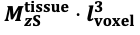
      to obtain the relative FRE removes the contribution of the total voxel volume

      "Supplementary Figure 2 shows that, when partial volume effects are present, the highest relative FRE arises in voxels with the same size as or smaller than the vessel diameter (Supplementary Figure 2A), whereas the absolute FRE increases with voxel size (Supplementary Figure 2C). If no partial-volume effects are present, the relative FRE becomes independent of voxel size (Supplementary Figure 2B), whereas the absolute FRE increases with voxel size (Supplementary Figure 2D). While the partial-volume effects for the relative FRE are substantial, they are much more subtle when using the absolute FRE and do not alter the overall characteristics."
      Supplementary Figure 2: Effect of voxel size and blood delivery time on the relative flow-related enhancement (FRE) using either a relative (A,B) (Eq. (3)) or an absolute (C,D) (Eq. (12)) FRE definition assuming a pial artery diameter of 200 μm (A,C) or 2 000 µm, i.e. no partial-volume effects at the central voxel of this artery considered here.

      Following the established literature (Brown et al., 2014a; Carr and Carroll, 2012; Haacke et al., 1990) and because we would ultimately derive a relative measure, we have omitted the effect of voxel volume on the longitudinal magnetization in our derivations, which make it appear as if we are dividing by a constant in Eq. 6, as the effect of total voxel volume cancels out for the relative FRE. We have now made this more explicit in our derivation of the partial volume model.

      "Introducing a partial-volume model

      To account for the effect of voxel volume on the FRE, the total longitudinal magnetization M_z needs to also consider the number of spins contained within in a voxel (Du et al., 1996; Venkatesan and Haacke, 1997). A simple approximation can be obtained by scaling the longitudinal magnetization with the voxel volume (Venkatesan and Haacke, 1997) . To then include partial volume effects, the total longitudinal magnetization in a voxel M_z^total becomes the sum of the contributions from the stationary tissue M_zS^tissue and the inflowing blood M_z^blood, weighted by their respective volume fractions V_rel:"

      A simple approximation can be obtained by scaling the longitudinal magnetization with the voxel volume (Venkatesan and Haacke, 1997) . To then include partial volume effects, the total longitudinal magnetization in a voxel M_z^total becomes the sum of the contributions from the stationary tissue M_zS^tissue and the inflowing blood M_z^blood, weighted by their respective volume fractions V_rel:

      Eq. (4)

      For simplicity, we assume a single vessel is located at the center of the voxel and approximate it to be a cylinder with diameter d_vessel and length l_voxel of an assumed isotropic voxel along one side. The relative volume fraction of blood V_rel^blood is the ratio of vessel volume within the voxel to total voxel volume (see section Estimation of vessel-volume fraction in the Supplementary Material), and the tissue volume fraction V_rel^tissue is the remainder that is not filled with blood, or

      Eq. (5)

      We can now replace the blood magnetization in equation Eq. (3) with the total longitudinal magnetization of the voxel to compute the FRE as a function of vessel-volume fraction:

      Eq. (6)

      Based on your suggestion, we have also extended our interpretation of relative and absolute FRE. Indeed, a subtractive flow technique where no signal in the background remains and only intensities in the object are present would have infinite relative FRE, as this basically constitutes a perfect segmentation (bar a simple thresholding step).

      "Extending classical FRE treatments to the pial vasculature

      There are several major modifications in our approach to this topic that might explain why, in contrast to predictions from classical FRE treatments, it is indeed possible to image pial arteries. For instance, the definition of vessel contrast or flow-related enhancement is often stated as an absolute difference between blood and tissue signal (Brown et al., 2014a; Carr and Carroll, 2012; Du et al., 1993, 1996; Haacke et al., 1990; Venkatesan and Haacke, 1997). Here, however, we follow the approach of Al-Kwifi et al. (2002) and consider relative contrast. While this distinction may seem to be semantic, the effect of voxel volume on FRE for these two definitions is exactly opposite: Du et al. (1996) concluded that larger voxel size increases the (absolute) vessel-background contrast, whereas here we predict an increase in relative FRE for small arteries with decreasing voxel size. Therefore, predictions of the depiction of small arteries with decreasing voxel size differ depending on whether one is considering absolute contrast, i.e. difference in longitudinal magnetization, or relative contrast, i.e. contrast differences independent of total voxel size. Importantly, this prediction changes for large arteries where the voxel contains only vessel lumen, in which case the relative FRE remains constant across voxel sizes, but the absolute FRE increases with voxel size (Supplementary Figure 9). Overall, the interpretations of relative and absolute FRE differ, and one measure may be more appropriate for certain applications than the other. Absolute FRE describes the difference in magnetization and is thus tightly linked to the underlying physical mechanism. Relative FRE, however, describes the image contrast and segmentability. If blood and tissue magnetization are equal, both contrast measures would equal zero and indicate that no contrast difference is present. However, when there is signal in the vessel and as the tissue magnetization approaches zero, the absolute FRE approaches the blood magnetization (assuming no partial-volume effects), whereas the relative FRE approaches infinity. While this infinite relative FRE does not directly relate to the underlying physical process of ‘infinite’ signal enhancement through inflowing blood, it instead characterizes the segmentability of the image in that an image with zero intensity in the background and non-zero values in the structures of interest can be segmented perfectly and trivially. Accordingly, numerous empirical observations (Al-Kwifi et al., 2002; Bouvy et al., 2014; Haacke et al., 1990; Ladd, 2007; Mattern et al., 2018; von Morze et al., 2007) and the data provided here (Figure 5, 6 and 7) have shown the benefit of smaller voxel sizes if the aim is to visualize and segment small arteries."

      9) Page 22, Line 400. "The appropriateness of " This also ignores noise. The absolute enhancement is the inherent magnetization available. The results in Figure 5, 6, 7 don't readily support a ratio over and absolute difference accounting for partial volume effects.

      We hope that with the additional explanations on the effects of relative FRE definition in combination with a partial-volume model and the interpretation of relative FRE provided in the previous response (R2.8) and that Figures 5, 6 and 7 show smaller arteries for smaller voxels, we were able to clarify our argument why only relative FRE in combination with a partial volume model can explain why smaller voxel sizes are advantageous for depicting small arteries.

      While we appreciate that there exists a fundamental relationship between SNR and voxel volume in MR (Brown et al., 2014b), this relationship is also modulated by many more factors (as we have argued in our responses to R2.2 and R1.4b).

      We hope that the additional derivations and simulations provided in the previous response have clarified why a relative FRE model in combination with a partial-volume model helps to explain the enhanced detectability of small vessels with small voxels.

      10) Page 24, Line 453. "strategies, such as radial and spiral acquisitions, experience no vessel displacement artefact" These do observe flow related distortions as well, just not typically called displacement.

      Yes, this is a helpful point, as these methods will also experience a degradation of spatial accuracy due to flow effects, which will propagate into errors in the segmentation.

      As the reviewer suggests, flow-related artefacts in radial and spiral acquisitions usually manifest as a slight blur, and less as the prominent displacement found in Cartesian sampling schemes. We have added a corresponding clarification to the Discussion section:

      "Other encoding strategies, such as radial and spiral acquisitions, experience no vessel displacement artefact because phase and frequency encoding take place in the same instant; although a slight blur might be observed instead (Nishimura et al., 1995, 1991). However, both trajectories pose engineering challenges and much higher demands on hardware and reconstruction algorithms than the Cartesian readouts employed here (Kasper et al., 2018; Shu et al., 2016); particularly to achieve 3D acquisitions with 160 µm isotropic resolution."

      11) Page 24, Line 272. "although even with this nearly ideal subject behaviour approximately 1 in 4 scans still had to be discarded and repeated" This is certainly a potential source of bias in the comparisons.

      We apologize if this section was written in a misleading way. For the comparison presented in Figure 7, we acquired one additional slab in the same session at 0.16 mm voxel size using the same prospective motion correction procedure as for the 0.14 mm data. For the images shown in Figure 6 and Supplementary Figure 4 at 0.16 mm voxel size, we did not use a motion correction system and, thus, had to discard a portion of the data. We have clarified that for the comparison of the high-resolution data, prospective motion correction was used for both resolutions. We have clarified this in the Discussion section:

      "This allowed for the successful correction of head motion of approximately 1 mm over the 60-minute scan session, showing the utility of prospective motion correction at these very high resolutions. Note that for the comparison in Figure 7, one slab with 0.16 mm voxel size was acquired in the same session also using the prospective motion correction system. However, for the data shown in Figure 6 and Supplementary Figure 4, no prospective motion correction was used, and we instead relied on the experienced participants who contributed to this study. We found that the acquisition of TOF data with 0.16 mm isotropic voxel size in under 12 minutes acquisition time per slab is possible without discernible motion artifacts, although even with this nearly ideal subject behaviour approximately 1 in 4 scans still had to be discarded and repeated."

      12) Page 25, Line 489. "then need to include the effects of various analog and digital filters" While the analysis may benefit from some of this, most is not at all required for analysis based on optimization of the imaging parameters.

      We have included all four correction factors for completeness, given the unique acquisition parameter and contrast space our time-of-flight acquisition occupies, e.g. very low bandwidth of only 100 Hz, very large matrix sizes > 1024 samples, ideally zero SNR in the background (fully supressed tissue signal). However, we agree that probably the most important factor is the non-central chi distribution of the noise in magnitude images from multiple-channel coil arrays, and have added this qualification in the text:

      "Accordingly, SNR predictions then need to include the effects of various analog and digital filters, the number of acquired samples, the noise covariance correction factor, and—most importantly—the non-central chi distribution of the noise statistics of the final magnitude image (Triantafyllou et al., 2011)."

      Al-Kwifi, O., Emery, D.J., Wilman, A.H., 2002. Vessel contrast at three Tesla in time-of-flight magnetic resonance angiography of the intracranial and carotid arteries. Magnetic Resonance Imaging 20, 181–187. https://doi.org/10.1016/S0730-725X(02)00486-1

      Arts, T., Meijs, T.A., Grotenhuis, H., Voskuil, M., Siero, J., Biessels, G.J., Zwanenburg, J., 2021. Velocity and Pulsatility Measures in the Perforating Arteries of the Basal Ganglia at 3T MRI in Reference to 7T MRI. Frontiers in Neuroscience 15. Avants, B.B., Tustison, N., Song, G., 2009. Advanced normalization tools (ANTS). Insight j 2, 1–35. Bae, K.T., Park, S.-H., Moon, C.-H., Kim, J.-H., Kaya, D., Zhao, T., 2010. Dual-echo arteriovenography imaging with 7T MRI: CODEA with 7T. J. Magn. Reson. Imaging 31, 255–261. https://doi.org/10.1002/jmri.22019

      Bartholdi, E., Ernst, R.R., 1973. Fourier spectroscopy and the causality principle. Journal of Magnetic Resonance (1969) 11, 9–19. https://doi.org/10.1016/0022-2364(73)90076-0

      Bernier, M., Cunnane, S.C., Whittingstall, K., 2018. The morphology of the human cerebrovascular system. Human Brain Mapping 39, 4962–4975. https://doi.org/10.1002/hbm.24337

      Bouvy, W.H., Biessels, G.J., Kuijf, H.J., Kappelle, L.J., Luijten, P.R., Zwanenburg, J.J.M., 2014. Visualization of Perivascular Spaces and Perforating Arteries With 7 T Magnetic Resonance Imaging: Investigative Radiology 49, 307–313. https://doi.org/10.1097/RLI.0000000000000027

      Bouvy, W.H., Geurts, L.J., Kuijf, H.J., Luijten, P.R., Kappelle, L.J., Biessels, G.J., Zwanenburg, J.J.M., 2016. Assessment of blood flow velocity and pulsatility in cerebral perforating arteries with 7-T quantitative flow MRI: Blood Flow Velocity And Pulsatility In Cerebral Perforating Arteries. NMR Biomed. 29, 1295–1304. https://doi.org/10.1002/nbm.3306

      Brown, R.W., Cheng, Y.-C.N., Haacke, E.M., Thompson, M.R., Venkatesan, R., 2014a. Chapter 24 - MR Angiography and Flow Quantification, in: Magnetic Resonance Imaging. John Wiley & Sons, Ltd, pp. 701–737. https://doi.org/10.1002/9781118633953.ch24

      Brown, R.W., Cheng, Y.-C.N., Haacke, E.M., Thompson, M.R., Venkatesan, R., 2014b. Chapter 15 - Signal, Contrast, and Noise, in: Magnetic Resonance Imaging. John Wiley & Sons, Ltd, pp. 325–373. https://doi.org/10.1002/9781118633953.ch15

      Carr, J.C., Carroll, T.J., 2012. Magnetic resonance angiography: principles and applications. Springer, New York. Cassot, F., Lauwers, F., Fouard, C., Prohaska, S., Lauwers-Cances, V., 2006. A Novel Three-Dimensional Computer-Assisted Method for a Quantitative Study of Microvascular Networks of the Human Cerebral Cortex. Microcirculation 13, 1–18. https://doi.org/10.1080/10739680500383407

      Chen, L., Mossa-Basha, M., Balu, N., Canton, G., Sun, J., Pimentel, K., Hatsukami, T.S., Hwang, J.-N., Yuan, C., 2018. Development of a quantitative intracranial vascular features extraction tool on 3DMRA using semiautomated open-curve active contour vessel tracing: Comprehensive Artery Features Extraction From 3D MRA. Magn. Reson. Med 79, 3229–3238. https://doi.org/10.1002/mrm.26961

      Choi, U.-S., Kawaguchi, H., Kida, I., 2020. Cerebral artery segmentation based on magnetization-prepared two rapid acquisition gradient echo multi-contrast images in 7 Tesla magnetic resonance imaging. NeuroImage 222, 117259. https://doi.org/10.1016/j.neuroimage.2020.117259

      Conolly, S., Nishimura, D., Macovski, A., Glover, G., 1988. Variable-rate selective excitation. Journal of Magnetic Resonance (1969) 78, 440–458. https://doi.org/10.1016/0022-2364(88)90131-X

      Deistung, A., Dittrich, E., Sedlacik, J., Rauscher, A., Reichenbach, J.R., 2009. ToF-SWI: Simultaneous time of flight and fully flow compensated susceptibility weighted imaging. J. Magn. Reson. Imaging 29, 1478–1484. https://doi.org/10.1002/jmri.21673

      Detre, J.A., Leigh, J.S., Williams, D.S., Koretsky, A.P., 1992. Perfusion imaging. Magnetic Resonance in Medicine 23, 37–45. https://doi.org/10.1002/mrm.1910230106

      Du, Y., Parker, D.L., Davis, W.L., Blatter, D.D., 1993. Contrast-to-Noise-Ratio Measurements in Three-Dimensional Magnetic Resonance Angiography. Investigative Radiology 28, 1004–1009. Du, Y.P., Jin, Z., 2008. Simultaneous acquisition of MR angiography and venography (MRAV). Magn. Reson. Med. 59, 954–958. https://doi.org/10.1002/mrm.21581

      Du, Y.P., Parker, D.L., Davis, W.L., Cao, G., 1994. Reduction of partial-volume artifacts with zero-filled interpolation in three-dimensional MR angiography. J. Magn. Reson. Imaging 4, 733–741. https://doi.org/10.1002/jmri.1880040517

      Du, Y.P., Parker, D.L., Davis, W.L., Cao, G., Buswell, H.R., Goodrich, K.C., 1996. Experimental and theoretical studies of vessel contrast-to-noise ratio in intracranial time-of-flight MR angiography. Journal of Magnetic Resonance Imaging 6, 99–108. https://doi.org/10.1002/jmri.1880060120

      Duvernoy, H., Delon, S., Vannson, J.L., 1983. The Vascularization of The Human Cerebellar Cortex. Brain Research Bulletin 11, 419–480. Duvernoy, H.M., Delon, S., Vannson, J.L., 1981. Cortical blood vessels of the human brain. Brain Research Bulletin 7, 519–579. https://doi.org/10.1016/0361-9230(81)90007-1

      Eckstein, K., Bachrata, B., Hangel, G., Widhalm, G., Enzinger, C., Barth, M., Trattnig, S., Robinson, S.D., 2021. Improved susceptibility weighted imaging at ultra-high field using bipolar multi-echo acquisition and optimized image processing: CLEAR-SWI. NeuroImage 237, 118175. https://doi.org/10.1016/j.neuroimage.2021.118175

      Edelstein, W.A., Glover, G.H., Hardy, C.J., Redington, R.W., 1986. The intrinsic signal-to-noise ratio in NMR imaging. Magn. Reson. Med. 3, 604–618. https://doi.org/10.1002/mrm.1910030413

      Fan, A.P., Govindarajan, S.T., Kinkel, R.P., Madigan, N.K., Nielsen, A.S., Benner, T., Tinelli, E., Rosen, B.R., Adalsteinsson, E., Mainero, C., 2015. Quantitative oxygen extraction fraction from 7-Tesla MRI phase: reproducibility and application in multiple sclerosis. J Cereb Blood Flow Metab 35, 131–139. https://doi.org/10.1038/jcbfm.2014.187

      Fiedler, T.M., Ladd, M.E., Bitz, A.K., 2018. SAR Simulations & Safety. NeuroImage 168, 33–58. https://doi.org/10.1016/j.neuroimage.2017.03.035

      Frässle, S., Aponte, E.A., Bollmann, S., Brodersen, K.H., Do, C.T., Harrison, O.K., Harrison, S.J., Heinzle, J., Iglesias, S., Kasper, L., Lomakina, E.I., Mathys, C., Müller-Schrader, M., Pereira, I., Petzschner, F.H., Raman, S., Schöbi, D., Toussaint, B., Weber, L.A., Yao, Y., Stephan, K.E., 2021. TAPAS: An Open-Source Software Package for Translational Neuromodeling and Computational Psychiatry. Front. Psychiatry 12. https://doi.org/10.3389/fpsyt.2021.680811

      Gulban, O.F., Bollmann, S., Huber, R., Wagstyl, K., Goebel, R., Poser, B.A., Kay, K., Ivanov, D., 2021. Mesoscopic Quantification of Cortical Architecture in the Living Human Brain. https://doi.org/10.1101/2021.11.25.470023

      Haacke, E.M., Masaryk, T.J., Wielopolski, P.A., Zypman, F.R., Tkach, J.A., Amartur, S., Mitchell, J., Clampitt, M., Paschal, C., 1990. Optimizing blood vessel contrast in fast three-dimensional MRI. Magn. Reson. Med. 14, 202–221. https://doi.org/10.1002/mrm.1910140207

      Helthuis, J.H.G., van Doormaal, T.P.C., Hillen, B., Bleys, R.L.A.W., Harteveld, A.A., Hendrikse, J., van der Toorn, A., Brozici, M., Zwanenburg, J.J.M., van der Zwan, A., 2019. Branching Pattern of the Cerebral Arterial Tree. Anat Rec 302, 1434–1446. https://doi.org/10.1002/ar.23994

      Heverhagen, J.T., Bourekas, E., Sammet, S., Knopp, M.V., Schmalbrock, P., 2008. Time-of-Flight Magnetic Resonance Angiography at 7 Tesla. Investigative Radiology 43, 568–573. https://doi.org/10.1097/RLI.0b013e31817e9b2c

      Hirsch, S., Reichold, J., Schneider, M., Székely, G., Weber, B., 2012. Topology and Hemodynamics of the Cortical Cerebrovascular System. J Cereb Blood Flow Metab 32, 952–967. https://doi.org/10.1038/jcbfm.2012.39

      Horn, B.K.P., Schunck, B.G., 1981. Determining optical flow. Artificial Intelligence 17, 185–203. https://doi.org/10.1016/0004-3702(81)90024-2

      Huck, J., Wanner, Y., Fan, A.P., Jäger, A.-T., Grahl, S., Schneider, U., Villringer, A., Steele, C.J., Tardif, C.L., Bazin, P.-L., Gauthier, C.J., 2019. High resolution atlas of the venous brain vasculature from 7 T quantitative susceptibility maps. Brain Struct Funct 224, 2467–2485. https://doi.org/10.1007/s00429-019-01919-4

      Johst, S., Wrede, K.H., Ladd, M.E., Maderwald, S., 2012. Time-of-Flight Magnetic Resonance Angiography at 7 T Using Venous Saturation Pulses With Reduced Flip Angles. Investigative Radiology 47, 445–450. https://doi.org/10.1097/RLI.0b013e31824ef21f

      Kang, C.-K., Park, C.-A., Kim, K.-N., Hong, S.-M., Park, C.-W., Kim, Y.-B., Cho, Z.-H., 2010. Non-invasive visualization of basilar artery perforators with 7T MR angiography. Journal of Magnetic Resonance Imaging 32, 544–550. https://doi.org/10.1002/jmri.22250

      Kasper, L., Engel, M., Barmet, C., Haeberlin, M., Wilm, B.J., Dietrich, B.E., Schmid, T., Gross, S., Brunner, D.O., Stephan, K.E., Pruessmann, K.P., 2018. Rapid anatomical brain imaging using spiral acquisition and an expanded signal model. NeuroImage 168, 88–100. https://doi.org/10.1016/j.neuroimage.2017.07.062

      Klepaczko, A., Szczypiński, P., Deistung, A., Reichenbach, J.R., Materka, A., 2016. Simulation of MR angiography imaging for validation of cerebral arteries segmentation algorithms. Computer Methods and Programs in Biomedicine 137, 293–309. https://doi.org/10.1016/j.cmpb.2016.09.020

      Kobari, M., Gotoh, F., Fukuuchi, Y., Tanaka, K., Suzuki, N., Uematsu, D., 1984. Blood Flow Velocity in the Pial Arteries of Cats, with Particular Reference to the Vessel Diameter. J Cereb Blood Flow Metab 4, 110–114. https://doi.org/10.1038/jcbfm.1984.15

      Ladd, M.E., 2007. High-Field-Strength Magnetic Resonance: Potential and Limits. Top Magn Reson Imaging 18, 139–152. Lesage, D., Angelini, E.D., Bloch, I., Funka-Lea, G., 2009. A review of 3D vessel lumen segmentation techniques: Models, features and extraction schemes. Medical Image Analysis 13, 819–845. https://doi.org/10.1016/j.media.2009.07.011

      Maderwald, S., Ladd, S.C., Gizewski, E.R., Kraff, O., Theysohn, J.M., Wicklow, K., Moenninghoff, C., Wanke, I., Ladd, M.E., Quick, H.H., 2008. To TOF or not to TOF: strategies for non-contrast-enhanced intracranial MRA at 7 T. Magn Reson Mater Phy 21, 159. https://doi.org/10.1007/s10334-007-0096-9

      Manjón, J.V., Coupé, P., Martí‐Bonmatí, L., Collins, D.L., Robles, M., 2010. Adaptive non-local means denoising of MR images with spatially varying noise levels. Journal of Magnetic Resonance Imaging 31, 192–203. https://doi.org/10.1002/jmri.22003

      Mansfield, P., Harvey, P.R., 1993. Limits to neural stimulation in echo-planar imaging. Magn. Reson. Med. 29, 746–758. https://doi.org/10.1002/mrm.1910290606

      Masaryk, T.J., Modic, M.T., Ross, J.S., Ruggieri, P.M., Laub, G.A., Lenz, G.W., Haacke, E.M., Selman, W.R., Wiznitzer, M., Harik, S.I., 1989. Intracranial circulation: preliminary clinical results with three-dimensional (volume) MR angiography. Radiology 171, 793–799. https://doi.org/10.1148/radiology.171.3.2717754

      Mattern, H., Sciarra, A., Godenschweger, F., Stucht, D., Lüsebrink, F., Rose, G., Speck, O., 2018. Prospective motion correction enables highest resolution time-of-flight angiography at 7T: Prospectively Motion-Corrected TOF Angiography at 7T. Magn. Reson. Med 80, 248–258. https://doi.org/10.1002/mrm.27033

      Mattern, H., Sciarra, A., Lüsebrink, F., Acosta‐Cabronero, J., Speck, O., 2019. Prospective motion correction improves high‐resolution quantitative susceptibility mapping at 7T. Magn. Reson. Med 81, 1605–1619. https://doi.org/10.1002/mrm.27509

      Mennes, M., Jenkinson, M., Valabregue, R., Buitelaar, J.K., Beckmann, C., Smith, S., 2014. Optimizing full-brain coverage in human brain MRI through population distributions of brain size. NeuroImage 98, 513–520. https://doi.org/10.1016/j.neuroimage.2014.04.030 Moccia, S., De Momi, E., El Hadji, S., Mattos, L.S., 2018. Blood vessel segmentation algorithms — Review of methods, datasets and evaluation metrics. Computer Methods and Programs in Biomedicine 158, 71–91. https://doi.org/10.1016/j.cmpb.2018.02.001

      Mustafa, M.A.R., 2016. A data-driven learning approach to image registration. Mut, F., Wright, S., Ascoli, G.A., Cebral, J.R., 2014. Morphometric, geographic, and territorial characterization of brain arterial trees. International Journal for Numerical Methods in Biomedical Engineering 30, 755–766. https://doi.org/10.1002/cnm.2627

      Nagaoka, T., Yoshida, A., 2006. Noninvasive Evaluation of Wall Shear Stress on Retinal Microcirculation in Humans. Invest. Ophthalmol. Vis. Sci. 47, 1113. https://doi.org/10.1167/iovs.05-0218

      Nishimura, D.G., Irarrazabal, P., Meyer, C.H., 1995. A Velocity k-Space Analysis of Flow Effects in Echo-Planar and Spiral Imaging. Magnetic Resonance in Medicine 33, 549–556. https://doi.org/10.1002/mrm.1910330414

      Nishimura, D.G., Jackson, J.I., Pauly, J.M., 1991. On the nature and reduction of the displacement artifact in flow images. Magnetic Resonance in Medicine 22, 481–492. https://doi.org/10.1002/mrm.1910220255

      Nonaka, H., Akima, M., Hatori, T., Nagayama, T., Zhang, Z., Ihara, F., 2003. Microvasculature of the human cerebral white matter: Arteries of the deep white matter. Neuropathology 23, 111–118. https://doi.org/10.1046/j.1440-1789.2003.00486.x

      North, D.O., 1963. An Analysis of the factors which determine signal/noise discrimination in pulsed-carrier systems. Proceedings of the IEEE 51, 1016–1027. https://doi.org/10.1109/PROC.1963.2383

      Park, C.S., Hartung, G., Alaraj, A., Du, X., Charbel, F.T., Linninger, A.A., 2020. Quantification of blood flow patterns in the cerebral arterial circulation of individual (human) subjects. Int J Numer Meth Biomed Engng 36. https://doi.org/10.1002/cnm.3288

      Parker, D.L., Goodrich, K.C., Roberts, J.A., Chapman, B.E., Jeong, E.-K., Kim, S.-E., Tsuruda, J.S., Katzman, G.L., 2003. The need for phase-encoding flow compensation in high-resolution intracranial magnetic resonance angiography. J. Magn. Reson. Imaging 18, 121–127. https://doi.org/10.1002/jmri.10322

      Parker, D.L., Yuan, C., Blatter, D.D., 1991. MR angiography by multiple thin slab 3D acquisition. Magn. Reson. Med. 17, 434–451. https://doi.org/10.1002/mrm.1910170215

      Pauling, L., Coryell, C.D., 1936. The magnetic properties and structure of hemoglobin, oxyhemoglobin and carbonmonoxyhemoglobin. Proceedings of the National Academy of Sciences 22, 210–216. https://doi.org/10.1073/pnas.22.4.210

      Payne, S.J., 2017. Cerebral Blood Flow And Metabolism: A Quantitative Approach. World Scientific. Peters, A.M., Brookes, M.J., Hoogenraad, F.G., Gowland, P.A., Francis, S.T., Morris, P.G., Bowtell, R., 2007. T2* measurements in human brain at 1.5, 3 and 7 T. Magnetic Resonance Imaging 25, 748–753. https://doi.org/10.1016/j.mri.2007.02.014

      Pfeifer, R.A., 1930. Grundlegende Untersuchungen für die Angioarchitektonik des menschlichen Gehirns. Berlin: Julius Springer. Phellan, R., Forkert, N.D., 2017. Comparison of vessel enhancement algorithms applied to time-of-flight MRA images for cerebrovascular segmentation. Medical Physics 44, 5901–5915. https://doi.org/10.1002/mp.12560

      Pohmann, R., Speck, O., Scheffler, K., 2016. Signal-to-Noise Ratio and MR Tissue Parameters in Human Brain Imaging at 3, 7, and 9.4 Tesla Using Current Receive Coil Arrays. Magn. Reson. Med. 75, 801–809. https://doi.org/10.1002/mrm.25677

      Reichenbach, J.R., Venkatesan, R., Schillinger, D.J., Kido, D.K., Haacke, E.M., 1997. Small vessels in the human brain: MR venography with deoxyhemoglobin as an intrinsic contrast agent. Radiology 204, 272–277. https://doi.org/10.1148/radiology.204.1.9205259 Schmid, F., Barrett, M.J.P., Jenny, P., Weber, B., 2019. Vascular density and distribution in neocortex. NeuroImage 197, 792–805. https://doi.org/10.1016/j.neuroimage.2017.06.046

      Schmitter, S., Bock, M., Johst, S., Auerbach, E.J., Uğurbil, K., Moortele, P.-F.V. de, 2012. Contrast enhancement in TOF cerebral angiography at 7 T using saturation and MT pulses under SAR constraints: Impact of VERSE and sparse pulses. Magnetic Resonance in Medicine 68, 188–197. https://doi.org/10.1002/mrm.23226

      Schulz, J., Boyacioglu, R., Norris, D.G., 2016. Multiband multislab 3D time-of-flight magnetic resonance angiography for reduced acquisition time and improved sensitivity. Magn Reson Med 75, 1662–8. https://doi.org/10.1002/mrm.25774

      Shu, C.Y., Sanganahalli, B.G., Coman, D., Herman, P., Hyder, F., 2016. New horizons in neurometabolic and neurovascular coupling from calibrated fMRI, in: Progress in Brain Research. Elsevier, pp. 99–122. https://doi.org/10.1016/bs.pbr.2016.02.003

      Stamm, A.C., Wright, C.L., Knopp, M.V., Schmalbrock, P., Heverhagen, J.T., 2013. Phase contrast and time-of-flight magnetic resonance angiography of the intracerebral arteries at 1.5, 3 and 7 T. Magnetic Resonance Imaging 31, 545–549. https://doi.org/10.1016/j.mri.2012.10.023

      Stewart, A.W., Robinson, S.D., O’Brien, K., Jin, J., Widhalm, G., Hangel, G., Walls, A., Goodwin, J., Eckstein, K., Tourell, M., Morgan, C., Narayanan, A., Barth, M., Bollmann, S., 2022. QSMxT: Robust masking and artifact reduction for quantitative susceptibility mapping. Magnetic Resonance in Medicine 87, 1289–1300. https://doi.org/10.1002/mrm.29048

      Stucht, D., Danishad, K.A., Schulze, P., Godenschweger, F., Zaitsev, M., Speck, O., 2015. Highest Resolution In Vivo Human Brain MRI Using Prospective Motion Correction. PLoS ONE 10, e0133921. https://doi.org/10.1371/journal.pone.0133921

      Szikla, G., Bouvier, G., Hori, T., Petrov, V., 1977. Angiography of the Human Brain Cortex. Springer Berlin Heidelberg, Berlin, Heidelberg. https://doi.org/10.1007/978-3-642-81145-6

      Triantafyllou, C., Polimeni, J.R., Wald, L.L., 2011. Physiological noise and signal-to-noise ratio in fMRI with multi-channel array coils. NeuroImage 55, 597–606. https://doi.org/10.1016/j.neuroimage.2010.11.084

      Tustison, N.J., Avants, B.B., Cook, P.A., Zheng, Y., Egan, A., Yushkevich, P.A., Gee, J.C., 2010. N4ITK: Improved N3 Bias Correction. IEEE Transactions on Medical Imaging 29, 1310–1320. https://doi.org/10.1109/TMI.2010.2046908

      Uludağ, K., Müller-Bierl, B., Uğurbil, K., 2009. An integrative model for neuronal activity-induced signal changes for gradient and spin echo functional imaging. NeuroImage 48, 150–165. https://doi.org/10.1016/j.neuroimage.2009.05.051

      Venkatesan, R., Haacke, E.M., 1997. Role of high resolution in magnetic resonance (MR) imaging: Applications to MR angiography, intracranial T1-weighted imaging, and image interpolation. International Journal of Imaging Systems and Technology 8, 529–543. https://doi.org/10.1002/(SICI)1098-1098(1997)8:6<529::AID-IMA5>3.0.CO;2-C

      von Morze, C., Xu, D., Purcell, D.D., Hess, C.P., Mukherjee, P., Saloner, D., Kelley, D.A.C., Vigneron, D.B., 2007. Intracranial time-of-flight MR angiography at 7T with comparison to 3T. J. Magn. Reson. Imaging 26, 900–904. https://doi.org/10.1002/jmri.21097

      Ward, P.G.D., Ferris, N.J., Raniga, P., Dowe, D.L., Ng, A.C.L., Barnes, D.G., Egan, G.F., 2018. Combining images and anatomical knowledge to improve automated vein segmentation in MRI. NeuroImage 165, 294–305. https://doi.org/10.1016/j.neuroimage.2017.10.049

      Wilms, G., Bosmans, H., Demaerel, Ph., Marchal, G., 2001. Magnetic resonance angiography of the intracranial vessels. European Journal of Radiology 38, 10–18. https://doi.org/10.1016/S0720-048X(01)00285-6

      Wright, S.N., Kochunov, P., Mut, F., Bergamino, M., Brown, K.M., Mazziotta, J.C., Toga, A.W., Cebral, J.R., Ascoli, G.A., 2013. Digital reconstruction and morphometric analysis of human brain arterial vasculature from magnetic resonance angiography. NeuroImage 82, 170–181. https://doi.org/10.1016/j.neuroimage.2013.05.089

      Yushkevich, P.A., Piven, J., Hazlett, H.C., Smith, R.G., Ho, S., Gee, J.C., Gerig, G., 2006. User-guided 3D active contour segmentation of anatomical structures: Significantly improved efficiency and reliability. NeuroImage 31, 1116–1128. https://doi.org/10.1016/j.neuroimage.2006.01.015

      Zhang, Z., Deng, X., Weng, D., An, J., Zuo, Z., Wang, B., Wei, N., Zhao, J., Xue, R., 2015. Segmented TOF at 7T MRI: Technique and clinical applications. Magnetic Resonance Imaging 33, 1043–1050. https://doi.org/10.1016/j.mri.2015.07.002

      Zhao, J.M., Clingman, C.S., Närväinen, M.J., Kauppinen, R.A., van Zijl, P.C.M., 2007. Oxygenation and hematocrit dependence of transverse relaxation rates of blood at 3T. Magn. Reson. Med. 58, 592–597. https://doi.org/10.1002/mrm.21342

      Zhu, X., Tomanek, B., Sharp, J., 2013. A pixel is an artifact: On the necessity of zero-filling in fourier imaging. Concepts Magn. Reson. 42A, 32–44. https://doi.org/10.1002/cmr.a.21256
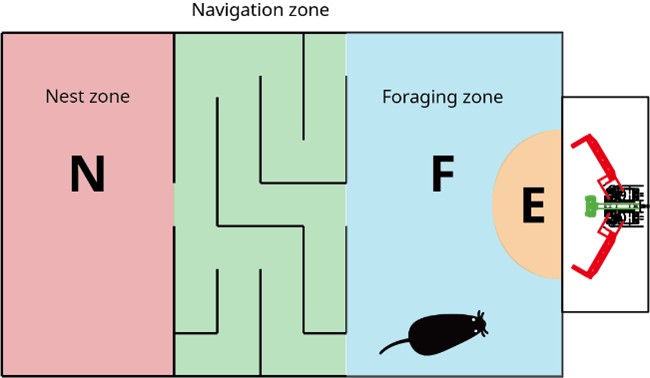
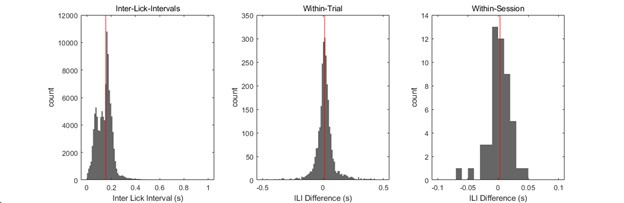
    1. Author Response

      Reviewer #1 (Public Review):

      The authors present a PyTorch-based simulator for prosthetic vision. The model takes in the anatomical location of a visual cortical prostheses as well as a series of electrical stimuli to be applied to each electrode, and outputs the resulting phosphenes. To demonstrate the usefulness of the simulator, the paper reproduces psychometric curves from the literature and uses the simulator in the loop to learn optimized stimuli.

      One of the major strengths of the paper is its modeling work - the authors make good use of existing knowledge about retinotopic maps and psychometric curves that describe phosphene appearance in response to single-electrode stimulation. Using PyTorch as a backbone is another strength, as it allows for GPU integration and seamless integration with common deep learning models. This work is likely to be impactful for the field of sight restoration.

      1) However, one of the major weaknesses of the paper is its model validation - while some results seem to be presented for data the model was fit on (as opposed to held-out test data), other results lack quantitative metrics and a comparison to a baseline ("null hypothesis") model. On the one hand, it appears that the data presented in Figs. 3-5 was used to fit some of the open parameters of the model, as mentioned in Subsection G of the Methods. Hence it is misleading to present these as model "predictions", which are typically presented for held-out test data to demonstrate a model's ability to generalize. Instead, this is more of a descriptive model than a predictive one, and its ability to generalize to new patients remains yet to be demonstrated.

      We agree that the original presentation of the model fits might give rise to unwanted confusion. In the revision, we have adapted the fit of the thresholding mechanism to include a 3-fold cross validation, where part of the data was excluded during the fitting, and used as test sets to calculate the model’s performance. The results of the cross- validation are now presented in panel D of Figure 3. The fitting of the brightness and temporal dynamics parameters using cross-validation was not feasible due to the limited amount of quantitative data describing temporal dynamics and phosphene size and brightness for intracortical electrodes. To avoid confusion, we have adapted the corresponding text and figure captions to specify that we are using a fit as description of the data.

      We note that the goal of the simulator is not to provide a single set of parameters that describes precise phosphene perception for all patients but that it could also be used to capture variability among patients. Indeed, the model can be tailored to new patients based on a small data set. Figure 3-figure supplement 1 exemplifies how our simulator can be tailored to several data sets collected from patients with surface electrodes. Future clinical experiments might be used to verify how well the simulator can be tailored to the data of other patients.

      Specifically, we have made the following changes to the manuscript:

      • Caption Figure 2: the fitted peak brightness levels reproduced by our model

      • Caption Figure 3: The model's probability of phosphene perception is visualized as a function of charge per phase

      • Caption Figure 3: Predicted probabilities in panel (d) are the results of a 3-fold cross- validation on held-out test data.

      • Line 250: we included biologically inspired methods to model the perceptual effects of different stimulation parameters

      • Line 271: Each frame, the simulator maps electrical stimulation parameters (stimulation current, pulse width and frequency) to an estimated phosphene perception

      • Lines 335-336: such that 95% of the Gaussian falls within the fitted phosphene size.

      • Line 469-470: Figure 4 displays the simulator's fit on the temporal dynamics found in a previous published study by Schmidt et al. (1996).

      • Lines 922-925: Notably, the trade-off between model complexity and accurate psychophysical fits or predictions is a recurrent theme in the validation of the components implemented in our simulator.

      2) On the other hand, the results presented in Fig. 8 as part of the end-to-end learning process are not accompanied by any sorts of quantitative metrics or comparison to a baseline model.

      We now realize that the presentation of the end-to-end results might have given the impression that we present novel image processing strategies. However, the development of a novel image processing strategy is outside the scope of the study. Instead, The study aims to provide an improved simulation which can be used for more realistic assessment of different stimulation protocols. The simulator needs to fit experimental data, and it should run fast (so it can be used in behavioral experiments). Importantly, as demonstrated in our end-to-end experiments, the model can be used in differentiable programming pipelines (so it can be used in computational optimization experiments), which is a valuable contribution in itself because it lends itself to many machine learning approaches which can improve the realism of the simulation.

      We have rephrased our study aims in the discussion to improve clarity.

      • Lines 275-279: In the sections below, we discuss the different components of the simulator model, followed by a description of some showcase experiments that assess the ability to fit recent clinical data and the practical usability of our simulator in simulation experiments

      • Lines 810-814: Computational optimization approaches can also aid in the development of safe stimulation protocols, because they allow a faster exploration of the large parameter space and enable task-driven optimization of image processing strategies (Granley et al., 2022; Fauvel et al., 2022; White et al., 2019; Küçükoglü et al. 2022; de Ruyter van Steveninck et al., 2022; Ghaffari et al., 2021).

      • Lines 814-819: Ultimately, the development of task-relevant scene-processing algorithms will likely benefit both from computational optimization experiments as well as exploratory SPV studies with human observers. With the presented simulator we aim to contribute a flexible toolkit for such experiments.

      • Lines 842-853: Eventually, the functional quality of the artificial vision will not only depend on the correspondence between the visual environment and the phosphene encoding, but also on the implant recipient's ability to extract that information into a usable percept. The functional quality of end-to-end generated phosphene encodings in daily life tasks will need to be evaluated in future experiments. Regardless of the implementation, it will always be important to include human observers (both sighted experimental subjects and actual prosthetic implant users in the optimization cycle to ensure subjective interpretability for the end user (Fauvel et al., 2022; Beyeler & Sanchez-Garcia, 2022).

      3) The results seem to assume that all phosphenes are small Gaussian blobs, and that these phosphenes combine linearly when multiple electrodes are stimulated. Both assumptions are frequently challenged by the field. For all these reasons, it is challenging to assess the potential and practical utility of this approach as well as get a sense of its limitations.

      The reviewer raises a valid point and a similar point was raised by a different reviewer (our response is duplicated). As pointed out in the discussion, many aspects about multi- electrode phosphene perception are still unclear. On the one hand, the literature is in agreement that there is some degree of predictability: some papers explicitly state that phosphenes produced by multiple patterns are generally additive (Dobelle & Mladejovsky, 1974), that the locations are predictable (Bosking et al., 2018) and that multi-electrode stimulation can be used to generate complex, interpretable patterns of phosphenes (Chen et al., 2020, Fernandez et al., 2021). On the other hand, however, in some cases, the stimulation of multiple electrodes is reported to lead to brighter phosphenes (Fernandez et al., 2021), fused or displaced phosphenes (Schmidt et al., 1996, Bak et al., 1990) or unpredicted phosphene patterns (Fernández et al., 2021). It is likely that the probability of these interference patterns decreases when the distance between the stimulated electrodes increases. An empirical finding is that the critical distance for intracortical stimulation is approximately 1 mm (Ghose & Maunsell, 2012).

      We note that our simulator is not restricted to the simulation of linearly combined Gaussian blobs. Some irregularities, such as elongated phosphene shapes were already supported in the previous version of our software. Furthermore, we added a supplementary figure that displays a possible approach to simulate some of the more complex electrode interactions that are reported in the literature, with only minor adaptations to the code. Our study thereby aims to present a flexible simulation toolkit that can be adapted to the needs of the user.

      Adjustments:

      • Added Figure 1-figure supplement 3 on irregular phosphene percepts.

      • Lines 957-970: Furthermore, in contrast to the assumptions of our model, interactions between simultaneous stimulation of multiple electrodes can have an effect on the phosphene size and sometimes lead to unexpected percepts (Fernandez et al., 2021, Dobelle & Mladejovsky 1974, Bak et al., 1990). Although our software supports basic exploratory experimentation of non-linear interactions (see Figure 1-figure supplement 3), by default, our simulator assumes independence between electrodes. Multi- phosphene percepts are modeled using linear summation of the independent percepts. These assumptions seem to hold for intracortical electrodes separated by more than 1 mm (Ghose & Maunsell, 2012), but may underestimate the complexities observed when electrodes are nearer. Further clinical and theoretical modeling work could help to improve our understanding of these non-linear dynamics.

      4) Another weakness of the paper is the term "biologically plausible", which appears throughout the manuscript but is not clearly defined. In its current form, it is not clear what makes this simulator "biologically plausible" - it certainly contains a retinotopic map and is fit on psychophysical data, but it does not seem to contain any other "biological" detail.

      We thank the reviewer for the remark. We improved our description of what makes the simulator “biologically plausible” in the introduction (line 78): ‘‘Biological plausibility, in our work's context, points to the simulation's ability to capture essential biological features of the visual system in a manner consistent with empirical findings: our simulator integrates quantitative findings and models from the literature on cortical stimulation in V1 [...]”. In addition, we mention in the discussion (lines 611 - 621): “The aim of this study is to present a biologically plausible phosphene simulator, which takes realistic ranges of stimulation parameters, and generates a phenomenologically accurate representation of phosphene vision using differentiable functions. In order to achieve this, we have modeled and incorporated an extensive body of work regarding the psychophysics of phosphene perception. From the results presented in section H, we observe that our simulator is able to produce phosphene percepts that match the descriptions of phosphene vision that were gathered in basic and clinical visual neuroprosthetics studies over the past decades.”

      5) In fact, for the most part the paper seems to ignore the fact that implanting a prosthesis in one cerebral hemisphere will produce phosphenes that are restricted to one half of the visual field. Yet Figures 6 and 8 present phosphenes that seemingly appear in both hemifields. I do not find this very "biologically plausible".

      We agree with the reviewer that contemporary experiments with implantable electrodes usually test electrodes in a single hemisphere. However, future clinically useful approaches should use bilaterally implanted electrode arrays. Our simulator can either present phosphene locations in either one or both hemifields.

      We have made the following textual changes:

      • Fig. 1 caption: Example renderings after initializing the simulator with four 10 × 10 electrode arrays (indicated with roman numerals) placed in the right hemisphere (electrode spacing: 4 mm, in correspondence with the commonly used 'Utah array' (Maynard et al., 1997)).

      • Line 518-525: The simulator is initialized with 1000 possible phosphenes in both hemifields, covering a field of view of 16 degrees of visual angle. Note that the simulated electrode density and placement differs from current prototype implants and the simulation can be considered to be an ambitious scenario from a surgical point of view, given the folding of the visual cortex and the part of the retinotopic map in V1 that is buried in the calcarine sulcus. Line 546-547: with the same phosphene coverage as the previously described experiment

      Reviewer #2 (Public Review):

      Van der Grinten and De Ruyter van Steveninck et al. present a design for simulating cortical- visual-prosthesis phosphenes that emphasizes features important for optimizing the use of such prostheses. The characteristics of simulated individual phosphenes were shown to agree well with data published from the use of cortical visual prostheses in humans. By ensuring that functions used to generate the simulations were differentiable, the authors permitted and demonstrated integration of the simulations into deep-learning algorithms. In concept, such algorithms could thereby identify parameters for translating images or videos into stimulation sequences that would be most effective for artificial vision. There are, however, limitations to the simulation that will limit its applicability to current prostheses.

      The verification of how phosphenes are simulated for individual electrodes is very compelling. Visual-prosthesis simulations often do ignore the physiologic foundation underlying the generation of phosphenes. The authors' simulation takes into account how stimulation parameters contribute to phosphene appearance and show how that relationship can fit data from actual implanted volunteers. This provides an excellent foundation for determining optimal stimulation parameters with reasonable confidence in how parameter selections will affect individual-electrode phosphenes.

      We thank the reviewer for these supportive comments.

      Issues with the applicability and reliability of the simulation are detailed below:

      1) The utility of this simulation design, as described, unfortunately breaks down beyond the scope of individual electrodes. To model the simultaneous activation of multiple electrodes, the authors' design linearly adds individual-electrode phosphenes together. This produces relatively clean collections of dots that one could think of as pixels in a crude digital display. Modeling phosphenes in such a way assumes that each electrode and the network it activates operate independently of other electrodes and their neuronal targets. Unfortunately, as the authors acknowledge and as noted in the studies they used to fit and verify individual-electrode phosphene characteristics, simultaneous stimulation of multiple electrodes often obscures features of individual-electrode phosphenes and can produce unexpected phosphene patterns. This simulation does not reflect these nonlinearities in how electrode activations combine. Nonlinearities in electrode combinations can be as subtle the phosphenes becoming brighter while still remaining distinct, or as problematic as generating only a single small phosphene that is indistinguishable from the activation of a subset of the electrodes activated, or that of a single electrode.

      If a visual prosthesis happens to generate some phosphenes that can be elicited independently, a simulator of this type could perhaps be used by processing stimulation from independent groups of electrodes and adding their phosphenes together in the visual field.

      The reviewer raises a valid point and a similar point was raised by a different reviewer (our response is duplicated). As pointed out in the discussion, many aspects about multi- electrode phosphene perception are still unclear. On the one hand, the literature is in agreement that there is some degree of predictability: some papers explicitly state that phosphenes produced by multiple patterns are generally additive (Dobelle & Mladejovsky, 1974), that the locations are predictable (Bosking et al., 2018) and that multi-electrode stimulation can be used to generate complex, interpretable patterns of phosphenes (Chen et al., 2020, Fernandez et al., 2021). On the other hand, however, in some cases, the stimulation of multiple electrodes is reported to lead to brighter phosphenes (Fernandez et al., 2021), fused or displaced phosphenes (Schmidt et al., 1996, Bak et al., 1990) or unpredicted phosphene patterns (Fernández et al., 2021). It is likely that the probability of these interference patterns decreases when the distance between the stimulated electrodes increases. An empirical finding is that the critical distance for intracortical stimulation is approximately 1 mm (Ghose & Maunsell, 2012).

      We note that our simulator is not restricted to the simulation of linearly combined Gaussian blobs. Some irregularities, such as elongated phosphene shapes were already supported in the previous version of our software. Furthermore, we added a supplementary figure that displays a possible approach to simulate some of the more complex electrode interactions that are reported in the literature, with only minor adaptations to the code. Our study thereby aims to present a flexible simulation toolkit that can be adapted to the needs of the user.

      Adjustments:

      • Lines 957-970: Furthermore, in contrast to the assumptions of our model, interactions between simultaneous stimulation of multiple electrodes can have an effect on the phosphene size and sometimes lead to unexpected percepts (Fernandez et al., 2021, Dobelle & Mladejovsky 1974, Bak et al., 1990). Although our software supports basic exploratory experimentation of non-linear interactions (see Figure 1-figure supplement 3), by default, our simulator assumes independence between electrodes. Multi- phosphene percepts are modeled using linear summation of the independent percepts. These assumptions seem to hold for intracortical electrodes separated by more than 1 mm (Ghose & Maunsell, 2012), but may underestimate the complexities observed when electrodes are nearer. Further clinical and theoretical modeling work could help to improve our understanding of these non-linear dynamics.

      • Added Figure 1-figure supplement 3 on irregular phosphene percepts.

      2) Verification of how the simulation renders individual phosphenes based on stimulation parameters is an important step in confirming agreement between the simulation and the function of implanted devices. That verification was well demonstrated. The end use a visual-prosthesis simulation, however, would likely not be optimizing just the appearance of phosphenes, but predicting and optimizing functional performance in visual tasks. Investigating whether this simulator can suggest visual-task performance, either with sighted volunteers or a decoder model, that is similar to published task performance from visual-prosthesis implantees would be a necessary step for true validation.

      We agree with the reviewer that it will be vital to investigate the utility of the simulator in tasks. However, the literature on the performance of users of a cortical prosthesis in visually-guided tasks is scarce, making it difficult to compare task performance between simulated versus real prosthetic vision.

      Secondly, the main objective of the current study is to propose a simulator that emulates the sensory / perceptual experience, i.e. the low-level perceptual correspondence. Once more behavioral data from prosthetic users become available, studies can use the simulator to make these comparisons.

      Regarding the comparison to simulated prosthetic vision in sighted volunteers, there are some fundamental limitations. For instance, sighted subjects are exposed for a shorter duration to the (simulated) artificial percept and lack the experience and training that prosthesis users get. Furthermore, sighted subjects may be unfamiliar with compensation strategies that blind individuals have developed. It will therefore be important to conduct clinical experiments.

      To convey more clearly that our experiments are performed to verify the practical usability in future behavioral experiments, we have incorporated the following textual adjustments:

      • Lines 275-279: In the sections below, we discuss the different components of the simulator model, followed by a description of some showcase experiments that assess the ability to fit recent clinical data and the practical usability of our simulator in simulation experiments.

      • Lines 842-853: Eventually, the functional quality of the artificial vision will not only depend on the correspondence between the visual environment and the phosphene encoding, but also on the implant recipient's ability to extract that information into a usable percept. The functional quality of end-to-end generated phosphene encodings in daily life tasks will need to be evaluated in future experiments. Regardless of the implementation, it will always be important to include human observers (both sighted experimental subjects and actual prosthetic implant users in the optimization cycle to ensure subjective interpretability for the end (Fauvel et al., 2022; Beyeler & Sanchez- Garcia, 2022).

      3) A feature of this simulation is being able to convert stimulation of V1 to phosphenes in the visual field. If used, this feature would likely only be able to simulate a subset of phosphenes generated by a prosthesis. Much of V1 is buried within the calcarine sulcus, and electrode placement within the calcarine sulcus is not currently feasible. As a result, stimulation of visual cortex typically involves combinations of the limited portions of V1 that lie outside the sulcus and higher visual areas, such as V2.

      We agree that some areas (most notably the calcarine sulcus) are difficult to access in a surgical implantation procedure. A realistic simulation of state-of-the-art cortical stimulation should only partially cover the visual field with phosphenes. However, it may be predicted that some of these challenges will be addressed by new technologies. We chose to make the simulator as generally applicable as possible and users of the simulator can decide which phosphene locations are simulated. To demonstrate that our simulator can be flexibly initialized to simulate specific implantation locations using third- party software, we have now added a supplementary figure (Figure 1-figure supplement 1) that displays a demonstration of an electrode grid placement on a 3D brain model, generating the phosphene locations from receptive field maps. However, the simulator is general and can also be used to guide future strategies that aim to e.g. cover the entire field with electrodes, compare performance between upper and lower hemifields etc.

      Reviewer #3 (Public Review):

      The authors are presenting a new simulation for artificial vision that incorporates many recent advances in our understanding of the neural response to electrical stimulation, specifically within the field of visual prosthetics. The authors succeed in integrating multiple results from other researchers on aspects of V1 response to electrical stimulation to create a system that more accurately models V1 activation in a visual prosthesis than other simulators. The authors then attempt to demonstrate the value of such a system by adding a decoding stage and using machine-learning techniques to optimize the system to various configurations.

      1) While there is merit to being able to apply various constraints (such as maximum current levels) and have the system attempt to find a solution that maximizes recoverable information, the interpretability of such encodings to a hypothetical recipient of such a system is not addressed. The authors demonstrate that they are able to recapitulate various standard encodings through this automated mechanism, but the advantages to using it as opposed to mechanisms that directly detect and encode, e.g., edges, are insufficiently justified.

      We thank the reviewer for this constructive remark. Our simulator is designed for more realistic assessment of different stimulation protocols in behavioral experiments or in computational optimization experiments. The presented end-to-end experiments are a demonstration of the practical usability of our simulator in computational experiments, building on a previously existing line of research. In fact, our simulator is compatible with any arbitrary encoding strategy.

      As our paper is focused on the development of a novel tool for this existing line of research, we do not aim to make claims about the functional quality of end-to-end encoders compared to alternative encoding methods (such as edge detection). That said, we agree with the reviewer that it is useful to discuss the benefits of end-to-end optimization compared to e.g. edge detection will be useful.

      We have incorporated several textual changes to give a more nuanced overview and to acknowledge that many benefits remain to be tested. Furthermore, we have restated our study aims more clearly in the discussion to clarify the distinction between the goals of the current paper and the various encoding strategies that remain to be tested.

      • Lines 275-279: In the sections below, we discuss the different components of the simulator model, followed by a description of some showcase experiments that assess the ability to fit recent clinical data and the practical usability of our simulator in simulation experiments

      • Lines 810-814: Computational optimization approaches can also aid in the development of safe stimulation protocols, because they allow a faster exploration of the large parameter space and enable task-driven optimization of image processing strategies (Granley et al., 2022; Fauvel et al., 2022; White et al., 2019; Küçükoglü et al. 2022; de Ruyter van Steveninck, Güçlü et al., 2022; Ghaffari et al., 2021).

      • Lines 842-853: Eventually, the functional quality of the artificial vision will not only depend on the correspondence between the visual environment and the phosphene encoding, but also on the implant recipient's ability to extract that information into a usable percept. The functional quality of end-to-end generated phosphene encodings in daily life tasks will need to be evaluated in future experiments. Regardless of the implementation, it will always be important to include human observers (both sighted experimental subjects and actual prosthetic implant users in the optimization cycle to ensure subjective interpretability for the end user (Fauvel et al., 2022; Beyeler & Sanchez-Garcia, 2022).

      2) The authors make a few mistakes in their interpretation of biological mechanisms, and the introduction lacks appropriate depth of review of existing literature, giving the reader the mistaken impression that this is simulator is the only attempt ever made at biologically plausible simulation, rather than merely the most recent refinement that builds on decades of work across the field.

      We thank the reviewer for this insight. We have improved the coverage of the previous literature to give credit where credit is due, and to address the long history of simulated phosphene vision.

      Textual changes:

      • Lines 64-70: Although the aforementioned SPV literature has provided us with major fundamental insights, the perceptual realism of electrically generated phosphenes and some aspects of the biological plausibility of the simulations can be further improved and by integrating existing knowledge of phosphene vision and its underlying physiology.

      • Lines 164-190: The aforementioned studies used varying degrees of simplification of phosphene vision in their simulations. For instance, many included equally-sized phosphenes that were uniformly distributed over the visual field (informally referred to as the ‘scoreboard model’). Furthermore, most studies assumed either full control over phosphene brightness or used binary levels of brightness (e.g. 'on' / 'off'), but did not provide a description of the associated electrical stimulation parameters. Several studies have explicitly made steps towards more realistic phosphene simulations, by taking into account cortical magnification or using visuotopic maps (Fehervari et al., 2010;, Li et al., 2013; Srivastava et al., 2009; Paraskevoudi et al., 2021), simulating noise and electrode dropout (Dagnelie et al., 2007), or using varying levels of brightness (Vergnieux et al., 2017; Sanchez-Garcia et al., 2022; Parikh et al., 2013). However, no phosphene simulations have modeled temporal dynamics or provided a description of the parameters used for electrical stimulation. Some recent studies developed descriptive models of the phosphene size or brightness as a function of the stimulation parameters (Winawer et al., 2016; Bosking et al., 2017). Another very recent study has developed a deep-learning based model for predicting a realistic phosphene percept for single stimulating electrodes (Granley et al., 2022). These studies have made important contributions to improve our understanding of the effects of different stimulation parameters. The present work builds on these previous insights to provide a full simulation model that can be used for the functional evaluation of cortical visual prosthetic systems.

      • Lines 137-140: Due to the cortical magnification (the foveal information is represented by a relatively large surface area in the visual cortex as a result of variation of retinal RF size) the size of the phosphene increases with its eccentricity (Winawer & Parvizi, 2016, Bosking et al., 2017).

      • Lines 883-893: Even after loss of vision, the brain integrates eye movements for the localization of visual stimuli (Reuschel et al., 2012), and in cortical prostheses the position of the artificially induced percept will shift along with eye movements (Brindley & Lewin, 1968, Schmidt et al., 1996). Therefore, in prostheses with a head-mounted camera, misalignment between the camera orientation and the pupillary axes can induce localization problems (Caspi et al., 2018; Paraskevoudi & Pezaris, 2019; Sabbah et al., 2014; Schmidt et al., 1996). Previous SPV studies have demonstrated that eye-tracking can be implemented to simulate the gaze-coupled perception of phosphenes (Cha et al., 1992; Sommerhalder et al., 2004; Dagnelie et al., 2006; McIntosh et al., 2013, Paraskevoudi & Pezaris, 2021; Rassia & Pezaris 2018, Titchener et al., 2018, Srivastava et al., 2009)

      3) The authors have importantly not included gaze position compensation which adds more complexity than the authors suggest it would, and also means the simulator lacks a basic, fundamental feature that strongly limits its utility.

      We agree with the reviewer that the inclusion of gaze position to simulate gaze-centered phosphene locations is an important requirement for a realistic simulation. We have made several textual adjustments to section M1 to improve the clarity of the explanation and we have added several references to address the simulation literature that took eye movements into account.

      In addition, we included a link to some demonstration videos in which we illustrate that the simulator can be used for gaze-centered phosphene simulation. The simulation models the phosphene locations based on the gaze direction, and updates the input with changes in the gaze direction. The stimulation pattern is chosen to encode the visual environment at the location where the gaze is directed. Gaze contingent processing has been implemented in prior simulation studies (for instance: Paraskevoudi et al., 2021; Rassia et al., 2018; Titchener et al., 2018) and even in the clinical setting with users of the Argus II implant (Caspi et al., 2018). From a modeling perspective, it is relatively straightforward to simulate gaze-centered phosphene locations and gaze contingent image processing (our code will be made publicly available). At the same time, however, seen from a clinical and hardware engineering perspective, the implementation of eye-tracking in a prosthetic system for blind individuals might come with additional complexities. This is now acknowledged explicitly in the manuscript.

      Textual adjustment:

      Lines 883-910: Even after loss of vision, the brain integrates eye movements for the localization of visual stimuli (Reuschel et al., 2012), and in cortical prostheses the position of the artificially induced percept will shift along with eye movements (Brindley & Lewin, 1968, Schmidt et al., 1996). Therefore, in prostheses with a head-mounted camera, misalignment between the camera orientation and the pupillary axes can induce localization problems (Caspi et al., 2018; Paraskevoudi & Pezaris, 2019; Sabbah et al., 2014; Schmidt et al., 1996). Previous SPV studies have demonstrated that eye-tracking can be implemented to simulate the gaze-coupled perception of phosphenes (Cha et al., 1992; Sommerhalder et al., 2004; Dagnelie et al., 2006, McIntosh et al., 2013; Paraskevoudi et al., 2021; Rassia et al., 2018; Titchener et al., 2018; Srivastava et al., 2009). Note that some of the cited studies implemented a simulation condition where not only the simulated phosphene locations, but also the stimulation protocol depended on the gaze direction. More specifically, instead of representing the head-centered camera input, the stimulation pattern was chosen to encode the external environment at the location where the gaze was directed. While further research is required, there is some preliminary evidence that such a gaze-contingent image processing can improve the functional and subjective quality of prosthetic vision (Caspi et al., 2018; Paraskevoudi et al., 2021; Rassia et al., 2018; Titchener et al., 2018). Some example videos of gaze-contingent simulated prosthetic vision can be retrieved from our repository (https://github.com/neuralcodinglab/dynaphos/blob/main/examples/). Note that an eye-tracker will be required to produce gaze-contingent image processing in visual prostheses and there might be unforeseen complexities in the clinical implementation thereof. The study of oculomotor behavior in blind individuals (with or without a visual prosthesis) is still an ongoing line of research (Caspi et al.,2018; Kwon et al., 2013; Sabbah et al., 2014; Hafed et al., 2016).

      4) Finally, the computational capacity required to run the described system is substantial and is not one that would plausibly be used as part of an actual device, suggesting that there may be difficulties with converting results from this simulator to an implantable system.

      The software runs in real time with affordable, consumer-grade hardware. In Author response image 1 we present the results of performance testing with a 2016 model MSI GeForce GTX 1080 (priced around €600).

      Author response image 1.

      Note that the GPU is used only for the computation and rendering of the phosphene representations from given electrode stimulation patterns, which will never be part of any prosthetic device. The choice of encoder to generate the stimulation patterns will determine the required processing capacity that needs to be included in the prosthetic system, which is unrelated to the simulator’s requirements.

      The following addition was made to the text:

      • Lines 488-492: Notably, even on a consumer-grade GPU (e.g. a 2016 model GeForce GTX 1080) the simulator still reaches real-time processing speeds (>100 fps) for simulations with 1000 phosphenes at 256x256 resolution.
      5) With all of that said, the results do represent an advance, and one that could have wider impact if the authors were to reduce the computational requirements, and add gaze correction.

      We appreciate the kind compliment from the reviewer and sincerely hope that our revised manuscript meets their expectations. Their feedback has been critical to reshape and improve this work.

    1. Author Response

      Reviewer #2 (Public Review):

      Wang et al. elegantly exploit single-cell RNA-seq datasets to question the putative involvement of lncRNAs in human germ cell development. In the first part of the study, the authors use computational approaches to identify and characterize, from existing data, lncRNAs expressed in the germline. Of note, the scRNA-seq data used were generated from polyA+ RNAs, and thus non-polyadenylated lncRNAs could not be retrieved. Most of the lncRNAs identified in the germ cells and in the somatic cells of the gonads were previously unannotated. While this increases the catalog of lncRNA genes in the human genome, further characterization is needed to determine which fraction of these newly identified lncRNAs represent bona fide transcripts or transcriptional noise.

      Differential expression analysis between developmental stages, sexes, or cell types led to several observations: (i) whatever the stage of development, the number of expressed lncRNAs is higher in fetal germ cells compared to gonadal somatic cells; (ii) there is a continuous increase in the number of expressed lncRNA during the development of the germline; of note, a similar, although the more subtle trend is observed for protein-coding genes; (iii) the developmental stage at which there is the highest number of lncRNA expressed differs between male and female germ cells. While convincing, the significance of these observations is difficult to assess. However, the authors remain prudent with their conclusion and are not over-interpreting their findings.

      We appreciate Reviewer #2 precise summary of our analysis and highlighting the significances of these datasets for other researchers and future studies.

      Interestingly, integrating lncRNA expression to classify cell types led to the identification of a novel population of cells in the female germline that had not been revealed by protein-coding gene only-based classification. The biological relevance of this population, which cluster with mitotic populations, remains to be demonstrated. Finally, by examining lncRNA biotype, the authors could demonstrate an enrichment, in the germ cells, of the antisense head-to-head organization (in relation to the nearby protein-coding gene) compared to other biotypes. Whether this is different from the general distribution of lncRNA should be discussed.

      We analyzed the lncRNAs in NONCODEv5 database (human genome), and the result showed that XH type occupied 21.73% of the intragenic lncRNA-mRNA pairs in NONCODEv5 database (human genome), which is lower than 26.58% in fGC and 26.23% in mGC (Response Figure 1).

      Response Figure 1. Genomic distribution and biotypes of the lncRNAs in NONCODEv5 database and lncRNAs expressed in human gonad.

      In the second part of the manuscript, Wang et al focus on one pair of divergent lncRNA-protein coding genes (LNC1845-LHX8). To document the choice of this particular pair, it would be informative to have its correlation score indicated in Figure 3C. he existence of this transcript was validated using female fetal ovaries, and its function was addressed in late primordial germ cells like cells (PGCLC) derived from human embryonic stem cells (hESCs). The authors have used an admirable set of orthogonal approaches that led them to conclude as to a role for LNC1845 in regulating in cis the nearby gene LHX8. They further went on to identify the underlying mechanisms, which involve modification of the chromatin landscape through direct interaction of LNC1845 with a histone modifier. Among the different strategies used (KO, stop transcription, overexpression), the shRNA-mediated knock-down is the only one to specifically address the function of the transcript itself, as opposed to the active transcription. The result of this experiment led the authors to conclude that the LNC1845 RNA is functional, a conclusion that is reinforced by the demonstration of physical interaction between the LNC1845 RNA and WDR5, a component of MLL methyltransferase complexes. The result of the KD experiment is however puzzling as RNAi has been shown not to be the method of choice for targeting nuclear lncRNAs (Lennox et al. NAR 2016).

      We thank the Reviewer #2’s suggestion to add the correlation score of LNC1845-LHX8 pair and the Pearson Correlation of this pair is 0.3268. We have added the number to Figure 4C because which the expression correlation of LNC1845 and LHX8 was first mentioned. We have compared many other similar studies, shRNA knockdown has been widely used to target nuclear lncRNAs (Guttman et al. Nature 2011; Luo et al. Cell Stem Cell 2016; Subhash et al. Nucleic Acids Res. 2018; Li et al. Genome Res 2021), and the knockdown efficiency seemed to be feasible and acceptable to be used. The knockdown results are consistent with the deletion mutation and stop transcription approaches, all three showed that LNC1845 transcriptional expression is required for proper LHX8 expression in late PGCLCs.

      Overall, the functional investigation is convincing and strengthened by the inclusion of multiple clones for each approach, and by the convergence in the outcome of each individual approach. The depth of characterization is also remarkable. The analyses of the mechanisms at stake are somehow less solid, as there is less evidence demonstrating the involvement of the LNC1845 RNA and its interaction with WDR5.

      We have added more experimental evidence to strengthen the model especially the interaction of LNC1845 and WDR5. Apart from the RIP-qPCR results of WDR5 demonstrating the enrichment of LNC1845 by WDR5 pulldown (Figure S8D), we performed chromatin isolation by RNA purification (ChIRP) assay using antisense oligos along the entire LNC1845 transcript sequence. ChIRP results confirmed that WDR5 protein were enriched when anti-LNC1845 oligo probes were used to isolate the complex but not the controls without the probes or without overexpression of LNC1845 transcript (Response Figure 2). Taken together, the findings of both approaches support the model that LNC1845 directly interacts with WDR5 to modulate the H3K4me3 modification for LHX8 transcriptional activation. (Related to supplementary figure 8D and 8E.)

      Response Figure 2. LNC1845 binding for WDR5 was verified by CHIRP-western blot.

      Altogether, this study provides a convincing demonstration of the role of a lncRNA on the regulation of a nearby gene in the context of the germline. However, to have a better understanding of the functionality of lncRNA genes in general, it would be interesting to know whether other pairs of lncRNA-PC genes have been functionally investigated in this context, where no function for the lncRNA gene could be demonstrated. Negative results are highly informative and if so, these could be included in the manuscript.

      We appreciate Reviewer #2 suggestion to add other lncRNA-PC gene pairs results. In fact, we have analyzed and presented the results of another 2 pairs in figure 7D. LncRNAs LNC3346 and LNC15266 were also transcriptionally regulated by FOXP3, and they may regulate their neighbor genes TMCO1 and MPP5, as figure 7D showed. Our analysis showed that other lncRNA-PC gene pairs may also have the similar transcriptional regulation as LNC1845-LHX8 during germ cell development.

    1. Author Response

      Reviewer #1 (Public Review):

      The role of the parietal (PPC), the retrospenial (RSP) and the the visual cortex (S1) was assessed in three tasks corresponding a simple visual discrimination task, a working-memory task and a two-armed bandit task all based on the same sensory-motor requirements within a virtual reality framework. A differential involvement of these areas was reported in these tasks based on the effect of optogenetic manipulations. Photoinhibition of PPC and RSP was more detrimental than photoinhibition of S1 and more drastic effects were observed in presumably more complex tasks (i.e. working-memory and bandit task). If mice were trained with these more complex tasks prior to training in the simple discrimination task, then the same manipulations produced large deficits suggesting that switching from one task to the other was more challenging, resulting in the involvement of possibly larger neural circuits, especially at the cortical level. Calcium imaging also supported this view with differential signaling in these cortical areas depending on the task considered and the order to which they were presented to the animals. Overall the study is interesting and the fact that all tasks were assessed relying on the same sensory-motor requirements is a plus, but the theoretical foundations of the study seems a bit loose, opening the way to alternate ways of interpreting the data than "training history".

      1) Theoretical framework:

      The three tasks used by the authors should be better described at the theoretical level. While the simple task can indeed be considered a visual discrimination task, the other two tasks operationally correspond to a working-memory task (i.e. delay condition which is indeed typically assessed in a Y- or a T-maze in rodent) or a two-armed bandit task (i.e. the switching task), respectively. So these three tasks are qualitatively different, are therefore reliant on at least partially dissociable neural circuits and this should be clearly analyzed to explain the rationale of the focus on the three cortical regions of interest.

      We are glad to see that the reviewer finds our study interesting overall and sees value in the experimental design. We agree that in the previous version, we did not provide enough motivation for the specific tasks we employed and the cortical areas studied.

      Navigating to reward locations based on sensory cues is a behavior that is crucial for survival and amenable to a head-fixed laboratory setting in virtual reality for mice. In this context of goal-directed navigation based on sensory cues, we chose to center our study on posterior cortical association areas, PPC and RSC, for several reasons. RSC has been shown to be crucial for navigation across species, poised to enable the transformation between egocentric and allocentric reference frames and to support spatial memory across various timescales (Alexander & Nitz, 2015; Fischer et al., 2020; Pothuizen et al., 2009; Powell et al., 2017). It furthermore has been shown to be involved in cognitive processes beyond spatial navigation, such as temporal learning and value coding (Hattori et al., 2019; Todd et al., 2015), and is emerging as a crucial region for the flexible integration of sensory and internal signals (Stacho & ManahanVaughan, 2022). It thus is a prime candidate area in the study of how cognitive experience may affect cortical involvement in goal-directed navigation.

      RSC is heavily interconnected with PPC, which is generally thought to convert sensory cues into actions (Freedman & Ibos, 2018) and has been shown to be important for navigation-based decision tasks (Harvey et al., 2012; Pinto et al., 2019). Specific task components involving short-term memory have been suggested to cause PPC to be necessary for a given task (Lyamzin & Benucci, 2019), so we chose such task components in our complex tasks to maximize the likelihood of large PPC involvement to compare the simple task to.

      One such task component is a delay period between cue and the ultimate choice report, which is a common design in decision tasks (Goard et al., 2016; Harvey et al., 2012; Katz et al., 2016; Pinto et al., 2019). We agree with the reviewer that traditionally such a task would be referred to as a workingmemory task. However, we refrain from using this terminology because it may cause readers to expect that to solve the task, mice use a working-memory dependent strategy in its strictest and most traditional sense, that is mice show no overt behaviors indicative of the ultimate choice until the end of the delay period. If the ultimate choice is apparent earlier, mice may use what is sometimes referred to as an embodiment-based strategy, which by some readers may be seen as precluding working memory. Indeed, in new choice-decoding analyses from the mice’s running patterns, we show that mice start running towards the side of the ultimate choice during the cue period already (Figure 1—figure supplement 1). Regardless of these seemingly early choices, however, we crucially have found much larger performance decrements from inhibition in mice performing the delay task compared to mice performing the simple task, along with lower overall task performance in the delay task, indicating that the insertion of a delay period increased subjective task difficulty. As traditional working-memory versus embodiment-based strategies are not the focus of our study here and do not seem to inform the performance decrements from inhibition, we chose to label the task descriptively with the crucial task parameter rather than with the supposedly underlying cognitive process.

      For the switching task, we appreciate that the reviewer sees similarities to a two-armed bandit task. However, in a two-armed bandit task, rewards are typically delivered probabilistically, whereas in our task, cue and action values are constant within each of the two rule blocks, and only the rule, i.e. the cuechoice association, reverses across blocks. This is a crucial distinction because in our design, blocks of Rule A in the switching task are identical to the simple task, with fixed cue-choice associations and guaranteed reward delivery if the correct choice is made, allowing a fair comparison of cortical involvement across tasks.

      We have now heavily revised the introduction, results, and discussion sections of the manuscript to better explain the motivation for the tasks and the investigated brain areas. These revisions cover all the points mentioned in this response.

      Furthermore, we agree with the reviewer that the three tasks are qualitatively different and likely depend on at least partially dissociable circuits. We consider the large differences in cortical inhibition effects between the simple and the complex tasks as evidence for this notion. We also want to highlight that in fact, we performed task-specific optogenetic manipulations presented in the Supplementary Material to further understand the involvement of different areas in task-specific processes. In what is now Figure 1—figure supplement 4, we restricted inhibition in the delay task to either the cue period only or delay period only, finding that interestingly, PPC or RSC inhibition during either period caused larger performance drops than observed in the simple task. We also performed epoch-specific inhibition of PPC in the switching task, targeting specifically reward and inter-trial-interval periods following rule switches, in what is now Figure 1—figure supplement 5. With such PPC inhibition during the ITI, we observed no effect on performance recovery after rule switches and thus found PPC activity to be dispensable for rule updates.

      For the working-memory task we do not know the duration of the delay but this really is critical information; per definition, performance in such a task is delay-dependent, this is not explored in the paper.

      We thank the reviewer for pointing out the lack of information on delay duration and have now added this to the Methods section.

      We agree that in classical working memory tasks where the delay duration is purely defined by the experimenter and varied throughout a session, performance is typically dependent on delay duration. However, in our delay task, the delay distance is kept constant, and thus the delay is not varied by the experimenter. Instead, the time spent in the delay period is determined by the mouse, and the only source of variability in the time spent in the delay period is minor differences in the mice’s running speeds across trials or sessions. Notably, the differences in time in the delay period were greatest between mice because some mice ran faster than others. Within a mouse, the time spent in the delay period was generally rather consistent due to relatively constant running speeds. Also, because the mouse had full control over the delay duration, it could very well speed up its running if it started to forget the cue and run more slowly if it was confident in its memory. Thus, because the delay duration was set by the mouse and not the experimenter, it is very challenging or impossible to interpret the meaning and impact of variations in the delay duration. Accordingly, we had no a priori reason to expect a relationship between task performance and delay duration once mice have become experts at the delay task. Indeed, we do not see such a relationship in our data (see plot here, n = 85 sessions across 7 mice). In order to test the effect of delay duration on behavioral performance, we would have to systematically change the length of the delay period in the maze, which we did not do and which would require an entirely new set of experiments.

      Also, the authors heavily rely on "decision-making" but I am genuinely wondering if this is at all needed to account for the behavior exhibited by mice in these tasks (it would be more accurate for the bandit task) as with the perspective developed by the authors, any task implies a "decision-making" component, so that alone is not very informative on the nature of the cognitive operations that mice must compute to solve the tasks. I think a more accurate terminology in line with the specific task considered should be employed to clarify this.

      We acknowledge that the previous emphasis on decision-making may have created expectations that we demonstrate effects that are specific to the ‘decision-making’ aspect of a decision task. As we do not isolate the decision-making process specifically, we have substantially revised our wording around the tasks and removed the emphasis on decision-making, including in the title. Rather than decision-making, we now highlight the navigational aspect of the tasks employed.

      The "switching"/bandit task is particularly interesting. But because the authors only consider trials with highest accuracy, I think they are missing a critical component of this task which is the balance between exploiting current knowledge and the necessity to explore alternate options when the former strategy is no longer effective. So trials with poor performance are thus providing an essential feedback which is a major drive to support exploratory actions and a critical asset of the bandit task. There is an ample literature documenting how these tasks assess the exploration/exploitation trade-off.

      We completely agree with the reviewer that the periods following rule switches are an essential part of the switching task and of high interest. Indeed, ongoing work in the lab is carefully quantifying the mice’s strategy in this task and exploring how mice use errors after switches to update their belief about the rule. In this project, however, a detailed quantification of switching task strategy seemed beyond the scope because our focus was on training history and not on the specifics of each task. While we agree with the reviewer about the interesting nature of the switching period, it would be too much for a single paper to investigate the detailed mechanisms of each task on top of what we already report for training history. Instead, we have now added quantifications of performance recovery after rule switches in Figure 1— figure supplement 2, showing that rule switches cause below-chance performance initially, followed by recovery within tens of trials.

      2) Training history vs learning sets vs behavioral flexibility:

      The authors consider "training history" as the unique angle to interpret the data. Because the experimental setup is the same throughout all experiments, I am wondering if animals are just simply provided with a cognitive challenge assessing behavioral flexibility given that they must identify the new rule while restraining from responding using previously established strategies. According to this view, it may be expected for cortical lesions to be more detrimental because multiple cognitive processes are now at play.

      It is also possible that animals form learning sets during successive learning episodes which may interfere with or facilitate subsequent learning. Little information is provided regarding learning dynamics in each task (e.g. trials to criterion depending on the number of tasks already presented) to have a clear view on that.

      We thank the reviewer for raising these interesting ideas. We have now evaluated these ideas in the context of our experimental design and results. One of the main points to consider is that for mice transitioned from either of the complex tasks to the simple task, the simple task is not a novel task, but rather a well-known simplification of the previous tasks. Mice that are experts on the delay task have experienced the simple task, i.e. trials without a delay period, during their training procedure before being exposed to delay periods. Switching task expert mice know the simple task as one rule of the switching task and have performed according to this rule in each session prior to the task transition. Accordingly, upon to the transition to the simple task, both delay task expert mice and switching task expert mice perform at very high levels on the very first simple task session. We now quantify and report this in Figure 2—figure supplement 1 (A, B). This is crucial to keep in mind when assessing ‘learning sets’ or ‘behavioral flexibility’ as possible explanations for the persistent cortical involvement after the task transitions. In classical learning sets paradigms, animals are exposed to a series of novel associations, and the learning of previous associations speeds up the learning of subsequent ones (Caglayan et al., 2021; Eichenbaum et al., 1986; Harlow, 1949). This is a distinct paradigm from ours because the simple task does not contain novel associations that are new to the mice already trained on the complex tasks. Relatedly, the simple task is unlikely to present a challenge of behavioral flexibility to these mice given our experimental design and the observation of high simple task performance in the first session after the task transition.

      We now clarify these points in the introduction, results, and discussion sections, also acknowledging that it will be of interest for future work to investigate how learning sets may affect cortical task involvement.

      3) Calcium imaging data versus interventions:

      The value of the calcium imaging data is not entirely clear. Does this approach bring a new point to consider to interpret or conclude on behavioral data or is it to be considered convergent with the optogenetic interventions? Very specific portions of behavioral data are considered for these analyses (e.g. only highly successful trials for the switching/bandit task) and one may wonder if considering larger or different samples would bring similar insights. The whole take on noise correlation is difficult to apprehend because of the same possible interpretation issue, does this really reflect training history, or that a new rule now must be implemented or something else? I don't really get how this correlative approach can help to address this issue.

      We thank the reviewer for pointing out that the relationship between the inhibition dataset and calcium imaging dataset is not clear enough. We restricted analyses of inhibition and calcium imaging data in the switching task to the identical cue-choice associations as present in the simple task (i.e. Rule A trials of the switching task). We did this because we sought to make the fairest and most convincing comparison across tasks for both datasets. However, we can now see that not reporting results with trials from the other rule causes concerns that the reported differences across tasks may only hold for a specific subset of trials.

      We have now added analyses of optogenetic inhibition effects and calcium imaging results considering Rule B trials. In Figure 1—figure supplement 2, we show that when considering only Rule B trials in the switching task, effects of RSC or PPC inhibition on task performance are still increased relative to the ones observed in mice trained on and performing the simple task. We also show that overall task performance is lower in Rule B trials of the switching task than in the simple task, mirroring the differences across tasks when considering Rule A trials only.

      We extended the equivalent comparisons to the calcium imaging dataset, only considering Rule B trials of the switching task in Figure 4—figure supplement 3. With Rule B trials only, we still find larger mean activity and trial-type selectivity levels in RSC and PPC, but not in V1, compared to the simple task, as well as lower noise correlations. We thus find that our conclusions about area necessity and activity differences across tasks hold for Rule B trials and are not due to only considering a subset of the switching task data.

      In Figure 4—figure supplement 4, we further leverage the inclusion of Rule B trials and present new analyses of different single-neuron selectivity categories across rules in the switching task, reporting a prevalence of mixed selectivity in our dataset.

      Furthermore, to clarify the link between the optogenetic inhibition and the calcium imaging datasets, we have revised the motivation for the imaging dataset, as well as the presentation of its results and discussion. Investigating an area’s neural activity patterns is a crucial first step towards understanding how differential necessity of an area across tasks or experience can be explained mechanistically on a circuit level. We now elaborate on the fact that mechanistically, changes in an area’s necessity may or may not be accompanied by changes in activity within that area, as previous work in related experimental paradigms has reported differences in necessity in the absence of differences in activity (Chowdhury & DeAngelis, 2008; Liu & Pack, 2017). This phenomenon can be explained by differences in the readout of an area’s activity. We now make more explicit that in contrast to the scenario where only the readout changes, we find an intriguing correspondence between increased necessity (as seen in the inhibition experiments) and increased activity and selectivity levels (as seen in the imaging experiments) in cortical association areas depending on the current task and previous experience. Rather than attributing the increase in necessity solely to these observed changes in activity, we highlight that in the simple task condition already, cortical areas contain a high amount of task information, ruling out the idea that insufficient local information would cause the small performance deficits from inhibition. Our results thus suggest that differential necessity across tasks and experience may still require changes at the readout level despite changes in local activity. We view our imaging results as an exciting first step towards a mechanistic understanding of how cognitive experience affects cortical necessity, but we stress that future work will need to test directly the relationship between cortical necessity and various specific features of the neural code.

      Reviewer #2 (Public Review):

      The authors use a combination of optogenetics and calcium imaging to assess the contribution of cortical areas (posterior parietal cortex, retrosplenial cortex, S1/V1) on a visual-place discrimination task. Headfixed mice were trained on a simple version of the task where they were required to turn left or right depending on the visual cue that was present (e.g. X = go left; Y = go right). In a more complex version of the task the configurations were either switched during training or the stimuli were only presented at the beginning of the trial (delay).

      The authors found that inhibiting the posterior parietal cortex and retrosplenial cortex affected performance, particularly on the complex tasks. However, previous training on the complex tasks resulted in more pronounced impairments on the simple task than when behaviourally naïve animals were trained/tested on a simple task. This suggests that the more complex tasks recruit these cortical areas to a greater degree, potentially due to increased attention required during the tasks. When animals then perform the simple version of the task their previous experience of the complex tasks is transferred to the simple task resulting in a different pattern of impairments compared to that found in behaviorally naïve animals.

      The calcium imaging data showed a similar pattern of findings to the optogenetic study. There was overall increased activity in the switching tasks compared to the simple tasks consistent with the greater task demands. There was also greater trial-type selectivity in the switching task compared to the simple task. This increased trial-type selectivity in the switching tasks was subsequently carried forward to the simple task so that activity patterns were different when animals performed the simple task after experiencing the complex task compared to when they were trained on the simple task alone

      Strengths:

      The use of optogenetics and calcium-imaging enables the authors to look at the requirement of these brain structures both in terms of necessity for the task when disrupted as well as their contribution when intact.

      The use of the same experimental set up and stimuli can provide a nice comparison across tasks and trials.

      The study nicely shows that the contribution of cortical regions varies with task demands and that longerterm changes in neuronal responses c can transfer across tasks.

      The study highlights the importance of considering previous experience and exposure when understanding behavioural data and the contribution of different regions.

      The authors include a number of important controls that help with the interpretation of the findings.

      We thank the reviewer for pointing out these strengths in our work and for finding our main conclusions supported.

      Weaknesses:

      There are some experimental details that need to be clarified to help with understanding the paper in terms of behavior and the areas under investigation.

      The use of the same stimuli throughout is beneficial as it allows direct comparisons with animals experiencing the same visual cues. However, it does limit the extent to which you can extrapolate the findings. It is perhaps unsurprising to find that learning about specific visual cues affects subsequent learning and use of those specific cues. What would be interesting to know is how much of what is being shown is cue specific learning or whether it reflects something more general, for example schema learning which could be generalised to other learning situations. If animals were then trained on a different discrimination with different stimuli would this previous training modify behavior and neural activity in that instance. This would perhaps be more reflective of the types of typical laboratory experiments where you may find an impairment on a more complex task and then go on to rule out more simple discrimination impairments. However, this would typically be done with slightly different stimuli so you don't introduce transfer effects.

      We agree with the reviewer that investigating the effects of schema learning on cortical task involvement is an exciting future direction and have now explicitly mentioned this in the Discussion section. As the reviewer points out, however, our study was not designed to test this idea specifically. Because investigating schema learning would require developing and implementing an entirely new set of behavioral task variants, we feel this is beyond the scope of the current work. As to the question of how generalized the effects of cognitive experience are, our data in the run-to-target task suggest that if task settings are sufficiently distinct, cortical involvement can be similarly low regardless of complex task experience (now Figure 3—figure supplement 1). This finding is in line with recent work from (Pinto et al., 2019), where cortical involvement appears to change rapidly depending on major differences in task demands. However, work in MT has shown that previous motion discrimination training using dots can alter MT involvement in motion discrimination of gratings (Liu & Pack, 2017), highlighting that cortical involvement need not be tightly linked to the sensory cue identity.

      It is not clear whether length of training has been taken into account for the calcium imaging study given the slow development of neural representations when animals acquire spatial tasks.

      We apologize that the training duration and the temporal relationship between task acquisition and calcium imaging was not documented for the calcium imaging dataset. Please see our detailed reply below the ‘recommendations for the authors’ from Reviewer 2 below.

      The authors are presenting the study in terms of decision-making, however, it is unclear from the data as presented whether the findings specifically relate to decision making. I'm not sure the authors are demonstrating differential effects at specific decision points.

      We understand that the previous emphasis on decision-making may have created expectations that we demonstrate effects that are specific to the ‘decision-making’ aspect of a decision task. As we do not isolate the decision-making process specifically, we have substantially revised our wording around the tasks and removed the emphasis on decision-making, including in the title. Rather than decision-making, we now highlight the navigational aspect of the tasks employed.

      While we removed the emphasis on the decision-making process in our tasks, we found the reviewer’s suggestion to measure ‘decision points’ a useful additional behavioral characterization across tasks. So, we quantified how soon a mouse’s ultimate choice can be decoded from its running pattern as it progresses through the maze towards the Y-intersection. We now show these results in Figure 1—figure supplement 1. Interestingly, we found that in the delay task, choice decoding accuracy was already very high during the cue period before the onset of the delay. Nevertheless, we had shown that overall task performance and performance with inhibition were lower in the delay task compared to the simple task. Also, in segment-specific inhibition experiments, we had found that inhibition during only the delay period or only the cue period decreased task performance substantially more than in the simple task, thus finding an interesting absence of differential inhibition effects around decision points. Overall, how early a mouse made its ultimate decision did not appear predictive of the inhibition-induced task decrements, which we also directly quantify in Figure 1—figure supplement 1.

    1. Author Response

      Reviewer #1 (Public Review):

      In this manuscript, Abdellatef et al. describe the reconstitution of axonemal bending using polymerized microtubules (MTs), purified outer-arm dyneins, and synthesized DNA origami. Specifically, the authors purified axonemal dyneins from Chlamydomonas flagella and combined the purified motors with MTs polymerized from purified brain tubulin. Using electron microscopy, the authors demonstrate that patches of dynein motors of the same orientation at both MT ends (i.e., with their tails bound to the same MT) result in pairs of MTs of parallel alignment, while groups of dynein motors of opposite orientation at both MT ends (i.e., with the tails of the dynein motors of both groups bound to different MTs) result in pairs of MTs with anti-parallel alignment. The authors then show that the dynein motors can slide MTs apart following photolysis of caged ATP, and using optical tweezers, demonstrate active force generation of up to ~30 pN. Finally, the authors show that pairs of anti-parallel MTs exhibit bidirectional motion on the scale of ~50-100 nm when both MTs are cross-linked using DNA origami. The findings should be of interest for the cytoskeletal cell and biophysics communities.

      We thank the reviewer for these comments.

      We might be misunderstanding this reviewer’s comment, but the complexes with both parallel and anti-parallel MTs had dynein molecules with their tails bound to two different MTs in most cases, as illustrated in Fig.2 – suppl.1. The two groups of dyneins produce opposing forces in a complex with parallel MTs, and majority of our complexes had parallel arrangement of the MTs. To clarify the point, we have modified the Abstract:

      “Electron microscopy (EM) showed pairs of parallel MTs crossbridged by patches of regularly arranged dynein molecules bound in two different orientations depending on which of the MTs their tails bind to. The oppositely oriented dyneins are expected to produce opposing forces when the pair of MTs have the same polarity.”

      Reviewer #2 (Public Review):

      Motile cilia generate rhythmic beating or rotational motion to drive cells or produce extracellular fluid flow. Cilia is made of nine microtubule doublets forming a spoke-like structure and it is known that dynein motor proteins, which connects adjacent microtubule doublet, are the driving force of ciliary motion. However the molecular mechanism to generate motion is still unclear. The authors proved that a pair of microtubules stably linked by DNA-origami and driven by outer dynein arms (ODA) causes beating motion. They employed in vitro motility assay and negative stain TEM to characterize this complex. They demonstrated stable linking of microtubules and ODAs anchored on the both microtubules are essential for oscillatory motion and bending of the microtubules.

      Strength

      This is an interesting work, addressing an important question in the motile cilia community: what is the minimum system to generate a beating motion? It is an established fact that dynein power stroke on the microtubule doublet is the driving force of the beating motion. It was also known that the radial spoke and the central pair are essential for ciliary motion under the physiological condition, but cilia without radial spokes and the central pair can beat under some special conditions (Yagi and Kamiya, 2000). Therefore in the mechanistic point of view, they are not prerequisite. It is generally thought that fixed connection between adjacent microtubules by nexin converts sliding motion of dyneins to bending, but it was never experimentally investigated. Here the authors successfully enabled a simple system of nexin-like inter-microtubule linkage using DNA origami technique to generate oscillatory and beating motions. This enables an interesting system where ODAs form groups, anchored on two microtubules, orienting oppositely and therefore cause tag-of-war type force generation. The authors demonstrated this system under constraints by DNA origami generates oscillatory and beating motions.

      The authors carefully coordinated the experiments to demonstrate oscillations using optical tweezers and sophisticated data analysis (Fourier analysis and a step-finding algorithm). They also proved, using negative stain EM, that this system contains two groups of ODAs forming arrays with opposite polarity on the parallel microtubules. The manuscript is carefully organized with impressive movies. Geometrical and motility analyses of individual ODAs used for statistics are provided in the supplementary source files. They appropriately cited similar past works from Kamiya and Shingyoji groups (they employed systems closer to the physiological axoneme to reproduce beating) and clarify the differences from this study.

      We thank the reviewer for these comments.

      Weakness

      The authors claim this system mimics two pairs of doublets at the opposite sites from 9+2 cilia structure by having two groups of ODAs between two microtubules facing opposite directions within the pair. It is not exactly the case. In the real axoneme, ODA makes continuous array along the entire length of doublets, which means at any point there are ODAs facing opposite directions. In their system, opposite ODAs cannot exist at the same point (therefore the scheme of Dynein-MT complex of Fig.1B is slightly misleading).

      Actually, opposite ODAs can exist at the same point in our system as well, and previous work using much higher concentration of dyneins (e.g, Oda et al., J. Cell biol., 2007) showed two continuous arrays of dynein molecules between a pair of microtubules. To observe the structures of individual dynein molecules we used low concentrations of dynein and searched for the areas where dynein could be observed without superposition, but there were some areas where opposite dyneins existed at the same point.

      We realize that we did not clearly explain this issue, so we have revised the text accordingly.

      In the 1st paragraph of Results: “In the dynein-MT complexes prepared with high concentrations of dynein, a pair of MTs in bundles are crossbridged by two continuous arrays of dynein, so that superposition of two rows of dynein molecules is observed in EM images (Haimo et al., 1979; Oda et al., 2007). On the other hand, when a low concentration of the dynein preparation (6.25–12.5 µg/ml (corresponding to ~3-6 nM outer-arm dynein)) was mixed with 20-25 µg/ml MTs (200-250 nM tubulin dimers), the MTs were only partially decorated with dynein, so that we were able to observe single layers of crossbridges without superposition in many regions.” Legend of Fig. 1(C): “Note that the geometry of dyneins in the dynein-MT complex shown in (B) mimics that of a combination of the dyneins on two opposite sides of the axoneme (cyan boxes), although the dynein arrays in (B) are not continuous.”

      If they want to project their result to the ciliary beating model, more insight/explanation would be necessary. For example, arrays of dyneins at certain positions within the long array along one doublet are activated and generate force, while dyneins at different positions are activated on another doublet at the opposite site of the axoneme. This makes the distribution of dyneins and their orientations similar to the system described in this work. Such a localized activation, shown in physiological cilia by Ishikawa and Nicastro groups, may require other regulatory proteins.

      We agree that the distributions of activated dyneins in 3D are extremely important in understanding ciliary beating, and that other regulatory proteins would be required to coordinate activation in different places in an axoneme. However, the main goal of this manuscript is to show the minimal components for oscillatory movements, and we feel that discussing the distributions of activated dyneins along the length of the MTs would be too complicated and beyond the scope of this study.

      They attempted to reveal conformational change of ODAs induced by power stroke using negative stain EM images, which is less convincing compared to the past cryo-ET works (Ishikawa, Nicastro, Pigino groups) and negative stain EM of sea urchin outer dyneins (Hirose group), where the tail and head parts were clearly defined from the 3D map or 2D averages of two-dynein ODAs. Probably three heavy chains and associated proteins hinder detailed visualization of the tail structure. Because of this, Fig.2C is not clear enough to prove conformational change of ODA. This reviewer imagines refined subaverage (probably with larger datasets) is necessary.

      As the reviewer suggests, one of the reasons for less clear averaged images compared to the past images of sea urchin ODA is the three-headed structure of Chlamydomonas ODA. Another and perhaps the bigger reason is the difficulty of obtaining clear images of dynein molecules bound between 2 MTs by negative stain EM: the stain accumulates between MTs that are ~25 nm in diameter and obscures the features of smaller structures. We used cryo-EM with uranyl acetate staining instead of negative staining for the images of sea urchin ODA-MT complexes we previously published (Ueno et al., 2008) in order to visualize dynein stalks. We agree with the reviewer that future work with larger datasets and by cryo-ET is necessary for revealing structural differences.

      That having been said, we did not mean to prove structural changes, but rather intended to show that our observation suggests structural changes and thus this system is useful for analyzing structural changes in future. In the revised manuscript, we have extensively modified the parts of the paper discussing structural changes (Please see our response to the next comment).

      It is not clear, from the inset of Fig.2 supplement3, how to define the end of the tail for the length measurement, which is the basis for the authors to claim conformational change (Line263-265). The appearance of the tail would be altered, seen from even slightly different view angles. Comparison with 2D projection from apo- and nucleotide-bound 3-headed ODA structures from EM databank will help.

      We agree with the reviewer that difference in the viewing angle affects the apparent length of a dynein molecule, although the 2 MTs crossbridged by dyneins lie on the carbon membrane and thus the variation in the viewing angle is expected to be relatively small. To examine how much the apparent length is affected by the view angle, we calculated 2D-projected images of the cryo-ET structures of Chlamydomonas axoneme (emd_1696 and emd_1697; Movassagh et al., 2010) with different view angles, and measured the apparent length of the dynein molecule using the same method we used for our negative-stain images (Author response image 1). As shown in the plot, the effect of view angles on the apparent lengths is smaller than the difference between the two nucleotide states in the range of 40 degrees measured here. Thus, we think that the length difference shown in Fig.2-suppl.4 reflects a real structural difference between no-ATP and ATP states. In addition, it would be reasonable to think that distributions of the view angles in the negative stain images are similar for both absence and presence of ATP, again supporting the conclusion.

      Nevertheless, since we agree with the reviewer that we cannot measure the precise length of the molecule using these 2D images, we have revised the corresponding parts of the manuscript, adding description about the effect of view angles on the measured length in the manuscript.

      Author response image 1. Effects of viewing angles on apparent length. (A) and (B) 2D-projected images of cryo-electron tomograms of Chlamydomonas outer arm dynein in an axoneme (Movassagh et al., 2010) viewed from different angles. (C) apparent length of the dynein molecule measured in 2D-projected images.

      In this manuscript, we discuss two structural changes: 1) a difference in the dynein length between no-nucleotide and +ATP states (Fig.2-suppl.4), and 2) possible structural differences in the arrangement of the dynein heads (Fig.2-suppl.3). Although we realize that extensive analysis using cryo-ET is necessary for revealing the second structural change, we attempted to compare the structures of oppositely oriented dyneins, hoping that it would lead to future research. In the revised manuscript, we have added 2D projection images of emd_1696 and emd_1697 in Fig.2-suppl.3, so that the readers can compare them with our negative stain images. We had an impression that some of our 2D images in the presence of ATP resembled the cryo-ET structure with ADP.Vi, whereas some others appeared to be closer to the no-nucleotide cryo-ET structure. We have also attempted to calculate cross-correlations, but difficulties in removing the effect of MTs sometimes overlapped with a part of dynein, adjusting the magnifications and contrast of different images prevented us from obtaining reliable results.

      To address this and the previous comments, we have extensively modified the section titled ‘Structures of dynein in the dynein-MT-DNA-origami complex’.

      In Fig.5B (where the oscillation occurs), the microtubule was once driven >150nm unidirectionally and went back to the original position, before oscillation starts. Is it always the case that relatively long unidirectional motion and return precede oscillation? In Fig.7B, where the authors claim no oscillation happened, only one unidirectional motion was shown. Did oscillation not happen after MT returned to the original position?

      Long unidirectional movement of ~150 nm was sometimes observed, but not necessarily before the start of oscillation. For example, in Figure 5 – figure supplement 1A, oscillation started soon after the UV flash, and then unidirectional movement occurred.

      With the dynein-MT complex in which dyneins are unidirectionally aligned (Fig.7B, Fig.7-suppl.2), the MTs kept moving and escaped from the trap or just stopped moving probably due to depletion of ATP, so we did not see a MT returning to the original position.

      Line284-290: More characterization of bending motion will be necessary (and should be possible). How high frequency is it? Do they confirm that other systems (either without DNA-origami or without ODAs arraying oppositely) cannot generate repetitive beating?

      The frequencies of the bending motions measured from the movies in Fig.8 and Fig.8-suppl.1 were 0.6 – 1 Hz, and the motions were rather irregular. Even if there were complexes bending at high frequencies, it would not have been possible to detect them due to the low time resolution of these fluorescence microscopy experiments (~0.1 s). Future studies at a higher time resolution will be necessary for further characterization of bending motions.

      To observe bending motions, the dynein-MT complex should be fixed to the glass or a bead at one part of the complex while the other end is free in solution. With the dynein-MT-DNA-origami complexes, we looked for such complexes and found some showing bending motions as in Fig. 8. To answer the reviewer’s question asking if we saw repetitive bending in other systems, we checked the movies of the complexes without DNA-origami or without ODAs arraying oppositely but did not notice any repetitive bending motions. However, future studies using the system with a higher temporal resolution and perhaps with an improved method for attaching the complex would be necessary in these cases as well.

    1. Author Response

      Reviewer #1 (Public Review):

      Building upon the previous evidence of activation of auditory cortex VIP interneurons in response to non-classical stimuli like reward and punishment, Szadai et al., extended the investigation to multiple cortical regions. Use of three-dimensional acousto-optical two-photon microscopy along with the 3D chessboard scanning method allowed high-speed signal acquisition from numerous VIP interneurons in a large brain volume. Additionally, activity of VIP interneurons in deep cortical regions was obtained using fiber photometry. With the help of these two imaging methods authors were able to extract and analyze the VIP cell signal from different cortical regions. Study of VIP interneuron activity during an auditory go-no-go task revealed that more than half of recorded cortical VIP interneurons were responding to both reward and punishment with high reliability. Fiber photometry data revealed similar observations; however, the temporal dynamics of reinforcement stimuli-related response in mPFC was slower than in the auditory cortex. The authors performed detailed analysis of individual cell activity dynamics, which revealed five categories of VIP cells based on their temporal profiles. Further, animals with higher performance on the discrimination task showed stronger VIP responses to 'go trials' possibly suggesting the role of VIP interneurons in discrimination learning. Authors found that reinforcement related response of VIP interneurons in visual cortex was not correlated with their sensory tuning, unveiling an interesting idea that VIP interneurons take part in both local as well as global processing. These observations bring attention to the possible involvement of VIP interneurons in reinforcement stimuli-associated global signaling that would regulate local connectivity and information processing leading to learning.

      The state-of-the-art imaging technique allowed authors to succeed in imaging VIP interneurons from several cortical regions. Advanced analyses revealed the nuances, similarities and differences in the VIP activity trend in various regions. The conclusions about reinforcement stimuli related activity of VIP interneurons made by the authors are well supported by the results obtained, however some claims and interpretations require more attention and clarification.

      We thank Reviewer #1 for the positive general comments.

      Reviewer #2 (Public Review):

      In recent years the activity of cortical VIP+ interneurons in relation to learning and sensory processing has raised great interest and has been intensely investigated. The ability of VIP+ interneurons in the auditory cortex to respond to both reward and punishment was already reported a few years ago by some of the authors (Pi et al., 2013, Nature). However, this work importantly adds to their previous study demonstrating a largely similar and synchronous response of a large fraction of these interneurons across the neocortex to salient stimuli of different valence during the performance of an auditory discrimination task.

      An additional strength of this study is the analysis and identification of the general pattern of VIP+ interneuron responses associated to specific behaviors in the different layers of the neocortex depth.

      Interestingly, the authors also identified using cluster analysis 5 different classes of VIP+ interneurons, based on the dynamic of their responses, that were unequally distributed in distinct cortical areas.

      This is a well performed study that took advantage of a cutting-edge imaging approach with high recording speed and good signal-to-noise ratio. Experiments are well performed and the data are properly analyzed and nicely illustrated. However, one shortcoming of this paper, in my opinion, is the "case report" structure of the data. Essentially for each neocortical area the activity of VIP+ interneurons was analyzed only in one animal. This limits the assessment of the stability of the response/recruitment of these interneurons. I appreciate the high number of recorded VIP+ interneurons per area/animal and I do understand that it would be excessively laborious to perform 3D random-access two-photon microscopy in several mice for each cortical area. On the other hand, it would be important to have some knowledge of the general variability of the responses of these neurons among animals.

      In conclusion, despite the findings described in this manuscript being generally sound, additional experiments are recommended to further substantiate the conclusions.

      Thank you for pointing out this potential misunderstanding. Although we mentioned the number of animals the recordings were obtained from (n=22 total), we repeated this multiple times to alleviate the potential confusion. The data recorded with the 2-photon microscope are from 16 animals, and fiber photometry was performed on a separate 6 animals. Each animal was recorded in one (14 mice) or two areas (8 mice, 2 AOD, 6 photometry). We aimed to acquire data from at least 3 recordings per area (4 in the primary somatosensory cortex, 6 in the primary and secondary motor cortices, 4 in the lateral and medial parietal cortices, 3 in the primary visual cortices, 6 in the auditory and medial prefrontal cortices). In the revised manuscript this information can be found at the beginning of the results section and in the figure legends:

      “To probe the behavioral function of VIP interneurons, we trained head-fixed mice (n=22 in total, n=16 for 2-photon microscopy and n=6 for fiber photometry) on a simple auditory discrimination task (Figure 1A).”

      “Among the 811 neurons imaged in 18 imaging sessions from 16 mice,”

      “Ca2+ responses of individual VIP interneurons recorded separately from 18 different cortical regions from 16 mice using fast 3D AO imaging were averaged for Hit (thick green), FA (thick red), Miss (dark blue), and CR (light blue). Fiber photometry data were recorded simultaneously from mPFC and ACx regions and are shown in gray boxes. Functional map (Kirkcaldie, 2012) used with the permission of the author. Speaker symbols represent the average time of tone onset, and gray triangles mark the reinforcement onset for Hit and FA. Averages of Miss and CR trials were aligned according to the expected reinforcement delivery calculated on the basis of the average reaction time. mPFC: medial prefrontal cortex (n=6 mice), ACx: auditory cortex (n=6), S1Hl/S1Tr/S1Bf/S1Sh: primary somatosensory cortex, hindlimb/trunk/barrel field/shoulder region (n=4), M1/M2: primary/secondary motor cortex (n=6), Mpta/Lpta: medial/lateral parietal cortex (n=4), V1: primary visual cortex (n=3).”

      “This approach allowed us to simultaneously measure bulk calcium-dependent signals from VIP interneurons located in the right medial prefrontal (mPFC) and left auditory cortices (ACx) by implanting two 400 µm optical fibers at these locations (n=6 sessions from n=6 mice, Figure 1–figure supplement 1C).”

      “Raster plot of the trial-to-trial activation of the responsive VIP neurons in Hit and FA trials during the two-photon imaging sessions (n=18 sessions, n=16 mice, n=746 cells).”

      Subregional labels, for example on Figure 2, should be considered as additional information to orient the readers, even if they were very precisely defined on the basis of the coordinates. All analyses considering regional differences were conducted on the level of the main functional areas of the dorsal cortex (motor, somatosensory, parietal, and visual). Despite some location-dependent heterogeneity in the late response phase (Figures 2G and H), even these main dorsal cortical regions were all similar from the perspective of responsiveness to reinforcers and auditory cues.

      Reviewer #3 (Public Review):

      In this study Szadai et al. show reliable, relatively synchronous activation of VIP neurons across different areas of dorsal cortex in response to reward and punishment of mice performing an auditory discrimination task. The authors use both a relatively fast 2 photon imaging, as well as fiber photometry for some deeper areas. They cluster neurons according to their temporal response profiles and show that these profiles differ across areas and cortical depths. Task performance, running behavior and arousal are all related to VIP response magnitude, as has been previously shown.

      Methodologically, this paper is strong: the described imaging technique allows for fairly fast sampling rates, they sample VIP cells from many different areas and the analyses are sophisticated and touch on the most relevant points. The figures are of high quality.

      However, as the manuscript is now, the presentation could be clearer, the methods more complete and it is not clear whether their conclusions are entirely supported by the data.

      The main issue is that reinforcement and arousal are hard to distinguish in this study. It is well known that VIP activity is correlated with arousal. And it is fairly clear that the reinforcement they use in this study - air puffs to the eye, as well as water rewards - cause arousal. It is possible that the reinforcer responses they observe in VIP neurons throughout all areas merely reflect the increases in arousal caused by these behaviorally salient events. They do discuss this caveat (albeit not fully convincingly) and in their abstract even state that the arousal state was not predictive of reinforcer responses. However their data clearly shows the tight relationship of the VIP reinforcer responses to both arousal (as measured by pupil diameter), as well as running speed of the animal. Both of these variables are well known to be tightly coupled to VIP activity.

      Although barely mentioned, the authors do appear to sometimes present uncued reward (Figure S2F). If responses were noticeably different from the same events in the task context (as actual reinforcers) this could at least hint towards the reinforcement signal being distinct from mere arousal. However, this data is only mentioned in one supplementary figure in a different context (comparison with PV cells) and neither directly compared to cued reward, nor is this discussed at all. Were uncued air puffs also presented? How do the responses compare to cued air puffs/punishment?

      Our original approach to distinguish between reinforcement- and arousal-related responses aimed:

      1) to show that VIP cells with both low and high correlation coefficients with arousal produce large signals upon reinforcement presentation (Figure 3B),

      2) the high differences of low and high arousal changes were reflected in a limited way in the VIP activity (Figures 3C and D): as highlighted in Figure R1, where we also added bars to show ∆P/P in high and low pupil change conditions, the difference in ∆P/P is ~5-fold, while it is only ~1.5-fold for ∆F/F. This disproportionality suggests that a large part of the signal below the dashed blue line is independent of arousal. We have added these modifications to the new version of Figure 3 for clarity.

      Figure R1 = Figure 3C-D with modification. Comparison of pupil changes and corresponding calcium averages.

      We collected further evidence to support our claims. In Figure 3–figure supplement 2 we depicted Hit and FA trials in which the reinforcement didn’t elevate the arousal level any further. Many of these trials were associated with locomotion prior to the reinforcement, but it was also common that the animals remained still during the whole trial. Trials with increased locomotion upon reinforcement presentation were excluded. Reinforcement-related calcium signals were still present under these conditions, indicating that these signals are not simple reflections of arousal. Moreover, we estimate the distinct contributions of arousal, locomotion, and reinforcers in Figure 3–figure supplement 2D in a systematic way with a generalized linear model. This model also confirmed our view about the reinforcement-related coding.

      We now say in the results:

      “Finally, to assess the motor- and reinforcement-related contributions to VIP interneuronal activity, we built a generalized linear model using the behavior and imaging data of the SS and Mtr recordings (Figure 3–figure supplement 2D, n=3 mice). This model was able to explain 18.8 ± 11.1% of the variance of the VIP population calcium signal, and highlighted that arousal was the best predictor, followed by reward, punishment, locomotion velocity, and auditory cue (weights = 0.055, 0.031, 0.028, 0.020, 0.018 respectively; all predictors, except the auditory cue in the case of one animal, contributed significantly, p<0.001). These observations indicate that running and arousal changes alone cannot fully explain the recruitment of VIP interneurons by reinforcers.”

      We apologize for not describing the rational and the result from the uncued reward experiments. Briefly, while recording reinforcement related signals in auditory cortex in our task, we realized that the cue delivery, and the resulting purely sensory response could alter the measurement of the reward-related responses. Hence, in order to disentangle the reward and sensory-related responses, we presented the animals with simple, uncued reward and observed a similar and robust recruitment of VIP interneurons. Based on the same rational, we made similar measurement for PV neurons.

      We now say in the results:

      “We did not further analyze the FA responses in auditory cortex as those responses also had a sensory component linked to the white noise-like sound created by the air puff delivery. Because the cue delivery could prove as a confound to measure reward-mediated responses from VIP interneurons in auditory cortex (see also methods), we delivered random reward in separate sessions. Water droplets delivery recruited VIP interneurons in both auditory and medial prefrontal cortex in a similar fashion as water delivery during the discrimination task (Figure 2–figure supplement 1G). Like our single cell results, PV-expressing neuronal population in ACx did not show any significant change in activity upon similar random reward delivery (Figure 2–figure supplement 1G).”

      Regarding the difference between cued and uncued responses, we definitely agree with the reviewer that it is an important point. The goal of this manuscript is however to study how reward and punishment are being represented by VIP interneurons in cortex.

      The imaging method appears well suited for their task, however the improvements listed in table S1 make the method appear far superior to existing methods in many aspects. Published or preprinted papers with 2 photon imaging of VIP populations (eg. from Scanziani lab (Keller et al.), Carandini lab (Dipoppa et al.), deVries lab (Millman et al.), Adesnik lab (Mossing et al.), which use the much more common resonant scanning, seem to be able to image 4-7 layers at 4-8Hz with a good enough SNR and potentially bigger neuronal yield of approximately 100-200 VIP cells, depending on the field of view. While not every single cell in a volume would be captured by these studies, the only main advantage of the here-used technique appears to be the superior temporal resolution.

      We thank the reviewer for the positive comment and we agree that interpretation must be improved. We agree that the imaging methods in the papers listed above have good SNR and were proper to address the scientific questions that had arisen. As the reviewer points out, 3D-AOD imaging allows fast 3D measurement that cannot be achieved otherwise. We used these advantages to address the critical question of layer specificity in the response of VIP interneurons to reinforcer presentation (Figure 2–figure supplement 1F, but see also the new Figure 1–figure supplement 1B). Regarding the comparison and quantification of the factual advantages of AOD microscopy over other imaging methods, the reviewer and readers can refer to the methods section (3D AO microscopy), Table S1 and Szalay et al., 2016. We agree with the reviewer that one of the main advantages is the superior temporal resolution. The second main advantage is the improved SNR. This originates from the fact that the entire measurement time is spent on regions of interest; measurement of unnecessary background areas is not required. More specifically, SNR is improved even in the case of 2D imaging by the factor of:

      ((area of the entire frame )/(area of the recorded VIP cells))^0.5

      which is about (100)0.5=10 as VIP interneurons represent about 1% of the brain. We used this second advantage of AO scanning when we determined the activation ratio (e.g., see Figure 2D).

      As the resolution of single or a few action potentials is challenging in behaving mice labelled with the GCaMP6 sensor, any improvement in SNR will improve the detection threshold. The higher SNR achieved here improved the detection threshold, which also explains the relatively high activation ratio in our work.

      In the case of asynchronous activity patterns, there is negligible contribution of individual small neuropil structures to somatic activities because of the relatively high volume-ratio of a soma and a given small neuropil structure: this minimizes the error during ∆F/F calculation of somatic responses. However, reinforcement, arousal, and running can generate highly synchronous neuronal activities which can synchronize neuropil activity around a given soma and, therefore, effectively and systematically modulating the somatic ∆F/F responses. To avoid this error, we used a high NA objective with proper neuropil resolution and combined it with motion correction. The use of the high NA also decreased the total scanning volume to about 689 µm × 639 µm × 580 µm and, therefore, it limited the maximum number of VIP cells which could be recorded. It is also possible to use a low-NA objective with a much higher FOV and scanning volume and record over 1000 VIP cells, but the extension of the PSF along the z dimension is inversely and quadratically proportional to the NA of the objective, therefore neuropil resolution will be at least partially lost. In summary, using the high-NA Olympus objective we maximized the 2P resolution which, in combination with off-line motion artifact elimination, allowed precise recording of somatic signals without any neuropil contamination: this provided correct activation ratio values.

      Even though this is not mentioned at all, it certainly appears possible, that the accousto-optical scanning emits audible noise. In this case it would be good to know the frequency range and level of this background noise, whether there are auditory responses to the scanning itself and if it interferes with the performance of the animals in the auditory task in any way. If this is not the case, this should probably simply be mentioned for non-experts.

      While the name of the acousto-optical deflectors seems to refer to “acoustic noise”, these devices are driven in the range of 55-120 MHz, which is 3 orders of magnitude higher frequency than the hearing threshold of animals: mice don’t hear them. Moreover, we developed water-cooled AODs ten years ago which means that ventilators are also not required, therefore AOD-based scanning can be used with zero noise emission. In contrast, galvo, resonant, and piezo scanning work in the kHz frequency range, which is in the middle of the hearing range of mice. Moreover, these technologies can’t be used in a vacuum and the scanner is just a few tens of centimeters away from the mice, which means that acoustic noise can’t be canceled but can only be partially suppressed with white noise. We thank the reviewer for the helpful comment and have added one sentence about the absence of acoustic noise during acousto-optical scanning:

      “The deflectors are driven in the 55-120 MHz frequency range, therefore the noise emitted does not interfere with the auditory cues, as mice can’t hear it. This, in combination with the water cooling of the deflectors, makes the AOD-based scanning the quietest technology for in-vivo imaging.”

      The authors show a strong correlation between task performance (hit rate) and the response to the auditory cue on hit trials. Was there any other significant correlations of VIP cells' responses to other trial types? Was reinforcer response correlated to behavioral variables at all?

      We have not found any remarkable correlations between VIP cell activity and behavioral variables except the one mentioned above.

      For example, we tested discrimination rate (hit rate/FA rate) correlation with ∆F/Ftone in Hit trials, but this was not significant (R2=0.03, F=0.49, p=0.69), just like Hit rate vs. ∆F/Ftone in FA trials (R2=0.19, F=3.8, p=0.07), and discrimination rate vs. ∆F/Ftone in FA trials (R2=0.07, F=1.1, p=0.31).

    1. Author Response:

      Reviewer #1 (Public Review):

      This manuscript describes the role of PMd cck neurons in the invigoration of escape behavior (ie retreat from aversive stimuli located in a circumscribed area of the environment in which testing was conducted). Further, PMd cck neurons are shown to exert their effect on escape via the dorsal PAG. Finally, in an intriguing twist, aversive images are shown to increase the functional coupling between hypothalamus and PAG in the human brain.

      The manuscript is broadly interdisciplinary, spanning multiple subfields of neuroscience research from slice physiology to human brain imaging.

      We thank the Reviewer for recognizing the interdisciplinarity of our work.

      To understand the novelty of the results obtained in the rodent studies, it is important to note that these data are a replication and elaboration of work published recently in Neuron by the primary authors of this manuscript. The current manuscript does not cite the Neuron paper.

      We apologize for this omission. At the time of the current submission the Neuron paper had not been accepted and thus we could not cite it. We now discuss this paper in the introduction and highlight how the current manuscripts expand upon the data published in the Neuron paper.

      The most novel aspect of the rodent experiments presented in this manuscript is the demonstration of a role for cck PMd neurons in invigorating behavioral withdrawal from cues associated with the kind of artificial stimuli commonly used in laboratory settings (ie a grid floor associated with shock). Unfortunately, these results are made somewhat difficult to interpret by a lack of counterbalancing - all subjects receive an assay of escape from a predator prior to the shock floor assay. Certainly, research on stress and sensitization tells us that prior experience with aversive stimuli can influence the response to aversive stimuli encountered in the future. Because the role of this pMD circuitry in predatory escape has already been demonstrated, this counterbalancing issues does somewhat diminish the impact of the most novel rodent data presented here.

      Indeed, as the Reviewer states, prior exposure to aversive stimuli may influence responses to future exposures to threats. We opted to have the rat test before the shock grid test because the rat exposure is a milder experience than the shock grid test, as no actual pain occurs in the rat assay. We thus reasoned that the more intensely aversive assay (the shock assay) was more likely to influence behavior in the rat assay than vice-versa. Nevertheless, we agree with the Reviewer’s point that the lack of counterbalancing between the assays may mask potential influences of the rat assay on the shock grid assay behavior.

      To address this issue we ran a cohort of new mice, showing that behavior in the shock grid assay is not affected by prior experience in the rat assay. We now show in Figure R1 and Figure 1, figure supplement 2 that freezing, threat avoidance and escape metrics in the shock grid assay are not significantly changed by prior exposure to the rat assay.

      Figure R1. (Same as Figure 1, figure supplement 2). The order of threat exposure does not affect defensive behavior metrics. (A) Two cohorts of mice were exposed to the rat and shock grid threats in counterbalanced order, as specified in the yellow and green boxes. (B) The defensive behavioral metrics of these two cohorts were compared for the fear retrieval assay. None of the tested metrics were different between groups (Wilcoxon rank-sum test; each group, n=9 mice).

      The manuscript concludes with an fMRI experiment in which the BOLD response to aversive images is reported to covary across the hypothalamus and PAG. It is intriguing that unpleasant pictures influence BOLD in regions that might be expected to contain circuits homologous to those demonstrated in rodents. It is important to note that viewing images is passive for the subjects of this experiment, and the data include no behavioral analogue of the escape responses that are the focus of the rest of the manuscript.

      We agree with the Reviewer that there are many differences between the mouse and human behavioral tasks, and we have expanded the text highlighting these differences more clearly. One of our results, as highlighted by the Reviewer, is that inhibition of the PMd-dlPAG projection impairs escape from threats. Indeed, there is no escape in the human data, as stated by the Reviewer.

      Now, we conducted new dual photometry recordings, in which we simultaneously monitor calcium transients in the PMd and the dlPAG in contralateral sides. Using these dual recordings, we show that mutual information between the PMd and the dlPAG in mice is higher during exposure to threats (rat and shock grid fear retrieval) than control assays (toy rat and pre-shock habituation) (Figure R2 and Figure 9 and Figure 9, figure supplement 1). Importantly, this analysis was also performed after excluding all time points that include escapes. Thus, the increase in PMd-dlPAG mutual information is independent of escapes, and is related to exposure to threats.

      Similarly, the increase in activity in the human fMRI data in the hypothalamus-dlPAG pathway is also related to the exposure to aversive images, rather than specific defensive behaviors performed by the human subjects. This new finding of increased mutual information in the PMd-dlPAG circuit independently of escapes provides a better parallel to the human data.

      In Figure R2 below we used mutual information instead of correlation because mutual information can capture both linear and non-linear correlation between two time-series. Figure R2E-G shows that the projection from PMd-cck cells to dlPAG is unilateral. Thus, in dual photometry recordings that were done contralaterally in the PMd and the dlPAG, the signals from the dlPAG are from local cell bodies, and are not contaminated by GCaMP signals from PMd-cck axon terminals.

      Figure R2. (Panels from Figure 9(A-D) and from Figure 9, figure supplement 1 (panels E-G)) Dual fiber photometry signals from the PMd and dlPAG exhibit increased correlation and mutual information during threat exposure. (A) Scheme showing setup used to obtain dual fiber photometry recordings. (B) PMd-cck mice were injected with AAV9-Ef1a-DIO-GCaMP6s in the PMd and AAV9-syn-GCaMP6s in the dlPAG. (C) Expression of GCaMP6s in the PMd and dlPAG. (Scale bars: (left) 200 µm, (right) 150 µm) (D) Bars show the mutual information between the dual-recorded PMd and dlPAG signals, both including (left) and excluding (right) escape epochs, during exposure to threat and control. Mutual information is an information theory-derived metric reflecting the amount of information obtained for one variable by observing another variable. See Methods section for more details. (E) Cck-cre mice were injected with AAV9-Ef1a-DIO-YFP in the PMd in the left side. (F) Image shows the expression of YFP in PMd-cck cells in the left side. (scale bar: 200 µm) (G) PMd-cck axon terminals unilaterally express YFP in the dlPAG. (scale bar: 150µm). * p<0.05, ** p<0.01.

      Reviewer #2 (Public Review):

      The manuscript by Wang et al. addresses neuronal mechanisms underlying conserved escape behaviors. The study targets the midbrain periaqueductal grey, specifically the dorsolateral aspect (dlPAG), since previous research demonstrated that activation of dlPAG leads to escape behaviors in rodents and panic-related symptoms in humans. The hypothalamic dorsal premammillary nucleus (PMd) monosynaptically projects to the dlPAG and thus could play a role in escape behavior. The authors test whether cholecystokinin (CCK)-expressing PMd cells could be involved in escape behaviors from innate and conditioned threats using mainly two behavioral paradigms in mice: exposure to a live rat and electrical foot shocks.

      Different approaches are used to test the main hypothesis. Using fiber photometry and microendoscopy calcium imaging in freely moving mice, the study finds that PMd CCK+ neurons were more active when mice are close to threats and during escape behaviors. Furthermore, PMD CCK+ activation patterns predicted escape behavior in a general linearized model. Chemogenetic inhibition of CCK+ PMd cells decreased escape speed from threats in both behavioral paradigms, while optogenetic activation of those cells lead to an increase in speed. Observation of c-fos expression after optogenetic activation revealed activation within two target areas of the PMd, the dlPAG and anteromedial ventral thalamus (AMv), in which cellular activity measured by fiber photometry also increased during escape behaviors. Interestingly, inhibition of PMd-to-dlPAG pathway, but not PMd-to-AMv, caused a decrease in escape velocity. Lastly, the authors investigated the response of several human participants to threatening images in an fMRI scan. These results suggest that similar to mice, an activation proportional to the threat intensity within a functional connection between hypothalamus and PAG pathway may occur in humans.

      The authors conclude that a pathway from the PMd to the dlPAG, characterized by expression of CCK, control escape vigor and responsiveness to threat in mice, and that a similar pathway could be present in humans.

      Overall, the comprehensive data from multiple approaches support a role of the identified pathway in escape behavior. However, an insufficient description of the used methods and experimental details makes it difficult to assess the validity and conclusivity of some findings. In addition, the strong interpretation emphasis on the functional specificity of the CCK+ PMd-dlPAG pathway appears not fully supported by the data.

      1) The rationale for selection of CCK+ cells of the PMd is missing in the current manuscript. Despite methodological considerations, a clear description of these cells' role and characteristics from the existing literature is needed.

      To address this point, we justify our choice of cck+ cells by discussing prior data showing that PMd cck cells are the major neuronal population of the PMd. Furthermore, cck is not strongly expressed in other adjacent hypothalamic nuclei, showing the high anatomical specificity of our manipulations targeting PMd-cck cells. We also discuss prior data (Wang et al., 2021) in the Introduction and Discussion about these cells.

      2) The narrowness of the conclusions of the article is unnecessary. Although CCK+ PMd cells could play a role in regulating escape vigor, some of the presented results rather support the notion of a more general role of these cells in mediating defensive states. For example, the photometry data shows correlation of activity with other active defensive behavior. To address this point, a better analysis of the relation between neuronal activity and the general locomotor behavior of the animals is lacking. In addition, the already presented relation with the measured behaviors is not taken into account when interpreting the results (e.g. Fig 7 E). This description would be relevant to more comprehensively attributing functional roles for CCK + PMd cells.

      At the Reviewer's request, we have included an analysis of the relationship between general locomotor behavior and PMd-cck df/F (Figure R3 and Figure 2, figure supplement 2). Interestingly, we found that the df/F increases monotonically with increasing ranges of speed and acceleration in the threat assays, while remaining fairly constant for matched ranges in the control assays.

      We agree with the Reviewer that Figure 7E shows PMd-cck cells are activated not only during escape, but also other behaviors. However, the chemogenetic inhibition data show that PMd-cck cell activity only impaired escape speed, without altering freezing, approach or stretch-attend postures. Thus, the chemogenetic inhibition data indicates that the activity of these cells is only critical for escape, among the behaviors scored. Nevertheless, we discussed a “notion of a more general role of these cells in mediating defensive states” as suggested by Reviewer 2. However, Reviewer 1 provided the opposite feedback, stating that “It needs to be made clear that a specific role of PMd in quantitative measures of escape is the new result, instead of a broader role for this region”. Considering these opposing suggestions, we broadened the discussion on the role of the PMd, but did so conservatively.

      Figure R3. (Same as Figure 2, figure supplement 2). Bars show the mean PMd-cck df/F (z-scored) for increasing ranges of (A) speed and (B) acceleration. (Wilcoxon signed-rank test; n=15) * p<0.05, ** p<0.01, *** p<0.001.

      3) The imprecision of the methods description, especially the behavioral analysis is contributing to the previous point. In particular, the escape criterion itself seems to include a vague classification based on movement away from the threat- this should be more concretely defined (e.g. using angle of escape direction). In any case, the different behavioral context dimensions between the two paradigms would probably affect the escape criterion itself and thus have to be taken into account when interpreting the results.

      The Reviewer makes an important point that the escape definition included in the Methods section was lacking in detail, specifying only a minimum directional speed. We had neglected to include two crucial criteria that were used as well: a minimum distance-from-threat at which escape must be initiated and a minimum distance traversed during escape. All escapes were therefore required to begin near the threat and lead to a substantial increase in mouse distance from the threat. These details are now included in the Methods section, as follows:

      “'Escapes' were defined as epochs for which (1) the mouse speed away from the threat or control stimuli exceeded 2 cm/s for a minimum of 5 seconds continuously, (2) movement away from the threat was initiated at a maximum distance-from-threat of 30 cm and (3) the distance traversed from escape onset to offset was greater than 10 cm. Thus, escapes were required to begin near the threat and lead to a quick and substantial increase in distance from the threat.

      'Escape duration' was defined as the amount of time that elapsed from escape onset to escape offset.

      'Escape speed' was defined as the average speed from escape onset to offset.

      'Escape angle' was defined as the cosine of the mouse head direction in radians, such that the values ranged from -1 (facing towards the threat) to 1 (facing away from the threat). Mouse head direction was determined by the angle of the line connecting a point midway between the ears and the nose.”

      Using the escape definition above, a higher number of escapes and a higher average escape speed was observed in threat assays compared to control assays (Figure 1). This finding indicates that the definitions we used are capturing defensive evasion.

      Both contexts have a length of 70 cm, so differences in the length of the contexts did not influence the definition of escape across contexts.

      In response to the Reviewer's suggestion of an escape angle criterion, we have included Figure R4 which illustrates that, using the aforementioned escape definition, the resulting escape angle is quite stereotyped. The cosine of the escape angle shows very little variation, showing that only a narrow range of escape angles is used. Given this result, we opted to not include the angle of escape as part of the escape criteria to increase simplicity.

      Figure R4. (A) Lines represent mouse position for all escapes that occurred during an example rat (top) and fear retrieval (bottom) session. Note that, while there is a diversity of escape routes, the escape angle is quite similar. (B) (left) Diagram provides a description of the escape angle metric, here calculated as the cosine of the head direction in radians. A value of 1 indicates an escape parallel with the long walls of the enclosure. (right) Bars represent the mean escape angle for all animals in Figure 1 during the rat and fear retrieval assays (n=32). As is apparent in (A), the mean escape angle cosine has little variability.

      4) In line, more detailed descriptions of the animal's behavior are needed to support assessment of the results regarding the event-related fiber photometry results. Measures like frequency of escape, duration of freezing bouts and angle, duration and total speed of the escape bouts, and a better description of measures like Δ escape speed could be relevant for interpreting the results. In addition, there is no explanation of how the possible overlapping of behaviors in the broad time frame used in the experiments was regarded.

      We have now included the requested measures as a supplement to Figure 2 (see also Fig. R5 below). Regarding overlapping behaviors, we have quantified the overlap between categorized behaviors in the fiber photometry assay and found that only a small fraction of behavioral timepoints were categorized as more than one behavior, primarily during behavioral transitions. This is quantified in Figure R6 below. Moreover, as is now described in the Methods, the analyses presented in Figure 2G-I (as well as Figure 7C-E, 7G-I) were performed only on behaviors that were separated from all other behaviors by a minimum of 5 seconds.

      Figure R5. (Same as Figure 2, figure supplement 1) Behavioral metrics for the PMd fiber photometry cohort during threat exposure assays. (A) Diagram provides a description of the escape angle metric, here calculated as the cosine of the head direction in radians. A value of 1 indicates an escape parallel with the long walls of the enclosure. (B) Table shows pertinent defensive metrics during exposure to rat and fear retrieval assays for the PMd fiber photometry cohort. (n=15 mice).

      Figure R6. The behavioral overlap between classified behaviors is minimal. The colormap depicts the fraction of behavioral timepoints for each of the four classified behaviors that was categorized as each of the remaining behaviors across all PMd fiber photometry assays (n=15 mice).

      5) Part of the experimental results provide suboptimal evidence for the provided interpretation. That is, the lack of clear quantification and statistical analysis of the microendoscopy calcium imaging data on PMd-CCK+ cells makes it hard to reconcile this data with the photometry data. Furthermore, evidence through c-Fos staining after optogenetically stimulation of PMd-cck+ cells is insufficient evidence for the interpretation of broad, but functionally specific, recruitment of defensive networks. While the data on optogenetic inhibition of the PMd-CCK+ projection to the dlPAG seems to confirm the main hypothesis, both an intra-animal control and demonstration of statistical significance in the analysis are desirable to fully support that role.

      We agree with the Reviewer that clear quantification and statistical analyses are essential in interpreting the microendoscopic analysis. However, we are not sure what is being requested, as we have applied both of these approaches to this dataset. For instance, in Figure 3, we quantify the percentage of cells that significantly encode each behavior as well as implement 5-fold logistic regression to determine how well these behaviors can be predicted. This accuracy is statistically compared to chance. Further quantification and statistical comparisons of speed and position decoding accuracy between threat and control assays are included in Figure 4. Concerning the Arch experiments, we have included an intra-animal control by comparing light off and on epochs, and we statistically compare the difference between these epochs with a control group.

      Regarding the c-Fos experiment, we observe increased cfos expression in several nuclei known to be critical for defense, such as the bed nucleus of the stria terminalis and the ventromedial hypothalamus. This finding underlies our claim that optogenetic activation of the PMd recruits defensive networks. Nevertheless, it is entirely possible that naturalistic endogenous activation of the PMd does not recruit these nuclei. We added text addressing this caveat.

      6) The provided fMRI data only provides circumstantial evidence to support a functionally specific hypothalamus to PAG pathway especially due to the technical characteristics and limitations of the experimental setup and behavioral paradigm.

      The Reviewer makes an excellent point. Please see our response to Reviewer 1, point 6, where we provide a better parallel to the fMRI data in a new photometry analysis, as well as the added Figure 9.

      Briefly, we now have conducted contralateral dual photometry recordings of the dlPAG and the PMd, and show an increase in mutual information between the neural activity of these two regions during exposure to threats. This result was found after removing all timepoints with escapes. Thus, the increase in mutual information is related broadly to threat exposure, rather than caused by specific moments during which escape occurs. We argue that this result more closely parallels the human data, as both the fMRI and mutual information from mice data show an increase in functional connectivity in the hypothalamus-dlPAG pathway during threat exposure, independently of escapes.

      Reviewer #3 (Public Review):

      This manuscript by Wang et al extends the Adhikari lab's earlier findings of the hypothalamic dorsal premammillary nucleus' role in defensive behavior. Using cell-type specific calcium imaging, the authors show that the activity of CCK-expressing PMd neurons precedes and predicts escape from both learned and unlearned threats. Optogenetic/chemogenetic inhibition revealed that the PMd-dlPAG pathway contributes to escape vigor. Additionally, optogenetic activation of CCK PMd neurons induces Fos in numerous brain regions implicated in fear and escape behaviors. Last, an analogous hypothalamic-PAG pathway in humans is shown to be activated by aversive images in humans.

      Although these findings are potentially impactful, additional clarification and data are needed to strengthen and streamline the manuscript, as outlined below.

      1) The results of the authors' recent publications (Wang et al Neuron 2021, Reis et al J. Neuro 2021) should be integrated into the manuscript. For example, the rationale for selectively manipulating CCK+ PMd neurons is not stated. Likewise, histological validation that the Cre-dependent GCaMP expression is restricted to CCK+ neurons should be shown or referenced. The authors should also provide discussion as to how the current results integrate with their other recent findings.

      Following the Reviewer’s suggestions, we address these concerns by referencing our previous paper. Cck+ cells were chosen because this marker is expressed in over 90% of PMd cells (Wang et al., 2021), but not in adjacent nuclei (Mickelsen et al., 2020). These cells have also been shown to be important to control escape from innate threats, such as carbon dioxide (Wang et al., 2021). These are the justifications for selecting PMd-cck cells, as discussed in this revised submission. We also reference our prior work to indicate specific expression of GCaMP in PMd cck cells.

      2) The authors used male and female mice in their experiments but there are no analyses of potential sex differences in threat responses or escape vigor. Were there any significant sex differences in the measurements presented in Figure 1? A supplementary figure showing data for male and female mice would be helpful. Also, for Figure 1, please display the individual data points so that the reader can appreciate the variability in the behavioral responses. How many approaches and escapes are observed in each test? What is the average duration of a freezing bout?

      As the results reported in Figure 1 summarize data from a rather large cohort (n=32), we decided it best for clarity's sake to show the variability in behavioral responses as a histogram of the difference scores for each animal (threat - control), now included as Figure 1, Figure Supplement 1, as well as below (Figure R7). Showing 32 individual data points may make the figure difficult to visualize (but of course, we can instead plot these individual points if the Reviewer prefers that instead of the plots shown below). At the Reviewer's request, we have also included the number of approaches and escapes in Figure 1 and the supplement. The average duration of a freezing bout is 2.03s ± 0.15 and is now reported in the Results section. There were no significant sex differences in the Figure 1 measures, and this is stated in the text, as well as plotted below in Figure R8 (male n=17, female n=15; Wilcoxon rank-sum test, p>0.05).

      Figure R7. (Also Figure 1, figure supplement 1) Distribution of the difference scores for threat - control assays. Histograms depict the difference scores for all mice, threat - control, for each behavioral metric in Figure 1. The dotted red line indicates zero, or no difference between threat and control (n=32 mice).

      Figure R8 (Also Figure 1, Figure supplement 3). Distribution of the difference scores for threat - control assays for males and females. Histograms depict the difference scores for all mice, threat - control, for each behavioral metric in Figure 1, separately for males (green) and females (purple). The dotted red line indicates zero, or no difference between threat and control (male n=17, female n=15). No significant differences (p>0.05) were found between males and females in any of the metrics plotted.

      3) In Fig. 2, there appears to be sustained activity of CCK+ neurons after the onset of threat approach, and ramping activity preceding stretch-attend. In-depth analysis of these responses may be beyond the scope of this study, but the findings should be discussed since the representation of approach-related behaviors indicates the PMd is involved in more general representation of threat proximity, rather than simply escape vigor.

      We agree with the Reviewer that PMd-activity represents distance to both innate and conditioned threats. We also include new data showing that PMd-dlPAG mutual information increases in the presence of threats (Figure R2 and Figure 9). Taken together, these data show that PMd activity encodes more than just escape vigor. We have altered the text to emphasize these results. These dual-site recordings were done contralaterally, so that dlPAG-syn cell body GCaMP signals are not contaminated by GCaMP-expressing PMd-cck axon terminals in the dlPAG.

      4) The authors state that PMd CCK neuronal activity regulates escape vigor. Although the authors show a correlation of the calcium signal amplitude and escape distance in Fig. 2I, a correlation with escape velocity would be a more convincing measure of vigor.

      PMd-cck neural activity is related to escape speed, as shown by single cell miniaturized microscopy recordings. Figure 4D shows that PMd ensemble activity can predict escape speed from threats, but not control stimuli. These results were specific to escape, as PMd activity did not encode approach speed towards threats or control stimuli (Figure 4D). Furthermore, we performed new analysis and showed that a greater number of PMd cells show activity significantly correlated with escape from threats, compared to control stimuli. Finally, we have additionally shown that, for the cells whose activity is significantly correlated with escape speed, the mutual information between escape speed and df/F is significantly greater for threat than control. This has now been included as Figure 3I-K (same as Figure R9 below).

      Figure R9. A higher fraction of PMd-cck cells are correlated with escape speed during exposure to threats. (Also Figure 3I-J) (A) Traces show the z-scored df/F (blue) and speed (gray) for one cell classified as a speed cell in the rat exposure assay (top) and one non-correlated cell from the toy rat assay (bottom). Individual escape epochs are indicated by red boxes. (B) Bars show the percent of cells that significantly correlate with escape speed. (Fisher's exact test; toy rat: n correlated = 56, n non-correlated = 405; rat: n correlated = 100, n non-correlated = 366; pre-shock: n correlated = 50, n non-correlated = 571; fear retrieval: n correlated = 122, n non-correlated = 391) (C) Bars show the mutual information in bits between escape speed and calcium activity for cells whose signals were significantly correlated with escape speed in (J). (Wilcoxon rank sum test; toy rat n=56, rat n=100; pre-shock n=50, fear retrieval n=122). p<0.001.

      Unfortunately, the lower resolution provided by photometry did not reveal consistent correlations with escape velocity across assays. Despite this lack of single cell resolution, PMd-cck photometry amplitude correlated with escape velocity during exposure to the rat, but not the toy rat, as shown below (Figure R10). However, this result was not replicated in the fear retrieval assay. Taken together, these data show that PMd activity is indeed related to escape vigor.

      Figure R10. Escape speed correlates with PMd-cck photometry amplitude during rat exposure. Bars depict the Spearman r-value of escape speed and PMd-cck photometry df/F (z-scored) amplitude during exposure to rat and toy rat. (n=9 mice) p<0.001.

      5) The changes in prediction error from control to threat contexts in Figs. 4B and 4D are compelling, but the prediction error in the threat context seems high. Can the authors provide a basis for what constitutes a 'good' error score?

      We have now included the chance error, calculated by training and testing the GLM on circularly permuted data across mice and indicated below with a dotted red line in Figure 4 and its supplement. The Methods have also been updated to reflect this new aspect of the analysis. A ‘good’ error would be a value that is significantly lower than the error expected by chance, which is indicated by the red dashed line in Figure R11.

      Fig. R11. (Also Figure 4B, 4D and Figure 4, figure supplement 1) (A) Bars show the mean squared error (MSE) of the GLM-predicted location from the actual location. The MSE is significantly lower for threat than control assays (Wilcoxon signed-rank test; n=9 mice). The dotted red line indicates chance error, calculated by training and testing the GLM on circularly permuted data. Only threat assay error was significantly lower than chance (Wilcoxon signed-rank test; rat p<0.001, fear retrieval p=0.003). (B) Bars depict the MSE of the GLM-predicted velocity away from (left) and towards (right) the threat. The GLM more accurately decodes threat than control velocities for samples in which the mice move away from the threat (top). Only threat assay error was significantly lower than chance (Wilcoxon signed-rank test; rat p=0.004, fear retrieval p=0.012). (C) Bars depict the mean squared error of the GLM-predicted speed. The GLM more accurately decodes threat than control speeds. Only threat assay error was significantly lower than chance (rat p<0.020, fear retrieval p=0.040). (Wilcoxon signed-rank test; n=9 mice) p<0.01.

      6) Off-target effects are a potential concern at the dose of CNO used (5 mg/kg). For example, the increased approach speed with CNO in the YFP control group (Fig. 5D) may be a result of the high CNO dose. How was the dose of CNO selected?

      This dose was selected based on our prior experience using the same dose to study PMd-cck cells in our prior Neuron paper. Additionally, this is a common dose, used in many papers. Indeed, there are several recent neuroscience papers published in this journal, eLife, that use this exact dose of CNO (Chen et al., 2016; Halbout et al., 2019; Ito et al., 2020; Kwak and Jung, 2019; Li et al., 2020; Mukherjee et al., 2021; O’Hare et al., 2017; Patel et al., 2019).

      Although in this particular case approach velocity trended higher after CNO treatment, this is not a consistent result. We ran another cohort of control mice (n=9 saline, 9 CNO 5 mg/kg) and show that no such trend in approach velocity to the shock grid was observed during fear retrieval (Figure R12).

      Fig. R12. CNO has no effect on approach velocity in a separate control cohort. The experimental protocol was performed as described in Figure 1B for a control cohort. For this group, CNO injection had no significant effect on approach speed (Wilcoxon signed-rank test, n=9).

      7) Given the visible trends in the data, the number of animals used in Fig. 6B is insufficient to make conclusions about the behavioral effect of optogenetic excitation of PMd CCK neurons. Either more animals should be added, or the analysis should be limited to the Fos staining.

      At the Reviewer's request, we have increased the number of animals in this analysis and found the results unchanged. Figure 6B has been replaced in the main manuscript (same as Figure R13 below). The addition of these new animals also erased the previous non-significant trends seen with fewer animals.

      Figure R13. (Also Figure 6B) Delivery of blue light increases speed in PMd-cck ChR2 mice, but not stretch-attend postures or freeze bouts. (PMd-cck YFP n=6, PMd-cck ChR2 n=8; Wilcoxon rank-sum test).

    1. Author Response

      Reviewer #1 (Public Review):

      Briggs et al use a combination of mathematical modelling and experimental validation to tease apart the contributions of metabolic and electronic coupling to the pancreatic beta cell functional network. A number of recent studies have shown the existence of functional beta cell subpopulations, some of which are difficult to fully reconcile with established electrophysiological theory. More generally, the contribution of beta cell heterogeneity (metabolism, differentiation, proliferation, activity) to islet function cannot be explained by existing combined metabolic/electrical oscillator models. The present studies are thus timely in modelling the islet electrical (structural) and functional networks. Importantly, the authors show that metabolic coupling primarily drives the islet functional network, giving rise to beta cell subpopulations. The studies, however, do not diminish the critical role of electrical coupling in dictating glucose responsiveness, network extent as well as longer-range synchronization. As such, the studies show that islet structural and functional networks both act to drive islet activity, and that conclusions on the islet structural network should not be made using measures of the functional network (and vice versa).

      Strengths:

      • State-of-the-art multi-parameter modelling encompassing electrical and metabolic components.

      • Experimental validation using advanced FRAP imaging techniques, as well as Ca2+ data from relevant gap junction KO animals.

      • Well-balanced arguments that frame metabolic and electrical coupling as essential contributors to islet function.

      • Likely to change how the field models functional connectivity and beta cell heterogeneity.

      Weaknesses:

      • Limitations of FRAP and electrophysiological gap junction measures not considered.

      • Limitations of Cx36 (gap junction) KO animals not considered.

      • Accuracy of citations should be improved in a few cases.

      We thank reviewer 1 for their positive comments, including the many strengths in the approaches, arguments and impact. We do note the weaknesses raised by the reviewer and have addressed them following the comments below.

      We would like to also note that when we refer to metabolic activity driving the functional network, we are not referring to metabolic coupling between beta cells. Rather we mean that two cells that show either high levels of metabolic activity (glycolytic flux) or that show similar levels metabolic activity will show increased synchronization and thus a functional network edge as compares to cells with elevated gap junction conductance. Increased metabolic activity would likely generate increased depolarizing currents that will provide an increased coupling current to drive synchronization; whereas similar metabolic activity would mean a given coupling current could more readily drive synchronized activity. We have substantially rewritten the manuscript to clarify this point.

      Reviewer #2 (Public Review):

      In their present work, Briggs et al. combine biophysical simulations and experimental recordings of beta cell activity with analyses of functional network parameters to determine the role played by gap-junctional coupling, metabolism, and KATP conductance in defining the functional roles that the cells play in the functional networks, assess the structure-function relationship, and to resolve an important current open question in the field on the role of so-called hub cells in islets of Langerhans.

      Combining differential equation-based simulations on 1000 coupled cells with demanding calcium, NAPDH, and FRAP imaging, as well as with advanced network analyses, and then comparing the network metrics with simulated and experimentally determined properties is an achievement in its own right and a major methodological strength. The findings have the potential to help resolve the issue of the importance of hub cells in beta cell networks, and the methodological pipeline and data may prove invaluable for other researchers in the community.

      However, methodologically functional networks may be based on different types of calcium oscillations present in beta cells, i.e., fast oscillations produced by bursts of electrical activity, slow oscillations produced by metabolic/glycolytic oscillations, or a mixture of both. At present, the authors base the network analyses on fast oscillations only in the case of simulated traces and on a mixture of fast and slow oscillations in the case of experimental traces. Since different networks may depend on the studied beta cell properties to a different extent (e.g., fast oscillation-based networks may, more importantly, depend on electrical properties and slow oscillationbased networks may more strongly depend on metabolic properties), it is important that in drawing the conclusions the authors separately address the influence of a cell's electrical and metabolic properties on its functional role in the network based on fast oscillations, slow oscillations, or a mixture of both.

      We thank reviewer 2 for their positive comments, including addressing the importance of this study as it pertains to islet biology and acknowledging methodological complexities of this study. We also thank the reviewer for their careful reading and providing useful comments. We have integrated each comment into the manuscript. Most importantly, we have now extended our analysis to both fast and slow oscillations by incorporating an additional mathematical model of coupled slow oscillations and performing additional experimental analysis of fast, slow, and mixed oscillations.

      Reviewer #3 (Public Review):

      Over the past decade, novel approaches to understanding beta cell connectivity and how that contributes to the overall function of the pancreatic islet have emerged. The application of network theory to beta cell connectivity has been an extremely useful tool to understand functional hierarchies amongst beta cells within an islet. This helps to provide functional relevance to observations from structural and gene expression data that beta cells are not all identical.

      There are a number of "controversies" in this field that have arisen from the mathematical and subsequent experimental identification of beta "hub" cells. These are small populations of beta cells that are very highly connected to other beta cells, as assessed by applying correlation statistics to individual beta cell calcium traces across the islet.

      In this paper Briggs et al set out to answer the following areas of debate:

      They use computational datasets, based on established models of beta cells acting in concert (electrically coupled) within an islet-like structure, to show that it is similarities in metabolic parameters rather than "structural" connections (ie proximity which subserves gap junction coupling) that drives functional network behaviour. Whilst the computational models are quite relevant, the fact that the parameters (eg connectivity coefficients) are quite different to what is measured experimentally, confirm the limitations of this model. Therefore it was important for the authors to back up this finding by performing both calcium and metabolic imaging of islet beta cells. These experimental data are reported to confirm that metabolic coupling was more strongly related to functional connectivity than gap junction coupling. However, a limitation here is that the metabolic imaging data confirmed a strong link between disconnected beta cells and low metabolic coupling but did not robustly show the opposite. Similarly, I was not convinced that the FRAP studies, which indirectly measured GJ ("structural") connections were powered well enough to be related to measures of beta cell connectivity.

      The group goes on to provide further analytical and experimental data with a model of increasing loss of GJ connectivity (by calcium imaging islets from WT, heterozygous (50% GJ loss), and homozygous (100% loss). Given the former conclusion that it was metabolic not GJ connectivity that drives small world network behaviour, it was surprising to see such a great effect on the loss of hubs in the homs. That said, the analytical approaches in this model did help the authors confirm that the loss of gap junctions does not alter the preferential existence of beta cell connectivity and confirms the important contribution of metabolic "coupling". One perhaps can therefore conclude that there are two types of network behaviour in an islet (maybe more) and the field should move towards an understanding of overlapping network communities as has been done in brain networks.

      Overall this is an extremely well-written paper which was a pleasure to read. This group has neatly and expertly provided both computational and experimental data to support the notion that it is metabolic but not "structural" ie GJ coupling that drives our observations of hubs and functional connectivity. However, there is still much work to do to understand whether this metabolic coupling is just a random epiphenomenon or somehow fated, the extent to which other elements of "structural" coupling - ie the presence of other endocrine cell types, the spatial distribution of paracrine hormone receptors, blood vessels and nerve terminals are also important.

      We thank reviewer 3 for their positive comments, including the methodology, writing style, and the importance of this paper to the broader islet community. We thank the reviewer for their very in-depth and helpful comments. We have addressed each comment below and made significant changes to the manuscript according. We conducted more FRAP experiments and separated results into slow, fast, and mixed oscillations. We included analysis of an additional computational model that simulates slow calcium oscillations. Additionally, we substantially rewrote the paper to clarify that we are not referring to metabolic coupling and speak on the broader implications of network theory and our findings.

      Reviewer #4 (Public Review):

      This manuscript describes a complex, highly ambitious set of modeling and experimental studies that appear designed to compare the structural and functional properties of beta cell subpopulations within the islet network in terms of their influence on network synchronization. The authors conclude that the most functionally coupled cell subpopulations in the islet network are not those that are most structurally coupled via gap junctions but those that are most metabolically active.

      Strengths of the paper include (1) its use of an interdisciplinary collection of methods including computer simulations, FRAP to monitor functional coupling by gap junctions, the monitoring of Ca2+ oscillations in single beta cells embedded in the network, and the use of sophisticated approaches from probability theory. Most of these methods have been used and validated previously. Unfortunately, however, it was not clear what the underlying premise of the paper actually is, despite many stated intentions, nor what about it is new compared to previous studies, an additional weakness.

      Although the authors state that they are trying to answer 3 critical questions, it was not clear how important these questions are in terms of significance for the field. For example, they state that a major controversy in the field is whether network structure or network function mediates functional synchronization of beta cells within the islet. However, this question is not much debated. As an example, while it is known that there can be long-range functional coupling in islets, no workers in the field believe there is a physical structure within islets that mediates this, unlike the case for CNS neurons that are known to have long projections onto other neurons. Beta cells within the islets are locally coupled via gap junctions, as stated repeatedly by the authors but these mediate short-range coupling. Thus, there are clearly functional correlations over long ranges but no structures, only correlated activity. This weakness raises questions about the overall significance of the work, especially as it seems to reiterate ideas presented previously.

      We thank reviewer 4 for their positive comments, including our multidisciplinary use of mathematical models and experimental imaging techniques. We have now included an additional model of slow oscillations (the Integrated Oscillator Model) to improve our conclusions. We also thank reviewer 4 for the insightful comments. We have carefully reviewed each comment and made significant changes to the manuscript accordingly. In particular, we have significantly rewritten the introduction and discussion attempting to clarify what is new in our manuscript and what is previously shown. Additionally, we agree with the reviewers’ sentiment that there is little debate over whether, for example, there are physical structures within the islet that mediate long-range functional connections. However, there is current debate over whether functional beta-cell subpopulations can dictate islet dynamics (see [11]–[13]). This debate can be framed by observing whether these functional subpopulations emerge from the islet due to physical connections (structural network) or something more nuisance (such as intrinsic dynamics). We have reframed the introduction and discussion to clarify this debate as well as more clearly state the premise of the paper.

      Specific Comments

      1). The authors state it is well accepted that the disruption of gap junctional coupling is a pathophysiological characteristic of diabetes, but this is not an opinion widely accepted by the field, although it has been proposed. The authors should scale back on such generalizations, or provide more compelling evidence to support such a claim.

      Thank you for pointing this out, we have provided more specific citations and changes the wording from “well accepted” to “has been documented”. See Discussion page 13 lines 415-416.

      2) The paper relies heavily on simulations performed using a version of the model of Cha et al (2011). While this is a reasonable model of fast bursting (e.g. oscillations having periods <1 min.), the Ca2+ oscillations that were recorded by the authors and shown in Fig. 2b of the manuscript are slow oscillations with periods of 5 min and not <1 min, which is a weakness of the model in the current context. Furthermore, the model outputs that are shown lack the well-known characteristics seen in real islets, such as fast-spiking occurring on prolonged plateaus, again as can be seen by comparing the simulated oscillations shown in Fig. 1d with those in Fig. 2b. It is recommended that the simulations be repeated using a more appropriate model of slow oscillations or at least using the model of Cha et al but employed to simulate in slower bursting.

      The reviewer raises an important point and caveat associated with our simulated model and experimental data. This point was also made by other reviewers, and a similar response to this comment can be found elsewhere in response to reviewer 2 point 6. To address this comment, we have performed several additional experiments and analyses:

      1) We collected additional Ca2+ (to identify the functional network and hubs) and FRAP data (to assess gap junction permeability) in islets which show either pure slow, pure fast, or mixed oscillations. We generated networks based on each time scale to compare with FRAP gap junction permeability data. We found that the conclusions of our first draft to be consistent across all oscillation types. There was no relationship between gap junction conductance, as approximated using FRAP, and normalized degree for slow (Figure 3j), fast (Figure 3 Supp 1d,e), or mixed (Figure 3 Supp 1g,h) oscillations. We also include discussion of these conclusions - See Results page 7 lines 184-186 and lines 188-191, Discussion page 12 lines 357-360.

      2) We also performed additional simulations with a coupled ‘Integrated Oscillator Model’ which shows slow oscillations because of metabolic oscillations (Figure 2). We compared connectivity with gap junction coupling and underlying cell parameters. In this case, there is an association between functional and structural networks, with highly-connected hub cells showing higher gap junction conductance (Figure 2f) but also low KATP channel conductance (gKATP) (Figure 2e). However, there are some caveats to these findings – given the nature of the IOM model, we were limited to simulating smaller islets (260 cells) and less heterogeneity in the calcium traces was observed. Additional analysis suggests the greater association between functional and structural networks in this model was a result of the smaller islets, and the association was also dependent on threshold (unlike in the Cha-Noma fast oscillator model) robust. These limitations and results are discussed further (Discussion page 11 lines 344-354).

      Additionally, in the IOM, the underlying cell dynamics of highly-connected hub cells are differentiated by KATP channel conductance (gKATP), which is different than in the fast oscillator model (differentiated by metabolism, kglyc). However this difference between models can be linked to differences in the way duty cycle is influenced by gKATP and kglyc (Figure 1h, Figure 2g). In each model there was a similar association between duty cycle and highly-connected hub cells. We also discuss these findings (Discussion page 11 lines 334-343).

      Overall these results and discussion with respect to the coupled IOM oscillator model can be found in Figure 2, Results page 6 lines 128-156 and Discussion page 11 lines 332-354.
      3) Much of the data analyzed whether obtained via simulation or through experiment seems to produce very small differences in the actual numbers obtained, as can be seen in the bar graphs shown in Figs. 1e,g for example (obtained from simulations), or Fig. 2j (obtained from experimental measurements). The authors should comment as to why such small differences are often seen as a result of their analyses throughout the manuscript and why also in many cases the observed variance is high. Related to the data shown, very few dots are shown in Figs. 1eg or Fig 4e and 4h even though these points were derived from simulations where 100s of runs could be carried out and many more points obtained for plotting. These are weaknesses unless specific and convincing explanations are provided.

      We thank the reviewer for these comments, which are similar to those of reviewer 2 (point 4) and reviewer 3 (point 6). Indeed there is some variability between cells in both simulations and experiments related to the metabolic activity in hubs and non-hubs. The variability points to potentially other factors being involved in determining hubs beyond simply kglyc, including a minor role for gap junction coupling structural network and potentially cell position and other intrinsic factors. We now discuss this point – see Discussion page 12 lines 364-266.

      The differences between hubs and nonhubs appear small because the value of kglyc is very small. For figure 1e, the average kglyc for nonhubs was 1.26x10⁻⁴ s-1 (which is the average of the distribution because most cells are non hubs) while the average kglyc for hubs was 1.4x10⁻⁴ s-1 which is about half of a standard deviation higher. The paired t-test controls for the small value of average kglyc.

      For simulation data each of the 5 dots corresponds to a simulated islet averaged over 1000 cells (or 260 cells for coupled IOM). The computational resources are high to generate such data so it is not feasible to conduct 100s of runs. Again, we note the comparisons between hubs and non-hubs are paired, and we find statistically significant differences for kglyc in figure 1 using only 5 paired data points. That we find these differences indicates the substantial difference between hubs and non-hubs. This is further supported all effect sizes being much greater than 0.8 for all significantly different findings (Cha Noma - kglyc: 2.85, gcoup: 0.82) (IOM: gKATP: 1.27, gcoup: 2.94) – We have included these effect sizes in the captions see Figure 1 and 2 captions (pages 34, 36)

      To consider all of the available data rather than the average across an entire islet, we created a kernel density estimate the kglyc for hubs and nonhubs created by concatenating every single cell in each of the five islets. A kstest results in a highly significant difference (P<0.0001) between these two distributions.

      Author response image 1.

      4) The data shown in Fig. 4i,j are intended to compare long-range synchronization at different distances along a string of coupled cells but the difference between the synchronized and unsynchronized cells for gcoup and Kglyc was subtle, very much so.

      Thank you for pointing out these subtle differences. The y-axis scale for i and j is broad to allow us to represent all distances on a single plot. After correction for multiple comparison, the differences were still statistically significant. As the reviewer mentioned in point 3, each plot contains only five data points, each of which represent the average of a single simulated islet, therefore we are not concerned about statistical significance coming from too large of a sample size. We also checked the differences between synchronized and nonsynchronized cell pairs in figure 4 panels e and h (now figure 5 e, h). These are the same data as i and j but normalized such that all of the distances could be averaged together. We again found statistical significance between synchronized and non-synchronized cell pairs. As can be seen in Author response image 2 the difference between synchronized and non-synchronized cell pairs is greater than the variability between simulated islets. Thus, in this case the variability is not substantial.

      Author response image 2.

      5) The data shown in Fig. 5 for Cx36 knockout islets are used to assess the influence of gap junctional coupling, which is reasonable, but it would be reassuring to know that loss of this gene has no effects on the expression of other genes in the beta cell, especially genes involved with glucose metabolism.
      This is an important point. Previous studies have assessed that no significant change in NAD(P)H is observed in Cx36 deficient islets – see Benninger et al J.Physiol 2011 [14]. Islet architecture is also retained. Further the insulin secretory response of dissociated Cx36 knockout beta cells is the same as that of dissociated wildtype beta cells, further indicating no significant defect in the intrinsic ability of the beta cell to release insulin – see Benninger et al J.Physiol 2011 [14]. We now Mention these findings in the discussion. See Discussion page 14 lines 459-464.

      6) In many places throughout the paper, it is difficult to ascertain whether what is being shown is new vs. what has been shown previously in other studies. The paper would thus benefit strongly from added text highlighting the novelty here and not just restating what is known, for instance, that islets can exhibit small-world network properties. This detracts from the strengths of the paper and further makes it difficult to wade through. Even the finding here that metabolic characteristics of the beta cells can infer profound and influential functional coupling is not new, as the authors proposed as much many years ago. Again, this makes it difficult to distill what is new compared to what is mainly just being confirmed here, albeit using different methods.

      Thank you for the suggestion, we have made significant modifications throughout the Introduction, Discussion and Results to be clearer about what is known from previous work and what is newly found in this manuscript.

      Reviewer #5 (Public Review):

      The authors use state-of-the-art computation, experiment, and current network analysis to try and disaggregate the impact of cellular metabolism driving cellular excitability and structural electrical connections through gap junctions on islet synchronization. They perform interesting simulations with a sophisticated mathematical model and compare them with closely associated experiments. This close association is impressive and is an excellent example of using mathematics to inform experiments and experimental results. The current conclusions, however, appear beyond the results presented. The use of functional connectivity is based on correlated calcium traces but is largely without an understood biophysical mechanism. This work aims to clarify such a mechanism between metabolism and structural connection and comes out on the side of metabolism driving the functional connectivity, but both are required and more nuanced conclusions should be drawn.

      We thank reviewer 5 for their positive comments, including our multifaceted experimental and computational techniques. We also found the reviewers careful reading and thoughtful comments to be very helpful and we have worked to integrate each comment into our manuscript. It is evident from the reviewer comments that we did not clearly explain what was meant by our conclusions concerning the functional network reflecting metabolism rather than gap junctions. We have conducted significant rewriting to show that we are not concluding that communication (metabolic or electric) occurs due to conduits other than gap junctions. Rather, our data suggest that the functional network (which reflects calcium synchronization) reflects intrinsic dynamics of the cells, which include metabolic rates, more than individual gap junction connections.

      References referred to in this response to reviewers document:

      [1] A. Stožer et al., “Functional connectivity in islets of Langerhans from mouse pancreas tissue slices,” PLoS Comput Biol, vol. 9, no. 2, p. e1002923, 2013.

      [2] N. L. Farnsworth, A. Hemmati, M. Pozzoli, and R. K. Benninger, “Fluorescence recovery after photobleaching reveals regulation and distribution of connexin36 gap junction coupling within mouse islets of Langerhans,” The Journal of physiology, vol. 592, no. 20, pp. 4431–4446, 2014.

      [3] C.-L. Lei, J. A. Kellard, M. Hara, J. D. Johnson, B. Rodriguez, and L. J. Briant, “Beta-cell hubs maintain Ca2+ oscillations in human and mouse islet simulations,” Islets, vol. 10, no. 4, pp. 151–167, 2018.

      [4] N. R. Johnston et al., “Beta cell hubs dictate pancreatic islet responses to glucose,” Cell metabolism, vol. 24, no. 3, pp. 389–401, 2016.

      [5] V. Kravets et al., “Functional architecture of pancreatic islets identifies a population of first responder cells that drive the first-phase calcium response,” PLoS Biology, vol. 20, no. 9, p. e3001761, 2022.

      [6] H. Ren et al., “Pancreatic α and β cells are globally phase-locked,” Nature Communications, vol. 13, no. 1, p. 3721, 2022.

      [7] A. Stožer et al., “From Isles of Königsberg to Islets of Langerhans: Examining the function of the endocrine pancreas through network science,” Frontiers in Endocrinology, vol. 13, p. 922640, 2022.

      [8] J. Zmazek et al., “Assessing different temporal scales of calcium dynamics in networks of beta cell populations,” Frontiers in physiology, vol. 12, p. 337, 2021.

      [9] M. E. Corezola do Amaral et al., “Caloric restriction recovers impaired β-cell-β-cell gap junction coupling, calcium oscillation coordination, and insulin secretion in prediabetic mice,” American Journal of Physiology-Endocrinology and Metabolism, vol. 319, no. 4, pp. E709–E720, 2020.

      [10] J. M. Dwulet, J. K. Briggs, and R. K. P. Benninger, “Small subpopulations of beta-cells do not drive islet oscillatory [Ca2+] dynamics via gap junction communication,” PLOS Computational Biology, vol. 17, no. 5, p. e1008948, May 2021, doi: 10.1371/journal.pcbi.1008948.

      [11] B. E. Peercy and A. S. Sherman, “Do oscillations in pancreatic islets require pacemaker cells?,” Journal of Biosciences, vol. 47, no. 1, pp. 1–11, 2022.

      [12] G. A. Rutter, N. Ninov, V. Salem, and D. J. Hodson, “Comment on Satin et al.‘Take me to your leader’: an electrophysiological appraisal of the role of hub cells in pancreatic islets. Diabetes 2020; 69: 830–836,” Diabetes, vol. 69, no. 9, pp. e10–e11, 2020.

      [13] L. S. Satin and P. Rorsman, “Response to comment on satin et al.‘Take me to your leader’: An electrophysiological appraisal of the role of hub cells in pancreatic islets. Diabetes 2020; 69: 830–836,” Diabetes, vol. 69, no. 9, pp. e12–e13, 2020.

      [14] R. K. Benninger, W. S. Head, M. Zhang, L. S. Satin, and D. W. Piston, “Gap junctions and other mechanisms of cell–cell communication regulate basal insulin secretion in the pancreatic islet,” The Journal of physiology, vol. 589, no. 22, pp. 5453–5466, 2011.

      [15] R. Fried, Erectile dysfunction as a cardiovascular impairment. Academic Press, 2014. [16] T. Pipatpolkai, S. Usher, P. J. Stansfeld, and F. M. Ashcroft, “New insights into KATP channel gene mutations and neonatal diabetes mellitus,” Nature Reviews Endocrinology, vol. 16, no. 7, pp. 378–393, 2020.

      [17] A. M. Notary, M. J. Westacott, T. H. Hraha, M. Pozzoli, and R. K. P. Benninger, “Decreases in Gap Junction Coupling Recovers Ca2+ and Insulin Secretion in Neonatal Diabetes Mellitus, Dependent on Beta Cell Heterogeneity and Noise,” PLOS Computational Biology, vol. 12, no. 9, p. e1005116, Sep. 2016, doi: 10.1371/journal.pcbi.1005116.

      [18] J. V. Rocheleau, G. M. Walker, W. S. Head, O. P. McGuinness, and D. W. Piston, “Microfluidic glucose stimulation reveals limited coordination of intracellular Ca2+ activity oscillations in pancreatic islets,” Pro ceedings of the National Academy of Sciences, vol. 101, no. 35, pp. 12899–12903, 2004. [19] R. K. Benninger, M. Zhang, W. S. Head, L. S. Satin, and D. W. Piston, “Gap junction coupling and calcium waves in the pancreatic islet,” Biophysical journal, vol. 95, no. 11, pp. 5048–5061, 2008.

    1. power and authority of a royalrace who, whatever their faults towards their own subjects, have ever been faithfuland true to their friendship with the English nation.

      What an odd statement. They're basically lil broing them. The rulers were certainly not blindly loyal as we read in the head note. This statement seems intended to give the pretense that the British respect the people.

    Annotators

  4. social-media-ethics-automation.github.io social-media-ethics-automation.github.io
    1. David Gilbert. Facebook Is Ignoring Moderators’ Trauma: ‘They Suggest Karaoke and Painting’. Vice, May 2021. URL: https://www.vice.com/en/article/m7eva4/traumatized-facebook-moderators-told-to-suck-it-up-and-try-karaoke (visited on 2023-12-08).

      I looked at source [o11], the Vice article “Facebook Is Ignoring Moderators’ Trauma: ‘They Suggest Karaoke and Painting’”. The thing that really stuck in my head is how the company’s response sounds so shallow. These moderators are watching horrible stuff every day, like violence or hate, and then the solution is basically “do some hobbies, try karaoke.” It feel like treating serious psychological damage as just stress from a normal office job. For me this connects to the question in 15.3 about what support moderators should have. After reading this source, I think real support has to include proper therapy, higher pay, and maybe limits on how long someone can do this job. If a platform can afford global expansion and fancy offices, it should also afford not to ignore the people cleaning up its worst content.

    1. nan

      Predictive, Oncogenic evidence:

      Predictive: The study discusses how NOTCH1 mutations (NOTCH1MUT) correlate with sensitivity to PI3K inhibition, indicating that these mutations can influence the response to therapy. The mention of "inhibition of PI3K can selectively target NOTCH1 mutant HNSCC cells" supports this classification as it directly relates to treatment response.

      Oncogenic: The abstract highlights that truncating and missense mutations in NOTCH1 are frequent in head and neck squamous cell carcinoma (HNSCC), suggesting that these somatic mutations contribute to tumor development or progression. The context of these mutations being prevalent in a cancer type supports the classification as oncogenic.

    2. nan

      Predictive, Oncogenic evidence:

      Predictive: The study discusses how NOTCH1 mutations (NOTCH1MUT) correlate with sensitivity to PI3K inhibition, indicating that these mutations can influence the response to therapy. The mention of "inhibition of PI3K can selectively target NOTCH1 mutant HNSCC cells" supports this classification as it directly relates to treatment response.

      Oncogenic: The abstract highlights that truncating and missense mutations in NOTCH1 are frequent in head and neck squamous cell carcinoma (HNSCC), suggesting that these somatic mutations contribute to tumor development or progression. The context of these mutations being prevalent in a cancer type supports the classification as oncogenic.

    1. nan

      Predictive, Oncogenic evidence:

      Oncogenic: The study indicates that Rab18 functions as an oncoprotein in human head and neck squamous cell carcinoma (HNSCC), suggesting that it contributes to tumor development and progression. The mention of Rab18's role in regulating cell proliferation and invasion further supports its oncogenic potential.

      Predictive: The abstract states that Rab18 influences cisplatin sensitivity in HNSCC, indicating a correlation between the variant and response to a specific therapy. This suggests that Rab18 may play a role in determining how well patients respond to cisplatin treatment.

    2. nan

      Predictive, Oncogenic evidence:

      Oncogenic: The study indicates that Rab18 functions as an oncoprotein in human head and neck squamous cell carcinoma (HNSCC), suggesting that it contributes to tumor development and progression. The mention of Rab18's role in regulating cell proliferation and invasion further supports its oncogenic potential.

      Predictive: The abstract states that Rab18 influences cisplatin sensitivity in HNSCC, indicating a correlation between the variant and response to a specific therapy. This suggests that Rab18 may play a role in determining how well patients respond to cisplatin treatment.

    1. nan

      Predictive, Oncogenic evidence:

      Predictive: The study investigates how mutations in the AXL receptor, specifically tyrosine 821, contribute to resistance against cetuximab and radiation treatment in head and neck squamous cell carcinoma (HNSCC). The findings suggest that targeting AXL and c-ABL can overcome this resistance, indicating a correlation between the variant and treatment response.

      Oncogenic: The research highlights that the signaling of AXL, particularly through the mutation of tyrosine 821, plays a role in the development of resistance in HNSCC, suggesting that this variant contributes to tumor progression and behavior in the context of cancer treatment.

    2. nan

      Predictive, Oncogenic evidence:

      Predictive: The study investigates how mutations in the AXL receptor, specifically tyrosine 821, contribute to resistance against cetuximab and radiation treatment in head and neck squamous cell carcinoma (HNSCC). The findings suggest that targeting AXL and c-ABL can overcome this resistance, indicating a correlation between the variant and treatment response.

      Oncogenic: The research highlights that the signaling of AXL, particularly through the mutation of tyrosine 821, plays a role in the development of resistance in HNSCC, suggesting that this variant contributes to tumor progression and behavior in the context of cancer treatment.

    1. nan

      Predictive, Diagnostic evidence:

      Predictive: The study identifies PTEN gene copy number loss as a promising mechanistic biomarker predictive of cetuximab resistance in head and neck squamous cell carcinoma (HNSCC), indicating that this variant correlates with resistance to the therapy. The mention of "predictive of cetuximab resistance" directly supports this classification.

      Diagnostic: The abstract discusses the prevalence of PTEN gene copy number loss in HNSCC, suggesting its potential use as a biomarker for identifying patients who may not respond to cetuximab treatment. This aligns with the diagnostic evidence type as it relates to classifying a disease subtype based on the presence of the variant.

    2. nan

      Predictive, Diagnostic evidence:

      Predictive: The study identifies PTEN gene copy number loss as a promising mechanistic biomarker predictive of cetuximab resistance in head and neck squamous cell carcinoma (HNSCC), indicating that this variant correlates with resistance to the therapy. The mention of "predictive of cetuximab resistance" directly supports this classification.

      Diagnostic: The abstract discusses the prevalence of PTEN gene copy number loss in HNSCC, suggesting its potential use as a biomarker for identifying patients who may not respond to cetuximab treatment. This aligns with the diagnostic evidence type as it relates to classifying a disease subtype based on the presence of the variant.

    1. nan

      Diagnostic evidence:

      Diagnostic: The study identifies the variant rs259919 as associated with the risk of squamous cell carcinoma of the head and neck (SCCHN), indicating its role in defining or classifying disease susceptibility. The mention of "cancer susceptibility loci" further supports its diagnostic relevance in the context of SCCHN.

    2. nan

      Diagnostic evidence:

      Diagnostic: The study identifies the variant rs259919 as associated with the risk of squamous cell carcinoma of the head and neck (SCCHN), indicating its role in defining or classifying disease susceptibility. The mention of "cancer susceptibility loci" further supports its diagnostic relevance in the context of SCCHN.

    1. nan

      Oncogenic evidence:

      Oncogenic: The abstract discusses that PIK3CA mutations, including E542K, are associated with increased PI3 kinase activities and contribute to tumor development and progression in head and neck squamous cell carcinomas (HNSCC). The mention of "higher colony forming efficiency, changes in morphology, higher rates of migration and invasion" indicates that these mutations have oncogenic potential.

    2. nan

      Oncogenic evidence:

      Oncogenic: The abstract discusses that PIK3CA mutations, including E542K, are associated with increased PI3 kinase activities and contribute to tumor development and progression in head and neck squamous cell carcinomas (HNSCC). The mention of "higher colony forming efficiency, changes in morphology, higher rates of migration and invasion" indicates that these mutations have oncogenic potential.

    1. eLife Assessment

      This study extends prior work on head bristle mechanosensation by delivering a synaptic-resolution map of second-order partners that preserves somatotopy and highlights a cholinergic pathway linking sensory input to grooming circuits, providing a valuable resource for the field. The reconstructions and quantitative connectivity analyses provide solid support the main anatomical claims, while causal sufficiency for the behavioral sequence remains inferential and could be strengthened by a simple rank-order test relating wiring to the known grooming hierarchy.

    2. Reviewer #1 (Public review):

      Summary:

      Calle-Schuler et. al. reconstruct all the pre- and post-synaptic neurons to the bristle mechanosensory neurons on the adult fly head to understand how neural circuits determine the sequential motor patterns during fly grooming. They find that most presynaptic neurons, interneurons, and excitatory postsynaptic neurons are also somatotopically organized, such that each neuron is more connected to bristles mechanosensory neurons that are closer on the head and less connected to bristles mechanosensory neurons that are further away. These include the direct BMN-BMN circuits, excitatory interneurons, as well as the inhibitory networks. They also identify that the entire hemi-lineage 23b forms excitatory postsynaptic circuits with BMNs, highlighting how these circuits and hence their function could be developmentally determined.

      Strengths:

      This is a complete map of all the neurons that make 5 or more pre- and post-synaptic connections of the fly head BMNs. Using this, the authors have identified various trends, such as ascending neurons providing most of the GABAergic inhibitory input, which could provide the presynaptic inhibition essential for the parallel model for sequential grooming generation. Moreover, they identified that the entire cholinergic hemilineage 23b is postsynaptic to BMNs.

      Weaknesses:

      Although the somatotropic organization is an elegant mechanism to generate sequential motor sequences during grooming, none of the analyses in the paper directly demonstrate that this somatotropic connectivity is sufficient to generate hierarchical suppression and reconstruct the grooming sequence. If somatotropic organization is sufficient, then hierarchical clustering should recover the grooming sequence. Their detailed connectome enables the authors to test if some networks are more crucial for grooming sequence than others: to what extent can each network individually (ascending neurons-BMN alone) or a combination (BMN-BMN, ascending-BMN, BMN-descending, etc.) recover the sequence observed during grooming. If all the pre- and post-synaptic neurons put together cannot explain the sequence, then the sequence is probably determined by individual synaptic strengths or other key downstream neurons.

    3. Reviewer #2 (Public review):

      Summary:

      Schuler et al. present an extensive analysis of the synaptic connectivity of mechanosensory head bristles in the brain of Drosophila melanogaster. Based on the previously described set of bristle afferent neurons, (BMNs), located on the head, the study aims to provide a complete, quantitative assessment of all synaptic partners in the ventral brain. Activation of head bristles induces grooming behavior, which is hierarchically organized, and hypothesized to be grounded in a parallel cellular architecture in the central brain. The authors found evidence that, at the synaptic level, neurons downstream of the BMN afferents, namely the postsynaptic LB23 interneurons and recurrent GABAergic neurons (involved in sensory gain control), are organized in parallel, following the somatotopic organization described for the BMN afferents. This study, therefore, represents an important step towards a better understanding of the cellular circuits that govern the hierarchical order of sequentially organized grooming behavior in Drosophila melanogaster.

      The study is well done, the images are well designed and extensive in number, but the account is challenging to read and digest for the reader outside the Drosophila /connectome community. It is amazing what can be done with the connectome nowadays using the up-to-date FAFB dataset, the analytical and visual tools (as in FlyWire), in combination with known anatomy/physiology/behavior in DM. I suggest that the authors provide more detail on hemilineages, their relationship to the FAB connectome, the predicted neurotransmitter identity, and the use of statistical CatMAID tools used in some of the Figures.

      A graphical summary at the end of the study would be very useful to highlight the important findings focusing on neuron populations identified in this study and their position in the hypothesized parallel central circuitry of BMNs.

    4. Reviewer #3 (Public review):

      Summary:

      The authors set out to extend their previous mapping of Drosophila head mechanosensory neurons (Eichler et al., 2024) by reconstructing their full second-order connectome. Their aim is to reveal how bristle mechanosensory neurons (BMNs) interface with excitatory and inhibitory partners to generate location-specific grooming movements, and to identify the circuit motifs and developmental lineages that support this transformation.

      Strengths:

      The strengths of this work are clear. The authors present a comprehensive synaptic-resolution connectome for BMNs, identifying nearly all of their pre- and postsynaptic partners. This dataset reveals important circuit motifs:

      (1) BMNs provide feedforward excitation to descending neurons, feedforward inhibition to interneurons, and are themselves strongly regulated by GABAergic presynaptic inhibition.

      (2) These motifs together support the idea that BMN activity is locally gated and hierarchically suppressed, fitting well with known behavioural sequences of grooming.

      (3) The study also shows that connectivity preserves somatotopy, such that BMNs from neighbouring bristle populations converge onto shared partners, while distant BMNs remain segregated.

      (4) A developmental analysis reveals both primary and secondary partners, suggesting a layered scaffold plus adult-specific elaborations.

      (5) Finally, the identification of hemilineage 23b (LB23) as a core postsynaptic pathway - incorporating previously described antennal grooming neurons (aBN2) - provides a striking link between developmental lineage, anatomical connectivity, and behavioral output.

      (6) Together, the dataset represents a valuable resource for the neuroscience community and a foundation for future functional studies.

      Weaknesses:

      There are also some weaknesses that mostly only limit clarity.

      (1) The writing is dense, with results often presented in a cryptic fashion and the functional implications deferred to the discussion. As a result, the significance of circuit motifs such as BMN→motor or reciprocal inhibitory loops is sometimes buried, rather than highlighted when first described.

      (2) Some assumptions require more explanation for non-specialist readers - for example, how bristle identity is inferred in EM in the absence of cuticular structures, or what is meant by "ascending" and "descending" in a dataset that does not include the ventral nerve cord. While some of this comes from the earlier paper, it would help readers of this one to explain this.

      (3) Visualization choices also sometimes obscure key conclusions: network graphs can be visually appealing but do not clearly convey somatotopy or BMN-type differences; heatmaps or region-level matrices would make the parallel, block-like organization of the circuit more evident.

      (4) The data might also speak to roles beyond grooming (e.g., mechanosensory modulation of posture or feeding), and a brief acknowledgement of this would broaden the impact.

      (5) The restriction to one hemisphere should be explicitly acknowledged as a limitation when framing this as a 'comprehensive' connectome.

      Overall, the authors achieve their main goal: they convincingly show that BMNs connect into parallel, somatotopically organized pathways, with LB23 providing a key lineage-based link from sensory input to grooming output. The dataset is carefully analyzed, and while the presentation could be streamlined, the connectome will be a valuable resource for researchers studying sensory processing, motor control, and the logic of circuit organization.

    1. Note: This response was posted by the corresponding author to Review Commons. The content has not been altered except for formatting.

      Learn more at Review Commons


      Reply to the reviewers

      Detailed point-by-point response

      __ __The Reviewers provided suggestions to improve the manuscript, most notably by adding experiments to (1) further support the role of Stim and Orai in epidermal heat-off responses and (2) further characterize the thermosensory responses of epidermal cells. We additionally propose to include a new set of calcium imaging experiments to visualize nociceptor sensitization by epidermal cells.

      Reviewer #1 (Evidence, reproducibility and clarity (Required)):

      Summary: Drosophila larvae are known to respond to noxious stimuli by rolling. The authors propose that this response arises not only by sensory response of nociceptive neurons but also by direct response of larval epidermal cells. They go onto test this idea by independently manipulating epidermal cells and nociceptive sensory neurons using GAL4 lines, GCAMPs and RNAis. The behavioural data are convincing and presented clearly with good statistical analysis. However the involvement of epidermal cells in evoking the behaviour as well as STIM/Orai mediated Ca2+ entry requires further experiments. Use of another independent GAL4 strain for epidermal cells, alternate RNAi lines for STIM and Orai, mutants for STIM and Orai and overexpression constructs for STIM and Orai would significantly enhance the data. Thus, as of now the key results require more convincing. The following additional experiments would be required to support their claims:

      1) Either use a second epidermal GAL4 strain to show key results OR provide images of the epidermal GAL4 expression double-labelled with a ppk driver using a different fluorescent protein to establish NO overlap of the epidermal GAL4 with neurons. These strains should be available free in Bloomington.

      We agree that the specificity of the GAL4 driver is an important point. In a recent publication (Yoshino et al, eLife, 2025) we provide the most comprehensive analysis of larval epidermal GAL4 drivers published to date. Included in this study is expression analysis of R38F11-GAL4 demonstrating that it is indeed specifically expressed in the epidermis. Based on the detailed expression analysis and functional analysis provided in that paper, R38F11-GAL4 was chosen for these studies as it is both highly specific for epidermal cells and provides uniform expression across the body wall.

      In our revised manuscript, we will more clearly detail how the driver was chosen for this study and provide a citation to the prior work to accompany our description of R38F11-GAL4 as an epidermis-specific driver line.

      2) Authors need to provide better data for the involvement of STIM and Orai in the Calcium responses observed. A single RNAi for each gene with marginal change in response is insufficient. The authors also do not state if the RNAis used are validated by them or anyone else. Minimally they should repeat their experiments with at least one other validated RNAi and rescue these with overexpression constructs of STIM and Orai (available in Bloomington). It is well established in literature that overexpression of STIM/Orai can rescue SOCE in Drosophila. Ideally, to be fully convincing they should test a Drosophila knockout for STIM (available in Bloomington). Heterozygotes of this are viable and should be tested. Additionally a UAS Orai dominant negative (OraiDN) strain is available in Bloomington and can be tested.

      We appreciate the Reviewer’s perspective on the importance of characterizing the efficacy of the reagents we used in this study. However, we disagree with the characterization of the change in response as “marginal”. Our results demonstrate that epidermal knockdown of Stim or Orai causes a significant reduction in the heat-off response of epidermal cells and heat-induced nociceptive sensitization.

      In a prior published study (Yoshino et al, eLife, 2025) we validated for their efficacy of these RNAi lines in combination with the same GAL4 driver at the same developmental stage. Specifically, we demonstrated that R38F11GAL4-mediated expression of UAS-Stim RNAi or UAS-Orai RNAi significantly attenuated store operated calcium entry following story depletion by thapsigargin. In the revised manuscript, we will add a statement referring to this prior validation along with a citation. In light of this prior characterization, we disagree that additional RNAi lines are required to corroborate the results.

      The most salient point of the Reviewer’s comment is that additional evidence should be provided to demonstrate more convincingly the requirement of Stim/Orai in epidermal heat-off responses. We detail our plans to address this point below, but first address the specific experimental suggestions the Reviewer provides.

      First, the Reviewer suggests the use of a dominant-negative version of Orai, and we agree that this could prove complimentary to our RNAi experiments.

      The Reviewer suggests two additional genetic approaches which are well-reasoned but problematic. First, they suggest rescuing the RNAi knockdowns with overexpression approaches. In addition to requiring the generation of new, RNAi-refractory transgenes, this approach is confounded by the effects of overexpressing CRAC channel components. Orai channels exhibit highly cooperative activation by Stim, and we previously showed that epidermal Stim overexpression drove mechanical nociceptive sensitization. Although this dosage effect confounds the rescue assays, we will examine whether epidermal Stim overexpression similarly sensitizes larvae to noxious thermal inputs as we would predict from our model.

      The final experiment the Reviewer suggests – phenotypic analysis of Stim knockouts – is not possible due to the lethal phase of the mutants. Furthermore, it is not possible using traditional mosaic analysis to generate mutant epidermal clones that span the entire epidermis. Such an approach might be possible with a newly engineered FLP-out Stim allele, but generating that reagent is beyond the scope of this work. The Reviewer suggests characterization of Stim heterozygotes, but Drosophila genes rarely show strong dosage effects as heterozygotes (though we acknowledge that dosage effects can be amplified in the cases of genetic interactions), hence a negative result (no effect on heat-off responses) would not be meaningful. In principle we could test whether Stim hetorozygosity enhances effects of epidermal Stim RNAi. Although a negative result will not be telling, the experiment is straightforward, and an enhancement of the effect of Stim RNA would support the model that RNAi provides an incomplete functional knockdown of Stim. We will therefore perform this experiment and incorporate the results into the revised manuscript, pending a postitive outcome.

      To better define the contributions of Stim and Orai to heat-off responses of epidermal cells, we will incorporate results from the following new experiments into our revised manuscript:

      • We will monitor effects of epidermis-specific expression of a dominant negative form of Orai on epidermal heat-off responses (calcium imaging) and heat-induced nociceptive sensitization (behavioral assays).
      • We will monitor effects of epidermis-specific co-expression of Stim+Orai RNAi on epidermal heat-off responses (calcium imaging) and heat-induced nociceptive sensitization (behavioral assays)
      • Orai channels exhibit highly cooperative activation by Stim, therefore we will examine whether epidermal Stim overexpression increases the amplitude of heat-off responses (calcium imaging) and sensitizes larvae to noxious thermal inputs (behavioral assays) as we would predict from our model.

        Minor comments that can be addressed:

      1) Figure 1: Further details required on how the rolling response is measured. Figure is uninformative. A video would be really helpful.

      We appreciate the suggestion. We will add a more detailed explanation of how the behaviors were scored along with an annotated video.

      2) I could not find Figure 1I described in the text. This section should be explained properly.

      Figure 1I is described in the figure legend and we will add an in-text citation.

      3) Figure 3: There appears to a small response at 32oC - why is this ignored in the text? It would be useful to have S3 in the main figure.

      The small response at 32C is not ignored, though that individual response is better understood in the context of all responses plotted in Figure 3D. We will reword the phrase “At temperature maxima below 35°C epidermal cells rarely exhibited heat-off responses” to reflect the small response that is observed at lower temperatures. We will also replace the trace in the figure – the original submission contained the one outlier sample that exhibited robust responses at 32 C.

      We appreciate the suggestion to include Fig S3 in the main text – we initially included it, but moved it to the supplement for space considerations. We will include it as a main figure in our revised submission.

      4) Fig 4: The DF/F traces for the two RNAis should be included in this figure.

      We appreciate the suggestion; we will add these traces to our revised submission.

      5) Extent of knockdown in the epidermis by each RNAi should be shown by RTPCRs.

      We note that efficacy of the knockdowns has been validated by us in acutely dissociated epidermal cells. RTPCR validation as described would require FACS-sorting of acutely dissociated, GFP-labeled epidermal cells from each specimen, an extremely time- and resource intensive experiment that provides limited information. The more relevant information is the physiological readout of Stim/Orai functional knockout using these reagents which we previously conducted. As described above, we will add a description of these experiments and the relevant citation.

      6) The authors need to explain why only a small change in the Ca2+ response is seen with either RNAi. Are there other Ca2+ channels involved? Ideally they could test mutants/RNAi for the TRP channel family. Loss of SOCE in Drosophila neurons changes the expression of other membrane channels - is this possible here? Minimally, this possibility needs to be discussed.

      We agree with the Reviewer that this topic warrants further discussion. Pending the results of our planned experiments (Orai dominan negative, Stim+Orai RNAi), we will incorporate a discussion of other channels that may contribute to the heat-off response. We appreciate the Reviewers point that loss of SOCE in Drosophila neurons can change the expression of membrane channels – that is an intriguing possibility that might explain the modest effects of Stim or Orai knockdown. We have not investigated effects of epidermal Stim/Orai knockdown on expression of other channels, but will incorporate this possibility into our discussion.

      7) In the methods section please explain how the % DF/F calculations are done and how are they normalised to the ionomycin response.

      We will incorporate these additional details in the methods section.

      8) Authors need to look at previous work on STIM and Orai in Drosophila and reference appropriately.

      We appreciate the suggestion and will incorporate additional discussion of relevant Drosophila work on STIM and Orai.

      **Referees cross-commenting**

      Reviewers 2 and 3 have raised some additional queries to what I had mentioned in my review. I agree with their comments. The authors should attempt to address all comments by all three reviewers.

      We address their comments below.

      Reviewer #1 (Significance (Required)):

      This is an interesting study that identifies epidermal cells in Drosophila with the ability to sense a drop in temperature after receiving noxious heat stimuli and invoke appropriate behaviour. Behaviour experiments are well conducted and convincing. So far only nociceptive neurons were thought to control such behavioural responses so the work is significant and important for the field. The mechanism identified needs further convincing and I have suggested experiments that would be of help. With the additional experiments suggested the work will be of interest to neuroethologists, Drosophila neuroscientists and scientists in the field of Ca signaling.

      Reviewer #2 (Evidence, reproducibility and clarity (Required)):

      Summary:

      Noxious heat can have a strong adverse effect on animals, resulting in sensitization when noxious thermal stimuli are applied repeatedly. Noxious heat induces a characteristic rolling behavior in Drosophila melanogaster larvae. This study investigates sensitization, whereby a second heat stimulus evokes this behavior with significantly shorter latency (e.g., 3.4 seconds) than the initial exposure (e.g., 8.79 seconds). While prior research has implicated central and peripheral neurons in this process, recent findings in mammalian systems suggest a role for keratinocytes.

      In this manuscript, Yoshino et al. report that epidermal cells are necessary and sufficient to mediate heat sensitization in D. melanogaster larvae. Using an ex vivo epidermal imaging system, the authors demonstrate that calcium influx in epidermal cells is crucial for sensitization. Importantly, this calcium influx was observed only when the temperature was lowered from a dangerously high to a safe temperature. The calcium channel system Orai and Stim facilitates this influx.

      Major comments:

      (1) The authors clearly demonstrate the heat-off reaction using calcium influx imaging. However, all of the imaging shows the response to the first stimulation. Since the study focuses on sensitization, which shows a quicker response to the second heat stimulus, it would be helpful if the authors showed calcium influx when the second stimulus was applied. It would also be interesting to see how many times the epidermal cells can react to heat stimulation.

      We appreciate the suggestion from the Reviewer but note that the calcium influx we show occurs in epidermal cells, which signal to neurons to potentiate future responses in our model. We have emphasized this point in our revised manuscript.

      The relevant response to visualize the sensitization is the heat-evoked calcium response in nociceptors, not epidermal cells. We have verified that C4da neurons exhibit calcium responses to the warming stimulus we use in our heat-off paradigm and our preliminary studies suggest that the heat-off stimulus potentiates future responses to noxious heat in nociceptors. We will therefore examine (1) whether epidermal stimulation triggers a sensitization of nociceptors to thermal stimuli by monitoring heat-induced calcium responses using GCaMP, and (2) whether epidermal Stim and Orai are required for this sensitization.

      The second comment addresses the response of epidermal cells to repeated rounds of stimuli. We agree that this is an interesting point. We have verified that epidermal cells indeed respond to multiple rounds of heat-off stimuli. We will incorporate results from a paradigm in which epidermal cells are presented with two successive heat-off stimuli, spaced by 5 minutes to allow epidermal cytosolic calcium to return to baseline. We will incorporate new analysis examining the relative magnitude of epidermal cells to the first and second stimulus.

      (2) Figure 5 only shows one condition: a 30-second interval between the first and second heat application. While the rolling latency of the Luciferase RNAi control ranges from 4 to 12 seconds (with a median of 5 seconds), Fig. 1E shows a latency ranging from 6 to 12 seconds (with a median of 10 seconds) under the same 30-second interval conditions. This difference makes interpreting the effect of Stim and Orai confusing. The authors need to clarify whether the knockdowns accelerate the first response or delay the second response.

      The Reviewer notes that we assayed effects of Stim/Orai RNAi on heat-induced nociceptive sensitization in only one paradigm. Given the kinetics of cytosolic calcium increases following Stim or Orai RNAi in epidermal cells (Fig. 4F), we agree that an additional set of behavior experiments investing sensitization following a 60 sec recovery is warranted. For our revision we will conduct a time-course to assay requirements of epidermal Stim and Orai (using epidermal expression of Stim/Orai RNAi and Orai dominant negative transgenes) on heat-induced nociceptive sensitization. Our preliminary studies indicate that Stim and Orai RNAi significantly reduce heat-induced sensitization following 60 s of recovery (we present results from 30 s of recovery in the original submission).

      The Reviewer raises some questions about differences in behavioral latencies in Figure 1E and Figure 5B. We intentionally avoid such comparisons both because the genetic backgrounds are different and the experiments were conducted at very different times (more than 1 year apart). In both experiments the salient feature that we discuss is the presence or absence of sensitization, not the mean latency. We note that we do compare mean latency values in Figure 1B, but that was a distinct experimental paradigm (global heat of variable temperatures followed by focal noxious heat) designed specifically to define heat stimuli that generate the maximum level of sensitization. In that case, the genotype was fixed and all assays were conducted concurrently.

      Minor comments:

      (i) In Fig. 2C´´, the authors observed clear calcium influx in epidermal cells by combining the GCaMP genetic tool with an ex vivo thermal perfusion system. Although this system applies heat uniformly across the epidermal tissue, calcium influx is spatially restricted, appearing primarily in the head and tail regions of the epidermis. These results suggest that the heat-responsive epidermal cells are localized to these regions or that there are regional differences in sensitivity. The authors should explain the spatial relationship between the heat-applied epidermal cells and the occurrence of calcium influx.

      The Reviewer notes that intensity of the epidermal GCaMP signal is particularly intense in the anterior and posterior portions of the fillet preparation (Fig. 1B-1C), and we agree that it would be useful to include an explanation of this result, which is an artifact of the sample preparation.

      The specimens we use for calcium preparation are “butterfly” preparations – the body wall is filleted along the long axis with the exception of regions at the head and tail that are pinned down on sylgard plates. Hence, the regions in the head and tail contain intact tissue (including a double layer of skin when we image in widefield), not a single layer of skin (the rest of the prep). More significantly, the head and tail regions are pinned down, creating a wound that triggers lasting local calcium transients (note signal in the absence of temperature stimulus, Figure 1B’ and 1B”, 1C’). We therefore exclude this region from our analysis. We note that our behavior studies relied on stimuli presented to the abdominal segments we sample in the semi-intact calcium imaging. Similarly, we dissociated epidermal cells exclusively from these segments for imaging of acutely isolated epidermal cells.

      We do note that there is a periodicity to the signal – within each segment there are local maxima and minima of signal, and we agree with the Reviewer that this spatial segregation is an interesting point for discussion. We will add 1-2 sentences to our discussion of the result to acknowledge this point.

      (ii) Related to comment (i) above, if heat stimuli are applied topically using a heat probe under the ex vivo imaging system, how large an area reacts to the stimuli?

      The Reviewer raises an interesting question about the local response to heat stimuli. In our dissociated cell experiments we found that the overwhelming majority of isolated epidermal cells exhibit heat-off responses, and we likewise find that the majority of cells in our semi-intact preparation respond to heat-off stimuli. However, our current probe for delivering local heat stimuli is not compatible with our imaging system. We are working to incorporate an IR laser to focally deliver heat stimulus to explore whether epidermal cells signal to neighbors following stimulation, but such studies are beyond the scope of the current work.

      (iii) Providing supplementary movie(s) of the calcium live imaging would enhance the reader's understanding.

      We agree with the Reviewer that this would be a useful supplement. We will add representative movies as experimental supplements in our revised manuscript.

      (iv) The time point of the image in Fig. 2C´ ("before heat") is not the most informative for demonstrating a "heat-off" response. The authors should replace it with an image taken during the heat application to provide a more direct comparison with the post-stimulus influx shown in Fig. 2C´´.

      We appreciate the Reviewer’s suggestion and agree this would be a better choice to visually represent the change in fluorescence induced by the heat-off response. We will make this change in our revised manuscript.

      (v) The authors state that sensitization occurs "primarily in the 30-45 ºC range." However, the rolling probability and latency developed oppositely at 45 ºC stimulation than at 40 ºC. It would be doubtful that 45 ºC may be approaching a noxious or damaging threshold that engages a different phenomenon. The authors should reconsider including 45 ºC within the optimal sensitization range or provide a justification.

      We agree with the Reviewer that a more detailed discussion of the effects of temperature at the end of the range (45 C) is warranted. Exposure to a 45 C global heat stimulus triggered temporary paralysis in some larvae, and we suspect that this accounts for the apparent reduction in roll probability following the second stimulus. We can add a plot depicting the proportion of larvae that exhibited paralysis during 45 C global heat and determine whether these heat-paralyzed larvae exhibited distinct responses from larvae that were not paralyzed and provide a more detailed account of the optimal sensitization range.

      Treatment with 45 C stimuli still triggered a significant reduction in roll latency (sensitization), but we did not examine whether the latency was significantly different from what was observed at 40 C. We can add that analysis in the revision.

      (vi) In the sentence "To this end, we developed a perfusion system, that would deliver thermal ramps from ~20-45ºC ...," the tilde ~ should be replaced with "approximately".

      Noted. We will make the change.

      (vii) Throughout the manuscript, please clarify in the figure legends whether the sample size (n) refers to the number of individual animals or the number of cells.

      Noted. We will add the relevant details to our sample sizes notations.

      (viii) The Key Resources Table does not specify the wild-type (WT) strain used for the control experiments (e.g., in Fig. 1). Please provide the full genotype of the control strain used.

      We included the experimental genotypes in each figure legend, which we find more useful than the key resource table, which contains a list of all reagents used in the study (Drosophila alleles included).

      Reviewer #2 (Significance (Required)):

      General Assessment

      This study addresses a fundamental question in sensory biology: whether epidermal cells, long regarded as passive participants in somatosensation, actively contribute to noxious heat detection and avoidance behavior. While previous work has defined the neuronal circuits and TRP channel mechanisms underlying thermal nociception in Drosophila larvae, the potential sensory role of skin cells has remained largely unexplored. The authors integrate behavioral analysis with in vitro and ex vivo calcium imaging to provide a rigorous, multi-level investigation of epidermal thermosensitivity.

      Advancement

      The work advances the field by revealing that Drosophila epidermal cells are intrinsically thermosensitive and can acutely sensitize larval nociceptive responses to noxious heat through heat-off signaling. This discovery shifts the current paradigm of thermal nociception from a neuron-centric model to one that incorporates epidermal contributions, highlighting a conserved and previously underappreciated role of skin cells in active environmental sensing.

      The reviewer's expertise: Molecular genetics, developmental biology, insect physiology and endocrinology.

      Reviewer #3 (Evidence, reproducibility and clarity (Required)):

      This manuscript describes the temperature responses of Drosophila larval epidermal cells. These cells are activated by cooling and also exhibit strong heat-off responses. Orai and Stim are required in epidermal cells for these heat-off responses. The heat-off responses sensitize the epidermal cells, leading to a greater proportion of animals displaying rolling behaviors and a reduced latency to initiate rolling following noxious heating treatment. The following comments are intended to help improve the manuscript.

      Major:

      1. In Figure 3A, the conclusion will be strengthened by testing heat-off responses from 10 {degree sign}C to 40 {degree sign}C.

      The Reviewer makes an important point. In our original experiment, the lack of response in the 10C – 30C experiment could be due to some cold-induced suppression of the off response. We have found that this is not the case – we have found that off responses following a 10C-40C ramp are indistinguishable from responses to a 20C-40C ramp. In our revised manuscript we will incorporate new results showing epidermal heat off responses to a 10C-40C ramp as well as normalization to 20C-40C responses performed in parallel.

      Figure 4C shows that 2-APB suppresses the heat-off response. Since 2-APB blocks both Orai and TRP channels, it is unclear why the authors focused exclusively on the Orai pathway without testing TRP channels.

      We found that epidermal cells exhibited minimal responses to warming stimuli, as would be expected for the epidermally expressed TRP channel TRPA1. In addition, the heat-off response we identified was remarkably similar to characteristic heat-off responses of mammalian CRAC channels. Hence, we focused our attention on the Orai pathway. While we agree that contributions of TRP channels could be of interest, especially if our additional analyses (double RNAi and Orai Dominant Negative) support the model that additional channels likely contribute to the heat-off response, the characteristic temperature responses of CRAC channels made them the most plausible candidate.

      In parallel to the experiments to further characterize Stim/Orai contributions to the heat-off response, we will assay requirements of TRPA1 to heat-induced nociceptor sensitization.

      While 2-APB completely abolishes the heat-off response, Orai and Stim RNAi only slightly (although significantly) reduce calcium responses. The knockdown efficiency of the RNAi constructs should be validated. Furthermore, testing whether combining Orai RNAi and Stim RNAi produces a stronger reduction in calcium responses would be informative.

      We addressed the question of knockdown efficiency above, and agree that testing the effects of Orai RNAi and Stim RNAi in combination is worthwhile. We detailed our plans for these experiments above.

      The study uses third-instar larvae. Please specify whether early, mid, or late third instar were used.

      In our original submission we stated “Third-instar larvae (96-120 AEL) larvae were used in all experiments” We provide additional details on the staging of larvae for all experiments in the methods section of our revised submission. To synchronize cultures, embryos were collected from experimental crosses for 24 h, aged for 96 h, and foraging mid-third instar larvae (96-120 h old) were used for all experiments.

      Please provide more details about the thin layer of water used. Specifically, indicate the size of the Peltier plate and the volume of water applied.

      We provide additional details on the application of global heat stimulus in the methods section of our revised manuscript. “For assays testing effects of varying the temperature of prior thermal stimuli on thermal nociception, larvae were individually transferred to a pre-warmed Peltier plate (11 x 7 cm; Torrey Pines Scientific). Peltier plates were warmed to the indicated temperatures, a thin layer of water was applied to the surface using a paint brush, and the temperature was verified using an infrared thermometer. Larvae were transferred individually to the Peltier plate, incubated for the indicated time, and recovered to 2% Agar Pads using a paint brush. Following 10 s of recovery, larvae were stimulated with a 41.5°C thermal probe, as above, and latency to the first complete roll was recorded.”

      Minor:

      1. There is an inconsistency between the text and the figure regarding the sample number in Figure 1D.

      We thank the reviewer for identifying the discrepancy. This inconsistency has been corrected in the revised submission.

      Please provide the raw representative data for the time course of heat-off calcium responses in Figure 1E.

      We will incorporate representative traces for the heat-off responses plotted in Figure 1E.

      A period is missing at the end of the sentence: "For curve fitting, sample-averaged fluorescence traces were fitted with a single exponential decay function using R to extract a representative time constant (τ) and assess response kinetics."

      We thank the reviewer for identifying the omission. The period has been added.

      In the sentence "Behavior Responses were analyzed post-hoc blind to genotype and were plotted according to roll probability and roll latency," the word Responses should begin with a lowercase r.

      This has been corrected in the revised submission.

      Reviewer #3 (Significance (Required)):

      This manuscript describes the heat-off responses of larval epidermal cells and investigates their underlying molecular mechanisms as well as associated behavioral consequences.

      The calcium responses and behavioral assays are clearly presented. However, the contribution of Stim and Orai to this process is not convincing.

      The study may be of interest to researchers working on Drosophila and temperature sensation, as well as to those studying Orai and Stim function.

      I am a researcher specializing in Drosophila thermosensation.

    2. Note: This preprint has been reviewed by subject experts for Review Commons. Content has not been altered except for formatting.

      Learn more at Review Commons


      Referee #2

      Evidence, reproducibility and clarity

      Summary:

      Noxious heat can have a strong adverse effect on animals, resulting in sensitization when noxious thermal stimuli are applied repeatedly. Noxious heat induces a characteristic rolling behavior in Drosophila melanogaster larvae. This study investigates sensitization, whereby a second heat stimulus evokes this behavior with significantly shorter latency (e.g., 3.4 seconds) than the initial exposure (e.g., 8.79 seconds). While prior research has implicated central and peripheral neurons in this process, recent findings in mammalian systems suggest a role for keratinocytes. In this manuscript, Yoshino et al. report that epidermal cells are necessary and sufficient to mediate heat sensitization in D. melanogaster larvae. Using an ex vivo epidermal imaging system, the authors demonstrate that calcium influx in epidermal cells is crucial for sensitization. Importantly, this calcium influx was observed only when the temperature was lowered from a dangerously high to a safe temperature. The calcium channel system Orai and Stim facilitates this influx.

      Major comments:

      (1) The authors clearly demonstrate the heat-off reaction using calcium influx imaging. However, all of the imaging shows the response to the first stimulation. Since the study focuses on sensitization, which shows a quicker response to the second heat stimulus, it would be helpful if the authors showed calcium influx when the second stimulus was applied. It would also be interesting to see how many times the epidermal cells can react to heat stimulation.

      (2) Figure 5 only shows one condition: a 30-second interval between the first and second heat application. While the rolling latency of the Luciferase RNAi control ranges from 4 to 12 seconds (with a median of 5 seconds), Fig. 1E shows a latency ranging from 6 to 12 seconds (with a median of 10 seconds) under the same 30-second interval conditions. This difference makes interpreting the effect of Stim and Orai confusing. The authors need to clarify whether the knockdowns accelerate the first response or delay the second response.

      Minor comments:

      (i) In Fig. 2C´´, the authors observed clear calcium influx in epidermal cells by combining the GCaMP genetic tool with an ex vivo thermal perfusion system. Although this system applies heat uniformly across the epidermal tissue, calcium influx is spatially restricted, appearing primarily in the head and tail regions of the epidermis. These results suggest that the heat-responsive epidermal cells are localized to these regions or that there are regional differences in sensitivity. The authors should explain the spatial relationship between the heat-applied epidermal cells and the occurrence of calcium influx.

      (ii) Related to comment (i) above, if heat stimuli are applied topically using a heat probe under the ex vivo imaging system, how large an area reacts to the stimuli?

      (iii) Providing supplementary movie(s) of the calcium live imaging would enhance the reader's understanding.

      (iv) The time point of the image in Fig. 2C´ ("before heat") is not the most informative for demonstrating a "heat-off" response. The authors should replace it with an image taken during the heat application to provide a more direct comparison with the post-stimulus influx shown in Fig. 2C´´.

      (v) The authors state that sensitization occurs "primarily in the 30-45 ºC range." However, the rolling probability and latency developed oppositely at 45 ºC stimulation than at 40 ºC. It would be doubtful that 45 ºC may be approaching a noxious or damaging threshold that engages a different phenomenon. The authors should reconsider including 45 ºC within the optimal sensitization range or provide a justification.

      (vi) In the sentence "To this end, we developed a perfusion system, that would deliver thermal ramps from ~20-45ºC ...," the tilde ~ should be replaced with "approximately".

      (vii) Throughout the manuscript, please clarify in the figure legends whether the sample size (n) refers to the number of individual animals or the number of cells.

      (viii) The Key Resources Table does not specify the wild-type (WT) strain used for the control experiments (e.g., in Fig. 1). Please provide the full genotype of the control strain used.

      Significance

      General Assessment

      This study addresses a fundamental question in sensory biology: whether epidermal cells, long regarded as passive participants in somatosensation, actively contribute to noxious heat detection and avoidance behavior. While previous work has defined the neuronal circuits and TRP channel mechanisms underlying thermal nociception in Drosophila larvae, the potential sensory role of skin cells has remained largely unexplored. The authors integrate behavioral analysis with in vitro and ex vivo calcium imaging to provide a rigorous, multi-level investigation of epidermal thermosensitivity.

      Advancement

      The work advances the field by revealing that Drosophila epidermal cells are intrinsically thermosensitive and can acutely sensitize larval nociceptive responses to noxious heat through heat-off signaling. This discovery shifts the current paradigm of thermal nociception from a neuron-centric model to one that incorporates epidermal contributions, highlighting a conserved and previously underappreciated role of skin cells in active environmental sensing.

      The reviewer's expertise: Molecular genetics, developmental biology, insect physiology and endocrinology.

    1. Hollie to Hannah and shook his head while laughing when we walked in the band room for a parent/teacher conference. Hollie quit the flute soon after this. She also stopped taking piano lessons because reading music using a grand staff was still so difficult for her. Lastly, she stopped ballet classes and cited “too many rules” as her rationale

      Teachers have such power to foster or hinder musical interest- we must facilitate the love of music!

    1. Author response:

      The following is the authors’ response to the original reviews

      Reviewer #1 (Public review):

      SMC5/6 is a highly conserved complex able to dynamically alter chromatin structure, playing in this way critical roles in genome stability and integrity that include homologous recombination and telomere maintenance. In the last years, a number of studies have revealed the importance of SMC5/6 in restricting viral expression, which is in part related to its ability to repress transcription from circular DNA. In this context, Oravcova and colleagues recently reported how SMC5/6 is recruited by two mutually exclusive complexes (orthologs of yeast Nse5/6) to SV40 LT-induced PML nuclear bodies (SIMC/SLF2) and DNA lesions (SLF1/2). In this current work, the authors extend this study, providing some new results. However, as a whole, the story lacks unity and does not delve into the molecular mechanisms responsible for the silencing process. One has the feeling that the story is somewhat incomplete, putting together not directly connected results.

      Please see the introductory overview above.

      (1) In the first part of the work, the authors confirm previous conclusions about the relevance of a conserved domain defined by the interaction of SIMC and SLF2 for their binding to SMC6, and extend the structural analysis to the modelling of the SIMC/SLF2/SMC complex by AlphaFold. Their data support a model where this conserved surface of SIMC/SLF2 interacts with SMC at the backside of SMC6's head domain, confirming the relevance of this interaction site with specific mutations. These results are interesting but confirmatory of a previous and more complete structural analysis in yeast (Li et al. NSMB 2024). In any case, they reveal the conservation of the interaction. My major concern is the lack of connection with the rest of the article. This structure does not help to understand the process of transcriptional silencing reported later beyond its relevance to recruit SMC5/6 to its targets, which was already demonstrated in the previous study.

      Demonstrating the existence of a conserved interface between the Nse5/6-like complexes and SMC6 in both yeast and human is foundationally important, not confirmatory, and was not revealed in our previous study. It remains unclear how this interface regulates SMC5/6 function, but yeast studies suggest a potential role in inhibiting the SMC5/6 ATPase cycle. Nevertheless, the precise function of Nse5/6 and its human orthologs in SMC5/6 regulation remain undefined, largely due to technical limitations in available in vivo analyses. The SIMC1/SLF2/SMC6 complex structure likely extends to the SLF1/2/SMC6 complex, suggesting a unifying function of the Nse5/6-like complexes in SMC5/6 regulation, albeit in the distinct processes of ecDNA silencing and DNA repair. There have been no studies to date (including this one) showing that SIMC1-SLF2 is required for SMC5/6 recruitment to ecDNA. Our previous study showed that SIMC1 was needed for SMC5/6 to colocalize with SV40 LT antigen at PML NBs. Here we show that SIMC1 is required for ecDNA repression, in the absence of PML NBs, which was not anticipated.

      (2) In the second part of the work, the authors focus on the functionality of the different complexes. The authors demonstrate that SMC5/6's role in transcription silencing is specific to its interaction with SIMC/SLF2, whereas SMC5/6's role in DNA repair depends on SLF1/2. These results are quite expected according to previous results. The authors already demonstrated that SLF1/2, but not SIMC/SLF2, are recruited to DNA lesions. Accordingly, they observe here that SMC5/6 recruitment to DNA lesions requires SLF1/2 but not SIMC/SLF2. Likewise, the authors already demonstrated that SIMC/SLF2, but not SLF1/2, targets SMC5/6 to PML NBs. Taking into account the evidence that connects SMC5/6's viral resistance at PML NBs with transcription repression, the observed requirement of SIMC/SLF2 but not SLF1/2 in plasmid silencing is somehow expected. This does not mean the expectation has not to be experimentally confirmed. However, the study falls short in advancing the mechanistic process, despite some interesting results as the dispensability of the PML NBs or the antagonistic role of the SV40 large T antigen. It had been interesting to explore how LT overcomes SMC5/6-mediated repression: Does LT prevent SIMC/SLF2 from interacting with SMC5/6? Or does it prevent SMC5/6 from binding the plasmid? Is the transcription-dependent plasmid topology altered in cells lacking SIMC/SLF2? And in cells expressing LT? In its current form, the study is confirmatory and preliminary. In agreement with this, the cartoons modelling results here and in the previous work look basically the same.

      Our previous study only examined the localization of SLF1 and SIMC1 at DNA lesions. The localization of these subcomplexes alone should not be used to define their roles in SMC5/6 localization. Indeed, the field is split in terms of whether Nse5/6-like complexes are required for ecDNA binding/loading, or regulation of SMC5/6 once bound. 

      We agree, determining the potential mechanism of action of LT in overcoming SMC5/6-based repression is an important next step. We believe it is unlikely due to blocking of the SMC5/6SIMC1/SLF2 interface, since SIMC1-SLF2 is required for SMC5/6 to localize at LT-induced foci. It will require the identification of any direct interactions with SMC5/6 subunits, and better methods for assessing SMC5/6 loading and activity on ecDNAs. Unlike HBx, Vpr, and BNRF1 it does not appear to induce degradation of SMC5/6, making it a more complex and interesting challenge. Also, the dispensability of PML NBs in plasmid silencing versus viral silencing raises multiple important questions about SMC5/6’s repression mechanism. 

      (3) There are some points about the presented data that need to be clarified.

      Thank you, we have addressed these points below, within the Recommendations for authors section.

      Reviewer #2 (Public review):

      Oracová et al. present data supporting a role for SIMC1/SLF2 in silencing plasmid DNA via the SMC5/6 complex. Their findings are of interest, and they provide further mechanistic detail of how the SMC5/6 complex is recruited to disparate DNA elements. In essence, the present report builds on the author's previous paper in eLife in 2022 (PMID: 36373674, "The Nse5/6-like SIMC1-SLF2 complex localizes SMC5/6 to viral replication centers") by showing the role of SIMC1/SLF2 in localisation of the SMC5/6 complex to plasmid DNA, and the distinct requirements as compared to recruitment to DNA damage foci. Although the findings of the manuscript are of interest, we are not yet convinced that the new data presented here represents a compelling new body of work and would better fit the format of a "research advance" article. In their previous paper, Oracová et al. show that the recruitment of SMC5/6 to SV40 replication centres is dependent on SIMC1, and specifically, that it is dependent on SIMC1 residues adjacent to neighbouring SLF2.

      We agree. We submitted this manuscript as a “Research Advance”, not as a standalone research article, given that it is an extension of our previous “Research Article” (1).

      Other comments

      (1) The mutations chosen in Figure 1 are quite extensive - 5 amino acids per mutant. In addition, they are in many cases 'opposite' changes, e.g., positive charge to negative charge. Is the effect lost if single mutations to an alanine are made?

      The mutations were chosen to test and validate the predicted SIMC1-SLF2-SMC6 structure i.e. the contact point between the conserved patch of SIMC1-SLF2 and SMC6. Multiple mutations and charge inversions increased the chance of disrupting the extensive interface. In this respect, the mutations were successful and informative, confirming the requirement of this region in specifically contacting SMC6. Whilst alanine scanning mutations are possible, we believe that they would not add to, or detract from, our validation of the predicted SIMC1-SLF2-SMC6 interface.

      (2) In Figure 2c, it isn't clear from the data shown that the 'SLF2-only' mutations in SMC6 result in a substantial reduction in SIMC1/SLF2 binding.

      To clarify the difference between wild-type and SLF2-only mutations in SIMC1-SLF2 interaction, we have performed an image volume analysis. This shows that the SLF2-facing SMC6 mutant reduces its interaction with SIMC1 (to 44% of WT) and SLF2 (to 21% of WT). The reduction in both SIMC1 and SLF2 interaction with SMC6 SLF2-facing mutant is expected, since SIMC1 and SLF2 are an interdependent heterodimer.  

      Author response table 1.

      (3) In the GFP reporter assays (e.g. Figure 3), median fluorescence is reported - was there any observed difference in the percentage of cells that are GFP positive?

      Yes, as expected when the GFP plasmid is not actively repressed, the percent of GFP positive cells differs in each cell line – in the same trend as GFP intensity

      (4) The potential role of the large T antigen as an SMC5/6 evasion factor is intriguing. However, given the role of the large T antigen as a transcriptional activator, caution is required when interpreting enhanced GFP fluorescence. Antagonism of the SMC5/6 complex in this context might be further supported by ChIP experiments in the presence or absence of large T. Can large T functionally substitute for HBx or HIV-Vpr?

      We agree, the potential role of LT in SMC5/6 antagonism is interesting. We did state in the text “While LT is known to be a promiscuous transcriptional activator (2,3) that does not rule out a co-existing role in antagonizing SMC5/6. Indeed, these findings are reminiscent of HBx from HBV and Vpr of HIV-1, both of which are known promiscuous transcriptional activators that also directly antagonize SMC5/6 to relieve transcriptional repression (4-10).“ We have tried ChIP experiments, but found these to be unreliable in assessing SMC5/6 association with plasmid DNA. Given the many disparate targets of LT, HBx and Vpr (other than SMC5/6), it seems unlikely that LT could functionally substitute for HBx and Vpr in supporting HBV and HIV-1 infections. Whilst certainly an interesting future question, we believe it is beyond the scope of this study.

      (5) In Figure 5c, the apparent molecular weight of large T and SMC6 appears to change following transfection of GFP-SMC5 - is there a reason for this?

      We are not certain as to what causes the molecular weight shift, but it is not specifically related to GFPSMC5 transfection. Rather, it appears to be a general effect of the pulldown. Indeed, a very weak “background” band of LT is seen in the GFP only pulldown, which also runs at a “higher” molecular weight, as in the GFP-SMC5 pulldown. We believe that the effect is instead related to gel mobility in the wells that contain post pulldown proteins and different buffers. We have also seen similar effects using different protein-protein interaction pairs. 

      Reviewer #3 (Public review):

      Summary:

      This study by the Boddy and Otomo laboratories further characterizes the roles of SMC5/6 loader proteins and related factors in SMC5/6-mediated repression of extrachromosomal circular DNA. The work shows that mutations engineered at an AlphaFold-predicted protein-protein interface formed between the loader SLF2/SIMC1 and SMC6 (similar to the interface in the yeast counterparts observed by cryo-EM) prevent co-IP of the respective proteins. The mutations in SLF2 also hinder plasmid DNA silencing when expressed in SLF2-/- cell lines, suggesting that this interface is needed for silencing. SIMC1 is dispensable for recruitment of SMC5/6 to sites of DNA damage, while SLF1 is required, thus separating the functions of the two loader complexes. Preventing SUMOylation (with a chemical inhibitor) increases transcription from plasmids but does not in SLF2-deleted cell lines, indicating the SMC5/6 silences plasmids in a SUMOylation dependent manner. Expression of LT is sufficient for increased expression, and again, not additive or synergistic with SIMC1 or SLF2 deletion, indicating that LT prevents silencing by directly inhibiting 5/6. In contrast, PML bodies appear dispensable for plasmid silencing.

      Strengths:

      The manuscript defines the requirements for plasmid silencing by SMC5/6 (an interaction of Smc6 with the loader complex SLF2/SIMC1, SUMOylation activity) and shows that SLF1 and PML bodies are dispensable for silencing. Furthermore, the authors show that LT can overcome silencing, likely by directly binding to (but not degrading) SMC5/6.

      Weaknesses:

      (1) Many of the findings were expected based on recent publications.

      There have been no manuscripts describing the role of SIMC1-SLF2 in ecDNA silencing. There have been studies describing SLF2’s roles in ecDNA silencing, but these suggested SLF2 had an SLF1 independent role, with no mention of an alternate Nse5-like cofactor. Our earlier study in eLife (1) described the identification of SIMC1 as an Nse5-like cofactor for SLF2 but did not test potential roles of the complex in ecDNA silencing. Also, the apparent dispensability of PML NBs in plasmid silencing (in U2OS cells) was unexpected based on recent publications. Finally, SV40 LT has not previously been implicated in SMC5/6 inhibition, which may occur through novel mechanisms.

      (2) While the data are consistent with SIMC1 playing the main function in plasmid silencing, it is possible that SLF1 contributes to silencing, especially in the absence of SIMC1. This would potentially explain the discrepancy with the data reported in ref. 50. SLF2 deletion has a stronger effect on expression than SIMC1 deletion in many but not all experiments reported in this manuscript. A double mutant/deletion experiments would be useful to explore this possibility.

      It is interesting to note that the data in ref. 50 (11) is also at odds with that in ref. 45 (8) in terms of defining a role for SLF1 in the silencing of unintegrated HIV-1 DNA. The Irwan study showed that SLF1 deficient cells exhibit increased expression of a reporter gene from unintegrated HIV-1, whereas the Dupont study found that SLF1 deletion, unlike SLF2 deletion, has no effect. It is unclear what the basis of this discrepancy is. In line with the Dupont study, we found no effect of SLF1 deletion on plasmid expression (Figure 4B), whereas SLF2 deletion increased reporter expression (Figure 3A/B). It is possible that SLF1 could support some plasmid silencing in the absence of SIMC1, especially considering the gross structural similarity in their C-terminal Nse5-like domains. However, we have been unable to generate double-knockout SIMC1 and SLF1 cells to test such a possibility, and shSLF1 has been ineffective. 

      (3) SLF2 is part of both types of loaders, while SLF1 and SIMC1 are specific to their respective loaders. Did the authors observe differences in phenotypes (growth, sensitivities to DNA damage) when comparing the mutant cell lines or their construction? This should be stated in the manuscript.

      We have not observed significant differences in the growth rates of each cell line, and DNA damage sensitivities are as yet untested.   

      (4) It would be desirable to have control reporter constructs located on the chromosome for several experiments, including the SUMOylation inhibition (Figures 5A and 5-S2) and LT expression (Figure 5D) to exclude more general effects on gene expression.

      We have repeated all GFP reporter assays using integrated versus episomal plasmid DNA. A seminal study by Decorsière et al. (6) showed that SMC5/6 degradation by HBx of HBV increased transcription of episomal but not chromosomally integrated reporters. In line with this data, the deletion of SLF2 does not notably impact the expression of our GFP reporter construct when it is genomically integrated (Figure 3—figure supplement 1C).  

      Somewhat surprisingly, given the generally transcriptionally repressive roles of SUMO, inhibition of the SUMO pathway with SUMOi did not significantly impact the expression of our genomically integrated GFP reporter, versus the episomal plasmid (Figure 5—figure supplement 1C). Finally, the expression of SV40 LT, which enhances plasmid reporter expression (Figure 5D), also did not notably affect expression of the same reporter when located in the genome (Figure 5—figure supplement 3B). This is an interesting result, which is in line with an early study showing that HBx of HBV induces transcription from episomal, but not chromosomally integrated reporters (12). This further suggests that SV40 LT acts similarly to other early viral proteins like HBx and Vpr to counteract or bypass SMC5/6 restriction, amongst their multifaceted functions. Clearly, further analyses are needed to define mechanisms of LT in counteracting SMC5/6, but they do not appear to include complex degradation as seen with HBx and Vpr.  

      (5) Figure 5A: There appears to be an increase in GFP in the SLF2-/- cells with SUMOi? Is this a significant increase?

      No significant difference was found between WT, SIMC1-/- or SLF2-/- when treated with SUMOi (p>0.05). The p-value is 0.0857 (when comparing SLF2-/- to WT in the SUMOi condition) This is described in the figure legend to Figure 5.

      (6) The expression level of SFL2 mut1 should be tested (Figure 3B).

      Full length SLF2 (WT or mutants) has been undetectable by western analyses. However, truncated SLF2 mut1 expresses well and binds SIMC1 but not SMC6 (Figure 1C). Moreover, full length SLF2 mut1 expression was confirmed by qPCR – showing a somewhat higher expression level than SLF2 WT (Figure 3—figure supplement 1B).  

      Reviewer #1 (Recommendations for the authors):

      There are some points about the presented data that need to be clarified.

      (1) Figures 3, 4B, and 5. The authors should rule out the possibility that the reported effects on transcription were due to alterations in plasmid number. This is particularly important, taking into account the importance of SMC5/6 in DNA replication.

      We used qPCR to assess plasmid copy number versus genomic DNA in our cell lines, testing at 72 hours post transfection to avoid any impact of cytosolic DNA (13). Our qPCR data show that there is no significant impact on plasmid copy number across our cell lines i.e. WT and SLF2 null.  SMC5/6 has a positive role in DNA replication progression on the genome (e.g. (14)), so loss of SMC5/6 “targeting” in SIMC1 and SLF2 null cells would be unlikely to promote replication fork progression per se. 

      (2) Figure S1A. In contrast to the statement in the text, the SIMC1-combo control is affected in its binding to SLF2; however, it is not affected in its binding to SMC6. This is somehow unexpected because it suggests that the solenoid-like structure is not required for SMC6 binding, just specific patches at either SIMC or SLF2. This should be commented on.

      We appreciate the reviewer’s observation regarding the discrepancy between Figure S1A and the text. This was our oversight. The data show that SLF2 recovery was reduced in the pull-down with the SIMC1 combo control mutant, while SLF2 expression was unchanged. Because SLF2 or SIMC1 variants that fail to associate typically show poor expression (1), these findings suggest that the SIMC1 combo control mutant associates with SLF2, albeit more weakly. Since the mutations were introduced into surface residues of SIMC1, it is not immediately clear how they would weaken the interaction or destabilize the complex. In contrast, SMC6 was fully recovered with the SIMC1 combo control mutant, indicating that the SIMC1–SMC6 interaction remains stable without stoichiometric SLF2. This may reflect direct recognition of a SIMC1 binding epitope or stabilization of its solenoid structure by SMC6, although this interpretation remains uncertain given the unstable nature of free SIMC1 and SLF2. Alternatively, SMC6 may have co-sedimented with the SIMC1 combo control mutant together with SLF2, which was initially retained but subsequently lost during washing, whereas SMC6 remained due to its limited solubility in the absence of other SMC5/6 subunits. While further mechanistic analysis will require purified SMC5/6 components, our data support the AlphaFold-based model by demonstrating that SIMC1 mutations on the non–SMC6-contacting surface retain association with SMC6. The text has been revised accordingly.

      (3) The SLF2-only mutant has alterations that affect interactions with both SLF2 and SIMC1. Is it not another Mixed mutant?

      We appreciate the reviewer’s observation regarding the discrepancy between the mutant name (“SLF2only”) and its description (“while N947 forms salt bridges with SIMC1”). The previous statement was inaccurate due to a misinterpretation of several AlphaFold models. Across these models, the SIMC1– SLF2 interface residues remain largely consistent, but the SIMC1 residue R470 exhibits positional variability—contacting N947 in some models but not in others. Given this variability and the absence of an experimental structure, we have revised the text to avoid overinterpretation. Because the N947 side chain is oriented toward SLF2 and consistently forms polar contacts with the H1148 side chain and G1149 backbone, we have renamed this mutant “SLF2-facing,” which more accurately describes its modeled environment. The other mutants are likewise renamed “SIMC1-facing” and “SIMC1–SLF2groove-facing,” providing a clearer and more consistent description of the interface.

      (4) The SLF2-only mutant still displays clear interactions with SMC6. Can this be explained with the AlphaFold model?

      SIMC1 may contribute more substantially to SMC6 binding than SLF2, consistent with our mutagenesis results. However, the energetic contributions of individual residues or proteins cannot be quantitatively inferred from structural models alone. Comprehensive experimental and computational analyses would be required to address this point.

      (5) The conclusions about the role of SUMOylation are vague; it is already known that its general effect on transcription repression, and the authors already demonstrated that SIMC interacts with SUMO pathway factors. Concerning the epistatic effect, the experiment should be done at a lower inhibitor concentration; at 100 nM there is not much margin to augment according to the kinetics analysis in Figure S5.

      The SUMO pathway is indeed thought to be generally repressive for transcription. Notably, in response to a suggestion from Reviewer 3 (public review point 4), we have repeated several of our GFP expression assays using cells with the GFP reporter plasmid integrated into the genome (please see Figure 3—figure supplement 1C; Figure 5—figure supplement 1C; Figure 5—figure supplement 3B). This type of integrated reporter does not show elevated expression following inhibition of the SMC5/6 complex, unlike ecDNAs (6,10). Interestingly, SUMOi, LT expression, and SLF2 knockout also did not notably impact the expression of our integrated GFP reporter (Figure 3—figure supplement 1C; Figure 5—figure supplement 1C; Figure 5—figure supplement 3B, unlike that of the plasmid (ecDNA) reporter. Given the “general” inhibitory effect of SUMO on transcription, the SUMOi result was not expected, and it opens further interesting avenues for study. 

      In Figure 5—figure supplement 1A, 100 nM SUMOi increases reporter expression well below the highest SUMOi dose. We believe that the ~3-4 fold induction of GFP expression in SLF2 null cells, if independent of SUMOylation, should further increase GFP expression. The impact of SUMOylation on GFP reporter expression remains “vague”, but our data indicate that SMC5/6 operates within SUMO’s “umbrella” function and provides a starting point for more mechanistic dissection. 

      (6) Figure 5C. Why is the size different between Input versus GFP-PD?

      Please see our response to this question above: reviewer 2, point (5)

      Reviewer #2 (Recommendations for the authors):

      If further data could be provided to extend on that which is presented, then publication as a 'standalone research article' may be appropriate, but not in its present form.

      We submitted this manuscript as a “Research Advance” not as a standalone research article, given that it was an extension of our previous research article (1).

      Reviewer #3 (Recommendations for the authors):

      (1) The term 'LT' should be defined in the title

      We have updated the title accordingly.  

      (2) This reviewer found the nomenclature of the SMC6 mutants confusing (SIMC1-only...). Either rephrase or define more clearly in the text and the figures.

      We agree with the reviewer and have renamed the mutants as “SIMC1-facing”, “SLF2-facing,”, and “SIMC1–SLF2-groove-facing”.

      (3) The authors could better emphasize that LT blocks silencing in trans (not only on its cognate target sequence in cis). This is consistent with the observed direct binding to SMC5/6.

      We appreciate the suggestion to further emphasize the impact of LT on plasmid silencing. We did not want to overstate its impact at this time because we do not know if it directly binds SMC5/6 or indeed affects SMC5/6 function more broadly. LT expression like HBx, does cause induction of a DNA damage response, but we cannot at this point tie that response to SMC5/6 inhibition alone.

      (4) Figure 5 S1: the merge looks drastically different. Is DAPI omitted in the wt merge image?

      Thank you for noting this issue. We have corrected the image, which was impacted by the use of an underexposed DAPI image.  

      (5) Figure 1: how is the structure in B oriented relative to A? A visual guide would be helpful.

      We have added arrows to indicate the view orientation and rotational direction to turn A to B.

      (6) Line 126, unclear what "specificity" here means.

      We have revised the sentence without this word, which now starts with “To confirm the SIMC1-SMC6 interface, we introduced….”

      (7) Line 152, The statement implies that the conserved residues are needed for loader subunits interactions ('mediating the SIMC1-SLF2 interaction"). Does Figure 1C not show that the residues are not important? Please clarify.

      Thank you for noting this writing error. We have corrected the sentence to provide the intended meaning. It now reads "Collectively, these results confirm that the conserved surface patch of SIMC1SLF2 is essential for SMC6 binding.” 

      References

      (1) Oravcova M, Nie M, Zilio N, Maeda S, Jami-Alahmadi Y, Lazzerini-Denchi E, Wohlschlegel JA, Ulrich HD, Otomo T, Boddy MN. The Nse5/6-like SIMC1-SLF2 complex localizes SMC5/6 to viral replication centers. Elife. 2022;11. PMCID: PMC9708086

      (2) Sullivan CS, Pipas JM. T antigens of simian virus 40: molecular chaperones for viral replication and tumorigenesis. Microbiol Mol Biol Rev. 2002;66(2):179-202. PMCID: PMC120785

      (3) Gilinger G, Alwine JC. Transcriptional activation by simian virus 40 large T antigen: requirements for simple promoter structures containing either TATA or initiator elements with variable upstream factor binding sites. J Virol. 1993;67(11):6682-8. PMCID: PMC238107

      (4) Qadri I, Conaway JW, Conaway RC, Schaack J, Siddiqui A. Hepatitis B virus transactivator protein, HBx, associates with the components of TFIIH and stimulates the DNA helicase activity of TFIIH. Proc Natl Acad Sci U S A. 1996;93(20):10578-83. PMCID: PMC38195

      (5) Aufiero B, Schneider RJ. The hepatitis B virus X-gene product trans-activates both RNA polymerase II and III promoters. EMBO J. 1990;9(2):497-504. PMCID: PMC551692

      (6) Decorsiere A, Mueller H, van Breugel PC, Abdul F, Gerossier L, Beran RK, Livingston CM, Niu C, Fletcher SP, Hantz O, Strubin M. Hepatitis B virus X protein identifies the Smc5/6 complex as a host restriction factor. Nature. 2016;531(7594):386-9. 

      (7) Murphy CM, Xu Y, Li F, Nio K, Reszka-Blanco N, Li X, Wu Y, Yu Y, Xiong Y, Su L. Hepatitis B Virus X Protein Promotes Degradation of SMC5/6 to Enhance HBV Replication. Cell Rep. 2016;16(11):2846-54. PMCID: PMC5078993

      (8) Dupont L, Bloor S, Williamson JC, Cuesta SM, Shah R, Teixeira-Silva A, Naamati A, Greenwood EJD, Sarafianos SG, Matheson NJ, Lehner PJ. The SMC5/6 complex compacts and silences unintegrated HIV-1 DNA and is antagonized by Vpr. Cell Host Microbe. 2021;29(5):792-805 e6. PMCID: PMC8118623

      (9) Felzien LK, Woffendin C, Hottiger MO, Subbramanian RA, Cohen EA, Nabel GJ. HIV transcriptional activation by the accessory protein, VPR, is mediated by the p300 co-activator. Proc Natl Acad Sci U S A. 1998;95(9):5281-6. PMCID: PMC20252

      (10) Diman A, Panis G, Castrogiovanni C, Prados J, Baechler B, Strubin M. Human Smc5/6 recognises transcription-generated positive DNA supercoils. Nat Commun. 2024;15(1):7805. PMCID: PMC11379904

      (11) Irwan ID, Bogerd HP, Cullen BR. Epigenetic silencing by the SMC5/6 complex mediates HIV-1 latency. Nat Microbiol. 2022;7(12):2101-13. PMCID: PMC9712108

      (12) van Breugel PC, Robert EI, Mueller H, Decorsiere A, Zoulim F, Hantz O, Strubin M. Hepatitis B virus X protein stimulates gene expression selectively from extrachromosomal DNA templates. Hepatology. 2012;56(6):2116-24. 

      (13) Lechardeur D, Sohn KJ, Haardt M, Joshi PB, Monck M, Graham RW, Beatty B, Squire J, O'Brodovich H, Lukacs GL. Metabolic instability of plasmid DNA in the cytosol: a potential barrier to gene transfer. Gene Ther. 1999;6(4):482-97. 

      (14) Gallego-Paez LM, Tanaka H, Bando M, Takahashi M, Nozaki N, Nakato R, Shirahige K, Hirota T. Smc5/6-mediated regulation of replication progression contributes to chromosome assembly during mitosis in human cells. Mol Biol Cell. 2014;25(2):302-17. PMCID: PMC3890350

    1. Reviewer #1 (Public review):

      Summary:

      This study investigated spatial representations in deep feedforward neural network models (DDNs) that were often used in solving vision tasks. The authors create a three-dimensional virtual environment, and let a simulated agent randomly forage in a smaller two-dimensional square area. The agent "sees" images of the room within its field of view from different locations and heading directions. These images were processed by DDNs. Analyzing model neurons in DDNs, they found response properties similar to those of place cells, border cells and head direction cells in various layers of deep nets. A linear readout of network activity can decode key spatial variables. In addition, after removing neurons with strong place/border/head direction selectivity, one can still decode these spatial variables from remaining neurons in the DNNs. Based on these results, the authors argue that that the notion of functional cell types in spatial cognition is misleading.

      Comments on the revision:

      In the revision, the authors proposed that their model should be interpreted as a null model, rather than the actual model of the spatial navigation system in the brain. In the revision, the authors also argued that the criterion used in the place cell literature was arbitrary. However, the strength of the present work still depends on how well the null model can explain the experimental findings. It seems that currently the null model failed to explain important aspects of the response properties of different functional cell types in the hippocampus.

      Strengths:

      This paper contains interesting and original ideas, and I enjoy reading it. Most previous studies (e.g., Banino, Nature, 2018; Cueva & Wei, ICLR, 2018; Whittington et al, Cell, 2020) using deep network models to investigate spatial cognition mainly relied on velocity/head rotation inputs, rather than vision (but see Franzius, Sprekeler, Wiskott, PLoS Computational Biology, 2007). Here, the authors find that, under certain settings, visual inputs alone may contain enough information about the agent's location, head direction and distance to the boundary, and such information can be extracted by DNNs. This is an interesting observation from these models.

      Weaknesses:

      While the findings reported here are interesting, it is unclear whether they are the consequence of the specific model setting and how well they would generalize. Furthermore, I feel the results are over-interpreted. There are major gaps between the results actually shown and the claim about the "superfluousness of cell types in spatial cognition". Evidence directly supporting the overall conclusion seems to be weak at the moment.

      Comments on the revision:

      The authors showed that the results generalized to different types of networks. The results were generally robust to different types of deep network architectures. This partially addressed my concern. It remains unclear whether the findings would generalize across different types of environment. Regarding this point, the authors argued that the way how they constructed the environment was consistent with the typical experimental setting in studying spatial navigation system in rodents. After the revision, it remains unclear what the implications of the work is for the spatial navigation system in the brain, given that the null model neurons failed to reproduce certain key properties of place cells (although I agreed with the authors that examining such null models are useful and would encourage one to rethink about the approach used to study these neural systems).

      Major concerns:

      (1) The authors reported that, in their model setting, most neurons throughout the different layers of CNNs show strong spatial selectivity. This is interesting and perhaps also surprising. It would be useful to test/assess this prediction directly based on existing experimental results. It is possible that the particular 2-d virtual environment used is special. The results will be strengthened if similar results hold for other testing environments.

      In particular, examining the pictures shown in Fig. 1A, it seems that local walls of the 'box' contain strong oriented features that are distinct across different views. Perhaps the response of oriented visual filters can leverage these features to uniquely determine the spatial variable. This is concerning because this is is a very specific setting that is unlikely to generalize.

      [Updated after revision]: This concern is partially addressed in the revision. The authors argued that the way how they constructed the environment is consistent with the typical experimental setting in studying spatial navigation system in rodents.

      (2) Previous experimental results suggest that various function cell types discovered in rodent navigation circuits persist in dark environments. If we take the modeling framework presented in this paper literally, the prediction would be that place cells/head direction cells should go away in darkness. This implies that key aspects of functional cell types in the spatial cognition are missing in the current modeling framework. This limitation needs to be addressed or explicitly discussed.

      [Updated after revision]: The authors proposed that their model should be treated as a null model, instead of a candidate model for the brain's spatial navigation system. This clarification helps to better position this work. I would like to thank the authors for making this point explicit. However, this doesn't fully address the issues raised. The significance of the reported results still depend on how well the null model can explain the experimental findings. If the null model failed to explain important aspects of the firing properties of functional cell types, that would speak in favor of the usefulness of the concept of functional cell types.

      (3) Place cells/border cell/ head direction cells are mostly studied in the rodent's brain. For rodents, it is not clear whether standard DNNs would be good models of their visual systems. It is likely that rodent visual system would not be as powerful in processing visual inputs as the DNNs used in this study.

      [Updated after revision]: The authors didn't specifically address this. But clarifying their work as a null model partially addresses this concern.

      (4) The overall claim that the functional cell types defined in spatial cognition are superfluous seems to be too strong based on the results reported here. The paper only studied a particular class of models, and arguably, the properties of these models have a major gap to those of real brains. Even though that, in the DNN models simulated in this particular virtual environment, (i) most model neurons have strong spatial selectivity; (ii) removing model neurons with the strongest spatial selectivity still retain substantial spatial information, why is this relevant to the brain? The neural circuits may operate in a very different regime. Perhaps a more reasonable interpretation of the results would be: these results raise the possibility that those strongly selective neurons observed in the brain may not be essential for encoding certain features, as something like this is observed in certain models. It is difficult to draw definitive conclusions about the brain based on the results reported.

      [Updated after revision]: The authors clarified that their model should be interpreted as a null model. This partially addresses the concern raised here. However, some concerns remain- it remains unclear what new insights the current work offers in terms of understanding the spatial navigation systems. It seems that this work concerns more about the approach to studying the neural systems. Perhaps this point could be made even more clear.

    2. Reviewer #3 (Public review):

      Summary:

      In this paper, the authors demonstrate the inevitability of the emergence of spatial information in sufficiently complex systems, even those that are only trained on object recognition (i.e. not a "spatial" system). As such, they present an important null hypothesis that should be taken into consideration for experimental design and data analysis of spatial tuning and its relevance for behavior.

      Strengths:

      The paper's strengths include the use of a large multi-layer network trained in a detailed visual environment. This illustrates an important message for the field: that spatial tuning can be a result of sensory processing. While this is a historically recognized and often-studied fact in experimental neuroscience, it is made more concrete with the use of a complex sensory network. Indeed, the manuscript is a cautionary tale for experimentalists and computational researchers alike against blindly applying and interpreting metrics without adequate controls. The addition of the deep network, i.e. the argument that sufficient processing increases the likelihood of such a confound, is a novel and important contribution.

      Weaknesses:

      However, the work has a number of significant weaknesses. Most notably: the spatial tuning that emerges is precisely that we would expect from visually-tuned neurons, and they do not engage with literature that controls for these confounds or compare the quality or degree of spatial tuning with neural data; the ability to linearly decode position from a large number of units is not a strong test of spatial cognition; and the authors make strong but unjustified claims as to the implications of their results in opposition to, as opposed to contributing to, work being done in the field.

      The first weakness is that the degree and quality of spatial tuning that emerges in the network is not analyzed to the standards of evidence that have been used in well-controlled studies of spatial tuning in the brain. Specifically, the authors identify place cells, head direction cells, and border cells in their network, and their conjunctive combinations. However, these forms of tuning are the most easily confounded by visual responses, and it's unclear if their results will extend to observed forms of spatial tuning that are not.

      For example, consider the head direction cells in Figure 3C. In addition to increased activity in some directions, these cells also have a high degree of spatial nonuniformity, suggesting they are responding to specific visual features of the environment. In contrast, the majority of HD cells in the brain are only very weakly spatially selective, if at all, once an animal's spatial occupancy is accounted for (Taube et al 1990, JNeurosci). While the preferred orientation of these cells are anchored to prominent visual cues, when they rotate with changing visual cues the entire head direction system rotates together (cells' relative orientation relationships are maintained, including those that encode directions facing AWAY from the moved cue), and thus these responses cannot be simply independent sensory-tuned cells responding to the sensory change) (Taube et al 1990 JNeurosci, Zugaro et al 2003 JNeurosci, Ajbi et al 2023).

      As another example, the joint selectivity of detected border cells with head direction in Figure 3D suggests that they are "view of a wall from a specific angle" cells. In contrast, experimental work on border cells in the brain has demonstrated that these are robust to changes in the sensory input from the wall (e.g. van Wijngaarden et al 2020), or that many of them are are not directionally selective (Solstad et al 2008).

      The most convincing evidence of "spurious" spatial tuning would be the emergence of HD-independent place cells in the network, however, these cells are a very small minority (in contrast to hippocampal data, Thompson and Best 1984 JNeurosci, Rich et al 2014 Science), the examples provided in Figure 3 are significantly more weakly tuned than those observed in the brain.

      Indeed, the vast majority of tuned cells in the network are conjunctively selective for HD (Figure 3A). While this conjunctive tuning has been reported, many units in the hippocampus/entorhinal system are not strongly hd selective (Muller et al 1994 JNeurosci, Sangoli et al 2006 Science, Carpenter et al 2023 bioRxiv). Further, many studies have been done to test and understand the nature of sensory influence (e.g. Acharya et al 2016 Cell), and they tend to have a complex relationship with a variety of sensory cues, which cannot readily be explained by straightforward sensory processing (rev: Poucet et al 2000 Rev Neurosci, Plitt and Giocomo 2021 Nat Neuro). E.g. while some place cells are sometimes reported to be directionally selective, this directional selectivity is dependent on behavioral context (Markus et al 1995, JNeurosci), and emerges over time with familiarity to the environment (Navratiloua et al 2012 Front. Neural Circuits). Thus, the question is not whether spatially tuned cells are influenced by sensory information, but whether feed-forward sensory processing alone is sufficient to account for their observed turning properties and responses to sensory manipulations.

      These issues indicate a more significant underlying issue of scientific methodology relating to the interpretation of their result and its impact on neuroscientific research. Specifically, in order to make strong claims about experimental data, it is not enough to show that a control (i.e. a null hypothesis) exists, one needs to demonstrate that experimental observations are quantitatively no better than that control.

      Where the authors state that "In summary, complex networks that are not spatial systems, coupled with environmental input, appear sufficient to decode spatial information." what they have really shown is that it is possible to decode some degree of spatial information. This is a null hypothesis (that observations of spatial tuning do not reflect a "spatial system"), and the comparison must be made to experimental data to test if the so-called "spatial" networks in the brain have more cells with more reliable spatial info than a complex-visual control.

      Further, the authors state that "Consistent with our view, we found no clear relationship between cell type distribution and spatial information in each layer. This raises the possibility that "spatial cells" do not play a pivotal role in spatial tasks as is broadly assumed." Indeed, this would raise such a possibility, if 1) the observations of their network were indeed quantitatively similar to the brain, and 2) the presence of these cells in the brain were the only evidence for their role in spatial tasks. However, 1) the authors have not shown this result in neural data, they've only noticed it in a network and mentioned the POSSIBILITY of a similar thing in the brain, and 2) the "assumption" of the role of spatially tuned cells in spatial tasks is not just from the observation of a few spatially tuned cells. But from many other experiments including causal manipulations (e.g. Robinson et al 2020 Cell, DeLauilleon et al 2015 Nat Neuro), which the authors conveniently ignore. Thus, I do not find their argument, as strongly stated as it is, to be well-supported.

      An additional weakness is that linear decoding of position is not a measure of spatial cognition. The ability to decode position from a large number of weakly tuned cells is not surprising. However, based on this ability to decode, the authors claim that "'spatial' cells do not play a privileged role in spatial cognition". To justify this claim, the authors would need to use the network to perform e.g. spatial navigation tasks, then investigate the networks' ability to perform these tasks when tuned cells were lesioned.

      Finally, I find a major weakness of the paper to be the framing of the results in opposition to, as opposed to contributing to, the study of spatially tuned cells. For example, the authors state that "If a perception system devoid of a spatial component demonstrates classically spatially-tuned unit representations, such as place, head-direction, and border cells, can "spatial cells" truly be regarded as 'spatial'?" Setting aside the issue of whether the perception system in question does indeed demonstrate spatially-tuned unit representations comparable to those in the brain, I ask "Why not?" This seems to be a semantic game of reading more into a name than is necessarily there. The names (place cells, grid cells, border cells, etc) describe an observation (that cells are observed to fire in certain areas of an animal's environment). They need not be a mechanistic claim (that space "causes" these cells to fire) or even, necessarily, a normative one (these cells are "for" spatial computation). This is evidenced by the fact that even within e.g. the place cell community, there is debate as to these cells' mechanisms and function (eg memory, navigation, etc), or if they can even be said to only serve a single one function. However, they are still referred to as place cells, not as a statement of their function but as a history-dependent label that refers to their observed correlates with experimental variables. Thus, the observation that spatially tuned cells are "inevitable derivatives of any complex system" is itself an interesting finding which contributes to, rather than contradicts, the study of these cells. It seems that the authors have a specific definition in mind when they say that a cell is "truly" "spatial" or that a biological or artificial neural network is a "spatial system", but this definition is not stated, and it is not clear that the terminology used in the field presupposes their definition.

      In sum, the authors have demonstrated the existence of a control/null hypothesis for observations of spatially-tuned cells. However, 1) It is not enough to show that a control (null hypothesis) exists, one needs to test if experimental observations are no better than control, in order to make strong claims about experimental data, 2) the authors do not acknowledge the work that has been done in many cases specifically to control for this null hypothesis in experimental work or to test the sensory influences on these cells, and 3) the authors do not rigorously test the degree or source of spatial tuning of their units.

      Comments on revisions:

      While I'm happy to admit that standards of spatial tuning are not unified or consistent across the field, I do not believe the authors have addressed my primary concern: they have pointed out a null model, and then have constructed a strong opinion around that null model without actually testing if it's sufficient to account for neural data. I've slightly modified my review to that effect.

      I do think it would be good for the authors to state in the manuscript what they mean when they say that a cell is "truly" "spatial" or that a biological or artificial neural network is a "spatial system". This is implied throughout, but I was unable to find what would distinguish a "truly" spatial system from a "superfluous" one.

    3. Author response:

      The following is the authors’ response to the original reviews.

      Reviewer #1 (Public Review):

      but see Franzius, Sprekeler, Wiskott, PLoS Computational Biology, 2007

      We have discussed the differences with this work in the response to Editor recommendations above.

      While the findings reported here are interesting, it is unclear whether they are the consequence of the specific model setting, and how well they would generalize.

      We have considered deep vision models across different architectures in our paper, which include traditional feedforward convolutional neural networks (VGG-16), convolutional neural networks with skip connections (ResNet-50) and the Vision Transformer (VIT) which employs self-attention instead of convolution as its core information processing unit.

      In particular, examining the pictures shown in Fig. 1A, it seems that local walls of the ’box’ contain strong oriented features that are distinct across different views. Perhaps the response of oriented visual filters can leverage these features to uniquely determine the spatial variable. This is concerning because this is a very specific setting that is unlikely to generalize.

      The experimental set up is based on experimental studies of spatial cognition in rodents. They are typically foraging in square or circular environments. Indeed, square environments will have more borders and corners that will provide information about the spatial environment, which is true in both empirical studies and our simulations. In any navigation task, and especially more realistic environments, visual information such as borders or landmarks likely play a major role in spatial information available to the agent. In fact, studies that do not consider sensory information to contribute to spatial information are likely missing a major part of how animals navigate.

      The prediction would be that place cells/head direction cells should go away in darkness. This implies that key aspects of functional cell types in the spatial cognition are missing in the current modeling framework.

      We addressed this comment in our response to the editor’s highlight. To briefly recap, we do not intend to propose a comprehensive model of the brain that captures all spatial phenomena, as we would not expect this from an object recognition network. Instead, we show that such a simple and nonspatial model can reproduce key signatures of spatial cells, raising important questions about how we interpret spatial cell types that dominate current research.

      Reviewer #2 (Public Review):

      The network used in the paper is still guided by a spatial error signal [...] one could say that the authors are in some way hacking this architecture and turning it into a spatial navigation one through learning.

      To be clear, the base networks we use do not undergo spatial error training. They have either been pre-trained on image classification tasks or are untrained. We used a standard neuroscience approach: training linear decoders on representations to assess the spatial information present in the network layers. The higher decoding errors in early layer representations (Fig. 2A) indicate that spatial information differs across layers—an effect that cannot be attributed to the linear decoder alone.

      My question is whether the paper is fighting an already won battle.

      Intuitive cell type discovery are still being celebrated. Concentrating on this kind of cell type discovery has broader implications that could be deleterious to the future of science. One point to note is that this issue depends on the area or subfield of neuroscience. In some subfields, papers that claim to find cell types with a strong claim of specific functions are relatively rare, and population coding is common (e.g., cognitive control in primate prefrontal cortex, neural dynamics of motor control). Although rodent neuroscience as a field is increasingly adopting population approaches, influential researchers and labs are still publishing “cell types” and in top journals (here are a few from 2017-2024: Goal cells (Sarel et al., 2017), Object-vector cells (Høydal et al., 2019), 3D place cells (Grieves et al., 2020), Lap cells (Sun et al., 2020), Goal-vector cells (Ormond and O’Keefe, 2022), Predictive grid cells (Ouchi and Fujisawa, 2024).

      In some cases, identification of cell types is only considered a part of the story, and there are analyses on behavior, neural populations, and inactivationbased studies. However, our view (and suggest this is shared amongst most researchers) is that a major reason these papers are reviewed and accepted to top journals is because they have a simple, intuitive “cell type” discovery headline, even if it is not the key finding or analysis that supports the insightful aspects of the work. This is unnecessary and misleading to students of neuroscience, related fields, and the public, it affects private and public funding priorities and in turn the future of science. Worse, it could lead the field down the wrong path, or at the least distribute attention and resources to methods and papers that could be providing deeper insights. Consistent with the central message of our work, we believe the field should prioritize theoretical and functional insights over the discovery of new “cell types”.

      Reviewer #3 (Public Review):

      The ability to linearly decode position from a large number of units is not a strong test of spatial information, nor is it a measure of spatial cognition

      Using a linear decoder to test what information is contained in a population of neurons available for downstream areas is a common technique in neuroscience (Tong and Pratte, 2012; DiCarlo et al., 2012) including spatial cells (e.g., Diehl et al. 2017; Horrocks et al. 2024). A linear decoder is used because it is a direct mapping from neurons to potential output behavior. In other words, it only needs to learn some mapping to link one set of neurons to another set which can “read out” the information. As such, it is a measure of the information contained in the population, and it is a lower bound of the information contained - as both biological and artificial neurons can do more complex nonlinear operations (as the activation function is nonlinear).

      We understand the reviewer may understand this concept but we explain it here to justify our position and for completeness of this public review.

      For example, consider the head direction cells in Figure 3C. In addition to increased activity in some directions, these cells also have a high degree of spatial nonuniformity, suggesting they are responding to specific visual features of the environment. In contrast, the majority of HD cells in the brain are only very weakly spatially selective, if at all, once an animal’s spatial occupancy is accounted for (Taube et al 1990, JNeurosci). While the preferred orientation of these cells are anchored to prominent visual cues, when they rotate with changing visual cues the entire head direction system rotates together (cells’ relative orientation relationships are maintained, including those that encode directions facing AWAY from the moved cue), and thus these responses cannot be simply independent sensory-tuned cells responding to the sensory change) (Taube et al 1990 JNeurosci, Zugaro et al 2003 JNeurosci, Ajbi et al 2023).

      As we have noted in our response to the editor, one of the main issues is how the criteria to assess what they are interested in is created in a subjective, and biased way, in a circular fashion (seeing spatial-like responses, developing criteria to determine a spatial response, select a threshold).

      All the examples the reviewer provides concentrate on strict criteria developed after finding such cells. What is the purpose of these cells for function, for behavior? Just finding a cell that looks like it is tuned to something does not explain its function. Neuroscience began with tuning curves in part due to methodological constraints, which was a promising start, but we propose that this is not the way forward.

      The metrics used by the authors to quantify place cell tuning are not clearly defined in the methods, but do not seem to be as stringent as those commonly used in real data. (e.g. spatial information, Skaggs et al 1992 NeurIPS).

      We identified place cells following the definition from Tanni et al. (2022), by one of the leading labs in the field. Since neurons in DNNs lack spikes, we adapted their criteria by focusing on the number of spatial bins in the ratemap rather than spike-based measures. However, our central argument is that the very act of defining spatial cells is problematic. Researchers set out to find place cells to study spatial representations, find spatially selective cells with subjective, qualitative criteria (sometimes combined with prior quantitative criteria, also subjectively defined), then try to fine-tune the criteria to more “stringent” criteria, depending on the experimental data at hand. It is not uncommon to see methodological sections that use qualitative judgments, such as: “To avoid bias ... we applied a loose criteria for place cells” Tanaka et al. (2018) , which reflects the lack of clarity for and subjectivity of place cell selection criteria.

      A simple literature survey reveals inconsistent criteria across studies. For place field selection, Dombeck et al. (2010) required mean firing rates exceeding 25% of peak rate, while Tanaka et al. (2018) used a 20% threshold. Speed thresholds also vary dramatically: Dombeck et al. (2010) calculated firing rates only when mice moved faster than 8.3 cm/s, whereas Tanaka et al. (2018) used 2 cm/s. Additional criteria differ further: Tanaka et al. (2018) required firing rates between 1-10 Hz and excluded cells with place fields larger than 1/3 of the area, while Dombeck et al. (2010) selected fields above 1.5 Hz, and Tanni et al. (2022) used a 10 spatial bins to 1/2 area threshold. As Dombeck et al. (2010) noted, differences in recording methods and place field definitions lead to varying numbers of identified place cells. Moreover, Grijseels et al. (2021) demonstrated that different detection methods produce vastly different place cell counts with minimal overlap between identified populations.

      This reflects a deeper issue. Unlike structurally and genetically defined cell types (e.g., pyramidal neurons, interneurons, dopamingeric neurons, cFos expressing neurons), spatial cells lack such clarity in terms of structural or functional specialization and it is unclear whether such “cell types” should be considered cell types in the same way. While scientific progress requires standardized definitions, the question remains whether defining spatial cells through myriad different criteria advances our understanding of spatial cognition. Are researchers finding the same cells? Could they be targeting different populations? Are they missing cells crucial for spatial cognition that they exclude due to the criteria used? We think this is likely. The inconsistency matters because different criteria may capture genuinely different neural populations or computational processes.

      Variability in definitions and criteria is an issue in any field. However, as we have stated, the deeper issue is whether we should be defining and selecting these cells at all before commencing analysis. By defining and restricting to spatial “cell types”, we risk comparing fundamentally different phenomena across studies, and worse, missing the fundamental unit of spatial cognition (e.g., the population).

      We have added a paragraph in Discussion (lines 357-366) noting the inconsistency in place cell selection criteria in the literature and the consequences of using varying criteria.

      We have also added a sentence (lines 354-356) raising the comparison of functionally defined spatial cell types with structurally and genetically defined cell types in the Discussion.

      Thus, the question is not whether spatially tuned cells are influenced by sensory information, but whether feed-forward sensory processing alone is sufficient to account for their observed turning properties and responses to sensory manipulations.

      These issues indicate a more significant underlying issue of scientific methodology relating to the interpretation of their result and its impact on neuroscientific research. Specifically, in order to make strong claims about experimental data, it is not enough to show that a control (i.e. a null hypothesis) exists, one needs to demonstrate that experimental observations are quantitatively no better than that control.

      Where the authors state that ”In summary, complex networks that are not spatial systems, coupled with environmental input, appear sufficient to decode spatial information.” what they have really shown is that it is possible to decode *some degree* of spatial information. This is a null hypothesis (that observations of spatial tuning do not reflect a ”spatial system”), and the comparison must be made to experimental data to test if the so-called ”spatial” networks in the brain have more cells with more reliable spatial info than a complex-visual control.

      We agree that good null hypotheses with quantitative comparisons are important. However, it is not clear that researchers in the field have not been using a null hypothesis, rather they make the assumption that these cell types exist and are functional in the way they assume. We provide one null hypothesis. The field can and should develop more and stronger null hypotheses.

      In our work, we are mainly focusing on criteria of finding spatial cells, and making the argument that simply doing this is misleading. Researcher develop criteria and find such cells, but often do not go further to assess whether they are real cell “types”, especially if they exclude other cells which can be misleading if other cells also play a role in the function of interest.

      But from many other experiments including causal manipulations (e.g. Robinson et al 2020 Cell, DeLauilleon et al 2015 Nat Neuro), which the authors conveniently ignore. Thus, I do not find their argument, as strongly stated as it is, to be well-supported.

      We acknowledge that there are several studies that have performed inactivation studies that suggest a strong role for place cells in spatial behavior. Most studies do not conduct comprehensive analyses to confirm that their place cells are in fact crucial for the behavior at hand.

      One question is how the criteria were determined. Did the researchers make their criteria based on what “worked”, so they did not exclude cells relevant to the behavior? What if their criteria were different, then the argument could have been that non-place cells also contribute to behavior.

      Another question is whether these cells are the same kinds of cells across studies and animals, given the varied criteria across studies? As most studies do not follow the same procedures, it is unclear whether we can generalize these results across cells and indeed, across task and spatial environments.

      Finally, does the fact that the place cells – the strongly selective cells with a place field – have a strong role in navigation provide any insight into the mechanism? Identifying cells by itself does not contribute to our understanding of how they work. Consistent with our main message, we argue that performing analyses and building computational models that uncover how the function of interest works is more valuable than simply naming cells.

      Finally, I find a major weakness of the paper to be the framing of the results in opposition to, as opposed to contributing to, the study of spatially tuned cells. For example, the authors state that ”If a perception system devoid of a spatial component demonstrates classically spatially-tuned unit representations, such as place, head-direction, and border cells, can ”spatial cells” truly be regarded as ’spatial’?” Setting aside the issue of whether the perception system in question does indeed demonstrate spatiallytuned unit representations comparable to those in the brain, I ask ”Why not?” This seems to be a semantic game of reading more into a name then is necessarily there. The names (place cells, grid cells, border cells, etc) describe an observation (that cells are observed to fire in certain areas of an animal’s environment). They need not be a mechanistic claim... This is evidenced by the fact that even within e.g. the place cell community, there is debate about these cells’ mechanisms and function (eg memory, navigation, etc), or if they can even be said to serve only a single function. However, they are still referred to as place cells, not as a statement of their function but as a history-dependent label that refers to their observed correlates with experimental variables. Thus, the observation that spatially tuned cells are ”inevitable derivatives of any complex system” is itself an interesting finding which *contributes to*, rather than contradicts, the study of these cells. It seems that the authors have a specific definition in mind when they say that a cell is ”truly” ”spatial” or that a biological or artificial neural network is a ”spatial system”, but this definition is not stated, and it is not clear that the terminology used in the field presupposes their definition.

      We have to agree to disagree with the reviewer on this point. Although researchers may reflect on their work and discuss what the mechanistic role of these cells are, it is widely perceived that cell type discovery is perceived as important to journals and funders due to its intuitive appeal and easy-tounderstand impact – even if there is no finding of interest to be reported. As noted in the comment above, papers claiming cell type discovery continue to be published in top journals and is continued to be funded.

      Our argument is that maybe “cell type” discovery research should not celebrated in the way it is, and in fact they shouldn’t be discovered when they are not genuine cell types like structural or genetic cell types. By using this term it make it appear like they are something they are not, which is misleading. They may be important cells, but providing a name like a “place” cell also suggests other cells are not encoding space - which is very unlikely to be true.

      In sum, our view is that finding and naming cells through a flawed theoretical lens that may not actually function as their names suggests can lead us down the wrong path and be detrimental to science.

      Reviewer #1 (Recommendations For The Authors):

      The novelty of the current study relative to the work by Franzius, Sprekeler, Wiskott (PLoS Computational Biology, 2007) needs to be carefully addressed. That study also modeled the spatial correlates based on visual inputs.

      Our work differs from Franzius et al. (2007) on both theoretical and experimental fronts. While both studies challenge the mechanisms underlying spatial cell formation, our theoretical contributions diverge. Franzius et al. (2007) assume spatial cells are inherently important for spatial cognition and propose a sensory-driven computational mechanism as an alternative to mainstream path integration frameworks for how spatial cells arise and support spatial cognition. In contrast, we challenge the notion that spatial cells are special at all. Using a model with no spatial grounding, we demonstrate that 1) spatial cells as naturally emerge from complex non-linear processing and 2) are not particularly useful for spatial decoding tasks, suggesting they are not crucial for spatial cognition.

      Our approach employs null models with fixed weights—either pretrained on classification tasks or entirely random—that process visual information non-sequentially. These models serve as general-purpose information processors without spatial grounding. In contrast, Franzius et al. (2007)’s model learns directly from environmental visual information, and the emergence of spatial cells (place or head-direction cells) in their framework depends on input statistics, such as rotation and translation speeds. Notably, their model does not simultaneously generate both place and head-direction cells; the outcome varies with the relative speed of rotation versus translation. Their sensory-driven model indirectly incorporates motion information through learning, exhibiting a time-dependence influenced by slow-feature analysis.

      Conversely, our model simultaneously produces units with place and headdirection cell profiles by processing visual inputs sampled randomly across locations and angles, independent of temporal or motion-related factors. This positions our model as a more general and fundamental null hypothesis, ideal for challenging prevailing theories on spatial cells due to its complete lack of spatial or motion grounding.

      Finally, unlike Franzius et al. (2007), who do not evaluate the functional utility of their spatial representations, we test whether the emergent spatial cells are useful for spatial decoding. We find that not only do spatial cells emerge in our non-spatial model, but they also fail to significantly aid in location or head-direction decoding. This is the central contribution of our work: spatial cells can arise without spatial or sensory grounding, and their functional relevance is limited. We have updated the manuscript to clarify the novelty of the current contribution to previous work (lines 324-335).

      In Fig. 2, it may be useful to plot the error in absolute units, rather than the normalized error. The direction decoding can be quantified in terms of degree Also, it would be helpful to compare the accuracy of spatial localization to that of the actual place cells in rodents.

      We argue it makes more sense and put comparison in perspective when we normalize the error by dividing the maximal error possible under each task. For transparency, we plot the errors in absolute physical units used by the Unity game engine in the updated Appendix (Fig. 1).

      Reviewer #2 (Recommendations For The Authors):

      Regarding the involvement of ’classified cells’ in decoding, I think a useful way to present the results would be to show the relationship between ’placeness’, ’directioness’ and ’borderness’ and the strength of the decoder weights. Either as a correlation or as a full scatter plot.

      We appreciate your suggestion to visualize the relationship between units’ spatial properties and their corresponding decoder weights. We believe it would be an important addition to our existing results. Based on the exclusion analyses, we anticipated the correlation to be low, and the additional results support this expectation.

      As an example, we present unit plots below for VGG-16 (pre-trained and untrained, at its penultimate layer with sampling rate equals 0.3; Author response image 1 and 2). Additional plots for various layers and across models are included in the supplementary materials (Fig. S12-S28). Consistently across conditions, we observed no significant correlations between units’ spatial properties (e.g., placeness) and their decoding weight strengths. These results further corroborate the conclusions drawn from our exclusion analyses.

      Reviewer #3 (Recommendations For The Authors):

      My main suggestions are that the authors: -perform manipulations to the sensory environment similar to those done in experimental work, and report if their tuned cells respond in similar ways -quantitatively compare the degree of spatial tuning in their networks to that seen in publicly available data -re-frame the discussion of their results to critically engage with and contribute to the field and its past work on sensory influences to these cells

      As we noted in our opening section, our model is not intended as a model of the brain. It is a non-spatial null model, and we present the surprising finding that even such a model contains spatial cell-like units if identified using criteria typically used in the field. This raises the question whether simply finding cells that show spatial properties is sufficient to grant the special status of “cell type” that is involved in the brain function of interest.

      Author response image 1.

      VGG-16 (pre-trained), penultimate layer units, show no apparent relationship between spatial properties and their decoder weight strengths.

      Author response image 2.

      VGG-16 (untrained), penultimate layer units, show no apparent relationship between spatial properties and their decoder weight strengths.

      Furthermore, our main simulations were designed to be compared to experimental work where rodents foraged around square environments in the lab. We did not do an extensive set of simulations as the purpose of our study is not to show that we capture exactly every single experimental finding, but rather raise the issues with the functional cell type definition and identification approach for progressing neuroscientific knowledge.

      Finally, as we note in more detail below, different labs use different criteria for identifying spatial cells, which depend both on the lab and the experimental design. Our point is that we can identify such cells using criteria set by neuroscientists, and that such cell types may not reflect any special status in spatial processing. Additional simulations that show less alignment with certain datasets will not provide support for or against our general message.

      References

      Banino A, Barry C, Uria B, Blundell C, Lillicrap T, Mirowski P, Pritzel A, Chadwick MJ, Degris T, Modayil J, Wayne G, Soyer H, Viola F, Zhang B, Goroshin R, Rabinowitz N, Pascanu R, Beattie C, Petersen S, Sadik A, Gaffney S, King H, Kavukcuoglu K, Hassabis D, Hadsell R, Kumaran D (2018) Vector-based navigation using grid-like representations in artificial agents. Nature 557(7705):429–433, DOI 10.1038/s41586-018-0102-6, URL http://www.nature.com/articles/s41586-018-0102-6

      DiCarlo JJ, Zoccolan D, Rust NC (2012) How Does the Brain Solve Visual Object Recognition? Neuron 73(3):415–434, DOI 10.1016/J.NEURON.2012.01.010, URL https://www.cell.com/neuron/fulltext/S0896-6273(12)00092-X

      Diehl GW, Hon OJ, Leutgeb S, Leutgeb JK (2017) Grid and Nongrid Cells in Medial Entorhinal Cortex Represent Spatial Location and Environmental Features with Complementary Coding Schemes. Neuron 94(1):83– 92.e6, DOI 10.1016/j.neuron.2017.03.004, URL https://linkinghub.elsevier.com/retrieve/pii/S0896627317301873

      Dombeck DA, Harvey CD, Tian L, Looger LL, Tank DW (2010) Functional imaging of hippocampal place cells at cellular resolution during virtual navigation. Nature Neuroscience 13(11):1433–1440, DOI 10.1038/nn.2648, URL https://www.nature.com/articles/nn.2648

      Ebitz RB, Hayden BY (2021) The population doctrine in cognitive neuroscience. Neuron 109(19):3055–3068, DOI 10.1016/j.neuron. 2021.07.011, URL https://linkinghub.elsevier.com/retrieve/pii/S0896627321005213

      Grieves RM, Jedidi-Ayoub S, Mishchanchuk K, Liu A, Renaudineau S, Jeffery KJ (2020) The place-cell representation of volumetric space in rats. Nature Communications 11(1):789, DOI 10.1038/s41467-020-14611-7, URL https://www.nature.com/articles/s41467-020-14611-7

      Grijseels DM, Shaw K, Barry C, Hall CN (2021) Choice of method of place cell classification determines the population of cells identified. PLOS Computational Biology 17(7):e1008835, DOI 10.1371/journal.pcbi.1008835, URL https://dx.plos.org/10.1371/journal.pcbi.1008835

      Horrocks EAB, Rodrigues FR, Saleem AB (2024) Flexible neural population dynamics govern the speed and stability of sensory encoding in mouse visual cortex. Nature Communications 15(1):6415, DOI 10.1038/s41467-024-50563-y, URL https://www.nature.com/articles/s41467-024-50563-y

      Høydal , Skytøen ER, Andersson SO, Moser MB, Moser EI (2019) Objectvector coding in the medial entorhinal cortex. Nature 568(7752):400– 404, DOI 10.1038/s41586-019-1077-7, URL https://www.nature.com/articles/s41586-019-1077-7

      Ormond J, O’Keefe J (2022) Hippocampal place cells have goal-oriented vector fields during navigation. Nature 607(7920):741–746, DOI 10.1038/s41586-022-04913-9, URL https://www.nature.com/articles/s41586-022-04913-9

      Ouchi A, Fujisawa S (2024) Predictive grid coding in the medial entorhinal cortex. Science 385(6710):776–784, DOI 10.1126/science.ado4166, URL https://www.science.org/doi/10.1126/science.ado4166

      Sarel A, Finkelstein A, Las L, Ulanovsky N (2017) Vectorial representation of spatial goals in the hippocampus of bats. Science 355(6321):176–180, DOI 10.1126/science.aak9589, URL https://www.science.org/doi/10.1126/science.aak9589

      Sun C, Yang W, Martin J, Tonegawa S (2020) Hippocampal neurons represent events as transferable units of experience. Nature Neuroscience 23(5):651–663, DOI 10.1038/s41593-020-0614-x, URL https://www.nature.com/articles/s41593-020-0614-x

      Tanaka KZ, He H, Tomar A, Niisato K, Huang AJY, McHugh TJ (2018) The hippocampal engram maps experience but not place. Science 361(6400):392–397, DOI 10.1126/science.aat5397, URL https://www.science.org/doi/10.1126/science.aat5397

      Tanni S, De Cothi W, Barry C (2022) State transitions in the statistically stable place cell population correspond to rate of perceptual change. Current Biology 32(16):3505–3514.e7, DOI 10.1016/j.cub. 2022.06.046, URL https://linkinghub.elsevier.com/retrieve/pii/S0960982222010089

      Tong F, Pratte MS (2012) Decoding Patterns of Human Brain Activity. Annual Review of Psychology 63(1):483–509, DOI 10.1146/annurev-psych-120710-100412, URL https://www.annualreviews.org/doi/10.1146/annurev-psych-120710-100412

    1. Author response:

      The following is the authors’ response to the original reviews

      Public Reviews:

      Reviewer #1 (Public Review):

      Wang et al. studied an old, still unresolved problem: Why are reaching movements often biased? Using data from a set of new experiments and from earlier studies, they identified how the bias in reach direction varies with movement direction, and how this depends on factors such as the hand used, the presence of visual feedback, the size and location of the workspace, the visibility of the start position and implicit sensorimotor adaptation. They then examined whether a visual bias, a proprioceptive bias, a bias in the transformation from visual to proprioceptive coordinates and/or biomechanical factors could explain the observed patterns of biases. The authors conclude that biases are best explained by a combination of transformation and visual biases.

      A strength of this study is that it used a wide range of experimental conditions with also a high resolution of movement directions and large numbers of participants, which produced a much more complete picture of the factors determining movement biases than previous studies did. The study used an original, powerful, and elegant method to distinguish between the various possible origins of motor bias, based on the number of peaks in the motor bias plotted as a function of movement direction. The biomechanical explanation of motor biases could not be tested in this way, but this explanation was excluded in a different way using data on implicit sensorimotor adaptation. This was also an elegant method as it allowed the authors to test biomechanical explanations without the need to commit to a certain biomechanical cost function.

      We thank the reviewer for their enthusiastic comments.

      (1) The main weakness of the study is that it rests on the assumption that the number of peaks in the bias function is indicative of the origin of the bias. Specifically, it is assumed that a proprioceptive bias leads to a single peak, a transformation bias to two peaks, and a visual bias to four peaks, but these assumptions are not well substantiated. Especially the assumption that a transformation bias leads to two peaks is questionable. It is motivated by the fact that biases found when participants matched the position of their unseen hand with a visual target are consistent with this pattern. However, it is unclear why that task would measure only the effect of transformation biases, and not also the effects of visual and proprioceptive biases in the sensed target and hand locations. Moreover, it is not explained why a transformation bias would lead to this specific bias pattern in the first place.

      We would like to clarify two things.

      Frist, the measurements of the transformation bias are not entirely independent of proprioceptive and visual biases. Specifically, we define transformation bias as the misalignment between the internal representation of a visual target and the corresponding hand position. By this definition, the transformation error entails both visual and proprioceptive biases (see Author response image 1). Transformation biases have been empirically quantified in numerous studies using matching tasks, where participants either aligned their unseen hand to a visual target (Wang et al., 2021) or aligned a visual target to their unseen hand (Wilson et al., 2010). Indeed, those tasks are always considered as measuring proprioceptive biases assuming visual bias is small given the minimal visual uncertainty.

      Author response image 1.

      Second, the critical difference between models is in how these biases influence motor planning rather than how those biases are measured. In the Proprioceptive bias model, a movement is planned in visual space. The system perceives the starting hand position in proprioceptive space and transforms this into visual space (Vindras & Viviani, 1998; Vindras et al., 2005). As such, bias only affects the perceived starting position; there is no influence on the perceived target location (no visual bias).

      In contrast, the Transformation bias model proposes that while both the starting and target positions are perceived in visual space, movement is planned in proprioceptive space. Consequently, both positions must be transformed from visual space to proprioceptive coordinates before movement planning (i.e., where is my sensed hand and where do I want it to be). Under this framework, biases can emerge from both the start and target positions. This is how the transformation model leads to different predictions compared to the perceptual models, even if the bias is based on the same measurements.

      We now highlight the differences between the Transformation bias model and the Proprioceptive bias model explicitly in the Results section (Lines 192-200):

      “Note that the Proprioceptive Bias model and the Transformation Bias model tap into the same visuo-proprioceptive error map. The key difference between the two models arises in how this error influences motor planning. For the Proprioceptive Bias model, planning is assumed to occur in visual space. As such, the perceived position of the hand (based on proprioception) is transformed into the visual space. This will introduce a bias in the representation of the start position. In contrast, the Transformation Bias model assumes that the visually-based representations of the start and target positions need to be transformed into proprioceptive space for motor planning. As such, both positions are biased in the transformation process. In addition to differing in terms of their representation of the target, the error introduced at the start position is in opposite directions due to the direction of the transformation (see fig 1g-h).”

      In terms of the motor bias function across the workspace, the peaks are quantitatively derived from the model simulations. The number of peaks depends on how we formalize each model. Importantly, this is a stable feature of each model, regardless of how the model is parameterized. Thus, the number of peaks provides a useful criterion to evaluate different models.

      Figure 1 g-h illustrates the intuition of how the models generate distinct peak patterns. We edited the figure caption and reference this figure when we introduce the bias function for each model.

      (2) Also, the assumption that a visual bias leads to four peaks is not well substantiated as one of the papers on which the assumption was based (Yousif et al., 2023) found a similar pattern in a purely proprioceptive task.

      What we referred to in the original submission as “visual bias” is not an eye-centric bias, nor is it restricted to the visual system. Rather, it may reflect a domain-general distortion in the representation of position within polar space. We called it a visual bias as it was associated with the perceived location of the visual target in the current task. To avoid confusion, we have opted to move to a more general term and now refer to this as “target bias.”

      We clarify the nature of this bias when introducing the model in the Results section (Lines 164-169):

      “Since the task permits free viewing without enforced fixation, we assume that participants shift their gaze to the visual target; as such, an eye-centric bias is unlikely. Nonetheless, prior studies have shown a general spatial distortion that biases perceived target locations toward the diagonal axes(Huttenlocher et al., 2004; Kosovicheva & Whitney, 2017). Interestingly, this bias appears to be domain-general, emerging not only for visual targets but also for proprioceptive ones(Yousif et al., 2023). We incorporated this diagonal-axis spatial distortion into a Target Bias model. This model predicts a four-peaked motor bias pattern (Fig 1f).”

      We also added a paragraph in the Discussion to further elaborate on this model (Lines 502-511):

      “What might be the source of the visual bias in the perceived location of the target? In the perception literature, a prominent theory has focused on the role of visual working memory account based on the observation that in delayed response tasks, participants exhibit a bias towards the diagonals when recalling the location of visual stimuli(Huttenlocher et al., 2004; Sheehan & Serences, 2023). Underscoring that the effect is not motoric, this bias is manifest regardless of whether the response is made by an eye movement, pointing movement, or keypress(Kosovicheva & Whitney, 2017). However, this bias is unlikely to be dependent on a visual input as similar diagonal bias is observed when the target is specified proprioceptively via the passive displacement of an unseen hand(Yousif et al., 2023). Moreover, as shown in the present study, a diagonal bias is observed even when the target is continuously visible. Thus, we hypothesize that the bias to perceive the target towards the diagonals reflects a more general distortion in spatial representation rather than being a product of visual working memory.”

      (3) Another weakness is that the study looked at biases in movement direction only, not at biases in movement extent. The models also predict biases in movement extent, so it is a missed opportunity to take these into account to distinguish between the models.

      We thank the reviewer for this suggestion. We have now conducted a new experiment to assess angular and extent biases simultaneously (Figure 4a; Exp. 4; N = 30). Using our KINARM system, participants were instructed to make center-out movements that would terminate (rather than shoot past) at the visual target. No visual feedback was provided throughout the experiment.

      The Transformation Bias model predicts a two-peaked error function in both the angular and extent dimensions (Figure 4c). Strikingly, when we fit the data from the new experiment to both dimensions simultaneously, this model captures the results qualitatively and quantitatively (Figure 4e). In terms of model comparison, it outperformed alternative models (Figure 4g) particularly when augmented with a visual bias component. Together, these results provide strong evidence that a mismatch between visual and proprioceptive space is a key source of motor bias.

      This experiment is now reported within the revised manuscript (Lines 280-301).

      Overall, the authors have done a good job mapping out reaching biases in a wide range of conditions, revealing new patterns in one of the most basic tasks, but unambiguously determining the origin of these biases remains difficult, and the evidence for the proposed origins is incomplete. Nevertheless, the study will likely have a substantial impact on the field, as the approach taken is easily applicable to other experimental conditions. As such, the study can spark future research on the origin of reaching biases.

      We thank the reviewer for these summary comments. We believe that the new experiments and analyses do a better job of identifying the origins of motor biases.

      Reviewer #2 (Public Review):

      Summary:

      This work examines an important question in the planning and control of reaching movements - where do biases in our reaching movements arise and what might this tell us about the planning process? They compare several different computational models to explain the results from a range of experiments including those within the literature. Overall, they highlight that motor biases are primarily caused by errors in the transformation between eye and hand reference frames. One strength of the paper is the large number of participants studied across many experiments. However, one weakness is that most of the experiments follow a very similar planar reaching design - with slicing movements through targets rather than stopping within a target. Moreover, there are concerns with the models and the model fitting. This work provides valuable insight into the biases that govern reaching movements, but the current support is incomplete.

      Strengths:

      The work uses a large number of participants both with studies in the laboratory which can be controlled well and a huge number of participants via online studies. In addition, they use a large number of reaching directions allowing careful comparison across models. Together these allow a clear comparison between models which is much stronger than would usually be performed.

      We thank the reviewer for their encouraging comments.

      Weaknesses:

      Although the topic of the paper is very interesting and potentially important, there are several key issues that currently limit the support for the conclusions. In particular I highlight:

      (1) Almost all studies within the paper use the same basic design: slicing movements through a target with the hand moving on a flat planar surface. First, this means that the authors cannot compare the second component of a bias - the error in the direction of a reach which is often much larger than the error in reaching direction.

      Reviewer 1 made a similar point, noting that we had missed an opportunity to provide a more thorough assessment of reaching biases. As described above, we conducted a new experiment in which participants made pointing movements, instructed to terminate the movements at the target. These data allow us to analyze errors in both angular and extent dimensions. The transformation bias model successfully predicts angular and extent biases, outperformed the other models at both group and individual levels. We have now included this result as Exp 4 in the manuscript. Please see response to Reviewer 1 Comment 3 for details.

      Second, there are several studies that have examined biases in three-dimensional reaching movements showing important differences to two-dimensional reaching movements (e.g. Soechting and Flanders 1989). It is unclear how well the authors' computational models could explain the biases that are present in these much more common-reaching movements.

      This is an interesting issue to consider. We expect the mechanisms identified in our 2D work will generalize to 3D.

      Soechting and Flanders (1989) quantified 3D biases by measuring errors across multiple 2D planes at varying heights (see Author response image 2 for an example from their paper). When projecting their 3-D bias data to a horizontal 2D space, the direction of the bias across the 2D plane looks relatively consistent across different heights even though the absolute value of the bias varies (Author response image 2). For example, the matched hand position is generally to the leftwards and downward of the target. Therefore, the models we have developed and tested in a specific 2D plane are likely to generalize to other 2D plane of different heights.

      Author response image 2.

      However, we think the biases reported by Soechting and Flanders likely reflect transformation biases rather than motor biases. First, the movements in their study were performed very slowly (3–5 seconds), more similar to our proprioceptive matching tasks and much slower than natural reaching movements (<500ms). Given the slow speed, we suspect that motor planning in Soechting and Flanders was likely done in a stepwise, incremental manner (closed loop to some degree). Second, the bias pattern reported in Soechting and Flanders —when projected into 2D space— closely mirrors the leftward transformation errors observed in previous visuo-proprioceptive matching task (e.g., Wang et al., 2021).

      In terms of the current manuscript, we think that our new experiment (Exp 4, where we measure angular and radial error) provides strong evidence that the transformation bias model generalizes to more naturalistic pointing movements. As such, we expect these principles will generalize were we to examine movements in three dimensions, an extension we plan to test in future work.

      (2) The model fitting section is under-explained and under-detailed currently. This makes it difficult to accurately assess the current model fitting and its strength to support the conclusions. If my understanding of the methods is correct, then I have several concerns. For example, the manuscript states that the transformation bias model is based on studies mapping out the errors that might arise across the whole workspace in 2D. In contrast, the visual bias model appears to be based on a study that presented targets within a circle (but not tested across the whole workspace). If the visual bias had been measured across the workspace (similar to the transformation bias model), would the model and therefore the conclusions be different?

      We have substantially expanded the Methods section to clarify the modeling procedures (detailed below in section “Recommendations for the Authors”). We also provide annotated code to enable others to easily simulate the models.

      Here we address three points relevant to the reviewer’s concern about whether the models were tested on equal footing, and in particular, concern that the transformation bias model was more informed by prior literature than the visual bias model.

      First, our center-out reaching task used target locations that have been employed in both visual and proprioceptive bias studies, offering reasonable comprehensive coverage of the workspace. For example, for a target to the left of the body’s midline, visual biases tend to be directed diagonally (Kosovicheva & Whitney, 2017), while transformation biases are typically leftward and downward (Wang et al, 2021). In this sense, the models were similarly constrained by prior findings.

      Second, while the qualitative shape of each model was guided by prior empirical findings, no previous data were directly used to quantitatively constrain the models. As such, we believe the models were evaluated on equal footing. No model had more information or, best we can tell, an inherent advantage over the others.

      Third, reassuringly, the fitted transformation bias closely matches empirically observed bias maps reported in prior studies (Fig 2h). The strong correspondence provides convergent validity and supports the putative causality between transformation biases to motor biases.

      (3) There should be other visual bias models theoretically possible that might fit the experimental data better than this one possible model. Such possibilities also exist for the other models.

      Our initial hypothesis, grounded in prior literature, was that motor biases arise from a combination of proprioceptive and visual biases. This led us to thoroughly explore a range of visual models. We now describe these alternatives below, noting that in the paper, we chose to focus on models that seemed the most viable candidates. (Please also see our response to Reviewer 3, Point 2, on another possible source of visual bias, the oblique effect.)

      Quite a few models have described visual biases in perceiving motion direction or object orientation (e.g., Wei & Stocker, 2015; Patten, Mannion & Clifford, 2017). Orientation perception would be biased towards the Cartesian axis, generating a four-peak function. However, these models failed to account for the motor biases observed in our experiments. This is not surprising given that these models were not designed to capture biases related to a static location.

      We also considered a class of eye-centric models where biases for peripheral locations are measured under fixation. A prominent finding here is that the bias is along the radial axis in which participants overshoot targets when they fixate on the start position during the movement (Beurze et al., 2006; Van Pelt & Medendorp, 2008). Again, this is not consistent with the observed motor biases. For example, participants undershoot rightward targets when we measured the distance bias in Exp 4. Importantly, since most our tasks involved free viewing in natural settings with no fixation requirements, we considered it unlikely that biases arising from peripheral viewing play a major role.

      We note, though, that in our new experiment (Exp 4), participants observed the visual stimuli from a fixed angle in the KinArm setup (see Figure 4a). This setup has been shown to induce depth-related visual biases (Figure 4b, e.g., Volcic et al., 2013; Hibbard & Bradshaw, 2003). For this reason, we implemented a model incorporating this depth bias as part of our analyses of these data. While this model performed significantly worse than the transformation bias model alone, a mixed model that combined the depth bias and transformation bias provided the best overall fit. We now include this result in the main text (Lines 286-294).

      We also note that the “visual bias” we referred to in the original submission is not restricted to the visual system. A similar bias pattern has been observed when the target is presented visually or proprioceptively (Kosovicheva & Whitney, 2017; Yousif, Forrence, & McDougle, 2023). As such, it may reflect a domaingeneral distortion in the representation of position within polar space. Accordingly, in the revision, we now refer to this in a more general way, using the term “target bias.” We justify this nomenclature when introducing the model in the Results section (Lines 164-169). Please also see Reviewer 1 comment 2.

      We recognize that future work may uncover a better visual model or provide a more fine-grained account of visual biases (or biases from other sources). With our open-source simulation code, such biases can be readily incorporated—either to test them against existing models or to combine them with our current framework to assess their contribution to motor biases. Given our explorations, we expect our core finding will hold: Namely, that a combination of transformation and target biases offers the most parsimonious account, with the bias associated with the transformation process explaining the majority of the observed motor bias in visually guided movements.

      Given the comments from the reviewer, we expanded the discussion session to address the issue of alternative models of visual bias (lines 522-529):

      “Other forms of visual bias may influence movement. Depth perception biases could contribute to biases in movement extent(Beurze et al., 2006; Van Pelt & Medendorp, 2008). Visual biases towards the principal axes have been reported when participants are asked to report the direction of moving targets or the orientation of an object(Patten et al., 2017; Wei & Stocker, 2015). However, the predicted patterns of reach biases do not match the observed biases in the current experiments. We also considered a class of eye-centric models in which participants overestimate the radial distance to a target while maintaining central fixation(Beurze et al., 2006; Van Pelt & Medendorp, 2008). At odds with this hypothesis, participants undershot rightward targets when we measured the radial bias in Exp 4. The absence of these other distortions of visual space may be accounted for by the fact that we allowed free viewing during the task.”

      (4) Although the authors do mention that the evidence against biomechanical contributions to the bias is fairly weak in the current manuscript, this needs to be further supported. Importantly both proprioceptive models of the bias are purely kinematic and appear to ignore the dynamics completely. One imagines that there is a perceived vector error in Cartesian space whereas the other imagines an error in joint coordinates. These simply result in identical movements which are offset either with a vector or an angle. However, we know that the motor plan is converted into muscle activation patterns which are sent to the muscles, that is, the motor plan is converted into an approximation of joint torques. Joint torques sent to the muscles from a different starting location would not produce an offset in the trajectory as detailed in Figure S1, instead, the movements would curve in complex patterns away from the original plan due to the non-linearity of the musculoskeletal system. In theory, this could also bias some of the other predictions as well. The authors should consider how the biomechanical plant would influence the measured biases.

      We thank the reviewer for encouraging us on this topic and to formalize a biomechanical model. In response, we have implemented a state-of-the-art biomechanical framework, MotorNet

      (https://elifesciences.org/articles/88591), which simulates a six-muscle, two-skeleton planar arm model using recurrent neural networks (RNNs) to generate control policies (See Figure 6a). This model captures key predictions about movement curvature arising from biomechanical constraints. We view it as a strong candidate for illustrating how motor bias patterns could be shaped by the mechanical properties of the upper limb.

      Interestingly, the biomechanical model did not qualitatively or quantitatively reproduce the pattern of motor biases observed in our data. Specifically, we trained 50 independent agents (RNNs) to perform random point-to-point reaching movements across the workspace used in our task. We used a loss function that minimized the distance between the fingertip and the target over the entire trajectory. When tested on a center-out reaching task, the model produced a four-peaked motor bias pattern (Figure 6b), in contrast to the two-peaked function observed empirically. These results suggest that upper limb biomechanical constraints are unlikely to be a primary driver of motor biases in reaching. This holds true even though the reported bias is read out at 60% of the reaching distance, where biomechanical influences on the curvature of movement are maximal. We have added this analysis to the results (lines 367-373).

      It may seem counterintuitive that biomechanics plays a limited role in motor planning. This could be due to several factors. First, First, task demands (such as the need to grasp objects) may lead the biomechanical system to be inherently organized to minimize endpoint errors (Hu et al., 2012; Trumbower et al., 2009). Second, through development and experience, the nervous system may have adapted to these biomechanical influences—detecting and compensating for them over time (Chiel et al., 2009).

      That said, biomechanical constraints may make a larger contribution in other contexts; for example, when movements involve more extreme angles or span larger distances, or in individuals with certain musculoskeletal impairments (e.g., osteoarthritis) where physical limitations are more likely to come into play. We address this issue in the revised discussion.

      “Nonetheless, the current study does not rule out the possibility that biomechanical factors may influence motor biases in other contexts. Biomechanical constraints may have had limited influence in our experiments due to the relatively modest movement amplitudes used and minimal interaction torques involved. Moreover, while we have focused on biases that manifest at the movement endpoint, biomechanical constraints might introduce biases that are manifest in the movement trajectories.(Alexander, 1997; Nishii & Taniai, 2009) Future studies are needed to examine the influence of context on reaching biases.”

      Reviewer #3 (Public review):

      The authors make use of a large dataset of reaches from several studies run in their lab to try to identify the source of direction-dependent radial reaching errors. While this has been investigated by numerous labs in the past, this is the first study where the sample is large enough to reliably characterize isometries associated with these radial reaches to identify possible sources of errors.

      (1) The sample size is impressive, but the authors should Include confidence intervals and ideally, the distribution of responses across individuals along with average performance across targets. It is unclear whether the observed “averaged function” is consistently found across individuals, or if it is mainly driven by a subset of participants exhibiting large deviations for diagonal movements. Providing individual-level data or response distributions would be valuable for assessing the ubiquity of the observed bias patterns and ruling out the possibility that different subgroups are driving the peaks and troughs. It is possible that the Transformation or some other model (see below) could explain the bias function for a substantial portion of participants, while other participants may have different patterns of biases that can be attributable to alternative sources of error.

      We thank the reviewer for encouraging a closer examination of the individual-level data. We did include standard error when we reported the motor bias function. Given that the error distribution is relatively Gaussian, we opted to not show confidence intervals since they would not provide additional information.

      To examine individual differences, we now report a best-fit model frequency analysis. For Exp 1, we fit each model at the individual level and counted the number of participants that are best predicted by each model. Among the four single source models (Figure 3a), the vast majority of participants are best explained by the transformation bias model (48/56). When incorporating mixture models, the combined transformation + target bias model emerged as the best fit for almost all participants across experiments (50/56). The same pattern holds for Exp 3b, the frequency analysis is more distributed, likely due to the added noise that comes with online studies.

      We report this new analysis in the Results. (see Fig 3. Fig S2). Note that we opted to show some representative individual fits, selecting individuals whose data were best predicted by different models (Fig S2). Given that the number of peaks characterizes each model (independent of the specific parameter values), the two-peaked function exhibited for most participants indicates that the Transformation bias model holds at the individual level and not just at the group level.

      (2) The different datasets across different experimental settings/target sets consistently show that people show fewer deviations when making cardinal-directed movements compared to movements made along the diagonal when the start position is visible. This reminds me of a phenomenon referred to as the oblique effect: people show greater accuracy for vertical and horizontal stimuli compared to diagonal ones. While the oblique effect has been shown in visual and haptic perceptual tasks (both in the horizontal and vertical planes), there is some evidence that it applies to movement direction. These systematic reach deviations in the current study thus may reflect this epiphenomenon that applies across modalities. That is, estimating the direction of a visual target from a visual start position may be less accurate, and may be more biased toward the horizontal axis, than for targets that are strictly above, below, left, or right of the visual start position. Other movement biases may stem from poorer estimation of diagonal directions and thus reflect more of a perceptual error than a motor one. This would explain why the bias function appears in both the in-lab and on-line studies although the visual targets are very different locations (different planes, different distances) since the oblique effects arise independent of plane, distance, or size of the stimuli. When the start position is not visible like in the Vindras study, it is possible that this oblique effect is less pronounced; masked by other sources of error that dominate when looking at 2D reach endpoint made from two separate start positions, rather than only directional errors from a single start position. Or perhaps the participants in the Vindras study are too variable and too few (only 10) to detect this rather small direction-dependent bias.

      The potential link between the oblique effect and the observed motor bias is an intriguing idea, one that we had not considered. However, after giving this some thought, we see several arguments against the idea that the oblique effect accounts for the pattern of motor biases.

      First, by the oblique effect, perceptual variability is greater along the diagonal axes compared to the cardinal axes. These differences in perceptual variability have been used to explain biases in visual perception through a Bayesian model under the assumption that the visual system has an expectation that stimuli are more likely to be oriented along the cardinal axes (Wei & Stocker, 2015). Importantly, the model predicts low biases at targets with peak perceptual variability. As such, even though those studies observed that participants showed large variability for stimuli at diagonal orientations, the bias for these stimuli was close to zero. Given we observed a large bias for targets at locations along the diagonal axes, we do not think this visual effect can explain the motor bias function.

      Second, the reviewer suggested that the observed motor bias might be largely explained by visual biases (or what we now refer to as target biases). If this hypothesis is correct, we would anticipate observing a similar bias pattern in tasks that use a similar layout for visual stimuli but do not involve movement. However, this prediction is not supported. For example, Kosovicheva & Whitney (2017) used a position reproduction/judgment task with keypress responses (no reaching). The stimuli were presented in a similar workspace as in our task. Their results showed four-peaked bias function while our results showed a two-peaked function.

      In summary, we don’t think oblique biases make a significant contribution to our results.

      A bias in estimating visual direction or visual movement vector Is a more realistic and relevant source of error than the proposed visual bias model. The Visual Bias model is based on data from a study by Huttenlocher et al where participants “point” to indicate the remembered location of a small target presented on a large circle. The resulting patterns of errors could therefore be due to localizing a remembered visual target, or due to relative or allocentric cues from the clear contour of the display within which the target was presented, or even movements used to indicate the target. This may explain the observed 4-peak bias function or zig-zag pattern of “averaged” errors, although this pattern may not even exist at the individual level, especially given the small sample size. The visual bias source argument does not seem well-supported, as the data used to derive this pattern likely reflects a combination of other sources of errors or factors that may not be applicable to the current study, where the target is continuously visible and relatively large. Also, any visual bias should be explained by a coordinates centre on the eye and should vary as a function of the location of visual targets relative to the eyes. Where the visual targets are located relative to the eyes (or at least the head) is not reported.

      Thank you for this question. A few key points to note:

      The visual bias model has also been discussed in studies using a similar setup to our study. Kosovicheva & Whitney (2017) observed a four-peaked function in experiments in which participants report a remembered target position on a circle by either making saccades or using key presses to adjust the position of a dot. However, we agree that this bias may be attenuated in our experiment given that the target is continuously visible. Indeed, the model fitting results suggest the peak of this bias is smaller in our task (~3°) compared to previous work (~10°, Kosovicheva & Whitney, 2017; Yousif, Forrence, & McDougle, 2023).

      We also agree with the reviewer that this “visual bias” is not an eye-centric bias, nor is it restricted to the visual system. A similar bias pattern is observed even if the target is presented proprioceptively (Yousif, Forrence, & McDougle, 2023). As such, this bias may reflect a domain-general distortion in the representation of position within polar space. Accordingly, in the revision, we now refer to this in a more general way, using the term “target bias”, rather than visual bias. We justify this nomenclature when introducing the model in the Results section (Lines 164-169). Please also see Reviewer 1 comment 2 for details.

      Motivated by Reviewer 2, we also examined multiple alternative visual bias models (please refer to our response to Reviewer 2, Point 3.

      The Proprioceptive Bias Model is supposed to reflect errors in the perceived start position. However, in the current study, there is only a single, visible start position, which is not the best design for trying to study the contribution. In fact, my paradigms also use a single, visual start position to minimize the contribution of proprioceptive biases, or at least remove one source of systematic biases. The Vindras study aimed to quantify the effect of start position by using two sets of radial targets from two different, unseen start positions on either side of the body midline. When fitting the 2D reach errors at both the group and individual levels (which showed substantial variability across individuals), the start position predicted most of the 2D errors at the individual level – and substantially more than the target direction. While the authors re-plotted the data to only illustrate angular deviations, they only showed averaged data without confidence intervals across participants. Given the huge variability across their 10 individuals and between the two target sets, it would be more appropriate to plot the performance separately for two target sets and show confidential intervals (or individual data). Likewise, even the VT model predictions should differ across the two targets set since the visual-proprioceptive matching errors from the Wang et al study that the model is based on, are larger for targets on the left side of the body.

      To be clear, in the Transformation bias model, the vector bias at the start position is also an important source of error. The critical difference between the proprioceptive and transformation models is how bias influences motor planning. In the Proprioceptive bias model, movement is planned in visual space. The system perceives the starting hand position in proprioceptive space and transforms this into visual space (Vindras & Viviani, 1998; Vindras et al., 2005). As such, the bias is only relevant in terms of the perceived start position; it does not influence the perceived target location. In contrast, the transformation bias model proposes that while both the starting and target positions are perceived in visual space, movements are planned in proprioceptive space. Consequently, when the start and target positions are visible, both positions must be transformed from visual space to proprioceptive coordinates before movement planning. Thus, bias will influence both the start and target positions. We also note that to set the transformation bias for the start/target position, we referred to studies in which bias is usually referred to as proprioception error measurement. As such, changing the start position has a similar impact on the Transformation and the Proprioceptive Bias models in principle, and would not provide a stronger test to separate them.

      We now highlight the differences between the models in the Results section, making clear that the bias at the start position influences both the Proprioceptive bias and Transformation bias models (Lines 192200).

      “Note that the Proprioceptive Bias model and the Transformation Bias model tap into the same visuo-proprioceptive error map. The key difference between the two models arises in how this error influences motor planning. For the Proprioceptive Bias model, planning is assumed to occur in visual space. As such, the perceived position of the hand (based on proprioception) is transformed into visual space. This will introduce a bias in the representation of the start position. In contrast, the Transformation Bias model assumes that the visually-based representations of the start and target positions need to be transformed into proprioceptive space for motor planning. As such, both positions are biased in the transformation process. In addition to differing in terms of their representation of the target, the error introduced at the start position is in opposite directions due to the direction of the transformation (see fig 1g-h).”

      In terms of fitting individual data, we have conducted a new experiment, reported as Exp 4 in the revised manuscript (details in our response to Reviewer 1, comment 3). The experiment has a larger sample size (n=30) and importantly, examined error for both movement angle and movement distance. We chose to examine the individual differences in 2-D biases using this sample rather than Vindras’ data as our experiment has greater spatial resolution and more participants. At both the group and individual level, the Transformation bias model is the best single source model, and the Transformation + Target Bias model is the best combined model. These results strongly support the idea that the transformation bias is the main source of the motor bias.

      As for the different initial positions in Vindras et al (2005), the two target sets have very similar patterns of motor biases. As such, we opted to average them to decrease noise. Notably, the transformation model also predicts that altering the start location should have limited impact on motor bias patterns: What matters for the model is the relative difference between the transformation biases at the start and target positions rather than the absolute bias.

      Author response image 3.

      I am also having trouble fully understanding the V-T model and its associated equations, and whether visual-proprioception matching data is a suitable proxy for estimating the visuomotor transformation. I would be interested to first see the individual distributions of errors and a response to my concerns about the Proprioceptive Bias and Visual Bias models.

      We apologize for the lack of clarity on this model. To generate the T+V (Now Transformation + Target bias, or TR+TG) model, we assume the system misperceives the target position (Target bias, see Fig S5a) and then transforms the start and misperceived target positions into proprioceptive space (Fig S5b). The system then generates a motor plan in proprioceptive space; this plan will result in the observed motor bias (Fig. S5c). We now include this figure as Fig S5 and hope that it makes the model features salient.

      Regarding whether the visuo-proprioceptive matching task is a valid proxy for transformation bias, we refer the reviewer to the comments made by Public Reviewer 1, comment 1. We define the transformation bias as the discrepancy between corresponding positions in visual and proprioceptive space. This can be measured using matching tasks in which participants either aligned their unseen hand to a visual target (Wang et al., 2021) or aligned a visual target to their unseen hand (Wilson et al., 2010).

      Nonetheless, when fitting the model to the motor bias data, we did not directly impose the visual-proprioceptive matching data. Instead, we used the shape of the transformation biases as a constraint, while allowing the exact magnitude and direction to be free parameters (e.g., a leftward and downward bias scaled by distance from the right shoulder). Reassuringly, the fitted transformation biases closely matched the magnitudes reported in prior studies (Fig. 2h, 1e), providing strong quantitative support for the hypothesized causal link between transformation and motor biases.

      Recommendations for the authors:

      Overall, the reviewers agreed this is an interesting study with an original and strong approach. Nonetheless, there were three main weaknesses identified. First, is the focus on bias in reach direction and not reach extent. Second, the models were fit to average data and not individual data. Lastly, and most importantly, the model development and assumptions are not well substantiated. Addressing these points would help improve the eLife assessment.

      Reviewer #1 (Recommendations for the authors):

      It is mentioned that the main difference between Experiments 1 and 3 is that in Experiment 3, the workspace was smaller and closer to the shoulder. Was the location of the laptop relative to the participant in Experiment 3 known by the authors? If so, variations in this location across participants can be used to test whether the Transformation bias was indeed larger for participants who had the laptop further from the shoulder.

      Another difference between Experiments 1 and 3 is that in Experiment 1, the display was oriented horizontally, whereas it was vertical in Experiment 3. To what extent can that have led to the different results in these experiments?

      This is an interesting point that we had not considered. Unfortunately, for the online work we do not record the participants’ posture.

      Regarding the influence of display orientation (horizontal vs. vertical), Author response image 4 presents three relevant data points: (1) Vandevoorde and Orban de Xivry (2019), who measured motor biases in-person across nine target positions using a tablet and vertical screen; (2) Our Experiment 1b, conducted online with a vertical setup; (3) Our in-person Experiment 3b, using a horizontal monitor. For consistency, we focus on the baseline conditions with feedback, the only condition reported in Vandevoorde. Motor biases from the two in-person studies were similar despite differing monitor orientations: Both exhibited two-peaked functions with comparable peak locations. We note that the bias attenuation in Vandevoorde may be due to their inclusion of reward-based error signals in addition to cursor feedback. In contrast, compared to the in-person studies, the online study showed reduced bias magnitude with what appears to be a four peaked function. While more data are needed, these results suggest that the difference in the workspace (more restricted in our online study) may be more relevant than monitor orientation.

      Author response image 4.

      For the joint-based proprioceptive model, the equations used are for an arm moving in a horizontal plane at shoulder height, but the figures suggest the upper arm was more vertical than horizontal. How does that affect the predictions for this model?

      Please also see our response to your public comment 1. When the upper limb (or the lower limb) is not horizontal, it will influence the projection of the upper limb to the 2-D space. Effectively in the joint-based proprioceptive model, this influences the ratio between L1 and L2 (see  Author response image 5b below). However, adding a parameter to vary L1/L2 ratio would not change the set of the motor bias function that can be produced by the model. Importantly, it will still generate a one-peak function. We simulated 50 motor bias function across the possible parameter space. As shown by  Author response image 5c-d, the peak and the magnitude of the motor bias functions are very similar with and without the L1/L2 term. We characterize the bias function with the peak position and the peak-to-valley distance. Based on those two factors, the distribution of the motor bias function is very similar ( Author response image 5e-f). Moreover, the L1/L2 ratio parameter is not recoverable by model fitting ( Author response image 5c), suggesting that it is redundant with other parameters. As such we only include the basic version of the joint-based proprioceptive model in our model comparisons.

      Author response image 5.

      It was unclear how the models were fit and how the BIC was computed. It is mentioned that the models were fit to average data across participants, but the BIC values were based on all trials for all participants, which does not seem consistent. And the models are deterministic, so how can a log-likelihood be determined? Since there were inter-individual differences, fitting to average data is not desirable. Take for instance the hypothetical case that some participants have a single peak at 90 deg, and others have a single peak at 270 deg. Averaging their data will then lead to a pattern with two peaks, which would be consistent with an entirely different model.

      We thank the reviewer for raising these issues.

      Given the reviewers’ comments, we now report fits at both the group and individual level (see response to reviewer 3 public comment 1). The group-level fitting is for illustration purposes. Model comparison is now based on the individual-level analyses which show that the results are best explained by the transformation model when comparing single source models and best explained by the T+V (now TG+TR) model when consider all models. These new results strongly support the transformation model.

      Log-likelihoods were computed assuming normally distributed motor noise around the motor biases predicted by each model.

      We updated the Methods section as follows (lines 841-853):

      “We used the fminsearchbnd function in MATLAB to minimize the sum of loglikelihood (LL) across all trials for each participant. LL were computed assuming normally distributed noise around each participant’s motor biases:

      [11] LL = normpdf(x, b, c)

      where x is the empirical reaching angle, b is the predicted motor bias by the model, c is motor noise, calculated as the standard deviation of (x − b). For model comparison, we calculated the BIC as follow:

      [12] BIC = -2LL+k∗ln(n)

      where k is the number of parameters of the models. Smaller BIC values correspond to better fits. We report the sum of ΔBIC by subtracting the BIC value of the TR+TG model from all other models.

      For illustrative purposes, we fit each model at the group level, pooling data across all participants to predict the group-averaged bias function.”

      What was the delay of the visual feedback in Experiment 1?

      The visual delay in our setup was ~30 ms, with the procedure used to estimate this described in detail in Wang et al (2024, Curr. Bio.). We note that in calculating motor biases, we primarily relied on the data from the no-feedback block.

      Minor corrections

      In several places it is mentioned that movements were performed with proximal and distal effectors, but it's unclear where that refers to because all movements were performed with a hand (distal effector).

      By 'proximal and distal effectors,' we were referring to the fact that in the online setup, “reaching movements” are primarily made by finger and/or wrist movements across a trackpad, whereas in the inperson setup, the participants had to use their whole arm to reach about the workspace. To avoid confusion, we now refer to these simply as 'finger' versus 'hand' movements.

      In many figures, Bias is misspelled as Bais.

      Fixed.

      In Figure 3, what is meant by deltaBIC (*1000) etc? Literally, it would mean that the bars show 1,000 times the deltaBIC value, suggesting tiny deltaBIC values, but that's probably not what's meant.

      ×1000' in the original figure indicates the unit scaling, with ΔBIC values ranging from approximately 1000 to 4000. However, given that we now fit the models at the individual level, we have replaced this figure with a new one (Figure 3e) showing the distribution of individual BIC values.

      Reviewer #2 (Recommendations for the authors):

      I have concerns that the authors only examine slicing movements through the target and not movements that stop in the target. Biases create two major errors - errors in direction and errors in magnitude and here the authors have only looked at one of these. Previous work has shown that both can be used to understand the planning processes underlying movement. I assume that all models should also make predictions about the magnitude biases which would also help support or rule out specific models.

      Please see our response to Reviewer 1 public review 3.

      As discussed above, three-dimensional reaching movements also have biases and are not studied in the current manuscript. In such studies, biomechanical factors may play a much larger role.

      Please see our response to your public review.

      It may be that I am unclear on what exactly is done, as the methods and model fitting barely explain the details, but on my reading on the methods I have several major concerns.

      First, it feels that the visual bias model is not as well mapped across space if it only results from one study which is then extrapolated across the workspace. In contrast, the transformation model is actually measured throughout the space to develop the model. I have some concerns about whether this is a fair comparison. There are potentially many other visual bias models that might fit the current experimental results better than the chosen visual bias model.

      Please refers to our response to your public review.

      It is completely unclear to me why a joint-based proprioceptive model would predict curved planned movements and not straight movements (Figure S1). Changes in the shoulder and elbow joint angles could still be controlled to produce a straight movement. On the other hand, as mentioned above, the actual movement is likely much more complex if the physical starting position is offset from the perceived hand.

      Natural movements are often curved, reflecting a drive to minimize energy expenditure or biomechanical constraints (e.g., joint and muscle configuration). This is especially the case when the task emphasizes endpoint precision (Codol et al., 2024) like ours. Trajectory curvature was also observed in a recent simulation study in which a neural network was trained to control a biomechanical model (2-limb, 6muscles) with the cost function specified to minimize trajectory error (reach to a target with as straight a movement as possible). Even under these constraints, the movements showed some curvature. To examined whether the endpoint reaching bias somehow reflects the curvature (or bias during reaching), we included the prediction of this new biomechanical model in the paper to show it does not explain the motor bias we observed.

      To be clear, while we implemented several models (Joint-based proprioceptive model and the new biomechanical model) to examine whether motor biases can be explained by movement curvature, our goal in this paper was to identify the source of the endpoint bias. Our modeling results reveal a previously underappreciated source of motor bias—a transformation error that arises between visual and proprioceptive space—plays a dominant role in shaping motor bias patterns across a wide range of experiments, including naturalistic reaching contexts where vision and hand are aligned at the start position. While the movement curvature might be influenced by selectively manipulating factors that introduce a mismatch between the visual starting position and the actual hand position (such as Sober and Sabes, 2003), we think it will be an avenue for future work to investigate this question.

      The model fitting section is barely described. It is unclear how the data is fit or almost any other aspects of the process. How do the authors ensure that they have found the minimum? How many times was the process repeated for each model fit? How were starting parameters randomized? The main output of the model fitting is BIC comparisons across all subjects. However, there are many other ways to compare the models which should be considered in parallel. For example, how well do the models fit individual subjects using BIC comparisons? Or how often are specific models chosen for individual participants? While across all subjects one model may fit best, it might be that individual subjects show much more variability in which model fits their data. Many details are missing from the methods section. Further support beyond the mean BIC should be provided.

      We fit each model 150 times and for each iteration, the initial value of each parameter was randomly selected from a uniform distribution. The range for each parameter was hand tuned for each model, with an eye on making sure the values covered a reasonable range. Please see our response to your first minor comment below for the range of all parameters and how we decide the iteration number for each model.

      Given the reviewers’ comments in the individual difference, we now fit the models at individual level and report a frequency analysis, describing the best fitting model for each participant. In brief, the data for a vast majority of the participants was best explained by the transformation model when comparing single source models and by the T+V (TR+TG) model when consider all models. Please see response to reviewer 3 public comment 1 for the updated result.

      We updated the method session, and it reads as follows (lines 841-853):

      _“_We used the fminsearchbnd function in MATLAB to minimize the sum of loglikelihood (LL) across all trials for each participant. LL were computed assuming normally distributed noise around each participant’s motor biases:

      [11]       𝐿𝐿 = 𝑛𝑜𝑟𝑚𝑝𝑑𝑓(𝑥, 𝑏, 𝑐)

      where x is the empirical reaching angle, b is the predicted motor bias by the model, c is motor noise, calculated as the standard deviation of x-b.

      For model comparison, we calculated the BIC as follows:

      [12] BIC = -2LL+k∗ln(n)

      where k is the number of parameters of the models. Smaller BIC values correspond to better fits. We report the sum of ΔBIC by subtracting the BIC value of the TR+TG model from all other models.

      Line 305-307. The authors state that biomechanical issues would not predict qualitative changes in the motor bias function in response to visual manipulation of the start position. However, I question this statement. If the start position is offset visually then any integration of the proprioceptive and visual information to determine the start position would contain a difference from the real hand position. A calculation of the required joint torques from such a position sent through the mechanics of the limb would produce biases. These would occur purely because of the combination of the visual bias and the inherent biomechanical dynamics of the limb.

      We thank the reviewer for this comment. We have removed the statement regarding inferences about the biomechanical model based on visual manipulations of the start position. Additionally, we have incorporated a recently proposed biomechanical model into our model comparisons to expand our exploration of sources of bias. Please refer to our response to your public review for details.

      Measurements are made while the participants hold a stylus in their hand. How can the authors be certain that the biases are due to the movement and not due to small changes in the hand posture holding the stylus during movements in the workspace. It would be better if the stylus was fixed in the hand without being held.

      Below, we have included an image of the device used in Exp 1 for reference. The digital pen was fixed in a vertical orientation. At the start of the experiment, the experimenter ensured that the participant had the proper grip alignment and held the pen at the red-marked region. With these constraints, we see minimal change in posture during the task.

      Author response image 6.

      Minor Comments

      Best fit model parameters are not presented. Estimates of the accuracy of these measures would also be useful.

      In the original submission, we included a Table S1 that presented the best-fit parameters for the TR+TG (Previously T+V) model. Table S1 now shows the parameters for the other models (Exp 1b and 3b, only). We note the parameter values from these non-optimal models are hard to interpret given that core predictions are inconsistent with the data (e.g., number of peaks).

      We assume that by "accuracy of these measures," the reviewers are referring to the reliability of the model fits. To assess this, we conducted a parameter recovery analysis in which we simulated a range of model parameters for each model and then attempted to recover them through fitting. Each model was simulated 50 times, with the parameters randomly sampled from distributions used to define the initial fitting parameters. Here, we only present the results for the combined models (TR+TG, PropV+V, and PropJ+V), as the nested models would be even easier to fit.

      As shown in Fig. S4, all parameters were recovered with high accuracy, indicating strong reliability in parameter estimation. Additionally, we examined the log-likelihood as a function of fitting iterations (Fig. S4d). Based on this curve, we determined that 150 iterations were sufficient given that the log-likelihood values were asymptotic at this point. Moreover, in most cases, the model fitting can recover the simulated model, with minimal confusion across the three models (Fig. S4e).

      What are the (*1000) and (*100) in the Change in BIC y-labels? I assume they indicate that the values should be multiplied by these numbers. If these indicate that the BIC is in the hundreds or thousands it would be better the label the axes clearly, as the interpretation is very different (e.g. a BIC difference of 3 is not significant).

      ×1000' in the original figure indicates the unit scaling, with ΔBIC values ranging from approximately 1000 to 4000. However, given that we now fit the models at the individual level, we have replaced this figure with a new one showing the distribution of individual BIC values.

      Lines 249, 312, and 315, and maybe elsewhere - the degree symbol does not display properly.

      Corrected.

      Line 326. The authors mention that participants are unaware of their change in hand angle in response to clamped feedback. However, there may be a difference between sensing for perception and sensing for action. If the participants are unaware in terms of reporting but aware in terms of acting would this cause problems with the interpretation?

      This is an interesting distinction, one that has been widely discussed in the literature. However, it is not clear how to address this in the present context. We have looked at awareness in different ways in prior work with clamped feedback. In general, even when the hand direction might have deviated by >20d, participants report their perceived hand position after the movement as near the target (Tsay et al, 2020). We also have used post-experiment questionnaires to probe whether they thought their movement direction had changed over the course of the experiment (volitionally or otherwise). Again, participants generally insist they moved straight to the target throughout the experiment. So it seems that they unaware of any change in action or perception.

      Reaction time data provide additional support that participants are unaware of any change in behavior. The RT function remains flat after the introduction of the clamp, unlike the increases typically observed when participants engage in explicit strategy use (Tsay et al, 2024).

      Figure 1h: The caption suggests this is from the Wang 2021 paper. However, in the text 180-182 it suggests this might be the map from the current results. Can the authors clarify?

      Fig 1e is the data from Wang et al, 2021. We formalized an abstract map based on the spatial constrains observed in Fig 1e, and simulated the error at the start and target position based on this abstraction (Fig 1h). We have revised the text to now read (Lines 182-190):

      “Motor biases may thus arise from a transformation error between these coordinate systems. Studies in which participants match a visual stimulus to their unseen hand or vice-versa provide one way to estimate this error(Jones et al., 2009; Rincon-Gonzalez et al., 2011; van Beers et al., 1998; Wang et al., 12/2020). Two key features stand out in these data: First, the direction of the visuo-proprioceptive mismatch is similar across the workspace: For right-handers using their dominant limb, the hand is positioned leftward and downward from each target. Second, the magnitude increases with distance from the body (Fig 1d). Using these two empirical constraints, we simulated a visual-proprioceptive error map (Fig. 1h) by applying a leftward and downward error vector whose magnitude scaled with the distance from each location to a reference point.”

      Reviewer #3 (Recommendations for the authors):

      The central idea behind the research seems quite promising, and I applaud the efforts put forth. However, I'm not fully convinced that the current model formulations are plausible explanations. While the dataset is impressively large, it does not appear to be optimally designed to address the complex questions the authors aim to tackle. Moreover, the datasets used to formulate the 3 different model predictions are SMALL and exhibit substantial variability across individuals, and based on average (and thus "smoothed") data.

      We hope to have addressed these concerns with the two major changes to revised manuscript: 1) The new experiment in which we examine biases in both angle and extent and 2) the inclusion in the analyses of fits based on individual data sets.

    1. If teachers and students can meet each other's needs, a comfortable life for all is the reward. Sizer believed that when one or the other breaks this unspoken contract, trouble is likely to follow. So if some students want to talk, letting them talk can head off poten-tial discipline problems. And if some students do not want to talk, put-ting them in the spotlight can lead to a whole new set of woes. You probably remember this unspoken compro

      Teachers and students kind of have this unspoken deal like if both sides cooperate and respect each other’s space, the day goes by smoother. It’s not something that’s said out loud, but you can always feel it. Once that balance is broken, like when a teacher gets too strict or students stop caring, the whole energy of the class shifts. It honestly felt like that with some teachers in high school, the ones who created a calm, respectful space always made class feel easier to get through, even on boring days.

    1. Author response:

      The following is the authors’ response to the previous reviews.

      Reviewer #1 (Recommendations for the authors):

      (1) The onus of making the revisions understandable to the reviewers lies with the authors. In its current form, how the authors have approached the review is hard to follow, in my opinion. Although the authors have taken a lot of effort in answering the questions posed by reviewers, parallel changes in the manuscript are not clearly mentioned. In many cases, the authors have acknowledged the criticism in response to the reviewer, but have not changed their narrative, particularly in the results section.

      We fully acknowledge your concern regarding the narrative linking EB-induced GluCl expression to JH biosynthesis and fecundity enhancement, particularly the need to address alternative interpretations of the data. Below, we outline the specific revisions made to address your feedback and ensure the manuscript’s narrative aligns more precisely with the experimental evidence:

      (1) Revised Wording in the Results Section

      To avoid overinterpretation of causality, we have modified the language in key sections of the Results (e.g., Figure 5 and related text):

      Original phrasing:

      “These results suggest that EB activates GluCl which induces JH biosynthesis and release, which in turn stimulates reproduction in BPH (Figure 5J).”

      Revised phrasing:

      “We also examined whether silencing Gluclα impacts the AstA/AstAR signaling pathway in female adults. Knock-down of Gluclα in female adults was found to have no impact on the expression of AT, AstA, AstB, AstCC, AstAR, and AstBR. However, the expression of AstCCC and AstCR was significantly upregulated in dsGluclα-injected insects (Figure 5-figure supplement 2A-H). Further studies are required to delineate the direct or indirect mechanisms underlying this effect of Gluclα-knockdown.” (line 643-649). And we have removed Figure 5J in the revised manuscript.

      (2) Expanded Discussion of Alternative Mechanisms

      In the Discussion section, we have incorporated a dedicated paragraph to explore alternative pathways and compensatory mechanisms:

      Key additions:

      “This EB action on GluClα expression is likely indirect, and we do not consider EB as transcriptional regulator of GluClα. Thus, the mechanism behind EB-mediated induction of GluClα remains to be determined. It is possible that prolonged EB exposure triggers feedback mechanisms (e.g. cellular stress responses) to counteract EB-induced GluClα dysfunction, leading to transcriptional upregulation of the channel. Hence, considering that EB exposure in our experiments lasts several days, these findings might represent indirect (or secondary) effects caused by other factors downstream of GluCl signaling that affect channel expression.” (line 837-845).

      (2) In the response to reviewers, the authors have mentioned line numbers in the main text where changes were made. But very frequently, those lines do not refer to the changes or mention just a subsection of changes done. As an example please see point 1 of Specific Points below. The problem is throughout the document making it very difficult to follow the revision and contributing to the point mentioned above.

      Thank you for highlighting this critical oversight. We sincerely apologize for the inconsistency in referencing line numbers and incomplete descriptions of revisions, which undoubtedly hindered your ability to track changes effectively. We have eliminated all vague or incomplete line number references from the response letter. Instead, revisions are now explicitly tied to specific sections, figures, or paragraphs.

      (3) The authors need to infer the performed experiments rationally without over interpretation. Currently, many of the claims that the authors are making are unsubstantiated. As a result of the first review process, the authors have acknowledged the discrepancies, but they have failed to alter their interpretations accordingly.

      We fully agree that overinterpretation of data undermines scientific rigor. In response to your feedback, we have systematically revised the manuscript to align claims strictly with experimental evidence and to eliminate unsubstantiated assertions. We sincerely apologize for the earlier overinterpretations and appreciate your insistence on precision. The revised manuscript now rigorously distinguishes between observations (e.g., EB-GluCl-JH correlations) and hypotheses (e.g., GluCl’s mechanistic role). By tempering causal language and integrating competing explanations, we aimed to present a more accurate and defensible narrative.

      SPECIFIC POINTS (to each question initially raised and their rebuttals)

      (1a) "Actually, there are many studies showing that insects treated with insecticides can increase the expression of target genes". Please note what is asked for is that the ligand itself induces the expression of its receptor. Of course, insecticide treatment will result in the changes expression of targets. Of all the evidences furnished in rebuttal, only Peng et al. 2017 fits the above definition. Even in this case, the accepted mode of action of chlorantraniliprole is by inducing structural change in ryanodine receptor. The observed induction of ryanodine receptor chlorantraniliprole can best be described as secondary effect. All others references do not really suffice the point asked for.

      We appreciate the reviewers’ suggestions for improving the manuscript. First, we have supplemented additional studies supporting the notion that " There are several studies showing that insects treated with insecticides display increases in the expression of target genes. For example, the relative expression level of the ryanodine receptor gene of the rice stem borer, Chilo suppressalis was increased 10-fold after treatment with chlorantraniliprole, an insecticide which targets the ryanodine receptor (Peng et al., 2017). In Drosophila, starvation (and low insulin) elevates the transcription level of the receptors of the neuropeptides short neuropeptide F and tachykinin (Ko et al., 2015; Root et al., 2011). In BPH, reduction in mRNA and protein expression of a nicotinic acetylcholine receptor α8 subunit is associated with resistance to imidacloprid (Zhang et al., 2015). Knockdown of the α8 gene by RNA interference decreased the sensitivity of N. lugens to imidacloprid (Zhang et al., 2015). Hence, the expression of receptor genes may be regulated by diverse factors, including insecticide exposure.” We have inserted text in lines 846-857 to elaborate on these possibilities.

      Second, we would like to reiterate our position: we have merely described this phenomenon, specifically that EB treatment increases GluClα expression. “This EB action on GluClα expression is likely indirect, and we do not consider EB as transcriptional regulator of GluClα. Thus, the mechanism behind EB-mediated induction of GluClα remains to be determined. It is possible that prolonged EB exposure triggers feedback mechanisms (e.g. cellular stress responses) to counteract EB-induced GluClα dysfunction, leading to transcriptional upregulation of the channel. Hence, considering that EB exposure in our experiments lasts several days, these findings might represent indirect (or secondary) effects caused by other factors downstream of GluCl signaling that affect channel expression.” We have inserted text in lines 837-845 to elaborate on these possibilities.

      Once again, we sincerely appreciate this discussion, which has provided us with a deeper understanding of this phenomenon.

      b. The authors in their rebuttal accepts that they do not consider EB to a transcriptional regulator of Gluclα and the induction of Gluclα as a result of EB can best be considered as a secondary effect. But that is not reflected in the manuscript, particularly in the result section. Current state of writing implies EB up regulation of Gluclα to an important event that contributes majorly to the hypothesis. So much so that they have retained the schematic diagram (Fig. 5J) where EB -> Gluclα is drawn. Even the heading of the subsection says "EB-enhanced fecundity in BPHs is dependent on its molecular target protein, the Gluclα channel". As mentioned in the general points, it is not enough to have a good rebuttal written to the reviewer, the parent manuscript needs to reflect on the changes asked for.

      Thank you for your comments. We have carefully addressed your suggestions and made corresponding revisions to the manuscript.

      We fully acknowledge the reviewer's valid concern. In this revised manuscript, “However, we do not propose that EB is a direct transcriptional regulator of Gluclα, since EB and other avermectins are known to alter the channel conformation and thus their function (Wolstenholme, 2012; Wu et al., 2017). Thus, it is likely that the observed increase in Gluclα transcipt is a secondary effect downstream of EB signaling.” (Line 625-629). We agree that the original presentation in the manuscript, particularly within the Results section, did not adequately reflect this nuance and could be misinterpreted as suggesting a direct regulatory role for EB on Gluclα transcription.

      Regarding Fig. 5J, we have removed the figure and all mentions of Fig. 5J and its legend in the revised manuscript.

      c. "We have inserted text on lines 738 - 757 to explain these possibilities." Not a single line in the section mentioned above discussed the topic in hand. This is serious undermining of the review process or carelessness to the extreme level.

      In the Results section, we have now added descriptions “Taken together, these results reveal that EB exposure is associated with an increase in JH titer and that this elevated JH signaling contributes to enhanced fecundity in BPH.” (line 375-377).

      For the figures, we have removed Fig. 4N and all mentions of Fig. 4N and its legend in the revised manuscript.

      Lastly, regarding the issue of locating specific lines, we deeply regret any inconvenience caused. Due to the track changes mode used during revisions, line numbers may have shifted, resulting in incorrect references. We sincerely apologize for this and have now corrected the line numbers.

      (2) The section written in rebuttal should be included in the discussion as well, explaining why authors think a nymphal treatment with JH may work in increasing fecundity of the adults. Also, the authors accept that EBs effect on JH titer in Indirect. The text of the manuscript, results section and figures should be reflective of that. It is NOT ok to accept that EB impacts JH titer indirectly in a rebuttal letter while still continuing to portray EB direct effect on JH titer. In terms of diagrams, authors cannot put a -> sign until and unless the effect is direct. This is an accepted norm in biological publications.

      We appreciate the reviewer’s valuable suggestions here. We have now carefully revised the manuscript to address all concerns, particularly regarding the mechanism linking nymphal EB exposure to adult fecundity and the indirect nature of EB’s effect on JH titers. Below are our point-by-point responses and corresponding manuscript changes. Revised text is clearly marked in the resubmitted manuscript.

      (1) Clarifying the mechanism linking nymphal EB treatment to adult fecundity:

      Reviewer concern: Explain why nymphal EB treatment increases adult fecundity despite undetectable EB residues in adults.

      Response & Actions Taken:

      We agree this requires explicit discussion. We now propose that nymphal EB exposure triggers developmental reprogramming (e.g., metabolic/epigenetic changes) that persist into adulthood, indirectly enhancing JH synthesis and fecundity. This is supported by two key findings:

      (1) No detectable EB residues in adults after nymphal treatment (new Figure 1–figure supplement 1C).

      (2) Increased adult weight and nutrient reserves (Figure 1–figure supplement 3E,F), suggesting altered resource allocation.

      Added to Discussion (Lines 793–803): Notably, after exposing fourth-instar BPH nymphs to EB, no EB residues were detected in the subsequent adult stage. This finding indicates that the EB-induced increase in adult fecundity is initiated during the nymphal stage and s manifests in adulthood - a mechanism distinct from the direct fecundity enhancement of fecundity observed when EB is applied to adults. We propose that sublethal EB exposure during critical nymphal stages may reprogram metabolic or endocrine pathways, potentially via insulin/JH crosstalk. For instance, increased nutrient storage (e.g., proteins, sugars; Figure 2–figure supplement 2) could enhance insulin signaling, which in turn promotes JH biosynthesis in adults (Ling and Raikhel, 2021; Mirth et al., 2014; Sheng et al., 2011). Future studies should test whether EB alters insulin-like peptide expression or signaling during development.

      (3) Emphasizing EB’s indirect effect on JH titers:Reviewer concern: The manuscript overstated EB’s direct effect on JH. Arrows in figures implied causality where only correlation exists.

      Response & Actions

      Taken:We fully agree. EB’s effect on JH is indirect and multifactorial (via AstA/AstAR suppression, GluCl modulation, and metabolic changes). We have:

      Removed oversimplified schematics (original Figures 3N, 4N, 5J).

      Revised all causal language (e.g., "EB increases JH" → "EB exposure is associated with increased circulating JH III "). (Line 739)

      Clarified in Results/Discussion that EB-induced JH changes are likely secondary to neuroendocrine disruption.

      Key revisions:

      Results (Lines 375–377):

      "Taken together, these results reveal that EB exposure is associated with an increase in JH titer and that JH signaling contributes to enhanced fecundity in BPH."

      Discussion (Lines 837–845):

      This EB action on GluClα expression is likely indirect, and we do not consider EB as transcriptional regulator of GluClα. Thus, the mechanism behind EB-mediated induction of GluClα remains to be determined. It is possible that prolonged EB exposure triggers feedback mechanisms (e.g. cellular stress responses) to counteract EB-induced GluClα dysfunction, leading to transcriptional upregulation of the channel. Hence, considering that EB exposure in our experiments lasts several days, these findings might represent indirect (or secondary) effects caused by other factors downstream of GluCl signaling that affect channel expression.

      a. Lines 281-285 as mentioned, does not carry the relevant information.

      Thank you for your careful review of our manuscript. We sincerely apologize for the confusion regarding line references in our previous response. Due to extensive revisions and tracked changes during the revision process, the line numbers shifted, resulting in incorrect citations for Lines 281–285. The correct location for the added results (EB-induced increase in mature eggs in adult ovaries) is now in lines 253-258: “We furthermore observed that EB treatment of female adults also increases the number of mature eggs in the ovary (Figure 2-figure supplement 1).”

      b. Lines 351-356 as mentioned, does not carry the relevant information. Lines 281-285 as mentioned, does not carry the relevant information.

      Thank you for your careful review of our manuscript. We sincerely apologize for the confusion regarding line references in our previous response. The correct location for the added results is now in lines 366-371: “We also investigated the effects of EB treatment on the JH titer of female adults. The data indicate that the JH titer was also significantly increased in the EB-treated female adults compared with controls (Figure 3-figure supplement 3A). However, again the steroid 20-hydroxyecdysone, was not significantly different between EB-treated BPH and controls (Figure 3-figure supplement 3B).”

      c. Lines 378-379 as mentioned, does not carry the relevant information. Lines 387-390 as mentioned, does not carry the relevant information.

      We sincerely apologize for the confusion regarding line references in our previous response.

      The correct location for the added results is now in lines 393-394: We furthermore found that EB treatment in female adults increases JHAMT expression (Figure 3-figure supplement 3C).

      The other correct location for the added results is now in lines 405-408: We found that Kr-h1 was significantly upregulated in the adults of EB-treated BPH at the 5M, 5L nymph and 4 to 5 DAE stages (4.7-fold to 27.2-fold) when 4th instar nymph or female adults were treated with EB (Figure 3H and Figure 3-figure supplement 3D)..

      (3) The writing quality is still extremely poor. It does not meet any publication standard, let alone elife.

      We fully understand your concerns and frustrations, and we sincerely apologize for the deficiencies in our writing quality, which did not meet the high standards expected by you and the journal. We fully accept your criticism regarding the writing quality and have rigorously revised the manuscript according to your suggestions.

      (4) I am confused whether Figure 2B was redone or just edited. Otherwise this seems acceptable to me.

      Regarding Fig. 2B, we have edited the text on the y-axis. The previous wording included the term “retention,” which may have caused misunderstanding for both the readers and yourself, leading to the perception of contradiction. We have now revised this wording to ensure accurate comprehension.

      (5) The rebuttal is accepted. However, still some of the lines mentioned does not hold relevant information.

      This error has been corrected.

      The correct location for the added results is now in lines 255-258 and lines 279-282: “Hence, although EB does not affect the normal egg developmental stages (see description in next section), our results suggest that EB treatment promotes oogenesis and, as a result the insects both produce more eggs in the ovary and a larger number of eggs are laid.” and “However, considering that the number of eggs laid by EB treated females was larger than in control females (Figure 1 and Figure 1-figure supplement 1), our data indicates that EB treatment of BPH can both promote both oogenesis and oviposition.”

      (6) Thank you for the clarification. Although now discussed extensively in discussion section, the nuances of indirect effect and minimal change in expression should also be reflected in the result section text. This is to ensure that readers have clear idea about content of the paper.

      Corrected. To ensure readers gain a clear understanding of our data, we have briefly presented these discussions in the Results section. Please see line 397-402: The levels of met mRNA slightly increased in EB-treated BPH at the 5M and 5L instar nymph and 1 to 5 DAE adult stages compared to controls (1.7-fold to 2.9-fold) (Figure 3G). However, it should be mentioned that JH action does not result in an increase of Met. Thus, it is possible that other factors (indirect effects), induced by EB treatment cause the increase in the mRNA expression level of Met.

      (7) As per the author's interpretation, it becomes critical to quantitate the amount of EB present at the adult stages after a 4th instar exposure to it. Only this experiment will unambiguously proof the authors claim. Also, since they have done adult insect exposure to EB, such experiments should be systematically performed for as many sections as possible. Don't just focus on few instances where reviewers have pointed out the issue.

      Thank you for raising this critical point. To address this concern, we have conducted new supplementary experiments. The new experimental results demonstrate that residual levels of emamectin benzoate (EB) in adult-stage brown planthoppers (BPH) were below the instrument detection limit following treatment of 4th instar nymphs with EB. Line 172-184: “To determine whether EB administered during the fourth-instar larval stage persists as residues in the adult stage, we used HPLC-MS/MS to quantify the amount of EB present at the adult stage after exposing 4th-instar nymphs to this compound. However, we found no detectable EB residues in the adult stage following fourth-instar nymphal treatment (Figure 1-figure supplement 1C). This suggests that the mechanism underlying the increased fecundity of female adults induced by EB treatment of nymphs may differ from that caused by direct EB treatment of female adults. Combined with our previous observation that EB treatment significantly increased the body weight of adult females (Figure 1—figure supplement 3E and F), a possible explanation for this phenomenon is that EB may enhance food intake in BPH, potentially leading to elevated production of insulin-like peptides and thus increased growth. Increased insulin signaling could potentially also stimulate juvenile hormone (JH) biosynthesis during the adult stage (Badisco et al., 2013).”

      (8) Thank you for the revision. Lines 725-735 as mentioned, does not carry the relevant information. However, since the authors have decided to remove this systematically from the manuscript, discussion on this may not be required.

      Thank you for identifying the limited relevance of the content in Lines 725–735 of the original manuscript. As recommended, we have removed this section in the revised version to improve logical coherence and maintain focus on the core findings.

      (9) Normally, dsRNA would last for some time in the insect system and would down-regulate any further induction of target genes by EB. I suggest the authors to measure the level of the target genes by qPCR in KD insects before and after EB treatment to clear the confusion and unambiguously demonstrate the results. Please Note- such quantifications should be done for all the KD+EB experiments. Additionally, citing few papers where such a rescue effect has been demonstrated in closely related insect will help in building confidence.

      We appreciate the reviewer’s suggestion to clarify the interaction between RNAi-mediated gene knockdown (KD) and EB treatment. To address this, we performed additional experiments measuring Kr-h1 expression via qPCR in dsKr-h1-injected insects before and after EB exposure.

      The results (now Figure 3–figure supplement 4) show that:

      (1) EB did not rescue *Kr-h1* suppression at 24h post-treatment (*p* > 0.05).

      (2) Partial recovery of fecundity occurred later (Figure 3M), likely due to:

      a) Degradation of dsRNA over time, reducing KD efficacy (Liu et al., 2010).

      b) Indirect effects of EB (e.g., hormonal/metabolic reprogramming) compensating for residual Kr-h1 suppression.

      Please see line 441-453: “Next, we investigated whether EB treatment could rescue the dsRNA-mediated gene silencing effect. To address this, we selected the Kr-h1 gene and analyzed its expression levels after EB treatment. Our results showed that Kr-h1 expression was suppressed by ~70% at 72 h post-dsRNA injection. However, EB treatment did not significantly rescue Kr-h1 expression in gene knock down insects (*p* > 0.05) at 24h post-EB treatment (Figure 3-figure supplement 4). While dsRNA-mediated Kr-h1 suppression was robust initially, its efficacy may decline during prolonged experiments. This aligns with reports in BPH, where effects of RNAi gradually diminish beyond 7 days post-injection (Liu et al., 2010a). The late-phase fecundity increase might reflect partial Kr-h1 recovery due to RNAi degradation, allowing residual EB to weakly stimulate reproduction. In addition, the physiological impact of EB (e.g., neurotoxicity, hormonal modulation) could manifest via compensatory feedback loops or metabolic remodeling.”

      (10) Not a very convincing argument. Besides without a scale bar, it is hard for the reviewers to judge the size of the organism. Whole body measurements of JH synthesis enzymes will remain as a quite a drawback for the paper.

      In response to your suggestion, we have also included images with scale bars (see next Figure 1). The images show that the head region is difficult to separate from the brown thoracic sclerite region. Furthermore, the anatomical position of the Corpora Allata in brown planthoppers has never been reported, making dissection uncertain and highly challenging. To address this, we are now attempting to use Drosophila as a model to investigate how EB regulates JH synthesis and reproduction.

      Author response image 1.<br /> This illustration provides a visual representation of the brown planthopper (BPH), a major rice pest.<br />

      Figure 1. This illustration provides a visual representation of the brown planthopper (BPH), a major rice pest.).

      (11) "The phenomenon reported was specific to BPH and not found in other insects. This limits the implications of the study". This argument still holds. Combined with extreme species specificity, the general effect that EB causes brings into question the molecular specificity that the authors claim about the mode of action.

      We acknowledge that the specificity of the phenomenon to BPH may limit its broader implications, but we would like to emphasize that this study provides important insights into the unique biological mechanisms in BPH, a pest of significant agricultural importance. The molecular specificity we described in the manuscript is based on rigorous experimental evidence. We believe that it contributes to valuable knowledge to understand the interaction of external factors such as EB and BPH and resurgence of pests. We hope that this study will inspire further research into the mechanisms underlying similar phenomena in other insects, thereby broadening our understanding of insect biology. Since EB also has an effect on fecundity in Drosophila, albeit opposite to that in BPHs (Fig. 1 suppl. 2), it seems likely that EB actions may be of more general interest in insect reproduction.

      (12) The authors have added a few lines in the discussion but it does not change the overall design of the experiments. In this scenario, they should infer the performed experiments rationally without over interpretation. Currently, many of the claims that the authors are making are unsubstantiated. As a result of the first review process, the authors have acknowledged the discrepancies, but they have failed to alter their interpretations accordingly.

      We appreciate your concern regarding the experimental design and the need for rational inference without overinterpretation. In response, we would like to clarify that our discussion is based on the experimental data we have collected. We acknowledge that our study focuses on BPH and the specific effects of EB, and while we agree that broader generalizations require further research, we believe the new findings we present are valid and contribute to the understanding of this specific system.

      We also acknowledge the discrepancies you mentioned and have carefully considered your suggestions. In this revised version, we believe our interpretations are reasonable and consistent with the data, and we have adjusted our discussion to better reflect the scope of our findings. We hope that these revisions address your concerns. Thank you again for your constructive feedback.

      ADDITIONAL POINTS

      (1) Only one experiment was performed with Abamectin. No titration for the dosage were done for this compound, or at least not provided in the manuscript. Inclusion of this result will confuse readers. While removing this result does not impact the manuscript at all. My suggestion would be to remove this result.

      We acknowledge that the abamectin experiment lacks dose-titration details and that its standalone presentation could lead to confusion. However, we respectfully request to retain these results for the following reasons:

      Class-Specific Mechanism Validation:

      Abamectin and emamectin benzoate (EB) are both macrocyclic lactones targeting glutamate-gated chloride channels (GluCls). The observed similarity in their effects on BPH fecundity (e.g., Figure 1—figure supplement 1B) supports the hypothesis that GluCl modulation, rather than compound-specific off-target effects, drives the reproductive enhancement. This consistency strengthens the mechanistic argument central to our study.

      (2) The section "The impact of EB treatment on BPH reproductive fitness" is poorly described. This needs elaboration. A line or two should be included to describe why the parameters chosen to decide reproductive fitness were selected in the first place. I see that the definition of brachypterism has undergone a change from the first version of the manuscript. Can you provide an explanation for that? Also, there is no rationale behind inclusion of statements on insulin at this stage. The authors have not investigated insulin. Including that here will confuse readers. This can be added in the discussion though.

      Thank you for your suggestion. We have added an explanation regarding the primary consideration of evaluating reproductive fitness. In the interaction between sublethal doses of insecticides and pests, reproductive fitness is a key factor, as it accurately reflects the potential impact of insecticides on pest control in the field. Among the reproductive fitness parameters, factors such as female Nilaparvata lugens body weight, lifespan, and brachypterous ratio (as short-winged N. lugens exhibit higher oviposition rates than long-winged individuals) are critical determinants of reproductive success. Therefore, we comprehensively assessed the effects of EB on these parameters to elucidate the primary mechanism by which EB influences reproduction. We sincerely appreciate your constructive feedback.

      (3) "EB promotes ovarian maturation in BPH" this entire section needs to be rewritten and attention should be paid to the sequence of experiments described.

      Thank you for your suggestion. Based on your recommendation, we have rewritten this section (lines 267–275) and adjusted the sequence of experimental descriptions to improve the structural clarity of this part.

      (4) Figure 3N is outright wrong and should be removed or revised.

      In accordance with your recommendation, we have removed the figure.

      (5) When you are measuring hormonal titers, it is important to mention explicitly whether you are measuring hemolymph titer or whole body.

      We believe we have explicitly stated in the Methods section (line 1013) that we measured whole-body hormone titers. However, we now added this information to figure legends.

      (6)  EB induces JH biosynthesis through the peptidergic AstA/AstAR signaling pathway- this section needs attention at multiple points. Please check.

      We acknowledge that direct evidence for EB-AstA/AstAR interaction is limited and have framed these findings as a hypothesis for future validation.

      References

      Liu, S., Ding, Z., Zhang, C., Yang, B., Liu, Z., 2010. Gene knockdown by intro-thoracic injection of double-stranded RNA in the brown planthopper, Nilaparvata lugens. Insect Biochem. Mol. Biol. 40, 666-671

    1. Author response:

      The following is the authors’ response to the original reviews.

      Reviewer #1 (Public Review):

      (1) Summary:

      The authors note that it is challenging to perform diffusion MRI tractography consistently in both humans and macaques, particularly when deep subcortical structures are involved. The scientific advance described in this paper is effectively an update to the tracts that the XTRACT software supports. The claims of robustness are based on a very small selection of subjects from a very atypical dMRI acquisition (n=50 from HCP-Adult) and an even smaller selection of subjects from a more typical study (n=10 from ON-Harmony).

      Strengths:

      The changes to XTRACT are soundly motivated in theory (based on anatomical tracer studies) and practice (changes in seeding/masking for tractography), and I think the value added by these changes to XTRACT should be shared with the field. While other bundle segmentation software typically includes these types of changes in release notes, I think papers are more appropriate.

      We would like to thank the reviewer for their assessment and we appreciate the comments for improving our manuscript. We have added new results, sampling from a larger cohort with a typical dMRI protocol (N=50 from UK Biobank), as well as showcasing examples from individual subject reconstructions (Supplementary figures S6, S7). We also demonstrate comparisons against another approach that has been proposed for extracting parts of the cortico-striatal bundle in a bundle segmentation fashion, as the reviewer suggests (see comment and Author response image 1 below). 

      We would also like to take the opportunity to summarise the novelty of our contribuIons, as detailed in the Introduction, which we believe extend beyond a mere software update; this is a byproduct of this work rather than the aim. 

      i) We devise for the first Ime standard-space protocols for 21 challenging cortico-subcortical bundles for both human and macaque and we interrogate them in a comprehensive manner.

      ii) We demonstrate robustness of these protocols using criteria grounded on neuroanatomy, showing that tractography reconstructions follow topographical principles known from tracers both in WM and GM and for both species. We also show that these protocols capture individual variability as assessed by respecting family structure in data from the HCP twins.

      iii) We use high-resolution dMRI data (HCP and post-mortem macaque) to showcase feasibility of these reconstructions, and we show that reconstructions are also plausible with more conventional data, such as the ones from the UK Biobank.

      iv) We further showcase robustness and the value of cross-species mapping by using these tractography reconstructions to predict known homologous grey matter (GM) regions across the two species, both in cortex and subcortex, on the basis of similarity of grey matter areal connection patterns to the set of proposed white matter bundles.

      Weaknesses

      (2) The demonstration of the new tracts does not include a large number of carefully selected scans and is only compared to the prior methods in XTRACT. The small n and limited statistical comparisons are insufficient to claim that they are better than an alternative. Qualitatively, this method looks sound.

      We appreciate the suggestion for larger sample size, so we performed the same analysis using 50 randomly drawn UK Biobank subjects, instead of ON-Harmony, matching the N=50 randomly drawn HCP subjects (detailed explanation in the comment below, Main text Figure 4A; Supplementary Figures S4). We also generated results using the full set of N=339 HCP unrelated subjects (Supplementary Figure S5 compares 10, 50 and 339 unrelated HCP subjects). We provide further details in the relevant point (3) below. 

      With regards to comparisons to other methods, there are not really many analogous approaches that we can compare against. In our knowledge there are no previous cross-species, standard space tractography protocols for the tracts we considered in this study (including Muratoff, amygdalofugal, different parts of extreme an external capsules, along with their neighbouring tracts). We therefore i) directly compared against independent neuroanatomical knowledge and patterns (Figures 2, 3, 5), ii) confirmed that patterns against data quality and individual variability that the new tracts demonstrate are similar to patterns observed for the more established cortical tracts (Figure 4), iii) indirectly assessed efficacy by performing a demanding task, such as homologue identification on the basis of the tracts we reconstruct (Figures 6, 7). 

      We need to point out that our approach is not “bundle segmentation”, in the sense of “datadriven” approaches that cluster streamlines into bundles following full-brain tractography. The latter is different in spirit and assigns a label to each generated streamline; as full-brain tractography is challenging (Maier-Hein, Nature Comms 2017), we follow instead the approach of imposing anatomical constraints to miIgate for some of these challenges as suggested in (MaierHein, 2017).

      Nevertheless, we used TractSeg (one of the few alternatives that considers corticostriatal bundles) to perform some comparisons. The Author response image below shows average path distributions across 10 HCP subjects for a few bundles that we also reconstruct in our paper (no temporal part of striatal bundle is generated by Tractseg). We can observe that the output for each tract is highly overlapping across subjects, indicating that there is not much individual variability captured. We also see the reduced specificity in the connectivity end-points of the bundles. 

      Author response image 1.

      Comparison between 10-subject average for example subcortical tracts using TractSeg and XTRACT. We chose example bundles shared between our set and TractSeg. Per subject TractSeg produces a binary mask rather than a path distribution per tract. Furthermore, the mask is highly overlapping across subjects. Where direct correspondence was not possible, we found the closest matching tract. Specifically, we used ST_PREF for STBf, and merged ST_PREC with ST_POSTC to match StBm. There was no correspondence for the temporal part of StB.

      We subsequently performed the twinness test using both TractSeg and XTRACT (Author response image 2), as a way to assess whether aspects of individual variability can be captured. Due to heritability of brain organisation features, we anticipate that monozygotic twins have more similar tract reconstructions compared to dizygoIc twins and subsequently non-twin siblings. This pattern is reproduced using our proposed approach, but not using TractSeg that provides a rather flat pattern.  

      Author response image 2.

      Violin plots of the mean pairwise Pearson’s correlations across tracts between 72 monozygotic (MZ) twin pairs, 72 dizygotic (DZ) twin pairs, 72 non-twin sibling pairs, and 72 unrelated subject pairs from the Human Connectome Project, using Tractseg (left) and XTRACT (right). About 12 cortico-subcortical tracts were considered, as closely matched as possible between the two approaches. For Tractseg we considered: 'CA', 'FX', 'ST_FO', 'ST_M1S1' (merged ‘ST_PREC’ and ‘ST_POSTC’ to approximate the sensorimotor part of our striatal bundle), 'ST_OCC', 'ST_PAR', 'ST_PREF',  'ST_PREM', 'T_M1S1' (merged ‘T_PREC’ and ‘T_POSTC’ to approximate the sensorimotor part of our striatal bundle), 'T_PREF', 'T_PREM', 'UF'. For XTRACT we considered: 'ac', 'fx', 'StB<sub>f</sub>', 'StB<sub>m</sub>', 'StB<sub>p</sub>', 'StB<sub>t</sub>, 'EmC<sub>f</sub>', 'EmC<sub>p</sub>', 'EmC<sub>t</sub>', 'MB', 'amf', 'uf'. Showing the mean (μ) and standard deviation (σ) for each group. There were no significant di^erences between groups using TractSeg.

      Taken together, these results indicate as a minimum that the different approaches have potentially different aims. Their different behaviour across the two approaches can be desirable and beneficial for different applications (for instance WM ROI segmentation vs connectivity analysis) but makes it challenging to perform like-to-like comparisons.

      (3) “Subject selection at each stage is unclear in this manuscript. On page 5 the data are described as "Using dMRI data from the macaque (𝑁 = 6) and human brain (𝑁 = 50)". Were the 50 HCP subjects selected to cover a range of noise levels or subject head motion? Figure 4 describes 72 pairs for each of monozygotic, dizygotic, non-twin siblings, and unrelated pairs - are these treated separately? Similarly, NH had 10 subjects, but each was scanned 5 times. How was this represented in the sample construction?”

      We appreciate the suggestions and we agree that some of the choices in terms of group sizes may have been confusing. Short answer is we did not perform any subject selection, subjects were randomly drawn from what we had available. The 72 twin pairs are simply the maximum number of monozygotic twin pairs available in the HCP cohort, so we used 72 pairs in all categories to match this number in these specific tests. The N=6 animals are good quality post-mortem dMRI data that have been acquired in the past and we cannot easily expand. For the rest of the points, we have now made the following changes:

      We have replaced our comparison to the ON-Harmony dataset (10 subjects) with a comparison to 50 unrelated UK Biobank subjects (to match the 50 unrelated HCP subject cohort used throughout). Updated results can be seen in Figure 4A and Supplementary Figure S4. This allows a comparison of tractography reconstruction between high quality and more conventional quality data for the same N.

      We looked at QC metrics to ensure our chosen cohorts were representaIve of the full cohorts we had available. The N=50 unrelated HCP cohort and N=50 unrelated UKBiobank cohorts we used in the study captured well the range of the full 339 unrelated HCP cohort and N=7192 UKBiobank cohort in terms of absolute/relative moion (Author response image 3A and 3B respectively). A similar pattern was observed in terms of SNR and CNR ranges Author response image 4).

      We generated tractography reconstructions for single subjects, corresponding to the 10th percentile (P<sub>10</sub>), median and 90th percentile (P90) of the distributions with respect to similarity to the cohort average maps. These are now shown in Supplementary Figures S6, S7. We also checked the QC metrics for these single subjects and confirmed that average absolute subject moIon was highest for the P<sub>10</sub>, followed by the P<sub>50</sub> and lowest for the P<sub>90</sub> subject, capturing a range of within cohort data quality.

      We generated reconstructions for an even larger HCP cohort (all 339 unrelated HCP subjects) and these look very similar to the N=50 reconstructions (Supplementary Figure S5).

      Author response image 3.

      Subsets chosen from the HCP and UKB reflect similar range of average motion (relative and absolute) to the corresponding full cohorts. (A) Absolute and relative motion comparison between N=50 and N=339 unrelated HCP subjects. (B) Absolute and relative motion comparison between N=50 and N=7192 super-healthy UKB subjects.  

      Author response image 4.

      Average SNR and CNR values show similar range between the N=50 UKB subset and the full UK Biobank cohort of N=7192.

      (4) In the paper, the authors state "the mean agreement between HCP and NH reconstructions was lower for the new tracts, compared to the original protocols (𝑝 < 10^−10). This was due to occasionally reconstructing a sparser path distribution, i.e., slightly higher false negative rate," - how can we know this is a false negative rate without knowing the ground truth?

      We are sorry for the terminology, we have corrected this, as it was confusing. Indeed, we cannot call it false negaIve, what we meant is that reconstructions from lower resolution data for these bundles ended up being in general sparser than the ones from the high-resolution data, potentially missing parts of the tract. We have now revised the text accordingly.

      Reviewer #2 Public Review:

      (5) Summary:

      In this article, Assimopoulos et al. expand the FSL-XTRACT software to include new protocols for identifying cortical-subcortical tracts with diffusion MRI, with a focus on tracts connecting to the amygdala and striatum. They show that the amygdalofugal pathway and divisions of the striatal bundle/external capsule can be successfully reconstructed in both macaques and humans while preserving large-scale topographic features previously defined in tract tracing studies. The authors set out to create an automated subcortical tractography protocol, and they accomplished this for a subset of specific subcortical connections for users of the FSL ecosystem.

      Strengths:

      A main strength of the current study is the translation of established anatomical knowledge to a tractography protocol for delineating cortical-subcortical tracts that are difficult to reconstruct. Diffusion MRI-based tractography is highly prone to false positives; thus, constraining tractography outputs by known anatomical priors is important. Key additional strengths include 1) the creation of a protocol that can be applied to both macaque and human data; 2) demonstration that the protocol can be applied to be high quality data (3 shells, > 250 directions, 1.25 mm isotropic, 55 minutes) and lower quality data (2 shells, 100 directions, 2 mm isotropic, 6.5 minutes); and 3) validation that the anatomy of cortical-subcortical tracts derived from the new method are more similar in monozygotic twins than in siblings and unrelated individuals.

      We thank the Reviewer for the globally posiIve evaluaIon of this work and the perInent comments that have helped us to improve the paper.

      Weaknesses

      (6) Although this work validates the general organizational location and topographic organization of tractography-derived cortical-subcortical tracts against prior tract tracing studies (a clear strength), the validation is purely visual and thus only qualitative. Furthermore, it is difficult to assess how the current XTRACT method may compare to currently available tractography approaches to delineating similar cortical-subcortical connections. Finally, it appears that the cortical-subcortical tractography protocols developed here can only be used via FSL-XTRACT (yet not with other dMRI software), somewhat limiting the overall accessibility of the method.

      We agree that a more quanItative comparison against gold standard tracing data would be ideal. However, there are practical challenges that prohibit such a comparison at this stage: i) Access to data. There are no quantifiable, openly shared, large scale/whole brain tracing data available. The Markov study provided the only openly available weighted connectivity matrices measured by tracers in macaques (Markov, Cereb Cortex 2014), which are only cortico-cortical and do not provide the white matter routes, they only quantify the relative contrast in connection terminals. ii) 2D microscopy vs 3D tractography. The vast majority of tracing data one can find in neuroanatomy labs is on 2D microscopy slices with restricted field of view, which is also the case for the data we had access to for this study. This complicates significantly like-to-like comparisons against 3D whole-brain tractography reconstructions. iii) Quantifiability is even tricky in the case of gold standard axonal tracing, as it depends on nuisance factors, e.g. injection site, injection size, injection uniformity and coverage, which confound the gold-standard measurements, but are not relevant for tractography. For these reasons, a number of high-profile NIH BRAIN CONNECTS Centres (for instance hXps://connects.mgh.harvard.edu/, hXps://mesoscaleconnecIvity.org/) are resourced to address these challenges at scale in the coming years and provide the tools to the community to perform such quantitative comparisons in the future.  

      In terms of comparison with other approaches, we have performed new tests and detail a response to a similar comment (2) from Reviewer 1.

      Finally, our protocols have been FSL-tested, but have nothing that is FSL specific. We cannot speak of performance when used with other tools, but there is nothing that prohibits translation of these standard space protocols to other tools. In fact, the whole idea behind XTRACT was to generate an approach open to external contributions for bundle-specific delineation protocols, both for humans and for non-human species. A number of XTRACT extensions that have been published over the last 5 years for other NHP species (Roumazeilles et al. (2020); Bryant et al. (2020); Wang et al. (2025)) and similar approaches have been used in commercial packages (Boshkovski et al, 2106, ISMRM 2022).

      Recommendations To the Authors:

      (7) Superiority of the FSL-XTRACT approach to delineating cortical-subcortical tracts. The Introduction of the article describes how "Tractography protocols for white matter bundles that reach deeper subcortical regions, for instance the striatum or the amygdala, are more difficult to standardize" due to the size, proximity, complexity, and bottlenecks associated with corticalsubcortical tracts. It would be helpful for the authors to better describe how the analytic approach adopted here overcomes these various challenges. What does the present approach do differently than prior efforts to examine cortical-subcortical connectivity? 

      There have not been many prior efforts to standardise cortico-subcortical connecIvity reconstructions, as we overview in the Introduction. As outlined in (Schilling et al. (2020),  hXps://doi.org/10.1007/s00429-020-02129-z), tractography reconstructions can be highly accurate if we guide them using constraints that dictate where pathways are supposed to go and where they should not go. This is the philosophy behind XTRACT and all the proposed protocols, which provide neuroanatomical constraints across different bundles. At the same time these constraints are relatively coarse so that they are species-generalisable. We have clarified that in Discussion. The approach we took was to first identify anatomical constraints from neuroanatomy literature for each tract of interest independently, derive and test these protocols in the macaque, and then optimise in an iterative fashion until the protocols generalise well to humans and until, when considering groups of bundles, the generated reconstructions can follow topographical principles known from tract tracing literature. This process took years in order to perform these iterations as meticulously as we could. We have modified the first sections in Methods to reflect this better (3rd paragraph of 1st Methods section), as well as modified the third and second to last paragraphs of the Introduction (“We propose an approach that addresses these challenges…”).

      (8) Relatedly, it is difficult to fully evaluate the utility of the current approach to dissecting cortical-subcortical tracts without a qualitative or quantitative comparison to approaches that already exist in the field. Can the authors show that (or clarify how) the FSL-XTRACT approach is similar to - or superior to - currently available methods for defining cortical-striatal and amygdalofugal tracts (e.g., methods they cite in the Introduction)?”

      From the limited similar approaches that exist, we did perform some comparisons against TractSeg, please see Reply to Comment 2 from Reviewer 1. We have also expanded the relevant text in the introduction to clarify the differences:

      “…However, these either uIlise labour-intensive single-subject protocols (22,26), are not designed to be generalisable across species (42, 43), or are based mostly on geometrically-driven parcellaIons that do not necessarily preserve topographical principles of connecIons (40). We propose an approach that addresses these challenges and is automated, standardised, generalisable across two species and includes a larger set of cortico-subcortical bundles than considered before, yielding tractography reconstructions that are driven by neuroanatomical constraints.”

      (9) Future applications of the tractography protocol:

      It would be helpful for the authors to describe the contexts in which the automated tractography approach developed here can (and cannot) be applied in future studies. Are future applications limited to diffusion data that has been processed with FSL's BEDPOSTX and PROBTRACKX? Can FSL-XTRACT take in diffusion data modelled in other software (e.g., with CSD in mrtrix or with GQI in DSI Studio)? Can the seed/stop/target/exclusion ROIs be applied to whole-brain tractography generated in other software? Integration with other software suites would increase the accessibility of the new tract dissection protocols.

      We have added some text in the Discussion to clarify this point. Our protocols have been FSLtested, but have nothing that is FSL specific. We cannot speak of performance of other tools, but there is nothing that prohibits translaIon of these standard space protocols to other tools. As described before, the protocols are recipes with anatomical constraints including regions the corresponding white matter pathways connect to and regions they do not, constructed with cross-species generalisability in mind. In fact a number of other packages (even commercial) have adopted the XTRACT protocols with success in the past, so we do not see anything in principle that prohibits these new protocols to be similarly adopted. 

      We cannot comment on the protocols’ relevance for segmenIng whole-brain tractograms, as these can induce more false posiIves than tractography reconstructions from smaller seed regions and may require stricter exclusions.    

      (10) It was great to see confirmation that the XTRACT approach can be successfully applied in both high-quality diffusion data from the HCP and in the ON-Harmony data. Given the somewhat degraded performance in the lower quality dataset (e.g., Figure 4A), can the authors speak to the minimum data requirements needed to dissect these new cortical-subcortical tracts? Will the approach work on single-shell, low b data? Is there a minimum voxel resolution needed? Which tracts are expected to perform best and worst in lower-quality data?

      Thank you for these comments, even if we have not really tried in lower (spaIal and angular) resolution data, given the proximity of the tracts considered, as well as the small size of some bundles, we would not recommend lower resolution than those of the UK Biobank protocol. In general, we would consider the UK Biobank protocol (2mm, 2 shells) as the minimum and any modern clinical scanner can achieve this in 6-8 minutes. We hence evaluated performance from high quality HCP to lower quality UK Biobank data, covering a considerable range (scan Ime from 55 minutes down to 6 minutes). 

      In terms of which tract reconstructions were more reproducible for UKBiobank data, the tracts with lowest correlations across subjects (Figure 4) were the anterior commissure (AC) and the temporal part of the Extreme Capsule (EmC<sub>t</sub>), while the highest correlations were for the Muratoff Bundle (MB) and the temporal part of the Striatal Bundle (StB<sub>t</sub>). Interestingly, for the HCP data, the temporal part of the Extreme Capsule (EmC<sub>t</sub>) and the Muratoff Bundle were also the tracts with the lowest/highest correlations, respectively. Hence, certain tract reconstructions were consistently more variable than others across subjects, which may hint to also being more challenging to reconstruct. We have now clarified these aspects in the corresponding Results section. 

      (11) Anatomical validation of the new cortical-subcortical tracts

      I really appreciated the use of prior tract tracing findings to anatomically validate the corticalsubcortical tractography outputs for both the cortical-striatal and amygdalofugal tracts. It struck me, however, that the anatomical validation was purely qualitative, focused on the relative positioning or the topographical organization of major connections. The anatomical validation would be strengthened if profiles of connectivity between cortical regions and specific subcortical nuclei or subcortical subdivisions could be quantitatively compared, if at all possible. Can the differential connectivity shown visually for the putamen in Figure 3 be quantified for the tract tracing data and the tractography outputs? Does the amygdalofugal bundle show differential/preferential connectivity across amygdala nuclei in tract tracing data, and is this seen in tractography?

      We appreciate the comment, please see Reply to your comment 6 above. In addiIon to the challenges described there, we do not have access to terminal fields other than in the striatum and these ones are 2D, so we make a qualitaIve comparison of the relevant connecIvity contrasts. We expect that a number of currently ongoing high-profile BRAIN CONNECTS Centres (such as the LINC and the CMC) will be addressing such challenges in the coming years and will provide the tools and data to the community to perform such quanItaIve comparisons at scale.  

      (12) I believe that all visualizations of the macaque and human tractography showed groupaveraged maps. What do these tracts look like at the individual level? Understanding individual-level performance and anatomical variation is important, given the Discussion paragraph on using this method to guide neuromodulation.

      We now demonstrate some representative examples of individual subject reconstructions in Supplementary Figures S6, S7, ranking subjects by the average agreement of individual tract reconstructions to the mean and depicting the 10th percentile, median and 90th percentile of these subjects. We have also shown more results in Author response images 1-2, generated by TractSeg, to indicate how a different bundle segmentation approach would handle individual variability compared to our approach.

      (13) Connectivity-based comparisons across species:

      Figures 5 and 6 of the manuscript show that, as compared to using only cortico-cortical XTRACT tracts, using the full set of XTRACT tracts (with new cortical-subcortical tracts) allows for more specific mapping of homologous subcortical and cortical regions across humans and macaques. Is it possible that this result is driven by the fact that the "connectivity blueprints" for the subcortex did not use an intermediary GM x WM matrix to identify connection patterns, whereas the connectivity blueprints for the cortex did? I was surprised that a whole brain GM x WM connectivity matrix was used in the cortical connectivity mapping procedure, given known problems with false positives etc., when doing whole brain tractography - especially aHer such anatomical detail was considered when deriving the original tracts. Perhaps the intermediary step lowers connectivity specificity and accuracy overall (as per Figure 9), accounting for the poorer performance for cortico-cortical tracts?

      The point is well-taken, however it cannot drive the results in Figures 5 and 6. Before explaining this further, let us clarify the raIonale of using the GMxWM connecIvity matrix, which we have published quite extensively in the past for cortico-cortical connecIons (Mars, eLife 2018 - Warrington, Neuroimage 2020 - Roumazeilles, PLoS Biology 2020 - Warrington, Science Advances 2022 – Bryant, J Neuroscience 2025). 

      Having established the bodies of the tract using the XTRACT protocols, we use this intermediate step of multiplying with a GM x WM connectivity matrix to estimate the grey matter projections of the tracts. The most obvious approach of tracking towards the grey matter (i.e. simply find where tracts intersect GM) has the problem that one moves through bottlenecks in the cortical gyrus and after which fibres fan out. Most tractography algorithms have problems resolving this fanning. However, we take the opposite approach of tracking from the grey matter surface towards the white matter (GMxWM connectivity matrix), thus following the direction in which the fibres are expected to merge, rather than to fan out. We then multiply the GMxWM tractrogram with that of the body of the tract to identify the grey matter endpoints of the tract. This avoids some of the major problems associated with tracking towards the surface. In fact, using this approach improves connectivity specificity towards the cortex, rather than the opposite. We provide some indicative results here for a few tracts:

      Author response image 5.

      Connectivity profiles for example cortico-cortical tracts with and without using the intermediary GMxWM matrix. Tracts considered are the Superior Longitudinal Fasciculus 1 (SLF<sub>1</sub>), Superior Longitudinal Fasciculus 2 (SLF<sub>2</sub>), the Frontal Aslant (FA) and the Inferior Fronto-Occipital Fasciculus (IFO). We see that the surface connectivity patterns without using the GMxWM intermediary matrix are more diffuse (effect of “fanning out” gyral bias), with reduced specificity, compared to whenusing the GMxWM matrix

      Tracking to/from subcortical nuclei does not have the same tractography challenges as tracking towards the cortex and in fact we found that using the intermediary GMxWM matrix is less favourable for subcortex (Figure 9), which is why we opted for not using it. 

      Regardless of how cortical and subcortical connectivity patterns are obtained, the results in Figures 5 and 6 utilise only cortical connectivity patterns. Hence, no matter what tracts are considered (cortico-cortical or cortico-subcortical) to build the connectivity patterns, these results have been obtained by always using the intermediate step of multiplying with the GMxWM connectivity matrix (i.e. it is not the case that cortical features are obtained with the intermediate step and subcortical features without, all of them have the intermediate step applied, as the connectivity patterns comprise of cortical endpoints). Figure 9 is only applicable for subcortical endpoints that play no role in the comparisons shown in Figures 5 and 6. We hope this clarifies this point.

      (14) Methodological clarifications:

      The Methods describe how anatomical masks used in tractography were delineated in standard macaque space and then translated to humans using "correspondingly defined landmarks". Can the authors elaborate as to how this translation from macaques to humans was accomplished?

      For a given tract, our process for building a protocol involved looking into the wider anatomical literature, including the standard white matter atlas of Schmahmann and Pandya (2006) and numerous anatomy papers that are referenced in the protocol description, to determine the expected path the tract was meant to take in white matter and which cortical and subcortical regions are connected. This helped us define constraints and subsequently the corresponding masks. The masks were created through the combination of hand-drawn ROIs and standard space atlases. We firstly started with the macaque where tracer literature is more abundant, but, importantly, our protocol definitions have been designed such that the same protocol can be applied to the human and macaque brain. All choices were made with this aspect in mind, hence corresponding landmarks between the two brains were considered in the mask definition (for instance “the putamen”, “a sub-commissural white matter mask”, the “whole frontal pole” etc, as described in the protocol descriptions).

      The protocols have not been created by a single expert but have been collated from multiple experts (co-authors SA, SW, DF, KB, SH, SS drove this aspect) and the final definitions have been agreed upon by the authors. 

      (15) The article heavily utilizes spatial path distribution maps/normalized path distributions, yet does not describe precisely what these are and how they were generated. Can the authors provide more detail, along with the rationale for using these with Pearson's correlations to compare tracts across subjects (as opposed to, e.g., overlap sensitivity/specificity or the Jaccard coefficient)?

      We have now clarified in text how these plots are generated, particularly when compared using correlation values. We tried Jaccard indices on binarized masks of the tracts and these gave similar trends to the correlations reported in Figure 4 (i.e. higher similarities within that across cohorts). We however feel that correlations are better than Jaccard indices, as the latter assume binary masks, so they focus on spatial overlap ignoring the actual values of the path distributions, we hence kept correlations in the paper.

      Reviewing Editor Comments

      “The reviewers had broadly convergent comments and were enthusiastic about the work. As further detailed by Reviewer 3 (see below), if the authors choose to pursue revisions, there are several elements that have the potential to enhance impact.”

      Thank you, we have replied accordingly and aimed to address most of the comments of the Reviewers.   

      “Comparison to existing methods. How does this approach compare to other approaches cited by the authors?”

      Please see replies to Comment 2 of Reviewer 1 and Comment 7 of Reviewer 2. Briefly, we have now generated new results and clarified aspects in the text. 

      “Minimum data requirements. How broadly can this approach be used across scan variation? How does this impact data from individual participants? Displaying individual participants may help, in addition to group maps.”

      Please see replies to Comment 10 of Reviewer2 on minimum data requirements and individual parIcipants, as well as to Comment 3 of Reviewer 1 on the actual groups considered. Briefly, we have generated new figures and regenerated results using UKBiobank data. 

      Softare. What are the sofware requirements? Is the approach interoperable with other methods?”

      Please see Reply to Comment 9 of Reviewer 2. Our protocols can be used to guide tractography using other types of data as they comprise of guiding ROIs for a given tract. So, although we have not tested them beyond FSL-XTRACT, we believe they can be useful with other tractography packages as well, as there is nothing FSL-specific in these anatomically-informed recipes. 

      “Comparisons with tract tracing. To the degree possible, quantitative comparisons with tract tracing data would bolster confidence in the method.”

      Please see Replies to Comments 6 and 11 of Reviewer 2. Briefly, we appreciate the comment and it is something we would love to do, but there are no data readily available that would allow such quanItaIve comparison in a meaningful way. This is a known challenge in the tractography field, which is why NIH has invested in two 5 year Centres to address it. Our approach will provide a solid starIng point for opImising and comparing further cortico-subcortical tractography reconstructions against microscopy and tracers in the same animal and at scale.

    1. Author response:

      The following is the authors’ response to the original reviews.

      Reviewer #1 (Public Review):

      Summary:

      In this study, Gu et al. employed novel viral strategies, combined with in vivo two-photon imaging, to map the tone response properties of two groups of cortical neurons in A1. The thalamocortical recipient (TR neurons) and the corticothalamic (CT neurons). They observed a clear tonotopic gradient among TR neurons but not in CT neurons. Moreover, CT neurons exhibited high heterogeneity of their frequency tuning and broader bandwidth, suggesting increased synaptic integration in these neurons. By parsing out different projecting-specific neurons within A1, this study provides insight into how neurons with different connectivity can exhibit different frequency response-related topographic organization.

      Strengths:

      This study reveals the importance of studying neurons with projection specificity rather than layer specificity since neurons within the same layer have very diverse molecular, morphological, physiological, and connectional features. By utilizing a newly developed rabies virus CSN-N2c GCaMP-expressing vector, the authors can label and image specifically the neurons (CT neurons) in A1 that project to the MGB. To compare, they used an anterograde trans-synaptic tracing strategy to label and image neurons in A1 that receive input from MGB (TR neurons).

      Weaknesses:

      Perhaps as cited in the introduction, it is well known that tonotopic gradient is well preserved across all layers within A1, but I feel if the authors want to highlight the specificity of their virus tracing strategy and the populations that they imaged in L2/3 (TR neurons) and L6 (CT neurons), they should perform control groups where they image general excitatory neurons in the two depths and compare to TR and CT neurons, respectively. This will show that it's not their imaging/analysis or behavioral paradigms that are different from other labs. 

      We thank the reviewer for these constructive suggestions. As recommended, we have performed control experiments that imaged the general excitatory neurons in superficial layers (shown below), and the results showed a clear tonotopic gradient, which was consistent with previous findings (Bandyopadhyay et al., 2010; Romero et al., 2020; Rothschild et al., 2010; Tischbirek et al., 2019), thereby validating the reliability of our imaging/analysis approach. The results are presented in a new supplemental figure (Figure 2- figure supplementary 3).

      Related publications:

      (1) Gu M, Li X, Liang S, Zhu J, Sun P, He Y, Yu H, Li R, Zhou Z, Lyu J, Li SC, Budinger E, Zhou Y, Jia H, Zhang J, Chen X. 2023. Rabies virus-based labeling of layer 6 corticothalamic neurons for two-photon imaging in vivo. iScience 26: 106625. DIO: https://doi.org/10.1016/j.isci.2023.106625, PMID: 37250327

      (2) Bandyopadhyay S, Shamma SA, Kanold PO. 2010. Dichotomy of functional organization in the mouse auditory cortex. Nat Neurosci 13: 361-8. DIO: https://doi.org/10.1038/nn.2490, PMID: 20118924

      (3) Romero S, Hight AE, Clayton KK, Resnik J, Williamson RS, Hancock KE, Polley DB. 2020. Cellular and Widefield Imaging of Sound Frequency Organization in Primary and Higher Order Fields of the Mouse Auditory Cortex. Cerebral Cortex 30: 1603-1622. DIO: https://doi.org/10.1093/cercor/bhz190, PMID: 31667491

      (4) Rothschild G, Nelken I, Mizrahi A. 2010. Functional organization and population dynamics in the mouse primary auditory cortex. Nat Neurosci 13: 353-60. DIO: https://doi.org/10.1038/nn.2484, PMID: 20118927

      (5) Tischbirek CH, Noda T, Tohmi M, Birkner A, Nelken I, Konnerth A. 2019. In Vivo Functional Mapping of a Cortical Column at Single-Neuron Resolution. Cell Rep 27: 1319-1326 e5. DIO: https://doi.org/10.1016/j.celrep.2019.04.007, PMID: 31042460

      Figures 1D and G, the y-axis is Distance from pia (%). I'm not exactly sure what this means. How does % translate to real cortical thickness?

      We thank the reviewer for this question. The distance of labeled cells from pia was normalized to the entire distance from pia to L6/WM border for each mouse, according to the previous study (Chang and Kawai, 2018). For all mice tested, the entire distance from pia to L6/WM border was 826.5 ± 23.4 mm (in the range of 752.9 to 886.1).

      Related publications:

      Chang M, Kawai HD. 2018. A characterization of laminar architecture in mouse primary auditory cortex. Brain Structure and Function 223: 4187-4209. DIO: https://doi.org/10.1007/s00429-018-1744-8, PMID: 30187193

      For Figure 2G and H, is each circle a neuron or an animal? Why are they staggered on top of each other on the x-axis? If the x-axis is the distance from caudal to rostral, each neuron should have a different distance? Also, it seems like it's because Figure 2H has more circles, which is why it has more variation, thus not significant (for example, at 600 or 900um, 2G seems to have fewer circles than 2H). 

      We sincerely appreciate the reviewer’s careful attention to the details of our figures. Each circle in the Figure 2G and H represents an individual imaging focal plane from different animals, and the median BF of some focal planes may be similar, leading to partial overlap. In the regions where overlap occurs, the brightness of the circle will be additive.

      Since fewer CT neurons, compared to TR neurons, responded to pure tones within each focal plane, as shown in Figure 2- figure supplementary 2, a larger number of focal planes were imaged to ensure a consistent and robust analysis of the pure tone response characteristics. The higher variance and lack of correlation in CT neurons is a key biological finding, not an artifact of sample size. The data clearly show a wide spread of median BFs at any given location for CT neurons, a feature absent in the TR population.

      Similarly, in Figures 2J and L, why are the circles staggered on the y-axis now? And is each circle now a neuron or a trial? It seems they have many more circles than Figure 2G and 2H. Also, I don't think doing a correlation is the proper stats for this type of plot (this point applies to Figures 3H and 3J).

      We regret any confusion have caused. In fact, Figure 2 illustrates the tonotopic gradient of CT and TR neurons at different scales. Specifically, Figures 2E-H present the imaging from the focal plane perspective (23 focal planes in Figures 2G, 40 focal planes in Figures 2H), whereas Figures 2I-L provide a more detailed view at the single-cell level (481 neurons in Figures 2J, 491 neurons in Figures 2L). So, Figures 2J and L do indeed have more circles than Figures 2G and H. The analysis at these varying scales consistently reveals the presence of a tonotopic gradient in TR neurons, whereas such a gradient is absent in CT neurons.

      We used Pearson correlation as a standard and direct method to quantify the linear relationship between a neuron's anatomical position and its frequency preference, which is widely used in the field to provide a quantitative measure (R-value) and a significance level (p-value) for the strength of a tonotopic gradient. The same statistical logic applies to testing for spatial gradients in local heterogeneity in Figure 3. We are confident that this is an appropriate and informative statistical approach for these data.

      What does the inter-quartile range of BF (IQRBF, in octaves) imply? What's the interpretation of this analysis? I am confused as to why TR neurons show high IQR in HF areas compared to LF areas, which means homogeneity among TR neurons (lines 213 - 216). On the same note, how is this different from the BF variability?  Isn't higher IQR equal to higher variability?

      We thank the reviewer for raising this important point. IQRBF, is a measure of local tuning heterogeneity. It quantifies the diversity of BFs among neighboring neurons. A small IQRBF means neighbors are similarly tuned (an orderly, homogeneous map), while a large IQRBF means neighbors have very different BFs (a disordered, heterogeneous map). (Winkowski and Kanold, 2013; Zeng et al., 2019).

      From the BF position reconstruction of all TR neurons (Figures 2I), most TR neurons respond to high-frequency sounds in the high-frequency (HF) region, but some neurons respond to low frequencies such as 2 kHz, which contributes to high IQR in HF areas. This does not contradict our main conclusion, that the TR neurons is significantly more homogeneous than the CT neurons. BF variability represents the stability of a neuron's BF over time, while IQR represents the variability of BF among different neurons within a certain range. (Chambers et al., 2023).

      Related publications:

      (1) Chambers AR, Aschauer DF, Eppler JB, Kaschube M, Rumpel S. 2023. A stable sensory map emerges from a dynamic equilibrium of neurons with unstable tuning properties. Cerebral Cortex 33: 5597-5612. DIO: https://doi.org/10.1093/cercor/bhac445, PMID: 36418925

      (2) Winkowski DE, Kanold PO. 2013. Laminar transformation of frequency organization in auditory cortex. Journal of Neuroscience 33: 1498-508. DIO: https://doi.org/10.1523/JNEUROSCI.3101-12.2013, PMID: 23345224

      (3) Zeng HH, Huang JF, Chen M, Wen YQ, Shen ZM, Poo MM. 2019. Local homogeneity of tonotopic organization in the primary auditory cortex of marmosets. Proceedings of the National Academy of Sciences of the United States of America 116: 3239-3244. DIO: https://doi.org/10.1073/pnas.1816653116, PMID: 30718428

      Figure 4A-B, there are no clear criteria on how the authors categorize V, I, and O shapes. The descriptions in the Methods (lines 721 - 725) are also very vague.

      We apologize for the initial vagueness and have replaced the descriptions in the Methods section. “V-shaped”: Neurons whose FRAs show decreasing frequency selectivity with increasing intensity. “I-shaped”: Neurons whose FRAs show constant frequency selectivity with increasing intensity. “O-shaped”: Neurons responsive to a small range of intensities and frequencies, with the peak response not occurring at the highest intensity level.

      To provide better visual intuition, we show multiple representative examples of each FRA type for both TR and CT neurons below. We are confident that these provide the necessary clarity and reproducibility for our analysis of receptive field properties.

      Author response image 1.

      Different FRA types within the dataset of TR and CT neurons. Each row shows 6 representative FRAs from a specific type. Types are V-shaped (‘V'), I-shaped (‘I’), and O-shaped (‘O’). The X-axis represents 11 pure tone frequencies, and the Y-axis represents 6 sound intensities.

      Reviewer #2 (Public Review):

      Summary:

      Gu and Liang et. al investigated how auditory information is mapped and transformed as it enters and exits an auditory cortex. They use anterograde transsynaptic tracers to label and perform calcium imaging of thalamorecipient neurons in A1 and retrograde tracers to label and perform calcium imaging of corticothalamic output neurons. They demonstrate a degradation of tonotopic organization from the input to output neurons.

      Strengths:

      The experiments appear well executed, well described, and analyzed.

      Weaknesses:

      (1) Given that the CT and TR neurons were imaged at different depths, the question as to whether or not these differences could otherwise be explained by layer-specific differences is still not 100% resolved. Control measurements would be needed either by recording (1) CT neurons in upper layers, (2) TR in deeper layers, (3) non-CT in deeper layers and/or (4) non-TR in upper layers.

      We appreciate these constructive suggestions. To address this, we performed new experiments and analyses.

      Comparison of TR neurons across superficial layers: we analyzed our existing TR neuron dataset to see if response properties varied by depth within the superficial layers. We found no significant differences in the fraction of tuned neurons, field IQR, or maximum bandwidth (BWmax) between TR neurons in L2/3 and L4. This suggests a degree of functional homogeneity within the thalamorecipient population across these layers. The results are presented in new supplemental figures (Figure 2- figure supplementary 4).

      Necessary control experiments.

      (1) CT neurons in upper layers. CT neurons are thalamic projection neurons that only exist in the deeper cortex, so CT neurons do not exist in upper layers (Antunes and Malmierca, 2021).

      (2) TR neurons in deeper layers. As we mentioned in the manuscript, due to high-titer AAV1-Cre virus labeling controversy (anterograde and retrograde labelling both exist), it is challenging to identify TR neurons in deeper layers.

      (3) non-CT in deeper layers and/or (4) non-TR in upper layers.

      To directly test if projection identity confers distinct functional properties within the same cortical layers, we performed the crucial control of comparing TR neurons to their neighboring non-TR neurons. We injected AAV1-Cre in MGB and a Cre-dependent mCherry into A1 to label TR neurons red. We then co-injected AAV-CaMKII-GCaMP6s to label the general excitatory population green.  In merged images, this allowed us to functionally image and directly compare TR neurons (yellow) and adjacent non-TR neurons (green). We separately recorded the responses of these neurons to pure tones using two-photon imaging. The results show that TR neurons are significantly more likely to be tuned to pure tones than their neighboring non-TR excitatory neurons. This finding provides direct evidence that a neuron's long-range connectivity, and not just its laminar location, is a key determinant of its response properties. The results are presented in new supplemental figures (Figure 2- figure supplementary 5).

      Related publications:

      Antunes FM, Malmierca MS. 2021. Corticothalamic Pathways in Auditory Processing: Recent Advances and Insights From Other Sensory Systems. Front Neural Circuits 15: 721186. DIO: https://doi.org/10.3389/fncir.2021.721186, PMID: 34489648

      (2) What percent of the neurons at the depths are CT neurons? Similar questions for TR neurons?

      We thank the reviewer for the comments. We performed histological analysis on brain slices from our experimental animals to quantify the density of these projection-specific populations. Our analysis reveals that CT neurons constitute approximately 25.47%\22.99%–36.50% of all neurons in Layer 6 of A1. In the superficial layers(L2/3 and L4), TR neurons comprise approximately 10.66%\10.53%–11.37% of the total neuronal population.

      Author response image 2.

      The fraction of CT and TR neurons. (A) Boxplots showing the fraction of CT neurons. N = 11 slices from 4 mice. (B) Boxplots showing the fraction of TR neurons. N = 11 slices from 4 mice.

      (3) V-shaped, I-shaped, or O-shaped is not an intuitively understood nomenclature, consider changing. Further, the x/y axis for Figure 4a is not labeled, so it's not clear what the heat maps are supposed to represent.

      The terms "V-shaped," "I-shaped," and "O-shaped" are an established nomenclature in the auditory neuroscience literature for describing frequency response areas (FRAs), and we use them for consistency with prior work. V-shaped: Neurons whose FRAs show decreasing frequency selectivity with increasing intensity. I-shaped: Neurons whose FRAs show constant frequency selectivity with increasing intensity. O-shaped: Neurons responsive to a small range of intensities and frequencies, with the peak response not occurring at the highest intensity level.

      (Rothschild et al., 2010). We have included a more detailed description in the Methods.

      The X-axis represents 11 pure tone frequencies, and the Y-axis represents 6 sound intensities. So, the heat map represents the FRA of neurons in A1, reflecting the responses for different frequencies and intensities of sound stimuli. In the revised manuscript, we have provided clarifications in the figure legend.

      (4) Many references about projection neurons and cortical circuits are based on studies from visual or somatosensory cortex. Auditory cortex organization is not necessarily the same as other sensory areas. Auditory cortex references should be used specifically, and not sources reporting on S1, and V1.

      We thank the reviewers for their valuable comments. We have made a concerted effort to ensure that claims about cortical circuit organization are supported by findings specifically from the auditory cortex wherever possible, strengthening the focus and specificity of our discussion.

      Reviewer #3 (Public Review):

      Summary:

      The authors performed wide-field and 2-photon imaging in vivo in awake head-fixed mice, to compare receptive fields and tonotopic organization in thalamocortical recipient (TR) neurons vs corticothalamic (CT) neurons of mouse auditory cortex. TR neurons were found in all cortical layers while CT neurons were restricted to layer 6. The TR neurons at nominal depths of 200-400 microns have a remarkable degree of tonotopy (as good if not better than tonotopic maps reported by multiunit recordings). In contrast, CT neurons were very heterogenous in terms of their best frequency (BF), even when focusing on the low vs high-frequency regions of the primary auditory cortex. CT neurons also had wider tuning.

      Strengths:

      This is a thorough examination using modern methods, helping to resolve a question in the field with projection-specific mapping.

      Weaknesses:

      There are some limitations due to the methods, and it's unclear what the importance of these responses are outside of behavioral context or measured at single timepoints given the plasticity, context-dependence, and receptive field 'drift' that can occur in the cortex.

      (1) Probably the biggest conceptual difficulty I have with the paper is comparing these results to past studies mapping auditory cortex topography, mainly due to differences in methods. Conventionally, the tonotopic organization is observed for characteristic frequency maps (not best frequency maps), as tuning precision degrades and the best frequency can shift as sound intensity increases. The authors used six attenuation levels (30-80 dB SPL) and reported that the background noise of the 2-photon scope is <30 dB SPL, which seems very quiet. The authors should at least describe the sound-proofing they used to get the noise level that low, and some sense of noise across the 2-40 kHz frequency range would be nice as a supplementary figure. It also remains unclear just what the 2-photon dF/F response represents in terms of spikes. Classic mapping using single-unit or multi-unit electrodes might be sensitive to single spikes (as might be emitted at characteristic frequency), but this might not be as obvious for Ca2+ imaging. This isn't a concern for the internal comparison here between TR and CT cells as conditions are similar, but is a concern for relating the tonotopy or lack thereof reported here to other studies.

      We sincerely thank the reviewer for the thoughtful evaluation of our manuscript and for your positive assessment of our work.

      (1)  Concern regarding Best Frequency (BF) vs. Characteristic Frequency (CF)

      Our use of BF, defined as the frequency eliciting the highest response averaged across all sound levels, is a standard and practical approach in 2-photon Ca²⁺ imaging studies. (Issa et al., 2014; Rothschild et al., 2010; Schmitt et al., 2023; Tischbirek et al., 2019). This method is well-suited for functionally characterizing large numbers of neurons simultaneously, where determining a precise firing threshold for each individual cell can be challenging.

      (2) Concern regarding background noise of the 2-photon setup

      We have expanded the Methods section ("Auditory stimulation") to include a detailed description of the sound-attenuation strategies used during the experiments. The use of a custom-built, double-walled sound-proof enclosure lined with wedge-shaped acoustic foam was implemented to significantly reduce external noise interference. These strategies ensured that auditory stimuli were delivered under highly controlled, low-noise conditions, thereby enhancing the reliability and accuracy of the neural response measurements obtained throughout the study.

      (3) Concern regarding the relationship between dF/F and spikes

      While Ca²⁺ signals are an indirect and filtered representation of spiking activity, they are a powerful tool for assessing the functional properties of genetically-defined cell populations. As you note, the properties and limitations of Ca²⁺ imaging apply equally to both the TR and CT neuron groups we recorded. Therefore, the profound difference we observed—a clear tonotopic gradient in one population and a lack thereof in the other—is a robust biological finding and not a methodological artifact.

      Related publications:

      (1) Issa JB, Haeffele BD, Agarwal A, Bergles DE, Young ED, Yue DT. 2014. Multiscale optical Ca2+ imaging of tonal organization in mouse auditory cortex. Neuron 83: 944-59. DIO: https://doi.org/10.1016/j.neuron.2014.07.009, PMID: 25088366

      (2) Rothschild G, Nelken I, Mizrahi A. 2010. Functional organization and population dynamics in the mouse primary auditory cortex. Nat Neurosci 13: 353-60. DIO: https://doi.org/10.1038/nn.2484, PMID: 20118927

      (3) Schmitt TTX, Andrea KMA, Wadle SL, Hirtz JJ. 2023. Distinct topographic organization and network activity patterns of corticocollicular neurons within layer 5 auditory cortex. Front Neural Circuits 17: 1210057. DIO: https://doi.org/10.3389/fncir.2023.1210057, PMID: 37521334

      (4) Tischbirek CH, Noda T, Tohmi M, Birkner A, Nelken I, Konnerth A. 2019. In Vivo Functional Mapping of a Cortical Column at Single-Neuron Resolution. Cell Rep 27: 1319-1326 e5. DIO: https://doi.org/10.1016/j.celrep.2019.04.007, PMID: 31042460

      (2) It seems a bit peculiar that while 2721 CT neurons (N=10 mice) were imaged, less than half as many TR cells were imaged (n=1041 cells from N=5 mice). I would have expected there to be many more TR neurons even mouse for mouse (normalizing by number of neurons per mouse), but perhaps the authors were just interested in a comparison data set and not being as thorough or complete with the TR imaging?

      As shown in the Figure 2- figure supplementary 2, a much higher fraction of TR neurons was "tuned" to pure tones (46% of 1041 neurons) compared to CT neurons (only 18% of 2721 neurons). To obtain a statistically robust and comparable number of tuned neurons for our core analysis (481 tuned TR neurons vs. 491 tuned CT neurons), it was necessary to sample a larger total population of CT neurons, which required imaging from more animals.

      (3) The authors' definitions of neuronal response type in the methods need more quantitative detail. The authors state: "Irregular" neurons exhibited spontaneous activity with highly variable responses to sound stimulation. "Tuned" neurons were responsive neurons that demonstrated significant selectivity for certain stimuli. "Silent" neurons were defined as those that remained completely inactive during our recording period (> 30 min). For tuned neurons, the best frequency (BF) was defined as the sound frequency associated with the highest response averaged across all sound levels.". The authors need to define what their thresholds are for 'highly variable', 'significant', and 'completely inactive'. Is best frequency the most significant response, the global max (even if another stimulus evokes a very close amplitude response), etc.

      We appreciate the reviewer's suggestions. We have added more detailed description in the Methods.

      Tuned neurons: A responsive neuron was further classified as "Tuned" if its responses showed significant frequency selectivity. We determined this using a one-way ANOVA on the neuron's response amplitudes across all tested frequencies (at the sound level that elicited the maximal response). If the ANOVA yielded a p-value < 0.05, the neuron was considered "Tuned”. Irregular neurons: Responsive neurons that did not meet the statistical criterion for being "Tuned" (i.e., ANOVA p-value ≥ 0.05) were classified as "Irregular”. This provides a clear, mutually exclusive category for sound-responsive but broadly-tuned or non-selective cells. Silent neurons: Neurons that were not responsive were classified as "Silent". This quantitatively defines them as cells that showed no significant stimulus-evoked activity during the entire recording session. Best frequency (BF): It is the frequency that elicited the maximal mean response, averaged across all sound levels.

      To provide greater clarity, we showed examples in the following figures.

      Author response image 3.

      Reviewer #1 (Recommendations For The Authors):

      (1) A1 and AuC were used exchangeably in the text.

      Thank you for pointing out this issue. Our terminological strategy was to remain faithful to the original terms used in the literature we cite, where "AuC" is often used more broadly. In the revised manuscript, we have performed a careful edit to ensure that we use the specific term "A1" (primary auditory cortex) when describing our own results and recording locations, which were functionally and anatomically confirmed.

      (2) Grammar mistakes throughout.

      We are grateful for the reviewer’s suggested improvement to our wording. The entire manuscript has undergone a thorough professional copyediting process to correct all grammatical errors and improve overall readability.

      (3) The discussion should talk more about how/why L6 CT neurons don't possess the tonotopic organization and what are the implications. Currently, it only says 'indicative of an increase in synaptic integration during cortical processing'...

      Thanks for this suggestion. We have substantially revised and expanded the Discussion section to explore the potential mechanisms and functional implications of the lack of tonotopy in L6 CT neurons.

      Broad pooling of inputs: We propose that the lack of tonotopy is an active computation, not a passive degradation. CT neurons likely pool inputs from a wide range of upstream neurons with diverse frequency preferences. This broad synaptic integration, reflected in their wider tuning bandwidth, would actively erase the fine-grained frequency map in favor of creating a different kind of representation.

      A shift from topography to abstract representation: This transformation away from a classic sensory map may be critical for the function of corticothalamic feedback. Instead of relaying "what" frequency was heard, the descending signal from CT neurons may convey more abstract, higher-order information, such as the behavioral relevance of a sound, predictions about upcoming sounds, or motor-related efference copy signals that are not inherently frequency-specific.’

      Modulatory role of the descending pathway: The descending A1-to-MGB pathway is often considered to be modulatory, shaping thalamic responses rather than driving them directly. A modulatory signal designed to globally adjust thalamic gain or selectivity may not require, and may even be hindered by, a fine-grained topographical organization.

      Reviewer #2 (Recommendations For The Authors):

      (1) Given that the CT and TR neurons were imaged at different depths, the question as to whether or not these differences could otherwise be explained by layer-specific differences is still not 100% resolved. Control measurements would be needed either by recording (1) CT neurons in upper layers (2) TR in deeper layers (3) non-CT in deeper layers and/or (4) non-TR in upper layers.

      We appreciate these constructive suggestions. To address this, we performed new experiments and analyses.

      Comparison of TR neurons across superficial layers: we analyzed our existing TR neuron dataset to see if response properties varied by depth within the superficial layers. We found no significant differences in the fraction of tuned neurons, field IQR, or maximum bandwidth (BWmax) between TR neurons in L2/3 and L4. This suggests a degree of functional homogeneity within the thalamorecipient population across these layers.

      Necessary control experiments.

      (1) CT neurons in upper layers. CT neurons are thalamic projection neurons that only exist in the deeper cortex, so CT neurons do not exist in upper layers (Antunes and Malmierca, 2021).

      (2) TR neurons in deeper layers. As we mentioned in the manuscript, due to high-titer AAV1-Cre virus labeling controversy (anterograde and retrograde labelling both exist), it is challenging to identify TR neurons in deeper layers.

      (3) non-CT in deeper layers and/or (4) non-TR in upper layers.

      To directly test if projection identity confers distinct functional properties within the same cortical layers, we performed the crucial control of comparing TR neurons to their neighboring non-TR neurons. We injected AAV1-Cre in MGB and a Cre-dependent mCherry into A1 to label TR neurons red. We then co-injected AAV-CaMKII-GCaMP6s to label the general excitatory population green.  In merged images, this allowed us to functionally image and directly compare TR neurons (yellow) and adjacent non-TR neurons (green). We separately recorded the responses of these neurons to pure tones using two-photon imaging. The results show that TR neurons are significantly more likely to be tuned to pure tones than their neighboring non-TR excitatory neurons. This finding provides direct evidence that a neuron's long-range connectivity, and not just its laminar location, is a key determinant of its response properties.

      Related publications:

      Antunes FM, Malmierca MS. 2021. Corticothalamic Pathways in Auditory Processing: Recent Advances and Insights From Other Sensory Systems. Front Neural Circuits 15: 721186. DIO: https://doi.org/10.3389/fncir.2021.721186, PMID: 34489648

      (3) V-shaped, I-shaped, or O-shaped is not an intuitively understood nomenclature, consider changing. Further, the x/y axis for Figure 4a is not labeled, so it's not clear what the heat maps are supposed to represent.

      The terms "V-shaped," "I-shaped," and "O-shaped" are an established nomenclature in the auditory neuroscience literature for describing frequency response areas (FRAs), and we use them for consistency with prior work. V-shaped: Neurons whose FRAs show decreasing frequency selectivity with increasing intensity. I-shaped: Neurons whose FRAs show constant frequency selectivity with increasing intensity. O-shaped: Neurons responsive to a small range of intensities and frequencies, with the peak response not occurring at the highest intensity level.

      (Rothschild et al., 2010). We have included a more detailed description in the Methods.

      The X-axis represents 11 pure tone frequencies, and the Y-axis represents 6 sound intensities. So, the heat map represents the FRA of neurons in A1, reflecting the responses for different frequencies and intensities of sound stimuli. In the revised manuscript, we have provided clarifications in the figure legend.

      (4) Many references about projection neurons and cortical circuits are based on studies from visual or somatosensory cortex. Auditory cortex organization is not necessarily the same as other sensory areas. Auditory cortex references should be used specifically, and not sources reporting on S1, V1.

      We thank the reviewers for their valuable comments. We have made a concerted effort to ensure that claims about cortical circuit organization are supported by findings specifically from the auditory cortex wherever possible, strengthening the focus and specificity of our discussion.

      Reviewer #3 (Recommendations For The Authors):

      I suggest showing some more examples of how different neurons and receptive field properties were quantified and statistically analyzed. Especially in Figure 4, but really throughout.

      We thank the reviewer for this valuable suggestion. To provide greater clarity, we have added more examples in the following figure.

    1. Author response:

      The following is the authors’ response to the original reviews.

      Reviewer #2 (Public review)

      In this manuscript, Weiguang Kong et al. investigate the role of immunoglobulin M (IgM) in antiviral defense in the teleost largemouth bass (Micropterus salmoides). The study employs an IgM depletion model, viral infection experiments, and complementary in vitro assays to explore the role of IgM in systemic and mucosal immunity. The authors conclude that IgM is crucial for both systemic and mucosal antiviral defense, highlighting its role in viral neutralization through direct interactions with viral particles. The study's findings have theoretical implications for understanding immunoglobulin function across vertebrates and practical relevance for aquaculture immunology.

      Strengths:

      The manuscript applies multiple complementary approaches, including IgM depletion, viral infection models, and histological and gene expression analyses, to address an important immunological question. The study challenges established views that IgT is primarily responsible for mucosal immunity, presenting evidence for a dual role of IgM at both systemic and mucosal levels. If validated, the findings have evolutionary significance, suggesting the conserved role of IgM as an antiviral effector across jawed vertebrates for over 500 million years. The practical implications for vaccine strategies targeting mucosal immunity in fish are noteworthy, addressing a key challenge in aquaculture.

      Weaknesses:

      Several conceptual and technical issues undermine the strength of the evidence:<br /> Monoclonal Antibody (MoAb) Validation: The study relies heavily on a monoclonal antibody to deplete IgM, but its specificity and functionality are not adequately validated. The epitope recognized by the antibody is not identified, and there is no evidence excluding cross-reactivity with other isotypes. Mass spectrometry, immunoprecipitation, or Western blot analysis using tissue lysates with varying immunoglobulin expression levels would strengthen the claim of IgM-specific depletion.<br /> IgM Depletion Kinetics: The rapid depletion of IgM from serum and mucus (within one day) is unexpected and inconsistent with prior literature. Additional evidence, such as Western blot analyses comparing treated and control fish, is necessary to confirm this finding.

      Novelty of Claims: The manuscript claims a novel role for IgM in viral neutralization, despite extensive prior literature demonstrating this role in fish. This overstatement detracts from the contribution of the study and requires a more accurate contextualization of the findings.

      Support for IgM's Crucial Role: The mortality data following IgM depletion do not fully support the claim that IgM is indispensable for antiviral defense. The survival of IgM-depleted fish remains high (75%) compared to non-primed controls (~50%), suggesting that other immune components may compensate for IgM loss

      .<br /> Presentation of IgM Depletion Model: The study describes the IgM depletion model as novel, although similar models have been previously published (e.g., Ding et al., 2023). This should be clarified to avoid overstating its novelty.

      While the manuscript attempts to address an important question in teleost immunology, the current evidence is insufficient to fully support the authors' conclusions. Addressing the validation of the monoclonal antibody, re-evaluating depletion kinetics, and tempering claims of novelty would strengthen the study's impact. The findings, if rigorously validated, have important implications for understanding the evolution of vertebrate immunity and practical applications in fish health management.

      This work is of interest to immunologists, evolutionary biologists, and aquaculture researchers. The methodological framework, once validated, could be valuable for studying immunoglobulin function in other non-model organisms and for developing targeted vaccine strategies. However, the current weaknesses limit its broader applicability and impact.

      We would like to thank Reviewer for the helpful comments. As the reviewer suggested, we verified the specificity of anti-bass IgM MoAb using multiple well-established experimental approaches, including mass spectrometry analysis, western blot, flow cytometry, and in vivo IgM depletion models. Additionally, we included western blot analyses to further confirm the IgM depletion kinetics. Moreover, we carefully revised any overstated claims in the original manuscript and incorporated the valuable suggestions of the reviewer in the Introduction and Discussion sections to enhance the clarity and rigor of our work.

      Reviewer #1 (Recommendations for the authors):

      (1) Experiments and Data Validation:

      Monoclonal Antibody Validation:

      Provide detailed validation of the monoclonal antibody (MoAb) used for IgM depletion.Perform immunoprecipitation followed by mass spectrometry to confirm the specificity of the MoAb and identify any off-target interactions. Conduct Western blot analysis using tissue lysates with varying IgM, IgT, and IgD expression to demonstrate specificity. Include controls, such as a group treated with a control antibody of the same isotype, to confirm the depletion specificity and effects. Present data on the binding site of the MoAb and confirm it targets IgM.

      We thank the reviewer for this constructive comment and have carried out a comprehensive validation of anti-bass IgM monoclonal antibody (MoAb).

      Validation of anti-bass IgM MoAb by Mass Spectrometry

      To validate the specificity of anti-bass IgM MoAb, target proteins were immunoprecipitated from bass serum using IgM MoAb-coupled CNBr-activated Sepharose 4B beads, followed by mass spectrometry analysis to verify exclusive IgM heavy-chain identification (Figure 3–figure supplement 1A). Quantitative mass spectrometry verified the antibody’s specificity, with IgM heavy-chain peptides representing 97.3% of total signal, indicating negligible off-target reactivity. This high target specificity was further supported by the no detectable cross-reactivity to IgT/IgD (Figure 3–figure supplement 1B). Moreover, the 72% sequence coverage (Figure 3–figure supplement 1C) and confirmed LC-MS/MS spectra of IgM peptides (Figure 3–figure supplement 1D) further validated target selectivity.

      Validation of anti-bass IgM MoAb by western blot and flow cytometry

      We compared the anti-bass IgM MoAb with an isotype control (mouse IgG1) under both non-reducing and reducing serum immunoblots. The western blot results showed that the developed MoAb bound specifically to IgM in largemouth bass serum. Owing to the structural diversity of fish IgM isoforms, denatured non-reducing electrophoresis typically yields multiple bands with varying molecular weights (Rombout et al., 1993; Ye et al., 2010). Immunoblot analysis revealed multiple bands with varying molecular weights under non-reducing conditions, with the main band ranging from 700 to 800 kDa and a distinct ~70 kDa band under reducing conditions (Figure 3–figure supplement 2A). Notably, the isotype control showed no detectable bands under both non-reducing and reducing conditions (Figure 3–figure supplement 2A). Additionally, we analyzed tissue lysates from various sources (i.e., Spleen, skin, gill, and gut) and observed consistently recognized bands at identical positions and sizes, whereas the isotype control showed no detectable bands (Figure 3–figure supplement 2B-F).

      Next, we performed flow cytometry analysis to confirm antibody specificity. In largemouth bass head kidney leukocytes, IgM<sup>+</sup> B cells accounted for 28.56% of the population, compared to only 0.41% for the isotype control (Figure 3–figure supplement 2G). Following flow sorting of negative and positive cell populations, we extracted RNA from equal cell numbers. Gene expression analysis revealed high expression of IgM and IgD in the positive population, while IgT and T cell markers were absent (Figure 3–figure supplement 2H and I). These results collectively demonstrate that the monoclonal antibody specifically targets largemouth bass IgM.

      Validation of the depletion specificity and effects using an isotype-matched control antibody

      Largemouth bass (~3 to 5 g) were intraperitoneally injected with 300 µg of mouse anti-bass IgM monoclonal antibody (MoAb, clone 66, IgG1) or an isotype control (mouse IgG1, Abclonal, China). The concentration of IgM in the serum and gut mucus from these MoAb-treated fish was measured by western blot. Our results indicated that anti-bass IgM treatment led to a marked reduction in IgM protein levels in serum (Author response image 1A) and gut mucus (Author response image 1B) from day 1 post-treatment, in contrast to control fish treated with an isotype-matched control antibody.

      Author response image 1.

      Validation of the depletion specificity and effects using an isotype-matched control antibody. (A, B) The depletion effects of IgM from the serum (A) or gut mucus (B) of control or IgM‐depleted fish was detected by western blot. Iso: Isotype group; Dep: IgM‐depleted group.

      We fully agree with the reviewer that epitope characterization would further validate and elucidate the specificity of IgM MoAb. In the present study, we have demonstrated the antibody's IgM-specific binding through multiple classic experimental methods: (1) mass spectrometry analysis, (2) western blot analysis, (3) flow cytometry analysis, and (4) in vivo IgM depletion models. These results collectively support the conclusion that our MoAb specifically targets IgM. We feel that conformational epitope mapping requires structural biology approaches are out of the scope of this work, although future studies should address them in detail.

      Kinetics of IgM Depletion:

      Provide additional evidence for the observed rapid depletion of IgM from serum and mucus within one day, as this is inconsistent with previous findings. Include Western blot results to confirm IgM depletion kinetics.

      Thanks for the reviewer’s suggestion. Previous studies have demonstrated significant differences in the depletion efficiency and persistence of IgM<sup>+</sup> B cells between warm-water and cold-water fish species. In Nile tilapia (Oreochromis niloticus), a warm-water species, administration of 20 µg of anti-IgM antibody resulted in a near-complete depletion of IgM<sup>+</sup> B cells within 9 days (Li et al., 2023). In contrast, rainbow trout (Oncorhynchus mykiss), a cold-water species, required significantly higher doses (200–300 µg) to achieve similar depletion, which persisted in both blood and gut from week 1 up until week 9 post-depletion treatment (Ding et al., 2023). In this study, we investigated largemouth bass (Micropterus salmoides), a warm-water freshwater species. Administration of 300 μg of IgM antibody resulted in rapid IgM+ B cell depletion from serum and mucus within one day, indicating that the rapid depletion kinetics may be attributed to the combined effects of the elevated antibody dose and the species-specific immunological characteristics. Moreover, we provide a western blot analysis of serum and mucus after IgM depletion as shown in Figure 5–figure supplement 1G and H.

      Neutralizing Capacity Assays:

      Discuss the potential role of complement or other serum/mucus factors in the neutralization assays. Consider performing neutralization assays that isolate viruses, antibody, and target cells to assess the specific role of IgM.

      Thanks for the reviewer’s insightful suggestion regarding the potential influence of complement and other serum/mucus factors in our neutralization assays. We sincerely regret that the lack of clarity in our methodological description caused misunderstandings to the reviewer. In fact, prior to performing the virus neutralization assays, serum and mucus samples were heat-inactivated at 56 °C to eliminate potential complement interference. Now, we added the related description of heat-inactivation of serum and mucus samples in the revised manuscript (Lines 727-729). Moreover, our results showed that selective IgM depletion from high LMBV-specific IgM titer mucus and serum samples resulted in significantly increased viral loads and enhanced cytopathic effects (CPE), while no significant difference was observed compared to the control group (shown in Figure 6 of the manuscript).

      To further rule out complement or other factors, we purified IgM from serum and gut mucus of 42DPI-S fish for neutralization assays. Briefly, anti-bass IgM MoAb was coupled to CNBr-activated sepharose 4B beads and used for purification of IgM from both serum and gut mucus of 42DPI-S fish. After that, 100 µL of LMBV (1 × 10<sup>4</sup> TCID<sub>50</sub>) in MEM was incubated with PBS and purified IgM (100 µg/mL) at 28 °C for 1 hour and then the mixtures were applied to infect EPC cells. Medium or bass IgM was added to EPC cells as controls. We added the new text in Materials and methods of the revised manuscript in Lines 735-741. Our result showed that a significant reduction in both LMBV-MCP gene expression and protein levels was observed in EPC cells treated with purified IgM from serum (Figure 6–figure supplement 2A, C, and D) or gut mucus (Figure 6–figure supplement 2B, E, and F). Moreover, significantly lower CPE were observed in the IgM treated group, while no CPE was observed in medium and bass IgM group (Figure 6–figure supplement 2G). Collectively, these findings strongly suggest that the neutralization process is a potential mechanism of IgM, serving as a key molecule in adaptive immunity against viral infection. Here, we have incorporated these new findings in the Results section of the revised manuscript (Lines 382-388).

      IgT Depletion Model:

      To fully establish the role of IgM and IgT in antiviral defense, consider including an experimental group where IgT is depleted.

      Thanks for the reviewer’s suggestion. The role of IgT in mucosal antiviral immunity in teleost fish has been reported in our previous studies (Yu et al, 2022). However, this study primarily investigates the antiviral function of IgM in systemic and mucosal immunity and further analyzes the mechanisms of viral neutralization. In future research, we plan to establish an IgT and IgM double-depletion/knockout model to further elucidate their specific roles in antiviral immune defense.

      (2) Writing and Presentation:

      Introduction:

      Replace the cited review article on IgT absence with original research articles (e.g., Bradshaw et al., 2020; Györkei et al., 2024) to strengthen the context.

      Thank you for your valuable suggestion. We have changed in the revised manuscript (Lines 45-50) as “Notably, while IgT has been identified in the majority of teleost species, genomic analyses reveal its absence in some species, such as medaka (Oryzias latipes), channel catfish (Ictalurus punctatus), Atlantic cod (Gadus morhua), and turquoise killifish (Nothobranchius furzeri) (Bengtén et al., 2002; Bradshaw et al., 2020; Magadán-Mompóet al., 2011; Györkei et al., 2024).”

      Highlight the evolutionary contrast between the presence of the J chain in older cartilaginous fishes and amphibians and its loss in teleosts. Relevant references include Hagiwara et al., 1985, and Hohman et al., 2003.

      Thank you for your valuable suggestion. We have added the relevant description in the revised manuscript (Lines 61-66) “Interestingly, the assembly mechanism of IgM exhibits significant evolutionary variation across vertebrate lineages. In cartilaginous fishes and tetrapods, IgM is secreted as a J chain-linked pentamer, which may enhance multivalent antigen recognition (Hagiwara et al., 1985; Hohman et al., 2003). By contrast, teleosts have undergone J chain gene loss, resulting in the stable of tetrameric IgM formation (Bromage et al., 2004).”

      Acknowledge prior studies demonstrating the viral neutralization role of teleost IgM (e.g., Castro et al., 2021; Chinchilla et al., 2013). Avoid overstating the novelty of findings.

      Thanks for the reviewer’s suggestion. Here, we revised the related description: “More crucially, our study provides further insight into the role of sIgM in viral neutralization and firstly clarified the mechanism through which teleost sIgM blocks viral infection by directly targeting viral particles. From an evolutionary perspective, our findings indicate that sIgM in both primitive and modern vertebrates follows conserved principles in the development of specialized antiviral immunity.” in the revised manuscript (Lines 20-25) and “To the best of our knowledge, our study provides new insights into the role of sIgM in viral neutralization, suggesting a potential function of sIgM in combating viral infections.” in the revised manuscript (Lines 536-538).

      Clarify terms such as "primitive IgM" and avoid misleading evolutionary language (e.g., VLRs are not "candidates"; they mediate adaptive responses).

      Thanks for the reviewer’s suggestion. We changed the description of the primitive IgM in the sentence of the revised manuscript as “From an evolutionary perspective, our findings indicate that sIgM in both primitive and modern vertebrates follows conserved principles in the development of specialized antiviral immunity.” in the revised manuscript (Lines 23-25) and “our findings suggest that sIgM in both primitive and modern vertebrates utilize conserved mechanisms in response to viral infections” in the revised manuscript (Lines 574-575). Moreover, we deleted the description of VLRs for "candidates" and rewrote the relevant sentence in the revised manuscript (Lines 37-39) as “Agnathans, the most ancient vertebrate lineage, do not possess bona fide Ig but have variable lymphocyte receptors (VLRs) capable of mediating adaptive immune responses (Flajnik, 2018).”

      Results and Discussion:

      Address inconsistencies between data and claims, such as the statement that IgM plays a "crucial role" in protection against LMBV, which is not fully supported by mortality data.

      Thank you for your insightful comment. We have carefully reviewed our data and revised the language throughout the manuscript to ensure that our claims are fully consistent with the mortality data. We have changed the description of “IgM plays a crucial role in protection against LMBV” as “plays a role” (Line 119), “sIgM participates in” (Line 127), “contributes to immune protection” (Line 507) to more accurately reflect the mortality data

      Revise the model in Figure 8 to reflect the concerns raised regarding proliferation data, the role of IgM in protective resistance, and the potential contributions of complement in neutralization assays.

      Thank you for your insightful comment. We have added the raised concerns regarding “the viral proliferation data and the role of IgM in protective resistance” in Figure 8 (shown below). Meanwhile, we added relevant descriptions in the figure legends of the revised manuscript (Lines 587-592) as “Upon secondary LMBV infection, plasma cells produce substantial quantities of LMBV-specific IgM. Critically, these virus-specific sIgM from both mucosal and systemic sources has the ability to neutralize the virus by directly binding viral particles and blocking host cell entry, thereby effectively reducing the proliferation of viruses within tissues. Consequently, the IgM-mediated neutralization confers protection against LMBV-induced tissue damage and significantly reduced mortality during secondary infection.”

      However, considering the following two reasons: (1) heat-inactivation of serum and mucus samples at 56°C prior to neutralization assays effectively abolished complement activity, and (2) purified IgM from both serum and gut mucus demonstrated comparable neutralization capacity, confirming IgM-dependent mechanisms independent of complement. Therefore, we did not add the potential function of complement in neutralization to Figure 8.

      Provide a comparative analysis with other vertebrate models to strengthen the evolutionary implications of findings.

      Thank you for your insightful comment. We have added comparative analyses across additional vertebrate models in the discussion of the revised manuscript to enhance the evolutionary perspective of our findings. The details are as follows:

      “Virus-specific IgM production has been well-documented in reptiles, birds, and mammals upon viral infection (Dascalu et al., 2024; Harrington et al., 2021; Hetzel et al., 2021; Neul et al., 2017;). While current evidence confirms the capacity of cartilaginous fish and amphibians to mount specific IgM responses against bacterial pathogens and immune antigens (Dooley and Flajnik, 2005; Ramsey et al., 2010), the potential for viral induction of analogous IgM-mediated immunity in these species remains unresolved.” in the revised manuscript (Lines 498-504) and “Extensive studies in endotherms (birds and mammals) have demonstrated that specific IgM contributes to viral resistance by neutralizing viruses (Baumgarth et al., 2000; Diamond et al., 2013; Ku et al., 2021; Hagan et al., 2016; Singh et al., 2022). In contrast, the neutralizing activity of IgM in amphibians and reptiles remains largely unexplored. Although viral infections have been shown to induce neutralizing antibodies in Chinese soft-shelled turtles (Pelodiscus sinensis) (Nie and Lu, 1999), the specific Ig isotypes mediating this response have yet to be elucidated. In teleost fish, IgM has been shown to possess viral neutralizing activity similar to that observed in endotherms (Castro et al., 2013; Ye et al., 2013). Furthermore, our recent work demonstrated that secretory IgT (sIgT) in rainbow trout (Oncorhynchus mykiss) can neutralize viruses, significantly reducing susceptibility to infection (Yu et al., 2022). However, whether IgM in teleost fish possesses the antiviral neutralizing capacity necessary for fish to resist reinfection remains poorly understood.” in the revised manuscript (Lines 521-534)

      Include a description of the Western blot procedure shown in Figures 7D and 7F in the Methods section.

      Thank you for your suggestion. A detailed protocol for the western blot experiments presented in Figures 7D and 7F has been added to the Methods section (Western Blot Analysis) in the revised manuscript (Lines 684-687). The details are as follows: Gut mucus, serum, and cells samples were analyzed by western blot as described by Yu et al (2022). Briefly, the samples were separated using 4%–15% SDS-PAGE Ready Gel (Thermo Fisher Scientific, USA) and subsequently transferred to Sequi-Blot polyvinylidene fluoride (PVDF) membranes (Bio-Rad, USA). The membranes were blocked using a 8% skim milk for 2 hours and then incubated with monoclonal antibody (MoAb). For IgM concentration detection, the membranes were incubated with mouse anti-bass IgM MoAb (clone 66, IgG1, 1 μg/mL) and then incubation with HRP goat-anti-mouse IgG (Invitrogen, USA) for 1 hour. IgM concentrations were determined by comparing the signal strength values to a standard curve generated with known amounts of purified bass IgM. For neutralizing effect detection, the membranes were incubated with mouse anti-LMBV MCP MoAb (4A91E7, 1 μg/mL) followed by incubation with HRP goat-anti-mouse IgG (Invitrogen, USA) for 1 hour. The β-actin is used as a reference protein to standardize the differences between samples. Immunoblots were scanned using the GE Amersham Imager 600 (GE Healthcare, USA) with ECL solution (EpiZyme, China).

      Ensure all figures are labeled appropriately (e.g., replace "Morality" with "Mortality" in Figure 5A).

      Thanks for bringing this to our attention. We have corrected the label in Figure 5A (shown below) and reviewed all figures to ensure that they are appropriately labeled.

      (3) Minor Corrections:

      Line 117: Correct the typo "across both both."

      Thanks for bringing this to our attention. We have changed “across both both” to “across both” in the revised manuscript (Line 119).

      Line 203: Revise to "IgM plays a role (not crucial role)."

      Thank you for your valuable suggestion. We have modified the description of IgM's role from “crucial” to “plays a role” to better align with our experimental findings in the revised manuscript (Line 202).

      Line 684: Correct the typo "given an intravenous injection with 200 μg."

      Thanks for bringing this to our attention. We have corrected the phrase to “given an intravenous injection with 200 μg” in the revised manuscript (Line 700-701).

      Line 686: Fix the sentence fragment "previously. EdU+ cells."

      Thank you for your careful review. We have revised the sentence fragment for clarity in the revised manuscript (Lines 702-703).

      Abstract and other sections: Adjust language to remove claims of novelty unsupported by data, particularly regarding the role of IgM in viral neutralization.

      Thank you for your constructive feedback. We have thoroughly reviewed and revised the language throughout the abstract and other sections to remove any unsupported claims of novelty, particularly regarding the role of IgM in viral neutralization in the revised manuscript (Lines 20-25).

      (4)Technical Details:

      Verify data availability, including raw data and analysis scripts, in line with eLife's data policies. Include detailed descriptions of all methods, particularly those involving Western blot analysis and antibody validation.

      Thank you for your suggestion. We added the verify data availability, including raw data and analysis scripts as “The raw RNA sequencing data have been deposited in the NCBI Sequence Read Archive under BioProject accession number PRJNA1254665. The mass spectrometny proteomics data have been deposited to the iProX platform with the dataset identifier IPX0011847000.” in the revised manuscript (Lines 808-811).

      (5) Ethical and Policy Adherence:

      Confirm compliance with ethical standards for animal use and antibody development.Ensure proper citation of all referenced works and accurate reporting of prior findings.

      Thank you for your valuable comment. We confirm that our study fully complies with ethical standards for animal use and antibody development. Additionally, we have carefully reviewed the manuscript to ensure that all referenced works are properly cited and that prior findings are accurately reported.

    1. Author response:

      The following is the authors’ response to the original reviews.

      Reviewer #1 (Public review):

      Turner et al. present an original approach to investigate the role of Type-1 nNOS interneurons in driving neuronal network activity and in controlling vascular network dynamics in awake head-fixed mice. Selective activation or suppression of Type-1 nNOS interneurons has previously been achieved using either chemogenetic, optogenetic, or local pharmacology. Here, the authors took advantage of the fact that Type-1 nNOS interneurons are the only cortical cells that express the tachykinin receptor 1 to ablate them with a local injection of saporin conjugated to substance P (SP-SAP). SP-SAP causes cell death in 90 % of type1 nNOS interneurons without affecting microglia, astrocytes, and neurons. The authors report that the ablation has no major effects on sleep or behavior. Refining the analysis by scoring neural and hemodynamic signals with electrode recordings, calcium signal imaging, and wide-field optical imaging, the authors observe that Type-1 nNOS interneuron ablation does not change the various phases of the sleep/wake cycle. However, it does reduce low-frequency neural activity, irrespective of the classification of arousal state. Analyzing neurovascular coupling using multiple approaches, they report small changes in resting-state neural-hemodynamic correlations across arousal states, primarily mediated by changes in neural activity. Finally, they show that nNOS type 1 interneurons play a role in controlling interhemispheric coherence and vasomotion.

      In conclusion, these results are interesting, use state-of-the-art methods, and are well supported by the data and their analysis. I have only a few comments on the stimulus-evoked haemodynamic responses, and these can be easily addressed.

      We thank the reviewer for their positive comments on our work.

      Reviewer #2 (Public review):

      Summary:

      This important study by Turner et al. examines the functional role of a sparse but unique population of neurons in the cortex that express Nitric oxide synthase (Nos1). To do this, they pharmacologically ablate these neurons in the focal region of whisker-related primary somatosensory (S1) cortex using a saponin-substance P conjugate. Using widefield and 2photon microscopy, as well as field recordings, they examine the impact of this cell-specific lesion on blood flow dynamics and neuronal population activity. Locally within the S1 cortex, they find changes in neural activity paFerns, decreased delta band power, and reduced sensory-evoked changes in blood flow (specifically eliminating the sustained blood flow change amer stimulation). Surprisingly, given the tiny fraction of cortical neurons removed by the lesion, they also find far-reaching effects on neural activity paFerns and blood volume oscillations between the cerebral hemispheres.

      Strengths:

      This was a technically challenging study and the experiments were executed in an expert manner. The manuscript was well wriFen and I appreciated the cartoon summary diagrams included in each figure. The analysis was rigorous and appropriate. Their discovery that Nos1 neurons can have far-reaching effects on blood flow dynamics and neural activity is quite novel and surprising (to me at least) and should seed many follow-up, mechanistic experiments to explain this phenomenon. The conclusions were justified by the convincing data presented.

      Weaknesses:

      I did not find any major flaws in the study. I have noted some potential issues with the authors' characterization of the lesion and its extent. The authors may want to re-analyse some of their data to further strengthen their conclusions. Lastly, some methodological information was missing, which should be addressed.

      We thank the reviewer for their enthusiasm for our work.

      Reviewer #3 (Public review):

      The role of type-I nNOS neurons is not fully understood. The data presented in this paper addresses this gap through optical and electrophysiological recordings in adult mice (awake and asleep).

      This manuscript reports on a study on type-I nNOS neurons in the somatosensory cortex of adult mice, from 3 to 9 months of age. Most data were acquired using a combination of IOS and electrophysiological recordings in awake and asleep mice. Pharmacological ablation of the type-I nNOS populations of cells led to decreased coherence in gamma band coupling between lem and right hemispheres; decreased ultra-low frequency coupling between blood volume in each hemisphere; decreased (superficial) vascular responses to sustained sensory stimulus and abolishment of the post-stimulus CBV undershoot. While the findings shed new light on the role of type-I nNOS neurons, the etiology of the discrepancies between current observations and literature observations is not clear and many potential explanations are put forth in the discussion.

      We thank the reviewer for their comments.

      Reviewer #1 (Recommendations for the authors):  

      (1) Figure 3, Type-1 nNOS interneuron ablation has complex effects on neural and vascular responses to brief (.1s) and prolonged (5s) whisker stimulation. During 0.1 s stimulation, ablation of type 1 nNOS cells does not affect the early HbT response but only reduces the undershoot. What is the pan-neuronal calcium response? Is the peak enhanced, as might be expected from the removal of inhibition? The authors need to show the GCaMP7 trace obtained during this short stimulation.

      Unfortunately, we did not perform brief stimulation experiments in GCaMP-expressing mice. As we did not see a clear difference in the amplitude of the stimulus-evoked response with our initial electrophysiology recordings (Fig. 3a), we suspected that an effect might be visible with longer duration stimuli and thus pivoted to a pulsed stimulation over the course of 5 seconds for the remaining cohorts. It would have been beneficial to interweave short-stimulus trials for a direct comparison between the complimentary experiments, but we did not do this.

      During 5s stimulation, both the early and delayed calcium/vascular responses are reduced. Could the authors elaborate on this? Does this mean that increasing the duration of stimulation triggers one or more additional phenomena that are sensitive to the ablation of type 1 nNOS cells and mask what is triggered by the short stimulation? Are astrocytes involved? How do they interpret the early decrease in neuronal calcium?

      As our findings show that ablation reduces the calcium/vascular response more prominently during prolonged stimulation, we do suspect that this is due to additional NO-dependent mechanisms or downstream responses. NO is modulator of neural activity, generally increasing excitability (Kara and Friedlander 1999, Smith and Otis 2003), so any manipulation that changes NO levels will change (likely decrease) the excitability of the network, potentially resulting in a smaller hemodynamic response to sensory stimulation secondary to this decrease. While short stimuli engage rapid neurovascular coupling mechanisms, longer duration (>1s) stimulation could introduce additional regulatory elements, such as astrocytes, that operate on a slower time scale. On the right, we show a comparison of the control groups ploFed together from Fig. 3a and 3b with vertical bars aligned to the peak. During the 5s stimulation, the time-to-peak is roughly 830 milliseconds later than the 0.1s stimulation, meaning it’s plausible that the signals don’t separate until later. Our interpretation is that the NVC mechanisms responsible for brief stimulus-evoked change are either NO-independent or are compensated for in the SSP-SAP group by other means due to the chronic nature of the ablation. 

      We have added the following text to the Discussion (Line 368): “Loss of type-I nNOS neurons drove minimal changes in the vasodilation elicited by brief stimulation, but led to decreased vascular responses to sustained stimulation, suggesting that the early phase of neurovascular coupling is not mediated by these cells, consistent with the multiple known mechanisms for neurovascular coupling (AFwell et al 2010, Drew 2019, Hosford & Gourine 2019) acting through both neurons and astrocytes with multiple timescales (Le Gac et al 2025, Renden et al 2024, Schulz et al 2012, Tran et al 2018).”

      Author response image 1.

      (2) In Figures 4d and e, it is unclear to me why the authors use brief stimulation to analyze the relationship between HbT and neuronal activity (gamma power) and prolonged stimulation for the relationship between HbT and GCaMP7 signal. Could they compare the curves with both types of stimulation?

      As discussed previously, we did not use the same stimulation parameters across cohorts. The mice with implanted electrodes received only brief stimulation, while those undergoing calcium imaging received longer duration stimulus. 

      Reviewer #2 (Recommendations for the authors):

      (1) Results, how far-reaching is the cell-specific ablation? Would it be possible to estimate the volume of the cortex where Nos1 cells are depleted based on histology? Were there signs of neuronal injury more remotely, for example, beading of dendrites?

      We regularly see 1-2 mm in diameter of cell ablation within the somatosensory cortex of each animal, which is consistent with the spread of small molecules. Ribosome inactivating proteins like SAP are smaller than AAVs (~5 nm compared to ~25 nm in diameter) and thus diffuse slightly further. We observed no obvious indication of neuronal injury more remotely or in other brain regions, but we did not image or characterize dendritic beading, as this would require a sparse labeling of neurons to clearly see dendrites (NeuN only stains the cell body). Our histology shows no change in cell numbers. 

      We have added the following text to the Results (Line 124): “Immunofluorescent labeling in mice injected with Blank-SAP showed labeling of nNOS-positive neurons near the injection site. In contrast, mice injected with SP-SAP showed a clear loss in nNOS-labeling, with a typical spread of 1-2 mm from the injection site, though nNOS-positive neurons both subcortically and in the entirety of the contralateral hemisphere remaining intact.”

      (2) For histological analysis of cell counts amer the lesion, more information is needed. How was the region of interest for counting cells determined (eg. 500um radius from needle/pipeFe tract?) and of what volume was analysed?

      The region of interest for both SSP-SAP and Blank SAP injections was a 1 mm diameter circle centered around the injection site and averaged across sections (typically 3-5 when available). In most animals, the SSP-SAP had a lateral spread greater than 500 microns and encompassed the entire depth of cortex (1-1.5 mm in SI, decreasing in the rostral to caudal direction). The counts within the 1 mm diameter ROI were averaged across sections and then converted into the cells per mm area as presented. Note the consistent decrease in type I nNOS cells seen across mice in Fig 1d, Fig S1b.

      We have added the following text in the Materials & Methods (Line 507): “The region of interest for analysis of cell counts was determined based on the injection site for both SP-SAP and Blank SAP injections, with a 1 mm diameter circle centered around the injection site and averaged across 3-5 sections where available. In most animals, the SP-SAP had a lateral spread greater than 500 microns and encompassed the entire depth of cortex (1-1.5 mm in SI).”

      (3) Based on Supplementary Figure 1, it appears that the Saponin conjugate not only depletes Nos neurons but also may affect vascular (endothelial perhaps) Nos expression. Some quantification of this effect and its extent may be insighIul in terms of ascribing the effects of the lesion directly on neurons vs indirectly and perhaps more far-reaching via vascular/endothelial NOS.

      Thank you for this comment. While this is a possibility, while we have found that the high nNOS expression of type-I nnoos neurons makes NADPH diaphorase a good stain for detecting them, it is less useful for cell types that expres NOS at lower levels.  We have found that the absolute intensity of NADPH diaphorase staining is somewhat variable from section to section. Variability in overall NADPH diaphorase intensity is likely due to several factors, such as duration of staining, thickness of the section, and differences in PFA concentration within the tissue and between animals. As NADPH diaphorase staining is highly sensitive to amount PFA exposure, any small differences in processing could affect the intensity, and slight differences in perfusion quality and processing could account. A second, perhaps larger issue could be due to differences in the number of arteries (which will express NOS at much higher levels than veins, and thus will appear darker) in the section. We did not stain for smooth muscle and so cannot differentiate arteries and veins.  Any difference in vessel intensity could be due to random variations in the numbers of arteries/veins in the section. While we believe that this is a potentially interesting question, our histological experiments were not able to address it.

      (4) The assessment for inflammation took place 1 month amer the lesion, but the imaging presumably occurred ~ 2 weeks amer the lesion. Note that it seemed somewhat ambiguous as to when approximately, the imaging, and electrophysiology experiments took place relative to the induction of the lesion. Presumably, some aspects of inflammation and disruption could have been missed, at the time when experiments were conducted, based on this disparity in assessment. The authors may want to raise this as a possible limitation.

      We apologize for our unclear description of the timeline. We began imaging experiments at least 4 weeks amer ablation, the same time frame as when we performed our histological assays. 

      We have added the following text to the Discussion (Line 379): “With imaging beginning four weeks amer ablation, there could be compensatory rewiring of local and/or network activity following type-I nNOS ablation, where other signaling pathways from the neurons to the vasculature become strengthened to compensate for the loss of vasodilatory signaling from the typeI nNOS neurons.”

      (5) Results Figure 2, please define "P or delta P/P". Also, for Figure 2c-f, what do the black vertical ticks represent?

      ∆P/P is the change in the gamma-band power relative to the resting-state baseline, and black tick marks indicate binarized periods of vibrissae motion (‘whisking’). We have clarified this in Figure caption 2 (Line 174).

      (6) Figure 3b-e, is there not an undershoot (eventually) amer 5s of stimulation that could be assessed? 

      Previous work has shown that there is no undershoot in response to whisker stimulations of a few seconds (Drew, Shih, Kelinfeld, PNAS, 2011).  The undershoot for brief stimuli happens within ~2.5 s of the onset/cessation of the brief stimulation, this is clearly lacking in the response to the 5s stim (Fig 3).  The neurovascular coupling mechanisms recruited during the short stimulation are different than those recruited during the long stimulus, making a comparison of the undershoot between the two stimulation durations problematic. 

      For Figures 3e and 6 how was surface arteriole diameter or vessel tone measured? 2P imaging of fluorescent dextran in plasma? Please add the experimental details of 2P imaging to the methods. Including some 2P images in the figures couldn't hurt to help the reader understand how these data were generated.

      We have added details about our 2-photon imaging (FITC-dextran, full-width at half-maximum calculation for vessel diameter) as well as a trace and vessel image to Figure 2.

      We have added the following text to the Materials & Methods (Line 477): “In two-photon experiments, mice were briefly anesthetized and retro-orbitally injected with 100 µL of 5% (weight/volume) fluorescein isothiocyanate–dextran (FITC) (FD150S, Sigma-Aldrich, St. Louis, MO) dissolved in sterile saline.”

      We have added the following text to the Materials & Methods (Line 532): “A rectangular box was drawn around a straight, evenly-illuminated vessel segment and the pixel intensity was averaged along the long axis to calculate the vessel’s diameter from the full-width at half-maximum (https://github.com/DrewLab/Surface-Vessel-FWHM-Diameter; (Drew, Shih et al. 2011)).”

      (7) Did the authors try stimulating other body parts (eg. limb) to estimate how specific the effects were, regionally? This is more of a curiosity question that the authors could comment on, I am not recommending new experiments.

      We did measure changes in [HbT] in the FL/HL representation of SI during locomotion (Line 205), which is known to increase neural activity in the somatosensory cortex (Huo, Smith and Drew, Journal of Neuroscience, 2014; Zhang et al., Nature Communications 2019). We observed a similar but not statistically significant trend of decreased [HbT] in SP-SAP compared to control. This may have been due to the sphere of influence of the ablation being centered on the vibrissae representation and not having fully encompassed the limb representation. We agree with the referee that it would be interesting to characterize these effects on other sensory regions as well as brain regions associated with tasks such as learning and behavior.

      (8) Regarding vasomotion experiments, are there no other components of this waveform that could be quantified beyond just variance? Amplitude, frequency? Maybe these don't add much but would be nice to see actual traces of the diameter fluctuations. Further, where exactly were widefield-based measures of vasomotion derived from? From some seed pixel or ~1mm ROI in the center of the whisker barrel cortex? Please clarify.

      The reviewer’s point is well taken. We have added power spectra of the resting-state data which provides amplitude and frequency information. The integrated area under the curve of the power spectra is equal to the variance. Widefield-based measures of vasomotion were taken from the 1 mm ROI in the center of the whisker barrel cortex.

      We have added the following text to the Materials & Methods (Line 560): “Variance during the resting-state for both ∆[HbT] and diameter signals (Fig. 7) was taken from resting-state events lasting ≥10 seconds in duration. Average ∆[HbT] from within the 1 mm ROI over the vibrissae representation of SI during each arousal state was taken with respect to awake resting baseline events ≥10 seconds in duration.” 

      (9) On page 13, the title seems like a bit strong. The data show a change in variance but that does not necessarily mean a change in absolute amplitude. Also, I did not see any reports of absolute vessel widths between groups from 2P experiments so any difference in the sampling of larger vs smaller arterioles could have affected the variance (ie. % changes could be much larger in smaller arterioles).

      We have updated the title of Figure 7 to specifically state power (which is equivalent to the variance) rather than amplitude (Line 331). We have also added absolute vessel widths to the Results (Line 340): “There was no difference in resting-state (baseline) diameter between the groups, with Blank-SAP having a diameter of 24.4 ± 7.5 μm and SP-SAP having a diameter of 23.0 ± 9.4 μm (Fest, p ti 0.61). “

      (10) Big picture question. How could a manipulation that affects so few cells in 1 hemisphere (below 0.5% of total neurons in a region comprising 1-2% of the volume of one hemisphere) have such profound effects in both hemispheres? The authors suggest that some may have long-range interhemispheric projections, but that is presumably a fraction of the already small fraction of Nos1 neurons. Perhaps these neurons have specializing projections to subcortical brain nuclei (Nucleus Basilis, Raphe, Locus Coerulus, reticular thalamus, etc) that then project widely to exert this outsized effect? Has there not been a detailed anatomical characterization of their efferent projections to cortical and sub-cortical areas? This point could be raised in the discussion.

      We apologize for the lack of clarity of our work in this point.  We would like to clarify that the only analysis showing a change in the unablated hemisphere being coherence/correlation analysis between the two hemispheres.  Other metrics (LFP power and CBV power spectra) do not change in the hemisphere contralateral to the injections site, as we show in data added in two supplementary figures (Fig. S4 and 7). The coherence/correlation is a measure of the correlated dynamics in the two hemispheres. For this metric to change, there only needs to be a change in the dynamics of one hemisphere relative to another.  If some aspects of the synchronization of neural and vascular dynamics across hemispheres are mediated by concurrent activation of type I nNOS neurons in both hemispheres, ablating them in one hemisphere will decrease synchrony. It is possible that type I nNOS neurons make some subcortical projections that were not reported in previous work (Tomioka 2005, Ruff 2024), but if these exist they are likely to be very small in number as they were not noted.  

      We have added the text in the Results (Line 228): “In contrast to the observed reductions in LFP in the ablated hemisphere, we noted no gross changes in the power spectra of neural LFP in the unablated hemisphere (Fig. S7) or power of the cerebral blood volume fluctuations in either hemisphere (Fig. S4).”

      Line 335): “The variance in ∆[HbT] during rest, a measure of vasomotion amplitude, was significantly reduced following type-I nNOS ablation (Fig. 7a), dropping from 40.9 ± 3.4 μM<sup>2</sup> in the Blank-SAP group (N ti 24, 12M/12F) to 23.3 ± 2.3 μM<sup>2</sup> in the SP-SAP group (N ti 24, 11M/13F) (GLME p ti 6.9×10<sup>-5</sup>) with no significant di[erence in the unablated hemisphere (Fig. S7).”

      Reviewer #3 (Recommendations for the authors):

      (1)  The reporting would be greatly strengthened by following ARRIVE guidelines 2.0: https://arriveguidelines.org/: aFrition rates and source of aFrition, justification for the use of 119 (beyond just consistent with previous studies), etc.

      We performed a power analysis prior to our study aiming to detect a physiologically-relevant effect size of (Cohen’s d) ti 1.3, or 1.3 standard deviations from the mean. Alpha and Power were set to the standard 0.05 and 0.80 respectively, requiring around 8 mice per group (SP-SAP, Blank, and for histology, naïve animals) for multiple independent groups (ephys, GCamp, histology). To potentially account for any aFrition due to failures in Type-I nNOS neuron ablation or other problems (such as electrode failure or window issues) we conservatively targeted a dozen mice for each group. Of mice that were imaged (1P/2P), two SP-SAP mice were removed from the dataset (24 SP-SAP remaining) post-histological analysis due to not showing ablation of nNOS neurons, an aFrition rate of approximately 8%.

      We have added the following text to the Materials & Methods (Line 441): “Sample sizes are consistent with previous studies (Echagarruga et al 2020, Turner et al 2023, Turner et al 2020, Zhang et al 2021) and based on a power analysis requiring 8-10 mice per group (Cohen’s d ti 1.3, α ti 0.05, (1 - β) ti 0.800). Experimenters were not blind to experimental conditions or data analysis except for histological experiments. Two SP-SAP mice were removed from the imaging datasets (24 SP-SAP remaining) due to not showing ablation of nNOS neurons during post-histological analysis, an aFrition rate of approximately 8%.”

      (2) Intro, line 38: Description of the importance of neurovascular coupling needs improvement. Coordinated haemodynamic activity is vital for maintaining neuronal health and the energy levels needed.

      We have added a sentence to the introduction (Line 41): “Neurovascular coupling plays a critical role in supporting neuronal function, as tightly coordinated hemodynamic activity is essential for meeting energy metabolism and maintaining brain health (Iadecola et al 2023, Schaeffer & Iadecola 2021).“

      (3) Given the wide range of mice ages, how was the age accounted for/its effects examined?

      Previous work from our lab has shown that there is no change in hemodynamics responses in awake mice over a wide range of ages (2-18 months), so the age range we used (3 and 9 months of age) should not impact this.  

      We have added the following text in the Results (Line 437): “Previous work from our lab has shown that the vasodilation elicited by whisker stimulation is the same in 2–4-month-old mice as in 18-month-old mice (BenneF, Zhang et al. 2024). As the age range used here is spanned by this time interval, we would not expect any age-related differences.”

      (4) How was the susceptibility of low-frequency neuronal coupling signals to noise managed? How were the low-frequency bands results validated?

      We are not sure what the referee is asking here. Our electrophysiology recordings were made differentially using stereotrodes with tips separated by ~100µm, which provides excellent common-mode rejection to noise and a localized LFP signal. Previous publications from our lab (Winder et al., Nature Neuroscience 2017; Turner et al., eLife2020) and others (Tu, Cramer, Zhang, eLife 2024) have repeatedly show that there is a very weak correlation between the power in the low frequency bands and hemodynamic signals, so our results are consistent with this previous work. 

      (5) It would be helpful to demonstrate the selectivity of cell *death* (as opposed to survival) induced by SP-SAP injections via assessments using markers of cell death.

      We agree that this would be helpful complement to our histological studies that show loss of type-I nNOS neurons, but no loss of other cells and minimal inflammation with SP-saporin injections.  However, we did not perform histology looking at cell death, only at surviving cells, given that we see no obvious inflammation or cells loss, which would be triggered by nonspecific cell death.  Previous work has established that saporin is cytotoxic and specific only to cell that internalize the saporin.   Internalization of saporin causes cell death via apoptosis (Bergamaschi, Perfe et al. 1996), and that the substance P receptor is internalized when the receptor is bound (Mantyh, Allen et al. 1995). Treatment of internalized saporin generates cellular debris that is phagocytosed by microglial, consistent with cell death (Seeger, Hartig et al. 1997). While it is possible that treatment of SP-saporin causes type 1 nNOS neurons to stop expressing nitric oxide synthase (which would make them disappear from our IHC staining), we think that this is unlikely given the literature shows internalized saporin is clearly cytotoxic. 

      We have added the following text to the Results (Line 131): “It is unlikely that the disappearance of type-I nNOS neurons is because they stopped expressing nNOS, as internalized saporin is cytotoxic. Exposure to SP-conjugated saporin causes rapid internalization of the SP receptor-ligand complex (Mantyh, Allen et al. 1995), and internalized saporin causes cell death via apoptosis (Bergamaschi, Perfe et al. 1996). In the brain, the resulting cellular debris from saporin administration is then cleared by microglia phagocytosis (Seeger, Hartig et al. 1997).”

      (6) Was the decrease in inter-hemispheric correlation associated with any changes to the corpus callosum?

      We noted no gross changes to the structure of the corpus callosum in any of our histological reconstructions following SSPSAP administration, however, we did not specifically test for this. Again, as we note in our reply in reviewer 2, the decrease in interhemispheric synchronization does not imply that there are changes in the corpus callosum and could be mediated by the changes in neural activity in the hemisphere in which the Type-I nNOS neurons were ablated.

      (7) How were automated cell counts validated?

      Criteria used for automated cell counts were validated with comparisons of manual counting as described in previous literature. We have added additional text describing the process in the Materials & Methods (Line 510): “For total cell counts, a region of interest (ROI) was delineated, and cells were automatically quantified under matched criteria for size, circularity and intensity. Image threshold was adjusted until absolute value percentages were between 1-10% of the histogram density. The function Analyze Par-cles was then used to estimate the number of particles with a size of 100-99999 pixels^2 and a circularity between 0.3 and 1.0 (Dao, Suresh Nair et al. 2020, Smith, Anderson et al. 2020, Sicher, Starnes et al. 2023). Immunoreactivity was quantified as mean fluorescence intensity of the ROI (Pleil, Rinker et al. 2015).”

      (8) Given the weighting of the vascular IOS readout to the superficial tissue, it is important to qualify the extent of the hemodynamic contrast, ie the limitations of this readout.

      We have added the following text to the Discussion (Line 385): “Intrinsic optical signal readout is primarily weighted toward superficial tissue given the absorption and scaFering characteristics of the wavelengths used. While surface vessels are tightly coupled with neural activity, it is still a maFer of debate whether surface or intracortical vessels are a more reliable indicator of ongoing activity (Goense et al 2012; Huber et al 2015; Poplawsky & Kim 2014).” 

      (9) Partial decreases observed through type-I iNOS neuronal ablation suggest other factors also play a role in regulating neural and vascular dynamics: data presented thus do *not* "indicate disruption of these neurons in diseases ranging from neurodegeneration to sleep disturbances," as currently stated. Please revise.

      We agree with the reviewer. We have changed the abstract sentence to read (Line 30): “This demonstrates that a small population of nNOS-positive neurons are indispensable for regulating both neural and vascular dynamics in the whole brain, raising the possibility that loss of these neurons could contribute to the development of neurodegenerative diseases and sleep disturbances.”

    1. Author response:

      The following is the authors’ response to the original reviews.

      Reviewer #1 (Public Review): 

      Summary: 

      LRRK2 protein is familially linked to Parkinson's disease by the presence of several gene variants that all confer a gain-of-function effect on LRRK2 kinase activity. 

      The authors examine the effects of BDNF stimulation in immortalized neuron-like cells, cultured mouse primary neurons, hIPSC-derived neurons, and synaptosome preparations from the brain. They examine an LRRK2 regulatory phosphorylation residue, LRRK2 binding relationships, and measures of synaptic structure and function. 

      Strengths: 

      The study addresses an important research question: how does a PD-linked protein interact with other proteins, and contribute to responses to a well-characterized neuronal signalling pathway involved in the regulation of synaptic function and cell health? 

      They employ a range of good models and techniques to fairly convincingly demonstrate that BDNF stimulation alters LRRK2 phosphorylation and binding to many proteins. Some effects of BDNF stimulation appear impaired in (some of the) LRRK2 knock-out scenarios (but not all). A phosphoproteomic analysis of PD mutant Knock-in mouse brain synaptosomes is included. 

      We thank this Reviewer for pointing out the strengths of our work. 

      Weaknesses: 

      The data sets are disjointed, conclusions are sweeping, and not always in line with what the data is showing. Validation of 'omics' data is very light. Some inconsistencies with the major conclusions are ignored. Several of the assays employed (western blotting especially) are likely underpowered, findings key to their interpretation are addressed in only one or other of the several models employed, and supporting observations are lacking. 

      We appreciate the Reviewer’s overall evaluaVon. In this revised version, we have provided several novel results that strengthen the omics data and the mechanisVc experiments and make the conclusions in line with the data.

      As examples to aid reader interpretation: (a) pS935 LRRK2 seems to go up at 5 minutes but goes down below pre-stimulation levels after (at times when BDNF-induced phosphorylation of other known targets remains very high). This is ignored in favour of discussion/investigation of initial increases, and the fact that BDNF does many things (which might indirectly contribute to initial but unsustained changes to pLRRK2) is not addressed.  

      We thank the Reviewer for raising this important point, which we agree deserves additional investigation. Although phosphorylation does decrease below pre-stimulation levels, a reduction is also observed for ERK/AKT upon sustained exposure to BDNF in our experimental paradigm (figure 1F-G). This phenomenon is well known in response to a number of extracellular stimuli and can be explained by mechanisms related to cellular negative feedback regulation, receptor desensitization (e.g. phosphorylation or internalization), or cellular adaptation. The effect on pSer935, however, is peculiar as phosphorylation goes below the unstimulated level, as pointed by the reviewer. In contrast to ERK and AKT whose phosphorylation is almost absent under unstimulated conditions (Figure 1F-G), the stoichiometry of Ser935 phosphorylation under unstimulated conditions is high. This observation is consistent with MS determination of relative abundance of pSer935 (e.g. in whole brain LRRK2 is nearly 100% phosphorylated at Ser935, see Nirujogi et al., Biochem J 2021).  Thus we hypothesized that the modest increase in phosphorylation driven by BDNF likely reflects a saturation or ceiling effect, indicating that the phosphorylation level is already near its maximum under resting conditions. Prolonged BDNF stimulation would bring phosphorylation down below pre-stimulation levels, through negative feedback mechanisms (e.g. phosphatase activity) explained above. To test this hypothesis, we conducted an experiment in conditions where LRRK2 is pretreated for 90 minutes with MLi-2 inhibitor, to reduce basal phosphorylation of S935. After MLi-2 washout, we stimulated with BDNF at different time points. We used GFP-LRRK2 stable lines for this experiment, since the ceiling effect was particularly evident (Figure S1A) and this model has been used for the interactomic study. As shown below (and incorporated in Fig. S1B in the manuscript), LRRK2 responds robustly to BDNF stimulation both in terms of pSer935 and pRABs. Phosphorylation peaks at 5-15 mins, while it decreases to unstimulated levels at 60 and 180 minutes. Notably, while the peak of pSer935 at 5-15 mins is similar to the untreated condition (supporting that Ser935 is nearly saturated in unstimulated conditions), the phosphorylation of RABs during this time period exceeds unstimulated levels. These findings support the notion that, under basal conditions, RAB phosphorylation is far from saturation. The antibodies used to detect RAB phosphorylation are the following: RAB10 Abcam # ab230261 e RAB8 (pan RABs) Abcam # ab230260.

      Given the robust response of RAB10 phosphorylation upon BDNF stimulation, we further investigated RAB10 phosphorylation during BDNF stimulation in naïve SH-SY5Y cells. We confirmed that the increase in pSer935 is coupled to increase in pT73-RAB10. Also in this case, RAB10 phosphorylation does not go below the unstimulated level, which aligns with the  low pRAB10 stoichiometry in brain (Nirujogi et al., Biochem J 2021). This experiment adds the novel and exciting finding that BDNF stimulation increases LRRK2 kinase activity (RAB phosphorylation) in neuronal cells. 

      Note that new supplemental figure 1 now includes: A) a comparison of LRRK2 pS935 and total protein levels before and after RA differentiation; B) differentiated GFP-LRRK2 SH-SY5Y (unstimulated, BDNF, MLi-2, BDNF+MLi-2); C) the kinetic of BDNF response in differentiated GFP-LRRK2 SH-SY5Y.

      (b) Drebrin coIP itself looks like a very strong result, as does the increase after BDNF, but this was only demonstrated with a GFP over-expression construct despite several mouse and neuron models being employed elsewhere and available for copIP of endogenous LRRK2. Also, the coIP is only demonstrated in one direction. Similarly, the decrease in drebrin levels in mice is not assessed in the other model systems, coIP wasn't done, and mRNA transcripts are not quantified (even though others were). Drebrin phosphorylation state is not examined.  

      We appreciate the Reviewer suggestions and provided additional experimental evidence supporting the functional relevance of LRRK2-drebrin interaction.

      (1) As suggested, we performed qPCR and observed that 1 month-old KO midbrain and cortex express lower levels of Dbn1 as compared to WT brains (Figure 5G). This result is in agreement with the western blot data (Figure 5H). 

      (2)To further validate the physiological relevance of LRRK2-drebrin interaction we performed two experiments:

      i) Western blots looking at pSer935 and pRab8 (pan Rab) in Dbn1 WT and knockout brains. As reported and quantified in Figure 2I, we observed a significant decrease in pSer935 and a trend decrease in pRab8 in Dbn1 KO brains. This finding supports the notion that Drebrin forms a complex with LRRK2 that is important for its activity, e.g. upon BDNF stimulation. 

      ii) Reverse co-immunoprecipitation of YFP-drebrin full-length, N-terminal domain (1-256 aa) and C-terminal domain (256-649 aa) (plasmids kindly received from Professor Phillip R. Gordon-Weeks, Worth et al., J Cell Biol, 2013) with Flag-LRRK2 co-expressed in HEK293T cells. As shown in supplementary Fig. S2C, we confirm that YFP-drebrin binds LRRK2, with the Nterminal region of drebrin appearing to be the major contributor to this interaction. This result is important as the N-terminal region contains the ADF-H (actin-depolymerising factor homology) domain and a coil-coil region known to directly bind actin (Shirao et al., J Neurochem 2017; Koganezawa et al., Mol Cell Neurosci. 2017). Interestingly, both full-length Drebrin and its truncated C-terminal construct cause the same morphological changes in Factin, indicating that Drebrin-induced morphological changes in F-actin are mediated by its N-terminal domains rather than its intrinsically disordered C-terminal region (Shirao et al., J Neurochem, 2017; Koganezawa et al., Mol Cell Neurosci. 2017). Given the role of LRRK2 in actin-cytoskeletal dynamics and its binding with multiple actin-related protein binding (Fig. 2 and Meixner et al., Mol Cell Proteomics. 2011; Parisiadou and Cai, Commun Integr Biol 2010), these results suggest the possibility that LRRK2 controls actin dynamics by competing with drebrin binding to actin and open new avenues for futures studies.
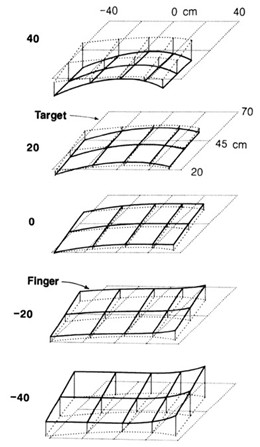
      (3) To address the request for examining drebrin phosphorylation state, we decided to perform another phophoproteomic experiment, leveraging a parallel analysis incorporated in our latest manuscript (Chen et al., Mol Theraphy 2025). In this experiment, we isolated total striatal proteins from WT and G2019S KI mice and enriched the phospho-peptides. Unlike the experiment presented in Fig. 7, phosphopeptides were enriched from total striatal lysates rather than synaptosomal fractions, and phosphorylation levels were normalized to the corresponding total protein abundance. This approach was intended to avoid bias toward synaptic proteins, allowing for the analysis of a broader pool of proteins derived from a heterogeneous ensemble of cell types (neurons, glia, endothelial cells, pericytes etc.). We were pleased to find that this new experiment confirmed drebrin S339 as a differentially phosphorylated site, with a 3.7 fold higher abundance in G2019S Lrrk2 KI mice. The fact that this experiment evidenced an increased phosphorylation stoichiometry in G2019S mice rather than a decreased is likely due to the normalization of each peptide by its corresponding total protein. Gene ontology analysis of differentially phosphorylated proteins using stringent term size (<200 genes) showed post-synaptic spines and presynaptic active zones as enriched categories (Fig. 3F). A SynGO analysis confirms both pre and postsynaptic categories, with high significance for terms related to postsynaptic cytoskeleton (Fig. 3G). As pointed, this is particularly interesting as the starting material was whole striatal tissue – not synaptosomes as previously – indicating that most significant phosphorylation differences occur in synaptic compartments. This once again reinforces our hypothesis that LRRK2 has a prominent role in the synapse. Overall, we confirmed with an independent phosphoproteomic analysis that LRRK2 kinase activity influences the phosphorylation state of proteins related to synaptic function, particularly postsynaptic cytoskeleton. For clarity in data presentation, as mentioned by the Reviewers, we removed Figure 7 and incorporated this new analysis in figure 3, alongside the synaptic cluster analysis. 

      Altogether, three independent OMICs approaches – (i) experimental LRRK2 interactomics in neuronal cells, (ii) a literature-based LRRK2 synaptic/cytoskeletal interactor cluster, and (iii) a phospho-proteomic analysis of striatal proteins from G2019S KI mice (to model LRRK2 hyperactivity) – converge to synaptic actin-cytoskeleton as a key hub of LRRK2 neuronal function.

      (c) The large differences in the CRISPR KO cells in terms of BDNF responses are not seen in the primary neurons of KO mice, suggesting that other differences between the two might be responsible, rather than the lack of LRRK2 protein. 

      Considering that some variability is expected for these type of cultures and across different species, any difference in response magnitude and kinetics could be attributed to the levels of TrKB  and downstream components expressed by the two cell types. 

      We are confident that differentiated SH-SY5Y cells provide a reliable model for our study as we could translate the results obtained in SH-SY5Y cells in other models. However, to rule out the possibility that the more pronounced effect observed in SH-SY5Y KO cells as respect to Lrrk2 KO primary neurons was due to CRISPR off-target effect, we performed an off-target analysis. Specifically, we selected the first 8 putative off targets exhibiting a CDF (Cutting Frequency Determination) off-target-score >0.2. 

      As shown in supplemental file 1, sequence disruption was observed only in the LRRK2 ontarget site in LRRK2 KO SH-SY5Y cells, while the 8 off-target regions remained unchanged across the genotypes and relative to the reference sequence. 

      (d) No validation of hits in the G2019S mutant phosphoproteomics, and no other assays related to the rest of the paper/conclusions. Drebrin phosphorylation is different but unvalidated, or related to previous data sets beyond some discussion. The fact that LRRK2 binding occurs, and increases with BDNF stimulation, should be compared to its phosphorylation status and the effects of the G2019S mutation. 

      As illustrated in the response to point (b), we performed a new phosphoproteomics investigation – with total striatal lysates instead of striatal synaptosomes and normalization phospho-peptides over total proteins – and found that S339 phosphorylation increases when LRRK2 kinase activity increases (G2019S). To address the request of validating drebrin phosphorylation, the main limitation is that there are no available antibodies against Ser339. While we tried phos-Tag gels in striatal lysates, we could not detect any reliable and specific signal with the same drebrin antibody used for western blot (Thermo Fisher Scientific: MA120377) due to technical limitations of the phosTag method. We are confident that phosphorylation at S339 has a physiological relevance, as it was identified 67 times across multiple proteomic discovery studies and they are placed among the most frequently phosphorylated sites in drebrin (https://www.phosphosite.org/proteinAction.action?id=2675&showAllSites=true).

      To infer a possible role of this phosphorylation, we looked at the predicted pathogenicity of using AlphaMissense (Cheng et al., Science 2023). included as supplementary figure (Fig. S3), aminoacid substitutions within this site are predicted not to be pathogenic, also due to the low confidence of the AlphaFold structure. 

      Ser339 in human drebrin is located just before the proline-rich region (PP domain) of the protein. This region is situated between the actin-binding domains and the C-terminal Homerbinding sequences and plays a role in protein-protein interactions and cytoskeletal regulation (Worth et al., J Cell Biol, 2013). Of interest, this region was previously shown to be the interaction site of adafin (ADFN), a protein involved in multiple cytoskeletal-related processes, including synapse formation and function by regulating puncta adherentia junctions, presynaptic differentiation, and cadherin complex assembly, which are essential for hippocampal excitatory synapses, spine formation, and learning and memory processes (Beaudoin, G. M., 3rd et al., J Neurosci, 2013). Of note, adafin is in the list of LRRK2 interacting proteins (https://www.ebi.ac.uk/intact/home), supporting a possible functional relevance of LRRK2-mediated drebrin phosphorylation in adafin-drebrin complex formation. This has been discussed in the discussion section.

      The aim of this MS analysis in G2019S KI mice – now included in figure 3 – was to further validate the crucial role of LRRK2 kinase activity in the context of synaptic regulation, rather than to discover and characterize novel substrates. Consequently, Figure 7 has been eliminated. 

      Reviewer #2 (Public Review):  

      Taken as a whole, the data in the manuscript show that BDNF can regulate PD-associated kinase LRRK2 and that LRRK2 modifies the BDNF response. The chief strength is that the data provide a potential focal point for multiple observations across many labs. Since LRRK2 has emerged as a protein that is likely to be part of the pathology in both sporadic and LRRK2 PD, the findings will be of broad interest. At the same time, the data used to imply a causal throughline from BDNF to LRRK2 to synaptic function and actin cytoskeleton (as in the title) are mostly correlative and the presentation often extends beyond the data. This introduces unnecessary confusion. There are also many methodological details that are lacking or difficult to find. These issues can be addressed. 

      We appreciate the Reviewer’s positive feedback on our study. We also value the suggestion to present the data in a more streamlined and coherent way. In response, we have updated the title to better reflect our overall findings: “LRRK2 Regulates Synaptic Function through Modulation of Actin Cytoskeletal Dynamics.” Additionally, we have included several experiments that we believe enhance and unify the study.

      (1) The writing/interpretation gets ahead of the data in places and this was confusing. For example, the abstract highlights prior work showing that Ser935 LRRK2 phosphorylation changes LRRK2 localization, and Figure 1 shows that BDNF rapidly increases LRRK2 phosphorylation at this site. Subsequent figures highlight effects at synapses or with synaptic proteins. So is the assumption that LRRK2 is recruited to (or away from) synapses in response to BDNF? Figure 2H shows that LRRK2-drebrin interactions are enhanced in response to BDNF in retinoic acid-treated SH-SY5Y cells, but are synapses generated in these preps? How similar are these preps to the mouse and human cortical or mouse striatal neurons discussed in other parts of the paper (would it be anticipated that BDNF act similarly?) and how valid are SHSY5Y cells as a model for identifying synaptic proteins? Is drebrin localization to synapses (or its presence in synaptosomes) modified by BDNF treatment +/- LRRK2? Or do LRRK2 levels in synaptosomes change in response to BDNF? The presentation requires re-writing to stay within the constraints of the data or additional data should be added to more completely back up the logic. 

      We thank the Reviewer for the thorough suggestions and comments. We have extensively revised the text to accurately reflect our findings without overinterpreting. In particular, we agree with the Reviewer that differentiated SH-SY5Y cells are not  identical to primary mouse or human neurons; however both neuronal models respond to BDNF. Supporting our observations, it is known that SH-SY5Y cells respond to BDNF.  In fact, a common protocol for differentiating SH-SY5Y cells involve BDNF in combination with retinoic acid (Martin et al., Front Pharmacol, 2022; Kovalevich et al., Methods in mol bio, 2013). Additionally, it has been reported that SH-SY5Y cells can form functional synapses (Martin et al., Front Pharmacol, 2022). While we are aware that BDNF, drebrin or LRRK2 can also affect non-synaptic pathways, we focused on synapses when moved to mouse models since: (i) MS and phosphoMS identified several cytoskeletal proteins enriched at the synapse, (ii) we and others have previously reported a role for LRRK2 in governing synaptic and cytoskeletal related processes; (iii) the synapse is a critical site that becomes dysfunctional in the early  stages of PD. We have now clarified and adjusted the text as needed. We have also performed additional experiments to address the Reviewer’s concern:

      (1) “Is the assumption that LRRK2 is recruited to (or away from) synapses in response to BDNF”? This is a very important point. There is consensus in the field that detecting endogenous LRRK2 in brain slices or in primary neurons via immunofluorescence is very challenging with the commercially available  antibodies (Fernandez et al., J Parkinsons Dis, 2022). We established a method in our previous studies to detect LRRK2 biochemically in synaptosomes (Cirnaru et al., Front Mol Neurosci, 2014; Belluzzi et al., Mol Neurodegener., 2016). While these data indicate LRRK2 is present in the synaptic compartments, it would be quite challenging to apply this method to the present study. In fact, applying acute BDNF stimulation in vivo and then isolate synaptosomes is a complex experiment beyond the timeframe of the revision due to the need of mouse ethical approvals. However, this is definitely an intriguing angle to explore in the future.

      (2)“Is drebrin localization to synapses (or its presence in synaptosomes) modified by BDNF treatment +/- LRRK2?” To try and address this question, we adapted a previously published assay to measure drebrin exodus from dendritic spines. During calcium entry and LTP, drebrin exits dendritic spines and accumulates in the dendritic shafts and cell body (Koganezawa et al., 2017). This facilitates the reorganization of the actin cytoskeleton (Shirao et al., 2017). Given the known role of drebrin and its interaction with LRRK2, we hypothesized that LRRK2 loss might affect drebrin relocalization during spine maturation.

      To test this, we treated DIV14 primary cortical neurons from Lrrk2 WT and KO mice with BDNF for 5, 15, and 24 hours, then performed confocal imaging of drebrin localization (Author response image 1). Neurons were transfected at DIV4 with GFP (cell filler) and PSD95 (dendritic spines) for visualization, and endogenous drebrin was stained with an anti-drebrin antibody. We then measured drebrin's overlap with PSD95-positive puncta to track its localization at the spine.

      In Lrrk2 WT neurons, drebrin relocalized from spines after BDNF stimulation, peaking at 15 minutes and showing higher co-localization with PSD95 at 24 hours, indicating the spine remodeling occurred. In contrast, Lrrk2 KO neurons showed no drebrin exodus. These findings support the notion that LRRK2's interaction with drebrin is important for spine remodeling via BDNF. However, additional experiments with larger sample sizes are needed, which were not feasible within the revision timeframe (here n=2 experiments with independent neuronal preparations, n=4-7 neurons analyzed per experiment). Thus, we included the relevant figure as Author response image 1 but chose not to add it in the manuscript (figure 3).

      Author response image 1.

      Lrrk2 affects drebrin exodus from dendritic spines. After the exposure to BDNF for different times (5 minutes, 15 minutes and 24 hours), primary neurons from Lrrk2 WT and KO mice have been transfected with GFP and PSD95 and stained for endogenous drebrin at DIV4. The amount of drebrin localizing in dentritic spines outlined by PSD95 has been assessed at DIV14. The graph shows a pronounced decrease in drebrin content in WT neurons during short time treatments and an increase after 24 hours. KO neurons present no evident variations in drebrin localization upon BDNF stimulation. Scale bar: 4 μm.<br />

      (2) The experiments make use of multiple different kinds of preps. This makes it difficult at times to follow and interpret some of the experiments, and it would be of great benefit to more assertively insert "mouse" or "human" and cell type (cortical, glutamatergic, striatal, gabaergic) etc. 

      We thank the Reviewer for pointing this out. We have now more clearly specified the cell type and species identity throughout the text to improve clarity and interpretation.

      (3) Although BDNF induces quantitatively lower levels of ERK or Akt phosphorylation in LRRK2KO preps based on the graphs (Figure 4B, D), the western blot data in Figure 4C make clear that BDNF does not need LRRK2 to mediate either ERK or Akt activation in mouse cortical neurons and in 4A, ERK in SH-SY5Y cells. The presentation of the data in the results (and echoed in the discussion) writes of a "remarkably weaker response". The data in the blots demand more nuance. It seems that LRRK2 may potentiate a response to BDNF that in neurons is independent of LRRK2 kinase activity (as noted). This is more of a point of interpretation, but the words do not match the images.  

      We thank the Reviewer for pointing this out. We have rephrased our data  presentation to better convey  our findings. We were not surprised to find that loss of LRRK2 causes only a reduction of ERK and AKT activation upon BDNF rather than a complete loss. This is because these pathways are complex and redundant and are activated by a number of cellular effectors. The fact that LRRK2 is one among many players whose function can be compensated by other signaling molecules is also supported by the phenotype of Lrrk2 KO mice that is measurable at 1 month but disappears with adulthood (4 and 18 months) (figure 5).

      Moreover, we removed the sentence “Of note, 90 mins of Lrrk2 inhibition (MLi-2) prior to BDNF stimulation did not prevent phosphorylation of Akt and Erk1/2, suggesting that LRRK2 participates in BDNF-induced phosphorylation of Akt and Erk1/2 independently from its kinase activity but dependently from its ability to be phosphorylated at Ser935 (Fig. 4C-D and Fig. 1B-C)” since the MLi-2 treatment prior to BDNF stimulation was not quantified and our new data point to an involvement of LRRK2 kinase activity upon BDNF stimulation.

      (4) Figure 4F/G shows an increase in PSD95 puncta per unit length in response to BDNF in mouse cortical neurons. The data do not show spine induction/dendritic spine density/or spine morphogenesis as suggested in the accompanying text (page 8). Since the neurons are filled/express gfp, spine density could be added or spines having PSD95 puncta. However, the data as reported would be expected to reflect spine and shaft PSDs and could also include some nonsynaptic sites. 

      The Reviewer is right. We have rephrased the text to reflect an increase in postsynaptic density (PSD) sites, which may include both spine and shaft PSDs, as well as potential nonsynaptic sites.

      (5) Experimental details are missing that are needed to fully interpret the data. There are no electron microscopy methods outside of the figure legend. And for this and most other microscopy-based data, there are few to no descriptions of what cells/sites were sampled, how many sites were sampled, and how regions/cells were chosen. For some experiments (like Figure 5D), some detail is provided in the legend (20 segments from each mouse), but it is not clear how many neurons this represents, where in the striatum these neurons reside, etc. For confocal z-stacks, how thick are the optical sections and how thick is the stack? The methods suggest that data were analyzed as collapsed projections, but they cite Imaris, which usually uses volumes, so this is confusing. The guide (sgRNA) sequences that were used should be included. There is no mention of sex as a biological variable. 

      We thank the Reviewer for pointing out this missing information. We have now included:

      (1) EM methods (page 24)

      (2) Methods for ICC and confocal microscopy now incorporates the Z-stack thickness (0.5 μm x 6 = 3 μm) on page 23.

      (3) Methods for Golgi-Cox staining now incorporates the Z-stack thickness and number of neurons and segments per neuron analyzed. 

      (4) The sex of mice is mentioned in the material and methods (page 17): “Approximately equal numbers of males and females were used for every experiment”.

      (6) For Figures 1F, G, and E, how many experimental replicates are represented by blots that are shown? Graphs/statistics could be added to the supplement. For 1C and 1I, the ANOVA p-value should be added in the legend (in addition to the post hoc value provided). 

      The blots relative to figure 1F,G and E are representative of several blots (at least n=5). The same redouts are part of figure 4 where quantifications are provided. We added the ANOVA p-value in the legend for figure 1C, 1I and 1K.

      (7) Why choose 15 minutes of BDNF exposure for the mass spec experiments when the kinetics in Figure 1 show a peak at 5 mins?  

      This is an important point. We repeated the experiment in GFP-LRRK2 SH-SY5Y cells (figure S1C) and included the 15 min time point. In addition to confirming that pSer935 increases similarly at 5 and 15 minutes, we also observed an increase in RAB phosphorylation at these time points. As mentioned in our response to Reviewer’s 1, we pretreated with MLi-2 for 90 minutes in this experiment to reduce the high basal phosphorylation stoichiometry of pSer935. 

      (8) The schematic in Figure 6A suggests that iPSCs were plated, differentiated, and cultured until about day 70 when they were used for recordings. But the methods suggest they were differentiated and then cryopreserved at day 30, and then replated and cultured for 40 more days. Please clarify if day 70 reflects time after re-plating (30+70) or total time in culture (70). If the latter, please add some notes about re-differentiation, etc. 

      We thank the reviewer for providing further clarity on the iPSC methodology. In the submitted manuscript 70DIV represents the total time in vitro and the process involved a cryostorage event at 30DIV, with a thaw of the cells and a further 40 days of maturation before measurement.  We have adjusted the methods in both the text and figure (new schematic) to clarify this.  The cryopreservation step has been used in other iPSC methods to great effect (Drummond et al., Front Cell Dev Biol, 2020). Due to the complexity and length of the iPSC neuronal differentiation process, cryopreservation represents a useful method with which to shorten and enhance the ability to repeat experiments and reduce considerable variation between differentiations. User defined differences in culture conditions for each batch of neurons thawed can usefully be treated as a new and separate N compared to the next batch of neurons.

      (9) When Figures 6B and 6C are compared it appears that mEPSC frequency may increase earlier in the LRRK2KO preps than in the WT preps since the values appear to be similar to WT + BDNF. In this light, BDNF treatment may have reached a ceiling in the LRRK2KO neurons.

      We thank the reviewer for his/her comment and observations about the ceiling effects. It is indeed possible that the loss of LRRK2 and the application of BDNF could cause the same elevation in synaptic neurotransmission. In such a situation, the increased activity as a result of BDNF treatment would be masked by the increased activity  observed as a result of LRRK2 KO. To better visualize the difference between WT and KO cultures and the possible ceiling effect, we merged the data in one single graph.  

      (10) Schematic data in Figures 5A and C and Figures 5B and E are too small to read/see the data. 

      We thank the Reviewer for this suggestion. We have now enlarged figure 5A and moved the graph of figure 5D in supplemental figure S5, since this analysis of spine morphology is secondary to the one shown in figure 5C.

      Reviewer #1 (Recommendations For The Authors): 

      Please forgive any redundancy in the comments, I wanted to provide the authors with as much information as I had to explain my opinion. 

      Primary mouse cortical neurons at div14, 20% transient increase in S935 pLRRK2 5min after BDNF, which then declines by 30 minutes (below pre-stim levels, and maybe LRRK2 protein levels do also). 

      In differentiated SHSY5Y cells there is a large expected increase in pERK and pAKT that is sustained way above pre-stim for 60 minutes. There is a 50% initial increase in pLRRK2 (but the blot is not very clear and no double band in these cells), which then looks like reduced well below pre-stim by 30 & 60 minutes. 

      We thank the Reviewer for bring up this important point. We have extensively addressed this issue in the public review rebuttal. In essence, the phosphorylation of Ser935 is near saturation under unstimulated conditions, as evidenced by its high basal stoichiometry, whereas Rab phosphorylation is far from saturation, showing an increase upon BDNF stimulation before returning to baseline levels. This distinction highlights that while pSer935 exhibits a ceiling effect due to its near-maximal phosphorylation at rest, pRab responds dynamically to BDNF, indicating low basal phosphorylation and a significant capacity for increase. Figure 1 in the rebuttal summarizes the new data collected. 

      GFP-fused overexpressed LRRK2 coIPs with drebrin, and this is double following 15 min BDNF. Strong result.

      We thank the Reviewer.

      BDNF-induced pAKT signaling is greatly impaired, and pERK is somewhat impaired, in CRISPR LKO SHSY5Y cells. In mouse primaries, both AKT and Erk phosph is robustly increased and sustained over 60 minutes in WT and LKO. This might be initially less in LKO for Akt (hard to argue on a WB n of 3 with huge WT variability), regardless they are all roughly the same by 60 minutes and even look higher in LKO at 60. This seems like a big disconnect and suggests the impairment in the SHSy5Y cells might have more to do with the CRISPR process than the LRRK2. Were the cells sequenced for off-target CRISPR-induced modifications?  

      Following the Reviewer suggestion – and as discussed in the public review section - we performed an off-target analysis. Specifically, we selected the first 8 putative off targets exhibiting a CDF (Cutting Frequency Determination) off-target-score >0.2. As shown in supplemental file 1, sequence disruption was observed only in the LRRK2 on-target site in LRRK2 KO SH-SY5Y cells, while the 8 off-target regions remained unchanged across the genotypes and relative to the reference sequence.  

      No difference in the density of large PSD-95 puncta in dendrites of LKO primary relative to WT, and the small (10%) increase seen in WT after BDNF might be absent in LKO (it is not clear to me that this is absent in every culture rep, and the data is not highly convincing). This is also referred to as spinogenesis, which has not been quantified. Why not is confusing as they did use a GFP fill... 

      The Reviewer is right that spinogenesis is not the appropriate term for the process analyzed. We replaced “spinogenesis” with “morphological alternation of dendritic protrusions” or “synapse maturation” which is correlated with the number of PSD95 positive puncta (ElHusseini et al., Science, 2000) . 

      There is a difference in the percentage of dendritic protrusions classified as filopodia to more being classified as thin spines in LKO striatal neurons at 1 month, which is not seen at any other age, The WT filopodia seems to drop and thin spine percent rise to be similar to LKO at 4 months. This is taken as evidence for delayed maturation in LKO, but the data suggest the opposite. These authors previously published decreased spine and increased filopodia density at P15 in LKO. Now they show that filopodia density is decreased and thin spine density increased at one month. How is that shift from increased to decreased filopodia density in LKO (faster than WT from a larger initial point) evidence of impaired maturation? Again this seems accelerated? 

      We agree with the Reviewer that the initial interpretation was indeed confusing. To adhere closely to our data and avoid overinterpretation – as also suggested by Reviewer 2 – we revised  the text and moved figure 5D to supplementary materials. In essence, our data point out to alterations in the structural properties of dendritic protrusions in young KO mice, specifically a reduction in  their size (head width and neck height) and a decrease in postsynaptic density (PSD) length, as observed with TEM. These findings suggest that LRRK2 is involved in morphological processes during spine development. 

      Shank3 and PSD95 mRNA transcript levels were reduced in the LKO midbrain, only shank3 was reduced in the striatum and only PSD was reduced in the cortex. No changes to mRNA of BDNF-related transcripts. None of these mRNA changes protein-validated. Drebrin protein (where is drebrin mRNA?) levels are reduced in LKO at 1&4 but not clearly at 18 months (seems the most robust result but doesn't correlate with other measures, which here is basically a transient increase (1m) in thin striatal spines).  

      As illustrated before, we performed qPCR for Dbn1 and found that its expression is significantly reduced in the cortex and midbrain and non-significantly reduced in the striatum (1 months old mice, a different cohort as those used for the other analysis in figure 5).  

      24h BDNF increases the frequency of mEPSCs on hIPSC-derived cortical-like neurons, but not LKO, which is already high. There are no details of synapse number or anything for these cultures and compares 24h treatment. BDNF increases mEPSC frequency within minutes PMC3397209, and acute application while recording on cells may be much more informative (effects of BDNF directly, and no issues with cell-cell / culture variability). Calling mEPSC "spontaneous electrical activity" is not standard.  

      We thank the reviewer for this point. We provided information about synapse number (Bassoon/Homer colocalization) in supplementary figure S7. The lack of response of LRRK2 KO cultures in terms of mEPSC is likely due to increase release probability as the number of synapses does not change between the two genotypes. 

      The pattern of LRRK2 activation is very disconnected from that of BDNF signalling onto other kinases. Regarding pLRRK2, s935 is a non-autophosph site said to be required for LRRK2 enzymatic activity, that is mostly used in the field as a readout of successful LRRK2 inhibition, with some evidence that this site regulates LRRK2 subcellular localization (which might be more to do with whether or not it is p at 935 and therefor able to act as a kinase). 

      The authors imply BDNF is activating LRRK2, but really should have looked at other sites, such as the autophospho site 1292 and 'known' LRRK2 substrates like T73 pRab10 (or other e.g., pRab12) as evidence of LRRK2 activation. One can easily argue that the initial increase in pLRRK2 at this site is less consequential than the observation that BDNF silences LRRK2 activity based on p935 being sustained to being reduced after 5 minutes, and well below the prestim levels... not that BDNF activates LRRK2. 

      As described above, we have collected new data showing that BDNF stimulation increases LRRK2 kinase activity toward its physiological substrates Rab10 and Rab8 (using a panphospho-Rab antibody) (Figure 1 and Figure S1). Additionally, we have also extensively commented the ceiling effect of pS935.

      BDNF does a LOT. What happens to network activity in the neural cultures with BDNF application? Should go up immediately. Would increasing neural activity (i.e., through depolarization, forskolin, disinhibition, or something else without BDNF) give a similar 20% increase in pS935 LRRK2? Can this be additive, or occluded? This would have major implications for the conclusions that BDNF and pLRRK2 are tightly linked (as the title suggests).  

      These are very valuable observations; however, they fall outside the scope and timeframe of this study. We agree that future research should focus on gaining a deeper mechanistic understanding of how LRRK2 regulates synaptic activity, including vesicle release probability and postsynaptic spine maturation, independently of BDNF.

      Figures 1A & H "Western blot analysis revealed a rapid (5 mins) and transient increase of Ser935 phosphorylation after BDNF treatment (Fig. 1B and 1C). Of interest, BDNF failed to stimulate Ser935 phosphorylation when neurons were pretreated with the LRRK2 inhibitor MLi-2" . The first thing that stands out is that the pLRRK2 in WB is not very clear at all (although we appreciate it is 'a pig' to work with, I'd hope some replicates are clearer); besides that, the 20% increase only at 5min post-BDNF stimulation seems like a much less profound change than the reduction from base at 60 and more at 180 minutes (where total LRRK2 protein is also going down?). That the blot at 60 minutes in H is representative of a 30% reduction seems off... makes me wonder about the background subtraction in quantification (for this there is much less pLRRK2 and more total LRRK2 than at 0 or 5). LRRK2 (especially) and pLRRK2 seem very sketchy in H. Also, total LRRK2 appears to increase in the SHSY5Y cell not the neurons, and this seems even clearer in 2 H. 

      To better visualize the dynamics of pS935 variation relative to time=0, we presented the data as the difference between t=0 and t=x. It clearly shows that pSe935 goes below prestimulation levels, whereas pRab10 does not. The large difference in the initial stoichiometry of these two phosphorylation is extensively discussed above.

      That MLi2 eliminates pLRRK2 (and seems to reduce LRRK2 protein?) isn't surprising, but a 90min pretreatment with MLi-2 should be compared to MLi-2's vehicle alone (MLi-2 is notoriously insoluble and the majority of diluents have bioactive effects like changing activity)... especially if concluding increased pLRRK2 in response to BDNF is a crucial point (when comparing against effects on other protein modifications such as pAKT). This highlights a second point... the changes to pERK and pAKT are huge following BDNF (nothing to massive quantities), whereas pLRRK2 increases are 20-50% at best. This suggests a very modest effect of BDNF on LRRK in neurons, compared to the other kinases. I worry this might be less consequential than claimed. Change in S1 is also unlikely to be significant... 

      These comments have been thoroughly addressed in the previous responses. Regarding fig. S1, we added an additional experiment (Figure S1C) in GFP-LRRK2 cells showing robust activation of LRRK2 (pS935, pRabs) at the timepoint of MS (15 min).

      "As the yields of endogenous LRRK2 purification were insufficient for AP-MS/MS analysis, we generated polyclonal SH-SY5Y cells stably expressing GFP-LRRK2 wild-type or GFP control (Supplementary Fig. 1)" . I am concerned that much is being assumed regarding 'synaptic function' from SHSY5Y cells... also overexpressing GFP-LRRK2 and looking at its binding after BDNF isn't synaptic function.  

      We appreciate the reviewer’s comment. We would like to clarify that the interactors enriched upon BDNF stimulation predominantly fall into semantic categories related to the synapse and actin cytoskeleton. While this does not imply that these interactors are exclusively synaptic, it suggests that this tightly interconnected network likely plays a role in synaptic function. This interpretation is supported by several lines of evidence: (1) previous studies have demonstrated the relevance of this compartment to LRRK2 function; (2) our new phosphoproteomics data from striatal lysate highlight enrichment of synaptic categories; and (3) analysis of the latest GWAS gene list (134 genes) also indicates significant enrichment of synapse-related categories. Taken together, these findings justify further investigation into the role of LRRK2 in synaptic biology, as discussed extensively in the manuscript’s discussion section.

      Figure 2A isn't alluded to in text and supplemental table 1 isn't about LRRK2 binding, but mEPSCs. 

      We have added Figure 2A and added supplementary .xls table 1, which refers to the excel list of genes with modulated interaction upon BDNF (uploaded in the supplemental material).

      We added the extension .xls also for supplementary table 2 and 3. 

      Figure 2A is useless without some hits being named, and the donut plots in B add nothing beyond a statement that "35% of 'genes' (shouldn't this be proteins?) among the total 207 LRRK2 interactors were SynGO annotated" might as well [just] be the sentence in the text. 

      We have now included the names of the most significant hits, including cytoskeletal and translation-related proteins, as well as known LRRK2 interactors. We decided to retain the donut plots, as we believe they simplify data interpretation for the reader, reducing the need to jump back and forth between the figures and the text.

      Validation of drebrin binding in 2H is great... although only one of 8 named hits; could be increased to include some of the others. A concern alludes to my previous point... there is no appreciable LRRK2 in these cells until GFP-LRRK2 is overexpressed; is this addressed in the MS? Conclusions would be much stronger if bidirectional coIP of these binding candidates were shown with endogenous (GFP-ve) LRRK2 (primaries or hIPSCs, brain tissue?) 

      To address the Reviewer’s concerns to the best of our abilities, we have added a blot in Supplemental figure S1A showing how the expression levels of LRRK2 increase after RA differentiation. Moreover, we have included several new data further strengthening the functional link between LRRK2 and drebrin, including qPCR of Dbn1 in one-month old Lrrk2 KO brains, western blots of Lrrk2 and Rab in Dbn1 KO brains, and co-IP with drebrin N- and Cterm domains. 

      Figures 3 A-C are not informative beyond the text and D could be useful if proteins were annotated. 

      To avoid overcrowding, proteins were annotated in A and the same network structure reported for synaptic and actin-related interactors. 

      Figure 4. Is this now endogenous LRRK2 in the SHSY5Y cells? Again not much LRRK2 though, and no pLRRK shown. 

      We confirm that these are naïve SH-SY5Y cells differentiated with RA and LRRK2 is endogenous. We did not assess pS935 in this experiment, as the primary goal was to evaluate pAKT and pERK1/2 levels. To avoid signal saturation, we loaded less total protein (30 µg instead of the 80 µg typically required to detect pS935). pS935 levels were extensively assessed in Figure 1. This experimental detail has now been added in the material and methods section (page 18).

      In C (primary neurons) There is very little increase in pLRRK2 / LRRK2 at 5 mins, and any is much less profound a change than the reduction at 30 & 60 mins. I think this is interesting and may be a more substantial consequence of BDNF treatment than the small early increase. Any 5 min increase is gone by 30 and pLRRK2 is reduced after. This is a disconnect from the timing of all the other pProteins in this assay, yet pLRRK2 is supposed to be regulating the 'synaptic effects'? 

      The first part of the question has already been extensively addressed. Regarding the timing, one possibility is that LRRK2 is activated upstream of AKT and ERK1/2, a hypothesis supported by the reduced activation of AKT and ERK1/2 observed in LRRK2 KO cells, as discussed in the manuscript, and in MLi-2 treated cells (Author response image 2). Concerning the synaptic effects, it is well established that synaptic structural and functional plasticity occurs downstream of receptor activation and kinase signaling cascades. These changes can be mediated by both rapid mechanisms (e.g., mobilization of receptor-containing endosomes via the actin cytoskeleton) and slower processes involving gene transcription of immediate early genes (IEGs). Since structural and functional changes at the synapse generally manifest several hours after stimulation, we typically assessed synaptic activity and structure 24 hours post-stimulation.

      Akt Erk1&2 both go up rapidly after BDNF in WT, although Akt seems to come down with pLRRK2. If they aren't all the same Akt is probably the most different between LKO and WT but I am very concerned about an n=3 for wb, wb is semi-quantitative at best, and many more than three replicates should be assessed, especially if the argument is that the increases are quantitively different between WT v KO (huge variability in WT makes me think if this were done 10x it would all look same). Moreover, this isn't similar to the LKO primaries  "pulled pups" pooled presumably. 

      Despite some variability in the magnitude of the pAKT/pERK response in naïve SH-SY5Y cells, all three independent replicates consistently showed a reduced response in LRRK2 KO cells, yielding a highly significant result in the two-way ANOVA test. In contrast, the difference in response magnitude between WT and LRRK2 KO primary cultures was less pronounced, which justified repeating the experiments with n=9 replicates. We hope the Reviewer acknowledges the inherent variability often observed in western blot experiments, particularly when performed in a fully independent manner (different cultures and stimulations, independent blots).

      To further strengthen the conclusion that this effect is reproducible and dependent on LRRK2 kinase activity upstream of AKT and ERK, we probed the membranes in figure 1H with pAKT/total AKT and pERK/total ERK. All things considered and consistent with our hypothesis, MLi-2 significantly reduced BDNF-mediated AKT and ERK1/2 phosphorylation levels (Author response image 2). 

      Author response image 2.

      Western blot (same experiments as in figure 1) was performed using antibodies against phospho-Thr202/185 ERK1/2, total ERK1/2 and phospho-Ser473 AKT, total AKT protein levels Retinoic acid-differentiated SH-SY5Y cells stimulated with 100 ng/mL BDNF for 0, 5, 30, 60 mins. MLi-2 was used at 500 nM for 90 mins to inhibit LRRK2 kinase activity.

      G lack of KO effect seems to be skewed from one culture in the plot (grey). The scatter makes it hard to read, perhaps display the culture mean +/- BDNF with paired bars. The fact that one replicate may be changing things is suggested by the weirdly significant treatment effect and no genotype effect. Also, these are GFP-filled cells, the dendritic masks should be shown/explained, and I'm very surprised no one counted the number (or type?) of protrusions, especially as the text describes this assay (incorrectly) as spinogenesis... 

      As suggested by the Reviewer we have replotted the results as bar graphs. Regarding the number of protrusions, we initially counted the number of GFP+ puncta in the WT and did not find any difference (Author response image 3). Due to our imaging setup (confocal microscopy rather than super-resolution imaging and Imaris 3D reconstruction), we were unable to perform a fine morphometric analysis. However, this was not entirely unexpected, as BDNF is known to promote both the formation and maturation of dendritic spines. Therefore, we focused on quantifying PSD95+ puncta as a readout of mature postsynaptic compartments. While we acknowledge that we cannot definitively conclude that each PSD95+ punctum is synaptically connected to a presynaptic terminal, the data do indicate an increase in the number of PSD95+ structures following BDNF stimulation.

      Author response image 3.

      GFP+ puncta per unit of neurite length (µm) in DIV14 WT primary neurons untreated or upon 24 hour of BDNF treatment (100 ng/ml). No significant difference were observed (n=3).

      Figure 5. "Dendritic spine maturation is delayed in Lrrk2 knockout mice". The only significant change is at 1 month in KO which shows fewer filopodia and increased thin spines (50% vs wt). At 4 months the % of thin spines is increased to 60% in both... Filopodia also look like 4m in KO at 1m... How is that evidence for delayed maturation? If anything it suggests the KO spines are maturing faster. "the average neck height was 15% shorter and the average head width was 27% smaller, meaning that spines are smaller in Lrrk2 KO brains" - it seems odd to say this before saying that actually there are just MORE thin spines, the number of mature "mushroom' is same throughout, and the different percentage of thin comes from fewer filopodia. This central argument that maturation is delayed is not supported and could be backwards, at least according to this data. Similarly, the average PSD length is likely impacted by a preponderance of thin spines in KO... which if mature were fewer would make sense to say delayed KO maturation, but this isn't the case, it is the fewer filopodia (with no PSD) that change the numbers. See previous comments of the preceding manuscript. 

      We agree that thin spines, while often considered more immature, represent an intermediate stage in spine development. The data showing an increase in thin spines at 1 month in the KO mice, along with fewer filopodia, could suggest a faster stabilization of these spines, which might indeed be indicative of premature maturation rather than delayed maturation. This change in spine morphology may indicate that the dynamics of synaptic plasticity are affected. Regarding the PSD length, as the Reviewer pointed out, the increased presence of thin spines in KO might account for the observed changes in PSD measurements, as thin spines typically have smaller PSDs. This further reinforces the idea that the overall maturation process may be altered in the KO, but not necessarily delayed. 

      We rephrase the interpretation of these data, and moved figure 5D as supplemental figure S4.

      "To establish whether loss of Lrrk2 in young mice causes a reduction in dendritic spines size by influencing BDNF-TrkB expression" - there is no evidence of this.  

      We agree and reorganized the text, removing this sentence.  

      Shank and PSD95 mRNA changes being shown without protein adds very little. Why is drebrin RNA not shown? Also should be several housekeeping RNAs, not one (RPL27)? 

      We measured Dbn1 mRNA, which shows a significant reduction in midbrain and cortex. Moreover we have now normalized the transcript levels against the geometrical means of three housekeeping genes (RPL27, actin, and GAPDH) relative abundance.

      Drebrin levels being lower in KO seems to be the strongest result of the paper so far (shame no pLRRK2 or coIP of drebrin to back up the argument). DrebrinA KO mice have normal spines, what about haploinsufficient drebrin mice (LKO seem to have half derbrin, but only as youngsters?)  

      As extensively explained in the public review, we used Dbn1 KO mouse brains and were able to show reduced Lrrk2 activity.

      Figure 6. hIPSC-derived cortical neurons. The WT 'cortical' neurons have a very low mEPSC frequency at 0.2Hz relative to KO. Is this because they are more or less mature? What is the EPSC frequency of these cells at 30 and 90 days for comparison? Also, it is very very hard to infer anything about mEPSC frequency in the absence of estimates of cell number and more importantly synapse number. Furthermore, where are the details of cell measures such as capacitance, resistance, and quality control e.g., Ra? Table s1 seems redundant here, besides suggesting that the amplitude is higher in KO at base. 

      We agree that the developmental trajectory of iPSC-derived neurons is critical to accurately interpreting synaptic function and plasticity. In response, we have included additional data now presented in the supplementary figure S7 and summarize key findings below:

      At DIV50, both WT and LRRK2 KO neurons exhibit low basal mEPSC activity (~0.5 Hz) and no response to 24 h BDNF stimulation (50 ng/mL).

      At DIV70 WT neurons show very low basal activity (~0.2 Hz), which increases ~7.5-fold upon BDNF treatment (1.5 Hz; p < 0.001), and no change in synapse number. KO neurons display elevated basal activity (~1 Hz) similar to BDNF-treated WT neurons, with no further increase upon BDNF exposure (~1.3 Hz) and no change in synapse number.

      At DIV90, no significant effect of BDNF in both WT and KO, indicating a possible saturation of plastic responses. The lack of BDNF response at DIV90 may be due to endogenous BDNF production or culture-based saturation effects. While these factors warrant further investigation (e.g., ELISA, co-culture systems), they do not confound the key conclusions regarding the role of LRRK2 in synaptic development and plasticity:

      LRRK2 Enables BDNF-Responsive Synaptic Plasticity. In WT neurons, BDNF induces a significant increase in neurotransmitter release (mEPSC frequency) with no reduction in synapse number. This dissociation suggests BDNF promotes presynaptic functional potentiation. KO neurons fail to show changes in either synaptic function or structure in response to BDNF, indicating that LRRK2 is required for activity-dependent remodeling.

      LRRK2 Loss Accelerates Synaptic Maturation. At DIV70, KO neurons already exhibit high spontaneous synaptic activity equivalent to BDNF-stimulated WT neurons. This suggests that LRRK2 may act to suppress premature maturation and temporally gate BDNF responsiveness, aligning with the differences in maturation dynamics observed in KO mice (Figure 5).  

      As suggested by the reviewer we reported the measurement of resistance and capacitance for all DIV (Table 1, supplemental material). A reduction in capacitance was observed in WT neurons at DIV90, which may reflect changes in membrane complexity. However, this did not correlate with differences in synapse number and is unlikely to account for the observed differences in mEPSC frequency. To control for cell number between groups, cell count prior to plating was performed (80k/cm2; see also methods) on the non-dividing cells to keep cell number consistent.

      The presence of BDNF in WT seems to make them look like LKO, in the rest of the paper the suggestion is that the LKO lack a response to BDNF. Here it looks like it could be that BDNF signalling is saturated in LKO, or they are just very different at base and lack a response.

      Knowing which is important to the conclusions, and acute application (recording and BDNF wash-in) would be much more convincing.

      We agree with the Reviewer’s point that saturation of BDNF could influence the interpretation of the data if it were to occur. However, it is important to note that no BDNF exists in the media in base control and KO neuronal culture conditions. This is  different from other culture conditions and allows us to investigate the effects of  BDNF treatment. Thus, the increased mEPSC frequency observed in KO neurons compared to WT neurons is defined only by the deletion of the gene and not by other extrinsic factors which were kept consistent between the groups. The lack of response or change in mEPSC frequency in KO is proposed to be a compensatory mechanism due to the loss of LRRK2. Of Note, LRRK2 as a “synaptic break” has already been described (Beccano-Kelly et al., Hum Mol Gen, 2015). However, a comprehensive analysis of the underlying molecular mechanisms will  require future studies beyond  with the scope of this paper.

      "The LRRK2 kinase substrates Rabs are not present in the list of significant phosphopeptides, likely due to the low stoichiometry and/or abundance" Likely due to the fact mass spec does not get anywhere near everything. 

      We removed this sentence in light of the new phosphoproteomic analysis.

      Figure 7 is pretty stand-alone, and not validated in any way, hard to justify its inclusion?  

      As extensively explained we removed figure 7 and included the new phospho-MS as part of figure. 3

      Writing throughout shows a very selective and shallow use of the literature.  

      We extensively reviewed the citations.

      "while Lrrk1 transcript in this region is relatively stable during development" The authors reference a very old paper that barely shows any LRRK1 mRNA, and no protein. Others have shown that LRRK1 is essentially not present postnatally PMC2233633. This isn't even an argument the authors need to make. 

      We thank the reviewer and included this more appropriate citation. 

      Reviewer #2 (Recommendations For The Authors): 

      Cyfip1 (Fig 3A) is part of the WAVE complex (page 13). 

      We thank the reviewer and specified it.

      The discussion could be more focused. 

      We extensively revised the discussion to keep it more focused.

      Note that we updated the GO ontology analyses to reflect the updated information present in g:Profiler.

      References.

      Nirujogi, R. S., Tonelli, F., Taylor, M., Lis, P., Zimprich, A., Sammler, E., & Alessi, D. R. (2021). Development of a multiplexed targeted mass spectrometry assay for LRRK2phosphorylated Rabs and Ser910/Ser935 biomarker sites. The Biochemical journal, 478(2), 299–326. https://doi.org/10.1042/BCJ20200930

      Worth, D. C., Daly, C. N., Geraldo, S., Oozeer, F., & Gordon-Weeks, P. R. (2013). Drebrin contains a cryptic F-actin-bundling activity regulated by Cdk5 phosphorylation. The Journal of cell biology, 202(5), 793–806. https://doi.org/10.1083/jcb.201303005

      Shirao, T., Hanamura, K., Koganezawa, N., Ishizuka, Y., Yamazaki, H., & Sekino, Y. (2017). The role of drebrin in neurons. Journal of neurochemistry, 141(6), 819–834. https://doi.org/10.1111/jnc.13988

      Koganezawa, N., Hanamura, K., Sekino, Y., & Shirao, T. (2017). The role of drebrin in dendritic spines. Molecular and cellular neurosciences, 84, 85–92. https://doi.org/10.1016/j.mcn.2017.01.004

      Meixner, A., Boldt, K., Van Troys, M., Askenazi, M., Gloeckner, C. J., Bauer, M., Marto, J. A., Ampe, C., Kinkl, N., & Ueffing, M. (2011). A QUICK screen for Lrrk2 interaction partners--leucine-rich repeat kinase 2 is involved in actin cytoskeleton dynamics. Molecular & cellular proteomics: MCP, 10(1), M110.001172. https://doi.org/10.1074/mcp.M110.001172

      Parisiadou, L., & Cai, H. (2010). LRRK2 function on actin and microtubule dynamics in Parkinson disease. Communicative & integrative biology, 3(5), 396–400. https://doi.org/10.4161/cib.3.5.12286

      Chen, C., Masotti, M., Shepard, N., Promes, V., Tombesi, G., Arango, D., Manzoni, C., Greggio, E., Hilfiker, S., Kozorovitskiy, Y., & Parisiadou, L. (2024). LRRK2 mediates haloperidol-induced changes in indirect pathway striatal projection neurons. bioRxiv : the preprint server for biology, 2024.06.06.597594. https://doi.org/10.1101/2024.06.06.597594

      Cheng, J., Novati, G., Pan, J., Bycroft, C., Žemgulytė, A., Applebaum, T., Pritzel, A.,Wong, L. H., Zielinski, M., Sargeant, T., Schneider, R. G., Senior, A. W., Jumper, J., Hassabis, D., Kohli, P., & Avsec, Ž. (2023). Accurate proteome-wide missense variant effect prediction with AlphaMissense. Science (New York, N.Y.), 381(6664), eadg7492. https://doi.org/10.1126/science.adg7492

      Beaudoin, G. M., 3rd, Schofield, C. M., Nuwal, T., Zang, K., Ullian, E. M., Huang, B., & Reichardt, L. F. (2012). Afadin, a Ras/Rap effector that controls cadherin function, promotes spine and excitatory synapse density in the hippocampus. The Journal of neuroscience : the official journal of the Society for Neuroscience, 32(1), 99–110. https://doi.org/10.1523/JNEUROSCI.4565-11.2012

      Fernández, B., Chittoor-Vinod, V. G., Kluss, J. H., Kelly, K., Bryant, N., Nguyen, A. P. T., Bukhari, S. A., Smith, N., Lara Ordóñez, A. J., Fdez, E., Chartier-Harlin, M. C., Montine, T. J., Wilson, M. A., Moore, D. J., West, A. B., Cookson, M. R., Nichols, R. J., & Hilfiker, S. (2022). Evaluation of Current Methods to Detect Cellular Leucine-Rich Repeat Kinase 2 (LRRK2) Kinase Activity. Journal of Parkinson's disease, 12(5), 1423–1447. https://doi.org/10.3233/JPD-213128

      Cirnaru, M. D., Marte, A., Belluzzi, E., Russo, I., Gabrielli, M., Longo, F., Arcuri, L., Murru, L., Bubacco, L., Matteoli, M., Fedele, E., Sala, C., Passafaro, M., Morari, M., Greggio, E., Onofri, F., & Piccoli, G. (2014). LRRK2 kinase activity regulates synaptic vesicle trafficking and neurotransmitter release through modulation of LRRK2 macromolecular complex. Frontiers in molecular neuroscience, 7, 49. https://doi.org/10.3389/fnmol.2014.00049

      Belluzzi, E., Gonnelli, A., Cirnaru, M. D., Marte, A., Plotegher, N., Russo, I., Civiero, L., Cogo, S., Carrion, M. P., Franchin, C., Arrigoni, G., Beltramini, M., Bubacco, L., Onofri, F., Piccoli, G., & Greggio, E. (2016). LRRK2 phosphorylates pre-synaptic Nethylmaleimide sensitive fusion (NSF) protein enhancing its ATPase activity and SNARE complex disassembling rate. Molecular neurodegeneration, 11, 1. https://doi.org/10.1186/s13024-015-0066-z

      Martin, E. R., Gandawijaya, J., & Oguro-Ando, A. (2022). A novel method for generating glutamatergic SH-SY5Y neuron-like cells utilizing B-27 supplement. Frontiers in pharmacology, 13, 943627. https://doi.org/10.3389/fphar.2022.943627

      Kovalevich, J., & Langford, D. (2013). Considerations for the use of SH-SY5Y neuroblastoma cells in neurobiology. Methods in molecular biology (Clifton, N.J.), 1078, 9–21. https://doi.org/10.1007/978-1-62703-640-5_2

      Drummond, N. J., Singh Dolt, K., Canham, M. A., Kilbride, P., Morris, G. J., & Kunath, T. (2020). Cryopreservation of Human Midbrain Dopaminergic Neural Progenitor Cells Poised for Neuronal Differentiation. Frontiers in cell and developmental biology, 8, 578907. https://doi.org/10.3389/fcell.2020.578907

      Tao, X., Finkbeiner, S., Arnold, D. B., Shaywitz, A. J., & Greenberg, M. E. (1998). Ca2+ influx regulates BDNF transcription by a CREB family transcription factor-dependent mechanism. Neuron, 20(4), 709–726. https://doi.org/10.1016/s0896-6273(00)810107

      El-Husseini, A. E., Schnell, E., Chetkovich, D. M., Nicoll, R. A., & Bredt, D. S. (2000). PSD95 involvement in maturation of excitatory synapses. Science (New York, N.Y.), 290(5495), 1364–1368.

      Glebov OO, Cox S, Humphreys L, Burrone J. Neuronal activity controls transsynaptic geometry. Sci Rep. 2016 Mar 8;6:22703. doi: 10.1038/srep22703. Erratum in: Sci Rep. 2016 May 31;6:26422. doi: 10.1038/srep26422. PMID: 26951792; PMCID: PMC4782104.

      Beccano-Kelly DA, Volta M, Munsie LN, Paschall SA, Tatarnikov I, Co K, Chou P, Cao LP, Bergeron S, Mitchell E, Han H, Melrose HL, Tapia L, Raymond LA, Farrer MJ, Milnerwood AJ. LRRK2 overexpression alters glutamatergic presynaptic plasticity, striatal dopamine tone, postsynaptic signal transduction, motor activity and memory. Hum Mol Genet. 2015 Mar 1;24(5):1336-49. doi: 10.1093/hmg/ddu543. Epub 2014 Oct 24. PMID: 25343991.

    1. Author response:

      The following is the authors’ response to the original reviews.

      Reviewer #1 (Public Review):

      Summary:

      In this manuscript, the authors use anatomical tracing and slice physiology to investigate the integration of thalamic (ATN) and retrosplenial cortical (RSC) signals in the dorsal presubiculum (PrS). This work will be of interest to the field, as the postsubiculum is thought to be a key region for integrating internal head direction representations with external landmarks. The main result is that ATN and RSC inputs drive the same L3 PrS neurons, which exhibit superlinear summation to near-coincident inputs. Moreover, this activity can induce bursting in L4 PrS neurons, which can pass the signals LMN (perhaps gated by cholinergic input).

      Strengths:

      The slice physiology experiments are carefully done. The analyses are clear and convincing, and the figures and results are well-composed. Overall, these results will be a welcome addition to the field.

      We thank this reviewer for the positive comment on our work.

      Weaknesses:

      The conclusions about the circuit-level function of L3 PrS neurons sometimes outstrip the data, and their model of the integration of these inputs is unclear. I would recommend some revision of the introduction and discussion. I also had some minor comments about the experimental details and analysis.

      Specific major comments:

      (1) I found that the authors' claims sometimes outstrip their data, given that there were no in vivo recordings during behavior. For example, in the abstract, their results indicate "that layer 3 neurons can transmit a visually matched HD signal to medial entorhinal cortex", and in the conclusion they state "[...] cortical RSC projections that carry visual landmark information converge on layer 3 pyramidal cells of the dorsal presubiculum". However, they never measured the nature of the signals coming from ATN and RSC to L3 PrS (or signals sent to downstream regions). Their claim is somewhat reasonable with respect to ATN, where the majority of neurons encode HD, but neurons in RSC encode a vast array of spatial and non-spatial variables other than landmark information (e.g., head direction, egocentric boundaries, allocentric position, spatial context, task history to name a few), so making strong claims about the nature of the incoming signals is unwarranted.

      We agree of course that RSC does not only encode landmark information. We have clarified this point in the introduction (line 69-70) and formulated more carefully in the abstract (removed the word ‘landmark’ in line 17) and in the  introduction (line 82-83). In the discussion we explicitly state that ‘In our slice work we are blind to the exact nature of the signal that is carried by ATN and RSC axons’ (line 522-523).

      (2) Related to the first point, the authors hint at, but never explain, how coincident firing of ATN and RSC inputs would help anchor HD signals to visual landmarks. Although the lesion data (Yoder et al. 2011 and 2015) support their claims, it would be helpful if the proposed circuit mechanism was stated explicitly (a schematic of their model would be helpful in understanding the logic). For example, how do neurons integrate the "right" sets of landmarks and HD signals to ensure stable anchoring? Moreover, it would be helpful to discuss alternative models of HD-to-landmark anchoring, including several studies that have proposed that the integration may (also?) occur in RSC (Page & Jeffrey, 2018; Yan, Burgess, Bicanski, 2021; Sit & Goard, 2023). Currently, much of the Discussion simply summarizes the results of the study, this space could be better used in mapping the findings to the existing literature on the overarching question of how HD signals are anchored to landmarks.

      We agree with the reviewer on the importance of the question, how do neurons integrate the “right” sets of landmarks and HD signals to ensure stable anchoring? Based on our results we provide a schematic to illustrate possible scenarios, and we include it as a supplementary figure (Figure 1, to be included in the ms as Figure 7—figure supplement 2), as well as a new paragraph in the discussion section (line 516-531).  We point out that critical information on the convergence and divergence of functionally defined inputs is still lacking, both for principal cells and interneurons

      Interestingly, recent evidence from functional ultrasound imaging and electrical single cell recording demonstrated that visual objects may refine head direction coding, specifically in the dorsal presubiculum (Siegenthaler et al. bioRxiv 2024.10.21.619417; doi: https://doi.org/10.1101/2024.10.21.619417). The increase in firing rate for HD cells whose preferred firing direction corresponds to a visual landmark could be supported by the supralinear summation of thalamic HD signals and retrosplenial input described in our study. We include this point in the discussion (line 460-462), and hope that our work will spur further investigations.

      Reviewer #2 (Public Review):

      Richevaux et al investigate how anterior thalamic (AD) and retrosplenial (RSC) inputs are integrated by single presubicular (PrS) layer 3 neurons. They show that these two inputs converge onto single PrS layer 3 principal cells. By performing dual-wavelength photostimulation of these two inputs in horizontal slices, the authors show that in most layer 3 cells, these inputs summate supra-linearly. They extend the experiments by focusing on putative layer 4 PrS neurons, and show that they do not receive direct anterior thalamic nor retrosplenial inputs; rather, they are (indirectly) driven to burst firing in response to strong activation of the PrS network.

      This is a valuable study, that investigates an important question - how visual landmark information (possibly mediated by retrosplenial inputs) converges and integrates with HD information (conveyed by the AD nucleus of the thalamus) within PrS circuitry. The data indicate that near-coincident activation of retrosplenial and thalamic inputs leads to non-linear integration in target layer 3 neurons, thereby offering a potential biological basis for landmark + HD binding.

      The main limitations relate to the anatomical annotation of 'putative' PrS L4 neurons, and to the presentation of retrosplenial/thalamic input modularity. Specifically, more evidence should be provided to convincingly demonstrate that the 'putative L4 neurons' of the PrS are not distal subicular neurons (as the authors' anatomy and physiology experiments seem to indicate). The modularity of thalamic and retrosplenial inputs could be better clarified in relation to the known PrS modularity.

      We thank the reviewer for their important feedback. We discuss what defines presubicular layer 4 in horizontal slices, cite relevant literature, and provide new and higher resolution images. See below for detailed responses to the reviewer’s comments, in the section ‘recommendations to authors’.

      Reviewer #3 (Public Review):

      Summary:

      The authors sought to determine, at the level of individual presubiculum pyramidal cells, how allocentric spatial information from the retrosplenial cortex was integrated with egocentric information from the anterior thalamic nuclei. Employing a dual opsin optogenetic approach with patch clamp electrophysiology, Richevaux, and colleagues found that around three-quarters of layer 3 pyramidal cells in the presubiculum receive monosynaptic input from both brain regions. While some interesting questions remain (e.g. the role of inhibitory interneurons in gating the information flow and through different layers of presubiculum, this paper provides valuable insights into the microcircuitry of this brain region and the role that it may play in spatial navigation).

      Strengths:

      One of the main strengths of this manuscript was that the dual opsin approach allowed the direct comparison of different inputs within an individual neuron, helping to control for what might otherwise have been an important source of variation. The experiments were well-executed and the data was rigorously analysed. The conclusions were appropriate to the experimental questions and were well-supported by the results. These data will help to inform in vivo experiments aimed at understanding the contribution of different brain regions in spatial navigation and could be valuable for computational modelling.

      Weaknesses:

      Some attempts were made to gain mechanistic insights into how inhibitory neurotransmission may affect processing in the presubiculum (e.g. Figure 5) but these experiments were a little underpowered and the analysis carried out could have been more comprehensively undertaken, as was done for other experiments in the manuscript.

      We agree that the role of interneurons for landmark anchoring through convergence in Presubiculum requires further investigation. In our latest work on the recruitment of VIP interneurons we begin to address this point in slices (Nassar et al., 2024 Neuroscience. doi: 10.1016/j.neuroscience.2024.09.032.); more work in behaving animals will be needed.

      Reviewer #1 (Recommendations For The Authors):

      Full comments below. Beyond the (mostly minor) issues noted below, this is a very well-written paper and I look forward to seeing it in print.

      Major comments:

      (1) I found that the authors' claims sometimes outstrip their data, given that there were no in vivo recordings during behavior. For example, in the abstract, their results indicate "that layer 3 neurons can transmit a visually matched HD signal to medial entorhinal cortex", and in the conclusion they state "[...] cortical RSC projections that carry visual landmark information converge on layer 3 pyramidal cells of the dorsal presubiculum". However, they never measured the nature of the signals coming from ATN and RSC to L3 PrS (or signals sent to downstream regions). Their claim is somewhat reasonable with respect to ATN, where the majority of neurons encode HD, but neurons in RSC encode a vast array of spatial and non-spatial variables other than landmark information (e.g., head direction, egocentric boundaries, allocentric position, spatial context, task history to name a few), so making strong claims about the nature of the incoming signals is unwarranted.

      Our study was motivated by the seminal work from Yoder et al., 2011 and 2015, indicating that visual landmark information is processed in PoS and from there transmitted to the LMN.  Based on that, and in the interest of readability, we may have used an oversimplified shorthand for the type of signal carried by RSC axons. There are numerous studies indicating a role for RSC in encoding visual landmark information (Auger et al., 2012; Jacob et al., 2017; Lozano et al., 2017; Fischer et al., 2020; Keshavarzi et al., 2022; Sit and Goard, 2023); we agree of course that this is certainly not the only variable that is represented. Therefore we change the text to make this point clear:

      Abstract, line 17: removed the word ‘landmark’

      Introduction, line 69: added “...and supports an array of cognitive functions including memory, spatial and non-spatial context and navigation (Vann et al., 2009; Vedder et al., 2017). ”

      Introduction, line 82: changed “...designed to examine the convergence of visual landmark information, that is possibly integrated in the RSC, and vestibular based thalamic head direction signals”.

      Discussion, line 522-523: added “In our slice work we are blind to the exact nature of the signal that is carried by ATN and RSC axons.”

      (2) Related to the first point, the authors hint at, but never explain, how coincident firing of ATN and RSC inputs would help anchor HD signals to visual landmarks. Although the lesion data (Yoder et al., 2011 and 2015) support their claims, it would be helpful if the proposed circuit mechanism was stated explicitly (a schematic of their model would be helpful in understanding the logic). For example, how do neurons integrate the "right" sets of landmarks and HD signals to ensure stable anchoring? Moreover, it would be helpful to discuss alternative models of HD-to-landmark anchoring, including several studies that have proposed that the integration may (also?) occur in RSC (Page & Jeffrey, 2018; Yan, Burgess, Bicanski, 2021; Sit & Goard, 2023). Currently, much of the Discussion simply summarizes the results of the study, this space could be better used in mapping the findings to the existing literature on the overarching question of how HD signals are anchored to landmarks.

      We suggest a physiological mechanism for inputs to be selectively integrated and amplified, based on temporal coincidence. Of course there are still many unknowns, including the divergence of connections from a single thalamic or retrosplenial input neuron. The anatomical connectivity of inputs will be critical, as well as the subcellular arrangement of synaptic contacts. Neuromodulation and changes in the balance of excitation and inhibition will need to be factored in. While it is premature to provide a comprehensive explanation for landmark anchoring of HD signals in PrS, our results have led us to include a schematic, to illustrate our thinking (Figure 1, see below).

      Do HD tuned inputs from thalamus converge on similarly tuned HD neurons only? Is divergence greater for the retrosplenial inputs? If so, thalamic input might pre-select a range of HD neurons, and converging RSC input might narrow down the precise HD neurons that become active (Figure 1). In the future, the use of activity dependent labeling strategies might help to tie together information on the tuning of pre-synaptic neurons, and their convergence or divergence onto functionally defined postsynaptic target cells. This critical information is still lacking, for principal cells, and also for interneurons. 

      Interneurons may have a key role in HD-to-landmark anchoring. SST interneurons support stability of HD signals (Simonnet et al., 2017) and VIP interneurons flexibly disinhibit the system (Nassar et al., 2024). Could disinhibition be a necessary condition to create a window of opportunity for updating the landmark anchoring of the attractor? Single PV interneurons might receive thalamic and retrosplenial inputs non-specifically. We need to distinguish the conditions for when the excitation-inhibition balance in pyramidal cells may become tipped towards excitation, and the case of coincident, co-tuned thalamic and retrosplenial input may be such a condition. Elucidating the principles of hardwiring of inputs, as for example, selective convergence, will be necessary. Moreover, neuromodulation and oscillations may be critical for temporal coordination and precise temporal matching of HD-to-landmark signals.

      We note that matching directional with visual landmark information based on temporal coincidence as described here does not require synaptic plasticity. Algorithms for dynamic control of cognitive maps without synaptic plasticity have been proposed (Whittington et al., 2025, Neuron): information may be stored in neural attractor activity, and the idea that working memory may rely on recurrent updates of neural activity might generalize to the HD system. We include these considerations in the discussion (line 497-501; 521-531) and hope that our work will spur further experimental investigations and modeling work.

      While the focus of our work has been on PrS, we agree that RSC also treats HD and landmark signals. Possibly the RSC registers a direction to a landmark rather than comparing it with the current HD (Sit & Goard, 2023). We suggest that this integrated information then reaches PrS. In contrast to RSC, PrS is uniquely positioned to update the signal in the LMN (Yoder et al., 2011), cf. discussion (line 516-520).

      Minor comments:

      (1) Fig 1 - Supp 1: It appears there is a lot of input to PrS from higher visual regions, could this be a source of landmark signals?

      Yes, higher visual regions projecting to PrS may also be a source of landmark information, even if the visual signal is not integrated with HD at that stage (Sit & Goard 2023). The anatomical projection from the visual cortex was first described by Vogt & Miller (1983), but not studied on a functional level so far.

      (2) Fig 2F, G: Although the ATN and RSC measurements look quite similar, there are no stats included. The authors should use an explicit hypothesis test.

      We now compare the distributions of amplitudes and of latencies, using the Mann-Whitney U test. No significant difference between the two groups were found. Added in the figure legend: 2F, “Mann-Whitney U test revealed no significant difference (p = 0.95)”. 2G, “Mann-Whitney U test revealed no significant difference (p = 0.13)”.

      (3) Fig 2 - Supp 2A, C: Again, no statistical tests. This is particularly important for panel A, where the authors state that the latencies are similar but the populations appear to be different.

      Inputs from ATN and RSC have a similar ‘jitter’ (latency standard deviation) and ‘tau decay’. We added in the Fig 2 - Supp 2 figure legend: A, “Mann-Whitney U test revealed no significant difference (p = 0.26)”. C, “Mann-Whitney U test revealed no significant difference (p = 0.87)”.

      As a complementary measure for the reviewer, we performed the Kolmogorov-Smirnov test which confirmed that the populations’ distributions for ‘jitter’ were not significantly different, p = 0.1533.

      (4) Fig 4E, F: The statistics reporting is confusing, why are asterisks above the plots and hashmarks to the side?

      Asterisks refer to a comparison between ‘dual’ and ‘sum’ for each of the 5 stimulations in a Sidak multiple comparison test. Hashmarks refer to comparison of the nth stimulation to the 1st one within dual stimulation events (Friedman + Dunn’s multiple comparison test). We mention the two-way ANOVA p-value in the legend (Sum v Dual, for both Amplitude and Surface).

      (5) Fig 5C: I was confused by the 2*RSC manipulation. How do we know if there is amplification unless we know what the 2*RSC stim alone looks like?

      We now label the right panel in Fig 5C as “high light intensity” or “HLI”. Increasing the activation of Chrimson increases the amplitude of the summed EPSP that now exceeds the threshold for amplification of synaptic events. Amplification refers to the shape of the plateau-like prolongation of the peak, most pronounced on the second EPSP, now indicated with an arrow.  We clarify this also in the text (line 309-310).

      (6) Fig 6D (supplement 1): Typo, "though" should be "through"

      Yes, corrected (line 1015).

      (7) Fig 6G (supplement 1): Typo, I believe this refers to the dotted are in panel F, not panel A.

      Yes, corrected (line 1021).

      (8) Fig 7: The effect of muscarine was qualitatively described in the Results, but there is no quantification and it is not shown in the Figure. The results should either be reported properly or removed from the Results.

      We remove the last sentence in the Results.

      (9) Methods: The age and sex of the mice should be reported. Transgenic mouse line should be reported (along with stock number if applicable).

      We used C57BL6 mice with transgenic background (Ai14 mice, Jax n007914  reporter line) or C57BL6 wild type mice. This is now indicated in the Methods (lines 566-567).

      (10) Methods: If the viruses are only referred to with their plasmid number, then the capsid used for the viruses should be specified. For example, I believe the AAV-CAG-tomato virus used the retroAAV capsid, which is important to the experiment.

      Thank you for pointing this out. Indeed the AAV-CAG-tdTom virus used the retroAAV capsid, (line 575).

      (11) Data/code availability: I didn't see any sort of data/code availability statement, will the data and code be made publicly available?

      Data are stored on local servers at the SPPIN, Université Paris Cité, and are made available upon reasonable request. Code for intrinsic properties analysis is available on github (https://github.com/schoki0710/Intrinsic_Properties). This information is now included (line 717-720).

      (12) Very minor (and these might be a matter of opinion), but I believe "records" should be "recordings", and "viral constructions" should be "viral constructs".

      The text had benefited from proofreading by Richard Miles, who always preferred “records” to “recordings” in his writings. We choose to keep the current wording.

      Reviewer #2 (Recommendations For The Authors):

      Below are two major points that require clarification.

      (1) In the last set of experiments presented by the authors (Figs 6 onwards) they focus on 'putative L4' PrS cells. For several lines of evidence (outlined below), I am convinced that these neurons are not presubicular, but belong to the subiculum. I think this is a major point that requires substantial clarification, in order to avoid confusion in the field (see also suggestions on how to address this comment at the end of this section).

      Several lines of evidence support the interpretation that, what the authors call 'L4 PrS neurons', are distal subicular cells:

      (1.1) The anatomical location of the retrogradely-labelled cells (from mammillary bodies injections), as shown in Figs 6B, C, and Fig. 6_1B, very clearly indicates that they belong to the distal subiculum. The subicular-to-PrS boundary is a sharp anatomical boundary that follows exactly the curvature highlighted by the authors' red stainings. The authors could also use specific subicular/PrS markers to visualize this border more clearly - e.g. calbindin, Wfs-1, Zinc (though I believe this is not strictly necessary, since from the pattern of AD fibers, one can already draw very clear conclusions, see point 1.3 below).

      Our criteria to delimit the presubiculum are the following: First and foremost, we rely on the defining presence of antero-dorsal thalamic fibers that target specifically the presubiculum and not the neighbouring subiculum (Simonnet et al., 2017, Nassar et al., 2018, Simonnet and Fricker, 2018; Jiayan Liu et al., 2021). This provides the precise outline of the presubicular superficial layers 1 to 3. It may have been confusing to the reviewer that our slicing angle gives horizontal sections. In fact, horizontal sections are favourable to identify the layer structure of the PrS,  based on DAPI staining and the variations in cell body size. The work by Ishihara and Fukuda (2016) illustrates in their Figure 12 that the presubicular layer 4 lies below the presubicular layer 3, and forms a continuation with the subiculum (Sub1). Their Figure 4 indicates with a dotted line the “generally accepted border between the (distal) subiculum and PreS”, and it runs from the proximal tip of superficial cells of the PrS toward the white matter, among the radial direction of the cortical tissue.  We agree with this definition. Others have sliced coronally (Cembrowski et al., 2018) which renders a different visualization of the border region with the subiculum.

      Second, let me explain the procedure for positioning the patch electrode in electrophysiological experiments on horizontal presubicular slices. Louis Richevaux, the first author, who carried out the layer 4 cell recordings, took great care to stay very close (<50 µm) to the lower limit of the zone where the GFP labeled thalamic axons can be seen. He was extremely meticulous about the visualization under the microscope, using LED illumination, for targeting. The electrophysiological signature of layer 4 neurons with initial bursts (but not repeated bursting, in mice) is another criterion to confirm their identity (Huang et al., 2017). Post-hoc morphological revelation showed their apical dendrites, running toward the pia, sometimes crossing through the layer 3, sometimes going around the proximal tip, avoiding the thalamic axons (Figure 6D). For example the cell in Figure 6, suppl. 1 panel D, has an apical dendrite that runs through layer 3 and layer 1. 

      Third, retrograde labeling following stereotaxic injection into the LMN is another criterion to define PrS layer 4. This approach is helpful for visualization, and is based on the defining axonal projection of layer 4 neurons (Yoder and Taube, 2011; Huang et al., 2017). Due to the technical challenge to stereotaxically inject only into LMN, the resultant labeling may not be limited to PrS layer 4. We cannot entirely exclude some overflow of retrograde tracers (B) or retrograde virus (C) to the neighboring MMN. This would then lead to co-labeling of the subiculum. In the main Figure 6, panels B and C, we agree that for this reason the red labelled cell bodies likely include also subicular neurons, on the proximal side, in addition to L4 presubicular neurons. We now point out this caveat in the main text (line 324-326) and in the methods (line 591-592).

      (1.2) Consistent with their subicular location, neuronal morphologies of the 'putative L4 cells' are selectively constrained within the subicular boundaries, i.e. they do not cross to the neighboring PrS (maybe a minor exception in Figs. 6_1D2,3). By definition, a neuron whose morphology is contained within a structure belongs to that structure.

      From a functional point of view, for the HD system, the most important criterion for defining presubicular layer 4 neurons is their axonal projection to the LMN (Yoder and Taube 2011). From an electrophysiological standpoint, it is the capacity of layer 4 neurons to fire initial bursts (Simonnet et al., 2013; Huang et al., 2017).  Anatomically, we note that the expectation that the apical dendrite should go straight up into layer 3 might not be a defining criterion in this curved and transitional periarchicortex. Presubicular layer 4 apical dendrites may cross through layer 3 and exit to the side, towards the subiculum (This is the red dendritic staining at the proximal end of the subiculum, at the frontier with the subiculum, Figure 6 C).

      (1.3) As acknowledged by the authors in the discussion (line 408): the PrS is classically defined by the innervation domain of AD fibers. As Figure 6B clearly indicates, the retrogradely-labelled cells ('putative L4') are convincingly outside the input domain of the AD; hence, they do not belong to the PrS.

      The reviewer is mistaken here, the deep layers 4 and 5/6 indeed do not lie in the zone innervated by the thalamic fibers (Simonnet et al., 2017; Nassar et al., 2018; Simonnet and Fricker, 2018) but still belong to the presubiculum. The presubicular deep layers are located below the superficial layers, next to, and in continuation of the subiculum. This is in agreement with work by Yoder and Taube 2011; Ishihara and Fukuda 2016; Boccara, … Witter, 2015; Peng et al., 2017 (Fig 2D); Yoshiko Honda et al., (Marmoset, Fig 2A) 2022; Balsamo et al., 2022 (Figure 2B).

      (1.4) Along with the above comment: in my view, the optogenetic stimulation experiments are an additional confirmation that the 'putative L4 cells' are subicular neurons, since they do not receive AD inputs at all (hence, they are outside of the PrS); they are instead only indirectly driven upon strong excitation of the PrS. This indirect activation is likely to occur via PrS-to-Subiculum 'back-projections', the existence of which is documented in the literature and also nicely shown by the authors (see Figure 1_1 and line 109).

      See above. Only superficial layers 1-3 of the presubiculum receive direct AD input.

      (1.5) The electrophysiological properties of the 'putative L4 cells' are consistent with their subicular identity, i.e. they show a sag current and they are intrinsically bursty.

      Presubicular layer 4 cells also show bursting behaviour and a sag current (Simonnet et al., 2013; Huang et al., 2017).

      From the above considerations, and the data provided by the authors, I believe that the most parsimonious explanation is that these retrogradely-labelled neurons (from mammillary body injections), referred to by the authors as 'L4 PrS cells', are indeed pyramidal neurons from the distal subiculum.

      We agree that the retrograde labeling is likely not limited to the presubicular layer 4 cells, and we now indicate this in the text (line 324-326). However, the portion of retrogradely labeled neurons that is directly below the layer 3 should be considered as part of the presubiculum.

      I believe this is a fundamental issue that deserves clarification, in order to avoid confusion/misunderstandings in the field. Given the evidence provided, I believe that it would be inaccurate to call these cells 'L4 PrS neurons'. However, I acknowledge the fact that it might be difficult to convincingly and satisfactorily address this issue within the framework of a revision. For example, it is possible that these 'putative L4 cells' might be retrogradely-labelled from the Medial Mammillary Body (a major subicular target) since it is difficult to selectively restrict the injection to the LMN, unless a suitable driver line is used (if available). The authors should also consider the possibility of removing this subset of data (referring to putative L4), and instead focus on the rest of the story (referring to L3)- which I think by itself, still provides sufficient advance.

      We agree with the reviewer that it is difficult to provide a satisfactory answer. To some extent, the reviewer’s comments target the nomenclature of the subicular region. This transitional region between the hippocampus and the entorhinal cortex has been notoriously ill defined, and the criteria are somewhat arbitrary for determining exactly where to draw the line. Based on the thalamic projection, presubicular layers 1-3 can now be precisely outlined, thanks to the use of viral labeling. But the presubicular layer 4 had been considered to be cell-free in early works, and termed ‘lamina dissecans’ (Boccara 2010), as the limit between the superficial and deep layers. Then it became of great interest to us and to the field, when the PrS layer 4 cells were first identified as LMN projecting neurons (Yoder and Taube 2011). This unique back-projection to the upstream region of the HD system is functionally very important, closing the loop of the Papez circuit (mammillary bodies - thalamus - hippocampal structures).

      We note that the reviewer does not doubt our results, rather questions the naming conventions. We therefore maintain our data. We agree that in the future a genetically defined mouse line would help to better pin down this specific neuronal population.

      We thank the reviewer for sharing their concerns and giving us the opportunity to clarify our experimental approach to target the presubicular layer 4. We hope that these explanations will be helpful to the readers of eLife as well.

      (2) The PrS anatomy could be better clarified, especially in relation to its modular organization (see e.g. Preston-Ferrer et al., 2016; Ray et al., 2017; Balsamo et al., 2022). The authors present horizontal slices, where cortical modularity is difficult to visualize and assess (tangential sections are typically used for this purpose, as in classical work from e.g. barrel cortex). I am not asking the authors to validate their observations in tangential sections, but just to be aware that cortical modules might not be immediately (or clearly) apparent, depending on the section orientation and thickness. The authors state that AD fibers were 'not homogeneously distributed' in L3 (line 135) and refer to 'patches of higher density in deep L3' (line 136). These statements are difficult to support unless more convincing anatomy and  . I see some L3 inhomogeneity in the green channel in Fig. 1G (last two panels) and also in Fig. 1K, but this seems to be rather upper L3. I wonder how consistent the pattern is across different injections and at what dorsoventral levels this L3 modularity is observed (I think sagittal sections might be helpful). If validated, these observations could point to the existence of non-homogeneous AD innervation domains in L3 - hinting at possible heterogeneity among the L3 pyramidal cell targets. Notably, modularity in L2 and L1 is not referred to. The authors state that AD inputs 'avoid L2' (line 131) but this statement is not in line with recent work (cited above) and is also not in line with their anatomy data in Fig. 1G, where modularity is already quite apparent in L2 (i.e. there are territories avoided by the AD fibers in L2) and in L1 (see for example the last image in Fig. 1G). This is the case also for the RSC axons (Fig. 1H) where a patchy pattern is quite clear in L1 (see the last image in panel H). Higher-mag pictures might be helpful here. These qualitative observations imply that AD and RSC axons probably bear a precise structural relationship relative to each other, and relative to the calbindin patch/matrix PrS organization that has been previously described. I am not asking the authors to address these aspects experimentally, since the main focus of their study is on L3, where RSC/AD inputs largely converge. Better anatomy pictures would be helpful, or at least a better integration of the authors' (qualitative) observations within the existing literature. Moreover, the authors' calbindin staining in Fig. 1K is not particularly informative. Subicular, PaS, MEC, and PrS borders should be annotated, and higher-resolution images could be provided. The authors should also check the staining: MEC appears to be blank but is known to strongly express calb1 in L2 (see 'island' by Kitamura et al., Ray et al., Science 2014; Ray et al., frontiers 2017). As additional validation for the staining: I would expect that the empty L2 patches in Figs. 1G (last two panels) would stain positive for Calbindin, as in previous work (Balsamo et al. 2022).

      We now provide a new figure showing the pattern of AD innervation in PrS superficial layers 1 to 3, with different dorso-ventral levels and higher magnification (Figure 2). Because our work was aimed at identifying connectivity between long-range inputs and presubicular neurons, we chose to work with horizontal sections that preserve well the majority of the apical dendrites of presubicular pyramidal neurons. We feel it is enriching for the presubicular literature to show the cytoarchitecture from different angles and to show patchiness in horizontal sections. The non-homogeneous AD innervation domains (‘microdomains’) in L3 were consistently observed across different injections in different animals.

      Author response image 1.

      Thalamic fiber innervation pattern. A, ventral, and B, dorsal horizontal section of the Presubiculum containing ATN axons expressing GFP. Patches of high density of ATN axonal ramifications in L3 are indicated as “ATN microdomains”. Layers 1, 2, 3, 4, 5/6 are indicated.  C, High magnification image (63x optical section)(different animal).<br />

      We also provide a supplementary figure with images of horizontal sections of calbindin staining in PrS, with a larger crop, for the reviewer to check (Figure 3, see below). We thank the reviewer for pointing out recent studies using tangential sections. Our results agree with the previous observation that AD axons are found in calbindin negative territories (cf Fig 1K). Calbindin+ labeling is visible in the PrS layer 2 as well as in some patches in the MEC (Figure 3 panel A). Calbindin staining tends to not overlap with the territories of ATN axonal ramification. We indicate the inhomogeneities of anterior thalamic innervation that form “microdomains” of high density of green labeled fibers, located in layer 1 and layer 3 (Figure 3, Panel A, middle). Panel B shows another view of a more dorsal horizontal section of the PrS, with higher magnification, with a big Calbindin+ patch near the parasubiculum.

      The “ATN+ microdomains” possess a high density of axonal ramifications from ATN, and have been previously documented in the literature. They are consistently present. Our group had shown them in the article by Nassar et al., 2018, at different dorsoventral levels (Fig 1 C (dorsal) and 1D (ventral) PrS). See also Simonnet et al., 2017, Fig 2B, for an illustration of the typical variations in densities of thalamic fibers, and supplementary Figure 1D. Also Jiayan Liu et al., 2021 (Figure 2 and Fig 5) show these characteristic microzones of dense thalamic axonal ramifications, with more or less intense signals across layers 1, 2, and 3.  While it is correct that thalamic axons can be seen to cross layer 2 to ramify in layer 1, we maintain that AD axons typically do not ramify in layer 2. We modify the text to say, “mostly” avoiding L2 (line 130).

      The reviewer is correct in pointing out that the 'patches of higher density in deep L3' are not only in the deep L3, as in the first panel in Fig 1G, but in the more dorsal sections they are also found in the upper L3. We change the text accordingly (line 135-136) and we provide the layer annotation in Figure 1G. We further agree with the reviewer that RSC axons also present a patchy innervation pattern. We add this observation in the text (line 144).

      It is yet unclear whether anatomical microzones of dense ATN axon ramifications in L3 might fulfill the criteria of a functional modularity, as it is the case for the calbindin patch/matrix PrS organization (Balsamo et al., 2022). As the reviewer points out, this will require more information on the precise structural relationship of AD and RSC axons relative to each other, as well as functional studies. Interestingly, we note a degree of variation in the amplitudes of oEPSC from different L3 neurons (Fig. 2F, discussion line 420; 428), which might be a reflection of the local anatomo-functional micro-organization.

      Minor points:

      (1) The pattern or retrograde labelling, or at least the way is referred to in the results (lines 104ff), seems to imply some topography of AD-to-PreS projections. Is it the case? How consistent are these patterns across experiments, and individual injections? Was there variability in injection sites along the dorso-ventral and possibly antero-posterior PrS axes, which could account for a possibly topographical AD-to-PrS input pattern? It would be nice to see a DAPI signal in Fig. 1B since the AD stands out quite clearly in DAPI (Nissl) alone.

      Yes, we find a consistent topography for the AD-to-PrS projection, for similar injection sites in the presubiculum. The coordinates for retrograde labeling were as indicated -4.06 (AP), 2.00 (ML) and -2.15 mm (DV) such that we cannot report on possible variations for different injection sites.

      (2) Fig. 2_2KM: this figure seems to show the only difference the authors found between AD and RS input properties. The authors could consider moving these data into main Fig. 2 (or exchanging them with some of the panels in F-O, which instead show no difference between AD and RSC). Asterisks/stats significance is not visible in M.

      For space reasons we leave the panels of Fig. 2_2KM in the supplementary section. We increased the size of the asterisk in M.

      (3) The data in Fig. 1_1 are quite interesting, since some of the PrS projection targets are 'non-canonical'. Maybe the authors could consider showing some injection sites, and some fluorescence images, in addition to the schematics. Maybe the authors could acknowledge that some of these projection targets are 'putative' unless independently verified by e.g. retrograde labeling. Unspecific white matter labelling and/or spillover is always a potential concern.

      We now include the image of the injection site for data in Fig. 1_1 as a supplementary Fig. 1_2. The Figure 1_1 shows the retrogradely labeled upstream areas of Presubiculum.

      Author response image 2.

      Retrobeads were injected in the right Presubiculum.<br />

      (4) The authors speculate that the near-coincident summation of RS + AD inputs in L3 cells could be a potential mechanism for the binding of visual + HD information in PrS. However, landmarks are learned, and learning typically implies long-term plasticity. As the authors acknowledge in the discussion (lines 493ff) GluR1 is not expressed in PrS cells. What alternative mechanics could the authors envision? How could the landmark-update process occur in PrS, if is not locally stored? RSC could also be involved (Jakob et al) as acknowledged in the introduction - the authors should keep this possibility open also in the discussion.

      A similar point has been raised by Reviewer 1, please check our answer to their point 2. Briefly, our results indicate that HD-to-landmark updating is a multi-step process. RSC may be one of the places where landmarks are learned. The subsequent temporal mapping of HD to landmark signals in PrS might be plasticity-free, as matching directional with visual landmark information based on temporal coincidence does not necessarily require synaptic plasticity.  It seems likely that there is no local storage and no change in synaptic weights in PrS. The landmark-anchored HD signals reach LMN via L4 neurons, sculpting network dynamics across the Papez circuit. One possibility is that the trace of a landmark that matches HD may be stored as patterns of neural activity that could guide navigation (cf. El-Gaby et al., 2024, Nature) Clearly more work is needed to understand how the HD attractor is updated on a mechanistic level. Recent work in prefrontal cortex mentions “activity slots” and delineates algorithms for dynamic control of cognitive maps without synaptic plasticity (Whittington et al., 2025, Neuron): information may be stored in neural attractor activity, and the idea that working memory may rely on recurrent updates of neural activity might generalize to the HD system. We include these considerations in the discussion (line 499-503; 523-533) and also point to alternative models (line 518 -522) including modeling work in the retrosplenial cortex.

      (5) The authors state that (lines 210ff) their cluster analysis 'provided no evidence for subpopulations of layer 3 cells (but see Balsamo et al., 2022)' implying an inconsistency; however, Balsamo et al also showed that the (in vivo) ephys properties of the two HD cell 'types' are virtually identical, which is in line with the 'homogeneity' of L3 ephys properties (in slice) in the authors' data. Regarding the possible heterogeneity of L3 cells: the authors report inhomogeneous AD innervation domains in L3 (see also main comment 2) and differences in input summation (some L3 cells integrate linearly, some supra-linearly; lines 272) which by itself might already imply some heterogeneity. I would therefore suggest rewording the statements to clarify what the lack of heterogeneity refers to.

      We agree. In line 212 we now state “cluster analysis (Figure 2D) provided no evidence for subpopulations of layer 3 cells in terms of intrinsic electrophysiological properties (see also Balsamo et al., 2022).”

      (6) n=6 co-recorded pairs are mentioned at line 348, but n=9 at line 366. Are these numbers referring to the same dataset? Please correct or clarify

      Line 349 refers to a set of 6 co-recorded pairs (n=12 neurons) in double injected mice with Chronos injected in ATN and Chrimson in RSC (cf. Fig. 7E). The 9 pairs mentioned in line 367 refer to another type of experiment where we stimulated layer 3 neurons by depolarizing them to induce action potential firing while recording neighboring layer 4 neurons to assess connectivity. Line 367  now reads: “In n = 9 paired recordings, we did not detect functional synapses between layer 3 and layer 4 neurons.”

      Reviewer #3 (Recommendations For The Authors):

      Questions for the authors/points for addressing:

      I found that the slice electrophysiology experiments were not reported with sufficient detail. For example, in Figure 2, I am assuming that the voltage clamp experiments were carried out using the Cs-based recording solution, while the current clamp experiments were carried out using the K-Gluc intracellular solution. However, this is not explicitly stated and it is possible that all of these experiments were performed using the K-Gluc solution, which would give slightly odd EPSCs due to incomplete space/voltage clamp. Furthermore, the method states that gabazine was used to block GABA(A) receptor-mediated currents, but not when this occurred. Was GABAergic neurotransmission blocked for all measurements of EPSC magnitude/dynamics? If so, why not block GABA(B) receptors? If not blocking GABAergic transmission for measuring EPSCs, why not? This should be stated explicitly either way.

      The addition of drugs or difference of solution is indicated in the figure legend and/or in the figure itself, as well as in the methods. We now state explicitly: “In a subset of experiments, the following drugs were used to modulate the responses to optogenetic stimulations; the presence of these drugs is indicated in the figure and figure legend, whenever applicable.” (line 632). A Cs-based internal solution and gabazine were used in Figure 5, this is now indicated in the Methods section (line 626). All other experiments were performed using K-Gluc as an internal solution and ACSF.

      Methods: The experiments involving animals are incompletely reported. For example, were both sexes used? The methods state "Experiments were performed on wild‐type and transgenic C57Bl6 mice" - what transgenic mice were used and why is this not reported in detail (strain, etc)? I would refer the authors to the ARRIVE guidelines for reporting in vivo experiments in a reproducible manner (https://arriveguidelines.org/).

      We now added this information in the methods section, subsection “Animals” (line 566-567). Animals of both sexes were used. The only transgenic mouse line used was the Ai14 reporter line (no phenotype), depending on the availability in our animal facility.

      For experiments comparing ATN and RSC inputs onto the same neuron (e.g. Figure 2 supplement 2 G - J), are the authors certain that the observed differences (e.g. rise time and paired-pulse facilitation on the ATN input) are due to differences in the synapses and not a result of different responses of the opsins? Refer to https://pubmed.ncbi.nlm.nih.gov/31822522/ from Jess Cardin's lab. This could easily be tested by switching which opsin is injected into which nucleus (a fair amount of extra work) or comparing the Chrimson synaptic responses with those evoked using Chronos on the same projection, as used in Figure 2 (quite easy as authors should already have the data).

      We actually did switch the opsins across the two injection sites. In Figure 2 - supplement 2G-J, the values linked by a dashed line result from recordings in the switched configuration with respect to the original configuration (in full lines, Chronos injected in RSC and Chrimson in ATN). The values from switched configuration followed the trend of the main configuration and were not statistically different (Mann-Whitney U test).

      Statistical reporting: While the number of cells is generally reported for experiments, the number of slices and animals is not. While slice ephys often treat cells as individual biological replicates, this is not entirely appropriate as it could be argued that multiple cells from a single animal are not independent samples (some sort of mixed effects model that accounts for animals as a random effect would be better). For the experiments in the manuscript, I don't think this is necessary, but it would certainly reassure the reader to report how many animals/slices each dataset came from. At a bare minimum, one would want any dataset to be taken from at least 3 animals from 2 different litters, regardless of how many cells are in there.

      Our slice electrophysiology experiments include data from 38 successfully injected animals: 14 animals injected in ATN, 20 animals injected in RSC, and 4 double injected animals. Typically, we recorded 1 to 3 cells per slice. We now include this information in the text or in the figure legends (line 159, 160, 297, 767, 826, 831, 832, 839, 845, 901, 941).

      For the optogenetic experiments looking at the summation of EPSPs (e.g. figure 4), I have two questions: why were EPSPs measured and not EPSCs? The latter would be expected to give a better readout of AMPA receptor-mediated synaptic currents. And secondly, why was 20 Hz stimulation used for these experiments? One might expect theta stimulation to be a more physiologically-relevant frequency of stimulation for comparing ATN and RSC inputs to single neurons, given the relevance with spatial navigation and that the paper's conclusions were based around the head direction system. Similarly, gamma stimulation may also have been informative. Did the authors try different frequencies of stimulation?

      Question 1. The current clamp configuration allows to measure  EPSPamplification/prolongation by NMDA or persistent Na currents (cf.  Fricker and Miles 2000), which might contribute to supralinearity.

      Question 2. In a previous study from our group about the AD to PrS connection (Nassar et al., 2018), no significant difference was observed on the dynamics of EPSCs between stimulations at 10 Hz versus 30 Hz. Therefore we chose 20 Hz. This value is in the range of HD cell firing (Taube 1995, 1998 (peak firing rates, 18 to 24 spikes/sec in RSC; 41 spikes/sec in AD)(mean firing rates might be lower), Blair and Sharp 1995). In hindsight, we agree that it would have been useful to include 8Hz or 40Hz stimulations. 

      The GABA(A) antagonist experiments in Figure 5 are interesting but I have concerns about the statistical power of these experiments - n of 3 is absolutely borderline for being able to draw meaningful conclusions, especially if this small sample of cells came from just 1 or 2 animals. The number of animals used should be stated and/or caution should be applied when considering the potential mechanisms of supralinear summation of EPSPs. It looks like the slight delay in RSC input EPSP relative to ATN that was in earlier figures is not present here - could this be the loss of feedforward inhibition?

      The current clamp experiments in the presence of QX314 and a Cs gluconate based internal solution were preceded by initial experiments using puff applications of glutamate to the recorded neurons (not shown). Results from those experiments had pointed towards a role for TTX resistant sodium currents and for NMDA receptor activation as a factor favoring the amplification and prolongation of glutamate induced events. They inspired the design of the dual wavelength stimulation experiments shown in Figure 5, and oriented our discussion of the results. We agree of course that more work is required to dissect the role of disinhibition for EPSP amplification. This is however beyond the present study.

      Concerning the EPSP onset delays following RSC input stimulation:  In this set of experiments, we compensated for the notoriously longer delay to EPSP onset, following RSC axon stimulation, by shifting the photostimulation (red) of RSC fibers to -2 ms, relative to the onset of photostimulation of ATN fibers (blue). This experimental trick led to an improved  alignment of the onset of the postsynaptic response, as shown in the figure below for the reviewer.

      Author response image 3.

      In these experiments, the onset of RSC photostimulation was shifted forward in time by -2 ms, in an attempt to better align the EPSP onset to the one evoked by ATN stimulation.<br />

      We insert in the results a sentence to indicate that experiments illustrated in Figure 5 were performed in only a small sample of 3 cells that came from 2 mice (line 297), so caution should be applied. In the discussion we  formulate more carefully, “From a small sample of cells it appears that EPSP amplification may be facilitated by a reduction in synaptic inhibition (n = 3; Figure 5)” (line 487).

      Figure 7: I appreciate the difficulties in making dual recordings from older animals, but no conclusion about the RSC input can legitimately be made with n=1.

      Agreed. We want to avoid any overinterpretation, and point out in the results section that the RSC stimulation data is from a single cell pair. The sentence now reads : “... layer 4 neurons occurred after firing in the layer 3 neuron, following ATN afferent stimuli, in 4 out of 5 cell pairs. We also observed this sequence when RSC input was activated, in one tested pair.” line (347-349)

      Minor points:

      Line 104: 'within the two subnuclei that form the anterior thalamus' - the ATN actually has three subdivisions (AD, AV, AM) so this should state 'two of the three nuclei that form the anterior thalamus...'

      Corrected, line 103

      Line 125: should read "figure 1F" and not "figure 2F".

      Corrected, line 124

      Line 277-280: Why were two different posthoc tests used on the same data in Figures 3E & F?

      We used Sidak’s multicomparison test to compare each event Sum vs. Dual (two different configurations at each time point - asterisks) and Friedman’s and Dunn’s to compare the nth EPSP amplitude to the first one for Dual events (same configuration between time points - hashmarks). We give two-way ANOVA results in the legend.

    1. Author response:

      Reviewer #1 (Public review):

      Summary:

      In this manuscript, Cho et al. present a comprehensive and multidimensional analysis of glutamine metabolism in the regulation of B cell differentiation and function during immune responses. They further demonstrate how glutamine metabolism interacts with glucose uptake and utilization to modulate key intracellular processes. The manuscript is clearly written, and the experimental approaches are informative and well-executed. The authors provide a detailed mechanistic understanding through the use of both in vivo and in vitro models. The conclusions are well supported by the data, and the findings are novel and impactful. I have only a few, mostly minor, concerns related to data presentation and the rationale for certain experimental choices.

      Detailed Comments:

      (1) In Figure 1b, it is unclear whether total B cells or follicular B cells were used in the assay. Additionally, the in vitro class-switch recombination and plasma cell differentiation experiments were conducted without BCR stimulation, which makes the system appear overly artificial and limits physiological relevance. Although the effects of glutamine concentration on the measured parameters are evident, the results cannot be confidently interpreted as true plasma cell generation or IgG1 class switching under these conditions. The authors should moderate these claims or provide stronger justification for the chosen differentiation strategy. Incorporating a parallel assay with anti-BCR stimulation would improve the rigor and interpretability of these findings. 

      We will edit the manuscript to be more explicit that total splenic B cells were used in this set-up figure and the rest of the paper. In addition, we will try to perform new experiments to improve this "set-up figure" (and add old and new data for Supplemental Figure presentation). Specifically, we will increase the range of conditions tested - e.g., styles of stimulating proliferation and differentiation - to foster an increased sense of generality. We plan to compare mitogenic stimulation with anti-CD40 to  anti-IgM and to anti-IgM + anti-CD40, all with BAFF, IL-4, and IL-5, bearing in mind excellent work from Aiba et al, Immunity 2006; 24: 259-268, and similar papers. We also will try to present some representative flow cytometric profiles (presumably in new Supplemental Figure panels).

      To be transparent and add to a more open public discussion (using the virtues of this forum, the senior author and colleagues would caution about whether any in vitro conditions exist that warrant complete confidence. That is the reason for proceeding to immunization experiments in vivo. That is not said to cast doubt on our own in vitro data - there are some experiments (such as those of Fig. 1a-c and associated Supplemental Fig. 1) that only can be done in vitro or are better done that way (e.g., because of rapid uptake of early apoptotic B cells in vivo).

      For instance: Well-respected papers use the CD40LB and NB21.2D9 systems to activate B cells and generate plasma cells. Those appear to be BCR-independent and unfortunately, we found that they cannot be used with a.a. deprivation or these inhibitors due to effects on the engineered stroma-like cells. In considering BCR engagement, Reth has published salient points about signaling and concentrations of the Ab, the upshot being that this means of activating mitogenesis and plasma cell differentiation (when the B cells are costimulated via CD40 or TLR(4 or 7/8) is probably more than a bit artificial. Moreover, although Aiba et al, Immunity 2006; 24: 259-268 is a laudable exception, one rarely finds papers using BAFF despite the strong evidence it is an essential part of the equation of B cell regulation in vivo and a cytokine that modulates BCR signaling - in the cultures. 

      (2) In Figure 1c, the DMK alone condition is not presented. This hinders readers' ability to properly asses the glutaminolysis dependency of the cells for the measured readouts. Also, CD138+ in developing PCs goes hand in hand with decreased B220 expression. A representative FACS plot showing the gating strategy for the in vitro PCs should be added as a supplementary figure. Similarly, division number (going all the way to #7) may be tricky to gate and interpret. A representative FACS plot showing the separation of B cells according to their division numbers and a subsequent gating of CD138 or IgG1 in these gates would be ideal for demonstrating the authors' ability to distinguish these populations effectively.

      We agree that exact placement  of divisions deconvolution by FlowJow is more fraught than might be thought forpresentations in many or most papers. For the revision, we will try to add one or several representative FACS plot(s) with old and new data to provide the gating on CTV fluorescence, bearing these points in mind when extending the experiments from ~7 years ago (Fig. 1b, c). With the representative examples of the old data pasted in here, we will aver, however, that using divisions 0-6, and ≥7 was reasonable. 

      Ditto for DMK with normal glutamine. However, in the spirit of eLife transparency lacking in many other journals, this comparison is more fraught than the referee comment would make things seem. The concentration tolerated by cells is highly dependent on the medium and glutamine concentration, and perhaps on rates of glutaminolysis (due to its generation of ammonia). In practice, we find that DMK becomes more toxic to B cells unless glutamine is low or glutaminolysis is restricted. Thus, the concentration of DMK that is tolerated and used in Fig. 1b, c can become toxic to the B cells when using the higher levels of glutamine in typical culture media (2 mM or more) - at which point the "normal conditions + DMK" "control" involves the surviving cells in conditions with far greater cell death and less population expansion than the "low glutamine + DMK". condition. Overall, we appreciate the suggestion to show more DMK data and will work to do so for the earlier proliferation data (shown above) and the new experiments.  

      Author response image 1.


      (3) A brief explanation should be provided for the exclusive use of IgG1 as the readout in class-switching assays, given that naïve B cells are capable of switching to multiple isotypes. Clarifying why IgG1 was preferentially selected would aid in the interpretation of the results.

      We will edit the text to be more explicit and harmonize in light of the referee's suggestion that we focus the presentation of serologic data on IgG1 in the immunization experiments.

      [IgG1 provides the strongest signal and hence better signal/noise both in vitro and with the alum-based immunizations that are avatars for the adjuvant used in the majority of protein-based vaccines for humans.]

      (4) The immunization experiments presented in Figures 1 and 2 are well designed, and the data are comprehensively presented. However, to prevent potential misinterpretation, it should be clarified that the observed differences between NP and OVA immunizations cannot be attributed solely to the chemical nature of the antigens - hapten versus protein. A more significant distinction lies in the route of administration (intraperitoneal vs. intranasal) and the resulting anatomical compartment of the immune response (systemic vs. lung-restricted). This context should be explicitly stated to avoid overinterpretation of the comparative findings.

      We agree with the referee and will edit the text accordingly. Certainly, the difference in how the anti-ova response is elicited compared to the anti-NP response in the same mice or with a bit different an immunization regimen might be another factor - or the major factor - that could contribute towards explaining why glutaminolysis was important after ovalbumin inhalations (used because emergence of anti-ova Ab / ASCs is suppressed by the NP hapten after NP-ova immunization) but not needed for the anti-NP response unless Slc2a1 or Mpc2 also was inactivated. Thank you prompting addition of this caveat.

      Nevertheless, it seems fair to note that in Figures 1 and 2, the ASCs and Ab are being analyzed for NP and ova in the same mice, albeit with the NP-specific components not being driven by the inhalations of ovalbumin. With that in mind, when one compares the IgG1 anti-NP ASC and Ab to those for IgG1 anti-ovalbumin (ASC in bone marrow; Ab), the ovalbumin-specific response was reduced whereas the anti-NP response was not.

      (5) NP immunization is known to be an inducer of an IgG1-dominant Th2-type immune response in mice. IgG2c is not a major player unless a nanoparticle delivery system is used. However, the authors arbitrarily included IgG2c in their assays in Figures 2 and 3. This may be confusing for the readers. The authors should either justify the IgG2c-mediated analyses or remove them from the main figures. (It can be added as supplemental information with proper justification). 

      We will rearrange the Figure panels to move the IgM and IgG2c data to Supplemental Figures.

      For purposes of public discourse, we note that the data of previous Figure 3(c, g) show a very strong NP-specific IgG2c response that seems to contradict the concept that IgG2c responses necessarily are weak in this setting, and the important role of IgG2c (mouse - IgG1 in humans) in controlling or clearing various pathogens as well as in autoimmunity. So from the standpoint of providing a better sense of generality to the loss-of-function effects, we continue to think that these measurements are quite important. That said, the main text has many figure panels and as the review notes, the class switching and in vitro ASC generation were done with IL-4 / IgG1-promoting conditions. If possible, we will try to assay in vitro class switching with IFN-g rather than IL-4 but there may not be enough resources (time before lab closure; money).

      [As a collegial aside, we speculate that a greater or lesser IgG2c anti-NP response may arise due to different preparations of NP-carrier obtained from the vendor (Biosearch) having different amounts of TLR (e.g., TLR4) ligand. In any case, the points of presenting the IgG2c (and IgM) data were to push against the limiting boundaries of convention (which risks perpetuating a narrow view of potential outcomes) and make the breadth of results more apparent to readers.

      (6) Similarly, in affinity maturation analyses, including IgM is somewhat uncommon. I do not see any point in showing high affinity (NP2/NP20) IgMs (Figure 3d), since that data probably does not mean much.

      As noted in the reply immediately preceding this one, we appreciate this suggestion from the reviewer and will move the IgM and IgG2c to Supplemental status.

      Nonetheless, in collegial discourse we disagree a bit with the referee in light of our data as well as of work that (to our minds) leads one to question why inclusion of affinity maturation of IgM is so uncommon - as the referee accurately notes. Of course a defect in the capacity to class-switch is highly deleterious in patients but that is not the same as concluding that recall IgM or its affinity is of little consequence.

      In some of the pioneering work back in the 1980's, Bothwell showed that NP-carrier immunization generated hybridomas producing IgM Ab with extensive SHM (~11% of the 18 lineages; ~ 1/3 of the IgM hybridomas) [PMID: 8487778], IgM B cells appear to move into GC, and there is at least a reasonable published basis for the view that there are GC-derived IgM (unswitched) memory B cells (MBC) that would be more likely, upon recall activation, to differentiate into ASCs. [As an example, albeit with the Jenkins lab anti-rPE response, Taylor, Pape, and Jenkins generated quantitative estimates of the numbers of Ag-specific IgM<sup>+</sup>vs switched MBC that were GC-derived (or not). [PMID: 22370719]. While they emphasized that ~90% of  IgM<sup>+</sup> MBC appeared to be GC-independent, their data also indicated that ~1/2 of all GC-derived MBC were IgM<sup>+</sup> rather than switched (their Fig. 8, B vs C; also 8E, which includes alum-PE). And while we immensely respect the referee, we are perhaps less confident that IgM or high-affinity Ag-specific IgM doesn't mean that much, if only because of evidence that localized Ab compete for Ag and may thus influence selective processes [PMCID: PMC2747358; PMID: 15953185; PMID: 23420879; PMID: 27270306].

      (7) Following on my comment for the PC generation in Figure 1 (see above), in Figure 4, a strategy that relies solely on CD40L stimulation is performed. This is highly artificial for the PC generation and needs to be justified, or more physiologically relevant PC generation strategies involving anti-BCR, CD40L, and various cytokines should be shown. 

      In line with our response to point (1), we plan and will try to self-fund testing BCR-stimulated B cells (anti-CD40 to  anti-IgM and to anti-IgM + anti-CD40, all with BAFF, IL-4, and IL-5).

      (8) The effects of CB839 and UK5099 on cell viability are not shown. Including viability data under these treatment conditions would be a valuable addition to the supplementary materials, as it would help readers more accurately interpret the functional outcomes observed in the study. 

      We will add to the supplemental figures to present data that provide cues as to relative viability / survival under the experimental conditions used. [FSC X SSC as well as 7AAD or Ghost dye panels; we also hope to generate new data that include further experiments scoring annexin V staining.]

      (9) It is not clear how the RNA seq analysis in Figure 4h was generated. The experimental strategy and the setup need to be better explained.

      The revised manuscript will include more information (at minimum in the Methods, Legend), and we apologize that in this and a few other instances sufficiency of detail was sacrificed on the altar of brevity.

      [Adding a brief synopsis to any reader before the final version of record, given the many months it will take to generate new data, thoroughly revise the manuscript, etc:

      In three temporally and biologically independent experiments, cultures were harvested 3.5 days after splenic B cells were purified and cultured as in the experiments of Fig. 4a-e. total cellular RNA prepared from the twelve samples (three replicates for each of four conditions - DMSO vehicle control, CB839, UK5099, and CB839 + UK5099) was analyzed by RNA-seq. After the RNA-seq data were initially processed using the pipeline described in the Methods. For panels g & h of Fig 4, DE Seq2 was used to quantify and compare read counts in the three CB839 + UK5099 samples relative to the three independent vehicle controls and identify all genes for which variances yielded P<0.05. In Fig 4g, all such genes for which the difference was 'statistically significant' (i.e., P<0.05) were entered into the Immgen tool and thereby mapped to the B lineage subsets shown in the figure panels (i.e., g, h). In (g), these are displayed using one format, whereas (h) uses the 'heatmap' tool in MyGeneSet.  

      Reviewer #2 (Public review): 

      Summary: 

      In this manuscript, the authors investigate the functional requirements for glutamine and glutaminolysis in antibody responses. The authors first demonstrate that the concentrations of glutamine in lymph nodes are substantially lower than in plasma, and that at these levels, glutamine is limiting for plasma cell differentiation in vitro. The authors go on to use genetic mouse models in which B cells are deficient in glutaminase 1 (Gls), the glucose transporter Slc2a1, and/or mitochondrial pyruvate carrier 2 (Mpc2) to test the importance of these pathways in vivo. 

      Interestingly, deficiency of Gls alone showed clear antibody defects when ovalbumin was used as the immunogen, but not the hapten NP. For the latter response, defects in antibody titers and affinity were observed only when both Gls and either Mpc2 or Slc2a1 were deleted. These latter findings form the basis of the synthetic auxotrophy conclusion. The authors go on to test these conclusions further using in vitro differentiations, Seahorse assays, pharmacological inhibitors, and targeted quantification of specific metabolites and amino acids. Finally, the authors document reduced STAT3 and STAT1 phosphorylation in response to IL-21 and interferon (both type 1 and 2), respectively, when both glutaminolysis and mitochondrial pyruvate metabolism are prevented. 

      Strengths:

      (1) The main strength of the manuscript is the overall breadth of experiments performed. Orthogonal experiments are performed using genetic models, pharmacological inhibitors, in vitro assays, and in vivo experiments to support the claims. Multiple antigens are used as test immunogens--this is particularly important given the differing results. 

      (2) B cell metabolism is an area of interest but understudied relative to other cell types in the immune system. 

      (3) The importance of metabolic flexibility and caution when interpreting negative results is made clear from this study.

      Weaknesses:

      (1) All of the in vivo studies were done in the context of boosters at 3 weeks and recall responses 1 week later. This makes specific results difficult to interpret. Primary responses, including germinal centers, are still ongoing at 3 weeks after the initial immunization. Thus, untangling what proportion of the defects are due to problems in the primary vs. memory response is difficult.

      (2) Along these lines, the defects shown in Figure 3h-i may not be due to the authors' interpretation that Gls and Mpc2 are required for efficient plasma cell differentiation from memory B cells. This interpretation would only be correct if the absence of Gls/Mpc2 leads to preferential recruitment of low-affinity memory B cells into secondary plasma cells. The more likely interpretation is that ongoing primary germinal centers are negatively impacted by Gls and Mpc2 deficiency, and this, in turn, leads to reduced affinities of serum antibodies

      We provisionally plan to edit the wording of the conclusion a bit to add a possibility we consider unlikely to avoid a conclusion that MBCs bearing switched BCRs are affected once reactivated. We also will perform a new experiment to investigate, but unfortunately time before lab closure has been and remains our enemy both for performance and multiple replication of the work presented in Figure 3, panels h & i, and the related Supplemental Data (Supplemental Fig. 3a-j). Unfortunately, it will not be possible to do a memory experiment with recall immunization out at 8 weeks.  Despite the grant funding running out and institutional belt-tightening, however, we'll try to perform a new head-to-head comparison of 4 wk post-immunization with and without the boost at three weeks.

      The intriguing concern (points 1 & 2) provides a springboard for consideration of generalizations and simplifications. Germinal center durability is not at all monolithic, and instead is quite variable**. The premise (cognitive bias, perhaps?) in the interpretation is that in our previous work we find few if any GC B cells - NP-APC-binding or otherwise - above the background (non-immunized controls) three weeks after immunization with NP-ovalbumin in alum. Recognizing that it is not NP-carrier in alum as immunizations, we note for the readers and referee that Fig. 1 of the Taylor, Pape, & Jenkins paper considered above [PMID: 22370719] reported 10-fold more Ag-specific MBCs than GC B cells at day 29 post-immunization (the point at which the boost / recall challenge was performed in our Figure 3h, i).

      Viewed from that perspective, the surmise of the comment is that a major contribution to the differences in both all-affinity and high-affinity anti-NP IgG1 shown in Fig. 3i derives from the immunization at 4 wk stimulating GC B cells we cannot find as opposed to memory B cells. However, it is true that in the literature (especially with the experimentally different approach of transferring BCR-transgenic / knock-in versions of an NP-biased BCR) there may be meaningful pools of IgG1 and IgG2c GC B cells. Alternatively, our current reagents for immunizations may have become better at maintaining GC than those in the past - which we will try to test.

      The issue and question also relate to rates of output of plasma cells or rises in the serum concentrations of class-switched Ab. To this point, our prior experiences agree with the long-published data of the Kurosaki lab in Figure 3c of the Aiba et al paper noted above (Immunity, 2006) (and other such time courses). Readers can note that the IgG1 anti-NP response (alum adjuvant, as in our work) hits its plateau at 2 wk, and did not increase further from 2 to 3 wk. In other words, GC are on the decline and  Ab production has reached its plateau by the time of the 2nd immunization in Fig. 3h). 

      Assuming we understand the comment and line of reasoning correctly, we also lean towards disagreeing with the statement "This interpretation would only be correct if the absence of Gls/Mpc2 leads to preferential recruitment of low-affinity memory B cells into secondary plasma cells." Our evidence shows that both low-affinity as well as high-affinity anti-NP Ab (IgG1) went down as a result of combined gene-inactivation after the peak primary response (Fig. 3i). Recent papers show that affinity maturation is attributable to greater proliferation of plasmablasts with high-affinity BCR. Accordingly, the findings with loss of GLS and MPC function are quite consistent with the interpretation that much of the response after the second immunization draws on MBC differentiation into plasmablasta and then plasma cells, where the proliferative advantage of high-affinity cells is blunted by the impaired metabolism. The provisional plan, however, is to note the alternative, if less likely, interpretation proposed by the review.

      ** In some contexts, of course, especially certain viral infections or vaccination with lipid nanoparticles carrying modified mRNA, germinal centers are far more persistent; also, in humans even the seasonal flu vaccine **

      (3) The gating strategies for germinal centers and memory B cells in Supplemental Figure 2 are problematic, especially given that these data are used to claim only modest and/or statistically insignificant differences in these populations when Gls and Mpc2 are ablated. Neither strategy shows distinct flow cytometric populations, and it does not seem that the quantification focuses on antigen-specific cells.

      We will enhance these aspects of the presentation, using old and hopefully new data, but note for readers that many many other papers in the best journals show plots in which the separation of, say, GC-Tfh from overall Tfh is based on cut-off within what essentially is a continuous spectrum of emission as adjusted or compensated by the cytometer (spectral or conventional).

      Perhaps incorrectly, we omitted presenting data that included the results with NP-APC-staining - in part because within the GC B cell gate the frequencies of NP-binding events (GCB cells) were similar in double-knockout samples and controls. In practice, that would mean that the metabolic requirement applied about equally to NP+ and the total population. We will try to rectify this point in the revision.

      (4) Along these lines, the conclusions in Figure 6a-d may need to be tempered if the analysis was done on polyclonal, rather than antigen-specific cells. Alum induces a heavily type 2-biased response and is not known to induce much of an interferon signature. The authors' observations might be explained by the inclusion of other ongoing GCs unrelated to the immunization. 

      We will make sure the text is clear that the in vitro experiments do not represent GC B cells and that the RNA-seq data were not an Ag (SRBC)-specific subset.

      We also will try to work in a schematic along with expanding the Legends to make it more readily clear that the RNA-seq data (and hence the GSEA) involved immunizations with SRBC (not the alum / NP system which - it may be noted - in these experiments actually generated a robust IgG2c (type 1-driven) response along with the type 2-enhanced IgG1 response.

      Reviewer #3 (Public review): 

      Summary: 

      In their manuscript, the authors investigate how glutaminolysis (GLS) and mitochondrial pyruvate import (MPC2) jointly shape B cell fate and the humoral immune response. Using inducible knockout systems and metabolic inhibitors, they uncover a "synthetic auxotrophy": When GLS activity/glutaminolysis is lost together with either GLUT1-mediated glucose uptake or MPC2, B cells fail to upregulate mitochondrial respiration, IL 21/STAT3 and IFN/STAT1 signaling is impaired, and the plasma cell output and antigen-specific antibody titers drop significantly. This work thus demonstrates the promotion of plasma cell differentiation and cytokine signaling through parallel activation of two metabolic pathways. The dataset is technically comprehensive and conceptually novel, but some aspects leave the in vivo and translational significance uncertain.

      Strengths:

      (1) Conceptual novelty: the study goes beyond single-enzyme deletions to reveal conditional metabolic vulnerabilities and fate-deciding mechanisms in B cells.

      (2) Mechanistic depth: the study uncovers a novel "metabolic bottleneck" that impairs mitochondrial respiration and elevates ROS, and directly ties these changes to cytokine-receptor signaling. This is both mechanistically compelling and potentially clinically relevant.

      (3) Breadth of models and methods: inducible genetics, pharmacology, metabolomics, seahorse assay, ELISpot/ELISA, RNA-seq, two immunization models.

      (4) Potential clinical angle: the synergy of CB839 with UK5099 and/or hydroxychloroquine hints at a druggable pathway targeting autoantibody-driven diseases.

      We agree and thank the referee for the positive comments and this succinct summary of what we view as contributions of the paper.

      Weaknesses: 

      (1) Physiological relevance of "synthetic auxotrophy"

      The manuscript demonstrates that GLS loss is only crippling when glucose influx or mitochondrial pyruvate import is concurrently reduced, which the authors name "synthetic auxotrophy". I think it would help readers to clarify the terminology more and add a concise definition of "synthetic auxotrophy" versus "synthetic lethality" early in the manuscript and justify its relevance for B cells.

      We will edit the Abstract, Introduction, and Discussion to try to do better on this score. Conscious of how expansive the prose and data are even in the original submission, we appear to have taken some shortcuts that we will try to rectify. Thank you for highlighting this need to improve on a key concept!

      That said, we punctiliously & perhaps pedantically encourage readers to be completely accurate, in that under one condition of immunization GLS loss substantially reduced the anti-ovalbumin response (Fig. 1, Fig. 2a-c). And for this provisional response, we will expand a bit on the notion that synthetic auxotrophy represents effects on differentiation that appear to go beyond and not simply to be selective death, even though decreased population expansion is observed and one cannot exclude some contribution of enhanced death in vivo. Finally, we will note that this comment of the review raises interesting semantic questions about what represents "physiological relevance" but leave it at that.

      While the overall findings, especially the subset specificity and the clinical implications, are generally interesting, the "synthetic auxotrophy" condition feels a little engineered.

      One can readily say that CAR-T cells are 'a little engineered' so it is a matter of balancing this perspective of the referee against the strengths they highlight in points 1, 2, and 4. In any case, we will probably try to expand and be more explicit in the Discussion of the revised manuscript.

      In brief, even were the money not all gone, we would not believe that expanding the heft of this already rather large manuscript and set of data would be appropriate. As matters stand, a basic new insight about metabolic flexibility and its limits leads to evidence of a way to reduce generation of Ab and a novel impairment of STAT transcription factor induction by several cytokine receptors. The vulnerability that could be tested in later work on B cell-dependent autoimmunity includes the capacity to test a compound that already has been to or through FDA phase II in patients together with an FDA-approved standard-of-care agent.

      Put a different way, the point is that a basic curiosity to understand why decreasing glucose influx did not have an even more profound effect than what was observed, combined with curiosity as to why glutaminolysis was dispensable in relatively standard vaccine-like models of immunize / boost, provided a springboard to identification of new vulnerabilities. As above, we appreciate being made aware that this point merits being made more explicit in the Discussion of the edited version.

      Therefore, the findings strongly raise the question of the likelihood of such a "double hit" in vivo and whether there are conditions, disease states, or drug regimens that would realistically generate such a "bottleneck".

      Hence, the authors should document or at least discuss whether GC or inflamed niches naturally show simultaneous downregulation/lack of glutamine and/or pyruvate. The authors should also aim to provide evidence that infections (e.g., influenza), hypoxia, treatments (e.g., rapamycin), or inflammatory diseases like lupus co-limit these pathways. 

      Again, we appreciate some 'licensing' to be more expansive and explicit, and will try to balance editing in such points against undue tedium or tendentiously speculative length in the Discussion. In particular, we will note that a clear, simple implication of the work is to highlight an imperative to test CB839 in lupus patients already on hydroxychloroquine as standard-of-care, and to suggest development of UK5099 (already tested many times in mouse models of cancer) to complement glutaminase inhibition. 

      As backdrop, we note that the failure to advance imaging mass spectrometry to the capacity to quantify relative or absolute (via nano-DESI) concentrations of nutrients in localized interstitia is a critical gap in the entire field. Techniques that sample the interstitial fluid of tumor masses or in our case LN as a work-around have yielded evidence that there can be meaningful limitations of glucose and glutamine, but it needs to be acknowledged that such findings may be very model-specific and, as can be the case with cutting-edge science, are not without controversy. That said, yes, we had found that hypoxia reduced glutamine uptake but given the norms of focused, tidy packages only reported on leucine in an earlier paper [PMID27501247; PMCID5161594].

      It would hence also be beneficial to test the CB839 + UK5099/HCQ combinations in a short, proof-of-concept treatment in vivo, e.g., shortly before and after the booster immunization or in an autoimmune model. Likewise, it may also be insightful to discuss potential effects of existing treatments (especially CB839, HCQ) on human memory B cell or PC pools.

      We certainly agree that the suggestions offered in this comment are important next steps and the right approach to test if the findings reported here translate toward the treatment of autoimmune diseases that involve B cells, interferons, and pathophysiology mediated by auto-Ab. As practical points, performance and replication of such studies would take more time than the year allotted for return of a revised manuscript to eLife and in any case neither funds nor a lab remain to do these important studies. 

      Concrete evidence for our concurrence was embodied in a grant application to NIH that was essential for keeping a lab and doing any such studies. [We note, as a suggestion to others, that an essential component of such studies would be to test the effects of these compounds on B cells from patients and mice with autoimmunity]. Perhaps unfortunately for SLE patients, the review panelists did not agree about the importance of such studies. However, it can be hoped that the patent-holder of CB839 (and perhaps other companies developing glutaminase inhibitors) will see this peer-reviewed pre-print and the public dialogue, and recognize how positive results might open a valuable contribution to mitigation of diseases such as SLE.

      (2) Cell survival versus differentiation phenotype

      Claims that the phenotypes (e.g., reduced PC numbers) are "independent of death" and are not merely the result of artificial cell stress would benefit from Annexin-V/active-caspase 3 analyses of GC B cells and plasmablasts. Please also show viability curves for inhibitor-treated cell

      This comment leads us to see that the wording on this point may have been overly terse in the interests of brevity, and thereby open to some misunderstanding. Accordingly, we will expand out the text of the Abstract and elsewhere in the manuscript, to be more clear. In addition, we will add in some data on the point, hopefully including some results of new experiments.

      To clarify in this public context, it is not that an increase in death (along with the reported decrease in cell cycling) can be or is excluded - and in fact it likely exists in vitro. The point is that beyond any such increase, and taking into account division number (since there is evidence that PC differentiation and output numbers involve a 'division-counting' mechanism), the frequencies of CD138+ cells and of ASCs among the viable cells are lower, as is the level of Prdm1-encoded mRNA even before the big increase in CD138+ cells in the population. 

      (3) Subset specificity of the metabolic phenotype

      Could the metabolic differences, mitochondrial ROS, and membrane-potential changes shown for activated pan-B cells (Figure 5) also be demonstrated ex vivo for KO mouse-derived GC B cells and plasma cells? This would also be insightful to investigate following NP-immunization (e.g., NP+ GC B cells 10 days after NP-OVA immunization).

      We agree that such data could be nice and add to the comprehensiveness of the work. We will try to scrounge the resources (time; money; human) to test this roughly as indicated. That said, we would note that the frequencies and hence numbers of NP+ GC B cells are so low that even in the flow cytometer we suspect there will not be enough "events" to rely on the results with DCFDA in the tiny sub-sub-subset. It also bears noting that reliable flow cytometric identification of the small NP-specific plasmablast/plasma cell subset amidst the overall population, little of which arose from immunization or after deletion of the floxed segments in B cells, would potentially be misleading.

      (4) Memory B cell gating strategy

      I am not fully convinced that the memory-B-cell gate in Supplementary Figure 2d is appropriate. The legend implies the population is defined simply as CD19+GL7-CD38+ (or CD19+CD38++?), with no further restriction to NP-binding cells. Such a gate could also capture naïve or recently activated B cells. From the descriptions in the figure and the figure legend, it is hard to verify that the events plotted truly represent memory B cells. Please clarify the full gating hierarchy and, ideally, restrict the MBC gate to NP+CD19+GL7-CD38+ B cells (or add additional markers such as CD80 and CD273). Generally, the manuscript would benefit from a more transparent presentation of gating strategies.

      We will further expand the supplemental data displays to include more of the gating and analytic scheme, and hope to be able to have performed new experiments and analyses (including additional markers) that could mitigate the concern noted here. In addition, we will include flow data from the non-immunized control mice that had been analyzed concurrently in the experiments illustrated in this Figure.

      Although it should be noted that the labeling indicated that the gating included the important criterion that cells be IgD- (Supplemental Fig. 2b), which excludes the vast majority of naive B cells, in principle marginal zone (MZ) B cells might fall within this gate. However, the MZ B population is unlikely to explain the differences shown in Supplemental Fig. 2b-d.

      (5) Deletion efficiency - [The] mRNA data show residual GLS/MPC2 transcripts (Supplementary Figure 8). Please quantify deletion efficiency in GC B cells and plasmablasts.

      Even were there resources to do this, the degree of reduction in target mRNA (Gls; Mpc2) renders this question superfluous.

      Are there likely to be some cells with only one, or even neither, allele converted from fl to D? Yes, but they would be a minor subset in light of the magnitude of mRNA reduction, in contrast to our published observations with Slc2a1. As to plasmablasts and plasma cells, the pre-existing populations make such an analysis misleading, while the scarcity of such cells recoverable with antigen capture techniques is so low as to make both RNA and genomic DNA analyses questionable.

    1. Author response:

      The following is the authors’ response to the previous reviews.

      eLife assessment

      This important study explores infants' attention patterns in real-world settings using advanced protocols and cutting-edge methods. The presented evidence for the role of EEG theta power in infants' attention is currently incomplete. The study will be of interest to researchers working on the development and control of attention.

      Public Reviews:

      Reviewer #1 (Public Review):

      Summary:

      The paper investigates the physiological and neural processes that relate to infants' attention allocation in a naturalistic setting. Contrary to experimental paradigms that are usually employed in developmental research, this study investigates attention processes while letting the infants be free to play with three toys in the vicinity of their caregiver, which is closer to a common, everyday life context. The paper focuses on infants at 5 and 10 months of age and finds differences in what predicts attention allocation. At 5 months, attention episodes are shorter and their duration is predicted by autonomic arousal. At 10 months, attention episodes are longer, and their duration can be predicted by theta power. Moreover, theta power predicted the proportion of looking at the toys, as well as a decrease in arousal (heart rate). Overall, the authors conclude that attentional systems change across development, becoming more driven by cortical processes.

      Strengths:

      I enjoyed reading the paper, I am impressed with the level of detail of the analyses, and I am strongly in favour of the overall approach, which tries to move beyond in-lab settings. The collection of multiple sources of data (EEG, heart rate, looking behaviour) at two different ages (5 and 10 months) is a key strength of this paper. The original analyses, which build onto robust EEG preprocessing, are an additional feat that improves the overall value of the paper. The careful consideration of how theta power might change before, during, and in the prediction of attention episodes is especially remarkable. However, I have a few major concerns that I would like the authors to address, especially on the methodological side.

      Points of improvement

      (1) Noise

      The first concern is the level of noise across age groups, periods of attention allocation, and metrics. Starting with EEG, I appreciate the analysis of noise reported in supplementary materials. The analysis focuses on a broad level (average noise in 5-month-olds vs 10-month-olds) but variations might be more fine-grained (for example, noise in 5mos might be due to fussiness and crying, while at 10 months it might be due to increased movements). More importantly, noise might even be the same across age groups, but correlated to other aspects of their behaviour (head or eye movements) that are directly related to the measures of interest. Is it possible that noise might co-vary with some of the behaviours of interest, thus leading to either spurious effects or false negatives? One way to address this issue would be for example to check if noise in the signal can predict attention episodes. If this is the case, noise should be added as a covariate in many of the analyses of this paper. 

      We thank the reviewer for this comment. We certainly have evidence that even the most state-of-the-art cleaning procedures (such as machine-learning trained ICA decompositions, as we applied here) are unable to remove eye movement artifact entirely from EEG data (Haresign et al., 2021; Phillips et al., 2023). (This applies to our data but also to others’ where confounding effects of eye movements are generally not considered.) Importantly, however, our analyses have been designed very carefully with this explicit challenge in mind. All of our analyses compare changes in the relationship between brain activity and attention as a function of age, and there is no evidence to suggest that different sources of noise (e.g. crying vs. movement) would associate differently with attention durations nor change their interactions with attention over developmental time. And figures 5 and 7, for example, both look at the relationship of EEG data at one moment in time to a child’s attention patterns hundreds or thousands of milliseconds before and after that moment, for which there is no possibility that head or eye movement artifact can have systematically influenced the results.

      Moving onto the video coding, I see that inter-rater reliability was not very high. Is this due to the fine-grained nature of the coding (20ms)? Is it driven by differences in expertise among the two coders? Or because coding this fine-grained behaviour from video data is simply too difficult? The main dependent variable (looking duration) is extracted from the video coding, and I think the authors should be confident they are maximising measurement accuracy.

      We appreciate the concern. To calculate IRR we used this function (Cardillo G. (2007) Cohen's kappa: compute the Cohen's kappa ratio on a square matrix. http://www.mathworks.com/matlabcentral/fileexchange/15365). Our “Observed agreement” was 0.7 (std= 0.15). However, we decided to report the Cohen's kappa coefficient, which is generally thought to be a more robust measure as it takes into account the agreement occurring by chance. We conducted the training meticulously (refer to response to Q6, R3), and we have confidence that our coders performed to the best of their abilities.

      (2) Cross-correlation analyses

      I would like to raise two issues here. The first is the potential problem of using auto-correlated variables as input for cross-correlations. I am not sure whether theta power was significantly autocorrelated. If it is, could it explain the cross-correlation result? The fact that the cross-correlation plots in Figure 6 peak at zero, and are significant (but lower) around zero, makes me think that it could be a consequence of periods around zero being autocorrelated. Relatedly: how does the fact that the significant lag includes zero, and a bit before, affect the interpretation of this effect? 

      Just to clarify this analysis, we did include a plot showing autocorrelation of theta activity in the original submission (Figs 7A and 7B in the revised paper). These indicate that theta shows little to no autocorrelation. And we can see no way in which this might have influenced our results. From their comments, the reviewer seems rather to be thinking of phasic changes in the autocorrelation, and whether the possibility that greater stability in theta during the time period around looks might have caused the cross-correlation result shown in 7E. Again though we can see no way in which this might be true, as the cross-correlation indicates that greater theta power is associated with a greater likelihood of looking, and this would not have been affected by changes in the autocorrelation.

      A second issue with the cross-correlation analyses is the coding of the looking behaviour. If I understand correctly, if an infant looked for a full second at the same object, they would get a maximum score (e.g., 1) while if they looked at 500ms at the object and 500ms away from the object, they would receive a score of e.g., 0.5. However, if they looked at one object for 500ms and another object for 500ms, they would receive a maximum score (e.g., 1). The reason seems unclear to me because these are different attention episodes, but they would be treated as one. In addition, the authors also show that within an attentional episode theta power changes (for 10mos). What is the reason behind this scoring system? Wouldn't it be better to adjust by the number of attention switches, e.g., with the formula: looking-time/(1+N_switches), so that if infants looked for a full second, but made 1 switch from one object to the other, the score would be .5, thus reflecting that attention was terminated within that episode? 

      We appreciate this suggestion. This is something we did not consider, and we thank the reviewer for raising it. In response to their comment, we have now rerun the analyses using the new measure (looking-time/(1+N_switches), and we are reassured to find that the results remain highly consistent. Please see Author response image 1 below where you can see the original results in orange and the new measure in blue at 5 and 10 months.

      Author response image 1.

      (3) Clearer definitions of variables, constructs, and visualisations

      The second issue is the overall clarity and systematicity of the paper. The concept of attention appears with many different names. Only in the abstract, it is described as attention control, attentional behaviours, attentiveness, attention durations, attention shifts and attention episode. More names are used elsewhere in the paper. Although some of them are indeed meant to describe different aspects, others are overlapping. As a consequence, the main results also become more difficult to grasp. For example, it is stated that autonomic arousal predicts attention, but it's harder to understand what specific aspect (duration of looking, disengagement, etc.) it is predictive of. Relatedly, the cognitive process under investigation (e.g., attention) and its operationalization (e.g., duration of consecutive looking toward a toy) are used interchangeably. I would want to see more demarcation between different concepts and between concepts and measurements.

      We appreciate the comment and we have clarified the concepts and their operationalisation throughout the revised manuscript.

      General Remarks

      In general, the authors achieved their aim in that they successfully showed the relationship between looking behaviour (as a proxy of attention), autonomic arousal, and electrophysiology. Two aspects are especially interesting. First, the fact that at 5 months, autonomic arousal predicts the duration of subsequent attention episodes, but at 10 months this effect is not present. Conversely, at 10 months, theta power predicts the duration of looking episodes, but this effect is not present in 5-month-old infants. This pattern of results suggests that younger infants have less control over their attention, which mostly depends on their current state of arousal, but older infants have gained cortical control of their attention, which in turn impacts their looking behaviour and arousal.

      We thank the reviewer for the close attention that they have paid to our manuscript, and for their insightful comments.

      Reviewer #2 (Public Review):

      Summary:

      This manuscript explores infants' attention patterns in real-world settings and their relationship with autonomic arousal and EEG oscillations in the theta frequency band. The study included 5- and 10-month-old infants during free play. The results showed that the 5-month-old group exhibited a decline in HR forward-predicted attentional behaviors, while the 10-month-old group exhibited increased theta power following shifts in gaze, indicating the start of a new attention episode. Additionally, this increase in theta power predicted the duration of infants' looking behavior.

      Strengths:

      The study's strengths lie in its utilization of advanced protocols and cutting-edge techniques to assess infants' neural activity and autonomic arousal associated with their attention patterns, as well as the extensive data coding and processing. Overall, the findings have important theoretical implications for the development of infant attention.

      Weaknesses:

      Certain methodological procedures require further clarification, e.g., details on EEG data processing. Additionally, it would be beneficial to eliminate possible confounding factors and consider alternative interpretations, e,g., whether the differences observed between the two age groups were partly due to varying levels of general arousal and engagement during the free play.

      We thank the reviewer for their suggestions and have addressed them in our point-by-point responses below.

      Reviewer #3 (Public Review):

      Summary:

      Much of the literature on attention has focused on static, non-contingent stimuli that can be easily controlled and replicated--a mismatch with the actual day-to-day deployment of attention. The same limitation is evident in the developmental literature, which is further hampered by infants' limited behavioral repertoires and the general difficulty in collecting robust and reliable data in the first year of life. The current study engages young infants as they play with age-appropriate toys, capturing visual attention, cardiac measures of arousal, and EEG-based metrics of cognitive processing. The authors find that the temporal relations between measures are different at age 5 months vs. age 10 months. In particular, at 5 months of age, cardiac arousal appears to precede attention, while at 10 months of age attention processes lead to shifts in neural markers of engagement, as captured in theta activity.

      Strengths:

      The study brings to the forefront sophisticated analytical and methodological techniques to bring greater validity to the work typically done in the research lab. By using measures in the moment, they can more closely link biological measures to actual behaviors and cognitive stages. Often, we are forced to capture these measures in separate contexts and then infer in-the-moment relations. The data and techniques provide insights for future research work.

      Weaknesses:

      The sample is relatively modest, although this is somewhat balanced by the sheer number of data points generated by the moment-to-moment analyses. In addition, the study is cross-sectional, so the data cannot capture true change over time. Larger samples, followed over time, will provide a stronger test for the robustness and reliability of the preliminary data noted here. Finally, while the method certainly provides for a more active and interactive infant in testing, we are a few steps removed from the complexity of daily life and social interactions.

      We thank the reviewer for their suggestions and have addressed them in our point-by-point responses below.

      Reviewer #1 (Recommendations For The Authors):

      Here are some specific ways in which clarity can be improved:

      A. Regarding the distinction between constructs, or measures and constructs:

      i. In the results section, I would prefer to mention looking at duration and heart rate as metrics that have been measured, while in the introduction and discussion, a clear 1-to-1 link between construct/cognitive process and behavioural or (neuro)psychophysical measure can be made (e.g., sustained attention is measured via looking durations; autonomic arousal is measured via heart-rate). 

      The way attention and arousal were operationalised are now clarified throughout the text, especially in the results.

      ii. Relatedly, the "attention" variable is not really measuring attention directly. It is rather measuring looking time (proportion of looking time to the toys?), which is the operationalisation, which is hypothesised to be related to attention (the construct/cognitive process). I would make the distinction between the two stronger.

      This distinction between looking and paying attention is clearer now in the reviewed manuscript as per R1 and R3’s suggestions. We have also added a paragraph in the Introduction to clarify it and pointed out its limitations (see pg.5).

      B. Each analysis should be set out to address a specific hypothesis. I would rather see hypotheses in the introduction (without direct reference to the details of the models that were used), and how a specific relation between variables should follow from such hypotheses. This would also solve the issue that some analyses did not seem directly necessary to the main goal of the paper. For example:

      i. Are ACF and survival probability analyses aimed at proving different points, or are they different analyses to prove the same point? Consider either making clearer how they differ or moving one to supplementary materials.

      We clarified this in pg. 4 of the revised manuscript.

      ii. The autocorrelation results are not mentioned in the introduction. Are they aiming to show that the variables can be used for cross-correlation? Please clarify their role or remove them.

      We clarified this in pg. 4 of the revised manuscript.

      C. Clarity of cross-correlation figures. To ensure clarity when presenting a cross-correlation plot, it's important to provide information on the lead-lag relationships and which variable is considered X and which is Y. This could be done by labelling the axes more clearly (e.g., the left-hand side of the - axis specifies x leads y, right hand specifies y leads x) or adding a legend (e.g., dashed line indicates x leading y, solid line indicates y leading x). Finally, the limits of the x-axis are consistent across plots, but the limits of the y-axis differ, which makes it harder to visually compare the different plots. More broadly, the plots could have clearer labels, and their resolution could also be improved. 

      This information on what variable precedes/ follows was in the caption of the figures. However, we have edited the figures as per the reviewer’s suggestion and added this information in the figures themselves. We have also uploaded all the figures in higher resolution.

      D. Figure 7 was extremely helpful for understanding the paper, and I would rather have it as Figure 1 in the introduction. 

      We have moved figure 7 to figure 1 as per this request.

      E. Statistics should always be reported, and effects should always be described. For example, results of autocorrelation are not reported, and from the plot, it is also not clear if the effects are significant (the caption states that red dots indicate significance, but there are no red dots. Does this mean there is no autocorrelation?).

      We apologise – this was hard to read in the original. We have clarified that there is no autocorrelation present in Fig 7A and 7D.

      And if so, given that theta is a wave, how is it possible that there is no autocorrelation (connected to point 1)? 

      We thank the reviewer for raising this point. In fact, theta power is looking at oscillatory activity in the EEG within the 3-6Hz window (i.e. 3 to 6 oscillations per second). Whereas we were analysing the autocorrelation in the EEG data by looking at changes in theta power between consecutive 1 second long windows. To say that there is no autocorrelation in the data means that, if there is more 3-6Hz activity within one particular 1-second window, there tends not to be significantly more 3-6Hz activity within the 1-second windows immediately before and after.

      F. Alpha power is introduced later on, and in the discussion, it is mentioned that the effects that were found go against the authors' expectations. However, alpha power and the authors' expectations about it are not mentioned in the introduction. 

      We thank the reviewer for this comment. We have added a paragraph on alpha in the introduction (pg.4).

      Minor points:

      1. At the end of 1st page of introduction, the authors state that: 

      “How children allocate their attention in experimenter-controlled, screen-based lab tasks differs, however, from actual real-world attention in several ways (32-34). For example, the real-world is interactive and manipulable, and so how we interact with the world determines what information we, in turn, receive from it: experiences generate behaviours (35).”

      I think there's more to this though - Lab-based studies can be made interactive too (e.g., Meyer et al., 2023, Stahl & Feigenson, 2015). What remains unexplored is how infants actively and freely initiate and self-structure their attention, rather than how they respond to experimental manipulations.

      Meyer, M., van Schaik, J. E., Poli, F., & Hunnius, S. (2023). How infant‐directed actions enhance infants' attention, learning, and exploration: Evidence from EEG and computational modeling. Developmental Science, 26(1), e13259.

      Stahl, A. E., & Feigenson, L. (2015). Observing the unexpected enhances infants' learning and exploration. Science, 348(6230), 91-94.

      We thank the reviewer for this suggestion and added their point in pg. 4.

      (2) Regarding analysis 4:

      a. In analysis 1 you showed that the duration of attentional episodes changes with age. Is it fair to keep the same start, middle, and termination ranges across age groups? Is 3-4 seconds "middle" for 5-month-olds? 

      We appreciate the comment. There are many ways we could have run these analyses and, in fact, in other papers we have done it differently, for example by splitting each look in 3, irrespective of its duration (Phillips et al., 2023).

      However, one aspect we took into account was the observation that 5-month-old infants exhibited more shorter looks compared to older infants. We recognized that dividing each into 3 parts, regardless of its duration, might have impacted the results. Presumably, the activity during the middle and termination phases of a 1.5-second look differs from that of a look lasting over 7 seconds.

      Two additional factors that provided us with confidence in our approach were: 1) while the definition of "middle" was somewhat arbitrary, it allowed us to maintain consistency in our analyses across different age points. And, 2) we obtained a comparable amount of observations across the two time points (e.g. “middle” at 5 months we had 172 events at 5 months, and 194 events at 10 months).

      b. It is recommended not to interpret lower-level interactions if more complex interactions are not significant. How are the interaction effects in a simpler model in which the 3-way interaction is removed? 

      We appreciate the comment. We tried to follow the same steps as in (Xie et al., 2018). However, we have re-analysed the data removing the 3-way interaction and the significance of the results stayed the same. Please see Author response image 2 below (first: new analyses without the 3-way interactions, second: original analyses that included the 3-way interaction).

      Author response image 2.

      (3) Figure S1: there seems to be an outlier in the bottom-right panel. Do results hold excluding it? 

      We re-run these analyses as per this suggestion and the results stayed the same (refer to SM pg. 2).

      (4) Figure S2 should refer to 10 months instead of 12.

      We thank the reviewer for noticing this typo, we have changed it in the reviewed manuscript (see SM pg. 3). 

      (5) In the 2nd paragraph of the discussion, I found this sentence unclear: "From Analysis 1 we found that infants at both ages showed a preferred modal reorientation rate". 

      We clarified this in the reviewed manuscript in pg10

      (6) Discussion: many (infant) studies have used theta in anticipation of receiving information (Begus et al., 2016) surprising events (Meyer et al., 2023), and especially exploration (Begus et al., 2015). Can you make a broader point on how these findings inform our interpretation of theta in the infant population (go more from description to underlying mechanisms)? 

      We have extended on this point on interpreting frequency bands in pg13 of the reviewed manuscript and thank the reviewer for bringing it up.

      Begus, K., Gliga, T., & Southgate, V. (2016). Infants' preferences for native speakers are associated with an expectation of information. Proceedings of the National Academy of Sciences, 113(44), 12397-12402.

      Meyer, M., van Schaik, J. E., Poli, F., & Hunnius, S. (2023). How infant‐directed actions enhance infants' attention, learning, and exploration: Evidence from EEG and computational modeling. Developmental Science, 26(1), e13259.

      Begus, K., Southgate, V., & Gliga, T. (2015). Neural mechanisms of infant learning: differences in frontal theta activity during object exploration modulate subsequent object recognition. Biology letters, 11(5), 20150041.

      (7) 2nd page of discussion, last paragraph: "preferred modal reorientation timer" is not a neural/cognitive mechanism, just a resulting behaviour. 

      We agree with this comment and thank the reviewer for bringing it out to our attention. We clarified this in in pg12 and pg13 of the reviewed manuscript.

      Reviewer #2 (Recommendations For The Authors):

      I have a few comments and questions that I think the authors should consider addressing in a revised version. Please see below:

      (1) During preprocessing (steps 5 and 6), it seems like the "noisy channels" were rejected using the pop_rejchan.m function and then interpolated. This procedure is common in infant EEG analysis, but a concern arises: was there no upper limit for channel interpolation? Did the authors still perform bad channel interpolation even when more than 30% or 40% of the channels were identified as "bad" at the beginning with the continuous data? 

      We did state in the original manuscript that “participants with fewer than 30% channels interpolated at 5 months and 25% at 10 months made it to the final step (ICA) and final analyses”. In the revised version we have re-written this section in order to make this more clear (pg. 17).

      (2) I am also perplexed about the sequencing of the ICA pruning step. If the intention of ICA pruning is to eliminate artificial components, would it be more logical to perform this procedure before the conventional artifacts' rejection (i.e., step 7), rather than after? In addition, what was the methodology employed by the authors to identify the artificial ICA components? Was it done through manual visual inspection or utilizing specific toolboxes? 

      We agree that the ICA is often run before, however, the decision to reject continuous data prior to ICA was to remove the very worst sections of data (where almost all channels were affected), which can arise during times when infants fuss or pull the caps. Thus, this step was applied at this point in the pipeline so that these sections of really bad data were not inputted into the ICA. This is fairly widespread practice in cleaning infant data.

      Concerning the reviewer’s second question, of how ICA components were removed – the answer to this is described in considerable detail in the paper that we refer to in that setion of the manuscript. This was done by training a classifier specially designed to clean naturalistic infant EEG data (Haresign et al., 2021) and has since been employed in similar studies (e.g. Georgieva et al., 2020; Phillips et al., 2023).

      (3) Please clarify how the relative power was calculated for the theta (3-6Hz) and alpha (6-9Hz) bands. Were they calculated by dividing the ratio of theta or alpha power to the power between 3 and 9Hz, or the total power between 1 (or 3) and 20 Hz? In other words, what does the term "all frequency bands" refer to in section 4.3.7? 

      We thank the reviewer for this comment, we have now clarified this in pg. 22.

      (4) One of the key discoveries presented in this paper is the observation that attention shifts are accompanied by a subsequent enhancement in theta band power shortly after the shifts occur. Is it possible that this effect or alteration might be linked to infants' saccades, which are used as indicators of attention shifts? Would it be feasible to analyze the disparities in amplitude between the left and right frontal electrodes (e.g., Fp1 and Fp2, which could be viewed as virtual horizontal EOG channels) in relation to theta band power, in order to eliminate the possibility that the augmentation of theta power was attributable to the intensity of the saccades? 

      We appreciate the concern. Average saccade duration in infants is about 40ms (Garbutt et al., 2007). Our finding that the positive cross-correlation between theta and look duration is present not only when we examine zero-lag data but also when we examine how theta forwards-predicts attention 1-2 seconds afterwards seems therefore unlikely to be directly attributable to saccade-related artifact. Concerning the reviewer’s suggestion – this is something that we have tried in the past. Unfortunately, however, our experience is that identifying saccades based on the disparity between Fp1 and Fp2 is much too unreliable to be of any use in analysing data. Even if specially positioned HEOG electrodes are used, we still find the saccade detection to be insufficiently reliable. In ongoing work we are tracking eye movements separately, in order to be able to address this point more satisfactorily.

      (5) The following question is related to my previous comment. Why is the duration of the relationship between theta power and moment-to-moment changes in attention so short? If theta is indeed associated with attention and information processing, shouldn't the relationship between the two variables strengthen as the attention episode progresses? Given that the authors themselves suggest that "One possible interpretation of this is that neural activity associates with the maintenance more than the initiation of attentional behaviors," it raises the question of (is in contradiction to) why the duration of the relationship is not longer but declines drastically (Figure 6). 

      We thank the reviewer for raising this excellent point. Certainly we argue that this, together with the low autocorrelation values for theta documented in Fig 7A and 7D challenge many conventional ways of interpreting theta. We are continuing to investigate this question in ongoing work.

      (6) Have the authors conducted a comparison of alpha relative power and HR deceleration durations between 5 and 10-month-old infants? This analysis could provide insights into whether the differences observed between the two age groups were partly due to varying levels of general arousal and engagement during free play.

      We thank the reviewer for this suggestion. Indeed, this is an aspect we investigated but ultimately, given that our primary emphasis was on the theta frequency, and considering the length of the manuscript, we decided not to incorporate. However, we attached Author response image 3 below showing there was no significant interaction between HR and alpha band.

      Author response image 3.

      Reviewer #3 (Recommendations For The Authors):

      (1) In reading the manuscript, the language used seems to imply longitudinal data or at the very least the ability to detect change or maturation. Given the cross-sectional nature of the data, the language should be tempered throughout. The data are illustrative but not definitive. 

      We thank the reviewer for this comment. We have now clarified that “Data was analysed in a cross-sectional manner” in pg15.

      (2) The sample size is quite modest, particularly in the specific age groups. This is likely tempered by the sheer number of data points available. This latter argument is implied in the text, but not as explicitly noted. (However, I may have missed this as the text is quite dense). I think more notice is needed on the reliability and stability of the findings given the sample. 

      We have clarified this in pg16.

      (3) On a related note, how was the sample size determined? Was there a power analysis to help guide decision-making for both recruitment and choosing which analyses to proceed with? Again, the analytic approach is quite sophisticated and the questions are of central interest to researchers, but I was left feeling maybe these two aspects of the study were out-sprinting the available data. The general impression is that the sample is small, but it is not until looking at table s7, that it is in full relief. I think this should be more prominent in the main body of the study.

      We have clarified this in pg16.

      (4) The devotes a few sentences to the relation between looking and attention. However, this distinction is central to the design of the study, and any philosophical differences regarding what take-away points can be generated. In my reading, I think this point needs to be more heavily interrogated. 

      This distinction between looking and paying attention is clearer now in the reviewed manuscript as per R1 and R3’s suggestions. We have also added a paragraph in the Introduction to clarify it and pointed out its limitations (see pg.5).

      (5) I would temper the real-world attention language. This study is certainly a great step forward, relative to static faces on a computer screen. However, there are still a great number of artificial constraints that have been added. That is not to say that the constraints are bad--they are necessary to carry out the work. However, it should be acknowledged that it constrains the external validity. 

      We have added a paragraph to acknowledged limitations of the setup in pg. 14.

      (6) The kappa on the coding is not strong. The authors chose to proceed nonetheless. Given that, I think more information is needed on how coders were trained, how they were standardized, and what parameters were used to decide they were ready to code independently. Again, with the sample size and the kappa presented, I think more discussion is needed regarding the robustness of the findings. 

      We appreciate the concern. As per our answer to R1, we chose to report the most stringent calculator of inter-rater reliability, but other calculation methods (i.e., percent agreement) return higher scores (see response to R1).

      As per the training, we wrote an extensively detailed coding scheme describing exactly how to code each look that was handed to our coders. Throughout the initial months of training, we meet with the coders on a weekly basis to discuss questions and individual frames that looked ambiguous. After each session, we would revise the coding scheme to incorporate additional details, aiming to make the coding process progressively less subjective. During this period, every coder analysed the same interactions, and inter-rater reliability (IRR) was assessed weekly, comparing their evaluations with mine (Marta). With time, the coders had fewer questions and IRR increased. At that point, we deemed them sufficiently trained, and began assigning them different interactions from each other. Periodically, though, we all assessed the same interaction and meet to review and discuss our coding outputs.

    1. Author response:

      The following is the authors’ response to the original reviews.

      Preliminary note from the Reviewing Editor:

      The evaluations of the two Reviewers are provided for your information. As you can see, their opinions are very different.

      Reviewer #1 is very harsh in his/her evaluation. Clearly, we don't expect you to be able to affect one type of actin network without affecting the other, but rather to change the balance between the two. However, he/she also raises some valid points, in particular that more rationale should be added for the perturbations (also mentioned by Reviewer #2). Both Reviewers have also excellent suggestions for improving the presentation of the data.

      We sincerely appreciate your and the reviewers’ suggestions. The comments are amended accordingly.

      On another point, I was surprised when reading your manuscript that a molecular description of chirality change in cells is presented as a completely new one. Alexander Bershadsky's group has identified several factors (including alpha-actinin) as important regulators of the direction of chirality. The articles are cited, but these important results are not specifically mentioned. Highlighting them would not call into question the importance of your work, but might even provide additional arguments for your model.

      We appreciate the editor’s comment. Alexander Bershadsky's group has done marvelous work in cell chirality. They introduced the stair-stepping and screw theory, which suggested how radial fiber polymerization generates ACW force and drives the actin cytoskeleton into the ACW pattern. Moreover, they have identified chiral regulators like alpha-actinin 1, mDia1, capZB, and profilin 1, which can reverse or neutralize the chiral expression.

      It is worth noting that Bershadsky's group primarily focuses on radial fibers. In our manuscript, instead, we primarily focused on the contractile unit in the transverse arcs and CW chirality in our investigation. Our manuscript incorporates our findings in the transverse arcs and the radial fibers theory by Bershadsky's group into the chirality balance hypothesis, providing a more comprehensive understanding of the chirality expression.

      We have included relevant articles from Alexander Bershadsky's group, we agree that highlighting these important results of chiral regulators would further strengthen our manuscript. The manuscript was revised as follows:

      “ACW chirality can be explained by the right-handed axial spinning of radial fibers during polymerization, i.e. ‘stair-stepping' mode proposed by Tee et al. (Tee et al. 2015) (Figure 8A; Video 4). As actin filament is formed in a right-handed double helix, it possesses an intrinsic chiral nature. During the polymerization of radial fiber, the barbed end capped by formin at focal adhesion was found to recruit new actin monomers to the filament. The tethering by formin during the recruitment of actin monomers contributes to the right-handed tilting of radial fibers, leading to ACW rotation. Supporting this model, Jalal et al. (Jalal et al. 2019) showed that the silencing of mDia1, capZB, and profilin 1 would abolish the ACW chiral expression or reverse the chirality into CW direction. Specifically, the silencing of mDia1, capZB or profilin-1 would attenuate the recruitment of actin monomer into the radial fiber, with mDia1 acting as the nucleator of actin filament (Tsuji et al. 2002), CapZB promoting actin polymerization as capping protein (Mukherjee et al. 2016), and profilin-1 facilitating ATP-bound G-actin to the barbed ends(Haarer and Brown 1990; Witke 2004). The silencing resulted in a decrease in the elongation velocity of radial fiber, driving the cell into neutral or CW chirality. These results support that our findings that reduction of radial fiber elongation can invert the balance of chirality expression, changing the ACW-expressing cell into a neutral or CW-expressing cell.”

      By incorporating their findings into our revision and discussion, we provide additional support for our radial fiber-transverse arc balance model for chirality expression. The revision is made on pages 8 to 9, 13, lines 253 to 256, 284, 312 to 313, 443, 449 to 459.

      Public Reviews:

      Reviewer #1 (Public Review):

      Summary:

      Kwong et al. present evidence that two actin-filament based cytoskeletal structures regulate the clockwise and anticlockwise rotation of the cytoplasm. These claims are based on experiments using cells plated on micropatterned substrates (circles). Previous reports have shown that the actomyosin network that forms on the dorsal surface of a cell plated on a circle drives a rotational or swirling pattern of movement in the cytoplasm. This actin network is composed of a combination of non-contractile radial stress fibers (AKA dorsal stress fibers) which are mechanically coupled to contractile transverse actin arcs (AKA actin arcs). The authors claim that directionality of the rotation of the cytoplasm (i.e., clockwise or anticlockwise) depends on either the actin arcs or radial fibers, respectively. While this would interesting, the authors are not able to remove either actin-based network without effecting the other. This is not surprising, as it is likely that the radial fibers require the arcs to elongate them, and the arcs require the radial fibers to stop them from collapsing. As such, it is difficult to make simple interpretations such as the clockwise bias is driven by the arcs and anticlockwise bias is driven by the radial fibers.

      Weaknesses:

      (1) There are also multiple problems with how the data is displayed and interpreted. First, it is difficult to compare the experimental data with the controls as the authors do not include control images in several of the figures. For example, Figure 6 has images showing myosin IIA distribution, but Figure 5 has the control image. Each figure needs to show controls. Otherwise, it will be difficult for the reader to understand the differences in localization of the proteins shown. This could be accomplished by either adding different control examples or by combining figures.

      We appreciate the reviewer’s comment. We agree with the reviewer that it is difficult to compare our results in the current arrangement. The controls are included in the new Figure 6.

      (2) It is important that the authors should label the range of gray values of the heat maps shown. It is difficult to know how these maps were created. I could not find a description in the methods, nor have previous papers laid out a standardized way of doing it. As such, the reader needs some indication as to whether the maps showing different cells were created the same and show the same range of gray levels. In general, heat maps showing the same protein should have identical gray levels. The authors already show color bars next to the heat maps indicating the range of colors used. It should be a simple fix to label the minimum (blue on the color bar) and the maximum (red on the color bar) gray levels on these color bars. The profiles of actin shown in Figure 3 and Figure 3- figure supplement 3 were useful for interpretating the distribution of actin filaments. Why did not the authors show the same for the myosin IIa distributions?

      We appreciate the reviewer’s comment. For generating the distribution heatmap, the images were taken under the same setting (e.g., fluorescent staining procedure, excitation intensity, or exposure time). The prerequisite of cells for image stacking was that they had to be fully spread on either 2500 µm2 or 750 µm2 circular patterns. Then, the location for image stacking was determined by identifying the center of each cell spread in a perfect circle. Finally, the images were aligned at the cell center to calculate the averaged intensity to show the distribution heatmap on the circular pattern. Revision is made on pages 19 to 20, lines 668 to 677.

      It is important to note that the individual heatmaps represent the normalized distribution generated using unique color intensity ranges. This approach was chosen to emphasize the proportional distribution of protein within cells and its variations among samples, especially for samples with generally lower expression levels. Additionally, a differential heatmap with its own range was employed to demonstrate the normalized differences compared to the control sample. Furthermore, to provide additional insight, we plotted the intensity profile of the same protein with the same size for comparative analysis. Revision is made on pages 20, lines 679 to 682.

      The labels of the heatmap are included to show the intensity in the revised Figure 3, Figure 5, Figure 6, and Figure 3 —figure supplement 4.

      To better illustrate the myosin IIa distribution, the myosin intensity profiles were plotted for Y27 treatment and gene silencing. The figures are included as Figure 5—figure supplement 2 and Figure 6—figure supplement 2. Revisions are made on pages 10, lines 332 to 334 and pages 11, lines 377 to 379.

      (3) Line 189 "This absence of radial fibers is unexpected". The authors should clarify what they mean by this statement. The claim that the cell in Figure 3B has reduced radial stress fiber is not supported by the data shown. Every actin structure in this cell is reduced compared to the cell on the larger micropattern in Figure 3A. It is unclear if the radial stress fibers are reduced more than the arcs. Are the authors referring to radial fiber elongation?

      We appreciate the reviewer’s comment. We calculated the structures' pixel number and the percentage in the image to better illustrate the reduction of radial fiber or transverse arc. As radial fibers emerge from the cell boundary and point towards the cell center and the transverse arcs are parallel to the cell edge, the actin filament can be identified by their angle with respect to the cell center. We found that the pixel number of radial fiber is greatly reduced by 91.98 % on 750 µm2 compared to the 2500 µm2 pattern, while the pixel number of transverse arc is reduced by 70.58 % (Figure 3- figure supplement 3A). Additionally, we compared the percentage of actin structures on different pattern sizes (Figure 3- figure supplement 3B). On 2500 µm2 pattern, the percentage of radial fiber in the actin structure is 61.76 ± 2.77 %, but it only accounts for 31.13 ± 2.76 % while on 750 µm2 pattern. These results provide evidence of the structural reduction on a smaller pattern.

      Regarding the radial fiber elongation, we only discussed the reduction of radial fiber on 750 µm2 compared to the 2500 µm2 pattern in this part. For more understanding of the radial fiber contribution to chirality, we compared the radial fiber elongation rate in the LatA treatment and control on 2500 µm2 pattern (Figure 4). This result suggests the potential role of radial fiber in cell chirality. Revisions are made on page 6, lines 186 to 194; pages 17 to 18, 601 to 606; and the new Figure 3- figure supplement 3.

      (4) The choice of the small molecule inhibitors used in this study is difficult to understand, and their results are also confusing. For example, sequestering G actin with Latrunculin A is a complicated experiment. The authors use a relatively low concentration (50 nM) and show that actin filament-based structures are reduced and there are more in the center of the cell than in controls (Figure 3E). What was the logic of choosing this concentration?

      We appreciate the reviewer’s comment. The concentration of drugs was selected based on literatures and their known effects on actin arrangement or chiral expression.

      For example, Latrunculin A was used at 50 nM concentration, which has been proven effective in reversing the chirality at or below 50 nM (Bao et al., 2020; Chin et al., 2018; Kwong et al., 2019; Wan et al., 2011). Similarly, the 2 µM A23187 treatment concentration was selected to initiate the actin remodeling (Shao et al., 2015). Furthermore, NSC23677 at 100 µM was found to efficiently inhibit the Rac1 activation and resulted in a distinct change in actin structure (Chen et al., 2011; Gao et al., 2004), enhancing ACW chiral expression. The revision is made on pages 6 to 7, lines 202 to 211.

      (5) Using a small molecule that binds the barbed end (e.g., cytochalasin) could conceivably be used to selectively remove longer actin filaments, which the radial fibers have compared to the lamellipodia and the transverse arcs. The authors should articulate how the actin cytoskeleton is being changed by latruculin treatment and the impact on chirality. Is it just that the radial stress fibers are not elongating? There seems to be more radial stress fibers than in controls, rather than an absence of radial stress fibers.

      We appreciate the reviewer’s comment. Our results showed Latrunculin A treatment reversed the cell chirality. To compare the amount of radial fiber and transverse arc, we calculated the structures' pixel percentage. We found that, the percentage of radial fibers pixel with LatA treatment was reduced compared to that of the control, while the percentage of transverse arcs pixel increased (Figure 3— figure supplement 5). This result suggests that radial fibers are inhibited under Latrunculin A treatment.

      Furthermore, the elongation rate of radial fibers is reduced by Latrunculin A treatment (Figure 4). This result, along with the reduction of radial fiber percentage under Latrunculin A treatment suggests the significant impact of radial fiber on the ACW chirality.  Revisions are made on pages 7 to 8, lines 244 to 250 and the new Figure 3— figure supplement 5 and Figure 3— figure supplement 6.

      (6) Similar problems arise from the other small molecules as well. LPA has more effects than simply activating RhoA. Additionally, many of the quantifiable effects of LPA treatment are apparent only after the cells are serum starved, which does not seem to be the case here.

      We appreciate the reviewer’s comment. The reviewer mentioned that the quantifiable effects of LPA treatments were seen after the cells were serum-starved. LPA is known to be a serum component and has an affinity to albumin in serum (Moolenaar, 1995). Serum starvation is often employed to better observe the effects of LPA by comparing conditions with and without LPA. We agree with the reviewer that the effect of LPA cannot be fully seen under the current setting. Based on the reviewer’s comment and after careful consideration, we have decided to remove the data related to LPA from our manuscript. Revisions are made on pages 6 to 7, 17 and Figure 3— figure supplement 4.

      (7) Furthermore, inhibiting ROCK with, Y-27632, effects myosin light chain phosphorylation and is not specific to myosin IIA. Are the two other myosin II paralogs expressed in these cells (myosin IIB and myosin IIC)? If so, the authors’ statements about this experiment should refer to myosin II not myosin IIa.

      We appreciate the reviewer’s comment. We agree that ensuring accuracy and clarity in our statements is important. The terminology is revised to myosin II regarding the Y27632 experiment for a more concise description. Revision is made on pages 9 to 10 and 29, lines 317 to 341, 845 and 848.  

      (8) None of the uses of the small molecules above have supporting data using a different experimental method. For example, backing up the LPA experiment by perturbing RhoA tho.

      We appreciate the reviewer’s comment. After careful consideration, we have decided to remove the data related to LPA from our manuscript. Revisions are made on pages 6 to 7, 17 and Figure 3— figure supplement 4.

      (9) The use of SMIFH2 as a "formin inhibitor" is also problematic. SMIFH2 also inhibits myosin II contractility, making interpreting its effects on cells difficult to impossible. The authors present data of mDia2 knockdown, which would be a good control for this SMIFH2.

      We appreciate the reviewer’s comment. We agree that there is potential interference of SMIFH2 with myosin II contractility, which could introduce confounding factors to the results. Based on your comment and further consideration, we have decided to remove the data related to SMIFH2 from our manuscript. Revisions are made on pages 6 to 7, 10, 17 and Figure 3— figure supplement 4.

      (10) However, the authors claim that mDia2 "typically nucleates tropomyosin-decorated actin filaments, which recruit myosin II and anneal endwise with α-actinin- crosslinked actin filaments."

      There is no reference to this statement and the authors own data shows that both arcs and radial fibers are reduced by mDia2 knockdown. Overall, the formin data does not support the conclusions the authors report.

      We appreciate the reviewer’s comment. We apologize for the lack of citation for this claim. To address this, we have added a reference to support this claim in the revised manuscript (Tojkander et al., 2011). Revision is made on page 10, line 345 to 347.

      Regarding the actin structure of mDia2 gene silencing, our results showed that myosin II was disassociated from the actin filament compared to the control. At the same time, there is no considerable differences in the actin structure of radial fibers and transverse arcs between the mDia2 gene silencing and the control.  

      (11) The data in Figure 7 does not support the conclusion that myosin IIa is exclusively on top of the cell. There are clear ventral stress fibers in A (actin) that have myosin IIa localization. The authors simply chose to not draw a line over them to create a height profile.

      We appreciate the reviewer’s comment. To better illustrate myosin IIa distribution in a cell, we have included a video showing the myosin IIa staining from the base to the top of the cell (Video 7). At the cell base, the intensity of myosin IIa is relatively low at the center. However, when the focal plane elevates, we can clearly see the myosin II localizes near the top of the cell (Figure 7B and Video 7). Revision is made on page 12, lines 421 to 424, and the new Video 7. 

      Reviewer #2 (Public Review):

      Summary:

      Chirality of cells, organs, and organisms can stem from the chiral asymmetry of proteins and polymers at a much smaller lengthscale. The intrinsic chirality of actin filaments (F-actin) is implicated in the chiral arrangement and movement of cellular structures including F-actin-based bundles and the nucleus. It is unknown how opposite chiralities can be observed when the chirality of F-actin is invariant. Kwong, Chen, and co-authors explored this problem by studying chiral cell-scale structures in adherent mammalian cultured cells. They controlled the size of adhesive patches, and examined chirality at different timepoints. They made various molecular perturbations and used several quantitative assays. They showed that forces exerted by antiparallel actomyosin bundles on parallel radial bundles are responsible for the chirality of the actomyosin network at the cell scale.

      Strengths:

      Whereas previously, most effort has been put into understanding radial bundles, this study makes an important distinction that transverse or circumferential bundles are made of antiparallel actomyosin arrays. A minor point that was nice for the paper to make is that between the co-existing chirality of nuclear rotation and radial bundle tilt, it is the F-actin driving nuclear rotation and not the other way around. The paper is clearly written.

      Weaknesses:

      The paper could benefit from grammatical editing. Once the following Major and Minor points are addressed, which may not require any further experimentation and does not entail additional conditions, this manuscript would be appropriate for publication in eLife.

      Recommendations for the authors:

      Reviewer #2 (Recommendations For The Authors):

      Major:

      (1) The binary classification of cells as exhibiting clockwise or anticlockwise F-actin structures does not capture the instances where there is very little chirality, such as in the mDia2-depleted cells on small patches (Figure 6B). Such reports of cell chirality throughout the cell population need to be reported as the average angle of F-actin structures on a per cell basis as a rose plot or scatter plot of angle. These changes to cell-scoring and data display will be important to discern between conditions where chirality is random (50% CW, 50% ACW) from conditions where chirality is low (radial bundles are radial and transverse arcs are circumferential).

      We appreciate the reviewer’s comment. We apologize if we did not convey our analysis method clearly enough. Throughout the manuscript, unless mentioned otherwise, the chirality analysis was based on the chiral nucleus rotation within a period of observation. The only exception is the F-actin structure chirality, in Figure 3—figure supplement 1, which we analyzed the angle of radial fiber of the control cell on 2500 µm2. It was described on pages 5 to 6, lines 169-172, and the method section “Analysis of fiber orientation and actin structure on circular pattern” on page 17.

      Based on the feedback, we attempted to use a scatter plot to present the mDia2 overexpression and silencing to show the randomness of the result. However, because scatter plots primarily focus on visualizing the distribution, they become cluttered and visually overwhelming, as shown below.

      Author response image 1.

      (A) Percentage of ACW nucleus rotational bias on 2500 µm2 with untreated control (reused data from Figure 3D, n = 57), mDia2 silencing (n = 48), and overexpression (n = 25). (B) Probability of ACW/CW rotation on 750 µm2 pattern with untreated control (reused data from Figure 3E, n = 34), mDia2 silencing (n = 53), and overexpressing (n = 22). Mean ± SEM. Two-sample equal variance two-tailed t-test.

      Therefore, in our manuscript, the presentation primarily used a column bar chart with statistical analysis, the Student T-test. The column bar chart makes it easier to understand and compare values. In brief, the Student T-test is commonly used to evaluate whether the means between the two groups are significantly different, assuming equal variance. As such, the Student T-test is able to discern the randomness of the chirality.

      (2) The authors need to discuss the likely nucleator of F-actin in the radial bundles, since it is apparently not mDia2 in these cells.

      We appreciate the reviewer’s comment. In our manuscript, we originally focused on mDia2 and Tpm4 as they are the transverse arc nucleator and the mediator of myosin II motion. However, we agree with the reviewer that discussing the radial fiber nucleator would provide more insight into radial fiber polymerization in ACW chirality and improve the completeness of the story.

      Radial fiber polymerizes at the focal adhesion. Serval proteins are involved in actin nucleation or stress fiber formation at the focal adhesion, such as Arp2/3 complex (Serrels et al., 2007), Ena/VASP (Applewhite et al., 2007; Gateva et al., 2014), and formins (Dettenhofer et al., 2008; Sahasrabudhe et al., 2016; Tsuji et al., 2002), etc. Within the formin family, mDia1 is the likely nucleator of F-actin in the radial bundle. The presence of mDia1 facilitates the elongation of actin bundles at focal adhesion (Hotulainen and Lappalainen, 2006). Studies by Jalal, et al (2019) (Jalal et al., 2019) and Tee, et al (2023) (Tee et al., 2023), have demonstrated the silencing of mDia1 abolished the ACW actin expression. Silencing of other nucleation proteins like Arp2/3 complex or Ena/VASP would only reduce the ACW actin expression without abolishing it.

      Based on these findings, the attenuation of radial fiber elongation would abolish the ACW chiral expression, providing more support for our model in explaining chirality expression.

      This part is incorporated into the Discussion. The revision is made on page 13, lines 443, 449 to 459.

      Minor:

      (1) In the introduction, additional observations of handedness reversal need to be referenced (line 79), including Schonegg, Hyman, and Wood 2014 and Zaatri, Perry, and Maddox 2021.

      We appreciate the reviewer’s comment. The observations of handedness reversal references are cited on page 3, line 78 to 79.

      (2) For clarity of logic, the authors should share the rationale for choosing, and results from administering, the collection of compounds as presented in Figure 3 one at a time instead of as a list.

      We appreciate the reviewer’s comment. The concentration of drugs was determined based on existing literature and their known outcomes on actin arrangement or chiral expression.

      To elucidate, the use of Latrunculin A was based on previous studies, which have demonstrated to reverse the chirality at or below 50 nM (Bao et al., 2020; Chin et al., 2018; Kwong et al., 2019; Wan et al., 2011).  Because inhibiting F-actin assembly can lead to the expression of CW chirality, we hypothesized that the opposite treatment might enhance ACW chirality. Therefore, we chose A23187 treatment with 2 µM concentration as it could initiate the actin remodeling and stress fiber formation (Shao et al., 2015).

      Furthermore, in the attempt to replicate the reversal of chirality by inhibiting F-actin assembly through other pathways, we explored NSC23677 at 100 µM, which was found to inhibit the Rac1 activation (Chen et al., 2011; Gao et al., 2004) and reduce cortical F-actin assembly (Head et al., 2003). However, it failed to reverse the chirality but enhanced the ACW chirality of the cell.

      We carefully selected the drugs and the applied concentration to investigate various pathways and mechanisms that influence actin arrangement and might affect the chiral expression. We believe that this clarification strengthens the rationale behind our choice of drug. The revision is made on pages 6 to 7, lines 202 to 211.

      (3) "Image stacking" isn't a common term to this referee. Its first appearance in the main text (line 183) should be accompanied with a call-out to the Methods section. The authors could consider referring to this approach more directly. Related issue: Image stacking fails to report the prominent enrichment of F-actin at the very cell periphery (see Figure 3 A and F) except for with images of cells on small islands (Figure 3H). Since this data display approach seems to be adding the intensity from all images together, and since cells on circular adhesive patches are relatively radially symmetric, it is unclear how to align cells, but perhaps cells could be aligned based on a slight asymmetry such as the peripheral location with highest F-actin intensity or the apparent location of the centrosome.

      We appreciate the reviewer’s comment. We fully acknowledge the uncommon use of “image stacking” and the insufficient description of image stacking under the Method section. First, we have added a call-out to the Methods section at its first appearance (Page 6, Lines 182 to 183). The method of image stacking is as follows. During generating the distribution heatmap, the images were taken under the same setting (e.g., staining procedure, fluorescent intensity, exposure time, etc.). The prerequisite of cells to be included in image stacking was that they had to be fully spread on either 2500 µm2 or 750 µm2 circular patterns. Then, the consistent position for image stacking could be found by identifying the center of each cell spreading in a perfect circle. Finally, the images were aligned at the center to calculate the averaged intensity to show the distribution heatmap on the circular pattern.

      We agree with the reviewer that our image alignment and stacking are based on cells that are radially symmetric. As such, the intensity distribution of stacked image is to compare the difference of F-actin along the radial direction. Revision is made on page 19, lines 668 to 682.

      (4) The authors need to be consistent with wording about chirality, avoiding "right" and left (e.g. lines 245-6) since if the cell periphery were oriented differently in the cropped view, the tilt would be a different direction side-to-side but the same chirality. This section is confusing since the peripheral radial bundles are quite radial, and the inner ones are pointing from upper left to lower right, pointing (to the right) more downward over time, rather than more right-ward, in the cropped images.

      We appreciate the reviewer’s comment. We apologize for the confusion caused by our description of the tilting direction. For consistency in our later description, we mention the “right” or “left” direction of the radial fibers referencing to the elongation of the radial fiber, which then brings the “rightward tilting” toward the ACW rotation of the chiral pattern. To maintain the word “rightward tilting”, we added the description to ensure accurate communication in our writing. We also rearrange the image in the new Figure 4A and Video 2 for better observation. Revision is made on page 8, lines 262 to 263.

      (5) Why are the cells Figure 4A dominated by radial (and more-central, tilting fibers, while control cells in 4D show robust circumferential transverse arcs? Have these cells been plated for different amounts of time or is a different optical section shown?

      We appreciate the reviewer’s comment. The cells in Figure 4A and Figure 4D are prepared with similar conditions, such as incubation time and optical setting. Actin organization is a dynamic process, and cells can exhibit varied actin arrangements, transitioning between different forms such as circular, radial, chordal, chiral, or linear patterns, as they spread on a circular island (Tee et al., 2015). In Figure 4A, the actin is arranged in a chiral pattern, whereas in Figure 4D, the actin exhibits a radial pattern. These variations reflect the natural dynamics of actin organization within cells during the imaging process.

      (6) All single-color images (such as Fig 5 F-actin) need to be black-on-white, since it is far more difficult to see F-actin morphology with red on black.

      We appreciate the reviewer’s comment. We have changed all F-actin images (single color) into black and white for better image clarity. Revisions are made in the new Figure 5, Figure 6 and Figure 7.

      (7) Figure 5A, especially the F-actin staining, is quite a bit blurrier than other micrographs. These images should be replaced with images of comparable quality to those shown throughout.

      We appreciate the reviewer’s comment. We agree that the F-actin staining in Figure 5 is difficult to observe. To improve image clarity, the F-actin staining images are replaced with more zoomed-in image. Revision is made in the new Figure 5.

      (8) F-actin does not look unchanged by Y27632 treatment, as the authors state in line 306. This may be partially due to image quality and the ambiguities of communicating with the blue-to-red colormap. Similarly, I don't agree that mDia2 depletion did not change F-actin distribution (line 330) as cells in that condition had a prominent peripheral ring of F-actin missing from cells in other conditions.

      We appreciate the reviewer’s comment. We agree with the reviewer’s observation that the F-actin distribution is indeed changed under Y27632 treatment compared to the control in Figure 5A-B. Here, we would like to emphasize that the actin ring persists despite the actin structure being altered under the Y27632 treatment. The actin ring refers to the darker red circle in the distribution heatmap. It presents the condensed actin structure, including radial fibers and transverse arcs. This important structure remains unaffected despite the disruption of myosin II, the key component in radial fiber.

      Furthermore, we agree with the reviewer that mDia2 depletion does change F-actin distribution. Similar to the Y27632 treatment, the actin ring persists despite the actin structure being altered under mDia2 gene silencing. Moreover, compared to other treatments, mDia2 depletion has less significant impact on actin distribution. To address these points more comprehensively, we have made revision in Y27632 treatment and mDia2 sections. The revisions of Y27632 and mDia2 are made on pages 10, lines 324-327 and 352-353, respectively.

      (9) The colormap shown for intensity coding should be reconsidered, as dark red is harder to see than the yellow that is sub-maximal. Verdis is a colormap ranging from cooler and darker blue, through green, to warmer and lighter yellow as the maximum. Other options likely exist as well.

      We appreciate the reviewer’s comment. We carefully considered the reviewer’s concern and explored other color scale choices in the colormap function in Matlab. After evaluating different options, including “Verdis” color scale, we found that “jet” provides a wide range of colors, allowing the effective visual presentation of intensity variation in our data. The use of ‘jet’ allows us to appropriately visualize the actin ring distribution, which represented in red or dark re. While we understand that dark red could be harder to see than the sub-maximal yellow, we believe that “jet” serves our purpose of presenting the intensity information.

      (10) For Figure 6, why doesn't average distribution of NMMIIa look like the example with high at periphery, low inside periphery, moderate throughout lamella, low perinuclear, and high central?

      We appreciate the reviewer’s comment. We understand that the reviewer’s concern about the average distribution of NMMIIa not appearing as the same as the example. The chosen image is the best representation of the NMMIIa disruption from the transverse arcs after the mDia2 silencing. Additionally, it is important to note that the average distribution result is a stacked image which includes other images. As such, the NMMIIA example and the distribution heatmap might not necessarily appear identical.

      (11) In 2015, Tee, Bershadsky and colleagues demonstrated that transverse bundles are dorsal to radial bundles, using correlative light and electron microscopy. While it is important for Kwong and colleagues to show that this is true in their cells, they should reference Tee et al. in the rationale section of text pertaining to Figure 7.

      We appreciate the reviewer’s comment. Tee, et al (Tee et al., 2015) demonstrated the transverse fiber is at the same height as the radial fiber based on the correlative light and electron microscopy. Here, using the position of myosin IIa, a transverse arc component, our results show the dorsal positioning of transverse arcs with connection to the extension of radial fibers (Figure 7C), which is consistent with their findings. It is included in our manuscript, page 12, lines 421 to 424, and page 14 lines 477 to 480.

      Reference

      Applewhite, D.A., Barzik, M., Kojima, S.-i., Svitkina, T.M., Gertler, F.B., and Borisy, G.G. (2007). Ena/Vasp Proteins Have an Anti-Capping Independent Function in Filopodia Formation. Mol. Biol. Cell. 18, 2579-2591. DOI: https://doi.org/10.1091/mbc.e06-11-0990

      Bao, Y., Wu, S., Chu, L.T., Kwong, H.K., Hartanto, H., Huang, Y., Lam, M.L., Lam, R.H., and Chen, T.H. (2020). Early Committed Clockwise Cell Chirality Upregulates Adipogenic Differentiation of Mesenchymal Stem Cells. Adv. Biosyst. 4, 2000161. DOI: https://doi.org/10.1002/adbi.202000161

      Chen, Q.-Y., Xu, L.-Q., Jiao, D.-M., Yao, Q.-H., Wang, Y.-Y., Hu, H.-Z., Wu, Y.-Q., Song, J., Yan, J., and Wu, L.-J. (2011). Silencing of Rac1 Modifies Lung Cancer Cell Migration, Invasion and Actin Cytoskeleton Rearrangements and Enhances Chemosensitivity to Antitumor Drugs. Int. J. Mol. Med. 28, 769-776. DOI: https://doi.org/10.3892/ijmm.2011.775

      Chin, A.S., Worley, K.E., Ray, P., Kaur, G., Fan, J., and Wan, L.Q. (2018). Epithelial Cell Chirality Revealed by Three-Dimensional Spontaneous Rotation. Proc. Natl. Acad. Sci. U.S.A. 115, 12188-12193. DOI: https://doi.org/10.1073/pnas.1805932115

      Dettenhofer, M., Zhou, F., and Leder, P. (2008). Formin 1-Isoform IV Deficient Cells Exhibit Defects in Cell Spreading and Focal Adhesion Formation. PLoS One 3, e2497. DOI:  https://doi.org/10.1371/journal.pone.0002497

      Gao, Y., Dickerson, J.B., Guo, F., Zheng, J., and Zheng, Y. (2004). Rational Design and Characterization of a Rac GTPase-Specific Small Molecule Inhibitor. Proc. Natl. Acad. Sci. U.S.A. 101, 7618-7623. DOI: https://doi.org/10.1073/pnas.0307512101

      Gateva, G., Tojkander, S., Koho, S., Carpen, O., and Lappalainen, P. (2014). Palladin Promotes Assembly of Non-Contractile Dorsal Stress Fibers through Vasp Recruitment. J. Cell Sci. 127, 1887-1898. DOI: https://doi.org/10.1242/jcs.135780

      Haarer, B., and Brown, S.S. (1990). Structure and Function of Profilin.

      Head, J.A., Jiang, D., Li, M., Zorn, L.J., Schaefer, E.M., Parsons, J.T., and Weed, S.A. (2003). Cortactin Tyrosine Phosphorylation Requires Rac1 Activity and Association with the Cortical Actin Cytoskeleton. Mol. Biol. Cell. 14, 3216-3229. DOI: https://doi.org/10.1091/mbc.e02-11-0753

      Hotulainen, P., and Lappalainen, P. (2006). Stress Fibers are Generated by Two Distinct Actin Assembly Mechanisms in Motile Cells. J. Cell Biol. 173, 383-394. DOI: https://doi.org/10.1083/jcb.200511093

      Jalal, S., Shi, S., Acharya, V., Huang, R.Y., Viasnoff, V., Bershadsky, A.D., and Tee, Y.H. (2019). Actin Cytoskeleton Self-Organization in Single Epithelial Cells and Fibroblasts under Isotropic Confinement. J. Cell Sci. 132. DOI: https://doi.org/10.1242/jcs.220780

      Kwong, H.K., Huang, Y., Bao, Y., Lam, M.L., and Chen, T.H. (2019). Remnant Effects of Culture Density on Cell Chirality after Reseeding. J. Cell Sci. 132. DOI: https://doi.org/10.1242/jcs.220780

      Moolenaar, W.H. (1995). Lysophosphatidic Acid, a Multifunctional Phospholipid Messenger. J. Cell Sci. 132. DOI: https://doi.org/10.1242/jcs.220780

      Mukherjee, K., Ishii, K., Pillalamarri, V., Kammin, T., Atkin, J.F., Hickey, S.E., Xi, Q.J., Zepeda, C.J., Gusella, J.F., and Talkowski, M.E. (2016). Actin Capping Protein Capzb Regulates Cell Morphology, Differentiation, and Neural Crest Migration in Craniofacial Morphogenesis. Hum. Mol. Genet. 25, 1255-1270. DOI: https://doi.org/10.1093/hmg/ddw006

      Sahasrabudhe, A., Ghate, K., Mutalik, S., Jacob, A., and Ghose, A. (2016). Formin 2 Regulates the Stabilization of Filopodial Tip Adhesions in Growth Cones and Affects Neuronal Outgrowth and Pathfinding In Vivo. Development 143, 449-460. DOI: https://doi.org/10.1242/dev.130104

      Serrels, B., Serrels, A., Brunton, V.G., Holt, M., McLean, G.W., Gray, C.H., Jones, G.E., and Frame, M.C. (2007). Focal Adhesion Kinase Controls Actin Assembly via a Ferm-Mediated Interaction with the Arp2/3 Complex. Nat. Cell Biol. 9, 1046-1056. DOI: https://doi.org/10.1038/ncb1626

      Shao, X., Li, Q., Mogilner, A., Bershadsky, A.D., and Shivashankar, G. (2015). Mechanical Stimulation Induces Formin-Dependent Assembly of a Perinuclear Actin Rim. Proc. Natl. Acad. Sci. U.S.A. 112, E2595-E2601. DOI: https://doi.org/10.1073/pnas.1504837112

      Tee, Y.H., Goh, W.J., Yong, X., Ong, H.T., Hu, J., Tay, I.Y.Y., Shi, S., Jalal, S., Barnett, S.F., and Kanchanawong, P. (2023). Actin Polymerisation and Crosslinking Drive Left-Right Asymmetry in Single Cell and Cell Collectives. Nat. Commun. 14, 776. DOI: https://doi.org/10.1038/s41467-023-35918-1

      Tee, Y.H., Shemesh, T., Thiagarajan, V., Hariadi, R.F., Anderson, K.L., Page, C., Volkmann, N., Hanein, D., Sivaramakrishnan, S., Kozlov, M.M., and Bershadsky, A.D. (2015). Cellular Chirality Arising from the Self-Organization of the Actin Cytoskeleton. Nat. Cell Biol. 17, 445-457. DOI: https://doi.org/10.1038/ncb3137

      Tojkander, S., Gateva, G., Schevzov, G., Hotulainen, P., Naumanen, P., Martin, C., Gunning, P.W., and Lappalainen, P. (2011). A Molecular Pathway for Myosin II Recruitment to Stress Fibers. Curr. Biol. 21, 539-550. DOI: https://doi.org/10.1016/j.cub.2011.03.007

      Tsuji, T., Ishizaki, T., Okamoto, M., Higashida, C., Kimura, K., Furuyashiki, T., Arakawa, Y., Birge, R.B., Nakamoto, T., Hirai, H., and Narumiya, S. (2002). Rock and mdia1 Antagonize in Rho-Dependent Rac Activation in Swiss 3T3 Fibroblasts. J. Cell Biol. 157, 819-830. DOI: https://doi.org/10.1083/jcb.200112107

      Wan, L.Q., Ronaldson, K., Park, M., Taylor, G., Zhang, Y., Gimble, J.M., and Vunjak-Novakovic, G. (2011). Micropatterned Mammalian Cells Exhibit Phenotype-Specific Left-Right Asymmetry. Proc. Natl. Acad. Sci. U.S.A. 108, 12295-12300. DOI: https://doi.org/10.1073/pnas.1103834108

      Witke, W. (2004). The Role of Profilin Complexes in Cell Motility and Other Cellular Processes. Trends Cell Biol. 14, 461-469. DOI: https://doi.org/10.1016/j.tcb.2004.07.003

    1. Author response:

      The following is the authors’ response to the original reviews.

      eLife assessment

      This important study combines fMRI and electrophysiology in sedated and awake rats to show that LFPs strongly explain spatial correlations in resting-state fMRI but only weakly explain temporal variability. They propose that other, electrophysiology-invisible mechanisms contribute to the fMRI signal. The evidence supporting the separation of spatial and temporal correlations is convincing, however, the support of electrophysiological-invisible mechanisms is incomplete, considering alternative potential factors that could account for the differences in spatial and temporal correlation that were observed. This work will be of interest to researchers who study the fundamental mechanisms behind resting-state fMRI.

      We appreciate the encouraging comments. We added a section in discussion that thoroughly discussed the potential alternative factors that could account for the differences in spatial and temporal correlation that we observed. 

      Public Reviews:

      Reviewer #1 (Public Review):

      Tu et al investigated how LFPs recorded simultaneously with rsfMRI explain the spatiotemporal patterns of functional connectivity in sedated and awake rats. They find that connectivity maps generated from gamma band LFPs (from either area) explain very well the spatial correlations observed in rsfMRI signals, but that the temporal variance in rsfMRI data is more poorly explained by the same LFP signals. The authors excluded the effects of sedation in this effect by investigating rats in the awake state (a remarkable feat in the MRI scanner), where the findings generally replicate. The authors also performed a series of tests to assess multiple factors (including noise, outliers, and nonlinearity of the data) in their analysis.

      This apparent paradox is then explained by a hypothetical model in which LFPs and neurovascular coupling are generated in some sense "in parallel" by different neuron types, some of which drive LFPs and are measured by ePhys, while others (nNOS, etc.) have an important role in neurovascular coupling but are less visible in Ephys data. Hence the discrepancy is explained by the spatial similarity of neural activity but the more "selective" LFPs picked up by Ephys account for the different temporal aspects observed.

      This is a deep, outstanding study that harnesses multidisciplinary approaches (fMRI and ephys) for observing brain activity. The results are strongly supported by the comprehensive analyses done by the authors, which ruled out many potential sources for the observed findings. The study's impact is expected to be very large.

      Comment: There are very few weaknesses in the work, but I'd point out that the 1second temporal resolution may have masked significant temporal correlations between

      LFPs and spontaneous activity, for instance, as shown by Cabral et al Nature Communications 2023, and even in earlier QPP work from the Keilholz Lab. The synchronization of the LFPs may correlate more with one of these modes than the total signal. Perhaps a kind of "dynamic connectivity" analysis on the authors' data could test whether LFPs correlate better with the activity at specific intervals. However, this could purely be discussed and left for future work, in my opinion.

      We appreciate this great point. Indeed, it is likely that LFP and rsfMRI signals are more strongly related during some modes/instances than others, and hence correlation across the entire time series may have masked this effect. In addition, we agree that 1-second temporal resolution may obscure some temporal correlations between LFPs and rsfMRI signal. The choice of 1-second temporal resolution was made to be consistent with the TR in our fMRI experiment, considering the slow hemodynamic response. Ultrafast fMRI imaging combined with dynamic connectivity analysis in a future study might enable more detailed examination of BOLD-LFP temporal correlations at higher temporal resolutions. We have added the following paragraph to the revised manuscript:

      “Our proposed theoretic model represents just one potential explanation for the apparent discrepancy in temporal and spatial relationships between resting-state electrophysiology and BOLD signals. It is important to acknowledge that there may be other scenarios where a stronger temporal relationship between LFP and BOLD signals could manifest. For instance, recent research suggests that the relationship between LFP and rsfMRI signals may vary across different modes or instances (Cabral et al., 2023), which can be masked by correlations across the entire time series. Moreover, the 1-second temporal resolution employed in our study may obscure certain temporal correlations between LFPs and rsfMRI signals. Future investigations employing ultrafast fMRI imaging coupled with dynamic connectivity analysis could offer a more nuanced exploration of BOLD-LFP temporal correlations at higher temporal resolutions (Bolt et al., 2022; Cabral et al., 2023; Ma and Zhang, 2018; Thompson et al., 2014).”

      Reviewer #2 (Public Review):

      The authors address a question that is interesting and important to the sub-field of rsfMRI that examines electrophysiological correlates of rsfMRI. That is, while electrophysiology-produced correlation maps often appear similar to correlation maps produced from BOLD alone (as has been shown in many papers) is this actually coming from the same source of variance, or independent but spatially-correlated sources of variance? To address this, the authors recorded LFP signals in 2 areas (M1 and ACC) and compared the maps produced by correlating BOLD with them to maps produced by BOLD-BOLD correlations. They then attempt to remove various sources of variance and see the results.

      The basic concept of the research is sound, though primarily of interest to the subset of rsfMRI researchers who use simultaneous electrophysiology. However, there are major problems in the writing, and also a major methodological problem.

      Major problems with writing:

      Comment 1: There is substantial literature on rats on site-specific LFP recording compared to rsfMRI, and much of it already examined removing part of the LFP and examining rsfMRI, or vice versa. The authors do not cover it and consider their work on signal removal more novel than it is.

      We have added more literature studies to the revised manuscript. It is important to note that while there exists a substantial body of literature on site-specific LFP recording coupled with rsfMRI, our paper makes a significant contribution by unveiling the disparity in temporal and spatial relationships between resting-state electrophysiological and fMRI signals. This goes beyond mere reporting of spatial/temporal correlations. Furthermore, our exploration of the impact of removing LFP on rsfMRI spatial patterns constitutes one among several analyses employed to demonstrate that the temporal fluctuations of LFP minimally affect BOLD-derived RSN spatial patterns. We wish to clarify that our intention is not to claim this aspect of our work is more novel than similar analyses conducted in previous studies (we apologize if our original manuscript conveyed that impression). Rather, the novelty lies in the objective of this analysis, which is to elucidate the displarity in temporal and spatial relationships between resting-state electrophysiological and fMRI signals—a crucial issue that has not been thoroughly addressed previously. 

      Comment 2: The conclusion of the existence of an "electrophysiology-invisible signal" is far too broad considering the limited scope of this study. There are many factors that can be extracted from LFP that are not used in this study (envelope, phase, infraslow frequencies under 0.1Hz, estimated MUA, etc.) and there are many ways of comparing it to the rsfMRI data that are not done in this study (rank correlation, transformation prior to comparison, clustering prior to comparison, etc.). The one non-linear method used, mutual information, is low sensitivity and does not cover every possible nonlinear interaction. Mutual information is also dependent upon the number of bins selected in the data. Previous studies (see 1) have seen similar results where fMRI and LFP were not fully commensurate but did not need to draw such broad conclusions.

      First we would like to clarify that the existence of "electrophysiologyinvisible signal" is not necessarily a conclusion of the present study, per se, as described by the reviewer. As we stated in our manuscript, it is a proposed theoretical model. We fully acknowledge that this model represents just one potential explanation for the apparent discrepancy in temporal and spatial relationships between resting-state electrophysiology and BOLD signals. It is important to acknowledge that there may be other scenarios where a stronger temporal relationship between LFP and BOLD signals could manifest. This issue has been further clarified in the revised manuscript (see the section of Potential pitfalls). 

      We agree with the reviewer that not all factors that can be extracted from LFP are examined. In our current study we focused solely on band-limited LFP power as the primary feature in our analysis, given its prevalence in prior studies of LFP-rsfMRI correlates. More importantly, we demonstrate that band-specific LFP powers can yield spatial patterns nearly identical to those derived from rsfMRI signals, prompting a closer examination of the temporal relationship between these same features. Furthermore, since correlational analysis was used in studying the LFP-BOLD spatial relationship, we used the same analysis method when comparing their temporal relationship. 

      Extracting all possible features from the electrophysiology signal and examining their relationship with the rsfMRI signal or exploring all other types of ways of comparing LFP and rsfMRI signals goes beyond the scope of the current study. However, to address the reviewer’s concern, we tried a couple of analysis methods suggested by the reviewer, and results remain persistent. Figure S14 shows the results from (A) the rank correlation and (B) z transformation prior to comparison. We added these new results to the revised manuscript.

      Comment 3: The writing refers to the spatial extent of correlation with the LFP signal as "spatial variance." However, LFP was recorded from a very limited point and the variance in the correlation map does not necessarily reflect underlying electrophysiological spatial distributions (e.g. Yu et al. Nat Commun. 2023 Mar 24;14(1):1651.)

      The reviewer accurately pointed out that in our paper, “spatial variance” refers to the spatial variance of BOLD correlates with the LFP signal. Our objective is to assess the extent to which this spatial variance, which is derived from the neural activity captured by LFP in the M1 or ACC, corresponds to the BOLD-derived spatial patterns from the same regions. We acknowledge that this spatial variance may differ from the spatial map obtained by multi-site electrophysiology recordings. Nevertheless, numerous studies have consistently reported a high spatial correspondence between BOLD- and electrophysiology-derived RSNs using various methodologies across different physiological states in both humans and animals. For instance, research employing electroencephalography (EEG) or electrocorticography (ECoG) in humans demonstrates that RSNs derived from the power of multiple-site electrophysiological signals exhibit similar spatial patterns to classic BOLD-derived RSNs such as the default-mode network (Hacker et al., 2017; Kucyi et al., 2018). These studies well agree with our findings. Notably, the reference paper cited by the reviewer studies brain-wide changes during transitions between awake and various sleep stages, which is quite different from the brain states examined in our study.

      Major method problem:

      Comment 4: Correlating LFP to fMRI is correlating two biological signals, with unknown but presumably not uniform distributions. However, correlating CC results from correlation maps is comparing uniform distributions. This is not a fair comparison, especially considering that the noise added is also uniform as it was created with the rand() function in MATLAB.

      This is a good point. We examined the distributions of both LFP powers and fMRI signals. They both seem to follow a normal distribution. Below shows distributions of the two signals from a random scan. In addition, z transformation prior to comparison generated the same results (Fig. S14).

      Author response image 1.

      Exemplar distributions of A) the fMRI signal of M1, and B) HRF-convolved LFP power in M1.

      Reviewer #1 (Recommendations For The Authors):

      Comment 1: In the Discussion, a few more calcium imaging papers could be fruitfully discussed (e.g. Ma et al Resting-state hemodynamics are spatiotemporally coupled to synchronized and symmetric neural activity in excitatory neurons, PNAS 2016, or more recently Vafaii et al, Multimodal measures of spontaneous brain activity reveal both common and divergent patterns of cortical functional organization, Nat Comms 2024).

      We appreciate this suggestion. We have added the following discussions to the revised manuscript: 

      “These findings indicate the temporal information provided by gamma power can only explain a minor portion (approximately 35%) of the temporal variance in the BOLD time series, even after accounting for the noise effect, which is in line with the reported correlation value between the cerebral blood volume and fluctuations in GCaMP signal in head-fixed mice during periods of immobility (R = 0.63) (Ma et al., 2016).” 

      “It is plausible that employing different features or comparison methods could yield a stronger BOLD-electrophysiology temporal relationship (Ma et al., 2016).”

      “Furthermore, in a more recent study by Vafaii and colleagues, overlapping cortical networks were identified using both fMRI and calcium imaging modalities, suggesting that networks observable in fMRI studies exhibit corresponding neural activity spatial patterns (Vafaii et al., 2024).” 

      “Furthermore, Vafaii et. al. revealed notable differences in functional connectivity strength measured by fMRI and calcium imaging, despite an overlapping spatial pattern of cortical networks identified by both modalities (Vafaii et al., 2024).”

      Comment 2: Similarly when discussing the "invisible" populations, perhaps Uhlirova et al eLife 2016 should be mentioned as some types of inhibitory processes may also be less clearly observed in LFPs but rather strongly contribute to NVC.

      We appreciate the suggestion. We added the following sentences to the revised manuscript. 

      “Additionally, Uhlirova et al. conducted a study where they utilized optogenetic stimulation and two-photon imaging to investigate how the activation of different neuron types affects blood vessels in mice. They discovered that only the activation of inhibitory neurons led to vessel constriction, albeit with a negligible impact on LFP (Uhlirova et al., 2016).”

      Reviewer #2 (Recommendations For The Authors):

      Major problems with writing:

      Comment 1: The authors need to review past work to better place their study in the context of the literature (some review articles: Lurie et al. Netw Neurosci. 2020 Feb 1;4(1):30-69. & Thompson et al. Neuroimage. 2018 Oct 15;180(Pt B):448-462.)

      Here are some LFP and BOLD "resting state" papers focused on dynamic changes.

      Many of these papers examine both spatial and temporal extents of correlations. Several of these papers use similar methods to the reviewed paper.

      Also, many of these papers dispute the claim that correlations seen are

      "electrophysiology invisible signal." Note that I am NOT saying that "electrophysiology invisible" correlations do not exist (it seems very likely some DO exist). However, the authors did not show that in the reviewed paper, and some of the correlations which they call an "electrophysiology invisible signal" probably would be visible if analyzed in a different manner.

      Quite a few literature studies that the reviewer suggested were already included in the original manuscript. We have also added more literature studies to the revised manuscript. Again, we would like to emphasize that the novelty of our study centers on the discovery of the disparity in temporal and spatial relationships between resting-state electrophysiological and fMRI signals. See below our responses to individual literature studies listed.

      In humans:

      https://pubmed.ncbi.nlm.nih.gov/38082179/ Predicts by using models the paper under review does not use here.

      The following discussion was added to the revised manuscript: 

      “Some other comparison methods such as rank correlation and transformation prior to comparison were also tested and results remain persistent (Fig. S14). These findings align with the notion that, compared to nonlinear models, linear models offer superior predictive value for the rsfMRI signal using LFP data, as comprehensively illustrated in (Nozari et al., 2024) (also see Fig. S7). Importantly, in this study, the predictive powers (represented by R2) of various comparison methods tested all remain below 0.5 (Nozari et al., 2024), suggesting that while certain models may enhance the temporal relationship between LFP and BOLD signals, the improvement is likely modest.”

      In nonhuman primates: https://pubmed.ncbi.nlm.nih.gov/34923136/ Most of the variance that could be creating resting state networks is in the <1 Hz band which the paper under review did not study

      ]We also examined infraslow LFP activity (< 1Hz) in our data. Consistent with the finding in the reference paper (Li et al., 2022), infraslow LFP power and the BOLD signal can derive consistent RSN spatial patterns (for M1, spatial correlation = 0.70), while the temporal correlation remains very low (temporal correlation = 0.08). These results and the reference paper were added to the revised manuscript.

      https://pubmed.ncbi.nlm.nih.gov/28461461/ Compares actual spread of LFP vs. spread of BOLD instead of just correlation between LFP and BOLD.

      The following sentence has been added to the revised manuscript.

      “This high spatial correspondence between rsfMRI and LFP signals can even be found at the columnar level (Shi et al., 2017).”   

      https://pubmed.ncbi.nlm.nih.gov/24048850/ Comparison of small (from LFP) to large (from BOLD) spatial correlations in the context of temporal correlations.

      In this study, researchers compared neurophysiological maps and fMRI maps of the inferior temporal cortex in macaques in response to visual images. They observed that the spatial correlation increased as the neurophysiological maps got greater levels of spatial smoothing. This suggests that fMRI can capture large-scale spatial information, but it may be limited in capturing fine details. Although interesting, this paper did not study the electrophysiology-fMRI relationship at the resting state and hence is not very relevant to our study.

      https://pubmed.ncbi.nlm.nih.gov/20439733/ Electrophysiology from a single site can correlate across nearly the entire cerebral cortex.

      We have included the discussion of this paper in the original manuscript.

      https://pubmed.ncbi.nlm.nih.gov/18465799/ The original dynamic BOLD and LFP work from 2008 by Shmuel and Leopold included spatiotemporal dynamics.

      We have included the discussion of this paper in the original manuscript.

      In rodents:

      https://pubmed.ncbi.nlm.nih.gov/34296178/ Better electrophysiological correspondence was found using alternate methods the paper under review does not use.

      This study investigates the electrophysiological correspondence in taskbased fMRI, while our study focused on resting state signals.

      https://pubmed.ncbi.nlm.nih.gov/31785420/ Electrophysiological basis of co-activation patterns, similar comparisons to the paper under review.

      We have included the discussion of this paper in the original manuscript.

      https://pubmed.ncbi.nlm.nih.gov/29161352/ Cross-frequency coupling of LFP modulating the BOLD, perhaps more so than raw amplitudes.

      This paper investigated the impact of AMPA microinjections in the VTA and found reduced ventral striatal functional connectivity, correlation between the delta band and BOLD signal, and phase–amplitude coupling of low-frequency LFP and highfrequency LFP, suggesting changes in low-frequency LFP might modulate the BOLD signal.

      Consistent with our study, we also found that low-frequency LFP is negatively coupled with the BOLD signal, but we did not investigate changes in neurovascular coupling with disturbed neural activity using pharmacological methods, and hence, we did not discuss this paper in our study.

      https://pubmed.ncbi.nlm.nih.gov/24071524/ This paper did the same kind of tests comparing LFP-BOLD correlations to BOLD-BOLD correlations as the paper under review.

      This study examined the neural mechanism underpinning dynamic restingstate fMRI, revealing a spatiotemporal coupling of infra-slow neural activity with a quasiperiodic pattern (QPP). While our current investigation centered on stationary restingstate functional connectivity, we acknowledge that dynamic analysis will provide additional value for investigating the relationship between LFP and rsfMRI signals. This warrants more investigation in a future study. This point has been added to the revised manuscript.

      https://pubmed.ncbi.nlm.nih.gov/24904325/ This paper found that different frequencies of electrophysiology (including ones not studied in the reviewed paper) contribute independently to the BOLD signal

      This paper identified phase-amplitude coupling in rats anesthetized with isoflurane but not with dexmedetomidine, indicating that this coupling arises from a special type of neural activity pattern, burst-suppression, which was probably induced by high-dose isoflurane. They conjectured that high and low-frequency neural activities may independently or differentially influence the BOLD signal. Our study also examined the influence of various LFP frequency bands on the BOLD signal and found inversed LFP-BOLD relationship between low- and high-frequency LFP powers. We also added more results on the analysis of infraslow LFP signals. Regardless, since the reference study did not examine the spatial relationship of LFP and BOLD activities, we cannot comment on how it may provide insight into our results. 

      https://pubmed.ncbi.nlm.nih.gov/26041826/ This paper found electrophysiological correlates within the BOLD signal when using BOLD analysis methods not used in the reviewed paper, and furthermore that some of these correlate with electrophysiological frequencies not studied in the reviewed paper (< 1 Hz).

      We have added more results on the analysis of infraslow LFP signals and acknowledged the value of dynamic rsfMRI analysis in studies of BOLDelectrophysiology relationship.

      I am not saying the authors need to use all these methods or even cite these papers. As I stated in their review, they merely need to (1) cite some of the most relevant for the proper context, the above list can maybe help (2) remove the claim of an "electrophysiology invisible signal" (3) use terms more commonly used in these papers for the extent of correlation with the electrode, other than "spatial variance."

      We thank the reviewer again for providing a detailed list of reference studies. We have added the related discussion to the revised manuscript as described above.

      Comment 2: The abstract entirely and much of the rest of the paper should be rewritten to be more reasonable. The authors would do well to review some of the past controversies in this area, e.g. Magri et al. J Neurosci. 2012 Jan 25;32(4):1395-407.

      We have made significant revision to improve the writing of the paper. The reference paper has been added to the revised manuscript.

      Comment 3: This should be re-written and the terminology used here should be chosen more carefully.

      The writing of the manuscript has been improved with more careful choice of terminology.    

      Major method problem:

      Comment 4: At a minimum, the authors should be transforming the uniform distribution of CC results to Z or T values and using randn() instead of rand() in MATLAB.

      Below is the figure illustrating the simulation results by transforming CC values to Z score. Results obtained remain consistent.

      Author response image 2.

      Minor problems:

      Comment 5: "MR-510 compatible electrodes (MRCM16LP, NeuroNexus Inc)"

      Details of this type of electrode are not readily available. But for studies like this one, further information on materials is critical as this determines the frequency coverage, which is not even across all LFP frequencies for all materials. Most commercially prepared electrodes cannot record <1Hz accurately, and this study includes at least 0.11Hz in some of its analysis.

      The type of electrode used in our current study is a silicon-based micromachined probe. These probes are fabricated using photolithographic techniques to pattern thin layers of conductive materials onto a silicon substrate. This probe is capable of recording the LFP activity within a broad frequency range, starting from 0.1Hz . We added this information to the revised manuscript. 

      Comment 6: Grounding to the cerebellum in theory would remove global conduction from the LFP but also global signal regression is done to the fMRI. Does the LFP-rsfMRI correlation change due to the regression or does only the rsfMRI-rsfMRI correlation change?

      The results obtained with global signal regression were consistent with those obtained without it (see Figs. S4-S5), and therefore, we do not believe our results are affected by this preprocessing step. 

      Comment 7. Avoid colloquial language like "on the other hand" etc.

      We used more appropriate language in the revised manuscript.

      References:

      Bolt, T., Nomi, J.S., Bzdok, D., Salas, J.A., Chang, C., Thomas Yeo, B.T., Uddin, L.Q., Keilholz, S.D., 2022. A parsimonious description of global functional brain organization in three spatiotemporal patterns. Nat Neurosci 25, 1093-1103.

      Cabral, J., Fernandes, F.F., Shemesh, N., 2023. Intrinsic macroscale oscillatory modes driving long range functional connectivity in female rat brains detected by ultrafast fMRI. Nat Commun 14, 375.

      Hacker, C.D., Snyder, A.Z., Pahwa, M., Corbetta, M., Leuthardt, E.C., 2017. Frequencyspecific electrophysiologic correlates of resting state fMRI networks. Neuroimage 149, 446-457.

      Kucyi, A., Schrouff, J., Bickel, S., Foster, B.L., Shine, J.M., Parvizi, J., 2018. Intracranial Electrophysiology Reveals Reproducible Intrinsic Functional Connectivity within Human Brain Networks. J Neurosci 38, 4230-4242.

      Li, J.M., Acland, B.T., Brenner, A.S., Bentley, W.J., Snyder, L.H., 2022. Relationships between correlated spikes, oxygen and LFP in the resting-state primate. Neuroimage 247, 118728.

      Ma, Y., Shaik, M.A., Kozberg, M.G., Kim, S.H., Portes, J.P., Timerman, D., Hillman, E.M., 2016. Resting-state hemodynamics are spatiotemporally coupled to synchronized and symmetric neural activity in excitatory neurons. Proc Natl Acad Sci U S A 113, E8463-E8471.

      Ma, Z., Zhang, N., 2018. Temporal transitions of spontaneous brain activity. Elife 7.

      Shi, Z., Wu, R., Yang, P.F., Wang, F., Wu, T.L., Mishra, A., Chen, L.M., Gore, J.C., 2017. High spatial correspondence at a columnar level between activation and resting state fMRI signals and local field potentials. Proc Natl Acad Sci U S A 114, 52535258.

      Thompson, G.J., Pan, W.J., Magnuson, M.E., Jaeger, D., Keilholz, S.D., 2014. Quasiperiodic patterns (QPP): large-scale dynamics in resting state fMRI that correlate with local infraslow electrical activity. Neuroimage 84, 1018-1031.

      Uhlirova, H., Kilic, K., Tian, P., Thunemann, M., Desjardins, M., Saisan, P.A., Sakadzic, S., Ness, T.V., Mateo, C., Cheng, Q., Weldy, K.L., Razoux, F., Vandenberghe, M.,

      Cremonesi, J.A., Ferri, C.G., Nizar, K., Sridhar, V.B., Steed, T.C., Abashin, M.,

      Fainman, Y., Masliah, E., Djurovic, S., Andreassen, O.A., Silva, G.A., Boas, D.A., Kleinfeld, D., Buxton, R.B., Einevoll, G.T., Dale, A.M., Devor, A., 2016. Cell type specificity of neurovascular coupling in cerebral cortex. Elife 5.

      Vafaii, H., Mandino, F., Desrosiers-Gregoire, G., O'Connor, D., Markicevic, M., Shen, X.,

      Ge, X., Herman, P., Hyder, F., Papademetris, X., Chakravarty, M., Crair, M.C., Constable, R.T., Lake, E.M.R., Pessoa, L., 2024. Multimodal measures of spontaneous brain activity reveal both common and divergent patterns of cortical functional organization. Nat Commun 15, 229.

    1. however, it remains unclear how such motion control interacts with WebGazer.js estimates of event detection and onset latency.

      Great - maybe a sentence after this to highlight the importance of what the chin rest does for stabilization. "In laboratory-based eye-tracking, chin rests are routinely used to stabilize the head in a fixed position so that only the eyes move during the experiment."

    2. bringing webcam eye-tracking back into a controlled laboratory setting

      maybe update this sentence: "The present registered report directly tests two factors that may introduce noise into webcam data: camera quality and head stabilization.

    1. Consistency and standards is the idea that designs should minimize how many new concepts users have to learn to successfully use the interface. A good example of this is Apple’s Mac OS operating system, which almost mandates that every application support a small set of universal keyboard shortcuts, including for closing a window, closing an application, saving, printing, copying, pasting, undoing, etc. Other operating systems often leave these keyboard shortcut mappings to individual application designers, leaving users to have to relearn a new shortcut for every application.

      When thinking about this specific section within the text, this paragraph about consistency and standards stood out to me because it shows how something as simple as consistency can completely shape the user experience. The example makes the point really clear, as when shortcuts and commands stay the same across applications, it saves users from constantly having to relearn basic actions. It also shows how thoughtful design is not always about adding new features, but about creating familiarity and predictability. That kind of consistency builds trust. When a user has familiarity with something that expectation of the user knowing and controlling understandably where they are and being able to direct where they want to head to is super important in terms of comfortability.

    1. Sometimes content goes viral in a way that is against the intended purpose of the original content. For example, this TikTok started as a slightly awkward video of a TikToker introducing his girlfriend. Other TikTokers then used the duet feature to add an out-of-frame gun pointed at the girlfriend’s head, and her out-of-frame hands tied together, being held hostage. TikTokers continued to build on this with hostage negotiators, press conferences and news sources. All of this is almost certainly not the impression the original TikToker was trying to convey.

      I think this kind of video is very funny and can brings people happiness. And when these videos go viral, it brings the creators and re-creators a lot of exposure, which can be used to make money. However, when people are re-creating videos from others, they should be ethical and be clear about what kind of videos they should re-create. Also, they should do it with the original creator's permission.

    1. The election was also in many ways a referendum on Mr. Wilders and his party. Mr. Wilders has said he wants to end immigration from Muslim countries, tax head scarves and ban the Quran. His party, known as the PVV, has also called for a halt to asylum.

      That is immoral and not okay, I hope he does not win

    1. Current research has shown that the interactive use of a smartphone, computer, or video game console in the hour before bedtime increases the likelihood of both reported difficulty falling asleep and having unrefreshing sleep.

      This comment felt very real. As person who uses their phone before they go to sleep, I can agree that this is true. When you use your phone to "wine down" you are only amping yourself up. When I talk to my significant other before falling asleep and put my phone down, I tend to sleep much better. I do not have a hundred thoughts running through my head about wordily problems, games, or notifications. I think it may be even a good idea to place your phone in another room before going to sleep.

    1. Rhyton in the shape of a mule's head made by Brygos

      If these are known to be made by Brygos, maybe these could be talked about more in depth in the article?

  5. Oct 2025
    1. In practice, energy’s inelastic demand means that even if prices rise, users of dirty technologies and fossil fuels will continue to pay, even if they become poorer, because they cannot find feasible substitutes

      This seem to be arguing that carbon pricing is really ineffective in the face of inelastic demand. You can point the gillet jaune in France and their protests about the price of diesel was a good example of this. The demand inelasticity thing though is extremely important to get your head around, because while there are definitely clear examples that we have seen there are also many four cases where it's much less clear cut and things may indeed be more elastic than we thought.

    1. OpenAI Dev Day 2025: AgentKit & Platform Strategy

      Overview & Platform Vision

      • OpenAI positions developers as the distribution layer for AGI benefits: > "our mission at OpenAI is to, one, build AGI...and then...just as important is to bring the benefits of that to the entire world...we really need to rely on developers, other third parties to be able to do this"
      • Developer ecosystem growth: 4 million developers (up from ~3 million last year)
      • ChatGPT now 5th or 6th largest website globally with 800 million weekly active users
      • "Today we're going to open up ChatGPT for developers to build real apps inside of ChatGPT...with the Apps SDK, your apps can reach hundreds of millions of ChatGPT users" — Sam Altman

      Major Model Releases

      API Parity with Consumer Products: - GPT-5 Pro - flagship model now available via API - Sora 2 & Sora 2 Pro - video generation models released - Distilled models: - gpt-realtime-mini (70% cheaper) - gpt-audio-mini - gpt-image-1-mini (80% cheaper)

      Apps SDK & MCP Integration

      • Built on Model Context Protocol (MCP), first major platform to adopt it
      • "OpenAI adopted [MCP] so quickly, much less to now be the first to turn it into the basis of a full app store platform"

      • Technical innovations:
      • React component bundling for iframe targets with custom UI components
      • Live data flow (demonstrated with Coursera app allowing queries during video watching)
      • OpenAI joined MCP steering committee in March 2025, with Nick Cooper as representative
      • "they really treat it as an open protocol...they are not viewing it as this thing that is specific to Anthropic"

      AgentKit Platform Components

      Agent Builder

      • Visual workflow builder with drag-and-drop interface
      • "launched agent kit today, full set of solutions to build, deploy and optimize agents"

      • Supports both deterministic and LLM-driven workflows
      • Uses Common Expression Language (CEL) for conditional logic
      • Features: user approval nodes, transform/set state capabilities, templating system
      • Pre-built templates: customer support, document discovery, data enrichment, planning helper, structured data Q&A, document comparison, internal knowledge assistant

      Agent SDK

      • "allowing you to use [traces] in the evals product and be able to grade it...over the entirety of what it's supposed to be doing"

      • Supports MCP protocol integration
      • Enables code export from Agent Builder for standalone deployment
      • Built-in tracing capabilities for debugging and evaluation

      ChatKit

      • Consumer-grade embeddable chat interface
      • "ChatKit itself is like an embeddable iframe...if you are using ChatKit and we come up with new...a new model that reasons in a different way...you don't actually need to rebuild"

      • Designed by team that built Stripe Checkout
      • Provides "full stack" with widgets and custom UI components
      • Already powers help.openai.com customer support

      Connector Registry

      • First-party "sync connectors" that store state for re-ranking and optimization
      • Third-party MCP server support
      • "we end up storing quite a bit of state...we can actually end up doing a lot more creative stuff...when you're chatting with ChatGPT"

      • Tradeoffs between first-party depth vs third-party breadth discussed

      Evaluation Tools

      • Agent-specific eval capabilities for multi-step workflows
      • "how do you even evaluate a 20 minute task correctly? And it's like, it's a really hard problem"

      • Multi-model support including third-party models via OpenRouter integration
      • Automated prompt optimization with LM-as-judge rubrics
      • Future plans for component-level evaluation of complex traces

      Developer Experience Insights

      Prompt Engineering Evolution

      • "two years ago people were like, oh, at some point...prompting is going to be dead...And if anything, it is like become more and more entrenched"

      • Research advancing with GEPA (Databricks) and other optimization techniques
      • "it is like pretty difficult for us to manage all of these different [fine-tuning] snapshots...if there is a way to...do this like zero gradient like optimization via prompts...I'm all for it"

      Internal Codex Usage

      • Agent Builder built in under 2 months using Codex
      • "on their way to work, they're like kicking off like five Codex tasks because the bus takes 30 minutes...and it kind of helps you orient yourself for the day"

      • High-quality PR reviews from Codex widely adopted internally
      • Pattern shift: > "push yourself to like trust the model to do more and more...full YOLO mode, like trust it to like write the whole feature"

      Infrastructure & Reliability

      Service Health Dashboard

      • New org-scoped SLO tracking for API integrations
      • Monitors token velocity (TPM), throughput, response codes in real-time
      • "We haven't had one [major outage] that bad since...We think we've got reliability in a spot where we're comfortable kind of putting this out there"

      • Target: moving from 4 nines toward 5 nines availability (exponentially more work per nine)
      • Serving >6 billion tokens per minute (stat already outdated at time of interview)

      Strategic Partnerships

      • Apple Siri integration: ChatGPT account status determines model routing (free vs Plus/Pro)
      • Kakao (Korea's largest messenger app): Sign-in with ChatGPT integration
      • Jony Ive and Stargate announcements happening offstage

      Key Personalities

      • Sherwin Wu - Head of Engineering, OpenAI Platform
      • Christina Huang - Platform Experience, OpenAI
      • John Schulman - Now at xAI, launched Tinker API (low-level fine-tuning library he championed at both OpenAI and Anthropic)
      • Michelle Pokrass - Former API team (2024), championed "API = AGI" philosophy
      • Greg Brockman - Mentioned sustainable businesses built on Custom GPTs
      • Sam Altman - Delivered keynote, announced Apps SDK

      References & Tools

      Future Directions

      • Multimodal evals expansion
      • Voice modality for Agent Builder
      • Human-in-the-loop workflows over weeks, not just binary approvals
      • Bring-your-own-key (BYOK) for public agent deployments
      • Protocol standardization (responses API, agent workflows)
      • Enhanced widget ecosystem potentially user-contributed
    1. Scaling Context Requires Rethinking Attention

      Core Thesis

      • Neither transformers nor sub-quadratic architectures are well-suited for long-context training

        "the cost of processing the context is too expensive in the former, too inexpensive in the latter"

      • Power attention introduced as solution: A linear-cost sequence modeling architecture with independently adjustable state size > "an architectural layer for linear-cost sequence modeling whose state size can be adjusted independently of parameters"

      Three Requirements for Long-Context Architectures

      1. Balanced Weight-to-State Ratio (WSFR)

      • Weight-state FLOP ratio should approach 1:1 for compute-optimal models

        "for compute-optimal models, the WSFR should be somewhat close to 1:1"

      • Exponential attention becomes unbalanced at long contexts

      • At 65,536 context: WSFR is 1:8
      • At 1,000,000 context: WSFR is 1:125

        "exponential attention is balanced for intermediate context lengths, but unbalanced for long context lengths, where it does far more state FLOPs than weight FLOPs"

      • Linear attention remains unbalanced at all context lengths

      • WSFR stays at 30:1 regardless of context length

        "Linear attention...is unbalanced at all context lengths in the opposite direction: far more weight FLOPs than state FLOPs"

      2. Hardware-Aware Implementation

      • Must admit efficient implementation on tensor cores
      • Power attention achieves 8.6x faster throughput than Flash Attention at 64k context (head size 32)
      • 3.3x speedup at head size 64

      3. Strong In-Context Learning (ICL)

      • Large state size improves ICL performance

        "state scaling improves performance"

      • Windowed attention fails ICL beyond window size

        "no in-context learning occurs beyond 100 tokens for window-32 attention"

      • Linear attention maintains ICL across entire sequence

        "linear attention...demonstrate consistent in-context learning across the entire sequence"

      Power Attention Technical Details

      Mathematical Foundation

      • Power attention formula: Uses p-th power instead of exponential

        "attnᵖₚₒw(Q, K, V)ᵢ = Σⱼ₌₁ⁱ (QᵢᵀKⱼ)ᵖVⱼ"

      • Symmetric power expansion (SPOW) reduces state size vs tensor power (TPOW)

      • At p=2, d=64: SPOW uses 2,080 dimensions vs TPOW's 4,096 (49% savings)
      • At p=4, d=64: 95% size reduction

        "SPOWₚ is a state expansion that increases the state size by a factor of (ᵈ⁺ᵖ⁻¹ₚ)/d without introducing any parameters"

      Implementation Innovation

      • Fused expand-MMA kernel: Expands tiles on-the-fly during matrix multiplication

        "a matrix multiplication where the tiles of one operand are expanded on-the-fly"

      • Tiled symmetric power expansion (TSPOW): Interpolates between TPOW and SPOW

      • Provides GPU-friendly structure while reducing data duplication
      • Optimal tile size: d-tile = 8 for p=2, d-tile = 4 for p=3

      • Chunked form enables practical efficiency

        "The chunked form interpolates between the recurrent form and the attention form, capturing benefits of both"

      • Cost: O(tDv + tcd) where c is chunk size

      Experimental Results

      In-Context Learning Performance

      • Power attention dominates windowed attention at equal state sizes across all context lengths
      • All scaling axes improve ICL: gradient updates, batch size, parameter count, context length

        "In all cases, the ICL curve becomes steeper as we scale the respective axis"

      Long-Context Training (65,536 tokens)

      • Power attention (p=2) outperforms both exponential and linear attention in loss-per-FLOP
      • RWKV with power attention shows near-zero ICL benefit beyond 2,000 tokens
      • Power attention enables RWKV to ICL "nearly as well as exponential attention"

      Compute-Optimal Under Latency Constraints

      • When inference latency constrains parameter count and state size:
      • Window-1k attention: loss 1.638
      • Standard attention: loss 1.631
      • Power attention (p=2): loss 1.613 (best)

      Dataset and Experimental Setup

      LongCrawl64

      • 6.66M documents, each 65,536 tokens (435B total tokens)
      • Sourced from Common Crawl, filtered for long sequences
      • Critical for ICL research

        "Most sequences in OpenWebText have length less than 1k"

      Architectures Tested

      • Base architectures: GPT-2, RWKV (RWKV7), GLA, RetNet
      • Attention variants: Exponential, linear, windowed, power (p=2)
      • Training: LongCrawl64, AdamW, bf16, learning rate 3e-4 with warmup and cosine decay

      Key Limitations and Future Work

      Current Limitations

      1. Experiments limited to natural language NLL - no other domains/modalities tested
      2. Compute-optimal context grows slowly in natural language

        "autoregressive prediction of natural language is largely dominated by short-context dependencies"

      3. p=2 only - normalization requires positive inner products (even powers only)
      4. Triton implementation - not yet optimized to CUDA level

      Future Directions

      • Explore domains with long-term dependencies: chain-of-thought reasoning, audio, video
      • Scaling laws research for state size, context size, and ICL
      • CUDA implementation for further speedups beyond current Triton kernels
      • Alternative normalization to support odd powers
      • Comprehensive comparison to hybrid models, sparse attention, MQA, latent attention

      Key References and Tools

      Implementations

      Related Techniques

      • Flash Attention [Dao, 2023]: Operator fusion to avoid materializing attention matrix
      • Linear attention [Katharopoulos et al., 2020]: Enables recurrent formulation
      • Gating [Lin et al., 2025]: Learned mechanism to avoid attending to old data
      • Sliding window attention [Child et al., 2019]: Truncates KV cache

      Key Papers

      • Transformers [Vaswani et al., 2023]
      • Mamba [Gu and Dao, 2024]: Modern RNN architecture
      • RWKV [Peng et al., 2023]: Reinventing RNNs for transformer era
      • Scaling laws [Kaplan et al., 2020]

      Technical Contributions

      1. Framework for evaluating long-context architectures (balance, efficiency, ICL)
      2. Power attention architecture with parameter-free state size adjustment
      3. Symmetric power expansion theory and implementation
      4. Hardware-efficient kernels with operation fusion
      5. Empirical validation on 435B token dataset
    1. If any person strike another on the head so that the brain appears, and the three bones which lie above the brain shall project, he shall be sentenced to 1200 denars, which make 30 shillings. 4. But if it shall have been between the ribs or in the stomach, so that the wound appears and reaches to the entrails, he shall be sentenced to 1200 denars-which make 30 shillings-besides five shillings for the physician's pay.

      Severe injury to the stomach and head generates the same monetary penalty, which indicates that they are seen as equal in terms of losses. However, for an injury to the head, there is no extra penalty required for physician's pay. This is troubling as a head injury of this severity would most certainly give cause for medical treatment to at the very least treat the wound (in the likely case that there were no treatments for psychological or neurological damages). Perhaps they assumed that the person would succumb to their wounds in this case, but taking that perspective makes it difficult to rationalize them as equivalent losses. It is likely that an injury to the ribs or stomach might also cause the death of the individual during this time but it is strange that there is an acknowledgement of an attempt for treatment.

    1. Reviewer #1 (Public review):

      Summary:

      Roseby and colleagues report on a body region-specific sensory control of the fly larval righting response, a body contortion performed by fly larvae to correct their posture when they find themselves in an inverted (dorsal side down) position. This is an important topic because of the general need for animals to move about in the correct orientation and the clever methodologies used in this paper to uncover the sensory triggers for the behavior. Several innovative methodologies are developed, including a body region-specific optogenetic approach along different axial positions of the larva, region-specific manipulation of surface contacts with the substrate, and a 'water unlocking' technique to initiate righting behaviors, a strength of the manuscript. The authors found that multidendritic neurons, particularly the daIV neurons, are necessary for righting behavior. The contribution of daIV neurons had been shown by the authors in a prior paper (Klann et al, 2021), but that study had used constitutive neuronal silencing. Here, the authors used acute inactivation to confirm this finding. Additionally, the authors describe an important role for anterior sensory neurons and a need for dorsal substrate contact. Conversely, ventral sensory elements inhibit the righting behavior, presumably to ensure that the ventral-side-down position dominates. They move on to test the genetic basis for righting behavior and, consistent with the regional specificity they observe, implicate sensory neuron expression of Hox genes Antennapedia and Abdominal-b in self-righting.

      Strengths:

      Strengths of this paper include the important question addressed and the elegant and innovative combination of methods, which led to clear insights into the sensory biology of self-righting, and that will be useful for others in the field. This is a substantial contribution to understanding how animals correct their body position. The manuscript is very clearly written and couched in interesting biology.

      Limitations:

      (1) The interpretation of functional experiments is complicated by the proposed excitatory and inhibitory roles of dorsal and ventral sensory neuron activity, respectively. So, while silencing of an excitatory (dorsal) element might slow righting, silencing of inputs that inhibit righting could speed the behavior. Silencing them together, as is done here, could nullify or mask important D-V-specific roles. Selective manipulation of cells along the D-V axis could help address this caveat.

      (2) Prior studies from the authors implicated daIV neurons in the righting response. One of the main advances of the current manuscript is the clever demonstration of region-specific roles of sensory input. However, this is only confirmed with a general md driver, 190(2)80, and not with the subset-specific Gal4, so it is not clear if daIV sensory neurons are also acting in a regionally specific manner along the A-P axis.

      (3) The manuscript is narrowly focused on sensory neurons that initiate righting, which limits the advance given the known roles for daIV neurons in righting. With the suite of innovative new tools, there is a missed opportunity to gain a more general understanding of how sensory neurons contribute to the righting response, including promoting and inhibiting righting in different regions of the larva, as well as aspects of proprioceptive sensing that could be necessary for righting and account for some of the observed effects of 109(2)80.

      (4) Although the authors observe an influence of Hox genes in righting, the possible mechanisms are not pursued, resulting in an unsatisfying conclusion that these genes are somehow involved in a certain region-specific behavior by their region-specific expression. Are the cells properly maintained upon knockdown? Are axon or dendrite morphologies of the cells disrupted upon knockdown?

      (5) There could be many reasons for delays in righting behavior in the various manipulations, including ineffective sensory 'triggering', incoherent muscle contraction patterns, initiation of inappropriate behaviors that interfere with righting sequencing, and deficits in sensing body position. The authors show that delays in righting upon silencing of 109(2)80 are caused by a switch to head casting behavior. Is this also the case for silencing of daIV neurons, Hox RNAi experiments, and silencing of CO neurons? Does daIII silencing reduce head casting to lead to faster righting responses?

      (6) 109(2)80 is expressed in a number of central neurons, so at least some of the righting phenotype with this line could be due to silenced neurons in the CNS. This should at least be acknowledged in the manuscript and controlled for, if possible, with other Gal4 lines.

      Other points

      (7) Interpretation of roles of Hox gene expression and function in righting response should consider previous data on Hox expression and function in multidendritic neurons reported by Parrish et al. Genes and Development, 2007.

      (8) The daIII silencing phenotype could conceivably be explained if these neurons act as the ventral inhibitors. Do the authors have evidence for or against such roles?

    2. Reviewer #2 (Public review):

      Summary

      This work explores the relationship between body structure and behavior by studying self-righting in Drosophila larvae, a conserved behavior that restores proper orientation when turned upside-down. The authors first introduce a novel "water unlocking" approach to induce self-righting behavior in a controlled manner. Then, they develop a method for region-specific inhibition of sensory neurons, revealing that anterior, but not posterior, sensory neurons are essential for proper self-righting. Deep-learning-based behavioral analysis shows that anterior inhibition prolongs self-righting by shifting head movement patterns, indicating a behavioral switch rather than a mere delay. Additional genetic and molecular experiments demonstrate that specific Hox genes are necessary in sensory neurons, underscoring how developmental patterning genes shape region-specific sensory mechanisms that enable adaptive motor behaviors.

      Strengths

      The work of Roseby et al. does what it says on the tin. The experimental design is elegant, introducing innovative methods that will likely benefit the fly behavior community, and the results are robustly supported, without overstatement.

      Weaknesses:

      The manuscript is clearly written, flows smoothly, and features well-designed experiments. Nevertheless, there are areas that could be improved. Below is a list of suggestions and questions that, if addressed, would strengthen this work:

      (1) Figure 1A illustrates the sequence of self-righting behavior in a first instar larva, while the experiments in the same figure are performed on third instar larvae. It would be helpful to clarify whether the sequence of self-righting movements differs between larval stages. Later on in the manuscript, experiments are conducted on first instar larvae without explanation for the choice of stage. Providing the rationale for using different larval stages would improve clarity.

      (2) What was the genotype of the larvae used for the initial behavioral characterization (Figure 1)? It is assumed they were wild type or w1118, but this should be stated explicitly. This also raises the question of whether different wild-type strains exhibit this behavior consistently or if there is variability among them. Has this been tested?

      (3) Could the observed slight leftward bias in movement angles of the tail (Figure 1I and S1) be related to the experimental setup, for example, the way water is added during the unlocking procedure? It would be helpful to include some speculation on whether the authors believe this preference to be endogenous or potentially a technical artifact.

      (4) The genotype of the larvae used for Figure 2 experiments is missing.

      (5) The experiment shown in Figure 2E-G reports the proportion of larvae exhibiting self-righting behavior. Is the self-righting speed comparable to that measured using the setup in Figure 1?

      (6) Line 496 states: "However, the effect size was smaller than that for the entire multidendritic population, suggesting neurons other than the daIVs are important for self-righting". Although I agree that this is the more parsimonious hypothesis, an alternative interpretation of the observed phenomenon could be that the effect is not due to the involvement of other neuronal populations, but rather to stronger Gal4 expression in daIVs with the general driver compared to the specific one. Have the authors (or someone else) measured or compared the relative strengths of these two drivers?

      (7) Is there a way to quantify or semi-quantify the expression of the Hox genes shown in Figure 6A? Also, was this experiment performed more than once (are there any technical replicates?), or was the amount of RNA material insufficient to allow replication?

      (8) Since RNAi constructs can sometimes produce off-target effects, it is generally advisable to use more than one RNAi line per gene, targeting different regions. Given that Hox genes have been extensively studied, the RNAis used in Figure 6B are likely already characterized. If this were the case, it would strengthen the data to mention it explicitly and provide references documenting the specificity and knockdown efficiency of the Hox gene RNAis employed. For example, does Antp RNAi expression in the 109(2)80 domain decrease Antp protein levels in multidendritic anterior neurons in immunofluorescence assays?

      (9) In addition to increasing self-righting time, does Antp downregulation also affect head casting behavior or head movement speed? A more detailed behavioral characterization of this genetic manipulation could help clarify how closely it relates to the behavioral phenotypes described in the previous experiments.

      (10) Does down-regulation of Antp in the daIV domain also increase self-righting time?

    1. He couldn’t compete with them head-to-head from a product standpoint, and couldn’t possibly outspend them in marketing. The solution was for Fraser and his team to question every facet of their business, including product packaging, pricing and advertising. The result was the world’s first baking soda and peroxide toothpaste, Mentadent, which was very successful.

      This story is a perfect example. When you can't fight the same way, you must change the game. By questioning everything, they found a new way to win.

    2. If you’re trying to generate new product ideas, select images that are broadly evocative of your product category. Be sure to include some random or irrelevant images in your selections as well, because sometimes those types of stimuli can lead to the most creative solutions.

      This is perfect for visual learners and can definitely get ideas going. Usually when I'm trying to brainstorm I just see what comes up in my head but using images could help get to where I want faster. I'll try this out for sure.

    1. This method reduces or removes the fear of criticism and frees the flow of discussion because bad ideas are easier to find – which makes idea generation easier and more fun.

      As someone who always has a little voice in the back of my head full of criticism, I appreciate this approach. I feel like it is very useful when working in a team and making everyone feel comfortable sharing any and all ideas.

    1. eLife Assessment

      This important study presents a thoughtful design and characterization of chimeric influenza hemagglutinin (HA) head domains combining elements of distinct receptor-binding sites. The results provide convincing evidence that polyclonal cross-group responses to influenza A virus can be elicited by a single immunization. While the mechanistic basis of heterotrimer formation and immunodominance differences remains unclear, the authors provide new insights for protein design, vaccinology, and computational vaccine design.

    2. Reviewer #2 (Public review):

      Summary:

      The manuscript from Castro et al describes the engineering of influenza hemagglutinin H1-based head domains that display receptor-binding-site residues from H5 and H3 HAs. The initial head-only chimeras were able to bind to FluA20, which recognizes the trimer interface, but did not bind well to H5 or H3-specific antibodies. Furthermore, these constructs were not particularly stable in solution as assessed by low melting temperatures. Crystal structures of each chimeric head in complex with FluA20 were obtained, demonstrating that the constructs could adopt the intended conformation upon stabilization with FluA20. The authors next placed the chimeric heads onto an H1 stalk to create homotrimeric HA ectodomains, as well as a heterotrimeric HA ectodomain. The homotrimeric chimeric HAs were better behaved in solution, and H3- and H5-specific antibodies bound to these trimers with affinities that were only about 10-fold weaker compared to their respective wildtype HAs. The heterotrimeric chimeric HA showed transient stability in solution and could bind more weakly to the H3- and H5-specific antibodies. Mice immunized with these trimers elicited cross-reactive binding antibodies, although the cross-neutralizing titers were less robust. The most positive result was that the H1H3 trimer was able to elicit sera that neutralized both H1 and H3 viruses.

      Strengths:

      The manuscript is very well-written with clear figures. The biophysical and structural characterizations of the antigen were performed to a high standard. The engineering approach is novel, and the results should provide a basis for further iteration and improvement of RBS transplantation.

      Weaknesses:

      The main limitation of the study is that there are no statistical tests performed for the immunogenicity results shown in Figures 4 and 5. It is therefore unknown whether the differences observed are statistically significant. Additionally, fits of the BLI data in Figure 3 to the binding model used to determine the binding constants should be shown.

    1. Reviewer #1 (Public review):

      Summary:

      This work provides evidence that slender T. brucei can initiate and complete cyclical development in Glossina morsitans without GlcNAc supplementation, in both sexes, and importantly in non-teneral flies, including salivary-gland infections.

      Comparative transcriptomics show early divergence between slender- and stumpy-initiated differentiation (distinct GO enrichments), with convergence by ~72 h, supporting an alternative pathway into the procyclic differentiation program.

      The work addresses key methodological criticisms of earlier studies and supports the hypothesis that slender forms may contribute to transmission at low parasitaemia.

      Strengths:

      (1) Directly tackles prior concerns (no GlcNAc, both sexes, non-teneral flies) with positive infections through to the salivary glands.

      (2) Transcriptomic time course adds some mechanistic depth.

      (3) Clear relevance to the "transmission paradox"; advances an important debate in the field.

      Weaknesses:

      (1) Discrepancy with Ngoune et al. (2025) remains unresolved; no head-to-head control for colony/blood source or microbiome differences that could influence vector competence.

      (2) Lacks in vivo feeding validation (e.g., infecting flies directly on parasitaemic mice) to strengthen ecological relevance.

      (3) Mechanistic inferences are largely correlative (although not requested, there is no functional validation of genes or pathways emerging from the transcriptomics).

      (4) Reliance on a single parasite clone (AnTat 1.1) and one vector species limits external validity.

    1. AbstractCryogenic electron microscopy (cryoEM) has revolutionized structural biology by enabling atomic-resolution visualization of biomacromolecules. To automate atomic model building from cryoEM maps, artificial intelligence (AI) methods have emerged as powerful tools. Although high-quality, task-specific datasets play a critical role in AI-based modeling, assembling such resources often requires considerable effort and domain expertise. We present CryoDataBot, an automated pipeline that addresses this gap. It streamlines data retrieval, preprocessing, and labeling, with fine-grained quality control and flexible customization, enabling efficient generation of robust datasets. CryoDataBot’s effectiveness is demonstrated through improved training efficiency in U-Net models and rapid, effective retraining of CryoREAD, a widely used RNA modeling tool. By simplifying the workflow and offering customizable quality control, CryoDataBot enables researchers to easily tailor dataset construction to the specific objectives of their models, while ensuring high data quality and reducing manual workload. This flexibility supports a wide range of applications in AI-driven structural biology.

      This work has been peer reviewed in GigaScience (see https://doi.org/10.1093/gigascience/giaf127), which carries out open, named peer-review. These reviews are published under a CC-BY 4.0 license and were as follows:

      Reviewer 1: Ashwin Dhakal

      The authors introduce CryoDataBot, a GUI‐driven pipeline for automatically curating cryo EM map / model pairs into machine learning-ready datasets. The study is timely and addresses a real bottleneck in AI driven atomic model building. The manuscript is generally well written and benchmarking experiments (U Net and CryoREAD retraining). Nevertheless, several conceptual and presentation issues should be resolved before the work is suitable for publication:

      1 All quantitative tests focus on ribosome maps in the 3-4 Å range. Because ribosomes are unusually large and RNA rich, it is unclear whether the curation criteria (especially Q score ≥ 0.4 and VOF ≥ 0.82) generalise to smaller or lower resolution particles. Please include at least one additional macromolecule class (e.g. membrane proteins or spliceosomes) or justify why the current benchmark is sufficient.

      2 The manuscript adopts fixed thresholds (Q score 0.4; 70 % similarity; VOF 0.82) yet does not show how sensitive downstream model performance is to these values. A short ablation (e.g. sweep the Q score from 0.3-0.6) would help readers reuse the tool sensibly.

      3 Table 1 claims CryoDataBot "addresses omissions" of Cryo2StructData, but no quantitative head to head benchmarking is provided (e.g. train the same U Net on Cryo2StructData). Please add such a comparison or temper the claim.

      4 For voxel wise classification, F1 scores are affected by severe class imbalance (Nothing ≫ Helix/Sheet/Coil/RNA). Report per class support (number of positive voxels) and consider complementary instance level or backbone trace metrics.

      5 In Fig. 4 the authors show that poor recall/precision partly stems from erroneous deposited models. Quantify how often this occurs across the 18 map test set and discuss implications for automated QC inside CryoDataBot.

      6 The authors note improved precision but slightly reduced recall in CryoDataBot-trained models. This is explained, but strategies to mitigate this tradeoff are not discussed. Could ensemble learning, soft labeling, or multi-resolution data alleviate the recall drop?

    1. AbstractBackground Technological advances in sequencing and computation have allowed deep exploration of the molecular basis of diseases. Biological networks have proven to be a useful framework for interrogating omics data and modeling regulatory gene and protein interactions. Large collaborative projects, such as The Cancer Genome Atlas (TCGA), have provided a rich resource for building and validating new computational methods resulting in a plethora of open-source software for downloading, pre-processing, and analyzing those data. However, for an end-to-end analysis of regulatory networks a coherent and reusable workflow is essential to integrate all relevant packages into a robust pipeline.Findings We developed tcga-data-nf, a Nextflow workflow that allows users to reproducibly infer regulatory networks from the thousands of samples in TCGA using a single command. The workflow can be divided into three main steps: multi-omics data, such as RNA-seq and methylation, are downloaded, preprocessed, and lastly used to infer regulatory network models with the netZoo software tools. The workflow is powered by the NetworkDataCompanion R package, a standalone collection of functions for managing, mapping, and filtering TCGA data. Here we show how the pipeline can be used to study the differences between colon cancer subtypes that could be explained by epigenetic mechanisms. Lastly, we provide pre-generated networks for the 10 most common cancer types that can be readily accessed.Conclusions tcga-data-nf is a complete yet flexible and extensible framework that enables the reproducible inference and analysis of cancer regulatory networks, bridging a gap in the current universe of software tools.

      This work has been peer reviewed in GigaScience (see https://doi.org/10.1093/gigascience/giaf126), which carries out open, named peer-review. These reviews are published under a CC-BY 4.0 license and were as follows:

      Reviewer 1: Xi Chen

      Fanfani et al. present tcga-data-nf, a Nextflow pipeline that streamlines the download, preprocessing, and network inference of TCGA bulk data (gene expression and DNA methylation). Alongside this pipeline, they introduce NetworkDataCompanion (NDC), an R package designed to unify tasks such as sample filtering, identifier mapping, and normalization. By leveraging modern workflow tools—Nextflow, Docker, and conda—they aim to provide a platform that is both reproducible and transparent. The authors illustrate the pipeline's utility with a colon cancer subtype example, showing how multi-omics networks (inferred via PANDA, DRAGON, and LIONESS) may help pinpoint epigenetic factors underlying more aggressive tumor phenotypes. Overall, this work addresses a clear need for standardized approaches in large-scale cancer bioinformatics. While tcga-data-nf promises a valuable resource, the following issues should be addressed more thoroughly before publication: 1. While PANDA, DRAGON, and LIONESS form a cohesive system, they were all developed by the same research group. To strengthen confidence, please include head-to-head comparisons with other GRN inference methods (e.g., ARACNe, GENIE3, Inferelator). A small benchmark dataset with known ground-truth (or partial experimental validation) would be especially valuable. 2. Although the manuscript identifies intriguing TFs and pathways, it lacks confirmation through orthogonal data or experiments. If available, consider including ChIP-seq or CRISPR-based evidence to reinforce at least a subset of inferred regulatory interactions. Even an in silico overlap with known TF-binding sites or curated gene sets would help validate the predictions. 3. PANDA and DRAGON emphasize correlation/partial correlation, so they may overlook nonlinear or combinatorial regulation. If feasible, please provide any preliminary steps taken to capture nonlinearities or discuss approaches that could be integrated into the pipeline. 4. LIONESS reconstructs a network for each sample in a leave-one-out manner, which can be demanding for large cohorts. The paper does not mention runtime or memory requirements. Adding a Methods subsection with approximate CPU/memory benchmarks (e.g., "On an HPC cluster with X cores, building LIONESS networks for 500 samples took Y hours") is recommended to guide prospective users. 5. Currently, the pipeline only covers promoter methylation and standard gene expression, yet TCGA and related projects include other data types (e.g., miRNA, proteomics, histone modifications). If possible, offer a brief example or instructions on adding new omics layers, even conceptually. 6. Recent methods often target single-cell RNA-seq, but tcga-data-nf is geared toward bulk datasets. Please clarify limitations and potential extensions for single-cell or multi-region tumor data. This would help readers understand whether (and how) the pipeline could be adapted to newer high-resolution profiles. Minor point: 1. Provide clear guidance on cutoffs for low-expressed genes, outlier samples, and methylation missing-value imputation. 2. Consider expanding the supplement with a "quick-start" guide, offering step-by-step usage examples. 3. Ensure stable version tagging in your GitHub repository so that readers can reproduce the exact pipeline described in the manuscript.

    1. There is a violence in undoing someone’s words and reconstituting them in a vocabulary foreign to them, a vocabulary of your own choosing
      1. A sentence, expression, or paragraph that you felt told a very important and deep truth - what makes this truth important or special to you?

      I think this particular quote really hits at something I consider to be very true and does so in a very literarily rich way. Everyone in our class is bilingual but I'm not sure how many people in our class have dual identities like I do. English and Arabic are not just languages to me they represent two very different parts of my identitity and my life, and so her description of the sometimes visceral nature of translation. I experience it every day, I would say about 50% of the Arabic I understand I don't undertsand through the Arabic language itself, it has to be filtered through and translated into English in my head for me to properly understand it. As for when I am speaking, I would say 80% of the Arabic I speak does not come from words or feelings that naturally come to me from the Arabic language, they come to me in English and I have to translate it. In the process, I feel like the words lose their ability to express my emotions, this stripping of their true meaning is what this quote really captures very well.

    1. Author response:

      The following is the authors’ response to the original reviews.

      Reviewing Editor Comments:

      The study design used reversal learning (i.e. the CS+ becomes the CS- and vice versa), while the title mentions 'fear learning and extinction'. In my opinion, the paper does not provide insight into extinction and the title should be changed.

      Thank you for this important point. We agree that our paradigm focuses more directly on reversal learning than on standard extinction, as the test phases represent extinction in the absence of a US but follow a reversal phase. To better reflect the core of our investigation, we have changed the title.

      Proposed change in manuscript (Title): Original Title: Distinct representational properties of cues and contexts shape fear learning and extinction 

      New Title: Distinct representational properties of cues and contexts shape fear and reversal learning

      Secondly, the design uses 'trace conditioning', whereas the neuroscientific research and synaptic/memory models are rather based on 'delay conditioning'. However, given the limitations of this design, it would still be possible to make the implications of this paper relevant to other areas, such as declarative memory research.

      This is an excellent point, and we thank you for highlighting it. Our design, where a temporal gap exists between the CS offset and US onset, is indeed a form of trace conditioning. We also agree that this feature, particularly given the known role of the hippocampus in trace conditioning, strengthens the link between our findings and the broader field of episodic memory.

      Proposed change in manuscript (Methods, Section "General procedure and stimuli"): We inserted the following text (lines 218-220): "It is important to note that the temporal gap between the CS offset and potential US delivery (see Figure 1A) indicates that our paradigm employs a trace conditioning design. This form of learning is known to be hippocampus-dependent and has been distinguished from delay conditioning.

      Proposed change in manuscript (Discussion): We added the following to the discussion (lines 774-779): "Furthermore, our use of a trace conditioning paradigm, which is known to engage the hippocampus more than delay conditioning does, may have facilitated the detection of item-specific, episodiclike memory traces and their interaction with context. This strengthens the relevance of our findings for understanding the interplay between aversive learning and mechanisms of episodic memory."

      The strength of the evidence at this point would be described as 'solid'. In order to increase the strength (to convincing), analyses including FWE correction would be necessary. I think exploratory (and perhaps some FDR-based) analyses have their valued place in papers, but I agree that these should be reported as such. The issue of testing multiple independent hypotheses also needs to be addressed to increase the strength of evidence (to convincing). Evaluating the design with 4 cues could lead to false positives if, for example, current valence, i.e. (CS++ and CS-+) > (CS+- and CS--), and past valence (CS++ > CS+-) > (CS-+ > CS--) are tested as independent tests within the same data set. Authors need to adjust their alpha threshold.

      We fully agree. As summarized in our general response, we have implemented two major changes to our statistical approach to address these concerns comprehensively. These, are stated above, are the following:

      (1) Correction for Multiple Hypotheses: We previously used FWER-corrected p-values that were obtained through permutation testing. We have now applied a Bonferroni adjustment to the FWER-corrected threshold (previously 0.05) used in our searchlight analyses. For instance, in the acquisition phase, since 2 independent tests (contrasts) were conducted, the significance threshold of each of these searchlight maps was set to p <0.025 (after FWE-correction estimated through non-parametric permutation testing); in reversal, 4 tests were conducted, hence the significance threshold was set to p<0.0125. This change is now clearly described in the Methods section (section “Searchlight approach” (lines 477484). This change had no impact on our searchlight results, given that all clusters that were previously as significant with the previous FWER alpha of 0.05 were also significant at the new, Bonferroni-adjusted thresholds; we also now report the cluster-specific corrected p-values in the cluster tables in Supplementary Material.

      (2) ROI Analyses: Our ROI-based analyses used FDR-based correction for within each item reinstatement/generalized reinstatement pair of each ROI. We now explicitly state in the abstract, methods and results sections that these ROI-based analyses are exploratory and secondary to the primary whole-brain results, given that the correction method used is more liberal, in accordance with the exploratory character of these analyses.

      We are confident that these changes ensure both the robustness and transparency of our reported findings.

      Reviewer #1 (Public Review):

      (1) I had a difficult time unpacking lines 419-420: "item stability represents the similarity of the neural representation of an item to other representations of this same item."

      We thank the reviewer for pointing out this lack of clarity. We have revised the definition to be more intuitive and have ensured it is introduced earlier in the manuscript.

      Proposed change in manuscript (Introduction, lines 144-150): We introduced the concept earlier and more clearly: "Furthermore, we can measure the consistency of a neural pattern for a given item across multiple presentations. This metric, which we refer to as “item stability”, quantifies how consistently a specific stimulus (e.g., the image of a kettle) is represented in the brain across multiple repetitions of the same item. Higher item stability has been linked to successful episodic memory encoding (Xue et al., 2010)."

      Proposed change in manuscript (Methods, Section "Item stability and generalization of cues"): Original text: "Thus, item stability represents the similarity of the neural representation of an item to other representations of this same item (Xue, 2018), or the consistency of neural activity across repetitions (Sommer et al., 2022)."

      Revised text (lines 434-436): "Item stability is defined as the average similarity of neural patterns elicited by multiple presentations of the same item (e.g., the kettle). It therefore measures the consistency of an item's neural representation across repeated encounters."

      (2) The authors use the phrase "representational geometry" several times in the paper without clearly defining what they mean by this.

      We apologize for this omission. We have now added a clear and concise definition of "representational geometry" in the Introduction, citing the foundational work by Kriegeskorte et al. (2008).

      Proposed change in manuscript (Introduction): We inserted the following text (lines 117-125): " By contrast, multivariate pattern analyses (MVPA), such as representational similarity analysis (RSA; Kriegeskorte et al., 2008) has emerged as a powerful tool to investigate the content and structure of these representations (e.g., Hennings et al., 2022). This approach allows us to characterize the “representational geometry” of a set of items – that is, the structure of similarities and dissimilarities between their associated neural activity patterns. This geometry reveals how the brain organizes information, for instance, by clustering items that are conceptually similar while separating those that are distinct."

      (3) The abstract is quite dense and will likely be challenging to decipher for those without a specialized knowledge of both the topic (fear conditioning) and the analytical approach. For instance, the goal of the study is clearly articulated in the first few sentences, but then suddenly jumps to a sentence stating "our data show that contingency changes during reversal induce memory traces with distinct representational geometries characterized by stable activity patterns across repetitions..." this would be challenging for a reader to grok without having a clear understanding of the complex analytical approach used in the paper.

      We agree with your assessment. We have rewritten it to be more accessible to a general scientific audience, by focusing on the conceptual findings rather than methodological jargon.

      Proposed change in manuscript (Abstract): We revised the abstract to be clearer. It now reads: " When we learn that something is dangerous, a fear memory is formed. However, this memory is not fixed and can be updated through new experiences, such as learning that the threat is no longer present. This process of updating, known as extinction or reversal learning, is highly dependent on the context in which it occurs. How the brain represents cues, contexts, and their changing threat value remains a major question. Here, we used functional magnetic resonance imaging and a novel fear learning paradigm to track the neural representations of stimuli across fear acquisition, reversal, and test phases. We found that initial fear learning creates generalized neural representations for all threatening cues in the brain’s fear network. During reversal learning, when threat contingencies switched for some of the cues, two distinct representational strategies were observed. On the one hand, we still identified generalized patterns for currently threatening cues, whereas on the other hand, we observed highly stable representations of individual cues (i.e., item-specific) that changed their valence, particularly in the precuneus and prefrontal cortex. Furthermore, we observed that the brain represents contexts more distinctly during reversal learning. Furthermore, additional exploratory analyses showed that the degree of this context specificity in the prefrontal cortex predicted the subsequent return of fear, providing a potential neural mechanism for fear renewal. Our findings reveal that the brain uses a flexible combination of generalized and specific representations to adapt to a changing world, shedding new light on the mechanisms that support cognitive flexibility and the treatment of anxiety disorders via exposure therapy."

      (4) Minor: I believe it is STM200 not the STM2000.

      Thank you for pointing this out. We have corrected it in the Methods section.

      Proposed change in manuscript (Methods, Page 5, Line 211): Original: STM2000 -> Corrected: STM200

      (5) Line 146: "...could be particularly fruitful as a means to study the influence of fear reversal or extinction on context representations, which have never been analyzed in previous fear and extinction learning studies." I direct the authors to Hennings et al., 2020, Contextual reinstatement promotes extinction generalization in healthy adults but not PTSD, as an example of using MVPA to decipher reinstatement of the extinction context during test.

      Thank for pointing us towards this relevant work. We have revised the sentence to reflect the state of the literature more accurately.

      Proposed change in manuscript (Introduction, Page 3): Original text: "...which have never been analyzed in previous fear and extinction learning studies." 

      Revised text (lines 154-157): "...which, despite some notable exceptions (e.g., Hennings et al., 2020), have been less systematically investigated than cue representations across different learning stages."

      (6) This is a methodological/conceptual point, but it appears from Figure 1 that the shock occurs 2.5 seconds after the CS (and context) goes off the screen. This would seem to be more like a trace conditioning procedure than a standard delay fear conditioning procedure. This could be a trivial point, but there have been numerous studies over the last several decades comparing differences between these two forms of fear acquisition, both behaviorally and neurally, including differences in how trace vs delay conditioning is extinguished.

      Thank you for this pertinent observation; this was also pointed out by the editor. As detailed in our response to the editor, we now explicitly acknowledge that our paradigm uses a trace conditioning design, and have added statements to this effect in the Methods and Discussion sections (lines 218-220, and 774-779).

      (7) In Figure 4, it would help to see the individual data points derived from the model used to test significance between the different conditions (reinstatement between Acq, reversal, and test-new).

      We agree that this would improve the transparency of our results. We have revised Figure 4 to include individual data points, which are now plotted over the bar graphs. 

      Reviewer #2 (Public Review & Recommendations)

      Use a more stringent method of multiple comparison correction: voxel-wise FWE instead of FDR; Holm-Bonferroni across multiple hypothesis tests. If FDR is chosen then the exploratory character of the results should be transparently reported in the abstract.

      Thank you for these critical comments regarding our statistical methods. As detailed in the general response and response to the editor (Comment 3), we have thoroughly revised our approach to ensure its rigor. We now clarify that our whole-brain analyses consistently use FWER-corrected pvalues. Additionally, the significance of these FWER-corrected p-values (obtained through permutation testing), which were previously considered significant against a default threshold of 0.05, are now compared with a Bonferroni-adjusted threshold equal to the number of tested contrasts in each experimental phase. We have modified the revised manuscript accordingly, in the methods section (lines 473-484) and in the supplementary material, where we added the p-values (FWER-corrected) of each cluster, evaluated against the new Bonferroni-adjusted thresholds. It is to be of note that this had no impact on our searchlight results, given that all clusters that were previously reported as significant with the alpha threshold of 0.05 were also significant at the new, corrected thresholds.

      Proposed change in manuscript (Methods): We revised the relevant paragraphs (lines 473-484): "Significance corresponding to the contrast between conditions of the maps of interest was FWER-corrected using nonparametric permutation testing at the cluster level (10,000 permutations) to estimate significant cluster size. Additionally, we adjusted the alpha threshold against which we assessed the significance of the cluster-specific FWERcorrected p-values using Bonferroni correction. In this order, we divided the default alpha corrected threshold of 0.05 by the number of statistical comparisons that were conducted in each experimental phase. For example, for fear acquisition, we compared the CS+>CS- contrast for both item stability and cue generalization, resulting in 2 comparisons and hence a corrected alpha threshold of 0.025. Only clusters that had a FWER-corrected p-value below the Bonferroni-adjusted threshold were deemed significant. All searchlight analyses were restricted within a gray matter mask.”

      The authors report fMRI results from line 96 onwards; all of these refer exclusively to mass-univariate fMRI which could be mentioned more transparently... The authors contrast "activation fMRI" with "RSA" (line 112). Again, I would suggest mentioning "mass-univariate fMRI", and contrasting this with "multivariate" fMRI, of which RSA is just one flavour. For example, there is some work that is clear and replicable, demonstrating human amygdala involvement in fear conditioning using SVM-based analysis of highresolution amygdala signals (one paper is currently cited in the discussion).

      Thank you for this important clarification. We have revised the manuscript to incorporate your suggestions. We now introduce our initial analyses as "mass-univariate" and contrast them with the "multivariate pattern analysis" (MVPA) approach of RSA.

      Proposed change in manuscript (Introduction): We revised the relevant paragraphs (lines 113-125): " While mass-univariate functional magnetic resonance imaging (fMRI) activation studies have been instrumental in identifying the brain regions involved in fear learning and extinction, they are insensitive to the patterns of neural activity that underlie the stimulus-specific representations of threat cues and contexts. Contrastingly, multivariate pattern analyses methods, such as representational similarity analysis (RSA; Kriegeskorte et al., 2008), have emerged as a powerful tool to investigate the content and structure of these representations (e.g., Hennings et al., 2022). This approach allows us to characterize the “representational geometry” of a set of items – i.e., the structure of similarities and dissimilarities between their associated neural activity patterns. This geometry reveals how the brain organizes information, for instance, by clustering items that are conceptually similar while separating those that are distinct.”

      Line 177: unclear how incomplete data was dealt with. If there are 30 subjects and 9 incomplete data sets, then how do they end up with 24 in the final sample?

      We apologize for the unclear wording in our original manuscript. We have clarified the participant exclusion pipeline in the Methods section.

      Proposed change in manuscript (Methods, Section "Participants"): Original text: "The number of participants with usable fMRI data for each phase was as follows: N = 30 for the first phase of day one, N = 29 for the second phase of day one, N = 27 for the first phase of day two, and N = 26 for the second phase of day two. Of the 30 participants who completed the first session, four did not return for the second day and thus had incomplete data across the four experimental phases. An additional two participants were excluded from the analysis due to excessive head movement (>2.5 mm in any direction). This resulted in a final sample of 24 participants (8 males) between 18 and 32 years of age (mean: 24.69 years, standard deviation: 3.6) with complete, low-motion fMRI data for all analyses." 

      Revised text: "The number of participants with usable fMRI data for each phase was as follows: N = 30 for the first phase of day one, N = 29 for the second phase of day one, N = 27 for the first phase of day two, and N = 26 for the second phase of day two. An additional two participants were excluded from the analysis due to excessive head movement (>2.5 mm in any direction). This resulted in a final sample of 24 participants (8 males) between 18 and 32 years of age (mean: 24.69 years, standard deviation: 3.6) with complete, low-motion fMRI data for all analyses."

      Typo in line 201.  

      Thank you for your comment. We have re-examined line 201 (“interval (Figure 1A). A total of eight CSs were presented during each phase and”) and the surrounding text but were unable to identify a clear typographical error in the provided quote. However, in the process of revising the manuscript for clarity, we have rephrased this section.

      it would be good to see all details of the US calibration procedure, and the physical details of the electric shock (e.g. duration, ...).

      Thank you for your comment. We have expanded the Methods section to include these important details.

      Proposed change in manuscript (Methods, Section "General procedure and stimuli"): We inserted the following text (lines 225-230): "Electrical stimulation was delivered via two Ag/AgCl electrodes attached to the distal phalanx of the index and middle fingers of the non-dominant hand. he intensity of the electrical stimulation was calibrated individually for each participant prior to the experiment. Using a stepping procedure, the voltage was gradually increased until the participant rated the sensation as 'unpleasant but not painful'.

      "beta series modelling" is a jargon term used in some neuroimaging software but not others. In essence, the authors use trial-by-trial BOLD response amplitude estimates in their model. Also, I don't think this requires justification - using the raw BOLD signal would seem outdated for at least 15 years.

      Thank you for this helpful suggestion. We have simplified the relevant sentences for improved clarity.

      Proposed change in manuscript (Methods, Section "RSA"): Original text: "...an approach known as beta-series modeling (Rissman et al., 2004; Turner et al., 2012)." 

      Revised text (lines 391-393): "...an approach that allows for the estimation of trial-by-trial BOLD response amplitudes, often referred to as beta-series modeling (Rissman et al., 2004). Specifically, we used a Least Square Separate (LSS) approach..."

      I found the use of "Pavlovian trace" a bit confusing. The authors are coming from memory research where "memory trace" is often used; however, in associative learning the term "trace conditioning" means something else. Perhaps this can be explained upon first occurrence, and "memory trace" instead of "Pavlovian trace" might be more common.

      We are grateful for this comment, as it highlights a critical point of potential confusion, especially given that we now acknowledge our paradigm uses a trace conditioning design. To eliminate this ambiguity, we have replaced all instances of "Pavlovian trace" with "lingering fear memory trace" throughout the manuscript (lines 542 and 599).

      I would suggest removing evaluative statements from the results (repeated use of "interesting").

      Thank you for this valuable suggestion. We have reviewed the Results section and removed subjective evaluative words to maintain a more objective tone. 

      Line 882: one of these references refers to a multivariate BOLD analysis using SVM, not explicitly using temporal information in the signal (although they do show session-by-session information).

      Thank you for this correction. We have re-examined the cited paper (Bach et al., 2011) and removed its inclusion in the text accordingly.

    1. My original thinking going into this class is that basically in the Medieval times people try to live their everyday lives nicely, in their villages, always outside with the only thing surrounding them is people, nature, and their village, where it seems calm. But, entirely unfree, I imagine that people dont really have a say at all and they are not free, where one wrong move or anything displeasing to the king or guards in off with your head. So on page 207 when the friend says he cannot lend his oxen because it wont do its job otherwise he will be severely punished does help my original thoughts, I wonder if this will change.

    1. Reviewer #2 (Public review):

      Summary:

      In the present study, Rishiq et al. investigated whether the RadD protein expressed by Fusobacterium nucleatum subsp. Nucleatum serves as a natural ligand for the NK-activating receptor NKp46, and whether RadD-NKp46 interaction enhances NK cell cytotoxicity against tumor cells. To address this, the authors first performed an association analysis of F. nucleatum abundance and NKp46 expression in head and neck squamous cell carcinoma (HNSC) and colorectal cancer (CRC) using the TCMA and TCGA databases, respectively. While a positive association between NKp46⁺ and F. nucleatum⁺ status with improved overall survival was observed in HNSC patients, no such correlation was found in CRC.

      Next, they examined the binding of NKp46-Ig to various F. nucleatum strains. To confirm that this interaction was mediated specifically by RadD, they employed a RadD-deficient mutant strain. Finally, to establish the functional relevance of the RadD-NKp46 interaction in promoting NK cell cytotoxicity and anti-tumor responses, they utilized a syngeneic mouse breast cancer model. In this setup, AT3 cells were orthotopically implanted into the mammary fat pad of C57BL/6 wild-type (WT) or Ncr1-deficient (NCR1⁻/⁻; murine orthologue of human NKp46) mice, followed by intravenous inoculation with either WT F. nucleatum or the ∆RadD mutant strain.

      Strengths:

      A notable strength of the work is that it identifies a previously unrecognized activating interaction between F. nucleatum RadD and the NK cell receptor NKp46, demonstrating that the same bacterial protein can engage distinct NK cell receptors (activating or inhibitory) to exert context-dependent effects on anti-tumor immunity. This dual-receptor insight adds depth to our understanding of F. nucleatum-immune interactions and highlights the complexity of microbial modulation of the tumor microenvironment.

      Weaknesses:

      (1) A previous study by this group (PMID: 38952680) demonstrated that RadD of F. nucleatum binds to NK cells via Siglec-7, thereby diminishing their cytotoxic potential. They further proposed that the RadD-Siglec-7 interaction could act as an immune evasion mechanism exploited by tumor cells. In contrast, the present study reports that RadD of F. nucleatum can also bind to the activating receptor NKp46 on NK cells, thereby enhancing their cytotoxic function.

      While F. nucleatum-mediated tumor progression has been documented in breast and colon cancers, the current study proposes an NK-activating role for F. nucleatum in HNSC. However, it remains unclear whether tumor-infiltrating NK cells in HNSC exhibit differential expression of NKp46 compared to Siglec-7. Furthermore, heterogeneity within the NK cell compartment, particularly in the relative abundance of NKp46⁺ versus Siglec-7⁺ subsets, may differ substantially among breast, colon, and HNSC tumors. Such differences could have been readily investigated using publicly available single-cell datasets. A deeper understanding of this subset heterogeneity in NK cells would better explain why F. nucleatum is passively associated with a favorable prognosis in HNSC but correlates with poor outcomes in breast and colon cancers.

      (2) The in vivo tumor data (Figure 5D-F) appear to contradict the authors' claims. Specifically, Figure 5E suggests that WT mice engrafted with AT3 breast tumors and inoculated with WT F. nucleatum exhibited an even greater tumor burden compared to mice not inoculated with F. nucleatum, indicating a tumor-promoting effect. This finding conflicts with the interpretation presented in both the results and discussion sections.

      (3) Although the authors acknowledge that F. nucleatum may have tumor context-specific roles in regulating NK cell responses, it is unclear why they chose a breast cancer model in which F. nucleatum has been reported to promote tumor growth. A more appropriate choice would have been the well-established preclinical oral cancer model, such as the 4-nitroquinoline 1-oxide (4NQO)-induced oral cancer model in C57BL/6 mice, which would more directly relate to HNSC biology.

      (4) Since RadD of F. nucleatum can bind to both Siglec-7 and NKp46 on NK cells, exerting opposing functional effects, the expression profiles of both receptors on intratumoral NK cells should be evaluated. This would clarify the balance between activating and inhibitory signals in the tumor microenvironment and provide a more mechanistic explanation for the observed tumor context-dependent outcomes.

    2. Author response:

      Reviewer #1 (Public review):

      Major Concerns:

      (1) Lack of Direct Evidence for RadD-NKp46 Interaction

      The central claim that RadD interacts with NKp46 is not formally demonstrated. A direct binding assay (e.g., Biacore, ELISA, or pull-down with purified proteins) is essential to support this assertion. The absence of this fundamental experiment weakens the mechanistic conclusions of the study.

      The reviewer is correct. Direct assays are currently quite impossible because RadD is huge protein and it will take years to purify it. Instead, we used immunoprecipitation assays using NKp46-Ig (Author response images 1 and 2). Fusobacteria were lysed using RIPA buffer, and the lysates were centrifuged twice to separate the supernatant from the pellet (which contains the bacterial membranes). The resulting lysates were incubated overnight with 2.5 µg of purified NKp46 and protein G-beads. After thorough washing, the bound proteins were placed in sample buffer and heated at 95 °C for 8 minutes. The eluates were run on a 10% acrylamide gel and visualized by Coomassie blue staining. As can be seen the NKp46-Ig was able to precipitate protein band around 350Kd in both F. polymorphum ATCC10953 (Author response image 1) and in F. nucleatum ATCC23726 (Author response image 2).

      Author response image 1. NKp46 immunoprecipitation with Fusobacterium polymorphum (ATCC 10953) lysates. The resulting lysates of supernatant and pellet of Fusobacterium were immunoprecipitated (IP) with 2.5 μg of control fusion protein (RBD-Ig) or with NKp46-Ig. A 2.5 μg of purified fusion proteins were also run on gel.

      Author response image 2. NKp46 immunoprecipitation with Fusobacterium nucleatum (ATCC 23726) lysates. The resulting lysates of supernatant and pellet of Fusobacterium were immunoprecipitated (IP) with 2.5 μg of Control fusion protein (RBD-Ig) or with NKp46-Ig. 2.5 μg of purified fusion proteins were also run on gel.

      (2) Figure 2: Binding Specificity and Bacterial Strains

      A CEACAM1-Ig control should be included in all binding experiments to distinguish between specific and non-specific Ig interactions. There is differential Ig binding between strains ATCC 23726 and 10953. The authors should quantify RadD expression in each strain to determine if the difference in binding is due to variation in RadD levels.

      No significant difference in mCEACAM-1-Ig binding was observed across multiple independent experiments. Author response image 3 shows a representative histogram showing mCEACAM-1-Ig binding to F. nucleatum ATCC 23726 and F. polymorphum ATCC 10953. Comparable binding levels were detected in both bacterial species (upper histogram). Similarly, NKp46-Ig and Ncr1-Ig fusion proteins exhibited comparable binding patterns (lower histogram). It is currently not possible to quantify RadD expression directly, as no anti-RadD antibody is available.

      Author response image 3. CEACAM-1 Ig binding to Fusobacterium ATCC 23726 and ATCC 10953. Upper histograms show staining with secondary antibody alone (gray) compared to CEACAM-1 Ig (black line). Lower histograms show binding of NKp46 and Ncr1 fusion proteins to the two Fusobacterium strains. Gray represent secondary antibody controls.

      (3) Figure 3: Flow Cytometry Inconsistencies and Missing Controls

      What do the FITC-negative, Ig-negative events represent? The authors should clarify whether these are background signals, bacterial aggregates, or debris.

      We now present the gating strategy used in these experiments (Author response image 4). Fusion negative Ig samples were the bacterial samples stained only with the secondary antibody APC (anti-human AF647). The TITC-negative represent unlabeled bacteria.

      Author response image 4. Gating strategy for FITC-labeled Fusobacterium stained with fusion proteins. Bacteria were first gated as shown in the left panel. The gated population was then further analyzed in the right plot: the lower-left quadrant represents bacterial debris, the upper-left quadrant corresponds to FITC-stained bacteria only, and the upper-right quadrant shows bacteria double-positive for FITC and APC, indicating binding of the fusion proteins.

      Panel B, CEACAM1-Ig binding appears markedly increased compared to WT bacteria. The reason for this enhancement should be discussed-does it reflect upregulation of the bacterial ligand or an artifact of overexpression? Fluorescence compensation should be carefully reviewed for the NKp46/NCR1-Ig binding assays to ensure that the signals are not due to spectral overlap or nonspecific binding. Importantly, binding experiments using the FadI/RadD double knockout strain are missing and should be included. This control is essential.

      We don’t know why expression of CEACAM1-Ig binding is increased. Indeed, it will be nice to have the FadI/RadD double knockout strain which we currently don’t have.

      In Panel E, the basis for calculating fold-change in MFI is unclear. Please indicate the reference condition to which the change is normalized.

      The mean fluorescence intensity (MFI) fold change was calculated by dividing the MFI obtained from staining with the fusion proteins by the MFI of the corresponding secondary antibody control (bacteria incubated without fusion proteins).

      (4) Figure 4: Binding Inhibition and Receptor Sensitivity

      Panel A lacks representative FACS plots and is currently difficult to interpret.

      Fusobacteria binding to CEACAM-1, NKp46, and NCR1 fusion proteins was tested in the presence of 5 and 10 mM L-arginine (Author response image 5). L-arginine inhibited the binding of NKp46-Ig and NCR1-Ig, whereas no effect was observed on CEACAM-1-Ig binding.

      Author response image 5. Fusobacterium binding inhibition by L-Arginine. The figure shows the binding of CEACAM1-Ig (left panel), NKp46-Ig (middle panel), and Ncr1-Ig (right panel) in the presence of 0 mM (black), 5 mM (red), and 10 mM (blue) L-arginine.

      Differences in the sensitivity of human vs. mouse NKp46 to arginine inhibition should be discussed, given species differences in receptor-ligand interactions.

      Ncr1, the murine orthologue of human NKp46, shares approximately 58% sequence identity with its human counterpart (1). The observed differences in arginine-mediated inhibition of bacterial binding between mouse and human NKp46 might stem from structural differences or distinct posttranslational modifications, such as glycosylation. Indeed, prediction algorithms combined with high-performance liquid chromatography analysis revealed that Ncr1 possesses two putative novel O-glycosylation sites, of which only one is conserved in humans (2).

      References

      (1) Biassoni R., Pessino A., Bottino C., Pende D., Moretta L., Moretta A. The murine homologue of the human NKp46, a triggering receptor involved in the induction of natural cytotoxicity. Eur J Immunol. 1999 Mar; 29(3).

      (2) Glasner A., Roth Z., Varvak A., Miletic A., Isaacson B., Bar-On Y., Jonjić S., Khalaila I., Mandelboim O. Identification of putative novel O-glycosylations in the NK killer receptor Ncr1 essential for its activity. Cell Discov. 2015 Dec 22; 1:15036.

      What are the inhibition results using F. nucleatum strains deficient in FadI?

      The inhibition pattern observed in the F. nucleatum ΔFadI mutant was comparable to that of the wild-type strain (Author response image 6). When cultured under identical conditions and exposed to increasing concentrations of arginine (0, 5, and 10 mM), the F. nucleatum ΔFadI strain also demonstrated a dose-dependent reduction in binding to NKp46 and Ncr1.

      Author response image 6. Arginine inhibition of NKp46-Ig and Ncr1-Ig binding in F. nucleatum ΔFadI. Histograms show NKp46-Ig (A, C) and Ncr1-Ig (B, D) binding to F. nucleatum ATCC10953 ΔFadI (A and B) and to F. nucleatum ATCC23726 ΔFadI (A and B) following exposure to 5 mM and 10 mM L-Arginine. Panels (E) and (F) display the mean fluorescence intensity (MFI) quantification corresponding to (A and B) and (C and D), respectively.

      In Panel B, CEACAM1-Ig and RadD-deficient bacteria must be included as negative controls for binding specificity upon anti-NKp46 blocking.

      We appreciate the request to include CEACAM1-Ig and RadD-deficient bacteria as negative controls for specificity under anti-NKp46 blocking. We don’t not think it is necessary since the 02 antibody is specific for NKp46, we used other anti0NKp46 antibodies that did not block the interaction and an irrelevant antibofy, we showed that arginine produced a dose-dependent reduction in NKp46/Ncr1 binding, consistent with an arginine-inhibitable RadD interaction already shown in our manuscript (Fig. 4A). The ΔRadD strains we used already demonstrate loss of NKp46/Ncr1 binding and loss of NK-boosting activity (Figs. 3, 5). Collectively, these data establish that NKp46/Ncr1 recognition of a high-molecular-weight ligand consistent with RadD is specific and functionally relevant.

      Figure 5: Functional NK Activation and Tumor Killing

      In Panels B and C, the key control condition (NK cells + anti-NKp46, without bacteria) is missing. This is needed to evaluate if NKp46 recognition is involved in tumor killing. The authors should explicitly test whether pre-incubation of NK cells with bacteria enhances their anti-tumor activity.

      No significant difference in NK cell cytotoxicity was observed between untreated NK cells and NK cells incubated with anti-NKp46 antibody in the absence of bacteria. Therefore, the NK + anti-NKp46 (O2) group was included as an additional control alongside the other experimental conditions shown in Figures 5b and 5c, and is presented in Author response image 7 below.

      Author response image 7. NK cytotoxicity against breast cancer cell lines. NK cell cytotoxicity against T47D (left) and MCF7 (right) breast cancer cell lines. This experiment follows the format of Figure 5b and 5c, with the addition of the NK cells + O2 antibody group. No significant differences were observed when values were normalized to NK cells alone.

      Could bacteria induce stress signals in tumor cells that sensitize them to NK killing? This distinction is critical.

      It remains unclear whether the bacteria induce stress-related signals in tumor cells that render them more susceptible to NK cell–mediated cytotoxicity.

      (6) Figure 5D: Mechanism of Peripheral Activation

      It is suggested that contact between bacteria and NK cells in the periphery leads to their activation. Can the authors confirm whether this pre-activation leads to enhanced killing of tumor targets, or if bacteria-tumor co-localization is required? The literature indicates that F. nucleatum localizes intracellularly within tumor cells. If so, how is RadD accessible to NKp46 on infiltrating NK cells?

      We do not expect that pre-activation of NK cells with bacteria would enhance their tumor-killing capacity. In fact, when NK cells were co-incubated with bacteria, we occasionally observed NK cell death. Although F. nucleatum can reside intracellularly, bacterial entry requires prior adhesion to tumor cells. At this stage—before internalization—the bacteria are accessible for recognition and binding by NK cells.

      (8) Figure 5E and In Vivo Relevance

      Surprisingly, F. nucleatum infection is associated with increased tumor burden. Does this reflect an immunosuppressive effect? Are NK cells inhibited or exhausted in infected mice (TGIT, SIGLEC7...)? If NK cell activation leads to reduced tumor control in the infected context, the role of RadD-induced activation needs further explanation. RadD-deficient bacteria, which do not activate NK cells, result in even poorer tumor control. This paradox needs to be addressed: how can NK activation impair tumor control while its absence also reduces tumor control?

      Siglec-7 lacks a direct orthologue in mice, and neither mouse TIGIT nor CEACAM1 bind F. nucleatum. The increased tumor burden observed in infected mice may therefore result from bacterial interference with immune cell infiltration and accumulation within the tumor microenvironment (Parhi, L., Alon-Maimon, T., Sol, A. et al. Breast cancer colonization by Fusobacterium nucleatum accelerates tumor growth and metastatic progression. Nat Commun 11, 3259 (2020)). Consequently, the NK cells that do reach the tumor site can recognize and kill F. nucleatum–bearing tumor cells through RadD–NKp46 interactions. In the absence of RadD, this recognition is impaired, leading to reduced NK-mediated cytotoxicity and increased tumor growth.

      (9) NKp46-Deficient Mice: Inconsistencies

      In Ncr1⁻/⁻ mice, infection with WT or RadD-deficient F. nucleatum has no impact on tumor burden. This suggests that NKp46 is dispensable in this context and casts doubt on the physiological relevance of the proposed mechanism. This contradiction should be discussed more thoroughly.

      Ncr1 is also directly involved in mediating NK cell–dependent killing of tumor cells, even in the absence of bacterial infection. Therefore, in Ncr1-deficient mice, F. nucleatum has no additional effect on tumor progression (Glasner, A., Ghadially, H., Gur, C., Stanietsky, N., Tsukerman, P., Enk, J., Mandelboim, O. Recognition and prevention of tumor metastasis by the NK receptor NKp46/NCR1. J Immunol. 2012).

      Reviewer #2 (Public review):

      Weaknesses:

      (1) A previous study by this group (PMID: 38952680) demonstrated that RadD of F. nucleatum binds to NK cells via Siglec-7, thereby diminishing their cytotoxic potential. They further proposed that the RadD-Siglec-7 interaction could act as an immune evasion mechanism exploited by tumor cells. In contrast, the present study reports that RadD of F. nucleatum can also bind to the activating receptor NKp46 on NK cells, thereby enhancing their cytotoxic function.

      Siglec-7 lacks a direct orthologue in mice, and neither mouse TIGIT nor CEACAM1 bind F. nucleatum. In contrast, NKp46 and its murine homologue, Ncr1, both recognize and bind the bacterium.

      While F. nucleatum-mediated tumor progression has been documented in breast and colon cancers, the current study proposes an NK-activating role for F. nucleatum in HNSC. However, it remains unclear whether tumor-infiltrating NK cells in HNSC exhibit differential expression of NKp46 compared to Siglec-7. Furthermore, heterogeneity within the NK cell compartment, particularly in the relative abundance of NKp46⁺ versus Siglec-7⁺ subsets, may differ substantially among breast, colon, and HNSC tumors. Such differences could have been readily investigated using publicly available single-cell datasets. A deeper understanding of this subset heterogeneity in NK cells would better explain why F. nucleatum is passively associated with a favorable prognosis in HNSC but correlates with poor outcomes in breast and colon cancers.

      Currently, there are no publicly available single-cell datasets suitable for characterizing NK cell heterogeneity in the context of F. nucleatum infection—particularly regarding the expression of Siglec-7, NKp46, or CEACAM1 and their potential association with poor clinical outcomes in breast, head and neck squamous cell carcinoma (HNSC), or colorectal cancer (CRC). Furthermore, no RNA-seq datasets are available for breast cancer cases specifically associated with F. nucleatum infection and poor prognosis. Therefore, we analyzed bulk RNA expression datasets for Siglec-7 and CEACAM1 and evaluated their associations with HNSC and CRC using the same patient databases utilized in our manuscript (Author response image 8). No significant differences in Siglec-7 expression were detected between HNSC and CRC samples (Author response image 8A). Although CEACAM1 mRNA levels did not differ between F. nucleatum–positive and –negative cases within either cancer type, its overall expression was higher in CRC compared to HNSC (Author response image 8B).

      Author response image 8. Siglec7 and Ceacam1 expression and the prognostic effect of F. nucleatum in a tumor-type-specific manner. Comparison of Siglec7 (A) and Ceacam1 (B) expression across HNSC and CRC tumors. Log₂ expression levels of NKp46 mRNA were compared across HNSC and CRC cohorts, stratified by F. nucleatum positive and negative. Results were analyzed by one-way ANOVA with Bonferroni post hoc correction.

      (2) The in vivo tumor data (Figure 5D-F) appear to contradict the authors' claims. Specifically, Figure 5E suggests that WT mice engrafted with AT3 breast tumors and inoculated with WT F. nucleatum exhibited an even greater tumor burden compared to mice not inoculated with F. nucleatum, indicating a tumor-promoting effect. This finding conflicts with the interpretation presented in both the results and discussion sections.

      Siglec-7 lacks a direct orthologue in mice, and neither mouse TIGIT nor CEACAM1 bind F. nucleatum. The increased tumor burden observed in infected mice may therefore result from bacterial interference with immune cell infiltration and accumulation within the tumor microenvironment (Parhi, L., Alon-Maimon, T., Sol, A. et al. Breast cancer colonization by Fusobacterium nucleatum accelerates tumor growth and metastatic progression. Nat Commun 11, 3259 (2020)). Consequently, the NK cells that do reach the tumor site can recognize and kill F. nucleatum–bearing tumor cells through RadD–NKp46 interactions. In the absence of RadD, this recognition is impaired, leading to reduced NK-mediated cytotoxicity and increased tumor growth.

      (3) Although the authors acknowledge that F. nucleatum may have tumor context-specific roles in regulating NK cell responses, it is unclear why they chose a breast cancer model in which F. nucleatum has been reported to promote tumor growth. A more appropriate choice would have been the well-established preclinical oral cancer model, such as the 4-nitroquinoline 1-oxide (4NQO)-induced oral cancer model in C57BL/6 mice, which would more directly relate to HNSC biology.

      The tumor model we employed is, to date, the only model in which F. nucleatum has been shown to exert a measurable effect, which is why we selected it for our study (Parhi, L., Alon-Maimon, T., Sol, A. et al. Breast cancer colonization by Fusobacterium nucleatum accelerates tumor growth and metastatic progression. Nat Commun. 2020; 11: 3259). We have not tested the 4-nitroquinoline-1-oxide (4NQO)–induced oral cancer model, and we are uncertain whether its use would be ethically justified.

      (4) Since RadD of F. nucleatum can bind to both Siglec-7 and NKp46 on NK cells, exerting opposing functional effects, the expression profiles of both receptors on intratumoral NK cells should be evaluated. This would clarify the balance between activating and inhibitory signals in the tumor microenvironment and provide a more mechanistic explanation for the observed tumor context-dependent outcomes.

      This question was answered in Author response image 8 above.

    1. Reviewer #3 (Public review):

      In this manuscript, the authors introduce Megabouts, a software package designed to standardize the analysis of larval zebrafish locomotion, through clustering the 2D posture time series into canonical behavioral categories. Beyond a first, straightforward segmentation that separates glides from powered movements, Megabouts uses a Transformer neural network to classify the powered movements (bouts). This Transformer network is trained with supervised examples. The authors apply their approach to improve the quantification of sensorimotor transformations and enhance the sensitivity of drug-induced phenotype screening. Megabouts also includes a separate pipeline that employs convolutional sparse coding to analyze the less predictable tail movements in head-restrained fish.

      I presume that the software works as the authors intend, and I appreciate the focus on quantitative behavior. My primary concerns reflect an implicit oversimplification of animal behavior. Megabouts is ultimately a clustering technique, categorizing powered locomotion into distinct, labelled states which, while effective for analysis, may confuse the continuous and fluid nature of animal behavior. Certainly, Megabouts could potentially miss or misclassify complex, non-stereotypical movements that do not fit the defined categories. In fact, it appears that exactly this situation led the authors to design a new clustering for head-restrained fish. Can we anticipate even more designs for other behavioral conditions?

      Ultimately, I am not yet convinced that Megabouts provides a justifiable picture of behavioral control. And if there was a continuous "control knob", which seems very likely, wouldn't that confuse the clustering process, as many distinct clusters would correspond to, say, different amplitudes of the same control knob?

      There has been tremendous recent progress in the measurement and analysis of animal behavior, including both continuous and discrete perspectives. However, the supervised clustering approach described here feels like a throwback to an earlier era. Yes, it's more automatic and quantifiable, and the amount of data is fantastic. But ultimately, the method is conceptually bound to the human eye in conditions where we are already familiar.

    1. described as ‘scattered people’, ‘head-bangers’ or simply ‘enemies’. In the early centuries BCE, emissaries of the Han Empire wrote in similar ways about the rebellious marsh-dwellers of the tropical coastlands to their south. Historians now see these ancient inhabitants of Guangdong and Fujian through Han eyes, as the ‘Bai-yue’ (‘Hundred Yue’), who were said to shave their heads, cover their bodies in tattoos, and sacrifice live humans to their savage gods.

      Groups that did not fit into the empire's ideals of life were demonized and othered to justify their conquering and the violence brought against them.

    2. In Babylonia, such groups – when not given tribal or ethnic labels – might be variously described as ‘scattered people’, ‘head-bangers’ or simply ‘enemies’. In the early centuries BCE, emissaries of the Han Empire wrote in similar ways about the rebellious marsh-dwellers of the tropical coastlands to their south.

      Wengrow is describing here how imperial or centralized societies like Babylonia or Han China described groups that lived outside their direct control, people in surrounding regions who didn't conform to imperial systems of government or settlement.

    1. Note: This response was posted by the corresponding author to Review Commons. The content has not been altered except for formatting.

      Learn more at Review Commons


      Reply to the reviewers

      We thank all the reviewers for their comments and suggestions, which has helped in revising the manuscript for a broader audience. Some of the experiments that was suggested by the reviewers has been performed and included in the revised manuscript. The response to reviewers is provided below their comments.

      Reviewer #1 (Evidence, reproducibility and clarity (Required)):

      MprF proteins exist in many bacteria to synthesize aminoacyl phospholipids that have diverse biological functions, e.g. in the defense against small cationic peptides. They integrate two functions, the aminoacylation of lipids, i.e. the transfer of Lys, Arg or Ala from tRNAs to the head group, and the flipping of these modified lipids to the membrane outer leaflet. The authors present structures of MprF from Pseudomonas aeruginosa and describe these structures in great detail. As MprF enzymes confer antibiotic resistance and are therefore highly important, studying them is significant and interesting. Consequently, their structures have been substantially characterized in recent years, including the publication of the dimeric full-length MpfR from Rhizobium (Song et al., 2021).

      While the structural work appears to be solid and carried out well on the technical part, one big criticism is how the data are presented in the manuscript, how they are analyzed and how they are put into relation to previous work. As structures of Mpfr from Rhizobium have been published, it is not required and rather distracting to explain the methodological details and the structure of Pseudomonas MprF in such great detail. Instead, the manuscript would benefit very strongly from reaching the interesting and novel parts, the comparison with the previous structures, as early as possible. Overall, the manuscript should be substantially shortened to not divert the reader's attention away from the novel parts by drowning them in miniscule description of the structural features such as secondary structure elements or lipid molecule positions where it remains completely unclear what their relevance is to the story and the message of the paper. Finally, during this revision, care should be taken to improve the language and maybe involve a native speaker in doing so.

      It is true that we have described the experimental details of PaMprF in detail including the constructs. We had reconstructed the map of dimeric PaMprF in 2020 but with the publication of the homologues structures (Song et al 2021 and the unpublished Rhizobium etli structure), we had to make sure the PaMprF dimer is not an artefact. Hence, our attempts to rule out this with different constructs and extensive testing with various detergents. Thus, we would like to keep this in the manuscript. We realise the importance of focusing on novel/interesting parts and have reshuffled sections (comparing structures and validating the dimer interface) followed by description of modelling of lipid molecules.

      Even more importantly, since the authors observe a dimer interface which strongly deviates from the previously presented arrangement of another species, the most important thing would be to properly characterize this interface and experimentally validate it, both of which has not been done sufficiently. When also taking into account that there were significant differences in the arrangement of the dimer between their structures in GDN and nanodisc, and that in the GDN structure, the cholesterol backbone of GDN appears to be involved in the interface (there should not be any cholesterol in native bacterial membranes!), there is a realistic chance that the observed dimer is an artefact. If the authors cannot convincingly rule out this possibility, all their conclusions are meaningless.

      The trials with cholesterol hemisuccinate stems more of out of curiosity (we are aware that no cholesterol is present in bacterial membranes). We had started the initial analysis of PaMprF with DDM and by itself it was largely monomeric (unpublished observation and supported by recent publication of PaMprF in DDM – Hankins et al 2025). When we observed that GDN was essential for the stability of the dimer (and not even LMNG), we asked if a combination of CHS with DDM will keep the dimer intact, which didn’t work and GDN was found to be important. The use of CHS for prokaryotic membrane protein studies has now been reported in few different systems and a recent one includes – Caliseki et al., 2025. We would like to keep the observation with CHS in the manuscript, and we have moved this figure to Appendix Fig. S3C.

      In addition, in a recent report on MgtA, a magnesium transporter (Zeinert et al., 2025), it was observed that DDM/LMNG resulted in monomeric enzyme, while GDN resulted in dimeric enzyme albeit, the dimer interface was in the soluble domain. We have added this reference and observation of MgtA in the discussion (page 13, lines 407-411).

      We like to think that the milder GDN tends to keep the membrane proteins or oligomers of membrane proteins more stable but further studies on multiple labile membrane protein systems will be required to substantiate this.

      Hence, while I think that the data presented here would be worth publishing. However, a major drawback is that the authors do not sufficiently analyse, characterise and validate the dimer interface and fail to show that the dimer is biologically relevant.

      Further major points: - The authors always jump between their structures in detergent and nanodisc during all the descriptions, which makes following the story even more difficult. Please first describe one of the structures and then (briefly) discuss relevant similarities and differences afterwards.

      The flow and description of the structures is now modified and the figures have now been rearranged to make it easier to follow. The panel in figure 2 describing the overlay of the GDN and nanodisc is now moved to Appendix Fig. S2B. Thus, figure 2 has only description of salient features of the structures (the interacting residues between the membrane and soluble domain) and the terminal helix.

      • The difference in dimerization between Pseudomonas and Rhizobium is the most interesting and surprising feature (if true) of the new structures. However, it is not really presented as such. The authors should put more emphasis on making clear that this is a complete rotation of the monomers with respect to each other (by how many degrees?) and they should visualize it even more clearly in Figure 4 (and label the figure so that it is possible to understand it without having to read the text or the legend first).

      We thought the colouring of the TM helices should make the difference in interface more obvious (the N and C-terminal TM helices in different colours). Now, we have also labelled the TM helices, so that it is easier to follow (this was also shown in panel E). The rotation is ~180° and this is now mentioned in the figure legend.

      • P. 10: The authors insinuate that only one of the dimer interfaces, either Pseudomonas or Rhizobium could be real, but disregard the possibility that both might be the biologically relevant interfaces of the respective species and that there might have been a switch of interfaces during evolution. They should also mention and discuss this possibility.

      We didn’t imply that one of the interfaces is real but clearly mentioned that it could also be different conformational state (page 7, lines 226-228). In the revised version, we have included a multiple sequence alignment (we had not included in the initial draft as it had been presented in several previous publications). The MSA (Appendix Fig. S6) reveals that neither of the interfaces are highly conserved.

      • Fig. 5G: The authors claim that the higher molecular band that appears in the mutant is a "dimer with aberrant migration" of >250 kDa as opposed to the expected 150 kDa. They should explain how they came to this conclusion and how they can be sure that the band does not correspond to a higher oligomer (trimer or tetramer). They could show, by extraction and purification scheme similar to the wildtype using first LMNG and then GDN, followed by at least a preliminary EM analysis, that the crosslinked mutant MprF is indeed a dimer, or use other biophysical methods to do the same, otherwise this experiment does not show much. Furthermore, they should also include a cysteine mutant in the part of Pseudomonas MprF that would be involved in a Rhizobium-like interface in their crosslinking experiments to check whether they could also stabilize dimers in this case.

      The band of the double mutant after crosslinking (or even without crosslinking) migrates at higher molecular weight than that expected for a dimer, and could potentially be a higher molecular band that a dimer. We also note that in the previous publication by Song et al 2021, the crosslinking of RtMprF also resulted in a higher molecular weight band (shown also by Western blot).

      We now substantiate the dimer of PaMprF with different approaches. We employed blue-native gel and also SDS-PAGE of the purified protein. This clearly shows that the higher molecular band after crosslinking is a dimer (Figure 4B and Fig. EV4D). In particular, in the BN-PAGE, the treatment of mutants with crosslinkers revealed a dimeric band even in the presence of SDS. Further, we have performed cryoEM analysis of the mutants - H386C/F389C and H566C. The images, classes and reconstruction show that the enzyme forms a dimer similar to the WT. Interestingly, we also observe in H566C mutant in nanodisc, a small population that has similar architecture to the Rhizobium-like interface (classes shown in Fig. EV7 and Appendix Fig. S5). This prompted us to look closely at other datasets and it is clear that during the process of reconstitution in nanodisc, we observe both kinds of dimer interface but the PaMprF dimer is predominant. We also observe higher order oligomers (tetramer) in GDN but as only few views are visible, a reconstruction could not be obtained (Appendix Fig. S5). In addition, we also introduced two cysteines on the Rhizobium-like interface and no crosslinking on the membranes were observed (Figure 4B). But it is possible that these chosen mutants are not accessible to the crosslinker. Thus, we conclude that the oligomers of PaMprF is sensitive to nature of detergents and labile.

      • As the question whether the observed interface is real or an artefact is very central to the value of the structural data and the drawn conclusions from it, the authors should make more effort to analyze and try to validate the interface. First, an analysis of interface properties (buried surface area, nature of the interactions, conservation) should be performed for the interface as observed in the Pseudomonas structure but also for a (hypothetical) Rhizobium-like interface of two Pseudomonas monomers (such a model of a dimer should be easily obtainable by AlphaFold using the available Rhizobium structures as models). Then, experimental methods such as FRET or crosslinking-MS would allow to draw more solid conclusions on the distances between potential interface residues. While these experiments are a certain effort, the question whether the dimer interface is real is so central to the paper that it would be worthwhile to make this effort.

      We have included the interface area and nature of interactions in the revised manuscript (page 7, lines 221-223).

      We attempted AlphaFold for predicting the dimeric structure of PaMprF (and included RtMprF also). Some of the attempts from the predictions is summarised in figure 1.

      The prediction of monomer is of high confidence but the oligomer (here dimer) is of low confidence (from ipTM values). Even the prediction for Rhizobium enzyme has low confidence, and gives a complete different architecture (and in some trials with lipids, it gives an inverted or non-physiological dimer). Only when the monomer of PaMprF with lipids and tRNA was given as input (requested by reviewer 2 and described below), it predicts oligomeric structure with some confidence but rest were not informative.

      • As it seems that detergents might disrupt or modify the dimer interface, it might be an alternative to solubilize the protein in a more native environment by polymer-stabilized nanodiscs using DIBMA or similar molecules.

      We have tried to use SMALPs for extraction of PaMprF. We were able to solubilise but unable to enrich the enzyme sufficient for structural studies currently and will require further optimisation.

      • Since parts of the Discussion are mostly repetitions of the Results part and other parts of the Discussion also contain a large extend of structure analysis one would usually rather expect in the Results part instead of the Discussion, the authors should consider condensing both to a combined (and overall much shorter) Results & Discussion section.

      We have rewritten much of the discussion section and removed any repetition from the results sections. We would prefer to keep the results and discussion separate.

      Minor points: - Explain abbreviations the first time they appear in the text, e.g. TTH

      This is now expanded in the first instance

      • Figure labels are very minimalistic. This should be improved, e.g. by putting labels to important structural features that appear in the text, otherwise the figures are not an adequate support for the text.

      The font size for the labels have been increased.

      • Figure 5: Label where the different oligomers run on the gels

      Labelled.

      Reviewer #1 (Significance (Required)):

      While the structural work appears to be solid and carried out well on the technical part, one big criticism is how the data are presented in the manuscript, how they are analyzed and how they are put into relation to previous work. As structures of Mpfr from Rhizobium have been published, it is not required and rather distracting to explain the methodological details and the structure of Pseudomonas MprF in such great detail. Instead, the manuscript would benefit very strongly from reaching the interesting and novel parts, the comparison with the previous structures, as early as possible. Overall, the manuscript should be substantially shortened to not divert the reader's attention away from the novel parts by drowning them in miniscule description of the structural features such as secondary structure elements or lipid molecule positions where it remains completely unclear what their relevance is to the story and the message of the paper. Finally, during this revision, care should be taken to improve the language and maybe involve a native speaker in doing so.

      Even more importantly, since the authors observe a dimer interface which strongly deviates from the previously presented arrangement of another species, the most important thing would be to properly characterize this interface and experimentally validate it, both of which has not been done sufficiently. When also taking into account that there were significant differences in the arrangement of the dimer between their structures in GDN and nanodisc, and that in the GDN structure, the cholesterol backbone of GDN appears to be involved in the interface (there should not be any cholesterol in native bacterial membranes!), there is a realistic chance that the observed dimer is an artefact. If the authors cannot convincingly rule out this possibility, all their conclusions are meaningless.

      Hence, while I think that the data presented here would be worth publishing. However, a major drawback is that the authors do not sufficiently analyse, characterise and validate the dimer interface and fail to show that the dimer is biologically relevant.

      Reviewer #2 (Evidence, reproducibility and clarity (Required)):

      Shaileshanand J. et al., reported the structures of Multiple Peptide Resistance Factor, MprF, which is a bi-functional enzyme in bacteria responsible for aminoacylation of lipid head groups. The authors purified MprF from Pseudomonas aeruginosa in GDN micelles and nanodiscs, and by applying cryo-EM single particle method, they successfully reached near-atomic resolution, and built corresponding atomic models. By applying structural analysis as well as biochemistry methods, the authors demonstrated dimeric formation of MprF, exhibited the dynamic nature of the catalytic domain of this enzyme, and proposed a possible model on tRNA binding and aminoacylation.

      Major comments 1. In abstract, the authors stated 'Several lipid-like densities are observed in the cryoEM maps, which might indicate the path taken by the lipids and the coupling function of the two functional domains. Thus, the structure of a well characterised PaMprF lays a platform for understanding the mechanism of amino acid transfer to a lipid head group and subsequent flipping across the leaflet that changes the property of the membrane.' Firstly, those lipid-like densities were demonstrated in Fig 3A, since densities of lipids of purified membrane proteins often exist within regions of relatively low local resolution, or low quality, I think more detailed description on how the authors defined which part of the density belongs to lipid and how they acquired the modeling of some of the lipids is required. And the authors modeled phosphatidylglycerol into the GDN MprF, I would require additional experiment, for instance, mass spectrometry over the purified sample, to demonstrate the existence of this specific lipid with the sample. Secondly, regarding the last sentence in the abstract, how these structures lay a platform for further understanding was poorly discussed in both result section and discussion section, since the authors clearly stated 'This cavity perhaps provides a path for holding lipids...', then the statement in the next sentence 'Taken together... the vicinity to the cavities described above indicates the possible path taken by the lipids to enter and exit the enzyme' does not have a reliable evidence to support this conclusion, I would suggest the authors move these statements into discussion section, and elaborate more over this issue since it is an important part in the abstract, or make a more solid proof using other approaches, such as molecular dynamics simulation, to make these statements solid in the result section.

      The membranes of E. coli have predominantly phosphatidyl ethanolamine (PE) and phosphatidyl glycerol (PG) as the next abundant lipid with cardiolipin though smaller in number, plays an important role in functioning of many membrane proteins. In our map, the non-protein density are unambiguous and they can be observed as long density reflective of acyl chains (note that GDN used in purification has no acyl chain) and hence attributed these densities to lipids (Fig. EV4E/F and Figure 5A). Only in few of these densities, head group could be modelled and the identity of the lipid as PG at the dimer interface is based on the requirement of negatively charged lipids for oligomerisation of membrane proteins in general (for example – KcsA tetramer formation requires PG, Marius et al., 2005; Valiyaveetil et al., 2002;2004). It is true that the lipid densities are at the peripheral regions of the map but here only acyl chains have been modelled. Within the membrane domain, one reasonably ordered lipid is observed and by analogy with R. tropici structure, it is possible to build a modified-PG (in PaMprF here ala-PG). However, the density of the head group is not unambiguous (unlike lysine in the R. tropici, whose density stands out) and hence we have modelled it as PG alone. In the methods (page 20, lines 649-650), the identification and modelling of lipid densities is described.

      We agree that mass spectrometry analysis of purified lipids will be useful but it will not be able to tell the position of the lipid in the map (model) and for this we still require a map at higher resolution with better ordered lipids. We have recently built/developed the workflow for native MS and we plan to initiate analysis of PaMprF in the near future, which will provide details for the lipid purified with the enzyme.

      We had initiated molecular dynamics simulation during the review process, and we had included tRNA molecules (shorter version) as we felt the connection between tRNA binding and lipid modification was important. This would have also explained the path taken by lipids (performed by Hankins et al., 2025 in their publication). However, this is likely to require more work (and computing resources) and both mass spectrometry and molecular dynamics will be part of the future work.

      We have rewritten the discussion and changed the last line of the abstract to the following

      “From the structures, the binding modes of tRNA and lipid transport can be postulated and the mobile secondary structural elements in the synthase domain might play a mechanistic role”.

      (in the abstract, lines 24-26).

      Fig 2B, it seems the H566 sidechains were overlapping in the zoom-in figure of distance measurement between H566 residues, to clarify this, authors should either present another figure with rotation, to better demonstrate their relative locations, or swap this zoom-in figure with another figure with rotations. Also, could the authors briefly commenting on why they chose H566 for distance measurement specifically?

      The side chain of residue H566 in the nanodisc model face towards each other at the interface, hence this residue was chosen to shown the proximity.

      Related to previous comment, I see one additional green square in Fig. 2A and an additional green square in Fig. 2B, without any zoom-in images provided on these regions. Besides, they're focusing on two different domains with same color, any particular reason why they're there? If so, please provide the information in figure legends.

      The green squares in panels 2A and 2B are the regions that have been zoomed in panels 2D and 2E showing the interactions of the TTH. This is now made clear in the legend as well as in the figure.

      Related to previous comment, authors should also provide distance measurement over electrostatic interaction sites in Fig. 2A, since distance plays as an important factor in these forces.

      The electrostatic interactions have been included.

      For Fig. 2C, since in Fig. 1, the authors have already indicated the differences between reconstruction of the GDN and nanodisc datasets, this information provided here seems to be a bit abundant, I suggest either move this panel to Fig. 1, to make a visualization on both electron densities as well as atomic models, or move this panel to supplementary figures.

      We thank the reviewer for the suggestion. The panel, figure 2C is moved to Appendix Fig. S2B.

      Fig. 3B, some of the spheres of the lipids were also marked as red, any particular reason why they're red? Do they indicate they're phosphate heads? If so, could the authors provide evidences how they define these orientations of the lipid heads? If not, any particular reason why they're red?

      Although, there are non-protein densities (i.e., density beyond noise that remain after modelling of protein residues and found individually) have been modelled as lipids (In Fig. EV4E, these additional densities are shown). Except for few, all these densities have been modelled only as acyl chain. The lipids modelled with head group and phosphate (that have oxygen) and the fit of the density are shown in both figure 3A and EV4F. Hence, the red (oxygen) is seen in the space filling model of lipids (the density for few lipids are shown, also in the response to the comment below).

      Fig. 3C, the fitted model of lipid and its corresponding density should be added to Fig. S4, to give more detailed view on the quality of the fitting.

      The figure 3 has now been reorganised and the new figure (fig. 5) has only 3 panels. We have provided an enlarged view of the lipids in the membrane domain along with unmodelled densities in 3A. In addition, in fig. EV4F, fit of the lipid to density (select lipids) are shown.

      Fig. 4D and 4E, could the authors also indicate the RMSD values when comparing the differences of RtMprF, PaMprF, ReMprF, this information would be helpful to understand how big of a difference within these three models.

      The RMSD values of the structural comparison is given in the text.

      Fig. 6E, the coloring used for CCA-Ala were similar to the blue part of soluble domain, could the authors change the coloring a bit? Also, for Fig. 6F, I would suggest the authors provide a prediction model, such as using AlphaFold3, of this tRNA interaction site, to further validate this proposed model.

      The colour of the CCA part is changed in the revised figure. Following the suggestion of the reviewer, we used AlphaFold3 to predict the complex formation of PaMprF with tRNA (or shorter version) (Figure 2). As mentioned above in response to reviewer 1, the prediction of dimeric enzyme was of low confidence and this is also reflected when a combination of tRNA, lipids and enzyme sequence are given. Instead of full-length tRNA, if only the CCA end is provided, then the prediction program does position this in the postulated cavity. Only with the monomeric enzyme and tRNA does one get a reasonable model. With respect to the proposed model in 6F, currently we don’t have any evidence and this remains a postulate. In the revised manuscript, we have replaced this with conservation figure, which we thought is more relevant.

      In Supplementary Figures S1 and S3, the angular distribution of maps exhibited preferred orientation to certain extent, 3D FSC estimation should also be supplied for these maps, as an indication of whether the reconstructed densities were affected or not.

      We have included the 3DFSC plots for all the data sets (including the new ones in figures EV1, 2, 5, 6, 7). It is evident that the nanodisc datasets in general are slightly anisotropic.

      For Fig S3B, could the authors switch to another image with better contrast?

      This is now replaced with an image to show the particles.

      Minor comments 1. Fig. 2E and 2F, distance measurement should also be supplied to these two panels.

      We have now included the distance measurement in both the panels, which are now Fig. 2D and 2E.

      Fig. 5D, since in Fig. 4F and 4G already mentioned the skeleton of GDN, this modeling part should be presented before exhibit it in dimer interface, the authors should rearrange the sequence over these three panels.

      The figures in the revised manuscript has been rearranged. Figure 5 (now figure 4) has been modified to include the biochemical analysis (crosslinking studies) and the panel 5D has been removed.

      In Supplementary Figure S3, which density was shown for the PaMprF local resolution estimation result? Authors should provide this information as two maps were shown in this figure.

      The local resolution is for C2 symmetrised map and this is now mentioned in the panel.

      CROSS-REFEREE COMMENTS Both Reviewer #1 and #3 made comments over technical issue, their evaluation over functional aspects of this protein is what I was lacking over my comments, also, their evaluation of the biological narrative, relevance toward previous research is also more insightful. Finally, they offer valuable suggestions on how to adjust the article to make it more readable, and better describing the biological story which I would suggest the authors to pay attention to.

      Reviewer #2 (Significance (Required)):

      Significance The authors mainly focused on the structure of MprF in Pseudomonas aeruginosa, this protein is essential for the resistance to cationic antimicrobial peptides. A combination of structural and biochemical analysis provided evidences to the dimeric formation to this enzyme, and the analysis over differences of purified proteins using GDN and nanodisc was particular interesting, which provide new insight regarding the flexible nature of this enzyme, and potentially could be beneficial to the membrane protein community, as it demonstrates the differences in detergent/nanodisc of choice could affect the assembly of the protein of interest. Still, some of the statements in the manuscript, for instance, the assignment of lipids was over-claimed and could be benefited from additional approaches to support the issue. I would suggest some refinement in the discussion section as well as some of the figures.

      My expertise: cryo-EM single particle analysis; cryo-ET; sub-tomo averaging; cryo-FIB;

      Reviewer #3 (Evidence, reproducibility and clarity (Required)):

      Jha and Vinothkumar characterize the cryoEM structure of the alanyl-phosphatidylglycerol producing multiple peptide resistance factor (MprF) of Pseudomonas aeruginosa. MprF proteins mediate the transfer of amino acids from aminoacyl-tRNAs to negatively charged phospholipids resulting in reduced membrane interactions with cationic antimicrobial peptides (produced by the host and competing microorganisms). The phospholipid modifications involve in most cases the transfer of lysine or alanine to phosphatidylglycerol. MprF proteins are membrane proteins consisting of a soluble and hydrophobic domain. Multiple functional studies have shown that the soluble domain of MprF mediates the aminoacylation of phosphatidylglycerol, while the hydrophobic domain mediates the "flipping" of aminoacylated phospholipids across the membrane, a process that is crucial to repulse or prevent the interaction of antimicrobial peptides encountered at the outer leaflet of bacterial membranes. Aside from its role in conferring antimicrobial peptide resistance, other roles of MprF have been described including more physiological roles such as improving growth under acidic conditions. Interestingly, MprF proteins are also found in Gram-negative bacteria which are already protected by an additional membrane that includes LPS. However, in Pseudomonas aeruginosa, MprF confers phenotypes that are similar to those observed in Gram-positive bacteria. Importantly, crystal structures of the soluble domain have led to important insights into aminoacyl phospholipid synthesis and recent studies on the cryoEM structure of Rhizobium tropici have confirmed functional and preliminary structural studies with other MprF proteins. The cryoEM structure from R. tropici confirmed the dimeric structure of MprF and supported a role of the hydrophobic domain in flipping lysyl-phosphatidylglycerol across the membrane. A comparison of the structures of lysyl-phosphatidylglycerol with alanyl-phosphatidylglycerol producing MprFs could reveal new insights into the mechanism of transferring aminoacyl-phospholipids from the soluble domain to the hydrophobic domain and translocation of alanyl- vs lysyl-phosphatidylglycerol across the membrane.

      Major concerns

      1. The study by Jha and Vinothkumar provides the cryoEM structure of an alanyl-phosphatidylglycerol producing MprF protein which is in principle an important milestone in gaining a better understanding of the mechanism of aminoacyl-phospholipid synthesis and flipping, including the potentially different requirements of accommodating different aminoacyl -tRNAs and aminoacyl-phospholipid species. However, this is not addressed. The authors present a "distinct architecture" compared to the structure of R. tropici- MprF, without providing functional insights and the focus of the study shifts to the role of detergents in determining MprF structures via cryoEM. Thus, after fundamental discoveries have been made with crystal structures of the soluble domain and cryoEM structure of R. tropici, this study -while valuable as a resource- seems to offer only an incremental advance in understanding the mode of action of MprF and the potential different requirements for transferring alanyl-phosphatidylglycerol to the hydrophobic domain and flipping across the membrane. The reader is left with the finding of a distinct architecture with no further explanation or hypothesis.

      We thank the reviewer for his/her comments. It is true that the crystal structures of soluble domains of MprF (from 3 species) and the cryoEM structures are now available (two Rhizobium species). However, the cryoEM maps that we have obtained has several salient features including the distinct dimeric interface and the position of the C-terminal helix of the soluble domain. This in particular is important. In the previous study, Hebecker et al 2011 had reported that the terminal helix of PaMprF was important for the activity and the construct without the TM domain can also function in modifying the lipids. The full-length cryoEM map of PaMprF in GDN now provides an idea how this occurs, with the terminal helix buried at the interface. Further, the proposed tRNA binding site (from Hebecker et al 2015, lysine amide bound structure) face other in the dimeric architecture of R. tropici and it is not clear how the full-length tRNA will bind without disrupting the dimer. In contrast, the dimer architecture observed for PaMprF has the tRNA binding site facing away and they can bind to the enzyme without any constraints. We think the mobile/dynamic elements (or secondary structure) of the synthase domain play a major role in interaction with substrates and mechanism. The current structures provide some evidence for this and form the basis of future studies. Instead of cartoon description, we have now included a conservation plot of the molecule in explaining the possible mechanism along with the surface representation in figure 6.

      Differences to R.tropici MprF and other studies are difficult to follow as only a topological map of the Pseudomonas MprF is provided and conserved amino acids that have been shown to be crucial in mediating synthesis and flipping are not highlighted in the text or in the figures, specifically addressed, or discussed. Conserved amino acids in the presented cryoEM structure could provide important mechanistic insights and could address substrate specificity/requirements for aminoacyl phospholipid synthesis, transfer to the hydrophobic domain and flipping.

      The conservation of residues across MprF homologues have been presented in previous published articles and hence, initially we had not included in the manuscript. We have now included multiple sequence alignment of select homologues of MprF highlighting conserved residues (Appendix Fig. S6) as well a figure (Fig. 6F) colouring the molecule with conservation scores with CONSURF. In figure 6F, zoomed in version, we highlight the many of the conserved residues in the synthase domain as they play a role in substrate selectivity.

      Authors characterize an alanyl-phosphatidylglycerol producing MprF but do not detect the lipid in the cryoEM structure. Thus, the potential path taken by alanyl-phosphatidylglycerol remains unclear. Authors model the detected lipids as phosphatidylglycerol, which may be an interesting finding as it would indicate that MprF is generally capable of flipping phospholipids (this is however not discussed). While it is plausible that MprF flippases may be able to flip phosphatidyglycerol it could have a different path and structural requirements. It is also difficult to follow what the suggested pathway of flipping is in the Pseudomonas-MprF flippase (compared to R.tropici). Authors could provide a similar overview figure as in Song et al. and indicate what the potential differences are.

      We modelled phosphatidylglycerol as the lipid as the current density doesn’t allow to model ala-PG ambiguously though it is found in the same position as the lys-PG in the R. tropici maps. The recent in-vitro assay by Hankins et al 2025 shows that PaMprF is able to flip wide range of lipids and we would also like to point out that PG from outer leaflet can be flipped, whose headgroup can be modified at the inner leaflet and flipped back. As shown by Song et al 2021 and Hebecker et al 2011, the specificity for the substrates is in the synthase domain (by mutagenesis and swapping). We don’t think there will be any difference between the lys-PG and Ala-PG path but in our opinion the positional relation between the soluble and membrane domain is the most important and has remained the focus of the manuscript along with the dimeric architecture. The figure 6 in the manuscript is descriptive of this and provides a summary of the structural observation from the presented structures.

      Minor concerns

      • Page 13: the following sentence should be rephrased: "Among the missing links in the current cryoEM maps is the lack of well-ordered density for lipid molecules on the inner leaflet closer to the re-entrant helices but it is reasonable to assume from the cluster of positive charge that there will be lipid molecules and are dynamic. "

      This is has been rephrased.

      • Page 4: Klein et al do not show that the Pseudomonas aeruginosa MprF mediates flipping

      Corrected to reflect only the modification of lipid and not flipping.

      Reviewer #3 (Significance (Required)):

      General assessment: see review

      Advance: Minor

      Audience: Specialized

    2. Note: This preprint has been reviewed by subject experts for Review Commons. Content has not been altered except for formatting.

      Learn more at Review Commons


      Referee #2

      Evidence, reproducibility and clarity

      Shaileshanand J. et al., reported the structures of Multiple Peptide Resistance Factor, MprF, which is a bi-functional enzyme in bacteria responsible for aminoacylation of lipid head groups. The authors purified MprF from Pseudomonas aeruginosa in GDN micelles and nanodiscs, and by applying cryo-EM single particle method, they successfully reached near-atomic resolution, and built corresponding atomic models. By applying structural analysis as well as biochemistry methods, the authors demonstrated dimeric formation of MprF, exhibited the dynamic nature of the catalytic domain of this enzyme, and proposed a possible model on tRNA binding and aminoacylation.

      Major comments:

      1. In abstract, the authors stated 'Several lipid-like densities are observed in the cryoEM maps, which might indicate the path taken by the lipids and the coupling function of the two functional domains. Thus, the structure of a well characterised PaMprF lays a platform for understanding the mechanism of amino acid transfer to a lipid head group and subsequent flipping across the leaflet that changes the property of the membrane.' Firstly, those lipid-like densities were demonstrated in Fig 3A, since densities of lipids of purified membrane proteins often exist within regions of relatively low local resolution, or low quality, I think more detailed description on how the authors defined which part of the density belongs to lipid and how they acquired the modeling of some of the lipids is required. And the authors modeled phosphatidylglycerol into the GDN MprF, I would require additional experiment, for instance, mass spectrometry over the purified sample, to demonstrate the existence of this specific lipid with the sample. Secondly, regarding the last sentence in the abstract, how these structures lay a platform for further understanding was poorly discussed in both result section and discussion section, since the authors clearly stated 'This cavity perhaps provides a path for holding lipids...', then the statement in the next sentence 'Taken together... the vicinity to the cavities described above indicates the possible path taken by the lipids to enter and exit the enzyme' does not have a reliable evidence to support this conclusion, I would suggest the authors move these statements into discussion section, and elaborate more over this issue since it is an important part in the abstract, or make a more solid proof using other approaches, such as molecular dynamics simulation, to make these statements solid in the result section.

      2. Fig 2B, it seems the H566 sidechains were overlapping in the zoom-in figure of distance measurement between H566 residues, to clarify this, authors should either present another figure with rotation, to better demonstrate their relative locations, or swap this zoom-in figure with another figure with rotations. Also, could the authors briefly commenting on why they chose H566 for distance measurement specifically?

      3. Related to previous comment, I see one additional green square in Fig. 2A and an additional green square in Fig. 2B, without any zoom-in images provided on these regions. Besides, they're focusing on two different domains with same color, any particular reason why they're there? If so, please provide the information in figure legends.

      4. Related to previous comment, authors should also provide distance measurement over electrostatic interaction sites in Fig. 2A, since distance plays as an important factor in these forces.

      5. For Fig. 2C, since in Fig. 1, the authors have already indicated the differences between reconstruction of the GDN and nanodisc datasets, this information provided here seems to be a bit abundant, I suggest either move this panel to Fig. 1, to make a visualization on both electron densities as well as atomic models, or move this panel to supplementary figures.

      6. Fig. 3B, some of the spheres of the lipids were also marked as red, any particular reason why they're red? Do they indicate they're phosphate heads? If so, could the authors provide evidences how they define these orientations of the lipid heads? If not, any particular reason why they're red?

      7. Fig. 3C, the fitted model of lipid and its corresponding density should be added to Fig. S4, to give more detailed view on the quality of the fitting.

      8. Fig. 4D and 4E, could the authors also indicate the RMSD values when comparing the differences of RtMprF, PaMprF, ReMprF, this information would be helpful to understand how big of a difference within these three models.

      9. Fig. 6E, the coloring used for CCA-Ala were similar to the blue part of soluble domain, could the authors change the coloring a bit? Also, for Fig. 6F, I would suggest the authors provide a prediction model, such as using AlphaFold3, of this tRNA interaction site, to further validate this proposed model.

      10. In Supplementary Figures S1 and S3, the angular distribution of maps exhibited preferred orientation to certain extent, 3D FSC estimation should also be supplied for these maps, as an indication of whether the reconstructed densities were affected or not.

      11. For Fig S3B, could the authors switch to another image with better contrast?

      Minor comments:

      1. Fig. 2E and 2F, distance measurement should also be supplied to these two panels.

      2. Fig. 5D, since in Fig. 4F and 4G already mentioned the skeleton of GDN, this modeling part should be presented before exhibit it in dimer interface, the authors should rearrange the sequence over these three panels.

      3. In Supplementary Figure S3, which density was shown for the PaMprF local resolution estimation result? Authors should provide this information as two maps were shown in this figure.

      CROSS-REFEREE COMMENTS

      Both Reviewer #1 and #3 made comments over technical issue, their evaluation over functional aspects of this protein is what I was lacking over my comments, also, their evaluation of the biological narrative, relevance toward previous research is also more insightful. Finally, they offer valuable suggestions on how to adjust the article to make it more readable, and better describing the biological story which I would suggest the authors to pay attention to.

      Significance

      Significance

      The authors mainly focused on the structure of MprF in Pseudomonas aeruginosa, this protein is essential for the resistance to cationic antimicrobial peptides. A combination of structural and biochemical analysis provided evidences to the dimeric formation to this enzyme, and the analysis over differences of purified proteins using GDN and nanodisc was particular interesting, which provide new insight regarding the flexible nature of this enzyme, and potentially could be beneficial to the membrane protein community, as it demonstrates the differences in detergent/nanodisc of choice could affect the assembly of the protein of interest. Still, some of the statements in the manuscript, for instance, the assignment of lipids was over-claimed and could be benefited from additional approaches to support the issue. I would suggest some refinement in the discussion section as well as some of the figures.

      My expertise: cryo-EM single particle analysis; cryo-ET; sub-tomo averaging; cryo-FIB;

    3. Note: This preprint has been reviewed by subject experts for Review Commons. Content has not been altered except for formatting.

      Learn more at Review Commons


      Referee #1

      Evidence, reproducibility and clarity

      MprF proteins exist in many bacteria to synthesize aminoacyl phospholipids that have diverse biological functions, e.g. in the defense against small cationic peptides. They integrate two functions, the aminoacylation of lipids, i.e. the transfer of Lys, Arg or Ala from tRNAs to the head group, and the flipping of these modified lipids to the membrane outer leaflet. The authors present structures of MprF from Pseudomonas aeruginosa and describe these structures in great detail. As MprF enzymes confer antibiotic resistance and are therefore highly important, studying them is significant and interesting. Consequently, their structures have been substantially characterized in recent years, including the publication of the dimeric full-length MpfR from Rhizobium (Song et al., 2021).

      • While the structural work appears to be solid and carried out well on the technical part, one big criticism is how the data are presented in the manuscript, how they are analyzed and how they are put into relation to previous work. As structures of Mpfr from Rhizobium have been published, it is not required and rather distracting to explain the methodological details and the structure of Pseudomonas MprF in such great detail. Instead, the manuscript would benefit very strongly from reaching the interesting and novel parts, the comparison with the previous structures, as early as possible. Overall, the manuscript should be substantially shortened to not divert the reader's attention away from the novel parts by drowning them in miniscule description of the structural features such as secondary structure elements or lipid molecule positions where it remains completely unclear what their relevance is to the story and the message of the paper. Finally, during this revision, care should be taken to improve the language and maybe involve a native speaker in doing so.

      • Even more importantly, since the authors observe a dimer interface which strongly deviates from the previously presented arrangement of another species, the most important thing would be to properly characterize this interface and experimentally validate it, both of which has not been done sufficiently. When also taking into account that there were significant differences in the arrangement of the dimer between their structures in GDN and nanodisc, and that in the GDN structure, the cholesterol backbone of GDN appears to be involved in the interface (there should not be any cholesterol in native bacterial membranes!), there is a realistic chance that the observed dimer is an artefact. If the authors cannot convincingly rule out this possibility, all their conclusions are meaningless.

      • Hence, while I think that the data presented here would be worth publishing. However, a major drawback is that the authors do not sufficiently analyse, characterise and validate the dimer interface and fail to show that the dimer is biologically relevant.

      Major points:

      • The authors always jump between their structures in detergent and nanodisc during all the descriptions, which makes following the story even more difficult. Please first describe one of the structures and then (briefly) discuss relevant similarities and differences afterwards.

      • The difference in dimerization between Pseudomonas and Rhizobium is the most interesting and surprising feature (if true) of the new structures. However, it is not really presented as such. The authors should put more emphasis on making clear that this is a complete rotation of the monomers with respect to each other (by how many degrees?) and they should visualize it even more clearly in Figure 4 (and label the figure so that it is possible to understand it without having to read the text or the legend first).

      • P. 10: The authors insinuate that only one of the dimer interfaces, either Pseudomonas or Rhizobium could be real, but disregard the possibility that both might be the biologically relevant interfaces of the respective species and that there might have been a switch of interfaces during evolution. They should also mention and discuss this possibility.

      • Fig. 5G: The authors claim that the higher molecular band that appears in the mutant is a "dimer with aberrant migration" of >250 kDa as opposed to the expected 150 kDa. They should explain how they came to this conclusion and how they can be sure that the band does not correspond to a higher oligomer (trimer or tetramer). They could show, by extraction and purification scheme similar to the wildtype using first LMNG and then GDN, followed by at least a preliminary EM analysis, that the crosslinked mutant MprF is indeed a dimer, or use other biophysical methods to do the same, otherwise this experiment does not show much. Furthermore, they should also include a cysteine mutant in the part of Pseudomonas MprF that would be involved in a Rhizobium-like interface in their crosslinking experiments to check whether they could also stabilize dimers in this case.

      • As the question whether the observed interface is real or an artefact is very central to the value of the structural data and the drawn conclusions from it, the authors should make more effort to analyze and try to validate the interface. First, an analysis of interface properties (buried surface area, nature of the interactions, conservation) should be performed for the interface as observed in the Pseudomonas structure but also for a (hypothetical) Rhizobium-like interface of two Pseudomonas monomers (such a model of a dimer should be easily obtainable by AlphaFold using the available Rhizobium structures as models). Then, experimental methods such as FRET or crosslinking-MS would allow to draw more solid conclusions on the distances between potential interface residues. While these experiments are a certain effort, the question whether the dimer interface is real is so central to the paper that it would be worthwhile to make this effort.

      • As it seems that detergents might disrupt or modify the dimer interface, it might be an alternative to solubilize the protein in a more native environment by polymer-stabilized nanodiscs using DIBMA or similar molecules.

      • Since parts of the Discussion are mostly repetitions of the Results part and other parts of the Discussion also contain a large extend of structure analysis one would usually rather expect in the Results part instead of the Discussion, the authors should consider condensing both to a combined (and overall much shorter) Results & Discussion section.

      Minor points:

      • Explain abbreviations the first time they appear in the text, e.g. TTH

      • Figure labels are very minimalistic. This should be improved, e.g. by putting labels to important structural features that appear in the text, otherwise the figures are not an adequate support for the text.

      • Figure 5: Label where the different oligomers run on the gels

      Significance

      While the structural work appears to be solid and carried out well on the technical part, one big criticism is how the data are presented in the manuscript, how they are analyzed and how they are put into relation to previous work. As structures of Mpfr from Rhizobium have been published, it is not required and rather distracting to explain the methodological details and the structure of Pseudomonas MprF in such great detail. Instead, the manuscript would benefit very strongly from reaching the interesting and novel parts, the comparison with the previous structures, as early as possible. Overall, the manuscript should be substantially shortened to not divert the reader's attention away from the novel parts by drowning them in miniscule description of the structural features such as secondary structure elements or lipid molecule positions where it remains completely unclear what their relevance is to the story and the message of the paper. Finally, during this revision, care should be taken to improve the language and maybe involve a native speaker in doing so.

      • Even more importantly, since the authors observe a dimer interface which strongly deviates from the previously presented arrangement of another species, the most important thing would be to properly characterize this interface and experimentally validate it, both of which has not been done sufficiently. When also taking into account that there were significant differences in the arrangement of the dimer between their structures in GDN and nanodisc, and that in the GDN structure, the cholesterol backbone of GDN appears to be involved in the interface (there should not be any cholesterol in native bacterial membranes!), there is a realistic chance that the observed dimer is an artefact. If the authors cannot convincingly rule out this possibility, all their conclusions are meaningless.

      • Hence, while I think that the data presented here would be worth publishing. However, a major drawback is that the authors do not sufficiently analyse, characterise and validate the dimer interface and fail to show that the dimer is biologically relevant.

    1. they! Once upon a time, Moshup said, a great bird whose wings were the flight of an arrow wide, whose body was the length of ten Indian strides, and whose head when he stretched up his neck peered over the tall oak-woods, came to Moshup’s neighbourhood. At first, he only carried away deer and mooses; at last, many children were missing.

      The giant bird recalls the Thunderbird, a symbol of power, storms, and transformation in many Native traditions. Its attacks on children represent threats to the community’s future, motivating Moshup’s role as protector.

    2. He was taller than the tallest tree upon Nope, and as large around him as the spread of the tops of a vigorous pine, that has seen the years of a full grown warrior. His skin was very black; but his beard, which he had never plucked nor clipped, and the hair of his head, which had never been shaved, were of the color of the feathers of the grey gull.

      Moshup’s physical traits combine human and natural elements, showing harmony with the environment. His enormous size represents strength and power, while his dark skin and gray hair connect him to both land and sea, major parts of Wampanoag life.

    1. Mingi's small, desperate noises drown out the timer in Yunho's head. He knows that it is counting down the minutes to the end. Chooses to ignore it anyway.

      Yes, Mingi isn't the type to give up on you. He's Mingi after all. What does time mean in the face of... love? Well, too much. But also: nothing at all

    2. . Maybe if Yunho is destined to be shunned from heaven for his gluttony, he can fool himself into believing the pleasure Mingi gives him is a close enough substitute

      He wants so badly for that to be enough, to be able to take from Mingi what he wants and have that be what he wants, but it isn't. It isn't enough because it's all mental and not physical. Sex is so in your head, such a mental experience, while also being so purely physical. The mind makes up for what the body can't comprehend and in that gap... it's almost as if Yunho feels so much that he cannot process it as anything but something too much for him to deserve. He feels so much his mind has to call it something else entirely. Well, baby, it's love.

    1. Among which Holywell, Clerkenwell and St. Clement's Well have a particular reputation; they receive throngs of visitors and are especially frequented by students and young men of the city, who head out on summer evenings to take the [country?] air.

      Interesting that certain wells or water sources would become more popular for their beauty, or the taste of the drinking water. I do wonder, since the textbook chapter discusses that there weren't typically designated places for games (Milliman 595), if a chance thing like this would unintentionally "create" a public gathering place for games. For example, water games surrounding a lake, or maybe a person sets up a place to play cards or board games with passersby to pass the time since it is a popular spot. I just have to wonder how it was people chose where to play their games.

    1. Author Response

      The following is the authors’ response to the previous reviews.

      Public Reviews:

      Reviewer #1 (Public Review):

      In this paper, the authors developed an image analysis pipeline to automacally idenfy individual neurons within a populaon of fluorescently tagged neurons. This applicaon is opmized to deal with mul-cell analysis and builds on a previous soware version, developed by the same team, to resolve individual neurons from whole-brain imaging stacks. Using advanced stascal approaches and several heuriscs tailored for C. elegans anatomy, the method successfully idenfies individual neurons with a fairly high accuracy. Thus, while specific to C. elegans, this method can become instrumental for a variety of research direcons such as in-vivo single-cell gene expression analysis and calcium-based neural acvity studies.

      Thank you.

      Reviewer #2 (Public Review):

      The authors succeed in generalizing the pre-alignment procedure for their cell idenficaon method to allow it to work effecvely on data with only small subsets of cells labeled. They convincingly show that their extension accurately idenfies head angle, based on finding auto florescent ssue and looking for a symmetric l/r axis. They demonstrate method works to allow the idenficaon of a parcular subset of neurons. Their approach should be a useful one for researchers wishing to idenfy subsets of head neurons in C. elegans, and the ideas might be useful elsewhere.

      The authors also assess the relave usefulness of several atlases for making identy predicons. They atempt to give some addional general insights on what makes a good atlas, but here insights seem less clear as available data does not allow for experiments that cleanly decouple: 1. the number of examples in the atlas 2. the completeness of the atlas. and 3. the match in strain and imaging modality discussed. In the presented experiments the custom atlas, besides the strain and imaging modality mismatches discussed is also the only complete atlas with more than one example. The neuroPAL atlas, is an imperfect stand in, since a significant fracon of cells could not be idenfied in these data sets, making it a 60/40 mix of Openworm and a hypothecal perfect neuroPAL comparison. This waters down general insights since it is unclear if the performance is driven by strain/imaging modality or these difficules creang a complete neuroPal atlas. The experiments do usefully explore the volume of data needed. Though generalizaon remains to be shown the insight is useful for future atlas building that for the specific (small) set of cells labeled in the experiments 5-10 examples is sufficient to build a accurate atlas.

      The reviewer brings up an interesting point. As the reviewer noted, given the imperfection of the datasets (ours and others’), it is possible that artifacts from incomplete atlases can interfere with the assessment of the performances of different atlases. To address this, as the reviewer suggested, we have searched the literature and found two sets of data that give specific coordinates of identified neurons (both using NeuroPAL). We compared the performance of the atlases derived from these datasets to the strain-specific atlases, and the original conclusion stands. Details are now included in the revised manuscript (Figure 3- figure supplement 2).

      Recommendaons for the authors:

      Reviewer #1 (Recommendaons For The Authors):

      I appreciate the new mosaic analysis (Fig. 3 -figure suppl 2). Please fix the y-axis ck label that I believe should be 0.8 (instead of 0.9).

      We thank the reviewer for spotting the typo. We have fixed the error.

      **Reviewer #2 (Recommendaons For The Authors):

      Though I'm not familiar with the exact quality of GT labels in available neuroPAL data I know increasing volumes of published data is available. Comparison with a complete neuroPAL atlas, and a similar assessment on atlas size as made with the custom atlas would to my mind qualitavely increase the general insights on atlas construcon.

      We thank the reviewer for the insightful suggestion. We have newly constructed several other NeuroPAL atlases by incorporating neuron positional data from two other published data: [Yemini E. et al. NeuroPAL: A Multicolor Atlas for Whole-Brain Neuronal Identification in C. elegans. Cell. 2021 Jan 7;184(1):272-288.e11] and [Skuhersky, M. et al. Toward a more accurate 3D atlas of C. elegans neurons. BMC Bioinformatics 23, 195 (2022)].

      Interestingly, we found that the two new atlases (NP-Yemini and NP-Skuhersky) have significantly different values of PA, LR, DV, and angle relationships for certain cells compared to the OpenWorm and glr-1 atlases. For example, in both the NP atlases, SMDD is labeled as being anterior to AIB, which is the opposite of the SMDD-AIB relationship in the glr-1 atlas.

      Because this relationship (and other similar cases) were missing in our original NeuroPAL atlas (NP-Chaudhary), the addition of these two NeuroPAL datasets to our NeuroPAL atlas dramatically changed the atlas. As a result, incorporating the published data sets into the NeuroPAL atlas (NP-all) actually decreased the average prediction accuracy to 44%, while the average accuracy of original NeuroPAL atlas (NP-Chaudhary) was 57%. The atlas based on the Yemini et al. data alone (NP-Yemini) had 43% accuracy, and the atlas based on the Skuhersky et al. data alone (NP-Skuhersky) had 38% accuracy.

      For the rest of our analysis, we focused on comparing the NeuroPAL atlas that resulted in the highest accuracy against other atlases in figure 3 (NP-Chaudhary). Therefore, we have added Figure 3- figure supplement 2 and the following sentence in the discussion. “Several other NeuroPAL atlases from different data sources were considered, and the atlas that resulted in the highest neuron ID correspondence was selected (Figure 3- figure supplement 2).”

      Author response image 1.

      Figure3- figure supplement 2. Comparison of neuron ID correspondences resulng from addional atlases- atlases driven from NeuroPAL neuron posional data from mulple sources (Chaudhary et al., Yemini et al., and Skuhersky et al.) in red compared to other atlases in Figure 3. Two sample t-tests were performed for stascal analysis. The asterisk symbol denotes a significance level of p<0.05, and n.s. denotes no significance. OW: atlas driven by data from OpenWorm project, NP-source: NeuroPAL atlas driven by data from the source. NP-Chaudhary atlas corresponds to NeuroPAL atlas in Figure 3.

      80% agreement among manual idenficaons seems low to me for a relavely small, (mostly) known set of cells, which seems to cast into doubt ground truth idenes based on a best 2 out of 3 vote. The authors menon 3% of cell idenes had total disagreement and were excluded, what were the fracon unanimous and 2/3? Are there any further insights about what limited human performance in the context of this parcular idenficaon task?

      We closely looked into the manual annotation data. The fraction of cells in unanimous, two thirds, and no agreement are approximately 74%, 20%, and 6%, respectively. We made the corresponding change in the manuscript from 3% to 6%. Indeed, we identified certain patterns in labels that were more likely to be disagreed upon. First, cells in close proximity to each other, such as AVE and RMD, were often switched from annotator to annotator. Second, cells in the posterior part of the cluster, such as RIM, AVD, AVB, were more variable in positions, so their identities were not clear at times. Third, annotators were more likely to disagree on cells whose expressions are rare and low, and these include AIB, AVJ, and M1. These observations agree with our results in figure 4c.

    2. Author Response

      The following is the authors’ response to the original reviews.

      eLife assessment

      This research advance arctile describes a valuable image analysis method to identify individual cells (neurons) within a population of fluorescently labeled cells in the nematode C. elegans. The findings are solid and the method succeeds to identify cells with high precision. The method will be valuable to the C. elegans research community.

      Public Reviews:

      Reviewer #1 (Public Review):

      In this paper, the authors developed an image analysis pipeline to automatically identify individual neurons within a population of fluorescently tagged neurons. This application is optimized to deal with multi-cell analysis and builds on a previous software version, developed by the same team, to resolve individual neurons from whole-brain imaging stacks. Using advanced statistical approaches and several heuristics tailored for C. elegans anatomy, the method successfully identifies individual neurons with a fairly high accuracy. Thus, while specific to C. elegans, this method can become instrumental for a variety of research directions such as in-vivo single-cell gene expression analysis and calcium-based neural activity studies.

      The analysis procedure depends on the availability of an accurate atlas that serves as a reference map for neural positions. Thus, when imaging a new reporter line without fair prior knowledge of the tagged cells, such an atlas may be very difficult to construct. Moreover, usage of available reference atlases, constructed based on other databases, is not very helpful (as shown by the authors in Fig 3), so for each new reporter line a de-novo atlas needs to be constructed.

      We thank the reviewer for pointing out a place where we can use some clarification. While in principle that every new reporter line would need fair prior knowledge, atlases are either already available or not difficult to construct. If one can make the assumption that the anatomy of a particular line is similar to existing atlases (Yemini 2021,Nejatbakhsh 2023,Toyoshima 2020), the cell ID can be immediately performed. Even in the case that one suspects the anatomy may have changes from existing atlases (e.g. in the case of examining mutants), existing atlases can serve as a starting point to provide a draft ID, which facilitates manual annotation. Once manual annotations on ~5 animals are available as we have shown in this work (which is a manageable number in practice), this new dataset can be used to build an updated atlas that can be used for future inferences. We have added this discussion in the manuscript: “If one determines that the anatomy of a particular animal strain is substantially different from existing atlases, new atlases can be easily constructed using existing atlases as starting points.” (page 18).

      I have a few comments that may help to better understand the potential of the tool to become handy.

      1. I wonder the degree by which strain mosaicism affects the analysis (Figs 1-4) as it was performed on a non-integrated reporter strain. As stated, for constructing the reference atlas, the authors used worms in which they could identify the complete set of tagged neurons. But how senstiive is the analysis when assaying worms with different levels of mosaicism? Are the results shown in the paper stem from animals with a full neural set expression? Could the authors add results for which the assayed worms show partial expression where only 80%, 70%, 50% of the cells population are observed, and how this will affect idenfication accuracy? This may be important as many non-integrated reporter lines show high mosaic patterns and may therefore not be suitable for using this analytic method. In that sense, could the authors describe the mosaic degree of their line used for validating the method.

      We appreciate the reviewer for this comment. We want to clarify that most of the worms used in the construction of the atlas are indeed affected by mosaicism and thus do not express the full set of candidate neurons. We have added such a plot as requested (Figure 3 – figure supplement 2, copied below). Our data show that there is no correlation between the fraction of cells expressed in a worm and neuron ID correspondence. We agree with the reviewer this additional insight may be helpful; we have modified the text to include this discussion: “Note that we observed no correlation between the degree of mosaicism and neuron ID correspondence (Figure 3- figure supplement 2).” (page 10).

      Author response image 1.

      No correlation between the degree of mosaicism (fraction of cells expressed in the worm) and neuron ID correspondence.

      1. For the gene expression analysis (Fig 5), where was the intensity of the GFP extracted from? As it has no nuclear tag, the protein should be cytoplasmic (as seen in Fig 5a), but in Fig 5c it is shown as if the region of interest to extract fluorescence was nuclear. If fluorescence was indeed extracted from the cytoplasm, then it will be helpful to include in the software and in the results description how this was done, as a huge hurdle in dissecting such multi-cell images is avoiding crossreads between adjacent/intersecting neurons.

      For this work, we used nuclear-localized RFP co-expressed in the animal, and the GFP intensities were extracted from the same region RFP intensities were extracted. If cytosolic reporters are used, one would imagine a membrane label would be necessary to discern the border of the cells. We clarified our reagents and approach in the text: “The segmentation was done on the nuclear-localized mCherry signals, and GFP intensities were extracted from the same region.” (page21).

      1. In the same mater: In the methods, it is specified that the strain expressing GCAMP was also used in the gene expression analysis shown in Figure 5. But the calcium indicator may show transient intensities depending on spontaneous neural activity during the imaging. This will introduce a significant variability that may affect the expression correlation analysis as depicted in Figure 5.

      We apologize for the error in text. The strain used in the gene expression analysis did not express GCaMP. We did not analyze GCaMP expression in figure 5. We have corrected the error in the methods.

      Reviewer #2 (Public Review):

      The authors succeed in generalizing the pre-alignment procedure for their cell idenfication method to allow it to work effectively on data with only small subsets of cells labeled. They convincingly show that their extension accurately identifies head angle, based on finding auto fluorescent tissue and looking for a symmetric l/r axis. They demonstrate that the method works to identify known subsets of neurons with varying accuracy depending on the nature of underlying atlas data. Their approach should be a useful one for researchers wishing to identify subsets of head neurons in C. elegans, for example in whole brain recording, and the ideas might be useful elsewhere.

      The authors also strive to give some general insights on what makes a good atlas. It is interesting and valuable to see (at least for this specific set of neurons) that 5-10 ideal examples are sufficient. However, some critical details would help in understanding how far their insights generalize. I believe the set of neurons in each atlas version are matched to the known set of cells in the sparse neuronal marker, however this critical detail isn't explicitly stated anywhere I can see.

      This is an important point. We have made text modifications to make it clear to the readers that for all atlases, the number of entities (candidate list) was kept consistent as listed in the methods. In the results section under “CRF_ID 2.0 for automatic cell annotation in multi-cell images,” we added the following sentence: “Note that a truncated candidate list can be used for subse-tspecific cell ID if the neuronal expression is known” (page 3). In the methods section, we added the following sentence: “For multi-cell neuron predictions on the glr-1 strain, a truncated atlas containing only the above 37 neurons was used to exclude neuron candidates that are irrelevant for prediction” (Page 20).

      In addition, it is stated that some neuron positions are missing in the neuropal data and replaced with the (single) position available from the open worm atlas. It should be stated how many neurons are missing and replaced in this way (providing weaker information).

      We modified the text in the result section as follows: “Eight out of 37 candidate neurons are missing in the neuroPAL atlas, which means 40% of the pairwise relationships of neurons expressing the glr-1p::NLS-mcherry transgene were not augmented with the NeuroPAL data but were assigned the default values from the OpenWorm atlas” (page 10).

      It also is not explicitly stated that the putative identities for the uncertain cells (designated with Greek letters) are used to sample the neuropal data. Large numbers of openworm single positions or if uncertain cells are misidentified forcing alignment against the positions of nearby but different cells would both handicap the neuropal atlas relative to the matched florescence atlas. This is an important question since sufficient performance from an ideal neuropal atlas (subsampled) would avoid the need for building custom atlases per strain.

      The putative identities are not used to sample the NeuroPAL data. They were used in the glr-1 multi-cell case to indicate low confidence in manual identification/annotation. For all steps of manual annotation and CRF_ID predictions, we used real neuron labels, and the Greek labels were used for reporting purposes only. It is true that the OpenWorm values (40% of the atlas) would be a handicap for the neuroPAL atlas. This is mainly due to the difficulty of obtaining NeuroPAL data as it requires 3-color fluorescence microscopy and significant time and labor to annotate the large set of neurons. This is one reason to take a complementary approach as we do in this paper.

      Reviewer #1 (Recommendations For The Authors):

      1. Figure 3, there is a confusion in the legend relating to panels c-e (e.g. panel c is neuron ID accuracy but it is described per panel e in the legend.

      We made the necessary changes.

      1. Figure 3, were statistical tests performed for panels d-e? if so, and the outcome was not significant, then it might be good to indicate this in the legend.

      We have added results of statistical tests in the legend as the following sentence: “All distributions in panel d and e had a p-value of less than 0.0001 for one sample t-test against zero.” One sample t-tests were performed because what is plotted already represents each atlas’ differences to the glr-1 25 dataset atlas, we didn’t think the statistical analyses between the other atlases would add significant value.

      1. Figure 4, no asterisks are shown in the figure so it is possible to remove the sentence in the legend describing what the asterisk stands for.

      Thank you. We made the necessary changes.

      Reviewer #2 (Recommendations For The Authors):

      Comparison with deep learning approaches could be more nuanced and structured, the authors (prior) approach extended here combines a specific set of comparative relationship measurements with a general optimization approach for matching based on comparative expectations. Other measurements could be used whether explicit (like neighbor expectations) or learned differences in embeddings. These alternate measurements would both need to be extensively re-calibrated for different sets of cells but might provide significant performance gains. In addition deep learning approaches don't solve the optimization part of the matching problem, so the authors approach seems to bring something strong to the table even if one is committed to learned methods (necessary I suspect for human level performance in denser cell sets than the relatively small number here). A more complete discussion of these themes might better frame the impact of the work and help readers think about the advantages and disadvantages or different methods for their own data.

      We thank the reviewer for bringing up this point. We apologize perhaps not making the point clearer in the original submission. This extension of the original work (Chaudhary et al) is not changing the CRF-based framework, but only augmenting the approach with a better defined set of axes (solely because in multicell and not whole-brain datasets, the sparsity of neurons degrades the axis definition and consequently the neuron ID predictions). We are not fundamentally changing the framework, and therefore all the advantages (over registration-based approaches for example) also apply here. The other purpose of this paper is to demonstrate a couple of use-cases for gene expression analysis, which is common in studies in C. elegans (and other organisms). We hope that by showing a use-case others can see how this approach is useful for their own applications.

      We have clarified these points in the paper (page 18). “The fundamental framework has not been changed from CRF_ID 1.0, and therefore the advantages of CRF_ID outlined in the original work apply for CRF_ID 2.0 as well.”

      The atribution of anatomical differences to strain is interesting, but seems purely speculative, and somewhat unlikely. I would suspect the fundamentally more difficult nature of aligning N items to M>>N items in an atlas accounts for the differences in using the neuroPAL vs custom atlas here. If this is what is meant, it could be stated more clearly.

      It is important to note that the same neuron candidate list (listed in methods) was used for all atlases, so there is no difference among the atlases in terms of the number of cells in the query vs. candidate list. In other words, the same values for M and for N are used regardless of the reference atlas used.

      We have preliminary data indicating differences between the NeuroPAL and custom atlas. For instance, the NeuroPAL atlas scales smaller than the custom glr-1 atlas. Since direct comparisons of the different atlases are beyond the scope of this paper, we will leave the exact comparisons for future work. We suspect that the differences are from a combination of differences in anatomy and imaging conditions. While NeuroPAL atlas may not be exactly fitting for the custom dataset, it can serve as a good starting point for guesses when no custom atlases are available, as we have discussed earlier (response to Public Comments from Reviewer 1 Point 1). As explained earlier, we have added these discussions in the paper (see page 18).

      I was also left wondering if the random removal of landmarks had to be adjusted in this work given it is (potentially) helping cope with not just occasional weak cells but the systematic loss of most of the cells in the atlas. If the parameters of this part of the algorithm don't influence the success for N to M>>N alignment (here when the neuroPAL or OpenWorm atlas is used) this seems interesting in itself and worth discussing. Conversely, if these parameters were opitmized for the matched atlas and used for the others, this would seem to bias performance results.

      We may have failed to make this clear in the main text. As we have stated in our responses in the public review section, we do systematically limit the neuron labels in the candidate list to neurons that are known to be expressed by the promotor. The candidate list, which is kept consistent for all atlases, has more neurons than cells in the query, so it is always an N-to-M matching where M>N. We did not use landmarks, but such usage is possible and will only improve the matching.

      We have attempted to clarify these points in the manuscript. In the results section under “CRF_ID 2.0 for automatic cell annotation in multi-cell images,” we added the following sentence: “Note that a truncated candidate list can be used for subset-specific cell ID if the neuronal expression is known” (page 3). In the methods section, we added the following sentence: “For multi-cell neuron predictions on the glr-1 strain, a truncated atlas containing only the above 37 neurons was used to exclude neuron candidates that are irrelevant for prediction” (Page 20).

    1. Author response:

      The following is the authors’ response to the previous reviews

      Public Reviews:

      Reviewer #1 (Public review):

      Summary:

      For many years, there has been extensive electrophysiological research investigating the relationship between local field potential patterns and individual cell spike patterns in the hippocampus. In this study, using state-ofthe-art imaging techniques, they examined spike synchrony of hippocampal cells during locomotion and immobility states. In contrast to conventional understanding of the hippocampus, the authors demonstrated that hippocampal place cells exhibit prominent synchronous spikes locked to theta oscillations.

      Strengths:

      The voltage imaging used in this study is a highly novel method that allows recording not only suprathreshold-level spikes but also subthreshold-level activity. With its high frame rate, it offers time resolution comparable to electrophysiological recordings.

      We thank the reviewer for a thorough review of our manuscript and for recognizing the strength of our study.

      Reviewer #2 (Public review):

      Summary:

      This study employed voltage imaging in the CA1 region of the mouse hippocampus during the exploration of a novel environment. The authors report synchronous activity, involving almost half of the imaged neurons, occurred during periods of immobility. These events did not correlate with SWRs, but instead, occurred during theta oscillations and were phased locked to the trough of theta. Moreover, pairs of neurons with high synchronization tended to display non-overlapping place fields, leading the authors to suggest these events may play a role in binding a distributed representation of the context.

      Strengths:

      Technically this is an impressive study, using an emerging approach that allow single-cell resolution voltage imaging in animals, that while head-fixed, can move through a real environment. The paper is written clearly and suggests novel observations about population-level activity in CA1.

      We thank the reviewer for a thorough review of our manuscript and for recognizing the strength of our study.

      Weaknesses:

      The evidence provided is weak, with the authors making surprising population-level claims based on a very sparse data set (5 data sets, each with less than 20 neurons simultaneously recorded) acquired with exciting, but less tested technology. Further, while the authors link these observations to the novelty of the context, both in the title and text, they do not include data from subsequent visits to support this. Detailed comments are below:

      (1) My first question for the authors, which is not addressed in the discussion, is why these events have not been observed in the countless extracellular recording experiments conducted in rodent CA1 during exploration of novel environments. Those data sets often have 10x the neurons simultaneously recording compared to these present data, thus the highly synchronous firing should be very hard to miss. Ideally, the authors could confirm their claims via the analysis of publicly available electrophysiology data sets. Further, the claim of high extra-SWR synchrony is complicated by the observation that their recorded neurons fail to spike during the limited number of SWRs recorded during behavior- again, not agreeing with much of the previous electrophysiological recordings.

      (2) The authors posit that these events are linked to the novelty of the context, both in the text, as well as in the title and abstract. However they do not include any imaging data from subsequent days to demonstrate the failure to see this synchrony in a familiar environment. If these data are available it would strengthen the proposed link to novelty is they were included.

      (3) In the discussion the authors begin by speculating the theta present during these synchronous events may be slower type II or attentional theta. This can be supported by demonstrating a frequency shift in the theta recording during these events/immobility versus the theta recording during movement. (4) The authors mention in the discussion that they image deep layer PCs in CA1, however this is not mentioned in the text or methods. They should include data, such as imaging of a slice of a brain post-recording with immunohistochemistry for a layer specific gene to support this.

      Comments on revisions:

      I have no further major requests and thank the authors for the additional data and analyses.

      We thank the reviewer for recognizing our efforts in revising the manuscript.

      Reviewer #3 (Public review):

      Summary:

      In the present manuscript, the authors use a few minutes of voltage imaging of CA1 pyramidal cells in head-fixed mice running on a track while local field potentials (LFPs) are recorded. The authors suggest that synchronous ensembles of neurons are differentially associated with different types of LFP patterns, theta and ripples. The experiments are flawed in that the LFP is not "local" but rather collected the other side of the brain.

      Strengths:

      The authors use a cutting-edge technique.

      We thank the reviewer for a thoughtful review of our manuscript and for pointing out the technical strength of our study.

      Weaknesses:

      The two main messages of the manuscript indicated in the title are not supported by the data. The title gives two messages that relate to CA1 pyramidal neurons in behaving head-fixed mice: (1) synchronous ensembles are associated with theta (2) synchronous ensembles are not associated with ripples. The main problem with the work is that the theta and ripple signals were recorded using electrophysiology from the opposite hemisphere to the one in which the spiking was monitored. However, both rhythms exhibit profound differences as a function of location.

      Theta phase changes with the precise location along the proximo-distal and dorso-ventral axes, and importantly, even reverses with depth. Because the LFP was recorded using a single-contact tungsten electrode, there is no way to know whether the electrode was exactly in the CA1 pyramidal cell layer, or in the CA1 oriens, CA1 radiatum, or perhaps even CA3 - which exhibits ripples and theta which are weakly correlated and in anti-phase with the CA1 rhythms, respectively. Thus, there is no way to know whether the theta phase used in the analysis is the phase of the local CA1 theta.

      Although the occurrence of CA1 ripples is often correlated across parts of the hippocampus, ripples are inherently a locally-generated rhythm. Independent ripples occur within a fraction of a millimeter within the same hemisphere. Ripples are also very sensitive to the precise depth - 100 micrometers up or down, and only a positive deflection/sharp wave is evident. Thus, even if the LFP was recorded from the center of the CA1 pyramidal layer in the contralateral hemisphere, it would not suffice for the claim made in the title.

      We thank the reviewer for pointing out the issue regarding the claim made in the title. We have revised the manuscript to clarify that the theta and ripple oscillations referenced in the title refer to specific frequency bands of intracellular and contralaterally recorded field potentials rather than field potentials recorded at the same site as the neuronal activity.

      Abstract (line19):

      “… Notably, these synchronous ensembles were not associated with contralateral ripple oscillations but were instead phase-locked to theta waves recorded in the contralateral CA1 region. Moreover, the subthreshold membrane potentials of neurons exhibited coherent intracellular theta oscillations with a depolarizing peak at the moment of synchrony.”

      Introduction (line68):

      “… Surprisingly, these synchronous ensembles occurred outside of contralateral ripples and were phase-locked to intracellular theta oscillations as well as extracellular theta oscillations recorded from the contralateral CA1 region.”

      To address concerns about electrode placement, we have now included posthoc histological verification of electrode locations, confirming that they were positioned in the contralateral CA1 pyramidal layer (Author response image 1). 

      Author response image 1.

      Post-hoc histological section showing the location of a DiI-coated electrode in the contralateral CA1 pyramidal layer. Scale bar: 300 μm.

      While we appreciate that theta and ripple oscillations exhibit regional variations in phase and amplitude, previous studies have demonstrated a strong co-occurrence and synchrony of these oscillations between both hippocampi1-3. Given that our primary objective was to examine how neuronal ensembles relate to large-scale hippocampal oscillation states rather than local microcircuit-level fluctuations, we recorded theta and ripple oscillations from the contralateral CA1 region.

      However, we acknowledge that contralateral recordings do not capture all ipsilateral-specific dynamics. Theta phases vary with depth and precise location, and local ripple events may be independently generated across small spatial scales. To reflect this, we have now explicitly acknowledged these considerations in the discussion. 

      Discussion (line527):

      While contralateral LFP recordings reliably capture large-scale hippocampal theta and ripple oscillations, they may not fully account for ipsilateral-specific dynamics, such as variations in theta phase alignment or locally generated ripple events. Although contralateral recordings serve as a well-established proxy for large-scale hippocampal oscillatory states, incorporating simultaneous ipsilateral field potential recordings in future studies could refine our understanding of local-global network interactions. Despite these considerations, our findings provide robust evidence for the existence of synchronous neuronal ensembles and their role in coordinating newly formed place cells. These results advance our understanding of how synchronous neuronal ensembles contribute to spatial memory acquisition and hippocampal network coordination.

      Recommendations for the authors:

      Reviewer #1 (Recommendations for the authors):

      The authors have provided sufficient experimental and analytical data addressing my comments, particularly regarding consistency with past electrophysiological data and the exclusion of potential imaging artifacts.

      We thank the reviewer for recognizing our efforts in revising the manuscript.

      Minor comment: In Figure 2C and Figure 5-figure supplement 1, 'paired Student's t-test' is not entirely appropriate. More precisely, either 'paired t-test' or 'Student's t-test' would better indicate the correct statistical method. Please verify whether these data comparisons are within-group or between-group.

      Thank you for the comment. We have revised the manuscript as suggested.

      Reviewer #2 (Recommendations for the authors):

      I have no further major requests and thank the authors for the additional data and analyses.

      We thank the reviewer for recognizing our efforts in revising the manuscript.

      Minor points- line 169- typo, correct grant to grand

      Thank you for pointing it out. The typo has been corrected.

      (1) Buzsaki, G. et al. Hippocampal network patterns of activity in the mouse. Neuroscience 116, 201-211 (2003). https://doi.org:10.1016/s03064522(02)00669-3

      (2) Szabo, G. G. et al. Ripple-selective GABAergic projection cells in the hippocampus. Neuron 110, 1959-1977 e1959 (2022). https://doi.org:10.1016/j.neuron.2022.04.002

      (3) Huang, Y. C. et al. Dynamic assemblies of parvalbumin interneurons in brain oscillations. Neuron 112, 2600-2613 e2605 (2024). https://doi.org:10.1016/j.neuron.2024.05.015

    1. Author response:

      The following is the authors’ response to the previous reviews.

      eLife assessment

      This study presents valuable data on the antigenic properties of neuraminidase proteins of human A/H3N2 influenza viruses sampled between 2009 and 2017. The antigenic properties are found to be generally concordant with genetic groups. Additional analysis have strengthened the revised manuscript, and the evidence supporting the claims is solid.

      Public Reviews:

      Reviewer #1 (Public Review):

      Summary

      The authors investigated the antigenic diversity of recent (2009-2017) A/H3N2 influenza neuraminidases (NAs), the second major antigenic protein after haemagglutinin. They used 27 viruses and 43 ferret sera and performed NA inhibition. This work was supported by a subset of mouse sera. Clustering analysis determined 4 antigenic clusters, mostly in concordance with the genetic groupings. Association analysis was used to estimate important amino acid positions, which were shown to be more likely close to the catalytic site. Antigenic distances were calculated and a random forest model used to determine potential important sites.

      This revision has addressed many of my concerns of inconsistencies in the methods, results and presentation. There are still some remaining weaknesses in the computational work.

      Strengths

      (1) The data cover recent NA evolution and a substantial number (43) of ferret (and mouse) sera were generated and titrated against 27 viruses. This is laborious experimental work and is the largest publicly available neuraminidase inhibition dataset that I am aware of. As such, it will prove a useful resource for the influenza community.

      (2) A variety of computational methods were used to analyse the data, which give a rounded picture of the antigenic and genetic relationships and link between sequence, structure and phenotype.

      (3) Issues raised in the previous review have been thoroughly addressed.

      Weaknesses

      (1). Some inconsistencies and missing data in experimental methods Two ferret sera were boosted with H1N2, while recombinant NA protein for the others. This, and the underlying reason, are clearly explained in the manuscript. The authors note that boosting with live virus did not increase titres. Additionally, one homologous serum (A/Kansas/14/2017) was not generated, although this would not necessarily have impacted the results.

      We agree with the reviewer and this point was addressed in the previous rebuttal.

      (2) Inconsistency in experimental results

      Clustering of the NA inhibition results identifies three viruses which do not cluster with their phylogenetic group. Again this is clearly pointed out in the paper and is consistent with the two replicate ferret sera. Additionally, A/Kansas/14/2017 is in a different cluster based on the antigenic cartography vs the clustering of the titres

      We agree with the reviewer and this point was addressed in the previous rebuttal.

      (3) Antigenic cartography plot would benefit from documentation of the parameters and supporting analyses

      a. The number of optimisations used

      We used 500 optimizations. This information is now included in the Methods section.

      b. The final stress and the difference between the stress of the lowest few (e.g. 5) optimisations, or alternatively a graph of the stress of all the optimisations. Information on the stress per titre and per point, and whether any of these were outliers

      The stress was obtained from 1, 5, 500, or even 5000 optimizations (resulting in stress values of respectively, 1366.47, 1366.47, 2908.60, and 3031.41). Besides limited variation or non-conversion of the stress values after optimization, the obtained maps were consistent in multiple runs. The map was obtained keeping the best optimization (stress value 1366.47, selected using the keepBestOptimization() function).

      Author response image 1.

      The stress per point is presented in the heat map below.

      The heat map indicates stress per serum (x-axis) and strain (y-axis) in blue to red scale.

      c. A measure of uncertainty in position (e.g. from bootstrapping)

      Bootstrap was performed using 1000 repeats and 100 optimizations per repeat. The uncertainty is represented in the blob plot below.

      Author response image 2.

      (4) Random forest

      The full dataset was used for the random forest model, including tuning the hyperparameters. It is more robust to have a training and test set to be able to evaluate overfitting (there are 25 features to classify 43 sera).

      Explicit cross validation is not necessary for random forests as the out of bag process with multiple trees implicitly covers cross validation. In the random forest function in R this is done by setting the mtry argument (number of variables randomly sampled as candidates at each split). R samples variables with replacement (the same variable can be sampled multiple times) of the candidates from the training set. RF will then automatically take the data that is not selected as candidates as test set. Overfit may happen when all data is used for training but the RF method implicitly does use a test set and does not use all data for training.

      Code:

      rf <- randomForest(X,y=Y,ntree=1500,mtry=25,keep.forest=TRUE,importance=TRUE)

      Reviewer #2 (Public Review):

      Summary:

      The authors characterized the antigenicity of N2 protein of 43 selected A(H3N2) influenza A viruses isolated from 2009-2017 using ferret and mice immune sera. Four antigenic groups were identified, which the authors claimed to be correlated with their respective phylogenic/ genetic groups. Among 102 amino acids differed by the 44 selected N2 proteins, the authors identified residues that differentiate the antigenicity of the four groups and constructed a machine-learning model that provides antigenic distance estimation. Three recent A(H3N2) vaccine strains were tested in the model but there was no experimental data to confirm the model prediction results.

      Strengths:

      This study used N2 protein of 44 selected A(H3N2) influenza A viruses isolated from 2009-2017 and generated corresponding panels of ferret and mouse sera to react with the selected strains. The amount of experimental data for N2 antigenicity characterization is large enough for model building.

      Weaknesses:

      The main weakness is that the strategy of selecting 43 A(H3N2) viruses from 2009-2017 was not explained. It is not clear if they represent the overall genetic diversity of human A(H3N2) viruses circulating during this time. In response to the reviewer's comment, the authors have provided a N2 phylogenetic tree using180 randomly selected N2 sequences from human A(H3N2) viruses from 2009-2017. While the 43 strains seems to scatter across the N2 tree, the four antigenic groups described by the author did not correlated with their respective phylogenic/ genetic groups as shown in Fig. 2. The authors should show the N2 phylogenic tree together with Fig. 2 and discuss the discrepancy observed.

      The discrepancies between the provided N2 phylogenetic tree using 180 selected N2 sequences was primarily due to visualization. In the tree presented in Figure 2 the phylogeny was ordered according to branch length in a decreasing way. Further, the tree represented in the rebuttal was built with PhyML 3.0 using JTT substitution model, while the tree in figure 2 was build in CLC Workbench 21.0.5 using Bishop-Friday substitution model. The tree below was built using the same methodology as Figure 2, including branch size ordering. No discrepancies are observed.

      Phylogenetic tree representing relatedness of N2 head domain. N2 NA sequences were ordered according to the branch length and phylogenetic clusters are colored as follows: G1: orange, G2: green, G3: blue, and G4: purple. NA sequences that were retained in the breadth panel are named according to the corresponding H3N2 influenza viruses. The other NA sequences are coded.

      Author response image 3.

      The second weakness is the use of double-immune ferret sera (post-infection plus immunization with recombinant NA protein) or mouse sera (immunized twice with recombinant NA protein) to characterize the antigenicity of the selected A(H3N2) viruses. Conventionally, NA antigenicity is characterized using ferret sera after a single infection. Repeated influenza exposure in ferrets has been shown to enhance antibody binding affinity and may affect the cross-reactivity to heterologous strains (PMID: 29672713). The increased cross-reactivity is supported by the NAI titers shown in Table S3, as many of the double immune ferret sera showed the highest reactivity not against its own homologous virus but to heterologous strains. In response to the reviewer's comment, the authors agreed the use of double-immune ferret sera may be a limitation of the study. It would be helpful if the authors can discuss the potential effect on the use of double-immune ferret sera in antigenicity characterization in the manuscript.

      Our study was designed to understand the breadth of the anti-NA response after the incorporation of NA as a vaccine antigens. Our data does not allow to conclude whether increased breadth of protection is merely due to increased antibody titers or whether an NA boost immunization was able to induce antibody responses against epitopes that were not previously recognized by primary response to infection. However, we now mention this possibility in the discussion and cite Kosikova et al. CID 2018, in this context.

      Another weakness is that the authors used the newly constructed a model to predict antigenic distance of three recent A(H3N2) viruses but there is no experimental data to validate their prediction (eg. if these viruses are indeed antigenically deviating from group 2 strains as concluded by the authors). In response to the comment, the authors have taken two strains out of the dataset and use them for validation. The results is shown as Fig. R7. However, it may be useful to include this in the main manuscript to support the validity of the model.

      The removal of 2 strains was performed to illustrate the predictive performance of the RF modeling. However, Random Forest does not require cross-validation. The reason is that RF modeling already uses an out-of-bag evaluation which, in short, consists of using only a fraction of the data for the creation of the decision trees (2/3 of the data), obviating the need for a set aside the test set:

      “…In each bootstrap training set, about one-third of the instances are left out. Therefore, the out-of-bag estimates are based on combining only about one- third as many classifiers as in the ongoing main combination. Since the error rate decreases as the number of combinations increases, the out-of-bag estimates will tend to overestimate the current error rate. To get unbiased out-of-bag estimates, it is necessary to run past the point where the test set error converges. But unlike cross-validation, where bias is present but its extent unknown, the out-of-bag estimates are unbiased…” from https://www.stat.berkeley.edu/%7Ebreiman/randomforest2001.pdf

      Reviewer #3 (Public Review):

      Summary:

      This paper by Portela Catani et al examines the antigenic relationships (measured using monotypic ferret and mouse sera) across a panel of N2 genes from the past 14 years, along with the underlying sequence differences and phylogenetic relationships. This is a highly significant topic given the recent increased appreciation of the importance of NA as a vaccine target, and the relative lack of information about NA antigenic evolution compared with what is known about HA. Thus, these data will be of interest to those studying the antigenic evolution of influenza viruses. The methods used are generally quite sound, though there are a few addressable concerns that limit the confidence with which conclusions can be drawn from the data/analyses.

      Strengths:

      • The significance of the work, and the (general) soundness of the methods. -Explicit comparison of results obtained with mouse and ferret sera

      Weaknesses:

      • Approach for assessing influence of individual polymorphisms on antigenicity does not account for potential effects of epistasis (this point is acknowledged by the authors).

      We agree with the reviewer and this point was addressed in the previous rebuttal.

      • Machine learning analyses neither experimentally validated nor shown to be better than simple, phylogenetic-based inference.

      We respectfully disagree with the reviewer. This point was addressed in the previous rebuttal as follows.

      This is a valid remark and indeed we have found a clear correlation between NAI cross reactivity and phylogenetic relatedness. However, besides achieving good prediction of the experimental data (as shown in Figure 5 and in FigureR7), machine Learning analysis has the potential to rank or indicate major antigenic divergences based on available sequences before it has consolidated as new clade. ML can also support the selection and design of broader reactive antigens. “

      Recommendations for the authors:

      Reviewer #2 (Recommendations For The Authors):

      (1) Discuss the discrepancy between Fig. 2 and the newly constructed N2 phylogenetic tree with 180 randomly selected N2 sequences of A(H3N2) viruses from 2009-2017. Specifically please explain the antigenic vs. phylogenetic relationship observed in Fig. 2 was not observed in the large N2 phylogenetic tree.

      Discrepancies were due to different method and visualization. A new tree was provided.

      (2) Include a sentence to discuss the potential effect on the use of double-immune ferret sera in antigenic characterization.

      We prefer not to speculate on this.

      (3) Include the results of the exercise run (with the use of Swe17 and HK17) in the manuscript as a way to validate the model.

      The exercise was performed to illustrate predictive potential of the RF modeling to the reviewer. However, cross-validation is not a usual requirement for random forest, since it uses out-of-bag calculations. We prefer to not include the exercise runs within the main manuscript.

    1. Author response:

      The following is the authors’ response to the previous reviews.

      We thank you for the time you took to review our work and for your feedback! 

      The major changes to the manuscript are:

      (1) We have added visual flow speed and locomotion velocity traces to Figure 5 as suggested.

      (2) We have rephrased the abstract to more clearly indicate that our statement regarding acetylcholine enabling faster switching of internal representations in layer 5 is speculative.

      (3) We have further clarified the positioning of our findings regarding the basal forebrain cholinergic signal in visual cortex in the introduction.

      (4) We have added a video (Video S1) to illustrate different mouse running speeds covered by our data.

      A detailed point-by-point response to all reviewer concerns is provided below.

      Reviewer #1 (Recommendations For The Authors):

      The authors have addressed most of the concerns raised in the initial review. While the paper has been improved, there are still some points of concern in the revised version. 

      Major comments

      (1) Page 1, Line 21: The authors claim, "Our results suggest that acetylcholine augments the responsiveness of layer 5 neurons to inputs from outside of the local network, enabling faster switching between internal representations during locomotion." However, it is not clear which specific data or results support the claim of "switching between internal representations." ... 

      Authors' response: "... That acetylcholine enables a faster switching between internal representations in layer 5 is a speculation. We have attempted to make this clearer in the discussion. ..." 

      In the revised version, there is no new data added to directly support the claim - "Our results suggest acetylcholine ..., enabling faster switching between internal representations during locomotion" (in the abstract). The authors themselves acknowledge that this statement is speculative. The present data only demonstrate that ACh reduces the response latency of L5 neurons to visual stimuli, but not that ACh facilitates quicker transitions in neuronal responses from one visual stimulus to another. To maintain scientific rigor and clarity, I recommend the authors amend this sentence to more accurately reflect the findings. 

      This might be a semantic disagreement? We would argue both a gray screen and a grating are visual stimuli. Hence, we are not sure we understand what the reviewer means by “but not that ACh facilitates quicker transitions in neuronal responses from one visual stimulus to another”. We concur, our data only address one of many possible transitions, but it is a switch between distinct visual stimuli that is sped up by ACh. Nevertheless, we have rephrased the sentence in question by changing “our data suggest” to “based on this we speculate” - but are not sure whether this addresses the reviewer’s concern.  

      (2) Page 4, Line 103: "..., a direct measurement of the activity of cholinergic projection from basal forebrain to the visual cortex during locomotion has not been made." This statement is incorrect. An earlier study by Reimer et al. indeed imaged cholinergic axons in the visual cortex of mice running on a wheel. 

      Authors' response: "We have clarified this as suggested. However, we disagree slightly with the reviewer here. The key question is whether the cholinergic axons imaged originate in basal forebrain. While Reimer et al. 2016 did set out to do this, we believe a number of methodological considerations prevent this conclusion: ... Collins et al. 2023 inject more laterally and thus characterize cholinergic input to S1 and A1, ..."

      The authors pointed out some methodological caveats in previous studies that measured the BF input in V1, and I agree with them on several points. Nonetheless, the statement that "a direct measurement of the activity of cholinergic projection from basal forebrain to visual cortex during locomotion has not been made. ... Prior measurements of the activity of cholinergic axons in visual cortex have all relied on data from a cross of ChAT-Cre mice with a reporter line ..." (Page 4, Line 103) seems to be an oversimplification. In fact, contrary to what the authors noted, Collins et al. (2023) conducted direct imaging of BF cholinergic axons in V1 (Fig. 1) - "Selected axon segments were chosen from putative retrosplenial, somatosensory, primary and secondary motor, and visual cortices". They used a viral approach to express GCaMP in BF axons to bypass the limitations associated with the use of a GCaMP reporter mouse line - "Viral injections were used for BF- ACh studies to avoid imaging axons or dendrites from cholinergic projections not arising from the BF (e.g. cortical cholinergic interneurons)." The authors should reconsider the text. 

      The reason we think that our statement here was – while simplified – accurate, is that Collins et al. do record from cholinergic axons in V1, but they don’t show these data (they only show pooled data across all recordings sites). By superimposing the recording locations of the Collins paper on the Allen mouse brain atlas (Figure R1), we estimate that of the approximately 50 recording sites, most are in somatosensory and somatomotor areas of cortex, and only 1 appears to be in V1, something that is often missed as it is not really highlighted in that paper. If this is indeed correct, we would argue that the data in the Collins et al. paper are not representative of cholinergic activity in visual cortex (we fear only the authors would know for sure). Nevertheless, we have rephrased again. 

      Author response image 1.

      Overlay of the Collins et al. imaging sites (red dots, black outline and dashed circle) on the Allen mouse brain atlas (green shading). Very few (we estimate that it was only 1) of the recording sites appear to be in V1 (the lightest green area), and maybe an additional 4 appear to be in secondary visual areas.  

      Minor comments

      (1) It is unclear which BF subregion(s) were targeted in this study. 

      Authors' response: Thanks for pointing this out. We targeted the entire basal forebrain (medial septum, vertical and horizontal limbs of the diagonal band, and nucleus basalis) with our viral injections. ... We have now added the labels for basal forebrain subregions targeted next to the injection coordinates in the manuscript. 

      The authors provided the coordinates for their virus injections targeting the BF subregions - "(AP, ML, DV (in mm): ... ; +0.6, +0.6, -4.9 (nucleus basalis) ..." Is this the right coordinates for the nucleus basalis? 

      Thank you for catching this - this was indeed incorrect. The coordinates were correct, but our annotation of brain region was not (as the reviewer correctly points out, these coordinates are in the horizontal limb of the diagonal band, not the nucleus basalis). We have corrected this.

      Reviewer #2 (Recommendations For The Authors):

      Thank you for addressing most of the points raised in my original review. I still some concerns relating to the analysis of the data. 

      (1) I appreciate the authors point that getting mice to reliably during head-fixed recordings can require training. Since mice in this study were not trained to run, their low speed of locomotion limits the interpretation of the results. I think this is an important potential caveat and I have retained it in the public review. 

      This might be a misunderstanding. The Jordan paper was a bit of an outlier in that we needed mice to run at very high rates due to fact that our recording times was only minutes. Mice were chosen such that they would more or less continuously run, to maximize the likelihood that they would run during the intracellular recordings. This was what we tried to convey in our previous response. The speed range covered by the analysis in this paper is 0 cm/s to 36 cm/s. 36 cm/s is not far away from the top speed mice can reach on this treadmill (30 cm/s is 1 revolution of the treadmill per second). In our data, the top speed we measured across all mice was 36 cm/s. In the Jordan paper, the peak running speed across the entire dataset was 44 cm/s. Based on the reviewer’s comment, we suspect that the reviewer may be under the impression that 30 cm/s is a relatively slow running speed. To illustrate what this looks like we have made added a video (Video S1) to illustrate different running speeds. 

      (2) The majority of the analyses in the revised manuscript focus on grand average responses, which may mask heterogeneity in the underlying neural populations. This could be addressed by analysing the magnitude and latency of responses for individual neurons. For example, if I understand correctly, the analyses include all neurons, whether or not they are activated, inhibited, or unaffected by visual stimulation and locomotion. For example, while on average layer 2/3 neurons are suppressed by the grating stimulus (Figure 4A), presumable a subset are activated. Evaluating the effects of optogenetic stimulation and locomotion without analyzing them at the level of individual neurons could result in misleading conclusions. This could be presented in the form of a scatter plot, depicting the magnitude of neuronal responses in locomotion vs stationary condition, and opto+ vs no opto conditions. 

      We might be misunderstanding. The first part of the comment is a bit too unspecific to address directly. In cases in which we find the variability is relevant to our conclusions, we do show this for individual cells (e.g.the latencies to running onset are shown as histograms for all cells and axons in Figure S1). It is also unclear to us what the reviewer means by “Evaluating the effects of optogenetic stimulation and locomotion without analyzing them at the level of individual neurons could result in misleading conclusions”. Our conclusions relate to the average responses in L2/3, consistent with the analysis shown. All data will be freely available for anyone to perform follow-up analysis of things we may have missed. E.g., the specific suggestion of presenting the data shown in Figure 4 as a scatter plot is shown below (Figure R2). This is something we had looked at but found not to be relevant to our conclusions. The problem with this analysis is that it is difficult to estimate how much the different sources of variability contribute to the total variability observed in the data, and no interesting pattern is clearly apparent. All relevant and clear conclusions are already captured by the mean differences shown in Figure 4. 

      Author response image 2.

      Optogenetic activation of cholinergic axons in visual cortex primarily enhances responses of layer 5, but not layer 2/3 neurons. Related to Figure 4. (A) Average calcium response of layer 2/3 neurons in visual cortex to full field drifting grating in the absence or presence of locomotion. Each dot is the average calcium activity of an individual neuron during the two conditions. (B) As in A, but for layer 5 neurons. (C) As in A, but comparing the average response while the mice were stationary, to that while cholinergic axons were optogenetically stimulated. (D) As in C, but for layer 5 neurons. (E) Average calcium response of layer 2/3 neurons in visual cortex to visuomotor mismatch, without and with optogenetic stimulation of cholinergic axons in visual cortex. (F) As in E, but for layer 5 neurons. (G) Average calcium response of layer 2/3 neurons in visual cortex to locomotion onset in closed loop, without and with optogenetic stimulation of cholinergic axons in visual cortex. (H) As in G, but for layer 5 neurons.

      (3) To help the reader understand the experimental conditions in open loop experiments, please include average visual flow speed traces for each condition in Figure 5. 

      We have added the locomotion velocity and visual flow speeds to the corresponding conditions in Figure

    1. Author response:

      The following is the authors’ response to the previous reviews.

      Recommendations for the authors:

      Reviewer #2 (Recommendations for the authors):

      I appreciate the efforts the authors made to clarify and justify their statements and methodology, respectively. I additionally appreciate the efforts they made to provide me with detailed information - including figures - to aid my comprehension. However, there are two things I nevertheless recommend the authors to include in the main manuscript.

      (1) Statement about animal wellbeing: The authors state that they were constrained in their imaging session duration not because of a commonly reported technical limitation, such as photobleaching (which I honestly assumed), but rather the general wellbeing of the animals, who exhibited signs of distress after longer imaging periods. I find this to be a critical issue and perhaps the best argument against performing longer imaging experiments (which would have increased the number of trials, thus potentially boosting the performance of their model). To say that they put animal welfare above all other scientific and technical considerations speaks to a strong ethical adherence to animal welfare policy, and I believe this should be somehow incorporated into the methods.

      We have now included this at the top of page 26:

      “Mice fully recovered from the brief isoflurane anesthesia, showing a clear blinking reflex, whisking and sniffing behaviors and normal body posture and movements, immediately after head fixation. In our experimental conditions, mice were imaged in sessions of up to 25 min since beyond this time we started observing some signs of distress or discomfort. Thus, we avoided longer recording times at the expense of collecting larger trial numbers, in strong adherence of animal welfare and ethics policy. A pilot group of mice were habituated to the head fixed condition in daily 20 min sessions for 3 days, however we did not observe a marked contrast in the behavior of habituated versus unhabituated mice beyond our relatively short 25 min imaging sessions. In consequence imaging sessions never surpassed a maximum of 25 min, after which the mouse was returned to its home cage.”

      (2) Author response image 2: I sincerely thank the authors for providing us reviewers with this figure, which compares the performance of the naïve Bayesian classifier their ultimately use in the study with other commonly implemented models. Also here I falsely assumed that other models, which take correlated activity into account, did not generally perform better than their ultimate model of choice. Although dwelling on it would be distractive (and outside the primary scope of the study), I would encourage the authors to include it as a figure supplement (and simply mention these controls en passant when they justify their choice of the naïve Bayesian classifier).

      This figure was now included in the revised manuscript as supplemental figure 3.

      Page 10 now reads:

      “We performed cross-validated, multi-class classification of the single-trial population responses (decoding, Fig. 2A) using a naive Bayes classifier to evaluate the prediction errors as the absolute difference between the stimulus azimuth and the predicted azimuth (Fig. 2A). We chose this classification algorithm over others due to its generally good performance with limited available data. We visualized the cross-validated prediction error distribution in cumulative plots where the observed prediction errors were compared to the distribution of errors for random azimuth sampling (Fig. 2B). When decoding all simultaneously recorded units, the observed classifier output was not significantly better (shifted towards smaller prediction errors) than the chance level distribution (Fig. 2B). The classifier also failed to decode complete DCIC population responses recorded with neuropixels probes (Fig. 3A). Other classifiers performed similarly (Suppl. Fig. 3A).”

      The bottom paragraph in page 19 now reads:

      “To characterize how the observed positive noise correlations could affect the representation of stimulus azimuth by DCIC top ranked unit population responses, we compared the decoding performance obtained by classifying the single-trial response patterns from top ranked units in the modeled decorrelated datasets versus the acquired data (with noise correlations). With the intention to characterize this with a conservative approach that would be less likely to find a contribution of noise correlations as it assumes response independence, we relied on the naive Bayes classifier for decoding throughout the study. Using this classifier, we observed that the modeled decorrelated datasets produced stimulus azimuth prediction error distributions that were significantly shifted towards higher decoding errors (Fig. 6B, C) and, in our imaging datasets, were not significantly different from chance level (Fig. 6B). Altogether, these results suggest that the detected noise correlations in our simultaneously acquired datasets can help reduce the error of the IC population code for sound azimuth. We observed a similar, but not significant tendency with another classifier that does not assume response independence (KNN classifier), though overall producing larger decoding errors than the Bayes classifier (Suppl. Fig. 3B).”

      Reviewer #3 (Recommendations for the authors):

      I am generally happy with the response to the reviews.

      I find the Author response image 3 quite interesting. The neuropixel data looks somewhat like I expected (especially for mouse #3 and maybe mouse #4). I find the distribution of weights across units in the imaging dataset compared to in the pixel dataset intriguing (though it probably is just the dimensionality of the data being so much higher).

      I'm not too familiar with facial movements but is it the case that the DCIC would be more modulated by ipsilateral movement compared to contralateral movements? Are face movements in mice conjugate or do both sides of the face move more or less independently? If not it may be interesting in future work to record bilaterally and see if that provides more information about DCIC responses.

      We sincerely thank the editors and reviewers for their careful appraisal, commendation of our effort and helpful constructive feedback which greatly improved the presentation of our study. Below in green font is a point by point reply to the comments provided by the reviewers.

      Public Reviews:

      Reviewer #1 (Public Review):

      Summary: In this study, the authors address whether the dorsal nucleus of the inferior colliculus (DCIC) in mice encodes sound source location within the front horizontal plane (i.e., azimuth). They do this using volumetric two-photon Ca2+ imaging and high-density silicon probes (Neuropixels) to collect single-unit data. Such recordings are beneficial because they allow large populations of simultaneous neural data to be collected. Their main results and the claims about those results are the following:

      (1) DCIC single-unit responses have high trial-to-trial variability (i.e., neural noise);

      (2) approximately 32% to 40% of DCIC single units have responses that are sensitive to sound source azimuth;

      (3) single-trial population responses (i.e., the joint response across all sampled single units in an animal) encode sound source azimuth "effectively" (as stated in title) in that localization decoding error matches average mouse discrimination thresholds;

      (4) DCIC can encode sound source azimuth in a similar format to that in the central nucleus of the inferior colliculus (as stated in Abstract);

      (5) evidence of noise correlation between pairs of neurons exists;

      and (6) noise correlations between responses of neurons help reduce population decoding error.

      While simultaneous recordings are not necessary to demonstrate results #1, #2, and #4, they are necessary to demonstrate results #3, #5, and #6.

      Strengths:

      - Important research question to all researchers interested in sensory coding in the nervous system.

      - State-of-the-art data collection: volumetric two-photon Ca2+ imaging and extracellular recording using high-density probes. Large neuronal data sets.

      - Confirmation of imaging results (lower temporal resolution) with more traditional microelectrode results (higher temporal resolution).

      - Clear and appropriate explanation of surgical and electrophysiological methods. I cannot comment on the appropriateness of the imaging methods.

      Strength of evidence for claims of the study:

      (1) DCIC single-unit responses have high trial-to-trial variability - The authors' data clearly shows this.

      (2) Approximately 32% to 40% of DCIC single units have responses that are sensitive to sound source azimuth - The sensitivity of each neuron's response to sound source azimuth was tested with a Kruskal-Wallis test, which is appropriate since response distributions were not normal. Using this statistical test, only 8% of neurons (median for imaging data) were found to be sensitive to azimuth, and the authors noted this was not significantly different than the false positive rate. The Kruskal-Wallis test was not performed on electrophysiological data. The authors suggested that low numbers of azimuth-sensitive units resulting from the statistical analysis may be due to the combination of high neural noise and relatively low number of trials, which would reduce statistical power of the test. This may be true, but if single-unit responses were moderately or strongly sensitive to azimuth, one would expect them to pass the test even with relatively low statistical power. At best, if their statistical test missed some azimuthsensitive units, they were likely only weakly sensitive to azimuth. The authors went on to perform a second test of azimuth sensitivity-a chi-squared test-and found 32% (imaging) and 40% (e-phys) of single units to have statistically significant sensitivity. This feels a bit like fishing for a lower p-value. The Kruskal-Wallis test should have been left as the only analysis. Moreover, the use of a chi-squared test is questionable because it is meant to be used between two categorical variables, and neural response had to be binned before applying the test.

      The determination of what is a physiologically relevant “moderate or strong azimuth sensitivity” is not trivial, particularly when comparing tuning across different relays of the auditory pathway like the CNIC, auditory cortex, or in our case DCIC, where physiologically relevant azimuth sensitivities might be different. This is likely the reason why azimuth sensitivity has been defined in diverse ways across the bibliography (see Groh, Kelly & Underhill, 2003 for an early discussion of this issue). These diverse approaches include reaching a certain percentage of maximal response modulation, like used by Day et al. (2012, 2015, 2016) in CNIC, and ANOVA tests, like used by Panniello et al. (2018) and Groh, Kelly & Underhill (2003) in auditory cortex and IC respectively. Moreover, the influence of response variability and biases in response distribution estimation due to limited sampling has not been usually accounted for in the determination of azimuth sensitivity.

      As Reviewer #1 points out, in our study we used an appropriate ANOVA test (KruskalWallis) as a starting point to study response sensitivity to stimulus azimuth at DCIC. Please note that the alpha = 0.05 used for this test is not based on experimental evidence about physiologically relevant azimuth sensitivity but instead is an arbitrary p-value threshold. Using this test on the electrophysiological data, we found that ~ 21% of the simultaneously recorded single units reached significance (n = 4 mice). Nevertheless these percentages, in our small sample size (n = 4) were not significantly different from our false positive detection rate (p = 0.0625, Mann-Whitney, See Author response image 1).  In consequence, for both our imaging (Fig. 3C) and electrophysiological data, we could not ascertain if the percentage of neurons reaching significance in these ANOVA tests were indeed meaningfully sensitive to azimuth or this was due to chance.

      Author response image 1.

      Percentage of the neuropixels recorded DCIC single units across mice that showed significant median response tuning, compared to false positive detection rate (α = 0.05, chance level).

      We reasoned that the observed markedly variable responses from DCIC units, which frequently failed to respond in many trials (Fig. 3D, 4A), in combination with the limited number of trial repetitions we could collect, results in under-sampled response distribution estimations. This under-sampling can bias the determination of stochastic dominance across azimuth response samples in Kruskal-Wallis tests. We would like to highlight that we decided not to implement resampling strategies to artificially increase the azimuth response sample sizes with “virtual trials”, in order to avoid “fishing for a smaller p-value”, when our collected samples might not accurately reflect the actual response population variability.

      As an alternative to hypothesis testing based on ranking and determining stochastic dominance of one or more azimuth response samples (Kruskal-Wallis test), we evaluated the overall statistical dependency to stimulus azimuth of the collected responses.  To do this we implement the Chi-square test by binning neuronal responses into categories. Binning responses into categories can reduce the influence of response variability to some extent, which constitutes an advantage of the Chi-square approach, but we note the important consideration that these response categories are arbitrary.

      Altogether, we acknowledge that our Chi-square approach to define azimuth sensitivity is not free of limitations and despite enabling the interrogation of azimuth sensitivity at DCIC, its interpretability might not extend to other brain regions like CNIC or auditory cortex. Nevertheless we hope the aforementioned arguments justify why the Kruskal-Wallis test simply could not “have been left as the only analysis”.

      (3) Single-trial population responses encode sound source azimuth "effectively" in that localization decoding error matches average mouse discrimination thresholds - If only one neuron in a population had responses that were sensitive to azimuth, we would expect that decoding azimuth from observation of that one neuron's response would perform better than chance. By observing the responses of more than one neuron (if more than one were sensitive to azimuth), we would expect performance to increase. The authors found that decoding from the whole population response was no better than chance. They argue (reasonably) that this is because of overfitting of the decoder modeltoo few trials used to fit too many parameters-and provide evidence from decoding combined with principal components analysis which suggests that overfitting is occurring. What is troubling is the performance of the decoder when using only a handful of "topranked" neurons (in terms of azimuth sensitivity) (Fig. 4F and G). Decoder performance seems to increase when going from one to two neurons, then decreases when going from two to three neurons, and doesn't get much better for more neurons than for one neuron alone. It seems likely there is more information about azimuth in the population response, but decoder performance is not able to capture it because spike count distributions in the decoder model are not being accurately estimated due to too few stimulus trials (14, on average). In other words, it seems likely that decoder performance is underestimating the ability of the DCIC population to encode sound source azimuth.

      To get a sense of how effective a neural population is at coding a particular stimulus parameter, it is useful to compare population decoder performance to psychophysical performance. Unfortunately, mouse behavioral localization data do not exist. Therefore, the authors compare decoder error to mouse left-right discrimination thresholds published previously by a different lab. However, this comparison is inappropriate because the decoder and the mice were performing different perceptual tasks. The decoder is classifying sound sources to 1 of 13 locations from left to right, whereas the mice were discriminating between left or right sources centered around zero degrees. The errors in these two tasks represent different things. The two data sets may potentially be more accurately compared by extracting information from the confusion matrices of population decoder performance. For example, when the stimulus was at -30 deg, how often did the decoder classify the stimulus to a lefthand azimuth? Likewise, when the stimulus was +30 deg, how often did the decoder classify the stimulus to a righthand azimuth?

      The azimuth discrimination error reported by Lauer et al. (2011) comes from engaged and highly trained mice, which is a very different context to our experimental setting with untrained mice passively listening to stimuli from 13 random azimuths. Therefore we did not perform analyses or interpretations of our results based on the behavioral task from Lauer et al. (2011) and only made the qualitative observation that the errors match for discussion.

      We believe it is further important to clarify that Lauer et al. (2011) tested the ability of mice to discriminate between a positively conditioned stimulus (reference speaker at 0º center azimuth associated to a liquid reward) and a negatively conditioned stimulus (coming from one of five comparison speakers positioned at 20º, 30º, 50º, 70 and 90º azimuth, associated to an electrified lickport) in a conditioned avoidance task. In this task, mice are not precisely “discriminating between left or right sources centered around zero degrees”, making further analyses to compare the experimental design of Lauer et al (2011) and ours even more challenging for valid interpretation.

      (4) DCIC can encode sound source azimuth in a similar format to that in the central nucleus of the inferior colliculus - It is unclear what exactly the authors mean by this statement in the Abstract. There are major differences in the encoding of azimuth between the two neighboring brain areas: a large majority of neurons in the CNIC are sensitive to azimuth (and strongly so), whereas the present study shows a minority of azimuth-sensitive neurons in the DCIC. Furthermore, CNIC neurons fire reliably to sound stimuli (low neural noise), whereas the present study shows that DCIC neurons fire more erratically (high neural noise).

      Since sound source azimuth is reported to be encoded by population activity patterns at CNIC (Day and Delgutte, 2013), we refer to a population activity pattern code as the “similar format” in which this information is encoded at DCIC. Please note that this is a qualitative comparison and we do not claim this is the “same format”, due to the differences the reviewer precisely describes in the encoding of azimuth at CNIC where a much larger majority of neurons show stronger azimuth sensitivity and response reliability with respect to our observations at DCIC. By this qualitative similarity of encoding format we specifically mean the similar occurrence of activity patterns from azimuth sensitive subpopulations of neurons in both CNIC and DCIC, which carry sufficient information about the stimulus azimuth for a sufficiently accurate prediction with regard to the behavioral discrimination ability.

      (5) Evidence of noise correlation between pairs of neurons exists - The authors' data and analyses seem appropriate and sufficient to justify this claim.

      (6) Noise correlations between responses of neurons help reduce population decoding error - The authors show convincing analysis that performance of their decoder increased when simultaneously measured responses were tested (which include noise correlation) than when scrambled-trial responses were tested (eliminating noise correlation). This makes it seem likely that noise correlation in the responses improved decoder performance. The authors mention that the naïve Bayesian classifier was used as their decoder for computational efficiency, presumably because it assumes no noise correlation and, therefore, assumes responses of individual neurons are independent of each other across trials to the same stimulus. The use of decoder that assumes independence seems key here in testing the hypothesis that noise correlation contains information about sound source azimuth. The logic of using this decoder could be more clearly spelled out to the reader. For example, if the null hypothesis is that noise correlations do not carry azimuth information, then a decoder that assumes independence should perform the same whether population responses are simultaneous or scrambled. The authors' analysis showing a difference in performance between these two cases provides evidence against this null hypothesis.

      We sincerely thank the reviewer for this careful and detailed consideration of our analysis approach. Following the reviewer’s constructive suggestion, we justified the decoder choice in the results section at the last paragraph of page 18:

      “To characterize how the observed positive noise correlations could affect the representation of stimulus azimuth by DCIC top ranked unit population responses, we compared the decoding performance obtained by classifying the single-trial response patterns from top ranked units in the modeled decorrelated datasets versus the acquired data (with noise correlations). With the intention to characterize this with a conservative approach that would be less likely to find a contribution of noise correlations as it assumes response independence, we relied on the naive Bayes classifier for decoding throughout the study.

      Using this classifier, we observed that the modeled decorrelated datasets produced stimulus azimuth prediction error distributions that were significantly shifted towards higher decoding errors (Fig. 5B, C) and, in our imaging datasets, were not significantly different from chance level (Fig. 5B). Altogether, these results suggest that the detected noise correlations in our simultaneously acquired datasets can help reduce the error of the IC population code for sound azimuth.”

      Minor weakness:

      - Most studies of neural encoding of sound source azimuth are done in a noise-free environment, but the experimental setup in the present study had substantial background noise. This complicates comparison of the azimuth tuning results in this study to those of other studies. One is left wondering if azimuth sensitivity would have been greater in the absence of background noise, particularly for the imaging data where the signal was only about 12 dB above the noise. The description of the noise level and signal + noise level in the Methods should be made clearer. Mice hear from about 2.5 - 80 kHz, so it is important to know the noise level within this band as well as specifically within the band overlapping with the signal.

      We agree with the reviewer that this information is useful. In our study, the background R.M.S. SPL during imaging across the mouse hearing range (2.5-80kHz) was 44.53 dB and for neuropixels recordings 34.68 dB. We have added this information to the methods section of the revised manuscript.

      Reviewer #2 (Public Review):

      In the present study, Boffi et al. investigate the manner in which the dorsal cortex of the of the inferior colliculus (DCIC), an auditory midbrain area, encodes sound location azimuth in awake, passively listening mice. By employing volumetric calcium imaging (scanned temporal focusing or s-TeFo), complemented with high-density electrode electrophysiological recordings (neuropixels probes), they show that sound-evoked responses are exquisitely noisy, with only a small portion of neurons (units) exhibiting spatial sensitivity. Nevertheless, a naïve Bayesian classifier was able to predict the presented azimuth based on the responses from small populations of these spatially sensitive units. A portion of the spatial information was provided by correlated trial-to-trial response variability between individual units (noise correlations). The study presents a novel characterization of spatial auditory coding in a non-canonical structure, representing a noteworthy contribution specifically to the auditory field and generally to systems neuroscience, due to its implementation of state-of-the-art techniques in an experimentally challenging brain region. However, nuances in the calcium imaging dataset and the naïve Bayesian classifier warrant caution when interpreting some of the results.

      Strengths:

      The primary strength of the study lies in its methodological achievements, which allowed the authors to collect a comprehensive and novel dataset. While the DCIC is a dorsal structure, it extends up to a millimetre in depth, making it optically challenging to access in its entirety. It is also more highly myelinated and vascularised compared to e.g., the cerebral cortex, compounding the problem. The authors successfully overcame these challenges and present an impressive volumetric calcium imaging dataset. Furthermore, they corroborated this dataset with electrophysiological recordings, which produced overlapping results. This methodological combination ameliorates the natural concerns that arise from inferring neuronal activity from calcium signals alone, which are in essence an indirect measurement thereof.

      Another strength of the study is its interdisciplinary relevance. For the auditory field, it represents a significant contribution to the question of how auditory space is represented in the mammalian brain. "Space" per se is not mapped onto the basilar membrane of the cochlea and must be computed entirely within the brain. For azimuth, this requires the comparison between miniscule differences between the timing and intensity of sounds arriving at each ear. It is now generally thought that azimuth is initially encoded in two, opposing hemispheric channels, but the extent to which this initial arrangement is maintained throughout the auditory system remains an open question. The authors observe only a slight contralateral bias in their data, suggesting that sound source azimuth in the DCIC is encoded in a more nuanced manner compared to earlier processing stages of the auditory hindbrain. This is interesting, because it is also known to be an auditory structure to receive more descending inputs from the cortex.

      Systems neuroscience continues to strive for the perfection of imaging novel, less accessible brain regions. Volumetric calcium imaging is a promising emerging technique, allowing the simultaneous measurement of large populations of neurons in three dimensions. But this necessitates corroboration with other methods, such as electrophysiological recordings, which the authors achieve. The dataset moreover highlights the distinctive characteristics of neuronal auditory representations in the brain. Its signals can be exceptionally sparse and noisy, which provide an additional layer of complexity in the processing and analysis of such datasets. This will be undoubtedly useful for future studies of other less accessible structures with sparse responsiveness.

      Weaknesses:                                                                                               

      Although the primary finding that small populations of neurons carry enough spatial information for a naïve Bayesian classifier to reasonably decode the presented stimulus is not called into question, certain idiosyncrasies, in particular the calcium imaging dataset and model, complicate specific interpretations of the model output, and the readership is urged to interpret these aspects of the study's conclusions with caution.

      I remain in favour of volumetric calcium imaging as a suitable technique for the study, but the presently constrained spatial resolution is insufficient to unequivocally identify regions of interest as cell bodies (and are instead referred to as "units" akin to those of electrophysiological recordings). It remains possible that the imaging set is inadvertently influenced by non-somatic structures (including neuropil), which could report neuronal activity differently than cell bodies. Due to the lack of a comprehensive ground-truth comparison in this regard (which to my knowledge is impossible to achieve with current technology), it is difficult to imagine how many informative such units might have been missed because their signals were influenced by spurious, non-somatic signals, which could have subsequently misled the models. The authors reference the original Nature Methods article (Prevedel et al., 2016) throughout the manuscript, presumably in order to avoid having to repeat previously published experimental metrics. But the DCIC is neither the cortex nor hippocampus (for which the method was originally developed) and may not have the same light scattering properties (not to mention neuronal noise levels). Although the corroborative electrophysiology data largely eleviates these concerns for this particular study, the readership should be cognisant of such caveats, in particular those who are interested in implementing the technique for their own research.

      A related technical limitation of the calcium imaging dataset is the relatively low number of trials (14) given the inherently high level of noise (both neuronal and imaging). Volumetric calcium imaging, while offering a uniquely expansive field of view, requires relatively high average excitation laser power (in this case nearly 200 mW), a level of exposure the authors may have wanted to minimise by maintaining a low the number of repetitions, but I yield to them to explain.

      We assumed that the levels of heating by excitation light measured at the neocortex in Prevedel et al. (2016), were representative for DCIC also. Nevertheless, we recognize this approximation might not be very accurate, due to the differences in tissue architecture and vascularization from these two brain areas, just to name a few factors. The limiting factor preventing us from collecting more trials in our imaging sessions was that we observed signs of discomfort or slight distress in some mice after ~30 min of imaging in our custom setup, which we established as a humane end point to prevent distress. In consequence imaging sessions were kept to 25 min in duration, limiting the number of trials collected. However we cannot rule out that with more extensive habituation prior to experiments the imaging sessions could be prolonged without these signs of discomfort or if indeed influence from our custom setup like potential heating of the brain by illumination light might be the causing factor of the observed distress. Nevertheless, we note that previous work has shown that ~200mW average power is a safe regime for imaging in the cortex by keeping brain heating minimal (Prevedel et al., 2016), without producing the lasting damages observed by immunohistochemisty against apoptosis markers above 250mW (Podgorski and Ranganathan 2016, https://doi.org/10.1152/jn.00275.2016).

      Calcium imaging is also inherently slow, requiring relatively long inter-stimulus intervals (in this case 5 s). This unfortunately renders any model designed to predict a stimulus (in this case sound azimuth) from particularly noisy population neuronal data like these as highly prone to overfitting, to which the authors correctly admit after a model trained on the entire raw dataset failed to perform significantly above chance level. This prompted them to feed the model only with data from neurons with the highest spatial sensitivity. This ultimately produced reasonable performance (and was implemented throughout the rest of the study), but it remains possible that if the model was fed with more repetitions of imaging data, its performance would have been more stable across the number of units used to train it. (All models trained with imaging data eventually failed to converge.) However, I also see these limitations as an opportunity to improve the technology further, which I reiterate will be generally important for volume imaging of other sparse or noisy calcium signals in the brain.

      Transitioning to the naïve Bayesian classifier itself, I first openly ask the authors to justify their choice of this specific model. There are countless types of classifiers for these data, each with their own pros and cons. Did they actually try other models (such as support vector machines), which ultimately failed? If so, these negative results (even if mentioned en passant) would be extremely valuable to the community, in my view. I ask this specifically because different methods assume correspondingly different statistical properties of the input data, and to my knowledge naïve Bayesian classifiers assume that predictors (neuronal responses) are assumed to be independent within a class (azimuth). As the authors show that noise correlations are informative in predicting azimuth, I wonder why they chose a model that doesn't take advantage of these statistical regularities. It could be because of technical considerations (they mention computing efficiency), but I am left generally uncertain about the specific logic that was used to guide the authors through their analytical journey.

      One of the main reasons we chose the naïve Bayesian classifier is indeed because it assumes that the responses of the simultaneously recorded neurons are independent and therefore it does not assume a contribution of noise correlations to the estimation of the posterior probability of each azimuth. This model would represent the null hypothesis that noise correlations do not contribute to the encoding of stimulus azimuth, which would be verified by an equal decoding outcome from correlated or decorrelated datasets. Since we observed that this is not the case, the model supports the alternative hypothesis that noise correlations do indeed influence stimulus azimuth encoding. We wanted to test these hypotheses with the most conservative approach possible that would be least likely to find a contribution of noise correlations. Other relevant reasons that justify our choice of the naive Bayesian classifier are its robustness against the limited numbers of trials we could collect in comparison to other more “data hungry” classifiers like SVM, KNN, or artificial neuronal nets. We did perform preliminary tests with alternative classifiers but the obtained decoding errors were similar when decoding the whole population activity (Supplemental figure 3A). Dimensionality reduction following the approach described in the manuscript showed a tendency towards smaller decoding errors observed with an alternative classifier like KNN, but these errors were still larger than the ones observed with the naive Bayesian classifier (median error 45º). Nevertheless, we also observe a similar tendency for slightly larger decoding errors in the absence of noise correlations (decorrelated, Supplemental figure 3B). Sentences detailing the logic of classifier choice are now included in the results section at page 10 and at the last paragraph of page 18 (see responses to Reviewer 1).

      That aside, there remain other peculiarities in model performance that warrant further investigation. For example, what spurious features (or lack of informative features) in these additional units prevented the models of imaging data from converging?

      Considering the amount of variability observed throughout the neuronal responses both in imaging and neuropixels datasets, it is easy to suspect that the information about stimulus azimuth carried in different amounts by individual DCIC neurons can be mixed up with information about other factors (Stringer et al., 2019). In an attempt to study the origin of these features that could confound stimulus azimuth decoding we explored their relation to face movement (Supplemental Figure 2), finding a correlation to snout movements, in line with previous work by Stringer et al. (2019).

      In an orthogonal question, did the most spatially sensitive units share any detectable tuning features? A different model trained with electrophysiology data in contrast did not collapse in the range of top-ranked units plotted. Did this model collapse at some point after adding enough units, and how well did that correlate with the model for the imaging data?

      Our electrophysiology datasets were much smaller in size (number of simultaneously recorded neurons) compared to our volumetric calcium imaging datasets, resulting in a much smaller total number of top ranked units detected per dataset. This precluded the determination of a collapse of decoder performance due to overfitting beyond the range plotted in Fig 4G.

      How well did the form (and diversity) of the spatial tuning functions as recorded with electrophysiology resemble their calcium imaging counterparts? These fundamental questions could be addressed with more basic, but transparent analyses of the data (e.g., the diversity of spatial tuning functions of their recorded units across the population). Even if the model extracts features that are not obvious to the human eye in traditional visualisations, I would still find this interesting.

      The diversity of the azimuth tuning curves recorded with calcium imaging (Fig. 3B) was qualitatively larger than the ones recorded with electrophysiology (Fig. 4B), potentially due to the larger sampling obtained with volumetric imaging. We did not perform a detailed comparison of the form and a more quantitative comparison of the diversity of these functions because the signals compared are quite different, as calcium indicator signal is subject to non linearities due to Ca2+ binding cooperativity and low pass filtering due to binding kinetics. We feared this could lead to misleading interpretations about the similarities or differences between the azimuth tuning functions in imaged and electrophysiology datasets. Our model uses statistical response dependency to stimulus azimuth, which does not rely on features from a descriptive statistic like mean response tuning. In this context, visualizing the trial-to-trial responses as a function of azimuth shows “features that are not obvious to the human eye in traditional visualizations” (Fig. 3D, left inset).

      Finally, the readership is encouraged to interpret certain statements by the authors in the current version conservatively. How the brain ultimately extracts spatial neuronal data for perception is anyone's guess, but it is important to remember that this study only shows that a naïve Bayesian classifier could decode this information, and it remains entirely unclear whether the brain does this as well. For example, the model is able to achieve a prediction error that corresponds to the psychophysical threshold in mice performing a discrimination task (~30 {degree sign}). Although this is an interesting coincidental observation, it does not mean that the two metrics are necessarily related. The authors correctly do not explicitly claim this, but the manner in which the prose flows may lead a non-expert into drawing that conclusion.

      To avoid misleading the non-expert readers, we have clarified in the manuscript that the observed correspondence between decoding error and psychophysical threshold is explicitly coincidental.

      Page 13, end of middle paragraph:

      “If we consider the median of the prediction error distribution as an overall measure of decoding performance, the single-trial response patterns from subsamples of at least the 7 top ranked units produced median decoding errors that coincidentally matched the reported azimuth discrimination ability of mice (Fig 4G, minimum audible angle = 31º) (Lauer et al., 2011).”

      Page 14, bottom paragraph:

      “Decoding analysis (Fig. 4F) of the population response patterns from azimuth dependent top ranked units simultaneously recorded with neuropixels probes showed that the 4 top ranked units are the smallest subsample necessary to produce a significant decoding performance that coincidentally matches the discrimination ability of mice (31° (Lauer et al., 2011)) (Fig. 5F, G).”

      We also added to the Discussion sentences clarifying that a relationship between these two variables remains to be determined and it also remains to be determined if the DCIC indeed performs a bayesian decoding computation for sound localization.

      Page 20, bottom:

      “… Concretely, we show that sound location coding does indeed occur at DCIC on the single trial basis, and that this follows a comparable mechanism to the characterized population code at CNIC (Day and Delgutte, 2013). However, it remains to be determined if indeed the DCIC network is physiologically capable of Bayesian decoding computations. Interestingly, the small number of DCIC top ranked units necessary to effectively decode stimulus azimuth suggests that sound azimuth information is redundantly distributed across DCIC top ranked units, which points out that mechanisms beyond coding efficiency could be relevant for this population code.

      While the decoding error observed from our DCIC datasets obtained in passively listening, untrained mice coincidentally matches the discrimination ability of highly trained, motivated mice (Lauer et al., 2011), a relationship between decoding error and psychophysical performance remains to be determined. Interestingly, a primary sensory representations should theoretically be even more precise than the behavioral performance as reported in the visual system (Stringer et al., 2021).”

      Moreover, the concept of redundancy (of spatial information carried by units throughout the DCIC) is difficult for me to disentangle. One interpretation of this formulation could be that there are non-overlapping populations of neurons distributed across the DCIC that each could predict azimuth independently of each other, which is unlikely what the authors meant. If the authors meant generally that multiple neurons in the DCIC carry sufficient spatial information, then a single neuron would have been able to predict sound source azimuth, which was not the case. I have the feeling that they actually mean "complimentary", but I leave it to the authors to clarify my confusion, should they wish.

      We observed that the response patterns from relatively small fractions of the azimuth sensitive DCIC units (4-7 top ranked units) are sufficient to generate an effective code for sound azimuth, while 32-40% of all simultaneously recorded DCIC units are azimuth sensitive. In light of this observation, we interpreted that the azimuth information carried by the population should be redundantly distributed across the complete subpopulation of azimuth sensitive DCIC units.

      In summary, the present study represents a significant body of work that contributes substantially to the field of spatial auditory coding and systems neuroscience. However, limitations of the imaging dataset and model as applied in the study muddles concrete conclusions about how the DCIC precisely encodes sound source azimuth and even more so to sound localisation in a behaving animal. Nevertheless, it presents a novel and unique dataset, which, regardless of secondary interpretation, corroborates the general notion that auditory space is encoded in an extraordinarily complex manner in the mammalian brain.

      Reviewer #3 (Public Review):

      Summary: Boffi and colleagues sought to quantify the single-trial, azimuthal information in the dorsal cortex of the inferior colliculus (DCIC), a relatively understudied subnucleus of the auditory midbrain. They used two complementary recording methods while mice passively listened to sounds at different locations: a large volume but slow sampling calcium-imaging method, and a smaller volume but temporally precise electrophysiology method. They found that neurons in the DCIC were variable in their activity, unreliably responding to sound presentation and responding during inter-sound intervals. Boffi and colleagues used a naïve Bayesian decoder to determine if the DCIC population encoded sound location on a single trial. The decoder failed to classify sound location better than chance when using the raw single-trial population response but performed significantly better than chance when using intermediate principal components of the population response. In line with this, when the most azimuth dependent neurons were used to decode azimuthal position, the decoder performed equivalently to the azimuthal localization abilities of mice. The top azimuthal units were not clustered in the DCIC, possessed a contralateral bias in response, and were correlated in their variability (e.g., positive noise correlations). Interestingly, when these noise correlations were perturbed by inter-trial shuffling decoding performance decreased. Although Boffi and colleagues display that azimuthal information can be extracted from DCIC responses, it remains unclear to what degree this information is used and what role noise correlations play in azimuthal encoding.

      Strengths: The authors should be commended for collection of this dataset. When done in isolation (which is typical), calcium imaging and linear array recordings have intrinsic weaknesses. However, those weaknesses are alleviated when done in conjunction with one another - especially when the data largely recapitulates the findings of the other recording methodology. In addition to the video of the head during the calcium imaging, this data set is extremely rich and will be of use to those interested in the information available in the DCIC, an understudied but likely important subnucleus in the auditory midbrain.

      The DCIC neural responses are complex; the units unreliably respond to sound onset, and at the very least respond to some unknown input or internal state (e.g., large inter-sound interval responses). The authors do a decent job in wrangling these complex responses: using interpretable decoders to extract information available from population responses.

      Weaknesses:

      The authors observe that neurons with the most azimuthal sensitivity within the DCIC are positively correlated, but they use a Naïve Bayesian decoder which assume independence between units. Although this is a bit strange given their observation that some of the recorded units are correlated, it is unlikely to be a critical flaw. At one point the authors reduce the dimensionality of their data through PCA and use the loadings onto these components in their decoder. PCA incorporates the correlational structure when finding the principal components and constrains these components to be orthogonal and uncorrelated. This should alleviate some of the concern regarding the use of the naïve Bayesian decoder because the projections onto the different components are independent. Nevertheless, the decoding results are a bit strange, likely because there is not much linearly decodable azimuth information in the DCIC responses. Raw population responses failed to provide sufficient information concerning azimuth for the decoder to perform better than chance. Additionally, it only performed better than chance when certain principal components or top ranked units contributed to the decoder but not as more components or units were added. So, although there does appear to be some azimuthal information in the recoded DCIC populations - it is somewhat difficult to extract and likely not an 'effective' encoding of sound localization as their title suggests.

      As described in the responses to reviewers 1 and 2, we chose the naïve Bayes classifier as a decoder to determine the influence of noise correlations through the most conservative approach possible, as this classifier would be least likely to find a contribution of correlated noise. Also, we chose this decoder due to its robustness against limited numbers of trials collected, in comparison to “data hungry” non linear classifiers like KNN or artificial neuronal nets. Lastly, we observed that small populations of noisy, unreliable (do not respond in every trial) DCIC neurons can encode stimulus azimuth in passively listening mice matching the discrimination error of trained mice. Therefore, while this encoding is definitely not efficient, it can still be considered effective.

      Although this is quite a worthwhile dataset, the authors present relatively little about the characteristics of the units they've recorded. This may be due to the high variance in responses seen in their population. Nevertheless, the authors note that units do not respond on every trial but do not report what percent of trials that fail to evoke a response. Is it that neurons are noisy because they do not respond on every trial or is it also that when they do respond they have variable response distributions? It would be nice to gain some insight into the heterogeneity of the responses.

      The limited number of azimuth trial repetitions that we could collect precluded us from making any quantification of the unreliability (failures to respond) and variability in the response distributions from the units we recorded, as we feared they could be misleading. In qualitative terms, “due to the high variance in responses seen” in the recordings and the limited trial sampling, it is hard to make any generalization. In consequence we referred to the observed response variance altogether as neuronal noise. Considering these points, our datasets are publicly available for exploration of the response characteristics.

      Additionally, is there any clustering at all in response profiles or is each neuron they recorded in the DCIC unique?

      We attempted to qualitatively visualize response clustering using dimensionality reduction, observing different degrees of clustering or lack thereof across the azimuth classes in the datasets collected from different mice. It is likely that the limited number of azimuth trials we could collect and the high response variance contribute to an inconsistent response clustering across datasets.

      They also only report the noise correlations for their top ranked units, but it is possible that the noise correlations in the rest of the population are different.

      For this study, since our aim was to interrogate the influence of noise correlations on stimulus azimuth encoding by DCIC populations, we focused on the noise correlations from the top ranked unit subpopulation, which likely carry the bulk of the sound location information.  Noise correlations can be defined as correlation in the trial to trial response variation of neurons. In this respect, it is hard to ascertain if the rest of the population, that is not in the top rank unit percentage, are really responding and showing response variation to evaluate this correlation, or are simply not responding at all and show unrelated activity altogether. This makes observations about noise correlations from “the rest of the population” potentially hard to interpret.

      It would also be worth digging into the noise correlations more - are units positively correlated because they respond together (e.g., if unit x responds on trial 1 so does unit y) or are they also modulated around their mean rates on similar trials (e.g., unit x and y respond and both are responding more than their mean response rate). A large portion of trial with no response can occlude noise correlations. More transparency around the response properties of these populations would be welcome.

      Due to the limited number of azimuth trial repetitions collected, to evaluate noise correlations we used the non parametric Kendall tau correlation coefficient which is a measure of pairwise rank correlation or ordinal association in the responses to each azimuth. Positive rank correlation would represent neurons more likely responding together. Evaluating response modulation “around their mean rates on similar trials” would require assumptions about the response distributions, which we avoided due to the potential biases associated with limited sample sizes.

      It is largely unclear what the DCIC is encoding. Although the authors are interested in azimuth, sound location seems to be only a small part of DCIC responses. The authors report responses during inter-sound interval and unreliable sound-evoked responses. Although they have video of the head during recording, we only see a correlation to snout and ear movements (which are peculiar since in the example shown it seems the head movements predict the sound presentation). Additional correlates could be eye movements or pupil size. Eye movement are of particular interest due to their known interaction with IC responses - especially if the DCIC encodes sound location in relation to eye position instead of head position (though much of eye-position-IC work was done in primates and not rodent). Alternatively, much of the population may only encode sound location if an animal is engaged in a localization task. Ideally, the authors could perform more substantive analyses to determine if this population is truly noisy or if the DCIC is integrating un-analyzed signals.

      We unsuccessfully attempted eye tracking and pupillometry in our videos. We suspect that the reason behind this is a generally overly dilated pupil due to the low visible light illumination conditions we used which were necessary to protect the PMT of our custom scope.

      It is likely that DCIC population activity is integrating un-analyzed signals, like the signal associated with spontaneous behaviors including face movements (Stringer et al., 2019), which we observed at the level of spontaneous snout movements. However investigating if and how these signals are integrated to stimulus azimuth coding requires extensive behavioral testing and experimentation which is out of the scope of this study. For the purpose of our study, we referred to trial-to-trial response variation as neuronal noise. We note that this definition of neuronal noise can, and likely does, include an influence from un-analyzed signals like the ones from spontaneous behaviors.

      Although this critique is ubiquitous among decoding papers in the absence of behavioral or causal perturbations, it is unclear what - if any - role the decoded information may play in neuronal computations. The interpretation of the decoder means that there is some extractable information concerning sound azimuth - but not if it is functional. This information may just be epiphenomenal, leaking in from inputs, and not used in computation or relayed to downstream structures. This should be kept in mind when the authors suggest their findings implicate the DCIC functionally in sound localization.

      Our study builds upon previous reports by other independent groups relying on “causal and behavioral perturbations” and implicating DCIC in sound location learning induced experience dependent plasticity (Bajo et al., 2019, 2010; Bajo and King, 2012), which altogether argues in favor of DCIC functionality in sound localization.

      Nevertheless, we clarified in the discussion of the revised manuscript that a relationship between the observed decoding error and the psychophysical performance, or the ability of the DCIC network to perform Bayesian decoding computations, both remain to be determined (please see responses to Reviewer #2).

      It is unclear why positive noise correlations amongst similarly tuned neurons would improve decoding. A toy model exploring how positive noise correlations in conjunction with unreliable units that inconsistently respond may anchor these findings in an interpretable way. It seems plausible that inconsistent responses would benefit from strong noise correlations, simply by units responding together. This would predict that shuffling would impair performance because you would then be sampling from trials in which some units respond, and trials in which some units do not respond - and may predict a bimodal performance distribution in which some trials decode well (when the units respond) and poor performance (when the units do not respond).

      In samples with more that 2 dimensions, the relationship between signal and noise correlations is more complex than in two dimensional samples (Montijn et al., 2016) which makes constructing interpretable and simple toy models of this challenging. Montijn et al. (2016) provide a detailed characterization and model describing how the accuracy of a multidimensional population code can improve when including “positive noise correlations amongst similarly tuned neurons”. Unfortunately we could not successfully test their model based on Mahalanobis distances as we could not verify that the recorded DCIC population responses followed a multivariate gaussian distribution, due to the limited azimuth trial repetitions we could sample.

      Significance: Boffi and colleagues set out to parse the azimuthal information available in the DCIC on a single trial. They largely accomplish this goal and are able to extract this information when allowing the units that contain more information about sound location to contribute to their decoding (e.g., through PCA or decoding on top unit activity specifically). The dataset will be of value to those interested in the DCIC and also to anyone interested in the role of noise correlations in population coding. Although this work is first step into parsing the information available in the DCIC, it remains difficult to interpret if/how this azimuthal information is used in localization behaviors of engaged mice.

    1. Author response:

      The following is the authors’ response to the current reviews.

      eLife assessment:

      The manuscript establishes a sophisticated mouse model for acute retinal artery occlusion (RAO) by combining unilateral pterygopalatine ophthalmic artery occlusion (UPOAO) with a silicone wire embolus and carotid artery ligation, generating ischemia-reperfusion injury upon removal of the embolus. This clinically relevant model is useful for studying the cellular and molecular mechanisms of RAO. The data overall are solid, presenting a novel tool for screening pathogenic genes and promoting further therapeutic research in RAO.

      Thank you for your thorough evaluation. We are pleased that you find our mouse model for acute retinal artery occlusion to be sophisticated and clinically relevant. Your recognition of the model’s utility in studying the cellular and molecular mechanisms of RAO, as well as its potential for advancing therapeutic research, is highly encouraging and underscores the significance of our work. We are grateful for your supportive feedback.

      Public Reviews:

      Reviewer #1:

      Summary:

      Wang, Y. et al. used a silicone wire embolus to definitively and acutely clot the pterygopalatine ophthalmic artery in addition to carotid artery ligation to completely block blood supply to the mouse inner retina, which mimic clinical acute retinal artery occlusion. A detailed characterization of this mouse model determined the time course of inner retina degeneration and associated functional deficits, which closely mimic human patients. Whole retina transcriptome profiling and comparison revealed distinct features associated with ischemia, reperfusion, and different model mechanisms. Interestingly and importantly, this team found a sequential event including reperfusion-induced leukocyte infiltration from blood vessels, residual microglial activation, and neuroinflammation that may lead to neuronal cell death.

      Strengths:

      Clear demonstration of the surgery procedure with informative illustrations, images, and superb surgical videos.

      Two time points of ischemia and reperfusion were studied with convincing histological and in vivo data to demonstrate the time course of various changes in retinal neuronal cell survivals, ERG functions, and inner/outer retina thickness.

      The transcriptome comparison among different retinal artery occlusion models provides informative evidence to differentiate these models.

      The potential applications of the in vivo retinal ischemia-reperfusion model and relevant readouts demonstrated by this study will certainly inspire further investigation of the dynamic morphological and functional changes of retinal neurons and glial cell responses during disease progression and before and after treatments.

      We sincerely appreciate your detailed and positive feedback. These evaluations are invaluable in highlighting the significance and impact of our work. Thank you for your thoughtful and supportive review.

      Weaknesses:

      The revised manuscript has been significantly improved in clarity and readability. It has addressed all my questions convincingly.

      Thank you for your positive feedback. We are pleased to hear that the revisions have significantly improved the manuscript's clarity and readability, and that we have convincingly addressed all your questions. Your encouraging words are of great importance to us.

      Reviewer #2 (Public Review):

      Summary:

      The authors of this manuscript aim to develop a novel animal model to accurately simulate the retinal ischemic process in retinal artery occlusion (RAO). A unilateral pterygopalatine ophthalmic artery occlusion (UPOAO) mouse model was established using silicone wire embolization combined with carotid artery ligation. This manuscript provided data to show the changes of major classes of retinal neural cells and visual dysfunction following various durations of ischemia (30 minutes and 60 minutes) and reperfusion (3 days and 7 days) after UPOAO. Additionally, transcriptomics was utilized to investigate the transcriptional changes and elucidate changes in the pathophysiological process in the UPOAO model post-ischemia and reperfusion. Furthermore, the authors compared transcriptomic differences between the UPOAO model and other retinal ischemic-reperfusion models, including HIOP and UCCAO, and revealed unique pathological processes.

      Strengths:

      The UPOAO model represents a novel approach for studying retinal artery occlusion. The study is very comprehensive.

      Thank you for your positive feedback. We are delighted that you find the UPOAO model to be a novel and comprehensive approach to studying retinal artery occlusion. Your recognition of the depth and significance of our study is highly valuable and encourages us in our ongoing research.

      Weaknesses:

      Originally, some statements were incorrect and confusing. However, the authors have made clarifications in the revised manuscript to avoid confusion.

      We sincerely appreciate your meticulous review of the manuscript. We have thoroughly addressed the inaccuracies identified in the revised version. Additionally, we have polished the article to ensure improved readability. We apologize for any confusion caused by these inaccuracies and genuinely. We appreciate your careful attention to detail, and your patience and meticulous suggestions have significantly improved the clarity and readability of our manuscript.


      The following is the authors’ response to the original reviews.

      Recommendations for the authors:

      Reviewer #1:

      The revised manuscript has been significantly improved in clarity and readability. It has addressed all my questions convincingly.

      Thank you for your positive feedback. We are pleased to hear that the revisions have significantly improved the manuscript's clarity and readability, and that we have convincingly addressed all your questions. Your encouraging words are of great importance to us.

      Reviewer #2:

      The authors have revised the manuscript and/or provided answers to the majority of prior comments, which have helped to strengthen the work. However, addressing the following concerns is still necessary to further improve the manuscript.

      Thank you for acknowledging our revisions and the improvements made to the manuscript. We appreciate your continued feedback and will address the remaining concerns to further enhance the quality of our work.

      The quantification method of RGCs is described in detail in the response letter, but this detailed methodology was not included in the revised manuscript to clarify the quantification process.

      Thank you for your helpful recommendations. We have added detailed methodology in the revised manuscript to clarify the quantification process (line 180-188).

      The graphs in Fig. 3D b-wave and Fig. 3E-b wave are duplicated.

      We apologize for the error in our figures. We have corrected the mistake by replacing the duplicated image in Fig. 3E-b wave with the correct one (line 880). Your careful observation has been very helpful in improving our manuscript. Thank you for bringing this to our attention.

      The quantifications of the thickness of retinal layers in HE-stained sections in Figure 4 (IPL) and Response Figure 2 are incorrect. For mice retina, the thickness of the IPL is approximately 50 µm.

      Thank you for your meticulous review of the manuscript. We have rectified the inaccuracies in the quantification of retinal layer thickness in HE-stained sections in Figure 4, addressing the initial issue with the scale bar.

      We consulted with a microscope engineer and used a microscope microscale to calibrate the scale of the fluorescence microscope (BX63; Olympus, Tokyo, Japan) at the suggestion of the engineer.

      We recount the thickness of all layers of the HE-stained retinal section (line 902). The inner retina thickness in Figure 4 has been adjusted under a new scale bar, and the thickness of the outer retinal layers is now displayed in

      Author response image 1. However, the IPL thickness of the sham eye in the UPOAO model is still not aligned with the common thickness of 50 µm. Therefore we review the literature within our laboratory, focusing on C57BL/6 mice from the same source, revealed that the inner retina thickness (GCC+INL) in the HE-stained sections of the sham eye in the UPOAO model (around 80 µm) is consistent with previous findings (see Author response image 2) conducted by Kaibao Ji and published in Experimental Eye Research in 2021 [1].

      We captured and analyzed the average retinal thickness of each layer over a long range of 200-1100 μm from the optic nerve head (see Author response image 3, highlighted by the green line). The field region has been corrected in the revised manuscript (line 232). Considering the significant variation in retinal thickness from the optic nerve to the periphery, we consulted literature on multi-point measurements of HE-stained retinas. The average thickness of the GCC layer in the control group was approximately 57 µm at 600 µm from the optic nerve head and about 48 µm at 1200 µm from the optic nerve head in the literature [2] (see Author response image 4). The GCC layer thickness of the sham eye in the UPOAO model is around 50 µm, in alignment with existing literature. In future studies, we will pay more attention to the issue of thickness averaging.

      We appreciate your thorough review and valuable feedback, which has enabled us to correct errors and enhance the accuracy of our research.

      Author response image 1.

      Thickness of OPL, ONL, IS/OS+RPE in HE staining. n=3; ns: no significance (p>0.05).

      Author response image 2.

      Cited from Ji, K., et al., Resveratrol attenuates retinal ganglion cell loss in a mouse model of retinal ischemia reperfusion injury via multiple pathways. Experimental Eye Research, 2021. 209: p. 108683.

      Author response image 3.

      Schematic diagram illustrating the selection of regions. The figure was captured using a fluorescence microscope (BX63; Olympus, Tokyo, Japan) under a 4X objective. Scale bar=500 µm.

      Author response image 4.

      Cited from Feng, L., et al., Ripa-56 protects retinal ganglion cells in glutamate-induced retinal excitotoxic model of glaucoma. Sci Rep, 2024. 14(1): p. 3834.
      There are some typos in the summary table. For example: 'Amplitudes of a-wave (0.3, 2.0, and 10.0 cd.s/m²)' should be 'Amplitudes of a-wave (0.3, 3.0, and 10.0 cd.s/m²)'; and 'IINL thickness' in HE' should be 'INL thickness'.

      Thank you for pointing out the typos in the summary table (line 1073). We have corrected 'Amplitudes of a-wave (0.3, 2.0, and 10.0 cd.s/m²)' to 'Amplitudes of a-wave (0.3, 3.0, and 10.0 cd.s/m²)' and 'IINL thickness' to 'INL thickness'. Your attention to detail is greatly appreciated and has been very helpful in improving our manuscript.

      References

      (1) Ji, K., et al., Resveratrol attenuates retinal ganglion cell loss in a mouse model of retinal ischemia reperfusion injury via multiple pathways. Experimental Eye Research, 2021. 209: p. 108683.

      (2) Feng, L., et al., Ripa-56 protects retinal ganglion cells in glutamate-induced retinal excitotoxic model of glaucoma. Sci Rep, 2024. 14(1): p. 3834.
    1. Author response:

      The following is the authors’ response to the previous reviews.

      Public Reviews:

      Reviewer #1 (Public Review):

      In their paper, Kang et al. investigate rigidity sensing in amoeboid cells, showing that, despite their lack of proper focal adhesions, amoeboid migration of single cells is impacted by substrate rigidity. In fact, many different amoeboid cell types can durotax, meaning that they preferentially move towards the stiffer side of a rigidity gradient. 

      The authors observed that NMIIA is required for durotaxis and, buiding on this observation, they generated a model to explain how durotaxis could be achieved in the absence of strong adhesions. According to the model, substrate stiffness alters the diffusion rate of NMAII, with softer substrates allowing for faster diffusion. This allows for NMAII accumulation at the back, which, in turn, results in durotaxis. 

      The authors responded to all my comments and I have nothing to add. The evidence provided for durotaxis of non adherent (or low-adhering) cells is strong. I am particularly impressed by the fact that amoeboid cells can durotax even when not confined. I wish to congratulate the authors for the excellent work, which will fuel discussion in the field of cell adhesion and migration.

      We thank the reviewer for critically evaluating our work and giving kind suggestions. We are glad that the reviewer found our work to be of potential interest to the broad scientific community.

      Reviewer #2 (Public Review):

      Summary:

      The authors developed an imaging-based device that provides both spatialconfinement and stiffness gradient to investigate if and how amoeboid cells, including T cells, neutrophils, and Dictyostelium, can durotax. Furthermore, the authors showed that the mechanism for the directional migration of T cells and neutrophils depends on non-muscle myosin IIA (NMIIA) polarized towards the soft-matrix-side. Finally, they developed a mathematical model of an active gel that captures the behavior of the cells described in vitro.

      Strengths:

      The topic is intriguing as durotaxis is essentially thought to be a direct consequence of mechanosensing at focal adhesions. To the best of my knowledge, this is the first report on amoeboid cells that do not depend on FAs to exert durotaxis. The authors developed an imaging-based durotaxis device that provides both spatial confinement and stiffness gradient and they also utilized several techniques such as quantitative fluorescent speckle microscopy and expansion microscopy. The results of this study have well-designed control experiments and are therefore convincing.

      Weaknesses:

      Overall this study is well performed but there are still some minor issues I recommend the authors address:

      (1) When using NMIIA/NMIIB knockdown cell lines to distinguish the role of NMIIA and NMIIB in amoeboid durotaxis, it would be better if the authors took compensatory effects into account.

      We thank the reviewer for this suggestion. We have investigated the compensation of myosin in NMIIA and NMIIB KD HL-60 cells using Western blot and added this result in our updated manuscript (Fig. S4B, C). The results showed that the level of NMIIB protein in NMIIA KD cells doubled while there was no compensatory upregulation of NMIIA in NMIIB KD cells. This is consistent with our conclusion that NMIIA rather than NMIIB is responsible for amoeboid durotaxis since in NMIIA KD cells, compensatory upregulation of NMIIB did not rescue the durotaxis-deficient phenotype. 

      (2) The expansion microscopy assay is not clearly described and some details are missed such as how the assay is performed on cells under confinement.

      We thank the reviewer for this comment. We have updated details of the expansion microscopy assay in our revised manuscript in line 481-485 including how the assay is performed on cells under confinement:

      Briefly, CD4+ Naïve T cells were seeded on a gradient PA gel with another upper gel providing confinement. 4% PFA was used to fix cells for 15 min at room temperature. After fixation, the upper gradient PA gel is carefully removed and the bottom gradient PA gel with seeded cells were immersed in an anchoring solution containing 1% acrylamide and 0.7% formaldehyde (Sigma, F8775) for 5 h at 37 °C.

      (3) In this study, an active gel model was employed to capture experimental observations. Previously, some active nematic models were also considered to describe cell migration, which is controlled by filament contraction. I suggest the authors provide a short discussion on the comparison between the present theory and those prior models.

      We thank the reviewer for this suggestion. Active nematic models have been employed to recapitulate many phenomena during cell migration (Nat Commun., 2018, doi: 10.1038/s41467-018-05666-8.). The active nematic model describes the motion of cells using the orientation field, Q, and the velocity field, u. The director field n with (n = −n) is employed to represent the nematic state, which has head-tail symmetry. However, in our experiments, actin filaments are obviously polarized, which polymerize and flow towards the direction of cell migration. Therefore, we choose active gel model which describes polarized actin field during cell migration. In the discussion part, we have provided the comparison between active gel model and motor-clutch model. We have also supplemented a short discussion between the present model and active nematic model in the main text of line 345-347:

      The active nematic model employs active extensile or contractile agents to push or pull the fluid along their elongation axis to simulate cells flowing (61). 

      (4) In the present model, actin flow contributes to cell migration while myosin distribution determines cell polarity. How does this model couple actin and myosin together?

      We thank the reviewer for this question. In our model, the polarization field is employed to couple actin and myosin together. It is obvious that actin accumulate at the front while myosin diffuses in the opposite direction. Therefore, we propose that actin and myosin flow towards the opposite direction, which is captured in the convection term of actin ) and myosin () density field.

    1. Reviewer #2 (Public Review):

      Here I submit my previous review and a great deal of additional information following on from the initial review and the response by the authors.

      * Initial Review *

      Assessment:

      This manuscript is based upon the unprecedented identification of an apparently highly unusual trigeminal nuclear organization within the elephant brainstem, related to a large trigeminal nerve in these animals. The apparently highly specialized elephant trigeminal nuclear complex identified in the current study has been classified as the inferior olivary nuclear complex in four previous studies of the elephant brainstem. The entire study is predicated upon the correct identification of the trigeminal sensory nuclear complex and the inferior olivary nuclear complex in the elephant, and if this is incorrect, then the remainder of the manuscript is merely unsupported speculation. There are many reasons indicating that the trigeminal nuclear complex is misidentified in the current study, rendering the entire study, and associated speculation, inadequate at best, and damaging in terms of understanding elephant brains and behaviour at worst.

      Original Public Review:

      The authors describe what they assert to be a very unusual trigeminal nuclear complex in the brainstem of elephants, and based on this, follow with many speculations about how the trigeminal nuclear complex, as identified by them, might be organized in terms of the sensory capacity of the elephant trunk.<br /> The identification of the trigeminal nuclear complex/inferior olivary nuclear complex in the elephant brainstem is the central pillar of this manuscript from which everything else follows, and if this is incorrect, then the entire manuscript fails, and all the associated speculations become completely unsupported.

      The authors note that what they identify as the trigeminal nuclear complex has been identified as the inferior olivary nuclear complex by other authors, citing Shoshani et al. (2006; 10.1016/j.brainresbull.2006.03.016) and Maseko et al (2013; 10.1159/000352004), but fail to cite either Verhaart and Kramer (1958; PMID 13841799) or Verhaart (1962; 10.1515/9783112519882-001). These four studies are in agreement, but the current study differs.

      Let's assume for the moment that the four previous studies are all incorrect and the current study is correct. This would mean that the entire architecture and organization of the elephant brainstem is significantly rearranged in comparison to ALL other mammals, including humans, previously studied (e.g. Kappers et al. 1965, The Comparative Anatomy of the Nervous System of Vertebrates, Including Man, Volume 1 pp. 668-695) and the closely related manatee (10.1002/ar.20573). This rearrangement necessitates that the trigeminal nuclei would have had to "migrate" and shorten rostrocaudally, specifically and only, from the lateral aspect of the brainstem where these nuclei extend from the pons through to the cervical spinal cord (e.g. the Paxinos and Watson rat brain atlases), the to the spatially restricted ventromedial region of specifically and only the rostral medulla oblongata. According to the current paper the inferior olivary complex of the elephant is very small and located lateral to their trigeminal nuclear complex, and the region from where the trigeminal nuclei are located by others appears to be just "lateral nuclei" with no suggestion of what might be there instead.

      Such an extraordinary rearrangement of brainstem nuclei would require a major transformation in the manner in which the mutations, patterning, and expression of genes and associated molecules during development occur. Such a major change is likely to lead to lethal phenotypes, making such a transformation extremely unlikely. Variations in mammalian brainstem anatomy are most commonly associated with quantitative changes rather than qualitative changes (10.1016/B978-0-12-804042-3.00045-2).

      The impetus for the identification of the unusual brainstem trigeminal nuclei in the current study rests upon a previous study from the same laboratory (10.1016/j.cub.2021.12.051) that estimated that the number of axons contained in the infraorbital branch of the trigeminal nerve that innervate the sensory surfaces of the trunk is approximately 400 000. Is this number unusual? In a much smaller mammal with a highly specialized trigeminal system, the platypus, the number of axons innervating the sensory surface of the platypus bill skin comes to 1 344 000 (10.1159/000113185). Yet, there is no complex rearrangement of the brainstem trigeminal nuclei in the brain of the developing or adult platypus (Ashwell, 2013, Neurobiology of Monotremes), despite the brainstem trigeminal nuclei being very large in the platypus (10.1159/000067195). Even in other large-brained mammals, such as large whales that do not have a trunk, the number of axons in the trigeminal nerve ranges between 400,000 and 500,000 (10.1007/978-3-319-47829-6_988-1). The lack of comparative support for the argument forwarded in the previous and current study from this laboratory, and that the comparative data indicates that the brainstem nuclei do not change in the manner suggested in the elephant, argues against the identification of the trigeminal nuclei as outlined in the current study. Moreover, the comparative studies undermine the prior claim of the authors, informing the current study, that "the elephant trigeminal ganglion ... point to a high degree of tactile specialization in elephants" (10.1016/j.cub.2021.12.051). While clearly the elephant has tactile sensitivity in the trunk, it is questionable as to whether what has been observed in elephants is indeed "truly extraordinary".

      But let's look more specifically at the justification outlined in the current study to support their identification of the unusually located trigeminal sensory nuclei of the brainstem.

      (1) Intense cytochrome oxidase reactivity<br /> (2) Large size of the putative trunk module<br /> (3) Elongation of the putative trunk module<br /> (4) Arrangement of these putative modules correspond to elephant head anatomy<br /> (5) Myelin stripes within the putative trunk module that apparently match trunk folds<br /> (6) Location apparently matches other mammals<br /> (7) Repetitive modular organization apparently similar to other mammals.<br /> (8) The inferior olive described by other authors lacks the lamellated appearance of this structure in other mammals

      Let's examine these justifications more closely.

      (1) Cytochrome oxidase histochemistry is typically used as an indicative marker of neuronal energy metabolism. The authors indicate, based on the "truly extraordinary" somatosensory capacities of the elephant trunk, that any nuclei processing this tactile information should be highly metabolically active, and thus should react intensely when stained for cytochrome oxidase. We are told in the methods section that the protocols used are described by Purkart et al (2022) and Kaufmann et al (2022). In neither of these cited papers is there any description, nor mention, of the cytochrome oxidase histochemistry methodology, thus we have no idea of how this histochemical staining was done. In order to obtain the best results for cytochrome oxidase histochemistry, the tissue is either processed very rapidly after buffer perfusion to remove blood or in recently perfusion-fixed tissue (e.g., 10.1016/0165-0270(93)90122-8). Given: (1) the presumably long post-mortem interval between death and fixation - "it often takes days to dissect elephants"; (2) subsequent fixation of the brains in 4% paraformaldehyde for "several weeks"; (3) The intense cytochrome oxidase reactivity in the inferior olivary complex of the laboratory rat (Gonzalez-Lima, 1998, Cytochrome oxidase in neuronal metabolism and Alzheimer's diseases); and (4) The lack of any comparative images from other stained portions of the elephant brainstem; it is difficult to support the justification as forwarded by the authors. It is likely that the histochemical staining observed is background reactivity from the use of diaminobenzidine in the staining protocol. Thus, this first justification is unsupported.<br /> Justifications (2), (3), and (4) are sequelae from justification (1). In this sense, they do not count as justifications, but rather unsupported extensions.

      (4) and (5) These are interesting justifications, as the paper has clear internal contradictions, and (5) is a sequelae of (4). The reader is led to the concept that the myelin tracts divide the nuclei into sub-modules that match the folding of the skin on the elephant trunk. One would then readily presume that these myelin tracts are in the incoming sensory axons from the trigeminal nerve. However, the authors note that this is not the case: "Our observations on trunk module myelin stripes are at odds with this view of myelin. Specifically, myelin stripes show no tapering (which we would expect if axons divert off into the tissue). More than that, there is no correlation between myelin stripe thickness (which presumably correlates with axon numbers) and trigeminal module neuron numbers. Thus, there are numerous myelinated axons, where we observe few or no trigeminal neurons. These observations are incompatible with the idea that myelin stripes form an axonal 'supply' system or that their prime function is to connect neurons. What do myelin stripe axons do, if they do not connect neurons? We suggest that myelin stripes serve to separate rather than connect neurons." So, we are left with the observation that the myelin stripes do not pass afferent trigeminal sensory information from the "truly extraordinary" trunk skin somatic sensory system, and rather function as units that separate neurons - but to what end? It appears that the myelin stripes are more likely to be efferent axonal bundles leaving the nuclei (to form the olivocerebellar tract). This justification is unsupported.

      (6) The authors indicate that the location of these nuclei matches that of the trigeminal nuclei in other mammals. This is not supported in any way. In ALL other mammals in which the trigeminal nuclei of the brainstem have been reported they are found in the lateral aspect of the brainstem, bordered laterally by the spinal trigeminal tract. This is most readily seen and accessible in the Paxinos and Watson rat brain atlases. The authors indicate that the trigeminal nuclei are medial to the facial nerve nucleus, but in every other species, the trigeminal sensory nuclei are found lateral to the facial nerve nucleus. This is most salient when examining a close relative, the manatee (10.1002/ar.20573), where the location of the inferior olive and the trigeminal nuclei matches that described by Maseko et al (2013) for the African elephant. This justification is not supported.

      (7) The dual to quadruple repetition of rostro-caudal modules within the putative trigeminal nucleus as identified by the authors relies on the fact that in the neurotypical mammal, there are several trigeminal sensory nuclei arranged in a column running from the pons to the cervical spinal cord, these include (nomenclature from Paxinos and Watson in roughly rostral to caudal order) the Pr5VL, Pr5DM, Sp5O, Sp5I, and Sp5C. But, these nuclei are all located far from the midline and lateral to the facial nerve nucleus, unlike what the authors describe in the elephants. These rostrocaudal modules are expanded upon in Figure 2, and it is apparent from what is shown that the authors are attributing other brainstem nuclei to the putative trigeminal nuclei to confirm their conclusion. For example, what they identify as the inferior olive in figure 2D is likely the lateral reticular nucleus as identified by Maseko et al (2013). This justification is not supported.

      (8) In primates and related species, there is a distinct banded appearance of the inferior olive, but what has been termed the inferior olive in the elephant by other authors does not have this appearance, rather, and specifically, the largest nuclear mass in the region (termed the principal nucleus of the inferior olive by Maseko et al, 2013, but Pr5, the principal trigeminal nucleus in the current paper) overshadows the partial banded appearance of the remaining nuclei in the region (but also drawn by the authors of the current paper). Thus, what is at debate here is whether the principal nucleus of the inferior olive can take on a nuclear shape rather than evince a banded appearance. The authors of this paper use this variance as justification that this cluster of nuclei could not possibly be the inferior olive. Such a "semi-nuclear/banded" arrangement of the inferior olive is seen in, for example, giraffe (10.1016/j.jchemneu.2007.05.003), domestic dog, polar bear, and most specifically the manatee (a close relative of the elephant) (brainmuseum.org; 10.1002/ar.20573). This justification is not supported.

      Thus, all the justifications forwarded by the authors are unsupported. Based on methodological concerns, prior comparative mammalian neuroanatomy, and prior studies in the elephant and closely related species, the authors fail to support their notion that what was previously termed the inferior olive in the elephant is actually the trigeminal sensory nuclei. Given this failure, the justifications provided above that are sequelae also fail. In this sense, the entire manuscript and all the sequelae are not supported.

      What the authors have not done is to trace the pathway of the large trigeminal nerve in the elephant brainstem, as was done by Maseko et al (2013), which clearly shows the internal pathways of this nerve, from the branch that leads to the fifth mesencephalic nucleus adjacent to the periventricular grey matter, through to the spinal trigeminal tract that extends from the pons to the spinal cord in a manner very similar to all other mammals. Nor have they shown how the supposed trigeminal information reaches the putative trigeminal nuclei in the ventromedial rostral medulla oblongata. These are but two examples of many specific lines of evidence that would be required to support their conclusions. Clearly tract tracing methods, such as cholera toxin tracing of peripheral nerves cannot be done in elephants, thus the neuroanatomy must be done properly and with attention to detail to support the major changes indicated by the authors.

      So what are these "bumps" in the elephant brainstem?

      Four previous authors indicate that these bumps are the inferior olivary nuclear complex. Can this be supported?

      The inferior olivary nuclear complex acts "as a relay station between the spinal cord (n.b. trigeminal input does reach the spinal cord via the spinal trigeminal tract) and the cerebellum, integrating motor and sensory information to provide feedback and training to cerebellar neurons" (https://www.ncbi.nlm.nih.gov/books/NBK542242/). The inferior olivary nuclear complex is located dorsal and medial to the pyramidal tracts (which were not labelled in the current study by the authors but are clearly present in Fig. 1C and 2A) in the ventromedial aspect of the rostral medulla oblongata. This is precisely where previous authors have identified the inferior olivary nuclear complex and what the current authors assign to their putative trigeminal nuclei. The neurons of the inferior olivary nuclei project, via the olivocerebellar tract to the cerebellum to terminate in the climbing fibres of the cerebellar cortex.

      Elephants have the largest (relative and absolute) cerebellum of all mammals (10.1002/ar.22425), this cerebellum contains 257 x109 neurons (10.3389/fnana.2014.00046; three times more than the entire human brain, 10.3389/neuro.09.031.2009). Each of these neurons appears to be more structurally complex than the homologous neurons in other mammals (10.1159/000345565; 10.1007/s00429-010-0288-3). In the African elephant, the neurons of the inferior olivary nuclear complex are described by Maseko et al (2013) as being both calbindin and calretinin immunoreactive. Climbing fibres in the cerebellar cortex of the African elephant are clearly calretinin immunopositive and also are likely to contain calbindin (10.1159/000345565). Given this, would it be surprising that the inferior olivary nuclear complex of the elephant is enlarged enough to create a very distinct bump in exactly the same place where these nuclei are identified in other mammals?

      What about the myelin stripes? These are most likely to be the origin of the olivocerebellar tract and probably only have a coincidental relationship to the trunk. Thus, given what we know, the inferior olivary nuclear complex as described in other studies, and the putative trigeminal nuclear complex as described in the current study, is the elephant inferior olivary nuclear complex. It is not what the authors believe it to be, and they do not provide any evidence that discounts the previous studies. The authors are quite simply put, wrong. All the speculations that flow from this major neuroanatomical error are therefore science fiction rather than useful additions to the scientific literature.

      What do the authors actually have?<br /> The authors have interesting data, based on their Golgi staining and analysis, of the inferior olivary nuclear complex in the elephant.

      * Review of Revised Manuscript *

      Assessment:

      There is a clear dichotomy between the authors and this reviewer regarding the identification of specific structures, namely the inferior olivary nuclear complex and the trigeminal nuclear complex, in the brainstem of the elephant. The authors maintain the position that in the elephant alone, irrespective of all the published data on other mammals and previously published data on the elephant brainstem, these two nuclear complexes are switched in location. The authors maintain that their interpretation is correct, but this reviewer maintains that this interpretation is erroneous. The authors expressed concern that the remainder of the paper was not addressed by the reviewer, but the reviewer maintains that these sequelae to the misidentification of nuclear complexes in the elephant brainstem render any of these speculations irrelevant as the critical structures are incorrectly identified. It is this reviewer's opinion that this paper is incorrect. I provide a lot of detail below in order to provide support to the opinion I express.

      Public Review of Current Submission:

      As indicated in my previous review of this manuscript (see above), it is my opinion that the authors have misidentified, and indeed switched, the inferior olivary nuclear complex (IO) and the trigeminal nuclear complex (Vsens). It is this specific point only that I will address in this second review, as this is the crucial aspect of this paper - if the identification of these nuclear complexes in the elephant brainstem by the authors is incorrect, the remainder of the paper does not have any scientific validity.

      The authors, in their response to my initial review, claim that I "bend" the comparative evidence against them. They further claim that as all other mammalian species exhibit a "serrated" appearance of the inferior olive, and as the elephant does not exhibit this appearance, what was previously identified as the inferior olive is actually the trigeminal nucleus and vice versa.

      For convenience, I will refer to IOM and VsensM as the identification of these structures according to Maseko et al (2013) and other authors and will use IOR and VsensR to refer to the identification forwarded in the study under review.<br /> The IOM/VsensR certainly does not have a serrated appearance in elephants. Indeed, from the plates supplied by the authors in response (Referee Fig. 2), the cytochrome oxidase image supplied and the image from Maseko et al (2013) shows a very similar appearance. There is no doubt that the authors are identifying structures that closely correspond to those provided by Maseko et al (2013). It is solely a contrast in what these nuclear complexes are called and the functional sequelae of the identification of these complexes (are they related to the trunk sensation or movement controlled by the cerebellum?) that is under debate.

      Elephants are part of the Afrotheria, thus the most relevant comparative data to resolve this issue will be the identification of these nuclei in other Afrotherian species. Below I provide images of these nuclear complexes, labelled in the standard nomenclature, across several Afrotherian species.

      (A) Lesser hedgehog tenrec (Echinops telfairi)

      Tenrecs brains are the most intensively studied of the Afrotherian brains, these extensive neuroanatomical studies were undertaken primarily by Heinz Künzle. Below I append images (coronal sections stained with cresol violet) of the IO and Vsens (labelled in the standard mammalian manner) in the lesser hedgehog tenrec. It should be clear that the inferior olive is located in the ventral midline of the rostral medulla oblongata (just like the rat) and that this nucleus is not distinctly serrated. The Vsens is located in the lateral aspect of the medulla skirted laterally by the spinal trigeminal tract (Sp5). These images and the labels indicating structures correlate precisely with that provided by Künzle (1997, 10.1016/S0168- 0102(97)00034-5), see his Figure 1K,L. Thus, in the first case of a related species, there is no serrated appearance of the inferior olive, the location of the inferior olive is confirmed through connectivity with the superior colliculus (a standard connection in mammals) by Künzle (1997), and the location of Vsens is what is considered to be typical for mammals. This is in agreement with the authors, as they propose that ONLY the elephants show the variations they report.

      Review image 1.

      (B) Giant otter shrew (Potomogale velox)

      The otter shrews are close relatives of the Tenrecs. Below I append images of cresyl violet (left column) and myelin (right column) stained coronal sections through the brainstem with the IO, Vsens and Sp5 labelled as per standard mammalian anatomy. Here we see hints of the serration of the IO as defined by the authors, but we also see many myelin stripes across the IO. Vsens is located laterally and skirted by the Sp5. This is in agreement with the authors, as they propose that ONLY the elephants show the variations they report.

      Review image 2.

      (C) Four-toed sengi (Petrodromus tetradactylus)

      The sengis are close relatives of the Tenrecs and otter shrews, these three groups being part of the Afroinsectiphilia, a distinct branch of the Afrotheria. Below I append images of cresyl violet (left column) and myelin (right column) stained coronal sections through the brainstem with the IO, Vsens and Sp5 labelled as per standard mammalian anatomy. Here we see vague hints of the serration of the IO (as defined by the authors), and we also see many myelin stripes across the IO. Vsens is located laterally and skirted by the Sp5. This is in agreement with the authors, as they propose that ONLY the elephants show the variations they report.

      Review image 3.

      (D) Rock hyrax (Procavia capensis)

      The hyraxes, along with the sirens and elephants form the Paenungulata branch of the Afrotheria. Below I append images of cresyl violet (left column) and myelin (right column) stained coronal sections through the brainstem with the IO, Vsens and Sp5 labelled as per the standard mammalian anatomy. Here we see hints of the serration of the IO (as defined by the authors), but we also see evidence of a more "bulbous" appearance of subnuclei of the IO (particularly the principal nucleus), and we also see many myelin stripes across the IO. Vsens is located laterally and skirted by the Sp5. This is in agreement with the authors, as they propose that ONLY the elephants show the variations they report.

      Review image 4.

      (E) West Indian manatee (Trichechus manatus)

      The sirens are the closest extant relatives of the elephants in the Afrotheria. Below I append images of cresyl violet (top) and myelin (bottom) stained coronal sections (taken from the University of Wisconsin-Madison Brain Collection, https://brainmuseum.org, and while quite low in magnification they do reveal the structures under debate) through the brainstem with the IO, Vsens and Sp5 labelled as per standard mammalian anatomy. Here we see the serration of the IO (as defined by the authors). Vsens is located laterally and skirted by the Sp5. This is in agreement with the authors, as they propose that ONLY the elephants show the variations they report.

      Review image 5.

      These comparisons and the structural identification, with which the authors agree as they only distinguish the elephants from the other Afrotheria, demonstrate that the appearance of the IO can be quite variable across mammalian species, including those with a close phylogenetic affinity to the elephants. Not all mammal species possess a "serrated" appearance of the IO. Thus, it is more than just theoretically possible that the IO of the elephant appears as described prior to this study.

      So what about elephants? Below I append a series of images from coronal sections through the African elephant brainstem stained for Nissl, myelin, and immunostained for calretinin. These sections are labelled according to standard mammalian nomenclature. In these complete sections of the elephant brainstem, we do not see a serrated appearance of the IOM (as described previously and in the current study by the authors). Rather the principal nucleus of the IOM appears to be bulbous in nature. In the current study, no image of myelin staining in the IOM/VsensR is provided by the authors. However, in the images I provide, we do see the reported myelin stripes in all stains - agreement between the authors and reviewer on this point. The higher magnification image to the bottom left of the plate shows one of the IOM/VsensR myelin stripes immunostained for calretinin, and within the myelin stripes axons immunopositive for calretinin are seen (labelled with an arrow). The climbing fibres of the elephant cerebellar cortex are similarly calretinin immunopositive (10.1159/000345565). In contrast, although not shown at high magnification, the fibres forming the Sp5 in the elephant (in the Maseko description, unnamed in the description of the authors) show no immunoreactivity to calretinin.

      Review image 6.

      Peripherin Immunostaining

      In their revised manuscript the authors present immunostaining of peripherin in the elephant brainstem. This is an important addition (although it does replace the only staining of myelin provided by the authors which is unusual as the word myelin is in the title of the paper) as peripherin is known to specifically label peripheral nerves. In addition, as pointed out by the authors, peripherin also immunostains climbing fibres (Errante et al., 1998). The understanding of this staining is important in determining the identification of the IO and Vsens in the elephant, although it is not ideal for this task as there is some ambiguity. Errante and colleagues (1998; Fig. 1) show that climbing fibres are peripherin-immunopositive in the rat. But what the authors do not evaluate is the extensive peripherin staining in the rat Sp5 in the same paper (Errante et al, 1998, Fig. 2). The image provided by the authors of their peripherin immunostaining (their new Figure 2) shows what I would call the Sp5 of the elephant to be strongly peripherin immunoreactive, just like the rat shown in Errant et al (1998), and moreover in the precise position of the rat Sp5! This makes sense as this is where the axons subserving the "extraordinary" tactile sensitivity of the elephant trunk would be found (in the standard model of mammalian brainstem anatomy). Interestingly, the peripherin immunostaining in the elephant is clearly lamellated...this coincides precisely with the description of the trigeminal sensory nuclei in the elephant by Maskeo et al (2013) as pointed out by the authors in their rebuttal. Errante et al (1998) also point out peripherin immunostaining in the inferior olive, but according to the authors this is only "weakly present" in the elephant IOM/VsensR. This latter point is crucial. Surely if the elephant has an extraordinary sensory innervation from the trunk, with 400,000 axons entering the brain, the VsensR/IOM should be highly peripherin-immunopositive, including the myelinated axon bundles?! In this sense, the authors argue against their own interpretation - either the elephant trunk is not a highly sensitive tactile organ, or the VsensR is not the trigeminal nuclei it is supposed to be.

      Summary:

      (1) Comparative data of species closely related to elephants (Afrotherians) demonstrates that not all mammals exhibit the "serrated" appearance of the principal nucleus of the inferior olive.

      (2) The location of the IO and Vsens as reported in the current study (IOR and VsensR) would require a significant, and unprecedented, rearrangement of the brainstem in the elephants independently. I argue that the underlying molecular and genetic changes required to achieve this would be so extreme that it would lead to lethal phenotypes. Arguing that the "switcheroo" of the IO and Vsens does occur in the elephant (and no other mammals) and thus doesn't lead to lethal phenotypes is a circular argument that cannot be substantiated.

      (3) Myelin stripes in the subnuclei of the inferior olivary nuclear complex are seen across all related mammals as shown above. Thus, the observation made in the elephant by the authors in what they call the VsensR, is similar to that seen in the IO of related mammals, especially when the IO takes on a more bulbous appearance. These myelin stripes are the origin of the olivocerebellar pathway and are indeed calretinin immunopositive in the elephant as I show.

      (4) What the authors see aligns perfectly with what has been described previously, the only difference being the names that nuclear complexes are being called. But identifying these nuclei is important, as any functional sequelae, as extensively discussed by the authors, is entirely dependent upon accurately identifying these nuclei.

      (4) The peripherin immunostaining scores an own goal - if peripherin is marking peripheral nerves (as the authors and I believe it is), then why is the VsensR/IOM only "weakly positive" for this stain? This either means that the "extraordinary" tactile sensitivity of the elephant trunk is non-existent, or that the authors have misinterpreted this staining. That there is extensive staining in the fibre pathway dorsal and lateral to the IOR (which I call the spinal trigeminal tract), supports the idea that the authors have misinterpreted their peripherin immunostaining.

      (5) Evolutionary expediency. The authors argue that what they report is an expedient way in which to modify the organisation of the brainstem in the elephant to accommodate the "extraordinary" tactile sensitivity. I disagree. As pointed out in my first review, the elephant cerebellum is very large and comprised of huge numbers of morphologically complex neurons. The inferior olivary nuclei in all mammals studied in detail to date, give rise to the climbing fibres that terminate on the Purkinje cells of the cerebellar cortex. It is more parsimonious to argue that, in alignment with the expansion of the elephant cerebellum (for motor control of the trunk), the inferior olivary nuclei (specifically the principal nucleus) have had additional neurons added to accommodate this cerebellar expansion. Such an addition of neurons to the principal nucleus of the inferior olive could readily lead to the loss of the serrated appearance of the principal nucleus of the inferior olive and would require far less modifications in the developmental genetic program that forms these nuclei. This type of quantitative change appears to be the primary way in which structures are altered in the mammalian brainstem.

    2. Reviewer #2 (Public Review):

      Here I submit my previous review and a great deal of additional information following on from the initial review and the response by the authors.

      * Initial Review *

      Assessment:

      This manuscript is based upon the unprecedented identification of an apparently highly unusual trigeminal nuclear organization within the elephant brainstem, related to a large trigeminal nerve in these animals. The apparently highly specialized elephant trigeminal nuclear complex identified in the current study has been classified as the inferior olivary nuclear complex in four previous studies of the elephant brainstem. The entire study is predicated upon the correct identification of the trigeminal sensory nuclear complex and the inferior olivary nuclear complex in the elephant, and if this is incorrect, then the remainder of the manuscript is merely unsupported speculation. There are many reasons indicating that the trigeminal nuclear complex is misidentified in the current study, rendering the entire study, and associated speculation, inadequate at best, and damaging in terms of understanding elephant brains and behaviour at worst.

      Original Public Review:

      The authors describe what they assert to be a very unusual trigeminal nuclear complex in the brainstem of elephants, and based on this, follow with many speculations about how the trigeminal nuclear complex, as identified by them, might be organized in terms of the sensory capacity of the elephant trunk.<br /> The identification of the trigeminal nuclear complex/inferior olivary nuclear complex in the elephant brainstem is the central pillar of this manuscript from which everything else follows, and if this is incorrect, then the entire manuscript fails, and all the associated speculations become completely unsupported.

      The authors note that what they identify as the trigeminal nuclear complex has been identified as the inferior olivary nuclear complex by other authors, citing Shoshani et al. (2006; 10.1016/j.brainresbull.2006.03.016) and Maseko et al (2013; 10.1159/000352004), but fail to cite either Verhaart and Kramer (1958; PMID 13841799) or Verhaart (1962; 10.1515/9783112519882-001). These four studies are in agreement, the current study differs.

      Let's assume for the moment that the four previous studies are all incorrect and the current study is correct. This would mean that the entire architecture and organization of the elephant brainstem is significantly rearranged in comparison to ALL other mammals, including humans, previously studied (e.g. Kappers et al. 1965, The Comparative Anatomy of the Nervous System of Vertebrates, Including Man, Volume 1 pp. 668-695) and the closely related manatee (10.1002/ar.20573). This rearrangement necessitates that the trigeminal nuclei would have had to "migrate" and shorten rostrocaudally, specifically and only, from the lateral aspect of the brainstem where these nuclei extend from the pons through to the cervical spinal cord (e.g. the Paxinos and Watson rat brain atlases), the to the spatially restricted ventromedial region of specifically and only the rostral medulla oblongata. According to the current paper the inferior olivary complex of the elephant is very small and located lateral to their trigeminal nuclear complex, and the region from where the trigeminal nuclei are located by others, appears to be just "lateral nuclei" with no suggestion of what might be there instead.

      Such an extraordinary rearrangement of brainstem nuclei would require a major transformation in the manner in which the mutations, patterning, and expression of genes and associated molecules during development occurs. Such a major change is likely to lead to lethal phenotypes, making such a transformation extremely unlikely. Variations in mammalian brainstem anatomy are most commonly associated with quantitative changes rather than qualitative changes (10.1016/B978-0-12-804042-3.00045-2).

      The impetus for the identification of the unusual brainstem trigeminal nuclei in the current study rests upon a previous study from the same laboratory (10.1016/j.cub.2021.12.051) that estimated that the number of axons contained in the infraorbital branch of the trigeminal nerve that innervate the sensory surfaces of the trunk is approximately 400 000. Is this number unusual? In a much smaller mammal with a highly specialized trigeminal system, the platypus, the number of axons innervating the sensory surface of the platypus bill skin comes to 1 344 000 (10.1159/000113185). Yet, there is no complex rearrangement of the brainstem trigeminal nuclei in the brain of the developing or adult platypus (Ashwell, 2013, Neurobiology of Monotremes), despite the brainstem trigeminal nuclei being very large in the platypus (10.1159/000067195). Even in other large-brained mammals, such as large whales that do not have a trunk, the number of axons in the trigeminal nerve ranges between 400 000 and 500 000 (10.1007/978-3-319-47829-6_988-1). The lack of comparative support for the argument forwarded in the previous and current study from this laboratory, and that the comparative data indicates that the brainstem nuclei do not change in the manner suggested in the elephant, argues against the identification of the trigeminal nuclei as outlined in the current study. Moreover, the comparative studies undermine the prior claim of the authors, informing the current study, that "the elephant trigeminal ganglion ... point to a high degree of tactile specialization in elephants" (10.1016/j.cub.2021.12.051). While clearly the elephant has tactile sensitivity in the trunk, it is questionable as to whether what has been observed in elephants is indeed "truly extraordinary".

      But let's look more specifically at the justification outlined in the current study to support their identification of the unusual located trigeminal sensory nuclei of the brainstem.

      (1) Intense cytochrome oxidase reactivity<br /> (2) Large size of the putative trunk module<br /> (3) Elongation of the putative trunk module<br /> (4) Arrangement of these putative modules correspond to elephant head anatomy<br /> (5) Myelin stripes within the putative trunk module that apparently match trunk folds<br /> (6) Location apparently matches other mammals<br /> (7) Repetitive modular organization apparently similar to other mammals.<br /> (8) The inferior olive described by other authors lacks the lamellated appearance of this structure in other mammals

      Let's examine these justifications more closely.

      (1) Cytochrome oxidase histochemistry is typically used as an indicative marker of neuronal energy metabolism. The authors indicate, based on the "truly extraordinary" somatosensory capacities of the elephant trunk, that any nuclei processing this tactile information should be highly metabolically active, and thus should react intensely when stained for cytochrome oxidase. We are told in the methods section that the protocols used are described by Purkart et al (2022) and Kaufmann et al (2022). In neither of these cited papers is there any description, nor mention, of the cytochrome oxidase histochemistry methodology, thus we have no idea of how this histochemical staining was done. In order to obtain the best results for cytochrome oxidase histochemistry, the tissue is either processed very rapidly after buffer perfusion to remove blood or in recently perfusion-fixed tissue (e.g., 10.1016/0165-0270(93)90122-8). Given: (1) the presumably long post-mortem interval between death and fixation - "it often takes days to dissect elephants"; (2) subsequent fixation of the brains in 4% paraformaldehyde for "several weeks"; (3) The intense cytochrome oxidase reactivity in the inferior olivary complex of the laboratory rat (Gonzalez-Lima, 1998, Cytochrome oxidase in neuronal metabolism and Alzheimer's diseases); and (4) The lack of any comparative images from other stained portions of the elephant brainstem; it is difficult to support the justification as forwarded by the authors. It is likely that the histochemical staining observed is background reactivity from the use of diaminobenzidine in the staining protocol. Thus, this first justification is unsupported.<br /> Justifications (2), (3), and (4) are sequelae from justification (1). In this sense, they do not count as justifications, but rather unsupported extensions.

      (4) and (5) These are interesting justifications, as the paper has clear internal contradictions, and (5) is a sequelae of (4). The reader is led to the concept that the myelin tracts divide the nuclei into sub-modules that match the folding of the skin on the elephant trunk. One would then readily presume that these myelin tracts are in the incoming sensory axons from the trigeminal nerve. However, the authors note that this is not the case: "Our observations on trunk module myelin stripes are at odds with this view of myelin. Specifically, myelin stripes show no tapering (which we would expect if axons divert off into the tissue). More than that, there is no correlation between myelin stripe thickness (which presumably correlates with axon numbers) and trigeminal module neuron numbers. Thus, there are numerous myelinated axons, where we observe few or no trigeminal neurons. These observations are incompatible with the idea that myelin stripes form an axonal 'supply' system or that their prime function is to connect neurons. What do myelin stripe axons do, if they do not connect neurons? We suggest that myelin stripes serve to separate rather than connect neurons." So, we are left with the observation that the myelin stripes do not pass afferent trigeminal sensory information from the "truly extraordinary" trunk skin somatic sensory system, and rather function as units that separate neurons - but to what end? It appears that the myelin stripes are more likely to be efferent axonal bundles leaving the nuclei (to form the olivocerebellar tract). This justification is unsupported.

      (6) The authors indicate that the location of these nuclei matches that of the trigeminal nuclei in other mammals. This is not supported in any way. In ALL other mammals in which the trigeminal nuclei of the brainstem have been reported they are found in the lateral aspect of the brainstem, bordered laterally by the spinal trigeminal tract. This is most readily seen and accessible in the Paxinos and Watson rat brain atlases. The authors indicate that the trigeminal nuclei are medial to the facial nerve nucleus, but in every other species the trigeminal sensory nuclei are found lateral to the facial nerve nucleus. This is most salient when examining a close relative, the manatee (10.1002/ar.20573), where the location of the inferior olive and the trigeminal nuclei matches that described by Maseko et al (2013) for the African elephant. This justification is not supported.

      (7) The dual to quadruple repetition of rostro-caudal modules within the putative trigeminal nucleus as identified by the authors relies on the fact that in the neurotypical mammal, there are several trigeminal sensory nuclei arranged in a column running from the pons to the cervical spinal cord, these include (nomenclature from Paxinos and Watson in roughly rostral to caudal order) the Pr5VL, Pr5DM, Sp5O, Sp5I, and Sp5C. But, these nuclei are all located far from the midline and lateral to the facial nerve nucleus, unlike what the authors describe in the elephants. These rostrocaudal modules are expanded upon in Figure 2, and it is apparent from what is shown is that the authors are attributing other brainstem nuclei to the putative trigeminal nuclei to confirm their conclusion. For example, what they identify as the inferior olive in figure 2D is likely the lateral reticular nucleus as identified by Maseko et al (2013). This justification is not supported.

      (8) In primates and related species, there is a distinct banded appearance of the inferior olive, but what has been termed the inferior olive in the elephant by other authors does not have this appearance, rather, and specifically, the largest nuclear mass in the region (termed the principal nucleus of the inferior olive by Maseko et al, 2013, but Pr5, the principal trigeminal nucleus in the current paper) overshadows the partial banded appearance of the remaining nuclei in the region (but also drawn by the authors of the current paper). Thus, what is at debate here is whether the principal nucleus of the inferior olive can take on a nuclear shape rather than evince a banded appearance. The authors of this paper use this variance as justification that this cluster of nuclei could not possibly be the inferior olive. Such a "semi-nuclear/banded" arrangement of the inferior olive is seen in, for example, giraffe (10.1016/j.jchemneu.2007.05.003), domestic dog, polar bear, and most specifically the manatee (a close relative of the elephant) (brainmuseum.org; 10.1002/ar.20573). This justification is not supported.

      Thus, all the justifications forwarded by the authors are unsupported. Based on methodological concerns, prior comparative mammalian neuroanatomy, and prior studies in the elephant and closely related species, the authors fail to support their notion that what was previously termed the inferior olive in the elephant is actually the trigeminal sensory nuclei. Given this failure, the justifications provided above that are sequelae also fail. In this sense, the entire manuscript and all the sequelae are not supported.

      What the authors have not done is to trace the pathway of the large trigeminal nerve in the elephant brainstem, as was done by Maseko et al (2013), which clearly shows the internal pathways of this nerve, from the branch that leads to the fifth mesencephalic nucleus adjacent to the periventricular grey matter, through to the spinal trigeminal tract that extends from the pons to the spinal cord in a manner very similar to all other mammals. Nor have they shown how the supposed trigeminal information reaches the putative trigeminal nuclei in the ventromedial rostral medulla oblongata. These are but two examples of many specific lines of evidence that would be required to support their conclusions. Clearly tract tracing methods, such as cholera toxin tracing of peripheral nerves cannot be done in elephants, thus the neuroanatomy must be done properly and with attention to details to support the major changes indicated by the authors.

      So what are these "bumps" in the elephant brainstem?

      Four previous authors indicate that these bumps are the inferior olivary nuclear complex. Can this be supported?

      The inferior olivary nuclear complex acts "as a relay station between the spinal cord (n.b. trigeminal input does reach the spinal cord via the spinal trigeminal tract) and the cerebellum, integrating motor and sensory information to provide feedback and training to cerebellar neurons" (https://www.ncbi.nlm.nih.gov/books/NBK542242/). The inferior olivary nuclear complex is located dorsal and medial to the pyramidal tracts (which were not labelled in the current study by the authors but are clearly present in Fig. 1C and 2A) in the ventromedial aspect of the rostral medulla oblongata. This is precisely where previous authors have identified the inferior olivary nuclear complex and what the current authors assign to their putative trigeminal nuclei. The neurons of the inferior olivary nuclei project, via the olivocerebellar tract to the cerebellum to terminate in the climbing fibres of the cerebellar cortex.

      Elephants have the largest (relative and absolute) cerebellum of all mammals (10.1002/ar.22425), this cerebellum contains 257 x109 neurons (10.3389/fnana.2014.00046; three times more than the entire human brain, 10.3389/neuro.09.031.2009). Each of these neurons appears to be more structurally complex than the homologous neurons in other mammals (10.1159/000345565; 10.1007/s00429-010-0288-3). In the African elephant, the neurons of the inferior olivary nuclear complex are described by Maseko et al (2013) as being both calbindin and calretinin immunoreactive. Climbing fibres in the cerebellar cortex of the African elephant are clearly calretinin immunopositive and also are likely to contain calbindin (10.1159/000345565). Given this, would it be surprising that the inferior olivary nuclear complex of the elephant is enlarged enough to create a very distinct bump in exactly the same place where these nuclei are identified in other mammals?

      What about the myelin stripes? These are most likely to be the origin of the olivocerebellar tract and probably only have a coincidental relationship to the trunk. Thus, given what we know, the inferior olivary nuclear complex as described in other studies, and the putative trigeminal nuclear complex as described in the current study, is the elephant inferior olivary nuclear complex. It is not what the authors believe it to be, and they do not provide any evidence that discounts the previous studies. The authors are quite simply put, wrong. All the speculations that flow from this major neuroanatomical error are therefore science fiction rather than useful additions to the scientific literature.

      What do the authors actually have?<br /> The authors have interesting data, based on their Golgi staining and analysis, of the inferior olivary nuclear complex in the elephant.

      * Review of Revised Manuscript *

      Assessment:

      There is a clear dichotomy between the authors and this reviewer regarding the identification of specific structures, namely the inferior olivary nuclear complex and the trigeminal nuclear complex, in the brainstem of the elephant. The authors maintain the position that in the elephant alone, irrespective of all the published data on other mammals and previously published data on the elephant brainstem, these two nuclear complexes are switched in location. The authors maintain that their interpretation is correct, this reviewer maintains that this interpretation is erroneous. The authors expressed concern that the remainder of the paper was not addressed by the reviewer, but the reviewer maintains that these sequelae to the misidentification of nuclear complexes in the elephant brainstem renders any of these speculations irrelevant as the critical structures are incorrectly identified. It is this reviewer's opinion that this paper is incorrect. I provide a lot of detail below in order to provide support to the opinion I express.

      Public Review of Current Submission:

      As indicated in my previous review of this manuscript (see above), it is my opinion that the authors have misidentified, and indeed switched, the inferior olivary nuclear complex (IO) and the trigeminal nuclear complex (Vsens). It is this specific point only that I will address in this second review, as this is the crucial aspect of this paper - if the identification of these nuclear complexes in the elephant brainstem by the authors is incorrect, the remainder of the paper does not have any scientific validity.

      The authors, in their response to my initial review, claim that I "bend" the comparative evidence against them. They further claim that as all other mammalian species exhibit a "serrated" appearance of the inferior olive, and as the elephant does not exhibit this appearance, that what was previously identified as the inferior olive is actually the trigeminal nucleus and vice versa.

      For convenience, I will refer to IOM and VsensM as the identification of these structures according to Maseko et al (2013) and other authors and will use IOR and VsensR to refer to the identification forwarded in the study under review.<br /> The IOM/VsensR certainly does not have a serrated appearance in elephants. Indeed, from the plates supplied by the authors in response (Referee Fig. 2), the cytochrome oxidase image supplied and the image from Maseko et al (2013) shows a very similar appearance. There is no doubt that the authors are identifying structures that closely correspond to those provided by Maseko et al (2013). It is solely a contrast in what these nuclear complexes are called and the functional sequelae of the identification of these complexes (are they related to the trunk sensation or movement controlled by the cerebellum?) that is under debate.

      Elephants are part of the Afrotheria, thus the most relevant comparative data to resolve this issue will be the identification of these nuclei in other Afrotherian species. Below I provide images of these nuclear complexes, labelled in the standard nomenclature, across several Afrotherian species.

      (A) Lesser hedgehog tenrec (Echinops telfairi)

      Tenrecs brains are the most intensively studied of the Afrotherian brains, these extensive neuroanatomical studies undertaken primarily by Heinz Künzle. Below I append images (coronal sections stained with cresol violet) of the IO and Vsens (labelled in the standard mammalian manner) in the lesser hedgehog tenrec. It should be clear that the inferior olive is located in the ventral midline of the rostral medulla oblongata (just like the rat) and that this nucleus is not distinctly serrated. The Vsens is located in the lateral aspect of the medulla skirted laterally by the spinal trigeminal tract (Sp5). These images and the labels indicating structures correlate precisely with that provide by Künzle (1997, 10.1016/S0168- 0102(97)00034-5), see his Figure 1K,L. Thus, in the first case of a related species, there is no serrated appearance of the inferior olive, the location of the inferior olive is confirmed through connectivity with the superior colliculus (a standard connection in mammals) by Künzle (1997), and the location of Vsens is what is considered to be typical for mammals. This is in agreement with the authors, as they propose that ONLY the elephants show the variations they report.

      Review image 1.

      (B) Giant otter shrew (Potomogale velox)

      The otter shrews are close relatives of the Tenrecs. Below I append images of cresyl violet (left column) and myelin (right column) stained coronal sections through the brainstem with the IO, Vsens and Sp5 labelled as per standard mammalian anatomy. Here we see hints of the serration of the IO as defined by the authors, but we also see many myelin stripes across the IO. Vsens is located laterally and skirted by the Sp5. This is in agreement with the authors, as they propose that ONLY the elephants show the variations they report.

      Review image 2.

      (C) Four-toed sengi (Petrodromus tetradactylus)

      The sengis are close relatives of the Tenrecs and otter shrews, these three groups being part of the Afroinsectiphilia, a distinct branch of the Afrotheria. Below I append images of cresyl violet (left column) and myelin (right column) stained coronal sections through the brainstem with the IO, Vsens and Sp5 labelled as per standard mammalian anatomy. Here we see vague hints of the serration of the IO (as defined by the authors), and we also see many myelin stripes across the IO. Vsens is located laterally and skirted by the Sp5. This is in agreement with the authors, as they propose that ONLY the elephants show the variations they report.

      Review image 3.

      (D) Rock hyrax (Procavia capensis)

      The hyraxes, along with the sirens and elephants form the Paenungulata branch of the Afrotheria. Below I append images of cresyl violet (left column) and myelin (right column) stained coronal sections through the brainstem with the IO, Vsens and Sp5 labelled as per the standard mammalian anatomy. Here we see hints of the serration of the IO (as defined by the authors), but we also see evidence of a more "bulbous" appearance of subnuclei of the IO (particularly the principal nucleus), and we also see many myelin stripes across the IO. Vsens is located laterally and skirted by the Sp5. This is in agreement with the authors, as they propose that ONLY the elephants show the variations they report.

      Review image 4.

      (E) West Indian manatee (Trichechus manatus)

      The sirens are the closest extant relatives of the elephants in the Afrotheria. Below I append images of cresyl violet (top) and myelin (bottom) stained coronal sections (taken from the University of Wisconsin-Madison Brain Collection, https://brainmuseum.org, and while quite low in magnification they do reveal the structures under debate) through the brainstem with the IO, Vsens and Sp5 labelled as per standard mammalian anatomy. Here we see the serration of the IO (as defined by the authors). Vsens is located laterally and skirted by the Sp5. This is in agreement with the authors, as they propose that ONLY the elephants show the variations they report.

      Review image 5.

      These comparisons and the structural identification, with which the authors agree as they only distinguish the elephants from the other Afrotheria, demonstrate that the appearance of the IO can be quite variable across mammalian species, including those with a close phylogenetic affinity to the elephants. Not all mammal species possess a "serrated" appearance of the IO. Thus, it is more than just theoretically possible that the IO of the elephant appears as described prior to this study.

      So what about elephants? Below I append a series of images from coronal sections through the African elephant brainstem stained for Nissl, myelin, and immunostained for calretinin. These sections are labelled according to standard mammalian nomenclature. In these complete sections of the elephant brainstem, we do not see a serrated appearance of the IOM (as described previously and in the current study by the authors). Rather the principal nucleus of the IOM appears to be bulbous in nature. In the current study, no image of myelin staining in the IOM/VsensR is provided by the authors. However, in the images I provide, we do see the reported myelin stripes in all stains - agreement between the authors and reviewer on this point. The higher magnification image to the bottom left of the plate shows one of the IOM/VsensR myelin stripes immunostained for calretinin, and within the myelin stripes axons immunopositive for calretinin are seen (labelled with an arrow). The climbing fibres of the elephant cerebellar cortex are similarly calretinin immunopositive (10.1159/000345565). In contrast, although not shown at high magnification, the fibres forming the Sp5 in the elephant (in the Maseko description, unnamed in the description of the authors) show no immunoreactivity to calretinin.

      Review image 6.

      Peripherin Immunostaining

      In their revised manuscript the authors present immunostaining of peripherin in the elephant brainstem. This is an important addition (although it does replace the only staining of myelin provided by the authors which is unusual as the word myelin is in the title of the paper) as peripherin is known to specifically label peripheral nerves. In addition, as pointed out by the authors, peripherin also immunostains climbing fibres (Errante et al., 1998). The understanding of this staining is important in determining the identification of the IO and Vsens in the elephant, although it is not ideal for this task as there is some ambiguity. Errante and colleagues (1998; Fig. 1) show that climbing fibres are peripherin-immunopositive in the rat. But what the authors do not evaluate is the extensive peripherin staining in the rat Sp5 in the same paper (Errante et al, 1998, Fig. 2). The image provided by the authors of their peripherin immunostaining (their new Figure 2) shows what I would call the Sp5 of the elephant to be strongly peripherin immunoreactive, just like the rat shown in Errant et al (1998), and more over in the precise position of the rat Sp5! This makes sense as this is where the axons subserving the "extraordinary" tactile sensitivity of the elephant trunk would be found (in the standard model of mammalian brainstem anatomy). Interestingly, the peripherin immunostaining in the elephant is clearly lamellated...this coincides precisely with the description of the trigeminal sensory nuclei in the elephant by Maskeo et al (2013) as pointed out by the authors in their rebuttal. Errante et al (1998) also point out peripherin immunostaining in the inferior olive, but according to the authors this is only "weakly present" in the elephant IOM/VsensR. This latter point is crucial. Surely if the elephant has an extraordinary sensory innervation from the trunk, with 400 000 axons entering the brain, the VsensR/IOM should be highly peripherin-immunopositive, including the myelinated axon bundles?! In this sense, the authors argue against their own interpretation - either the elephant trunk is not a highly sensitive tactile organ, or the VsensR is not the trigeminal nuclei it is supposed to be.

      Summary:

      (1) Comparative data of species closely related to elephants (Afrotherians) demonstrates that not all mammals exhibit the "serrated" appearance of the principal nucleus of the inferior olive.

      (2) The location of the IO and Vsens as reported in the current study (IOR and VsensR) would require a significant, and unprecedented, rearrangement of the brainstem in the elephants independently. I argue that the underlying molecular and genetic changes required to achieve this would be so extreme that it would lead to lethal phenotypes. Arguing that the "switcheroo" of the IO and Vsens does occur in the elephant (and no other mammals) and thus doesn't lead to lethal phenotypes is a circular argument that cannot be substantiated.

      (3) Myelin stripes in the subnuclei of the inferior olivary nuclear complex are seen across all related mammals as shown above. Thus, the observation made in the elephant by the authors in what they call the VsensR, is similar to that seen in the IO of related mammals, especially when the IO takes on a more bulbous appearance. These myelin stripes are the origin of the olivocerebellar pathway, and are indeed calretinin immunopositive in the elephant as I show.

      (4) What the authors see aligns perfectly with what has been described previously, the only difference being the names that nuclear complexes are being called. But identifying these nuclei is important, as any functional sequelae, as extensively discussed by the authors, is entirely dependent upon accurately identifying these nuclei.

      (4) The peripherin immunostaining scores an own goal - if peripherin is marking peripheral nerves (as the authors and I believe it is), then why is the VsensR/IOM only "weakly positive" for this stain? This either means that the "extraordinary" tactile sensitivity of the elephant trunk is non-existent, or that the authors have misinterpreted this staining. That there is extensive staining in the fibre pathway dorsal and lateral to the IOR (which I call the spinal trigeminal tract), supports the idea that the authors have misinterpreted their peripherin immunostaining.

      (5) Evolutionary expediency. The authors argue that what they report is an expedient way in which to modify the organisation of the brainstem in the elephant to accommodate the "extraordinary" tactile sensitivity. I disagree. As pointed out in my first review, the elephant cerebellum is very large and comprised of huge numbers of morphologically complex neurons. The inferior olivary nuclei in all mammals studied in detail to date, give rise to the climbing fibres that terminate on the Purkinje cells of the cerebellar cortex. It is more parsimonious to argue that, in alignment with the expansion of the elephant cerebellum (for motor control of the trunk), the inferior olivary nuclei (specifically the principal nucleus) have had additional neurons added to accommodate this cerebellar expansion. Such an addition of neurons to the principal nucleus of the inferior olive could readily lead to the loss of the serrated appearance of the principal nucleus of the inferior olive, and would require far less modifications in the developmental genetic program that forms these nuclei. This type of quantitative change appears to be the primary way in which structures are altered in the mammalian brainstem.

    3. Author response:

      The following is the authors’ response to the original reviews.

      We are thankful for the handling of our manuscript. The following is a summary of our response and what we have done:

      (1) We are most thankful for the very thorough evaluation of our manuscript.

      (2) We were a bit shocked by the very negative commentary of referee 2.

      (3) We think, what put referee 2 off so much is that we were overconfident in the strength of our conclusions. We consider such overconfidence a big mistake. We have revised the manuscript to fix this problem.

      (4) We respond in great depth to all criticism and also go into technicalities.

      (5) We consider the possibility of a mistake. Yet, we carefully weighed the evidence advanced by referee 2 and by us and found that a systematic review supports our conclusions. Hence, we also resist the various attempts to crush our paper.

      (6) We added evidence (peripherin-antibody staining; our novel Figure 2) that suggests we correctly identified the inferior olive.

      (7) The eLife format – in which critical commentary is published along with the paper – is a fantastic venue to publish, what appears to be a surprisingly controversial issue.

      eLife assessment

      This potentially valuable study uses classic neuroanatomical techniques and synchrotron X-ray tomography to investigate the mapping of the trunk within the brainstem nuclei of the elephant brain. Given its unique specializations, understanding the somatosensory projections from the elephant trunk would be of general interest to evolutionary neurobiologists, comparative neuroscientists, and animal behavior scientists. However, the anatomical analysis is inadequate to support the authors' conclusion that they have identified the elephant trigeminal sensory nuclei rather than a different brain region, specifically the inferior olive.

      Comment: We are happy that our paper is considered to be potentially valuable. Also, the editors highlight the potential interest of our work for evolutionary neurobiologists, comparative neuroscientists, and animal behavior scientists. The editors are more negative when it comes to our evidence on the identification of the trigeminal nucleus vs the inferior olive. We have five comments on this assessment. (i) We think this assessment is heavily biased by the comments of referee 2. We show that the referee’s comments are more about us than about our paper. Hence, the referee failed to do their job (refereeing our paper) and should not have succeeded in leveling our paper. (ii) We have no ad hoc knock-out experiments to distinguish the trigeminal nucleus vs the inferior olive. Such experiments (extracellular recording & electrolytic lesions, viral tracing would be done in a week in mice, but they cannot and should not be done in elephants. (iii) We have extraordinary evidence. Nobody has ever described a similarly astonishing match of body (trunk folds) and myeloarchitecture in the brain before. (iv) We show that our assignment of the trigeminal nucleus vs the inferior olive is more plausible than the current hypothesis about the assignment of the trigeminal nucleus vs the inferior olive as defended by referee 2. We think this is why it is important to publish our paper. (v) We think eLife is the perfect place for our publication because the deviating views of referee 2 are published along.

      Change: We performed additional peripherin-antibody staining to differentiate the inferior olive and trigeminal nucleus. Peripherin is a cytoskeletal protein that is found in peripheral nerves and climbing fibers. Specifically, climbing fibers of various species (mouse, rabbit, pig, cow, and human; Errante et al., 1998) are stained intensely with peripherin-antibodies. What is tricky for our purposes is that there is also some peripherin-antibody reactivity in the trigeminal nuclei (Errante et al., 1998). Such peripherin-antibody reactivity is weaker, however, and lacks the distinct axonal bundle signature that stems from the strong climbing fiber peripherin-reactivity as seen in the inferior olive (Errante et al., 1998). As can be seen in our novel Figure 2, we observe peripherin-reactivity in axonal bundles (i.e. in putative climbing fibers), in what we think is the inferior olive. We also observe weak peripherin-reactivity, in what we think is the trigeminal nucleus, but not the distinct and strong labeling of axonal bundles. These observations are in line with our ideas but are difficult to reconcile with the views of the referee. Specifically, the lack of peripherin-reactive axon bundles suggests that there are no climbing fibers in what the referee thinks is the inferior olive.

      Errante, L., Tang, D., Gardon, M., Sekerkova, G., Mugnaini, E., & Shaw, G. (1998). The intermediate filament protein peripherin is a marker for cerebellar climbing fibres. Journal of neurocytology, 27, 69-84.

      Reviewer #1 :

      Summary:

      This fundamental study provides compelling neuroanatomical evidence underscoring the sensory function of the trunk in African and Asian elephants. Whereas myelinated tracts are classically appreciated as mediating neuronal connections, the authors speculate that myelinated bundles provide functional separation of trunk folds and display elaboration related to the "finger" projections. The authors avail themselves of many classical neuroanatomical techniques (including cytochrome oxidase stains, Golgi stains, and myelin stains) along with modern synchrotron X-ray tomography. This work will be of interest to evolutionary neurobiologists, comparative neuroscientists, and the general public, with its fascinating exploration of the brainstem of an icon sensory specialist. 

      Comment: We are incredibly grateful for this positive assessment.

      Changes: None.

      Strengths: 

      - The authors made excellent use of the precious sample materials from 9 captive elephants. 

      - The authors adopt a battery of neuroanatomical techniques to comprehensively characterize the structure of the trigeminal subnuclei and properly re-examine the "inferior olive".

      - Based on their exceptional histological preparation, the authors reveal broadly segregated patterns of metabolic activity, similar to the classical "barrel" organization related to rodent whiskers. 

      Comment: The referee provides a concise summary of our findings.

      Changes: None.

      Weaknesses: 

      - As the authors acknowledge, somewhat limited functional description can be provided using histological analysis (compared to more invasive techniques). 

      - The correlation between myelinated stripes and trunk fold patterns is intriguing, and Figure 4 presents this idea beautifully. I wonder - is the number of stripes consistent with the number of trunk folds? Does this hold for both species? 

      Comment: We agree with the referee’s assessment. We note that cytochrome-oxidase staining is an at least partially functional stain, as it reveals constitutive metabolic activity. A significant problem of the work in elephants is that our recording possibilities are limited, which in turn limits functional analysis. As indicated in Figure 5 (our former Figure 4) for the African elephant Indra, there was an excellent match of trunk folds and myelin stripes. Asian elephants have more, and less conspicuous trunk folds than African elephants. As illustrated in Figure 7, Asian elephants have more, and less conspicuous myelin stripes. Thus, species differences in myelin stripes correlate with species differences in trunk folds.

      Changes: We clarify the relation of myelin stripe and trunk fold patterns in our description of Figure 7.

      Reviewer #2 (Public Review): 

      The authors describe what they assert to be a very unusual trigeminal nuclear complex in the brainstem of elephants, and based on this, follow with many speculations about how the trigeminal nuclear complex, as identified by them, might be organized in terms of the sensory capacity of the elephant trunk.

      Comment: We agree with the referee’s assessment that the putative trigeminal nucleus described in our paper is highly unusual in size, position, vascularization, and myeloarchitecture. This is why we wrote this paper. We think these unusual features reflect the unique facial specializations of elephants, i.e. their highly derived trunk. Because we have no access to recordings from the elephant brainstem, we cannot back up all our functional interpretations with electrophysiological evidence; it is therefore fair to call them speculative.

      Changes: None.

      The identification of the trigeminal nuclear complex/inferior olivary nuclear complex in the elephant brainstem is the central pillar of this manuscript from which everything else follows, and if this is incorrect, then the entire manuscript fails, and all the associated speculations become completely unsupported. 

      Comment: We agree.

      Changes: None.

      The authors note that what they identify as the trigeminal nuclear complex has been identified as the inferior olivary nuclear complex by other authors, citing Shoshani et al. (2006; 10.1016/j.brainresbull.2006.03.016) and Maseko et al (2013; 10.1159/000352004), but fail to cite either Verhaart and Kramer (1958; PMID 13841799) or Verhaart (1962; 10.1515/9783112519882-001). These four studies are in agreement, but the current study differs.

      Comment & Change: We were not aware of the papers of Verhaart and included them in the revised manusript.

      Let's assume for the moment that the four previous studies are all incorrect and the current study is correct. This would mean that the entire architecture and organization of the elephant brainstem is significantly rearranged in comparison to ALL other mammals, including humans, previously studied (e.g. Kappers et al. 1965, The Comparative Anatomy of the Nervous System of Vertebrates, Including Man, Volume 1 pp. 668-695) and the closely related manatee (10.1002/ar.20573). This rearrangement necessitates that the trigeminal nuclei would have had to "migrate" and shorten rostrocaudally, specifically and only, from the lateral aspect of the brainstem where these nuclei extend from the pons through to the cervical spinal cord (e.g. the Paxinos and Watson rat brain atlases), the to the spatially restricted ventromedial region of specifically and only the rostral medulla oblongata. According to the current paper, the inferior olivary complex of the elephant is very small and located lateral to their trigeminal nuclear complex, and the region from where the trigeminal nuclei are located by others appears to be just "lateral nuclei" with no suggestion of what might be there instead.

      Comment: We have three comments here:

      (1) The referee correctly notes that we argue the elephant brainstem underwent fairly major rearrangements. In particular, we argue that the elephant inferior olive was displaced laterally, by a very large cell mass, which we argue is an unusually large trigeminal nucleus. To our knowledge, such a large compact cell mass is not seen in the ventral brain stem of any other mammal.

      (2) The referee makes it sound as if it is our private idea that the elephant brainstem underwent major rearrangements and that the rest of the evidence points to a conventional ‘rodent-like’ architecture. This is far from the truth, however. Already from the outside appearance (see our Figure 1B and Figure 7A) it is clear that the elephant brainstem has huge ventral bumps not seen in any other mammal. An extraordinary architecture also holds at the organizational level of nuclei. Specifically, the facial nucleus – the most carefully investigated nucleus in the elephant brainstem – has an appearance distinct from that of the facial nuclei of all other mammals (Maseko et al., 2013; Kaufmann et al., 2022). If both the overall shape and the constituting nuclei of the brainstem are very different from other mammals, it is very unlikely if not impossible that the elephant brainstem follows in all regards a conventional ‘rodent-like’ architecture.

      (3) The inferior olive is an impressive nucleus in the partitioning scheme we propose (Figure 2). In fact – together with the putative trigeminal nucleus we describe – it’s the most distinctive nucleus in the elephant brainstem. We have not done volumetric measurements and cell counts here, but think this is an important direction for future work. What has informed our work is that the inferior olive nucleus we describe has the serrated organization seen in the inferior olive of all mammals. We will discuss these matters in depth below.

      Changes: None.

      Such an extraordinary rearrangement of brainstem nuclei would require a major transformation in the manner in which the mutations, patterning, and expression of genes and associated molecules during development occur. Such a major change is likely to lead to lethal phenotypes, making such a transformation extremely unlikely. Variations in mammalian brainstem anatomy are most commonly associated with quantitative changes rather than qualitative changes (10.1016/B978-0-12-804042-3.00045-2). 

      Comment: We have two comments here:

      (1) The referee claims that it is impossible that the elephant brainstem differs from a conventional brainstem architecture because this would lead to lethal phenotypes etc. Following our previous response, this argument does not hold. It is out of the question that the elephant brainstem looks very different from the brainstem of other mammals. Yet, it is also evident that elephants live. The debate we need to have is not if the elephant brainstem differs from other mammals, but how it differs from other mammals.

      (2) In principle we agree with the referee’s thinking that the model of the elephant brainstem that is most likely to be correct is the one that requires the least amount of rearrangements to other mammals. We therefore prepared a comparison of the model the referee is proposing (Maseko et al., 2013; see Referee Table 1 below) with our proposition. We scored these models on their similarity to other mammals. We find that the referee’s ideas (Maseko et al., 2013) require more rearrangements relative to other mammals than our suggestion.

      Changes: Inclusion of Referee Table 1, which we discuss in depth below.

      The impetus for the identification of the unusual brainstem trigeminal nuclei in the current study rests upon a previous study from the same laboratory (10.1016/j.cub.2021.12.051) that estimated that the number of axons contained in the infraorbital branch of the trigeminal nerve that innervate the sensory surfaces of the trunk is approximately 400 000. Is this number unusual? In a much smaller mammal with a highly specialized trigeminal system, the platypus, the number of axons innervating the sensory surface of the platypus bill skin comes to 1 344 000 (10.1159. Yet, there is no complex rearrangement of the brainstem trigeminal nuclei in the brain of the developing or adult platypus (Ashwell, 2013, Neurobiology of Monotremes), despite the brainstem trigeminal nuclei being very large in the platypus (10.1159/000067195). Even in other large-brained mammals, such as large whales that do not have a trunk, the number of axons in the trigeminal nerve ranges between 400,000 and 500,000 (10.1007. The lack of comparative support for the argument forwarded in the previous and current study from this laboratory, and that the comparative data indicates that the brainstem nuclei do not change in the manner suggested in the elephant, argues against the identification of the trigeminal nuclei as outlined in the current study. Moreover, the comparative studies undermine the prior claim of the authors, informing the current study, that "the elephant trigeminal ganglion ... point to a high degree of tactile specialization in elephants" (10.1016/j.cub.2021.12.051). While clearly, the elephant has tactile sensitivity in the trunk, it is questionable as to whether what has been observed in elephants is indeed "truly extraordinary".

      Comment: These comments made us think that the referee is not talking about the paper we submitted, but that the referee is talking about us and our work in general. Specifically, the referee refers to the platypus and other animals dismissing our earlier work, which argued for a high degree of tactile specialization in elephants. We think the referee’s intuitions are wrong and our earlier work is valid.

      Changes: We prepared a Author response image 1 (below) that puts the platypus brain, a monkey brain, and the elephant trigeminal ganglion (which contains a large part of the trunk innervating cells) in perspective.

      Author response image 1.

      The elephant trigeminal ganglion is comparatively large. Platypus brain, monkey brain, and elephant ganglion. The elephant has two trigeminal ganglia, which contain the first-order somatosensory neurons. They serve mainly for tactile processing and are large compared to a platypus brain (from the comparative brain collection) and are similar in size to a monkey brain. The idea that elephants might be highly specialized for trunk touch is also supported by the analysis of the sensory nerves of these animals (Purkart et al., 2022). Specifically, we find that the infraorbital nerve (which innervates the trunk) is much thicker than the optic nerve (which mediates vision) and the vestibulocochlear nerve (which mediates hearing). Thus, not everything is large about elephants; instead, the data argue that these animals are heavily specialized for trunk touch.

      But let's look more specifically at the justification outlined in the current study to support their identification of the unusually located trigeminal sensory nuclei of the brainstem. 

      (1) Intense cytochrome oxidase reactivity.

      (2) Large size of the putative trunk module.

      (3) Elongation of the putative trunk module.

      (4) The arrangement of these putative modules corresponds to elephant head

      anatomy. 

      (5) Myelin stripes within the putative trunk module that apparently match trunk folds. <br /> (6) Location apparently matches other mammals.

      (7) Repetitive modular organization apparently similar to other mammals. <br /> (8) The inferior olive described by other authors lacks the lamellated appearance of this structure in other mammals.

      Comment: We agree those are key issues.

      Changes: None.

      Let's examine these justifications more closely.

      (1) Cytochrome oxidase histochemistry is typically used as an indicative marker of neuronal energy metabolism. The authors indicate, based on the "truly extraordinary" somatosensory capacities of the elephant trunk, that any nuclei processing this tactile information should be highly metabolically active, and thus should react intensely when stained for cytochrome oxidase. We are told in the methods section that the protocols used are described by Purkart et al (2022) and Kaufmann et al (2022). In neither of these cited papers is there any description, nor mention, of the cytochrome oxidase histochemistry methodology, thus we have no idea of how this histochemical staining was done. To obtain the best results for cytochrome oxidase histochemistry, the tissue is either processed very rapidly after buffer perfusion to remove blood or in recently perfusion-fixed tissue (e.g., 10.1016/0165-0270(93)90122-8). Given: (1) the presumably long post-mortem interval between death and fixation - "it often takes days to dissect elephants"; (2) subsequent fixation of the brains in 4% paraformaldehyde for "several weeks"; (3) The intense cytochrome oxidase reactivity in the inferior olivary complex of the laboratory rat (Gonzalez-Lima, 1998, Cytochrome oxidase in neuronal metabolism and Alzheimer's diseases); and (4) The lack of any comparative images from other stained portions of the elephant brainstem; it is difficult to support the justification as forwarded by the authors. The histochemical staining observed is likely background reactivity from the use of diaminobenzidine in the staining protocol. Thus, this first justification is unsupported. 

      Comment: The referee correctly notes the description of our cytochrome-oxidase reactivity staining was lacking. This is a serious mistake of ours for which we apologize very much. The referee then makes it sound as if we messed up our cytochrome-oxidase staining, which is not the case. All successful (n = 3; please see our technical comments in the recommendation section) cytochrome-oxidase stainings were done with elephants with short post-mortem times (≤ 2 days) to brain removal/cooling and only brief immersion fixation (≤ 1 day). Cytochrome-oxidase reactivity in elephant brains appears to be more sensitive to quenching by fixation than is the case for rodent brains. We think it is a good idea to include a cytochrome-oxidase staining overview picture because we understood from the referee’s comments that we need to compare our partitioning scheme of the brainstem with that of other authors. To this end, we add a cytochrome-oxidase staining overview picture (Author response image 3) along with an alternative interpretation from Maseko et al., 2013.

      Changes: (1) We added details on our cytochrome-oxidase reactivity staining protocol and the cytochrome-oxidase reactivity in the elephant brain in the manuscript and in our response to the general recommendations.

      (2) We provide a detailed discussion of the technicalities of cytochrome-oxidase staining below in the recommendation section, where the referee raised further criticisms.

      (3) We include a cytochrome-oxidase staining overview picture (Author response image 2) along with an alternative interpretation from Maseko et al., 2013.

      Author response image 2.

      Cytochrome-oxidase staining overview. Coronal cytochrome-oxidase staining overview from African elephant cow Indra; the section is taken a few millimeters posterior to the facial nucleus. Brown is putatively neural cytochrome-reactivity, and white is the background. Black is myelin diffraction and (seen at higher resolution, when you zoom in) erythrocyte cytochrome-reactivity in blood vessels (see our Figure 1E-G); such blood vessel cytochrome-reactivity is seen, because we could not perfuse the animal. There appears to be a minimal outside-in-fixation artifact (i.e. a more whitish/non-brownish appearance of the section toward the borders of the brain). This artifact is not seen in sections from Indra that we processed earlier or in other elephant brains processed at shorter post-mortem/fixation delays (see our Figure 1C).

      The same structures can be recognized in Author response image 2 and Supplememntary figure 36 of Maseko et al. (2013). The section is taken at an anterior-posterior level, where we encounter the trigeminal nuclei in pretty much all mammals. Note that the neural cytochrome reactivity is very high, in what we refer to as the trigeminal-nuclei-trunk-module and what Maseko et al. refer to as inferior olive. Myelin stripes can be recognized here as white omissions.

      At the same time, the cytochrome-oxidase-reactivity is very low in what Maseko et al. refer to as trigeminal nuclei. The indistinct appearance and low cytochrome-oxidase-reactivity of the trigeminal nuclei in the scheme of Maseko et al. (2013) is unexpected because trigeminal nuclei stain intensely for cytochrome-oxidase-reactivity in most mammals and because the trigeminal nuclei represent the elephant’s most important body part, the trunk. Staining patterns of the trigeminal nuclei as identified by Maseko et al. (2013) are very different at more posterior levels; we will discuss this matter below.

      Justifications (2), (3), and (4) are sequelae from justification (1). In this sense, they do not count as justifications, but rather unsupported extensions. 

      Comment: These are key points of our paper that the referee does not discuss.

      Changes: None.

      (4) and (5) These are interesting justifications, as the paper has clear internal contradictions, and (5) is a sequelae of (4). The reader is led to the concept that the myelin tracts divide the nuclei into sub-modules that match the folding of the skin on the elephant trunk. One would then readily presume that these myelin tracts are in the incoming sensory axons from the trigeminal nerve. However, the authors note that this is not the case: "Our observations on trunk module myelin stripes are at odds with this view of myelin. Specifically, myelin stripes show no tapering (which we would expect if axons divert off into the tissue). More than that, there is no correlation between myelin stripe thickness (which presumably correlates with axon numbers) and trigeminal module neuron numbers. Thus, there are numerous myelinated axons, where we observe few or no trigeminal neurons. These observations are incompatible with the idea that myelin stripes form an axonal 'supply' system or that their prime function is to connect neurons. What do myelin stripe axons do, if they do not connect neurons? We suggest that myelin stripes serve to separate rather than connect neurons." So, we are left with the observation that the myelin stripes do not pass afferent trigeminal sensory information from the "truly extraordinary" trunk skin somatic sensory system, and rather function as units that separate neurons - but to what end? It appears that the myelin stripes are more likely to be efferent axonal bundles leaving the nuclei (to form the olivocerebellar tract). This justification is unsupported.

      Comment: The referee cites some of our observations on myelin stripes, which we find unusual. We stand by the observations and comments. The referee does not discuss the most crucial finding we report on myelin stripes, namely that they correspond remarkably well to trunk folds.

      Changes: None.

      (6) The authors indicate that the location of these nuclei matches that of the trigeminal nuclei in other mammals. This is not supported in any way. In ALL other mammals in which the trigeminal nuclei of the brainstem have been reported they are found in the lateral aspect of the brainstem, bordered laterally by the spinal trigeminal tract. This is most readily seen and accessible in the Paxinos and Watson rat brain atlases. The authors indicate that the trigeminal nuclei are medial to the facial nerve nucleus, but in every other species, the trigeminal sensory nuclei are found lateral to the facial nerve nucleus. This is most salient when examining a close relative, the manatee (10.1002/ar.20573), where the location of the inferior olive and the trigeminal nuclei matches that described by Maseko et al (2013) for the African elephant. This justification is not supported. 

      Comment: The referee notes that we incorrectly state that the position of the trigeminal nuclei matches that of other mammals. We think this criticism is justified.

      Changes: We prepared a comparison of the Maseko et al. (2013) scheme of the elephant brainstem with our scheme of the elephant brainstem (see below Referee Table 1). Here we acknowledge the referee’s argument and we also changed the manuscript accordingly.

      (7) The dual to quadruple repetition of rostrocaudal modules within the putative trigeminal nucleus as identified by the authors relies on the fact that in the neurotypical mammal, there are several trigeminal sensory nuclei arranged in a column running from the pons to the cervical spinal cord, these include (nomenclature from Paxinos and Watson in roughly rostral to caudal order) the Pr5VL, Pr5DM, Sp5O, Sp5I, and Sp5C. However, these nuclei are all located far from the midline and lateral to the facial nerve nucleus, unlike what the authors describe in the elephants. These rostrocaudal modules are expanded upon in Figure 2, and it is apparent from what is shown that the authors are attributing other brainstem nuclei to the putative trigeminal nuclei to confirm their conclusion. For example, what they identify as the inferior olive in Figure 2D is likely the lateral reticular nucleus as identified by Maseko et al (2013). This justification is not supported.

      Comment: The referee again compares our findings to the scheme of Maseko et al. (2013) and rejects our conclusions on those grounds. We think such a comparison of our scheme is needed, indeed.

      Changes: We prepared a comparison of the Maseko et al. (2013) scheme of the elephant brainstem with our scheme of the elephant brainstem (see below Referee Table 1).

      (8) In primates and related species, there is a distinct banded appearance of the inferior olive, but what has been termed the inferior olive in the elephant by other authors does not have this appearance, rather, and specifically, the largest nuclear mass in the region (termed the principal nucleus of the inferior olive by Maseko et al, 2013, but Pr5, the principal trigeminal nucleus in the current paper) overshadows the partial banded appearance of the remaining nuclei in the region (but also drawn by the authors of the current paper). Thus, what is at debate here is whether the principal nucleus of the inferior olive can take on a nuclear shape rather than evince a banded appearance. The authors of this paper use this variance as justification that this cluster of nuclei could not possibly be the inferior olive. Such a "semi-nuclear/banded" arrangement of the inferior olive is seen in, for example, giraffe (10.1016/j.jchemneu.2007.05.003), domestic dog, polar bear, and most specifically the manatee (a close relative of the elephant) (brainmuseum.org; 10.1002/ar.20573). This justification is not supported. 

      Comment: We carefully looked at the brain sections referred to by the referee in the brainmuseum.org collection. We found contrary to the referee’s claims that dogs, polar bears, and manatees have a perfectly serrated (a cellular arrangement in curved bands) appearance of the inferior olive. Accordingly, we think the referee is not reporting the comparative evidence fairly and we wonder why this is the case.

      Changes: None.

      Thus, all the justifications forwarded by the authors are unsupported. Based on methodological concerns, prior comparative mammalian neuroanatomy, and prior studies in the elephant and closely related species, the authors fail to support their notion that what was previously termed the inferior olive in the elephant is actually the trigeminal sensory nuclei. Given this failure, the justifications provided above that are sequelae also fail. In this sense, the entire manuscript and all the sequelae are not supported.

      Comment: We disagree. To summarize:

      (1) Our description of the cytochrome oxidase staining lacked methodological detail, which we have now added; the cytochrome oxidase reactivity data are great and support our conclusions.

      (2)–(5)The referee does not really discuss our evidence on these points.

      (6) We were wrong and have now fixed this mistake.

      (7) The referee asks for a comparison to the Maseko et al. (2013) scheme (agreed, see Referee Table 1).

      (8) The referee bends the comparative evidence against us.

      Changes: None.

      A comparison of the elephant brainstem partitioning schemes put forward by Maseko et al 2013 and by Reveyaz et al.

      To start with, we would like to express our admiration for the work of Maseko et al. (2013). These authors did pioneering work on obtaining high-quality histology samples from elephants. Moreover, they made a heroic neuroanatomical effort, in which they assigned 147 brain structures to putative anatomical entities. Most of their data appear to refer to staining in a single elephant and one coronal sectioning plane. The data quality and the illustration of results are excellent.

      We studied mainly two large nuclei in six (now 7) elephants in three (coronal, parasagittal, and horizontal) sectioning planes. The two nuclei in question are the two most distinct nuclei in the elephant brainstem, namely an anterior ventromedial nucleus (the trigeminal trunk module in our terminology; the inferior olive in the terminology of Maseko et al., 2013) and a more posterior lateral nucleus (the inferior olive in our terminology; the posterior part of the trigeminal nuclei in the terminology of Maseko et al., 2013).

      Author response image 3 gives an overview of the two partitioning schemes for inferior olive/trigeminal nuclei along with the rodent organization (see below).

      Author response image 3.

      Overview of the brainstem organization in rodents & elephants

      The strength of the Maseko et al. (2013) scheme is the excellent match of the position of elephant nuclei to the position of nuclei in the rodent (Author response image 3). We think this positional match reflects the fact that Maseko et al. (2013) mapped a rodent partitioning scheme on the elephant brainstem. To us, this is a perfectly reasonable mapping approach. As the referee correctly points out, the positional similarity of both elephant inferior olive and trigeminal nuclei to the rodent strongly argues in favor of the Maseko et al. (2013), because brainstem nuclei are positionally very conservative.

      Other features of the Maseko et al. (2013) scheme are less favorable. The scheme marries two cyto-architectonically very distinct divisions (an anterior indistinct part) and a super-distinct serrated posterior part to be the trigeminal nuclei. We think merging entirely distinct subdivisions into one nucleus is a byproduct of mapping a rodent partitioning scheme on the elephant brainstem. Neither of the two subdivisions resemble the trigeminal nuclei of other mammals. The cytochrome oxidase staining patterns differ markedly across the anterior indistinct part (see our Author response image 3) and the posterior part of the trigeminal nuclei and do not match with the intense cytochrome oxidase reactivity of other mammalian trigeminal nuclei (Author response image 2). Our anti-peripherin staining (the novel Figure 2 of our manuscript) indicates that there probably no climbing fibers, in what Maseko et al. think. is inferior olive; this is a potentially fatal problem for the hypothesis. The posterior part of Maseko et al. (2013) trigeminal nuclei has a distinct serrated appearance that is characteristic of the inferior olive in other mammals. Moreover, the inferior olive of Maseko et al. (2013) lacks the serrated appearance of the inferior olive seen in pretty much all mammals; this is a serious problem.

      The partitioning scheme of Reveyaz et al. comes with poor positional similarity but avoids the other problems of the Maseko et al. (2013) scheme. Our explanation for the positionally deviating location of trigeminal nuclei is that the elephant grew one of the if not the largest trigeminal systems of all mammals. As a result, the trigeminal nuclei grew through the floor of the brainstem. We understand this is a post hoc just-so explanation, but at least it is an explanation.

      The scheme of Reveyaz et al. was derived in an entirely different way from the Maseko model. Specifically, we were convinced that the elephant trigeminal nuclei ought to be very special because of the gigantic trigeminal ganglia (Purkart et al., 2022). Cytochrome-oxidase staining revealed a large distinct nucleus with an elongated shape. Initially, we were freaked out by the position of the nucleus and the fact that it was referred to as inferior olive by other authors. When we found an inferior-olive-like nucleus at a nearby (although at an admittedly unusual) location, we were less worried. We then optimized the visualization of myelin stripes (brightfield imaging etc.) and were able to collect an entire elephant trunk along with the brain (African elephant cow Indra). When we made the one-to-one match of Indra’s trunk folds and myelin stripes (former Figure 4, now Figure 5) we were certain that we had identified the trunk module of the trigeminal nuclei. We already noted at the outset of our rebuttal that we now consider such certainty a fallacy of overconfidence. In light of the comments of Referee 2, we feel that a further discussion of our ideas is warranted.

      A strength of the Reveyaz model is that nuclei look like single anatomical entities. The trigeminal nuclei look like trigeminal nuclei of other mammals, the trunk module has a striking resemblance to the trunk and the inferior olive looks like the inferior olive of other mammals.

      We evaluated the fit of the two models in the form of a table (Author response table 1; below). Unsurprisingly, Author response table 1 aligns with our views of elephant brainstem partitioning.

      Author response table 1

      Qualitative evaluation of elephant brainstem partitioning schemes

      ++ = Very attractive; + = attractive; - = unattractive; -- = very unattractive

      We scored features that are clear and shared by all mammals – as far as we know them – as very attractive.

      We scored features that are clear and are not shared by all mammals – as far as we know them – as very unattractive.

      Attractive features are either less clear or less well-shared features.

      Unattractive features are either less clear or less clearly not shared features.

      Author response table 1 suggests two conclusions to us. (i) The Reveyaz et al. model has mainly favorable properties. The Maseko et al. (2013) model has mainly unfavorable properties. Hence, the Reveyaz et al. model is more likely to be true. (ii) The outcome is not black and white, i.e., both models have favorable and unfavorable properties. Accordingly, we overstated our case in our initial submission and toned down our claims in the revised manuscript.

      What the authors have not done is to trace the pathway of the large trigeminal nerve in the elephant brainstem, as was done by Maseko et al (2013), which clearly shows the internal pathways of this nerve, from the branch that leads to the fifth mesencephalic nucleus adjacent to the periventricular grey matter, through to the spinal trigeminal tract that extends from the pons to the spinal cord in a manner very similar to all other mammals. Nor have they shown how the supposed trigeminal information reaches the putative trigeminal nuclei in the ventromedial rostral medulla oblongata. These are but two examples of many specific lines of evidence that would be required to support their conclusions. Clearly, tract tracing methods, such as cholera toxin tracing of peripheral nerves cannot be done in elephants, thus the neuroanatomy must be done properly and with attention to detail to support the major changes indicated by the authors. 

      Comment: The referee claims that Maseko et al. (2013) showed by ‘tract tracing’ that the structures they refer to trigeminal nuclei receive trigeminal input. This statement is at least slightly misleading. There is nothing of what amounts to proper ‘tract tracing’ in the Maseko et al. (2013) paper, i.e. tracing of tracts with post-mortem tracers. We tried proper post-mortem tracing but failed (no tracer transport) probably as a result of the limitations of our elephant material. What Maseko et al. (2013) actually did is look a bit for putative trigeminal fibers and where they might go. We also used this approach. In our hands, such ‘pseudo tract tracing’ works best in unstained material under bright field illumination, because myelin is very well visualized. In such material, we find: (i) massive fiber tracts descending dorsoventrally roughly from where both Maseko et al. 2013 and we think the trigeminal tract runs. (ii) These fiber tracts run dorsoventrally and approach, what we think is the trigeminal nuclei from lateral.

      Changes: Ad hoc tract tracing see above.

      So what are these "bumps" in the elephant brainstem? 

      Four previous authors indicate that these bumps are the inferior olivary nuclear complex. Can this be supported?

      The inferior olivary nuclear complex acts "as a relay station between the spinal cord (n.b. trigeminal input does reach the spinal cord via the spinal trigeminal tract) and the cerebellum, integrating motor and sensory information to provide feedback and training to cerebellar neurons" (https://www.ncbi.nlm.nih.gov/books/NBK542242/). The inferior olivary nuclear complex is located dorsal and medial to the pyramidal tracts (which were not labeled in the current study by the authors but are clearly present in Fig. 1C and 2A) in the ventromedial aspect of the rostral medulla oblongata. This is precisely where previous authors have identified the inferior olivary nuclear complex and what the current authors assign to their putative trigeminal nuclei. The neurons of the inferior olivary nuclei project, via the olivocerebellar tract to the cerebellum to terminate in the climbing fibres of the cerebellar cortex.

      Comment: We agree with the referee that in the Maseko et al. (2013) scheme the inferior olive is exactly where we expect it from pretty much all other mammals. Hence, this is a strong argument in favor of the Maseko et al. (2013) scheme and a strong argument against the partitioning scheme suggested by us.

      Changes: Please see our discussion above.

      Elephants have the largest (relative and absolute) cerebellum of all mammals (10.1002/ar.22425), this cerebellum contains 257 x109 neurons (10.3389/fnana.2014.00046; three times more than the entire human brain, 10.3389/neuro.09.031.2009). Each of these neurons appears to be more structurally complex than the homologous neurons in other mammals (10.1159/000345565; 10.1007/s00429-010-0288-3). In the African elephant, the neurons of the inferior olivary nuclear complex are described by Maseko et al (2013) as being both calbindin and calretinin immunoreactive. Climbing fibres in the cerebellar cortex of the African elephant are clearly calretinin immunopositive and also are likely to contain calbindin (10.1159/000345565). Given this, would it be surprising that the inferior olivary nuclear complex of the elephant is enlarged enough to create a very distinct bump in exactly the same place where these nuclei are identified in other mammals? 

      Comment: We agree with the referee that it is possible and even expected from other mammals that there is an enlargement of the inferior olive in elephants. Hence, a priori one might expect the ventral brain stem bumps to the inferior olive, this is perfectly reasonable and is what was done by previous authors. The referee also refers to calbindin and calretinin antibody reactivity. Such antibody reactivity is indeed in line with the referee’s ideas and we considered these findings in our Referee Table 1. The problem is, however, that neither calbindin nor calretinin antibody reactivity are highly specific and indeed both nuclei in discussion (trigeminal nuclei and inferior olive) show such reactivity. Unlike the peripherin-antibody staining advanced by us, calbindin nor calretinin antibody reactivity cannot distinguish the two hypotheses debated.

      Changes: Please see our discussion above.

      What about the myelin stripes? These are most likely to be the origin of the olivocerebellar tract and probably only have a coincidental relationship with the trunk. Thus, given what we know, the inferior olivary nuclear complex as described in other studies, and the putative trigeminal nuclear complex as described in the current study, is the elephant inferior olivary nuclear complex. It is not what the authors believe it to be, and they do not provide any evidence that discounts the previous studies. The authors are quite simply put, wrong. All the speculations that flow from this major neuroanatomical error are therefore science fiction rather than useful additions to the scientific literature. 

      Comment: It is unlikely that the myelin stripes are the origin of the olivocerebellar tract as suggested by the referee. Specifically, the lack of peripherin-reactivity indicates that these fibers are not climbing fibers (our novel Figure 2). In general, we feel the referee does not want to discuss the myelin stripes and obviously thinks we made up the strange correspondence of myelin stripes and trunk folds.

      Changes: Please see our discussion above.

      What do the authors actually have? 

      The authors have interesting data, based on their Golgi staining and analysis, of the inferior olivary nuclear complex in the elephant.

      Comment: The referee reiterates their views.

      Changes: None.

      Reviewer #3 (Public Review):

      Summary: 

      The study claims to investigate trunk representations in elephant trigeminal nuclei located in the brainstem. The researchers identified large protrusions visible from the ventral surface of the brainstem, which they examined using a range of histological methods. However, this ventral location is usually where the inferior olivary complex is found, which challenges the author's assertions about the nucleus under analysis. They find that this brainstem nucleus of elephants contains repeating modules, with a focus on the anterior and largest unit which they define as the putative nucleus principalis trunk module of the trigeminal. The nucleus exhibits low neuron density, with glia outnumbering neurons significantly. The study also utilizes synchrotron X-ray phase contrast tomography to suggest that myelin-stripe-axons traverse this module. The analysis maps myelin-rich stripes in several specimens and concludes that based on their number and patterning they likely correspond with trunk folds; however, this conclusion is not well supported if the nucleus has been misidentified.

      Comment: The referee gives a concise summary of our findings. The referee acknowledges the depth of our analysis and also notes our cellular results. The referee – in line with the comments of Referee 2 – also points out that a misidentification of the nucleus under study is potentially fatal for our analysis. We thank the referee for this fair assessment.

      Changes: We feel that we need to alert the reader more broadly to the misidentification concern. We think the critical comments of Referee 2, which will be published along with our manuscript, will go a long way in doing so. We think the eLife publishing format is fantastic in this regard. We will also include pointers to these concerns in the revised manuscript.

      Strengths: 

      The strength of this research lies in its comprehensive use of various anatomical methods, including Nissl staining, myelin staining, Golgi staining, cytochrome oxidase labeling, and synchrotron X-ray phase contrast tomography. The inclusion of quantitative data on cell numbers and sizes, dendritic orientation and morphology, and blood vessel density across the nucleus adds a quantitative dimension. Furthermore, the research is commendable for its high-quality and abundant images and figures, effectively illustrating the anatomy under investigation.

      Comment: Again, a very fair and balanced set of comments. We are thankful for these comments.

      Changes: None.

      Weaknesses: 

      While the research provides potentially valuable insights if revised to focus on the structure that appears to be the inferior olivary nucleus, there are certain additional weaknesses that warrant further consideration. First, the suggestion that myelin stripes solely serve to separate sensory or motor modules rather than functioning as an "axonal supply system" lacks substantial support due to the absence of information about the neuronal origins and the termination targets of the axons. Postmortem fixed brain tissue limits the ability to trace full axon projections. While the study acknowledges these limitations, it is important to exercise caution in drawing conclusions about the precise role of myelin stripes without a more comprehensive understanding of their neural connections.

      Comment: The referee points out a significant weakness of our study, namely our limited understanding of the origin and targets of the axons constituting the myelin stripes. We are very much aware of this problem and this is also why we directed high-powered methodology like synchrotron X-ray tomograms to elucidate the structure of myelin stripes. Such analysis led to advances, i.e., we now think, what looks like stripes are bundles and we understand the constituting axons tend to transverse the module. Such advances are insufficient, however, to provide a clear picture of myelin stripe connectivity.

      Changes: We think solving the problems raised by the referee will require long-term methodological advances and hence we will not be able to solve these problems in the current revision. Our long-term plans for confronting these issues are the following: (i) Improving our understanding of long-range connectivity by post-mortem tracing and MR-based techniques such as Diffusion-Tensor-Imaging. (ii) Improving our understanding of mid and short-range connectivity by applying even larger synchrotron X-ray tomograms and possible serial EM.

      Second, the quantification presented in the study lacks comparison to other species or other relevant variables within the elephant specimens (i.e., whole brain or brainstem volume). The absence of comparative data for different species limits the ability to fully evaluate the significance of the findings. Comparative analyses could provide a broader context for understanding whether the observed features are unique to elephants or more common across species. This limitation in comparative data hinders a more comprehensive assessment of the implications of the research within the broader field of neuroanatomy. Furthermore, the quantitative comparisons between African and Asian elephant specimens should include some measure of overall brain size as a covariate in the analyses. Addressing these weaknesses would enable a richer interpretation of the study's findings.

      Comment: The referee suggests another series of topics, which include the analysis of brain parts volumes or overall brain size. We agree these are important issues, but we also think such questions are beyond the scope of our study.

      Changes: We hope to publish comparative data on elephant brain size and shape later this year.

      Recommendations for the authors:

      Reviewer #1 (Recommendations For The Authors):

      I realize that elephant brains are a limiting resource in this project, along with the ability to perform functional investigations. However, I believe that Prof. Jon Kaas (Vanderbilt University) has one or more series of Nissl-stained brainstems from elephants. These might be of potential interest, as they were previously used to explore general patterns of trigeminal brainstem organization in a comparative manner (see Sawyer and Sarko, 2017, "Comparative Anatomy and Evolution of the Somatosensory Brain Stem" in the Evolution of Nervous System series) and might shed light on the positioning of the trigeminal complex and IO, with parts of the trigeminal nerve itself still attached to these sections.

      Comment: The referee suggests adding data from more elephants and we think this is a great suggestion because our ns are small. We followed this advice. We agree we need more comparative neuroanatomy of elephants and the urgency of this matter is palpable in the heated debate we have with Referee 2. Specifically, we need more long-range and short-range analysis of elephant brains.

      Changes: We plan to include data in the revised manuscript about cytoarchitectonics (Nissl), cytochrome-oxidase reactivity, and possibly also antibody reactivity from an additional animal, i.e., from the African elephant cow Bibi. The quality of this specimen is excellent and the post-mortem time to brain extraction was very short.

      We also have further plans for connectivity analysis (see our response above), but such data will not become available fast enough for the revision.

      Other recommendations: 

      - A general schematic showing input from trunk to PrV to the trigeminal subnuclei (as well as possibly ascending connections) might be informative to the reader, in terms of showing which neural relay is being examined.

      Comment: We think this is a very good suggestion in principle, but we were not satisfied with the schematics we came up with.

      Changes: None.

      - Perhaps a few more sentences described the significance of synchrotron tomography for those who may be unfamiliar.

      Comment & Change: We agree and implement this suggestion.

      - "Belly-shaped" trunk module description is unclear on page 9. 

      Comment & Change: We clarified this matter.

      - Typo on the last sentence of page 9. 

      Comment & Change: We fixed this mistake.

      Reviewer #2 (Recommendations For The Authors): 

      The data is only appropriate a specialized journal and is limited to the Golgi analysis of neurons within the inferior olivary complex of the elephant. This reviewer considers that the remainder of the work is speculation and that the paper in its current version is not salvageable.

      Comment: Rather than suggesting changes, the referee makes it clear that the referee does not want to see our paper published. We think this desire to reject is not rooted in a lack of quality of our work. In fact, we did an immense amount of work (detailed cytoarchitectonic analysis of six (now seven) elephant brainstems rather than one as in the case of our predecessors), cell counts, and X-ray tomography. Instead, we think the problem is rooted in the fact that we contradict the referee. To us, such suppression of diverging opinions – provided they are backed up with data – is a scientifically deeply unhealthy attitude. Science lives from the debate and this is why we did not exclude any referees even though we knew that our results do not align with the views of all of the few actors in the field.

      Changes: We think the novel eLife publishing scheme was developed to prevent such abuse. We look forward to having our data published along with the harsh comments of the referee. The readers and subsequent scientific work will determine who’s right and who’s wrong.

      In order to convince readers of the grand changes to the organization of the brainstem in a species suggested by the authors the data presented needs to be supported. It is not. 

      Comment: Again, this looks to us like more of the ‘total-rejection-commentary’ than like an actual recommendation.

      Changes: None.

      The protocol for the cytochrome oxidase histochemistry is not available in the locations indicated by the authors, and it is very necessary to provide this, as I fully believe that the staining obtained is not real, given the state of the tissue used. 

      Comment: We apologize again for not including the necessary details on our cytochrome-oxidase staining.

      From these comments (and the initial comments above) it appears that the referee is uncertain about the validity of cytochrome-oxidase staining. We (M.B., the senior author) have been doing this particular stain for approximately three decades. The referee being unfamiliar with cytochrome-oxidase staining is fine, but we can’t comprehend how the referee then comes to the ‘full belief’ that our staining patterns are ‘not real’ when the visual evidence indicates the opposite. We feel the referee does not want to believe our data.

      From hundreds of permutations, we can assure the referee that cytochrome-oxidase staining can go wrong in many ways. The most common failure outcome in elephants is a uniform light brown stain after hours or days of the cytochrome-oxidase reaction. This outcome is closely associated with long ≥2 days post-mortem/fixation times and reflects the quenching of cytochrome-oxidases by fixation. Interestingly, cytochrome-oxidase staining in elephant brains is distinctly more sensitive to quenching by fixation than cytochrome-oxidase staining in rodent brains. Another, more rare failure of cytochrome-oxidase staining comes as entirely white or barely colored sections; this outcome is usually associated with a bad reagent (most commonly old DAB, but occasionally also old or bad catalase, in case you are using a staining protocol with catalase). Another nasty cytochrome-oxidase staining outcome is smeary all-black sections. In this case, a black precipitate sticks to sections and screws up the staining (filtering and more gradual heating of the staining solution usually solve this problem). Thus, you can get uniformly white, uniformly light brown, and smeary black sections as cytochrome-oxidase staining failures. What you never get from cytochrome-oxidase staining as an artifact are sections with a strong brown to lighter brown differential contrast. All sections with strong brown to lighter brown differential contrast (staining successes) show one and the same staining pattern in a given brain area, i.e., brownish barrels in the rodent cortex, brownish barrelettes (trigeminal nuclei) in the rodent brainstem, brownish putative trunk modules/inferior olives (if we believe the referee) in the elephant brainstem. Cytochrome-oxidase reactivity is in this regard remarkably different from antibody staining. In antibody staining you can get all kinds of interesting differential contrast staining patterns, which mean nothing. Such differential contrast artifacts in antibody staining arise as a result of insufficient primary antibody specificity, the secondary antibody binding non-specifically, and of what have you not reasons. The reason that the brown differential contrast of cytochrome-oxidase reaction is pretty much fool-proof, relates to the histochemical staining mechanism, which is based on the supply of specific substrates to a universal mitochondrial enzyme. The ability to reveal mitochondrial metabolism and the universal and ‘fool-proof’ staining qualities make the cytochrome-oxidase reactivity a fantastic tool for comparative neuroscience, where you always struggle with insufficient information about antigen reactivity.

      We also note that the contrast of cytochrome-oxidase reactivity seen in the elephant brainstem is spectacular. As the Referee can see in our Figure 1C we observe a dark brown color in the putative trunk module, with the rest of the brain being close to white. Such striking cytochrome-oxidase reactivity contrast has been observed only very rarely in neuroanatomy: (i) In the rest of the elephant brain (brainstem, thalamus cortex) we did not observe as striking contrast as in the putative trunk module (the inferior olive according to the referee). (ii) In decades of work with rodents, we have rarely seen such differential activity. For example, cortical whisker-barrels (a classic CO-staining target) in rodents usually come out as dark brown against a light brown background.

      What all of this commentary means is that patterns revealed by differential cytochrome-oxidase staining in the elephant brain stem are real.

      Changes: We added details on our cytochrome-oxidase reactivity staining protocol and commented on cytochrome-oxidase reactivity in the elephant brain in general.

      The authors need to recognize that the work done in Africa on elephant brains is of high quality and should not be blithely dismissed by the authors - this stinks of past colonial "glory", especially as the primary author on these papers is an African female.

      Comment: The referee notes that we unfairly dismiss the work of African scientists and that our paper reflects a continuation of our horrific colonial past because we contradict the work of an African woman. We think such commentary is meant to be insulting and prefer to return to the scientific discourse. We are staunch supporters of diversity in science. It is simply untrue, that we do not acknowledge African scientists or the excellent work done in Africa on elephant brains. For example, we cite no less than four papers from the Manger group. We refer countless times in the manuscript to these papers, because these papers are highly relevant to our work. We indeed disagree with two anatomical assignments made by Maseko et al., 2013. Such differences should not be overrated, however. As we noted before, such differences relate to only 2 out of 147 anatomical assignments made by these authors. More generally, discussing and even contradicting papers is the appropriate way to acknowledge scientists. We already expressed we greatly admire the pioneering work of the Manger group. In our view, the perfusion of elephants in the field is a landmark experiment in comparative neuroanatomy. We closely work with colleagues in Africa and find them fantastic collaborators. When the referee is accusing us of contradicting the work of an African woman, the referee is unfairly and wrongly accusing us of attacking a scientist’s identity. More generally, we feel the discussion should focus on the data presented.

      Changes: None.

      In addition, perfusing elephants in the field with paraformaldehyde shortly after death is not a problem "partially solved" when it comes to collecting elephant tissue (n.b., with the right tools the brain of the elephant can be removed in under 2 hours). It means the problem IS solved. This is evidenced by the quality of the basic anatomical, immuno-, and Golgi-staining of the elephant tissue collected in Africa.

      Comment: This is not a recommendation. We repeat: In our view, the perfusion of elephants in the field by the Manger group is a landmark experiment in comparative neuroanatomy. Apart, from that, we think the referee got our ‘partially solved comment’ the wrong way. It is perhaps worthwhile to recall the context of this quote. We first describe the numerous limitations of our elephant material; admitting these limitations is about honesty. Then, we wanted to acknowledge previous authors who either paved the way for elephant neuroanatomy (Shoshani) or did a better job than we did (Manger; see the above landmark experiment). These citations were meant as an appreciation of our predecessors’ work and by far not meant to diminish their work. Why did we say that the problems of dealing with elephant material are only partially solved? Because elephant neuroanatomy is hard and the problems associated with it are by no means solved. Many previous studies rely on single specimen and our possibilities of accessing, removing, processing, and preserving elephant brains are limited and inferior to the conditions elsewhere. Doing a mouse brain is orders of magnitude easier than doing an elephant brain (because the problems of doing mouse anatomy are largely solved), yet it is hard to publish a paper with six elephant brains because the referees expect evidence at least half as good as what you get in mice.

      Changes: We replaced the ‘partially solved’ sentence.

      The authors need to give credit where credit is due - the elephant cerebellum is clearly at the core of controlling trunk movement, and as much as primary sensory and final stage motor processing is important, the complexity required for the neural programs needed to move the trunk either voluntarily or in response to stimuli, is being achieved by the cerebellum. The inferior olive is part of this circuit and is accordingly larger than one would expect.

      Comment: We think it is very much possible that the elephant cerebellum is important in trunk control.

      Changes: We added a reference to the elephant cerebellum in the introduction of our manuscript.

    1. Author response:

      The following is the authors’ response to the previous reviews

      Overview of reviewer's concerns after peer review: 

      As for the initial submission, the reviewers' unanimous opinion is that the authors should perform additional controls to show that their key findings may not be affected by experimental or analysis artefacts, and clarify key aspects of their core methods, chiefly:  

      (1) The fact that their extremely high decoding accuracy is driven by frequency bands that would reflect the key press movements and that these are located bilaterally in frontal brain regions (with the task being unilateral) are seen as key concerns, 

      The above statement that decoding was driven by bilateral frontal brain regions is not entirely consistent with our results. The confusion was likely caused by the way we originally presented our data in Figure 2. We have revised that figure to make it more clear that decoding performance at both the parcel- (Figure 2B) and voxel-space (Figure 2C) level is predominantly driven by contralateral (as opposed to ipsilateral) sensorimotor regions. Figure 2D, which highlights bilateral sensorimotor and premotor regions, displays accuracy of individual regional voxel-space decoders assessed independently. This was the criteria used to determine which regional voxel-spaces were included in the hybridspace decoder. This result is not surprising given that motor and premotor regions are known to display adaptive interhemispheric interactions during motor sequence learning [1, 2], and particularly so when the skill is performed with the non-dominant hand [3-5]. We now discuss this important detail in the revised manuscript:

      Discussion (lines 348-353)

      “The whole-brain parcel-space decoder likely emphasized more stable activity patterns in contralateral frontoparietal regions that differed between individual finger movements [21,35], while the regional voxel-space decoder likely incorporated information related to adaptive interhemispheric interactions operating during motor sequence learning [32,36,37], particularly pertinent when the skill is performed with the non-dominant hand [38-40].”

      We now also include new control analyses that directly address the potential contribution of movement-related artefact to the results.  These changes are reported in the revised manuscript as follows:

      Results (lines 207-211):

      “An alternate decoder trained on ICA components labeled as movement or physiological artefacts (e.g. – head movement, ECG, eye movements and blinks; Figure 3 – figure supplement 3A, D) and removed from the original input feature set during the pre-processing stage approached chance-level performance (Figure 4 – figure supplement 3), indicating that the 4-class hybrid decoder results were not driven by task-related artefacts.”

      Results (lines 261-268):

      “As expected, the 5-class hybrid-space decoder performance approached chance levels when tested with randomly shuffled keypress labels (18.41%± SD 7.4% for Day 1 data; Figure 4 – figure supplement 3C). Task-related eye movements did not explain these results since an alternate 5-class hybrid decoder constructed from three eye movement features (gaze position at the KeyDown event, gaze position 200ms later, and peak eye movement velocity within this window; Figure 4 – figure supplement 3A) performed at chance levels (cross-validated test accuracy = 0.2181; Figure 4 – figure supplement 3B, C). “

      Discussion (Lines 362-368):

      “Task-related movements—which also express in lower frequency ranges—did not explain these results given the near chance-level performance of alternative decoders trained on (a) artefact-related ICA components removed during MEG preprocessing (Figure 3 – figure supplement 3A-C) and on (b) task-related eye movement features (Figure 4 – figure supplement 3B, C). This explanation is also inconsistent with the minimal average head motion of 1.159 mm (± 1.077 SD) across the MEG recording (Figure 3 – figure supplement 3D).“

      (2) Relatedly, the use of a wide time window (~200 ms) for a 250-330 ms typing speed makes it hard to pinpoint the changes underpinning learning, 

      The revised manuscript now includes analyses carried out with decoding time windows ranging from 50 to 250ms in duration. These additional results are now reported in:

      Results (lines 258-261):

      “The improved decoding accuracy is supported by greater differentiation in neural representations of the index finger keypresses performed at positions 1 and 5 of the sequence (Figure 4A), and by the trial-by-trial increase in 2-class decoding accuracy over early learning (Figure 4C) across different decoder window durations (Figure 4 – figure supplement 2).”

      Results (lines 310-312):

      “Offline contextualization strongly correlated with cumulative micro-offline gains (r = 0.903, R<sup>2</sup> = 0.816, p < 0.001; Figure 5 – figure supplement 1A, inset) across decoder window durations ranging from 50 to 250ms (Figure 5 – figure supplement 1B, C).“

      Discussion (lines 382-385):

      “This was further supported by the progressive differentiation of neural representations of the index finger keypress (Figure 4A) and by the robust trial-bytrial increase in 2-class decoding accuracy across time windows ranging between 50 and 250ms (Figure 4C; Figure 4 – figure supplement 2).”

      Discussion (lines 408-9):

      “Offline contextualization consistently correlated with early learning gains across a range of decoding windows (50–250ms; Figure 5 – figure supplement 1).”

      (3) These concerns make it hard to conclude from their data that learning is mediated by "contextualisation" ---a key claim in the manuscript; 

      We believe the revised manuscript now addresses all concerns raised in Editor points 1 and 2.

      (4) The hybrid voxel + parcel space decoder ---a key contribution of the paper--- is not clearly explained; 

      We now provide additional details regarding the hybrid-space decoder approach in the following sections of the revised manuscript:

      Results (lines 158-172):

      “Next, given that the brain simultaneously processes information more efficiently across multiple spatial and temporal scales [28, 32, 33], we asked if the combination of lower resolution whole-brain and higher resolution regional brain activity patterns further improve keypress prediction accuracy. We constructed hybrid-space decoders (N = 1295 ± 20 features; Figure 3A) combining whole-brain parcel-space activity (n = 148 features; Figure 2B) with regional voxel-space activity from a datadriven subset of brain areas (n = 1147 ± 20 features; Figure 2D). This subset covers brain regions showing the highest regional voxel-space decoding performances (top regions across all subjects shown in Figure 2D; Methods – Hybrid Spatial Approach). 

      […]

      Note that while features from contralateral brain regions were more important for whole-brain decoding (in both parcel- and voxel-spaces), regional voxel-space decoders performed best for bilateral sensorimotor areas on average across the group. Thus, a multi-scale hybrid-space representation best characterizes the keypress action manifolds.”

      Results (lines 275-282):

      “We used a Euclidian distance measure to evaluate the differentiation of the neural representation manifold of the same action (i.e. - an index-finger keypress) executed within different local sequence contexts (i.e. - ordinal position 1 vs. ordinal position 5; Figure 5). To make these distance measures comparable across participants, a new set of classifiers was then trained with group-optimal parameters (i.e. – broadband hybrid-space MEG data with subsequent manifold extraction (Figure 3 – figure supplements 2) and LDA classifiers (Figure 3 – figure supplements 7) trained on 200ms duration windows aligned to the KeyDown event (see Methods, Figure 3 – figure supplements 5). “

      Discussion (lines 341-360):

      “The initial phase of the study focused on optimizing the accuracy of decoding individual finger keypresses from MEG brain activity. Recent work showed that the brain simultaneously processes information more efficiently across multiple—rather than a single—spatial scale(s) [28, 32]. To this effect, we developed a novel hybridspace approach designed to integrate neural representation dynamics over two different spatial scales: (1) whole-brain parcel-space (i.e. – spatial activity patterns across all cortical brain regions) and (2) regional voxel-space (i.e. – spatial activity patterns within select brain regions) activity. We found consistent spatial differences between whole-brain parcel-space feature importance (predominantly contralateral frontoparietal, Figure 2B) and regional voxel-space decoder accuracy (bilateral sensorimotor regions, Figure 2D). The whole-brain parcel-space decoder likely emphasized more stable activity patterns in contralateral frontoparietal regions that differed between individual finger movements [21, 35], while the regional voxelspace decoder likely incorporated information related to adaptive interhemispheric interactions operating during motor sequence learning [32, 36, 37], particularly pertinent when the skill is performed with the non-dominant hand [38-40]. The observation of increased cross-validated test accuracy (as shown in Figure 3 – Figure Supplement 6) indicates that the spatially overlapping information in parcel- and voxel-space time-series in the hybrid decoder was complementary, rather than redundant [41].  The hybrid-space decoder which achieved an accuracy exceeding 90%—and robustly generalized to Day 2 across trained and untrained sequences— surpassed the performance of both parcel-space and voxel-space decoders and compared favorably to other neuroimaging-based finger movement decoding strategies [6, 24, 42-44].”

      Methods (lines 636-647):

      “Hybrid Spatial Approach.  First, we evaluated the decoding performance of each individual brain region in accurately labeling finger keypresses from regional voxelspace (i.e. - all voxels within a brain region as defined by the Desikan-Killiany Atlas) activity. Brain regions were then ranked from 1 to 148 based on their decoding accuracy at the group level. In a stepwise manner, we then constructed a “hybridspace” decoder by incrementally concatenating regional voxel-space activity of brain regions—starting with the top-ranked region—with whole-brain parcel-level features and assessed decoding accuracy. Subsequently, we added the regional voxel-space features of the second-ranked brain region and continued this process until decoding accuracy reached saturation. The optimal “hybrid-space” input feature set over the group included the 148 parcel-space features and regional voxelspace features from a total of 8 brain regions (bilateral superior frontal, middle frontal, pre-central and post-central; N = 1295 ± 20 features).”

      (5) More controls are needed to show that their decoder approach is capturing a neural representation dedicated to context rather than independent representations of consecutive keypresses; 

      These controls have been implemented and are now reported in the manuscript:

      Results (lines 318-328):

      “Within-subject correlations were consistent with these group-level findings. The average correlation between offline contextualization and micro-offline gains within individuals was significantly greater than zero (Figure 5 – figure supplement 4, left; t = 3.87, p = 0.00035, df = 25, Cohen's d = 0.76) and stronger than correlations between online contextualization and either micro-online (Figure 5 – figure supplement 4, middle; t = 3.28, p = 0.0015, df = 25, Cohen's d = 1.2) or micro-offline gains (Figure 5 – figure supplement 4, right; t = 3.7021, p = 5.3013e-04, df = 25, Cohen's d = 0.69). These findings were not explained by behavioral changes of typing rhythm (t = -0.03, p = 0.976; Figure 5 – figure supplement 5), adjacent keypress transition times (R2 = 0.00507, F[1,3202] = 16.3; Figure 5 – figure supplement 6), or overall typing speed (between-subject; R2 = 0.028, p \= 0.41; Figure 5 – figure supplement 7).”

      Results (lines 385-390):

      “Further, the 5-class classifier—which directly incorporated information about the sequence location context of each keypress into the decoding pipeline—improved decoding accuracy relative to the 4-class classifier (Figure 4C). Importantly, testing on Day 2 revealed specificity of this representational differentiation for the trained skill but not for the same keypresses performed during various unpracticed control sequences (Figure 5C).”

      Discussion (lines 408-423):

      “Offline contextualization consistently correlated with early learning gains across a range of decoding windows (50–250ms; Figure 5 – figure supplement 1). This result remained unchanged when measuring offline contextualization between the last and second sequence of consecutive trials, inconsistent with a possible confounding effect of pre-planning [30] (Figure 5 – figure supplement 2A). On the other hand, online contextualization did not predict learning (Figure 5 – figure supplement 3). Consistent with these results the average within-subject correlation between offline contextualization and micro-offline gains was significantly stronger than withinsubject correlations between online contextualization and either micro-online or micro-offline gains (Figure 5 – figure supplement 4). 

      Offline contextualization was not driven by trial-by-trial behavioral differences, including typing rhythm (Figure 5 – figure supplement 5) and adjacent keypress transition times (Figure 5 – figure supplement 6) nor by between-subject differences in overall typing speed (Figure 5 – figure supplement 7)—ruling out a reliance on differences in the temporal overlap of keypresses. Importantly, offline contextualization documented on Day 1 stabilized once a performance plateau was reached (trials 11-36), and was retained on Day 2, documenting overnight consolidation of the differentiated neural representations.”

      (6) The need to show more convincingly that their data is not affected by head movements, e.g., by regressing out signal components that are correlated with the fiducial signal;  

      We now include data in Figure 3 – figure supplement 3D showing that head movement was minimal in all participants (mean of 1.159 mm ± 1.077 SD).  Further, the requested additional control analyses have been carried out and are reported in the revised manuscript:

      Results (lines 204-211):

      “Testing the keypress state (4-class) hybrid decoder performance on Day 1 after randomly shupling keypress labels for held-out test data resulted in a performance drop approaching expected chance levels (22.12%± SD 9.1%; Figure 3 – figure supplement 3C). An alternate decoder trained on ICA components labeled as movement or physiological artefacts (e.g. – head movement, ECG, eye movements and blinks; Figure 3 – figure supplement 3A, D) and removed from the original input feature set during the pre-processing stage approached chance-level performance (Figure 4 – figure supplement 3), indicating that the 4-class hybrid decoder results were not driven by task-related artefacts.” Results (lines 261-268):

      “As expected, the 5-class hybrid-space decoder performance approached chance levels when tested with randomly shuffled keypress labels (18.41%± SD 7.4% for Day 1 data; Figure 4 – figure supplement 3C). Task-related eye movements did not explain these results since an alternate 5-class hybrid decoder constructed from three eye movement features (gaze position at the KeyDown event, gaze position 200ms later, and peak eye movement velocity within this window; Figure 4 – figure supplement 3A) performed at chance levels (cross-validated test accuracy = 0.2181; Figure 4 – figure supplement 3B, C). “

      Discussion (Lines 362-368):

      “Task-related movements—which also express in lower frequency ranges—did not explain these results given the near chance-level performance of alternative decoders trained on (a) artefact-related ICA components removed during MEG preprocessing (Figure 3 – figure supplement 3A-C) and on (b) task-related eye movement features (Figure 4 – figure supplement 3B, C). This explanation is also inconsistent with the minimal average head motion of 1.159 mm (± 1.077 SD) across the MEG recording (Figure 3 – figure supplement 3D). “

      (7) The offline neural representation analysis as executed is a bit odd, since it seems to be based on comparing the last key press to the first key press of the next sequence, rather than focus on the inter-sequence interval

      While we previously evaluated replay of skill sequences during rest intervals, identification of how offline reactivation patterns of a single keypress state representation evolve with learning presents non-trivial challenges. First, replay events tend to occur in clusters with irregular temporal spacing as previously shown by our group and others.  Second, replay of experienced sequences is intermixed with replay of sequences that have never been experienced but are possible. Finally, and perhaps the most significant issue, replay is temporally compressed up to 20x with respect to the behavior [6]. That means our decoders would need to accurately evaluate spatial pattern changes related to individual keypresses over much smaller time windows (i.e. - less than 10 ms) than evaluated here. This future work, which is undoubtably of great interest to our research group, will require more substantial tool development before we can apply them to this question. We now articulate this future direction in the Discussion:

      Discussion (lines 423-427):

      “A possible neural mechanism supporting contextualization could be the emergence and stabilization of conjunctive “what–where” representations of procedural memories [64] with the corresponding modulation of neuronal population dynamics [65, 66] during early learning. Exploring the link between contextualization and neural replay could provide additional insights into this issue [6, 12, 13, 15].”

      (8) And this analysis could be confounded by the fact that they are comparing the last element in a sequence vs the first movement in a new one. 

      We have now addressed this control analysis in the revised manuscript:

      Results (Lines 310-316)

      “Offline contextualization strongly correlated with cumulative micro-offline gains (r = 0.903, R<sup>2</sup> = 0.816, p < 0.001; Figure 5 – figure supplement 1A, inset) across decoder window durations ranging from 50 to 250ms (Figure 5 – figure supplement 1B, C). The offline contextualization between the final sequence of each trial and the second sequence of the subsequent trial (excluding the first sequence) yielded comparable results. This indicates that pre-planning at the start of each practice trial did not directly influence the offline contextualization measure [30] (Figure 5 – figure supplement 2A, 1st vs. 2nd Sequence approaches).”

      Discussion (lines 408-416):

      “Offline contextualization consistently correlated with early learning gains across a range of decoding windows (50–250ms; Figure 5 – figure supplement 1). This result remained unchanged when measuring offline contextualization between the last and second sequence of consecutive trials, inconsistent with a possible confounding effect of pre-planning [30] (Figure 5 – figure supplement 2A). On the other hand, online contextualization did not predict learning (Figure 5 – figure supplement 3). Consistent with these results the average within-subject correlation between offline contextualization and micro-offline gains was significantly stronger than within-subject correlations between online contextualization and either micro-online or micro-offline gains (Figure 5 – figure supplement 4).”

      It also seems to be the case that many analyses suggested by the reviewers in the first round of revisions that could have helped strengthen the manuscript have not been included (they are only in the rebuttal). Moreover, some of the control analyses mentioned in the rebuttal seem not to be described anywhere, neither in the manuscript, nor in the rebuttal itself; please double check that. 

      All suggested analyses carried out and mentioned are now in the revised manuscript.

      eLife Assessment 

      This valuable study investigates how the neural representation of individual finger movements changes during the early period of sequence learning. By combining a new method for extracting features from human magnetoencephalography data and decoding analyses, the authors provide incomplete evidence of an early, swift change in the brain regions correlated with sequence learning…

      We have now included all the requested control analyses supporting “an early, swift change in the brain regions correlated with sequence learning”:

      The addition of more control analyses to rule out that head movement artefacts influence the findings, 

      We now include data in Figure 3 – figure supplement 3D showing that head movement was minimal in all participants (mean of 1.159 mm ± 1.077 SD).  Further, we have implemented the requested additional control analyses addressing this issue:

      Results (lines 207-211):

      “An alternate decoder trained on ICA components labeled as movement or physiological artefacts (e.g. – head movement, ECG, eye movements and blinks; Figure 3 – figure supplement 3A, D) and removed from the original input feature set during the pre-processing stage approached chance-level performance (Figure 4 – figure supplement 3), indicating that the 4-class hybrid decoder results were not driven by task-related artefacts.”

      Results (lines 261-268):

      “As expected, the 5-class hybrid-space decoder performance approached chance levels when tested with randomly shuffled keypress labels (18.41%± SD 7.4% for Day 1 data; Figure 4 – figure supplement 3C). Task-related eye movements did not explain these results since an alternate 5-class hybrid decoder constructed from three eye movement features (gaze position at the KeyDown event, gaze position 200ms later, and peak eye movement velocity within this window; Figure 4 – figure supplement 3A) performed at chance levels (cross-validated test accuracy = 0.2181; Figure 4 – figure supplement 3B, C). “

      Discussion (Lines 362-368):

      “Task-related movements—which also express in lower frequency ranges—did not explain these results given the near chance-level performance of alternative decoders trained on (a) artefact-related ICA components removed during MEG preprocessing (Figure 3 – figure supplement 3A-C) and on (b) task-related eye movement features (Figure 4 – figure supplement 3B, C). This explanation is also inconsistent with the minimal average head motion of 1.159 mm (± 1.077 SD) across the MEG recording (Figure 3 – figure supplement 3D).“

      and to further explain the proposal of offline contextualization during short rest periods as the basis for improvement performance would strengthen the manuscript. 

      We have edited the manuscript to clarify that the degree of representational differentiation (contextualization) parallels skill learning.  We have no evidence at this point to indicate that “offline contextualization during short rest periods is the basis for improvement in performance”.  The following areas of the revised manuscript now clarify this point:  

      Summary (Lines 455-458):

      “In summary, individual sequence action representations contextualize during early learning of a new skill and the degree of differentiation parallels skill gains. Differentiation of the neural representations developed during rest intervals of early learning to a larger extent than during practice in parallel with rapid consolidation of skill.”

      Additional control analyses are also provided supporting a link between offline contextualization and early learning:

      Results (lines 302-318):

      “The Euclidian distance between neural representations of Index<sub>OP1</sub> (i.e. - index finger keypress at ordinal position 1 of the sequence) and Index<sub>OP5</sub> (i.e. - index finger keypress at ordinal position 5 of the sequence) increased progressively during early learning (Figure 5A)—predominantly during rest intervals (offline contextualization) rather than during practice (online) (t = 4.84, p < 0.001, df = 25, Cohen's d = 1.2; Figure 5B; Figure 5 – figure supplement 1A). An alternative online contextualization determination equaling the time interval between online and offline comparisons (Trial-based; 10 seconds between Index<sub>OP1</sub> and Index<sub>OP5</sub> observations in both cases) rendered a similar result (Figure 5 – figure supplement 2B).

      Offline contextualization strongly correlated with cumulative micro-offline gains (r = 0.903, R<sup>2</sup> = 0.816, p < 0.001; Figure 5 – figure supplement 1A, inset) across decoder window durations ranging from 50 to 250ms (Figure 5 – figure supplement 1B, C). The offline contextualization between the final sequence of each trial and the second sequence of the subsequent trial (excluding the first sequence) yielded comparable results. This indicates that pre-planning at the start of each practice trial did not directly influence the offline contextualization measure [30] (Figure 5 – figure supplement 2A, 1st vs. 2nd Sequence approaches). Conversely, online contextualization (using either measurement approach) did not explain early online learning gains (i.e. – Figure 5 – figure supplement 3).”  

      Public Reviews: 

      Reviewer #1 (Public review): 

      Summary: 

      This study addresses the issue of rapid skill learning and whether individual sequence elements (here: finger presses) are differentially represented in human MEG data. The authors use a decoding approach to classify individual finger elements and accomplish an accuracy of around 94%. A relevant finding is that the neural representations of individual finger elements dynamically change over the course of learning. This would be highly relevant for any attempts to develop better brain machine interfaces - one now can decode individual elements within a sequence with high precision, but these representations are not static but develop over the course of learning. 

      Strengths: 

      The work follows a large body of work from the same group on the behavioural and neural foundations of sequence learning. The behavioural task is well established a neatly designed to allow for tracking learning and how individual sequence elements contribute. The inclusion of short offline rest periods between learning epochs has been influential because it has revealed that a lot, if not most of the gains in behaviour (ie speed of finger movements) occur in these so-called micro-offline rest periods. 

      The authors use a range of new decoding techniques, and exhaustively interrogate their data in different ways, using different decoding approaches. Regardless of the approach, impressively high decoding accuracies are observed, but when using a hybrid approach that combines the MEG data in different ways, the authors observe decoding accuracies of individual sequence elements from the MEG data of up to 94%. 

      Weaknesses:  

      A formal analysis and quantification of how head movement may have contributed to the results should be included in the paper or supplemental material. The type of correlated head movements coming from vigorous key presses aren't necessarily visible to the naked eye, and even if arms etc are restricted, this will not preclude shoulder, neck or head movement necessarily; if ICA was conducted, for example, the authors are in the position to show the components that relate to such movement; but eye-balling the data would not seem sufficient. The related issue of eye movements is addressed via classifier analysis. A formal analysis which directly accounts for finger/eye movements in the same analysis as the main result (ie any variance related to these factors) should be presented.

      We now present additional data related to head (Figure 3 – figure supplement 3; note that average measured head movement across participants was 1.159 mm ± 1.077 SD) and eye movements (Figure 4 – figure supplement 3) and have implemented the requested control analyses addressing this issue. They are reported in the revised manuscript in the following locations: Results (lines 207-211), Results (lines 261-268), Discussion (Lines 362-368).

      This reviewer recommends inclusion of a formal analysis that the intra-vs inter parcels are indeed completely independent. For example, the authors state that the inter-parcel features reflect "lower spatially resolved whole-brain activity patterns or global brain dynamics". A formal quantitative demonstration that the signals indeed show "complete independence" (as claimed by the authors) and are orthogonal would be helpful.

      Please note that we never claim in the manuscript that the parcel-space and regional voxelspace features show “complete independence”.  More importantly, input feature orthogonality is not a requirement for the machine learning-based decoding methods utilized in the present study while non-redundancy is [7] (a requirement satisfied by our data, see below). Finally, our results show that the hybrid space decoder out-performed all other methods even after input features were fully orthogonalized with LDA (the procedure used in all contextualization analyses) or PCA dimensionality reduction procedures prior to the classification step (Figure 3 – figure supplement 2).

      Relevant to this issue, please note that if spatially overlapping parcel- and voxel-space timeseries only provided redundant information, inclusion of both as input features should increase model over-fitting to the training dataset and decrease overall cross-validated test accuracy [8]. In the present study however, we see the opposite effect on decoder performance. First, Figure 3 – figure supplement 1 & 2 clearly show that decoders constructed from hybrid-space features outperform the other input feature (sensor-, wholebrain parcel- and whole-brain voxel-) spaces in every case (e.g. – wideband, all narrowband frequency ranges, and even after the input space is fully orthogonalized through dimensionality reduction procedures prior to the decoding step). Furthermore, Figure 3 – figure supplement 6 shows that hybrid-space decoder performance supers when parceltime series that spatially overlap with the included regional voxel-spaces are removed from the input feature set. 

      We state in the Discussion (lines 353-356)

      “The observation of increased cross-validated test accuracy (as shown in Figure 3 – Figure Supplement 6) indicates that the spatially overlapping information in parcel- and voxel-space time-series in the hybrid decoder was complementary, rather than redundant [41].”

      To gain insight into the complimentary information contributed by the two spatial scales to the hybrid-space decoder, we first independently computed the matrix rank for whole-brain parcel- and voxel-space input features for each participant (shown in Author response image 1). The results indicate that whole-brain parcel-space input features are full rank (rank = 148) for all participants (i.e. - MEG activity is orthogonal between all parcels). The matrix rank of voxelspace input features (rank = 267± 17 SD), exceeded the parcel-space rank for all participants and approached the number of useable MEG sensor channels (n = 272). Thus, voxel-space features provide both additional and complimentary information to representations at the parcel-space scale.  

      Author response image 1.

      Matrix rank computed for whole-brain parcel- and voxel-space time-series in individual subjects across the training run. The results indicate that whole-brain parcel-space input features are full rank (rank = 148) for all participants (i.e. - MEG activity is orthogonal between all parcels). The matrix rank of voxel-space input features (rank = 267 ± 17 SD), on the other hand, approached the number of useable MEG sensor channels (n = 272). Although not full rank, the voxel-space rank exceeded the parcel-space rank for all participants. Thus, some voxel-space features provide additional orthogonal information to representations at the parcel-space scale.  An expression of this is shown in the correlation distribution between parcel and constituent voxel time-series in Figure 2—figure Supplement 2.

      Figure 2—figure Supplement 2 in the revised manuscript now shows that the degree of dependence between the two spatial scales varies over the regional voxel-space. That is, some voxels within a given parcel correlate strongly with the time-series of the parcel they belong to, while others do not. This finding is consistent with a documented increase in correlational structure of neural activity across spatial scales that does not reflect perfect dependency or orthogonality [9]. Notably, the regional voxel-spaces included in the hybridspace decoder are significantly less correlated with the averaged parcel-space time-series than excluded voxels. We now point readers to this new figure in the results.

      Taken together, these results indicate that the multi-scale information in the hybrid feature set is complimentary rather than orthogonal.  This is consistent with the idea that hybridspace features better represent multi-scale temporospatial dynamics reported to be a fundamental characteristic of how the brain stores and adapts memories, and generates behavior across species [9].  

      Reviewer #2 (Public review): 

      Summary: 

      The current paper consists of two parts. The first part is the rigorous feature optimization of the MEG signal to decode individual finger identity performed in a sequence (4-1-3-2-4; 1~4 corresponds to little~index fingers of the left hand). By optimizing various parameters for the MEG signal, in terms of (i) reconstructed source activity in voxel- and parcel-level resolution and their combination, (ii) frequency bands, and (iii) time window relative to press onset for each finger movement, as well as the choice of decoders, the resultant "hybrid decoder" achieved extremely high decoding accuracy (~95%). This part seems driven almost by pure engineering interest in gaining as high decoding accuracy as possible. 

      In the second part of the paper, armed with the successful 'hybrid decoder,' the authors asked more scientific questions about how neural representation of individual finger movement that is embedded in a sequence, changes during a very early period of skill learning and whether and how such representational change can predict skill learning. They assessed the difference in MEG feature patterns between the first and the last press 4 in sequence 41324 at each training trial and found that the pattern differentiation progressively increased over the course of early learning trials. Additionally, they found that this pattern differentiation specifically occurred during the rest period rather than during the practice trial. With a significant correlation between the trial-by-trial profile of this pattern differentiation and that for accumulation of offline learning, the authors argue that such "contextualization" of finger movement in a sequence (e.g., what-where association) underlies the early improvement of sequential skill. This is an important and timely topic for the field of motor learning and beyond. 

      Strengths: 

      Each part has its own strength. For the first part, the use of temporally rich neural information (MEG signal) has a significant advantage over previous studies testing sequential representations using fMRI. This allowed the authors to examine the earliest period (= the first few minutes of training) of skill learning with finer temporal resolution. Through the optimization of MEG feature extraction, the current study achieved extremely high decoding accuracy (approx. 94%) compared to previous works. For the second part, the finding of the early "contextualization" of the finger movement in a sequence and its correlation to early (offline) skill improvement is interesting and important. The comparison between "online" and "offline" pattern distance is a neat idea. 

      Weaknesses: 

      Despite the strengths raised, the specific goal for each part of the current paper, i.e., achieving high decoding accuracy and answering the scientific question of early skill learning, seems not to harmonize with each other very well. In short, the current approach, which is solely optimized for achieving high decoding accuracy, does not provide enough support and interpretability for the paper's interesting scientific claim. This reminds me of the accuracy-explainability tradeoff in machine learning studies (e.g., Linardatos et al., 2020). More details follow. 

      There are a number of different neural processes occurring before and after a key press, such as planning of upcoming movement and ahead around premotor/parietal cortices, motor command generation in primary motor cortex, sensory feedback related processes in sensory cortices, and performance monitoring/evaluation around the prefrontal area. Some of these may show learning-dependent change and others may not.  

      In this paper, the focus as stated in the Introduction was to evaluate “the millisecond-level differentiation of discrete action representations during learning”, a proposal that first required the development of more accurate computational tools.  Our first step, reported here, was to develop that tool. With that in hand, we then proceeded to test if neural representations differentiated during early skill learning. Our results showed they did.  Addressing the question the Reviewer asks is part of exciting future work, now possible based on the results presented in this paper.  We acknowledge this issue in the revised Discussion:  

      Discussion (Lines 428-434):

      “In this study, classifiers were trained on MEG activity recorded during or immediately after each keypress, emphasizing neural representations related to action execution, memory consolidation and recall over those related to planning. An important direction for future research is determining whether separate decoders can be developed to distinguish the representations or networks separately supporting these processes. Ongoing work in our lab is addressing this question. The present accuracy results across varied decoding window durations and alignment with each keypress action support the feasibility of this approach (Figure 3—figure supplement 5).”

      Given the use of whole-brain MEG features with a wide time window (up to ~200 ms after each key press) under the situation of 3~4 Hz (i.e., 250~330 ms press interval) typing speed, these different processes in different brain regions could have contributed to the expression of the "contextualization," making it difficult to interpret what really contributed to the "contextualization" and whether it is learning related. Critically, the majority of data used for decoder training has the chance of such potential overlap of signal, as the typing speed almost reached a plateau already at the end of the 11th trial and stayed until the 36th trial. Thus, the decoder could have relied on such overlapping features related to the future presses. If that is the case, a gradual increase in "contextualization" (pattern separation) during earlier trials makes sense, simply because the temporal overlap of the MEG feature was insufficient for the earlier trials due to slower typing speed.  Several direct ways to address the above concern, at the cost of decoding accuracy to some degree, would be either using the shorter temporal window for the MEG feature or training the model with the early learning period data only (trials 1 through 11) to see if the main results are unaffected would be some example. 

      We now include additional analyses carried out with decoding time windows ranging from 50 to 250ms in duration, which have been added to the revised manuscript as follows: 

      Results (lines 258-261):

      “The improved decoding accuracy is supported by greater differentiation in neural representations of the index finger keypresses performed at positions 1 and 5 of the sequence (Figure 4A), and by the trial-by-trial increase in 2-class decoding accuracy over early learning (Figure 4C) across different decoder window durations (Figure 4 – figure supplement 2).”

      Results (lines 310-312):

      “Offline contextualization strongly correlated with cumulative micro-offline gains (r = 0.903, R<sup>2</sup> = 0.816, p < 0.001; Figure 5 – figure supplement 1A, inset) across decoder window durations ranging from 50 to 250ms (Figure 5 – figure supplement 1B, C).“

      Discussion (lines 382-385):

      “This was further supported by the progressive differentiation of neural representations of the index finger keypress (Figure 4A) and by the robust trial-by trial increase in 2-class decoding accuracy across time windows ranging between 50 and 250ms (Figure 4C; Figure 4 – figure supplement 2).”

      Discussion (lines 408-9):

      “Offline contextualization consistently correlated with early learning gains across a range of decoding windows (50–250ms; Figure 5 – figure supplement 1).”

      Several new control analyses are also provided addressing the question of overlapping keypresses:

      Reviewer #3 (Public review):

      Summary: 

      One goal of this paper is to introduce a new approach for highly accurate decoding of finger movements from human magnetoencephalography data via dimension reduction of a "multi-scale, hybrid" feature space. Following this decoding approach, the authors aim to show that early skill learning involves "contextualization" of the neural coding of individual movements, relative to their position in a sequence of consecutive movements.

      Furthermore, they aim to show that this "contextualization" develops primarily during short rest periods interspersed with skill training and correlates with a performance metric which the authors interpret as an indicator of offline learning. 

      Strengths: 

      A strength of the paper is the innovative decoding approach, which achieves impressive decoding accuracies via dimension reduction of a "multi-scale, hybrid space". This hybridspace approach follows the neurobiologically plausible idea of concurrent distribution of neural coding across local circuits as well as large-scale networks. A further strength of the study is the large number of tested dimension reduction techniques and classifiers. 

      Weaknesses: 

      A clear weakness of the paper lies in the authors' conclusions regarding "contextualization". Several potential confounds, which partly arise from the experimental design (mainly the use of a single sequence) and which are described below, question the neurobiological implications proposed by the authors and provide a simpler explanation of the results. Furthermore, the paper follows the assumption that short breaks result in offline skill learning, while recent evidence, described below, casts doubt on this assumption.  

      Please, see below for detailed response to each of these points.

      Specifically: The authors interpret the ordinal position information captured by their decoding approach as a reflection of neural coding dedicated to the local context of a movement (Figure 4). One way to dissociate ordinal position information from information about the moving effectors is to train a classifier on one sequence and test the classifier on other sequences that require the same movements, but in different positions (Kornysheva et al., Neuron 2019). In the present study, however, participants trained to repeat a single sequence (4-1-3-2-4).

      A crucial difference between our present study and the elegant study from Kornysheva et al. (2019) in Neuron highlighted by the Reviewer is that while ours is a learning study, the Kornysheva et al. study is not. Kornysheva et al. included an initial separate behavioral training session (i.e. – performed outside of the MEG) during which participants learned associations between fractal image patterns and different keypress sequences. Then in a separate, later MEG session—after the stimulus-response associations had been already learned in the first session—participants were tasked with recalling the learned sequences in response to a presented visual cue (i.e. – the paired fractal pattern). 

      Our rationale for not including multiple sequences in the same Day 1 training session of our study design was that it would lead to prominent interference effects, as widely reported in the literature [10-12].  Thus, while we had to take the issue of interference into consideration for our design, the Kornysheva et al. study did not. While Kornysheva et al. aimed to “dissociate ordinal position information from information about the moving effectors”, we tested various untrained sequences on Day 2 allowing us to determine that the contextualization result was specific to the trained sequence. By using this approach, we avoided interference effects on the learning of the primary skill caused by simultaneous acquisition of a second skill.

      The revised manuscript states our findings related to the Day 2 Control data in the following locations:

      Results (lines 117-122):

      “On the following day, participants were retested on performance of the same sequence (4-1-3-2-4) over 9 trials (Day 2 Retest), as well as on the single-trial performance of 9 different untrained control sequences (Day 2 Controls: 2-1-3-4-2, 4-2-4-3-1, 3-4-2-3-1, 1-4-3-4-2, 3-2-4-3-1, 1-4-2-3-1, 3-2-4-2-1, 3-2-1-4-2, and 4-23-1-4). As expected, an upward shift in performance of the trained sequence (0.68 ± SD 0.56 keypresses/s; t = 7.21, p < 0.001) was observed during Day 2 Retest, indicative of an overnight skill consolidation effect (Figure 1 – figure supplement 1A).”

      Results (lines 212-219):

      “Utilizing the highest performing decoders that included LDA-based manifold extraction, we assessed the robustness of hybrid-space decoding over multiple sessions by applying it to data collected on the following day during the Day 2 Retest (9-trial retest of the trained sequence) and Day 2 Control (single-trial performance of 9 different untrained sequences) blocks. The decoding accuracy for Day 2 MEG data remained high (87.11% ± SD 8.54% for the trained sequence during Retest, and 79.44% ± SD 5.54% for the untrained Control sequences; Figure 3 – figure supplement 4). Thus, index finger classifiers constructed using the hybrid decoding approach robustly generalized from Day 1 to Day 2 across trained and untrained keypress sequences.”

      Results (lines 269-273):

      “On Day 2, incorporating contextual information into the hybrid-space decoder enhanced classification accuracy for the trained sequence only (improving from 87.11% for 4-class to 90.22% for 5-class), while performing at or below-chance levels for the Control sequences (≤ 30.22% ± SD 0.44%). Thus, the accuracy improvements resulting from inclusion of contextual information in the decoding framework was specific for the trained skill sequence.”

      As a result, ordinal position information is potentially confounded by the fixed finger transitions around each of the two critical positions (first and fifth press). Across consecutive correct sequences, the first keypress in a given sequence was always preceded by a movement of the index finger (=last movement of the preceding sequence), and followed by a little finger movement. The last keypress, on the other hand, was always preceded by a ring finger movement, and followed by an index finger movement (=first movement of the next sequence). Figure 4 - supplement 2 shows that finger identity can be decoded with high accuracy (>70%) across a large time window around the time of the keypress, up to at least +/-100 ms (and likely beyond, given that decoding accuracy is still high at the boundaries of the window depicted in that figure). This time window approaches the keypress transition times in this study. Given that distinct finger transitions characterized the first and fifth keypress, the classifier could thus rely on persistent (or "lingering") information from the preceding finger movement, and/or "preparatory" information about the subsequent finger movement, in order to dissociate the first and fifth keypress. 

      Currently, the manuscript provides little evidence that the context information captured by the decoding approach is more than a by-product of temporally extended, and therefore overlapping, but independent neural representations of consecutive keypresses that are executed in close temporal proximity - rather than a neural representation dedicated to context. 

      During the review process, the authors pointed out that a "mixing" of temporally overlapping information from consecutive keypresses, as described above, should result in systematic misclassifications and therefore be detectable in the confusion matrices in Figures 3C and 4B, which indeed do not provide any evidence that consecutive keypresses are systematically confused. However, such absence of evidence (of systematic misclassification) should be interpreted with caution, and, of course, provides no evidence of absence. The authors also pointed out that such "mixing" would hamper the discriminability of the two ordinal positions of the index finger, given that "ordinal position 5" is systematically followed by "ordinal position 1". This is a valid point which, however, cannot rule out that "contextualization" nevertheless reflects the described "mixing".

      The revised manuscript contains several control analyses which rule out this potential confound.

      Results (lines 318-328):

      “Within-subject correlations were consistent with these group-level findings. The average correlation between offline contextualization and micro-offline gains within individuals was significantly greater than zero (Figure 5 – figure supplement 4, left; t = 3.87, p = 0.00035, df = 25, Cohen's d = 0.76) and stronger than correlations between online contextualization and either micro-online (Figure 5 – figure supplement 4, middle; t = 3.28, p = 0.0015, df = 25, Cohen's d = 1.2) or micro-offline gains (Figure 5 – figure supplement 4, right; t = 3.7021, p = 5.3013e-04, df = 25, Cohen's d = 0.69). These findings were not explained by behavioral changes of typing rhythm (t = -0.03, p = 0.976; Figure 5 – figure supplement 5), adjacent keypress transition times (R<sup>2</sup> = 0.00507, F[1,3202] = 16.3; Figure 5 – figure supplement 6), or overall typing speed (between-subject; R<sup>2</sup> = 0.028, p \= 0.41; Figure 5 – figure supplement 7).”

      Results (lines 385-390):

      “Further, the 5-class classifier—which directly incorporated information about the sequence location context of each keypress into the decoding pipeline—improved decoding accuracy relative to the 4-class classifier (Figure 4C). Importantly, testing on Day 2 revealed specificity of this representational differentiation for the trained skill but not for the same keypresses performed during various unpracticed control sequences (Figure 5C).”

      Discussion (lines 408-423):

      “Offline contextualization consistently correlated with early learning gains across a range of decoding windows (50–250ms; Figure 5 – figure supplement 1). This result remained unchanged when measuring offline contextualization between the last and second sequence of consecutive trials, inconsistent with a possible confounding effect of pre-planning [30] (Figure 5 – figure supplement 2A). On the other hand, online contextualization did not predict learning (Figure 5 – figure supplement 3). Consistent with these results the average within-subject correlation between offline contextualization and micro-offline gains was significantly stronger than within subject correlations between online contextualization and either micro-online or micro-offline gains (Figure 5 – figure supplement 4). 

      Offline contextualization was not driven by trial-by-trial behavioral differences, including typing rhythm (Figure 5 – figure supplement 5) and adjacent keypress transition times (Figure 5 – figure supplement 6) nor by between-subject differences in overall typing speed (Figure 5 – figure supplement 7)—ruling out a reliance on differences in the temporal overlap of keypresses. Importantly, offline contextualization documented on Day 1 stabilized once a performance plateau was reached (trials 11-36), and was retained on Day 2, documenting overnight consolidation of the differentiated neural representations.”

      During the review process, the authors responded to my concern that training of a single sequence introduces the potential confound of "mixing" described above, which could have been avoided by training on several sequences, as in Kornysheva et al. (Neuron 2019), by arguing that Day 2 in their study did include control sequences. However, the authors' findings regarding these control sequences are fundamentally different from the findings in Kornysheva et al. (2019), and do not provide any indication of effector-independent ordinal information in the described contextualization - but, actually, the contrary. In Kornysheva et al. (Neuron 2019), ordinal, or positional, information refers purely to the rank of a movement in a sequence. In line with the idea of competitive queuing, Kornysheva et al. (2019) have shown that humans prepare for a motor sequence via a simultaneous representation of several of the upcoming movements, weighted by their rank in the sequence. Importantly, they could show that this gradient carries information that is largely devoid of information about the order of specific effectors involved in a sequence, or their timing, in line with competitive queuing. They showed this by training a classifier to discriminate between the five consecutive movements that constituted one specific sequence of finger movements (five classes: 1st, 2nd, 3rd, 4th, 5th movement in the sequence) and then testing whether that classifier could identify the rank (1st, 2nd, 3rd, etc) of movements in another sequence, in which the fingers moved in a different order, and with different timings. Importantly, this approach demonstrated that the graded representations observed during preparation were largely maintained after this cross decoding, indicating that the sequence was represented via ordinal position information that was largely devoid of information about the specific effectors or timings involved in sequence execution. This result differs completely from the findings in the current manuscript. Dash et al. report a drop in detected ordinal position information (degree of contextualization in figure 5C) when testing for contextualization in their novel, untrained sequences on Day 2, indicating that context and ordinal information as defined in Dash et al. is not at all devoid of information about the specific effectors involved in a sequence. In this regard, a main concern in my public review, as well as the second reviewer's public review, is that Dash et al. cannot tell apart, by design, whether there is truly contextualization in the neural representation of a sequence (which they claim), or whether their results regarding "contextualization" are explained by what they call "mixing" in their author response, i.e., an overlap of representations of consecutive movements, as suggested as an alternative explanation by Reviewer 2 and myself.

      Again, as stated in response to a related comment by the Reviewer above, it is not surprising that our results differ from the study by Kornysheva et al. (2019) . A crucial difference between the studies that the Reviewer fails to recognize is that while ours is a learning study, the Kornysheva et al. study is not. Our rationale for not including multiple sequences in the same Day 1 training session of our study design was that it would lead to prominent interference effects, as widely reported in the literature [10-12].  Thus, while we had to take the issue of interference into consideration for our design, the Kornysheva et al. study did not, since it was not concerned with learning dynamics. The strengths of the elegant Kornysheva study highlighted by the Reviewer—that the pre-planned sequence queuing gradient of sequence actions was independent of the effectors or timings used—is precisely due to the fact that participants were selecting between sequence options that had been previously—and equivalently—learned. The decoders in the Kornynsheva study were trained to classify effector- and timing-independent sequence position information— by design—so it is not surprising that this is the information they reflect.

      The questions asked in our study were different: 1) Do the neural representations of the same sequence action executed in different skill (ordinal sequence) locations differentiate (contextualize) during early learning?  and 2) Is the observed contextualization specific to the learned sequence? Thus, while Kornysheva et al. aimed to “dissociate ordinal position information from information about the moving effectors”, we tested various untrained sequences on Day 2 allowing us to determine that the contextualization result was specific to the trained sequence. By using this approach, we avoided interference effects on the learning of the primary skill caused by simultaneous acquisition of a second skill.

      Such temporal overlap of consecutive, independent finger representations may also account for the dynamics of "ordinal coding"/"contextualization", i.e., the increase in 2class decoding accuracy, across Day 1 (Figure 4C). As learning progresses, both tapping speed and the consistency of keypress transition times increase (Figure 1), i.e., consecutive keypresses are closer in time, and more consistently so. As a result, information related to a given keypress is increasingly overlapping in time with information related to the preceding and subsequent keypresses. The authors seem to argue that their regression analysis in Figure 5 - figure supplement 3 speaks against any influence of tapping speed on "ordinal coding" (even though that argument is not made explicitly in the manuscript). However, Figure 5 - figure supplement 3 shows inter-individual differences in a between-subject analysis (across trials, as in panel A, or separately for each trial, as in panel B), and, therefore, says little about the within-subject dynamics of "ordinal coding" across the experiment. A regression of trial-by-trial "ordinal coding" on trial-by-trial tapping speed (either within-subject, or at a group-level, after averaging across subjects) could address this issue. Given the highly similar dynamics of "ordinal coding" on the one hand (Figure 4C), and tapping speed on the other hand (Figure 1B), I would expect a strong relationship between the two in the suggested within-subject (or group-level) regression. 

      The aim of the between-subject regression analysis presented in the Results (see below) and in Figure 5—figure supplement 7 (previously Figure 5—figure supplement 3) of the revised manuscript, was to rule out a general effect of tapping speed on the magnitude of contextualization observed. If temporal overlap of neural representations was driving their differentiation, then participants typing at higher speeds should also show greater contextualization scores. We made the decision to use a between-subject analysis to address this issue since within-subject skill speed variance was rather small over most of the training session. 

      The Reviewer’s request that we additionally carry-out a “regression of trial-by-trial "ordinal coding" on trial-by-trial tapping speed (either within-subject, or at a group-level, after averaging across subjects)” is essentially the same request of Reviewer 2 above. That request was to perform a modified simple linear regression analysis where the predictor is the sum the 4-4 and 4-1 transition times, since these transitions are where any temporal overlaps of neural representations would occur.  A new Figure 5 – figure supplement 6 in the revised manuscript includes a scatter plot showing the sum of adjacent index finger keypress transition times (i.e. – the 4-4 transition at the conclusion of one sequence iteration and the 4-1 transition at the beginning of the next sequence iteration) versus online contextualization distances measured during practice trials. Both the keypress transition times and online contextualization scores were z-score normalized within individual subjects, and then concatenated into a single data superset. As is clear in the figure data, results of the regression analysis showed a very weak linear relationship between the two (R<sup>2</sup> = 0.00507, F[1,3202] = 16.3). Thus, contextualization score magnitudes do not reflect the amount of overlap between adjacent keypresses when assessed either within- or between-subject.

      The revised manuscript now states:

      Results (lines 318-328):

      “Within-subject correlations were consistent with these group-level findings. The average correlation between offline contextualization and micro-offline gains within individuals was significantly greater than zero (Figure 5 – figure supplement 4, left; t = 3.87, p = 0.00035, df = 25, Cohen's d = 0.76) and stronger than correlations between online contextualization and either micro-online (Figure 5 – figure supplement 4, middle; t = 3.28, p = 0.0015, df = 25, Cohen's d = 1.2) or micro-offline gains (Figure 5 – figure supplement 4, right; t = 3.7021, p = 5.3013e-04, df = 25, Cohen's d = 0.69). These findings were not explained by behavioral changes of typing rhythm (t = -0.03, p = 0.976; Figure 5 – figure supplement 5), adjacent keypress transition times (R<sup>2</sup> = 0.00507, F[1,3202] = 16.3; Figure 5 – figure supplement 6), or overall typing speed (between-subject; R<sup>2</sup> = 0.028, p \= 0.41; Figure 5 – figure supplement 7).”

      Furthermore, learning should increase the number of (consecutively) correct sequences, and, thus, the consistency of finger transitions. Therefore, the increase in 2-class decoding accuracy may simply reflect an increasing overlap in time of increasingly consistent information from consecutive keypresses, which allows the classifier to dissociate the first and fifth keypress more reliably as learning progresses, simply based on the characteristic finger transitions associated with each. In other words, given that the physical context of a given keypress changes as learning progresses - keypresses move closer together in time and are more consistently correct - it seems problematic to conclude that the mental representation of that context changes. To draw that conclusion, the physical context should remain stable (or any changes to the physical context should be controlled for). 

      The revised manuscript now addresses specifically the question of mixing of temporally overlapping information:

      Results (Lines 310-328)

      “Offline contextualization strongly correlated with cumulative micro-offline gains (r = 0.903, R<sup>2</sup> = 0.816, p < 0.001; Figure 5 – figure supplement 1A, inset) across decoder window durations ranging from 50 to 250ms (Figure 5 – figure supplement 1B, C). The offline contextualization between the final sequence of each trial and the second sequence of the subsequent trial (excluding the first sequence) yielded comparable results. This indicates that pre-planning at the start of each practice trial did not directly influence the offline contextualization measure [30] (Figure 5 – figure supplement 2A, 1st vs. 2nd Sequence approaches). Conversely, online contextualization (using either measurement approach) did not explain early online learning gains (i.e. – Figure 5 – figure supplement 3). Within-subject correlations were consistent with these group-level findings. The average correlation between offline contextualization and micro-offline gains within individuals was significantly greater than zero (Figure 5 – figure supplement 4, left; t = 3.87, p = 0.00035, df = 25, Cohen's d = 0.76) and stronger than correlations between online contextualization and either micro-online (Figure 5 – figure supplement 4, middle; t = 3.28, p = 0.0015, df = 25, Cohen's d = 1.2) or micro-offline gains (Figure 5 – figure supplement 4, right; t = 3.7021, p = 5.3013e-04, df = 25, Cohen's d = 0.69). These findings were not explained by behavioral changes of typing rhythm (t = -0.03, p = 0.976; Figure 5 – figure supplement 5), adjacent keypress transition times (R<sup>2</sup> = 0.00507, F[1,3202] = 16.3; Figure 5 – figure supplement 6), or overall typing speed (between-subject; R<sup>2</sup> = 0.028, p \= 0.41; Figure 5 – figure supplement 7). “

      Discussion (Lines 417-423)

      “Offline contextualization was not driven by trial-by-trial behavioral differences, including typing rhythm (Figure 5 – figure supplement 5) and adjacent keypress transition times (Figure 5 – figure supplement 6) nor by between-subject differences in overall typing speed (Figure 5 – figure supplement 7)—ruling out a reliance on differences in the temporal overlap of keypresses. Importantly, offline contextualization documented on Day 1 stabilized once a performance plateau was reached (trials 11-36), and was retained on Day 2, documenting overnight consolidation of the differentiated neural representations.”

      A similar difference in physical context may explain why neural representation distances ("differentiation") differ between rest and practice (Figure 5). The authors define "offline differentiation" by comparing the hybrid space features of the last index finger movement of a trial (ordinal position 5) and the first index finger movement of the next trial (ordinal position 1). However, the latter is not only the first movement in the sequence but also the very first movement in that trial (at least in trials that started with a correct sequence), i.e., not preceded by any recent movement. In contrast, the last index finger of the last correct sequence in the preceding trial includes the characteristic finger transition from the fourth to the fifth movement. Thus, there is more overlapping information arising from the consistent, neighbouring keypresses for the last index finger movement, compared to the first index finger movement of the next trial. A strong difference (larger neural representation distance) between these two movements is, therefore, not surprising, given the task design, and this difference is also expected to increase with learning, given the increase in tapping speed, and the consequent stronger overlap in representations for consecutive keypresses. Furthermore, initiating a new sequence involves pre-planning, while ongoing practice relies on online planning (Ariani et al., eNeuro 2021), i.e., two mental operations that are dissociable at the level of neural representation (Ariani et al., bioRxiv 2023).  

      The revised manuscript now addresses specifically the question of pre-planning:

      Results (lines 310-318):

      “Offline contextualization strongly correlated with cumulative micro-offline gains (r = 0.903, R<sup>2</sup> = 0.816, p < 0.001; Figure 5 – figure supplement 1A, inset) across decoder window durations ranging from 50 to 250ms (Figure 5 – figure supplement 1B, C). The offline contextualization between the final sequence of each trial and the second sequence of the subsequent trial (excluding the first sequence) yielded comparable results. This indicates that pre-planning at the start of each practice trial did not directly influence the offline contextualization measure [30] (Figure 5 – figure supplement 2A, 1st vs. 2nd Sequence approaches). Conversely, online contextualization (using either measurement approach) did not explain early online learning gains (i.e. – Figure 5 – figure supplement 3).”

      Discussion (lines 408-416):

      “Offline contextualization consistently correlated with early learning gains across a range of decoding windows (50–250ms; Figure 5 – figure supplement 1). This result remained unchanged when measuring offline contextualization between the last and second sequence of consecutive trials, inconsistent with a possible confounding effect of pre-planning [30] (Figure 5 – figure supplement 2A). On the other hand, online contextualization did not predict learning (Figure 5 – figure supplement 3). Consistent with these results the average within-subject correlation between offline contextualization and micro-offline gains was significantly stronger than within-subject correlations between online contextualization and either micro-online or micro-offline gains (Figure 5 – figure supplement 4).”

      A further complication in interpreting the results stems from the visual feedback that participants received during the task. Each keypress generated an asterisk shown above the string on the screen. It is not clear why the authors introduced this complicating visual feedback in their task, besides consistency with their previous studies. The resulting systematic link between the pattern of visual stimulation (the number of asterisks on the screen) and the ordinal position of a keypress makes the interpretation of "contextual information" that differentiates between ordinal positions difficult. During the review process, the authors reported a confusion matrix from a classification of asterisks position based on eye tracking data recorded during the task and concluded that the classifier performed at chance level and gaze was, thus, apparently not biased by the visual stimulation. However, the confusion matrix showed a huge bias that was difficult to interpret (a very strong tendency to predict one of the five asterisk positions, despite chance-level performance). Without including additional information for this analysis (or simply the gaze position as a function of the number of astersisk on the screen) in the manuscript, this important control analysis cannot be properly assessed, and is not available to the public.  

      We now include the gaze position data requested by the Reviewer alongside the confusion matrix results in Figure 4 – figure supplement 3.

      Results (lines 207-211):

      “An alternate decoder trained on ICA components labeled as movement or physiological artefacts (e.g. – head movement, ECG, eye movements and blinks; Figure 3 – figure supplement 3A, D) and removed from the original input feature set during the pre-processing stage approached chance-level performance (Figure 4 – figure supplement 3), indicating that the 4-class hybrid decoder results were not driven by task-related artefacts.” Results (lines 261-268):

      “As expected, the 5-class hybrid-space decoder performance approached chance levels when tested with randomly shuffled keypress labels (18.41%± SD 7.4% for Day 1 data; Figure 4 – figure supplement 3C). Task-related eye movements did not explain these results since an alternate 5-class hybrid decoder constructed from three eye movement features (gaze position at the KeyDown event, gaze position 200ms later, and peak eye movement velocity within this window; Figure 4 – figure supplement 3A) performed at chance levels (cross-validated test accuracy = 0.2181; Figure 4 – figure supplement 3B, C). “

      Discussion (Lines 362-368):

      “Task-related movements—which also express in lower frequency ranges—did not explain these results given the near chance-level performance of alternative decoders trained on (a) artefact-related ICA components removed during MEG preprocessing (Figure 3 – figure supplement 3A-C) and on (b) task-related eye movement features (Figure 4 – figure supplement 3B, C). This explanation is also inconsistent with the minimal average head motion of 1.159 mm (± 1.077 SD) across the MEG recording (Figure 3 – figure supplement 3D).”

      The rationale for the task design including the asterisks is presented below:

      Methods (Lines 500-514)

      “The five-item sequence was displayed on the computer screen for the duration of each practice round and participants were directed to fix their gaze on the sequence. Small asterisks were displayed above a sequence item after each successive keypress, signaling the participants' present position within the sequence. Inclusion of this feedback minimizes working memory loads during task performance [73]. Following the completion of a full sequence iteration, the asterisk returned to the first sequence item. The asterisk did not provide error feedback as it appeared for both correct and incorrect keypresses. At the end of each practice round, the displayed number sequence was replaced by a string of five "X" symbols displayed on the computer screen, which remained for the duration of the rest break. Participants were instructed to focus their gaze on the screen during this time. The behavior in this explicit, motor learning task consists of generative action sequences rather than sequences of stimulus-induced responses as in the serial reaction time task (SRTT). A similar real-world example would be manually inputting a long password into a secure online application in which one intrinsically generates the sequence from memory and receives similar feedback about the password sequence position (also provided as asterisks), which is typically ignored by the user.”

      The authors report a significant correlation between "offline differentiation" and cumulative micro-offline gains. However, this does not address the question whether there is a trial-by-trial relation between the degree of "contextualization" and the amount of micro-offline gains - i.e., the question whether performance changes (micro-offline gains) are less pronounced across rest periods for which the change in "contextualization" is relatively low. The single-subject correlation between contextualization changes "during" rest and micro-offline gains (Figure 5 - figure supplement 4) addresses this question, however, the critical statistical test (are correlation coefficients significantly different from zero) is not included. Given the displayed distribution, it seems unlikely that correlation coefficients are significantly above zero. 

      As recommend by the Reviewer, we now include one-way right-tailed t-test results which provide further support to the previously reported finding. The mean of within-subject correlations between offline contextualization and cumulative micro-offline gains was significantly greater than zero (t = 3.87, p = 0.00035, df = 25, Cohen's d = 0.76; see Figure 5 – figure supplement 4, left), while correlations for online contextualization versus cumulative micro-online (t = -1.14, p = 0.8669, df = 25, Cohen's d = -0.22) or micro-offline gains t = -0.097, p = 0.5384, df = 25, Cohen's d = -0.019) were not. We have incorporated the significant one-way t-test for offline contextualization and cumulative micro-offline gains in the Results section of the revised manuscript (lines 313-318) and the Figure 5 – figure supplement 4 legend.

      The authors follow the assumption that micro-offline gains reflect offline learning.

      However, there is no compelling evidence in the literature, and no evidence in the present manuscript, that micro-offline gains (during any training phase) reflect offline learning. Instead, emerging evidence in the literature indicates that they do not (Das et al., bioRxiv 2024), and instead reflect transient performance benefits when participants train with breaks, compared to participants who train without breaks, however, these benefits vanish within seconds after training if both groups of participants perform under comparable conditions (Das et al., bioRxiv 2024). During the review process, the authors argued that differences in the design between Das et al. (2024) on the one hand (Experiments 1 and 2), and the study by Bönstrup et al. (2019) on the other hand, may have prevented Das et al. (2024) from finding the assumed (lasting) learning benefit by micro-offline consolidation. However, the Supplementary Material of Das et al. (2024) includes an experiment (Experiment S1) whose design closely follows the early learning phase of Bönstrup et al. (2019), and which, nevertheless, demonstrates that there is no lasting benefit of taking breaks for the acquired skill level, despite the presence of micro-offline gains. 

      We thank the Reviewer for alerting us to this new data added to the revised supplementary materials of Das et al. (2024) posted to bioRxiv. However, despite the Reviewer’s claim to the contrary, a careful comparison between the Das et al and Bönstrup et al studies reveal more substantive differences than similarities and does not “closely follows a large proportion of the early learning phase of Bönstrup et al. (2019)” as stated. 

      In the Das et al. Experiment S1, sixty-two participants were randomly assigned to “with breaks” or “no breaks” skill training groups. The “with breaks” group alternated 10 seconds of skill sequence practice with 10 seconds of rest over seven trials (2 min and 2 sec total training duration). This amounts to 66.7% of the early learning period defined by Bönstrup et al. (2019) (i.e. - eleven 10-second-long practice periods interleaved with ten 10-second-long rest breaks; 3 min 30 sec total training duration).  

      Also, please note that while no performance feedback nor reward was given in the Bönstrup et al. (2019) study, participants in the Das et al. study received explicit performance-based monetary rewards, a potentially crucial driver of differentiated behavior between the two studies:

      “Participants were incentivized with bonus money based on the total number of correct sequences completed throughout the experiment.”

      The “no breaks” group in the Das et al. study practiced the skill sequence for 70 continuous seconds. Both groups (despite one being labeled “no breaks”) follow training with a long 3-minute break (also note that since the “with breaks” group ends with 10 seconds of rest their break is actually longer), before finishing with a skill “test” over a continuous 50-second-long block. During the 70 seconds of training, the “with breaks” group shows more learning than the “no breaks” group. Interestingly, following the long 3minute break the “with breaks” group display a performance drop (relative to their performance at the end of training) that is stable over the full 50-second test, while the “no breaks” group shows an immediate performance improvement following the long break that continues to increase over the 50-second test.  

      Separately, there are important issues regarding the Das et al. study that should be considered through the lens of recent findings not referred to in the preprint. A major element of their experimental design is that both groups—“with breaks” and “no breaks”— actually receive quite a long 3-minute break just before the skill test. This long break is more than 2.5x the cumulative interleaved rest experienced by the “with breaks” group. Thus, although the design is intended to contrast the presence or absence of rest “breaks”, that difference between groups is no longer maintained at the point of the skill test. 

      The Das et al. results are most consistent with an alternative interpretation of the data— that the “no breaks” group experiences offline learning during their long 3-minute break. This is supported by the recent work of Griffin et al. (2025) where micro-array recordings from primary and premotor cortex were obtained from macaque monkeys while they performed blocks of ten continuous reaching sequences up to 81.4 seconds in duration (see source data for Extended Data Figure 1h) with 90 seconds of interleaved rest. Griffin et al. observed offline improvement in skill immediately following the rest break that was causally related to neural reactivations (i.e. – neural replay) that occurred during the rest break. Importantly, the highest density of reactivations was present in the very first 90second break between Blocks 1 and 2 (see Fig. 2f in Griffin et al., 2025). This supports the interpretation that both the “with breaks” and “no breaks” group express offline learning gains, with these gains being delayed in the “no breaks” group due to the practice schedule.

      On the other hand, if offline learning can occur during this longer break, then why would the “with breaks” group show no benefit? Again, it could be that most of the offline gains for this group were front-loaded during the seven shorter 10-second rest breaks. Another possible, though not mutually exclusive, explanation is that the observed drop in performance in the “with breaks” group is driven by contextual interference. Specifically, similar to Experiments 1 and 2 in Das et al. (2024), the skill test is conducted under very different conditions than those which the “with breaks” group practiced the skill under (short bursts of practiced alternating with equally short breaks). On the other hand, the “no breaks” group is tested (50 seconds of continuous practice) under quite similar conditions to their training schedule (70 seconds of continuous practice). Thus, it is possible that this dissimilarity between training and test could lead to reduced performance in the “with breaks” group.

      We made the following manuscript revisions related to these important issues: 

      Introduction (Lines 26-56)

      “Practicing a new motor skill elicits rapid performance improvements (early learning) [1] that precede skill performance plateaus [5]. Skill gains during early learning accumulate over rest periods (micro-offline) interspersed with practice [1, 6-10], and are up to four times larger than offline performance improvements reported following overnight sleep [1]. During this initial interval of prominent learning, retroactive interference immediately following each practice interval reduces learning rates relative to interference after passage of time, consistent with stabilization of the motor memory [11]. Micro-offline gains observed during early learning are reproducible [7, 10-13] and are similar in magnitude even when practice periods are reduced by half to 5 seconds in length, thereby confirming that they are not merely a result of recovery from performance fatigue [11]. Additionally, they are unaffected by the random termination of practice periods, which eliminates the possibility of predictive motor slowing as a contributing factor [11]. Collectively, these behavioral findings point towards the interpretation that micro offline gains during early learning represent a form of memory consolidation [1]. 

      This interpretation has been further supported by brain imaging and electrophysiological studies linking known memory-related networks and consolidation mechanisms to rapid offline performance improvements. In humans, the rate of hippocampo-neocortical neural replay predicts micro-offline gains [6]. Consistent with these findings, Chen et al. [12] and Sjøgård et al. [13] furnished direct evidence from intracranial human EEG studies, demonstrating a connection between the density of hippocampal sharp-wave ripples (80-120 Hz)—recognized markers of neural replay—and micro-offline gains during early learning. Further, Griffin et al. reported that neural replay of task-related ensembles in the motor cortex of macaques during brief rest periods— akin to those observed in humans [1, 6-8, 14]—are not merely correlated with, but are causal drivers of micro-offline learning [15]. Specifically, the same reach directions that were replayed the most during rest breaks showed the greatest reduction in path length (i.e. – more efficient movement path between two locations in the reach sequence) during subsequent trials, while stimulation applied during rest intervals preceding performance plateau reduced reactivation rates and virtually abolished micro-offline gains [15]. Thus, converging evidence in humans and non-human primates across indirect non-invasive and direct invasive recording techniques link hippocampal activity, neural replay dynamics and offline skill gains in early motor learning that precede performance plateau.”

      Next, in the Methods, we articulate important constrains formulated by Pan and Rickard and Bonstrup et al for meaningful measurements:

      Methods (Lines 493-499)

      “The study design followed specific recommendations by Pan and Rickard (2015): 1) utilizing 10-second practice trials and 2) constraining analysis of micro-offline gains to early learning trials (where performance monotonically increases and 95% of overall performance gains occur) that precede the emergence of “scalloped” performance dynamics strongly linked to reactive inhibition effects ( [29, 72]). This is precisely the portion of the learning curve Pan and Rickard referred to when they stated “…rapid learning during that period masks any reactive inhibition effect” [29].”

      We finally discuss the implications of neglecting some or all of these recommendations:

      Discussion (Lines 444-452):

      “Finally, caution should be exercised when extrapolating findings during early skill learning, a period of steep performance improvements, to findings reported after insufficient practice [67], post-plateau performance periods [68], or non-learning situations (e.g. performance of non-repeating keypress sequences in  [67]) when reactive inhibition or contextual interference effects are prominent. Ultimately, it will be important to develop new paradigms allowing one to independently estimate the different coincident or antagonistic features (e.g. - memory consolidation, planning, working memory and reactive inhibition) contributing to micro-online and micro-offline gains during and after early skill learning within a unifying framework.”

      Along these lines, the authors' claim, based on Bönstrup et al. 2020, that "retroactive interference immediately following practice periods reduces micro-offline learning", is not supported by that very reference. Citing Bönstrup et al. (2020), "Regarding early learning dynamics (trials 1-5), we found no differences in microscale learning parameters (micro online/offline) or total early learning between both interference groups." That is, contrary to Dash et al.'s current claim, Bönstrup et al. (2020) did not find any retroactive interference effect on the specific behavioral readout (micro-offline gains) that the authors assume to reflect consolidation. 

      Please, note that the Bönstrup et al. 2020 paper abstract states: 

      “Third, retroactive interference immediately after each practice period reduced the learning rate relative to interference after passage of time (N = 373), indicating stabilization of the motor memory at a microscale of several seconds.”

      which is further supported by this statement in the Results: 

      “The model comprised three parameters representing the initial performance, maximum performance and learning rate (see Eq. 1, “Methods”, “Data Analysis” section). We then statistically compared the model parameters between the interference groups (Fig. 2d). The late interference group showed a higher learning rate compared with the early interference group (late: 0.26 ± 0.23, early: 2.15 ± 0.20, P=0.04). The effect size of the group difference was small to medium (Cohen’s d 0.15)[29]. Similar differences with a stronger rise in the learning curve of a late interference groups vs. an early interference group were found in a smaller sample collected in the lab environment (Supplementary Fig. 3).”

      We have modified the statement in the revised manuscript to specify that the difference observed was between learning rates: Introduction (Lines 30-32)

      “During this initial interval of prominent learning, retroactive interference immediately following each practice interval reduces learning rates relative to interference after passage of time, consistent with stabilization of the motor memory [11].”

      The authors conclude that performance improves, and representation manifolds differentiate, "during" rest periods (see, e.g., abstract). However, micro-offline gains (as well as offline contextualization) are computed from data obtained during practice, not rest, and may, thus, just as well reflect a change that occurs "online", e.g., at the very onset of practice (like pre-planning) or throughout practice (like fatigue, or reactive inhibition).  

      The Reviewer raises again the issue of a potential confound of “pre-planning” on our contextualization measures as in the comment above: 

      “Furthermore, initiating a new sequence involves pre-planning, while ongoing practice relies on online planning (Ariani et al., eNeuro 2021), i.e., two mental operations that are dissociable at the level of neural representation (Ariani et al., bioRxiv 2023).”

      The cited studies by Ariani et al. indicate that effects of pre-planning are likely to impact the first 3 keypresses of the initial sequence iteration in each trial. As stated in the response to this comment above, we conducted a control analysis of contextualization that ignores the first sequence iteration in each trial to partial out any potential preplanning effect. This control analyses yielded comparable results, indicating that preplanning is not a major driver of our reported contextualization effects. We now report this in the revised manuscript:

      We also state in the Figure 1 legend (Lines 99-103) in the revised manuscript that preplanning has no effect on the behavioral measures of micro-offline and micro-online gains in our dataset:

      The Reviewer also raises the issue of possible effects stemming from “fatigue” and “reactive inhibition” which inhibit performance and are indeed relevant to skill learning studies. We designed our task to specifically mitigate these effects. We now more clearly articulate this rationale in the description of the task design as well as the measurement constraints essential for minimizing their impact.

      We also discuss the implications of fatigue and reactive inhibition effects in experimental designs that neglect to follow these recommendations formulated by Pan and Rickard in the Discussion section and propose how this issue can be better addressed in future investigations.

      To summarize, the results of our study indicate that: (a) offline contextualization effects are not explained by pre-planning of the first action sequence iteration in each practice trial; and (b) the task design implemented in this study purposefully minimize any possible effects of reactive inhibition or fatigue.  Circling back to the Reviewer’s proposal that “contextualization…may just as well reflect a change that occurs "online"”, we show in this paper direct empirical evidence that contextualization develops to a greater extent across rest periods rather than across practice trials, contrary to the Reviewer’s proposal.  

      That is, the definition of micro-offline gains (as well as offline contextualization) conflates online and "offline" processes. This becomes strikingly clear in the recent Nature paper by Griffin et al. (2025), who computed micro-offline gains as the difference in average performance across the first five sequences in a practice period (a block, in their terminology) and the last five sequences in the previous practice period. Averaging across sequences in this way minimises the chance to detect online performance changes and inflates changes in performance "offline". The problem that "online" gains (or contextualization) is actually computed from data entirely generated online, and therefore subject to processes that occur online, is inherent in the very definition of micro-online gains, whether, or not, they computed from averaged performance.

      We would like to make it clear that the issue raised by the Reviewer with respect to averaging across sequences done in the Griffin et al. (2025) study does not impact our study in any way. The primary skill measure used in all analyses reported in our paper is not temporally averaged. We estimated instantaneous correct sequence speed over the entire trial. Once the first sequence iteration within a trial is completed, the speed estimate is then updated at the resolution of individual keypresses. All micro-online and -offline behavioral changes are measured as the difference in instantaneous speed at the beginning and end of individual practice trials.

      Methods (lines 528-530):

      “The instantaneous correct sequence speed was calculated as the inverse of the average KTT across a single correct sequence iteration and was updated for each correct keypress.”

      The instantaneous speed measure used in our analyses, in fact, maximizes the likelihood of detecting changes in online performance, as the Reviewer indicates.  Despite this optimally sensitive measurement of online changes, our findings remained robust, consistently converging on the same outcome across our original analyses and the multiple controls recommended by the reviewers. Notably, online contextualization changes are significantly weaker than offline contextualization in all comparisons with different measurement approaches.

      Results (lines 302-309)

      “The Euclidian distance between neural representations of Index<sub>OP1</sub> (i.e. - index finger keypress at ordinal position 1 of the sequence) and Index<sub>OP5</sub> (i.e. - index finger keypress at ordinal position 5 of the sequence) increased progressively during early learning (Figure 5A)—predominantly during rest intervals (offline contextualization) rather than during practice (online) (t = 4.84, p < 0.001, df = 25, Cohen's d = 1.2; Figure 5B; Figure 5 – figure supplement 1A). An alternative online contextualization determination equalling the time interval between online and offline comparisons (Trial-based; 10 seconds between Index<sub>OP1</sub> and Index<sub>OP5</sub> observations in both cases) rendered a similar result (Figure 5 – figure supplement 2B).

      Results (lines 316-318)

      “Conversely, online contextualization (using either measurement approach) did not explain early online learning gains (i.e. – Figure 5 – figure supplement 3).”

      Results (lines 318-328)

      “Within-subject correlations were consistent with these group-level findings. The average correlation between offline contextualization and micro-offline gains within individuals was significantly greater than zero (Figure 5 – figure supplement 4, left; t = 3.87, p = 0.00035, df = 25, Cohen's d = 0.76) and stronger than correlations between online contextualization and either micro-online (Figure 5 – figure supplement 4, middle; t = 3.28, p = 0.0015, df = 25, Cohen's d = 1.2) or microoffline gains (Figure 5 – figure supplement 4, right; t = 3.7021, p = 5.3013e-04, df = 25, Cohen's d = 0.69). These findings were not explained by behavioral changes of typing rhythm (t = -0.03, p = 0.976; Figure 5 – figure supplement 5), adjacent keypress transition times (R<sup>2</sup> = 0.00507, F[1,3202] = 16.3; Figure 5 – figure supplement 6), or overall typing speed (between-subject; R<sup>2</sup> = 0.028, p \= 0.41; Figure 5 – figure supplement 7).”

      We disagree with the Reviewer’s statement that “the definition of micro-offline gains (as well as offline contextualization) conflates online and "offline" processes”.  From a strictly behavioral point of view, it is obviously true that one can only measure skill (rather than the absence of it during rest) to determine how it changes over time.  While skill changes surrounding rest are used to infer offline learning processes, recovery of skill decay following intense practice is used to infer “unmeasurable” recovery from fatigue or reactive inhibition. In other words, the alternative processes proposed by the Reviewer also rely on the same inferential reasoning. 

      Importantly, inferences can be validated through the identification of mechanisms. Our experiment constrained the study to evaluation of changes in neural representations of the same action in different contexts, while minimized the impact of mechanisms related to fatigue/reactive inhibition [13, 14]. In this way, we observed that behavioral gains and neural contextualization occurs to a greater extent over rest breaks rather than during practice trials and that offline contextualization changes strongly correlate with the offline behavioral gains, while online contextualization does not. This result was supported by the results of all control analyses recommended by the Reviewers. Specifically:

      Methods (Lines 493-499)

      “The study design followed specific recommendations by Pan and Rickard (2015): 1) utilizing 10-second practice trials and 2) constraining analysis of micro-offline gains to early learning trials (where performance monotonically increases and 95% of overall performance gains occur) that precede the emergence of “scalloped” performance dynamics strongly linked to reactive inhibition effects ( [29, 72]). This is precisely the portion of the learning curve Pan and Rickard referred to when they stated “…rapid learning during that period masks any reactive inhibition effect” [29].”

      And Discussion (Lines 444-448):

      “Finally, caution should be exercised when extrapolating findings during early skill learning, a period of steep performance improvements, to findings reported after insufficient practice [67], post-plateau performance periods [68], or non-learning situations (e.g. performance of non-repeating keypress sequences in  [67]) when reactive inhibition or contextual interference effects are prominent.”

      Next, we show that offline contextualization is greater than online contextualization and predicts offline behavioral gains across all measurement approaches, including all controls suggested by the Reviewer’s comments and recommendations. 

      Results (lines 302-318):

      “The Euclidian distance between neural representations of Index<sub>OP1</sub> (i.e. - index finger keypress at ordinal position 1 of the sequence) and Index<sub>OP5</sub> (i.e. - index finger keypress at ordinal position 5 of the sequence) increased progressively during early learning (Figure 5A)—predominantly during rest intervals (offline contextualization) rather than during practice (online) (t = 4.84, p < 0.001, df = 25, Cohen's d = 1.2; Figure 5B; Figure 5 – figure supplement 1A). An alternative online contextualization determination equalling the time interval between online and offline comparisons (Trial-based; 10 seconds between Index<sub>OP1</sub> and Index<sub>OP5</sub> observations in both cases) rendered a similar result (Figure 5 – figure supplement 2B).

      Offline contextualization strongly correlated with cumulative micro-offline gains (r = 0.903, R<sup>2</sup> = 0.816, p < 0.001; Figure 5 – figure supplement 1A, inset) across decoder window durations ranging from 50 to 250ms (Figure 5 – figure supplement 1B, C). The offline contextualization between the final sequence of each trial and the second sequence of the subsequent trial (excluding the first sequence) yielded comparable results. This indicates that pre-planning at the start of each practice trial did not directly influence the offline contextualization measure [30] (Figure 5 – figure supplement 2A, 1st vs. 2nd Sequence approaches). Conversely, online contextualization (using either measurement approach) did not explain early online learning gains (i.e. – Figure 5 – figure supplement 3).”

      Results (lines 318-324)

      “Within-subject correlations were consistent with these group-level findings. The average correlation between offline contextualization and micro-offline gains within individuals was significantly greater than zero (Figure 5 – figure supplement 4, left; t = 3.87, p = 0.00035, df = 25, Cohen's d = 0.76) and stronger than correlations between online contextualization and either micro-online (Figure 5 – figure supplement 4, middle; t = 3.28, p = 0.0015, df = 25, Cohen's d = 1.2) or microoffline gains (Figure 5 – figure supplement 4, right; t = 3.7021, p = 5.3013e-04, df = 25, Cohen's d = 0.69).”

      Discussion (lines 408-416):

      “Offline contextualization consistently correlated with early learning gains across a range of decoding windows (50–250ms; Figure 5 – figure supplement 1). This result remained unchanged when measuring offline contextualization between the last and second sequence of consecutive trials, inconsistent with a possible confounding effect of pre-planning [30] (Figure 5 – figure supplement 2A). On the other hand, online contextualization did not predict learning (Figure 5 – figure supplement 3). Consistent with these results the average within-subject correlation between offline contextualization and micro-offline gains was significantly stronger than within subject correlations between online contextualization and either micro-online or micro-offline gains (Figure 5 – figure supplement 4).”

      We then show that offline contextualization is not explained by pre-planning of the first action sequence:

      Results (lines 310-316):

      “Offline contextualization strongly correlated with cumulative micro-offline gains (r = 0.903, R<sup>2</sup> = 0.816, p < 0.001; Figure 5 – figure supplement 1A, inset) across decoder window durations ranging from 50 to 250ms (Figure 5 – figure supplement 1B, C). The offline contextualization between the final sequence of each trial and the second sequence of the subsequent trial (excluding the first sequence) yielded comparable results. This indicates that pre-planning at the start of each practice trial did not directly influence the offline contextualization measure [30] (Figure 5 – figure supplement 2A, 1st vs. 2nd Sequence approaches).”

      Discussion (lines 409-412):

      “This result remained unchanged when measuring offline contextualization between the last and second sequence of consecutive trials, inconsistent with a possible confounding effect of pre-planning [30] (Figure 5 – figure supplement 2A).”

      In summary, none of the presented evidence in this paper—including results of the multiple control analyses carried out in response to the Reviewers’ recommendations— supports the Reviewer’s position. 

      Please note that the micro-offline learning "inference" has extensive mechanistic support across species and neural recording techniques (see Introduction, lines 26-56). In contrast, the reactive inhibition "inference," which is the Reviewer's alternative interpretation, has no such support yet [15].

      Introduction (Lines 26-56)

      “Practicing a new motor skill elicits rapid performance improvements (early learning) [1] that precede skill performance plateaus [5]. Skill gains during early learning accumulate over rest periods (micro-offline) interspersed with practice [1, 6-10], and are up to four times larger than offline performance improvements reported following overnight sleep [1]. During this initial interval of prominent learning, retroactive interference immediately following each practice interval reduces learning rates relative to interference after passage of time, consistent with stabilization of the motor memory [11]. Micro-offline gains observed during early learning are reproducible [7, 10-13] and are similar in magnitude even when practice periods are reduced by half to 5 seconds in length, thereby confirming that they are not merely a result of recovery from performance fatigue [11]. Additionally, they are unaffected by the random termination of practice periods, which eliminates the possibility of predictive motor slowing as a contributing factor [11]. Collectively, these behavioral findings point towards the interpretation that microoffline gains during early learning represent a form of memory consolidation [1]. 

      This interpretation has been further supported by brain imaging and electrophysiological studies linking known memory-related networks and consolidation mechanisms to rapid offline performance improvements. In humans, the rate of hippocampo-neocortical neural replay predicts micro-offline gains [6].

      Consistent with these findings, Chen et al. [12] and Sjøgård et al. [13] furnished direct evidence from intracranial human EEG studies, demonstrating a connection between the density of hippocampal sharp-wave ripples (80-120 Hz)—recognized markers of neural replay—and micro-offline gains during early learning. Further, Griffin et al. reported that neural replay of task-related ensembles in the motor cortex of macaques during brief rest periods— akin to those observed in humans [1, 6-8, 14]—are not merely correlated with, but are causal drivers of micro-offline learning [15]. Specifically, the same reach directions that were replayed the most during rest breaks showed the greatest reduction in path length (i.e. – more efficient movement path between two locations in the reach sequence) during subsequent trials, while stimulation applied during rest intervals preceding performance plateau reduced reactivation rates and virtually abolished micro-offline gains [15]. Thus, converging evidence in humans and non-human primates across indirect non-invasive and direct invasive recording techniques link hippocampal activity, neural replay dynamics and offline skill gains in early motor learning that precede performance plateau.”

      That said, absence of evidence, is not evidence of absence and for that reason we also state in the Discussion (lines 448-452):

      A simple control analysis based on shuffled class labels could lend further support to the authors' complex decoding approach. As a control analysis that completely rules out any source of overfitting, the authors could test the decoder after shuffling class labels. Following such shuffling, decoding accuracies should drop to chance-level for all decoding approaches, including the optimized decoder. This would also provide an estimate of actual chance-level performance (which is informative over and beyond the theoretical chance level). During the review process, the authors reported this analysis to the reviewers. Given that readers may consider following the presented decoding approach in their own work, it would have been important to include that control analysis in the manuscript to convince readers of its validity. 

      As requested, the label-shuffling analysis was carried out for both 4- and 5-class decoders and is now reported in the revised manuscript.

      Results (lines 204-207):

      “Testing the keypress state (4-class) hybrid decoder performance on Day 1 after randomly shuffling keypress labels for held-out test data resulted in a performance drop approaching expected chance levels (22.12%± SD 9.1%; Figure 3 – figure supplement 3C).”

      Results (lines 261-264):

      “As expected, the 5-class hybrid-space decoder performance approached chance levels when tested with randomly shuffled keypress labels (18.41%± SD 7.4% for Day 1 data; Figure 4 – figure supplement 3C).”

      Furthermore, the authors' approach to cortical parcellation raises questions regarding the information carried by varying dipole orientations within a parcel (which currently seems to be ignored?) and the implementation of the mean-flipping method (given that there are two dimensions - space and time - it is unclear what the authors refer to when they talk about the sign of the "average source", line 477). 

      The revised manuscript now provides a more detailed explanation of the parcellation, and sign-flipping procedures implemented:

      Methods (lines 604-611):

      “Source-space parcellation was carried out by averaging all voxel time-series located within distinct anatomical regions defined in the Desikan-Killiany Atlas [31]. Since source time-series estimated with beamforming approaches are inherently sign-ambiguous, a custom Matlab-based implementation of the mne.extract_label_time_course with “mean_flip” sign-flipping procedure in MNEPython [78] was applied prior to averaging to prevent within-parcel signal cancellation. All voxel time-series within each parcel were extracted and the timeseries sign was flipped at locations where the orientation difference was greater than 90° from the parcel mode. A mean time-series was then computed across all voxels within the parcel after sign-flipping.”

      Recommendations for the authors: 

      Reviewer #1 (Recommendations for the authors): 

      Comments on the revision: 

      The authors have made large efforts to address all concerns raised. A couple of suggestions remain: 

      - formally show if and how movement artefacts may contribute to the signal and analysis; it seems that the authors have data to allow for such an analysis  

      We have implemented the requested control analyses addressing this issue. They are reported in: Results (lines 207-211 and 261-268), Discussion (Lines 362-368):

      - formally show that the signals from the intra- and inter parcel spaces are orthogonal. 

      Please note that, despite the Reviewer’s statement above, we never claim in the manuscript that the parcel-space and regional voxel-space features show “complete independence”. 

      Furthermore, the machine learning-based decoding methods used in the present study do not require input feature orthogonality, but instead non-redundancy [7], which is a requirement satisfied by our data (see below and the new Figure 2 – figure supplement 2 in the revised manuscript). Finally, our results already show that the hybrid space decoder outperformed all other methods even after input features were fully orthogonalized with LDA or PCA dimensionality reduction procedures prior to the classification step (Figure 3 – figure supplement 2).

      We also highlight several additional results that are informative regarding this issue. For example, if spatially overlapping parcel- and voxel-space time-series only provided redundant information, inclusion of both as input features should increase model overfitting to the training dataset and decrease overall cross-validated test accuracy [8]. In the present study however, we see the opposite effect on decoder performance. First, Figure 3 – figure supplements 1 & 2 clearly show that decoders constructed from hybrid-space features outperform the other input feature (sensor-, whole-brain parcel- and whole-brain voxel-) spaces in every case (e.g. – wideband, all narrowband frequency ranges, and even after the input space is fully orthogonalized through dimensionality reduction procedures prior to the decoding step). Furthermore, Figure 3 – figure supplement 6 shows that hybridspace decoder performance supers when parcel-time series that spatially overlap with the included regional voxel-spaces are removed from the input feature set.  We state in the Discussion (lines 353-356)

      “The observation of increased cross-validated test accuracy (as shown in Figure 3 – Figure Supplement 6) indicates that the spatially overlapping information in parcel- and voxel-space time-series in the hybrid decoder was complementary, rather than redundant [41].”

      To gain insight into the complimentary information contributed by the two spatial scales to the hybrid-space decoder, we first independently computed the matrix rank for whole-brain parcel- and voxel-space input features for each participant (shown in Author response image 1). The results indicate that whole-brain parcel-space input features are full rank (rank = 148) for all participants (i.e. - MEG activity is orthogonal between all parcels). The matrix rank of voxelspace input features (rank = 267± 17 SD), exceeded the parcel-space rank for all participants and approached the number of useable MEG sensor channels (n = 272). Thus, voxel-space features provide both additional and complimentary information to representations at the parcel-space scale.  

      Figure 2—figure Supplement 2 in the revised manuscript now shows that the degree of dependence between the two spatial scales varies over the regional voxel-space. That is, some voxels within a given parcel correlate strongly with the time-series of the parcel they belong to, while others do not. This finding is consistent with a documented increase in correlational structure of neural activity across spatial scales that does not reflect perfect dependency or orthogonality [9]. Notably, the regional voxel-spaces included in the hybridspace decoder are significantly less correlated with the averaged parcel-space time-series than excluded voxels. We now point readers to this new figure in the results.

      Taken together, these results indicate that the multi-scale information in the hybrid feature set is complimentary rather than orthogonal.  This is consistent with the idea that hybridspace features better represent multi-scale temporospatial dynamics reported to be a fundamental characteristic of how the brain stores and adapts memories, and generates behavior across species [9].

      Reviewer #2 (Recommendations for the authors):  

      I appreciate the authors' efforts in addressing the concerns I raised. The responses generally made sense to me. However, I had some trouble finding several corrections/additions that the authors claim they made in the revised manuscript: 

      "We addressed this question by conducting a new multivariate regression analysis to directly assess whether the neural representation distance score could be predicted by the 4-1, 2-4, and 4-4 keypress transition times observed for each complete correct sequence (both predictor and response variables were z-score normalized within-subject). The results of this analysis also affirmed that the possible alternative explanation that contextualization effects are simple reflections of increased mixing is not supported by the data (Adjusted R<sup>2</sup> = 0.00431; F = 5.62).  We now include this new negative control analysis in the revised manuscript."  

      This approach is now reported in the manuscript in the Results (Lines 324-328 and Figure 5-Figure Supplement 6 legend.

      "We strongly agree with the Reviewer that the issue of generalizability is extremely important and have added a new paragraph to the Discussion in the revised manuscript highlighting the strengths and weaknesses of our study with respect to this issue." 

      Discussion (Lines 436-441)

      “One limitation of this study is that contextualization was investigated for only one finger movement (index finger or digit 4) embedded within a relatively short 5-item skill sequence. Determining if representational contextualization is exhibited across multiple finger movements embedded within for example longer sequences (e.g. – two index finger and two little finger keypresses performed within a short piece of piano music) will be an important extension to the present results.”

      "We strongly agree with the Reviewer that any intended clinical application must carefully consider the specific input feature constraints dictated by the clinical cohort, and in turn impose appropriate and complimentary constraints on classifier parameters that may differ from the ones used in the present study. We now highlight this issue in the Discussion of the revised manuscript and relate our present findings to published clinical BCI work within this context."  

      Discussion (Lines 441-444)

      “While a supervised manifold learning approach (LDA) was used here because it optimized hybrid-space decoder performance, unsupervised strategies (e.g. - PCA and MDS, which also substantially improved decoding accuracy in the present study; Figure 3 – figure supplement 2) are likely more suitable for real-time BCI applications.”

      and 

      "The Reviewer makes a good point. We have now implemented the suggested normalization procedure in the analysis provided in the revised manuscript." 

      Results (lines 275-282)

      “We used a Euclidian distance measure to evaluate the differentiation of the neural representation manifold of the same action (i.e. - an index-finger keypress) executed within different local sequence contexts (i.e. - ordinal position 1 vs. ordinal position 5; Figure 5). To make these distance measures comparable across participants, a new set of classifiers was then trained with group-optimal parameters (i.e. – broadband hybrid-space MEG data with subsequent manifold extraction (Figure 3 – figure supplements 2) and LDA classifiers (Figure 3 – figure supplements 7) trained on 200ms duration windows aligned to the KeyDown event (see Methods, Figure 3 – figure supplements 5). “

      Where are they in the manuscript? Did I read the wrong version? It would be more helpful to specify with page/line numbers. Please also add the detailed procedure of the control/additional analyses in the Method. 

      As requested, we now refer to all manuscript revisions with specific line numbers. We have also included all detailed procedures related to any additional analyses requested by reviewers.

      I also have a few other comments back to the authors' following responses: 

      "Thus, increased overlap between the "4" and "1" keypresses (at the start of the sequence) and "2" and "4" keypresses (at the end of the sequence) could artefactually increase contextualization distances even if the underlying neural representations for the individual keypresses remain unchanged. One must also keep in mind that since participants repeat the sequence multiple times within the same trial, a majority of the index finger keypresses are performed adjacent to one another (i.e. - the "4-4" transition marking the end of one sequence and the beginning of the next). Thus, increased overlap between consecutive index finger keypresses as typing speed increased should increase their similarity and mask contextualization- related changes to the underlying neural representations."  "We also re-examined our previously reported classification results with respect to this issue. 

      We reasoned that if mixing effects reflecting the ordinal sequence structure is an important driver of the contextualization finding, these effects should be observable in the distribution of decoder misclassifications. For example, "4" keypresses would be more likely to be misclassified as "1" or "2" keypresses (or vice versa) than as "3" keypresses. The confusion matrices presented in Figures 3C and 4B and Figure 3-figure supplement 3A display a distribution of misclassifications that is inconsistent with an alternative mixing effect explanation of contextualization." 

      "Based upon the increased overlap between adjacent index finger keypresses (i.e. - "4-4" transition), we also reasoned that the decoder tasked with separating individual index finger keypresses into two distinct classes based upon sequence position, should show decreased performance as typing speed increases. However, Figure 4C in our manuscript shows that this is not the case. The 2-class hybrid classifier actually displays improved classification performance over early practice trials despite greater temporal overlap. Again, this is inconsistent with the idea that the contextualization effect simply reflects increased mixing of individual keypress features."  

      As the time window for MEG feature is defined after the onset of each press, it is more likely that the feature overlap is the current and the future presses, rather than the current and the past presses (of course the three will overlap at very fast typing speed). Therefore, for sequence 41324, if we note the planning-related processes by a Roman numeral, the overlapping features would be '4i', '1iii', '3ii', '2iv', and '4iv'. Assuming execution-related process (e.g., 1) and planning-related process (e.g., i) are not necessarily similar, especially in finer temporal resolution, the patterns for '4i' and '4iv' are well separated in terms of process 'i' and 'iv,' and this advantage will be larger in faster typing speed. This also applies to the other presses. Thus, the author's arguments about the masking of contextualization and misclassification due to pattern overlap seem odd. The most direct and probably easiest way to resolve this would be to use a shorter time window for the MEG feature. Some decrease in decoding accuracy in this case is totally acceptable for the science purpose.  

      The revised manuscript now includes analyses carried out with decoding time windows ranging from 50 to 250ms in duration. These additional results are now reported in:

      Results (lines 258-268):

      “The improved decoding accuracy is supported by greater differentiation in neural representations of the index finger keypresses performed at positions 1 and 5 of the sequence (Figure 4A), and by the trial-by-trial increase in 2-class decoding accuracy over early learning (Figure 4C) across different decoder window durations (Figure 4 – figure supplement 2). As expected, the 5-class hybrid-space decoder performance approached chance levels when tested with randomly shuffled keypress labels (18.41%± SD 7.4% for Day 1 data; Figure 4 – figure supplement 3C). Task-related eye movements did not explain these results since an alternate 5-class hybrid decoder constructed from three eye movement features (gaze position at the KeyDown event, gaze position 200ms later, and peak eye movement velocity within this window; Figure 4 – figure supplement 3A) performed at chance levels (crossvalidated test accuracy = 0.2181; Figure 4 – figure supplement 3B, C).”

      Results (lines 310-316):

      “Offline contextualization strongly correlated with cumulative micro-offline gains (r = 0.903, R² = 0.816, p < 0.001; Figure 5 – figure supplement 1A, inset) across decoder window durations ranging from 50 to 250ms (Figure 5 – figure supplement 1B, C). The offline contextualization between the final sequence of each trial and the second sequence of the subsequent trial (excluding the first sequence) yielded comparable results. This indicates that pre-planning at the start of each practice trial did not directly influence the offline contextualization measure [30] (Figure 5 – figure supplement 2A, 1st vs. 2nd Sequence approaches). “

      Discussion (lines 380-385):

      “The first hint of representational differentiation was the highest false-negative and lowest false-positive misclassification rates for index finger keypresses performed at different locations in the sequence compared with all other digits (Figure 3C). This was further supported by the progressive differentiation of neural representations of the index finger keypress (Figure 4A) and by the robust trial-by-trial increase in 2class decoding accuracy across time windows ranging between 50 and 250ms (Figure 4C; Figure 4 – figure supplement 2).”

      Discussion (lines 408-9):

      “Offline contextualization consistently correlated with early learning gains across a range of decoding windows (50–250ms; Figure 5 – figure supplement 1).”

      "We addressed this question by conducting a new multivariate regression analysis to directly assess whether the neural representation distance score could be predicted by the 4-1, 2-4 and 4-4 keypress transition times observed for each complete correct sequence" 

      For regression analysis, I recommend to use total keypress time per a sequence (or sum of 4-1 and 4-4) instead of specific transition intervals, because there likely exist specific correlational structure across the transition intervals. Using correlated regressors may distort the result.  

      This approach is now reported in the manuscript:

      Results (Lines 324-328) and Figure  5-Figure Supplement 6 legend.

      "We do agree with the Reviewer that the naturalistic, generative, self-paced task employed in the present study results in overlapping brain processes related to planning, execution, evaluation and memory of the action sequence. We also agree that there are several tradeoffs to consider in the construction of the classifiers depending on the study aim. Given our aim of optimizing keypress decoder accuracy in the present study, the set of tradeoffs resulted in representations reflecting more the latter three processes, and less so the planning component. Whether separate decoders can be constructed to tease apart the representations or networks supporting these overlapping processes is an important future direction of research in this area. For example, work presently underway in our lab constrains the selection of windowing parameters in a manner that allows individual classifiers to be temporally linked to specific planning, execution, evaluation or memoryrelated processes to discern which brain networks are involved and how they adaptively reorganize with learning. Results from the present study (Figure 4-figure supplement 2) showing hybrid-space decoder prediction accuracies exceeding 74% for temporal windows spanning as little as 25ms and located up to 100ms prior to the KeyDown event strongly support the feasibility of such an approach." 

      I recommend that the authors add this paragraph or a paragraph like this to the Discussion. This perspective is very important and still missing in the revised manuscript. 

      We now included in the manuscript the following sections addressing this point:

      Discussion (lines 334-338)

      “The main findings of this study during which subjects engaged in a naturalistic, self-paced task were that individual sequence action representations differentiate during early skill learning in a manner reflecting the local sequence context in which they were performed, and that the degree of representational differentiation— particularly prominent over rest intervals—correlated with skill gains. “

      Discussion (lines 428-434)

      “In this study, classifiers were trained on MEG activity recorded during or immediately after each keypress, emphasizing neural representations related to action execution, memory consolidation and recall over those related to planning. An important direction for future research is determining whether separate decoders can be developed to distinguish the representations or networks separately supporting these processes. Ongoing work in our lab is addressing this question. The present accuracy results across varied decoding window durations and alignment with each keypress action support the feasibility of this approach (Figure 3—figure supplement 5).”

      "The rapid initial skill gains that characterize early learning are followed by micro-scale fluctuations around skill plateau levels (i.e. following trial 11 in Figure 1B)"  Is this a mention of Figure 1 Supplement 1 A?  

      The sentence was replaced with the following: Results (lines 108-110)

      “Participants reached 95% of maximal skill (i.e. - Early Learning) within the initial 11 practice trials (Figure 1B), with improvements developing over inter-practice rest periods (micro-offline gains) accounting for almost all total learning across participants (Figure 1B, inset) [1].”

      The citation below seems to have been selected by mistake; 

      "9. Chen, S. & Epps, J. Using task-induced pupil diameter and blink rate to infer cognitive load. Hum Comput Interact 29, 390-413 (2014)." 

      We thank the Reviewer for bringing this mistake to our attention. This citation has now been corrected.

      Reviewer #3 (Recommendations for the authors):  

      The authors write in their response that "We now provide additional details in the Methods of the revised manuscript pertaining to the parcellation procedure and how the sign ambiguity problem was addressed in our analysis." I could not find anything along these lines in the (redlined) version of the manuscript and therefore did not change the corresponding comment in the public review.  

      The revised manuscript now provides a more detailed explanation of the parcellation, and sign-flipping procedure implemented:

      Methods (lines 604-611):

      “Source-space parcellation was carried out by averaging all voxel time-series located within distinct anatomical regions defined in the Desikan-Killiany Atlas [31]. Since source time-series estimated with beamforming approaches are inherently sign-ambiguous, a custom Matlab-based implementation of the mne.extract_label_time_course with “mean_flip” sign-flipping procedure in MNEPython [78] was applied prior to averaging to prevent within-parcel signal cancellation. All voxel time-series within each parcel were extracted and the timeseries sign was flipped at locations where the orientation difference was greater than 90° from the parcel mode. A mean time-series was then computed across all voxels within the parcel after sign-flipping.”

      The control analysis based on a multivariate regression that assessed whether the neural representation distance score could be predicted by the 4-1, 2-4 and 4-4 keypress transition times, as briefly mentioned in the authors' responses to Reviewer 2 and myself, was not included in the manuscript and could not be sufficiently evaluated. 

      This approach is now reported in the manuscript: Results (Lines 324-328) and Figure  5-Figure Supplement 6 legend.

      The authors argue that differences in the design between Das et al. (2024) on the one hand (Experiments 1 and 2), and the study by Bönstrup et al. (2019) on the other hand, may have prevented Das et al. (2024) from finding the assumed learning benefit by micro-offline consolidation. However, the Supplementary Material of Das et al. (2024) includes an experiment (Experiment S1) whose design closely follows a large proportion of the early learning phase of Bönstrup et al. (2019), and which, nevertheless, demonstrates that there is no lasting benefit of taking breaks with respect to the acquired skill level, despite the presence of micro-offline gains.  

      We thank the Reviewer for alerting us to this new data added to the revised supplementary materials of Das et al. (2024) posted to bioRxiv. However, despite the Reviewer’s claim to the contrary, a careful comparison between the Das et al and Bönstrup et al studies reveal more substantive differences than similarities and does not “closely follows a large proportion of the early learning phase of Bönstrup et al. (2019)” as stated. 

      In the Das et al. Experiment S1, sixty-two participants were randomly assigned to “with breaks” or “no breaks” skill training groups. The “with breaks” group alternated 10 seconds of skill sequence practice with 10 seconds of rest over seven trials (2 min and 2 sec total training duration). This amounts to 66.7% of the early learning period defined by Bönstrup et al. (2019) (i.e. - eleven 10-second long practice periods interleaved with ten 10-second long rest breaks; 3 min 30 sec total training duration). Also, please note that while no performance feedback nor reward was given in the Bönstrup et al. (2019) study, participants in the Das et al. study received explicit performance-based monetary rewards, a potentially crucial driver of differentiated behavior between the two studies:

      “Participants were incentivized with bonus money based on the total number of correct sequences completed throughout the experiment.”

      The “no breaks” group in the Das et al. study practiced the skill sequence for 70 continuous seconds. Both groups (despite one being labeled “no breaks”) follow training with a long 3-minute break (also note that since the “with breaks” group ends with 10 seconds of rest their break is actually longer), before finishing with a skill “test” over a continuous 50-second-long block. During the 70 seconds of training, the “with breaks” group shows more learning than the “no breaks” group. Interestingly, following the long 3minute break the “with breaks” group display a performance drop (relative to their performance at the end of training) that is stable over the full 50-second test, while the “no breaks” group shows an immediate performance improvement following the long break that continues to increase over the 50-second test.  

      Separately, there are important issues regarding the Das et al study that should be considered through the lens of recent findings not referred to in the preprint. A major element of their experimental design is that both groups—“with breaks” and “no breaks”— actually receive quite a long 3-minute break just before the skill test. This long break is more than 2.5x the cumulative interleaved rest experienced by the “with breaks” group. Thus, although the design is intended to contrast the presence or absence of rest “breaks”, that difference between groups is no longer maintained at the point of the skill test. 

      The Das et al results are most consistent with an alternative interpretation of the data— that the “no breaks” group experiences offline learning during their long 3-minute break. This is supported by the recent work of Griffin et al. (2025) where micro-array recordings from primary and premotor cortex were obtained from macaque monkeys while they performed blocks of ten continuous reaching sequences up to 81.4 seconds in duration (see source data for Extended Data Figure 1h) with 90 seconds of interleaved rest. Griffin et al. observed offline improvement in skill immediately following the rest break that was causally related to neural reactivations (i.e. – neural replay) that occurred during the rest break. Importantly, the highest density of reactivations was present in the very first 90second break between Blocks 1 and 2 (see Fig. 2f in Griffin et al., 2025). This supports the interpretation that both the “with breaks” and “no breaks” group express offline learning gains, with these gains being delayed in the “no breaks” group due to the practice schedule.

      On the other hand, if offline learning can occur during this longer break, then why would the “with breaks” group show no benefit? Again, it could be that most of the offline gains for this group were front-loaded during the seven shorter 10-second rest breaks. Another possible, though not mutually exclusive, explanation is that the observed drop in performance in the “with breaks” group is driven by contextual interference. Specifically, similar to Experiments 1 and 2 in Das et al. (2024), the skill test is conducted under very different conditions than those which the “with breaks” group practiced the skill under (short bursts of practiced alternating with equally short breaks). On the other hand, the “no breaks” group is tested (50 seconds of continuous practice) under quite similar conditions to their training schedule (70 seconds of continuous practice). Thus, it is possible that this dissimilarity between training and test could lead to reduced performance in the “with breaks” group.

      We made the following manuscript revisions related to these important issues: 

      Introduction (Lines 26-56)

      “Practicing a new motor skill elicits rapid performance improvements (early learning) [1] that precede skill performance plateaus [5]. Skill gains during early learning accumulate over rest periods (micro-offline) interspersed with practice [1, 6-10], and are up to four times larger than offline performance improvements reported following overnight sleep [1]. During this initial interval of prominent learning, retroactive interference immediately following each practice interval reduces learning rates relative to interference after passage of time, consistent with stabilization of the motor memory [11]. Micro-offline gains observed during early learning are reproducible [7, 10-13] and are similar in magnitude even when practice periods are reduced by half to 5 seconds in length, thereby confirming that they are not merely a result of recovery from performance fatigue [11]. Additionally, they are unaffected by the random termination of practice periods, which eliminates the possibility of predictive motor slowing as a contributing factor [11]. Collectively, these behavioral findings point towards the interpretation that microoffline gains during early learning represent a form of memory consolidation [1]. 

      This interpretation has been further supported by brain imaging and electrophysiological studies linking known memory-related networks and consolidation mechanisms to rapid offline performance improvements. In humans, the rate of hippocampo-neocortical neural replay predicts micro-offline gains [6]. Consistent with these findings, Chen et al. [12] and Sjøgård et al. [13] furnished direct evidence from intracranial human EEG studies, demonstrating a connection between the density of hippocampal sharp-wave ripples (80-120 Hz)—recognized markers of neural replay—and micro-offline gains during early learning. Further, Griffin et al. reported that neural replay of task-related ensembles in the motor cortex of macaques during brief rest periods— akin to those observed in humans [1, 6-8, 14]—are not merely correlated with, but are causal drivers of micro-offline learning [15]. Specifically, the same reach directions that were replayed the most during rest breaks showed the greatest reduction in path length (i.e. – more efficient movement path between two locations in the reach sequence) during subsequent trials, while stimulation applied during rest intervals preceding performance plateau reduced reactivation rates and virtually abolished micro-offline gains [15]. Thus, converging evidence in humans and non-human primates across indirect non-invasive and direct invasive recording techniques link hippocampal activity, neural replay dynamics and offline skill gains in early motor learning that precede performance plateau.”

      Next, in the Methods, we articulate important constraints formulated by Pan and Rickard (2015) and Bönstrup et al. (2019) for meaningful measurements:

      Methods (Lines 493-499)

      “The study design followed specific recommendations by Pan and Rickard (2015): 1) utilizing 10-second practice trials and 2) constraining analysis of micro-offline gains to early learning trials (where performance monotonically increases and 95% of overall performance gains occur) that precede the emergence of “scalloped” performance dynamics strongly linked to reactive inhibition effects ([29, 72]). This is precisely the portion of the learning curve Pan and Rickard referred to when they stated “…rapid learning during that period masks any reactive inhibition effect” [29].”

      We finally discuss the implications of neglecting some or all of these recommendations:

      Discussion (Lines 444-452):

      “Finally, caution should be exercised when extrapolating findings during early skill learning, a period of steep performance improvements, to findings reported after insufficient practice [67], post-plateau performance periods [68], or non-learning situations (e.g. performance of non-repeating keypress sequences in  [67]) when reactive inhibition or contextual interference effects are prominent. Ultimately, it will be important to develop new paradigms allowing one to independently estimate the different coincident or antagonistic features (e.g. - memory consolidation, planning, working memory and reactive inhibition) contributing to micro-online and micro-offline gains during and after early skill learning within a unifying framework.”

      Personally, given that the idea of (micro-offline) consolidation seems to attract a lot of interest (and therefore cause a lot of future effort/cost public money) in the scientific community, I would find it extremely important to be cautious in interpreting results in this field. For me, this would include abstaining from the claim that processes occur "during" a rest period (see abstract, for example), given that micro-offline gains (as well as offline contextualization) are computed from data obtained during practice, not rest, and may, thus, just as well reflect a change that occurs "online", e.g., at the very onset of practice (like pre-planning) or throughout practice (like fatigue, or reactive inhibition). In addition, I would suggest to discuss in more depth the actual evidence not only in favour, but also against, the assumption of micro-offline gains as a phenomenon of learning.  

      We agree with the reviewer that caution is warranted. Based upon these suggestions, we have now expanded the manuscript to very clearly define the experimental constraints under which different groups have successfully studied micro-offline learning and its mechanisms, the impact of fatigue/reactive inhibition on micro-offline performance changes unrelated to learning, as well as the interpretation problems that emerge when those recommendations are not followed. 

      We clearly articulate the crucial constrains recommended by Pan and Rickard (2015) and Bönstrup et al. (2019) for meaningful measurements and interpretation of offline gains in the revised manuscript. 

      Methods (Lines 493-499)

      “The study design followed specific recommendations by Pan and Rickard (2015): 1) utilizing 10-second practice trials and 2) constraining analysis of micro-offline gains to early learning trials (where performance monotonically increases and 95% of overall performance gains occur) that precede the emergence of “scalloped” performance dynamics strongly linked to reactive inhibition effects ( [29, 72]). This is precisely the portion of the learning curve Pan and Rickard referred to when they stated “…rapid learning during that period masks any reactive inhibition effect” [29].”

      In the Introduction, we review the extensive evidence emerging from LFP and microelectrode recordings in humans and monkeys (including causality of neural replay with respect to micro-offline gains and early learning in the Griffin et al. Nature 2025 publication):

      Introduction (Lines 26-56)

      “Practicing a new motor skill elicits rapid performance improvements (early learning) [1] that precede skill performance plateaus [5]. Skill gains during early learning accumulate over rest periods (micro-offline) interspersed with practice [1, 6-10], and are up to four times larger than offline performance improvements reported following overnight sleep [1]. During this initial interval of prominent learning, retroactive interference immediately following each practice interval reduces learning rates relative to interference after passage of time, consistent with stabilization of the motor memory [11]. Micro-offline gains observed during early learning are reproducible [7, 10-13] and are similar in magnitude even when practice periods are reduced by half to 5 seconds in length, thereby confirming that they are not merely a result of recovery from performance fatigue [11]. Additionally, they are unaffected by the random termination of practice periods, which eliminates the possibility of predictive motor slowing as a contributing factor [11]. Collectively, these behavioral findings point towards the interpretation that microoffline gains during early learning represent a form of memory consolidation [1]. 

      This interpretation has been further supported by brain imaging and electrophysiological studies linking known memory-related networks and consolidation mechanisms to rapid offline performance improvements. In humans, the rate of hippocampo-neocortical neural replay predicts micro-offline gains [6]. Consistent with these findings, Chen et al. [12] and Sjøgård et al. [13] furnished direct evidence from intracranial human EEG studies, demonstrating a connection between the density of hippocampal sharp-wave ripples (80-120 Hz)—recognized markers of neural replay—and micro-offline gains during early learning. Further, Griffin et al. reported that neural replay of task-related ensembles in the motor cortex of macaques during brief rest periods— akin to those observed in humans [1, 6-8, 14]—are not merely correlated with, but are causal drivers of micro-offline learning [15]. Specifically, the same reach directions that were replayed the most during rest breaks showed the greatest reduction in path length (i.e. – more efficient movement path between two locations in the reach sequence) during subsequent trials, while stimulation applied during rest intervals preceding performance plateau reduced reactivation rates and virtually abolished micro-offline gains [15]. Thus, converging evidence in humans and non-human primates across indirect non-invasive and direct invasive recording techniques link hippocampal activity, neural replay dynamics and offline skill gains in early motor learning that precede performance plateau.”

      Following the reviewer’s advice, we have expanded our discussion in the revised manuscript of alternative hypotheses put forward in the literature and call for caution when extrapolating results across studies with fundamental differences in design (e.g. – different practice and rest durations, or presence/absence of extrinsic reward, etc). 

      Discussion (Lines 444-452):

      “Finally, caution should be exercised when extrapolating findings during early skill learning, a period of steep performance improvements, to findings reported after insufficient practice [67], post-plateau performance periods [68], or non-learning situations (e.g. performance of non-repeating keypress sequences in  [67]) when reactive inhibition or contextual interference effects are prominent. Ultimately, it will be important to develop new paradigms allowing one to independently estimate the different coincident or antagonistic features (e.g. - memory consolidation, planning, working memory and reactive inhibition) contributing to micro-online and micro-offline gains during and after early skill learning within a unifying framework.”

      References

      (1) Zimerman, M., et al., Disrupting the Ipsilateral Motor Cortex Interferes with Training of a Complex Motor Task in Older Adults. Cereb Cortex, 2012.

      (2) Waters, S., T. Wiestler, and J. Diedrichsen, Cooperation Not Competition: Bihemispheric tDCS and fMRI Show Role for Ipsilateral Hemisphere in Motor Learning. J Neurosci, 2017. 37(31): p. 7500-7512.

      (3) Sawamura, D., et al., Acquisition of chopstick-operation skills with the nondominant hand and concomitant changes in brain activity. Sci Rep, 2019. 9(1): p. 20397.

      (4) Lee, S.H., S.H. Jin, and J. An, The dieerence in cortical activation pattern for complex motor skills: A functional near- infrared spectroscopy study. Sci Rep, 2019. 9(1): p. 14066.

      (5) Grafton, S.T., E. Hazeltine, and R.B. Ivry, Motor sequence learning with the nondominant left hand. A PET functional imaging study. Exp Brain Res, 2002. 146(3): p. 369-78.

      (6) Buch, E.R., et al., Consolidation of human skill linked to waking hippocamponeocortical replay. Cell Rep, 2021. 35(10): p. 109193.

      (7) Wang, L. and S. Jiang, A feature selection method via analysis of relevance, redundancy, and interaction, in Expert Systems with Applications, Elsevier, Editor. 2021.

      (8) Yu, L. and H. Liu, Eeicient feature selection via analysis of relevance and redundancy. Journal of Machine Learning Research, 2004. 5: p. 1205-1224.

      (9) Munn, B.R., et al., Multiscale organization of neuronal activity unifies scaledependent theories of brain function. Cell, 2024.

      (10) Borragan, G., et al., Sleep and memory consolidation: motor performance and proactive interference eeects in sequence learning. Brain Cogn, 2015. 95: p. 54-61.

      (11) Landry, S., C. Anderson, and R. Conduit, The eeects of sleep, wake activity and timeon-task on oeline motor sequence learning. Neurobiol Learn Mem, 2016. 127: p. 5663.

      (12) Gabitov, E., et al., Susceptibility of consolidated procedural memory to interference is independent of its active task-based retrieval. PLoS One, 2019. 14(1): p. e0210876.

      (13) Pan, S.C. and T.C. Rickard, Sleep and motor learning: Is there room for consolidation? Psychol Bull, 2015. 141(4): p. 812-34.

      (14) , M., et al., A Rapid Form of Oeline Consolidation in Skill Learning. Curr Biol, 2019. 29(8): p. 1346-1351 e4.

      (15) Gupta, M.W. and T.C. Rickard, Comparison of online, oeline, and hybrid hypotheses of motor sequence learning using a quantitative model that incorporate reactive inhibition. Sci Rep, 2024. 14(1): p. 4661.

    1. Author Response

      The following is the authors’ response to the previous reviews.

      We appreciate the constructive comments made by the editor and the reviewers. We have corrected errors and provided additional experimental data and analysis to address the latest criticisms raised by the reviewers and provided point-by-point response to the reviewers as below.

      Reviewer #1 (Recommendations For The Authors):

      I do acknowledge the work the authors put into this manuscript and I can accept the fact that the authors decided on a minimum of additional experiments. However, I would recommend the authors to be more concise by adding more information in the method and result sections about how they performed their experiments such as which Nav and AMPAR DNA constructs they used, the age of the mice, how long time they exposed the patches to quinidine, information on how many times they repeated their pull downs etc.

      Answer: We thank the reviewer’s comments. we have incorporated the suggested modifications into our revised manuscript. Specifically, we have included detailed information on the NaV and AMPAR constructs in the Methods section. The age of the homozygous NaV1.6 knockout mice and the wild-type littermate controls is postnatal (P0-P1) (see in Results and Methods section). Prior to the application of step pulses, cells were subjected to the bath solution containing quinidine for approximately one minute (see in Methods section). Additionally, the co-immunoprecipitation assays for Slack and NaV1.6 were repeated three times (see in Methods section).

      Minor detail in line 263: "...KCNT1 (Slack) have been identified to related to seizure..." I guess this should have been "...KCNT1 (Slack) have been identified and related to seizure..."?

      Answer: We thank the reviewer for raising this point. We have corrected it in the revised manuscript.

      Also, and again minor detail, I had a comment about the color coding in Fig 4 and by mistake, I added 4B, but I meant the use of colors in the entire figure, and mainly the use of colors in 4C, G and I.

      Answer: We apologize for the confusion. We have changed the color coding of Figure 4 in the revised manuscript.

      Reviewer #2 (Recommendations For The Authors):

      While the paper is improved, several concerns do not seem to have been addressed. Some may have been missed because there is no response at all, but others may have been unclear because the response does not address the concern, but a related issue. Details are below.

      Answer: We thank the reviewer for the criticisms. We have made changes of our manuscript to address the concerns.

      Original issue:

      3) Remove the term in vivo.

      Answer: We thank the reviewer for raising this point. In our experiments, although we did not conduct experiments directly in living organisms, our results demonstrated the coimmunoprecipitation of NaV1.6 with Slack in homogenates from mouse cortical and hippocampal tissues (Fig. 3C). This result may support that the interaction between Slack and NaV1.6 occurs in vivo.

      New comment from reviewer:

      The argument to use the term in vivo is not well supported by what the authors have said. Just because tissues are used from an animal does not mean experiments were conducted in vivo. As the authors say, they did not conduct experiments in living organisms. Therefore the term in vivo should be avoided. This is a minor point.

      Answer: We thank the reviewer for pointing this out. We have removed the term “in vivo” in the revised manuscript.

      Original:

      4) Figure 1C Why does Nav1.2 have a small inward current before the large inward current in the inset?

      Answer: We apologize for the confusion. We would like to clarify that the small inward current can be attributed to the current of membrane capacitance (slow capacitance or C-slow). The larger inward current is mediated by NaV1.2.

      New comment:

      This is not well argued. Please note why the authors know the current is due to capacitance. Also, how do they know the larger current is due to NaV1.2? Please add that to the paper so readers know too.

      Answer: We thank the reviewer’s comment. To provide a clearer representation of NaV1.2mediated currents in Fig. 1C, we have replaced the original example trace with a new one in which only one inward current is observed.

      Original:

      The slope of the rising phase of the larger sodium current seems greater than Nav1.6 or Nav1.5. Was this examined?

      Answer: Additionally, we did not compare the slope of the rising phase of NaV subtypes sodium currents but primarily focused on the current amplitudes.

      New comment:

      This is not a strong answer. There seems to be an effect that the authors do not mention and evidently did not quantify that argues against their conclusion, which weakens the presentation.

      Answer: We thank the reviewer’s comment. To assess the slope of the rising phase of NaV subtype currents, we compared the activation time constants of NaV1.2, NaV1.5, and NaV1.6 peak currents in HEK293 cells co-expressing NaV channel subtypes with Slack. The results have shown no significant differences (Author response image 1). We have included this analysis (see Fig. S9A) and the corresponding fitting equation (see in Methods section) in the revised manuscript.

      Author response image 1.

      The activation time constants of peak sodium currents in HEK293 cells co-expressing NaV1.2 (n=6), NaV1.5 (n=5), and NaV1.6 (n=5) with Slack, respectively. ns, p > 0.05, one-way ANOVA followed by Bonferroni’s post hoc test.

      Original:

      2D-E For Nav1.5 the sodium current is very large compared to Nav1.6. Is it possible the greater effect of quinidine for Nav1.6 is due to the lesser sodium current of Nav1.6?

      Answer: We thank the reviewer for raising this point. We would like to clarify that our results indicate that transient sodium currents contribute to the sensitization of Slack to quinidine blockade (Fig. 2C,E). Therefore, it is unlikely that the greater effect observed for NaV1.6 in sensitizing Slack is due to its lower sodium currents.

      New comment:

      I am not sure the question I was asking was clear. How can the authors discount the possibility that quinidine is more effective on NaV1.6 because the NaV1.6 current is relatively weak?

      Answer: We thank the reviewer for raising this point. We have examined the sodium current amplitudes of NaV1.5, NaV1.5/1.6 chimeras, and NaV1.6 upon co-expression of NaV with Slack. Our analysis revealed that there are no significant differences between NaV1.5 and NaV1.5/6N, with both exhibiting much larger current amplitudes compared to NaV1.6 (Author response image 2), but only NaV1.5/6N replicates the effect of NaV1.6 in sensitizing Slack to quinidine blockade (Fig. 4H-I), suggesting the observed differences between NaV1.5 and NaV1.6 in sensitizing Slack are unlikely to be attributed to NaV1.6's lower sodium currents but may instead involve NaV1.6's Nterminus-induced physical interaction. We have included this analysis in the revised manuscript (see Fig. S9B).

      Author response image 2.

      Comparison of peak sodium current amplitudes of NaV1.5 (n=9), NaV1.5/6NC (n=13), NaV1.5/6N (n=10), and NaV1.6 (n=8) upon co-expressed with Slack in HEK293 cells. ns, p > 0.05, * p < 0.05, ** p < 0.01, *** p < 0.001, **** p < 0.0001; one-way ANOVA followed by Bonferroni’s post hoc test.

      Original:

      The differences between WT and KO in G -H are hard to appreciate. Could quantification be shown? The text uses words like "block" but this is not clear from the figure. It seems that the replacement of Na+ with Li+ did not block the outward current or effect of quinidine.

      Answer: We apologize for the confusion. We would like to clarify the methods used in this experiment. The lithium ion (Li+) is a much weaker activator of sodium-activated potassium channel Slack than sodium ion (Na+)1,2.

      1. Zhang Z, Rosenhouse-Dantsker A, Tang QY, Noskov S, Logothetis DE. The RCK2 domain uses a coordination site present in Kir channels to confer sodium sensitivity to Slo2.2 channels. J Neurosci. Jun 2 2010;30(22):7554-62. doi:10.1523/JNEUROSCI.0525-10.2010

      2. Kaczmarek LK. Slack, Slick and Sodium-Activated Potassium Channels. ISRN Neurosci. Apr 18 2013;2013(2013)doi:10.1155/2013/354262 Therefore, we replaced Na+ with Li+ in the bath solution to measure the current amplitudes of sodium-activated potassium currents (IKNa)3.

      3. Budelli G, Hage TA, Wei A, et al. Na+-activated K+ channels express a large delayed outward current in neurons during normal physiology. Nat Neurosci. Jun 2009;12(6):745-50. doi:10.1038/nn.2313

      The following equation was used for quantification:

      Furthermore, the remaining IKNa after application of 3 μM quinidine in the bath solution was measured as the following:

      The quantification results were presented in Fig. 1K. The term "block" used in the text referred to the inhibitory effect of quinidine on IKNa.

      New comment:

      The fact remains that the term "block" is too strong for an effect that is incomplete. Also, the authors should add to the paper that Li+ is a weaker activator, so the reader knows some of the caveats to the approach.

      Answer: We thank the reviewer for raising this point. We have added related citations and replaced the term “block” with “inhibit” in the revised manuscript.

      Original:

      1. In K, for the WT, why is the effect of quinidine only striking for the largest currents?

      Answer: We thank the reviewer for raising this point. After conducting an analysis, we found no correlation between the inhibitory effect of quinidine and the amplitudes of baseline IKNa in WT neurons (p = 0.6294) (Author response image 3). Therefore, the effect of quinidine is not solely limited to targeting the larger currents.

      Author response image 3.

      The correlation between the inhibitory effect of quinidine and the amplitudes of baseline IKNa in WT neurons (data from manuscript Fig. 1K). r = 0.1555, p=0.6294, Pearson correlation analysis.

      New comment:

      Please add this to the paper and the figure as Supplemental.

      Answer: We thank the reviewer for raising this point. We have added this figure as Fig.S3B in the revised manuscript.

      Original:

      5) Figure 2 A. The argument could be better made if the same concentration of quinidine were used for Slack and Slack + Nav1.6. It is recognized a greater sensitivity to quinidine is to be shown but as presented the figure is a bit confusing."

      Answer: We apologize for the confusion. We would like to clarify that the presented concentrations of quinidine were chosen to be near the IC50 values for Slack and Slack+NaV1.6.

      New comment:

      Please add this to the paper.

      Answer: We thank the reviewer for raising this point. We have added the clarification about the presented concentrations in the revised manuscript.

      Original:

      2C. Can the authors add the effect of quinidine to the condition where the prepulse potential was 90?"

      Answer: We apologize for the confusion. We would like to clarify that the condition of prepulse potential at -90 mV is the same as the condition in Fig. 1. We only changed one experiment condition where the prepulse potential was changed to -40 mV from -90 mV.

      New comment:

      There was no confusion. The authors should consider adding the condition where the prepulse potential was -90.

      Answer: We thank the reviewer for raising this point. We have added the clarification about the voltage condition in the revised manuscript (see in Fig. 2A caption).

      Original:

      2A. Clarify these 6 panels."

      Answer: We thank the reviewer for raising this point. We have clarified the captions of Fig. 3A in the revised manuscript.

      New comment: Clarification is needed. What is the blue? DAPI? What area of hippocamps? Please label cell layers. What area of cortex? Please label layers.

      Answer: We thank the reviewer for raising this point. We have included the clarification in the Figure caption.

      Original:

      Figure 7. The images need more clarity. They are very hard to see. Text is also hard to see."

      Answer: We apologize for the lack of clarity in the images and text. we would like to provide a concise summary of the key findings shown in this figure.

      Figure 7 illustrates an innovative intervention for treating SlackG269S-induced seizures in mice by disrupting the Slack-NaV1.6 interaction. Our results showed that blocking NaV1.6-mediated sodium influx significantly reduced Slack current amplitudes (Fig. 2D,G), suggesting that the Slack-NaV1.6 interaction contributes to the current amplitudes of epilepsy-related Slack mutant variants, aggravating the gain-of-function phenotype. Additionally, Slack’s C-terminus is involved in the Slack-NaV1.6 interaction (Fig. 5D). We assumed that overexpressing Slack’s C-terminus can disrupt the Slack-NaV1.6 interaction (compete with Slack) and thereby encounter the current amplitudes of epilepsy-related Slack mutant variants.

      In HEK293 cells, overexpression of Slack’s C-terminus indeed significantly reduced the current amplitudes of epilepsy-related SlackG288S and SlackR398Q upon co-expression with NaV1.5/6NC (Fig. 7A,B). Subsequently, we evaluated this intervention in an in vivo epilepsy model by introducing the Slack G269S variant into C57BL/6N mice using AAV injection, mimicking the human Slack mutation G288S that we previously identified (Fig. 7C-G).

      New comment:

      The images do not appear to have changed. Consider moving labels above the images so they can be distinguished better. Please label cell layers. Consider adding arrows to the point in the figure the authors want the reader to notice. The study design and timeline are unclear. What is (1) + (3), (2), etc.?

      Answer: We thank the reviewer for pointing this out. We have modified Figure 7 in the revised manuscript and included the cell layer information in the Figure caption.

      Original:

      It is not clear how data were obtained because injection of kainic acid does not lead to a convulsive seizure every 10 min for several hours, which is what appears to be shown. Individual seizures are just at the beginning and then they merge at the start of status epilepticus. After the onset of status epilepticus the animals twitch, have varied movements, sometime rear and fall, but there is not a return to normal behavior. Therefore one can not call them individual seizures. In some strains of mice, however, individual convulsive seizures do occur (even if the EEG shows status epilepticus is occurring) but there are rarely more than 5 over several hours and the graph has many more. Please explain."

      Answer: We apologize for the confusion. Regarding the data acquisition in relation to kainic acid injection, we initiated the timing following intraperitoneal injection of kainic acid and recorded the seizure scores of per mouse at ten-minute intervals, following the methodology described in previous studies4.

      1. Huang Z, Walker MC, Shah MM. Loss of dendritic HCN1 subunits enhances cortical excitability and epileptogenesis. J Neurosci. Sep 2 2009;29(35):10979-88. doi:10.1523/JNEUROSCI.1531-09.2009

      The seizure scores were determined using a modified Racine, Pinal, and Rovner scale5,6: (1) Facial movements; (2) head nodding; (3) forelimb clonus; (4) dorsal extension (rearing); (5) Loss of balance and falling; (6) Repeated rearing and failing; (7) Violent jumping and running; (8) Stage 7 with periods of tonus; (9) Dead.

      1. Pinel JP, Rovner LI. Electrode placement and kindling-induced experimental epilepsy. Exp Neurol. Jan 15 1978;58(2):335-46. doi:10.1016/0014-4886(78)90145-0

      2. Racine RJ. Modification of seizure activity by electrical stimulation. II. Motor seizure. Electroencephalogr Clin Neurophysiol. Mar 1972;32(3):281-94. doi:10.1016/00134694(72)90177-0

      New comment:

      This was clear. Perhaps my question was not clear. The question is how one can count individual seizures if animals have continuous seizures. It seems like the authors did not consider or observe status epilepticus but individual seizures. If that is true the data are hard to believe because too many seizures were counted. Animals do not have nearly this many seizures after kainic acid.

      Answer: We appreciate the reviewer’s clarification. Our methodology involved assessing the maximum seizure scale during 10-minute intervals per mouse as previously described7, rather than counting individual seizures. For instance, a mouse exhibited the loss of balance and falling multiple times within 30-40 minute interval, we recorded the seizure scale as 5 for that time interval.

      1. Kim EC, Zhang J, Tang AY, et al. Spontaneous seizure and memory loss in mice expressing an epileptic encephalopathy variant in the calmodulin-binding domain of Kv7.2. Proc Natl Acad Sci U S A. Dec 21 2021;118(51)doi:10.1073/pnas.2021265118

      Reviewer #3 (Recommendations For The Authors):

      While the authors have improved the manuscript, several outstanding issues still need to be addressed. Some may have been missed because there is no response at all, but others may have been unclear.

      Answer: We thank the reviewer for the criticisms. We have added additional experimental data and analysis to address the concerns.

      Original issue from Public Review:

      1. Immunolabeling of the hippocampus CA1 suggests sodium channels as well as Slack colocalization with AnkG (Fig 3A). Proximity ligation assay for NaV1.6 and Slack or a super-resolution microscopy approach would be needed to increase confidence in the presented colocalization results. Furthermore, coimmunoprecipitation studies on the membrane fraction would bolster the functional relevance of NaV1.6-Slack interaction on the cell surface.

      Answer: We thank the reviewer for good suggestions. We acknowledge that employing proximity ligation assay and high-resolution techniques would significantly enhance our understanding of the localization of the Slack-NaV1.6 coupling.

      At present, the technical capabilities available in our laboratory and institution do not support highresolution testing. However, we are enthusiastic about exploring potential collaborations to address these questions in the future. Furthermore, we fully recognize the importance of conducting coimmunoprecipitation (Co-IP) assays from membrane fractions. While we have already completed Co-IP assays for total protein and quantified the FRET efficiency values between Slack and NaV1.6 in the membrane region, the Co-IP assays on membrane fractions will be conducted in our future investigations.

      New comment from reviewer: so far, the authors have not demonstrated that Nav1.6 and Slack interact on the cell surface.

      Answer: We thank the reviewer for pointing this out. We acknowledgement that our data did not directly demonstrate interaction between NaV1.6 and Slack on the cell surface and we have removed related terminology in the revised manuscript. Notably, our patch-clamp experiments in Fig. 2D,G and Fig. S10B showed a Na+-mediated membrane current coupling of Slack and NaV1.6. Additionally, the FRET efficiency values between Slack and NaV1.6 were quantified in the membrane region. These findings suggest that membrane-near Slack interacts with NaV1.6.

      1. Although hippocampal slices from Scn8a+/- were used for studies in Fig. S8, it is not clear whether Scn8a-/- or Scn8a+/- tissue was used in other studies (Fig 1J & 1K). It will be important to clarify whether genetic manipulation of NaV1.6 expression (Fig. 1K) has an impact on sodiumactivated potassium current, level of surface Slack expression, or that of NaV1.6 near Slack.

      Answer: We thank the reviewer for pointing this out. In Fig. 1G,J,K, primary cortical neurons from homozygous NaV1.6 knockout (Scn8a-/-) mice were used. We will clarify this information in the revised manuscript. In terms of the effects of genetic manipulation of NaV1.6 expression on IKNa and surface Slack expression, we compared the amplitudes of IKNa measured from homozygous NaV1.6 knockout (NaV1.6-KO) neurons and wild-type (WT) neurons. The results showed that homozygous knockout of NaV1.6 does not alter the amplitudes of IKNa (Author response image 4). The level of surface Slack expression will be tested further.

      Author response image 4.

      The amplitudes of IKNa in WT and NaV1.6-KO neurons (data from manuscript Fig. 1K). ns, p > 0.05, unpaired two-tailed Student’s t test.

      New comment from reviewer: The current version of the manuscrip>t does not contain these pertinent details and needs to be updated to include the information pertaining homozygous NaV1.6 knockouts. What age were these homozygous NaV1.6 knockout mice? These details need to be clearly stated in the manuscript.

      Answer: We thank the reviewer for pointing this out. We have included this analysis in the revised manuscript (see Fig. S3A). The age of homozygous NaV1.6 knockout mice are P0-P1 and we have added this detail in the revised manuscript.

      1. Did the epilepsy-related Slack mutations have an impact on NaV1.6-mediated sodium current?

      Answer: We thank the reviewer’s question. We examined the amplitudes of NaV1.6 sodium current upon expression alone or co-expression of NaV1.6 with epilepsy-related Slack mutations (K629N, R950Q, K985N). The results showed that the tested epilepsy-related Slack mutations do not alter the amplitudes of NaV1.6 sodium current (Author response image 5).

      Author response image 5.

      The amplitudes of NaV1.6 sodium currents upon co-expression of NaV1.6 with epilepsy-related Slack mutant variants (SlackK629N, SlackR950Q, and SlackK985N). ns, p>0.05, oneway ANOVA followed by Bonferroni’s post hoc test.

      New comment from reviewer: Figure with the functional effect of co-expression of NaV1.6 with epilepsy-related Slack mutations should be included in the revised manuscript

      Answer: We thank the reviewer for pointing this out. We have included this analysis in the revised manuscript (see Fig. S10A).

      Original issue from Recommendations For The Authors:

      1. A reference to homozygous knockout is made in the abstract; however, only heterozygous mice are mentioned in the methods section. The genotype of the mice needs to be made clear in the manuscript. Furthermore, at what age were these mice used in the study. Since homozygous knockout of NaV1.6 is lethal at a very young age (<4 wks), it would be important to clarify that point as well.

      Answer: We thank the reviewer for pointing this out. In the revised manuscript, we have included information about the source of the primary cortical neurons used in our study. These neurons were obtained from postnatal homozygous NaV1.6 knockout C3HeB/FeJ mice and their wild-type littermate controls.

      New comment from reviewer: The answer that postnatal homozygous NaV1.6 knockout C3HeB/FeJ mice were used is insufficient. What age were these mice? This needs to be clearly stated in the manuscript.

      Answer: We thank the reviewer for pointing this out. The postnatal homozygous NaV1.6 knockout C3HeB/FeJ mice and their wild-type littermate controls are in P0-P1. We have included this information in the revised manuscript.

      1. How long were the cells exposed to quinidine before the functional measurement were performed?

      Answer: We thank the reviewer for pointing this out. The cells were exposed to the bath solution with quinidine for about one minute before applying step pulses.

      New comment from reviewer: This needs to be clearly stated in the manuscript.

      Answer: We thank the reviewer for pointing this out. We have included this information in the revised manuscript (see in Methods section).

      1. In Fig. 6B-D, it is not clear to what extent co-expression of Slack mutants and NaV1.6 increases sodium-activated potassium current.

      Answer: We thank the reviewer for pointing this out. We notice that the current amplitudes of Slack mutants exhibit a considerable degree of variation, ranging from less than 1 nA to over 20 nA (n =58). To accurately measure the effects of NaV1.6 on increasing current amplitudes of Slack mutants, we plan to apply tetrodotoxin in the bath solution to block NaV1.6 sodium currents upon coexpression of Slack mutants with NaV1.6.

      New comment from reviewer: Were these experiments with TTX completed? If so, they should be added to the revised manuscript.

      Answer: We thank the reviewer for pointing this out. We compared the current amplitudes of epilepsy-related Slack mutant (SlackR950Q) before and after bath-application of 100 nM TTX upon co-expression with NaV1.6 in HEK293 cells. The results showed that bath-application of TTX significantly reduced the current amplitudes of SlackR950Q at +100 mV by nearly 40% (Author response image 6), suggesting NaV1.6 contributes to the current amplitudes of SlackR950Q. We have included this data in the revised manuscript (see Fig. S10B).

      Author response image 6.

      The current amplitudes of SlackR950Q before and after bath-application of 100 nM TTX upon co-expression with NaV1.6 in HEK293 cells (n=5). ***p < 0.001, Two-way repeated measures ANOVA followed by Bonferroni’s post hoc test.

      Additionally, we have corrected some errors in the methods and figure captions section:

      1. Line 513, bath solution “5 glucose” should be “10 glucose.”

      2. Figure 3A caption, the description “hippocampus CA1 (left) and neocortex (right)” was flipped and we have corrected it.

      References

      1. Zhang Z, Rosenhouse-Dantsker A, Tang QY, Noskov S, Logothetis DE. The RCK2 domain uses a coordination site present in Kir channels to confer sodium sensitivity to Slo2.2 channels. J Neurosci. Jun 2 2010;30(22):7554-62. doi:10.1523/JNEUROSCI.0525-10.2010

      2. Kaczmarek LK. Slack, Slick and Sodium-Activated Potassium Channels. ISRN Neurosci. Apr 18 2013;2013(2013)doi:10.1155/2013/354262

      3. Budelli G, Hage TA, Wei A, et al. Na+-activated K+ channels express a large delayed outward current in neurons during normal physiology. Nat Neurosci. Jun 2009;12(6):745-50. doi:10.1038/nn.2313

      4. Huang Z, Walker MC, Shah MM. Loss of dendritic HCN1 subunits enhances cortical excitability and epileptogenesis. J Neurosci. Sep 2 2009;29(35):10979-88. doi:10.1523/JNEUROSCI.1531-09.2009

      5. Pinel JP, Rovner LI. Electrode placement and kindling-induced experimental epilepsy. Exp Neurol. Jan 15 1978;58(2):335-46. doi:10.1016/0014-4886(78)90145-0

      6. Racine RJ. Modification of seizure activity by electrical stimulation. II. Motor seizure. Electroencephalogr Clin Neurophysiol. Mar 1972;32(3):281-94. doi:10.1016/0013-4694(72)90177-0

      7. Kim EC, Zhang J, Tang AY, et al. Spontaneous seizure and memory loss in mice expressing an epileptic encephalopathy variant in the calmodulin-binding domain of Kv7.2. Proc Natl Acad Sci U S A. Dec 21 2021;118(51)doi:10.1073/pnas.2021265118

    1. Author response:

      The following is the authors’ response to the previous reviews

      Public Reviews:

      Reviewer #1 (Public Review):

      (1) It is a nice study but lacks some functional data required to determine how useful these alleles will be in practice, especially in comparison with the figure line that stimulated their creation.

      We are grateful for this comment. For the usefulness of these alleles, Figure 3 shows that specific and efficient genetic manipulation of one cell subpopulation can be achieved by mating across the DreER mouse strain to the rox-Cre mouse strain. In addition, Figure 7 shows that R26-loxCre-tdT can effectively ensure Cre-loxP recombination on some gene alleles and for genetic manipulation. The expression of the tdT protein is aligned with the expression of the Cre protein (Alb roxCre-tdT and R26-loxCre-tdT, Figure 2 and Figure 5), which ensures the accuracy of the tracing experiments. We believe more functional data can be shown in future articles that use mice lines mentioned in this manuscript.

      (2) The data in Figure 5 show strong activity at the Confetti locus, but the design of the newly reported R26-loxCre line lacks a WPRE sequence that was included in the iSure-Cre line to drive very robust protein expression.

      Thank you for bringing up this point in the manuscript. In the R26-loxCre-tdT mice knock-in strategy, the WPRE sequence is added behind the loxCre-P2A-tdT sequence, as shown in Supplementary Figure 9.

      (3) The most valuable experiment for such a new tool would be a head-to-head comparison with iSure (or the latest iSure version from the Benedito lab) using the same CreER and target foxed allele. At the very least a comparison of Cre protein expression between the two lines using identical CreER activators is needed.

      Thank you for your valuable and insightful comment. The comparison results of R26-loxCre-tdT with iSuRe-Cre using Alb-CreER and targeting R26-Confetti can be found in Figure 6, according to the reviewer’s suggestion.

      (4) Why did the authors not use the same driver to compare mCre 1, 4, 7, and 10? The study in Figure 2 uses Alb-roxCre for 1 and 7 and Cdh5-roxCre for 4 and 10, with clearly different levels of activity driven by the two alleles in vivo. Thus whether mCre1 is really better than mCre4 or 10 is not clear.

      Response: or two mCre versions that work efficiently. For example, if Alb-mCre1 was competitive with Cdh5-mCre10, we can use them for targeting genes in different cell types, broadening the potential utility of these mice.

      (5) Technical details are lacking. The authors provide little specific information regarding the precise way that the new alleles were generated, i.e. exactly what nucleotide sites were used and what the sequence of the introduced transgenes is. Such valuable information must be gleaned from schematic diagrams that are insufficient to fully explain the approach.

      Response: We appreciate your thoughtful suggestions. The schematic figures, along with the nucleotide sequences for the generation of mice, can be found in the revised Supplementary Figure 9.

      Reviewer #2 (Public Review):

      (1) The scenario where the lines would demonstrate their full potential compared to existing models has not been tested.

      Thank you for your thoughtful and constructive comment. The comparative analysis of R26-loxCre-tdT with iSuRe-Cre, employing Alb-CreER to target R26-Confetti, is provided in Figure 6.

      (2) The challenge lies in performing such experiments, as low doses of tamoxifen needed for inducing mosaic gene deletion may not be sufficient to efficiently recombine multiple alleles in individual cells while at the same time accurately reporting gene deletion. Therefore, a demonstration of the efficient deletion of multiple floxed alleles in a mosaic fashion would be a valuable addition.

      Thank you for your constructive comments. Mosaic analysis using sparse labeling and efficient gene deletion would be our future direction using roxCre and loxCre strategies.

      3) When combined with the confetti line, the reporter cassette will continue flipping, potentially leading to misleading lineage tracing results.

      Thank you for your professional comments. Indeed, the confetti used in this study can continue flipping, which would lead to potentially misleading lineage tracing results. Our use of R26-Confetti is to demonstrate the robustness of mCre for recombination. Some multiple-color mice lines that don’t flip have been published, for example, R26-Confetti2(PMID: 30778223) and Rainbow (PMID: 32794408). These reporters could be used for tracing Cre-expressing cells, without concerns of flipping of reporter cassettes.

      (4) Constitutive expression of Cre is also associated with toxicity, as discussed by the authors in the introduction.

      Thank you for your professional comments. The toxicity of constitutive expression of Cre and the toxicity associated with tamoxifen treatment in CreER mice line (PMID: 37692772) are known to the field. This study can’t solve the toxicity of the constitutive expression of Cre in this work. Many mouse lines with constitutive Cre driven by different promoters are present across various fields, representing similar toxicity. To solve this issue, it would be possible to construct a new strategy that enables the removal of Cre after its expression.

      Reviewer #3 (Public Review):

      (1) Although leakiness is rather minor according to the original publication and the senior author of the study wrote in a review a few years ago that there is no leakiness(https://doi.org/10.1016/j.jbc.2021.100509).

      Thank you so much for your careful check. In this review (PMID: 33676891), the writer’s comments on iSuRe-Cre are on the reader's side, and all summary words are based on the original published paper (PMID: 31118412). Currently, we have tested iSuRe-Cre in our hands. We did detect some leakiness in the heart and muscle, but hardly in other tissues as shown in Author response image 1.

      Author response image 1.

      Leakiness in Alb CreER;iSuRe-Cre mouse line. Pictures are representative results for 5 mice. Scale bars, white 100 µm.

      (2) I would have preferred to see a study, which uses the wonderful new tools to address a major biological question, rather than a primarily technical report, which describes the ongoing efforts to further improve Cre and Dre recombinase-mediated recombination.

      Response: We gratefully appreciate your valuable comment. The roxCre and loxCre mice mentioned in this study provide more effective methods for inducible genetic manipulation in studying gene function. We hope that the application of our new genetic tools could help address some major biological questions in different biomedical fields in the future.

      (3) Very high levels of Cre expression may cause toxic effects as previously reported for the hearts of Myh6-Cre mice. Thus, it seems sensible to test for unspecific toxic effects, which may be done by bulk RNA-seq analysis, cell viability, and cell proliferation assays. It should also be analyzed whether the combination of R26-roxCre-tdT with the Tnni3-Dre allele causes cardiac dysfunction, although such dysfunctions should be apparent from potential changes in gene expression.

      We are sorry that we mistakenly spelled R26-loxCre-tdT into R26-roxCre-tdT in our manuscript. We have not generated the R26-roxCre-tdT mouse line. We also thank the reviewer for concerns about the toxicity of high Cre expression. The toxicity of constitutive expression of Cre and the toxicity of tamoxifen treatment of CreER mice line (PMID: 37692772) are known to the field. This study can’t solve the toxicity of the constitutive expression of Cre in this work. Many mouse lines with constitutive Cre driven by different promoters are present across various fields, representing similar toxicity. To solve this issue, it would be possible to construct a new strategy that enables the removal of Cre after its expression.

      (4) Is there any leakiness when the inducible DreER allele is introduced but no tamoxifen treatment is applied? This should be documented. The same also applies to loxCre mice.

      In this study, we come up with new mice tool lines, including Alb roxCre1-tdT, Cdh5 roxCre4-tdT, Alb roxCre7-GFP, Cdh5 roxCre10-GFP and R26-loxCre-tdT. As the data shown in Supplementary Figure 1, Supplementary Figure 2, and Figure 4D, Alb roxCre1-tdT, Cdh5 roxCre4-tdT, Alb roxCre7-GFP, Cdh5 roxCre10-GFP and R26-loxCre-tdT are not leaky. Therefore, if there is any leakiness driven by the inducible DreER or CreER allele, the leakiness is derived from the DreER or CreER. Additional pertinent experimental data can be referenced in Figure S4C, Figure S7A-B, and Figure S8A.

      (5) It would be very helpful to include a dose-response curve for determining the minimum dosage required in Alb-CreER; R26-loxCre-tdT; Ctnnb1flox/flox mice for efficient recombination.

      Thank you for your suggestion. We value your feedback and have incorporated your suggestion to strengthen our study. Relevant experimental data can be referenced in Figure S8E-G.

      (6) In the liver panel of Figure 4F, tdT signals do not seem to colocalize with the VE-cad signals, which is odd. Is there any compelling explanation?

      The staining in Figure 4F in the revision is intended to deliver optimized and high-resolution images.

      (7) The authors claim that "virtually all tdT+ endothelial cells simultaneously expressed YFP/mCFP" (right panel of Figure 5D). Well, it seems that the abundance of tdT is much lower compared to YFP/mCFP. If the recombination of R26-Confetti was mainly triggered by R26-loxCre-tdT, the expression of tdT and YFP/mCFP should be comparable. This should be clarified.

      Thank you so much for your careful check. We checked these signals carefully and didn't find the “much lower” tdT signal. As the file-loading website has a file size limitation, the compressed image results in some signal unclear. We attached clear high-resolution images here. Author response image 2 shows how we split the tdT signal and compared it with YFP/mCFP.

      Author response image 2.

      (8) In several cases, the authors seem to have mixed up "R26-roxCre-tdT" with "R26-loxCre-tdT". There are errors in #251 and #256.Furthermore, in the passage from line #278 to #301. In the lines #297 and #300 it should probably read "Alb-CreER; R26-loxCretdT; Ctnnb1flox/flox" rather than "Alb-CreER;R26-tdT2;Ctnnb1flox/flox".

      We are grateful for these careful observations. We have corrected these typos accordingly.

      Recommendations for the authors:

      Reviewer #1:

      (1) However, for it to be useful to investigators a more direct comparison with the Benedito iSure line (or the latest version) is required as that is the crux of the study.

      Thank you for emphasizing this point, which we have now addressed in the revised manuscript and Figure 6.

      (2) I would like to know how the authors will make these new lines available to outside investigators.

      Please contact the lead author by email to consult about the availability of new mouse lines developed in this study.

      (3) The discussion is overly long and fails to address potential weaknesses. Much of it reiterates what was already said in the results section.

      We are thankful for your critical evaluation, which has helped us improve our discussion.

      Reviewer #2:

      (1) Assessing the efficiency and accuracy of the lines in mosaic deletions of multiple alleles and reporting them in single cells after low-dose tamoxifen exposure would be highly beneficial to demonstrate the full potential of the models.

      We appreciate your careful consideration of this issue. Our future endeavors will focus on mosaic analysis utilizing sparse labeling and efficient gene deletion, employing both roxCre and loxCre strategies.

      (2) Performing FACS analysis to confirm that all targeted (Cre reporter-positive) cells are also tdT-positive would provide more precise data and avoid vague statements like 'virtually all' or 'almost complete' in the results section:

      Line 166: Although mCre efficiently labeled virtually all targeted cells (Figure S3A-E)...

      Line 293: ... and not a single tdT+ hepatocyte 293 expressed Cyp2e1 (Figure 6D)... However, the authors do not provide any quantification. FACS would be ideal here.

      Line 244: ...expression of beta-catenin and GS almost disappeared in the 4W mutant sample... The resolution in the provided PDF is not adequate for assessment.

      Line 296: ... revealed almost complete deletion of Ctnnb1 in the Alb-CreER;R26-tdT2;Ctnnb1flox/flox mice...

      Thank you for suggesting these improvements, which have strengthened the robustness of our conclusions. In the revised version, we have incorporated FACS results that correspond to related sections. Additionally, a quantification statement has been included in the statistical analysis section. We appreciate your meticulous review and comments, which have significantly improved the clarity of our manuscript.

      (3) In the beginning of the results section, it is not clear which results are from this study and which are known background information (like Figure 1A). For example, it is not clear if Figure 1C presents data from R26-iSuRe-Cre. Please revise the text to more clearly present the experimental details and new findings.

      Thank you for this observation. Figure 1C belongs to this study, and the revised version has been modified to the related statement for improved clarity.

      (4) Experimental details regarding the genetic constructs and genotyping of the new knock-in lines are missing. Are R26 constructs driven by the endogenous R26 promoter or were additional enhancers used?

      Thank you for emphasizing this point. The schematic figures and nucleotide sequences for the generation of mice can be found in the revised Supplementary Figure 9, which can help to address this issue.

      (5) The method used to quantify mCre activity in terms of reporter+ target cells is not specified. From images or by FACS?

      Additionally, if images were used for quantification, it would be important to provide details on the number of images analyzed, the number of cells counted per image, and how individual cells were identified.

      Thank you for your comment. We have included the quantification statement in the statistical analysis section. Analyzing R26-Confetti+ target cells using FACS is challenging due to the limitations of the sorting instrument. Consequently, we quantified the related data by images. Each dot on the chart represents one sample, and the quantification for each mouse was conducted by averaging the data from five 10x fields taken from different sections.

      (6) Line 160: These data demonstrate that roxCre was functionally efficient yet non-leaky. Functional efficiency in vivo was not shown in the preceding experiments.

      Functional efficiency in vivo can be referred to in Figures S1-S2 and S4C.

      (7) It would be useful to provide a reference for easy vs low-efficiency recombination of different reporter alleles (lines 56-58).

      We are grateful for this comment, as it has allowed us to improve the clarity of our explanation. Consequently, we have made the necessary modifications.

      (8) Discussion on the potential drawbacks and limitations of the lines would be useful.

      We are thankful for your evaluation, which has significantly contributed to the enhancement of our discourse.

    1. Author response:

      The following is the authors’ response to the original reviews.

      Public Reviews:

      Reviewer #1 (Public Review):

      (1) It is a nice study but lacks some functional data required to determine how useful these alleles will be in practice, especially in comparison with the figure line that stimulated their creation.

      We are grateful for this comment. For the usefulness of these alleles, figure 3 shows that specific and efficient genetic manipulation of one cell subpopulation can be achieved by mating across the DreER mouse strain to the rox-Cre mouse strain. In addition, figure 6 shows that R26-loxCre-tdT can effectively ensure Cre-loxP recombination on some gene alleles and for genetic manipulation. The expression of the tdT protein is aligned with the expression of the Cre protein (Alb roxCre-tdT and R26-loxCre-tdT, figure 2 and figure 5), which ensures the accuracy of the tracing experiments. We believe more functional data can be shown in future articles that use mice lines mentioned in this manuscript.

      (2) The data in Figure 5 show strong activity at the Confetti locus, but the design of the newly reported R26-loxCre line lacks a WPRE sequence that was included in the iSure-Cre line to drive very robust protein expression.

      Thank you for bringing up this point in the manuscript. In the R26-loxCre-tdT mice knock-in strategy, the WPRE sequence is added behind the loxCre-P2A-tdT sequence, as shown in Supplementary Figure 9.

      (3) The most valuable experiment for such a new tool would be a head-to-head comparison with iSure (or the latest iSure version from the Benedito lab) using the same CreER and target foxed allele. At the very least a comparison of Cre protein expression between the two lines using identical CreER activators is needed.

      Thank you for your valuable and insightful comment. The comparison results of R26-loxCre-tdT with iSuRe-Cre using Alb-CreER and targeting R26-Confetti can be found in Supplementary Figure 7 C-E, according to the reviewer’s suggestion.

      (4) Why did the authors not use the same driver to compare mCre 1, 4, 7, and 10? The study in Figure 2 uses Alb-roxCre for 1 and 7 and Cdh5-roxCre for 4 and 10, with clearly different levels of activity driven by the two alleles in vivo. Thus whether mCre1 is really better than mCre4 or 10 is not clear.

      Thank you for raising this concern. After screening out four robust versions of mCre, we generated these four roxCre knock-in mice. It is unpredictable for us which is the most robust mCre in vivo. It might be one or two mCre versions that work efficiently. For example, if Alb-mCre1 was competitive with Cdh5-mCre10, we can use them for targeting genes in different cell types, broadening the potential utility of these mice.

      (5) Technical details are lacking. The authors provide little specific information regarding the precise way that the new alleles were generated, i.e. exactly what nucleotide sites were used and what the sequence of the introduced transgenes is. Such valuable information must be gleaned from schematic diagrams that are insufficient to fully explain the approach.

      We appreciate your thoughtful suggestions. The schematic figures, along with the nucleotide sequences for the generation of mice, can be found in the revised Supplementary Figure 9.

      Reviewer #2 (Public Review):

      (1) The scenario where the lines would demonstrate their full potential compared to existing models has not been tested.

      Thank you for your thoughtful and constructive comment. The comparative analysis of R26-loxCre-tdT with iSuRe-Cre, employing Alb-CreER to target R26-Confetti, is provided in Supplementary Figure 7 C-E.

      (2) The challenge lies in performing such experiments, as low doses of tamoxifen needed for inducing mosaic gene deletion may not be sufficient to efficiently recombine multiple alleles in individual cells while at the same time accurately reporting gene deletion. Therefore, a demonstration of the efficient deletion of multiple floxed alleles in a mosaic fashion would be a valuable addition.

      Thank you for your constructive comments. Mosaic analysis using sparse labeling and efficient gene deletion would be our future direction using roxCre and loxCre strategies.

      (3) When combined with the confetti line, the reporter cassette will continue flipping, potentially leading to misleading lineage tracing results.

      Thank you for your professional comments. Indeed, the confetti used in this study can continue flipping, which would lead to potentially misleading lineage tracing results. Our use of R26-Confetti is to demonstrate the robustness of mCre for recombination. Some multiple-color mice lines that don’t flip have been published, for example, R26-Confetti2(10.1038/s41588-019-0346-6) and Rainbow (10.1161/CIRCULATIONAHA.120.045750). These reporters could be used for tracing Cre-expressing cells, without concerns of flipping of reporter cassettes.

      (4) Constitutive expression of Cre is also associated with toxicity, as discussed by the authors in the introduction.

      Thank you for your professional comments. The toxicity of constitutive expression of Cre and the toxicity associated with tamoxifen treatment in CreER mice line (10.1038/s44161-022-00125-6) are known to the field. This study can’t solve the toxicity of the constitutive expression of Cre in this work. Many mouse lines with constitutive Cre driven by different promoters are present across various fields, representing similar toxicity. To solve this issue, it would be possible to construct a new strategy that enables the removal of Cre after its expression.

      Reviewer #3 (Public Review):

      (1) Although leakiness is rather minor according to the original publication and the senior author of the study wrote in a review a few years ago that there is no leakiness(https://doi.org/10.1016/j.jbc.2021.100509).

      Thank you so much for your careful check. In this review (https://doi.org/10.1016/j.jbc.2021.100509), the writer’s comments on iSuRe-Cre are on the reader's side, and all summary words are based on the original published paper (10.1038/s41467-019-10239-4). Currently, we have tested iSuRe-Cre in our hands. We did detect some leakiness in the heart and muscle, but hardly in other tissues as shown in Author response image 1.

      Author response image 1.

      Leakiness in Alb CreER;iSuRe-Cre mouse line Pictures are representative results for 5 mice. Scale bars, white 100 µm.

      (2) I would have preferred to see a study, which uses the wonderful new tools to address a major biological question, rather than a primarily technical report, which describes the ongoing efforts to further improve Cre and Dre recombinase-mediated recombination.

      We gratefully appreciate your valuable comment. The roxCre and loxCre mice mentioned in this study provide more effective methods for inducible genetic manipulation in studying gene function. We hope that the application of our new genetic tools could help address some major biological questions in different biomedical fields in the future.

      (3) Very high levels of Cre expression may cause toxic effects as previously reported for the hearts of Myh6-Cre mice. Thus, it seems sensible to test for unspecific toxic effects, which may be done by bulk RNA-seq analysis, cell viability, and cell proliferation assays. It should also be analyzed whether the combination of R26-roxCre-tdT with the Tnni3-Dre allele causes cardiac dysfunction, although such dysfunctions should be apparent from potential changes in gene expression.

      We are sorry that we mistakenly spelled R26-loxCre-tdT into R26-roxCre-tdT in our manuscript. We have not generated the R26-roxCre-tdT mouse line. We also thank the reviewer for concerns about the toxicity of high Cre expression. The toxicity of constitutive expression of Cre and the toxicity of tamoxifen treatment of CreER mice line (10.1038/s44161-022-00125-6) are known to the field. This study can’t solve the toxicity of the constitutive expression of Cre in this work. Many mouse lines with constitutive Cre driven by different promoters are present across various fields, representing similar toxicity. To solve this issue, it would be possible to construct a new strategy that enables the removal of Cre after its expression.

      (4) Is there any leakiness when the inducible DreER allele is introduced but no tamoxifen treatment is applied? This should be documented. The same also applies to loxCre mice.

      In this study, we come up with new mice tool lines, including Alb roxCre1-tdT, Cdh5 roxCre4-tdT, Alb roxCre7-GFP, Cdh5 roxCre10-GFP and R26-loxCre-tdT. As the data shown in supplementary figure 1, supplementary figure 2, and figure 4D, Alb roxCre1-tdT, Cdh5 roxCre4-tdT, Alb roxCre7-GFP, Cdh5 roxCre10-GFP and R26-loxCre-tdT are not leaky. Therefore, if there is any leakiness driven by the inducible DreER or CreER allele, the leakiness is derived from the DreER or CreER. Additional pertinent experimental data can be referenced in Figure S4C, Figure S7A-B, and Figure S8A.

      (5) It would be very helpful to include a dose-response curve for determining the minimum dosage required in Alb-CreER; R26-loxCre-tdT; Ctnnb1flox/flox mice for efficient recombination.

      Thank you for your suggestion. We value your feedback and have incorporated your suggestion to strengthen our study. Relevant experimental data can be referenced in Figure S8E-G.

      (6) In the liver panel of Figure 4F, tdT signals do not seem to colocalize with the VE-cad signals, which is odd. Is there any compelling explanation?

      The staining in Figure 4F in the revision is intended to deliver optimized and high-resolution images.

      (7) The authors claim that "virtually all tdT+ endothelial cells simultaneously expressed YFP/mCFP" (right panel of Figure 5D). Well, it seems that the abundance of tdT is much lower compared to YFP/mCFP. If the recombination of R26-Confetti was mainly triggered by R26-loxCre-tdT, the expression of tdT and YFP/mCFP should be comparable. This should be clarified.

      Thank you so much for your careful check. We checked these signals carefully and didn't find the “much lower” tdT signal. As the file-loading website has a file size limitation, the compressed image results in some signal unclear. We attached clear high-resolution images here. Author response image 2 shows how we split the tdT signal and compared it with YFP/mCFP.

      Author response image 2.

      (8) In several cases, the authors seem to have mixed up "R26-roxCre-tdT" with "R26-loxCre-tdT". There are errors in #251 and #256.Furthermore, in the passage from line #278 to #301. In the lines #297 and #300 it should probably read "Alb-CreER; R26-loxCretdT;Ctnnb1flox/flox"" rather than "Alb-CreER;R26-tdT2;Ctnnb1flox/flox".

      We are grateful for these careful observations. We have corrected these typos accordingly.

      Recommendations for the authors:

      Reviewer #1:

      (1) However, for it to be useful to investigators a more direct comparison with the Benedito iSure line (or the latest version) is required as that is the crux of the study.

      Thank you for emphasizing this point, which we have now addressed in the revised manuscript and in Figure S7D-G.

      (2) I would like to know how the authors will make these new lines available to outside investigators.

      Please contact the lead author by email to consult about the availability of new mouse lines developed in this study.

      (3) The discussion is overly long and fails to address potential weaknesses. Much of it reiterates what was already said in the results section.

      We are thankful for your critical evaluation, which has helped us improve our discussion.

      Reviewer #2:

      (1) Assessing the efficiency and accuracy of the lines in mosaic deletions of multiple alleles and reporting them in single cells after low-dose tamoxifen exposure would be highly beneficial to demonstrate the full potential of the models.

      We appreciate your careful consideration of this issue. Our future endeavors will focus on mosaic analysis utilizing sparse labeling and efficient gene deletion, employing both roxCre and loxCre strategies.

      (2) Performing FACS analysis to confirm that all targeted (Cre reporter-positive) cells are also tdT-positive would provide more precise data and avoid vague statements like 'virtually all' or 'almost complete' in the results section:

      Line 166: Although mCre efficiently labeled virtually all targeted cells (Figure S3A-E)…

      Line 293: ... and not a single tdT+ hepatocyte 293 expressed Cyp2e1 (Figure 6D)... However, the authors do not provide any quantification. FACS would be ideal here.

      Line 244: ...expression of beta-catenin and GS almost disappeared in the 4W mutant sample... The resolution in the provided PDF is not adequate for assessment.

      Line 296: ... revealed almost complete deletion of Ctnnb1 in the Alb-CreER;R26-tdT2;Ctnnb1flox/flox mice...

      Thank you for suggesting these improvements, which have strengthened the robustness of our conclusions. In the revised version, we have incorporated FACS results that correspond to related sections. Additionally, a quantification statement has been included in the statistical analysis section. We appreciate your meticulous review and comments, which have significantly improved the clarity of our manuscript.

      (3) In the beginning of the results section, it is not clear which results are from this study and which are known background information (like Figure 1A). For example, it is not clear if Figure 1C presents data from R26-iSuRe-Cre. Please revise the text to more clearly present the experimental details and new findings.

      Thank you for this observation. Figure 1C belongs to this study, and the revised version has been modified to the related statement for improved clarity.

      (4) Experimental details regarding the genetic constructs and genotyping of the new knock-in lines are missing. Are R26 constructs driven by the endogenous R26 promoter or were additional enhancers used?

      Thank you for emphasizing this point. The schematic figures and nucleotide sequences for the generation of mice can be found in the revised Supplementary Figure 9, which can help to address this issue.

      (5) The method used to quantify mCre activity in terms of reporter+ target cells is not specified. From images or by FACS?

      Additionally, if images were used for quantification, it would be important to provide details on the number of images analyzed, the number of cells counted per image, and how individual cells were identified.

      Thank you for your comment. We have included the quantification statement in the statistical analysis section. Analyzing R26-Confetti+ target cells using FACS is challenging due to the limitations of the sorting instrument. Consequently, we quantified the related data by images. Each dot on the chart represents one sample, and the quantification for each mouse was conducted by averaging the data from five 10x fields taken from different sections.

      (6) Line 160: These data demonstrate that roxCre was functionally efficient yet non-leaky. Functional efficiency in vivo was not shown in the preceding experiments.

      Functional efficiency in vivo can be referred to in Figures S1-S2 and S4C.

      (7) It would be useful to provide a reference for easy vs low-efficiency recombination of different reporter alleles (lines 56-58).

      We are grateful for this comment, as it has allowed us to improve the clarity of our explanation. Consequently, we have made the necessary modifications.

      (8) Discussion on the potential drawbacks and limitations of the lines would be useful.

      We are thankful for your evaluation, which has significantly contributed to the enhancement of our discourse.

    1. Author response:

      The following is the authors’ response to the original reviews.

      Public Reviews:

      Reviewer #1 (Public Review):

      Summary:

      TMC7 knockout mice were generated by the authors and the phenotype was analyzed. They found that Tmc7 is localized to Golgi and is needed for acrosome biogenesis.

      Strengths:

      The phenotype of infertility is clear, and the results of TMC7 localization and the failed acrosome formation are highly reliable. In this respect, they made a significant discovery regarding spermatogenesis.

      Weaknesses:

      There are also some concerns, which are mainly related to the molecular function of TMC7 and Figure 5.

      (1) It is understandable that TMC7 exhibits some channel activity in the Golgi and somehow affects luminal pH or Ca2+, leading to the failure of acrosome formation. On the other hand, since they are conducting the pH and calcium imaging from the cytoplasm, I do not think that the effect of TMC7 channel function in Golgi is detectable with their methods.

      We agree with the reviewer that there are no direct evidences showing the effect of TMC7 channel function in Golgi. We have changed the description in the revised manuscript.

      (2) Rather, it is more likely that they are detecting apoptotic cells that have no longer normal ion homeostasis.

      We thank the reviewer for raising this concern. We apologize for not labeling the postnatal stage in original Figure 5. We measured intracellular Ca2+, pH and ROS in PD30 testes (revised Fig. S6a-c), no apoptotic cells were observed at this stage (revised Fig. S6e, f). Apoptotic cells were found in the seminiferous tubules and cauda epididymis of 9-week-old Tmc7–/– mice (revised Fig. 5e-f). We have included TUNEL data in testis of PD21, PD30 and 9-week-old mice (revised Fig. 5e, f and Fig. S6e, f). In accordance with our findings, Tmc1 mutation has also been shown to result in reduced Ca2+ permeability, thus triggering hair cell apoptosis (Fettiplace, R, PNAS. 2022) [1].

      (3) Another concern is that n is only 3 for these imaging experiments.

      As suggested by the reviewer, more replicates were included in imaging experiments.

      Reviewer #2 (Public Review):

      Summary:

      This study presents a significant finding that enhances our understanding of spermatogenesis. TMC7 belongs to a family of transmembrane channel-like proteins (TMC1-8), primarily known for their role in the ear. Mutations to TMC1/2 are linked to deafness in humans and mice and were originally characterized as auditory mechanosensitive ion channels. However, the function of the other TMC family members remains poorly characterized. In this study, the authors begin to elucidate the function of TMC7 in acrosome biogenesis during spermatogenesis. Through analysis of transcriptomics datasets, they identify TMC7 as a transmembrane channel-like protein with elevated transcript levels in round spermatids in both mouse and human testis. They then generate Tmc7-/- mice and find that male mice exhibit smaller testes and complete infertility. Examination of different developmental stages reveals spermatogenesis defects, including reduced sperm count, elongated spermatids, and large vacuoles. Additionally, abnormal acrosome morphology is observed beginning at the early-stage Golgi phase, indicating TMC7's involvement in proacrosomal vesicle trafficking and fusion. They observed localization of TMC7 in the cis-Golgi and suggest that its presence is required for maintaining Golgi integrity, with Tmc7-/- leading to reduced intracellular Ca2+, elevated pH, and increased ROS levels, likely resulting in spermatid apoptosis. Overall, the work delineates a new function of TMC7 in spermatogenesis and the authors suggest that its ion channel activity is likely important for Golgi homeostasis. This work is of significant interest to the community and is of high quality.

      Strengths:

      The biggest strength of the paper is the phenotypic characterization of the TMC7-/- mouse model, which has clear acrosome biogenesis/spermatogenesis defects. This is the main claim of the paper and it is supported by the data that are presented.

      Weaknesses:

      The claim is that TMC7 functions as an ion channel. It is reasonable to assume this given what has been previously published on the more well-characterized TMCs (TMC1/2), but the data supporting this is preliminary here, and more needs to be done to solidify this hypothesis. The authors are careful in their interpretation and present this merely as a hypothesis supporting this idea.

      We appreciate the insightful comment. It is indeed a limitation of our study that we lack strong evidences to support that TMC7 functions as an ion channel. We have planned to conduct cellular electrophysiology in GC-1 cells heterologous expression of TMC7. However, TMC7 was trapped in the endoplasmic reticulum like TMC1 and TMC2 (Yu X, PNAS. 2020)[2], and failed to localize to the Golgi. According to the reviewer’s suggestion, we have made careful and more detailed interpretation the molecular function of TMC7 in the revised manuscript.

      Reviewer #3 (Public Review):

      Summary:

      In this study, Wang et al. have demonstrated that TMC7, a testis-enriched multipass transmembrane protein, is essential for male reproduction in mice. Tmc7 KO male mice are sterile due to reduced sperm count and abnormal sperm morphology. TMC7 co-localizes with GM130, a cis-Golgi marker, in round spermatids. The absence of TMC7 results in reduced levels of Golgi proteins, elevated abundance of ER stress markers, as well as changes of Ca2+ and pH levels in the KO testis. However, further confirmation is required because the analyses were performed with whole testis samples in spite of the differences in the germ cell composition in WT and KO testis. In addition, the causal relationships between the reported anomalies await thorough interrogation.

      Strengths:

      The microscopic images are of great quality, all figures are properly arranged, and the entire manuscript is very easy to follow.

      Weaknesses:

      (1) Tmc7 KO male mice show multiple anomalies in sperm production and morphogenesis, such as reduced sperm count, abnormal sperm head, and deformed midpiece. Thus, it is confusing that the authors focused solely on impaired acrosome biogenesis.

      We are grateful to your comments and suggestions. We agree and have added these defects in spermiogenesis of Tmc7–/– mice in the abstract and discussion sections of revised manuscript.

      (2) Further investigations are warranted to determine whether the abnormalities reported in this manuscript (e.g., changes in protein, Ca2+, and pH levels) are directly associated with the molecular function of TMC7 or are the byproducts of partially arrested spermiogenesis. Please find additional comments in "Recommendations for the authors".

      Thank you for raising this concern. Per your comments, we have included data of intracellular Ca2+, pH and ROS in PD21 testes. The intracellular homeostasis was impaired as early as PD21, indicating TMC7 depletion impairs cellular homeostasis which in turn results in arrested spermiogenesis.

      Recommendations for the authors:

      Reviewing Editor (Recommendations For The Authors):

      As noted by all three reviewers, current flow cytometry data does not necessarily support the 'ion channel' hypothesis, thus the phenotypic analysis is compelling but the molecular mechanism of how TMC7 facilitates acrosome biogenesis remains incomplete. It is highly recommended for the authors to at least discuss or test alternative hypotheses (as reviewer #2 suggested) such as the possibility of acting as 'lipid scramblase'. Also, the authors need to provide further explanation for other morphological defects if TMC7 is truly a functional ion channel in Golgi (and thus later at acrosome), which is also related to the key question of whether TMC7 is a functional ion channel.

      We thank the reviewing editor for the comments and suggestions. We agree that our study lack strong evidences to support that TMC7 functions as an ion channel. We have discussed the possibility of TMC7 acting as 'lipid scramblase' as suggested. We have also included data of intracellular Ca2+, pH and ROS in PD21, PD30 testes.

      Indeed, Tmc7–/– mice exhibits other defects including abnormal head morphology and disorganized mitochondrial sheaths. As TMC7 is localized to the cis-Golgi apparatus and is required for maintaining Golgi integrity. Previous studies on Golgi localized proteins including GOPC (Yao R, PNAS. 2002)[2], HRB (Kang-Decker N. Science. 2001)[3] and PICK1(Xiao N, JCI. 2009)[4] exhibit similar defects in spermiogenesis with Tmc7–/– mice. It is possible that defects morphologies in Tmc7–/– mice might be due to impaired function of Golgi.

      Reviewer #1 (Recommendations For The Authors):

      (1) The authors should provide more details about the imaging experiments using FACS. Since they only describe catalog numbers (Beyotime, S1056, S1006, S0033S) for imaging reagents, it is not immediately clear what reagents they actually used. Since they used Fluo3, BCECF, and DCFH, it would be better to mention their names.

      Thanks. We have provided more detailed antibody information as suggested.

      (2) I am also concerned that in the FACS there is no information at all about laser wavelength and filter properties. This is especially important for BCECF because the wavelength spectrum changes with pH. Also, if there are any positive controls for these imaging reagents, such as ionophores, it would be more convincing to include them.

      Thank you for your comment. Excitation wavelength is 488nm for detecting Ca2+, pH and ROS in FACS. BCECF is the most popular pH probe to monitor cellular pH and the reagent from Beyotime (S1006) has been used by other studies (Chen S, Blood. 2016)[5], (Liu H, Cell Death Dis. 2022)[6]. To make the results more reliable, we have repeated these experiments in PD21 testes (revised Figure 5a-c). No positive controls for these reagents were used in our experiments.

      (3) As noted above, it is better to avoid directly linking the cell's abnormal ion homeostasis to TMC7 ion channel function in the text. The discussion should be changed to emphasize that the TMC7-deficient cells are apoptotic and that these physiological phenomena are occurring as a side effect of this apoptosis.

      Thank you for raising this concern. We agree with the reviewer that there are no direct evidences showing the effect of TMC7 channel function in Golgi and we have changed the description in the revised manuscript.

      We performed new experiment to measure apoptosis and intracellular Ca2+, pH and ROS in PD21 testes. No apoptotic cells were observed at this stage. However, impaired cellular homeostasis was still found in testis of PD21 Tmc7-/- mice. These data suggest that TMC7 depletion impairs cellular homeostasis and hence induces spermatid apoptosis.

      (4) While I understand that it appears to be difficult to experimentally verify the ion channel function of TMC7, it may be supportive to compare its amino acid sequence and/or 3D predicted structure with that of TMC1/2. Including a supplemental figure for this purpose would emphasize the possibility that TMC7 functions as an ion channel.

      We thank the reviewer for making this great suggestion. We compared the amino acid sequence and structure of TMC1, TMC2 with TMC7 respectively. TMC1 had 81% sequence similarity with TMC7 and the RMSD (Root Mean Square Deviation) was 3.079. TMC2 had 82% sequence similarity with TMC7, the RMSD was 2.176. These data suggest that TMC7 has similar amino acid sequence and predicted structure with TMC1/2 and might functions as an ion channel. We have included the predicted structures in revised Fig. S7.

      Author response image 1.

      Reviewer #2 (Recommendations For The Authors):

      I do not have any experimental comments or concerns to address, but I do ask that the authors consider an alternative hypothesis. Based on prior data demonstrating that TMC1 is a mechanosensitive ion channel, the authors reasonably assume that TMC7 may also function as an ion channel. Although the authors observe alterations in cytosolic Ca2+ and pH upon loss of TMC7 by flow cytometry, which begins to support this hypothesis, these data do not directly demonstrate ion channel activity.

      I was wondering if the authors had considered whether TMC7 could also function as a lipid scramblase. TMC1 has also been proposed to function as a Ca2+-inhibited scramblase, where knockout of TMC1 leads to a loss of phosphatidylserine (PS) exposure and membrane blebbing at the apical region of hair cells (Ballesteros, A. and Swartz, K., Science Advances, 2022). Furthermore, TMC proteins are structurally related to the Anoctamin/TMEM16 family of chloride channels and lipid scramblases, where TMEM16A-B are bona fide Ca2+-activated chloride channels, and TMEM16C-H are characterized as Ca2+-dependent scramblases. Based on their structural similarity and the observation that TMC1 may also exhibit lipid scrambling properties based on the PS exposure, I wonder if the authors may have data that support a TMC7 scramblase hypothesis. I was intrigued by this idea, especially given the authors' observations of large vacuoles in the seminiferous tubules and cauda epididymis and the vesicle accumulation phenotype in their TEM data. Incorporating this hypothesis into the discussion section, at minimum, could provide a valuable perspective, and this line of thought may lead to interesting data interpretation throughout the paper.

      We thank the reviewer for the valuable suggestion. We have discussed the possibility of TMC7 acting as 'lipid scramblase' as suggested.

      Reviewer #3 (Recommendations For The Authors):

      (1) Gene symbols should be italicized, and protein symbols should be capitalized.

      Thanks. We have made changes to the manuscript as recommended.

      (2) Tmc7 KO males show reduced sperm count, which alters the germ cell composition in the testis (Figure 2g). Thus, it is inappropriate to compare protein levels using whole testis lysates (Figure 3e, 4h, 5d, 5f). Instead, the same immunoblotting analyses could be done with purified round spermatids or 3-wk-old testis. Likewise, the significance of the intracellular Ca2+ and pH measurements is potentially diminished by the differences in the germ cell composition in WT and KO mice.

      We appreciate this constructive suggestion. We agree with the reviewer that whole testis lysates diminished the differences between WT and _Tmc7-/-_mice. However, we are unable purify round spermatids due to the lack of specific markers.

      (3) Figures 2i, 2j: How sperm motility was measured should be specified in the Methods.

      We thank you for your significant reminding and have added sperm motility assessment in Methods section.

      (4) Figure 4g: It does not make sense to compare the fluorescence intensity of these proteins without making sure that the seminiferous tubules are in the same stage. As shown in Figures S5a and S5b, TMC7 exhibits varied abundance in spermatids at different steps.

      We thank the reviewer for the insightful comment. We have replaced images in the same stage seminiferous tubules and compared the fluorescence intensity of new images as suggested.

      (5) Figure 4h: How were the band intensities measured? The third band from the left is visually stronger than the first one, but it does not seem to be so according to the column graph. The reviewer measured the intensity of GRASP65 bands relative to alpha-tubulin by ImageJ and obtained relative intensities of 0.35, 0.87, 0.6, and 0.08 for the bands from left to right. Additional replicates of the western blots should be included in the supplementary figures.

      Thank you for this insightful comment. The density and size of the blots were quantified by Image J. We have checked the first band from the left of GRASP65 and it seems that the protein was not fully transferred onto the PVDF membrane. We have performed new experiments and replaced the original bands (Revised Fig. 4h). Additional replicates of the western blots have been included in revised Fig. S8.

      (6) Figures 5a, 5b: Based on the observation of abnormal intracellular Ca2+ and pH levels in the KO germ cells, the authors concluded that TMC7 maintains the homeostasis of Golgi pH and ion (Lines 223-224, 263-264). However, intracellular Ca2+ and pH levels do not directly reflect those in the Golgi apparatus.

      We thank the reviewer for this important comment. We agree and have changed “Golgi” to “intracellular” as suggested.

      (7) Figure 5c: ROS is produced during apoptosis. Thus, it is not appropriate to conclude that the increased ROS levels in Tmc7 KO germ cells lead to apoptosis.

      According to the reviewer’s comment, we measured ROS and apoptosis in testis of PD21 and PD30 mice. ROS levels were increased, but no apoptotic cells were observed in testis of PD21 and PD30 Tmc7–/– mice. Apoptotic cells were observed in testis of 9-week-old Tmc7–/– mice (Revised Fig. 5e-f). These data suggest that TMC7 depletion results in the accumulation of ROS, thereby leads to apoptosis.

      (1) Fettiplace, R., D.N. Furness, and M. Beurg, The conductance and organization of the TMC1-containing mechanotransducer channel complex in auditory hair cells. Proc Natl Acad Sci U S A, 2022. 119(41): p. e2210849119.

      (2) Yu, X., et al., Deafness mutation D572N of TMC1 destabilizes TMC1 expression by disrupting LHFPL5 binding. Proc Natl Acad Sci U S A, 2020. 117(47): p. 29894-29903.

      (3) Kang-Decker, N., et al., Lack of acrosome formation in Hrb-deficient mice. Science, 2001. 294(5546): p. 1531-3.

      (4) Xiao, N., et al., PICK1 deficiency causes male infertility in mice by disrupting acrosome formation. J Clin Invest, 2009. 119(4): p. 802-12.

      (5) Chen, S., et al., Sympathetic stimulation facilitates thrombopoiesis by promoting megakaryocyte adhesion, migration, and proplatelet formation. Blood, 2016. 127(8): p. 1024-35.

      (6) Liu, H., et al., PRMT5 critically mediates TMAO-induced inflammatory response in vascular smooth muscle cells. Cell Death Dis, 2022. 13(4): p. 299.

    1. Author response:

      The following is the authors’ response to the original reviews.

      Reviewer #1 (Public Review):

      This manuscript introduced a new behavioral apparatus to regulate the animal's behavioral state naturally. It is a thermal maze where different sectors of the maze can be set to different temperatures; once the rest area of the animal is cooled down, it will start searching for a warmer alternative region to settle down again. They recorded with silicon probes from the hippocampus in the maze and found that the incidence of SWRs was higher at the rest areas and place cells representing a rest area were preferentially active during rest-SWRs as well but not during non-REM sleep.

      We thank the reviewer for carefully reading our manuscript and providing useful and constructive comments.

      Strengths:

      The maze can have many future applications, e.g., see how the duration of waking immobility can influence learning, future memory recall, or sleep reactivation. It represents an out-of-the-box thinking to study and control less-studies aspects of the animals' behavior.

      Weaknesses:

      The impact is only within behavioral research and hippocampal electrophysiology.

      We agree with this assessment but would like to add that the intersection of electrophysiological recordings in behaving animals is a very large field. Behavioral thermoregulation is a hotly researched area also by investigators using molecular tools as well. The ThermoMaze can be used for juxtacellular/intracellular recordings in behaving animals. Restricting the animal’s movement during these recordings can improve the length of recording time and recorded single unit yield in these experiments. 

      Moreover, the fact that animals can sleep within the task can open up new possibilities to compare the role of sleep in learning without having to move the animal from a maze back into its home cage. The cooling procedure can be easily adapted to head-fixed virtual reality experiments as well.

      I have only a few questions and suggestions for future analysis if data is available.

      Comment-1: Could you observe a relationship between the duration of immobility and the preferred SWR activation of place cells coding for the current (SWR) location of the animal? In the cited O'Neill et al. paper, they found that the 'spatial selectivity' of SWR activity gradually diminished within a 2-5min period, and after about 5min, SWR activity was no longer influenced by the current location of the animal. Of course, I can imagine that overall, animals are more alert here, so even over more extended immobility periods, SWRs may recruit place cells coding for the current location of the animal.

      We thank the reviewer for raising this question, which is a fundamental issue that we attempted to address using the ThermoMaze. First, we indeed observed persistent place-specific firing of CA1 neurons for up to around 5 minutes, which was the maximal duration of each warm spot epoch, as shown by the decoding analysis (based on firing rate map templates constructed during SPW-Rs) in Figure 5C and D. However, we did not observe above-chance-level decoding of the current position of the animal during sharp-wave ripples using templates constructed during theta, which aligns with previous observation that CA1 neurons during “iSWRs” (15–30 s time windows surrounding theta oscillations) did not show significant differences in their peak firing rate inside versus outside the place field (O’Neil et al., 2006). We reasoned that this could be potentially explained by a different (although correlated, see Figure 5E) neuronal representation of space during theta and during awake SPW-R.

      Comment-2: Following the logic above, if possible, it would be interesting to compare immobility periods on the thermal maze and the home cage beyond SWRs, as it could give further insights into differences in rest states associated with different alertness levels. E.g., power spectra may show a stronger theta band or reduced delta band compared to the home cage.

      If we are correct the Reviewer would like to know whether the brain state of the animal was similar in the ThermoMaze (warm spot location) and in the home cage during immobility. A comparison of the time-evolved power spectra shows similar changes from walking to immobility in both situations without notable differences. This analysis was performed on a subset of animals (n = 17 sessions in 7 mice) that were equipped with an accelerometer (home cage behavior was not monitored by video). We detected rest epochs that lasted at least 2 seconds during wakefulness in both the home cage and ThermoMaze. Using these time points we calculated the event-triggered power spectra for the delta and theta band (±2 s around the transition time) and found no difference between the home cage and ThermoMaze (Suppl. Fig. 4D).

      Prompted by the Reviewer’s question, we further quantified the changes in LFP in the two environments. We did not find any significant change in the frequencies between 1-40 Hz during Awake periods, but we did find higher delta power (1-4 Hz) in some animals in the ThermoMaze (Suppl. Fig. 4A, B). 

      We have also quantified the delta and theta power spectra in the few cases, when the warm spot was maintained, and the animal fell asleep. The time-resolved spectra classified the brain state as NREM, similar to sleeping in the home cage. Both delta and theta power were higher in the ThermoMaze following Awake-NREM transitions (±30 seconds around the transition, Suppl. Fig. 4C). It might well be that immobility/sleep outside the mouse’s nest might reflect some minor (but important) differences but our experiments with only a single camera recording do not have the needed resolution to reveal minor differences in posture.

      We added these results to the revised Supplementary material (Suppl. Fig. 4).

      Comment-3: Was there any behavioral tracking performed on naïve animals that were placed the first time in the thermal maze? I would expect some degree of learning to take place as the animal realizes that it can find another warm zone and that it is worth settling down in that area for a while. Perhaps such a learning effect could be quantified.

      Unfortunately, we did not record videos during the first few sessions in the ThermoMaze. Typically, we transferred a naïve animal into the ThermoMaze for an hour on the first day to acclimatize them to the environment. This was performed without video analysis. In addition, because the current version of the maze is relatively small (20 x 20 cm), the animal usually walked around the edges of the maze before settling down at a heated warm spot. It appeared to us that there was only a very weak drive to learn the sequence and location of the warm spot, and therefore we did not quantified learning in the current experiment. We agree with the reviewer that in future studies, it will be interesting to explore whether the ThermoMaze could be adapted to a land-version of the Morris water maze by increasing the size of the maze and performing more controlled behavioral training and testing.

      Comment-4: There may be a mislabeling in Figure 6g because the figure does not agree with the result text - the figure compares the population vector similarly of waking SWR vs sleep SWRs to exploration vs waking SWR and exploration vs sleep SWRs.

      We thank the reviewer for raising the point, we have updated the labels accordingly.

      Reviewer #2 (Public Review):

      In this manuscript, Vöröslakos and colleagues describe a new behavioural testing apparatus called ThermoMaze, which should facilitate controlling when a mouse is exploring the environment vs. remaining immobile. The floor of the apparatus is tiled with 25 plates, which can be individually heated, whereas the rest of the environment is cooled. The mouse avoids cooled areas and stays immobile on a heated tile. The authors systematically changed the location of the heated tile to trigger the mouse's exploratory behaviours. The authors showed that if the same plate stays heated longer, the mouse falls into an NREM sleep state. The authors conclude their apparatus allows easy control of triggering behaviours such as running/exploration, immobility and NREM sleep. The authors also carried out single-unit recordings of CA1 hippocampal cells using various silicone probes. They show that the location of a mouse can be decoded with above-chance accuracy from cell activity during sharp wave ripples, which tend to occur when the mouse is immobile or asleep. The authors suggest that consistent with some previous results, SPW-Rs encode the mouse's current location and any other information they may encode (such as past and future locations, usually associated with them).

      We thank the reviewer for carefully reading our manuscript and providing useful and constructive comments.

      Strengths:

      Overall, the apparatus may open fruitful avenues for future research to uncover the physiology of transitions from different behavioural states such as locomotion, immobility, and sleep. The setup is compatible with neural recordings. No training is required.

      Weaknesses:

      I have a few concerns related to the authors' methodology and some limitations of the apparatus's current form. Although the authors suggest that switching between the plates forces animal behaviour into an exploratory mode, leading to a better sampling of the enclosure, their example position heat maps and trajectories suggest that the behaviour is still very stereotypical, restricted mostly to the trajectories along the walls or the diagonal ones (between two opposite corners). This may not be ideal for studying spatial responses known to be affected by the stereotypicity of the animal's trajectories. Moreover, given such stereotypicity of the trajectories mice take before and after reaching a specific plate, it may be that the stable activity of SWR-P ripples used for decoding different quadrants may be representing future and/or past trajectories rather than the current locations suggested by the authors. If this is the case, it may be confusing/misleading to call such activity ' place-selective firing', since they don't necessarily encode a given place per se (line 281).

      We agree with the reviewer that the current version of the ThermoMaze does not necessarily motivate the mice to sample the entire maze during warm spot transitions. However, we did show correlational evidence that neuronal firing during awake sharp-wave ripples is place-selective. Both firing rate ratios and population vectors of CA1 neurons showed a reliable correlation between those during movement and awake sharp-wave ripples (Figure 5 E and F), indicating that spatial coding during movement persists into awake SWR-P state. This finding rejects the hypothesis that neuronal firing during ripples throughout the Cooling sub-session encodes past/future trajectories, which could be explained by a lack of goal-directed behavior in order to perform the task. We hope to test whether such place-specific firing during ripples can be causally involved in maintaining an egocentric representation of space in a future study.

      Besides, we have attempted to motivate the animal to visit the center of the maze during the Cooling sub-session. Moving the location of warm spots from the corners can shape the animals’ behavior and promote more exploration of the environment as we show in Suppl. Fig. 5. We agree with the Reviewer that the current size of the ThermoMaze poses these limitations. However, an example future application could be to warm the floor of a radial-arm maze by heating Peltier elements at the ends of maze arms and center in an otherwise cold room, allowing the experimenter to induce ambulation in the 1-dimensional arms, followed by extended immobility and sleep at designated areas.

      Another main study limitation is the reported instability of the location cells in the Thermomaze. This may be related to the heating procedure, differences in stereotypical sampling of the enclosure, or the enclosure size (too small to properly reveal the place code). It would be helpful if the authors separate pyramidal cells into place and non-place cells to better understand how stable place cell activity is. This information may also help to disambiguate the SPW-R-related limitations outlined above and may help to solve the poor decoding problem reported by the authors (lines 218-221).

      The ThermoMaze is a relatively small enclosure (20 x 20 cm) compared to typical 2D arenas (60 x 60 cm) used in hippocampal spatial studies. Due to the small environment, one possibility is that CA1 neurons encode less spatial information and only a small number of place cells could be found. Therefore, we identified place cells in each sub-session. We found 40.90%, 45.32%, and 41.26% of pyramidal cells to be place cells in the Pre-cooling, Cooling, and Post-cooling sub-sessions, respectively. Furthermore, we found on average 17.36% of pyramidal neurons pass the place cell criteria in all three sub-sessions in a daily session. Therefore, the strong decorrelation of spatial firing maps across sub-sessions cannot be explained by poor recording quality or weak neuronal encoding of spatial information but is potentially due to changes in environmental conditions.

      Some additional points/queries:

      Comment-1: Since the authors managed to induce sleeping on the warm pads during the prolonged stays, can they check their hypothesis that the difference in the mean ripple peak frequency (Fig. 4D) between the home cage and Thermomaze was due to the sleep vs. non-sleep states?

      In response to the reviewer’s comment, we compared the ripple peak frequency that occurred during wakefulness and NREM epochs in the home cage and ThermoMaze (n = 7 sessions in 4 mice). We found that the peak frequency of the awake ripples was higher compared to both home cage and ThermoMaze NREM sleep (one-way ANOVA with Tukey’s posthoc test, ripple frequencies were: 171.63 ± 11.69, 172.21 ± 11.86, 168.19 ± 11.10 and 168.26 ± 11.08 Hz mean±SD for home cage awake, ThermoMaze awake, home cage NREM and ThermoMaze NREM conditions, p < 0.001 between awake and NREM states). We added this quantification to the revised manuscript.

      Author response image 1.

      NREM sleep either in home cage or in ThermoMaze affects ripple mean peak frequency similarly.

      Comment-2: How many cells per mouse were recorded? How many of them were place cells? How many place cells at the same time on average? What are the place field size, peak, and mean firing rate distributions in these various conditions? It would be helpful if they could report this.

      For each animal on a given day, the average number of cells recorded was 57.5, which depended on the electrodes and duration after implantation. We first applied peak firing rate and spatial information thresholds to identify place cells in each sub-session (see more details in the revised Methods section for place cell definition). We found 40.90%, 45.32%, and 41.26% of pyramidal cells to be place cells in the Pre-cooling, Cooling, and Post-cooling sub-sessions respectively. Furthermore, we found on average 17.36% of pyramidal neurons pass the place cell criteria in all three sub-sessions in a daily session.

      For place cells identified in each sub-session, their place fields size is on average 61.03, 79.86, and 57.51 cm2 (standard deviation = 60.13, 69.98, and 49.64 cm2; Pre-cooling, Cooling, and Post-cooling correspondingly). A place field was defined to be a contiguous region of at least 20 cm2 (20 spatial bins) in which the firing rate was above 60% of the peak firing rate of the cell in the maze (Roux and Buzsaki et al., 2017). A place field also needs to contain at least one bin above 80% of the peak firing rate in the maze. With such definition, the average place field peak firing rate is 5.84, 5.22, and 6.48 Hz (standard deviation = 5.11, 4.65, and 5.83 Hz) and the average mean firing rate within the place fields is 4.54, 4.05, and 5.07 Hz (standard deviation = 4.00, 3.60, and 4.60).

      We would like to point out that these values depend strongly on the definition of place fields, which vary widely across studies. We reason that the ThermoMaze paradigm induced place field remapping which has been reported to occur upon changes in the environment such as visual cues (Leutgeb et al., 2009). We hypothesize that temperature gradient is an important aspect among the environmental cues, thus remapping is expected. Overall, we did not aim for biological discoveries in the first presentation of the ThermoMaze. Instead, our limited goal was the detailed description of the method and its validation for behavioral and physiological experiments.

      References

      (1) Mizuseki K, Royer S, Diba K, Buzsáki G. Activity dynamics and behavioral correlates of CA3 and CA1 hippocampal pyramidal neurons. Hippocampus. 2012 Aug;22(8):1659-80. doi: 10.1002/hipo.22002. Epub 2012 Feb 27. PMID: 22367959; PMCID: PMC3718552.

      (2) Skaggs WE,McNaughton BL,Gothard KM,Markus EJ. 1993. An information-theoretic approach to deciphering the hippocampal code. In: SJ Hanson, JD Cowan, CL Giles, editors. Advances in Neural Information Processing Systems, Vol. 5. San Francisco, CA: Morgan Kaufmann. pp 1030–1037.

      (3) Roux L, Hu B, Eichler R, Stark E, Buzsáki G. Sharp wave ripples during learning stabilize the hippocampal spatial map. Nat Neurosci. 2017 Jun;20(6):845-853. doi: 10.1038/nn.4543. Epub 2017 Apr 10. PMID: 28394323; PMCID: PMC5446786.

      (4) Markus, E.J., Barnes, C.A., McNaughton, B.L., Gladden, V.L. & Skaggs, W.E. Spatial information content and reliability of hippocampal CA1 neurons: effects of visual input. Hippocampus 4, 410–421 (1994).

    1. Author response:

      The following is the authors’ response to the original reviews.

      Public Reviews:

      We thank the reviewers for the detailed assessment of our work as well as their praise and constructive feedback which helped us to significantly improve our manuscript.

      Reviewer #1 (Public Review):

      The inferior colliculus (IC) is the central auditory system's major hub. It integrates ascending brainstem signals to provide acoustic information to the auditory thalamus. The superficial layers of the IC ("shell" IC regions as defined in the current manuscript) also receive a massive descending projection from the auditory cortex. This auditory cortico-collicular pathway has long fascinated the hearing field, as it may provide a route to funnel "high-level" cortical signals and impart behavioral salience upon an otherwise behaviorally agnostic midbrain circuit.

      Accordingly, IC neurons can respond differently to the same sound depending on whether animals engage in a behavioral task (Ryan and Miller 1977; Ryan et al., 1984; Slee & David, 2015; Saderi et al., 2021; De Franceschi & Barkat, 2021). Many studies also report a rich variety of non-auditory responses in the IC, far beyond the simple acoustic responses one expects to find in a "low-level" region (Sakurai, 1990; Metzger et al., 2006; Porter et al., 2007). A tacit assumption is that the behaviorally relevant activity of IC neurons is inherited from the auditory cortico-collicular pathway. However, this assumption has never been tested, owing to two main limitations of past studies:

      (1) Prior studies could not confirm if data were obtained from IC neurons that receive monosynaptic input from the auditory cortex.

      (2) Many studies have tested how auditory cortical inactivation impacts IC neuron activity; the consequence of cortical silencing is sometimes quite modest. However, all prior inactivation studies were conducted in anesthetized or passively listening animals. These conditions may not fully engage the auditory cortico-collicular pathway. Moreover, the extent of cortical inactivation in prior studies was sometimes ambiguous, which complicates interpreting modest or negative results.

      Here, the authors' goal is to directly test if auditory cortex is necessary for behaviorally relevant activity in IC neurons. They conclude that surprisingly, task relevant activity in cortico-recipient IC neuron persists in absence of auditory cortico-collicular transmission. To this end, a major strength of the paper is that the authors combine a sound-detection behavior with clever approaches that unambiguously overcome the limitations of past studies.

      First, the authors inject a transsynaptic virus into the auditory cortex, thereby expressing a genetically encoded calcium indicator in the auditory cortex's postsynaptic targets in the IC. This powerful approach enables 2-photon Ca2+ imaging from IC neurons that unambiguously receive monosynaptic input from auditory cortex. Thus, any effect of cortical silencing should be maximally observable in this neuronal population. Second, they abrogate auditory cortico-collicular transmission using lesions of auditory cortex. This "sledgehammer" approach is arguably the most direct test of whether cortico-recipient IC neurons will continue to encode task-relevant information in absence of descending feedback. Indeed, their method circumvents the known limitations of more modern optogenetic or chemogenetic silencing, e.g. variable efficacy.

      I also see three weaknesses which limit what we can learn from the authors' hard work, at least in the current form. I want to emphasize that these issues do not reflect any fatal flaw of the approach. Rather, I believe that their datasets likely contain the treasure-trove of knowledge required to completely support their claims.

      (1) The conclusion of this paper requires the following assumption to be true: That the difference in neural activity between Hit and Miss trials reflects "information beyond the physical attributes of sound." The data presentation complicates asserting this assumption. Specifically, they average fluorescence transients of all Hit and all Miss trials in their detection task. Yet, Figure 3B shows that mice's d' depends on sound level, and since this is a detection task the smaller d' at low SPLs presumably reflects lower Hit rates (and thus higher Miss rates). As currently written, it is not clear if fluorescence traces for Hits arise from trials where the sound cue was played at a higher sound level than on Miss trials. Thus, the difference in neural activity on Hit and Miss trials could indeed reflect mice's behavior (licking or not licking). But in principle could also be explained by higher sound-evoked spike rates on Hit compared to Miss trials, simply due to louder click sounds. Indeed, the amplitude and decay tau of their indicator GCaMP6f is non-linearly dependent on the number and rate of spikes (Chen et al., 2013), so this isn't an unreasonable concern.

      (2) The authors' central claim effectively rests upon two analyses in Figures 5 and 6. The spectral clustering algorithm of Figure 5 identifies 10 separate activity patterns in IC neurons of control and lesioned mice; most of these clusters show distinct activity on averaged Hit and Miss trials. They conclude that although the proportions of neurons from control and lesioned mice in certain clusters deviates from an expected 50/50 split, neurons from lesioned mice are still represented in all clusters. A significant issue here is that in addition to averaging all Hits and Miss trials together, the data from control and lesioned mice are lumped for the clustering. There is no direct comparison of neural activity between the two groups, so the reader must rely on interpreting a row of pie charts to assess the conclusion. It's unclear how similar task relevant activity is between control and lesioned mice; we don't even have a ballpark estimate of how auditory cortex does or does not contribute to task relevant activity. Although ideally the authors would have approached this by repeatedly imaging the same IC neurons before and after lesioning auditory cortex, this within-subjects design may be unfeasible if lesions interfere with task retention. Nevertheless, they have recordings from hundreds to thousands of neurons across two groups, so even a small effect should be observable in a between-groups comparison.

      (3) In Figure 6, the authors show that logistic regression models predict whether the trial is a Hit or Miss from their fluorescence data. Classification accuracy peaks rapidly following sound presentation, implying substantial information regarding mice's actions. The authors further show that classification accuracy is reduced, but still above chance in mice with auditory cortical lesions. The authors conclude from this analysis task relevant activity persists in absence of auditory cortex. In principle I do not disagree with their conclusion.

      The weakness here is in the details. First, the reduction in classification accuracy of lesioned mice suggests that auditory cortex does nevertheless transmit some task relevant information, however minor it may be. I feel that as written, their narrative does not adequately highlight this finding. Rather one could argue that their results suggest redundant sources of task-relevant activity converging in the IC. Secondly, the authors conclude that decoding accuracy is impaired more in partially compared to fully lesioned mice. They admit that this conclusion is at face value counterintuitive, and provide compelling mechanistic arguments in the Discussion. However, aside from shaded 95% CIs, we have no estimate of variance in decoding accuracy across sessions or subjects for either control or lesioned mice. Thus we don't know if the small sample sizes of partial (n = 3) and full lesion (n = 4) groups adequately sample from the underlying population. Their result of Figure 6B may reflect spurious sampling from tail ends of the distributions, rather than a true non-monotonic effect of lesion size on task relevant activity in IC.

      Our responses to the ‘recommendations for the authors’ below lay out in detail how we addressed each comment and concern. Besides filling in key information about how our original analysis aimed at minimizing any potential impact of differences in sound level distributions - namely that trials used for decoding were limited to a subset of sound levels - and which was accidentally omitted in the original manuscript, we have now carried out several additional analyses.

      We would like to highlight one of these because it supplements both the clustering and decoding analysis that we conducted to compare hit and miss trial activity, and directly addresses what the reviewer identified as our work’s main weakness (a possible confound between animal behavior and sound level distributions) and the request for an analysis that operates at the level of single units rather than the population level. Specifically, we assessed, separately for each recorded neuron, whether there was a statistically significant difference in the magnitude of neural activity between hit and miss trials. This approach allowed us to fully balance the numbers of hit and miss trials at each sound level that were entered into the analysis. The results revealed that a large proportion (close to 50%) of units were task modulated, i.e. had significantly different response magnitudes between hit and miss trials, and that this proportion was not significantly different between lesioned and non-lesioned mice. We hope that this, together with the rest of our responses, convincingly demonstrates that the shell of the IC encodes mouse sound detection behavior even when top-down input from the auditory cortex is absent.

      Reviewer #2 (Public Review):

      Summary:

      This study takes a new approach to studying the role of corticofugal projections from auditory cortex to inferior colliculus. The authors performed two-photon imaging of cortico-recipient IC neurons during a click detection task in mice with and without lesions of auditory cortex. In both groups of animals, they observed similar task performance and relatively small differences in the encoding of task-response variables in the IC population. They conclude that non-cortical inputs to the IC provide can substantial task-related modulation, at least when AC is absent. Strengths:

      This study provides valuable new insight into big and challenging questions around top-down modulation of activity in the IC. The approach here is novel and appears to have been executed thoughtfully. Thus, it should be of interest to the community.

      Weaknesses: There are, however, substantial concerns about the interpretation of the findings and limitations to the current analysis. In particular, Analysis of single unit activity is absent, making interpretation of population clusters and decoding less interpretable. These concerns should be addressed to make sure that the results can be interpreted clearly in an active field that already contains a number of confusing and possibly contradictory findings.

      Our responses to the ‘recommendations for the authors’ below lay out in detail how we addressed each comment and concern. Several additional analyses have now been carried out including ones that operate at the level of single units rather than the population level, as requested by the reviewer. We would like to briefly highlight one here because it supplements both the clustering and decoding analysis that we conducted to compare hit and miss trial activity and directly addresses what the other reviewers identified as our work’s main weakness (a possible confound between animal behavior and sound level distributions). Specifically, we assessed, separately for each recorded neuron, whether there was a statistically significant difference in the magnitude of neural activity between hit and miss trials. This approach allowed us to fully balance the numbers of hit and miss trials at each sound level that were entered into the analysis. The results revealed that a large proportion (close to 50%) of units were task modulated, i.e. had significantly different response magnitudes between hit and miss trials, and that this proportion was not significantly different between lesioned and non-lesioned mice. We hope that this, together with the rest of our responses, convincingly demonstrates that the shell of the IC encodes mouse sound detection behavior even when top-down input from the auditory cortex is absent.

      Reviewer #3 (Public Review):

      Summary:

      This study aims to demonstrate that cortical feedback is not necessary to signal behavioral outcome to shell neurons of the inferior colliculus during a sound detection task. The demonstration is achieved by the observation of the activity of cortico-recipient neurons in animals which have received lesions of the auditory cortex. The experiment shows that neither behavior performance nor neuronal responses are significantly impacted by cortical lesions except for the case of partial lesions which seem to have a disruptive effect on behavioral outcome signaling. Strengths:

      The experimental procedure is based on state of the art methods. There is an in depth discussion of the different effects of auditory cortical lesions on sound detection behavior. Weaknesses:

      The analysis is not documented enough to be correctly evaluated. Have the authors pooled together trials with different sound levels for the key hit vs miss decoding/clustering analysis? If so, the conclusions are not well supported, as there are more misses for low sound levels, which would completely bias the outcome of the analysis. It would possible that the classification of hit versus misses actually only reflects a decoding of sound level based on sensory responses in the colliculus, and it would not be surprising then that in the presence or absence of cortical feedback, some neurons responds more to higher sound levels (hits) and less to lower sound levels (misses). It is important that the authors clarify and in any case perform an analysis in which the classification of hits vs misses is done only for the same sound levels. The description of feedback signals could be more detailed although it is difficult to achieve good temporal resolution with the calcium imaging technique necessary for targeting cortico-recipient neurons.

      Our responses to the ‘recommendations for the authors’ below lay out in detail how we addressed each comment and concern. Besides filling in key information about how our original analysis aimed at minimizing any potential impact of differences in sound level distributions - namely that trials used for decoding were limited to a subset of sound levels - and which was accidentally omitted in the original manuscript, we have now carried out several additional analyses to directly address what the reviewer identified as our work’s main weakness (a possible confound between animal behavior and sound level distributions). This includes an analysis in which we were able to demonstrate for one imaging session with a sufficiently large number of trials that limiting the trials entered into the decoding analysis to those from a single sound level did not meaningfully impact decoding accuracy. We would like to highlight another new analysis here because it supplements both the clustering and decoding analyses that we conducted to compare hit and miss trial activity and addresses the other reviewers’ request for an analysis that operates at the level of single units rather than the population level. Specifically, we assessed, separately for each recorded neuron, whether there was a statistically significant difference in the magnitude of neural activity between hit and miss trials. This approach allowed us to fully balance the numbers of hit and miss trials at each sound level that were entered into the analysis. The results revealed that a large proportion (close to 50%) of units were task modulated, i.e. had significantly different response magnitudes between hit and miss trials, and that this proportion was not significantly different between lesioned and non-lesioned mice. We hope that this, together with the rest of our responses, convincingly demonstrates that the shell of the IC encodes mouse sound detection behavior even when top-down input from the auditory cortex is absent.

      Reviewer #1 (Recommendations For The Authors):

      Thank you for the opportunity to read your paper. I think the conclusion is exciting. Indeed, you indicate that perhaps contrary to many of our (untested) assumptions, task-relevant activity in the IC may persist in absence of auditory cortex.

      As mentioned in my public review: Despite my interest in the work, I also think that there are several opportunities to significantly strengthen your conclusions. I feel this point is important because your work will likely guide the efforts of future students and post-docs working on this topic. The data can serve as a beacon to move the field away from the (somewhat naïve) idea that the evolved forebrain imparts behavioral relevance upon an otherwise uncivilized midbrain. This knowledge will inspire a search for alternative explanations. Indeed, although you don't highlight it in your narrative, your results dovetail nicely with several studies showing task-relevant activity in more ventral midbrain areas that project to the IC (e.g., pedunculopontine nuclei; see work from Hikosaka in monkeys, and more recently in mice from Karel Svoboda's lab).

      Thanks for the kind words.

      These studies, in particular the work by Inagaki et al. (2022) outlining how the transformation of an auditory go signal into movement could be mediated via a circuit involving the PPN/MRN (which might rely on the NLL for auditory input) and the motor thalamus, are indeed highly relevant.

      We made the following changes to the manuscript text.

      Line 472:”...or that the auditory midbrain, thalamus and cortex are bypassed entirely if simple acousticomotor transformations, such as licking a spout in response to a sound, are handled by circuits linking the auditory brainstem and motor thalamus via pedunculopontine and midbrain reticular nuclei (Inagaki et al., 2022).”

      The beauty of the eLife experiment is that you are free to incorporate or ignore these suggestions. After all, it's your paper, not mine. Nevertheless, I hope you find my comments useful.<br /> First, a few suggestions to address my three comments in the public review.

      Suggestion for public comment #1: An easy way to address this issue is to average the neural activity separately for each trial outcome at each sound level. That way you can measure if fluorescence amplitude (or integral) varies as a function of mice's action rather than sound level. This approach to data organization would also open the door to the additional analyses for addressing comment #2, such as directly comparing auditory and putatively non-auditory activity in neurons recorded from control and lesioned mice.

      We have carried out additional analyses for distinguishing between the two alternative explanations of the data put forward by the reviewer: That the difference in neural activity between hit and miss trials reflects a) behavior or b) sound level (more precisely: differences in response magnitude arising from a higher proportion of high-sound-level trials in the hit trial group than in the miss trial group). If the data favored b), we would expect no difference in activity between hit and miss trials when plotted separately for each sound level. The new Figure 4 - figure supplement 1 indicates that this is not the case. Hit and miss trial activity are clearly distinct even when plotted separately for different sound levels, confirming that this difference in activity reflects the animals’ behavior rather than sensory information.

      Changes to manuscript.

      Line 214: “While averaging across all neurons cannot capture the diversity of responses, the averaged response profiles suggest that it is mostly trial outcome rather than the acoustic stimulus and neuronal sensitivity to sound level that shapes those responses (Figure 4 – figure supplement 1).”

      Additionally, we assessed for each neuron separately whether there was a significant difference between hit and miss trial activity and therefore whether the activity of the neuron could be considered “task-modulated”. To achieve this, we used equal numbers of hit and miss trials at each sound level to ensure balanced sound level distributions and thus rule out any potential confound between sound level distributions and trial outcome. This analysis revealed that the proportion of task-modulated neurons was very high (close to 50%) and not significantly different between lesioned and non-lesioned mice (Figure 6 - figure supplement 3).

      Changes to the manuscript.

      Line 217: “Indeed, close to half (1272 / 2649) of all neurons showed a statistically significant difference in response magnitude between hit and miss trials…”

      Line 307: “Although the proportion of individual neurons with distinct response magnitudes in hit and miss trials in lesioned mice did not differ from that in non-lesioned mice, it was significantly lower when separating out mice with partial lesions (Figure 6 – figure supplement 3).”

      Differences in the distributions of sound levels in the different trial types could also potentially confound the decoding into hit and miss trials. Our original analysis was actually designed to take this into account but, unfortunately, we failed to include sufficient details in the methods section.

      Changes to the manuscript.

      Line 710: “Rather than including all the trials in a given session, only trials of intermediate difficulty were used for the decoding analysis. More specifically, we only included trials across five sound levels, comprising the lowest sound level that exceeded a d’ of 1.5 plus the two sound levels below and above that level. That ensured that differences in sound level distributions would be small, while still giving us a sufficient number of trials to perform the decoding analysis.“

      In this context, it is worth bearing in mind that a) the decoding analysis was done on a frame-byframe basis, meaning that the decoding score achieved early in the trial has no impact on the decoding score at later time points in the trial, b) sound-driven activity predominantly occurs immediately after stimulus onset and is largely over about 1 s into the trial (see cluster 3, for instance, or average miss trial activity in Figure 4 – figure supplement 1), c) decoding performance of the behavioral outcome starts to plateau 500-1000 ms into the trial and remains high until it very gradually begins to decline after about 2 s into the trial. In other words, decoding performance remains high far longer than the stimulus would be expected to have an impact on the neurons’ activity. Therefore, we would expect any residual bias due to differences in the sound level distribution that our approach did not control for to be restricted to the very beginning of the trial and not to meaningfully impact the conclusions derived from the decoding analysis.

      Finally, we carried out an additional decoding analysis for one imaging session in which we had a sufficient number of trials to perform the analysis not only over the five (59, 62, 65, 68, 71 dB SPL) original sound levels, but also over a reduced range of three (62, 65, 68 dB SPL) sound levels, as well as a single (65 dB SPL) sound level (Figure 6 - figure supplement 1). The mean sound level differences between the hit trial distributions and miss trial distributions for these three conditions were 3.08, 1.01 and 0 dB, respectively. This analysis suggests that decoding performance is not meaningfully impacted by changing the range of sound levels (and sound level distributions), other than that including fewer sound levels means fewer trials and thus noisier decoding.

      Changes to manuscript.

      Line 287: ”...and was not meaningfully affected by differences in sound level distributions between hit and miss trials (Figure 6 – figure supplement 1).”

      Suggestion for public comment #2: Perhaps a solution would be to display example neuron activity in each cluster, recorded in control and lesioned mice. The reader could then visually compare example data from the two groups, and immediately grasp the conclusion that task relevant activity remains in absence of auditory cortex. Additionally, one possibility might be to calculate the difference in neural activity between Hit and Miss trials for each task-modulated neuron. Then, you could compare these values for neurons recorded in control and lesion mice. I feel like this information would greatly add to our understanding of cortico-collicular processing.

      I would also argue that it's perhaps more informative to show one (or a few) example recordings rather than averaging across all cells in a cluster. Example cells would give the reader a better handle on the quality of the imaging, and this approach is more standard in the field. Finally, it would be useful to show the y axis calibration for each example trace (e.g. Figure 5 supp 1). That is also pretty standard so we can immediately grasp the magnitude of the recorded signal.

      We agree that while the information we provided shows that neurons from lesioned and nonlesioned groups are roughly equally represented across the clusters, it does not allow the reader to appreciate how similar the activity profiles of neurons are from each of the two groups. However, picking examples can be highly subjective and thus potentially open to bias. We therefore opted instead to display, separately for lesioned and non-lesioned mice, the peristimulus time histograms of all neurons in each cluster, as well as the cluster averages of the response profiles (Figure 5 - figure supplement 3). This, we believe, convincingly illustrates the close correspondence between neural activity in lesioned and non-lesioned mice across different clusters. All our existing and new figures indicate the response magnitude either on the figures’ y-axis or via scale/color bars.

      Changes to manuscript.

      Line 254: “Furthermore, there was a close correspondence between the cluster averages of lesioned and non-lesioned mice (Figure 5 – figure supplement 3).”

      Furthermore, we’ve now included a video of the imaging data which, we believe, gives the reader a much better handle on the data quality than further example response profiles would.

      Changes to manuscript.

      Line 197: ”...using two-photon microscopy (Figure 4B, Video 1).”

      Suggestion for public comment #3: In absence of laborious and costly follow-up experiments to boost the sample size of partial and complete lesion groups, it may be more prudent to simply tone down the claims that lesion size differentially impacts decoding accuracy. The results of this analysis are not necessary for your main claims.

      Our new results on the proportions of ‘task-modulated’ neurons (Figure 6 - figure supplement 3) across different experimental groups show that there is no difference between non-lesioned and lesioned mice as a whole, but mice with partial lesions have a smaller proportion of taskmodulated neurons than the other two groups. While this corroborates the results of the decoding analysis, we certainly agree that the small sample size is a caveat that needs to be acknowledged.

      Changes to manuscript.

      Line 477: ”Some differences were observed for mice with only partial lesions of the auditory cortex.

      Those mice had a lower proportion of neurons with distinct response magnitudes in hit and miss trials than mice with (near-)complete lesions. Furthermore, trial outcomes could be read out with lower accuracy from these mice. While this finding is somewhat counterintuitive and is based on only three mice with partial lesions, it has been observed before that smaller lesions…”

      A few more suggestions unrelated to public review:

      Figure 1: This is somewhat of an oddball in this manuscript, and its inclusion is not necessary for the main point. Indeed, the major conclusion of Fig 1 is that acute silencing of auditory cortex impairs task performance, and thus optogenetic methods are not suitable to test your hypothesis. However, this conclusion is also easily supported from decades of prior work, and thus citations might suffice.

      We do not agree that these data can easily be substituted with citations of prior published work. While previous studies (Talwar et al., 2001, Li et al., 2017) have demonstrated the impact of acute pharmacological silencing on sound detection in rodents, pharmacological and optogenetic silencing are not equivalent. Furthermore, we are aware of only one published study (Kato et al., 2015) that investigated the impact of optogenetically perturbing auditory cortex on sound detection (others have investigated its impact on discrimination tasks). Kato et al. (2015) examined the effect of acute optogenetic silencing of auditory cortex on the ability of mice to detect the offsets of very long (5-9 seconds) sounds, which is not easily comparable to the click detection task employed by us. Furthermore, when presenting our work at a recent meeting and leaving out the optogenetics results due to time constraints, audience members immediately enquired whether we had tried an optogenetic manipulation instead of lesions. Therefore, we believe that these data represent a valuable piece of information that will be appreciated by many readers and have decided not to remove them from the manuscript.

      A worst case scenario is that Figure 1 will detract from the reader's assessment of experimental rigor. The data of 1C are pooled from multiple sessions in three mice. It is not clear if the signed-rank test compares performance across n = 3 mice or n = 13 sessions. If the latter, a stats nitpicker could argue that the significance might not hold up with a nested analysis considering that some datapoints are not independent of one another. Finally, the experiment does not include a control group, gad2-cre mice injected with a EYFP virus. So as presented, the data are equally compatible with the pessimistic conclusion that shining light into the brain impairs mice's licking. My suggestion is to simply remove Figure 1 from the paper. Starting off with Figure 3 would be stronger, as the rest of the study hinges upon the knowledge that control and lesion mice's behavior is similar.

      Instead of reporting the results session-wise and doing stats on the d’ values, we now report results per mouse and perform stats on the proportions of hits and false alarms separately for each mouse. The results are statistically significant for each mouse and suggest that the differences in d’ are primarily caused by higher false alarm rates during the optogenetic perturbation than in the control condition.

      Changes to manuscript.

      New Figure 1.

      We agree that including control mice not expressing ChR2 would be important for fully characterizing the optogenetic manipulation and that the lack of this control group should be acknowledged. However, in the context of this study, the outcome of performing this additional experiment would be inconsequential. We originally considered using an optogenetic approach to explore the contribution of cortical activity to IC responses, but found that this altered the animals’ sound detection behavior. Whether that change in behavior is due to activation of the opsin or simply due to light being shone on the brain has no bearing on the conclusion that this type of manipulation is unsuitable for determining whether auditory cortex is required for the choice-related activity that we recorded in the IC.

      Changes to manuscript.

      Line 106: ”Although a control group in which the auditory cortex was injected with an EYFP virus lacking ChR2 would be required to confirm that the altered behavior results from an opsindependent perturbation of cortical activity, this result shows that this manipulation is also unsuitable… ”

      Figure 2, comment #1: The micrograph of panel B shows the densest fluorescence in the central IC. You interpret this as evidence of retrograde labeling of central IC neurons that project to the shell IC. This is a nice finding, but perhaps a more relevant micrograph would be to show the actual injection site in the shell layers. The rest of Figure 2 documents the non-auditory cortical sources of forebrain feedback. Since non-auditory cortical neurons may or may not target distinct shell IC sub-circuits, it's important to know where the retrograde virus was injected. Stylistic comment: The flow of the panels is somewhat unorthodox. Panel A and B follow horizontally, then C and D follow vertically, followed by E-H in a separate column. Consider sequencing either horizontally or vertically to maximize the reader's experience.

      Figure 2, comment # 2: It would also be useful to show more rostral sections from these mice, perhaps as a figure supplement, if you have the data. I think there is a lot of value here given a recent paper (Olthof et al., 2019 Jneuro) arguing that the IC receives corticofugal input from areas more rostral to the auditory cortex. So it would be beneficial for the field to know if these other cortical sources do or do not represent likely candidates for behavioral modulation in absence of auditory cortex.

      Figure 2, comment #3: You have a striking cluster of retrogradely labeled PPC neurons, and I'm not sure PPC has been consistently reported as targeting the IC. It would be good to confirm that this is a "true" IC projection as opposed to viral leakage into the SC. Indeed, Figure 2, supplement 2 also shows some visual cortex neurons that are retrogradely labeled. This has bearing on the interpretations, because choice-related activity is rampant in PPC, and thus could be a potential source of the task relevant activity that persists in your recordings. This could be addressed as the point above, by showing the SC sections from these same mice.

      All IC injections were made under visual guidance with the surface of the IC and adjacent brain areas fully exposed after removal of the imaging window. Targeting the IC and steering clear of surrounding structures, including the SC, was therefore relatively straightforward.

      We typically observed strong retrograde labeling in the central nucleus after viral injections into the dorsal IC and, given the moderate injection volume (~50 nL at each of up to three sites), it was also typical to see spatially fairly confined labeling at the injection sites. For the mouse shown in Figure 2, we do not have further images of the IC. This was one of the earliest mice to be included in the study and we did not have access to an automatic slide scanner at the time. We had to acquire confocal images in a ‘manual’ and very time-consuming manner and therefore did not take further IC images for this mouse. We have now included, however, a set of images spanning the whole IC and the adjacent SC sections for the mouse for which we already show sections in Figure 2 - figure supplement 2. These were added as Figure 2 - figure supplement 3A to the manuscript. These images show that the injections were located in the caudal half of the IC and that there was no spillover into the SC - close inspection of those sections did not reveal any labeled cell bodies in the SC. Furthermore, we include as Figure 2 - figure supplement 3B a dozen additional rostral cortical sections of the same mouse illustrating corticocollicular neurons in regions spanning visual, parietal, somatosensory and motor cortex. Given the inclusion of the IC micrographs in the new supplementary figure, we removed panel B from Figure 2. This should also make it easier for the reader to follow the sequencing of the remaining panels.

      Changes to manuscript.

      New Figure 2 - figure supplement 3.

      Line 159: “After the experiments, we injected a retrogradely-transported viral tracer (rAAV2-retrotdTomato) into the right IC to determine whether any corticocollicular neurons remained after the auditory cortex lesions (Figure 2, Figure 2 – figure supplement 2, Figure 2 – figure supplement 3). The presence of retrogradely-labeled corticocollicular neurons in non-temporal cortical areas (Figure 2) was not the result of viral leakage from the dorsal IC injection sites into the superior colliculus (Figure 2 – figure supplement 3).”

      Line 495: “...projections to the IC, such as those originating from somatosensory cortical areas (Lohse et al., 2021; Lesicko et al., 2016) and parietal cortex may have contributed to the response profiles that we observed.

      Figure 5 (see also public review point #2): I am not convinced that this unsupervised method yields particularly meaningful clusters; a grain of salt should be provided to the reader. For example, Clusters 2, 5, 6, and 7 contain neurons that pretty clearly respond with either short latency excitation or inhibition following the click sound on Hits. I would argue that neurons with such diametrically opposite responses should not be "classified" together. You can see the same issue in some of Namboodiri/Stuber's clustering (their Figure 1). It might be useful to make it clear to the reader that these clusters can reflect idiosyncrasies of the algorithm, the behavior task structure, or both.

      We agree.

      Changes to manuscript.

      Line 666: “While clustering is a useful approach for organizing and visualizing the activity of large and heterogeneous populations of neurons, we need to be mindful that, given continuous distributions of response properties, the locations of cluster boundaries can be somewhat arbitrary and/or reflect idiosyncrasies of the chosen method and thus vary from one algorithm to another. We employed an approach very similar to that described in Namboodiri et al. (2019) because it is thought to produce stable results in high-dimensional neural data (Hirokawa et al. 2019).”

      Methods:

      How was a "false alarm" defined? Is it any lick happening during the entire catch trial, or only during the time period corresponding to the response window on stimulus trials?

      The response window was identical for catch and stimulus trials and a false alarm was defined as licking during the response window of a catch trial.

      Changes to manuscript.

      Line 598: “During catch trials, neither licking (‘false alarm’) during the 1.5-second response window …”

      L597 and so forth: What's the denominator in the conversion from the raw fluorescence traces into DF/F? Did you take the median or mode fluorescence across a chunk of time? Baseline subtract average fluorescence prior to click onset? Similarly, please provide some more clarification as to how neuropil subtraction was achieved. This information will help us understand how the classifier can decode trial outcome from data prior to sound onset.

      Signal processing did not involve the subtraction of a pre-stimulus period.

      Changes to manuscript.

      Line 629: ”Neuropil extraction was performed using default suite2p parameters (https://suite2p.readthedocs.io/en/latest/settings.html), neuropil correction was done using a coefficient of 0.7, and calcium ΔF/F signals were obtained by using the median over the entire fluorescence trace as F0. To remove slow fluctuations in the signal, a baseline of each neuron’s entire trace was calculated by Gaussian filtering in addition to minimum and maximum filtering using default suite2p parameters. This baseline was then subtracted from the signal.”

      Was the experimenter blinded to the treatment group during the behavior experiments? If not, were there issues that precluded blinding (limited staffing owing to lab capacity restrictions during the pandemic)? This is important to clarify for the sake of rigor and reproducibility.

      Changes to manuscript.

      Line 574: “The experimenters were not blinded to the treatment group, i.e. lesioned or non-lesioned, but they were blind to the lesion size both during the behavior experiments and most of the data processing.”

      Minor:

      L127-128: "In order to test...lesioned the auditory cortex bilaterally in 7 out of 16 animals". I would clarify this by changing the word animals to "mice" and 7 out of 16 by stating n = 9 and n = 7 are control and lesion groups, respectively.

      Agreed.

      Changes to manuscript.

      Line 129: “...compared the performance of mice with bilateral lesions of the auditory cortex (n = 7) with non-lesioned controls (n = 9)”

      L225-226: You rule out self-generated sounds as a likely source of behavioral modulation by citing Nate Sawtell's paper in the DCN. However, Stephen David's lab suggested that in marmosets, post sound activity in central IC may in fact reflect self-generated sounds during licking. I suggest addressing this with a nod to SVD's work (Singla et al., 2017; but see Shaheen et al., 2021).

      Agreed.

      Changes to manuscript.

      Line 243: “(Singla et al., 2017; but see Shaheen et al., 2021)”

      Line 238 - 239: You state that proportions only deviate greater than 10% for one of the four statistically significant clusters. Something must be unclear here because I don't understand: The delta between the groups in the significant clusters of Fig 5C is (from left to right) 20%, 20%, 38%, and 12%. Please clarify.

      Our wording was meant to convey that a deviation “from a 50/50 split” of 10% means that each side deviates from 50 by 10% resulting in a 40/60 (or 60/40) split. We agree that that has the potential to confuse readers and is not as clear as it could be and have therefore dropped the ambiguous wording.

      Changes to manuscript.

      Line 253: ”,..the difference between the groups was greater than 20% for only one of them.”

      L445: I looked at the cited Allen experiment; I'd be cautious with the interpretation here. A monosynaptic IC->striatum projection is news to me. I think Allen Institute used an AAV1-EGFP virus for these experiments, no? As you know, AAV1 is quite transsynaptic. The labeled fibers in striatum of that experiment may reflect disynaptic labeling of MGB neurons (which do project to striatum).

      Agreed. We deleted the reference to this Allen experiment.

      L650: Please define "network activity". Is this the fluorescence value for each ROI on each frame of each trial? Averaged fluorescence of each ROI per frame? Total frame fluorescence including neuropil? Depending on who you ask, each of these measures provides some meaningful readout of network activity, so clarification would be useful.

      Changes to manuscript.

      Line 707: “Logistic regression models were trained on the network activity of each session, i.e., the ΔF/F values of all ROIs in each session, to classify hit vs miss trials. This was done on a frame-by-frame basis, meaning that each time point (frame) of each session was trained separately.

      Figure 3 narrative or legend: Listing the F values for the anova would be useful. There is pretty clearly a main effect of training session for hits, but what about for the false alarms? That information is important to solidify the result, and would help more specialized readers interpret the d-prime plot in this figure.

      Agreed. There were significant main effects of training day for both hit rates and false alarm rates (as well as d’).

      Changes to manuscript.

      Line 165: “The ability of the mice to learn and perform the click detection task was evident in increasing hit rates and decreasing false alarm rates across training days (Figure 3A, p < 0.01, mixed-design ANOVAs).”

      In summary, thank you for undertaking this work. Your conclusions are provocative, and thus will likely influence the field's direction for years to come.

      Thank you for those kind words and valuable and constructive feedback, which has certainly improved the manuscript.

      Reviewer #2 (Recommendations For The Authors):

      MAJOR CONCERNS

      (1) (Fig. 5) What fraction of individual neurons actually encode task-related information in each animal group? How many neurons respond to sound? The clustering and decoding analyses are interesting, but they obscure these simple questions, which get more directly at the main questions of the study. Suggested approach: For a direct comparison of AC-lesioned and -non-lesioned animals, why not simply compare the mean difference between PSTH response for each neuron individually? To test for trial outcome effects, compare Hit and Miss trials (same stimulus, different behavior) and for sound response effects, compare Hit and False alarm trials (same behavior, different response). How do you align for time in the latter case when there's no stimulus? Align to the first lick event. The authors should include this analysis or explain why their approach of jumping right to analysis of clusters is justified.

      We have now calculated the fraction of neurons that encode trial outcome by comparing hit and miss trial activity. That fraction does not differ between non-lesioned animals and lesioned animals as a whole, but is significantly smaller in mice with partial lesions. The author’s suggestion of comparing hit and false alarm trial activity to assess sound responsiveness is problematic because hit trials involve reward delivery and consumption. Consequently, they are behaviorally very different from false alarm trials (not least because hit trials tend to contain much more licking). Therefore, we calculated the fraction of neurons that respond to the acoustic stimulus by comparing activity before and after stimulus onset in miss trials. We found no significant difference between the non-lesioned and lesioned mice or between subgroups.

      We have addressed these points with the following changes to the manuscript:

      Line 217: “Indeed, close to half (1272 / 2649) of all neurons showed a statistically significant difference in response magnitude between hit and miss trials, while only a small fraction (97 / 2649) exhibited a significant response to the sound.”

      Line 307: “Although the proportion of individual neurons with distinct response magnitudes in hit and miss trials in lesioned mice did not differ from that in non-lesioned mice, it was significantly lower when separating out mice with partial lesions (Figure 6 – figure supplement 3).”

      Line 648: “Analysis of task-modulated and sound-driven neurons. To identify individual neurons that produced significantly different response magnitudes in hit and miss trials, we calculated the mean activity for each stimulus trial by taking the mean activity over the 5 seconds following stimulus presentation and subtracting the mean activity over the 2 seconds preceding the stimulus during that same trial. A Mann-Whitney U test was then performed to assess whether a neuron showed a statistically significant difference (Benjamini-Hochberg adjusted p-value of 0.05) in response magnitude between hit and miss trials. The analysis was performed using equal numbers of hit and miss trials at each sound level to ensure balanced sound level distributions. If, for a given sound level, there were more hit than miss trials, we randomly selected a sample of hit trials (without substitution) to match the sample size for the miss trials and vice versa. Sounddriven neurons were identified by comparing the mean miss trial activity before and after stimulus presentation. Specifically, we performed a Mann-Whitney U test to assess whether there was a statistically significant difference (Benjamini-Hochberg adjusted p-value of 0.05) between the mean activity over the 2 seconds preceding the stimulus and the mean activity over the 1 second period following stimulus presentation.”

      Some more specific concerns about focusing only on cluster-level and population decoding analysis are included below.

      (2) (L 234) "larger field of view". Do task-related or lesion-dependent effects depend on the subregion of IC imaged? Some anatomists would argue that the IC shell is not a uniform structure, and concomitantly, task-related effects may differ between fields. Did coverage of IC subregions differ between experimental groups? Is there any difference in task related effects between subregions of IC? Or maybe all this work was carried out only in the dorsal area? The differences between lesioned and non-lesioned animals are relatively small, so this may not have a huge impact, but a more nuanced discussion that accounts for observed or potential (if not tested) differences between regions of the IC.

      The specific subregion coverage could also impact the decoding analysis (Fig 6), and if possible it might be worth considering an interaction between field of view and lesion size on decoding.

      Each day we chose a new imaging location to avoid recording the same neurons more than once and aimed to sample widely across the optically accessible surface of the IC. We typically stopped the experiment only when there were no more new areas to record from. In terms of the depth of the imaged neurons, we were limited by the fact that corticorecipient neurons become sparser with depth and that the signal available from the GCaMP6f labeling of the Ai95 mice becomes rapidly weaker with increasing distance from the surface. This meant that we recorded no deeper than 150 µm from the surface of the IC. Consequently, while there may have been some variability in the average rostrocaudal and mediolateral positioning of imaging locations from animal to animal due to differences between mice in how much of the IC surface was visible, cranial window positioning, and in neuronal labeling etc, our dataset is anatomically uniform in that all recorded neurons receive input from the auditory cortex and are located within 150 µm of the surface of the IC. Therefore, we think it highly unlikely that small sampling differences across animals could have a meaningful impact on the results.

      Given that there is no consensus as to where the border between the dorsal and external/lateral cortices of the IC is located and that it is typically difficult to find reliable anatomical reference points (the location of the borders between the IC and surrounding structures is not always obvious during imaging, i.e. a transition from a labeled area to a dark area near the edge of the cranial window could indicate a border with another structure, but also the IC surface sloping away from the window or simply an unlabeled area within the IC), we made no attempt to assign our recordings from corticorecipient neurons to specific subdivisions of the IC.

      Changes to manuscript.

      Line 195: “We then proceeded to record the activity of corticorecipient neurons within about 150 µm of the dorsal surface of the IC using two-photon microscopy (Figure 4B, Video 1).”

      Line 375: “We imaged across the optically accessible dorsal surface of the IC down to a depth of about 150 µm below the surface. Consequently, the neurons we recorded were located predominantly in the dorsal cortex. However, identifying the borders between different subdivisions of the IC is not straightforward and we cannot rule out the possibility that some were located in the lateral cortex.”

      (3) (L 482-483) "auditory cortex is not required for the task-related activity recording in IC neurons of mice performing a sound detection task". Most places in the text are clearer, but this statement is confusing. Yes, animals with lesions can have a "normal"-looking IC, but does that mean that AC does not strongly modulate IC during this behavior in normal animals? The authors have shown convincingly that subcortical areas can both shape behavior and modulate IC normally, but AC may still be required for IC modulation in non-lesioned animals. Given the complexity of this system, the authors should make sure they summarize their results consistently and clearly throughout the manuscript.

      The reviewer raises an important point. What we have shown is that corticorecipient dorsal IC neurons in mice without auditory cortex show neural activity during a sound detection task that is largely indistinguishable from the activity of mice with an intact auditory cortex. In lesioned mice, the auditory cortex is thus not required. Whether the IC activity of the non-lesioned group can be shaped by input from the auditory cortex in a meaningful way in other contexts, such as during learning, is a question that our data cannot answer.

      Changes to manuscript.

      Line 508: "While modulation of IC activity by this descending projection has been implicated in various functions, most notably in the plasticity of auditory processing, we have shown in mice performing a sound detection task that IC neurons show task-related activity in the absence of auditory cortical input."

      LESSER CONCERNS

      (L. 106-107) "Optogenetic suppression of cortical activity is thus also unsuitable..." It appears that behavior is not completely abolished by the suppression. One could also imagine using a lower dose of muscimol for partial inactivation of AC feedback. When some behavior persists, it does seem possible to measure task-related changes in the IC. This may not be necessary for the current study, but the authors should consider how these transient methods could be applied usefully in the Discussion. What about inactivation of cortical terminals in the IC? Is that feasible?

      Our argument is not that acute manipulations are unsuitable because they completely abolish the behavior, but because they significantly alter the behavior. Although it would not be trivial to precisely measure the extent of pharmacological cortical silencing in behaving mice that have been fitted with a midbrain window, it should be possible to titrate the size of a muscimol injection to achieve partial silencing of the auditory cortex that does not fully abolish the ability to detect sounds. However, such an outcome would likely render the data uninterpretable. If no effect on IC activity was observed, it would not be possible to conclude whether this was due to the fact that the auditory cortex was only partially silenced or that projections from the auditory cortex have no influence on the recorded IC activity. Similarly, if IC activity was altered, it would not be possible to say whether this was due to altered descending modulation resulting from the (partially) silenced auditory cortex or to the change in behavior, which would likely be reflected in the choice-related activity measured in the IC.

      Silencing of corticocollicular axons in the IC is potentially a more promising approach and we did devote a considerable amount of time and effort to establishing a method that would allow us to simultaneously image IC neurons while silencing corticocollicular axons, trying both eNpHR3.0 and Jaws with different viral labeling approaches and mouse lines. However, we ultimately abandoned those attempts because we were not convinced that we had achieved sufficient silencing or that we would be able to convincingly verify this. Furthermore, axonal silencing comes with its own pitfalls and the interpretation of its consequences is not straightforward. Given that our discussion already contains a section (line 421) on axonal silencing, we do not feel there would be any benefit in adding to that.

      (Figure 1). Can the authors break down the performance for FA and HR, as they do in Fig. 3? It would be helpful to know what aspect of behavior is impaired by the transient inactivation.

      Good point. Figure 1 has been updated to show the results separately for hit rates, false alarms and d’. The new figure indicates that the change in d’ is primarily a consequence of altered false alarm rates. Please also see our response to a related comment by reviewer #1.

      Changes to manuscript.

      New figure 1.

      (Figure 4 legend). Minor: Please clarify, what is time 0 in panel C? Time of click presentation?

      Yes, that is correct.

      Changes to manuscript.

      Line 209: ”Vertical line at time 0 s indicates time of click presentation.”

      (L. 228-229). There has been a report of lick and other motor related activity in the IC - e.g., see Shaheen, Slee et al. (J Neurosci 2021), the timing of which suggests that some of it may be acoustically driven.

      Thanks for pointing this out. Shaheen et al., 2021 should certainly have been cited by us in this context as well as in other parts of the manuscript.

      Changes to manuscript.

      Line 243: “(Singla et al., 2017; but see Shaheen et al., 2021)”

      Also, have the authors considered measuring a peri-lick response? The difference between hit and miss trials could be perceptual or it could reflect differences in motor activity. This may be hard to tease apart, but, for example, one can test whether activity is stronger on trials with many licks vs. few licks?

      (L. 261) "Behavior can be decoded..." similar or alternative to the previous question of evoked activity, can you decode lick events from the population activity?

      The difference between hit and miss trial activity almost certainly partially reflects motor activity associated with licking. This was stated in the Discussion, but to make that point more explicitly, we now include a plot of average false alarm trial activity, i.e. trials without sound (catch trials) in which animals licked (but did not receive a reward).

      Given a sufficient number of catch trials, it should be possible to decode false alarm and correct rejection trials. However, our experiment was not designed with that in mind and contains a much smaller number of catch trials than stimulus trials (approximately one tenth the number of stimulus trials), so we have not attempted this.

      Changes to manuscript.

      New Figure 4 - figure supplement 1.

      (L. 315) "Pre-stimulus activity..." Given reports of changes in activity related to pupil-indexed arousal in the auditory system, do the authors by any chance have information about pupil size in these datasets?

      Given that all recordings were performed in the dark, fluctuations in pupil diameter were relatively small. Therefore, we have not made any attempt to relate pupil diameter to any of the variables assessed in this manuscript.

      (L. 412) "abolishes sound detection". While not exactly the same task, the authors might comment on Gimenez et al (J Neurophys 2015) which argued that temporary or permanent lesioning of AC did not impair tone discrimination. More generally, there seems to be some disagreement about what effects AC lesions have on auditory behavior.

      Thank you for this suggestion. Gimenez et al. (2015) investigated the ability of freely moving rats to discriminate sounds (and, in addition, how they adapt to changes in the discrimination boundary). Broadly consistent with later reports by Ceballo et al. (2019) (mild impairment) and O’Sullivan et al. (2019) (no impairment), Gimenez et al. (2015) reported that discrimination performance is mildly impaired after lesioning auditory cortex. Where the results of Gimenez et al. (2015) stand out is in the comparatively mild impairments that were seen in their task when they used muscimol injections, which contrast with the (much) larger impairments reported by others (e.g. Talwar et al., 2001; Li et al., 2017; Jaramillo and Zador, 2014).

      Changes to manuscript.

      Line 433: ”However, transient pharmacological silencing of the auditory cortex in freely moving rats (Talwar et al., 2001), as well as head-fixed mice (Li et al., 2017), completely abolishes sound detection (but see Gimenez et al., 2015).”

      (L. 649) "... were generally separable" Is the claim here that the clusters are really distinct from each other? This is unexpected, and it might be helpful if the authors could show this result in a figure.

      The half-sentence that this comment refers to has been removed from the methods section. Please also see a related comment by reviewer #1 which prompted us to add the following to the methods section.

      Changes to manuscript.

      Line 666: “While clustering is a useful approach for organizing and visualizing the activity of large and heterogeneous populations of neurons we need to be mindful that, given continuous distributions of response properties, the locations of cluster boundaries can be somewhat arbitrary and/or reflect idiosyncrasies of the chosen method and thus vary from one algorithm to another. We employed an approach very similar to that described in Namboodiri et al. (2019) because it is thought to produce stable results in high-dimensional neural data (Hirokawa et al. 2019).”

      Reviewer #3 (Recommendations For The Authors):

      (1) The authors must absolutely clarify if the hit versus misses decoding and clustering analysis is done for a single sound level or for multiple sound levels (what is the fraction of trials for each sound leve?). If the authors did it for multiple sound levels they should redo all analyses sound-level by sound-level, or for a single sound level if there is one that dominates. No doubt that there is information about the trial outcome in IC, but it should not be over-estimated by a confound with stimulus information.

      This is an important point. The original clustering analysis was carried out across different sound levels. We have now carried out additional analysis for distinguishing between two alternative explanations of the data, which were also raised by reviewer #1. – that the difference in neural activity between hit and miss trials could reflect a) the animals’ behavior or b) relatively more hit trials at higher sound levels, which would be expected to produce stronger responses. If the data favored b), we would expect no difference in activity between hit and miss trials when plotted separately for different sound levels. The new figure 4 - figure supplement 1 indicates that that is not the case. Hit and miss trial activity are clearly distinct even when plotted separately for different sound levels, confirming that this difference in activity reflects the animals’ behavior rather than sensory information.

      We made the following changes to manuscript.

      Line 214: “While averaging across all neurons cannot capture the diversity of responses, the averaged response profiles suggest that it is mostly trial outcome rather than the acoustic stimulus and neuronal sensitivity to sound level that shapes those responses (Figure 4 – figure supplement 1).”

      Differences in the distributions of sound levels in the different trial types could also potentially confound the decoding into hit and miss trials. Our analysis actually aimed to take this into account but, unfortunately, we failed to include sufficient details in the methods section.

      Changes to manuscript.

      Line 710: “Rather than including all the trials in a given session, only trials of intermediate difficulty were used for the decoding analysis. More specifically, we only included trials across five sound levels, comprising the lowest sound level that exceeded a d’ of 1.5 plus the two sound levels below and above that level. That ensured that differences in sound level distributions would be small, while still giving us a sufficient number of trials to perform the decoding analysis.“

      In this context, it is worth bearing in mind that a) the decoding analysis was done on a frame-byframe basis, meaning that the decoding score achieved early in the trial has no impact on the decoding score at later time points in the trial, b) sound-driven activity predominantly occurs immediately after stimulus onset and is largely over about 1 s into the trial (see cluster 3, for instance, or average miss trial activity in figure 4 - figure supplement 1), c) decoding performance of the behavioral outcome starts to plateau 500-1000 ms into the trial and remains high until it very gradually begins to decline after about 2 s into the trial. In other words, decoding performance remains high far longer than the stimulus would be expected to have an impact on the neurons’ activity. Therefore, we would expect any residual bias due to differences in the sound level distribution that our approach did not control for to be restricted to the very beginning of the trial and not to meaningfully impact the conclusions derived from the decoding analysis.

      Furthermore, we carried out an additional decoding analysis for one imaging session in which we had a sufficient number of trials to perform the analysis not only over the five (59, 62, 65, 68, 71 dB SPL) original sound levels, but also over a reduced range of three (62, 65, 68 dB SPL) sound levels, as well as a single (65 dB SPL) sound level (Figure 6 - figure supplement 1). The mean sound level difference between the hit trial distributions and miss trial distributions for these three conditions were 3.08, 1.01 and 0 dB, respectively. This analysis suggests that decoding performance is not meaningfully impacted by changing the range of sound levels (and sound level distributions) other than that including fewer sound levels means fewer trials and thus noisier decoding.

      Changes to manuscript.

      Line 287: ”...and was not meaningfully affected by differences in sound level distributions between hit and miss trials (Figure 6 – figure supplement 1).”

      Finally, in order to supplement the decoding analysis, we determined for each individual neuron whether there was a significant difference between the average hit and average miss trial activity. Note that this was done using equal numbers of hit and miss trials at each sound level to ensure balanced sound level distributions and to rule out any potential confound of sound level. This revealed that the proportion of neurons containing “information about trial outcome” was generally very high, close to 50% on average, and not significantly different between lesioned and non-lesioned mice.

      Changes to manuscript.

      Line 307: “Although the proportion of individual neurons with distinct response magnitudes in hit and miss trials in lesioned mice did not differ from that in non-lesioned mice, it was significantly lower when separating out mice with partial lesions (Figure 6 – figure supplement 3).”

      Line 648: “Analysis of task-modulated and sound-driven neurons. To identify individual neurons that produced significantly different response magnitudes in hit and miss trials, we calculated the mean activity for each stimulus trial by taking the mean activity over the 5 seconds following stimulus presentation and subtracting the mean activity over the 2 seconds preceding the stimulus during that same trial. A Mann-Whitney U test was then performed to assess whether a neuron showed a statistically significant difference (Benjamini-Hochberg adjusted p-value of 0.05) in response magnitude between hit and miss trials. The analysis was performed using equal numbers of hit and miss trials at each sound level to ensure balanced sound level distributions. If, for a given sound level, there were more hit than miss trials we randomly selected a sample of hit trials (without substitution) to match the sample size for the miss trials and vice versa. ”

      (2) I have the feeling that the authors do not exploit fully the functional data recorded with two-imaging. They identify several cluster but do not describe their functional differences. For example, cluster 3 is obviously mainly sensory driven as it is not modulated by outcome. This could be mentioned. This could also be used to rule out that trial outcome is the results of insufficient sensory inputs. Could this cluster be used to predict trial outcome at the onset response? Could it be used to predict the presence of the sound, and with which accuracy. The authors discuss a bit the different cluster type, but in a very elusive manner. I recognize that one should be careful with the use of signal analysis methods in calcium imaging but a simple linear deconvolution of the calcium dynamic who help to illustrate the conclusions that the authors propose based on peak responses. It would also be very interesting to align the clusters responses (deconvolved) to the timing of licking and rewards event to check if some clusters do not fire when mice perform licks before the sound comes. It would help clarify if the behavioral signals described here require both the presence of the sound and the behavioral action or are just the reflection of the motor command. As noted by the authors, some clusters have late peak responses (2 and 5). However, 2 and 5 are not equivalent and a deconvolution would evidence that much better. 2 has late onset firing. 5 has early onset but prolonged firing.

      We agree with the reviewer’s statement that “cluster 3 is obviously mainly sensory driven”. In the Discussion we refer to cluster 3 as having a “largely behaviorally invariant response profile to the auditory stimulus” (line X), which is consistent with the statement of the reviewer. With regard to the reviewer’s suggestion to describe the “functional differences” between the clusters, we would like to refer to the subsequent three sentences of the same paragraph in which we speculate on the cognitive and behavioral variables that may underlie the response profiles of different clusters. Given the limitations imposed by the task structure, we do not think it is justified to expand on this.

      We have added an additional analysis in order to explicitly address the question of which neurons are sound responsive (please also see response to point 3 below and to point 1 of reviewer #2). That trial outcome could be predicted on the basis of only the sound-responsive neurons’ activity during the initial period of the trial (“predict trial outcome at the onset response”) is unlikely given their small number (only 97 of 2649 neurons show a statistically significant sound-evoked response) and given that only a minority (42/98) of those sound-driven neurons are also modulated by trial outcome within that initial trial period (i.e. 0-1s after stimulus onset; data not shown).

      Changes to manuscript.

      Line 219: “..., while only a small fraction (97 / 2649) exhibited a significant response to the sound.”

      Line 658: “Sound-driven neurons were identified by comparing the mean miss trial activity before and after stimulus presentation. Specifically, we performed a Mann-Whitney U test to assess whether there was a statistically significant difference (Benjamini-Hochberg adjusted p-value of 0.05) between the mean activity over the 2 seconds preceding the stimulus and the mean activity over the 1 second period following stimulus presentation. This analysis was performed using miss trials with click intensities from 53 dB SPL to 65 dB SPL (many sessions contained very few or no miss trials at higher sound levels).”

      While calcium traces represent an indirect measure of neural activity, deconvolution does not necessarily provide an accurate picture of the spiking underlying those traces and has the potential to introduce additional problems. For instance, deconvolution algorithms tend to perform poorly at inferring the spiking of inhibited neurons (Vanwalleghem et al., 2021). Given that suppression is such a prominent feature of IC activity and is evident both in our calcium data as well as in the electrophysiology data of others (Franceschi and Barkat, 2021), we decided against using deconvolved spikes in our analyses. See also the side-by-side comparison below of the hit and miss trial activity of one example neuron based on either the calcium trace (left) or deconvolved spikes (right) (extracted using the OASIS algorithm (Friedrich et al., 2017) incorporated into suite2p (Pachitariu et al., 2016).

      Author response image 1.

      (3) Along the same line, the very small proportion of really sensory driven neurons (cluster 3) is not discussed. Is it what on would expect in typical shell or core IC neurons?

      As requested by reviewer #2 and mentioned in response to the previous point, we have now quantified the number of neurons in the dataset that produced significant responses to sound (97 / 2649). For a given imaging area, the fraction of neurons that show a statistically significant change in neural activity following presentation of a click of between 53 dB SPL and 65 dB SPL rarely exceeded ten percent. While that number is low, it is not necessarily surprising given the moderate intensity and very short duration of the stimuli. For comparison: Using the same transgenics, labeling approach and imaging setup and presenting 200-ms long pure tones at 60 dB SPL with frequencies between 2 kHz and 64 kHz, we typically find that between a quarter and a third of neurons in a given imaging area exhibit a statistically significant response (data not shown).

      Changes to manuscript.

      Line 219: “..., while only a small fraction (97 / 2649) exhibited a significant response to the sound.”

      Line 658: “Sound-driven neurons were identified by comparing the mean miss trial activity before and after stimulus presentation. Specifically, we performed a Mann-Whitney U test to assess whether there was a statistically significant difference (Benjamini-Hochberg adjusted p-value of 0.05) between the mean activity over the 2 seconds preceding the stimulus and the mean activity over the 1 second period following stimulus presentation. This analysis was performed using miss trials with click intensities from 53 dB SPL to 65 dB SPL (many sessions contained very few or no miss trials at higher sound levels).”

      Line 220: “While the number of sound-responsive neurons is low, it is not necessarily surprising given the moderate intensity and very short duration of the stimuli. For comparison: Using the same transgenics, labeling approach and imaging setup and presenting 200-ms long pure tones at 60 dB SPL with frequencies between 2 kHz and 64 kHz, we typically find that between a quarter and a third of neurons in a given imaging area exhibit a statistically significant response (data not shown).”

      (4) In the discussion, the interpretation of different transient and permanent cortical inactivation experiment is very interesting and well balanced given the complexity of the issue. There is nevertheless a comment that is difficult to follow. The authors state:

      If cortical lesioning results in a greater weight being placed on the activity in spared subcortical circuits for perceptual judgements, we would expect the accuracy with which trial-by-trial outcomes could be read out from IC neurons to be greater in mice without auditory cortex. However, that was not the case.

      However, there is no indication that the activity they observe in shell IC is causal to the behavioral decision and likely it is not. There is also no indication that the behavioral signals seen by the authors reflect the weight put on the subcortical pathway for behavior. I find this argument handwavy and would remove it.

      While we are happy to amend this section, we would not wish to remove it because a) we believe that the point we are trying to make here is an important and reasonable one and b) because it is consistent with the reviewer’s comment. Hopefully, the following will make this clearer: In order for the mouse to make a perceptual judgment and act upon it - in the context of our task, hearing a sound and then licking a spout - auditory information needs to be read out and converted into a motor command. If the auditory cortex normally plays a key role in such perceptual judgments, cortical lesions would require the animal to base its decisions on the information available from the remaining auditory structures, potentially including the auditory midbrain. This might result in a greater correspondence between the mouse’s behavior and the neural activity in those structures. That we did not observe this outcome for the IC could mean that the auditory cortex did not contribute to the relevant perceptual judgments (sound detection) in the first place. Therefore, no reweighting of signals from the other structures is necessary. Alternatively, greater weight might be placed exclusively on structures other than the auditory midbrain, e.g. the thalamus. The latter would imply that the contribution of the IC remains the same. This includes the possibility that the IC shell does not play a causal role in the behavioral decision – in either control mice or mice with cortical lesions – as suggested by the reviewer.

      Changes to manuscript.

      Line 471: “This could imply that, following cortical lesions, greater weight is placed on structures other than the IC, with the thalamus being the most likely candidate, ..”

      (5) In Fig. 5 the two colors used in B and C are the same although they describe different categories.

      The dark green and ‘deep orange’ we used to distinguish between non-lesioned and lesioned in Figure 5C are slightly lighter than the colors used to distinguish between these two categories in other figures and therefore might be more easily confused with the blue and red in Figure 5B. This has been changed.

    1. Author response:

      The following is the authors’ response to the original reviews.

      eLife assessment

      This study provides important evidence supporting the ability of a new type of neuroimaging, OPM-MEG system, to measure beta-band oscillation in sensorimotor tasks on 2-14 years old children and to demonstrate the corresponding development changes, since neuroimaging methods with high spatiotemporal resolution that could be used on small children are quite limited. The evidence supporting the conclusion is solid but lacks clarifications about the much-discussed advantages of OPM-MEG system (e.g., motion tolerance), control analyses (e.g., trial number), and rationale for using sensorimotor tasks. This work will be of interest to the neuroimaging and developmental science communities.

      We thank the editors and reviewers for their time and comments on our manuscript. We have responded in detail to the comments, on a point-by-point basis, below. Included in our responses (and our revised manuscript) are additional analyses to control for trial count, clarification of the advantages of OPM-MEG, and justification of our use of sensory (as distinct from motor) stimulation. In what follows, our responses are in bold typeface; additions to our manuscript are in bold italic typeface. 

      Reviewer #1 (Public Review):

      Summary:

      Compared with conventional SQUID-MEG, OPM-MEG offers theoretical advantages of sensor configurability (that is, sizing to suit the head size) and motion tolerance (the sensors are intrinsically in the head reference frame). This study purports to be the first to experimentally demonstrate these advantages in a developmental study from age 2 to age 34. In short, while the theoretical advantages of OPM-MEG are attractive - both in terms of young child sensitivity and in terms of motion tolerance - neither was in fact demonstrated in this manuscript. We are left with a replication of SQUID-MEG observations, which certainly establishes OPM-MEG as "substantially equivalent" to conventional technology but misses the opportunity to empirically demonstrate the much-discussed theoretical advantages/opportunities.

      Thank you for reviewing our manuscript. We agree that our results demonstrate substantial equivalence with conventional MEG. However, as mentioned by Reviewer 3, most past studies have “focused on older children and adolescents (e.g., 9-15 years old)” whereas our youngest group is 25 years. We believe that by obtaining data of sufficient quality in these age groups, without the need for any restriction of head movement, we have demonstrated the advantage of OPM-MEG. We now have made this clear in our discussion:

      “…our primary aim was to test the feasibility of OPM-MEG for neurodevelopmental studies. Our results demonstrate we were able to scan children down to age 2 years, measuring high-fidelity electrophysiological signals and characterising the neurodevelopmental trajectory of beta oscillations. The fact that we were able to complete this study demonstrates the advantages of OPM-MEG over conventional-MEG, the latter being challenging to deploy across such a large age range…”

      Strengths:

      A replication of SQUID-MEG observations, which certainly establishes OPM-MEG as "substantially equivalent" to conventional technology but misses the opportunity to empirically demonstrate the much-discussed theoretical advantages/opportunities.

      As noted above the demonstration of equivalence was one of our primary aims. We have elaborated further on the advantages below.

      Weaknesses:

      The authors describe 64 tri-axial detectors, which they refer to as 192 channels. This is in keeping with some of the SQUID-MEG description, but possibly somewhat disingenuous. For the scientific literature, perhaps "64 tri-axial detectors" is a more parsimonious description.

      The number of channels in a MEG system refers to the number of independent measurements of magnetic field. This, in turn, tells us the number of degrees of freedom in the data that can be exploited by algorithms like signal space separation or beamforming. E.g. the MEGIN (cryogenic) MEG system has 306 channels, 102 magnetometers and 204 planar gradiometers. Sensors are constructed as “triple sensor elements” with one magnetometer and 2 gradiometers (in orthogonal orientations) centred on a single location. In our system, each sensor has three orthogonal metrics of magnetic field which are (by definition) independent. We have 64 such sensors, and therefore 192 independent channels – indeed when implementing algorithms like SSS we have shown we can exploit this number of degrees of freedom.1 192 channels is therefore an accurate description of the system.

      A small fraction (<20%) of trials were eliminated for analysis because of "excess interference" - this warrants further elaboration.

      We agree that this is an important point. We now state in our methods section:

      “…Automatic trial rejection was implemented with trials containing abnormally high variance (exceeding 3 standard deviations from the mean) removed. All experimental trials were also inspected visually by an experienced MEG scientist, to exclude trials with large spikes/drifts that were missed by the automatic approach. In the adult group, there was a significant overlap between automatically and manually detected bad trials (0.7+-1.6 trials were only detected manually). In the children 10.0 +-9.4 trials were only detected manually)…”

      We also note that the other reviewers and editor questioned whether the higher rejection rate in children had any bearing on results. This is an extremely important question. In revising the manuscript this has also been taken into account with all data reanalysed with equal trial counts in children and adults. Results are presented in Supplementary Information Section 5.

      Figure 3 shows a reduced beta ERD in the youngest children. Although the authors claim that OPMMEG would be similarly sensitive for all ages and that SQUID-MEG would be relatively insensitive to young children, one trivial counterargument that needs to be addressed is that OPM has NOT in fact increased the sensitivity to young child ERD. This can possibly be addressed by analogous experiments using a SQUID-based system. An alternative would be to demonstrate similar sensitivity across ages using OPM to a brain measure such as evoked response amplitude. In short, how does Figure 3 demonstrate the (theoretical) sensitivity advantage of OPM MEG in small heads ?

      We completely understand the referees’ point – indeed the question of whether a neuromagnetic effect really changes with age, or apparently changes due to a drop in sensitivity (caused by reduced head size or - in conventional MEG and fMRI - increased subject movement) is a question that can be raised in all neurodevelopmental studies.

      Our authors have many years’ experience conducting studies using conventional MEG (including in neurodevelopment) and agreed that the idea of scanning subjects down to age two in conventional MEG would not be practical; their heads are too small and they typically fail to tolerate an environment where they are forced to remain still for long periods. Even if we tried a comparative study using conventional MEG, the likely data exclusion rate would be so high that the study would be confounded. This is why most conventional MEG studies only scan older children and adolescents. For this reason, we cannot undertake the comparative study the reviewer suggests. There are however two reasons why we believe sensitivity is not driving the neurodevelopmental effects that we observe:

      Proximity of sensors to the head: 

      For an ideal wearable MEG system, the distance between the sensors and the scalp surface (sensor proximity) would be the same regardless of age (and size), ensuring maximum sensitivity in all subjects. To test how our system performed in this regard, we undertook analyses to compute scalp-to-sensor distances. This was done in two ways:

      (1) Real distances in our adaptable system: We took the co-registered OPM sensor locations and computed the Euclidean distance from the centre of the sensitive volume (i.e. the centre of the vapour cell) to the closest point on the scalp surface. This was measured independently for all sensors, and an average across sensors calculated. We repeated this for all participants (recall participants wore helmets of varying size and this adaptability should help minimise any relationship between sensor proximity and age).

      (2) Simulated distances for a non-adaptable system: Here, the aim was to see how proximity might have changed with age, had only a single helmet size been used. We first identified the single example subject with the largest head (scanned wearing the largest helmet) and extracted the scalpto-sensor distances as above. For all other subjects, we used a rigid body transform to co-register their brain to that of the example subject (placing their head (virtually) inside the largest helmet). Proximity was then calculated as above and an average across sensors calculated. This was repeated for all participants.

      In both analyses, sensor proximity was plotted against age and significant relationships probed using Pearson correlation. 

      In addition, we also wanted to probe the relation between sensor proximity and head circumference. Head circumference was estimated by binarising the whole head MRI (to delineate volume of the head), and the axial slice with the largest circumference around was selected. We then plotted sensor proximity versus head circumference, for both the real (adaptive) and simulated (nonadaptive) case (expecting a negative relationship – i.e. larger heads mean closer sensor proximity). The slope of the relationship was measured and we used a permutation test to determine whether the use of adaptable helmets significantly lowered the identified slope (i.e. do adaptable helmets significantly improve sensor proximity in those with smaller head circumference).

      Results are shown in Figure R1. We found no measurable relationship between sensor proximity and age (r = -0.195; p = 0.171) in the case of the real helmets (panel A). When simulating a non-adaptable helmet, we did see a significant effect of age on scalp-to-sensor distance (r = -0.46; p = 0.001; panel B). This demonstrates the advantage of the adaptability of OPM-MEG; without the ability to flexibly locate sensors, we would have a significant confound of sensor proximity. 

      Plotting sensor proximity against head circumference we found a significant negative relationship in both cases (r = -0.37; p = 0.007 and  r = -0.78; p = 0.000001); however, the difference between slopes was significant according to a permutation test (p < 0.025) suggesting that adaptable has indeed improved sensor proximity in those with smaller head circumference. This again shows the benefits of adaptability to head size.

      Author response image 1.

      Scalp-to-sensor distance as a function of age (A/B) and head circumference (C/D). A and C show the case for the real helmets; B and D show the simulated non-adaptable case.

      In sum, the ideal wearable system would see sensors located on the scalp surface, to get as close as possible to the brain in all subjects. Our system of multiple helmet sizes is not perfect in this regard (there is still a significant relationship between proximity and head circumference). However, our solution has offered a significant improvement over a (simulated) non-adaptable system. Future systems should aim to improve even further on this, either by using additively manufactured bespoke helmets for every subject (this is a gold standard, but also costly for large studies), or potentially adaptable flexible helmets.

      Burst amplitudes:

      The reviewer suggested to “demonstrate similar sensitivity across ages using OPM to a brain measure”. We decided not to use the evoked response amplitude (as suggested), since this would be expected to change with age. Instead, we used the amplitude of the bursts.

      Our manuscript shows a significant correlation between beta modulation and burst probability – implying that the stimulus-related drop in beta amplitude occurs because bursts are less likely to occur. Further, we showed significant age-related changes in both beta amplitude and burst probability leading to a conclusion that the age dependence of beta modulation was caused by changes in the likelihood of bursts (i.e. bursts are less likely to ’switch off’ during sensory stimulation in children). We have now extended these analyses to test whether burst amplitude also changes significantly with age – we reasoned that if burst amplitude remained the same in children and adults, this would not only suggest that beta modulation is driven by burst probability (distinct from burst amplitude), but also show directly that the beta effects we see are not attributable to a lack of sensitivity in younger people. 

      We took the (unnormalized) beamformer projected electrophysiological time series from sensorimotor cortex and filtered it 5-48 Hz (the motivation for the large band was because bursts are known to be pan-spectral and have lower frequency content in children; this band captures most of the range of burst frequencies highlighted in our spectra). We then extracted the timings of the bursts, and for each burst took the maximum projected signal amplitude. These values were averaged across all bursts in an individual subject, and plotted for all subjects against age.

      Author response image 2.

      Beta burst amplitude as a function of age; A) shows index finger simulation trials; B shows little finger stimulation trials. In both case there was no significant modulation of burst amplitude with age.

      Results (see Figure R2) showed that the amplitude of the beta burst showed no significant age-related modulation (R2 = 0.01, p = 0.48 for index finger and R2 = 0.01, p = 0.57 for the little finger). This is distinct from both burst probability and task induced beta modulation. This adds weight to the argument that the diminished beta modulation in children is not caused by a lack of sensitivity to the MEG signal and supports our conclusion that burst probability is the primary driver of the agerelated changes in beta oscillations.

      Both of the above analyses have been added to our supplementary information and mentioned in the main manuscript. The first shows no confound of sensor proximity to the scalp with age in our study. The second shows that the bursts underlying the beta signal are not significantly lower amplitude in children – which we reasoned they would be if sensitivity was diminished at younger ages. We believe that the two together suggest that we have mitigated a sensitivity confound in our study.

      The data do not make a compelling case for the motion tolerance of OPM-MEG. Although an apparent advantage of a wearable system, an empirical demonstration is still lacking. How was motion tracked in these participants?

      We agree that this was a limitation of our experiment. 

      We have the equipment to track motion of the head during an experiment, using IR retroreflective markers placed on the helmet and a set of IR cameras located inside the MSR. However, the process takes a long time to set up, it lacks robustness, and would have required an additional computer (the one we typically use was already running the somatosensory stimulus and video). When the study was designed, we were concerned that the increased set up time for motion tracking would cause children to get bored, and result in increased participant drop out. For this reason we decided not to capture motion of the head during this study.

      With hindsight this was a limitation which – as the reviewer states – makes us unable to prove that motion robustness was a significant advantage for this study. That said, during scanning there was both a parent and an experimenter in the room for all of the children scanned, and anecdotally we can say that children tended to move their head during scans – usually to talk to the parent. Whilst this cannot be quantified (and is therefore unsatisfactory) we thought it worth mentioning in our discussion, which reads:

      “…One limitation of the current study is that practical limitations prevented us from quantitatively tracking the extent to which children (and adults) moved their head during a scan. Anecdotally however, experimenters present in the room during scans reported several instances where children moved, for example to speak to their parents who were also in the room. Such levels of movement could not be tolerated in conventional MEG or MRI and so this again demonstrates the advantages afforded by OPM-MEG…”

      As a note, empirical demonstrations of the motion tolerance of OPM-MEG have been published previously: Early demonstrations included Boto et al. 2 who captured beta oscillations in adults playing a ball game and Holmes et al. who measured visual responses as participants moved their head to change viewing angle3. In more recent demonstrations, Seymour et al. measured the auditory evoked field in standing mobile participants4; Rea et al. measured beta modulation as subjects carried out a naturalistic handwriting task5 and Holmes et al measured beta modulation as a subject walked around a room.6

      Furthermore, while the introduction discusses at some length the phenomenon of PMBR, there is no demonstration of the recording of PMBR (or post-sensory beta rebound). This is a shame because there is literature suggesting an age-sensitivity to this, that the optimal sensitivity of OPM-MEG might confirm/refute. There is little evidence in Figure 3 for adult beta rebound. Is there an explanation for the lack of sensitivity to this phenomenon in children/adolescents? Could a more robust paradigm (button-press) have shed light on this?

      We understand the question. There are two limitations to the current study in respect to measuring the PMBR:

      Firstly, sensory tasks generally do not induce as strong a PMBR as motor tasks and with this in mind a stronger rebound response could have been elicited using a button press. However, it was our intention to scan children down to age 2 and we were sceptical that the youngest children would carry out a button press as instructed. For this reason we opted for entirely passive stimulation, requiring no active engagement from our participants. The advantages of this was a stimulus that all subjects could engage with. However, this was at the cost of a diminished rebound.

      The second limitation relates to trial length. Multiple studies have shown that the PMBR can last over ~10 s 7,8. Indeed, Pfurtscheller et al. argued in 1999 that it was necessary to leave 10 s between movements to allow the PMBR to return to a true baseline9, though this has rarely been adhered to in the literature. Here, we wanted to keep recordings short for the comfort of the younger participants, so we adopted a short trial duration. However, a consequence of this short trial length is that it becomes impossible to access the PMBR directly; one can only measure beta modulation with the task. This limitation has now been addressed explicitly in our discussion:

      “…this was the first study of its kind using OPM-MEG, and consequently aspects of the study design could have been improved. Firstly, the task was designed for children; it was kept short while maximising the number of trials (to maximise signal to noise ratio). However, the classical view of beta modulation includes a PMBR which takes ~10 s to reach baseline following task cessation7–9. Our short trial duration therefore doesn’t allow the rebound to return to baseline between trials, and so conflates PMBR with rest. Consequently, we cannot differentiate the neural generators of the task induced beta power decrease and the PMBR; whilst this helped ensure a short, child friendly task, future studies should aim to use longer rest windows to independently assess which of the two processes is driving age related changes…”

      Data on functional connectivity are valuable but do not rely on OPM recording. They further do not add strength to the argument that OPM MEG is more sensitive to brain activity in smaller heads - in fact, the OPM recordings seem plagued by the same insensitivity observed using conventional systems.

      Given the demonstration above that bursts are not significantly diminished in amplitude in children relative to adults; and further given the demonstrations in the literature (e.g. Seedat et al.10) that functional connectivity is driven by bursts, we would argue that the effects of connectivity changing with age are not related to sensitivity but rather genuinely reflect a lack of coordination of brain activity.

      The discussion of burst vs oscillations, while highly relevant in the field, is somewhat independent of the OPM recording approach and does not add weight to the OPM claims.

      We agree that the burst vs. oscillations discussion does not add weight to the OPM claims per se. However, we had two aims of our paper, the second being to “investigate how task-induced beta modulation in the sensorimotor cortices is related to the occurrence of pan-spectral bursts, and how the characteristics of those bursts change with age.” As the reviewer states, this is highly relevant to the field, and therefore we believe adds impact, not only to the paper, but also by extension to the technology.

      In short, while the theoretical advantages of OPM-MEG are attractive - both in terms of young child sensitivity and in terms of motion tolerance, neither was in fact demonstrated in this manuscript. We are left with a replication of SQUID-MEG observations, which certainly establishes OPM-MEG as "substantially equivalent" to conventional technology but misses the opportunity to empirically demonstrate the much-discussed theoretical advantages/opportunities.

      We thank the referee for the time and important contributions to this paper. We believe the fact that we were able to record good data in children as young as two years old was, in itself, an experimental realisation of the ‘theoretical advantages’ of OPM-MEG. Our additional analyses, inspired by the reviewers comments, help to clarify the advantages of OPM-MEG over conventional technology. The reviewers’ insights have without doubt improved the paper.

      Reviewer #2 (Public Review):

      Summary:

      The authors introduce a new 192-channel OPM system that can be configured using different helmets to fit individuals from 2 to 34 years old. To demonstrate the veracity of the system, they conduct a sensorimotor task aimed at mapping developmental changes in beta oscillations across this age range. Many past studies have mapped the trajectory of beta (and gamma) oscillations in the sensorimotor cortices, but these studies have focused on older children and adolescents (e.g., 9-15 years old) and used motor tasks. Thus, given the study goals, the choice of a somatosensory task was surprising and not justified. The authors recorded a final sample of 27 children (2-13 years old) and 24 adults (21-34 years) and performed a time-frequency analysis to identify oscillatory activity. This revealed strong beta oscillations (decreases from baseline) following the somatosensory stimulation, which the authors imaged to discern generators in the sensorimotor cortices. They then computed the power difference between 0.3-0.8 period and 1.0-1.5 s post-stimulation period and showed that the beta response became stronger with age (more negative relative to the stimulation period). Using these same time windows, they computed the beta burst probability and showed that this probability increased as a function of age. They also showed that the spectral composition of the bursts varied with age. Finally, they conducted a whole-brain connectivity analysis. The goals of the connectivity analysis were not as clear as prior studies of sensorimotor development have not conducted such analyses and typically such whole-brain connectivity analyses are performed on resting-state data, whereas here the authors performed the analysis on task-based data. In sum, the authors demonstrate that they can image beta oscillations in young children using OPM and discern developmental effects.

      Thank you for this summary and for taking the time to review our manuscript.

      Strengths:

      Major strengths of the study include the novel OPM system and the unique participant population going down to 2-year-olds. The analyses are also innovative in many respects.

      Thank you – we also agree that the major strength is in the unique cohort.

      Weaknesses:

      Several weaknesses currently limit the impact of the study. 

      First, the choice of a somatosensory stimulation task over a motor task was not justified. The authors discuss the developmental motor literature throughout the introduction, but then present data from a somatosensory task, which is confusing. Of note, there is considerable literature on the development of somatosensory responses so the study could be framed with that.

      We completely understand the referee’s point, and we agree that the motivation for the somatosensory task was not made clear in our original manuscript.

      Our choice of task was motivated completely by our targeted cohort; whilst a motor task would have been our preference, it was generally felt that making two-year-olds comply with instructions to press a button would have been a significant challenge. In addition, there would likely have been differences in reaction times. By opting for a passive sensory stimulation we ensured compliance, and the same stimulus for all subjects. We have added text on this to our introduction as follows:

      “…Here, we combine OPM-MEG with a burst analysis based on a Hidden Markov Model (HMM) 10–12 to investigate beta dynamics. We scanned a cohort of children and adults across a wide age range (upwards from 2 years old). Because of this, we implemented a passive somatosensory task which can be completed by anyone, regardless of age…”

      We also state in our discussion:

      “…here we chose to use passive (sensory) stimulation. This helped ensure compliance with the task in subjects of all ages and prevented confounds of e.g. reaction time, force, speed and duration of movement which would be more likely in a motor task.7,8 However, there are many other systems to choose and whether the findings here regarding beta bursts and the changes with age also extend to other brain networks remains an open question.…”

      Regarding the neurodevelopmental literature – we are aware of the literature on somatosensory evoked responses – particularly median nerve stimulation – but we can find little on the neurodevelopmental trajectory of somatosensory induced beta oscillations (the topic of our paper). We have edited our introduction as follows:

      “…All these studies probed beta responses to movement execution; in the case of tactile stimulation (i.e. sensory stimulation without movement) both task induced beta power loss, and the post stimulus rebound have been consistently observed in adults9,13–18. Further, beta amplitude in sensory cortex has been related to attentional processes19 and is broadly thought to carry top down top down influence on primary areas20. However, there is less literature on how beta modulation changes with age during purely sensory tasks.…”

      We would be keen for the reviewer to point to any specific papers in the literature that we may have missed.

      Second, the primary somatosensory response actually occurs well before the time window of interest in all of the key analyses. There is an established literature showing mechanical stimulation activates the somatosensory cortex within the first 100 ms following stimulation, with the M50 being the most robust response. The authors focus on a beta decrease (desynchronization) from 0.3-0.8 s which is obviously much later, despite the primary somatosensory response being clear in some of their spectrograms (e.g., Figure 3 in older children and adults). This response appears to exhibit a robust developmental effect in these spectrograms so it is unclear why the authors did not examine it. This raises a second point; to my knowledge, the beta decrease following stimulation has not been widely studied and its function is unknown. The maps in Figure 3 suggest that the response is anterior to the somatosensory cortex and perhaps even anterior to the motor cortex. Since the goal of the study is to demonstrate the developmental trajectory of well-known neural responses using an OPM system, should the authors not focus on the best-understood responses (i.e., the primary somatosensory response that occurs from 0.0-0.3 s)?

      We understand the reviewer’s point. The original aim of our manuscript was to investigate the neurodevelopmental trajectory of beta oscillations, not the evoked response. In fact, the evoked response in this paradigm is complicated by the fact that there are three stimuli in a very short (<500 ms) time window. For this reason, we prefer the focus of our paper to remain on oscillations.

      Nevertheless, we agree that not including the evoked responses was a missed opportunity.  We have now added evoked responses to our analysis pipeline and manuscript. As surmised by the reviewer, the M50 shows neurodevelopmental changes (an increase with age). Our methods section has been updated accordingly and Figure 3 has been modified. The figure and caption are copied below for the convenience of the reviewer.

      Author response image 3.

      Beta band modulation with age: (A) Brain plots show slices through the left motor cortex, with a pseudo-T-statistical map of beta modulation (blue/green) overlaid on the standard brain. Peak MNI coordinates are indicated for each subgroup. Time frequency spectrograms show modulation of the amplitude of neural oscillations (fractional change in spectral amplitude relative to the baseline measured in the 2.5-3 s window). Vertical lines indicate the time of the first braille stimulus. In all cases results were extracted from the location of peak beta desynchronisation (in the left sensorimotor cortex). Note the clear beta amplitude reduction during stimulation. The inset line plots show the 4-40 Hz trial averaged phase-locked evoked response, with the expected prominent deflections around 20 and 50 ms. (B) Maximum difference in beta-band amplitude (0.3-0.8 s window vs 1-1.5 s window) plotted as a function of age (i.e., each data point shows a different participant; triangles represent children, circles represent adults). Note significant correlation (𝑅2 \= 0.29, 𝑝 = 0.00004 *). (C) Amplitude of the P50 component of the evoked response plotted against age. There was no significant correlation (𝑅2 \= 0.04, 𝑝 = 0.14 ). All data here relate to the index finger stimulation; similar results are available for the little finger stimulation in Supplementary Information Section 1.

      Regarding the developmental effects, the authors appear to compute a modulation index that contrasts the peak beta window (.3 to .8) to a later 1.0-1.5 s window where a rebound is present in older adults. This is problematic for several reasons. First, it prevents the origin of the developmental effect from being discerned, as a difference in the beta decrease following stimulation is confounded with the beta rebound that occurs later. A developmental effect in either of these responses could be driving the effect. From Figure 3, it visually appears that the much later rebound response is driving the developmental effect and not the beta decrease that is the primary focus of the study. Second, these time windows are a concern because a different time window was used to derive the peak voxel used in these analyses. From the methods, it appears the image was derived using the .3-.8 window versus a baseline of 2.5-3.0 s. How do the authors know that the peak would be the same in this other time window (0.3-0.8 vs. 1.0-1.5)? Given the confound mentioned above, I would recommend that the authors contrast each of their windows (0.3-0.8 and 1.0-1.5) with the 2.5-3.0 window to compute independent modulation indices. This would enable them to identify which of the two windows (beta decrease from 0.3-0.8 s or the increase from 1.0-1.5 s) exhibited a developmental effect. Also, for clarity, the authors should write out the equation that they used to compute the modulation index. The direction of the difference (positive vs. negative) is not always clear.

      We completely understand the referee’s point; referee 1 made a similar point. In fact, there are two limitations of our paradigm regarding the measurement of PMBR versus the task-induced beta decrease:

      Firstly, sensory tasks generally do not induce as strong a PMBR as motor tasks and with this in mind a stronger rebound response could have been elicited using a button press. However, as described above it was our intention to scan children down to age 2 and we were sceptical that the youngest children would carry out a button press as instructed.

      The second limitation relates to trial length. Multiple studies have shown that the PMBR can last over ~10 s7,8. Indeed, Pfurtscheller et al. argued in 1999 that it was necessary to leave 10 s between movements to allow the PMBR to return to a true baseline9 Here, we wanted to keep recordings relatively short for the younger participants, and so we adopted a short trial duration. However, a consequence of this short trial length is that it becomes impossible to access the PMBR directly because the PMBR of the nth trial is still ongoing when the (n+1)th trial begins. Because of this, there is no genuine rest period, and so the stimulus induced beta decrease and subsequent rebound cannot be disentangled. This limitation has now been made clear in our discussion as follows:

      “…this was the first study of its kind using OPM-MEG, and consequently aspects of the study design could have been improved. Firstly, the task was designed for children; it was kept short while maximising the number of trials (to maximise signal to noise ratio). However, the classical view of beta modulation includes a PMBR which takes ~10 s to reach baseline following task cessation7–9. Our short trial duration therefore doesn’t allow the rebound to return to baseline between trials, and so conflates PMBR with rest. Consequently, we cannot differentiate the neural generators of the task induced beta power decrease and the PMBR; whilst this helped ensure a short, child friendly task, future studies should aim to use longer rest windows to independently assess which of the two processes is driving age related changes…”

      To clarify our method of calculating the modulation index, we have added the following statement to the methods:

      “The beta modulation index was calculated using the equation , where , and are the average Hilbert-envelope-derived amplitudes in the stimulus (0.3-0.8s), post-stimulus (1-1.5s) and baseline (2.5-3s) windows, respectively.”

      Another complication of using a somatosensory task is that the literature on bursting is much more limited and it is unclear what the expectations would be. Overall, the burst probability appears to be relatively flat across the trial, except that there is a sharp decrease during the beta decrease (.3-.8 s). This matches the conventional trial-averaging analysis, which is good to see. However, how the bursting observed here relates to the motor literature and the PMBR versus beta ERD is unclear.

      Again, we agree completely; a motor task would have better framed the study in the context of existing burst literature – but as mentioned above, making 2-year-olds comply with the instructions for a motor task would have been difficult. Interestingly in a recent paper, Rayson et al. used EEG to investigate burst activity in infants (9 and 12 months) and adults during observed movement execution, with results showing stimulus induced decrease in beta burst rate at all ages, with the largest effects in adults21. This paper was not yet published when we submitted our article but does help us to frame our burst results since there is strong agreement between their study and ours. We now mention this study in both our introduction and discussion. 

      Another weakness is that all participants completed 42 trials, but 19% of the trials were excluded in children and 9% were excluded in adults. The number of trials is proportional to the signal-to-noise ratio. Thus, the developmental differences observed in response amplitude could reflect differences in the number of trials that went into the final analyses.

      This is an important observation and we thank the reviewer for raising the issue. We have now re-analysed all of our data, removing trials in the adults such that the overall number of trials was the same as for the children. All effects with age remained significant. We chose to keep the Figures in the main manuscript with all good trials (as previously) and present the additional analyses (with matched trial numbers) in supplementary information. However, if the reviewer feels strongly, we could do it the other way around (there is very little difference between the results).

      Reviewer #3 (Public Review):

      This study demonstrated the application of OPM-MEG in neurodevelopment studies of somatosensory beta oscillations and connections with children as young as 2 years old. It provides a new functional neuroimaging method that has a high spatial-temporal resolution as well wearable which makes it a new useful tool for studies in young children. They have constructed a 192-channel wearable OPM-MEG system that includes field compensation coils which allow free head movement scanning with a relatively high ratio of usable trials. Beta band oscillations during somatosensory tasks are well localized and the modulation with age is found in the amplitude, connectivity, and panspectral burst probability. It is demonstrated that the wearable OPM-MEG could be used in children as a quite practical and easy-to-deploy neuroimaging method with performance as good as conventional MEG. With both good spatial (several millimeters) and temporal (milliseconds) resolution, it provides a novel and powerful technology for neurodevelopment research and clinical applications not limited to somatosensory areas.

      We thank the reviewer for their summary, and their time in reviewing our manuscript.

      The conclusions of this paper are mostly well supported by data acquired under the proper method. However, some aspects of data analysis need to be improved and extended.

      (1) The colour bars selected for the pseudo-T-static pictures of beta modulation in Figures 2 and 3, which are blue/black and red/black, are not easily distinguished from the anatomical images which are grey-scale. A colour bar without black/white would make these figures better. The peak point locations are also suggested to be marked in Figure 2 and averaged locations in Figure 3 with an error bar.

      Thank you for this comment which we certainly agree with. The colour scheme used has now been changed to avoid black. We have also added peak locations. 

      (2) The data points in plots are not constant across figures. In Figures 3 and 5, they are classified into triangles and circles for children and adults, but all are circles in Figures 4 and 6.

      Thank you! We apologise for the confusion. Data points are now consistent across plots.

      (3) Although MEG is much less susceptible to conductivity inhomogeneity of the head than EEG, the forward modulating may still be impacted by the small head profile. Add more information about source localization accuracy and stability across ages or head size.

      This is an excellent point. We have added to our discussion relating to the accuracy of the forward model. 

      “…We failed to see a significant difference in the spatial location of the cortical representations of the index and little finger; there are three potential reasons for this. First, the system was not designed to look for such a difference – sensors were sparsely distributed to achieve whole head coverage (rather than packed over sensory cortex to achieve the best spatial resolution in one area22). Second, our “pseudo-MRI” approach to head modelling (see Methods) is less accurate than acquisition of participantspecific MRIs, and so may mask subtle spatial differences. Third, we used a relatively straightforward technique for modelling magnetic fields generated by the brain (a single shell forward model). Although MEG is much less susceptible to conductivity inhomogeneity of the head than EEG, the forward model may still be impacted by the small head profile. This may diminish spatial resolution and future studies might look to implement more complex models based on e.g. finite element modelling23. Finally, previous work 24 suggested that, for a motor paradigm in adults, only the beta rebound, and not the power reduction during stimulation, mapped motortopically. This may also be the case for purely sensory stimulation. Nevertheless, it remains the case that by placing sensors closer to the scalp, OPM-MEG should offer improved spatial resolution in children and adults; this should be the topic of future work…”

      Recommendations for the authors:

      Reviewer #2 (Recommendations For The Authors):

      Major items to further test include the differing number of trials, the windowing issue, and the focus on motor findings in the intro and discussion. First, I would recommend the authors adjust the number of trials in adults to equate them between groups; this will make their developmental effects easier to interpret.  

      Thank you for raising this important point. This has now been done and appears in our supplementary information as discussed above.

      Second, to discern which responses are exhibiting developmental effects, the authors need to contrast the 0.3-0.8 window with the later window (2.5-3.0), not the window that appears to have the PMBR-like response. This artificially accentuates the response. I also think they should image the 1.0-1.5 vs 2.5-3.0s window to determine whether the response in this time window is in the same location as the decrease and then contrast this for beta differences. 

      We completely understand this point, which relates to separating the reduction in beta amplitude during stimulation and the rebound post stimulation. However, as explained above, doing so unambiguously would require the use of much longer trials. Here we were only able to measure stimulus induced beta modulation (distinct from the separate contributions of the task induced beta power reduction and rebound). It may be that future studies, with >10 s trial length, could probe the role of the PMBR, but such studies require long paradigms which are challenging to implement with children.

      Third, changing the framing of the study to highlight the somatosensory developmental literature would also be an improvement.

      We have added to our introduction a stated in the responses above.

      Finally, the connectivity analysis on data from a somatosensory task did not make sense given the focus of the study and should be removed in my opinion. It is very difficult to interpret given past studies used resting state data and one would expect the networks to dynamically change during different parts of the current task (i.e., stimulation versus baseline).

      We appreciate the point regarding connectivity. However, it was our intention to examine the developmental trajectory of beta oscillations, and a major role of beta oscillations is in mediating connectivity. It is true that most studies are conducted in the resting state (or more recently – particularly in children – during movie watching). The fact that we had a sensory task running is a confound; nevertheless, the connectivity we derived in adults bears a marked similarity to that from previous papers (e.g. 25) and we do see significant changes with age. We therefore believe this to be an important addition to the paper and we would prefer to keep it.

      References

      (1) Holmes, N., Bowtell, R., Brookes, M. J. & Taulu, S. An Iterative Implementation of the Signal Space Separation Method for Magnetoencephalography Systems with Low Channel Counts.

      Sensors 23, 6537 (2023).

      (2) Boto, E. et al. Moving magnetoencephalography towards real-world applications with a wearable system. Nature (2018) doi:10.1038/nature26147.

      (3) Holmes, M. et al. A bi-planar coil system for nulling background magnetic fields in scalp mounted magnetoencephalography. NeuroImage 181, 760–774 (2018).

      (4) Seymour, R. A. et al. Using OPMs to measure neural activity in standing, mobile participants. NeuroImage 244, 118604 (2021).

      (5) Rea, M. et al. A 90-channel triaxial magnetoencephalography system using optically pumped magnetometers. annals of the new york academy of sciences 1517, https://doi.org/10.1111/nyas.14890 (2022).

      (6) Holmes, N. et al. Enabling ambulatory movement in wearable magnetoencephalography with matrix coil active magnetic shielding. NeuroImage 274, 120157 (2023).

      (7) Pakenham, D. O. et al. Post-stimulus beta responses are modulated by task duration. NeuroImage 206, 116288 (2020).

      (8) Fry, A. et al. Modulation of post-movement beta rebound by contraction force and rate of force development. Human Brain Mapping 37, 2493–2511 (2016).

      (9) Pfurtscheller, G. & Lopes da Silva, F. H. Event-related EEG/MEG synchronization and desynchronization: Basic principles. Clin Neurophysio 110, 1842–1857 (1999).

      (10) Seedat, Z. A. et al. The role of transient spectral ‘bursts’ in functional connectivity: A magnetoencephalography study. NeuroImage 209, 116537 (2020).

      (11) Baker, A. P. et al. Fast transient networks in spontaneous human brain activity. eLife 2014, 1867 (2014).

      (12) Vidaurre, D. et al. Spectrally resolved fast transient brain states in electrophysiological data. NeuroImage 126, 81–95 (2016).

      (13) Gaetz, W. & Cheyne, D. Localization of sensorimotor cortical rhythms induced by tactile stimulation using spatially filtered MEG. NeuroImage 30, 899–908 (2006).

      (14) Cheyne, D. et al. Neuromagnetic imaging of cortical oscillations accompanying tactile stimulation. Cognitive Brain Research 17, 599–611 (2003).

      (15) van Ede, F., Jensen, O. & Maris, E. Tactile expectation modulates pre-stimulus β-band oscillations in human sensorimotor cortex. NeuroImage 51, 867–876 (2010).

      (16) Salenius, S., Schnitzler, A., Salmelin, R., Jousmäki, V. & Hari, R. Modulation of Human Cortical Rolandic Rhythms during Natural Sensorimotor Tasks. NeuroImage 5, 221–228 (1997).

      (17) Cheyne, D. O. MEG studies of sensorimotor rhythms: A review. Experimental Neurology 245, 27–39 (2013).

      (18) Kilavik, B. E., Zaepffel, M., Brovelli, A., MacKay, W. A. & Riehle, A. The ups and downs of beta oscillations in sensorimotor cortex. Experimental Neurology 245, 15–26 (2013).

      (19) Bauer, M., Oostenveld, R., Peeters, M. & Fries, P. Tactile Spatial Attention Enhances Gamma-Band Activity in Somatosensory Cortex and Reduces Low-Frequency Activity in Parieto-Occipital Areas. J. Neurosci. 26, 490–501 (2006).

      (20) Barone, J. & Rossiter, H. E. Understanding the Role of Sensorimotor Beta Oscillations. Frontiers in Systems Neuroscience 15, (2021).

      (21) Rayson, H. et al. Bursting with Potential: How Sensorimotor Beta Bursts Develop from Infancy to Adulthood. J Neurosci 43, 8487–8503 (2023).

      (22) Hill, R. M. et al. Optimising the Sensitivity of Optically-Pumped Magnetometer Magnetoencephalography to Gamma Band Electrophysiological Activity. Imaging Neuroscience (2024) doi:10.1162/imag_a_00112.

      (23) Stenroos, M., Hunold, A. & Haueisen, J. Comparison of three-shell and simplified volume conductor models in magnetoencephalography. NeuroImage 94, 337–348 (2014).

      (24) Barratt, E. L., Francis, S. T., Morris, P. G. & Brookes, M. J. Mapping the topological organisation of beta oscillations in motor cortex using MEG. NeuroImage 181, 831–844 (2018).

      (25) Rier, L. et al. Test-Retest Reliability of the Human Connectome: An OPM-MEG study. Imaging Neuroscience (2023) doi:10.1162/imag_a_00020.

    1. Author Response:

      The following is the authors’ response to the original reviews.

      Reviewer #1 (Public review):

      Expressed concern that FOOOF may not be sensitive to peaks located at the edges of the spectrum and suggested using rhythmicity as an alternative measure of oscillatory activity.

      To address this concern, we first conducted a simulation in which we generated power spectra with a single periodic component while varying its parameters. The results confirmed that FOOOF may indeed have reduced sensitivity to low-frequency periodic components. In such cases, periodic activity can be conflated with aperiodic activity, leading to inflated estimates of the aperiodic component. These simulation results are presented in detail at the end of the Supplement.

      To further investigate whether the low-frequency activity in our datasets may be oscillatory, we employed the phase-autocorrelation function (pACF), a measure of rhythmicity developed by Myrov et al. (2024). We compared pACF and FOOOF-derived parameters using linear mixed models at each channel–frequency– time point (see Methods for details). Our analyses showed that pACF activity closely resembles periodic activity across all three datasets, and is dissimilar to aperiodic parameters (see Figures 5, S4, S5, S21, S22, S34, S35). This supports the interpretation that, in our data, aperiodic activity is not conflated with periodic activity.

      I was concerned that “there were no dedicated analyses in the paper to show that the aperiodic changes account for the theta changes.”

      To address this concern, we used linear mixed models to estimate the association between FOOOF parameters and baseline-corrected time-frequency activity. These models were fitted at each channel-frequency-time point. Our results indicate that aperiodic activity is correlated with low-frequency (theta) baseline-corrected activity, while periodic activity is correlated primarily with activity in the alpha/beta range, but not with theta (see Figures 4, S3, S20, S33). Additionally, the exponent parameter exhibited a negative correlation in the gamma frequency range.

      These findings support the reviewer's hypothesis: “I would also like to note that if the theta effect is only the aperiodic shift in disguise, we should see a concomitant increase in delta activity too – maybe even a decrease at high frequencies.” Overall, the results are consistent with our interpretation that low-frequency baseline-corrected activity reflects changes in aperiodic, rather than periodic, activity.

      “On page 7 it is noted that baseline correction might subtract a significant amount of ongoing periodic activity. I would replace the word "subtract" with "remove" as not all baseline correction procedures are subtractive. Furthermore, while this sentence makes it sound like a problem, this is, to my mind, a feature, not a bug - baseline correction is meant to take away whatever is ongoing, be it oscillatory or not, and emphasise changes compared to that, in response to some event.”

      We thank the reviewer for this helpful clarification. We have revised the sentence accordingly to read: “Our results show that classical baseline correction can remove continuous oscillatory activity that is present both during baseline and after stimulus onset, because it treats all baseline signals as 'background' to be removed without distinguishing between transient and continuous oscillations. While this is consistent with the intended purpose of baseline correction---to highlight changes relative to ongoing activity---it may also lead to unintended consequences, such as misinterpreting aperiodic activity as an increase in poststimulus theta oscillations.”

      In addition, we have made several broader revisions throughout the manuscript to improve clarity and accuracy in response to the reviewer’s feedback:

      (1) We have softened our interpretation of changes in the theta range. We no longer claim that these effects are solely due to aperiodic activity; rather, we now state that our findings suggest a potential contribution of aperiodic activity to signals typically interpreted as theta oscillations.

      (2) We have revised our language to avoid suggesting a direct “interplay” between periodic and aperiodic components. Instead, we emphasize the concurrent presence of both components, using more precise and cautious formulations.

      (3) We have clarified our discussion of baseline normalization approaches, explicitly noting that our findings hold regardless of whether a subtractive or divisive baseline correction was applied.

      (4) Finally, we have restructured the introduction to improve readability and address points of potential confusion. Specifically, we have clarified the definition and role of 1/f activity, refined the discussion linking baseline correction to aperiodic activity, and improved transitions between key concepts.

      Reviewer suggested that “it might be good to show that the findings were not driven by the cognitive-complaint subgroup (although the internal replications suggest they were not).”

      We agree that it is important to demonstrate that our findings are not driven solely by the cognitive-complaint subgroup. While we did not include additional figures in the manuscript due to their limited relevance to the primary research question, we have attached figures that explicitly show the comparison between the clinical and control groups here in the response to reviewers. These figures include non-significant effects.

      Author response image 1.

      Results of the linear mixed model analysis of periodic activity for comparison between conditions, including non-significant effect (see also Figure 7 in the paper)

      Author response image 2.

      Results of the linear mixed model analysis of aperiodic exponent for comparison between conditions, including nonsignificant effects (see also Figure 9 in the paper)

      Author response image 3.

      Results of the linear mixed model analysis of aperiodic offset for comparison between conditions, including non-significant effects (see also Figure S11 in the paper)

      “Were lure trials discarded completely, or were they included in the non-target group?”

      Thank you for the question. As described in the Methods section (EEG data preprocessing), lure trials were discarded entirely from further analysis and were not included in the non-target group.

      “Also, just as a side note, while this time-resolved approach is definitely new, it is not novel to this paper, at least two other groups have tried similar approaches, e.g., Wilson, da Silva Castanheira, & Baillet, 2022; Ameen, Jacobs, et al., 2024.”

      Thank you for drawing our attention to these relevant studies. We have now cited both Wilson et al. (2022) and Ameen et al. (2024) in our manuscript. While these papers did indeed use time-resolved approaches, to our knowledge our study is the first to use such an approach within a task-based paradigm.

      noted that it was unclear how the periodic component was reconstructed: “I understand that a Gaussian was recreated based on these parameters, but were frequencies between and around the Gaussians just zeroed out? Or rather, given a value of 1, so that it would be 0 after taking its log10.”

      The periodic component was reconstructed by summing the Gaussians derived from the FOOOF model parameters. Since the Gaussians asymptotically approach, but never reach, zero, there were no explicit zeros between them. We have included this explanation in the manuscript.

      “If my understanding is correct, the periodic and aperiodic analyses were not run on the singletrial level, but on trial-averaged TF representations. Is that correct? In that case, there was only a single observation per participant for each within-subject cell at each TF point. This means that model (4) on p. 15 just simplifies to a repeated-measures ANOVA, does it not? As hinted at later in this section, the model was run at each time point for aperiodic analyses, and at each TF point for periodic analyses, resulting in a series of p-values or a map of p-values, respectively, is that correct?”

      We thank the reviewer for this careful reading and helpful interpretation. The reviewer is correct that analyses were conducted on trial-averaged time-frequency representations. Model presented in equation 7 (as referred to in the current version of the manuscript) is indeed conceptually similar to a repeated-measures ANOVA in that it tests within-subject effects across conditions. However, due to some missing data (i.e., excluded conditions within subjects), we employed linear mixed-effects models (LMER), which can handle unbalanced data without resorting to listwise deletion. This provides more flexibility and preserves statistical power.

      The reviewer is also correct that the models were run at each channel-time point for the aperiodic analyses, and at each channel-time-frequency point for the periodic analyses, resulting in a series or map of p-values, respectively.

      suggested marking the mean response time and contrasting scalp topographies of response-related ERPs with those of aperiodic components.

      We thank the reviewer for this helpful suggestion. In response, we have now marked the mean response time and associated confidence intervals on the relevant figures (Figures 8 and S8). Additionally, we have included a new figure (Figure S13) presenting both stimulus- and response-locked ERP scalp topographies for comparison with aperiodic activity.

      In the previous version of the manuscript, we assessed the relationship between ERPs and aperiodic parameters by computing correlations between their topographies at each time point. However, to maintain consistency with our other analyses and to provide a more fine-grained view, we revised this approach and now compute correlations at each channel–time point. This updated analysis is presented in Figure S14. The results confirm that the correlation between ERPs and aperiodic activity remains low, and we discuss these findings in the manuscript.

      Regardless of the low correlation, we have added the following statement to the manuscript to clarify our conceptual stance: “While contrasting response-related ERPs with aperiodic components can help address potential confounds, we believe that ERPs are not inherently separate from aperiodic or periodic activity. Instead, ERPs may reflect underlying changes in aperiodic and periodic activity. Therefore, different approaches to studying EEG activity should be seen as providing complementary rather than competing perspectives.”

      “On page 3, it is noted that distinct theta peaks were only observed in 2 participants. Was this through visual inspection?”

      Yes, this observation was based on visual inspection of the individual power spectra. We have included this explanation in the text.

      suggested improving the plots by reducing the number of conditions (e.g., averaging across conditions), increasing the size of the colorbars, and using different color scales for different frequency bands, given their differing value ranges. Additionally, the reviewer noted that the theta and alpha results appeared surprising and lacked their expected topographical patterns, possibly due to the color scale.

      We appreciate these thoughtful suggestions and have implemented all of them to improve the clarity and interpretability of the figures. Specifically, we reduced the number of conditions by averaging across them where appropriate, enlarged the colorbars for better readability, and applied separate color scales for different frequency bands to account for variability in dynamic range.

      In the process, we also identified and corrected an error in the code that had affected the topographies of periodic activity in the previous version of the manuscript. With this correction, the resulting topographical patterns are now more consistent with canonical findings and are easier to interpret. For example, activity in the beta range now shows a clear central distribution (see Figure 6B and Figure S5B), and frontal activity in the theta range is more apparent.

      This correction also directly addresses the reviewer’s concern that the “theta and alpha results (where visible) look surprising – the characteristic mid-frontal and posterior topographies, respectively, are not really present.” These unexpected patterns were primarily due to the aforementioned error.

      “Relatedly, why is the mu parameter used here for correlations? Why not simply the RT mean/median, or one of the other ex-Gaussian parameters? Was this an a priori decision?”

      We appreciate the reviewer's thoughtful question. While mean and median RTs are indeed commonly used as summary measures, we chose the mu parameter because it provides a more principled estimate of central tendency that explicitly accounts for the positive skew typically observed in RT distributions. Although we did not directly compare mu, mean and median in this dataset, our experience with similar datasets suggests that differences between them are typically small. We chose not to include other ex-Gaussian parameters (e.g., sigma, tau) to avoid unnecessary model complexity and potential overfitting, especially since our primary interest was not in modelling the full distribution of response variability. This decision was made a priori, although we note that the study was not pre-registered. We have now added a clarification in the manuscript to reflect this rationale.

      “Relatedly, were (some) analyses of the study preregistered?”

      The analyses were not preregistered. Our initial aim was to investigate differences in phaseamplitude coupling (PAC) between the clinical and control groups. However, we did not observe clear PAC in either group—an outcome consistent with recent concerns about the validity of PAC measures in scalp EEG data (see: https://doi.org/10.3390/a16120540). This unexpected finding prompted us to shift our focus toward examining the presence of theta activity and assessing its periodicity.

      The reviewer suggested examining whether there might be differences between trials preceded by a target versus trials preceded by a non-target, potentially reflecting a CNV-like mechanism.

      We appreciate the reviewer’s insightful suggestion. The idea of investigating differences between trials preceded by a target versus a non-target, possibly reflecting a CNV-like mechanism, is indeed compelling. However, this question falls outside the scope of the current study and was not addressed in our analyses. We agree that this represents an interesting direction for future research.

      Reviewer #2 (Public review):

      “For the spectral parameterization, it is recommended to report goodness-of-fit measures, to demonstrate that the models are well fit and the resulting parameters can be interpreted.”

      We thank the reviewer for this suggestion. We have added reports of goodness-of-fit measures in the supplementary material (Fig. S9, S25, S41). However, we would like to note that our simulation results suggest that high goodness-of-fit values are not always indicative of accurate parameter estimation. For example, in our simulations, the R² values remained high even when the periodic component was not detectable or when it was conflated with the aperiodic component (e.g., compare Fig. S48 with Fig. S47). We now mention this limitation in the revised manuscript to clarify the interpretation of the goodness-of-fit metrics.

      “Relatedly, it is typically recommended to set a maximum number of peaks for spectral parameterization (based on the expected number in the analyzed frequency range). Without doing so, the algorithm can potentially overfit an excessive number of peaks. What is the average number of peaks fit in the parameterized spectra? Does anything change significantly in setting a maximum number of peaks? This is worth evaluating and reporting.”

      We report the average number of peaks, which was 1.9—2 (Figure S10). The results were virtually identical when setting number of peaks to 3.

      “In the main text, I think the analyses of 'periodic power' (e.g. section ‘Periodic activity...’ and Figures 4 & 5 could be a little clearer / more explicit on the measure being analyzed. ‘Periodic’ power could in theory refer to the total power across different frequency bands, the parameterized peaks in the spectral models, the aperiodic-removed power across frequencies, etc. Based on the methods, I believe it is either the aperiodic power or an estimate of the total power in the periodic-only model fit. The methods should be clearer on this point, and the results should specify the measure being used.”

      We thank the reviewer for highlighting this point. In our analyses, “periodic power” (or “periodic activity”) refers specifically to the periodic-only model fit. We have added clarifications under Figure 3 and in the Methods section to make this explicit in the revised manuscript.

      “The aperiodic component was further separated into the slope (exponent) and offset components". These two parameters describe the aperiodic component but are not a further decomposition per se - could be rephrased.”

      We thank the reviewer for alerting us to this potential misunderstanding. We have now rephrased the sentence to read: “The aperiodic component was characterised by the aperiodic slope (the negative counterpart of the exponent parameter) and the offset, which together describe the underlying broadband spectral shape.”

      “In the figures (e.g. Figure 5), the channel positions do not appear to be aligned with the head layout (for example - there are channels that extend out in front of the eyes).”

      Corrected.

      “Page 2: aperiodic activity 'can be described by a linear slope when plotted in semi-logarithmic space'. This is incorrect. A 1/f distributed power spectrum has a linear slope in log-log space, not semi-log.”

      Corrected.

      Page 7: "Our results clearly indicate that the classical baseline correction can subtract a significant amount of continuous periodic activity". I am unclear on what this means - it could be rephrased.

      We thank the reviewer to pointing out that the statement is not clear. We have now rephrased is to read: “Our results show that classical baseline correction can remove continuous oscillatory activity that is present both during baseline and after stimulus onset, because it treats all baseline signals as 'background' to be removed without distinguishing between transient and continuous oscillations.”

      ”Page 14: 'the FOOOF algorithm estimates the frequency spectrum in a semi-log space'. This is not quite correct - the algorithm parameterizes the spectrum in semi-log but does not itself estimate the spectrum.”

      Again, we thank the reviewer for alerting us to imprecise description. We have now changed the sentence to: “The FOOOF algorithm parameterises the frequency spectrum in a semi-logarithmic space”.

      We have made refinements to improve clarity, consistency, and flow of the main text. First, we streamlined the introduction by removing redundancies and ensuring a more concise presentation of key concepts. We also clarified our use of terminology, consistently referring to the ‘aperiodic slope’ throughout the manuscript, except where methodological descriptions necessitate the term ‘exponent.’ Additionally, we revised the final section of the introduction to better integrate the discussion of generalisability, ensuring that the inclusion of additional datasets feels more seamlessly connected to the study’s main objectives rather than appearing as an addendum. Finally, we carefully reviewed the entire manuscript to enhance coherence, particularly ensuring that discussions of periodic and aperiodic activity remain precise and do not imply an assumed interplay between the two components. We believe these revisions align with the reviewer’s suggestions and improve the overall readability and logical structure of the manuscript.

      Reviewer #3 (Public review):

      Raised concerns regarding the task's effectiveness in evoking theta power and the ability of our spectral parameterization method (specparam) to adequately quantify background activity around theta bursts.

      We thank Reviewer #3 for their constructive feedback. To address the concerns regarding the task’s effectiveness in evoking theta power and the adequacy of our spectral parameterization method, we have added additional visualizations using a log-y axis ****(Figures S1, S19, S32). These figures demonstrate that, in baseline-corrected data, low-frequency activity during working memory tasks appears as both theta and delta activity. Additionally, we have marked the borders between frequency ranges with dotted lines to facilitate clearer visual differentiation between these bands. We believe these additions help clarify the results and address the reviewer’s concerns.

      The reviewer noted that “aperiodic activity seems specifically ~1–2 Hz.”

      In our data baseline-corrected low-frequency post-stimulus increase in EEG activity spans from approximately 3 to 7 Hz, with no prominent peak observed in the canonical theta band (4–7 Hz). While we did not analyze frequencies below 3 Hz, we agree with the reviewer that some of this activity could potentially fall within the delta range.

      Nonetheless, we would like to emphasize that similar patterns of activity have often been interpreted as theta in the literature,  even  in  the  absence  of a distinct spectral  peak (see: https://doi.org/10.1016/j.neulet.2012.03.076;    https://doi.org/10.1016/j.brainres.2006.12.076; https://doi.org/10.1111/psyp.12500; https://doi.org/10.1038/s42003-023-05448-z — particularly, see the interpretation of State 1 as a “theta prefrontal state”).

      To accommodate both interpretations, we have opted to use the more neutral term “low-frequency activity” where appropriate. However, we also clarify that such activity is frequently referred to as “theta” in prior studies, even in the absence of a clear oscillatory peak.

      “Figure 4 [now Figure 6]: there is no representation of periodic theta.”

      Yes, this is one of the main findings of our study - periodic theta is absent in the vast majority of participants. A similar finding was found in a recent preprint on a working memory task (https://doi.org/10.1101/2024.12.16.628786), which further supports our results.

      “Figure 5 [now Figure 7]: there is some theta here, but it isn't clear that this is different from baseline corrected status-quo activity.”

      This figure shows comparisons of periodic activity between conditions. Although there are differences between conditions in the theta band, this does not indicate the presence of theta oscillations. Instead, the differences between the conditions in the theta band are most likely due to alpha components extending into the theta band (see Figure S6). This is further supported by the large overlap of significant channels between theta and alpha in Figure 7.

      “Figure 8: On the item-recognition task, there appears to be a short-lived burst in the high delta / low theta band, for about 500 ms. This is a short phenomenon, and there is no evidence that specparam techniques can resolve such time-limited activity.”

      We thank the reviewer for their comment. As we noted in our preliminary response, specparam, in the form we used, does not incorporate temporal information; it can be applied to any power spectral density (PSD), regardless of how the PSD is derived. Therefore, the ability of specparam to resolve temporal activity depends on the time-frequency decomposition method used. In particular, the performance of specparam is limited by the underlying time-frequency decomposition method and the data available for it. In fact, Wilson et al. (2022, https://doi.org/10.7554/eLife.77348), who have developed an approach for timeresolved estimation of aperiodic parameters, actually compare two approaches that differ only in their underlying time-frequency estimation method, while the specparam algorithm is the same in both cases. For the time-frequency decomposition we used superlets (https://doi.org/10.1038/s41467-020-20539-9), which have been shown to resolve short bursts of activity more effectively than other methods. To our knowledge, superlets provide the highest resolution in both time and frequency compared to wavelets or STFT.

      To improve the stability of the estimates, we performed spectral parameterisation on trial-averaged power rather than on individual trials (unlike the approach in Wilson et al., 2022). In contrast, Gyurkovics et al. (2022) who also investigated task-related changes in aperiodic activity, estimated power spectra at the single-trial level, but stabilised their estimates by averaging over 1-second time windows; however, this approach reduced their temporal resolution. We have now clarified this point in the manuscript.

      “The authors note in the introduction that ‘We hypothesised that the aperiodic slope would be modulated by the processing demands of the n-back task, and that this modulation would vary according to differences in load and stimulus type.’. This type of parametric variation would be a compelling test of the hypothesis, but these analyses only included alpha and beta power (Main text & Figure 4)”

      We appreciate the reviewer's comment, but would like to clarify that the comparison between conditions was performed separately for both periodic power and aperiodic parameters. The periodic power analyses included all frequencies from 3 to 50 Hz (or 35 Hz in the case of the second dataset). All factors were included in the linear model (see LMM formula in equation 7 - subsection Methods / Comparisons between experimental conditions), but the figures only include fixed effects that were statistically significant. For example, Figure 7 shows the periodic activity and Figure 9 shows the exponent, with further details provided in other supplementary figures.

      “Figure 5 does show some plots with some theta activity, but it is unclear how this representation of periodic activity has anything to do with the major hypothesis that aperiodic slope accounts for taskevoked theta.” /…/ In particular, specparam is a multi-step model fitting procedure and it isn't impressively reliable even in ideal conditions (PMID: 38100367, 36094163, 39017780). To achieve the aim stated in the title, abstract, and discussion, the authors would have to first demonstrate the robustness of this technique applied to these data.

      We acknowledge these concerns and have taken several steps to clarify the relationship between the aperiodic slope and low-frequency activity, and to assess the robustness of the specparam (FOOOF) approach in our data.

      First, we directly compared baseline-corrected activity with periodic and aperiodic components in all three data sets. These analyses showed that low-frequency increases in baseline-corrected signals consistently tracked aperiodic parameters - in particular the aperiodic exponent - rather than periodic theta activity (see Figs 4, S3, S20, S33). Periodic components, on the other hand, were primarily associated with baseline corrected activity in the alpha and beta bands. The aperiodic exponent also showed negative correlations with high beta/gamma baseline-corrected activity, which is exactly what would be expected in the case of a shift in the aperiodic slope (rather than delta/theta oscillations). See also examples at https://doi.org/10.1038/s41593-020-00744-x (Figures 1c-iv) or https://doi.org/10.1111/ejn.15361 (Figures 3c,d).

      Next, because reviewer #1 was concerned that FOOOF might be insensitive to peaks at the edges of the spectrum, we ran a simulation that confirmed this concern. We then applied an alternative phase-based measure of oscillatory activity: the phase-autocorrelation function (pACF; Myrov et al., 2024). This method does not rely on spectral fitting and is sensitive to phase rather than amplitude. Across all datasets, pACF results were in close agreement with periodic estimates from FOOOF and were not correlated with aperiodic parameter estimates (Figs 5, S4, S5, S21, S22, S34, S35).

      Taken together, these complementary analyses suggest that the apparent low-frequency (delta, theta) activity observed in the baseline-corrected data is better explained by changes in the aperiodic slope than by true low-frequency oscillations. While we acknowledge the limitations of any single method, the convergence between the techniques increases our confidence in this interpretation.

      “How did the authors derive time-varying changes in aperiodic slope and exponent in Figure 6 [now Figure 8]?”

      We thank the reviewer for this question. As explained in the Methods section, we first performed a time-frequency decomposition, averaged across trials, and then applied a spectral decomposition to each time point.

      “While these methodological details may seem trivial and surmountable, even if successfully addressed the findings would have to be very strong in order to support the rather profound conclusions that the authors made from these analyses, which I consider unsupported at this time:

      (a) ‘In particular, the similarities observed in the modulation of theta-like activity attributed to aperiodic shifts provide a crucial validation of our conclusions regarding the nature of theta activity and the aperiodic component.’

      (b) ‘where traditional baseline subtraction can obscure significant neural dynamics by misrepresenting aperiodic activity as theta band oscillatory activity’

      (d) ‘our findings suggest that theta dynamics, as measured with scalp EEG, are predominantly a result of aperiodic shifts.’

      (e)  ‘a considerable proportion of the theta activity commonly observed in scalp EEG may actually be due to shifts in the aperiodic slope’.

      (f) ‘It is therefore essential to independently verify whether the observed theta activity is genuinely oscillatory or primarily aperiodic’

      [this would be great, but first we need to know that specparam is capable of reliably doing this].”

      We believe that our claims are now supported by the aforementioned analyses, namely associations between baseline-corrected time-frequency activity and FOOOF parameters and associations between FOOOF parameters and PACF.

      The reviewer found it unclear what low-frequency phase has to do with 1/f spectral changes: ‘Finally, our findings challenge the established methodologies and interpretations of EEG-measured crossfrequency coupling, particularly phase-amplitude coupling’

      We thank the reviewer for their comment. To address this concern, we have added further clarification in the Discussion section. Our results are particularly relevant for phase-amplitude coupling (PAC) based on theta, such as theta-gamma coupling. PAC relies on the assumption that there are distinct oscillations at both frequencies. However, if no clear oscillations are present at these frequencies— specifically, if theta oscillations are absent—then the computation of PAC becomes problematic.

    1. Author response:

      The following is the authors’ response to the current reviews.

      Public Reviews:

      Reviewer #1 (Public review):

      Summary:

      Zanetti et al use biophysical and cellular assays to investigate the interaction of the birnavirus VP3 protein with the early endosome lipid PI3P. The major novel finding is that association of the VP3 protein with an anionic lipid (PI3P) appears to be important for viral replication, as evidenced through a cellular assay on FFUs.

      Strengths:

      Support previously published claims that VP3 associates with early endosome membrane, potentially through binding to PI3P. The finding that mutating a single residue (R200) critically affects early endosome binding and that the same mutation also inhibits viral replication suggests a very important role for this binding in the viral life cycle.

      Weaknesses:

      The manuscript is relatively narrowly focused: the specifics of the bi-molecular interaction between the VP3 of an unusual avian virus and a host cell lipid (PIP3). Further, the affinity of this interaction is low and its specificity relative to other PIPs is not tested, leading to questions about whether VP3-PI3P binding is relevant.

      Regarding the manuscript’s focus, we challenge the notion that studying a single bi-molecular interaction makes the scope of the paper overly narrow. This interaction—between VP3 and PI3P—plays a critical role in the replication of the birnavirus, which is the central theme of our work. Moreover, identifying and understanding such distinct interactions is a fundamental aspect of molecular virology, as they shed light on the precise mechanisms that viruses exploit to hijack the host cell machinery. Consequently, far from being narrowly focused, we believe our work contributes to the broader understanding of host-pathogen interactions.

      As for the low affinity of the VP3-PI3P interaction, we argue that this is not a limitation but rather a biologically relevant feature. As discussed in the manuscript, the moderate strength of this interaction is likely critical for regulating the turnover rate of VP3/endosomal PI3P complexes, which in turn could optimize viral replication efficiency. A stronger affinity might trap VP3 on the endosomal membrane, whereas weaker interactions might reduce its ability to efficiently target PI3P. Thus, the observed affinity may reflect a fine-tuned balance that supports the viral life cycle.

      With regard to specificity, we emphasize that in the context of the paper, we refer to biological specificity, which is not necessarily the same as chemical specificity. The binding of PI3P to early endosomes is “biologically” preconditioned by the distribution of PI3P within the cell. PI3P is predominantly localized in endosomal membranes, which “biologically precludes” interference from other PIPs due to their distinct cellular distributions. Moreover, while early endosomes also contain other anionic lipids, our work demonstrates that among these, PI3P plays a distinctive role in VP3 binding. This highlights its functional relevance in the context of early endosome dynamics.

      Reviewer #3 (Public review):

      Summary:

      Infectious bursal disease virus (IBDV) is a birnavirus and an important avian pathogen. Interestingly, IBDV appears to be a unique dsRNA virus that uses early endosomes for RNA replication that is more common for +ssRNA viruses such as for example SARS-CoV-2. This work builds on previous studies showing that IBDV VP3 interacts with PIP3 during virus replication. The authors provide further biophysical evidence for the interaction and map the interacting domain on VP3.

      Strengths:

      Detailed characterization of the interaction between VP3 and PIP3 identified R200D mutation as critical for the interaction. Cryo-EM data show that VP3 leads to membrane deformation.

      We thank the reviewer for the feedback.


      The following is the authors’ response to the original reviews.

      Public Reviews:

      Reviewer #1 (Public Review):

      Summary:

      Zanetti et al. use biophysical and cellular assays to investigate the interaction of the birnavirus VP3 protein with the early endosome lipid PI3P. The major novel finding is that the association of the VP3 protein with an anionic lipid (PI3P) appears to be important for viral replication, as evidenced through a cellular assay on FFUs.

      Strengths:

      Supports previously published claims that VP3 may associate with early endosomes and bind to PI3P-containing membranes. The claim that mutating a single residue (R<sub>200</sub>) critically affects early endosome binding and that the same mutation also inhibits viral replication suggests a very important role for this binding in the viral life cycle.

      Weaknesses:

      The manuscript is relatively narrowly focused: one bimolecular interaction between a host cell lipid and one protein of an unusual avian virus (VP3-PI3P). Aspects of this interaction have been described previously. Additional data would strengthen claims about the specificity and some technical issues should be addressed. Many of the core claims would benefit from additional experimental support to improve consistency.

      Indeed, our group has previously described aspects of the VP3-PI3P interaction, as indicated in lines 100-105 from the manuscript. In this manuscript, however, we present biochemical and biophysical details that have not been reported before about how VP3 connects with early endosomes, showing that it interacts directly with the PI3P. Additionally, we have now identified a critical residue in VP3—the R<sub>200</sub>—for binding to PI3P and its key role in the viral life cycle. Furthermore, the molecular dynamics simulations helped us come up with a mechanism for VP3 to connect with PI3P in early endosomes. This constitutes a big step forward in our understanding of how these "non-canonical" viruses replicate.

      We have now incorporated new experimental and simulation data; and have carefully revised the manuscript in accordance with the reviewers’ recommendations. We are confident that these improvements have further strengthened the manuscript.

      Reviewer #2 (Public Review):

      Summary:

      Birnavirus replication factories form alongside early endosomes (EEs) in the host cell cytoplasm. Previous work from the Delgui lab has shown that the VP3 protein of the birnavirus strain infectious bursal disease virus (IBDV) interacts with phosphatidylinositol-3-phosphate (PI3P) within the EE membrane (Gimenez et al., 2018, 2020). Here, Zanetti et al. extend this previous work by biochemically mapping the specific determinants within IBDV VP3 that are required for PI3P binding in vitro, and they employ in silico simulations to propose a biophysical model for VP3-PI3P interactions.

      Strengths:

      The manuscript is generally well-written, and much of the data is rigorous and solid. The results provide deep knowledge into how birnaviruses might nucleate factories in association with EEs. The combination of approaches (biochemical, imaging, and computational) employed to investigate VP3-PI3P interactions is deemed a strength.

      Weaknesses:

      (1) Concerns about the sources, sizes, and amounts of recombinant proteins used for co-flotation: Figures 1A, 1B, 1G, and 4A show the results of co-flotation experiments in which recombinant proteins (control His-FYVE v. either full length or mutant His VP3) were either found to be associated with membranes (top) or non-associated (bottom). However, in some experiments, the total amounts of protein in the top + bottom fractions do not appear to be consistent in control v. experimental conditions. For instance, the Figure 4A western blot of His-2xFYVE following co-flotation with PI3P+ membranes shows almost no detectable protein in either top or bottom fractions.

      Liposome-based methods, such as the co-flotation assay, are well-established and widely regarded as the preferred approach for studying protein-phosphoinositide interactions. However, this approach is rather qualitative, as density gradient separation reveals whether the protein is located in the top fractions (bound to liposomes) or the bottom fractions (unbound). Our quantifications aim to demonstrate differences in the bound fraction between liposome populations with and without PI3P. Given the setting of the co-flotation assays, each protein-liposome system [2xFYVE-PI3P(-), 2xFYVE-PI3P(+), VP3-PI3P(-), or VP3-PI3P(+)] is assessed separately, and even if the experimental conditions are homogeneous, it is not surprising to observe differences in the protein level between different experiments. Indeed, the revised version of the manuscript includes membranes with more similar band intensities, as depicted in the new versions of Figures 1 and 4.

      Reading the paper, it was difficult to understand which source of protein was used for each experiment (i.e., E. coli or baculovirus-expressed), and this information is contradicted in several places (see lines 358-359 v. 383-384). Also, both the control protein and the His-VP3-FL proteins show up as several bands in the western blots, but they don't appear to be consistent with the sizes of the proteins stated on lines 383-384. For example, line 383 states that His-VP3-FL is ~43 kDa, but the blots show triplet bands that are all below the 35 kDa marker (Figures 1B and 1G). Mass spectrometry information is shown in the supplemental data (describing the different bands for His-VP3-FL) but this is not mentioned in the actual manuscript, causing confusion. Finally, the results appear to differ throughout the paper (see Figures 1B v. 1G and 1A v. 4A).

      Thank you for pointing out these potentially confusing points in the previous version of the manuscript. Indeed, we were able to produce recombinant VP3 from the two sources: Baculovirus and Escherichia coli. Initially, we opted for the baculovirus system, based on evidence from previous studies showing that it was suitable for ectopic expression of VP3. Subsequently, we successfully produced VP3 using Escherichia coli. On the other side, the fusion proteins His-2xFYVE and GST-2xFYVE were only produced in the prokaryotic system, also following previous reported evidence. We confirmed that VP3, produced in either system, exhibited similar behavior in our co-flotation and bio-layer interferometry (BLI) assays. However, the results of co-flotation and BLI assays shown in Figs. 1 and 4 were performed using the His-VP3 FL, His-VP3 FL R<sub>200</sub>D and His-VP3 FL DCt fusion proteins produced from the corresponding baculoviruses. We have clarified this in the revised version of our manuscript. Please, see lines 430-432.

      Additionally, we have made clear that the His-VP3 FL protein purification yielded four distinct bands, and we confirmed their VP3 identity through mass spectrometry in the revised version of the manuscript. Please, see lines 123-124.

      Finally, we replaced membranes for Figs. 4A and 1G (left panel) with those with more similar band intensities. Please, see the new version of Figures 1 and 4.

      (2) Possible "other" effects of the R<sub>200</sub>D mutation on the VP3 protein. The authors performed mutagenesis to identify which residues within patch 2 on VP3 are important for association with PI3P. They found that a VP3 mutant with an engineered R<sub>200</sub>D change (i) did not associate with PI3P membranes in co-floatation assays, and (ii) did not co-localize with EE markers in transfected cells. Moreover, this mutation resulted in the loss of IBDV viability in reverse genetics studies. The authors interpret these results to indicate that this residue is important for "mediating VP3-PI3P interaction" (line 211) and that this interaction is essential for viral replication. However, it seems possible that this mutation abrogated other aspects of VP3 function (e.g., dimerization or other protein/RNA interactions) aside from or in addition to PI3P binding. Such possibilities are not mentioned by the authors.

      The arginine amino acid at position 200 of VP3 is not located in any of the protein regions associated with its other known functions: VP3 has a dimerization domain located in the second helical domain, where different amino acids across the three helices form a total of 81 interprotomeric close contacts; however, R<sub>200</sub> is not involved in these contacts (Structure. 2008 Jan;16(1):29-37, doi:10.1016/j.str.2007.10.023); VP3 has an oligomerization domain mapped within the 42 C-terminal residues of the polypeptide, i.e., the segment of the protein composed by the residues at positions 216-257 (J Virol. 2003 Jun;77(11):6438–6449, doi: 10.1128/jvi.77.11.6438-6449.2003); VP3’s ability to bind RNA is facilitated by a region of positively-charged amino acids, identified as P1, which includes K<sub>99</sub>, R<sub>102</sub>, K<sub>105</sub>, and K<sub>106</sub> (PLoS One. 2012;7(9):e45957, doi: 10.1371/journal.pone.0045957). Furthermore, our findings indicate that the R<sub>200</sub>D mutant retains a folding pattern similar to the wild-type protein, as shown in Figure 4B. All these lead us to conclude that the loss of replication capacity of R<sub>200</sub>D viruses results from impaired, or even loss of, VP3-PI3P interaction.

      We agree with the reviewer that this is an important point and have accordingly addressed it in the Discussion section of the revised manuscript. Please, see lines 333-346.

      (3) Interpretations from computational simulations. The authors performed computational simulations on the VP3 structure to infer how the protein might interact with membranes. Such computational approaches are powerful hypothesis-generating tools. However, additional biochemical evidence beyond what is presented would be required to support the authors' claims that they "unveiled a two-stage modular mechanism" for VP3-PI3P interactions (see lines 55-59). Moreover, given the biochemical data presented for R<sub>200</sub>D VP3, it was surprising that the authors did not perform computational simulations on this mutant. The inclusion of such an experiment would help tie together the in vitro and in silico data and strengthen the manuscript.

      We acknowledge that the wording used in the previous version of the manuscript may have overstated the "unveiling" of the two-stage binding mechanism of VP3. Our intention was to propose a potential mechanism, that is consistent both with the biophysical experiments and the molecular simulations. In the revised version of the manuscript, we have tempered these claims and framed them more appropriately.

      Regarding the simulations for the R<sub>200</sub>D VP3 mutant, these simulations were indeed performed and included in the original manuscript as part of Figure S14 in the Supplementary Information. However, we realize that this was not sufficiently emphasized in the main text, an oversight on our part. We have now revised the manuscript to highlight these results more clearly.

      Additionally, to further strengthen the connection between experimental and simulation trends, we have now included a new figure in the Supplementary Information (Figure S15). This figure depicts the binding energy of VP3 ΔNt and two of its mutants, VP3 ΔNt R<sub>200</sub>D and VP3 ΔNt P2 Mut, as a function of salt concentration. The results show that as the number of positively charged residues in VP3 is systematically reduced, the binding of the protein to the membrane becomes weaker. The effect is more pronounced at lower salt concentrations, which highlights the weight of electrostatic forces on the adsorption of VP3 on negatively charged membranes. Please, see Supplementary Information (Figure S15).

      Reviewer #3 (Public Review):

      Summary:

      Infectious bursal disease virus (IBDV) is a birnavirus and an important avian pathogen. Interestingly, IBDV appears to be a unique dsRNA virus that uses early endosomes for RNA replication that is more common for +ssRNA viruses such as for example SARS-CoV-2.

      This work builds on previous studies showing that IBDV VP3 interacts with PIP3 during virus replication. The authors provide further biophysical evidence for the interaction and map the interacting domain on VP3.

      Strengths:

      Detailed characterization of the interaction between VP3 and PIP3 identified R<sub>200</sub>D mutation as critical for the interaction. Cryo-EM data show that VP3 leads to membrane deformation.

      Weaknesses:

      The work does not directly show that the identified R<sub>200</sub> residues are directly involved in VP3-early endosome recruitment during infection. The majority of work is done with transfected VP3 protein (or in vitro) and not in virus-infected cells. Additional controls such as the use of PIP3 antagonizing drugs in infected cells together with a colocalization study of VP3 with early endosomes would strengthen the study.

      In addition, it would be advisable to include a control for cryo-EM using liposomes that do not contain PIP3 but are incubated with HIS-VP3-FL. This would allow ruling out any unspecific binding that might not be detected on WB.

      The authors also do not propose how their findings could be translated into drug development that could be applied to protect poultry during an outbreak. The title of the manuscript is broad and would improve with rewording so that it captures what the authors achieved.

      In previous works from our group, we demonstrated the crucial role of the VP3 P2 region in targeting the early endosomal membranes and for viral replication, including the use of PI3K inhibitors to deplete PI3P, showing that both the control RFP-2xFYVE and VP3 lost their ability to associate with the early endosomal membranes and reduces the production of an infective viral progeny (J Virol. 2018 May 14;92(11):e01964-17, doi: 10.1128/jvi.01964-17; J Virol. 2021 Feb 24;95(6):e02313-20, doi: 10.1128/jvi.02313-20). In the present work, to further characterize the role of R<sub>200</sub> in binding to early endosomes and for viral replication, we show that: i) the transfected VP3 R<sub>200</sub>D protein loses the ability to bind to early endosomes in immunofluorescence assays (Figure 2E and Figure 3); ii) the recombinant His-VP3 FL R<sub>200</sub>D protein loses the ability to bind to liposomes PI3P(+) in co-flotation assays (Figure 4A); and, iii) the mutant virus R<sub>200</sub>D loses replication capacity (Figure 4C).

      Regarding the cryo-electron microscopy observation, we verified that there is no binding of gold particles to liposomes PI3P(-) when they are incubated solely with the gold-particle reagent, or when they are pre-incubated with the gold-particle reagent with either His-2xFYVE or His-VP3 FL. We have incorporated a new panel in Figure 1C showing a representative image of these results. Please, see lines 143-144 in the revised version of our manuscript and our revised version of Figure 1C.

      We have replaced the title of the manuscript by a more specific one. Thus, our current is " On the Role of VP3-PI3P Interaction in Birnavirus Endosomal Membrane Targeting".

      Regarding the question of how our findings could be translated into drug development, indeed, VP3-PI3P binding constitutes a good potential target for drugs that counteract infectious bursal disease. However, we did not mention this idea in the manuscript, first because it is somewhat speculative and second because infected farms do not implement any specific treatment. The control is based on vaccination.

      Recommendations for the authors:

      Reviewer #1 (Recommendations For The Authors):

      Critical issues to address:

      (1) The citations in the important paragraph on lines 101-5 are not identifiable. These references are described as showing that VP3 is associated with EEs via P2 and PI3P, which is basically what this paper also shows. The significant advance here is unclear.

      We apologize for this mistake. These citations are identifiable in the revised version of the manuscript (lines 100-105). As mentioned before, in this manuscript we present biochemical and biophysical details that have not been reported before about how VP3 connects with early endosomes, showing that it interacts directly with the PI3P. Additionally, we have now identified a critical residue in VP3 P2—the R<sub>200</sub>—for binding to PI3P and its key role in the viral life cycle. Furthermore, the molecular dynamics simulations helped us come up with a mechanism for VP3 to connect with PI3P in early endosomes. This constitutes a big step forward in our understanding of how these "non-canonical" viruses replicate.

      (2) Even if all the claims were to be clearly supported through major revamping, authors should make the significance of knowing that this protein binds to early endosomes through PI3P more clear?

      Thank you for the recommendation, which aligns with a similar suggestion from Reviewer #2. In response, we have revised the significance paragraph to emphasize the mechanistic aspects of our findings. Please refer to lines 62–67 in the revised manuscript.

      (3) Flotation assay shows binding, but this is not quantitative. An estimate of a Kd would be useful. BLI experiments suggest that half of the binding disappears at 0.5 mM, implying a very low binding affinity.

      We agree with the reviewer that our biophysical and molecular simulation results suggest a specific but weak interaction of VP3 with PI3P bearing membranes. Indeed, our previous version of the manuscript already contained a paragraph in this regard. Please, see lines 323-332 in the revised version of the manuscript.

      From a biological point of view, a low binding affinity of VP3 for the endosomes may constitute an advantage for the virus, in the sense that its traffic through the endosomes may be short lived during its infectious cycle. Indeed, VP3 has been demonstrated to be a "multifunctional" protein involved in several processes of the viral cycle (detailed in lines 84-90), and in our laboratory we have shown that the Golgi complex and the endoplasmic reticulum are organelles where further viral maturation occurs. Taking all of this into account, a high binding affinity of VP3 for endosomes could result in the protein becoming trapped on the endosomal membrane, potentially hindering the progression of the viral infection within the host cell.

      (4) There are some major internal inconsistencies in the data: Figure 1B quantifies VP3-FL T/B ratio ~4 (which appears inconsistent with the image shown, as the T lanes are much lighter than the B) whereas apparently the same experiment in Figure 1G shows it to be ~0.6. With the error bars shown, these results would appear dramatically different from each other, despite supposedly measuring the same thing. The same issue with the FYVE domain between Figures 1A and 4A.

      We appreciate the reviewer’s comment, as it made us aware of an error in Figure 1B. There, the mean value for the VP3-FL Ts/B ratio is 3.0786 for liposomes PI3P(+) and 0.4553 for liposomes PI3P(-) (Please, see the new bar graph on Figure 1B). This may have occurred because, due to the significance of these experiments, we performed multiple rounds of quantification in search of the most suitable procedure for our observations, leading to a mix-up of data sets. Anyway, it’s possible that these corrected values still seem inconsistent given that T lanes are much lighter than the B for VP3-FL in the image shown. Flotation assays are quite labor-intensive and, at least in our experience, yield fairly variable results in terms of quantification. To illustrate this point, the following image shows the three experiments conducted for Figure 1B, where it is clear that, despite producing visually distinct images, all three yielded the same qualitative observation. For Figure 1B, we chose to present the results from experiment #2. However, all three experiments contributed to a Ts/B ratio of 3.0786 for His-VP3 FL, which may account for the apparent inconsistency when focusing solely on the image in Figure 1B.

      Author response image 1.

      We acknowledge that, at first glance, some inconsistencies may appear in the results, and we have thoroughly discussed the best approach for quantification. However, we believe the observations are robust in terms of reproducibility and reliable, as the VP3-PI3P interaction was consistently validated by comparison with liposomes lacking PI3P, where no binding was observed.

      (5) Comparison of PA (or PI) to PI3P at the same molar concentration is inappropriate because PI3P has at least double charge. The more interesting question about specificity would be whether PI45P2 (or even better PI35P2) binds or not. Without this comparison, no claim to specificity can be made.

      For us, "specificity" refers to the requirement of a phosphoinositide in the endosomal membrane for VP3 binding. Phosphoinositides have a conspicuous distribution among cellular compartments, and knowing that VP3 associates with early endosomes, our specificity assays aimed to demonstrate that PI3P is strictly required for the binding of VP3. To validate this, we used PI (lacking the phosphate group) and PA (lacking the inositol group) despite their similar charges. In spite of the potential chemical interactions between VP3 and various phosphoinositides, our experimental results suggest that the virus specifically targets endosomal membranes by binding to PI3P, a phosphoinositide present only in early endosomes.

      That said, we agree with the reviewer’s point and consider adequate to smooth our specificity claim in the manuscript as follows: “We observed that His-VP3 FL bound to liposomes PI3P(+), but not to liposomes PA or PI, reinforcing the notion that a phosphoinositide is required since neither a single negative charge nor an inositol ring are sufficient to promote VP3 binding to liposomes (SI Appendix, Fig. S2)” (Lines 136-139).

      (6) In the EM images, many of the gold beads are inside the vesicles. How do they cross the membranes?

      They do not cross the membrane. Our EM images are two-dimensional projections, meaning that the gold particles located on top or beneath the plane appear to be inside the liposome.

      (7) Images in Figure 2D are very low quality and do not show the claimed difference between any of the mutants. All red signal looks basically cytosolic in all images. It is not clear what criteria were used for the quantification in Figure 2E. The same issue is in Figure 2E, where no red WT puncta are observable at all. Consistently, there is minimal colocalization in the quantification in Figure S3, which appears to show no significant differences between any of the mutants, in direct contradiction to the claim in the manuscript.

      We apologize for the poor quality of panels in Figures 2D and 2E. Unfortunately, this was due to the PDF conversion of the original files. Please, check the high-quality version of Figure 2. As suggested by reviewers #2 and #3, we have incorporated zoomed panels, which help the reader to better see the differences in distribution.

      As mentioned in the legend to Figure 2, the quantification in Figure 2D was performed by calculating the percentage of cells with punctuated fluorescent red signal (showing VP3 distribution) for each protein. The data were then normalized to the P2 WT protein, which is the VP3 wild type.

      Figure S3 certainly shows a tendency which positively correlates with the results shown in Figure 3, where we used FYVE to detect PI3P on endosomes and observed significantly less co-localization when VP3 bears its P2 region all reversed or lacks the R<sub>200</sub>

      (8) The only significant differences in colocalization are in Figure 3B, whose images look rather dramatically different from the rest of the manuscript, leading to some concern about repeatability. Also, it is unclear how colocalization is quantified, but this number typically cannot be above 1. Finally, it is unclear what is being colocalized here: with three fluorescent components, there are 3 possible binary colocalizations and an additional ternary colocalization.

      We thank the reviewer for pointing out those aspects related to Figure 3. The experiments performed for Figure 3B were conducted by a collaborator abroad handling the purified GST-2xFYVE, which recognizes endogenous PI3P, while the rest of the cell biology experiments were conducted in our laboratory in Argentina. This is why they are aesthetically different. We have made an effort in homogenizing the way they look for the revised version of the manuscript. Please, see the new version of Figure 3.

      For quantification of the co-localization of VP3 and EGFP-2xFYVE (Figure 3A), the Manders M2 coefficient was calculated out of approximately 30 cells per construct and experiment. The M2 coefficient, which reflects co-localization of signals, is defined as the ratio of the total intensities of magenta image pixels for which the intensity in the blue channel is above zero to the total intensity in the magenta channel. JACoP plugin was utilized to determine M2. For VP3 puncta co-distributing with EEA1 and GST-FYVE (Figure 3B), the number of puncta co-distributing for the three signals was manually determined out of approximately 40 cells per construct and experiment per 200 µm². We understand that Manders or Pearson coefficients, typically ranging between 0 and 1, is the most commonly used method to quantify co-localizing immunofluorescent signals; however, this “manual” method has been used and validated in previous published manuscripts [Figures 3 and 7 from (Morel et al., 2013); Figure 7 in (Khaldoun et al., 2014); and Figure 4 in (Boukhalfa et al., 2021)].

      (9) SegA/B plasmids are not introduced, and it is not clear what these are or how this assay is meant to work. Where are the foci forming units in the images of Figure 4C? How does this inform on replication? Again, this assay is not quantitative, which is essential here: does the R<sub>200</sub> mutant completely kill activity (whatever that is here)? Or reduce it somewhat?

      We apologize for the missing information. Segments A and B are basically the components of the IBDV reverse genetics system. For their construction, we used a modification of the system described by Qi and coworkers (Qi et al., 2007), in which the full length sequences of the IBDV RNA segments A and B, flanked by a hammerhead ribozyme at the 5’-end and the hepatitis delta ribozyme at the 3’-end, were expressed under the control of an RNA polymerase II promoter within the plasmids pCAGEN.Hmz.SegA.Hdz (SegA) and pCAGEN.Hmz.SegB.Hdz (SegB). For this specific experiment we generated a third plasmid, pCAGEN.Hmz.SegA.R<sub>200</sub>D.Hdz (SegA.R<sub>200</sub>D), harboring a mutant version of segment A cDNA containing the R<sub>200</sub>D substitution. Then, QM7 cells were transfected with the plasmids SegA, SegB or Seg.R<sub>200</sub>D alone (as controls) or with a mixture of plasmids SegA+SegB (wild type situation) or SegA.R<sub>200</sub>D+SegB (mutant situation). At 8 h post transfection (p.t.), when the new viruses have been able to assemble starting from the two segments of RNA, the cells were recovered and re-plated onto fresh non-transfected cells for revealing the presence (or not) of infective viruses. At 72 h post-plating, the generation of foci forming units (FFUs) was revealed by Coomassie staining. As expected, single-transfections of SegA, SegB or Seg.R<sub>200</sub>D did not produce FFUs and, as shown in Figure 4C, the transfection of SegA+SegB produced detectable FFUs (the three circles in the upper panel) while no FFUs (the three circles in the lower panel) were detected after the transfection of SegA.R<sub>200</sub>D+SegB (Figure 4C). This system is quantitative, since the FFUs detected 72 h post-plating are quantifiable by simply counting the FFUs. However, since no FFUs were detected after the transfection of SegA.R<sub>200</sub>D+SegB, evidenced by a complete monolayer of cells stained blue, we did not find any sense in quantifying. In turn, this drastic observation indicates that viruses bearing the VP3 R<sub>200</sub>D mutation lose their replication ability (is “dead”), demonstrating its crucial role in the infectious cycle.

      We agree with the reviewer that a better explanation was needed in the manuscript, so we have incorporated a paragraph in the results section of our revised version of the manuscript (lines 209-219).

      (10) Why pH 8 for simulation?

      The Molecular Theory calculations were performed at pH 8 for consistency with the experimental conditions used in our biophysical assays. These biophysical experiments were also performed at pH 8, following the conditions established in the original study where VP3 was first purified for crystallization (DOI: 10.1016/j.str.2007.10.023).

      (11) There is minimal evidence for the sequential binding model described in the abstract. The simulations do not resolve this model, nor is truly specific PI3P binding shown.

      In response to your concerns, we would like to emphasize that our simulations provide robust evidence supporting the two more important aspects of the sequential binding model: 1) Membrane Approach: In all simulations, VP3 consistently approaches the membrane via its positively charged C-terminal (Ct) region. 2) PI3P Recruitment: Once the protein is positioned flat on the membrane surface, PI3P is unequivocally recruited to the positively charged P2 region. The enrichment of PI3P in the proximity to the protein is clearly observed and has been quantified via radial distribution functions, as detailed in the manuscript and supplementary material.

      While we understand that opinions may vary on the sufficiency of the data to fully validate the model, we believe the results offer meaningful insights into the proposed binding mechanism. That said, we acknowledge that the specificity of VP3 binding may not be restricted solely to PI3P but could extend to phosphoinositides in general. To address this, we performed the new set of co-flotation experiments which are discussed in detail in our response to point 5.

      Reviewer #2 (Recommendations For The Authors):

      (1) Line 1: Consider changing the title to better reflect the mostly biochemical and computational data presented in the paper: "Mechanism of Birnavirus VP3 Interactions with PI3P-Containing Membranes". There are no data to show hijacking by a virus presented.

      We appreciate this recommendation, which was also expressed by reviewer #3. Additionally, we thank for the suggested title. We have replaced the title of the manuscript by a more specific one. Thus, our current is

      "On the Role of VP3-PI3P Interaction in Birnavirus Endosomal Membrane Targeting".

      (2) Lines 53-54 and throughout: Consider rephrasing "demonstrate" to "validate" to give credit to Gimenez et al., 2018, 2022 for discovery.

      Thanks for the suggestion. We have followed it accordingly. Please see line 52 from our revised version of the manuscript.

      (3) Line 56-59 and throughout: Consider tempering and rephrasing these conclusions that are based mostly on computational data. For example, change "unveil" to "suggest" or another term.

      We have now modified the wording throughout the manuscript.

      (4) The abstract could also emphasize that this study sought to map the resides within VP3 that are important for P13P interaction.

      Thanks for the suggestion. We have followed it accordingly. Please, see lines 53-55 from our revised version of the manuscript.

      (5) Lines 63-69: This Significance paragraph seems tangential. The findings in this paper aren't at all related to the evolutionary link between birnaviruses and positive-strand RNA viruses. The significance of the work for me lies in the deep biochemical/biophysical insights into how a viral protein interacts with membranes to nucleate its replication factory.

      We have re-written the significance paragraph highlighting the mechanistic aspect of our findings. Please, see lines 62-67 in our revised version of the manuscript.

      (6) Line 74: Please define "IDBV" abbreviation.

      We apologize for the missing information. We have defined the IBDV abbreviation in our revised version of the manuscript (please, see line 73).

      (7) Line 88: Please define "pVP2" abbreviation.

      We apologize for the missing information. We have defined the pVP2 abbreviation in our revised version of the manuscript (please, see line 87).

      (8) Lines 101-105: Please change references (8, 9, 10) to be consistent with the rest of the manuscript (names, year).

      We apologize for this mistake. These citations are identifiable and consistent in the revised version of the manuscript (lines 100-105).

      (9) Line 125: For a broad audience, consider explaining that recombinant His-2xFYVE domain is known to exhibit PI3P-binding specificity and was used as a positive control.

      Thanks for the recommendation. We have incorporated a brief explanation supporting the use of His-2xFYVE as a positive control in our revised version of the manuscript. Please, see lines 127-129.

      (10) Lines 167-171: The quantitative data in Figure S3 shows that there was a non-significant co-localization coefficient of the R<sub>200</sub>D mutant. For transparency, this should be stated in the Results section when referenced.

      We agree with this recommendation. We have clearly mentioned it in the revised version of the manuscript. Please, see lines 177-179. Also, we have referred this fact when introducing the assays performed using the purified GST-2xFYVE, shown in Figure 3. Please, see lines 182-184.

      (11) Lines 156 and 173: These Results section titles have nearly identical wording. Consider rephrasing to make it distinct.

      We agree with the reviewer’s observation. In fact, we sought to do it on purpose as for them to be a “wordplay”, but we understand that could result in a awkwarded redundancy. So, in the revised version of the manuscript, both titles are:

      Role of VP3 P2 in the association of VP3 with the EE membrane (line 163).

      VP3 P2 mediates VP3-PI3P association to EE membranes (line 182).

      (12) Line 194: Is it alternatively possible that the R<sub>200</sub>D mutant lost its capacity to dimerize, and that in turn impacted PI3P interaction?

      Thanks for the relevant question. VP3 was crystallized and its structure reported in (Casañas et al., 2008) (DOI: 10.1016/j.str.2007.10.023). In that report, the authors showed that the two VP3 subunits associate in a symmetrical manner by using the crystallographic two-fold axes. Each subunit contributes with its 30% of the total surface to form the dimer, with 81 interprotomeric close contacts, including polar bonds and van der Waals contacts. The authors identified the group of residues involved in these interactions, among which the R<sub>200</sub> is not included. Addittionally, the authors determined that the interface of the VP3 dimer in crystals is biologically meaningful (not due to the crystal packing).

      To confirm that the lack of binding was not due to misfolding of the mutant, we compared the circular dichroism spectra of mutant and wild type proteins, without detecting significant differences (shown in Figure 4B). These observations do not exclude the possibility mentioned by the reviewer, but constitute solid evidences, we believe, to validate our observations.

      (13) Lines 231-243: Consider changing verbs to past tense (i.e., change "is" to "was") for the purposes of consistency and tempering.

      Thanks for the recommendation, we have proceeded as suggested. Please, see lines 249-262 in our revised version of the manuscript.

      (14) Lines 306-308: Is there any information about whether it is free VP3 (v. VP3 complexed in RNP) that binds to membrane? I am just trying to wrap my head around how these factories form during infection.

      Thanks for pointing this out. We first observed that in infected cell, all the components of the RNPs [VP3, VP1 (the viral polymerase) and the dsRNA] were associated to the endosomes. Since by this moment it had been already elucidated that VP3 "wrapped" de dsRNA within the RNPs (Luque et al., 2009) (DOI: 10.1016/j.jmb.2008.11.029), we sought that VP3 was most probably leading this association. We answered yes after studying its distribution, also endosome-associated, when ectopically expressed. These results were published in (Delgui et al., 2013) (DOI: 10.1128/jvi.03152-12).

      Thus, in our subsequent studies, we have worked with both, the infection-derived or the ectopically expressed VP3, to advance in elucidating the mechanism by which VP3 hijacks the endosomal membranes and its relevancy for viral replication, reported in this current manuscript.

      (15) Lines 320-334: This last paragraph discussing evolutionary links between birnaviruses and positive-strand RNA viruses seems tangential and distracting. Consider reducing or removing.

      Thanks for highlighting this aspect of our work. Maybe difficult to follow, but in the context of other evidences reported for the Birnaviridae family of viruses, we strongly believe that there is an evolutionary aspect in having observed that these dsRNA viruses replicate associated to membranous organelles, a hallmark of +RNA viruses. However, we agree with the reviewer that this might not be the main point of our manuscript, so we reduced this paragraph accordingly. Please, see lines 358-367 in our revised version of the manuscript.

      (16) Lines 322-324: Change "RdRd" to "RdRp" if keeping paragraph.

      Thanks. We have corrected this mistake in lines 360 and 361.

      (17) Figures 1A, 1B, and throughout: Again, please check and explain protein sizes and amounts. This would improve the clarity of the manuscript.

      All our flotation assays were performed using 1 mM concentration of purified protein in a final volume of 100 mL (mentioned in M&M section). The complete fusion protein His-2xFYVE (shown in Figs. 1A and 4A left panel) is 954 base pairs-long and contains 317 residues (~35 kDa). The complete fusion protein His-VP3 FL (shown in Figs. 1B and 1G left panel) is 861 base pairs-long and contains 286 residues (~32 kDa). The complete fusion protein His-VP3 DCt (shown in Fig. 1G, right panel) is 753 bp-long and contains 250 residues (~28 kDa). The complete fusion protein His-VP3 FL R<sub>200</sub>D (shown in Fig. 4A right panel) is 861 bp-long and contains 286 residues (~32 kDa). This latter information was incorporated in our revised version of the manuscript. Please, see lines 381-382, 396-397 and 399-400 from the M&M section, and lines in the corresponding figure legends.

      (18) Figures 1B and 1G show different results for PI3P(+) membranes. I see protein associated with the top fraction in 1B, but I don't see any such result in 1G.

      As already mentioned, liposome-based methods, such as the co-flotation assay, are well-established and widely regarded as the preferred approach for studying protein-phosphoinositide interactions. However, this approach is rather qualitative, as density gradient separation reveals whether the protein is located in the top fractions (bound to liposomes) or the bottom fractions (unbound). Our quantifications aim to demonstrate differences in the bound fraction between liposome populations with and without PI3P. Given the setting of the co-flotation assays, each protein-liposome system [2xFYVE-PI3P(-), 2xFYVE-PI3P(+), VP3-PI3P(-), or VP3-PI3P(+)] is assessed separately, and even if the conditions are homogeneous, it’s not surprising to observe differences in the protein level between each one. Indeed, the revised version of the manuscript include a membrane for Figure 1G, were His-VP3 FL associated with the top fraction is more clear. Please, see the new version of Figure 1G.

      (19) Figure 1C: Please include cryo-EM images of the liposome PI3P(-) variables to assess the visual differences of the liposomal membranes under these conditions.

      Thanks for the recommendation. it has been verified that there is no binding of gold particles to liposomes PI3P(-) when they are incubated solely with the gold-particle reagent, or when they are pre-incubated with the gold-particle reagent with either His-2xFYVE or His-VP3 FL. We have incorporated a new panel in Figure 1C showing a representative image of these results. Please, see lines 143-144 in the revised version of our manuscript and our revised version of Figure 1C.

      (20) Figures 2D, 2E, and 3A: The puncta are not obvious in these images. Consider adding Zoomed panels.

      We apologize for this aspect of Figures 2 and 3, also highlighted by reviewer #1. We believe that this was due to the low quality resulting from the PDF conversion of the original files. For Figure 3A, we have homogenized its aspect with those from 3B. Regarding Figure 2, we have incorporated zoomed panels, as suggested. Please, see the revised versions of both Figures.

      (21) Figure 4A: There is almost no protein in the control PI3P(+) blot. Why? Also, the quantification shows no significant membrane association for this control. This result is different from Figure 1A and very confusing (and concerning).

      We apologize for the confusion. We replaced membranes for Figure 4A (left panel) with more similar band intensities to that shown in Figure 1A. Please, visit our new version of Figure 4. The quantification shows no significant difference in the association to liposomes PI3P(+) compared to liposomes PI3P(+); it’s true and this is due to, once more, the intrinsically lack of homogeneity of co-flotation assays. However, this one shown in Figure 4A is a redundant control (has been shown in Figure 1A) and we believe that the new membrane is qualitative eloquent.

      Reviewer #3 (Recommendations For The Authors):

      (1) Overall, the title is general and does not summarize the study. I recommend making the title more specific. The current title is better suited for a review as opposed to a research article. This study provides further biophysical details on the interaction. This should be reflected in the title.

      We appreciate this recommendation, which was also expressed by reviewer #2. We have chosen a new title for the manuscript: “On the Role of VP3-PI3P Interaction in Birnavirus Endosomal Membrane Targeting”.

      (2) References 8,9,10 are important but they were not correctly cited in the work, this should be corrected.

      We apologize for this mistake. These citations are identifiable in our revised version of the manuscript. See lines 100-105.

      (3) Flotation experiments and cryo-EM convincingly show that VP3 binds to membranes in a PIP3-dependent manner. However, it would be advisable to include a control for cryo-EM using liposomes that do not contain PIP3 but are incubated with HIS-VP3-FL. This would allow us to rule out any unspecific binding that might not be detected on WB.

      Thanks for the advice, also given by reviewer #2. We confirmed that no gold particles were bound on liposomes PI3P(-) even when incubated with the Ni-NTA reagent alone or pre-incubated with His-2xFYVE of His-VP3 FL. We have incorporated a new panel to Figure 1C showing a representative image of these results. Please, see lines 143-144 in the revised version of the manuscript and see the revised version of Figure 1C.

      (4) It is not clear what is the difference between WB in B and WB in G. Figure 1G seems to show the same experiment as shown in B, is this a repetition? In both cases, plots next to WBs show quantification with bars, do they represent STD or SEM? Legend A mentions significance p>0.01 (**) but the plot shows ***. This should be corrected.

      The Western blot membrane in Figure 1B shows the result of co-flotation assay using His-VP3 FL protein, while the Western blot membrane in Figure 1G (left panel) shows a co-flotation assay using His-VP3 FL protein as a positive control. In another words, in 1B the His-VP3 FL protein is the question while in 1G (left panel) it’s the co-flotation positive control for His-VP3 DCt. The bar plots next to Western blots show quantification, the mean and the STD. Thanks for highlighting this inconsistency. We have now corrected it on the revised version of the manuscript.

      (5) It would be useful to indicate positively charged residues and P2 on the AF2 predicted structure in Fig 1.

      These are indicated in panels A and B of Figure 2.

      (6) Figure 1 legend: Change cryo-fixated liposomes to cryo-fixation or better to "liposomes were vitrified". There is a missing "o" in the cry-fixation in the methods section.

      Thanks for the recommendation. We have modified Figure 1. legend to "liposomes were vitrified" (line 758), and fixed the word cryo-fixation in the methods section (line 512).

      (7) Figure 2B. It is not clear how the punctated phenotype was unbiasedly characterized (Figure 2D). I see no difference in the representative images. Magnified images should be shown. This should be measured as colocalization (Pearson's and Mander's coefficient) with an early endosomal marker Rab5. Perhaps this figure could be consolidated with Figure 3.

      Unfortunately, the lack of clarity in Figure 2D was due to the PDF conversion of the original files. Please, observe the high-quality original image above in response to reviewer #1, where we have additionally included zoomed panels, as also suggested by the other reviewers. For quantification of the co-localization of VP3 and either EGFP-Rab5 orEGFP-2xFYVE, the Manders M2 coefficient was calculated out of approximately 30 cells per construct and experiment and were shown in Figure S3 and Figure 3A, respectively, in our previous version of the manuscript.

      (8) PIP3 antagonist drugs should be used to further substantiate the results. If PIP3 specifically recruits VP3, this interaction should be abolished in the presence of PIP3 drug and VP3 should show a diffused signal.

      We certainly agree with this point. These experiments were performed and the results were reported in (Gimenez et al., 2020). Briefly, in that work, we blocked the synthesis of PI3P in QM7 cells in a stable cell line overexpressing VP3, QM7-VP3, with either the pan-PI3Kinase (PI3K) inhibitor LY294002, or the specific class III PI3K Vps34 inhibitor Vps34-IN1. In Figure 4, we showed that 98% of the cells treated with these inhibitors had the biosensor GFP-2FYVE dissociated from EEs, evidencing the depletion of PI3P in EEs (Figure 4A). In QM7-VP3 cells, we showed that the depletion of PI3P by either inhibitor caused the dissociation of VP3 from EEs and the disaggregation of VP3 puncta toward a cytosolic distribution (Figure 4B). Moreover, since this observation was crucial for our hipothesis, these results were further confirmed with an alternative strategy to deplete PI3P in EEs. We employed a system to inducibly hydrolyze endosomal PI3P through rapamycin-induced recruitment of the PI3P-myotubularin 1 (MTM1) to endosomes in cells expressing MTM1 fused to the FK506 binding protein (FKBP) and the rapamycin-binding domain fused to Rab5, using the fluorescent proteins mCherry-FKBP-MTM1 and iRFP-FRB-Rab5, as described in (Hammond et al., 2014). These results, shown in Figures 5, 6 and 7 in the same manuscript, further reinforced the notion that PI3P mediates and is necessary for the association of VP3 protein with EEs.

      (9) The authors should show the localization of VP3 in IBDV-infected cells and treat cells with PI3P antagonists. The fact that R<sub>200</sub> is not rescued does not necessarily mean that this is because of the failed interaction with PI3P. As the authors wrote in the discussion: VP3 bears multiple essential roles during the viral life cycle (line 305).

      Indeed, after having confirmed that the VP3 lost its localization associated to the endosomes after the treatment of the cells with PI3P antagonists, we demonstrated that depletion of PI3P significantly reduced the production of IBDV progeny. For this aim, we used two approaches, the inhibitor Vps34-IN1 and an siRNA against VPs34. In both cases, we observed a significantly reduced production of IBDV progeny (Figures 9 and 10). Specifically related to the reviewer’s question, the localization of VP3 in IBDV-infected cells and treated with PI3P antagonists was shown and quantified in Figure 9a.

      (10) Could you provide adsorption-free energy profiles and MD simulations also for the R<sub>200</sub> mutant?

      Following the reviewer’s suggestion, we have added a new figure to the supplementary information (Figure S15). Instead of presenting a full free-energy profile for each protein, we focused on the adsorption free energy (i.e., the minimum of the adsorption free-energy profile) for VP3 ΔNt and its mutants, VP3 ΔNt R<sub>200</sub>D and VP3 ΔNt P2 Mut, as a function of salt concentration. The aim was to compare the adsorption free energy of the three proteins and evaluate the effect of electrostatic forces on it, which become increasingly screened at higher salt concentrations. As shown in the referenced figure, reducing the number of positively charged residues from VP3 ΔNt to VP3 ΔNt P2 Mut systematically weakens the protein’s binding to the membrane. This effect is particularly pronounced at lower salt concentrations, underscoring the importance of electrostatic interactions in the adsorption of the negatively charged VP3 onto the anionic membrane.

      (11) Liposome deformations in the presence of VP3 are interesting (Figure 6G), were these also observed in Figure 1C?

      Good question. The liposome deformations in the presence of VP3 shown in Figure 6G were a robust observation since, as mentioned, it was detectable in 36% of the liposomes PI3P(+), while they were completely absent in PI3P(-) liposomes. However, and unfortunately, the same deformations were not detectable in experiments performed using gold particles shown in Figure 1C. In this regard, we think that it might be possible that the procedure of gold particles incubation itself, or even the presence of the gold particles in the images, would somehow “mask” the deformations effect.

      Bibliography

      Boukhalfa A, Roccio F, Dupont N, Codogno P, Morel E. 2021. The autophagy protein ATG16L1 cooperates with IFT20 and INPP5E to regulate the turnover of phosphoinositides at the primary cilium. Cell Rep 35:109045. doi:10.1016/j.celrep.2021.109045

      Casañas A, Navarro A, Ferrer-Orta C, González D, Rodríguez JF, Verdaguer N. 2008. Structural Insights into the Multifunctional Protein VP3 of Birnaviruses. Structure 16:29–37. doi:10.1016/j.str.2007.10.023

      Delgui LR, Rodriguez JF, Colombo MI. 2013. The Endosomal Pathway and the Golgi Complex Are Involved in the Infectious Bursal Disease Virus Life Cycle. J Virol 87:8993–9007. doi:10.1128/JVI.03152-12

      Gimenez MC, Issa M, Sheth J, Colombo MI, Terebiznik MR, Delgui LR. 2020. Phosphatidylinositol 3-Phosphate Mediates the Establishment of Infectious Bursal Disease Virus Replication Complexes in Association with Early Endosomes. J Virol 95:e02313-20. doi:10.1128/jvi.02313-20

      Hammond GRV, Machner MP, Balla T. 2014. A novel probe for phosphatidylinositol 4-phosphate reveals multiple pools beyond the Golgi. J Cell Biol 205:113–126. doi:10.1083/jcb.201312072

      Khaldoun SA, Emond-Boisjoly MA, Chateau D, Carrière V, Lacasa M, Rousset M, Demignot S, Morel E. 2014. Autophagosomes contribute to intracellular lipid distribution in enterocytes. Mol Biol Cell 25:118. doi:10.1091/mbc.E13-06-0324

      Luque D, Saugar I, Rejas MT, Carrascosa JL, Rodríguez JF, Castón JR. 2009. Infectious Bursal Disease Virus: Ribonucleoprotein Complexes of a Double-Stranded RNA Virus. J Mol Biol 386:891–901. doi:10.1016/j.jmb.2008.11.029

      Morel E, Chamoun Z, Lasiecka ZM, Chan RB, Williamson RL, Vetanovetz C, Dall’Armi C, Simoes S, Point Du Jour KS, McCabe BD, Small SA, Di Paolo G. 2013. Phosphatidylinositol-3-phosphate regulates sorting and processing of amyloid precursor protein through the endosomal system. Nature Communications 2013 4:1 4:1–13. doi:10.1038/ncomms3250

      Qi X, Gao Y, Gao H, Deng X, Bu Z, Wang Xiaoyan, Fu C, Wang Xiaomei. 2007. An improved method for infectious bursal disease virus rescue using RNA polymerase II system. J Virol Methods 142:81–88. doi:10.1016/j.jviromet.2007.01.021

    1. Author response:

      The following is the authors’ response to the original reviews.

      Thank you very much for the careful and positive reviews of our manuscript. We have addressed each comment in the attached revised manuscript. We describe the modifications below. To avoid confusion, we've changed supplementary figure and table captions to start with "Supplement Figure" and "Supplementary Table," instead of "Figure" and "Table."

      We have modified/added:

      ● Supplementary Table S1: AUC scores for the top 10 frequent epitope types (pathogens) in the testing set of epitope split.

      ● Supplementary Table S5: AUCs of TCR-epitope binding affinity prediction models with BLOSUM62 to embed epitope sequences.

      ● Supplementary Table S6: AUCs of TCR-epitope binding affinity prediction models trained on catELMo TCR embeddings and random-initialized epitope embeddings.

      ● Supplementary Table S7: AUCs of TCR-epitope binding affinity prediction models trained on catELMo and BLOSUM62 embeddings.

      ● Supplementary Figure 4: TCR clustering performance for the top 34 abundant epitopes representing 70.55% of TCRs in our collected databases.

      ● Section Discussion.

      ● Section 4.1 Data: TCR-epitope pairs for binding affinity prediction.

      ● Section 4.4.2 Epitope-specific TCR clustering.

      Public Reviews:

      Reviewer #1 (Public Review):

      In this manuscript, the authors described a computational method catELMo for embedding TCR CDR3 sequences into numeric vectors using a deep-learning-based approach, ELMo. The authors applied catELMo to two applications: supervised TCR-epitope binding affinity prediction and unsupervised epitope-specific TCR clustering. In both applications, the authors showed that catELMo generated significantly better binding prediction and clustering performance than other established TCR embedding methods. However, there are a few major concerns that need to be addressed.

      (1) There are other TCR CDR3 embedding methods in addition to TCRBert. The authors may consider incorporating a few more methods in the evaluation, such as TESSA (PMCID: PMC7799492), DeepTCR (PMCID: PMC7952906) and the embedding method in ATM-TCR (reference 10 in the manuscript). TESSA is also the embedding method in pMTnet, which is another TCR-epitope binding prediction method and is the reference 12 mentioned in this manuscript.

      TESSA is designed for characterizing TCR repertoires, so we initially excluded it from the comparison. Our focus was on models developed specifically for amino acid embedding rather than TCR repertoire characterization. However, to address the reviewer's inquiry, we conducted further evaluations. Since both TESSA and DeepTCR used autoencoder-based models to embed TCR sequences, we selected one used in TESSA for evaluation in our downstream prediction task, conducting ten trials in total. It achieved an average AUC of 75.69 in TCR split and 73.3 in epitope split. Notably, catELMo significantly outperformed such performance with an AUC of 96.04 in TCR split and 94.10 in epitope split.

      Regarding the embedding method in ATM-TCR, it simply uses BLOSUM as an embedding matrix which we have already compared in Section 2.1. Furthermore, we have provided the comparison results between our prediction model trained on catELMo embeddings with the state-of-the-art prediction models such as netTCR and ATM-TCR in Table 6 of the Discussion section.

      (2) The TCR training data for catELMo is obtained from ImmunoSEQ platform, including SARS-CoV2, EBV, CMV, and other disease samples. Meanwhile, antigens related to these diseases and their associated TCRs are extensively annotated in databases VDJdb, IEDB and McPAS-TCR. The authors then utilized the curated TCR-epitope pairs from these databases to conduct the evaluations for eptitope binding prediction and TCR clustering. Therefore, the training data for TCR embedding may already be implicitly tuned for better representations of the TCRs used in the evaluations. This seems to be true based on Table 4, as BERT-Base-TCR outperformed TCRBert. Could catELMo be trained on PIRD as TCRBert to demonstrate catELMo's embedding for TCRs targeting unseen diseases/epitopes?

      We would like to note that catELMo was trained exclusively on TCR sequences in an unsupervised manner, which means it has never been exposed to antigen information. We also ensured that the TCRs used in catELMo's training did not overlap with our downstream prediction data. Please refer to the section 4.1 Data where we explicitly stated, “We note that it includes no identical TCR sequences with the TCRs used for training the embedding models.”. Moreover, the performance gap (~1%) between BERT-Base-TCR and TCRBert, as observed in Table 4, is relatively small, especially when compared to the performance difference (>16%) between catELMo and TCRBert.

      To further address this concern, we conducted experiments using the same number of TCRs, 4,173,895 in total, sourced exclusively from healthy ImmunoSeq repertoires. This alternative catELMo model demonstrated a similar prediction performance (based on 10 trials) to the one reported in our paper, with an average AUC of 96.35% in TCR split and an average AUC of 94.03% in epitope split.

      We opted not to train catELMo on the PIRD dataset for several reasons. First, approximately 7.8% of the sequences in PIRD also appear in our downstream prediction data, which could be a potential source of bias. Furthermore, PIRD encompasses sequences related to diseases such as Tuberculosis, HIV, CMV, among others, which the reviewer is concerned about.

      (3) In the application of TCR-epitope binding prediction, the authors mentioned that the model for embedding epitope sequences was catElMo, but how about for other methods, such as TCRBert? Do the other methods also use catELMo-embedded epitope sequences as part of the binding prediction model, or use their own model to embed the epitope sequences? Since the manuscript focuses on TCR embedding, it would be nice for other methods to be evaluated on the same epitope embedding (maybe adjusted to the same embedded vector length).

      Furthermore, the authors found that catELMo requires less training data to achieve better performance. So one would think the other methods could not learn a reasonable epitope embedding with limited epitope data, and catELMo's better performance in binding prediction is mainly due to better epitope representation.

      Review 1 and 3 have raised similar concerns regarding the epitope embedding approach employed in our binding affinity prediction models. We address both comments together on page 6 where we discuss the epitope embedding strategies in detail.

      (4) In the epitope binding prediction evaluation, the authors generated the test data using TCR-epitope pairs from VDJdb, IEDB, McPAS, which may be dominated by epitopes from CMV. Could the authors show accuracy categorized by epitope types, i.e. the accuracy for TCR-CMV pair and accuracy for TCR-SARs-CoV2 separately?

      The categorized AUC scores have been added in Supplementary Table 7. We observed significant performance boosts from catELMo compared with other embedding models.

      (5) In the unsupervised TCR clustering evaluation, since GIANA and TCRdist direct outputs the clustering result, so they should not be affected by hierarchical clusters. Why did the curves of GIANA and TCRdist change in Figure 4 when relaxing the hierarchical clustering threshold?

      For fair comparisons, we performed GIANA and TCRdist with hierarchical clustering instead of the nearest neighbor search. We have clarified it in the revised manuscript as follows.

      “Both methods are developed on the BLOSUM62 matrix and apply nearest neighbor search to cluster TCR sequences. GIANA used the CDR3 of TCRβ chain and V gene, while TCRdist predominantly experimented with CDR1, CDR2, and CDR3 from both TCRα and TCRβ chains. For fair comparisons, we perform GIANA and TCRdist only on CDR3 β chains and with hierarchical clustering instead of the nearest neighbor search.”

      (6 & 7) In the unsupervised TCR clustering evaluation, the authors examined the TCR related to the top eight epitopes. However, there are much more epitopes curated in VDJdb, IEDB and McPAS-TCR. In real application, the potential epitopes is also more complex than just eight epitopes. Could the authors evaluate the clustering result using all the TCR data from the databases? In addition to NMI, it is important to know how specific each TCR cluster is. Could the authors add the fraction of pure clusters in the results? Pure cluster means all the TCRs in the cluster are binding to the same epitope, and is a metric used in the method GIANA.

      We would like to note that there is a significant disparity in TCR binding frequencies across different epitopes in current databases. For instance, the most abundant epitope (KLGGALQAK) has approximately 13k TCRs binding to it, while 836 out of 982 epitopes are associated with fewer than 100 TCRs in our dataset. Furthermore, there are 9347 TCRs having the ability to bind multiple epitopes. In order to robustly evaluate the clustering performance, we originally selected the top eight frequent epitopes from McPAS and removed TCRs binding multiple epitopes to create a more balanced dataset.

      We acknowledge that the real-world scenario is more complex than just eight epitopes. Therefore, we conducted clustering experiments using the top most abundant epitopes whose combined cognate TCRs make up at least 70% of TCRs across three databases (34 epitopes). This is illustrated in Supplementary Figure 5. Furthermore, we extended our analysis by clustering all TCRs after filtering out those that bind to multiple epitopes, resulting in 782 unique epitopes. We found that catELMo achieved the 3rd and 2nd best performance in NMI and Purity, respectively (see Table below). These are aligned with our previous observations of the eight epitopes.

      Author response table 1.

      Reviewer #2 (Public Review):

      In the manuscript, the authors highlighted the importance of T-cell receptor (TCR) analysis and the lack of amino acid embedding methods specific to this domain. The authors proposed a novel bi-directional context-aware amino acid embedding method, catELMo, adapted from ELMo (Embeddings from Language Models), specifically designed for TCR analysis. The model is trained on TCR sequences from seven projects in the ImmunoSEQ database, instead of the generic protein sequences. They assessed the effectiveness of the proposed method in both TCR-epitope binding affinity prediction, a supervised task, and the unsupervised TCR clustering task. The results demonstrate significant performance improvements compared to existing embedding models. The authors also aimed to provide and discuss their observations on embedding model design for TCR analysis: 1) Models specifically trained on TCR sequences have better performance than models trained on general protein sequences for the TCR-related tasks; and 2) The proposed ELMo-based method outperforms TCR embedding models with BERT-based architecture. The authors also provided a comprehensive introduction and investigation of existing amino acid embedding methods. Overall, the paper is well-written and well-organized.

      The work has originality and has potential prospects for immune response analysis and immunotherapy exploration. TCR-epitope pair binding plays a significant role in T cell regulation. Accurate prediction and analysis of TCR sequences are crucial for comprehending the biological foundations of binding mechanisms and advancing immunotherapy approaches. The proposed embedding method presents an efficient context-aware mathematical representation for TCR sequences, enabling the capture and analysis of their structural and functional characteristics. This method serves as a valuable tool for various downstream analyses and is essential for a wide range of applications. Thank you.

      Reviewer #3 (Public Review):

      Here, the authors trained catElMo, a new context-aware embedding model for TCRβ CDR3 amino acid sequences for TCR-epitope specificity and clustering tasks. This method benchmarked existing work in protein and TCR language models and investigated the role that model architecture plays in the prediction performance. The major strength of this paper is comprehensively evaluating common model architectures used, which is useful for practitioners in the field. However, some key details were missing to assess whether the benchmarking study is a fair comparison between different architectures. Major comments are as follows:

      • It is not clear why epitope sequences were also embedded using catELMo for the binding prediction task. Because catELMO is trained on TCRβ CDR3 sequences, it's not clear what benefit would come from this embedding. Were the other embedding models under comparison also applied to both the TCR and epitope sequences? It may be a fairer comparison if a single method is used to encode epitope sequence for all models under comparison, so that the performance reflects the quality of the TCR embedding only.

      In our study, we indeed used the same embedding model for both TCRs and epitopes in each prediction model, ensuring a consistent approach throughout.

      Recognizing the importance of evaluating the impact of epitope embeddings, we conducted experiments in which we used BLOSUM62 matrix to embed epitope sequences for all models. The results (Supplementary Table 5) are well aligned with the performance reported in our paper. This suggests that epitope embedding may not play as critical a role as TCR embedding in the prediction tasks. To further validate this point, we conducted two additional experiments.

      Firstly, we used catELMo to embed TCRs while employing randomly initialized embedding matrices with trainable parameters for epitope sequences. It yielded similar prediction performance as when catELMo was used for both TCR and epitope embedding (Supplementary Table 6). Secondly, we utilized BLOSUM62 to embed TCRs but employed catELMo for epitope sequence embedding, resulting in performance comparable to using BLOSUM62 for both TCRs and epitopes (Supplementary Table 4). These experiment results confirmed the limited impact of epitope embedding on downstream performance.

      We conjecture that these results may be attributed to the significant disparity in data scale between TCRs (~290k) and epitopes (less than 1k). Moreover, TCRs tend to exhibit high similarity, whereas epitopes display greater distinctiveness from one another. These features of TCRs require robust embeddings to facilitate effective separation and improve downstream performance, while epitope embedding primarily serves as a categorical encoding.

      We have included a detailed discussion of these findings in the revised manuscript to provide a comprehensive understanding of the role of epitope embeddings in TCR binding prediction.

      • The tSNE visualization in Figure 3 is helpful. It makes sense that the last hidden layer features separate well by binding labels for the better performing models. However, it would be useful to know if positive and negative TCRs for each epitope group also separate well in the original TCR embedding space. In other words, how much separation between these groups is due to the neural network vs just the embedding?

      It is important to note that we used the same downstream prediction model, a simple three-linear-layer network, for all the discussed embedding methods. We believe that the separation observed in the t-SNE visualization effectively reflects the ability of our embedding model. Also, we would like to mention that it can be hard to see a clear distinction between positive and negative TCRs in the original embedding space because embedding models were not trained on positive/negative labels. Please refer to the t-SNE of the original TCR embeddings below.

      Author response image 1.

      • To generate negative samples, the author randomly paired TCRs from healthy subjects to different epitopes. This could produce issues with false negatives if the epitopes used are common. Is there an estimate for how frequently there might be false negatives for those commonly occurring epitopes that most populations might also have been exposed to? Could there be a potential batch effect for the negative sampled TCR that confounds with the performance evaluation?

      Thank you for bringing this valid and interesting point up. Generating negative samples is non-trivial since only a limited number of non-binding TCR-pairs are publicly available and experimentally validating non-binding pairs is costly [1]. Standard practices for generating negative pairs are (1) paring epitopes with healthy TCRs [2, 3], and (2) randomly shuffling existing TCR-epitope pairs [4,5]. We used both approaches (the former included in the main results, and the latter in the discussion). In both scenarios, catELMo embeddings consistently demonstrated superior performance.

      We acknowledge the possibility of false negatives due to the finite-sized TCR database from which we randomly selected TCRs, however, we believe that the likelihood of such occurrences is low. Given the vast diversity of human TCR clonotypes, which can exceed 10^15[6], the chance of randomly selecting a TCR that specifically recognizes a target epitope is relatively small.

      In order to investigate the batch effect, we generated new negative pairs using different seeds and observed consistent prediction performance across these variations. However, we agree that there could still be a potential batch effect for the negative samples due to potential data bias.

      We have discussed the limitation of generative negative samples in the revised manuscript.

      • Most of the models being compared were trained on general proteins rather than TCR sequences. This makes their comparison to catELMO questionable since it's not clear if the improvement is due to the training data or architecture. The authors partially addressed this with BERT-based models in section 2.4. This concern would be more fully addressed if the authors also trained the Doc2vec model (Yang et al, Figure 2) on TCR sequences as baseline models instead of using the original models trained on general protein sequences. This would make clear the strength of context-aware embeddings if the performance is worse than catElmo and BERT.

      We agree it is important to distinguish between the effects of training data and architecture on model performance.

      In Section 2.4, as the reviewer mentioned, we compared catELMo with BERT-based models trained on the same TCR repertoire data, demonstrating that architecture plays a significant role in improving performance. Furthermore, in Section 2.5, we compared catELMo-shallow with SeqVec, which share the same architecture but were trained on different data, highlighting the importance of data on the model performance.

      To further address the reviewer's concern, we trained a Doc2Vec model on the TCR sequences that have been used for catELMo training. We observed significantly lower prediction performance compared to catELMo, with an average AUC of 50.24% in TCR split and an average AUC of 51.02% in epitope split, making the strength of context-aware embeddings clear.

      Recommendations for the authors:

      Reviewer #1 (Recommendations For The Authors):

      (1) It is known that TRB CDR3, the CDR1, CDR2 on TRBV gene and the TCR alpha chain also contribute to epitope recognition, but were not modeled in catELMo. It would be nice for the authors to add this as a current limitation for catELMo in the Discussion section.

      We have discussed the limitation in the revised manuscript.

      “Our study focuses on modeling the TCRβ chain CDR3 region, which is known as the primary determinant of epitope binding. Other regions, such as CDR1 and CDR2 on the TRB V gene, along with the TCRα chain, may also contribute to specificity in antigen recognition. However, a limited number of available samples for those additional features can be a challenge for training embedding models. Future work may explore strategies to incorporate these regions while mitigating the challenges of working with limited samples.”

      (2) I tried to follow the instructions to train a binding affinity prediction model for TCR-epitope pairs, however, the cachetools=5.3.0 seems could not be found when running "pip install -r requirements.txt" in the conda environment bap. Is this cachetools version supported after Python 3.7 so the Python 3.6.13 suggested on the GitHub repo might not work?

      This has been fixed. We have updated the README.md on our github page.

      Reviewer #2 (Recommendations For The Authors):

      The article is well-constructed and well-written, and the analysis is comprehensive.

      The comments for minor issues that I have are as follows:

      (1) In the Methods section, it will be clearer if the authors interpret more on how the standard deviation is calculated in all tables. How to define the '10 trials'? Are they based on different random training and test set splits?

      ‘10 trials' refers to the process of splitting the dataset into training, validation, and testing sets using different seeds for each trial. Different trials have different training, validation, and testing sets. For each trial, we trained a prediction model on its training set and measured performance on its testing set. The standard deviation was calculated from the 10 measurements, estimating model performance variation across different random splits of the data.

      (2) The format of AUCs and the improvement of AUCs need to be consistent, i.e., with the percent sign.

      We have updated the format of AUCs.

      Reviewer #3 (Recommendations For The Authors):

      In addition to the recommendations in the public review, we had the following more minor questions and recommendations:

      • Could you provide some more background on the data, such as overlaps between the databases, and how the training and validation split was performed between the three databases? Also summary statistics on the length of TCR and epitope sequence data would be helpful.

      We have provided more details about data in our revision.

      • Could you comment on the runtime to train and embed using the catELMo and BERT models?

      Our training data is TCR sequences with relatively short lengths (averaging less than 20 amino acid residues). Such characteristic significantly reduces the computational resources required compared to training large-scale language models on extensive text corpora. Leveraging standard machines equipped with two GeForce RTX 2080 GPUs, we were able to complete the training tasks within a matter of days. After training, embedding one sequence can be accomplished in a matter of seconds.

      • Typos and wording:

      • Table 1 first row of "source": "immunoSEQ" instead of "immuneSEQ"

      This has been corrected.

      • L23 of abstract "negates the need of complex deep neural network architecture" is a little confusing because ELMo itself is a deep neural network architecture. Perhaps be more specific and add that the need is for downstream tasks.

      We have made it more specific in our abstract.

      “...negates the need for complex deep neural network architecture in downstream tasks.”

      References

      (1) Montemurro, Alessandro, et al. "NetTCR-2.0 enables accurate prediction of TCR-peptide binding by using paired TCRα and β sequence data." Communications biology 4.1 (2021): 1060.

      (2) Jurtz, Vanessa Isabell, et al. "NetTCR: sequence-based prediction of TCR binding to peptide-MHC complexes using convolutional neural networks." BioRxiv (2018): 433706.

      (3) Gielis, Sofie, et al. "Detection of enriched T cell epitope specificity in full T cell receptor sequence repertoires." Frontiers in immunology 10 (2019): 2820.

      (4) Cai, Michael, et al. "ATM-TCR: TCR-epitope binding affinity prediction using a multi-head self-attention model." Frontiers in Immunology 13 (2022): 893247.

      (5) Weber, Anna, et al. "TITAN: T-cell receptor specificity prediction with bimodal attention networks." Bioinformatics 37 (2021): i237-i244.

      (6) Lythe, Grant, et al. "How many TCR clonotypes does a body maintain?." Journal of theoretical biology 389 (2016): 214-224.

    1. Author response:

      The following is the authors’ response to the original reviews.

      Public Reviews:

      Reviewer #1 (Public Review):

      Summary:

      The authors seek to establish what aspects of nervous system structure and function may explain behavioral differences across individual fruit flies. The behavior in question is a preference for one odor or another in a choice assay. The variables related to neural function are odor responses in olfactory receptor neurons or in the second-order projection neurons, measured via calcium imaging. A different variable related to neural structure is the density of a presynaptic protein BRP. The authors measure these variables in the same fly along with the behavioral bias in the odor assays. Then they look for correlations across flies between the structure-function data and the behavior.

      Strengths:

      Where behavioral biases originate is a question of fundamental interest in the field. In an earlier paper (Honegger 2019) this group showed that flies do vary with regard to odor preference, and that there exists neural variation in olfactory circuits, but did not connect the two in the same animal. Here they do, which is a categorical advance, and opens the door to establishing a correlation. The authors inspect many such possible correlations. The underlying experiments reflect a great deal of work, and appear to be done carefully. The reporting is clear and transparent: All the data underlying the conclusions are shown, and associated code is available online.

      We are glad to hear the reviewer is supportive of the general question and approach.

      Weaknesses:

      The results are overstated. The correlations reported here are uniformly small, and don't inspire confidence that there is any causal connection. The main problems are

      Our revision overhauls the interpretation of the results to prioritize the results we have high confidence in (specifically, PC 2 of our Ca++ data as a predictor of OCT-MCH preference) versus results that are suggestive but not definitive (such as PC 1 of Ca++ data as a predictor of Air-OCT preference).

      It’s true that the correlations are small, with R2 values typically in the 0.1-0.2 range. That said, we would call it a victory if we could explain 10 to 20% of the variance of a behavior measure, captured in a 3 minute experiment, with a circuit correlate. This is particularly true because, as the reviewer notes, the behavioral measurement is noisy.

      (1) The target effect to be explained is itself very weak. Odor preference of a given fly varies considerably across time. The systematic bias distinguishing one fly from another is small compared to the variability. Because the neural measurements are by necessity separated in time from the behavior, this noise places serious limits on any correlation between the two.

      This is broadly correct, though to quibble, it’s our measurement of odor preference which varies considerably over time. We are reasonably confident that more variance in our measurements can be attributed to sampling error than changes to true preference over time. As evidence, the correlation in sequential measures of individual odor preference, with delays of 3 hours or 24 hours, are not obviously different. We are separately working on methodological improvements to get more precise estimates of persistent individual odor preference, using averages of multiple, spaced measurements. This is promising, but beyond the scope of this study.

      (2) The correlations reported here are uniformly weak and not robust. In several of the key figures, the elimination of one or two outlier flies completely abolishes the relationship. The confidence bounds on the claimed correlations are very broad. These uncertainties propagate to undermine the eventual claims for a correspondence between neural and behavioral measures.

      We are broadly receptive to this criticism. The lack of robustness of some results comes from the fundamental challenge of this work: measuring behavior is noisy at the individual level. Measuring Ca++ is also somewhat noisy. Correlating the two will be underpowered unless the sample size is huge (which is impractical, as each data point requires a dissection and live imaging session) or the effect size is large (which is generally not the case in biology). In the current version we tried in some sense to avoid discussing these challenges head-on, instead trying to focus on what we thought were the conclusions justified by our experiments with sample sizes ranging from 20 to 60. Our revision is more candid about these challenges.

      That said, we believe the result we view as the most exciting — that PC2 of Ca++ responses predicts OCT-MCH preference — is robust. 1) It is based on a training set with 47 individuals and a test set composed of 22 individuals. The p-value is sufficiently low in each of these sets (0.0063 and 0.0069, respectively) to pass an overly stringent Bonferroni correction for the 5 tests (each PC) in this analysis. 2) The BRP immunohistochemistry provides independent evidence that is consistent with this result — PC2 that predicts behavior (p = 0.03 from only one test) and has loadings that contrast DC2 and DM2. Taken together, these results are well above the field-standard bar of statistical robustness.

      In our revision, we are explicit that this is the (one) result we have high confidence in. We believe this result convincingly links Ca++ and behavior, and warrants spotlighting. We have less confidence in other results, and say so, and we hope this addresses concerns about overstating our results.

      (3) Some aspects of the statistical treatment are unusual. Typically a model is proposed for the relationship between neuronal signals and behavior, and the model predictions are correlated with the actual behavioral data. The normal practice is to train the model on part of the data and test it on another part. But here the training set at times includes the testing set, which tends to give high correlations from overfitting. Other times the testing set gives much higher correlations than the training set, and then the results from the testing set are reported. Where the authors explored many possible relationships, it is unclear whether the significance tests account for the many tested hypotheses. The main text quotes the key results without confidence limits.

      Our primary analyses are exactly what the reviewer describes, scatter plots and correlations of actual behavioral measures against predicted measures. We produced test data in separate experiments, conducted weeks to months after models were fit on training data. This is more rigorous than splitting into training and test sets data collected in a single session, as batch/environmental effects reduce the independence of data collected within a single session.

      We only collected a test set when our training set produced a promising correlation between predicted and actual behavioral measures. We never used data from test sets to train models. In our main figures, we showed scatter plots that combined test and training data, as the training and test partitions had similar correlations.

      We are unsure what the reviewer means by instances where we explored many possible relationships. The greatest number of comparisons that could lead to the rejection of a null hypothesis was 5 (corresponding to the top 5 PCs of Ca++ response variation or Brp signal). We were explicit that the p-values reported were nominal. As mentioned above, applying a Bonferroni correction for n=5 comparisons to either the training or test correlations from the Ca++ to OCT-MCH preference model remains significant at alpha=0.05.

      Our revision includes confidence intervals around ⍴signal for the PN PC2 OCT-MCH model, and for the ORN Brp-Short PC2 OCT-MCH model (lines 170-172, 238)

      Reviewer #2 (Public Review):

      Summary:

      The authors aimed to identify the neural sources of behavioral variation in a decision between odor and air, or between two odors.

      Strengths:

      -The question is of fundamental importance.

      -The behavioral studies are automated, and high-throughput.

      -The data analyses are sophisticated and appropriate.

      -The paper is clear and well-written aside from some strong wording.

      -The figures beautifully illustrate their results.

      -The modeling efforts mechanistically ground observed data correlations.

      We are glad to read that the reviewer sees these strengths in the study. We hope the current revision addresses the strong wording.

      Weaknesses:

      -The correlations between behavioral variations and neural activity/synapse morphology are (i) relatively weak, (ii) framed using the inappropriate words "predict", "link", and "explain", and (iii) sometimes non-intuitive (e.g., PC 1 of neural activity).

      Taking each of these points in turn:

      i) It would indeed be nicer if our empirical correlations are higher. One quibble: we primarily report relatively weak correlations between measurements of behavior and Ca++/Brp. This could be the case even when the correlation between true behavior and Ca++/Brp is higher. Our analysis of the potential correlation between latent behavioral and Ca++ signals was an attempt to tease these relationships apart. The analysis suggests that there could, in fact, be a high underlying correlation between behavior and these circuit features (though the error bars on these inferences are wide).

      ii) We worked to ensure such words are used appropriately. “Predict” can often be appropriate in this context, as a model predicts true data values. Explain can also be appropriate, as X “explaining” a portion of the variance of Y is synonymous with X and Y being correlated. We cannot think of formal uses of “link,” and have revised the manuscript to resolve any inappropriate word choice.

      iii) If the underlying biology is rooted in non-intuitive relationships, there’s unfortunately not much we can do about it. We chose to use PCs of our Ca++/Brp data as predictors to deal with the challenge of having many potential predictors (odor-glomerular responses) and relatively few output variables (behavioral bias). Thus, using PCs is a conservative approach to deal with multiple comparisons. Because PCs are just linear transformations of the original data, interpreting them is relatively easy, and in interpreting PC1 and PC2, we were able to identify simple interpretations (total activity and the difference between DC2 and DM2 activation, respectively). All in all, we remain satisfied with this approach as a means to both 1) limit multiple comparisons and 2) interpret simple meanings from predictive PCs.

      No attempts were made to perturb the relevant circuits to establish a causal relationship between behavioral variations and functional/morphological variations.

      We did conduct such experiments, but we did not report them because they had negative results that we could not definitively interpret. We used constitutive and inducible effectors to alter the physiology of ORNs projecting to DC2 and DM2. We also used UAS-LRP4 and UAS-LRP4-RNAi to attempt to increase and decrease the extent of Brp puncta in ORNs projecting to DC2 and DM2. None of these manipulations had a significant effect on mean odor preference in the OCT-MCH choice, which was the behavioral focus of these experiments. We were unable to determine if the effectors had the intended effects in the targeted Gal4 lines, particularly in the LRP experiments, so we could not rule out that our negative finding reflected a technical failure.

      Author response image 1.

      We believe that even if these negative results are not technical failures, they are not necessarily inconsistent with the analyses correlating features of DC2 and DM2 to behavior. Specifically, we suspect that there are correlated fluctuations in glomerular Ca++ responses and Brp across individuals, due to fluctuations in the developmental spatial patterning of the antennal lobe. Thus, the DC2-DM2 predictor may represent a slice/subset of predictors distributed across the antennal lobe. This would also explain how we “got lucky” to find two glomeruli as predictors of behavior, when we were only able to image a small portion of the glomeruli.

      Reviewer #3 (Public Review):

      Churgin et. al. seeks to understand the neural substrates of individual odor preference in the Drosophila antennal lobe, using paired behavioral testing and calcium imaging from ORNs and PNs in the same flies, and testing whether ORN and PN odor responses can predict behavioral preference. The manuscript's main claims are that ORN activity in response to a panel of odors is predictive of the individual's preference for 3-octanol (3-OCT) relative to clean air, and that activity in the projection neurons is predictive of both 3-OCT vs. air preference and 3-OCT vs. 4-methylcyclohexanol (MCH). They find that the difference in density of fluorescently-tagged brp (a presynaptic marker) in two glomeruli (DC2 and DM2) trends towards predicting behavioral preference between 3-oct vs. MCH. Implementing a model of the antennal lobe based on the available connectome data, they find that glomerulus-level variation in response reminiscent of the variation that they observe can be generated by resampling variables associated with the glomeruli, such as ORN identity and glomerular synapse density.

      Strengths:

      The authors investigate a highly significant and impactful problem of interest to all experimental biologists, nearly all of whom must often conduct their measurements in many different individuals and so have a vested interest in understanding this problem. The manuscript represents a lot of work, with challenging paired behavioral and neural measurements.

      Weaknesses:

      The overall impression is that the authors are attempting to explain complex, highly variable behavioral output with a comparatively limited set of neural measurements.

      We would say that we are attempting to explain a simple, highly variable behavioral measure with a comparatively limited set of neural measurements, i.e. we make no claims to explain the complex behavioral components of odor choice, like locomotion, reversals at the odor boundary, etc.

      Given the degree of behavioral variability they observe within an individual (Figure 1- supp 1) which implies temporal/state/measurement variation in behavior, it's unclear that their degree of sampling can resolve true individual variability (what they call "idiosyncrasy") in neural responses, given the additional temporal/state/measurement variation in neural responses.

      We are confident that different Ca++ recordings are statistically different. This is borne out in the analysis of repeated Ca++ recordings in this study, which finds that the significant PCs of Ca++ variation contain 77% of the variation in that data. That this variation is persistent over time and across hemispheres was assessed in Honegger & Smith, et al., 2019. We are thus confident that there is true individuality in neural responses (Note, we prefer not to call it “individual variability” as this could refer to variability within individuals, not variability across individuals.) It is a separate question of whether individual differences in neural responses bear some relation to individual differences in behavioral biases. That was the focus of this study, and our finding of a robust correlation between PC 2 of Ca++ responses and OCT-MCH preference indicates a relation. Because behavior and Ca++ were collected with an hours-to-day long gap, this implies that there are latent versions of both behavioral bias and Ca++ response that are stable on timescales at least that long.

      The statistical analyses in the manuscript are underdeveloped, and it's unclear the degree to which the correlations reported have explanatory (causative) power in accounting for organismal behavior.

      With respect, we do not think our statistical analyses are underdeveloped, though we acknowledge that the detailed reviewer suggestions included the helpful suggestion to include uncertainty in the estimation of confidence intervals around the point estimate of the strength of correlation between latent behavioral and Ca++ response states – we have added these for the PN PC2 linear model (lines 170-172).

      It is indeed a separate question whether the correlations we observed represent causal links from Ca++ to behavior (though our yoked experiment suggests there is not a behavior-to-Ca++ causal relationship — at least one where odor experience through behavior is an upstream cause). We attempted to be precise in indicating that our observations are correlations. That is why we used that word in the title, as an example. In the revision, we worked to ensure this is appropriately reflected in all word choice across the paper.

      Recommendations for the Authors:

      Reviewer #1 (Recommendations for the Authors):

      Detailed comments: Many of the problems can be identified starting from Figure 4, which summarizes the main claims. I will focus on that figure and its tributaries.

      Acknowledging that the strength of several of our inferences are weak compared to what we consider the main result (the relationship between PC2 of Ca++ and OCT-MCH preference),we have removed Figure 4. This makes the focus of the paper much clearer and appropriately puts focus on the results that have strong statistical support.

      (1) The process of "inferring" correlation among the unobserved latent states for neural sensitivity and behavioral bias is unconventional and risky. The larger the assumed noise linking the latent to the observed variables (i.e. the smaller r_b and r_c) the bigger the inferred correlation rho from a given observed correlation R^2_cb. In this situation, the value of the inferred rho becomes highly dependent on what model one assumes that links latent to observed states. But the specific model drawn in Fig 4 suppl 1 is just one of many possible guesses. For example, models with nonlinear interactions could produce different inference.

      We agree with the reviewer’s notes of caution. To be clear, we do not intend for this analysis to be the main takeaway of the paper and have revised it to make this clear. The signal we are most confident in is the simple correlation between measured Ca++ PC2 and measured behavior. We have added more careful language saying that the attempt to infer the correlation between latent signals is one attempt at describing the data generation process (lines 166-172), and one possible estimate of an “underlying” correlation.

      (2) If one still wanted to go through with this inference process and set confidence bounds on rho, one needs to include all the uncertainties. Here the authors only include uncertainty in the value of R^2_c,b and they peg that at +/-20% (Line 1367). In addition there is plenty of uncertainty associated also with R^2_c,c and R^2_b,b. This will propagate into a wider confidence interval on rho.

      We have replaced the arbitrary +/- 20% window with bootstrapping the pairs of (predicted preference by PN PC2, measured preference) points and getting a bootstrap distribution of R2c,b, which is, not surprisingly, considerably wider. Still, we think there is some value in this analysis as the 90% CI of 𝜌signal under this model is 0.24-0.95. That is, including uncertainty about the R2b,b and R2c,c in the model still implies a significant relationship between latent calcium and behavior signals.

      (2.1) The uncertainty in R^2_cb is much greater than +/-20%. Take for example the highest correlation quoted in Fig 4: R^2=0.23 in the top row of panel A. This relationship refers to Fig 1L. Based on bootstrapping from this data set, I find a 90% confidence interval of CI=[0.002, 0.527]. That's an uncertainty of -100/+140%, not +/-20%. Moreover, this correlation is due entirely to the lone outlier on the bottom left. Removing that single fly abolishes any correlation in the data (R^2=0.04, p>0.3). With that the correlation of rho=0.64, the second-largest effect in Fig 4, disappears.

      We acknowledge that removal of the outlier in Fig 1L abolishes the correlation between predicted and measured OCT-AIR preference. We have thus moved that subfigure to the supplement (now Figure 1 – figure supplement 10B), note that we do not have robust statistical support of ORN PC1 predicting OCT-AIR preference in the results (lines 177-178), and place our emphasis on PN PC2’s capacity to predict OCT-MCH preference throughout the text.

      (2.2) Similarly with the bottom line of Fig 4A, which relies on Fig 1M. With the data as plotted, the confidence interval on R^2 is CI=[0.007, 0.201], again an uncertainty of -100/+140%. There are two clear outlier points, and if one removes those, the correlation disappears entirely (R^2=0.06, p=0.09).

      We acknowledge that removal of the two outliers in Fig 1M between predicted and measured OCT-AIR preference abolishes the correlation. We have also moved that subfigure to the supplement (now Figure 1 – figure supplement 10F) and do not claim to have robust statistical support of PN PC1 predicting OCT-AIR preference.

      (2.3) Similarly, the correlation R^2_bb of behavior with itself is weak and comes with great uncertainty (Fig 1 Suppl 1, panels B-E). For example, panel D figures prominently in computing the large inferred correlation of 0.75 between PN responses and OCT-MCH choice (Line 171ff). That correlation is weak and has a very wide confidence interval CI=[0.018, 0.329]. This uncertainty about R^2_bb should be taken into account when computing the likelihood of rho.

      We now include bootstrapping of the 3 hour OCT-MCH persistence data in our inference of 𝜌signal.

      (2.4) The correlation R^2_cc for the empirical repeatability of Ca signals seems to be obtained by a different method. Fig 4 suppl 1 focuses on the repeatability of calcium recording at two different time points. But Line 625ff suggests the correlation R^2_cc=0.77 all derives from one time point. It is unclear how these are related.

      Because our calcium model predictors utilize principal components of the glomerulus-odor responses (the mean Δf/f in the odor presentation window), we compute R2c,c through adding variance explained along the PCs, up to the point in which the component-wise variance explained does not exceed that of shuffled data (lines 609-620 in Materials and Methods). In this revision we now bootstrap the calcium data on the level of individual flies to get a bootstrap distribution of R2c,c, and propagate the uncertainty forward in the inference of 𝜌signal.

      (2.5) To summarize, two of the key relationships in Fig 1 are due entirely to one or two outlier points. These should not even be used for further analysis, yet they underlie two of the claims in Fig 4. The other correlations are weak, and come with great uncertainty, as confirmed by resampling. Those uncertainties should be propagated through the inference procedure described in Fig 4. It seems possible that the result will be entirely uninformative, leaving rho with a confidence interval that spans the entire available range [0,1]. Until that analysis is done, the claims of neuron-to-behavior correlation in this manuscript are not convincing.

      It is important to note that we never thought our analysis of the relationship between latent behavior and calcium signals should be interpreted as the main finding. Instead, the observed correlation between measured behavior and calcium is the take-away result. Importantly, it is also conservative compared to the inferred latent relationship, which in our minds was always a “bonus” analysis. Our revisions are now focused on highlighting the correlations between measured signals that have strong statistical support.

      As a response to these specific concerns, we have propagated uncertainty in all R2’s (calcium-calcium, behavior-behavior, calcium-behavior) in our new inference for 𝜌signal, yielding a new median estimate for PN PC 2 underlying OCT-MCH preference of 0.68, with a 90% CI of 0.24-0.95. (Lines 171-172 in results, Inference of correlation between latent calcium and behavior states section in Materials and Methods).

      (3) Other statistical methods:

      (3.1) The caption of Fig 4 refers to "model applied to train+test data". Does that mean the training data were included in the correlation measurement? Depending on the number of degrees of freedom in the model, this could have led to overfitting.

      We have removed Figure 4 and emphasize the key results in Figure 1 and 2 that we see statistically robust signal of PN PC 2 explaining OCT-MCH preference variation in both a training set and a testing set of flies (Fig 2 – figure supplement 1C-D).

      (3.2) Line 180 describes a model that performed twice as well on test data (31% EV) as it did on training data (15%). What would explain such an outcome? And how does that affect one's confidence in the 31% number?

      The test set recordings were conducted several weeks after the training set recordings, which were used to establish PN PC 2 as a correlate of OCT-MCH preference. The fact that the test data had a higher R2 likely reflects sampling error (these two correlation coefficients are not significantly different). Ultimately this gives us more confidence in our model, as the predictive capacity is maintained in a totally separate set of flies.

      (3.340 Multiple models get compared in performance before settling on one. For example, sometimes the first PC is used, sometimes the second. Different weighting schemes appear in Fig 2. Do the quoted p-values for the correlation plots reflect a correction for multiple hypothesis testing?

      For all calcium-behavior models, we restricted our analysis to 5 PCs, as the proportion of calcium variance explained by each of these PCs was higher than that explained by the respective PC of shuffled data — i.e., there were at most five significant PCs in that data. We thus performed at most 5 hypothesis tests for a given model. PN PC 2 explained 15% of OCT-MCH preference variation, with a p-value of 0.0063 – this p-value is robust to a conservative Bonferroni correction to the 5 hypotheses considered at alpha=0.05.

      The weight schemes in Figure 2 and Figure 1 – figure supplement 10 reflect our interpretations of the salient features of the PCs and are follow-up analysis of the single principal component hypothesis tests. Thus they do not constitute additional tests that should be corrected. We now state in the methods explicitly that all reported p-values are nominal (line 563).

      (3.4) Line 165 ff: Quoting rho without giving the confidence interval is misleading. For example, the rho for the presynaptic density model is quoted as 0.51, which would be a sizeable correlation. But in fact, the posterior on rho is almost flat, see caption of Fig 4 suppl 1, which lists the CI as [0.11, 0.85]. That means the experiments place virtually no constraint on rho. If the authors had taken no data at all, the posterior on rho would be uniform, and give a median of 0.5.

      We now provide a confidence interval around 𝜌signal for the PN PC 2 model (lines 170-172). But per above, and consistent with the new focus of this revision, we view the 𝜌signal inference as secondary to the simple, significant correlation between PN PC 2 and OCT-MCH preference.

      (4) As it stands now, this paper illustrates how difficult it is to come to a strong conclusion in this domain. This may be worth some discussion. This group is probably in a better position than any to identify what are the limiting factors for this kind of research.

      We thank the reviewer for this suggestion and have added discussion of the difficulties in detecting signals for this kind of problem. That said, we are confident in stating that there is a meaningful correlation between PC 2 of PN Ca++ responses and OCT-MCH behavior given our model’s performance in predicting preference in a test set of flies, and in the consistent signal in ORN Bruchpilot.

      Reviewer #3 (Recommendations for the Authors):

      Two major concerns, one experimental/technical and one conceptual:

      (1) I appreciate the difficulty of the experimental design and problem. However, the correlations reported throughout are based on neural measurements in only 5 glomeruli (~10% of the olfactory system) at early stages of olfactory processing.

      We acknowledge that only imaging 5 glomeruli is regrettable. We worked hard to develop image analysis pipelines that could reliably segment as many glomeruli as possible from almost all individual flies. In the end, we concluded that it was better to focus our analysis on a (small) core set of glomeruli for which we had high confidence in the segmentation. Increasing the number of analyzed glomeruli is high on the list of improvements for subsequent studies. Happily, we are confident that we are capturing a significant, biologically meaningful correlation between PC 2 of PN calcium (dominated by the responses in DC2 and DM2) and OCT-MCH preference.

      3-OCT and MCH activate many glomeruli in addition to the five studied, especially at the concentrations used. There is also limited odor-specificity in their response matrix: notably responses are more correlated in all glomeruli within an individual, compared to responses across individuals (they note this in lines 194-198, though I don't quite understand the specific point they make here). This is a sign of high experimental variability (typically the dynamic range of odor response within an individual is similar to the range across individuals) and makes it even more difficult to resolve underlying individual variation.

      We respectfully disagree with the reviewer’s interpretation here. There is substantial odor-specificity in our response matrix. This is evident in both the ORN and PN response matrices (and especially the PN matrix) as variation in the brightness across rows. Columns, which correspond to individuals, are more similar than rows, which correspond to odor-glomerulus pairs. The dynamic range within an individual (within a column, across rows) is indeed greater than the variation among individuals (within a row, across columns).

      As an (important) aside, the odor stimuli are very unusual in this study. Odors are delivered at extremely high concentrations (variably 10-25% sv, line 464, not exactly sure what "variably' means- is the stimulus intensity not constant?) as compared to even the highest concentrations used in >95% of other studies (usually <~0.1% sv delivered).

      We used these concentrations for a variety of reasons. First, following the protocol of Honegger and Smith (2020), we found that dilutions in this range produce a linear input-output relationship, i.e. doubling or halving one odorant yields proportionate changes in odor-choice behavior metrics. Second, such fold dilutions are standard for tunnel assays of the kind we used. Claridge-Chang et al. (2009) used 14% and 11% for MCH and OCT respectively, for instance. Finally, the specific dilution factor (i.e., within the range of 10-25%) was adjusted on a week-by-week basis to ensure that in an OCT-MCH choice, the mean preference was approximately 50%. This yields the greatest signal of individual odor preference. We have added this last point to the methods section where the range of dilutions is described (lines 442-445).

      A parsimonious interpretation of their results is that the strongest correlation they see (ORN PC1 predicts OCT v. air preference) arises because intensity/strength of ORN responses across all odors (e.g. overall excitability of ORNs) partially predicts behavioral avoidance of 3-OCT. However, the degree to which variation in odor-specific glomerular activation patterns can explain behavioral preference (3-OCT v. MCH) seems much less clear, and correspondingly the correlations are weaker and p-values larger for the 3-OCT v. MCH result.

      With respect, we disagree with this analysis. The correlation between ORN PC 1 and OCT v. air preference (R2 \= 0.23) is quite similar to that of PN PC 2 and OCT vs MCH preference (R2 \= 0.20). However, the former is dependent on a single outlying point, whereas the latter is not. The latter relationship is also backed up by the BRP imaging and modeling. Therefore in the revision we have de-emphasized the OCT v. air preference model and emphasized the OCT v. MCH preference models.

      (2) There is a broader conceptual concern about the degree of logical consistency in the authors' interpretation of how neural variability maps to behavioral variability. For instance, the two odors they focus on, 3-OCT and MCH, barely activate ORNs in 4 of the 5 glomeruli they study. Most of the correlation of ORN PC1 vs. behavioral choice for 3-OCT vs. air, then, must be driven by overall glomerular activation by other odors (but remains predictive since responses across odors appear correlated within an individual). This gives pause to the interpretation that 3-OCT-evoked ORN activity in these five glomeruli is the neural substrate for variability in the behavioral response to 3-OCT.

      Our interpretation of the ORN PC1 linear model is not that 3-OCT-evoked ORN activity is the neural substrate for variability – instead, it is the general responsiveness of an individual’s AL across multiple odors (this is our interpretation of the the uniformly positive loadings in ORN PC1). It is true that OCT and MCH do not activate ORNs as strongly as other odorants – our analysis rests on the loadings of the PCs that capture all odor/glomerulus combinations available in our data. All that said, since a single outlier in Figure 1L dominates the relationship, therefore we have de-emphasized these particular results in our revision.

      This leads to the most significant concern, which is that the paper does not provide strong evidence that odor-specific patterns of glomerular activation in ORNs and PNs underlie individual behavioral preference between different odors (that each drive significant levels of activity, e.g. 3-OCT v. MCH), or that the ORN-PN synapse is a major driver of individual behavioral variability. Lines 26-31 of the abstract are not well supported, and the language should be softened.

      We have modified the abstract to emphasize our confidence in PN calcium correlating with odor-vs-odor preference (removing the ORN & odor-vs-air language).

      Their conclusions come primarily from having correlated many parameters reduced from the ORN and PN response matrices against the behavioral data. Several claims are made that a given PC is predictive of an odor preference while others are not, however it does not appear that the statistical tests to support this are shown in the figures or text.

      For each linear model of calcium dynamics predicting preference, we restricted our analysis to the first 5 principal components. Thus, we do not feel that we correlated many parameters against the behavioral data. As mentioned below, the correlations identified by this approach comfortably survive a conservative Bonferroni correction. In this revision, a linear model with a single predictor – the projection onto PC 2 of PN calcium – is the result we emphasize in the text, and we report R2 between measured and predicted preference for both a training set of flies and for a test set of flies (Figure 1M and Figure 2 – figure supplement 1).

      That is, it appears that the correlation of models based on each component is calculated, then the component with the highest correlation is selected, and a correlation and p-value computed based on that component alone, without a statistical comparison between the predictive values of each component, or to account for effectively performing multiple comparisons. (Figure 1, k l m n o p, Figure 3, d f, and associated analyses).

      To reiterate, this was our process: 1) Collect a training data set of paired Ca++ recordings and behavioral preference scores. 2) Compute the first five PCs of the Ca++ data, and measure the correlation of each to behavior. 3) Identify the PC with the best correlation. 4) Collect a test data set with new experimental recordings. 5) Apply the model identified in step 3. For some downstream analyses, we combined test and training data, but only after confirming the separate significance of the training and test correlations.

      The p-values associated with the PN PC 2 model predicting OCT-MCH preference are sufficiently low in each of the training and testing sets (0.0063 and 0.0069, respectively) to pass a conservative Bonferroni multiple hypothesis correction (one hypothesis for each of the 5 PCs) at an alpha of 0.05.

      Additionally, the statistical model presented in Figure 4 needs significantly more explanation or should be removed- it's unclear how they "infer" the correlation, and the conclusions appears inconsistent with Figure 3 - Figure Supplement 2.

      We have removed Figure 4 and have improved upon our approach of inferring the strength of the correlation between latent calcium and behavior in the Methods, incorporating bootstrapping of all sources of data used for the inference (lines 622-628). At the same time, we now emphasize that this analysis is a bonus of sorts, and that the simple correlation between Ca++ and behavior is the main result.

      Suggestions:

      (1) If the authors want to make the claim that individual variation in ORN or PN odor representations (e.g. glomerular activation patterns) underlie differences in odor preference (MCH v. OCT), they should generalize the weak correlation between ORN/PN activity and behavior to additional glomeruli and pair of odors, where both odors drive significant activity. Otherwise, the claims in the abstract should be tempered.

      We have modified the abstract to focus on the effect we have the highest confidence in: contrasting PN calcium activation of DM2 and DC2 predicting OCT-MCH preference.

      (2) One of the most valuable contributions a study like this could provide is to carefully quantify the amount of measurement variation (across trials, across hemispheres) in neural responses relative to the amount of individual variation (across individuals). Beyond the degree of variation in the amplitude of odor responses, the rank ordering of odor response strength between repeated measurements (to try to establish conditions that account for adaptation, etc.), between hemispheres, and between individuals is important. Establishing this information is foundational to this entire field of study. The authors take a good first step towards this in Figure 1J and Figure 1, supplement 5C, but the plots do not directly show variance, and the comparison is flawed because more comparisons go into the individual-individual crunch (as evidenced by the consistently smaller range of quartiles). The proper way to do this is by resampling.

      We do not know what the reviewer means by “individual-individual crunch,” unfortunately. Thus, it is difficult to determine why they think the analysis is flawed. We are also uncertain about the role of resampling in this analysis. The medians, interquartile ranges and whiskers in the panels referenced by the reviewer are not confidence intervals as might be determined by bootstrap resampling. Rather, these are direct statistics on the coding distances as measured – the raw values associated with these plots are visualized in Figure 1H.

      In our revision we updated the heatmaps in Figure 1 – figure supplement 3 to include recordings across the lobes and trials of each individual fly, and we have added a new supplementary figure, Figure 1 – figure supplement 4, to show the correspondence between recordings across lobes or trials, with associated rank-order correlation coefficients. Since the focus of this study was whether measured individual differences predict individual behavioral preference, a full characterization of the statistics of variation in calcium responses was not the focus, though it was the focus of a previous study (Honegger & Smith et al., 2019).

      To help the reader understand the data, we would encourage displaying data prior to dimensionality reduction - why not show direct plots of the mean and variance of the neural responses in each glomerulus across repeats, hemispheres, individuals?

      We added a new supplementary figure, Figure 1 – figure supplement 4, to show the correspondence between recordings across lobes or trials.

      A careful analysis of this point would allow the authors to support their currently unfounded assertion that odor responses become more "idiosyncratic" farther from the periphery (line 135-36); presumably they mean beyond just noise introduced by synaptic transmission, e.g. "idiosyncrasy" is reproducible within an individual. This is a strong statement that is not well-supported at present - it requires showing the degree of similarity in the representation between hemispheres is more similar within a fly than between flies in PNs compared to ORNs (see Hige... Turner, 2015).

      Here are the lines in question: “PN responses were more variable within flies, as measured across the left and right hemisphere ALs, compared to ORN responses (Figure 1 – figure supplement 5C), consistent with the hypothesis that odor representations become more idiosyncratic farther from the sensory periphery.”

      That responses are more idiosyncratic farther from the periphery is therefore not an “unfounded assertion.” It is clearly laid out as a hypothesis for which we can assess consistency in the data. We stand by our original interpretation: that several observations are consistent with this finding, including greater distance in coding space in PNs compared to ORNs, particularly across lobes and across flies. In addition, higher accuracy in decoding individual identity from PN responses compared to ORN responses (now appearing as Figure 1 – figure supplement 6A) is also consistent with this hypothesis.

      Still, to make confusion at this sentence less likely, we have reworded it as “suggesting that odor representations become more divergent farther from the sensory periphery.” (lines 139-140)

      (3) Figure 3 is difficult to interpret. Again, the variability of the measurement itself within and across individuals is not established up front. Expression of exogenous tagged brp in ORNs is also not guaranteed to reflect endogenous brp levels, so there is an additional assumption at that level.

      Figure 3 – figure supplement 1 Panels A-C display the variability of measurements (Brp volume, total fluorescence and fluorescence density) both within (left/right lobes) and across individuals (the different data points). We agree that exogenous tagged Brp levels will not be identical to endogenous levels. The relationship appears significant despite this caveat.

      Again there are statistical concerns with the correlations. For instance, the claim that "Higher Brp in DM2 predicted stronger MCH preference... " on line 389 is not statistically supported with p<0.05 in the ms (see Figure 3 G as the closest test, but even that is a test of the difference of DM2 and DC2, not DM2 alone).

      We have changed the language to focus on the pattern of the loadings in PC 2 of Brp-Short density and replaced “predict.” (lines 366-369).

      Can the authors also discuss what additional information is gained from the expansion microscopy in the figure supplement, and how it compares to brp density in DC2 using conventional methods?

      The expansion microscopy analysis was an attempt to determine what specific aspect of Brp expression was predictive of behavior, on the level of individual Brp puncta, as a finer look compared to the glomerulus-wide fluorescence signal in the conventional microscopy approach. Since this method did not yield a large sample size, at best we can say it provided evidence consistent with the observation from confocal imaging that Brp fluorescent density was the best measure in terms of predicting behavior.

      I would prefer to see the calcium and behavioral datasets strengthened to better establish the relationship between ORN/PN responses and behavior, and to set aside the anatomical dataset for a future work that investigates mechanisms.

      We are satisfied that our revisions put appropriate emphasis on a robust result relating calcium and behavior measurements: the relationship between OCT-MCH preference and idiosyncratic PN calcium responses. Finding that idiosyncratic Brp density has similar PC 2 loadings that also significantly predict behavior is an important finding that increases confidence in the calcium-behavior finding. We agree with the reviewer that these anatomical findings are secondary to the calcium-behavior analyses, but think they warrant a place in the main findings of the study. As the reviewer suggests, we are conducting follow-on studies that focus on the relationship between neuroanatomical measures and odor preference.

      (4) The mean imputation of missing data may have an effect on the conclusions that it is possible to draw from this dataset. In particular, as shown in Figure 1, supplemental figure 3, there is a relatively large amount of missing data, which is unevenly distributed across glomeruli and between the cell types recorded from. Strikingly, DC2 is missing in a large fraction of ORN recordings, while it is present in nearly all the PN recordings. Because DC2 is one of the glomeruli implicated in predicting MCH-OCT preference, this lack of data may be particularly likely to effect the evaluation of whether this preference can be predicted from the ORN data. Overall, mean imputation of glomerulus activity prior to PCA will artificially reduce the amount of variance contributed by the glomerulus. It would be useful to see an evaluation of which results of this paper are robust to different treatments of this missing data.

      We confirmed that the linear model of predicted OCT-MCH using PN PC2 calcium was minimally altered when we performed imputation via alternating least squares using the pca function with option ‘als’ to infill missing values on the calcium matrix 1000 times and taking the mean infilled matrix (see MATLAB documentation and Figure 1 – figure supplement 5 of Werkhoven et al., 2021). Fitted slope value for model using mean-infilled data presented in article: -0.0806 (SE = 0.028, model R2 \= 0.15), fitted slope value using ALS-imputed model: -0.0806 (SE 0.026, model R2 \= 0.17).

      Additional comments:

      (1) On line 255 there is an unnecessary condition: "non-negative positive".

      Thank you – non-negative has been removed.

      (2) In Figure 4 and the associated analysis, selection of +/- 20% interval around the observed $R^2$ appears arbitrary. This could be based on the actual confidence interval, or established by bootstrapping.

      We have replaced the +/- 20% rule by bootstrapping the calculation of behavior-behavior R2, calcium-calcium R2, and calcium-behavior R2 and propagating the uncertainties forward (Inference of correlation between latent calcium and behavior states section in Materials and Methods).

      (3) On line 409 the claim is made "These sources of variation specifically implicate the ORN-PN synapse..." While the model recapitulates the glomerulus specific variation of activity under PN synapse density variation, it also occurs under ORN identity variation, which calls into question whether the synapse distribution itself is specifically implicated, or if any variation that is expected to be glomerulus specific would be equally implicated.

      We agree with this observation. We found that varying either the ORNs or the PNs that project to each glomeruli can produce patterns of PN response variation similar to what is measured experimentally. This is consistent with the idea that the ORN-PN synapse is a key site of behaviorally-relevant variation.

      (4) Line 214 "... we conclude that the relative responses of DM2 vs DC2 in PNs largely explains an individual's preference." is too strong of a claim, based on the fact that using the PC2 explains much more of the variance, while using the stated hypothesis noticeable decreases the predictive power ($R^2$ = 0.2 vs $R^2$ = 0.12 )

      We have changed the wording here to “we conclude that the relative responses of DM2 vs DC2 in PNs compactly predict an individual’s preference.” (lines 192-193)

    1. Author response:

      The following is the authors’ response to the original reviews.

      eLife Assessment

      This study attempts to resolve an apparent paradox of rapid evolutionary rates of multi-copy gene systems by using a theoretical model that integrates two classic population models. While the conceptual framework is intuitive and thus useful, the specific model is perplexing and difficult to penetrate for non-specialists. The data analysis of rRNA genes provides inadequate support for the conclusions due to a lack of consideration of technical challenges, mutation rate variation, and the relationship between molecular processes and model parameters.

      Overall Responses:

      Since the eLife assessment succinctly captures the key points of the reviews, the reply here can be seen as the overall responses to the summed criticisms. We believe that the overview should be sufficient to address the main concerns, but further details can be found in the point-by-point responses below. The overview covers the same grounds as the provisional responses (see the end of this rebuttal) but is organized more systematically in response to the reviews. The criticisms together fall into four broad areas. 

      First, the lack of engagement with the literature, particularly concerning Cannings models and non-diffusive limits. This is the main rebuttal of the companion paper (eLife-RP-RA-2024-99990). The literature in question is all in the WF framework and with modifications, in particular, with the introduction of V(K). Nevertheless, all WF models are based on population sampling. The Haldane model is an entirely different model of genetic drift, based on gene transmission. Most importantly, the WF models and the Haldane model differ in the ability to handle the four paradoxes presented in the two papers. These paradoxes are all incompatible with the WF models.

      Second, the poor presentation of the model that makes the analyses and results difficult to interpret. In retrospect, we fully agree and thank all the reviewers for pointing them out. Indeed, we have unnecessarily complicated the model. Even the key concept that defines the paradox, which is the effective copy number of rRNA genes, is difficult to comprehend. We have streamlined the presentation now. Briefly, the complexity arose from the general formulation permitting V(K) ≠ E(K) even for single copy genes. (It would serve the same purpose if we simply let V(K) = E(K) for single copy genes.) The sentences below, copied from the new abstract, should clarify the issue. The full text in the Results section has all the details.

      “On average, rDNAs have C ~ 150 - 300 copies per haploid in humans. While a neutral mutation of a single-copy gene would take 4N generations (N being the population size of an ideal population) to become fixed, the time should be 4NC* generations for rRNA genes (C* being the effective copy number). Note that C* >> 1, but C* < (or >) C would depend on the drift strength. Surprisingly, the observed fixation time in mouse and human is < 4N, implying the paradox of C* < 1.”

      Third, the confusion about which rRNA gene is being compared with which homology, as there are hundreds of them. We should note that the effective copy number C* indicates that the rRNA gene arrays do not correspond with the “gene locus” concept. This is at the heart of the confusion we failed to remove clearly. We now use the term “pseudo-population” to clarify the nature of rDNA variation and evolution. The relevant passage is reproduced from the main text shown below.

      “The pseudo-population of ribosomal DNA copies within each individual

      While a human haploid with 200 rRNA genes may appear to have 200 loci, the concept of "gene loci" cannot be applied to the rRNA gene clusters. This is because DNA sequences can spread from one copy to others on the same chromosome via replication slippage. They can also spread among copies on different chromosomes via gene conversion and unequal crossovers (Nagylaki 1983; Ohta and Dover 1983; Stults, et al. 2008; Smirnov, et al. 2021). Replication slippage and unequal crossovers would also alter the copy number of rRNA genes. These mechanisms will be referred to collectively as the homogenization process. Copies of the cluster on the same chromosome are known to be nearly identical in sequences (Hori, et al. 2021; Nurk, et al. 2022). Previous research has also provided extensive evidence for genetic exchanges between chromosomes (Krystal, et al. 1981; Arnheim, et al. 1982; van Sluis, et al. 2019).

      In short, rRNA gene copies in an individual can be treated as a pseudo-population of gene copies. Such a pseudo-population is not Mendelian but its genetic drift can be analyzed using the branching process (see below). The pseudo-population corresponds to the "chromosome community" proposed recently (Guarracino, et al. 2023). As seen in Fig. 1C, the five short arms harbor a shared pool of rRNA genes that can be exchanged among them. Fig. 1D presents the possible molecular mechanisms of genetic drift within individuals whereby mutations may spread, segregate or disappear among copies. Hence, rRNA gene diversity or polymorphism refers to the variation across all rRNA copies, as these genes exist as paralogs rather than orthologs. This diversity can be assessed at both individual and population levels according to the multi-copy nature of rRNA genes.”

      Fourth, the lack of consideration of many technical challenges. We have responded to the criticisms point-by-point below. One of the main criticisms is about mutation rate differences between single-copy and rRNA genes. We did in fact alluded to the parity in mutation rate between them in the original text but should have presented this property more prominently as is done now. Below is copied from the revised text:

      “We now consider the evolution of rRNA genes between species by analyzing the rate of fixation (or near fixation) of mutations. Polymorphic variants are filtered out in the calculation. Note that Eq. (3) shows that the mutation rate, m, determines the long-term evolutionary rate, l. Since we will compare the l values between rRNA and single-copy genes, we have to compare their mutation rates first by analyzing their long-term evolution. As shown in Table S1, l falls in the range of 50-60 (differences per Kb) for single copy genes and 40 – 70 for the non-functional parts of rRNA genes. The data thus suggest that rRNA and single-copy genes are comparable in mutation rate. Differences between their l values will have to be explained by other means.”

      While the overview should address the key issues, we now present the point-by-point response below. 

      Public Reviews:

      Reviewer #1 (Public Review):

      The manuscript by Wang et al is, like its companion paper, very unusual in the opinion of this reviewer. It builds off of the companion theory paper's exploration of the "Wright-Fisher Haldane" model but applies it to the specific problem of diversity in ribosomal RNA arrays.

      The authors argue that polymorphism and divergence among rRNA arrays are inconsistent with neutral evolution, primarily stating that the amount of polymorphism suggests a high effective size and thus a slow fixation rate, while we, in fact, observe relatively fast fixation between species, even in putatively non-functional regions.

      They frame this as a paradox in need of solving, and invoke the WFH model.

      The same critiques apply to this paper as to the presentation of the WFH model and the lack of engagement with the literature, particularly concerning Cannings models and non-diffusive limits. However, I have additional concerns about this manuscript, which I found particularly difficult to follow.

      Response 1: We would like to emphasize that, despite the many modified WF models, there has not been a model for quantifying genetic drift in multi-copy gene systems, due to the complexity of two levels of genetic drift – within individuals as well as between individuals of the population. We will address this question in the revised manuscript (Ruan, et al. 2024) and have included a mention of it in the text as follows:

      “In the WF model, gene frequency is governed by 1/N (or 1/2_N_ in diploids) because K would follow the Poisson distribution whereby V(K) = E(K). As E(K) is generally ~1, V(K) would also be ~ 1. In this backdrop, many "modified WF" models have been developed(Der, et al. 2011), most of them permitting V(K) ≠ E(K) (Karlin and McGregor 1964; Chia and Watterson 1969; Cannings 1974). Nevertheless, paradoxes encountered by the standard WF model apply to these modified WF models as well because all WF models share the key feature of gene sampling (see below and (Ruan, et al. 2024)). ”

      My first, and most major, concern is that I can never tell when the authors are referring to diversity in a single copy of an rRNA gene compared to when they are discussing diversity across the entire array of rRNA genes. I admit that I am not at all an expert in studies of rRNA diversity, so perhaps this is a standard understanding in the field, but in order for this manuscript to be read and understood by a larger number of people, these issues must be clarified.

      Response 2: We appreciate the reviewer’s feedback and acknowledge that the distinction between the diversity of individual rRNA gene copies and the diversity across the entire array of rRNA genes may not have been clearly defined in the original manuscript. The diversity in our manuscript is referring to the genetic diversity of the population of rRNA genes in the cell. To address this concern, we have revised the relevant paragraph in the text:

      “Hence, rRNA gene diversity or polymorphism refer to the variation across all rRNA copies, as these genes exist as paralogs rather than orthologs. This diversity can be assessed at both individual and population levels according to the multi-copy nature of rRNA genes.”

      Additionally, we have updated the Methods section to include a detailed description of how diversity is measured as follows:

      “All mapping and analysis are performed among individual copies of rRNA genes.

      Each individual was considered as a psedo-population of rRNA genes and the diversity of rRNA genes was calculated using this psedo-population of rRNA genes.”

      The authors frame the number of rRNA genes as roughly equivalent to expanding the population size, but this seems to be wrong: the way that a mutation can spread among rRNA gene copies is fundamentally different than how mutations spread within a single copy gene. In particular, a mutation in a single copy gene can spread through vertical transmission, but a mutation spreading from one copy to another is fundamentally horizontal: it has to occur because some molecular mechanism, such as slippage, gene conversion, or recombination resulted in its spread to another copy. Moreover, by collapsing diversity across genes in an rRNA array, the authors are massively increasing the mutational target size.   

      For example, it's difficult for me to tell if the discussion of heterozygosity at rRNA genes in mice starting on line 277 is collapsed or not. The authors point out that Hs per kb is ~5x larger in rRNA than the rest of the genome, but I can't tell based on the authors' description if this is diversity per single copy locus or after collapsing loci together. If it's the first one, I have concerns about diversity estimation in highly repetitive regions that would need to be addressed, and if it's the second one, an elevated rate of polymorphism is not surprising, because the mutational target size is in fact significantly larger.

      Response 3: As addressed in previous Response2, the measurement of diversity or heterozygosity of rRNA genes is consistently done by combining copies, as there is no concept of single gene locus for rDNAs. We agree that by combining the diversity across multiple rRNA gene copies into one measurement, the mutational target size is effectively increased, leading to higher observed levels of diversity than one gene. This is in line with our text:

      “If we use the polymorphism data, it is as if rDNA array has a population size 5.2 times larger than single-copy genes. Although the actual copy number on each haploid is ~ 110, these copies do not segregate like single-copy genes and we should not expect N* to be 100 times larger than N. The HS results confirm the prediction that rRNA genes should be more polymorphic than single-copy genes.”

      Under this consensus, the reviewer points out that the having a large number of rRNA genes is not equivalent to having a larger population size, because the spreading of mutations among rDNA copies within a species involves two stages: within individual (horizontal transmission) and between individuals (vertical transmission). Let’s examine how the mutation spreading mechanisms influence the population size of rRNA genes.

      First, an increase in the copy number of rRNA genes dose increase the actual population size (CN) of rRNA genes. If reviewer is referring to the effective population size of rRNA genes in the context of diversity (N* = CN/V*(K)), then an increase in C would also increase N*. In addition, the linkage among copies would reduce the drift effect, leading to increase diversity. Conversely, homogenization mechanism, like gene conversion and unequal crossing-over would reduce genetic variations between copies and increase V*(K), leading to lower diversity. Therefore, the C* =C/V*(K) in mice is about 5 times larger for rRNA genes than the rest of the genome (which mainly single-copy genes), even though the actual copy number is about 110, indicating a high homogenization rate.

      Even if these issues were sorted out, I'm not sure that the authors framing, in terms of variance in reproductive success is a useful way to understand what is going on in rRNA arrays. The authors explicitly highlight homogenizing forces such as gene conversion and replication slippage but then seem to just want to incorporate those as accounting for variance in reproductive success. However, don't we usually want to dissect these things in terms of their underlying mechanism? Why build a model based on variance in reproductive success when you could instead explicitly model these homogenizing processes? That seems more informative about the mechanism, and it would also serve significantly better as a null model, since the parameters would be able to be related to in vitro or in vivo measurements of the rates of slippage, gene conversion, etc.

      In the end, I find the paper in its current state somewhat difficult to review in more detail, because I have a hard time understanding some of the more technical aspects of the manuscript while so confused about high-level features of the manuscript. I think that a revision would need to be substantially clarified in the ways I highlighted above.

      Response 4: We appreciate your perspective on modeling the homogenizing processes of rRNA gene arrays.

      We employ the WFH model to track the drift effect of the multi-copy gene system. In the context of the Haldane model, the term K is often referred to as reproductive success, but it might be more accurate to interpret it as “transmission rate” in this study. As stated in the caption of Figure 1D, two new mutations can have very large differences in individual output (K) when transmitted to the next generation through homogenization process.

      Regarding why we did not explicitly model different mechanisms of homogenization, previous elegant models of multigene families have involved mechanisms like unequal crossing over(Smith 1974a; Ohta 1976; Smith 1976) or gene conversion (Nagylaki 1983; Ohta 1985) for concerted evolution, or using conversion to approximate the joint effect of conversion and crossing over (Ohta and Dover 1984). However, even when simplifying the gene conversion mechanism, modeling remains challenging due to controversial assumptions, such as uniform homogenization rate across all gene members (Dover 1982; Ohta and Dover 1984). No models can fully capture the extreme complexity of factors, while these unbiased mechanisms are all genetic drift forces that contribute to changes in mutant transmission. Therefore, we opted for a more simplified and collective approach using V*(K) to see the overall strength of genetic drift.

      We have discussed the reason for using V*(K) to collectively represent the homogenization effect in Discussion. As stated in our manuscript:

      “There have been many rigorous analyses that confront the homogenizing mechanisms directly. These studies (Smith 1974b; Ohta 1976; Dover 1982; Nagylaki 1983; Ohta and Dover 1983) modeled gene conversion and unequal cross-over head on. Unfortunately, on top of the complexities of such models, the key parameter values are rarely obtainable. In the branching process, all these complexities are wrapped into V*(K) for formulating the evolutionary rate. In such a formulation, the collective strength of these various forces may indeed be measurable, as shown in this study.”

      Reviewer #2 (Public Review):

      Summary:

      Multi-copy gene systems are expected to evolve slower than single-copy gene systems because it takes longer for genetic variants to fix in the large number of gene copies in the entire population. Paradoxically, their evolution is often observed to be surprisingly fast. To explain this paradox, the authors hypothesize that the rapid evolution of multi-copy gene systems arises from stronger genetic drift driven by homogenizing forces within individuals, such as gene conversion, unequal crossover, and replication slippage. They formulate this idea by combining the advantages of two classic population genetic models -- adding the V(k) term (which is the variance in reproductive success) in the Haldane model to the Wright-Fisher model. Using this model, the authors derived the strength of genetic drift (i.e., reciprocal of the effective population size, Ne) for the multi-copy gene system and compared it to that of the single-copy system. The theory was then applied to empirical genetic polymorphism and divergence data in rodents and great apes, relying on comparison between rRNA genes and genome-wide patterns (which mostly are single-copy genes). Based on this analysis, the authors concluded that neutral genetic drift could explain the rRNA diversity and evolution patterns in mice but not in humans and chimpanzees, pointing to a positive selection of rRNA variants in great apes.

      Strengths:

      Overall, the new WFH model is an interesting idea. It is intuitive, efficient, and versatile in various scenarios, including the multi-copy gene system and other cases discussed in the companion paper by Ruan et al.

      Weaknesses:

      Despite being intuitive at a high level, the model is a little unclear, as several terms in the main text were not clearly defined and connections between model parameters and biological mechanisms are missing. Most importantly, the data analysis of rRNA genes is extremely over-simplified and does not adequately consider biological and technical factors that are not discussed in the model. Even if these factors are ignored, the authors' interpretation of several observations is unconvincing, as alternative scenarios can lead to similar patterns. Consequently, the conclusions regarding rRNA genes are poorly supported. Overall, I think this paper shines more in the model than the data analysis, and the modeling part would be better presented as a section of the companion theory paper rather than a stand-alone paper. My specific concerns are outlined below.

      Response 5: We appreciate the reviewer’s feedback and recognize the need for clearer definitions of key terms. We have made revisions to ensure that each term is properly defined upon its first use.

      Regarding the model’s simplicity, as in the Response4, our intention was to create a framework that captures the essence of how mutant copies spread by chance within a population, relying on the variance in transmission rates for each copy (V(K)). By doing so, we aimed to incorporate the various homogenization mechanisms that do not affect single-copy genes, highlighting the substantially stronger genetic drift observed in multi-copy systems compared to single-copy genes. We believe that simplifying the model was necessary to make it more accessible and practical for real-world data analysis and provides a useful approximation that can be applied broadly. It is clearly an underestimate the actual rate as some forces with canceling effects might not have been accounted for.

      (1) Unclear definition of terms

      Many of the terms in the model or the main text were not clearly defined the first time they occurred, which hindered understanding of the model and observations reported. To name a few:

      (i) In Eq(1), although C* is defined as the "effective copy number", it is unclear what it means in an empirical sense. For example, Ne could be interpreted as "an ideal WF population with this size would have the same level of genetic diversity as the population of interest" or "the reciprocal of strength of allele frequency change in a unit of time". A few factors were provided that could affect C*, but specifically, how do these factors impact C*? For example, does increased replication slippage increase or decrease C*? How about gene conversion or unequal cross-over? If we don't even have a qualitative understanding of how these processes influence C*, it is very hard to make interpretations based on inferred C*. How to interpret the claim on lines 240-241 (If the homogenization is powerful enough, rRNA genes would have C*<1)? Please also clarify what C* would be, in a single-copy gene system in diploid species.

      Response 6: We apology for the confusion caused by the lack of clear definitions in the initial manuscript. We recognize that this has led to misunderstandings regarding the concept we presented. Our aim was to demonstrate the concerted evolution in multi-copy gene systems, involving two levels of “effective copy number” relative to single-copy genes: first, homogenization within populations then divergence between species. We used C* and Ne* to try to designated the two levels driven by the same homogenization force, which complicated the evolutionary pattern.

      To address these issues, we have simplified the model and revised the abstract to prevent any misunderstandings:

      “On average, rDNAs have C ~ 150 - 300 copies per haploid in humans. While a neutral mutation of a single-copy gene would take 4_N_ (N being the population size) generations to become fixed, the time should be 4_NC* generations for rRNA genes where 1<< C* (C* being the effective copy number; C* < C or C* > C would depend on the drift strength). However, the observed fixation time in mouse and human is < 4_N, implying the paradox of C* < 1. Genetic drift that encompasses all random neutral evolutionary forces appears as much as 100 times stronger for rRNA genes as for single-copy genes, thus reducing C* to < 1.”

      Thus, it should be clear that the fixation time as well as the level of polymorphism represent the empirical measures of C*.We have also revised the relevant paragraph in the text to define C* and V*(K) and removed Eq. 2 for clarity:

      “Below, we compare the strength of genetic drift in rRNA genes vs. that of single-copy genes using the Haldane model (Ruan, et al. 2024). We shall use * to designate the equivalent symbols for rRNA genes; for example, E(K) vs. E*(K). Both are set to 1, such that the total number of copies in the long run remains constant.

      For simplicity, we let V(K) = 1 for single-copy genes. (If we permit V(K) ≠ 1, the analyses will involve the ratio of V*(K) and V(K) to reach the same conclusion but with unnecessary complexities.) For rRNA genes,  V*(K) ≥ 1 may generally be true because K for rDNA mutations are affected by a host of homogenization factors including replication slippage, unequal cross-over, gene conversion and other related mechanisms not operating on single copy genes. Hence,

      where C is the average number of rRNA genes in an individual and V*(K) reflects the homogenization process on rRNA genes (Fig. 1D). Thus,

      C* = C/V*(K)

      represents the effective copy number of rRNA genes in the population, determining the level of genetic diversity relative to single-copy genes. Since C is in the hundreds and V*(K) is expected to be > 1, the relationship of 1 << C* ≤ C is hypothesized. Fig. 1D is a simple illustration that the homogenizing process may enhance V*(K) substantially over the WF model.

      In short, genetic drift of rRNA genes would be equivalent to single copy genes in a population of size NC* (or N*). Since C* >> 1 is hypothesized, genetic drift for rRNA genes is expected to be slower than for single copy genes.”

      (ii) In Eq(1), what exactly is V*(K)? Variance in reproductive success across all gene copies in the population? What factors affect V*(K)? For the same population, what is the possible range of V*(K)/V(K)? Is it somewhat bounded because of biological constraints? Are V*(K) and C*(K) independent parameters, or does one affect the other, or are both affected by an overlapping set of factors?

      Response 7: - In Eq(1), what exactly is V*(K)?  In Eq(1), V*(K) refers to the variance in the number of progeny to whom the gene copy of interest is transmitted (K) over a specific time interval. When considering evolutionary divergence between species, V*(K) may correspond to the divergence time.

      - What factors affect V*(K)? For the same population, what is the possible range of V*(K)/V(K)? Is it somewhat bounded because of biological constraints?  “V*(K) for rRNA genes is likely to be much larger than V(K) for single-copy genes, because K for rRNA mutations may be affected by a host of homogenization factors including replication slippage, unequal cross-over, gene conversion and other related mechanisms not operating on single-copy genes. For simplicity, we let V(K) = 1 (as in a WF population) and V*(K) ≥ 1.” Thus, the V*(K)/V(K) = V*(K) can potentially reach values in the hundreds, and may even exceed C, resulting in C*(= C/V*(K)) values less than 1. Biological constraints that could limit this variance include the minimum copy number within individuals, sequence constraints in functional regions, and the susceptibility of chromosomes with large arrays to intrachromosomal crossover (which may lead to a reduction in copy number)(Eickbush and Eickbush 2007), potentially reducing the variability of K.

      - Are V*(K) and C*(K) independent parameters, or does one affect the other, or are both affected by an overlapping set of factors?  There is no C*(K), the C* is defined as follows in the text:

      “C* = C/V*(K) represents the effective copy number of rRNA genes, reflecting the level of genetic diversity relative to single-copy genes. Since C is in the hundreds and V*(K) is expected to be > 1, the relationship of 1 << C* ≤ C is hypothesized.” The factors influencing V*(K) directly affect C* due to this relationship.

      (iii) In the multi-copy gene system, how is fixation defined? A variant found at the same position in all copies of the rRNA genes in the entire population?

      Response 8: We appreciate the reviewer's suggestion and have now provided a clear definition of fixation in the context of multi-copy genes within the manuscript.

      “For rDNA mutations, fixation must occur in two stages – fixation within individuals and among individuals in the population. (Note that a new mutation can be fixed via homogenization, thus making rRNA gene copies in an individual a pseudo-population.)”

      The evolutionary dynamics of multi-copy genes differ from those of single-copy (Mendelian) genes, which mutate, segregate and evolve independently in the population. Fixation in multi-copy genes, such as rRNA genes, is influenced by their ability to transfer genetic information among their copies through nonreciprocal exchange mechanisms, like gene conversion and unequal crossover (Ohta and Dover 1984). These processes can cause fluctuations in the number of mutant copies within an individual's lifetime and facilitate the spread of a mutant allele across all copies even in non-homologous chromosomes. Over time, this can result in the mutant allele replacing all preexisting alleles throughout the population, leading to fixation (Ohta 1976) meaning that the same variant will eventually be present at the corresponding position in all copies of the rRNA genes across the entire population. Without such homogenization processes, fixation would be unlikely to be obtained in multi-copy genes.

      (iv) Lines 199-201, HI, Hs, and HT are not defined in the context of a multi-copy gene system. What are the empirical estimators?

      Response 9: We appreciate the reviewer's comment and would like to clarify the definitions and empirical estimators for within the context of a multi-copy gene system in the text:

      “A standard measure of genetic drift is the level of heterozygosity (H). At the mutation-selection equilibrium

      where μ is the mutation rate of the entire gene and Ne is the effective population size. In this study, Ne = N for single-copy gene and Ne = C*N for rRNA genes. The empirical measure of nucleotide diversity H is given by

      where L is the gene length (for each copy of rRNA gene, L ~ 43kb) and pi is the variant frequency at the i-th site.

      We calculate H of rRNA genes at three levels – within-individual, within-species and then, within total samples (HI, HS and HT, respectively). HS and HT are standard population genetic measures (Hartl, et al. 1997; Crow and Kimura 2009). In calculating HS, all sequences in the species are used, regardless of the source individuals. A similar procedure is applied to HT. The HI statistic is adopted for multi-copy gene systems for measuring within-individual polymorphism. Note that copies within each individual are treated as a pseudo-population (see Fig. 1 and text above). With multiple individuals, HI is averaged over them.”

      (v) Line 392-393, f and g are not clearly defined. What does "the proportion of AT-to-GC conversion" mean? What are the numerator and denominator of the fraction, respectively?

      Response 10: We appreciate the reviewer's comment and have revised the relevant text for clarity as well as improved the specific calculation methods for f and g in the Methods section.

      “We first designate the proportion of AT-to-GC conversion as f and the reciprocal, GC-to-AT, as g. Specifically, f represents the proportion of fixed mutations where an A or T nucleotide has been converted to a G or C nucleotide (see Methods). Given f ≠ g, this bias is true at the site level.”

      Methods:

      “Specifically, f represents the proportion of fixed mutations where an A or T nucleotide has been converted to a G or C nucleotide. The numerator for f is the number of fixed mutations from A-to-G, T-to-C, T-to-G, or A-to-C. The denominator is the total number of A or T sites in the rDNA sequence of the specie lineage.

      Similarly, g is defined as the proportion of fixed mutations where a G or C nucleotide has been converted to an A or T nucleotide. The numerator for g is the number of fixed mutations from G-to-A, C-to-T, C-to-A, or G-to-T. The denominator is the total number of G or C sites in the rDNA sequence of the specie lineage.

      The consensus rDNA sequences for the species lineage were generated by Samtools consensus (Danecek, et al. 2021) from the bam file after alignment. The following command was used:

      ‘samtools consensus -@ 20 -a -d 10 --show-ins no --show-del yes input_sorted.bam output.fa’.”

      (2) Technical concerns with rRNA gene data quality

      Given the highly repetitive nature and rapid evolution of rRNA genes, myriads of things could go wrong with read alignment and variant calling, raising great concerns regarding the data quality. The data source and methods used for calling variants were insufficiently described at places, further exacerbating the concern.

      (i) What are the accession numbers or sample IDs of the high-coverage WGS data of humans, chimpanzees, and gorillas from NCBI? How many individuals are in each species? These details are necessary to ensure reproducibility and correct interpretation of the results.

      Response 11: We apologize for not including the specific details of the sample information in the main text. All accession numbers and sample IDs for the WGS data used in this study, including mice, humans, chimpanzee, and gorilla, are already listed in Supplementary Tables S4-S5. We have revised the table captions and referenced them at the appropriate points in the Methods to ensure clarity.

      “The genome sequences of human (n = 8), chimpanzee (n = 1) and gorilla (n = 1) were sourced from National Center for Biotechnology Information (NCBI) (Supplementary Table 4). … Genomic sequences of mice (n = 13) were sourced from the Wellcome Sanger Institute’s Mouse Genome Project (MGP) (Keane, et al. 2011).

      The concern regarding the number of individuals needed to support the results will be addressed in Response 13.

      (ii) Sequencing reads from great apes and mice were mapped against the human and mouse rDNA reference sequences, respectively (lines 485-486). Given the rapid evolution of rRNA genes, even individuals within the same species differ in copy number and sequences of these genes. Alignment to a single reference genome would likely lead to incorrect and even failed alignment for some reads, resulting in genotyping errors. Differences in rDNA sequence, copy number, and structure are even greater between species, potentially leading to higher error rates in the called variants. Yet the authors provided no justification for the practice of aligning reads from multiple species to a single reference genome nor evidence that misalignment and incorrect variant calling are not major concerns for the downstream analysis.

      Response 12: While the copy number of rDNA varies in each individuals, the sequence identity among copies is typically very high (median identity of 98.7% (Nurk, et al. 2022)). Therefore, all rRNA genes were aligned against to the species-specific reference sequences, where the consensus nucleotide nearly accounts for >90% of the gene copies in the population. In minimize genotyping errors, our analysis focused exclusively on single nucleotide variants (SNVs) with only two alleles, discarding other mutation types.

      Regarding sequence divergence between species, which may have greater sequence variations, we excluded unmapped regions with high-quality reads coverage below 10. In calculation of substitution rate, we accounted for the mapping length (L), as shown in the column 3 in Table 3-5.

      We appreciate the reviewer’s comments and have provide details in the Methods.

      (vi) It is unclear how variant frequency within an individual was defined conceptually or computed from data (lines 499-501). The population-level variant frequency was calculated by averaging across individuals, but why was the averaging not weighted by the copy number of rRNA genes each individual carries? How many individuals are sampled for each species? Are the sample sizes sufficient to provide an accurate estimate of population frequencies?

      Response 13: Each individual was considered as a psedo-population of rRNA genes, varaint frequency within an individual was the proportions of mutant allele in this psedo-population. The calculation of varaint frequency is based on the number of supported reads of each individual.

      The reason for calculating population-level variant frequency by averaging across individuals is relevant in the calculation of FIS and FST. In calculating FST, the standard practice is to weigh each population equally. So, when we show FST in humans, we do not consider whether there are more Africans, Caucasians or Asians. There is a reason for not weighing them even though the population sizes could be orders of magnitude different, say, in the comparison between an ethnic minority and the main population. In the case of FIS, the issue is moot. Although copy number may range from 150 to 400 per haploid, most people have 300 – 500 copies with two haploids.

      As for the concern regarding the number the individuals needed to support of the results:

      Considering the nature of multi-copy genes, where gene members undergo continuous exchanges at a much slower rate compared to the rapid rate of random distribution of chromosomes at each generation of sexual reproduction, even a few variant copies that arise during an individual's lifetime would disperse into the gene pool in the next generation (Ohta and Dover 1984). Thus, there is minimal difference between individuals. Our analysis is also aligns with this theory, particularly in human population (FIS = 0.059), where each individual carries the majority of the population's genetic diversity. Therefore, even a single chimpanzee or gorilla individual caries sufficient diversity with its hundreds of gene copies to calculate divergence with humans.

      (vii) Fixed variants are operationally defined as those with a frequency>0.8 in one species. What is the justification for this choice of threshold? Without knowing the exact sample size of the various species, it's difficult to assess whether this threshold is appropriate.

      Response 14: First, the mutation frequency distribution is strongly bimodal (see Figure below) with a peak at zero and the other at 1. This high frequency peak starts to rise slowly at 0.8, similar to FST distribution in Figure 4C. That is why we use it as the cutoff although we would get similar results at the cutoff of 0.90 (see Table below). Second, the sample size for the calculation of mutant frequency is based on the number of reads which is usually in the tens of thousands. Third, it does not matter if the mutation frequency calculation is based on one individuals or multiple individuals because 95% of the genetic diversity of the population is captured by the gene pool within each individual.

      Author response image 1.

      Author response table 1.

      The A/T to G/C and G/C to A/T changes in apes and mouse.

      New mutants with a frequency >0.9 within an individual are considered as (nearly) fixed, except for humans, where the frequency was averaged over 8 individuals in the Table 2.

      The X-squared values for each species are as follows: 58.303 for human, 7.9292 for chimpanzee, and 0.85385 for M. m. domesticus.

      (viii) It is not explained exactly how FIS, FST, and divergence levels of rRNA genes were calculated from variant frequency at individual and species levels. Formulae need to be provided to explain the computation.

      Response 15: After we clearly defined the HI, HS, and HT in Response9, understanding FIS and F_ST_ becomes straightforward.

      “Given the three levels of heterozygosity, there are two levels of differentiation. First, FIS is the differentiation among individuals within the species, defined by

      FIS = [HS - HI]/HS  

      FIS is hence the proportion of genetic diversity in the species that is found only between individuals. We will later show FIS ~ 0.05 in human rDNA (Table 2), meaning 95% of rDNA diversity is found within individuals.

      Second, FST is the differentiation between species within the total species complex, defined as

      FST = [HT – HS]/HT 

      FST is the proportion of genetic diversity in the total data that is found only between species.”

      (3) Complete ignorance of the difference in mutation rate difference between rRNA genes and genome-wide average

      Nearly all data analysis in this paper relied on comparison between rRNA genes with the rest (presumably single-copy part) of the genome. However, mutation rate, a key parameter determining the diversity and divergence levels, was completely ignored in the comparison. It is well known that mutation rate differs tremendously along the genome, with both fine and large-scale variation. If the mutation rate of rRNA genes differs substantially from the genome average, it would invalidate almost all of the analysis results. Yet no discussion or justification was provided.

      Response 16: We appreciate the reviewer's observation regarding the potential impact of varying mutation rates across the genome. To address this concern, we compared the long-term substitution rates on rDNA and single-copy genes between human and rhesus macaque, which diverged approximately 25 million years ago. Our analysis (see Table S1 below) indicates that the substitution rate in rDNA is actually slower than the genome-wide average. This finding suggests that rRNA genes do not experience a higher mutation rate compared to single-copy genes, as stated in the text:

      “Note that Eq. (3) shows that the mutation rate, m, determines the long-term evolutionary rate, l. Since we will compare the l values between rRNA and single-copy genes, we have to compare their mutation rates first by analyzing their long-term evolution. As shown in Table S1, l falls in the range of 50-60 (differences per Kb) for single copy genes and 40 – 70 for the non-functional parts of rRNA genes. The data thus suggest that rRNA and single-copy genes are comparable in mutation rate. Differences between their l values will have to be explained by other means.”

      However, given the divergence time (Td) being equal to or smaller than Tf, even if the mutation rate per nucleotide is substantially higher in rRNA genes, these variants would not become fixed after the divergence of humans and chimpanzees without the help of strong homogenization forces. Thus, the presence of divergence sites (Table 5) still supports the conclusion that rRNA genes undergo much stronger genetic drift compared to single-copy genes.

      Related to mutation rate: given the hypermutability of CpG sites, it is surprising that the evolution/fixation rate of rRNA estimated with or without CpG sites is so close (2.24% vs 2.27%). Given the 10 - 20-fold higher mutation rate at CpG sites in the human genome, and 2% CpG density (which is probably an under-estimate for rDNA), we expect the former to be at least 20% higher than the latter.

      Response 17: While it is true that CpG sites exhibit a 10-20-fold higher mutation rate, the close evolution/fixation rates of rDNA with and without CpG sites (2.24% vs 2.27%) may be attributed to the fact that fixation rates during short-term evolutionary processes are less influenced by mutation rates alone. As observed in the Human-Macaque comparison in the table above, the substitution rate of rDNA in non-functional regions with CpG sites is 4.18%, while it is 3.35% without CpG sites, aligning with your expectation of 25% higher rates where CpG sites are involved.

      This discrepancy between the expected and observed fixation rates may be due to strong homogenization forces, which can rapidly fix or eliminate variants, thereby reducing the overall impact of higher mutation rates at CpG sites on the observed fixation rate. This suggests that the homogenization mechanisms play a more dominant role in the fixation process over short evolutionary timescales, mitigating the expected increase in fixation rates due to CpG hypermutability.

      Among the weaknesses above, concern (1) can be addressed with clarification, but concerns (2) and (3) invalidate almost all findings from the data analysis and cannot be easily alleviated with a complete revamp work.

      Recommendations for the authors:

      Reviewing Editor Comments:

      Both reviewers found the manuscript confusing and raised serious concerns. They pointed out a lack of engagement with previous literature on modeling and the presence of ill-defined terms within the model, which obscure understanding. They also noted a significant disconnection between the modeling approach and the biological processes involved. Additionally, the data analysis was deemed problematic due to the failure to consider essential biological and technical factors. One reviewer suggested that the modeling component would be more suitable as a section of the companion theory paper rather than a standalone paper. Please see their individual reviews for their overall assessment.

      Reviewer #2 (Recommendations For The Authors):

      Beyond my major concerns, I have numerous questions about the interpretation of various findings:

      Lines 62-63: Please explain under what circumstance Ne=N/V(K) is biologically nonsensical and why.

      Response 18: “Biologically non-sensical” is the term used in (Chen, et al. 2017). We now used the term “biologically untenable” but the message is the same. How does one get V(K) ≠ E(K) in the WF sampling? It is untenable under the WF structure. Kimura may be the first one to introduce V(K) ≠ E(K) into the WF model and subsequent papers use the same sort of modifications that are mathematically valid but biologically dubious. As explained extensively in the companion paper, the modifications add complexities but do not give the WF models powers to explain the paradoxes.

      Lines 231-234: The claim about a lower molecular evolution rate (lambda) is inaccurate - under neutrality, the molecular evolution rate is always the same as the mutation rate. It is true that when the species divergence Td is not much greater than fixation time Tf, the observed number of fixed differences would be substantially smaller than 2*mu*Td, but the lower divergence level does not mean that the molecular evolution is slower. In other words, in calculating the divergence level, it is the time term that needs to be adjusted rather than the molecular evolution rate.

      Response 19: Thanks, we agree that the original wording was not accurate. It is indeed the substitution rate rather than the molecular evolution rate that is affected when species divergence time Td is not much greater than the fixation time Tf. We have revised the relevant text in the manuscript to correct this and ensure clarity.

      Lines 277-279: Hs for rRNA is 5.2x fold than the genome average. This could be roughly translated as Ne*/Ne=5.2. According to Eq 2: (1/Ne*)/(1/Ne)= Vh/C*, it can be drived that mean Ne*/Ne=C*/Vh. Then why do the authors conclude "C*=N*/N~5.2" in line 278? Wouldn't it mean that C*/Vh is roughly 5.2?

      Response 20: We apologize for the confusion. To prevent misunderstandings, we have revised Equation 1 and deleted Equation 2 from the manuscript. Please refer to the Response6 for further details.

      Lines 291-292: What does "a major role of stage I evolution" mean? How does it lead to lower FIS?

      Response 21: We apologize for the lack of clarity in our original description, and we have revised the relevant content to make them more directly.

      “In this study, we focus on multi-copy gene systems, where the evolution takes place in two stages: both within (stage I) and between individuals (stage II).”

      FIS for rDNA among 8 human individuals is 0.059 (Table 2), much smaller than 0.142 in M. m. domesticus mice, indicating minimal genetic differences across human individuals and high level of genetic identity in rDNAs between homologous chromosomes among human population. … Correlation of polymorphic sites in IGS region is shown in Supplementary Fig. 1. The results suggest that the genetic drift due to the sampling of chromosomes during sexual reproduction (e.g., segregation and assortment) is augmented substantially by the effects of homogenization process within individual. Like those in mice, the pattern indicates that intra-species polymorphism is mainly preserved within individuals.”

      Line 297-300: why does the concentration at very allele frequency indicate rapid homogenization across copies? Suppose there is no inter-copy homogenization, and each copy evolves independently, wouldn't we still expect the SFS to be strongly skewed towards rare variants? It is completely unclear how homogenization processes are expected to affect the SFS.

      Response 22: We appreciate the reviewer’s insightful comments and apologize for any confusion in our original explanation. To clarify:

      If there is no inter-copy homogenization and each copy evolves independently, it would effectively result in an equivalent population size that is C times larger than that of single-copy genes. However, given the copies are distributed on five chromosomes, if the copies within a chromosome were fully linked, there would be no fixation at any sites. Considering the data presented in Table 4, where the substitution rate in rDNA is higher than in single-copy genes, this suggests that additional forces must be acting to homogenize the copies, even across non-homologous chromosomes.

      Regarding the specific data presented in the Figure 3, the allele frequency spectrum is based on human polymorphism sites and is a folded spectrum, as the ancestral state of the alleles was not determined. High levels of homogenization would typically push variant mutations toward the extremes of the SFS, leading to fewer intermediate-frequency alleles and reduced heterozygosity. The statement that "allele frequency spectrum is highly concentrated at very low frequency within individuals" was intended to emphasize the localized distribution of variants and the high identity at each site. However, we recognize that it does not accurately reflect the role of homogenization and this conclusion cannot be directly inferred from the figure as presented. Therefore, we have removed the sentence in the text.

      The evidence of gBGC in rRNA genes in great apes does not help explain the observed accelerated evolution of rDNA relative to the rest of the genome. Evidence of gBGC has been clearly demonstrated in a variety of species, including mice. It affects not only rRNA genes but also most parts of the genome, particularly regions with high recombination rates. In addition, gBGC increases the fixation probability of W>S mutations but suppresses the fixation of S>W mutations, so it is not obvious how gBGC will increase or decrease the molecular evolution rate overall.

      Response 23: We have thoroughly rewritten the last section of Results. The earlier writing has misplaced the emphasis, raising many questions (as stated above). To answer them, we would have to present a new set of equations thus adding unnecessary complexities to the paper. Here is the streamlined and more logical flow of the new section.

      First, Tables 4 and 5 have shown the accelerated evolution of the rRNA genes. We have now shown that rRNA genes do not have higher mutation rates. Below is copied from the revised text:

      “We now consider the evolution of rRNA genes between species by analyzing the rate of fixation (or near fixation) of mutations. Polymorphic variants are filtered out in the calculation. Note that Eq. (3) shows that the mutation rate, m, determines the long-term evolutionary rate, l. Since we will compare the l values between rRNA and single-copy genes, we have to compare their mutation rates first by analyzing their long-term evolution. As shown in Table S1 l falls in the range of 50-60 (differences per Kb) for single copy genes and 40 – 70 for the non-functional parts of rRNA genes. The data thus suggest that rRNA and single-copy genes are comparable in mutation rate. Differences between their l values will have to be explained by other means.”

      Second, we have shown that the accelerated evolution in mice is likely due to genetic drift, resulting in faster fixation of neutral variants. We also show that this is unlikely to be true in humans and chimpanzees; hence selection is the only possible explanation. The section below is copied from the revised text. It shows the different patterns of gene conversions between mice and apes, in agreement with the results of Tables 4 and 5. In essence, it shows that the GC ratio in apes is shifting to a new equilibrium, which is equivalent to a new adaptive peak. Selection is driving the rDNA genes to move to the new adaptive peak.

      Revision - “Thus, the much accelerated evolution of rRNA genes between humans and chimpanzees cannot be entirely attributed to genetic drift. In the next and last section, we will test if selection is operating on rRNA genes by examining the pattern of gene conversion. 

      3) Positive selection for rRNA mutations in apes, but not in mice – Evidence from gene conversion patterns

      For gene conversion, we examine the patterns of AT-to-GC vs. GC-to-AT changes. While it has been reported that gene conversion would favor AT-to-GC over GC-to-AT conversion (Jeffreys and Neumann 2002; Meunier and Duret 2004) at the site level, we are interested at the gene level by summing up all conversions across sites. We designate the proportion of AT-to-GC conversion as f and the reciprocal, GC-to-AT, as g. Both f and g represent the proportion of fixed mutations between species (see Methods). So defined, f and g are influenced by the molecular mechanisms as well as natural selection. The latter may favor a higher or lower GC ratio at the genic level between species. As the selective pressure is distributed over the length of the gene, each site may experience rather weak pressure.

      Let p be the proportion of AT sites and q be the proportion of GC sites in the gene. The flux of AT-to-GC would be pf and the flux in reverse, GC-to-AT, would be qg. At equilibrium, pf = qg. Given f and g, the ratio of p and q would eventually reach p/q \= g/f. We now determine if the fluxes are in equilibrium (pf =qg). If they are not, the genic GC ratio is likely under selection and is moving to a different equilibrium.

      In these genic analyses, we first analyze the human lineage (Brown and Jiricny 1989; Galtier and Duret 2007). Using chimpanzees and gorillas as the outgroups, we identified the derived variants that became nearly fixed in humans with frequency > 0.8 (Table 6). The chi-square test shows that the GC variants had a significantly higher fixation probability compared to AT. In addition, this pattern is also found in chimpanzees (p < 0.001). In M. m. domesticus (Table 6), the chi-square test reveals no difference in the fixation probability between GC and AT (p = 0.957). Further details can be found in Supplementary Figure 2. Overall, a higher fixation probability of the GC variants is found in human and chimpanzee, whereas this bias is not observed in mice.

      Tables 6-7 here

      Based on Table 6, we could calculate the value of p, q, f and g (see Table 7). Shown in the last row of Table 7, the (pf)/(qg) ratio is much larger than 1 in both the human and chimpanzee lineages. Notably, the ratio in mouse is not significantly different from 1. Combining Tables 4 and 7, we conclude that the slight acceleration of fixation in mice can be accounted for by genetic drift, due to gene conversion among rRNA gene copies. In contrast, the different fluxes corroborate the interpretations of Table 5 that selection is operating in both humans and chimpanzees.”

      References

      Arnheim N, Treco D, Taylor B, Eicher EM. 1982. Distribution of ribosomal gene length variants among mouse chromosomes. Proc Natl Acad Sci U S A 79:4677-4680.

      Brown T, Jiricny J. 1989. Repair of base-base mismatches in simian and human cells. Genome / National Research Council Canada = Génome / Conseil national de recherches Canada 31:578-583.

      Cannings C. 1974. The latent roots of certain Markov chains arising in genetics: A new approach, I. Haploid models. Advances in Applied Probability 6:260-290.

      Chen Y, Tong D, Wu CI. 2017. A New Formulation of Random Genetic Drift and Its Application to the Evolution of Cell Populations. Mol Biol Evol 34:2057-2064.

      Chia AB, Watterson GA. 1969. Demographic effects on the rate of genetic evolution I. constant size populations with two genotypes. Journal of Applied Probability 6:231-248.

      Crow JF, Kimura M. 2009. An Introduction to Population Genetics Theory: Blackburn Press.

      Danecek P, Bonfield JK, Liddle J, Marshall J, Ohan V, Pollard MO, Whitwham A, Keane T, McCarthy SA, Davies RM, et al. 2021. Twelve years of SAMtools and BCFtools. Gigascience 10.

      Datson NA, Morsink MC, Atanasova S, Armstrong VW, Zischler H, Schlumbohm C, Dutilh BE, Huynen MA, Waegele B, Ruepp A, et al. 2007. Development of the first marmoset-specific DNA microarray (EUMAMA): a new genetic tool for large-scale expression profiling in a non-human primate. Bmc Genomics 8:190.

      Der R, Epstein CL, Plotkin JB. 2011. Generalized population models and the nature of genetic drift. Theoretical Population Biology 80:80-99.

      Dover G. 1982. Molecular drive: a cohesive mode of species evolution. Nature 299:111-117.

      Eickbush TH, Eickbush DG. 2007. Finely orchestrated movements: evolution of the ribosomal RNA genes. Genetics 175:477-485.

      Galtier N, Duret L. 2007. Adaptation or biased gene conversion? Extending the null hypothesis of molecular evolution. Trends in Genetics 23:273-277.

      Gibbs RA, Rogers J, Katze MG, Bumgarner R, Weinstock GM, Mardis ER, Remington KA, Strausberg RL, Venter JC, Wilson RK, et al. 2007. Evolutionary and Biomedical Insights from the Rhesus Macaque Genome. Science 316:222-234.

      Guarracino A, Buonaiuto S, de Lima LG, Potapova T, Rhie A, Koren S, Rubinstein B, Fischer C, Abel HJ, Antonacci-Fulton LL, et al. 2023. Recombination between heterologous human acrocentric chromosomes. Nature 617:335-343.

      Hartl DL, Clark AG, Clark AG. 1997. Principles of population genetics: Sinauer associates Sunderland.

      Hori Y, Shimamoto A, Kobayashi T. 2021. The human ribosomal DNA array is composed of highly homogenized tandem clusters. Genome Res 31:1971-1982.

      Jeffreys AJ, Neumann R. 2002. Reciprocal crossover asymmetry and meiotic drive in a human recombination hot spot. Nat Genet 31:267-271.

      Karlin S, McGregor J. 1964. Direct Product Branching Processes and Related Markov Chains. Proceedings of the National Academy of Sciences 51:598-602.

      Keane TM, Goodstadt L, Danecek P, White MA, Wong K, Yalcin B, Heger A, Agam A, Slater G, Goodson M, et al. 2011. Mouse genomic variation and its effect on phenotypes and gene regulation. Nature 477:289-294.

      Krystal M, D'Eustachio P, Ruddle FH, Arnheim N. 1981. Human nucleolus organizers on nonhomologous chromosomes can share the same ribosomal gene variants. Proceedings of the National Academy of Sciences of the United States of America 78:5744-5748.

      Meunier J, Duret L. 2004. Recombination drives the evolution of GC-content in the human genome. Molecular Biology and Evolution 21:984-990.

      Nagylaki T. 1983. Evolution of a large population under gene conversion. Proc Natl Acad Sci U S A 80:5941-5945.

      Nurk S, Koren S, Rhie A, Rautiainen M, Bzikadze AV, Mikheenko A, Vollger MR, Altemose N, Uralsky L, Gershman A, et al. 2022. The complete sequence of a human genome. Science 376:44-53.

      Ohta T. 1985. A model of duplicative transposition and gene conversion for repetitive DNA families. Genetics 110:513-524.

      Ohta T. 1976. Simple model for treating evolution of multigene families. Nature 263:74-76.

      Ohta T, Dover GA. 1984. The Cohesive Population Genetics of Molecular Drive. Genetics 108:501-521.

      Ohta T, Dover GA. 1983. Population genetics of multigene families that are dispersed into two or more chromosomes. Proc Natl Acad Sci U S A 80:4079-4083.

      Ruan Y, Wang X, Hou M, Diao W, Xu S, Wen H, Wu C-I. 2024. Resolving Paradoxes in Molecular Evolution: The Integrated WF-Haldane (WFH) Model of Genetic Drift. bioRxiv:2024.2002.2019.581083.

      Smirnov E, Chmúrčiaková N, Liška F, Bažantová P, Cmarko D. 2021. Variability of Human rDNA. Cells 10.

      Smith GP. 1976. Evolution of Repeated DNA Sequences by Unequal Crossover. Science 191:528-535.

      Smith GP. 1974a. Unequal crossover and the evolution of multigene families. Cold Spring Harbor symposia on quantitative biology 38:507-513.

      Smith GP. 1974b. Unequal Crossover and the Evolution of Multigene Families.  38:507-513.

      Stults DM, Killen MW, Pierce HH, Pierce AJ. 2008. Genomic architecture and inheritance of human ribosomal RNA gene clusters. Genome Res 18:13-18.

      van Sluis M, Gailín M, McCarter JGW, Mangan H, Grob A, McStay B. 2019. Human NORs, comprising rDNA arrays and functionally conserved distal elements, are located within dynamic chromosomal regions. Genes Dev 33:1688-1701.

      Wall JD, Frisse LA, Hudson RR, Di Rienzo A. 2003. Comparative linkage-disequilibrium analysis of the beta-globin hotspot in primates. Am J Hum Genet 73:1330-1340.

    1. Author response:

      The following is the authors’ response to the original reviews.

      Public Reviews:

      Reviewer #1 (Public review):

      Summary:

      The drug Ivermectin is used to effectively treat a variety of worm parasites in the world, however resistance to Ivermectin poses a rising challenge for this treatment strategy. In this study, the authors found that loss of the E3 ubiquitin ligase UBR-1 in the worm C. elegans results in resistance to Ivermectin. In particular, the authors found that ubr-1 mutants are resistant to the effects of Ivermectin on worm viability, body size, pharyngeal pumping, and locomotion. The authors previously showed that loss of UBR-1 disrupts homeostasis of the amino acid and neurotransmitter glutamate resulting in increased levels of glutamate in C. elegans. Here, the authors found that the sensitivity of ubr-1 mutants to Ivermectin can be restored if glutamate levels are reduced using a variety of different methods. Conversely, treating worms with exogenous glutamate to increase glutamate levels also results in resistance to Ivermectin supporting the idea that increased glutamate promotes resistance to Ivermectin. The authors found that the primary known targets of Ivermectin, glutamate-gated chloride channels (GluCls), are downregulated in ubr-1 mutants providing a plausible mechanism for why ubr-1 mutants are resistant to Ivermectin. Although it is clear that loss of GluCls can lead to resistance to Ivermectin, this study suggests that one potential mechanism to decrease GluCl expression is via disruption of glutamate homeostasis that leads to increased glutamate. This study suggests that if parasitic worms become resistant to Ivermectin due to increased glutamate, their sensitivity to Ivermectin could be restored by reducing glutamate levels using drugs such as Ceftriaxone in a combination drug treatment strategy.

      Strengths:

      (1) The use of multiple independent assays (i.e., viability, body size, pharyngeal pumping, locomotion, and serotonin-stimulated pharyngeal muscle activity) to monitor the effects of Ivermectin

      (2) The use of multiple independent approaches (got-1, eat-4, ceftriaxone drug, exogenous glutamate treatment) to alter glutamate levels to support the conclusion that increased glutamate in ubr-1 mutants contributes to Ivermectin resistance.

      Weaknesses:

      (1) The primary target of Ivermectin is GluCls so it is not surprising that alteration of GluCl expression or function would lead to Ivermectin resistance.

      (2) It remains to be seen what percent of Ivermectin-resistant parasites in the wild have disrupted glutamate homeostasis as opposed to mutations that more directly decrease GluCl expression or function.

      Thank you for your thoughtful and constructive comments. We completely agree with your observation that alterations in GluCl expression or function can lead to Ivermectin resistance. However, we would like to emphasize that our study highlights an additional mechanism: disruptions in glutamate homeostasis can also lead to decreased GluCl expression, thereby contributing to Ivermectin resistance. This mechanism, which has not been fully explored previously, offers new insights into the complexity of drug resistance and could have important implications for understanding the development of Ivermectin resistance in parasitic nematodes.

      As you pointed out, the role of disrupted glutamate homeostasis in wild parasitic populations and the proportion of resistant parasites with this mechanism remain unknown. We believe this uncertainty underlines the significance of our findings, as they suggest a novel avenue for studying Ivermectin resistance and for developing potential strategies to counteract it.

      We have incorporated this discussion into the revised manuscript to further enrich the context of our findings.

      Reviewer #2 (Public review):

      Summary:

      The authors provide a very thorough investigation of the role of UBR-1 in anthelmintic resistance using the non-parasitic nematode, C. elegans. Anthelmintic resistance to macrocyclic lactones is a major problem in veterinary medicine and likely just a matter of time until resistance emerges in human parasites too. Therefore, this study providing novel insight into the mechanisms of ivermectin resistance is particularly important and significant.

      Strengths:

      The authors use very diverse technologies (behavior, genetics, pharmacology, genetically encoded reporters) to dissect the role of UBR-1 in ivermectin resistance. Deploying such a comprehensive suite of tools and approaches provides exceptional insight into the mechanism of how UBR-1 functions in terms of ivermectin resistance.

      Weaknesses:

      I do not see any major weaknesses in this study. My only concern is whether the observations made by the authors would translate to any of the important parasitic helminthes in which resistance has naturally emerged in the field. This is always a concern when leveraging a non-parasitic nematode to shed light on a potential mechanism of resistance of parasitic nematodes, and I understand that it is likely beyond the scope of this paper to test some of their results in parasitic nematodes.

      Thank you for your kind words and positive feedback on our work. We greatly appreciate your acknowledgment of the diverse technologies and comprehensive approaches we utilized to uncover the role of UBR-1 in ivermectin resistance.

      Your concern about whether our findings in C. elegans translate to parasitic helminthes in which ivermectin resistance has naturally emerged is both valid and critical. This is indeed a key question we expect to figure out in future studies. Collaborating with parasitologists to investigate whether naturally occurring mutations in ubr-1 exist in parasitic and non-parasitic nematodes is a priority for us. We hope that these efforts will lead to meaningful discoveries that have a significant impact on both livestock management and medicine.

      Reviewer #3 (Public review):

      Summary:

      Li et al propose to better understand the mechanisms of drug resistance in nematode parasites by studying mutants of the model roundworm C. elegans that are resistant to the deworming drug ivermectin. They provide compelling evidence that loss-of-function mutations in the E3 ubiquitin ligase encoded by the UBR-1 gene make worms resistant to the effects of ivermectin (and related compounds) on viability, body size, pharyngeal pumping rate, and locomotion and that these mutant phenotypes are rescued by a UBR-1 transgene. They propose that the mechanism is resistance is indirect, via the effects of UBR-1 on glutamate production. They show mutations (vesicular glutamate transporter eat-4, glutamate synthase got-1) and drugs (glutamate, glutamate uptake enhancer ceftriaxone) affecting glutamate metabolism/transport modulate sensitivity to ivermectin in wild-type and ubr-1 mutants. The data are generally consistent with greater glutamate tone equating to ivermectin resistance. Finally, they show that manipulations that are expected to increase glutamate tone appear to reduce expression of the targets of ivermectin, the glutamate-gated chloride channels, which is known to increase resistance.

      There is a need for genetic markers of ivermectin resistance in livestock parasites that can be used to better track resistance and to tailor drug treatment. The discovery of UBR-1 as a resistance gene in C. elegans will provide a candidate marker that can be followed up in parasites. The data suggest Ceftriaxone would be a candidate compound to reverse resistance.

      Strengths:

      The strength of the study is the thoroughness of the analysis and the quality of the data. There can be little doubt that ubr-1 mutations do indeed confer ivermectin resistance. The use of both rescue constructs and RNAi to validate mutant phenotypes is notable. Further, the variety of manipulations they use to affect glutamate metabolism/transport makes a compelling argument for some kind of role for glutamate in resistance.

      Weaknesses:

      The proposed mechanism of ubr-1 resistance i.e.: UBR-1 E3 ligase regulates glutamate tone which regulates ivermectin receptor expression, is broadly consistent with the data but somewhat difficult to reconcile with the specific functions of the genes regulating glutamatergic tone. Ceftriaxone and eat-4 mutants reduce extracellular/synaptic glutamate concentrations by sequestering available glutamate in neurons, suggesting that it is extracellular glutamate that is important. But then why does rescuing ubr-1 specifically in the pharyngeal muscle have such a strong effect on ivermectin sensitivity? Is glutamate leaking out of the pharyngeal muscle into the extracellular space/synapse? Is it possible that UBR-1 acts directly on the avr-15 subunit, both of which are expressed in the muscle, perhaps as part of a glutamate sensing/homeostasis mechanism?

      Thank you for your insightful feedback and thought-provoking questions. These are excellent points that have prompted us to critically reconsider our findings and the proposed mechanism.

      Several potential explanations could be considered, although we currently lack direct evidence to support this hypothesis: (1) The pharynx likely plays a dominant role in ivermectin resistance, as previously reported (Dent et al., 1997; Dent et al., 2000), and overexpression of UBR-1 in the pharyngeal muscle may exhibit a strong effect on ivermectin sensitivity. (2) It is also possible that pharyngeal muscle cells have the capacity to release glutamate into the extracellular space, which could contribute to the observed effect. (3) Alternatively, UBR-1 expression in the pharyngeal muscle may regulate other indirect pathways affecting extracellular or synaptic glutamate concentrations.

      We also appreciate your suggestion that UBR-1 may act directly on AVR-15 in the pharynx. While this is an interesting possibility, UBR-1 is an E3 ubiquitin ligase, and if AVR-15 were a direct target, we would expect UBR-1 to ubiquitinate AVR-15 and promote its degradation. In this case, loss of UBR-1 should inhibit AVR-15 ubiquitination, reduce its degradation, and lead to increased AVR-15 protein levels in the pharynx. However, our experimental data show a reduction, rather than an increase, in AVR-15::GFP levels in ubr-1 mutants (Figure 4A). This observation suggests that AVR-15 is less likely to be a direct target of UBR-1. To definitively address this hypothesis, a direct assessment of AVR-15 ubiquitination levels in wild-type and ubr-1 mutant backgrounds would be needed. We agree that this is an important avenue for future investigation.

      The use of single ivermectin dose assays can be misleading. A response change at a single dose shows that the dose-response curve has shifted, but the response is not linear with dose, so the degree of that shift may be difficult to discern and may result from a change in slope but not EC50. Similarly, in Figure 3C, the reader is meant to understand that eat-4 mutant is epistatic to ubr-1 because the double mutant has a wild-type response to ivermectin. But eat-4 alone is more sensitive, so (eyeballing it and interpolating) the shift in EC50 caused by the ubr-1 mutant in a wild type background appears to be the same as in an eat-4 background, so arguably you are seeing an additive effect, not epistasis. For the above reasons, it would be desirable to have results for rescuing constructs in a wild-type background, in addition to the mutant background.

      Thank you for your detailed feedback and observations.

      The potential additive effect you noted in Figure 3C appears to be specific to the body length analysis. In our other three ivermectin resistance assays (viability, pumping rate, and locomotion velocity), this additive effect was not observed. A possible explanation for this is that eat-4 and got-1 single mutants inherently exhibit reduced body length compared to wild-type worms (Mörck and Pilon 2006; Greer et al. 2008; Chitturi et al. 2018), which may give the appearance of an additive effect in this particular assay.

      Regarding the use of rescuing constructs, we performed these experiments in the ubr-1;got-1 and ubr-1;eat-4 double mutant backgrounds. This was designed to test whether the suppression of ubr-1-mediated ivermectin resistance by got-1 or eat-4 mutations is indeed due to the functional activity of GOT-1 and EAT-4, respectively. The choice of this setup was to ensure that the double mutant phenotype was fully addressed. In contrast, rescuing constructs of GOT-1 and/or EAT-4 in a wild-type background might not sufficiently reveal the relationship between GOT-1, EAT-4, and UBR-1. However, we are open to further testing your suggestion in the future.

      To aid in the interpretation and clarify the apparent effects, we have revised Figure 3 annotation to clearly represent the data and the comparisons being made. We hope this adjustment makes the results more straightforward and easier for readers to understand.

      The added value of the pumping data in Figure 5 (using calcium imaging) over the pump counts (from video) in Figure 1G, Figure 2E, F, K, & Figure 3D, H is not clearly explained. It may have to do with the use of "dissected" pharynxes, the nature/advantage of which is not sufficiently documented in the Methods/Results.

      Thank you for pointing this out. The behavioral pumping data in Figure 1G, Figure 2E, F, K, & Figure 3D and calcium imaging data in Figure 5 were obtained under different experimental conditions. Specifically, the behavioral assays (pumping rate) were conducted on standard culture plates with freely moving worms, whereas the calcium imaging experiments were performed in a liquid environment with immobilized worms. In the calcium imaging setup, the dissection refers to gently puncturing the epidermis behind head of the worm with a glass electrode to relieve internal pressure, which aids in stabilizing the calcium imaging process and ensures better visualization of pharyngeal muscle activity.

      We compared the pharyngeal muscle activity of worms that were not subjected to puncturing the epidermis and found no significant difference when activated by 20 mM serotonin. Therefore, we speculate that there is no direct interaction between the bath solution and the pharynx or head neurons. To avoid confusion, we have removed the term "dissected" from the manuscript and added additional experimental details in the Methods section.

      Recommendations for the authors:

      Reviewer #1 (Recommendations for the authors):

      (1) The authors propose that ubr-1 mutants are resistant to ivermectin due to persistent elevation of glutamate that leads to a compensatory reduction in GluCl levels and thus resistance to Ivermectin. This model would be strengthened by experiments more directly connecting glutamate, GluCls and Ivermectin sensitivity. For example, does overexpression of a relevant GluCl such as AVR-15 restore Ivermectin sensitivity to ubr-1 mutants? Does Ceftriaxone treatment affect the Ivermectin resistance of worms lacking the relevant GluCls (i.e., avr-15, avr-14 and glc-1)? - The model suggests that Ceftriaxone treatment would have no effect in the latter case.

      Thank you for your valuable suggestion. Based on your recommendation, we have performed two additional experiments to strengthen our model. First, we conducted an overexpression experiment of AVR-15 and found that it significantly, though partially, restored ivermectin sensitivity in ubr-1 mutants (p < 0.01, Supplemental Figure S5D). Second, we tested the effect of Ceftriaxone treatment on the IVM resistance of avr-15; avr-14; glc-1 triple mutants, which encode the most critical glutamate receptors involved in IVM sensitivity. As expected, we found that Ceftriaxone treatment did not alter the IVM resistance in these triple mutants (Supplemental Figure S5E), supporting the idea that these specific GluCls are key to the observed resistance.

      These two experiments provide further support for our proposed model. We have integrated the results into the manuscript, updating the Results section and Supplemental Figure S5D, E, as well as the corresponding Figure Legends.

      (2) Line 211 - Ceftriaxone is known to upregulate EAAT2 expression in mammals. Do the authors know if the drug also increases EAAT expression in C. elegans?

      Thank you for raising this point. To our knowledge, this is the first study to demonstrate the antagonistic effect of ceftriaxone on ivermectin resistance in C. elegans, particularly in the context of ubr-1-mediated resistance. Ceftriaxone enhances glutamate uptake by increasing the expression of excitatory amino acid transporter-2 (EAAT2) in mammals (Rothstein et al., 2005, Lee et al., 2008). C. elegans has six glutamate transporters encoded by glt-1 and glt-3–7 (Mano et al. 2007).

      Compared to testing whether ceftriaxone increases the expression of these EAATs in C. elegans, identifying which specific glt gene targeted by ceftriaxone may better reveal its mechanism of action. To investigate this, we performed a genetic analysis. In the ubr-1 mutant, we individually deleted the six glt genes and found that ceftriaxone’s ability to restore ivermectin sensitivity was specifically suppressed in the ubr-1; glt-1 and ubr-1; glt-5 double mutants (Author response image 1A). This suggests that glt-1 and glt-5 may be the targets of ceftriaxone in C. elegans. In contrast,  ivermectin sensitivity was unaffected in the individual glt mutants (Author response image 1B), indicating that a single glt deletion may not be sufficient to alter glutamate level or induce GluRs downregulation. Further studies are needed to determine whether ceftriaxone directly increases GLT-1 and GLT-5 expression in C. elegans and to explore the underlying mechanisms.

      Author response image 1.

      Glutamate transporter removal inhibits ceftriaxone-mediated restoration of ivermectin sensitivity in ubr-1. (A) Compared to the ubr-1 mutants, the ubr-1; glt-1 and ubr-1; glt-5 double mutants show enhanced ivermectin resistance under ceftriaxone treatment. (B) The glt mutants do not show resistance to ivermectin. ****p < 0.0001; one-way ANOVA test.

      (3) Line 64 - as part of the rationale for the study, the authors state that "...increasing reports of unknown causes of IVM resistance continue to emerge...suggesting that additional unknown mechanisms are awaiting investigation." While this may be true, the ultimate conclusion from this study is that decreasing expression of Ivermectin-targeted GluCls causes Ivermectin resistance, which is a known mechanism. The field already knows that Ivermectin targets GluCls and thus decreasing GluCl expression or function would lead to Ivermectin resistance. The authors may want to edit the sentence mentioned above for clarity.

      Thanks for the suggestion. We have revised the sentence for clarity: “…, suggesting that previously unrecognized or additional mechanisms regulating GluCls expression may await further investigation.” This revision better reflects the focus on GluCl regulation and clarifies the potential for additional mechanisms to be explored.

      (4) The introduction to the serotonin-stimulated pharyngeal Calcium imaging section is a little confusing. The role of the various GluCls in pharyngeal pumping should be defined/clarified in the introduction to the last section (lines 337-341).

      Thanks. We have revised and clarified the introduction as follows: “GluCls downregulation was functionally validated by the diminished IVM-mediated inhibition of serotonin-activated pharyngeal Ca2+ activity observed in ubr-1 mutants. ”

      Additionally, the role of the various GluCls in pharyngeal pumping has been clarified:

      “Using translational reporters, we found that IVM resistance in ubr-1 mutants is caused by the functional downregulation of IVM-targeted GluCls, including AVR-15, AVR-14, and GLC-1. These receptors are activated by glutamate to facilitate chloride ion influx into pharyngeal muscle cells, resulting in the inhibition of muscle contractions and the suppression of food intake in C. elegans. ”

      We hope these revisions address the concerns raised and improve the clarity of this section.

      (5) The color code key on the right-hand side of the Raster Plots in Figure 1H should be made larger for clarity.

      Revised.

      (6) In Figure S3, a legend should be included to define the black and blue box plots.

      Thank you for your comment. We have added the following clarification to the figure legend: “Black plots: wild-type, blue plots: ubr-1 mutants.” This should now make the distinction between the two groups clear.

      (7) Figure S4, the brackets above the graphs are misleading. It is not clear which comparisons are being made.

      Thank you for your feedback. We have clarified the figure by updating the legend to include the statement: “All statistical analyses were performed against the ubr-1 mutant.” This clarification is now also included in Figure 3F-I to ensure consistency and avoid any confusion regarding the comparisons being made.

      Reviewer #2 (Recommendations for the authors):

      (1) In Figure 1A: the "trails" table needs more clarification to orient the reader.

      To improve clarity and better orient the reader, we have updated Figure 1A by explicitly adding the number of trials and including a statistical analysis of the viability of wild-type and ubr-1 mutants under different ML conditions. In Figure 1A legend, we have added “we used shades of red to represent worm viability on each experimental plate (n = 50 animals per plate), with darker shades indicating lower survival rates. The viability test was repeated at least 5 times (5 trials).”. These modifications aim to provide a clearer understanding of the data presentation and its significance.

      (2) In Figure S2: it would benefit the reader to include the major human parasitic nematodes in the phylogeny and include a discussion of the conservation.

      Thank you for your insightful comment. In Figure S2A, we have included the human parasitic nematodes Onchocerca volvulus, Brugia malayi, and Toxocara canis. Unfortunately, other major human parasitic nematodes, such as Ascaris lumbricoides (roundworm), Ancylostoma duodenale (hookworm), and Trichuris trichiura (whipworm), currently lack reported homologs of the ubr-1 gene.

      To provide some context, Onchocerca volvulus is a leading cause of infectious blindness globally, affecting millions of people, while Brugia malayi causes lymphatic filariasis, a significant tropical disease. Toxocara canis is a zoonotic parasite responsible for serious human syndromes such as visceral and ocular larval migration. Ivermectin remains a primary treatment for these parasitic infections.

      Interestingly, while we have identified relevant sequences in Onchocerca volvulus, Brugia malayi, and Toxocara canis, potential mutations in ubr-1-like genes in these parasitic nematodes may lead to ivermectin resistance. Sequence comparison analysis could shed light on the risks of such mutations and their relevance to ivermectin treatment failure, warranting further attention. We have added a discussion of this potential risk in the manuscript.

      Reviewer #3 (Recommendations for the authors):

      Minor corrections/suggestions:

      (1) The level of resistance in ubr-1 is similar to dyf genes. Should double-check ubr-1 mutant is not dyf.

      Thank you for your insightful suggestion. We are also interested in this point and designed the following experiments. We first directly tested the Dyf phenotype of ubr-1 using standard DIO dye staining (Author response image 2A) and found that ubr-1 clearly show a "dye filling defective" phenotype (Author response image 2B). This raises an interesting question: Could the IVM resistance observed in ubr-1 be due to its Dyf defect? To address this, we further performed experiment by using Ceftriaxone to test ubr-1’s Dyf phenotype. Ceftriaxone can fully rescue the sensitivity of ubr-1 to IVM (Figure 2). If IVM resistance observed in ubr-1 is due to its Dyf defect, we should observe same rescued Dyf defect. After treating ubr-1 mutants with Ceftriaxone (50 μg/mL) until L4 stage, we again performed DIO dye staining and found that while Ceftriaxone fully rescued IVM resistance in ubr-1, it did not rescue the Dyf defect (Author response image 2C). These results suggest that while ubr-1 has a Dyf defect, it is unlikely the primary cause of the IVM resistance in ubr-1 mutant.

      Author response image 2.

      ubr-1 mutant is not dyf. (A) Depiction of the DIO dye-staining assays. Diagram is adapted from (Power et al. 2020). (B) ubr-1 mutant exhibits obvious Dyf phenotype. (C) Cef treatment (50 μg/mL) does not alter the ubr-1 Dyf defect phenotype. Scale bar, 20 µm.

      (2) 367 "in IVM" superscript.

      (3) 429 ubr-1 italics.

      Thanks, revised.

      (4) Methods: Need more info on dissection: if there is direct interaction of bath with pharynx, as suggested by bath solution, then 5HT concentrations are too high. Direct exposure to 20mM 5HT will kill a pharynx. 20uM 5HT?

      Thank you for your comment. We have reviewed our experimental records and confirmed that the concentration mentioned in the manuscript is correct. In our experiment, the dissection refers to gently puncturing the epidermis behind head of the worm with a glass electrode to relieve internal pressure, which helps stabilize the calcium imaging process. In fact, there is no direct interaction between the bath solution and the pharynx or head neurons. We have revised the Methods section to clarify this point.

      (5) Figure 2: Meaning of "Trials" arrow on grid y-axis is not immediately obvious to me. Would prefer you just label/number individual trials.

      Sure, we have labeled the trails accordingly in revised Figure 1, 2, and Figure S1.

      (6) Figure 3: Legend should include [IVM]. Meaning of +EAT-4, +GOT-1 should be described in the legend.

      Thank you for your suggestion. We have updated the figure legend to include the IVM concentration (5 ng/mL). Additionally, we have clarified the meaning of +EAT-4 and +GOT-1 in the legend with the description: “…whereas the re-expression of GOT-1 (+GOT-1) and EAT-4 (+EAT-4) partially reinstated IVM resistance in the respective double mutants.” This ensures the figure is more informative and accessible to the reader.

      (7) 784 signalling pathway should just be pathway.

      Thanks, revised.

      (8) Line 811 " Both types of motor neurons are innervated by serotonin (5 -HT)." Innervated by serotonergic "neurons"? However, even that is misleading because serotonin is not necessarily synaptic.

      Thank you for your comment. We have revised the sentence to: “Both types of motor neurons could be activated by serotonin (5-HT).” This clarification better reflects the role of serotonin in modulating motor neuron activity.

      (9) Line 814 puffing or perfusion. Perfusion seems more accurate. Make the figure consistent.

      Thanks, revised.

      (10) Figure S1 requires an x axis label with better explanation.

      Thank you for your feedback. We have revised Figure S1 and added "x-axis" to clarify that it represents the trail number. Additionally, we have updated the figure legend to include the experimental conditions: “The shades of red represent worm viability, with darker shades indicating lower survival rates, based on 100 animals per plate and at least 5 trials.”

      (11) Figure S2 C-F needs ivermectin concentration.

      (12) Line 865 plants -> plates?

      Thanks, revised.

      (13) Figure S4. 875 "Rescue of IVM sensitivity of the ubr-1 mutant by the UBR-1 genomic fragment." Wrong title? Describes GFP expression and RNAi experiments.

      Thank you for pointing out the mistake in the title. We have revised the title to: “Knockdown of UBR-1 induces IVM resistance phenotypes.” Additionally, we have updated the figure description to include details about GFP expression and RNAi experiments. The GFP expression is now described as: “Expression of functional UBR-1::GFP, driven by its endogenous promoter, was observed predominantly in the pharynx, head neurons, and body wall muscles with weaker expression detected in vulval muscles and the intestine.” The RNAi experiments are described as: “Double-stranded RNA (dsRNA) interference was employed to suppress gene expression in specific tissues (Methods).”

    1. Author Response:

      The following is the authors’ response to the original reviews.

      Reviewer #1 (Public Review):

      Chan et al. tried identifying the binding sites or pockets for the KCNQ1-KCNE1 activator mefenamic acid. Because the KCNQ1-KCNE1 channel is responsible for cardiac repolarization, genetic impairment of either the KCNQ1 or KCNE1 gene can cause cardiac arrhythmia. Therefore, the development of activators without side effects is highly demanded. Because the binding of mefenamic acid requires both KCNQ1 and KCNE1 subunits, the authors performed drug docking simulation by using KCNQ1-KCNE3 structural model (because this is the only available KCNQ1-KCNE structure) with substitution of the extracellular five amino acids (R53-Y58) into D39-A44 of KCNE1. That could be a limitation of the work because the binding mode of KCNE1 might differ from that of KCNE3. Still, they successfully identified some critical amino acid residues, including W323 of KCNQ1 and K41 and A44 of KCNE1. They subsequently tested these identified amino acid residues by analyzing the point mutants and confirmed that they attenuated the effects of the activator. They also examined another activator, yet structurally different DIDS, and reported that DIDS and mefenamic acid share the binding pocket, and they concluded that the extracellular region composed of S1, S6, and KCNE1 is a generic binding pocket for the IKS activators.

      The data are solid and well support their conclusions, although there are a few concerns regarding the choice of mutants for analysis and data presentation.

      Other comments:

      1. One of the limitations of this work is that they used psKCNE1 (mostly KCNE3), not real KCNE1, as written above. It is also noted that KCNQ1-KCNE3 is in the open state. Unbinding may be facilitated in the closed state, although evaluating that in the current work is difficult.

      We agree that it is difficult to evaluate the role of unbinding from our model. Our data showing that longer interpulse intervals have a normalizing effect on the GV curve (Figure 3-figure supplement 2) could be interpreted to suggest that unbinding occurs in the closed state. Alternatively, the slowing of deactivation caused by S1-S6 interactions and facilitated by the activators may effectively be exceeded at the longer interpulse intervals.

      1. According to Figure 2-figure supplement 2, some amino acid residues (S298 and A300) of the turret might be involved in the binding of mefenamic acid. On the other hand, Q147 showing a comparable delta G value to S298 and A300 was picked for mutant analysis. What are the criteria for the following electrophysiological study?

      EP experiments interrogated selected residues with significant contributions to mefenamic acid and DIDs coordination as revealed by the MM/GBSA and MM/PBSA methods. A300 was identified as potentially important. We did attempt A300C but were never able to get adequate expression for analysis.

      1. It is an interesting speculation that K41C and W323A stabilize the extracellular region of KCNE1 and might increase the binding efficacy of mefenamic acid. Is it also the case for DIDS? K41 may not be critical for DIDS, however.

      Yes, we found K41 was not critical to the binding/action of DIDS compared to MEF. In electrophysiological experiments with the K41C mutation, DIDS induced a leftward GV shift (~ -25 mV) whereas the normalized response was statistically non-significant. In MD simulation studies, we observed detachment of DIDS from K41C-Iks only in 3 runs out of 8 simulations. This is in contrast to Mef, where the drug left the binding site of K41C-Iks complex in all simulations.

      1. Same to #2, why was the pore turret (S298-A300) not examined in Figure 7?

      Again, we attempted A300C but could not get high enough expression.

      Reviewer #3 (Public Review):

      Weaknesses:

      1. The computational aspect of the work is rather under-sampled - Figure 2 and Figure 4. The lack of quantitative analysis on the molecular dynamic simulation studies is striking, as only a video of a single representative replica is being shown per mutant/drug. Given that the simulations shown in the video are extremely short; some video only lasts up to 80 ns. Could the author provide longer simulations in each simulation condition (at least to 500 ns or until a stable binding pose is obtained in case the ligand does not leave the binding site), at least with three replicates per each condition? If not able to extend the length of the simulations due to resources issue, then further quantitative analysis should be conducted to prove that all simulations are converged and are sufficient. Please see the rest of the quantitative analysis in other comments.

      We provide more quantitative analysis for the existing MD simulations and ran five additional simulations with 500 ns duration by embedding the channel in a POPC lipid membrane. For the new MD simulations, we used a different force field in order to minimize ambiguity related to force fields as well. Analysis of these data has led to new data and supplemental figures regarding RMSD of ligands during the simulations (Figure 4-figure supplement 1 and Figure 6-figure supplement 3), clustering of MD trajectories based on Mef conformation (Figure 2-figure supplement 3 and Figure 6 -figure supplement 2), H-bond formation over the simulations (Figure 2-figure supplement 4 and Figure 6-figure supplement 1). We have edited the manuscript to include this new information where appropriate.

      1. Given that the protein is a tetramer, at least 12 datasets could have been curated to improve the statistic. It was also unclear how frequently the frames from the simulations were taken in order to calculate the PBSA/GBSA.

      By using one ligand for each ps-IKs channel complex we tried to keep the molecular system and corresponding analysis as simple as was possible. Our initial results have shown that 4D docking and subsequent MD simulations with only one ligand bound to ps-IKs was complicated enough. Our attempts to dock 4 ligands simultaneously and analyze the properties of such a system were ineffective due to difficulties in: i) obtaining stable complexes during conformational sampling and 4D docking procedures, since the ligand interaction covers a region including three protein chains with dynamic properties, ii) possible changes of receptor conformation properties at three other subunits when one ligand is already occupying its site, iii) marked diversity of the binding poses of the ligand as cluster analysis of ligand-channels complex shows (Figure 2-figure supplement 3).

      We have added a line in the methods to clarify the use of only one ligand per channel complex in simulations.

      In order to calculate MMPBSA/MMGBSA we used a frame every 0.3 ns throughout the 300 ns simulation (1000 frames/simulation) or during the time the ligand remained bound. We have clarified this in the Methods.

      1. The lack of labels on several structures is rather unhelpful (Figure 2B, 2C, 4B). The lack of clarity of the interaction map in Figures 2D and 6A.

      We updated figures considering the reviewer's comments and added labels. For 2D interaction maps, we provided additional information in figure legends to improve clarity.

      1. The RMSF analysis is rather unclear and unlabelled thoroughly. In fact, I still don't quite understand why n = 3, given that the protein is a tetramer. If only one out of four were docked and studied, this rationale needs to be explained and accounted for in the manuscript.

      The rationale of conducting MD simulations with one ligand bound to IKs is explained in response to point 2 of the reviewer’s comments.

      RMSF analysis in Figure 4C-E was calculated using the chain to which Mef was docked but after Mef had left the binding site. Details were added to the methods.

      1. For the condition that the ligands suppose to leave the site (K42C for Mef and Y46A for DIDS), can you please provide simulations at a sufficient length of time to show that ligand left the site over three replicates? Given that the protein is a tetramer, I would be expecting three replicates of data to have four data points from each subunit. I would be expecting distance calculation or RMSD of the ligand position in the binding site to be calculated either as a time series or as a distribution plot to show the difference between each mutant in the ligand stability within the binding pocket. I would expect all the videos to be translatable to certain quantitative measures.

      We have shown in the manuscript that the MEF molecule detaches from the K41C/IKs channel complex in all three simulations (at 25 ns, 70 ns and 20 ns, Table. 4). Similarly, the ligand left the site in all five new 500 ns duration simulations. We did not provide simualtions for Y46A, but Y46C left the binding site in 4 of 5 500 ns simulations and changed binding pose in the other.

      Difficulties encountered upon extending the docking and MD simulations for 4 receptor sites of the channel complex is discussed in our response to point # 2 of the reviewer.

      1. Given that K41 (Mef) and Y46 are very important in the coordination, could you calculate the frequency at which such residues form hydrogen bonds with the drug in the binding site? Can you also calculate the occupancy or the frequency of contact that the residues are making to the ligand (close 4-angstrom proximity etc.) and show whether those agree with the ligand interaction map obtained from ICM pro in Figure 2D?

      We thank the reviewer for the suggestion to analyze the H-bond contribution to ligand dynamics in the binding site. In the plots shown in Figure 2-figure supplement 4 and Figure 6-figure supplement 1, we now provide detailed information about the dynamics of the H-bond formation between the ligand and the channel-complex throughout simulations. In addition, we have quantified this and have added these numbers to a table (Table 2) and in the text of the results.

      1. Given that the author claims that both molecules share the same binding site and the mode of ligand binding seems to be very dynamic, I would expect the authors to show the distribution of the position of ligand, or space, or volume occupied by the ligand throughout multiple repeats of simulations, over sufficient sampling time that both ligand samples the same conformational space in the binding pocket. This will prove the point in the discussion - Line 463-464. "We can imagine a dynamic complex... bind/unbind from Its at a high frequency".

      To support our statement regarding a dynamic complex we analyzed longer MD simulations and clustered trajectories, from this an average conformation from each cluster was extracted and provided as supplementary information which shows the different binding modes for Mef (Figure 2-figure supplement 3). DIDS was more stable in MD simulations and though there were also several clusters, they were similar enough that when using the same cut-off distance as for mefenamic acid, they could be grouped into one cluster. (Note the scale differences on dendrogram between Figure 2-figure supplement 3 and Figure 6-figure supplement 2).

      1. I would expect the authors to explain the significance and the importance of the PBSA/GBSA analysis as they are not reporting the same energy in several cases, especially K41 in Figure 2 - figure supplement 2. It was also questionable that Y46, which seems to have high binding energy, show no difference in the EPhys works in figure 3. These need to be commented on.

      Several studies indicate that G values calculated using MM/PBSA and MM/GBSA methods may vary. Some studies report marked differences and the reasons for such a discrepancy is thoroughly discussed in a review by Genheden and Ryde (PMID: 25835573). Therefore, we used both methods to be sure that key residues contributing to ligand binding identified with one method appear in the list of residues for which the calculations are done with the other method.

      Y46C which showed only a slightly less favorable binding energy and did not unbind during 300 ns simulations, unbound, or changed pose in 4 out of 5 of the longer simulations in the presence of a lipid membrane (Figure 4-figure supplement 1). The discrepancy between electrophysiological and MD data is commented in the manuscript (pages 12-13).

      1. Can the author prove that the PBSA/GBSA analysis yielded the same average free energy throughout the MD simulation? This should be the case when the simulations are converged. The author may takes the snapshots from the first ten ns, conduct the analysis and take the average, then 50, then 100, then 250 and 500 ns. The author then hopefully expects that as the simulations get longer, the system has reached equilibrium, and the free energy obtained per residue corresponds to the ensemble average.

      As we mention in the manuscript, MEF- channel interactions are quite dynamic and vary even from simulation to simulation. The frequent change of the binding pose of the ligands observed during simulations (represented in Figure 2 - figure supplement 3 as clusters) is a clear reflection of such a dynamic process. Therefore, we do not expect the same average energy throughout the simulation but we do expect that G values stands above the background for key residues, which was generally the case (Figure 2 - figure supplement 2 and Figure 6.)

      1. The phrase "Lowest interaction free energy for residues in ps-KCNE1 and selected KCNQ1 domains are shown as enlarged panels (n=3 for each point)" needs further explanation. Is this from different frames? I would rather see this PBSA and GBSA calculated on every frame of the simulations, maybe at the one ns increment across 500 ns simulations, in 4 binding sites, in 3 replicas, and these are being plotted as the distribution instead of plotting the smallest number. Can you show each data point corresponding to n = 3?

      The MMPBSA/MMGBSA was calculated for 1000 frames across 3x300 ns simulations with 0.3 ns sampling interval, together 3000 frames, shown in Figure 2-figure supplement 2 and includes error bars to show the differences across runs. We have updated the legend for greater clarity.

      1. I cannot wrap my head around what you are trying to show in Figure 2B. This could be genuinely improved with better labelling. Can you explain whether this predicted binding pose for Mef in the figure is taken from the docking or from the last frame of the simulation? Given that the binding mode seems to be quite dynamic, a single snapshot might not be very helpful. I suggest a figure describing different modes of binding. Figure 2B should be combined with figure 2C as both are not very informative.

      We have updated Figure 2B with better labelling and added a new figure showing the different modes of binding (Figure 2-figure supplement 3).

      1. Similar to the comment above, but for Figure 4B. I do not understand the argument. If the author is trying to say that the pocket is closed after Mef is removed - then can you show, using MD simulation, that the pocket is openable in an apo to the state where Mef can bind? I am aware that the open pocket is generated through batches of structures through conformational sampling - but as the region is supposed to be disordered, can you show that there is a possibility of the allosteric or cryptic pocket being opened in the simulations? If not, can you show that the structure with the open pocket, when the ligand is removed, is capable of collapsing down to the structure similar to the cryo-EM structure? If none of the above work, the author might consider using PocketMiner tools to find an allosteric pocket (https://doi.org/10.1038/s41467-023-36699-3) and see a possibility that the pocket exists.

      Please see the attached screenshot which depicts the binding pocket from the longest run we performed (1250 ns) before drug detachment (grey superimposed structures) and after (red superimposed structures). Mefenamic acid is represented as licorice and colored green. Snapshots for superimposition were collected every 10 ns. As can be seen in the figure, when the drug leaves the binding site (after 500 ns, structures colored red), the N-terminal residue of psKCNE1, W323, and other residues that form the pocket shift toward the binding site, overlapping with where Mefenamic acid once resided. The surface structure in Figure 4B shows this collapse.

      Author response image 1.

      In the manuscript, we propose that drug binding occurs by the mechanism that could be best described by induced fit models, which state that the formation of the firm complexes (channel-Mef complex) is a result of multiple-states conformational adjustments of the bimolecular interaction. These interactions do not necessarily need to have large interfaces at the initial phase. This seems to be the case in Mef with IKS interactions, since we could not identify a pocket of appropriate size either using PocketMiner software suggested by the reviewer or with PocketFinder tool of ICM-pro software.

      1. Figure 4C - again, can you show the RMSF analysis of all four subunits leading to 12 data points? If it is too messy to plot, can you plot a mean with a standard deviation? I would say that a 1-1.5 angstroms increase in the RMSF is not a "markedly increased", as stated on line 280. I would also encourage the authors to label whether the RMSF is calculated from the backbone, side-chain or C-alpha atoms and, ideally, compare them to see where the dynamical properties are coming from.

      Please see the answer to comment #4. We agree that the changes are not so dramatic and modified the text accordingly. RMSD was calculated for backbone atom to compare residues with different side chains, a note of this is now in the methods and statistical significance of ps-IKs vs K41C, W323A and Y46C is indicated in Figures 4C-4E.

      1. In the discussion - Lines 464-467. "Slowed deactivation of the S1/KCNE1/Pore domain/drug complex... By stabilising the activated complex. MD simulation suggests the latter is most likely the case." Can you point out explicitly where this has been proven? If the drug really stabilised the activated complex, can you show which intermolecular interaction within E1/S1/Pore has the drug broken and re-form to strengthen the complex formation? The authors have not disproven the point on steric hindrance either. Can this be disproved by further quantitative analysis of existing unbiased equilibrium simulations?

      The stabilization of S1/KCNE1/Pore by drugs does not necessarily have to involve a creation of new contacts between protein parts or breakage of interfaces between them. The stabilization of activated complexes by drugs may occur when the drug simultaneously binds to both moveable parts of the channel, such as voltage sensor(s) or upper KCNE1 region, and static region(s) of the channel, such as the pore domain. We have changed the corresponding text for better clarity.

      1. Figure 4D - Can you show this RMSF analysis for all mutants you conducted in this study, such as Y46C? Can you explain the difference in F dynamics in the KCNE3 for both Figure 4C and 4D?

      We now show the RMSF for K41C, W323A and Y46C in Figure 4C-E. We speculate that K41 (magenta) and W323 (yellow), given their location at the lipid interface (see Author response image 1), may be important stabilizing residues for the KCNE N-terminus, whereas Y46 (green) which is further down the TMD has less of an impact.

      Author response image 2.

      1. Line 477: the author suggested that K41 and Mef may stabilise the protein-protein interface at the external region of the channel complex. Can you prove that through the change in protein-protein interaction, contact is made over time on the existing MD trajectories, whether they are broken or formed? The interface from which residues help to form and stabilise the contact? If this is just a hypothesis for future study, then this has to be stated clearly.

      It is known that crosslinking of several residues of external E1 with the external pore residues dramatically stabilizes voltage-sensors of KCNQ1/KCNE1 complex in the up-state conformation. This prevents movable protein regions in the voltage-sensors returning to their initial positions upon depolarization, locking the channel in an open state. We suggest that MEF may restrain the backward movement of voltage-sensors in a similar way that stabilizes open conformation of the channel. The stabilization of the voltage sensor domain through MEF occurs due to contacts of the drug with both static (pore domain) and dynamic protein parts (voltage-sensors and external KCNE1 regions). We have changed the corresponding part of the text.

      1. The author stated on lines 305-307 that "DIDS is stabilised by its hydrophobic and vdW contacts with KCNQ1 and KCNE1 subunits as well as by two hydrogen bonds formed between the drug and ps-KCNE1 residue L42 and KCNQ1 residue Q147" Can you show, using H-bond analysis that these two hydrogen bonds really exist stably in the simulations? Can you show, using minimum distance analysis, that L42 are in the vdW radii stably and are making close contact throughout the simulations?

      We performed a detailed H-bond analysis (Figure 6-supplement figure 1) which shows that DIDS forms multiple H-bond over the simulations, though only some of them (GLU43, TYR46, ILE47, SER298, TYR299, TRP323 ) are stable. Thus, the H-bonds that we observed in DIDS-docking experiments were unstable in MD simulations. As in the case of the IKs-MEF complex, the prevailing H-bonds exhibit marked quantitative variability from simulation to simulation. We have added a table detailing the most frequent H-bonds during MD simulations (Table 2).

      1. Discussion - In line 417, the author stated that the "S1 appears to pull away from the pore" and supplemented the claim with the movie. This is insufficient. The author should demonstrate distance calculation between the S1 helix and the pore, in WT and mutants, with and without the drug. This could be shown as a time series or distribution of centre-of-mass distance over time.

      We tried to analyze the distance changes between the upper S1 and the pore domain but failed to see a strong correlation We have removed this statement from the discussion.

      1. Given that all the work were done in the open state channel with PIP2 bound (PDB entry: 6v01), could the author demonstrate, either using docking, or simulations, or alignment, or space-filling models - that the ligand, both DIDS and Mef, would not be able to fit in the binding site of a closed state channel (PDB entry: 6v00). This would help illustrate the point denoted Lines 464-467. "Slowed deactivation of the S1/KCNE1/Pore domain/drug complex... By stabilising the activated complex. MD simulation suggests the latter is most likely the case."

      As of now, a structure representing the closed state of the channel does not exist. 6V00 is the closed inactivated state of the channel pore with voltage-sensors in the activated conformation. In order to create simulation conditions that reliably describe the electrophysiological experiments, at least a good model for closed channels with resting state voltage sensors is necessary.

      1. The author stated that the binding pose changed in one run (lines 317 to 318). Can you comment on those changes? If the pose has changed - what has it changed to? Can you run longer simulations to see if it can reverse back to the initial confirmation? Or will it leave the site completely?

      Longer simulations and trajectory clustering revealed several binding modes, where one pose dominated in approximately 50% of all simulations in Figure 2-figure supplement 3 encircled with a blue frame.

      1. Binding free energy of -32 kcal/mol = -134 kJ/mol. If you try to do dG = -RTlnKd, your lnKd is -52. Your Kd is e^-52, which means it will never unbind if it exists. I am aware that this is the caveat with the methodologies. But maybe these should be highlighted throughout the manuscript.

      We thank the reviewer for this comment. G values, and corresponding Kd values, calculated from simulation of Mef-ps-IKs complex do not reflect the apparent Kd values determined in electrophysiological experiments, nor do they reflect Kd values of drug binding that could be determined in biochemical essays. Important measures are the changes observed in simulations of mutant channel complexes relative to wild type. We now briefly mention this issue in the manuscript.

      Reviewer #1 (Recommendations For The Authors):

      1) It would be nice to have labels of amino acid residues in Figure 2B.

      We updated Figure 2B and added some residue labels.

      2) Fig. 3A and 7A. In what order the current traces are presented? I don't see the rule.

      We have now arranged the current traces in a more orderly manner, listing them first by ascending KCNE1 residue numbers and then by ascending KCNQ1 residue numbers. Now consistent with Fig 3 and 7 (normalized response and delta V1/2).

      3) Line 312 "A44 and Y46 were more so." A44 may be more critical, but I can't see Y46 is more, according to Figure 2-figure supplement2 and Figure 6.

      Indeed, comparison of the energy decomposition data indicates approximately the same ∆G values for Y46. We have revised this in the text correspondingly.

      4) Line 267 "Mefenamic acid..." I would like to see the movie.

      We no longer have access to this original movie

      5) In supplemental movies 5-7, the side chains of some critical amino acid residues (W323, K41) would be better presented as in movies 1-4.

      We have retained the original presentations of these movies as the original files are no longer available.

      Reviewer #2 (Recommendations For The Authors):

      General comments:

      1) To determine the effect of mefenamic acid and DIDS on channel closing kinetics, a protocol in which they step from an activating test pulse to a repolarizing tail pulse to -40 mV for 1 s is used. If I understand it right, the drug response is assessed as the difference in instantaneous tail current amplitude and the amplitude after 1 s (row 599-603). The drug response of each mutant is then normalized to the response of the WT channel. However, for several mutants there is barely any sign of current decay during this relatively brief pulse (1 s) at this specific voltage. To determine drug effects more reliably on channel closing kinetics/the extent of channel closing, I wonder if these protocols could be refined? For instance, to cover a larger set of voltages and consider longer timescales?

      To clarify, the drug response of each mutant is not normalized to the response of the WT channel. In fact, our analysis is not meant to compare mutant and WT tail current decay but rather how isochronal tail current decay is changed in response to drug treatment in each channel construct. As acknowledged by the reviewer, the peak to end difference currents were calculated by subtracting the minimum amplitude of the deactivating current from the peak amplitude of the deactivating current. But the difference current in mefenamic acid or DIDS was normalized to the maximum control (in the absence of drug) difference current and subtracted from 1.0 to obtain the normalized response. Thus, the difference in tail current decay in the absence and in the presence of drug is measured within the same time scale and allow a direct comparison between before and after drug treatment. As shown in Fig 3D and 7C, a large drug response such as the one measured in WT channels is reflected by a value close to 1. A smaller drug response is indicated by low values. We recognize that some mutations resulted in an intrinsic inhibition of tail current decay in the absence of drug, which potentially lead to underestimating the normalized response value. Our goal was not to study in detail the effects of the drug on channel closing kinetics, but only to determine the impact of the mutation on drug binding by using tail current decay as a readout. Consequently, we believe that the duration of the deactivating tail current used in this experiment was sufficient to detect drug-induced tail current decay inhibition.

      2) The effect of mefenamic acid seems to be highly dependent on the pulse-to-pulse interval in the experiments. For instance, for WT in Figure 3 - Figure supplement 1, a 15 s pulse-to-pulse interval provides a -100 mV shift in V1/2 induced by mefenamic acid, whereas there is no shift induced when using a 30 s pulse-to-pulse interval. Can the authors explain why they generally consider a 15 s pulse-to-pulse interval more suitable (physiologically relevant?) in their experiments to assess drug effects?

      In our previous experiments, we have determined that a 15 s inter-pulse interval is generally adequate for the WT IKs channels to fully deactivate before the onset of the next pulse. Consistent with our previous work (Wang et al. 2019), we observed that in wild-type EQ channels, there is no current summation from one pulse to the next one (see Fig 1A, bottom panel). This is important as the IKs channel complex is known to be frequency dependent i.e. current amplitude increases as the inter-pulse interval gets shorter. Such current summation results in a leftward shift of the conductance-voltage (GV) relationship. This is also important with regards to drug effects. As indicated by the reviewer, mefenamic acid effects are prominent with a 15 sec inter-pulse interval but less so with a 30 sec inter-pulse interval when enough time is given for channels to more completely deactivate. Full effects of mefenamic acid would have therefore been concealed with a 30sec inter-pulse interval.

      Moreover, our patch-clamp recordings aim to explore the distinct responses of mutant channels to mefenamic acid and DIDS in comparison to the wild-type channel. It is important to note that the inter-pulse interval's physiological relevance is not necessarily crucial in this context.

      3) Related to comment 1 and 2, there is a large diversity in the intrinsic properties of tested mutants. For instance, V1/2 ranges from 4 to 70 mV. Also, there is large variability in the slope of the G-V curves. Whether channel closing kinetics, or the impact of pulse-to-pulse interval, vary among mutants is not clear. Could the authors please discuss whether the intrinsic properties of mutants may affect their ability to respond to mefenamic acid and DIDS? Also, please provide representative current families and G-V curves for all assessed mutants in supplementary figures.

      The intrinsic properties of some mutants vary from the WT channels and influence their responsiveness to mefenamic acid and DIDS. The impact of the mutations on the IKs channel complex are reflected by changes in V1/2 (Table 1, 4) and tail current decay (Figs. 3, 7). But, it is the examination of the drug effects on these intrinsic properties (i.e. GV curve and tail current decay) that constitutes the primary endpoint of our study. We consider that the degree by which mef and DIDS modify these intrinsic properties reflects their ability to bind or not to the mutated channel. In our analysis, we compared each mutant's response to mefenamic acid and DIDS with its respective control. Consequently, the intrinsic properties of the mutant channels have already been considered in our evaluation. As requested, we have provided representative current families and G-V curves for all assessed mutants in Figure 3-figure supplement 1 and Figure 7-figure supplement 1.

      4) The A44C and Y148C mutants give strikingly different currents in the examples shown in Figure 3 and Figure 7. What is the reason for this? In the examples in figure 7, it almost looks like KCNE1 is absent. Although linked constructs are used, is there any indication that KCNE1 is not co-assembled properly with KCNQ1 in those examples?

      The size of the current is critical to determining its shape, as during the test pulse there is some endogenous current mixed in which impacts shape. A44C and Y148C currents shown in Figure 7 are smaller with a larger contribution of the endogenous current, mostly at the foot of the current trace. In our experience there is little endogenous current in the tail current at -40 mV and for this reason we focus our measurements there.

      Although constructs with tethered KCNQ1 and KCNE1 were used, we cannot rule out the possibility that Q1 and E1 interaction was altered by some of the mutations. Several KCNE1 and KCNQ1 residues have been identified as points of contact between the two subunits. For instance, the KCNE1 loop (position 36-47) has been shown to interact with the KCNQ1 S1-S2 linker (position 140-148) (Wang et al, 2011). Thus, it is conceivable that mutation of one or several of those residues may alter KCNQ1/KCNE1 interaction and modify the activation/deactivation kinetics of the IKs channel complex.

      5) I had a hard time following the details of the simulation approaches used. If not already stated (I could not find it), please provide: i) details on whether the whole channel protein was considered for 4D docking or a docking box was specified, ii) information on how simulations with mutant ps-IKs were prepared (for instance with the K41C mutant), especially whether the in silico mutated channel was allowed to relax before evaluation (and for how long). Also, please make sure that information on simulation time and number of repeats are provided in the Methods section.

      For 4D docking, only residues within 0.8 nm of psKCNE1 residues D39-A44 were selected. Complexes with mutated residues were relaxed using the same protocol as the WT channel, (equilibration with gradually releasing restraints with a final equilibration for 10 ns where only the backbone was constrained with 50 kcal/mol/nm2). We have updated the methods accordingly.

      Specific comments:

      In figure legends, please provide information on whether data represents mean +/- SD or SEM. Also, please provide information on which statistical test was used in each figure.

      We revised the figure legend to add the nature of the statistical test used.

      G-V curves are normalized between 0 and 1. However, for many mutants the G-V relationship does not reach saturation at depolarized voltages. Does this affect the estimated V1/2? I could not really tell as I was not sure how V1/2 was determined for different mutants (could the explanation on row 595-598 be clarified)?

      The primary focus here is in the shift between the control response and drug response for each mutant, rather than the absolute V1/2 values. The isochronal G-V curves that are generated for each construct (WT and mutant) utilize an identical voltage protocol. This approach ensures a uniform comparison among all mutants. By observing the shifts in these curves, we can gain insight into the response of mutant channels to the drug. This information ultimately helps elucidate the inherent properties of the mutant channels and contributes to our understanding of the drug's binding mechanism to the channel.

      As requested by the reviewer, we also clarified the way V1/2 was generated: When the G-V curve did not reach zero, the V1/2 value was directly read from the plot at the voltage point where the curve crossed the 0.5 value on the y coordinate.

      A general comment is that the Discussion is fairly long and some sections are quite redundant to the Results section. The authors could consider focusing the text in the Discussion.

      We changed the discussion correspondingly wherever it was appropriate.

      I found it a bit hard to follow the authors interpretation on whether their drug molecules remain bound throughout the experiments, or whether there is fast binding/unbinding. Please clarify if possible.

      In the 300 ns MD simulations mefenamic acid and DIDS remained stably bound to WT-ps-IKS, binding of drugs to mutant complexes are described in the Table 3 and Table 5. In longer simulations with the channel embedded in a lipid environment, mefenamic acid unbinds in two out of five runs for WT-ps-IKs (Figure 4 – figure supplement 1), and DIDS shows a few events where it briefly unbinds (Figure 6 -figure supplement 3). Based on electrophysiological data we speculate that drugs might bind and unbind to WT-ps-IKs during the gating process. We do not see bind-unbinding in MD simulations, since the model we used in simulations reflects only open conformation of the channel-complex with an activated-state voltage-sensor, whereas a resting-state voltage sensor condition was not considered.

      The authors have previously shown that channels with no, one or two KCNE1 subunits are not, or only to a small extent, affected by mefenamic acid (Wang et al., 2020). Could the details of the binding site and proposed mechanisms of action provide clues as to why all binding sites need to be occupied to give prominent drug effects?

      In the manuscript, we propose that the binding of drugs induces conformational changes in the pocket region that stabilize S1/KCNE1/Pore complex. In the tetrameric channel with 4:4 alpha to beta stoichiometry the drugs are likely to occupy all four sites with complete stabilization of S1/KCNE1/Pore. When one or more KCNE1 subunits is absent, as in case of EQQ, or EQQQQ constructs, drugs will bind to the site(s) where KCNE1 is available. This will lead to stabilization of the only certain part of the S1/KCNE1/Pore complex. We believe that the corresponding effect of the drug, in this case will be partially effective.

      There is a bit of jumping in the order of when some figures are introduced (e.g. row 178 and 239). The authors could consider changing the order to make the figures easier to follow.

      We have changed the corresponding section appropriately to improve the reading flow.

      Row 237: "Data not shown", please show data.

      The G-V curve of the KCNE1 Y46C mutant displays a complex, double Boltzmann relationship which does not allow for the calculation of a meaningful V1/2 nor would it allow for an accurate determination of drug effects. Consequently, we have excluded it from the manuscript.

      In the Discussion, the author use the term "KCNE1/3". Does this correspond to the previous mention of "ps-KCNE1"?

      Yes, this refers to ps-KCNE1. We have changed it correspondingly.

      Row 576: When was HMR 1556 used?

      While HMR 1556 was used in preliminary experiments to confirm that the recorded current was indeed IKs, it does not provide substantial value to the data presented in our study or our experiments. As a result, we have excluded HMR 1556 experiments from the final results and have revised the Methods section accordingly.

      Reviewer #3 (Recommendations For The Authors):

      1) Figures 2D and 6A are very unclear. Can the authors provide labels as text rather than coloured circles, whether the residue is on Q1 or E1? There is also a distance label in the figure in the small font with the faintest shade of grey, which I believe is supposed to be hydrogen bonds. Can this be improved for clarity?

      We feel that additional labels on the ligand diagrams to be more confusing, instead, we updated the description in the legend and added labels to Figure 2B and Figure 6B to improve the clarity of residue positions. In addition, we have added 2 new figures with more detailed information about H-bonds (Figure 2-figure supplement 4, Figure 6- figure supplement 1).

      2) Figure 2B - all side chains need labelling in different binding modes. The green ligand on blue protein is very difficult to see. Suddenly, the ligand turns light blue in panel 2C. Can this be consistent throughout the manuscript?

      Figure 2B is updated according to this comment.

      3) Figure 2 - figure supplement 2, and figure 6B. Can the author show the residue number on the x-axis instead of just the one-letter abbreviation? This requires the reader to count and is not helpful when we try to figure out where the residue is at a glance. I would suggest a structure label adjacent to the plot to show whether they are located with respect to the drug molecule.

      Since the numbers for residues on either end of the cluster are indicated at the bottom of each boxed section, we feel that adding residue numbers would just further clutter the figure.

      4) Figure 2 - figure supplement 2, and Figure 6B. Can you explain what is being shown in the error bar? I assume standard deviation?

      Error bars on Figure 2-figure supplement 2 represent SEM. We added corresponding text in the figure legend.

      5) Figure 2 - figure supplement 2, and figure 6B. Can you explain how many frames are being accounted for in this PBSA calculation?

      For Figure 2- figure supplement 2 and Figure 6B a frame was made every 0.3 ns over 3x300 ns simulation, 1000 frames for each simulation, 3000 frames overall.

      6) Figure 3D/E and 7C/D, it would be helpful to show which mutant show agreeable results with the simulations, PBSA/GBSA and contact analyses as suggested above.

      The inconsistencies and discrepancies between the results of MD simulations and electrophysiological experiments are discussed throughout the manuscript.

      7) Figure legend, figure 3E - I assume that there is a type that is different mutants with respect to those without the drug. Otherwise, how could WT, with respect to WT, has -105 mV dV1/2?

      The reviewer is correct in that the bars indicate the difference in V1/2 between control and drug treatment. Thus, the difference in V1/2 (∆V1/2) between the V1/2 calculated for WT control and the V1/2 for mefenamic acid is indeed -105 mV. We have now revised Figure 3E's legend to accurately reflect this and ensure a clear understanding of the data presented.

      8) Figure 3 - figure supplement 1B is very messy, and I could not extract the key point from it. Can this be plotted on a separate trace? At least 1 WT trace and one mutant trace, 1 with WT+drug and one mut+drug as four separate plots for clarity?

      The key message of this figure is to illustrate the similarities of EQ WT + Mef and EQ L142C data. Thus, after thorough consideration, we have concluded that maintaining the current figure, which displays the progressive G-V curve shift in EQ WT and L142C in a superimposed manner, best illustrates the gradual shift in the G-V curves. This presentation allows for a clearer and more immediate comparison of the curve shifts, which may be more challenging to discern if the G-V curves were separated into individual figures. We believe that the existing format effectively communicates the relevant information in a comprehensive and accessible manner.

      9) Figure 4B - the label Voltage is blended into the orange helix. Can the label be placed more neatly?

      We altered the labels for this figure and added that information in the figure description.

      10) Can you show the numerical label of the residue, at least only to the KCNE1 portion in Figures 4C and 4D?

      We updated these figures and added residue numbering for clarity.

      11) Can you hide all non-polar hydrogen atoms in figure 8 and colour each subunit so that it agrees with the rest of the manuscripts? Can you adjust the position of the side chain so that it is interpretable? Can you summarise this as a cartoon? For example, Q147 and Y148 are in grey and are very far hidden away. So as S298. Can you colour-code your label? The methionine (I assume M45) next to T327 is shown as the stick and is unlabelled. Maybe set the orthoscopic view, increase the lighting and rotate the figures in a more interpretable fashion?

      We agree that Fig.8 is rather small as originally presented. We have tried to emphasize those residues we feel most critical to the study and inevitably that leads to de-emphasis of other, less important residues. As long as the figure is reproduced at sufficient size we feel that it has sufficient clarity for the purposes of the Discussion.

      12) Line 538-539. Can you provide more detail on how the extracellular residues of KCNE3 are substituted? Did you use Modeller, SwissModel, or AlphaFold to substitute this region of the KCNEs?

      We used ICM-pro to substitute extracellular residues of KCNE3 and create mutant variants of the Iks channel. This information is provided in the methods section now.

      13) Line 551: The PIP2 density was solved using cryo-EM, not X-ray crystallography.

      We corrected this.

      14) Line 555: The system was equilibrated for ten ns. In which ensemble? Was there any restraint applied during the equilibration run? If yes, at what force constant?

      The system was equilibrated in NVT and NPT ensembles with restraints. These details are added to methods. In the new simulations, we did equilibrations gradually releasing spatial from the backbone, sidechains, lipids, and ligands. A final 30 ns equilibration in the NPT ensemble was performed with restraint only for backbone atoms with a force constant of 50 kJ/mol/nm2. Methods were edited accordingly.

      15) Line 557: Kelvin is a unit without a degree.

      Corrected

      16) Line 559: PME is an electrostatic algorithm, not a method.

      Corrected

      17) Line 566: Collecting 1000 snapshots at which intervals. Given your run are not equal in length, how can you ensure that these are representative snapshots?

      Please see comment #5.

      18) Table 3 - Why SD for computational data and SEM for experimental data?

      There was no particular reason for using SD in some graphs. We used appropriate statistical tests to compare the groups where the difference was not obvious.

    1. Author response:

      The following is the authors’ response to the original reviews

      Public Reviews:

      Reviewer #1 (Public review):

      Summary:

      Mackie and colleagues compare chemosensory preferences between C. elegans and P. pacificus, and the cellular and molecular mechanisms underlying them. The nematodes have overlapping and distinct preferences for different salts. Although P. pacificus lacks the lsy-6 miRNA important for establishing asymmetry of the left/right ASE salt-sensing neurons in C. elegans, the authors find that P. pacificus ASE homologs achieve molecular (receptor expression) and functional (calcium response) asymmetry by alternative means. This work contributes an important comparison of how these two nematodes sense salts and highlights that evolution can find different ways to establish asymmetry in small nervous systems to optimize the processing of chemosensory cues in the environment.

      Strengths:

      The authors use clear and established methods to record the response of neurons to chemosensory cues. They were able to show clearly that ASEL/R are functionally asymmetric in P. pacificus, and combined with genetic perturbation establish a role for che-1-dependent gcy-22.3 in in the asymmetric response to NH<sub>4</sub>Cl.

      Weaknesses:

      The mechanism of lsy-6-independent establishment of ASEL/R asymmetry in P. pacificus remains uncharacterized.

      We thank the reviewer for recognizing the novel contributions of our work in revealing the existence of alternative pathways for establishing neuronal lateral asymmetry without the lsy-6 miRNA in a divergent nematode species. We are certainly encouraged now to search for genetic factors that alter the exclusive asymmetric expression of gcy-22.3.

      Reviewer #2 (Public review):

      Summary:

      In this manuscript, Mackie et al. investigate gustatory behavior and the neural basis of gustation in the predatory nematode Pristionchus pacificus. First, they show that the behavioral preferences of P. pacificus for gustatory cues differ from those reported for C. elegans. Next, they investigate the molecular mechanisms of salt sensing in P. pacificus. They show that although the C. elegans transcription factor gene che-1 is expressed specifically in the ASE neurons, the P. pacificus che-1 gene is expressed in the Ppa-ASE and Ppa-AFD neurons. Moreover, che-1 plays a less critical role in salt chemotaxis in P. pacificus than C. elegans. Chemogenetic silencing of Ppa-ASE and Ppa-AFD neurons results in more severe chemotaxis defects. The authors then use calcium imaging to show that both Ppa-ASE and Ppa-AFD neurons respond to salt stimuli. Calcium imaging experiments also reveal that the left and right Ppa-ASE neurons respond differently to salts, despite the fact that P. pacificus lacks lsy-6, a microRNA that is important for ASE left/right asymmetry in C. elegans. Finally, the authors show that the receptor guanylate cyclase gene Ppa-gcy-23.3 is expressed in the right Ppa-ASE neuron (Ppa-ASER) but not the left Ppa-ASE neuron (Ppa-ASEL) and is required for some of the gustatory responses of Ppa-ASER, further confirming that the Ppa-ASE neurons are asymmetric and suggesting that Ppa-GCY-23.3 is a gustatory receptor. Overall, this work provides insight into the evolution of gustation across nematode species. It illustrates how sensory neuron response properties and molecular mechanisms of cell fate determination can evolve to mediate species-specific behaviors. However, the paper would be greatly strengthened by a direct comparison of calcium responses to gustatory cues in C. elegans and P. pacificus, since the comparison currently relies entirely on published data for C. elegans, where the imaging parameters likely differ. In addition, the conclusions regarding Ppa-AFD neuron function would benefit from additional confirmation of AFD neuron identity. Finally, how prior salt exposure influences gustatory behavior and neural activity in P. pacificus is not discussed.

      Strengths:

      (1) This study provides exciting new insights into how gustatory behaviors and mechanisms differ in nematode species with different lifestyles and ecological niches. The results from salt chemotaxis experiments suggest that P. pacificus shows distinct gustatory preferences from C. elegans. Calcium imaging from Ppa-ASE neurons suggests that the response properties of the ASE neurons differ between the two species. In addition, an analysis of the expression and function of the transcription factor Ppa-che-1 reveals that mechanisms of ASE cell fate determination differ in C. elegans and P. pacificus, although the ASE neurons play a critical role in salt sensing in both species. Thus, the authors identify several differences in gustatory system development and function across nematode species.

      (2) This is the first calcium imaging study of P. pacificus, and it offers some of the first insights into the evolution of gustatory neuron function across nematode species.

      (3) This study addresses the mechanisms that lead to left/right asymmetry in nematodes. It reveals that the ASER and ASEL neurons differ in their response properties, but this asymmetry is achieved by molecular mechanisms that are at least partly distinct from those that operate in C. elegans. Notably, ASEL/R asymmetry in P. pacificus is achieved despite the lack of a P. pacificus lsy-6 homolog.

      Weaknesses:

      (1) The authors observe only weak attraction of C. elegans to NaCl. These results raise the question of whether the weak attraction observed is the result of the prior salt environment experienced by the worms. More generally, this study does not address how prior exposure to gustatory cues shapes gustatory responses in P. pacificus. Is salt sensing in P. pacificus subject to the same type of experience-dependent modulation as salt sensing in C. elegans?

      We tested if starving animals in the presence of a certain salt will result in those animals avoiding it. However, under our experimental conditions we were unable to detect experiencedependent modulation either in P. pacificus or in C. elegans.

      Author response image 1.

      (2) A key finding of this paper is that the Ppa-CHE-1 transcription factor is expressed in the PpaAFD neurons as well as the Ppa-ASE neurons, despite the fact that Ce-CHE-1 is expressed specifically in Ce-ASE. However, additional verification of Ppa-AFD neuron identity is required. Based on the image shown in the manuscript, it is difficult to unequivocally identify the second pair of CHE-1-positive head neurons as the Ppa-AFD neurons. Ppa-AFD neuron identity could be verified by confocal imaging of the CHE-1-positive neurons, co-expression of Ppa-che1p::GFP with a likely AFD reporter, thermotaxis assays with Ppa-che-1 mutants, and/or calcium imaging from the putative Ppa-AFD neurons.

      In the revised manuscript, we provide additional and, we believe, conclusive evidence for our correct identification of Ppa-AFD neuron being another CHE-1 expressing neuron. Specifically, we have constructed and characterized 2 independent reporter strains of Ppa-ttx-1, a putative homolog of the AFD terminal selector in C. elegans. There are two pairs of ttx-1p::rfp expressing amphid neurons. The anterior neuronal pair have finger-like endings that are unique for AFD neurons compared to the dendritic endings of the 11 other amphid neuron pairs (no neuron type has a wing morphology in P. pacificus). Their cell bodies are detected in the newly tagged TTX-1::ALFA strain that co-localize with the anterior pair of che-1::gfp-expressing amphid neurons (n=15, J2-Adult).

      We note that the identity of the posterior pair of amphid neurons differs between the ttx-1p::rfp promoter fusion reporter and TTX-1::ALFA strains– the ttx-1p::rfp posterior amphid pair overlaps with the gcy-22.3p::gfp reporter (ASER) but the TTX-1::ALFA posterior amphid pair do not overlap with the posterior pair of che-1::gfp-expressing amphid neurons (n=15). Given that there are 4 splice forms detected by RNAseq (Transcriptome Assembly Trinity, 2016; www.pristionchus.org), this discrepancy between the Ppa-ttx-1 promoter fusion reporter and the endogenous expression of the Ppa-TTX-1 C-terminally tagged to the only splice form containing Exon 18 (ppa_stranded_DN30925_c0_g1_i5, the most 3’ exon) may be due to differential expression of different splice variants in AFD, ASE, and another unidentified amphid neuron types.  

      Although we also made reporter strains of two putative AFD markers, Ppa-gcy-8.1 (PPA24212)p::gfp; csuEx101 and Ppa-gcy-8.2 (PPA41407)p::gfp; csuEx100, neither reporter showed neuronal expression.

      (3) Loss of Ppa-che-1 causes a less severe phenotype than loss of Ce-che-1. However, the loss of Ppa-che-1::RFP expression in ASE but not AFD raises the question of whether there might be additional start sites in the Ppa-che-1 gene downstream of the mutation sites. It would be helpful to know whether there are multiple isoforms of Ppa-che-1, and if so, whether the exon with the introduced frameshift is present in all isoforms and results in complete loss of Ppa-CHE-1 protein.

      According to www.pristionchus.org (Transcriptome Assembly Trinity), there is only a single detectable splice form by RNAseq. Once we have a Ppa-AFD-specific marker, we would be able to determine how much of the AFD terminal effector identify (e.g. expression of gcy-8 paralogs) is effected by the loss of Ppa-che-1 function.

      (4) The authors show that silencing Ppa-ASE has a dramatic effect on salt chemotaxis behavior. However, these data lack control with histamine-treated wild-type animals, with the result that the phenotype of Ppa-ASE-silenced animals could result from exposure to histamine dihydrochloride. This is an especially important control in the context of salt sensing, where histamine dihydrochloride could alter behavioral responses to other salts.

      We have inadvertently left out this important control. Because the HisCl1 transgene is on a randomly segregating transgene array, we have scored worms with and without the transgene expressing the co-injection marker (Ppa-egl-20p::rfp, a marker in the tail) to show that the presence of the transgene is necessary for the histamine-dependent knockdown of NH<sub>4</sub>Br attraction. This control is added as Figure S2.

      (5) The calcium imaging data in the paper suggest that the Ppa-ASE and Ce-ASE neurons respond differently to salt solutions. However, to make this point, a direct comparison of calcium responses in C. elegans and P. pacificus using the same calcium indicator is required. By relying on previously published C. elegans data, it is difficult to know how differences in growth conditions or imaging conditions affect ASE responses. In addition, the paper would be strengthened by additional quantitative analysis of the calcium imaging data. For example, the paper states that 25 mM NH<sub>4</sub>Cl evokes a greater response in ASEL than 250 mM NH<sub>4</sub>Cl, but a quantitative comparison of the maximum responses to the two stimuli is not shown.

      We understand that side-by-side comparisons with C. elegans using the same calcium indicator would lend more credence to the differences we observed in P. pacificus versus published findings in C. elegans from the past decades, but are not currently in a position to conduct these experiments in parallel.

      (6) It would be helpful to examine, or at least discuss, the other P. pacificus paralogs of Ce-gcy22. Are they expressed in Ppa-ASER? How similar are the different paralogs? Additional discussion of the Ppa-gcy-22 gene expansion in P. pacificus would be especially helpful with respect to understanding the relatively minor phenotype of the Ppa-gcy-22.3 mutants.

      In P. pacificus, there are 5 gcy-22-like paralogs and 3 gcy-7-like paralogs, which together form a subclade that is clearly distinct from the 1-1 Cel-gcy-22, Cel-gcy-5, and Cel-gcy-7 orthologs in a phylogenetic tree containing all rGCs in P. pacificus, C. elegans, and C. briggssae (Hong et al, eLife, 2019). In Ortiz et al (2006 and 2009), Cel-gcy-22 stands out from other ASER-type gcy genes (gcy-1, gcy-4, gcy-5) in being located on a separate chromosome (Chr. V) as well as in having a wider range of defects in chemoattraction towards salt ions. Given that the 5 P. pacificus gcy-22-like paralogs are located on 3 separate chromosomes without clear synteny to their C. elegans counterparts, it is likely that the gcy-22 paralogs emerged from independent and repeated gene duplication events after the separation of these Caenorhabditis and Pristionchus lineages. Our reporter strains for two other P. pacificus gcy-22-like paralogs either did not exhibit expression in amphid neurons (Ppa-gcy-22.1p::GFP, ) or exhibited expression in multiple neuron types in addition to a putative ASE neuron (Ppa-gcy-22.4p::GFP). We have expanded the discussion on the other P. pacificus gcy-22 paralogs.

      (7) The calcium imaging data from Ppa-ASE is quite variable. It would be helpful to discuss this variability. It would also be helpful to clarify how the ASEL and ASER neurons are being conclusively identified during calcium imaging.

      For each animal, the orientation of the nose and vulva were recorded and used as a guide to determine the ventral and dorsal sides of the worm, and subsequently, the left and right sides of the worm. Accounting for the plane of focus of the neuron pairs as viewed through the microscope, it was then determined whether the imaged neuron was the worm’s left or right neuron of each pair. We added this explanation to the Methods.

      (8) More information about how the animals were treated prior to calcium imaging would be helpful. In particular, were they exposed to salt solutions prior to imaging? In addition, the animals are in an M9 buffer during imaging - does this affect calcium responses in Ppa-ASE and Ppa-AFD? More information about salt exposure, and how this affects neuron responses, would be very helpful.

      Prior to calcium imaging, animals were picked from their cultivation plates (using an eyelash pick to minimize bacteria transfer) and placed in loading solution (M9 buffer with 0.1% Tween20 and 1.5 mM tetramisole hydrochloride, as indicated in the Method) to immobilize the animals until they were visibly completely immobilized.

      (9) In Figure 6, the authors say that Ppa-gcy-22.3::GFP expression is absent in the Ppa-che1(ot5012) mutant. However, based on the figure, it looks like there is some expression remaining. Is there a residual expression of Ppa-gcy-22.3::GFP in ASE or possibly ectopic expression in AFD? Does Ppa-che-1 regulate rGC expression in AFD? It would be helpful to address the role of Ppa-che-1 in AFD neuron differentiation.

      In Figure 6C, the green signal is autofluorescence in the gut, and there is no GFP expression detected in any of the 55 che-1(-) animals we examined. We are currently developing AFDspecific rGC markers (gcy-8 homologs) to be able to examine the role of Ppa-CHE-1 in regulating AFD identity.

      Recommendations for the authors:

      Reviewer #1 (Recommendations for the authors):

      (1) Abstract: 'how does sensory diversity prevail within this neuronal constraint?' - could be clearer as 'numerical constraint' or 'neuron number constraint'.

      We have clarified this passage as ‘…constraint in neuron number’.

      (2) 'Sensory neurons in the Pristionchus pacificus' - should get rid of the 'the'.

      We have removed the ‘the’.

      (3) Figure 2: We have had some good results with the ALFA tag using a similar approach (tagging endogenous loci using CRISPR). I'm not sure if it is a Pristionchus thing, or if it is a result of our different protocols, but our staining appears stronger with less background. We use an adaptation of the Finney-Ruvkin protocol, which includes MeOH in the primary fixation with PFA, and overcomes the cuticle barrier with some LN2 cracking, DTT, then H2O2. No collagenase. If you haven't tested it already it might be worth comparing the next time you have a need for immunostaining.

      We appreciate this suggestion. Our staining protocol uses paraformaldehyde fixation. We observed consistent and clear staining in only 4 neurons in CHE-1::ALFA animals but more background signals from TTX-1::ALFA in Figure 2I-J in that could benefit from improved immunostaining protocol.

      (4) Page 6: 'By crossing the che-1 reporter transgene into a che-1 mutant background (see below), we also found that che-1 autoregulates its own expression (Figure 2F), as it does in C. elegans' - it took me some effort to understand this. It might make it easier for future readers if this is explained more clearly.

      We understand this confusion and have changed the wording along with a supporting table with a more detailed account of che-1p::RFP expression in both ASE and AFD neurons in wildtype and che-1(-) backgrounds in the Results.

      (5) Line numbers would make it easier for reviewers to reference the text.

      We have added line numbers.

      (6) Page 7: is 250mM NH<sub>4</sub>Cl an ecologically relevant concentration? When does off-target/nonspecific activation of odorant receptors become an issue? Some discussion of this could help readers assess the relevance of the salt concentrations used.

      This is a great question but one that is difficult to reconcile between experimental conditions that often use 2.5M salt as point-source to establish salt gradients versus ecologically relevant concentrations that are very heterogenous in salinity. Efforts to show C. elegans can tolerate similar levels of salinity between 0.20-0.30 M without adverse effects have been recorded previously (Hu et al., Analytica Chimica Acta 2015; Mah et al. Expedition 2017).

      (7) It would be nice for readers to have a short orientation to the ecological relevance of the different salts - e.g. why Pristionchus has a particular taste for ammonium salts.

      Pristionchus species are entomophilic and most frequently found to be associated with beetles in a necromenic manner. Insect cadavers could thus represent sources of ammonium in the soil. Additionally, ammonium salts could represent a biological signature of other nematodes that the predatory morphs of P. pacificus could interpret as prey. We have added the possible ecological relevance of ammonium salts into the Discussion.

      (8) Page 11: 'multiple P. pacificus che-1p::GCaMP strains did not exhibit sufficient basal fluorescence to allow for image tracking and direct comparison'. 500ms exposure to get enough signal from RCaMP is slow, but based on the figures it still seems enough to capture things. If image tracking was the issue, then using GCaMP6s with SL2-RFP or similar in conjunction with a beam splitter enables tracking when the GCaMP signal is low. Might be an option for the future.

      These are very helpful suggestions and we hope to eventually develop an improved che1p::GCaMP strain for future studies.

      (9) Sometimes C. elegans genes are referred to as 'C. elegans [gene name]' and sometimes 'Cel [gene name]'. Should be consistent. Same with Pristionchus.

      We have now combed through and corrected the inconsistencies in nomenclature.

      (10) Pg 12 - '...supports the likelihood that AFD receives inputs, possibly neuropeptidergic, from other amphid neurons' - the neuropeptidergic part could do with some justification.

      Because the AFD neurons are not exposed directly to the environment through the amphid channel like the ASE and other amphid neurons, the calcium responses to salts detected in the AFD likely originate from sensory neurons connected to the AFD. However, because there is no synaptic connection from other amphid neurons to the AFD neurons in P. pacificus (unlike in C. elegans; Hong et al, eLife, 2019), it is likely that neuropeptides connect other sensory neurons to the AFDs. To avoid unnecessary confusion, we have removed “possibly neuropeptidergic.”

      (11) Pg16: the link to the Hallam lab codon adaptor has a space in the middle. Also, the paper should be cited along with the web address (Bryant and Hallam, 2021).

      We have now added the proper link, plus in-text citation. https://hallemlab.shinyapps.io/Wild_Worm_Codon_Adapter/ (Bryant and Hallem, 2021)

      Full citation:

      Astra S Bryant, Elissa A Hallem, The Wild Worm Codon Adapter: a web tool for automated codon adaptation of transgenes for expression in non-Caenorhabditis nematodes, G3 Genes|Genomes|Genetics, Volume 11, Issue 7, July 2021, jkab146, https://doi.org/10.1093/g3journal/jkab146

      Reviewer #2 (Recommendations for the authors):

      (1) In Figure 1, the legend states that the population tested was "J4/L4 larvae and young adult hermaphrodites," whereas in the main text, the population was described as "adult hermaphrodites." Please clarify which ages were tested.

      We have tested J4-Adult stage hermaphrodites and have made the appropriate corrections in the text.

      (2) The authors state that "in contrast to C. elegans, we find that P. pacificus is only moderately and weakly attracted to NaCl and LiCl, respectively." However, this statement does not reflect the data shown in Figure 1, where there is no significant difference between C. elegans and P. pacificus - both species show at most weak attraction to NaCl.

      Although there is no statistically significant difference in NaCl attraction between P. pacificus and C. elegans, NaCl attraction in P. pacificus is significantly lower than its attraction to all 3 ammonium salts when compared to C. elegans. We have rephrased this statement as relative differences in the Results and updated the Figure legend.

      (3) In Figure 1, the comparisons between C. elegans and P. pacificus should be made using a two-way ANOVA rather than multiple t-tests. Also, the sample sizes should be stated (so the reader does not need to count the circles) and the error bars should be defined.

      We performed the 2-way ANOVA to detect differences between C. elegans and P. pacificus for the same salt and between salts within each species. We also indicated the sample size on the figure and defined the error bars.

      Significance:

      For comparisons of different salt responses within the same species:

      - For C. elegans, NH<sub>4</sub>Br vs NH<sub>4</sub>Cl (**p<0.01), NH<sub>4</sub>Cl vs NH<sub>4</sub>I (* p<0.05), and NH<sub>4</sub>Cl vs NaCl (* p<0.05). All other comparisons are not significant.

      - For P. pacificus, all salts showed (****p<0.0001) when compared to NaAc and to NH<sub>4</sub>Ac, except for NH<sub>4</sub>Ac and NaAc compared to each other (ns). Also, NH<sub>4</sub>Cl showed (*p<0.05) and NH<sub>4</sub>I showed (***p<0.001) when compared with LiCl and NaCl. All other comparisons are not significant.

      For comparisons of salt responses between different species (N2 vs PS312):

      - NH<sub>4</sub>I and LiCl (*p<0.05); NaAc and NH<sub>4</sub>Ac (****p<0.0001)

      (4) It might be worth doing a power analysis on the data in Figure 3B. If the data are underpowered, this might explain why there is a difference in NH<sub>4</sub>Br response with one of the null mutants but not the other.

      For responses to NH<sub>4</sub>Cl, since both che-1 mutants (rather than just one) showed significant difference compared to wildtype, we conducted a power analysis based on the effect size of that difference (~1.2; large). Given this effect size, the sample size for future experiments should be 12 (ANOVA).

      For responses to NH<sub>4</sub>Br and given the effect size of the difference seen between wildtype (PS312) and ot5012 (~0.8; large), the sample size for future experiments should be 18 (ANOVA) for a power value of 0.8. Therefore, it is possible that the sample size of 12 for the current experiment was too small to detect a possible difference between the ot5013 alleles and wildtype.

      (5) It would be helpful to discuss why silencing Ppa-ASE might result in a switch from attractive to repulsive responses to some of the tested gustatory cues.

      For similar assays using Ppa-odr-3p::HisCl1, increasing histamine concentration led to decreasing C.I. for a given odorant (myristate, a P. pacificus-specific attractant). It is likely that the amount of histamine treatment for knockdown to zero (i.e. without a valence change) will differ depending on the attractant.

      (6) The statistical tests used in Figure 3 are not stated.

      Figure 3 used Two-way ANOVA with Dunnett’s post hoc test. We have now added the test in the figure legend.

      (7) It would be helpful to examine the responses of ASER to the full salt panel in the Ppa-gcy-22.3 vs. wild-type backgrounds.

      We understand that future experiments examining neuron responses to the full salt panel for wildtype and gcy-22.3 mutants would provide further information about the salts and specific ions associated with the GCY-22.3 receptor. However, we have tested a broader range of salts (although not yet the full panel) for behavioral assays in wildtype vs gcy-22.3 mutants, which we have included as part of an added Figure 8.

      (8) The controls shown in Figure S1 may not be adequate. Ideally, the same sample size would be used for the control, allowing differences between control worms and experimental worms to be quantified.

      Although we had not conducted an equal number of negative controls using green light without salt stimuli due to resource constraints (6 control vs ~10-19 test), we provided individual recordings with stimuli to show that conditions we interpreted as having responses rarely showed responses resembling the negative controls. Similarly, those we interpreted as having no responses to stimuli mostly resembled the no-stimuli controls (e.g. WT to 25 mM NH<sub>4</sub>Cl, gcy22.3 mutant to 250 mM NH<sub>4</sub>Cl).

      (9) An osmolarity control would be helpful for the calcium imaging experiments.

      We acknowledge that future calcium imaging experiments featuring different salt concentrations could benefit from osmolarity controls.

      (10) In Figure S7, more information about the microfluidic chip design is needed.

      The chip design features a U-shaped worm trap to facilitate loading the worm head-first, with a tapered opening to ensure the worm fits snugly and will not slide too far forward during recording. The outer two chip channels hold buffer solution and can be switched open (ON) or closed (OFF) by the Valvebank. The inner two chip channels hold experimental solutions. The inner channel closer to the worm trap holds the control solution, and the inner channel farther from the worm trap holds the stimulant solution.

      We have added an image of the chip in Figure S7 and further description in the legend.

      (11) Throughout the manuscript, the discussion of the salt stimuli focuses on the salts more than the ions. More discussion of which ions are eliciting responses (both behavioral and neuronal responses) would be helpful.

      In Figure 7, the gcy-22.3 defect resulted in a statistically significant reduction in response only towards NH<sub>4</sub>Cl but not towards NaCl, which suggests ASER is the primary neuron detecting NH<sub>4</sub><sup>+</sup> ions. To extend the description of the gcy-22.3 mutant defects to other ions, we have added a Figure 8: chemotaxis on various salt backgrounds. We found only a mild increase in attraction towards NH<sub>4</sub><sup>+</sup> by both gcy-22.3 mutant alleles, but wild-type in their responses toward Cl<sup>-</sup>, Na<sup>+</sup>, or I<sup>-</sup>. The switch in the direction of change between the behavioral (enhanced) and calcium imaging result (reduced) suggests the behavioral response to ammonium ions likely involves additional receptors and neurons.

      Minor comments:

      (1) The full species name of "C. elegans" should be written out upon first use.

      We have added ‘Caenorhabditis elegans’ to its first mention.

      (2) In the legend of Figure 1, "N2" should not be in italics.

      We have made the correction.

      (3) The "che-1" gene should be in lowercase, even when it is at the start of the sentence.

      We have made the correction.

      (4) Throughout the manuscript, "HisCl" should be "HisCl1."

      We have made these corrections to ‘HisCl1’.

      (5) Figure 3A would benefit from more context, such as the format seen in Figure 7A. It would also help to have more information in the legend (e.g., blue boxes are exons, etc.).

      (6) "Since NH<sub>4</sub>I sensation is affected by silencing of che-1(+) neurons but is unaffected in che-1 mutants, ASE differentiation may be more greatly impacted by the silencing of ASE than by the loss of che-1": I don't think this is exactly what the authors mean. I would say, "ASE function may be more greatly impacted...".

      We have changed ‘differentiation’ to ‘function’ in this passage.

      (7) In Figure 7F-G, the AFD neurons are referred to as AFD in the figure title but AM12 in the graph. This is confusing.

      Thank you for noticing this oversight. We have corrected “AM12” to “AFD”.

      (8) In Figure 7, the legend suggests that comparisons within the same genotype were analyzed. I do not see these comparisons in the figure. In which cases were comparisons within the same genotype made?

      Correct, we performed additional tests between ON and OFF states within the same genotypes (WT and mutant) but did not find significant differences. To avoid unnecessary confusion, we have removed this sentence.

      (9) The nomenclature used for the transgenic animals is unconventional. For example, normally the calcium imaging line would be listed as csuEx93[Ppa-che-1p::optRCaMP] instead of Ppache-1p::optRCaMP(csuEx93).

      We have made these corrections to the nomenclature.

      (10) Figure S6 appears to come out of order. Also, it would be nice to have more of a legend for this figure. The format of the figure could also be improved for clarity.

      We have corrected Figure S6 (now S8) and added more information to the legend.

      (11) Methods section, Chemotaxis assays: "Most assays lasted ~3.5 hours at room temperature in line with the speed of P. pacificus without food..." It's not clear what this means. Does it take the worms 3.5 hours to crawl across the surface of the plate?

      Correct, P. pacificus requires 3-4 hours to crawl across the surface of the plate, which is the standard time for chemotaxis assays for some odors and all salts. We have added this clarification to the Methods.

    1. Author response

      The following is the authors’ response to the current reviews.

      We thank the editor for the eLife assessment and reviewers for their remaining comments. We will address them in this response.

      First, we thank eLife for the positive assessment. Regarding the point of visual acuity that is mentioned in this assessment, we understand that this comment is made. It is not an uncommon comment when rodent vision is discussed. However, we emphasize that we took the lower visual acuity of rats and the higher visual acuity of humans into account when designing the human study, by using a fast and eccentric stimulus presentation for humans. As a result, we do not expect a higher discriminability of stimuli in humans. We have described this in detail in our Methods section when describing the procedure in the human experiment:

      “We used this fast and eccentric stimulus presentation with a mask to resemble the stimulus perception more closely to that of rats. Vermaercke & Op de Beeck (2012) have found that human visual acuity in these fast and eccentric presentations is not significantly better than the reported visual acuity of rats. By using this approach we avoid that differences in strategies between humans and rats would be explained by such a difference in acuity”

      Second, regarding the remaining comment of Reviewer #2 about our use of AlexNet:

      While it is indeed relevant to further look into different computational architectures, we chose to not do this within the current study. First, it is a central characteristic of the study procedure that the computational approach and chosen network is chosen early on as it is used to generate the experimental design that animals are tested with. We cannot decide after data collection to use a different network to select the stimuli with which these data were collected. Second, as mentioned in our first response, using AlexNet is not a random choice. It has been used in many previously published vision studies that were relatively positive about the correspondence with biological vision (Cadieu et al., 2014; Groen et al., 2018; Kalfas et al., 2018; Nayebi et al., 2023; Zeman et al., 2020). Third, our aim was not to find a best DNN model for rat vision, but instead examining the visual features that play a role in our complex discrimination task with a model that was hopefully a good enough starting point. The fact that the designs based upon AlexNet resulted in differential and interpretable effects in rats as well as in humans suggests that this computational model was a good start. Comparing the outcomes of different networks would be an interesting next step, and we expect that our approach could work even better when using a network that is more specifically tailored to mimic rat visual processing.

      Finally, regarding the choice to specifically chose alignment and concavity as baseline properties, this choice is probably not crucial for the current study. We have no reason to expect rats to have an explicit notion about how a shape is built up in terms of a part-based structure, where alignment relates to the relative position of the parts and concavity is a property of the main base. For human vision it might be different, but we did not focus on such questions in this study.


      The following is the authors’ response to the original reviews.

      We would like to thank you for giving us the opportunity to submit a revised draft our manuscript. We appreciate the time and effort that you dedicated to providing insightful feedback on our manuscript and are grateful for the valuable comments and improvements on our paper. It helped us to improve our manuscript. We have carefully considered the comments and tried our best to address every one of them. We have added clarifications in the Discussion concerning the type of neural network that we used, about which visual features might play a role in our results as well as clarified the experimental setup and protocol in the Methods section as these two sections were lacking key information points.

      Below we provide a response to the public comments and concerns of the reviewers.

      Several key points were addressed by at least two reviewers, and we will respond to them first.

      A first point concerns the type of network we used. In our study, we used AlexNet to simulate the ventral visual stream and to further examine rat and human performance. While other, more complex neural networks might lead to other results, we chose to work with AlexNet because it has been used in many other vision studies that are published in high impact journals ((Cadieu et al., 2014; Groen et al., 2018; Kalfas et al., 2018; Nayebi et al., 2023; Zeman et al., 2020). We did not try to find a best DNN model for rat vision but instead, we were looking for an explanation of which visual features play a role in our complex discrimination task. We added a consideration to our Discussion addressing why we worked with AlexNet. Since our data will be published on OSF, we encourage to researchers to use our data with other, more complex neural networks and to further investigate this issue.

      A second point that was addressed by multiple reviewers concerns the visual acuity of the animals and its impact on their performance. The position of the rat was not monitored in the setup. In a previous study in our lab (Crijns & Op de Beeck, 2019), we investigated the visual acuity of rats in the touchscreen setups by presenting gratings with different cycles per screen to see how it affects their performance in orientation discrimination. With the results from this study and general knowledge about rat visual acuity, we derived that the decision distance of rats lies around 12.5cm from the screen. We have added this paragraph to the Discussion.

      A third key point that needs to be addressed as a general point involves which visual features could explain rat and human performance. We reported marked differences between rat and human data in how performance varied across image trials, and we concluded through our computationally informed tests and analyses that rat performance was explained better by lower levels of processing. Yet, we did not investigate which exact features might underlie rat performance. As a starter, we have focused on taking a closer look at pixel similarity and brightness and calculating the correlation between rat/human performance and these two visual features.

      We calculated the correlation between the rat performances and image brightness of the transformations. We did this by calculating the difference in brightness of the base pair (brightness base target – brightness base distractor), and subtracting the difference in brightness of every test target-distractor pair for each test protocol (brightness test target – brightness test distractor for each test pair). We then correlated these 287 brightness values (1 for each test image pair) with the average rat performance for each test image pair. This resulted in a correlation of 0.39, suggesting that there is an influence of brightness in the test protocols. If we perform the same correlation with the human performances, we get a correlation of -0.12, suggesting a negative influence of brightness in the human study.

      We calculated the correlation between pixel similarity of the test stimuli in relation to the base stimuli with the average performance of the animals on all nine test protocols. We did this by calculating the pixel similarity between the base target with every other testing distractor (A), the pixel similarity between the base target with every other testing target (B), the pixel similarity between the base distractor with every other testing distractor (C) and the pixel similarity between the base distractor with every other testing target (D). For each test image pair, we then calculated the average of (A) and (D), and subtracted the average of (C) and (B) from it. We correlated these 287 values (one for each image pair) with the average rat performance on all test image pairs, which resulted in a correlation of 0.34, suggesting an influence of pixel similarity in rat behaviour. Performing the same correlation analysis with the human performances results in a correlation of 0.12.

      We have also addressed this in the Discussion of the revised manuscript. Note that the reliability of the rat data was 0.58, clearly higher than the correlations with brightness and pixel similarity, thus these features capture only part of the strategies used by rats.

      We have also responded to all other insightful suggestions and comments of the reviewers, and a point-by-point response to the more major comments will follow now.  

      Reviewer #1, general comments:

      The authors should also discuss the potential reason for the human-rat differences too, and importantly discuss whether these differences are coming from the rather unusual approach of training used in rats (i.e. to identify one item among a single pair of images), or perhaps due to the visual differences in the stimuli used (what were the image sizes used in rats and humans?). Can they address whether rats trained on more generic visual tasks (e.g. same-different, or category matching tasks) would show similar performance as humans?

      The task that we used is typically referred to as a two-alternative forced choice (2AFC). This is a simple task to learn. A same-different task is cognitively much more demanding, also for artificial neural networks (see e.g. Puebla & Bowers, 2022, J. Vision). A one-stimulus choice task (probably what the reviewer refers to with category matching) is known to be more difficult compared to 2AFC, with a sensitivity that is predicted to be Sqrt(2) lower according to signal detection theory (MacMillan & Creelman, 1991). We confirmed this prediction empirically in our lab (unpublished observations). Thus, we predict that rats perform less good in the suggested alternatives, potentially even (in case of same-different) resulting in a wider performance gap with humans.

      I also found that a lot of essential information is not conveyed clearly in the manuscript. Perhaps it is there in earlier studies but it is very tedious for a reader to go back to some other studies to understand this one. For instance, the exact number of image pairs used for training and testing for rats and humans was either missing or hard to find out. The task used on rats was also extremely difficult to understand. An image of the experimental setup or a timeline graphic showing the entire trial with screenshots would have helped greatly.

      All the image pairs used for training and testing for rats and humans are depicted in Figure 1 (for rats) and Supplemental Figure 6 (for humans). For the first training protocol (Training), only one image pair was shown, with the target being the concave object with horizontal alignment of the spheres. For the second training protocol (Dimension learning), three image pairs were shown, consisting of the base pair, a pair which differs only in concavity, and a pair which differs only in alignment. For the third training protocol (Transformations) and all testing protocols, all combination of targets and distractors were presented. For example, in the Rotation X protocol, the stimuli consisted of 6 targets and 6 distractors, resulting in a total of 36 image pairs for this protocol. The task used on rats is exactly as shown in Figure 1. A trial started with two blank screens. Once the animal initiated a trial by sticking its head in the reward tray, one stimulus was presented on each screen. There was no time limit and so the stimuli remained on the screen until the animal made a decision. If the animal touched the target, it received a sugar pellet as reward and a ITI of 20s started. If the animal touched the distractor, it did not receive a sugar pellet and a time-out of 5s started in addition to the 20s ITI.

      We have clarified this in the manuscript.

      The authors state that the rats received random reward on 80% of the trials, but is that on 80% of the correctly responded trials or on 80% of trials regardless of the correctness of the response? If these are free choice experiments, then the task demands are quite different. This needs to be clarified. Similarly, the authors mention that 1/3 of the trials in a given test block contained the old base pair - are these included in the accuracy calculations?

      The animals receive random reward on 80% on all testing trials with new stimuli, regardless of the correctness of the response. This was done to ensure that we can measure true generalization based upon learning in the training phase, and that the animals do not learn/are not trained in these testing stimuli. For the trials with the old stimuli (base pair), the animals always received real reward (reward when correct; no reward in case of error).

      The 1/3rd trials with old stimuli are not included in the accuracy calculations but were used as a quality check/control to investigate which sessions have to be excluded and to assure that the rats were still doing the task properly. We have added this in the manuscript.

      The authors were injecting noise with stimuli to cDNN to match its accuracy to rat. However, that noise potentially can interacted with the signal in cDNN and further influence the results. That could generate hidden confound in the results. Can they acknowledge/discuss this possibility?

      Yes, adding noise can potentially interact with the signal and further influence the results. Without noise, the average training data of the network would lie around 100% which would be unrealistic, given the performances of the animals. To match the training performance of the neural networks with that of the rats, we added noise 100 times and averaged over these iterations (cfr. (Schnell et al., 2023; Vinken & Op de Beeck, 2021)).  

      Reviewer #2, weaknesses:

      1) There are a few inconsistencies in the number of subjects reported. Sometimes 45 humans are mentioned and sometimes 50. Probably they are just typos, but it's unclear.

      Thank you for your feedback. We have doublechecked this and changed the number of subjects where necessary. We collected data from 50 human participants, but had to exclude 5 of them due to low performance during the quality check (Dimension learning) protocols. Similarly, we collected data from 12 rats but had to exclude one animal because of health issues. All these data exclusion steps were mentioned in the Methods section of the original version of the manuscript, but the subject numbers were not always properly adjusted in the description in the Results section. This is now corrected.

      2) A few aspects mentioned in the introduction and results are only defined in the Methods thus making the manuscript a bit hard to follow (e.g. the alignment dimension), thus I had to jump often from the main text to the methods to get a sense of their meaning.

      Thank you for your feedback. We have clarified some aspects in the Introduction, such as the alignment dimension.

      4) Many important aspects of the task are not fully described in the Methods (e.g. size of the stimuli, reaction times and basic statistics on the responses).

      We have added the size of the stimuli to the Methods section and clarified that the stimuli remained on the screen until the animals made a choice. Reaction time in our task would not be interpretable given that stimuli come on the screen when the animal initiates a trial with its back to the screen. Therefore we do not have this kind of information.

      Reviewer #1

      • Can the authors show all the high vs zero and zero vs high stimulus pairs either in the main or supplementary figures? It would be instructive to know if some other simple property covaried between these two sets.

      In Figure 1, all images of all protocols are shown. For the High vs. Zero and Zero vs. High protocols, we used a deep neural network to select a total of 7 targets and 7 distractors. This results in 49 image pairs (every combination of target-distractor).

      • Are there individual differences across animals? It would be useful for the authors to show individual accuracy for each animal where possible.

      We now added individual rat data for all test protocols – 1 colour per rat, black circle = average. We have added this picture to the Supplementary material (Supplementary Figure 1).

      • Figure 1 - it was not truly clear to me how many image pairs were used in the actual experiment. Also, it was very confusing to me what was the target for the test trials. Additionally, authors reported their task as a categorisation task, but it is a discrimination task.

      Figure 1 shows all the images that were used in this study. Every combination of every target-distractor in each protocol (except for Dimension learning) was presented to the animals. For example in Rotation X, the test stimuli as shown in Fig. 1 consisted of 6 targets and 6 distractors, resulting in a total of 36 image pairs for this test protocol.

      In each test protocol, the target corresponded to the concave object with horizontally attached spheres, or the object from the pair that in the stimulus space was closed to this object. We have added this clarification in the Introduction: “We started by training the animals in a base stimulus pair, with the target being the concave object with horizontally aligned spheres. Once the animals were trained in this base stimulus pair, we used the identity-preserving transformations to test for generalization.” as well as in the caption of Figure 1. We have changed the term “categorisation task” to “discrimination task” throughout the manuscript.

      • Figure 2 - what are the red and black lines? How many new pairs are being tested here? Panel labels are missing (a/b/c etc)

      We have changed this figure by adding panel labels, and clarifying the missing information in the caption. All images that were shown to the animals are presented on this figure. For Dimension Learning, only three image pairs were shown (base pair, concavity pair, alignment pair) and for the Transformations protocol, every combination of every target and distractor were shown, i.e. 25 image pairs in total.

      • Figure 3 - last panel: the 1st and 2nd distractor look identical.

      We understand your concern as these two distractors indeed look quite similar. They are different however in terms of how they are rotated along the x, y and z axes (see Author response image 1 for a bigger image of these two distractors). The similarity is due to the existence of near-symmetry in the object shape which causes high self-similarity for some large rotations.

      Author response image 1.

      • Line 542 – authors say they have ‘concatenated’ the performance of the animals, but do they mean they are taking the average across animals?

      It is both. In this specific analysis we calculated the performance of the animals, which was indeed averaged across animals, per test protocol, per stimulus pair. This resulted in 9 arrays (one for each test protocol) of several performances (1 for each stimulus pair). These 9 arrays were concatenated by linking them together in one big array (i.e. placing them one after the other). We did the same concatenation with the distance to hyperplane of the network on all nine test protocols. These two concatenated arrays with 287 values each (one with the animal performance and one with the DNN performance) were correlated.

      • Line 164 - What are these 287 image pairs - this is not clear.

      The 287 image pairs correspond to all image pairs of all 9 test protocols: 36 (Rotation X) + 36 (Rotation Y) + 36 (Rotation Z) + 4 (Size) + 25 (Position) + 16 (Light location) + 36 (Combination Rotation) + 49 (Zero vs. high) + 49 (High vs. zero) = 287 image pairs in total. We have clarified this in the manuscript.

      • Line 215 - Human rat correlation (0.18) was comparable to the best cDNN layer correlation. What does this mean?

      The human rat correlation (0.18) was closest to the best cDNN layer - rat correlation (about 0.15). In the manuscript we emphasize that rat performance is not well captured by individual cDNN layers.  

      Reviewer #2

      Major comments

      • In l.23 (and in the methods) the authors mention 50 humans, but in l.87 they are 45. Also, both in l.95 and in the Methods the authors mention "twelve animals" but they wrote 11 elsewhere (e.g. abstract and first paragraph of the results).

      In our human study design, we introduced several Dimension learning protocols. These were later used as a quality check to indicate which participants were outliers, using outlier detection in R. This resulted in 5 outlying human participants, and thus we ended with a pool of 45 human participants that were included in the analyses. This information was given in the Methods section of the original manuscript, but we did not mention the correct numbers everywhere. We have corrected this in the manuscript. We also changed the number of participants (humans and rats) to the correct one throughout the entire manuscript.

      • At l.95 when I first met the "4x4 stimulus grid" I had to guess its meaning. It would be really useful to see the stimulus grid as a panel in Figure 1 (in general Figures S1 and S4 could be integrated as panels of Figure 1). Also, even if the description of the stimulus generation in the Methods is probably clear enough, the authors might want to consider adding a simple schematic in Figure 1 as well (e.g. show the base, either concave or convex, and then how the 3 spheres are added to control alignment).

      We have added the 4x4 stimulus grid in the main text.

      • There is also another important point related to the choice of the network. As I wrote, I find the overall approach very interesting and powerful, but I'm actually worried that AlexNet might not be a good choice. I have experience trying to model neuronal responses from IT in monkeys, and there even the higher layers of AlexNet aren't that helpful. I need to use much deeper networks (e.g. ResNet or GoogleNet) to get decent fits. So I'm afraid that what is deemed as "high" in AlexNet might not be as high as the authors think. It would be helpful, as a sanity check, to see if the authors get the same sort of stimulus categories when using a different, deeper network.

      We added a consideration to the manuscript about which network to use (see the Discussion): “We chose to work with Alexnet, as this is a network that has been used as a benchmark in many previous studies (e.g. (Cadieu et al., 2014; Groen et al., 2018; Kalfas et al., 2018; Nayebi et al., 2023; Zeman et al., 2020)), including studies that used more complex stimuli than the stimulus space in our current study. […] . It is in line with the literature that a typical deep neural network, AlexNet and also more complex ones, can explain human and animal behaviour to a certain extent but not fully. The explained variance might differ among DNNs, and there might be DNNs that can explain a higher proportion of rat or human behaviour. Most relevant for our current study is that DNNs tend to agree in terms of how representations change from lower to higher hierarchical layers, because this is the transformation that we have targeted in the Zero vs. high and High vs. zero testing protocols. (Pinto et al., 2008) already revealed that a simple V1-like model can sometimes result in surprisingly good object recognition performance. This aspect of our findings is also in line with the observation of Vinken & Op de Beeck (2021) that the performance of rats in many previous tasks might not be indicative of highly complex representations. Nevertheless, there is still a relative difference in complexity between lower and higher levels in the hierarchy. That is what we capitalize upon with the Zero vs. high and High vs. zero protocols. Thus, it might be more fruitful to explicitly contrast different levels of processing in a relative way rather than trying to pinpoint behaviour to specific levels of processing.”

      • The task description needs way more detail. For how long were the stimuli presented? What was their size? Were the positions of the stimuli randomized? Was it a reaction time task? Was the time-out used as a negative feedback? In case, when (e.g. mistakes or slow responses)? Also, it is important to report some statistics about the basic responses. What was the average response time, what was the performance of individual animals (over days)? Did they show any bias for a particular dimension (either the 2 baseline dimensions or the identity preserving ones) or side of response? Was there a correlation within animals between performance on the baseline task and performance on the more complex tasks?

      Thank you for your feedback. We have added more details to the task description in the manuscript.

      The stimuli were presented on the screens until the animals reacted to one of the two screens. The size of the stimuli was 100 x 100 pixel. The position of the stimuli was always centred/full screen on the touchscreens. It was not a reaction time task and we also did not measure reaction time.

      • Related to my previous comment, I wonder if the relative size/position of the stimulus with respect to the position of the animal in the setup might have had an impact on the performance, also given the impact of size shown in Figure 2. Was the position of the rat in the setup monitored (e.g. with DeepLabCut)? I guess that on average any effect of the animal position might be averaged away, but was this actually checked and/or controlled for?

      The position of the rat was not monitored in the setup. In a previous study from our lab (Crijns & Op de Beeck, 2019), we investigated the visual acuity of rats in the touchscreen setups by presenting gratings with different cycles per screen to see how it affects their performance in orientation discrimination. With the results from this study and general knowledge about rat visual acuity, we derived that the decision distance of rats lies around 12.5cm from the screen. We have added this to the discussion.

      Minor comments

      • l.33 The sentence mentions humans, but the references are about monkeys. I believe that this concept is universal enough not to require any citation to support it.

      Thank you for your feedback. We have removed the citations.

      • This is very minor and totally negligible. The acronymous cDNN is not that common for convents (and it's kind of similar to cuDNN), it might help clarity to stick to a more popular acronymous, e.g. CNN or ANN. Also, given that the "high" layers used for stimulus selection where not convolutional layers after all (if I'm not mistaken).

      Thank you for your feedback. We have changed the acronym to ‘CNN’ in the entire manuscript.

      • In l.107-109 the authors identified a few potential biases in their stimuli, and they claim these biases cannot explain the results. However, the explanation is given only in the next pages. It might help to mention that before or to move that paragraph later, as I was just wondering about it until I finally got to the part on the brightness bias.

      We expanded the analysis of these dimensions (e.g. brightness) throughout the manuscript.

      • It would help a lot the readability to put also a label close to each dimension in Figures 2 and 3. I had to go and look at Figure S4 to figure that out.

      Figures 2 and 3 have been updated, also including changes related to other comments.

      • In Figure 2A, please specify what the red dashed line means.

      We have edited the caption of Figure 2: “Figure 2 (a) Results of the Dimension learning training protocol. The black dashed horizontal line indicates chance level performance and the red dashed line represents the 80% performance threshold. The blue circles on top of each bar represent individual rat performances. The three bars represent the average performance of all animals on the old pair (Old), the pair that differs only in concavity (Conc) and on the pair that differs only in alignment (Align). (b) Results of the Transformations training protocol. Each cell of the matrix indicates the average performance per stimulus pair, pooled over all animals. The columns represent the distractors, whereas the rows separate the targets. The colour bar indicates the performance correct. ”

      • Related to that, why performing a binomial test on 80%? It sounds arbitrary.

      We performed the binomial test on 80% as 80% is our performance threshold for the animals

      • The way the cDNN methods are introduced makes it sound like the authors actually fine-tuned the weights of AlexNet, while (if I'm not mistaken), they trained a classifier on the activations of a pre-trained AlexNet with frozen weights. It might be a bit confusing to readers. The rest of the paragraph instead is very clear and easy to follow.

      We think the most confusing sentence was “ Figure 7 shows the performance of the network after training the network on our training stimuli for all test protocols. “ We changed this sentence to “ Figure 8 shows the performance of the network for each of the test protocols after training classifiers on the training stimuli using the different DNN layers.“

      Reviewer #3

      Main recommendations:

      Although it may not fully explain the entire pattern of visual behavior, it is important to discuss rat visual acuity and its impact on the perception of visual features in the stimulus set.

      We have added a paragraph to the Discussion that discusses the visual acuity of rats and its impact on perceiving the visual features of the stimuli.

      The authors observed a potential influence of image brightness on behavior during the dimension learning protocol. Was there a correlation between image brightness and the subsequent image transformations?

      We have added this to the Discussion: “To further investigate to which visual features the rat performance and human performance correlates best with, we calculated the correlation between rat performance and pixel similarity of the test image pairs, as well as the correlation between rat performance and brightness in the test image pairs. Here we found a correlation of 0.34 for pixel similarity and 0.39 for brightness, suggesting that these two visual features partly explain our results when compared to the full-set reliability of rat performance (0.58). If we perform the same correlation with the human performances, we get a correlation of 0.12 for pixel similarity and -0.12 for brightness. With the full-set reliability of 0.58 (rats) and 0.63 (humans) in mind, this suggests that even pixel similarity and brightness only partly explain the performances of rats and humans.”

      Did the rats rely on consistent visual features to perform the tasks? I assume the split-half analysis was on data pooled across rats. What was the average correlation between rats? Were rats more internally consistent (split-half within rat) than consistent with other rats?

      The split-half analysis was indeed performed on data pooled across rats. We checked whether rats are more internally consistent by comparing the split-half within correlations with the split-half between correlations. For the split-half within correlations, we split the data for each rat in two subsets and calculated the performance vectors (performance across all image pairs). We then calculated the correlation between these two vectors for each animal. To get the split-half between correlation, we calculated the correlation between the performance vector of every subset data of every rat with every other subset data from the other rats. Finally, we compared for each animal its split-half within correlation with the split-half between correlations involving that animal. The result of this paired t-test (p = 0.93, 95%CI [-0.09; 0.08]) suggests that rats were not internally more consistent.

      Discussion of the cDNN performance and its relation to rat behavior could be expanded and clarified in several ways:

      • The paper would benefit from further discussion regarding the low correlations between rat behavior and cDNN layers. Is the main message that cDNNs are not a suitable model for rat vision? Or can we conclude that the peak in mid layers indicates that rat behavior reflects mid-level visual processing? It would be valuable to explore what we currently know about the organization of the rat visual cortex and how applicable these models are to their visual system in terms of architecture and hierarchy.

      We added a consideration to the manuscript about which network to use (see Discussion).

      • The cDNN exhibited above chance performance in various early layers for several test protocols (e.g., rotations, light location, combination rotation). Does this limit the interpretation of the complexity of visual behavior required to perform these tasks?

      This is not uncommon to find. Pinto et al. (2008) already revealed that a simple V1-like model can sometimes result in surprisingly good object recognition performance. This aspect of our findings is also in line with the observation of Vinken & Op de Beeck (2021) that the performance of rats in many previous tasks might not be indicative of highly complex representations. Nevertheless, there is still a relative difference in complexity between lower and higher levels in the hierarchy. That is what we capitalize upon with the High vs zero and the Zero vs high protocols. Thus, it might be more fruitful to explicitly contrast different levels of processing in a relative way rather than trying to pinpoint behavior to specific levels of processing. This argumentation is added to the Discussion section.

      • How representative is the correlation profile between cDNN layers and behavior across protocols? Pooling stimuli across protocols may be necessary to obtain stable correlations due to relatively modest sample numbers. However, the authors could address how much each individual protocol influences the overall correlations in leave-one-out analyses. Are there protocols where rat behavior correlates more strongly with higher layers (e.g., when excluding zero vs. high)?

      We prefer to base our conclusions mostly on the pooled analyses rather than individual protocols. As the reviewer also mentions, we can expect that the pooled analyses will provide the most stable results. For information, we included leave-one-out analyses in the supplemental material. Excluding the Zero vs. High protocol did not result in a stronger correlation with the higher layers. It was rare to see correlations with higher layers, and in the one case that we did (when excluding High versus zero) the correlations were still higher in several mid-level layers.

      Author response image 2.

      • The authors hypothesize that the cDNN results indicate that rats rely on visual features such as contrast. Can this link be established more firmly? e.g., what are the receptive fields in the layers that correlate with rat behavior sensitive to?

      This hypothesis was made based on previous in-lab research ((Schnell et al., 2023) where we found rats indeed rely on contrast features. In this study, we performed a face categorization task, parameterized on contrast features, and we investigated to what extent rats use contrast features to perform in a face categorization task. Similarly as in the current study, we used a DNN that as trained and tested on the same stimuli as the animals to investigate the representations of the animals. There, we found that the animals use contrast features to some extent and that this correlated best with the lower layers of the network. Hence, we would say that the lower layers correlate best with rat behaviour that is sensitive to contrast. Earlier layers of the network include local filters that simulate V1-like receptive fields. Higher layers of the network, on the other hand, are used for object selectivity.

      • There seems to be a disconnect between rat behavior and the selection of stimuli for the high (zero) vs. zero (high) protocols. Specifically, rat behavior correlated best with mid layers, whereas the image selection process relied on earlier layers. What is the interpretation when rat behavior correlates with higher layers than those used to select the stimuli?

      We agree that it is difficult to pinpoint a particular level of processing, and it might be better to use relative terms: lower/higher than. This is addressed in the manuscript by the edit in response to three comments back.

      • To what extent can we attribute the performance below the ceiling for many protocols to sensory/perceptual limitations as opposed to other factors such as task structure, motivation, or distractibility?

      We agree that these factors play a role in the overall performance difference. In Figure 5, the most right bar shows the percentage of all animals (light blue) vs all humans (dark blue) on the old pair that was presented during the testing protocol. Even here, the performance of the animals was lower than humans, and this pattern extended to the testing protocols as well. This was most likely due to motivation and/or distractibility which we know can happen in both humans and rats but affects the rat results more with our methodology.

      Minor recommendations:

      • What was the trial-to-trial variability in the distance and position of the rat's head relative to the stimuli displayed on the screen? Can this variability be taken into account in the size and position protocols? How meaningful is the cDNN modelling of these protocols considering that the training and testing of the model does not incorporate this trial-to-trial variability?

      We have no information on this trial-to-trial variability. We have information though on what rats typically do overall from an earlier paper that was mentioned in response to an earlier comment (Crijns et al.).

      We have added a disclaimer in the Discussion on our lack of information on trial-to-trial variability.

      • Several of the protocols varied a visual feature dimension (e.g., concavity & alignment) relative to the base pair. Did rat performance correlate with these manipulations? How did rat behavior relate to pixel dissimilarity, either between target and distractor or in relation to the trained base pair?

      We have added this to the Discussion. See also our general comments in the Public responses.

      • What could be the underlying factor(s) contributing to the difference in accuracy between the "small transformations" depicted in Figure 2 and some of the transformations displayed in Figure 3? In particular, it seems that the variability of targets and distractors is greater for the "small transformations" in Figure 2 compared to the rotation along the y-axis shown in Figure 3.

      There are several differences between these protocols. Before considering the stimulus properties, we should take into account other factors. The Transformations protocol was a training protocol, meaning that the animals underwent several sessions in this protocol, always receiving real reward during the trials, and only stopping once a high enough performance was reached. For the protocols in Figure 3, the animals were also placed in these protocols for multiple sessions in order to obtain enough trials, however, the difference here is that they did not receive real reward and testing was also stopped if performance was still low.

      • In Figure 3, it is unclear which pairwise transformation accuracies were above chance. It would be helpful if the authors could indicate significant cells with an asterisk. The scale for percentage correct is cut off at 50%. Were there any instances where the behaviors were below 50%? Specifically, did the rats consistently choose the wrong option for any of the pairs? It would be helpful to add "old pair", "concavity" and "alignment" to x-axis labels in Fig 2A .

      We have added “old”, “conc” and “align” to the x-axis labels in Figure 2A.

      • Considering the overall performance across protocols, it seems overstated to claim that the rats were able to "master the task."

      When talking about “mastering the task”, we talk about the training protocols where we aimed that the animals would perform at 80% and not significantly less. We checked this throughout the testing protocols as well, where we also presented the old pair as quality control, and their performance was never significantly lower than our 80% performance threshold on this pair, suggesting that they mastered the task in which they were trained. To avoid discussion on semantics, we also rephrased “master the task” into “learn the task”.

      • What are the criteria for the claim that the "animal model of choice for vision studies has become the rodent model"? It is likely that researchers in primate vision may hold a different viewpoint, and data such as yearly total publication counts might not align with this claim.

      Primate vision is important for investigating complex visual aspects. With the advancements in experimental techniques for rodent vision, e.g. genetics and imaging techniques as well as behavioural tasks, the rodent model has become an important model as well. It is not necessarily an “either” or “or” question (primates or rodents), but more a complementary issue: using both primates and rodents to unravel the full picture of vision.

      We have changed this part in the introduction to “Lately, the rodent model has become an important model in vision studies, motivated by the applicability of molecular and genetic tools rather than by the visual capabilities of rodents”.

      • The correspondence between the list of layers in Supplementary Tables 8 and 9 and the layers shown in Figures 4 and 6 could be clarified.

      We have clarified this in the caption of Figure 7

      • The titles in Figures 4 and 6 could be updated from "DNN" to "cDNN" to ensure consistency with the rest of the manuscript.

      Thank you for your feedback. We have changed the titles in Figures 4 and 6 such that they are consistent with the rest of the manuscript.

    1. Author response:

      The following is the authors’ response to the original reviews.

      Point-by-point responses to the reviewers' comments:

      All three reviewers found our analysis of focal adhesion-associated oncogenic pathways (Figs 3 and S3) to be inconsistent (Reviewer 1), not convincing/consistent (Reviewer 2, #2), and too variable and not well supported (Reviewer 3, #2). This was probably the basis for the eLife assessment, which stated: “However, the study is incomplete because the downstream molecular activities of PLECTIN that mediate the cancer phenotypes were not fully evaluated.” We agree with the reviewers that the degree of attenuation of the FAK, MAP/Erk, and PI3K/AKT signaling pathways differs depending on the cell line used (Huh7 and SNU-475) and the mode of inactivation (CRISPR/Cas9-generated plectin KO, functional KO (∆IFBD), and organoruthenium-based inhibitor plecstatin-1). However, we do not share the reviewers' skepticism about the unconvincing nature of the data presented.

      Several previous studies have shown that plectin inactivation invariably leads to dysregulation of cell adhesions and associated signaling pathways in various cell systems. The molecular mechanisms driving these changes are not fully understood, but the most convincingly supported scenarios are uncoupling of keratin filaments (hemidesmosomes; (Koster et al., 2004)) and vimentin filaments (focal adhesions; (Burgstaller et al., 2010; Gregor et al., 2014)) from adhesion sites in conjunction with altered actomyosin contractility (Osmanagic-Myers et al., 2015; Prechova et al., 2022; Wang et al., 2020). This results in altered morphometry (Wang et al., 2020), dynamics (Gregor et al., 2014), and adhesion strength (Bonakdar et al., 2015) of adhesions. These changes are accompanied by reduced mechanotransduction capacity and attenuation of downstream signaling such as FAK, Src, Erk1/2, and p38 in dermal fibroblasts (Gregor et al., 2014); decrease in pFAK, pSrc, and pPI3K levels in prostate cancer cells (Wenta et al., 2022); increase in pErk and pSrc in keratinocytes (Osmanagic-Myers et al., 2006); decrease in pERK1/2 in HCC cells (Xu et al., 2022) and head and neck squamous carcinoma cells (Katada et al., 2012).  

      Consistent with these published findings, we show that upon plectin inactivation, the HCC cell line SNU475 exhibits aberrant cytoskeletal organization (vimentin and actin; Figs 4A-D, S4A-F), altered number, topography and morphometry of focal adhesions (Figs 4A, E-G, S4H,I), and ineffective transmission of traction forces (Fig 4H,I). Similar, although not quantified, phenotypes are present in Huh7 with inactivated plectin (data not shown). It is worth noting, that even robust cytoskeletal (e.g. #ventral stress fibers, Fig 4A,D and vimentin architecture, Fig S4A-C) and focal adhesion (%central FA, Fig 4A,E) phenotypes differ significantly between different modes of plectin inactivation and would certainly do so if compared between cell lines. These phenotypes are heterogeneous but not inconsistent. Interestingly, both SNU-475 and Huh7 plectin-inactivated cells show similar functional consequences such as prominent decrease in migration speed (Fig 5B). This suggests that while specific aspects of cytoarchitecture are differentially affected in different cell lines, the functional consequences of plectin inactivation are shared between HCC cell lines.

      It is therefore not surprising that the activation status of downstream effectors, resulting from different degrees of cytoskeletal and focal adhesion reconfiguration, is not identical (or even comparable) between cell lines and treatment conditions. Furthermore, we compare highly epithelial (keratin- and almost no vimentin-expressing) Huh7 cells with highly dedifferentiated (low keratin- and high vimentinexpressing) SNU-475 cells, which differ significantly in their cytoskeleton, adhesions, and signaling networks. Alternative approaches to plectin inactivation are not expected to result in the same degree of dysregulation of specific signaling pathways. Effects of adaptation (CRISPR/Cas9-generated KOs and ∆IFBDs), engagement of different binding domains (CRISPR/Cas9-generated ∆IFBDs), and pleiotropic modes of action (plecstatin-1) are expected.

      In our study, we provide the reader with an unprecedented complex comparison of adhesion-associated signaling between WT and plectin-inactivated HCC cell lines. First, we compared the proteomes of WT, KO and PST-treated WT SNU-475 cells using MS-based shotgun proteomics and phosphoproteomics (Fig 3A-C). Second, we extensively and quantitatively immunoblotted the major molecular denominators of MS-identified dysregulated pathways (such as “FAK signaling”, “ILK signaling”, and “Integrin signaling”) with the following results. Data (shown in Figs 3D and S3C) are expressed as a percentage of untreated WT, with downregulated values are highlighted in red:

      Author response table 1.

      In addition, we show dysregulated expression (mostly downregulation) of focal adhesion constituents ITGβ1 and αv, talin, vinculin, and paxilin which nicely complements fewer and larger focal adhesions in plectin-inactivated HCC cells. In light of these results, we believe that our statement that “Although these alterations were not found systematically in both cell lines and conditions (reflecting thus presumably their distinct differentiation grade and plectin inactivation efficacy), collectively these data confirmed plectin-dependent adhesome remodeling together with attenuation of oncogenic FAK, MAPK/Erk, and PI3K/Akt pathways upon plectin inactivation” (see pages 8-9) is fully supported. Furthermore, in support of the results of MS-based (phospho)proteomic and immunoblot analyses we show strong correlation between plectin expression and the signatures of “Integrin pathway” (R<sup>2</sup>=0.15, p= 2x10<sup>-45</sup>), “FAK pathway” (R<sup>2</sup>=0.11, p= 2x10<sup>-34</sup>), “PI3K Akt/mTOR signaling” (R<sup>2</sup>=0.06, p= 2x10<sup>-20</sup>) or “Erk pathway” (R<sup>2</sup>=0.10, p= 6x10<sup>-30</sup>) in HCC samples from 1268 patients (Fig S7-2C and S7-3).

      In conclusion, we show that plectin is required for proper/physiological adhesion-associated signaling pathways in HCC cells. The HCC adhesome and associated pathways are dysregulated upon plectin inactivation and we show context-dependent varying degrees of attenuation of the FAK, MAPK/Erk, and PI3K/Akt pathways. In our view, presenting context-dependent variability in expression/activation of pathway molecular denominators is a trade-off for our intention to address this aspect of plectin inactivation in the complexity of different cell lines, tissues, and modes of inactivation. We prefer rather this complex approach to presenting “more convincing” black-and-white data assessed in a single cell line (Qi et al., 2022) or upon plectin inactivation by a single approach (compare with otherwise excellent studies such as (Xu et al., 2022) or (Buckup et al., 2021)). In fact, unlike the reviewers, we consider this complexity (and the resulting heterogeneity of the data) to be a strength rather than a weakness of our study.

      Reviewer 1:

      (1) The authors suggest that plectin controls oncogenic FAK, MAPK/Erk, and PI3K/Akt signaling in HCC cells, representing the mechanisms by which plectin promotes HCC formation and progression. However, the effect of plectin inactivation on these signaling was inconsistent in Huh7 and SNU-475 cells (Figure 3D), despite similar cell growth inhibition in both cell lines (Figure 2G). For example, pAKT and pERK were only reduced by plectin inhibition in SNU-475 cells but not in Huh7 cells.

      We agree with the reviewer that plectin inactivation yields varying degrees of attenuation of the FAK, MAPK/Erk, and PI3K/Akt pathways depending on the cell type (Huh7 vs SNU-475 cells) and mode of plectin inactivation (CRISPR/Cas9-generated plectin KO vs functional KO (∆IFBD) vs organorutheniumbased inhibitor plecstatin-1). This context-dependent heterogeneity in the expression/activation of molecular denominators of signaling pathways reflects different degrees of cytoskeletal (e.g. #ventral stress fibers, Fig 4A,D and vimentin architecture, Fig S4A-C) and focal adhesion (e.g. %central FA, Fig 4A,E) phenotypes under different conditions. We expect, that functional consequences (such as reduced migration and anchorage-independent proliferation) arise from a combination of changes in individual pathways. The sum of often subtle changes will result in comparable effects not only on cell growth, but also on migration or transmission of traction forces. For more detailed comment, please see our response to all Reviewers on the first three pages of this letter.

      We believe, that our data show that both pAkt and pErk are attenuated upon plectin inactivation in both Huh7 and SNU-475 cells. The following data (shown in Figs 3D and S3C) are expressed as a percentage of untreated WT, with downregulated values are highlighted in red:

      Author response table 2.

      (2) In addition, pFAK was not changed by plectin inhibition in both cells, and the ratio of pFAK/FAK was increased in both cells.

      We agree with the reviewer that pFAK/FAK levels are either comparable or slightly higher upon plectin inactivation. However, we believe that our data convincingly show that FAK expression is downregulated in both Huh7 and Snu-475 cells. In our opinion, this results in an overall attenuation of the FAK signaling (see percentage for Normalized pFAKxNormalized FAK), which is expectedly more pronounced in migratory Snu-475 cells. The following data (shown in Figs 3D and S3C) are expressed as a percentage of untreated WT, with downregulated values are highlighted in red:

      Author response table 3.

      Given these results, we feel that our statement that “inhibition of plectin attenuates FAK signaling” (pages 8-9) is well supported.

      (3) Thus, it is hard to convince me that plectin promotes HCC formation and progression by regulating these signalings.

      Previous studies have shown that dysregulation of cell adhesions and attenuation of adhesionassociated FAK, MAPK/Erk, and PI3K/Akt signaling has inhibitory effects on HCC formation and progression. We show that plectin is required for the proper/physiological functioning of adhesionassociated signaling pathways in selected HCC cells. The HCC adhesome and associated pathways are dysregulated upon plectin inactivation and we show context-dependent varying degrees of attenuation of the FAK, MAPK/Erk, and PI3K/Akt pathways. We support these conclusions by providing the reader with proteomic and phosphoproteomic comparisons of adhesion-associated signaling between WT and plectin-inactivated HCC cell lines (Figs 3B,C and S3A,B). We further validate our findings by extensive and quantitative immunoblotting analysis (Figs 3D and S3C). In addition, we show a strong correlation between plectin expression and the signatures of “Integrin pathway” (R<sup>2</sup>=0.15, p= 2x10<sup>-45</sup>), “FAK pathway” (R<sup>2</sup>=0.11, p= 2x10<sup>-34</sup>), “PI3K Akt/mTOR signaling” (R<sup>2</sup>=0.06, p= 2x10<sup>-20</sup>) or “Erk pathway” (R<sup>2</sup>=0.10, p= 6x10<sup>-30</sup>) in HCC samples from 1268 patients (Fig S7E).

      Our data and conclusions are fully consistent with previously published studies in HCC cells. For instance, even a mild decrease in FAK levels leads to a significant reduction in colony size (see effects of KD (Gnani et al., 2017) , effects of FAK inhibitor and sorafenib in xenografts (Romito et al., 2021), or effects of inhibitors in soft agars and xenografts (Wang et al., 2016)). Similar effects were observed upon partial Akt inhibition (compare with Akt inhibitors in soft agars (Cuconati et al., 2013; Liu et al., 2020)). Of course, we cannot rule out synergistic plectin-dependent effects mediated via adhesion-independent mechanisms. To identify these mechanisms and to distinguish contribution of various consequences of cytoskeletal dysregulation to phenotypes described in this manuscript would be experimentally challenging and we feel that these studies go beyond the scope of our current study.

      As we feel that the adhesion-independent mechanisms were not sufficiently discussed in the original manuscript, we have removed the original sentence “Given the well-established oncogenic activation of these pathways in human cancer(33), our study identifies a new set of potential therapeutic targets.” (page 15) from the Discussion and added the following text: “However, it is conceivable that dysregulated cytoskeletal crosstalk could affect HCC through multiple mechanisms independent from FA-associated signaling. Indeed, we and others (Jirouskova et al., 2018; Xu et al., 2022) have shown that upon plectin inactivation, liver cells acquire epithelial characteristics that promote increased intercellular cohesion and reduced migration. Further studies will be required to identify and investigate synergistic adhesion-independent effects of plectin inactivation on HCC growth and metastasis.” (page 15). See also our response to Reviewer 2, #4 and Reviewer 3, #3 and #4.

      (4) The authors claimed that Plectin inactivation inhibits HCC invasion and metastasis using in vitro and in vivo models. However, the results from in vivo models were not as compelling as the in vitro data. The lung colonization assay is not an ideal in vivo model for studying HCC metastasis and invasion, especially when Plectin inhibition suppresses HCC cell growth and survival. Using an orthotopic model that can metastasize into the lung or spleen could be much more convincing for an essential claim.

      We agree with the reviewer that the orthotopic in vivo model would be an ideal setting to address HCC metastasis experimentally. There are several published models of HCC extrahepatic metastasis, including an orthotopic model of lung metastasis (Fan et al., 2012; Voisin et al., 2024; You et al., 2016), but to our knowledge, none of these orthotopic models are commonly used in the field. In contrast, the administration of tumor cells via the tail vein of mice is a standard, well-established approach of first choice for modelling lung metastasis in a variety of tumor types (e.g. (Hiratsuka et al., 2011; Jakab et al., 2024; Lu et al., 2020)), including HCC (Jin et al., 2017; Lu et al., 2020; Tao et al., 2015; Zhao et al., 2020). 

      Furthermore, we do not believe that the use of an orthotopic model would provide a comparable advantage in terms of plectin-mediated effects on metastatic growth compared to tail vein delivery of tumor cells. Importantly, the lung colonization model used in our study allows for the injection of a defined number of HCC cells into the bloodstream, thus eliminating the effect of the primary tumor size on the number of metastasizing cells. To distinguish between effects of plectin inhibition on HCC cell growth/survival and dissemination, we carefully evaluated both the number and volume of lung metastases (Figs 6I and S6C-F). The observed reduction in the number of metastases (Figs 6I and S6D) reflects the initiation/early phase of metastasis formation, which is strongly influenced by the adhesion, migration, and invasion properties of the HCC cells and corresponds well with the phenotypes described after plectin inactivation in vitro (Figs 4H,I; 5; 6A-E; S5; and S6A,B). The reduction in the volume of metastases (Figs 6I and S6E) reflects the effects of plectin inhibition on HCC cell growth and metastatic outgrowth and corresponds well with the in vitro data shown in Figs 2G,H and S2F,G.

      (5) Also, in Figure 6H, histology images of lungs from this experiment need to be shown to understand plectin's effect on metastasis better.

      We are grateful to the reviewer for bringing our attention to the lung colonization assay results presented. The description of the experiments in the text of the original manuscript was incorrect. The animals monitored by in vivo bioluminescence imaging (shown in Fig 6H) are the same as the mice from which cleared whole lung lobes were analyzed by lattice light sheet fluorescence microscopy (shown in Fig. 6I). The corrected description is now provided in the revised manuscript as follows: “To identify early phase of metastasis formation, we next monitored the HCC cell retention in the lungs using in vivo bioluminescence imaging (Fig. 6H). This experimental cohort was expanded for WT-injected mice which were administered PST…” (page 11).

      Therefore, lungs from all animals shown in Fig 6H,I were CUBIC-cleared and analyzed by lattice light sheet fluorescence microscopy. As requested by Reviewer 2, Recommendation #1, we provide in the revised manuscript (Fig S6F) “whole slide scan results for all the groups” which could help to understand plectin's effect on metastasis better”. To address the reviewer's concern, we also post-processed cleared and visualized lungs for hematoxylin staining and immunolabeled them for HNF4α. A representative image is shown as a panel A in Author response image 1. Post-processing of CUBIC-cleared and immunolabeled lung lobes resulted in partial tissue destruction and some samples were lost. In addition, as the entire experimental setup was designed for the early phase of metastasis formation, only small Huh7 foci were formed (compared to the larger metastases that developed within 13 weeks after inoculation shown in the panel B). As the IHC for HNF4α provides significantly lower sensitivity compared to the immunofluorescence images provided in the manuscript, we were only able to identify a few HNF4α-positive foci. Overall, we consider our immunofluorescence images to be qualitatively and quantitatively superior to IHC sections. However, if the reviewer or the editor considers it beneficial, we are prepared to show our current data as a part of the manuscript.

      Author response image 1.

      (A) HNF4α staining of lung tissue after CUBIC clearing from mice inoculated with WT Huh7 from the timepoint of BLI, when the positive signal in chest area has been detected. This timepoint was then selected for the comparison of initial stages of lung colonization. (B) H&E and HNF4α staining from lung tissue of mice inoculated with WT Huh7 cells from the survival experiment. Scale bars, 50 µm.

      (6) Figure 6G, it is unclear how many mice were used for this experiment. Did these mice die due to the tumor burdens in the lungs?

      The number of animals is given in the legend to Fig 6G (page 34; N = 14 (WT), 13 (KO)). Large Huh7 metastases were identified in the lungs of animals that could be analyzed post-mortem by IHC (see panel B in the figure above). No large metastases were found in other organs examined, such as the liver, kidney and brain. It is therefore highly likely that these mice died as a result of the tumor burden in the lungs. A similar conclusion was drawn from the results of the lung colonization model in the previous studies (Jin et al., 2017; Zhao et al., 2020).

      (7) The whole paper used inhibition strategies to understand the function of plectin. However, the expression of plectin in Huh7 cells is low (Figure 1D). It might be more appropriate to overexpress plectin in this cell line or others with low plectin expression to examine the effect on HCC cell growth and migration.

      For this study, we selected two model HCC cell lines – Huh7 and SNU-475. Our intention was to investigate the role of plectin in “well-differentiated” (Huh7) and “poorly differentiated” (SNU-475) HCC cells, including thus early and advanced stages of HCC development (as categorized before (Boyault et al., 2007; Yuzugullu et al., 2009a); see also our description and rationale on page 6). As anticipated, less migratory “epithelial-like” Huh7 cells are characterized by relatively high E-cadherin, low vimentin, and low plectin expression levels (Fig 1D). In contrast, migratory “mesenchymal-like” SNU-475 cells are characterized by relatively low E-cadherin, high vimentin, and high plectin expression levels (Fig 1D). Therefore, the majority of analyses were performed in both relatively low plectin-expressing Huh7 and high plectin-expressing SNU-475 cells. It is noteworthy, that inactivation of plectin had similar (although less pronounced) inhibitory effects on growth and migration in both Huh7 and SNU-475 cells.

      We agree with the reviewer that “It might be more appropriate to overexpress plectin in this cell line or others with low plectin expression to examine the effect on HCC cell growth and migration”. In fact, we have received similar suggestions since we started publishing our studies on plectin. There are two reasons, which preclude the successful overexpression experiments. First, there are about 14 known isoforms of plectin (Prechova et al., 2023). Although, previous studies have analyzed the phenotypic rescue potential of some plectin isoforms using transient transfection (e.g. (Burgstaller et al., 2010; Osmanagic-Myers et al., 2015; Prechova et al., 2022)), the isoform variability precludes rescue/overexpression experiments if the causative isoform is not known. Second, plectin is a giant cytoskeletal crosslinker protein of more than 4,500 amino acids with binding sites for intermediate filaments, F-actin, and microtubules. Overexpression of the approximately 500 kDa-large crosslinker invariably leads to the collapse of cytoskeletal networks in every cell type we have tested so far. See also our response to Reviewer 3, #2.

      Reviewer 2:

      (1) The annotation of mouse numbers is confusing. In Figures 2A B D E F, it should be the same experiment, but the N numbers in A are 6 and 5. In E and F they are 8 and 3. Similarly, in Figure 2H, in the tumor size curve, the N values are 4,4,5,6. In the table, N values are 8,8,10,11 (the authors showed 8,7,8,7 tumors that formed in the picture). 

      We are grateful to the reviewer for bringing our attention to the inconsistency the number of animals in DEN-induced hepatocarcinogenesis. Results from two independent cohorts are presented in the manuscript. The first cohort was used for MRI screening (Fig 2A-C) and at the second screening timepoint of 44 weeks, approximately 75% of animals died during anesthesia. Therefore, the second cohort of Ple<sup>ΔAlb</sup> and Ple<sup>fl/fl</sup> mice was used for macroscopic confirmation and histology (Figs 2D-F and S2A). We agree with the reviewer that the original presentation of the data may be misleading; therefore, we have rephrased the sentence describing macroscopic confirmation and histology (Figs 2D-F and S2A) as follows: “Decreased tumor burden in the second cohort of Ple<sup>ΔAlb</sup> mice was confirmed macroscopically…” (page 7).

      For the experiments shown in Fig 2H, mice were injected in both hind flanks. We have added this information to the figure legend along with the correct number of tumors.

      (2) In Figure 3D and Figure S3C, the changes in most of the proteins/phosphorylation sites are not convincing/consistent. These data are not essential for the conclusion of the paper and WB is semi-quantitative. Maybe including more plots of the proteins from proteomic data could strengthen their detailed conclusions about the link between Plectin and the FAK, MAPK/Erk, PI3K/Akt pathways as shown in 3E.

      We agree with the reviewer that plectin inactivation yields varying degrees of attenuation of the FAK, MAPK/Erk, and PI3K/Akt pathways depending on the cell type (Huh7 vs SNU-475 cells) and mode of plectin inactivation (CRISPR/Cas9-generated plectin KO vs functional KO (∆IFBD) vs organorutheniumbased inhibitor plecstatin-1). This context-dependent heterogeneity in the expression/activation of pathway molecular denominators reflects different degrees of cytoskeletal (e.g. #ventral stress fibers, Fig 4A,D and vimentin architecture, Fig S4A-C) and focal adhesion (e.g. %central FA, Fig 4A,E) phenotypes under different conditions. See also the detailed response to all reviewers (on the first three pages of this letter) and the responses to Reviewer 1, #1 and #2, Reviewer 3, #4.

      Our immunoblot analysis is based on NIR fluorescent secondary antibodies which were detected and quantified using an Odyssey imaging system (LI-COR Biosciences). This approach allows a wider linear detection range than chemiluminescence without a signal loss and is considered to provide quantitative immunoblot detection (Mathews et al., 2009; Pillai-Kastoori et al., 2020) (see also manufacturer's website: https://www.licor.com/bio/applications/quantitative-western-blots/).

      Following the reviewer's recommendation, we have carefully reviewed our proteomic and phosphoproteomic data. There are no further MS-based data (other than those already presented in the manuscript) to support the association of plectin with the FAK, MAPK/Erk, PI3K/Akt pathways.

      (3) Figure S7A and B, The pictures do not show any tumor, which is different from Figure 7A and B (and from the quantification in S7A lower right). Is it just because male mice were used in Figure 7 and female mice were used in Figure S7? Is there literature supporting the sex difference for the Myc-sgP53 model?

      As indicated in the Figure legends and in the corresponding text in the Results section (page 12), the Fig 7A,B shows Myc;sgTp53-driven hepatocarcinogenesis in male mice, whereas Fig S7C,D shows results from the female cohort. In general, the HDTVi-induced HCC onset and progression differs considerably between individual experiments, and it is therefore crucial to compare data within an experimental cohort (as we have done for Ple<sup>ΔAlb</sup> and Ple<sup>fl/fl</sup> mice). Nevertheless, we cannot exclude the influence of sexual dimorphism on the results presented. The existence of sexual dimorphism in liver cancer is supported by a substantial body of evidence derived from various studies (e.g. (Bigsby and CaperellGrant, 2011; Bray et al., 2024)). To date, no reports have specifically addressed sexual dimorphism in Myc;sgTp53 HDTVI-induced liver cancer. This is likely due to the fact that the vast majority of studies using this model have only presented data for one sex. However, a study using an HDTVI-administered combination of c-MET and mutated beta-catenin oncogenes to induce HCC in mice observed elevated levels of alpha-fetoprotein (AFP) in males when compared to females (Bernal et al., 2024). The study suggests that estrogen may have a protective effect in female mice, as ovariectomized females had AFP levels comparable to those observed in males. Our data suggest that female hormones may have a similar effect in the Myc;sgTp53 HDTVI-induced liver cancer model.

      (4) Figure 2F, S2A, Ple<sup>ΔAlb</sup> mice more frequently formed larger tumors, as reflected by overall tumor size increase. The interpretation of the authors is "possibly implying reduced migration or increased cohesion of plectin-depleted cells". It is quite arbitrary to make this suggestion in the absence of substantial data or literature to support this theory.

      We agree with the reviewer that our statement “Notably, Ple<sup>ΔAlb</sup> mice more frequently formed larger tumors, as reflected by overall tumor size increase (Fig. 2F; Figure 2—figure supplement 1A), possibly implying reduced migration or increased cohesion of plectin-depleted cells(25).” (page 7) is rather speculative. As we did not further address the formation of larger tumors in Ple<sup>ΔAlb</sup> mice further in the current study, we wanted to provide the readers with some, even speculative, hypotheses. In support of our hypothesis, we cite our own publication (#26; Jirouskova et al., J Hepatol., 2018), where we show that plectin inactivation in Ple<sup>ΔAlb</sup> livers results in upregulation of the epithelial marker E-cadherin. Previous studies have shown that similar increase in E-cadherin expression levels reflects mesenchymalto-epithelial transition (e.g. (Adhikary et al., 2014; Auersperg et al., 1999; Wendt et al., 2011)) and is often associated with reduced cancer cell migration/invasion. This is consistent with our finding that “migrating plectin-disabled SNU-475 cells exhibited more cohesive, epithelial-like features while progressing collectively. By contrast, WT SNU-475 leader cells were more polarized and found to migrate into scratch areas more frequently than their plectin-deficient counterparts (Figure 5—figure supplement 1B). Consistent with this observation, individually seeded SNU-475 cells less frequently assumed a polarized, mesenchymal-like shape upon plectin inactivation in both 2D and 3D environments (Fig. 5C). Moreover, plectin-inactivated SNU-475 cells exhibited a decrease in N-cadherin and vimentin levels when compared to WT counterparts (Figure 5—figure supplement 1C).” (page 10).

      In conclusion, we have shown that plectin-deficient hepatocytes express higher levels of E-cadherin and hepatocyte-derived SNU-475 cells express less N-cadherin and vimentin. In addition, we show that SNU475 cells exhibited more cohesive, epithelial-like features in scratch-wound experiments. To address the reviewer's concern and to further support our statement about the increased cohesiveness of plectindeficient HCC cells we have included the citation of the recent study #27 (Xu et al., 2022). Using the MHCC97H and MHCC97L HCC cell lines, this study shows that plectin downregulation “inhibits HCC cell migration and epithelial mesenchymal transformation”, which is fully consistent with our hypothesis. To mitigate the impression of an unsubstantiated statement, we also discuss adhesion-independent plectin-mediated mechanisms in the revised Discussion section as follows: “However, it is conceivable that dysregulated cytoskeletal crosstalk could affect HCC through multiple mechanisms independent from FA-associated signaling. Indeed, we and others (Jirouskova et al., 2018; Xu et al., 2022) have shown that upon plectin inactivation, liver cells acquire epithelial characteristics that promote increased intercellular cohesion and reduced migration. Further studies will be required to identify and investigate synergistic adhesion-independent effects of plectin inactivation on HCC growth and metastasis.” (page 15).

      (5) Mutation or KO PLEC has been shown to cause severe diseases in humans and mice, including skin blistering, muscular dystrophy, and progressive familial intrahepatic cholestasis. Please elaborate on the potential side effects of targeting Plectin to treat HCC.

      Indeed, mutation or ablation of plectin has been implicated in many diseases (collectively known as plectinopathies). These multisystem disorders include an autosomal dominant form of epidermolysis bullosa simplex (EBS), limb-girdle muscular dystrophy, aplasia cutis congenita, and an autosomal recessive form of EBS that may be associated with muscular dystrophy, pyloric atresia, and/or congenital myasthenic syndrome. Several mutations have also been associated with cardiomyopathy and malignant arrhythmias. Progressive familial intrahepatic cholestasis has also been reported. In genetic mouse models, loss of plectin leads to skin fragility, extensive intestinal lesions, instability of the biliary epithelium, and progressive muscle wasting (for more details see (Vahidnezhad et al., 2022)). 

      It is therefore important to evaluate potential side effects, and plectin inactivation therefore presents challenges comparable to other anti-HCC targets. For instance, Sorafenib, the most widely used chemotherapy in recent decades, targets numerous serine/threonine and tyrosine kinases (RAF1, BRAF, VEGFR 1, 2, 3, PDGFR, KIT, FLT3, FGFR1, and RET) that are critical for proper non-pathological functions (Strumberg et al., 2007; Wilhelm et al., 2006; Wilhelm et al., 2004). The combinatorial therapy of atezolizumab and bevacizumab targets also PD-L1 in conjunction with VEGF, which plays an essential role in bone formation (Gerber et al., 1999), hematopoiesis (Ferrara et al., 1996), or wound healing (Chintalgattu et al., 2003). To allow readers to read a comprehensive account of the pathological consequences of plectin inactivation, we included two additional citations (Prechova et al., 2023; Vahidnezhad et al., 2022)  and rephrased Introduction section as follows: “…multiple reports have linked plectin with tumor malignancy(12) and other pathologies (Prechova et al., 2023; Vahidnezhad et al., 2022), mechanistic insights…” (page 4-5).

      Reviewer 3:

      (1) The rationale for using Huh7 cells in the manuscript is not well explained as it has the lowest Plectin expression levels.

      For this study, we selected two model HCC cell lines - Huh7 and SNU-475. Our intention was to address the role of plectin in “well-differentiated” (Huh7) and “poorly differentiated” (SNU-475) HCC cells, thus including early and advanced stages of HCC development (as categorized before (Boyault et al., 2007; Yuzugullu et al., 2009b) see also our description and reasoning on page 6). The Huh7 cell line is also a well-established and widely used model suitable for both in vitro and in vivo settings (e.g. (Du et al., 2024; Fu et al., 2018; Si et al., 2023; Zheng et al., 2018).

      As anticipated, less migratory “epithelial-like” Huh7 cells are characterized by relatively high E-cadherin, low vimentin, and low plectin expression levels (Fig 1D). In contrast, migratory “mesenchymal-like” SNU475 cells are characterized by relatively low E-cadherin, high vimentin, and high plectin expression levels (Fig 1D). Therefore, the majority of analyses were performed in both relatively low plectin-expressing Huh7 and high plectin-expressing SNU-475 cells. It is noteworthy, that inactivation of plectin had similar (although less pronounced) inhibitory effects on the phenotypes in both Huh7 and SNU-475 cells. We believe that these findings highlight the importance of plectin in HCC growth and metastasis, as plectin inactivation has inhibitory effects on both early (low plectin) and advanced (high plectin) stages of HCC.

      (2) The KO cell experiments should be supplemented with overexpression experiments.

      We agree with the reviewer that it would be helpful to complement our plectin inactivation experiments by overexpressing plectin in the HCC cell lines used in this study. In fact, we have received similar suggestions since we started to publish our studies on plectin. There are two reasons, which preclude the successful overexpression experiments. First, there is about 14 known isoforms of plectin (Prechova et al., 2023). Although previous studies have analyzed the phenotypic rescue potential of some plectin isoforms using transient transfection (e.g. (Burgstaller et al., 2010; Osmanagic-Myers et al., 2015; Prechova et al., 2022)), the isoform variability precludes rescue/overexpression experiments if the causative isoform is not known. Second, plectin is a giant cytoskeletal crosslinker protein of more than 4,500 amino acids with binding sites for intermediate filaments, F-actin, and microtubules. Overexpression of the approximately 500 kDa-large crosslinker invariably leads to the collapse of cytoskeletal networks in every cell type we have tested so far. See also our response to Reviewer 1, #7.

      (3) There is significant concern that while ablation of Ple led to reduced tumor number, these mice had larger tumors. The data indicate that Plectin may have distinct roles in HCC initiation versus progression. The data are not well explained and do not fully support that Plectin promotes hepatocarcinogenesis.

      In the DEN-induced HCC model MRI screening revealed fewer tumors and also tumor volume was reduced at 32 and 44 weeks post-induction (Fig 2A-C). Larger tumors formed in Ple<sup>ΔAlb</sup> compared to Ple<sup>fl/fl</sup> livers (Figs 2F and S2A) refer only to a subset of macroscopic tumors visually identified at necropsy. Larger Ple<sup>ΔAlb</sup> tumors were not observed in the Myc;sgTp53 HDTVI-induced HCC model (data not shown). In contrast, plectin deficiency reduced the size of xenografts formed in NSG mice (Fig 2H), and agar colonies grown from Huh7 and SNU-475 cells with inactivated plectin were also smaller (Fig S2F). In all in vivo and in vitro approaches presented in the manuscript, plectin inactivation reduced the number of colonies/xenografts/tumors. As hepatocarcinogenesis is a multistep process including initiation, promotion, and progression (Pitot, 2001), we feel confident in concluding that plectin inactivation inhibits hepatocarcinogenesis and we consider this conclusion to be fully supported by the data presented in the manuscript.

      However, we agree with the reviewer that larger macroscopic Ple<sup>ΔAlb</sup> tumors in the DEN-induced HCC model are intriguing. As we do not see similar effects (or even trends) in other approaches used in this study, we cannot exclude the contribution of plectin-deficient environment in Ple<sup>ΔAlb</sup> livers during longterm (44 weeks) tumor formation and growth. In our previous study (Jirouskova et al., 2018), we showed that plectin deficiency in Ple<sup>ΔAlb</sup> livers leads to biliary tree malformations, collapse of bile ducts and ductules, and mild ductular reaction. We could speculate that Ple<sup>ΔAlb</sup> livers suffer from continuous bile leakage into the parenchyma, which would exacerbate all models of long-term pathology.

      As we did not further address the formation of larger tumors in Ple<sup>ΔAlb</sup> mice further in the current study, we offered the reader the hypothesis that large tumors could “…possibly implying reduced migration or increased cohesion of plectin-depleted cells25.” In support of our hypothesis, we cite our own publication (#26; Jirouskova et al., J Hepatol., 2018), where we show that plectin inactivation in Ple<sup>ΔAlb</sup> livers results in upregulation of the epithelial marker E-cadherin. Previous studies have shown that similar increase in E-cadherin expression levels reflects mesenchymal-to-epithelial transition (e.g. (Adhikary et al., 2014; Auersperg et al., 1999; Wendt et al., 2011)) and is often associated with reduced cancer cell migration/invasion. This is consistent with our finding that “migrating plectin-disabled SNU475 cells exhibited more cohesive, epithelial-like features while progressing collectively. By contrast, WT SNU-475 leader cells were more polarized and found to migrate into scratch areas more frequently than their plectin-deficient counterparts (Figure 5—figure supplement 1B). Consistent with this observation, individually seeded SNU-475 cells less frequently assumed a polarized, mesenchymal-like shape upon plectin inactivation in both 2D and 3D environments (Fig. 5C). Moreover, plectin-inactivated SNU-475 cells exhibited a decrease in N-cadherin and vimentin levels when compared to WT counterparts (Figure 5—figure supplement 1C).” (page 10).

      In conclusion, we have shown that plectin-deficient hepatocytes express higher levels of E-cadherin and hepatocyte-derived SNU-475 cells less N-cadherin and vimentin. In addition, we show that SNU-475 cells exhibited more cohesive, epithelial-like features in scratch-wound experiments. To address the reviewer's concern and to further support our claim of increased cohesiveness of plectin-deficient HCC cells we included the citation of the recent study(27). Using the MHCC97H and MHCC97L HCC cell lines, this study shows that plectin downregulation “inhibits HCC cell migration and epithelial mesenchymal transformation” and is therefore fully consistent with our hypothesis. To mitigate the impression of an unsubstantiated statement, we also discuss adhesion-independent plectin-mediated mechanisms in the revised Discussion section as follows: “However, it is conceivable that dysregulated cytoskeletal crosstalk could affect HCC through multiple mechanisms independent from FA-associated signaling. Indeed, we and others (Jirouskova et al., 2018; Xu et al., 2022) have shown that upon plectin inactivation, liver cells acquire epithelial characteristics that promote increased intercellular cohesion and reduced migration. Further studies will be required to identify and investigate synergistic adhesionindependent effects of plectin inactivation on HCC growth and metastasis.” (page 15).

      (4) Figure 3 showed that Plectin does not regulate p-FAK/FAK expression. Therefore, the statement that Plectin regulates the FAK pathway is not valid. Furthermore, there are too many variables in turns of p-AKT and p-ERK expression, making the conclusion not well supported.

      We agree with the reviewer that pFAK/FAK levels are either comparable or slightly higher upon plectin inactivation. However, we believe that our data convincingly show that FAK expression is downregulated in both Huh7 and Snu-475 cells. In our opinion, this results in an overall attenuation of the FAK signaling (see percentage for Normalized pFAKxNormalized FAK), which is expectedly more pronounced in migratory Snu-475 cells. The following data (shown in Figs 3D and S3C) are expressed as a percentage of untreated WT, with downregulated values highlighted in red:

      Author response table 4.

      Given these results, we believe that our statement that “inhibition of plectin attenuates FAK signaling” (pages 8-9) is well supported.

      We believe, that our data show that both pAkt and pErk are attenuated upon plectin inactivation in both Huh7 and SNU-475 cells. The following data (presented in Figs 3D and S3C) are shown as a percentage of untreated WT, with downregulated values highlighted in red:

      Author response table 5.

      We agree with the reviewer that plectin inactivation yields varying degrees of attenuation of the FAK, MAPK/Erk, and PI3K/Akt pathways depending on the cell type (Huh7 vs SNU-475 cells) and mode of plectin inactivation (CRISPR/Cas9-generated plectin KO vs functional KO (∆IFBD) vs organorutheniumbased inhibitor plecstatin-1). This context-dependent heterogeneity in the expression/activation of pathway molecular denominators reflects different degrees of cytoskeletal (e.g. #ventral stress fibers, Fig 4A,D and vimentin architecture, Fig S4A-C) and focal adhesion (e.g. %central FA, Fig 4A,E) phenotypes under different conditions. See also the detailed response to all Reviewers (on the first three pages of this letter) and the responses to Reviewer 1, #1 and #2 and Reviewer 2, #4.

      (5) The studies of plecstatin-1 in HCC should be expanded to a panel of human HCC cells with various Plectin expression levels in turns of cell growth and cell migration. The IC50 values should be determined and correlate with Plectin expression.

      Following the reviewer's suggestion, we have included graphs showing IC50 values for Huh7 (low plectin) and SNU-475 (high plectin) cells as Fig S2E. As expected, the IC50 values are higher for SNU-475 cells. Corresponding parts of the Figure legends have been changed. We refer to new data in the Results section as follows: “If not stated otherwise, we applied PST in the final concentration of 8 µM, which corresponds to the 25% of IC50 for Huh7 cells (Figure 2—figure supplement 1E).” (page 7). We also provide details of the IC50 determination in the revised Supplement Materials and methods section (pages 5-6).

      (6) One of the major issues is the mechanistic studies focusing on Plectin regulating HCC migration/metastasis, whereas the in vivo mouse studies focus on HCC formation (Figures 3 and 7). These are distinct processes and should not be mixed.

      In our study, we investigated the role of plectin in the development and dissemination of HCC. Using DEN- and Myc;sgTp53 HDTVI-induced HCC models (Figs 2A-F, S2A, 7A-C, and S7A-D), we show the effects of plectin inactivation on HCC formation in vivo. These studies are complemented by xenografts (Figs 2H and S2G) and in vitro colony formation assay (Figs 2G and S2F). Using an in vivo lung colonization assay (Figs 6G-I and S6C-F), we show the effects of plectin inactivation on the metastatic potential of HCC cells. In complementary in vitro studies, we show how plectin deficiency affects migration (Figs 5 and S5) and invasion (Figs 6A-E and S6A,B). 

      Our mechanistic studies show that plectin inactivation leads to dysregulation of cytoskeletal networks, adhesions, and adhesion-associated signaling. We believe that we have provided substantial experimental data suggesting that the proposed mechanisms play a role in plectin-mediated inhibition of both HCC development and dissemination. Of course, we cannot rule out additional, adhesionindependent mechanisms for HCC formation. To clarify this, we have revised the Discussion section as follows: “However, it is conceivable that dysregulated cytoskeletal crosstalk could affect HCC through multiple mechanisms independent from FA-associated signaling. Indeed, we and others (Jirouskova et al., 2018; Xu et al., 2022) have shown that upon plectin inactivation, liver cells acquire epithelial characteristics that promote increased intercellular cohesion and reduced migration. Further studies will be required to identify and investigate synergistic adhesion-independent effects of plectin inactivation on HCC growth and metastasis.” (page 15).

      (7) Figure 7B showed that Ple KO mice were treated with PST, but the data are not presented in the manuscript. Tumor cell proliferation and apoptosis rates should be analyzed as well.

      We do not show any effects of PST in Ple<sup>ΔAlb</sup> mice. As stated in the Fig 7B legend: “Myc;sgTp53 HCC was induced in Ple<sup>fl/fl</sup>, Ple<sup>ΔAlb</sup>, and PST-treated Ple<sup>fl/fl</sup> (Ple<sup>fl/fl</sup>+PST) male mice as in (A). Shown are representative images of Ple<sup>fl/fl</sup>, Ple<sup>ΔAlb</sup>, and Ple<sup>fl/fl</sup>+PST livers from mice with fully developed multifocal HCC sacrificed 6 weeks post-induction.”.

      Following the reviewer's recommendation, we include the analysis of proliferation and apoptosis rates as revised Fig S7A,B. Please note, that no differences in apoptosis and proliferation rates were found between experimental conditions. Due to additional data, the original Fig S7 – 1 has been split into revised Fig S7 – 1 and Fig S7 – 2.

      (8) The status of FAK, AKT, and ERK pathway activation was not analyzed in mouse liver samples. In Figure 7D, most of the adjusted p-values are not significant.

      We are aware that the majority of FDR corrected p-values shown in the Fig 7D are not significant. In fact, we deliberated with our colleagues from the laboratory of Prof. Samuel Meier-Menches (Department of Analytical Chemistry, University of Vienna), who conducted all the proteomic studies presented in this manuscript, on whether to present such "weak" data. Following a lengthy discussion, a decision was taken to include them despite the anticipation of criticism from the reviewers. The rationale for including these data is that, despite the lack of statistical significance, the findings are consistent with those of MS/immunoblot analyses of HCC cells (Figs 3 and S3) and patient data (Figs 7E, S7-2). The lack of statistical significance observed in the presented data is a consequence of the limited number of animals included in the Ple<sup>fl/fl</sup>, Ple<sup>ΔAlb</sup>, and PST-treated Ple<sup>fl/fl</sup> cohorts, which has resulted in a high degree of variability in the MS results. We agree with the reviewer that the inclusion of immunoblot analysis would provide further support for our conclusions. However, we do not have any remaining liver tissue that could be analyzed.

      (9) There is no evidence to support that PST is capable of overcoming therapy resistance in HCC. For example, no comparison with the current standard care was provided in the preclinical studies.

      We are grateful to the reviewer for bringing our attention to the incorrect statement in the Abstract: “…we show that plectin inhibitor plecstatin-1 (PST) is well-tolerated and capable of overcoming therapy resistance in HCC”. To address the reviewer's concern, we rephrased the Abstract as follows: “…we show that plectin inhibitor plecstatin-1 (PST) is well-tolerated and potently inhibits HCC progression”.

      Recommendations for the authors: 

      Reviewer 2 (Recommendations for the authors):

      (1) In Figures 6I and S6C, it would be better to show the whole slide scan result for all the groups.

      Following the reviewer's recommendation, we include the whole slide scan result for all the groups as revised Fig S6F.

      (2) In Figures S7C and D, what do the highlighted/colored dots represent? They are not mentioned in the figure legend or the results.

      Following the reviewer's recommendation, we include the explanation in the revised Figure legends (page 30).

      (3) In Figure 2H, the experiment schedule showed "6w Huh7 t.v.i.", but should it be subcutaneous injection?

      We are grateful to the reviewer for bringing our attention to the incorrect description of the experiment. The schematics was corrected. The schematic has been corrected. We have also noticed an error in the table summarizing the number of tumors formed (N) and have corrected the values for the WT+PST and KO conditions.

      (4) Supplemental Materials and Methods, Xenograft tumorigenesis, Error: 2.5×10⁶ Huh7 cells in 250 ml PBS mice were administered subcutaneously in the left and right hind flanks. It probably should be "250ul".

      We are grateful to the reviewer for bringing our attention to the incorrect description of the experiment. The corresponding part of the Materials and Methods section has been corrected (page 2).

      (5) In Figure legend Supplementary Figure 6 C,D,E : "Representative magnified images from lung lobes with GFP-positive WT, KO, and WT+PST SNU-475 nodules". There is no picture for the WT+PST SNU-475 group.

      We are grateful to the reviewer for bringing our attention to the incorrect description of the experiment. The corresponding part of the Figure legend (“WT+PST SNU-475”) has been deleted (page 27).

      (6) In the Figure legend for Figure 6H, "Representative BLI images of WT, KO, and PST-treated WT (WT+PST) SNU-475 cells-bearing mice are shown". Should it be Huh7, not SNU-475?

      We are grateful to the reviewer for bringing our attention to the incorrect description of the experiment. The description of the cell line has been corrected (page 34).

      (7) The statement that current therapies rely on multikinase inhibitors is no longer correct.

      We are grateful to the reviewer for bringing our attention to the incorrect statement. To address the reviewer's concern, we rephrased the original part of Discussion section: “Current therapies for HCC rely on multikinase inhibitors (such as sorafenib) that provide only moderate survival benefit(60,61) due to primary resistance and the plasticity of signaling networks(62)” as follows: “Current systemic therapies for advanced HCC rely on a combination of multikinase inhibitor (such as sorafenib) or anti-VEGF /VEGF inhibitor (such as bevacizumab) treatment with immunotherapy(59). Multikinase inhibitors provide only moderate survival benefit(60,61) due to primary resistance and the plasticity of signaling networks(62), and only a subset of patients benefits from addition of immunotherapy in HCC treatment(63)” (page 15).

      References

      Adhikary, A., S. Chakraborty, M. Mazumdar, S. Ghosh, S. Mukherjee, A. Manna, S. Mohanty, K.K. Nakka, S. Joshi, A. De, S. Chattopadhyay, G. Sa, and T. Das. 2014. Inhibition of epithelial to mesenchymal transition by E-cadherin up-regulation via repression of slug transcription and inhibition of Ecadherin degradation: dual role of scaffold/matrix attachment region-binding protein 1 (SMAR1) in breast cancer cells. The Journal of biological chemistry. 289:25431-25444.

      Auersperg, N., J. Pan, B.D. Grove, T. Peterson, J. Fisher, S. Maines-Bandiera, A. Somasiri, and C.D. Roskelley. 1999. E-cadherin induces mesenchymal-to-epithelial transition in human ovarian surface epithelium. Proc Natl Acad Sci U S A. 96:6249-6254.

      Bernal, A., M. McLaughlin, A. Tiwari, F. Cigarroa, and L. Sun. 2024. Abstract 772: Investigation of gender disparity in liver tumor formation using a hydrodynamic tail vein injection mouse model. Cancer Research. 84:772-772.

      Bigsby, R.M., and A. Caperell-Grant. 2011. The role for estrogen receptor-alpha and prolactin receptor in sex-dependent DEN-induced liver tumorigenesis. Carcinogenesis. 32:1162-1166.

      Bonakdar, N., A. Schilling, M. Sporrer, P. Lennert, A. Mainka, L. Winter, G. Walko, G. Wiche, B. Fabry, and W.H. Goldmann. 2015. Determining the mechanical properties of plectin in mouse myoblasts and keratinocytes. Exp Cell Res. 331:331-337.

      Boyault, S., D.S. Rickman, A. de Reynies, C. Balabaud, S. Rebouissou, E. Jeannot, A. Herault, J. Saric, J. Belghiti, D. Franco, P. Bioulac-Sage, P. Laurent-Puig, and J. Zucman-Rossi. 2007. Transcriptome classification of HCC is related to gene alterations and to new therapeutic targets. Hepatology. 45:42-52.

      Bray, F., M. Laversanne, H. Sung, J. Ferlay, R.L. Siegel, I. Soerjomataram, and A. Jemal. 2024. Global cancer statistics 2022: GLOBOCAN estimates of incidence and mortality worldwide for 36 cancers in 185 countries. CA Cancer J Clin. 74:229-263.

      Buckup, M., M.A. Rice, E.C. Hsu, F. Garcia-Marques, S. Liu, M. Aslan, A. Bermudez, J. Huang, S.J. Pitteri, and T. Stoyanova. 2021. Plectin is a regulator of prostate cancer growth and metastasis. Oncogene. 40:663-676.

      Burgstaller, G., M. Gregor, L. Winter, and G. Wiche. 2010. Keeping the vimentin network under control: cell-matrix adhesion-associated plectin 1f affects cell shape and polarity of fibroblasts. Mol Biol Cell. 21:3362-3375.

      Chintalgattu, V., D.M. Nair, and L.C. Katwa. 2003. Cardiac myofibroblasts: a novel source of vascular endothelial growth factor (VEGF) and its receptors Flt-1 and KDR. J Mol Cell Cardiol. 35:277-286. Cuconati, A., C. Mills, C. Goddard, X. Zhang, W. Yu, H. Guo, X. Xu, and T.M. Block. 2013. Suppression of AKT anti-apoptotic signaling by a novel drug candidate results in growth arrest and apoptosis of hepatocellular carcinoma cells. PLoS One. 8:e54595.

      Du, Y.Q., B. Yuan, Y.X. Ye, F.L. Zhou, H. Liu, J.J. Huang, and Y.F. Wei. 2024. Plumbagin Regulates Snail to Inhibit Hepatocellular Carcinoma Epithelial-Mesenchymal Transition in vivo and in vitro. J Hepatocell Carcinoma. 11:565-580.

      Fan, Z.C., J. Yan, G.D. Liu, X.Y. Tan, X.F. Weng, W.Z. Wu, J. Zhou, and X.B. Wei. 2012. Real-time monitoring of rare circulating hepatocellular carcinoma cells in an orthotopic model by in vivo flow cytometry assesses resection on metastasis. Cancer Res. 72:2683-2691.

      Ferrara, N., K. Carver-Moore, H. Chen, M. Dowd, L. Lu, K.S. O'Shea, L. Powell-Braxton, K.J. Hillan, and M.W. Moore. 1996. Heterozygous embryonic lethality induced by targeted inactivation of the VEGF gene. Nature. 380:439-442.

      Fu, Q., Q. Zhang, Y. Lou, J. Yang, G. Nie, Q. Chen, Y. Chen, J. Zhang, J. Wang, T. Wei, H. Qin, X. Dang, X. Bai, and T. Liang. 2018. Primary tumor-derived exosomes facilitate metastasis by regulating adhesion of circulating tumor cells via SMAD3 in liver cancer. Oncogene. 37:6105-6118.

      Gerber, H.P., T.H. Vu, A.M. Ryan, J. Kowalski, Z. Werb, and N. Ferrara. 1999. VEGF couples hypertrophic cartilage remodeling, ossification and angiogenesis during endochondral bone formation. Nat Med. 5:623-628.

      Gnani, D., I. Romito, S. Artuso, M. Chierici, C. De Stefanis, N. Panera, A. Crudele, S. Ceccarelli, E. Carcarino, V. D'Oria, M. Porru, E. Giorda, K. Ferrari, L. Miele, E. Villa, C. Balsano, D. Pasini, C. Furlanello, F. Locatelli, V. Nobili, R. Rota, C. Leonetti, and A. Alisi. 2017. Focal adhesion kinase depletion reduces human hepatocellular carcinoma growth by repressing enhancer of zeste homolog 2. Cell Death Differ. 24:889-902.

      Gregor, M., S. Osmanagic-Myers, G. Burgstaller, M. Wolfram, I. Fischer, G. Walko, G.P. Resch, A. Jorgl, H. Herrmann, and G. Wiche. 2014. Mechanosensing through focal adhesion-anchored intermediate filaments. FASEB J. 28:715-729.

      Hiratsuka, S., S. Goel, W.S. Kamoun, Y. Maru, D. Fukumura, D.G. Duda, and R.K. Jain. 2011. Endothelial focal adhesion kinase mediates cancer cell homing to discrete regions of the lungs via E-selectin up-regulation. Proc Natl Acad Sci U S A. 108:3725-3730.

      Jakab, M., K.H. Lee, A. Uvarovskii, S. Ovchinnikova, S.R. Kulkarni, S. Jakab, T. Rostalski, C. Spegg, S. Anders, and H.G. Augustin. 2024. Lung endothelium exploits susceptible tumor cell states to instruct metastatic latency. Nat Cancer. 5:716-730.

      Jin, H., C. Wang, G. Jin, H. Ruan, D. Gu, L. Wei, H. Wang, N. Wang, E. Arunachalam, Y. Zhang, X. Deng, C. Yang, Y. Xiong, H. Feng, M. Yao, J. Fang, J. Gu, W. Cong, and W. Qin. 2017. Regulator of Calcineurin 1 Gene Isoform 4, Down-regulated in Hepatocellular Carcinoma, Prevents Proliferation, Migration, and Invasive Activity of Cancer Cells and Metastasis of Orthotopic Tumors by Inhibiting Nuclear Translocation of NFAT1. Gastroenterology. 153:799-811 e733.

      Jirouskova, M., K. Nepomucka, G. Oyman-Eyrilmez, A. Kalendova, H. Havelkova, L. Sarnova, K. Chalupsky, B. Schuster, O. Benada, P. Miksatkova, M. Kuchar, O. Fabian, R. Sedlacek, G. Wiche, and M. Gregor. 2018. Plectin controls biliary tree architecture and stability in cholestasis. J Hepatol. 68:1006-1017.

      Katada, K., T. Tomonaga, M. Satoh, K. Matsushita, Y. Tonoike, Y. Kodera, T. Hanazawa, F. Nomura, and Y. Okamoto. 2012. Plectin promotes migration and invasion of cancer cells and is a novel prognostic marker for head and neck squamous cell carcinoma. J Proteomics. 75:1803-1815.

      Koster, J., S. van Wilpe, I. Kuikman, S.H. Litjens, and A. Sonnenberg. 2004. Role of binding of plectin to the integrin beta4 subunit in the assembly of hemidesmosomes. Mol Biol Cell. 15:1211-1223.

      Liu, H., Q. Chen, D. Lu, X. Pang, S. Yin, K. Wang, R. Wang, S. Yang, Y. Zhang, Y. Qiu, T. Wang, and H. Yu. 2020. HTBPI, an active phenanthroindolizidine alkaloid, inhibits liver tumorigenesis by targeting Akt. FASEB J. 34:12255-12268.

      Lu, H.H., S.Y. Lin, R.R. Weng, Y.H. Juan, Y.W. Chen, H.H. Hou, Z.C. Hung, G.A. Oswita, Y.J. Huang, S.Y. Guu, K.H. Khoo, J.Y. Shih, C.J. Yu, and H.C. Tsai. 2020. Fucosyltransferase 4 shapes oncogenic glycoproteome to drive metastasis of lung adenocarcinoma. EBioMedicine. 57:102846.

      Mathews, S.T., E.P. Plaisance, and T. Kim. 2009. Imaging systems for westerns: chemiluminescence vs. infrared detection. Methods in molecular biology (Clifton, N.J.). 536:499-513.

      Osmanagic-Myers, S., M. Gregor, G. Walko, G. Burgstaller, S. Reipert, and G. Wiche. 2006. Plectincontrolled keratin cytoarchitecture affects MAP kinases involved in cellular stress response and migration. J Cell Biol. 174:557-568.

      Osmanagic-Myers, S., S. Rus, M. Wolfram, D. Brunner, W.H. Goldmann, N. Bonakdar, I. Fischer, S. Reipert, A. Zuzuarregui, G. Walko, and G. Wiche. 2015. Plectin reinforces vascular integrity by mediating crosstalk between the vimentin and the actin networks. J Cell Sci. 128:4138-4150.

      Pillai-Kastoori, L., A.R. Schutz-Geschwender, and J.A. Harford. 2020. A systematic approach to quantitative Western blot analysis. Analytical biochemistry. 593:113608.

      Pitot, H.C. 2001. Pathways of progression in hepatocarcinogenesis. Lancet (London, England). 358:859860.

      Prechova, M., Z. Adamova, A.L. Schweizer, M. Maninova, A. Bauer, D. Kah, S.M. Meier-Menches, G. Wiche, B. Fabry, and M. Gregor. 2022. Plectin-mediated cytoskeletal crosstalk controls cell tension and cohesion in epithelial sheets. J Cell Biol. 221.

      Prechova, M., K. Korelova, and M. Gregor. 2023. Plectin. Curr Biol. 33:R128-R130.

      Qi, L., T. Knifley, M. Chen, and K.L. O'Connor. 2022. Integrin alpha6beta4 requires plectin and vimentin for adhesion complex distribution and invasive growth. J Cell Sci. 135.

      Romito, I., M. Porru, M.R. Braghini, L. Pompili, N. Panera, A. Crudele, D. Gnani, C. De Stefanis, M. Scarsella, S. Pomella, S. Levi Mortera, E. de Billy, A.L. Conti, V. Marzano, L. Putignani, M. Vinciguerra, C. Balsano, A. Pastore, R. Rota, M. Tartaglia, C. Leonetti, and A. Alisi. 2021. Focal adhesion kinase inhibitor TAE226 combined with Sorafenib slows down hepatocellular carcinoma by multiple epigenetic effects. J Exp Clin Cancer Res. 40:364.

      Si, T., L. Huang, T. Liang, P. Huang, H. Zhang, M. Zhang, and X. Zhou. 2023. Ruangan Lidan decoction inhibits the growth and metastasis of liver cancer by downregulating miR-9-5p and upregulating PDK4. Cancer Biol Ther. 24:2246198.

      Strumberg, D., J.W. Clark, A. Awada, M.J. Moore, H. Richly, A. Hendlisz, H.W. Hirte, J.P. Eder, H.J. Lenz, and B. Schwartz. 2007. Safety, pharmacokinetics, and preliminary antitumor activity of sorafenib: a review of four phase I trials in patients with advanced refractory solid tumors. Oncologist. 12:426-437.

      Tao, Q.F., S.X. Yuan, F. Yang, S. Yang, Y. Yang, J.H. Yuan, Z.G. Wang, Q.G. Xu, K.Y. Lin, J. Cai, J. Yu, W.L. Huang, X.L. Teng, C.C. Zhou, F. Wang, S.H. Sun, and W.P. Zhou. 2015. Aldolase B inhibits metastasis through Ten-Eleven Translocation 1 and serves as a prognostic biomarker in hepatocellular carcinoma. Mol Cancer. 14:170.

      Vahidnezhad, H., L. Youssefian, N. Harvey, A.R. Tavasoli, A.H. Saeidian, S. Sotoudeh, A. Varghaei, H. Mahmoudi, P. Mansouri, N. Mozafari, O. Zargari, S. Zeinali, and J. Uitto. 2022. Mutation update: The spectra of PLEC sequence variants and related plectinopathies. Human mutation. 43:17061731.

      Voisin, L., M. Lapouge, M.K. Saba-El-Leil, M. Gombos, J. Javary, V.Q. Trinh, and S. Meloche. 2024. Syngeneic mouse model of YES-driven metastatic and proliferative hepatocellular carcinoma. Dis Model Mech. 17.

      Wang, D.D., Y. Chen, Z.B. Chen, F.J. Yan, X.Y. Dai, M.D. Ying, J. Cao, J. Ma, P.H. Luo, Y.X. Han, Y. Peng, Y.H. Sun, H. Zhang, Q.J. He, B. Yang, and H. Zhu. 2016. CT-707, a Novel FAK Inhibitor, Synergizes with Cabozantinib to Suppress Hepatocellular Carcinoma by Blocking Cabozantinib-Induced FAK Activation. Mol Cancer Ther. 15:2916-2925.

      Wang, W., A. Zuidema, L. Te Molder, L. Nahidiazar, L. Hoekman, T. Schmidt, S. Coppola, and A. Sonnenberg. 2020. Hemidesmosomes modulate force generation via focal adhesions. J Cell Biol. 219.

      Wendt, M.K., M.A. Taylor, B.J. Schiemann, and W.P. Schiemann. 2011. Down-regulation of epithelial cadherin is required to initiate metastatic outgrowth of breast cancer. Mol Biol Cell. 22:24232435.

      Wenta, T., A. Schmidt, Q. Zhang, R. Devarajan, P. Singh, X. Yang, A. Ahtikoski, M. Vaarala, G.H. Wei, and A. Manninen. 2022. Disassembly of alpha6beta4-mediated hemidesmosomal adhesions promotes tumorigenesis in PTEN-negative prostate cancer by targeting plectin to focal adhesions. Oncogene. 41:3804-3820.

      Wilhelm, S., C. Carter, M. Lynch, T. Lowinger, J. Dumas, R.A. Smith, B. Schwartz, R. Simantov, and S. Kelley. 2006. Discovery and development of sorafenib: a multikinase inhibitor for treating cancer. Nat Rev Drug Discov. 5:835-844.

      Wilhelm, S.M., C. Carter, L. Tang, D. Wilkie, A. McNabola, H. Rong, C. Chen, X. Zhang, P. Vincent, M. McHugh, Y. Cao, J. Shujath, S. Gawlak, D. Eveleigh, B. Rowley, L. Liu, L. Adnane, M. Lynch, D. Auclair, I. Taylor, R. Gedrich, A. Voznesensky, B. Riedl, L.E. Post, G. Bollag, and P.A. Trail. 2004. BAY 43-9006 exhibits broad spectrum oral antitumor activity and targets the RAF/MEK/ERK pathway and receptor tyrosine kinases involved in tumor progression and angiogenesis. Cancer Res. 64:7099-7109.

      Xu, R., S. He, D. Ma, R. Liang, Q. Luo, and G. Song. 2022. Plectin Downregulation Inhibits Migration and Suppresses Epithelial Mesenchymal Transformation of Hepatocellular Carcinoma Cells via ERK1/2 Signaling. Int J Mol Sci. 24.

      You, A., M. Cao, Z. Guo, B. Zuo, J. Gao, H. Zhou, H. Li, Y. Cui, F. Fang, W. Zhang, T. Song, Q. Li, X. Zhu, H. Yin, H. Sun, and T. Zhang. 2016. Metformin sensitizes sorafenib to inhibit postoperative recurrence and metastasis of hepatocellular carcinoma in orthotopic mouse models. J Hematol Oncol. 9:20.

      Yuzugullu, H., K. Benhaj, N. Ozturk, S. Senturk, E. Celik, A. Toylu, N. Tasdemir, M. Yilmaz, E. Erdal, K.C. Akcali, N. Atabey, and M. Ozturk. 2009a. Canonical Wnt signaling is antagonized by noncanonical Wnt5a in hepatocellular carcinoma cells. Molecular Cancer. 8:90.

      Yuzugullu, H., K. Benhaj, N. Ozturk, S. Senturk, E. Celik, A. Toylu, N. Tasdemir, M. Yilmaz, E. Erdal, K.C. Akcali, N. Atabey, and M. Ozturk. 2009b. Canonical Wnt signaling is antagonized by noncanonical Wnt5a in hepatocellular carcinoma cells. Mol Cancer. 8:90.

      Zhao, J., Y. Hou, C. Yin, J. Hu, T. Gao, X. Huang, X. Zhang, J. Xing, J. An, S. Wan, and J. Li. 2020. Upregulation of histamine receptor H1 promotes tumor progression and contributes to poor prognosis in hepatocellular carcinoma. Oncogene. 39:1724-1738.

      Zheng, H., Y. Yang, C. Ye, P.P. Li, Z.G. Wang, H. Xing, H. Ren, and W.P. Zhou. 2018. Lamp2 inhibits epithelial-mesenchymal transition by suppressing Snail expression in HCC. Oncotarget. 9:3024030252.

    1. Author response:

      The following is the authors’ response to the original reviews

      Reviewer #1 (Public review):

      Summary:

      Chang and colleagues used tetrode recordings in behaving rats to study how learning an audiovisual discrimination task shapes multisensory interactions in the auditory cortex. They found that a significant fraction of neurons in the auditory cortex responded to visual (crossmodal) and audiovisual stimuli. Both auditory-responsive and visually-responsive neurons preferentially responded to the cue signaling the contralateral choice in the two-alternative forced choice task. Importantly, multisensory interactions were similarly specific for the congruent audiovisual pairing for the contralateral side.

      Strengths:

      The experiments were conducted in a rigorous manner. Particularly thorough are the comparisons across cohorts of rats trained in a control task, in a unisensory auditory discrimination task, and the multisensory task, while also varying the recording hemisphere and behavioral state (engaged vs. anesthesia). The resulting contrasts strengthen the authors' findings and rule out important alternative explanations. Through the comparisons, they show that the enhancements of multisensory responses in the auditory cortex are specific to the paired audiovisual stimulus and specific to contralateral choices in correct trials and thus dependent on learned associations in a task-engaged state.

      We thank Reviewer #1 for the thorough review and valuable feedback.

      Weaknesses:

      The main result is that multisensory interactions are specific for contralateral paired audiovisual stimuli, which is consistent across experiments and interpretable as a learned task-dependent effect. However, the alternative interpretation of behavioral signals is crucial to rule out, which would also be specific to contralateral, correct trials in trained animals. Although the authors focus on the first 150 ms after cue onset, some of the temporal profiles of activity suggest that choice-related activity could confound some of the results.

      We thank the reviewer for raising this important point regarding the potential influence of choice-related activity on our results. In our experimental setup, it is challenging to completely disentangle the effects of behavioral choice from multisensory interaction. However, we conducted relevant analyses to examine the influence of choice-related components on multisensory interaction.

      First, we analyzed neural responses during incorrect trials and found a significant reduction in multisensory enhancement for the A<sup>10k</sup>-V<sup>vt</sup> pairing (Fig. 4). In contrast, for the A<sup>3k</sup>-V<sup>hz</sup> pairing, there was no strong multisensory interaction during either correct (right direction) or incorrect (left direction) choices. This finding suggests that the observed multisensory interactions are strongly associated with specific cue combinations during correct task performance.

      Second, we conducted experiments with unisensory training, in which animals were trained separately on auditory and visual discriminations without explicit multisensory associations. The results demonstrated that unisensory training did not lead to the development of selective multisensory enhancement or congruent auditory-visual preferences, as observed in the multisensory training group. This indicates that the observed multisensory interactions in the auditory cortex are specific to multisensory training and cannot be attributed solely to behavioral signals or choice-related effects.

      Finally, we specifically focused on the early 0-150 ms time window after cue onset in our main analyses to minimize contributions from motor-related or decision-related activity, which typically emerge later. This time window allowed us to capture early sensory processing while reducing potential confounds.

      Together, these findings strongly suggest that the observed choice-dependent multisensory enhancement is a learned, task-dependent phenomenon that is specific to multisensory training.

      The auditory stimuli appear to be encoded by short transient activity (in line with much of what we know about the auditory system), likely with onset latencies (not reported) of 15-30 ms. Stimulus identity can be decoded (Figure 2j) apparently with an onset latency around 50-75 ms (only the difference between A and AV groups is reported) and can be decoded near perfectly for an extended time window, without a dip in decoding performance that is observed in the mean activity Figure 2e. The dynamics of the response of the example neurons presented in Figures 2c and d and the average in 2e therefore do not entirely match the population decoding profile in 2j. Population decoding uses the population activity distribution, rather than the mean, so this is not inherently problematic. It suggests however that the stimulus identity can be decoded from later (choice-related?) activity. The dynamics of the population decoding accuracy are in line with the dynamics one could expect based on choice-related activity. Also the results in Figures S2e,f suggest differences between the two learned stimuli can be in the late phase of the response, not in the early phase.

      We appreciate the reviewer’s detailed observations and questions regarding the dynamics of auditory responses and decoding profiles in our study. In our experiment, primary auditory cortex (A1) neurons exhibited short response latencies that meet the established criteria for auditory responses in A1, consistent with findings from many other studies conducted in both anesthetized and task-engaged animals. While the major responses typically occurred during the early period (0-150ms) after cue onset (see population response in Fig. 2e), individual neuronal responses in the whole population were generally dynamic, as illustrated in Figures 2c, 2d, and 3a–c. As the reviewer correctly noted, population decoding leverages the distribution of activity across neurons rather than the mean activity, which explains why the dynamics of population decoding accuracy align well with choice-related activity. This also accounts for the extended decoding window observed in Figure 2j, which does not entirely match the early population response profiles in Figure 2e.

      To address the reviewer’s suggestion that differences between the two learned stimuli might arise in the late phase of the response, we conducted a cue selectivity analysis during the 151–300 ms period after cue onset. The results, shown below, indicate that neurons maintained cue selectivity in this late phase for each modality (Supplementary Fig. 5), though the selectivity was lower than in the early phase. However, interpreting this late-phase activity remains challenging. Since A<sup>3k</sup>, V<sup>hz</sup>, and A<sup>3k</sup>-V<sup>hz</sup> were associated with the right choice, and A<sup>10k</sup>, V<sup>vt</sup>, and A<sup>10k</sup>-V<sup>vt</sup> with the left choice, it is difficult to disentangle whether the responses reflect choice, sensory features, or a combination of both.

      To further investigate, we examined multisensory interactions during the late phase, controlling for choice effects by calculating unisensory and multisensory responses within the same choice context. Our analysis revealed no evident multisensory enhancement for any auditory-visual pairing, nor significant differences between pairings—unlike the robust effects observed in the early phase (Supplementary Fig. 5). We hypothesize that early responses are predominantly sensory-driven and exhibit strong multisensory integration, whereas late responses likely reflect task-related, choice-related, or combined sensory-choice activity, where sensory-driven multisensory enhancement is less prominent. As the focus of this manuscript is on multisensory integration and cue selectivity, we prioritized a detailed analysis of the early phase, where these effects are most prominent. However, the complexity of interpreting late-phase activity remains a challenge and warrants further investigation. We cited Supplementary Fig. 5 in revised manuscript as the following:

      “This resulted in a significantly higher mean MSI for the A<sup>10k</sup>-V<sup>vt</sup> pairing compared to the A<sup>3k</sup>-V<sup>hz</sup> pairing (0.047 ± 0.124 vs. 0.003 ± 0.096; paired t-test, p < 0.001). Among audiovisual neurons, this biasing is even more pronounced (enhanced vs. inhibited: 62 vs. 2 in A<sup>10k</sup>-V<sup>vt</sup> pairing, 6 vs. 13 in A<sup>3k</sup>-V<sup>hz</sup> pairing; mean MSI: 0.119±0.105 in A<sup>10k</sup>-V<sup>vt</sup> pairing vs. 0.020±0.083 A<sup>3k</sup>-V<sup>hz</sup> pairing, paired t-test, p<0.00001) (Fig. 3f). Unlike the early period (0-150ms after cue onset), no significant differences in multisensory integration were observed during the late period (151-300ms after cue onset) (Supplementary Fig. 5).”

      First, it would help to have the same time axis across panels 2,c,d,e,j,k. Second, a careful temporal dissociation of when the central result of multisensory enhancements occurs in time would discriminate better early sensory processing-related effects versus later decision-related modulations.

      Thank you for this valuable feedback. Regarding the first point, we used a shorter time axis in Fig. 2j-k to highlight how the presence of visual cues accelerates the decoding process. This visualization choice was intended to emphasize the early differences in processing speed. For the second point, we have carefully analyzed multisensory integration across different temporal windows. The results presented in the Supplementary Fig. 5 (also see above) already address the late phase, where our data show no evidence of multisensory enhancement for any auditory-visual pairings. This distinction helps clarify that the observed multisensory effects are primarily related to early sensory processing rather than later decision-related modulations. We hope this addresses the concerns raised and appreciate the opportunity to clarify these points.

      In the abstract, the authors mention "a unique integration model", "selective multisensory enhancement for specific auditory-visual pairings", and "using this distinct integrative mechanisms". I would strongly recommend that the authors try to phrase their results more concretely, which I believe would benefit many readers, i.e. selective how (which neurons) and specific for which pairings?

      We appreciate the reviewer’s suggestion to clarify our phrasing for better accessibility. To address this, we have revised the relevant sentence in the abstract as follows:

      "This model employed selective multisensory enhancement for the auditory-visual pairing guiding the contralateral choice, which correlated with improved multisensory discrimination."

      Reviewer #2 (Public review):

      Summary

      In this study, rats were trained to discriminate auditory frequency and visual form/orientation for both unisensory and coherently presented AV stimuli. Recordings were made in the auditory cortex during behaviour and compared to those obtained in various control animals/conditions. The central finding is that AC neurons preferentially represent the contralateral-conditioned stimulus - for the main animal cohort this was a 10k tone and a vertically oriented bar. Over 1/3rd of neurons in AC were either AV/V/A+V and while a variety of multisensory neurons were recorded, the dominant response was excitation by the correctly oriented visual stimulus (interestingly this preference was absent in the visual-only neurons). Animals performing a simple version of the task in which responses were contingent on the presence of a stimulus rather than its identity showed a smaller proportion of AV stimuli and did not exhibit a preference for contralateral conditioned stimuli. The contralateral conditioned dominance was substantially less under anesthesia in the trained animals and was present in a cohort of animals trained with the reverse left/right contingency. Population decoding showed that visual cues did not increase the performance of the decoder but accelerated the rate at which it saturated. Rats trained on auditory and then visual stimuli (rather than simultaneously with A/V/AV) showed many fewer integrative neurons.

      Strengths

      There is a lot that I like about this paper - the study is well-powered with multiple groups (free choice, reversed contingency, unisensory trained, anesthesia) which provides a lot of strength to their conclusions and there are many interesting details within the paper itself. Surprisingly few studies have attempted to address whether multisensory responses in the unisensory cortex contribute to behaviour - and the main one that attempted to address this question (Lemus et al., 2010, uncited by this study) showed that while present in AC, somatosensory responses did not appear to contribute to perception. The present manuscript suggests otherwise and critically does so in the context of a task in which animals exhibit a multisensory advantage (this was lacking in Lemus et al.,). The behaviour is robust, with AV stimuli eliciting superior performance to either auditory or visual unisensory stimuli (visual were slightly worse than auditory but both were well above chance).

      We thank the reviewer for their positive evaluation of our study.

      Weaknesses

      I have a number of points that in my opinion require clarification and I have suggestions for ways in which the paper could be strengthened. In addition to these points, I admit to being slightly baffled by the response latencies; while I am not an expert in the rat, usually in the early sensory cortex auditory responses are significantly faster than visual ones (mirroring the relative first spike latencies of A1 and V1 and the different transduction mechanisms in the cochlea and retina). Yet here, the latencies look identical - if I draw a line down the pdf on the population level responses the peak of the visual and auditory is indistinguishable. This makes me wonder whether these are not sensory responses - yet, they look sensory (very tightly stimulus-locked). Are these latencies a consequence of this being AuD and not A1, or ... ? Have the authors performed movement-triggered analysis to illustrate that these responses are not related to movement out of the central port, or is it possible that both sounds and visual stimuli elicit characteristic whisking movements? Lastly, has the latency of the signals been measured (i.e. you generate and play them out synchronously, but is it possible that there is a delay on the audio channel introduced by the amp, which in turn makes it appear as if the neural signals are synchronous? If the latter were the case I wouldn't see it as a problem as many studies use a temporal offset in order to give the best chance of aligning signals in the brain, but this is such an obvious difference from what we would expect in other species that it requires some sort of explanation.

      Thank you for your insightful comments. I appreciate the opportunity to clarify these points and strengthen our manuscript. Below, I address your concerns in detail:

      We agree that auditory responses are typically faster than visual responses due to the distinct transduction mechanisms. However, in our experiment, we intentionally designed the stimulus setup to elicit auditory and visual responses within a similar time window to maximize the potential for multisensory integration. Specifically, we used pure tone sounds with a 15 ms ramp and visual stimuli generated by an LED array, which produce faster responses compared to mostly used light bars shown on a screen (see Supplementary Fig. 2a). The long ramp of the auditory stimulus slightly delayed auditory response onset, while the LED-generated bar (compared to the bar shown on the screen) elicited visual responses more quickly. This alignment likely facilitated the observed overlap in response latencies.

      Neurons’ strong spontaneous activity in freely moving animals complicates the measurement of first spike latencies. Despite that, we still can infer the latency from robust cue-evoked responses. Supplementary Fig. 2b illustrates responses from an exemplar neuron (the same neuron as shown in Fig. 2c), where the auditory response begins 9 ms earlier than the visual response. Given the 28 ms auditory response latency observed here using 15 ms-ramp auditory stimulus, this value is consistent with prior studies in the primary auditory cortex usually using 5 ms ramp pure tones, where latencies typically range from 7 to 28 ms. Across the population (n=559), auditory responses consistently reached 0.5 of the mean Z-scored response 15 ms earlier than visual responses (Supplementary Fig. 2c). The use of Gaussian smoothing in PSTHs supports the reliability of using the 0.5 threshold as an onset latency marker. We cited Supplementary Fig. 2 in the revised manuscript within the Results section (also see the following):

      “This suggests multisensory discrimination training enhances visual representation in the auditory cortex. To optimize the alignment of auditory and visual responses and reveal the greatest potential for multisensory integration, we used long-ramp pure tone auditory stimuli and quick LED-array-elicited visual stimuli (Supplementary Fig. 2). While auditory responses were still slightly earlier than visual responses, the temporal alignment was sufficient to support robust integration.”

      We measured the time at which rats left the central port and confirmed that these times occur significantly later than the neuronal responses analyzed (see Fig. 1c-d). While we acknowledge the potential influence of movements such as whiskering, facial movements, head direction changes, or body movements on neuronal responses, precise monitoring of these behaviors in freely moving animals remains a technical challenge. However, given the tightly stimulus-locked nature of the neuronal responses observed, we believe they primarily reflect sensory processing rather than movement-related activity.

      To ensure accurate synchronization of auditory and visual stimuli, we verified the latencies of our signals. The auditory and visual stimuli were generated and played out synchronously with no intentional delay introduced. The auditory amplifier used in our setup introduces minimal latency, and any such delay would have been accounted for during calibration. Importantly, even if a small delay existed, it would not undermine our findings, as many studies intentionally use temporal offsets to facilitate alignment of neural signals. Nonetheless, the temporal overlap observed here is primarily a result of our experimental design aimed at promoting multisensory integration.

      We hope these clarifications address your concerns and highlight the robustness of our findings.

      Reaction times were faster in the AV condition - it would be of interest to know whether this acceleration is sufficient to violate a race model, given the arbitrary pairing of these stimuli. This would give some insight into whether the animals are really integrating the sensory information. It would also be good to clarify whether the reaction time is the time taken to leave the center port or respond at the peripheral one.

      We appreciate your request for clarification. In our analysis, reaction time (RT) is defined as the time taken for the animal to leave the center port after cue onset. This measure was chosen because it reflects the initial decision-making process and the integration of sensory information leading to action initiation. The time taken to respond at the peripheral port, commonly referred to as movement time, was not included in our RT measure. However, movement time data is available in our dataset, and we are open to further analysis if deemed necessary.

      To determine whether the observed acceleration in RTs in the audiovisual (AV) condition reflects true multisensory integration rather than statistical facilitation, we tested for violations of the race model inequality (Miller, 1982). This approach establishes a bound for the probability of a response occurring within a given time interval under the assumption that the auditory (A) and visual (V) modalities operate independently. Specifically, we calculated cumulative distribution functions (CDFs) for the RTs in the A, V, and AV conditions (please see Author response image 1). In some rats, the AV_RTs exceeded the race model prediction at multiple time points, suggesting that the observed acceleration is not merely due to statistical facilitation but reflects true multisensory integration. Examples of these violations are shown in Panels a-b of the following figure. However, in other rats, the AV_RTs did not exceed the race model prediction, as illustrated in Author response image 1c-d.

      This variability may be attributed to task-specific factors in our experimental design. For instance, the rats were not under time pressure to respond immediately after cue onset, as the task emphasized accuracy over speed. This lack of urgency may have influenced their behavioral responses and movement patterns. The race model is typically applied to assess multisensory integration in tasks where rapid responses are critical, often under conditions that incentivize speed (e.g., time-restricted tasks). In our study, the absence of strict temporal constraints may have reduced the likelihood of observing consistent violations of the race model. Furthermore, In our multisensory discrimination task, animals should discriminate multiple cues and make a behavioral choice have introduced additional variability in the degree of integration observed across individual animals. Additionally, factors such as a decline in thirst levels and physical performance as the task progressed may have significantly contributed to the variability in our results. These considerations are important for contextualizing the race model findings and interpreting the data within the framework of our experimental design.

      Author response image 1.

      Reaction time cumulative distribution functions (CDFs) and race model evaluation. (a) CDFs of reaction times (RTs) for auditory (blue), visual (green), and audiovisual stimuli (red) during the multisensory discrimination task. The summed CDF of the auditory and visual conditions (dashed purple, CDF_Miller) represents the race model prediction under independent sensory processing. The dashed yellow line represents the CDF of reaction times predicted by the race model. According to the race model inequality, the CDF for audiovisual stimuli (CDF_AV) should always lie below or to the right of the sum of CDF_A and CDF_V. In this example, the inequality is violated at nearly t = 200 ms, where CDF_AV is above CDF_Miller. (b) Data from another animal, showing similar results. (c, d) CDFs of reaction times for two other animals. In these cases, the CDFs follow the race model inequality, with CDF_AV consistently lying below or to the right of CDF_A + CDF_V.

      The manuscript is very vague about the origin or responses - are these in AuD, A1, AuV... ? Some attempts to separate out responses if possible by laminar depth and certainly by field are necessary. It is known from other species that multisensory responses are more numerous, and show greater behavioural modulation in non-primary areas (e.g. Atilgan et al., 2018).

      Thank you for highlighting the importance of specifying the origin of the recorded responses. In the manuscript, we have detailed the implantation process in both the Methods and Results sections, indicating that the tetrode array was targeted to the primary auditory cortex. Using a micromanipulator (RWD, Shenzhen, China), the tetrode array was precisely positioned at stereotaxic coordinates 3.5–5.5 mm posterior to bregma and 6.4 mm lateral to the midline, and advanced to a depth of approximately 2–2.8 mm from the brain surface, corresponding to the primary auditory cortex. Although our recordings were aimed at A1, it is likely that some neurons from AuD and/or AuV were also included due to the anatomical proximity.

      In fact, in our unpublished data collected from AuD, we observed that over 50% of neurons responded to or were modulated by visual cues, consistent with findings from many other studies. This suggests that visual representations are more pronounced in AuD compared to A1. However, as noted in the manuscript, our primary focus was on A1, where we observed relatively fewer visual or audiovisual modulations in untrained rats.

      Regarding laminar depth, we regret that we were unable to determine the specific laminar layers of the recorded neurons in this study, a limitation primarily due to the constraints of our recording setup.

      Reviewer #3 (Public review):

      Summary:

      The manuscript by Chang et al. aims to investigate how the behavioral relevance of auditory and visual stimuli influences the way in which the primary auditory cortex encodes auditory, visual, and audiovisual information. The main result is that behavioral training induces an increase in the encoding of auditory and visual information and in multisensory enhancement that is mainly related to the choice located contralaterally with respect to the recorded hemisphere.

      Strengths:

      The manuscript reports the results of an elegant and well-planned experiment meant to investigate if the auditory cortex encodes visual information and how learning shapes visual responsiveness in the auditory cortex. Analyses are typically well done and properly address the questions raised.

      We sincerely thank the reviewer for their thoughtful and positive evaluation of our study.

      Weaknesses:

      Major

      (1) The authors apparently primarily focus their analyses of sensory-evoked responses in approximately the first 100 ms following stimulus onset. Even if I could not find an indication of which precise temporal range the authors used for analysis in the manuscript, this is the range where sensory-evoked responses are shown to occur in the manuscript figures. While this is a reasonable range for auditory evoked responses, the same cannot be said for visual responses, which commonly peak around 100-120 ms, in V1. In fact, the latency and overall shape of visual responses are quite different from typical visual responses, that are commonly shown to display a delay of up to 100 ms with respect to auditory responses. All traces that the authors show, instead, display visual responses strikingly overlapping with auditory ones, which is not in line with what one would expect based on our physiological understanding of cortical visually-evoked responses. Similarly, the fact that the onset of decoding accuracy (Figure 2j) anticipates during multisensory compared to auditory-only trials is hard to reconcile with the fact that visual responses have a later onset latency compared to auditory ones. The authors thus need to provide unequivocal evidence that the results they observe are truly visual in origin. This is especially important in view of the ever-growing literature showing that sensory cortices encode signals representing spontaneous motor actions, but also other forms of non-sensory information that can be taken prima facie to be of sensory origin. This is a problem that only now we realize has affected a lot of early literature, especially - but not only - in the field of multisensory processing. It is thus imperative that the authors provide evidence supporting the true visual nature of the activity reported during auditory and multisensory conditions, in both trained, free-choice, and anesthetized conditions. This could for example be achieved causally (e.g. via optogenetics) to provide the strongest evidence about the visual nature of the reported results, but it's up to the authors to identify a viable solution. This also applies to the enhancement of matched stimuli, that could potentially be explained in terms of spontaneous motor activity and/or pre-motor influences. In the absence of this evidence, I would discourage the author from drawing any conclusion about the visual nature of the observed activity in the auditory cortex.

      We thank the reviewers for highlighting the critical issue of validating the sensory origin of the reported responses, particularly regarding the timing of visual responses and the potential confound of motor-related activity.

      We analyzed neural responses within the first 150 ms following cue onset, as stated in the manuscript. This temporal window encompasses the peak of visual responses. The responses to visual stimuli occur predominantly within the first 100 ms after cue onset, preceding the initiation of body movements in behavioral tasks. This temporal dissociation aligns with previous studies, which demonstrate that motor-related activity in sensory cortices generally emerges later and is often associated with auditory rather than visual stimuli

      We acknowledge that auditory responses are typically faster than visual responses due to distinct transduction mechanisms. However, in our experiment, we intentionally designed the stimulus setup to elicit auditory and visual responses within a similar time window to maximize the potential for multisensory integration. Specifically, we used pure tone sounds with a 15 ms ramp and visual stimuli generated by an LED array, which produce faster responses compared to commonly used light bars shown on a screen. The long ramp of the auditory stimulus slightly delayed auditory response onset, while the LED-generated bar elicited visual responses more quickly (Supplementary Fig. 2). This alignment facilitated the observed overlap in response latencies. As we measured in neurons with robust visual response, first spike latencies is approximately 40 ms, as exemplified by a neuron with a low spontaneous firing rate and a strong, stimulus-evoked response (Supplementary Fig. 4). Across the population (n = 559 neurons), auditory responses reached 0.5 of the mean Z-scored response 15 ms earlier than visual responses on average (Supplementary Fig. 2). We cited Supplementary Fig. 4 in the Results section as follows:

      “Regarding the visual modality, 41% (80/196) of visually-responsive neurons showed a significant visual preference (Fig. 2f). The visual responses observed within the 0–150 ms window after cue onset were consistent and unlikely to result from visually evoked movement-related activity. This conclusion is supported by the early timing of the response (Fig. 2e) and exemplified by a neuron with a low spontaneous firing rate and a robust, stimulus-evoked response (Supplementary Fig. 4).”

      We acknowledge the growing body of literature suggesting that sensory cortices can encode signals related to motor actions or non-sensory factors. To address this concern, we emphasize that visual responses were present not only during behavioral tasks but also in anesthetized conditions, where motor-related signals are absent. Additionally, movement-evoked responses tend to be stereotyped and non-discriminative. In contrast, the visual responses observed in our study were highly consistent and selective to visual cue properties, further supporting their sensory origin.

      In summary, the combination of anesthetized and behavioral recordings, the temporal profile of responses, and their discriminative nature strongly support the sensory (visual) origin of the observed activity within the early response period. While the current study provides strong temporal and experimental evidence for the sensory origin of the visual responses, we agree that causal approaches, such as optogenetic silencing of visual input, could provide even stronger validation. Future work will explore these methods to further dissect the visual contributions to auditory cortical activity.

      (2) The finding that AC neurons in trained mice preferentially respond - and enhance - auditory and visual responses pertaining to the contralateral choice is interesting, but the study does not show evidence for the functional relevance of this phenomenon. As has become more and more evident over the past few years (see e.g. the literature on mouse PPC), correlated neural activity is not an indication of functional role. Therefore, in the absence of causal evidence, the functional role of the reported AC correlates should not be overstated by the authors. My opinion is that, starting from the title, the authors need to much more carefully discuss the implications of their findings.

      We fully agree that correlational data alone cannot establish causality. In light of your suggestion, we will revise the manuscript to more carefully discuss the implications of our findings, acknowledging that the preferred responses observed in AC neurons, particularly in relation to the contralateral choice, are correlational. We have updated several sentences in the manuscript to avoid overstating the functional relevance of these observations. Below are the revisions we have made:

      Abstract section

      "Importantly, many audiovisual neurons in the AC exhibited experience-dependent associations between their visual and auditory preferences, displaying a unique integration model. This model employed selective multisensory enhancement for the auditory-visual pairing guiding the contralateral choice, which correlated with improved multisensory discrimination."

      (Page 8, fourth paragraph in Results Section)

      "This aligns with findings that neurons in the AC and medial prefrontal cortex selectively preferred the tone associated with the behavioral choice contralateral to the recorded cortices during sound discrimination tasks, potentially reflecting the formation of sound-to-action associations. However, this preference represents a neural correlate, and further work is required to establish its causal link to behavioral choices."

      (rewrite 3rd paragraph in Discussion Section)

      "Consistent with prior research(10,31), most AC neurons exhibited a selective preference for cues associated with contralateral choices, regardless of the sensory modality. This suggests that AC neurons may contribute to linking sensory inputs with decision-making, although their causal role remains to be examined. "

      "These results indicate that multisensory training could drive the formation of specialized neural circuits within the auditory cortex, facilitating integrated processing of related auditory and visual information. However, further causal studies are required to confirm this hypothesis and to determine whether the auditory cortex is the primary site of these circuit modifications."

      MINOR:

      (1) The manuscript is lacking what pertains to the revised interpretation of most studies about audiovisual interactions in primary sensory cortices following the recent studies revealing that most of what was considered to be crossmodal actually reflects motor aspects. In particular, recent evidence suggests that sensory-induced spontaneous motor responses may have a surprisingly fast latency (within 40 ms; Clayton et al. 2024). Such responses might also underlie the contralaterally-tuned responses observed by the authors if one assumes that mice learn a stereotypical response that is primed by the upcoming goal-directed, learned response. Given that a full exploration of this issue would require high-speed tracking of orofacial and body motions, the authors should at least revise the discussion and the possible interpretation of their results not just on the basis of the literature, but after carefully revising the literature in view of the most recent findings, that challenge earlier interpretations of experimental results.

      Thank you for pointing out this important consideration. We have revised the discussion (paragraph 8-9) as follows:

      “There is ongoing debate about whether cross-sensory responses in sensory cortices predominantly reflect sensory inputs or are influenced by behavioral factors, such as cue-induced body movements. A recent study shows that sound-clip evoked activity in visual cortex have a behavioral rather than sensory origin and is related to stereotyped movements(48). Several studies have demonstrated sensory neurons can encode signals associated with whisking(49), running(50), pupil dilation (510 and other movements(52). In our study, the responses to visual stimuli in the auditory cortex occurred primarily within a 100 ms window following cue onset. This early timing suggests that the observed responses likely reflect direct sensory inputs, rather than being modulated by visually-evoked body or orofacial movements, which typically occur with a delay relative to sensory cue onset(53).

      A recent study by Clayton et al. (2024) demonstrated that sensory stimuli can evoke rapid motor responses, such as facial twitches, within 50 ms, mediated by subcortical pathways and modulated by descending corticofugal input(56). These motor responses provide a sensitive behavioral index of auditory processing. Although Clayton et al. did not observe visually evoked facial movements, it is plausible that visually driven motor activity occurs more frequently in freely moving animals compared to head-fixed conditions. In goal-directed tasks, such rapid motor responses might contribute to the contralaterally tuned responses observed in our study, potentially reflecting preparatory motor behaviors associated with learned responses. Consequently, some of the audiovisual integration observed in the auditory cortex may represent a combination of multisensory processing and preparatory motor activity. Comprehensive investigation of these motor influences would require high-speed tracking of orofacial and body movements. Therefore, our findings should be interpreted with this consideration in mind. Future studies should aim to systematically monitor and control eye, orofacial, and body movements to disentangle sensory-driven responses from motor-related contributions, enhancing our understanding of motor planning’s role in multisensory integration.”

      (2) The methods section is a bit lacking in details. For instance, information about the temporal window of analysis for sensory-evoked responses is lacking. Another example: for the spike sorting procedure, limited details are given about inclusion/exclusion criteria. This makes it hard to navigate the manuscript and fully understand the experimental paradigm. I would recommend critically revising and expanding the methods section.

      Thank you for raising this point. We clarified the temporal window by including additional details in the methods section, even though this information was already mentioned in the results section. Specifically, we now state:

      (Neural recordings and Analysis in methods section)

      “...These neural signals, along with trace signals representing the stimuli and session performance information, were transmitted to a PC for online observation and data storage. Neural responses were analyzed within a 0-150ms temporal window after cue onset, as this period was identified as containing the main cue-evoked responses for most neurons. This time window was selected based on the consistent and robust neural activity observed during this period.”

      We appreciate your concern regarding spike sorting procedure. To address this, we have expanded the methods section to provide more detailed information about the quality of our single-unit recordings. we have added detailed information in the text, as shown below (Analysis of electrophysiological data in methods section):

      “Initially, the recorded raw neural signals were band-pass filtered in the range of 300-6000 Hz to eliminate field potentials. A threshold criterion, set at no less than three times the standard deviation (SD) above the background noise, was applied to automatically identify spike peaks. The detected spike waveforms were then subjected to clustering using template-matching and built-in principal component analysis tool in a three-dimensional feature space. Manual curation was conducted to refine the sorting process. Each putative single unit was evaluated based on its waveform and firing patterns over time. Waveforms with inter-spike intervals of less than 2.0 ms were excluded from further analysis. Spike trains corresponding to an individual unit were aligned to the onset of the stimulus and grouped based on different cue and choice conditions. Units were included in further analysis only if their presence was stable throughout the session, and their mean firing rate exceeded 2 Hz. The reliability of auditory and visual responses for each unit was assessed, with well-isolated units typically showing the highest response reliability.”

      Reviewer #1 (Recommendations for the authors):

      (1) Some of the ordering of content in the introduction could be improved. E.g. line 49 reflects statements about the importance of sensory experience, which is the topic of the subsequent paragraph. In the discussion, line 436, there is a discussion of the same findings as line 442. These two paragraphs in general appear to discuss similar content. Similarly, the paragraph starting at line 424 and at line 451 both discuss the plasticity of multisensory responses through audiovisual experience, as well as the paragraph starting at line 475 (but now audiovisual pairing is dubbed semantic). In the discussion of how congruency/experience shapes multisensory interactions, the authors should relate their findings to those of Meijer et al. 2017 and Garner and Keller 2022 (visual cortex) about enhanced and suppressed responses and their potential role (as well as other literature such as Banks et al. 2011 in AC).

      We thank the reviewer for their detailed observations and valuable recommendations to improve the manuscript's organization. Below, we address each point:

      We deleted the sentence, "Sensory experience has been shown to shape cross-modal presentations in sensory cortices" (Line 49), as the subsequent paragraph discusses sensory experience in detail.

      To avoid repetition, we removed the sentence, "This suggests that multisensory training enhances AC's ability to process visual information" (Lines 442–443).

      Regarding the paragraph starting at Line 475, we believe its current form is appropriate, as it focuses on the influence of semantic congruence on multisensory integration, which differs from the topics discussed in the other paragraphs.

      We have cited the three papers suggested by the reviewer in the appropriate sections of the manuscript.

      (Paragraph 6 in discussion section)

      “…A study conducted on the gustatory cortex of alert rats has shown that cross-modal associative learning was linked to a dramatic increase in the prevalence of neurons responding to nongustatory stimuli (24). Moreover, in the primary visual cortex, experience-dependent interactions can arise from learned sequential associations between auditory and visual stimuli, mediated by corticocortical connections rather than simultaneous audiovisual presentations (26).”

      (Paragraph 2 in discussion section)

      “...Meijer et al. reported that congruent audiovisual stimuli evoke balanced enhancement and suppression in V1, while incongruent stimuli predominantly lead to suppression(6), mirroring our findings in AC, where multisensory integration was dependent on stimulus feature…”

      (Paragraph 2 in introduction section)

      “...Anatomical investigations reveal reciprocal nerve projections between auditory and visual cortices(4,11-15), highlighting the interconnected nature of these sensory systems. Moreover, two-photon calcium imaging in awake mice has shown that audiovisual encoding in the primary visual cortex depends on the temporal congruency of stimuli, with temporally congruent audiovisual stimuli eliciting balanced enhancement and suppression, whereas incongruent stimuli predominantly result in suppression(6).”

      (2) The finding of purely visually responsive neurons in the auditory cortex that moreover discriminate the stimuli is surprising given previous results (Iurilli et al. 2012, Morrill and Hasenstaub 2018 (only L6), Oude Lohuis et al. 2024, Atilgan et al. 2018, Chou et al. 2020). Reporting the latency of this response is interesting information about the potential pathways by which this information could reach the auditory system. Furthermore, spike isolation quality and histological verification are described in little detail. It is crucial for statements about the auditory, visual, or audiovisual response of individual neurons to substantiate the confidence level about the quality of single-unit recordings and where they were recorded. Do the authors have data to support that visual and audiovisual responses were not restricted to posteromedial tetrodes or clusters with poor quality? A discussion of finding V-responsive units in AC with respect to literature is warranted. Furthermore, the finding that also in visual trials behaviorally relevant information about the visual cue (with a bias for the contralateral choice cue) is sent to the AC is pivotal in the interpretation of the results, which as far as I note not really considered that much.

      We appreciate the reviewer’s thoughtful comments and have addressed them as follows:

      Discussion of finding choice-related V-responsive units in AC with respect to literature and potential pathways

      3rd paragraph in the Discussion section

      “Consistent with prior research(10,31), most AC neurons exhibited a selective preference for cues associated with contralateral choices, regardless of the sensory modality. This suggests that AC neurons may contribute to linking sensory inputs with decision-making, although their causal role remains to be examined. Associative learning may drive the formation of new connections between sensory and motor areas of the brain, such as cortico-cortical pathways(35). Notably, this cue-preference biasing was absent in the free-choice group. A similar bias was also reported in a previous study, where auditory discrimination learning selectively potentiated corticostriatal synapses from neurons representing either high or low frequencies associated with contralateral choices(32)…”

      6th paragraph in the Discussion section

      “Our results extend prior finding(4,47), showing that visual input not only reaches the AC but can also drive discriminative responses, particularly during task engagement. This task-specific plasticity enhances cross-modal integration, as demonstrated in other sensory systems. For example, calcium imaging studies in mice showed that a subset of multimodal neurons in visual cortex develops enhanced auditory responses to the paired auditory stimulus following coincident auditory–visual experience(25)…”

      8th paragraph in the Discussion section

      “…In our study, the responses to visual stimuli in the auditory cortex occurred primarily within a 100 ms window following cue onset, suggesting that visual information reaches the AC through rapid pathways. Potential candidates include direct or fast cross-modal inputs, such as pulvinar-mediated pathways(8) or corticocortical connections(5,54), rather than slower associative mechanisms. This early timing indicates that the observed responses were less likely modulated by visually-evoked body or orofacial movements, which typically occur with a delay relative to sensory cue onset(55).”

      Response Latency

      Regarding the latency of visually driven responses, we have included this information in our response to the second reviewer’s first weakness (please see the above). Briefly, we analyzed neural responses within a 0-150ms temporal window after cue onset, as this period captures the most consistent and robust cue-evoked responses across neurons.

      Purely Visually Responsive Neurons in A1

      We agree that the finding of visually responsive neurons in the auditory cortex may initially seem surprising. However, these neurons might not have been sensitive to target auditory cues in our task but could still respond to other sound types. Cortical neurons are known to exhibit significant plasticity during the cue discrimination tasks, as well as during passive sensory exposure. Thus, the presence of visually responsive neurons is not inconsistent with prior findings but highlights task-specific sensory tuning. We confirm that responses were not restricted to posteromedial tetrodes or low-quality clusters (see an example of a robust visually responsive neuron in supplementary Fig. 4). Histological analysis verified electrode placements across the auditory cortex.

      For spike sorting, we have added detailed information in the text, as shown below:

      “Initially, the recorded raw neural signals were band-pass filtered in the range of 300-6000 Hz to eliminate field potentials. A threshold criterion, set at no less than three times the standard deviation (SD) above the background noise, was applied to automatically identify spike peaks. The detected spike waveforms were then subjected to clustering using template-matching and built-in principal component analysis tool in a three-dimensional feature space. Manual curation was conducted to refine the sorting process. Each putative single unit was evaluated based on its waveform and firing patterns over time. Waveforms with inter-spike intervals of less than 2.0 ms were excluded from further analysis. Spike trains corresponding to an individual unit were aligned to the onset of the stimulus and grouped based on different cue and choice conditions. Units were included in further analysis only if their presence was stable throughout the session, and their mean firing rate exceeded 2 Hz. The reliability of auditory and visual responses for each unit was assessed, with well-isolated units typically showing the highest response reliability.”

      (3) In the abstract it seems that in "Additionally, AC neurons..." the connective word 'additionally' is misleading as it is mainly a rephrasing of the previous statement.

      Replaced "Additionally" with "Furthermore" to better signal elaboration and continuity.

      (4) The experiments included multisensory conflict trials - incongruent audiovisual stimuli. What was the behavior for these trials given multiple interesting studies on the neural correlates of sensory dominance (Song et al. 2017, Coen et al. 2023, Oude Lohuis et al. 2024).

      We appreciate your feedback and have addressed it by including a new figure (supplemental Fig. 8) that illustrates choice selection during incongruent audiovisual stimuli. Panel (a) shows that rats displayed confusion when exposed to mismatched stimuli, resulting in choice patterns that differed from those observed in panel (b), where consistent audiovisual stimuli were presented. To provide clarity and integrate this new figure effectively into the manuscript, we updated the results section as follows:

      “...Rats received water rewards with a 50% chance in either port when an unmatched multisensory cue was triggered. Behavioral analysis revealed that Rats displayed notable confusion in response to unmatched multisensory cues, as evidenced by their inconsistent choice patterns (supplementary Fig. 8).”

      (5) Line 47: The AC does not 'perceive' sound frequency, individual brain regions are not thought to perceive.

      e appreciate the reviewer’s observation and have revised the sentence to ensure scientific accuracy. The updated sentence in the second paragraph of the Introduction now reads:

      “Even irrelevant visual cues can affect sound discrimination in AC<sup>10</sup>.”

      (6) Line 59-63: The three questions are not completely clear to me. Both what they mean exactly and how they are different. E.g. Line 60: without specification, it is hard to understand which 'strategies' are meant by the "same or different strategies"? And Line 61: What is meant by the quotation marks for match and mismatch? I assume this is referring to learned congruency and incongruency, which appears almost the same question as number 3 (how learning affects the cortical representation).

      We have revised the three questions for improved clarity and distinction as follows:<br /> “This limits our understanding of multisensory integration in sensory cortices, particularly regarding: (1) Do neurons in sensory cortices adopt consistent integration strategies across different audiovisual pairings, or do these strategies vary depending on the pairing? (2) How does multisensory perceptual learning reshape cortical representations of audiovisual objects? (3) How does the congruence between auditory and visual features—whether they "match" or "mismatch" based on learned associations—impact neural integration?”

      (7) Is the data in Figures 1c and d only hits?

      Only correct trials are included. We add this information in the figure legend. Please see Fig. 1 legend. Also, please see below

      “c Cumulative frequency distribution of reaction time (time from cue onset to leaving the central port) for one representative rat in auditory, visual and multisensory trials (correct only). d Comparison of average reaction times across rats in auditory, visual, and multisensory trials (correct only).”

      (8) Figure S1b: Preferred frequency is binned in non-equidistant bins, neither linear nor logarithmic. It is unclear what the reason is.

      The edges of the bins for the preferred frequency were determined based on a 0.5-octave increment, starting from the smallest boundary of 8 kHz. Specifically, the bin edges were calculated as follows:

      8×2<sup>0.5</sup>=11.3 kHz;

      8×2<sup>1</sup>=16 kHz;

      8×2<sup>1.5</sup>=22.6 kHz;

      8×2<sup>2</sup>=32 kHz;

      This approach reflects the common practice of using changes in octaves to define differences between pure tone frequencies, as it aligns with the logarithmic perception of sound frequency in auditory neuroscience.

      (9) Figure S1d: why are the responses all most neurons very strongly correlated given the frequency tuning of A1 neurons? Further, the mean normalized response presented in Figure S2e does seem to indicate a stronger response for 10kHz tones than 3kHz, in conflict with the data from anesthetized rats presented in Figure S2e.

      There is no discrepancy in the data. In Figure S1d, we compared neuronal responses to 10 kHz and 3 kHz tones, demonstrating that most neurons responded well to both frequencies. This panel does not aim to illustrate frequency selectivity but rather the overall responsiveness of neurons to these tones. For detailed information on sound selectivity, readers can refer to Figures S3a-b, which show that while more neurons preferred 10 kHz tones, the proportion is lower than in neurons recorded during the multisensory discrimination task. This distinction explains the observed differences and aligns with the results presented.

      (10) Line 79: For clarity, it can be added that the multisensory trials presented are congruent trials (jointly indicated rewarded port), and perhaps that incongruent trials are discussed later in the paper.

      We believe additional clarification is unnecessary, as the designations "A<sup>3k</sup>V<sup>hz</sup>" and "A<sup>10k</sup>V<sup>vt</sup>" clearly indicate the specific combinations of auditory and visual cues presented during congruent trials. Additionally, the discussion of incongruent trials is provided later in the manuscript, as noted by the reviewer.

      (11) Line 111: the description leaves unclear that the 35% reflects the combination of units responsive to visual only and responsive to auditory or visual.

      The information is clearly presented in Figure 2b, which shows the proportions of neurons responding to auditory-only (A), visual-only (V), both auditory and visual (A, V), and audiovisual-only (VA) stimuli in a pie chart. Readers can refer to this figure for a detailed breakdown of the neuronal response categories.

      (12) Figure 2h: consider a colormap with diverging palette and equal positive and negative maximum (e.g. -0.6 to 0.6) and perhaps reiterate in the color bar legend which stimulus is preferred for which selectivity index.

      We appreciate the suggestion; however, we believe that the current colormap effectively conveys the data and the intended interpretation. The existing color bar legend already provides clear information about the selectivity index, and the stimulus preference is adequately explained in the figure caption. As such, further adjustments are not necessary.

      (13) Line 160: "a ratio of 60:20 for V<sup>vt</sup> 160 preferred vs. V<sup>hz</sup> preferred neurons." Is this supposed to add up to 100, or is this a ratio of 3:1?

      We rewrite the sentence. Please see below:

      “Similar to the auditory selectivity observed, a greater proportion of neurons favored the visual stimulus (V<sup>vt</sup>) associated with the contralateral choice, with a 3:1 ratio of V<sup>vt</sup>-preferred to V<sup>hz</sup>-preferred neurons.”

      (14) The statement in Figure 2g and line 166/167 could be supported by a statistical test (chi-square?).

      Thank you for the suggestion. However, we believe that a statistical test is not required in this case, as the patterns observed are clearly represented in Figure 2g. The qualitative differences between the groups are evident and sufficiently supported by the data.

      (15) Line 168, it is unclear in what sense 'dominant' is meant. Is audition perceived as a dominant sensory modality in a behavioral sense (e.g. Song et al. 2017), or are auditory signals the dominant sensory signal locally in the auditory cortex?

      Thank you for the clarification. To address your question, by "dominant," we are referring to the fact that auditory inputs are the most prominent and influential among the sensory signals feeding into the auditory cortex. This reflects the local dominance of auditory signals within the auditory cortex, rather than a behavioral dominance of auditory perception. We have revised the sentence as follows:

      “We propose that the auditory input, which dominates within the auditory cortex, acts as a 'teaching signal' that shapes visual processing through the selective reinforcement of specific visual pathways during associative learning.”

      (16) Line 180: "we discriminated between auditory, visual, and multisensory cues." This phrasing indicated that the SVMs were trained to discriminate sensory modalities (as is done later in the manuscript), rather than what was done: discriminate stimuli within different categories of trials.

      Thank you for your comment. We have revised the sentence for clarity. Please see the updated version below:

      “Using cross-validated support vector machine (SVM) classifiers, we examined how this pseudo-population discriminates stimulus identity within the same modality (e.g., A<sup>3k</sup> vs. A<sup>10k</sup> for auditory stimuli, V<sup>hz</sup> vs. V<sup>vt</sup> for visual stimuli, A<sup>3k</sup>V<sup>hz</sup> vs. A<sup>10k</sup>V<sup>vt</sup> for multisensory stimuli).”

      (17) Line 185: "a deeply accurate incorporation of visual processing in the auditory cortex." the phrasing is a bit excessive for a binary classification performance.

      Thank you for pointing this out. We have revised the sentence to better reflect the findings without overstating them:

      “Interestingly, AC neurons could discriminate between two visual targets with around 80% accuracy (Fig. 2j), demonstrating a meaningful incorporation of visual information into auditory cortical processing.”

      (18) Figure 3, title. An article is missing (a,an/the).

      Done. Please see below:

      Fig. 3 Auditory and visual integration in the multisensory discrimination task

      (19) Line 209, typo pvalue: p<-0.00001.

      Done (p<0.00001).

      (20) Line 209, the pattern is not weaker. The pattern is the same, but more weakly expressed.

      Thank you for your valuable feedback. We appreciate your clarification and agree that our phrasing could be improved for accuracy. The observed pattern under anesthesia is indeed the same but less strongly expressed compared to the task engagement. We have revised the sentence to better reflect this distinction:

      “A similar pattern, albeit less strongly expressed, was observed under anesthesia (Supplementary Fig. 3c-3f), suggesting that multisensory perceptual learning may induce plastic changes in AC.”

      (21) Line 211: choice-free group → free-choice group.

      Done.

      (22) Line 261: wrong → incorrect (to maintain consistent terminology).

      Done.

      (23) Line 265: why 'likely'? Are incorrect choices on the A<sup>3k</sup>-V<sup>hz</sup> trials not by definition contralateral and vice versa? Or are there other ways to have incorrect trials?

      We deleted the word of ‘likely’. Please see below:

      “…, correct choices here correspond to ipsilateral behavioral selection, while incorrect choices correspond to contralateral behavioral selection.”

      (24) Typo legend Fig 3a-c (tasks → task). (only one task performed).

      Done.

      (25) Line 400: typo: Like → like.

      Done.

      (26) Line 405: What is meant by a cohesive visual stimulus? Congruent? Rephrase.

      Done. Please see the below:

      “…layer 2/3 neurons of the primary visual cortex(7), and a congruent visual stimulus can enhance sound representation…”

      (27) Line 412: Very general statement and obviously true: depending on the task, different sensory elements need to be combined to guide adaptive behavior.

      We really appreciate the reviewer and used this sentence (see second paragraph in discussion section).

      (28) Line 428: within → between (?).

      Done.

      (29) Figure 3L is not referenced in the main text. By going through the figures and legends my understanding is that this shows that most neurons have a multisensory response that lies between 2 z-scores of the predicted response in the case of 83% of the sum of the auditory and the visual response. However, how was the 0.83 found? Empirically? Figure S3 shows a neuron that does follow a 100% summation. Perhaps the authors could quantitatively support their estimate of 83% of the A + V sum, by varying the fraction of the sum (80%, 90%, 100% etc.) and showing the distribution of the preferred fraction of the sum across neurons, or by showing the percentage of neurons that fall within 2 z-scores for each of the fractions of the sum.

      Thank you for your detailed feedback and suggestions regarding Figure 3L and the 83% multiplier.

      (1) Referencing Figure 3L:

      Figure 3L is referenced in the text. To enhance clarity, we have revised the text to explicitly highlight its relevance:

      “Specifically, as illustrated in Fig. 3k, the observed multisensory response approximated 83% of the sum of the auditory and visual responses in most cases, as quantified in Fig. 3L.”

      (2) Determination of the 0.83 Multiplier:

      The 0.83 multiplier was determined empirically by comparing observed audiovisual responses with the predicted additive responses (i.e., the sum of auditory and visual responses). For each neuron, we calculated the auditory, visual, and audiovisual responses. We then compared the observed audiovisual response with scaled sums of auditory and visual responses (Fig. 3k), expressed as fractions of the additive prediction (e.g., 0.8, 0.83, 0.9, etc.). We found that when the scaling factor was 0.83, the population-wide difference between predicted and observed multisensory responses, expressed as z-scores, was minimized. Specifically, at this value, the mean z-score across the population was approximately zero (-0.0001±1.617), indicating the smallest deviation between predicted and observed responses.

      (30) Figure 5e: how come the diagonal has 0.5 decoding accuracy within a category? Shouldn't this be high within-category accuracy? If these conditions were untested and it is an issue of the image display it would be informative to test the cross-validated performance within the category as well as a benchmark to compare the across-category performance to. Aside, it is unclear which conventions from Figure 2 are meant by the statement that conventions were the same.

      The diagonal values (~0.5 decoding accuracy) within each category reflect chance-level performance. This occurs because the decoder was trained and tested on the same category conditions in a cross-validated manner, and within-category stimulus discrimination was not the primary focus of our analysis. Specifically, the stimuli within a category shared overlapping features, leading to reduced discriminability for the decoder when distinguishing between them. Our primary objective was to assess cross-category performance rather than within-category accuracy, which may explain the observed pattern in the diagonal values.

      Regarding the reference to Figure 2, we appreciate the reviewer pointing out the ambiguity. To avoid any confusion, we have removed the sentence referencing "conventions from Figure 2" in the legend for Figure 5e, as it does not contribute meaningfully to the understanding of the results.

      (31) Line 473: "movement evoked response", what is meant by this?

      Thank the reviewer for highlighting this point. To clarify, by "movement-evoked response," we are referring to neural activity that is driven by the animal's movements, rather than by sensory inputs. This type of response is typically stereotyped, meaning that it has a consistent, repetitive pattern associated with specific movements, such as whisking, running, or other body or facial movements.

      In our study, we propose that the visually-evoked responses observed within the 150 ms time window after cue onset primarily reflect sensory inputs from the visual stimulus rather than movement-related activity. This interpretation is supported by the response timing: visual-evoked activity occurs within 100 ms of the light flash onset, a timeframe too rapid to be attributed to body or orofacial movements. Additionally, unlike stereotyped movement-evoked responses, the visual responses we observed are discriminative, varying based on specific visual features—a hallmark of sensory processing rather than motor-driven activity.

      We have revised the manuscript as follows (eighth paragraph in discussion section):

      “There is ongoing debate about whether cross-sensory responses in sensory cortices predominantly reflect sensory inputs or are influenced by behavioral factors, such as cue-induced body movements. A recent study shows that sound-clip evoked activity in visual cortex have a behavioral rather than sensory origin and is related to stereotyped movements(49). Several studies have demonstrated sensory neurons can encode signals associated with whisking(50), running(51), pupil dilation(52) and other movements(53). In our study, the responses to visual stimuli in the auditory cortex occurred primarily within a 100 ms window following cue onset. suggests that visual information reaches the AC through rapid pathways. Potential candidates include direct or fast cross-modal inputs, such as pulvinar-mediated pathways(8) or corticocortical connections(5,54), rather than slower associative mechanisms. This early timing suggests that the observed responses were less likely modulated by visually-evoked body or orofacial movements, which typically occur with a delay relative to sensory cue onset(55). ”

      (32) Line 638-642: It is stated that a two-tailed permutation test is done. The cue selectivity can be significantly positive and negative, relative to a shuffle distribution. This is excellent. But then it is stated that if the observed ROC value exceeds the top 5% of the distribution it is deemed significant, which corresponds to a one-tailed test. How were significantly negative ROC values detected with p<0.05?

      Thank you for pointing this out. We confirm that a two-tailed permutation test was indeed used to evaluate cue selectivity. In this approach, significance is determined by comparing the observed ROC value to both tails of the shuffle distribution. Specifically, if the observed ROC value exceeds the top 2.5% or falls below the bottom 2.5% of the distribution, it is considered significant at p< 0.05. This two-tailed test ensures that both significantly positive and significantly negative cue selectivity values are identified.

      To clarify this in the manuscript, we have revised the text as follows:

      “This generated a distribution of values from which we calculated the probability of our observed result. If the observed ROC value exceeds the top 2.5% of the distribution or falls below the bottom 2.5%, it was deemed significant (i.e., p < 0.05).”

      (33) Line 472: the cited paper (reference 52) actually claims that motor-related activity in the visual cortex has an onset before 100ms and thus does not support your claim that the time window precludes any confound of behaviorally mediated activity. Furthermore, that study and reference 47 show that sensory stimuli could be discriminated based on the cue-evoked body movements and are discriminative. A stronger counterargument would be that both studies show very fast auditory-evoked body movements, but only later visually-evoked body movements.

      We appreciate the reviewer’s comments. As Lohuis et al. (reference 55) demonstrated, activity in the visual cortex (V1) can reflect distinct visual, auditory, and motor-related responses, with the latter often dissociable in timing. In their findings, visually-evoked movement-related activity arises substantially later than the sensory visual response, generally beginning around 200 ms post-stimulus onset. In contrast, auditory-evoked activity in A1 occurs relatively early.

      We have revised the manuscript as follows (eighth paragraph in discussion section):

      “A recent study shows that sound-clip evoked activity in visual cortex have a behavioral rather than sensory origin and is related to stereotyped movements(49). ...This early timing suggests that the observed responses were less likely modulated by visually-evoked body or orofacial movements, which typically occur with a delay relative to sensory cue onset(55). ”

      (34) The training order (multisensory cue first) is important to briefly mention in the main text.

      We appreciate the reviewer’s suggestion and have added this information to the main text. The revised text now reads:

      “The training proceeded in two stages. In the first stage, which typically lasted 3-5 weeks, rats were trained to discriminate between two audiovisual cues. In the second stage, an additional four unisensory cues were introduced, training the rats to discriminate a total of six cues.”

      (35) Line 542: As I understand the multisensory rats were trained using the multisensory cue first, so different from the training procedure in the unisensory task rats where auditory trials were learned first.

      Thank you for pointing this out. You are correct that, in the unisensory task, rats were first trained to discriminate auditory cues, followed by visual cues. To improve clarity and avoid any confusion, we have removed the sentence "Similar to the multisensory discrimination task" from the revised text.

      (36) Line 546: Can you note on how the rats were motivated to choose both ports, or whether they did so spontaneously?

      Thank you for your insightful comment. The rats' port choice was spontaneous in this task, as there was no explicit motivation required for choosing between the ports. We have clarified this point in the text to address your concern. The revised sentence now reads:

      “They received a water reward at either port following the onset of the cue, and their port choice was spontaneous.”

      (37) It is important to mention in the main text that the population decoding is actually pseudopopulation decoding. The interpretation is sufficiently important for interpreting the results.

      Thank you for this valuable suggestion. We have revised the text to specify "pseudo-population" instead of "population" to clarify the nature of our decoding analysis. The revised text now reads:

      “Our multichannel recordings enabled us to decode sensory information from a pseudo-population of AC neurons on a single-trial basis. Using cross-validated support vector machine (SVM) classifiers, we examined how this pseudo-population discriminates between stimuli.”

      (38) The term modality selectivity for the description of the multisensory interaction is somewhat confusing. Modality selectivity suggests different responses to the visual or auditory trials. The authors could consider a different terminology emphasizing the multisensory interaction effect.

      Thank you for your insightful comment. We have replaced " modality selectivity " with " multisensory interactive index " (MSI). This term more accurately conveys a tendency for neurons to favor multisensory stimuli over individual sensory modalities (visual or auditory alone).

      (39) In Figures 3 e and g the color code is different from adjacent panels b and c and is to be deciphered from the legend. Consider changing the color coding, or highlight to the reader that the coloring in Figures 3b and c is different from the color code in panels 3 e and g.

      We appreciate the reviewer’s observation. However, we believe that a change in the color coding is not necessary. Figures 3e and 3g differentiate symbols by both shape and color, ensuring accessibility and clarity. This is clearly explained in the figure legend to guide readers effectively.

      (40) Figure S2b: was significance tested here?

      Yes, we did it.

      (41) Figure S2d: test used?

      Yes, test used.

      (42) Line 676: "as appropriate", was a normality test performed prior to statistical test selection?

      In our analysis, we assessed normality before choosing between parametric (paired t-test) and non-parametric (Wilcoxon signed-rank test) methods. We used the Shapiro-Wilk test to evaluate the normality of the data distributions. When data met the assumption of normality, we applied the paired t-test; otherwise, we used the Wilcoxon signed-rank test.

      Thank you for pointing this out. We confirm that a normality test was performed prior to the selection of the statistical test. Specifically, we used the Shapiro-Wilk test to assess whether the data distributions met the assumption of normality. Based on this assessment, we applied the paired t-test for normally distributed data and the Wilcoxon signed-rank test for non-normal data.

      To ensure clarity, we update the "Statistical Analysis" section of the manuscript with the following revised text:

      “For behavioral data, such as mean reaction time differences between unisensory and multisensory trials, cue selectivity and mean modality selectivity across different auditory-visual conditions, comparisons were performed using either the paired t-test or the Wilcoxon signed-rank test. The Shapiro-Wilk test was conducted to assess normality, with the paired t-test used for normally distributed data and the Wilcoxon signed-rank test for non-normal data.”

      (43) Line 679: incorrect, most data is actually represented as mean +- SEM.

      Thank you for pointing this out. In the Results section, we report data as mean ± SD for descriptive statistics, while in the figures, the error bars typically represent the standard error of the mean (SEM) to visually indicate variability around the mean. We have specified in each figure legend whether the error bars represent SD or SEM.

      Reviewer #2 (Recommendations for the authors):

      (1) Line 182 - here it sounds like you mean your classifier was trained to decode the modality of the stimulus, when I think what you mean is that you decoded the stimulus contingencies using A/V/AV cues?

      Thank you for pointing out this potential misunderstanding. We would like to clarify that the classifier was trained to decode the stimulus identity (e.g., A<sup>3k</sup> vs. A<sup>10k</sup> for auditory stimuli, V<sup>hz</sup> vs. V<sup>vt</sup> for visual stimuli, and A<sup>3k</sup>V<sup>hz</sup> vs. A<sup>10k</sup>V<sup>vt</sup> for multisensory stimuli) rather than the modality of the stimulus. The goal of the analysis was to determine how well the pseudo-population of AC neurons could distinguish between individual stimuli within the same modality. We have revised the relevant text in the revised manuscript to ensure this distinction is clear. Please see the following:

      “Our multichannel recordings enabled us to decode sensory information from a pseudo-population of AC neurons on a single-trial basis. Using cross-validated support vector machine (SVM) classifiers, we examined how this pseudo-population discriminates stimulus identity (e.g.,  A<sup>3k</sup> vs. A<sup>10k</sup> for auditory stimuli, V<sup>hz</sup> vs. V<sup>vt</sup> for visual stimuli,  A<sup>3k</sup>V<sup>hz</sup> vs. A<sup>10k</sup>V<sup>vt</sup> for multisensory stimuli).”

      (2) Lines 256 - here the authors look to see whether incorrect trials diminish audiovisual integration. I would probably seek to turn the causal direction around and ask are AV neurons critical for behaviour - nevertheless, since this is only correlational the causal direction cannot be unpicked. However, the finding that contralateral responses per se do not result in enhancement is a key control. Showing that multisensory enhancement is less on error trials is a good first step to linking neural activity and perception, but I wonder if the authors could take this further however by seeking to decode choice probabilities as well as stimulus features in an attempt to get a little closer to addressing the question of whether the animals are using these responses for behaviour.

      Thank you for your comment and for highlighting the importance of understanding whether audiovisual (AV) neurons are critical for behavior. As you noted, the causal relationship between AV neural activity and behavioral outcomes cannot be directly determined in our current study due to its correlational nature. We agree that this is an important topic for future exploration. In our study, we examined how incorrect trials influence multisensory enhancement. Our findings show that multisensory enhancement is less pronounced during error trials, providing an initial link between neural activity and behavioral performance. To address your suggestion, we conducted an additional analysis comparing auditory and multisensory selectivity between correct and incorrect choice trials. As shown in Supplementary Fig. 7, both auditory and multisensory selectivity were significantly lower during incorrect trials. This result highlights the potential role of these neural responses in decision-making, suggesting they may extend beyond sensory processing to influence choice selection. We have cited this figure in the Results section as follows: ( the paragraph regarding Impact of incorrect choices on audiovisual integration):

      “Overall, these findings suggest that the multisensory perception reflected by behavioral choices (correct vs. incorrect) might be shaped by the underlying integration strength. Furthermore, our analysis revealed that incorrect choices were associated with a decline in cue selectivity, as shown in Supplementary Fig. 7.”

      We acknowledge your suggestion to decode choice probabilities alongside stimulus features as a more direct approach to exploring whether animals actively use these neural responses for behavior. Unfortunately, in the current study, the low number of incorrect trials limited our ability to perform such analyses reliably. Nonetheless, we are committed to pursuing this direction in subsequent work. We plan to use techniques such as optogenetics in future studies to causally test the role of AV neurons in driving behavior.

      (3) Figure 5E - the purple and red are indistinguishable - could you make one a solid line and keep one dashed?

      We thank the reviewer for pointing out that the purple and red lines in Figure 5E were difficult to distinguish. To address this concern, we modified the figure by making two lines solid and changing the color of one square, as suggested. These adjustments enhance visual clarity and improve the distinction between them.

      (4) The unisensory control training is a really nice addition. I'm interested to know whether behaviourally these animals experienced an advantage for audiovisual stimuli in the testing phase? This is important information to include as if they don't it is one step closer to linking audiovisual responses in AC to improved behavioural performance (and if they do, we must be suitably cautious in interpretation!).

      Thank you for raising this important point. To address this, we have plotted the behavioral results for each animal (see Author response image 2). The data indicate that performance with multisensory cues is slightly better than with the corresponding unisensory cues. However, given the small sample size (n=3) and the considerable variation in behavioral performance across individuals, we remain cautious about drawing definitive conclusions on this matter. We recognize the need for further investigation to establish a robust link between audiovisual responses in the auditory cortex and improved behavioral performance. In future studies, we plan to include a larger number of animals and more thoroughly explore this relationship to provide a comprehensive understanding.

      Author response image 2.

      (5) Line 339 - I don't think you can say this leads to binding with your current behaviour or neural responses. I would agree there is a memory trace established and a preferential linking in AC neurons.

      We thank the reviewer for raising this important point. In the revised manuscript, we have clarified that our data suggest the formation of a memory trace and preferential linking in AC neurons. The text has been updated to emphasize this distinction. Please see the revised section below (first paragraph in Discussion section).

      “Interestingly, a subset of auditory neurons not only developed visual responses but also exhibited congruence between auditory and visual selectivity. These findings suggest that multisensory perceptual training establishes a memory trace of the trained audiovisual experiences within the AC and enhances the preferential linking of auditory and visual inputs. Sensory cortices, like AC, may act as a vital bridge for communicating sensory information across different modalities.”

    1. Author Response

      The following is the authors’ response to the original reviews.

      eLife assessment

      This valuable manuscript attempts to identify the brain regions and cell types involved in habituation to dark flash stimuli in larval zebrafish. Habituation being a form of learning widespread in the animal kingdom, the investigation of neural mechanisms underlying it is an important endeavor. The authors use a combination of behavioral analysis, neural activity imaging, and pharmacological manipulation to investigate brain-wide mechanisms of habituation. However, the data presented are incomplete and do not show a convincing causative link between pharmacological manipulations, neural activity patterns, and behavioral outcomes.

      We thank the reviewers and editors for their careful reading and reviews of our work. We are grateful that they appreciate the value in our experimental approach and results. We acknowledge what we interpret as the major criticism, that in our original manuscript we focused too heavily on the hypothesized role of GABAergic neurons in driving habituation. This hypothesis will remain only indirectly supported until we can identify a GABAergic population of neurons that drives habituation. Therefore, we have revised our manuscript, decreasing the focus on GABA, and rather emphasizing the following three points:

      1) By performing the first Ca2+ imaging experiments during dark flash habituation, we identify multiple distinct functional classes of neurons which have different adaptation profiles, including non-adapting and potentiating classes. These neurons are spread throughout the brain, indicating that habituation is a complex and distributed process.

      2) By performing a pharmacological screen for dark flash habituation modifiers, we confirm habituation behaviour manifests from multiple distinct molecular mechanisms that independently modulate different behavioural outputs. We also implicate multiple novel pathways in habituation plasticity, some of which we have validated through dose-response studies.

      3) By combining pharmacology and Ca2+ imaging, we did not observe a simple relationship between the behavioural effects of a drug treatment and functional alterations in neurons. This observation further supports our model that habituation is a multidimensional process, for which a simple circuit model will be insufficient.

      We would like to point out that, in our opinion, there appears to be a factual error in the final sentence of the eLife assessment:

      “However, the data presented are incomplete and do not show a convincing causative link between pharmacological manipulations, neural activity patterns, and behavioral outcomes”.

      We believe that a “convincing causative link” between pharmacological manipulations and behavioural outcomes has been clearly demonstrated for PTX, Melatonin, Estradiol and Hexestrol through our dose response experiments. Similarly a link between pharmacology and neural activity patterns has also been directly demonstrated. As mentioned in (3), we acknowledge that our data linking neural activity and behaviour is more tenuous, as will be more explicitly reflected in our revised manuscript.

      Nevertheless, we maintain that one of the primary strengths of our study is our attempt to integrate analyses that span the behavioural, pharmacological, and neural activity-levels.

      In our revised manuscript, we have substantially altered the Abstract and Discussion, removed the Model figure (previously Figure 8), and changed the title from :

      “Inhibition drives habituation of a larval zebrafish visual response”

      to:

      “Functional and pharmacological analyses of visual habituation learning in larval zebrafish”

      Text changes from the initial version are visible as track changes in the word document: “LamireEtAl_2022_eLifeRevisions.docx”

      Reviewer #1 (Public Review):

      This manuscript addresses the important and understudied issue of circuit-level mechanisms supporting habituation, particularly in pursuit of the possible role of increases in the activity of inhibitory neurons in suppressing behavioral output during long-term habituation. The authors make use of many of the striking advantages of the larval zebrafish to perform whole brain, single neuronal calcium imaging during repeated sensory exposure, and high throughput screening of pharmacological agents in freely moving, habituating larvae. Notably, several blockers/antagonists of GABAA(C) receptors completely suppress habituation of the O-bend escape response to dark flashes, suggesting a key role for GABAergic transmission in this form of habituation. Other substances are identified that strikingly enhance habituation, including melatonin, although here the suggested mechanistic insight is less specific. To add to these findings, a number of functional clusters of neurons are identified in the larval brain that has divergent activity through habituation, with many clusters exhibiting suppression of different degrees, in line with adaptive filtration during habituation, and a single cluster that potentiates during habituation. Further assessment reveals that all of these clusters include GABAergic inhibitory neurons and excitatory neurons, so we cannot take away the simple interpretation that the potentiating cluster of neurons is inhibitory and therefore exerts an influence on the other adapting (depressing) clusters to produce habituation. Rather, a variety of interpretations remain in play.

      Overall, there is great potential in the approach that has been used here to gain insight into circuit-level mechanisms of habituation. There are many experiments performed by the authors that cannot be achieved currently in other vertebrate systems, so the manuscript serves as a potential methodological platform that can be used to support a rich array of future work. While there are several key observations that one can take away from this manuscript, a clear interpretation of the role of GABAergic inhibitory neurons in habituation has not been established. This potential feature of habituation is emphasized throughout, particularly in the introduction and discussion sections, meaning that one is obliged as a reader to interrogate whether the results as they currently stand really do demonstrate a role for GABAergic inhibition in habituation. Currently, the key piece of evidence that may support this conclusion is that picrotoxin, which acts to block some classes of GABA receptors, prevents habituation. However, there are interpretations of this finding that do not specifically require a role for modified GABAergic inhibition. For instance, by lowering GABAergic inhibition, an overall increase in neural activity will occur within the brain, in this case below a level that could cause a seizure. That increase in activity may simply prevent learning by massively increasing neural noise and therefore either preventing synaptic plasticity or, more likely, causing indiscriminate synaptic strengthening and weakening that occludes information storage. Sensory processing itself could also be disrupted, for instance by altering the selectivity of receptive fields. Alternatively, it could be that the increase in neural activity produced by the blockade of inhibition simply drives more behavioral output, meaning that more excitatory synaptic adaptation is required to suppress that output. The authors propose two specific working models of the ways in which GABAergic inhibition could be implemented in habituation. An alternative model, in which GABAergic neurons are not themselves modified but act as a key intermediary between Hebbian assemblies of excitatory neurons that are modified to support memory and output neurons, is not explored. As yet, these or other models in which inhibition is not required for habituation, have not been fully tested.

      This manuscript describes a really substantial body of work that provides evidence of functional clusters of neurons with divergent responses to repeated sensory input and an array of pharmacological agents that can influence the rate of a fundamentally important form of learning.

      We thank the reviewer for their careful consideration of our work, and we agree that multiple models of how habituation occurs remain plausible. As discussed above and below in more detail, we have revised our manuscript to better reflect this. We hope the reviewer will agree that this has improved the manuscript.

      Reviewer #2 (Public Review):

      In this study, Lamire et al. use a calcium imaging approach, behavioural tests, and pharmacological manipulations to identify the molecular mechanisms behind visual habituation. Overall, the manuscript is well-written but difficult to follow at times. They show a valuable new drug screen paradigm to assess the impact of pharmacological compounds on the behaviour of larval zebrafish, the results are convincing, but the description of the work is sometimes confusing and lacking details.

      We thank the reviewer for identifying areas where our description lacked details. We apologize for these omissions and have attempted to add relevant details as described below. We note that all of the analysis code is available online, though we appreciate that navigating and extracting data from these files is not straightforward.

      The volumetric calcium imaging of habituation to dark flashes is valuable, but the mix of responses to visual cues that are not relevant to the dark flash escape, such as the slow increase back to baseline luminosity, lowers the clarity of the results. The link between the calcium imaging results and free-swimming behaviour is not especially convincing, however, that is a common issue of head-restrained imaging with larval zebrafish.

      We agree with the reviewer that the design of our stimulus, and specifically the slow increase back to baseline luminosity, is perhaps confusing for the interpretation of some of the response profiles of neurons. We originally chose this stimulus type (rather than a square wave of 1s of darkness, for example) in order to better highlight the responses of the larvae to the onset of darkness (rather than the response to abruptly returning to full brightness). We therefore believe that the slow return to baseline is an important feature of the stimulus,, which better separates activity related to the fast offset from activity related to light onset. And since all of the foundational behavioural data (Randlett et al., Current Biology 2019), and pharmacological data, used this stimulus type, we did not change it for the Ca2+ imaging experiments. Our use of relatively slow nuclear-targeted GCaMP indicators also means that the temporal resolution of our imaging experiments is relatively poor, and therefore we felt that using a stimulus that highlighted light offset might be best.

      We also fully acknowledge in the Results section that the behaviour of the head embedded fish is not the same as that of free-swimming fish, and that therefore establishing a direct link between these types of experiments is complicated. This is an unavoidable caveat in the head-embedded style experiments. To further emphasize this, we have also added a paragraph to the discussion where this is acknowledged explicitly.

      “We also found that the same pharmacological treatments that result in strong alterations to habituation behaviour in freely swimming larvae ([fig:5]), resulted in relatively subtle and complex functional alterations in the circuit ([fig:6]). Making direct comparisons between freely-swimming behaviour and head-fixed Ca2+ imaging is always challenging due to the differences in behaviour observed in the two contexts, and therefore our failure to identify a clear logic in these experiments may have technical explanations that will require approaches to measure neural activity from unrestrained and freely-behaving animals to resolve . Alternatively, these results are again consistent with the idea that habituation is a multidimensional and perhaps highly non-linear phenomenon in the circuit, which cannot be captured by a simple model.”

      The strong focus on GABA seems unwarranted based on the pharmacological results, as only Picrotoxinin gives clear results, but the other antagonists do not give a consistent results. On the other hand, the melatonin receptor agonists, and oestrogen receptor agonists give more consistent results, including more convincing dose effects.

      We agree that our manuscript focused too strongly on GABA and have toned this down. We are currently performing genetic experiments aimed at identifying the Melatonin, Estrogen and GABA receptors that function during habituation, which we think will be necessary to move beyond pharmacology and the necessary caveats that such experiments bring.

      The pharmacological manipulation of the habituation circuits mapped in the first part does not arrive at any satisfying conclusion, which is acknowledged by the authors. These results do reinforce the disconnect between the calcium imaging and the behavioural experiments and undercut somewhat the proposed circuit-level model.

      We agree with this criticism and have toned down the focus on GABA specifically in the circuit, and have removed the speculative model previously in Figure 8.

      Overall, the authors did identify interesting new molecular pathways that may be involved in habituation to dark flashes. Their screening approach, while not novel, will be a powerful way to interrogate other behavioural profiles. The authors identified circuit loci apparently involved in habituation to dark flashes, and the potentiation and no adaptation clusters have not been previously observed as far as I know.

      The data will be useful to guide follow-up experiments by the community on the new pathway candidates that this screen has uncovered, including behaviours beyond dark flash habituation.

      We again thank the reviewer for both their support of our approach, and in pointing out where our conclusions were not well supported by our data.

      Reviewer #3 (Public Review):

      To analyze the circuit mechanisms leading to the habituation of the O-bed responses upon repeated dark flashes (DFs), the authors performed 2-photon Ca2+ imaging in larvae expressing nuclear-targeted GCaMP7f pan-neuronally panning the majority of the midbrain, hindbrain, pretectum, and thalamus. They found that while the majority of neurons across the brain depress their responsiveness during habituation, a smaller population of neurons in the dorsal regions of the brain, including the torus longitudinalis, cerebellum, and dorsal hindbrain, showed the opposite pattern, suggesting that motor-related brain regions contain non-depressed signals, and therefore likely contribute to habituation plasticity.

      Further analysis using affinity propagation clustering identified 12 clusters that differed both in their adaptation to repeated DFs, as well as the shape of their response to the DF.

      Next by the pharmacological screening of 1953 small molecule compounds with known targets in conjunction with the high-throughput assay, they found that 176 compounds significantly altered some aspects of measured behavior. Among them, they sought to identify the compounds that 1) have minimal effects on the naive response to DFs, but strong effects during the training and/or memory retention periods, 2) have minimal effects on other aspects of behaviors, 3) show similar behavioral effects to other compounds tested in the same molecular pathway, and identified the GABAA/C Receptor antagonists Bicuculline, Amoxapine, and Picrotoxinin (PTX). As partial antagonism of GABAAR and/or GABACR is sufficient to strongly suppress habituation but not generalized behavioral excitability, they concluded that GABA plays a very prominent role in habituation. They also identified multiple agonists of both Melatonin and Estrogen receptors, indicating that hormonal signaling may also play a prominent role in habituation response.

      To integrate the results of the Ca2+ imaging experiments with the pharmacological screening results, the authors compared the Ca2+ activity patterns after treatment with vehicle, PTX, or Melatonin in the tethered larvae. The behavioral effects of PTX and Melatonin were much smaller compared with the very strong behavioral effects in freely-swimming animals, but the authors assumed that the difference was significant enough to continue further experiments. Based on the hypothesis that Melatonin and GABA cooperate during habituation, they expected PTX and Melatonin to have opposite effects. This was not the case in their results: for example, the size of the 12(Pot, M) neuron population was increased by both PTX and Melatonin, suggesting that pharmacological manipulations that affect habituation behavior manifest in complex functional alterations in the circuit, making capturing these effects by a simple difficult.

      Since the 12(𝑃𝑜𝑡, 𝑀) neurons potentiate their responses and thus could act to progressively depress the responses of other neuronal classes, they examined the identity of these neurons with GABA neurons. However, GABAergic neurons in the habituating circuit are not characterized by their Adaptation Profile, suggesting that global manipulations of GABAergic signaling through PTX have complex manifestations in the functional properties of neurons.

      Overall, the authors have performed an admirably large amount of work both in whole-brain neural activity imaging and pharmacological screening. However, they are not successful in integrating the results of both experiments into an acceptably consistent interpretation due to the incongruency of the results of different experiments. Although the authors present some models for interpretation, it is not easy for me to believe that this model would help the readers of this journal to deepen the understanding of the mechanisms for habituation in DF responses at the neural circuit level.

      This reviewer would rather recommend the authors divide this manuscript into two and publish two papers by adding some more strengthening data for each part such as cellular manipulations, e.g. ablation to prove the critical involvement of 12(Pot, M) neurons in habituation.

      We thank the reviewer for their careful consideration of our manuscript, and we agree that our emphasis on a particular model of DF habituation, namely the potentiation of GABAergic synapses, was overly speculative. We hope they will agree that our revised manuscript better reflect the results from our experiments, and we have tried to more specifically emphasize the incongruency in our behavioural and Ca2+ imaging data after pharmacological treatment, which we agree shows that a simple model is insufficient to capture both of these sets of observations.

      We have opted not to split the paper into two, since we feel that the collective message of this paper and approach combining molecular and functional analysis will be of interest. Moreover, we feel that the molecular and functional analyses feed off of each other and provide a level of complementarity that would be lost if the manuscript would be split, even if the message in this particular case is rather complex

      Reviewer #1 (Recommendations For The Authors):

      There is much to commend about this manuscript. The advantages of studying habituation in the zebrafish larva are very clearly demonstrated, including the wonderful calcium imaging across the brain and the relatively high throughput screening of large numbers of different pharmacological agents. The habituation to dark flashes in freely moving larvae is also striking and the very large effect size serves the screening beautifully. Thus, if we take the really substantial amount of work of a very high standard that has been done here, there is clearly potential for an important new contribution to the literature. However, as you will see from my public review, I am of the opinion that a specific role for the modification of GABAergic inhibitory systems has not yet been established through this work. While the potential role for GABAergic inhibitory neurons in habituation, either as the key modifiable element or as an intermediary between memory and motor output, is an attractive theory with many strengths, your study as it currently stands does not categorically demonstrate that one of those two options holds. For instance, the more traditional view, that adaptive filtration is mediated by weakened synaptic connectivity between excitatory sensory systems and excitatory motor output or reduced intrinsic excitability in those same neurons, could still be in operation here. By lowering GABAergic influence over post-synaptic targets with picrotoxin, it is possible that motor output remains highly active, and even lower activity or synaptic drive from those excitatory sensory systems that feed into the output may still reliably produce behavioral output. Alternatively, it could be the formation of a memory of the familiar stimulus is disrupted by reduced inhibition that alters sensory coding either by introducing noise or reducing the selectivity of receptive fields. I believe that there are several options to address these concerns:

      1) You could change the emphasis of the manuscript so that it is less focused on inhibition and instead emphasizes the categorization of clusters of neurons that have divergent responses during habituation, including either strong suppression to potentiation. To this, you add a high throughput screening system with a wide range of different agents being tested, several of which produce a significant effect on habituation in either direction. These observations in themselves provide powerful building blocks for future work.

      2) If GABAergic neurons play a key role in habituation in this paradigm, then picrotoxin is having its effect by blocking receptors on excitatory neurons. Thus, it seems that selectively imaging GABAergic neurons before and after the application of these drugs is not likely to reveal the contribution of GABAergic synaptic influence on excitatory targets. More important is to get a stronger sense of how the GABAergic neurons change their activity throughout habituation and then influence the downstream target neurons of those GABAergic neurons (some of which may themselves be inhibitory and participating in disinhibition). For instance, you could interrogate whether anti-correlations in activity levels exist between presynaptic inhibitory neurons and putative post-synaptic targets. This analysis could be further bolstered by removing that relationship in the presence of Picrotoxin, thereby demonstrating a direct influence of inhibition from a GABAergic presynaptic partner on a postsynaptic target. While this would constitute a lot more work, it is likely to yield greater insight into a specific role for GABAergic neurons in habituation, and I suspect much of that information is in the existing datasets.

      3) To really reveal causal roles for inhibition in this form of habituation, it seems to me that there needs to be some selective intervention in GABAergic neuronal activity, ideally bidirectionally, to transiently interrupt or enhance habituation. Optogenetic or chemogenetic stimulation/inactivation is one option in this regard, which I imagine would be challenging to implement and certainly involves a lot of further work, particularly if you are then going to target specific subpopulations of GABAergic neurons. I appreciate that this option seems way beyond the scope of a review process and would probably constitute a follow-up study.

      We agree with the reviewer that we have not “categorically demonstrated” that GABAergic inhibitory neurons drive habituation by increasing their influence on the circuit, and appreciate the suggestions for how to reformulate our manuscript to better reflect this. We have opted to follow suggestion (1), and have considerably changed the focus of the manuscript.

      The additional analysis suggested in (2) is very interesting, but since we can not identify which cells are inhibitory in our imaging experiments with picrotoxinin treatment, nor which are pre- or post-synaptic, we feel that this analysis will be very unconstrained. Also, if GABA is acting as an inhibitory neurotransmitter, it therefore is expected to act to drive anticorrelations among pre and postsynaptic neurons through inhibition. Therefore, blockage of GABA through PTX would be expected to result in increased correlations, regardless of our hypothesized role of neurons during habituation. Our current efforts are aimed at identifying critical neurons driving habituation plasticity, and we will perform such analysis once we have mechanisms for identifying these neurons.

      Finally, we agree that (3) is the obvious and only way to demonstrate causation here, and this is where we are working towards. However, since we currently have no means of genetically targeting these neurons, we are not able to perform these suggested experiments today.

      I have some additional concerns that I would really appreciate you addressing:

      1) The behavioral habituation is striking in the freely moving larvae, but very hard to monitor in the larvae that are immobilized for calcium imaging. Are there steps that could be taken in the long run to improve direct observation of the habituation effect in these semi-stationary fish? For instance, is it possible to observe eye movements or some more subtle behavioral readout than the O-bend reflex? I apologize if this is a naïve question, but I am not entirely familiar with this specific experimental paradigm.

      In the Dark Flash paradigm, we do not have readouts beyond the “O-bend” response itself, which is characterized by a large-angle bend of the tail and turning maneuver. We have not observed other, more subtle behavioural responses, such as eye or fin movements, for example. If we would be able to identify alternative behavioural outputs that were more robustly performed during head-embedded preparations, this would indeed be an advantage allowing us to more directly interpret the Ca2+ imaging results with respect to behaviour.

      2) The dark flash as a stimulus to which the larvae habituate is obviously used as a powerful and ethologically relevant stimulus. However, it does leave an element of traditional habituation paradigms out, which is a novel stimulus that can be used to immediately re-instate the habituated response (otherwise known as dishabituation). Is there a way that you can imagine implementing that with zebrafish larvae, for instance through systematically altering a visual feature, such as spatial frequency or orientation? This would be a powerful development in my view as it would not only allow you to rule out motor or sensory fatigue as an underlying cause of reduced behavior but also it would provide an extra feature that strengthens your assessment of neuronal response profiles in candidate populations of inhibitory and excitatory neurons.

      We agree that identifying a dishabituating stimulus would be very powerful for our experiments. For short-term habituation of the acoustic startle response, Wolman et al demonstrated that dishabituation occurs after a touch stimulus (Wolman et al., PNAS, 2011; https://doi.org/10.1073/pnas.1107156108). We attempted to dishabituate the O-Bend response with tap and touch stimuli, and this unfortunately did not occur. Our understanding of dishabituation is that this generally requires a second stimulus that elicits the same behaviour as the habituated stimulus (e.g. both acoustic and touch-stimuli elicit the Mauthner-dependent C-bend response). In zebrafish the only stimulus that has been identified that elicits the O-bend is a dark-flash. This lack of an appropriate alternative stimulus is perhaps why we have been unsuccessful in identifying a dishabituating stimulus.

      3) You have written about the concept of 'short' and 'long' response shapes when using calcium imaging as a proxy for neural activity, surmising that the short response shape may reflect transient bursting. Although calcium imaging obviously has many advantages, this feature reveals one notable limitation of calcium imaging in contrast to electrophysiology, in that the time course of the signal is considerably longer and does not allow you with confidence to fully detect the response profile of neurons. Is there some kind of further deconvolution process that you could implement to improve the fidelity of your calcium imaging to the occurrence of action potentials? The burstiness of neurons is obviously important as it can indicate a particular type of neuron (for instance fast-spiking inhibitory neurons) or it might reveal a changing influence on post-synaptic neurons. For instance, bursting can be a response to inhibition due to the triggering of T-type calcium channels in response to hyperpolarization.

      One of the major limitations to Ca2+ imaging is the lack of temporal resolution. In our particular approach, using nuclear-targeted H2B-GCaMP indicators, further reduces our temporal resolution. Deconvolution approaches can be used in some instances to approximate spike rate, since the rise-time of Ca2+ indicators can be relatively fast. However, in our imaging we chose to image larger volumes at the expense of scan rate, where our imaging is performed at only 2hz. Therefore, deconvolution and spike-rate estimation is not appropriate. Considering these limitations, we would argue that the fact that we can observe differences in kinetics of the 'short' and 'long' response shapes indicates that they likely show very different response kinetics, which we hope to confirm by electrophysiology once we have established ways of targeting these neurons for recordings.

      4) I note that among the many substances you screened with is MK801. An obvious candidate mechanism in habituation is the NMDA receptor, given the importance of this receptor for so many forms of learning and bidirectional synaptic plasticity. If I am to understand correctly, this NMDA receptor blocker actually enhances habituation in the zebrafish larvae, similar to melatonin. That is a very surprising observation, which is worth looking into further or at least discussed in the manuscript. The finding would, at least, be consistent with the idea that plasticity is not occurring at excitatory synapses and could potentially bolster the argument that plasticity of inhibitory synapses is at play in this particular form of habituation.

      This is a very important point. We were also particularly interested in MK801, which has been shown to inhibit other forms of habituation, like short-term acoustic habituation (Wolman et al., PNAS, 2011; https://doi.org/10.1073/pnas.1107156108). In our experiments we did see that fish become even less responsive to dark flashes when treated with MK-801 (SSMD fingerprint data: Prob-Train = -0.39, Prob-Test = -1.58) which would indicate that MK-801 promotes dark flash habituation, similar to Melatonin. However, we also observed that MK-801 caused a decrease in the performance in the other visual assay we tested: the optomotor response (OMR-Perf = -0.93), indicating that MK-801 causes a generalized decrease in visual responses, perhaps by acting on circuits within the retina. Therefore, based on these experiments with global drug applications, we cannot determine if MK-801 influences the plasticity process in dark-flash habituation, and this is why we did not pursue it further in this project.

      Anyway, I hope that you take these suggestions as constructive and, in the spirit that they are intended, as possible routes for improving an already very interesting manuscript.

      We are very grateful for your suggestions, which we feel has helped us to improve our manuscript substantially.

      Reviewer #2 (Recommendations For The Authors):

      Overall, the manuscript is well-written, but confusing at times. The results are not always presented in a consistent way, and I found myself having to dig in the raw data or code to find answers. There is a certain disconnect between the free-swimming results, and the calcium imaging, which is somewhat inevitable based on other published work. But I am unsure of what they each bring to the other, as the results from Fig.6 do not match at all the changes observed in the behavioural assays, it almost feels like two separate studies and the inconsistencies make the model appear unlikely.

      We agree that there is a disconnect at the behavioural level in our free-swimming and head-embedded imaging experiments. However, this does not necessarily mean that the activity we observe during the imaging experiments cannot be informative about processes that are also occurring in freely-swimming fish. For example, it is possible that the dark-flash circuit is responding and habitating similarly in the head-embedded and freely-swimming preparations, but that in the latter context there is an additional blockade on motor output that massively decreases the propensity of the fish to initiate any movements. In such a case, the “disconnect between the free-swimming results, and the calcium imaging” would indicate that the relationship between neural activity and habituation behaviour is rather complex.

      Without a method to record activity from freely swimming fish at our disposal, we can not determine this, one way or the other.

      We hope that we now acknowledge these concerns appropriately in the discussion:

      “We also found that the same pharmacological treatments that result in strong alterations to habituation behaviour in freely swimming larvae ([fig:5]), resulted in relatively subtle and complex functional alterations in the circuit ([fig:6]). Making direct comparisons between freely-swimming behaviour and head-fixed Ca2+ imaging is always challenging due to the differences in behaviour observed in the two contexts, and therefore our failure to identify a clear logic in these experiments may have technical explanations that will require approaches to measure neural activity from unrestrained and freely-behaving animals to resolve . Alternatively, these results are again consistent with the idea that habituation is a multidimensional and perhaps highly non-linear phenomenon in the circuit, which cannot be captured by a simple model. “

      I am not convinced by the results surrounding GABA, from the inconsistent GABA receptor antagonist profile to the post hoc identification of GABAergic neurons as it is currently done in the manuscript. I think that the current focus on GABA does a disservice to the manuscript. However, the novel findings surrounding the potential role of Melatonin, and Estrogen, in habituation are quite interesting.

      We agree that we focused too heavily on our hypothesized role for GABA in our original manuscript, and we hope that the reviewer agrees that our updated manuscript is an improvement. We also thank the reviewer for their interest in our Melatonin and Estrogen results, for which follow up studies are ongoing to characterize the effects of these hormones and their receptors on habituation.

      There is an assumption that all the adaptation profiles are related to the DF (although that is somewhat alleviated in the discussions of the ON responses) and not to the luminosity changes. But there is no easy way to deconvolve those two in the current experiments. I would like the timing of the fluorescence rise to be quantified compared to the dark flash stimulus onset, potentially spike inference methods could help with giving a better idea of the timing of those responses. Based on the behavioural responses that were <500ms in Randlet O et al, eLife, 2019; we would expect only the fastest DF responses to be linked to the behaviour.

      We agree that we are unable to disambiguate responses to the dark flash that initiate the O-bend response, and those that are related to only changes in luminosity. As discussed above, our Ca2+ imaging approach is severely limited in temporal resolution and therefore spike inference methods are not appropriate.

      Major comments

      Fig.1: There seems to be a very variable lag between the motor events and DF responses, furthermore, it does not seem that the motor responses follow a similar habituation rate as in 1Bi. Although this only shows the smoothed 'movement cluster' from the rastermap, it could hide individual variability. It would be important to know what the 'escape' rate was in the embedded experiment, as

      Fig.1 sup.1 seems to indicate there was little to no habituation. It would also be needed to know which motor events are considered linked to the DF stimulus, and how that was decided. Was there a movement intensity threshold and lag limit in the response?

      We interpret this concern as relating to the data presented in Figure 6A, where we quantify the habituation rate in the head-embedded experiments. As we have discussed, both above and in the manuscript, we saw very strongly muted responses to DFs in the head-embedded preparation, but we neglected to describe our method of quantifying the responses. We have added the following description to the methods:

      “To quantify responses to the dark flash stimuli we used motion artifacts in the imaging data to identify frames associated with movements ([fig:1]-[fig:S1]). Motion artifact was quantified using the “corrXY” parameter from suite2p, which reflects the peak of phase correlation comparing each acquired frame and reference image used for motion correction. The “motion power” was quantified as the standard deviation of a 3-frame rolling window, which was smoothed in time using a Savitzky-Golay filter (window length = 15 frames, polyorder = 2). A response to a dark flash was defined as a “motion power” signal greater than 3 (z-score) occurring within 10-seconds of the dark-flash onset, and was used to quantify habituation in the head-embedded preparation ([fig:6]A).“

      Line 94: This seems to be a strong claim based on the sparse presence of non-habituating, or potentiating, neurons in downstream regions. However, these neurons appear to be extremely rare, and as mentioned in my comment above, the behavioural habituation appears minimal. These neurons could encode the luminosity and be part of other responses, such as light-seeking in Karpenko S et al, eLife, 2020 or escape directionality in Heap et al, Neuron, 2018. Furthermore, dimming information has been shown to have parallel processing pathways in Robles E et al, JCN, 2020; so it would make sense that not all the observed responses in this manuscript would be involved in behavioural habituation to dark flashes.

      We agree that without functional interventions, we do not know which of the neurons we have categorized are specifically involved in the dark flash response habituation. It is possible that the non-adapting and potentiating neurons are involved in other behaviours. We have therefore removed this statement.

      Line 103: It appears that several of those responses are to the changes in luminosity and not the DF itself, especially the ON and sustained responses. Based on the previous DF habituation study from Randlet O et al, eLife, 2019; the latency of the response is below 0.5s. So the behaviour-relevant responses must only include the shortest latency one, as discussed above.

      We appreciate the point that the reviewer is making here, but we are less clear about what the difference between “changes in luminosity” and a “dark flash” response are, since a dark flash consists of a change in luminosity. We take it that the reviewer means the difference between a luminance stimulus that elicits an O-bend, from one that does not. In order to disambiguate the two, one would likely need to use stimuli where the luminosity changes, but do not elicit O-bends.

      Perhaps due to the limited temporal resolution of our Ca2+ imaging data, we do not see a clear difference in the onset of the stimulus response for any of the functional clusters that would help us to determine which neurons are more relevant to the acute DF response.

      Fig.2B. It is very difficult to make out the actual average z-scored fluorescence, a supplementary figure would help by making these bigger. A plot to quantify the maximum response would also be useful to judge how it changes between the first few and few last DF. Another plot to give the time between the onset of the responses and the onset of the DF stimulus is also needed to judge which cluster may be relevant to the DF escapes observed in the free-swimming experiments.

      We agree with the reviewer that interpreting these datasets are challenging. We did include the actual average z-scored fluorescence in Figure 6—figure supplement 1, panel D. This figure also includes a comparison between the predicted Ca2+ response to the dark flash (the stimulus convolved with the approximate GCaMP response kernel), which shows that all OFF-responding neuronal classes show very similar rise time response kinetics, and thus this analysis does not help to judge whether a cluster is more or less relevant to O-bend responses in the free-swimming experiments. We appreciate that there are differences in opinion about the best way to present the data, but we have opted to leave our original presentation.

      Line 130: Is a correlation below 0.1 meaningful or significant? It does not seem like this cluster would be a motor or decision cluster.

      Our goal with this correlational analysis to motor signals was to identify if certain clusters of DF responsive neurons were more associated with motor output, and therefore may be more downstream in the sensori-motor cascade. Cluster 4 showed the highest median correlation across the population of cells. Whether a median correlation of ~0.1 is “meaningful” is impossible for us to answer, but it is highly “significant” in the statistical sense, as is evident by the 99.99999% confidence intervals plotted. We note that these cells were not selected based on their correlation to the motor stimulus, but only to the dark flash stimulus. There are “motor” clusters that show much higher correlations to the motors signals, as is evident in Figure 1G.

      Line 165: Did the changes observed for Pimozide fall below the significance threshold, were lethal, or were the results not repeated? It does not appear in source data 2.

      Pimozide was lethal in our screen and therefore does not appear in the source data file. Indeed, in our previous experiments with Pimozide we had already established that a 10uM dose is lethal, and that the maximal effective dose we tried was 1uM as reported in (Randlett et al., Current Biology, 2019).

      We have clarified this in the text:

      “While the false negative rate is difficult to determine since so little is known about the pharmacology of the system, we note that of the three small molecules we previously established to alter dark flash habituation that were included in the screen, Clozapine, Haloperidol and Pimozide , the first two were identified among our hits while Pimozide was lethal at the 10\muM screening concentration.”

      Fig.1B and Fig.3B are the same data, which is awkward and should be explicitly stated. But the legends do not match in terms of the rest period. Which is correct? It is also important to note the other behavioural assays in the 'rest' period.

      We thank the reviewer for pointing out this discrepancy in the legend. We have corrected the typo in the figure legend of Figure 3B :

      “Habituation results in a progressive decrease in responsiveness to dark flashes repeated at 1-minute intervals, delivered in 4 training blocks of 60 stimuli, separated by 1hr of rest (from 0:00-7:00).”

      We have also added a statement that the data is the same as that in Figure 1B.

      Figure 3-4: SSMD fingerprint, there is no description of the different behavioural parameters. What they represent is left to the reader's inference. There is no mention of SpontDisp in the GitHub for example, so it is hard to know how these different parameters were measured. Even referring to the previous manuscript on habituation (Randlet O et al, eLife, 2019) does not shed light on most of them, for example, I suppose TwoMvmt represents the 'double responses' from the previous manuscript. Furthermore, there are inconsistencies between 3C and 4B, some minor (SpontDisp becomes SpntDisp), but Curve-Tap has disappeared for example, and I suspect became BendAmp-Tap. A more thorough description of these measures, and making the naming scheme consistent, are essential for readers to know what they are looking at.

      We again thank the reviewer for their careful assessment of our data, and we apologize for this sloppiness. We have gone through and made the naming of these parameters consistent in both figures, and have added another supplementary table that describes in more detail what each parameter is, and how it relates to the analysis code (Figure3_sourcedata3_SSMDFingerprintParameters.xls). This was an essential missing piece of information from our original manuscript.

      Line 206: While this prioritization makes sense, how was it implemented, how was the threshold decided and which were they? A table, or supplementary figure, would help to clarify the reason behind the choices. Fig.4C being cropped only around the response probability makes it impossible to judge if the criteria were respected, as the main heatmap is too small. For example, the choice of GABA receptor antagonists is somewhat puzzling, as besides PTX it does not seem that the other compounds had strong effects, with Amoxapine for example having seemingly as much effect on Naive and Train, with little in Test. And Bicuculline gave negative SSMD for prob in the three cases. The dose-response for PTX does lend credence to its effect, but I would have liked the other compounds, especially bicuculline. The melatonin results, for example, are much more convincing and interesting in our opinion.

      While in hindsight it may have been possible to do the hit prioritization in a systematic way using thresholding and ranking, we did this manually by inspecting the clustered fingerprints. We have clarified this in the text: “This manual prioritization led to the identification of the GABAA/C Receptor antagonists…”

      While we agree that it is not possible to judge how well we performed this prioritization based on the images presented, we note that we do provide the full fingerprint data in the supplementary data, for which the reader is welcome to draw their own conclusions.

      We have not performed further experiments with amoxapine, so we can not comment further on this. We did perform additional experiments with bicuculline, for which we did see effects similar to those of PTX, were habituation was inhibited. However, the effects are weaker and more variable than what we observe with PTX, and bicuculline also inhibits the initial responses of the larvae, causing their Naive response to be lower. Therefore we did not include it in our manuscript. We include these data here in Author response image 1 to reassure the Reviewer that picrotoxinin is not the only GABA Receptor antagonist for which we see inhibitory effects on habituation.

      Author response image 1.

      Fig.6: Why was the melatonin concentration used only 1um instead of 10um on the screen?

      Based on dose response experiments (Figure 5B, and others not shown), we found that the effect of Melatonin on habituation saturates at about 1uM, and therefore we used this dose.

      Line 277: As the correlation with motor output is marginal at best, and the authors recognize the lack of behaviour in tethered animals, I would be careful about such speculation. Especially since the other changes are complex and go in all directions.

      While we appreciate the reviewer's caution, we feel that our statement is appropriately hedged using “might be”. We have also removed the statement “and thus is most closely associated with behavioural initiation”.

      We now state:

      “However, opposite effects of PTX and Melatonin were observed for 4_L^{strgD} neurons ([fig:6]C), which we found to be most strongly correlated with motor output ([fig:2]F). Therefore, this class might be most critical for habituation of response Probability.”

      Fig.7: I am not sure how convincing these results are. 7F may have been more convincing, but to be thorough the authors would need to register the Gad1b identity to the calcium imaging and use their outline to extract the neuron's fluorescence. As it is, in the tectum, it is hard to be sure that all the identified neurons are indeed Gad1b positive, as that population is intermingled with other neuronal populations. The authors should consider the approach of Lovett-Barron M et al, Nat Neuro, 2020. Alternatively, the authors can tone down the language used in this section to match the confidence level of the association they propose.

      Figure 7A-E are what can be considered “virtual colocalization” analyses, where we are comparing the localization of data acquired in different experiments using image registration to common atlas coordinates. We agree that these results alone will never be very strong evidence for the identification of individual cells. The MultiMAP approach of Lovett-Barron is a powerful approach, though it makes the assumption that registration accuracy will be subcellular, which in practice may often not be the case. We believe that a better approach is to label the cells of interest during the Ca2+ imaging experiment itself, as we did 7F and G. The challenge in this experiment is binarizing the ROIs and thus deciding what is and is not a Gad1b-positive cell. In our opinion, the fact that these two independent experiments came to the same conclusion regarding Cluster 10 and 11 is good evidence that these cell types are likely predominantly GABAergic.

      As discussed above, we have re-written the manuscript to tone down our claims about the role of GABA and GABAergic neurons in habituation, which we hope the reviewer will agree better reflects the limitations of the data in Figure 6 and 7.

      Line 317: Based on the somewhat inconsistent results of the other GABA antagonists, I would be careful. Picrotoxin has been reported to antagonize other receptors besides GABA, see Das P et al, Neuropharma, 2003. So the results may be explained by a complex set of effects on multiple pathways with PTX.

      Off target effects are an important concern with any pharmacological experiment, and perhaps especially in zebrafish where receptors and targets can be quite divergent from those in mammals where most drug targets have been characterized. We have added this sentiment to the discussion:

      “We cannot rule out the possibility that off-targets of PTX, or subtle non-specific changes in excitatory/inhibitory balance alter habituation behaviour.”

      Line 400-403, 430: There are some conflicting statements regarding the potential role of clusters 1 and 2 in DF habituation. Do the authors think they play a role in the behaviour measured in this manuscript? Could they clarify what they mean?

      We see how our original statement in line 429 about the presence of cluster 1 and 2 neurons in the TL implied a role in dark flash habituation. This was not our intent, and we have removed “which also contains high concentrations of on-responding neurons”.

      Our thoughts on these neurons are now stated in the discussion as:

      “We also observed classes exhibiting an On-response profile ( and ). These neurons fire at the ramping increase in luminance after the DF, making it unlikely that they play a role in aspects of acute DF behaviour we measured here. These neurons exist in both non-adapting and depressing forms suggesting a yet unidentified role in behavioural adaptation to repeated DFs.“

      Minor comments

      Line 73 (and elsewhere): Why use adaptation instead of habituation (also in the adaptation profile)? Do you suspect your observations do not reflect habituation, but a sensory adaptation mechanism?

      We have used the convention that “habituation” refers to observations at the behavioural level, while “depression” and “potentiation” refer to observations at the neuronal level. We use the term “adaptation” to refer to neuronal adaptations of either sign (depression or potentiation), as in line 73.

      We believe that our observations reflect neuronal adaptations that underlie habituation behaviour.

      Line 71: It is debatable that the strongest learning happens in the first block, the difference between the first and last response seems to grow larger with each successive block. What do the authors mean by 'strongest'

      We agree that “strongest” was ambiguous. We have changed this to “initial”:

      “We focused on a single training block of 60 DFs to identify neuronal adaptations that occur during the initial phase of learning ”

      Fig.1F: there is no rastermap call in the GitHub repository, was the embedding done in the GUI? If so, it should also be shared for reproducibility's sake.

      Yes, Fig.1F was created using the suite2p GUI, as we have now clarified in the methods:

      “The clustered heatmap image of neural activity (([fig:3]F) was generated using the suite2p GUI using the “Visualize selected cells” function, and sorting the neurons using the rastermap algorithm ”

      The image is available in the “Figure1 - Ca2Imaging.svg” file available here: https://github.com/owenrandlett/lamire_2022/tree/main/LamireEtAl_2022

      Line 101: while true that AffinityPropagation does not require input on the number of clusters, preference can influence the number of clusters. It seems that at least two values were tested in the search for the clusters, can the authors comment on how many clusters the other preference value converged (or failed to converge) on?

      Indeed, as with any clustering approach, the resultant clusters are highly dependent on the input parameters, in this case the “preference”, as well as “damping” and the choice of affinity metric. By varying these parameters one can arrive at anywhere between 2 and hundreds of clusters.

      It is for this reason that we feel that the anatomical analyses of these clusters is very important, making the assumption that neurons of differing functional types will have different localizations in the brain, as we explained in the Results:

      “While these results indicate the presence of a dozen functionally distinct neuron types, such clustering analyses will force categories upon the data irrespective of if such categories actually exist. To determine if our cluster analyses identified genuine neuron types, we analyzed their anatomical localization ([fig:2]C-E). Since our clustering was based purely on functional responses, we reasoned that anatomical segregation of these clusters would be consistent with the presence of truly distinct types of neurons.”

      We also acknowledge in the Results that the clustering approach has limitations:

      “These results highlight a diversity of functional neuronal classes active during DF habituation. Whether there are indeed 12 classes of neurons, or if this is an over- or under-estimate, awaits a full molecular characterization. Independent of the precise number of neuronal classes, we proceed under the hypothesis that these clusters define neurons that play distinct roles in the DF response and/or its modulation during habituation learning“

      Fig.2. My understanding is that the cluster numbers are arbitrary unless there is a meaning to them, which then should be explained. I would recommend grouping the clusters per functional category as in Fig.6 to make it easier for the reader.

      Cluster number reflects the ordering in the hierarchical clustering tree shown in Figure 2B. We feel that this is the most logical representation of their functional similarity. We have clarified this in the Methods:

      “ We then used the Affinity Propagation clustering from scikit-learn , with “affinity” computed as the Pearson product-moment correlation coefficients (corrcoef in NumPy ), preference=-9, and damping=0.9, and clustered using Hierarchical clustering (cluster.hierarchy in SciPy ). Cluster number was assigned based on the ordering of the hierarchical clustering tree. ”

      Fig.3 SSMD fingerprint, it would be much easier for the readers if the list of parameters was clearer and rotated 90 degrees. Maybe in a supplementary figure to show what each represents.

      We agree that the SSMD fingerprint is very difficult to interpret. As discussed above, we have now included a supplementary table (Figure3_sourcedata2_SSMDFingerprintParameters.xlsx) where we have clarified what each parameter represents.

      Fig.4: The use of the same colours across the clustering methods is confusing, especially after the use of colours for the SSMD fingerprint in Fig.3. and at the bottom of 4A. Fig.4A for example could have been colour coded according to the most affected behaviour in the fingerprint at the bottom.

      Fig.4B the coloured text is difficult to read, especially for the lighter colours.

      We agree that our use of color is not perfect, but we have attempted to use them consistently: for example when referring to a functional cluster, or a drug manipulation. We don’t think that there is a sufficient number of distinguishable colors for us to never use the same color twice.

      Fig.4C if the goal is to show similarity, the relevant drugs could be placed adjacent to each other. One could also report the Euclidean distance, or compute how correlated the different fingerprints are within one pharmacological target space.

      The goal of Fig 4C is to highlight where Bicuculline, Amoxapine, Picrotoxinin, Melatonin, Ethinyl Estradiol and Hexestrol lie within the clustered heatmap of the behavioural fingerprints (Fig 4A), and<br /> demonstrate how the probability of response to dark flashes is modulated by these drugs. In our analyses, “similarity” is a function of the clustering distance.

      Fig.6D 'Same data as M, ...' I assume should be 'Same data as C,...'

      Indeed, thank you for pointing out this error that we have corrected.

      Fig. 7 How many GCaMP6s double transgenic larvae were imaged?

      6 fish were imaged, as is stated in the legend to Fig 7G

      Line 407: all is repeated.

      We apologize, but we do not see what is repeated at line 407. Can you please clarify?

      Line 481: Would testing spontaneous activity after training for 7h be unbiased, could there be fatigue effects?

      We tested for fatigue effects in our previous study, comparing larvae that received the training for 7hrs and those that did not, and we saw no deficits in spontaneous activity, tap response, or OMR performance (Figure S1, Randlett et al., Current Biology, 2019).

      Line 610: There are some inconsistencies between the authors' contributions in the manuscript and the one provided to eLife.

      Thank you, we will double check this in the resubmission forms. The authors' contributions in the manuscript are correct.

      Reviewer #3 (Recommendations For The Authors):

      I would rather recommend the authors divide this manuscript into two and publish two papers by adding some more strengthening data for each part such as cellular manipulations, e.g. ablation to prove the critical involvement of 12(Pot, M) neurons in habituation.

      We thank the reviewer for their suggestion, but have opted not to split the paper into two. We feel that the collective message of this paper and approach combining molecular and functional analysis will be of interest, and we believe the incongruencies in our results reflects the complexity inherent within the system.

    1. Author response:

      The following is the authors’ response to the original reviews.

      We would like to thank the reviewers and editors for their careful assessment and review of our article. The many detailed comments, questions and suggestions were very helpful in improving our analyses and presentation of data. In particular, our Discussion benefited enormously from the comments. 

      Below we respond in detail to every point raised. 

      We especially note that Reviewer #3’s small query on “trial where learning is defined to have occurred, we were not given the quantitative criterion operationalizing "learning" - please provide” led to deeper analyses and insights and a lengthy response.

      This analysis prompted the addition of a sentence (red) to the Abstract. 

      “Animals navigate by learning the spatial layout of their environment. We investigated spatial learning of mice in an open maze where food was hidden in one of a hundred holes. Mice leaving from a stable entrance learned to efficiently navigate to the food without the need for landmarks. We developed a quantitative framework to reveal how the mice estimate the food location based on analyses of trajectories and active hole checks. After learning, the computed “target estimation vector” (TEV) closely approximated the mice’s route and its hole check distribution. The TEV required learning both the direction and distance of the start to food vector, and our data suggests that different learning dynamics underlie these estimates. We propose that the TEV can be precisely connected to the properties of hippocampal place cells. Finally, we provide the first demonstration that, after learning the location of two food sites, the mice took a shortcut between the sites, demonstrating that they had generated a cognitive map. ”

      Note: we added, at the end of the manuscript, the legends for the Shortcut video (Video 1) and the main text figure legends; these are with a larger font and so easier to read. 

      Reviewer #1 (Public Review):

      Assessment:

      This important work advances our understanding of navigation and path integration in mammals by using a clever behavioral paradigm. The paper provides compelling evidence that mice are able to create and use a cognitive map to find "short cuts" in an environment, using only the location of rewards relative to the point of entry to the environment and path integration, and need not rely on visual landmarks.

      Thank you.

      Summary:

      The authors have designed a novel experimental apparatus called the 'Hidden Food Maze (HFM)' and a beautiful suite of behavioral experiments using this apparatus to investigate the interplay between allothetic and idiothetic cues in navigation. The results presented provide a clear demonstration of the central claim of the paper, namely that mice only need a fixed start location and path integration to develop a cognitive map. The experiments and analyses conducted to test the main claim of the paper -- that the animals have formed a cognitive map -- are conclusive. While I think the results are quite interesting and sound, one issue that needs to be addressed is the framing of how landmarks are used (or not), as discussed below, although I believe this will be a straightforward issue for the authors to address.

      We have now added detailed discussion on this important point. See below.

      Strengths:

      The 90-degree rotationally symmetric design and use of 4 distal landmarks and 4 quadrants with their corresponding rotationally equivalent locations (REL) lends itself to teasing apart the influence of path integration and landmark-based navigation in a clever way. The authors use a really complete set of experiments and associated controls to show that mice can use a start location and path integration to develop a cognitive map and generate shortcut routes to new locations.

      Weaknesses:

      I have two comments. The second comment is perhaps major and would require rephrasing multiple sentences/paragraphs throughout the paper.

      (1) The data clearly indicate that in the hidden food maze (HFM) task mice did not use external visual "cue cards" to navigate, as this is clearly shown in the errors mice make when they start trials from a different start location when trained in the static entrance condition. The absence of visual landmark-guided behavior is indeed surprising, given the previous literature showing the use of distal landmarks to navigate and neural correlates of visual landmarks in hippocampal formation. While the authors briefly mention that the mice might not be using distal landmarks because of their pretraining procedure - I think it is worth highlighting this point (about the importance of landmark stability and citing relevant papers) and elaborating on it in greater detail. It is very likely that mice do not use the distal visual landmarks in this task because the pretraining of animals leads to them not identifying them as stable landmarks. For example, if they thought that each time they were introduced to the arena, it was "through the same door", then the landmarks would appear to be in arbitrary locations compared to the last time. In the same way, we as humans wouldn't use clouds or the location of people or other animate objects as trusted navigational beacons. In addition, the animals are introduced to the environment without any extra-maze landmarks that could help them resolve this ambiguity. Previous work (and what we see in our dome experiments) has shown that in environments with 'unreliable' landmarks, place cells are not controlled by landmarks - https://www.sciencedirect.com/science/article/pii/S0028390898000537, https://pubmed.ncbi.nlm.nih.gov/7891125/. This makes it likely that the absence of these distal visual landmarks when the animal first entered the maze ensured that the animal does not 'trust' these visual features as landmarks.

      Thank you. We have added many references and discussion exactly on this point including both direct behavioral experiments as well as discussion on the effects of landmark (in)stability of place cell encoding of “place”.  See Page 18 third paragraph.

      “An alternate factor might be the lack of reliability of distal spatial cues in predicting the food location. The mice, during pretraining trials, learned to find multiple food locations without landmarks. In the random trials, the continuous change of relative landmark location may lead the mice to not identifying them as “stable landmarks”. This view is supported by behavioral experiments that showed the importance of landmark stability for spatial learning (32-34) and that place cells are not controlled by “unreliable landmarks” (35-38). Control experiments without landmarks (Fig. S6A,B) or in the dark (Fig. S6C-F) confirmed that the mice did not need landmarks for spatial learning of the food location.”

      (2) I don't agree with the statement that 'Exogenous cues are not required for learning the food location'. There are many cues that the animal is likely using to help reduce errors in path integration. For example, the start location of the rat could act as a landmark/exogenous cue in the sense of partially correcting path integration errors. The maze has four identical entrances (90-degree rotationally symmetric). Despite this, it is entirely plausible that the animal can correct path integration errors by identifying the correct start entrance for a given trial, and indeed the distance/bearing to the others would also help triangulate one's location. Further, the overall arena geometry could help reduce PI error. For example, with a food source learned to be "near the middle" of the arena, the animal would surely not estimate the position to be near the far wall (and an interesting follow-on experiment would be to have two different-sized, but otherwise nearly identical arenas). As the rat travels away from the start location, small path integration errors are bound to accumulate, these errors could be at least partially corrected based on entrance and distal wall locations. If this process of periodically checking the location of the entrance to correct path integration errors is done every few seconds, path integration would be aided 'exogenously' to build a cognitive map. While the original claim of the paper still stands, i.e. mice can learn the location of a hidden food size when their starting point in the environment remains constant across trials. I would advise rewording portions of the paper, including the discussion throughout the paper that states claims such as "Exogenous cues are not required for learning the food location" to account for the possibility that the start and the overall arena geometry could be used as helpful exogenous cues to correct for path integration errors.

      We agree with the referee that our claim was ill-phrased. Surely the behavior of the mouse must be constrained by the arena size to some extent. To minimize potential geometric cues from the arena, we carefully analyzed many preliminary experiments (each with a unique batch of 4 mice) having the target positioned at different locations. We added a paragraph to the section “Further controls” where we explain our choice for the target position. Page 12 last paragraph; Page 13 “Arena geometry” paragraph.

      Also, following the suggestion from the reviewer, we probed whether the hole checks accumulated near the center of the arena for the random entrance mice, as a potential sign that some spatial learning is going on. In fact, neither the density of hole checks, nor the distance of the hole checks to the center of the arena change with learning: panel A below shows the probability density of finding a hole check at a given distance from the center of the arena; both trial 1 and trial 14 have very similar profiles. Panel B shows the density of hole checks near (<20cm) and far (>20cm) from the arena’s center.

      Author response image 1.

      It also doesn’t show any significant differences between trials 1 and 14.

      So even though there’s some trend (in panel A, the peak goes from 60cm to a double peak, one at 30cm away from the center, and the other still at 60cm), the distance from the center is still way too large compared to the mouse’s body size and to the average inter-hole distance (<10cm). These panels are now in the Supplementary Figure S8B.

      Finally, we enhanced the wording in our claim. We now have a new section entitled: “What cues are required for learning the food location?”. There, we systematically cover all possible cues and how they might be affected by their stability under the perturbation of maze floor rotation. 

      Reviewer #2 (Public Review):

      Summary:

      This manuscript reports interesting findings about the navigational behavior of mice. The authors have dissected this behavior in various components using a sophisticated behavioral maze and statistical analysis of the data.

      Strengths:

      The results are solid and they support the main conclusions, which will be of considerable value to many scientists.

      Thank you.

      Weaknesses:

      Figure 1: In some trials the mice seem to be doing thigmotaxis, walking along the perimeter of the maze. This is perhaps due to the fear of the open arena. But, these paths along the perimeter would significantly influence all metrics of navigation, e.g. the distance or time to reward.

      Perhaps analysis can be done that treats such behavior separately and the factors it out from the paths that are away from the perimeter.

      In Page 4, we added a small section entitled: “Pretraining trials”. Our reference was suggested by Reviewer #3 (noted as “Golani” with first author “Fonio”). Our preliminary experiments used naïve mice and they typically took greater than 2 days before they ventured into the arena center and found the single filled hole. This added unacceptable delays and the Pretraining trials greatly diminished the extensive thigmotaxis (not quantified). The “near the walls” trajectories did continue in the first learning trial (Fig. 2A, 3A) but then diminished in subsequent trials. We found no evidence that thigmotaxis (trajectories adjacent to the wall) were a separate category of trajectory. 

      Figure 1c: the color axis seems unusual. Red colors indicate less frequently visited regions (less than 25%) and white corresponds to more frequently visited places (>25%)? Why use such a binary measure instead of a graded map as commonly done?

      Thank you; you are completely correct. We have completely changed the color coding. 

      Some figures use linear scale and others use logarithmic scale. Is there a scientific justification? For example, average latency is on a log scale and average speed is on a linear scale, but both quantify the same behavior. The y-axis in panel 1-I is much wider than the data. Is there a reason for this? Or can the authors zoom into the y-axis so that the reader can discern any pattern?

      We use logarithmic scale with the purpose of displaying variables that have a wide range of variation (mainly, distance, latency, and number of hole checks, since it linearly and positively correlates with both distance and latency – see new Fig. S4B,C). For example, Latency goes from hundreds of seconds (trial 1) to just a few seconds (trial 14). Similarly, the total distance goes from hundreds of centimeters (trial 1, sometimes more than 1000cm, see answer about the 10-fold variation of distance below) to just the start-target distance (which is ~100cm). These variables vary over a few orders of magnitude. We display speed in a linear axis because it does not increase for more than one order of magnitude.

      Moreover, fitting the wide-ranged data (distance, latency, nchecks) yields smaller error in logscale [i.e., fitting log(y) vs. trial, instead of y vs. trial]. In these cases, the log-scale also helps visualizing how well the data was fitted by the curve. Thus, presenting wide-ranged data in linear scale could be misleading regarding goodness of fit.

      We now zoomed into the Y axis scale in Panels I of Fig. 2 and Fig. 3. We kept it in log-scale, but linear Y scale produces Author response image 2 for Figs. 3I and 2I, respectively.

      Author response image 2.

      Thus, we believe that the loglog-scale in these panels won’t compromise the interpretation of the phenomenon. In fact, the loglog of the static case suggests that the probability of hole checking distance increases according to a power law as the mouse approaches the target (however, we did not check this thoroughly, so we did not include this point in the discussion). Power law behavior is observed in other animals (e.g, ants: DOI: 10.1371/journal.pone.0009621) and is sometimes associated with a stochastic process with memory.

      1F shows no significant reduction in distance to reward. Does that mean there is no improvement with experience and all the improvement in the latency is due to increasing running speed with experience?

      Correct and in the section “Random Entrance experiments” under “Results” (Page 5) we explicitly note this point.

      “We hypothesize that the mice did not significantly reduce their distance travelled (Fig. 2A,B,F) because they had not learned the food location - the decrease in latency (Fig. 2D) was due to its increased running speed and familiarity with non-spatial task parameters.”

      Figure 3: The distance traveled was reduced by nearly 10-fold and speed increased by by about 3fold. So, the time to reach the reward should decrease by only 3 fold (t=d/v) but that too reduced by 10fold. How does one reconcile the 3fold difference between the expected and observed values?

      The traveled distance is obtained by linearly interpolating the sampled trajectory points. In other words, the software samples a discrete set of positions, for each recorded instant 𝑡. The total distance is 

      where is the Euclidean distance between two consecutively sampled points. However, the same result (within a fraction of cm error) can be obtained by integrating the sampled speed over time 𝑣! using the Simpson method

      Since Latency varies by 10-fold, it is just expected that, given 𝑑 = 𝑣𝑡, the total distance will also vary by 10-fold (since 𝑣 is constant in each time interval Δ𝑡; replacing 𝑣! in the integral yields the discrete sum above).

      The correctness of our kinetic measurements can be simply verified by multiplying the data from the Latency panel with the data from the Velocity panel. If this results in the Distance plot, then there is no discrepancy. 

      In Author response image 3, we show the actual measured distance, 𝑑_total_, for both conditions (random and static entrance), calculated with the discrete sum above (black filled circles). 

      Author response image 3.

      We compare this with two quantities: (a) average speed multiplied by average latency (red squares); and (b) average of the product of speed by latency (blue inverted triangles). The averages are taken over mice. Notice that if the multiplication is taken before the average (as it should be done), then the product 〈𝑣𝑡〉45*( is indistinguishable from the total distance obtained by linear interpolation. Even taking the averages prior to the multiplication (which is physically incorrect, since speed and latency and properties of each individual mouse), yields almost exactly the same result (well within 1 standard deviation).

      The only thing to keep in mind here is that the Distance panel in the paper presents the normalized distance according to the target distance to the starting point. This is necessary because in the random entrance experiments, each mouse can go to 1 of 4 possible targets (each of which has a different distance to the starting point).

      Figure 4: The reader is confused about the use of a binary color scheme here for the checking behavior: gray for a large amount of checking, and pink for small. But, there is a large ellipse that is gray and there are smaller circles that are also gray, but these two gray areas mean very different things as far as the reader can tell. Is that so? Why not show the entire graded colormap of checking probability instead of such a seemingly arbitrary binary depiction?

      Thank you. Our coloring scheme was indeed poorly thought out and we have changed it. Hopefully the reviewer now finds it easier to interpret. The frequency of hole checks is now encoded into only filled circles of varying sizes and shades of pink. Small empty circles represent the arena holes (empty because they have no food); The large transparent gray ellipse is the variance of the unrestricted spatial distribution of hole checks.

      Figure 4C: What would explain the large amount of checking behavior at the perimeter? Does that occur predominantly during thigmotaxis?

      Yes. As mentioned above, thigmotaxis still occurs in the first trial of training. The point to note is that the hole checking shown in Fig. 4C is over all the mice so that, per mice, it does not appear so overwhelming. 

      Was there a correlation between the amount of time spent by the animals in a part of the maze and the amount of reward checking? Previous studies have shown that the two behaviors are often positively correlated, e.g. reference 20 in the manuscript. How does this fit with the path integration hypothesis?

      We thank the reviewer for pointing this out. Indeed, the time spent searching & the hole checking behavior are correlated. We added a new panel C to Fig. S4 showing a raw correlation plot between Latency and number of checks. 

      Also, in the last paragraph of the “Revealing the mouse estimate of target position from behavior” section under “Results”), we now added a sentence relating the findings in Fig. 4H and 4K (spatial distribution of hole checks, and density of checks near the target, respectively) to note that these findings are in agreement with Fig 3C (time spent searching in each quadrant).

      “The mean position of hole checks near (20cm) the target is interpreted as the mouse estimated target (Fig. 4C,D,G,H; green + sign=mean position; green ellipses = covariance of spatial hole check distribution restricted to 20cm near the target). This finding together with the displacement and spatial hole check maps (Figs. 4F and 4H, respectively) corroborates the heatmap of time spent in the target quadrant (Fig. 3C), suggesting a positive correlation between hole checks and time searching (see also Fig. S4C).”

      "Scratches and odor trails were eliminated by washing and rotating the maze floor between trials." Can one eliminate scratches by just washing the maze floor? Rotation of the maze floor between trials can make these cues unreliable or variable but will not eliminate them. Ditto for odor cues.

      The upper arena floor is rotated between trials so that any scratches will not be stable cues. We clarified this in the Discussion about potential cues. 

      See “What cues are required for learning the food location?”

      "Possible odor gradient cues were eliminated by experiments where such gradients were prevented with vacuum fans (Fig. S6E)" What tests were done to ensure that these were *eliminated* versus just diminished?

      "Probe trials of fully trained mice resulted in trajectories and initial hole checking identical to that of regular trials thereby demonstrating that local odor cues are not essential for spatial learning." As far as the reader can tell, probe trials only eliminated the food odor cues but did not eliminate all other odors. If so, this conclusion can be modified accordingly.

      We were most worried about odor cues guiding the mice and as now described at great length, we tried to mitigate this problem in many ways. As the reviewer notes, it is not possible to have absolute certainty that there are no odor cues remaining. The most difficult odor to eliminate was the potential odor gradient emanating from the mouse’s home cage. However, the 2 vacuum fans per cage were very powerful in first evacuating the cage air (150x in 5 minutes) and then drawing air from the arena, through the cage and out its top for the duration of each trial. We believe that we did at least vastly reduce any odor cues and perhaps completely eliminated them.

      The interpretation of direction selectivity is a bit tricky. At different places in this manuscript, this is interpreted as a path integration signal that encodes goal location, including the Consync cells. However, studies show that (e.g. Acharya et al. 2016) direction selectivity in virtual reality is comparable to that during natural mazes, despite large differences in vestibular cues and spatial selectivity. How would one reconcile these observations with path integration interpretation?

      Thank you. We had not been serious enough in considering the VR studies and their implications for optic flow as a cue for spatial learning. We now have a section (Optic flow cues) in the Discussion that acknowledges the potential role of such cues in spatial learning in our maze. 

      However, spatial learning in our maze can also occur in the dark. The next small section (Vestibular and proprioceptive cues) addresses this point. We cannot be certain about the precise cues used by the mouse to effectively learn to locate food in our maze, but it will take further behavioral and electrophysiological studies to go deeper into these questions. 

      An extended discussion is found in the sections entitled “What cues are required for learning the food location” and “A fixed start location and self-motion cues are required for spatial learning”.  We may have missed some references or ideas regarding VR maze learning with optic flow signals – the Acharya et al reference was an excellent starting point, and we would be grateful for additional pointers that would improve our discussion of this point.

      The manuscript would be improved if the speculations about place cells, grid cells, BTSP, etc. were pared down. I could easily imagine the outcome of these speculations to go the other way and some claims are not supported by data. "We note that the cited experiments were done with virtual movement constrained to 1D and in the presence of landmarks. It remains to be shown whether similar results are obtained in our unconstrained 2D maze and with only self-motion cues available." There are many studies that have measured the evolution of place cells in non- virtual mazes, look up papers from the 1990s. Reference 43 reports such results in a 2D virtual maze.

      We understand the reviewer’s concerns with the length of the manuscript. However, both the first and third reviewer did find this extensive section useful. We did not add the many papers on the evolution of place fields in real world mazes simply to prevent even greater expansion of the discussion, but relied on the very thorough review of Knierim and Hamilton instead. 

      Reviewer #3 (Public Review):

      Summary:

      How is it that animals find learned food locations in their daily life? Do they use landmarks to home in on these learned locations or do they learn a path based on self-motion (turn left, take ten steps forward, turn right, etc.). This study carefully examines this question in a well-designed behavioral apparatus. A key finding is that to support the observed behavior in the hidden food arena, mice appear to not use the distal cues that are present in the environment for performing this task. Removal of such cues did not change the learning rate, for example. In a clever analysis of whether the resulting cognitive map based on self-motion cues could allow a mouse to take a shortcut, it was found that indeed they are. The work nicely shows the evolution of the rodent's learning of the task, and the role of active sensing in the targeted reduction of uncertainty of food location proximal to its expected location.

      Strengths:

      A convincing demonstration that mice can synthesize a cognitive map for the finding of a static reward using body frame-based cues. This shows that the uncertainty of the final target location is resolved by an active sensing process of probing holes proximal to the expected location. Showing that changing the position of entry into the arena rotates the anticipated location of the reward in a manner consistent with failure to use distal cues.

      Thank you.

      Weaknesses:

      The task is low stakes, and thus the failure to use distal cues at most costs the animal a delay in finding the food; this delay is likely unimportant to the animal. Thus, it is unclear whether this result would generalize to a situation where the animal may be under some time pressure, urgency due to food (or water) restriction, or due to predatory threat. In such cases, the use of distal cues to make locating the reward robust to changing start locations may be more likely to be observed.

      We have added “Combining trajectory direction and hole check locations yields a Target Estimation Vector” a section summarizing our main hypotheses and this section includes noting exactly this point + including the reference to the excellent MacIver paper on “robot aggression”.

      The main point here follows the Knierim and Hamilton review and assumes that learning “heading direction” and “distance from start to food” require different cues and extraction mechanisms.  “Here we follow a review by Knierim and Hamilton (12) suggesting independent mechanisms for extraction of target direction versus target distance information. Averaging across trajectories gave a mean displacement direction, an estimate of the average heading direction as the mouse ran from start to food. The heading direction must be continuously updated as the mice runs towards the food, given that the mean displacement direction remains straight despite the variation across individual trajectories. Heading direction might be extracted from optic flow and/or vestibular system and be encoded by head direction cells. However, the distance from home to food is not encoded by head direction signals.”

      And

      “We hypothesize that path integration over trajectories is used to estimate the distance from start to food. The stimuli used for integration might include proprioception or acceleration (vestibular) signals as neither depends on visual input. Our conclusion is in accord with a literature survey that concluded that the distance of a target from a start location was based on path integration and separate from the coding of target heading direction (12). Our “in the dark” experiments reveal the minimal stimuli required for spatial learning – an anchoring starting point and directional information based on vestibular and perhaps proprioceptive signals. This view is in accord with recent studies using VR (47, 48). Under more naturalistic conditions, animals have many additional cues available that can be used for flexible control of navigation under time or predation pressure (51).”.

      Furthermore, we added panel G do Fig S4, where we show the evolution of the heading angle along the trajectory, plotted as a function of the trials. We see that the mouse only steer towards the target in the last segment of the trajectory, consistent with having the head direction being continuously updated along the path to the food.

      Recommendations for the authors:

      Reviewing Editor (Recommendations For The Authors):

      All three reviewers agreed during the consultation that the context in which distal cues are described in the manuscript would benefit significantly from refinement. The distal cues may be made completely useless from an ethological perspective e.g. if they are seen as "moving" relative to the entrance point (i.e. if the animal were to think it were entering the same location), then the cues would appear as unstable in the random entrance. As such, they may be so unlike natural experiences as to be potentially confusing to the animal. Moreover, as reported in some of the reviews, the animals may be using the entrances and boundaries as cues to help refine path integration. The results are still very interesting, but more refinement in the text on the interpretation of cues would greatly improve the manuscript. Thus, we recommend that you revise your manuscript to address the reviews.

      Thank you. We agree with this recommendation of the reviewers have greatly expanded our discussion on cue stability as already indicated above. 

      Should you choose to revise your manuscript, pleasse ensure the manuscript include full statistical reporting including exact p-values wherever possible alongside the summary statistics (test statistic and df) and 95% confidence intervals. These should be reported for all key questions and not only when the p-value is less than 0.05.

      Done

      Lastly, I want to personally apologize for the long delay in editing this manuscript. All three reviews were unfortunately quite delayed, including my own review. I want to thank you for submitting your work to eLife and hope that we can be more efficient in editing your work in the future.

      It was a long review process, but we also appreciate that our article was dense and difficult to read. We tried to be comprehensive in our controls and analyses and we appreciate the considerable effort it must have taken to carefully review our paper.

      Reviewer #3 (Recommendations For The Authors):

      I quite enjoyed this paper and have some suggestions for further improvement.

      First, while I appreciate that the format of the journal has Methods at the end, there are some key details that need to be moved forward in the study for proper appreciation of the results. These include:

      (1) Location and size of distal cues.

      Done

      (2) Use of floor washing between mice.  

      Done

      (3) Use of food across the subfloor to provide some masking of the location of the food reward.

      Done

      (4) A scale bar on one of the early figures showing the apparatus would be beneficial.

      Done for Figure 1 where we also provide arena diameter and area.

      (5) Motivational state of the mouse with respect to the food reward (in this case, not food restricted, correct?).

      Done

      Although we are told the trial where learning is defined to have occurred, we were not given the quantitative criterion operationalizing "learning" - please provide (unless I missed it!).

      Thank you.  This question turned out to be of importance and led to more detailed analyses and related Discussion. We therefore answer in depth.

      We now realize that learning the distance to food versus learning the direction to food must be analyzed separately.

      On Page 5 second paragraph we provide a definition of “learning distance to food”.

      “Fitting the function dtotal \= B*exp(-Trial/K) reveals the characteristic timescale of learning, K, in trial units (Fig. 2F). We obtained K= 26±24 giving a coefficient of variation (CV) of 0.92. The mean, K=26, is therefore very uncertain and far greater than the actual number of trials. Thus, we hypothesize that the mice did not significantly reduce their distance travelled (Fig. 2A,B,F) because they had not learned the food location – the decrease in latency (Fig. 2D) was due to its increased running speed and familiarity with non-spatial task parameters. ”

      On Page 7 second paragraph the same analysis gives:

      “Now the fitting of the function dtotal\=B exp(-Trial/K) yielded K\=5.6±0.5 with a CV = 0.08; the mean is therefore a reliable estimate of total distance travelled. We interpret this to indicate that it takes a minimum number of K= 6 trials for learning the distance to the target (see also Fig. S4D,E,F,G).

      Learning is still not complete because it takes 14 trials before the trajectories become near optimal.”

      Learning of distance to food is evident by Trial 6 but is not complete.

      On Page 9 third paragraph we give a very precise answer to time taken to learn the direction from start to food. This was already very clear from Fig. 4I but we had missed the significance of this result. 

      “We compared the deviation between the TEV and the true target vector (that points from start directly to the food hole; Fig. 4I). While the random entrance mice had a persistent deviation between TEV and target of more than 70o, the static entrance mice were able to learn the direction of the target almost perfectly by trial 6 (TEV-target deviation in first trial mean±SD = 57.27o ± 41.61o; last trial mean±SD = 5.16o ± 0.20o; P=0.0166). A minimum of 6 trials is sufficient for learning both the direction and distance to food (Fig. 4I) (Fig. 3F) (see Discussion). The kinetics of learning direction to food are clearly different from learning distance to food since the direction to food remains stable after Trial 6 while the distance to food continues to approach the optimal value.”

      Learning the direction from start to food is completely learned by Trial 6. 

      These analyses led to an addition to the Discussion on Page 20 (following the Heading).

      “Here we follow a review by Knierim and Hamilton (12) that hypothesized independent mechanisms for extraction of target direction versus target distance information. Our data strongly supports their hypothesis. Target direction is nearly perfectly estimated at trial 6 (Fig. 4I and Results). The deviation of the TEV from the start to food vector is rapidly reduced to its minimal value (5.16o) and with minimal variability (SD=0.20o). Learning the distance from start to food is also evident at trial 6 but only reaches an asymptotic near optimal value at trial 14 (Fig. 3F). The learning dynamics are therefore very different for target direction versus target distance. As noted below, the food direction is likely estimated from the activity of head direction cells. The neural mechanisms by which distance from start to food is estimated are not known (but see (49)).”

      We believe that this small addition summarizes the complicated answer to the reviewer’s question and is helpful in better connecting the Knierim and Hamilton paper to our data. However, if the reviewers and editors feel that we have gone too far or that this discussion is not clear, we can remove or alter the extra sentences as per any comments. 

      Reference #49 is to a review paper on spatial learning in weakly electric fish in the dark (https://doi.org/10.1016/j.conb.2021.07.002). The review summarizes data on a neural “time stamp” mechanism for estimating distance from start to food. In this review article, we explicitly hypothesized that rodents might utilize such a time stamp mechanism for finding food. We did not include this in the discussion because it was too distracting and would likely confuse readers but put in the reference in case some readers did want to access the “time stamp” hypothesis for spatial learning in the dark. 

      Second, the discussion was thoughtful and rich. I particularly enjoyed the segment describing the likely computations of the hippocampus. There are a few thoughts I have for the authors to think about that might be useful to potentially add to the discussion:

      "The remaining one, mouse 34, went from B to the start location and then, to A."

      This out-and-back pattern has been seen in the literature, such as multiple papers by Golani (here's one: https://www.pnas.org/doi/full/10.1073/pnas.0812513106). Would the authors speculate, given their suggested algorithm, what the significance of out and back may be? Is there something about the cell's encoding of direction and distance that requires a return to the start location, and would this be different if representation is based on self-motion versus based on distal cues in an allocentric representation?

      We do discuss this for pretraining trials but have no idea what this mouse is doing in this case.

      In a low-stakes task environment, for an animal that has a low acuity visual system, where the penalty for not using distal cues is at most some additional (likely enriching in itself to these mice who live a fairly unenriched life in small cages) search/learning/exploration time, perhaps it is not so surprising that body-frame cues are used. Considering the ethology of the animal, if it had multiple exits of an underground burrow, it might need to use distal cues to avoid confusion. The scenario you provide to the animal is essentially a deceptive one where it has no way of telling it is coming out to the arena from a different burrow hole, modulo some small landmarks on an otherwise uniform cylinder of space. This might be asking too much of an animal where the space it would enter normally would not be a uniform cylinder.

      What happens with a higher-stakes case? This is clearly a different study, but you may find some recent work with a mobile predatory robot of interest (https://www.sciencedirect.com/science/article/pii/S2211124723016820). Visual cues are crucial in the avoidance of threats in this case. Re-routing, as shown by multiple videos of that study, is after a brief pause, and seemingly takes into account the likely future position of the threat.

      Done. A fascinating paper that illustrates the unexpected “high level” behavior a rodent is capable of when placed in more naturalistic situations. I think our “two food location” experiments are along the same direction – unexpected rich behavior when the mouse are challenged.

      Connected to the low-stakes vs high-stakes point, it might be nice for the paper to discuss situations in which cognitive-map-based spatial problem solutions make sense versus not.

      Here is an example of such a discussion, around page 496:

      https://www.dropbox.com/scl/fi/ayoo5w4jgnkblgfu7mpad/MacI09a_situated_cog.pdf?

      rlkey=2qhh89ii7jbkavt6ivevarvdk&dl=0.

      Right a very relevant discussion by MacIver. However, when I tried to write it in it took nearly half a page of dense writing to connect to the themes of our article. I figured that the already long discussion will try the patience of most readers and so decided to not include this extra discussion.

      Minor points/ queries

      Why the increase in sample density at about the 1/4 radius of arena distance? Static, trial 14, Figure 3I, shown also maybe Figure 4 H.

      We were also puzzled when this occurred but have no explanation. And there are, in our figures, many other examples of the mice hole checking near their exit site. See next answer.

      Why was the hole proximal to start so often probed in 7B?

      We were also puzzled when this occurred but have no explanation.

      Check Video 1 to exactly see this behavior. The mouse exits its home and immediately checks a nearby hole. It proceeds to Site B (empty) and then Site A (empty) with many hole checks along the way. After leaving Site A, the mouse proceeds to the wall located far from an entrance and does another hole check. The near the wall holes that are checked are in no way remarkable: a) they have never contained food; b) they are rotated between trials, and we wash the floor carefully, so they do not “smell” any particular hole; c) the food on the lower level floor is in no way “clumped” under that hole, etc.

      We have discussed this phenomenon quite a lot and LM was able to come up with only one hypothesis for this behavior. In analogy to the electric fish work (responses of diencephalic neurons to “leaving or encountering a landmark”), the “near the entrance” hole check might be an active sensing probe to “time stamp” the exit from home while finding food would “time stamp” the end of a successful trajectory. Path integration between time stamps would then provide the estimate for time/distance from start to food – exactly our hypothesis for weakly electric fish spatial learning in the dark. This hypothesis is exceedingly speculative and so we do not want to include it.  

      Normally I would cite a line number. Since I do not see line numbers, I will leave it to you to do a search:

      "A than the expected by chance" -> "than expected"

      Done. I apologize for the lack of line numbers. I have, so far, been unable to get Word to confine line numbers to selected text and not run over onto the Figure Legends. I have put in page numbers and hope this helps.

      RW, VR, MWM, etc - please expand the acronym on first use.

      Done

      It might be interesting to see differences in demand/reliance on active sensing in the individuals who learn the task less well than the animals who learn the task well. If the point is to expunge uncertainty, then does the need for such expunging increase with the poverty of internal representation resolution / fewer decimal places on the internal TEV calculation?

      We do have variation in the mice learning time but the numbers are not sufficient for this interesting extension. This is just one of many follow up studies we hope to carry out.

    1. Author response:

      The following is the authors’ response to the current reviews.

      We thank you for the time you took to review our work and for your feedback! We have made only minor changes in this submission and primarily wanted to respond to the concerns raised by reviewer 1.

      Reviewer #1 (Public review): 

      Summary: 

      Fluorescence imaging has become an increasingly popular technique for monitoring neuronal activity and neurotransmitter concentrations in the living brain. However, factors such as brain motion and changes in blood flow and oxygenation can introduce significant artifacts, particularly when activitydependent signals are small. Yogesh et al. quantified these effects using GFP, an activity-independent marker, under two-photon and wide-field imaging conditions in awake behaving mice. They report significant GFP responses across various brain regions, layers, and behavioral contexts, with magnitudes comparable to those of commonly used activity sensors. These data highlight the need for robust control strategies and careful interpretation of fluorescence functional imaging data. 

      Strengths: 

      The effect of hemodynamic occlusion in two-photon imaging has been previously demonstrated in sparsely labeled neurons in V1 of anesthetized animals (see Shen and Kara et al., Nature Methods, 2012). The present study builds on these findings by imaging a substantially larger population of neurons in awake, behaving mice across multiple cortical regions, layers, and stimulus conditions. The experiments are extensive, the statistical analyses are rigorous, and the results convincingly demonstrate significant GFP responses that must be accounted for in functional imaging experiments. 

      In the revised version, the authors have provided further methodological details that were lacking in the previous version, expanded discussions regarding alternative explanations of these GFP responses as well as potential mitigation strategies. They also added a quantification of brain motion (Fig. S5) and the fraction of responsive neurons when conducting the same experiment using GCaMP6f (Fig. 3D-3F), among other additional information. 

      Weaknesses: 

      (1) The authors have now included a detailed methodology for blood vessel area quantification, where they detect blood vessels as dark holes in GFP images and measure vessel area by counting pixels below a given intensity threshold (line 437-443). However, this approach has a critical caveat: any unspecific decrease in image fluorescence will increase the number of pixels below the threshold, leading to an apparent increase in blood vessel area, even when the actual vessel size remains unchanged. As a result, this method inherently introduces a positive correlation between fluorescence decrease and vessel dilation, regardless of whether such a relationship truly exists. 

      To address this issue, I recommend labelling blood vessels with an independent marker, such as a red fluorescence dye injected into the bloodstream. This approach would allow vessel dilation to be assessed independently of GFP fluorescence -- dilation would cause opposite fluorescence changes in the green and red channels (i.e., a decrease in green due to hemodynamic occlusion and an increase in red due to the expanding vessel area). In my opinion, only when such ani-correlation is observed can one reliably infer a relationship between GFP signal changes and blood vessel dynamics. 

      Because this relationship is central to the author's conclusion regarding the nature of the observed GFP signals, including this experiment would greatly strengthen the paper's conclusion. 

      This is correct – a more convincing demonstration that blood vessels dilate or constrict anticorrelated with apparent GFP fluorescence would be a separate blood vessel marker. However, we don’t think this experiment is worth doing, as it is also not conclusive in the sense the reviewer may have in mind. The anticorrelation does not mean that occlusion drives all of the observed effect. Our main argument is instead that there is no other potential source than hemodynamic occlusion with sufficient strength that we can think of. The experiment one would want to do is block hemodynamic changes and demonstrate that the occlusion explains all of the observed changes. 

      (2) Regarding mitigation strategy, the authors advocate repeating key functional imaging experiments using GFP, and state that their aim here is to provide a control for their 2012 study (Keller et al., Neuron). Given this goal, I find it important to discuss how these new findings impact the interpretation of their 2012 results, particularly given the large GFP responses observed. 

      We are happy to discuss how the conclusions of our own work are influenced by this (see more details below), but the important response of the field should probably be to revisit the conclusions of a variety of papers published in the last two decades. This goes far beyond what we can do here. 

      For example, Keller et al. (2012) concluded that visuomotor mismatch strongly drives V1 activity (Fig. 3A in that study). However, in the present study, mismatch fails to produce any hemodynamic/GFP response (Fig. 3A, 3B, rightmost bar), and the corresponding calcium response is also the weakest among the three tested conditions (Fig. 3D). How do these findings affect their 2012 conclusions? 

      The average calcium response of L2/3 neurons to visuomotor mismatch is probably roughly similar to the average calcium response at locomotion onset (both are on the order of 1% to 5%, depending on indicator, dataset, etc.). In the Keller et al. (2012) paper, locomotion onset was about 1.5% and mismatch about 3% (see Figure 3A in that paper). What we quantify in Figure 3 of the paper here is the fraction of responsive neurons. Thus, mismatch drives strong responses in a small subset of neurons (approx. 10%), while locomotion drives a combination of a weak responses in a large fraction of the neurons (roughly 70%) and also large responses in a subset of neurons. A strong signal in a subset of neurons is what one would expect from a neuronal response, a weak signal from many neurons would be indicative of a contaminating signal. This all appears consistent. 

      Regarding influencing the conclusions of earlier work, the movement related signals described in the Keller et al. (2012) paper are probably overestimated, but are also apparent in electrophysiological recordings (Saleem et al., 2013). Thus, the locomotion responses reported in the Keller et al. (2012) paper are likely too high, but locomotion related responses in V1 are very likely real. The only conclusion we draw in the Keller et al. 2012 paper on the strength of the locomotion related responses is that they are smaller than mismatch responses (this conclusion is unaffected by hemodynamic contamination). In addition, the primary findings of the Keller et al. (2012) paper are all related to mismatch, and these conclusions are unaffected. 

      Similarly, the present study shows that GFP reveals twice as many responsive neurons as GCaMP during locomotion (Fig. 3A vs. Fig. 3D, "running"). Does this mean that their 2012 conclusions regarding locomotion-induced calcium activity need reconsideration? Given that more neurons responded with GFP than with GCaMP, the authors should clarify whether they still consider GCaMP a reliable tool for measuring brain activity during locomotion. 

      Comparisons of the fraction of significantly responsive neurons between GFP and GCaMP are not straightforward to interpret. One needs to factor in the difference in signal to noise between the two sensors. (Please note, we added the GCaMP responses here upon request of the reviewers). Note, there is nothing inherently wrong with the data, and comparisons within dataset are easily made (e.g. more grating responsive neurons than running responsive neurons in GCaMP, and vice versa with GFP). The comparison across datasets is not as straightforward as we define “responsive neurons” using a statistical test that compares response to baseline activity for each neuron. GFP labelled neurons are very bright and occlusion can easily be detected. Baseline fluorescence in GCaMP recordings is much lower and often close to or below the noise floor of the data (i.e. we only see the cells when they are active). Thus occlusion in GCaMP recordings is preferentially visible for cells that have high baseline fluorescence. Thus, in the GCaMP data we are likely underestimating the fraction of responsive neurons. 

      Regarding whether GCaMP (or any other fluorescence indicator used in vivo) is a reliable tool, we are not sure we understand. Whenever possible, fluorescence-sensor based measurements should be corrected for hemodynamic contamination – to quantify locomotion related signals this will be more difficult than e.g. for mismatch, but that does not mean it is not reliable. 

      (3) More generally, the author should discuss how functional imaging data should be interpreted going forward, given the large GFP responses reported here. Even when key experiments are repeated using GFP, it is not entirely clear how one could reliably estimate underlying neuronal activity from the observed GFP and GCaMP responses. 

      We are not sure we have a good answer to this question. The strategy for addressing this problem will depend on the specifics of the experiment, and the claims. Take the case of mismatch. Here we have strong calcium responses and no evidence of GFP responses. We would argue that this is reasonable evidence that the majority of the mismatch driven GCaMP signal is likely neuronal. For locomotion onsets, both GFP and GCaMP signals go in the same direction on average. Then one could use a response amplitude distribution comparison to conservatively exclude all neurons with a GCaMP amplitude lower than e.g. the 99th percentile of the GFP response. Etc. But we don’t think there is an easy generalizable fix for this problem.  

      For example, consider the results in Fig. 3A vs. 3D: how should one assess the relative strength of neuronal activity elicited by running, grating, or visuomotor mismatch? Does mismatch produce the strongest neuronal activity, since it is least affected by the hemodynamic/GFP confounds (Fig. 3A)? Or does mismatch actually produce the weakest neuronal activity, given that both its hemodynamic and calcium responses are the smallest? 

      See above, the reviewer may be confounding “response strength” with “fraction of responsive neurons” here. Regarding the relationship between neuronal activity and hemodynamics, it is very likely not just the average activity of all neurons, but a specific subset that drives blood vessel constriction and dilation. This would of course be a very interesting question to answer for the interpretation of hemodynamic based measurements of brain activity, like fMRI, but goes beyond the aim of the current paper.  

      In my opinion, such uncertainty makes it difficult to robustly interpret functional imaging results. Simply repeating experiments with GFP does not fully resolve this issue, as it does not provide a clear framework for quantifying the underlying neuronal activity. Does this suggest a need for a better mitigation strategy? What could these strategies be? 

      If the reviewer has a good idea - we would be all ears. We don’t have a better idea currently.  

      In my opinion, addressing these questions is critical not only for the authors' own work but also for the broader field to ensure a robust and reliable interpretation of functional imaging data. 

      We agree, having a solution to this problem would be important – we just don’t have one.  

      (4) The authors now discuss various alternative sources of the observed GFP signals. However, I feel that they often appear to dismiss these possibilities too quickly, rather than appreciating their true potential impacts (see below). 

      For example, the authors argue that brain movement cannot explain their data, as movement should only result in a decrease in observed fluorescence. However, while this might hold for x-y motion, movement in the axial (z) direction can easily lead to both fluorescence increase and decrease. Neurons are not always precisely located at the focal plane -- some are slightly above or below. Axial movement in a given direction will bring some cells into focus while moving others out of focus, leading to fluorescence changes in both directions, exactly as observed in the data (see Fig. S2). 

      The reviewer is correct that z-motion can result in an increase of apparent fluorescence (just like x-y motion can as well). On average however, just like with x-y motion, z-motion will always result in a decrease. This assumes that the user selecting regions of interest (the outlines of cells used to quantify fluorescence), will select these such that the distribution of cells selected centers on the zplane of the image. Thus, the distribution of z-location of the cell relative to the imaging plane will be some Gaussian like distribution centered on the z-plane of the image (with half the cell above the zplane and half below). Because the peak of the distribution is located on the z-plane at rest, any zmovement, up or down, will move away from the peak of the distribution (i.e. most cells will decrease in fluorescence). This is the same argument as for why x-y motion always results in decreases (assuming the user selects regions of interest centered on the location of the cells at rest).  

      Furthermore, the authors state that they discard data with 'visible' z-motion. However, subtle axial movements that escape visual detection could still cause fluorescence fluctuations on the order of a few percent, comparable to the reported signal amplitudes. 

      Correct, but as explained above, z-motion will always result in average decreases of average fluorescence as explained above.  

      Finally, the authors state that "brain movement kinematics are different in shape than the GFP responses we observe". However, this appears to contradict what they show in Fig. 2A. Specifically, the first example neuron exhibits fast GFP transients locked to running onset, with rapid kinematics closely matching the movement speed signals in Fig. S5A. These fast transients are incompatible with slower blood vessel area signals (Fig. 4), suggesting that alternative sources could contribute significantly. 

      We meant population average responses here. We have clarified this. Some of the signals we observed do indeed look like they could be driven by movement artifacts (whole brain motion, or probably more likely blood vessel dilation driven tissue distortion). We show this neuron to illustrate that this can also happen. However, to illustrate that this is a rare event we also show the entire distribution of peak amplitudes and the position in the distribution this neuron is from.  

      In sum, the possibility that alternative signal sources could significantly contribute should be taken seriously and more thoroughly discussed. 

      All possible sources (we could think of) are explicitly discussed (in roughly equal proportion). Nevertheless, the reviewer is correct that our focus here is almost exclusively on the what we think is the primary source of the problem. Given that – in my experience – this is also the one least frequently considered, I think the emphasis on – what we think is – the primary contributor is warranted.  

      (5) The authors added a quantification of brain movement (Fig. S5) and claim that they "only find detectable brain motion during locomotion onsets and not the other stimuli." However, Fig. S5 presents brain 'velocity' rather than 'displacement'. A constant (non-zero) velocity in Fig. S5 B-D indicates that the brain continues to move over time, potentially leading to significant displacement from its initial position across all conditions. While displacement in the x-y plane are corrected, similar displacement in the z direction likely occurs concurrently and cannot be easily accounted for. To assess this possibility, the authors should present absolute displacement relative to pre-stimulus frames, as displacement -- not velocity -- determines the size of movement-related fluorescence changes. 

      We use brain velocity here as a natural measure when using frame times as time bins. The problem with using a signed displacement is that if different running onsets move the brain in opposing directions, this can average out to zero. To counteract this, one can take the absolute displacement in a response window away from the position in a baseline time window. If this is done with time bins that correspond to frame times, this just becomes displacement per frame, i.e. velocity. Using absolute changes in displacement (i.e. velocity) is more sensitive than signed displacement. The responses for signed displacement are shown below (Author response image 1), but given that we are averaging signed quantities here, the average is not interpretable. 

      Author response image 1.

      Average signed brain displacement. 

      Regarding a constant drift, the reviewer might be misled by the fact that the baseline brain velocity is roughly 1 pixel per frame. The registration algorithm works in integer number of pixels only. 1 pixel per frame corresponds roughly to the noise floor of the registration algorithm. Registrations are done independently for each frame. As a consequence, the registration oscillates between a shift of 17 and 18 pixels – frame by frame – if the actual shift is somewhere between 17 and 18 pixels. This “jitter” results in a baseline brain velocity of about 1 pixel per frame. 

      (6) In line 132-133, the authors draw an analogy between the effect of hemodynamic occlusion and liquid crystal display (LCD) function. However, there are fundamental differences between the two. LCDs modulate light transmission by rotating the polarization of light, which then passes through a crossed polarizer. In contrast, hemodynamic occlusion alters light transmission by changing the number and absorbance properties of hemoglobin. Additionally, LCDs do not involve 'emission' light - backillumination travels through the liquid crystal layer only once, whereas hemodynamic occlusion affects both incoming excitation light and the emitted fluorescence. Given these fundamental differences, the LCD analogy may not be entirely appropriate. 

      The mechanism of occlusion is, as the reviewer correctly points out, different for an LCD. In both cases however, there is a variable occluder between a light source and an observer. The fact that with hemodynamic occlusion the light passes through the occluder twice (excitation and emission) does not appear to hamper the analogy to us. We have rephrased to highlight the time varying occlusion part. 

      Reviewer #2 (Public review):

      -  Approach 

      In this study, Yogesh et al. aimed at characterizing hemodynamic occlusion in two photon imaging, where its effects on signal fluctuations are underappreciated compared to that in wide field imaging and fiber photometry. The authors used activity-independent GFP fluorescence, GCaMP and GRAB sensors for various neuromodulators in two-photon and widefield imaging during a visuomotor context to evaluate the extent of hemodynamic occlusion in V1 and ACC. They found that the GFP responses were comparable in amplitude to smaller GCaMP responses, though exhibiting context-, cortical region-, and depth-specific effects. After quantifying blood vessel diameter change and surrounding GFP responses, they argued that GFP responses were highly correlated with changes in local blood vessel size. Furthermore, when imaging with GRAB sensors for different neuromodulators, they found that sensors with lower dynamic ranges such as GRAB-DA1m, GRAB-5HT1.0, and GRAB-NE1m exhibited responses most likely masked by the hemodynamic occlusion, while a sensor with larger SNR, GRAB-ACh3.0, showed much more distinguishable responses from blood vessel change. They thoroughly investigate other factors that could contribute to these signals and demonstrate hemodynamic occlusion is the primary cause. 

      -  Impact of revision 

      This is an important update to the initial submission, adding much supplemental imaging and population data that provide greater detail to the analyses and increase the confidence in the authors conclusions. 

      Specifically, inclusion of the supplemental figures 1 and 2 showing GFP expression across multiple regions and the fluorescence changes of thousands of individual neurons provides a clearer picture of how these effects are distributed across the population. Characterization of brain motion across stimulation conditions in supplemental figure 5 provides strong evidence that the fluorescence changes observed in many of the conditions are unlikely to be primarily due to brain motion associated imaging artifacts. The role of vascular area on fluorescence is further supported by addition of new analyses on vasoconstriction leading to increased fluorescence in Figures 4C1-4, complementing the prior analyses of vasodilation. 

      The expansion of the discussion on other factors that could lead to these changes is thorough and welcome. The arguments against pH playing a factor in fluorescence changes of GFP, due to insensitivity to changes in the expected pH range are reasonable, as are the other discussed potential factors. 

      With respect to the author's responses to prior critique, we agree that activity dependent hemodynamic occlusion is best investigated under awake conditions. Measurement of these dynamics under anesthesia could lead to an underestimation of their effects. Isoflurane anesthesia causes significant vasodilation and a large reduction in fluorescence intensity in non-functional mutant GRABs. This could saturate or occlude activity dependent effects. 

      - Strengths 

      This work is of broad interest to two photon imaging users and GRAB developers and users. It thoroughly quantifies the hemodynamic driven GFP response and compares it to previously published GCaMP data in a similar context, and illustrates the contribution of hemodynamic occlusion to GFP and GRAB responses by characterizing the local blood vessel diameter and fluorescence change. These findings provide important considerations for the imaging community and a sobering look at the utility of these sensors for cortical imaging. 

      Importantly, they draw clear distinctions between the temporal dynamics and amplitude of hemodynamic artifacts across cortical regions and layers. Moreover, they show context dependent (Dark versus during visual stimuli) effects on locomotion and optogenetic light-triggered hemodynamic signals. 

      The authors suggest that signal to noise ratio of an indicator likely affects the ability to separate hemodynamic response from the underlying fluorescence signal. With a new analysis (Supplemental Figure 4) They show that the relative degree of background fluorescence does not affect the size of the artifact. 

      Most of the first generation neuromodulator GRAB sensors showed relatively small responses, comparable to blood vessel changes in two photon imaging, which emphasizes a need for improved the dynamic range and response magnitude for future sensors and encourages the sensor users to consider removing hemodynamic artifacts when analyzing GRAB imaging data. 

      - Weaknesses 

      The largest weakness of the paper remains that, while they convincingly quantify hemodynamic artifacts across a range of conditions, they provide limited means of correcting for them. However they now discuss the relative utility of some hemodynamic correction methods (e.g. from Ocana-Santero et al., 2024). 

      The paper attributes the source of 'hemodynamic occlusion' primarily to blood vessel dilation, but leaves unanswered how much may be due to shifts in blood oxygenation. Figure 4 directly addresses the question of how much of the signal can be attributed to occlusion by measuring the blood vessel dilation, and has been improved by now showing positive fluorescence effects with vasoconstriction. They now also discuss the potential impact of oxygenation. 

      Along these lines, the authors carefully quantified the correlation between local blood vessel diameter and GFP response (or neuropil fluorescence vs blood vessel fluorescence with GRAB sensors). We are left to wonder to what extent does this effect depend on proximity to the vessels? Do GFP/ GRAB responses decorrelate from blood vessel activity in neurons further from vessels (refer to Figure 5A and B in Neyhart et al., Cell Reports 2024)? The authors argue that the primary impact of occlusion is from blood vessels above the plane of imaging, but without a vascular reconstruction, their evidence for this is anecdotal. 

      The choice of ACC as the frontal region provides a substantial contrast in location, brain movement, and vascular architecture as compared to V1. As the authors note, ACC is close to the superior sagittal sinus and thus is the region where the largest vascular effects are likely to occur. A less medial portion of M2 may have been a more appropriate comparison. The authors now include example imaging fields for ACC and interesting out-of-plane vascular examples in the supplementary figures that help assess these impacts. 

      -Overall Assessment 

      This paper is an important contribution to our understanding of how hemodynamic artifacts may corrupt GRAB and calcium imaging, even in two-photon imaging modes. While it would be wonderful if the authors were able to demonstrate a reliable way to correct for hemodynamic occlusion which did not rely on doing the experiments over with a non-functional sensor or fluorescent protein, the careful measurement and reporting of the effects here is, by itself, a substantial contribution to the field of neural activity imaging. It's results are of importance to anyone conducting two-photon or widefield imaging with calcium and GRAB sensors and deserves the attention of the broader neuroscience and invivo imaging community. 

      We agree with this assessment.

      Reviewer #3 (Public review):

      Summary:

      In this study, the authors aimed to investigate if hemodynamic occlusion contributes to fluorescent signals measured with two-photon microscopy. For this, they image the activity-independent fluorophore GFP in 2 different cortical areas, at different cortical depths and in different behavioral conditions. They compare the evoked fluorescent signals with those obtained with calcium sensors and neuromodulator sensors and evaluate their relationship to vessel diameter as a readout of blood flow.

      They find that GFP fluorescence transients are comparable to GCaMP6f stimuli-evoked signals in amplitude, although they are generally smaller. Yet, they are significant even at the single neuronal level. They show that GFP fluorescence transients resemble those measured with the dopamine sensor GRABDA1m and the serotonin sensor GRAB-5HT1.0 in amplitude an nature, suggesting that signals with these sensors are dominated by hemodynamic occlusion. Moreover, the authors perform similar experiments with wide-field microscopy which reveals the similarity between the two methods in generating the hemodynamic signals. Together the evidence presented calls for the development and use of high dynamic range sensors to avoid measuring signals that have another origin from the one intended to measure. In the meantime, the evidence highlights the need to control for those artifacts such as with the parallel use of activity independent fluorophores.

      Strengths:

      - Comprehensive study comparing different cortical regions in diverse behavioral settings in controlled conditions.

      - Comparison to the state-of-the-art, i.e. what has been demonstrated with wide-field microscopy.

      - Comparison to diverse activity-dependent sensors, including the widely used GCaMP.

      Comments on revisions:

      The authors have addressed my concerns well. I have no further comments.

      We agree with this assessment.  


      The following is the authors’ response to the original reviews

      The major changes to the manuscript are:

      (1) Re-wrote the discussion, going over all possible sources of the signals we describe.

      (2) We added a quantification of brain motion as Figure S5.

      (3) We added an example of blood vessel contraction as Figure 4C.

      (4) We added data on the fraction of responsive neurons when measured with GCaMP as Figures 3D-3F.

      (5) We added example imaging sites from all imaged regions as Figure S1.

      (6) We added GFP response heatmaps of all neurons as Figure S2.

      (7) We add a quantification of the relationship between GFP response amplitude and expression level Figure S4.

      A detailed point-by-point response to all reviewer concerns is provided below.

      Public Reviews:

      Reviewer #1 (Public Review):

      Fluorescence imaging has become an increasingly popular technique for monitoring neuronal activity and neurotransmitter concentrations in the living brain. However, factors such as brain motion and changes in blood flow and oxygenation can introduce significant artifacts, particularly when activity-dependent signals are small. Yogesh et al. quantified these effects using GFP, an activity-independent marker, under two-photon and wide-field imaging conditions in awake behaving mice. They report significant GFP responses across various brain regions, layers, and behavioral contexts, with magnitudes comparable to those of commonly used activity sensors. These data highlight the need for robust control strategies and careful interpretation of fluorescence functional imaging data.

      Strengths:

      The effect of hemodynamic occlusion in two-photon imaging has been previously demonstrated in sparsely labeled neurons in V1 of anesthetized animals (see Shen and Kara et al., Nature Methods, 2012). The present study builds on these findings by imaging a substantially larger population of neurons in awake, behaving mice across multiple cortical regions, layers, and stimulus conditions. The experiments are extensive, the statistical analyses are rigorous, and the results convincingly demonstrate significant GFP responses that must be accounted for in functional imaging experiments. However, whether these GFP responses are driven by hemodynamic occlusion remains less clear, given the complexities associated with awake imaging and GFP's properties (see below).

      Weaknesses:

      (1) The authors primarily attribute the observed GFP responses to hemodynamic occlusion. While this explanation is plausible, other factors may also contribute to the observed signals. These include uncompensated brain movement (e.g., axial-direction movements), leakage of visual stimulation light into the microscope, and GFP's sensitivity to changes in intracellular pH (see e.g., Kneen and Verkman, 1998, Biophysical Journal). Although the correlation between GFP signals and blood vessel diameters supports a hemodynamic contribution, it does not rule out significant contributions from these (or other) factors. Consequently, whether GFP fluorescence can reliably quantify hemodynamic occlusion in two-photon microscopy remains uncertain.

      We concur; our data do not conclusively prove that the effect is only driven by hemodynamic occlusion. We have attempted to make this clearer in the text throughout the manuscript. In particular we have restructured the discussion to focus on this point. Regarding the specific alternatives the reviewer mentions here:

      a) Uncompensated brain motion. While this can certainly contribute, we think the effect is negligible in our interpretation for the following reasons. First, just to point out the obvious, as with all two-photon data we acquire in the lab, we only keep data with no visible z-motion (axial). Second, and more importantly, uncompensated brain motion results in a net decrease of fluorescence. As regions of interest (ROI) are selected to be centered on neurons (as opposed to be randomly selected, or next to, or above or below), movement will – on average – result in a decrease in fluorescence, as neurons are moved out of the ROIs. In the early days of awake two-photon imaging (when preps were still less stable) – we used this movement onset decrease in fluorescence as a sign that running onsets were selected correctly (i.e. with low variance). See e.g. the dip in the running onset trace at time zero in figure 3A of (Keller et al., 2012). Third, we find no evidence for any brain motion in the case of visual stimulation, while the GFP responses during locomotion and visual stimulation are of similar magnitude. We have added a quantification of brain motion (Figure S5) and a discussion of this point to the manuscript.

      b) Leakage of stimulation light. First, all light sources in the experimental room (the projector used for the mouse VR, the optogenetic stimulation light, as well as the computer monitors used to operate the microscope) are synchronized to the turnaround times of the resonant scanner of the two-photon microscope. Thus, light sources in the room are turned off for each line scan of the resonant scanner and turned on in the turnaround period. With a 12kHz scanner this results in a light cycle of 24 kHz (see Leinweber et al., 2014 for details). While the system is not perfect, we can occasionally get detectable light leak responses at the image edges (in the resonant axis as a result of the exponential off kinetics of many LEDs & lasers), these are typically 2 orders of magnitude smaller than what one would get without synchronizing, and far smaller than a single digit percentage change in GFP responses, and only detectable at the image edges. Second, while in visual cortex, dark running onsets are different from running onsets with the VR turned on (Figures 5A and B), they are indistinguishable in ACC (Figure 5C). Thus, stimulation light artefacts we can rule out.

      c) GFP’s sensitivity to changes in pH. Activity results in a decrease in neuronal intracellular pH (https://pubmed.ncbi.nlm.nih.gov/14506304/, https://pubmed.ncbi.nlm.nih.gov/24312004/) – decreasing pH decreases GFP fluorescence (https://pubmed.ncbi.nlm.nih.gov/9512054/).

      To reiterate, we don’t think hemodynamic occlusion is the only possible source to the effects we observe, but we do think it is most likely the largest.

      (2) Regardless of the underlying mechanisms driving the GFP responses, these activity-independent signals must be accounted for in functional imaging experiments. However, the present manuscript does not explore potential strategies to mitigate these effects. Exploring and demonstrating even partial mitigation strategies could have significant implications for the field.

      We concur – however, in brief, we think the only viable mitigation strategy (we are capable of), is to repeat functional imaging with GFP imaging. To unpack this: There have been numerous efforts to mitigate these hemodynamic effects using isosbestic illumination. When we started to use such strategies in the lab for widefield imaging, we thought we would calibrate the isosbestic correction using GFP recordings. The idea was that if performed correctly, an isosbestic response should look like a GFP response. Try as we may, we could not get the isosbestic responses to look like a GFP response. We suspect this is a result of the fact that none of the light sources we used were perfectly match to the isosbestic wavelength the GCaMP variants we used (not for a lack of trying, but neither lasers nor LEDs were available for purchase with exact wavelength matches). Complicating this was then also the fact that the similarity (or dissimilarity) between isosbestic and GFP responses was a function of brain region. Importantly however, just because we could not successfully apply isosbestic corrections, of course does not mean it cannot be done. Hence for the widefield experiments we then resorted to mitigating the problem by repeating the key experiments using GFP imaging (see e.g. (Heindorf and Keller, 2024)). Note, others have also argued that the best way to correct for hemodynamic artefacts is a GFP recording based correction (Valley et al., 2019). A second strategy we tried was using a second fluorophore (i.e. a red marker) in tandem with a GCaMP sensor. The problem here is that the absorption of the two differs markedly by blood and once again a correction of the GCaMP signal using the red channel was questionable at best. Thus, we think the only viable mitigation strategy we have found is GFP recordings and testing whether the postulated effects seen with calcium indicators are also present in GFP responses. This work is our attempt at a post-hoc mitigation of the problem of our own previous two-photon imaging studies.

      (3) Several methodology details are missing from the Methods section. These include: (a) signal extraction methods for two-photon imaging data (b) neuropil subtraction methods (whether they are performed and, if so, how) (c) methods used to prevent visual stimulation light from being detected by the two-photon imaging system (d) methods to measure blood vessel diameter/area in each frame. The authors should provide more details in their revision.

      Please excuse, this was an oversight. All details have been added to the methods.

      Reviewer #2 (Public Review):

      In this study, Yogesh et al. aimed at characterizing hemodynamic occlusion in two photon imaging, where its effects on signal fluctuations are underappreciated compared to that in wide field imaging and fiber photometry. The authors used activity-independent GFP fluorescence, GCaMP and GRAB sensors for various neuromodulators in two-photon and widefield imaging during a visuomotor context to evaluate the extent of hemodynamic occlusion in V1 and ACC. They found that the GFP responses were comparable in amplitude to smaller GCaMP responses, though exhibiting context-, cortical region-, and depth-specific effects. After quantifying blood vessel diameter change and surrounding GFP responses, they argued that GFP responses were highly correlated with changes in local blood vessel size. Furthermore, when imaging with GRAB sensors for different neuromodulators, they found that sensors with lower dynamic ranges such as GRAB-DA1m, GRAB5HT1.0, and GRAB-NE1m exhibited responses most likely masked by the hemodynamic occlusion, while a sensor with larger SNR, GRAB-ACh3.0, showed much more distinguishable responses from blood vessel change.

      Strengths

      This work is of broad interest to two photon imaging users and GRAB developers and users. It thoroughly quantifies the hemodynamic driven GFP response and compares it to previously published GCaMP data in a similar context, and illustrates the contribution of hemodynamic occlusion to GFP and GRAB responses by characterizing the local blood vessel diameter and fluorescence change. These findings provide important considerations for the imaging community and a sobering look at the utility of these sensors for cortical imaging.

      Importantly, they draw clear distinctions between the temporal dynamics and amplitude of hemodynamic artifacts across cortical regions and layers. Moreover, they show context dependent (Dark versus during visual stimuli) effects on locomotion and optogenetic light-triggered hemodynamic signals.

      Most of the first generation neuromodulator GRAB sensors showed relatively small responses, comparable to blood vessel changes in two photon imaging, which emphasizes a need for improved the dynamic range and response magnitude for future sensors and encourages the sensor users to consider removing hemodynamic artifacts when analyzing GRAB imaging data.

      Weaknesses

      (1) The largest weakness of the paper is that, while they convincingly quantify hemodynamic artifacts across a range of conditions, they do not quantify any methods of correcting for them. The utility of the paper could have been greatly enhanced had they tested hemodynamic correction methods (e.g. from Ocana-Santero et al., 2024) and applied them to their datasets. This would serve both to verify their findings-proving that hemodynamic correction removes the hemodynamic signal-and to act as a guide to the field for how to address the problem they highlight.

      See also our response to reviewer 1 comment 2.

      In the Ocana-Santero et al., 2024 paper they also first use GFP recordings to identify the problem. The mitigation strategy they then propose, and use, is to image a second fluorophore that emits at a different wavelength concurrently with the functional indicator. The authors then simply subtract (we think – the paper states “divisive”, but the data shown are more consistent with “subtractive” correction) the two signals to correct for hemodynamics. However, the paper does not demonstrate that the hemodynamic signals in the red channel match those in the green channel. The evidence presented that this works is at best anecdotal. In our hands this does not work (meaning the red channel does not match GFP recordings), we suspect this is a combination of crosstalk from the simultaneously recorded functional channel and the fact that hemodynamic absorption is strongly wavelength specific, or something we are doing wrong. Either way, we cannot contribute to this in the form of mitigation strategy.

      Given that the GFP responses are a function of brain area and cortical depth – it is not a stretch to postulate that they also depend on genetic cell type labelled. Thus, any GFP calibration used for correction will need to be repeated for each cell type and brain area. Once experiments are repeated using GFP (the strategy we advocate for – we don’t think there is a simpler way to do this), the “correction” is just a subtraction (or a visual comparison).

      (2) The paper attributes the source of 'hemodynamic occlusion' primarily to blood vessel dilation, but leaves unanswered how much may be due to shifts in blood oxygenation. Figure 4 directly addresses the question of how much of the signal can be attributed to occlusion by measuring the blood vessel dilation, but notably fails to reproduce any of the positive transients associated with locomotion in Figure 2. Thus, an investigation into or at least a discussion of what other factors (movement? Hb oxygenation?) may drive these distinct signals would be helpful.

      See also our response to reviewer 1 comment 1.

      We have added to Figure 4 an example of a positive transient. At running onset, superficial blood vessels in cortex tend to constrict and hence result in positive transients.

      We now also mention changes in blood oxygenation as a potential source of hemodynamic occlusion. And just to be clear, blood oxygenation (or flow) changes in absence of any fluorophore, do not lead to a two-photon signal. Just in case the reviewer was concerned about intrinsic signals – these are not detectable in two photon imaging.

      (3) Along these lines, the authors carefully quantified the correlation between local blood vessel diameter and GFP response (or neuropil fluorescence vs blood vessel fluorescence with GRAB sensors). To what extent does this effect depend on proximity to the vessels? Do GFP/ GRAB responses decorrelate from blood vessel activity in neurons further from vessels (refer to Figure 5A and B in Neyhart et al., Cell Reports 2024)?

      We indeed thought about quantifying this, but to do this properly would require having a 3d reconstruction of the blood vessel plexus above (with respect to the optical axis) the neuron of interest, as well as some knowledge of how each vessel dilates as a function of stimulus. The prime effect is likely from blood vessels that are in the 45 degrees illumination cone above the neuron (Author response image 2). Lateral proximity to a blood vessel is likely only of secondary relevance. Thus, performing such a measurement is impractical and of little benefit for others.

      Author response image 2.

      A schematic representation of the cone of illumination.

      While imaging a neuron (the spot on the imaging plane at the focus of the cone of illumination), the relevant blood vessels that primarily contribute to hemodynamic occlusion are those in the cone of illumination between the neuron and the objective lens. Blood vessels visible in the imaging plane (indicated by gray arrows), do not directly contribute to hemodynamic occlusion. Any distance dependence of hemodynamic occlusion in the observed response of a neuron to these blood vessels in the imaging plane is at best incidental.

      (4) Raw traces are shown in Figure 2 but we are never presented with the unaveraged data for locomotion of stimulus presentation times, which limits the reader's ability to independently assess variability in the data. Inclusion of heatmaps comparing event aligned GFP to GCaMP6f may be of value to the reader.

      We fear we are not sure what the reviewer means by “the unaveraged data for locomotion of stimulus presentation times”. We suspect this should read “locomotion or stimulus…”. We have added heat maps of the responses of all neurons of the data shown in Figure 1 – as Figure S2.

      (5) More detailed analysis of differences between the kinds of dynamics observed in GFP vs GCaMP6f expressing neurons could aid in identifying artifacts in otherwise clean data. The example neurons in Figure 2A hint at this as each display unique waveforms and the question of whether certain properties of their dynamics can reveal the hemodynamic rather than indicator driven nature of the signal is left open. Eg. do the decay rate and rise times differ significantly from GCaMP6f signals?

      The most informative distinction we have found is differences in peak responses (Figure 2B). Decay and rise time measurements critically depend on the identification of “events”. As a function of how selective one is with what one calls an event (e.g. easy in example 1 of Figure 2 – but more difficult in examples 2 and 3), one gets very different estimates of rise and decay times. Due to the fact that peak amplitudes are lower in GFP responses – rise and decay times will be either slower or noisier (depending on where the threshold for event detection is set).

      (6) The authors suggest that signal to noise ratio of an indicator likely affects the ability to separate hemodynamic response from the underlying fluorescence signal. Does the degree of background fluorescence affect the size of the artifact? If there was variation in background and overall expression level in the data this could potentially be used to answer this question. Could lower (or higher!) expression levels increase the effects of hemodynamic occlusion?

      There may be a misunderstanding (i.e. we might be misunderstanding the reviewer’s argument here). Our statement from the manuscript that the signal to noise ratio of an indicator matters is based on the simple consideration that hemodynamic occlusion is in the range of 0 to 2 % ΔF/F. The larger the dynamic range of the indicator, the less of a problem 2% ΔF/F are. Imagine an indicator with average responses in the 100’s of % ΔF/F - then this would be a non-problem. For indicators with a dynamic range less than 1%, a 2% artifact is a problem.

      Regarding “background” fluorescence, we are not sure what is meant here. In case the reviewer means fluorescence that comes from indicator molecules in processes (as opposed to soma) that are typically ignored (or classified as neuropil) – we are not sure how this would help. The occlusion effects are identical for both somatic and axonal or dendritic GFP (the source of the GFP fluorescence is not relevant for the occlusion effect). In case the reviewer means “baseline” fluorescence – above a noise threshold ΔF/F<sub>0</sub> should be constant independent of F<sub>0</sub> (i.e. baseline fluorescence). This also holds in the data, see Figure S4. We might be stating the trivial - the normalization of fluorescence activity as ΔF/F<sub>0</sub> has the effect that the “occluder" effect is constant for all values of all F<sub>0</sub>.

      (7) The choice of the phrase 'hemodynamic occlusion' may cause some confusion as the authors address both positive and negative responses in the GFP expressing neurons, and there may be additional contributions from changes in blood oxygenation state.

      Regarding the potential confusion with regards to terminology, occlusion can decrease or increase.

      Only under the (incorrect) assumption that occlusion is zero at baseline would this be confusing – no? If the reviewer has a suggestion for a different term, we’d be open to changing it.

      Regarding blood oxygenation – this is absolutely correct, we did not explicitly point this out in the previous version of the manuscript. Occlusion changes are driven by a combination of changes to volume and “opacity” of the blood. Oxygenation changes would be in the second category. We have clarified this in the manuscript.

      (8) The choice of ACC as the frontal region provides a substantial contrast in location, brain movement, and vascular architecture as compared to V1. As the authors note, ACC is close to the superior sagittal sinus and thus is the region where the largest vascular effects are likely to occur. The reader is left to wonder how much of the ROI may or may not have included vasculature in the ACC vs V1 recordings as the only images of the recording sites provided are for V1. We are left unable to conclude whether the differences observed between these regions are due to the presence of visible vasculature, capillary blood flow or differences in neurovasculature coupling between regions. A less medial portion of M2 may have been a more appropriate comparison. At least, inclusion of more example imaging fields for ACC in the supplementary figures would be of value.

      Both the choice of V1 and ACC were simply driven by previous experiments we had already done in these areas with calcium indicators. And we agree, the relevant axis is likely distance from midline, not AP – i.e. RSC and ACC are likely more similar, and V1 and lateral M2 more similar. We have made this point explicitly in the manuscript and have added sample fields of view as Figure S1.

      (9) In Figure 3, How do the proportions of responsive GFP neurons compare to GCaMP6f neurons?

      We have added the data for GCaMP responses.

      (10) How is variance explained calculated in Figure 4? Is this from a linear model and R^2 value? Is this variance estimate for separate predictors by using single variable models? The methods should describe the construction of the model including the design matrix and how the model was fit and if and how cross validation was run.

      This is simply a linear model (i.e. R^2) – we have added this to the methods.

      (11) Cortical depth is coarsely defined as L2/3 or L5, without numerical ranges in depth from pia.

      Layer 2/3 imaging was done at a depth of 100-250 μm from pia, and the same for layer 5 was 400-600 μm. This has been added to the methods.

      Overall Assessment:

      This paper is an important contribution to our understanding of how hemodynamic artifacts may corrupt GRAB and calcium imaging, even in two-photon imaging modes. Certain useful control experiments, such as intrinsic optical imaging in the same paradigms, were not reported, nor were any hemodynamic correction methods investigated. Thus, this limits both mechanistic conclusions and the overall utility with respect to immediate applications by end users. Nevertheless, the paper is of significant importance to anyone conducting two-photon or widefield imaging with calcium and GRAB sensors and deserves the attention of the broader neuroscience and in-vivo imaging community.

      Reviewer #3 (Public review):

      In this study, the authors aimed to investigate if hemodynamic occlusion contributes to fluorescent signals measured with two-photon microscopy. For this, they image the activity-independent fluorophore GFP in 2 different cortical areas, at different cortical depths and in different behavioral conditions. They compare the evoked fluorescent signals with those obtained with calcium sensors and neuromodulator sensors and evaluate their relationship to vessel diameter as a readout of blood flow.

      They find that GFP fluorescence transients are comparable to GCaMP6f stimuli-evoked signals in amplitude, although they are generally smaller. Yet, they are significant even at the single neuronal level. They show that GFP fluorescence transients resemble those measured with the dopamine sensor GRABDA1m and the serotonin sensor GRAB-5HT1.0 in amplitude an nature, suggesting that signals with these sensors are dominated by hemodynamic occlusion. Moreover, the authors perform similar experiments with wide-field microscopy which reveals the similarity between the two methods in generating the hemodynamic signals. Together the evidence presented calls for the development and use of high dynamic range sensors to avoid measuring signals that have another origin from the one intended to measure. In the meantime, the evidence highlights the need to control for those artifacts such as with the parallel use of activity independent fluorophores.

      Strengths:

      - Comprehensive study comparing different cortical regions in diverse behavioral settings in controlled conditions.

      - Comparison to the state-of-the-art, i.e. what has been demonstrated with wide-field microscopy.

      - Comparison to diverse activity-dependent sensors, including the widely used GCaMP.

      Weaknesses:

      (1) The kinetics of GCaMP is stereotypic. An analysis/comment on if and how the kinetics of the signals could be used to distinguish the hemodynamic occlusion artefacts from calcium signals would be useful.

      We might be misunderstanding what the reviewer means by “the kinetics of GCaMP are stereotypic”. The kinetics are clearly stereotypic if one has isolated single action potential responses in a genetically identified cell type. But data recorded in vivo looks very different, see e.g. example traces in figure 1g of (Keller et al., 2012). And these are selected example traces, the average GCaMP trace looks perhaps more like the three example traces shown in Figure 2 (this is not surprising if the GCaMP signals one records in vivo are a superposition of calcium responses and hemodynamic occlusion). All quantification of kinetics relies on identifying “events”. We cannot identify events in any meaningful way for most of the data (see e.g. examples 2 and 3 in Figure 2). The one feature we can reliably identify as differing between GCaMP and GFP responses is peak response amplitude (as quantified in Figure 2).

      (2) Is it possible that motion is affecting the signals in a certain degree? This issue is not made clear.

      See also our response to reviewer 1 comment 1. In brief, we have added a quantification of motion artefacts as Figure S5, and argue that motion artefacts could only account for locomotion onset responses (there is no detectable brain motion to visual responses) and would predict a decrease in fluorescence (not an increase).

      (3) The causal relationship with blood flow remains open. Hemodynamic occlusion seems a good candidate causing changes in GFP fluorescence, but this remains to be well addressed in further research.

      We agree – we have made this clearer in the manuscript.

      Recommendations for the authors:

      Reviewer #1 (Recommendations for the authors):

      (1) Figure 2A shows three neurons with convincing GFP responses, with amplitudes often exceeding 100%. However, after seeing these data, I actually feel less convinced that these responses are related to hemodynamic occlusion. Blood vessel diameter changes by at most a few percent during behavior -- how could such small changes lead to >100% changes in GFP fluorescence?

      My guess is that these responses might instead be related to motion artifacts, particularly given the strong correlation between these responses and running speed (Figure 2A). One possible way to test this is by examining a pixelwise map of fluorescence changes (dF/F) during running vs. baseline. If hemodynamic effects are involved, one would likely see a shadow of the involved blood vessels in this map. Conversely, if motion artifacts are the primary factor, the map of dF/F should resemble the spatial gradients of the mean fluorescence image. Examining pixelwise maps of dF/F will likely provide insights regarding the nature of the GFP signals.

      The underlying assumption (“blood vessel diameter changes by at most a few percent”) might be incorrect here. (Note also, relevant is likely the cross section, not diameter.) See Figure 4A1 and B1 for quantification of example blood vessel area changes - both example vessels change area by approximately 50%. Also note, example 1 in Figure 2 is an extreme example. The example was chosen to highlight that effects can be large. To try to illustrate that this is not typical however, we also show the distribution of all neurons in Figure 2B and mark all three example cells – example 1 is at the very tail of the distribution.

      Regarding the analysis suggested, we have added examples of this for running onset to the manuscript (Figure S7). We have examples in which a blood vessel shadow is clearly visible. More typical however, is a general increase in fluorescence (on running onset) that we think is caused by blood vessels closer to the surface of the brain.

      (2) Figure 3A shows strong GFP responses during running, while visuomotor mismatch elicit virtually no GFP-responsive neurons. This finding is puzzling, as visuomotor mismatch has been shown by the same group to activate L2/3 neurons more strongly than running (see Figure 3A, Keller et al., 2012, Neuron). Stronger neuronal activation should, in theory, result in more pronounced hemodynamic effects, and therefore, a higher proportion of GFP-responsive neurons. The absence of GFP responses during visuomotor mismatch raises questions about whether GFP signals are directly linked to hemodynamic occlusion.

      An alternative explanation is that the strong GFP responses observed during running could instead be driven by motion artifacts, e.g., those associated with the increased head or body movements during running onsets. Such artifacts could explain the observed GFP responses, rather than hemodynamic occlusion.

      This might be a misunderstanding. Mismatch responses are primarily observed in mismatch neurons. These are superficial L2/3 neurons (possibly the population that in higher mammals is L2 neurons). The fact that mismatch responses are primarily observed in this superficial population is likely the reason they were discovered using two-photon calcium imaging (which tends to have a bias towards superficial neurons as the image quality is best there), and seen in much fewer neurons when using electrophysiological techniques (Saleem et al., 2013) that are biased to deeper neurons. In response to Reviewer #2, we have now also added a quantification of the fraction of neurons responsive to these stimuli when using GCaMP (Figure 3D-F). The fraction of neurons responsive to visuomotor mismatch is smaller than those responsive on locomotion or to visual stimuli.

      Thus, based on “average” responses across all cortical cell types (our L2/3 recordings here are as unbiased across all of L2/3 as possible) the response profiles (strong running onset and visual responses, and weak MM responses) are probably what one would expect in first approximation also in the blood vessel response profile. Complicating this is of course the fact that it is likely some cell type specific activity that contributes most to blood flow changes, not simply average neuronal activity.

      See response to public review comment 1 for a discussion of alternative sources, including motion artefacts.

      (3) Given the potential confound associated with brain motion, the authors might consider quantifying hemodynamic occlusion effects under more controlled conditions, such as in anesthetized animals, where brain movement is minimal. They could use drifting grating stimuli, which are known to produce wellcharacterized blood vessel and hemodynamic responses in V1. The effects of hemodynamic occlusion can then be quantified by imaging the fluorescence of an activity-independent marker. For maximal robustness, GFP should ideally be avoided, due to its known sensitivity to pH changes, as noted in the public review.

      Brain motion is negligible to visual stimuli in the awake mouse as well (Figure S5). This is likely the better control than anesthetized recordings – anesthesia has strong effects on blood pressure, heart rate, breathing, etc. all of which would introduce more confounds.

      (4) Regardless of the precise mechanism driving the observed GFP response, these activity-independent signals must be accounted for in functional imaging experiments. This applies not only to experiments using small dynamic range sensors but also to those employing 'high dynamic range' sensors like GCaMP6, which, according to the authors, exhibit responses only ~2-fold greater than those of GFP.

      In this context, the extensive GFP imaging data are highly valuable, as they could serve as a benchmark for evaluating the effectiveness of correction methods. Ideally, effective correction methods should produce minimal responses when applied to GFP imaging data. With these data at hand, I strongly encourage the authors to explore potential correction methods, as such methods could have far-reaching impact on the field.

      As discussed above, we have tested a number of such correction approaches for both widefield and two-photon imaging and could never recover a response profile that resembles the GFP response. The “correction method” we have come to favor, is repeating experiments using GFP (i.e. what we have done here).

      (5) Several correction approaches could be considered: for instance, the strong correlation between GFP responses and blood vessel diameter (as shown in Figure 4) could potentially be leveraged to predict and compensate for the activity-independent signals. Alternatively, expressing an activity-independent marker alongside the activity sensor in orthogonal spectral channels could enable simultaneous monitoring and correction of activity-independent signals. Finally, computational procedure to remove common fluctuations, measured from background or 'neuropil' regions (see, e.g., Kerlin et al., 2010, Neuron; Giovannucci et al., 2019, eLife), may help reduce the contamination in cellular ROIs. The authors could try some or all of these methods, and benchmark their effectiveness by assessing, e.g., the number of GFP responsive neurons after correction.

      Over the years we have tried many of these approaches. A correction using a second fluorophore of a different color likely fails because blood absorption is strongly wavelength dependent, making it challenging to calibrate the correction factor. Neuropil “correction” on GCaMP data, even with the best implementations, is just a common mode subtraction. The signal in the neuropil – as the name implies is just an average of many axons and dendrites in the vicinity – most of these processes are from nearby neurons making a neuropil response simply an average response of the neurons in some neighborhood. Adding the problem of hemodynamic responses (which on small scales will also influence nearby neurons and neuropil similarly) makes disentangling the two effects impossible (i.e. neuropil subtraction makes the problem worse, not better). However, just because we fail in implementing all of these methods, does not necessarily mean the method is faulty. Hence we have chosen not to comment on any such method, and simply provide the only mitigation strategy that works in our hands – record GFP responses.

      (6) Given the potential usefulness of the GFP imaging data, I encourage the authors to share these data in a public repository to facilitate the development of correction methods.

      Certainly – all of our data are always published. In the early years of the lab on an FMI repository here https://data.fmi.ch/ - more recently now on Zenodo.

      (7) As noted in the public review, several methodology details are missing. Most importantly, I could not find the description in the Methods section explaining how fluorescence signals from individual neurons were extracted from two-photon imaging data. The existing section on 'Extraction of neuronal activity' appears to cover only the wide-field analysis, with details about two-photon analysis seemingly absent.

      Please excuse the omission – this has all been added to the methods. In brief, to answer your questions:

      Were regions of interest (ROIs) for individual cells identified manually or automatically?

      We use a mixture of manual and automatic methods for our two-photon data. Based on a median filtered (spatially) version of the mean fluorescence image, we used a threshold based selection of ROIs. This was then visually inspected and manually corrected where necessary such that ROIs were at least 250 pixels and only labelled clearly identifiable neurons.

      Was fluorescence within each ROI calculated by averaging signals across pixels, or were signal de-mixing algorithms (e.g., PCA, ICA, or NMF) applied?

      We use the average fluorescence across pixels without any de-mixing algorithms here and in all our two-photon experiments. De-mixing algorithms can introduce a variety of artefacts.

      Additionally, did the authors account for and correct the contribution of surrounding neuropil?

      No neuropil correction was applied. It would also be difficult to see how this would help. If the model of hemodynamic occlusion is correct, one would expect occlusion effects to change on the length scale of blood vessels (i.e. tens to hundreds of microns). Thus, the effect of occlusion on neuropil and cells should be the similar. Neuropil “correction” is always based on the idea of removing signals that are common to both neuropil and somata, thereby complicating the interpretation of the resulting signal even further.

      Without these methodological details, it is difficult to accurately interpret the two-photon signals reported in the manuscript.

      (8) The rationale for using the average fluorescence of a ROI within the blood vessel as a proxy for blood vessel diameter is not entirely clear to me. The authors should provide a clearer justification for this approach in their revision.

      Consider a ROI placed within a blood vessel at the focus of the illumination cone (Author response image 3). Given the axial point-spread-function of two-photon imaging is in the range of 0.5 μm laterally and 3 μm axially (indicated by the bicone), emitted photons from the fluorescent tissue outside of the blood vessel but within the two-photon volume will contribute to change in fluorescence in the ROI. A change in the blood vessel volume, say an increase on dilation, would decrease the amount of emission photons reaching the objective by, one, pushing more of the fluorescent tissue outside of the two-photon volume, and two, by presenting greater hemodynamic occlusion to the photons emitted by the fluorescent tissue immediately below the vessel. Conversely, on vasoconstriction there are more emission photons at the objective.

      In line with this argument, as shown in Figure 4A1-A2, B1-B2 and C1-C2, we do find that the change in fluorescence of blood vessel ROI varies inversely with the area of the blood vessel. Of course, change in blood vessel ROI fluorescence is only a proxy for vessel size. Extracting blood vessel boundaries from individual two-photon frames was noisy and proved unreliable in the absence of specific dyes to label the vessel walls. We thus resorted to using blood vessel ROI fluorescence as a proxy for hemodynamic occlusion, and tested how much of the variance in GFP responses is explained by the change in blood vessel ROI response.

      We have added an explanation to the manuscript, as suggested.

      Author response image 3.

      Average response of ROIs placed within blood vessels co-vary with hemodynamic occlusion.

      (9) I find that the Shen et al., 2012, Nature Methods paper has gone quite far to demonstrate the effect of hemodynamic occlusion in two photon imaging. Therefore, I suggest the authors describe and cite this work not only in the discussion but also in the introduction, where they can highlight the key questions left unanswered by that study and explain how their manuscript aims to address them.

      We have added the reference and point to the work in the introduction as suggested.

      Reviewer #3 (Recommendations for the authors):

      I appreciate very much that the study is presented in a very clear manner.

      A few comments that could clarify it even further:

      (1) Fig. 1: make clear on legend if it is an average of full FOVs.

      The traces shown are the average over ROIs (neurons) – we have clarified in the figure legend as suggested.

      (2) Give a more complete definition of hemodynamic occlusion to understand the hypothesis in the relationship between blood vessel dilation and GFP fluorescence (116-119). Maybe, move the phrase from conclusion "Since blood absorbs light, hemodynamic occlusion can affect fluorescence intensity measurements" (219-220).

      Very good point – we expanded on the definition in the introduction.

      (3) For clarity, mention in the main text the method used to assess how a parameter explains the variance (126-129).

      Is implemented.

      (4) Discuss the possible relationship of the signals to neuronal activity.

      We have added this to the discussion.

      (5) Discuss if the measurements could provide any functional insights, whether they could be used to learn something about the brain.

      We have added this to the discussion.

    1. Author response:

      The following is the authors’ response to the original reviews

      Reviewer #1 (Public Review):

      (1) This study uses structural and functional approaches to investigate the regulation of the Na/Ca exchanger NCX1 by an activator, PIP2, and an inhibitor, SEA0400.  State-of-the-art methods are employed, and the data are of high quality and presented very clearly. The manuscript combines two rather different studies (one on PIP2; and one on SEA0400) neither of which is explored in the depth one might have hoped to form robust conclusions and significantly extend knowledge in the field.

      We combined the study of PIP2 and SEA0400 in this manuscript because both ligands inhibit or activate NCX1 by affecting the Na<sup>+</sup>-dependent inactivation of the exchanger - SEA0400 promotes inactivation by stabilizing the cytosolic inactivation assembly whereas PIP2 mitigates inactivation by destabilizing the assembly. The current study aims to provide structural insights into these ligand binding. We didn’t perform extensive electrophysiological analysis as the functional effects of both ligands have been extensively characterized over the last thirty years.

      (2) The novel aspect of this work is the study of PIP2. Unfortunately, technical limitations precluded structural data on binding of the native PIP2, so an unnatural short-chained analog, diC8 PIP2, was used instead. This raises the question of whether these two molecules, which have similar but very distinctly different profiles of activation, actually share the same binding pocket and mode of action. In an effort to address this, the authors mutate key residues predicted to be important in forming the binding site for the phosphorylated head group of PIP2. However, none of these mutations prevent PIP2 activation. The only ones that have a significant effect also influence the Na-dependent inactivation process independently of PIP2, thus casting doubt on their role in PIP2 binding, and thus identification of the PIP2 binding site. A more extensive mutagenic study, based on the diC8 PIP2 binding site, would have given more depth to this work and might have been more revealing mechanistically.

      The reviewer raises the important question of whether the short-chain PIP2 diC8 and long-chain native PIP2 share the same binding site. We have performed a pilot experiment to address this question. The data indicate that PIP2 diC8 competes with native brain PIP2 for its binding site (Author response image 1).  We believe that the mild effects of diC8 on the biophysical properties of NCX1 are due to its decreased affinity as compared to the long-chain PIP2. We have included this competition assay in the revised manuscript.

      The acyl-chain length-dependent PIP2 activation is consistent with some previous studies. Before PIP2 was demonstrated to regulate NCX1, some earlier studies showed that negatively charged long-chain lipids such as phosphatidylserine (PS) or phosphatidic acid (PA) could have the same potentiation effects on NCX1 as PIP2 (PMID: 1474504; PMID: 3276350). A later study showed that long-chain acyl-CoAs could also have the same potentiation effects on NCX1 as PIP2 (PMID: 16977318).  All these studies demonstrated that activation of NCX by the anionic lipids depends on their chain length with the short chain being ineffective or less effective. These findings have two implications. First, it is the negative surface charge rather than the specific IP3 head group of the lipid that is important for stimulating NCX1 activity. This would imply non-specific electrostatic interactions between the negatively charged lipids and those positively charged residues at the binding site. Second, a longer acyl chain is required for the high-affinity binding of PIP2 or negatively charged lipids. As further discussed in the revised manuscript (Discussion section), we suspect the tail of the long acyl chain from the native anionic lipids can enter the same binding pocket for SEA0400 thereby rendering higher affinity lipid binding than shorter chain lipids.

      As the interactions between PIP2 and NCX1 are both electrostatic involving multiple charged residues as well as hydrophobic involving the long lipid acyl chain, single amino acid substitutions likely only decrease the affinity of PIP2 rather than completely disrupt its binding. Our data demonstrated that mutants R220A, K225A, and R220A/K225A do show a significantly decreased potentiation effect of PIP2 (Figure 3 in the manuscript). We also conducted an experiment with a mutant exchanger in which all four amino were mutated. This K164A/R167A/R220A/K225A mutant is insensitive to PIP2 and shows no Na<sup>+</sup>-dependent inactivation (Figure 3A). The unresponsiveness to PIP2 and lack of Na<sup>+</sup>-dependent inactivation in this mutant is consistent with previous studies demonstrating that PIP2 activates NCX by tuning the amount of Na<sup>+</sup>-dependent inactivation and any mutation that decreases NCX sensitivity to PIP2 will affect the extent of Na<sup>+</sup>-dependent inactivation (PMID: 10751315). Such studies show that the two processes cannot be dissected from each other, making more extensive mutagenesis investigation unlikely to provide new mechanistic insights. A brief discussion related to this quadruple mutant has been added in the revised manuscript.

      Author response image 1.

      Giant patch recording of the human WT exchanger. Currents were first activated by intracellular application of 10 µM brain PIP2. Afterwards, a solution containing 100 mM Na<sup>+</sup> and 12 µM Ca<sup>2+</sup> was perfused for about 5 min (washout). The PIP2 effects was not reversible during this time. The same patch was then perfused internally with the same solution in presence of 10 µM di-C8. Application of the shorted-chained di-C8, partially decreased the current suggesting that that PIP2 and diC8 compete for the binding site.

      (3) The SEA0400 aspect of the work does not integrate particularly well with the rest of the manuscript. This study confirms the previously reported structure and binding site for SEA0400 but provides no further information. While interesting speculation is presented regarding the connection between SEA0400 inhibition and Na-dependent inactivation, further experiments to test this idea are not included here.

      Our SEA0400-bound NCX structure was determined and deposited in 2023, along with our previous study on the apo NCX published in 2023 (PMID: 37794011). We decided to combine the SEA0400-bound structure with the later study of PIP2 binding because both represent ligand modulation of NCX by affecting the Na<sup>+</sup>-dependent inactivation of the exchanger. The SEA0400 inhibition of NCX1 has been extensively investigated previously, which demonstrated a strong connection between SEA0400 and the Na<sup>+</sup>-dependent inactivation. As discussed in the manuscript, SEA0400 is ineffective in an exchanger lacking Na<sup>+</sup>-dependent inactivation. Conversely, enhancing the extent of Na<sup>+</sup>-dependent inactivation increases the affinity for SEA0400. Our structural analysis provides explanations for these pharmacological features of SEA0400 inhibition.

      Reviewer #2 (Public review):

      (1) The study by Xue et al. reports the structural basis for the regulation of the human cardiac sodium-calcium exchanger, NCX1, by the endogenous activator PIP2 and the small molecule inhibitor SEA400. This well-written study contextualizes the new data within the existing literature on NCX1 and the broader NCX family. This work builds upon the authors' previous study (Xue et al., 2023), which presented the cryo-EM structures of human cardiac NCX1 in both inactivated and activated states. The 2023 study highlighted key structural differences between the active and inactive states and proposed a mechanism where the activity of NCX1 is regulated by the interactions between the ion-transporting transmembrane domain and the cytosolic regulatory domain. Specifically, in the inward-facing state and at low cytosolic calcium levels, the transmembrane (TM) and cytosolic domains form a stable interaction that results in the inactivation of the exchanger. In contrast, calcium binding to the cytosolic domain at high cytosolic calcium levels disrupts the interaction with the TM domain, leading to active ion exchange.

      In the current study, the authors present two mechanisms explaining how both PIP2 stimulates NCX1 activity by destabilizing the protein's inactive state (i.e., by disrupting the interaction between the TM domain and the cytosolic domain) and how SEA400 stabilizes this interaction, thereby acting as a specific inhibitor of the system.

      The first part of the results section addresses the effect of PIP2 and PIP2 diC8 on NCX1 activity. This is pertinent as the authors use the diC8 version of this lipid (which has a shorter acyl chain) in their subsequent cryo-EM structure due to the instability of native PIP2. I am not an electrophysiology expert; however, my main comment would be to ask whether there is sufficient data here to characterise fully the differences between PIP2 and PIP2 diC8 on NCX1 function. It appears from the text that this study is the first to report these differences, so perhaps this data needs to be more robust. The spread of the data points in Figure 1B is possibly a little unconvincing given that only six measurements were taken. Why is there one outlier in Figure 1A? Were these results taken using the same batch of oocytes? Are these technical or biological replicates? Is the convention to use statistical significance for these types of experiments?

      Oocytes were isolated from at least 3 different frogs and each data point shown in Fig. 1 A or 1B of the manuscript represents a recording obtained from a single oocyte. For clarity, we have added this information to the Methods section. We understand that 6 observations (Fig. 1B) are a small sample size but electrophysiological recordings of NCX currents are extremely challenging and technically difficult due to the low transport activity of the exchanger. Because of these circumstances, this type of study relies on a small sample of observations. Nevertheless, our data clearly show that native PIP2 and the short-chain PIP2 diC8 can activate NCX activity although with different affinity. The spread of the steady state current data points is due to the variability in the extent of Na<sup>+</sup>-dependent inactivation within each patch, likely due to slightly different levels of endogenous PIP2 or other regulatory mechanisms that control this allosteric process. As PIP2 acts on the Na<sup>+</sup>-dependent inactivation this will lead to varying levels of potentiation. Because of that, we did occasionally observe some outliers in our recordings. Rather than cherry-picking in data analysis, we presented all the data points from patches with measurable NCX1 currents. Despite this variability, a T-test indicates that the effects of PIP2 are more pronounced on the steady-state current than peak current.  The differences between native PIP2 and PIP2 diC8 on NCX1 function are consistent with previous investigations showing that both PIP2 and anionic lipids enhance NCX current by antagonizing the Na<sup>+</sup>-dependent inactivation and long-chain lipids are more effective in potentiating NCX1 activity (PMID: 1474504; PMID: 3276350; PMID: 16977318). A discussion related to the chain length-dependent lipid activation of NCX1 is added in the Discussion of the revised manuscript. 

      (2) I am also somewhat skeptical about the modelling of the PIP2 diC8 molecule. The authors state, "The density of the IP3 head group from the bound PIP2 diC8 is well-defined in the EM map. The acyl chains, however, are flexible and could not be resolved in the structure (Fig. S2)."

      However, the density appears rather ambiguous to me, and the ligand does not fit well within the density. Specifically, there is a large extension in the volume near the phosphate at the 5' position, with no corresponding volume near the 4' phosphate. Additionally, there is no bifurcation of the volume near the lipid tails. I attempted to model cholesterol hemisuccinate (PDB: Y01) into this density, and it fits reasonably well - at least as well as PIP2 diC8. I am also concerned that if this site is specific for PIP2, then why are there no specific interactions with the lipid phosphates? How can the authors explain the difference between PIP2 and PIP2 diC8 if the acyl chains don't make any direct interactions with the TM domain? In short, the structures do not explain the functional differences presented in Figure 1.

      The side chain densities for Arg167 and Arg220 are also quite weak. While there is some density for the side chain of Lys164, it is also very weak. I would expect that if this site were truly specific for PIP2, it should exhibit greater structural rigidity - otherwise, how is this specific?

      Given this observation, have the authors considered using other PIP2 variants to determine if the specificity lies with PI4,5P<sub>2</sub> as opposed to PI3,5P<sub>2</sub> or PI3,4P<sub>2</sub>? A lack of specificity may explain the observed poor density.

      The map we provided to the editor in the initial submission is the overall map for PIP2-bound NCX1. Due to the relative flexibility between the cytosolic CBD and TM regions, we also performed local refinement on each region in data processing to improve the map quality as illustrated in Fig. S2.  The local-refined map focused on the TM domain provides a much better density for PIP2 diC8 and its surrounding residues than the overall map. The map quality allowed us to unambiguously identify the lipid as PIP2 with the IP3 head group having phosphate groups at the 4,5 positions. Furthermore, no lipid density is observed at the equivalent location in the local-refined map from the apo NCX1 TM region as shown in Fig. S3 in the revision. In the revised manuscript, the density for the bound PIP2 is shown in Fig. 2A. Those local-refined maps for PIP2-bound NCX1 were also deposited as additional maps along with the overall map in the Electron Microscopy Data Bank under accession numbers EMD-60921. The local-refined maps for the apo-NCX1 were deposited in the Electron Microscopy Data Bank under accession numbers EMD-40457 in our previous study (https://www.ebi.ac.uk/emdb/EMD-40457?tab=interpretation).

      As discussed in our response to reviewer #1, the acyl-chain length-dependent PIP2 activation is consistent with some previous studies. Before PIP2 was identified as a physiological regulator of NCX1, some earlier studies showed that negatively charged long-chain lipids such as phosphatidylserine (PS) or phosphatidic acid (PA) could have the same potentiation effects on NCX as PIP2 (PMID: 1474504; PMID: 3276350). A later study also showed that acyl-CoA could also have the same potentiation effects on NCX as PIP2 (PMID: 16977318). All these studies demonstrated that activation of NCX1 by the anionic lipids depends on their chain length with the short chain being ineffective.  These findings have two implications. First, it is the negative surface charge rather than the specific IP3 head group of the lipid that is important for stimulating NCX activity. This would imply non-specific electrostatic interactions between the negatively charged lipids and those positively charged residues at the binding site.  Second, a longer acyl chain is required for the high-affinity binding of PIP2 or negatively charged lipids. As further discussed in the revised manuscript (Discussion section), we suspect the tail of the long acyl chain can enter the same binding pocket for SEA0400 thereby rendering higher affinity lipid binding than shorter chain lipids. In light of the equivalent potentiating effect of various anionic lipids on NCX1, PI(4,5)P2 activation of NCX1 is likely non-specific and PI(3,5)P2 or PI(3,4)P2 may also activate the exchanger. However, as a key player in membrane signaling, PI(4,5)P2 has been demonstrated to be a physiological regulator of NCX1 in many studies.

      (3) I also noticed many lipid-like densities in the maps for this complex. Is it possible that the authors overlooked something? For instance, there is a cholesterol-like density near Val51, as well as something intriguing near Trp763, where I could model PIP2 diC8 (though this leads to a clash with Trp763). I wonder if the authors are working with mixed populations in their dataset. The accompanying description of the structural changes is well-written (assuming it is accurate).

      Densities from endogenous lipids and cholesterols are commonly observed in membrane protein structures. Other than the bound PIP2, those lipid and cholesterol densities are present in both the apo and PIP2-bound structures, including the density around Trp763 and Val53. Whether those bound lipids/cholesterols play any functional roles or just stabilize the protein is beyond the scope of this study.  We have added a supporting figure (Fig. S3) showing a side-by-side comparison of the density at the PIP2 binding site between the PIP2-bound and apo structures.

      I would recommend that the authors update the figures associated with this section, as they are currently somewhat difficult to interpret without prior knowledge of NCX architecture. My suggestions include:

      - Including the density for the PIP2 diC8 in Figure 2A.

      As suggested, we have included the density of PIP2 diC8 in Figure 2A.

      - Adding membrane boundaries (cytosolic vs. extracellular) in Figure 2B.

      - Labeling the cytosolic domains in Figure 2B.

      - Adding hydrogen bond distances in Figure 2A.

      We have added and labeled the boundaries for the TM and cytosolic domains in Figure 2B as suggested. Although we can identify those positively charged residues in the vicinity of the PIP2 head group and observe local structural changes, the poorly defined side-chain densities of these residues won’t allow us to properly determine the hydrogen bond distances.

      - Detailing the domain movements in Figure 2B (what is the significance of the grey vs. blue structures?).

      There is a rigid-body downward swing movement at CBDs between the apo (grey) and PIP2-bound (cyan) structures. The movement at the TM region is subtle. We have added the description in the legend for Figure 2B and also marked the movement at the tip of CBD1 in the figure.

      The section on the mechanism of SEA400-induced inactivation is strong. The maps are of better quality than those for the PIP2 diC8 complex, and the ligand fits well. However, I noticed a density peak below F02 on SEA400 that lies within the hydrogen bonding distance of Asp825. Is this a water molecule? If so, is this significant?

      The structure of SEA0400-bound NCX1 was determined at a higher resolution likely because the drug stabilize the exchanger in the inactivated state.  The mentioned density could be an ordered water molecule. We don’t know if it is functionally significant.

      Furthermore, there are many unmodeled regions that are likely cholesterol hemisuccinate or detergent molecules, which may warrant further investigation.

      We constantly observed partial densities from bound lipids, cholesterols, or detergents in our structures. Most of them are difficult to be unambiguously identified and modeled. Whether they play any functional roles is beyond the scope of this study.  

      The authors introduce SEA400 as a selective inhibitor of NCX1; however, there is little to no comparison between the binding sites of the different NCX proteins. This section could be expanded. Perhaps Fig. 4C could include sequence conservation data.

      SEA0400 is more specific for NCX1 than NCX2 and NCX3 as demonstrated in an early study (PMID: 14660663). The lack of structure information for NCX2 or NCX3 makes it difficult to make a direct comparison to reveal the structural basis of SEA0400 specificity.

      Additionally, is the fenestration in the membrane physiological, or is it merely a hole forced open by the binding of SEA400? I was unclear as to whether the authors were suggesting a physiological role for this feature, similar to those observed in sodium channels.

      The fenestration likely serves as the portal for SEA0400 binding as discussed in the manuscript. As further discussed in the revised manuscript, we suspect this fenestration also allows the tail of a long-chain lipid to enter the same binding pocket for SEA0400 and results in higher affinity binding of a long-chain lipid than a short-chain lipid.

      Reviewer #3 (Public review):

      NCXs are key Ca<sup>2+</sup> transporters located on the plasma membrane, essential for maintaining cellular Ca<sup>2+</sup> homeostasis and signaling. The activities of NCX are tightly regulated in response to cellular conditions, ensuring precise control of intracellular Ca<sup>2+</sup> levels, with profound physiological implications. Building upon their recent breakthrough in determining the structure of human NCX1, the authors obtained cryo-EM structures of NCX1 in complex with its modulators, including the cellular activator PIP2 and the small molecule inhibitor SEA0400. Structural analyses revealed mechanistically informative conformational changes induced by PIP2 and elucidated the molecular basis of inhibition by SEA0400. These findings underscore the critical role of the interface between the transmembrane and cytosolic domains in NCX regulation and small molecule modulation. Overall, the results provide key insights into NCX regulation, with important implications for cellular Ca<sup>2+</sup> homeostasis.

      We appreciate this reviewer’s positive comments.

      Recommendations for the authors:

      Reviewer #1 (Recommendations for the authors):

      The manuscript would be strengthened enormously by a much deeper focus on the novel and very interesting PIP2 work, as noted above, and perhaps the removal of the SEA0400 data.

      If that is beyond the scope of the authors' options, then a more robust discussion of limitations of the current work, perhaps speculation regarding other future experiments, a clearer presentation of how these data on SEA0400 are different from/extend from the previously published work, and a better effort to link the two disparate aspects of the work into a more cohesive manuscript should be attempted.

      As discussed in our response to this reviewer’s public review, we combined the study of PIP2 and SEA0400 in this manuscript because both ligands activate or inhibit NCX1 by affecting the Na<sup>+</sup>-dependent inactivation of the exchanger. The functional effects of both ligands on NCX1 have been extensively characterized over the last thirty years. Thus the current study is focused on providing structural explanations for some unique pharmacological features of these ligands. In the revised manuscript, we have added an extra paragraph of discussion that provides a plausible explanation for chain length-dependent PIP2 activation.

      Reviewer #3 (Recommendations for the authors):

      A few comments to consider:

      (1) The short-chain PIP2 appears to have lower potency, but the mechanism remains unclear. Based on structural analyses, are there potential binding sites for the acyl chains of PIP2 that could contribute to this difference?

      As discussed in our response to other reviewers, long-chain anionic lipids can have the same potentiation effect on NCX1 activity as PIP2, but the short-chain ones are ineffective just like short-chain PIP2 diC8. We suspect the tail of a long acyl chain from the native PIP2 can enter the same binding pocket for SEA0400 thereby rendering higher affinity binding for a long-chain lipid than a short-chain lipid. A discussion related to this point has been added to the revised manuscript.

      (2) It is unclear why mutating residues that interact with the IP3 head group retain PIP2 activation. Would it be possible to assess PIP2 and C8 PIP2 binding to these NCX1 variants? Identifying a mutant that abolishes C8 PIP2 binding would be valuable in interpreting those results.

      As the interactions between PIP2 and NCX1 are both electrostatic involving multiple charged residues and hydrophobic involving the long lipid acyl chain, single amino acid substitutions likely only decrease the affinity of PIP2 rather than completely disrupt its binding.  Individual mutants R220A and K225A show a 5-fold decrease in their response to PIP2 application indicating that their replacement alters the affinity of NCX for PIP2.  We have added a new experiment showing that an exchanger with all four residues mutated is insensitive to PIP2 in the revision.

      (3) What are the functional effects of mutating Y226 and R247, residues that seem to play an important role in PIP2-mediated activation?

      In a previous study, mutation at Y226 (Y226T), which is found within the XIP region of NCX, has been shown to have enhanced Na<sup>+</sup>-dependent inactivation (PMID: 9041455).  To our knowledge, the R247 mutation has not been investigated. Also positioned in the XIP region, we suspect its mutation could directly affect Na<sup>+</sup>-dependent inactivation. This would make it difficult to determine if the function effect of the mutation is caused by changing the stability of the XIP region or by changing the binding of PIP2.

      (4) Is there any overlap between the PIP2 and SEA0400 binding regions? Both appear to involve TM4, TM5, and TMD-beta hub interfaces. It might be interesting to discuss any shared mechanisms and why this region might serve as a hotspot for modulation.

      As mentioned in our previous response, we suspect the tail of a long acyl chain from the native PIP2 can enter the same binding pocket for SEA0400 thereby rendering higher affinity binding for a long-chain lipid than a short-chain lipid. A more detailed discussion related to this point has been included in the revision.

      (5) It would be helpful to show the density at the PIP2-binding site in the apo and PIP2-bound structures side by side

      This figure has been added in the revision as Fig. S3.

    1. Author response:

      The following is the authors’ response to the original reviews.

      Public Reviews: 

      Reviewer #1 (Public Review): 

      The authors assess the effectiveness of electroporating mRNA into male germ cells to rescue the expression of proteins required for spermatogenesis progression in individuals where these proteins are mutated or depleted. To set up the methodology, they first evaluated the expression of reporter proteins in wild-type mice, which showed expression in germ cells for over two weeks. Then, they attempted to recover fertility in a model of late spermatogenesis arrest that produces immotile sperm. By electroporating the mutated protein, the authors recovered the motility of ~5% of the sperm, although the sperm regenerated was not able to produce offspring using IVF.

      We actually did not write that “sperm regenerated was not able to produce offspring using IVF” but rather that IVF was not attempted because the number of rescued sperm was too low. To address this important point, the ability of sperm to produce embryos was therefore challenged by two different assisted reproduction technologies, that are IVF and ICSI. To increase the number of motile sperm for IVF experiments, we have injected both testes from one male. We also conducted intracytoplasmic sperm injection (ICSI) experiments, using only rescued sperm, identified as motile sperm with a normal flagellum. The results of these new experiments have demonstrated that the rescued ARMC2 sperm successfully fertilized eggs and produced embryos at the two-cell stage by IVF and blastocysts by ICSI. These outcomes are presented in Figure 12.

      This is a comprehensive evaluation of the mRNA methodology with multiple strengths. First, the authors show that naked synthetic RNA, purchased from a commercial source or generated in the laboratory with simple methods, is enough to express exogenous proteins in testicular germ cells. The authors compared RNA to DNA electroporation and found that germ cells are efficiently electroporated with RNA, but not DNA. The differences between these constructs were evaluated using in vivo imaging to track the reporter signal in individual animals through time. To understand how the reporter proteins affect the results of the experiments, the authors used different reporters: two fluorescent (eGFP and mCherry) and one bioluminescent (Luciferase). Although they observed differences among reporters, in every case expression lasted for at least two weeks. 

      The authors used a relevant system to study the therapeutic potential of RNA electroporation. The ARMC2-deficient animals have impaired sperm motility phenotype that affects only the later stages of spermatogenesis. The authors showed that sperm motility was recovered to ~5%, which is remarkable due to the small fraction of germ cells electroporated with RNA with the current protocol. The 3D reconstruction of an electroporated testis using state-of-the-art methods to show the electroporated regions is compelling. 

      The main weakness of the manuscript is that although the authors manage to recover motility in a small fraction of the sperm population, it is unclear whether the increased sperm quality is substantial to improve assisted reproduction outcomes. The quality of the sperm was not systematically evaluated in the manuscript, with the endpoints being sperm morphology and sperm mobility. 

      We would like to thank the reviewers for their comments. As previously stated above, we produced additional rescue experiments and performed CASA, morphology observation, IVF and ICSI with the rescued sperm. The rescued ARMC2 sperm exhibited normal morphology (new figure 11 and Supp Fig 8), motility (figure 11), and fecundity (figure 12).  Whereas sperm from untreated KO males were unable to fertilize egg by IVF, the rescued sperm fertilized eggs in vitro at a significant level (mean 62%, n=5), demonstrating that our strategy improves the sperm quality and assisted reproduction outcome (from 0 to 62%). 

      Some key results, such as the 3D reconstruction of the testis and the recovery of sperm motility, are qualitative given the low replicate numbers or the small magnitude of the effects. The presentation of the sperm motility data could have been clearer as well. For example, on day 21 after Armc2-mRNA electroporation, only one animal out of the three tested showed increased sperm motility. However, it is unclear from Figure 11A what the percentage of sperm motility for this animal is since the graph shows a value of >5% and the reported aggregate motility is 4.5%. It would have been helpful to show all individual data points in Figure 11A. 

      We provide now in figure 11A, a graph showing the percentage of rescued sperm for all animals. (scatter dot plot). Moreover, we performed additional CASA experiments to analyze in detail sperm motility (Figure 11A2-A3). Individual CASA parameters for motile sperm cells were extracted as requested by reviewer 3 and represented in a new graph (Fig 11 A2). 

      The expression of the reporter genes is unambiguous; however, better figures could have been presented to show cell type specificity. The DAPI staining is diffused, and it is challenging to understand where the basement membranes of the tubules are. For example, in Figures 7B3 and 7E3, the spermatogonia seems to be in the middle of the seminiferous tubule. The imaging was better for Figure 8. Suboptimal staining appears to lead to mislabeling of some germ cell populations. For example, in Supplementary Figure 4A3, the round spermatid label appears to be labeling spermatocytes. Also, in some instances, the authors seem to be confusing, elongating spermatids with spermatozoa, such as in the case of Supplementary Figures 4D3 and D4.

      Thanks for the comments, some spermatogenic cells were indeed mislabeled as you mentioned. We have therefore readjusted the labeling accordingly. We also changed spermatozoa to mature spermatids. The new sentence is now: “At the cellular level, fluorescence was detectable in germ cells (B1-B3) including Spermatogonia (Sg), Spermatocytes (Scytes),round Spermatids (RStids), mature spermatids (m-Sptids) and Sertoli cells (SC)”. Moreover, to indicate the localization of the basal membrane, we have also labelled myoid cells.

      The characterization of Armc2 expression could have been improved as well. The authors show a convincing expression of ARMC2 in a few spermatids/sperm using a combination of an anti-ARMC2 antibody and tubules derived from ARMC2 KO animals. At the minimum, one would have liked to see at least one whole tubule of a relevant stage.  

      Thanks for the remark. 

      We present now new images showing transversal section of seminiferous tubules as requested (see supp fig 6). In this new figure, it is clear that Armc2 is only expressed in spermatids. We have also added in this figure an analysis of the RNA-seq database produced by Gan's team (Gan, Wen et al. 2013), confirming that ArmC2 expression is predominantly expressed at the elongated spermatid stage. This point is now clearly indicated in the text.

      Overall, the authors show that electroporating mRNA can improve spermatogenesis as demonstrated by the generation of motile sperm in the ARMC2 KO mouse model. 

      Thank you

      Reviewer #2 (Public Review): 

      Summary: 

      Here, the authors inject naked mRNAs and plasmids into the rete testes of mice to express exogenous proteins - GFP and later ARMC2. This approach has been taken before, as noted in the Discussion to rescue Dmc1 KO infertility. While the concept is exciting, multiple concerns reduce reviewer enthusiasm. 

      Strengths: 

      The approach, while not necessarily novel, is timely and interesting.  Weaknesses: 

      Overall, the writing and text can be improved and standardized - as an example, in some places in vivo is italicized, in others it's not; gene names are italicized in some places, others not; some places have spaces between a number and the units, others not. This lack of attention to detail in the preparation of the manuscript is a significant concern to this reviewer - the presentation of the experimental details does cast some reasonable concern with how the experiments might have been done. While this may be unfair, it is all the reviewers have to judge. Multiple typographical and grammatical errors are present, and vague or misleading statements. 

      Thanks for the comment, we have revised the whole manuscript to remove all the mistakes. We have also added new experiments/figures to strengthen the message. Finally, we have substantially modified the discussion.

      Reviewer #3 (Public Review):

      Summary: 

      The authors used a novel technique to treat male infertility. In a proof-of-concept study, the authors were able to rescue the phenotype of a knockout mouse model with immotile sperm using this technique. This could also be a promising treatment option for infertile men. 

      Strengths: 

      In their proof-of-concept study, the authors were able to show that the novel technique rescues the infertility phenotype in vivo. 

      Weaknesses: 

      Some minor weaknesses, especially in the discussion section, could be addressed to further improve the quality of the manuscript. 

      We have substantially modified the discussion, following the remarks of the reviewers.

      It is very convincing that the phenotype of Armc2 KO mice could (at least in part) be rescued by injection of Armc2 RNA. However, a central question remains about which testicular cell types have been targeted by the constructs. From the pictures presented in Figures 7 and 8, this issue is hard to assess. Given the more punctate staining of the DNA construct a targeting of Sertoli cells is more likely, whereas the more broader staining of seminiferous tubules using RNA constructs is talking toward germ cells. Further, the staining for up to 119 days (Figure 5) would point toward an integration of the DNA construct into the genome of early germ cells such as spermatogonia and/or possibly to Sertoli cells. 

      Thanks for the comment. We would like to recall the peculiar properties of the non-insertional Enhanced Episomes Vector (EEV) plasmid, which is a non-viral episome based on the Epstein-Barr virus (EBV: Epstein-Barr Virus). It allows the persistence of the plasmid for long period of time without integration. Its maintenance within the cell is made possible by its ability to replicate in a synchronous manner with the host genome and to segregate into daughter cells. This is due to the fact that EEV is composed of two distinct elements derived from EBV: an origin of replication (oriP) and an EpsteinBarr Nuclear Antigen 1 (EBNA1) expression cassette (Gil, Gallaher, and Berk, 2010).   The oriP is a locus comprising two EBNA1-binding domains, designated as the Family of Repeats (FR) and Dyad Symmetry (DS). The FR is an array of approximately 20 EBNA1-binding sites (20 repeats of 30 bp) with high affinity, while the DS comprises four lower-affinity sites operating in tandem (Ehrhardt et al., 2008). 

      The 641-amino-acid EBNA1 protein contains numerous domains. The N-terminal domains are rich in glycines and alanines, which enable interaction with host chromosomes. The C-terminal region is responsible for binding to oriP (Hodin, Najrana, and Yates, 2013). The binding of EBNA1 to the DS element results in the recruitment of the origin of replication. This results in the synchronous initiation of extra-chromosomal EEV replication with host DNA at each S phase of the cell cycle (Düzgüneş, Cheung, and Konopka 2018). Furthermore, EBNA1 binding to the FR domain induces the formation of a bridge between metaphase chromosomes and the vector during mitosis. This binding is responsible for the segregation of the EEV episome in daughter cells (Düzgüneş, Cheung, and Konopka 2018). It is notable that EEV is maintained at a rate of 90-95% per cell division.

      Because of the intrinsic properties of EEV described above, the presence of the reporter protein at 119 day after injection was likely due to the maintenance of the plasmid, mostly in Sertoli cells, and not to the DNA integration of the plasmid.

      Of note, the specificity of EEV was already indicated in the introduction (lines 124-128 clean copy). Nevertheless, we have added more information about EEV to help the readers.  

      Given the expression after RNA transfection for up to 21 days (Figure 4) and the detection of motile sperm after 21 days (Figure 11), this would point to either round spermatids or spermatocytes.  These aspects need to be discussed more carefully (discussion section: lines 549-574).

      We added a sentence to highlight that spermatids are transfected and protein synthetized at this stage and this question is discussed in details (see lines 677-684 clean copy).

      It would also be very interesting to know in which testicular cell type Armc2 is endogenously expressed (lines 575-591)

      Thanks for the remarks. We present now new images showing the full seminiferous tubules as requested by reviewer 1 (see supp fig 6). In this new figure, it is clear that Armc2 is only expressed in spermatids. We have also added in this figure an analysis of the RNA-seq database produced by Gan's team (Gan, Wen et al. 2013), confirming that Armc2 is predominantly expressed at the elongated spermatid stage. This point is now clearly indicated in the text. (lines 570-579 clean copy).

      Recommendations for the authors:

      Reviewer #1 (Recommendations For The Authors): 

      The article is well-structured and easy to read. Nonetheless, there are typos and mistakes in some places that are distracting to the reader, such as the capitalization of the word "Oligo-" in the title of the manuscript, the use of the word "Materiel" in the title of the Materials and methods and the presence of space holders "Schorr staining was obtained from Merck (XXX)".  Thank you, we corrected the misspelling of "Materials and Methods" and corrected our error: "obtained from Merck (Darmstadt, Germany)". We also carefully corrected the manuscript to remove typos and mistakes.

      The discussion is too lengthy, with much repetition regarding the methods used and the results obtained. For example, these are two sentences from the discussion. "The vector was injected via the rete testis into the adult Armc2 KO mice. The testes were then electroporated." I would recommend shortening these passages.

      Thanks for your comments, we removed the sentences and we have substantially modified the discussion, following the remarks of the reviewers.

      The work is extensive, and many experiments have been done to prove the points made. However, a more in-depth analysis of critical experiments would have benefited the manuscript significantly. A more thorough analysis of sperm mobility and morphology using the CASA system would have been an initial step.

      In response to the observations made, additional CASA experiments and sperm motility analysis were conducted, as illustrated in Figure 11 (A2-A3). Individual CASA parameters for motile sperm cells were extracted as suggested and represented in a new graph (Fig 11 A2). We have observed significant differences between WT and rescued sperm. In particular, the VSL and LIN parameters were lower for rescued sperm. Nevertheless, these differences were not sufficient to prevent IVF, maybe because the curvilinear velocity (VCL) was not modified.

      In the case of ARMC2 localization, an analysis of the different stages of spermatogenesis to show when ARMC2 starts to be expressed. 

      Thanks for the remarks. This is an important remark pointed out by all reviewers. As explained above, we have performed more experiments. We present now new images showing transversal section of seminiferous tubules as requested (see supp fig 6). In this new figure, it is clear that Armc2 is only expressed in spermatid layers. We have also added in this figure an analysis of the RNA-seq database produced by Gan's team (Gan, Wen et al. 2013), confirming that ArmC2 expression is predominantly expressed at the elongated spermatid stage. This point is now clearly indicated in the text. (lines 575579 clean copy).

      Finally, exploring additional endpoints to understand the quality of the sperm generated, such as the efficiency of ICSI or sperm damage, could have helped understand the degree of the recovery.

      This point was underlined in public review. We paste here our answer: “To address this important point, the ability of sperm to produce embryos was therefore challenged by two different assisted reproduction technologies, that are IVF and ICSI. To increase the number of motile sperm for IVF experiments, we have injected both testes from one male. We also conducted intracytoplasmic sperm injection (ICSI) experiments, using only rescued sperm, identified as motile sperm with a normal flagellum. The results of these new experiments have demonstrated that the rescued ARMC2 sperm successfully fertilized eggs and produced embryos at the two-cell stage by IVF and blastocysts by ICSI. These outcomes are presented in Figure 12.”

      Reviewer #2 (Recommendations For The Authors):

      38,74 intracellular

      Thanks, we changed it accordingly: "Intracytoplasmic sperm injection (ICSI) is required to treat such a condition, but it has limited efficacy and has been associated with a small increase in birth defects" and "such as intracytoplasmic sperm injection (ICSI)".

      39 "limited efficacy" Versus what? And for what reason? "small increase in birth defects" - compared to what? 

      We changed to “… but it is associated with a small increase in birth defect with comparison to pregnancies not involving assisted conception.”

      40 Just thinking through the logic of the argument thus far - the authors lay out that there are people with OAT (true), ICSI must be used (true), ICSI is bad (not convincing), and therefore a new strategy is needed... so is this an alternative to ICSI? And this is to restore fertility, not "restore spermatogenesis"

      - because ICSI doesn't restore spermatogenesis. This logic flow needs to be cleaned up some

      Thanks we changed it accordingly: “restore fertility.”

      45 "mostly"?

      Thank you, we removed the word: “We show that mRNA-coded reporter proteins are detected for up to 3 weeks in germ cells, making the use of mRNA possible to treat infertility.”

      65 Reference missing. 

      We added the following reference Kumar, N. and A. K. Singh (2015). "Trends of male factor infertility, an important cause of infertility: A review of literature." J Hum Reprod Sci 8(4): 191-196.

      68 Would argue meiosis is not a reduction of the number of chromosomes - that happens at the ends of meiosis I and II - but the bulk of meiosis is doubling DNA and recombination; would re-word; replace "differentiation" with morphogenesis, which is much more commonly used:

      Thank you, we have changed the sentence accordingly: "proliferation (mitosis of spermatogonia), reduction of the number of chromosomes (meiosis of spermatocytes), and morphogenesis of sperm (spermiogenesis)".

      70 "almost exclusively" is an odd term, and a bit of an oxymoron - if not exclusively, then where else are they expressed? Can you provide some sense of scale rather than using vague words like "large", "almost", "several", "strongly" and "most...likely" - need some support for these claims by being more specific: 

      Thanks for the comment, we changed the sentence: "The whole process involves around two thousand genes, 60% of which are expressed exclusively in the testes."

      73 "severe infertility" is redundant - if they are infertile, is there really any more or less about it? I think what is meant is patients with immotile sperm can be helped by ICSI - so just be more specific... 

      We changed the transition : “Among infertility disorders, oligo-astheno-teratozoospermia  (OAT) is the most frequent (50 % (Thonneau, Marchand et al. 1991); it is likely to be of genetic origin. Spermatocytograms of OAT patients show a decrease in sperm concentration, multiple morphological defects and defective motility. Because of these combined defects, patients are infertile and can only conceive by IntraCytoplasmic Sperm Injection (ICSI). IntraCytoplasmic Sperm Injection (ICSI) can efficiently overcome the problems faced. However, there are …”

      75 "some" is vague - how many concerns, and who has them? Be specific!

      Thanks for the comment, we removed the word.

      76-7 Again, be specific - "real" has little meaning - what is the increased risk, in % or fold? This is likely a controversial point, so make sure you absolutely support your contention with data .

      77 "these"? There was only one concern listed - increased birth defects; and "a number" is vague - what number, 1 or 1,000,000? A few (2-3), dozens, hundreds? 

      Thanks for the comment, we have reworded the sentence: “Nevertheless, concerns persist regarding the potential risks associated with this technique, including blastogenesis defect, cardiovascular defect, gastrointestinal defect, musculoskeletal defect, orofacial defect, leukemia, central nervous system tumors, and solid tumors. Statistical analyses of birth records have demonstrated an elevated risk of birth defects, with a 30–40% increased likelihood in cases involving ICSI, and a prevalence of birth defects between 1% and 4%.” We have added a list of references to support these claims.

      79-81 So, basically transgenesis? Again, vague terms "widely" - I don't think it's all that widely used yet... and references are missing to support the statement that integration of DNA into patient genomes is widely used. Give specific numbers, and provide a reference to support the contention. 

      Thanks for the comment, we removed the word widely and add references.

      81-5 Just finished talking about humans, but now it appears the authors have switched to talking about mice - got to let the readers know that! Unless you're talking about the Chinese group that deleted CCR5 in making transgenic humans? 

      Your feedback is greatly appreciated. In response to your comments, the sentence in question has been amended to provide a more comprehensive understanding. Indeed, the text refers to experiences carried in mice. The revised wording is as follows: “Given the genetic basis of male infertility, the first strategy, tested in mice, was to overcome spermatogenic failure associated with monogenic diseases by delivery of an intact gene to deficient germ cells (Usmani, Ganguli et al. 2013). 

      84-5 "efficiently" and "high" - provide context so the reader can understand what is meant - do the authors mean the experiments work efficiently, or that a high percentage of cells are transfected? And give some numbers or range of numbers - you're asking the readers to take your word for things when you choose adjectives - instead, provide values and let the readers decide for themselves.

      Thanks for the comment, we have reworded the sentence: Gene therapy is effective in germ cells, as numerous publications have shown that conventional plasmids can be transferred into spermatogonia in several species with success, allowing their transcription in all cells of the germinal lineage (Usmani, Ganguli et al. 2013, Michaelis, Sobczak et al. 2014, Raina, Kumar et al. 2015, Wang, Liu et al. 2022).

      93 Reference at the end of the sentence "most countries"

      Thanks, we changed the sentence and added the reference: the new sentence is "… to avoid any eugenic deviations, transmissible changes in humans are illegal in 39 countries (Liu 2020)” (Liu, S. (2020). "Legal reflections on the case of genomeedited babies." Glob Health Res Policy 5: 24

      93-4 Odd to say "multiple" and then list only one. 

      Thanks for the comment, we have reworded the sentence: “Furthermore, the genetic modification of germ cell lines poses biological risks, including the induction of cancer, off-target effects, and cell mosaicism. Errors in editing may have adverse effects on future generations. It is exceedingly challenging to anticipate the consequences of genetic mosaicism, for instance, in a single individual. (Sadelain, Papapetrou et al. 2011, Ishii 2017).”

      97 Is this really a "small" change? Again, would use adjectives carefully - to this reviewer, this is not a small change, but a significant one! And "should be" is not altogether convincing

      Thanks for the comment, we have reworded the sentence: “Thanks to this change, the risk of genomic insertion is avoided, and thus there is no question of heritable alterations.”

      What chance is there of retrotransposition? Is there any data in the literature for that, after injecting millions of copies of RNA one or more might be reverse transcribed and inserted into the genome?

      This is certainly possible and is the putative origin for multiple intronless spermatid-expressed genes: 

      The expert poses an interesting question, but one that unfortunately remains unanswered at present. Most papers on mRNA therapy state that there is no risk concerning genomic integration, but no reference is given (for instance see mRNA-based therapeutics: looking beyond COVID-19 vaccines. Lancet. 2024 doi: 10.1016/S0140-6736(23)02444-3). This is an important question, which deserves to be evaluated, but is beyond the scope of this manuscript. Nevertheless is remaining very debating (Igyarto and Qin 2024).

      98 Odd to say "should be no risk" and then conclude with "there is no question" - so start the sentence with 'hedging', and then end with certainty - got to pick one or the other.

      Thanks for the comment, we have reworded the sentence

      99 "Complete" - probably not, would delete:

      We removed the word: “The first part of this study presents a characterization of the protein expression patterns obtained following transfection of naked mRNA coding for reporter genes into the testes of mice”

      101-2 Reference missing, as are numbers - what % of cases? 

      Thank you, we changed the sentence and added the reference: “Among infertility disorders, oligoastheno-teratozoospermia  (OAT) is the most frequent (50 % (Thonneau, Marchand et al. 1991)” Thonneau, P., S. Marchand, A. Tallec, M. L. Ferial, B. Ducot, J. Lansac, P. Lopes, J. M. Tabaste and A. Spira (1991). "Incidence and main causes of infertility in a resident population (1,850,000) of three French regions (1988-1989)." Hum Reprod 6(6): 811-816.

      103 Once again, the reference is missing:

      We have added these references: (Colpi, Francavilla et al. 2018) (Cavallini 2006)

      104-5 Awkward transition.

      Thanks, we changed the transition: “The first part of this study presents a characterization of the protein expression patterns obtained following transfection of naked mRNA coding for reporter genes into the testes of mice. The second part is to apply the protocol to a preclinical mouse model of OAT.”

      105 Backslash is odd - never seen it used in that way before

      Removed

      108 "completely infertile" is redundant;

      Thank you, we changed it accordingly: “Patients and mice carrying mutations in the ARMC2 gene present a canonical OAT phenotype and are infertile”.

      and is a KO mouse really "preclinical"? 

      The definition of preclinical research, is research involving the use of animals to ascertain the potential efficacy of a drug, procedure, or treatment. Preclinical studies are conducted prior to any testing in humans. Our KO mouse model has been shown to mimic human infertility. Indeed Armc2-/-mice exhibit a phenotype that is identical to that observed in humans. Our study is in line with this definition. For this reason, we have decided to maintain our current position and to use the term "preclinical" in the article. 

      110  Delete "sperm".

      Thank you, we changed it accordingly: “The preclinical Armc2 deficient (Armc2 KO) mouse model is therefore a valuable model to assess whether in vivo injection of naked mRNA combined with electroporation can restore spermatogenesis”

      111  "Easy"? Really? 

      We changed it accordingly: “We chose this model for several reasons: first, Armc2 KO mice are sterile and all sperm exhibit short, thick or coiled flagella [13].”

      112-3 "completely immobile" is redundant - either they are immobile or not.

      Thank you, we changed it accordingly: “As a result, 100 % of sperm are immobile, thus it should be easy to determine the efficacy of the technique by measuring sperm motility with a CASA system.”

      108-33 Condense this lengthy text into a coherent few sentences to give readers a sense of what you sought to accomplish, broadly how it was done, and what you found. This reads more like a Results section

      Thanks for the comment, we shortened the text.

      Materials and Methods 

      The sections appear to have been written by different scientists - the authors should standardize so that similar detail and formatting are used - e.g., in some parts the source is in parentheses with catalog number, in others not, some have city, state, country, others do not... the authors should check eLife mandates for this type of information and provide. 

      We are grateful for your feedback. We standardized the text, and if we had missed some, as outlined on the E-Life website, we can finish to format the article once it has been accepted for publication in the journal before sending the VOR.

      134 Misspelling

      We corrected the misspelling  

      142 Just reference, don't need to spell it out.

      Thanks, we changed it accordingly: “and the Armc2 KO mouse strain obtained by CRISPR-Cas9 (Coutton, Martinez et al. 2019). Experiments”

      150 What is XXX?

      We would like to express our gratitude for bringing this error to our attention. We have duly rectified the issue: “obtained from Merck (Darmstadt, Germany).”

      157-60 Are enough details provided for readers to repeat this if necessary? Doesn't seem so to this reviewer; if kits were followed, then can say "using manufacturer's protocol", or refer to another manuscript - but this is too vague. 

      Thanks, we change it accordingly: After expansion, plasmids were purified with a NucleoBond Xtra Midi kit (740410-50; Macherey-Nagel, Düren, Germany) using manufacturer's protocol.”

      165 Again, too few details - how was it purified? What liquid was it in?

      Thanks for the comment, the EEV plasmids were purified like all other plasmids. We change the text: “All plasmids,EEV CAGs-GFP-T2A-Luciferase,((EEV604A-2), System Bioscience, Palo Alto, CA, USA), mCherry plasmid ( given by Dr. Conti MD at UCSF, San Francisco, CA, USA) and EEV-Armc2-GFP plasmid (CUSTOM-S017188-R2-3,Trilink,San Diego, USA) were amplified by bacterial transformation” 

      170 Seems some words are missing - and will everyone know Dr. Conti by last name alone? Would spell out, and the details of the plasmid must either be provided or a reference given; how was amplification done? Purification? What was it resuspended in? 

      Thank for the remark, the mcherry plasmids were purified like all other plasmids. We change the text: “All plasmids,EEV CAGs-GFP-T2A-Luciferase,((EEV604A-2), System Bioscience, Palo Alto, CA, USA), mCherry plasmid ( given by Dr. Conti MD, UCSF, San Francisco, CA, USA) and EEV-Armc2-GFP plasmid (CUSTOM-S017188-R2-3,Trilink,San Diego, USA) were amplified by bacterial transformation”

      175 Again, for this plasmid provide more information - catalog number, reference, etc; how amplified and purified, what resuspension buffer?

      Thank you for the remark, as We mentioned, we add this sentence for the preparation: “All plasmids, EEV CAGs-GFP-T2A-Luciferase,((EEV604A-2), System Bioscience, Palo Alto, CA, USA), mCherry plasmid (given by Dr. Conti MD at UCSF, San Francisco, CA, USA) and EEV-Armc2-GFP plasmid (CUSTOMS017188-R2-3,Trilink,San Diego, USA) were amplified by bacterial transformation” and we add these sentence “The EEV-Armc2-GFP plasmid used for in vivo testes microinjection and electroporation was synthesized and customized by Trilink (CUSTOM-S017188-R2-3,San Diego, USA).”

      183 What sequence, or isoform was used? Mouse or human? 

      Thanks, we changed accordingly: “This non-integrative episome contains the mice cDNA sequences of Armc2 (ENSMUST00000095729.11)”

      186-7 Provide sequence or catalog number; what was it resolubilized in?

      Thanks we changed accordingly “the final plasmid concentration was adjusted to 9 μg μL-1 in water.” We provided the sequence of EEV-Armc2-GFP in supp data 6.

      207-219 Much better, this is how the entire section needs to be written! 

      237-240 Font

      Thanks for the comment, we changed it accordingly

      246 Cauda, and sperm, not sperm cells

      Thanks for the comment, we changed it accordingly

      255-6 Which was done first? Would indicate clearly.

      Thanks for the comment, we changed the sentence: “Adult mice were euthanized by cervical dislocation and then transcardiac perfused  with 1X PBS”

      281-2 Provide source for software - company, location, etc: 

      We changed it accordingly: FIJI software (Opened source software) was used to process and analyze images and Imaris software (Oxford Instruments Tubney Woods, Abingdon, Oxon OX13 5QX, UK) for the 3D reconstructions.  

      323 um, not uM. 

      Thanks for the comment, we changed our mistake: “After filtration (100 µm filter)”

      Results 

      369 Weighed.  

      Thanks for the comment, we changed our mistake: “the testes were measured and weighed”

      371 No difference in what, specifically?

      Thanks for the comment, we changed the sentence to: “No statistical differences in length and weight were observed between control and treated testes”

      375 "was respected"? What does this mean?

      Thanks for the comment, we changed the sentence to “The layered structure of germ cells were identical in all conditions”

      378  This is highly unlikely to be true, as even epididymal sperm from WT animals are often defective - the authors are saying there were ZERO morphological defects? Or that there was no difference between control and treated? Only showing 2-3 sperm for control vs treatment is not sufficient.

      Your observation that the epididymal spermatozoa from wild-type animals exhibited defective morphology is indeed true. The prevalence of these defects varies by strain, with an average incidence of 20% to 40% (Kawai, Hata et al., 2006; Fan, Liu et al., 2015). To provide a more comprehensive representation, we conducted a Harris-Shorr staining procedure and included a histogram of the percentage of normal sperm in each condition (new figure 2F4). Furthermore, Harris-Shorr staining of the epididymal sperm cells revealed that there were no discernible increases in morphological defects when mRNA and EEV were utilized, in comparison with the control. We add the sentence “At last, Harris-Shorr staining of the epididymal sperm cells demonstrated that there were no increases in morphological defects when mRNA and EEV were used in comparison with the control”.

      379  "safe" is not the right word - better to say "did not perturb spermatogenesis". 

      Thanks, we changed it accordingly: “these results suggest that in vivo microinjection and electroporation of EEV or mRNA did not perturb spermatogenesis”

      382-3 This sentence needs attention, doesn't make sense as written: 

      Thanks for the remark, we changed the sentence to: “No testicular lesions were observed on the testes at any post injection time”

      389  How long after injection? 

      Thanks for the comment, we changed the sentence to: “It is worth noting that both vectors induced GFP expression at one day post-injection”

      390  Given the duration of mouse spermatogenesis (~35 days), for GFP to persist past that time suggests that it was maintained in SSCs? How can the authors explain how such a strong signal was maintained after such a long period of time? How stable are the episomally-maintained plasmids, are they maintained 100% for months? And if they are inherited by progeny of SSCs, shouldn't they be successively diluted over time? And if they are inherited by daughter cells such that they would still be expressed 49 days after injection, shouldn't all the cells originating from that SSC also be positive, instead of what appear to be small subsets as shown in Fig. 3H2? Overall, this reviewer is struggling to understand how a plasmid would be inherited and passed through spermatogenesis in the manner seen in these results. 

      Thanks for the comment. 

      This point was already underlined in public review. We paste here our answer: “The non-insertional Enhanced Episomes Vector (EEV) plasmid is a non-viral episome based on the Epstein-Barr virus (EBV: Epstein-Barr Virus). Its maintenance within the cell is made possible by its ability to replicate in a synchronous manner with the host genome and to segregate into daughter cells. This is due to the fact that EEV is composed of two distinct elements derived from EBV: an origin of replication (oriP) and an Epstein-Barr Nuclear Antigen 1 (EBNA1) expression cassette (Gil, Gallaher, and Berk, 2010).   The oriP is a locus comprising two EBNA1-binding domains, designated as the Family of Repeats (FR) and Dyad Symmetry (DS). The FR is an array of approximately 20 EBNA1-binding sites (20 repeats of 30 bp) with high affinity, while the DS comprises four lower-affinity sites operating in tandem (Ehrhardt et al., 2008). 

      The 641-amino-acid EBNA1 protein contains numerous domains.The N-terminal domains are rich in glycines and alanines, which enable interaction with host chromosomes. The C-terminal region is responsible for binding to oriP (Hodin, Najrana, and Yates, 2013a). The binding of EBNA1 to the DS element results in the recruitment of the origin of replication. This results in the synchronous initiation of extra-chromosomal EEV replication with host DNA at each S phase of the cell cycle (Düzgüneş, Cheung, and Konopka 2018a). Furthermore, EBNA1 binding to the FR domain induces the formation of a bridge between metaphase chromosomes and the vector during mitosis. This binding is responsible for the segregation of the EEV episome in daughter cells (Düzgüneş, Cheung, and Konopka 2018b). It is notable that EEV is maintained at a rate of 90-95% per cell division.”

      Because of the intrinsic properties of EEV described above, the presence of the reporter protein at 119 day after injection was likely due to the maintenance of the plasmid, mostly in Sertoli cells, and not to the DNA integration of the plasmid.

      Of note, the specificity of EEV was already indicated in the introduction. Nevertheless, we have added more information about it to help the readers (lines 124-128 clean copy)  

      398 Which "cell types"? 

      Your feedback is greatly appreciated, and the sentence in question has been amended to provide a more comprehensive understanding. The revised wording is as follows: These results suggest that GFPmRNA and EEV-GFP targeted different seminiferous cell types, such as Sertoli cells and all germline cells, or that there were differences in terms of transfection efficiency.

      409 Why is it important to inject similar copies of EEV and mRNA? Wouldn't the EEV be expected to generate many, many more copies of RNA per molecule than the mRNAs when injected directly?? 

      We removed the word importantly. 

      415 How is an injected naked mRNA stably maintained for 3 weeks? What is the stability of this mRNA?? Wouldn't its residence in germ cells for 21 days make it more stable than even the most stable endogenous mRNAs? Even mRNAs for housekeeping genes such as actin, which are incredibly stable, have half-lives of 9-10 hours.

      We appreciate your inquiry and concur with your assessment that mRNA stability is limited.  It is our hypothesis that the source of the confusion lies in the fact that we injected mRNA coding for the GFP protein, rather than mRNA tagged with GFP. After a three-week observation period, we did not observe the mRNA, but we observed the expression of the GFP protein induced by the mRNA. To draw the reader's attention to this point, we have added the following sentence to the text “It is important to underline that the signal measured is the fluorescence emitted by the GFP. This signal is dependent of both the half-lives of the plasmid/mRNA and the GFP. Therefore, the kinetic of the signal persistence (which is called here expression) is a combination of the persistence of the vector and the synthetized protein. See lines 469-472 clean copy. 

      This being said, it is difficult to compare the lifespan of a cellular mRNA with that of a mRNA that has been modified at different levels, including 5’Cap, mRNA body, poly(A)tail modifications, which both increase mRNA stability and translation (see The Pivotal Role of Chemical Modifications in mRNA Therapeutics  (2022) https://doi.org/10.3389/fcell.2022.901510). This question is discussed lines 687698 clean copy

      467 "safely" should be deleted

      Thanks, we removed the word: “To validate and confirm the capacity of naked mRNA to express proteins in the testes after injection and electroporation”

      470  Except that apoptotic cells were clearly seen in Figure 2:

      We would like to thank the reviewer for their comment. We agree that the staining of the provided sections were of heterogenous quality. To address the remark, we carried out additional HE staining for all conditions, and we now present testis sections correctly stained obtained in the different condition in Fig. 2 and Supp. 7. Our observations revealed that the number of apoptotic cells remained consistent across all conditions.

      471  "remanence"?

      We appreciate your feedback and have amended the sentence to provide clear meaning. The revised wording is as follows: “The assessment of the temporal persistence of testicular mCherry fluorescent protein expression revealed a robust red fluorescence from day 1 post-injection, which remained detectable for at least 15 days (Fig. Supp. 3 B2, C2, and D2).”

      489 IF measures steady-state protein levels, not translation; should say you determined when ARMC2 was detectable. 

      Thanks for the remark, we changed the sentence to: “ By IF, we determined when ARMC2 protein was detectable during spermatogenesis.”

      491 Flagella

      Thanks for the comment, we changed our mistake: “in the flagella of the elongated spermatids (Fig 9A)”

      Discussion 

      The Discussion is largely a re-hashing of the Methods and Results, with additional background.

      Message stability must be addressed - how is a naked mRNA maintained for 21 days?

      As previously stated, it is our hypothesis that the source of the confusion lies in the fact that we injected mRNA coding for the GFP protein, rather than mRNA tagged with GFP. After a three-week observation period, we did not observe the mRNA, but we observed the synthetized GFP protein. This point and the stability of protein in the testis is now discussed lines 677-684 (clean copy).

      556 How do the authors define "safe"?

      Thanks for the comment, we changed the sentence to be clearer: “Our results also showed that the combination of injection and electroporation did not perturb spermatogenesis when electric pulses are carefully controlled”

      563 Synthesized

      Thanks, we changed it accordingly

      602 Again, this was not apparent, as there were more apoptotic cells in Fig. 2 - data must be provided to show "no effect".

      As previously stated, we carried out additional HE staining for all conditions, as can be observed in Fig. 2 . Our observations revealed that the number of apoptotic cells remained consistent across all conditions.

      629-30 This directly contradicts the authors' contention in the Introduction that ICSI was unsafe - how is this procedure going to be an advancement over ICSI as proposed, if ICSI needs to be used?? Why not just skip all this and do ICSI then?? Perhaps if this technique was used to 'repair' defects in spermatogonia or spermatocytes, then that makes more sense. But if ICSI is required, then this is not an advancement when trying to rescue a sperm morphology/motility defect.

      In light of the latest findings (Fig 12), we have revised this part of the discussion and this paragraph no longer exist.

      Nevertheless, to address specifically the reviewer’s remark, we would like to underline that ICSI with sperm from fertile donor is always more efficient than ICSI with sperm from patient suffering of OAT condition. Our strategy, by improving sperm quality, will improve the efficiency of ICSI and at the end will increase the live birth rate resulting from the first fresh IVF cycle.

      640-2 What is meant by "sperm organelles" And what examples are provided for sperm proteins being required at or after fertilization? 

      This paragraph was also strongly modified and the notion of protein persistence during spermatogenesis was discussed in the paragraph on fluorescent signal duration. See lines 698-705.

      651 "Dong team"??

      Thanks for the comment, we added the references. 

      Figure 2D2 - tubule treated with EEV-GFP appears to have considerably more apoptotic cells - this reviewer counted ~10 vs 0 in control; also, many of the spermatocytes appear abnormal in terms of their chromatin morphology - the authors must address this by staining for markers of apoptosis - not fair to conclude there was no difference when there's a very obvious difference! 

      We would like to thank the reviewer for their comment. This point was already addressed. As previously stated, we provide now new testis sections for all condition (see Fig. 2). Our observations revealed that the number of apoptotic cells remained consistent across all conditions.

      Figure 2D3 staining is quite different than D1-2, likely a technical issue - looks like no hematoxylin was added? Need to re-stain so results can be compared to the other 2 figures 

      As previously stated, we carried out additional HE staining for all conditions, and new images are provided, with similar staining. 

      Figure 3 - the fluorescent images lack any context of tubule structure so it is nearly impossible to get a sense of what cells express GFP, or whether they're in the basal vs adluminal compartment - can the authors outline them? Indicate where the BM and lumen are. 

      We would like to thank the reviewer for their comment. This figure provides actually a global view of the green fluorescent protein (GFP) expression at the surface of the testis. The entire testis was placed under an inverted epifluorescence microscope, and a picture of the GFP signal was recorded. For this reason, it is impossible to delineate the BM and the lumen. It should be noted that the fluorescence likely originates from different seminiferous tubules.

      Author response image 1.

      So, for Figure 3 if the plasmid is being uptaken by cells and maintained as an episome, is it able to replicate? Likely not. 

      Yes! it is the intrinsic property of the episome, see the detailed explanation provided above about the EEV plasmid

      So, initially, it could be in spermatogonia, spermatocytes, and spermatids. As time progressed those initially positive spermatids and then spermatocytes would be lost - and finally, the only cells that should be positive would be the progeny of spermatogonia that were positive - but, as they proliferate shouldn't the GFP signal decline? 

      Because EEV is able  to replicate in a synchronous manner with the host genome and to segregate into daughter cells at a level of 90% of the mother cell, the expected decline is very slow.

      And, since clones of germ cells are connected throughout their development, shouldn't the GFP diffuse through the intercellular bridges so entire clones are positive? Was this observed? 

      We did not perform IF experiments further than 7 days after injection, a time too short to observe what the reviewer suggested. Moreover, if at 1 day after injection, GFP synthesized from injected EEV was found in both germ cells and Sertoli cells (Fig 7), after one week, the reporter proteins were only observable in Sertoli cells. This result suggests that EEV is maintained only in Sertoli cells, thus preventing the observation of stained clones.

      Can these sections be stained for the ICB TEX14 so that clonality can be distinguished? Based on the apparent distance between cells, it appears some are clones, but many are not... 

      We thank the reviewer for this suggestion but we are not able to perform testis sectioning and costaining experiments because the PFA treatment bleaches the GFP signal. We also tested several GFP antibodies, but all failed.  

      Nevertheless, we were able to localize and identify transfected cells thank to the whole testis optical clearing, combined with a measure of GFP fluorescence and three-dimensional image reconstructions. 

      For Figure 4, with the mRNA-GFP, why does the 1-day image (which looks similar to the plasmidtransfected) look so different from days 7-21? 

      And why do days 7-21 look so different from those days in Fig 3? 

      Thank you for your feedback. It is an excellent question. Because of the low resolution of the whole testis epifluorescences imaging and light penetration issue, we decided to carry-out whole testis optical clearing and three-dimensional image reconstructions experiments, in order to get insights on the transfection process. At day 1, GFP synthesized from EEV injection was found in spermatogonia, spermatocytes and Sertoli cells (Fig 7).  After one week, the reporter protein synthesized from injected EEV was only observable in Sertoli cells.

      In contrast, for mRNA, on day 1 and day 7 post-injection, GFP fluorescent signal was associated with both Sertoli cells and germ cells. This explains why patterns between mRNA-GFP and EEV-GFP are similar at day 1 and different at day 7 between both conditions. 

      Why do the authors think the signal went from so strong at 21 to undetectable at 28? What changed so drastically over those 7 days?

      What is the half-life of this mRNA supposed to be? It seems that 21 days is an unreasonably long time, but then to go to zero at 28 seems also odd... Please provide some explanation, and context for whether the residence of an exogenous mRNA for 21 days is expected. 

      As previously stated, it is our hypothesis that the source of the confusion lies in the fact that we injected mRNA coding for the GFP protein, rather than mRNA tagged with GFP. After a three-week observation period, we did not observe the mRNA, but we observed the GFP protein produced by the mRNA. The time of observation of the reporter proteins expressed by the respective mRNA molecules (mCherry, luciferase, or GFP) ranged from 15 to 21 days. Proteins have very different turnover rates, with half-lives ranging from minutes to days. Half-lives depend on proteins but also on tissues. As explained in the discussion, it has been demonstrated that proteins involved in spermatogenesis exhibit a markedly low turnover rate and this explains the duration of the fluorescent signal. 

      The authors should immunostain testis sections from controls and those with mRNA and plasmid and immunostain with established germ cell protein fate markers to show what specific germ cell types are GFP+

      Thank you for your feedback. As previously mentioned, we were unable to perform testis sectioning and co-staining because the PFA treatment bleaches the GFP signal and because we were unable to reveal GFP with an GFP antibody, for unknown reasons.

      For the GFP signal to be maintained past 35 days, the plasmid must have integrated into SSCs - and for that to happen, the plasmid would have to cross the blood-testis-barrier... is this expected? 

      We are grateful for your observation. 

      First, as explained above, we do not think that the plasmid has been integrated. 

      Concerning the blood-testing barrier.  It bears noting that electroporation is a technique that is widely utilized in biotechnology and medicine for the delivery of drugs and the transfer of genes into living cells (Boussetta, Lebovka et al. 2009). This process entails the application of an electric current, which induces the formation of hydrophilic pores in the lipid bilayer of the plasma membrane (Kanduser, Miklavcic et al. 2009). The pores remain stable throughout the electroporation process and then close again once it is complete. Consequently, as electroporation destabilizes the cell membrane, it can also destabilize the gap junctions responsible of the blood-testis barrier. This was actually confirmed by several studies, which have observed plasmid transfection beyond the blood-testis barrier with injection into rete testis following electroporation (Muramatsu, Shibata et al. 1997, Kubota, Hayashi et al. 2005, Danner, Kirchhoff et al. 2009, Kanduser, Miklavcic et al. 2009, Michaelis, Sobczak et al. 2014).

      Figure 9 - authors should show >1 cell - this is insufficient; also, it's stated it's only in the flagella, but it also appears to be in the head as well. And is this just the principal piece?? And are the authors sure those are elongating vs condensing spermatids? Need to show multiple tubules, at different stages, to make these claims

      We have partly answered to this question in the public review; We pastehere  our answer

      “We present now new images showing the full seminiferous tubules as requested (see supp fig 6). In this new figure, it is clear that Armc2 is only expressed in spermatids. We have also added in this figure an analysis of the RNA-seq database produced by Gan's team (Gan, Wen et al. 2013), confirming that ArmC2 expression is predominantly expressed at the elongated spermatid stage. This point is now clearly indicated in the text.”

      Concerning the localization of the protein in the head, we confirm that the base of the manchette is stained but we have no explanation so far. This point is now indicated in the manuscript.

      Figure 10B2 image - a better resolution is necessary

      We are grateful for your feedback. We concede that the quality of the image was not optimal. Consequently, We have replaced it with an alternative.

      Figure 11 - in control, need to show >1 sperm; and lower-mag images should be provided for all samples to show population-wide effects; showing 1 "normal" sperm per group (white arrows) is insufficient: 

      We are grateful for your feedback. We conducted further experiments and provide now additional images in Supp. figure 8.

      Reviewer #3 (Recommendations For The Authors)

      In this study, Vilpreux et al. developed a microinjection/electroporation method in order to transfect RNA into testicular cells. The authors studied several parameters of treated testis and compared the injection of DNA versus RNA. Using the injection of Armc2 RNA into mice with an Armc2 knockout the authors were able to (partly) rescue the fertility phenotype. 

      Minor points. 

      Figure 6 + lines 553+554: might it be that the staining pattern primarily on one side of the testis is due to the orientation of the scissor electrode during the electroporation procedure and the migration direction of negatively charged RNA molecules (Figure 6)? 

      Your input is greatly appreciated. We concur that the observed peripheral expression is due to both the electroporation and injection. Accordingly, we have amended the sentence as follows: "The peripheral expression observed was due to the close vicinity of cells to the electrodes, and to a peripheral dispersal of the injected solution, as shown by the distribution of the fluorescent i-particles NIRFiP-180."

      Discussion of the safety aspect (lines 601-608): The authors state several times that there are no visible tissue changes after the electroporation procedure. However, in order to claim that this procedure is "safe", it is necessary to examine the offspring born after microinjection/electroporation. 

      Your input is greatly appreciated. Consequently, the term "safe" has been replaced with "did not perturb spermatogenesis" in accordance with the provided feedback. Your assertion is correct; an examination of the offspring born would be necessary to ascertain the safety of the procedure. Due to the quantity of motile sperm obtained, it was not possible to produce offspring through natural mating. However, novel Armc2-/--rescued sperm samples have been produced and in vitro fertilization (IVF) and intracytoplasmic sperm injection (ICSI) experiments have been conducted. The results demonstrate that the Armc2-/--rescued sperm can successfully fertilize eggs and produce two-cell embryos by IVF and blastocysts by ICSI. These outcomes are visually represented in Figure 12. The development of embryos up to the blastocyst stage is a step in the right direction.

      The discussion section could be shortened. Lines 632-646 are largely a repetition of the introductory section. In addition, the Dong paper (ref. 25) may be interesting; however, this part could also be shortened (lines 647-676). This reviewer would prefer the authors to focus on the technique (different application sites and applied nucleotides) and proof of concept for (partial) phenotype rescue in the knockout mice. 

      Your contribution is highly valued. In light of your observations and the latest findings, we have substantially revised the discussion accordingly.

      Line 63: oocytes rather than eggs.

      We are grateful for your input, but we have decided to retain our current position and to use the term "eggs" rather than "oocytes" in our writing because the definition of an oocyte is a female gametocyte or germ cell involved in reproduction. In other words, oocyte corresponds to a germ cell inside the ovary and after ovulation become an egg.  

      Boussetta, N., N. Lebovka, E. Vorobiev, H. Adenier, C. Bedel-Cloutour and J. L. Lanoiselle (2009). "Electrically assisted extraction of soluble matter from chardonnay grape skins for polyphenol recovery." J Agric Food Chem 57(4): 1491-1497.

      Cavallini, G. (2006). "Male idiopathic oligoasthenoteratozoospermia." Asian J Androl 8(2): 143-157.

      Colpi, G. M., S. Francavilla, G. Haidl, K. Link, H. M. Behre, D. G. Goulis, C. Krausz and A. Giwercman (2018). "European Academy of Andrology guideline Management of oligo-asthenoteratozoospermia." Andrology 6(4): 513-524.

      Coutton, C., G. Martinez, Z. E. Kherraf, A. Amiri-Yekta, M. Boguenet, A. Saut, X. He, F. Zhang, M. Cristou-Kent, J. Escoffier, M. Bidart, V. Satre, B. Conne, S. Fourati Ben Mustapha, L. Halouani, O. Marrakchi, M. Makni, H. Latrous, M. Kharouf, K. Pernet-Gallay, M. Bonhivers, S. Hennebicq, N. Rives, E. Dulioust, A. Toure, H. Gourabi, Y. Cao, R. Zouari, S. H. Hosseini, S. Nef, N. Thierry-Mieg, C. Arnoult and P. F. Ray (2019). "Bi-allelic Mutations in ARMC2 Lead to Severe Astheno-Teratozoospermia Due to Sperm Flagellum Malformations in Humans and Mice." Am J Hum Genet 104(2): 331-340.

      Danner, S., C. Kirchhoff and R. Ivell (2009). "Seminiferous tubule transfection in vitro to define postmeiotic gene regulation." Reprod Biol Endocrinol 7: 67.

      Gan, H., L. Wen, S. Liao, X. Lin, T. Ma, J. Liu, C. X. Song, M. Wang, C. He, C. Han and F. Tang (2013). "Dynamics of 5-hydroxymethylcytosine during mouse spermatogenesis." Nat Commun 4: 1995. Igyarto, B. Z. and Z. Qin (2024). "The mRNA-LNP vaccines - the good, the bad and the ugly?" Front Immunol 15: 1336906.

      Ishii, T. (2017). "Germ line genome editing in clinics: the approaches, objectives and global society." Brief Funct Genomics 16(1): 46-56.

      Kanduser, M., D. Miklavcic and M. Pavlin (2009). "Mechanisms involved in gene electrotransfer using high- and low-voltage pulses--an in vitro study." Bioelectrochemistry 74(2): 265-271.

      Kubota, H., Y. Hayashi, Y. Kubota, K. Coward and J. Parrington (2005). "Comparison of two methods of in vivo gene transfer by electroporation." Fertil Steril 83 Suppl 1: 1310-1318.

      Michaelis, M., A. Sobczak and J. M. Weitzel (2014). "In vivo microinjection and electroporation of mouse testis." J Vis Exp(90).

      Muramatsu, T., O. Shibata, S. Ryoki, Y. Ohmori and J. Okumura (1997). "Foreign gene expression in the mouse testis by localized in vivo gene transfer." Biochem Biophys Res Commun 233(1): 45-49.

      Raina, A., S. Kumar, R. Shrivastava and A. Mitra (2015). "Testis mediated gene transfer: in vitro transfection in goat testis by electroporation." Gene 554(1): 96-100.

      Sadelain, M., E. P. Papapetrou and F. D. Bushman (2011). "Safe harbours for the integration of new DNA in the human genome." Nat Rev Cancer 12(1): 51-58.

      Thonneau, P., S. Marchand, A. Tallec, M. L. Ferial, B. Ducot, J. Lansac, P. Lopes, J. M. Tabaste and A. Spira (1991). "Incidence and main causes of infertility in a resident population (1,850,000) of three French regions (1988-1989)." Hum Reprod 6(6): 811-816.

      Usmani, A., N. Ganguli, H. Sarkar, S. Dhup, S. R. Batta, M. Vimal, N. Ganguli, S. Basu, P. Nagarajan and S. S. Majumdar (2013). "A non-surgical approach for male germ cell mediated gene transmission through transgenesis." Sci Rep 3: 3430.

      Wang, L., C. Liu, H. Wei, Y. Ouyang, M. Dong, R. Zhang, L. Wang, Y. Chen, Y. Ma, M. Guo, Y. Yu, Q. Y. Sun and W. Li (2022). "Testis electroporation coupled with autophagy inhibitor to treat nonobstructive azoospermia." Mol Ther Nucleic Acids 30: 451-464.

    1. Author Response

      The following is the authors’ response to the original reviews.

      Reviewer #1 (Public Review):

      Wang et al investigated the evolution, expression, and function of the X-linked miR-506 miRNA family. They showed that the miR-506 family underwent rapid evolution. They provided evidence that miR-506 appeared to have originated from the MER91C DNA transposons. Human MER91C transposon produced mature miRNAs when expressed in cultured cells. A series of mouse mutants lacking individual clusters, a combination of clusters, and the entire X-linked cluster (all 22 miRNAs) were generated and characterized. The mutant mice lacking four or more miRNA clusters showed reduced reproductive fitness (litter size reduction). They further showed that the sperm from these mutants were less competitive in polyandrous mating tests. RNA-seq revealed the impact of deletion of miR-506 on the testicular transcriptome. Bioinformatic analysis analyzed the relationship among miR-506 binding, transcriptomic changes, and target sequence conservation. The miR-506-deficient mice did not have apparent effect on sperm production, motility, and morphology. Lack of severe phenotypes is typical for miRNA mutants in other species as well. However, the miR-506-deficient males did exhibit reduced litter size, such an effect would have been quite significant in an evolutionary time scale. The number of mouse mutants and sequencing analysis represent a tour de force. This study is a comprehensive investigation of the X-linked miR-506 miRNA family. It provides important insights into the evolution and function of the miR-506 family.

      The conclusions of this preprint are mostly supported by the data except being noted below. Some descriptions need to be revised for accuracy.

      L219-L285: The conclusion that X-linked miR-506 family miRNAs are expanded via LINE1 retrotransposition is not supported by the data. LINE1s and SINEs are very abundant, accounting for nearly 30% of the genome. In addition, the LINE1 content of the mammalian X chromosome is twice that of the autosomes. One can easily find flanking LINE1/SINE repeat. Therefore, the analyses in Fig. 2G, Fig. 2H and Fig. S3 are not informative. In order to claim LINE1-mediated retrotransposition, it is necessary to show the hallmarks of LINE1 retrotransposition, which are only possible for new insertions. The X chromosome is known to be enriched for testis-specific multi-copy genes that are expressed in round spermatids (PMID: 18454149). The conclusion on the LINE1-mediated expansion of miR-506 family on the X chromosome is not supported by the data and does not add additional insights. I think that the LINE1 related figure panels and description (L219-L285) need to be deleted. In discussion (L557558), "...and subsequently underwent sequence divergence via LINE1-mediated retrotransposition during evolution" should also be deleted. This section (L219-L285) needs to deal only with the origin of miR506 from MER91C DNA transposons, which is both convincing and informative.

      Reply: Agreed, the corresponding sentences were deleted.

      Fig. 3A: can you speculate/discuss why the miR-506 expression in sperm is higher than in round spermatids?

      Reply: RNAs are much less abundant in sperm than in somatic or spermatogenic cells (~1/100). Spermborne small RNAs represent a small fraction of total small RNAs expressed in their precursor spermatogenic cells, including spermatocytes and spermatids. Therefore, when the same amount of total/small RNAs are used for quantitative analyses, sperm-borne small RNAs (e.g., miR-506 family miRNAs) would be proportionally enriched in sperm compared to other spermatogenic cells. We discussed this point in the text (Lines 550-556).

      **Reviewer #2 (Public Review):

      In this paper, Wang and collaborators characterize the rapid evolution of the X-linked miR-506 cluster in mammals and characterize the functional reference of depleting a few or most of the miRNAs in the cluster. The authors show that the cluster originated from the MER91C DNA transposon and provide some evidence that it might have expanded through the retrotransposition of adjacent LINE1s. Although the animals depleted of most miRNAs in the cluster show normal sperm parameters, the authors observed a small but significant reduction in litter size. The authors then speculate that the depletion of most miRNAs in the cluster could impair sperm competitiveness in polyandrous mating. Using a successive mating protocol, they show that, indeed, sperm lacking most X-linked miR-506 family members is outcompeted by wild-type sperm. The authors then analyze the evolution of the miR-506 cluster and its predicted targets. They conclude that the main difference between mice and humans is the expansion of the number of target sites per transcript in humans.

      The conclusions of the paper are, in most cases, supported by the data; however, a more precise and indepth analysis would have helped build a more convincing argument in most cases.

      (1) In the abstracts and throughout the manuscript, the authors claim that "... these X-linked miRNA-506 family miRNA [...] have gained more targets [...] " while comparing the human miRNA-506 family to the mouse. An alternative possibility is that the mouse has lost some targets. A proper analysis would entail determining the number of targets in the mouse and human common ancestor.

      Reply: This question alerted us that we did not describe our conclusion accurately, causing confusion for this reviewer. Our data suggest that although the sheer number of target genes remains the same between humans and mice, the human X-linked miR-506 family targets a greater number of genes than the murine counterpart on a per miRNA basis. In other words, mice never lost any targets compared to humans, but per the miR-506 family miRNA tends to target more genes in humans than in mice.

      We revised the text to more accurately report our data. The pertaining text (lines 490-508) now reads: “Furthermore, we analyzed the number of all potential targets of the miR-506 family miRNAs predicted by the aforementioned four algorithms among humans, mice, and rats. The total number of targets for all the X-linked miR-506 family miRNAs among different species did not show significant enrichment in humans (Fig. S9C), suggesting the sheer number of target genes does not increase in humans. We then compared the number of target genes per miRNA. When comparing the number of target genes per miRNA for all the miRNAs (baseline) between humans and mice, we found that on a per miRNA basis, human miRNAs have more targets than murine miRNAs (p<0.05, t-test) (Fig. S9D), consistent with higher biological complexity in humans. This became even more obvious for the X-linked miR-506 family (p<0.05, t-test) (Fig. S9D). In humans, the X-linked miR-506 family, on a per miRNA basis, targets a significantly greater number of genes than the average of all miRNAs combined (p<0.05, t-test) (Fig. S9D). In contrast, in mice, we observed no significant difference in the number of targets per miRNA between X-linked miRNAs and all of the mouse miRNAs combined (mouse baseline) (Fig. S9D). These results suggest that although the sheer number of target genes remains the same between humans and mice, the human X-linked miR-506 family targets a greater number of genes than the murine counterpart on a per miRNA basis.”

      We also changed “have gained” to “have” throughout the text to avoid confusion.

      (2) The authors claim that the miRNA cluster expanded through L1 retrotransposition. However, the possibility of an early expansion of the cluster before the divergence of the species while the MER91C DNA transposon was active was not evaluated. Although L1 likely contributed to the diversity within mammals, the generalization may not apply to all species. For example, SINEs are closer on average than L1s to the miRNAs in the SmiR subcluster in humans and dogs, and the horse SmiR subcluster seems to have expanded by a TE-independent mechanism.

      Reply: Agreed. We deleted the data mentioned by this reviewer.

      (3) Some results are difficult to reconcile and would have benefited from further discussion. The miR-465 sKO has over two thousand differentially expressed transcripts and no apparent phenotype. Also, the authors show a sharp downregulation of CRISP1 at the RNA and protein level in the mouse. However, most miRNAs of the cluster increase the expression of Crisp1 on a reporter assay. The only one with a negative impact has a very mild effect. miRNAs are typically associated with target repression; however, most of the miRNAs analyzed in this study activate transcript expression.

      Reply: Both mRNA and protein levels of Crisp1 were downregulated in KO mice, and these results are consistent with the luciferase data showing overexpression of these miRNAs upregulated the Crisp1 3’UTR luciferase activity. We agree that miRNAs usually repress target gene expression. However, numerous studies have also shown that some miRNAs, such as human miR-369-3, Let-7, and miR-373, mouse miR-34/449 and the miR-506 family, and the synthetic miRNA miRcxcr4, activate gene expression both in vitro (1, 2) and in vivo (3-6). Earlier reports have shown that these miRNAs can upregulate their target gene expression, either by recruiting FXR1, targeting promoters, or sequestering RNA subcellular locations (1, 2, 6). We briefly discussed this in the text (Lines 605-611).

      (4) More information is required to interpret the results of the differential RNA targeting by the murine and human miRNA-506 family. The materials and methods section needs to explain how the authors select their putative targets. In the text, they mention the use of four different prediction programs. Are they considering all sites predicted by any method, all sites predicted simultaneously by all methods, or something in between? Also, what are they considering as a "shared target" between mice and humans? Is it a mRNA that any miR-506 family member is targeting? Is it a mRNA targeted by the same miRNA in both species? Does the targeting need to occur in the same position determined by aligning the different 3'UTRs?

      Reply: Since each prediction method has its merit, we included all putative targets predicted by any of the four methods. The "shared target" refers to a mRNA that any miR-506 family member targets because the miR-506 family is highly divergent among different species. We have added the information to the “Large and small RNA-seq data analysis” section in Materials and Methods (Lines 871-882).

      (5) The authors highlight the particular evolution of the cluster derived from a transposable element. Given the tendency of transposable elements to be expressed in germ cells, the family might have originated to repress the expression of the elements while still active but then remained to control the expression of the genes where the element had been inserted. The authors did not evaluate the expression of transcripts containing the transposable element or discuss this possibility. The authors proposed an expansion of the target sites in humans. However, whether this expansion was associated with the expansion of the TE in humans was not discussed either. Clarifying whether the transposable element was still active after the divergence of the mouse and human lineages would have been informative to address this outstanding issue.

      Reply: Agreed. The MER91C DNA transposon is denoted as nonautonomous (7); however, whether it was active during the divergence of mouse and human lineages is unknown. To determine whether the expansion of the target sites in humans was due to the expansion of the MER91C DNA transposon, we analyzed the MER91C DNA transposon-containing transcripts and associated them with our DETs. Of interest, 28 human and 3 mouse mRNAs possess 3’UTRs containing MER91C DNA sequences, and only 3 and 0 out of those 28 and 3 genes belonged to DETs in humans and mice, respectively (Fig. S9E), suggesting a minimal effect of MER91C DNA transposon expansion on the number of target sites. We briefly discussed this in the text (Lines 511-518).

      Post-transcriptional regulation is exceptionally complex in male haploid cells, and the functional relevance of many regulatory pathways remains unclear. This manuscript, together with recent findings on the role of piRNA clusters, starts to clarify the nature of the selective pressure that shapes the evolution of small RNA pathways in the male germ line.

      Reply: Agreed. We appreciate your insightful comments.

      Reviewer #3 (Public Review):

      Summary:

      In this manuscript, the authors conducted a comprehensive study of the X-linked miR-506 family miRNAs in mice on its origin, evolution, expression, and function. They demonstrate that the X-linked miR-506 family, predominantly expressed in the testis, may be derived from MER91C DNA transposons and further expanded by retrotransposition. By genetic deletion of different combinations of 5 major clusters of this miRNA family in mice, they found these miRNAs are not required for spermatogenesis. However, by further examination, the mutant mice show mild fertility problem and inferior sperm competitiveness. The authors conclude that the X-linked miR-506 miRNAs finetune spermatogenesis to enhance sperm competition.

      Strengths:

      This is a comprehensive study with extensive computational and genetic dissection of the X-linked miR506 family providing a holistic view of its evolution and function in mice. The finding that this family miRNAs could enhance sperm competition is interesting and could explain their roles in finetuning germ cell gene expression to regulate reproductive fitness.

      Weaknesses:

      The authors specifically addressed the function of 5 clusters of X-link miR-506 family containing 19 miRNAs. There is another small cluster containing 3 miRNAs close to the Fmr1 locus. Would this small cluster act in concert with the 5 clusters to regulate spermatogenesis? In addition, any autosomal miR-506 like miRNAs may compensate for the loss of X-linked miR-506 family. These possibilities should be discussed.

      Reply: The three FmiRs were not deleted in this study because the SmiRs are much more abundant than the FmiRs in WT mice (Author Response image 1, heatmap version of Fig. 5C). Based on small RNA-seq, some FmiRs, e.g., miR-201 and miR-547, were upregulated in the SmiRs KO mice, suggesting that this small cluster may act in concert with the other 5 clusters and thus, worth further investigation. To our best knowledge, all the miR-506 family miRNAs are located on the X chromosome, although some other miRNAs were upregulated in the KO mice, they don’t belong to the miR-506 family. We briefly discussed this point in the text (Lines 635-638).

      Author response image 1.

      sRNA-seq of WT and miR-506 family KO testis samples.

      Direct molecular link to sperm competitiveness defect remains unclear but is difficult to address.

      Reply: In this study, we identified a target of the miR-506 family, i.e. Crisp1. KO of Crisp1 in mice, or inhibition of CRISP1 in human sperm (7, 8), appears to phenocopy the quinKO mice, displaying largely normal sperm motility but compromised ability to penetrate eggs. The detailed mechanism warrants further investigation in the future.

      Recommendations for the authors:

      Reviewer #1 (Recommendations For The Authors):

      Lines 84-85: "Several cellular events are unique to the male germ cells, e.g., meiosis, genetic recombination, and haploid male germ cell differentiation (also called spermiogenesis)". This statement is not accurate. Please revise. Meiosis and genetic recombination are common to both male and female germ cells. They are highly conserved in both sexes in many species including mouse.

      Reply: Agreed. We have revised the sentence and it now reads: “Several cellular events are unique to the male germ cells, e.g., postnatal formation of the adult male germline stem cells (i.e., spermatogonia stem cells), pubertal onset of meiosis, and haploid male germ cell differentiation (also called spermiogenesis) (9)” (Lines 83-86).

      Lines 163-164: "we found that Slitrk2 and Fmr1 were syntenically linked to autosomes in zebrafish and birds (Fig. 1A), but had migrated onto the X chromosome in most mammals". This description is not accurate. Chr 4 in zebrafish and birds is syntenic to the X chromosome in mammals. The term "migrated" is not appropriate. Suggestion: Slitrk2 and Fmr1 mapped to Chr 4 (syntenic with mammalian X chromosome) in zebrafish and birds but to the X chromosome in most mammals.

      Reply: Agreed. Revised as suggested.

      Reviewer #2 (Recommendations For The Authors):

      (1) In the significance statement, the authors mention that the mutants are "functionally infertile," although the decrease in competitiveness is partial. I suggest referring to them as "functionally sub-fertile."

      Reply: Agreed. Revised as suggested.

      (2) I will urge the authors to explain in more detail how some figures are generated and what they mean. Some critical information needs to be included in various panels.

      (2a) Figure S1. The phastCons track does not seem to align as expected with the rest of the figure. The highest conservation peak is only present in humans, and the sequence conserved in the sea turtle has the lowest phastCons score. I was expecting the opposite from the explanation.

      Reply: The tracks for phyloP and phastCons are the scores for all 100 species, whereas the tracks with the species names on the left are the corresponding sequences aligned to the human genome. We have revised our figure to make it clearer.

      (2b) Figure 2A and Figure S2C. Although all the functional analysis of the manuscript has been done in mice, the alignments showing sequence conservation do not include the murine miRNAs. Please include the mouse miRNAs in these panels.

      Reply: The mouse has Mir-506-P7 with the conserved miRNA-3P seed region, which was included in the lower panel in Figure S2C. However, mice do not have Mir-506-P6, which may have been lost or too divergent to be recognized during the evolution and thus, were not included in Figure 2A and the upper panel in Figure S2C.

      (2c) Figure S7H. The panel could be easier to read.

      Reply: Agreed. We combined all the same groups and turned Figure S7H (now Figure S6H) into a heatmap.

      (2d) The legend of Figure 6G reads, "The number of target sites within individual target mRNAs in both humans and mice ." Can the author explain why the value 1 of the human "Number of target sites" is connected to virtually all the "Number of target sites" values in mice?

      Reply: Sorry for the confusion. For example, for gene 1, we have 1 target site in the human and 1 target site in the mouse; but for gene 2, we have 1 target site in the human and multiple sites in the mouse; therefore, the value 1 is connected to more than one value in the mouse.

      Reviewer #3 (Recommendations For The Authors):

      CRISP1 and EGR1 protein localization in WT and mutant sperm by immunostaining would be helpful.

      Reply: Agreed. We performed immunostaining for CRISP1 on WT sperm, and the new results are presented in Figure S8D. CRISP1 seems mainly expressed in the principal piece and head of sperm.

      The detailed description of the generation of various mutant lines should be included in the Methods.

      Reply: We added more details on the generation of knockout lines in the Materials and Methods (686701).

      References:

      (1) S. Vasudevan, Y. Tong, J. A. Steitz, Switching from repression to activation: microRNAs can upregulate translation. Science 318, 1931-1934 (2007).

      (2) R. F. Place, L. C. Li, D. Pookot, E. J. Noonan, R. Dahiya, MicroRNA-373 induces expression of genes with complementary promoter sequences. Proc Natl Acad Sci U S A 105, 1608-1613 (2008).

      (3) Z. Wang et al., X-linked miR-506 family miRNAs promote FMRP expression in mouse spermatogonia. EMBO Rep 21, e49024 (2020).

      (4) S. Yuan et al., Motile cilia of the male reproductive system require miR-34/miR-449 for development and function to generate luminal turbulence. Proc Natl Acad Sci U S A 116, 35843593 (2019).

      (5) S. Yuan et al., Oviductal motile cilia are essential for oocyte pickup but dispensable for sperm and embryo transport. Proc Natl Acad Sci U S A 118 (2021).

      (6) M. Guo et al., Uncoupling transcription and translation through miRNA-dependent poly(A) length control in haploid male germ cells. Development 149 (2022).

      (7) V. G. Da Ros et al., Impaired sperm fertilizing ability in mice lacking Cysteine-RIch Secretory Protein 1 (CRISP1). Dev Biol 320, 12-18 (2008).

      (8) J. A. Maldera et al., Human fertilization: epididymal hCRISP1 mediates sperm-zona pellucida binding through its interaction with ZP3. Mol Hum Reprod 20, 341-349 (2014).

      (9) L. Hermo, R. M. Pelletier, D. G. Cyr, C. E. Smith, Surfing the wave, cycle, life history, and genes/proteins expressed by testicular germ cells. Part 1: background to spermatogenesis, spermatogonia, and spermatocytes. Microsc Res Tech 73, 241-278 (2010).

    1. Author response:

      The following is the authors’ response to the original reviews.

      Below, we provide a detailed account of the changes we made. For clarity and ease of review:

      •        Original reviewers' comments are included and highlighted in grey

      •        Our responses to each comment are written in black text

      •        Print screens illustrating the specific changes made to the manuscript are enclosed within black squares

      eLife assessment

      The authors aim to develop a CRISPR system that can be activated upon sensing an RNA. As an initial step to this goal, they describe RNA-sensing guide RNAs for controlled activation of CRISPR modification. Many of the data look convincing and while several steps remain to achieve the stated goal in an in vivo setting and for robust activation by endogenous RNAs, the current work will be important for many in the field.  

      The eLife assessment summarises our ambition to create a CRISPR system controlled by RNA sensing. The synopsis provided encapsulates the essence of our research, emphasising both the progress we have made and the challenges that lie ahead. This assessment fully resonates with our views.

      Public Reviews:

      Reviewer #1 (Public Review):

      This paper describes RNA-sensing guide RNAs for controlled activation of CRISPR modification. This works by having an extended guide RNA with a sequence that folds back onto the targeting sequence such that the guide RNA cannot hybridise to its genomic target. The CRISPR is "activated" by the introduction of another RNA, referred to as a trigger, that competes with this "back folding" to make the guide RNA available for genome targeting. The authors first confirm the efficacy of the approach using several RNA triggers and a GFP reporter that is activated by dCas9 fused to transcriptional activators. A major potential application of this technique is the activation of CRISPR in response to endogenous biomarkers. As these will typically be longer than the first generation triggers employed by the authors they test some extended triggers, which also work though not always to the same extent. They then introduce MODesign which may enable the design of bespoke or improved triggers. After that, they determine that the mode of activation by the RNA trigger involves cleavage of the RNA complexes. Finally, they test the potential for their system to work in a developmental setting - specifically zebrafish embryos. There is some encouraging evidence, though the effects appear more subtle than those originally obtained in cell culture. 

      Overall, the potential of a CRISPR system that can be activated upon sensing an RNA is high and there are a myriad of opportunities and applications for it. This paper represents a reasonable starting point having developed such a system in principle. 

      The weakness of the study is that it does not demonstrate that the system can be used in a completely natural setting. This would require an endogenous transcript as the RNA trigger with a clear readout. Such an experiment would clearly strengthen the paper and provide strong confidence that the method could be employed for one of the major applications discussed by the authors. The zebrafish data relied on exogenous RNA triggers whereas the major applications (as I understood them) would use endogenous triggers. 

      Related, most endogenous RNAs are longer than the various triggers tested and may require extensive modification of the system to be detected or utilised effectively. 

      While additional data would clearly be beneficial, there should nevertheless be a more detailed discussion of these caveats and/or the strengths and applications of the system as it is presented (i.e. utility with synthetic triggers).  

      We agree with the observation regarding the subtler effects in the zebrafish embryos and the reliance on exogenous RNA triggers. Indeed, the utilisation of endogenous transcripts as triggers in a natural setting is a logical next step. We further acknowledge the need to delve deeper into the complexities and challenges of our system, particularly concerning the detection of endogenous RNA, thus offering valuable insights for researchers looking to adapt our system for various applications. In order to clarify these limitations, we made some changes in the final version of our paper. The following paragraphs have been therefore included in the manuscript discussion:

      “In their current iteration, iSBH-sgRNAs show considerable promise for mammalian synthetic biology applications. Specifically, their ability to detect synthetic triggers could be pivotal in the development of complex synthetic RNA circuits and logic gates, thereby advancing the field of cellular reprogramming. However, further work is required to achieve better ON/OFF activation ratios in vivo and more homogeneous activity across tissues in the presence of RNA triggers. Additional chemical modifications could improve iSBH-sgRNA properties, and we believe that chemical modification strategies adopted for siRNA drugs or antisense oligos (Khvorova and Watts (2017)) could also be essential for further iSBH-sgRNA technology development. As iSBH-sgRNAs might be targeted by endogenous nucleases, leading to their degradation, a strategy for preventing this could involve additional chemical modifications. When inserted at certain key positions, such modifications could prevent interaction between iSBH-sgRNAs and cellular enzymes by introducing steric clashes or inhibiting RNA hydrolysis.

      Once achieving superior dynamic ranges of iSBH-sgRNA activation in vivo, the next steps would involve understanding the classes of endogenous RNAs that could act as triggers. The chances that an iSBH-sgRNA encounters an endogenous RNA trigger inside a cell would depend on the relative concentrations of the two RNA species. Therefore, a first step towards determining potential endogenous RNA triggers will involve identifying RNA species with comparable expression levels as iSBH-sgRNAs. Then, iSBH-sgRNAs could be designed against these RNA species, followed by experimental validation. It is important to note that eukaryotic cells express a wide range of transcripts of varying sizes, expression levels, and subcellular localisations, all of which could greatly affect iSBH-sgRNA activation levels. Based on the data presented here, we speculate that RNA species up to 300nt that are also highly expressed might act as good triggers. Furthermore, as sgRNAs are involved in targeting Cas9 to genomic DNA in the nucleus, attempting to detect transcripts that are sequestered in the nucleus might also provide additional benefit.”

      Reviewer #3 (Public Review):

      In this work, the authors describe engineering of sgRNAs that render Cas9 DNA binding controllable by a second RNA trigger. The authors introduce several iterations of their engineered sgRNAs, as well as a computational pipeline to identify designs for user-specified RNA triggers which offers a helpful alternative to purely rational design. Also included is an investigation of the fate of the engineered sgRNAs when introduced into cells, and the use of this information to inform installation of modified nucleotides to improve engineered sgRNA stability. Engineered sgRNAs are demonstrated to be activated by trigger RNAs in both cultured mammalian cells and zebrafish. 

      The conclusions made by the authors in this work are predominantly supported by the data provided. However, some claims are not consistent with the data shown and some of the figures would benefit from revision or further clarification. 

      Strengths: 

      - The sgRNA engineering in this paper is performed and presented in a systematic and logical fashion.

      - Inclusion of a computational method to predict iSBH-sgRNAs adds to the strength of the engineering. 

      - Investigation into the cellular fate of the engineered sgRNAs and the use of this information to guide inclusion of chemically modified nucleotides is also a strength. 

      - Demonstration of activity in both cultured mammalian cells and in zebrafish embryos increases the impact and utility of the technology reported in this work. 

      Weaknesses: 

      - While the methods here represent an important step forward in advancing the technology, they still fall short of the dynamic range and selectivity likely required for robust activation by endogenous RNA.

      - While the iSBH-sgRNAs where the RNA trigger overlaps with the spacer appear to function robustly, the modular iSBH-sgRNAs seem to perform quite a bit less well. The authors state that modular iSBHsgRNAs show better activity without increasing background when the SAM system is added, but this is not supported by the data shown in Figure 3D, where in 3 out of 4 cases CRISPR activation in the absence of the RNA trigger is substantially increased.

      - There is very little discussion of how the performance of the technology reported in this work compares to previous iterations of RNA-triggered CRISPR systems, of which there are many examples.  

      Concerning the methods falling short of the dynamic range and selectivity required for robust activation by endogenous RNA, we acknowledge this limitation and recognise the need for improvement in this area. In the resubmitted version of the manuscript, we provided a detailed discussion on how the selection of appropriate triggers might partially improve dynamic ranges and selectivity. This includes an exploration of various strategies and considerations that may enhance the robustness of our system (print screen above, also used for addressing Reviewer #1 comments). 

      Regarding the inconsistent performance of the modular iSBH-sgRNAs, we acknowledge that modular iSBH-sgRNAs seem to perform slightly less well than first- and second-generation designs. In order to illustrate this, we modified corresponding bar graphs to include fold turn-on iSBH-sgRNA activation in addition to significance (Figures 1, 2 and 3 of the manuscript). We also acknowledge this fact in the text, as well as we recognise this discrepancy in the Figure 3.D and provide further clarifications. To help conveying this message even further, we introduced a new figure (Figure 3- figure supplement 2) to accompany the heat map shown in the Figure 3.D. with corresponding bar graphs. These changes are documented below:

      “…promoters. We ran 11 MODesign simulations for each trigger, incrementally extending the loop size while keeping the sgRNA 2 spacer input constant. HEK293T validation experiments showed that choosing modular iSBH-sgRNAs that detect the 4 U6-expressed triggers is possible (Figure 3.D, Figure 3- figure supplement 1.C). Despite not performing quite as well as second-generation designs (Figure 2.A.,Figure 3.D),modular iSBH-sgRNA still enable efficient RNA detection, especially for smaller RNAs such as triggers A and D. For highly efficient designs such asmodular iSBH-sgRNA (D), addition of the SAM effector system (Konermann et al. (2015)) boosted ON-state activation with only a negligible increase in the the OFF-state non-specific activation. Orthogonality tests suggested that activation of modular iSBH-sgRNA designs was specifically conditioned by complementary RNA triggers (Figure 3.E, Figure 3 - figure supplement 2), showing the exquisite specificity of the system.”

      Author response image 1.

      This supplementary figure reinterprets the data presented in Figure 3.E. using bar plots for enhanced clarity and comparison. It depicts the results of cotransfecting HEK293T cells with four modular iSBH-sgRNAs (A, B, C, and D) and examines all combinations of iSBH-sgRNA: RNA trigger pairings. The bar plots provide a visual representation of mean values with error bars indicating the standard deviation, based on three biological replicates.

      Regarding the concern about the lack of comparison with previous iterations of RNA-triggered CRISPR systems, we also acknowledged other similar technologies within the discussion. We also point readers to a literature review we recently published (doi/full/10.1089/crispr.2022.0052) where we describe other similar technologies in more detail.

      “To date, a variety of RNA-inducible gRNA designs have been developed (Hanewich-Hollatz et al. (2019); Hochrein et al. (2021); Jakimo et al. (2018); Jiao et al. (2021); Jin et al. (2019); Li et al. (2019); Liu et al. (2022); Lin et al. (2020); Siu and Chen (2019); Galizi et al. (2020); Hunt and Chen (2022b,a); Ying et al. (2020); Choi et al. (2023)). Nevertheless, there is a lack of direct, head-to-head comparisons of these designs under standardised experimental conditions. Some designs were evaluated in vitro, others in bacterial systems, and some in mammalian cells. Consequently, it is challenging to conclusively determine which design exhibits superior properties (Pelea et al. (2022)). Notably, to the best of our knowledge, the iSBH-sgRNA systemis the first RNA-inducible gRNA design tested in vivo and characterising the iSBH-sgRNA activation mechanism was essential for implementing iSBH-sgRNA technology in zebrafish embryos. In vivo, chemical modifications in the spacer sequence were vital for iSBH-sgRNA stability and function.”

    1. Author response:

      The following is the authors’ response to the original reviews.

      Public Reviews:

      Reviewer #1 (Public Review):

      Summary:

      The authors attempt to validate Fisher Kernels on the top of HMM as a way to better describe human brain dynamics at resting state. The objective criterion was the better prediction of the proposed pipeline of the individual traits.

      Strengths:

      The authors analyzed rs-fMRI dataset from the HCP providing results also from other kernels.

      The authors also provided findings from simulation data.

      Weaknesses:

      (1) The authors should explain in detail how they applied cross-validation across the dataset for both optimization of parameters, and also for cross-validation of the models to predict individual traits.

      Indeed, there were details about the cross-validation for hyperparameter tuning and prediction missing. This problem was also raised by Reviewer #2. We have now rephrased this section in 4.4 and added details: ll. 804-813:

      “We used k-fold nested cross-validation (CV) to select and evaluate the models. We used 10 folds for both the outer loop (used to train and test the model) and the inner loop (used to select the optimal hyperparameters) such that 90% were used for training and 10% for testing. The optimal hyperparameters λ (and τ in the case of the Gaussian kernels) were selected using grid-search from the vectors λ=[0.0001,0.001,0.01,0.1,0.3,0.5,0.7,0.9,1] and . In both the outer and the inner loop, we accounted for family structure in the HCP dataset so that subjects from the same family were never split across folds (Winkler et al., 2015). Within the CV, we regressed out sex and head motion confounds, i.e., we estimated the regression coefficients for the confounds on the training set and applied them to the test set (Snoek et al., 2019).“ and ll. 818-820: “We generated the 100 random repetitions of the 10 outer CV folds once, and then used them for training and prediction of all methods, so that all methods were fit to the same partitions.”

      (2) They discussed throughout the paper that their proposed (HMM+Fisher) kernel approach outperformed dynamic functional connectivity (dFC). However, they compared the proposed methodology with just static FC.

      We would like to clarify that the HMM is itself a method for estimating dynamic (or time-varying) FC, just like the sliding window approach, see also Vidaurre, 2024 (https://direct.mit.edu/imag/article/doi/10.1162/imag_a_00363/124983) for an overview of terminology.

      See also our response to Q3.

      (3) If the authors wanted to claim that their methodology is better than dFC, then they have to demonstrate results based on dFC with the trivial sliding window approach.

      We would like to be clear that we do not claim in the manuscript that our method outperforms other dynamic functional connectivity (dFC) approaches, such as sliding window FC. We have now made changes to the manuscript to make this clearer.

      First, we have clarified our use of the term “brain dynamics” to signify “time-varying amplitude and functional connectivity patterns” in this context, as Reviewer #2 raised the point that the former term is ambiguous (ll.33-35: “One way of describing brain dynamics are state-space models, which allow capturing recurring patterns of activity and functional connectivity (FC) across the whole brain.”).

      Second, our focus is on our method being a way of using dFC for predictive modelling, since there currently is no widely accepted way of doing this. One reason why dFC is not usually considered in prediction studies is that it is mathematically not trivial how to use the parameters from estimators of dynamic FC for a prediction. This includes the sliding window approach. We do not aim at comparing across different dFC estimators in this paper. To make these points clearer, we have revised the introduction to now say:

      Ll. 39-50:

      “One reason why brain dynamics are not usually considered in this context pertains to their representation: They are represented using models of varying complexity that are estimated from modalities such as functional MRI or MEG. Although there exists a variety of methods for estimating time-varying or dynamic FC (Lurie et al., 2019), like the commonly used sliding-window approach, there is currently no widely accepted way of using them for prediction problems. This is because these models are usually parametrised by a high number of parameters with complex mathematical relationships between the parameters that reflect the model assumptions. How to leverage these parameters for prediction is currently an open question.

      We here propose the Fisher kernel for predicting individual traits from brain dynamics, using information from generative models that do not assume any knowledge of task timings. We focus on models of brain dynamics that capture within-session changes in functional connectivity and amplitude from fMRI scans, in this case acquired during wakeful rest, and how the parameters from these models can be used to predict behavioural variables or traits. In particular, we use the Hidden Markov Model (HMM), which is a probabilistic generative model of time-varying amplitude and functional connectivity (FC) dynamics (Vidaurre et al., 2017).”

      Reviewer #2 (Public Review):

      Summary:

      The manuscript presents a valuable investigation into the use of Fisher Kernels for extracting representations from temporal models of brain activity, with the aim of improving regression and classification applications. The authors provide solid evidence through extensive benchmarks and simulations that demonstrate the potential of Fisher Kernels to enhance the accuracy and robustness of regression and classification performance in the context of functional magnetic resonance imaging (fMRI) data. This is an important achievement for the neuroimaging community interested in predictive modeling from brain dynamics and, in particular, state-space models.

      Strengths:

      (1) The study's main contribution is the innovative application of Fisher Kernels to temporal brain activity models, which represents a valuable advancement in the field of human cognitive neuroimaging.

      (2) The evidence presented is solid, supported by extensive benchmarks that showcase the method's effectiveness in various scenarios.

      (3) Model inspection and simulations provide important insights into the nature of the signal picked up by the method, highlighting the importance of state rather than transition probabilities.

      (4) The documentation and description of the methods are solid including sufficient mathematical details and availability of source code, ensuring that the study can be replicated and extended by other researchers.

      Weaknesses:

      (1) The generalizability of the findings is currently limited to the young and healthy population represented in the Human Connectome Project (HCP) dataset. The potential of the method for other populations and modalities remains to be investigated.

      As suggested by the reviewer, we have added a limitations paragraph and included a statement about the dataset: Ll. 477-481: “The fMRI dataset we used (HCP 1200 Young Adult) is a large sample taken from a healthy, young population, and it remains to be shown how our findings generalise to other datasets, e.g. other modalities such as EEG/MEG, clinical data, older populations, different data quality, or smaller sample sizes both in terms of the number of participants and the scanning duration”.

      We would like to emphasise that this is a methodological contribution, rather than a basic science investigation about cognition and brain-behaviour associations. Therefore, the method would be equally usable on different populations, even if the results vary.

      (2) The possibility of positivity bias in the HMM, due to the use of a population model before cross-validation, needs to be addressed to confirm the robustness of the results.

      As pointed out by both Reviewers #2 and #3, we did not separate subjects into training and test set before fitting the HMM. To address this issue, we have now repeated the predictions for HMMs fit only to the training subjects. We show that this has no effect on the results. Since this question has consequences for the Fisher kernel, we have also added simulations showing how the different kernels react to increasing heterogeneity between training and test set. These new results are added as results section 2.4 (ll. 376-423).

      (3) The statistical significance testing might be compromised by incorrect assumptions about the independence between cross-validation distributions, which warrants further examination or clearer documentation.

      We have now replaced the significance testing with repeated k-fold cross-validated corrected tests. Note that this required re-running the models to be able to test differences in accuracies on the level of individual folds, resulting in different plots throughout the manuscript and different statistical results. This does not, however, change the main conclusions of our manuscript.

      (4) The inclusion of the R^2 score, sensitive to scale, would provide a more comprehensive understanding of the method's performance, as the Pearson correlation coefficient alone is not standard in machine learning and may not be sufficient (even if it is common practice in applied machine learning studies in human neuroimaging).

      We have now added the coefficient of determination to the results figures.

      (5) The process for hyperparameter tuning is not clearly documented in the methods section, both for kernel methods and the elastic net.

      As mentioned above in the response to Reviewer #1, we have now added details about hyperparameter tuning for the kernel methods and the non-kernelised static FC regression models (see also Reviewer #1 comment 1): Ll.804-813: “We used k-fold nested cross-validation (CV) to select and evaluate the models. We used 10 folds for both the outer loop (used to train and test the model) and the inner loop (used to select the optimal hyperparameters) such that 90% were used for training and 10% for testing. The optimal hyperparameters  (and  in the case of the Gaussian kernels) were selected using grid-search from the vectors λ=[0.0001,0.001,0.01,0.1,0.3,0.5,0.7,0.9,1] and . In both the outer and the inner loop, we accounted for family structure in the HCP dataset so that subjects from the same family were never split across folds (Winkler et al., 2015). Within the CV, we regressed out sex and head motion confounds, i.e., we estimated the regression coefficients for the confounds on the training set and applied them to the test set (Snoek et al., 2019).” and ll. 818-820: “We generated the 100 random repetitions of the 10 outer CV folds once, and then used them for training and prediction of all methods, so that all methods were fit to the same partitions.”, as well as ll.913-917: “All time-averaged FC models are fitted using the same (nested) cross-validation strategy as described above (10-fold CV using the outer loop for model evaluation and the inner loop for model selection using grid-search for hyperparameter tuning, accounting for family structure in the dataset, and repeated 100 times with randomised folds).”

      (6) For the time-averaged benchmarks, a comparison with kernel methods using metrics defined on the Riemannian SPD manifold, such as employing the Frobenius norm of the logarithm map within a Gaussian kernel, would strengthen the analysis, cf. Jayasumana (https://arxiv.org/abs/1412.4172) Table 1, log-euclidean metric.

      We have now added the log-Euclidean Gaussian kernel proposed by the reviewer to the model comparisons. The additional model does not change our conclusions.

      (7) A more nuanced and explicit discussion of the limitations, including the reliance on HCP data, lack of clinical focus, and the context of tasks for which performance is expected to be on the low end (e.g. cognitive scores), is crucial for framing the findings within the appropriate context.

      We have now revised the discussion section and added an explicit limitations paragraph: Ll. 475-484:

      “We here aimed to show the potential of the HMM-Fisher kernel approach to leverage information from patterns of brain dynamics to predict individual traits in an example fMRI dataset as well as simulated data. The fMRI dataset we used (HCP 1200 Young Adult) is a large sample taken from a healthy, young population, and it remains to be shown how the exhibited performance generalises to other datasets, e.g. other modalities such as EEG/MEG, clinical data, older populations, different data quality, or smaller sample sizes both in terms of the number of participants and the scanning duration. Additionally, we only tested our approach for the prediction of a specific set of demographic items and cognitive scores; it may be interesting to test the framework in also on clinical variables, such as the presence of a disease or the response to pharmacological treatment.”

      (8) While further benchmarks could enhance the study, the authors should provide a critical appraisal of the current findings and outline directions for future research, considering the scope and budget constraints of the work.

      In addition to the new limitations paragraph (see previous comment), we have now rephrased our interpretation of the results and extended the outlook paragraph: Ll. 485-507:

      “There is growing interest in combining different data types or modalities, such as structural, static, and dynamic measures, to predict phenotypes (Engemann et al., 2020; Schouten et al., 2016). While directly combining the features from each modality can be problematic, modality-specific kernels, such as the Fisher kernel for time-varying amplitude and/or FC, can be easily combined using approaches such as stacking (Breiman, 1996) or Multi Kernel Learning (MKL) (Gönen & Alpaydın, 2011). MKL can improve prediction accuracy of multimodal studies (Vaghari et al., 2022), and stacking has recently been shown to be a useful framework for combining static and time-varying FC predictions (Griffin et al., 2024). A detailed comparison of different multimodal prediction strategies including kernels for time-varying amplitude/FC may may be the focus of future work.

      In a clinical context, while there are nowadays highly accurate biomarkers and prognostics for many diseases, others, such as psychiatric diseases, remain poorly understood, diagnosed, and treated. Here, improving the description of individual variability in brain measures may have potential benefits for a variety of clinical goals, e.g., to diagnose or predict individual patients’ outcomes, find biomarkers, or to deepen our understanding of changes in the brain related to treatment responses like drugs or non-pharmacological therapies (Marquand et al., 2016; Stephan et al., 2017; Wen et al., 2022; Wolfers et al., 2015). However, the focus so far has mostly been on static or structural information, leaving the potentially crucial information from brain dynamics untapped. Our proposed approach provides one avenue of addressing this by leveraging individual patterns of time-varying amplitude and FC, and it can be flexibly modified or extended to include, e.g., information about temporally recurring frequency patterns (Vidaurre et al., 2016).”

      Reviewer #3 (Public Review):

      Summary:

      In this work, the authors use a Hidden Markov Model (HMM) to describe dynamic connectivity and amplitude patterns in fMRI data, and propose to integrate these features with the Fisher Kernel to improve the prediction of individual traits. The approach is tested using a large sample of healthy young adults from the Human Connectome Project. The HMM-Fisher Kernel approach was shown to achieve higher prediction accuracy with lower variance on many individual traits compared to alternate kernels and measures of static connectivity. As an additional finding, the authors demonstrate that parameters of the HMM state matrix may be more informative in predicting behavioral/cognitive variables in this data compared to state-transition probabilities.

      Strengths:

      - Overall, this work helps to address the timely challenge of how to leverage high-dimensional dynamic features to describe brain activity in individuals.

      - The idea to use a Fisher Kernel seems novel and suitable in this context.

      - Detailed comparisons are carried out across the set of individual traits, as well as across models with alternate kernels and features.

      - The paper is well-written and clear, and the analysis is thorough.

      Potential weaknesses:

      - One conclusion of the paper is that the Fisher Kernel "predicts more accurately than other methods" (Section 2.1 heading). I was not certain this conclusion is fully justified by the data presented, as it appears that certain individual traits may be better predicted by other approaches (e.g., as shown in Figure 3) and I found it hard to tell if certain pairwise comparisons were performed -- was the linear Fisher Kernel significantly better than the linear Naive normalized kernel, for example?

      We have revised the abstract and the discussion to state the results more appropriately. For instance, we changed the relevant section in the abstract to (ll. 24-26):

      “We show here, in fMRI data, that the HMM-Fisher kernel approach is accurate and reliable. We compare the Fisher kernel to other prediction methods, both time-varying and time-averaged functional connectivity-based models.”,

      and in the discussion, removing the sentence

      “resulting in better generalisability and interpretability compared to other methods”,

      and adding (given the revised statistical results) ll. 435-436:

      “though most comparisons were not statistically significant given the narrow margin for improvements.”

      In conjunction with the new statistical approach (see Reviewer #2, comment 3), we have now streamlined the comparisons. We explained which comparisons were performed in the methods ll.880-890:

      “For the main results, we separately compare the linear Fisher kernel to the other linear kernels, and the Gaussian Fisher kernel to the other Gaussian kernels, as well as to each other. We also compare the linear Fisher kernel to all time-averaged methods. Finally, to test for the effect of tangent space projection for the time-averaged FC prediction, we also compare the Ridge regression model to the Ridge Regression in Riemannian space. To test for effects of removing sets of features, we use the approach described above to compare the kernels constructed from the full feature sets to their versions where features were removed or reduced. Finally, to test for effects of training the HMM either on all subjects or only on the subjects that were later used as training set, we compare each kernel to the corresponding kernel constructed from HMM parameters, where training and test set were kept separate.“

      Model performance evaluation is done on the level of all predictions (i.e., across target variables, CV folds, and CV iterations) rather than for each of the target variables separately. That means different best-performing methods depending on the target variables are to be expected.

      - While 10-fold cross-validation is used for behavioral prediction, it appears that data from the entire set of subjects is concatenated to produce the initial group-level HMM estimates (which are then customized to individuals). I wonder if this procedure could introduce some shared information between CV training and test sets. This may be a minor issue when comparing the HMM-based models to one another, but it may be more important when comparing with other models such as those based on time-averaged connectivity, which are calculated separately for train/test partitions (if I understood correctly).

      The lack of separation between training and test set before fitting the HMM was also pointed out by Reviewer #2. We are addressing this issue in the new Results section 2.4 (see also our response to Reviewer #2, comment 2).

      Recommendations for the authors:

      The individual public reviews all indicate the merits of the study, however, they also highlight relatively consistent questions or issues that ought to be addressed. Most significantly, the authors ought to provide greater clarity surrounding the use of the cross-validation procedures they employ, and the use of a common atlas derived outside the cross-validation loop. Also, the authors should ensure that the statistical testing procedures they employ accommodate the dependencies induced between folds by the cross-validation procedure and give care to ensuring that the conclusions they make are fully supported by the data and statistical tests they present.

      Reviewer #1 (Recommendations For The Authors):

      Overall, the study is interesting but demands further improvements. Below, I summarize my comments:

      (1) The authors should explain in detail how they applied cross-validation across the dataset for both optimization of parameters, and also for cross-validation of the models to predict individual traits.

      How did you split the dataset for both parameters optimization, and for the CV of the prediction of behavioral traits?

      A review and a summary of various CVs that have been applied on the same dataset should be applied.

      We apologise for the oversight and have now added more details to the CV section of the methods, see our response to Reviewer #1 comment 1:

      In ll. 804-813:

      “We used k-fold nested cross-validation (CV) to select and evaluate the models. We used 10 folds for both the outer loop (used to train and test the model) and the inner loop (used to select the optimal hyperparameters) such that 90% were used for training and 10% for testing. The optimal hyperparameters  (and  in the case of the Gaussian kernels) were selected using grid-search from the vectors λ=[0.0001,0.001,0.01,0.1,0.3,0.5,0.7,0.9,1] and . In both the outer and the inner loop, we accounted for family structure in the HCP dataset so that subjects from the same family were never split across folds (Winkler et al., 2015). Within the CV, we regressed out sex and head motion confounds, i.e., we estimated the regression coefficients for the confounds on the training set and applied them to the test set (Snoek et al., 2019).“ and ll. 818-820: “We generated the 100 random repetitions of the 10 outer CV folds once, and then used them for training and prediction of all methods, so that all methods were fit to the same partitions.”

      (2) The authors should explain in more detail how they applied ICA-based parcellation at the group-level.

      A. Did you apply it across the whole group? If yes, then this is problematic since it rejects the CV approach. It should be applied within the folds.

      B. How did you define the representative time-source per ROI?

      A: How group ICA was applied was stated in the Methods section (4.1 HCP imaging and behavioural data), ll. 543-548:

      “The parcellation was estimated from the data using multi-session spatial ICA on the temporally concatenated data from all subjects.”

      We have now added a disclaimer about the divide between training and test set:

      “Note that this means that there is no strict divide between the subjects used for training and the subjects for testing the later predictive models, so that there is potential for leakage of information between training and test set. However, since this step does not concern the target variable, but only the preprocessing of the predictors, the effect can be expected to be minimal (Rosenblatt et al., 2024).”

      We understand that in order to make sure we avoid data leakage, it would be desirable to estimate and apply group ICA separately for the folds, but the computational load of this would be well beyond the constraints of this particular work, where we have instead used the parcellation provided by the HCP consortium.

      B: This was also stated in 4.1, ll. 554-559: “Timecourses were extracted using dual regression (Beckmann et al., 2009), where group-level components are regressed onto each subject’s fMRI data to obtain subject-specific versions of the parcels and their timecourses. We normalised the timecourses of each subject to ensure that the model of brain dynamics and, crucially, the kernels were not driven by (averaged) amplitude and variance differences between subjects.”

      (3) The authors discussed throughout the paper that their proposed (HMM+Fisher) kernel approach outperformed dynamic functional connectivity (dFC). However, they compared the proposed methodology with just static FC.

      A. The authors didn't explain how static and dFC have been applied.

      B. If the authors wanted to claim that their methodology is better than dFC, then they have to demonstrate results based on dFC with the trivial sliding window approach.

      C. Moreover, the static FC networks have been constructed by concatenating time samples that belong to the same state across the time course of resting-state activity.

      So, it's HMM-informed static FC analysis, which is problematic since it's derived from HMM applied over the brain dynamics.

      I don't agree that connectivity is derived exclusively from the clustering of human brain dynamics!

      D. A static approach of using the whole time course, and a dFC following the trivial sliding-window approach should be adopted and presented for comparison with (HMM+Fisher) kernel.

      We do not intend to claim our manuscript that our method outperforms other methods for doing dynamic FC. Indeed, we would like to be clear that the HMM itself is a method for capturing dynamic FC. Please see our responses to public review comments 2 and 3 by reviewer #1, copied below, which is intended to clear up this misunderstanding:

      We would like to clarify that the HMM is itself a method for estimating dynamic (or time-varying) FC, just like the sliding window approach, see also Vidaurre, 2024 (https://direct.mit.edu/imag/article/doi/10.1162/imag_a_00363/124983) for an overview of terminology.

      We would like to be clear that we do not claim in the manuscript that our method outperforms other dynamic functional connectivity (dFC) approaches, such as sliding window FC. We have now made changes to the manuscript to make this clearer.

      First, we have clarified our use of the term “brain dynamics” to signify “time-varying amplitude and functional connectivity patterns” in this context, as Reviewer #2 raised the point that the former term is ambiguous.

      Second, our focus is on our method being a way of using dFC for predictive modelling, since there currently is no widely accepted way of doing this. One reason why dFC is not usually considered in prediction studies is that it is mathematically not trivial how to use the parameters from estimators of dynamic FC for a prediction. This includes the sliding window approach. We do not aim at comparing across different dFC estimators in this paper. To make these points clearer, we have revised the introduction to now say:

      Ll. 39-50:

      “One reason why brain dynamics are not usually considered in this context pertains to their representation: They are represented using models of varying complexity that are estimated from modalities such as functional MRI or MEG. Although there exists a variety of methods for estimating time-varying or dynamic FC (Lurie et al., 2019), like the commonly used sliding-window approach, there is currently no widely accepted way of using them for prediction problems. This is because these models are usually parametrised by a high number of parameters with complex mathematical relationships between the parameters that reflect the model assumptions. How to leverage these parameters for prediction is currently an open question.

      We here propose the Fisher kernel for predicting individual traits from brain dynamics, using information from generative models that do not assume any knowledge of task timings. We focus on models of brain dynamics that capture within-session changes in functional connectivity and amplitude from fMRI scans, in this case acquired during wakeful rest, and how the parameters from these models can be used to predict behavioural variables or traits. In particular, we use the Hidden Markov Model (HMM), which is a probabilistic generative model of time-varying amplitude and functional connectivity (FC) dynamics (Vidaurre et al., 2017).”

      To the additional points raised here:

      A: How static and dynamic FC have been estimated is explicitly stated in the relevant Methods sections 4.2 (The Hidden Markov Model), which explains the details of using the HMM to estimate dynamic functional connectivity; and 4.5 (Regression models based on time-averaged FC features), which explains how static FC was computed.

      B: We are not making this claim. We have now modified the Introduction to avoid further misunderstandings, as per ll. 33-36: “One way of describing brain dynamics are state-space models, which allow capturing recurring patterns of activity and functional connectivity (FC) across the whole brain.”

      C: This is not how static FC networks were constructed; we apologise for the confusion. We also do not perform any kind of clustering. The only “HMM-informed static FC analysis” is the static FC KL divergence model to allow for a more direct comparison with the time-varying FC KL divergence model, but we have included several other static FC models (log-Euclidean, Ridge regression, Ridge regression Riem., Elastic Net, Elastic Net Riem., and Selected Edges), which do not use HMMs. This is explained in Methods section 4.5.

      D: As explained above, we have included four (five in the revised manuscript) static approaches using the whole time course, and we do not claim that our method outperforms other dynamic FC models. We also disagree that using the sliding window approach for predictive modelling is trivial, as explained in the introduction of the manuscript and under public review comment 3.

      (4) Did you correct for multiple comparisons across the various statistical tests?

      All statistical comparisons have been corrected for multiple comparisons. Please find the relevant text in Methods section 4.4.1.

      (5) Do we expect that behavioral traits are encapsulated in resting-state human brain dynamics, and on which brain areas mostly? Please, elaborate on this.

      While this is certainly an interesting question, our paper is a methodological contribution about how to predict from models of brain dynamics, rather than a basic science study about the relation between resting-state brain dynamics and behaviour. The biological aspects and interpretation of the specific brain-behaviour associations are a secondary point and out of scope for this paper. Our approach uses whole-brain dynamics, which does not require selecting brain areas of interest.

      Reviewer #2 (Recommendations For The Authors):

      Beyond the general principles included in the public review, here are a few additional pointers to minor issues that I would wish to see addressed.

      Introduction:

      - The term "brain dynamics" encompasses a broad spectrum of phenomena, not limited to those captured by state-space models. It includes various measures such as time-averaged connectivity and mean EEG power within specific frequency bands. To ensure clarity and relevance for a diverse readership, it would be beneficial to adopt a more inclusive and balanced approach to the terminology used.

      The reviewer rightly points out the ambiguity of the term “brain dynamics”, which we use in the interest of readability. The HMM is one of several possible descriptions of brain dynamics. We have now included a statement early in the introduction to narrow this down:

      Ll. 32-35:

      “… the patterns in which brain activity unfolds over time, i.e., brain dynamics. One way of describing brain dynamics are state-space models, which allow capturing recurring patterns of activity and functional connectivity (FC) across the whole brain.”

      And ll. 503-507:

      “Our proposed approach provides one avenue of addressing this by leveraging individual patterns of time-varying amplitude and FC, as one of many possible descriptions of brain dynamics, and it can be flexibly modified or extended to include, e.g., information about temporally recurring frequency patterns (Vidaurre et al., 2016).”

      Figures:

      - The font sizes across the figures, particularly in subpanels 2B and 2C, are quite small and may challenge readability. It is advisable to standardize the font sizes throughout all figures to enhance legibility.

      We have slightly increased the overall font sizes, while we are generally following figure recommendations set out by Nature. The font sizes are the same throughout the figures.

      - When presenting performance comparisons, a horizontal layout is often more intuitive for readers, as it aligns with the natural left-to-right reading direction. This is not just a personal preference; it is supported by visualization best practices as outlined in resources like the NVS Cheat Sheet (https://github.com/GraphicsPrinciples/CheatSheet/blob/master/NVSCheatSheet.pdf) and Kieran Healy's book (https://socviz.co/lookatdata.html).

      We have changed all figures to use horizontal layout, hoping that this will ease visual comparison between the different models.

      - In the kernel density estimation (KDE) and violin plot representations, it appears that the data displays may be truncated. It is crucial to indicate where the data distribution ends. Overplotting individual data points could provide additional clarity.

      To avoid confusion about the data distribution in the violin plots, we have now overlaid scatter plots, as suggested by the reviewer. Overlaying the fold-level accuracies was not feasible (since this would result in ~1.5 million transparent points for a single figure), so we instead show the accuracies averaged over folds but separate for target variables and CV iterations. Only the newly added coefficient of determination plots had to be truncated, which we have noted in the figure legend.

      - Figure 3 could inadvertently suggest that time-varying features correspond to panel A and time-averaged features to panel B. To avoid confusion, consider reorganizing the labels at the bottom into two rows for clearer attribution.

      We have changed the layout of the time-varying and time-averaged labels in the new version of the plots to avoid this issue.

      Discussion:

      - The discussion on multimodal modeling might give the impression that it is more effective with multiple kernel learning (MKL) than with other methods. To present a more balanced view, it would be appropriate to rephrase this section. For instance, stacking, examples of which are cited in the same paragraph, has been successfully applied in practice. The text could be adjusted to reflect that Fisher Kernels via MKL adds to the array of viable options for multimodal modeling. As a side thought: additionally, a well-designed comparison between MKL and stacking methods, conducted by experts in each domain, could greatly benefit the field. In certain scenarios, it might even be demonstrated that the two approaches converge, such as when using linear kernels.

      We would like to thank the reviewer for the suggestion about the discussion concerning multimodal modelling. We agree that there are other relevant methods that may lead to interesting future work and have now included stacking and refined the section: ll. 487-494:

      “While directly combining the features from each modality can be problematic, modality-specific kernels, such as the Fisher kernel for time-varying amplitude and/or FC, can be easily combined using approaches such as stacking (Breiman, 1996) or Multi Kernel Learning (MKL) (Gönen & Alpaydın, 2011). MKL can improve prediction accuracy of multimodal studies (Vaghari et al., 2022), and stacking has recently been shown to be a useful framework for combining static and time-varying FC predictions (Griffin et al., 2024). A detailed comparison of different multimodal prediction strategies including kernels for time-varying amplitude/FC may be the focus of future work.”

      - The potential clinical applications of brain dynamics extend beyond diagnosis and individual outcome prediction. They play a significant role in the context of biomarkers, including pharmacodynamics, prognostic assessments, responder analysis, and other uses. The current discussion might be misinterpreted as being specific to hidden Markov model (HMM) approaches. For diagnostic purposes, where clinical assessment or established biomarkers are already available, the need for new models may be less pressing. It would be advantageous to reframe the discussion to emphasize the potential for gaining deeper insights into changes in brain activity that could indicate therapeutic effects or improvements not captured by structural brain measures. However, this forward-looking perspective is not the focus of the current work. A nuanced revision of this section is recommended to better reflect the breadth of applications.

      We appreciate the reviewer’s thoughtful suggestions regarding the discussion of potential clinical applications. We have included the suggestions and refined this section of the discussion: Ll. 495-507:

      “In a clinical context, while there are nowadays highly accurate biomarkers and prognostics for many diseases, others, such as psychiatric diseases, remain poorly understood, diagnosed, and treated. Here, improving the description of individual variability in brain measures may have potential benefits for a variety of clinical goals, e.g., to diagnose or predict individual patients’ outcomes, find biomarkers, or to deepen our understanding of changes in the brain related to treatment responses like drugs or non-pharmacological therapies (Marquand et al., 2016; Stephan et al., 2017; Wen et al., 2022; Wolfers et al., 2015). However, the focus so far has mostly been on static or structural information, leaving the potentially crucial information from brain dynamics untapped. Our proposed approach provides one avenue of addressing this by leveraging individual patterns of time-varying amplitude and FC, and it can be flexibly modified or extended to include, e.g., information about temporally recurring frequency patterns (Vidaurre et al., 2016).”

      Reviewer #3 (Recommendations For The Authors):

      - I wondered if the authors could provide, within the Introduction, an intuitive description for how the Fisher Kernel "preserves the structure of the underlying model of brain dynamics" / "preserves the mathematical structure of the underlying HMM"? Providing more background may help to motivate this study to a general audience.

      We agree that this would be helpful and have now added this to the introduction: Ll.61-67:

      “Mathematically, the HMM parameters lie on a Riemannian manifold (the structure). This defines, for instance, the relation between parameters, such as: how changing one parameter, like the probabilities of transitioning from one state to another, would affect the fitting of other parameters, like the states’ FC. It also defines the relative importance of each parameter; for example, how a change of 0.1 in the transition probabilities would not be the same as a change of 0.1 in one edge of the states’ FC matrices.”

      To communicate the intuition behind the concept, the idea was also illustrated in Figure 1, panel 4 by showing Euclidean distances as straight lines through a curved surface (4a, Naïve kernel), as opposed to the tangent space projection onto the curved manifold (4b, Fisher kernel).

      - Some clarifications regarding Figure 2a would be helpful. Was the linear Fisher Kernel significantly better than the linear Naive normalized kernel? I couldn't find whether this comparison was carried out. Apologies if I have missed it in the text. For some of the brackets indicating pairwise tests and their significance values, the start/endpoints of the bracket fall between two violins; in this case, were the results of the linear and Gaussian Fisher Kernels pooled together for this comparison?

      We have now streamlined the statistical comparisons and avoided plotting brackets falling between two violin plots. The comparisons that were carried out are stated in the methods section 4.4.1. Please see also our response to above to Reviewer #3 public review, potential weaknesses, point 1, relevant point copied below:

      In conjunction with the new statistical approach (see Reviewer #2, comment 3), we have now streamlined the comparisons. We explained which comparisons were performed in the methods ll.880-890:

      “For the main results, we separately compare the linear Fisher kernel to the other linear kernels, and the Gaussian Fisher kernel to the other Gaussian kernels, as well as to each other. We also compare the linear Fisher kernel to all time-averaged methods. Finally, to test for the effect of tangent space projection for the time-averaged FC prediction, we also compare the Ridge regression model to the Ridge Regression in Riemannian space. To test for effects of removing sets of features, we use the approach described above to compare the kernels constructed from the full feature sets to their versions where features were removed or reduced. Finally, to test for effects of training the HMM either on all subjects or only on the subjects that were later used as training set, we compare each kernel to the corresponding kernel constructed from HMM parameters, where training and test set were kept separate”.

      - The authors may wish to include, in the Discussion, some remarks on the use of all subjects in fitting the group-level HMM and the implications for the cross-validation performance, and/or try some analysis to ensure that the effect is minor.

      As suggested by reviewers #2 and #3, we have now performed the suggested analysis and show that fitting the group-level HMM to all subjects compared to only to the training subjects has no effect on the results. Please see our response to Reviewer #2, public review, comment 2.

      - The decision to use k=6 states was made here, and I wondered if the authors may include some support for this choice (e.g., based on findings from prior studies)?

      We have now refined and extended our explanation and rationale behind the number of states: Ll. 586-594: “The number of states can be understood as the level of detail or granularity with which we describe the spatiotemporal patterns in the data, akin to a dimensionality reduction, where a small number of states will lead to a very general, coarse description and a large number of states will lead to a very detailed, fine-grained description. Here, we chose a small number of states, K=6, to ensure that the group-level HMM states are general enough to be found in all subjects, since a larger number of states increases the chances of certain states being present only in a subset of subjects. The exact number of states is less relevant in this context, since the same HMM estimation is used for all kernels.”

      - (minor) Abstract: "structural aspects" - do you mean structural connectivity?

      With “structural aspects”, we refer to the various measures of brain structure that are used in predictive modelling. We have now specified: Ll. 14-15: “structural aspects, such as structural connectivity or cortical thickness”.

    1. Author Response

      The following is the authors’ response to the original reviews.

      We sincerely thank and express our appreciation to each of the reviewers for their thorough critique of our manuscript.

      Reviewer #1 (Recommendations For The Authors):

      1. The analysis of whole study comes from only 4 cells from L2/3 of ferret visual cortex; however, it is well known that there is a high level of functional heterogeneity within the cortical neurons. Do those four neurons have similar or different response properties? If the four neurons are functionally different, the weak or no correlation may result from heterogenous distribution pattern of mitochondria associated with heterogenous functionality.

      This is an important consideration and often a limitation of CLEM studies. While cortical neurons do exhibit a high degree of functional heterogeneity (similar to spine activity), the 4 cells examined all had selective (OSI > 0.4) somatic responses to oriented gratings, although they differed in their exact orientation preference. Due to experimental limitations of recording from a large population of dendritic spines, we did not characterize other response properties for which their sensitivity might differ. We did not consider orientation preference a metric of study, but instead characterized the difference in preference from the somatic output, allowing comparisons across spines. In addition, our measurements were limited to proximal, basal dendrites rather than any location in the dendritic tree. Nonetheless, we attempted to address this concern by examining spines with functionally heterogenous visual responses within single cells, as reported in our manuscript: mitochondrial volume within a 1 µm radius was correlated with difference in orientation preference relative to the soma across all 4 cells, the mean r = 0.49 +/- 0.22 s.d.), suggesting that cell-to-cell variability has a minimal impact on our main conclusions.

      Even with our limited measurements, there is a large amount of functional heterogeneity in dendritic spine responses (Extended Data Figure 2, Scholl et al. 2021), far greater than the small differences in somatic responses of these 4 cells (Figure 3, Scholl et al. 2021). Moreover, the individual dendrites from these 4 cells exhibited substantial heterogeneity in the distribution of mitochondria. We cannot rule out whether heterogeneity at various scales may obscure certain relationships or result in the weak correlations we observed. We also note that future advancements in volume electron microscopy should allow for greater sample sizes that can better address the role of functional (and structural) heterogeneity. We have added text in the Discussion section about the potential structure-function relationships that might be obscured or revealed by neuron heterogeneity.

      1. The authors argued that "mitochondria are not necessarily positioned to support the energy needs of strong spines." However, the overall energy needs of a spine depend not only on the synaptic strength but also on the frequency of synaptic activity. Is there a correlation between the mitochondria volume around a spine and the overall activity of the spine? This data needs to be analyzed to confirm the distribution of mitochondria is independent of local energy needs.

      The reviewer is correct, but our experimental paradigm was not optimally designed to measure the ‘frequency’ of synaptic activity in vivo. This could have been accomplished with flashed gratings or, perhaps, presenting drifting gratings at different temporal frequencies. For spines tuned to higher temporal frequencies in V1, we may expect greater energy needs, although as the reviewer suggests, energy needs will depend on synapse (and bouton) size. Because we are not able to directly measure activity frequency as carefully or beautifully as can be done ex vivo or in nerve fibers, we do not feel confident in attempting such analysis in this study. Instead, based on previous studies, we assumed that larger synapses might be able to transmit higher frequencies, and thus have higher energy demands. We believe future in vivo studies will more directly measure synaptic frequency for comparison with mitochondria.

      We have added text in the Discussion about this caveat and potential future experiments.

      1. In the results section, the authors briefly mentioned that "We also considered other spine response properties related to tuning preference; specifically, orientation selectivity and response amplitude at the preferred orientation. For either metric, we observed no relationship to mitochondria within 1 μm radius (selectivity: 1 μm: r = -0.081, p = 0.269, n = 60; max response amplitude: 1 μm: r = -0.179, p = 0.078, n = 64) but did see a weak, significant relationship to both at a 5 μm radius (selectivity: r = 0.175, p = 0.027, n = 121; max response amplitude: r =-0.166, p = 0.030, n = 129)." Here only statistic results were given while the data were not presented in the figure illustration. Based on the methods and Figure 3B, it seems that the preferred orientations were calculated based on the vector summation. How did the authors calculate the "response amplitude at the preferred orientation"? This needs to be clarified. In addition, given the huge variety of orientation selectivity, using the response amplitude at the preferred orientation may not be the best parameter to correlate with the mitochondria volume which is indicative of energy needs. It might be necessary to include the baseline activity without visual stimulation and the average response for visual stimuli of different orientations in the analysis.

      We apologize for this oversight, as the details are present in our previous study (Scholl et al., 2021). Response amplitude and preferred orientation were calculated from a Gaussian curve fitting procedure with specific parameters describing those exact values (see Scholl et al. 2021 or Scholl et al. 2013). Only spines with selective responses (vector strength index > 0.1) and passing our SNR criterion were used for these analyses. We have now added this information to the Methods section and referred to it in the Results. With respect to the reviewer’s other concern, we also examined the average response amplitude (across all visual stimuli). There we found no relationship between the volume of mitochondria within 1 or 5 microns of a spine, however, because spines differ greatly in their selectivity (range = 0 – 0.8) the average response may not be an appropriate metric to compare across spines.

      1. A continuation from the former point, do the spines with similar preferred orientation to the somatic Ca signal have similar Ca signal strength, orientation selectivity index and other characteristics to the spines with different preferred orientation? As shown in the examples (Figure 3B), the spine on the right with different orientation preference compared with its soma has considerably larger response in non-preferred orientation compared to the spine on the left. Thus, the overall activity of the spine on the right may be higher than the spine which has similar preferred orientation to the soma. The authors showed that a positive correlation between difference in orientation preference and mitochondria volume (Figure 3C). Could this be simply due to higher spine activity for non-preferred orientation or spontaneous activity? Thus, the mitochondria might be positioned to support spines with higher overall activity rather than diverse response property.

      The reviewer brings up an interesting consideration. We examined the response properties of spines co-tuned (∆θpref < 22.5 deg) and differentially-tuned (∆θpref > 67.5 deg) to the soma. The orientation selectivity was not different between the two groups (p = 0.12, Wilcoxon ranksum test), although there was a small trend towards co-tuned inputs being more selective. We found that calcium response amplitudes for the preferred stimulus were also not different (p = 0.58, Wilcoxon ranksum test). These analyses are now included as a sentence in the Results.

      We agree with the reviewer that higher spontaneous activity in non-preferred spines may help explain the mitochondrial relationship we observe. However, our current dataset does not have sufficiently long recordings to measure spontaneous synaptic activity. Further, when considering a non-anesthetized preparation, spontaneous activity is highly dependent on brain state and an animal’s self-driven brain activity, which all must be experimentally controlled or measured to accurately address this.

      1. In addition, the information about the orientation selectivity of the soma is also missing. Do the four cells shown here all have similar level of orientation selectivity? Or some have relative weak orientation selectivity in the soma?

      Yes, all 4 cells have a similar OSI (range = 0.4 – 0.57, mean = 0.46 +/ 0.08 s.d.). This has been added to the Results section.

      1. This study focused on only a fraction of spines that are (1) responsive (2) osi > 0.1. However, in theory energy consumption is also related to non-responsive spines and spines with weak orientation tuning. What is the percentage of tuned and untuned spines? What's the correlation of mitochondria volume and spine activity level for untuned spines? I also recommend including the non-responsive spines into the analysis. For example, for each mitochondrion calculate the averaged overall activity of spines within certain distance from the mitochondrion, including the non-responsive spines. I would predict there may be more active spines and higher overall spine activity of dentritic segments near a mitochondrion than segments far from a mitochondrion.

      A majority of spines were tuned for orientation (~91%), although we specifically chose to only analyze data from spines with verifiable, independent calcium events. All analyses except those involving measurements of orientation preference use all dendritic spines (i.e. tuned and untuned). We have clarified this in the Results.

      These other ‘silent’ (i.e. without resolvable visual activity) spines may significantly contribute to energy demands of a dendrite too, as our methods (GCaMP6s expression) likely only capture synaptic events driving Ca+2 influx through NMDA receptors or VGCCs. We expect that glutamate imaging (e.g. iGlusnfr) may open the door to additional analyses to fully characterize functional relationship between spines and mitochondria.

      1. The correlation coefficient for mitochondria volume and difference in orientation preference is relatively low (r=0.3150). With such weak correlation, the explanatory power of this data is limited.

      We agree that while the correlation is significant, it is not particularly strong. To better represent the noise surrounding this measurement, we performed a bootstrap correlation analysis, sampling with replacement (1 micron: mean r = 0.31 +/- 0.11 s.e., 5 micron: mean r = 0.02 +/- 0.10 s.e.). We now include this in the Results.

      1. Why do the numbers of spines in different figures vary? For example, n=60 for 1micron in Figure 3, 54 in Figure 3c, 31 in Figure 4b, 51 in Figure 4e and so on.

      We apologize for the lack of clarity. Each analysis presented different requirements of the data. For example, orientation preference was computed only for selective (OSI > 1) spines (Fig. 3c), but this requirement did not apply to comparisons with selectivity or response amplitude (Fig. 3d). Similarly, as stated in the Results and Methods, measurements of local heterogeneity require a minimum number of neighboring spines (n > 2), limiting the number of usable spines for analysis (Fig. 4). We have clarified this in the text.

      1. In Figure 6a, the sample sizes of mito+ spines and mito- spines are extremely unbalanced, which affects the stat power of the analysis. I recommend performing a randomization test.

      We thank the reviewer for this suggestion. We ran permutation tests to compare the similarity in mean values between equally sampled values from each distribution. These tests supported our original analysis and conclusions. We have added these tests to the Results.

      1. Ca signals are approximations of electrical signals. How well are spinal calcium signals correlated to synaptic strength and local depolarization? This should be put into discussion.

      There is unlikely a simple, direct relationship between spine calcium signal and synaptic strength or membrane depolarization, and this has never been addressed in vivo. Koester and Johnston (2005) performed paired recordings in slice and showed that single presynaptic action potentials producing successful transmission generate widely different calcium amplitudes (Fig. 3). Another study from Sobczyk, Scheuss, and Svoboda (2005) used two-photon glutamate uncaging on single spines and showed that micro-EPSC’s evoked are uncorrelated with the spine calcium signal amplitude. We have added a note about this in the discussion.

      1. In Figure 4i, the negative correlation may depend on the 4 data points on the right side. How influential are those data points?

      Spearman’s correlation coefficient analysis is robust to outliers and it is highly unlikely these datapoints are critical with our sample size (n > 100 spines).

      1. Raw data of Ca responses were missing.

      Some data has been published with the parent publication (Scholl et al., 2021). As spine imaging data is difficult to obtain and highly unique, we prefer to provide raw data directly upon reasonable request of the corresponding author.

      1. What is the temporal frequency of the drifting grating? Was it fixed or the speed of the grating was fixed?

      This was fixed to 4 Hz and this is now included in the Methods.

      Reviewer #2 (Recommendations For The Authors):

      1. Most of the measurements were based on the distance from the base of the spine neck, and "only on spines with measurable mitochondrial volume at each radius" were analyzed. To better understand the causality, it may also be interesting to have an analysis based on the distance from mitochondria. Would the result be different if the measurements are not 1µm / 5µm from spine but 1µm / 5µm from mitochondria? (e.g. total spine volume in 1µm / 5µm from mitochondria).

      In fact, our first iteration of this study focused on exactly this metric: measuring the distance to nearest mitochondria. However, after lengthy discussions between the authors, we ultimately decided this metric was inferior to a volumetric one. Our decision was based on several factors: (1) distance to mitochondrion is ill defined (e.g. distance to the a mitochondrion center or nearest membrane edge?), (2) the total amount of mitochondrial volume within a dendritic shaft should allow the greatest amount of energetic support (e.g. more cristae for ATP production, greater capacity for calcium buffering), and (3) we would not account for the geometry of individual mitochondria or their placement near a spine (e.g. when 2 different mitochondria are next to the same spine) We have added further clarification of our reasoning to the Results.

      Nonetheless, we present the reviewer some of our original analyses correlating distance to mitochondria (from the base of the spine and including the spine neck length):

      Author response image 1.

      Here, we examined the relationship to spine head volume, spine-soma orientation preference difference, and the local orientation preference heterogeneity. No relationship showed any significant correlation. Again, this may not be surprising given the drawbacks of measuring ‘distance to mitochondria’.

      1. Is there a selection criterion for the spine for the analysis? Are filopodia spines excluded in the analysis?

      Spines were analyzed regardless of structural classification; however, they were only analyzed if they had a synaptic density with synaptic vesicle accumulation. In our dataset (including those visualized in vivo and reconstructed from the EM volume) we observed no filopodia.

      1. The result states that "56.8% of spines had no mitochondria volume within 1 μm and 12.1% of spines had none within 5 μm.". In other words, around 43% of spines had mitochondria within 1 μm. It would be interesting to show whether there is a correlation between mitochondria size and spine density.

      We agree that this is an interesting measurement. It has been reported that mitochondrial unit length along the dendrite co-varies with linear synapse density in the neocortical distal dendrites of mice (Turner et al., 2022). This was specifically true in distal portions of dendrites more than 60 µm from the soma, because mitochondria volume increases as a function of distance roughly up to this point, then remains relatively constant beyond this distance.

      To investigate this possibility, we calculated the local spine density around an individual spine and compared to the mitochondria volume within 1 or 5 µm. We found no evidence of a correlation between local spine density and the volume of mitochondria (1 µm: Spearman r = -0.07447, p = 0.2859; 5 µm: r = -0.04447, p = 0.3141). However, the majority of our measurements are more proximal than 60 µm (our median distance of all spines = 49.4 µm, max = 114 µm) and this may be one reason why observe no correlation.

      1. In Figure 3B, the drifting grating directions are examined from 0 to 315 degrees in the experiment. However, in Figure 3C and 3D, the spine-soma difference of orientation preference was limited to 0 to 90 degree in the graph. Is the graph trimmed, or is there a cause that limits the spine-soma difference of orientation preference to 90?

      Ferret visual cortical neurons are highly sensitive to grating direction and the responses are fit by a double Gaussian curve which estimates the ‘orientation preference’ (0-180 deg). We then calculated the absolute difference in orientation preference and wrapped that value in circular space so the maximum difference possible is 90 deg (e.g. 135 deg -> 45 deg).

      1. In Figure 4D-F, how is the temporal correlation of calcium activity determined? Is it based on stimulated activity or basal activity? A brief explanation may be helpful to the readers. Also, scale bars could be added to Fig 4D.

      Temporal correlation is computed as the signal correlation between 2 spines over the entire imaging session at that field of view. Specifically, we measured the Pearson correlation between each spine’s ∆F/F trace. To measure the local spatiotemporal correlation, we computed correlations between all neighboring spines within 5 microns and took the average of those values. We have clarified this in the Results section.

      1. Figure 3C and Figure 4D displayed a significant correlation in 1µm range and such correlation drastically diminished once the criterion changed to 5µm range. It would be interesting to include the criterion of intermediate ranges. It would be interesting to see if there is a trend or tendency or if there is a "cut-off" limit.

      We agree with the reviewer that the drastic change in the correlations between 1 and 5 µm range was surprising to see. While these volumetric measurements are time consuming, we returned to our data and measured an intermediate point of 3 µm. Investigating relationships reported in our study, we found no significant trends for spine-soma similarity (Spearman’s r = -0.011, p = 0.54) or local heterogeneity (Spearman’s r = 0.11, p = 0.23). This suggests that a potential ‘critical distance’ might be less than 3 µm; however, far more additional measurements and analyses would be needed to attempt to identify exactly what this distance is.

      1. In Figure 5, it is shown that spines having mitochondrion in the head or neck are larger. However, only 10 spines are found with mitochondria inside. In the current dataset, are mitochondria abundantly found in large spines? Further analysis or justification would be informative to address this.

      In our dataset, mitochondria were found in ~5% of all spines. Spines with mitochondria have a median volume of approximately 0.6 µm3, roughly twice as large as than those without mitochondria, as the reviewer suggests. In the entire population of spines without mitochondria, a volume of 0.6 µm3 represents roughly the 82nd percentile. In other words, of the total population of 157 spines without mitochondria, only 29 had equal or greater volume than the median spine with a mitochondrion. We believe this trend is clearly shown in Figure 5A and is supported by our analysis, including new permutation tests suggested by Reviewer 1.

      Reviewer #3 (Recommendations For The Authors):

      1. The authors state that their unsupervised method "quickly and accurately identified mitochondria," but the methods section only says that segmentations were proofread. Was every segmentation examined and judged to be accurate, or was only a subset of the 324 mitochondria checked?

      After deep learning-based extraction, each mitochondrion segmentation was manually proofread. For each dendrite segment, this was ~10-20 mitochondria, so it did not take long to manually inspect and edit each mitochondrion segmentation.

      1. The EM image of the mitochondrion in the spine head in Figure 2C is low resolution and does not apply to the bulk of the data. Images more representative of the analyzed data should be added to supplement the cartoons.

      Our primary rationale for including this specific image was to show that the mitochondria located within spines are small, round, and to include a view of the synapse as well as the mitochondrion. We now include enlarge and additional EM images to Figure 1C.

      1. The majority of spines did not have any mitochondria within a 1 micron radius and were excluded from the correlation analyses, so most of the conclusions are based on a minority of spines. It would be interesting to see comparisons between spines with and without nearby mitochondria. Correlations between the absolute distance to any mitochondrion, synapse size, and mismatch to soma orientation would be especially interesting.

      The reviewer brings up a good point. It is true that many spines were excluded from our analysis based on the fact that they did not have nearby mitochondria within 1 or 5 µm (56.8% of spines had no mitochondria volume within 1 μm and 12.1% of spines had none within 5 μm). We compared the distributions of synapse size, mismatch to soma, and orientation selectivity of two groups of spines – those with at least some mitochondria within 1 µm (n = 65) versus spines without any mitochondria within 5 µm (n = 19).

      We found no difference in the distributions between spine volume (1 µm: median = 0.29 µm3, IQR = 0.41 µm3; no mitochondria within 5 µm: median = 0.40 µm3, IQR = 0.37 µm3; p = 0.67) or PSD area (1 µm: median = 0.26 µm2, IQR = 0.33 µm2; no mitochondria within 5 µm: median = 0.31 µm2, IQR = 0.36 µm2; p = 0.49). For functional measures, we also saw no difference in orientation selectivity (1 µm: median = 0.29, IQR = 0.28; no mitochondria within 5 µm: median = 0.28, IQR = 0.15; p = 0.74) or mismatch to soma orientation (1 µm: median = 0.54 deg, IQR = 0.86 deg; no mitochondria within 5 µm: median = 0.46 deg, IQR = 0.47 deg; p = 0.75). We now include analyses in the Results.

      We also looked at the absolute distances to mitochondria and did not find any significant relationships to spine head volume, spine-soma orientation preference difference, or the local orientation preference heterogeneity (see our response to reviewer #2 for more information).

      1. In Figure 1A the mitochondria appear to be taking up a substantial fraction of the dendritic shaft diameter, even for distal dendrites. It would be useful to know the absolute diameter of the dendrites and mitochondria, given that this is not rodent data and there is no reference for either in the ferret.

      We agree with the reviewer’s point, although we would like to remind the reviewer that these are basal dendrites of layer 2/3 cells. Basal dendrites tend to be thinner than apical branches. Interestingly, in some cases, the dendrite even swells to accommodate a mitochondrion. We did not incorporate this measurement in our study because it is not trivial; dendrite diameter is variable and dendrites are not perfect cylinders. Although we did not make precise measurements across our dendrites, the diameter is comparable to what has been seen in mouse cortex (Turner et al., 2022), roughly 500-1000 nm, but as small as 100 nm at some pinch points. In terms of mitochondria, many were roughly spherical or oblong, therefore the maximum diameters we report are roughly similar to, if not a bit larger than, those of the cross-sectional diameter.

      1. As a rule, PSD area is correlated with spine volume, which makes the observation that spines with mitochondria have larger volume but not PSD area surprising. With n=10 it is difficult to draw conclusions, but it would be interesting to know the PSD area-to-volume ratio of other spines of the same volume and synapse size.

      We were also somewhat surprised to see this, but exactly as the reviewer mentioned, we believe it to be a limitation of the sample size. The difference in volume was large enough to be detected despite a small sample size. We saw a trend towards larger synapses when spines have mitochondria (the median was approximately 60% larger), and we would expect with a larger comparison that PSD area would be significantly greater in spines with mitochondria.

      We calculated the PSD area-to-spine head volume ratio for spines with or without mitochondria. Spines with mitochondria had a significantly lower ratio compared to those without (Mann-Whitney test, p = 0.0056, mito - = 0.78, n = 10; mito + = 0.53, n = 157). As the reviewer mentions, it is somewhat difficult to draw a conclusion from this, but it appears that the PSD does not scale with the increased spine head size.

      Author response image 2.

      The only way to definitively address this is to increase the sample size, which is becoming easier to achieve with the progression of volume EM imaging and analysis techniques in recent times. We look forward to addressing this in the future.

      1. Nothing is made of the significant fact that these data come from the visual system of a carnivore, not a mouse. Consideration of differences in visual physiology between rodents and carnivores would be worthwhile to put the function of these dendrites in context.

      We thank the reviewer for this consideration and have added text to the Discussion.

    1. Author response:

      The following is the authors’ response to the original reviews.

      Life Assessment

      This valuable study builds on previous work by the authors by presenting a potentially key method for correcting optical aberrations in GRIN lens-based micro endoscopes used for imaging deep brain regions. By combining simulations and experiments, the authors show that the obtained field of view is significantly increased with corrected, versus uncorrected microendoscopes. The evidence supporting the claims of the authors is solid, although some aspects of the manuscript should be clarified and missing information provided. Because the approach described in this paper does not require any microscope or software modifications, it can be readily adopted by neuroscientists who wish to image neuronal activity deep in the brain.

      We thank the Referees for their interest in the paper and for the constructive feedback. We have taken the time necessary to address all of their comments, acquiring new data and performing additional analyses. With the inclusion of these new results, we modified four main figures (Figures 1, 6, 7, and 8), added three new Supplementary Figures (Supplementary Figures 1, 2, and 3), and significantly edited the text. Based on the additional work suggested by the Referees, we believe that we have improved our manuscript, provided missing information, and clarified some aspects of the manuscript, which the Referees pointed our attention to.

      Public Reviews:

      Reviewer #1 (Public review):

      Summary:

      Referee’s comment: Sattin, Nardin, and colleagues designed and evaluated corrective microlenses that increase the useable field of view of two long (>6mm) thin (500 um diameter) GRIN lenses used in deep-tissue two-photon imaging. This paper closely follows the thread of earlier work from the same group (e.g. Antonini et al, 2020; eLife), filling out the quiver of available extended-fieldof-view 2P endoscopes with these longer lenses. The lenses are made by a molding process that appears practical and easy to adopt with conventional two-photon microscopes.

      Simulations are used to motivate the benefits of extended field of view, demonstrating that more cells can be recorded, with less mixing of signals in extracted traces, when recorded with higher optical resolution. In vivo tests were performed in the piriform cortex, which is difficult to access, especially in chronic preparations.

      The design, characterization, and simulations are clear and thorough, but not exhaustive (see below), and do not break new ground in optical design or biological application. However, the approach shows much promise, including for applications not mentioned in the present text such as miniaturized GRIN-based microscopes. Readers will largely be interested in this work for practical reasons: to apply the authors' corrected endoscopes.

      Strengths:

      The text is clearly written, the ex vivo analysis is thorough and well-supported, and the figures are clear. The authors achieved their aims, as evidenced by the images presented, and were able to make measurements from large numbers of cells simultaneously in vivo in a difficult preparation.

      Weaknesses:

      Referee’s comment: (1) The novelty of the present work over previous efforts from the same group is not well explained. What needed to be done differently to correct these longer GRIN lenses?

      We thank the Referee for the positive evaluation of our work. The optical properties of GRIN lenses depend on the geometrical and optical features of the specific GRIN lens type considered, i.e. its diameter, length, numerical aperture, pitch, and radial modulation of the refractive index. Our approach is based on the addition of a corrective optical element at the back end of the GRIN lens to compensate for aberrations that light encounters as it travels through the GRIN lens. The corrective optical element must, therefore, be specifically tailored to the specific GRIN lens type we aim to correct the aberrations of. The novelty of the present article lies in the successful execution of the ray-trace simulations and two-photon lithography fabrication of corrective optical elements necessary to achieve aberration correction in the two novel and long GRIN lens types, i.e. NEM-050-25-15-860-S-1.5p and NEM-050-23-15-860-S-2.0p (GRIN length, 6.4 mm and 8.8 mm, respectively). Our previous work (Antonini et al. eLife 2020) demonstrated aberration correction with GRIN lenses shorter than 4.1 mm. The design and fabrication of a single corrective optical element suitable to enlarge the field-of-view (FOV) in these longer GRIN lenses is not obvious, especially because longer GRIN lenses are affected by stronger aberrations. To better clarify this point, we revised the Introduction at page 5 (lines 3-10 from bottom) as follows:

      “Recently, a novel method based on 3D microprinting of polymer optics was developed to correct for GRIN aberrations by placing specifically designed aspherical corrective lenses at the back end of the GRIN lens 7. This approach is attractive because it is built-in on the GRIN lens and corrected microendoscopes are ready-to-use, requiring no change in the optical set-up. However, previous work demonstrated the feasibility of this method only for GRIN lenses of length < 4.1 mm 7, which are too short to reach the most ventral regions of the mouse brain. The applicability of this technology to longer GRIN lenses, which are affected by stronger optical aberrations 19, remained to be proven.”

      (2) Some strong motivations for the method are not presented. For example, the introduction (page 3) focuses on identifying neurons with different coding properties, but this can be done with electrophysiology (albeit with different strengths and weaknesses). Compared to electrophysiology, optical methods more clearly excel at genetic targeting, subcellular measurements, and molecular specificity; these could be mentioned.

      Thank you for the comment. We added a paragraph in the Introduction (page 3, lines 2-8) according to what suggested by the Reviewer:

      “High resolution 2P fluorescence imaging of the awake brain is a fundamental tool to investigate the relationship between the structure and the function of brain circuits 1. Compared to electrophysiological techniques, functional imaging in combination with genetically encoded indicators allows monitoring the activity of genetically targeted cell types, access to subcellular compartments, and tracking the dynamics of many biochemical signals in the brain (2). However, a critical limitation of multiphoton microscopy lies in its limited (< 1 mm) penetration depth in scattering biological media 3”.

      Another example, in comparing microfabricated lenses to other approaches, an unmentioned advantage is miniaturization and potential application to mini-2P microscopes, which use GRIN lenses.

      We added the concept suggested by the Reviewer in the Discussion (page 21, lines 4-7 from bottom). The text now reads:

      “Another advantage of long corrected microendoscopes described here over adaptive optics approaches is the possibility to couple corrected microendoscopes with portable 2P microscopes 42-44, allowing high resolution functional imaging of deep brain circuits on an enlarged FOV during naturalistic behavior in freely moving mice”.

      (3) Some potentially useful information is lacking, leaving critical questions for potential adopters:

      How sensitive is the assembly to decenter between the corrective optic and the GRIN lens?

      Following the Referee’s comment, we conducted new optical simulations to evaluate the decrease in optical performance of the corrected endoscopes as a function of the radial shift of the corrective lens from the optical axis of the GRIN rod (decentering, new Supplementary Figure 3), using light rays passing either off- or on-axis. For off-axis rays, we found that the Strehl ratio remained above 0.8 (Maréchal criterion) for positive translations in the range 6-11.5 microns and 16-50 microns for the 6.4 mm- and the 8.8 mm-long corrected microendoscope, respectively, while the Strehl ratio decreased below 0.8 for negative translations of amplitude ~ 5 microns. Please note that for the most marginal rays, a negative translation produces a mismatch between the corrective microlens and the GRIN lens such that the light rays no longer pass through the corrective lens. In contrast, rays passing near the optical axis were still focused by the corrected probe with Strehl ratio above 0.8 in a range of radial shifts of -40 – 40 microns for both microendoscope types. Altogether, these novel simulations suggest that decentering between the corrective microlens and the GRIN lens < 5 microns do not majorly affect the optical properties of the corrected endoscopes. These new results are now displayed in Supplementary Figure 3 and described on page 7 (lines 3-5 from bottom).

      What is the yield of fabrication and of assembly?

      The fabrication yield using molding was ~ 90% (N > 30 molded lenses). The main limitation of this procedure was the formation of air bubbles between the mold negative and the glass coverslip. Molded lenses were visually inspected with a stereomicrscope and, in case of air bubble formation, they were discarded.

      The assembly yield, i.e. correct positioning of the GRIN lens with respect to the coverslip, was 100 % (N = 27 endoscopes).

      We added this information in the Methods at page 29 (lines 1-12), as follows:

      “After UV curing, the microlens was visually inspected at the stereomicroscope. In case of formation of air bubbles, the microlens was discarded (yield of the molding procedure: ~ 90 %, N > 30 molded lenses). The coverslip with the attached corrective lens was sealed to a customized metal or plastic support ring of appropriate diameter (Fig. 2C). The support ring, the coverslip and the aspherical lens formed the upper part of the corrected microendoscope, to be subsequently coupled to the proper GRIN rod (Table 2) using a custom-built opto-mechanical stage and NOA63 (Fig. 2C) 7. The GRIN rod was positioned perpendicularly to the glass coverslip, on the other side of the coverslip compared to the corrective lens, and aligned to the aspherical lens perimeter (Fig. 2C) under the guidance of a wide field microscope equipped with a camera. The yield of the assembly procedure for the probes used in this work was 100 % (N = 27 endoscopes). For further details on the assembly of corrected microendoscope see(7)”. 

      Supplementary Figure 1: Is this really a good agreement between the design and measured profile? Does the figure error (~10 um in some cases on average) noticeably degrade the image?

      As the Reviewer correctly noticed, the discrepancy between the simulated profile and the experimentally measured profile can be up to 5-10 microns at specific radial positions. This discrepancy could be due to issues with: (i) the fabrication of the microlens; (ii) the experimental measurement of the lens profile with the stylus profilometer. To discriminate among these two possibilities, we asked what would be the expected optical properties of the corrected endoscope should the corrective lens have the experimentally measured (not the simulated) profile. To this aim, we performed new optical simulations of the point spread function (PSF) of the corrected probe using, as corrective microlens profile, the average, experimentally measured, profile of a fabricated corrective lens. For both microendoscope types, we first fitted the mean experimentally measured profile of the fabricated lens with the aspherical function reported in equation (1) of the main text:

      where:

      -                is the radial distance from the optical axis;

      -                is equal to 1⁄ , where R is the radius of curvature;

      -                is the conic constant;

      -                − are asphericity coefficients;

      -                is the height of the microlens profile on-axis.

      The fitting values of the parameters of equation (1) for the two lenses are reported for the Referee’s inspection here below (variables describing distances are expressed in mm):

      Author response table 1.

      Fitting values for the parameters of Equation (1) describing the profile of corrective microlens replicas measured with the stylus profilometer. Distances are expressed in mm.

      We then assumed that the profile of the corrective microlenses were equal to the mean experimentally measured profiles and used the aspherical fitting functions in the optical simulations to compute the performance of corrected microendoscopes. For both microendoscope types, we found that the Strehl ratio was lower than 0.35, well below the theoretical diffractionlimited threshold of 0.8 (Maréchal criterion) at moderate distances from the optical axis (68 μm94 μm and 67 μm-92 μm on the focal plane in the object space, after the front end of the GRIN lens, for the 6.4 mm- and the 8.8 mm-long corrected microendoscope, respectively, Author response image 1A, C), and the PSF was strongly distorted (Author response image 1B, D).

      Author response image 1.

      Simulated optical performance of corrected probes with profiles of corrective microlenses equal to the mean experimentally measured profiles of fabricated corrective lenses. A) The Strehl ratio for the 6.4 mm-long corrected microendoscope with measured microlens profile (black dots) is computed on-axis (distance from the center of the FOV d = 0 µm) and at two radial distances off-axis (d = 68 μm and 94 μm on the focal plane in the object space) and compared to the Strehl ratio of the uncorrected (red line) and corrected (blue line) microendoscopes. B) Lateral (x,y) and axial (x,z) fluorescence intensity (F) profiles of simulated PSFs on-axis (left) and off-axis (right, at the indicated distance d computed on the focal plane in the object space) for the 6.4 mm-long corrected microendoscope with measured microlens profile. C) Same as in (A) for the 8.8 mm-long corrected microendoscope (off-axis d = 67 μm and 92 μm on the focal plane in the object space). D) Same as in (B) for the 8.8 mm-long corrected microendoscope.

      These simulated findings are in contrast with the experimentally measured optical properties of our corrected endoscopes (Figure 3). In other words, these novel simulated results show that experimentally measured profiles of the corrected lenses are incompatible with the experimental measurements of the optical properties of the corrected endoscopes. Therefore, our experimental recording of the lens profile shown in Supplementary Figure 1 of the first submission (now Supplementary Figure 4) should be used only as a coarse measure of the lens shape and cannot be used to precisely compare simulated lens profiles with measured lens profiles.

      How do individual radial profiles compare to the presented means?

      We provide below a modified version of Supplementary Figure 4 (Supplementary Figure 1 in the first submission), where individual profiles measured with the stylus profilometer and the mean profile are displayed for both microendoscope types (Author response image 2). In the manuscript (Supplementary Figure 4), we would suggest to keep showing mean profiles ± standard errors of the mean, as we did in the original submission.

      Author response image 2.

      Characterization of polymeric corrective lens replicas. A) Stylus profilometer measurements were performed along the radius of the corrective polymer microlens replica for the 6.4 mm-long corrected microendoscope. Individual measured profiles (grey solid lines) obtained from n = 3 profile measurements on m = 3 different corrective lens replicas, plus the mean profile (black solid line) are displayed. B) Same as (A) for the 8.8 mm-long microendoscope.

      What is the practical effect of the strong field curvature? Are the edges of the field, which come very close to the lens surface, a practical limitation?

      A first practical effect of the field curvature is that structures at different z coordinates are sampled. The observed field curvature of corrected endoscopes may therefore impact imaging in brain regions characterized by strong axially organized anatomy (e.g., the pyramidal layer of the hippocampus), but would not significantly affect imaging in regions with homogeneous cell density within the axial extension of the field curvature (< 170 µm, see more details below). A second consequence of the field curvature, as the Referee correctly points out, is that cell at the border of the FOV are closer to the front end of the GRIN lens. In measurements of subresolved fluorescent layers (Figure 3A-D), we observed that the field curvature extends in the axial direction to ~ 110 μm and ~170 μm for the 6.4 mm- and the 8.8 mm-long microendoscopes, respectively. Considered that the nominal working distances on the object side of the 6.4 mm- and the 8.8 mm-long microendoscopes were, respectively, 210 μm and 178 μm (Table 3), structures positioned at the very edge of the FOV were ~ 100 μm and ~ 8 μm away from the GRIN front end for the 6.4 mm-long and for the 8.8 mm-long probe, respectively. Previous studies have shown that brain tissue within 50-100 μm from the GRIN front end may show signs of tissue reaction to the implant (Curreli et al. PLOS Biology 2022, Attardo et al. Nature 2015). Therefore, structures at the very edge of the FOV of the 8.8 mm-long endoscopes, but not those at the edge of the 6.4 mm-long endoscopes, may be within the volume showing tissue reaction. We added a paragraph in the text to discuss these points (page 18 lines 10-14).

      The lenses appear to be corrected for monochromatic light; high-performance microscopes are generally achromatic. Is the bandwidth of two-photon excitation sufficient to warrant optimization over multiple wavelengths?

      Thanks for this comment. All optical simulations described in the first submission were performed at a fixed wavelength (λ = 920 nm). Following the Referee’s request, we explored the effect of changing wavelength on the Strehl ratio using new optical simulations. We found that the Strehl ratio remains > 0.8 at least within ± 10 nm from λ = 920 nm (new Supplementary Figure 1A-D, left panels), which covers the limited bandwidth of our femtosecond laser. Moreover, these simulations demonstrate that, on a much wider wavelength range (800 - 1040 nm), high Strehl ratio is obtained, but at different z planes (new Supplementary Figure 1A-D, right panels). This means that the corrective lens is working as expected also for wavelengths which are different from 920 nm, with different wavelengths having the most enlarged FOV located at different working distances. These new results are now described on page 7 (lines 8-10).

      GRIN lenses are often used to access a 3D volume by scanning in z (including in this study). How does the corrective lens affect imaging performance over the 3D field of view?

      The optical simulations we did to design the corrective lenses were performed maximizing aberration correction only in the focal plane of the endoscope. Following the Referee’s comment, we explored the effect of aberration correction outside the focal plane using new optical simulations. In corrected endoscopes, we found that for off-axis rays (radial distance from the optical axis > 40 μm) the Strehl ratio was > 0.8 (Maréchal criterion) in a larger volume compared to uncorrected endoscopes (new Supplementary Figure 2), demonstrating that the aberration correction method developed in this study does extend beyond the focal plane for short distances. For example, at a radial distance of ~ 90 μm from the optical axis, the axial range in which the Strehl ratio was > 0.8 in corrected endoscopes was 28 μm and 19 μm for the 6.4 mm- and the 8.8 mm-long microendoscope, respectively. These new results are now described on page 7 (10-19).

      (4) The in vivo images (Figure 7D) have a less impressive resolution and field than the ex vivo images (Figure 4B), and the reason for this is not clear. Given the difference in performance, how does this compare to an uncorrected endoscope in the same preparation? Is the reduced performance related to uncorrected motion, field curvature, working distance, etc?

      In comparing images in Figure 4B with images shown in Figure 7D, the following points should be considered:

      (1) Figure 4B is a maximum fluorescence intensity projection of multiple axial planes of a z-stack acquired through a thin brain slice (slice thickness: 50 µm) using 8 frame averages for each plane. In contrast, images in Figure 7D are median projection of a t-series acquired on a single plane in the awake mouse at 30 Hz resonant scanning imaging (8 min, 14,400 frames).

      (2) Images of the fixed brain slice in Figure 4B were acquired at 1024 pixels x 1024 pixels resolution, nominal pixel size 0.45 µm/pixel, and with objective NA = 0.50, whereas in vivo images in Figure 7D were acquired at 512 pixels x 512 pixels resolution, nominal pixel size 0.72 - 0.84 µm/pixel, and with objective NA = 0.45.

      (3) In the in vivo preparation (Figure 7D), excitation and emission light travel through > 180 µm of scattering and absorbing brain tissue, reducing spatial resolution and the SNR of the collected fluorescence signal.

      (4) By shifting the sample in the x, y plane, in Figure 4B we could chose a FOV containing homogenously stained cells. x, y shifting and selecting across multiple FOVs was not possible in vivo, as the GRIN lens was cemented on the animal skull.

      (5) Images in Figure 7D were motion corrected, but we cannot exclude that part of the decrease in resolution observed in Figure 7D when compared to images in Figure 4B are due to incomplete correction of motion artifacts.

      For all the reasons listed above, we believe that it is expected to see smaller resolution and contrast in images recorded in vivo (Figure 7D) compared to images acquired in fixed tissue (Figure 4B).

      Regarding the question of how do images from an uncorrected and a corrected endoscopes compared in vivo, we think that this comparison is better performed in fixed tissue (Figure 4) or in simulated calcium data (Figure 5-6), rather than in vivo recordings (Figure 7). In fact, in the brain of living mice motion artifacts, changes in fluorophore expression level, variation in the optical properties of the brain (e.g., the presence of a blood vessel over the FOV) may make the comparison of images acquired with uncorrected and corrected microendoscopes difficult, requiring a large number of animals to cancel out the contributions of these factors. Comparing optical properties in fixed tissue is, in contrast, devoid of these confounding factors. Moreover, the major advantage of quantifying how the optical properties of uncorrected and corrected endoscopes impact on the ability to extract information about neuronal activity in simulated calcium data is that, under simulated conditions, we can count on a known ground truth as reference (e.g., how many neurons are in the FOV, where they are, and which is their electrical activity). This is clearly not possible in the in vivo recordings.

      Regarding Figure 7, there is no analysis of the biological significance of the calcium signals or even a description of where olfactory stimuli were presented.

      We appreciate the Reviewer pointing out the lack of detailed analysis regarding the biological significance of the calcium signals and the presentation of olfactory stimuli in Figure 7. Our initial focus was on demonstrating the effectiveness of the optimized GRIN lenses for imaging deep brain areas like the piriform cortex, with an emphasis on the improved signal-tonoise ratio (SNR) these lenses provide. However, we agree that including more context about the experimental conditions would enhance the manuscript. To address this point, we added a new panel (Figure 7F) showing calcium transients aligned with the onset of olfactory stimulus presentations, which are now indicated by shaded light blue areas. Additionally, we have specified the timing of each stimulus presented in Figure 7E. This revision allows readers to better understand the relationship between the calcium signals and the olfactory stimuli.

      The timescale of jGCaMP8f signals in Figure 7E is uncharacteristically slow for this indicator (compared to Zhang et al 2023 (Nature)), though perhaps this is related to the physiology of these cells or the stimuli.

      Regarding the timescale of the calcium signals observed in Figure 7E, we apologize for the confusion caused by a mislabeling we inserted in the original manuscript. The experiments presented in Figure 7 were conducted using jGCaMP7f, not jGCaMP8f as previously stated (both indicators were used in this study but in separate experiments). We have corrected this error in the Results section (caption of Figure 7D, E). It is important to note that jGCaMP7f has a longer half-decay time compared to jGCaMP8f, which could in part account for the slower decay kinetics observed in our data. Furthermore, the prolonged calcium signals can be attributed to the physiological properties of neurons in the piriform cortex. Upon olfactory stimulation, these neurons often fire multiple action potentials, resulting in extended calcium transients that can last several seconds. This sustained activity has been documented in previous studies, such as Roland et al. (eLife 2017, Figure 1C therein) in anesthetized animals and Wang et al. (Neuron 2020, Figure 1E therein) in awake animals, which report similar durations for calcium signals.

      (5) The claim of unprecedented spatial resolution across the FOV (page 18) is hard to evaluate and is not supported by references to quantitative comparisons. The promises of the method for future studies (pages 18-19) could also be better supported by analysis or experiment, but these are minor and to me, do not detract from the appeal of the work.

      GRIN lens-based imaging of piriform cortex in the awake mouse had already been done in Wang et al., Neuron 2020. The GRIN lens used in that work was NEM-050-50-00920-S-1.5p (GRINTECH, length: 6.4 mm; diameter: 0.5 mm), similar to the one that we used to design the 6.4 mm-long corrected microendoscope. Here we used a microendoscope specifically design to correct off-axis aberrations and enlarge the FOV, in order to maximize the number of neurons recorded with the highest possible spatial resolution, while keeping the tissue invasiveness to the minimum. Following the Referee’s comments, we revised the sentence at page 19 (lines 68 from bottom) as follows:

      “We used long corrected microendoscopes to measure population dynamics in the olfactory cortex of awake head-restrained mice with unprecedented combination of high spatial resolution across the FOV and minimal invasiveness(17)”.

      (6) The text is lengthy and the material is repeated, especially between the introduction and conclusion. Consolidating introductory material to the introduction would avoid diluting interesting points in the discussion.

      We thank the Reviewer for this comment. As suggested, we edited the Introduction and shortened the Discussion.

      Reviewer #2 (Public review):

      In this manuscript, the authors present an approach to correct GRIN lens aberrations, which primarily cause a decrease in signal-to-noise ratio (SNR), particularly in the lateral regions of the field-of-view (FOV), thereby limiting the usable FOV. The authors propose to mitigate these aberrations by designing and fabricating aspherical corrective lenses using ray trace simulations and two-photon lithography, respectively; the corrective lenses are then mounted on the back aperture of the GRIN lens.

      This approach was previously demonstrated by the same lab for GRIN lenses shorter than 4.1 mm (Antonini et al., eLife, 2020). In the current work, the authors extend their method to a new class of GRIN lenses with lengths exceeding 6 mm, enabling access to deeper brain regions as most ventral regions of the mouse brain. Specifically, they designed and characterized corrective lenses for GRIN lenses measuring 6.4 mm and 8.8 mm in length. Finally, they applied these corrected long micro-endoscopes to perform high-precision calcium signal recordings in the olfactory cortex.

      Compared with alternative approaches using adaptive optics, the main strength of this method is that it does not require hardware or software modifications, nor does it limit the system's temporal resolution. The manuscript is well-written, the data are clearly presented, and the experiments convincingly demonstrate the advantages of the corrective lenses.

      The implementation of these long corrected micro-endoscopes, demonstrated here for deep imaging in the mouse olfactory bulb, will also enable deep imaging in larger mammals such as rats or marmosets.

      We thank the Referee for the positive comments on our study. We address the points indicated by the Referee in the “Recommendation to the authors” section below.

      Reviewer #3 (Public review):

      Summary:

      This work presents the development, characterization, and use of new thin microendoscopes (500µm diameter) whose accessible field of view has been extended by the addition of a corrective optical element glued to the entrance face. Two micro endoscopes of different lengths (6.4mm and 8.8mm) have been developed, allowing imaging of neuronal activity in brain regions >4mm deep. An alternative solution to increase the field of view could be to add an adaptive optics loop to the microscope to correct the aberrations of the GRIN lens. The solution presented in this paper does not require any modification of the optical microscope and can therefore be easily accessible to any neuroscience laboratory performing optical imaging of neuronal activity.

      Strengths:

      (1) The paper is generally clear and well-written. The scientific approach is well structured and numerous experiments and simulations are presented to evaluate the performance of corrected microendoscopes. In particular, we can highlight several consistent and convincing pieces of evidence for the improved performance of corrected micro endoscopes:

      a) PSFs measured with corrected micro endoscopes 75µm from the centre of the FOV show a significant reduction in optical aberrations compared to PSFs measured with uncorrected micro endoscopes.

      b) Morphological imaging of fixed brain slices shows that optical resolution is maintained over a larger field of view with corrected micro endoscopes compared to uncorrected ones, allowing neuronal processes to be revealed even close to the edge of the FOV.

      c) Using synthetic calcium data, the authors showed that the signals obtained with the corrected microendoscopes have a significantly stronger correlation with the ground truth signals than those obtained with uncorrected microendoscopes.

      (2) There is a strong need for high-quality micro endoscopes to image deep brain regions in vivo. The solution proposed by the authors is simple, efficient, and potentially easy to disseminate within the neuroscience community.

      Weaknesses:

      (1) Many points need to be clarified/discussed. Here are a few examples:

      a) It is written in the methods: “The uncorrected microendoscopes were assembled either using different optical elements compared to the corrected ones or were obtained from the corrected

      probes after the mechanical removal of the corrective lens.”

      This is not very clear: the uncorrected microendoscopes are not simply the unmodified GRIN lenses?

      We apologize for not been clear enough on this point. Uncorrected microendoscopes are not simply unmodified GRIN lenses, rather they are GRIN lenses attached to a round glass coverslip (thickness: 100 μm). The glass coverslip was included in ray-trace optical simulations of the uncorrected system and this is the reason why commercial GRIN lenses and corresponding uncorrected microendoscopes have different working distances, as reported in Tables 2-3. To make the text clearer, we added the following sentence at page 27 (last 4 lines):

      “To evaluate the impact of corrective microlenses on the optical performance of GRIN-based microendoscopes, we also simulated uncorrected microendoscopes composed of the same optical elements of corrected probes (glass coverslip and GRIN rod), but in the absence of the corrective microlens”.

      b) In the results of the simulation of neuronal activity (Figure 5A, for example), the neurons in the center of the FOV have a very large diameter (of about 30µm). This should be discussed.

      Thanks for this comment. In synthetic calcium imaging t-series, cell radii were randomly sampled from a Gaussian distribution with mean = 10 µm and standard deviation (SD) = 3 µm. Both values were estimated from the literature (ref. no. 28: Suzuki & Bekkers, Journal of Neuroscience, 2011) as described in the Methods (page 35). In the image shown in Figure 5A, neurons near to the center of the FOV have radius of ~ 20 µm corresponding to the right tail of the distribution (mean + 3SD = 19 µm). It is also important to note that, for corrected microendoscopes, neurons in the central portion of the FOV appear larger than cells located near the edges of the FOV, because the magnification depends on the distance from the optical axis (see Figure 3E, F) and near the center the magnification is > 1 for both microendoscope types.

      Also, why is the optical resolution so low on these images?

      Images shown in Figure 5 are median fluorescence intensity projections of 5 minute-long simulated t-series. Simulated calcium data were generated with pixel size 0.8 μm/pixel and frame rate 30 Hz, similarly to in vivo recordings. In the simulations, pixels not belonging to any cell soma were assigned a value of background fluorescence randomly sampled from a normal distribution with mean and standard deviation estimated from experimental data, as described in the Methods section (page 37). To simulate activity, the mean spiking rate of neurons was set to 0.3 Hz, thus in a large fraction of frames neurons do not show calcium transients. Therefore, the median fluorescence intensity value of somata will be close to their baseline fluorescence value (_F_0). Since in simulations F0 values (~ 45-80 a.u.) were not much higher than the background fluorescence level (~ 45 a.u.), this may generate the appearance of low contrast image in Figure 5A. Finally, we suspect that PDF rendering also contributed to degrade the quality of those images. We will now submit high resolution images alongside the PDF file.

      c) It seems that we can't see the same neurons on the left and right panels of Figure 5D. This should be discussed.

      The Referee is correct. When we intersected the simulated 3D volume of ground truth neurons with the focal surface of microendoscopes, the center of the FOV for the 8.8 mmlong corrected microendoscope was located at a larger depth than the FOV of the 8.8 mm uncorrected microendoscope. This effect was due to the larger field curvature of corrected 8.8 mmlong endoscopes compared to 8.8 mm-long uncorrected endoscopes. This is the reason why different neurons were displayed for uncorrected and corrected endoscopes in Figure 5D. We added this explanation in the text at page 37 (lines 1-4). The text reads:

      “Due to the stronger field curvature of the 8.8 mm-long corrected microendoscope (Figure 1C) compared to 8.8 mm-long uncorrected microendoscopes, the center of the corrected imaging focal surface resulted at a larger depth in the simulated volume compared to the center of the uncorrected focal surface(s). Therefore, different simulated neurons were sampled in the two cases”.

      d) It is not very clear to me why in Figure 6A, F the fraction of adjacent cell pairs that are more correlated than expected increases as a function of the threshold on peak SNR. The authors showed in Supplementary Figure 3B that the mean purity index increases as a function of the threshold on peak SNR for all micro endoscopes. Therefore, I would have expected the correlation between adjacent cells to decrease as a function of the threshold on peak SNR. Similarly, the mean purity index for the corrected short microendoscope is close to 1 for high thresholds on peak SNR: therefore, I would have expected the fraction of adjacent cell pairs that are more correlated than expected to be close to 0 under these conditions. It would be interesting to clarify these points.

      Thanks for raising this point. We defined the fraction of adjacent cell pairs more correlated than expected as the number of adjacent cell pairs more correlated than expected divided by the number of adjacent cell pairs. The reason why this fraction raises as a function of the SNR threshold is shown in Supplementary Figure 2 in the first submission (now Supplementary Figure 5). There, we separately plotted the number of adjacent cell pairs more correlated than expected (numerator) and the number of adjacent cell pairs (denominator) as a function of the SNR threshold. For both microendoscope types, we observed that the denominator more rapidly decreased with peak SNR threshold than the numerator. Therefore, the fraction of adjacent cell pairs more correlated than expected increases with the peak SNR threshold.

      To understand why the denominator decreases with SNR threshold, it should be considered that, due to the deterioration of spatial resolution and attenuation of fluorescent signal collection as a function of the radial distance from the optical axis (see for example fluorescent film profiles in Figure 3A, C), increasing the threshold on the peak SNR of extracted calcium traces implies limiting cell detection to those cells located within smaller distance from the center of the FOV. This information is shown in Figure 5C, F.

      In the manuscript text, this point is discussed at page 12 (lines 1-3 from bottom) and page 13 (lines 1-4):

      “The fraction of pairs of adjacent cells (out of the total number of adjacent pairs) whose activity correlated significantly more than expected increased as a function of the SNR threshold for corrected and uncorrected microendoscopes of both lengths (Fig. 6A, F). This effect was due to a larger decrease of the total number of pairs of adjacent cells as a function of the SNR threshold compared to the decrease in the number of pairs of adjacent cells whose activity was more correlated than expected (Supplementary Figure 5)”.

      e) Figures 6C, H: I think it would be fairer to compare the uncorrected and corrected endomicroscopes using the same effective FOV.

      To address the Reviewer’s concern, we repeated the linear regression of purity index as a function of the radial distance using the same range of radial distances for the uncorrected and corrected case of both microendoscope types. Below, we provide an updated version of Figure 6C, H for the referee’s perusal. Please note that the maximum value displayed on the x-axis of both graphs is now corresponding to the minimum value between the two maximum radial distance values obtained in the uncorrected and corrected case (maximum radial distance displayed: 151.6 µm and 142.1 μm for the 6.4 mm- and the 8.8 mm-long GRIN rod, respectively). Using the same effective FOV, we found that the purity index drops significantly more rapidly with the radial distance for uncorrected microendoscopes compared to the corrected ones, similarly to what observed in the original version of Figure 6. The values of the linear regression parameters and statistical significance of the difference between the slopes in the uncorrected and corrected cases are stated in the Author response image 3 caption below for both microendoscope types. In the manuscript, we would suggest to keep showing data corresponding to all detected cells, as we did in the original submission.

      Author response image 3.

      Linear regression of purity index as a function of the radial distance. A) Purity index of extracted traces with peak SNR > 10 was estimated using a GLM of ground truth source contributions and plotted as a function of the radial distance of cell identities from the center of the FOV for n = 13 simulated experiments with the 6.4 mm-long uncorrected (red) and corrected (blue) microendoscope. Black lines represent the linear regression of data ± 95% confidence intervals (shaded colored areas). Maximum value of radial distance displayed: 151.6 μm. Slopes ± standard error (s.e.): uncorrected, (-0.0015 ± 0.0002) µm-1; corrected, (-0.0006 ± 0.0001) μm-1. Uncorrected, n = 991; corrected, n = 1156. Statistical comparison of slopes, p < 10<sup>-10</sup>, permutation test. B) Same as (A) for n = 15 simulated experiments with the 8.8 mm-long uncorrected and corrected microendoscope. Maximum value of radial distance displayed: 142.1 μm. Slopes ± s.e.: uncorrected, (-0.0014 ± 0.0003) μm-1; corrected, (-0.0010 ± 0.0002) µm-1. Uncorrected, n = 718; corrected, n = 1328. Statistical comparison of slopes, p = 0.0082, permutation test.

      f) Figure 7E: Many calcium transients have a strange shape, with a very fast decay following a plateau or a slower decay. Is this the result of motion artefacts or analysis artefacts?

      Thank you for raising this point about the unusual shapes of the calcium transients in Figure 7E. The observed rapid decay following a plateau or a slower decay is indeed a result of how the data were presented in the original submission. Our experimental protocol consisted of 22 s-long trials with an inter-trial interval of 10 s (see Methods section, page 44). In the original figure, data from multiple trials were concatenated, which led to artefactual time courses and apparent discontinuities in the calcium signals. To resolve this issue, we revised Figure 7E to accurately represent individual concatenated trials. We also added a new panel (please see new Figure 7F) showing examples of single cell calcium responses in individual trials without concatenation, with annotations indicating the timing and identity of presented olfactory stimuli.

      Also, the duration of many calcium transients seems to be long (several seconds) for GCaMP8f. These points should be discussed.

      Author response: regarding the timescale of the calcium signals observed in Figure 7E, we apologize for the confusion caused by a mislabeling we inserted in the manuscript. The experiments presented in Figure 7 were conducted using jGCaMP7f, not jGCaMP8f as previously stated (both indicators were used in this study, but in separate experiments). We have corrected this error in the Results section (caption of Figure 7D, E). It is important to note that jGCaMP7f has a longer half-decay time compared to jGCaMP8f, which could in part account for the slower decay kinetics observed in our data. Furthermore, the prolonged calcium signals can be attributed to the physiological properties of neurons in the piriform cortex. Upon olfactory stimulation, these neurons often fire multiple action potentials, resulting in extended calcium transients that can last several seconds. This sustained activity has been documented in previous studies, such as Roland et al. (eLife 2017, Figure 1C therein) in anesthetized animals and Wang et al. (Neuron 2020, Figure 1E therein) in awake animals, which report similar durations for calcium signals. We cite these references in the text. We believe that these revisions and clarifications address the Reviewer's concern and enhance the overall clarity of our manuscript.

      g) The authors do not mention the influence of the neuropil on their data. Did they subtract the neuropil's contribution to the signals from the somata? It is known from the literature that the presence of the neuropil creates artificial correlations between neurons, which decrease with the distance between the neurons (Grødem, S., Nymoen, I., Vatne, G.H. et al. An updated suite of viral vectors for in vivo calcium imaging using intracerebral and retro-orbital injections in male mice. Nat Commun 14, 608 (2023). https://doi.org/10.1038/s41467-023-363243; Keemink SW, Lowe SC, Pakan JMP, Dylda E, van Rossum MCW, Rochefort NL. FISSA: A neuropil decontamination toolbox for calcium imaging signals. Sci Rep. 2018 Feb 22;8(1):3493.

      doi: 10.1038/s41598-018-21640-2. PMID: 29472547; PMCID: PMC5823956)

      This point should be addressed.

      We apologize for not been clear enough in our previous version of the manuscript. The neuropil was subtracted from calcium traces both in simulated and experimental data. Please note that instead of using the term “neuropil”, we used the word “background”. We decided to use the more general term “background” because it also applies to the case of synthetic calcium tseries, where neurons were modeled as spheres devoid of processes. The background subtraction is described in the Methods on page 39:

      F(t) was computed frame-by-frame as the difference between the average signal of pixels in each ROI and the background signal. The background was calculated as the average signal of pixels that: i) did not belong to any bounding box; ii) had intensity values higher than the mean noise value measured in pixels located at the corners of the rectangular image, which do not belong to the circular FOV of the microendoscope; iii) had intensity values lower than the maximum value of pixels within the boxes”.

      h) Also, what are the expected correlations between neurons in the pyriform cortex? Are there measurements in the literature with which the authors could compare their data?

      We appreciate the reviewer's interest in the correlations between neurons in the piriform cortex. The overall low correlations between piriform neurons we observed (Figure 8) are consistent with a published study describing ‘near-zero noise correlations during odor inhalation’ in the anterior piriform cortex of rats, based on extracellular recordings (Miura et al., Neuron 2013). However, to the best of our knowledge, measurements directly comparable to ours have not been described in the literature. Recent analyses of the correlations between piriform neurons were restricted to odor exposure windows, with the goal to quantify odor-specific activation patterns (e.g. Roland et al., eLife 2017; Bolding et al., eLife 2017, Pashkovski et al., Nature 2020; Wang et al., Neuron 2020). Here, we used correlation analyses to characterize the technical advancement of the optimized GRIN lens-based endoscopes. We showed that correlations of pairs of adjacent neurons were independent from radial distance (Figure 8B), highlighting homogeneous spatial resolution in the field of view.

      (2) The way the data is presented doesn't always make it easy to compare the performance of corrected and uncorrected lenses. Here are two examples:

      a) In Figures 4 to 6, it would be easier to compare the FOVs of corrected and uncorrected lenses if the scale bars (at the centre of the FOV) were identical. In this way, the neurons at the centre of the FOV would appear the same size in the two images, and the distances between the neurons at the centre of the FOV would appear similar. Here, the scale bar is significantly larger for the corrected lenses, which may give the illusion of a larger effective FOV.

      We appreciate the Referee’s comment. Below, we explain why we believe that the way we currently present imaging data in the manuscript is preferable:

      (1) current figures show images of the acquired FOV as they are recorded from the microscope (raw data), without rescaling. In this way, we exactly show what potential users will obtain when using a corrected microendoscope.

      (2) In the current version of the figures, the fact that the pixel size is not homogeneous across the FOV, nor equal between uncorrected and corrected microendoscopes, is initially shown in Figure 3E, F and then explicitly stated throughout the manuscript when images acquired with a corrected microendoscope are shown.

      (3) Rescaling images acquired with the corrected endoscopes gives the impression that the acquisition parameters were different between acquisitions with the corrected and uncorrected microendoscopes, which was not the case.

      Importantly, the larger FOV of the corrected microendoscope, which is one of the important technological achievements presented in this study, can be appreciated in the images regardless of the presentation format.

      b) In Figures 3A-D it would be more informative to plot the distances in microns rather than pixels. This would also allow a better comparison of the micro endoscopes (as the pixel sizes seem to be different for the corrected and uncorrected micro endoscopes).

      The Referee is correct that the pixel size is different between the corrected and uncorrected probes. This is because of the different magnification factor introduced by the corrective microlens, as described in Figure 3E, F. The rationale for showing images in Figure 3AD in pixels rather than microns is the following:

      (1) Optical simulations in Figure 1 suggest that a corrective optical element is effective in compensating for some of the optical aberrations in GRIN microendoscopes.

      (2) After fabricating the corrective optical element (Figure 2), in Figure 3A-D we conduct a preliminary analysis of the effect of the corrective optical element on the optical properties of the GRIN lens. We observed that the microfabricated optical element corrected for some aberrations (e.g., astigmatism), but also that the microfabricated optical element was characterized by significant field curvature. This can be appreciated showing distances in pixels.

      (3) The observed field curvature and the aspherical profile of the corrected lens prompted us to characterize the magnification factor of the corrected endoscopes as a function of the radial distance. We found that the magnification factor changed as a function of the radial distance (Figure 3E-F) and that pixel size was different between uncorrected and corrected endoscopes. We also observed that, in corrected endoscopes, pixel size was a function of the radial distance (Figure 3E-F).

      (4) Once all of the above was established and quantified, we assigned precise pixel size to images of uncorrected and corrected endoscopes and we show all following images of the study (Figure 3G on) using a micron (rather than pixel) scale.

      (3) There seems to be a discrepancy between the performance of the long lenses (8.8 mm) in the different experiments, which should be discussed in the article. For example, the results in Figure 4 show a considerable enlargement of the FOV, whereas the results in Figure 6 show a very moderate enlargement of the distance at which the person's correlation with the first ground truth emitter starts to drop.

      Thanks for raising this point and helping us clarifying data presentation. Images in Figure 4B are average z-projections of z-stacks acquired through a mouse fixed brain slice and they were taken with the purpose of showing all the neurons that could be visualized from the same sample using an uncorrected and a corrected microendoscope. In Figure 4B, all illuminated neurons are visible regardless of whether they were imaged with high axial resolution (e.g., < 10 µm as defined in Figure 3J) or poor axial resolution. In contrast, in Figure 6J we evaluated the correlation between the calcium trace extracted from a given ROI and the real activity trace of the first simulated ground truth emitter for that specific ROI. The moderate increase in the correlation for the corrected microendoscope compared to the uncorrected microendoscope (Figure 6J) is consistent with the moderate improvement in the axial resolution of the corrected probe compared to the uncorrected probe at intermediate radial distances (60-100 µm from the optical axis, see Figure 3J). We added a paragraph in the Results section (page 14, lines 8-18) to summarize the points described above.

      a) There is also a significant discrepancy between measured and simulated optical performance, which is not discussed. Optical simulations (Figure 1) show that the useful FOV (defined as the radius for which the size of the PSF along the optical axis remains below 10µm) should be at least 90µm for the corrected microendoscopes of both lengths. However, for the long microendoscopes, Figure 3J shows that the axial resolution at 90µm is 17µm. It would be interesting to discuss the origin of this discrepancy: does it depend on the microendoscope used?

      As the Reviewer correctly pointed out, the size of simulated PSFs at a given radial distance (e.g., 90 µm) tends to be generally smaller than that of the experimentally measured PSFs. This might be due to multiple reasons:

      (1) simulated PSFs are excitation PSFs, i.e. they describe the intensity spatial distribution of focused excitation light. On the contrary, measured PSFs result from the excitation and emission process, thus they are also affected by aberrations of light emitted by fluorescent beads and collected by the microscope.

      (2) in the optical simulations, the Zemax file of the GRIN lenses contained first-order aberrations. High-order aberrations were therefore not included in simulated PSFs.

      (3) intrinsic variability of experimental measurements (e.g., intrinsic variability of the fabrication process, alignment of the microendoscope to the optical axis of the microscope, the distance between the GRIN back end and the objective…) are not considered in the simulations.

      We added a paragraph in the Discussion section (page 17, lines 9-18) summarizing the abovementioned points.

      Are there inaccuracies in the construction of the aspheric corrective lens or in the assembly with the GRIN lens? If there is variability between different lenses, how are the lenses selected for imaging experiments?

      The fabrication yield, i.e. the yield of generating the corrective lenses, using molding was ~ 90% (N > 30 molded lenses). The main limitation of this procedure was the formation of air bubbles between the mold negative and the glass coverslip. Molded lenses were visually inspected with the stereoscope and, in case of air bubble formation, they were discarded.

      The assembly yield, i.e. the yield of correct positioning of the GRIN lens with respect to the coverslip, was 100 % (N = 27 endoscopes).

      We added this information in the Methods at page 29 (lines 1-12), as follows:

      “After UV curing, the microlens was visually inspected at the stereomicroscope. In case of formation of air bubbles, the microlens was discarded (yield of the molding procedure: ~ 90 %, N > 30 molded lenses). The coverslip with the attached corrective lens was sealed to a customized metal or plastic support ring of appropriate diameter (Fig. 2C). The support ring, the coverslip and the aspherical lens formed the upper part of the corrected microendoscope, to be subsequently coupled to the proper GRIN rod (Table 2) using a custom-built opto-mechanical stage and NOA63 (Fig. 2C) 7. The GRIN rod was positioned perpendicularly to the glass coverslip, on the other side of the coverslip compared to the corrective lens, and aligned to the aspherical lens perimeter (Fig. 2C) under the guidance of a wide field microscope equipped with a camera. The yield of the assembly procedure for the probes used in this work was 100 % (N = 27 endoscopes). For further details on the assembly of corrected microendoscope see(7)”.

      Reviewer #1 (Recommendations for the authors):

      (1) Page 4, what is meant by 'ad-hoc" in describing software control?

      With “ad-hoc” we meant “specifically designed”. We revised the text to make this clear.

      (2) It was hard to tell how the PSF was modeled for the simulations (especially on page 34, describing the two spherical shells of the astigmatic PSF and ellipsoids modeled along them). Images or especially videos that show the modeling would make this easier to follow.

      Simulated calcium t-series were generated following previous work by our group (Antonini et al., eLife 2020), as stated in the Methods on page 37 (line 5). In Figure 4A of Antonini et al. eLife 2020, we provided a schematic to visually describe the procedure of simulated data generation. In the present paper, we decided not to include a similar drawing and cite the eLife 2020 article to avoid redundancy.

      (3) Some math symbols are missing from the methods in my version of the text (page 36/37).

      We apologize for the inconvenience. This issue arose in the PDF conversion of our Word document and we did not spot it at the time of submission. We will now make sure the PDF version of our manuscript correctly reports symbols and equations.

      (4) The Z extent of stacks (i.e. number of steps) used to generate images in Figure 4 is missing.

      We thank the Reviewer for the comment and we now revised the caption of Figure 4 and the Methods section as follows:

      “Figure 4. Aberration correction in long GRIN lens-based microendoscopes enables highresolution imaging of biological structures over enlarged FOVs. A) jGCaMP7f-stained neurons in a fixed mouse brain slice were imaged using 2PLSM (λexc = 920 nm) through an uncorrected (left) and a corrected (right) microendoscope based on the 6.4 mm-long GRIN rod. Images are maximum fluorescence intensity (F) projections of a z-stack acquired with a 5 μm step size. Number of steps: 32 and 29 for uncorrected and corrected microendoscope, respectively. Scale bars: 50 μm. Left: the scale applies to the entire FOV. Right, the scale bar refers only to the center of the FOV; off-axis scale bar at any radial distance (x and y axes) is locally determined multiplying the length of the drawn scale bar on-axis by the corresponding normalized magnification factor shown in the horizontal color-coded bar placed below the image (see also Fig. 3, Supplementary Table 3, and Materials and Methods for more details). B) Same results for the microendoscope based on the 8.8 mm-long GRIN rod. Number of steps: 23 and 31 for uncorrected and corrected microendoscope, respectively”.

      We also modified the text in the Methods (page 35, lines 1-2):

      “(1024 pixels x 1024 pixels resolution; nominal pixel size: 0.45 µm/pixel; axial step: 5 µm; number of axial steps: 23-32; frame averaging = 8)”.

      (5) Overall, the text is wordy and a bit repetitive and could be cut down significantly in length without loss of clarity. This is true throughout, but especially when comparing the introduction and discussion.

      We edited the text (Discussion and Introduction), as suggested by the Reviewer.

      (6) Although I don't think it's necessary, I would advise including comparison data with an uncorrected endoscope in the same in vivo preparation.

      We thank the Referee for the suggestion. Below, we list the reasons why we decided not to perform the comparison between the uncorrected and corrected endoscopes in the in vivo preparation:

      (1) We believe that the comparison between uncorrected and corrected endoscopes is better performed in fixed tissue (Figure 4) or in simulated calcium data (Figure 5-6), rather than in vivo recordings (Figure 7). In fact, in the brain of living mice motion artifacts, changes in fluorophore expression level, variation in the optical properties of the brain (e.g., the presence of a blood vessel over the FOV) may make the comparison of images acquired with uncorrected and corrected microendoscopes difficult, requiring a large number of animals to cancel out the contributions of all these factors. Comparing optical properties in fixed tissue is, in contrast, devoid of these confounding factors.

      (2) A major advantage of quantifying how the optical properties of uncorrected and corrected endoscope impact on the ability to extract information about neuronal activity in simulated calcium data is that, under simulated conditions, we can count on a known ground truth as reference (e.g., how many neurons are in the FOV, where they are, and which is their electrical activity). This is clearly not possible under in vivo conditions.

      (3) The proposed experiment requires to perform imaging in the awake mouse with a corrected microendoscope, then anesthetize the animal to carefully remove the corrective microlens using forceps, and finally repeat the optical recordings in awake mice with the uncorrected microendoscope. Although this is feasible (we performed the proposed experiment in Antonini et al. eLife 2020 using a 4.1 mm-long microendoscope), the yield of success of these experiments is low. The low yield is due to the fact that the mechanical force applied on top of the microendoscope to remove the corrective microlens may induce movement of the GRIN lens inside the brain, both in vertical and horizontal directions. This can randomly result in change of the focal plane, death or damage of the cells, tissue inflammation, and bleeding. From our own experience, the number of animals used for this experiment is expected to be high.

      Reviewer #2 (Recommendations for the authors):

      Below, I provide a few minor corrections and suggestions for the authors to consider before final submission.

      (1) Page 5: when referring to Table 1 maybe add "Table 1 and Methods".

      Following the Reviewer’s comment, we revised the text at page 6 (lines 4-5 from bottom) as follows:

      “(see Supplementary Table 1 and Materials and Methods for details on simulation parameters)”.

      (2) Page 8: "We set a threshold of 10 µm on the axial resolution to define the radius of the effective FOV (corresponding to the black triangles in Fig. 3I, J) in uncorrected and corrected microendoscopes. We observed an enlargement of the effective FOV area of 4.7 times and 2.3 times for the 6.4 mm-long micro endoscope and the 8.8 mm-long micro endoscope, respectively (Table 1). These findings were in agreement with the results of the ray-trace simulations (Figure 1) and the measurement of the subresolved fluorescence layers (Figure 3AD)." I could not find the information given in this paragraph, specifically:

      a) Upon examining the black triangles in Figure 3I and J, the enlargement of the effective FOV does not appear to be 4.7 and 2.3 times.

      In Figure 3I, J, black triangles mark the intersections between the curves fitting the data and the threshold of 10 µm on the axial resolution. The values on the x-axis corresponding to the intersections (Table 1, “Effective FOV radius”) represent the estimated radius of the effective FOV of the probes, i.e. the radius within which the microendoscope has spatial resolution below the threshold of 10 μm. The ratios of the effective FOV radii are 2.17 and 1.53 for the 6.4 mm- and the 8.8 mm-long microendoscope, respectively, which correspond to 4.7 and 2.3 times larger FOV (Table 1). To make this point clearer, we modified the indicated sentence as follows (page 10, lines 3-11 from bottom):

      “We set a threshold of 10 µm on the axial resolution to define the radius of the effective FOV (corresponding to the black triangles in Fig. 3I, J) in uncorrected and corrected microendoscopes. We observed a relative increase of the effective FOV radius of 2.17 and 1.53 for the 6.4 mm- and the 8.8 mm-long microendoscope, respectively (Table 1). This corresponded to an enlargement of the effective FOV area of 4.7 times and 2.3 times for the 6.4 mm-long microendoscope and the 8.8

      mm-long microendoscope, respectively (Table 1). These findings were in agreement with the results of the ray-trace simulations (Figure 1) and the measurement of the subresolved fluorescence layers (Figure 3A-D)."

      b) I do not understand how the enlargements in Figure 3I and J align with the ray trace simulations in Figure 1, indicating an enlargement of 5.4 and 5.6.

      In Figure 1C, E of the first submission we showed the Strehl ratio of focal spots focalized after the microendoscope, in the object plane, as a function of radial distance from the optical axis of focal spots focalized in the focal plane at the back end of the GRIN rod (“Objective focal plane” in Figure 1A, B), before the light has traveled along the GRIN lens. After reading the Referee’s comment, we realized this choice does not facilitate the comparison between Figure 1 and Figure 3I, J. We therefore decided to modify Figure 1C, E by showing the Strehl ratio of focal spots focalized after the microendoscope as a function of their radial distance from the optical axis in the objet plane (where the Strehl ratio is computed), after the light has traveled through the GRIN lens (radial distances are still computed on a plane, not along the curved focal surface represented by the “imaging plane” in Figure 1 A, B). Computing radial distances in the object space, we found that the relative increase in the radius of the FOV due to the correction of aberrations was 3.50 and 3.35 for the 6.4 mm- and the 8.8 mm-long microendoscope, respectively. We also revised the manuscript text accordingly (page 7, lines 6-8):

      “The simulated increase in the radius of the diffraction-limited FOV was 3.50 times and 3.35 times for the 6.4 mm-long and 8.8 mm-long probe, respectively (Fig. 1C, E)”. We believe this change should facilitate the comparison of the data presented in Figure 1 and Figure 3.

      Moreover, in comparing results in Figure 1 and Figure 3, it is important to keep in mind that:

      (1) the definitions of the effective FOV radius were different in simulations (Figure 1) and real measurements (Figure 3). In simulations, we considered a theoretical criterion (Maréchal criterion) and set the lower threshold for a diffraction-limited FOV to a Strehl ratio value of 0.8. In real measures, the effective FOV radius obtained from fluorescent bead measurements was defined based on the empirical criterion of setting the upper threshold for the axial resolution to 10 µm.

      (2) the Zemax file of the GRIN lenses contained low-order aberrations and not high-order aberrations.

      (3) the small variability in some of the experimental parameters (e.g., the distance between the GRIN back end and the focusing objective) were not reflected in the simulations.

      Given the reasons listed above, it is expected that the prediction of the simulations do not perfectly match the experimental measurements and tend to predict larger improvements of aberration correction than the experimentally measured ones.

      c) Finally, how can the enlargement in Figure 3I be compared to the measurements of the sub-resolved fluorescence layers in Figures 3A-D? Could the authors please clarify these points?

      When comparing measurements of subresolved fluorescent films and beads it is important to keep in mind that the two measures have different purposes and spatial resolution. We used subresolved fluorescent films to visualize the shape and extent of the focal surface of microendoscopes in a continuous way along the radial dimension (in contrast to bead measurements that are quantized in space). This approach comes at the cost of spatial resolution, as we are using fluorescent layers, which are subresolved in the axial but not in the radial dimension. Therefore, fluorescent film profiles are not used in our study to extract relevant quantitative information about effective FOV enlargement or spatial resolution of corrected microendoscopes. In contrast, to quantitatively characterize axial and lateral resolutions we used measurements of 100 nm-diameter fluorescent beads (therefore subresolved in the x, y, and z dimensions) located at different radial distances from the center of the FOV, using a much smaller nominal pixel size compared to the fluorescent films (beads, lateral resolution: 0.049 µm/pixel, axial resolution: 0.5 µm/pixel; films, lateral resolution: 1.73 µm/pixel, axial resolution: 2 µm/pixel).

      (3) On page 15, the statement "significantly enlarge the FOV" should be more specific by providing the actual values for the increase. It would also be good to mention that this is not a xy lateral increase; rather, as one moves further from the center, more of the imaged cells belong to axially different planes.

      The values of the experimentally determined FOV enlargements (4.7 times and 2.3 times for 6.4 mm- and 8.8 mm-long microendoscope, respectively) are provided in Table 1 and are now referenced on page 10. Following the Referee’s request, we added the following sentence in the discussion (page 18, lines 10-14) to underline that the extended FOV samples on different axial positions because of the field curvature effect:

      “It must be considered, however, that the extended FOV achieved by our aberration correction method was characterized by a curved focal plane. Therefore, cells located in different radial positions within the image were located at different axial positions and cells at the border of the FOV were closer to the front end of the microendoscope”.

      (4) On page 36, most of the formulas appear to be corrupted. This may have occurred during the conversion to the merged PDF. Please verify this and check for similar problems in other equations throughout the text as well.

      We apologize for the inconvenience. This issue arose in the PDF conversion of our Word document and we did not spot it upon submission. We will now make sure the PDF version of our manuscript correctly reports symbols and equations.

      (5) In the discussion, the authors could potentially add comments on how the verified performance of the corrective lenses depends on the wavelength and mention the range within which the wavelength can be changed without the need to redesign a new corrective lens.

      Following this comments and those of other Reviewers, we explored the effect of changing wavelength on the Strehl ratio using new Zemax simulations. We found that the Strehl ratio remains > 0.8 within ± at least 10 nm from λ = 920 nm (new Supplementary Figure 1A-D, left panels), which covers the limited bandwidth of our femtosecond laser. Moreover, these simulations demonstrate that, on a much wider wavelength range (800 - 1040 nm), high Strehl ratio is obtained but at different z planes (new Supplementary Figure 1A-D, right panels). These new results are now described on page 7 (lines 8-10).

      (6) Also, they could discuss if and how the corrective lens could be integrated into fiberscopes for freely moving experiments.

      Following the Referee’s suggestion, we added a short text in the Discussion (page 21, lines 4-7 from bottom). It reads:

      “Another advantage of long corrected microendoscopes described here over adaptive optics approaches is the possibility to couple corrected microendoscopes with portable 2P microscopes(42-44), allowing high resolution functional imaging of deep brain circuits on an enlarged FOV during naturalistic behavior in freely moving mice”.

      (7) Finally, since the main advantage of this approach is its simplicity, the authors should also comment on or outline the steps to follow for potential users who are interested in using the corrective lenses in their systems.

      Thanks for this comment. The Materials and Methods section of this study and that of Antonini et al. eLife 2020 describe in details the experimental steps necessary to reproduce corrective lenses and apply them to their experimental configuration.

      Reviewer #3 (Recommendations for the authors):

      (1) Suggestions for improved or additional experiments, data, or analyses, and Recommendations for improving the writing and presentation:

      See Public Review.

      Please see our point-by-point response above.

      (2) Minor corrections on text and figures: a) Figure 6A: is the fraction of cells expressed in %?

      Author response: yes, that is correct. Thank you for spotting it. We added the “%” symbol to the y label.

      b) Figurer 8A, left: The second line is blue and not red dashed. In addition, it could be interesting to also show a line corresponding to the 0 value.

      Thank you for the suggestions. We modified Figure 8 according to the Referee’s comments.

      c) Some parts of equation (1) and some variables in the Material and Methods section are missing

      We apologize for the inconvenience. This issue arose in the PDF conversion of our Word document and we did not spot it upon submission. We will now make sure the PDF version of our manuscript correctly reports symbols and equations.

      d) In the methods, the authors mention a calibration ruler with ticks spaced every 10 µm along two orthogonal directions and refer to the following product: 4-dot calibration slide, Cat. No. 1101002300142, Motic, Hong Kong. However, this product does not seem to correspond to a calibration ruler.

      We double check. The catalog number 1101002300142 is correct and product details can be found at the following link:

      https://moticmicroscopes.com/products/calibration-slide-4-dots-1101002300142?srsltid=AfmBOorGYx9PcXtAlIMmSs_tEpxS4nX21qIcV8Kfn4qGwizQK3LYOQn3

    1. Author response:

      The following is the authors’ response to the original reviews.

      We have specifically addressed the points of uncertainty highlighted in eLife's editorial assessment, which concerned the lack of low-level acoustics control, limitations of experimental design, and in-depth analysis. Regarding “the lack of low-level acoustics control, limitations of experimental design”, in response to Reviewer #1, we clarify that our study aimed to provide a broad perspective —which includes both auditory and higher-level processes— on the similarities and distinctions in processing natural speech and music within an ecological context. Regarding “the lack of in-depth analysis”, in response to Reviewer #1 and #2, we have clarified that while model-based analyzes are valuable, they pose fundamental challenges when comparing speech and music. Non-acoustic features inherently differ between speech and music (such as phonemes and pitch), making direct comparisons reliant on somewhat arbitrary choices. Our approach mitigates this challenge by analyzing the entire neural signal, thereby avoiding potential pitfalls associated with encoding models of non-comparable features. Finally, we provide some additional analyzes suggested by the Reviewers.

      We sincerely appreciate your thoughtful and thorough consideration throughout the review process.

      eLife assessment

      This study presents valuable intracranial findings on how two important types of natural auditory stimuli - speech and music - are processed in the human brain, and demonstrates that speech and music largely share network-level brain activities, thus challenging the domain-specific processing view. The evidence supporting the claims of the authors is solid but somewhat incomplete since although the data analysis is thorough, the results are robust and the stimuli have ecological validity, important considerations such as low-level acoustics control, limitations of experimental design, and in-depth analysis, are lacking. The work will be of broad interest to speech and music researchers as well as cognitive scientists in general.

      Reviewer #1 (Public Review):

      Summary:

      In this study, the authors examined the extent to which the processing of speech and music depends on neural networks that are either specific to a domain or general in nature. They conducted comprehensive intracranial EEG recordings on 18 epilepsy patients as they listened to natural, continuous forms of speech and music. This enabled an exploration of brain activity at both the frequency-specific and network levels across a broad spectrum. Utilizing statistical methods, the researchers classified neural responses to auditory stimuli into categories of shared, preferred, and domain-selective types. It was observed that a significant portion of both focal and network-level brain activity is commonly shared between the processing of speech and music. However, neural responses that are selectively responsive to speech or music are confined to distributed, frequency-specific areas. The authors highlight the crucial role of using natural auditory stimuli in research and the need to explore the extensive spectral characteristics inherent in the processing of speech and music.

      Strengths:

      The study's strengths include its high-quality sEEG data from a substantial number of patients, covering a majority of brain regions. This extensive cortical coverage grants the authors the ability to address their research questions with high spatial resolution, marking an advantage over previous studies. They performed thorough analyses across the entire cortical coverage and a wide frequency range of neural signals. The primary analyses, including spectral analysis, temporal response function calculation, and connectivity analysis, are presented straightforwardly. These analyses, as well as figures, innovatively display how neural responses, in each frequency band and region/electrode, are 'selective' (according to the authors' definition) to speech or music stimuli. The findings are summarized in a manner that efficiently communicates information to readers. This research offers valuable insights into the cortical selectivity of speech and music processing, making it a noteworthy reference for those interested in this field. Overall, this research offers a valuable dataset and carries out extensive yet clear analyses, amounting to an impressive empirical investigation into the cortical selectivity of speech and music. It is recommended for readers who are keen on understanding the nuances of selectivity and generality in the processing of speech and music to refer to this study's data and its summarized findings.

      Weaknesses:

      The weakness of this study, in my view, lies in its experimental design and reasoning:

      (1) Despite using longer stimuli, the study does not significantly enhance ecological validity compared to previous research. The analyses treat these long speech and music stimuli as stationary signals, overlooking their intricate musical or linguistic structural details and temporal variation across local structures like sentences and phrases. In previous studies, short, less ecological segments of music were used, maintaining consistency in content and structure. However, this study, despite employing longer stimuli, does not distinguish between neural responses to the varied contents or structures within speech and music. Understanding the implications of long-term analyses, such as spectral and connectivity analyses over extended periods of around 10 minutes, becomes challenging when they do not account for the variable, sometimes quasi-periodical or even non-periodical, elements present in natural speech and music. When contrasting this study with prior research and highlighting its advantages, a more balanced perspective would have been beneficial in the manuscript.

      Regarding ecological validity, we respectfully hold a differing perspective from the reviewer. In our view, a one-second music stimulus lacks ecological validity, as real-world music always extends much beyond such a brief duration. While we acknowledge the trade-off in selecting longer stimuli, limiting the diversity of musical styles, we maintain that only long stimuli afford participants an authentic musical listening experience. Conversely, shorter stimuli may lead participants to merely "skip through" musical excerpts rather than engage in genuine listening.

      Regarding the critique that we "did not distinguish between neural responses to the varied contents or structures within speech and music," we partly concur. Our TRF (temporal response function) analyzes incorporate acoustic content, particularly the acoustic envelope, thereby addressing this concern to some extent. However, it is accurate to note that we did not model non-acoustic features. In acknowledging this limitation, we would like to share an additional thought with the reviewer regarding model comparison for speech and music. Specifically, comparing results from a phonetic (or syntactic) model of speech to a pitch-melodic (or harmonic) model for music is not straightforward, as these models operate on fundamentally different dimensions. In other words, while assuming equivalence between phonemes and pitches may be a reasonable assumption, it in essence relies on a somewhat arbitrary choice. Consequently, comparing and interpreting neuronal population coding for one or the other model remains problematic. In summary, because the models for speech and music are different (except for acoustic models), direct comparison is challenging, although still commendable and of interest.

      Finally, we did take into account the reviewer’s remark and did our best to give a more balanced perspective of our approach and previous studies in the discussion.

      “While listening to natural speech and music rests on cognitively relevant neural processes, our analytical approach, extending over a rather long period of time, does not allow to directly isolate specific brain operations. Computational models -which can be as diverse as acoustic (Chi et al., 2005), cognitive (Giordano et al., 2021), information-theoretic (Di Liberto et al., 2020), or self-supervised neural network (Donhauser & Baillet, 2019 ; Millet et al., 2022) models- are hence necessary to further our understanding of the type of computations performed by our reported frequency-specific distributed networks. Moreover, incorporating models accounting for musical and linguistic structure can help us avoid misattributing differences between speech and music driven by unmatched sensitivity factors (e.g., arousal, emotion, or attention) as inherent speech or music selectivity (Mas-Herrero et al., 2013; Nantais & Schellenberg, 1999).”

      (2) In contrast to previous studies that employed short stimulus segments along with various control stimuli to ensure that observed selectivity for speech or music was not merely due to low-level acoustic properties, this study used longer, ecological stimuli. However, the control stimuli used in this study, such as tone or syllable sequences, do not align with the low-level acoustic properties of the speech and music stimuli. This mismatch raises concerns that the differences or selectivity between speech and music observed in this study might be attributable to these basic acoustic characteristics rather than to more complex processing factors specific to speech or music.

      We acknowledge the reviewer's concern. Indeed, speech and music differ on various levels, including acoustic and cognitive aspects, and our analyzes do not explicitly distinguish them. The aim of this study was to provide an overview of the similarities and differences between natural speech and music processing, in ecological context. Future work is needed to explore further the different hierarchical levels or networks composing such listening experiences. Of note, however, we report whole-brain results with high spatial resolution (thanks to iEEG recordings), enabling the distinction between auditory, superior temporal gyrus (STG), and higher-level responses. Our findings clearly highlight that both auditory and higher-level regions predominantly exhibit shared responses, challenging the interpretation that our results can be attributed solely to differences in 'basic acoustic characteristics'.

      We have now more clearly pointed out this reasoning in the results section:

      “The spatial distribution of the spectrally-resolved responses corresponds to the network typically involved in speech and music perception. This network encompasses both ventral and dorsal auditory pathways, extending well beyond the auditory cortex and, hence, beyond auditory processing that may result from differences in the acoustic properties of our baseline and experimental stimuli.“

      (3) The concept of selectivity - shared, preferred, and domain-selective - increases the risks of potentially overgeneralized interpretations and theoretical inaccuracies. The authors' categorization of neural sites/regions as shared, preferred, or domain-selective regarding speech and music processing essentially resembles a traditional ANOVA test with post hoc analysis. While this categorization gives meaningful context to the results, the mere presence of significant differences among control stimuli, a segment of speech, and a piece of music does not necessarily imply that a region is specifically selective to a type of stimulus like speech. The manuscript's narrative might lead to an overgeneralized interpretation that their findings apply broadly to speech or music. However, identifying differences in neural responses to a few sets of specific stimuli in one brain region does not robustly support such a generalization. This is because speech and music are inherently diverse, and specificity often relates more to the underlying functions than to observed neural responses to a limited number of examples of a stimulus type. See the next point.

      Exactly! Here, we present a precise operational definition of these terms, implemented with clear and rigorous statistical methods. It is important to note that in many cognitive neuroscience studies, the term "selective" is often used without a clear definition. By establishing operational definitions, we identified three distinct categories based on statistical testing of differences from baseline and between conditions. This approach provides a framework for more accurate interpretation of experimental findings, as now better outlined in the introduction:

      “Finally, we suggest that terms should be operationally defined based on statistical tests, which results in a clear distinction between shared, selective, and preferred activity. That is, be A and B two investigated cognitive functions, “shared” would be a neural population that (compared to a baseline) significantly and equally contributes to the processing of both A and B; “selective” would be a neural population that exclusively contributes to the processing of A or B (e.g. significant for A but not B); and “preferred” would be a neural population that significantly contributes to the processing of both A and B, but more prominently for A or B (Figure 1A).”

      Regarding the risk of over-generalization, we want to clarify that our manuscript does not claim that a specific region or frequency band is selective to speech or music. As indeed we focus on testing excerpts of speech and music, we employ the reverse logical reasoning: "if 10 minutes of instrumental music activates a region traditionally associated with speech selectivity, we can conclude that this region is NOT speech-selective." Our conclusions revolve around the absence of selectivity rather than the presence of selective areas or frequency bands. In essence, "one counterexample is enough to disprove a theory." We now further elaborated on this point in the discussion section:

      “In this context, in the current study we did not observe a single anatomical region for which speech-selectivity was present, in any of our analyzes. In other words, 10 minutes of instrumental music was enough to activate cortical regions classically labeled as speech (or language) -selective. On the contrary, we report spatially distributed and frequency-specific patterns of shared, preferred, or selective neural responses and connectivity fingerprints. This indicates that domain-selective brain regions should be considered as a set of functionally homogeneous but spatially distributed voxels, instead of anatomical landmarks.”

      (4) The authors' approach, akin to mapping a 'receptive field' by correlating stimulus properties with neural responses to ascertain functional selectivity for speech and music, presents issues. For instance, in the cochlea, different stimuli activate different parts of the basilar membrane due to the distinct spectral contents of speech and music, with each part being selective to certain frequencies. However, this phenomenon reflects the frequency selectivity of the basilar membrane - an important function, not an inherent selectivity for speech or music. Similarly, if cortical regions exhibit heightened responses to one type of stimulus over another, it doesn't automatically imply selectivity or preference for that stimulus. The explanation could lie in functional aspects, such as a region's sensitivity to temporal units of a specific duration, be it music, speech, or even movie segments, and its role in chunking such units (e.g., around 500 ms), which might be more prevalent in music than in speech, or vice versa in the current study. This study does not delve into the functional mechanisms of how speech and music are processed across different musical or linguistic hierarchical levels but merely demonstrates differences in neural responses to various stimuli over a 10-minute span.

      We completely agree with the last statement, as our primary goal was not to investigate the functional mechanisms underlying speech and music processing. However, the finding of a substantial portion of the cortical network as being shared between the two domains constrains our understanding of the underlying common operations. Regarding the initial part of the comment, we would like to clarify that in the framework we propose, if cortical regions show heightened responses to one type of stimulus over another, this falls into the ‘preferred’ category. The ‘selective’ (exclusive) category, on the other hand, would require that the region be unresponsive to one of the two stimuli.

      Reviewer #2 (Public Review):

      Summary:

      The study investigates whether speech and music processing involve specific or shared brain networks. Using intracranial EEG recordings from 18 epilepsy patients, it examines neural responses to speech and music. The authors found that most neural activity is shared between speech and music processing, without specific regional brain selectivity. Furthermore, domain-selective responses to speech or music are limited to frequency-specific coherent oscillations. The findings challenge the notion of anatomically distinct regions for different cognitive functions in the auditory process.

      Strengths:

      (1) This study uses a relatively large corpus of intracranial EEG data, which provides high spatiotemporal resolution neural recordings, allowing for more precise and dynamic analysis of brain responses. The use of continuous speech and music enhances ecological validity compared to artificial or segmented stimuli.

      (2) This study uses multiple frequency bands in addition to just high-frequency activity (HFA), which has been the focus of many existing studies in the literature. This allows for a more comprehensive analysis of neural processing across the entire spectrum. The heterogeneity across different frequency bands also indicates that different frequency components of the neural activity may reflect different underlying neural computations.

      (3) This study also adds empirical evidence towards distributed representation versus domain-specificity. It challenges the traditional view of highly specialized, anatomically distinct regions for different cognitive functions. Instead, the study suggests a more integrated and overlapping neural network for processing complex stimuli like speech and music.

      Weaknesses:

      While this study is overall convincing, there are still some weaknesses in the methods and analyses that limit the implication of the work.

      The study's main approach, focusing primarily on the grand comparison of response amplitudes between speech and music, may overlook intricate details in neural coding. Speech and music are not entirely orthogonal with each other at different levels of analysis: at the high-level abstraction, these are two different categories of cognitive processes; at the low-level acoustics, they overlap a lot; at intermediate levels, they may also share similar features. The selected musical stimuli, incorporating both vocals and multiple instrumental sounds, raise questions about the specificity of neural activation. For instance, it's unclear if the vocal elements in music and speech engage identical neural circuits. Additionally, the study doesn't adequately address whether purely melodic elements in music correlate with intonations in speech at a neural level. A more granular analysis, dissecting stimuli into distinct features like pitch, phonetics, timbre, and linguistic elements, could unveil more nuanced shared, and unique neural processes between speech and music. Prior research indicates potential overlap in neural coding for certain intermediate features in speech and music (Sankaran et al. 2023), suggesting that a simple averaged response comparison might not fully capture the complexity of neural encoding. Further delineation of phonetic, melodic, linguistic, and other coding, along with an analysis of how different informational aspects (phonetic, linguistic, melodic, etc) are represented in shared neural activities, could enhance our understanding of these processes and strengthen the study's conclusions.

      We appreciate the reviewer's acknowledgment that delving into the intricate details of neural coding of speech and music was beyond the scope of this work. To address some of the more precise issues raised, we have clarified in the manuscript that our musical stimuli do not contain vocals and are purely instrumental. We apologize if this was not clear initially.

      “In the main experimental session, patients passively listened to ~10 minutes of storytelling (Gripari, 2004); 577 secs, La sorcière de la rue Mouffetard, (Gripari, 2004) and ~10 minutes of instrumental music (580 secs, Reflejos del Sur, (Oneness, 2006) separated by 3 minutes of rest.”

      Furthermore, we now acknowledge the importance of modeling melodic, phonetic, or linguistic features in the discussion, and we have referenced the work of Sankaran et al. (2024) and McCarty et al. (2023) in this regard. However, we would like to share an additional thought with the reviewer regarding model comparison for speech and music. Specifically, comparing results from a phonetic (or syntactic) model of speech to a pitch-melodic (or harmonic) model for music is not straightforward, as these models operate on fundamentally different dimensions. In other words, while assuming equivalence between phonemes and pitches may be a reasonable assumption, it in essence relies on a somewhat arbitrary choice. Consequently, comparing and interpreting neuronal population coding for one or the other model remains problematic. In summary, because the models for speech and music are different (except for acoustic models), direct comparison is challenging, although still commendable and of interest.

      “These selective responses, not visible in primary cortical regions, seem independent of both low-level acoustic features and higher-order linguistic meaning (Norman-Haignere et al., 2015), and could subtend intermediate representations (Giordano et al., 2023) such as domain-dependent predictions (McCarty et al., 2023; Sankaran et al., 2023).”

      References:

      McCarty, M. J., Murphy, E., Scherschligt, X., Woolnough, O., Morse, C. W., Snyder, K., Mahon, B. Z., & Tandon, N. (2023). Intraoperative cortical localization of music and language reveals signatures of structural complexity in posterior temporal cortex. iScience, 26(7), 107223.

      Sankaran, N., Leonard, M. K., Theunissen, F., & Chang, E. F. (2023). Encoding of melody in the human auditory cortex. bioRxiv. https://doi.org/10.1101/2023.10.17.562771

      The paper's emphasis on shared and overlapping neural activity, as observed through sEEG electrodes, provides valuable insights. It is probably true that domain-specificity for speech and music does not exist at such a macro scale. However, it's important to consider that each electrode records from a large neuronal population, encompassing thousands of neurons. This broad recording scope might mask more granular, non-overlapping feature representations at the single neuron level. Thus, while the study suggests shared neural underpinnings for speech and music perception at a macroscopic level, it cannot definitively rule out the possibility of distinct, non-overlapping neural representations at the microscale of local neuronal circuits for features that are distinctly associated with speech and music. This distinction is crucial for fully understanding the neural mechanisms underlying speech and music perception that merit future endeavors with more advanced large-scale neuronal recordings.

      We appreciate the reviewer's concern, but we do not view this as a weakness for our study's purpose. Every method inherently has limitations, and intracranial recordings currently offer the best possible spatial specificity and temporal resolution for studying the human brain. Studying cell assemblies thoroughly in humans is ethically challenging, and examining speech and music in non-human primates or rats raises questions about cross-species analogy. Therefore, despite its limitations, we believe intracranial recording remains the best option for addressing these questions in humans.

      Regarding the granularity of neural representation, while understanding how computations occur in the central nervous system is crucial, we question whether the single neuron scale provides the most informative insights. The single neuron approach seem more versatile (e.g., in term of cell type or layer affiliation) than the local circuitry they contribute to, which appears to be the brain's building blocks (e.g., like the laminar organization; see Mendoza-Halliday et al.,2024). Additionally, the population dynamics of these functional modules appear crucial for cognition and behavior (Safaie et al. 2023; Buzsáki and Vöröslakos, 2023). Therefore, we emphasize the need for multi-scale research, as we believe that a variety of approaches will complement each other's weaknesses when taken individually. We clarified this in the introduction:

      “This approach rests on the idea that the canonical computations that underlie cognition and behavior are anchored in population dynamics of interacting functional modules (Safaie et al. 2023; Buzsáki and Vöröslakos, 2023) and bound to spectral fingerprints consisting of network- and frequency-specific coherent oscillations (Siegel et al., 2012).”

      Importantly, we focus on the macro-scale and conclude that, at the anatomical region level, no speech or music selectivity can be observed during natural stimulation. This is stated in the discussion, as follow:

      “In this context, in the current study we did not observe a single anatomical region for which speech-selectivity was present, in any of our analyses. In other words, 10 minutes of instrumental music was enough to activate cortical regions classically labeled as speech (or language) -selective. On the contrary, we report spatially distributed and frequency-specific patterns of shared, preferred, or selective neural responses and connectivity fingerprints. This indicates that domain-selective brain regions should be considered as a set of functionally homogeneous but spatially distributed voxels, instead of anatomical landmarks.”

      References :

      Mendoza-Halliday, D., Major, A.J., Lee, N. et al. A ubiquitous spectrolaminar motif of local field potential power across the primate cortex. Nat Neurosci (2024).

      Safaie, M., Chang, J.C., Park, J. et al. Preserved neural dynamics across animals performing similar behaviour. Nature 623, 765–771 (2023).

      Buzsáki, G., & Vöröslakos, M. (2023). Brain rhythms have come of age. Neuron, 111(7), 922-926.

      While classifying electrodes into 3 categories provides valuable insights, it may not fully capture the complexity of the neural response distribution to speech and music. A more nuanced and continuous approach could reveal subtler gradations in neural response, rather than imposing categorical boundaries. This could be done by computing continuous metrics, like unique variances explained by each category, or ratio-based statistics, etc. Incorporating such a continuum could enhance our understanding of the neural representation of speech and music, providing a more detailed and comprehensive picture of cortical processing.

      To clarify, the metrics we are investigating (coherence, power, linear correlations) are continuous. Additionally, we conduct a comprehensive statistical analysis of these results. The statistical testing, which includes assessing differences from baseline and between the speech and music conditions using a statistical threshold, yields three categories. Of note, ratio-based statistics (a continuous metric) are provided in Figures S9 and S10 (Figures S8 and S9 in the original version of the manuscript).

      Reviewer #3 (Public Review):

      Summary:

      Te Rietmolen et al., investigated the selectivity of cortical responses to speech and music stimuli using neurosurgical stereo EEG in humans. The authors address two basic questions: 1. Are speech and music responses localized in the brain or distributed; 2. Are these responses selective and domain-specific or rather domain-general and shared? To investigate this, the study proposes a nomenclature of shared responses (speech and music responses are not significantly different), domain selective (one domain is significant from baseline and the other is not), domain preferred (both are significant from baseline but one is larger than the other and significantly different from each other). The authors employ this framework using neural responses across the spectrum (rather than focusing on high gamma), providing evidence for a low level of selectivity across spectral signatures. To investigate the nature of the underlying representations they use encoding models to predict neural responses (low and high frequency) given a feature space of the stimulus envelope or peak rate (by time delay) and find stronger encoding for both in the low-frequency neural responses. The top encoding electrodes are used as seeds for a pair-wise connectivity (coherence) in order to repeat the shared/selective/preferred analysis across the spectra, suggesting low selectivity. Spectral power and connectivity are also analyzed on the level of the regional patient population to rule out (and depict) any effects driven by a select few patients. Across analyses the authors consistently show a paucity of domain selective responses and when evident these selective responses were not represented across the entire cortical region. The authors argue that speech and music mostly rely on shared neural resources.

      Strengths:

      I found this manuscript to be rigorous providing compelling and clear evidence of shared neural signatures for speech and music. The use of intracranial recordings provides an important spatial and temporal resolution that lends itself to the power, connectivity, and encoding analyses. The statistics and methods employed are rigorous and reliable, estimated based on permutation approaches, and cross-validation/regularization was employed and reported properly. The analysis of measures across the entire spectra in both power, coherence, and encoding models provides a comprehensive view of responses that no doubt will benefit the community as an invaluable resource. Analysis of the level of patient population (feasible with their high N) per region also supports the generalizability of the conclusions across a relatively large cohort of patients. Last but not least, I believe the framework of selective, preferred, and shared is a welcome lens through which to investigate cortical function.

      Weaknesses:

      I did not find methodological weaknesses in the current version of the manuscript. I do believe that it is important to highlight that the data is limited to passively listening to naturalistic speech and music. The speech and music stimuli are not completely controlled with varying key acoustic features (inherent to the different domains). Overall, I found the differences in stimulus and lack of attentional controls (passive listening) to be minor weaknesses that would not dramatically change the results or conclusions.

      Thank you for this positive review of our work. We added these points as limitations and future directions in the discussion section:

      “Finally, in adopting here a comparative approach of speech and music – the two main auditory domains of human cognition – we only investigated one type of speech and of music also using a passive listening task. Future work is needed to investigate for instance whether different sentences or melodies activate the same selective frequency-specific distributed networks and to what extent these results are related to the passive listening context compared to a more active and natural context (e.g. conversation).”

      Recommendations for the authors:

      Reviewer #1 (Recommendations For The Authors):

      (1) The concepts of activation and deactivation within the study's context of selectivity are not straightforward to comprehend. It would be beneficial for the authors to provide more detailed explanations of how these phenomena relate to the selectivity of neural responses to speech and music. Such elaboration would aid readers in better understanding the nuances of how certain brain regions are selectively activated or deactivated in response to different auditory stimuli.

      The reviewer is right that the reported results are quite complex to interpret. The concepts of activation and deactivation are generally complex to comprehend as they are in part defined by an approach (e.g., method and/or metric) and the scale of observation (Pfurtscheller et al., 1999). The power (or the magnitude) of time-frequency estimate is by definition a positive value. Deactivation (or desynchronization) is therefore related to the comparison used (e.g., baseline, control, condition). This is further complexified by the scale of the measurement, for instance, when it comes to a simple limb movement, some brain areas in sensory motor cortex are going to be activated, yet this phenomenon is accompanied at a finer scale by some desynchonization of the mu-activity, and such desynchronization is a relative measure (e.g., before/after motor movement). At a broader scale it is not rare to see some form of balance between brain networks, some being ‘inhibited’ to let some others be activated like the default mode network versus sensory-motor networks. In our case, when estimating selective responses, it is the strength of the signal that matters. The type of selectivity is then defined by the sign/direction of the comparison/subtraction. We now provide additional details about the sign of selectivity between domains and frequencies in the Methods and Results section:

      Methods:

      “In order to explore the full range of possible selective, preferred, or shared responses, we considered both responses greater and smaller than the baseline. Indeed, as neural populations can synchronize or desynchronize in response to sensory stimulation, we estimated these categories separately for significant activations and significant deactivations compared to baseline.”

      Results:

      “We classified, for each canonical frequency band, each channel into one of the categories mentioned above, i.e. shared, selective, or preferred (Figure 1A), by examining whether speech and/or music differ from baseline and whether they differ from each other. We also considered both activations and deactivations, compared to baseline, as both index a modulation of neural population activity, and have been linked with cognitive processes (Pfurtscheller & Lopes da Silva, 1999; Proix et al., 2022). However, because our aim was not to interpret specific increase or decrease with respect to the baseline, we here simply consider significant deviations from the baseline. In other words, when estimating selectivity, it is the strength of the response that matters, not its direction (activation, deactivation).”

      “Both domains displayed a comparable percentage of selective responses across frequency bands (Figure 4, first values of each plot). When considering separately activation (Figure 2) and deactivation (Figure 3) responses, speech and music showed complementary patterns: for low frequencies (<15 Hz) speech selective (and preferred) responses were mostly deactivations and music responses activations compared to baseline, and this pattern reversed for high frequencies (>15 Hz).”

      References :

      J.P. Lachaux, J. Jung, N. Mainy, J.C. Dreher, O. Bertrand, M. Baciu, L. Minotti, D. Hoffmann, P. Kahane,Silence Is Golden: Transient Neural Deactivation in the Prefrontal Cortex during Attentive Reading, Cerebral Cortex, Volume 18, Issue 2, February 2008, Pages 443–450

      Pfurtscheller, G., & Da Silva, F. L. (1999). Event-related EEG/MEG synchronization and desynchronization: basic principles. Clinical neurophysiology, 110(11), 1842-1857

      (2) The manuscript doesn't easily provide information about the control conditions, yet the conclusion significantly depends on these conditions as a baseline. It would be beneficial if the authors could clarify this information for readers earlier and discuss how their choice of control stimuli influences their conclusions.

      We added information in the Results section about the baseline conditions:

      “[...] with respect to two baseline conditions, in which patients passively listened to more basic auditory stimuli: one in which patients passively listened to pure tones (each 30 ms in duration), the other in which patients passively listened to isolated syllables (/ba/ or /pa/, see Methods).”

      Of note, while the choice of different ‘basic auditory stimuli’ as baseline can change the reported results in regions involved in low-level acoustical analyzes (auditory cortex), it will have no impact on the results observed in higher-level regions, which predominantly also exhibit shared responses. We have now more clearly pointed out this reasoning in the results section:

      “The spatial distribution of the spectrally-resolved responses corresponds to the network typically involved in speech and music perception. This network encompasses both ventral and dorsal auditory pathways, extending well beyond the auditory cortex and, hence, beyond auditory processing that may result from differences in the acoustic properties of our baseline and experimental stimuli.“

      (3) The spectral analyses section doesn't clearly explain how the authors performed multiwise correction. The authors' selectivity categorization appears similar to ANOVAs with posthoc tests, implying the need for certain corrections in the p values or categorization. Could the authors clarify this aspect?

      We apologize that this was not in the original version of the manuscript. In the spectral analyzes, the selectivity categorization depended on both (1) the difference effects between the domains and the baseline, and (2) the difference effect between domains. Channels were marked as selective when there was (1) a significant difference between domains and (2) only one domain significantly differed from the baseline. All difference effects were estimated using the paired sample permutation tests based on the t-statistic from the mne-python library (Gramfort et al., 2014) with 1000 permutations and the build-in tmax method to correct for the multiple comparisons over channels (Nichols & Holmes, 2002; Groppe et al. 2011). We have now more clearly explained how we controlled family-wise error in the Methods section:

      “For each frequency band and channel, the statistical difference between conditions was estimated with paired sample permutation tests based on the t-statistic from the mne-python library (Gramfort et al., 2014) with 1000 permutations and the tmax method to control the family-wise error rate (Nichols and Holmes 2002; Groppe et al. 2011). In tmax permutation testing, the null distribution is estimated by, for each channel (i.e. each comparison), swapping the condition labels (speech vs music or speech/music vs baseline) between epochs. After each permutation, the most extreme t-scores over channels (tmax) are selected for the null distribution. Finally, the t-scores of the observed data are computed and compared to the simulated tmax distribution, similar as in parametric hypothesis testing. Because with an increased number of comparisons, the chance of obtaining a large tmax (i.e. false discovery) also increases, the test automatically becomes more conservative when making more comparisons, as such correcting for the multiple comparison between channels.”

      References :

      Gramfort, A., Luessi, M., Larson, E., Engemann, D. A., Strohmeier, D., Brodbeck, C., Parkkonen, L., & Hämäläinen, M. S. (2014). MNE software for processing MEG and EEG data. NeuroImage, 86, 446–460.

      Groppe, D. M., Bickel, S., Dykstra, A. R., Wang, X., Mégevand, P., Mercier, M. R., Lado, F. A., Mehta, A. D., & Honey, C. J. (2017). iELVis: An open source MATLAB toolbox for localizing and visualizing human intracranial electrode data. Journal of Neuroscience Methods, 281, 40–48.

      Nichols, T. E., & Holmes, A. P. (2002). Nonparametric permutation tests for functional neuroimaging: a primer with examples. Human Brain Mapping, 15(1), 1–25.

      Reviewer #2 (Recommendations For The Authors):

      Other suggestions:

      (1) The authors need to provide more details on how the sEEG electrodes were localized and selected. Are all electrodes included or only the ones located in the gray matter? If all electrodes were used, how to localize and label the ones that are outside of gray matter? In Figures 1C & 1D it seems that a lot of the electrodes were located in depth locations, how were the anatomical labels assigned for these electrodes

      We apologize that this was not clear in the original version of the manuscript. Our electrode localization procedure was based on several steps described in detail in Mercier et al., 2022. Once electrodes were localized in a post-implant CT-scan and the coordinates projected onto the pre-implant MRI, we were able to obtain the necessary information regarding brain tissues and anatomical region. That is, first, the segmentation of the pre-impant MRI with SPM12 provided both the tissue probability maps (i.e. gray, white, and cerebrospinal fluid (csf) probabilities) and the indexed-binary representations (i.e., either gray, white, csf, bone, or soft tissues) that allowed us to dismiss electrodes outside of the brain and select those in the gray matter. Second, the individual's brain was co-registered to a template brain, which allowed us to back project atlas parcels onto individual’s brain and assign anatomical labels to each electrode. The result of this procedure allowed us to group channels by anatomical parcels as defined by the Brainnetome atlas (Figure 1D), which informed the analyses presented in section Population Prevalence (Methods, Figures 4, 9-10, S4-5). Because this study relies on stereotactic EEG, and not Electro-Cortico-Graphy, recording sites include both gyri and sulci, while depth structures were not retained.

      We have now updated the “General preprocessing related to electrodes localisation” section in the Methods. The relevant part now states:

      “To precisely localize the channels, a procedure similar to the one used in the iELVis toolbox and in the fieldtrip toolbox was applied (Groppe et al., 2017; Stolk et al., 2018). First, we manually identified the location of each channel centroid on the post-implant CT scan using the Gardel software (Medina Villalon et al., 2018). Second, we performed volumetric segmentation and cortical reconstruction on the pre-implant MRI with the Freesurfer image analysis suite (documented and freely available for download online http://surfer.nmr.mgh.harvard.edu/). This segmentation of the pre-implant MRI with SPM12 provides us with both the tissue probability maps (i.e. gray, white, and cerebrospinal fluid (CSF) probabilities) and the indexed-binary representations (i.e., either gray, white, CSF, bone, or soft tissues). This information allowed us to reject electrodes not located in the brain. Third, the post-implant CT scan was coregistered to the pre-implant MRI via a rigid affine transformation and the pre-implant MRI was registered to MNI152 space, via a linear and a non-linear transformation from SPM12 methods (Penny et al., 2011), through the FieldTrip toolbox (Oostenveld et al., 2011). Fourth, applying the corresponding transformations, we mapped channel locations to the pre-implant MRI brain that was labeled using the volume-based Human Brainnetome Atlas (Fan et al., 2016).”

      Reference:

      Mercier, M. R., Dubarry, A.-S., Tadel, F., Avanzini, P., Axmacher, N., Cellier, D., Vecchio, M. D., Hamilton, L. S., Hermes, D., Kahana, M. J., Knight, R. T., Llorens, A., Megevand, P., Melloni, L., Miller, K. J., Piai, V., Puce, A., Ramsey, N. F., Schwiedrzik, C. M., … Oostenveld, R. (2022). Advances in human intracranial electroencephalography research, guidelines and good practices. NeuroImage, 260, 119438.

      (2) From Figures 5 and 6 (and also S4, S5), is it true that aside from the shared response, lower frequency bands show more music selectivity (blue dots), while higher frequency bands show more speech selectivity (red dots)? I am curious how the authors interpret this.

      The reviewer is right in noticing the asymmetric selective response to music and speech in lower and higher frequency bands. However, while this effect is apparent in the analyzes wherein we inspected stronger synchronization (activation) compared to baseline (Figures 2 and S1), the pattern appears to reverse when examining deactivation compared to baseline (Figures 3 and S2). In other words, there seems to be an overall stronger deactivation for speech in the lower frequency bands and a relatively stronger deactivation for music in the higher frequency bands.

      We now provide additional details about the sign of selectivity between domains and frequencies in the Results section:

      “Both domains displayed a comparable percentage of selective responses across frequency bands (Figure 4, first values of each plot). When considering separately activation (Figure 2) and deactivation (Figure 3) responses, speech and music showed complementary patterns: for low frequencies (<15 Hz) speech selective (and preferred) responses were mostly deactivations and music responses activations compared to baseline, and this pattern reversed for high frequencies (>15 Hz).”

      Note, however, that this pattern of results depends on only a select number of patients, i.e. when ignoring regional selective responses that are driven by as few as 2 to 4 patients, the pattern disappears (Figures 5-6). More precisely, ignoring regions explored by a small number of patients almost completely clears the selective responses for both speech and music. For this reason, we do not feel confident interpreting the possible asymmetry in low vs high frequency bands differently encoding (activation or deactivation) speech and music.

      Minor:

      (1) P9 L234: Why only consider whether these channels were unresponsive to the other domain in the other frequency bands? What about the responsiveness to the target domain?

      We thank the reviewer for their interesting suggestion. The primary objective of the cross-frequency analyzes was to determine whether domain-selective channels for a given frequency band remain unresponsive (i.e. exclusive) to the other domain across frequency bands, or whether the observed selectivity is confined to specific frequency ranges (i.e.frequency-specific). In other words, does a given channel exclusively respond to one domain and never—in whichever frequency band—to the other domain? The idea behind this question is that, for a channel to be selectively involved in the encoding of one domain, it does not necessarily need to be sensitive to all timescales underlying that domain as long as it remains unresponsive to any timescale in the other domain. However, if the channel is sensitive to information that unfolds slowly in one domain and faster in the other domain, then the channel is no longer globally domain selective, but the selectivity is frequency-specific to each domain.

      The proposed analyzes answer a slightly different, albeit also meaningful, question: how many frequencies (or frequency bands) do selective responses span? From the results presented below, the reviewer can appreciate the overall steep decline in selective response beyond the single frequency band with only few channels remaining selectively responsive across maximally four frequency bands. That is, selective responses globally span one frequency band.

      Author response image 1.

      Cross-frequency channel selective responses. The top figure shows the results for the spectral analyzes (baselined against the tones condition, including both activation and deactivation). The bottom figure shows the results for the connectivity analyzes. For each plot, the first (leftmost) value corresponds to the percentage (%) of channels displaying a selective response in a specific frequency band. In the next value, we remove the channels that no longer respond selectively to the target domain for the following frequency band. The black dots at the bottom of the graph indicate which frequency bands were successively included in the analysis.

      (2) P21 L623: "Population prevalence." The subsection title should be in bold.

      Done.

      Reviewer #3 (Recommendations For The Authors):

      The authors chose to use pure tone and syllables as baseline, I wonder if they also tried the rest period between tasks and if they could comment on how it differed and why they chose pure tones, (above and beyond a more active auditory baseline).

      This is an interesting suggestion. The reason for not using the baseline between speech and music listening (or right after) is that it will be strongly influenced by the previous stimulus. Indeed, after listening to the story it is likely that patients keep thinking about the story for a while. Similarly after listening to some music, the music remains in “our head” for some time.

      This is why we did not use rest but other auditory stimulation paradigms. Concerning the choice of pure tones and syllables, these happen to be used for clinical purposes to assess functioning of auditory regions. They also corresponded to a passive listening paradigm, simply with more basic auditory stimuli. We clarified this in the Results section:

      “[...] with respect to two baseline conditions, in which patients passively listened to more basic auditory stimuli: one in which patients passively listened to pure tones (each 30 ms in duration), the other in which patients passively listened to isolated syllables (/ba/ or /pa/, see Methods).”

      Discussion - you might want to address phase information in contrast to power. Your encoding models map onto low-frequency (bandpassed) activity which includes power and phase. However, the high-frequency model includes only power. The model comparison is not completely fair and may drive part of the effects in Figure 7a. I would recommend discussing this, or alternatively ruling out the effect with modeling power separately for the low frequency.

      We thank the reviewer for their recommendation. First, we would like to emphasize that the chosen signal extraction techniques that we used are those most frequently reported in previous papers (e.g. Ding et al., 2012; Di Liberto et al., 2015; Mesgarani and Chang, 2012).

      Low-frequency (LF) phase and high-frequency (HFa) amplitude are also known to track acoustic rhythms in the speech signal in a joint manner (Zion-Golumbic et al., 2013; Ding et al., 2016). This is possibly due to the fact that HFa amplitude and LF phase dynamics have a somewhat similar temporal structure (see Lakatos et al., 2005 ; Canolty and Knight, 2010).

      Still, the reviewer is correct in pointing out the somewhat unfair model comparison and we appreciate the suggestion to rule out a potential confound. We now report in Supplementary Figure S8, a model comparison for LF amplitude vs. HFa amplitude to complement the findings displayed in Figure 7A. Overall, the reviewer can appreciate that using LF amplitude or phase does not change the results: LF (amplitude or phase) always better captures acoustic features than HFa amplitude.

      Author response image 2.

      TRF model comparison of low-frequency (LF) amplitude and high-frequency (HFa) amplitude. Models were investigated to quantify the encoding of the instantaneous envelope and the discrete acoustic onset edges (peakRate) by either the low frequency (LF) amplitude or the high frequency (HFa) amplitude. The ‘peakRate & LF amplitude’ model significantly captures the largest proportion of channels, and is, therefore, considered the winning model. Same conventions as in Figure 7A.

      References:

      Canolty, R. T., & Knight, R. T. (2010). The functional role of cross-frequency coupling. Trends in Cognitive Sciences, 14(11), 506–515.

      Di Liberto, G. M., O’sullivan, J. A., & Lalor, E. C. (2015). Low-frequency cortical entrainment to speech reflects phoneme-level processing. Current Biology, 25(19), 2457-2465.

      Ding, N., & Simon, J. Z. (2012). Emergence of neural encoding of auditory objects while listening to competing speakers. Proceedings of the National Academy of Sciences, 109(29), 11854-11859.

      Ding, N., Melloni, L., Zhang, H., Tian, X., & Poeppel, D. (2016). Cortical tracking of hierarchical linguistic structures in connected speech. Nature Neuroscience, 19(1), 158–164.

      Golumbic, E. M. Z., Ding, N., Bickel, S., Lakatos, P., Schevon, C. A., McKhann, G. M., ... & Schroeder, C. E. (2013). Mechanisms underlying selective neuronal tracking of attended speech at a “cocktail party”. Neuron, 77(5), 980-991.

      Lakatos, P., Shah, A. S., Knuth, K. H., Ulbert, I., Karmos, G., & Schroeder, C. E. (2005). An oscillatory hierarchy controlling neuronal excitability and stimulus processing in the auditory cortex. Journal of Neurophysiology, 94(3), 1904–1911.

      Mesgarani, N., & Chang, E. F. (2012). Selective cortical representation of attended speaker in multi-talker speech perception. Nature, 485(7397), 233-236.

      Similarly, the Coherence analysis is affected by both power and phase and is not dissociated. i.e. if the authors wished they could repeat the coherence analysis with phase coherence (normalizing by the amplitude). Alternatively, this issue could be addressed in the discussion above

      We agree with the Reviewer. We have now better clarified our choice in the Methods section:

      “Our rationale to use coherence as functional connectivity metric was three fold. First, coherence analysis considers both magnitude and phase information. While the absence of dissociation can be criticized, signals with higher amplitude and/or SNR lead to better time-frequency estimates (which is not the case with a metric that would focus on phase only and therefore would be more likely to include estimates of various SNR). Second, we choose a metric that allows direct comparison between frequencies. As, at high frequencies phase angle changes more quickly, phase alignment/synchronization is less likely in comparison with lower frequencies. Third, we intend to align to previous work which, for the most part, used the measure of coherence most likely for the reasons explained above.“

    1. Author response:

      The following is the authors’ response to the original reviews.

      We thank the reviewers for their time and thoughtful comments. We believe that the further analyses suggested have made the results clearer and more robust. Below, we briefly highlight the key points addressed in the revision and the new evidence supporting them. Then, we address each reviewer’s critiques point-by-point.

      - Changes in variability with respect to time/experience

      Both reviewers #1 and #3 asked whether the variability in grid properties observed was dependent on time or experience. This is an important point, given that such a dependence on time could lead to interesting hypotheses about the underlying dynamics of the grid code. However, in the new analyses we performed, we do not observe changes in grid variability within a session (Fig S5 of the revised manuscript), suggesting that the grid variability seen is constant within the timescale of the data set.

      - The assumption of constant grid parameters in the literature

      Reviewer #2 pointed out that it had been appreciated by experimentalists that grid properties are variable within a module. We agree that we may have overstated the universality of this assumption in the original manuscript, and we have toned down the language in the revision. However, we note that many previous theoretical studies assumed these properties to be constant, within a given module. We provide some examples below, and have added evidence of this assertion, with citations to the theoretical literature, to the revised manuscript .

      - Additional sources of variability

      Reviewer #3 pointed out additional sources that might explain the variability observed in the paper (beyond time and experience). These sources include: field width, border location, and the impact of conjunctive cells. We have run additional analyses and have found no significant impact on the observed variability from any of these factors. We believe that these are important controls, and have added them to the manuscript (Fig S4-S7 of the revised manuscript)

      - Analysis of computational models

      Reviewer #3 noted that our results could be strengthened by performing similar analyses on the output of computational models of grid cells. This is a good idea. We have now measured the variability of grid properties in a recent normative recurrent neural network (RNN) model that develops grid cells when trained to perform path integration (Sorscher et al., 2019). This model has been shown to develop signatures of a 2D toroidal attractor (Sorscher et al., 2023) and achieves a high accuracy on a simple path integration task. Interestingly, the units with the greatest grid scores also exhibit a range of grid spacings and grid orientations (Fig S8 of the revised manuscript). Furthermore, by decreasing the amount of sparsity (through decreasing the weight decay regularization), we found an increase in the variability of the grid properties. This analysis demonstrates a heretofore unknown similarity between the RNN models trained to perform path integration and recorded grid cells from MEC. It additionally provides a framework for computational analysis of the emergence of grid property variability.

      Reviewer #1:

      (1) Is the variability in grid spacing and orientation that the authors found intrinsically organized or is it shaped by experience? Previous research has shown that grid representations can be modified through experience (e.g., Boccara et al., Science 2019). To understand the dynamics of the network, it would be important to investigate whether robust variability exists from the beginning of the task period (recording period) or whether variability emerges in an experience-dependent manner within a session.

      This is an interesting question that was not addressed in the paper. To test this, we performed additional analysis to resolve whether the variability changes across a session.

      Using a sliding window, we have measured changes in variability with respect to recording time (Fig S5A). To this end, we compute grid orientation and spacing over a time-window whose length is half the total length of the recording. From the population distribution of orientation and spacing values, we compute the standard deviation as a measure of variability. We repeat the same procedure, sliding the window forward until the variability for the second half of the recording is computed.

      We applied this approach to recording ID R12 (the same as in Figs 2-4) given that this recording session was significantly longer than the rest (nearly two hours). Results are shown in Fig S5B-C. For both orientation and spacing, no changes of variability with respect to time can be observed. Similar results were found for other modules (see caption of Fig S5 for statistics).

      We also note that the rats were already familiarized with the environment for 10-20 sessions prior to the recordings, so there may not be further learning during the period of the grid cell recordings. No changes in variability can be seen in Rat R across days (e.g., in Fig 5B R12 and R22 have similar distributions of variability). However, we note that it may be possible that there are changes in grid properties at time-scales greater than the recordings.

      (2) It is important to consider the optimal variability size. The larger the variability, the better it is for decoding. On the other hand, as the authors state in the

      Discussion, it is assumed that variability does not exist in the continuous attractor model. Although this study describes that it does not address how such variability fits the attractor theory, it would be better if more detailed ideas and suggestions were provided as to what direction the study could take to clarify the optimal size of variability.

      We appreciate this suggestion and agree that more discussion is warranted on how our results can be reconciled with previously observed attractor dynamics. To explore this, we studied the recurrent neural network (RNN) model from Sorscher et al. (2019), which develops grid responses when trained on path integration. This network has previously been found to develop signatures of toroidal topology (Sorscher et al., 2023), yet we find its grid responses also contain heterogeneity in grid properties (Fig S8). By decreasing the strength of the weight decay regularization (which leads to denser connectivity in the recurrent layer), we find an increase in the grid property variability. Interestingly, decreasing the weight decay regularization has been previously found to lead to weaker grid responses and worse ability of the RNN to perform path integration on environments larger than it was trained on. This approach not only provides preliminary evidence to our claim that too much variability can lead to weaker continuous attractor structure, but also provides a modeling framework with which future work can explore this question in more detail. We have added discussion of this issue to the manuscript text (Discussion).

      Reviewer #2:

      (1) Even though theoreticians might have gotten the mistaken impression that grid cells are highly regular, this might be due to an overemphasis on regularity in a subset of papers. Most experimentalists working with grid cells know that many if not most grid cells show high variability of firing fields within a single neuron, though this analysis focuses on between neurons. In response to this comment, the reviewers should tone down and modify their statements about what are the current assumptions of the field (and if possible provide a short supplemental section with direct quotes from various papers that have made these assumptions).

      We agree that some experimentalists are aware of variability in the recorded grid response patterns and that this work may not come as a complete surprise to them. We have toned down our language in the Introduction, changing “our results challenge a long-held assumption” to “our results challenge a frequently made assumption in the theoretical literature”. Additionally, we have added a caveat that “experimentalists have been aware” of the observed variability in grid properties.

      We would like to emphasize that the lack of work carefully examining the robustness of this variability has prevented a firm understanding of whether this is an inherent property of grid cells or due to measurement noise. The impact of this can be seen in theoretical neuroscience work where a considerable number of articles (including recent publications) start with the assumption that all grid cells within a module have identical properties, with the exception of phase shift and noise. We have now cited a number of these papers in the Introduction, to provide specific references. To further illustrate the pervasiveness of this assumption being explicitly made in theoretical neuroscience, below we provide quotes from a few important papers:

      “Cells with a common spatial period also share a common grid orientation; their responses differ only by spatial translations, or different preferred firing phases, with respect to their common response period” (Sreenivasan and Fiete, 2011)”

      “Grid cells are organized into discrete modules; within each module, the spatial scale and orientation of the grid lattice are the same, but the lattice for different cells is shifted in space.” (Stemmler et al., 2015)”

      “Recently, it was shown that grid cells are organized in discrete modules within which cells share the same orientation and periodicity but vary randomly in phase” (Wei et al., 2015)”

      “...cells within one module have receptive fields that are translated versions of one another, and different modules have firing lattices of different scales and orientations” (Dorrell et al., 2023)”

      In these works, this assumption is used to derive properties relating to the computational properties of grid cells (e.g., error correction, optimal scaling between grid spacings in different modules).

      In addition, since grid cells are assumed to be identical in the computational neuroscience community, there has been little work on quantifying how much variability a given model produces. This makes it challenging to understand how consistent different models are with our observations. This is illustrated in our analysis of a recent recurrent neural network (RNN) model of grid cells (Fig S8), which does exhibit variability.

      (2) The authors state that "no characterization of the degree and robustness of variability in grid properties within individual modules has been performed." It is always dangerous to speak in absolute terms about what has been done in scientific studies. It is true that few studies have had the number of grid cells necessary to make comparisons within and between modules, but many studies have clearly shown the distribution of spacing in neuronal data (e.g. Hafting et al., 2005; Barry et al., 2007; Stensola et al., 2012; Hardcastle et al., 2015) so the variability has been visible in the data presentations. Also, most researchers in the field are well aware that highly consistent grid cells are much rarer than messy grid cells that have unevenly spaced firing fields. This doesn't hurt the importance of the paper, but they need to tone down their statements about the lack of previous awareness of variability (specific locations are noted in the specific comments).

      We have toned down our language in the Introduction. However, we note that our point that no detailed analysis had been done on measuring the robustness of this variability stands. Thus, for the general community, it has not been clear whether this previously observed variability is noise or a real feature of the grid code.

      (3) The methods section needs to have a separate subheading entitled: How grid cells were assigned to modules" that clearly describes how the grid cells were assigned to a module (i.e. was this done by Gardner et al., or done as part of this paper's post-processing?

      We thank the reviewer for pointing out this missing information. We have added a new subsection in the Materials and Methods section, entitled “Grid module classification” to clarify how the grid cells are assigned to modules. In short, this was done by Gardner et al. (2022) using an unsupervised clustering approach that was viewed as enabling a less biased identification of modules. We did not perform any additional processing steps on module identity.

      Reviewer #3:

      (1) One possible explanation of the dispersion in lambda (not in theta) could be variability in the typical width of the field. For a fixed spacing, wider fields might push the six fields around the center of the autocorrelogram toward the outside, depending on the details of how exactly the position of these fields is calculated. We recommend authors show that lambda does not correlate with field width, or at least that the variability explained by field width is smaller than the overall lambda variability.

      We agree that this option had not been carefully ruled out by our previous analyses. To tackle this question, we compute the field width of a given cell using the value at the minima of its spatial autocorrelogram (Fig S4A-B). For all cells in recording ID R12, there is a non-significant negative linear correlation between grid field width and between-cell variability (Fig S4C) . The variability explained by the width of the field is 4% of the variability, as indicated by the R<sup>2</sup> value of the linear fit. Similar results were found for all other modules (see caption of Fig S4C for statistics). Therefore, we do not think that grid field width explains spacing variability.

      (2) An alternative explanation could be related to what happens at the borders. The authors tackle this issue in Figure S2 but introduce a different way of measuring lambda based on three fields, which in our view is not optimal. We recommend showing that the dispersions in lambda and theta remain invariant as one removes the border-most part of the maps but estimating lambda through the autocorrelogram of the remaining part of the map. Of course, there is a limit to how much can be removed before measures of lambda and theta become very noisy.

      We have performed additional analysis to explore the role of borders in grid property variability. To do so, we have followed the suggestion by the reviewer and have re-analyzed grid properties from the autocorrelogram when the border-most part of the maps are removed (Fig S6A-B). For all modules, we do not see any changes in variability (computed as the standard deviation of the population distribution) for either orientation or spacing. As predicted by the reviewer, after removing about 25% of the border-most part of the environment we start seeing changes in variability, as measures of theta and lambda become noisy and computed over a smaller spatial range. This result holds for all other modules (Fig S6C-D).

      (3) A third possibility is slightly more tricky. Some works (for example Kropff et al, 2015) have shown that fields anticipate the rat position, so every time the rat traverses them they appear slightly displaced opposite to the direction of movement. The amount of displacement depends on the velocity. Maps that we construct out of a whole session should be deformed in a perfectly symmetric way if rats traverse fields in all directions and speeds. However, if the cell is conjunctive, we would expect a deformation mainly along the cell's preferred head direction. Since conjunctive cells have all possible preferred directions, and many grid cells are not conjunctive at all, this phenomenon could create variability in theta and lambda that is not a legitimate one but rather associated with the way we pool data to construct maps. To rule away this possibility, we recommend the authors study the variability in theta and lambda of conjunctive vs non-conjunctive grid cells. If the authors suspect that this phenomenon could explain part of their results, they should also take into account the findings of Gerlei and colleagues (2020) from the Nolan lab, that add complexity to this issue.

      We appreciate the reviewer pointing out the possible role conjunctive cells may play. To investigate how conjunctive cells may affect the observed grid property variability, we have performed additional analyses taking into account if the grid cells included in the study are conjunctive. Comparing within- and between-cell variability of conjunctive vs. non-conjunctive cells in recording R12, we do not see any qualitative differences for either orientation or spacing (Fig S7A-B). When excluding conjunctive cells from the between-variability comparison, we do not see any significant difference compared to when these cells are included (Fig S7C-D). As such, it does not appear that conjunctive cells are the source of variability in the population.

      We further note that the number of putative conjunctive cells varied across modules and recordings. For instance, in recording Q1 and Q2, Gardner et al. (2022) reported 3 (out of 97) and 1 (out of 66) conjunctive cells, respectively. Given that we see variability robustly across recordings (Fig 5), we do not believe that conjunctive cells can explain the presence of variability we observe.

      (4) The results in Figure 6 are correct, but we are not convinced by the argument. The fact that grid cells fire in the same way in different parts of the environment and in different environments is what gives them their appeal as a platform for path integration since displacement can be calculated independently of the location of the animal. Losing this universal platform is, in our view, too much of a price to pay when the only gain is the possibility of decoding position from a single module (or non-adjacent modules) which, as the authors discuss, is probably never the case. Besides, similar disambiguation of positions within the environment would come for free by adding to the decoding algorithm spatial cells (non-hexagonal but spatially stable), which are ubiquitous across the entorhinal cortex. Thus, it seems to us that - at least along this line of argumentation - with variability the network is losing a lot but not gaining much.

      We agree that losing the continuous attractor network (CAN) structure and the ability to path integrate would be a very large loss. However, we do not believe that the variability we observe necessarily destroys either the CAN or path integration. We argue this for two reasons. First, the data we analyzed [from Gardner et al. (2022)] is exactly the data set that was found to have toroidal topology and therefore viewed to be consistent with a major prediction of CANs. Thus, the amount of variability in grid properties does not rule out the underlying presence of a continuous attractor. Second, path integration may still be possible with grid cells that have variable properties. To illustrate this, we analyzed data from Sorscher et al. (2019) recurrent neural network model (RNN) that was trained explicitly on path integration, and found that the grid representations that emerged had variability in spacing and orientation (see point #6 below).

      (5) In Figure 4 one axis has markedly lower variability. Is this always the same axis? Can the authors comment more on this finding?

      We agree that in Fig 4 the first axis has lower variability. We believe that this is specific to the module R12 and does not reflect any differences in axis or bias in the methods used to compute the axis metrics. To test this, we have performed the same analyses for other modules, finding that other recordings do not exhibit the same bias. Results for the modules with the most cells are shown below (Author response image 1).

      Author response image 1.

      Grid propertied along Axis 1 are not less variable for many recorded grid modules. Same as Fig.4C-D, but for four other recorded modules. Note that the variability along each axis is similar.

      (6) The paper would gain in depth if maps coming out of different computational models could be analyzed in the same way.

      We agree with the reviewer that examining computational models using the same approach would strengthen our results and we appreciate the suggestion. To address this, we have analyzed the results from a previous normative model for grid cells [Sorscher et al., (2019)] that trained a recurrent neural network (RNN) model to perform path integration and found that units developed grid cell like responses. These models have been found to exhibit signatures of toroidal attractor dynamics [Sorscher et al. (2023)] and exhibit a diversity of responses beyond pure grid cells, making them a good starting point for understanding whether models of MEC may contain uncharacterized variability in grid properties.

      We find that RNN units in these normative models exhibit similar amounts of variability in grid spacing and orientation as observed in the real grid cell recordings (Fig S8A-D). This provides additional evidence that this variability may be expected from a normative framework, and that the variability does not destroy the ability to path integrate (which the RNN is explicitly trained to perform).

      The RNN model offers possibilities to assess what might cause this variability. While we leave a detailed investigation of this to future work, we varied the weight decay regularization hyper-parameter. This value controls how sparse the weights in the hidden recurrent layer are. Large weight decay regularization strength encourages sparser connectivity, while small weight decay regularization strength allows for denser connectivity. We find that increasing this penalty (and enforcing sparser connectivity) decreases the variability of grid properties (Fig S8E-F). This suggests that the observed variability in the Gardner et al. (2022) data set could be due to the fact that grid cells are synaptically connected to other, non-grid cells in MEC.

      (7) Similarly, it would be very interesting to expand the study with some other data to understand if between-cell delta_theta and delta_lambda are invariant across environments. In a related matter, is there a correlation between delta_theta (delta_lambda) for the first vs for the second half of the session? We expect there should be a significant correlation, it would be nice to show it.

      We agree this would be interesting to examine. For this analysis, it is essential to have a large number of grid cells, and we are not aware of other published data sets with comparable cell numbers using different environments.

      Using a sliding window analysis, we have characterized changes in variability with respect to the recording time (Figure S5A). To do so, we compute grid orientation and spacing over a time-window whose length is half of the total length of the recording. From the population distribution of orientation and spacing values, we compute the standard deviation as a measure of between-cell variability. We repeat the same procedure, sliding the window forward until the variability for the second half of the recording is computed.

      We applied this approach to recording ID R12 (the same as in Figs 2-4) given that this recording session was significantly longer than the rest (almost two hours). Results are shown in Fig S5 B-C. For both orientation and spacing, no systematic changes of variability with respect to time were observed. Similar results were found for other modules (see caption of Fig S5 for statistics).

      We also note that the rats were already familiarized with the environment for 10-20 sessions prior to the recordings, so there may not be further learning during the period of the grid cell recordings. No changes in variability can be seen in Rat R across days (e.g., in Fig 5B R12 and R22 have similar distributions of variability). However, we note that it may be possible that there are changes in grid properties at time-scales greater than the recordings.

    1. Author Response

      The following is the authors’ response to the original reviews.

      We thank all three Reviewers for their comments and have revised the manuscript accordingly.

      Reviewer #1 (Public Review):

      The main objective of this paper is to report the development of a new intramuscular probe that the authors have named Myomatrix arrays. The goal of the Myomatrix probe is to significantly advance the current technological ability to record the motor output of the nervous system, namely fine-wire electromyography (EMG). Myomatrix arrays aim to provide large-scale recordings of multiple motor units in awake animals under dynamic conditions without undue movement artifacts and maintain long-term stability of chronically implanted probes. Animal motor behavior occurs through muscle contraction, and the ultimate neural output in vertebrates is at the scale of motor units, which are bundles of muscle fibers (muscle cells) that are innervated by a single motor neuron. The authors have combined multiple advanced manufacturing techniques, including lithography, to fabricate large and dense electrode arrays with mechanical features such as barbs and suture methods that would stabilize the probe's location within the muscle without creating undue wiring burden or tissue trauma. Importantly, the fabrication process they have developed allows for rapid iteration from design conception to a physical device, which allows for design optimization of the probes for specific muscle locations and organisms. The electrical output of these arrays is processed through a variety of means to try to identify single motor unit activity. At the simplest, the approach is to use thresholds to identify motor unit activity. Of intermediate data analysis complexity is the use of principal component analysis (PCA, a linear second-order regression technique) to disambiguate individual motor units from the wide field recordings of the arrays, which benefits from the density and numerous recording electrodes. At the highest complexity, they use spike sorting techniques that were developed for Neuropixels, a large-scale electrophysiology probe for cortical neural recordings. Specifically, they use an estimation code called kilosort, which ultimately relies on clustering techniques to separate the multi-electrode recordings into individual spike waveforms.

      The biggest strength of this work is the design and implementation of the hardware technology. It is undoubtedly a major leap forward in our ability to record the electrical activity of motor units. The myomatrix arrays trounce fine-wire EMGs when it comes to the quality of recordings, the number of simultaneous channels that can be recorded, their long-term stability, and resistance to movement artifacts.

      The primary weakness of this work is its reliance on kilosort in circumstances where most of the channels end up picking up the signal from multiple motor units. As the authors quite convincingly show, this setting is a major weakness for fine-wire EMG. They argue that the myomatrix array succeeds in isolating individual motor unit waveforms even in that challenging setting through the application of kilosort.

      Although the authors call the estimated signals as well-isolated waveforms, there is no independent evidence of the accuracy of the spike sorting algorithm. The additional step (spike sorting algorithms like kilosort) to estimate individual motor unit spikes is the part of the work in question. Although the estimation algorithms may be standard practice, the large number of heuristic parameters associated with the estimation procedure are currently tuned for cortical recordings to estimate neural spikes. Even within the limited context of Neuropixels, for which kilosort has been extensively tested, basic questions like issues of observability, linear or nonlinear, remain open. By observability, I mean in the mathematical sense of well-posedness or conditioning of the inverse problem of estimating single motor unit spikes given multi-channel recordings of the summation of multiple motor units. This disambiguation is not always possible. kilosort's validation relies on a forward simulation of the spike field generation, which is then truth-tested against the sorting algorithm. The empirical evidence is that kilosort does better than other algorithms for the test simulations that were performed in the context of cortical recordings using the Neuropixels probe. But this work has adopted kilosort without comparable truth-tests to build some confidence in the application of kilosort with myomatrix arrays.

      Kilosort was developed to analyze spikes from neurons rather than motor units and, as Reviewer #1 correctly points out, despite a number of prior validation studies the conditions under which Kilosort accurately identifies individual neurons are still incompletely understood. Our application of Kilosort to motor unit data therefore demands that we explain which of Kilosort’s assumptions do and do not hold for motor unit data and explain how our modifications of the Kilosort pipeline to account for important differences between neural and muscle recording, which we summarize below and have included in the revised manuscript.

      Additionally, both here and in the revised paper we emphasize that while the presented spike sorting methods (thresholding, PCA-based clustering, and Kilosort) robustly extract motor unit waveforms, spike sorting of motor units is still an ongoing project. Our future work will further elaborate how differences between cortical and motor unit data should inform approaches to spike sorting as well as develop simulated motor unit datasets that can be used to benchmark spike sorting methods.

      For our current revision, we have added detailed discussion (see “Data analysis: spike sorting”) of the risks and benefits of our use of Kilosort to analyze motor unit data, in each case clarifying how we have modified the Kilosort code with these issues in mind:

      “Modification of spatial masking: Individual motor units contain multiple muscle fibers (each of which is typically larger than a neuron’s soma), and motor unit waveforms can often be recorded across spatially distant electrode contacts as the waveforms propagate along muscle fibers. In contrast, Kilosort - optimized for the much more local signals recorded from neurons - uses spatial masking to penalize templates that are spread widely across the electrode array. Our modifications to Kilosort therefore include ensuring that Kilosort search for motor unit templates across all (and only) the electrode channels inserted into a given muscle. In this Github repository linked above, this is accomplished by setting parameter nops.sigmaMask to infinity, which effectively eliminates spatial masking in the analysis of the 32 unipolar channels recorded from the injectable Myomatrix array schematized in Supplemental Figure 1g. In cases including chronic recording from mice where only a single 8-contact thread is inserted into each muscle, a similar modification can be achieved with a finite value of nops.sigmaMask by setting parameter NchanNear, which represents the number of nearby EMG channels to be included in each cluster, to equal the number of unipolar or bipolar data channels recorded from each thread. Finally, note that in all cases Kilosort parameter NchanNearUp (which defines the maximum number of channels across which spike templates can appear) must be reset to be equal to or less than the total number of Myomatrix data channels.”

      “Allowing more complex spike waveforms: We also modified Kilosort to account for the greater duration and complexity (relative to neural spikes) of many motor unit waveforms. In the code repository linked above, Kilosort 2.5 was modified to allow longer spike templates (151 samples instead of 61), more spatiotemporal PCs for spikes (12 instead of 6), and more left/right eigenvector pairs for spike template construction (6 pairs instead of 3). These modifications were crucial for improving sorting performance in the nonhuman primate dataset shown in Figure 3, and in a subset of the rodent datasets (although they were not used in the analysis of mouse data shown in Fig. 1 and Supplemental Fig. 2a-f).”

      Furthermore, as the paper on the latest version of kilosort, namely v4, discusses, differences in the clustering algorithm is the likely reason for kilosort4 performing more robustly than kilosort2.5 (used in the myomatrix paper). Given such dependence on details of the implementation and the use of an older kilosort version in this paper, the evidence that the myomatrix arrays truly record individual motor units under all the types of data obtained is under question.

      We chose to modify Kilosort 2.5, which has been used by many research groups to sort spike features, rather than the just-released Kilosort 4.0. Although future studies might directly compare the performance of these two versions on sorting motor unit data, we feel that such an analysis is beyond the scope of this paper, which aims primarily to introduce our electrode technology and demonstrate that a wide range of sorting methods (thresholding, PCA-based waveform clustering, and Kilosort) can all be used to extract single motor units. Additionally, note that because we have made several significant modifications to Kilosort 2.5 as described above, it is not clear what a “direct” comparison between different Kilosort versions would mean, since the procedures we provide here are no longer identical to version 2.5.

      There is an older paper with a similar goal to use multi-channel recording to perform sourcelocalization that the authors have failed to discuss. Given the striking similarity of goals and the divergence of approaches (the older paper uses a surface electrode array), it is important to know the relationship of the myomatrix array to the previous work. Like myomatrix arrays, the previous work also derives inspiration from cortical recordings, in that case it uses the approach of source localization in large-scale EEG recordings using skull caps, but applies it to surface EMG arrays. Ref: van den Doel, K., Ascher, U. M., & Pai, D. K. (2008). Computed myography: three-dimensional reconstruction of motor functions from surface EMG data. Inverse Problems, 24(6), 065010.

      We thank the Reviewer for pointing out this important prior work, which we now cite and discuss in the revised manuscript under “Data analysis: spike sorting” [lines 318-333]:

      “Our approach to spike sorting shares the same ultimate goal as prior work using skin-surface electrode arrays to isolate signals from individual motor units but pursues this goal using different hardware and analysis approaches. A number of groups have developed algorithms for reconstructing the spatial location and spike times of active motor units (Negro et al. 2016; van den Doel, Ascher, and Pai 2008) based on skin-surface recordings, in many cases drawing inspiration from earlier efforts to localize cortical activity using EEG recordings from the scalp (Michel et al. 2004). Our approach differs substantially. In Myomatrix arrays, the close electrode spacing and very close proximity of the contacts to muscle fibers ensure that each Myomatrix channel records from a much smaller volume of tissue than skin-surface arrays. This difference in recording volume in turn creates different challenges for motor unit isolation: compared to skin-surface recordings, Myomatrix recordings include a smaller number of motor units represented on each recording channel, with individual motor units appearing on a smaller fraction of the sensors than typical in a skin-surface recording. Because of this sensordependent difference in motor unit source mixing, different analysis approaches are required for each type of dataset. Specifically, skin-surface EMG analysis methods typically use source-separation approaches that assume that each sensor receives input from most or all of the individual sources within the muscle as is presumably the case in the data. In contrast, the much sparser recordings from Myomatrix are better decomposed using methods like Kilosort, which are designed to extract waveforms that appear only on a small, spatially-restricted subset of recording channels.”

      The incompleteness of the evidence that the myomatrix array truly measures individual motor units is limited to the setting where multiple motor units have similar magnitude of signal in most of the channels. In the simpler data setting where one motor dominates in some channel (this seems to occur with some regularity), the myomatrix array is a major advance in our ability to understand the motor output of the nervous system. The paper is a trove of innovations in manufacturing technique, array design, suture and other fixation devices for long-term signal stability, and customization for different muscle sizes, locations, and organisms. The technology presented here is likely to achieve rapid adoption in multiple groups that study motor behavior, and would probably lead to new insights into the spatiotemporal distribution of the motor output under more naturally behaving animals than is the current state of the field.

      We thank the Reviewer for this positive evaluation and for the critical comments above.

      Reviewer #2 (Public Review):

      Motoneurons constitute the final common pathway linking central impulse traffic to behavior, and neurophysiology faces an urgent need for methods to record their activity at high resolution and scale in intact animals during natural movement. In this consortium manuscript, Chung et al. introduce highdensity electrode arrays on a flexible substrate that can be implanted into muscle, enabling the isolation of multiple motor units during movement. They then demonstrate these arrays can produce high-quality recordings in a wide range of species, muscles, and tasks. The methods are explained clearly, and the claims are justified by the data. While technical details on the arrays have been published previously, the main significance of this manuscript is the application of this new technology to different muscles and animal species during naturalistic behaviors. Overall, we feel the manuscript will be of significant interest to researchers in motor systems and muscle physiology, and we have no major concerns. A few minor suggestions for improving the manuscript follow.

      We thank the Reviewer for this positive overall assessment.

      The authors perhaps understate what has been achieved with classical methods. To further clarify the novelty of this study, they should survey previous approaches for recording from motor units during active movement. For example, Pflüger & Burrows (J. Exp. Biol. 1978) recorded from motor units in the tibial muscles of locusts during jumping, kicking, and swimming. In humans, Grimby (J. Physiol. 1984) recorded from motor units in toe extensors during walking, though these experiments were most successful in reinnervated units following a lesion. In addition, the authors might briefly mention previous approaches for recording directly from motoneurons in awake animals (e.g., Robinson, J. Neurophys. 1970; Hoffer et al., Science 1981).

      We agree and have revised the manuscript to discuss these and other prior use of traditional EMG, including here [lines 164-167]:

      “The diversity of applications presented here demonstrates that Myomatrix arrays can obtain highresolution EMG recordings across muscle groups, species, and experimental conditions including spontaneous behavior, reflexive movements, and stimulation-evoked muscle contractions. Although this resolution has previously been achieved in moving subjects by directly recording from motor neuron cell bodies in vertebrates (Hoffer et al. 1981; Robinson 1970; Hyngstrom et al. 2007) and by using fine-wire electrodes in moving insects (Pfluger 1978; Putney et al. 2023), both methods are extremely challenging and can only target a small subset of species and motor unit populations. Exploring additional muscle groups and model systems with Myomatrix arrays will allow new lines of investigation into how the nervous system executes skilled behaviors and coordinates the populations of motor units both within and across individual muscles…

      For chronic preparations, additional data and discussion of the signal quality over time would be useful. Can units typically be discriminated for a day or two, a week or two, or longer?

      A related issue is whether the same units can be tracked over multiple sessions and days; this will be of particular significance for studies of adaptation and learning.

      Although the yields of single units are greatest in the 1-2 weeks immediately following implantation, in chronic preparations we have obtained well-isolated single units up to 65 days post-implant. Anecdotally, in our chronic mouse implants we occasionally see motor units on the same channel across multiple days with similar waveform shapes and patterns of behavior-locked activity. However, because data collection for this manuscript was not optimized to answer this question, we are unable to verify whether these observations actually reflect cross-session tracking of individual motor units. For example, in all cases animals were disconnected from data collection hardware in between recording sessions (which were often separated by multiple intervening days) preventing us from continuously tracking motor units across long timescales. We agree with the reviewer that long-term motor unit tracking would be extremely useful as a tool for examining learning and plan to address this question in future studies.

      We have added a discussion of these issues to the revised manuscript [lines 52-59]:

      “…These methods allow the user to record simultaneously from ensembles of single motor units (Fig. 1c,d) in freely behaving animals, even from small muscles including the lateral head of the triceps muscle in mice (approximately 9 mm in length with a mass of 0.02 g 23). Myomatrix recordings isolated single motor units for extended periods (greater than two months, Supp. Fig. 3e), although highest unit yield was typically observed in the first 1-2 weeks after chronic implantation. Because recording sessions from individual animals were often separated by several days during which animals were disconnected from data collection equipment, we are unable to assess based on the present data whether the same motor units can be recorded over multiple days.”

      Moreover, we have revised Supplemental Figure 3 to show an example of single motor units recorded >2 months after implantation:

      Author response image 1.

      Longevity of Myomatrix recordings In addition to isolating individual motor units, Myomatrix arrays also provide stable multi-unit recordings of comparable or superior quality to conventional fine wire EMG…. (e) Although individual motor units were most frequently recorded in the first two weeks of chronic recordings (see main text), Myomatrix arrays also isolate individual motor units after much longer periods of chronic implantation, as shown here where spikes from two individual motor units (colored boxes in bottom trace) were isolated during locomotion 65 days after implantation. This bipolar recording was collected from the subject plotted with unfilled black symbols in panel (d).

      It appears both single-ended and differential amplification were used. The authors should clarify in the Methods which mode was used in each figure panel, and should discuss the advantages and disadvantages of each in terms of SNR, stability, and yield, along with any other practical considerations.

      We thank the reviewer for the suggestion and have added text to all figure legends clarifying whether each recording was unipolar or bipolar.

      Is there likely to be a motor unit size bias based on muscle depth, pennation angle, etc.?

      Although such biases are certainly possible, the data presented here are not well-suited to answering these questions. For chronic implants in small animals, the target muscles (e.g. triceps in mice) are so small that the surgeon often has little choice about the site and angle of array insertion, preventing a systematic analysis of this question. For acute array injections in larger animals such as rhesus macaques, we did not quantify the precise orientation of the arrays (e.g. with ultrasound imaging) or the muscle fibers themselves, again preventing us from drawing strong conclusions on this topic. This question is likely best addressed in acute experiments performed on larger muscles, in which the relative orientations of array threads and muscle fibers can be precisely imaged and systematically varied to address this important issue.

      Can muscle fiber conduction velocity be estimated with the arrays?

      We sometimes observe fiber conduction delays up to 0.5 msec as the spike from a single motor unit moves from electrode contact to electrode contact, so spike velocity could be easily estimated given the known spatial separation between electrode contacts. However (closely related to the above question) this will only provide an accurate estimate of muscle fiber conduction velocity if the electrode contacts are arranged parallel to fiber direction, which is difficult to assess in our current dataset. If the arrays are not parallel, this computation will produce an overestimate of conduction velocity, as in the extreme case where a line of electrode contacts arranged perpendicular to the fiber direction might have identical spike arrival times, and therefore appear to have an infinite conduction velocity. Therefore, although Myomatrix arrays can certainly be used to estimate conduction velocity, such estimates should be performed in future studies only in settings where the relative orientation of array threads and muscle fibers can be accurately measured.

      The authors suggest their device may have applications in the diagnosis of motor pathologies. Currently, concentric needle EMG to record from multiple motor units is the standard clinical method, and they may wish to elaborate on how surgical implantation of the new array might provide additional information for diagnosis while minimizing risk to patients.

      We thank the reviewer for the suggestion and have modified the manuscript’s final paragraph accordingly [lines 182-188]:

      “Applying Myomatrix technology to human motor unit recordings, particularly by using the minimally invasive injectable designs shown in Figure 3 and Supplemental Figure 1g,i, will create novel opportunities to diagnose motor pathologies and quantify the effects of therapeutic interventions in restoring motor function. Moreover, because Myomatrix arrays are far more flexible than the rigid needles commonly used to record clinical EMG, our technology might significantly reduce the risk and discomfort of such procedures while also greatly increasing the accuracy with which human motor function can be quantified. This expansion of access to high-resolution EMG signals – across muscles, species, and behaviors – is the chief impact of the Myomatrix project.”

      Reviewer #3 (Public Review):

      This work provides a novel design of implantable and high-density EMG electrodes to study muscle physiology and neuromotor control at the level of individual motor units. Current methods of recording EMG using intramuscular fine-wire electrodes do not allow for isolation of motor units and are limited by the muscle size and the type of behavior used in the study. The authors of Myomatrix arrays had set out to overcome these challenges in EMG recording and provided compelling evidence to support the usefulness of the new technology.

      Strengths:

      They presented convincing examples of EMG recordings with high signal quality using this new technology from a wide array of animal species, muscles, and behavior.

      • The design included suture holes and pull-on tabs that facilitate implantation and ensure stable recordings over months.

      • Clear presentation of specifics of the fabrication and implantation, recording methods used, and data analysis.

      We thank the Reviewer for these comments.

      Weaknesses:

      The justification for the need to study the activity of isolated motor units is underdeveloped. The study could be strengthened by providing example recordings from studies that try to answer questions where isolation of motor unit activity is most critical. For example, there is immense value for understanding muscles with smaller innervation ratio which tend to have many motor neurons for fine control of eyes and hand muscles.

      We thank the Reviewer for the suggestion and have modified the manuscript accordingly [lines 170-174]:

      “…how the nervous system executes skilled behaviors and coordinates the populations of motor units both within and across individual muscles. These approaches will be particularly valuable in muscles in which each motor neuron controls a very small number of muscle fibers, allowing fine control of oculomotor muscles in mammals as well as vocal muscles in songbirds (Fig. 2g), in which most individual motor neurons innervate only 1-3 muscle fibers (Adam et al. 2021).”

      Reviewer #1 (Recommendations for The Authors):

      I would urge the authors to consider a thorough validation of the spike sorting piece of the workflow. Barring that weakness, this paper has the potential to transform motor neuroscience. The validation efforts of kilosort in the context of Neuropixels might offer a template for how to convince the community of the accuracy of myomatrix arrays in disambiguating individual motor unit waveforms.

      I have a few minor detailed comments, that the authors may find of some use. My overall comment is to commend the authors for the precision of the work as well as the writing. However, exercising caution associated with kilosort could truly elevate the paper by showing where there is room for improvement.

      We thank the Reviewer for these comments - please see our summary of our revisions related to Kilosort in our reply to the public reviews above.

      L6-7: The relationship between motor unit action potential and the force produced is quite complicated in muscle. For example, recent work has shown how decoupled the force and EMG can be during nonsteady locomotion. Therefore, it is not a fully justified claim that recording motor unit potentials will tell us what forces are produced. This point relates to another claim made by the authors (correctly) that EMG provides better quality information about muscle motor output in isometric settings than in more dynamic behaviors. That same problem could also apply to motor unit recordings and their relationship to muscle force. The relationship is undoubtedly strong in an isometric setting. But as has been repeatedly established, the electrical activity of muscle is only loosely related to its force output and lacks in predictive power.

      This is an excellent point, and our revised manuscript now addresses this issue [lines 174-176]:

      “…Of further interest will be combining high-resolution EMG with precise measurement of muscle length and force output to untangle the complex relationship between neural control, body kinematics, and muscle force that characterizes dynamic motor behavior. Similarly, combining Myomatrix recordings with high-density brain recordings….”

      L12: There is older work that uses an array of skin mounted EMG electrodes to solve a source location problem, and thus come quite close to the authors' stated goals. However, the authors have failed to cite or provide an in-depth analysis and discussion of this older work.

      As described above in the response to Reviewer 1’s public review comments, we now cite and discuss these papers.

      L18-19: "These limitations have impeded our understanding of fundamental questions in motor control, ..." There are two independently true statements here. First is that there are limitations to EMG based inference of motor unit activity. Second is that there are gaps in the current understanding of motor unit recruitment patterns and modification of these patterns during motor learning. But the way the first few paragraphs have been worded makes it seem like motor unit recordings is a panacea for these gaps in our knowledge. That is not the case for many reasons, including key gaps in our understanding of how muscle's electrical activity relates to its force, how force relates to movement, and how control goals map to specific movement patterns. This manuscript would in fact be strengthened by acknowledging and discussing the broader scope of gaps in our understanding, and thus more precisely pinpointing the specific scientific knowledge that would be gained from the application of myomatrix arrays.

      We agree and have revised the manuscript to note this complexity (see our reply to this Reviewer’s other comment about muscle force, above).

      L140-143: The estimation algorithms yields potential spikes but lacking the validation of the sorting algorithms, it is not justifiable to conclude that the myomatrix arrays have already provided information about individual motor units.

      Please see our replies to Reviewer #1s public comments (above) regarding motor unit spike sorting.

      L181-182: "These methods allow very fine pitch escape routing (<10 µm spacing), alignment between layers, and uniform via formation." I find this sentence hard to understand. Perhaps there is some grammatical ambiguity?

      We have revised this passage as follows [lines 194-197]:

      "These methods allow very fine pitch escape routing (<10 µm spacing between the thin “escape” traces connecting electrode contacts to the connector), spatial alignment between the multiple layers of polyimide and gold that constitute each device, and precise definition of “via” pathways that connect different layers of the device.”

      L240: What is the rationale for choosing this frequency band for the filter?

      Individual motor unit waveforms have peak energy at roughly 0.5-2.0 kHz, although units recorded at very high SNR often have voltage waveform features at higher frequencies. The high- and lowpass cutoff frequencies should reflect this, although there is nothing unique about the 350 Hz and 7,000 Hz cutoffs we describe, and in all recordings similar results can be obtained with other choices of low/high frequency cutoffs.

      L527-528: There are some key differences between the electrode array design presented here and traditional fine-wire EMG in terms of features used to help with electrode stability within the muscle. A barb-like structure is formed in traditional fine-wire EMG by bending the wire outside the canula of the needle used to place it within the muscle. But when the wire is pulled out, it is common for the barb to break off and be left behind. This is because of the extreme (thin) aspect ratio of the barb in fine wire EMG and low-cycle fatigue fracture of the wire. From the schematic shown here, the barb design seems to be stubbier and thus less prone to breaking off. This raises the question of how much damage is inflicted during the pull-out and the associated level of discomfort to the animal as a result. The authors should present a more careful statement and documentation with regard to this issue.

      We have updated the manuscript to highlight the ease of inserting and removing Myomatrix probes, and to clarify that in over 100 injectable insertions/removal there have been zero cases of barbs (or any other part) of the devices breaking off within the muscle [lines 241-249]:

      “…Once the cannula was fully inserted, the tail was released, and the cannula slowly removed. After recording, the electrode and tail were slowly pulled out of the muscle together. Insertion and removal of injectable Myomatrix devices appeared to be comparable or superior to traditional fine-wire EMG electrodes (in which a “hook” is formed by bending back the uninsulated tip of the recording wire) in terms of both ease of injection, ease of removal of both the cannula and the array itself, and animal comfort. Moreover, in over 100 Myomatrix injections performed in rhesus macaques, there were zero cases in which Myomatrix arrays broke such that electrode material was left behind in the recorded muscle, representing a substantial improvement over traditional fine-wire approaches, in which breakage of the bent wire tip regularly occurs (Loeb and Gans 1986).”

      Reviewer #2 (Recommendations For The Authors):

      The Abstract states the device records "muscle activity at cellular resolution," which could potentially be read as a claim that single-fiber recording has been achieved. The authors might consider rewording.

      The Reviewer is correct, and we have removed the word “cellular”.

      The supplemental figures could perhaps be moved to the main text to aid readers who prefer to print the combined PDF file.

      After finalizing the paper we will upload all main-text and supplemental figures into a single pdf on biorXiv for readers who prefer a single pdf. However, given that the supplemental figures provide more technical and detailed information than the main-text figures, for the paper on the eLife site we prefer the current eLife format in which supplemental figures are associated with individual main-text figures online.

      Reviewer #3 (Recommendations For The Authors):

      • The work could be strengthened by showing examples of simultaneous recordings from different muscles.

      Although Myomatrix arrays can indeed be used to record simultaneously from multiple muscles, in this manuscript we have decided to focus on high-resolution recordings that maximize the number of recording channels and motor units obtained from a single muscle. Future work from our group with introduce larger Myomatrix arrays optimized for recording from many muscles simultaneously.

      • The implantation did not include mention of testing the myomatrix array during surgery by using muscle stimulation to verify correct placement and connection.

      As the Reviewer points out electrical stimulation is a valuable tool for confirming successful EMG placement. However we did not use this approach in the current study, relying instead on anatomical confirmation of muscle targeting (e.g. intrasurgical and postmortem inspection in rodents) and by implanting large, easy-totarget arm muscles (in primates) where the risk of mis-targeting is extremely low. Future studies will examine both electrical stimulation and ultrasound methods for confirming the placement of Myomatrix arrays.

      References cited above

      Adam, I., A. Maxwell, H. Rossler, E. B. Hansen, M. Vellema, J. Brewer, and C. P. H. Elemans. 2021. 'One-to-one innervation of vocal muscles allows precise control of birdsong', Curr Biol, 31: 3115-24 e5.

      Hoffer, J. A., M. J. O'Donovan, C. A. Pratt, and G. E. Loeb. 1981. 'Discharge patterns of hindlimb motoneurons during normal cat locomotion', Science, 213: 466-7.

      Hyngstrom, A. S., M. D. Johnson, J. F. Miller, and C. J. Heckman. 2007. 'Intrinsic electrical properties of spinal motoneurons vary with joint angle', Nat Neurosci, 10: 363-9.

      Loeb, G. E., and C. Gans. 1986. Electromyography for Experimentalists, First edi (The University of Chicago Press: Chicago, IL).

      Michel, C. M., M. M. Murray, G. Lantz, S. Gonzalez, L. Spinelli, and R. Grave de Peralta. 2004. 'EEG source imaging', Clin Neurophysiol, 115: 2195-222.

      Negro, F., S. Muceli, A. M. Castronovo, A. Holobar, and D. Farina. 2016. 'Multi-channel intramuscular and surface EMG decomposition by convolutive blind source separation', J Neural Eng, 13: 026027.

      Pfluger, H. J.; Burrows, M. 1978. 'Locusts use the same basic motor pattern in swimming as in jumping and kicking', Journal of experimental biology, 75: 81-93.

      Putney, Joy, Tobias Niebur, Leo Wood, Rachel Conn, and Simon Sponberg. 2023. 'An information theoretic method to resolve millisecond-scale spike timing precision in a comprehensive motor program', PLOS Computational Biology, 19: e1011170.

      Robinson, D. A. 1970. 'Oculomotor unit behavior in the monkey', J Neurophysiol, 33: 393-403.

      van den Doel, Kees, Uri M Ascher, and Dinesh K Pai. 2008. 'Computed myography: three-dimensional reconstruction of motor functions from surface EMG data', Inverse Problems, 24: 065010.

    1. Author response:

      The following is the authors’ response to the original reviews.

      eLife Assessment

      This useful manuscript shows a set of interesting data including the first cryo-EM structures of human PIEZO1 as well as structures of disease-related mutants in complex with the regulatory subunit MDFIC, which generate different inactivation phenotypes. The molecular basis of PIEZO channel inactivation is of great interest due to its association with several pathologies. This manuscript provides some structural insights that may help to ultimately build a molecular picture of PIEZO channel inactivation. While the structures are of use and clear conformational differences can be seen in the presence of the auxiliary subunit MDFIC, the strength of the evidence supporting the conclusions of the paper, especially the proposed role for pore lipids in inactivation, is incomplete and there is a lack of data to support them.

      We thank the editors and reviewers for taking the time and effort to review our manuscript.  The evidence supporting the key role of pore lipids in hPIEZO1 activation is as follows. i. Compared with wild-type hPIEZO1, the hydrophobic acyl chain tails of the pore lipids retracted from the hydrophobic pore region in slower inactivating mutant hPIEZO1-A1988V (Fig. 7a-b). ii. Previous electrophysiological functional studies revealed that substituting this hydrophobic pore formed by I2447, V2450, and F2454 with a hydrophilic pore prolongs the inactivation time for both PIEZO1 and PIEZO2 channels (PMID: 30628892). iii. In the structure of the HX channelopathy mutant R2456H, the interaction between the hydrophilic phosphate group head of pore lipids and R2456 is disrupted, remodeling the blade and pore module and resulting in a significantly slow-inactivating rate. iv. The interaction between pore lipids and lipidated-MDFIC stabilizes the pore lipids to reseal the pore upon activation of the hPIEZO1-MDFIC complex.

      According to previously proposed models for the role of pore lipids in mechanosensitive ion channels, such as MscS (PMID: 33568813), MS K2P (PMID: 25500157) and OSCA channels (PMID: 37402734), the pore lipids seal the channel pores in closed state and could be removed in open state by mechanical force induced membrane deformation, which obeys the force-from-lipids principle. Therefore, in our putative model, the pore lipids seal the hydrophobic pore of hPIEZO1 in the closed state. Upon activation of hPIEZO1, the pore lipids retract from the hydrophobic pore and interact with multi-lipidated MDFIC, stabilizing in the inactivation state. The mild channelopathy mutants make the pore lipids retract from the hydrophobic pore and harder to close upon activation. For the severe channelopathy mutant, the interaction between the pore lipids and R2456 is disrupted, resulting in the missing of pore lipids and significantly slow-inactivating. We fully understand the concern of the role of pore lipids in our proposed model. Therefore, we have toned down our putative model.

      Public Reviews:  

      Reviewer #1 (Public review):  

      Summary:  

      This manuscript by Shan, Guo, Zhang, Chen et al., shows a raft of interesting data including the first cryo-EM structures of human PIEZO1. Clearly, the molecular basis of PIEZO channel inactivation is of great interest and as such this manuscript provides some valuable extra information that may help to ultimately build a molecular picture of PIEZO channel inactivation. However, the current manuscript though does not provide any compelling evidence for a detailed mechanism of PIEZO inactivation.

      Strengths:

      This manuscript documents the first cryo-EM structures of human PIEZO1 and the gain of function mutants associated with hereditary anaemia. It is also the first evidence showing that PIEZO1 gain of function mutants are also regulated by the auxiliary subunit MDFIC.

      We thank reviewer #1 for the encouragement.

      Weaknesses:

      While the structures are interesting and clear differences can be seen in the presence of the auxiliary subunit MDFIC the major conclusions and central tenets of the paper, especially a role for pore lipids in inactivation, lack data to support them. The post-translational modification of PIEZOser# auxiliary subunit MDFIC is not modelled as a covalent interaction.

      We fully understand the concern of the role of pore lipids in our proposed model. Therefore, we have toned down our putative model.

      The lipids densities of the post-transcriptional modification of PIEZO1 auxiliary subunit MDFIC are shown below. As the lipids densities are not confident, we only use the single-chain lipids to represent them. And the lipidated MDFIC is proven by the MDFIC identification paper.

      Author response image 1.

      Reviewer #2 (Public review):

      Summary:

      Mechanically activated ion channels PIEZOs have been widely studied for their role in mechanosensory processes like touch sensation and red blood cell volume regulation. PIEZO in vivo roles are further exemplified by the presence of gain-of-function (GOF) or loss-of-function (LOF) mutations in humans that lead to disease pathologies. Hereditary xerocytosis (HX) is one such disease caused due to GOF mutation in Human PIEZO1, which are characterized by their slow inactivation kinetics, the ability of a channel to close in the presence of stimulus. But how these mutations alter PIEZO1 inactivation or even the underlying mechanisms of channel inactivation remains unknown. Recently, MDFIC (myoblast determination family inhibitor proteins) was shown to directly interact with mouse PIEZO1 as an auxiliary subunit to prolong inactivation and alter gating kinetics. Furthermore, while lipids are known to play a role in the inactivation and gating of other mechanosensitive channels, whether this mechanism is conserved in PIEZO1 is unknown. Thus, the structural basis for PIEZO1 inactivation mechanism, and whether lipids play a role in these mechanisms represent important outstanding questions in the field and have strong implications for human health and disease.

      To get at these questions, Shan et al. use cryogenic electron microscopy (Cryo-EM) to investigate the molecular basis underlying differences in inactivation and gating kinetics of PIEZO1 and human disease-causing PIEZO1 mutations. Notably, the authors provide the first structure of human PIEZO1 (hPIEZO1), which will facilitate future studies in the field. They reveal that hPIEZO1 has a more flattened shape than mouse PIEZO1 (mPIEZO1) and has lipids that insert into the hydrophobic pore region. To understand how PIEZO1 GOF mutations might affect this structure and the underlying mechanistic changes, they solve structures of hPIEZO1 as well as two HXcausing mild GOF mutations (A1988V and E756del) and a severe GOF mutation (R2456H). Unable to glean too much information due to poor resolution of the mutant channels, the authors also attempt to resolve MCFIC-bound structures of the mutants. These structures show that MDFIC inserts into the pore region of hPIEZO1, similar to its interaction with mPIEZO1, and results in a more curved and contracted state than hPIEZO1 on its own. The authors use these structures to hypothesize that differences in curvature and pore lipid position underlie the differences in inactivation kinetics between wild-type hPIEZO1, hPIEZO1 GOF mutations, and hPIEZO1 in complex with MDFIC.

      Strengths:

      This is the first human PIEZO1 structure. Thus, these studies become the stepping stone for future investigations to better understand how disease-causing mutations affect channel gating kinetics.

      We thank reviewer #2 for the positive comments.

      Weaknesses:

      Many of the hypotheses made in this manuscript are not substantiated with data and are extrapolated from mid-resolution structures.

      We fully understand the concern of the role of pore lipids in our proposed model. Therefore, we have toned down our putative model.

      Reviewer #3 (Public review):

      Summary:

      In this manuscript, the authors used structural biology approaches to determine the molecular mechanism underlying the inactivation of the PIEZO1 ion channel. To this end, the authors presented structures of human PIEZO1 and its slow-inactivating mutants. The authors also determined the structures of these PIEZO1 constructs in complexes with the auxiliary subunit MDFIC, which substantially slows down PIEZO1 inactivation. From these structures, the authors suggested an anti-correlation between the inactivation kinetics and the resting curvature of PIEZO1 in detergent. The authors also observed a unique feature of human PIEZO1 in which the lipid molecules plugged the channel pore. The authors proposed that these lipid molecules could stabilize human PIEZO1 in a prolonged inactivated state.

      We thank reviewer #3 for the summary.

      Strengths:

      Notedly, this manuscript reported the first structures of a human PIEZO1 channel, its channelopathy mutants, and their complexes with MDFIC. The evidence that lipid molecules could occupy the channel pore of human PIEZO1 is solid. The authors' proposals to correlate PIEZO1 resting curvature and pore-resident lipid molecules with the inactivation kinetics are novel and interesting.

      Thanks for the positive comments.

      Weaknesses:

      However, in my opinion, additional evidence is needed to support the authors' proposals.

      (1) The authors determined the apo structure of human PIEZO1, which showed a more flattened architecture than that of the mouse PIEZO1. Functionally, the inactivation kinetics of human PIEZO1 is faster than its mouse counterpart. From this observation (and some subsequent observations such as the complex with MDFIC), the authors proposed the anti-correlation between curvature and inactivation kinetics. However, the comparison between human and mouse PIEZO1 structure might not be justified. For example, the human and mouse structures were determined in different detergent environments, and the choice of detergent could influence the resting curvature of the PIEZO structures.

      We apologize for the misleading statement about the anti-correlation between curvature and inactivation kinetics of PIEZOs. We cannot conclude that the observation of curvature variation of mPIEZO1 and hPIEZO1 is related to their inactivation kinetics based on structural studies and electrophysiological assay. The difference in structural basis between mPIEZO1 and hPIEZO1 is what we want to state. To avoid this misleading, we have revised the manuscript. 

      For the concern about detergent, we cannot fully exclude its influence on the curvature of PIEZOs. However, previously reported structures of mPiezo1 (PDB: 7WLT, 5Z10, 6B3R) were in the different detergent environments or in lipid bilayer, but the curvature of mPiezo1 is similar as shown below. Considering the high sequence similarity between mPiezo1 and hPiezo1, we hypothesize that the curvature of both hPiezo1 and mPiezo1 may be unaffected by the detergent.

      Author response image 2.

      Overall structural comparison of curved mPIEZO1 in the lipid bilayer (PDB: 7WLT), mPiezo1 in CHAPS (PDB: 6B3R) and mPiezo1 in Digitonin (PDB: 5Z10).

      (2) Related to point 1), the 3.7 Å structure of the A1988V mutant presented by the authors showed a similar curvature as the WT but has a slower inactivating kinetics.

      Based on the structural comparison between hPIEZO1 and its A1998V mutant, the retraction of pore lipids from the hydrophobic center pore in hPIEZO1-A1998V is mainly responsible for its slower inactivating kinetics.

      (3) Related to point 1), the authors stated that human PIEZO1 might not share the same mechanism as mouse PIEZO1 due to its unique properties. For example, MDFIC only modifies the curvature of human PIEZO1, and lipid molecules were only observed in the pore of the human PIEZO1. Therefore, it may not be justified to draw any conclusions by comparing the structures of PIEZO1 from humans and mice.

      Thanks for the constructive suggestion. To avoid this misleading, we have revised the manuscript.

      (4) Related to point 1), it is well established that PIEZO1 opening is associated with a flattened structure. If the authors' proposal were true, in which a more flattened structure led to faster inactivation, we would have the following prediction: more opening is associated with faster inactivation. In this case, we would expect a pressure-dependent increase in the inactivation kinetics.

      Could the authors provide such evidence, or provide other evidence along this direction?

      We appreciate the reviewer’s comment. We are not claiming a relationship between the flattened structure and activation/inactivation. We only present the results of the structure of wild-type/mutant PIEZO1.

      (5) In Figure S2, the authors showed representative experiments of the inactivation kinetics of PIEZO1 using whole-cell poking. However, poking experiments have high cell-to-cell variability.

      The authors should also show statics of experiments obtained from multiple cells.

      We have shown the statics of representative electrophysiology experiments obtained from multiple cells in Figure S2.

      (6) In Figure 2 and Figure 5, when the authors show the pore diameter, it could be helpful to also show the side chain densities of the pore lining residues.

      We appreciate the reviewer’s suggestion. The side chain of the pore lining restricted residues have been shown in Figure 2 and Figure 5 and the densities of pore domain have been shown in Figure S4 and S14. Interestingly, the pore lining restricted residues in mPIEZO1 and hPIEZO1 is highly conserved.

      (7) The authors observed pore-plugging lipids in slow inactivating conditions such as channelopathy mutations or in complex with MDFIC. The authors propose that these lipid molecules stabilize a "deep resting state" of PIEZO1, making it harder to open and harder to inactivate once opened. This will lead to the prediction that the slow-inactivating conditions will lead to a higher activation threshold, such as the mid-point pressure in the activation curve. Is this true?

      Yes, it is true. In Figure S2, the MDFIC-induced slow-inactivation conditions in hPIEZO1-MDFIC, hPIEZO1-A1988V-MDFIC, hPIEZO1-E756del-MDFIC and hPIEZO1-R2456H-MDFIC result in larger half-activation thresholds than hPIEZO1, hPIEZO1-A1988V, hPIEZO1-E756del and hPIEZO1-R2456H, respectively.

      Recommendations for the authors:

      Reviewer #1 (Recommendations for the authors):

      I document the major issues below:

      (1) Mouse vs Human inactivation

      Line 21- "than the slower inactivating curved mouse PIEZO1 (mPIEZO1)."

      Where is the data in this paper or any other paper that human PIEZO1 inactivates faster than mouse PIEZO1? This is central to the way the authors present the paper. In fact, the tau quoted for the hPIEZO1 of ~10 ms is similar to that often measured for mPIEZO1. The reference in the discussion for mouse vs human inactivation times is a review of mechanotransduction. Either the authors need to directly compare the tau of mP1 vs hP1 or quote the relevant primary literature if it exists.

      As measured in HEK-PIKO cells transfected with mPiezo1, the inactivation time of mPiezo1 is 13 ± 1 ms (PMID: 29261642) at -80 mV. 

      The tau is also voltage-dependent. The tau is beyond 20 ms at -60 mV for mPIEZO1 (PMID:

      20813920) and for hPIEZO1 is still around 10 ms.

      (2) MDFIC-lipidation

      Without seeing the PDB or EMDB I can't guarantee this but from Figure 6d it seems like the Sacylation in the distal C-terminus of MDFIC is not modelled as a covalent interaction, these lipids are covalently added to the Cys residues in S-acylation via zDHHC enzymes. This should be modelled correctly.

      Thanks for this suggestion. As the lipid densities of the post-transcriptional modification of PIEZOs auxiliary subunit MDFIC are not confident, we only use the single-chain lipids to represent them.

      And the lipidated MDFIC is proven by the MDFIC identification paper (PMID: 37590348).

      (3) Pore lipids and inactivation

      The lipids close to the pore are interesting and the density for a lipid is also seen in the mouse MDFIC-PIEZO1 complex from Zhou, Ma et al, 2023. However, there is no data provided by the authors that the lipid is functionally relevant to anything. There is not even a correlation with inactivation in Figure 7. P1+MDFIC inactivates slowest yet the lipids are present within the pore. Second, there is no evidence for what these structures are: closed, or inactivated? In fact, the Xiao lab is now interpreting the 7WLU structure as inactivated.

      The evidence supporting the key role of pore lipids in hPIEZO1 activation is as follows. i. Compared with wild-type hPIEZO1, the hydrophobic acyl chain tails of the pore lipids retracted from the hydrophobic pore region in slower inactivating mutant hPIEZO1-A1988V (Fig. 7a-b). ii. Previous electrophysiological functional studies revealed that substituting this hydrophobic pore formed by I2447, V2450, and F2454 with a hydrophilic pore prolongs the inactivation time for both PIEZO1 and PIEZO2 channels (PMID: 30628892). iii. In the structure of the HX channelopathy mutant R2456H, the interaction between the hydrophilic phosphate group head of pore lipids and R2456 is disrupted, remodeling the blade and pore module and resulting in a significantly slow-inactivating rate. iv. The interaction between pore lipids and lipidated-MDFIC stabilizes the pore lipids to reseal the pore upon activation of the hPIEZO1-MDFIC complex. Overall, the pore lipid is involved in inactivation, and we have toned down the statement.

      (4) Cytosolic plug

      There is additional cytosolic density for the human PIEZO1 that the authors intimate could be from a different binding partner. IS it possible to refine this density? Is it from the PIEZO1-tag? At the very least a little more information about this density should be given if it is going to be mentioned like this.

      Our purification result shows that the protein is tag-free. We are also curious about the extra cytosolic density, but we do not know what it is.

      (5) Reduced sensitivity of PIEZO1 in the presence of MDFIC and its regulatory mechanism

      This was reported in the first article however no data is presented by the authors to support MDFIC increasing the mechanical energy required to open PIEZO1. The sentence in the discussion; "MDFIC enables hPIEZO1 to respond to different forces by modifying the pore module through lipid interactions." is not supported by any functional data and seems to be an over-interpretation of the structures.

      We appreciate this suggestion. The half-activation threshold of hPEIZO1 and hPEIZO1-MDFIC is measured to be 7 μm and 9 μm, respectively (Fig.S2). In addition, the mechanical currents amplitude of hPIEZO1-MDFIC is extremely small compared to that of WT reaching the nA level (Fig.S2). Therefore, the less mechanosensitive hPIEZO1-MDFIC may require more mechanical energy to open than PIEZO1 WT.

      6) Both referencing of the PIEZO1 literature and prose could be improved.

      Thanks for the suggestion. We have improved the referencing and prose.

      Reviewer #2 (Recommendations for the authors):

      (1) The authors speculate that the difference in curvature between human and mouse PIEZO1 results in its fast inactivation but do not provide experimental evidence to support this idea. This claim would have been bolstered by showing that the GOF human mutations have a more curved structure, but these proved too structurally unstable to be solved at high resolution. However, the authors state that the 3.7 angstrom map solved for hPIEZO1-A1988V does have an overall similar architecture as wild-type hPIEZO1; thus, contradicting their hypothesis.

      We apologize for the misleading statement. In our revised manuscript, we do not claim a relationship between the flattened structure and activation/inactivation. We only present the results of the structure of wild-type/mutant PIEZO1.

      The structure comparison between the A1988V mutant and WT shows a similar architecture but a different occupancy pattern of pore lipids. Therefore, we suggested that the A1988V mutant has slightly slower inactivation kinetics, mainly due to the exit of pore lipids from the pore.

      (2) The authors show that interaction with MDFIC alters hPIEZO1 structure to be more curved and use this to support their idea that changing the curvature of the protein underlies the prolonged inactivation kinetics. It has been previously shown that MDFIC does not change the structure of mPIEZO1 but does alter its inactivation and gating kinetics. How does this discrepancy fit into the inactivation model proposed by the authors? Similarly, their claim that MDFIC slows hPIEZO1 inactivation and weakens mechanosensitivity just by affecting the pore module and changing blade curvature is made based on observation and no experimental data to test it.

      We have revised the manuscript to avoid misleading the relationship between the curvature and the inaction kinetics of hPIEZO1. The evidence reported previously that substitution of the hydrophobic pore, formed by I2447, V2450, and F2454, with a hydrophilic pore prolongs the inactivation time for both PIEZO1 and PIEZO2 channels (PMID: 30628892). In addition, the severe HX channelopathy mutant R2456H, wherein the interaction between the hydrophilic phosphate group head and R2456 is disrupted, leads to remodeling of the blade and pore module. Indeed, our observation is limited and further experiments will be performed to support our model.

      (3) How does their model fit in cell types that have PIEZO1 (or GOF mutant PIEZO1) but not MDFIC?

      In cell types that have PIEZO1 or GOF mutant PIEZO1 but not MDFIC, PIEZO1 or GOF mutant PIEZO1 may have a faster inactivation rate than those that bind to MDFIC. It can be proved that overexpressed PIEZOs exhibit faster inactivation kinetics than those in some native cell types with MDFIC expression (PMID: 20813920, 30132757).

      (4) Figure S2 is missing quantification of the electrophysiology data. The authors should show summary data in addition to their representative traces including the Imax for all conditions, tau for data shown in b, and sample size for all conditions, and related statistics. The text claims that MDFIC decreases mechanosensitivity (line 156) but there is no data to support this.

      For the electrophysiological assay in Figure S2, we referred to previously reported mPIEZO1 mutants (PMID: 23487776, 28716860). We confirmed that the slower inactivation phenotypes of these mutations of hPIEZO1 are similar to those of mPIEZO1.

      The half-activation threshold of hPEIZO1 and hPEIZO1-MDFIC is measured to be 7 μm and 9 μm, respectively. This tendency of increased half-activation threshold of hPIEZO1 upon binding with MDFIC is also shown in the electrophysiological result of hPIEZO1 channelopathy mutants.

      (5) In line 144, the authors mention that they were able to validate the MDFIC density with multilipidated cysteines on the C-terminal amphipathic helix, but they do not show the density with fitted lipids. While individual densities for some of the lipids are shown in extended Figure 12, it would be helpful to include a figure where they show the map for MDFIC with fitted lipids in it.

      Thanks for the valuable suggestion. As the lipid densities of the post-transcriptional modification of PIEZOs auxiliary subunit MDFIC are not confident, we only use the single-chain lipids to represent them. And the lipidated MDFIC is proven by the MDFIC identification paper.

      (6) The authors show that R2456 interacts with a lipid at the pore module and hypothesize that this underlies the fast inactivation of hPIEZO1. While they did not obtain a high-resolution structure of this mutant, this hypothesis could be tested by substituting R for side chains with different charges and performing electrophysiology to determine the effects on inactivation.

      Thanks for the constructive suggestion. We will perform the electrophysiology assay for R2456 mutants with different side chains.

      7) Figure 4 shows overall structure of hPIEZO1 GOF mutations A1988V and E756del in complex with MDFIC. Other than showing an overall similar structure to wildtype hPIEZO1, the authors do not show how the human mutations A1988V alter the structure of the protein at the site of change. Understanding how these mutations affect the local architecture of the protein has important relevance for human physiology.

      As the GOF channelopathy mutant hPIEZO1-A1988V is structurally unstable, the density at the site of A1988V is too weak to figure out the related interaction in the structure of the hPIEZO1-A1988V mutant. 

      Minor comment:

      In general, the manuscript will benefit from heavy copy editing. For example, the word cartoon is misspelled in many of the figure legends.

      We apologize for the mistake. The manuscript has been checked and revised.

      Reviewer #3 (Recommendations for the authors):

      Some portions of this manuscript were not well written. For example, at the end of the 3rd paragraph in the introduction, the authors talked about HX mutations and their correlation with malaria infection and plasma iron. This is irrelevant information and will only distract the readers. It would be ideal if the authors could go through the entire manuscript and improve its clarity.

      Thanks for the suggestion. We have revised the sentences about HX mutations as suggested and improved the entire manuscript.

    1. Author response:

      The following is the authors’ response to the original reviews.

      (1) Combined Public Reviews:

      Strengths:

      This work investigates the role of DNAH3 in sperm mobility and male infertility and utilised gold-standard molecular biology techniques, showing strong evidence of its role in male infertility. All aspects of the study design and methods are well described and appropriate to address the main question of the manuscript. The conclusions drawn are consistent with the analyses conducted and supported by the data.

      We extend our sincere gratitude to the expert reviewers for their valuable comments and insightful suggestions.

      Weaknesses:

      (1.1) The manuscript lacks a comparison with previous studies on DNAH3 in the Discussion section.

      We thank the reviewers' comments.

      Recently, Meng et al. identified bi-allelic variants in DNAH3 from patients diagnosed with asthenoteratozoospermia, revealing multiple morphological defects and a disrupted "9+2" arrangement in the patients' sperm (https://doi.org/10.1093/hropen/hoae003, PMID: 38312775). Furthermore, they generated Dnah3 KO mice, which were infertile, and exhibited moderate morphological abnormalities with a normally structured “9 + 2” microtubule arrangement. In our study, we also observed similar phenotypic differences between the phenotypes of DNAH3-deficient patients and Dnah3 KO mice. These findings indicate that DNAH3 may play crucial yet distinct roles in human and mouse male reproduction. Additionally, our TEM analysis demonstrated a notable absence of IDAs in sperm from both DNAH3-deficent patients and Dnah3 KO mice, resembling the findings of Meng et al. To further investigate, we conducted immunofluorescent staining and western blotting to assess the levels of IDA-associated proteins (DNAH1, DNAH6 and DNALI1) and ODA-associated proteins (DNAH8, DNAH17 and DNAI1) in sperm samples from both our DNAH3-deficient patients and Dnah3 KO mice. Our data revealed a reduction in IDA-associated protein levels and comparable ODA-associated protein levels in comparison to normal controls and WT mice, respectively, thus corroborating the TEM observations. These results suggest that DNAH3 is involved in sperm flagellar development in human and mice, specifically through its role in the assembly of IDAs.

      Intriguingly, in our study, none of the patients with DNAH3 deficiency reported experiencing any of the principal symptoms associated with PCD. Additionally, our Dnah3 KO mice exhibited normal ciliary development in the lung, brain, eye, and oviduct. Similarly, Meng et al. did not mention any PCD symptoms in their DNAH3-deficient patients, and their Dnah3 KO mice also demonstrated normal ciliary morphology in the trachea and brain. These combined observations suggest that DNAH3 may play a more significant role in sperm flagellar development than in other motile cilia functions. Given that DNAH3 is expressed in ciliary tissues, its role in these tissues remains intriguing and could be elucidated through sequencing of larger cohorts of individuals with PCD.

      We have added these discussions in line 267 to 283, and line 300 to 303.

      (1.2) The variants of DNAH3 in four infertile men were identified through whole-exome sequencing. Providing an overview of the WES data would be beneficial to offer additional insights into whether other variants may contribute the infertility. This could also help explain why ICSI only works for two out of four patients with DNAH3 variants.

      We thank the reviewer's helpful suggestions.

      We have deposited the raw whole-exome sequencing data in the National Genomics Data Center (NGDC) (https://ngdc.cncb.ac.cn/, accession number: HRA007467). The clean reads, sequencing depth, sequencing coverage, and mapping quality of the WES on the patients are listed below (Table R1). A summary of WES has been presented in Table S1.

      Author response table 1.

      Quality of whole exome sequencing on infertile men.

      The variants identified through WES were annotated and filtered using Exomiser. Next, the variants were screened to obtain candidate variants based on the following criteria: (1) the allele frequency in the East Asian population was less than 1% in any database, including the ExAC Browser, gnomAD, and the 1000 Genomes Project; (2) the variants affected coding exons or canonical splice sites; (3) the variants were predicted to be possibly pathogenic or damaging.

      Following filtering and screening, the numbers of candidate variants obtained were as follows: Patient 1: 98, Patient 2: 101, Patient 3: 67, and Patient 4: 91(Table S1). Subsequently, we utilized the Human Protein Atlas (HPA) database (https://www.proteinatlas.org/) and Mouse Genome Informatics (MGI) database (https://informatics.jax.org/) to analyze the expression patterns of corresponding genes. Variants whose corresponding genes were not expressed in the human or mouse testis were excluded from further consideration. We also consulted OMIM database and reviewed relevant literature to exclude variants associated with diseases unrelated to male infertility. Additionally, considering the assumption of a recessive inheritance pattern, we excluded all monoallelic variants. Ultimately, only bi-allelic variants in DNAH3 (NG_052617.1, NM_017539.2, NP_060009.1) remained, suggesting as the pathogenic variants responsible for the infertility of the patients (Table S1). These DNAH3 variants were verified by Sanger sequencing on DNA from the patients' families.

      We have added the overview of the WES in Table S1 and supplemented the analysis process of WES data in line 100 to 106, and line 348 to 360.

      Additionally, we did not identify any pathogenic variants that associated with fertilization failure and early embryonic development in the two patients with failed ICSI outcomes. Therefore, these different ICSI outcomes might be attributed to additional unexplained factors from the female partners.

      (1.3) Quantification of images would help substantiate the conclusions, particularly in Figures 2, 3, 4, and 6. Improved images in Figures 3A, 4B, and 4C, would help increase confidence in the claims made.

      In response to reviewer’s valuable suggestions. We presume that the reviewer means quantification of images in Figure S6, but not Figure 6.

      We have compiled statistics for results shown in Figures 2, 3, 4, and S6. Specifically:

      - The percentages of abnormal flagellar morphology in normal control and patients, associated with the observations in Figure 2A, have been shown in Figure S1A.

      - The percentages of aberrant axonemal ultrastructure in different cross-sections of sperm from in normal control and patients, correspond to the findings in Figure 3A, have been presented in Figure S1B.

      - The percentages of abnormal flagellar morphology in WT mice and Dnah3 KO mice have been shown in Figure S7A.

      - The percentages of aberrant axonemal arrangement in different cross-sections of sperm from WT mice and Dnah3 KO mice, corresponding to the findings in Figure 4B, have been presented in Figure S7C.

      - The percentages of microtubule doublets presenting IDAs in sperm from WT mice and Dnah3 KO mice, related to Figure 4B, have been detailed in Figure S7D.

      - The percentages of malformed mitochondria in the midpiece of sperm from WT mice and Dnah3 KO mice, associated with the observations in Figure 4C, have been presented in Figure S7E.

      Moreover, we have revised Figures 3A, 4B, and 4C by replacing the unclear TEM images.

      (2) Reviewer #1 (Recommendations for The Authors):

      (2.1) Please add reference(s) that support what is claimed in lines 83-84.

      We are very grateful for the reviewer's careful comments, we have added a reference that describing the homology and expression of DNAH3.

      (2.2) In line 286, change "suggested" to "suggest".

      Thanks for the reviewer's comments. We have corrected the grammar.

      (2.3) Please add reference(s) that support what is claimed in lines 359-360.

      According to the reviewer’s suggestions, we have included references detailing the STA-PUT velocity sedimentation for isolation of single human and mouse testicular cells.

      (2.4) In line 365, change "in" to "into".

      Thanks for the reviewer’s careful comments, we have corrected this word.

      (2.5) In Figure 7, I suggest changing "patients" to "wife or partners of patient". Given that the results are indeed from the spouses of the infertile men, I suggest making this small change to keep the consistency and clarity of what the authors did.

      In response to reviewer’s kind suggestions, we have replaced “Patient” by “partners of Patient” and revised Figure 7.

      (3) Reviewer #2 (Recommendations for The Authors):

      (3.1) A summary of the WES data would be needed (i.e. number of reads, mapping quality, etc). As mentioned in the public review, it would be beneficial to present a summary of all variants identified in the data and clarify whether DNAH3 is the only gene that contains variants and whether these variants have been validated.

      Many thanks for reviewer’s kind suggestions.

      The clean reads, sequencing depth, sequencing coverage, and mapping quality of the WES on the patients are listed (see author response table 1) A summary of WES has been presented in Table S1.

      The variants identified through WES were annotated and filtered using Exomiser. Next, the variants were screened to obtain candidate variants based on the following criteria: (1) the allele frequency in the East Asian population was less than 1% in any database, including the ExAC Browser, gnomAD, and the 1000 Genomes Project; (2) the variants affected coding exons or canonical splice sites; (3) the variants were predicted to be possibly pathogenic or damaging.

      Following filtering and screening, the numbers of candidate variants obtained were as follows: Patient 1: 98, Patient 2: 101, Patient 3: 67, and Patient 4: 91(Table S1). Subsequently, we utilized the Human Protein Atlas (HPA) database (https://www.proteinatlas.org/) and Mouse Genome Informatics (MGI) database (https://informatics.jax.org/) to analyze the expression patterns of corresponding genes. Variants whose corresponding genes were not expressed in the human or mouse testis were excluded from further consideration. We also consulted OMIM database and reviewed relevant literature to exclude variants associated with diseases unrelated to male infertility. Additionally, considering the assumption of a recessive inheritance pattern, we excluded all monoallelic variants. Ultimately, only bi-allelic variants in DNAH3 (NG_052617.1, NM_017539.2, NP_060009.1) remained, suggesting as the pathogenic variants responsible for the infertility of the patients (Table S1). These DNAH3 variants were verified by Sanger sequencing on DNA from the patients' families.

      We have added the overview of the WES in Table S1 and supplemented the analysis process of WES data in line 100 to 106, and line 348 to 360.

      (3.2) It would be beneficial to the scientific community if the raw data of WES could be uploaded to a public data repository, such as GEO.

      According to the reviewer's suggestion, we have deposited the raw whole-exome sequencing data in the National Genomics Data Center (NGDC) (https://ngdc.cncb.ac.cn/, accession number: HRA007467) and described its availability in the "Data Availability" section.

      (3.3) In line 115, it is not clear how the prediction was made. Clarifying them by adding citations or describing methods that predict these pathways/functions would help strengthen it.

      Thanks for the reviewer's comments.

      SIFT, PolyPhen-2, MutationTaster and CADD assess the deleteriousness of genetic variants by considering genomic features and evolutionary constraint of the surrounding sequence or structural and chemical property altercations by the amino acid substitutions. We have added websites and references of these tools in the manuscript (line 116 to 118).

      Here are the principles of these tools.

      - The SIFT considers the position at which the change occurred and the type of amino acid change, and then to predict whether an amino acid substitution in a protein will affect protein function [https://sift.bii.a-star.edu.sg/, PMID: 12824425].

      - The PolyPhen-2 predicts the impact of an amino acid substitution on a human protein by considering several features, including sequence, phylogenetic, and structural information [http://genetics.bwh.harvard.edu/pph2/, PMID: 20354512].

      - The MutationTaster utilizes a Bayes classifier to predict the functional consequences of amino acid substitutions, intronic and synonymous changes, short insertions/deletions (indels), etc. [https://www.mutationtaster.org/, PMID: 24681721].

      - The CADD scores are based on diverse genomic features derived from surrounding sequence context, gene model annotations, evolutionary constraint, epigenetic measurements, and functional predictions [https://cadd.gs.washington.edu/, PMID: 30371827].

      (4) Reviewer #3 (Recommendations for The Authors):

      (4.1) Please ensure that all gene names used in your manuscript have been approved by the HUGO nomenclature committee. For example, "c.3590C>T (p.P1197L)" should be described as "c.3590C>T (Pro1197Leu)".

      In response to the reviewer's suggestion, we have improved all the names of gene and variants according to the HUGO nomenclature committee and HGVS Variant Nomenclature Committee, respectively.

      (4.2) For Table 1, the authors should provide the rates of abnormal sperm morphologies using the sperm cells from normal male controls.

      Thanks for the reviewer’s careful comments. Consistent with the WHO laboratory manual (World Health Organization. WHO laboratory manual for the examination and processing of human semen. World Health Organization, 2021.), our routine semen analysis establishes 4% as the minimum rate of sperm with normal morphology but does not define the maximum rate of various tail defects. However, we reviewed the routine semen analysis on the normal controls in our study, and the approximate distribution of sperm with various flagellar in the normal controls was as follows: normal flagella, 78.6%; absent flagella, 1.7%; short flagella, 0.6%; coiled flagella, 12.5%; bent flagella, 7.9%; irregular flagella, 1.8%.

      (4.3) In Table 2, "Mutation Tester" or "Mutation Taster"?

      We thank the reviewer’s comments. It should be "MutationTaster", and we have corrected this mistake in Table 2 and the manuscript.

      (4.4) In Figure 2B, the bars for patient 1 should be aligned. 

      Following the reviewer's valuable suggestion, we have ensured consistent scar bar alignment in Figure 2B and implemented this alignment throughout all other figures.

      (4.5) In Figure 3A, what about the ultrastructure for sperm heads in DNAH3 deficient sperm cell? The authors previously mentioned abnormalities in sperm head morphologies (Figure 2B) in patients with DNAH3 mutations.

      We thank the reviewers for their kind comments. A small fraction of abnormal sperm head of our patients was captured under TEM, manifested by round head with loose chromatin (Author response image 1)

      Author response image 1.

      Ultrastructure of sperm head from DNAH3-deficient infertile men. TEM analysis revealed a fraction of round head with loose chromatin in patients harboring DNAH3 variants. Scale bars, 200 nm.

      (4.6) In Figure S6, the authors should provide the rates of abnormal sperm morphologies for Dnah3 KO male mice.

      In response to the reviewer's valuable suggestion, we have quantified morphological defects in spermatozoa from both Dnah3 KO and WT mice. Compared to about 17% morphological abnormalities in sperm from WT mice, the morphological abnormalities in sperm from Dnah3 KO mice were about 37%. The results are presented in the revised Figure S7.

    1. Author response:

      The following is the authors’ response to the original reviews.

      We thank you for the time you took to review our work and for your feedback! The main changes to the manuscript are: 

      (1) We have added additional analysis of running onsets in closed and open loop conditions for audiomotor (Figure 2H) and visuomotor (Figure 3H) coupling.  

      (2) We have also added analysis of running speed and pupil dilation upon mismatch presentation (Figures S2A and S2B, S4A and S4B, and S5A and S5B).

      (3) We have expanded on the discussion of the nature of differences between audiomotor and visuomotor mismatches.

      Reviewer #1:

      The manuscript presents a short report investigating mismatch responses in the auditory cortex, following previous studies focused on the visual cortex. By correlating the mouse locomotion speed with acoustic feedback levels, the authors demonstrate excitatory responses in a subset of neurons to halts in expected acoustic feedback. They show a lack of responses to mismatch in the visual modality. A subset of neurons show enhanced mismatch responses when both auditory and visual modalities are coupled to the animal's locomotion. 

      While the study is well-designed and addresses a timely question, several concerns exist regarding the quantification of animal behavior, potential alternative explanations for recorded signals, correlation between excitatory responses and animal velocity, discrepancies in reported values, and clarity regarding the identity of certain neurons. 

      Strengths: 

      (1) Well-designed study addressing a timely question in the field. 

      (2) Successful transition from previous work focused on the visual cortex to the auditory cortex, demonstrating generic principles in mismatch responses. 

      (3) The correlation between mouse locomotion speed and acoustic feedback levels provides evidence for a prediction signal in the auditory cortex. 

      (4) Coupling of visual and auditory feedback shows putative multimodal integration in the auditory cortex. 

      Weaknesses: 

      (1) Lack of quantification of animal behavior upon mismatches, potentially leading to alternative interpretations of recorded signals. 

      (2) Unclear correlation between excitatory responses and animal velocity during halts, particularly in closed-loop versus playback conditions. 

      (3) Discrepancies in reported values in a few figure panels raise questions about data consistency and interpretation. 

      (4) Ambiguity regarding the identity of the [AM+VM] MM neurons. 

      The manuscript is a short report following up on a series of papers focusing on mismatch responses between sensory inputs and predicted signals. While previous studies focused on the visual modality, here the authors moved to the auditory modality. By pairing mouse locomotion speed to the sound level of the acoustic feedback, they show that a subpopulation of neurons displays excitatory responses to halts in the (expected) acoustic feedback. These responses were lower in the open-loop state, when the feedback was uncorrelated to the animal locomotion. 

      Overall it is a well-designed study, with a timely and well-posed question. I have several concerns regarding the nature of the MM responses and their interpretations. 

      - One lacks quantification of the animal behavior upon mismatches. Behavioral responses may trigger responses in the mouse auditory cortex, and this would be an alternative explanation to the recorded signals. 

      What is the animal speed following closed-loop halts (we only have these data for the playback condition)? 

      We have quantified the running speed of the mouse following audiomotor and visuomotor mismatches. We found no evidence of a change in running speed. We have added this to Figures S2A and S4A, respectively.

      Is there any pupillometry to quantify possible changes in internal states upon halts (both closed-loop and playback)?

      The term 'internal state' may be somewhat ambiguous in this context. We assume the reviewer is asking whether we have any evidence for possible neuromodulatory changes. We know that there are noradrenergic responses in visual cortex to visuomotor mismatches (Jordan and Keller, 2023), but no cholinergic responses (Yogesh and Keller, 2023). Pupillometry, however, is likely not always sensitive enough to pick up these responses. With very strong neuromodulatory responses (e.g. to air puffs, or other startling stimuli), pupil dilation is of course detected, but this effect is likely at best threshold linear. Looking at changes in pupil size following audiomotor and visuomotor mismatch responses, we found no evidence of a change. We have added this to Figures S2B and S4B, respectively. Note, we suspect this is also strongly experience-dependent. The first audio- or visuomotor mismatch the mouse encounters is likely a more salient stimulus (to the rest of the brain, not necessarily to auditory or visual cortex), than the following ones.  

      These quantifications must be provided for the auditory mismatches but also for the VM or [AM+VM] mismatches.  

      During the presentation of multimodal mismatches [AM + VM], mice did not exhibit significant changes in running speed or pupil diameter. These data have been now added to Figures S5A and S5B.

      - AM MM neurons supposedly receive a (excitatory) locomotion-driven prediction signal. Therefore the magnitude of the excitation should depend on the actual animal velocity. Does the halt-evoked response in a closed loop correlate with the animal speed during the halt? Is the correlation less in the playback condition? 

      This is indeed what one would expect. We fear, however, that we don’t have sufficient data to address this question properly. Moreover, there is an important experimental caveat that makes the interpretation of the results difficult. In addition to the sound we experimentally couple to the locomotion speed of the mouse, the mouse self-generates sound by running (the treadmill rotating, changes to the airflow of the air-supported treadmill, footsteps, etc.). These sources of sound all also correlate in intensity with running speed. Thus, it is not entirely clear how our increase in sound amplitude with increasing running speed relates to the increase in self-generated sounds on the treadmill. This is one of the key reasons we usually do this type of experiment in the visual system where experimental control of visual flow feedback (in a given retinotopic location) is straightforward. 

      Having said that, if we look at the how mismatch responses change as a function of locomotion speed across the entire population of neurons, there appears to be no systematic change with running speed (and the effects are highly dependent on speed bins we choose). However, just looking at the most audiomotor mismatch responsive neurons, we find a trend for increased responses with increasing running speed (Author response image 1). We analyzed the top 5% of cells that showed the strongest response to mismatch (MM) and divided the MM trials into three groups based on running speed: slow (10-20 cm/s), middle (20-30 cm/s), and fast (>30 cm/s). Given the fact that we have on average 14 mismatch events in total per neuron, we don’t have sufficient data to analyze this. 

      Author response image 1.

      The average response of strongest AM MM responders to AM mismatches as a function of running speed (data are from 51 cells, 11 fields of view, 6 mice). 

      Values in Figure 2H are way higher than what can be observed in Figures 2C, and D. Could you explain the mismatch in values? Same for 3H and 4F. 

      In Figure 2H (now Figure S2F), we display responses from 4 755 individual neurons. Since most recorded neurons did not exhibit significant responses to mismatch presentations, their responses cluster around zero, significantly contributing to the final average shown in panel D. To clarify how individual neurons contribute to the overall population activity, we have added a histogram showing the distribution of neurons responding to audiomotor mismatch and sound playback halts. We hope this addition clarifies how individual neuron responses affect the final population activity. 

      Furthermore, neurons exhibiting suppression upon closed-loop halts (Figure 2C) show changes in deltaF/F of the same order of magnitude as the AM MM neurons (with excitatory responses). I cannot picture where these neurons are found in the scatter plot of Figure 2H. 

      This is caused by a ceiling effect. While we could adjust the scale of the heat map to capture neurons with very high responses (e.g. [-50 50], Author response image 2), doing so would obscure the response dynamics of most neurons. Note that the number of neurons on the y-axis far exceeds the resolution of this figure and thus there are also aliasing issues that mask the strong responses. 

      Author response image 2.

      Responses of all L2/3 ACx neurons to audiomotor mismatches. Same as Figure 2C with different color scale [-50 50] which does not capture most of the neural activity.  

      - Are [AM+VM] MM neurons AM neurons? 

      Many of [AM + VM] and [AM] neurons overlap but it is not exactly the same population. This is partially visible in Figure 4F. There is a subset of neurons (13.7%; red dots, Figure 4F) that selectively responded to the concurrent [AM+VM] mismatch, while a different subset of neurons (11.2%; yellow dots, Figure 4F) selectively responded to the mismatch responses in isolation. The [VM] response contributes only little to the sum of the two responses [AM] + [VM]. 

      Please do not use orange in Figure 4F, it is perceptually too similar to red. 

      We have now changed it to yellow. 

      Reviewer #2 (Public Review): 

      In this study, Solyga and Keller use multimodal closed-loop paradigms in conjunction with multiphoton imaging of cortical responses to assess whether and how sensorimotor prediction errors in one modality influence the computation of prediction errors in another modality. Their work addresses an important open question pertaining to the relevance of non-hierarchical (lateral cortico-cortical) interactions in predictive processing within the neocortex. 

      Specifically, they monitor GCaMP6f responses of layer 2/3 neurons in the auditory cortex of head-fixed mice engaged in VR paradigms where running is coupled to auditory, visual, or audio-visual sensory feedback. The authors find strong auditory and motor responses in the auditory cortex, as well as weak responses to visual stimuli. Further, in agreement with previous work, they find that the auditory cortex responds to audiomotor mismatches in a manner similar to that observed in visual cortex for visuomotor mismatches. Most importantly, while visuomotor mismatches by themselves do not trigger significant responses in the auditory cortex, simultaneous coupling of audio-visual inputs to movement non-linearly enhances mismatch responses in the auditory cortex. 

      Their results thus suggest that prediction errors within a given sensory modality are non-trivially influenced by prediction errors from another modality. These findings are novel, interesting, and important, especially in the context of understanding the role of lateral cortico-cortical interactions and in outlining predictive processing as a general theory of cortical function. 

      In its current form, the manuscript lacks sufficient description of methodological details pertaining to the closed-loop training and the overall experimental design. In several scenarios, while the results per se are convincing and interesting, their exact interpretation is challenging given the uncertainty about the actual experimental protocols (more on this below). Second, the authors are laser-focused on sensorimotor errors (mismatch responses) and focus almost exclusively on what happens when stimuli deviate from the animal's expectations. 

      While the authors consistently report strong running-onset responses (during open-loop) in the auditory cortex in both auditory and visual versions of the task, they do not discuss their interpretation in the different task settings (see below), nor do they analyze how these responses change during closed-loop i.e. when predictions align with sensory evidence. 

      However, I believe all my concerns can be easily addressed by additional analyses and incorporation of methodological details in the text. 

      Major concerns: 

      (1) Insufficient analysis of audiomotor mismatches in the auditory cortex: 

      Lack of analysis of the dependence of audiomotor mismatches on the running speed: it would be helpful if the authors could clarify whether the observed audiomotor mismatch responses are just binary or scale with the degree of mismatch (i.e. running speed). Along the same lines, how should one interpret the lack of dependence of the playback halt responses on the running speed? Shouldn't we expect that during playback, the responses of mismatch neurons scale with the running speed? 

      Regarding the scaling of AM mismatch responses with running speed, please see our response to reviewer 1 above to the same question. 

      Regarding the playback halt response and dependence on running speed, we would not expect there to be a dependence. The playback halt response (by design) measures the strength of the sensory response to a cessation of a stimulus (think OFF response). These typically are less strong in cortex than the corresponding ON responses but need to be controlled for (else a mismatch response might just be an OFF response – the prediction error is quantified as the difference between AM mismatch response and playback halt response). Given that sound onset responses only have a small dependence on running state, we would similarly expect sound offset (playback halt) responses to exhibit only minimal dependence on running state. 

      Slow temporal dynamics of audiomotor mismatches: despite the transient nature of the mismatches (1s), auditory mismatch responses last for several seconds. They appear significantly slower than previous reports for analogous visuomotor mismatches in V1 (by the same group, using the same methods) and even in comparison to the multimodal mismatches within this study (Figure 4C). What might explain this sustained activity? Is it due to a sustained change in the animal's running in response to the auditory mismatch? 

      This is correct, neither AM or AM+VM mismatch return to baseline in the 3 seconds following onset. VM mismatch response in visual cortex also do not return to baseline in that time window (see e.g.

      Figure 1E in (Attinger et al., 2017), or Figure 1F in (Zmarz and Keller, 2016). What the origin or computation significance of this sustained calcium response is we do not know. In intracellular signals, we do not see this sustained response (Jordan and Keller, 2020). Also peculiar is indeed the fact that in the case of AM mismatch the sustained response is similar in strength to the initial response. But also here, why this would be the case, we do not know. It is conceivable that the initial and the sustained calcium response have different origins, if the sustained response amplitude is all or nothing, the fact that the AM mismatch response is the smallest of the three could explain why sustained and initial responses are closer than for [AM+VM] or VM (in visual cortex) mismatch responses. All sustained responses appear to be roughly 1% dF/F. There are no apparent changes in running speed or pupil dilation that would correlate with the sustained activity (new panel A in Figure S2). 

      (2) Insufficient analysis and discussion of running onset responses during audiomotor sessions: The authors report strong running-onset responses during open-loop in identified mismatch neurons. They also highlight that these responses are in agreement with their model of subtractive prediction error, which relies on subtracting the bottom-up sensory evidence from top-down motor-related predictions. I agree, and, thus, assume that running-onset responses during the open loop in identified 'mismatch' neurons reflect the motor-related predictions of sensory input that the animal has learned to expect. If this is true, one would expect that such running-onset responses should dampen during closed-loop, when sensory evidence matches expectations and therefore cancels out this prediction. It would be nice if the authors test this explicitly by analyzing the running-related activity of the same neurons during closed-loop sessions. 

      Thank you for the suggestion. We now show running onset responses in both closed and open loop conditions for audiomotor and visuomotor coupling (new Figures 2H and 3H). In closed loop, we observe only a transient running onset response. In the open loop condition, running onset responses are sustained. For the visuomotor coupling, running onset responses are sustained in both closed and open loop conditions. This would be consistent with a slightly delayed cancellation of sound and motor related inputs in the audiomotor closed loop condition but not otherwise. 

      (3) Ambiguity in the interpretation of responses in visuomotor sessions. 

      Unlike for auditory stimuli, the authors show that there are no obvious responses to visuomotor mismatches or playback halts in the auditory cortex. However, the interpretation of these results is somewhat complicated by the uncertainty related to the training history of these mice. Were these mice exclusively trained on the visuomotor version of the task or also on the auditory version? I could not find this info in the Methods. From the legend for Figure 4D, it appears that the same mice were trained on all versions of the task. Is this the case? If yes, what was the training sequence? Were the mice first trained on the auditory and then the visual version? 

      The training history of the animals is important to outline the nature of the predictions and mismatch responses that one should expect to observe in the auditory cortex during visuomotor sessions.

      Depending on whether the mice in Figure 3 were trained on visual only or both visual and auditory tasks, the open-loop running onset responses may have different interpretations. 

      a) If the mice were trained only on the visual task, how should one interpret the strong running onset responses in the auditory cortex? Are these sensorimotor predictions (presumably of visual stimuli) that are conveyed to the auditory cortex? If so, what may be their role? 

      b) If the mice were also trained on the auditory version, then a potential explanation of the running-onset responses is that they are audiomotor predictions lingering from the previously learned sensorimotor coupling. In this case, one should expect that in the visual version of the task, these audiomotor predictions (within the auditory cortex) would not get canceled out even during the closedloop periods. In other words, mismatch neurons should constantly be in an error state (more active) in the closed-loop visuomotor task. Is this the case? 

      If so, how should one then interpret the lack of a 'visuomotor mismatch' aligned to the visual halts, over and above this background of continuous errors? 

      As such, the manuscript would benefit from clearly stating in the main text the experimental conditions such as training history, and from discussing the relevant possible interpretations of the responses. 

      Mice were not trained on either audiomotor or visuomotor coupling and were reared normally. Prior to the recording day, the mice were habituated to running on the air-supported treadmill without any coupling for up to 5 days. On the first recording day, the mice experienced all three types of sessions (audiomotor, visuomotor, or combined coupling) in a random order for the first time. We have clarified this in the methods. 

      Regarding the question of how one should interpret the strong running onset responses in the auditory cortex, this is complicated by the fact that – unless mice are raised visually or auditorily deprived – they always have life-long experience with visuomotor or audiomotor coupling. The visuomotor coupling they experience in VR is geometrically matched to what they would experience by moving in the real world, for the audiomotor coupling the exact relationship is less clear, but there are a diverse set of sound sources that scale in loudness with increasing running speed. Hence running onset responses reflect either such learned associations (as the reviewer also speculates), or spurious input. Rearing mice without coupling between movement and visual feedback does not abolish movement related responses in visual cortex (Attinger et al., 2017), to the contrary, it enhances them considerably. We suspect this reflects visual cortex being recruited for other functions in the absence of visual input. But given the data we have we cannot distinguish the different possible sources of running related responses. It is very likely that any “training” related effect we could achieve in a few hours pales in comparison to the life-long experience the mouse has in the world. 

      Regarding the lack of a 'visuomotor mismatch' aligned to the visual halts, we are not sure we understand. Our interpretation is that there are no (or only a very small - we speculate that any nonzero VM mismatch response is just inherited from visual cortex) VM mismatch responses in auditory cortex above chance. Our data are consistent with the interpretation that there is no opposition of bottom up visual and top down motor related input in auditory cortex, hence no VM mismatch responses (independent of how strong the top-down motor related input is). This is of course not surprising – this is more of a sanity check and becomes relevant in the context of interpreting AM+VM responses. 

      (4) Ambiguity in the interpretation of responses in multimodal versus unimodal sessions. 

      The authors show that multimodal (auditory + visual) mismatches trigger stronger responses than unimodal mismatches presented in isolation (auditory only or visual only). Further, they find that even though visual mismatches by themselves do not evoke a significant response, co-presentation of visual and auditory stimuli non-linearly augments the mismatch responses suggesting the presence of nonhierarchical interactions between various predictive processing streams. 

      In my opinion, this is an important result, but its interpretation is nuanced given insufficient details about the experimental design. It appears that responses to unimodal mismatches are obtained from sessions in which only one stimulus is presented (unimodal closed-loop sessions). Is this actually the case? An alternative and perhaps cleaner experimental design would be to create unimodal mismatches within a multimodal closed-loop session while keeping the other stimulus still coupled to the movement. 

      This is correct, unimodal mismatches were acquired in unimodal coupling. Testing unimodal mismatch responses in multimodally coupled VR is an interesting idea we had initially even pursued. However, halting visual flow in a condition of coupling of both visual flow and sound amplitude to running speed has an additional complication. Introducing an audiomotor mismatch in this coupling inherently also creates an audiovisual (AV) mismatch, and the same applies to visuomotor mismatches, which cause a concurrent visuoaudio (VA) mismatch (Figure R3). This assumes that there are cross modal predictions from visual cortex to auditory cortex as there are from auditory cortex to visual cortex (Garner and Keller, 2022). There are interesting differences between the different types of mismatches, but with the all the necessary passive controls this quickly exceeded the amount of data we could reasonably acquire for this paper. This remains an interesting question for future research. 

      Author response image 3.

      Rationale of unimodal mismatches introduced within multimodal paradigm. 

      Given the current experiment design (if my assumption is correct), it is unclear if the multimodal potentiation of mismatch responses is a consequence of nonlinear interactions between prediction/error signals exchanged across visual and auditory modalities. Alternatively, could this result from providing visual stimuli (coupled or uncoupled to movement) on top of the auditory stimuli? If it is the latter, would the observed results still be evidence of non-hierarchical interactions between various predictive processing streams? 

      Mice are not in complete darkness during the AM mismatch experiments (the VR is off, but there is low ambient light in the experimental rooms primarily from computer screens), so we can rule out the possibility that the difference comes from having “no” visual input during AM mismatch responses. Addressing the question of whether it is this particular stimulus that cause the increase would require an experiment in which we couple sound amplitude but keep visual flow open loop. We did not do this, but also think this is highly unlikely. However, as described above, we did do an experiment in which we coupled both sound amplitude and visual flow to running, and then either halted visual flow, or sound amplitude, or both. Comparing the [AM+VM] and [AM+AV] mismatch responses, we find that [AM+VM] responses are larger than [AM+AV] responses as one would expect from an interaction between [AM] and [VM] responses (Author response image 4). Finally, either way the conclusion that there are nonhierarchical interactions of prediction error computations holds either way – if any visual stimulus (either visuomotor mismatch, or visual flow responses) influences audiomotor mismatch responses, this is evidence of non-hierarchical interactions.   

      Author response image 4.

      Average population response of all L2/3 neurons to concurrent [AM + VM] or [AM+AV] mismatch. Gray shading indicates the duration of the stimulus.

      Along the same lines, it would be interesting to analyze how the coupling of visual as well as auditory stimuli to movement influences responses in the auditory cortex in close-loop in comparison to auditoryonly sessions. Also, do running onset responses change in open-loop in multimodal vs. unimodal playback sessions? 

      We agree, and why we started out doing the experiments described above. We stopped with this however, because it quickly became a combinatorial nightmare. We will leave addressing the question of how different types of coupling influences responses in auditory cortex to brave future neuroscientists. 

      Regarding the question of running onset responses, in both the multimodal and auditory only paradigms, running onset responses are transient; bottom-up sensory evidence is quickly subtracted from top-down motor-related prediction (Author response image 5). While there appears to be a small difference in the dynamics of running onset responses between these two paradigms, it was not significant. Note, we also have much less data than we would like here for this type of analysis. 

      Author response image 5.

      Running onset responses recorded in unimodal and multimodal closed loop sessions (1903 neurons, 16 fields of view, 8 mice)

      We also compared running onsets in open loop sessions and did not find any significant differences between unimodal and multimodal sessions (Author response image 6). We found only six sessions in which animals performed at least two running onsets in each session type, therefore, we do not have enough data to include it in the manuscript. 

      Author response image 6.

      Running onset responses recorded within unimodal and multimodal open loop sessions (659 cells, 6 field of view, 5 mice).

      Minor concerns and comments:

      (1) Rapid learning of audiomotor mismatches: It is interesting that auditory mismatches are present even on day 1 and do not appear to get stronger with learning (same on day 2). The authors comment that this could be because the coupling is learned rapidly (line 110). How does this compare to the rate at which visuomotor coupling is learned? Is this rapid learning also observable in the animal's behavior i.e. is there a change in running speed in response to the mismatch? 

      In the visual system this is a bit more complicated. If you look at visuomotor mismatch responses in a normally reared mouse, responses are present from the first mismatch (as far as we can tell given the inherently small dataset with just one response pre mouse). However, this is of course confounded by the fact that a normally reared mouse has visuomotor coupling throughout life from eye-opening. Raising mice in complete darkness, we have shown that approximately 20 min of coupling are sufficient to establish visuomotor mismatch responses (Attinger et al., 2017). 

      Regarding the behavioral changes that correlate with learning, we are not sure what the reviewer would expect. We cannot detect a change in mismatch responses and hence would also not expect to see a change in behavior.

      (2) The authors should clarify whether the sound and running onset responses of the auditory mismatch neurons in Figure 2E were acquired during open-loop. This is most likely the case, but explicitly stating it would be helpful. 

      Both responses were measured in isolation (i.e. VR off, just sound and just running onset), not in an open-loop session. We have clarified in the figure legend that these are the same data as in Figure 1H and N. 

      (3) In lines 87-88, the authors state 'Visual responses also appeared overall similar but with a small increase in strength during running ...'. This statement would benefit from clarification. From Figure S1 it appears that when the animal is sitting there are no visual responses in the auditory cortex. But when the animal is moving, small positive responses are present. Are these actually 'visual' responses - perhaps a visual prediction sent from the visual cortex to the auditory cortex that is gated by movement? If so, are they modulated by features of visual stimuli eg. contrast, intensity? Or, do these responses simply reflect motor-related activity (running)? Would they be present to the same extent in the same neurons even in the dark? 

      This was wrong indeed - we have rephrased the statement as suggested. Regarding the source of visual responses, we use the term “visual response” operationally here agnostic to what pathway might be driving it (i.e. it could be a prediction triggered by visual input). 

      We did not test if recorded visual responses are modulated by contrast or intensity. However, testing whether they are would not help us distinguish whether the responses are ‘visual’ or ‘visual predictions’. Finally, regarding the question about whether they are motor-related responses, this might be a misunderstanding. These are responses to visual stimuli while the mouse is already running (i.e. there is no running onset), hence we cannot test whether these responses are present in the dark (this would be the equivalent of looking at random triggers in the dark while the mouse is running).  

      (4) The authors comment in the text (lines 106-107) about cessation of sound amplitude during audiomotor mismatches as being analogous to halting of visual flow in visuomotor mismatches. However, sound amplitude versus visual flow are quite different in nature. In the visuomotor paradigm, the amount of visual stimulation (photons per unit time) does not necessarily change systematically with running speed. Whereas, in the audiomotor paradigm, the SNR of the stimulus itself changes with running speed which may impact the accuracy of predictions. On a broader note, under natural settings, while the visual flow is coupled to movement, sound amplitude may vary more idiosyncratically with movement. 

      This is a question of coding space. The coding space of visual cortex of the mouse is probably visual flow (or change in image) not number of photons. This already starts in the retina. The demonstration of this is quite impressive. A completely static image on the retina will fade to zero response (even though the number of photons remains constant). This is also why most visual physiologists use dynamic stimuli – e.g. drifting gratings, not static gratings – to map visual responses in visual cortex. If responses were linear in number of photons, this would make less of a difference. The correspondence we make is between visual flow (which we assume is the main coding space of mouse V1 – this is not established fact, but probably implicitly the general consensus of the field) and sound amplitude. Responses in auditory cortex are probably more linear in sound amplitude than visual cortex responses are linear in number of photons, but whether that is the correct coding space is still unclear, and as far as we can tell there is no clear consensus in the field. We did consider coupling running speed to frequency, which may work as well, but given the possible equivalence (as argued above) and the fact that we could see similar responses with sound amplitude coupling we did not explore frequency coupling. 

      If visual speed is the coding space of V1, SNR should behave equivalently in both cases. 

      Perhaps such differences might explain why unlike in the case of visual cortex experiments, running speed does not affect the strength of playback responses in the auditory cortex. 

      Possible, but the more straightforward framing of this point is that sensory responses are enhanced by running in visual cortex while they are not in auditory cortex. A playback halt response (by design) is just a sensory response. Why running does not generally increase sensory responses in auditory cortex (L2/3 neurons), but does so in visual cortex, would be the more general version of the same question.

      We fear we have no intelligent answer to this question.  

      Reviewer #3 (Public Review): 

      This study explores sensory prediction errors in the sensory cortex. It focuses on the question of how these signals are shaped by non-hierarchical interactions, specifically multimodal signals arising from same-level cortical areas. The authors used 2-photon imaging of mouse auditory cortex in head-fixed mice that were presented with sounds and/or visual stimuli while moving on a ball. First, responses to pure tones, visual stimuli, and movement onset were characterized. Then, the authors made the running speed of the mouse predictive of sound intensity and/or visual flow. Mismatches were created through the interruption of sound and/or visual flow for 1 second while the animal moved, disrupting the expected sensory signal given the speed of movement. As a control, the same sensory stimuli triggered by the animal's movement were presented to the animal decoupled from its movement. The authors suggest that auditory responses to the unpredicted silence reflect mismatch responses. That these mismatch responses were enhanced when the visual flow was congruently interrupted, indicates the cross-modal influence of prediction error signals. 

      This study's strengths are the relevance of the question and the design of the experiment. The authors are experts in the techniques used. The analysis explores neither the full power of the experimental design nor the population activity recorded with 2-photon, leaving open the question of to what extent what the authors call mismatch responses are not sensory responses to sound interruption. The auditory system is sensitive to transitions and indeed responses to the interruption of the sound are similar in quality, if not quantity, in the predictive and the control situation. 

      This study's strengths are the relevance of the question and the design of the experiment. The authors are experts in the techniques used. The analysis explores neither the full power of the experimental design nor the population activity recorded with 2-photon, leaving open the question of to what extent what the authors call mismatch responses are not sensory responses to sound interruption. The auditory system is sensitive to transitions and indeed responses to the interruption of the sound are similar in quality, if not quantity, in the predictive and the control situation. The pattern they observe is different from the visuomotor mismatch responses the authors found in V1 (Keller et al., 2012), where the interruption of visual flow did not activate neuronal activity in the decoupled condition. 

      Just to add brief context to this. The reviewer is correct here, the (Keller et al., 2012) paper reports finding no responses to playback halt. However, this was likely a consequence of indicator sensitivity (these experiments were done with what now seems like a pre-historic version of GCaMP). Experiments performed with more modern indicators do find playback halt responses in visual cortex (see e.g. (Zmarz and Keller, 2016)). 

      The auditory system is sensitive to transitions, also those to silence. See the work of the Linden or the Barkat labs on-off responses, and also that of the Mesgarani lab (Khalighinejad et al., 2019) on responses to transitions 'to clean' (Figure 1c) in the human auditory cortex. Since the responses described in the current work are modulated by movement and the relationship between movement and sound is more consistent during the coupled sessions, this could explain the difference in response size between coupled and uncoupled sessions. There is also the question of learning. Prediction signals develop over a period of several days and are frequency-specific (Schneider et al., 2018). From a different angle, in Keller et al. 2012, mismatch responses decrease over time as one might expect from repetition. 

      Also for brief context, this might be a misconception. We don’t find a decrease of mismatch responses in the (Keller et al., 2012) paper – we assume what the reviewer is referring to is the fact that mismatch responses decrease in open-loop conditions (they normally do not in closed-loop conditions). This is the behavior one would expect if the mouse learns that movement no longer predicts visual feedback. 

      It would help to see the responses to varying sound intensity as a function of previous intensity, and to plot the interruption response as a function of both transition and movement in both conditions. 

      Given the large populations of neurons recorded and the diversity of the responses, from clearly negative to clearly positive, it would be interesting to understand better whether the diversity reflects the diversity of sounds used or a diversity of cell types, or both. 

      Comments and questions: 

      Does movement generate a sound and does this change with the speed of movement? It would be useful to have this in the methods. 

      There are three ways to interpret the question – below the answers to all three:

      (1) Running speed is experimentally coupled to sound amplitude of a tone played through a loudspeaker. Tone amplitude is scaled with running speed of the mouse in a closed loop fashion. We assume this is not what the reviewer meant, as this is described in the methods (and the results section). 

      (2) Movements of the mouse naturally generate sounds (footsteps, legs moving against fur, etc.). Most of these sounds trivially scale with the frequency of leg movements – we assume this also not what the reviewer meant. 

      (3) Finally, there are experimental sounds related to the rotation speed of the air supported treadmill that increase with running speed of the mouse. We have added this to the methods as suggested. 

      Figures 1a and 2a. The mouse is very hard to see. Focus on mouse, objective, and sensory stimuli? The figures are generally very clear though. 

      We have enlarged the mouse as suggested. 

      1A-K was the animal running while these responses were measured? 

      We did not restrict this analysis to running or sitting and pooled responses over both conditions.  We have made this more explicit in the results section.  

      Data in Figure 1: Since the modulation of sensory responses by movement is relevant for the mismatch responses, I would move this analysis from S1 to Figure 1 and analyze the responses more finely in terms of running speed relative to sound and gratings. I would include here a more thorough analysis of the responses to 8kHz at varying intensities, for example in the decoupled sessions. Does the response adapt? Does it follow the intensity? 

      We agree that these are interesting questions, but they do not directly pertain to our conclusions here. The key point Figure S1 addresses is whether auditory responses are generally enhanced by running (as they are e.g. in visual cortex) – the answer, on average, is no. We have tried emphasizing this more, but it changes the flow of the paper away from our main message, hence we have left the panels in the supplements. 

      Regarding the 8kHz modulation, there is a general increase of the suppression of activity with increasing sound amplitude (Author response image 7 and Author response image 8). But due to the continuously varying amplitude of the stimulus, we do not have sufficient data (or do not know how to with the data we have) to address questions of adaptation. We assume there is some form of adaptation. However, either way, we don’t see how this would change our conclusions. 

      Author response image 7.

      Neural activity as a function of sound level in an AM open loop session. 

      Author response image 8.

      The average sound evoked population response of all ACx layer 2/3 neurons to 60 dB or 75 dB 8 kHz pure tones. Stimulus duration was 1 s (gray shading).

      2C-D why not talk of motor modulation? Paralleling what happens in response to auditory and visual stimuli? 

      This is correct, a mismatch response (we use mismatch here to operationally describe the stimulus – not the interpretation) can be described either as a prediction error (this is the interpretation) or a stimulus specific motor modulation. Note, the key here is “stimulus specific”. It is stimulus specific as there is an approximately 3x change between mismatch and playback halt (the same sensory stimulus with and without locomotion), but basically no change for sound onsets (Figure S1). Having said that, one explanation (prediction error) has predictive power (and hence is testable – see e.g. (Vasilevskaya et al., 2023) for an extensive discussion on exactly this argument for mismatch responses in visual cortex), while the other does not (a “stimulus specific” motor modulation has no predictive value or computational theory behind it and is simply a description). Thus, we choose to interpret it as a prediction error. Note, this finding does not stand in isolation and many of the testable predictions of the predictive processing interpretation have turned out to be correct (see e.g. (Keller and Mrsic-Flogel, 2018) for a review). 

      Note, we try to only use the interpretation of “prediction error” when motivating why we do the experiments, and in the discussion, but not directly in the description of the results (e.g. in Figure 2).  

      How does the mismatch affect the behavior of the mouse? Does it stop running? This could also influence the size of the response. 

      We quantified animal behavior during audiomotor mismatches and did not find any significant acceleration or slowing down upon mismatch events. Thus, neural responses recorded during AM mismatches are unlikely to be explained by changes in animal behavior. These data have been added in Figure S2A and Figure S4A.

      Figure 3. What about neurons that were positively modulated by both grating and movement? How do these neurons respond to the mismatch? 

      Neurons positively modulated by both grating and movement were slightly more responsive to MM than the rest of the population, though this difference was not significant (Author response image 9). This is also visible in Figure 3G – the high VM mismatch responsive neurons are randomly distributed in regard to correlation with running speed and visual flow speed. 

      Author response image 9.

      Responses to visuomotor mismatches of neurons positively modulated by grating and movement and remaining of the population.

      Line 176. The authors say 'Thus, in the case of a [AM + VM] mismatch both the halted visual flow and the halted sound amplitude are predicted by running speed' but the mismatch (halted flow and amplitude) is not predicted by the speed, correct? Please rephrase. 

      Thank you for pointing this out – this was indeed phrased incorrectly. We have corrected this. 

      How was the sound and/or visual flow interruption triggered? Did the animal have to run at a minimum speed in order for it to happen?

      Sound and visual flow interruptions were triggered randomly, independent of the animal's running speed. However, for the analysis, only MM presentations during which animals were running at a speed of at least 0.3 cm/s were included. The 0.3 cm/s was simply the (arbitrary) threshold we used to determine if the mouse was running. In a completely stationary mouse a mismatch event will not have any effect (sound amplitude/visual flow speed are already at 0). This is described in the methods section.

    1. Author response:

      The following is the authors’ response to the original reviews.

      Reviewer #1 (Public Review):

      Summary:

      The authors addressed how long-range interactions between boundary elements are established and influence their function in enhancer specificity. Briefly, the authors placed two different reporters separated by a boundary element. They inserted this construct ectopically ~140 kb away from an endogenous locus that contains the same boundary element. The authors used expression patterns driven by nearby enhancers as an output to determine which enhancers the reporters interact with. They complemented this analysis with 3D DNA contact mapping. The authors found that the orientation of the boundary element determined which enhancers each reporter interacted with. They proposed that the 3D interaction topology, whether being circular or stem configuration, distinguished whether the interaction was cohesin mediated or through an independent mechanism termed pairing.

      Strengths:

      The transgene expression assays are built upon prior knowledge of the enhancer activities. The 3D DNA contacts confirm that transgene expression correlates with the contacts. Using 4 different orientations covers all combinations of the reporter genes and the boundary placement.

      Weaknesses:

      The interpretation of the data as a refusal of loop extrusion playing a role in TAD formation is not warranted, as the authors did not deplete the loop extruders to show that what they measure is independent.

      (1.1) To begin with, our findings do not exclude the possibility that cohesin loop extrusion has some sort of role in the formation or maintenance of TADs in flies or other aspects of chromosome structure.  On the other hand, it clearly is not determinative in defining the end-points of TADs or in generating the resulting topology (stem-loop or circle-loop).  Our main point, which we feel we have established unequivocally, is that it can’t explain many essential features of TADs or chromosome loops (see below) in Drosophila.  This reviewer agrees with this point in their next paragraph (below).  We also think that the loop extrusion model’s general acceptance as THE driving force behind TAD formation in mammals is unwarranted and not fully consistent with the available data, as explained below.

      As to the reviewer’s specific point regarding depletion of loop extruders, we first note that completely eliminating factors encoding cohesin subunits in fly embryos isn’t readily feasible.  As cohesin is essential starting at the beginning of embryonic development, and is maternally deposited, knockdowns/depletions would likely be incomplete and there would always be some remaining activity.  As long as there is some residual activity—and no disruption in TAD formation is observed—this experimental test would be a failure.  In addition, any defects that are observed might arise not from a failure in TAD formation via loop extrusion but rather because the rapid mitotic cycles would be disrupted.  A far better approach would be to deplete/knockdown cohesin subunits in tissue culture cells, as there is no requirement for the cells to undergo embryonic development.  Moreover, since cell division is relatively slow, the depletion would likely eliminate much if not all of the activity before a checkpoint is reached.

      While a drastic depletion of cohesin is not feasible in our model organism, we would draw the reviewer’s attention to an experiment of this type which has already been done in mammalian tissue culture cells by Goel et al. (Goel et al. 2023).  Unlike most Hi-C studies in mammals, the authors used region capture MicroC (RCMC).  In contrast to published genome-wide mammalian MicroC experiments (c.f., (Hsieh et al. 2020; Krietenstein et al. 2020)) which require large bin sizes to visualize mammalian “TADs,” the resolution of the experiments in Goel et al. (Goel et al. 2023) is similar to the resolution in our MicroC experiments (200-400 bp).  A MicroC contact map from Goel et al. shows the Pdm1g locus on chromosome 5 before and after Rad21 depletion.  The contact map visualizes a 250 kb DNA segment, which is only slightly larger than the ~230 kb DNA segment in Fig. 2C in our paper.

      In this experiment, there was a 97% reduction in the amount of Rad21.  However, as can be seen by comparing the contact profiles above and below the diagonal, there is little or no difference in TAD organization after cohesin depletion when individual TADs are visualized with a bin size of 250 bp.  These results would indicate that mammalian TADs do not require cohesin.

      Note also that the weak 45o stripes connecting different TADs (c.f. blue/green arrowheads) are still present after Rad21 depletion.  In the most popular version of the loop extrusion model, cohesin loads at a site(s) somewhere in the TAD-to-be, and then extrudes both strands until it bumps into CTCF roadblocks.  As illustrated in Figure Sup 2, this mechanism generates a vertical stripe originating at the cohesin loading site and extending until cohesin bumps into the left or right roadblock, at which point the stripe transitions into 45o stripe that ends when cohesin bumps into the other roadblock.  While 45o stripes are visible, there is no hint of a vertical stripe.  This suggests that the mechanism for generating stripes, if it is an active mechanism (rather than passive diffusion) may be quite different.  The 45o stripes must be generated by a factor(s) that is anchored to one (blue arrowhead) or both (green arrowhead) boundaries.  In addition, this factor, whatever it is, is not cohesin.  The reason for this is that the 45o stripes are present both before and after Rad21 depletion.  Moreover, if one were to imagine that the stripes represent a process involved in TAD formation, this process does not require cohesin (see Goel et al 2023).

      It is worth noting another observation that is inconsistent with the cohesin loop extrusion/CTCF roadblock model for TAD formation/maintenance.  CTCF is not found at all of the TAD boundaries in this 250 kb DNA region.  This would suggest that there are other DNA binding proteins that have chromosomal architectural functions besides CTCF.  In flies, many of the chromosomal architectural proteins are, like CTCF, polydactyl zinc finger (PZF) proteins (Bonchuk et al. 2021; Bonchuk et al. 2022; Fedotova et al. 2017).  These include Su(Hw), CTCF, Pita, Zipic and CLAMP.  The PZF family in flies is quite large.  There are ~250 different PZF genes, and since only a handful of these have been characterized, it seems likely that additional members of this family will have architectural functions.  Thus far, only one boundary protein, CTCF, has received attention in studies on mammalian chromosome architecture.  As the mammalian genome is much larger and more complicated than the fly genome, it is difficult to believe that CTCF is the sole chromosomal architectural protein in mammals.  In this respect, it is worth noting that there are ~800 members of the PZF family in mammalian genomes (Fedotova et al. 2017).

      Goel et al. (Goel et al. 2023) did observe alterations in the contact profiles after Rad21 depletion when they visualized the Ppm1g region at much lower resolution (bin sizes of 5 kb and 1 kb). The 5 kb bin size visualizes a region of ~1.2 Mb, while the 1 kb bin size visualizes a region that spans ~800 kb.  These large triangular units do not correspond to the individual TADs seen when Goel et al. visualized the Ppm1g locus at 250 bp resolution. 

      Nor do they correspond to TADs in Fig. 2 of our paper.  Instead they represent TAD neighborhoods which, likely consist of 20-30 or more individual TADs.  Consequently the alterations in contact patterns seen after Rad21 depletion are occurring at the level of TAD neighborhoods.  This can be seen by comparing pixel density inside the blue lines before (above the diagonal) and after Rad21 depletion (below the diagonal) (Goel et al 2023).  The more distant contacts between individual TADs within this neighborhood are preferentially reduced by Rad21 depletion (the region below and to the left of the double arrowhead).  By contrast, the TADs themselves are unaffected, as are contacts between individual TADs and their immediate neighbors (see purple and light green asterisk).  The other interesting feature is the loss of contacts between what appears to be partially overlapping neighborhoods.  This loss of neighborhood-toneighborhood contacts can be seen in the region located between the green and blue lines.  The neighborhood that appears to partially overlap the Ppm1g neighborhood is outlined in purple.

      It worth noting that, with the exception of the high resolution experiments in Goel et al., all of the other studies on cohesin (and CTCF) have examined the effects on contact maps within (and between) large neighborhoods (bin sizes >1 kb).  In most cases, these large neighborhoods are likely to be composed of many individual TADs like those seen in Goel et al. and in Fig. 2 of our paper.  We also observe larger neighborhoods in the fly genome, though they do not appear to be as large as those in mammals.  Our experiments do not address what role cohesin might have in facilitating contacts between more distant TADs located within the same neighborhoods, or between TADs in different neighborhoods, or whether loop extrusion is involved.

      We would also note that the Drosophila DNA segment in Fig. 2C contains 35 different genes, while the mammalian DNA segment shown in Fig. 1 has only 9.  Thus, in this part of the fly genome, Pol II genes are more densely packed than in the mammalian DNA segment.  Much of the fly genome is also densely packed, and the size of individual TADs will likely be smaller, on average, than in mammals.  Nevertheless, the MicroC profiles are not all that different.  As is also common in flies, each TAD in the Ppm1g region only encompasses one or two genes.  Note also that there are no volcano triangles with plumes as would be predicted for TADs that have a stem-loop topology.

      In fact, as shown in Author response image 1, the high-resolution contact profile for the Ppm1g region shows a strong resemblance to that observed for the fly Abd-B regulatory domains.  These regulatory domains are part of larger neighborhood that encompasses the abd-A and Abd-B genes and their regulatory domains.

      Author response image 1.

      Abd-B regulatory domains

      As the authors show, the single long DNA loop mediated by cohesin loop extrusion connecting the ectopic and endogenous boundary is clearly inconsistent with the results, therefore the main conclusion of the paper that the 3D topology of the boundary elements a consequence of pairing is strong. However, the loop extrusion and pairing are not mutually exclusive models for the formation of TADs. Loop-extruding cohesin complexes need not make a 140 kb loop, multiple smaller loops could bring together the two boundary elements, which are then held together by pairing proteins that can make circular topologies.

      (1.2) In the pairing model, distant boundaries bump into each other (by random walks or partially constrained walks), and if they are “compatible” they pair with each other, typically in an orientation-dependent manner.  As an alternative, the reviewer argues that cohesin need not make one large 140 kb loop.  Instead it could generate a series of smaller loops (presumably corresponding to the intervening TADs).  These smaller loops would bring homie in the transgene in close proximity to the eve locus so that it could interact with the endogenous homie and nhomie elements in the appropriate orientation, and in this way only one of the reporters would be ultimately activated.

      There are two problems with the idea that cohesin-dependent loop extrusion brings transgene homie into contact with homie/nhomie in the eve locus by generating a series of small loops (TADs).  The first is the very large distances over which specific boundary:boundary pairing interactions can occur.  The second is that boundary:boundary pairing interactions can take place not only in cis, but also in trans.

      We illustrate these points with several examples. 

      Fujioka et al. 2016, Fig 7 shows an experiment in which attP sites located ~2 Mb apart were used to insert two different transgenes, one containing a lacZ reporter and the other containing the eve anal plate enhancer (AP) (Fujioka et al. 2016).  If the lacZ reporter and the AP transgenes also contain homie, the AP enhancer can activate lacZ expression (panel A,).  On the other hand, if one of the transgenes has lambda DNA instead of homie, no regulatory interactions are observed (panel A,).  In addition, as is the case in our experiments using the -142 kb platform, orientation matters.  In the combination on the top left, the homie boundary is pointing away from both the lacZ reporter and the AP enhancer.  Since homie pairs with itself head-tohead, pairing brings the AP enhancer into contact with the lacZ reporter.  A different result is obtained for the transgene pair in panel A on the top right.  In this combination, homie is pointing away from the lacZ reporter, while it is pointing towards the AP enhancer.  As a consequence, the reporter and enhancer are located on opposite sides of the paired homie boundaries, and in this configuration they are unable to interact with each other.

      On the top left of panel B, the homie element in the AP enhancer transgene was replaced by a nhomie boundary oriented so that it is pointing towards the enhancer.  Pairing of homie and nhomie head-to-tail brings the AP enhancer in the nhomie transgene into contact with the lacZ reporter in the homie transgene, and it activates reporter expression.  Finally, like homie, nhomie pairs with itself head-to-head, and when the nhomie boundaries are pointing towards both the AP reporter and the lacZ reporter, reporter expression is turned on.

      Long distance boundary-dependent pairing interactions by the bithorax complex Mcp boundary have also been reported in several papers.  Fig. 6 from Muller et al. (Muller et al. 1999) shows the pattern of regulatory interactions (in this case PRE-dependent “pairing-sensitive silencing”) between transgenes that have a mini-white reporter, the Mcp and scs’ boundaries and a PRE that is located close to Mcp.  In this experiment flies carrying transgenes inserted at the indicated sites on the left and right arms of the 3rd chromosome were mated in pairwise combinations, and their trans-heterozygous progeny examined for pairing-sensitive silencing of the mini-white reporter.

      Two examples of long-distance pairing-sensitive silencing mediated by Mcp/scs’ are shown in Fig. 5b from Muller et al. 1999.  The transgene inserts in panel A are w#12.43 and ff#10.5w#12.43 is inserted close to the telomere of 3R at 99B.  ff10.5 is inserted closer to the middle of 3R at 91A.  The estimate distance between them is 11.3 Mb.  The transgene inserts in panel B are ff#10.5 and ff#11.102ff#11.102 is inserted at 84D, and the distance between them is 11 Mb.  Normally, the eye color phenotype of the mini-white reporter is additive: homozygyous inserts have twice as dark eye color as hemizygous inserts, while in trans-_heterozygous flies the eye color would be the sum of the two different transgenes.  However, when a PRE is present and the transgene can pair, silencing is observed.  In panel A, the t_rans-_heterozygous combination has a lighter eye color than either of the parents.  In panel B, the _trans-_heterozygous combination is darker than one of the parents (_ff#10.5) but much lighter than the other (ff#11.102).

      All ten of the transgenes tested were able to engage in long distance (>Mbs) trans_regulatory interactions; however, likely because of how the chromosome folds on the Mb scale (e.g., the location of meta-loops: see #2.1 and Author response image 3) not all of the possible pairwise silencing interactions are observed.  The silencing interactions shown in Muller et.al. are between transgenes inserted on different homologs.  _Mcp/scs'-dependent silencing interactions can also occur in cis. Moreover, just like the homie and nhomie experiments described above, Muller et.al. (Muller et al. 1999) found that Mcp could mediate long-distance activation of mini-white and yellow by their respective enhancers.

      The pairing-sensitive activity of the PRE associated with the Mcp boundary is further enhanced when the mini-white transgene has the scs boundary in addition to Mcp and scs’.  In the experiment shown in Fig. 8 from Muller et al. 1999, the pairing-sensitive silencing interactions of the Mcp/scs’/scs transgene are between transgenes inserted on different chromosomes.  Panel A shows pairing-sensitive silencing between w#15.60, which is on the X chromosome, and w#15.102, which is on the 2nd chromosome.  Panel B shows pairing-sensitive silencing between the 2nd chromosome insert w#15.60 and a transgene, w#15.48, which is inserted on the 3rd chromosome.

      The long-distance trans and cis interactions described here are not unique to homie, nhomie, Mcp, scs’, or scs.  Precisely analogous results have been reported by Sigrist and Pirrotta (Sigrist and Pirrotta 1997) for the gypsy boundary when the bxd PRE was included in the mini-white transgene.  Also like the Mcp-containing transgenes in Muller et al. (Muller et al. 1999), Sigrist and Pirrotta observed pairing-sensitive silencing between gypsy bxd_PRE _mini-white transgenes inserted on different chromosomes.  Similar long-distance (Mb) interactions have been reported for Fab-7 (Bantignies et al. 2003; Li et al. 2011).  In addition, there are examples of “naturally occurring” long-distance regulatory and/or physical interactions.  One would be the regulatory/physical interactions between the p53 enhancer upstream of reaper and Xrp1 which was described by Link et al. (Link et al. 2013).  Another would be the nearly 60 meta-loops identified by Mohana et al. (Mohana et al. 2023).

      Like homie at -142 kb, the regulatory interactions (pairing-sensitive silencing and enhancer activation of reporters) reported in Muller et al. (Muller et al. 1999) involve direct physical interactions between the transgenes.  Vazquez et al. (Vazquez et al. 2006) used the lacI/lacO system to visualize contacts between distant scs/Mcp/scs’-containing transgenes in imaginal discs.  As indicated in Vasquez et al. 2006, Table 3 lines #4-7,  when both transgenes have Mcp and were inserted on the same chromosome, they colocalized in trans-_heterozygotes (single dot) in 94% to 97% of the disc nuclei in the four pairwise combinations they tested.  When the transgenes both lacked _Mcp (Vasquez et al. 2006, Table 3 #1), co-localization was observed in 4% of the nuclei.  When scs/Mcp/scs’-containing transgenes on the 2nd and 3rd chromosome were combined (Vasquez et al. 2006, Table 3 #8), colocalization was observed in 96% of the nuclei.  They also showed that four different scs/Mcp/scs’ transgenes (two at the same insertion site but on different homologs, and two at different sites on different homologs) co-localized in 94% of the eye imaginal disc nuclei (Vasquez et al. 2006, Table 3 #9).  These pairing interactions were also found to be stable over several hours.  Similar co-localization experiments together with 3C were reported by Li et al. (Li et al. 2011).

      The de novo establishment of trans interactions between compatible boundary elements has been studied by Lim et al. (Lim et al. 2018).  These authors visualized transvection (enhancer activation of a MS2 loop reporter in trans) mediated by the gypsy insulator, homie and Fab-8  in NC14 embryos.  When both transgenes shared the same boundary element, transvection/physical pairing was observed in a small subset of embryos.  The interactions took place after a delay and increased in frequency as the embryo progressed into NC14.  As expected, transvection was specific: it was not observed when the transgenes had different boundaries.  For homie it was also orientation-dependent.  It was observed when homie was orientated in the same direction in both transgenes, but not when homie was orientated in opposite directions in the two transgenes.

      While one could imagine that loop extrusion-dependent compaction of the chromatin located between eve and the transgene at -142 kb into a series of small loops (the intervening TADs) might be able to bring homie in the transgene close to homie/nhomie in the eve locus, there is no cohesinbased loop extrusion scenario that would bring transgenes inserted at sites 6 Mb, 11 Mb, on different sides of the centromere, or at opposite ends of the 3rd chromosome together so that the distant boundaries recognize their partners and physically pair with each other.  Nor is there a plausible cohesin-based loop extrusion mechanism that could account for the fact that most of the documented long-distance interactions involve transgenes inserted on different homologs.  This is not to mention the fact that long-distance interactions are also observed between boundarycontaining transgenes inserted on different chromosomes.

      In fact, given these results, one would logically come to precisely the opposite conclusion.  If boundary elements inserted Mbs apart, on different homologs and on different chromosomes can find each other and physically pair, it would be reasonable to think that the same mechanism (likely random collisions) is entirely sufficient when they are only 142 kb apart.

      Yet another reason to doubt the involvement or need for cohesin-dependent loop extrusion in bringing the transgene homie in contact with the eve locus comes from the studies of Goel et al. (Goel et al. 2023).  They show that cohesin has no role in the formation of TADs in mammalian tissue culture cells.  So if TADs in mammals aren’t dependent on cohesin, there would not be a good reason to think at this point that the loops (TADs) that are located between eve and the transgene are generated by, or even strongly dependent on, cohesin-dependent loop extrusion.

      It is also important to note that even if loop-extrusion were to contribute to chromatin compaction in this context and make the looping interactions that lead to orientation-specific pairing more efficient, the role of loop extrusion in this model is not determinative of the outcome, it is merely a general compaction mechanism.  This is a far cry from the popular concept of loop extrusion as being THE driving force determining chromosome topology at the TAD level.

      Reviewer #2 (Public Review):

      In Bing et al, the authors analyze micro-C data from NC14 fly embryos, focusing on the eve locus, to assess different models of chromatin looping. They conclude that fly TADs are less consistent with conventional cohesin-based loop extrusion models and instead rely more heavily on boundaryboundary pairings in an orientation-dependent manner.

      Overall, I found the manuscript to be interesting and thought-provoking. However, this paper reads much more like a perspective than a research article. Considering eLIFE is aimed at the general audience, I strongly suggest the authors spend some time editing their introduction to the most salient points as well as organizing their results section in a more conventional way with conclusion-based titles. It was very difficult to follow the authors' logic throughout the manuscript as written. It was also not clear as written which experiments were performed as part of this study and which were reanalyzed but published elsewhere. This should be made clearer throughout.

      It has been shown several times that Drosophila Hi-C maps do not contain all of the features (frequent corner peaks, stripes, etc.) observed when compared to mammalian cells. Considering these features are thought to be products of extrusion events, it is not an entirely new concept that Drosophila domains form via mechanisms other than extrusion.

      (2.1) While there are differences between the Hi-C contact profiles in flies and mammals, these differences likely reflect in large part the bin sizes used to visualize contact profiles.  With the exception of Goel et al. (Goel et al. 2023), most of the mammalian Hi-C studies have been low resolution restriction enzyme-based experiments, and required bin sizes of >1 kb or greater to visualize what are labeled as  “TADs.”  In fact, as shown by experiments in Goel et al., these are not actually TADs, but rather a conglomeration of multiple TADs into a series of TAD neighborhoods.  The same is true for the MicroC experiments of Krietenstein et al. and Hsieh et al. on human and mouse tissue culture cells (Hsieh et al. 2020; Krietenstein et al. 2020).  This is shown in Author response image 2.  In this image, we have compared the MicroC profiles generated from human and mouse tissue culture cells with fly MicroC profiles at different levels of resolution.

      For panels A-D, the genomic DNA segments shown are approximately 2.8 Mb, 760 kb, 340 kb, and 190 kb.  For panels E-H, the genomic DNA segments shown are approximately 4.7 Mb, 870 kb, 340 kb and 225 kb.  For panels I-L, the genomic DNA segments shown are approximately 3 Mb, 550 kb, 290 kb and 175 kb.

      As reported for restriction enzyme-based Hi-C experiments, a series of stripes and dots are evident in mammalian MicroC profiles.  In the data from Krietenstein et al., two large TAD “neighborhoods” are evident with a bin size of 5 kb, and these are bracketed by 45o stripes (A: black arrows).  At 1 kb (panel B), the 45o stripe bordering the neighborhood on the left no longer defines the edge of the neighborhood (blue arrow: panel B), and both stripes become discontinuous (fuzzy dots).  At 500 (panel C) and 200 bp (panel D) bin sizes, the stripes largely disappear (black arrows) even though they were the most prominent feature in the TAD landscape with large bin sizes.  At 200 bp, the actual TADs (as opposed to the forest) are visible, but weakly populated.  There are no stripes, and only one of the TADs has an obvious “dot” (green asterisk: panel C).

      Author response image 2.

      Mammalian MicroC profiles different bin sizes.

      Large TAD neighborhoods bordered by stripes are also evident in the Hsieh et al. data set in Author response image 2 panels E and F (black arrows in E and F and green arrow in F).  At 400 bp resolution (panel G), the narrow stripe in panel F (black arrows) becomes much broader, indicating that it is likely generated by interactions across one or two small TADs that can be discerned at 200 bp resolution.  The same is true for the broad stripe indicated by the green arrows in panels F, G and H.  This stripe arises from contacts between the TADs indicated by the red bar in panels G and H and the TADs to the other side of the volcano triangle with a plume (blue arrow in panel H).  As in flies, we would expect that this volcano triangle topped by a plume corresponds to a stem-loop.  However, the resolution is poor at 200 bp, and the profiles of the neighboring TADs are not very distinct.

      For the fly data set, stripes can be discerned when analyzed at 800 bp resolution (see arrows in Author response image 3);  however, these stripes are flanked by regions of lower contact, and represent TAD-TAD interactions.  At 400 bp, smaller neighborhoods can be discerned, and these neighborhoods exhibit a complex pattern of interaction with adjacent neighborhoods.  With bin sizes of 200 bp, individual TADs are observed, as are TAD-TAD interactions like those seen near eve.  Some of the TADs have dots at their apex, while others do not—much like what is seen in the mammalian MicroC studies.

      Author response image 3.

      Mammalian MicroC profiles different bin sizes.

      Stripes: As illustrated in Author response image 2 A-D and E-H, the continuous stripes seen in low resolution mammalian studies (>1 kb bins) would appear to arise from binning artefacts.  At high resolution where single TADs are visible, the stripes seem to be generated by TAD-TAD interactions, and not by some type of “extrusion” mechanism.  This is most clearly seen for the volcano with plume TAD in Author response inage 2 G and H.  While stripes in Author response image 2 disappear at high resolution, this is not always true.  There are stripes that appear to be “real” in Geol et al. 2023 for the TADs in the Ppm1g region, and in Author response image 1 for the Abd-B regulatory domain TADs.  Since the stripes in the Ppm1g region are unaffected by Rad21 depletion, some other mechanism must be involved (c.f. (Shidlovskii et al. 2021)).

      Dots: The high resolution images of mammalian MicroC experiments in Author response image 2D and H show that, like Drosophila (Author response image 3L), mammalian TADs don’t always have a “dot” at the apex of the triangle.  This is not surprising.  In the MicroC procedure, fixed chromatin is digested to mononucleosomes with MNase.  Since most TAD boundaries in flies, and presumably also in mammals, are relatively large (150-400 bp) nuclease hypersensitive regions, extensive MNase digestion will typically reduce the boundary element sequences to oligonucleotides.

      In flies, the only known sequences (at least to date) that end up giving dots (like those seen in Author response image 1) are bound by a large (>1,000 kd) GAF-containing multiprotein complex called LBC.  In the Abd-B region of BX-C, LBC binds to two ~180 bp sequences in Fab-7 (dHS1 and HS3: (Kyrchanova et al. 2018; Wolle et al. 2015), and to the centromere proximal (CP) side of Fab-8.  The LBC elements in Fab-7 (dHS1) and Fab-8 (CP) have both blocking and boundary bypass activity (Kyrchanova et al. 2023; Kyrchanova et al. 2019a; Kyrchanova et al. 2019b; Postika et al. 2018).  Elsewhere, LBC binds to the bx and bxd PREs in the Ubx regulatory domains, to two PREs upstream of engrailed, to the hsp70 promoter, the histone H3-H4 promoters, and the eve promoter (unpublished data).  Based on ChIP signatures, it likely binds to most PREs/tethering elements in the fly genome (Batut et al. 2022; Li et al. 2023).  Indirect end-labeling experiments (Galloni et al. 1993; Samal et al. 1981; Udvardy and Schedl 1984) indicate that LBC protects an ~150-180 bp DNA segment from MNase digestion, which would explain why LBC-bound sequences are able to generate dots in MicroC experiments.  Also unlike typical boundary elements, the pairing interactions of the LBC elements we’ve tested appear to be orientation-independent (unpublished data).

      The difference in MNase sensitivity between typical TAD boundaries and LBC-bound elements is illustrated in the MicroC of the Leukocyte-antigen-related-like (Lar) meta-loop in Author response image 4 panels A and B.  Direct physical pairing of two TAD boundaries (blue and purple) brings two TADs encompassing the 125 kb lar gene into contact with two TADs in a gene poor region 620 kb away.  This interaction generates two regions of greatly enhanced contact: the two boxes on either side of the paired boundaries (panel A).  Note that like transgene homie pairing with the eve boundaries, the boundary pairing interaction that forms the lar meta-loop is orientation-dependent.  In this case the TAD boundary in the Lar locus pairs with the TAD boundary in the gene poor region head-to-head (arrow tip to arrow tip), generating a circle-loop.  This circle-loop configuration brings the TAD upstream of the blue boundary into contact with the TAD upstream of the purple boundary.  Likewise, the TAD downstream of the blue boundary is brought into contact with the TAD downstream of the purple boundary.

      In the MicroC procedure, the sequences that correspond to the paired boundaries are not recovered (red arrow in Author response image 4 panel B).  This is why there are vertical and horizontal blank stripes (red arrowheads) emanating from the missing point of contact.  Using a different HiC procedure (dHS-C) that allows us to recover sequences from typical boundary elements (Author response image 4 panels C and D), there is a strong “dot” at the point of contact which corresponds to the pairing of the blue and purple boundaries.

      There is a second dot (green arrow) within the box that represents physical contacts between sequences in the TADs downstream of the blue and purple boundaries.  This dot is resistant to MNase digestion and is visible both in the MicroC and dHS-C profiles.  Based on the ChIP signature of the corresponding elements in the two TADs downstream of the blue and purple boundaries, this dot represents paired LBC elements.

      Author response image 4.

      Lar metaloop. Panels A & bB: MicroC. Panels C & D: dHS-C

      That being said, the authors' analyses do not distinguish between the formation and the maintenance of domains. It is not clear to this reviewer why a single mechanism should explain the formation of the complex structures observed in static Hi-C heatmaps from a population of cells at a single developmental time point. For example, how can the authors rule out that extrusion initially provides the necessary proximity and possibly the cis preference of contacts required for boundaryboundary pairing whereas the latter may more reflect the structures observed at maintenance?

      (2.2) The MicroC profiles shown in Fig. 2 of our paper were generated from nuclear cycle (NC) 14 embryos.  NC14 is the last nuclear cycle before cellularization (Foe 1989).  After the nuclei exit mitosis, S-phase begins, and because satellite sequences are late replicating in this nuclear cycle, S phase lasts 50 min instead of only 4-6 min during earlier cycles (Shermoen et al. 2010).  So unlike MicroC studies in mammals, our analysis of chromatin architecture in NC14 embryos likely offers the best opportunity to detect any intermediates that are generated during TAD formation.  In particular, we should be able to observe evidence of cohesin linking the sequences from the two extruding strands together (the stripes) as it generates TADs de novo.  However, there are no vertical stripes in the eve TAD as would be expected if cohesin entered at a few specific sites somewhere within the TAD and extruded loops in opposite directions synchronously, nor are their stripes at 45o as would be expected if it started at nhomie or homie (see Figure Supplemental 1).  We also do not detect cohesin-generated stripes in any of the TADs in between eve and the attP site at -142 kb. Note that in some models, cohesin is thought to be continuously extruding loops. After hitting the CTCF roadblocks, cohesin either falls off after a short period and starts again or it breaks through one or more TAD boundaries generating the LDC domains. In this dynamic model, stripes of crosslinked DNA generated by the passing cohesin complex should be observed throughout the cell cycle.  They are not. 

      As for formation versus maintenance, and the possible involvement of cohesin loop extrusion in the former, but not the latter:  This question was indirectly addressed in point #1.2 above.  In this point we described multiple examples of specific boundary:boundary pairing interactions that take place over Mbs, in cis and in trans and even between different chromosomes.  These long-distance interactions don’t preexist;  instead they must be established de novo and then maintained.  This process was actually visualized in the studies of Lim et al. (Lim et al. 2018) on the establishment of trans boundary pairing interactions in NC14 embryos.  There is no conceivable mechanism by which cohesin-based loop extrusion could establish the long or short distance trans interactions that have been documented in many studies on fly boundary elements.  Also as noted above, its seems unlikely that it is necessary for long-range interactions in cis.  

      A more plausible scenario is that cohesin entrapment helps to stabilize these long-distance interactions after they are formed.  If this were true, then one could argue that cohesin might also function to maintain TADs after boundaries have physically paired with their neighbors in cis.  However, the Rad21 depletion experiments of Goel et al. (Goel et al. 2023) would rule out an essential role for cohesin in maintaining TADs after boundary:boundary pairing.  In short, while we cannot formally rule out that loop extrusion might help bring sequences closer together to increase their chance of pairing, neither the specificity of that pairing, nor its orientation can be explained by loop extrusion.  Furthermore, since pairing in trans cannot be facilitated by loop extrusion, invoking it as potentially important for boundary-boundary pairing in cis can only be described as a potential mechanism in search of a function, without clear evidence in its favor.

      On the other hand, the apparent loss of contacts between TADs within large multi-TAD neighborhoods (Geol et al. 2023) would suggest that there is some sort of decompaction of neighborhoods after Rad21 depletion.  It is possible that this might stress interactions that span multiple TADs as is the case for homie at -142, or for the other examples described in #1.2 above.  This kind of involvement of cohesin might or might not be associated with a loop extrusion mechanism.

      Future work aimed at analyzing micro-C data in cohesin-depleted cells might shed additional light on this.

      (2.3) This experiment has been done by Goel et al. (Goel et al. 2023) in mammalian tissue culture cells.  They found that TADs, as well as local TAD neighborhoods, are not disrupted/altered by Rad21 depletion (see Geol at al. 2023 and our response to point #1.1 of reviewer #1).

      Additional mechanisms at play include compartment-level interactions driven by chromatin states. Indeed, in mammalian cells, these interactions often manifest as a "plume" on Hi-C maps similar to what the authors attribute to boundary interactions in this manuscript. How do the chromatin states in the neighboring domains of the eve locus impact the model if at all?

      (2.4) Chromatin states have been implicated in driving compartment level interactions. 

      Compartments as initially described were large, often Mb sized, chromosomal segments that “share” similar chromatin marks/states, and are thought to merge via co-polymer segregation.  They were visualized using large multi-kb bin sizes.  In the studies reported here, we use bin sizes of 200 bp to examine a DNA segment of less than 200 kb which is subdivided into a dozen or so small TADs.  Several of the TADs contain more than one transcription unit, and they are expressed in quite different patterns, and thus might be expected to have different “chromatin states” at different points in development and in different cells in the organism. However, as can be seen by comparing the MicroC patterns in our paper that are shown in Fig. 2 with Fig. 7, Figure Supplemental 5 and Figure Supplemental 6, the TAD organization in NC14 and 12-16 hr embryos is for the most part quite similar.  There is no indication that these small TADs are participating in liquid phase compartmentalization that depends upon shared chromatin/transcriptional states in NC14 and then again in 12-16 hr embryos. 

      In NC14 embryos, eve is expressed in 7 stripes, while it is potentially active throughout much of the embryo.  In fact, the initial pattern in early cycles is quite broad and is then refined during NC14.  In 12-16 hr embryos, the eve gene is silenced by the PcG system in all but a few cells in the embryo.  However, here again the basic structure of the TAD, including the volcano plume, looks quite similar at these different developmental stages.  

      As for the suggestion that the plume topping the eve volcano triangle is generated because the TADs flanking the eve TAD share chromatin states and coalesce via some sort of phase separation:

      This model has been tested directly in Ke et al. (Ke et al. 2024).  In Ke et al., we deleted the nhomie boundary and replaced it with either nhomie in the reverse orientation or homie in the forward orientation.  According to the compartment model, changing the orientation of the boundaries so that the topology of the eve TAD changes from a stem-loop to a circle-loop should have absolutely no effect on the plume topping the eve volcano triangle.  The TADs flanking the eve TAD would still be expected to share the same chromatin states and would still be able to coalesce via phase transition.  However, this is not what is observed.  The plume disappears and is replaced by “clouds” on both sides of the eve TAD. The clouds arise because the eve TAD bumps into the neighboring TADs when the topology is a circle-loop.  

      We would also note that “compartment-level” interactions would not explain the findings presented in Muller at al. 1999, in Table 1 or in Author response image 4.  It is clear that the long distant (Mb) interactions observed for Mcp, gypsy, Fab-7, homie, nhomie and the blue and purple boundaries in Author response image 4 arise by the physical pairing of TAD boundary elements.  This fact is demonstrated directly by the MicroC experiments in Fig. 7 and Fig Supplemental 4 and 5, and by the MicroC and dHS-C experiments in Author response image 4.  There is no evidence for any type of “compartment/phase separation” driving these specific boundary pairing interactions.

      In fact, given the involvement of TAD boundaries in meta-loop formation, one might begin to wonder whether some of the “compartment level interactions” are generated by the specific pairing of TAD boundary elements rather than by “shared chromatin” states.  For example, the head-tohead pairing of the blue and purple boundaries generates a Lar meta-loop that has a circle-loop topology.  As a consequence, sequences upstream of the blue and purple boundary come into contact, generating the small dark rectangular box on the upper left side of the contact map.  Sequences downstream of the blue and purple boundary also come into contact, and this generates the larger rectangular box in the lower right side of the contact map.  A new figure, Fig. 9, shows that the interaction pattern flips (lower left and top right) when the meta-loop has a stem-loop topology.  If these meta-loops are visualized using larger bin sizes, the classic “compartment” patchwork pattern of interactions emerges.  Would the precise patchwork pattern of “compartmental” interactions involving the four distant TADs that are linked in the two meta-loops shown in Fig. 9 persist as is if we deleted one of the TAD boundaries that forms the meta-loop?  Would the precise patchwork pattern persist if we inverted one of the meta-loop boundaries so that we converted the topology of the loop from a circle-loop to a stem-loop or vice versa?  We haven’t used MicroC to compare the compartment organization after deleting or inverting a meta-loop TAD boundary; however, a comparison of the MicroC pattern in WT in Fig. 1C with that for the homie transgenes in Fig. 7 and Figs. Supplemental 5, 6 and 7 indicates a) that novel patterns of TAD:TAD interactions are generated by this homie dependent mini-meta-loop and b) that the patterns of TAD:TAD interactions depend upon loop topology. Were these novel TAD:TAD interactions generated instead by compartment level interactions/shared chromatin states, they should be evident in WT as well (Fig. 1).  They are not.

      How does intrachromosomal homolog pairing impact the models proposed in this manuscript (Abed et al. 2019; Erceg et al., 2019). Several papers recently have shown that somatic homolog pairing is not uniform and shows significant variation across the genome with evidence for both tight pairing regions and loose pairing regions. Might loose pairing interactions have the capacity to alter the cis configuration of the eve locus?

      (2.5) At this point it is not entirely clear how homolog pairing impacts the cis configuration/MicroC contact maps.  We expect that homolog pairing is incomplete in the NC14 embryos we analyzed;  however, since replication of eve and the local neighborhood is likely complete, sister chromosomes should be paired.  So we are likely visualizing the 3D organization of paired TADs.

      In summary, the transgenic experiments are extensive and elegant and fully support the authors' models. However, in my opinion, they do not completely rule out additional models at play, including extrusion-based mechanisms. Indeed, my major issue is the limited conceptual advance in this manuscript. The authors essentially repeat many of their previous work and analyses.

      (2.6) In our view, the current paper makes a number of significant contributions that go well beyond those described in our 2016 publication.  These are summarized below.

      A) While our 2016 paper used transgenes inserted in the -142 kb attP site to study pairing interactions of homie and nhomie, we didn’t either consider or discuss how our findings might bear on the loop extrusion model.  However, since the loop extrusion model is currently accepted as established fact by many labs working on chromosome structure, it is critically important to devise experimental approaches which test the predictions of this particular model.  One approach would be to deplete cohesin components; however, as discussed in #1.1, our experimental system is not ideal for this type of approach.  On the other hand, there are other ways to test the extrusion model.  Given the mechanism proposed for TAD formation—extruding a loop until cohesin bumps into CTCF/boundary road blocks—it follows that only two types of loop topologies are possible: stemloop and unanchored loop.  The loop extrusion model, as currently conceived, can’t account for the two cases in this study in which the reporter on the wrong side of the homie boundary from the eve locus is activated by the eve enhancers.  In contrast, our findings are completely consistent with orientation-specific boundary:boundary pairing.

      B) In the loop extrusion model, cohesin embraces both of the extruded chromatin fibers, transiently bringing them into close proximity.  As far as we know, there have been no (high resolution) experiments that have actually detected these extruding cohesin complexes during TAD formation.  In order to have a chance of observing the expected signatures of extruding cohesin complexes, one would need a system in which TADs are being formed.  As described in the text, this is why we used MicroC to analyze TADs in NC14 embryos.  We do not detect the signature stripes that would be predicted (see Figure Supp 2) by the current version of the loop extrusion model.

      C) Reporter expression in the different -142 kb transgenes provides only an indirect test of the loop extrusion and boundary:boundary pairing models for TAD formation.  The reporter expression results need to be confirmed by directly analyzing the pattern of physical interactions in each instance.  While we were able to detect contacts between the transgenes and eve in our 2016 paper, the 3C experiments provided no information beyond that.  By contrast, the MicroC experiments in the current paper give high resolution maps of the physical contacts between the transgene and the eve TAD.  The physical contacts track completely with reporter activity.  Moreover, just as is the case for reporter activity, the observed physical interactions are inconsistent with the loop extrusion model.

      D) Genetic studies in Muller et al. (Muller et al. 1999) and imaging in Vazquez et al. (Vazquez et al. 2006) suggested that more than two boundaries can participate in pairing interactions.  Consistent with these earlier observations, viewpoint analysis indicates the transgene homie interacts with both eve boundaries.  While this could be explained by transgene homie alternating between nhomie and homie in the eve locus, this would require the remodeling of the eve TAD each time the pairing interaction switched between the three boundary elements.  Moreover, two out of the three possible pairing combinations would disrupt the eve TAD, generating an unanchored loop (c.f., the lambda DNA TAD in Ke et al., (Ke et al. 2024)).  However, the MicroC profile of the eve TAD is unaffected by transgenes carrying the homie boundary.  This would suggest that like Mcp, the pairing interactions of homie and nhomie might not be exclusively pairwise.  In this context is interesting to compare the contact profiles of the lar meta-loop shown in Author response image 4 with the different 142 kb homie inserts.  Unlike the homie element at -142 kb, there is clearly only a single point of contact between the blue and purple boundaries.

      E) Chen et al. (Chen et al. 2018) used live imaging to link physical interactions between a homie containing transgene inserted at -142 kb and the eve locus to reporter activation by the eve enhancers.  They found that the reporter was activated by the eve enhancers only when it was in “close proximity” to the eve gene.  “Close proximity” in this case was 331 nM.  This distance is equivalent to ~1.1 kb of linear duplex B form DNA, or ~30 nucleosome core particles lined up in a row.  It would not be possible to ligate two DNAs wrapped around nucleosome core particles that are located 330 nM apart in a fixed matrix.  Since our MicroC experiments were done on embryos in which the gene is silent in the vast majority of cells, it is possible that the homie transgene only comes into close enough proximity for transgene nucleosome: eve nucleosome ligation events when the eve gene is off.  Alternatively, and clearly more likely, distance measurements using imaging procedures that require dozens of fluorescent probes may artificially inflate the distance between sequences that are actually close enough for enzymatic ligation.

      F) The findings reported in Goel et al. (Goel et al. 2023) indicate that mammalian TADs don’t require cohesin activity; however, the authors do not provide an alternative mechanism for TAD formation/stability.  Here we have suggested a plausible mechanism.

      The authors make no attempt to dissect the mechanism of this process by modifying extrusion components directly.

      (2.7) See point #1.1

      Some discussion of Rollins et al. on the discovery of Nipped-B and its role in enhancer-promoter communication should also be made to reconcile their conclusions in the proposed absence of extrusion events.

      (2.8) The reason why reducing nipped-B activity enhances the phenotypic effects of gypsy-induced mutations is not known at this point; however, the findings reported in Rollins et al. (Rollins et al. 1999) would appear to argue against an extrusion mechanism for TAD formation.

      Given what we know about enhancer blocking and TADs, there are two plausible mechanisms for how the Su(Hw) element in the gypsy transposon blocks enhancer-promoter interactions in the gypsy-induced mutants studied by Rollins et al.  First, the Su(Hw) element could generate two new TADs through pairing interactions with boundaries in the immediate neighborhood.  This would place the enhancers in one TAD and the target gene in another TAD.  Alternatively, the studies of Sigrist and Pirrotta (Sigrist and Pirrotta 1997) as well as several publications from Victor Corces’ lab raise the possibility that the Su(Hw) element in gypsy-induced mutations is pairing with gypsy transposons inserted elsewhere in the genome.  This would also isolate enhancers from their target genes.  In either case, the loss of nipped-B activity increases the mutagenic effects of Su(Hw) element presumably by strengthening its boundary function.  If this is due to a failure to load cohesin on to chromatin, this would suggest that cohesin normally functions to weaken the boundary activity of the Su(Hw) element, i.e., disrupting the ability of Su(Hw) elements to interact with either other boundaries in the neighborhood or with themselves.  Were this a general activity of cohesin (to weaken boundary activity), one would imagine that cohesin normally functions to disrupt TADs rather than generate/stabilize TADs.

      An alternative model is that Nipped-B (and thus cohesion) functions to stabilize enhancerpromoter interactions within TADs.  In this case, loss of Nipped-B would result in a destabilization of the weak enhancer:promoter interactions that can still be formed when gypsy is located between the enhancer and promoter.  In this model the loss of these weak interactions in nipped-b mutants would appear to increase the “blocking” activity of the gypsy element.  However, this alternative model would also provide no support for the notion that Nipped-B and cohesin function to promote TAD formation.

      Reviewer #3 (Public Review):

      Bing et al. attempt to address fundamental mechanisms of TAD formation in Drosophila by analyzing gene expression and 3D conformation within the vicinity of the eve TAD after insertion of a transgene harboring a Homie insulator sequence 142 kb away in different orientations. These transgenes along with spatial gene expression analysis were previously published in Fujioka et al. 2016, and the underlying interpretations regarding resulting DNA configuration in this genomic region were also previously published. This manuscript repeats the expression analysis using smFISH probes in order to achieve more quantitative analysis, but the main results are the same as previously published. The only new data are the Micro-C and an additional modeling/analysis of what they refer to as the 'Z3' orientation of the transgenes. The rest of the manuscript merely synthesizes further interpretation with the goal of addressing whether loop extrusion may be occurring or if boundary:boundary pairing without loop extrusion is responsible for TAD formation. The authors conclude that their results are more consistent with boundary:boundary pairing and not loop extrusion; however, most of this imaging data seems to support both loop extrusion and the boundary:boundary models. This manuscript lacks support, especially new data, for its conclusions.

      (3.1) The new results/contributions of our paper are described in #2.6 above. 

      Although there are (two) homie transgene configurations that give expression patterns that would be consistent with the loop extrusion model, that is not quite the same as strong evidence supporting loop extrusion.  On the contrary, key aspects of the expression data are entirely inconsistent with loop extrusion, and they thus rule out the possibility that loop extrusion is sufficient to explain the results.  Moreover, the conclusions drawn from the expression patterns of the four transgenes are back up by the MicroC contact profiles—profiles that are also not consistent with the loop extrusion model.  Further, as documented above, loop extrusion is not only unable to explain the findings reported in this manuscript, but also the results from a large collection of published studies on fly boundaries.  Since all of these boundaries function in TAD formation, there is little reason to think that loop extrusion makes a significant contribution at the TAD level in flies.   Given the results reported by Goel et al. (Goel et al. 2023), one might also have doubts about the role of loop extrusion in the formation/maintenance of mammalian TADs. 

      To further document these points, we’ve included a new figure (Fig. 9) that shows two meta-loops.  Like the loops seen for homie-containing transgenes inserted at -142 kb, meta-loops are formed by the pairing of distant fly boundaries.  As only two boundaries are involved, the resulting loop topologies are simpler than those generated when transgene homie pairs with nhomie and homie in the eve locus.  The meta-loop in panel B is a stem-loop.  While a loop with this topology could be formed by loop extrusion, cohesion would have to break through dozens of intervening TAD boundaries and then somehow know to come to a halt at the blue boundary on the left and the purple boundary on the right.  However, none of the mechanistic studies on either cohesin or the mammalian CTCF roadblocks have uncovered activities of either the cohesin complex or the CTCF roadblocks that could explain how cohesin would be able to extrude hundreds of kb and ignore dozens of intervening roadblocks, and then stop only when it encounters the two boundaries that form the beat-IV meta-loop.  The meta-loop in panel A is even more problematic in that it is a circle-loop--a topology that can’t be generated by cohesin extruding a loop until comes into contact with CTCF roadblocks on the extruded strands.

      Furthermore, there are many parts of the manuscript that are difficult to follow. There are some minor errors in the labelling of the figures that if fixed would help elevate understanding. Lastly, there are several major points that if elaborated on, would potentially be helpful for the clarity of the manuscript.

      Major Points:

      (1) The authors suggest and attempt to visualize in the supplemental figures, that loop extrusion mechanisms would appear during crosslinking and show as vertical stripes in the micro-C data. In order to see stripes, a majority of the nuclei would need to undergo loop extrusion at the same rate, starting from exactly the same spots, and the loops would also have to be released and restarted at the same rate. If these patterns truly result from loop extrusion, the authors should provide experimental evidence from another organism undergoing loop extrusion.

      (3.2) We don’t know of any reports that actually document cohesion extrusion events that are forming TADs (TADs as defined in our paper, in the RCMC experiments of Goel et al. (Goel et al. 2023), in response #1.1, or in the high-resolution images from the MicroC data of Krietenstein et al (Krietenstein et al. 2020) and Hseih et al. (Hsieh et al. 2020). However, an extruding cohesin complex would be expected to generate stripes because it transiently brings together the two chromatin strands as illustrated by the broken zipper in Figure Supplemental 2 of our paper.  While stripes generated by cohesin forming a TAD have not to our knowledge ever been observed, Fig. 4 in Goel et al. (Goel et al. 2023)) shows 45o stripes outlining TADs and connecting neighboring TADs.  These stripes are visible with or without Rad21.

      In some versions of the loop extrusion model, cohesin extrudes a loop until it comes to a halt at both boundaries, where it then remains holding the loop together.  In this model, the extrusion event would occur only once per cell cycle.  This is reason we selected NC14 embryos as this point in development should provide by far the best opportunity to visualize cohesin-dependent TAD formation.  However, the expected stripes generated by cohesin embrace of both strands of the extruding loop were not evident.  Other newer versions of the loop extrusion model are much more dynamic—cohesin extrudes the loop, coming to a halt at the two boundaries, but either doesn’t remain stably bound or breaks through one or both boundaries. In the former case, the TAD needs to be reestablished by another extrusion event, while in the latter case LDC domains are generated.  In this dynamic model, we should also be able to observe vertical and 45o stripes (or stripes leaning to one side or another of the loading site if the extrusion rates aren’t equal on both fibers) in NC14 embryos corresponding to the formation of TADs and LDC domains.  However, we don’t.

      (2) On lines 311-314, the authors discuss that stem-loops generated by cohesin extrusion would possibly be expected to have more next-next-door neighbor contacts than next-door neighbor contacts and site their models in Figure 1. Based on the boundary:boundary pairing models in the same figure would the stem-loops created by head-to-tail pairing also have the same phenotype? Making possible enrichment of next-next-door neighbor contacts possible in both situations? The concepts in the text are not clear, and the diagrams are not well-labeled relative to the two models.

      (3.3) Yes, we expect that stem-loops formed by cohesin extrusion or head-to-tail pairing would behave in a similar manner.  They could be stem-loops separated by unanchored loops as shown in Fig. 1B and E.  Alternatively, adjacent loops could be anchored to each other (by cohesin/CTCF road blocks or by pairing interactions) as indicated in Fig. 1C and F.  In stem-loops generated either by cohesin extrusion or by head-to-tail pairing, next-next door neighbors should interact with each other, generating a plume above the volcano triangle.  In the case of circle-loops, the volcano triangle should be flanked by clouds that are generated when the TAD bumps into both next-door neighbors.  In the accompanying paper, we test this idea by deleting the nhomie boundary and then a) inserting nhomie back in the reverse orientation, or b) by inserting homie in the forward orientation.  The MicroC patterns fit with the predictions that were made in this paper.

      (3) The authors appear to cite Chen et al., 2018 as a reference for the location of these transgenes being 700nM away in a majority of the nuclei. However, the exact transgenes in this manuscript do not appear to have been measured for distance. The authors could do this experiment and include expression measurements.

      (3.4) The transgenes used in Chen et al. are modified versions of a transgene used in Fujioka et al. (2016) inserted into the same attP site.  When we visualize reporter transcription in NC14 embryos driven by the eve enhancers using smFISH, HCR-FISH or DIG, only a subset of the nuclei at this stage are active.  The number of active nuclei we detect is similar to that observed in the live imaging experiments of Chen et al.  The reason we cited Chen et al. (Chen et al. 2018) was that they found that proximity was a critical factor in determining whether the reporter was activated or not in a given nucleus.  The actual distance they measured wasn’t important.  Moreover, as we discussed in response #2.6 above, there are good reasons to think that the “precise” distances measured in live imaging experiments like those used in Chen et al. are incorrect.  However, their statements are certainly correct if one considers that a distance of ~700 nM or so is “more distant” relative to a distance of ~300 nM or so, which is “closer.”

      (4) The authors discuss the possible importance of CTCF orientation in forming the roadblock to cohesin extrusion and discuss that Homie orientation in the transgene may impact Homie function as an effective roadblock. However, the Homie region inserted in the transgene does not contain the CTCF motif. Can the authors elaborate on why they feel the orientation of Homie is important in its ability to function as a roadblock if the CTCF motif is not present? Trans-acting factors responsible for Homie function have not been identified and this point is not discussed in the manuscript.

      We discussed the “importance” of CTCF orientation in forming roadblocks because one popular version of the cohesin loop extrusion/CTCF roadblock model postulates that CTCF must be oriented so that the N-terminus of the protein is facing towards the oncoming cohesin complex, otherwise it won’t be able to halt extrusion on that strand.  When homie in the transgene is pointing towards the eve locus, the reporter on the other side (farther from eve) is activated by the eve enhancers.  One possible way to explain this finding (if one believes the loop extrusion model) is that when homie is inverted, it can’t stop the oncoming cohesin complex, and it runs past the homie boundary until it comes to a stop at a properly oriented boundary farther away.  In this case, the newly formed loop would extend from the boundary that stopped cohesin to the homie boundary in the eve locus, and would include not only the distal reporter, but also the proximal reporter.  If both reporters are in the same loop with the eve enhancers (which they would have to be given the mechanism of TAD formation by loop extrusion), both reporters should be activated.  They are not.

      For the boundary pairing model, the reporter that will be activated will depend upon the orientation of the pairing interaction—which can be either head-to-head or head-to-tail (or both: see discussion of LBC elements in #2.1).  For an easy visualization of how the orientation of pairing interactions is connected to the patterns of interactions between sequences neighboring the boundary, please look at Fig. 9.  This figure shows two different meta-loops.  In panel A, head-tohead pairing of the blue and purple boundaries brings together, on the one hand, sequences upstream of the blue and purple boundary, and on the other hand, sequences downstream of the blue and purple boundaries.  In the circle loop configuration, the resulting rectangular boxes of enhanced contact are located in the upper left and lower right of the contact map.  In panel B, the head-to-tail pairing of the blue and purple boundary changes how sequences upstream and downstream of the blue and purple boundaries interact with each other.  Sequences upstream of the blue boundary interact with sequences downstream of the purple boundary, and this gives the rectangular box of enhanced interactions on the top right.  Sequences downstream of the blue boundary interact with sequences upstream of the purple boundary, and this gives the rectangular box of enhanced contact on the lower left.

      CTCF: Our analysis of the homie boundary suggests that CTCF contributes little to its activity.  It has an Su(Hw) recognition sequence and a CP190 “associated” sequence.  Mutations in both compromise boundary activity (blocking and -142 kb pairing).  Gel shift experiments and ChIP data indicate there are half a dozen or more additional proteins that associate with the 300 bp homie fragment used in our experiments.

      Orientation of CTCF or other protein binding sites:  The available evidence suggests that orientation of the individual binding sites is not important (Kyrchanova et al. 2016; Lim et al. 2018)).  Instead, it is likely that the order of binding sites affects function.

      (5) The imaging results seem to be consistent with both boundary:boundary interaction and loop extrusion stem looping.

      It is not clear whether the reviewer is referring to the different patterns of reporter expression— which clearly don’t fit with the loop extrusion model in the key cases that distinguish the two models—or the live imaging experiments in Chen et al. (Chen et al. 2018).

      (6) The authors suggest that the eveMa TAD could only be formed by extrusion after the breakthrough of Nhomie and several other roadblocks. Additionally, the overall long-range interactions with Nhomie appear to be less than the interactions with endogenous Homie (Figures 7, 8, and supplemental 5). Is it possible that in some cases boundary:boundary pairing is occurring between only the transgenic Homie and endogenous Homie and not including Nhomie?

      Yes, it is possible.  On the other hand, the data that are currently available supports the idea that transgene homie usually interacts with endogenous homie and nhomie at the same time.  This is discussed in #2.6D above.  The viewpoints indicate that crosslinking occurs more frequently to homie than to nhomie.  This could indicate that when there are only pairwise interactions, these tend to be between homie and homie.  Alternatively, this could also be explained by a difference in relative crosslinking efficiency.

      (7) In Figure 4E, the GFP hebe expression shown in the LhomieG Z5 transgenic embryo does not appear in the same locations as the LlambdaG Z5 control. Is this actually hebe expression or just a background signal?

      The late-stage embryos shown in E are oriented differently.  For GlambdaL, the embryo is oriented so that hebe-like reporter expression on the ventral midline is readily evident.  However, this orientation is not suitable for visualizing eve enhancer-dependent expression of the reporters in muscle progenitor cells.  For this reason, the 12-16 hr GeimohL embryo in E is turned so that the ventral midline isn’t readily visible in most of the embryo.  As is the case in NC14 embyros, the eve enhancers drive lacZ but not gfp expression in the muscle progenitor cells.

      (8) Figure 6- The LhomieG Z3 (LeimohG) late-stage embryo appears to be showing the ventral orientation of the embryo rather than the lateral side of the embryo as was shown in the previous figure. Is this for a reason? Additionally, there are no statistics shown for the Z3 transgenic images.

      Were these images analyzed in the same way as the Z5 line images?

      The LeimohG embryo was turned so that the hebe enhancer-dependent expression of lacZ is visible.  While the eve enhancer-dependent expression of lacZ in the muscle progenitor cells isn’t visible with this orientation, eve enhancer-dependent expression in the anal plate is.

      (9) Do the Micro-C data align with the developmental time points used in the smFISH probe assays?

      The MicroC data aligns with the smFISH images of older embryos: 12-14 hour embryos or stages 14-16.  

      Recommendations for the authors:   

      Reviewer #1 (Recommendations For The Authors):

      This was a difficult paper to review. It took me several hours to understand the terminology and back and forth between different figures to put it together. It might be useful to put the loop models next to the MicroC results and have a cartoon way of incorporating which enhancers are turning on which reporters.

      I also found the supercoiled TAD models in Figure 1 not useful. These plectoneme-type of structures likely do not exist, based on the single-cell chromosome tracing studies, and the HiC structures not showing perpendicular to diagonal interactions between the arms of the plectonemes.

      We wanted to represent the TAD as a coiled 30nM fiber, as they are not likely to resemble the large loops like those shown in Fig. 1 A, D, and G.

      There are no stripes emerging from homies, which is consistent with the pairing model, but there seem to be stripes from the eve promoter. I think these structures may be a result of both the underlying loop extruders + pairing elements.

      There are internal structures in the eve TAD that link the upstream region of the eve promoter to the eve PRE and sequences in nhomie.  All three of these sequences are bound by LBC.  Each of the regulatory domains in BX-C also have LBC elements and, as shown in Author response image 1, you can see stripes connecting some of these LBC elements to each other.  Since the stripes that Goel et al. (Goel et al. 2023) observed in their RCMC analysis of Ppm1g didn’t require cohesin, how these stripes are generated (active: e.g, a chromatin remodeler or passive: e.g., the LBC complex has non-specific DNA binding activity that can be readily crosslinked as the chromatin fiber slides past) isn’t clear.

      The authors say there are no TADs that have "volcano plumes" but the leftmost TAD TA appears to have one. What are the criteria for calling the plumes? I am also not clear why there is a stripe off the eve volcano. It looks like homie is making a "stripe" loop extrusion type of interaction with the next TAD up. Is this maybe cohesin sliding off the left boundary?

      The reviewer is correct, the left-most TAD TA appears to have a plume.  We mentioned TA seems to have a plume in the original text, but it was inadvertently edited out.

      Two different types of TADßàTAD interactions are observed.  In the case of eve, the TADs to either side of eve interact more frequently with each other than they do with eve.  This generates a “plume” above the eve volcano triangle.  The TADs that comprise the Abd-B regulatory domains (see Author response image 1) are surrounded by clouds of diminishing intensity.  Clouds at the first level represent interactions with both next-door neighbors; clouds at the second level represent interactions with both next-next-door neighbors; clouds at the third level represent interactions with next-next-next door neighbors.  The Abd-B TADs are close to the same size, so that interactions with neighbors are relatively simple.  However, this is not always the case.  When there are smaller TADs near larger TADs the pattern of interaction can be quite complicated.  An example is indicated by the red bar in Author response image 2

      The authors state "In the loop-extrusion model, a cohesin complex initiating loop extrusion in the eve TAD must break through the nhomie roadblock at the upstream end of the eve TAD. It must then make its way past the boundaries that separate eve from the attP site in the hebe gene, and come to a halt at the homie boundary associated with the lacZ reporter." Having multiple loops formed by cohesin would also bring in the 142kb apart reporter and homie. Does cohesin make 140 kb long loops in flies?

      A mechanism in which cohesin brings the reporter close to the eve TAD by generating many smaller loops (which would be the intervening TADs) was discussed in #1.2.

      Figure 5 title mistakes the transgene used?

      Fixed.

      In figure 6, the orientation of the embryos does not look the same for the late-stage panels. So it was difficult to tell if the eve enhancer was turning the reporter on.

      Here we were focusing mainly on the AP enhancer activation of the reporter, as this is most easily visualized.  It should be clear from the images that the appropriate reporter is activated by the AP enhancer for each of the transgene inserts.

      It is not clear to me why the GFP makes upstream interactions (from the 4C viewpoint) in GhomileLZ5 but not in LhomieGZ5? Corresponding interactions for Fig Supp 5 & 6 are not the same. That is, LacZ in the same place and with the same homie orientation does not show a similar upstream enrichment as the GFP reporter does.

      We are uncertain as to whether we understand this question/comment.  In GhomieLZ5 (now GhomieL, the lacZ reporter is on the eve side of the homie boundary while gfp is on the hebe enhancer side of the homie boundary.  Since homie is pointing away from gfp, pairing interactions with homie and nhomie in the eve locus bring the eve enhancers in close proximity with the gfp reporter.  This is what is seen in Fig. 7 panel D—lower trace.  In LhomieGZ5 (now GeimohL) the lacZ reporter is again on the eve side of the homie boundary while gfp is on the hebe enhancer side of the homie boundary.  However, in this case homie is inverted so that it is points away from lacZ (towards gfp).  In this orientation, pairing brings the lacZ reporter into contact with the eve enhancers.  This is what is seen in the upper trace in Fig. 7 panel D.

      The orientation of the transgene is switch in Fig. Supp 5 and 6.  For these “Z3) transgenes (now called LeimohG and LhomieG the gfp reporter is on the eve side of homie while the lacZ reporter is on the hebe enhancer side of homie.  The interactions between the reporters and eve are determined by the orientation of homie in the transgene.  When homie is pointing away from gfp (as in LeimohG), gfp is activated and that is reflected in the trace in Supp Fig. 5. When homie is pointing away from lacZ, lacZ is activated and this is reflected (though not as cleanly as in other cases) in the trace in Supp Fig. 6.  

      I did not see a data availability statement. Is the data publicly available? The authors also should consider providing the sequences of the insertions, or provide the edited genomes, in case other researchers would like to analyze the data.

      Data have been deposited.

      Reviewer #3 (Recommendations For The Authors):

      Minor Points:

      (1) There is an inconsistency in the way that some of the citations are formatted. Some citations have 'et al' italicized while others do not. It seems to be the same ones throughout the manuscript. Some examples: Chetverina et al 2017, Chetverina et al 2014, Cavalheiro et al 2021, Kyrchanova et al 2008a, Muravyova et al 2001.

      Fixed

      (2) Pita is listed twice in line 48.

      Fixed

      (3) Line 49, mod(mdg4)67.2 is written just as mod(mdg4). The isoform should be indicated.

      This refers to all Mod isoforms.

      (4) Homie and Nhomie are italicized throughout the manuscript and do not need to be.

      This is the convention used previously.  

      (5) The supplemental figure captions 1 and 2 in the main document are ordered differently than in the supplemental figures file. This caused it to look like the figures are being incorrectly cited in lines 212-214 and 231-232.

      Fixed

      (6) Is the correct figure being cited in line 388-389? The line cites Figure 6E when mentioning LlambdaG Z5; however, LlambdaG Z5 is not shown in Figure 6.

      Fixed

      (7) Section heading 'LhomieG Z5 and GhomieL Z5' could be renamed for clarity. GhomieL Z5 results are not mentioned until the next section, named 'GhomieL Z5'.

      Fixed

      (8) Can the authors provide better labeling for control hebe expression? This would help to determine what is hebe expression and what is background noise in some of the embryos in Figures 4-6.

      Author response image 5 shows expression of the lacZ reporter in GeimohL and GlambdaL.  For the GlambdaL transgene, the hebe enhancers drive lacZ expression in 1216 hr embryos.  Note that lacZ expression is restricted to a small set of quite distinctive cells along the ventral midline.  lacZ is also expressed on the ventral side of the GeimohL embryo (top panel).  However, their locations are quite different from those of the lacZ positive cells in the GlambdaL transgene embryo.  These cells are displaced from the midline, and are arranged as pairs of cells in each hemisegment, locations that correspond to eve-expressing cells in the ventral nerve cord.  The eve enhancers also drive lacZ expression elsewhere in the GeimohL embryo, including the anal plate and dorsal muscle progenitor cells (seen most clearly in the lower left panel).

      Author response image 5.

      lacZ expression in Giemohl and Glambdal embryos

      (9) The Figure 5 title is labeled with the wrong transgene.

      Fixed

      (10) Heat map scales are missing for Figures 7, supplemental 5, and supplemental 6.

      Fixed

      (11) Did the authors check if there was a significant difference in the expression of GFP and lacZ from lambda control lines to the Homie transgenic lines?

      Yes.  Statistical analysis added in Table Supplemental #1

      (12) The Figure 7 title references that these are Z3 orientations, however, it is Z5 orientations being shown.

      Fixed

      (13) The virtual 4C data should include an axis along the bottom of the graphs for better clarity. An axis is missing in all 4C figures.

      References:

      Bantignies F, Grimaud C, Lavrov S, Gabut M, Cavalli G. 2003. Inheritance of polycomb-dependent chromosomal interactions in drosophila. Genes Dev. 17(19):2406-2420.

      Batut PJ, Bing XY, Sisco Z, Raimundo J, Levo M, Levine MS. 2022. Genome organization controls transcriptional dynamics during development. Science. 375(6580):566-570.

      Bonchuk A, Boyko K, Fedotova A, Nikolaeva A, Lushchekina S, Khrustaleva A, Popov V, Georgiev P. 2021. Structural basis of diversity and homodimerization specificity of zinc-fingerassociated domains in drosophila. Nucleic Acids Res. 49(4):2375-2389.

      Bonchuk AN, Boyko KM, Nikolaeva AY, Burtseva AD, Popov VO, Georgiev PG. 2022. Structural insights into highly similar spatial organization of zinc-finger associated domains with a very low sequence similarity. Structure. 30(7):1004-1015.e1004.

      Chen H, Levo M, Barinov L, Fujioka M, Jaynes JB, Gregor T. 2018. Dynamic interplay between enhancer–promoter topology and gene activity. Nat Genet. 50(9):1296.

      Fedotova AA, Bonchuk AN, Mogila VA, Georgiev PG. 2017. C2h2 zinc finger proteins: The largest but poorly explored family of higher eukaryotic transcription factors. Acta Naturae. 9(2):4758.

      Foe VE. 1989. Mitotic domains reveal early commitment of cells in drosophila embryos. Development. 107(1):1-22.

      Fujioka M, Mistry H, Schedl P, Jaynes JB. 2016. Determinants of chromosome architecture: Insulator pairing in cis and in trans. PLoS Genet. 12(2):e1005889.

      Galloni M, Gyurkovics H, Schedl P, Karch F. 1993. The bluetail transposon: Evidence for independent cis-regulatory domains and domain boundaries in the bithorax complex. The EMBO Journal. 12(3):1087-1097.

      Goel VY, Huseyin MK, Hansen AS. 2023. Region capture micro-c reveals coalescence of enhancers and promoters into nested microcompartments. Nat Genet. 55(6):1048-1056.

      Hsieh TS, Cattoglio C, Slobodyanyuk E, Hansen AS, Rando OJ, Tjian R, Darzacq X. 2020. Resolving the 3d landscape of transcription-linked mammalian chromatin folding. Mol Cell. 78(3):539553.e538.

      Ke W, Fujioka M, Schedl P, Jaynes JB. 2024. Chromosome structure ii: Stem-loops and circle-loops. eLife.

      Krietenstein N, Abraham S, Venev SV, Abdennur N, Gibcus J, Hsieh TS, Parsi KM, Yang L, Maehr R, Mirny LA et al. 2020. Ultrastructural details of mammalian chromosome architecture. Mol Cell. 78(3):554-565.e557.

      Kyrchanova O, Ibragimov A, Postika N, Georgiev P, Schedl P. 2023. Boundary bypass activity in the abdominal-b region of the drosophila bithorax complex is position dependent and regulated. Open Biol. 13(8):230035.

      Kyrchanova O, Kurbidaeva A, Sabirov M, Postika N, Wolle D, Aoki T, Maksimenko O, Mogila V, Schedl P, Georgiev P. 2018. The bithorax complex iab-7 polycomb response element has a novel role in the functioning of the fab-7 chromatin boundary. PLoS Genet. 14(8):e1007442.

      Kyrchanova O, Mogila V, Wolle D, Deshpande G, Parshikov A, Cleard F, Karch F, Schedl P, Georgiev P. 2016. Functional dissection of the blocking and bypass activities of the fab-8 boundary in the drosophila bithorax complex. PLoS Genet. 12(7):e1006188.

      Kyrchanova O, Sabirov M, Mogila V, Kurbidaeva A, Postika N, Maksimenko O, Schedl P, Georgiev P.

      2019a. Complete reconstitution of bypass and blocking functions in a minimal artificial fab7 insulator from drosophila bithorax complex. Proceedings of the National Academy of Sciences.201907190.

      Kyrchanova O, Wolle D, Sabirov M, Kurbidaeva A, Aoki T, Maksimenko O, Kyrchanova M, Georgiev P, Schedl P. 2019b. Distinct elements confer the blocking and bypass functions of the bithorax fab-8 boundary. Genetics.genetics. 302694.302019.

      Li H-B, Muller M, Bahechar IA, Kyrchanova O, Ohno K, Georgiev P, Pirrotta V. 2011. Insulators, not polycomb response elements, are required for long-range interactions between polycomb targets in drosophila melanogaster. Mol Cell Biol. 31(4):616-625.

      Li X, Tang X, Bing X, Catalano C, Li T, Dolsten G, Wu C, Levine M. 2023. Gaga-associated factor fosters loop formation in the drosophila genome. Mol Cell. 83(9):1519-1526.e1514.

      Lim B, Heist T, Levine M, Fukaya T. 2018. Visualization of transvection in living drosophila embryos. Mol Cell. 70(2):287-296. e286.

      Link N, Kurtz P, O'Neal M, Garcia-Hughes G, Abrams JM. 2013. A p53 enhancer region regulates target genes through chromatin conformations in cis and in trans. Genes Dev. 27(22):24332438.

      Mohana G, Dorier J, Li X, Mouginot M, Smith RC, Malek H, Leleu M, Rodriguez D, Khadka J, Rosa P et al. 2023. Chromosome-level organization of the regulatory genome in the drosophila nervous system. Cell. 186(18):3826-3844.e3826.

      Muller M, Hagstrom K, Gyurkovics H, Pirrotta V, Schedl P. 1999. The mcp element from the drosophila melanogaster bithorax complex mediates long-distance regulatory interactions. Genetics. 153(3):1333-1356.

      Postika N, Metzler M, Affolter M, Müller M, Schedl P, Georgiev P, Kyrchanova O. 2018. Boundaries mediate long-distance interactions between enhancers and promoters in the drosophila bithorax complex. PLoS Genet. 14(12):e1007702.

      Rollins RA, Morcillo P, Dorsett D. 1999. Nipped-b, a drosophila homologue of chromosomal adherins, participates in activation by remote enhancers in the cut and ultrabithorax genes. Genetics. 152(2):577-593.

      Samal B, Worcel A, Louis C, Schedl P. 1981. Chromatin structure of the histone genes of d. Melanogaster. Cell. 23(2):401-409.

      Shermoen AW, McCleland ML, O'Farrell PH. 2010. Developmental control of late replication and s phase length. Curr Biol. 20(23):2067-2077.

      Shidlovskii YV, Bylino OV, Shaposhnikov AV, Kachaev ZM, Lebedeva LA, Kolesnik VV, Amendola D, De Simone G, Formicola N, Schedl P et al. 2021. Subunits of the pbap chromatin remodeler are capable of mediating enhancer-driven transcription in drosophila. Int J Mol Sci. 22(6).

      Sigrist CJ, Pirrotta V. 1997. Chromatin insulator elements block the silencing of a target gene by the drosophila polycomb response element (pre) but allow trans interactions between pres on different chromosomes. Genetics. 147(1):209-221.

      Udvardy A, Schedl P. 1984. Chromatin organization of the 87a7 heat shock locus of drosophila melanogaster. J Mol Biol. 172(4):385-403.

      Vazquez J, Muller M, Pirrotta V, Sedat JW. 2006. The mcp element mediates stable long-range chromosome-chromosome interactions in drosophila. Molecular Biology of the Cell. 17(5):2158-2165.

      Wolle D, Cleard F, Aoki T, Deshpande G, Schedl P, Karch F. 2015. Functional requirements for fab-7 boundary activity in the bithorax complex. Mol Cell Biol. 35(21):3739-3752.

    1. Author response:

      The following is the authors’ response to the original reviews.

      Recommendations for the authors:

      Reviewer #1 (Recommendations For The Authors):

      (1) Lines 40-42: The sentence "The coupling of structural connectome (SC) and functional connectome (FC) varies greatly across different cortical regions reflecting anatomical and functional hierarchies as well as individual differences in cognitive function, and is regulated by genes" is a misstatement. Regional variations of structure-function coupling do not really reflect differences in cognitive function among individuals, but inter-subject variations do.

      Thank you for your comment. We have made revisions to the sentence to correct its misstatement. Please see lines 40-43: “The coupling of structural connectome (SC) and functional connectome (FC) varies greatly across different cortical regions reflecting anatomical and functional hierarchies[1, 6-9] and is regulated by genes[6, 8], as well as its individual differences relates to cognitive function[8, 9].”

      (2) In Figure 1, the graph showing the relation between intensity and cortical depth needs explanation.

      Thank you for your comment. We have added necessary explanation, please see lines 133-134: “The MPC was used to map similarity networks of intracortical microstructure (voxel intensity sampled in different cortical depth) for each cortical node.”

      (3) Line 167: Change "increased" to "increase".

      We have corrected it, please see lines 173-174: “…networks significantly increased with age and exhibited greater increase.”

      (4) Line 195: Remove "were".

      We have corrected it, please see line 204: “…default mode networks significantly contributed to the prediction…”

      (5) Lines 233-240, Reproducibility analyses: Comparisons of parcellation templates were not made with respect to gene weights. Is there any particular reason?

      Thank you for your comment. We have quantified the gene weights based on HCPMMP using the same procedures. We identified a correlation (r \= 0.25, p<0.001) between the gene weights in HCPMMP and BNA. Given that this is a relatively weak correlation, we need to clarify the following points.

      Based on HCPMMP, we produced an averaged gene expression profile for 10,027 genes covering 176 left cortical regions[1]. The excluding 4 cortical regions that had an insufficient number of assigned samples may lead to different templates having a relatively weak correlation of gene associations. Moreover, the effect of different template resolutions on the results of human connectome-transcriptome association is still unclear.

      In brain connectome analysis, the choice of parcellation templates can indeed influence the subsequent findings to some extent. A methodological study[2] provided referenced correlations about 0.4~0.6 for white matter connectivity and 0.2~0.4 for white matter nodal property between two templates (refer to Figure 4 and 5 in [2]). Therefore, the age-related coupling changes as a downstream analysis was calculated using multimodal connectome and correlated with gene expression profiles, which may be influenced by the choice of templates. 

      We have further supplemented gene weights results obtained from HCPMMP to explicitly clarify the dependency of parcellation templates.

      Please see lines 251-252: “The gene weights of HCPMMP was consistent with that of BNA (r = 0.25, p < 0.001).”

      Author response image 1.

      The consistency of gene weights between HCPMMP and BNA.

      Please see lines 601-604: “Finally, we produced an averaged gene expression profile for 10,027 genes covering 176 left cortical regions based on HCPMMP and obtained the gene weights by PLS analysis. We performed Pearson's correlation analyses to assess the consistency of gene weights between HCPMMP and BNA.”

      Reviewer #2 (Recommendations For The Authors):

      Your paper is interesting to read and I found your efforts to evaluate the robustness of the results of different parcellation strategies and tractography methods very valuable. The work is globally easy to navigate and well written with informative good-quality figures, although I think some additional clarifications will be useful to improve readability. My suggestions and questions are detailed below (I aimed to group them by topic which did not always succeed so apologies if the comments are difficult to navigate, but I hope they will be useful for reflection and to incorporate in your work).

      * L34: 'developmental disorder'

      ** As far as I understand, the subjects in HCP-D are mostly healthy (L87). Thus, while your study provides interesting insights into typical brain development, I wonder if references to 'disorder' might be premature. In the future, it would be interesting to extend your approach to the atypical populations. In any case, it would be extremely helpful and appreciated if you included a figure visualising the distribution of behavioural scores within your population and in relationship to age at scan for your subjects (and to include a more detailed description of the assessment in the methods section) given that large part of your paper focuses on their prediction using coupling inputs (especially given a large drop of predictive performance after age correction). Such figures would allow the reader to better understand the cognitive variability within your data, but also potential age relationships, and generally give a better overview of your cohort.

      We agree with your comment that references to 'disorder' is premature. We have made revisions in abstract and conclusion. 

      Please see lines 33-34: “This study offers insight into the maturational principles of SC-FC coupling in typical development.”

      Please see lines 395-396: “Further investigations are needed to fully explore the clinical implications of SC-FC coupling for a range of developmental disorders.”

      In addition, we have included a more detailed description of the cognitive scores in the methods section and provided a figure to visualize the distributions of cognitive scores and in relationship to age for subjects. Please see lines 407-413: “Cognitive scores. We included 11 cognitive scores which were assessed with the National Institutes of Health (NIH) Toolbox Cognition Battery (https://www.healthmeasures.net/exploremeasurement-systems/nih-toolbox), including episodic memory, executive function/cognitive flexibility, executive function/inhibition, language/reading decoding, processing speed, language/vocabulary comprehension, working memory, fluid intelligence composite score, crystal intelligence composite score, early child intelligence composite score and total intelligence composite score. Distributions of these cognitive scores and their relationship with age are illustrated in Figure S12.”

      Author response image 2.

      Cognitive scores and age distributions of scans.

      * SC-FC coupling

      ** L162: 'Regarding functional subnetworks, SC-FC coupling increased disproportionately with age (Figure 3C)'.

      *** As far as I understand, in Figure 3C, the points are the correlation with age for a given ROI within the subnetwork. Is this correct? If yes, I am not sure how this shows a disproportionate increase in coupling. It seems that there is great variability of SC-FC correlation with age across regions within subnetworks, more so than the differences between networks. This would suggest that the coupling with age is regionally dependent rather than network-dependent? Maybe you could clarify?

      The points are the correlation with age for a given ROI within the subnetwork in Figure 3C. We have revised the description, please see lines 168-174: “Age correlation coefficients distributed within functional subnetworks were shown in Figure 3C. Regarding mean SC-FC coupling within functional subnetworks, the somatomotor (𝛽𝑎𝑔𝑒\=2.39E-03, F=4.73, p\=3.10E-06, r\=0.25, p\=1.67E07, Figure 3E), dorsal attention (𝛽𝑎𝑔𝑒\=1.40E-03, F=4.63, p\=4.86E-06, r\=0.24, p\=2.91E-07, Figure 3F), frontoparietal (𝛽𝑎𝑔𝑒 =2.11E-03, F=6.46, p\=2.80E-10, r\=0.33, p\=1.64E-12, Figure 3I) and default mode (𝛽𝑎𝑔𝑒 =9.71E-04, F=2.90, p\=3.94E-03, r\=0.15, p\=1.19E-03, Figure 3J) networks significantly increased with age and exhibited greater increase.” In addition, we agree with your comment that the coupling with age is more likely region-dependent than network-dependent. We have added the description, please see lines 329-332: “We also found the SC-FC coupling with age across regions within subnetworks has more variability than the differences between networks, suggesting that the coupling with age is more likely region-dependent than network-dependent.” This is why our subsequent analysis focused on regional coupling.  

      *** Additionally, we see from Figure 3C that regions within networks have very different changes with age. Given this variability (especially in the subnetworks where you show both positive and negative correlations with age for specific ROIs (i.e. all of them)), does it make sense then to show mean coupling over regions within the subnetworks which erases the differences in coupling with age relationships across regions (Figures 3D-J)?

      Considering the interest and interpretation for SC-FC coupling, showing the mean coupling at subnetwork scales with age correlation is needed, although this eliminates variability at regional scale. These results at different scales confirmed that coupling changes with age at this age group are mainly increased.

      *** Also, I think it would be interesting to show correlation coefficients across all regions, not only the significant ones (3B). Is there a spatially related tendency of increases/decreases (rather than a 'network' relationship)? Would it be interesting to show a similar figure to Figure S7 instead of only the significant regions?

      As your comment, we have supplemented the graph which shows correlation coefficients across all regions into Figure 3B. Similarly, we supplemented to the other figures (Figure S3-S6).

      Author response image 3.

      Aged-related changes in SC-FC coupling. (A) Increases in whole-brain coupling with age. (B) Correlation of age with SC-FC coupling across all regions and significant regions (p<0.05, FDR corrected). (C) Comparisons of age-related changes in SC-FC coupling among functional networks. The boxes show the median and interquartile range (IQR; 25–75%), and the whiskers depict 1.5× IQR from the first or third quartile. (D-J) Correlation of age with SC-FC coupling across the VIS, SM, DA, VA, LIM, FP and DM. VIS, visual network; SM, somatomotor network; DA, dorsal attention network; VA, ventral attention network; LIM, limbic network; FP, frontoparietal network; DM, default mode network.

      *** For the quantification of MPC.

      **** L421: you reconstructed 14 cortical surfaces from the wm to pial surface. If we take the max thickness of the cortex to be 4.5mm (Fischl & Dale, 2000), the sampling is above the resolution of your anatomical images (0.8mm). Could you expand on what the interest is in sampling such a higher number of surfaces given that the resolution is not enough to provide additional information?

      The surface reconstruction was based on state-of-the-art equivolumetric surface construction techniques[3] which provides a simplified recapitulation of cellular changes across the putative laminar structure of the cortex. By referencing a 100-μm resolution Merkerstained 3D histological reconstruction of an entire post mortem human brain (BigBrain: https://bigbrain.loris.ca/main.php), a methodological study[4] systematically evaluated MPC stability with four to 30 intracortical surfaces when the resolution of anatomical image was 0.7 mm, and selected 14 surfaces as the most stable solution. Importantly, it has been proved the in vivo approach can serve as a lower resolution yet biologically meaningful extension of the histological work[4]. 

      **** L424: did you aggregate intensities over regions using mean/median or other statistics?

      It might be useful to specify.

      Thank you for your careful comment. We have revised the description in lines 446-447: “We averaged the intensity profiles of vertices over 210 cortical regions according to the BNA”.

      **** L426: personal curiosity, why did you decide to remove the negative correlation of the intensity profiles from the MPC? Although this is a common practice in functional analyses (where the interpretation of negatives is debated), within the context of cortical correlations, the negative values might be interesting and informative on the level of microstructural relationships across regions (if you want to remove negative signs it might be worth taking their absolute values instead).

      We agree with your comment that the interpretation of negative correlation is debated in MPC. Considering that MPC is a nascent approach to network modeling, we adopted a more conservative strategy that removing negative correlation by referring to the study [4] that proposed the approach. As your comment, the negative correlation might be informative. We will also continue to explore the intrinsic information on the negative correlation reflecting microstructural relationships.

      **** L465: could you please expand on the notion of self-connections, it is not completely evident what this refers to.

      We have revised the description in lines 493-494: “𝑁𝑐 is the number of connection (𝑁𝑐 = 245 for BNA)”.

      **** Paragraph starting on L467: did you evaluate the multicollinearities between communication models? It is possibly rather high (especially for the same models with similar parameters (listed on L440-444)). Such dependence between variables might affect the estimates of feature importance (given the predictive models only care to minimize error, highly correlated features can be selected as a strong predictor while the impact of other features with similarly strong relationships with the target is minimized thus impacting the identification of reliable 'predictors').

      We agree with your comment. The covariance structure (multicollinearities) among the communication models have a high probability to lead to unreliable predictor weights. In our study, we applied Haufe's inversion transform[5] which resolves this issue by computing the covariance between the predicted FC and each communication models in the training set. More details for Haufe's inversion transform please see [5]. We further clarified in the manuscript, please see in lines 497-499: “And covariance structure among the predictors may lead to unreliable predictor weights. Thus, we applied Haufe's inversion transform[38] to address these issues and identify reliable communication mechanisms.”

      **** L474: I am not completely familiar with spin tests but to my understanding, this is a spatial permutation test. I am not sure how this applies to the evaluation of the robustness of feature weight estimates per region (if this was performed per region), it would be useful to provide a bit more detail to make it clearer.

      As your comment, we have supplemented the detail, please see lines 503-507: “Next, we generated 1,000 FC permutations through a spin test[86] for each nodal prediction in each subject and obtained random distributions of model weights. These weights were averaged over the group and were investigated the enrichment of the highest weights per region to assess whether the number of highest weights across communication models was significantly larger than that in a random discovery.”

      **** L477: 'significant communication models were used to represent WMC...', but in L103 you mention you select 3 models: communicability, mean first passage, and flow graphs. Do you want to say that only 3 models were 'significant' and these were exactly the same across all regions (and data splits/ parcellation strategies/ tractography methods)? In the methods, you describe a lot of analysis and testing but it is not completely clear how you come to the selection of the final 3, it would be beneficial to clarify. Also, the final 3 were selected on the whole dataset first and then the pipeline of SC-FC coupling/age assessment/behaviour predictions was run for every (WD, S1, S2) for both parcellations schemes and tractography methods or did you end up with different sets each time? It would be good to make the pipeline and design choices, including the validation bit clearer (a figure detailing all the steps which extend Figure 1 would be very useful to understand the design/choices and how they relate to different runs of the validation).

      Thank you for your comment. In all reproducibility analyses, we used the same 3 models which was selected on the main pipeline (probabilistic tractography and BNA parcellation). According to your comment, we produced a figure that included the pipeline of model selection as the extend of Figure 1. And the description please see lines 106-108: “We used these three models to represent the extracortical connectivity properties in subsequent discovery and reproducibility analyses (Figure S1).” 

      Author response image 4.

      Pipeline of model selection and reproducibility analyses.

      **** Might the imbalance of features between structural connectivity and MPC affect the revealed SC-FC relationships (3 vs 1)? Why did you decide on this ratio rather than for example best WM structural descriptor + MPC?

      We understand your concern. The WMC communication models represent diverse geometric, topological, or dynamic factors. In order to describe the properties of WMC as best as possible, we selected three communication models after controlling covariance structure that can significantly predict FC from the 27 models. Compared to MPC, this does present a potential feature imbalance problem. However, this still supports the conclusion that coupling models that incorporate microarchitectural properties yield more accurate predictions of FC from SC[6, 7]. The relevant experiments are shown in Figure S2 below. If only the best WM structural descriptor is used, this may lose some communication properties of WMC.

      **** L515: were intracranial volume and in-scanner head motion related to behavioural measures? These variables likely impact the inputs, do you expect them to influence the outcome assessments? Or is there a mistake on L518 and you actually corrected the input features rather than the behaviour measures?

      The in-scanner head motion and intracranial volume are related to some age-adjusted behavioural measures, as shown in the following table. The process of regression of covariates from cognitive measures was based on these two cognitive prediction studies [8, 9]. Please see lines 549-554: “Prior to applying the nested fivefold cross-validation framework to each behaviour measure, we regressed out covariates including sex, intracranial volume, and in-scanner head motion from the behaviour measure[59, 69]. Specifically, we estimated the regression coefficients of the covariates using the training set and applied them to the testing set. This regression procedure was repeated for each fold.”

      Author response table 1.

      ** Additionally, in the paper, you propose that the incorporation of cortical microstructural (myelin-related) descriptors with white-matter connectivity to explain FC provides for 'a more comprehensive perspective for characterizing the development of SC-FC coupling' (L60). This combination of cortical and white-matter structure is indeed interesting, however the benefits of incorporating different descriptors could be studied further. For example, comparing results of using only the white matter connectivity (assessed through selected communication models) ~ FC vs (white matter + MPC) ~ FC vs MPC ~ FC. Which descriptors better explain FC? Are the 'coupling trends' similar (or the same)? If yes, what is the additional benefit of using the more complex combination? This would also add strength to your statement at L317: 'These discrepancies likely arise from differences in coupling methods, highlighting the complementarity of our methods with existing findings'. Yes, discrepancies might be explained by the use of different SC inputs. However, it is difficult to see how discrepancies highlight complementarity - does MCP (and combination with wm) provide additional information to using wm structural alone?~

      According to your comment, we have added the analyses based on different models using only the myelin-related predictor or WM connectivity to predict FC, and further compared the results among different models. please see lines 519-521: “In addition, we have constructed the models using only MPC or SCs to predict FC, respectively. Spearman’s correlation was used to assess the consistency between spatial patterns based on different models.” 

      Please see lines 128-130: “In addition, the coupling pattern based on other models (using only MPC or only SCs to predict FC) and the comparison between the models were shown in Figure S2A-C.” Please see lines 178-179: “The age-related patterns of SC-FC coupling based other coupling models were shown in Figure S2D-F.”

      Although we found that there were spatial consistencies in the coupling patterns between different models, the incorporation of MPC with SC connectivity can improve the prediction of FC than the models based on only MPC or SC. For age-related changes in coupling, the differences between the models was further amplified. We agree with you that the complementarity cannot be explicitly quantified and we have revised the description, please see line 329: “These discrepancies likely arise from differences in coupling methods.”

      Author response image 5.

      Comparison results between different models. Spatial pattern of mean SC-FC coupling based on MPC ~ FC (A), SCs ~ FC (B), and MPC + SCs ~ FC (C). Correlation of age with SC-FC coupling across cortex based on MPC ~ FC (D), SCs ~ FC (E), and MPC + SCs ~ FC (F).

      ** For the interpretation of results: L31 'SC-FC coupling is positively associated with genes in oligodendrocyte-related pathways and negatively associated with astrocyte-related gene'; L124: positive myelin content with SC-FC coupling...and similarly on L81, L219, L299, L342, and L490:

      ***You use a T1/T2 ratio which is (in large part) a measure of myelin to estimate the coupling between SC and FC. Evaluation with SC-FC coupling with myeline described in Figure 2E is possibly biased by the choice of this feature. Similarly, it is possible that reported positive associations with oligodendrocyte-related pathways and SC-FC coupling in your work could in part result from a bias introduced by the 'myelin descriptor' (conversely, picking up the oligodendrocyte-related genes is a nice corroboration for the T1/T2 ration being a myelin descriptor, so that's nice). However, it is possible that if you used a different descriptor of the cortical microstructure, you might find different expression patterns associated with the SCFC coupling (for example using neurite density index might pick up neuronal-related genes?). As mentioned in my previous suggestions, I think it would be of interest to first use only the white matter structural connectivity feature to assess coupling to FC and assess the gene expression in the cortical regions to see if the same genes are related, and subsequently incorporate MPC to dissociate potential bias of using a myelin measure from genetic findings.

      Thank you for your insightful comments. In this paper, however, the core method of measuring coupling is to predict functional connections using multimodal structural connections, which may yield more information than a single modal. We agree with your comment that separating SCs and MPC to look at the genes involved in both separately could lead to interesting discoveries. We will continue to explore this in the future.

      ** Generally, I find it difficult to understand the interpretation of SC-FC coupling measures and would be interested to hear your thinking about this. As you mention on L290-294, how well SC predicts FC depends on which input features are used for the coupling assessment (more complex communication models, incorporating additional microstructural information etc 'yield more accurate predictions of FC' L291) - thus, calculated coupling can be interpreted as a measure of how well a particular set of input features explain FC (different sets will explain FC more or less well) ~ coupling is related to a measure of 'missing' information on the SC-FC relationship which is not contained within the particular set of structural descriptors - with this approach, the goal might be to determine the set that best, i.e. completely, explains FC to understand the link between structure and function. When you use the coupling measures for comparisons with age, cognition prediction etc, the 'status' of the SC-FC changes, it is no longer the amount of FC explained by the given SC descriptor set, but it's considered a descriptor in itself (rather than an effect of feature selection / SC-FC information overlap) - how do you interpret/argue for this shift of use?

      Thank you for your comment. In this paper, we obtain reasonable SC-FC coupling by determining the optimal set of structural features to explain the function. The coupling essentially measures the direct correspondence between structure and function. To study the relationship between coupling and age and cognition is actually to study the age correlation and cognitive correlation of this direct correspondence between structure and function. 

      ** In a similar vein to the above comment, I am interested to hear what you think: on L305 you mention that 'perfect SC-FC coupling may be unlikely'. Would this reasoning suggest that functional activity takes place through other means than (and is therefore somehow independent of) biological (structural) substrates? For now, I think one can only say that we have imperfect descriptors of the structure so there is always information missing to explain function, this however does not mean the SC and FC are not perfectly coupled (only that we look at insufficient structural descriptors - limitations of what imaging can assess, what we measure etc). This is in line with L305 where you mention that 'Moreover, our results suggested that regional preferential contributions across different SCs lead to variations in the underlying communication process'. This suggests that locally different areas might use different communication models which are not reflected in the measures of SC-FC coupling that was employed, not that the 'coupling' is lower or higher (or coupling is not perfect). This is also a change in approach to L293: 'This configuration effectively releases the association cortex from strong structural constraints' - the 'release' might only be in light of the particular structural descriptors you use - is it conceivable that a different communication model would be more appropriate (and show high coupling) in these areas.

      Thank you for your insightful comments. We have changed the description, please see lines 315317: “SC-FC coupling is dynamic and changes throughout the lifespan[7], particularly during adolescence[6,9], suggesting that perfect SC-FC coupling may require sufficient structural descriptors.” 

      *Cognitive predictions:

      ** From a practical stand-point, do you think SC-FC coupling is a better (more accurate) indicator of cognitive outcomes (for example for future prediction studies) than each modality alone (which is practically easier to obtain and process)? It would be useful to check the behavioural outcome predictions for each modality separately (as suggested above for coupling estimates). In case SC-FC coupling does not outperform each modality separately, what is the benefit of using their coupling? Similarly, it would be useful to compare to using only cortical myelin for the prediction (which you showed to increase in importance for the coupling). In the case of myelin->coupling-> intelligence, if you are able to predict outcomes with the same performance from myelin without the need for coupling measures, what is the benefit of coupling?

      From a predictive performance point of view, we do not believe that SC-FC coupling is a better indicator than a single mode (voxel, network or other indicator). Our starting point is to assess whether SC-FC coupling is related to the individual differences of cognitive performances rather than to prove its predictive power over other measures. As you suggest, it's a very interesting perspective on the predictive power of cognition by separating the various modalities and comparing them. We will continue to explore this issue in the future study.

      ** The statement on L187 'suggesting that increased SC-FC coupling during development is associated with higher intelligence' might not be completely appropriate before age corrections (especially given the large drop in performance that suggests confounding effects of age).

      According to your comment, we have removed the statement.

      ** L188: it might be useful to report the range of R across the outer cross-validation folds as from Figure 4A it is not completely clear that the predictive performance is above the random (0) threshold. (For the sake of clarity, on L180 it might be useful for the reader if you directly report that other outcomes were not above the random threshold).

      According to your comment, we have added the range of R and revised the description, please see lines 195-198: “Furthermore, even after controlling for age, SC-FC coupling remained a significant predictor of general intelligence better than at chance (Pearson’s r\=0.11±0.04, p\=0.01, FDR corrected, Figure 4A). For fluid intelligence and crystal intelligence, the predictive performances of SC-FC coupling were not better than at chance (Figure 4A).”

      In a similar vein, in the text, you report Pearson's R for the predictive results but Figure 4A shows predictive accuracy - accuracy is a different (categorical) metric. It would be good to homogenise to clarify predictive results.

      We have made the corresponding changes in Figure 4.

      Author response image 6.

      Encoding individual differences in intelligence using regional SC-FC coupling. (A) Predictive accuracy of fluid, crystallized, and general intelligence composite scores. (B) Regional distribution of predictive weight. (C) Predictive contribution of functional networks. The boxes show the median and interquartile range (IQR; 25–75%), and the whiskers depict the 1.5× IQR from the first or third quartile.

      *Methods and QC:

      -Parcellations

      ** It would be useful to mention briefly how the BNA was applied to the data and if any quality checks were performed for the resulting parcellations, especially for the youngest subjects which might be most dissimilar to the population used to derive the atlas (healthy adults HCP subjects) ~ question of parcellation quality.

      We have added the description, please see lines 434-436: “The BNA[31] was projected on native space according to the official scripts (http://www.brainnetome.org/resource/) and the native BNA was checked by visual inspection.” 

      ** Additionally, the appropriateness of structurally defined regions for the functional analysis is also a topic of important debate. It might be useful to mention the above as limitations (which apply to most studies with similar focus).

      We have added your comment to the methodological issues, please see lines 378-379: “Third, the appropriateness of structurally defined regions for the functional analysis is also a topic of important debate.”

      - Tractography

      ** L432: it might be useful to name the method you used (probtrackx).

      We have added this name to the description, please see lines 455-456: “probabilistic tractography (probtrackx)[78, 79] was implemented in the FDT toolbox …”

      ** L434: 'dividing the total fibres number in source region' - dividing by what?

      We have revised the description, please see line 458: “dividing by the total fibres number in source region.”

      ** L436: 'connections in subcortical areas were removed' - why did you trace connections to subcortical areas in the first place if you then removed them (to match with cortical MPC areas I suspect)? Or do you mean there were spurious streamlines through subcortical regions that you filtered?

      On the one hand we need to match the MPC, and on the other hand, as we stated in methodological issues, the challenge of accurately resolving the connections of small structures within subcortical regions using whole-brain diffusion imaging and tractography techniques[10, 11]. 

      ** Following on the above, did you use any exclusion masks during the tracing? In general, more information about quality checks for the tractography would be useful. For example, L437: did you do any quality evaluations based on the removed spurious streamlines? For example, were there any trends between spurious streamlines and the age of the subject? Distance between regions/size of the regions?

      We did not use any exclusion masks. We performed visual inspection for the tractography quality and did not assess the relationship between spurious streamlines and age or distance between regions/size of the regions.

      ** L439: 'weighted probabilistic network' - this was weighted by the filtered connectivity densities or something else?

      The probabilistic network is weighted by the filtered connectivity densities.

      ** I appreciate the short description of the communication models in Text S1, it is very useful.

      Thank you for your comment.

      ** In addition to limitations mentioned in L368 - during reconstruction, have you noticed problems resolving short inter-hemispheric connections?

      We have not considered this issue, we have added it to the limitation, please see lines 383-384: “In addition, the reconstruction of short connections between hemispheres is a notable challenge.”

      - Functional analysis:

      ** There is a difference in acquisition times between participants below and above 8 years (21 vs 26 min), does the different length of acquisition affect the quality of the processed data?

      We have made relatively strict quality control to ensure the quality of the processed data.  

      ** L446 'regressed out nuisance variables' - it would be informative to describe in more detail what you used to perform this.

      We have provided more detail about the regression of nuisance variables, please see lines 476-477: “The nuisance variables were removed from time series based on general linear model.”

      ** L450-452: it would be useful to add the number of excluded participants to get an intuition for the overall quality of the functional data. Have you checked if the quality is associated with the age of the participant (which might be related to motion etc). Adding a distribution of remaining frames across participants (vs age) would be useful to see in the supplementary methods to better understand the data you are using.

      We have supplemented the exclusion information of the subjects during the data processing, and the distribution and aged correlation of motion and remaining frames. Please see lines 481-485: “Quality control. The exclusion of participants in the whole multimodal data processing pipeline was depicted in Figure S13. In the context of fMRI data, we computed Pearson’s correlation between motion and age, as well as between the number of remaining frames and age, for the included participants aged 5 to 22 years and 8 to 22 years, respectively. These correlations were presented in Figure S14.”

      Author response image 7.

      Exclusion of participants in the whole multimodal data processing pipeline.  

      Author response image 8.

      Figure S14. Correlations between motion and age and number of remaining frames and age.

      ** L454: 'Pearson's correlation's... ' In contrast to MPC you did not remove negative correlations in the functional matrices. Why this choice?

      Whether the negative correlation connection of functional signal is removed or not has always been a controversial issue. Referring to previous studies of SC-FC coupling[12-14], we find that the practice of retaining negative correlation connections has been widely used. In order to retain more information, we chose this strategy. Considering that MPC is a nascent approach to network modeling, we adopted a more conservative strategy that removing negative correlation by referring to the study [4] that proposed the approach.

      - Gene expression:

      ** L635, you focus on the left cortex, is this common? Do you expect the gene expression to be fully symmetric (given reported functional hemispheric asymmetries)? It might be good to expand on the reasoning.

      An important consideration regarding sample assignment arises from the fact that only two out of six brains were sampled from both hemispheres and four brains have samples collected only in the left. This sparse sampling should be carefully considered when combining data across donors[1]. We have supplemented the description, please see lines 569-571: “Restricting analyses to the left hemisphere will minimize variability across regions (and hemispheres) in terms of the number of samples available[40].”

      ** Paragraph of L537: you use evolution of coupling with age (correlation) and compare to gene expression with adults (cohort of Allen Human Brain Atlas - no temporal evolution to the gene expressions) and on L369 you mention that 'relative spatial patterns of gene expressions remain stable after birth'. Of course this is not a place to question previous studies, but would you really expect the gene expression associated with the temporary processes to remain stable throughout the development? For example, myelination would follow different spatiotemporal gradient across brain regions, is it reasonable to expect that the expression patterns remain the same? How do you then interpret a changing measure of coupling (correlation with age) with a gene expression assessed statically?

      We agree with your comment that the spatial expression patterns is expected to vary at different periods. We have revised the previous description, please see lines 383-386: “Fifth, it is important to acknowledge that changes in gene expression levels during development may introduce bias in the results.”

      - Reproducibility analyses:

      ** Paragraph L576: are we to understand that you performed the entire pipeline 3 times (WD, S1, S2) for both parcellations schemes and tractography methods (~12 times) including the selection of communication models and you always got the same best three communication models and gene expression etc? Or did you make some design choices (i.e. selection of communication models) only on a specific set-up and transfer to other settings?

      The choice of communication model is established at the beginning, which we have clarified in the article, please see lines 106-108: “We used these three models to represent the extracortical connectivity properties in subsequent discovery and reproducibility analyses (Figure S1).” For reproducibility analyses (parcellation, tractography, and split-half validation), we fixed other settings and only assessed the impact of a single factor.

      ** Paragraph of L241: I really appreciate you evaluated the robustness of your results to different tractography strategies. It is reassuring to see the similarity in results for the two approaches. Did you notice any age-related effects on tractography quality for the two methods given the wide age range (did you check?)

      In our study, the tractography quality was checked by visual inspection. Using quantifiable tools to tractography quality in future studies could answer this question objectively.

      ** Additionally, I wonder how much of that overlap is driven by the changes in MPC which is the same between the two methods... especially given its high weight in the SC-FC coupling you reported earlier in the paper. It might be informative to directly compare the connectivity matrices derived from the two tracto methods directly. Generally, as mentioned in the previous comments, I think it would be interesting to assess coupling using different input settings (with WM structural and MPC separate and then combined).

      As your previous comment, we have examined the coupling patterns, coupling differences, coupling age correlation, and spatial correlations between the patterns based on different models, as shown in Figure S2. Please see our response to the previous comment for details.

      ** L251 - I also wonder if the random splitting is best adapted to validation in your case given you study relationships with age. Would it make more sense to make stratified splits to ensure a 'similar age coverage' across splits?

      In our study, we adopt the random splitting process which repeated 1,000 times to minimize bias due to data partitioning. The stratification you mentioned is a reasonable method, and keeping the age distribution even will lead to higher verification similarity than our validation method. However, from the validation results of our method, the similarity is sufficient to explain the generalization of our findings.

      Minor comments

      L42: 'is regulated by genes'

      ** Coupling (if having a functional role and being regulated at all) is possibly resulting from a complex interplay of different factors in addition to genes, for example, learning/environment, it might be more cautious to use 'regulated in part by genes' or similar.

      We have corrected it, please see line 42.

      L43 (and also L377): 'development of SC-FC coupling'

      ** I know this is very nitpicky and depends on your opinion about the nature of SC-FC coupling, but 'development of SC-FC coupling' gives an impression of something maturing that has a role 'in itself' (for example development of eye from neuroepithelium to mature organ etc.). For now, I am not sure it is fully certain that SC-FC coupling is more than a byproduct of the comparison between SC and FC, using 'changes in SC-FC coupling with development' might be more apt.

      We have corrected it, please see lines 43-44.

      L261 'SC-FC coupling was stronger ... [] ... and followed fundamental properties of cortical organization.' vs L168 'No significant correlations were found between developmental changes in SC-FC coupling and the fundamental properties of cortical organization'.

      **Which one is it? I think in the first you refer to mean coupling over all infants and in the second about correlation with age. How do you interpret the difference?

      Between the ages of 5 and 22 years, we found that the mean SC-FC coupling pattern has become similar to that of adults, consistent with the fundamental properties of cortical organization. However, the developmental changes in SC-FC coupling are heterogeneous and sequential and do not follow the mean coupling pattern to change in the same magnitude.

      L277: 'temporal and spatial complexity'

      ** Additionally, communication models have different assumptions about the flow within the structural network and will have different biological plausibility (they will be more or less

      'realistic').

      Here temporal and spatial complexity is from a computational point of view.

      L283: 'We excluded a centralized model (shortest paths), which was not biologically plausible' ** But in Text S1 and Table S1 you specify the shortest paths models. Does this mean you computed them but did not incorporate them in the final coupling computations even if they were predictive?

      ** Generally, I find the selection of the final 3 communication models confusing. It would be very useful if you could clarify this further, for example in the methods section.

      We used all twenty-seven communication models (including shortest paths) to predict FC at the node level for each participant. Then we identified three communication models that can significantly predict FC. For the shortest path, he was excluded because he did not meet the significance criteria. We have further added methodological details to this section, please see lines 503-507.

      L332 'As we observed increasing coupling in these [frontoparietal network and default mode network] networks, this may have contributed to the improvements in general intelligence, highlighting the flexible and integrated role of these networks' vs L293 'SC-FC coupling in association areas, which have lower structural connectivity, was lower than that in sensory areas. This configuration effectively releases the association cortex from strong structural constraints imposed by early activity cascades, promoting higher cognitive functions that transcend simple sensori-motor exchanges'

      ** I am not sure I follow the reasoning. Could you expand on why it would be the decoupling promoting the cognitive function in one case (association areas generally), but on the reverse the increased coupling in frontoparietal promoting the cognition in the other (specifically frontoparietal)?

      We tried to explain the problem, for general intelligence, increased coupling in frontoparietal could allow more effective information integration enable efficient collaboration between different cognitive processes.

      * Formatting errors etc.

      L52: maybe rephrase?

      We have rephrased, please see lines 51-53: “The T1- to T2-weighted (T1w/T2w) ratio of MRI has been proposed as a means of quantifying microstructure profile covariance (MPC), which reflects a simplified recapitulation in cellular changes across intracortical laminar structure[6, 1215].”

      L68: specialization1,[20].

      We have corrected it.

      L167: 'networks significantly increased with age and exhibited greater increased' - needs rephrasing.

      We have corrected it.

      L194: 'networks were significantly predicted the general intelligence' - needs rephrasing.

      We have corrected it, please see lines 204-205: “we found that the weights of frontoparietal and default mode networks significantly contributed to the prediction of the general intelligence.”

      L447: 'and temporal bandpass filtering' - there is a verb missing.

      We have corrected it, please see line 471: “executed temporal bandpass filtering.”

      L448: 'greater than 0.15' - unit missing.

      We have corrected it, please see line 472: “greater than 0.15 mm”.

      L452: 'After censoring, regression of nuisance variables, and temporal bandpass filtering,' - no need to repeat the steps as you mentioned them 3 sentences earlier.

      We have removed it.

      L458-459: sorry I find this description slightly confusing. What do you mean by 'modal'? Connectional -> connectivity profile. The whole thing could be simplified, if I understand correctly your vector of independent variables is a set of wm and microstructural 'connectivity' of the given node... if this is not the case, please make it clearer.

      We have corrected it, please see line 488: “where 𝒔𝑖 is the 𝑖th SC profiles, 𝑛 is the number of SC profiles”.

      L479: 'values and system-specific of 480 coupling'.

      We have corrected it.

      L500: 'regular' - regularisation.

      We have changed it to “regularization”.

      L567: Do you mean that in contrast to probabilistic with FSL you use deterministic methods within Camino? For L570, you introduce communication models through 'such as': did you fit all models like before? If not, it might be clearer to just list the ones you estimated rather than introduce through 'such as'.

      We have changed the description to avoid ambiguity, please see lines 608-609: “We then calculated the communication properties of the WMC including communicability, mean first passage times of random walkers, and flow graphs (timescales=1).”

      Citation [12], it is unusual to include competing interests in the citation, moreover, Dr. Bullmore mentioned is not in the authors' list - this is most likely an error with citation import, it would be good to double-check.

      We have corrected it.

      L590: Python scripts used to perform PLS regression can 591 be found at https://scikitlearn.org/. The link leads to general documentation for sklearn.

      We have corrected it, please see lines 627-630: “Python scripts used to perform PLS regression can be found at https://scikit-learn.org/stable/modules/generated/sklearn.cross_decomposition.PLSRegression.html#sklearn.cro ss_decomposition.PLSRegression.”

      P26 and 27 - there are two related sections: Data and code availability and Code availability - it might be worth merging into one section if possible.

      We have corrected it, please see lines 623-633.

      References

      (1) Arnatkeviciute A, Fulcher BD, Fornito A. A practical guide to linking brain-wide gene expression and neuroimaging data. Neuroimage. 2019;189:353-67. Epub 2019/01/17. doi: 10.1016/j.neuroimage.2019.01.011. PubMed PMID: 30648605.

      (2) Zhong S, He Y, Gong G. Convergence and divergence across construction methods for human brain white matter networks: an assessment based on individual differences. Hum Brain Mapp. 2015;36(5):1995-2013. Epub 2015/02/03. doi: 10.1002/hbm.22751. PubMed PMID: 25641208; PubMed Central PMCID: PMCPMC6869604.

      (3) Waehnert MD, Dinse J, Weiss M, Streicher MN, Waehnert P, Geyer S, et al. Anatomically motivated modeling of cortical laminae. Neuroimage. 2014;93 Pt 2:210-20. Epub 2013/04/23. doi: 10.1016/j.neuroimage.2013.03.078. PubMed PMID: 23603284.

      (4) Paquola C, Vos De Wael R, Wagstyl K, Bethlehem RAI, Hong SJ, Seidlitz J, et al. Microstructural and functional gradients are increasingly dissociated in transmodal cortices. PLoS Biol. 2019;17(5):e3000284. Epub 2019/05/21. doi: 10.1371/journal.pbio.3000284. PubMed PMID: 31107870.

      (5) Haufe S, Meinecke F, Gorgen K, Dahne S, Haynes JD, Blankertz B, et al. On the interpretation of weight vectors of linear models in multivariate neuroimaging. Neuroimage. 2014;87:96-110. Epub 2013/11/19. doi: 10.1016/j.neuroimage.2013.10.067. PubMed PMID: 24239590.

      (6) Demirtas M, Burt JB, Helmer M, Ji JL, Adkinson BD, Glasser MF, et al. Hierarchical Heterogeneity across Human Cortex Shapes Large-Scale Neural Dynamics. Neuron. 2019;101(6):1181-94 e13. Epub 2019/02/13. doi: 10.1016/j.neuron.2019.01.017. PubMed PMID: 30744986; PubMed Central PMCID: PMCPMC6447428.

      (7) Deco G, Kringelbach ML, Arnatkeviciute A, Oldham S, Sabaroedin K, Rogasch NC, et al. Dynamical consequences of regional heterogeneity in the brain's transcriptional landscape. Sci Adv. 2021;7(29). Epub 2021/07/16. doi: 10.1126/sciadv.abf4752. PubMed PMID: 34261652; PubMed Central PMCID: PMCPMC8279501.

      (8) Chen J, Tam A, Kebets V, Orban C, Ooi LQR, Asplund CL, et al. Shared and unique brain network features predict cognitive, personality, and mental health scores in the ABCD study. Nat Commun. 2022;13(1):2217. Epub 2022/04/27. doi: 10.1038/s41467-022-29766-8. PubMed PMID: 35468875; PubMed Central PMCID: PMCPMC9038754.

      (9) Li J, Bzdok D, Chen J, Tam A, Ooi LQR, Holmes AJ, et al. Cross-ethnicity/race generalization failure of behavioral prediction from resting-state functional connectivity. Sci Adv. 2022;8(11):eabj1812. Epub 2022/03/17. doi: 10.1126/sciadv.abj1812. PubMed PMID: 35294251; PubMed Central PMCID: PMCPMC8926333.

      (10) Thomas C, Ye FQ, Irfanoglu MO, Modi P, Saleem KS, Leopold DA, et al. Anatomical accuracy of brain connections derived from diffusion MRI tractography is inherently limited. Proc Natl Acad Sci U S A. 2014;111(46):16574-9. Epub 2014/11/05. doi: 10.1073/pnas.1405672111. PubMed PMID: 25368179; PubMed Central PMCID: PMCPMC4246325.

      (11) Reveley C, Seth AK, Pierpaoli C, Silva AC, Yu D, Saunders RC, et al. Superficial white matter fiber systems impede detection of long-range cortical connections in diffusion MR tractography. Proc Natl Acad Sci U S A. 2015;112(21):E2820-8. Epub 2015/05/13. doi: 10.1073/pnas.1418198112. PubMed PMID: 25964365; PubMed Central PMCID: PMCPMC4450402.

      (12) Gu Z, Jamison KW, Sabuncu MR, Kuceyeski A. Heritability and interindividual variability of regional structure-function coupling. Nat Commun. 2021;12(1):4894. Epub 2021/08/14. doi: 10.1038/s41467-021-25184-4. PubMed PMID: 34385454; PubMed Central PMCID: PMCPMC8361191.

      (13) Liu ZQ, Vazquez-Rodriguez B, Spreng RN, Bernhardt BC, Betzel RF, Misic B. Time-resolved structure-function coupling in brain networks. Commun Biol. 2022;5(1):532. Epub 2022/06/03. doi: 10.1038/s42003-022-03466-x. PubMed PMID: 35654886; PubMed Central PMCID: PMCPMC9163085.

      (14) Zamani Esfahlani F, Faskowitz J, Slack J, Misic B, Betzel RF. Local structure-function relationships in human brain networks across the lifespan. Nat Commun. 2022;13(1):2053. Epub 2022/04/21. doi: 10.1038/s41467-022-29770-y. PubMed PMID: 35440659; PubMed Central PMCID: PMCPMC9018911.

    1. Author response:

      The following is the authors’ response to the original reviews.

      We sincerely appreciate the editors for overseeing an efficient review process and for upholding the high standards of the journal. We have made extensive revisions to the manuscript after carefully reviewing the reviewers’ comments. We have addressed all the comments in our response and have incorporated the changes suggested by the reviewers to the best of our abilities. Notably, we have made the following major changes to the manuscript:

      (1) We have increased the patient cohort size from 10 to 23 for evaluating the levels of YEATS2 and H3K27cr.

      (2) To further strengthen the clinical relevance of our study, we have checked the expression of major genes involved in the YEATS2-mediated histone crotonylation axis (YEATS2, GCDH, ECHS1, Twist1 along with H3K27cr levels) in head and neck cancer tissues using immunohistochemistry.

      (3) We have performed extensive experiments to look into the role of p300 in assisting YEATS2 in regulating promoter histone crotonylation.

      The changes made to the manuscript figures have been highlighted in our response. We have also updated the Results section in accordance with the updated figures. Tables 1-4 and Supplementary files 1-3 have been moved to one single Excel workbook named ‘Supplementary Tables 1-8’. Additional revisions have been made to improve the overall quality of the manuscript and enhance data visualization. These additional changes are highlighted in the tracked changes version of the manuscript.

      Our response to the Public Reviews and ‘Recommendations to the Authors’ can be found below.

      Public Reviews:

      Reviewer #1 (Public review):

      Summary:

      This manuscript investigates a mechanism between the histone reader protein YEATS2 and the metabolic enzyme GCDH, particularly in regulating epithelial-to-mesenchymal transition (EMT) in head and neck cancer (HNC).

      Strengths:

      Great detailing of the mechanistic aspect of the above axis is the primary strength of the manuscript.

      Weaknesses:

      Several critical points require clarification, including the rationale behind EMT marker selection, the inclusion of metastasis data, the role of key metabolic enzymes like ECHS1, and the molecular mechanisms governing p300 and YEATS2 interactions.

      We would like to sincerely thank the reviewer for the detailed, in-depth, and positive response. We have implemented constructive revisions to the manuscript to address the reviewer’s concerns effectively.

      Major Comments:

      (1) The title, "Interplay of YEATS2 and GCDH mediates histone crotonylation and drives EMT in head and neck cancer," appears somewhat misleading, as it implies that YEATS2 directly drives histone crotonylation. However, YEATS2 functions as a reader of histone crotonylation rather than a writer or mediator of this modification. It cannot itself mediate the addition of crotonyl groups onto histones. Instead, the enzyme GCDH is the one responsible for generating crotonyl-CoA, which enables histone crotonylation. Therefore, while YEATS2 plays a role in recognizing crotonylation marks and may regulate gene expression through this mechanism, it does not directly catalyse or promote the crotonylation process.

      We thank the reviewer for their insightful comment regarding the precision of our title. We agree that the initial wording 'mediates' could imply a direct enzymatic role for YEATS2 in histone crotonylation, which is indeed not the case. As the reviewer correctly points out, YEATS2 functions as a 'reader' of histone crotonylation marks.

      However, our research demonstrates that YEATS2 plays a crucial indirect regulatory role in the establishment of these crotonylation marks. Specifically, our data indicates that YEATS2 facilitates the recruitment of the histone crotonyltransferase p300 to specific gene promoters, such as that of SPARC. This recruitment mechanism directly impacts the localized deposition of crotonyl marks on nearby histone residues. Therefore, while YEATS2 does not directly catalyze the addition of crotonyl groups, its presence and interaction with p300 are essential for the regulation and establishment of histone crotonylation at these critical sites.

      To accurately reflect this nuanced, yet significant, regulatory mechanism, we have revised the title. We are replacing 'mediates' with 'regulates' to precisely convey that YEATS2 influences the histone crotonylation process, albeit indirectly, through its role in recruiting the enzymatic machinery. The updated title will now read: 'Interplay of YEATS2 and GCDH regulates histone crotonylation and drives EMT in head and neck cancer.' We believe this change maintains the core message of our findings while enhancing the scientific accuracy of the title.

      (2) The study suggests a link between YEATS2 and metastasis due to its role in EMT, but the lack of clinical or pre-clinical evidence of metastasis is concerning. Only primary tumor (PT) data is shown, but if the hypothesis is that YEATS2 promotes metastasis via EMT, then evidence from metastatic samples or in vivo models should be included to solidify this claim.

      We thank the reviewer for their valuable suggestion regarding the need for clinical or pre-clinical evidence of metastasis. We fully agree that direct evidence linking YEATS2 to metastasis would significantly strengthen our claims, especially given its demonstrated role in EMT.

      Our primary objective in this study was to meticulously dissect the molecular mechanisms by which YEATS2 regulates histone crotonylation and drives EMT in head and neck cancer. We have provided comprehensive upstream and downstream molecular insights into this process, culminating in a clear demonstration of YEATS2's functional importance in promoting EMT through multiple in vitro phenotypic assays (e.g., Matrigel invasion, wound healing, 3D invasion assays). As the reviewer notes, EMT is a widely recognized prerequisite for cancer metastasis[1]. Therefore, establishing YEATS2 as a driver of EMT directly implicates its potential role in metastatic progression.

      To further address the reviewer's concern and bridge the gap between EMT and metastasis, we have performed additional analyses that will be incorporated into the revised manuscript:

      Clinical Correlation with Tumor Grade: We analyzed publicly available head and neck cancer patient datasets. Our analysis revealed a significant positive correlation between YEATS2 expression and increasing tumor grade. Specifically, we observed significantly higher YEATS2 expression in Grade 2-4 tumors compared to Grade 1 tumors. Given that higher tumor grades are frequently associated with increased metastatic potential and poorer prognosis in HNC[2], this finding provides compelling clinical correlative evidence linking elevated YEATS2 expression to more aggressive disease.

      Gene Set Enrichment Analysis (GSEA) for Metastasis Pathways: To further explore the biological processes associated with YEATS2 in a clinical context, we performed GSEA on TCGA HNC patient samples stratified by high versus low YEATS2 expression. This analysis robustly demonstrated a positive enrichment of metastasis-related gene sets in the high YEATS2 expression group, compared to the low YEATS2 group. This strengthens the mechanistic link by showing that pathways associated with metastasis are co-ordinately upregulated when YEATS2 is highly expressed.

      These new clinical data provide strong correlative evidence supporting a direct association of YEATS2 with metastasis, building upon our detailed mechanistic dissection of its role in EMT.

      (3) There seems to be some discrepancy in the invasion data with BICR10 control cells (Figure 2C). BICR10 control cells with mock plasmids, specifically shControl and pEGFP-C3 show an unclear distinction between invasion capacities. Normally, we would expect the control cells to invade somewhat similarly, in terms of area covered, within the same time interval (24 hours here). But we clearly see more control cells invading when the invasion is done with KD and fewer control cells invading when the invasion is done with OE. Are these just plasmid-specific significant effects on normal cell invasion? This needs to be addressed.

      We thank the reviewer for their careful examination of Figure 2C and their insightful observation regarding the appearance of the control cells in relation to the knockdown (Figure 2B) and overexpression (Figure 2C) experiments. We understand how, at first glance, the control invasion levels across these panels might seem disparate.

      We wish to clarify that Figure 2B (YEATS2 knockdown) and Figure 2C (YEATS2 overexpression) represent two entirely independent experiments, conducted with distinct experimental conditions and methodologies, as detailed in our Methods section.

      Specifically:

      Figure 2B (Knockdown): Utilizes lentivirus-mediated transduction for stable shRNA delivery (shControl as control).

      Figure 2C (Overexpression): Utilizes transfection with plasmid DNA (pEGFP-C3 as control) via a standard transfection reagent.

      These fundamental differences in genetic manipulation methods (transduction vs. transfection), along with potential batch-to-batch variations in reagents or cell passage number at the time of each independent experiment, can indeed lead to variations in absolute basal invasion rates of control cells[3].

      Therefore, the invasion capacity of BICR10 control cells in Figure 2B (shControl) should only be compared to the YEATS2 knockdown conditions within that same panel. Similarly, the invasion capacity of control cells in Figure 2C (pEGFP-C3) should only be compared to the YEATS2 overexpression conditions within that specific panel. The crucial finding in each panel lies in the relative change in invasion caused by YEATS2 manipulation (knockdown or overexpression) compared to its respective, concurrently run control.

      We have ensured that all statistical analyses (as indicated in the figure legends and methods) were performed by comparing the experimental groups directly to their matched internal controls within each independent experiment. The significant increase in invasion upon YEATS2 overexpression and the significant decrease upon YEATS2 knockdown, relative to their respective controls, are robust and reproducible findings.

      (4) In Figure 3G, the Western blot shows an unclear band for YEATS2 in shSP1 cells with YEATS2 overexpression condition. The authors need to clearly identify which band corresponds to YEATS2 in this case.

      We thank the reviewer for pointing out the ambiguity in the YEATS2 Western blot for the shSP1 + pEGFP-C3-YEATS2 condition in Figure 3G. We apologize for this lack of clarity. The two bands seen in the shSP1+pEGFP-C3-YEATS2 condition correspond to the endogenous YEATS2 band (lower band) and YEATS2-GFP band (upper band, corresponding to overexpressed YEATS2-GFP fusion protein, which has a higher molecular weight). To avoid confusion, the endogenous band is now highlighted (marked by *) in the lane representing the shSP1+pEGFP-C3-YEATS2 condition. We have also updated the figure legend accordingly.

      (5) In ChIP assays with SP1, YEATS2 and p300 which promoter regions were selected for the respective genes? Please provide data for all the different promoter regions that must have been analysed, highlighting the region where enrichment/depletion was observed. Including data from negative control regions would improve the validity of the results.

      Throughout our study, we have performed ChIP-qPCR assays to check the binding of SP1 on YEATS2 and GCDH promoter, and to check YEATS2 and p300 binding on SPARC promoter. Using transcription factor binding prediction tools and luciferase assays, we selected multiple sites on the YEATS2 and GCDH promoter to check for SP1 binding. The results corresponding to the site that showed significant enrichment were provided in the manuscript. The region of SPARC promoter in YEATS2 and p300 ChIP assay was selected on the basis of YEATS2 enrichment found in the YEATS2 ChIP-seq data. The ChIP-qPCR data for all the promoter regions investigated (including negative controls) can be found below (Author response image 1.).

      Authors’ response image 1.

      (A) SP1 ChIP-qPCR results indicating SP1 occupancy on different regions of YEATS2 promoter. YEATS2 promoter region showing SP1 binding sites (indicated by red boxes) is shown above. SP1 showed significant enrichment at F1R1 region. The results corresponding to F1R1 region were included in Figure 3D. (B) SP1 ChIPqPCR results indicating SP1 occupancy on different regions of GCDH promoter. GCDH promoter region showing SP1 binding sites (indicated by red boxes) is shown above. SP1 showed significant enrichment at F2R2 region. The results corresponding to F2R2 region were included in Figure 7E. (C) YEATS2 ChIP-qPCR results in shControl vs. shYEATS2 BICR10 cells indicating YEATS2 occupancy on different regions of SPARC promoter. SPARC promoter region showing YEATS2 ChIP-seq and H3K27cr ChIP-seq signals is shown above. YEATS2 showed significant enrichment at F1R1 region. The results corresponding to F1R1 region were included in Figure 5C. (D) p300 ChIP-qPCR results in shControl vs. shYEATS2 BICR10 cells indicating p300 occupancy on different regions of SPARC promoter. p300 showed significant enrichment at F1R1 region. The results corresponding to F1R1 region were included in Figure 5F.

      (6) The authors establish a link between H3K27Cr marks and GCDH expression, and this is an already well-known pathway. A critical missing piece is the level of ECSH1 in patient samples. This will clearly delineate if the balance shifted towards crotonylation.

      We greatly appreciate the reviewer's insightful comment regarding the importance of assessing ECSH1 levels in patient samples to clearly delineate the metabolic balance shifting towards crotonylation. We fully agree that this is a critical piece of evidence.

      To directly address this point and substantiate our claim regarding the altered metabolic balance in HNC, we had previously analyzed the expression of both GCDH and ECHS1 in TCGA HNC RNA-seq data (as presented in Figure 4—figure supplement 1A and B). This analysis revealed a consistent increase in GCDH expression and a concomitant decrease in ECHS1 expression in tumor samples compared to normal tissues. Based on these findings, we hypothesized that this altered expression profile would indeed lead to an accumulation of crotonyl-CoA and, consequently, an overall increase in histone crotonylation in HNC.

      To further validate and extend these findings at the protein level, we have now performed immunohistochemistry (IHC) analysis for both ECHS1 and GCDH in a cohort of HNC normal vs. tumor tissues. Our IHC results strikingly corroborate the RNA-seq data: GCDH consistently showed increased protein expression in tumor samples, whereas ECHS1 exhibited significantly reduced protein expression in tumors compared to their adjacent normal counterpart tissues (Figure 4E and Authors’ response figure 5).

      These new data, combined with existing TCGA HNC RNA-seq analysis strongly supports our proposed mechanism where altered GCDH and ECHS1 expression contributes to increased histone crotonylation in head and neck cancer.

      (7) The p300 ChIP data on the SPARC promoter is confusing. The authors report reduced p300 occupancy in YEATS2-silenced cells, on SPARC promoter. However, this is paradoxical, as p300 is a writer, a histone acetyltransferase (HAT). The absence of a reader (YEATS2) shouldn't affect the writer (p300) unless a complex relationship between p300 and YEATS2 is present. The role of p300 should be further clarified in this case. Additionally, transcriptional regulation of SPARC expression in YEATS2 silenced cells could be analysed via downstream events, like Pol-II recruitment. Assays such as Pol-II ChIP-qPCR could help explain this.

      We greatly appreciate the reviewer's insightful observation regarding the apparently paradoxical reduction of p300 occupancy on the SPARC promoter upon YEATS2 silencing (Figure 5F), and their call for further clarification of p300's role and the potential complex relationship with YEATS2. We agree that this point required further mechanistic investigation.

      As we have shown through RNA-seq and ChIP-seq analyses, YEATS2 broadly influences histone crotonylation levels at gene promoters, thereby impacting gene expression. While p300 is indeed a known histone acetyltransferase (HAT) with promiscuous acyltransferase activity, including crotonyltransferase activity[4], the precise mechanism by which its occupancy is affected by a 'reader' protein like YEATS2 was unclear. Our initial data suggested a dependency of p300 recruitment on YEATS2.

      To directly address the reviewer's concern and thoroughly delineate the molecular mechanism of cooperativity between YEATS2 and p300 in regulating histone crotonylation, we have now performed a series of targeted experiments, which have been incorporated into the revised manuscript:

      (a) Validation of p300's role in SPARC expression: We performed p300 knockdown in BICR10 cells, followed by immunoblotting to assess SPARC protein levels. As expected, a significant decrease in SPARC protein levels was observed upon p300 knockdown (Figure 5G). This confirms p300's direct involvement in SPARC gene expression.

      (b) Direct interaction between YEATS2 and p300: To investigate a potential physical association, we performed co-immunoprecipitation assays to check for an interaction between endogenous YEATS2 and p300. Our results clearly demonstrate the presence of YEATS2 in the p300-immunoprecipitate sample, indicating that YEATS2 and p300 physically interact and likely function together as a complex to drive the expression of target genes like SPARC (Figure 5H). This direct interaction provides the mechanistic basis for how YEATS2 influences p300 occupancy.

      (c) Impact on transcriptional activity (Pol II recruitment): As suggested, we performed RNA Polymerase II (Pol II) ChIP-qPCR on the SPARC promoter in YEATS2 knockdown cells. We observed a significant decrease in Pol II occupancy on the SPARC promoter after YEATS2 knockdown in BICR10 cells (Figure 6C). This confirms that YEATS2 silencing leads to reduced transcriptional initiation/elongation at this promoter.

      (d) p300's direct role in H3K27cr on SPARC promoter: To confirm p300's specific role in crotonylation at this locus, we performed H3K27cr ChIP-qPCR after p300 knockdown. As anticipated, a significant decrease in H3K27cr enrichment was observed on the SPARC promoter upon p300 knockdown (Figure 6J), directly demonstrating p300's crotonyltransferase activity at this site.

      (e) Rescue of p300 occupancy and H3K27cr by YEATS2 overexpression in SP1deficient cells: To further establish the YEATS2-p300 axis, we performed SP1 knockdown (which reduces YEATS2 expression) followed by ectopic YEATS2 overexpression, and then assessed p300 occupancy and H3K27cr levels on the SPARC promoter. While SP1 knockdown led to a decrease in both p300 and H3K27cr enrichment, we observed a significant rescue of both p300 occupancy and H3K27cr enrichment upon YEATS2 overexpression in the shSP1 cells (Figure 6E and F). This provides strong evidence that YEATS2 acts downstream of SP1 to regulate p300 recruitment and H3K27cr levels.

      Collectively, these comprehensive new results clearly establish that YEATS2 directly interacts with and assists in the recruitment of p300 to the SPARC promoter. This recruitment is crucial for p300's localized crotonyltransferase activity, leading to increased H3K27cr marks and subsequent activation of SPARC transcription. This clarifies the previously observed 'paradox' and defines a novel cooperative mechanism between a histone reader (YEATS2) and a writer (p300) in regulating histone crotonylation and gene expression.

      (8) The role of GCDH in producing crotonyl-CoA is already well-established in the literature. The authors' hypothesis that GCDH is essential for crotonyl-CoA production has been proven, and it's unclear why this is presented as a novel finding. It has been shown that YEATS2 KD leads to reduced H3K27cr, however, it remains unclear how the reader is affecting crotonylation levels. Are GCDH levels also reduced in the YEATS2 KD condition? Are YEATS2 levels regulating GCDH expression? One possible mechanism is YEATS2 occupancy on GCDH promoter and therefore reduced GCDH levels upon YEATS2 KD. This aspect is crucial to the study's proposed mechanism but is not addressed thoroughly.

      We appreciate the reviewer's valuable comment questioning the novelty of GCDH's role in crotonyl-CoA production and seeking further clarification on how YEATS2 influences crotonylation levels beyond its reader function.

      We agree that GCDH's general role in producing crotonyl-CoA is well-established[5,6]. Our study, however, aims to delineate a novel epigenetic-metabolic crosstalk in head and neck cancer, specifically investigating how the interplay between the histone crotonylation reader YEATS2 and the metabolic enzyme GCDH contributes to increased histone crotonylation and drives EMT in this context.

      Our initial investigations using GSEA on publicly available TCGA RNA-seq data revealed that HNC patients with high YEATS2 expression also exhibit elevated expression of genes involved in the lysine degradation pathway, prominently including GCDH. Recognizing the known roles of YEATS2 in preferentially binding H3K27cr7 and GCDH in producing crotonylCoA, we hypothesized that the elevated H3K27cr levels observed in HNC are a consequence of the combined action of both YEATS2 and GCDH. We have provided evidence that increased nuclear GCDH correlates with higher H3K27cr abundance, likely due to an increased nuclear pool of crotonyl-CoA, and that YEATS2 contributes through its preferential maintenance of crotonylation marks by recruiting p300 (as detailed in Figure 5FH and Figure 6J-L of the manuscript and elaborated in our response to point 7). Thus, our work highlights that both YEATS2 and GCDH are crucial for the regulation of histone crotonylation-mediated gene expression in HNC.

      To directly address the reviewer's query regarding YEATS2's influence on GCDH levels and nuclear histone crotonylation:

      • YEATS2 does not transcriptionally regulate GCDH: We did not find any evidence of YEATS2 directly regulating the expression levels of GCDH at the transcriptional level in HNC cells.

      • Novel finding: YEATS2 regulates GCDH nuclear localization: Crucially, we discovered that YEATS2 downregulation significantly reduces the nuclear pool of GCDH in head and neck cancer cells (Figure 7G). This is a novel mechanism suggesting that YEATS2 influences histone crotonylation not only by affecting promoter H3K27cr levels via p300 recruitment, but also by regulating the availability of the crotonyl-CoA producing enzyme, GCDH, within the nucleus.

      • Common upstream regulation by SP1: Interestingly, we found that both YEATS2 and GCDH expression are commonly regulated by the transcription factor SP1 in HNC. Our data demonstrate that SP1 binds to the promoters of both genes, and its downregulation leads to a decrease in their respective expressions (Figure 3 and Figure 7). This provides an important upstream regulatory link between these two key players.

      • Functional validation of GCDH in EMT: We further assessed the functional importance of GCDH in maintaining the EMT phenotype in HNC cells. Matrigel invasion assays after GCDH knockdown and overexpression in BICR10 cells revealed that the invasiveness of HNC cells was significantly reduced upon GCDH knockdown and significantly increased upon GCDH overexpression (results provided in revised manuscript Figure 7F and Figure 7—figure supplement 1F).

      These findings collectively demonstrate a multifaceted role for YEATS2 in regulating histone crotonylation by both direct recruitment of the writer p300 and by influencing the nuclear availability of the crotonyl-CoA producing enzyme GCDH. We acknowledge that the precise molecular mechanism governing YEATS2's effect on GCDH nuclear localization remains an exciting open question for future investigation, but our current data establishes a novel regulatory axis.

      (9) The authors should provide IHC analysis of YEATS2, SPARC alongside H3K27cr and GCDH staining in normal vs. tumor tissues from HNC patients.

      We thank the reviewer for their suggestion. We have performed IHC analysis for YEATS2, H3K27cr and GCDH in normal and tumor samples obtained from HNC patient.

      Reviewer #2 (Public review):

      Summary:

      The manuscript emphasises the increased invasive potential of histone reader YEATS2 in an SP1-dependent manner. They report that YEATS2 maintains high H3K27cr levels at the promoter of EMT-promoting gene SPARC. These findings assigned a novel functional implication of histone acylation, crotonylation.

      We thank the reviewer for the constructive comments. We are committed to making beneficial changes to the manuscript in order to alleviate the reviewer’s concerns.

      Concerns:

      (1) The patient cohort is very small with just 10 patients. To establish a significant result the cohort size should be increased.

      We thank the reviewer for this suggestion. We have increased the number of patient samples to assess the levels of YEATS2 (n=23 samples) and the results have been included in Figure 1G and Figure 1—figure supplement 1F.

      (2) Figure 4D compares H3K27Cr levels in tumor and normal tissue samples. Figure 1G shows overexpression of YEATS2 in a tumor as compared to normal samples. The loading control is missing in both. Loading control is essential to eliminate any disparity in protein concentration that is loaded.

      To address the reviewer’s concern, we have repeated the experiment and used H3 as a loading control as nuclear protein lysates from patient samples were used to check YEATS2 and H3K27cr levels.

      (3) Figure 4D only mentions 5 patient samples checked for the increased levels of crotonylation and hence forms the basis of their hypothesis (increased crotonylation in a tumor as compared to normal). The sample size should be more and patient details should be mentioned.

      As part of the revision, we have now checked the H3K27cr levels in a total of 23 patient samples and the results have been included in Figure 4D and Figure 4— figure supplement 1D. Patient details are provided in Supplementary Table 6.

      (4) YEATS2 maintains H3K27Cr levels at the SPARC promoter. The p300 is reported to be hyper-activated (hyperautoacetylated) in oral cancer. Probably, the activated p300 causes hyper-crotonylation, and other protein factors cause the functional translation of this modification. The authors need to clarify this with a suitable experiment.

      We thank the reviewer for this insightful comment regarding the functional relationship between YEATS2 and p300 in the context of H3K27cr, especially considering reports of p300 hyper-activation in oral cancer. We agree that a precise clarification of p300's role and its cooperativity with YEATS2 is crucial to fully understand the functional translation of this modification.

      As we have shown through global RNA-seq and ChIP-seq analyses, YEATS2 broadly affects gene expression by regulating histone crotonylation levels at gene promoters. We also recognize that the histone writer p300 is a promiscuous acyltransferase, known to add various non-acetyl marks, including crotonylation[4]. Our initial data, showing decreased p300 occupancy on the SPARC promoter upon YEATS2 downregulation (Figure 5F), suggested a strong dependency of p300 on YEATS2 for its recruitment. To fully delineate the molecular mechanism of this cooperativity and clarify how YEATS2 influences p300-mediated histone crotonylation and its functional outcomes, we have performed the following series of experiments, which have been integrated into the revised manuscript:

      (a) Validation of p300's role in SPARC expression: We performed p300 knockdown in BICR10 cells, followed by immunoblotting to assess SPARC protein levels. As expected, a significant decrease in SPARC protein levels was observed upon p300 knockdown (Figure 5G). This confirms p300's direct involvement in SPARC gene expression.

      (b) Direct interaction between YEATS2 and p300: To investigate a potential physical association, we performed co-immunoprecipitation assays to check for an interaction between endogenous YEATS2 and p300. Our results clearly demonstrate the presence of YEATS2 in the p300-immunoprecipitate sample, indicating that YEATS2 and p300 physically interact and likely function together as a complex to drive the expression of target genes like SPARC (Figure 5H). This direct interaction provides the mechanistic basis for how YEATS2 influences p300 occupancy.

      (c) Impact on transcriptional activity (Pol II recruitment): As suggested, we performed RNA Polymerase II (Pol II) ChIP-qPCR on the SPARC promoter in YEATS2 knockdown cells. We observed a significant decrease in Pol II occupancy on the SPARC promoter after YEATS2 knockdown in BICR10 cells (Figure 6C). This confirms that YEATS2 silencing leads to reduced transcriptional initiation/elongation at this promoter.

      (d) p300's direct role in H3K27cr on SPARC promoter: To confirm p300's specific role in crotonylation at this locus, we performed H3K27cr ChIP-qPCR after p300 knockdown. As anticipated, a significant decrease in H3K27cr enrichment was observed on the SPARC promoter upon p300 knockdown (Figure 6J), directly demonstrating p300's crotonyltransferase activity at this site.

      (e) Rescue of p300 occupancy and H3K27cr by YEATS2 overexpression in SP1deficient cells: To further establish the YEATS2-p300 axis, we performed SP1 knockdown (which reduces YEATS2 expression) followed by ectopic YEATS2 overexpression, and then assessed p300 occupancy and H3K27cr levels on the SPARC promoter. While SP1 knockdown led to a decrease in both p300 and H3K27cr enrichment, we observed a significant rescue of both p300 occupancy and H3K27cr enrichment upon YEATS2 overexpression in the sh_SP1_ cells (Figure 6K and L). This provides strong evidence that YEATS2 acts downstream of SP1 to regulate p300 recruitment and H3K27cr levels.

      Collectively, these comprehensive new results clearly establish that YEATS2 directly interacts with and assists in the recruitment of p300 to the SPARC promoter. This recruitment is crucial for p300's localized crotonyltransferase activity, leading to increased H3K27cr marks and subsequent activation of SPARC transcription. This clarifies the previously observed 'paradox' and defines a novel cooperative mechanism between a histone reader (YEATS2) and a writer (p300) in regulating histone crotonylation and gene expression.

      (5) I do not entirely agree with using GAPDH as a control in the western blot experiment since GAPDH has been reported to be overexpressed in oral cancer.

      We would like to clarify that GAPDH was not used as a loading control for protein expression comparisons between normal and tumor samples. GAPDH was used as a loading control only in experiments using head and neck cancer cell lines where shRNA-mediated knockdown or overexpression was employed. These manipulations specifically target the genes of interest and are not expected to alter GAPDH expression, making it a suitable loading control in these instances.

      (6) The expression of EMT markers has been checked in shControl and shYEATS2 transfected cell lines (Figure 2A). However, their expression should first be checked directly in the patients' normal vs. tumor samples.

      We thank the reviewer for the suggestion. We have now checked the expression of EMT marker Twist1 alongside YEATS2 expression in normal vs. tumor tissue samples using IHC (Figure 4E).

      (7) In Figure 3G, knockdown of SP1 led to the reduced expression of YEATS2 controlled gene Twist1. Ectopic expression of YEATS2 was able to rescue Twist1 partially. In order to establish that SP1 directly regulates YEATS2, SP1 should also be re-introduced upon the knockdown background along with YEATS2 for complete rescue of Twist1 expression.

      To address the reviewer’s concern regarding the partial rescue of Twist1 in SP1 depleted-YEATS2 overexpressed cells, we performed the experiment as suggested by the reviewer. We overexpressed both SP1 and YEATS2 in SP1-depleted cells and found that Twist1 depletion was almost completely rescued.

      Authors’ response image 2.

      Immunoblot depicting the decreased Twist1 levels on SP1 knockdown and its subsequent rescue of expression upon YEATS2 and SP1 overexpression in BICR10 (endogenous YEATS2 band indicated by *).

      (8) In Figure 7G, the expression of EMT genes should also be checked upon rescue of SPARC expression.

      We thank the reviewer for the suggestion. We have examined the expression of EMT marker Twist1 on YEATS2/ GCDH rescue. On overexpressing both YEATS2 and GCDH in sh_SP1_ cells we found that the depleted expression of Twist1 was rescued.

      Authors’ response image 3.

      Immunoblot depicting the decreased Twist1 levels on SP1 knockdown and its subsequent rescue of expression upon dual overexpression of YEATS2 and GCDH in BICR10 (* indicates GFP-tagged YEATS2 probed using GFP antibody).

      Reviewer #1 (Recommendations for the authors):

      While the study offers insights into the specific role of this axis in regulating epithelial-tomesenchymal transition (EMT) in HNC, its broader mechanistic novelty is limited by prior discoveries in other cancer types (https://doi.org/10.1038/s41586-023-06061-0). The manuscript would benefit from the inclusion of metastasis data, the role of key metabolic enzymes like ECHS1, the molecular mechanisms governing p300 and YEATS2 interactions, additional IHC data, negative control data in ChIP, and an explanation of discrepancies in certain figures.

      We thank the reviewer for their constructive suggestions. We have made extensive revisions to our manuscript to substantiate our findings. We have looked into the expression of ECHS1/ GCDH in HNC tumor tissues using IHC, performed extensive experiments to validate the role of p300 in YEATS2-mediated histone crotonylation, and provided additional data supporting our findings wherever required. The revised figures have been provided in the updated version of the manuscript and also in the Authors’ response.

      Minor Comments:

      (1) The study begins with a few EMT markers, such as Vimentin, Twist, and N-Cadherin to validate the role of YEATS2 in promoting EMT. Including a broader panel of EMT markers would strengthen the conclusions about the effects of YEATS2 on EMT and invasion. Additionally, the rationale for selecting these EMT markers is not fully elaborated. Why were other well-known EMT players not included in the analysis?

      On performing RNA-seq with shControl and sh_YEATS2_ samples, we discovered that TWIST1 was showing decrease in expression on YEATS2 downregulation. So Twist1 was investigated as a potential target of YEATS2 in HNC cells. N-Cadherin was chosen because it is known to get upregulated directly by Twist1[8]. Further, Vimentin was chosen as it a well-known marker for mesenchymal phenotype and is frequently used to indicate EMT in cancer cells[9].

      Authors’ response image 4.

      IGV plot showing the decrease in Twist1 expression in shControl vs. shYEATS2 RNA-seq data.

      Other than the EMT-markers used in our study, the following markers were amongst those that showed significant change in gene expression on YEATS2 downregulation.

      Authors’ response table 1.

      List of EMT-related genes that showed significant change in expression on YEATS2 knockdown in RNA-seq analysis.

      As depicted in the table above, majority of the genes that showed downregulation on YEATS2 knockdown were mesenchymal markers, while epithelial-specific genes such as Ecadherin and Claudin-1 showed upregulation. This data signifies the essential role of YEATS2 in driving EMT in head and neck cancer.

      (2) The authors use Ponceau staining, but the rationale behind this choice is unclear. Ponceau is typically used for transfer validation. For the same patient, western blot loading controls like Actin/GAPDH should be shown. Also, at various places throughout the manuscript, Ponceau staining has been used. These should also be replaced with Actin/GAPDH blots.

      Ponceau S staining is frequently used as alternative for housekeeping genes like GAPDH as control for protein loading[10]. However, to address this issue, we have repeated the western and used H3 as a loading control as nuclear protein lysates from patient samples were used to check YEATS2 and H3K27cr levels.

      For experiments (In Figures 5E, 6F, 6I, and 7H ) where we assessed SPARC levels in conditioned media obtained from BICR10 cells (secretory fraction), Ponceau S staining was deliberately used as the loading control. In such extracellular protein analyses, traditional intracellular housekeeping genes (like Actin or GAPDH) are not applicable. Ponceau S has been used as a control for showing SPARC expression in secretory fraction of mammalian cell lines in previous studies as well11.  

      (3) The manuscript briefly mentions that p300 was identified as the only protein with increased expression in tumours compared to normal tissue in the TCGA dataset. What other writers were checked for? Did the authors check for their levels in HNC patients?

      We thank the reviewer for this observation. As stated by previous studies [12,13], p300 and GCN5 are the histone writers that can act as crotonyltransferases at the H3K27 position. Although the crotonyltransferase activity of GCN5 has been demonstrated in yeast, it has not been confirmed in human. Whereas the histone crotonyltransferase activity of p300 has been validated in human cells using in vitro HCT assays[4,14]. Therefore, we chose to focus on p300 for further validation of its role in YEATS2mediated regulation of histone crotonylation. We did not check the levels of p300 in HNC patient tissues. However, p300 showed higher expression in tumor as compared to normal in publicly available HNC TCGA RNA-seq data (Figure 5—figure supplement 1G).

      We acknowledge that the original statement in the manuscript, 'For this we looked at expression of the known writers of H3K27Cr mark in TCGA dataset, and discovered that p300 was the only protein that had increased expression in tumor vs. normal HNC dataset…', was indeed slightly misleading. Our intention was to convey that p300 is considered the major and most validated histone crotonyltransferase capable of influencing crotonylation at the H3K27 position in humans, and that its expression was notably increased in the HNC TCGA tumor dataset. We have now reframed this sentence in the revised manuscript to accurately reflect our findings and focus, as follows:

      'For this, we checked the expression of p300, a known writer of H3K27cr mark in humans, in the TCGA dataset. We found that p300 had increased expression in tumor vs. normal HNC dataset…'

      This revised wording more accurately reflects our specific focus on p300's established role and its observed upregulation in HNC.

      (4) Figure 6E, blot should be replaced. The results aren't clearly visible.

      We thank the reviewer for this observation. We have repeated the western blot and the Figure 6E (Figure 6F in the revised version of manuscript) has now been replaced with a cleaner blot.

      (5) Reference 9 and 19 are the same. Please rectify.

      We apologize for this inadvertent error. We have rectified this error in the updated version of the manuscript.

      References

      (1) Brabletz, T.; Kalluri, R.; Nieto, M. A.; Weinberg, R. A. EMT in Cancer. Nat Rev Cancer 2018, 18(2), 128–134. https://doi.org/10.1038/nrc.2017.118.

      (2) Pisani, P.; Airoldi, M.; Allais, A.; Aluffi Valletti, P.; Battista, M.; Benazzo, M.; Briatore, R.; Cacciola, S.; Cocuzza, S.; Colombo, A.; Conti, B.; Costanzo, A.; Della Vecchia, L.; Denaro, N.; Fantozzi, C.; Galizia, D.; Garzaro, M.; Genta, I.; Iasi, G. A.; Krengli, M.; Landolfo, V.; Lanza, G. V.; Magnano, M.; Mancuso, M.; Maroldi, R.; Masini, L.; Merlano, M. C.; Piemonte, M.; Pisani, S.; Prina-Mello, A.; Prioglio, L.; Rugiu, M. G.; Scasso, F.; Serra, A.; Valente, G.; Zannetti, M.; Zigliani, A. Metastatic Disease in Head & Neck Oncology. Acta Otorhinolaryngol Ital 2020, 40 (SUPPL. 1), S1–S86. https://doi.org/10.14639/0392-100X-suppl.1-40-2020.

      (3) Lin, J.; Zhang, P.; Liu, W.; Liu, G.; Zhang, J.; Yan, M.; Duan, Y.; Yang, N. A Positive Feedback Loop between ZEB2 and ACSL4 Regulates Lipid Metabolism to Promote Breast Cancer Metastasis. Elife 2023, 12, RP87510. https://doi.org/10.7554/eLife.87510.

      (4) Liu, X.; Wei, W.; Liu, Y.; Yang, X.; Wu, J.; Zhang, Y.; Zhang, Q.; Shi, T.; Du, J. X.; Zhao, Y.; Lei, M.; Zhou, J.-Q.; Li, J.; Wong, J. MOF as an Evolutionarily Conserved Histone Crotonyltransferase and Transcriptional Activation by Histone Acetyltransferase-Deficient and Crotonyltransferase-Competent CBP/P300. Cell Discov 2017, 3 (1), 17016. https://doi.org/10.1038/celldisc.2017.16.

      (5) Jiang, G.; Li, C.; Lu, M.; Lu, K.; Li, H. Protein Lysine Crotonylation: Past, Present, Perspective. Cell Death Dis 2021, 12 (7), 703. https://doi.org/10.1038/s41419-021-03987-z.

      (6) Yuan, H.; Wu, X.; Wu, Q.; Chatoff, A.; Megill, E.; Gao, J.; Huang, T.; Duan, T.; Yang, K.; Jin, C.; Yuan, F.; Wang, S.; Zhao, L.; Zinn, P. O.; Abdullah, K. G.; Zhao, Y.; Snyder, N. W.; Rich, J. N. Lysine Catabolism Reprograms Tumour Immunity through Histone Crotonylation. Nature 2023, 617 (7962), 818–826. https://doi.org/10.1038/s41586-023-06061-0.

      (7) Zhao, D.; Guan, H.; Zhao, S.; Mi, W.; Wen, H.; Li, Y.; Zhao, Y.; Allis, C. D.; Shi, X.; Li, H. YEATS2 Is a Selective Histone Crotonylation Reader. Cell Res 2016, 26 (5), 629–632. https://doi.org/10.1038/cr.2016.49.

      (8) Alexander, N. R.; Tran, N. L.; Rekapally, H.; Summers, C. E.; Glackin, C.; Heimark, R. L. NCadherin Gene Expression in Prostate Carcinoma Is Modulated by Integrin-Dependent Nuclear Translocation of Twist1. Cancer Res 2006, 66 (7), 3365–3369.

      https://doi.org/10.1158/0008-5472.CAN-05-3401.

      (9) Satelli, A.; Li, S. Vimentin in Cancer and Its Potential as a Molecular Target for Cancer Therapy. Cellular and Molecular Life Sciences 2011, 68 (18), 3033–3046. https://doi.org/10.1007/s00018-011-0735-1.

      (10) Romero-Calvo, I.; Ocón, B.; Martínez-Moya, P.; Suárez, M. D.; Zarzuelo, A.; Martínez-Augustin, O.; de Medina, F. S. Reversible Ponceau Staining as a Loading Control Alternative to Actin in Western Blots. Anal Biochem 2010, 401 (2), 318–320. https://doi.org/https://doi.org/10.1016/j.ab.2010.02.036.

      (11) Ling, H.; Li, Y.; Peng, C.; Yang, S.; Seto, E. HDAC10 Inhibition Represses Melanoma Cell Growth and BRAF Inhibitor Resistance via Upregulating SPARC Expression. NAR Cancer 2024, 6 (2), zcae018. https://doi.org/10.1093/narcan/zcae018.

      (12) Gao, D.; Li, C.; Liu, S.-Y.; Xu, T.-T.; Lin, X.-T.; Tan, Y.-P.; Gao, F.-M.; Yi, L.-T.; Zhang, J. V; Ma, J.Y.; Meng, T.-G.; Yeung, W. S. B.; Liu, K.; Ou, X.-H.; Su, R.-B.; Sun, Q.-Y. P300 Regulates Histone Crotonylation and Preimplantation Embryo Development. Nat Commun 2024, 15 (1), 6418. https://doi.org/10.1038/s41467-024-50731-0.

      (13) Li, K.; Wang, Z. Histone Crotonylation-Centric Gene Regulation. Epigenetics Chromatin 2021, 14 (1), 10. https://doi.org/10.1186/s13072-021-00385-9.

      (14) Sabari, B. R.; Tang, Z.; Huang, H.; Yong-Gonzalez, V.; Molina, H.; Kong, H. E.; Dai, L.; Shimada, M.; Cross, J. R.; Zhao, Y.; Roeder, R. G.; Allis, C. D. Intracellular Crotonyl-CoA Stimulates Transcription through P300-Catalyzed Histone Crotonylation. Mol Cell 2015, 58 (2), 203–215. https://doi.org/https://doi.org/10.1016/j.molcel.2015.02.029.

    1. Author Response

      The following is the authors’ response to the current reviews.

      Overall Response

      We thank the reviewers for reviewing our manuscript, recognizing the significance of our study, and offering valuable suggestions. Based on the reviewer’s comments and the updated eLife assessment, we would like to chose the current version of our manuscript as the Version of Record of our manuscript.

      Public Reviews:

      Reviewer #1 (Public Review):

      Summary:

      Given knowledge of the amino acid sequence and of some version of the 3D structure of two monomers that are expected to form a complex, the authors investigate whether it is possible to accurately predict which residues will be in contact in the 3D structure of the expected complex. To this effect, they train a deep learning model which takes as inputs the geometric structures of the individual monomers, per-residue features (PSSMs) extracted from MSAs for each monomer, and rich representations of the amino acid sequences computed with the pre-trained protein language models ESM-1b, MSA Transformer, and ESM-IF. Predicting inter-protein contacts in complexes is an important problem. Multimer variants of AlphaFold, such as AlphaFold-Multimer, are the current state of the art for full protein complex structure prediction, and if the three-dimensional structure of a complex can be accurately predicted then the inter-protein contacts can also be accurately determined. By contrast, the method presented here seeks state-of-the-art performance among models that have been trained end-to-end for inter-protein contact prediction.

      Strengths:

      The paper is carefully written and the method is very well detailed. The model works both for homodimers and heterodimers. The ablation studies convincingly demonstrate that the chosen model architecture is appropriate for the task. Various comparisons suggest that PLMGraph-Inter performs substantially better, given the same input, than DeepHomo, GLINTER, CDPred, DeepHomo2, and DRN-1D2D_Inter.

      The authors control for some degree of redundancy between their training and test sets, both using sequence and structural similarity criteria. This is more careful than can be said of most works in the field of PPI prediction.

      As a byproduct of the analysis, a potentially useful heuristic criterion for acceptable contact prediction quality is found by the authors: namely, to have at least 50% precision in the prediction of the top 50 contacts.

      We thank the reviewer for recognizing the strengths of our work!

      Weaknesses:

      The authors check for performance drops when the test set is restricted to pairs of interacting proteins such that the chain pair is not similar as a pair (in sequence or structure) to a pair present in the training set. A more challenging test would be to restrict the test set to pairs of interacting proteins such that none of the chains are separately similar to monomers present in the training set. In the case of structural similarity (TM-scores), this would amount to replacing the two "min"s with "max"s in Eq. (4). In the case of sequence similarity, one would simply require that no monomer in the test set is in any MMSeqs2 cluster observed in the training set. This may be an important check to make, because a protein may interact with several partners, and/or may use the same sites for several distinct interactions, contributing to residual data leakage in the test set.

      We thank the reviewer for the suggestion! In the case of protein-protein prediction (“0D prediction”) or protein-protein interfacial residue prediction(“1D prediction”), we think making none of the chains in the test set separately similar to monomers in the training set is necessary, as the reviewer pointed out that a protein may interact with several partners, and may even use the same sites for the interactions. Since the task of this study is predicting the inter-protein residue-residue contacts (“2D prediction”), even though a protein uses the same site to interact with different partners, as long as the interacting partners are different, the inter-protein contact maps would be different. Therefore, we don’t think that in our task, making this restriction to the test set is necessary.

      The training set of AFM with v2 weights has a global cutoff of 30 April 2018, while that of PLMGraph-Inter has a cutoff of March 7 2022. So there may be structures in the test set for PLMGraph-Inter that are not in the training set of AFM with v2 weights (released between May 2018 and March 2022). The "Benchmark 2" dataset from the AFM paper may have a few additional structures not in the training or test set for PLMGraph-Inter. I realize there may be only few structures that are in neither training set, but still think that showing the comparison between PLMGraph-Inter and AFM there would be important, even if no statistically significant conclusions can be drawn.

      We thank the reviewer for the suggestion! It is not enough to only use the date cutoff to remove the redundancy, since similar structures can be deposited in the PDB in different dates. Because AFM does not release the PDB codes of its training set, it is difficult for us to totally remove the redundancy. Therefore, we think no rigorous conclusion can be drawn by including these comparisons in the manuscript. Besides, the main point of this study is to demonstrate that the integration of multiple protein language models using protein geometric graphs can dramatically improve the model performance for inter-protein contact prediction, which can provide some important enlightenments for the future development of more powerful protein complex structure prediction methods beyond AFM, rather than providing a tool which can beat AFM at this moment. We think including too many stuffs in the comparison with AFM may distract the readers. Therefore, we choose to not include these comparisons in the manuscript.

      Finally, the inclusion of AFM confidence scores is very good. A user would likely trust AFM predictions when the confidence score is high, but look for alternative predictions when it is low. The authors' analysis (Figure 6, panels c and d) seems to suggest that, in the case of heterodimers, when AFM has low confidence, PLMGraph-Inter improves precision by (only) about 3% on average. By comparison, the reported gains in the "DockQ-failed" and "precision-failed" bins are based on knowledge of the ground truth final structure, and thus are not actionable in a real use-case.

      We agree with the reviewer that more studies are needed for providing a model which can well complement or even beat AFM. The main point of this study is to demonstrate that the integration of multiple protein language models using protein geometric graphs can dramatically improve the model performance for inter-protein contact prediction, which can provide some important enlightenments for the future development of more powerful protein complex structure prediction methods beyond AFM.

      Reviewer #2 (Public Review):

      This work introduces PLMGraph-Inter, a new deep learning approach for predicting inter-protein contacts, which is crucial for understanding proteinprotein interactions. Despite advancements in this field, especially driven by AlphaFold, prediction accuracy and efficiency in terms of computational cost still remains an area for improvement. PLMGraph-Inter utilizes invariant geometric graphs to integrate the features from multiple protein language models into the structural information of each subunit. When compared against other inter-protein contact prediction methods, PLMGraph-Inter shows better performance which indicates that utilizing both sequence embeddings and structural embeddings is important to achieve high-accuracy predictions with relatively smaller computational costs for the model training.

      We thank the reviewer for recognizing the strengths of our work!

      Recommendations for the authors:

      Reviewer #1 (Recommendations For The Authors):

      • I recommend renaming the section "Further potential redundancies removal between the training and the test" to "Further potential redundancies removal between the training and the test sets"

      Changed.

      • In lines 768-769, the sentence seems to end prematurely in "to use more stringent threshold in the redundancy removal"

      Corrected.

      • In Eq. (4), line 789, there are many instances of dashes that look like minus signs, creating some confusion.

      Corrected.

      • I think I may have mixed up figure references in my first review. When I said (Recommendations to the authors): "p. 22, line 2: from the figure, I would have guessed "greater than or equal to 0.7", not 0.8", I think I was referring to what is now lines 423-424, referring to what is now Figure 5c. The point stands there, I think.

      Corrected.

      • A couple of new grammatical mishaps have been introduced in the revision. These could be rectified.

      We carefully rechecked our revisions, and corrected the grammatical issues we found.

      Reviewer #2 (Recommendations For The Authors):

      Most of my concerns were resolved through the revision. I have only one suggestion for the main figure.

      The current scatter plots in Figure 2 are hard to understand as too many different methods are abstracted into a single plot with multiple colors. I would suggest comparing their performances using box plot or violin plot for the figure 2.

      We thank the reviewer for the suggestion! In the revision, we tried violin plot, but it does not look good since too many different methods are included in the plot. Besides, we chose the scatter plot as it can provide much more details. We also provided the individual head-to-head scatter plots as supplementary figures, we think which can also be helpful for the readers to capture the information of the figures.


      The following is the authors’ response to the original reviews.

      Overall Response

      We would like to thank the reviewers for reviewing our manuscript, recognizing the significance of our study, and offering valuable suggestions. We have carefully revised the manuscript to address all the concerns and suggestions raised by the reviewers.

      Public Reviews:

      Reviewer #1 (Public Review):

      Summary:

      Given knowledge of the amino acid sequence and of some version of the 3D structure of two monomers that are expected to form a complex, the authors investigate whether it is possible to accurately predict which residues will be in contact in the 3D structure of the expected complex. To this effect, they train a deep learning model that takes as inputs the geometric structures of the individual monomers, per-residue features (PSSMs) extracted from MSAs for each monomer, and rich representations of the amino acid sequences computed with the pre-trained protein language models ESM-1b, MSA Transformer, and ESM-IF. Predicting inter-protein contacts in complexes is an important problem. Multimer variants of AlphaFold, such as AlphaFold-Multimer, are the current state of the art for full protein complex structure prediction, and if the three-dimensional structure of a complex can be accurately predicted then the inter-protein contacts can also be accurately determined. By contrast, the method presented here seeks state-of-the-art performance among models that have been trained end-to-end for inter-protein contact prediction.

      Strengths:

      The paper is carefully written and the method is very well detailed. The model works both for homodimers and heterodimers. The ablation studies convincingly demonstrate that the chosen model architecture is appropriate for the task. Various comparisons suggest that PLMGraph-Inter performs substantially better, given the same input than DeepHomo, GLINTER, CDPred, DeepHomo2, and DRN-1D2D_Inter. As a byproduct of the analysis, a potentially useful heuristic criterion for acceptable contact prediction quality is found by the authors: namely, to have at least 50% precision in the prediction of the top 50 contacts.

      We thank the reviewer for recognizing the strengths of our work!

      Weaknesses:

      My biggest issue with this work is the evaluations made using bound monomer structures as inputs, coming from the very complexes to be predicted. Conformational changes in protein-protein association are the key element of the binding mechanism and are challenging to predict. While the GLINTER paper (Xie & Xu, 2022) is guilty of the same sin, the authors of CDPred (Guo et al., 2022) correctly only report test results obtained using predicted unbound tertiary structures as inputs to their model. Test results using experimental monomer structures in bound states can hide important limitations in the model, and thus say very little about the realistic use cases in which only the unbound structures (experimental or predicted) are available. I therefore strongly suggest reducing the importance given to the results obtained using bound structures and emphasizing instead those obtained using predicted monomer structures as inputs.

      We thank the reviewer for the suggestion! In the revision, to emphasize the performance of PLMGraph-Inter using the predicted monomer structures, we moved the evaluation results based on the predicted monomer from the supplementary to the main text (see the new Table 1 and Figure 2 in the revised manuscript) and re-organized the two subsections “Evaluation of PLMGraph-Inter on HomoPDB and HeteroPDB test sets” and “Impact of the monomeric structure quality on contact prediction” in the main text.

      In particular, the most relevant comparison with AlphaFold-Multimer (AFM) is given in Figure S2, not Figure 6. Unfortunately, it substantially shrinks the proportion of structures for which AFM fails while PLMGraph-Inter performs decently. Still, it would be interesting to investigate why this occurs. One possibility would be that the predicted monomer structures are of bad quality there, and PLMGraph-Inter may be able to rely on a signal from its language model features instead. Finally, AFM multimer confidence values ("iptm + ptm") should be provided, especially in the cases in which AFM struggles.

      We thank the reviewer for the suggestion! It is worth noting that AFM automatically searches monomer templates in the prediction, and when we checked our AFM runs, we found that 99% of the targets in our study (including all the targets in the four datasets: HomoPDB, HeteroPDB, DHTest and DB5.5) at least 20 templates were identified (AFM employed the top 20 templates in the prediction), and 87.8% of the targets employed the native templates (line 455-462 in page 25 in the subsection of “Comparison of PLMGraph-Inter with AlphaFold-Multimer”). Therefore, we think Figure 6 not Figure S5 (the original Figure S2) shows a fairer comparison. Besides, it is also worth noting the targets used in this study would have a large overlap with the training set of AlphaFold-Multimer, since AFM used all protein complex structures in PDB deposited before 2018-04-30 in the model training, which would further cause the overestimation of the performance of AFM (line 450-455 in page 24-25 in the subsection of “Comparison of PLMGraph-Inter with AlphaFold-Multimer”).

      To mimic the performance of AlphaFold2 in real practice and produce predicted monomeric structures with more diverse qualities, we only used the MSA searched from Uniref100 protein sequence database as the input to AlphaFold2 and set to not use the template (line 203~210 in page 12 in the subsection of “Evaluation of PLMGraph-Inter on HomoPDB and HeteroPDB test sets”). Since some of the predicted monomer structures are of bad quality, it is reasonable that the performance of PLMGraph-Inter drops when the predicted monomeric structures are used in the prediction. We provided a detailed analysis of the impact of the monomeric structure quality on the prediction performance in the subsection “Impact of the monomeric structure quality on contact prediction” in the main text.

      We provided the analysis of the AFM multimer confidence values (“iptm + ptm”) in the revision (Figure 6, Figure S5 and line 495-501 in page 27 in the subsection of “Comparison of PLMGraph-Inter with AlphaFold-Multimer”).

      Besides, in cases where any experimental structures - bound or unbound - are available and given to PLMGraph-Inter as inputs, they should also be provided to AlphaFold-Multimer (AFM) as templates. Withholding these from AFM only makes the comparison artificially unfair. Hence, a new test should be run using AFM templates, and a new version of Figure 6 should be produced. Additionally, AFM's mean precision, at least for top-50 contact prediction, should be reported so it can be compared with PLMGraph-Inter's.

      We thank the reviewers for the suggestion, and we are sorry for the confusion! In the AFM runs to predict protein complex structures, we used the default setting of AFM which automatically searches monomer templates in the prediction. When we checked our AFM runs, we found that 99% of the targets in our study (including all the targets in the four datasets: HomoPDB, HeteroPDB, DHTest and DB5.5) employed at least 20 templates in their predictions (AFM only used the top 20 templates), and 87.8% of the targets employed the native template. We further clarified this in the revision (line 455462 in page 25 in the subsection of “Comparison of PLMGraph-Inter with AlphaFoldMultimer”). We also included the mean precisions of AFM (top-50 contact prediction) in the revision (Table S5 and line 483-484 in page 26 in the subsection of “Comparison of PLMGraph-Inter with AlphaFold-Multimer”).

      It's a shame that many of the structures used in the comparison with AFM are actually in the AFM v2 training set. If there are any outside the AFM v2 training set and, ideally, not sequence- or structure-homologous to anything in the AFM v2 training set, they should be discussed and reported on separately. In addition, why not test on structures from the "Benchmark 2" or "Recent-PDB-Multimers" datasets used in the AFM paper?

      We thank the reviewer for the suggestion! The biggest challenge to objectively evaluate AFM is that as far as we known, AFM does not release the PDB ids of its training set and the “Recent-PDB-Multimers” dataset. “Benchmark 2” only includes 17 heterodimer proteins, and the number would be further decreased after removing targets redundant to our training set. We think it is difficult to draw conclusions from such a small number of targets.

      It is also worth noting that the AFM v2 weights have now been outdated for a while, and better v3 weights now exist, with a training cutoff of 2021-09-30.

      Author response image 1.

      The head-to-head comparison of qualities of complex predicted by AlphaFold-Multimer (2.2.0) and AlphaFold-Multimer (2.3.2) for each target PPI.

      We thank the reviewer for reminding the new version of AFM. The only difference between AFM V3 and V2 is the cutoff date of the training set. During the revision, we also tested the new version of AFM on the datasets of HomoPDB and HeteroPDB, but we found the performance difference between the two versions of AFM is actually very little (see the figure above, not shown in the main text). One reason might be that some targets in HomoPDB and HeteroPDB are redundant with the training sets of the two version of AFM. Since our test sets would have more overlaps with the training set of AFM V3, we keep using the AFM V2 weights in this study.

      Another weakness in the evaluation framework: because PLMGraph-Inter uses structural inputs, it is not sufficient to make its test set non-redundant in sequence to its training set. It must also be non-redundant in structure. The Benchmark 2 dataset mentioned above is an example of a test set constructed by removing structures with homologous templates in the AF2 training set. Something similar should be done here.

      We thank the reviewer for the suggestion! In the revision, we explored the performance of PLMGraph-Inter when using different thresholds of fold similarity scores of interacting monomers to further remove potential redundancies between the training and test sets (i.e. redundancy in structure ) (line 353-386 in page 19-21 in the subsection “Ablation study”; line 762-797 in page 41-43 in the subsection “Further potential redundancies removal between the training and the test”). We found that for heteromeric PPIs (targets in HeteroPDB), the further removal of potential redundancy in structure has little impact on the model performance (~3%, when TM-score 0.5 is used as the threshold). However, for homomeric PPIs (targets in HomoPDB), the further removal of potential redundancy in structure significantly reduce the model performance (~18%, when TM-score 0.5 is used as the threshold) (see Table 2). One possible reason for this phenomenon is that the binding mode of the homomeric PPI is largely determined by the fold of its monomer, thus the does not generalize well on targets whose folds have never been seen during the training.

      Whether the deep learning model can generalize well on targets with novel folds is a very interesting and important question. We thank the reviewer for pointing out this! However, to the best of our knowledge, this question has rarely been addressed by previous studies including AFM. For example, the Benchmark 2 dataset is prepared by ClusPro TBM (bioRxiv 2021.09.07.459290; Proteins 2020, 88:1082-1090) which uses a sequence-based approach (HHsearch) to identify templates not structure-based. Therefore, we don’t think this dataset is non-redundant in structure.

      Finally, the performance of DRN-1D2D for top-50 precision reported in Table 1 suggests to me that, in an ablation study, language model features alone would yield better performance than geometric features alone. So, I am puzzled why model "a" in the ablation is a "geometry-only" model and not a "LM-only" one.

      Using the protein geometric graph to integrate multiple protein language models is the main idea of PLMGraph-Inter. Comparing with our previous work (DRN-1D2D_Inter), we consider the building of the geometric graph as one major contribution of this work. To emphasize the efficacy of this geometric graph, we chose to use the “geometry-only” model as the base model.

      Reviewer #1 (Recommendations For The Authors):

      Some sections of the paper use technical terminology which limits accessibility to a broad audience. An obvious example is in the section "Results > Overview of PLMGraph-Inter > The residual network module": the average eLife reader is not a machine learning expert and might not be familiar with a "convolution with kernel size of 1 * 1". In general, the "Overview of PLMGraph-Inter" is a bit heavy with technical details, and I suggest moving many of these to Methods. This overview section can still be there but it should be shorter and written using less technical language.

      We thank the reviewer for the suggestion! We moved some technical details to the Methods section in the revision (line 184-185 in page 11; line 729-735 in page 39).

      List of typos and minor issues (page number according to merged PDF):

      • p. 3. line -3: remove "to"

      Corrected (line 36, page 3)

      • p. 5, line 7: "GINTER" should be "GLINTER"

      Corrected (line 64, page 5)

      • p. 6, line -4: "Given structures" -> "Given the structures"

      Corrected (line 95, page 6)

      • p. 6, line -2: "with which encoded"... ?

      We rephrased this sentence in revision. (line 97, page 6)

      • p. 9, line 1: "principal" -> "principle"

      Corrected (line 142, page 9)

      • p. 13, line 1: "has" -> "but have"

      Corrected (line 231, page 13)

      • p. 14, lines 6-7: "As can be seen from the figure that the predicted" -> "As can be seen from the figure, the predicted"

      We rephrased this paragraph, and the sentence was deleted in the revision (line 257-259 in page 15).

      • p. 18, line 1: the "five models" are presumably models a-e? If so, say "of models a-e"

      Corrected (line 310, page 17)

      • p. 22, line 2: from the figure, I would have guessed "greater than or equal to 0.7", not 0.8

      Based the Figure 3C, we think 0.8 is a more appropriate cutoff, since the precision drops significantly when the DTM-score is within 0.7~0.8.

      • p. 23, lines 2-3: "worth to making" -> "worth making"

      Corrected (line 443, page 24)

      • p. 24, line -5: "predict" -> "predicted"

      Corrected (line 484, page 26)

      • p 28, line -5: Please clarify what you mean by "We doubt": are you saying that you don't think these rearrangements exist in nature? If not, then reword.

      Corrected (line 566, page 30)

      • Figure 2, panel c, "DCPred" in the legend should be "CDPred"

      Corrected

      • Figures 3 and 5: Please improve the y-axis title in panel C. "Percent" of what?

      We changed the “Percent” to “% of targets” in the revision.

      We thank the reviewer for carefully reading our manuscript!

      Reviewer #2 (Public Review):

      This work introduces PLMGraph-Inter, a new deep-learning approach for predicting inter-protein contacts, which is crucial for understanding proteinprotein interactions. Despite advancements in this field, especially driven by AlphaFold, prediction accuracy and efficiency in terms of computational cost) still remains an area for improvement. PLMGraph-Inter utilizes invariant geometric graphs to integrate the features from multiple protein language models into the structural information of each subunit. When compared against other inter-protein contact prediction methods, PLMGraph-Inter shows better performance which indicates that utilizing both sequence embeddings and structural embeddings is important to achieve high-accuracy predictions with relatively smaller computational costs for the model training.

      The conclusions of this paper are mostly well supported by data, but test examples should be revisited with a more strict sequence identity cutoff to avoid any potential information leakage from the training data. The main figures should be improved to make them easier to understand.

      We thank the reviewer for recognizing the significance of our work! We have carefully revised the manuscript to address the reviewer’s concerns.

      (1) The sequence identity cutoff to remove redundancies between training and test set was set to 40%, which is a bit high to remove test examples having homology to training examples. For example, CDPred uses a sequence identity cutoff of 30% to strictly remove redundancies between training and test set examples. To make their results more solid, the authors should have curated test examples with lower sequence identity cutoffs, or have provided the performance changes against sequence identities to the closest training examples.

      We thank the reviewer for the valuable suggestion! The “40 sequence identity” is a widely used threshold to remove redundancy when evaluating deep-learning based protein-protein interaction and protein complex structure prediction methods, thus we also chose this threshold in our study (bioRxiv 2021.10.04.463034, Cell Syst. 2021 Oct 20;12(10):969-982.e6). In the revision, we explored whether PLMGraph-inter can keep its performance when more stringent thresholds (30%,20%,10%) is applied (line 353386 in page 20-21 in the subsection of “Ablation study” and line 762-780 in page 40 in the subsection of “Further potential redundancies removal between the training and the test”). The result shows that even when using “10% sequence identity” as the threshold, mean precisions of the predicted contacts only decreases by ~3% (Table 2).

      (2) Figures with head-to-head comparison scatter plots are hard to understand as scatter plots because too many different methods are abstracted into a single plot with multiple colors. It would be better to provide individual head-tohead scatter plots as supplementary figures, not in the main figure.

      We thank the reviewer for the suggestion! We will include the individual head-to-head scatter plots as supplementary figures in the revision (Figure S1 and Figure S2 in the supplementary).

      (3) The authors claim that PLMGraph-Inter is complementary to AlphaFoldmultimer as it shows better precision for the cases where AlphaFold-multimer fails. To strengthen the point, the qualities of predicted complex structures via protein-protein docking with predicted contacts as restraints should have been compared to those of AlphaFold-multimer structures.

      We thank the reviewer for the suggestion! We included this comparison in the revision (Figure S7).

      (4) It would be interesting to further analyze whether there is a difference in prediction performance depending on the depth of multiple sequence alignment or the type of complex (antigen-antibody, enzyme-substrates, single species PPI, multiple species PPI, etc).

      We thank the reviewer for the suggestion! We analyzed the relationship between the prediction performance and the depth of MSA in the revision (Figure S4 and Line 253264 in page 15 in the subsection of “Evaluation of PLMGraph-Inter on HomoPDB and HeteroPDB test sets” and line 798-806 in page 42 in the subsection of “Calculating the normalized number of the effective sequences of paired MSA”).

      Reviewer #2 (Recommendations For The Authors):

      I have the following suggestions in addition to the public review.

      (1) Overall, the manuscript is well-written; however, I recommend a careful review for minor grammar corrections to polish the final text.

      We carefully checked the manuscript and corrected all the grammar issues and typos we found in the revision.

      (2) It would be better to indicate that single sequence embeddings, MSA embeddings, and structure embeddings are ESM-1b, ESM-MSA & PSSM, and ESM-IF when they are first mentioned in the manuscript e.g. single sequence embeddings from ESM-1b, MSA embeddings from ESM-MSA and PSSM, and structural embeddings from ESM-IF.

      We revised the manuscript according to the reviewer’s suggestion (line 86-88 in page 6; line 99-101 in page 7).

      (3) I don't think "outer concatenation" is commonly used. Please specify whether it's outer sum, outer product, or horizontal & vertical tiling followed by concatenation.

      It is horizontal & vertical tiling followed by concatenation. We clarified this in the revision (line 129-130 in page 8).

      (4) 10th sentence on the page where the Results section starts, please briefly mention what are the other 2D pairwise features.

      We clarified this in the revision (line 131-132 in page 8).

      (5) In the result section, it states edges are defined based on Ca distances, but in the method section, it says edges are determined based on heavy atom distances. Please correct one of them.

      It should be Ca distances. We are sorry for the carelessness, and we corrected this in the revision (line 646 in page 35).

      (6) For the sentence, "Where ESM-1b and ESM-MSA-1b are pretrained PLMs learned from large datasets of sequences and MSAs respectively without label supervision,", I'd suggest replacing "without label supervision" with "with masked language modeling tasks" for clarity.

      We revised the manuscript according to the reviewer’s suggestion (line 150-151 in page 9).

      (7) It would be better to briefly explain what is the dimensional hybrid residual block when it first mentioned.

      We explained the dimensional hybrid residue block when it first mentioned in the revision (line 107 in page 7).

      (8) Please include error bars for the bar plots and standard deviations for the tables.

      We thank the reviewer for the suggestion! Our understanding is the error bars and standard deviations are very informative for data which follow gaussian-like distributions, but our data (precisions of the predicted contacts) are obviously not this type. Most previous studies in protein contact prediction and inter-protein contact prediction also did not include these in their plots or tables. In our case, including these elements requires a dramatic change of the styles of our figures and tables, but we would like to not change our figures and tables too much in the revision.

      (9) Please indicate whether the chain break is considered to generate attention map features from ESM-MSA-1b. If it's considered, please specify how.

      The paired sequences were directly concatenated without using any letter to connect them, which means we did not consider chain break in generating the attention maps from ESM-MSA-1b.

    1. Author response:

      The following is the authors’ response to the original reviews

      Public Reviews:

      Reviewer #1 (Public Review):

      Summary:

      In this paper, Manley and Vaziri investigate whole-brain neural activity underlying behavioural variability in zebrafish larvae. They combine whole brain (single cell level) calcium imaging during the presentation of visual stimuli, triggering either approach or avoidance, and carry out whole brain population analyses to identify whole brain population patterns responsible for behavioural variability. They show that similar visual inputs can trigger large variability in behavioural responses. Though visual neurons are also variable across trials, they demonstrate that this neural variability does not degrade population stimulus decodability. Instead, they find that the neural variability across trials is in orthogonal population dimensions to stimulus encoding and is correlated with motor output (e.g. tail vigor). They then show that behavioural variability across trials is largely captured by a brain-wide population state prior to the trial beginning, which biases choice - especially on ambiguous stimulus trials. This study suggests that parts of stimulus-driven behaviour can be captured by brain-wide population states that bias choice, independently of stimulus encoding.

      Strengths:

      -The strength of the paper principally resides in the whole brain cellular level imaging in a well-known but variable behaviour.

      - The analyses are reasonable and largely answer the questions the authors ask.

      - Overall the conclusions are well warranted.

      Weaknesses:

      A more in-depth exploration of some of the findings could be provided, such as:

      - Given that thousands of neurons are recorded across the brain a more detailed parcelation of where the neurons contribute to different population coding dimensions would be useful to better understand the circuits involved in different computations.

      We thank the reviewer for noting the strengths of our study and agree that these findings have raised a number of additional avenues which we intend to explore in depth in future studies. In response to the reviewer’s comment above, we have added a number of additional figure panels (new Figures S1E, S3F-G, 4I(i), 4K(i), and S5F-G) and updated panels (Figures 4I(ii) and 4K(ii) in the revised manuscript) to show a more detailed parcellation of the visually-evoked neurons, noise modes, turn direction bias population, and responsiveness bias population. To do so. we have aligned our recordings to the Z-Brain atlas (Randlett et al., 2015) as shown in new Figure S1E. In addition, we provided a more detailed parcellation of the neuronal ensembles by providing projections of the full 3D volume along the xy and yz axes, in addition to the unregistered xy projection shown in Figures 4H and 4J in the revised manuscript. We also found that the distribution of neurons across our huc:h2b-gcamp6s recordings is very similar to the distribution of labeling in the huc:h2b-rfp reference image from the Z-Brain atlas (Figure S1E), which further supports our whole-brain imaging results.

      Overall, we find that this more detailed quantification and visualization is consistent with our interpretations. In particular, we show that the optimal visual decoding population (w<sub>opt</sub>) and the largest noise mode (e1) are localized to the midbrain (Figures S3F-G). This is expected, as in Figure 3 we first extracted a low-dimensional subspace of whole-brain neural activity that optimally preserved visual information. Additionally, we provide new evidence that the populations correlated with the turn bias and responsiveness bias are distributed throughout the brain, including a relatively dense localization to the cerebellum, telencephalon, and dorsal diencephalon (habenula, new Figures 4H-K and S5F-G).

      - Given that the behaviour on average can be predicted by stimulus type, how does the stimulus override the brain-wide choice bias on some trials? In other words, a better link between the findings in Figures 2 and 3 would be useful for better understanding how the behaviour ultimately arises.

      We agree with the reviewer that one of the most fundamental questions that this study has raised is how the identified neuronal populations predictive of decision variables (which we describe as an internal “bias”) interact with the well-studied, visually-evoked circuitry. A major limitation of our study is that the slow dynamics of the NL-GCaMP6s prevent clearly distinguishing any potential difference in the onset time of various neurons during the short trials, which might provide clues into which neurons drive versus later reflect the motor output. However, given that these ensembles were also found to be correlated with spontaneous turns, our hypothesis is that these populations reflect brain-wide drives that enable efficient exploration of the local environment (Dunn et al. 2016, doi.org/10.7554/eLife.12741). Further, we suspect that a sufficiently strong stimulus drive (e.g., large, looming stimuli) overrides these ongoing biases, which would explain the higher average pre-stimulus predictability in trials with small to intermediate-sized stimuli. An important follow-up line of experimentation could involve comparing the neuronal dynamics of specific components of the visual circuitry at distinct internal bias states, ideally utilizing emerging voltage indicators to maximize spatiotemporal specificity. For example, what is the difference between trials with a large looming stimulus in the left visual fields when the turn direction bias indicates a leftward versus rightward drive?

      - What other motor outputs do the noise dimensions correlate with?

      To better demonstrate the relationship between neural noise modes and motor activity that we described, we have provided a more detailed correlation analysis in new Figure S4A. We extracted additional features related to the larva’s tail kinematics, including tail vigor, curvature, principal components of curvature, angular velocity, and angular acceleration (S4A(i)). Some of these behavioral features were correlated with one another; for example, in the example traces, PC1 appears to capture nearly the same behavioral feature as tail vigor. The largest noise modes showed stronger correlations with motor output than the smaller noise modes, which is reminiscent recent work in the mouse showing that some of the neural dimensions with highest variance were correlated with various behavioral features (Musall et al. 2019; Stringer et al. 2019; Manley et al. 2024). We anticipate additional motor outputs would exhibit correlations with neural noise modes, such as pectoral fin movements (not possible to capture in our preparation due to immobilization) and eye movements.

      The dataset that the authors have collected is immensely valuable to the field, and the initial insights they have drawn are interesting and provide a good starting ground for a more expanded understanding of why a particular action is determined outside of the parameters experimenters set for their subjects.

      We thank the reviewer for noting the value of our dataset and look forward to future efforts motivated by the observations in our study.

      Reviewer #2 (Public Review):

      Overview

      In this work, Manley and Vaziri investigate the neural basis for variability in the way an animal responds to visual stimuli evoking prey-capture or predator-avoidance decisions. This is an interesting problem and the authors have generated a potentially rich and relevant data set. To do so, the authors deployed Fourier light field microscopy (Flfm) of larval zebrafish, improving upon prior designs and image processing schemes to enable volumetric imaging of calcium signals in the brain at up to 10 Hz. They then examined associations between neural activity and tail movement to identify populations primarily related to the visual stimulus, responsiveness, or turn direction - moreover, they found that the activity of the latter two populations appears to predict upcoming responsiveness or turn direction even before the stimulus is presented. While these findings may be valuable for future more mechanistic studies, issues with resolution, rigor of analysis, clarity of presentation, and depth of connection to the prior literature significantly dampen enthusiasm.

      Imaging

      - Resolution: It is difficult to tell from the displayed images how good the imaging resolution is in the brain. Given scattering and lensing, it is important for data interpretation to have an understanding of how much PSF degrades with depth.

      We thank the reviewer for their comments and agree that the dependence of the PSF and resolution as a function of depth is an important consideration in light field imaging. To quantify this, we measured the lateral resolution of the fLFM as a function of distance from the native image plane (NIP) using a USAF target. The USAF target was positioned at various depths using an automated z-stage, and the slice of the reconstructed volume corresponding to that depth was analyzed. An element was considered resolved if the modulation transfer function (MTF) was greater than 30%.

      In new Figure S1A, we plot the resolution measurements of the fLFM as compared to the conventional LFM (Prevedel et al., 2014), which shows the increase in resolution across the axial extent of imaging. In particular, the fLFM does not exhibit the dramatic drop in lateral resolution near the NIP which is seen in conventional LFM. In addition, the expanded range of high-resolution imaging motivates our increase from an axial range of 200 microns in previous studies to 280 microns in this study.

      - Depth: In the methods it is indicated that the imaging depth was 280 microns, but from the images of Figure 1 it appears data was collected only up to 150 microns. This suggests regions like the hypothalamus, which may be important for controlling variation in internal states relevant to the behaviors being studied, were not included.

      The full axial range of imaging was 280 microns, i.e. spanning from 140 microns below to 140 microns above the native imaging plane. After aligning our recordings to the Z-Brain dataset, we have compared the 3D distribution of neurons in our data (new Figure S1E(i)) to the labeling of the reference brain (Figure S1E(ii)). This provides evidence that our imaging preparation largely captures the labeling seen in a dense, high-resolution reference image within the indicated 280 microns range.

      - Flfm data processing: It is important for data interpretation that the authors are clearer about how the raw images were processed. The de-noising process specifically needs to be explained in greater detail. What are the characteristics of the noise being removed? How is time-varying signal being distinguished from noise? Please provide a supplemental with images and algorithm specifics for each key step.

      We thank the reviewer for their comment. To address the reviewer’s point regarding the data processing pipeline utilized in our study, in our revised manuscript we have added a number of additional figure panels in Figure S1B-E to quantify and describe the various steps of the pipeline in greater depth.

      First, the raw fLFM images are denoised. The denoising approach utilized in the fLFM data processing pipeline is not novel, but rather a custom-trained variant of Lecoq et al.’s (2021) DeepInterpolation method. In our original manuscript, we also described the specific architecture and parameters utilized to train our specific variation of DeepInterpolation model. To make this procedure clearer, we have added the following details to the methods:

      “DeepInterpolation is a self-supervised approach to denoising, which denoises the data by learning to predict a given frame from a set of frames before and after it. Time-varying signal can be distinguished from shot noise because shot noise is independent across frames, but signal is not. Therefore, only the signal is able to be predicted from adjacent frames. This has been shown to provide a highly effective and efficient denoising method (Lecoq et al., 2021).”

      Therefore, time-varying signal is distinguished from noise based on the correlations of pixel intensity across consecutive imaging frames. To better visualize this process, in new Figure S1B we show example images and fluorescence traces before and after denoising.

      - Merging: It is noted that nearby pixels with a correlation greater than 0.7 were merged. Why was this done? Is this largely due to cross-contamination due to a drop in resolution? How common was this occurrence? What was the distribution of pixel volumes after aggregation? Should we interpret this to mean that a 'neuron' in this data set is really a small cluster of 10-20 neurons? This of course has great bearing on how we think about variability in the response shown later.

      First, to be clear, nearby pixels were not merged; instead neuronal ROIs identified by CNMF-E were merged, as we had described: “the CNMF-E algorithm was applied to each plane in parallel, after which the putative neuronal ROIs from each plane were collated and duplicate neurons across planes were merged.” If this merging was not performed, the number of neurons would be overestimated due to the relatively dense 3D reconstruction with voxels of 4 m axially. Therefore, this merging is a requisite component of the pipeline to avoid double counting of neurons, regardless of the resolution of the data.

      However, we agree with the reviewer that the practical consequences of this merging were not previously described in sufficient detail. Therefore, in our revision we have added additional quantification of the two critical components of the merging procedure: the number of putative neuronal ROIs merged and the volume of the final 3D neuronal ROIs, which demonstrate that a neuron in our data should not be interpreted as a cluster of 10-20 neurons.

      In new Figure S1C(i), we summarize the rate of occurrence of merging by assessing the number of putative 2D ROIs which were merged to form each final 3D neuronal ROI. Across n=10 recordings, approximately 75% of the final 3D neuronal ROIs involved no merging at all, and few instances involved merging more than 5 putative ROIs. Next, in Figure S1C(ii), we quantify the volume of the final 3D ROIs. To do so, we counted the number of voxels contributing to each final 3D neuronal ROI and multiplied that by the volume of a single voxel (2.4 x 2.4 x 4 µm<sup>3</sup>). The majority of neurons had a volume of less than 1000 µm<up>3</sup>, which corresponds to a spherical volume with a radius of roughly 6.2 m. In summary, both the merging statistics and volume distribution demonstrate that few neuronal ROIs could be consistent with “a small cluster of 10-20 neurons”.

      - Bleaching: Please give the time constants used in the fit for assessing bleaching.

      As described in the Methods, the photobleaching correction was performed by fitting a bi-exponential function to the mean fluorescence across all neurons. We have provided the time constants determined by these fits for n=10 recordings in new Figure S1D(i). In addition, we provided an example of raw mean activity, the corresponding bi-exponential fit, and the mean activity after correction in Figure S1D(ii). These data demonstrate that the dominant photobleaching effect is a steep decrease in mean signal at the beginning of the recording (represented by the estimated time constant τ<sub>1</sub>), followed by a slow decay (τ<sub>2</sub>).

      Analysis

      - Slow calcium dynamics: It does not appear that the authors properly account for the slow dynamics of calcium-sensing in their analysis. Nuclear-localized GCaMP6s will likely have a kernel with a multiple-second decay time constant for many of the cells being studied. The value used needs to be given and the authors should account for variability in this kernel time across cell types. Moreover, by not deconvolving their signals, the authors allow for contamination of their signal at any given time with a signal from multiple seconds prior. For example, in Figure 4A (left turns), it appears that much of the activity in the first half of the time-warped stimulus window began before stimulus presentation - without properly accounting for the kernel, we don't know if the stimulus-associated activity reported is really stimulus-associated firing or a mix of stimulus and pre-stimulus firing. This also suggests that in some cases the signals from the prior trial may contaminate the current trial.

      We would like to respond to each of the points raised here by the reviewer individually.

      (1) “It does not appear that the authors properly account for the slow dynamics of calcium-sensing in their analysis. Nuclear-localized GCaMP6s will likely have a kernel with a multiple-second decay time constant for many of the cells being studied. The value used needs to be given…”

      We disagree with the reviewer’s claim that the slow dynamics of the calcium indicator GCaMP were not accounted for. While we did not deconvolve the neuronal traces with the GCaMP response kernel, in every step in which we correlated neural activity with sensory or motor variables, we convolved the stimulus or motor timeseries with the GCaMP kernel, as described in the Methods. Therefore, the expected delay and smoothing effects were accounted for when analyzing the correlation structure between neural and behavioral or stimulus variables, as well as during our various classification approaches. To better describe this, we have added the following description of the kernel to our Methods:

      “The NL-GCaMP6s kernel was estimated empirically by aligning and averaging a number of calcium events. This kernel corresponds to a half-rise time of 400 ms and half-decay time of 4910 ms.”

      This approach accounts for the GCaMP kernel when relating the neuronal dynamics to stimuli and behavior, while avoiding any artifacts that could be introduced from improper deconvolution or other corrections directly to the calcium dynamics. Deconvolution of calcium imaging data, and in particular nuclear-localized (NL) GCaMP6s, is not always a robust procedure. In particular, GCaMP6s has a much more nonlinear response profile than newer GCaMP variants such as jGCaMP8 (Zhang et al. 2023, doi:10.1038/s41586-023-05828-9), as the reviewer notes later in their comments. The nuclear-localized nature of the indicator used in our study also provides an additional nonlinear effect. Accounting for a nonlinear relationship between calcium concentration and fluorescence readout is significantly more difficult because such nonlinearities remove the guarantee that the optimization approaches generally used in deconvolution will converge to global extrema. This means that deconvolution assuming nonlinearities is far less robust than deconvolution using the linear approximation (Vogelstein et al. 2010, doi: 10.1152/jn.01073.2009). Therefore, we argue that we are not currently aware of any appropriate methods for deconvolving our NL-GCaMP6s data, and take a more conservative approach in our study.

      We also argue that the natural smoothness of calcium imaging data is important for the analyses utilized in our study (Shen et al., 2022, doi:10.1016/j.jneumeth.2021.109431). Even if our data were deconvolved in order to estimate spike trains or more point-like activity patterns, such data are generally smoothed (e.g., by estimating firing rates) before dimensionality reduction, which is a core component of our neuronal population analyses. Further, Wei et al. (2020, doi:10.1371/journal.pcbi.1008198) showed in detail that deconvolved calcium data resulted in less accurate population decoding, whereas binned electrophysiological data and raw calcium data were equally accurate. When using other techniques, such as clustering of neuronal activity patterns (a method we do not employ in this study), spike and deconvolved calcium data were instead shown to be more accurate than raw calcium data. Therefore, we do not believe deconvolution of the neuronal traces is appropriate in this case without a better understanding of the NL-GCaMP6s response, and do not rely on the properties of deconvolution for our analyses. Still, we agree with the reviewer that one must be mindful of the GCaMP kernel when analyzing and interpreting these data, and therefore have noted the delayed and slow kinematics of the NL-GCaMP within our manuscript, for example: “To visualize the neuronal activity during a given trial while accounting for the delay and kinematics of the nuclear-localized GCaMP (NL-GCaMP) sensor, a duration of approximately 15 seconds is extracted beginning at the onset of the 3-second visual stimulus period.”

      (2) “… and the authors should account for variability in this kernel time across cell types.”

      In addition to the points raised above, we are not aware of any deconvolution procedures which have successfully shown the ability to account for variability in the response kernel across cell types in whole-brain imaging data when cell type is unknown a priori. Pachitariu et al. (2018, doi:10.1523/JNEUROSCI.3339-17.2018) showed that the best deconvolution procedures for calcium imaging data rely on a simple algorithm with a fixed kernel. Further, more complicated approaches either utilize either explicit priors about the calcium kernel or learn implicit priors using supervised learning, neither of which we would be able to confirm are appropriate for our dataset without ground truth electrophysiological spike data.

      However, we agree with the reviewer that we must interpret the data while being mindful that there could be variability in this kernel across neurons, which is not accounted for in our fixed calcium kernel. We have added the following sentence to our revised manuscript to highlight this limitation:

      “The used of a fixed calcium kernel does not account for any variability in the GCaMP response across cells, which could be due to differences such as cell type or expression level. Therefore, this analysis approach may not capture the full set of neurons which exhibit stimulus correlations but exhibit a different GCaMP response.”

      (3) “without properly accounting for the kernel, we don't know if the stimulus-associated activity reported is really stimulus-associated firing or a mix of stimulus and pre-stimulus firing”

      While we agree with the reviewer that the slow dynamics of the indicator will cause a delay and smoothing of the signal over time, we would like to point out that this effect is highly directional. In particular, we can be confident that pre-stimulus activity is not contaminated by the stimulus given the data we describe in the next point regarding the timing of visual stimuli relative to the GCaMP kernel. The reviewer is correct that post-stimulus firing can be mixed with pre-stimulus firing due to the GCaMP kernel. However, our key claims in Figure 4 center around turn direction and responsiveness biases, which are present even before the onset of the stimulus. Still, we have highlighted this delay and smoothing to readers in the updated version of our manuscript.

      (4) “This also suggests that in some cases the signals from the prior trial may contaminate the current trial”

      We have carefully chosen the inter-stimulus interval for maximum efficiency of stimulation, while ensuring that contamination from the previous stimulus is negligible. The inter-stimulus interval was chosen by empirically analyzing preliminary data of visual stimulation with our preparation. New Figure S3C shows the delay and slow kinematics due to our indicator; indeed, visually-evoked activity peaks after the end of the short stimulus period. Importantly, however, the visually-evoked activity is at or near baseline at the start of the next trial.

      Finally, we would like to note that our stimulation protocol is randomized, as described in the Methods. Therefore, the previous stimulus has no correlation with the current stimulus, which would prevent any contamination from providing predictive power that could be identified by our visual decoding methods.

      - Partial Least Squares (PLS) regression: The steps taken to identify stimulus coding and noise dimensions are not sufficiently clear. Please provide a mathematical description.

      We have updated the Results and Methods sections of our revised manuscript to describe in more mathematical detail the approach taken to identify the relevant dimensions of neuronal activity:

      “The comparison of the neural dimensions encoding visual stimuli versus trial-to-trial noise was modeled after Rumyantsev et al. (2020). Partial least squares (PLS) regression was used to find a low-dimensional space that optimally predicted the visual stimuli, which we refer to as the visually-evoked neuronal activity patterns. To perform regression, a visual stimulus kernel was constructed by summing the timeseries of each individual stimulus type, weighted by the stimulus size and negated for trials on the right visual field, thus providing a single response variable encoding both the location, size, and timing of all the stimulus presentations. This stimulus kernel was the convolved with the temporal response kernel of our calcium indicator (NL-GCaMP6s).

      PLS regression identifies the normalized dimensions and that maximize the covariance between paired observations and , respectively. In our case, the visual stimulus is represented by a single variable , simplifying the problem to identifying the subspace of neural activity that optimally preserves information about the visual stimulus (sometimes referred to as PLS1 regression). That is, the N x T neural time series matrix X is reduced to a d x T matrix spanned by a set of orthonormal vectors. PLS1 regression is performed as follows:

      PLS1 algorithm

      Let X<sub>i</sub> = X and . For i = 1…d,

      (1) 

      (2) 

      (3) 

      (4) 

      (5)  (note this is scalar)

      (6) 

      The projections of the neural data {p<sub>i</sub>} thus span a subspace that maximally preserves information about the visual stimulus . Stacking these projections into the N x d matrix P that represents the transform from the whole-brain neural state space to the visually-evoked subspace, the optimal decoding direction is given by the linear least squares solution . The dimensionality d of PLS regression was optimized using 6-fold cross-validation with 3 repeats and choosing the dimensionality between d = 1 and 20 with the lowest cross-validated mean squared error for each larva. Then, was computed using all time points.

      For each stimulus type, the noise covariance matrix  was computed in the low-dimensional PLS space, given that direct estimation of the noise covariances across many thousands of neurons would likely be unreliable. A noise covariance matrix was calculated separately for each stimulus, and then averaged across all stimuli. As before, the mean activity µ<sub>i</sub> for each neuron  was computed over each stimulus presentation period. The noise covariance then describes the correlated fluctuations δ<sub>i</sub> around this mean response for each pair of neurons i and j, where

      The noise modes for α = 1 …d were subsequently identified by eigendecomposition of the mean noise covariance matrix across all stimuli, . The angle between the optimal stimulus decoding direction and the noise modes is thus given by .”

      - No response: It is not clear from the methods description if cases where the animal has no tail response are being lumped with cases where the animal decides to swim forward and thus has a large absolute but small mean tail curvature. These should be treated separately. 

      We thank the reviewer for raising the potential for this confusion and agree that forward-motion trials should not treated the same as motionless trials. While these types of trial were indeed treated separately in our original manuscript, we have updated the Methods section of our revised manuscript to make this clear:

      “Left and right turn trials were extracted as described previously. Response trials included both left and right turn trials (i.e., the absolute value of mean tail curvature > σ<sub>active</sub>), whereas nonresponse trials were motionless (absolute mean tail curvature < σ<sub>active</sub>). In particular, forward-motion trials were excluded from these analyses.”

      While our study has focused specifically on left and right turns, we hypothesize that the responsiveness bias ensemble may also be involved in forward movements and look forward to future work exploring the relationship between whole-brain dynamics and the full range of motor outputs.

      - Behavioral variability: Related to Figure 2, within- and across-subject variability are confounded. Please disambiguate. It may also be informative on a per-fish basis to examine associations between reaction time and body movement.

      The reviewer is correct that our previously reported summary statistics in Figure 2D-F were aggregated across trials from multiple larvae. Following the reviewer’s suggestion to make the magnitudes of across-larvae and within-larva variability clear, in our revised manuscript we have added two additional figure panels to Figure S2.

      New Figure S2A highlights the across-larvae variability in mean head-directed behavioral responses to stimuli of various sizes. Overall, the relationship between stimulus size and the mean tail curvature across trials is largely consistent across larvae; however, the crossing-over point between leftward (positive curvature) and rightward (negative curvature) turns for a given side of the visual field exhibits some variability across larvae.

      New Figure S2B shows examples of within-larva variability by plotting the mean tail curvature during single trials for two example larvae. Consistent with Figure 2G which also demonstrates within-larva variability, responses to a given stimulus are variable across trials in both examples. However, this degree of within-larva variability can appear different across larvae. For example, the larva shown on the left of Figure S2B exhibits greater overlap between responses to stimuli presented on opposite visual fields, whereas the larva shown on the right exhibits greater distinction between responses.

      - Data presentation clarity: All figure panels need scale bars - for example, in Figure 3A there is no indication of timescale (or time of stimulus presentation). Figure 3I should also show the time series of the w_opt projection.

      We appreciate the reviewer’s attention to detail in this regard. We have added scalebars to Figures 3A, 3H-I, S4B(ii), 4H, 4J in the revised manuscript, and all new figure panels where relevant. In addition, the caption of Figure 3A has been updated to include a description of the time period plotted relative to the onset of the visual stimulus.

      Additionally, we appreciate the reviewer’s idea to show w<sub>opt</sub> in Figure 3J of the revised manuscript (previously Figure 3I). This clearly shows that the visual decoding project is inactive during the short baseline period before visual stimulation begins, whereas the noise mode is correlated with motor output throughout the recording.

      - Pixel locations: Given the poor quality of the brain images, it is difficult to tell the location of highlighted pixels relative to brain anatomy. In addition, given that the midbrain consists of much more than the tectum, it is not appropriate to put all highlighted pixels from the midbrain under the category of tectum. To aid in data interpretation and better connect this work with the literature, it is recommended that the authors register their data sets to standard brain atlases and determine if there is any clustering of relevant pixels in regions previously associated with prey-capture or predator-avoidance behavior.

      We agree with the reviewer that registration of our datasets to a standard brain atlas is a highly useful addition. While the dense, pan-neuronal labeling makes the isolation of highly specific circuit components difficult, we have shown in more detail the specific brain regions contributing to these populations by aligning our recordings to the Z-Brain atlas (Randlett et al., 2015) as shown in new Figures S1E, S3F-G, 4I, 4K, and S5F-G. In addition, we provided a more detailed parcellation of the neuronal ensembles by providing projections of the full 3D volume along the xy and yz axes, in addition to the unregistered xy projection shown in new Figures 4H and 4J. We also found that the distribution of neurons in our huc:H2B-GCaMP6s recordings is very similar to the distribution of labeling in the huc:H2B-RFP reference image from the Z-Brain atlas (new Figure S1E), which further supports our whole-brain imaging results.

      Overall, we find that this more detailed quantification and visualization is consistent with the interpretations in the previous version of our manuscript. In particular, we show that optimal visual decoding population (w<sub>opt</sub>) and largest noise mode (e1) are localized to the midbrain (new Figures S3F-G), which is expected since in Figure 3 we first extracted a low-dimensional subspace of whole-brain neural activity that optimally preserved visual information. Additionally, we provide additional evidence that the populations correlated with the turn bias and responsiveness bias are distributed throughout the brain, including a relatively dense localization to the cerebellum, telencephalon, and dorsal diencephalon (habenula, new Figures 4H-K and S5F-G).

      Finally, the reviewer is correct that our original label of “tectum” was a misnomer; the region analyzed corresponded to the midbrain, including the tegmentum, torus longitudinalis, and torus semicicularis in addition to the tectum. We have updated the brain regions shown and labels throughout the manuscript.

      Interpretation

      - W_opt and e_1 orthogonality: The statement that these two vectors, determined from analysis of the fluorescence data, are orthogonal, actually brings into question the idea that true signal and leading noise vectors in firing-rate state-space are orthogonal. First, the current analysis is confounding signals across different time periods - one could assume linearity all the way through the transformations, but this would only work if earlier sources of activation were being accounted for. Second, the transformation between firing rate and fluorescence is most likely not linear for GCaMP6s in most of the cells recorded. Thus, one would expect a change in the relationship between these vectors as one maps from fluorescence to firing rate.

      Unfortunately, we are not entirely sure we have understood the reviewer’s argument. We are assuming that the reviewer’s first sentence is suggesting that the observation of orthogonality in the neural state space measured in calcium imaging precludes the possibility (“actually brings into question”, as the reviewer states) that the same neural ensembles could be orthogonal in firing rate state space measured by electrophysiological data. If this is the reviewer’s conjecture, we respectfully disagree with it. Consider a toy example of a neural network containing N ensembles of neurons, where the neurons within an ensemble all fire simultaneously, and two populations never fire at the same time. As long as the “switching” of firing between ensembles is not fast relative to the resolution of the GCaMP kernel, the largest principal components would represent orthogonal dimensions differentiating the various ensembles, both when observing firing rates or observing timeseries convolved by the GCaMP kernel. This is a simple example where the observed orthogonality would appear similar in both calcium imaging and electrophysical data, demonstrating that we should not allow conclusions from fluorescence data to “bring into question” that the same result could be observed in firing rate data.

      We also disagree with the reviewer’s argument that we are “confounding signals across time periods”. Indeed, we must interpret the data in light of the GCaMP response kernel. However, all of the analyses presented here are performed on instantaneous measurements of population activity patterns. These activity patterns do represent a smoothed, likely nonlinear integration of recent neuronal activity, but unless the variability in the GCaMP response kernel (discussed above) is widely different across these populations (which has not been observed in the literature), we do not expect that the GCaMP transformations would artificially induce orthogonality in our analysis approach. Such smoothing operations tend to instead increase correlations across neurons and population decoding approaches generally benefit from this smoothness, as we have argued above. However, a much more problematic situation would be if we were comparing the activity of two neuronal populations at different points in time (which we do not include in this study), in which case the nonlinearities could overaccentuate orthogonality between non-time-matched activity patterns.

      Finally, we agree with the reviewer that the transformation between firing rate and fluorescence is very likely nonlinear and that these vectors of population activity do not perfectly represent what would be observed if one had access to whole-brain, cellular-resolution electrophysiology spike data. However, similar observations regarding the brain-wide, distributed encoding of behavior have been confirmed across recording modalities in the mouse (Stringer et al., 2019; Steinmetz et al., 2019), where large-scale electrophysiology utilizing highly invasive probes (e.g., Neuropixels) is more feasible than in the larval zebrafish. With the advent of whole-brain voltage imaging in the larval zebrafish, we expect any differences between calcium and voltage dynamics will be better understood, yet such techniques will likely continue to suffer to some extent from the nonlinearities described here.

      - Sources of variability: The authors do not take into account a fairly obvious source of variability in trial-to-trial response - eye position. We know that prey capture responsiveness is dependent on eye position during stimulus (see Figure 4 of PMID: 22203793). We also expect that neurons fairly early in the visual pathway with relatively narrow receptive fields will show variable responses to visual stimuli as the degree of overlap with the receptive field varies with eye movement. There can also be small eye-tracking movements ahead of the decision to engage in prey capture (Figure 1D, PMID: 31591961) that can serve as a drive to initiate movements in a particular direction. Given these possibilities indicating that the behavioral measure of interest is gaze, and the fact that eye movements were apparently monitored, it is surprising that the authors did not include eye movements in the analysis and interpretation of their data.

      We agree with the reviewer that eye movements, such as saccades and convergence, are important motor outputs that are well-known to play a role in the sequence of motor actions during prey capture and other behaviors. Therefore, we have added the following new eye tracking results to our revised manuscript:

      “In order to confirm that the observed neural variability in the visually-evoked populations was not predominantly due to eye movements, such as saccades or convergence, we tracked the angle of each eye. We utilized DeepLabCut, a deep learning tool for animal pose estimation (Mathis et al., 2018), to track keypoints on the eye which are visible in the raw fLFM images, including the retina and pigmentation (Figure S3D(i)). This approach enabled identification of various eye movements, such as convergence and the optokinetic reflex (Figure S3D(ii-iii)). Next, we extracted a number of various eye states, including those based on position (more leftward vs. rightward angles) and speed (high angular velocity vs. low or no motion). Figure S3E(i) provides example stimulus response profiles across trials of the same visual stimulus in each of these eye states, similar to a single column of traces in Figure 3A broken out into more detail. These data demonstrate that the magnitude and temporal dynamics of the stimulus-evoked responses show apparently similar levels of variability across eye states. If neural variability was driven by eye movement during the stimulus presentation, for example, one would expect to see much more variability during the high angular velocity trials than low, which is not apparent. Next, we asked whether the dominant neural noise modes vary across eye states, which would suggest that the geometry of neuronal variability is influenced by eye movements or states. To do so, the dominant noise modes were estimated in each of the individual eye conditions, as well as bootstrapped trials from across all eye conditions. The similarity of these noise modes estimated from different eye conditions (Figure S3E(ii), right)) was not significantly different from the similarity of noise modes estimated from bootstrapped random samples across all eye conditions (Figure S3E(ii), left)). Therefore, while movements of the eye likely contribute to aspects of the observed neural variability, they do not dominate the observed neural variability here, particularly given our observation that the largest noise mode represents a considerable fraction of the observed neural variance (Figure 3E).”

      While these results provide an important control in our study, we anticipate further study of the relationship between eye movements or states, visually-evoked neural activity, and neural noise modes would identify the additional neural ensembles which are correlated with and drive this additional motor output.

      Reviewer #3 (Public Review):

      Summary:

      In this study, Manley and Vaziri designed and built a Fourier light-field microscope (fLFM) inspired by previous implementations but improved and exclusively from commercially available components so others can more easily reproduce the design. They combined this with the design of novel algorithms to efficiently extract whole-brain activity from larval zebrafish brains.

      This new microscope was applied to the question of the origin of behavioral variability. In an assay in which larval zebrafish are exposed to visual dots of various sizes, the fish respond by turning left or right or not responding at all. Neural activity was decomposed into an activity that encodes the stimulus reliably across trials, a 'noise' mode that varies across trials, and a mode that predicts tail movements. A series of analyses showed that trial-to-trial variability was largely orthogonal to activity patterns that encoded the stimulus and that these noise modes were related to the larvae's behavior.

      To identify the origins of behavioral variability, classifiers were fit to the neural data to predict whether the larvae turned left or right or did not respond. A set of neurons that were highly distributed across the brain could be used to classify and predict behavior. These neurons could also predict spontaneous behavior that was not induced by stimuli above chance levels. The work concludes with findings on the distributed nature of single-trial decision-making and behavioral variability.

      Strengths:

      The design of the new fLFM microscope is a significant advance in light-field and computational microscopy, and the open-source design and software are promising to bring this technology into the hands of many neuroscientists.

      The study addresses a series of important questions in systems neuroscience related to sensory coding, trial-to-trial variability in sensory responses, and trial-to-trial variability in behavior. The study combines microscopy, behavior, dynamics, and analysis and produces a well-integrated analysis of brain dynamics for visual processing and behavior. The analyses are generally thoughtful and of high quality. This study also produces many follow-up questions and opportunities, such as using the methods to look at individual brain regions more carefully, applying multiple stimuli, investigating finer tail movements and how these are encoded in the brain, and the connectivity that gives rise to the observed activity. Answering questions about variability in neural activity in the entire brain and its relationship to behavior is important to neuroscience and this study has done that to an interesting and rigorous degree.

      Points of improvement and weaknesses:

      The results on noise modes may be a bit less surprising than they are portrayed. The orthogonality between neural activity patterns encoding the sensory stimulus and the noise modes should be interpreted within the confounds of orthogonality in high-dimensional spaces. In higher dimensional spaces, it becomes more likely that two random vectors are almost orthogonal. Since the neural activity measurements performed in this study are quite high dimensional, a more explicit discussion is warranted about the small chance that the modes are not almost orthogonal.

      We agree with the reviewer that orthogonality is less “surprising” in high-dimensional spaces, and we have added this important point of interpretation to our revised manuscript. Still, it is important to remember that while the full neural state space is very high-dimensional (we record that activity of up to tens of thousands of neurons simultaneously), our analyses regarding the relationship between the trial-to-trial noise modes and decoding dimensions were performed in a low-dimensional subspace (up to 20 dimensions) identified by PLS regression to that optimally preserved visual information. This is a key step in our analysis which serves two purposes: 1. it removes some of the confound described the reviewer regarding the dimensionality of the neural state space analyzed; and 2. it ensures that the noise modes we analyze are even relevant to sensorimotor processing. It would certainly not be surprising or interesting if we identified a neural dimension outside the midbrain which was orthogonal to the optimal visual decoding dimension. 

      Regardless, in order to better control for this confound, we estimated the distribution of angles between random vectors in this subspace. As we describe in the revised manuscript:

      “However, in high-dimensional spaces, it becomes increasingly common that two random vectors could appear orthogonal. While this is particularly a concern when analyzing a neural state space spanned by tens of thousands of neurons, our application of PLS regression to identify a low-dimensional subspace of relevant neuronal activity partially mitigates this concern. In order to control for this confound, we compared the angles between w<sub>opt</sub> and e1 across larvae to that computed with shuffled versions of w<sub>opt,shuff</sub> estimated by randomly shuffling the stimulus labels before identifying the optimal decoding direction. While it is possible to observe shuffled vectors which are nearly orthogonal to e<sub>1</sub>, the shuffled distribution spans a significantly greater range of angles than the observed data, demonstrating that this orthogonality is not simply a consequence of analyzing multi-dimensional activity patterns.”

      The conclusion that sparsely distributed sets of neurons produce behavioral variability needs more investigation because the way the results are shown could lead to some misinterpretations. The prediction of behavior from classifiers applied to neural activity is interesting, but the results are insufficiently presented for two reasons.

      (1) The neurons that contribute to the classifiers (Figures 4H and J) form a sufficient set of neurons that predict behavior, but this does not mean that neurons outside of that set cannot be used to predict behavior. Lasso regularization was used to create the classifiers and this induces sparsity. This means that if many neurons predict behavior but they do so similarly, the classifier may select only a few of them. This is not a problem in itself but it means that the distributions of neurons across the brain (Figures 4H and J) may appear sparser and more distributed than the full set of neurons that contribute to producing the behavior. This ought to be discussed better to avoid misinterpretation of the brain distribution results, and an alternative analysis that avoids the confound could help clarify.

      We thank the reviewer for raising this point, which we agree should be discussed in the manuscript. Lasso regularization was a key ingredient in our analysis; l2 regularization alone was not sufficient to prevent overfitting to the training trials, particularly when decoding turn direction and responsiveness. Previous studies have also found that sparse subsets of neurons better predict behavior than single neuron or non-sparse populations, for example Scholz et al. (2018).

      While showing l2 regularization would not be a fair comparison given the poor performance of the l2-regularized classifiers, we opted to identify a potentially “fuller” set of neurons correlated with these biases based on the correlation between each neuron’s activity over the recording and the projection along the turn direction or responsiveness dimension identified using l1 regularization. This procedure has the potential to identify all neurons correlated with the final ensemble dynamics, rather than just a “sufficient set” for lasso regression. In new Figures S5F-G, we show the 3D distribution of all neurons significantly correlated with these biases, which appear similar to those in Figures 4H-K and widely distributed across practically the entire labeled area of the brain.

      (2) The distribution of neurons is shown in an overly coarse manner in only a flattened brain seen from the top, and the brain is divided into four coarse regions (telencephalon, tectum, cerebellum, hindbrain). This makes it difficult to assess where the neurons are and whether those four coarse divisions are representative or whether the neurons are in other non-labeled deeper regions. For these two reasons, some of the statements about the distribution of neurons across the brain would benefit from a more thorough investigation.

      We agree with the reviewer that a more thorough description and visualization of these distributed populations is warranted.

      While the dense, pan-neuronal labeling makes the isolation of highly specific circuit components difficult, we have shown in more detail the specific brain regions contributing to these populations by aligning our recordings to the Z-Brain atlas (Randlett et al., 2015) as shown in new Figures S1E, S3F-G, 4I, 4K, and S5F-G. In addition, we provided a more detailed parcellation of the neuronal ensembles by providing projections of the full 3D volume along the xy and yz axes, in addition to the unregistered xy projection shown in new Figures 4H and 4J. We also found that the distribution of neurons in our huc:H2B-GCaMP6s recordings is very similar to the distribution of labeling in the huc:H2B-RFP reference image from the Z-Brain atlas (new Figure S1E), which further supports our whole-brain imaging results.

      Overall, we find that this more detailed quantification and visualization is consistent with the interpretations in the previous version of our manuscript. In particular, we show that optimal visual decoding population (w<sub>opt</sub>) and largest noise mode (e1) are localized to the midbrain (new Figures S3F-G), which is expected since in Figure 3 we first extracted a low-dimensional subspace of whole-brain neural activity that optimally preserved visual information. Additionally, we provide additional evidence that the populations correlated with the turn bias and responsiveness bias are distributed throughout the brain, including a relatively dense localization to the cerebellum, telencephalon, and dorsal diencephalon (habenula, new Figures 4H-K and S5F-G).

      Recommendations for the authors:

      Reviewer #1 (Recommendations For The Authors):

      In addition to the overall strengths and weaknesses above, I have a few specific comments that I think could improve the study:

      (1) In lines 334-335 you write that 'We proceeded to build various logistic regression classifiers to decode'. Do you mean you tested this with other classifier types as well (e.g. SVM, Naive Bayes) or do you mean various because you trained the classifier described in the methods on each animal? This is not clear. If it is the first, more information is needed about what other classifiers you used.

      We appreciate the reviewer raising this point of clarification. Here, we simply meant that we fit the multiclass logistic regression classifier in the one-vs-rest scheme. In this sense, a single multiclass logistic regression classifier was fit for each larva. We have updated our revised manuscript with this clarification: “The visual stimuli were decoded using a one-versus-rest, multiclass logistic regression classifier with lasso regularization.”

      (2) In Figure 3 you train the decoder on all visually responsive cells identified across the brain. Does this reliability of stimulus decoding also hold for neurons sampled from specific brain regions? For example, does this reliable decoding come from stronger and more reliable responses in the optic tectum, whereas stimulus decodability is not as good in visual encoding neurons identified in other structures?

      In new Figure S5B, we show the performance of stimulus decoding from various brain regions. We find that stimulus classification is possible from the midbrain and cerebellum, very poor from the hindbrain, and not possible from the telencephalon during the period between stimulus onset and the decision.

      (3) In relation to point 2, it would be good to show in which brain areas the visually responsive neurons are located, and maybe the average coefficients per brain area. Plots like Figures 3G, and H would benefit from a quantification into areas. Similarly, a parcellation into more specific brain areas in Figure 4 would also be valuable.

      In addition to providing a more detailed parcellation of the turn direction and responsiveness bias populations in Figure 4, we have provided a similar visualization and quantification of the optimal stimulus decoding population and the dominant noise mode in new Figures S3F-G, respectively.

      (4) In Figure 3f, it is not clear to me how this shows that w<sub>opt</sub> and e1 are orthogonal. They appear correlated.

      The orthogonality we quantify is related to the pattern of coefficients across neurons, not necessarily the timeseries of their projections. The slight shift in the noise mode activations as you move from stimuli on the left visual field to the right actually comes from the motor outputs. Large left stimuli tend to evoke a rightward turn and vice versa, and the example noise mode shown encodes the directionality and vigor of tail movements, resulting in the slight shifts observed.

      (5) I think the wording of this conclusion is too strong for the results and a bit illogical:

      'Thus, our data suggest that the neural dynamics underlying single-trial action selection are the result of a widely-distributed circuit that contains subpopulations encoding internal time-varying biases related to both the larva's responsiveness and turn direction, yet distinct from the sensory encoding circuitry.'

      If that is the case, how is it even possible that the larvae can do a visually guided behaviour?

      Especially given Suppl Fig 4C it would be more appropriate to say something along the lines of: 'When stimuli are highly ambiguous, single trial action selection is dominated by widely-distributed circuit that contains subpopulations encoding internal time-varying biases related to both the larva's responsiveness and turn direction, that encode choice distinctly from the sensory encoding circuitry'.

      We appreciate the reviewer’s suggestion and have re-worded this line in the discussion in order to clarify that these time-varying biases are predominant in the case of ambiguous stimuli, as shown in Figure S5C in our revised manuscript (corresponding to Figure S4C in our original submission).

      (6) Line 599: typo: trial-to-trail

      We thank the reviewer for noting this error, which has been corrected in the revised text of the manuscript.

    1. Author response:

      The following is the authors’ response to the original reviews.

      Summary of reviewers’ comments and our revisions: 

      We thank the reviewers for their thoughtful feedback. This feedback has motivated multiple revisions and additions that, in our view, have greatly improved the manuscript. This is especially true with regard to a major goal of this study: clearly defining existing scientific perspectives and delineating their decoding implications. In addition to building on this conceptual goal, we have expanded existing analyses and have added a new analysis of generalization using a newly collected dataset. We expect the manuscript will be of very broad interest, both to those interested in BCI development and to those interested in fundamental properties of neural population activity and its relationship with behavior.

      Importantly, all reviewers were convinced that MINT provided excellent performance, when benchmarked against existing methods, across a broad range of standard tasks:

      “their method shows impressive performance compared to more traditional decoding approaches” (R1) 

      “The paper was thorough in considering multiple datasets across a variety of behaviors, as well as existing decoding methods, to benchmark the MINT approach. This provided a valuable comparison to validate the method.” (R2) 

      “The fact that performance on stereotyped tasks is high is interesting and informative…” (R3)

      This is important. It is challenging to design a decoder that performs consistently across multiple domains and across multiple situations (including both decoding and neural state estimation). MINT does so. MINT consistently outperformed existing lightweight ‘interpretable’ decoders, despite being a lightweight interpretable decoder itself. MINT was very competitive with expressive machine-learning methods, yet has advantages in flexibility and simplicity that more ‘brute force’ methods do not. We made a great many comparisons, and MINT was consistently a strong performer. Of the many comparisons we made, there was only one where MINT was at a modest disadvantage, and it was for a dataset where all methods performed poorly. No other method we tested was as consistent. For example, although the GRU and the feedforward network were often competitive with MINT (and better than MINT in the one case mentioned above), there were multiple other situations where they performed less well and a few situations where they performed poorly. Moreover, no other existing decoder naturally estimates the neural state while also readily decoding, without retraining, a broad range of behavioral variables.

      R1 and R2 were very positive about the broader impacts of the study. They stressed its impact both on decoder design, and on how our field thinks, scientifically, about the population response in motor areas: 

      “This paper presents an innovative decoding approach for brain-computer interfaces” (R1)

      “presents a substantial shift in methodology, potentially revolutionizing the way BCIs interpret and predict neural behaviour” (R1)

      “the paper's strengths, particularly its emphasis on a trajectory-centric approach and the simplicity of MINT, provide a compelling contribution to the field” (R1)

      “The authors made strong arguments, supported by evidence and literature, for potentially high-dimensional neural states and thus the need for approaches that do not rely on an assumption of low dimensionality” (R2)

      “This work is motivated by brain-computer interfaces applications, which it will surely impact in terms of neural decoder design.” (R2)

      “this work is also broadly impactful for neuroscientific analysis... Thus, MINT will likely impact neuroscience research generally.” (R2)

      We agree with these assessments, and have made multiple revisions to further play into these strengths. As one example, the addition of Figure 1b (and 6b) makes this the first study, to our knowledge, to fully and concretely illustrate this emerging scientific perspective and its decoding implications. This is important, because multiple observations convince us that the field is likely to move away from the traditional perspective in Figure 1a, and towards that in Figure 1b. We also agree with the handful of weaknesses R1 and R2 noted. The manuscript has been revised accordingly. The major weakness noted by R1 was the need to be explicit regarding when we suspect MINT would (and wouldn’t) work well in other brain areas. In non-motor areas, the structure of the data may be poorly matched with MINT’s assumptions. We agree that this is likely to be true, and thus agree with the importance of clarifying this topic for the reader. The revision now does so. R1 also wished to know whether existing methods might benefit from including trial-averaged data during training, something we now explore and document (see detailed responses below). R2 noted two weaknesses: 1) The need to better support (with expanded analysis) the statement that neural and behavioral trajectories are non-isometric, and 2) The need to more rigorously define the ‘mesh’. We agree entirely with both suggestions, and the revision has been strengthened by following them (see detailed responses below).

      R3 also saw strengths to the work, stating that:

      “This paper is well-structured and its main idea is clear.” 

      “The fact that performance on stereotyped tasks is high is interesting and informative, showing that these stereotyped tasks create stereotyped neural trajectories.” 

      “The task-specific comparisons include various measures and a variety of common decoding approaches, which is a strength.”

      However, R3 also expressed two sizable concerns. The first is that MINT might have onerous memory requirements. The manuscript now clarifies that MINT has modest memory requirements. These do not scale unfavorably as the reviewer was concerned they might. The second concern is that MINT is: 

      “essentially a table-lookup rather than a model.”

      Although we don’t agree, the concern makes sense and may be shared by many readers, especially those who take a particular scientific perspective. Pondering this concern thus gave us the opportunity to modify the manuscript in ways that support its broader impact. Our revisions had two goals: 1) clarify the ways in which MINT is far more flexible than a lookup-table, and 2) better describe the dominant scientific perspectives and their decoding implications.

      The heart of R3’s concern is the opinion that MINT is an effective but unprincipled hack suitable for situations where movements are reasonably stereotyped. Of course, many tasks involve stereotyped movements (e.g. handwriting characters), so MINT would still be useful. Nevertheless, if MINT is not principled, other decode methods would often be preferable because they could (unlike MINT in R3’s opinion) gain flexibility by leveraging an accurate model. Most of R3’s comments flow from this fundamental concern: 

      “This is again due to MINT being a lookup table with a library of stereotyped trajectories rather than a model.”

      “MINT models task-dependent neural trajectories, so the trained decoder is very task-dependent and cannot generalize to other tasks.”

      “Unlike MINT, these works can achieve generalization because they model the neural subspace and its association to movement.”

      “given that MINT tabulates task-specific trajectories, it will not generalize to tasks that are not seen in the training data even when these tasks cover the exact same space (e.g., the same 2D computer screen and associated neural space).”

      “For proper training, the training data should explore the whole movement space and the associated neural space, but this does not mean all kinds of tasks performed in that space must be included in the training set (something MINT likely needs while modeling-based approaches do not).”

      The manuscript has been revised to clarify that MINT is considerably more flexible than a lookup table, even though a lookup table is used as a first step. Yet, on its own, this does not fully address R3’s concern. The quotes above highlight that R3 is making a standard assumption in our field: that there exists a “movement space and associated neural space”. Under this perspective, one should, as R3 argues fully explore the movement space. This would perforce fully explore the associated neural subspace. One can then “model the neural subspace and its association to movement”. MINT does not use a model of this type, and thus (from R3’s perspective) does not appear to use a model at all. A major goal of our study is to question this traditional perspective. We have thus added a new figure to highlight the contrast between the traditional (Figure 1a) and new (Figure 1b) scientific perspectives, and to clarify their decoding implications.

      While we favor the new perspective (Figure 1b), we concede that R3 may not share our view. This is fine. Part of the reason we believe this study is timely, and will be broadly read, is that it raises a topic of emerging interest where there is definitely room for debate. If we are misguided – i.e. if Figure 1a is the correct perspective – then many of R3’s concerns would be on target: MINT could still be useful, but traditional methods that make the traditional assumptions in Figure 1a would often be preferable. However, if the emerging perspective in Figure 1b is more accurate, then MINT’s assumptions would be better aligned with the data than those of traditional methods, making it a more (not less) principled choice.

      Our study provides new evidence in support of Figure 1b, while also synthesizing existing evidence from other recent studies. In addition to Figure 2, the new analysis of generalization further supports Figure 1b. Also supporting Figure 1b is the analysis in which MINT’s decoding advantage, over a traditional decoder, disappears when simulated data approximate the traditional perspective in Figure 1a.

      That said, we agree that the present study cannot fully resolve whether Figure 1a or 1b is more accurate. Doing so will take multiple studies with different approaches (indeed we are currently preparing other manuscripts on this topic). Yet we still have an informed scientific opinion, derived from past, present and yet-to-be-published observations. Our opinion is that Figure 1b is the more accurate perspective. This possibility makes it reasonable to explore the potential virtues of a decoding method whose assumptions are well-aligned with that perspective. MINT is such a method. As expected under Figure 1b, MINT outperforms traditional interpretable decoders in every single case we studied. 

      As noted above, we have added a new generalization-focused analysis (Figure 6) based on a newly collected dataset. We did so because R3’s comments highlight a deep point: which scientific perspective one takes has strong implications regarding decoder generalization. These implications are now illustrated in the new Figure 6a and 6b. Under Figure 6a, it is possible, as R3 suggests, to explore “the whole movement space and associated neural space” during training. However, under Figure 6b, expectations are very different. Generalization will be ‘easy’ when new trajectories are near the training-set trajectories. In this case, MINT should generalize well as should other methods. In contrast, generalization will be ‘hard’ when new neural trajectories have novel shapes and occupy previously unseen regions / dimensions. In this case, all current methods, including MINT, are likely to fail. R3 points out that traditional decoders have sometimes generalized well to new tasks (e.g. from center-out to ‘pinball’) when cursor movements occur in the same physical workspace. These findings could be taken to support Figure 6a, but are equally consistent with ‘easy’ generalization in Figure 6b. To explore this topic, the new analysis in Figure 6c-g considers conditions that are intended to span the range from easy to hard. Results are consistent with the predictions of Figure 6b. 

      We believe the manuscript has been significantly improved by these additions. The revisions help the manuscript achieve its twin goals: 1) introduce a novel class of decoder that performs very well despite being very simple, and 2) describe properties of motor-cortex activity that will matter for decoders of all varieties.

      Reviewer #1: 

      Summary: 

      This paper presents an innovative decoding approach for brain-computer interfaces (BCIs), introducing a new method named MINT. The authors develop a trajectory-centric approach to decode behaviors across several different datasets, including eight empirical datasets from the Neural Latents Benchmark. Overall, the paper is well written and their method shows impressive performance compared to more traditional decoding approaches that use a simpler approach. While there are some concerns (see below), the paper's strengths, particularly its emphasis on a trajectory-centric approach and the simplicity of MINT, provide a compelling contribution to the field. 

      We thank the reviewer for these comments. We share their enthusiasm for the trajectory-centric approach, and we are in complete agreement that this perspective has both scientific and decoding implications. The revision expands upon these strengths.

      Strengths: 

      The adoption of a trajectory-centric approach that utilizes statistical constraints presents a substantial shift in methodology, potentially revolutionizing the way BCIs interpret and predict neural behaviour. This is one of the strongest aspects of the paper. 

      Again, thank you. We also expect the trajectory-centric perspective to have a broad impact, given its relevance to both decoding and to thinking about manifolds.

      The thorough evaluation of the method across various datasets serves as an assurance that the superior performance of MINT is not a result of overfitting. The comparative simplicity of the method in contrast to many neural network approaches is refreshing and should facilitate broader applicability. 

      Thank you. We were similarly pleased to see such a simple method perform so well. We also agree that, while neural-network approaches will always be important, it is desirable to also possess simple ‘interpretable’ alternatives.

      Weaknesses:  

      Comment 1) Scope: Despite the impressive performance of MINT across multiple datasets, it seems predominantly applicable to M1/S1 data. Only one of the eight empirical datasets comes from an area outside the motor/somatosensory cortex. It would be beneficial if the authors could expand further on how the method might perform with other brain regions that do not exhibit low tangling or do not have a clear trial structure (e.g. decoding of position or head direction from hippocampus) 

      We agree entirely. Population activity in many brain areas (especially outside the motor system) presumably will often not have the properties upon which MINT’s assumptions are built. This doesn’t necessarily mean that MINT would perform badly. Using simulated data, we have found that MINT can perform surprisingly well even when some of its assumptions are violated. Yet at the same time, when MINT’s assumptions don’t apply, one would likely prefer to use other methods. This is, after all, one of the broader themes of the present study: it is beneficial to match decoding assumptions to empirical properties. We have thus added a section on this topic early in the Discussion: 

      “In contrast, MINT and the Kalman filter performed comparably on simulated data that better approximated the assumptions in Figure 1a. Thus, MINT is not a ‘better’ algorithm – simply better aligned with the empirical properties of motor cortex data. This highlights an important caveat. Although MINT performs well when decoding from motor areas, its assumptions may be a poor match in other areas (e.g. the hippocampus). MINT performed well on two non-motor-cortex datasets – Area2_Bump (S1) and DMFC_RSG (dorsomedial frontal cortex) – yet there will presumably be other brain areas and/or contexts where one would prefer a different method that makes assumptions appropriate for that area.”

      Comment 2) When comparing methods, the neural trajectories of MINT are based on averaged trials, while the comparison methods are trained on single trials. An additional analysis might help in disentangling the effect of the trial averaging. For this, the authors could average the input across trials for all decoders, establishing a baseline for averaged trials. Note that inference should still be done on single trials. Performance can then be visualized across different values of N, which denotes the number of averaged trials used for training. 

      We explored this question and found that the non-MINT decoders are harmed, not helped, by the inclusion of trial-averaged responses in the training set. This is presumably because the statistics of trialaveraged responses don’t resemble what will be observed during decoding. This statistical mismatch, between training and decoding, hurts most methods. It doesn’t hurt MINT, because MINT doesn’t ‘train’ in the normal way. It simply needs to know rates, and trial-averaging is a natural way to obtain them. To describe the new analysis, we have added the following to the text.

      “We also investigated the possibility that MINT gained its performance advantage simply by having access to trial-averaged neural trajectories during training, while all other methods were trained on single-trial data. This difference arises from the fundamental requirements of the decoder architectures: MINT needs to estimate typical trajectories while other methods don’t. Yet it might still be the case that other methods would benefit from including trial-averaged data in the training set, in addition to single-trial data. Alternatively, this might harm performance by creating a mismatch, between training and decoding, in the statistics of decoder inputs. We found that the latter was indeed the case: all non-MINT methods performed better when trained purely on single-trial data.”

      Reviewer #2:

      Summary: 

      The goal of this paper is to present a new method, termed MINT, for decoding behavioral states from neural spiking data. MINT is a statistical method which, in addition to outputting a decoded behavioral state, also provides soft information regarding the likelihood of that behavioral state based on the neural data. The innovation in this approach is neural states are assumed to come from sparsely distributed neural trajectories with low tangling, meaning that neural trajectories (time sequences of neural states) are sparse in the high-dimensional space of neural spiking activity and that two dissimilar neural trajectories tend to correspond to dissimilar behavioral trajectories. The authors support these assumptions through analysis of previously collected data, and then validate the performance of their method by comparing it to a suite of alternative approaches. The authors attribute the typically improved decoding performance by MINT to its assumptions being more faithfully aligned to the properties of neural spiking data relative to assumptions made by the alternatives. 

      We thank the reviewer for this accurate summary, and for highlighting the subtle but important fact that MINT provides information regarding likelihoods. The revision includes a new analysis (Figure 6e) illustrating one potential way to leverage knowledge of likelihoods.

      Strengths:  

      The paper did an excellent job critically evaluating common assumptions made by neural analytical methods, such as neural state being low-dimensional relative to the number of recorded neurons. The authors made strong arguments, supported by evidence and literature, for potentially high-dimensional neural states and thus the need for approaches that do not rely on an assumption of low dimensionality. 

      Thank you. We also hope that the shift in perspective is the most important contribution of the study. This shift matters both scientifically and for decoder design. The revision expands on this strength. The scientific alternatives are now more clearly and concretely illustrated (especially see Figure 1a,b and Figure 6a,b). We also further explore their decoding implications with new data (Figure 6c-g).

      The paper was thorough in considering multiple datasets across a variety of behaviors, as well as existing decoding methods, to benchmark the MINT approach. This provided a valuable comparison to validate the method. The authors also provided nice intuition regarding why MINT may offer performance improvement in some cases and in which instances MINT may not perform as well. 

      Thank you. We were pleased to be able to provide comparisons across so many datasets (we are grateful to the Neural Latents Benchmark for making this possible).

      In addition to providing a philosophical discussion as to the advantages of MINT and benchmarking against alternatives, the authors also provided a detailed description of practical considerations. This included training time, amount of training data, robustness to data loss or changes in the data, and interpretability. These considerations not only provided objective evaluation of practical aspects but also provided insights to the flexibility and robustness of the method as they relate back to the underlying assumptions and construction of the approach. 

      Thank you. We are glad that these sections were appreciated. MINT’s simplicity and interpretability are indeed helpful in multiple ways, and afford opportunities for interesting future extensions. One potential benefit of interpretability is now explored in the newly added Figure 6e. 

      Impact: 

      This work is motivated by brain-computer interfaces applications, which it will surely impact in terms of neural decoder design. However, this work is also broadly impactful for neuroscientific analysis to relate neural spiking activity to observable behavioral features. Thus, MINT will likely impact neuroscience research generally. The methods are made publicly available, and the datasets used are all in public repositories, which facilitates adoption and validation of this method within the greater scientific community. 

      Again, thank you. We have similar hopes for this study.

      Weaknesses (1 & 2 are related, and we have switched their order in addressing them): 

      Comment 2) With regards to the idea of neural and behavioral trajectories having different geometries, this is dependent on what behavioral variables are selected. In the example for Fig 2a, the behavior is reach position. The geometry of the behavioral trajectory of interest would look different if instead the behavior of interest was reach velocity. The paper would be strengthened by acknowledgement that geometries of trajectories are shaped by extrinsic choices rather than (or as much as they are) intrinsic properties of the data. 

      We agree. Indeed, we almost added a section to the original manuscript on this exact topic. We have now done so:

      “A potential concern regarding the analyses in Figure 2c,d is that they require explicit choices of behavioral variables: muscle population activity in Figure 2c and angular phase and velocity in Figure 2d. Perhaps these choices were misguided. Might neural and behavioral geometries become similar if one chooses ‘the right’ set of behavioral variables? This concern relates to the venerable search for movement parameters that are reliably encoded by motor cortex activity [69, 92–95]. If one chooses the wrong set of parameters (e.g. chooses muscle activity when one should have chosen joint angles) then of course neural and behavioral geometries will appear non-isometric. There are two reasons why this ‘wrong parameter choice’ explanation is unlikely to account for the results in Figure 2c,d. First, consider the implications of the left-hand side of Figure 2d. A small kinematic distance implies that angular position and velocity are nearly identical for the two moments being compared. Yet the corresponding pair of neural states can be quite distant. Under the concern above, this distance would be due to other encoded behavioral variables – perhaps joint angle and joint velocity – differing between those two moments. However, there are not enough degrees of freedom in this task to make this plausible. The shoulder remains at a fixed position (because the head is fixed) and the wrist has limited mobility due to the pedal design [60]. Thus, shoulder and elbow angles are almost completely determined by cycle phase. More generally, ‘external variables’ (positions, angles, and their derivatives) are unlikely to differ more than slightly when phase and angular velocity are matched. Muscle activity could be different because many muscles act on each joint, creating redundancy. However, as illustrated in Figure 2c, the key effect is just as clear when analyzing muscle activity. Thus, the above concern seems unlikely even if it can’t be ruled out entirely. A broader reason to doubt the ‘wrong parameter choice’ proposition is that it provides a vague explanation for a phenomenon that already has a straightforward explanation. A lack of isometry between the neural population response and behavior is expected when neural-trajectory tangling is low and output-null factors are plentiful [55, 60]. For example, in networks that generate muscle activity, neural and muscle-activity trajectories are far from isometric [52, 58, 60]. Given this straightforward explanation, and given repeated failures over decades to find the ‘correct’ parameters (muscle activity, movement direction, etc.) that create neural-behavior isometry, it seems reasonable to conclude that no such isometry exists.”

      Comment 1) The authors posit that neural and behavioral trajectories are non-isometric. To support this point, they look at distances between neural states and distances between the corresponding behavioral states, in order to demonstrate that there are differences in these distances in each respective space. This supports the idea that neural states and behavioral states are non-isometric but does not directly address their point. In order to say the trajectories are non-isometric, it would be better to look at pairs of distances between corresponding trajectories in each space. 

      We like this idea and have added such an analysis. To be clear, we like the original analysis too: isometry predicts that neural and behavioral distances (for corresponding pairs of points) should be strongly correlated, and that small behavioral distances should not be associated with large neural distances. These predictions are not true, providing a strong argument against isometry. However, we also like the reviewer’s suggestion, and have added such an analysis. It makes the same larger point, and also reveals some additional facts (e.g. it reveals that muscle-geometry is more related to neural-geometry than is kinematic-geometry). The new analysis is described in the following section:

      “We further explored the topic of isometry by considering pairs of distances. To do so, we chose two random neural states and computed their distance, yielding dneural1. We repeated this process, yielding dneural2. We then computed the corresponding pair of distances in muscle space (dmuscle1 and dmuscle2) and kinematic space (dkin1 and dkin2). We considered cases where dneural1 was meaningfully larger than (or smaller than) dneural2, and asked whether the behavioral variables had the same relationship; e.g. was dmuscle1 also larger than dmuscle2? For kinematics, this relationship was weak: across 100,000 comparisons, the sign of dkin1 − dkin2 agreed with dneural1 − dneural2 only 67.3% of the time (with 50% being chance). The relationship was much stronger for muscles: the sign of dmuscle1 − dmuscle2 agreed with dneural1 − dneural2 79.2% of the time, which is far more than expected by chance yet also far from what is expected given isometry (e.g. the sign agrees 99.7% of the time for the truly isometric control data in Figure 2e). Indeed there were multiple moments during this task when dneural1 was much larger than dneural2, yet dmuscle1 was smaller than dmuscle2. These observations are consistent with the proposal that neural trajectories resemble muscle trajectories in some dimensions, but with additional output-null dimensions that break the isometry [60].”

      Comment 3) The approach is built up on the idea of creating a "mesh" structure of possible states. In the body of the paper the definition of the mesh was not entirely clear and I could not find in the methods a more rigorous explicit definition. Since the mesh is integral to the approach, the paper would be improved with more description of this component. 

      This is a fair criticism. Although MINTs actual operations were well-documented, how those operations mapped onto the term ‘mesh’ was, we agree, a bit vague. The definition of the mesh is a bit subtle because it only emerges during decoding rather than being precomputed. This is part of what gives MINT much more flexibility than a lookup table. We have added the following to the manuscript.

      “We use the term ‘mesh’ to describe the scaffolding created by the training-set trajectories and the interpolated states that arise at runtime. The term mesh is apt because, if MINT’s assumptions are correct, interpolation will almost always be local. If so, the set of decodable states will resemble a mesh, created by line segments connecting nearby training-set trajectories. However, this mesh-like structure is not enforced by MINT’s operations.

      Interpolation could, in principle, create state-distributions that depart from the assumption of a sparse manifold. For example, interpolation could fill in the center of the green tube in Figure 1b, resulting in a solid manifold rather than a mesh around its outer surface. However, this would occur only if spiking observations argued for it. As will be documented below, we find that essentially all interpolation is local”

      We have also added Figure 4d. This new analysis documents the fact that decoded states are near trainingset trajectories, which is why the term ‘mesh’ is appropriate.

      Reviewer #3:

      Summary:  

      This manuscript develops a new method termed MINT for decoding of behavior. The method is essentially a table-lookup rather than a model. Within a given stereotyped task, MINT tabulates averaged firing rate trajectories of neurons (neural states) and corresponding averaged behavioral trajectories as stereotypes to construct a library. For a test trial with a realized neural trajectory, it then finds the closest neural trajectory to it in the table and declares the associated behavior trajectory in the table as the decoded behavior. The method can also interpolate between these tabulated trajectories. The authors mention that the method is based on three key assumptions: (1) Neural states may not be embedded in a lowdimensional subspace, but rather in a high-dimensional space. (2) Neural trajectories are sparsely distributed under different behavioral conditions. (3) These neural states traverse trajectories in a stereotyped order.  

      The authors conducted multiple analyses to validate MINT, demonstrating its decoding of behavioral trajectories in simulations and datasets (Figures 3, 4). The main behavior decoding comparison is shown in Figure 4. In stereotyped tasks, decoding performance is comparable (M_Cycle, MC_Maze) or better (Area 2_Bump) than other linear/nonlinear algorithms

      (Figure 4). However, MINT underperforms for the MC_RTT task, which is less stereotyped (Figure 4).  

      This paper is well-structured and its main idea is clear. The fact that performance on stereotyped tasks is high is interesting and informative, showing that these stereotyped tasks create stereotyped neural trajectories. The task-specific comparisons include various measures and a variety of common decoding approaches, which is a strength. However, I have several major concerns. I believe several of the conclusions in the paper, which are also emphasized in the abstract, are not accurate or supported, especially about generalization, computational scalability, and utility for BCIs. MINT is essentially a table-lookup algorithm based on stereotyped task-dependent trajectories and involves the tabulation of extensive data to build a vast library without modeling. These aspects will limit MINT's utility for real-world BCIs and tasks. These properties will also limit MINT's generalizability from task to task, which is important for BCIs and thus is commonly demonstrated in BCI experiments with other decoders without any retraining. Furthermore, MINT's computational and memory requirements can be prohibitive it seems. Finally, as MINT is based on tabulating data without learning models of data, I am unclear how it will be useful in basic investigations of neural computations. I expand on these concerns below.  

      We thank the reviewer for pointing out weaknesses in our framing and presentation. The comments above made us realize that we needed to 1) better document the ways in which MINT is far more flexible than a lookup-table, and 2) better explain the competing scientific perspectives at play. R3’s comments also motivated us to add an additional analysis of generalization. In our view the manuscript is greatly improved by these additions. Specifically, these additions directly support the broader impact that we hope the study will have.

      For simplicity and readability, we first group and summarize R3’s main concerns in order to better address them. (These main concerns are all raised above, in addition to recurring in the specific comments below. Responses to each individual specific comment are provided after these summaries.)

      (1) R3 raises concerns about ‘computational scalability.’ The concern is that “MINT's computational and memory requirements can be prohibitive.” This point was expanded upon in a specific comment, reproduced below:

      I also find the statement in the abstract and paper that "computations are simple, scalable" to be inaccurate. The authors state that MINT's computational cost is O(NC) only, but it seems this is achieved at a high memory cost as well as computational cost in training. The process is described in section "Lookup table of log-likelihoods" on line [978-990]. The idea is to precompute the log-likelihoods for any combination of all neurons with discretization x all delay/history segments x all conditions and to build a large lookup table for decoding. Basically, the computational cost of precomputing this table is O(V^{Nτ} x TC) and the table requires a memory of O(V^{Nτ}), where V is the number of discretization points for the neural firing rates, N is the number of neurons, τ is the history length, T is the trial length, and C is the number of conditions. This is a very large burden, especially the V^{Nτ} term. This cost is currently not mentioned in the manuscript and should be clarified in the main text. Accordingly, computation claims should be modified including in the abstract.

      The revised manuscript clarifies that our statement (that computations are simple and scalable) is absolutely accurate. There is no need to compute, or store, a massive lookup table. There are three tables: two of modest size and one that is tiny. This is now better explained:

      “Thus, the log-likelihood of , for a particular current neural state, is simply the sum of many individual log-likelihoods (one per neuron and time-bin). Each individual log-likelihood depends on only two numbers: the firing rate at that moment and the spike count in that bin. To simplify online computation, one can precompute the log-likelihood, under a Poisson model, for every plausible combination of rate and spike-count. For example, a lookup table of size 2001 × 21 is sufficient when considering rates that span 0-200 spikes/s in increments of 0.1 spikes/s, and considering 20 ms bins that contain at most 20 spikes (only one lookup table is ever needed, so long as its firing-rate range exceeds that of the most-active neuron at the most active moment in Ω). Now suppose we are observing a population of 200 neurons, with a 200 ms history divided into ten 20 ms bins. For each library state, the log-likelihood of the observed spike-counts is simply the sum of 200 × 10 = 2000 individual loglikelihoods, each retrieved from the lookup table. In practice, computation is even simpler because many terms can be reused from the last time bin using a recursive solution (Methods). This procedure is lightweight and amenable to real-time applications.”

      In summary, the first table simply needs to contain the firing rate of each neuron, for each condition, and each time in that condition. This table consumes relatively little memory. Assuming 100 one-second-long conditions (rates sampled every 20 ms) and 200 neurons, the table would contain 100 x 50 x 200 = 1,000,000 numbers. These numbers are typically stored as 16-bit integers (because rates are quantized), which amounts to about 2 MB. This is modest, given that most computers have (at least) tens of GB of RAM. A second table would contain the values for each behavioral variable, for each condition, and each time in that condition. This table might contain behavioral variables at a finer resolution (e.g. every millisecond) to enable decoding to update in between 20 ms bins (1 ms granularity is not needed for most BCI applications, but is the resolution used in this study). The number of behavioral variables of interest for a particular BCI application is likely to be small, often 1-2, but let’s assume for this example it is 10 (e.g. x-, y-, and z-position, velocity, and acceleration of a limb, plus one other variable). This table would thus contain 100 x 1000 x 10 = 1,000,000 floating point numbers, i.e. an 8 MB table. The third table is used to store the probability of s spikes being observed given a particular quantized firing rate (e.g. it may contain probabilities associated with firing rates ranging from 0 – 200 spikes/s in 0.1 spikes/s increments). This table is not necessary, but saves some computation time by precomputing numbers that will be used repeatedly. This is a very small table (typically ~2000 x 20, i.e. 320 KB). It does not need to be repeated for different neurons or conditions, because Poisson probabilities depend on only rate and count.

      (2) R3 raises a concern that MINT “is essentially a table-lookup rather than a model.’ R3 states that MINT 

      “is essentially a table-lookup algorithm based on stereotyped task-dependent trajectories and involves the tabulation of extensive data to build a vast library without modeling.”

      and that,

      “as MINT is based on tabulating data without learning models of data, I am unclear how it will be useful in basic investigations of neural computations.”

      This concern is central to most subsequent concerns. The manuscript has been heavily revised to address it. The revisions clarify that MINT is much more flexible than a lookup table, even though MINT uses a lookup table as its first step. Because R3’s concern is intertwined with one’s scientific assumptions, we have also added the new Figure 1 to explicitly illustrate the two key scientific perspectives and their decoding implications. 

      Under the perspective in Figure 1a, R3 would be correct in saying that there exist traditional interpretable decoders (e.g. a Kalman filter) whose assumptions better model the data. Under this perspective, MINT might still be an excellent choice in many cases, but other methods would be expected to gain the advantage when situations demand more flexibility. This is R3’s central concern, and essentially all other concerns flow from it. It makes sense that R3 has this concern, because their comments repeatedly stress a foundational assumption of the perspective in Figure 1a: the assumption of a fixed lowdimensional neural subspace where activity has a reliable relationship to behavior that can be modeled and leveraged during decoding. The phrases below accord with that view:

      “Unlike MINT, these works can achieve generalization because they model the neural subspace and its association to movement.”

      “it will not generalize… even when these tasks cover the exact same space (e.g., the same 2D computer screen and associated neural space).”

      “For proper training, the training data should explore the whole movement space and the associated neural space”

      “I also believe the authors should clarify the logic behind developing MINT better. From a scientific standpoint, we seek to gain insights into neural computations by making various assumptions and building models that parsimoniously describe the vast amount of neural data rather than simply tabulating the data. For instance, low-dimensional assumptions have led to the development of numerous dimensionality reduction algorithms and these models have led to important interpretations about the underlying dynamics”

      Thus, R3 prefers a model that 1) assumes a low-dimensional subspace that is fixed across tasks and 2) assumes a consistent ‘association’ between neural activity and kinematics. Because R3 believes this is the correct model of the data, they believe that decoders should leverage it. Traditional interpretable method do, and MINT doesn’t, which is why they find MINT to be unprincipled. This is a reasonable view, but it is not our view. We have heavily revised the manuscript to clarify that a major goal of our study is to explore the implications of a different, less-traditional scientific perspective.

      The new Figure 1a illustrates the traditional perspective. Under this perspective, one would agree with R3’s claim that other methods have the opportunity to model the data better. For example, suppose there exists a consistent neural subspace – conserved across tasks – where three neural dimensions encode 3D hand position and three additional neural dimensions encode 3D hand velocity. A traditional method such as a Kalman filter would be a very appropriate choice to model these aspects of the data.

      Figure 1b illustrates the alternative scientific perspective. This perspective arises from recent, present, and to-be-published observations. MINT’s assumptions are well-aligned with this perspective. In contrast, the assumptions of traditional methods (e.g. the Kalman filter) are not well-aligned with the properties of the data under this perspective. This does not mean traditional methods are not useful. Yet under Figure 1b, it is traditional methods, such as the Kalman filter, that lack an accurate model of the data. Of course, the reviewer may disagree with our scientific perspective. We would certainly concede that there is room for debate. However, we find the evidence for Figure 1b to be sufficiently strong that it is worth exploring the utility of methods that align with this scientific perspective. MINT is such a method. As we document, it performs very well.

      Thus, in our view, MINT is quite principled because its assumptions are well aligned with the data. It is true that the features of the data that MINT models are a bit different from those that are traditionally modeled. For example, R3 is quite correct that MINT does not attempt to use a biomimetic model of the true transformation from neural activity, to muscle activity, and thence to kinematics. We see this as a strength, and the manuscript has been revised accordingly (see paragraph beginning with “We leveraged this simulated data to compare MINT with a biomimetic decoder”).

      (3) R3 raises concerns that MINT cannot generalize. This was a major concern of R3 and is intimately related to concern #2 above. The concern is that, if MINT is “essentially a lookup table” that simply selects pre-defined trajectories, then MINT will not be able to generalize. R3 is quite correct that MINT generalizes rather differently than existing methods. Whether this is good or bad depends on one’s scientific perspective. Under Figure 1a, MINT’s generalization would indeed be limiting because other methods could achieve greater flexibility. Under Figure 1b, all methods will have serious limits regarding generalization. Thus, MINT’s method for generalizing may approximate the best one can presently do. To address this concern, we have made three major changes, numbered i-iii below:

      i) Large sections of the manuscript have been restructured to underscore the ways in which MINT can generalize. A major goal was to counter the impression, stated by R3 above, that: 

      “for a test trial with a realized neural trajectory, [MINT] then finds the closest neural trajectory to it in the table and declares the associated behavior trajectory in the table as the decoded behavior”.

      This description is a reasonable way to initially understand how MINT works, and we concede that we may have over-used this intuition. Unfortunately, it can leave the misimpression that MINT decodes by selecting whole trajectories, each corresponding to ‘a behavior’. This can happen, but it needn’t and typically doesn’t. As an example, consider the cycling task. Suppose that the library consists of stereotyped trajectories, each four cycles long, at five fixed speeds from 0.5-2.5 Hz. If the spiking observations argued for it, MINT could decode something close to one of these five stereotyped trajectories. Yet it needn’t. Decoded trajectories will typically resemble library trajectories locally, but may be very different globally. For example, a decoded trajectory could be thirty cycles long (or two, or five hundred) perhaps speeding up and slowing down multiple times across those cycles.

      Thus, the library of trajectories shouldn’t be thought of as specifying a limited set of whole movements that can be ‘selected from’. Rather, trajectories define a scaffolding that outlines where the neural state is likely to live and how it is likely to be changing over time. When we introduce the idea of library trajectories, we are now careful to stress that they don’t function as a set from which one trajectory is ‘declared’ to be the right one:

      “We thus designed MINT to approximate that manifold using the trajectories themselves, rather than their covariance matrix or corresponding subspace. Unlike a covariance matrix, neural trajectories indicate not only which states are likely, but also which state-derivatives are likely. If a neural state is near previously observed states, it should be moving in a similar direction. MINT leverages this directionality.

      Training-set trajectories can take various forms, depending on what is convenient to collect. Most simply, training data might include one trajectory per condition, with each condition corresponding to a discrete movement. Alternatively, one might instead employ one long trajectory spanning many movements. Another option is to employ many sub-trajectories, each briefer than a whole movement. The goal is simply for training-set trajectories to act as a scaffolding, outlining the manifold that might be occupied during decoding and the directions in which decoded trajectories are likely to be traveling.”

      Later in that same section we stress that decoded trajectories can move along the ‘mesh’ in nonstereotyped ways:

      “Although the mesh is formed of stereotyped trajectories, decoded trajectories can move along the mesh in non-stereotyped ways as long as they generally obey the flow-field implied by the training data. This flexibility supports many types of generalization, including generalization that is compositional in nature. Other types of generalization – e.g. from the green trajectories to the orange trajectories in Figure 1b – are unavailable when using MINT and are expected to be challenging for any method (as will be documented in a later section).”

      The section “Training and decoding using MINT” has been revised to clarify the ways in which interpolation is flexible, allowing decoded movements to be globally very different from any library trajectory.

      “To decode stereotyped trajectories, one could simply obtain the maximum-likelihood neural state from the library, then render a behavioral decode based on the behavioral state with the same values of c and k. This would be appropriate for applications in which conditions are categorical, such as typing or handwriting. Yet in most cases we wish for the trajectory library to serve not as an exhaustive set of possible states, but as a scaffolding for the mesh of possible states. MINT’s operations are thus designed to estimate any neural trajectory – and any corresponding behavioral trajectory – that moves along the mesh in a manner generally consistent with the trajectories in Ω.”

      “…interpolation allows considerable flexibility. Not only is one not ‘stuck’ on a trajectory from Φ, one is also not stuck on trajectories created by weighted averaging of trajectories in Φ. For example, if cycling speed increases, the decoded neural state could move steadily up a scaffolding like that illustrated in Figure 1b (green). In such cases, the decoded trajectory might be very different in duration from any of the library trajectories. Thus, one should not think of the library as a set of possible trajectories that are selected from, but rather as providing a mesh-like scaffolding that defines where future neural states are likely to live and the likely direction of their local motion. The decoded trajectory may differ considerably from any trajectory within Ω.”

      This flexibility is indeed used during movement. One empirical example is described in detail:

      “During movement… angular phase was decoded with effectively no net drift over time. This is noteworthy because angular velocity on test trials never perfectly matched any of the trajectories in Φ. Thus, if decoding were restricted to a library trajectory, one would expect growing phase discrepancies. Yet decoded trajectories only need to locally (and approximately) follow the flow-field defined by the library trajectories. Based on incoming spiking observations, decoded trajectories speed up or slow down (within limits).

      This decoding flexibility presumably relates to the fact that the decoded neural state is allowed to differ from the nearest state in Ω. To explore… [the text goes on to describe the new analysis in Figure 4d, which shows that the decoded state is typically not on any trajectory, though it is typically close to a trajectory].”

      Thus, MINT’s operations allow considerable flexibility, including generalization that is compositional in nature. Yet R3 is still correct that there are other forms of generalization that are unavailable to MINT. This is now stressed at multiple points in the revision. However, under the perspective in Figure 1b, these forms of generalization are unavailable to any current method. Hence we made a second major change in response to this concern…  ii) We explicitly illustrate how the structure of the data determines when generalization is or isn’t possible. The new Figure 1a,b introduces the two perspectives, and the new Figure 6a,b lays out their implications for generalization. Under the perspective in Figure 6a, the reviewer is quite right: other methods can generalize in ways that MINT cannot. Under the perspective in Figure 6b, expectations are very different. Those expectations make testable predictions. Hence the third major change… iii) We have added an analysis of generalization, using a newly collected dataset. This dataset was collected using Neuropixels Probes during our Pac-Man force-tracking task. This dataset was chosen because it is unusually well-suited to distinguishing the predictions in Figure 6a versus Figure 6b. Finding a dataset that can do so is not simple. Consider R3’s point that training data should “explore the whole movement space and the associated neural space”. The physical simplicity of the Pac-Man task makes it unusually easy to confirm that the behavioral workspace has been fully explored. Importantly, under Figure 6b, this does not mean that the neural workspace has been fully explored, which is exactly what we wish to test when testing generalization. We do so, and compare MINT with a Wiener filter. A Wiener filter is an ideal comparison because it is simple, performs very well on this task, and should be able to generalize well under Figure 1a. Additionally, the Wiener filter (unlike the Kalman Filter) doesn’t leverage the assumption that neural activity reflects the derivative of force. This matters because we find that neural activity does not reflect dforce/dt in this task. The Wiener filter is thus the most natural choice of the interpretable methods whose assumptions match Figure 1a.

      The new analysis is described in Figure 6c-g and accompanying text. Results are consistent with the predictions of Figure 6b. We are pleased to have been motivated to add this analysis for two reasons. First, it provides an additional way of evaluating the predictions of the two competing scientific perspectives that are at the heart of our study. Second, this analysis illustrates an underappreciated way in which generalization is likely to be challenging for any decode method. It can be tempting to think that the main challenge regarding generalization is to fully explore the relevant behavioral space. This makes sense if a behavioral space has “an associated neural space”. However, we are increasingly of the opinion that it doesn’t. Different tasks often involve different neural subspaces, even when behavioral subspaces overlap. We have even seen situations where motor output is identical but neural subspaces are quite different. These facts are relevant to any decoder, something highlighted in the revised Introduction:

      “MINT’s performance confirms that there are gains to be made by building decoders whose assumptions match a different, possibly more accurate view of population activity. At the same time, our results suggest fundamental limits on decoder generalization. Under the assumptions in Figure 1b, it will sometimes be difficult or impossible for decoders to generalize to not-yet-seen tasks. We found that this was true regardless of whether one uses MINT or a more traditional method. This finding has implications regarding when and how generalization should be attempted.”

      We have also added an analysis (Figure 6e) illustrating how MINT’s ability to compute likelihoods can be useful in detecting situations that may strain generalization (for any method). MINT is unusual in being able to compute and use likelihoods in this way.

      Detailed responses to R3: we reproduce each of R3’s specific concerns below, but concentrate our responses on issues not already covered above.

      Main comments: 

      Comment 1. MINT does not generalize to different tasks, which is a main limitation for BCI utility compared with prior BCI decoders that have shown this generalizability as I review below. Specifically, given that MINT tabulates task-specific trajectories, it will not generalize to tasks that are not seen in the training data even when these tasks cover the exact same space (e.g., the same 2D computer screen and associated neural space). 

      First, the authors provide a section on generalization, which is inaccurate because it mixes up two fundamentally different concepts: 1) collecting informative training data and 2) generalizing from task to task. The former is critical for any algorithm, but it does not imply the latter. For example, removing one direction of cycling from the training set as the authors do here is an example of generating poor training data because the two behavioral (and neural) directions are non-overlapping and/or orthogonal while being in the same space. As such, it is fully expected that all methods will fail. For proper training, the training data should explore the whole movement space and the associated neural space, but this does not mean all kinds of tasks performed in that space must be included in the training set (something MINT likely needs while modeling-based approaches do not). Many BCI studies have indeed shown this generalization ability using a model. For example, in Weiss et al. 2019, center-out reaching tasks are used for training and then the same trained decoder is used for typing on a keyboard or drawing on the 2D screen. In Gilja et al. 2012, training is on a center-out task but the same trained decoder generalizes to a completely different pinball task (hit four consecutive targets) and tasks requiring the avoidance of obstacles and curved movements. There are many more BCI studies, such as Jarosiewicz et al. 2015 that also show generalization to complex realworld tasks not included in the training set. Unlike MINT, these works can achieve generalization because they model the neural subspace and its association to movement. On the contrary, MINT models task-dependent neural trajectories, so the trained decoder is very task-dependent and cannot generalize to other tasks. So, unlike these prior BCIs methods, MINT will likely actually need to include every task in its library, which is not practical. 

      I suggest the authors remove claims of generalization and modify their arguments throughout the text and abstract. The generalization section needs to be substantially edited to clarify the above points. Please also provide the BCI citations and discuss the above limitation of MINT for BCIs. 

      As discussed above, R3’s concerns are accurate under the view in Figure 1a (and the corresponding Figure 6a). Under this view, a method such as that in Gilja et al. or Jarosiewicz et al. can find the correct subspace, model the correct neuron-behavior correlations, and generalize to any task that uses “the same 2D computer screen and associated neural space”, just as the reviewer argues. Under Figure 1b things are quite different.

      This topic – and the changes we have made to address it – is covered at length above. Here we simply want to highlight an empirical finding: sometimes two tasks use the same neural subspace and sometimes they don’t. We have seen both in recent data, and it is can be very non-obvious which will occur based just on behavior. It does not simply relate to whether one is using the same physical workspace. We have even seen situations where the patterns of muscle activity in two tasks are nearly identical, but the neural subspaces are fairly different. When a new task uses a new subspace, neither of the methods noted above (Gilja nor Jarosiewicz) will generalize (nor will MINT). Generalizing to a new subspace is basically impossible without some yet-to-be-invented approach. On the other hand, there are many other pairs of tasks (center-out-reaching versus some other 2D cursor control) where subspaces are likely to be similar, especially if the frequency content of the behavior is similar (in our recent experience this is often critical). When subspaces are shared, most methods will generalize, and that is presumably why generalization worked well in the studies noted above.

      Although MINT can also generalize in such circumstances, R3 is correct that, under the perspective in Figure 1a, MINT will be more limited than other methods. This is now carefully illustrated in Figure 6a. In this traditional perspective, MINT will fail to generalize in cases where new trajectories are near previously observed states, yet move in very different ways from library trajectories. The reason we don’t view this is a shortcoming is that we expect it to occur rarely (else tangling would be high). We thus anticipate the scenario in Figure 6b.

      This is worth stressing because R3 states that our discussion of generalization “is inaccurate because it mixes up two fundamentally different concepts: 1) collecting informative training data and 2) generalizing from task to task.” We have heavily revised this section and improved it. However, it was never inaccurate. Under Figure 6b, these two concepts absolutely are mixed up. If different tasks use different neural subspaces, then this requires collecting different “informative training data” for each. One cannot simply count on having explored the physical workspace.

      Comment 2. MINT is shown to achieve competitive/high performance in highly stereotyped datasets with structured trials, but worse performance on MC_RTT, which is not based on repeated trials and is less stereotyped. This shows that MINT is valuable for decoding in repetitive stereotyped use-cases. However, it also highlights a limitation of MINT for BCIs, which is that MINT may not work well for real-world and/or less-constrained setups such as typing, moving a robotic arm in 3D space, etc. This is again due to MINT being a lookup table with a library of stereotyped trajectories rather than a model. Indeed, the authors acknowledge that the lower performance on MC_RTT (Figure 4) may be caused by the lack of repeated trials of the same type. However, real-world BCI decoding scenarios will also not have such stereotyped trial structure and will be less/un-constrained, in which MINT underperforms. Thus, the claim in the abstract or lines 480-481 that MINT is an "excellent" candidate for clinical BCI applications is not accurate and needs to be qualified. The authors should revise their statements according and discuss this issue. They should also make the use-case of MINT on BCI decoding clearer and more convincing. 

      We discussed, above, multiple changes and additions to the revision that were made to address these concerns. Here we briefly expand on the comment that MINT achieves “worse performance on MC_RTT, which is not based on repeated trials and is less stereotyped”. All decoders performed poorly on this task. MINT still outperformed the two traditional methods, but this was the only dataset where MINT did not also perform better (overall) than the expressive GRU and feedforward network. There are probably multiple reasons why. We agree with R3 that one likely reason is that this dataset is straining generalization, and MINT may have felt this strain more than the two machine-learning-based methods. Another potential reason is the structure of the training data, which made it more challenging to obtain library trajectories in the first place. Importantly, these observations do not support the view in Figure 1a. MINT still outperformed the Kalman and Wiener filters (whose assumptions align with Fig. 1a). To make these points we have added the following:

      “Decoding was acceptable, but noticeably worse, for the MC_RTT dataset… As will be discussed below, every decode method achieved its worst estimates of velocity for the MC_RTT dataset. In addition to the impact of slower reaches, MINT was likely impacted by training data that made it challenging to accurate estimate library trajectories. Due to the lack of repeated trials, MINT used AutoLFADS to estimate the neural state during training. In principle this should work well. In practice AutoLFADS may have been limited by having only 10 minutes of training data. Because the random-target task involved more variable reaches, it may also have stressed the ability of all methods to generalize, perhaps for the reasons illustrated in Figure 1b.

      The only dataset where MINT did not perform the best overall was the MC_RTT dataset, where it was outperformed by the feedforward network and GRU. As noted above, this may relate to the need for MINT to learn neural trajectories from training data that lacked repeated trials of the same movement (a design choice one might wish to avoid). Alternatively, the less-structured MC_RTT dataset may strain the capacity to generalize; all methods experienced a drop in velocity-decoding R2 for this dataset compared to the others. MINT generalizes somewhat differently than other methods, and may have been at a modest disadvantage for this dataset. A strong version of this possibility is that perhaps the perspective in Figure 1a is correct, in which case MINT might struggle because it cannot use forms of generalization that are available to other methods (e.g. generalization based on neuron-velocity correlations). This strong version seems unlikely; MINT continued to significantly outperform the Wiener and Kalman filters, which make assumptions aligned with Figure 1a.”

      Comment 3. Related to 2, it may also be that MINT achieves competitive performance in offline and trial-based stereotyped decoding by overfitting to the trial structure in a given task, and thus may not generalize well to online performance due to overfitting. For example, a recent work showed that offline decoding performance may be overfitted to the task structure and may not represent online performance (Deo et al. 2023). Please discuss. 

      We agree that a limitation of our study is that we do not test online performance. There are sensible reasons for this decision:

      “By necessity and desire, all comparisons were made offline, enabling benchmarked performance across a variety of tasks and decoded variables, where each decoder had access to the exact same data and recording conditions.”

      We recently reported excellent online performance in the cycling task with a different algorithm

      (Schroeder et al. 2022). In the course of that study, we consistently found that improvements in our offline decoding translated to improvements in our online decoding. We thus believe that MINT (which improves on the offline performance of our older algorithm) is a good candidate to work very well online. Yet we agree this still remains to be seen. We have added the following to the Discussion:

      “With that goal in mind, there exist three important practical considerations. First, some decode algorithms experience a performance drop when used online. One presumed reason is that, when decoding is imperfect, the participant alters their strategy which in turn alters the neural responses upon which decoding is based. Because MINT produces particularly accurate decoding, this effect may be minimized, but this cannot be known in advance. If a performance drop does indeed occur, one could adapt the known solution of retraining using data collected during online decoding [13]. Another presumed reason (for a gap between offline and online decoding) is that offline decoders can overfit the temporal structure in training data [107]. This concern is somewhat mitigated by MINT’s use of a short spike-count history, but MINT may nevertheless benefit from data augmentation strategies such as including timedilated versions of learned trajectories in the libraries”

      Comment 4. Related to 2, since MINT requires firing rates to generate the library and simple averaging does not work for this purpose in the MC_RTT dataset (that does not have repeated trials), the authors needed to use AutoLFADS to infer the underlying firing rates. The fact that MINT requires the usage of another model to be constructed first and that this model can be computationally complex, will also be a limiting factor and should be clarified. 

      This concern relates to the computational complexity of computing firing-rate trajectories during training. Usually, rates are estimated via trial-averaging, which makes MINT very fast to train. This was quite noticeable during the Neural Latents Benchmark competition. As one example, for the “MC_Scaling 5 ms Phase”, MINT took 28 seconds to train while GPFA took 30 minutes, the transformer baseline (NDT) took 3.5 hours, and the switching nonlinear dynamical system took 4.5 hours.

      However, the reviewer is quite correct that MINT’s efficiency depends on the method used to construct the library of trajectories. As we note, “MINT is a method for leveraging a trajectory library, not a method for constructing it”. One can use trial-averaging, which is very fast. One can also use fancier, slower methods to compute the trajectories. We don’t view this as a negative – it simply provides options. Usually one would choose trial-averaging, but one does not have to. In the case of MC_RTT, one has a choice between LFADS and grouping into pseudo-conditions and averaging (which is fast). LFADS produces higher performance at the cost of being slower. The operator can choose which they prefer. This is discussed in the following section:

      “For MINT, ‘training’ simply means computation of standard quantities (e.g. firing rates) rather than parameter optimization. MINT is thus typically very fast to train (Table 1), on the order of seconds using generic hardware (no GPUs). This speed reflects the simple operations involved in constructing the library of neural-state trajectories: filtering of spikes and averaging across trials. At the same time we stress that MINT is a method for leveraging a trajectory library, not a method for constructing it. One may sometimes wish to use alternatives to trial-averaging, either of necessity or because they improve trajectory estimates. For example, for the MC_RTT task we used AutoLFADS to infer the library. Training was consequently much slower (hours rather than seconds) because of the time taken to estimate rates. Training time could be reduced back to seconds using a different approach – grouping into pseudo-conditions and averaging – but performance was reduced. Thus, training will typically be very fast, but one may choose time-consuming methods when appropriate.”

      Comment 5. I also find the statement in the abstract and paper that "computations are simple, scalable" to be inaccurate. The authors state that MINT's computational cost is O(NC) only, but it seems this is achieved at a high memory cost as well as computational cost in training. The process is described in section "Lookup table of log-likelihoods" on line [978-990]. The idea is to precompute the log-likelihoods for any combination of all neurons with discretization x all delay/history segments x all conditions and to build a large lookup table for decoding. Basically, the computational cost of precomputing this table is O(V^{Nτ} x TC) and the table requires a memory of O(V^{Nτ}), where V is the number of discretization points for the neural firing rates, N is the number of neurons, τ is the history length, T is the trial length, and C is the number of conditions. This is a very large burden, especially the V^{Nτ} term. This cost is currently not mentioned in the manuscript and should be clarified in the main text. Accordingly, computation claims should be modified including in the abstract. 

      As discussed above, the manuscript has been revised to clarify that our statement was accurate.

      Comment 6. In addition to the above technical concerns, I also believe the authors should clarify the logic behind developing MINT better. From a scientific standpoint, we seek to gain insights into neural computations by making various assumptions and building models that parsimoniously describe the vast amount of neural data rather than simply tabulating the data. For instance, low-dimensional assumptions have led to the development of numerous dimensionality reduction algorithms and these models have led to important interpretations about the underlying dynamics (e.g., fixed points/limit cycles). While it is of course valid and even insightful to propose different assumptions from existing models as the authors do here, they do not actually translate these assumptions into a new model. Without a model and by just tabulating the data, I don't believe we can provide interpretation or advance the understanding of the fundamentals behind neural computations. As such, I am not clear as to how this library building approach can advance neuroscience or how these assumptions are useful. I think the authors should clarify and discuss this point. 

      As requested, a major goal of the revision has been to clarify the scientific motivations underlying MINT’s design. In addition to many textual changes, we have added figures (Figures 1a,b and 6a,b) to outline the two competing scientific perspectives that presently exist. This topic is also addressed by extensions of existing analyses and by new analyses (e.g. Figure 6c-g). 

      In our view these additions have dramatically improved the manuscript. This is especially true because we think R3’s concerns, expressed above, are reasonable. If the perspective in Figure 1a is correct, then R3 is right and MINT is essentially a hack that fails to model the data. MINT would still be effective in many circumstances (as we show), but it would be unprincipled. This would create limitations, just as the reviewer argues. On the other hand, if the perspective in Figure 1b is correct, then MINT is quite principled relative to traditional approaches. Traditional approaches make assumptions (a fixed subspace, consistent neuron-kinematic correlations) that are not correct under Figure 1b.

      We don’t expect R3 to agree with our scientific perspective at this time (though we hope to eventually convince them). To us, the key is that we agree with R3 that the manuscript needs to lay out the different perspectives and their implications, so that readers have a good sense of the possibilities they should be considering. The revised manuscript is greatly improved in this regard.

      Comment 7. Related to 6, there seems to be a logical inconsistency between the operations of MINT and one of its three assumptions, namely, sparsity. The authors state that neural states are sparsely distributed in some neural dimensions (Figure 1a, bottom). If this is the case, then why does MINT extend its decoding scope by interpolating known neural states (and behavior) in the training library? This interpolation suggests that the neural states are dense on the manifold rather than sparse, thus being contradictory to the assumption made. If interpolation-based dense meshes/manifolds underlie the data, then why not model the neural states through the subspace or manifold representations? I think the authors should address this logical inconsistency in MINT, especially since this sparsity assumption also questions the low-dimensional subspace/manifold assumption that is commonly made. 

      We agree this is an important issue, and have added an analysis on this topic (Figure 4d). The key question is simple and empirical: during decoding, does interpolation cause MINT to violate the assumption of sparsity? R3 is quite right that in principle it could. If spiking observations argue for it, MINT’s interpolation could create a dense manifold during decoding rather than a sparse one. The short answer is that empirically this does not happen, in agreement with expectations under Figure 1b. Rather than interpolating between distant states and filling in large ‘voids’, interpolation is consistently local. This is a feature of the data, not of the decoder (MINT doesn’t insist upon sparsity, even though it is designed to work best in situations where the manifold is sparse).

      In addition to adding Figure 4d, we added the following (in an earlier section):

      “The term mesh is apt because, if MINT’s assumptions are correct, interpolation will almost always be local. If so, the set of decodable states will resemble a mesh, created by line segments connecting nearby training-set trajectories. However, this mesh-like structure is not enforced by MINT’s operations. Interpolation could, in principle, create state-distributions that depart from the assumption of a sparse manifold. For example, interpolation could fill in the center of the green tube in Figure 1b, resulting in a solid manifold rather than a mesh around its outer surface. However, this would occur only if spiking observations argued for it. As will be documented below, we find that essentially all interpolation is local.”

      Recommendations for the authors:

      Reviewer #1 (Recommendations For The Authors): 

      I appreciate the detailed methods section, however, more specifics should be integrated into the main text. For example on Line 238, it should additionally be stated how many minutes were used for training and metrics like the MAE which is used later should be reported here.

      Thank you for this suggestion. We now report the duration of training data in the main text:

      “Decoding R^2 was .968 over ~7.1 minutes of test trials based on ~4.4 minutes of training data.”

      We have also added similar specifics throughout the manuscript, e.g. in the Fig. 5 legend:

      “Results are based on the following numbers of training / test trials: MC\_Cycle (174 train, 99 test), MC\_Maze (1721 train, 574 test), Area2\_Bump (272 train, 92 test), MC\_RTT (810 train, 268 test).”

      Similar additions were made to the legends for Fig. 6 and 8. Regarding the request to add MAE for the multitask network, we did not do so for the simple reason that the decoded variable (muscle activity) has arbitrary units. The raw MAE is thus not meaningful. We could of course have normalized, but at this point the MAE is largely redundant with the correlation. In contrast, the MAE is useful when comparing across the MC_Maze, Area2_Bump, and MC_RTT datasets, because they all involve the same scale (cm/s).

      Regarding the MC_RTT task, AutoLFADS was used to obtain robust spike rates, as reported in the methods. However, the rationale for splitting the neural trajectories after AutoLFADS is unclear. If the trajectories were split based on random recording gaps, this might lead to suboptimal performance? It might be advantageous to split them based on a common behavioural state? 

      When learning neural trajectories via AutoLFADS, spiking data is broken into short (but overlapping) segments, rates are estimated for each segment via AutoLFADs, and these rates are then stitched together across segments into long neural trajectories. If there had been no recording gaps, these rates could have been stitched into a single neural trajectory for this dataset. However, the presence of recording gaps left us no choice but to stitch together these rates into more than one trajectory. Fortunately, recording gaps were rare: for the decoding analysis of MC_RTT there were only two recording gaps and therefore three neural trajectories, each ~2.7 minutes in duration. 

      We agree that in general it is desirable to learn neural trajectories that begin and end at behaviorallyrelevant moments (e.g. in between movements). However, having these trajectories potentially end midmovement is not an issue in and of itself. During decoding, MINT is never stuck on a trajectory. Thus, if MINT were decoding states near the end of a trajectory that was cut short due to a training gap, it would simply begin decoding states from other trajectories or elsewhere along the same trajectory in subsequent moments. We could have further trimmed the three neural trajectories to begin and end at behaviorallyrelevant moments, but chose not to as this would have only removed a handful of potentially useful states from the library.

      We now describe this in the Methods:

      “Although one might prefer trajectory boundaries to begin and end at behaviorally relevant moments (e.g. a stationary state), rather than at recording gaps, the exact boundary points are unlikely to be consequential for trajectories of this length that span multiple movements. If MINT estimates a state near the end of a long trajectory, its estimate will simply jump to another likely state on a different trajectory (or earlier along the same trajectory) in subsequent moments. Clipping the end of each trajectory to an earlier behaviorally-relevant moment would only remove potentially useful states from the libraries.”

      Are the training and execution times in Table 1 based on pure Matlab functions or Mex files? If it's Mex files as suggested by the code, it would be good to mention this in the Table caption.

      They are based on a combination of MATLAB and MEX files. This is now clarified in the table caption:

      “Timing measurements taken on a Macbook Pro (on CPU) with 32GB RAM and a 2.3 GHz 8-Core Intel Core i9 processor. Training and execution code used for measurements was written in MATLAB (with the core recursion implemented as a MEX file).”

      As the method most closely resembles a Bayesian decoder it would be good to compare performance against a Naive Bayes decoder. 

      We agree and have now done so. The following has been added to the text:

      “A natural question is thus whether a simpler Bayesian decoder would have yielded similar results. We explored this possibility by testing a Naïve Bayes regression decoder [85] using the MC_Maze dataset. This decoder performed poorly, especially when decoding velocity (R2 = .688 and .093 for hand position and velocity, respectively), indicating that the specific modeling assumptions that differentiate MINT from a naive Bayesian decoder are important drivers of MINT’s performance.”

      Line 199 Typo: The assumption of stereotypy trajectory also enables neural states (and decoded behaviors) to be updated in between time bins. 

      Fixed

      Table 3: It's unclear why the Gaussian binning varies significantly across different datasets. Could the authors explain why this is the case and what its implications might be? 

      We have added the following description in the “Filtering, extracting, and warping data on each trial” subsection of the Methods to discuss how 𝜎 may vary due to the number of trials available for training and how noisy the neural data for those trials is:

      “First, spiking activity for each neuron on each trial was temporally filtered with a Gaussian to yield single-trial rates. Table 3 reports the Gaussian standard deviations σ (in milliseconds) used for each dataset. Larger values of σ utilize broader windows of spiking activity when estimating rates and therefore reduce variability in those rate estimates. However, large σ values also yield neural trajectories with less fine-grained temporal structure. Thus, the optimal σ for a dataset depends on how variable the rate estimates otherwise are.”

      An implementation of the method in an open-source programming language could further enhance the widespread use of the tool. 

      We agree this would be useful, but have yet not implemented the method in any other programming languages. Implementation in Python is still a future goal.

      Reviewer #2 (Recommendations For The Authors): 

      - Figures 4 and 5 should show the error bars on the horizontal axis rather than portraying them vertically. 

      [Note that these are now Figures 5 and 6]

      The figure legend of Figure 5 now clarifies that the vertical ticks are simply to aid visibility when symbols have very similar means and thus overlap visually. We don’t include error bars (for this analysis) because they are very small and would mostly be smaller than the symbol sizes. Instead, to indicate certainty regarding MINT’s performance measurements, the revised text now gives error ranges for the correlations and MAE values in the context of Figure 4c. These error ranges were computed as the standard deviation of the sampling distribution (computed via resampling of trials) and are thus equivalent to SEMs. The error ranges are all very small; e.g. for the MC_Maze dataset the MAE for x-velocity is 4.5 +/- 0.1 cm/s. (error bars on the correlations are smaller still).

      Thus, for a given dataset, we can be quite certain of how well MINT performs (within ~2% in the above case). This is reassuring, but we also don’t want to overemphasize this accuracy. The main sources of variability one should be concerned about are: 1) different methods can perform differentially well for different brain areas and tasks, 2) methods can decode some behavioral variables better than others, and 3) performance depends on factors like neuron-count and the number of training trials, in ways that can differ across decode methods. For this reason, the study examines multiple datasets, across tasks and brain areas, and measures performance for a range of decoded variables. We also examine the impact of training-set-size (Figure 8a) and population size (solid traces in Fig. 8b, see R2’s next comment below). 

      There is one other source of variance one might be concerned about, but it is specific to the neuralnetwork approaches: different weight initializations might result in different performance. For this reason, each neural-network approach was trained ten times, with the average performance computed. The variability around this average was very small, and this is now stated in the Methods.

      “For the neural networks, the training/testing procedure was repeated 10 times with different random seeds. For most behavioral variables, there was very little variability in performance across repetitions. However, there were a few outliers for which variability was larger. Reported performance for each behavioral group is the average performance across the 10 repetitions to ensure results were not sensitive to any specific random initialization of each network.”

      - For Figure 6, it is unclear whether the neuron-dropping process was repeated multiple times. If not, it should be since the results will be sensitive to which particular subsets of neurons were "dropped". In this case, the results presented in Figure 6 should include error bars to describe the variability in the model performance for each decoder considered. 

      A good point. The results in Figure 8 (previously Figure 6) were computed by averaging over the removal of different random subsets of neurons (50 subsets per neuron count), just as the reviewer requests. The figure has been modified to include the standard deviation of performance across these 50 subsets. The legend clarifies how this was done.

      Reviewer #3 (Recommendations For The Authors): 

      Other comments: 

      (1) [Line 185-188] The authors argue that in a 100-dimensional space with 10 possible discretized values, 10^100 potential neural states need to be computed. But I am not clear on this. This argument seems to hold only in the absence of a model (as in MINT). For a model, e.g., Kalman filter or AutoLFADS, information is encoded in the latent state. For example, a simple Kalman filter for a linear model can be used for efficient inference. This 10^100 computation isn't a general problem but seems MINT-specific, please clarify. 

      We agree this section was potentially confusing. It has been rewritten. We were simply attempting to illustrate why maximum likelihood computations are challenging without constraints. MINT simplifies this problem by adding constraints, which is why it can readily provide data likelihoods (and can do so using a Poisson model). The rewritten section is below:

      “Even with 1000 samples for each of the neural trajectories in Figure 3, there are only 4000 possible neural states for which log-likelihoods must be computed (in practice it is fewer still, see Methods). This is far fewer than if one were to naively consider all possible neural states in a typical rate- or factor-based subspace. It thus becomes tractable to compute log-likelihoods using a Poisson observation model. A Poisson observation model is usually considered desirable, yet can pose tractability challenges for methods that utilize a continuous model of neural states. For example, when using a Kalman filter, one is often restricted to assuming a Gaussian observation model to maintain computational tractability “

      (2) [Figure 6b] Why do the authors set the dropped neurons to zero in the "zeroed" results of the robustness analysis? Why not disregard the dropped neurons during the decoding process? 

      We agree the terminology we had used in this section was confusing. We have altered the figure and rewritten the text. The following, now at the beginning of that section, addresses the reviewer’s query: 

      “It is desirable for a decoder to be robust to the unexpected loss of the ability to detect spikes from some neurons. Such loss might occur while decoding, without being immediately detected. Additionally, one desires robustness to a known loss of neurons / recording channels. For example, there may have been channels that were active one morning but are no longer active that afternoon. At least in principle, MINT makes it very easy to handle this second situation: there is no need to retrain the decoder, one simply ignores the lost neurons when computing likelihoods. This is in contrast to nearly all other methods, which require retraining because the loss of one neuron alters the optimal parameters associated with every other neuron.”

      The figure has been relabeled accordingly; instead of the label ‘zeroed’, we use the label ‘undetected neuron loss’.

      (3) Authors should provide statistical significance on their results, which they already did for Fig. S3a,b,c but missing on some other figures/places. 

      We have added error bars in some key places, including in the text when quantifying MINT’s performance in the context of Figure 4. Importantly, error bars are only as meaningful as the source of error they assess, and there are reasons to be careful given this. The standard method for putting error bars on performance is to resample trials, which is indeed what we now report. These error bars are very small. For example, when decoding horizontal velocity for the MC_Maze dataset, the correlation between MINT’s decode and the true velocity had a mean and SD of the sampling distribution of 0.963 +/- 0.001. This means that, for a given dataset and target variable, we have enough trials/data that we can be quite certain of how well MINT performs. However, we want to be careful not to overstate this certainty. What one really wants to know is how well MINT performs across a variety of datasets, brain areas, target variables, neuron counts, etc. It is for this reason that we make multiple such comparisons, which provides a more valuable view of performance variability.

      For Figure 7, error bars are unavailable. Because this was a benchmark, there was exactly one test-set that was never seen before. This is thus not something that could be resampled many times (that would have revealed the test data and thus invalidated the benchmark, not to mention that some of these methods take days to train). We could, in principle, have added resampling to Figure 5. In our view it would not be helpful and could be misleading for the reasons noted above. If we computed standard errors using different train/test partitions, they would be very tight (mostly smaller than the symbol sizes), which would give the impression that one can be quite certain of a given R^2 value. Yet variability in the train/test partition is not the variability one is concerned about in practice. In practice, one is concerned about whether one would get a similar R^2 for a different dataset, or brain area, or task, or choice of decoded variable. Our analysis thus concentrated on showing results across a broad range of situations. In our view this is a far more relevant way of illustrating the degree of meaningful variability (which is quite large) than resampling, which produces reassuringly small but (mostly) irrelevant standard errors.

      Error bars are supplied in Figure 8b. These error bars give a sense of variability across re-samplings of the neural population. While this is not typically the source of variability one is most concerned about, for this analysis it becomes appropriate to show resampling-based standard errors because a natural concern is that results may depend on which neurons were dropped. So here it is both straightforward, and desirable, to compute standard errors. (The fact that MINT and the Wiener filter can be retrained many times swiftly was also key – this isn’t true of the more expressive methods). Figure S1 also uses resampling-based confidence intervals for similar reasons.

      (4) [Line 431-437] Authors state that MINT outperforms other methods with the PSTH R^2 metric (trial-averaged smoothed spikes for each condition). However, I think this measure may not provide a fair comparison and is confounded because MINT's library is built using PSTH (i.e., averaged firing rate) but other methods do not use the PSTH. The author should clarify this. 

      The PSTH R^2 metric was not created by us; it was part of the Neural Latents Benchmark. They chose it because it ensures that a method cannot ‘cheat’ (on the Bits/Spike measure) by reproducing fine features of spiking while estimating rates badly. We agree with the reviewer’s point: MINT’s design does give it a potential advantage in this particular performance metric. This isn’t a confound though, just a feature. Importantly, MINT will score well on this metric only if MINT’s neural state estimate is accurate (including accuracy in time). Without accurate estimation of the neural state at each time, it wouldn’t matter that the library trajectory is based on PSTHs. This is now explicitly stated:

      “This is in some ways unsurprising: MINT estimates neural states that tend to resemble (at least locally) trajectories ‘built’ from training-set-derived rates, which presumably resemble test-set rates. Yet strong performance is not a trivial consequence of MINT’s design. MINT does not ‘select’ whole library trajectories; PSTH R2 will be high only if condition (c), index (k), and the interpolation parameter (α) are accurately estimated for most moments.”

    1. Author response:

      The following is the authors’ response to the previous reviews.

      Recommendations for the authors:

      We sincerely value the insightful and constructive feedback (italicized) provided by the reviewers, which has been instrumental in identifying areas of our manuscript that required further clarification or amendment. In response to these valuable comments, we have significantly revised the manuscript to enhance clarity and accuracy. Specifically, we have corrected an oversight related to the robot’s velocity and secondary antibody ratios, and addressed previously missing values in Figs. 3E and 4E. Importantly, these corrections did not alter the outcomes of our results. Additionally, we have enriched our manuscript with new data analyses, as reflected in Figures 1B, 1F, 2H-J, 4D, 4F-H, S1A, S1C-E, S3H, S5, and Table 1, ensuring a more comprehensive presentation of our findings. Below are our responses detailing each comment and explaining the modifications integrated into the revised manuscript.

      Reviewer 1:

      (1) To address the question of whether PAG photostimulation biases the cells that respond to the robot, a counterbalanced experiment, in which the BLA activity is initially recorded during the foraging vs. robot test and the PAG stimulation happens at the end of the session, should have been performed.

      In our study, we investigated fear behavior and BLA cell responses to intrinsic dPAG photostimulation (320 pulses) in naïve animals, followed by their reactions to an extrinsic predatory robot. We recognize the reviewer's concern regarding the potential  influence of initial dPAG photostimulation on BLA neuron responses to the robot. We address this issue in our discussion (pg. 13) as follows: “However, it is crucial to consider the recent discovery that optogenetic stimulation of CA3 neurons (3000 pulses) leads to gain-of-function changes in CA3-CA3 recurrent (monosynaptic) excitatory synapses (Oishi et al., 2019). Although there is no direct connection between dPAG neurons and the BLA (Vianna and Brandao 2003, McNally, Johansen, and Blair 2011, Cameron et al. 1995), and no studies have yet demonstrated gain-of-function changes in polysynaptic pathways to our knowledge, the potential for our dPAG photostimulation (320 pulses) to induce similar changes in amygdalar neurons, thereby enhancing their sensitivity to predatory threats, cannot be dismissed.”

      (2) In Figure 3, it is unclear which criteria (e.g. response latency, minimum Z score, spike fidelity) was used to identify the BLA neurons that were indirectly activated by PAG stimulation. A graphic containing at least the distribution of the response latencies for each BLA neuron after PAG laser activation is needed.

      We have specified the criteria for determining the responsiveness of BLA neurons to dPAG stimulation on page 22. This involves analyzing the first 500-ms post-stimulation across five 0.1-s bins. Units were classified as ‘stim cells’ if they showed z-scores greater than 3 (z > 3) in any of the bins during the initial 500-ms period post-stimulation. Neurons activated by both pellet procurement and dPAG stimulation were not included in the 'stim cell' category. Additionally, we have included a graphic in the revised manuscript (Fig. S3C) that presents the distribution of response latencies of BLA neurons to dPAG stimulation.

      (3) To strengthen the claim that it is a BLA-PVT-PAG circuit that carries information about predatory threat, a new experiment using CTB and cFos could be used to demonstrate that PAG neurons that project to PVT are recruited during the robot exposure.

      Our study primarily aimed to explore the transmission of threat signals between the dPAG and BLA. We acknowledge that our evidence for the PVT’s intermediary role, derived from CTB injections in the BLA and subsequent CTB+cFos co-labeling analysis in the PVT (Fig. 4G and 4H), is limited. Accordingly, we have moderated the emphasis on the PVT’s involvement in both the abstract and introduction. We now present the PVT’s role as a promising direction for future research in the discussion section of our revised manuscript.

      (4) In Fig 2, the authors' interpretation is that photostimulation of PAG neurons elicits fleeing responses in the rats. However, there is a vast literature demonstrating that the PAG is also involved in nociception. Although this is recognized by the authors in the first part of the introduction and briefly described in the discussion, the authors should more explicitly explain that PAG stimulation produces analgesia and thus is unlikely to underlie the escaping responses observed. This may not be intuitive for a broader audience.

      We appreciate the reviewer's insightful suggestion to elaborate on the PAG involvement in nociception and analgesia, as supported by the literature. While our initial manuscript acknowledged these functions, we have now expanded our discussion to address the PAG’s multifaceted roles (pg. 12): “As mentioned in the introduction, the dPAG is recognized as part of the ascending nociceptive pathway to the BLA (De Oca et al. 1998, Gross and Canteras 2012, Herry and Johansen 2014, Kim, Rison, and Fanselow 1993, Ressler and Maren 2019, Walker and Davis 1997). The dPAG is also implicated in non-opioid analgesia (e.g., Bagley and Ingram 2020, Cannon et al. 1982, Fields 2000). However, it is essential to emphasize that, despite its roles in pain modulation, the primary behavior observed in dPAG-stimulated, naive rats foraging for food in an open arena was goal-directed escape to the safe nest, underscoring the dPAG’s critical function in survival behaviors.” Note that this aligns with human studies on PAG stimulation (e.g., Carrive and Morgan 2012, Magierek et al. 2003), particularly those by Amano et al. (Amano et al. 1982), which reported patients feeling an urge to escape, similar to being chased, upon PAG stimulation.

      (5) To truly demonstrate the functional links between the PAG and BLA, more experiments are needed. For example, one could record from BLA neurons during the robot surge while performing optogenetic inhibition of the PAG neurons. There is also no evidence that activity in the indirect pathway that connects the PAG to the BLA is indispensable for the expression of defensive responses towards the robot (e.g., causality tests using chemogenetic or optogenetic inactivation).

      We agree that incorporating optogenetic inhibition of PAG neurons while simultaneously recording from BLA neurons during a robot surge would strengthen the evidence for the functional connectivity between the PAG and BLA. Such an experiment would necessitate the transfection and photoinhibition of a wide array of dPAG neurons responsive to predatory threats. This procedure is technically more viable in transgenic mouse models, given their suitability for genetic manipulation. In light of this, and in response to the suggestions in the Joint Public Review, we have revised the abstract, introduction, and discussion to offer a more cautious interpretation of our findings. This revision reflects a careful consideration of both the evidence and the limitations inherent in our study (pg. 13): “While our findings demonstrate that opto-stimulation of the dPAG is sufficient to trigger both fleeing behavior and increased BLA activity, we have not established that the dPAG is necessary for the BLA’s response to predatory threats. To establish causality, it is essential to conduct experiments such as optogenetic inhibition to determine whether the dPAG is indispensable for activating BLA neurons and initiating escape behavior in the face of threats. The complexity of targeting the dPAG, which includes its dorsomedial, dorsolateral, lateral, and ventrolateral subdivisions (e.g., Bandler, Carrive, and Zhang 1991, Bandler and Keay 1996, Carrive 1993), suggests the need for future studies using transgenic mouse models. Should inactivation of the dPAG negate the BLA's response to predatory threats, it would underscore the dPAG's central role in this defensive mechanism. Conversely, if BLA responses remain unaffected by dPAG inactivation, this could indicate the existence of multiple pathways for antipredatory defense mechanisms.”

      (6) The manuscript lacks information about the number of rats and trials that were used across the experiments (e.g. Fig 2G-J). In some occasions, the authors start the experiments with a specific number of animals and then reduce the N by half without providing a rationale (e.g. Fig. 3). Equally confusing is the experimental timeline. For example: a) Were the pre-robot, robot, and post-robot sessions always performed within the same day? b) It was described that microdrivable arrays were used, but did the same rats experienced the robot test more than one time? c) How many bins were used for normalization during the Z-score calculation and when were the data binned at 100 ms versus 1 s? d) How many trials were used for each analysis? For example, to identify robot cells, did the authors establish a minimum number of trials per animal to calculate the peristimulus time histograms? Having a significant number of trials is critical to make sure that the observed neuronal responses are replicable across the trials. e) How was the neuronal activity related to "pellet retrieval" aligned during robot sessions? Was the activity aligned with the moment in which the rat touches the pellet or when the animal returns to the nest with the pellet? f) How did the authors control for trials in which the rat consumed the pellets in the same local vs. those in which they returned to the nest to eat it? All these points are extremely important for future replicability.

      We apologize for any confusion caused by the initial lack of detail in our experimental procedures. The revised manuscript has been updated with comprehensive methodological details:  

      (i) The study involved thirteen rats (ChR2, n = 9; EYFP, n = 4), subjected to dPAG stimulation using fixed light parameters (473 nm, 20 Hz, 10-ms pulse width, 2 s duration) during Long and Short pellet distance trials (refer to Fig. 2E-G). The stimulation intensity was adjusted to each animal's response (fleeing behavior), ranging from 1-3 mW. Additional testing occurred over multiple days, with incremental adjustments to stimulation parameters (intensity, frequency, duration) after confirming normal baseline foraging behavior (Fig. 2H-J, at x = 0). These details are now clearly depicted in the manuscript.

      (ii) The primary objective was to investigate BLA neuron responses to dPAG opto-stimulation. Six rats were initially tested, with three later assessed for their reactions to dPAG stimulation in the presence of an actual predator, to gauge behavioral effects.

      (iii) Regarding the experimental timeline:

      a) Pre-robot, robot, and post-robot sessions were conducted successively on the same day.

      b) Sessions with the robot predator were repeated until habituation occurred or when unit recordings were deemed invalid due to microdrive limitations or the absence of unit detection. Throughout these sessions, the success rate for pellet retrieval remained consistently low. Specifically, the mean success rate for the dPAG recordings was 2.803% + 1.311. For the BLA recordings, animals did not succeed in retrieving pellets during any of the robot trials. To provide a more detailed account of the methodology, the manuscript has been updated to include the number of recording days and the units recorded in the "Behavioral Procedures" section.

      c) As described in Materials and Methods, unit recording data were binned at 0.1-s intervals and normalized against a 5-s pre-event baseline (50 bins). For statistical analyses in Figure 1F’s rightmost column, 1-s bins were used to simplify post-hoc analysis corrections.

      d) Each recording session consisted of 5-15 trials. Trials were excluded if rats attempted to procure the pellet within 10 s post-dPAG stimulation or robot activation, ensuring accurate characterization of unit responsiveness. Consequently, the number of trials varied among subjects.

      e) Pellet retrieval was indicated by the animal entering a designated zone 19 cm from the pellet, driven by hunger.

      f) Animals were trained to retrieve pellets and return to their nest for consumption prior to robot testing sessions, as elaborated in the “Baseline foraging” section.

      (7) In the abstract, the authors mention that predictive cues are ambiguous during naturalistic predatory threats, but it is not clear what do they mean by ambiguous. In addition, in the introduction section, the authors describe that the present study will investigate how the dPAG and BLA communicate threat signals. However, the author should clarify right in the beginning that these two regions are not monosynaptically connected with each other and cite the proper references.

      The abstract’s original sentence, “…where predictive cues are ambiguous and do not afford reiterative trial-and-error learning…” has been refined to “…characterized by less explicit cues and the absence of reiterative trial-and-error learning events …” This adjustment more accurately reflects that cues in natural settings often lack the clear and consistent quality of those in controlled experimental settings, which is necessary for the straightforward process of trial-and-error learning.

      Regarding the dPAG and BLA connectivity, the revised introduction (pg. 5) now states: “Considering the lack of direct monosynaptic projections between dPAG and BLA neurons (Vianna and Brandao 2003, McNally, Johansen, and Blair 2011, Cameron et al. 1995), we utilized anterograde and retrograde tracers in the dPAG and BLA, respectively. This was complemented by c-Fos expression analysis following exposure to predatory threats. Our anatomical findings suggest that the paraventricular nucleus of the thalamus (PVT) may be part of a network that conveys predatory threat information from the dPAG to the BLA.”

      (8) In the introduction section, the authors should clarify that the US information is conveyed from the PAG to BLA via the lateral thalamus (posterior intralaminar nucleus, medial geniculate nucleus) or dorsal midline thalamus (paraventricular nucleus of the thalamus). The statement regarding how "the PAG functions as part of the ascending pain transmission pathway, providing footshock US information to the BLA" is misleading because the PAG does not send monosynaptic projections directly to the BLA.

      The revised text (pg. 3) now reads: “…suggest that the dPAG is part of the ascending US pain transmission pathway to the BLA, the presumed site for CS-US association formation (De Oca et al. 1998, Gross and Canteras 2012, Herry and Johansen 2014, Kim, Rison, and Fanselow 1993, Ressler and Maren 2019, Walker and Davis 1997). This pathway is thought to be mediated through the lateral and dorsal-midline thalamus regions, including the posterior intralaminar nucleus and paraventricular nucleus of the thalamus (Krout and Loewy, 2000; McNally, Johansen, and Blair, 2011; Yeh, Ozawa, and Johansen, 2021; but see Brunzell and Kim, 2001).”

      (9) The author's assumption that threat information flows from the PAG to the BLA, rather than BLA to PAG, based on electrical stimulation and lesion experiments performed in previous studies is problematic for at least three reasons: a) Electrical stimulation can activate fibers of passage as well as presynaptic neurons antidromically. b) The lesion approach may not have targeted 100% of the neurons in PAG, which extends anatomically along the antero-posterior axis of the midbrain for several millimeters in rats. This observation also disagrees with more recent studies using optogenetics and imaging tools demonstrating that the PAG is the downstream target of the BLA-CeA pathway. c) The authors cited prior reports describing the role of the amygdala-PAG pathway in dampening the US response and providing a negative signal to the PAG. However, a series of previous studies demonstrating that the PAG serves as the downstream target of the central nucleus of the amygdala for the expression of defensive response are completely ignored by the authors. Here are just some examples: Massi et al, 2023, PMID: 36652513; Tovote et al 2016, PMID: 27279213; Penzo et al, 2014 PMID: 24523533).

      We recognize the complexities in interpreting findings from electrical stimulation and lesion studies. Our prior work (Kim et al. 2013) supports the conclusion that predatory threat information directionally flows from the dPAG to the BLA, as evidenced by distinct behavioral outcomes from experimental manipulations of dPAG and BLA. Specifically, dPAG stimulation-induced fleeing behavior was blocked by BLA lesions (as well as muscimol inactivation), whereas BLA stimulation-induced fleeing was unaffected by dPAG or combined dPAG+vPAG lesions (refer to Fig. 5A), suggesting a flow from dPAG to BLA. Our manuscript further clarifies that dPAG optostimulation results confirmed that escape behavior in foraging rats, induce by dPAG electrical stimulation (Kim et al. 2013), was activated by intrinsic dPAG neurons rather than by fibers of passage or current spread to other brain regions.  

      Furthermore, the PAG’s anatomical and functional diversity, with distinct segments along its longitudinal axis associated with different defensive behaviors, reinforces our conclusions. The dPAG is implicated in flight responses, while the vPAG is associated with freezing behavior (e.g., Bandler and Shipley 1994, Kim, Rison, and Fanselow 1993, Lefler, Campagner, and Branco 2020, Morgan, Whitney, and Gold 1998). The critiques' referenced studies primarily focus on the BLA-CeA-vPAG circuit's role in freezing during Pavlovian fear conditioning, contrasting with our emphasis on the dPAG-PVT-BLA circuit and its mediation in escape behavior in response to naturalistic predatory threats.

      We also note that different invasive procedures can yield varying behavioral outcomes. For example, both acute (e.g., optogenetic and muscimol inactivation) and chronic (e.g., surgical ablation) manipulations within the same brain circuit have shown diverse effects across species (Otchy et al. 2015). Moreover, optogenetics comes with its own set of conceptual and technical challenges (Adamantidis et al. 2015), including the difficulty of targeting, quantifying and photo-inhibiting 100% of PAG neurons. Despite the limitations of each technique, our collective evidence from lesions, inactivation, electrical stimulation (Kim et al. 2013), optostimulation, and single-unit recordings (the present study) supports the premise that the dPAG acts upstream of the BLA in processing predatory threat information.

      (10) In the discussion, the authors suggest that the PVT may be the interface between the PAG and the BLA for the expression of antipredatory defensive behavior during their foraging vs. robot test, but previous studies looking at the role of PVT in antipredator defensive behavior and/or approach-avoidance conflict tasks are not cited and discussed in the manuscript (Engelke et al, 2021, PMID: 33947849; Choi et al 2019, PMID: 30979815; Choi and McNally 2017, PMID: 28193686).

      We thank the reviewer for pointing out these pivotal studies, which we have carefully reviewed and integrated into the revised manuscript (pg. 14): “These results, in conjunction with previous research on the roles of the dPAG, PVT, and BLA in producing flight behaviors in naïve rats (Choi and Kim 2010, Daviu et al. 2020, Deng, Xiao, and Wang 2016, Kim et al. 2013, Kim et al. 2018, Kong et al. 2021, Ma et al. 2021, Reis et al. 2021), the anterior PVT’s involvement in cat odor-induced avoidance behavior (Engelke et al. 2021), and the PVT’s regulation of behaviors motivated by both appetitive and aversive stimuli (Choi and McNally 2017, Choi et al. 2019), suggest the involvement of the dPAGàPVTàBLA pathways in antipredatory defensive mechanisms, particularly as rats leave the safety of the nest to forage in an open arena (Figure 4I) (Reis et al. 2023).”  

      (11) The authors use the expression "looming robot predator" in many cases throughout the manuscript. However, it is unclear whether the defensive responses observed in the rats are elicited by the looming stimulus produced by the movement of the robot towards the rats. The authors describe that rats do not respond to a stationary robot, but would the sound produced by the movement of the robot elicit defensive responses? Would non-approaching lateral or dorsoventral movements (not associated with looming) be sufficient to induce defensive behavior in the rats? There is a vast literature in the field about defensive behaviors induced by looming stimuli. The authors should empirically demonstrate that the escaping responses induced by the robot are mediated by looming or refrain to use the looming terminology to avoid confusion.

      Our use of "looming robot predator" is based on empirical evidence from a prior parametric study, which identified the forward, or 'looming,' motion of the Robogator as the key stimulus eliciting a flight response in rats (Kim, Choi, and Lee 2016). This reaction significantly decreased when the robot moved backward from the same starting position, producing a similar sound, and was absent when the robot remained stationary. This suggests that neither sound alone nor the mere presence of a novel object provokes goal-directed escape behavior (Kong et al. 2021). This aligns with studies indicating that simulated looming stimuli, like an expanding disk, induce flight or freezing responses in mice (De Franceschi et al. 2016, Yilmaz and Meister 2013).

      It should be noted that the 2013 study by Yilmaz & Meister (Yilmaz and Meister 2013) on the looming disk paradigm showed that not all mice responded to the stimuli (e.g., Figs. 2A and 3A), with those that did exhibiting rapid habituation by the second exposure. This contrasts with our predatory robot paradigm (Choi and Kim 2010), where all rats consistently fled from the looming robotic predator across multiple trials, underscoring the critical role of looming motion in simulating predator attacks that trigger flight behavior in rats.

      Thus, the term "looming" accurately captures the nature of the robot's movement and its effect on eliciting defensive responses in rats. Nonetheless, should the editors agree with the reviewer's suggestion to minimize potential confusion, we are willing to substitute "looming" with "approaching," although we consider the terms to be synonymous in the context of our study.

      (12) If the authors are citing the Rescorla-Wagner model, they should include at least one additional sentence to explain it, as many people in the field are not familiar with this model.

      In response to the request for clarification on the Rescorla-Wagner model, we have added an explanatory sentence (pg. 4): “Fundamentally, the negative feedback circuit between the amygdala and the dPAG serves as a biological implementation of the Rescorla–Wagner (1972) model, a foundational theory of associative learning that emphasizes the importance of prediction errors in reinforcement (i.e., US), as applied to FC (Fanselow 1998).”

      (13) The authors need to include the normality test used to determine whether a parametric or non-parametric statistical analysis was the most appropriate test for each experiment.

      We have included the outcomes of the normality tests, detailed in Table S1.

      (14) In Fig. 1F, the authors show a representative PAG neuron with peristimulus-time histogram and rasters reaching frequencies higher than 100 Hz and sustained firing rates of >50 Hz following robot activation. The authors should include a firing rate analysis (e.g., average firing rate and maximum firing rate before and after robot activation) of the 22 robot-responsive PAG neurons recorded during the session to clarify whether this high firing rate, which is atypical in other brain regions, is commonly observed in the PAG. Showing the isolated waveforms of some representative neurons would help to clarify whether the activity is being recorded from a single-isolated unit instead of multiple units within the same channel.

      In response to the critique, we have expanded our analysis to include both average and maximum firing rates before and after robot activation for the 22 robot-responsive PAG neurons. This detailed firing rate analysis, illustrating their distribution, has been incorporated into the revised manuscript (refer to Figure S1C and S1D). Furthermore, to alleviate concerns regarding the identification of single-unit activity versus potential multi-unit recordings, we have included peri-event raster plots and waveforms for two additional representative neurons in Figure 1F.

      (15) In Figure 2, the authors should indicate when the recordings are performed on anesthetized vs. freely-moving awake animals.

      In the original manuscript, we specified that the optrode recordings depicted in Figure 2B were conducted on anesthetized rats. To enhance clarity and directly address the critique, we have now clearly indicated this condition in Figure 2A as well.

      (16) The optogenetic stimulation parameters used in Fig 2H indicate that 0.5 mW was sufficient to induce behavioral changes. This is surprising because most optogenetic experiments in the field use much higher intensities (> 5mW). If much lower intensities are sufficient to drive PAG-mediated behaviors, this may be a very important observation that should be conveyed to the field. I recommend the reviewers clarify if they in fact used 0.5 mW and then discuss that the laser intensity used in the experiments was 10X lower than that required for other brain regions

      In our study, we indeed observed that 0.5 mW of dPAG stimulation increased the latency to procure the pellet without completely preventing the action. Notably, at 1 mW, more than half of the animals (n = 5/9 rats; Fig. 2H) and at 3 mW, all rats (9/9) failed to procure the pellet and fled from the foraging area to the nest (Fig. 2G). These results indicate that even lower intensities were sufficient to elicit behavioral changes through dPAG stimulation in a large foraging arena, highlighting the dPAG's sensitivity to optogenetic manipulation. This finding is consistent with our earlier research on dPAG electrical stimulation, which required significantly lower intensities to provoke defensive behaviors compared to the BLA. Specifically, the stimulation intensity needed for aversive behavior in the dPAG was substantially lower (dPAG: 65.0 ± 6.85 µA) than for the BLA (BLA: 275.0 ± 24.44 µA) (Kim et al. 2013). Furthermore, Deng et al. (Deng, Xiao, and Wang 2016) showed that 1 mW of blue light could elicit a 60% freezing response, with 2 mW triggering flight behavior within a latency of 0.6 seconds.

      (17) In Fig 2 G-J, how many animals are being used per group and how was the sequence of the experiments performed? This is very important for replicability.

      A total of three rats were utilized for the robot testing experiments depicted in Fig. 2 G-J. The experimental sequence for these animals consisted of successive pre-stimulation, stimulation, post-stimulation, and robot sessions. We have updated the manuscript to include this information.

      (18) For the photostimulation of PAG neurons in Figs. 2 and 3, the authors need to clarify if the same parameters of laser stimulation used during the anesthetized recordings were also used during the behavioral tests. Also, the wavelength corresponding to the blue laser should be 473 nm instead of 437 nm.

      We thank the reviewer for identifying the error. We confirm that the opto-stimulation parameters (473 nm, 10-ms pulse width, 2 s duration) were consistently applied across both anesthetized recordings and behavioral tests. This consistency has been explicitly stated in the revised manuscript to ensure clarity regarding our experimental approach.

      (19) In Fig. 3I, how was the representative trials selected? Instead of picking up the most representative trials, the authors should demonstrate the response of the cell during the entire session.

      In response to the critique, we clarify that the color-coded PETH shown in Fig. 3I represents averaged BLA activity across a comprehensive set of trials. This includes 8 pre-stimulation, 10 stimulation, and 8 post-stimulation trials for the robot-activated sessions, with a similar distribution for non-stimulated sessions. This approach was chosen to provide a representative overview of the cell's response throughout the entire session. To address the request for more detailed data, we have added traditional PETHs to the revised manuscript (see Fig. S3H), which depict the cell's response across all trials.

      (20) Fig 4 D should demonstrate a colabeling between the anterograde PAG fibers in the PVT and the retrogradely labeled neurons from BLA instead of PAG fibers only.

      We wish to clarify that Fig. 4D is intended to show the distribution of dPAG terminals within the midline thalamic nuclei, as noted in prior research (Krout and Loewy 2000). Although dPAG terminals are distributed throughout the midline thalamus, our observations have specifically highlighted a notable increase in c-Fos expression within the paraventricular nucleus of the thalamus (PVT) in rats subjected to the robotic predator stimulus, in contrast to those in the foraging-only control condition (Fig. 4E). Addressing the reviewer's point, we direct attention to Fig. 4G, which includes images labeled "Robot-experienced" and "Merge." This figure demonstrates a subset of PVT neurons that were retrogradely labeled with CTB injected into the BLA, anterogradely labeled with AAV injected into the dPAG, and activated (as indicated by c-Fos expression) in response to the robotic predator. This provides specific colabeling evidence between anterograde PAG fibers in the PVT and retrogradely labeled neurons from the BLA, directly addressing the critique.

      (21) The resolution of the cFos images is very low and makes it hard to appreciate.

      We have updated Figs. 4F and 4G with high-resolution versions to ensure the details are more clearly visible. Furthermore, should there be a need for even greater clarity, we are prepared to supply the images as TIFF files, which are known for preserving high image quality.

      Reviewer 2:

      (1) The text is clearly written, and I appreciated the inclusion of interesting citations, such as the one about paintings by cavemen. The authors also do a good job of discussing the underlying theoretical framework and the figures are easy to understand. Although the topic is very interesting, the amount of novel work is somewhat low. Figure 1 shows that dPAG cells are activated by the predator, and this has been shown by many prior reports. Similarly, Figure 2 shows that dPAG activation creates defensive responses, and this too has been shown by many prior reports.

      We appreciate the reviewer’s positive remarks. We acknowledge the rich body of research documenting dPAG neuronal activation by various predator cues such as odors (e.g., fox urine) (Lu et al. 2023), and scenarios involving anesthetized or spontaneously moving rat/cat predators, either physically partitioned or harness-restrained (Bindi et al. 2022, Deng, Xiao, and Wang 2016, Esteban Masferrer et al. 2020). Nevertheless, our study distinguishes itself by examining dPAG neuronal responses to a robotic predator, uniquely designed to replicate consistent looming motions across multiple trials and subjects within an environment that simulates natural foraging conditions, inclusive of a safe nest (cf. Choi and Kim, 2010). This approach allowed us to not only reveal the immediate activation of dPAG neurons in response to a rapidly approaching predator but also to explore the consequent fleeing behavior towards safety, thereby providing new insights into the dPAG's role in mediating goal-directed defensive responses in a more ecologically-relevant setting. Furthermore, our investigation extends beyond these findings to assess the impact of dPAG activation on BLA neuronal responses and their functional connectivity during predator-prey interactions, offering a fresh perspective on the neural circuits that support survival behaviors in animals when confronted with naturalistic threats.

      (2) The results in Figure 3 are novel and interesting, but the characterization of BLA activity is incomplete. For example, what are the percentages of BLA cells that are inhibited or activated by all major behaviors observed? These behaviors include approach to pellet, escape from robot, freezing, stretch-attend postures, etc. These same analyses should also be added to dPAG activity in Figure 1. How does BLA single cell encoding of these behaviors relate to their responsivity to dPAG stimulation? And, finally, it is unclear what is the significance of BLA correlated synchronous firing. Is the animal more or less likely to be performing certain behaviors when correlated BLA firing occurs?

      Our analysis, as presented in Figs. 3I, 3K, and S3D-F, selectively focused on BLA cell responses during distinct behaviors such as approaching a pellet and escaping from the robot. These behaviors were selected because their precise temporal markers allow for accurate correlation with BLA cell activity, building on the findings of our previous research (Kim et al. 2018, Kong et al. 2021).

      The robot's motion, programmed to advance a fixed distance before retreating to its starting position, is designed to repeatedly elicit foraging, thus facilitating analysis of neural changes during conflict situations involving food approach and predator avoidance. However, this also leads to the rapid diminution of freezing and stretch-attend postures inside the nest as animals quickly adapt to the robot's movement pattern, rendering a time-stamped analysis of these behaviors unfeasible under our experimental conditions. While the inclusion of these behaviors in our analysis would be insightful, especially in extended interaction scenarios where the robot advances to the nest opening and remains before returning in a less predictable manner, such conditions would likely reduce foraging behavior due to increased fear, deviating from our study's primary objective of elucidating the interactions between the dorsal periaqueductal gray (dPAG) and the basolateral amygdala (BLA) functions.

      Regarding the significance of BLA correlated synchronous firing, our findings, particularly in Figures 3M-O and S4, demonstrate significant synchronous activity among BLA neuronal pairs during encounters with the robot, as opposed to pre-stim, stim, and post-stim sessions. This synchrony is notably prominent among neurons responsive to dPAG stimulation, indicating that BLA neurons involved in processing dPAG signals may play a crucial role in enhancing BLA network coherence to effectively manage predatory threat information (pg. 13).

      (3) In Figure 4, the authors identify the PVT as a potential region that can mediate dPAG to BLA communication via anatomical tracing. However, functional assays are missing. For example, if the PVT is inhibited chemogenetically, does this result in a smaller number of BLA cells that are activated by dPAG stimulation? Does activation of the dPAG-PVT or the PVT-BLA projections cause defensive behaviors? Functionally showing that the dPAG-PVT-BLA circuit controls defensive actions would be a major advance in the field and would greatly enhance the significance of this paper. It would also provide an anatomical substrate to support the view that the BLA is downstream of the dPAG, which was first demonstrated by the authors in their elegant 2013 PNAS paper.

      We appreciate the reviewer’s constructive critique and valuable suggestions on the necessity for functional validation of the dPAG-PVT-BLA circuit's involvement in mediating defensive behaviors. In light of these comments, we have carefully considered and included a discussion on the importance of these proposed experiments as a direction for future research in our manuscript revision (also see response to Reviewer 1’s critique #5).

      Our initial work in 2013 (Kim et al. 2013) laid the groundwork for identifying BLA neurons responsive to dPAG stimulation and suggested the PVT as a potential relay in this neural circuit. Recognizing the limitations of our current study, which does not include direct functional assays, we have adjusted our manuscript to convey the speculative aspect of the dPAG-PVT-BLA circuit’s role more accurately. Moreover, we have enriched our discussion by citing relevant studies that lend support to our proposed circuit mechanism. These references serve to place our findings within the broader context of existing research and highlight the imperative for subsequent studies to empirically confirm the functional significance of the dPAG-PVT-BLA pathway in driving defensive behaviors.

      Reviewer 3:

      (1) The Introduction refers to a negative feedback amygdala-dPAG from a study of the Johansen group, but in this case, the authors were referring to the ventrolateral and not the dorsal PAG.

      We thank the reviewer for pointing out the need to distinguish between the dPAG and vPAG regions in our introduction. While Johansen et al. (2010) investigated the roles of PAG (including both dPAG and vPAG regions; see their Supplementary Figs. 4, 5, and 10), the differentiation between their specific contributions to the amygdala's negative feedback mechanism was not explicitly detailed in their initial publication. This distinction was further elaborated upon in later work by the same group (Yeh, Ozawa, and Johansen 2021), which specifically illuminated the dPAG's role in conditioned fear memory formation and its neural pathways to the PVT that influence fear learning. To reflect this nuanced understanding, we have revised our introduction (pg. 3): “In parallel, Johansen et al. (2010) found that pharmacological inhibition of the PAG, encompassing both dPAG and vPAG regions, diminishes the behavioral and neural responses in the amygdala elicited by periorbital shock US, thereby impairing the acquisition of auditory FC.”

      (2) In the experiments recording dPAG in response to the predator threat, the authors mentioned cells activated by the predator threat, referred to as "robot cells." Were these cells inhibited in response to threat?

      In the Result and Materials and Methods sections, we report that 23.4% (22 out of 94) of dPAG neurons, termed “robot cells,” showed a significant increase in firing rates (z > 3) within a latency of less than 500 ms during exposure to the looming robot threat, but not during the pre- and post-robot sessions. These cells are highlighted in Figures 1E-G. In contrast, we identified only a single unit exhibiting a decrease in activity (z-score < -3) in response to the robot threat. Given the overwhelming prevalence of cells with excitatory responses to the threat, our discussions and analyses have primarily centered on these excited cells. Nevertheless, to ensure a full depiction of our observations, we have included data on the inhibited unit in the revised manuscript, specifically in Figure S1E.

      (3) The authors claim that tetrodes were implanted in the dorsal PAG; however, the electrodes' tips shown in the figures are positioned more ventrally in the lateral PAG (see Figures 1B, S5A).

      The PAG is anatomically organized into dorsomedial (dmPAG), dorsolateral (dlPAG), lateral (lPAG), and ventrolateral (vlPAG) columns along the rostro-caudal axis of the aqueduct. The designation "dorsal PAG" (dPAG) traditionally encompasses the dmPAG, dlPAG, and lPAG regions, a classification supported by extensive track-tracing, neurochemical, and immunohistochemical evidence (e.g., (Bandler, Carrive, and Zhang 1991, Bandler and Keay 1996, Carrive 1993)). As Bandler and Shipley (Bandler and Shipley 1994) summarized, “These findings suggest that what has been traditionally called the 'dorsal PAG' (a collective term for regions dorsal and lateral to the aqueduct), consists of three anatomically distinct longitudinal columns: dorsomedial and lateral columns…and a dorsolateral column…" Similarly, Schenberg et al. (Schenberg et al. 2005) clarified in their review that, “According to this parcellation...the defensive behaviors (freezing, flight or fight) and aversion-related responses (switch-off behavior) were ascribed to the DMPAG, DLPAG, and LPAG (usually named the ‘dorsal’ PAG).” In our study, electrode placements were strictly within these specified dPAG regions. The electrode tip locations depicted in Figures 1B and S5A correspond with the -6.04 mm template (left panel below) from Paxinos & Watson’s atlas (Paxinos and Watson 1998), situated anteriorly to the emergence of the  vlPAG (right panel below). To enhance clarification in our manuscript, we provide a detailed definition of the dPAG that includes the dmPAG, dlPAG,  and lPAG, and support our electrode placement rationale with references to established literature (pg. 5).

      Author response image 1.

      (4) It would be nice to include a series of observations applying inhibitory tools (i.e., optogenetic photo inhibition) in the dPAG and BLA and see how they affect the behavioral responses in the 'approach food-avoid predator' paradigm. Moreover, it would be interesting to explore how inhibiting the dPAG to PVT pathway influences the flee response during the robot surge.

      We appreciate the suggestion to explore the effects of optogenetic inhibition in the dPAG and BLA on behavioral responses within the 'approach food-avoid predator' paradigm, as well as the potential impact of inhibiting the dPAG to PVT pathway on flee responses during robot surge incidents. As mentioned in our response to Reviewer 1’s critique #5, the application of optogenetic inhibition necessitates transfecting, quantifying, and photoinhibiting a comprehensive set of dPAG neurons activated by predatory threats. This approach is more viable in future studies that can leverage transgenic mouse models for their genetic tractability. Following the Joint Public Review’s recommendations, we have revised our manuscript to ensure a more measured interpretation of our data, carefully balancing the evidence from tracer studies against the limitations of our current methodology.

      Furthermore, referencing Reviewer 1’s critique #9, it is important to consider that various invasive techniques can yield different behavioral outcomes. For instance, research by Olveczky and colleagues (Otchy et al. 2015) demonstrated that acute manipulations (i.e., optogenetic and muscimol inactivation) and chronic surgical ablation of the same brain circuit can produce distinct effects in rats and finches. Despite these methodological constraints, our collective results from lesion, inactivation, electrical stimulation (Kim et al. 2013), optostimulation, and single-unit recording (present) studies cohesively suggest that the dPAG functions upstream of the BLA in processing predatory threat signals.

      (5) The authors should also examine whether 'synaptic' appositions exist between the anterogradely labeled terminals from the dPAG and the double labeled CTB and cFOS neurons in the PVT.

      We appreciate the suggestion to investigate the presence of synaptic appositions, which could potentially offer valuable insights into the synaptic connections and functional interactions within this neural circuit. However, due to the specialized nature of electron microscopy required for these examinations and the extensive resources it entails, this line of inquiry falls beyond the scope of our current study. We hope to address this aspect in future studies, where we can dedicate the necessary resources and expertise to conducting these intricate analyses.

      (6) It is odd to see the projection fields shown in Fig. 4D, where the projection to the PVT looks much sparser compared to other targets in the thalamus and hypothalamus. If the projection to the PVT has such an important function, why does it seem so weak? This should be discussed. Also, because the projection to the PVT seems sparse, the authors should consider alternative paths like the one involving the cuneiform nucleus. The cuneiform nucleus is an important region responding to looming shadows with strong bidirectional links to the dorsolateral periaqueductal gray, providing strong projections to the rostral PVT.

      The perceived scarcity of the dPAG-PVT pathway might not reflect its functional significance accurately. The PVT's small size could make its projections appear less dense in broad anatomical studies. To address this, we have updated Figure 4D with a high-resolution image that offers a detailed view of the PVT region. This enhancement (refer to the updated Fig. 4, bottom) more accurately depicts the projection density within the PVT. It is also critical to consider that the functional impact of neural pathways is not solely dependent on the quantity of projecting neurons. For instance, work by Deisseroth and colleagues (Rajasethupathy et al. 2015) has shown that even relatively sparse monosynaptic projections from the anterior cingulate cortex to the hippocampus can exert significant effects on neural circuit dynamics. Additionally, we have expanded our discussion to consider the potential roles of other circuits, such as the cuneiform nucleus, in driving the behavioral responses observed in our study (pg. 15): “Given the recent significance attributed to the superior colliculus in detecting innate visual threats (Lischinsky and Lin 2019, Wei et al. 2015, Zhou et al. 2019) and the cuneiform nucleus in the directed flight behavior of mice (Bindi et al. 2023, Tsang et al. 2023), further exploration into the communication between these structures and the dPAG-BLA circuitry is warranted.”

      (7) Finally, in the Discussion, it would be nice to comment on how the BLA mediates flee responses. Which pathways are likely involved?

      This excellent suggestion has been incorporated in the discussion (pg. 15): “Future studies will also need to delineate the downstream pathways emanating from the BLA that orchestrate goal-directed flight responses to external predatory threats as well as internal stimulations from the dPAG/BLA circuit. Potential key structures include the dorsal/posterior striatum, which has been associated with avoidance behaviors in response to airpuff in head-fixed mice (Menegas et al. 2018) and flight reactions triggered by auditory looming cues (Li et al. 2021). Additionally, the ventromedial hypothalamus (VMH) has been implicated in flight behaviors in mice, evidenced by responses to the presence of a rat predator (Silva et al. 2013) and upon optogenetic activation of VMH Steroidogenic factor 1 (Kunwar et al. 2015) or the VMH-anterior hypothalamic nucleus pathway (Wang, Chen, and Lin 2015). Investigating the indispensable role of these structures in flight behavior could involve lesion or inactivation studies. Such interventions are anticipated to inhibit flight behaviors elicited by amygdala stimulation and predatory threats, confirming their critical involvement. Conversely, activating these structures in subjects with an inactivated or lesioned amygdala, which would typically inhibit fear responses to external threats (Choi and Kim 2010), is expected to induce fleeing behavior, further elucidating their functional significance.”

      Adamantidis, A., S. Arber, J. S. Bains, E. Bamberg, A. Bonci, G. Buzsaki, J. A. Cardin, R. M. Costa, Y. Dan, Y. Goda, A. M. Graybiel, M. Hausser, P. Hegemann, J. R. Huguenard, T. R. Insel, P. H. Janak, D. Johnston, S. A. Josselyn, C. Koch, A. C. Kreitzer, C. Luscher, R. C. Malenka, G. Miesenbock, G. Nagel, B. Roska, M. J. Schnitzer, K. V. Shenoy, I. Soltesz, S. M. Sternson, R. W. Tsien, R. Y. Tsien, G. G. Turrigiano, K. M. Tye, and R. I. Wilson. 2015. "Optogenetics: 10 years after ChR2 in neurons--views from the community."  Nat Neurosci 18 (9):1202-12. doi: 10.1038/nn.4106.

      Amano, K., T. Tanikawa, H. Kawamura, H. Iseki, M. Notani, H. Kawabatake, T. Shiwaku, T. Suda, H. Demura, and K. Kitamura. 1982. "Endorphins and pain relief. Further observations on electrical stimulation of the lateral part of the periaqueductal gray matter during rostral mesencephalic reticulotomy for pain relief."  Appl Neurophysiol 45 (1-2):123-35.

      Bagley, E. E., and S. L. Ingram. 2020. "Endogenous opioid peptides in the descending pain modulatory circuit."  Neuropharmacology 173:108131. doi: 10.1016/j.neuropharm.2020.108131.

      Bandler, R., P. Carrive, and S. P. Zhang. 1991. "Integration of somatic and autonomic reactions within the midbrain periaqueductal grey: viscerotopic, somatotopic and functional organization."  Prog Brain Res 87:269-305. doi: 10.1016/s0079-6123(08)63056-3.

      Bandler, R., and K. A. Keay. 1996. "Columnar organization in the midbrain periaqueductal gray and the integration of emotional expression."  Prog Brain Res 107:285-300. doi: 10.1016/s0079-6123(08)61871-3.

      Bandler, R., and M. T. Shipley. 1994. "Columnar organization in the midbrain periaqueductal gray: modules for emotional expression?"  Trends Neurosci 17 (9):379-89. doi: 10.1016/0166-2236(94)90047-7.

      Bindi, R. P., C. C. Guimaraes, A. R. de Oliveira, F. F. Melleu, M. A. X. de Lima, M. V. C. Baldo, S. C. Motta, and N. S. Canteras. 2023. "Anatomical and functional study of the cuneiform nucleus: A critical site to organize innate defensive behaviors."  Ann N Y Acad Sci 1521 (1):79-95. doi: 10.1111/nyas.14954.

      Bindi, R. P., R. G. O. Maia, F. Pibiri, M. V. C. Baldo, S. L. Poulter, C. Lever, and N. S. Canteras. 2022. "Neural correlates of distinct levels of predatory threat in dorsal periaqueductal grey neurons."  Eur J Neurosci 55 (6):1504-1518. doi: 10.1111/ejn.15633.

      Cameron, A. A., I. A. Khan, K. N. Westlund, and W. D. Willis. 1995. "The efferent projections of the periaqueductal gray in the rat: a Phaseolus vulgaris-leucoagglutinin study. II. Descending projections."  J Comp Neurol 351 (4):585-601. doi: 10.1002/cne.903510408.

      Cannon, J. T., G. J. Prieto, A. Lee, and J. C. Liebeskind. 1982. "Evidence for opioid and non-opioid forms of stimulation-produced analgesia in the rat."  Brain Res 243 (2):315-21. doi: 10.1016/0006-8993(82)90255-4.

      Carrive, P, and M. M. Morgan. 2012. "Periaqueductal Gray." In The Human Nervous System, edited by J. K.; Paxinos Mai, G., 367-400. London: Academic Press.

      Carrive, P. 1993. "The periaqueductal gray and defensive behavior: functional representation and neuronal organization."  Behav Brain Res 58 (1-2):27-47. doi: 10.1016/0166-4328(93)90088-8.

      Choi, E. A., P. Jean-Richard-Dit-Bressel, C. W. G. Clifford, and G. P. McNally. 2019. "Paraventricular Thalamus Controls Behavior during Motivational Conflict."  J Neurosci 39 (25):4945-4958. doi: 10.1523/JNEUROSCI.2480-18.2019.

      Choi, E. A., and G. P. McNally. 2017. "Paraventricular Thalamus Balances Danger and Reward."  J Neurosci 37 (11):3018-3029. doi: 10.1523/JNEUROSCI.3320-16.2017.

      Choi, J. S., and J. J. Kim. 2010. "Amygdala regulates risk of predation in rats foraging in a dynamic fear environment."  Proc Natl Acad Sci U S A 107 (50):21773-7. doi: 10.1073/pnas.1010079108.

      De Franceschi, G., T. Vivattanasarn, A. B. Saleem, and S. G. Solomon. 2016. "Vision Guides Selection of Freeze or Flight Defense Strategies in Mice."  Curr Biol 26 (16):2150-4. doi: 10.1016/j.cub.2016.06.006.

      De Oca, B. M., J. P. DeCola, S. Maren, and M. S. Fanselow. 1998. "Distinct regions of the periaqueductal gray are involved in the acquisition and expression of defensive responses."  J Neurosci 18 (9):3426-32. doi: 10.1523/JNEUROSCI.18-09-03426.1998.

      Deng, H., X. Xiao, and Z. Wang. 2016. "Periaqueductal Gray Neuronal Activities Underlie Different Aspects of Defensive Behaviors."  J Neurosci 36 (29):7580-8. doi: 10.1523/JNEUROSCI.4425-15.2016.

      Engelke, D. S., X. O. Zhang, J. J. O'Malley, J. A. Fernandez-Leon, S. Li, G. J. Kirouac, M. Beierlein, and F. H. Do-Monte. 2021. "A hypothalamic-thalamostriatal circuit that controls approach-avoidance conflict in rats."  Nat Commun 12 (1):2517. doi: 10.1038/s41467-021-22730-y.

      Esteban Masferrer, M., B. A. Silva, K. Nomoto, S. Q. Lima, and C. T. Gross. 2020. "Differential Encoding of Predator Fear in the Ventromedial Hypothalamus and Periaqueductal Grey."  J Neurosci 40 (48):9283-9292. doi: 10.1523/JNEUROSCI.0761-18.2020.

      Fanselow, M. S. 1998. "Pavlovian conditioning, negative feedback, and blocking: mechanisms that regulate association formation."  Neuron 20 (4):625-7. doi: 10.1016/s0896-6273(00)81002-8.

      Fields, H. L. 2000. "Pain modulation: expectation, opioid analgesia and virtual pain."  Prog Brain Res 122:245-53. doi: 10.1016/s0079-6123(08)62143-3.

      Gross, C. T., and N. S. Canteras. 2012. "The many paths to fear."  Nat Rev Neurosci 13 (9):651-8. doi: 10.1038/nrn3301.

      Herry, C., and J. P. Johansen. 2014. "Encoding of fear learning and memory in distributed neuronal circuits."  Nat Neurosci 17 (12):1644-54. doi: 10.1038/nn.3869.

      Kim, E. J., O. Horovitz, B. A. Pellman, L. M. Tan, Q. Li, G. Richter-Levin, and J. J. Kim. 2013. "Dorsal periaqueductal gray-amygdala pathway conveys both innate and learned fear responses in rats."  Proc Natl Acad Sci U S A 110 (36):14795-800. doi: 10.1073/pnas.1310845110.

      Kim, E. J., M. S. Kong, S. G. Park, S. J. Y. Mizumori, J. Cho, and J. J. Kim. 2018. "Dynamic coding of predatory information between the prelimbic cortex and lateral amygdala in foraging rats."  Sci Adv 4 (4):eaar7328. doi: 10.1126/sciadv.aar7328.

      Kim, J. J., J. S. Choi, and H. J. Lee. 2016. "Foraging in the face of fear: Novel strategies for evaluating amygdala functions in rats." In Living without an amygdala, edited by D. G. Amaral and R. Adolphs, 129-148. The Guilford Press.

      Kim, J. J., R. A. Rison, and M. S. Fanselow. 1993. "Effects of amygdala, hippocampus, and periaqueductal gray lesions on short- and long-term contextual fear."  Behav Neurosci 107 (6):1093-8. doi: 10.1037//0735-7044.107.6.1093.

      Kong, M. S., E. J. Kim, S. Park, L. S. Zweifel, Y. Huh, J. Cho, and J. J. Kim. 2021. "'Fearful-place' coding in the amygdala-hippocampal network."  Elife 10. doi: 10.7554/eLife.72040.

      Krout, K. E., and A. D. Loewy. 2000. "Periaqueductal gray matter projections to midline and intralaminar thalamic nuclei of the rat."  J Comp Neurol 424 (1):111-41. doi: 10.1002/1096-9861(20000814)424:1<111::aid-cne9>3.0.co;2-3.

      Kunwar, P. S., M. Zelikowsky, R. Remedios, H. Cai, M. Yilmaz, M. Meister, and D. J. Anderson. 2015. "Ventromedial hypothalamic neurons control a defensive emotion state."  Elife 4. doi: 10.7554/eLife.06633.

      Lefler, Y., D. Campagner, and T. Branco. 2020. "The role of the periaqueductal gray in escape behavior."  Curr Opin Neurobiol 60:115-121. doi: 10.1016/j.conb.2019.11.014.

      Li, Z., J. X. Wei, G. W. Zhang, J. J. Huang, B. Zingg, X. Wang, H. W. Tao, and L. I. Zhang. 2021. "Corticostriatal control of defense behavior in mice induced by auditory looming cues."  Nat Commun 12 (1):1040. doi: 10.1038/s41467-021-21248-7.

      Lischinsky, J. E., and D. Lin. 2019. "Looming Danger: Unraveling the Circuitry for Predator Threats."  Trends Neurosci 42 (12):841-842. doi: 10.1016/j.tins.2019.10.004.

      Lu, B., P. Fan, M. Li, Y. Wang, W. Liang, G. Yang, F. Mo, Z. Xu, J. Shan, Y. Song, J. Liu, Y. Wu, and X. Cai. 2023. "Detection of neuronal defensive discharge information transmission and characteristics in periaqueductal gray double-subregions using PtNP/PEDOT:PSS modified microelectrode arrays."  Microsyst Nanoeng 9:70. doi: 10.1038/s41378-023-00546-8.

      Magierek, V., P. L. Ramos, N. G. da Silveira-Filho, R. L. Nogueira, and J. Landeira-Fernandez. 2003. "Context fear conditioning inhibits panic-like behavior elicited by electrical stimulation of dorsal periaqueductal gray."  Neuroreport 14 (12):1641-4. doi: 10.1097/00001756-200308260-00020.

      McNally, G. P., J. P. Johansen, and H. T. Blair. 2011. "Placing prediction into the fear circuit."  Trends Neurosci 34 (6):283-92. doi: 10.1016/j.tins.2011.03.005.

      Menegas, W., K. Akiti, R. Amo, N. Uchida, and M. Watabe-Uchida. 2018. "Dopamine neurons projecting to the posterior striatum reinforce avoidance of threatening stimuli."  Nat Neurosci 21 (10):1421-1430. doi: 10.1038/s41593-018-0222-1.

      Morgan, M. M., P. K. Whitney, and M. S. Gold. 1998. "Immobility and flight associated with antinociception produced by activation of the ventral and lateral/dorsal regions of the rat periaqueductal gray."  Brain Res 804 (1):159-66. doi: 10.1016/s0006-8993(98)00669-6.

      Otchy, T. M., S. B. Wolff, J. Y. Rhee, C. Pehlevan, R. Kawai, A. Kempf, S. M. Gobes, and B. P. Olveczky. 2015. "Acute off-target effects of neural circuit manipulations."  Nature 528 (7582):358-63. doi: 10.1038/nature16442.

      Paxinos, G., and C. Watson. 1998. The Rat Brain in Stereotaxic Coordinates. San Diego: Academic Press.

      Rajasethupathy, P., S. Sankaran, J. H. Marshel, C. K. Kim, E. Ferenczi, S. Y. Lee, A. Berndt, C. Ramakrishnan, A. Jaffe, M. Lo, C. Liston, and K. Deisseroth. 2015. "Projections from neocortex mediate top-down control of memory retrieval."  Nature 526 (7575):653-9. doi: 10.1038/nature15389.

      Ressler, R. L., and S. Maren. 2019. "Synaptic encoding of fear memories in the amygdala."  Curr Opin Neurobiol 54:54-59. doi: 10.1016/j.conb.2018.08.012.

      Schenberg, L. C., R. M. Povoa, A. L. Costa, A. V. Caldellas, S. Tufik, and A. S. Bittencourt. 2005. "Functional specializations within the tectum defense systems of the rat."  Neurosci Biobehav Rev 29 (8):1279-98. doi: 10.1016/j.neubiorev.2005.05.006.

      Silva, B. A., C. Mattucci, P. Krzywkowski, E. Murana, A. Illarionova, V. Grinevich, N. S. Canteras, D. Ragozzino, and C. T. Gross. 2013. "Independent hypothalamic circuits for social and predator fear."  Nat Neurosci 16 (12):1731-3. doi: 10.1038/nn.3573.

      Tsang, E., C. Orlandini, R. Sureka, A. H. Crevenna, E. Perlas, I. Prankerd, M. E. Masferrer, and C. T. Gross. 2023. "Induction of flight via midbrain projections to the cuneiform nucleus."  PLoS One 18 (2):e0281464. doi: 10.1371/journal.pone.0281464.

      Vianna, D. M., and M. L. Brandao. 2003. "Anatomical connections of the periaqueductal gray: specific neural substrates for different kinds of fear."  Braz J Med Biol Res 36 (5):557-66. doi: 10.1590/s0100-879x2003000500002.

      Walker, D. L., and M. Davis. 1997. "Involvement of the dorsal periaqueductal gray in the loss of fear-potentiated startle accompanying high footshock training."  Behav Neurosci 111 (4):692-702. doi: 10.1037//0735-7044.111.4.692.

      Wang, L., I. Z. Chen, and D. Lin. 2015. "Collateral pathways from the ventromedial hypothalamus mediate defensive behaviors."  Neuron 85 (6):1344-58. doi: 10.1016/j.neuron.2014.12.025.

      Wei, P., N. Liu, Z. Zhang, X. Liu, Y. Tang, X. He, B. Wu, Z. Zhou, Y. Liu, J. Li, Y. Zhang, X. Zhou, L. Xu, L. Chen, G. Bi, X. Hu, F. Xu, and L. Wang. 2015. "Processing of visually evoked innate fear by a non-canonical thalamic pathway."  Nat Commun 6:6756. doi: 10.1038/ncomms7756.

      Yeh, L. F., T. Ozawa, and J. P. Johansen. 2021. "Functional organization of the midbrain periaqueductal gray for regulating aversive memory formation."  Mol Brain 14 (1):136. doi: 10.1186/s13041-021-00844-0.

      Yilmaz, M., and M. Meister. 2013. "Rapid innate defensive responses of mice to looming visual stimuli."  Curr Biol 23 (20):2011-5. doi: 10.1016/j.cub.2013.08.015.

      Zhou, Z., X. Liu, S. Chen, Z. Zhang, Y. Liu, Q. Montardy, Y. Tang, P. Wei, N. Liu, L. Li, R. Song, J. Lai, X. He, C. Chen, G. Bi, G. Feng, F. Xu, and L. Wang. 2019. "A VTA GABAergic Neural Circuit Mediates Visually Evoked Innate Defensive Responses."  Neuron 103 (3):473-488 e6. doi: 10.1016/j.neuron.2019.05.027.

    1. Author response:

      The following is the authors’ response to the original reviews.

      Reviewer #1 (Public Review):

      Summary:

      This important work advances our understanding of sperm motility regulation during fertilization by uncovering the midpiece/mitochondria contraction associated with motility cessation and structural changes in the midpiece actin network as its mode of action. The evidence supporting the conclusion is solid, with rigorous live cell imaging using state-of-the-art microscopy, although more functional analysis of the midpiece/mitochondria contraction would have further strengthened the study. The work will be of broad interest to cell biologists working on the cytoskeleton, mitochondria, cell fusion, and fertilization. Strengths: The authors demonstrate that structural changes in the flagellar midpiece F-actin network are concomitant to midpiece/mitochondrial contraction and motility arrest during sperm-egg fusion by rigorous live cell imaging using state-of-art microscopy.

      Response P1.1: We thank the reviewer for her/his positive assessment of our manuscript.

      Weaknesses:

      Many interesting observations are listed as correlated or in time series but do not necessarily demonstrate the causality and it remains to be further tested whether the sperm undergoing midpiece contraction are those that fertilize or those that are not selected. Further elaboration of the function of the midpiece contraction associated with motility cessation (a major key discovery of the manuscript) would benefit from a more mechanistic study.

      Response P1.2: We thank the reviewer for this point. We have toned down some of our statements since some of the observations are indeed temporal correlations. We will explore some of these possible connections in future experiments. In addition, we have now incorporated additional experiments and possible explanations about the function of the midpiece contraction.

      Reviewer #2 (Public Review): 

      (1) The authors used various microscopy techniques, including super-resolution microscopy, to observe the changes that occur in the midpiece of mouse sperm flagella. Previously, it was shown that actin filaments form a double helix in the midpiece. This study reveals that the structure of these actin filaments changes after the acrosome reaction and before sperm-egg fusion, resulting in a thinner midpiece. Furthermore, by combining midpiece structure observation with calcium imaging, the authors show that changes in intracellular calcium concentrations precede structural changes in the midpiece. The cessation of sperm motility by these changes may be important for fusion with the egg. Elucidation of the structural changes in the midpiece could lead to a better understanding of fertilization and the etiology of male infertility. The conclusions of this manuscript are largely supported by the data, but there are several areas for improvement in data analysis and interpretation. Please see the major points below.

      Response P2.1: We thank the reviewer for the positive comments.

      (2) It is unclear whether an increased FM4-64 signal in the midpiece precedes the arrest of sperm motility. in or This needs to be clarified to argue that structural changes in the midpiece cause sperm motility arrest. The authors should analyze changes in both motility and FM4-64 signal over time for individual sperm.

      Response P2.2 : We have conducted single cell experiments tracking both FM4-64 and motility as the reviewer suggested (Supplementary Fig S1). We have observed that in all cases, cells gradually diminished the beating frequency and increased FM4-64 fluorescence in the midpiece until a complete motility arrest is observed. A representative example is shown in this Figure but we will reinforce this concept in the results section.

      (3) It is possible that sperm stop moving because they die. Figure 1G shows that the FM464 signal is increased in the midpiece of immotile sperm, but it is necessary to show that the FM4-64 signal is increased in sperm that are not dead and retain plasma membrane integrity by checking sperm viability with propidium iodide or other means.

      Response P2.3: This is a very good point. In our experiments, we always considered sperm that were motile to hypothesize about the relevance of this observation. We have two types of experiments: 

      (1) Sperm-egg Fusion: In experiments where sperm and eggs were imaged to observe their fusion, sperm were initially moving and after fusion, the midpiece contraction (increase in FM4-64 fluorescence was observed) indicating that the change in the midpiece (that was observed consistently in all fusing cells analyzed), is part of the process. 

      (2) Sperm that underwent acrosomal exocytosis (AE): we have observed two behaviours as shown in Figure 1: 

      a) Sperm that underwent AE and they remain motile without midpiece contraction (they are alive for sure); 

      b) Sperm that underwent AE and stopped moving with an increase in FM464 fluorescence. We propose that this contraction during AE is not desired because it will impede sperm from moving forward to the fertilization site when they are in the female reproductive tract. In this case, we acknowledge that the cessation of sperm motility may be attributed to cellular death, potentially correlating with the increased FM4-64 signal observed in the midpiece of immotile sperm that have undergone AE. To address this hypothesis, we conducted image-based flow cytometry experiments, which are well-suited for assessing cellular heterogeneity within large populations.

      Author response image 1 illustrates the relationship between cell death and spontaneous AE in noncapacitated mouse sperm, where intact acrosomes are marked by EGFP. Cell death was evaluated using Sytox Blue staining, a dye that is impermeable to live cells and shows affinity for DNA. AE was assessed by the absence of EGFP in the acrosome. 

      Author response image 1a indicates a lack of correlation between Sytox and EGFP fluorescence. Two populations of sperm with EGFP signals were found (EGFP+ and EGFP-), each showing a broad distribution of Sytox signal, enabling the distinction between cells that retain plasma membrane integrity (live sperm: Sytox-) and those with compromised membranes (dead cells: Sytox+). The observed bimodal distribution of EGFP signal, regardless of live versus dead cell populations, indicates that the fenestration of the plasma membrane known to occur during AE is a regulated process that does not necessarily compromise the overall plasma membrane integrity. 

      These observations are reinforced by the single-cell examples in Author response image 1b, where we were able to identify sperm in four categories: live sperm with intact acrosome (EGFP+/Sytox-), live sperm with acrosomal exocytosis (EGFP-/Sytox-), dead sperm with intact acrosome (EGFP+/Sytox+), and dead sperm with AE (EGFP-/Sytox+). Note the case of AE (lacking EGFP signal) which bears an intact plasma membrane (lacking Sytox Blue signal). Author response image 2 shows single-cell examples of the four categories observed with confocal microscopy to reinforce the observations from Author response image 1a.

      Author response image 1.

      Fi. Image based flow cytometry analysis (ImageStream Merk II), of non-capacitated mouse sperm, showing the distribution of EGFP signal (acrosome integrity) against Sytox Blue staining (cell viability).  (A) The quadrants show: Sytox Blue + / EGFP low (17.6%), Sytox Blue + / EGFP high (40.1%), Sytox Blue - / EGFP high (20.2%), and Sytox Blue - / EGFP low (21.7%). Each quadrant indicates the percentage of the total sperm population exhibiting the corresponding staining pattern. Axes are presented in a log10 scale of arbitrary units of fluorescence.  (B) Representative single-cell images corresponding to the four categorized sperm populations from the flow cytometry analysis in panel (A). The top row displays sperm with compromised plasma membrane integrity (Sytox Blue +), showing low (left) and high (right) EGFP signals. The bottom row shows sperm with intact plasma membrane (Sytox Blue -), displaying high (left) and low (right) EGFP signal. It is worth noting that when analyzing the percentages in (A), we observed that the data also encompass a population of headless flagella, which was present in all observed categories. Therefore, the percentages should be interpreted with caution.

      Author response image 2.

      Confocal Microscopy Examples of AE and cell viability. The top row features sperm with compromised plasma membrane integrity (Sytox Blue +) and high EGFP expression; the second row displays sperm with compromised membrane and low EGFP expression; the third row illustrates sperm with intact membrane (Sytox Blue -) and high EGFP expression; the bottom row shows sperm with intact membrane and low EGFP expression. 

      Author response images 3-5 provide insight into the relationship between FM4-64 and Sytox Blue fluorescence intensities in non-capacitated sperm (CTRL, Author response image 3), capacitated sperm and acrosome exocytosis events stimulated with 100 µM progesterone (PG, Author response image 4), and capacitated sperm stimulated with 20 µM ionomycin (IONO, Author response image 5). Two populations of sperm with Sytox Blue signals were clearly distinguished (Sytox+ and Sytox-), enabling the discernment between live and dead sperm. Interestingly, the upper right panels of Author response images 3A, 4A, and 5A (Sytox Blue+ / FM4-64 high) consistently show a positive correlation between FM4-64 and Sytox Blue. This observation aligns with the concern raised by Reviewer 2, suggesting that compromised membranes due to cell death provide more binding sites for FM4-64. 

      Nonetheless, the lower panels of Author response images 3A, 4A and 5A (Sytox Blue-) show no correlation with FM4-64 fluorescence, indicating that this population can exhibit either low or high FM4-64 fluorescence. As expected, in stark contrast with the CTRL case, the stimulation of AE with PG or IONO in capacitated sperm increased the population of live sperm with high FM4-64 fluorescence (Sytox Blue+ / FM4-64 high: CTRL: 7.85%, PG: 8.73%, IONO: 13.5%). 

      Single-cell examples are shown in Author response images 3B, 4B, and 5B, where the four categories are represented: dead sperm with low FM4-64 fluorescence (Sytox Blue+ / FM4-64 low), dead sperm with high FM4-64 fluorescence (Sytox Blue+ / FM4-64 high), live sperm with low FM4-64 fluorescence (Sytox Blue- / FM4-64 low), and live sperm with high FM4-64 fluorescence (Sytox Blue- / FM4-64 high). 

      Author response image 3.

      Relationship between cell death and FM4-64 fluorescence in capacitated sperm without inductor of RA. Image-based flow cytometry analysis of non-capacitated mouse sperm loaded with FM464 and Sytox Blue dyes, with one and two minutes of incubation time, respectively. (A) The quadrants show: Sytox Blue+ / FM4-64 low (13.3%), Sytox Blue+ / FM4-64 high (49.8%), Sytox Blue- / FM4-64 low (28.1%), and Sytox Blue- / FM4-64 high (7.85%). Each quadrant indicates the percentage of the total sperm population exhibiting the corresponding staining pattern. Axes are presented on a log10 scale of arbitrary units of fluorescence. (B) Representative single-cell images corresponding to the four categorized sperm populations from the flow cytometry analysis in panel (A).

      Author response image 4.

      Relationship between cell death and FM4-64 fluorescence capacitated sperm stimulated with progesterone. Image-based flow cytometry analysis of non-capacitated mouse sperm loaded with FM4-64 and Sytox Blue dyes, with one and two minutes of incubation time, respectively. (A) The quadrants show: Sytox Blue+ / FM4-64 low (9.04%), Sytox Blue+ / FM4-64 high (61.6%), Sytox Blue- / FM4-64 low (19.7%), and Sytox Blue- / FM4-64 high (8.73%). Each quadrant indicates the percentage of the total sperm population exhibiting the corresponding staining pattern. Axes are presented on a log10 scale of arbitrary units of fluorescence. (B) Representative single-cell images corresponding to the four categorized sperm populations from the flow cytometry analysis in panel (A)

      Author response image 5.

      Relationship between cell death and FM4-64 fluorescence capacitated sperm stimulated with ionomycin. Image-based flow cytometry analysis of non-capacitated mouse sperm loaded with FM464 and Sytox Blue dyes, with one and two minutes of incubation time, respectively. (A) The quadrants show: Sytox Blue+ / FM4-64 low (4.52%), Sytox Blue+ / FM4-64 high (60.6%), Sytox Blue- / FM4-64 low (20.5%), and Sytox Blue- / FM4-64 high (13.5%). Each quadrant indicates the percentage of the total sperm population exhibiting the corresponding staining pattern. Axes are presented on a log10 scale of arbitrary units of fluorescence. (B) Representative single-cell images corresponding to the four categorized sperm populations from the flow cytometry analysis in panel (A).

      Based on the data presented in Author response images 1 to 6, we derive the following conclusions summarized below:

      (1) There is no direct relationship between cell death (Sytox Blue-) and AE (EGFP) (Author response images 1 and 2).

      (2) There is bistability in the FM4-64 fluorescent intensity. Before reaching a certain threshold, there is no correlation between FM4-64 and Sytox Blue signals, indicating no cell death. However, after crossing this threshold, the FM4-64 signal becomes correlated with Sytox Blue+ cells, indicating cell death (Author response images 4-6).

      (3) The Sytox Blue- population of capacitated sperm is sensitive to AE stimulation with progesterone, leading to the expected increase in FM4-64 fluorescence.

      Therefore, while the FM4-64 signal alone is not a definitive marker for either AE or cell death, it is crucial to use additional viability assessments, such as Sytox Blue, to accurately differentiate between live and dead sperm in studies of acrosome exocytosis and sperm motility. In the present work, we did not use a cell viability marker due to the complex multicolor, multidimensional fluorescence experiments. However, cell viability was always considered, as any imaged sperm was chosen based on motility, indicated by a beating flagellum. The determination of whether selected sperm die during or after AE remains to be elucidated. The results presented in Figure 2 and Supplementary S1 show examples of motile sperm that experience an increase in FM4-64 fluorescence.

      All this information is added to the manuscript (Supplementary Figure 1D).

      (4) It is unclear how the structural change in the midpiece causes the entire sperm flagellum, including the principal piece, to stop moving. It will be easier for readers to understand if the authors discuss possible mechanisms.

      Response P2.4: As requested, we have incorporated a possible explanation in the discussion section (see line 644-656). We propose three possible hypotheses for the cessation of sperm motility, which can be attributed to the simultaneous occurrence of various events:

      (1) Rapid increase in [Ca2+]i levels: A rapid increase in [Ca2+]i levels may trigger the activation of Ca2+ pumps within the flagellum. This process consumes local ATP levels, disrupting glycolysis and thereby depleting the energy required for motility.

      (2) Reorganization of the actin cytoskeleton: Alterations in the actin cytoskeleton can lead to changes in the mechanical properties of the flagellum, impacting its ability to move effectively.

      (3) Midpiece contraction: Contraction in the midpiece region can potentially interfere with mitochondrial function, impeding the energy production necessary for sustained motility.

      (5) The mitochondrial sheath and cell membrane are very close together when observed by transmission electron microscopy. The image in Figure 9A with the large space between the plasma membrane and mitochondria is misleading and should be corrected. The authors state that the distance between the plasma membrane and mitochondria approaches about 100 nm after the acrosome reaction (Line 330 - Line 333), but this is a very long distance and large structural changes may occur in the midpiece. Was there any change in the mitochondria themselves when they were observed with the DsRed2 signal?

      Response P2.5: The authors appreciate the reviewer’s observation regarding the need to correct the image in Figure 9A, as the original depiction conveys a misleading representation of the spatial relationship between the mitochondrial sheath and the plasma membrane. This figure has been corrected to accurately reflect a more realistic proximity, while keeping in mind that it is a cartoonish representation.

      Regarding the comments about the distances mentioned between former lines 330 and 333, the measurement was not intended to describe the gap between the plasma membrane and the mitochondria but rather the distance between F-actin and the plasma membrane. 

      Author response image 6 shows high-resolution scanning electron microscopy (SEM) of two sperm fixed with a protocol tailored to preserve plasma membranes (ref), where the insets clearly show the flagellate architecture in the midpiece with an intact plasma membrane covering the mitochondrial network. A non-capacitated sperm with an intact acrosome is shown in panel A, and a capacitated sperm that has experienced AE is shown in panel B.

      Notably, the results depicted in Author response image 6 demonstrate that, irrespective of the AE status, the distance between the plasma membrane and mitochondria consistently remains less than 20 nm, thus confirming the close proximity of these structures in both physiological states. As Reviewer 2 pointed out, if there is no significant difference in the distance between the plasma membrane and mitochondria, then the observed structural changes in the actin network within the midpiece should somehow alter the actual deposition of mitochondria within the midpiece. Figure 5D-F shows that midpiece contraction is associated with a decrease in the helical pitch of the actin network; the distance between turns of the actin helix decreases from  l = 248  nm to  l = 159  nm. This implies a net change in the number of turns the helix makes per 1 µm, from 4 to 6 µm-1.

      Author response image 6.

      SEM image showing the proximity between plasma membrane and mitochondria. Scale bar 100 nm.

      Additionally, a structural contraction can be observed in Figure 5D-F, where the radius of the helix decreases by about 50 nm. To clarify this point, we sought to measure the deposition of individual DsRed2 mitochondria using computational superresolution microscopy—FF-SRM (SRRF and MSSR), Structured Illumination Microscopy (SIM), or a combination of both (SIM + MSSR), in 2D. Author response image 7 shows that these three approaches allow the observation of individual DsRed mitochondria; however, the complexity of their 3D arrangement, combined with the limited space between mitochondria (as seen in Author response image 6), precludes a reliable estimation of mitochondrial organization within the midpiece. To overcome these challenges, we decided to study the midpiece architecture via SEM experiments on non-capacitated versus capacitated sperm stimulated with ionomycin to undergo the AE.

      Author response image 7.

      Organization of mitochondria observed via FF-SRM and SIM. Scale bar 2 µm. F.N: Fluorescence normalized. F: Frequency

      Author response image 8 presents a single-cell comparison of the midpiece architecture in noncapacitated (NC) and acrosome-intact (AI) versus acrosome-reacted (AR) sperm, along with measurements of the midpiece diameter throughout its length. Notably, the diameter of the midpiece increases from the base of the head to more distal regions, ranging from 0.45 nm to 1.10 µm (as shown in Author response images 7 and 8). A significant correlation between the diameter of the flagellum and its curvature was observed (Author response image 9), suggesting a reorganization of the midpiece due to shearing forces. This is further exemplified in Author response images 8 and 9, which provide individual examples of this phenomenon.

      Author response image 8.

      Comparison of the midpiece architecture in acrosome-intact and acrosome-reacted sperm using scanning electron microscopy (SEM).

      As expected, the overall diameter of the midpiece in AI sperm was larger than in AR sperm, with measurements of 0.731 ± 0.008 µm for AI and 0.694 ± 0.007 µm for AR (p = 0.013, Kruskal-Wallis test n > 100, N = 2), as shown in Author response image 10. Additionally, this Author response image 7 indicates that the reorganization of the midpiece architecture involves a change in the periodicity of the mitochondrial network, with frequencies shifting from fNC to fEA mitochondria per micron.  

      Author response image 9.

      Comparison of the midpiece architecture in acrosome-intact (A) and acrosome-reacted (B) sperm using scanning electron microscopy (SEM).

      Collectively, the structural results presented in Figure 5 and Author response images 6 to 10 demonstrate that the AE involves a comprehensive reorganization of the midpiece, affecting its diameter, pitch, and the organization of both the actin and mitochondrial networks. All this information is now incorporated in the new version of the paper (Figure. 2F)

      Author response image 10.

      Quantification of the midpiece diameter of the sperm flagellum in acrosome-intact and acrosome-reacted sperm analyzed by scanning electron microscopy (SEM). Data is presented as mean ± SEM. Kruskal-Wallis test was employed,  p = 0.013 (AI n=85 , AR n=72).

      (6) In the TG sperm used, the green fluorescence of the acrosome disappears when sperm die. Figure 1C should be analyzed only with live sperm by checking viability with propidium iodide or other means.

      Response P2.6: We concur with Reviewer 2 that ideally, any experiment conducted for this study should include an intrinsic cell viability test. However, the current research employs a wide array of multidimensional imaging techniques that are not always compatible with, or might be suboptimal for, simultaneous viability assessments. In agreement with the reviewer's concerns, it is recognized that the data presented in Figure 1C may inherently be biased due to cell death. Nonetheless, Author response image 1 demonstrates that the relationship between AE and cell death is more complex than a straightforward all-or-nothing scenario. Specifically, Author response image 1C illustrates a case where the plasma membrane is compromised (Sytox Blue+) yet maintains acrosomal integrity (EGFP+). This observation contradicts Reviewer 1's assertion that "the green fluorescence of the acrosome disappears when sperm die," as discussed more comprehensively in response P2.3.

      In light of these observations, we have meticulously revisited the entire manuscript to address and clarify potential biases in our results due to cell death. Consequently, Author response image 5 and its detailed description have been incorporated into the supplementary material of the manuscript to contribute to the transparency and reliability of our findings.

      Reviewer #3 (Public Review):

      (1) While progressive and also hyperactivated motility are required for sperm to reach the site of fertilization and to penetrate the oocyte's outer vestments, during fusion with the oocyte's plasma membrane it has been observed that sperm motility ceases. Identifying the underlying molecular mechanisms would provide novel insights into a crucial but mostly overlooked physiological change during the sperm's life cycle. In this publication, the authors aim to provide evidence that the helical actin structure surrounding the sperm mitochondria in the midpiece plays a role in regulating sperm motility, specifically the motility arrest during sperm fusion but also during earlier cessation of motility in a subpopulation of sperm post acrosomal exocytosis. The main observation the authors make is that in a subpopulation of sperm undergoing acrosomal exocytosis and sperm that fuse with the plasma membrane of the oocyte display a decrease in midpiece parameter due to a 200 nm shift of the plasma membrane towards the actin helix. The authors show the decrease in midpiece diameter via various microscopy techniques all based on membrane dyes, bright-field images and other orthogonal approaches like electron microscopy would confirm those observations if true but are missing. The lack of additional experimental evidence and the fact that the authors simultaneously observe an increase in membrane dye fluorescence suggests that the membrane dyes instead might be internalized and are now staining intracellular membranes, creating a false-positive result. The authors also propose that the midpiece diameter decrease is driven by changes in sperm intracellular Ca2+ and structural changes of the actin helix network. Important controls and additional experiments are needed to prove that the events observed by the authors are causally dependent and not simply a result of sperm cells dying.

      Response P3.1: We appreciate the reviewer's observations and critiques. In response, we have expanded our experimental approach to include alternative methodologies such as mathematical modeling and electron microscopy, alongside further fluorescence microscopy studies. This diversified approach aims to mitigate potential interpretation artifacts and substantiate the validity of our observations regarding the contraction of the sperm midpiece. Additionally, we have implemented further control experiments to fortify the credibility and robustness of our findings, ensuring a more comprehensive and reliable set of results.

      First, we acknowledge the concerns raised by Reviewer 2 regarding the interpretation of the magnitude of the observed contraction of the sperm flagellum's midpiece (see response P2.5). Specifically, we believe that the assertion that "... there is a decrease in midpiece parameter due to a 200 nm shift of the plasma membrane towards the actin helix" stated by reviewer 3 needs careful examination. We recognize that the fluorescence microscopy data provided might not conclusively support such a substantial shift. Our live cell imaging and superresolution microscopy experiments indicate that there is a significant decrease in the diameter of the sperm flagellum associated with AE. This is supported by colocalization experiments where FM4-64-stained structures (fluorescing upon binding to membranes) are observed moving closer to Sir-Actinlabeled structures (binding to F-actin). Quantitatively, Figure S5 describes the spatial shift between FM4-64 and Sir-Actin signals, narrowing from a range of 140-210 nm to 50-110 nm (considering the 2nd and 3rd quartiles of the distributions). The mean separation distance between both signals changes from 180 nm in AI cells to 70 nm in AR cells, a net shift of 110 nm. This observation suggests caution regarding the claim of a "200 nm shift of the plasma membrane towards the actin cortex." 

      Moreover, the concerns raised by Reviewer #3 about the potential internalization of membrane dyes, which might create a false-positive result by staining intracellular membranes, offer an alternative mechanism to explain a shift of up to 100 nm. This perspective is also supported by the critique from Reviewer #2 regarding the substantial distance (about 100 nm) between the plasma membrane and mitochondria post-acrosome reaction:  “The authors state that the distance between the plasma membrane and mitochondria approaches about 100 nm after the acrosome reaction (…), but this is a very long distance and large structural changes may occur in the midpiece”. These insights have prompted us to refine our methodology and interpretation of the data to ensure a more accurate representation of the underlying biological processes.

      Author response image 11 shows a first principles approach in two spatial dimensions to explore three scenarios where a membrane dye, such as FM4-64, stains structures at and within the midpiece of a sperm flagellum, but yet does not result in a net change of diameter. Author response image 11A-C illustrates three theoretical arrangements of fluorescent dyes: Model 1 features two rigid, parallel structures that mimic the plasma membrane surrounding the midpiece of the flagellum. Model 2 builds on Model 1 by incorporating the possibility of dye internalization into structures located near the membrane, suggesting a slightly more complex interaction with nearby membranous intracellular structures. Model 3 represents an extreme scenario where the fluorescent dyes stain both the plasma membrane and internal structures, such as mitochondrial membranes, indicating extensive dye penetration and binding. Author response image 11D-F displays the convolution of the theoretical fluorescent signals from Models 1 to 3 with the theoretical point spread function (PSF) of a fluorescent microscope, represented by a Gaussian-like PSF with a sigma of 19 pixels (approximately 300 nm). This process simulates how each model's fluorescence would manifest under microscopic observation, showing subtle differences in the spatial distribution of fluorescence among the models. Author response image 11G-I reveals the superresolution images obtained through Mean Shift Super Resolution (MSSR) processing of the models depicted in Author response image 11D-F.

      By analyzing the three scenarios, it becomes clear that the signals from Models 2 and 3 shift towards the center compared to Model 1, as depicted in Author response image 11J. This shift in fluorescence suggests that the internalization of the dye and its interaction with internal structures might significantly influence the perceived spatial distribution and intensity of fluorescence, thereby impacting the interpretation of structural changes within the midpiece. Consequently, the experimentally observed contraction of up to 100 nm in  could represent an actual contraction of the sperm flagellum's midpiece, a relocalization of the FM4-64 membrane dyes to internal structures, or a combination of both scenarios.

      To discern between these possibilities, we implemented a scanning electron microscopy (SEM) approach. The findings presented in Figure 5 and Author response images 7 to 9 conclusively demonstrate that the AE involves a comprehensive reorganization of the midpiece. This reorganization affects its diameter, which changes by approximately 50 nm, as well as the pitch and the organization of both the actin and mitochondrial networks. This data corroborates the structural alterations observed and supports the validity of our interpretations regarding midpiece dynamics during the AE.

      Author response image 11.

      Modeling three scenarios of midpiece staining with membrane fluorescent dyes.

      Secondly, we wish to clarify that in some of our experiments, we have utilized changes in the intensity of FM4-64 fluorescence as an indirect measure of midpiece contraction. This approach is supported by a linear inverse correlation between these variables, as illustrated in Figure S2D. It is important to note that this observation is correlative and indirect; therefore, our data does not directly substantiate the claim that "in a subpopulation of sperm undergoing AE and sperm that fuse with the plasma membrane of the oocyte, there is a decrease in midpiece parameter due to a 200 nm shift of the plasma membrane towards the actin helix". Specifically, we have not directly measured the distance between the plasma membrane and actin cortex in experiments involving gamete fusion.

      All the concerns highlighted in this Response P1.1 have been addressed and incorporated into the manuscript. This addition aims to provide comprehensive insight into the experimental observations and methodologies used, ensuring that the data is transparent and accessible for thorough review and replication.

      Editor Comment:

      As the authors can see from the reviews, the reviewers had quite different degrees of enthusiasm, thus discussed extensively. The major points in consensus are summarized below and it is highly recommended that the authors consider their revisions.

      (1) Causality of midpiece contraction with motility arrest is not conclusively supported by the current evidence. Time-resolved imaging of FM4-64 and motility is needed and the working model needs to be revised with two scenarios - whether the sperm contracting indicates a fertilizing sperm or sperm to be degenerated.

      (2) The rationale for using FM4-64 as a plasma membrane marker is not clear as it is typically used as an endo-membrane marker, which is also related to the discrepancy of Fluo-4 signal diameter vs. FM4-64 (Figure 4E). The viability of sperm with increased FM4-64 needs to be demonstrated.

      (3) The mechanism of midpiece contraction in motility cessation along the whole flagellum is not discussed.

      (4) The use of an independent method to support the changes in midpiece diameter/structural changes such as DsRed (transgenic) or TEM.

      (5) The claim of Ca2+ change needs to be toned down.

      Response Editor: We thank the editor and the reviewers for their thorough and positive assessment of our work and the constructive feedback to further improve our manuscript. Please find below our responses to the reviewers’ comments. We have addressed all these points in the current version. Briefly,

      (1) Time resolved images to show the correlation between FM4-64 fluorescence increase and the motility was incorporated

      (2) The rationale for using FM4-64 was added.

      (3) The mechanism of midpiece contraction was discussed in the paper

      (4) An independent method was included to support our conclusions (SEM and other markers not based on membrane dyes)

      (5) The results related to the calcium increase were toned down.

      Recommendations for the authors:

      Reviewer #1 (Recommendations For The Authors):

      (1) To claim midpiece actin polymerization/re-organization is required for AE, demonstrating that AE does not occur in the presence of actin depolymerizing drugs (e.g., Latrunculin A, Cytochalasin D) would be necessary since the current data only shows the association/correlation. Was the block of AE by actin depolymerization observed?

      Response R1.1: We agree with the reviewer but unfortunately, since actin polymerization and or depolymerization in the head are important for exocytosis, we cannot use this experimental approach to dissect both events. Addition of these inhibitors block the occurrence of AE (PMID: 12604633).

      (2) Please provide the rationale for using FM4-64 to visualize the plasma membrane since it has been reported to selectively stain membranes of vacuolar organelles. What is the principle of increase of FM4-64 dye intensity, other than the correlation with midpiece contraction? For example, in lines 400-402: the authors mentioned that 'some acrosomereacted moving sperm within the perivitelline space had low FM4-64 fluorescence in the midpiece (Figure 6C). After 20 minutes, these sperm stopped moving and exhibited increased FM4-64 fluorescence, indicating midpiece contraction (Figure 6D).' While recognizing the increase of FM4-64 dye intensity can be an indicator of midpiece contraction, without knowing how and when the intensity of FM4-64 dye changes, it is hard to understand this observation. Please discuss.

      Response R1.2: FM4-64 is an amphiphilic styryl fluorescent dye that preferentially binds to the phospholipid components of cell membranes, embedding itself in the lipid bilayer where it interacts with phospholipid head groups. Due to its amphiphilic nature, FM dyes primarily anchor to the outer leaflet of the bilayer, which restricts their internalization. It has been demonstrated that FM4-64 enters cells through endocytic pathways, making these dyes valuable tools for studying endocytosis.

      Upon binding, FM4-64's fluorescence intensifies in a more hydrophobic environment that restricts molecular rotation, thus reducing non-radiative energy loss and enhancing fluorescence. These photophysical properties render FM dyes useful for observing membrane fusion events. When present in the extracellular medium, FM dyes rapidly reach a chemical equilibrium and label the plasma membrane in proportion to the availability of binding sites.

      In wound healing studies, for instance, the fluorescence of FM4-64 is known to increase at the wound site. This increase is attributed to the repair mechanisms that promote the fusion of intracellular membranes at the site of the wound, leading to a rise in FM4-64 fluorescence. Similarly, an increase in FM4-64 fluorescence has been reported in the heads of both human and mouse sperm, coinciding with AE. In this scenario, the fusion between the plasma membrane and the acrosomal vesicle provides additional binding sites for FM4-64, thus increasing the total fluorescence observed in the head. This dynamic response of FM4-64 makes it an excellent marker for studying these cellular processes in real-time.

      This study is the first to report an increase in FM4-64 fluorescence in the midpiece of the sperm flagellum. Figures 5 and Author response images 6 to 9 demonstrate that during the contraction of the sperm flagellum, structural rearrangements occur, including the compaction of the mitochondrial sheath and other membranous structures. Such contraction likely increases the local density of membrane lipids, thereby elevating the local concentration of FM4-64 and enhancing the probability of fluorescence emission. Additionally, changes in the microenvironment such as pH or ionic strength during contraction might further influence FM4-64’s fluorescence properties, as detailed by Smith et al. in the Journal of Membrane Biology (2010). The photophysical behavior of FM4-64, including changes in quantum yield due to tighter membrane packing or alterations in curvature or tension, may also contribute to the increased fluorescence observed. Notably, Figure S2 indicates that other fluorescent dyes like Memglow 700, Bodipy-GM, and FM1-43 also show a dramatic increase in their fluorescence during the midpiece contraction. Investigating whether the compaction of the plasma membrane or other mesoscale processes occur in the midpiece of the sperm flagellum could be a valuable area for future research. The use of fluorescent dyes such as LAURDAN or Nile Red might provide further insights into these membrane dynamics, offering a more comprehensive understanding of the biochemical and structural changes during sperm motility and gamete fusion events.

      (3) As the volume of the whole midpiece stays the same while the diameter decreases along the whole midpiece (midpiece contraction), the authors need to describe what changes in the midpiece length they observe during the contraction. Was the length of the midpiece during the contraction measured and compared before and after contraction?

      Response R1.3: As requested, we have measured the length of the midpiece in AI and AR sperm. As shown in Author response image 12 (For review purposes only), no statistically significant differences were observed. 

      Author response image 12.

      Midpiece length measured by the length of mitochondrial DsRed2 fluorescence in EGFP-DsRed2 sperm. Measurements were done before (acrosome-intact) and after (acrosome-reacted) acrosome exocytosis and midpiece contraction. Data is presented as the mean ± sem of 14 cells induced by 10 µM ionomycin. Paired t-test was performed, resulting in no statistical significance. 

      (4) Most of all, it is not clear what the midpiece, thus mitochondria, contraction means in terms of sperm bioenergetics and motility cessation. Would the contraction induce mitochondrial depolarization or hyperpolarization, increase or decrease of ATP production/consumption? It will be great if this point is discussed. For example, an increase in mitochondrial Ca2+ is a good indicator of mitochondrial activity (ATP production).

      Response R1.4: That is an excellent point. We have discussed this idea in the discussion (line 620-624). We are currently exploring this idea using different approaches because we also think that these changes in the midpiece may have an impact in the function of the mitochondria and perhaps, in their fate once they are incorporated in the egg after fertilization. 

      (5) The authors claimed that Ca2+ signal propagates from head to tail, which is the opposite of the previous study (PMID: 17554080). Please clarify if it is a speculation. Otherwise, please support this claim with direct experimental evidence (e.g., high-speed calcium imaging of single cells).

      Response R1.5: In that study, it was claimed that a [Ca2+]i  increase that propagates from the tail to the head occurs when CatSper is stimulated. They did not evaluate the occurrence of AE when monitoring calcium.

      Our data is in agreement with our previous results (PMID: 26819478) that consistently indicated that only the[Ca2+]i  rise originating in the sperm head is able to promote AE. 

      (6) Figure 4E: Please explain how come Fluo4 signal diameter can be smaller than FM4-64 dye if it stains plasma membrane (at 4' and 7').

      Response R1.6: When colocalizing a diffraction-limited image (Fluo4) with a super-resolution image (FM4-64), discrepancies in signal sizes and locations can become apparent due to differences in resolution. The Fluo4 signal, being diffraction-limited, adheres to a resolution limit of approximately 200-300 nanometers under conventional light microscopy. This limitation causes the fluorescence signal to appear broader and less defined. Conversely, super-resolution microscopy techniques, such as SRRF (Super-Resolution Radial Fluctuations), achieve resolutions down to tens of nanometers, allowing FM4-64 to reveal finer details at the plasma membrane and display potentially smaller apparent sizes of stained structures. Although both dyes might localize to the same cellular regions, the higher resolution of the FM4-64 image allows it to show a more precise and smaller diameter of the midpiece of the flagellum compared to the broader, less defined signal of Fluo4. To address this, the legend of Figure 4E has been slightly modified to clarify that the FM4-64 image possesses greater resolution. 

      (7) Figure 5D-G: the midpiece diameter of AR intact cells was shown ~ 0.8 um or more in Figure 2, while now the radius in Figure 5 is only 300 nm. Since the diameter of the whole midpiece is nearly uniform when the acrosome is intact, clarify how and what brings this difference and where the diameter/radius measurement is done in each figure.

      Response R1.7: The difference resides in what is being measured. In Figure 2, the total diameter of the cell is measured, through the maximum peaks of FM4-64 fluorescence which is a probe against plasma membrane. As for Figure 5, the radius shown makes reference to the radius of the actin double helix within the midpiece. To that end, cells were fixed and stained with phalloidin, a F-actin probe.

      Minor points

      (8) Figure S1 title needs to be changed. The "Midpiece contraction" concept is not introduced when Figure S1 is referred to.

      Response R1.8: This was corrected in the new version.

      (9) Reference #19: the authors are duplicated.

      Response R1.9: This was corrected in the new version.

      (10) Line 315-318: sperm undergoing contraction -> sperm undergoing AR/AE?

      Response R1.10: This was corrected in the new version.

      (11) Line 3632 -> punctuation missing.

      Response R1.11: Modified as requested.

      (12) Movie S7: please add an arrow to indicate the spermatozoon of interest.

      Response R1.12:  The arrow was added as suggested.

      (13) Line 515: One result of this study was that the sperm flagellum folds back during fusion coincident with the decrease in the midpiece diameter. The authors did not provide an explanation for this observation. Please speculate the function of this folding for the fertilization process.

      Response R1.13: As requested, this is now incorporated in the discussion. We speculate that the folding of the flagellum during fusion further facilitates sperm immobilization because it makes it more difficult for the flagellum to beat. Such processes can enhance stability and increase the probability of fusion success. Mechanistically, the folding may occur as a consequence of the deformation-induced stress that develops during the decrease of midpiece diameter. 

      Reviewer #2 (Recommendations For The Authors):

      (1) Figure 2C, D, E. Does "-1" on the X-axis mean one minute before induction? If so, the diameter is already smaller and FM4-64 fluorescence intensity is higher before the induction in the spontaneous group. Does the acrosome reaction already occur at "-1" in this group?

      Response R2.1: Yes, “-1” means that the measurements of the diameter/FM4-64 fluorescence was done one minute before the induction. And it is correct that the diameter is smaller and FM464 fluorescence higher in the spontaneous group because these sperm underwent acrosome exocytosis before the induction, that is, spontaneously.

      (2) Figure 3D. Purple dots are not shown in the graph on the right side.

      Response R2.2: Modified as requested.

      (3) Lines 404-406. "These results suggest that midpiece contraction and motility cessation occur only after acrosome-reacted sperm penetrate the zona pellucida". Since midpiece contraction and motility cessation also occur before the passage through the zona pellucida (Figure 9B), "only" should be deleted.

      Response R2.3: Modified as requested.

      Reviewer #3 (Recommendations For The Authors):

      (1) Do the authors have a hypothesis as to why the observed decrease in midpiece parameter results in cessation of sperm motility? It would be beneficial for the manuscript to include a paragraph about potential mechanisms in the discussion.

      Response R3.1: As requested, a potential mechanism has been proposed in the discussion section (line 644-656).

      (2) Since the authors propose in Gervasi et al. 2018 that the actin helix might be responsible for the integrity of the mitochondrial sheath and the localization of the mitochondria, is it possible that the proposed change in plasma membrane diameter and actin helix remodeling for example alters the localization of the mitochondria? TEM should be able to reveal any associated structural changes. In its current state, the manuscript lacks experimental evidence supporting the author's claim that the "helical actin structure plays a role in the final stages of motility regulation". The authors should either include additional evidence supporting their hypothesis or tone down their conclusions in the introduction and discussion.

      Response  R3.3: We agree with the reviewer. This is an excellent point. As suggested by this reviewer as well as the other reviewers, we have performed SEM to observe the changes in the midpiece observed after its contraction for two main reasons. First, to confirm this observation using a different approach that does not involve the use of membrane dyes. As shown in Author response image 6-10, we have observed that in addition to the midpiece diameter, there is a reorganization of the mitochondria sheet that is also suggested by the SIM experiments. These observations will be explored with more experiments to confirm the structural and functional changes that mitochondria undergo during the contraction. We are currently investigating this phenomenon, These results are now included in the new Figure  2F.

      (3) In line 134: The authors write: 'Some of the acrosome reacted sperm moved normally, whereas the majority remained immotile". Do the authors mean that a proportion of the sperm was motile prior to acrosomal exocytosis and became immotile after, or were the sperm immotile to begin with? Please clarify.

      Response R3.4: This statement is based on the quantification of the motile sperm after induction of AE within the AR population (Fig. 1C). 

      (4) The authors do not provide any experimental evidence supporting the first scenario. In video 1 a lot of sperm do not seem to be moving to begin with, only a few sperm show clear beating in and out of the focal plane. The highlighted sperm that acrosome-reacted upon exposure to progesterone don't seem to be moving prior to the addition of progesterone. In contrast, the sperm that spontaneously acrosome react move the whole time. In video 1 this reviewer was not able to identify one sperm that stopped moving upon acrosomal exocytosis. Similarly in video 3, although the resolution of the video makes it difficult to distinguish motile from non-motile sperm. In video 2 the authors only show sperm that are already acrosome reacted. Please explain and provide additional evidence and statistical analysis supporting that sperm stop moving upon acrosomal exocytosis.

      Response R3.5: In videos 1 and 3, the cells are attached to the glass with concanavalin-A, this lectin makes sperm immotile (if well attached) because both the head and tail stick to the glass. The observed motility of sperm in these videos is likely due to them not being properly attached to the glass, which is completely normal. On the contrary, in videos 2 and 4, sperm are attached to the glass with laminin. This is a glycoprotein that only binds the sperm to the glass through its head, that is why they move freely.

      (5) Could the authors provide additional information about the FM4-64 fluorescent dye?

      What is the mechanism, and how does it visualize structural changes at the flagellum? Since the whole head lights up, does that mean that the dye is internalized and now stains additional membranes, similar to during wound healing assays (PMID 20442251, 33667528). Or is that an imaging artifact? How do the authors explain the correlation between FM4-64 fluorescence increase in the midpiece and the observed change in diameter? Does FM4-64 have solvatochromatic properties?

      Response R3.6: We appreciate the insightful queries posed by Reviewer 3, which echo the concerns initially brought forward by Reviewer 1. For a detailed explanation of the mechanism of FM4-64 dye, how we interpret  it, visualizes structural changes in the flagellum, and its behavior during cellular processes, please refer to our detailed response in Response R1.2. In brief, FM464 is a lipophilic styryl dye that preferentially binds to the outer leaflets of cellular membranes due to its amphiphilic nature. Upon binding, the dye becomes fluorescent, allowing for the visualization of membrane dynamics. The increase in fluorescence in the sperm head or midpiece likely results from the dye’s accumulation in areas where membrane restructuring occurs, such as during AE or in response to changes in the flagellum structure.

      Regarding the specific questions about internalization and whether FM4-64 stains additional membranes similarly to what is observed in wound healing assays, it's important to note that FM4-64 can indeed be internalized through endocytosis and subsequently label internal vesicular structures. Additionally, FM4-64 may experience changes in its fluorescence as a result of fusion events that increase the lipid content of the plasma membrane, as observed in studies cited (PMID 20442251, 33667528). This characteristic makes FM4-64 valuable not only for outlining cell membranes but also for tracking the dynamics of both internal and external membrane systems, particularly during cellular events that involve significant membrane remodeling, such as wound healing or AE.

      Concerning whether the increased fluorescence and observed changes in diameter are artifacts or reflect real biological processes, the correlation observed likely indicates actual changes in the midpiece architecture through molecular mechanisms that remain to be further elucidated. The data presented in Figures 5 and Author response images 6-10 support that this increase in fluorescence is not merely an artifact but a feature of how FM4-64 interacts with its environment. 

      Finally, regarding the solvatochromatic properties of FM4-64, while the dye does show changes in its fluorescence intensity in different environments, its solvatochromatic properties are generally less pronounced than those of dyes specifically designed to be solvatochromatic. FM464's fluorescence changes are more a result of membrane interaction dynamics and dye concentration than of solvatochromatic shifts. 

      (6) For the experiment summarized in Figure S1, did the authors detect sperm that acrosome-reacted upon exposure to progesterone and kept moving? This reviewer is wondering how the authors reliably measure FM4-64 fluorescence if the flagellum moves in and out of the focal plane. If the authors observe sperm that keep moving, what was the percentage within a sperm population and how did FM4-64 fluorescence change?

      Response R3.6: We did identify sperm that underwent acrosome reaction upon exposure to progesterone and continued to exhibit movement. However, due to the issue raised by the reviewer regarding the flagellum going out of focus, we opted to quantify the percentage of sperm that were adhered to the slide (using laminin). This approach allows for the observation of flagellar position over time, facilitating an easy assessment of fluorescence changes. The percentage of sperm that maintained movement after AE is depicted in Figure 1C.

      (7) In Figure S1B it doesn't look like the same sperm is shown in all channels or time points, the hook shown in the EGFP channel is not always pointing in the same direction. If FM4-64 is staining the plasma membrane, how do the authors explain that the flagellum seems to be more narrow in the FM4-64 channel than in the brightfield and DsRed2 channel?

      Response 3.7: It is the same sperm, but due to technical limitations images were sequentially acquired. For example, for time 5 minutes after progesterone, all images in DIC were taken, then all images in the EGFP channel, then DsRed2* and finally FM4-64. The reason for this was to acquire images as fast as possible, particularly in DIC images which were then processed to get the beat frequency.

      Regarding the flagellum that seems to be more narrow in the FM4-64 channel compared to the BF or DsRed2 channel, the explanation is related to the fact that intensity of the DsRed2 signal is stronger than the other two. This higher signal may have increased the amount of photons captured by the detector.

      (8) Overall, it would be beneficial to include statistics on how many sperm within a population did change FM4-64 fluorescence during AE and how many did not, in addition to information about motility changes and viability. Did the authors exclude that the addition of FM4-64 causes cell death which could result in immotile sperm or that only dying sperm show an increase in FM4-64 fluorescence?

      Response 3.8: The relationship between cell death and the increase in FM4-64 fluorescence is widely discussed in Response P2.3. In our experiments, we always considered sperm that were motile to hypothesize about the relevance of this observation. We have two types of experiments: 

      (1) Sperm-egg Fusion: In experiments where sperm and eggs were imaged to observe their fusion, sperm were initially moving and after fusion, the midpiece contraction (increase in FM4-64 fluorescence was observed) indicating that the change in the midpiece (that was observed consistently in all fusing cells analyzed), is part of the process. 

      (2) Sperm that underwent AE: we have observed two behaviours as shown in Figure 1: 

      a) Sperm that underwent AE and they remain motile without midpiece contraction (they are alive for sure); 

      b) Sperm that underwent AE and stopped moving with an increase in FM464 fluorescence. We propose that this contraction during AE is not desired because it will impede sperm from moving forward to the fertilization site when they are in the female reproductive tract. In this case, we acknowledge that the cessation of sperm motility may be attributed to cellular death, potentially correlating with the increased FM4-64 signal observed in the midpiece of immotile sperm that have undergone AE. To address this hypothesis, we conducted image-based flow cytometry experiments, which are well-suited for assessing cellular heterogeneity within large populations.

      Regarding the relationship between the increase in FM4-64 and AE, we have always observed that AE is followed by an increase in FM4-64 in the head in mice (PMID: 26819478) as well as in human (PMID: 25100708) sperm. This was originally corroborated with the EGFP sperm. However, not all the cells that undergo AE increase the FM4-64 fluorescence in the midpiece.

      (9) The authors report that a fraction of sperm undergoes AE without a change in FM4-64 fluorescence (Figure 1F). How does the [Ca2+]i change in those cells? Again statistics on the distribution of a certain pattern within a population in addition to showing individual examples would be very helpful.

      Response 3.9: A recent work shows that an initial increase in [Ca2+]i  is required to induce changes in flagellar beating necessary for hyperactivation (Sánchez-Cárdenas et al., 2018). However, when [Ca2+]i  increases beyond a certain threshold, flagellar motility ceases. These conclusions are based on single-cell experiments in murine sperm with different concentrations of the Ca2+ ionophore, A23187. The authors reported that complete loss of motility was observed when using ionophore concentrations higher than 1 μM. In contrast, spermatozoa incubated with 0.5 μM A23187 remained motile throughout the experiment. Once the Ca2+ ionophore is removed, the sperm would reduce the concentration of this ion to levels compatible with motility and hyperactivation (Navarrete et al., 2016). However, some of the washed cells did not recover mobility in the recorded time window (Sánchez-Cárdenas et al., 2018). These results would indicate that due to the increase in [Ca2+]i  induced by the ionophore, irreversible changes occurred in the sperm flagellum that prevented recovery of mobility, even when the ionophore was not present in the recording medium. 

      Taking into account our results, one possible scenario to explain this irreversible change would be the contraction of the midpiece. Our results demonstrate that the increase in [Ca2+]i observed in the midpiece (whether by induction with progesterone, ionomycin or occurring spontaneously) causes the contraction of this section of the flagellum and its subsequent immobilization. 

      (10) While the authors results show that changes in [Ca2+]i correlate with the observed reduction of the midpiece diameter, they do not provide evidence that the structural changes are triggered by Ca2+i influx. It could just be a coincidence that both events spatially overlap and that they temporarily follow each other. The authors should either provide additional evidence or tone down their conclusion.

      Response 3.10: We agree with the reviewer. As suggested, we have toned down our conclusion.

      (11) Are the authors able to detect the changes in the midpiece diameter independent from FM4-64 or other plasma membrane dyes? An alternative explanation could be that the dyes are internalized due to cell death and instead of staining the plasma membrane they are now staining intracellular membranes, resulting in increased fluorescence and giving the illusion that the midpiece diameter decreased. How do the authors explain that the Bodipy-GM1 Signal directly overlaps with DsRed2 and SIR-actin, shouldn't there be some gap? Since the rest of the manuscript is based on that proposed decrease in midpiece diameter the authors should perform orthogonal experiments to confirm their observation.

      Response 3.11: As requested by the reviewer, we have not used new methods to visualize the change in sperm diameter in the midpiece. In neither of them, a membrane dye was used. First, we have performed immunofluorescence to detect a membrane protein (GLUT3). Second, we have used scanning electron microscopy. The results are now incorporated in the new Figure 2FG. In both experiments, a change in the midpiece diameter was observed. Please, also visit responses P2.5 and Author response images 8 to 10.  

      Regarding the overlap between the signal of Bodipy GM1 (membrane) and the fluorescence of DsRed2 (mitochondria) and Sir-Actin (F-actin), it is only observed in acrosomereacted sperm, not in acrosome-intact sperm (Figure S4). In our view, these structures become closed after midpiece contraction, and the resolution of the images is insufficient to distinguish them clearly. This issue is also evident in Figure 5B. Therefore, we conducted additional experiments using more powerful super-resolution techniques such as STORM (Figures 5D-F).

      (12) The proposed gap of 200 nM between the actin helix and the plasma membrane, has been observed by TEM? Considering that the diameter of the mouse sperm midpiece is about 1 um, that is a lot of empty space which leaves only about 600 nm for the rest of the flagellum. The axoneme is 300 nm and there needs to be room for the ODFs and the mitochondria. Please explain.

      Response 3.12: Unfortunately, the filament of polymerized actin cannot be observed by TEM. Furthermore, we were discouraged from trying other approaches, such as utilizing phalloidin gold, because for some reason, it does not work properly.

      In our view, the 200 nm gap between the actin cytoskeleton and the plasma membrane is occupied by the mitochondria (that is the size that it is frequently reported based on TEM; see https://doi.org/10.1172/jci.insight.166869).

      (13) The results provided by the authors do not convince this reviewer that the actin helix moves, either closer to the plasma membrane or toward the mitochondria, the observed differences are minor and not confirmed by statistical analysis.

      Response 3.13: As requested, the title of that section was changed. Moreover, our conclusion is exactly as the reviewer is suggesting: “Since the results of the analysis of SiR-actin slopes were not conclusive, we studied the actin cytoskeleton structure in more detail”. This conclusion is based on the statistical analysis shown in Figure S5D-E.

      (14) The fluorescence intensity of all plasma membrane dyes increases in all cells chosen by the authors for further analysis. Could the increase in SiR-Actin fluorescence be explained by a microscopy artifact instead of actin helix remodeling? Alternatively, can the authors exclude that the observed increase in SIR-Actin might be an artifact caused by the increase in FM4-64 fluorescence? Since the brightness in the head similarly increases to the fluorescence in the flagellum the staining pattern looks suspiciously similar. Did the authors perform single-stain controls?

      Response 3.14: We had similar concerns when we were doing the experiments using SiR-actin. Although we have performed single stain controls to make sure that the actin helix remodelling occurs during the midpiece contraction, we have performed experiments using higher resolution techniques such as STORM using a different probe to stain actin (Phalloidin).

      (15) Should actin cytoskeleton remodeling indeed result in a decrease of actin helix diameter, what do the authors propose is the underlying mechanism? Shouldn't that result in changes in mitochondrial structure or location and be visible by TEM? This reviewer is also wondering why the authors focus so much on the actin helix, while the plasma membrane based on the author's results is moving way more dramatically.

      Response 3.15: This raises an intriguing point. Currently, we lack an understanding of the underlying mechanism driving actin remodeling, and we are eager to conduct further experiments to explore this aspect. For instance, we are investigating the potential role of Cofilin in remodeling the F-actin network. Initial experiments utilizing STORM imaging have revealed the localization of Cofilin in the midpiece region, where the actin helix is situated.

      Regarding mitochondria, thus far, we have not uncovered any evidence suggesting that acrosome reaction or fusion with the egg induces a rearrangement of these organelles within the structure. The rationale for investigating polymerized actin in depth stems from the fact that, alongside the axoneme and other flagellar structures such as the outer dense fibers and fibrous sheet, these are the sole cytoskeletal components present in that particular tail region.

      (14) The fact that the authors observe that most sperm passing through the zona pellucida, which requires motility, display high FM4-64 fluorescence, doesn't that contradict the authors' hypothesis that midpiece contraction and motility cessation are connected? Videos confirming sperm motility and information about pattern distribution within the observed sperm population in the perivitelline space should be provided.

      Response 3.14: We believe it is a matter of time, as depicted in Figure 1D, our model shows that first the cells lose the acrosome, present motility and low FM4-64 fluorescence in the midpiece (pattern II) and after that, they lose motility and increase FM4-64 fluorescence in the midpiece (pattern III). That is why, we think that when sperm pass the zona pellucida they present pattern II and after some time they evolve into pattern III. 

      (15) In the experiments summarized in Figure 8, did all sperm stop moving? Considering that 74 % of the observed sperm did not display midpiece contraction upon fusion, again doesn't that contradict the authors' hypothesis that the two events are interdependent? Similarly, in earlier experiments, not all acrosome-reacted sperm display a decrease in midpiece diameter or stop moving, questioning the significance of the event. If some sperm display a decrease in midpiece diameter and some don't, or undergo that change earlier or later, what is the underlying mechanism of regulation? The observed events could similarly be explained by sperm death: Sperm are dying × plasma membrane integrity changes and plasma membrane dyes get internalized × [Ca2+]i simultaneously increases due to cell death × sperm stop moving.

      Response 3.15: The percentage of sperm that did not exhibit midpiece contraction in Fig.8B is 26%, not 74%, indicating that it does not contradict our hypothesis. However, this still represents a significant portion of sperm that remain unchanged in the midpiece, leaving room for various explanations. For instance, it's possible that: i) the change in fluorescence was not detected due to the event occurring after the recording concluded, or ii) in some instances, this alteration simply does not occur. Nevertheless, we did not track subsequent events in the oocyte, such as egg activation, to definitively ascertain the success of fusion. Incorporation of the dye only manifests the initiation of the process.

      (16) The authors propose changes in Ca2+ as one potential mechanism to regulate midpiece contraction, however, the Ca2+ measurements during fusion are flawed, as the authors write in the discussion, by potential Ca2+ fluorophore dilution. Considering that the authors observe high Ca2+ in all sperm prior to fusion, could that be a measuring artifact? Were acrosome-intact sperm imaged with the same settings to confirm that sperm with low and high Ca2+ can be distinguished? Should [Ca2+]i changes indeed be involved in the regulation of motility cessation during fusion, could the authors speculate on how [Ca2+]i changes can simultaneously be involved in the regulation of sperm hyperactivation?

      Response 3.16: We agree with the reviewer that our experiments using calcium probes are not conclusive for many technical problems. We have toned down our conclusions in the new version of the manuscript.

      (17) 74: AE takes place for most cells in the upper segment of the oviduct, not all of them.

      Please correct.

      Response 3.17: Corrected in the new version.

      (18) 88: Achieved through, or achieved by, please correct.

      Response 3.18: Corrected in the new version.

      (19) 243: Acrosomal exocytosis initiation by progesterone, please specify.

      Response 3.19: Modified in the new version.

      (20) 277: "The actin cytoskeleton approaches the plasma membrane during the contraction of the midpiece" is misleading. The author's results show the opposite.

      Response 3.20: As suggested, this statement was modified.

      (21) 298: Why do the authors find it surprising that the F-actin network was unchanged in acrosome-intact sperm that do not present a change in midpiece diameter?

      Response 3.21: The reviewer is right. The sentence was modified.

      (22) Figures 5D,F: The provided images do not support a shift in the actin helix diameter.

      Response 3.22: The shift in the actin helix diameter is provided in Figure 5E and 5G.

      (23) Figure S5C: The authors should show representative histograms of spontaneously-, progesterone induced-, and ionomycin-induced AE. Based on the quantification the SiRactin peaks don't seem to move when the AR is induced by progesterone.

      Response 3.23: As requested, an ionomycin induced sperm is incorporated.

      (24) 392: Which experimental evidence supports that statement?

      Response 3.24: A reference was incorporated. 

      Reference 13 is published, please update. Response 3.25: updated as requested.

    1. Author Response

      The following is the authors’ response to the original reviews.

      After thoroughly reviewing the comments and suggestions provided by the reviewers, we have revised our manuscript. We sincerely appreciate the reviewers' constructive approach and valuable feedback. We believe that the edited version of the manuscript is now more comprehensible and reader-friendly. Please find our responses to the comments below.

      Reviewer #1 (Public Review):

      This EEG study probes the prediction of a mechanistic account of P300 generation through the presence of underlying (alpha) oscillations with a non-zero mean. In this model, the P300 can be explained by a baseline shift mechanism. That is, the non-zero mean alpha oscillations induce asymmetries in the trial-averaged amplitudes of the EEG signal, and the associated baseline shifts can lead to apparent positive (or negative) deflections as alpha becomes desynchronized at around P300 latency. The present paper examines the predictions of this model in a substantial data set (using the typical P300-generating oddball paradigm and careful analyses). The results show that all predictions are fulfilled: the two electrophysiological events (P300, alpha desynchronization) share a common time course, anatomical sources (from inverse solutions), and covariations with behaviour; plus relate (negatively) in amplitude, while the direction of this relationship is determined by the non-zero-mean deviation of alpha oscillations pre-stimulus (baseline shift index, BSI). This is indicative of a tight link of the P300 with underlying alpha oscillations through a baseline shift account, at least in older adults, and hence that the P300 can be explained in large parts by non-zero mean brain oscillations as they undergo post-stimulus changes.

      Specific comments

      1) The baseline shift model predicts an inverse temporal similarity between alpha envelope changes and P300, confirmed over posterior regions (negative maxima over Pz, Fig 2B). It is therefore intriguing to see in this Figure a very high (positive) correlation in left frontal electrodes. I acknowledge that this is covered in the discussion, but given that this is somewhat unexpected at this point, I suggest providing the readers with a pointer in the Figure legend to this observation and the discussion. Also, I would recommend being more careful with the discussion of this left frontal positive correlation, where a "negative P300" over these areas is mentioned. Given the use of average-referenced sensor data (as opposed to source localized data) and the clear posterior localization of the P300 (Fig 4A), it is likely that what is picked up as "negative ERP potential" over left frontal sites is the posterior P300 forward-projected and inverted through the calculation of the average reference. Accordingly, the interpretation in terms of polarity (positive) of the correlation is likely misleading but what this observation seems to suggest is that other oscillatory processes (than posterior alpha) (e.g. of motor preparation during evidence accumulation) do substantially correlate with the posterior P300 build-up.

      We agree that the name P300 should be used rather for positive potential over posterior sites. We edited the text, substituting mentions of “negative P300” for “negative ER”. Also, the following text has been added to the legend of Figure 2:

      “Note the positive correlation between the low-frequency signal and the alpha amplitude envelope over central sites. Due to the negative polarity of ER over the fronto-central sites, such correlation may still indicate a temporal relationship between the P300 process and oscillatory amplitude envelope dynamics (due to the use of a common average reference). However, it cannot be entirely excluded that additional lateralized response-related activity contributes to this positive correlation (Salisbury et al., 2001).”

      2) Parts of the conclusions are based on a relationship between alpha-amplitude modulation and size of P300-amplitude (amplitude-amplitude) using data binning (illustrated in Fig 3) and the bins seem to include different participants, rather than trials. As this is an analysis of EEG data, I wonder how much of this relationship can be explained by a confound of skull thickness (or other individual differences in anatomy picked up with the scalp measures such as gyral folding patterns and current source orientations etc). E.g. those with thicker/thinner skulls are expected to show less/more of a modulation in all signals. This could be ruled out by relating the bins in alpha modulation not to the P300 but to another event that does not coincide in time with the alpha changes (e.g. P100), where no changes across bins would be expected.

      We are grateful for the suggestions on confound estimation. We repeated the analysis of binning of alpha rhythm amplitude normalised change in relation to early ER, which in our auditory paradigm was N100. The largest change in the alpha amplitude occurs later in the poststimulus window, but that does not necessarily mean that the activity in the window right after the stimulus onset is unaffected. As can be seen in Figure 3 (t-statistics between alpha bins), there is already a significant difference around 100 ms over the central regions of the scalp. For this plot, the broadband data was filtered from 0.1 to 3 Hz, thus assessing only changes in low-frequency signals. We repeated the same analysis for broadband data (0.1–45 Hz) and also observed a significant difference between two extreme bins around 100 ms over the central region (Figure S5A). However, if we filter the signal from 4 to 45 Hz, these significant differences almost completely disappear (only electrode TP9 was significant; Figure S5B). Importantly, this range (4–45 Hz) includes the frequency of N100, which is typically in the alpha range. It means that the differences in N100 are riding on top of the baseline shift created by an unfolding alpha amplitude decrease. When this low-frequency baseline shift was removed, significant differences were no longer visible. This is an indication that differences in P300 amplitude between alpha bins are restricted to the low-frequency range and are not propagated to other ERs with higher frequency content.

      We added Figure S5 to the Supplementary material and introduced it in the main text, the Results section, as follows:

      “The cluster within the earlier window (100–200 ms) over central regions (Figure 3C) possibly reflects the previously shown effect of prestimulus alpha amplitude on earlier ERs (Brandt et al., 1991, Babiloni et al., 2008) but may also be a manifestation of BSM. We tested this assumption for early ER, which in our auditory task was N100. We repeated the binning analysis for broadband data (0.1–45 Hz) and also observed a significant difference between two extreme bins around 100 ms over the central region (Figure S5A). However, if we filter the signal from 4 to 45 Hz (the range that includes the frequency of N100 but not low-frequency baseline shifts), these significant differences almost completely disappear (only electrode TP9 was significant; Figure S5B). It means that the difference in N100 amplitudes over frontal sites is driven by the baseline shift created by an unfolding alpha amplitude decrease. The significant difference at the TP9 electrode possibly reflects a genuine physiological effect of alpha rhythm amplitude on the excitability of a neuronal network and, as a consequence, on the amplitude of ER (as opposed to the baseline-shift mechanism, where the alpha rhythm doesn’t affect the amplitude of ER but creates an additional component of ER; Iemi et al. 2019).”

      3) Related to the above: I assume it can be ruled out that the relationship between baseline-shift index and P300 amplitude (also determined through binning, Fig 6) could be influenced by the above-mentioned confounds, given the inverse relationship?

      As in previous studies alpha rhythm power was found to depend on the size of the head (Candelaria-Cook et al., Cerebral Cortex, 2022), we agree that the contribution of this confounding factor should be estimated (and we did estimate it). However, we would like to point out that we looked into dependencies based on ratios, which eliminates absolute units potentially being affected by head size, skull thickness, etc. For instance, the baseline-shift index is estimated as the Pearson correlation coefficient between the alpha rhythm envelope and low-frequency signal during the resting state. Therefore, multiplying the alpha amplitude envelope by an arbitrary scale would not cause the correlation to change. Nonetheless, for a subset of participants (1034 participants, mean age 69.8 years, 496 female), we had MRI data, from which we extracted total intracranial volume. For each electrode, we computed the Pearson correlation between the variable of interest and total intracranial volume. Variables of interest were the peak amplitude of P300, the attenuation-peak amplitude of alpha rhythm, alpha rhythm normalised amplitude (computed as ), and the magnitude of the baseline shift index (BSI). The p-value was set at Bonferroni corrected 0.05. For P300, only one electrode, namely C4, demonstrated a significant correlation of –0.10. However,the C4 electrode is outside of the typical electrode range for P300. For alpha envelope amplitude, significant correlations were observed all over the head (19 out of 31 electrodes, maximum at Cz), and a larger total intracranial volume was related to a higher amplitude of alpha rhythm.

      Candelaria-Cook et al. (Cerebral Cortex, 2022) showed a similar association in longitudinal data from children and adolescents, but the increase in alpha rhythm power in that study might have been due to additional factors beyond a growing head. Conversely, normalised alpha amplitude showed no significant correlations. Similarly, the absolute value of BSI did not correlate significantly with total intracranial volume at any electrode. Overall, only alpha amplitude shows a prominent correlation to total brain volume, thus reducing the concern that head size may be a confound.

      4) This study is based on a sample of older participants. One wonders to what extent this is needed to reveal the alpha-P300 relationships (e.g. more variability in this population than in younger controls), and/or whether other mechanisms may be at play across the lifespan.

      Our study is indeed based on a sample of older participants. However, in our previous study (Studenova et al., PLOS Comp Bio, 2022), we compared young and elderly participants using resting-state data. There, we measured the baseline-shift index (BSI) at rest, and BSI serves as a proxy for baseline shifts present in the task-based data (under the assumptions of the baseline-shift mechanism, ER is in essence a baseline shift). We found that BSIs for elderly participants were smaller in comparison to those for young participants. Yet, the distribution of BSI values across the scalp (as in Figure 6A) was similar between the two age groups.

      Additionally, we observed that larger alpha rhythm power was positively correlated with the magnitude of BSI, but only for younger participants, which points out possible difficulties arising from the fact that elderly people have reduced alpha power. Therefore, we believe that for a sample of young participants, the results should not be different.

      5) Legend to Figure 6: sentence under A: "A positive deflection of P300 at posterior sites coincides with a decrease in alpha amplitude, a case that corresponds to negative mean oscillations." I find this sentence at this place in the legend confusing, as Fig 6A seems to illustrate the BSI only (not yet any relationship?).

      We expanded the text in the legend with this paragraph:

      “BSI serves as a proxy for the relation between ER polarity and the direction of alpha amplitude change (Nikulin et al., 2010). Here, we observe predominantly negative BSIs (and thus negative mean oscillations) at posterior sites, which indicates the inverted relation between P300 and alpha amplitude change. Indeed, in the task data, a positive deflection of P300 at posterior sites coincides with a decrease in alpha amplitude.”

      6) Page 4: repetition of "has been" "has been" one after each other in the text We are thankful for this catch. We removed the repetition.

      Reviewer #2 (Public Review):

      The authors attempt to show that event-related changes in the alpha band, namely a decrease in alpha power over parieto/occipital areas, explain the P300 during an auditory target detection task. The proposed mechanism by which this happens is a baseline-shift, where ongoing oscillations which have a non-zero mean undergo an event-related modulation in amplitude which then mimics a low frequency event-related potential. In this specific case, it is a negative-mean alpha-band oscillation that decreases in power post-stimulus and thus mimics a positivity over parieto-occipital areas, i.e. the P300. The authors lay out 4 criteria that should hold if indeed alpha modulation generates the P300, which they then go about providing evidence for.

      Strengths:

      • The authors do go about showing evidence for each prediction rigorously, which is very clearly laid out. In particular, I found the 3rd section connecting resting-state alpha BSI to the P300 quite compelling.

      • The study is obviously very well-powered.

      • Very well-written and clearly laid out. Also, the EEG analysis is thorough overall, with sensible analysis choices made.

      • I also enjoyed the discussion of the literature, albeit with certain strands of P300 research missing.

      Weaknesses:

      In general, if one were to be trying to show the potential overlap and confound of alpha-related baseline shift and the P300, as something for future researchers to consider in their experimental design and analysis choices, the four predictions hold well enough. However, if one were to assert that the P300 is "generated" via alpha baseline shift, even partially, then the predictions either do not hold, or if they do, they are not sufficient to support that hypothesis. This general issue is to be found throughout the review. I will briefly go through each of the predictions in turn:

      1) The matching temporal course of alpha and P300 is not as clear as it could be. Really, for such a strong statement as the P300 being generated by alpha modulation, one would need to show a very tight link between the signals temporally. There are many neural and ocular signals which occur over the course of target detection paradigms: P300, alpha decrease, motor-related beta decrease, the LRP, the CNV, microsaccade rate suppression etc. To specifically go above and beyond this general set of signals and show a tighter link between alpha and P300 requires a deeper comparison. To start, it would be a good idea to show the signals overlapping on the same plot to really get an idea of temporal similarity. Also, with the P300-alpha correlation, how much of this correlation is down to EEG-related issues such as skull thickness, cortical folding, or cognitive issues such as task engagement? One could perhaps find another slow wave ERP, e.g. the Lateralised Readiness Potential, and see if there is a similar strength correlation. If there is not, that would make the P300 relationship stand out.

      Thank you for this comment. In our study, we outline the prerequisites for the baseline-shift mechanism (BSM) and show how they hold for the obtained data. Overall, for all the prerequisites, the evidence could be found in favour of BSM. However, as it is the case for all EEG/MEG data, the non-invasive nature of the data puts constraints on the interpretation of the results. In order to specifically address the points raised by the reviewer about the results, we provide additional information about the overlap (Figure 2) and non-specific anatomical parameters.

      The baseline-shift mechanism makes a general prediction about the generation of some ERs (those that coincide with a change in oscillatory amplitudes). The fact that neuronal oscillations (especially alpha oscillations) are modulated in almost any task indicates that other ERs can also contain a contribution from the baseline-shift mechanism. In our study, it is plausible that several sources of alpha oscillations orchestrated several ER components that appeared on the scalp after the presentation of a target stimulus. Due to the substantial spatial mixing and temporal overlap, it is difficult to disentangle the processes indexing perceptual, memory, or motor functions. However, currently, we are working on showing that the readiness potential (movement related potential) in the classical Libet’s paradigm also complies with the baseline-shift mechanism.

      Concerns about confounds such as skull thickness are valid; therefore, we performed additional analysis. For a subset of participants (1034 participants, mean age 69.8 years, 496 female), we had MRI data, from which we extracted total intracranial volume. We tested the correlation between total intracranial volume and several variables of interest: the peak amplitude of P300, the attenuation-peak amplitude of alpha rhythm, alpha rhythm normalised change, and the magnitude of the baseline shift index (BSI). For P300 amplitude, only the C4 electrode showed a significant correlation of –0.10. For alpha envelope amplitude, there were significant correlations all over the head (19 out of 31 electrodes, maximum at Cz). The correlations showed that a larger total intracranial volume was related to a higher amplitude of alpha rhythm. For a normalised change in alpha amplitude, we observed no significant correlations. Similarly, the absolute value of BSI did not correlate significantly with total intracranial volume at any electrode. Overall, alpha amplitude indeed shows a prominent correlation to total brain volume, but none of the relational variables (normalised amplitude change, BSI) show any correlation.

      In Figure 3, it is clear that alpha binning does not account for even 50% of the variance of P300 amplitude. Again, if there is such a tight link between the two signals, one would expect the majority of P300 variance to be accounted for by alpha binning. As an aside, the alpha binning clearly creates the discrepancy in the baseline period, with all alpha hitting an amplitude baseline at approx. 500ms. I wonder if could you NOT, in fact, baseline your slow wave ERP signal, instead using an appropriate high pass filter (see "EEG is better left alone", Arnaud Delorme, 2023) and show that the alpha binning creates the difference in ERP at the baseline which then is reinterpreted as a P300 peak difference after baselining.

      The difference in the baseline window for alpha rhythm amplitude is indeed prominent (Figure R1A,B), so we proceed with the suggested analysis. Before anything else, we would like to reiterate that the baseline correction per se does not generate ER; it just moves the whole curve (in the pre- and poststimulus intervals) up and down. Firstly, we repeated the analysis without baseline correction (filter 0.1–3 Hz) and still observed the difference in P300 amplitude across bins (Figure R1D). Moreover, based on cluster-based permutation testing, ERs in the two most extreme bins were not significantly different in the prestimulus window. However, when we opt for no baseline correction, there will still be a baseline, namely, the average of the signal will be zero within a filtering window (e.g., 10 sec for a high-pass filter at 0.1 Hz). Thus, secondly, we computed an ER but with the baseline in the poststimulus window (400–600 ms; Figure R1E). In this case, the difference between bin 1 and bin 5 (for the prestimulus interval) in the window before 0 ms was significant in the posterior regions. The differences in the baseline are perceived as being smaller than the differences in alpha amplitude. This can be attributed to the fact that there are other low-frequency processes in the EEG signal that are different from alpha baseline shifts. Additionally, P300 in bin 1 in comparison with P300 in bin 5 is significantly different in shape (Figure R1C). This can be an indication of overlapping components; namely, for bin 5 (where alpha amplitude change is the highest), associated baseline shift dominates, and for bin 1 (where alpha amplitude change is the smallest), associated baseline shift is hidden behind other components. We believe that this proposed analysis demonstrates the intuition behind the baseline-shift mechanism: the baseline shift is generated due to a change in the oscillatory amplitude; and the change is simply the difference between two time points.

      Author response image 1.

      The difference in the strength of alpha amplitude modulation correlates with the difference in P300 amplitude. A. The alpha rhythm amplitude was binned according to the percentage of change. The bins were the following: (66, –25), (–25, –37), (–37, –47), (–47, –58), (–58,–89) % change. A is identical to Figure 3A, main text. B. The alpha rhythm amplitude is multiplied by –1 and evened within the prestimulus window. This may be an approximation for baseline shifts in the low-frequency signal. C. P300 responses are sorted into the corresponding bins. The C is identical to Figure 3B, main text. D. P300 are obtained without applying a baseline correction and are sorted into the corresponding bins. The difference in peak amplitude of P300 remains visible and significant. E. P300 is baselined at 400–600 ms. As a consequence, there are significant differences in the prestimulus window.

      2) The topographies are somewhat similar in Figure 4, but not overwhelmingly so. There is a parieto-occipital focus in both, but to support the main thesis, I feel one would want to show an exact focus on the same electrode. Showing a general overlap in spatial distribution is not enough for the main thesis of the paper, referring to the point I make in the first paragraph re Weaknesses. Obviously, the low density montage here is a limitation. Nevertheless, one could use a CSD transform to get more focused topographies (see https://psychophysiology.cpmc.columbia.edu/software/csdtoolbox/), which apparently does still work for lower-density electrode setups (see Kayser and Tenke, 2006).

      As we mentioned in our provisional response, we believe that we would not benefit from using CSD. First, the CSD transform is a spatial high-pass filter, and, hence, it is commonly used for spatially localised activities. In our case, we have two activities—P300 and alpha amplitude decrease—that are widespread with low spatial frequency, and we believe that applying CSD is not helpful. Second, CSD is more sensitive to surface sources that emanate from the crowns of gyri. For activity in the P300 window, there is a possibility that sources are localised within the longitudinal fissure. Third, as we completely agree that low density montage is a limitation, we used source reconstruction with eLoreta (Figure 5) to clarify the spatial localisation of the potential source of P300 and alpha amplitude change, which indeed shows a considerable spatial overlap.

      3) Very nice analysis in Figure 6, probably the most convincing result comparing BSI in steady state to P300, thus at least eliminating task-related confounds.

      4) Also a good analysis here, wherein there seem to be similar correlation profiles across P300 and alpha modulation. One analysis that would really nail this down would be a mediation analysis (Baron and Kenny, 1986; https://davidakenny.net/cm/mediate.htm), where one could investigate if e.g. the relationship between P300 amplitude and CERAD score is either entirely or partially mediated by alpha amplitude. One could do this for each of the relationships. To show complete mediation of P300 relationship with a cog task via alpha would be quite strong.

      We agree that mediation analysis better suits the purpose of our claim. We added this analysis to the edited version of the manuscript. Additionally, we became concerned that the total alpha power effect may be driving the correlation. Therefore, we used alpha amplitude change in percentage instead of the absolute values of the amplitude. Significant mediation was present only for attention and executive scores.

      In the updated version of the manuscript, the Methods section reads as follows:

      “The correlation between cognitive scores (see Methods/Cognitive tests) and the amplitude and latency of P300 and alpha oscillations was calculated with linear regression using age as a covariate (R lme4, Bates et al., 2015). To estimate what proportion of the correlation between P300 and cognitive score is mediated by alpha oscillations, we used mediation analysis (Baron et al., 1986; R mediation, Tingley et al, 2014). First, we estimated the effect of P300 on the cognitive variable of interest (total effect, cogscore ~ P300+age). Second, we computed the association between P300 and alpha oscillations (the effect on the mediator, alpha ~ P300). Third, we run the full model (the effect of the mediator on the variable of interest, cogscore ~ P300+alpha+age). Lastly, we estimated the proportion mediated.”

      The Results section reads as follows:

      “Stimulus-based changes in brain signals are thought to reflect cognitive processes that are involved in the task. A simultaneous and congruent correlation of P300 and alpha rhythm to a particular cognitive score would be another evidence in favour of the relation between P300 and alpha oscillations. Moreover, if thus found, the correlation directions should correspond to the predictions according to BSM. Along with the EEG data, in the LIFE data set, a variety of cognitive tests were collected, including the Trail-making Test (TMT) A&B, Stroop test, and CERADplus neuropsychological test battery (Loeffler et al., 2015). From the cognitive tests, we extracted composite scores for attention, memory, and executive functions (Liem et al., 2017, see Methods/Cognitive tests) and tested the correlation between composite cognitive scores vs. P300 and vs. alpha amplitude modulation. The scores were available for a subset of 1549 participants (out of 2230), age range 60.03–80.01 years old. Cognitive scores correlated significantly with age (age and attention: −0.25, age and memory: −0.20, age and executive function: −0.23). Therefore, correlations between cognitive scores and electrophysiological variables were evaluated, regressing out the effect of age. To rule out the possibility of a absolute alpha power association with cognitive scores, for this analysis, we used alpha amplitude normalised change computed as , where 𝐴 𝑝𝑜𝑠𝑡 is at the latency of strongest amplitude decsease. Computed this way, negative alpha amplitude change would correspond to a more pronounced decrease, i.e., stronger oscillatory response.

      To increase the signal-to-noise ratio of both P300 and alpha rhythm, we performed spatial filtering (see Methods/Spatial filtering, Figures 7B,C). Following this procedure, both P300 and alpha latency, but not amplitude, significantly correlated with attention scores (Figure 7A, left column). Larger latencies were related to lower attentional scores, which corresponded to a longer time-to-complete of TMT and Stroop tests and hence poorer performance. The proportion of correlation between P300 latency and attention, mediated by alpha attenuation peak latency, is 0.12. Memory scores were positively related to P300 amplitude and negatively to P300 latency (Figure 7A, middle column). The direction of correlation is such that higher memory scores, which reflected more recalled items, corresponded to a higher P300 amplitude and an earlier P300 peak. The association between alpha rhythm parameters and memory scores is not significant, but it goes in the same direction as the association for P300. Executive function (Figure 7A, right column) were related significantly to both P300 and alpha amplitude latencies. The proportion of correlation between P300 latency and attention, mediated by alpha attenuation peak latency, is 0.14. Overall, the direction of correlation is similar for P300 and alpha oscillations, as expected for BSM. Moreover, the direction of correlation is consistent across cognitive functions.

      And an additional paragraph in the Discussion:

      “The mediation analysis showed that the modulation of alpha oscillations only partially explained the correlation between P300 and cognitive variables. This, in general, corresponds to the idea that not the whole P300 but only its fraction can be explained by the changes in the alpha amplitudes. Figure 5 shows that alpha oscillations change not only in the cortical areas where P300 is generated; therefore, we cannot expect a complete correspondence between the two processes. Moreover, since cognitive tests and EEG recordings were performed at different time points, the associations between the cognitive variables and EEG markers are expected to be rather weak and to reflect only some neuronal processes common to P300, alpha rhythm, and tasks. For these reasons, a complete mediation of one EEG variable through another EEG variable in the context of a separate cognitive assessment cannot be expected.”

      One last point, from the methods it appears that the task was done with eyes closed? That is an extremely important point when considering the potential impact of alpha amplitude modulation on any other EEG component due to the well-known substantial increase in alpha amplitude with eyes closed versus open. I wonder, would we see any of these effects with eyes opened?

      The task was auditory and was indeed conducted in an eyes-closed state. In an eyes-closed state, alpha rhythm amplitude in the occipital regions shows a prominent increase. However, we believe that in our case, it was neither an advantage nor a disadvantage. First, occipital sources of alpha rhythm that demonstrate an increase in amplitude are not likely to be those sources that attenuate as a reaction to a target tone. The source reconstruction of alpha rhythm amplitude change (although with a limited number of channels) displayed widespread regions with a prominent decrease on the posterior midline, including the precuneus and posterior cingulate cortex (which contain polymodal association areas; Leech et al., Brain, 2014; Al-Ramadhani et al., Epileptic Disord, 2021). Second, in our previous study, we tested resting-state data with both eyes-closed and eyes-open conditions. There, we computed the baseline-shift index (BSI), which serves as an approximation for estimating if oscillations have a non-zero mean. We found no significant difference between the eyes-open and eyes-closed states in terms of the absolute value of the BSI. Moreover, the average distribution of BSIs on the scalp was the same for both conditions.

      Overall, there is a mix here of strengths of claims throughout the paper. For example, the first paragraph of the discussion starts out with "In the current study, we provided comprehensive evidence for the hypothesis that the baseline-shift mechanism (BSM) is accountable for the generation of P300 via the modulation of alpha oscillations." and ends with "Therefore, P300, at least to a certain extent, is generated as a consequence of stimulus-triggered modulation of alpha oscillations with a non-zero mean." In the limitations section, it says the current study speaks for a partial rather than exhausting explanation of the P300's origin. I would agree with the first part of that statement, that it is only partial. I do not agree, however, that it speaks to the ORIGIN of the P300, unless by origin one simply means the set of signals that go to make up the ERP component at the scalp-level (as opposed to neural origin).

      We have edited parts of the manuscript that have overly exuberant claims. However, we would argue further that alpha rhythm amplitude change does partially explain P300 origin. When a stimulus is being processed by the neuronal network, some part of this network presumably breaks from synchronous oscillation mode. Hence, on the scalp, we observe a decrease in oscillatory amplitude. According to the baseline-shift mechanism (BSM), this stimulus-related decrease in the amplitude generates the baseline shift in the frequency range of modulation (under 3 Hz for alpha rhythm). The P300 component that is explained by alpha rhythm amplitude modulation is, in essence, a baseline shift. Therefore, the origin of a part of P300 is the oscillating network that was pushed out of its synchronous oscillating regime.

      Again, I can only make these hopefully helpful criticisms and suggestions because the paper is very clearly written and well analysed. Also, the fact that alpha amplitude modulation potentially confounds with P300 amplitude via baseline shift is a valuable finding.

      Specific comments:

      Perhaps give a brief overview of the task involved at the start. I know it is not particularly relevant, but I think necessary for those unfamiliar with cog tasks.

      We added a short description of a task in the Introduction section.

      “In this data set, the experimental task was an auditory oddball paradigm. Participants would hear tones, one type of which—the target tone—would occur in only 12% of trials. Target tones elicit both P300 and the modulation of the alpha amplitude. ”

    1. Author response:

      The following is the authors’ response to the original reviews

      Public Reviews:

      Reviewer #1 (Public review):

      Summary:

      Li et al describe a novel form of melanosome based iridescence in the crest of an Early Cretaceous enantiornithine avialan bird from the Jehol Group.

      Strengths:

      Novel set of methods applied to the study of fossil melanosomes.

      Weaknesses:

      (1) Firstly, several studies have argued that these structures are in fact not a crest, but rather the result of compression. Otherwise, it would seem that a large number of Jehol birds have crests that extend not only along the head but the neck and hindlimb. It is more parsimonious to interpret this as compression as has been demonstrated using actuopaleontology (Foth 2011).

      Firstly, we respectfully acknowledge the reviewer’s interpretation.

      However, the new specimen we report here is distinct as preserved from Confuciusornis (Foth 2011), which belongs to a different clade and exhibits a differently preserved feather crest of a different shape compared to the species described in this study. Figure 3a Foth 2011, Paläontologische Zeitschrift;the cervical feather is much longer than feather from head region in the specimen the referee talked about; It is quite incompletely preserved and much shorter in proportional length (relative to the skull) than the specimen we sampled (see picture below).

      Author response image 1.

      Our new specimen with well-preserved and the feather crest were interpretated as the originally shaped;the cervical feather is largely absent or very short

      In the new specimen there is a large feather crest that gradually extends from the cranial region of the fossil bird, rather than the cervical region, as observed in the previously proposed Confuciusornis crest. The feather crest extends in a consistent direction (caudodistally), and the feathers in the head region of the bird are exceptionally well-preserved, retaining their original shape. The feathers are measured about 1- 2cm at their longest barb. Feathers in the neck are much shorter (see Confuciusornis  picture above).

      (2) The primitive morphology of the feather with their long and possibly not interlocking barbs also questions the ability of such feathers to be erected without geologic compression.

      We acknowledge that the specimen must have undergone some degree of compression during diagenesis and fossilization. Given that the rachis itself is already sufficiently thick (that the ligaments everting a crest would attach to), we conclude that it had the structural integrity to remain erect on the skull.

      (3) The feather is not in situ and therefore there is no way to demonstrate unequivocally that it is indeed from the head (it could just as easily be a neck feather)

      We conclude that it belongs to the head based on the similar suture, overall length, and its close position to the caudal part of the head. There are no similar types of feathers nearby, such as those found on the neck or other areas, which is why we reason that it is a head crest feather. Besides, the shape of the feather we sampled is dramatically different from the much softer and shorter ones detected on the neck.

      In addition, we further sampled the crest feather barb from in situ preserved feather crest. We also detected a similar pattern to what we originally found regarding the packing of melanosomes. This is now added to the text.

      (4) Melanosome density may be taphonomic; in fact, in an important paper that is notably not cited here (Pan et al. 2019) the authors note dense melanosome packing and attribute it to taphonomy. This paper describes densely packed (taphonomic) melanosomes in non-avian avialans, specifically stating, "Notably, we propose that the very dense arrangement of melanosomes in the fossil feathers (Fig. 2 B, C, and G-I, yellow arrows) does not reflect in-life distribution, but is, rather, a taphonomic response to postmortem or postburial compression" and if this paper was taken into account it seems the conclusions would have to change drastically. If in this case the density is not taphonomic, this needs to be justified explicitly (although clearly these Jehol and Yanliao fossils are heavily compressed).

      We have added a line acknowledging this possibility. We have accounted for the shrinkage effects caused by heat and compression, as detailed in our Supplementary Information (SI) file. Even when these changes are considered, they do not alter the main conclusions of our study. Besides given most melanosomes we used for simulation are mostly complete and well preserved,we consider the distortion is rather limited or at least minor compared to changes seen in taxonomic experiment shown.

      (5) Color in modern birds is affected by the outer keratin cortex thickness which is not preserved but the authors note the barbs are much thicker (10um) than extant birds; this surely would have affected color so how can the authors be sure about the color in this feather?

      In extant birds, feather barbs of similar size are primarily composed of air spaces and quasi-ordered keratin structures, largely lacking dense melanosomes. The color-producing barb we have described here does not directly correspond to a feather type in modern birds for comparison. Since there is no direct extant analog to inform the keratin thickness and similar melanosome density, we utilize advanced 3-D FDTD modeling approach to the question of coloration reconstruction, rather than relying on statistical DFA approaches. In additional to packed melanosomes, the external thin keratin cortex layer is also considered for the simulation.

      Additionally, even in the thinner melanosome-packed layers of barbules in living birds, iridescent coloration often is observed (e.g., Rafael Maia J. R. Soc. Interface 2009). This further supports the plausibility of our modeling approach and its relevance to understanding coloration in both extinct and extant species.

      (6) Authors describe very strange shapes that are not present in extant birds: "...different from all other known feather melanosomes from both extant and extinct taxa in having some extra hooks and an oblique ellipse shape in cross and longitudinal sections of individual melanosome" but again, how can it be determined that this is not the result of taphonomic distortion?

      We consistently observed similar hook-like structures not only in this feather but also in feathers from different positions of the crest. We do not believe that distortion would produce such a regular and consistent pattern; instead, distortion likely would result in random alterations, as demonstrated by prior taphonomic experiments.

      (7) The authors describe the melanosomes as hexagonally packed but this does not appear to be in fact the case, rather appearing quasi-periodic at best, or random. If the authors could provide some figures to justify this hexagonal interpretation?

      To further validate the regional hexagonal pattern, we expanded our sampling to additional sites. We observed similar patterns not only in various regions of the same barb but also across different feathers (see added SI Figures below). This extensive sampling supports the validity of the melanosome patterns identified in our original analysis.

      (8) One way to address these concerns would be to sample some additional fossil feathers to see if this is unique or rather due to taphonomy

      We sampled additional areas from the same feather as well as feathers from other regions of the head crest. The packing patterns are generally similar with slight variations in size (figure S6).

      (9) On a side, why are the feet absent in the CT scan image? "

      To achieve better image resolution, the field of view was adjusted, resulting in part of the feet being excluded from the CT scan.

      Reviewer #2 (Public review):

      Summary:

      The authors reconstructed the three-dimensional organization of melanosomes in fossilized feathers belonging to a spectacular specimen of a stem avialan from China. The authors then proceed to infer the original coloration and related ecological implications.

      Strengths:

      I believe the study is well executed and well explained. The methods are appropriate to support the main conclusions. I particularly appreciate how the authors went beyond the simple morphological inference and interrogated the structural implications of melanosome organization in three dimensions. I also appreciate how the authors were upfront with the reliability of their methods, results, and limitations of their study. I believe this will be a landmark study for the inference of coloration in extinct species and how to interrogate its significance in the future.

      We thank the referee for these positive comments.

      Weaknesses:

      I have a few minor comments.

      Introduction: I would suggest the authors move the paragraph on coloration in modern birds (lines 75-97) before line 64, as this is part of the reasoning behind the study. I believe this change would improve the flow of the introduction for the general reader.

      We thank the referee for the suggestion, and we made changes accordingly to improve the flow of introduction.

      Melanosome organization: I was surprised to find little information in the main text regarding this topic. As this is one of the major findings of the study, I would suggest the authors include more information regarding the general geometry/morphology of the single melanosomes and their arrangement in three dimensions.

      We thank the referee for this suggestion. We elaborated on the details of the melanosomes in the results as follows:

      Hooks are commonly observed on the oval-shaped melanosomes in cross-sectional views, with two dominant types identified on the dorsal and ventral sides (Figure 3c-d, red arrows). These hooks are deflected in opposing directions, linking melanosomes from different arrays (dorsal-ventral) together. The major axis(y) of the oval-shaped melanosomes (mean = 283 nm) is oriented toward the left side in cross-section, while the shorter axis(x) measures approximately 186 nm (Table S2). In oblique or near-longitudinal sections (Figure 3e-f), the hooked structures’ connections to the distal and proximal sides of neighboring melanosomes are clearly visible (blue arrows, Figure 3f). A similar pattern occurs in two additional regions of interest within the same feather (figure S5). Although the smaller proximal hooks in these sections are less distinct, this may reflect developmental variation during melanosome formation along the feather barb. Significantly smaller hooks were also observed in cross-sections of in-situ feather barbs from the anterior side of the feather crest (figure S6). The mean long axis (z) of the melanosomes is approximately 1774 nm (Table S2). Based on these observations, we propose that the hooked structures—particularly those on the dorsal, ventral, proximal, and distal sides of the melanosomes—enhance the structural integrity of the barb (figure S7). However, these features may be teratological and unique to this individual, as no similar structures have been reported in other sampled feathers. These hooks may stabilize the stacked melanosome rods and contribute to increased barb dimensions, such as diameter and length. The sections exhibit modified (or asymmetric) hexagonally packed melanosomes with presence of extra hooked linkages (Figure 3c-d and e-f). The long rod-like melanosomes are different from all other known feather melanosomes from both extant and extinct taxa in having some extra hooks and an oblique ellipse shape in cross and longitudinal sections of individual melanosomes (Durrer 1986, Zhang, Kearns et al. 2010). The asymmetric packing of the melanosomes (the major axis leans leftward) played a major role in the reduction of fossilized keratinous matrix within the barbs, which may correspond to a novel structural coloration in this extinct bird. The close packed hexagonal melanosome pattern found in extant avian feathers yield rounded melanosome outlines in contrast to the oval-shaped melanosomes (see figure S8, x<y) in the perpendicular section here. The asymmetric compact hexagonal packing (ACHP) of the melanosomes is different from the known pattern of melanosomes formed in the structure of barbules among extant birds (Eliason and Shawkey 2012), which has been seen as a regular hexagonal organization. The packing of the melanosomes in an asymmetric pattern, on the microscopic level, might be related to the asymmetrical path of the barb extension direction observed at the macroscopic level (figure S5).

      Added Supplemental figure S5. STEM images of cross-sections taken from three different positions (indicated by white dashed lines in a) demonstrate similar melanosome packing styles. Dashed-lines labeled in (a) indicate where the corresponding position of these sections were taken, black arrows indicate the individual barbs that accumulated together in this long crest father. One distinct feature of these sections is the hooked-link structure that aligns the melanosomes into a modified hexagonal, packed arrangement. White arrows (in c, e, g) indicate the hooked structures observed in the selected melanosomes.

      Added Supplemental figure S6. STEM images showing melanosome structure from three fragments of the feather crest (indicated by dashed lines and white box in a) reveal the hooked linkages between melanosomes and their surrounding melanosomes structures in (b), (c) and (d). Due to the shorter length of these feather barbs, the hook structures are not as well-defined as those in the longer feather samples shown in the main text.

      Keratin: the authors use such a term pretty often in the text, but how is this inference justified in the fossil? Can the authors extend on this? Previous studies suggested the presence of degradation products deriving from keratin, rather than immaculated keratin per se.

      We changed to keratinous matrix and material instead. We observed matrix/material in between these melanosomes were filled by organic rich tissue that is proposed to possibly be taphonomically altered keratin.

      Ontogenetic assessment: the authors infer a sub-adult stage for the specimen, but no evidence or discussion is reported in the SI. Can the authors describe and discuss their interpretations?

      Thanks for the suggestion. We made an osteo-histological section and add our evaluation of the histology of the femoral bone tissue sampled from the specimen to justify assessment of its ontogenetic stage.

      See Supplemental figure S2 for Femur Osteo-Histology

      SI file Femur Osteo-Histology

      Ground sections were acquired from the right side of the femur to assess the osteo-histological features of the bone and its ontogenetic stage. As shown in figure S2, long, flat-shaped lacunae are widely present and densely packed throughout the major part of the bone section. Very few secondary osteocytes are present, and parallel-fibered bone tissue is underdeveloped. The flattened osteocyte lacunae dominate the cellular shape, with observable vascular canals connecting different lacunae. Overall, the osteo-histology indicates that the bird was still in an active growth stage at the time of death, suggesting it was in its sub-adult growth phase.

      CT scan data: these data should be made freely available upon publication of the study.

      We will release our CT scanning on an open server (https://osf.io/kw7sd/) along with the final version of the manuscript.

      Reviewer #3 (Public review):

      Summary:

      The paper presents an in-depth analysis of the original colour of a fossil feather from the crest of a 125-million-year-old enantiornithine bird. From its shape and location, it would be predicted that such a feather might well have shown some striking colour and pattern. The authors apply sophisticated microscopic and numerical methods to determine that the feather was iridescent and brightly coloured and possibly indicates this was a male bird that used its crest in sexual displays.

      Strengths:

      The 3D micro-thin-sectioning techniques and the numerical analyses of light transmission are novel and state-of-the-art. The example chosen is a good one, as a crest feather is likely to have carried complex and vivid colours as a warning or for use in sexual display. The authors correctly warn that without such 3D study feather colours might be given simply as black from regular 2D analysis, and the alignment evidence for iridescence could be missed.

      Weaknesses: Trivial.

      Recommendations for the authors:

      Reviewer #3 (Recommendations for the authors):

      In a few places, the paper can be strengthened:

      Dimensionality of study method: In the first paragraph, you set things up (lines 60-62) to say that studies hitherto have been of melanosomes and packing in two dimensions... and I then expect you to say soon after, in the next paragraph, 'Here, we investigate a fossil feather in three dimensions...' or some such, but you don't.

      You come back to Methods at the end of the Introduction (lines 97-101), but again do not say whether you model the feather in three dimensions or not. Yes, you did - I finally learned at line 104 - you did micro serial sectioning. This needs to shift a long forward into the Introduction.

      Thanks for the suggestions, we utilize serial sectioning to get a different view of the microbodies that are proposed to be melanosomes and reconstructed the three-dimensional volume of the melanosomes, as well as the intercalated keratin.

      We restructured the introduction and make clear that the three-dimensional data obtained in this study also was used for modeling and in a more anterior position in the text.

      In the Results, there are not enough references to images. It's not enough to refer generally to 'Figures 3c-f' [line 133] and then go on to rapidly step through some amazing imagery (text lines 133-146) - you need to add an image citation to each observation so readers can know exactly which image is being described each time.

      We elaborated our description of imaging to better describe the melanosomes in our results section. We add the description of the stack of melanosomes as IN Above (reply of Reviewer #2).

      The 3D data in Figures 3 and 4 is great and based on huge technical wizardry. The sketch model in Figure 4a is excellent, but could you not attempt an actual 3D block diagram showing the hexagonal arrangement of clusters of aligned melanosomes?

      We have also tried FIB -SEM in an additional place for validation of our ultrathin sections data. See the SI file.

      Added figure S7. Targeted feather barb block prepared in FIB-SEM, with volume rendering reconstruction based on the acquired sequential cross-sectional images; the volume reconstruction is visualized in the x-y plane (c-cross section view) and in x-z plane (d-sagittal section view).

      Modified Figure S8d shows the 3D model of aligned melanosomes. To show the arrangement more clearly, the schematic XY cross-section of the melanosomes 3D model is shown below (also shown in Supplementary Figure S8d).

      35: delete 'yield'

      Changed

      73: 'feather fell' ? = 'feather that has fallen'

      Changed

      305: excises ?= exercises

      Changed

    1. Author Response

      The following is the authors’ response to the original reviews.

      Firstly, we must take a moment to express our sincere gratitude to editorial board for allowing this work to be reviewed, and to the peer reviewers for taking the time and effort to review our manuscript. The reviews are thoughtful and reflect the careful work of scientists who undoubtedly have many things on their schedule. We cannot express our gratitude enough. This is not a minor sentiment. We appreciate the engagement.

      Allow us to briefly highlight some of the changes made to the revised manuscript, most on behalf of suggestions made by the reviewers:

      1) A supplementary figure that includes the calculation of drug applicability and variant vulnerability for a different data set–16 alleles of dihydrofolate reductase, and two antifolate compounds used to treat malaria–pyrimethamine and cycloguanil.

      2) New supplementary figures that add depth to the result in Figure 1 (the fitness graphs): we demonstrate how the rank order of alleles changes across drug environments and offer a statistical comparison of the equivalence of these fitness landscapes.

      3) A new subsection that explains our specific method used to measure epistasis.

      4) Improved main text with clarifications, fixed errors, and other addendums.

      5) Improved referencing and citations, in the spirit of better scholarship (now with over 70 references).

      Next, we’ll offer some general comments that we believe apply to several of the reviews, and to the eLife assessment. We have provided the bulk of the responses in some general comments, and in response to the public reviews. We have also included the suggestions and made brief comments to some of the individual recommendations.

      On the completeness of our analysis

      In our response, we’ll address the completeness issue first, as iterations of it appear in several of the reviews, and it seems to be one of the most substantive philosophical critiques of the work (there are virtually no technical corrections, outside of a formatting and grammar fixes, which we are grateful to the reviewers for identifying).

      To begin our response, we will relay that we have now included an analysis of a data set corresponding to mutants of a protein, dihydrofolate reductase (DHFR), from Plasmodium falciparum (a main cause of malaria), across two antifolate drugs (pyrimethamine and ycloguanil). We have also decided to include this new analysis in the supplementary material (see Figure S4).

      Author response image 1.

      Drug applicability and variant vulnerability for 16 alleles of dihydrofolate reductase.

      Here we compute the variant vulnerability and drug applicability metrics for two drugs, pyrimethamine (PYR) and cycloguanil (CYC), both antifolate drugs used to treat malaria. This is a completely different system than the one that is the focus of the submitted paper, for a different biomedical problem (antimalarial resistance), using different drugs, and targets. Further, the new data provide information on both drugs of different kinds, and drug concentrations (as suggested by Reviewer #1; we’ve also added a note about this in the new supplementary material). Note that these data have already been the subject of detailed analyses of epistatic effects, and so we did not include those here, but we do offer that reference:

      ● Ogbunugafor CB. The mutation effect reaction norm (mu-rn) highlights environmentally dependent mutation effects and epistatic interactions. Evolution. 2022 Feb 1;76(s1):37-48.

      ● Diaz-Colunga J, Sanchez A, Ogbunugafor CB. Environmental modulation of global epistasis is governed by effective genetic interactions. bioRxiv. 2022:202211.

      Computing our proposed metrics across different drugs is relatively simple, and we could have populated our paper with suites of similar analyses across data sets of various kinds. Such a paper would, in our view, be spread too thin–the evolution of antifolate resistance and/or antimalarial resistance are enormous problems, with large literatures that warrant focused studies. More generally, as the reviewers doubtlessly understand, simply analyzing more data sets does not make a study stronger, especially one like ours, that is using empirical data to both make a theoretical point about alleles and drugs and offer a metric that others can apply to their own data sets.

      Our approach focused on a data set that allowed us to discuss the biology of a system: a far stronger paper, a far stronger proof-of-concept for a new metric. We will revisit this discussion about the structure of our study. But before doing so, we will elaborate on why the “more is better” tone of the reviews is misguided.

      We also note that study where the data originate (Mira et al. 2015) is focused on a single data set of a single drug-target system. We should also point out that Mira et al. 2015 made a general point about drug concentrations influencing the topography of fitness landscapes, not unlike our general point about metrics used to understand features of alleles and different drugs in antimicrobial systems.

      This isn’t meant to serve as a feeble appeal to authority – just because something happened in one setting doesn’t make it right for another. But other than a nebulous appeal to the fact that things have changed in the 8 years since that study was published, it is difficult to argue why one study system was permissible for other work but is somehow “incomplete” in ours. Double standards can be appropriate when they are justified, but in this case, it hasn’t been made clear, and there is no technical basis for it.

      Our study does what countless other successful ones do: utilizes a biological system to make a general point about some phenomena in the natural world. In our case, we were focused on the need for more evolution-inspired iterations of widely used concepts like druggability. For example, a recent study of epistasis focused on a single set of alleles, across several drugs, not unlike our study:

      ● Lozovsky ER, Daniels RF, Heffernan GD, Jacobus DP, Hartl DL. Relevance of higher-order epistasis in drug resistance. Molecular biology and evolution. 2021 Jan;38(1):142-51.

      Next, we assert that there is a difference between an eagerness to see a new metric applied to many different data sets (a desire we share, and plan on pursuing in the future), and the notion that an analysis is “incomplete” without it. The latter is a more serious charge and suggests that the researcher-authors neglected to properly construct an argument because of gaps in the data. This charge does not apply to our manuscript, at all. And none of the reviewers effectively argued otherwise.

      Our study contains 7 different combinatorially-complete datasets, each composed of 16 alleles (this not including the new analysis of antifolates that now appear in the revision). One can call these datasets “small” or “low-dimensional,” if they choose (we chose to put this front-and-center, in the title). They are, however, both complete and as large or larger than many datasets in similar studies of fitness landscapes:

      ● Knies JL, Cai F, Weinreich DM. Enzyme efficiency but not thermostability drives cefotaxime resistance evolution in TEM-1 β-lactamase. Molecular biology and evolution. 2017 May 1;34(5):1040-54.

      ● Lozovsky ER, Daniels RF, Heffernan GD, Jacobus DP, Hartl DL. Relevance of higher-order epistasis in drug resistance. Molecular biology and evolution. 2021 Jan;38(1):142-51.

      ● Rodrigues JV, Bershtein S, Li A, Lozovsky ER, Hartl DL, Shakhnovich EI. Biophysical principles predict fitness landscapes of drug resistance. Proceedings of the National Academy of Sciences. 2016 Mar 15;113(11):E1470-8.

      ● Ogbunugafor CB, Eppstein MJ. Competition along trajectories governs adaptation rates towards antimicrobial resistance. Nature ecology & evolution. 2016 Nov 21;1(1):0007.

      ● Lindsey HA, Gallie J, Taylor S, Kerr B. Evolutionary rescue from extinction is contingent on a lower rate of environmental change. Nature. 2013 Feb 28;494(7438):463-7.

      These are only five of very many such studies, some of them very well-regarded.

      Having now gone on about the point about the data being “incomplete,” we’ll next move to the more tangible comment-criticism about the low-dimensionality of the data set, or the fact that we examined a single drug-drug target system (β lactamases, and β-lactam drugs).

      The criticism, as we understand it, is that the authors could have analyzed more data,

      This is a common complaint, that “more is better” in biology. While we appreciate the feedback from the reviewers, we notice that no one specified what constitutes the right amount of data. Some pointed to other single data sets, but would analyzing two different sets qualify as enough? Perhaps to person A, but not to persons B - Z. This is a matter of opinion and is not a rigorous comment on the quality of the science (or completeness of the analysis).

      ● Should we analyze five more drugs of the same target (beta lactamases)? And what bacterial orthologs?

      ● Should we analyze 5 antifolates for 3 different orthologs of dihydrofolate reductase?

      ● And in which species or organism type? Bacteria? Parasitic infections?

      ● And why only infectious disease? Aren’t these concepts also relevant to cancer? (Yes, they are.)

      ● And what about the number of variants in the aforementioned target? Should one aim for small combinatorially complete sets? Or vaster swaths of sequence space, such as the ones generated by deep mutational scanning and other methods?

      I offer these options in part because, for the most part, were not given an objective suggestion for appropriate level of detail. This is because there is no answer to the question of what size of dataset would be most appropriate. Unfortunately, without a technical reason why a data set of unspecified size [X] or [Y] is best, then we are left with a standard “do more work” peer review response, one that the authors are not inclined to engage seriously, because there is no scientific rationale for it.

      The most charitable explanation for why more datasets would be better is tied to the abstract notion that seeing a metric measured in different data sets somehow makes it more believable. This, as the reviewers undoubtedly understand, isn’t necessarily true (in fact, many poor studies mask a lack of clarity with lots of data).

      To double down on this take, we’ll even argue the opposite: that our focus on a single drug system is a strength of the study.

      The focus on a single-drug class allows us to practice the lost art of discussing the peculiar biology of the system that we are examining. Even more, the low dimensionality allows us to discuss–in relative detail–individual mutations and suites of mutations. We do so several times in the manuscript, and even connect our findings to literature that has examined the biophysical consequences of mutations in these very enzymes.

      (For example: Knies JL, Cai F, Weinreich DM. Enzyme efficiency but not thermostability drives cefotaxime resistance evolution in TEM-1 β-lactamase. Molecular biology and evolution. 2017 May 1;34(5):1040-54.)

      Such detail is only legible in a full-length manuscript because we were able to interrogate a system in good detail. That is, the low-dimensionality (of a complete data set) is a strength, rather than a weakness. This was actually part of the design choice for the study: to offer a new metric with broad application but developed using a system where the particulars could be interrogated and discussed.

      Surely the findings that we recover are engineered for broader application. But to suggest that we need to apply them broadly in order to demonstrate their broad impact is somewhat antithetical to both model systems research and to systems biology, both of which have been successful in extracting general principles for singular (often simple) systems and models.

      An alternative approach, where the metric was wielded across an unspecified number of datasets would lend to a manuscript that is unfocused, reading like many modern machine learning papers, where the analysis or discussion have little to do with actual biology. We very specifically avoided this sort of study.

      To close our comments regarding data: Firstly, we have considered the comments and analyzed a different data set, corresponding to a different drug-target system (antifolate drugs, and DHFR). Moreover, we don’t think more data has anything to do with a better answer or support for our conclusions or any central arguments. Our arguments were developed from the data set that we used but achieve what responsible systems biology does: introduces a framework that one can apply more broadly. And we develop it using a complete, and well-vetted dataset. If the reviewers have a philosophical difference of opinion about this, we respect it, but it has nothing to do with our study being “complete” or not. And it doesn’t speak to the validity of our results.

      Related: On the dependence of our metrics on drug-target system

      Several comments were made that suggest the relevance of the metric may depend on the drug being used. We disagree with this, and in fact, have argued the opposite: the metrics are specifically useful because they are not encumbered with unnecessary variables. They are the product of rather simple arithmetic that is completely agnostic to biological particulars.

      We explain, in the section entitled “Metric Calculations:

      “To estimate the two metrics we are interested in, we must first quantify the susceptibility of an allelic variant to a drug. We define susceptibility as $1 - w$, where w is the mean growth of the allelic variant under drug conditions relative to the mean growth of the wild-type/TEM-1 control. If a variant is not significantly affected by a drug (i.e., growth under drug is not statistically lower than growth of wild-type/TEM-1 control, by t-test P-value < 0.01), its susceptibility is zero. Values in these metrics are summaries of susceptibility: the variant vulnerability of an allelic variant is its average susceptibility across drugs in a panel, and the drug applicability of an antibiotic is the average susceptibility of all variants to it.”

      That is, these can be animated to compute the variant vulnerability and drug applicability for data sets of various kinds. To demonstrate this (and we thank the reviewers for suggesting it), we have analyzed the antifolate-DHFR data set as outlined above.

      Finally, we will make the following light, but somewhat cynical point (that relates to the “more data” more point generally): the wrong metric applied to 100 data sets is little more than 100 wrong analyses. Simply applying the metric to a wide number of datasets has nothing to do with the veracity of the study. Our study, alternatively, chose the opposite approach: used a data set for a focused study where metrics were extracted. We believe this to be a much more rigorous way to introduce new metrics.

      On the Relevance of simulations

      Somewhat relatedly, the eLife summary and one of the reviewers mentioned the potential benefit of simulations. Reviewer 1 correctly highlights that the authors have a lot of experience in this realm, and so generating simulations would be trivial. For example, the authors have been involved in studies such as these:

      ● Ogbunugafor CB, Eppstein MJ. Competition along trajectories governs adaptation rates towards antimicrobial resistance. Nature ecology & evolution. 2016 Nov 21;1(1):0007.

      ● Ogbunugafor CB, Wylie CS, Diakite I, Weinreich DM, Hartl DL. Adaptive landscape by environment interactions dictate evolutionary dynamics in models of drug resistance. PLoS computational biology. 2016 Jan 25;12(1):e1004710.

      ● Ogbunugafor CB, Hartl D. A pivot mutation impedes reverse evolution across an adaptive landscape for drug resistance in Plasmodium vivax. Malaria Journal. 2016 Dec;15:1-0.

      From the above and dozens of other related studies, we’ve learned that simulations are critical for questions about the end results of dynamics across fitness landscapes of varying topography. To simulate across the datasets in the submitted study would be be a small ask. We do not provide this, however, because our study is not about the dynamics of de novo evolution of resistance. In fact, our study focuses on a different problem, no less important for understanding how resistance evolves: determining static properties of alleles and drugs, that provide a picture into their ability to withstand a breadth of drugs in a panel (variant vulnerability), or the ability of a drug in a panel to affect a breadth of drug targets.

      The authors speak on this in the Introduction:

      “While stepwise, de novo evolution (via mutations and subsequent selection) is a key force in the evolution of antimicrobial resistance, evolution in natural settings often involves other processes, including horizontal gene transfer and selection on standing genetic variation. Consequently, perspectives that consider variation in pathogens (and their drug targets) are important for understanding treatment at the bedside. Recent studies have made important strides in this arena. Some have utilized large data sets and population genetics theory to measure cross-resistance and collateral sensitivity. Fewer studies have made use of evolutionary concepts to establish metrics that apply to the general problem of antimicrobial treatment on standing genetic variation in pathogen populations, or for evaluating the utility of certain drugs’ ability to treat the underlying genetic diversity of pathogens”

      That is, the proposed metrics aren’t about the dynamics of stepwise evolution across fitness landscapes, and so, simulating those dynamics don’t offer much for our question. What we have done instead is much more direct and allows the reader to follow a logic: clearly demonstrate the topography differences in Figure 1 (And Supplemental Figure S2 and S3 with rank order changes).

      Author response image 2.

      These results tell the reader what they need to know: that the topography of fitness landscapes changes across drug types. Further, we should note that Mira et al. 2015 already told the basic story that one finds different adaptive solutions across different drug environments. (Notably, without computational simulations).

      In summary, we attempted to provide a rigorous, clean, and readable study that introduced two new metrics. Appeals to adding extra analysis would be considered if they augmented the study’s goals. We do not believe this to be the case.

      Nonetheless, we must reiterate our appreciation for the engagement and suggestions. All were made with great intentions. This is more than one could hope for in a peer review exchange. The authors are truly grateful.

      eLife assessment

      The work introduces two valuable concepts in antimicrobial resistance: "variant vulnerability" and "drug applicability", which can broaden our ways of thinking about microbial infections through evolution-based metrics. The authors present a compelling analysis of a published dataset to illustrate how informative these metrics can be, study is still incomplete, as only a subset of a single dataset on a single class of antibiotics was analyzed. Analyzing more datasets, with other antibiotic classes and resistance mutations, and performing additional theoretical simulations could demonstrate the general applicability of the new concepts.

      The authors disagree strongly with the idea that the study is ‘incomplete,” and encourage the editors and reviewers to reconsider this language. Not only are the data combinatorially complete, but they are also larger in size than many similar studies of fitness landscapes. Insofar as no technical justification was offered for this “incomplete” summary, we think it should be removed. Furthermore, we question the utility of “theoretical simulations.” They are rather easy to execute but distract from the central aims of the study: to introduce new metrics, in the vein of other metrics–like druggability, IC50, MIC–that describe properties of drugs or drug targets.

      Public Reviews:

      Reviewer #1 (Public Review):

      The manuscript by Geurrero and colleagues introduces two new metrics that extend the concept of "druggability"- loosely speaking, the potential suitability of a particular drug, target, or drug-target interaction for pharmacological intervention-to collections of drugs and genetic variants. The study draws on previously measured growth rates across a combinatoriality complete mutational landscape involving 4 variants of the TEM-50 (beta lactamase) enzyme, which confers resistance to commonly used beta-lactam antibiotics. To quantify how growth rate - in this case, a proxy for evolutionary fitness - is distributed across allelic variants and drugs, they introduce two concepts: "variant vulnerability" and "drug applicability".

      Variant vulnerability is the mean vulnerability (1-normalized growth rate) of a particular variant to a library of drugs, while drug applicability measures the mean across the collection of genetic variants for a given drug. The authors rank the drugs and variants according to these metrics. They show that the variant vulnerability of a particular mutant is uncorrelated with the vulnerability of its one-step neighbors and analyze how higher-order combinations of single variants (SNPs) contribute to changes in growth rate in different drug environments.

      The work addresses an interesting topic and underscores the need for evolutionbased metrics to identify candidate pharmacological interventions for treating infections. The authors are clear about the limitations of their approach - they are not looking for immediate clinical applicability - and provide simple new measures of druggability that incorporate an evolutionary perspective, an important complement to the orthodoxy of aggressive, kill-now design principles. I think the ideas here will interest a wide range of readers, but I think the work could be improved with additional analysis - perhaps from evolutionary simulations on the measured landscapes - that tie the metrics to evolutionary outcomes.

      The authors greatly appreciate these comments, and the proposed suggestions by reviewer 1. We have addressed most of the criticisms and suggestions in our comments above.

      Reviewer #2 (Public Review):

      The authors introduce the notions of "variant vulnerability" and "drug applicability" as metrics quantifying the sensitivity of a given target variant across a panel of drugs and the effectiveness of a drug across variants, respectively. Given a data set comprising a measure of drug effect (such as growth rate suppression) for pairs of variants and drugs, the vulnerability of a variant is obtained by averaging this measure across drugs, whereas the applicability of a drug is obtained by averaging the measure across variants.

      The authors apply the methodology to a data set that was published by Mira et al. in 2015. The data consist of growth rate measurements for a combinatorially complete set of 16 genetic variants of the antibiotic resistance enzyme betalactamase across 10 drugs and drug combinations at 3 different drug concentrations, comprising a total of 30 different environmental conditions. For reasons that did not become clear to me, the present authors select only 7 out of 30 environments for their analysis. In particular, for each chosen drug or drug combination, they choose the data set corresponding to the highest drug concentration. As a consequence, they cannot assess to what extent their metrics depend on drug concentration. This is a major concern since Mira et al. concluded in their study that the differences between growth rate landscapes measured at different concentrations were comparable to the differences between drugs. If the new metrics display a significant dependence on drug concentration, this would considerably limit their usefulness.

      The authors appreciate the point about drug concentration, and it is one that the authors have made in several studies.

      The quick answer is that whether the metrics are useful for drug type-concentration A or B will depend on drug type-concentration A or B. If there are notable differences in the topography of the fitness landscape across concentration, then we should expect the metrics to differ. What Reviewer #2 points out as a “major concern,” is in fact a strength of the metrics: it is agnostic with respect to type of drug, type of target, size of dataset, or topography of the fitness landscape. And so, the authors disagree: no, that drug concentration would be a major actor in the value of the metrics does not limit the utility of the metric. It is simply another variable that one can consider when computing the metrics.

      As discussed above, we have analyzed data from a different data set, in a different drug-target problem (DHFR and antifolate drugs; see supplemental information). These demonstrate how the metric can be used to compute metrics across different drug concentrations.

      As a consequence of the small number of variant-drug combinations that are used, the conclusions that the authors draw from their analysis are mostly tentative with weak statistical support. For example, the authors argue that drug combinations tend to have higher drug applicability than single drugs, because a drug combination ranks highest in their panel of 7. However, the effect profile of the single drug cefprozil is almost indistinguishable from that of the top-ranking combination, and the second drug combination in the data set ranks only 5th out of 7.

      We reiterate our appreciation for the engagement. Reviewer #2 generously offers some technical insight on measurements of epistasis, and their opinion on the level of statistical support for our claims. The authors are very happy to engage in a dialogue about these points. We disagree rather strongly, and in addition to the general points raised above (that speak to some of this), will raise several specific rebuttals to the comments from Reviewer #2.

      For one, the Reviewer #2 is free to point to what arguments have “weak statistical support.” Having read the review, we aren’t sure what this is referring to. “Weak statistical support” generally applies to findings built from underpowered studies, or designs constructed in manner that yield effect sizes or p-values that give low confidence that a finding is believable (or is replicable). This sort of problem doesn’t apply to our study for various reasons, the least of which being that our findings are strongly supported, based on a vetted data set, in a system that has long been the object of examination in studies of antimicrobial resistance.

      For example, we did not argue that magnetic fields alter the topography of fitness landscapes, a claim which must stand up to a certain sort of statistical scrutiny. Alternatively, we examined landscapes where the drug environment differed statistically from the non-drug environment and used them to compute new properties of alleles and drugs.

      We can imagine that the reviewer is referring to the low-dimensionality of the fitness landscapes in the study. Again: the features of the dataset are a detail that the authors put into the title of the manuscript. Further, we emphasize that it is not a weakness, but rather, allows the authors to focus, and discuss the specific biology of the system. And we responsibly explain the constraints around our study several times, though none of them have anything to do with “weak statistical support.”

      Even though we aren’t clear what “weak statistical support” means as offered by Reviewer 2, the authors have nonetheless decided to provide additional analyses, now appearing in the new supplemental material.

      We have included a new Figure S2, where we offer an analysis of the topography of the 7 landscapes, based on the Kendall rank order test. This texts the hypothesis that there is no correlation (concordance or discordance) between the topographies of the fitness landscapes.

      Author response image 3.

      Kendall rank test for correlation between the 7 fitness landscapes.

      In Figure S3, we test the hypothesis that the variant vulnerability values differ. To do this, we calculate a paired t-test. These are paired by haplotype/allelic variant, so the comparisons are change in growth between drugs for each haplotype.

      Author response image 4.

      Paired t-tests for variant vulnerability.

      To this point raised by Reviewer #2:

      “For example, the authors argue that drug combinations tend to have higher drug applicability than single drugs, because a drug combination ranks highest in their panel of 7. However, the effect profile of the single drug cefprozil is almost indistinguishable from that of the top-ranking combination, and the second drug combination in the data set ranks only 5th out of 7.”

      Our study does not argue that drug combinations are necessarily correlated with a higher drug applicability. Alternatively, we specifically highlight that one of the combinations does not have a high drug applicability:

      “Though all seven drugs/combinations are β-lactams, they have widely varying effects across the 16 alleles. Some of the results are intuitive: for example, the drug regime with the highest drug applicability of the set—amoxicillin/clavulanic acid—is a mixture of a widely used β-lactam (amoxicillin) and a β-lactamase inhibitor (clavulanic acid) (see Table 3). We might expect such a mixture to have a broader effect across a diversity of variants. This high applicability is hardly a rule, however, as another mixture in the set, piperacillin/tazobactam, has a much lower drug applicability (ranking 5th out of the seven drugs in the set) (Table 3).”

      In general, we believe that the submitted paper is responsible with regards to how it extrapolates generalities from the results. Further, the manuscript contains a specific section that explains limitations, clearly and transparently (not especially common in science). For that reason, we’d encourage reviewer #2 to reconsider their perspective. We do not believe that our arguments are built on “weak” support at all. And we did not argue anything particular about drug combinations writ large. We did the opposite— discussed the particulars of our results in light of the biology of the system.

      Thirdly, to this point:

      “To assess the environment-dependent epistasis among the genetic mutations comprising the variants under study, the authors decompose the data of Mira et al. into epistatic interactions of different orders. This part of the analysis is incomplete in two ways. First, in their study, Mira et al. pointed out that a fairly large fraction of the fitness differences between variants that they measured were not statistically significant, which means that the resulting fitness landscapes have large statistical uncertainties. These uncertainties should be reflected in the results of the interaction analysis in Figure 4 of the present manuscript.”

      The authors are uncertain with regards to the “uncertainties” being referred to, but we’ll do our best to understand: our study utilized the 7 drug environments from Mira et al. 2015 with statistically significant differences between growth rates with and without drug. And so, this point about how the original set contained statistically insignificant treatments is not relevant here. We explain this in the methods section:

      “The data that we examine comes from a past study of a combinatorial set of four mutations associated with TEM-50 resistance to β-lactam drugs [39 ]. This past study measured the growth rates of these four mutations in combination, across 15 different drugs (see Supplemental Information).”

      We go on to say the following:

      “We examined these data, identifying a subset of structurally similar β-lactams that also included β-lactams combined with β-lactamase inhibitors, cephalosporins and penicillins. From the original data set, we focus our analyses on drug treatments that had a significant negative effect on the growth of wild-type/TEM-1 strains (one-tailed ttest of wild-type treatment vs. control, P < 0.01). After identifying the data from the set that fit our criteria, we were left with seven drugs or combinations (concentration in μg/ml): amoxicillin 1024 μg/ ml (β-lactam), amoxicillin/clavulanic acid 1024 μg/m l (βlactam and β-lactamase inhibitor) cefotaxime 0.123 μg/ml (third-generation cephalosporin), cefotetan 0.125 μg/ml (second-generation cephalosporins), cefprozil 128 μg/ml (second-generation cephalosporin), ceftazidime 0.125 μg/ml (third-generation cephalosporin), piperacillin and tazobactam 512/8 μg/ml (penicillin and β-lactamase inhibitor). With these drugs/mixtures, we were able to embody chemical diversity in the panel.”

      Again: The goal of our study was to develop metrics that can be used to analyze features of drugs and targets and disentangle these metrics into effects.

      Second, the interpretation of the coefficients obtained from the epistatic decomposition depends strongly on the formalism that is being used (in the jargon of the field, either a Fourier or a Taylor analysis can be applied to fitness landscape data). The authors need to specify which formalism they have employed and phrase their interpretations accordingly.

      The authors appreciate this nuance. Certainly, how to measure epistasis is a large topic of its own. But we recognize that we could have addressed this more directly and have added text to this effect.

      In response to these comments from Reviewer #2, we have added a new section focused on these points (reference syntax removed here for clarity; please see main text for specifics):

      “The study of epistasis, and discussions regarding the means to detect and measure now occupies a large corner of the evolutionary genetics literature. The topic has grown in recent years as methods have been applied to larger genomic data sets, biophysical traits, and the "global" nature of epistatic effects. We urge those interested in more depth treatments of the topic to engage larger summaries of the topic.”

      “Here will briefly summarize some methods used to study epistasis on fitness landscapes. Several studies of combinatorially-complete fitness landscapes use some variation of Fourier Transform or Taylor formulation. One in particular, the Walsh-Hadamard Transform has been used to measure epistasis across a wide number of study systems. Furthermore, studies have reconciled these methods with others, or expanded upon the Walsh-Hadamard Transform in a way that can accommodate incomplete data sets. These methods are effective for certain sorts of analyses, and we strongly urge those interested to examine these studies.”

      “The method that we've utilized, the LASSO regression, determines effect sizes for all interactions (alleles and drug environments). It has been utilized for data sets of similar size and structure, on alleles resistant to trimethoprim. Among many benefits, the method can accommodate gaps in data and responsibly incorporates experimental noise into the calculation.”

      As Reviewer #2 understands, there are many ways to examine epistasis on both high and low-dimensional landscapes. Reviewer #2 correctly offers two sorts of formalisms that allow one to do so. The two offered by Reviewer #2, are not the only means of measuring epistasis in data sets like the one we have offered. But we acknowledge that we could have done a better job outlining this. We thank Reviewer #2 for highlighting this, and believe our revision clarifies this.

      Reviewer #3 (Public Review):

      The authors introduce two new concepts for antimicrobial resistance borrowed from pharmacology, "variant vulnerability" (how susceptible a particular resistance gene variant is across a class of drugs) and "drug applicability" (how useful a particular drug is against multiple allelic variants). They group both terms under an umbrella term "drugability". They demonstrate these features for an important class of antibiotics, the beta-lactams, and allelic variants of TEM-1 beta-lactamase.

      The strength of the result is in its conceptual advance and that the concepts seem to work for beta-lactam resistance. However, I do not necessarily see the advance of lumping both terms under "drugability", as this adds an extra layer of complication in my opinion.

      Firstly, the authors greatly appreciate the comments from Reviewer #3. They are insightful, and prescriptive. And allow us to especially thank reviewer 3 for supplying a commented PDF with some grammatical and phrasing suggestions/edits. This is much appreciated. We have examined all these suggestions and made changes.

      In general, we agree with the spirit of many of the comments. In addition to our prior comments on the scope of our data, we’ll communicate a few direct responses to specific points raised.

      I also think that the utility of the terms could be more comprehensively demonstrated by using examples across different antibiotic classes and/or resistance genes. For instance, another good model with published data might have been trimethoprim resistance, which arises through point mutations in the folA gene (although, clinical resistance tends to be instead conferred by a suite of horizontally acquired dihydrofolate reductase genes, which are not so closely related as the TEM variants explored here).

      1. In our new supplemental material, we now feature an analysis of antifolate drugs, pyrimethamine and cycloguanil. We have discussed this in detail above and thank the reviewer for the suggestion.

      2. Secondly, we agree that the study will have a larger impact when the metrics are applied more broadly. This is an active area of investigation, and our hope is that others apply our metrics more broadly. But as we discussed, such a desire is not a technical criticism of our own study. We stand behind the rigor and insight offered by our study.

      The impact of the work on the field depends on a more comprehensive demonstration of the applicability of these new concepts to other drugs.

      The authors don’t disagree with this point, which applies to virtually every potentially influential study. The importance of a single study can generally only be measured by its downstream application. But this hardly qualifies as a technical critique of our study and does not apply to our study alone. Nor does it speak to the validity of our results. The authors share this interest in applying the metric more broadly.

      Reviewer #1 (Recommendations For The Authors):

      • The main weakness of the work, in my view, is that it does not directly tie these new metrics to a quantitative measure of "performance". The metrics have intuitive appeal, and I think it is likely that they could help guide treatment options-for example, drugs with high applicability could prove more useful under particular conditions. But as the authors note, the landscape is rugged and intuitive notions of evolutionary behavior can sometimes fail. I think the paper would be much improved if the authors could evaluate their new metrics using some type of quantitative evolutionary model. For example, perhaps the authors could simulate evolutionary dynamics on these landscapes in the presence of different drugs. Is the mean fitness achieved in the simulations correlated with, for example, the drug applicability when looking across an ensemble of simulations with the same drug but varied initial conditions that start from each individual variant? Similarly, if you consider an ensemble of simulations where each member starts from the same variant but uses a different drug, is the average fitness gain captured in some way by the variant vulnerability? All simulations will have limitations, of course, but given that the landscape is fully known I think these questions could be answered under some conditions (e.g. strong selection weak mutation limit, where the model could be formulated as a Markov Chain; see 10.1371/journal.pcbi.1004493 or doi: 10.1111/evo.14121 for examples). And given the authors' expertise in evolutionary dynamics, I think it could be achieved in a reasonable time. With that said, I want to acknowledge that with any new "metrics", it can be tempting to think that "we need to understand it all" before it is useful, and I don't want to fall into that trap here.

      The authors respect and appreciate these thoughtful comments.

      As Reviewer #1 highlighted, the authors are experienced with building simulations of evolution. For reasons we have outlined above, we don’t believe they would add to the arc of the current story and may encumber the story with unnecessary distractions. Simulations of evolution can be enormously useful for studies focused on particulars of the dynamics of evolution. This submitted study is not one of those. It is charged with identifying features of alleles and drugs that capture an allele’s vulnerability to treatment (variant vulnerability) and a drug’s effectiveness across alleles (drug applicability). Both features integrate aspects of variation (genetic and environmental), and as such, are improvements over both metrics used to describe drug targets and drugs.

      • The new metrics rely on means, which is a natural choice. Have the authors considered how variance (or other higher moments) might also impact evolutionary dynamics? I would imagine, for example, that the ultimate outcome of a treatment might depend heavily on the shape of the distribution, not merely its mean. This is also something one might be able to get a handle on with simulations.

      These are relevant points, and the authors appreciate them. Certainly, moments other than the mean might have utility. This is the reason that we computed the one-step neighborhood variant vulnerability–to see if the variant vulnerability of an allele was related to properties of its mutational neighborhood. We found no such correlation. There are many other sorts of properties that one might examine (e.g., shape of the distribution, properties of mutational network, variance, fano factor, etc). As we don’t have an informed reason to pursue any of this in lieu of others, we are pleased to investigate this in the future.

      Also, while we’ve addressed general points about simulations above, we want to note that our analysis of environmental epistasis does consider the variance. We urge Reviewer #1 to see our new section on “Notes on Methods Used to Measure Epistasis” where we explain some of this and supply references to that effect.

      • As I understand it, the fitness measurements here are measures of per capita growth rate, which is reasonable. However, the authors may wish to briefly comment on the limitations of this choice-i.e. the fact that these are not direct measures of relative fitness values from head-to-head competition between strains.

      Reviewer #1 is correct: the metrics are computed from means. As Reviewer 1 definitely understands, debates over what measurements are proper proxies for fitness go back a long time. We added a slight acknowledgement about the existence of multiple fitness proxies in our revision.

      • The authors consider one-step variant vulnerability. Have the authors considered looking at 2-step, 3-step, etc analogs of the 1-step vulnerability? I wonder if these might suggest potential vulnerability bottlenecks associated with the use of a particular drug/drug combo or trajectories starting from particular variants.

      This is an interesting point. We provided one-step values as a means of interrogating the mutational neighborhood of alleles in the fitness landscape. While there could certainly be other pattern-relationships between the variant vulnerability and features of a fitness landscape (as the reviewer recognizes), we don’t have a rigorous reason to test them, other than an appeal to “I would be curious if [Blank].” As in, attempting to saturate the paper with these sorts of examinations might be fun, could turn up an interesting result, but this is true for most studies.

      To highlight just how serious we are about future questions along these lines, we’ll offer one specific question about the relationship between metrics and other features of alleles or landscapes. Recent studies have examined the existence of “evolvabilityenhancing mutations,” that propel a population to high-fitness sections of a fitness landscape:

      ● Wagner, A. Evolvability-enhancing mutations in the fitness landscapes of an RNA and a protein. Nat Commun 14, 3624 (2023). https://doi.org/10.1038/s41467023-39321-8

      One present and future area of inquiry involves whether there is any relationship between metrics like variant vulnerability and these sorts of mutations.

      We thank Reviewer 1 for engagement on this issue.

      • Fitness values are measured in the presence of a drug, but it is not immediately clear how the drug concentrations are chosen and, more importantly, how the choice of concentration might impact the landscape. The authors may wish to briefly comment on these effects, particularly in cases where the environment involves combinations of drugs. There will be a "new" fitness landscape for each concentration, but to what extent do the qualitative features changes-or whatever features drive evolutionary dynamics--change?

      This is another interesting suggestion. We have analyzed a new data set for dihydrofolate reductase mutants that contains a range of drug concentrations of two different antifolate drugs. The general question of how drug concentrations change evolutionary dynamics has been addressed in prior work of ours:

      ● Ogbunugafor CB, Wylie CS, Diakite I, Weinreich DM, Hartl DL. Adaptive landscape by environment interactions dictate evolutionary dynamics in models of drug resistance. PLoS computational biology. 2016 Jan 25;12(1):e1004710.

      ● Ogbunugafor CB, Eppstein MJ. Competition along trajectories governs adaptation rates towards antimicrobial resistance. Nature ecology & evolution. 2016 Nov 21;1(1):0007.

      There are a very large number of environment types that might alter the drug availability or variant vulnerability metrics. In our study, we used an established data set composed of different alleles of a Beta lactamase, with growth rates measured across a number of drug environments. These drug environments consisted of individual drugs at certain concentrations, as outlined in Mira et al. 2015. For our study, we examined those drugs that had a significant impact on growth rate.

      For a new analysis of antifolate drugs in 16 alleles of dihydrofolate reductase (Plasmodium falciparum), we have examined a breadth of drug concentrations (Supplementary Figure S4). This represents a different sort of environment that one can use to measure the two metrics (variant vulnerability or drug applicability). As we suggest in the manuscript, part of the strength of the metric is precisely that it can incorporate drug dimensions of various kinds.

      • The metrics introduced depend on the ensemble of drugs chosen. To what extent are the chosen drugs representative? Are there cases where nonrepresentative ensembles might be advantageous?

      The authors thank the reviewer for this. The general point has been addressed in our comments above. Further, the general question of how a study of one set of drugs applies to other drugs applies to every study of every drug, as no single study interrogates every sort of drug ensemble. That said, we’ve explained the anatomy of our metrics, and have outlined how it can be directly applied to others. There is nothing about the metric itself that has anything to do with a particular drug type – the arithmetic is rather vanilla.

      Reviewer #2 (Recommendations For The Authors):

      1. Regarding my comment about the different formalisms for epistatic decomposition analysis, a key reference is

      Poelwijk FJ, Krishna V, Ranganathan R (2016). The Context-Dependence of Mutations: A Linkage of Formalisms. PLoS Comput Biol 12(6): e1004771.

      The authors appreciate this, are fans of this work, and have cited it in the revision.

      An example where both Fourier and Taylor analyses were carried out and the different interpretations of these formalisms were discussed is

      Unraveling the causes of adaptive benefits of synonymous mutations in TEM-1 βlactamase. Mark P. Zwart, Martijn F. Schenk, Sungmin Hwang, Bertha Koopmanschap, Niek de Lange, Lion van de Pol, Tran Thi Thuy Nga, Ivan G. Szendro, Joachim Krug & J. Arjan G. M. de Visser Heredity 121:406-421 (2018)

      The authors are grateful for these references. While we don’t think they are necessary for our new section entitled “Notes on methods used to detect epistasis,” we did engage them, and will keep them in mind for other work that more centrally focuses on methods used to detect epistasis. As the author acknowledges, a full treatment of this topic is too large for a single manuscript, let alone a subsection of one study. We have provided a discussion of it, and pointed the readers to longer review articles that explore some of these topics in good detail:

      ● C. Bank, Epistasis and adaptation on fitness landscapes, Annual Review of Ecology, Evolution, and Systematics 53 (1) (2022) 457–479.

      ● T. B. Sackton, D. L. Hartl, Genotypic context and epistasis in individuals and populations, Cell 166 (2) (2016) 279–287.

      ● J. Diaz-Colunga, A. Skwara, J. C. C. Vila, D. Bajic, Á. Sánchez, Global epistasis and the emergence of ecological function, BioRxviv

      1. Although the authors label Figure 4 with the term "environmental epistasis", as far as I can see it is only a standard epistasis analysis that is carried out separately for each environment. The analysis of environmental epistasis should instead focus on which aspects of these interactions are different or similar in different environments, for example, by looking at the reranking of fitness values under environmental changes [see Ref.[26] as well as more recent related work, e.g. Gorter et al., Genetics 208:307-322 (2018); Das et al., eLife9:e55155 (2020)]. To some extent, such an analysis was already performed by Mira et al., but not on the level of epistatic interaction coefficients.

      The authors have provided a new analysis of how fitness value rankings have changed across drug environments, often a signature of epistatic effects across environments (Supplementary Figure S1).

      We disagree with the idea that our analysis is not a sort of environmental epistasis; we resolve coefficients between loci across different environments. As with every interrogation of G x E effects (G x G x E in our case), what constitutes an “environment” is a messy conversation. We have chosen the route of explaining very clearly what we mean:

      “We further explored the interactions across this fitness landscape and panels of drugs in two additional ways. First, we calculated the variant vulnerability for 1-step neighbors, which is the mean variant vulnerability of all alleles one mutational step away from a focal variant. This metric gives information on how the variant vulnerability values are distributed across a fitness landscape. Second, we estimated statistical interaction effects on bacterial growth through LASSO regression. For each drug, we fit a model of relative growth as a function of M69L x E104K x G238S x N276D (i.e., including all interaction terms between the four amino acid substitutions). The effect sizes of the interaction terms from this regularized regression analysis allow us to infer higher-order dynamics for susceptibility. We label this calculation as an analysis of “environmental epistasis.”

      As the grammar for these sorts of analyses continues to evolve, the best one can do is be clear about what they mean. We believe that we communicated this directly and transparently.

      1. As a general comment, to strengthen the conclusions of the study, it would be good if the authors could include additional data sets in their analysis.

      The authors appreciate this comment and have given this point ample treatment. Further, other main conclusions and discussion points are focused on the biology of the system that we examined. Analyzing other data sets may demonstrate the broader reach of the metrics, but it would not alter the strength of our own conclusions (or if they would, Reviewer #2 has not told us how).

      1. There are some typos in the units of drug concentrations in Section 2.4 that should be corrected.

      The authors truly appreciate this. It is a great catch. We have fixed this in the revised manuscript.

      Reviewer #3 (Recommendations For The Authors):

      I would suggest demonstrating the concepts for a second drug class, and suggest folA variants and trimethoprim resistance, for which there is existing published data similar to what the authors have used here (e.g. Palmer et al. 2015, https://doi.org/10.1038/ncomms8385)

      The authors appreciate this insight. As previously described, we have analyzed a data set of folA mutants for the Plasmodium falciparum ortholog of dihydrofolate reductase, and included these results in new supplemental material. Please see the supplementary material.

      There are some errors in formatting and presentation that I have annotated in a separate PDF file (https://elife-rp.msubmit.net/eliferp_files/2023/04/11/00117789/00/117789_0_attach_8_30399_convrt.pdf), as the absence of line numbers makes indicating specific things exceedingly difficult.

      The authors apologize for the lack of line numbers (an honest oversight), but moreover, are tremendously grateful for this feedback. We have looked at the suggested changes carefully and have addressed many of them. Thank you.

      One thing to note: we have included a version of Figure 4 that has effects on the same axes. It appears in the supplementary material (Figure S4).

      In closing, the authors would like to thank the editors and three anonymous reviewers for engagement and for helpful comments. We are confident that the revised manuscript qualifies as a substantive revision, and we are grateful to have had the opportunity to participate.

    1. Author response:

      The following is the authors’ response to the original reviews.

      Public Reviews:

      Reviewer #1 (Public review):

      This study is part of an ongoing effort to clarify the effects of cochlear neural degeneration (CND) on auditory processing in listeners with normal audiograms. This effort is important because ~10% of people who seek help for hearing difficulties have normal audiograms and current hearing healthcare has nothing to offer them.

      The authors identify two shortcomings in previous work that they intend to fix. The first is a lack of cross-species studies that make direct comparisons between animal models in which CND can be confirmed and humans for which CND must be inferred indirectly. The second is the low sensitivity of purely perceptual measures to subtle changes in auditory processing. To fix these shortcomings, the authors measure envelope following responses (EFRs) in gerbils and humans using the same sounds, while also performing histological analysis of the gerbil cochleae, and testing speech perception while measuring pupil size in the humans.

      The study begins with a comprehensive assessment of the hearing status of the human listeners. The only differences found between the young adult (YA) and middle-aged (MA) groups are in thresholds at frequencies > 10 kHz and DPOAE amplitudes at frequencies > 5 kHz. The authors then present the EFR results, first for the humans and then for the gerbils, showing that amplitudes decrease more rapidly with increasing envelope frequency for MA than for YA in both species. The histological analysis of the gerbil cochleae shows that there were, on average, 20% fewer IHC-AN synapses at the 3 kHz place in MA relative to YA, and the number of synapses per IHC was correlated with the EFR amplitude at 1024 Hz.

      The study then returns to the humans to report the results of the speech perception tests and pupillometry. The correct understanding of keywords decreased more rapidly with decreasing SNR in MA than in YA, with a noticeable difference at 0 dB, while pupillary slope (a proxy for listening effort) increased more rapidly with decreasing SNR for MA than for YA, with the largest differences at SNRs between 5 and 15 dB. Finally, the authors report that a linear combination of audiometric threshold, EFR amplitude at 1024 Hz, and a few measures of pupillary slope is predictive of speech perception at 0 dB SNR.

      I only have two questions/concerns about the specific methodologies used:

      (1) Synapse counts were made only at the 3 kHz place on the cochlea. However, the EFR sounds were presented at 85 dB SPL, which means that a rather large section of the cochlea will actually be excited. Do we know how much of the EFR actually reflects AN fibers coming from the 3 kHz place? And are we sure that this is the same for gerbils and humans given the differences in cochlear geometry, head size, etc.?

      Thank you for raising this important point. The frequency regions that contribute to the generation of EFRs, especially at the suprathreshold sound levels presented here are expected to be broad, with a greater leaning towards higher frequencies and reaching up to one octave above the center frequency. We have investigated this phenomenon in earlier published articles using both low/high pass masking noise and computational models using data from rodent models and humans (Encina-Llamas et al. 2017; Parthasarathy, Lai, and Bartlett 2016). So, the expectation here is that the EFRs reflect a wider frequency region centered at 3 kHz. The difference in cochlear activation regions between humans and gerbils for EFRs have not been systematically studied to our knowledge but given the general agreement between humans and other rodent models stated above, we expect this to be similar to gerbils as well. Additionally, all current evidence points to cochlear synapse loss with age being flat across frequencies, in contrast to cochlear synapse loss with noise which is dependent on the bandwidth of the noise exposure.

      Histological evidence for this flat loss across frequencies is found in mice and human temporal bones (Parthasarathy and Kujawa 2018; Sergeyenko et al. 2013; Wu et al. 2018). We find this to be true in our gerbils as well. Author response image 1 shows the patterns of synapse loss as a function of cochlear place. We focused on synapse loss at 3 kHz to keep the analysis focused on the center frequency of the stimulus and minimize compounding errors due to averaging synapse counts across multiple frequency regions. We have now added some explanatory language in the discussion.

      Author response image 1.

      Cochlear synapse counts per inner hair cell (IHC) in young and middle-aged gerbils as a function of cochlear frequency.

      (2) Unless I misunderstood, the predictive power of the final model was not tested on heldout data. The standard way to fit and test such a model would be to split the data into two segments, one for training and hyperparameter optimization, and one for testing. But it seems that the only split was for training and hyperparameter optimization.

      The goal of the analysis in this current manuscript was inference, rather than prediction, i.e., to find the important/significant variables that contribute to speech intelligibility in noise, rather than predicting the behavioral deficit of speech performance in a yet-unforeseen sample of adults.

      Additionally, we used a repeated 10-fold cross-validation approach for our model building exercise as detailed in the Elastic Net Regression section of the methods. This repeated-cross validation calculated the mean square error on a held-out fold and average it repeatedly to reduce the inherent variability of randomly choosing a validation set. The repeated 10-fold CV approach is both more stable and efficient compared to a validation set approach, or splitting the data into two segments: training and test, and provides a better estimate of the test error by utilizing more observations for training (vide Chapter 5,(James et al. 2021). These predictive MSEs along with the R-squared for the final model give us a good idea of the predictive performance, as, for the linear model the R-squared is the correlation between the observed and the predicted response. Future studies with a larger sample size can facilitate having a designated test set and still have enough statistical power to perform predictive analyses.

      While I find the study to be generally well executed, I am left wondering what to make of it all. The purpose of the study with respect to fixing previous methodological shortcomings was clear, but exactly how fixing these shortcomings has allowed us to advance is not. I think we can be more confident than before that EFR amplitude is sensitive to CND, and we now know that measures of listening effort may also be sensitive to CND. But where is this leading us? I think what this line of work is eventually aiming for is to develop a clinical tool that can be used to infer someone's CND profile. That seems like a worthwhile goal but getting there will require going beyond exploratory association studies. I think we're ready to start being explicit about what properties a CND inference tool would need to be practically useful. I have no idea whether the associations reported in this study are encouraging or not because I have no idea what level of inferential power is ultimately required.

      Studies with CND have so far been largely inferential in humans, since currently we cannot confirm CND in vivo. Hence any measures of putative CND in humans can only be interpreted based on evidence from other animal studies. Our translational approach is partly meant to address this deficit, as mentioned in the Introduction section. By using identical stimuli, recording, acquisition and analysis parameters we hope to reduce some of the variability that may be associated with this inference between human and other animal models. Until direct measurements of CND in humans are possible, the intended goal is to provide diagnostic biomarkers that have face validity – i.e., that explain variance related to speech intelligibility deficits in this population.

      We’ve added more to the discussion to state that our work demonstrates the need for next generation diagnostic measures of auditory processing that incorporate cognitive factors associated with listening effort to better capture speech in noise perceptual abilities.

      That brings me to my final comment: there is an inappropriate emphasis on statistical significance. The sample size was chosen arbitrarily. What if the sample had been half the size? Then few, if any, of the observed effects would have been significant. What if the sample had been twice the size? Then many more of the observed effects would have been significant (particularly for the pupillometry). I hope that future studies will follow a more principled approach in which relevant effect sizes are pre-specified (ideally as the strength of association that would be practically useful) and sample sizes are determined accordingly.

      We agree that pre-determining sample sizes is the optimal approach towards designing a study. The sample sizes here were chosen a priori based on previously published data in young adults with normal hearing thresholds (McHaney et al. 2024; Parthasarathy et al. 2020). With the lack of published literature especially for the EFRs at 1024Hz AM in middle aged adults, there are practical challenges in pre-determining the sample size (given a prefixed power and an effect size) with limited precursors to supply good estimates of the parameters (e.g., mean, s.d. for each age group for a two-sample test). We hope that this data set now shared will enable us and other researchers to conduct power analyses for successive studies that use similar metrics on this population.

      Several authors, including Heinsburg and Weeks (2022) argue that post-hoc power could be “misleading and simply not informative” and encourage using other indicators of poorly powered studies such as the width of the confidence interval. Since the elastic net estimate is a non-linear and non-differentiable function of the response values—even for fixed tuning parameters—it is difficult to obtain an accurate estimate of its standard error (Tibshirani and Taylor 2012). While acknowledging the limitations of post-hoc power analyses, we performed a retrospective power calculation for our linear model with the predictors that we selected (EFR @ 1024Hz, Pupil slope for QuickSIN at selected SNRs and analyses windows, and PTA). The calculated Cohen’s effect size was 0.56, which is considered large (Cohen 2013). With this effect size, a power analysis with our sample size revealed a very high retrospective power of 0.99 with a significance level of 0.05. The minimum number of subjects needed to get 80% power with this effect size was N = 21. Hence for the final model, we are confident that our results hold true with adequate statistical power.

      So, in summary, I think this study is a valuable but limited advance. The results increase my confidence that non-invasive measures can be used to infer underlying CND, but I am unsure how much closer we are to anything that is practically useful.

      Thank you for your comments. We hope that this study establishes a framework for the eventual development of the next generation of objective diagnostics tests in the hearing clinic that provide insights into the underlying neurophysiology of the auditory pathway and take into effect top-down contributors such as listening effort.

      Reviewer #2 (Public review):

      Summary:

      This paper addresses the bottom-up and top-down causes of hearing difficulties in middleaged adults with clinically-normal audiograms using a cross-species approach (humans vs. gerbils, each with two age groups) mixing behavioral tests and electrophysiology. The study is not only a follow-up of Parthasarathy et al (eLife 2020), since there are several important differences.

      Parthasarathy et al. (2020) only considered a group of young normal-hearing individuals with normal audiograms yet with high complaints of hearing in noisy situations. Here, this issue is considered specifically regarding aging, using a between-subject design comparing young NH and older NH individuals recruited from the general population, without additional criterion (i.e. no specifically high problems of hearing in noise). In addition, this is a cross-species approach, with the same physiological EFR measurements with the same stimuli deployed on gerbils.

      This article is of very high quality. It is extremely clear, and the results show clearly a decrease of neural phase-locking to high modulation frequencies in both middle-aged humans and gerbils, compared to younger groups/cohorts. In addition, pupillometry measurements conducted during the QuickSIN task suggest increased listening efforts in middle-aged participants, and a statistical model including both EFRs and pupillometry features suggests that both factors contribute to reduced speech-in-noise intelligibility evidenced in middle-aged individuals, beyond their slight differences in audiometric thresholds (although they were clinically normal in both groups).

      These provide strong support to the view that normal aging in humans leads to auditory nerve synaptic loss (cochlear neural degeneration - CNR- or, put differently, cochlear synaptopathy) as well as increased listening effort, before any clearly visible audiometric deficits as defined in current clinical standards. This result is very important for the community since we are still missing direct evidence that cochlear synaptopathy might likely underlie a significant part of hearing difficulties in complex environments for listeners with normal thresholds, such as middle-aged and senior listeners. This paper shows that these difficulties can be reasonably well accounted for by this sensory disorder (CND), but also that listening effort, i.e. a top-down factor, further contributes to this problem. The methods are sound and well described and I would like to emphasize that they are presented concisely yet in a very precise manner so that they can be understood very easily - even for a reader who is not familiar with the employed techniques. I believe this study will be of interest to a broad readership.

      I have some comments and questions which I think would make the paper even stronger once addressed.

      Main comments:

      (1) Presentation of EFR analyses / Interpretation of EFR differences found in both gerbils and humans:

      a) Could the authors comment further on why they think they found a significant difference only at the highest mod. frequency of 1024 Hz in their study? Indeed, previous studies employing SAM or RAM tones very similar to the ones employed here were able to show age effects already at lower modulation freqs. of ~100H; e.g. there are clear age effects reported in human studies of Vasilikov et al. (2021) or Mepani et al. (2021), and also in animals (see Garrett et al. bioXiv: https://www.biorxiv.org/content/biorxiv/early/2024/04/30/2020.06.09.142950.full.p df).

      Previously published studies in animal models by us and others suggests that EFRs elicited to AM rates > 700Hz are most sensitive to confirmed CND (Parthasarathy and Kujawa 2018; Shaheen, Valero, and Liberman 2015). This is likely because these AM rates fall well outside of phase-locking limits in the auditory midbrain and cortex (Joris, Schreiner, and Rees 2004), and hence represent a ‘cleaner’ signal from the auditory periphery that may not be modulated by complex excitatory/inhibitory feedback circuits present more centrally (Caspary et al. 2008). We have also demonstrated that we are able to acquire high quality EFRs at 1024Hz AM rates both in a previously published study in young normal hearing adults (McHaney et al. 2024), and in middle aged adults in the present study as seen in Fig. 1 H-J. We posit that the lack of age-related differences at the lower AM rates may be indicative of compensatory plasticity with age (central ‘gain’) that occurs with age in more central regions of the auditory pathway (Auerbach, Radziwon, and Salvi 2019; Parthasarathy and Kujawa 2018). We now expand on this in the discussion. A secondary reason for the lack of change in slower modulation rates may be the difference in stimulus between sinusoidally amplitude modulated tones used here, and the rectangular amplitude modulated tones in other studies, as discussed in response to the comment below.

      Furthermore, some previous EEG experiments in humans that SAM tones with modulation freqs. of ~100Hz showed that EFRs do not exhibit a single peak, i.e. there are peaks not only at fm but also for the first harmonics (e.g. 2fm or 3fm) see e.g.Garrett et al. bioXiv https://www.biorxiv.org/content/biorxiv/early/2024/04/30/2020.06.09.142950.full.pd f. Did the authors try to extract EFR strength by looking at the summed amplitude of multiple peaks (Vasilikov Hear Res. 2021), in particular for the lower modulation frequencies? (indeed, there will be no harmonics for the higher mod. freqs).

      We examined peak amplitudes for the AM rate and harmonics for the 110 Hz AM condition as shown in Author response image 2. The quantified amplitudes of the first four harmonics did not differ with age (ps > .08).

      Additionally, the harmonic structures obtained were also not as robust as would be expected with rectangular amplitude modulated stimuli. The choice of sinusoidal modulation may explain why. We have previously published studies systematically modulating the rise time of the envelope per cycle in amplitude modulated tones, where the individual period of the envelope is described by Env (t) = t<sup>x</sup> (1-t), where t goes from 0 to 1 in one period, and where x = 0.05 represents a highly damped envelope akin to the rising envelope f a rectangular modulation, and x = 1 representing a symmetric, near-sinusoidal envelope (Parthasarathy and Bartlett 2011). The harmonic structure was much more developed in the damped envelopes compared to the symmetric envelopes and response amplitudes were also higher for the damped envelopes overall, a result also observed in Mepani et. al., 2021. Hence, we believe the rapid rise time may contribute to the harmonic structures evidenced in studies using RAM stimuli, and the absence of this rapid onset may result in reduced harmonic structures in our EFRs. Some language regarding this issue is now added to the discussion.

      Author response image 2.

      Harmonics analysis for the first four harmonics of envelope following responses elicited to the 110Hz AM stimulus.

      b) How do the present EFR results relate to FFR results, where effects of age are already at low carrier freqs? (e.g. Märcher-Rørsted et al., Hear. Res., 2022 for pure tones with freq < 500 Hz). Do the authors think it could be explained by the fact that this is not the same cochlear region, and that synapses die earlier in higher compared to lower CFs? This should be discussed. Beyond the main group effect of age, there were no negative correlations of EFRs with age in the data?

      We believe the current results are in close agreement with these studies showing deficits in pure tone phase locking with age. These tones are typically at ~300-500Hz or above, and phase locking to these tones likely involves the same or similar peripheral neural generators in the auditory nerve and brainstem. Emerging evidence also seems to suggest that TFS coding measured using pure tone phase locking is closely related to sound with amplitude modulation in the same range (Ponsot et al. 2024). Unpublished observations from our lab support this view as well. In this data set, we begin to see EFR responses at 512 Hz diverge with age, but this difference does not reach statistical significance. This may be due to specific AM frequencies selected or a lack of statistical power. Using more continuous AM frequency sweeps such as with our recently published dynamic amplitude modulated tones (Parida et al. 2024) may help resolve these AM frequency specific challenges and help us investigate changes over a broader range of AM frequencies. Ongoing studies are currently exploring this hypothesis. Some explanatory language is now presented in the discussion.

      (2) Size of the effects / comparing age effects between two species:

      Although the size of the age effect on EFRs cannot be directly compared between humans and gerbils - the comparison remains qualitative - could the authors at least provide references regarding the rate of synaptic loss with aging in both humans and gerbils, so that we understand that the yNH/MA difference can be compared between the two age groups used for gerbils; it would have been critical in case of a non-significant age effect in one species.

      Current evidence seems to suggest that humans have more synaptic loss than gerbils, though exact comparison of lifespan between the two species is challenging due to differences in slopes of growth trajectories between species. Post-mortem temporal bone studies demonstrate a ~40-50% loss of synapses in humans by the fifth decade of life. On the other hand, our gerbils in the current study showed approximately 15-20% loss. Based on our findings and previous studies, it is reasonable to assume that our gerbil data underestimate the temporal processing deficits that would be seen in humans due to CND.

      We have added this information and citations to the discussion section.

      Equalization/control of stimuli differences across the two species: For measuring EFRs, SAM stimuli were presented at 85 dB SPL for humans vs. 30 dB above the detection threshold (inferred from ABRs) for gerbils - I do not think the results strongly depend on this choice, but it would be good to comment on why you did not choose also to present stimuli 30 dB above thresholds in humans.

      We chose to record EFRs to stimuli presented at 85 dB SPL in humans, as opposed to 30 dB SL, because 30 dB SL in humans would have corresponded to an intensity that makes EEG recordings unfeasible. The average PTA across younger and middle-aged adults was 7.51 dB HL (~19.51 dB SPL), which would have resulted in an average stimulus intensity of ~50 dB SPL at 30 dB SL. This intensity level would have been far too low to reliably record EFRs without presenting many thousands of trials. In a pilot study, we recorded EFRs at 75 dB SL, which equated to an average of 83.9 dB SPL. Thus, we chose the suprathreshold level of 85 dB SPL for the current study to obtain reliable responses with just 1000 trials.

      Simulations of EFRs using functional models could have been used to understand (at least in humans) how the differences in EFRs obtained between the two groups are quantitatively compatible with the differences in % of remaining synaptic connections known from histopathological studies for their age range (see the approach in Märcher-Rørsted et al., Hear. Res., 2022)

      We agree with the reviewer that phenomenological models would be a useful approach to examining differences between age groups and species. We have previously used the Zilany/Carney model to examine differences in EFRs with age in rats (Parthasarathy, Lai, and Bartlett 2016). It is unclear if such models will directly translate to responses form gerbils. However, this is a subject of ongoing study in our lab.

      (3) Synergetic effects of CND and listening effort:

      Could you test whether there is an interaction between CND and listening effort? (e.g. one could hypothesize that MA subjects with the largest CND have also higher listening effort).

      We have previously reported that EFRs and listening effort are not linearly related (McHaney et al. 2024). We found the same to be largely true in the current study as well. We ran correlations between EFR amplitudes at 1024 Hz and listening effort at each SNR level in the listening and integrations windows. We did not observe any significant relationships between EFRs at 1024 Hz and listening effort in the listening window (all ps > .05). In the integration window, we did see a significant correlation between listening effort at SNR 5 and EFRs at 1024 Hz, which was significant after correcting for multiple comparisons (r = -.42, p-adj = .021). However, we chose to not report these multiple oneto-one correlations in the current study and instead opted for the elastic net regression analysis to better understand the multifactorial contributions to speech-in-noise abilities. These results also do not preclude non-linear relationships between listening effort and EFRs which may be present based on emerging results (Bramhall, Buran, and McMillan 2025), and will be explored in future studies.

      Recommendations for the authors:

      Reviewer #1 (Recommendations for the authors):

      A few more minor comments/questions:

      (1) How old were the YA gerbils on average? 18 weeks, or 19 weeks, or 22 weeks?

      Young gerbils were on average 22 weeks. We have updated the manuscript accordingly.

      (2) "Gerbils share the same hearing frequency range as humans" is misleading; the gerbil hearing range extends to much higher frequencies.

      We have revised the statement to say: “The hearing range of gerbils largely overlaps with that of humans, making them an ideal animal model for direct comparison in crossspecies studies.”

      (3) The writing contains more than a few typos and grammatical errors.

      We have completed a thorough revision to correct for grammatical and typographical errors.

      (4) Suggesting that correlation and linear modelling are "independent" methods is misleading since they are both measuring linear associations. A better word would be "different".

      Thank you for this suggestion. We have rephrased the sentence as “two separate approaches”

      (5) The phrase "Our results reveal perceptual deficits ... driven by CND" in the abstract is too strong. Correlation is not causation.

      We have revised this phrase to say they “are associated with CND.”

      Reviewer #2 (Recommendations for the authors):

      More general comments:

      (1) Recruitment criterion related to hearing-in-noise difficulties:

      If I understood correctly, the middle-aged participants recruited for this study do not have specific hearing in noise difficulties, some could, as with 10% in the general population, but they were not recruited using this criterion. If this is correct, this should be stated explicitly, as it constitutes an important methodological choice and a difference with your eLife 2020 study. If you were to use this specific recruitment criterion for both groups here, what differences would you expect?

      Our participants were not required to have specific complaints of speech perception in noise challenges to be eligible for this study. We included middle-aged adults here, as opposed to only younger adults as in Parthasarathy et al. (2020), with the assumption that middle-aged adults were likely to have some cochlear synapse loss and individual variability in the degree of synapse loss based on post-mortem data from human temporal bones. We have recently published studies identifying the specific clinical populations of patients with self-perceived hearing loss, including those adults who have received assessments for auditory processing disorders (Cancel et al. 2023). Ongoing studies in the lab are aimed at recruiting from this population.

      It is striking here that the QuickSIN test does not exhibit the same variability at low SNRS here as with the digits-in-noise used in your eLife 2020 study. Why would QuickSIN more appropriate than the Digits-in-noise test? Would you expect the same results with the Digits-in-noise test?

      Our 2020 eLife study investigated the effects of TFS coding in multi-talker speech intelligibility. TFS coding is specifically hypothesized to be related to multi-talker speech, compared to broadband maskers. The digits test was appropriate in that context as the ‘masker’ there was two competing speakers also speaking digits. In this study, we wanted to test the effects of CND on speech in noise perception using clinically relevant speech in noise tests. The Digits test is devoid of linguistic context and is essentially closed set (participants know that only a digit will be presented). However, QuickSIN consists of open set sentences of moderate context, making it closer to real world listening situations. Additionally, we recently published pupillometry recorded in response to QuickSIN in young adults ((McHaney et al. 2024) and identified QuickSIN as a promising screening tool for self-perceived hearing difficulties (Cancel et al. 2023). These factors informed our choice of using QuickSIN in the current study.

      (2) Why is the increase in listening effort interpreted as an increase in gain? please clarify (p10, 1st paragraph; [these data suggest a decrease in peripheral neural coding, with a concomitant increase in central auditory activity or 'gain'])

      In the above referenced paragraph, we were discussing the increase in 40 Hz AM rate EFRs in middle-aged adults as an increase in central gain. We have revised parts of this paragraph to better communicate that we were discussing the EFRs and not listening effort: “We observed decreases in EFRs at modulation rates that were selective to the auditory periphery (i.e., 1024 Hz) in middle-aged adults, while EFRs primarily generated from the central auditory structures were not different from those in younger adults (Fig. 1K). These data suggest that middle-aged adults exhibited an increase in central auditory activity, or ‘gain’, in the presence of decreased peripheral neural coding. The perceptual consequences of this gain are unclear, but our findings align with emerging evidence suggesting that gain is associated with selective deficits in speech-in-noise abilities”

      (3) Further discussion on the relationship/differences between markers EFR marker of CND (this study) and MEMR marker of CND(Bharadwaj et al., 2022) is needed.

      We now make mention of other candidate markers of CND (ABR wave I and MEMRs) in the discussion and expand on why we chose the EFR.

      (4) Further analyses and discussion would be needed to be related to extended high-freq thresholds:

      Did you test for a potential correlation of your EFR marker of CND with extended high-freq. thresholds ? (could be paralleling the amount of CND in these individuals) Why won't you also consider measuring extended HF in Gerbils?

      We acknowledge that there is increasing evidence to suggest extended high frequency thresholds may be an early marker for hidden hearing loss/CND. We have examined an additional correlation for extended high frequency pure tone averages (8k-16k Hz) with EFR amplitudes at 1024 Hz AM rate, which revealed a significant relationship (r = -.43, p < .001). However, we opted to exclude this analysis from our current study as we wanted to reduce reporting on several one-to-one correlations. Therefore, we chose the elastic net regression model to examine individual contributions to speech in noise abilities. EHF thresholds were included in the elastic net regression models, but were not found to be significant upon accounting for individual differences in PTA.

      Additionally, our electrophysiological experimental paradigm was not designed with the consideration of extended high frequencies—we used ER3C transducers which are not optimal for frequencies above ~6kHz. Future studies could use transducers such as the ER2 or free field speakers to examine the influence of extended high frequencies on the EFRs and measure high frequency thresholds in gerbils.

      Minor Comments:

      (1) Abstract: repetition of 'later in life' in the first two sentences - please reformulate.

      We have revised the first two sentences to state: “Middle-age is a critical period of rapid changes in brain function that presents an opportunity for early diagnostics and intervention for neurodegenerative conditions later in life. Hearing loss is one such early indicator linked to many comorbidities in older age.”

      (2) Sentence on page 3 [However, these behavioral readouts may minimize subliminal changes in perception that are reflected in listening effort but not in accuracies (26-28)] is not clear.

      We’ve added a sentence just after that states: “Specifically, two individuals may show similar accuracies on a listening task, but one individual may need to exert substantially more listening effort to achieve the same accuracy as the other.”

      (3) The second paragraph of page 11 should go to a methods (model) section, not to the discussion.

      We have now moved a portion of this paragraph to the Elastic Net Regression subsection of the Statistical Analysis in the Methods.

      (4) Please checks references: references 13 and 25 are identical.

      Fixed

      References

      Auerbach, Benjamin D., Kelly Radziwon, and Richard Salvi. 2019. “Testing the Central Gain Model: Loudness Growth Correlates with Central Auditory Gain Enhancement in a Rodent Model of Hyperacusis.” Neuroscience 407:93–107. https://doi.org/10.1016/j.neuroscience.2018.09.036.

      Bramhall, Naomi F., Brad N. Buran, and Garnett P. McMillan. 2025. “Associations Between Physiological Indicators of Cochlear Deafferentation and Listening Effort in Military Veterans with Normal Audiograms.” Hearing Research, April, 109263. https://doi.org/10.1016/j.heares.2025.109263.

      Cancel, Victoria E., Jacie R. McHaney, Virginia Milne, Catherine Palmer, and Aravindakshan Parthasarathy. 2023. “A Data-Driven Approach to Identify a Rapid Screener for Auditory Processing Disorder Testing Referrals in Adults.” Scientific Reports 13 (1): 13636. https://doi.org/10.1038/s41598-023-40645-0.

      Caspary, D. M., L. Ling, J. G. Turner, and L. F. Hughes. 2008. “Inhibitory Neurotransmission, Plasticity and Aging in the Mammalian Central Auditory System.” Journal of Experimental Biology 211 (11): 1781–91. https://doi.org/10.1242/jeb.013581.

      Cohen, Jacob. 2013. Statistical Power Analysis for the Behavioral Sciences. 2nd ed. New York: Routledge. https://doi.org/10.4324/9780203771587.

      Encina-Llamas, Gerard, Aravindakshan Parthasarathy, James Michael Harte, Torsten Dau, Sharon G. Kujawa, Barbara Shinn-Cunningham, and Bastian Epp. 2017. “Hidden Hearing Loss with Envelope Following Responses (EFRs): The off-Frequency Problem: 40th MidWinter Meeting of the Association for Research in Otolaryngology.” In .

      James, Gareth, Daniela Witten, Trevor Hastie, and Robert Tibshirani. 2021. An Introduction to Statistical Learning: With Applications in R. Springer Texts in Statistics. New York, NY: Springer US. https://doi.org/10.1007/978-1-0716-1418-1.

      Joris, P. X., C. E. Schreiner, and A. Rees. 2004. “Neural Processing of Amplitude-Modulated Sounds.” Physiological Reviews 84 (2): 541–77. https://doi.org/10.1152/physrev.00029.2003.

      McHaney, Jacie R., Kenneth E. Hancock, Daniel B. Polley, and Aravindakshan Parthasarathy. 2024. “Sensory Representations and Pupil-Indexed Listening Effort Provide Complementary Contributions to Multi-Talker Speech Intelligibility.” Scientific Reports 14 (1): 30882. https://doi.org/10.1038/s41598-024-81673-8.

      Parida, Satyabrata, Kimberly Yurasits, Victoria E. Cancel, Maggie E. Zink, Claire Mitchell, Meredith C. Ziliak, Audrey V. Harrison, Edward L. Bartlett, and Aravindakshan Parthasarathy. 2024. “Rapid and Objective Assessment of Auditory Temporal Processing Using Dynamic Amplitude-Modulated Stimuli.” Communications Biology 7 (1): 1–10. https://doi.org/10.1038/s42003-024-07187-1.

      Parthasarathy, A., and E. L. Bartlett. 2011. “Age-Related Auditory Deficits in Temporal Processing in F-344 Rats.” Neuroscience 192:619–30. https://doi.org/10.1016/j.neuroscience.2011.06.042.

      Parthasarathy, A., J. Lai, and E. L. Bartlett. 2016. “Age-Related Changes in Processing Simultaneous Amplitude Modulated Sounds Assessed Using Envelope Following Responses.” Jaro-Journal of the Association for Research in Otolaryngology 17 (2): 119–32. https://doi.org/10.1007/s10162-016-0554-z.

      Parthasarathy, A., Kenneth E Hancock, Kara Bennett, Victor DeGruttola, and Daniel B Polley. 2020. “Bottom-up and Top-down Neural Signatures of Disordered Multi-Talker Speech Perception in Adults with Normal Hearing.” Edited by Barbara G Shinn-Cunningham, Huan Luo, Fan-Gang Zeng, and Christian Lorenzi. eLife 9 (January):e51419. https://doi.org/10.7554/eLife.51419.

      Parthasarathy, Aravindakshan, and Sharon G. Kujawa. 2018. “Synaptopathy in the Aging Cochlea: Characterizing Early-Neural Deficits in Auditory Temporal Envelope Processing.” The Journal of Neuroscience. https://doi.org/10.1523/jneurosci.324017.2018.

      Ponsot, Emmanuel, Pauline Devolder, Ingeborg Dhooge, and Sarah Verhulst. 2024. “AgeRelated Decline in Neural Phase-Locking to Envelope and Temporal Fine Structure Revealed by Frequency Following Responses: A Potential Signature of Cochlear Synaptopathy Impairing Speech Intelligibility.” bioRxiv. https://doi.org/10.1101/2024.12.11.628010.

      Sergeyenko, Yevgeniya, Kumud Lall, M. Charles Liberman, and Sharon G. Kujawa. 2013. “Age-Related Cochlear Synaptopathy: An Early-Onset Contributor to Auditory Functional Decline.” Journal of Neuroscience 33 (34): 13686–94. https://doi.org/10.1523/jneurosci.1783-13.2013.

      Shaheen, L. A., M. D. Valero, and M. C. Liberman. 2015. “Towards a Diagnosis of Cochlear Neuropathy with Envelope Following Responses.” J Assoc Res Otolaryngol. https://doi.org/10.1007/s10162-015-0539-3.

      Tibshirani, Ryan J., and Jonathan Taylor. 2012. “Degrees of Freedom in Lasso Problems.” The Annals of Statistics 40 (2): 1198–1232. https://doi.org/10.1214/12-AOS1003.

      Wu, P. Z., L. D. Liberman, K. Bennett, V. de Gruttola, J. T. O’Malley, and M. C. Liberman. 2018. “Primary Neural Degeneration in the Human Cochlea: Evidence for Hidden Hearing Loss in the Aging Ear.” Neuroscience. https://doi.org/10.1016/j.neuroscience.2018.07.053.

    1. Author Response

      We are grateful for the insightful suggestions and comments provided by the reviewers. Your constructive feedback has been valuable, and we are thankful for the opportunity to address each point.

      We appreciate both reviewers’ recognition of our devotion to rigorous methodology and experimental control in this study, as evidenced by the comments: “remarkable efforts were made to isolate peripheral confounds”, “a clear strength of the study is the multitude of control conditions … that makes results very convincing”, and “thorough design of the study”. Indeed, we hope to have provided more than solid, but compelling evidence for sound-driven motor inhibitory effects of online TUS. We hope that this will be reflected in the assessment. Our conclusions are supported by multiple experiments across multiple institutions using exemplary experimental control including (in)active controls and multiple sound-sham conditions. This contrasts with the sole use of flip-over sham or no-stimulation conditions used in the majority of work to date. Indeed, the current study communicates that substantiated inferences on the efficacy of ultrasonic neuromodulation cannot be made under insufficient experimental control.

      In response to the reviewers' comments, we have substantially changed our manuscript. Specifically, we have open-sourced the auditory masking stimuli and specified them in better detail in the text, we have improved the figures to reflect the data more closely, we have clarified the intracranial doseresponse relationship, we have elaborated in the introduction, and we have further discussed the possibility of direct neuromodulation. We hope that you agree these changes have helped to substantially improve the manuscript.

      Public reviews

      1.1) Despite the main conclusion of the authors stating that there is no dose-response effects of TUS on corticospinal inhibition, both the comparison of Isppa and MEP decrease for Exp 1 and 2, and the linear regression between MEP decrease (relative to baseline) and the estimated Isppa are significant, arguing the opposite, that there is a dose-response function which cannot be fully attributed to difference in sound (since the relationship in inversed, lower intracranial Isppa leads to higher MEP decrease). These results suggest that doseresponse function needs to be further studied in future studies.

      We thank the reviewer for bringing up this point. While we are convinced our study provides no evidence for a direct neuromodulatory dose-response relationship, we have realized that the manuscript could benefit from improved clarity on this point.

      A dose-response relationship between TUS intensity and motor cortical excitability was assessed by manipulating free-water Isppa (Figure 4C). Here, no significant effect of free-water stimulation intensity was observed for Experiment I or II, thus providing no evidence for a dose-response relationship (Section 3.2). To aid in clarity, ‘N.S.’ has been added to Figure 4C in the revised manuscript.

      However, it is likely that the efficacy of TUS would depend on realized intracranial intensity, which we estimated with 3D simulations for on-target stimulation. These simulations resulted in an estimated intracranial intensity for each applied free-water intensity (i.e., 6.35 and 19.06 W/cm2), for each participant. We then tested whether inter-individual differences in intracranial intensity during on-target TUS affected MEP amplitude. We have realized that the original visualization used to display these data and its explanation was unintuitive. Therefore, we have completely revised Supplementary Figure 6. Because of the substantial length of this section, we have not copied it here. Please see the Supplementary material for the implemented improvements.

      In brief, we now show MEP amplitudes on the y-axis, rather than expressing values a %change. This plot depicts how individuals with higher intracranial intensities during ontarget TUS exhibit higher MEP amplitudes. However, this same relationship is observed for active control and sound-sham conditions. If there were a direct neuromodulatory doseresponse relationship of TUS, this would be reflected as the difference between on-target and control conditions changing as the estimated intracranial intensity increases. This was not the case. Further, the fact that the difference between on-target stimulation and baseline changes across intracranial intensities is notable, but this occurs to an equal degree in the control conditions. Therefore, these data cannot be interpreted as evidence for a doseresponse relationship.

      We hope the changes in Supplementary Figure 6 will make it clear that there is no evidence for direct intracranial dose-response effects.

      1.2) Other methods to test or mask the auditory confound are possible (e.g., smoothed ramped US wave) which could substantially solve part of the sound issue in future studies or experiments in deaf animals etc... 

      We agree with the reviewer’s statement. We aimed to replicate the findings of online motor cortical inhibition reported in prior work using a 1000 Hz square wave modulation frequency. While ramping can effectively reduce the auditory confound, as noted in the discussion, this is not feasible for the short pulse durations (0.1-0.3 ms) employed in the current study (Johnstone et al., 2021). We have further clarified this point in the methods section of the revised manuscript as follows:

      “While ramping the pulses can in principle mitigate the auditory confound (Johnstone et al., 2021; Mohammadjavadi et al., 2019), doing so for such short pulse durations (<= 0.3 ms) is not effective. Therefore, we used a rectangular pulse shape to match prior work.”

      Mitigation of the auditory confound by testing deaf subjects is a valid approach, and has now been added to the revised manuscript in the discussion as follows:

      “Alternative approaches could circumvent auditory confounds by testing deaf subjects, or perhaps more practically by ramping the ultrasonic pulse to minimize or even eliminate the auditory confound.”

      1.3) Dose-response function is an extremely important feature for a brain stimulation technique. It was assessed in Exp II by computing the relationship between the estimated intracranial intensities and the modulation of corticospinal excitability (Fig. 3b, 3c). It is not clear why data from Experiment I could not be integrated in a global intracranial dose-response function to explore wider ranges of intracranial intensities and MEP variability.

      We chose not to combine data from Experiment 1 in a global intracranial dose-response function because TUS was applied at different fundamental frequencies and focal depths (Experiment I: 500 kHz, 35 mm; Experiment II: 250 kHz, 28 mm). We have now explicitly communicated this under Supplementary Figure 6:

      “It was not appropriate to combine data from Experiments I and II given the different fundamental frequencies and stimulation depths applied… we ran simple linear models for Experiment II, which had a sufficient sample size (n = 27) to assess inter-individual variability.”

      1.4) Furthermore, the dose response function as computed with the MEP change relative to baseline shows a significant effect (6.35W/cm2) or a trend (19.06 W/cm2) for a positive linear relationship. This comparison cannot disentangle the auditory confound from the pure neuromodulatory effect but given the direction of the relationship (lower Isppa associated with larger neuromodulatory effect), it is unlikely that it is driven by sound. This relationship is absent for the Active control condition or the Sound Sham condition, more or less matched for peripheral confound. This needs to be further discussed. 

      Please refer to point 1.1

      1.5) The clear auditory confound arises from TUS pulsing at audible frequencies, which can be highly subject to inter-individual differences. Did the authors individually titrate the auditory mask to account for this intra- and inter-individual variability in auditory perception? 

      In Experiments I-III, the auditory mask was identical between participants. In Experiment IV, the auditory mask volume and signal-to-noise ratio were adjusted per participant. In the discussion we recommend individualized mask titration. However, we do note that masking successfully blinded participants in Experiment II, despite using uniform masking stimuli (Supplementary Figure 5).

      1.6) How different is the masking quality when using bone-conducting headphones (e.g., Exp. 1) compared to in-ear headphones (e.g., Exp. 2)?

      In our experience, bone conducting headphones produce a less clear, fuzzier, sound than in-ear headphones. However, in-ear headphones block the ear canal and likely result in the auditory confound being perceived as louder. We have included this information in the discussion of the revised manuscript:

      “Titrating auditory mask quality per participant to account for intra- and inter-individual differences in subjective perception of the auditory confound would be beneficial. Here, the method chosen for mask delivery must be considered. While bone-conducting headphones align with the bone conduction mechanism of the auditory confound, they might not deliver sound as clearly as in-ear headphones or speakers. Nevertheless, the latter two rely on airconducted sound. Notably, in-ear headphones could even amplify the perceived volume of the confound by obstructing the ear canal.”

      1.7) I was not able to find any report on the blinding efficacy of Exp. 1. Do the authors have some data on this? 

      We do not have blinding data available for Experiment I. Following Experiment I, we decided it would be useful to include such an assessment in Experiment II.

      1.8) Was the possibility to use smoothed ramped US wave form ever tested as a control condition in this set of studies, to eventually reduce audibility? For such fast PRF, for fast PRF, the slope would still need to be steep to stimulate the same power (AUC), it might not be as efficient. 

      We indeed tested smoothing (ramping) the waveform. There was no perceptible impact on the auditory confound volume. Indeed, prior research has also indicated that ramping over

      such short pulse durations is not effective (Johnstone et al., 2021). Taken together, we chose to continue with a square wave modulation as in prior TUS-TMS studies. We have updated the methods section of the manuscript with the following:

      “While ramping the pulses can in principle mitigate the auditory confound (Johnstone et al., 2021; Mohammadjavadi et al., 2019), doing so for such short pulse durations (<= 0.3 ms) is not effective. Therefore, we used a rectangular pulse shape to match prior work.”

      Importantly, our research shows that auditory co-stimulation can confound effects on motor excitability, and this likely occurred in multiple seminal TUS studies. While some preliminary work has been done on the efficacy of ramping in humans, future work is needed to determine what ramp shapes and lengths are optimal for reducing the auditory confound.

      1.9) There are other models or experiments that need to be discussed in order to clearly disassociate the TUS effect from the auditory confound effect, for instance, testing deaf animal models or participants, or experiments with multi-region recordings (to rule out the effects of the dense structural connectivity between the auditory cortex and the motor cortex). 

      The suggestion to consider multi-region recording in future experiments is important. Indeed, the effects of the auditory confound are expected to vary between brain regions. In the primary motor cortex, we observe a learned inhibition, which is perhaps supported by dense structural connectivity with the auditory system. In contrast, in perceptual areas such as the occipital cortex, one might expect tuned attentional effects in response to the auditory cue. We suggest that it is likely that the impact of the auditory confound also operates on a more global network level. It is reasonable to propose that, in a cognitive task for example, the confound will affect task performance and related brain activity, ostensibly regardless of the extent of direct structural connectivity between the auditory cortex and the (stimulated) region of interest.

      Regarding the testing of deaf subjects, this has been included in the revised discussion as follows:

      “Alternative approaches could circumvent auditory confounds by testing deaf subjects, or perhaps more practically by ramping the ultrasonic pulse to minimize or even eliminate the auditory confound.”

      1.10) The concept of stochastic resonance is interesting but traditionally refers to a mechanism whereby a particular level of noise actually enhances the response of non-linear systems to weak sensory signals. Whether it applies to the motor system when probed with suprathreshold TMS intensities is unclear. Furthermore, whether higher intensities induce higher levels of noise is not straightforward neither considering the massive amount of work coming from other NIBS studies in particular. Noise effects are indeed a function of noise intensity, but exhibit an inverted U-shape dose-response relationship (Potok et al., 2021, eNeuro). In general SR is rather induced with low stimulation intensities in particular in perceptual domain (see Yamasaki et al., 2022, Neuropsychologia).  In the same order of ideas, did the authors compare inter-trials variability across the different conditions? 

      We thank the reviewer for these insightful remarks. Indeed, stochastic resonance is a concept first formalized in the sensory domain. Recently, the same principles have been shown to apply in other domains as well. For example, transcranial electric noise (tRNS) exhibits similar stochastic resonance principles as sensory noise (Van Der Groen & Wenderoth, 2016). Indeed, tRNS has been applied to many cortical targets, including the motor system. In the current manuscript, we raise the question of whether TUS might engage with neuronal activity following principles similar to tRNS. One prediction of this framework would be that TUS might not modulate excitation/inhibition balance overall, but instead exhibit an inverted U-shape dose-dependent relationship with stochastic noise. Please note, we do not use the ‘suprathreshold TMS intensity’ to quantify whether noise could bring a sub-threshold input across the detection threshold, nor whether it could bring a sub-threshold output across the motor threshold. Instead, we use the MEP read-out to estimate the temporally varying excitability itself. We argue that MEP autocorrelation captures the mixture of temporal noise and temporal structure in corticospinal excitability. Building on the non-linear response of neuronal populations, low stochastic noise might strengthen weakly present excitability patterns, while high stochastic noise might override pre-existing excitability. It is therefore not the overall MEP amplitude, but the MEP timeseries that is of interest to us. Here, we observe a non-linear dose-dependent relationship, matching the predicted inverted U-shape. Importantly, we did not intend to assume stochastic resonance principles in the motor domain as a given. We have now clarified in the revised manuscript that we propose a putative framework and regard this as an open question:

      “Indeed, human TUS studies have often failed to show a global change in behavioral performance, instead finding TUS effects primarily around the perception threshold where noise might drive stochastic resonance (Butler et al., 2022; Legon et al., 2018). Whether the precise principles of stochastic resonance generalize from the perceptual domain to the current study is an open question, but it is known that neural noise can be introduced by brain stimulation (Van Der Groen & Wenderoth, 2016). It is likely that this noise is statedependent and might not exceed the dynamic range of the intra-subject variability (Silvanto et al., 2007). Therefore, in an exploratory analysis, we exploited the natural structure in corticospinal excitability that exhibits as a strong temporal autocorrelation in MEP amplitude.”

      Following the above reasoning, we felt it critical to estimate noise in the timeseries, operationalized as a t-1 autocorrelation, rather than capture inter-trial variability that ignores the timeseries history and requires data aggregation thereby reducing statistical power. Importantly, we would expect the latter index to capture global variability, putatively masking the temporal relationships which we were aiming to test. The reviewer raises an interesting option, inviting us to wonder if inter-trial variability might be sensitive enough, nonetheless. To this end, we compared inter-trial variability as suggested. This was achieved by first calculating the inter-trial variability for each condition, and then running a three-way repeated measures ANOVA on these values with the independent variables matching our autocorrelation analyses, namely, procedure (on-target/active control)intensity (6.35/19.06)masking (no mask/masked). This analysis did not reveal any significant interactions or main effects.

      Author response table 1.

      1.11) State-dependency/Autocorrelations: These values were extracted from Exp2 which has baseline trials. Can the authors provide autocorrelation values at baseline, with and without auditory mask?  Can the authors comment on the difference between the autocorrelation profiles of the active TUS condition at 6.35W/cm2 or at 19.06W/cm2. They should somehow be similar to my understanding.  Besides, the finding that TUS induces noise only when sound is present and at lower intensities is not well discussed. 

      In the revised manuscript, we have now included baseline in the figure (Figure 4D). Regarding baseline with and without a mask, we must clarify that baseline involves only TMS (no mask), and sham involves TMS + masking stimulus (masked).

      The dose-dependent relationship of TUS intensity with autocorrelation is critical. One possible observation would have been that TUS at both intensities decreased autocorrelation, with higher intensities evoking a greater reduction. Here, we would have concluded that TUS introduced noise in a linear fashion.

      However, we observed that lower-intensity TUS in fact strengthened pre-existing temporal patterns in excitability (higher autocorrelation), while during higher-intensity TUS these patterns were overridden (lower autocorrelation). This non-linear relationship is not unexpected, given the non-linear responses of neurons.

      If this non-linear dependency is driven by TUS, one could expect it to be present during conditions both with and without auditory masking. However, the preparatory inhibition effect of TUS likely depends on the salience of the cue, that is, the auditory confound. In trials without auditory masking, the salience of the confound in highly dependent on (transmitted) intensity, with higher intensities being perceived as louder. In contrast, when trials are masked, the difference in cue salience between lower and higher intensity stimulation in minimized. Therefore, we would expect for any nuanced dose-dependent direct TUS effect to be best detectable when the difference in dose-dependent auditory confound perception is minimized via masking. Indeed, the dose-dependent effect of TUS on autocorrelation is most prominent when the auditory confound is masked.

      “In sum, these preliminary exploratory analyses could point towards TUS introducing temporally specific neural noise to ongoing neural dynamics in a dose-dependent manner, rather than simply shifting the overall excitation-inhibition balance. One possible explanation for the discrepancy between trials with and without auditory masking is the difference in auditory confound perception, where without masking the confound’s volume differs between intensities, while with masking this difference is minimized. Future studies might consider designing experiments such that temporal dynamics of ultrasonic neuromodulation can be captured more robustly, allowing for quantification of possible state-dependent or nondirectional perturbation effects of stimulation.”

      1.12) Statistical considerations. Data from Figure 2 are considered in two-by-two comparisons. Why not reporting the ANOVA results testing the main effect of TUS/Auditory conditions as done for Figure 3. Statistical tables of the LMM should be reported. 

      Full-factorial analyses and main effects for TUS/Auditory conditions are discussed from Section 3.2 onwards. These are the same data supporting Figure 2 (now Figure 3). We would like to note that the main purpose of Figure 2 is to demonstrate to the reader that motor inhibition was observed, thus providing evidence that we replicated motor inhibitory effects of prior studies. A secondary purpose is to visually represent the absence of direct and spatially specific neuromodulation. However, the appropriate analyses to demonstrate this are reported in following sections, from Section 3.2 onwards, and we are concerned that mentioning these analyses earlier will negatively impact comprehensibility.

      Statistical tables of the LMMs are provided within the open-sourced data and code reported at the end of the paper, embedded within the output which is accessible as a pdf (i.e., analysis/analysis.pdf).

      1.13) Startle effects: The authors dissociate two mechanisms through which sound cuing can drive motor inhibition, namely some compensatory expectation-based processes or the evocation of a startle response. I find the dissociation somehow artificial. Indeed, it is known that the amplitude of the acoustic startle response habituates to repetitive stimulation. Therefore, sensitization can well explain the stabilization of the MEP amplitude observed after a few trials. 

      Thank you for bringing this to our attention. Indeed, an acoustic startle response would habituate over repetitive stimulation. A startle response would result in MEP amplitude being significantly altered in early trials. As the participant would habituate to the stimulus, the startle response would decrease. MEP amplitude would then return to baseline levels. However, this is not the pattern we observe. An alternative possibility is that participants learn the temporal contingency between the stimulus and TMS. Here, compensatory expectation-based change in MEP amplitude would be observed. In this scenario, there would be no change in MEP amplitude during early trials because the stimulus has not yet become informative of the TMS pulse timing. However, as participants learn how to predict TMS timing by the stimulus, MEP amplitude would decrease. This is also the pattern we observe in our data. We have clarified these alternatives in the revised manuscript as follows:

      “Two putative mechanisms through which sound cuing may drive motor inhibition have been proposed, positing either that explicit cueing of TMS timing results in compensatory processes that drive MEP reduction (Capozio et al., 2021; Tran et al., 2021), or suggesting the evocation of a startle response that leads to global inhibition (Fisher et al., 2004; Furubayashi et al., 2000; Ilic et al., 2011; Kohn et al., 2004; Wessel & Aron, 2013). Critically, we can dissociate between these theories by exploring the temporal dynamics of MEP attenuation. One would expect a startle response to habituate over time, where MEP amplitude would be reduced during startling initial trials, followed by a normalization back to baseline throughout the course of the experiment as participants habituate to the starling stimulus. Alternatively, if temporally contingent sound-cueing of TMS drives inhibition, MEP amplitudes should decrease over time as the relative timing of TUS and TMS is being learned, followed by a stabilization at a decreased MEP amplitude once this relationship has been learned.”

      1.14) Can the authors further motivate the drastic change in intensities between Exp1 and 2? Is it due to the 250-500 carrier difference? It this coming from the loss power at 500kHz? 

      The change in intensities between Experiments I and II was not an intentional experimental manipulation. Following completion of data acquisition, our TUS system received a firmware update that differentially corrected the 250 kHz and 500 kHz stimulation intensities. In this manuscript, we report the actual free-water intensities applied during our experiments.

      1.15) Exp 3: Did 4 separate blocks of TUS-TMS and normalized for different TMS intensities used with respect to baseline. But how different was it. Why adjusting and then re adjusting intensities? 

      The TMS intensities required to evoke a 1 mV MEP under the four sound-sham conditions significantly differed from the intensities required for baseline. In the revised appendix, we have now included a figure depicting the TMS intensities for these conditions, as well as statistical tests demonstrating each condition required a significantly higher TMS intensity than baseline.

      TMS intensities were re-adjusted to avoid floor effects when assessing the efficacy of ontarget TUS. Sound-sham conditions themselves attenuate MEP amplitude. This is also evident from the higher TMS intensities required to evoke a 1 mV MEP under these conditions. If direct neuromodulation by TUS would have further decreased MEP amplitude, the concern was that effects might not be detectible within such a small range of MEP amplitudes.

      1.16) In Exp 4, TUS targeted the ventromedial WM tract. Since direct electrical stimulation on white matter pathways within the frontal lobe can modulate motor output probably through dense communication along specific white matter pathways (e.g., Vigano et al., 2022, Brain), how did the authors ensure that this condition is really ineffective? Furthermore, the stimulation might have covered a lot more than just white matter. Acoustic and thermal simulations would be helpful here as well. 

      Thank you for pointing out this possibility. Ultrasonic and electrical stimulation have quite distinct mechanisms of action. Therefore, it is challenging to directly compare these two approaches. There is a small amount of evidence that ultrasonic neuromodulation of white matter tracts is possible. However, the efficacy of white matter modulation is likely much lower, given the substantially lesser degree of mechanosensitive ion channel expression in white matter as opposed to gray matter (Sorum et al., 2020, PNAS). Further, recent work has indicated that ultrasonic neuromodulation of myelinated axonal bundles occurs within the thermal domain (Guo et al., 2022, SciRep), which is not possible with the intensities administered in the current study. Nevertheless, based on Experiment IV in isolation, it cannot be definitively excluded that there TUS induced direct neuromodulatory effects in addition to confounding auditory effects. However, Experiment IV does not possess sufficient inferential power on its own and must be interpreted in tandem with Experiments I-III. Taken together with those findings, it is unlikely that a veridical neuromodulation effect is seen here, given the equivalent or lower stimulation intensities, the substantially deeper stimulation site, and the absence of an additional control condition in Experiment IV. This likelihood is further decreased by the fact that inhibitory effects under masking descriptively scale with the audibility of TUS.

      Off-target effects such as unintended co-stimulation of gray matter when targeting white matter is always an important factor to consider. Unfortunately, individualized simulations for Experiment IV are not available. However, the same type of transducer and fundamental frequency was used as in Experiment II, for which we do have simulations. Given the size of the focus and the very low in-situ intensities extending beyond the main focal point, it is incredibly unlikely that effective stimulation was administered outside white matter in a meaningful number of participants. Nevertheless, the reviewer is correct that this can only be directly confirmed with simulations, which remain infeasible due to both technical and practical constraints. We have included the following in the revised manuscript:

      “The remaining motor inhibition observed during masked trials likely owes to, albeit decreased, persistent audibility of TUS during masking. Indeed, MEP attenuation in the masked conditions descriptively scale with participant reports of audibility. This points towards a role of auditory confound volume in motor inhibition (Supplementary Fig. 8). Nevertheless, one could instead argue that evidence for direct neuromodulation is seen here. This unlikely for a number of reasons. First, white matter contains a lesser degree of mechanosensitive ion channel expression and there is evidence that neuromodulation of these tracts may occur primarily in the thermal domain (Guo et al., 2022; Sorum et al., 2021). Second, Experiment IV lacks sufficient inferential power in the absence of an additional control and must therefore be interpreted in tandem with Experiments I-III. These experiments revealed no evidence for direct neuromodulation using equivalent or higher stimulation intensities and directly targeting grey matter while also using multiple control conditions. Therefore, we propose that persistent motor inhibition during masked trials owes to continued, though reduced, audibility of the confound (Supplementary Fig. 8). However, future work including an additional control (site) is required to definitively disentangle these alternatives.”

      1.17) Still for Exp 4. the rational for the 100% MSO or 120% or rMT is not clear, especially with respect to Exp 1 and 2. Equipment is similar as well as raw MEPs amplitudes, therefore the different EMG gain might have artificially increased TMS intensities. Could it have impacted the measured neuromodulatory effects?

      Experiment IV was conducted independently at a different institute than Experiments I-II. In contrast to Experiments I-II, a gel pad was used to couple TUS to the participant’s head. The increased TMS-to-cortex distance introduced by the gel pad necessitates higher TMS intensities to compensate for the increased offset. In fact, in 9/12 participants, the intended intensity at 120% rMT exceeded the maximum stimulator output. In those cases, we defaulted to the maximum stimulator output (i.e., 100% MSO). We have clarified in the revised supplementary material as follows:

      “We aimed to use 120% rMT (n =3). However, if this intensity surpassed 100% MSO, we opted for 100% MSO instead (n = 9). The mean %MSO was 94.5 ± 10.5%. The TMS intensities required in this experiment were higher than those required in Experiment I-II using the same TMS coil, though still within approximately one standard deviation. This is likely due to the use of a gel pad, which introduces more distance between the TMS coil and the scalp, thus requiring a higher TMS intensity to evoke the same motor activity.”

      Regarding the EMG gain, this did not affect TMS intensities and did not impact the measured neuromodulatory effects. The EMG gain at acquisition is always considered during signal digitization and further analyses.

      1.18) Exp. 4. It would be interesting to provide the changes in MEP amplitudes for those subjects who rated "inaudible" in the self-rating compared to the others. That's an important part of the interpretation: inaudible conditions lead to inhibition, so there is an effect. The auditory confound is not additive to the TUS effect. 

      Previously, we only provided participant’s ratings of audibility, and showed that conditions that were rated as inaudible more often showed less inhibition, descriptively indicating that inaudible stimulation does not lead to inhibition. This interpretation is in line with our conclusion that the TUS auditory confound acts as a cue signaling the upcoming TMS pulse, thus leading to preparatory inhibition.

      We have now included an additional plot and discussion in Supplementary Figure 8 (Subjective Report of TUS Audibility). Here, we show the change in MEP amplitude from baseline for the three continuously masked TUS intensities as in the main manuscript, but now split by participant rating of audibility. Descriptively, less audible sounds result in no marked change or a smaller change in MEP amplitude. This supports our conclusion that direct neuromodulation is not being observed here. When participants were unsure whether they could hear TUS, or when they did hear TUS, more inhibition was observed. However, this is still to a lesser degree than unmasked stimulation which was nearly always audible, and likely also more salient. This also supports our conclusion that these results indicate a role of cue salience rather than direct neuromodulation. Regarding masked conditions where participants were uncertain whether they heard TUS, the sound was likely sufficient to act as a cue, albeit potentially subliminally. After all, preparatory inhibition is not a conscious action undertaken by the participant either. We would also like to note that participants reported perceived audibility after each block, not after each trial, so selfreported audibility was not a fine-grained measurement. The data from Experiment IV suggest that the volume of the cue has an impact on motor inhibition. Taken together with the points mentioned in 1.16, it is not possible to conclude there is evidence for direct neuromodulation in Experiment IV.

      1.19) I suggest to re-order sub panels of the main figures to fit with the chronologic order of appearance in the text. (e.g Figure 1 with A) Ultrasonic parameters, B) 3D-printed clamp, C) Sound-TMS coupling, D) Experimental condition). 

      We have restructured the figures in the manuscript to provide more clarity and to have greater alignment with the eLife format.

      2.1) Although auditory confounds during TUS have been demonstrated before, the thorough design of the study will lead to a strong impact in the field.

      We thank the reviewer for recognition of the impact of our work. They highlight that auditory confounds during TUS have been demonstrated previously. Indeed, our work builds upon a larger research line on auditory confounds. The current study extends on the confound’s presence by quantifying its impact on motor cortical excitability, but perhaps more importantly by invalidating the most robust and previously replicable findings in humans. Further, this study provides a way forward for the field, highlighting the necessity of (in)active control conditions and tightly matched sham conditions for appropriate inferences in future work. We have amended the abstract to better reflect these points:

      “Primarily, this study highlights the substantial shortcomings in accounting for the auditory confound in prior TUS-TMS work where only a flip-over sham control was used. The field must critically reevaluate previous findings given the demonstrated impact of peripheral confounds. Further, rigorous experimental design via (in)active control conditions is required to make substantiated claims in future TUS studies.”

      2.2) A few minor [weaknesses] are that (1) the overview of previous related work, and how frequent audible TUS protocols are in the field, could be a bit clearer/more detailed

      We have expanded on previous related work in the revised manuscript:

      “Indeed, there is longstanding knowledge of the auditory confound accompanying pulsed TUS (Gavrilov & Tsirulnikov, 2012). However, this confound has only recently garnered attention, prompted by a pair of rodent studies demonstrating indirect auditory activation induced by TUS (Guo et al., 2022; Sato et al., 2018). Similar effects have been observed in humans, where exclusively auditory effects were captured with EEG measures (Braun et al., 2020). These findings are particularly impactful given that nearly all TUS studies employ pulsed protocols, from which the pervasive auditory confound emerges (Johnstone et al., 2021).”

      2.3) The acoustic control stimulus can be described in more detail

      We have elaborated upon the masking stimulus for each experiment in the revised manuscript as follows:

      Experiment I: “In addition, we also included a sound-only sham condition that resembled the auditory confound. Specifically, we generated a 1000 Hz square wave tone with 0.3 ms long pulses using MATLAB. We then added white noise at a signal-to-noise ratio of 14:1. This stimulus was administered to the participant via bone-conducting headphones.”

      Experiment II: “In this experiment, the same 1000 Hz square wave auditory stimulus was used for sound-only sham and auditory masking conditions. This stimulus was administered to the participant over in-ear headphones.”

      Experiment III: “Auditory stimuli were either 500 or 700 ms in duration, the latter beginning 100 ms prior to TUS (Supplementary Fig. 3.3). Both durations were presented at two pitches. Using a signal generator (Agilent 33220A, Keysight Technologies), a 12 kHz sine wave tone was administered over speakers positioned to the left of the participant as in Fomenko and colleagues (2020). Additionally, a 1 kHz square wave tone with 0.5 ms long pulses was administered as in Experiments I, II, IV, and prior research (Braun et al., 2020) over noisecancelling earbuds.”

      Experiment IV: “We additionally applied stimulation both with and without a continuous auditory masking stimulus that sounded similar to the auditory confound. The stimulus consisted of a 1 kHz square wave with 0.3 ms long pulses. This stimulus was presented through wired bone-conducting headphones (LBYSK Wired Bone Conduction Headphones). The volume and signal-to-noise ratio of the masking stimulus were increased until the participant could no longer hear TUS, or until the volume became uncomfortable.”

      In the revised manuscript we have also open-sourced the audio files used in Experiments I, II, and IV, as well as a recording of the output of the signal generator for Experiment III:

      “Auditory stimuli used for sound-sham and/or masking for each experiment are accessible here: https://doi.org/10.5281/zenodo.8374148.”

      2.4) The finding that remaining motor inhibition is observed during acoustically masked trials deserves further discussion.

      We agree. Please refer to points 1.16 and 1.18.

      2.5) In several places, the authors state to have "improved" control conditions, yet remain somewhat vague on the kind of controls previous work has used (apart from one paragraph where a similar control site is described). It would be useful to include more details on this specific difference to previous work.

      In the revised manuscript, we have clarified the control condition used in prior studies as follows:

      Abstract:

      “Primarily, this study highlights the substantial shortcomings in accounting for the auditory confound in prior TUS-TMS work where only a flip-over sham control was used.”

      Introduction:

      “To this end, we substantially improved upon prior TUS-TMS studies implementing solely flip-over sham by including both (in)active control and multiple sound-sham conditions.”

      Methods:

      “We introduced controls that improve upon the sole use of flip-over sham conditions used in prior work. First, we applied active control TUS to the right-hemispheric face motor area, allowing for the assessment of spatially specific effects while also better mimicking ontarget peripheral confounds. In addition, we also included a sound-only sham condition that closely resembled the auditory confound.”

      2.6) I also wondered how common TUS protocols are that rely on audible frequencies. If they are common, why do the authors think this confound is still relatively unexplored (this is a question out of curiosity). More details on these points might make the paper a bit more accessible to TUS-inexperienced readers. 

      Regarding the prevalence of the auditory confound, please refer to point 2.2.

      Peripheral confounds associated with brain stimulation can have a strong impact on outcome measures, often even overshadowing the intended primary effects. This is well known from electromagnetic stimulation. For example, the click of a TMS pulse can strongly modulate reaction times (Duecker et al., 2013, PlosOne) with effect sizes far beyond that of direct neuromodulation. Unfortunately, this consideration has not yet fully been embraced by the ultrasonic neuromodulation community. This is despite long known auditory effects of TUS (Gavrilov & Tsirulnikov, 2012, Acoustical Physics). It was not until the auditory confound was shown to impact brain activity by Guo et al., and Sato et al., (2018, Neuron) that the field began to attend to this phenomenon. Mohammadjavadi et al., (2019, BrainStim) then showed that neuromodulation persisted even in deaf mice, and importantly, also demonstrated that ramping ultrasound pulses could reduce the auditory brainstem response (ABR). Braun and colleagues (2020, BrainStim) were the first bring attention to the auditory confound in humans, while also discussing masking stimuli. This was followed by a study from Johnstone and colleagues (2021, BrainStim) who did preliminary work assessing both masking and ramping in humans. Recently, Liang et al., (2023) proposed a new form of masking colourfully titled the ‘auditory Mondrian’. Further research into the peripheral confounds associated with TUS is on the way.

      However, we agree that the confound remains relatively unexplored, particularly given the substantial impact it can have, as demonstrated in this paper. What is currently lacking is an assessment of the reproducibility of previous work that did not sufficiently consider the auditory confound. The current study constitutes a strong first step to addressing this issue, and indeed shows that results are not reproducible when using control conditions that are superior to flip-over sham, like (in)active control conditions and tightly matched soundsham conditions. This is particularly important given the fundamental nature of this research line, where TUS-TMS studies have played a central role in informing choices for stimulation protocols in subsequent research.

      We would speculate that, with TUS opening new frontiers for neuroscientific research, there comes a rush of enthusiasm wherein laying the groundwork for a solid foundation in the field can sometimes be overlooked. Therefore, we hope that this work sends a strong message to the field regarding how strong of an impact peripheral confounds can have, also in prior work. Indeed, at the current stage of the field, we see no justification not to include proper experimental control moving forward. Only when we can dissociate peripheral effects from direct neuromodulatory effects can our enthusiasm for the potential of TUS be warranted.

      2.7) Results, Fig. 2: Why did the authors not directly contrast target TUS and control conditions? 

      Please refer to point 1.1.

      2.8) The authors observe no dose-response effects of TUS. Does increasing TUS intensity also increase an increase in TUS-produced sounds? If so, should this not also lead to doseresponse effects? 

      We thank the reviewer for this insightful question. Yes, increasing TUS intensity results in an increased volume of the auditory confound. Under certain circumstances this could lead to ‘dose-response’ effects. In the manuscript, we propose that the auditory confounds acts as a cue for the upcoming TMS pulse, thus resulting in MEP attenuation once the cue is informative (i.e., when TMS timing can be predicted by the auditory confound). In this scenario, volume can be taken as the salience of the cue. When the auditory confound is sufficiently salient, it should cue the upcoming TMS pulse and thus result in a reduction of MEP amplitude.

      If we take Experiment II as an example (Figure 3B), the 19.06 W/cm2 stimulation would be louder than the 6.35 W/cm2 intensity. However, as both intensities are audible, they both cue the upcoming TMS pulse. One could speculate that the very slight (nonsignificant) further decrease for 19.06 W/cm2 stimulation could owe to a more salient cueing.

      One might notice that MEP attenuation is less strong in Experiment I, even though higher intensities were applied. Directly contrasting intensities from Experiments I and II was not feasible due to differences in transducers and experimental design. From the perspective of sound cueing of the upcoming TMS pulse, the auditory confound cue was less informative in Experiment I than Experiment II, because TUS stimulus durations of both 100 and 500 ms were administered, rather than solely 500 ms durations. This could explain why descriptively less MEP attenuation was observed in Experiment I, where cueing was less consistent.

      Perhaps more convincing evidence of a sound-based ‘dose-response’ effect comes from Experiment IV (Figure 4B). Here, we propose that continuous masking reduced the salience of the auditory confound (cue), and thus, less MEP attenuation was be observed. Indeed, we see less MEP change for masked stimulation. For the lowest administered volume during masked stimulation, there was no change in MEP amplitude from baseline. For higher volumes, however, there was a significant inhibition of MEP amplitude, though it was still less attenuation than unmasked stimulation. These results indicate a ‘doseresponse’ effect of volume. When the volume (intensity) of the auditory confound was low enough, it was inaudible over the continuous mask (also as reported by participants), and thus it did not act as a cue for the upcoming TMS pulse, therefore not resulting in motor inhibition. When the volume (intensity) was higher, less participants reported not being able to hear the stimulation, so the cue was to a given extent more salient, and in line with the cueing hypothesis more inhibition was observed.

      In summary, because the volume of the auditory confound scales with the intensity of TUS, there may be dose-response effects of the auditory confound volume. Along the border of (in)audibility of the confound, as in masked trials of Experiment IV, we may observe dose-response effects. However, at clearly audible intensities (e.g., Experiment I & II), the size of such an effect would likely be small, as both volumes are sufficiently audible to act as a cue for the upcoming TMS pulse leading to preparatory inhibition.

      2.9) I wonder if the authors could say a bit more on the acoustic control stimulus. Some sound examples would be useful. The authors control for audibility, but does the control sound resemble the one produced by TUS? 

      Please refer to point 2.3.

      2.10) The authors' claim that the remaining motor inhibition observed during masked trials is due to persistent audibility of TUS relies "only" on participants' descriptions. I think this deserves a bit more discussion. Could this be evidence that there is a TUS effect in addition to the sound effect? 

      Please refer to points 1.16 and 1.18.

    1. Author Response

      The following is the authors’ response to the original reviews.

      Reviewer #1:

      This manuscript describes a set of four passage-reading experiments which are paired with computational modeling to evaluate how task-optimization might modulate attention during reading. Broadly, participants show faster reading and modulated eye-movement patterns of short passages when given a preview of a question they will be asked. The attention weights of a Transformerbased neural network (BERT and variants) show a statistically reliable fit to these reading patterns above-and-beyond text- and semantic-similarity baseline metrics, as well as a recurrent-networkbased baseline. Reading strategies are modulated when questions are not previewed, and when participants are L1 versus L2 readers, and these patterns are also statistically tracked by the same transformer-based network.

      I should note that I served as a reviewer on an earlier version of this manuscript at a different venue. I had an overall positive view of the paper at that point, and the same opinion holds here as well.

      Strengths:

      • Task-optimization is a key notion in current models of reading and the current effort provides a computationally rigorous account of how such task effects might be modeled

      • Multiple experiments provide reasonable effort towards generalization across readers and different reading scenarios

      • Use of RNN-based baseline, text-based features, and semantic features provides a useful baseline for comparing Transformer-based models like BERT

      Thank you for the accurate summary and positive evaluation.

      Weaknesses:

      1) Generalization across neural network models seems, to me, somewhat limited: The transformerbased models differ from baseline models in numerous ways (model size, training data, scoring algorithm); it is thus not clear what properties of these models necessarily supports their fit to human reading patterns.

      Thank you for the insightful comment. To dissociate the effect of model architecture and the effect of training data, we have now compared the attention weights across three transformer-based models that have the same architecture but different training data/task: randomized (with all model parameters being randomized), pretrained, and fine-tuned models. Remarkably, even without training on any data, the attention weights in randomly initialized models exhibited significant similarity to human attention patterns (Figure. 3A). The predictive power of randomly initialized transformer-based models outperformed that of the SAR model. Through subsequent pre-training and fine-tuning, the predictive capacity of the models was further elevated. Therefore, both model architecture and the training data/task contribute to human-like attention distribution in the transformer models. We have now reported this result:

      “The attention weights of randomly initialized transformer-based models could predict the human word reading time and the predictive power, which was around 0.3, was significantly higher than the chance level and the SAR (Fig. 3A, Table S1). The attention weights of pre-trained transformerbased models could also predict the human word reading time, and the predictive power was around 0.5, significantly higher than the predictive power of heuristic models, the SAR, and randomly initialized transformer-based models (Fig. 3A, Table S1). The predictive power was further boosted for local but not global questions when the models were fine-tuned to perform the goal-directed reading task (Fig. 3A, Table S1).”

      In addition, we reported how training influenced the sensitivity of attention weights to text features and question relevance. As shown in Figure 4AB, attention in the randomized models were sensitive to text features across all layers. After pretraining, the models exhibited increased sensitivity to text features in the shallow layers, and decreased sensitivity to text features in deep layers. Subsequent finetuning on the reading comprehension task further attenuates the encoding of text features in deep layers but strengthens the sensitivity to task-relevant information.

      2) Inferential statistics are based on a series of linear regressions, but these differ markedly in model size (BERT models involve 144 attention-based regressor, while the RNN-based model uses just 1 attention-based regressor). How are improvements in model fit balanced against changes in model size?

      Thank you for pointing out this issue. The performance of linear regressions was evaluated based on 5-fold cross-validation, and the performance we reported was the performance on the test set. To match the number of parameters, we have now predicted human attention using the average of all heads. The predictive power of the average head was still significantly higher than the predictive power of the SAR model. We have now reported this result in our revised manuscript:

      “For the fine-tuned models, we also predict the human word reading time using an unweighted averaged of the 144 attention heads and the predictive power was 0.3, significantly higher than that achieved by the attention weights of SAR (P = 4 × 10⁻⁵, bootstrap).”

      Also, it was not clear to me how participant-level variance was accounted for in the modeling effort (mixed-effects regression?) These questions may well be easily remedied by more complete reporting.

      In the previous manuscript, the word reading time was averaged across participants, and we did not consider the variance between participants. We have now analyzed eye movements of each participant and used the linear mixed effects model to test how different factors affected human word reading time to account for participantslevel and item-level variances.

      “Furthermore, a linear mixed effect model also revealed that more than 85% of the DNN attention heads contribute to the prediction of human reading time when considering text features and question relevance as covariates (Supplementary Results).”

      “Supplementary Methods To characterize the influences of different factors on human word reading time, we employed linear mixed effects models [5] implemented in the lmerTest package [6] of R. For the baseline model, we treated the type of questions (local vs. global; local = baseline) and all text/task-related features as fixed factors, and considered the interaction between the type of questions and these text/taskrelated features. We included participants and items (i.e., questions) as random factors, each with associated random intercepts…”

      Supplementary Results The baseline mixed model revealed significant fixed effects for question type and all text/task-related features, as well as significant interactions between question type and these text/task-related features (Table S7). Upon involving SAR attention, we observed a statistically significant fixed effect associated with SAR attention. When involving attention weights of randomly initialized BERT, the mixed model revealed that most attention heads exhibited significant fixed effects, suggesting their contributions to the prediction of human word reading time. A broader range of attention heads showed significant fixed effects for both pre-trained and fine-tuned BERT.

      3) Experiment 1 was paired with a relatively comprehensive discussion of how attention weights mapped to reading times, but the same sort of analysis was not reported for Exps 2-4; this seems like a missed opportunity given the broader interest in testing how reading strategies might change across the different parameters of the four experiments.

      Thank you for the valuable suggestion. We have now also characterized how different reading measures, e.g., gaze duration and counts or rereading, were affected by text and task-related features in Experiments 2-4.

      For Experiment 2: “For local questions, consistent with Experiment 1, the effects of question relevance significantly increased from early to late processing stages that are separately indexed by gaze duration and counts of rereading (Fig. S9A, Table S3).”

      For Experiment 3: “For local questions, the layout effect was more salient for gaze duration than for counts of rereading. In contrast, the effect of word-related features and task relevance was more salient for counts of rereading than gaze duration (Fig. S9B, Table S3).”

      For Experiment 4: “Both the early and late processing stages of human reading were significantly affected by layout and word features, and the effects were larger for the late processing stage indexed by counts of rereading (Fig. S9C, Table S3).”

      4) Comparison of predictive power of BERT weights to human annotations of text relevance is limited: The annotation task asked participants to chose the 5 "most relevant" words for a given question; if >5 words carried utility in answering a question, this would not be captured by the annotation. It seems to me that the improvement of BERT over human annotations discussed around page 10-11 could well be due to this arbitrary limitation of the annotations.

      Thank you for the insightful comment. We only allowed a participant to label 5 words since we wanted the participant to only label the most important information. As the reviewer pointed out, five words may not be enough. However, this problem is alleviated by having >26 annotators per question. Although each participant can label up to 5 words, pooling the results across >26 annotators results in nonzero relevance rating for an average 21.1 words for local questions and 26.1 words for global question. More important, as was outlined in Experimental Materials, we asked additional participants to answer questions based on only 5 annotated keywords. The accuracy for question answering were 75.9% for global questions and 67.6% for local questions, which was close to the accuracy achieved when the complete passage was present (Fig. 1B), suggesting that even 5 keywords could support question answering.

      5) Abstract ln 35: This concluding sentence didn't really capture the key contribution of the paper which, at least from my perspective, was something closer to "we offer a computational account of how task optimization modulates attention during reading"

      p 4 ln 66: I think this sentence does a good job capturing the main contributions of this paper

      Thanks for your suggestion. We have modified our conclusion in Abstract accordingly.

      6) p 4 ln 81: "therefore is conceptually similar" maybe "may serve a conceptually similar role"

      We have rewritten the sentence.

      “Attention in DNN also functions as a mechanism to selectively extract useful information, and therefore attention may potentially serve a conceptually similar role in DNN.”

      7) p. 7 ln 140: "disproportional to the reading time" I didn't understand this sentence

      Sorry for the confusion and we have rewritten the sentence.

      “In Experiment 1, participants were allowed to read each passage for 2 minutes. Nevertheless, to encourage the participants to develop an effective reading strategy, the monetary reward the participant received decreased as they spent more time reading the passage (see Materials and Methods for details).”

      8) p 8 ln 151: This was another sentence that helped solidify the main research contributions for me; I wonder if this framing could be promoted earlier?

      Thank you for the suggestion and we have moved the sentence to Introduction.

      9) p. 33: I may be missing something here, but I didn't follow the reasoning behind quantifying model fit against eye-tracking measures using accuracy in a permutation test. Models are assessed in terms of the proportion of random shuffles that show a greater statistical correlation. Does that mean that an accuracy value like 0.3 (p. 10 ln 208) means that 0.7 random permutations of word order led to higher correlations between attention weights and RT? Given that RT is continuous, I wonder if a measure of model fit such as RMSE or even R^2 could be more interpretable.

      We have now realized that the term “prediction accuracy” was not clearly defined and have caused confusion. Therefore, in the revised manuscript, we have replaced this term with “predictive power”. Additionally, we have now introduced a clear definition of “prediction power” at its first mention in Result:

      “…the predictive power, i.e., the Pearson correlation coefficient between the predicted and real word reading time, was around 0.2”

      The permutation test was used to test if the predictive power is above chance. Specifically, if the predictive power is higher than the 95 percentile of the chancelevel predictive power estimated using permutations, the significant level (i.e., the p value) is 0.05. We have explained this in Statistical tests.

      10) p. 33: FDR-based multiple comparisons are noted several times, but wasn't clear to me what the comparison set is for any given test; more details would be helpful (e.g. X comparisons were conducted across passages/model-variants/whatever)

      Sorry for missing this important information. We have now mentioned which comparisons are corrected,

      “…Furthermore, the predictive power was higher for global than local questions (P = 4 × 10⁻⁵, bootstrap, FDR corrected for comparisons across 3 features, i.e., layout features, word features, and question relevance)…”

      Reviewer #2:

      In this study, researchers aim to understand the computational principles behind attention allocation in goal-directed reading tasks. They explore how deep neural networks (DNNs) optimized for reading tasks can predict reading time and attention distribution. The findings show that attention weights in transformer-based DNNs predict reading time for each word. Eye tracking reveals that readers focus on basic text features and question-relevant information during initial reading and rereading, respectively. Attention weights in shallow and deep DNN layers are separately influenced by text features and question relevance. Additionally, when readers read without a specific question in mind, DNNs optimized for word prediction tasks can predict their reading time. Based on these findings, the authors suggest that attention in real-world reading can be understood as a result of task optimization.

      The research question pursued by the study is interesting and important. The manuscript was well written and enjoyable to read. However, I do have some concerns.

      We thank the reviewer for the accurate summary and positive evaluation.

      1) In the first paragraph of the manuscript, it appears that the purpose of the study was to test the optimization hypothesis in natural tasks. However, the cited papers mainly focus on covert visual attention, while the present study primarily focuses on overt attention (eye movements). It is crucial to clearly distinguish between these two types of attention and state that the study mainly focuses on overt attention at the beginning of the manuscript.

      Thank you for pointing out this issue. We have explicitly mentioned that we focus on overt attention in the current study. Furthermore, we have also discussed that native readers may rely more on covert attention so that they do not need to spend more time overtly fixating at the task relevant words.

      In Introduction:

      “Reading is one of the most common and most sophisticated human behaviors [16, 17], and it is strongly regulated by attention: Since readers can only recognize a couple of words within one fixation, they have to overtly shift their fixation to read a line of text [3]. Thus, eye movements serve as an overt expression of attention allocation during reading [3, 18].”

      In Discussion:

      “Therefore, it is possible that when readers are more skilled and when the passage is relatively easy to read, their processing is so efficient so that they do not need extra time to encode task-relevant information and may rely on covert attention to prioritize the processing of task-relevant information.”

      2) The manuscript correctly describes attention in DNN as a mechanism to selectively extract useful information. However, eye-movement measures such as gaze duration and total reading time are primarily influenced by the time needed to process words. Therefore, there is a doubt whether the argument stating that attention in DNN is conceptually similar to the human attention mechanism at the computational level is correct. It is strongly suggested that the authors thoroughly discuss whether these concepts describe the same or different things.

      Thank you for bringing up this very important issue and we have added discussions about why human and DNN may generate similar attention distributions. For example, we found that both DNN and human attention distributions are modulated by task relevance and word properties, which include word length, word frequency, and word surprisal. The influence of task relevance is relatively straightforward since both human readers and DNN should rely more on task relevant words to answer questions. The influence of word properties is less apparent for models than for human readers and we have added discussions:

      For DNN’s sensitivity to word surprisal:

      “The transformer-based DNN models analyzed here are optimized in two steps, i.e., pre-training and fine-tuning. The results show that pre-training leads to text-based attention that can well explain general-purpose reading in Experiment 4, while the fine-tuning process leads to goal-directed attention in Experiments 1-3 (Fig. 4B & Fig. 5A). Pre-training is also achieved through task optimization, and the pre-training task used in all the three models analyzed here is to predict a word based on the context. The purpose of the word prediction task is to let models learn the general statistical regularity in a language based on large corpora, which is crucial for model performance on downstream tasks [21, 22, 33], and this process can naturally introduce the sensitivity to word surprisal, i.e., how unpredictable a word is given the context.”

      For DNN’s sensitivity to word length:

      “Additionally, the tokenization process in DNN can also contribute to the similarity between human and DNN attention distributions: DNN first separates words into tokens (e.g., “tokenization” is separated into “token” and “ization”). Tokens are units that are learned based on co-occurrence of letters, and is not strictly linked to any linguistically defined units. Since longer words tend to be separated into more tokens, i.e., fragments of frequently co-occurred letters, longer words receive more attention even if the model pay uniform attention to each of its input, i.e., a token.”

      3) When reporting how reading time was predicted by attention weights, the authors used "prediction accuracy." While this measure is useful for comparing different models, it is less informative for readers to understand the quality of the prediction. It would be more helpful if the results of regression models were also reported.

      Sorry for the confusion. The prediction accuracy was defined as the correlation coefficient between the predicted and actual eye-tracking measures. We have now realized that the term “prediction accuracy” might have caused confusion. Therefore, in the revised manuscript, we have replaced this term with “predictive power”. Additionally, we have now introduced a clear definition of “prediction power” at its first mention in Result:

      “…the predictive power, i.e., the Pearson correlation coefficient between the predicted and real word reading time, was around 0.2”

      4) The motivations of Experiments 2 and 3 could be better described. In their current form, it is challenging to understand how these experiments contribute to understanding the major research question of the study.

      Thank you for pointing out this issue. In Experiments 1, different types of questions were presented in separate blocks, and all the participants were L2 reader. Therefore, we conducted Experiments 2 and 3 to examine how reading behaviors were modulated when different types of questions were presented in a mixed manner, or when participants were L1 readers. We have now clarified the motivations:

      “In Experiment 1, different types of questions were presented in blocks which encouraged the participants to develop question-type-specific reading strategies. Next, we ran Experiment 2, in which questions from different types were mixed and presented in a randomized order, to test whether the participants developed question-type-specific strategies in Experiment 1.”

      “Experiments 1 and 2 recruited L2 readers. To investigate how language proficiency influenced task modulation of attention and the optimality of attention distribution, we ran Experiment 3, which was the same as Experiment 2 except that the participants were native English readers.”

      Reviewer #3:

      This paper presents several eyetracking experiments measuring task-directed reading behavior where subjects read texts and answered questions.

      It then models the measured reading times using attention patterns derived from deep-neural network models from the natural language processing literature.

      Results are taken to support the theoretical claim that human reading reflects task-optimized attention allocation.

      STRENGTHS:

      1) The paper leverages modern machine learning to model a high-level behavioral task (reading comprehension). While the claim that human attention reflects optimal behavior is not new, the paper considers a substantially more high-level task in comparison to prior work. The paper leverages recent models from the NLP literature which are known to provide strong performance on such question-answering tasks, and is methodologically well grounded in the NLP literature.

      2) The modeling uses text- and question-based features in addition to DNNs, specifically evaluates relevant effects, and compares vanilla pretrained and task-finetuned models. This makes the results more transparent and helps assess the contributions of task optimization. In particular, besides finetuned DNNs, the role of the task is further established by directly modeling the question relevance of each word. Specifically, the claim that human reading is predicted better by task-optimized attention distributions rests on (i) a role of question relevance in influencing reading in Expts 1-2 but not 4, and (ii) the fact that fine-tuned DNNs improve prediction of gaze in Expts 1-2 but not 4.

      3) The paper conducts experiments on both L2 and L1 speakers.

      We thank the reviewer for the accurate summary and positive evaluation.

      WEAKNESSES:

      1) The paper aims to show that human gaze is predicted the the DNN-derived task-optimal attention distribution, but the paper does not actually derive a task-optimal attention distribution. Rather, the DNNs are used to extract 144 different attention distributions, which are then put into a regression with coefficients fitted to predict human attention. As a consequence, the model has 144 free parameters without apparent a-priori constraint or theoretical interpretation. In this sense, there is a slight mismatch between what the modeling aims to establish and what it actually does.

      Regarding Weakness (1): This weakness should be made explicit, at least by rephrasing line 90. The authors could also evaluate whether there is either a specific attention head, or one specific linear combination (e.g. a simple average of all heads) that predicts the human data well.

      Thank you for pointing out this issue. One the one hand, we have now also predicted human attention using the average of all heads, i.e., the simple average suggested by the reviewer. The predictive power of the average head was still significantly higher than the predictive power of the SAR model. We have now reported this result in our revised manuscript.

      “For the fine-tuned models, we also predict the human word reading time using an unweighted averaged of the 144 attention heads and the predictive power was 0.3, significantly higher than that achieved by the attention weights of SAR (P = 4 × 10⁻⁵, bootstrap).”

      On the other hand, since different attention weights may contribute differently to the prediction of human reading time, we have now also reported the weights assigned to individual attention head during the original regression analysis (Fig. S4). It was observed that the weight was highly distributed across attention head and was not dominated by a single head.

      Even more importantly, we have now rephrased the statement in line 90 of the previous manuscript:

      “We employed DNNs to derive a set of attention weights that are optimized for the goal-directed reading task, and tested whether such optimal weights could explain human attention measured by eye tracking.”

      Furthermore, in Discussion, we mentioned that:

      “Furthermore, we demonstrate that both humans and transformer-based DNN models achieve taskoptimal attention distribution in multiple steps… Similarly, the DNN models do not yield a single attention distribution, and instead it generates multiple attention distributions, i.e., heads, for each layer. Here, we demonstrate that basic text features mainly modulate the attention weights in shallow layers, while the question relevance of a word modulates the attention weights in deep layers, reflecting hierarchical control of attention to optimize task performance. The attention weights in both the shallow and deep layers of DNN contribute to the explanation of human word reading time (Fig. S4).”

      2) While Experiment 1 tests questions from different types in blocks, and the paper mentions that this might encourage the development of question-type-specific reading strategies -- indeed, this specifically motivates Experiment 2, and is confirmed indirectly in the comparison of the effects found in the two experiments ("all these results indicated that the readers developed question-typespecific strategies in Experiment 1") -- the paper seems to miss the opportunity to also test whether DNNs fine-tuned for each of the question-types predict specifically the reading times on the respective question types in Experiment 1. Testing not only whether DNN-derived features can differentially predict normal reading vs targeted reading, but also different targeted reading tasks, would be a strong test of the approach.

      Regarding Weakness (2): results after finetuning for each question type could be reported.

      Thank you for the valuable suggestion. We have now fine-tuned the models separately based on global and local questions. The detailed fine-tuning parameters employed in the fine-tuning process were presented in Author response table 1.

      Author response table 1.

      The hyperparameter for fine-tuning DNN models with specific question type.

      The fine-tuning process yielded a slight reduction in loss (i.e., the negative logarithmic score of the correct option) on the validation set. Specifically, for BERT, the loss decreased from 1.08 to 0.96; for ALBERT, it decreased from 1.16 to 0.76; for RoBERTa, it went down from 0.68 to 0.54. Nevertheless, the fine-tuning process did not improve the prediction of reading time (Author response image 1). A likely reason is that the number of global and local questions for training is limited (local questions: 520; global questions: 280), and similar questions also exist in RACE dataset that is used for the original fine tuning (sample size: 87,866). Therefore, a small number of questions can significantly change the reading strategy of human readers but using these questions to effectively fine-tune a model seems to be a more challenging task.

      Author response image 1.

      Fine-tuning based on local and global questions does not significantly modulate the prediction of human reading time. Lighter-color symbols show the results for the 3 BERT-family models (i.e., BERT, ALBERT, and RoBERTa) and the darker-color symbols show the average over the 3 BERT-family models. trans_fine: model fine-tuned based on the RACE dataset; trans_local: models additionally fine-tuned using local questions; trans_global: models additionally fine-tuned using global questions.

      3) The paper compares the DNN-derived features to word-related features such as frequency and surprisal and reports that the DNN features are predictive even when the others are regressed out (Figure S3). However, these features are operationalized in a way that puts them at an unfair disadvantage when compared to the DNNs: word frequency is estimated from the BNC corpus; surprisal is derived from the same corpus and derived using a trigram model. The BNC corpus contains 100 Million words, whereas BERT was trained on several Billions of words. Relatedly, trigram models are now far surpassed by DNN-based language models. Specifically, it is known that such models do not fit human eyetracking reading times as well as modern DNN-based models (e.g., Figure 2 Dundee in: Wilcox et al, On the Predictive Power of Neural Language Models for Human Real-Time Comprehension Behavior, CogSci 2020). This means that the predictive power of the word-related features is likely to be underestimated and that some residual predictive power is contained in the DNNs, which may implicitly compute quantities related to frequency and surprisal, but were trained on more data. In order to establish that the DNN models are predictive over and above word-related features, and to reliably quantify the predictive power gained by this, the authors could draw on (1) frequency estimated from the corpora used for BERT (BookCorpus + Wikipedia), (2) either train a strong DNN language model, or simply estimate surprisal from a strong off-the-shelf model such as GPT-2.

      This concern does not fundamentally cast doubt on the conclusions, since the authors found a clear effect of the task relevance of individual words, which by definition is not contained in those baseline models. However, Figure S3 -- specifically Figure S3C -- is likely to inflate the contribution of the DNN model over and above the text-based features.

      Thank you for pointing out these issues. Following the valuable suggestion of the reviewer, we have now 1) computed word frequencies based on BookCorpus and Wikipedia and 2) calculated word surprisal using GPT-2.

      “The word features included word length, logarithmic word frequency estimated based on the BookCorpus [62] and English Wikipedia using SRILM [68], and word surprisal estimated from GPT-2 Medium [69].”

      These recalculated word frequency and surprisal are correlated with the original measures (word frequency: 0.98; surprisal: 0.59), and the updated results are also closely aligned with those reported in the previous manuscript.

      Others:

      1) How does the statistical modeling take into account that measures are repeated both within the items (same texts read by different subjects) and within the subjects (some subject read multiple texts)? I only see the items-level repetition be addressed in line 715-721 in comparing between local and global questions, but not elsewhere. The standard approach in the literature on human reading times (e.g. the Wilcox et al paper mentioned above, or ref. 44) is to use mixed-effects regression with appropriate random effects for items and subjects. The same question applies to the calculation of chance accuracy (line 702-709), which is done by shuffling words within a passage. Relatedly, how exactly was cross-validation (line 681) calculated? On the level of subjects, individual words, trials, texts, ...?

      Thank you for raising up this issue. In the previous manuscript, the word reading time was averaged across participants. The cross-validation was conducted on the level of texts (i.e., passages). Following the valuable suggestion, we have now separately analyzed each participant and applied the linear mixed effects models.

      “Furthermore, a linear mixed effect model also revealed that more than 85% of the DNN attention heads contribute to the prediction of human reading time when considering text features and question relevance as covariates (Supplementary Results).”

      “Supplementary Methods To characterize the influences of different factors on human word reading time, we employed linear mixed effects models [5] implemented in the lmerTest package [6] of R. For the baseline model, we treated the type of questions (local vs. global; local = baseline) and all text/task-related features as fixed factors, and considered the interaction between the type of questions and these text/taskrelated features. We included participants and items (i.e., questions) as random factors, each with associated random intercepts…”

      Supplementary Results The baseline mixed model revealed significant fixed effects for question type and all text/task-related features, as well as significant interactions between question type and these text/task-related features (Table S7). Upon involving SAR attention, we observed a statistically significant fixed effect associated with SAR attention. When involving attention weights of randomly initialized BERT, the mixed model revealed that most attention heads exhibited significant fixed effects, suggesting their contributions to the prediction of human word reading time. A broader range of attention heads showed significant fixed effects for both pre-trained and fine-tuned BERT.

      2) I could not find any statement about code availability (only about data availability). Will the source code and statistical analysis code also be made available?

      We have added the code availability statement.

      “The code is now available at https://github.com/jiajiezou/TOA.”

      3) The theoretical claim, and some basic features of the research, are quite similar to other recent work (Hahn and Keller, Modeling task effects in human reading with neural network-based attention, Cognition, 2023; cited with very little discussion as ref 44), which also considered task-directed reading in a question-answering task and derived task-optimized attention distributions. There are various differences, and the paper under consideration has both weaknesses and strengths when compared to that existing work -- e.g., that paper derived a single attention distribution from task optimization, but the paper under consideration provides more detailed qualitative analysis of the task effects, uses questions requiring more high-level reasoning, and uses more state-of-the-art DNNs.

      The paper would benefit from being more explicit about how the work under review provides a novel angle over Ref 44 (Hahn and Keller, Cognition, 2023).

      Thanks for bringing up this issue. We have now incorporated a more comprehensive discussion that compare the current study with the recent work conducted by Hahn and Keller:

      “When readers read a passage to answer a question that can be answered using a word-matching strategy [45], a recent study has demonstrated that the specific reading goal modulates the word reading time and the effect can be modeled using a RNN model [46]. Here, we focus on questions that cannot be answered using a word-matching strategy (Fig. 1B) and demonstrate that, for these challenging questions, attention is still modulated by the reading goal but the attention modulation cannot be explained by a word-matching model (Fig. S3). Instead, the attention effect is better captured by transformer models than an advanced RNN model, i.e., the SAR (Fig. 3A). Combining the current study and the study by Hahn et al. [46], it is possible that the word reading time during a general-purpose reading task can be explained by a word prediction task, the word reading time during a simple goal-directed reading task that can be solved by word matching can be modeled by a RNN model, while the word reading time during a more complex goal-directed reading task involving inference is better modeled using a transformer model. The current study also further demonstrates that elongated reading time on task-relevant words is caused by counts of rereading and further studies are required to establish whether earlier eye movement measures can be modulated by, e.g., a word matching task.”

      4) In Materials&Methods, line 599-636, specifically when "pretraining" is mentioned (line 632), it should be mentioned what datasets these DNNs were pretrained on.

      We have now mentioned this in the revised manuscript:

      “The pre-training process aimed to learn general statistical regularities in a language based on large corpora, i.e., BooksCorpus [62] and English Wikipedia…”

    1. Author Response

      The following is the authors’ response to the original reviews.

      eLife assessment

      This important study identifies the mitotic localization mechanism for Aurora B and INCENP (parts of the chromosomal passenger complex, CPC) in Trypanosoma brucei. The mechanism is different from that in the more commonly studied opisthokonts and there is solid support from RNAi and imaging experiments, targeted mutations, immunoprecipitations with crosslinking/mass spec, and AlphaFold interaction predictions. The results could be strengthened by biochemically testing proposed direct interactions and demonstrating that the targeting protein KIN-A is a motor. The findings will be of interest to parasitology researchers as well as cell biologists working on mitosis and cell division, and those interested in the evolution of the CPC.

      We thank the editor and the reviewers for their thorough and positive assessment of our work and the constructive feedback to further improve our manuscript. Please find below our responses to the reviewers’ comments. Please note that the conserved glycine residue in the Switch II helix in KIN-A was mistakenly labelled as G209 in the original manuscript. We now corrected it to G210 in the revised manuscript.

      Public Reviews:

      Reviewer #1 (Public Review):

      Summary:

      The CPC plays multiple essential roles in mitosis such as kinetochore-microtubule attachment regulation, kinetochore assembly, spindle assembly checkpoint activation, anaphase spindle stabilization, cytokinesis, and nuclear envelope formation, as it dynamically changes its mitotic localization: it is enriched at inner centromeres from prophase to metaphase but it is relocalized at the spindle midzone in anaphase. The business end of the CPC is Aurora B and its allosteric activation module IN-box, which is located at the C-terminal part of INCENP. In most well-studied eukaryotic species, Aurora B activity is locally controlled by the localization module of the CPC, Survivin, Borealin, and the N-terminal portion of INCENP. Survivin and Borealin, which bind the N terminus of INCENP, recognize histone residues that are specifically phosphorylated in mitosis, while anaphase spindle midzone localization is supported by the direct microtubule-binding capacity of the SAH (single alpha helix) domain of INCENP and other microtubule-binding proteins that specifically interact with INCENP during anaphase, which are under the regulation of CDK activity. One of these examples includes the kinesin-like protein MKLP2 in vertebrates.

      Trypanosoma is an evolutionarily interesting species to study mitosis since its kinetochore and centromere proteins do not show any similarity to other major branches of eukaryotes, while orthologs of Aurora B and INCENP have been identified. Combining molecular genetics, imaging, biochemistry, cross-linking IP-MS (IP-CLMS), and structural modeling, this manuscript reveals that two orphan kinesin-like proteins KIN-A and KIN-B act as localization modules of the CPC in Trypanosoma brucei. The IP-CLMS, AlphaFold2 structural predictions, and domain deletion analysis support the idea that (1) KIN-A and KIN-B form a heterodimer via their coiled-coil domain, (2) Two alpha helices of INCENP interact with the coiled-coil of the KIN-A-KIN-B heterodimer, (3) the conserved KIN-A C-terminal CD1 interacts with the heterodimeric KKT9-KKT11 complex, which is a submodule of the KKT7-KKT8 kinetochore complex unique to Trypanosoma, (4) KIN-A and KIN-B coiled-coil domains and the KKT7-KKT8 complex are required for CPC localization at the centromere, (5) CD1 and CD2 domains of KIN-A support its centromere localization. The authors further show that the ATPase activity of KIN-A is critical for spindle midzone enrichment of the CPC. The imaging data of the KIN-A rigor mutant suggest that dynamic KIN-A-microtubule interaction is required for metaphase alignment of the kinetochores and proliferation. Overall, the study reveals novel pathways of CPC localization regulation via KIN-A and KIN-B by multiple complementary approaches.

      Strengths:

      The major conclusion is collectively supported by multiple approaches, combining site-specific genome engineering, epistasis analysis of cellular localization, AlphaFold2 structure prediction of protein complexes, IP-CLMS, and biochemical reconstitution (the complex of KKT8, KKT9, KKT11, and KKT12).

      We thank the reviewer for her/his positive assessment of our manuscript.

      Weaknesses:

      • The predictions of direct interactions (e.g. INCENP with KIN-A/KIN-B, or KIN-A with KKT9-KKT11) have not yet been confirmed experimentally, e.g. by domain mutagenesis and interaction studies.

      Thank you for this point. It is true that we do not have evidence for direct interactions between KIN-A with KKT9-KKT11. However, the interaction between INCENP with KIN-A/KIN-B is strongly supported by our cross-linking IP-MS of native complexes. Furthermore, we show that deletion of the INCENPCPC1 N-terminus predicted to interact with KIN-A:KIN-B abolishes kinetochore localization.

      • The criteria used to judge a failure of localization are not clearly explained (e.g., Figure 5F, G).

      As suggested by the reviewer in recommendation #14, we have now included example images for each category (‘kinetochores’, ‘kinetochores + spindle’, ‘spindle’) along with a schematic illustration in Fig. 5F.

      • It remains to be shown that KIN-A has motor activity.

      We thank the reviewer for this important comment. Indeed, motor activity remains to demonstrated using an in vitro system, which is beyond the scope of this study. What we show here is that the motor domain of KIN-A effectively co-sediments with microtubules and that spindle localization of KIN-A is abolished upon deletion of the motor domain. Moreover, mutation of a conserved Glycine residue in the Switch II region (G210) to Alanine (‘rigor mutation’, (Rice et al., 1999)), renders KIN-A incapable of translocating to the central spindle, suggesting that its ATPase activity is required for this process. To clarify this point in the manuscript, we have replaced all instances, where we refer to ‘motor activity’ of KIN-A with ‘ATPase activity’ when referring to experiments performed using the KIN-A rigor mutant. In addition, we have included a Multiple Sequence Alignment (MSA) of KIN-A and KIN-B from different kinetoplastids with human Kinesin-1, human Mklp2 and yeast Klp9 in Figure 6A and S6A, showing the conservation of key motifs required for ATP coordination and tubulin interaction. In the corresponding paragraph in the main text, we describe these data as follows:

      ‘We therefore speculated that anaphase translocation of the kinetoplastid CPC to the central spindle may involve the kinesin motor domain of KIN-A. KIN-B is unlikely to be a functional kinesin based on the absence of several well-conserved residues and motifs within the motor domain, which are fully present in KIN-A (Li et al., 2008). These include the P-loop, switch I and switch II motifs, which form the nucleotide binding cleft, and many conserved residues within the α4-L12 elements, which interact with tubulin (Fig. S6A) (Endow et al., 2010). Consistent with this, the motor domain of KIN-B, contrary to KIN-A, failed to localize to the mitotic spindle when expressed ectopically (Fig. S2E) and did not co-sediment with microtubules in our in vitro assay (Fig. S6B).’

      • The authors imply that KIN-A, but not KIN-B, interacts with microtubules based on microtubule pelleting assay (Fig. S6), but the substantial insoluble fractions of 6HIS-KINA and 6HIS-KIN-B make it difficult to conclusively interpret the data. It is possible that these two proteins are not stable unless they form a heterodimer.

      This is indeed a possibility. We are currently aiming at purifying full-length recombinant KIN-A and KIN-B (along with the other CPC components), which will allow us to perform in vitro interaction studies and to investigate biochemical properties of this complex (including the role of the motor domains of KIN-A and KIN-B) within the framework of an in-depth follow-up study. To address the point above, we have added the following text in the legend corresponding to Fig. S6:

      ‘Microtubule co-sedimentation assay with 6HIS-KIN-A2-309 (left) and 6HIS-KIN-B2-316 (right). S and P correspond to supernatant and pellet fractions, respectively. Note that both constructs to some extent sedimented even in the absence of microtubules. Hence, lack of microtubule binding for KIN-B may be due to the unstable non-functional protein used in this study.’

      • For broader context, some prior findings should be introduced, e.g. on the importance of the microtubule-binding capacity of the INCENP SAH domain and its regulation by mitotic phosphorylation (PMID 8408220, 26175154, 26166576, 28314740, 28314741, 21727193), since KIN-A and KIN-B may substitute for the function of the SAH domain.

      We have modified the introduction to include the following text and references mentioned by the reviewer: ‘The localization module comprises Borealin, Survivin and the N-terminus of INCENP, which are connected to one another via a three-helical bundle (Jeyaprakash et al., 2007, 2011; Klein et al., 2006). The two modules are linked by the central region of INCENP, composed of an intrinsically disordered domain and a single alpha helical (SAH) domain. INCENP harbours microtubule-binding domains within the N-terminus and the central SAH domain, which play key roles for CPC localization and function (Samejima et al., 2015; Kang et al., 2001; Noujaim et al., 2014; Cormier et al., 2013; Wheatley et al., 2001; Nakajima et al., 2011; Fink et al., 2017; Wheelock et al., 2017; van der Horst et al., 2015; Mackay et al., 1993).’

      Reviewer #2 (Public Review):

      How the chromosomal passenger complex (CPC) and its subunit Aurora B kinase regulate kinetochore-microtubule attachment, and how the CPC relocates from kinetochores to the spindle midzone as a cell transitions from metaphase to anaphase are questions of great interest. In this study, Ballmer and Akiyoshi take a deep dive into the CPC in T. brucei, a kinetoplastid parasite with a kinetochore composition that varies greatly from other organisms.

      Using a combination of approaches, most importantly in silico protein predictions using alphafold multimer and light microscopy in dividing T. brucei, the authors convincingly present and analyse the composition of the T. brucei CPC. This includes the identification of KIN-A and KIN-B, proteins of the kinesin family, as targeting subunits of the CPC. This is a clear advancement over earlier work, for example by Li and colleagues in 2008. The involvement of KIN-A and KIN-B is of particular interest, as it provides a clue for the (re)localization of the CPC during the cell cycle. The evolutionary perspective makes the paper potentially interesting for a wide audience of cell biologists, a point that the authors bring across properly in the title, the abstract, and their discussion.

      The evolutionary twist of the paper would be strengthened 'experimentally' by predictions of the structure of the CPC beyond T. brucei. Depending on how far the authors can extend their in-silico analysis, it would be of interest to discuss a) available/predicted CPC structures in well-studied organisms and b) structural predictions in other euglenozoa. What are the general structural properties of the CPC (e.g. flexible linkers, overall dimensions, structural differences when subunits are missing etc.)? How common is the involvement of kinesin-like proteins? In line with this, it would be good to display the figure currently shown as S1D (or similar) as a main panel.

      We thank the reviewer for her/his encouraging assessment of our manuscript and the appreciation on the extent of the evolutionary relevance of our work. As suggested, we have moved the phylogenetic tree previously shown in Fig. S1D to the main Fig. 1F. Our AF2 analysis of CPC proteins and (sub)complexes from other kinetoplastids failed to predict reliable interactions among CPC proteins except for that between Aurora B and the IN box. It therefore remains unclear whether CPC structures are conserved among kinetoplastids. Because components of CPC remain unknown in other euglenozoa (other than Aurora B and INCENP), we cannot perform structural predictions of CPC in diplonemids or euglenids.

      It remains unclear how common the involvement of kinesin-like proteins with the CPC is in other eukaryotes, partly because we could not identify an obvious homolog of KIN-A/KIN-B outside of kinetoplastids. Addressing this question would require experimental approaches in various eukaryotes (e.g. immunoprecipitation and mass spectrometry of Aurora B) as we carried out in this manuscript using Trypanosoma brucei.

      Reviewer #3 (Public Review):

      Summary:

      The protein kinase, Aurora B, is a critical regulator of mitosis and cytokinesis in eukaryotes, exhibiting a dynamic localisation. As part of the Chromosomal Passenger Complex (CPC), along with the Aurora B activator, INCENP, and the CPC localisation module comprised of Borealin and Survivin, Aurora B travels from the kinetochores at metaphase to the spindle midzone at anaphase, which ensures its substrates are phosphorylated in a time- and space-dependent manner. In the kinetoplastid parasite, T. brucei, the Aurora B orthologue (AUK1), along with an INCENP orthologue known as CPC1, and a kinetoplastid-specific protein CPC2, also displays a dynamic localisation, moving from the kinetochores at metaphase to the spindle midzone at anaphase, to the anterior end of the newly synthesised flagellum attachment zone (FAZ) at cytokinesis. However, the trypanosome CPC lacks orthologues of Borealin and Survivin, and T. brucei kinetochores also have a unique composition, being comprised of dozens of kinetoplastid-specific proteins (KKTs). Of particular importance for this study are KKT7 and the KKT8 complex (comprising KKT8, KKT9, KKT11, and KKT12). Here, Ballmer and Akiyoshi seek to understand how the CPC assembles and is targeted to its different locations during the cell cycle in T. brucei.

      Strengths & Weaknesses:

      Using immunoprecipitation and mass-spectrometry approaches, Ballmer and Akiyoshi show that AUK1, CPC1, and CPC2 associate with two orphan kinesins, KIN-A and KIN-B, and with the use of endogenously expressed fluorescent fusion proteins, demonstrate for the first time that KIN-A and KIN-B display a dynamic localisation pattern similar to other components of the CPC. Most of these data provide convincing evidence for KIN-A and KIN-B being bona fide CPC proteins, although the evidence that KIN-A and KIN-B translocate to the anterior end of the new FAZ at cytokinesis is weak - the KIN-A/B signals are very faint and difficult to see, and cell outlines/brightfield images are not presented to allow the reader to determine the cellular location of these faint signals (Fig S1B).

      We thank the reviewer for their thorough assessment of our manuscript and the insightful feedback to further improve our study. To address the point above, we have acquired new microscopy data for Fig. S1B and S1C, which now includes phase contrast images, and have chosen representative cells in late anaphase and telophase. We hope that the signal of Aurora BAUK1, KIN-A and KIN-B at the anterior end of the new FAZ can be now distinguished more clearly.

      They then demonstrate, by using RNAi to deplete individual components, that the CPC proteins have hierarchical interdependencies for their localisation to the kinetochores at metaphase. These experiments appear to have been well performed, although only images of cell nuclei were shown (Fig 2A), meaning that the reader cannot properly assess whether CPC components have localised elsewhere in the cell, or if their abundance changes in response to depletion of another CPC protein.

      We chose to show close-ups of the nucleus to highlight the different localization patterns of CPC proteins under the different RNAi conditions. In none of these conditions did we observe mis-localization of CPC subunits to the cytoplasm. To clarify this point, we added the following sentence in the legend for Figure 2A:

      ‘A) Representative fluorescence micrographs showing the localization of YFP-tagged Aurora BAUK1, INCENPCPC1, KIN-A and KIN-B in 2K1N cells upon RNAi-mediated knockdown of indicated CPC subunits. Note that nuclear close-ups are shown here. CPC proteins were not detected in the cytoplasm. RNAi was induced with 1 μg/mL doxycycline for 24 h (KIN-B RNAi) or 16 h (all others). Cell lines: BAP3092, BAP2552, BAP2557, BAP3093, BAP2906, BAP2900, BAP2904, BAP3094, BAP2899, BAP2893, BAP2897, BAP3095, BAP3096, BAP2560, BAP2564, BAP3097. Scale bars, 2 μm.’

      Ballmer and Akiyoshi then go on to determine the kinetochore localisation domains of KIN-A and KIN-B. Using ectopically expressed GFP-tagged truncations, they show that coiled-coil domains within KIN-A and KIN-B, as well as a disordered C-terminal tail present only in KIN-A, but not the N-terminal motor domains of KIN-A or KIN-B, are required for kinetochore localisation. These data are strengthened by immunoprecipitating CPC complexes and crosslinking them prior to mass spectrometry analysis (IP-CLMS), a state-of-the-art approach, to determine the contacts between the CPC components. Structural predictions of the CPC structure are also made using AlphaFold2, suggesting that coiled coils form between KIN-A and KIN-B, and that KIN-A/B interact with the N termini of CPC1 and CPC2. Experimental results show that CPC1 and CPC2 are unable to localise to kinetochores if they lack their N-terminal domains consistent with these predictions. Altogether these data provide convincing evidence of the protein domains required for CPC kinetochore localisation and CPC protein interactions. However, the authors also conclude that KIN-B plays a minor role in localising the CPC to kinetochores compared to KIN-A. This conclusion is not particularly compelling as it stems from the observation that ectopically expressed GFP-NLS-KIN-A (full length or coiled-coil domain + tail) is also present at kinetochores during anaphase unlike endogenously expressed YFP-KIN-A. Not only is this localisation probably an artifact of the ectopic expression, but the KIN-B coiled-coil domain localises to kinetochores from S to metaphase and Fig S2G appears to show a portion of the expressed KIN-B coiled-coil domain colocalising with KKT2 at anaphase. It is unclear why KIN-B has been discounted here.

      As the reviewer points out, a small fraction of GFP-NLS-KIN-B317-624 is indeed detectable at kinetochores in anaphase, although most of the protein shows diffuse nuclear staining. There are various explanations for this phenomenon: It is conceivable that the KIN-B motor domain may contribute to microtubule binding and translocation of the CPC from kinetochores onto the spindle in anaphase. In our experiments, ectopically expressed KIN-B317-624 likely outcompetes a fraction of endogenous KIN-B for binding to KIN-A, which could interfere with this translocation process, leaving a population of CPC ‘stranded’ at kinetochores in anaphase. Another possibility, hinted at by the reviewer, is that the C-terminus of KIN-B interacts with receptors at the kinetochore/centromere. Although we do not discount this possibility, we nevertheless decided to focus on KIN-A in this study, because the anaphase kinetochore retention phenotype for both full-length GFP-NLS-KIN-A and -KIN-A309-862 is much stronger than for KIN-B317-624. Two additional reasons were that (i) KIN-A is highly conserved within kinetoplastids, whereas KIN-B orthologs are missing in some kinetoplastids, and (ii) no convincing interactions between KIN-B and kinetochore proteins were predicted by AF2.

      To address the reviewer’s point, we decided to include KIN-B in the title of this manuscript, which now reads: ‘Dynamic localization of the chromosomal passenger complex is controlled by the orphan kinesins KIN-A and KIN-B in the kinetoplastid parasite Trypanosoma brucei’.

      Moreover, we modified the corresponding paragraph in the results section as follows:

      ‘Intriguingly, unlike endogenously YFP-tagged KIN-A, ectopically expressed GFP fusions of both full-length KIN-A and KIN-A310-862 clearly localized at kinetochores even in anaphase (Figs. 2, F and H). Weak anaphase kinetochore signal was also detectable for KIN-B317-624 (Fig. S2F). GFP fusions of the central coiled-coil domain or the C-terminal disordered tail of KIN-A did not localize to kinetochores (data not shown). These results show that kinetochore localization of the CPC is mediated by KIN-A and KIN-B and requires both the central coiled-coil domain as well as the C-terminal disordered tail of KIN-A.’

      Next, using a mixture of RNAi depletion and LacI-LacO recruitment experiments, the authors show that kinetochore proteins KKT7 and KKT9 are required for AUK1 to localise to kinetochores (other KKT8 complex components were not tested here) and that all components of the KKT8 complex are required for KIN-A kinetochore localisation. Further, both KKT7 and KKT8 were able to recruit AUK1 to an ectopic locus in the S phase, and KKT7 recruited KKT8 complex proteins, which the authors suggest indicates it is upstream of KKT8. However, while these experiments have been performed well, the reciprocal experiment to show that KKT8 complex proteins cannot recruit KKT7, which could have confirmed this hierarchy, does not appear to have been performed. Further, since the LacI fusion proteins used in these experiments were ectopically expressed, they were retained (artificially) at kinetochores into anaphase; KKT8 and KIN-A were both able to recruit AUK1 to LacO foci in anaphase, while KKT7 was not. The authors conclude that this suggests the KKT8 complex is the main kinetochore receptor of the CPC - while very plausible, this conclusion is based on a likely artifact of ectopic expression, and for that reason, should be interpreted with a degree of caution.

      We previously showed that RNAi-mediated depletion of KKT7 disrupts kinetochore localization of KKT8 complex members, whereas kinetochore localization of KKT7 is unaffected by disruption of the KKT8 complex (Ishii and Akiyoshi, 2020). Moreover, in contrast to the KKT8 complex, KKT7 remains at kinetochores in anaphase (Akiyoshi and Gull, 2014). These data show that KKT7 is upstream of the KKT8 complex. In this context, the LacI-LacO tethering approach can be very useful to probe whether two proteins (or domains of proteins) could interact in vivo either directly or indirectly. However, a recruitment hierarchy cannot be inferred from such experiments because the data just shows whether X can recruit Y to an ectopic locus (but not whether X is upstream of Y or vice versa). Regarding the retention of Aurora BAUK1 at kinetochores in anaphase upon ectopic expression of GFP-KKT8-LacI, we agree with the reviewer that these data need to be carefully interpreted. Nevertheless, the notion that the KKT7-KKT8 complex recruits the CPC to kinetochores is also strongly supported by IP-MS, RNAi experiments, and AF2 predictions. For clarification and to address the reviewer’s point, we re-formulated the corresponding paragraph in the main text:

      ‘We previously showed that KKT7 lies upstream of the KKT8 complex (Ishii and Akiyoshi, 2020). Indeed, GFP-KKT72-261-LacI recruited tdTomato-KKT8, -KKT9 and -KKT12 (Fig. S4E). Expression of both GFP-KKT72-261-LacI and GFP-KKT8-LacI resulted in robust recruitment of tdTomato-Aurora BAUK1 to LacO foci in S phase (Figs. 4, E and F). Intriguingly, we also noticed that, unlike endogenous KKT8 (which is not present in anaphase), ectopically expressed GFP-KKT8-LacI remained at kinetochores during anaphase (Fig. 4F). This resulted in a fraction of tdTomato-Aurora BAUK1 being trapped at kinetochores during anaphase instead of migrating to the central spindle (Fig. 4F). We observed a comparable situation upon ectopic expression of GFP-KIN-A, which is retained on anaphase kinetochores together with tdTomato-KKT8 (Fig. S4F). In contrast, Aurora BAUK1 was not recruited to LacO foci marked by GFP- KKT72-261-LacI in anaphase (Fig. 4E).’

      Further IP-CLMS experiments, in combination with recombinant protein pull-down assays and structural predictions, suggested that within the KKT8 complex, there are two subcomplexes of KKT8:KKT12 and KKT9:KKT11, and that KKT7 interacts with KKT9:KKT11 to recruit the remainder of the KKT8 complex. The authors also assess the interdependencies between KKT8 complex components for localisation and expression, showing that all four subunits are required for the assembly of a stable KKT8 complex and present AlphaFold2 structural modelling data to support the two subcomplex models. In general, these data are of high quality and convincing with a few exceptions. The recombinant pulldown assay (Fig. 4H) is not particularly convincing as the 3rd eluate gel appears to show a band at the size of KKT11 (despite the labelling indicating no KKT11 was present in the input) but no pulldown of KKT9, which was present in the input according to the figure legend (although this may be mislabeled since not consistent with the text). The text also states that 6HIS-KKT8 was insoluble in the absence of KKT12, but this is not possible to assess from the data presented.

      We thank the reviewer for pointing out an error in the text: ‘Removal of both KKT9 and KKT11 did not impact formation of the KKT8:KKT12 subcomplex’ should read ‘Removal of either KKT9 or KKT11 did not impact formation of the KKT8:KKT12 subcomplex’. Regarding the very faint band perceived to be KKT11 in the 3rd eluate: This band runs slightly lower than KKT11 and likely represents a bacterial contaminant (which we have seen also in other preps in the past). We have made a note of this in the corresponding legend (new Fig. 4I). Moreover, we provide the estimated molecular weights for each subunit, as suggested by the reviewer in recommendation #14 (see below):

      ‘(I) Indicated combinations of 6HIS-tagged KKT8 (~46 kDa), KKT9 (~39 kDa), KKT11 (~29 kDa) and KKT12 (~23 kDa) were co-expressed in E. coli, followed by metal affinity chromatography and SDS-PAGE. The asterisk indicates a common contaminant.’

      The corresponding paragraph in the results section now reads:

      To validate these findings, we co-expressed combinations of 6HIS-KKT8, KKT9, KKT11 and KKT12 in E. coli and performed metal affinity chromatography (Fig. 4I). 6HIS-KKT8 efficiently pulled down KKT9, KKT11 and KKT12, as shown previously (Ishii and Akiyoshi, 2020). In the absence of KKT9, 6HIS-KKT8 still pulled down KKT11 and KKT12. Removal of either KKT9 or KKT11 did not impact formation of the KKT8:KKT12 subcomplex. In contrast, 6HIS-KKT8 could not be recovered without KKT12, indicating that KKT12 is required for formation of the full KKT8 complex. These results support the idea that the KKT8 complex consists of KKT8:KKT12 and KKT9:KKT11 subcomplexes.’

      It is also surprising that data showing the effects of KKT8, KKT9, and KKT12 depletion on KKT11 localisation and abundance are not presented alongside the reciprocal experiments in Fig S4G-J.

      YFP-KKT11 is delocalized upon depletion of KKT8 and KKT9 (see below). Unfortunately, we were unsuccessful in our attempts at deriving the corresponding KKT12 RNAi cell line, rendering this set of data incomplete. Because these data are not of critical importance for this study, we decided not to invest more time in attempting further transfections.

      Author response image 1.

      The authors also convincingly show that AlphaFold2 predictions of interactions between KKT9:KKT11 and a conserved domain (CD1) in the C-terminal tail of KIN-A are likely correct, with CD1 and a second conserved domain, CD2, identified through sequence analysis, acting synergistically to promote KIN-A kinetochore localisation at metaphase, but not being required for KIN-A to move to the central spindle at anaphase. They then hypothesise that the kinesin motor domain of KIN-A (but not KIN-B which is predicted to be inactive based on non-conservation of residues key for activity) determines its central spindle localisation at anaphase through binding to microtubules. In support of this hypothesis, the authors show that KIN-A, but not KIN-B can bind microtubules in vitro and in vivo. However, ectopically expressed GFP-NLS fusions of full-length KIN-A or KIN-A motor domain did not localise to the central spindle at anaphase. The authors suggest this is due to the GPF fusion disrupting the ATPase activity of the motor domain, but they provide no evidence that this is the case. Instead, they replace endogenous KIN-A with a predicted ATPase-defective mutant (G209A), showing that while this still localises to kinetochores, the kinetochores were frequently misaligned at metaphase, and that it no longer concentrates at the central spindle (with concomitant mis-localisation of AUK1), causing cells to accumulate at anaphase. From these data, the authors conclude that KIN-A ATPase activity is required for chromosome congression to the metaphase plate and its central spindle localisation at anaphase. While potentially very interesting, these data are incomplete in the absence of any experimental data to show that KIN-A possesses ATPase activity or that this activity is abrogated by the G209A mutation, and the conclusions of this section are rather speculative.

      Thank you for this important comment, which relates to a similar point raised by Reviewer 1 (see above). Indeed, ATPase and motor activity of KIN-A remain to demonstrated biochemically using recombinant proteins, which is beyond the scope of this study. We generated MSAs of KIN-A and KIN-B from different kinetoplastids with human Kinesin-1, human Mklp2 and yeast Klp9, which are now presented in Figure 6A and S6A. These clearly show that key motifs required for ATP or tubulin binding in other kinesins are highly conserved in KIN-A (but not KIN-B). This includes the conserved glycine residue in the Switch II helix (G234 in human Kinesin-1, G210 in T. brucei KIN-A), which forms a hydrogen bond with the γ-phosphate of ATP, and upon mutation has been shown to impair ATPase activity and trap the motor head in a strong microtubule (‘rigor’) state (Rice et al., 1999; Sablin et al., 1996). The prominent rigor phenotype of KIN-AG210A is consistent with KIN-A having ATPase activity. In addition to the data in Fig. 6A and S6A, we made following changes to the main text:

      ‘We therefore speculated that anaphase translocation of the kinetoplastid CPC to the central spindle may involve the kinesin motor domain of KIN-A. KIN-B is unlikely to be a functional kinesin based on the absence of several well-conserved residues and motifs within the motor domain, which are fully present in KIN-A (Li et al., 2008). These include the P-loop, switch I and switch II motifs, which form the nucleotide binding cleft, and many conserved residues within the α4-L12 elements, which interact with tubulin (Fig. S6A) (Endow et al., 2010). Consistent with this, the motor domain of KIN-B, contrary to KIN-A, failed to localize to the mitotic spindle when expressed ectopically (Fig. S2E) and did not co-sediment with microtubules in our in vitro assay (Fig. S6B).

      Ectopically expressed GFP-KIN-A and -KIN-A2-309 partially localized to the mitotic spindle but failed to concentrate at the midzone during anaphase (Figs. 2, F and G), suggesting that N-terminal tagging of the KIN-A motor domain may interfere with its function. To address whether the ATPase activity of KIN-A is required for central spindle localization of the CPC, we replaced one allele of KIN-A with a C-terminally YFP-tagged G210A ATP hydrolysis-defective rigor mutant (Fig. 6A) (Rice et al., 1999) and used an RNAi construct directed against the 3’UTR of KIN-A to deplete the untagged allele. The rigor mutation did not affect recruitment of KIN-A to kinetochores (Figs. S6, C and D). However, KIN-AG210A-YFP marked kinetochores were misaligned in ~50% of cells arrested in metaphase, suggesting that ATPase activity of KIN-A promotes chromosome congression to the metaphase plate (Figs. S6, E-H).’

      Impact:

      Overall, this work uses a wide range of cutting-edge molecular and structural predictive tools to provide a significant amount of new and detailed molecular data that shed light on the composition of the unusual trypanosome CPC and how it is assembled and targeted to different cellular locations during cell division. Given the fundamental nature of this research, it will be of interest to many parasitology researchers as well as cell biologists more generally, especially those working on aspects of mitosis and cell division, and those interested in the evolution of the CPC.

      We thank the reviewer for his/her feedback and thoughtful and thorough assessment of our study.

      Recommendations for the authors:

      Reviewer #1 (Recommendations For The Authors):

      (1) Why did the authors omit KIN-B from the title?

      We decided to add KIN-B in the title. Please see our response to Reviewer #3 (public review).

      (2) Abstract, line 28, "Furthermore, the kinesin motor activity of KIN-A promotes chromosome alignment in prometaphase and CPC translocation to the central spindle upon anaphase onset." This must be revised - see public review.

      We changed this section of the abstract as follows:

      ‘Furthermore, the ATPase activity of KIN-A promotes chromosome alignment in prometaphase and CPC translocation to the central spindle upon anaphase onset. Thus, KIN-A constitutes a unique ‘two-in-one’ CPC localization module in complex with KIN-B, which directs the CPC to kinetochores (from S phase until metaphase) via its C-terminal tail, and to the central spindle (in anaphase) via its N-terminal kinesin motor domain.’

      (3) Line 87-90. The findings by Li et al., 2008 (KIN-A and KIN-B interacting with Aurora B and epistasis analysis) should be introduced more comprehensively in the Introduction section.

      We added the following sentence in the introduction:

      ‘In addition, two orphan kinesins, KIN-A and KIN-B, have been proposed to transiently associate with Aurora BAUK1 during mitosis (Li et al., 2008; Li, 2012).’

      (4) Figure 1B. The way the Trypanosoma cell cycle is defined should be briefly explained in the main text, rather than just referring to the figure.

      The ‘KN’ annotation of the trypanosome cell cycle is explained in the Figure 1 legend. We now also added a brief description in the main text:

      ‘We next assessed the localization dynamics of fluorescently tagged KIN-A and KIN-B over the course of the cell cycle (Figs. 1, B-E). T. brucei possesses two DNA-containing organelles, the nucleus (‘N’) and the kinetoplast (‘K’). The kinetoplast is an organelle found uniquely in kinetoplastids, which contains the mitochondrial DNA and replicates and segregates prior to nuclear division. The ‘KN’ configuration serves as a good cell cycle marker (Woodward and Gull, 1990; Siegel et al., 2008).’

      (5) Line 118. Throughout the paper, it is not clear why GFP-NLS fusion was used instead of GFP fusion. Please justify the fusion of NLS.

      NLS refers to a short ‘nuclear localization signal’ (TGRGHKRSREQ) (Marchetti et al., 2000), which ensures that the ectopically expressed construct is imported into the nucleus. When we previously expressed truncations of KKT2 and KKT3 kinetochore proteins, many fragments did not go into the nucleus presumably due to the lack of an NLS, which prevented us from determining which domains are responsible for their kinetochore localization. We have since then consistently used this short NLS sequence in our inducible GFP fusions in the past without any complications. We added a sentence in the Materials & Methods section under Trypanosome culture: ‘All constructs for ectopic expression of GFP fusion proteins include a short nuclear localization signal (NLS) (Marchetti et al., 2000).’ To avoid unnecessary confusion, we removed ‘NLS’ from the main text and figures.

      (6) Line 121, "Unexpectedly". It is not clear why this was unexpected.

      To clarify this point, we modified this paragraph in the results section:

      ‘To our surprise, KIN-A-YFP and GFP-KIN-B exhibited a CPC-like localization pattern identical to that of Aurora BAUK1: Both kinesins localized to kinetochores from S phase to metaphase, and then translocated to the central spindle in anaphase (Figs. 1, C-E). Moreover, like Aurora BAUK1, a population of KIN-A and KIN-B localized at the new FAZ tip from late anaphase onwards (Figs. S1, B and C). This was unexpected, because KIN-A and KIN-B were previously reported to localize to the spindle but not to kinetochores or the new FAZ tip (Li et al., 2008). These data suggest that KIN-A and KIN-B are bona fide CPC proteins in trypanosomes, associating with AuroraAUK1, INCENPCPC1 and CPC2 throughout the cell cycle.’

      (7) Line 127-129. Defining homologs and orthologs is tricky - there are many homologs and paralogs of kinesin-like proteins. The method to define the presence or absence of KIN-A/KIN-B homologs should be described in the Materials and Methods section.

      Due to the difficulty in defining true orthologs for kinesin-like proteins, we took a conservative approach: reciprocal best BLAST hits. We first searched KIN-A homologs using BLAST in the TriTryp database or using hmmsearch using manually prepared hmm profiles. When the top hit in a given organism found T. brucei KIN-A in a reciprocal BLAST search in T. brucei proteome, we considered the hit as a true ortholog. We modified the Materials and Methods section as below.

      ‘Searches for homologous proteins were done using BLAST in the TriTryp database (Aslett et al., 2010) or using hmmsearch using manually prepared hmm profiles (HMMER version 3.0; Eddy, 1998). The top hit was considered as a true ortholog only if the reciprocal BLAST search returned the query protein in T. brucei.’

      (8) Line 156. For non-experts of Trypanosoma cell biology, it is not clear how the nucleolar localization is defined.

      The nucleolus in T. brucei is discernible as a DAPI-dim region in the nucleus.

      (9) Fig.2G and Fig.S2F. These data imply that the coiled-coil and C-terminal tail domains of KIN-A/KIN-B are important for anaphase spindle midzone enrichment. However, it is odd that this was not mentioned. This reviewer recommends that the authors quantify the midzone localization data of these constructs and discuss the role of the coiled-coil domains.

      One possibility is that KIN-A and KIN-B need to form a complex (via their coiled-coil domains) to localize to the spindle midzone. Another likely possibility, which is discussed in the manuscript, is that N-terminal tagging of KIN-A impairs motor activity. This is supported by the fact that the central spindle localization is also disrupted in full-length GFP-KIN-A. We decided not to provide a quantification for these data due to low sample sizes for some of the constructs (e.g. expression not observed in all cells).

      (10) Line 288-289, "pLDDT scores improved significantly for KIN-A CD1 in complex with KKT9:KKT11 (>80) compared to KIN-A CD1 alone (~20) (Figs. S3, A and B)." I can see that pLDDT score is about 20 at KIN-A CD1 from Figs S3A, but the basis of pLDDT > 80 upon inclusion go KKT9:KKT11 is missing.

      We added the pLDDT and PAE plots for the AF2 prediction of KIN-A700-800 in complex with KKT9:KKT11 in Fig. S5B.

      (11) Fig. 5A. Since there is no supporting biochemical data for KIN-A-KKT9-KKT11 interaction, it is important to assess the stability of AlphaFold-based structural predictions of the KIN-A-KKT9-KKT11 interaction. Are there significant differences among the top 5 prediction results, and do these interactions remain stable after the "simulated annealing" process used in the AlphaFold predictions? Are predicted CD1-interacting regions/amino residues in KKT9 and KKT11 evolutionarily conserved?

      See above. The interaction was predicted in all 5 predictions as shown in Fig. S5B. Conservation of the CD1-interacting regions in KKT9 and KKT11 are shown below:

      Author response image 2.

      KKT9 (residues ~53 – 80 predicted to interact with KIN-A in T. brucei)

      Author response image 3.

      KKT11 (residues 61-85 predicted to interact with KIN-A in T. brucei)

      (12) Line 300, Fig. S5D and E, "failed to localize at kinetochores". From this resolution of the microscopy images, it is not clear if these proteins fail to localize at kinetochores as the KKT and KIN-A310-716 signals overlap. Perhaps, "failed to enrich at kinetochores" is a more appropriate statement.

      We changed this sentence according to the reviewer’s suggestion.

      (13) Line 309 and Fig 5D and F, "predominantly localized to the mitotic spindle". From this image shown in Fig 5D, it is not clear if KIN-A∆CD1-YFP and Aurora B are predominantly localized to the spindle or if they are still localized to centromeres that are misaligned on the spindle. Without microtubule staining, it is also not clear how microtubules are distributed in these cells. Please clarify how the presence or absence of kinetochore/spindle localization was defined.

      As shown in Fig. S5E and S5F, deletion of CD1 clearly impairs kinetochore localization of KIN-A (kinetochores marked by tdTomato-KKT2). Moreover, misalignment of kinetochores, as observed upon expression of the KIN-AG210A rigor mutant, would result in an increase in 2K1N cells and proliferation defects, which is not the case for the KIN-A∆CD1 mutant (Fig. 5H, Fig. S5I). KIN-A∆CD1-YFP appears to localize diffusely along the entire length of the mitotic spindle, whereas we still observe kinetochore-like foci in the rigor mutant. Unfortunately, we do not have suitable antibodies that would allow us to distinguish spindle microtubules from the vast subpellicular microtubule array present in T. brucei and hence need to rely on tagging spindle-associated proteins such as MAP103.

      (14) Fig. 5F, G, S5F. Along the same lines, it would be helpful to show example images for each category - "kinetochores", "kinetochores + spindle", and "spindle".

      As suggested by the reviewer, we have now included example images for each category (‘kinetochores’, ‘kinetochores + spindle’, ‘spindle’) along with a schematic illustration in Fig. 5F.

      (15) Line 332 and Fig. S6A. The experiment may be repeated in the presence of ATP or nonhydrolyzable ATP analogs.

      We thank the reviewer for the suggestion. We envisage such experiments for an in-depth follow-up study.

      (16) Line 342, "motor activity of KIN-A". Until KIN-A is shown to have motor activity, the result based on the rigor mutant does not show that the motor activity of KIN-A promotes chromosome congression. The result suggests that the ATPase activity of KIN-A is important.

      We changed that sentence as suggested by the reviewer.

      (17) Line 419 -. The authors base their discussion on the speculation that KIN-A is a plus-end directed motor. Please justify this speculation.

      Indeed, the notion that KIN-A is a plus-end directed motor remains a hypothesis, which is based on sequence alignments with other plus-end directed motors and the observation that the KIN-A motor domain is involved in translocation of the CPC to the central spindle in anaphase. We have modified the corresponding section in the discussion as follows:

      ‘It remains to be investigated whether KIN-A truly functions as a plus-end directed motor. The role of the KIN-B in this context is equally unclear. Since KIN-B does not possess a functional kinesin motor domain, we deem it unlikely that the KIN-A:KIN-B heterodimer moves hand-over-hand along microtubules as do conventional (kinesin-1 family) kinesins. Rather, the KIN-A motor domain may function as a single-headed unit and drive processive plus-end directed motion using a mechanism similar to the kinesin-3 family kinesin KIF1A (Okada and Hirokawa, 1999).’

      (18) Line 422-423, "plus-end directed motion using a mechanism similar to kinesin-3 family kinesins (such as KIF1A)." Please cite a reference supporting this statement.

      See above. We cited a paper by (Okada and Hirokawa, 1999).

      Reviewer #2 (Recommendations For The Authors):

      Please provide a quantification of data shown in Figure 2F-H and described in lines 151-166.

      We decided not to provide a quantification for these data due to low sample sizes for some of the constructs (e.g. expression not observed in all cells).

      It appears as if the paper more or less follows a chronological order of the experiments that were performed before AF multimer enabled the insightful and compelling structural analysis. That is a matter of style, but in some cases, the writing could be updated, shortened, or re-arranged into a more logical order. Concrete examples:

      (i) Line 144: "we did not include CPC2 for further analysis in this study" Although CPC2 features at a prominent and interesting position in the predicted structures of the kinetoplastid CPC, shown in later main figures.

      We attempted RNAi-mediated depletion of CPC2 using two different shRNA constructs. However, we cannot exclude the possibility that the knockdown of CPC2 was less efficient compared with the other CPC subunits. For this reason, we decided to remove all the data on CPC2 from Fig. S2.

      (ii) The work with the KIN-A motor domain only and KIN-A ∆motor domain (Fig 2) begs the question about a more subtle mutation to interfere with the motor domain. Which is ultimately presented in Fig 6. I think that the final paragraph and Figure 6 follow naturally after Figure 2.

      We appreciate the suggestion. However, we would like to keep Figure 6 there.

      (iii) The high-confidence structural predictions in Fig 3 and Fig 4 are insightful. The XL-MS descriptions that precede them are not so helpful (Fig 3A and 4G and in the text). To emphasize their status as experimental support for the predicted structures, which is very important, it would be good to discuss the XL-MS after presenting the models.

      As suggested, we have re-arranged the text and/or figures such that the AF2 predictions are discussed first and the CLMS data are brought in afterwards.

      Figure 1A prominently features an arbitrary color code and a lot of protein IDs without a legend. That is not a very convincing start. Figure S1 is more informative, containing annotated protein names and results of the KIN-A and KIN-B IPs. Please improve Figure 1A, for example by presenting a modified version of Figure S1. In all these types of figures, please list both protein names and gene IDs.

      We agree with the reviewer that the IP-MS data in Fig. S1 is more informative and hence decided to swap the heatmaps in Fig. 1A and Fig. S1A. We further annotated the heatmap corresponding to the Aurora BAUK1 IP-MS (now presented in Fig. S1) as suggested by the reviewer.

      The visualization of the structural predictions is not consistent among figures:

      (i) The structure in Fig 4I is important and could be displayed larger. The pLDDT scores, and especially those of the non-displayed models, do not add much information and should not be a main panel. If the authors want to display the pLDDT scores, I recommend a panel (main or supplement) of the structure colored for local prediction confidences, as in Fig 5A.

      (ii) In Figure 5A itself, it is hard to follow the chains in general, and KIN-A in particular, since the structure is pLDDT-coloured. Please present an additional panel colored by chain (consistent with Fig 4I, as mentioned above).

      (iii) The summarizing diagram, currently displayed as Fig 4J, should be placed after Fig 5A and take the discovered KIN-A - KKT9-11 connection into account. Ideally, it also covers the suspected importance of the motor domain and serves as a summarising diagram.

      We thank the reviewer for the constructive comments. For each structure prediction, we now present two images side by side; one coloured by chain and one colored by pLDDT. We recently re-ran AF2 for the full CPC and also for the KKT7N-KKT8 complex, and got improved predictions. Hence some of the models in Fig. 3/S3 and Fig. 4/S4 have been updated accordingly. For the CLMS plots, we also decided to colour the cross-links according to whether the 30 angstrom distance constraints were fulfilled or not in the AF2 prediction. We also increased the size of the structures shown in Fig. 4. Furthermore, we decided to remove the summarizing diagram from Fig. 4 and instead made a new main Fig. 7, which shows a more detailed schematic, which also takes into account the proposed function of the KIN-A motor domain, as suggested by the reviewer, and other points addressed in the Discussion.

      The methods section for the structural predictions lacks essential information. Predictions can only be reproduced if the version of AF2 multimer v2.x is specified and key parameters are mentioned.

      As suggested, we have added the details in the Materials and Methods section as follows.

      ‘Structural predictions of KIN-A/KIN-B, KIN-A310-862/KIN-B317-624, CPC1/CPC2/KIN-A300-599/KIN-B 317-624, and KIN-A700-800/KKT9/KKT11 were performed using ColabFold version 1.3.0 (AlphaFold-Multimer version 2), while those of AUK1/CPC1/CPC2/KIN-A1-599/KIN-B, KKT71-261/KKT9/KKT11/KKT8/KKT12, KKT9/KKT11/KKT8/KKT12, and KKT71-261/KKT9/KKT11 were performed using ColabFold version 1.5.3 (AlphaFold-Multimer version 2.3.1) using default settings, accessed via https://colab.research.google.com/github/sokrypton/ColabFold/blob/v1.3.0/AlphaFold2.ipynb and https://colab.research.google.com/github/sokrypton/ColabFold/blob/v1.5.3/AlphaFold2.ipynb.’

      Line 121, please explain the "Unexpectedly" by including a reference to the work from Li and colleagues. A statement with some details would be useful, as the difference between both studies appears to be crucial for the novelty of this paper. Alternatively, refer to this being covered in the discussion.

      To clarify this point, we modified this paragraph in the results section:

      ‘To our surprise, KIN-A-YFP and GFP-KIN-B exhibited a CPC-like localization pattern identical to that of Aurora BAUK1: Both kinesins localized to kinetochores from S phase to metaphase, and then translocated to the central spindle in anaphase (Figs. 1, C-E). Moreover, like Aurora BAUK1, a population of KIN-A and KIN-B localized at the new FAZ tip from late anaphase onwards (Figs. S1, B and C). This was unexpected, because KIN-A and KIN-B were previously reported to localize to the spindle but not to kinetochores or the new FAZ tip (Li et al., 2008). These data suggest that KIN-A and KIN-B are bona fide CPC proteins in trypanosomes, associating with AuroraAUK1, INCENPCPC1 and CPC2 throughout the cell cycle.’

      Line 285 refers to "conserved" regions in the C-terminal part of KIN-A, referring to Figure 5. Please expand the MSA in Figure 5B to get an idea about the conservation/variation outside CD1 and CD2.

      We now present the full MSA for KIN-A proteins in kinetoplastids in Fig. S5A.

      Please specify what is meant by Line 367-369 for someone who is not familiar with the work by Komaki et al. 2022. Either clarify in the text or clarify in the text with data to support it.

      We updated the corresponding section in the discussion as follows:

      ‘Komaki et al. recently identified two functionally redundant CPC proteins in Arabidopsis, Borealin Related Interactor 1 and 2 (BORI1 and 2), which engage in a triple helix bundle with INCENP and Borealin using a conserved helical domain but employ an FHA domain instead of a BIR domain to read H3T3ph (Komaki et al., 2022).’

      Data presented in Figure S6A, the microtubule co-sedimentation assay, is not convincing since a substantial amount of KIN-A/B is pelleted in the absence of microtubules. Did the authors spin the proteins in BRB80 before the assay to continue with soluble material and reduce sedimentation in the absence of microtubules? If the authors want to keep the wording in lines 331-332, the MT-binding properties of KIN-A and KIN-B need to be investigated in more detail, for example with a titration and a quantification thereof. Otherwise, they should change the text and replace "confirms" with "is consistent with". In any case, the legend needs to be expanded to include more information.

      To address the point above, we have added the following text in the legend corresponding to Fig. S6:

      ‘Microtubule co-sedimentation assay with 6HIS-KIN-A2-309 (left) and 6HIS-KIN-B2-316 (right). S and P correspond to supernatant and pellet fractions, respectively. Note that both constructs to some extent sedimented even in the absence of microtubules. Hence, lack of microtubule binding for KIN-B may be due to the unstable non-functional protein used in this study.’

      We have also updated the main text in the results section:

      ‘We therefore speculated that anaphase translocation of the kinetoplastid CPC to the central spindle may involve the kinesin motor domain of KIN-A. KIN-B is unlikely to be a functional kinesin based on the absence of several well-conserved residues and motifs within the motor domain, which are fully present in KIN-A (Li et al., 2008). These include the P-loop, switch I and switch II motifs, which form the nucleotide binding cleft, and many conserved residues within the α4-L12 elements, which interact with tubulin (Fig. S6A) (Endow et al., 2010). Consistent with this, the motor domain of KIN-B, contrary to KIN-A, failed to localize to the mitotic spindle when expressed ectopically (Fig. S2E) and did not co-sediment with microtubules in our in vitro assay (Fig. S6B).’

      Details:

      The readability of the pAE plots could be improved by arranging sequences according to their position in the structure. For example in Fig4I, KKT8 could precede KKT12. If it is easy to update this, the authors might want to do so.

      We re-ran the AF2 predictions for the KKT7N – KKT8 complex in Fig. 4/S4 and changed the order according to the reviewer’s suggestion (KKT9:KKT11:KKT8:KKT12).

      The same paper is referred to as Je Van Hooff et al. 2017 and as Van Hooff et al. 2017

      Thank you for pointing this out. We have corrected the citation.

      Reviewer #3 (Recommendations For The Authors):

      (1) Please state at the end of the introduction/start of the results section that this work was performed in procyclic trypanosomes. Given that the cell cycles of procyclic and bloodstream forms differ, this is important.

      We added this information at the end of the introduction:

      ‘Here, by combining biochemical, structural and cell biological approaches in procyclic form T. brucei, we show that the trypanosome CPC is a pentameric complex comprising Aurora BAUK1, INCENPCPC1, CPC2 and the two orphan kinesins KIN-A and KIN-B.’

      (2) Please define NLS at first use (line 118), and for clarity, explain the rationale for using GFP with an NLS.

      NLS refers to a short ‘nuclear localization signal’ (TGRGHKRSREQ) (Marchetti et al., 2000), which ensures that the ectopically expressed construct is imported into the nucleus. When we previously expressed truncations of KKT2 and KKT3 kinetochore proteins, many fragments did not go into the nucleus presumably due to the lack of an NLS, which prevented us from determining which domains are responsible for their kinetochore localization. We have since then consistently used this short NLS sequence in our inducible GFP fusions in the past without any complications. We added a sentence in the Materials & Methods section under Trypanosome culture: ‘All constructs for ectopic expression of GFP fusion proteins include a short nuclear localization signal (NLS) (Marchetti et al., 2000).’ To avoid unnecessary confusion, we removed ‘NLS’ from the main text and figures.

      (3) Lines 148-150 - it would strengthen this claim if KIN-A/B protein levels were assessed by Western blot.

      We now present a Western blot in Fig. S2C, showing that bulk KIN-B levels are clearly reduced upon KIN-A RNAi. The same is true also to some extent for KIN-A levels upon KIN-B RNAi, although this is less obvious, possibly due to the lower efficiency of KIN-B compared to KIN-A RNAi as judged by fluorescence microscopy (quantified in Fig. 2D and 2E).

      (4) Line 253 - the text mentions the removal of both KKT9 and KKT11, which is not consistent with the figure (Fig 4H) - do you mean the removal of either KKT9 or KKT11?

      Yes, we thank the reviewer for pointing out this mistake in the text, which has now been corrected.

      (5) Line 337 - please include a reference for the G209A ATPase-defective rigor mutant - has this been shown to result in KIN-A being inactive previously?

      Please see above our answer in public review.

      (6) It is not always obvious when fluorescent fusion proteins are being expressed endogenously or ectopically, or when they are being expressed in an RNAi background or not without tracing the cell lines in Table S1 - please ensure this is clearly stated throughout the manuscript.

      We now made sure that this is clearly stated in the main text as well as in the figure legends.

      (7) Line 410 - 'KIN-A C-terminal tail is stuffed full of conserved CDK1CRK3 sites' - what does 'stuffed full' really mean (this is rather imprecise) and what are the consensus sites - are these CDK1 consensus sites that are assumed to be conserved for CRK3? I'm not aware of consensus sites for CRK3 having been determined, but if they have, this should be referenced.

      We have modified the corresponding section in the discussion as follows:

      ‘In support of this, the KIN-A C-terminal tail harbours many putative CRK3 sites (10 sites matching the minimal S/T-P consensus motif for CDKs) and is also heavily phosphorylated by Aurora BAUK1 in vitro (Ballmer et al. 2024). Finally, we speculate that the interaction of KIN-A motor domain with microtubules, coupled to the force generating ATP hydrolysis and possibly plus-end directed motion, eventually outcompetes the weakened interactions of the CPC with the kinetochore and facilitates the extraction of the CPC from chromosomes onto spindle microtubules during anaphase. Indeed, deletion of the KIN-A motor domain or impairment of its motor function through N-terminal GFP tagging causes the CPC to be trapped at kinetochores in anaphase. Central spindle localization is additionally dependent on the ATPase activity of the KIN-A motor domain as illustrated by the KIN-A rigor mutant.’

      (8) Lines 412-416: this proposal is written rather definitively - given no motor activity has been demonstrated for KIN-A, please make clear that this is still just a theory.

      See above.

      (9) Fig 1: KKT2 is not highlighted in Fig 1A - given this has been used for colocalization in Fig 1C-E, was it recovered, and if not, why not? Fig 1B-E: the S phase/1K1N terminology is somewhat misleading. Not all S phase cells will have elongated kinetoplasts - usually an asterisk is used to signify replicated DNA, not kinetoplast shape. If it is to be used here for elongation, then for consistency, N should be used for G2/mitotic cells.

      Fig. 1A (now Fig. S1A) only shows the tip 30 hits. KKT2 was indeed recovered with Aurora BAUK1 (see Table S2) and is often used as a kinetochore marker in trypanosomes by our lab and others since the signal of fluorescently tagged KKT2 is relatively bright and KKT2 localizes to centromeres throughout the cell cycle.

      (10) A general comment for all image figures is that these do not have accompanying brightfield images and it is therefore difficult to know where the cell body is, or sometimes which nuclei and kinetoplasts belong to which cell where DNA from more than one cell is within the image. It would be beneficial if brightfield images could be added, or alternatively, the cell outlines were traced onto DAPI or merged images. Also, brightfield images would allow the stage of cytokinesis (pre-furrowing/furrowing/abscission) in anaphase cells to be determined.

      Since this study primarily addresses the recruitment mechanism of the CPC to kinetochores and to the central spindle from S phase to metaphase and in anaphase, respectively, and CPC proteins are not observed outside of the nucleus during these cell cycle stages, we did not present brightfield images in the figures. However, this point is particularly valid for discerning the localization of KIN-A and KIN-B to the new FAZ tip from late anaphase onwards. Hence, we acquired new microscopy data for Fig. S1B and S1C, which now includes phase contrast images, and have chosen representative cells in late anaphase and telophase. We hope that the signal of Aurora BAUK1, KIN-A and KIN-B at the anterior end of the new FAZ can be now distinguished more clearly.

      (11) Fig 2A: legend should state that the micrographs show the localisation of the proteins within the nucleus as whole cells are not shown. 2C: can INCENP not be split into 2 lines - the 'IN' looks like 1N at first glance, which is confusing.

      We have applied the suggested change in Fig. 2.

      (12) Fig 3 (and other AF2 figures): Could the lines for satisfied & not satisfied in the key be thicker so they more closely resemble the lines in the figure and are less likely to be confused with the disordered regions of the CPC components?

      We have now made those lines thicker.

      (13) Why were different E value thresholds used in Fig 3 and Fig 4?

      The CLMS data in Fig. 3 and Fig. 4 now both use the same E value threshold of E-3 (previously E-4 was used in Fig. 4). To determine a sensible significance threshold, we included some yeast protein sequences (‘false positives’) in the database used in pLink2 for identification of crosslinked peptides. Note that we recently also re-ran AF2 for the full CPC and for the KKT7N-KKT8 complex and got improved predictions. Hence some of the models in Fig. 3/S3 and Fig. 4/S4 have been updated accordingly. For the CLMS plots, we also decided to colour the cross-links according to whether the 30 angstrom distance constraints were fulfilled or not in the AF2 prediction.

      (14) Fig 4H legend - please give the expected sizes of these recombinant proteins & check the 3rd elution panel (see public review comments).

      See above response in public review.

      (15) Fig 4I - please explain what the colours of the PAE plot and the values in the key signify, as well as how the Scored Residue values are arrived at. Please also define the pIDDT in the legend.

      We have cited DeepMind’s 2021 methods paper, in which the outputs of AlphaFold are explained in detail. We also added a short description of the pLDDT and PAE scores and the corresponding colour coding in the legends of Fig. 3 and Fig. 4, respectively.

      From figure 3 legend:

      ‘(B) Cartoon representation showing two orientations of the trypanosome CPC, coloured by protein on the left (Aurora BAUK1: crimson, INCENPCPC1: green, CPC2: cyan, KIN-A: magenta, and KIN-B: yellow) or according to their pLDDT values on the right, assembled from AlphaFold2 predictions shown in Figure S3. The pLDDT score is a per-residue estimate of the confidence in the AlphaFold prediction on a scale from 0 – 100. pLDDT > 70 (blue, cyan) indicates a reasonable accuracy of the model, while pLDDT < 50 (red) indicates a low accuracy and often reflects disordered regions of the protein (Jumper et al., 2021). BS3 crosslinks in (B) were mapped onto the model using PyXlinkViewer (blue = distance constraints satisfied, red = distance constraints violated, Cα-Cα Euclidean distance threshold = 30 Å) (Schiffrin et al., 2020).’

      From Figure 4 legend:

      ‘(G) AlphaFold2 model of the KKT7 – KKT8 complex, coloured by protein (KKT71-261: green, KKT8: blue, KKT12: pink, KKT9: cyan and KKT11: orange) (left) and by pLDDT (center). BS3 crosslinks in (H) were mapped onto the model using PyXlinkViewer (Schiffrin et al., 2020) (blue = distance constraints satisfied, red = distance constraints violated, Cα-Cα Euclidean distance threshold = 30 Å). Right: Predicted Aligned Error (PAE) plot of model shown on the left (rank_2). The colour indicates AlphaFold’s expected position error (blue = low, red = high) at the residue on the x axis if the predicted and true structures were aligned on the residue on the y axis (Jumper et al., 2021).’

      (16) Fig 6 legend - Line 730 should say (F) not (C).

      Thank you for pointing out this typo.

      (17) Fig S1A - a key is missing for the colours. Fig S1B/C - cell outlines or a brightfield image are really needed here - see earlier comment. Fig S1D - there doesn't seem to be a method for how this tree was generated.

      See above response in public review regarding Fig. S1A and S1B/C. The tree in Fig. S1D is based on (Butenko et al., 2020).

      (18) Fig S2: A: how was protein knockdown validated (especially for CPC2 where there was little obvious phenotype)? Fig S2B: the y-axis should read proportion of cells, not percentage. Fig S2E - NLS should be labelled.

      Thank you for pointing out the mistake in the labelling.

      (19) Fig S3: PAE plots should be labelled with protein names, not A-E. Similarly, the pIDDT plots should be labelled as in Fig 4I.

      We have corrected the labelling in Fig. S3.

      (20) Fig S5A-D - cell cycle stage labels are missing from images.

      Thank you for pointing out the missing cell cycle stage labels.

      Addition by editor:

      In line 126 the statement that KIN-A and KIN-B "associate with Aurora-AUK1, INCENP-CPC1 and CPC2 throughout the cell cycle" seems too strong. There is no direct evidence for this. Please re-phrase as "likely associate" or "suggest... that ... may...".

      We have modified that sentence according to the editor’s suggestion.

      References:

      Akiyoshi, B., and K. Gull. 2014. Discovery of Unconventional Kinetochores in Kinetoplastids. Cell. 156. doi:10.1016/j.cell.2014.01.049.

      Butenko, A., F.R. Opperdoes, O. Flegontova, A. Horák, V. Hampl, P. Keeling, R.M.R. Gawryluk, D. Tikhonenkov, P. Flegontov, and J. Lukeš. 2020. Evolution of metabolic capabilities and molecular features of diplonemids, kinetoplastids, and euglenids. BMC Biology 2020 18:1. 18:1–28. doi:10.1186/S12915-020-0754-1.

      Cormier, A., D.G. Drubin, and G. Barnes. 2013. Phosphorylation regulates kinase and microtubule binding activities of the budding yeast chromosomal passenger complex in vitro. J Biol Chem. 288:23203–23211. doi:10.1074/JBC.M113.491480. Endow, S.A., F.J. Kull, and H. Liu. 2010. Kinesins at a glance. J Cell Sci. 123:3420. doi:10.1242/JCS.064113.

      Fink, S., K. Turnbull, A. Desai, and C.S. Campbell. 2017. An engineered minimal chromosomal passenger complex reveals a role for INCENP/Sli15 spindle association in chromosome biorientation. J Cell Biol. 216:911–923. doi:10.1083/JCB.201609123.

      van der Horst, A., M.J.M. Vromans, K. Bouwman, M.S. van der Waal, M.A. Hadders, and S.M.A. Lens. 2015. Inter-domain Cooperation in INCENP Promotes Aurora B Relocation from Centromeres to Microtubules. Cell Rep. 12:380–387. doi:10.1016/J.CELREP.2015.06.038.

      Ishii, M., and B. Akiyoshi. 2020. Characterization of unconventional kinetochore kinases KKT10/19 in Trypanosoma brucei. J Cell Sci. doi:10.1242/jcs.240978.

      Jeyaprakash, A.A., C. Basquin, U. Jayachandran, and E. Conti. 2011. Structural Basis for the Recognition of Phosphorylated Histone H3 by the Survivin Subunit of the Chromosomal Passenger Complex. Structure. 19:1625–1634. doi:10.1016/J.STR.2011.09.002.

      Jeyaprakash, A.A., U.R. Klein, D. Lindner, J. Ebert, E.A. Nigg, and E. Conti. 2007. Structure of a Survivin–Borealin–INCENP Core Complex Reveals How Chromosomal Passengers Travel Together. Cell. 131. doi:10.1016/j.cell.2007.07.045.

      Jumper, J., R. Evans, A. Pritzel, T. Green, M. Figurnov, O. Ronneberger, K. Tunyasuvunakool, R. Bates, A. Žídek, A. Potapenko, A. Bridgland, C. Meyer, S.A.A. Kohl, A.J. Ballard, A. Cowie, B. Romera-Paredes, S. Nikolov, R. Jain, J. Adler, T. Back, S. Petersen, D. Reiman, E. Clancy, M. Zielinski, M. Steinegger, M. Pacholska, T. Berghammer, S. Bodenstein, D. Silver, O. Vinyals, A.W. Senior, K. Kavukcuoglu, P. Kohli, and D. Hassabis. 2021. Highly accurate protein structure prediction with AlphaFold. Nature 2021 596:7873. 596:583–589. doi:10.1038/s41586-021-03819-2.

      Kang, J.S., I.M. Cheeseman, G. Kallstrom, S. Velmurugan, G. Barnes, and C.S.M. Chan. 2001. Functional cooperation of Dam1, Ipl1, and the inner centromere protein (INCENP)-related protein Sli15 during chromosome segregation. J Cell Biol. 155:763–774. doi:10.1083/JCB.200105029.

      Klein, U.R., E.A. Nigg, and U. Gruneberg. 2006. Centromere targeting of the chromosomal passenger complex requires a ternary subcomplex of Borealin, Survivin, and the N-terminal domain of INCENP. Mol Biol Cell. 17:2547–2558. doi:10.1091/MBC.E05-12-1133.

      Komaki, S., E.C. Tromer, G. De Jaeger, N. De Winne, M. Heese, and A. Schnittger. 2022. Molecular convergence by differential domain acquisition is a hallmark of chromosomal passenger complex evolution. Proc Natl Acad Sci U S A. 119. doi:10.1073/PNAS.2200108119/-/DCSUPPLEMENTAL.

      Li, Z. 2012. Regulation of the Cell Division Cycle in Trypanosoma brucei. Eukaryot Cell. 11:1180. doi:10.1128/EC.00145-12.

      Li, Z., J.H. Lee, F. Chu, A.L. Burlingame, A. Günzl, and C.C. Wang. 2008. Identification of a Novel Chromosomal Passenger Complex and Its Unique Localization during Cytokinesis in Trypanosoma brucei. PLoS One. 3. doi:10.1371/journal.pone.0002354.

      Mackay, A.M., D.M. Eckley, C. Chue, and W.C. Earnshaw. 1993. Molecular analysis of the INCENPs (inner centromere proteins): separate domains are required for association with microtubules during interphase and with the central spindle during anaphase. J Cell Biol. 123:373–385. doi:10.1083/JCB.123.2.373.

      Marchetti, M.A., C. Tschudi, H. Kwon, S.L. Wolin, and E. Ullu. 2000. Import of proteins into the trypanosome nucleus and their distribution at karyokinesis. J Cell Sci. 113 ( Pt 5):899–906. doi:10.1242/JCS.113.5.899.

      Nakajima, Y., A. Cormier, R.G. Tyers, A. Pigula, Y. Peng, D.G. Drubin, and G. Barnes. 2011. Ipl1/Aurora-dependent phosphorylation of Sli15/INCENP regulates CPC-spindle interaction to ensure proper microtubule dynamics. J Cell Biol. 194:137–153. doi:10.1083/JCB.201009137.

      Noujaim, M., S. Bechstedt, M. Wieczorek, and G.J. Brouhard. 2014. Microtubules accelerate the kinase activity of Aurora-B by a reduction in dimensionality. PLoS One. 9. doi:10.1371/JOURNAL.PONE.0086786.

      Okada, Y., and N. Hirokawa. 1999. A processive single-headed motor: Kinesin superfamily protein KIF1A. Science (1979). 283:1152–1157. doi:10.1126/SCIENCE.283.5405.1152.

      Rice, S., A.W. Lin, D. Safer, C.L. Hart, N. Naber, B.O. Carragher, S.M. Cain, E. Pechatnikova, E.M. Wilson-Kubalek, M. Whittaker, E. Pate, R. Cooke, E.W. Taylor, R.A. Milligan, and R.D. Vale. 1999. A structural change in the kinesin motor protein that drives motility. Nature 1999 402:6763. 402:778–784. doi:10.1038/45483.

      Sablin, E.P., F.J. Kull, R. Cooke, R.D. Vale, and R.J. Fletterick. 1996. Crystal structure of the motor domain of the kinesin-related motor ncd. Nature 1996 380:6574. 380:555–559. doi:10.1038/380555a0.

      Samejima, K., M. Platani, M. Wolny, H. Ogawa, G. Vargiu, P.J. Knight, M. Peckham, and W.C. Earnshaw. 2015. The Inner Centromere Protein (INCENP) Coil Is a Single α-Helix (SAH) Domain That Binds Directly to Microtubules and Is Important for Chromosome Passenger Complex (CPC) Localization and Function in Mitosis. J Biol Chem. 290:21460–21472. doi:10.1074/JBC.M115.645317.

      Schiffrin, B., S.E. Radford, D.J. Brockwell, and A.N. Calabrese. 2020. PyXlinkViewer: A flexible tool for visualization of protein chemical crosslinking data within the PyMOL molecular graphics system. Protein Sci. 29:1851–1857. doi:10.1002/PRO.3902.

    1. Author response:

      The following is the authors’ response to the original reviews.

      Public Reviews:

      Reviewer #1 (Public review):

      Neuronal activity spatiotemporal fine-tuning of cerebral blood flow balances metabolic demands of changing neuronal activity with blood supply. Several 'feed-forward' mechanisms have been described that contribute to activity-dependent vasodilation as well as vasoconstriction leading to a reduction in perfusion. Involved messengers are ionic (K+), gaseous (NO), peptides (e.g., NPY, VIP), and other messengers (PGE2, GABA, glutamate, norepinephrine) that target endothelial cells, smooth muscle cells, or pericytes. Contributions of the respective signaling pathways likely vary across brain regions or even within specific brain regions (e.g., across the cortex) and are likely influenced by the brain's physiological state (resting, active, sleeping) or pathological departures from normal physiology.

      The manuscript "Elevated pyramidal cell firing orchestrates arteriolar vasoconstriction through COX-2derived prostaglandin E2 signaling" by B. Le Gac, et al. investigates mechanisms leading to activitydependent arteriole constriction. Here, mainly working in brain slices from mice expressing channelrhodopsin 2 (ChR2) in all excitatory neurons (Emx1-Cre; Ai32 mice), the authors show that strong optogenetic stimulation of cortical pyramidal neurons leads to constriction that is mediated through the cyclooxygenase-2 / prostaglandin E2 / EP1 and EP3 receptor pathway with contribution of NPY-releasing interneurons and astrocytes releasing 20-HETE. Specifically, using a patch clamp, the authors show that 10-s optogenetic stimulation at 10 and 20 Hz leads to vasoconstriction (Figure 1), in line with a stimulation frequency-dependent increase in somatic calcium (Figure 2). The vascular effects were abolished in the presence of TTX and significantly reduced in the presence of glutamate receptor antagonists (Figure 3). The authors further show with RT-PCR on RNA isolated from patched cells that ~50% of analyzed cells express COX-1 or -2 and other enzymes required to produce PGE2 or PGF2a (Figure 4). Further, blockade of COX-1 and -2 (indomethacin), or COX-2 (NS-398) abolishes constriction. In animals with chronic cranial windows that were anesthetized with ketamine and medetomidine, 10-s long optogenetic stimulation at 10 Hz leads to considerable constriction, which is reduced in the presence of indomethacin. Blockade of EP1 and EP3 receptors leads to a significant reduction of the constriction in slices (Figure 5). Finally, the authors show that blockade of 20-HETE synthesis caused moderate and NPY Y1 receptor blockade a complete reduction of constriction.

      The mechanistic analysis of neurovascular coupling mechanisms as exemplified here will guide further in-vivo studies and has important implications for human neuroimaging in health and disease. Most of the data in this manuscript uses brain slices as an experimental model which contrasts with neurovascular imaging studies performed in awake (headfixed) animals. However, the slice preparation allows for patch clamp as well as easy drug application and removal. Further, the authors discuss their results in view of differences between brain slices and in vivo observations experiments, including the absence of vascular tone as well as blood perfusion required for metabolite (e.g., PGE2) removal, and the presence of network effects in the intact brain. The manuscript and figures present the data clearly; regarding the presented mechanism, the data supports the authors' conclusions.

      We thank the reviewer for his/her supportive comments as well as for pointing out pros and cons of the brain slice preparation.

      Some of the data was generated in vivo in head-fixed animals under anesthesia; in this regard, the authors should revise the introduction and discussion to include the important distinction between studies performed in slices, or in acute or chronic in-vivo preparations under anesthesia (reduced network activity and reduced or blockade of neuromodulation, or in awake animals (virtually undisturbed network and neuromodulatory activity).

      We have now added a paragraph in the introduction (lines 52-64) to highlight the distinction between ex vivo and in vivo models. We now also discuss that anesthetized animals exhibit slower NVC (Line 308-309).

      Further, while discussed to some extent, the authors could improve their manuscript by more clearly stating if they expect the described mechanism to contribute to CBF regulation under 'resting state conditions' (i.e., in the absence of any stimulus), during short or sustained (e.g., visual, tactile) stimulation, or if this mechanism is mainly relevant under pathological conditions; especially in the context of the optogenetic stimulation paradigm being used (10-s long stimulation of many pyramidal neurons at moderate-high frequencies) and the fact that constriction leading to undersupply in response to strongly increased neuronal activity seems counterintuitive?

      We now discuss more extensively the physiological relevance (lines 422-434 and 436-439) and the conditions where the described mechanisms of neurogenic vasoconstriction may occur.

      We agree with the reviewer that vasoconstriction in response to a large increase in neuronal activity is counterintuitive as it leads to undersupply despite an increased energy demand. We now discuss its potential physio/pathological role in attenuating neuronal activity by reducing energy supply (lines 453-464).

      Reviewer #2 (Public review):

      Summary:

      The present study by Le Gac et al. investigates the vasoconstriction of cerebral arteries during neurovascular coupling. It proposes that pyramidal neurons firing at high frequency lead to prostaglandin E2 (PGE2) release and activation of arteriolar EP1 and EP3 receptors, causing smooth muscle cell contraction. The authors further claim that interneurons and astrocytes also contribute to vasoconstriction via neuropeptide Y (NPY) and 20-hydroxyeicosatetraenoic acid (20-HETE) release, respectively. The study mainly uses brain slices and pharmacological tools in combination with Emx1Cre; Ai32 transgenic mice expressing the H134R variant of channelrhodopsin-2 (ChR2) in the cortical glutamatergic neurons for precise photoactivation. Stimulation with 470 nm light using 10-second trains of 5-ms pulses at frequencies from 1-20 Hz revealed small constrictions at 10 Hz and robust constrictions at 20 Hz, which were abolished by TTX and partially inhibited by a cocktail of glutamate receptor antagonists. Inhibition of cyclooxygenase-1 (COX-1) or -2 (COX-2) by indomethacin blocked the constriction both ex vivo (slices) and in vivo (pial artery), and inhibition of EP1 and EP3 showed the same effect ex vivo. Single-cell RT-PCR from patched neurons confirmed the presence of the PGE2 synthesis pathway.

      While the data are convincing, the overall experimental setting presents some limitations. How is the activation protocol comparable to physiological firing frequency? 

      As also suggested by Reviewer #1 we have now discussed more extensively the physiological relevance of our observations (lines 422-434 and 436-439).

      The delay (minutes) between the stimulation and the constriction appears contradictory to the proposed pathway, which would be expected to occur rapidly. The experiments are conducted in the absence of vascular "tone," which further questions the significance of the findings. 

      The slow kinetics observed ex vivo are probably due to the low recording temperature and the absence of pharmacologically induced vascular tone, as already discussed (lines 312-317). Furthermore, as recommended by reviewer #1, we have presented the advantages and limitations of ex vivo and in vivo approaches (lines 52-64).

      Some of the targets investigated are expressed by multiple cell types, which makes the interpretation difficult; for example, cyclooxygenases are also expressed by endothelial cells.

      Under normal conditions, endothelial cells only express COX-1 and barely COX-2, whose expression is essentially observed in pyramidal cells (see Tasic et al. 2016, Zeisel et al. 2015, Lacroix et al., 2015). As pointed out by Reviewer # 1, our ex vivo pharmacological data clearly indicate that vasoconstriction is mostly due to COX-2 activity, and to a much lesser extent to COX-1. Since it is well established that the previously described vascular effects of pyramidal cells are essentially mediated by COX-2 activity (Iadecola et al., 2000; Lecrux et al., 2011; Lacroix et al., 2015), we are quite confident that vasoconstriction described here is mainly due COX-2 activity of pyramidal cells.

      Finally, how is the complete inhibition of the constriction by the NPY Y1 receptor antagonist BIBP3226 consistent with a direct effect of PGE2 and 20-HETE in arterioles? 

      We agree with both reviewers that the complete blockade of the constriction by the NPY Y1 receptor antagonist BIBP3226 needs to be more carefully discussed. We have now included in the discussion the possible involvement of Y1 receptors in pyramidal cells, which could promote glutamate release and possibly COX-2, thereby contributing to PGE2 and 20-HETE signaling (lines 402-409).

      Overall, the manuscript is well-written with clear data, but the interpretation and physiological relevance have some limitations. However, vasoconstriction is a rather understudied phenomenon in neurovascular coupling, and the present findings may be of significance in the context of pathological brain hypoperfusion.

      We thank the reviewer for his/her comment and suggestions, which have helped us to improve our manuscript.

      Recommendations for the authors:

      Reviewer #1 (Recommendations for the authors):

      Methods:

      It is not clear if brain slices (or animals) underwent one, two, or several optogenetic stimulations - especially for experiments where 'control' is compared to 'treated' - does this data come from the same vessels (before and after treatment) or from two independent groups of vessels? If repeated stimulations are performed, do these repeated stimulations cause the same vascular response?

      As indicated in the Materials and Methods section, line 543: “Only one arteriole was monitored per slice” implies that the comparisons between the ‘control’ and ‘treated’ groups were made from independent groups of vessels. To clarify this point, we have added “receiving a single optogenetic or pharmacological stimulation” to this sentence lines 543-544.

      For in vivo experiments, animals underwent 10-20 optogenetic stimulations with a 5-minute interstimulus interval during an experiment lasting 2 hours for maximum. Trials from the same vessel were averaged (with a 0.1 s interpolation) for analysis, and the mean per vessels is presented in the graphics.

      Figure 2:

      Can the authors speculate about the cause for the slow increase in indicator fluorescence from minute 1.5 onward, which seems dependent on stimulation frequency? Is this increase also present when slices from a ChR2-negative animal undergo the same stimulation paradigm?

      Rhod2 was delivered by the patch pipette as indicated in the Materials and Methods section (line 514). Although a period of “at least 15 min after passing in whole-cell configuration to allow for somatic diffusion of the dye” (line 551-552) was observed, this single-wavelength Ca2+ indicator likely continued to diffuse into the cells during the optical recording thereby, inducing a slight increase in delta F/F0, which is consistent with the positive slopes of the mean fluorescence changes observed during the 30-s control baseline (Fig. 2b).

      Figure 4: Why did the authors include panel a) here? Also, do the authors observe that cells with different COX-1 or -2 expression profiles show different (electrical, morphological) properties?

      The purpose of panel a) in Fig. 4 was to ensure the regular spiking electrophysiological phenotype of the pyramidal neurons whose cytoplasm was harvested for subsequent RT-PCR analysis. Despite our efforts, we found no difference in the 32 electrophysiological features between COX-1 or COX-2 positive and negative cells. This is now clearly stated in the result section (lines 210-212) and a supplementary table of electrophysiological features is now provided. Because it is difficult to determine the morphology of neurons analyzed by single-cell RT-PCR (Devienne et al. 2018), these cells were not processed for biocytin labeling.

      Figure 5: (1) Maybe the authors could highlight panels b-f as in vivo experiments to emphasize that these are in-vivo observations while the other experiments (especially panels g, h) are made in slices? 

      We thank the reviewer for this suggestion. A black frame is now depicted in Figure 5 to emphasize in vivo experiments.

      (2) What is the power of the optogenetic stimulus in this experiment? 

      The power of the optogenetic stimulus was 38 mW/mm<sup>2</sup> in ex vivo experiments (see Line 527). For in vivo experiments, 1 mW pulses of 5 ms were used, the intensity being measured at the fiber end. We now provide the information for in vivo experiments in the Methods lines 639-640.

      (3) Experiments were performed with Fluorescein-Dextran at 920-nm excitation which would overlap with EYFP fluorescence from the ChR2-EYFP transgene. Did the authors encounter any issues with crosstalk between the two labels? 

      Crosstalk between EYFP and fluorescein fluorescence was indeed an issue. This is why arterioles were monitored at the pial level to avoid fluorescence contamination from the cortical parenchyma. Because of the perivascular space around pial arterioles, it was possible to measure vessel diameter without pollution for the parenchyma (see Author response image 1 below). To clarify this point we added the statement “which are not compromised by the fluorescence from the ChR2-EYFP transgene in the parenchyma (Madisen et al. 2012),” Line 628-629. Note that line scan acquisitions without photoactivation stimulation did not trigger any progressive change in the vessel size or resting fluorescence.

      Author response image 1.

      Example of a pial arteriole filled with fluorescein dextran (cyan) in an Emx1-EYFP mouse (parenchyma labeled with YFP, in cyan). The red line represents a line scan to record the change in diameter. Due to the perivascular space surrounding the arterioles, the vessel walls are clearly identified and separated from the fluorescent parenchyma.

      (4) Could the authors potentially extend the time course in panel e) to show the recovery of the preparation to the baseline? 

      Because arterioles were only monitored for a 40-s period during a session of optogenetic stimulation/imaging we cannot extend panel e. Nonetheless, a 5 minutes interstimulus interval was observed to allow the full recovery of the preparation to the baseline. This now clarified line 640. Of note, the arteriole shown in panel d before indomethacin treatment fully recovered to baseline after this treatment.

      Also, did the authors observe any 'abnormal' behavior of the vasculature after stimulation, such as large-amplitude oscillations? (5) 

      We did not specifically investigate resting state oscillations, such as vasomotion, but the 10-s long baseline recording for each measurement indicates no long lasting, abnormal and de novo behavior with a frequency higher than 0.1-0.2 Hz.

      Can the authors show in vivo data from control experiments in EYFP-expressing or WT mice that underwent the same stimulation paradigm (Supplementary Figure 1 shows data from brain slices)?

      The reviewer is correct to point out this important control, as optogenetic stimulation can induce a vascular response without channel rhodopsin activation at high power (see our study on the topic, Rungta et al, Nat Com 2017). We therefore tested this potential artefact in a WT mouse using our setup, with different intensities and durations of optogenetic stimulation.

      Author response image 2A shows that stimulations of 10 seconds, 10 Hz, 1 mW, 5 ms pulses, i.e. the conditions we used for the experiments in Emx1 mice, did not induce dilation or constriction. Stimulation for 5 seconds with the same number of pulses, but with a higher power (4 mW), longer duration (20 ms pulses) and at a higher frequency elicited a small dilation in 1 of 2 pial arterioles (Author response image 2B). For this reason, we used only shorter (5ms) and less intense (1 mW) optogenetic stimulation to ensure that the observed dilation was solely due to Emx1 activation and not to light-induced artefactual dilation.

      Author response image 2.

      Optogenetic stimulation in a wild-type mouse. A. No diameter changes upon stimulations of 10 seconds, 10 Hz, 1 mW, 5 ms pulses, i.e. the conditions we used for the experiments in Emx1 mice. B. Stimulation of higher power (4 mW), longer duration (20 ms pulses) and at a higher frequency elicited a small dilation in 1 (grey traces) of 2 pial arterioles.

      Figures 6 and 7: It is surprising that blockade of NPY Y1 receptors leads to a complete loss of the constriction response. As shown in Figure 7, the authors suggest that pyramidal neuron-released PGE2 (and glutamate) initiate several cascades acting on smooth muscle directly (PGE2-EP1/EP3), through astrocytes (Glu/COX-1/PGE2 or 20-HETE), or through NPY interneurons (Glu/NPY/Y1 or PGE2/NPY/Y1). This would imply that COX-1/2 and NPY/Y1 pathways act in series (as discussed by the authors). Besides the potential effects on NPY release mentioned in the discussion, could the authors comment if both (NPY and PGE2) pathways need to be co-activated in smooth muscle cells to cause constriction?

      We thank the reviewer for raising this surprising complete loss of vasoconstriction by Y1 antagonism, despite the contribution of other vasoconstrictive pathways. We now discuss (lines 402-409) the possibility that activation of the neuronal Y1 receptors in pyramidal cells may also have contributed to the vasoconstriction by promoting glutamate and possibly PGE2 release. The combined activation of vascular and neuronal Y1 receptors may explain the complete blockage of optogenetically induced vasoconstriction by BIBP3226.

      Reviewer #2 (Recommendations for the authors):

      The complete block of the constriction by BIBP3226 needs to be carefully considered.

      We thank the reviewer for stressing this point also raised by Reviewer #1. As mentioned above we now discuss (lines 402-409) the possibility that activation of the neuronal Y1 receptors in pyramidal cells may also have contributed to the vasoconstriction by promoting glutamate and possibly PGE2 release. The combined activation of vascular and neuronal Y1 receptors may explain the complete blockage of optogenetically induced vasoconstriction by BIBP3226.

    1. Author Response

      The following is the authors’ response to the original reviews.

      Reviewer #1:

      Continuous attractor networks endowed with some sort of adaptation in the dynamics, whether that be through synaptic depression or firing rate adaptation, are fast becoming the leading candidate models to explain many aspects of hippocampal place cell dynamics, from hippocampal replay during immobility to theta sequences during run. Here, the authors show that a continuous attractor network endowed with spike frequency adaptation and subject to feedforward external inputs is able to account for several previously unaccounted aspects of theta sequences, including (1) sequences that move both forwards and backwards, (2) sequences that alternate between two arms of a T-maze, (3) speed modulation of place cell firing frequency, and (4) the persistence of phase information across hippocampal inactivations. I think the main result of the paper (findings (1) and (2)) are likely to be of interest to the hippocampal community, as well as to the wider community interested in mechanisms of neural sequences. In addition, the manuscript is generally well written, and the analytics are impressive. However, several issues should be addressed, which I outline below.

      Major comments:

      1. In real data, population firing rate is strongly modulated by theta (i.e., cells collectively prefer a certain phase of theta - see review paper Buzsaki, 2002) and largely oscillates at theta frequency during run. With respect to this cyclical firing rate, theta sweeps resemble "Nike" check marks, with the sweep backwards preceding the sweep forwards within each cycle before the activity is quenched at the end of the cycle. I am concerned that (1) the summed population firing rate of the model does not oscillate at theta frequency, and (2) as the authors state, the oscillatory tracking state must begin with a forward sweep. With regards to (1), can the authors show theta phase spike preference plots for the population to see if they match data? With regards to (2), can the authors show what happens if the bump is made to sweep backwards first, as it appears to do within each cycle?

      Thank you for raising these two important points. As the reviewer mentioned, experimental data does show that the population activity (e.g., calculated from the multiunit activity of tetrode recording) is strongly modulated by theta. While we mainly focused on sweeps of bump position, the populational activity also shows cyclical firing at the theta frequency (we added Fig. S7 to reflect this). This is also reflected in Fig. 4d where the bump height (representing the overall activity) oscillates at individual theta cycles. The underlying mechanism of cyclical population activity is as follows: the bump height is determined by the amount of input the neuron received (which located at the center of the bump). While the activity bump sweeps away from the external input, the center neuron receives less input from the external input, and hence the bump height is smaller. Therefore, not only the position sweeps around the external input, also the populational activity sweeps accordingly at the same frequency.

      For the “Nike” check marks: we first clarify that the reason for we observed a forward sweep preceding a backward sweep is that we always force the artificial animal runs from left to right on the track where we treated “right” as “forward”. At the beginning of simulation, the external input to the network moves towards right, and therefore the activity bump starts from a position behind the animals and sweeps towards right (forward). In general, this means that the bump will never do a backward sweep first in our model. However, this does not mean that the forward sweeps precede the backward sweeps in each theta cycle. Experimentally, to determine the “0” phase of theta cycles, the LFP signal in CA1 was first bandpass filtered and then Hilbert transformed to get the phase at each time point. Then, a phase histogram of multiunit activity in CA1 was calculated across locomotor periods; the phase of maximal CA1 firing on the histogram was then defined to be “0” phase. Since we didn’t model LFP oscillation in the attractor model, we cannot obtain a “0” phase reference like the experimental procedure. Instead, we define the “0” phase using the “population activity quenched time”, where phase “0” is defined as the minimum population activity during oscillation cycles, which happens when the activity bump is farthest from the animal position. In this way, we observed a “Nike” pattern where the activity bump begins with a backward sweep towards the external input and then followed up with a forward sweep. This was showed in Fig. 3b in the main text.

      1. I could not find the width of the external input mentioned anywhere in the text or in the table of parameters. The implication is that it is unclear to me whether, during the oscillatory tracking state, the external input is large compared to the size of the bump, so that the bump lives within a window circumscribed by the external input and so bounces off the interior walls of the input during the oscillatory tracking phase, or whether the bump is continuously pulled back and forth by the external input, in which case it could be comparable to the size of the bump. My guess based on Fig 2c is that it is the latter. Please clarify and comment.

      Thank you for your comment. We added the width of the external input to the text and table (see table 1). The bump is continuously pulled back and forth by the external input, as guessed by the reviewer. Experimentally, theta sweeps live roughly in the window of place field size. This is also true in our model, where theta sweep length depends on the strength of recurrent connections which determines the place field size. However, it also depends on the adaptation strength where large adaptation (more intrinsic mobility) leads to large sweep length. We presume that the reason for the reviewer had the guess that the bump may live within a window bounded by the external input is that we also set the width of external input comparable to the place field size (in fact, we don’t know how wide the external location input to the hippocampal circuits is in the biological brain, but it might be reasonable to set the external input width as comparable to the place field size, otherwise the location information conveyed to the hippocampus might be too dispersed). We added a plot in the SI (see Fig. S1) to show that when choosing a smaller external input width, but increasing the adaptation strength, the activity bump lives in a window exceeding the external input.

      We clarified this point by adding the following text to line 159

      “... It is noteworthy that the activity bump does not live within a window circumscribed by the external input bump (bouncing off the interior walls of the input during the oscillatory tracking state), but instead is continuously pulled back and forth by the external input (see Fig. S1)...”

      1. I would argue that the "constant cycling" of theta sweeps down the arms of a T-maze was roughly predicted by Romani & Tsodyks, 2015, Figure 7. While their cycling spans several theta cycles, it nonetheless alternates by a similar mechanism, in that adaptation (in this case synaptic depression) prevents the subsequent sweep of activity from taking the same arm as the previous sweep. I believe the authors should cite this model in this context and consider the fact that both synaptic depression and spike frequency adaptation are both possible mechanisms for this phenomenon. But I certainly give the authors credit for showing how this constant cycling can occur across individual theta cycles.

      Thank you for raising this point. We added the citation of Romani & Tsodyks’ model in the context (line 304). As the reviewer pointed out, STD can also act as a potential mechanism for this phenomenon. We also gave the Romani & Tsodyks’ model credit for showing how this “cycling spanning several theta cycles” can account for the phenomenon of slow (~1Hz) and deliberative behaviors, namely, head scanning (Johson and Redish, 2007). We commented this in line 302

      “... As the external input approaches the choice point, the network bump starts to sweep onto left and right arms alternatively in successive theta cycles (Fig. 5b and video 4; see also Romani and Tsodyks (2015) for a similar model of cyclical sweeps spanning several theta cycles) ...”

      1. The authors make an unsubstantiated claim in the paragraph beginning with line 413 that the Tsodyks and Romani (2015) model could not account for forwards and backwards sweeps. Both the firing rate adaptation and synaptic depression are symmetry breaking models that should in theory be able to push sweeps of activity in both directions, so it is far from obvious to me that both forward and backward sweeps are not possible in the Tsodyks and Romani model. The authors should either prove that this is the case (with theory or simulation) or excise this statement from the manuscript.

      Thank you for your comment. Our claim about the Tsodyks and Romani (2015) model's inability to account for both forward and backward sweeps was inappropriate. We made this claim based on our own implementation of the Tsodyks and Romani (2015) model and didn’t find a parameter region where the bump oscillation shows both forward and backward sweeps. It might be due to the limited parameter range we searched from. Additionally, we also note some difference in these two models, where the Romani & Tsodyks’ model has an external theta input to the attractor network which prevent the bump to move further. This termination may also prevent the activity bump to move backward as well. We didn’t consider external theta input in our model, and the bump oscillation is based on internal dynamics. We have deleted that claim from line 424 in the revised paper, and revised that portion of the manuscript by adding the following text to line 424:

      “…Different from these two models, our model considers firing rate adaptation to implement symmetry breaking and hence generates activity propagation. To prevent the activity bump from spreading away, their model considers an external theta input to reset the bump location at the end of each theta cycle, whereas our model generates an internal oscillatory state, where the activity bump travels back due to the attraction of external location input once it spreads too far away. Moreover, theoretical analysis of our model reveals how the adaptation strength affect the direction of theta sweeps, as well as offers a more detailed understanding of theta cycling in complex environments…”

      1. The section on the speed dependence of theta (starting with line 327) was very hard to understand. Can the authors show a more graphical explanation of the phenomenon? Perhaps a version of Fig 2f for slow and fast speeds, and point out that cells in the latter case fire with higher frequency than in the former?

      Thank you for raising this valuable point. There are two different frequencies showed in Fig. 6 a,c &d. One is the bump oscillation frequency, the other is the firing frequency of single cell. To help understanding, we included experimental results (from Geisler et al, 2007) in Fig. 6a. It showed that when the animal increases its running speed, the LFP theta only increases a bit (compare the blue curve and the green curve), while the single cell firing rate oscillation frequency increases more. In our model, we first demonstrated this result using unimodal cells which have only significant phase precession (Fig. 6c). While the animal runs through the firing field of a place cell, the firing phase will always precess for half a cycle in total. Therefore, faster running speed means that the half cycle will be accomplished faster, and hence single cell oscillation frequency will be higher. We also predicted the results on bimodal cells (Fig. 6d). To make this point clearer, we modified Fig. 6 by including experimental results, and rewrote the paragraph as follows (line 337):

      “…As we see from Fig. 3d and Fig. 4a&b, when the animal runs through the firing field of a place cell, its firing rate oscillates, since the activity bump sweeps around the firing field center of the cell. Therefore, the firing frequency of a place cell has a baseline theta frequency, which is the same as the bump oscillation frequency. Furthermore, due to phase precession, there will be a half cycle more than the baseline theta cycles as the animal runs over the firing field, and hence single cell oscillatory frequency will be higher than the baseline theta frequency (Fig. 6c). The faster the animal runs, the faster the extra half cycle is accomplished. Consequently, the firing frequency of single cells will increase more (a steeper slope in Fig. 6c red dots) than the baseline frequency.…”

      1. I had a hard time understanding how the Zugaro et al., (2005) hippocampal inactivation experiment was accounted for by the model. My intuition is that while the bump position is determined partially by the location of the external input, it is also determined by the immediate history of the bump dynamics as computed via the local dynamics within the hippocampus (recurrent dynamics and spike rate adaptation). So that if the hippocampus is inactivated for an arbitrary length of time, there is nothing to keep track of where the bump should be when the activity comes back online. Can the authors please explain more how the model accounts for this?

      Thank you for the comments. The easiest way to understand how the model account for the experimental result from Zugaro et al., (2005) is from Eq. 8:

      This equation says that the firing phase of a place cell is determined by the time the animal traveled through the place field, i.e., the location of the animal in the place field (with d0,c0 and vext all constant, and tf the only variable). No matter how long the hippocampus is inactivated (for an arbitrary length of time), once the external input is on, the new phase will continue from the new location of the animal in the place field. In other words, the peak firing phase keeps tracking the location of the animal. To make this point clearer, we modified Fig. 6 by including experimental results from Zugaro et al., (2005), and updated the description from line 356:

      “…Based on the theoretical analysis (Eq. 8), we see that the firing phase is determined by the location of the animal in the place field, i.e., vext tf. This means that the firing phase keeps tracking the animal's physical location. No matter how long the network is inactivated, the new firing phase will only be determined by the new location of the animal in the place field. Therefore, the firing phase in the first bump oscillation cycle after the network perturbation is more advanced than the firing phase in the last bump oscillation cycle right before the perturbation, and the amount of precession is similar to that in the case without perturbation (Fig. 6e) …”

      1. Can the authors comment on why the sweep lengths oscillate in the bottom panel of Fig 5b during starting at time 0.5 seconds before crossing the choice point of the T-maze? Is this oscillation in sweep length another prediction of the model? If so, it should definitely be remarked upon and included in the discussion section.

      We appreciate the reviewer’s valuable attention of this phenomenon. We thought it was a simulation artifact due to the parameter setting. However, we found that this phenomenon is quite robust to different parameter settings. While we haven’t found a theoretical explanation, we provide a qualitative explanation for it: this length oscillation frequency may be coupled with the time constant of the firing rate adaptation. Specifically, for a longer sweep, the neurons at the end of the sweep are adapted (inhibited), and hence the activity bump cannot travel that long in the next round. Therefore, the sweep length is shorter compared to the previous one. In the next round, the bump will sweep longer again because those neurons have recovered from the previous adaptation effect. We think this length oscillation is quite interesting and will check that in the experimental data in future works. We added this point in the main text as a prediction in line 321:

      “…We also note that there is a cyclical effect in the sweep lengths across oscillation cycles before the animal enters the left or right arm (see Fig. 5b lower panel), which may be interesting to check in the experimental data in future work (see Discussion for more details) …”

      And line 466:

      “…Our model of the T-maze environment showed an expected phenomenon that as the animal runs towards the decision point, the theta sweep length also shows cyclical patterns (Fig. 5b lower panel). An intuitive explanation is that, due to the slow dynamics in firing rate adaptation (with a large time constant compared to neural firing), a long sweep leads to an adaptation effect on the neurons at the end of the sweep path. Consequently, the activity bump cannot travel as far due to the adaptation effect on those neurons, resulting in a shorter sweep length compared to the previous one. In the next round, the activity bump exhibits a longer sweep again because those neurons have recovered from the previous adaptation effect. We plan to test this phenomenon in future experiments...”

      1. Perhaps I missed this, but I'm curious whether the authors have considered what factors might modulate the adaptation strength. In particular, might rat speed modulate adaptation strength? If so, would have interesting predictions for theta sequences at low vs high speeds.

      Thank you for raising up this important point. As we pointed out in line 279: “…the experimental data (Fernandez et al, 2017) has indicated that there is a laminar difference between unimodal cells and bimodal cells, with bimodal cells correlating more with the firing patterns of deep CA1 neurons and unimodal cells with the firing patterns of superficial CA1 neurons. Our model suggests that this difference may come from the different adaptation strengths in the two layers…”. Our guess is that the adaptation strength might reflect some physiological differences of place cells in difference pyramidal layers in the hippocampus. For example, place cells in superficial layer and deep layer receive different amount of input from MEC and sensory cortex, and such difference may contribute to a different effect of adaptation of the two populations of place cells.

      Our intuition is that animal’s running speed may not directly modulate the adaptation strength. Note that the effect of adaptation and adaptation strength are different. As the animal rapidly runs across the firing field, the place cell experiences a dense firing (in time), therefore the adaptation effect is large; as the animal slowly runs across the field, the place cell experiences sparse firing (in time), and hence the adaptation effect is small. In these two situations, the adaption strength is fixed, but the difference is due to the spike intervals.

      From Eq. 45-47, our theoretical analysis shows several predictions of theta sequences regarding to the parameters in the network. For example, how the sweep length varies when the running speed changes in the network. We simulated the network in both low running speed and high running speed (while kept all other parameters fixed), and found that the sweep length at low speed is larger than that at high speed. This is different from previously data, where they showed that the sweep length increases as the animal runs faster (Maurer et al, 2012). However, we are not sure how other parameters are changed in the biological brain as the animal runs faster, e.g., the external input strength and the place field width might also vary as confounds. We will explore this more in the future and investigate how the adaptation strength is modulated in the brain.

      1. I think the paper has a number of predictions that would be especially interesting to experimentalists but are sort of scattered throughout the manuscript. It would be beneficial to have them listed more prominently in a separate section in the discussion. This should include (1) a prediction that the bump height in the forward direction should be higher than in the backward direction, (2) predictions about bimodal and unimodal cells starting with line 366, (3) prediction of another possible kind of theta cycling, this time in the form of sweep length (see comment above), etc.

      Thank you for pointing this out. We updated the manuscript by including a paragraph in Discussion summarizing the prediction we made throughout the manuscript (from line 459):

      ‘’…Our model has several predictions which can be tested in future experiments. For instance, the height of the activity bump in the forward sweep window is higher than that in the backward sweep window (Fig. 4c) due to the asymmetric suppression effect from the adaptation. For bimodal cells, they will have two peaks in their firing frequency as the animal runs across the firing fields, with one corresponding to phase precession and the other corresponding to phase procession. Similar to unimodal cells, both the phase precession and procession of a bimodal cell after transient intrahippocampal perturbation will continue from the new location of the animal (Fig. S5). Interestingly, our model of the T-maze environment showed an expected phenomenon that as the animal runs towards the decision point, the theta sweep length also shows cyclical patterns (Fig. 5b lower panel). An intuitive explanation is that, due to the slow dynamics in firing rate adaptation (with a large time constant compared to neural firing), a long sweep leads to an adaptation effect on the neurons at the end of the sweep path. Consequently, the activity bump cannot travel as far due to the adaptation effect on those neurons, resulting in a shorter sweep length compared to the previous one. In the next round, the activity bump exhibits a longer sweep again because those neurons have recovered from the previous adaptation effect. We plan to test this phenomenon in future experiments…’

      Reviewer #2:

      In this work, the authors elaborate on an analytically tractable, continuous-attractor model to study an idealized neural network with realistic spiking phase precession/procession. The key ingredient of this analysis is the inclusion of a mechanism for slow firing-rate adaptation in addition to the otherwise fast continuous-attractor dynamics. The latter which continuous-attractor dynamics classically arises from a combination of translation invariance and nonlinear rate normalization. For strong adaptation/weak external input, the network naturally exhibits an internally generated, travelling-wave dynamics along the attractor with some characteristic speed. For small adaptation/strong external stimulus, the network recovers the classical externally driven continuous-attractor dynamics. Crucially, when both adaptation and external input are moderate, there is a competition with the internally generated and externally generated mechanism leading to oscillatory tracking regime. In this tracking regime, the population firing profile oscillates around the neural field tracking the position of the stimulus. The authors demonstrate by a combination of analytical and computational arguments that oscillatory tracking corresponds to realistic phase precession/procession. In particular the authors can account for the emergence of a unimodal and bimodal cells, as well as some other experimental observations with respect the dependence of phase precession/procession on the animal's locomotion. The strengths of this work are at least three-fold: 1) Given its simplicity, the proposed model has a surprisingly large explanatory power of the various experimental observations. 2) The mechanism responsible for the emergence of precession/procession can be understood as a simple yet rather illuminating competition between internally driven and externally driven dynamical trends. 3) Amazingly, and under some adequate simplifying assumptions, a great deal of analysis can be treated exactly, which allows for a detailed understanding of all parametric dependencies. This exact treatment culminates with a full characterization of the phase space of the network dynamics, as well as the computation of various quantities of interest, including characteristic speeds and oscillating frequencies.

      1. As mentioned by the authors themselves, the main limitation of this work is that it deals with a very idealized model and it remains to see how the proposed dynamical behaviors would persist in more realistic models. For example, the model is based on a continuous attractor model that assumes perfect translation-invariance of the network connectivity pattern. Would the oscillating tracking behavior persist in the presence of connection heterogeneities?

      Thank you for raising up this important point. Continuous attractor models have been widely used in modeling hippocampal neural circuits (see McNaughton et al, 2006 for a review), and researchers often assumed that there is a translation-invariance structure in these network models. The theta sweep state we presented in the current work is based on the property of the continuous attractor state. We do agree with the reviewer that the place cell circuit might not be a perfect continuous attractor network. For a simpler case where the connection weights are sampled from a Gaussian distribution around J_0, the theta sweep state still exhibit in the network (see Fig. S8 for an example). We also believe that the model can be extended to more complex cases where there exist over-representations of the “home” location and decision points in the real environment, i.e., the heterogeneity is not random, but has stronger connections near those locations, then the theta sweeps will be more biased to those location. However, if the heterogeneity breaks the continuous attractor state, the theta sweep state may not be presented in the network.

      1. Can the oscillating tracking behavior be observed in purely spiking models as opposed to rate models as considered in this work?

      Thank you for pointing this out. The short answer is yes. If the translation-invariance of the network connectivity pattern hold in the network, i.e., the spiking network is still a continuous attractor network (see the work from Tsodyks et al, 1996; and from Yu et al. "Spiking continuous attractor neural networks with spike frequency adaptation for anticipative tracking"), then the adaptation, which has the mathematical form of spike frequency adaptation (instead of firing rate adaptation), will still generate sweep state of the activity bump. We here chose the rate-based model because it is analytically tractable, which gives us a better understanding of the underlying dynamics. Many of the continuous attractor model related to spatial tuning cell populations are rate-based (see examples Zhang 1996; Burak & Fiete 2009). However, extending to spike-based model would be straightforward.

      1. Another important limitation is that the system needs to be tuned to exhibit oscillation within the theta range and that this tuning involves a priori variable parameters such as the external input strength. Is the oscillating-tracking behavior overtly sensitive to input strength variations?

      Thank you for pointing this out. In rodent studies, theta sequences are thought to result from the integration of both external inputs conveying sensory-motor information, and intrinsic network dynamics possibly related to memory processes (see Drieu and Zugaro 2019; Drieu at al, 2018). We clarified here that, in our modeling work, the generation of theta sweeps also depends on both the external input and the intrinsic dynamics (induced by the firing rate adaptation). Therefore, we don’t think the dependence of theta sweeps on the prior parameter – the external input strength – is a limitation here. We agreed with the reviewer that the system needs to be tuned to exhibit oscillation within the theta range. However, the parameter range of inducing oscillatory state is relatively large (see Fig. 2g in the main text). It will be interesting to investigate (and find experimental evidence) how the biological system adjusts the network configuration to implement the sweep state in network dynamics.

      1. The author mentioned that an external pacemaker can serve to drive oscillation within the desired theta band but there is no evidence presented supporting this.

      Thank you for pointing this out. We made this argument based on our initial simulation before but didn’t go into the details of that. We have deleted that argument in the discussion and rewrote that part. We will carry out more simulations in the future to verify if this is true. See our changes from line 418 to line 431:

      “... A representative model relying on neuronal recurrent interactions is the activation spreading model. This model produces phase precession via the propagation of neural activity along the movement direction, which relies on asymmetric synaptic connections. A later version of this model considers short-term synaptic plasticity (short-term depression) to implicitly implement asymmetric connections between place cells, and reproduces many other interesting phenomena, such as phase precession in different environments. Different from these two models, our model considers firing rate adaptation to implement symmetry breaking and hence generates activity propagation. To prevent the activity bump from spreading away, their model considers an external theta input to reset the bump location at the end of each theta cycle, whereas our model generates an internal oscillatory state, where the activity bump travels back due to the attraction of external location input once it spreads too far away. Moreover, theoretical analysis of our model reveals how the adaptation strength affect the direction of theta sweeps, as well as offers a more detailed understanding of theta cycling in complex environments...”

      1. A final and perhaps secondary limitation has to do with the choice of parameter, namely the time constant of neural firing which is chosen around 3ms. This seems rather short given that the fast time scale of rate models (excluding synaptic processes) is usually given by the membrane time constant, which is typically about 15ms. I suspect this latter point can easily be addressed.

      Thank you for pointing this out. The time constant we currently chose is relatively short as used in other studies. We conducted additional simulation by adjusting the time constant to 10ms, and the results reported in this paper remain consistent. Please refer to Fig S9 for the results obtained with a time constant of 10 ms.

      Reviewer #3:

      With a soft-spoken, matter-of-fact attitude and almost unwittingly, this brilliant study chisels away one of the pillars of hippocampal neuroscience: the special role(s) ascribed to theta oscillations. These oscillations are salient during specific behaviors in rodents but are often taken to be part of the intimate endowment of the hippocampus across all mammalian species, and to be a fundamental ingredient of its computations. The gradual anticipation or precession of the spikes of a cell as it traverses its place field, relative to the theta phase, is seen as enabling the prediction of the future - the short-term future position of the animal at least, possibly the future in a wider cognitive sense as well, in particular with humans. The present study shows that, under suitable conditions, place cell population activity "sweeps" to encode future positions, and sometimes past ones as well, even in the absence of theta, as a result of the interplay between firing rate adaptation and precise place coding in the afferent inputs, which tracks the real position of the animal. The core strength of the paper is the clarity afforded by the simple, elegant model. It allows the derivation (in a certain limit) of an analytical formula for the frequency of the sweeps, as a function of the various model parameters, such as the time constants for neuronal integration and for firing rate adaptation. The sweep frequency turns out to be inversely proportional to their geometric average. The authors note that, if theta oscillations are added to the model, they can entrain the sweeps, which thus may superficially appear to have been generated by the oscillations.

      1. The main weakness of the study is the other side of the simplicity coin. In its simple and neat formulation, the model envisages stereotyped single unit behavior regulated by a few parameters, like the two time constants above, or the "adaptation strength", the "width of the field" or the "input strength", which are all assumed to be constant across cells. In reality, not only assigning homogeneous values to those parameters seems implausible, but also describing e.g. adaptation with the simple equation included in the model may be an oversimplification. Therefore, it remains important to understand to what extent the mechanism envisaged in the model is robust to variability in the parameters or to eg less carefully tuned afferent inputs.

      Thank you for pointing out this important question. As the reviewer pointed out, there is an oversimplification in our model compared to the real hippocampal circuits (also see Q1 and Q3 from reviewer2). We also pointed out that in the main text line 504:

      “…Nevertheless, it is important to note that the CANN we adopt in the current study is an idealized model for the place cell population, where many biological details are missed. For instance, we have assumed that neuronal synaptic connections are translation-invariant in the space...”

      To investigate model robustness to parameter setting, we divided all the parameters into two groups. The first group of parameters determines the bump state, i.e., width of the field a, neuronal density ρ, global inhibition strength k, and connection strength J_0. The second group of parameters determines the bump sweep state (which based on the existence of the bump state), i.e., the input strength α and the adaptation strength m. For the first group of parameters, we refer the reviewer to the Method part: stability analysis of the bump state. This analysis tells us the condition when the continuous attractor state holds in the network (see Eq. 20, which guides us to perform parameter selection). For the second group of parameters, we refer the reviewer to Fig. 2g, which tells us when the bump sweep state occurs regarding to input strength and adaptation strength. When the input strength is small, the range of adaptation strength is also small (to get the bump sweep state). However, as the input strength increases, we can see from Fig. 2g that the range of adaptation strength (to get the bump sweep state) also linearly increases. Although there exists other two state in the network when the two parameters are set out of the colored area in Fig. 2g, the parameter range of getting sweep state is also large, especially when the input strength value is large, which is usually the case when the animal actively runs in the environment.

      To demonstrate how the variability affect the results, we added variability to the connection weights by sampling the connection weights from a Gaussian distribution around J_0 (this introduces heterogeneity in the connection structure). We found that the bump sweep state still holds in this condition (see Fig. S8 as well as Q1 from reviewer2). For the variability in other parameter values, the results will be similar. Although adding variability to these parameters will not bring us difficulty in numerical simulation, it will make the theoretical analysis much more difficult.

      1. The weak adaptation regime, when firing rate adaptation effectively moves the position encoded by population activity slightly ahead of the animal, is not novel - I discussed it, among others, in trying to understand the significance of the CA3-CA1 differentiation (2004). What is novel here, as far as I know, is the strong adaptation regime, when the adaptation strength m is at least larger than the ratio of time constants. Then population activity literally runs away, ahead of the animal, and oscillations set in, independent of any oscillatory inputs. Can this really occur in physiological conditions? A careful comparison with available experimental measures would greatly strengthen the significance of this study.

      Thank you for raising up this interesting question.

      Re: “…firing rate adaptation effectively moves the position encoded by population activity slightly ahead of the animal, is not novel…”, We added Treves, A (2004) as a citation when we introduce the firing rate adaptation in line 116

      To test if the case of “…the adaptation strength m is at least larger than the ratio of time constants…” could occur in physiological conditions, it requires a measure of the adaptation strength as well as the time constant of both neuron firing and adaptation effect. The most straightforward way would be in vivo patch clamp recording of hippocampal pyramidal neurons when the animal is navigating an environment. This will give us a direct measure of all these values. However, we don’t have these data to verify this hypothesis yet. Another possible way of measure these values is through a state-space model. Specifically, we can build a state space model (considering adaptation effect in spike release) by taking animal’s position as latent dynamics, and recorded spikes as observation, then infer the parameters such as adaptation strength and time constant in the slow dynamics. Previous work of state-space models (without firing rate adaptation) in analyzing theta sweeps and replay dynamics have been explored by Denovellis et al. (2021), as well as Krause and Drugowitsch (2022). We think it might be doable to infer the adaptation strength and adaptation time constant in a similar paradigm in future work. We thank the reviewer for pointing out that and hope our replies have clarified the concerns of the reviewer.

    1. Author response:

      The following is the authors’ response to the original reviews.

      Public Reviews:

      Reviewer #1 (Public Review):

      Vision is a highly active process. Humans move their eyes 3-4 times per second to sample information with high visual acuity from our environment, and where eye movements are directed is critical to our understanding of active vision. Here, the authors propose that the cost of making a saccade contributes critically to saccade selection (i.e., whether and where to move the eyes). The authors build on their own recent work that the effort (as measured by pupil size) that comes with planning and generating an eye movement varies with saccade direction. To do this, the authors first measured pupil size for different saccade directions for each participant. They then correlated the variations in pupil size obtained in the mapping task with the saccade decision in a free-choice task. The authors observed a striking correlation: pupil size in the mapping task predicted the decision of where to move the eyes in the free choice task. In this study, the authors provide a number of additional insightful analyses (e.g., based on saccade curvature, and saccade latency) and experiments that further support their claim that the decision to move the eyes is influenced by the effort to move the eyes in a particular direction. One experiment showed that the same influence of assumed saccade costs on saccade selection is observed during visual search in natural scenes. Moreover, increasing the cognitive load by adding an auditory counting task reduced the number of saccades, and in particular reduced the costly saccades. In sum, these experiments form a nice package that convincingly establishes the association between pupil size and saccade selection.

      We thank the reviewer for highlighting the novelty and cogency of our findings.

      In my opinion, the causal structure underlying the observed results is not so clear. While the relationship between pupil size and saccade selection is compelling, it is not clear that saccade-related effort (i.e., the cost of a saccade) really drives saccade selection. Given the correlational nature of this relationship, there are other alternatives that could explain the finding. For example, saccade latency and the variance in landing positions also vary across saccade directions. This can be interpreted for instance that there are variations in oculomotor noise across saccade directions, and maybe the oculomotor system seeks to minimize that noise in a free-choice task. In fact, given such a correlational result, many other alternative mechanisms are possible. While I think the authors' approach of systematically exploring what we can learn about saccade selection using pupil size is interesting, it would be important to know what exactly pupil size can add that was not previously known by simply analyzing saccade latency. For example, saccade latency anisotropies across saccade directions are well known, and the authors also show here that saccade costs are related to saccade latency. An important question would be to compare how pupil size and saccade latency uniquely contribute to saccade selection. That is, the authors could apply the exact same logic to their analysis by first determining how saccade latencies (or variations in saccade landing positions; see Greenwood et al., 2017 PNAS) vary across saccade directions and how this saccade latency map explains saccade selection in subsequent tasks. Is it more advantageous to use one or the other saccade metric, and how well does a saccade latency map correlate with a pupil size map?

      We thank the reviewer for the detailed comment. 1) The reviewer first points out the correlational nature of many of our results. Thereafter, 2), the reviewer asks whether saccade latencies and landing precision also predict saccade selection, and could be these potential predictors be considered alternative explanations to the idea of effort driving saccade selection? Moreover, what can pupil size add to what can be learned from saccade latency?

      In brief, although we report a combination of correlational and causal findings, we do not know of a more parsimonious explanation for our findings than “effort drives saccade selection”. Moreover, we demonstrate that oculomotor noise cannot be construed as an alternative explanation for our findings.

      (1) Correlational nature of many findings.

      We acknowledge that many of our findings are predominantly correlational in nature. In our first tasks, we correlated pupil size during saccade planning to saccade preferences in a subsequent task. Although the link between across tasks was correlational, the observed relationship clearly followed our previously specified directed hypothesis. Moreover, experiments 1 and 2 of the visual search data replicated and extended this relationship. We also directly manipulated cognitive demand in the second visual search experiment. In line with the hypothesis that effort affects saccade selection, participants executed less saccades overall when performing a (primary) auditory dual task, and even cut the costly saccades most – which actually constitutes causal evidence for our hypothesis. A minimal oculomotor noise account would not directly predict a reduction in saccade rate under higher cognitive demand. To summarize, we have a combination of correlational and causal findings, although mediators cannot be ruled out fully for the latter. That said, we do not know of a more fitting and parsimonious explanation for our findings than effort predicting saccade selection (see following points for saccade latencies). We now address causality in the discussion for transparency and point more explicitly to the second visual search experiment for causal evidence.

      “We report a combination of correlational and causal findings. Despite the correlational nature of some of our results, they consistently support the hypothesis that saccade costs predicts saccade selection [which we predicted previously, 33]. Causal evidence was provided by the dual-task experiment as saccade frequencies - and especially costly saccades were reduced under additional cognitive demand. Only a cost account predicts 1) a link between pupil size and saccade preferences, 2) a cardinal saccade bias, 3) reduced saccade frequency under additional cognitive demand, and 4) disproportional cutting of especially those directions associated with more pupil dilation. Together, our findings converge upon the conclusion that effort drives saccade selection.”

      (2) Do anisotropies in saccade latencies constitute an alternative explanation?

      First of all, we would like to to first stress that differences in saccade latencies are indeed thought to reflect oculomotor effort (Shadmehr et al., 2019; TINS). For example, saccades with larger amplitudes and saccades where distractors need to be ignored are associated with longer latencies. Therefore, even if saccade latencies would predict saccade selection, this would not contrast the idea that effort drives saccade selection. Instead, this would provide convergent evidence for our main novel conclusion: effort drives saccade selection. There are several reasons why pupil size can be used as a more general marker of effort (see responses to R2), but ultimately, our conclusions do not hinge on the employed measure of effort per se. As stressed above in 1), we see no equally parsimonious explanation besides the cost account. Moreover, we predicted this relationship in our previous publication before running the currently reported experiments and analyses (Koevoet et al., 2023). That said, we are open to discuss further alternative options and would be looking forward to test these accounts in future work against each other – we are welcoming the reviewers’ (but also the reader’s) suggestions.

      We now discuss this in the manuscript as follows:

      “We here measured cost as the degree of effort-linked pupil dilation. In addition to pupil size, other markers may also indicate saccade costs. For example, saccade latency has been proposed to index oculomotor effort [100], whereby saccades with longer latencies are associated with more oculomotor effort. This makes saccade latency a possible complementary marker of saccade costs (also see Supplemen- tary Materials). Although relatively sluggish, pupil size is a valuable measure of attentional costs for (at least) two reasons. First, pupil size is a highly established as marker of effort, and is sensitive to effort more broadly than only in the context of saccades [36–45, 48]. Pupil size therefore allows to capture not only the costs of saccades, but also of covert attentional shifts [33], or shifts with other effectors such as head or arm movements [54, 101]. Second, as we have demonstrated, pupil size can measure saccade costs even when searching in natural scenes (Figure 4). During natural viewing, it is difficult to disentangle fixation duration from saccade latencies, complicating the use of saccade latency as a measure of saccade cost.

      Together, pupil size, saccade latency, and potential other markers of saccade cost could fulfill complementary roles in studying the role of cost in saccade selection.”

      Second, we followed the reviewer’s recommendation in testing whether other oculomotor metrics would predict saccade selection. To this end, we conducted a linear regression across directions. We calculated pupil size, saccade latencies, landing precision and peak velocities maps from the saccade planning task. We then used AICbased backward model selection to determine the ‘best’ model model to determine which factor would predict saccade selection best. The best model included pupil size, latency and landing precision as predictors (Wilkinson notation: saccade preferences ~ pupil size + saccade latency + landing precision). Pupil size (b \=-42.853, t \= 4.791, p < .001) and saccade latency (b \=-.377, t \= 2.106, p \= .043; see Author response image 1) predicted saccade preferences significantly. In contrast, landing precision did not reach significance (b \= 23.631, t \= 1.675, p \= .104). This analysis shows that although saccade latency also predicts saccade preferences, pupil size remains a robust predictor of saccade selection. These findings demonstrate that minimizing oculomotor noise cannot fully explain the pattern of results.

      Author response image 1.

      The relationship between saccade latency (from the saccade planning task) and saccade preferences averaged across participants. Individual points reflect directions and shading represents bootstrapped 95% confidence intervals.

      We have added this argument into the manuscript, and discuss the analysis in the discussion. Details of the analysis have been added to the Supporting Information for transparency and further detail.

      “A control analysis ruled out that the correlation between pupil size and saccade preferences was driven by other oculomotor metrics such as saccade latency and landing precision (see Supporting Information).”

      “To ascertain whether pupil size or other oculomotor metrics predict saccade preferences, we conducted a multiple regression analysis. We calculated average pupil size, saccade latency, landing precision and peak velocity maps across all 36 directions. The model, determined using AIC-based backward selection, included pupil size, latency and landing precision as predictors (Wilkinson notation: saccade preferences  pupil size + saccade latency + landing precision). The analysis re- vealed that pupil size (β = -42.853, t = 4.791, p < .001) and saccade latency (β = -.377, t = 2.106, p = .043) predicted saccade preferences. Landing precision did not reach significance (β = 23.631, t = 1.675, p = .104). Together, this demonstrates that although other oculomotor metrics such as saccade latency contribute to saccade selection, pupil size remains a robust marker of saccade selection.”

      In addition to eye-movement-related anisotropies across the visual field, there are of course many studies reporting visual field anisotropies (see Himmelberg, Winawer & Carrasco, 2023, Trends in Neuroscience for a review). It would be interesting to understand how the authors think about visual field anisotropies in the context of their own study. Do they think that their results are (in)dependent on such visual field variations (see Greenwood et al., 2017, PNAS; Ohl, Kroell, & Rolfs, 2024, JEP:Gen for a similar discussion)?

      We agree that established visual field anisotropies are fascinating to be discussed in context of our own results. At the reviewer’s suggestion, we now expanded this discussion.

      The observed anisotropies in terms of saccade costs are likely related to established anisotropies in perception and early visual cortex. However, the exact way that these anisotropies may be linked remains elusive (i.e. what is cause, what is effect, are links causal?), and more research is necessary to understand how these are related.

      “The observed differences in saccade costs across directions could be linked to established anisotropies in perception [80–86], attention [87–92], saccade charac- teristics [87, 88, 92, 93], and (early) visual cortex [94–98] [also see 99]. For example, downward saccades are more costly than upward saccades, which mimics a similar asymmetry in early visual areas wherein the upper visual field is relatively under- represented [94–98]; similarly stronger presaccadic benefits are found for down- compared with upward saccades [87, 88]. Moreover, upward saccades are more pre- cise than downward saccades [93]. Future work should elucidate where saccade cost or the aforementioned anisotropies originate from and how they are related - something that pupil size alone cannot address.”

      We also added that the finding that more precise saccades are coupled with worse performance in a crowding task might be attributed to the increased effort associated with more precise saccades (Greenwood et al., 2017).

      “Adaptive resource allocation from, and to the oculomotor system parsimoniously explains a number of empirical observations. For example, higher cognitive demand is accompanied by smooth pursuits deviating more from to-be tracked targets [137], reduced (micro)saccade frequencies [Figure 4; 63, 64, 138, 139], and slower peak saccade velocities [140–142]. Relatedly, more precise saccades are accompanied with worse performance in a crowding task [93].”

      Finally, the authors conclude that their results "suggests that the eye-movement system and other cognitive operations consume similar resources that are flexibly allocated among each other as cognitive demand changes. The authors should speculate what these similar resources could mean? What are the specific operations of the auditory task that overlap in terms of resources with the eye movement system?

      We agree that the nature of joint resources is an interesting question. Our previous discussion was likely too simplistic here (see also responses to R3). We here specifically refer to the cognitive resources that one can flexibly distribute between tasks.

      Our data do not directly speak to the question of what the shared resources between the auditory and oculomotor tasks are. Nevertheless, both tasks charge working memory as saccade targets are mandatorily encoded into working memory prior to saccade onset (Van der Stigchel & Hollingworth, 2018), and the counting task clearly engages working memory. This may indicate some domain-generality between visual and auditory working memory during natural viewing (see Nozari & Martin, 2024 for a recent review), but this remains speculative. Another possibility is that not the working memory encoding associated with saccades per se, but that the execution of overt motor actions itself also requires cognitive processing as suggested by Beatty (1982): “the organization of an overt motor act places additional demands on informationprocessing resources that are reflected in the task-evoked pupillary response”.

      We have added upon this in more detail in the results and discussion sections.

      “Besides the costs of increased neural activity when exerting more effort, effort should be considered costly for a second reason: Cognitive resources are limited. Therefore, any unnecessary resource expenditure reduces cognitive and behavioral flexibility [22, 31, 36, 116]. As a result, the brain needs to distribute resources between cognitive operations and the oculomotor system. We found evidence for the idea that such resource distribution is adaptive to the general level of cognitive demand and available resources: Increasing cognitive demand through an additional pri- mary auditory dual task led to a lower saccade frequency, and especially costly sac- cades were cut. In this case, it is important to consider that the auditory task was the primary task, which should cause participants to distribute resources from the ocu- lomotor system to the counting task. In other situations, more resources could be distributed to the oculomotor system instead, for example to discover new sources of reward [22, 136]. Adaptive resource allocation from, and to the oculomotor system parsimoniously explains a number of empirical observations. For example, higher cognitive demand is accompanied by smooth pursuits deviating more from to-be tracked targets [137], reduced (micro)saccade frequencies [Figure 4; 63, 64, 138, 139], and slower peak saccade velocities [140–142]. Relatedly, more precise saccades are accompanied with worse performance in a crowding task [93]. Furthermore, it has been proposed that saccade costs are weighed against other cognitive operations such as using working memory [33, 143–146]. How would the resources between the oculomotor system and cognitive tasks (like the auditory counting task) be related? One possibility is that both consume from limited working memory resources [147, 148]. Saccades are thought to encode target objects in a mandatory fashion into (vi- sual) working memory [79], and the counting task requires participants to keep track of the auditory stream and maintain count of the instructed digit in working mem- ory. However, the exact nature of which resources overlap between tasks remain open for future investigation [also see 149]. Together, we propose that cognitive re- sources are flexibly (dis)allocated to and from the oculomotor system based on the current demands to establish an optimal balance between performance and cost minimization.”

      Reviewer #2 (Public Review):

      The authors attempt to establish presaccadic pupil size as an index of 'saccade effort' and propose this index as one new predictor of saccade target selection. They only partially achieved their aim: When choosing between two saccade directions, the less costly direction, according to preceding pupil size, is preferred. However, the claim that with increased cognitive demand participants would especially cut costly directions is not supported by the data. I would have expected to see a negative correlation between saccade effort and saccade direction 'change' under increased load. Yet participants mostly cut upwards saccades, but not other directions that, according to pupil size, are equally or even more costly (e.g. oblique saccades).

      Strengths:

      The paper is well-written, easy to understand, and nicely illustrated.

      The sample size seems appropriate, and the data were collected and analyzed using solid and validated methodology.

      Overall, I find the topic of investigating factors that drive saccade choices highly interesting and relevant.

      We thank the reviewer for pointing out the strengths of our paper.

      Weaknesses:

      The authors obtain pupil size and saccade preference measures in two separate tasks. Relating these two measures is problematic because the computations that underly saccade preparation differ. In Experiment 1, the saccade is cued centrally, and has to be delayed until a "go-signal" is presented; In Experiment 2, an immediate saccade is executed to an exogenously cued peripheral target. The 'costs' in Experiment 1 (computing the saccade target location from a central cue; withholding the saccade) do not relate to Experiment 2. It is unfortunate, that measuring presaccadic pupil size directly in the comparatively more 'natural' Experiment 2 (where saccades did not have to be artificially withheld) does not seem to be possible. This questions the practical application of pupil size as an index of saccade effort

      This is an important point raised by the reviewer and we agree that a discussion on these points improves the manuscript. We reply in two parts: 1) Although the underlying computations during saccade preparation might differ, and are therefore unlikely to be fully similar (we agree), we can still predict saccade selection between (Saccade planning to Saccade preference) and within tasks (Visual search). 2) Pupil size is a sluggish physiological signal, but this is outweighed by the advantages of using pupil size as a general marker of effort, also in the context of visual selection compared with saccade latencies.

      (1) Are delayed saccades (cost task) and the much faster saccades (preference task) linked?

      As the reviewer notes the underlying ‘type’ of oculomotor program may differ between voluntarily delayed-saccades and those in the saccade preference task. There are, however, also considerable overlaps between the oculomotor programs as the directions and amplitudes are identical. Moreover, the different types of saccades have considerable overlap in their underlying neural circuitry. Nevertheless, the underlying oculomotor programs likely still differ in some regard. Even despite these differences, we were able to measure differences across directions in both tasks, and costs and preferences were negatively and highly correlated between tasks. The finding itself therefore indicates that the costs of saccades measured during the saccade planning task generalize to those in the saccade preference task. Note also that we predicted this finding and idea already in a previous publication before starting the present study (Koevoet et al., 2023).

      We now address this interesting point in the discussion as follows:

      “We observed that aOordable saccades were preferred over costly ones. This is especially remarkable given that the delayed saccades in the planning task likely differ in their oculomotor program from the immediate saccades in the preference task in some regard.”

      (2) Is pupil size a sensible measure of saccade effort?

      As the reviewer points out, the pupillary signal is indeed relatively sluggish and therefore relatively slow and more artifical tasks are preferred to quantify saccade costs. This does not preclude pupil size from being applied in more natural settings, as we demonstrate in the search experiments – but a lot of care has to be taken to control for many possible confounding factors and many trials will be needed.

      That said, as saccade latencies may also capture differences in oculomotor effort (Shadmehr et al., 2019) they are a possible alternative option to assess effort in some oculomotor tasks (see below on why saccade latencies do not provide evidence for an alternative to effort driving saccade selection, but converging evidence). Whilst we do maintain that pupil size is an established and versatile physiological marker of effort, saccade latencies provide converging evidence for our conclusion that effort drives saccade selection.

      As for the saccade preference task, we are not able to analyze the data in a similar manner as in the visual search task for two reasons. First, the number of saccades is much lower than in the natural search experiments. Second, in the saccade preference task, there were always two possible saccade targets. Therefore, even if we were able to isolate an effort signal, this signal could index a multitude of factors such as deciding between two possible saccade targets. Even simple binary decisions go hand in hand with reliable pupil dilations as they require effort (e.g. de Gee et al., 2014).

      There are three major reasons why pupil size is a more versatile marker of saccade costs than saccade latencies (although as mentioned, latencies may constitute another valuable tool to study oculomotor effort). First, pupil size is able to quantify the cost of attentional shifts more generally, including covert attention as well as other effector systems such as head and hand movements. This circumvents the issue of different latencies of different effector systems and also allows to study attentional processes that are not associated with overt motor movements. Second, saccade latencies are difficult to interpret in natural viewing data, as fixation duration and saccade latencies are inherently confounded by one another. This makes it very difficult to separate oculomotor processes and the extraction of perceptual information from a fixated target. Thus, pupil size is a versatile marker of attentional costs in a variety of settings, and can measure costs that saccade latencies cannot (i.e. covert attention). Lastly, pupil size is highly established as a marker of effort which has been demonstrated across wide range of cognitive tasks and therefore not bound to eye movements alone (Bumke, 1911; Koevoet et al., 2024; Laeng et al., 2012; Loewenfeld, 1958; Mathôt, 2018; Robison & Unsworth, 2019; Sirois & Brisson, 2014; Strauch et al., 2022; van der Wel & van Steenbergen, 2018).

      We now discuss this as follows:

      “We here measured cost as the degree of effort-linked pupil dilation. In addition to pupil size, other markers may also indicate saccade costs. For example, saccade latency has been proposed to index oculomotor effort [100], whereby saccades with longer latencies are associated with more oculomotor effort. This makes saccade latency a possible complementary marker of saccade costs (also see Supplemen- tary Materials). Although relatively sluggish, pupil size is a valuable measure of attentional costs for (at least) two reasons. First, pupil size is a highly established as marker of effort, and is sensitive to effort more broadly than only in the context of saccades [36–45, 48]. Pupil size therefore allows to capture not only the costs of saccades, but also of covert attentional shifts [33], or shifts with other effectors such as head or arm movements [54, 101]. Second, as we have demonstrated, pupil size can measure saccade costs even when searching in natural scenes (Figure 4). During natural viewing, it is difficult to disentangle fixation duration from saccade latencies, complicating the use of saccade latency as a measure of saccade cost. Together, pupil size, saccade latency, and potential other markers of saccade cost could fulfill complementary roles in studying the role of cost in saccade selection.”

      The authors claim that the observed direction-specific 'saccade costs' obtained in Experiment 1 "were not mediated by differences in saccade properties, such as duration, amplitude, peak velocity, and landing precision (Figure 1e,f)". Saccade latency, however, was not taken into account here but is discussed for Experiment 2.

      The final model that was used to test for the observed anisotropies in pupil size across directions indeed did not include saccade latencies as a predictor. However, we did consider saccade latencies as a potential predictor originally. As we performed AICbased backward model selection, however, this predictor was removed due to the marginal predictive contribution of saccade latency beyond other predictors explaining pupil size.

      For completeness, we here report the outcome of a linear mixed-effects that does include saccade latency as a predictor. Here, saccade latencies did not predict pupil size (b \= 1.859e-03, t \= .138, p \= .889). The asymmetry effects remained qualitatively unchanged: preparing oblique compared with cardinal saccades resulted in a larger pupil size (b \= 7.635, t \= 3.969, p < .001), and preparing downward compared with upward saccades also led to a larger pupil size (b \= 3.344, t \= 3.334, p \= .003).

      The apparent similarity of saccade latencies and pupil size, however, is striking. Previous work shows shorter latencies for cardinal than oblique saccades, and shorter latencies for horizontal and upward saccades than downward saccades - directly reflecting the pupil sizes obtained in Experiment 1 as well as in the authors' previous study (Koevoet et al., 2023, PsychScience).

      As the reviewer notes, there are substantial asymmetries across the visual field in saccade latencies. These assymetries in saccade latency could also predict saccade preferences. We will reply to this in three points: 1) even if saccade latency is a predictor of saccade preferences, this would not constitute as an alternative explanation to the conclusion of effort driving saccade selection, 2) saccade latencies show an up-down asymmetry but oblique-cardinal effects in latency may not be generalizable across saccade tasks, 3) pupil size remains a robust predictor of saccade preferences even when saccade latencies are considered as a predictor of saccade preferences.

      (1) We want to first stress that saccade latencies are thought to reflect oculomotor effort (Shadmehr et al., 2019). For example, saccades with larger amplitudes and saccades where distractors need to be ignored are associated with longer latencies. Therefore, even if saccade latencies predict saccade selection, this would not contrast the idea that effort drives saccade selection. Instead, this would provide convergent evidence for our main conclusion – effort predicting saccade selection (rather than pupil size predicting saccade selection per se).

      “We here measured cost as the degree of effort-linked pupil dilation. In addition to pupil size, other markers may also indicate saccade costs. For example, saccade latency has been proposed to index oculomotor effort [100], whereby saccades with longer latencies are associated with more oculomotor effort. This makes saccade latency a possible complementary marker of saccade costs (also see Supplemen- tary Materials). Although relatively sluggish, pupil size is a valuable measure of attentional costs for (at least) two reasons. First, pupil size is a highly established as marker of effort, and is sensitive to effort more broadly than only in the context of saccades [36–45, 48]. Pupil size therefore allows to capture not only the costs of saccades, but also of covert attentional shifts [33], or shifts with other effectors such as head or arm movements [54, 101]. Second, as we have demonstrated, pupil size can measure saccade costs even when searching in natural scenes (Figure 4). During natural viewing, it is difficult to disentangle fixation duration from saccade latencies, complicating the use of saccade latency as a measure of saccade cost. Together, pupil size, saccade latency, and potential other markers of saccade cost could fulfill complementary roles in studying the role of cost in saccade selection.”

      (2) We first tested anisotropies in saccade latency in the saccade planning task (Wilkinson notation: latency ~ obliqueness + updownness + leftrightness + saccade duration + saccade amplitude + saccade velocity + landing error + (1+obliqueness + updownness|participant)). We found upward latencies to be shorter than downward saccade latencies (b \= -.535, t \= 3.421, p \= .003). In addition, oblique saccades showed shorter latencies than cardinal saccades (b \= -1.083, t \= 3.096, p \= .002) – the opposite of what previous work has demonstrated.

      We then also tested these latency anisotropies in another dataset wherein participants (n \= 20) saccaded toward a single peripheral target as fast as possible (Koevoet et al., submitted; same amplitude and eccentricity as in the present manuscript). There we did not find a difference in saccade latency between cardinal and oblique targets, but we did observe shorter latencies for up- compared with downward saccades. We are therefore not sure in which situations oblique saccades do, or do not differ from cardinal saccades in terms of latency, and even in which direction the effect occurs.

      In contrast, we have now demonstrated a larger pupil size prior to oblique compared with cardinal saccades in two experiments. This indicates that pupil size may be a more reliable and generalizable marker of saccade costs than saccade latency. However, this remains to be investigated further.

      (3) To gain further insights into which oculomotor metrics would predict saccade selection, we conducted a linear regression across directions. We created pupil size, saccade latencies, landing precision and peak velocities maps from the saccade planning task. We then used AIC-based model selection to determine the ‘best’ model to determine which factor would predict saccade selection best. The selected model included pupil size, latency and landing precision as predictors (Wilkinson notation: saccade preferences ~ pupil size + saccade latency + landing precision). Pupil size (b \=-42.853, t \= 4.791, p < .001) and saccade latency (b \=-.377, t \= 2.106, p \= .043) predicted saccade preferences significantly. In contrast, landing precision did not reach significance (b \= 23.631, t \= 1.675, p \= .104). This analysis shows that although saccade latency predicts saccade preferences, pupil size remains a robust predictor of saccade selection.

      “To ascertain whether pupil size or other oculomotor metrics predict saccade preferences, we conducted a multiple regression analysis. We calculated average pupil size, saccade latency, landing precision and peak velocity maps across all 36 directions. The model, determined using AIC-based backward selection, included pupil size, latency and landing precision as predictors (Wilkinson notation: saccade preferences  pupil size + saccade latency + landing precision). The analysis re- vealed that pupil size (β = -42.853, t = 4.791, p < .001) and saccade latency (β = -.377, t = 2.106, p = .043) predicted saccade preferences. Landing precision did not reach significance (β = 23.631, t = 1.675, p = .104). Together, this demonstrates that although other oculomotor metrics such as saccade latency contribute to saccade selection, pupil size remains a robust marker of saccade selection.”

      The authors state that "from a costs-perspective, it should be eOicient to not only adjust the number of saccades (non-specific), but also by cutting especially expensive directions the most (specific)". However, saccade targets should be selected based on the maximum expected information gain. If cognitive load increases (due to an additional task) an effective strategy seems to be to perform less - but still meaningful - saccades. How would it help natural orienting to selectively cut saccades in certain (effortful) directions? Choosing saccade targets based on comfort, over information gain, would result in overall more saccades to be made - which is non-optimal, also from a cost perspective.

      We thank the reviewer for this comment. Although we do not fully agree, the logic is quite close to our rationale and it is worth adding a point of discussion here. A vital part of the current interpretation is the instruction given to participants. In our second natural visual search task, participants were performing a dual task, where the auditory task was the primary task, whilst the search task was secondary. Therefore, participants are likely to adjust their resources to optimize performance on the primary task – at the expense of the secondary task. Therefore, less resources are made available and used to searching in the dual than in the single task, because these resources are needed for the auditory task. Cutting expensive directions does not help search in terms of search performance, but it does reduce the cost of search, so that more resources are available for the prioritized auditory task. Also note that the search task was rather difficult – participants did it, but it was tough (see the original description of the dataset for more details), which provides another reason to go full in on the auditory task at expense of the visual task. This, however, opens up a nice point of discussion: If one would emphasize the importance of search (maybe with punishment or reward), we would indeed expect participants to perform whichever eye movements are getting them to their goal fastest – thus reducing the relative influence of costs on saccade behavior. This remains to be tested however - we are working on this and are looking forward to discussing such findings in the future.

      Together, we propose that there is a trade-off between distributing resources either towards cognitive tasks or the oculomotor system (also see Ballard et al., 1995; Van der Stigchel, 2020). How these resources are distributed depends highly on the current task demands (also see Sahakian et al., 2023). This allows for adaptive behavior in a wide range of contexts.

      We now added these considerations to the manuscript as follows (also see our previous replies):

      “Do cognitive operations and eye movements consume from a similar pool of resources [44]? If so, increasing cognitive demand for non-oculomotor processes should result in decreasing available resources for the oculomotor system. In line with this idea, previous work indeed shows altered eye-movement behavior un- der effort as induced by dual tasks, for example by making less saccades under increased cognitive demand [62–64]. We therefore investigated whether less sac- cades were made as soon as participants had to count the occurrence of a specific digit in the auditory number stream in comparison to ignoring the stream (in Exp. 2; Figure 4a). Participants were instructed to prioritize the auditory digit-counting task over finding the visual search target. Therefore, resources should be shifted from the oculomotor system to the primary auditory counting task. The additional cognitive demand of the dual task indeed led to a decreased saccade frequency (t(24) = 7.224, p < .001, Cohen’s d = 1.445; Figure 4h).”

      I would have expected to see a negative correlation between saccade effort and saccade direction 'change' under increased load. Yet participants mostly cut upwards saccades, but not other directions that, according to pupil size, are equally or even more costly (e.g. oblique saccades).

      The reviewer’s point is taken from the initial comment, which we will address here. First, we’d like to point out that is it not established that saccade costs in different directions are always the same. Instead, it is possible that saccade costs could be different in natural viewing compared with our delayed-saccade task. Therefore, we used pupil size during natural viewing for the search experiments. Second, the reviewer correctly notes that oblique saccades are hardly cut when under additional cognitive demand. However, participants already hardly execute oblique saccades when not confronted with the additional auditory task (Figure 4b, d), making it difficult to reduce those further (i.e. floor effect). Participants chose to cut vertical saccades, possibly because these are more costly than horizontal saccades.

      We incorporated these point in our manuscript as follows:

      “To test this, we analyzed data from two existing datasets [63] wherein participants (total n = 41) searched for small targets (’Z’ or ’H’) in natural scenes (Figure 4a; [64]). Again, we tested whether pupil size prior to saccades negatively linked with saccade preferences across directions. Because saccade costs and preferences across directions could differ for different situations (i.e. natural viewing vs. saccade preference task), but should always be negatively linked, we established both cost and preferences independently in each dataset.”

      “We calculated a saccade-adjustment map (Figure 4g) by subtracting the saccade preference map in the single task (Figure 4f) from the dual task map (Fig- ure 4d). Participants seemingly cut vertical saccades in particular, and made more saccades to the top right direction. This pattern may have emerged as vertical saccades are more costly than horizontal saccades (also see Figure 1d). Oblique saccades may not have been cut because there were very little oblique saccades in the single condition to begin with (Figure 4d), making it difficult to observe a further reduction of such saccades under additional cognitive demand (i.e. a floor effect).”

      Overall, I am not sure what practical relevance the relation between pupil size (measured in a separate experiment) and saccade decisions has for eye movement research/vision science. Pupil size does not seem to be a straightforward measure of saccade effort. Saccade latency, instead, can be easily extracted in any eye movement experiment (no need to conduct a separate, delayed saccade task to measure pupil dilation), and seems to be an equally good index.

      There are two points here.

      (1) What is the practical relevance of a link between effort and saccade selection for eyemovement research and vision science?

      We see plenty – think of changing eye movement patterns under effort (be it smooth pursuits, saccade rates, distributions of gaze positions to images etc.) which have substantial implications for human factors research, but also neuropsychology. With a cost account, one may predict (rather than just observe) how eye movement changes as soon as resources are reduced/ non-visual demand increases. With a cost account, we can explain such effects (e.g. lower saccade rates under effort, cardinal bias, perhaps also central bias) parsimoniously that cannot be explained by what is so far referred to as the three core drivers of eye movement behavior (saliency, selection history, goals, e.g., Awh et al., 2012). Conversely, one must wonder why eye-movement research/vision science simply accepts/dismisses these phenomena as such, without seeking overarching explanations.

      (2) What is the usefulness of using pupil size to measure effort?

      We hope that our replies to the comments above illustrate why pupil size is a sensible, robust and versatile marker of attentional costs. We briefly summarize our most important points here.

      - Pupil size is an established measure of effort irrespective of context, as demonstrated by hundreds of original works (e.g. working memory load, multiple object tracking, individual differences in cognitive ability). This allows pupil size to be a versatile marker of the effort, and therefore costs, of non-saccadic attentional shifts such as covert attention or those realized by other effector systems (i.e. head or hand movements).

      - Our new analysis indicates that pupil size remains a strong and robust predictor of saccade preference, even when considering saccade latency.

      - Pupil size allows to study saccade costs in natural viewing. In contrast, saccade latencies are difficult to assess in natural viewing as fixation durations and saccade latencies are intrinsically linked and very difficult to disentangle.

      - Note however, that we think that it is interesting and useful so study effects of effort/cost on eye movement behavior. Whichever index is used to do so, we see plenty potential in this line of research, this paper is a starting point to do so.

      Reviewer #3 (Public Review):

      This manuscript extends previous research by this group by relating variation in pupil size to the endpoints of saccades produced by human participants under various conditions including trial-based choices between pairs of spots and search for small items in natural scenes. Based on the premise that pupil size is a reliable proxy of "effort", the authors conclude that less costly saccade targets are preferred. Finding that this preference was influenced by the performance of a non-visual, attentiondemanding task, the authors conclude that a common source of effort animates gaze behavior and other cognitive tasks.

      Strengths:

      Strengths of the manuscript include the novelty of the approach, the clarity of the findings, and the community interest in the problem.

      We thank the reviewer for pointing out the strengths of our paper.

      Weaknesses:

      Enthusiasm for this manuscript is reduced by the following weaknesses:

      (1) A relationship between pupil size and saccade production seems clear based on the authors' previous and current work. What is at issue is the interpretation. The authors test one, preferred hypothesis, and the narrative of the manuscript treats the hypothesis that pupil size is a proxy of effort as beyond dispute or question. The stated elements of their argument seem to go like this:

      PROPOSITION 1: Pupil size varies systematically across task conditions, being larger when tasks are more demanding.

      PROPOSITION 2: Pupil size is related to the locus coeruleus.

      PROPOSITION 3: The locus coeruleus NE system modulates neural activity and interactions.

      CONCLUSION: Therefore, pupil size indexes the resource demand or "effort" associated with task conditions.

      How the conclusion follows from the propositions is not self-evident. Proposition 3, in particular, fails to establish the link that is supposed to lead to the conclusion.

      We inadvertently laid out this rationale as described above, and we thank the reviewer for pointing out this initial suboptimal structure of argumentation. The notion that the link between pupil size and effort is established in the literature because of its neural underpinnings is inaccurate. Instead, the tight link between effort and pupil size is established based on covariations of pupil diameter and cognition across a wide variety of tasks and domains. In line with this, we now introduce this tight link predominantly based on the relationships between pupil size and cognition instead of focusing on putative neural correlates of this relationship.

      As reviewed previously (Beatty, 1982; Bumke, 1911; Kahneman, 1973; Kahneman & Beatty, 1966; Koevoet et al., 2024; Laeng et al., 2012; Mathôt, 2018; Sirois & Brisson, 2014; Strauch et al., 2022; van der Wel & van Steenbergen, 2018), any increase in effort is consistently associated with an increase in pupil size. For instance, the pupil dilates when increasing load in working memory or multiple object tracking tasks, and such pupillary effects robustly explain individual differences in cognitive ability and fluctuations in performance across trials (Alnæs et al., 2014; Koevoet et al., 2024; Robison & Brewer, 2020; Robison & Unsworth, 2019; Unsworth & Miller, 2021). This extends to the planning of movements as pupil dilations are observed prior to the execution of (eye) movements (Koevoet et al., 2023; Richer & Beatty, 1985). The link between pupil size and effort has thus been firmly established for a long time, irrespective of the neural correlates of these effort-linked pupil size changes.

      We again thank the reviewer for spotting this logical mistake, and now revised the paragraph where we introduce pupil size as an established marker of effort as follows:

      “We recently demonstrated that the effort of saccade planning can be measured with pupil size, which allows for a physiological quantification of saccade costs as long as low-level visual factors are controlled for [33]. Pupil size is an established marker of effort [36–44]. For instance, loading more in working memory or tracking more objects results in stronger pupil dilation [44–52]. Pupil size not only reflects cognitive (or mental) effort but also the effort of planning and executing movements [37, 53, 54]. We leveraged this to demonstrate that saccade costs can be captured with pupil size, and are higher for oblique compared with cardinal directions [33]. Here, we addressed whether saccade costs predict where to saccade.”

      We now mention the neural correlates of pupil size only in the discussion. Where we took care to also mention roles for other neurotransmitter systems:

      “Throughout this paper, we have used cost in the limited context of saccades.

      However, cost-based decision-making may be a more general property of the brain [31, 36, 114–116]. Every action, be it physical or cognitive, is associated with an in- trinsic cost, and pupil size is likely a general marker of this [44]. Note, however, that pupil dilation does not always reflect cost, as the pupil dilates in response to many sensory and cognitive factors which should be controlled for, or at least considered, when interpreting pupillometric data [e.g., see 39, 40, 42, 117]. Effort-linked pupil dilations are thought to be, at least in part, driven by activity in the brainstem locus coeruleus (LC) [40, 118–120] [but other neurotransmitters also affect pupil size, e.g. 121, 122]. Activity in LC with its widespread connections throughout the brain [120, 123–127] is considered to be crucial for the communication within and between neu- ral populations and modulates global neural gain [128–132]. Neural firing is costly [22, 133], and therefore LC activity and pupil size are (neuro)physiologically plausible markers of cost [40]. Tentative evidence even suggests that continued exertion of effort (accompanied by altered pupil dilation) is linked to the accumulation of glutamate in the lateral prefrontal cortex [134], which may be a metabolic marker of cost [also see 116, 134, 135]. “

      (2) The authors test one, preferred hypothesis and do not consider plausible alternatives. Is "cost" the only conceivable hypothesis? The hypothesis is framed in very narrow terms. For example, the cholinergic and dopamine systems that have been featured in other researchers' consideration of pupil size modulation are missing here. Thus, because the authors do not rule out plausible alternative hypotheses, the logical structure of this manuscript can be criticized as committing the fallacy of aOirming the consequent.

      As we have noted in the response to the reviewer’s first point, we did not motivate our use of pupil size as an index of effort clearly enough. For the current purpose, the neural correlates of pupil size are less relevant than the cognitive correlates (see previous point). We reiterate that the neuromodulatory underpinnings of the observed pupil size effects (which indeed possibly include effects of the cholinergic, dopaminergic and serotonergic systems), while interesting for the discussion on the neural origin of effects, are not crucial to our conclusion. We hope the new rationale (without focusing too much on the (irrelevant) exact neural underpinnings) convinces the reviewer and reader.

      Our changes to the manuscript are shown in our reply to the previous comment.

      The reviewer notes that other plausible alternative hypotheses could explain the currently reported results. However, we did not find a more parsimonuous explanation for our data than ‘Effort Drives Saccade Selection’. Effort explains why participants prefer saccading toward specific directions in (1) highly controlled and (2) more natural settings. Note that we also predicted this effect previously (Koevoet et al., 2023). Moreover, this account explains (3) why participants make less saccades under additional cognitive demand, and (4) why especially costly saccades are reduced under additional cognitive demand. We are very open to the reviewer presenting other possible interpretations of our data so these can be discussed to be put to test in future work.

      (3) The authors cite particular publications in support of the claim that saccade selection is influenced by an assessment of effort. Given the extensive work by others on this general topic, the skeptic could regard the theoretical perspective of this manuscript as too impoverished. Their work may be enhanced by consideration of other work on this general topic, e.g, (i) Shenhav A, Botvinick MM, Cohen JD. (2013) The expected value of control: an integrative theory of anterior cingulate cortex function. Neuron. 2013 Jul 24;79(2):217-40. (ii) Müller T, Husain M, Apps MAJ. (2022) Preferences for seeking effort or reward information bias the willingness to work. Sci Rep. 2022 Nov 14;12(1):19486. (iii) Bustamante LA, Oshinowo T, Lee JR, Tong E, Burton AR, Shenhav A, Cohen JD, Daw ND. (2023) Effort Foraging Task reveals a positive correlation between individual differences in the cost of cognitive and physical effort in humans. Proc Natl Acad Sci U S A. 2023 Dec 12;120(50):e2221510120.

      We thank the reviewer for pointing us toward this literature. These papers are indeed relevant for our manuscript, and we have now incorporated them. Specifically, we now discuss how the costs of effort are weighed in relation to possible rewards during decision-making. We have also incorporated work that has investigated how the biomechanical costs of arm movements contribute to action selection.

      “Our findings are in line with established effort-based models that assume costs to be weighed against rewards during decision-making [102–107]. In such studies, reward and cognitive/physical effort are often parametrically manipulated to as- sess how much effort participants are willing to exert to acquire a given (monetary) reward [e.g. 108, 109]. Whereas this line of work manipulated the extrinsic costs and/or rewards of decision options (e.g. perceptual consequences of saccades [110, 111] or consequences associated with decision options), we here focus on the intrin- sic costs of the movement itself (in terms of cognitive and physical effort). Relatedly, the intrinsic costs of arm movements are also considered during decision-making: biomechanically aOordable movements are generally preferred over more costly ones [26–28]. We here extend these findings in two important ways. First, until now, the intrinsic costs of saccades and other movements have been inferred from gaze behavior itself or by using computational modelling [23, 25–28, 34, 35, 112]. In con- trast, we directly measured cost physiologically using pupil size. Secondly, we show that physiologically measured saccade costs predict where saccades are directed in a controlled binary preference task, and even during natural viewing. Our findings could unite state-of-the-art computational models [e.g. 23, 25, 34, 35, 113] with physiological data, to directly test the role of saccade costs and ultimately further our understanding of saccade selection.”

      (4) What is the source of cost in saccade production? What is the currency of that cost? The authors state (page 13), "... oblique saccades require more complex oculomotor programs than horizontal eye movements because more neuronal populations in the superior colliculus (SC) and frontal eye fields (FEF) [76-79], and more muscles are necessary to plan and execute the saccade [76, 80, 81]." This statement raises questions and concerns. First, the basis of the claim that more neurons in FEF and SC are needed for oblique versus cardinal saccades is not established in any of the publications cited. Second, the authors may be referring to the fact that oblique saccades require coordination between pontine and midbrain circuits. This must be clarified. Second, the cost is unlikely to originate in extraocular muscle fatigue because the muscle fibers are so different from skeletal muscles, being fundamentally less fatigable. Third, if net muscle contraction is the cost, then why are upward saccades, which require the eyelid, not more expensive than downward? Thus, just how some saccades are more effortful than others is not clear.

      Unfortunately, our current data do not allow for the specification of what the source is of differences in saccade production, nor what the currency is. We want to explicitly state that while pupil size is a sensitive measure of saccade costs, pupil size cannot directly inform what underlying mechanisms are causing differences in saccade costs across conditions (e.g. directions). Nevertheless, we do speculate about these issues because they are important to consider. We thank the reviewer for pointing out the shortcomings in our initial speculations.

      Broadly, we agree with the reviewer that a neural source of differences in costs between different types of saccades is more likely than a purely muscular account (also see Koevoet et al., 2023). Furthermore, we think that the observed differences in saccade costs for oblique vs. cardinal and up vs. down could be due to different underlying mechanisms. While we caution against overinterpreting single directions, tentative evidence for this may also be drawn by the different time course of effects for up/down versus cardinal/oblique, Figure 1c.

      Below we speculate about why some specific saccade directions may be more costly than others:

      Why would oblique saccades be more costly than cardinal saccades? We thank the reviewer for pointing out that oblique saccades additionally require coordination between pontine and midbrain circuits (Curthoys et al., 1984; King & Fuchs, 1979; Sparks, 2002). This point warrants more revised discussion compared to our initial version. We have incorporated this as follows:

      “The complexity of an oculomotor program is arguably shaped by its neural underpinnings. For example, oblique but not cardinal saccades require communication between pontine and midbrain circuits [73–75]. Such differences in neural complexity may underlie the additional costs of oblique compared with cardinal saccades. Besides saccade direction, other properties of the ensuing saccade such as its speed, distance, curvature, and accuracy may contribute to a saccade’s total cost [22, 33, 53, 76, 77] but this remains to be investigated directly.”

      Why would downward saccades be more costly than upward saccades? As the reviewer points out: from a net muscular contraction account of cost, one would expect the opposite pattern due to the movement of the eyelid. Instead, we speculate that our findings may be associated with the well-established anisotropy in early visual cortex along the vertical meridian. Specifically, the upper vertical meridian is represented at substantially less detail than the lower vertical meridian (Himmelberg et al., 2023; Silva et al., 2018). Prior to a saccade, attention is deployed towards the intended saccadic endpoint (Deubel & Schneider, 1996; Kowler et al., 1995). Attention tunes neurons to preferentially process the attended location over non-attended locations. Due to the fact that the lower visual field is represented at higher detail than the upper visual field, attention may tune neuronal responses differently when preparing up- compared with downward saccades (Hanning et al., 2024; Himmelberg et al., 2023). Thus, it may be more costly to prepare down- compared with upward saccades. This proposition, however, does not account for the lower costs associated horizontal compared with up- and downward saccades as the horizontal meridian is represented at a higher acuity than the vertical merdian. This makes it unlikely that this explains the pattern of results completely. Again, at this point we can only speculate why costs differ, yet we demonstrate that these differences in cost are decisive for oculomotor behavior. We now explicitly state the speculative nature of these ideas that would all need to be tested directly.

      We have updated our discussion of this issue as follows:

      “The observed differences in saccade costs across directions could be linked to established anisotropies in perception [80–86], attention [87–92], saccade charac- teristics [87, 88, 92, 93], and (early) visual cortex [94–98] [also see 99]. For example, downward saccades are more costly than upward saccades, which mimics a similar asymmetry in early visual areas wherein the upper visual field is relatively under- represented [94–98]; similarly stronger presaccadic benefits are found for down- compared with upward saccades [87, 88]. Moreover, upward saccades are more pre- cise than downward saccades [93]. Future work should elucidate where saccade cost or the aforementioned anisotropies originate from and how they are related - something that pupil size alone cannot address.”

      (5) The authors do not consider observations about variation in pupil size that seem to be incompatible with the preferred hypothesis. For example, at least two studies have described systematically larger pupil dilation associated with faster relative to accurate performance in manual and saccade tasks (e.g., Naber M, Murphy P. Pupillometric investigation into the speed-accuracy trade-off in a visuo-motor aiming task. Psychophysiology. 2020 Mar;57(3):e13499; Reppert TR, Heitz RP, Schall JD. Neural mechanisms for executive control of speed-accuracy trade-off. Cell Rep. 2023 Nov 28;42(11):113422). Is the fast relative to the accurate option necessarily more costly?

      We thank the reviewer for this interesting point that we will answer in two ways. First, we discuss the main point: the link between pupil size, effort, and cost. Second, we discuss the findings described specifically in these two papers and how we interpret these from a pupillometric account.

      First, one may generally ask whether 1) any effort results in pupil dilation, 2) whether any effort is costly, and 3) whether this means that pupil dilation always reflects effort and cost respectively. Indeed, it has been argued repeatedly, prominently, and independently (e.g., Bumke, 1911; Mathôt, 2018) that any change in effort (no matter the specific origin) is associated with an evoked pupil dilation. Effort, in turn, is consistently and widely experienced as aversive, both across tasks and cultures (David et al., 2024). Effort minimization may therefore be seen as an universal law of human cognition and behavior with effort as a to-be minimized cost (Shadmehr et al., 2019; Hull 1943, Tsai 1932). However, this does not imply that any pupil dilation necessarily reflects effort or that, as a consequence thereof, any pupil dilation is always signaling cost. For instance, the pupil dark response, the pupil far response and changes in baseline pupil size are not associated with effort. Baseline and task-evoked pupil dilation responses have to be interpreted differently (see below), moreover, the pupil also changes (and dilates) due to other factors (see Strauch et al., 2022; Mathôt, 2018, Bumke 1911, Loewenfeld, 1999 for reviews).

      Second, as for Naber & Murphy (2020) & Reppert at al. (2023) specifically: Both Reppert et al. (2023) and Naber & Murphy (2020) indeed demonstrate a larger baseline pupil size when participants made faster, less accurate responses. However, baseline pupil size is not an index of effort per-se, but task-evoked pupil dilation responses are (as studied in the present manuscript) (Strauch et al., 2022). For work on differences between baseline pupil diameter and task-evoked pupil responses, and their respective links with exploration and exploitation please see Jepma & Nieuwenhuis (2011). Indeed, the link between effort and larger pupil size holds for task evoked responses, but not baseline pupil size per se (also see Koevoet et al., 2023).

      Still, Naber (third author of the current paper) & Murphy (2020) also demonstrated larger task-evoked pupil dilation responses when participants were instructed to make faster, less accurate responses compared with making accurate and relatively slow responses. However, this difference in task-evoked response gains significance only after the onset of the movement itself, and peaks substantially later than response offset. Whilst pupil dilation may be sluggish, it isn’t extremely sluggish either. As feedback to the performance of the participant was displayed 1.25s after performing the movement and clicking (taking about 630ms), we deem it possible that this effect may in part result from appraising the feedback to the participant rather than the speed of the response itself (in fact, Naber and Murphy also discuss this option). In addition to not measuring saccades but mouse movements, it is therefore possible that the observed evoked pupil effects in Naber & Murphy (2020) are not purely linked to motor preparation and execution per se. Therefore, future work that aims to investigate the costs of movements should isolate the effects of feedback and other potential factors that may drive changes in pupil size. This will help clarify whether fast or more accurate movements could be linked to the underlying costs of the movements.

      Relatedly, we do not find evidence that pupil size during saccade planning predicts the onset latency of the ensuing saccade (please refer to our second response to Reviewer 2 for a detailed discussion).

      Together, we therefore do not see the results from Reppert et al. (2023) and Naber & Murphy (2020) to be at odds with our interpretation of evoked pupil size reflecting effort and cost in the context of planning saccades.

      We think that these are considerations important to the reader, which is why we now added them to the discussion as follows:

      “Throughout this paper, we have used cost in the limited context of saccades.

      However, cost-based decision-making may be a more general property of the brain [31, 36, 114–116]. Every action, be it physical or cognitive, is associated with an in- trinsic cost, and pupil size is likely a general marker of this [44]. Note, however, that pupil dilation does not always reflect cost, as the pupil dilates in response to many sensory and cognitive factors which should be controlled for, or at least considered, when interpreting pupillometric data [e.g., see 39, 40, 42, 117].”

      (6) The authors draw conclusions based on trends across participants, but they should be more transparent about variation that contradicts these trends. In Figures 3 and 4 we see many participants producing behavior unlike most others. Who are they? Why do they look so different? Is it just noise, or do different participants adopt different policies?

      We disagree with the transparency point of the reviewer. Note that we deviated from the norm here by being more transparent than common: we added individual data points and relationships rather than showing pooled effects across participants with error bars alone (see Figures 2c, 3b,c, 4c,e,f).

      Moreover, our effects are consistent and stable across participants and are highly significant. To illustrate, for the classification analysis based on cost (Figure 2E) 16/20 participants showed an effect. As for the natural viewing experiments (total > 250,000 fixations), we also find that a majority of participants show the observed effects: Experiment 1: 15/16 participants; Experiment 2: 16/25 participants; Experiment 2 – adjustment: 22/25 participants.

      We fully agree that it’s interesting to understand where interindividual variation may originate from. We currently have too little data to allow robust analyses across individuals and zooming in on individual differences in cost maps, preference maps, or potential personalized strategies of saccade selection. That said, future work could study this further. We would recommend to hereby reduce the number of directions to gain more pupil size data per direction and therefore cleaner signals that may be more informative on the individual level. With such stronger signals, studying (differences in) links on an individual level may be feasible and would be interesting to consider – and will be a future direction in our own work too. Nonetheless, we again stress that the reported effects are robust and consistent across participants, and that interindividual differences are therefore not extensive. Moreover, our results from four experiments consistently support our conclusion that effort drives saccade selection.

      Recommendations for the authors:  

      Reviewer #1 (Recommendations For The Authors):

      - Based on the public review, I would recommend that the authors carefully review and correct the manuscript with regard to the causal conclusions. The study is largely correlational (i.e. the pupil was only observed, not manipulated) and therefore does not allow causal conclusions to be drawn about the relationship between pupil size and saccade selection. These causal conclusions become even more confusing when pupil size is equated with effort and saccade cost. As a consequence, an actual correlation between pupil size and saccade selection has led to the title that effort drives saccade selection. It would also be helpful for the reader to summarize in an additional section of the discussion what they consider to be a causal or correlational link based on their results.

      We agree with the reviewer, and we have indeed included more explicitly which findings are correlational and which causal in detail now. As outlined before we do not see a more parimanious explanation for our findings than our title, but we fully agree that the paper benefits from making the correlational/causal nature of evidence for this idea explicitly transparent.

      “We report a combination of correlational and causal findings. Despite the correlational nature of some of our results, they consistently support the hypothesis that saccade costs predicts saccade selection [which we predicted previously, 33]. Causal evidence was provided by the dual-task experiment as saccade frequencies - and especially costly saccades were reduced under additional cognitive demand. Only a cost account predicts 1) a link between pupil size and saccade preferences, 2) a cardinal saccade bias, 3) reduced saccade frequency under additional cognitive demand, and 4) disproportional cutting of especially those directions associated with more pupil dilation. Together, our findings converge upon the conclusion that effort drives saccade selection.”

      - Can the authors please elaborate in more detail on how they transformed the predictors of their linear mixed model for the visualization in Figure 1f? It is difficult to see how the coeOicients in the table and the figure match.

      We used the ‘effectsize’ package to provide effect sizes of for each predictor of the linear mixed-effects model (https://cran.r-project.org/web/packages/effectsize/index.html). We report absolute effect sizes to make it visually easier to compare different predictors. These details have now been included in the Methods section to be more transparent about how these effect sizes were computed.

      “Absolute effect sizes (i.e. r) and their corresponding 95% confidence intervals for the linear mixed-effects models were calculated using t and df values with the ’effectsize’ package (v0.8.8) in R.”

      - Could the authors please explain in more detail why they think that a trial-by-trial analysis in the free choice task adds something new to their conclusions? In fact, a trialby-trial analysis somehow suggests that the pupil size data would enter the analysis at a single trial level. If I understand correctly, the pupil size data come from their initial mapping task. So there is only one mean pupil size for a given participant and direction that goes into their analysis to predict free choice in a single trial. If this is the case, I don't see the point of doing this additional analysis given the results shown in Figure 2c.

      The reviewer understands correctly that pupil size data is taken from the initial mapping task. We then used these mean values to predict which saccade target would be selected on a trial-by-trial basis. While showing the same conceptual result as the correlation analysis, we opted to include this analysis to show the robustness of the results across individuals. Therefore we have chosen to keep the analysis in the manuscript but now write more clearly that this shows the same conceptual finding as the correlation analysis.

      “As another test of the robustness of the effect, we analyzed whether saccade costs predicted saccade selection on a trial-by-trial basis. To this end, we first determined the more aOordable option for each trial using the established saccade cost map (Figure 1d). We predicted that participants would select the more aOordable option. Complementing the above analyses, the more aOordable option was chosen above chance level across participants (M = 56.64%, 95%-CI = [52.75%-60.52%], one-sample t-test against 50%: t(19) = 3.26, p = .004, Cohen’s d = .729; Figure 2e). Together, these analyses established that saccade costs robustly predict saccade preferences.”

      Reviewer #2 (Recommendations For The Authors):

      The authors report that "Whenever the difference in pupil size between the two options was larger, saccades curved away more from the non-selected option (β = .004, SE = .001, t = 4.448, p < .001; Figure 3b), and their latencies slowed (β = .050, SE = .013, t = 4.323, p < .001; Figure 3c)". I suspect this effect might not be driven by the difference but by a correlation between pupil size and latency.

      The authors correlate differences in pupil size (Exp1) with saccade latencies (Exp2), I recommend correlating pupil size with the latency directly, in either task. This would show if it is actually the difference between choices or simply the pupil size of the respective individual option that is linked to latency/effort. Same for curvature.

      The reviewer raises a good point. Please see the previous analyses concerning the possible correlations between pupil size and saccade latency, and how they jointly predict saccade selection.

      Our data show that saccade curvature and latencies are linked with the difference in pupil size between the selected and non-selected options. Are these effects driven by a difference in pupil size or by the pupil size associated with the chosen option?

      To assess this, we conducted two linear mixed-effects models. We predicted saccade curvature and latency using pupil size (from the planning task) of the selected and nonselected options while controlling for the chosen direction (Wilkinson notation: saccade curvature/latency ~ selected pupil size + non-selected pupil size + obliqueness + vertical + horizontal + (1+ selected pupil size + non-selected pupil size|participant). We found that saccades curved away more from costlier the non-selected targets (β \=1.534, t \= 8.151, p < .001), and saccades curved away from the non-selected target less when the selected target was cheaper (β \=-2.571, t \= -6.602, p < .001). As the costs of the selected and non-selected show opposite effects on saccade curvature, this indicates that the difference between the two options drives oculomotor conflict.

      As for saccade latencies, we found saccade onsets to slow when the cost of the selected target was higher (b \= .068, t \= 2.844, p \= .004). In contrast, saccade latencies were not significantly affected by the cost of the non-selected target (β \= -.018, t \= 1.457, p \= .145), although numerically the effect was in the opposite direction. This shows that latencies were primarily driven by the cost of the selected target but a difference account cannot be fully ruled out.

      Together, these analyses demonstrate that the difference in costs between two alternatives reliably affects oculomotor conflict as indicated by the curvature analysis. However, saccade latencies are predominantly affected by the cost of the selected target – even when controlling for the obliqueness, updownness and leftrightness of the ensuing saccade. We have added these analyses here for completeness, but because the findings seem inconclusive for saccade latency we have chosen to not include these analyses in the current paper. We are open to including these analyses in the supplementary materials if the reviewer and/or editor would like us to, but have chosen not to do so due to conciseness and to keep the paper focused.

      I was wondering why the authors haven't analyzed the pupil size in Experiment 2. If the pupil size can be assessed during a free viewing task (Experiment 3), shouldn't it be possible to also evaluate it in the saccade choice task?

      We did not analyze the pupil size data from the saccade preference task for two reasons. First, the number of saccades is much lower than in the natural search experiments (~14.000 vs. ~250.000). Second, in the saccade preference task, there were always two possible saccade targets. Therefore, even if we were able to isolate an effort signal, this signal could index a multitude of factors such as deciding between two possible saccade targets (de Gee et al., 2014), and has the possibility of two oculomotor programs being realized instead of only a single one (Van der Stigchel, 2010).

      Discussion: "due to stronger presaccadic benefits for upward compared with downward saccades [93,94]". I think this should be the other way around.

      We thank the reviewer for pointing this out. We have corrected our mistake in the revised manuscript.

      Saccade latencies differ around the visual field; to account for that, results / pupil size should be (additionally) evaluated relative to saccade onset (rather than cue offset). It is interesting that latencies were not accounted for here (Exp1), since they are considered for Exp2 (where they correlate with a pupil size difference). I suspect that latencies not only correlate with the difference in pupil size, but directly with pupil size itself.

      We agree with the reviewer that locking the pupil size signal to saccade onset instead of cue offset may be informative. We included an analysis in the supporting information that investigates this (see Figure S1). The results of the analysis were conceptually identical.

      The reviewer writes that latencies were not accounted for in Experiment 1. Although saccade latency was not included in the final model reported in the paper, it was considered during AIC-based backward model selection. As saccade latency did not predict meaningful variance in pupil size, it was ultimately not included in the analysis as a predictor. For completeness, we here report the outcome of a linear mixed-effects that does include saccade latency as a predictor. Here, saccade latencies did not predict pupil size (β \= 1.859e-03, t \= .138, p \= .889). The assymetry effects remained qualitatively unchanged: preparing oblique compared with cardinal saccades resulted in a larger pupil size (β \= 7.635, t \= 3.969, p < .001), and preparing downward compared with upward saccades also led to a larger pupil size (β \= 3.344, t \= 3.334, p \= .003).

      In addition, we have included a new analysis in the supporting information that directly addresses this issue. We will reiterate the main results here:

      “To ascertain whether pupil size or other oculomotor metrics predict saccade preferences, we conducted a multiple regression analysis. We calculated average pupil size, saccade latency, landing precision and peak velocity maps across all 36 directions. The model, determined using AIC-based backward selection, included pupil size, latency and landing precision as predictors (Wilkinson notation: saccade preferences  pupil size + saccade latency + landing precision). The analysis re- vealed that pupil size (β = -42.853, t = 4.791, p < .001) and saccade latency (β = -.377, t = 2.106, p = .043) predicted saccade preferences. Landing precision did not reach significance (β = 23.631, t = 1.675, p = .104). Together, this demonstrates that although other oculomotor metrics such as saccade latency contribute to saccade selection, pupil size remains a robust marker of saccade selection.”

      We have also added this point in our discussion:

      “We here measured cost as the degree of effort-linked pupil dilation. In addition to pupil size, other markers may also indicate saccade costs. For example, saccade latency has been proposed to index oculomotor effort [100], whereby saccades with longer latencies are associated with more oculomotor effort. This makes saccade latency a possible complementary marker of saccade costs (also see Supplemen- tary Materials). Although relatively sluggish, pupil size is a valuable measure of attentional costs for (at least) two reasons. First, pupil size is a highly established as marker of effort, and is sensitive to effort more broadly than only in the context of saccades [36–45, 48]. Pupil size therefore allows to capture not only the costs of saccades, but also of covert attentional shifts [33], or shifts with other effectors such as head or arm movements [54, 101]. Second, as we have demonstrated, pupil size can measure saccade costs even when searching in natural scenes (Figure 4). During natural viewing, it is difficult to disentangle fixation duration from saccade latencies, complicating the use of saccade latency as a measure of saccade cost. Together, pupil size, saccade latency, and potential other markers of saccade cost could fulfill complementary roles in studying the role of cost in saccade selection.”

      References

      Alnæs, D., Sneve, M. H., Espeseth, T., Endestad, T., van de Pavert, S. H. P., & Laeng, B. (2014). Pupil size signals mental eFort deployed during multiple object tracking and predicts brain activity in the dorsal attention network and the locus coeruleus. Journal of Vision, 14(4), 1. https://doi.org/10.1167/14.4.1

      Awh, E., Belopolsky, A. V., & Theeuwes, J. (2012). Top-down versus bottom-up attentional control: A failed theoretical dichotomy. Trends in Cognitive Sciences, 16(8), 437–443. https://doi.org/10.1016/j.tics.2012.06.010

      Ballard, D. H., Hayhoe, M. M., & Pelz, J. B. (1995). Memory Representations in Natural Tasks. Journal of Cognitive Neuroscience, 7(1), 66–80. https://doi.org/10.1162/jocn.1995.7.1.66

      Beatty, J. (1982). Task-evoked pupillary responses, processing load, and the structure of processing resources. Psychological Bulletin, 91(2), 276–292. https://doi.org/10.1037/0033-2909.91.2.276

      Bumke, O. (1911). Die Pupillenstörungen bei Geistes-und Nervenkrankheiten (2nd ed.). Fischer.

      Curthoys, I. S., Markham, C. H., & Furuya, N. (1984). Direct projection of pause neurons to nystagmusrelated excitatory burst neurons in the cat pontine reticular formation. Experimental Neurology, 83(2), 414–422. https://doi.org/10.1016/S0014-4886(84)90109-2

      David, L., Vassena, E., & Bijleveld, E. (2024). The unpleasantness of thinking: A meta-analytic review of the association between mental eFort and negative aFect. Psychological Bulletin, 150(9), 1070–1093. https://doi.org/10.1037/bul0000443

      de Gee, J. W., Knapen, T., & Donner, T. H. (2014). Decision-related pupil dilation reflects upcoming choice and individual bias. Proceedings of the National Academy of Sciences, 111(5), E618–E625. https://doi.org/10.1073/pnas.1317557111

      Deubel, H., & Schneider, W. X. (1996). Saccade target selection and object recognition: Evidence for a common attentional mechanism. Vision Research, 36(12), 1827–1837. https://doi.org/10.1016/0042-6989(95)00294-4

      Greenwood, J. A., Szinte, M., Sayim, B., & Cavanagh, P. (2017). Variations in crowding, saccadic precision, and spatial localization reveal the shared topology of spatial vision. Proceedings of the National Academy of Sciences, 114(17), E3573–E3582. https://doi.org/10.1073/pnas.1615504114

      Hanning, N. M., Himmelberg, M. M., & Carrasco, M. (2024). Presaccadic Attention Depends on Eye Movement Direction and Is Related to V1 Cortical Magnification. Journal of Neuroscience, 44(12). https://doi.org/10.1523/JNEUROSCI.1023-23.2023

      Himmelberg, M. M., Winawer, J., & Carrasco, M. (2023). Polar angle asymmetries in visual perception and neural architecture. Trends in Neurosciences, 46(6), 445–458. https://doi.org/10.1016/j.tins.2023.03.006

      Jepma, M., & Nieuwenhuis, S. (2011). Pupil Diameter Predicts Changes in the Exploration–Exploitation Trade-oF: Evidence for the Adaptive Gain Theory. Journal of Cognitive Neuroscience, 23(7), 1587– 1596. https://doi.org/10.1162/jocn.2010.21548

      Kahneman, D. (1973). Attention and Effort. Prentice-Hall.

      Kahneman, D., & Beatty, J. (1966). Pupil diameter and load on memory. Science (New York, N.Y.), 154(3756), 1583–1585. https://doi.org/10.1126/science.154.3756.1583

      King, W. M., & Fuchs, A. F. (1979). Reticular control of vertical saccadic eye movements by mesencephalic burst neurons. Journal of Neurophysiology, 42(3), 861–876. https://doi.org/10.1152/jn.1979.42.3.861

      Koevoet, D., Strauch, C., Naber, M., & Van der Stigchel, S. (2023). The Costs of Paying Overt and Covert Attention Assessed With Pupillometry. Psychological Science, 34(8), 887–898. https://doi.org/10.1177/09567976231179378

      Koevoet, D., Strauch, C., Van der Stigchel, S., Mathôt, S., & Naber, M. (2024). Revealing visual working memory operations with pupillometry: Encoding, maintenance, and prioritization. WIREs Cognitive Science, e1668. https://doi.org/10.1002/wcs.1668

      Kowler, E., Anderson, E., Dosher, B., & Blaser, E. (1995). The role of attention in the programming of saccades. Vision Research, 35(13), 1897–1916. https://doi.org/10.1016/0042-6989(94)00279-U

      Laeng, B., Sirois, S., & Gredebäck, G. (2012). Pupillometry: A Window to the Preconscious? Perspectives on Psychological Science, 7(1), 18–27. https://doi.org/10.1177/1745691611427305

      Loewenfeld, I. E. (1958). Mechanisms of reflex dilatation of the pupil. Documenta Ophthalmologica, 12(1), 185–448. https://doi.org/10.1007/BF00913471

      Mathôt, S. (2018). Pupillometry: Psychology, Physiology, and Function. Journal of Cognition, 1(1), 16. https://doi.org/10.5334/joc.18

      Naber, M., & Murphy, P. (2020). Pupillometric investigation into the speed-accuracy trade-oF in a visuomotor aiming task. Psychophysiology, 57(3), e13499. https://doi.org/10.1111/psyp.13499

      Nozari, N., & Martin, R. C. (2024). Is working memory domain-general or domain-specific? Trends in Cognitive Sciences, 0(0). https://doi.org/10.1016/j.tics.2024.06.006

      Reppert, T. R., Heitz, R. P., & Schall, J. D. (2023). Neural mechanisms for executive control of speedaccuracy trade-oF. Cell Reports, 42(11). https://doi.org/10.1016/j.celrep.2023.113422

      Richer, F., & Beatty, J. (1985). Pupillary Dilations in Movement Preparation and Execution. Psychophysiology, 22(2), 204–207. https://doi.org/10.1111/j.1469-8986.1985.tb01587.x

      Robison, M. K., & Brewer, G. A. (2020). Individual diFerences in working memory capacity and the regulation of arousal. Attention, Perception, & Psychophysics, 82(7), 3273–3290. https://doi.org/10.3758/s13414-020-02077-0

      Robison, M. K., & Unsworth, N. (2019). Pupillometry tracks fluctuations in working memory performance. Attention, Perception, & Psychophysics, 81(2), 407–419. https://doi.org/10.3758/s13414-0181618-4

      Sahakian, A., Gayet, S., PaFen, C. L. E., & Van der Stigchel, S. (2023). Mountains of memory in a sea of uncertainty: Sampling the external world despite useful information in visual working memory. Cognition, 234, 105381. https://doi.org/10.1016/j.cognition.2023.105381

      Shadmehr, R., Reppert, T. R., Summerside, E. M., Yoon, T., & Ahmed, A. A. (2019). Movement Vigor as a Reflection of Subjective Economic Utility. Trends in Neurosciences, 42(5), 323–336. https://doi.org/10.1016/j.tins.2019.02.003

      Silva, M. F., Brascamp, J. W., Ferreira, S., Castelo-Branco, M., Dumoulin, S. O., & Harvey, B. M. (2018). Radial asymmetries in population receptive field size and cortical magnification factor in early visual cortex. NeuroImage, 167, 41–52. https://doi.org/10.1016/j.neuroimage.2017.11.021

      Sirois, S., & Brisson, J. (2014). Pupillometry. WIREs Cognitive Science, 5(6), 679–692. https://doi.org/10.1002/wcs.1323

      Sparks, D. L. (2002). The brainstem control of saccadic eye movements. Nature Reviews Neuroscience, 3(12), Article 12. https://doi.org/10.1038/nrn986

      Strauch, C., Wang, C.-A., Einhäuser, W., Van der Stigchel, S., & Naber, M. (2022). Pupillometry as an integrated readout of distinct attentional networks. Trends in Neurosciences, 45(8), 635–647. https://doi.org/10.1016/j.tins.2022.05.003

      Unsworth, N., & Miller, A. L. (2021). Individual DiFerences in the Intensity and Consistency of Attention. Current Directions in Psychological Science, 30(5), 391–400. https://doi.org/10.1177/09637214211030266

      Van der Stigchel, S. (2010). Recent advances in the study of saccade trajectory deviations. Vision Research, 50(17), 1619–1627. https://doi.org/10.1016/j.visres.2010.05.028

      Van der Stigchel, S. (2020). An embodied account of visual working memory. Visual Cognition, 28(5–8), 414–419. https://doi.org/10.1080/13506285.2020.1742827

      Van der Stigchel, S., & Hollingworth, A. (2018). Visuospatial Working Memory as a Fundamental Component of the Eye Movement System. Current Directions in Psychological Science, 27(2), 136–143. https://doi.org/10.1177/0963721417741710

      van der Wel, P., & van Steenbergen, H. (2018). Pupil dilation as an index of eFort in cognitive control tasks: A review. Psychonomic Bulletin & Review, 25(6), 2005–2015. https://doi.org/10.3758/s13423-018-1432-y

    1. Author response:

      The following is the authors’ response to the original reviews.

      We thank all reviewers for their thorough and thoughtful comments. We have carefully addressed each point raised, conducting new experiments and analyses to strengthen the manuscript. Below is a summary:

      · Synchronous ensembles in new experiments: New experiments demonstrated synchronous ensembles during immobility in a novel environment (Figure 3-figure supplement 2) and revealed a significant reduction in such synchrony following familiarization training (Figure 4D).

      · Ripple-associated activity: We detected a much larger number of ripple events to confirm (a) the suppression of CA1PC spiking during ripples (Figure 4Ai) and (b) that synchronous ensembles mostly occur outside ripples (Figure 3-figure supplement 3). Additionally, spiking suppression was accompanied by decreased subthreshold membrane potentials (Figure 4Bi, Ci). Ripple-associated spiking and membrane potential dynamics shifted toward higher firing rates and more depolarization after familiarization training (Figure 4).

      · Public data analysis: Analysis of publicly available data identified thetaassociated synchronous ensembles, demonstrating the generalizability of our findings across different experimental conditions (Supplementary Figure 5).

      · Neuron morphology and algorithm validation: Images of recorded neurons after experiments confirmed their intact morphology. We also provided details on validating spike detection algorithms (Methods and Supplementary Figure 1).

      · Cell soma locations: New data and analyses illustrate the distribution of cells labeled at different embryonic days along the radial axis of the pyramidal layer (Supplementary Figure 1).

      · Analyses testing the robustness of synchronous ensembles: Additional analyses examined the impact of complex bursts and thetaphase locking, confirming the robustness of synchronous ensembles detection (Supplementary Figures 3 and 4).

      · Additional analyses and figures: We conducted further analyses and created new figures to address all remaining concerns (Response to Reviewer Figures 1-6).

      We believe these revisions have significantly enhanced the paper, and we sincerely thank all reviewers for their invaluable feedback.

      Public Reviews:

      Reviewer #1 (Public Review):

      Summary:

      For many years, there has been extensive electrophysiological research investigating the relationship between local field potential patterns and individual cell spike patterns in the hippocampus. In this study, using state-ofthe-art imaging techniques, they examined spike synchrony of hippocampal cells during locomotion and immobility states. In contrast to conventional understanding of the hippocampus, the authors demonstrated that hippocampal place cells exhibit prominent synchronous spikes locked to theta oscillations.

      Strengths:

      The voltage imaging used in this study is a highly novel method that allows recording not only suprathreshold-level spikes but also subthreshold-level activity. With its high frame rate, it offers time resolution comparable to electrophysiological recordings. Moreover, it enables the visualization of actual cell locations, allowing for the examination of spatial properties (e.g., Figure 4G).

      We thank the reviewer for recognizing the strength of our study.

      Weaknesses:

      There is a notable deviation from several observations obtained through conventional electrophysiological recordings. Particularly, as mentioned below in detail, the considerable differences in baseline firing rates and no observations of ripple-triggered firing patterns raise some concerns about potential artifacts from imaging and analsyis, such as cell toxicity, abnormal excitability, and false detection of spikes. While these findings are intriguing if the validity of these methods is properly proven, accepting the current results as new insights is challenging.

      We appreciate the reviewer’s insightful comments regarding the apparent deviation of our observation from conventional understanding, which we address in the following sections.

      Reviewer #1 (Recommendations For The Authors):

      (1) I am not particularly inclined to strongly adhere to conventional insights, but the findings obtained through this imaging method seem significantly different from those known from conventional electrophysiological recordings. For instance, there are noticeable differences in several basic firing characteristics. First, the average firing rates of 2.3-4.3 Hz (Line 97) appear higher than the distribution of firing frequencies reported in many electrophysiological recordings of pyramidal cells (e.g., Mizuseki et al., Cell Rep, 2013).

      We understand that some of our findings differ from conventional insights. However, it is important to emphasize that many of our observations align closely with prior electrophysiological recordings. For instance, individual neurons in our study exhibit expected modulation by locomotion, spatial locations, novelty, and theta oscillations, all of which are hallmarks of normal hippocampal physiology.

      Regarding the firing rates, it is important to highlight the heterogeneity of the firing rates, which range from 0.01 to 10 Hz, with a skewed distribution toward lower frequencies(1). While our values (2.3-4.3Hz) are higher than those reported by Mizuseki et al. (2013)(1) in rats, our recordings were obtained from mice and aligned with studies using mice, including firing rates of 2.1 Hz reported by McHugh et al. (1996) and 2.4-2.6 Hz by Buzsaki et al. (2003)(2,3).

      In addition, our recordings were performed in a novel environment, which is known to enhance the firing rates of the hippocampal neurons(4). Consistent with this, our new recordings in a familiar environment demonstrate significantly lower firing rates (see below).

      Results (line 279)

      “Mean firing rates were significantly reduced in the familiar group compared to the novel group (Familiar group: 1.1 to 5.2 Hz (25<sup>th</sup>-75<sup>th</sup> percentiles), median=2.3 Hz, n\=66 cells, 6 sessions, 4 mice; Novel group: 1.7 to 6.0 Hz (25<sup>th</sup>-75<sup>th</sup> percentiles), median=4.2 Hz, n\=111 cells, 6 sessions, 6 mice, p\=0.0083, Wilcoxon signed-rank test).”

      Second, while this finding suggests that spike synchrony is entirely unrelated to ripple-triggered events, it is indeed difficult to comprehend (researchers who have analyzed electrophysiological data, at the very least, should have experienced some degree of correlation between ripples and spikes).

      We thank the reviewer for raising this important point. We, too, found it surprising that population synchrony appears largely unrelated to ripples. To ensure the robustness of this observation, we conducted new experiments under conditions optimized for ripple detection to (a) confirm that the lack of positive correlation is also observed under conditions where we can detect more ripples and (b) demonstrate that our imaging methods can detect a higher correlation between ripples and spikes in a familiar environment (see details below).

      Results (line 251)

      “It was puzzling that these CA1PCs exhibited robust spiking activities outside of ripples yet generated few spikes during ripples. To further investigate neuronal activities during ripples, we established a recording condition that allowed us to capture more ripple episodes. Specifically, we immobilized mice in a tube to promote behaviors favoring ripple generation. The mice were habituated to head fixation in a tube in a room distinct from the one where imaging experiments were conducted. On the imaging day, the mice were introduced to the recording room and head-fixed under the microscope for the first time.

      CA1PCs were labeled in utero on embryonic day (E) 14.5 (n\=56 cells from 3 sessions in 3 mice) and E17.5 (n\=55 cells from 3 sessions in 3 mice) and imaged in adult brains. Both neuronal populations exhibited prominent peaks in their grand average CCGs and significantly higher synchronous event rates compared to jittered data (Figure 3-figure supplement 2A, B). Approximately 40% of the recorded neurons participated in synchronous ensembles, indicating robust synchronous activity involving a substantial proportion of the recorded cells (Figure 3-figure supplement 2C).

      In total, 1052 synchronous ensembles and 174 ripple episodes were detected across these imaging sessions. Consistent with findings from walking animals, few synchronous ensembles occurred during ripples when animals were immobilized in a tube (Figure 3-figure supplement 3A, B). Moreover, no distinguishable ripple oscillations were observed in synchronous events, and the average firing rates during ripple episodes were near zero (Figure 3-figure supplement 3C, D). At the single-cell level, 90% of neurons showed significant negative spiking modulation during ripples, with ripple modulation indexes close to -1, indicating strong suppression of spiking (Figure 4Ai). This suppression extended to subthreshold membrane potentials, as nearly all cells exhibited decreased fluorescence during ripples compared to baseline (Figure 4Bi, Ci). These results demonstrate that spiking activity and subthreshold membrane potentials are robustly suppressed during ripples.

      Contextual novelty plays a critical role in shaping hippocampal neuronal activities. To assess its influence, we trained mice to become familiar with the imaging procedure and the recording environment over five days and recorded CA1PC activities on the final day. Mean firing rates were significantly reduced in the familiar group compared to the novel group (Familiar group:

      1.1 to 5.2 Hz (25<sup>th</sup>-75<sup>th</sup> percentiles), median=2.3 Hz, n\=66 cells, 6 sessions, 4 mice; Novel group: 1.7 to 6.0 Hz (25<sup>th</sup>-75<sup>th</sup> percentiles), median=4.2 Hz, n\=111 cells, 6 sessions, 6 mice, p\=0.0083, Wilcoxon signed-rank test). Additionally, 15% of the neurons in the familiar group exhibited significantly positive spiking modulation by ripples, while fewer cells showed negative modulation compared to the novel group (Figure 4A). During ripples, neurons in the novel group predominantly displayed hyperpolarizing membrane voltage responses, whereas a subset of neurons in the familiar group exhibited prominent depolarizing responses (Figure 4B). The mean fluorescence changes in the familiar group shifted toward depolarization compared to the novel group (Figure 4C). Finally, synchronous event frequencies were significantly lower in the familiar context, indicating weaker synchronous activities under familiar conditions (Figure 4D). These results demonstrate that hippocampal neuronal activities, particularly synchronous ensembles, are strongly influenced by contextual novelty.”

      Third, the fact that more than 40% of cells frequently exhibit synchronous firing other than during ripples has not been reported before, and if it were the case, many electrophysiologists would have likely noticed it. Overall, the excitability of cells seems too high.

      We thank the reviewer for raising this point. As discussed above, the reported spike rates are within the range expected from the previous electrophysiology recordings in mice, especially given that we record cells in a novel environment. In addition, our jittering procedure ensures that the observed synchrony exceeds what could be expected from the given level of spike rates alone. These analyses support the robustness of our observations.

      As mentioned below, there are concerns about experimental artifacts and analytical issues from optical imaging.

      (2) Method: In surgery, the cortical tissue above the hippocampus was aspirated, which is a general method for in vivo calcium imaging from the hippocampus. Furthermore, they use a CAG promoter to express the sensors. To my knowledge, this promoter is excessively strong and may sometimes be toxic to cells. In addition, for imaging, they use DMSO and Pluronic F-127, which are relatively toxic materials (please describe their concentrations). These conditions might be damaging to hippocampal neurons.

      We thank the reviewer for raising these comments. As the reviewer mentioned, cortical aspiration is a general method for in vivo imaging from the hippocampus and has been employed in numerous studies, including behavioral and systems-level investigations(5-15). For example, place cells are routinely recorded in both familiar and novel environments using this method and other approaches. Additionally, synchronous population activities have been observed and studied in the hippocampus both with and without cortical aspiration(6,15-18). These findings demonstrate that the hippocampal neuronal network generates place cells and synchronous activities regardless of whether the cortical tissue above it has been aspirated.

      DMSO and Pluronic F-127 are used as solvents for dissolving the JF<sub>552</sub>HaloTag ligand, and the resulting solution is injected into the bloodstream rather than directly into brain tissue. The concentrations of these reagents in the dye solution are now described in the text (see below). Assuming a blood volume of 2 ml in adult mice, the final concentrations of DMSO and Pluronic F-127 in the bloodstream are estimated to be 1% upon injection and then decrease rapidly while they are metabolized and excreted out of the body. Moreover, the effective concentrations in the brain tissue would be even lower. These low concentrations have been demonstrated to have minimal impact on cells and tissue(19-22).

      Methods (line 616)

      “JF<sub>552</sub>-HaloTag ligand (a generous gift from Dr. Luke Lavis) was first dissolved in DMSO (20 μl, Sigma) and then diluted in Pluronic<sup>TM</sup> F-127 (20 μl, P3000MP, Invitrogen) and PBS to achieve a final concentration of 0.83 mM of JF<sub>552</sub>-HaloTag ligand. The solution was then injected intravenously through the retro-orbital sinus. Imaging sessions were initiated 3 hours after the injection of the JF<sub>552</sub>-HaloTag ligand.”

      We understand that the CAG promoter may sometimes be toxic to cells if it drives high expression. However, it is important to note that we injected highly diluted virus (20x, final titer: 2.7x10<sup>12</sup> GC/ml) to avoid excessive expression levels. This titer was determined from serial dilution experiments to ensure an optimal expression level free from toxicity (see below). The same titer was used in a previous study(23) to label CA1 interneurons, which exhibited physiological spike rates and synchrony (see Abdelfattah 2023, Neuron, Figure 8). Furthermore, Voltron expression does not significantly affect key cellular properties, including membrane resistance, membrane capacitance, resting membrane potentials, spike amplitudes, and spike width (see Abdelfattah 2019, Science, Supplementary Figures 11 and 12). In our recordings, individual neurons exhibit the expected modulation by locomotion, spatial locations, novelty, and theta oscillations. We now include images of the recorded neurons to demonstrate their intact morphology and healthy appearance following imaging experiments (Supplementary Figure 1A, B), further supporting minimal cytotoxic effects.

      Methods (line 577)

      “A serial dilution experiment was conducted to determine an optimal titer of the virus carrying Voltron2 genes, minimizing cell toxicity, for use in this and in previous imaging experiments. A fine injection pipette (tip diameter 10-60 um) was used to inject AAV2/1-CAG-flex-Voltron2-ST (2.7x10<sup>12</sup> GC/ml, a generous gift from Dr. Eric Schreiter and the GENIE team at HHMI Janelia Research Campus) into the exposed regions at a depth of 200 μm (up to six injection sites and 100-200 nL of viral suspension).”

      (3) Another concern is the relatively low number of cells simultaneously recorded during imaging compared to typical hippocampal imaging such as Inscopix which often records several hundred cells. In this study, however, this number is 20 or fewer. This is likely because the visualized cells at baseline were limited to this extent. It is possible that these cells represent particularly too strong sensor expression, which may facilitate visualization and high signal-to-noise ratio in voltage imaging. Consequently, there is a possibility of abnormal activity occurring in these cells.

      The Inscopix studies use calcium imaging, which has a temporal resolution that is too slow to resolve fast synchrony central to our study. To enable highspeed voltage imaging at 2000 frames per second, we employed strategies to achieve sparse labeling and carefully limited the number of labeled cells to minimize out-of-focus contamination. In our analysis, we applied a criterion to include only cells separated by 70 μm or longer, reducing the potential for channel cross-talk among nearby neurons. These criteria limited the number of simultaneously imaged cells in our experiments. To address this issue, we have now included new data from 12 additional animals with 177 neurons to support our findings.

      Furthermore, despite the limited number of simultaneously imaged cells, population synchrony beyond what could be expected by chance can be detected using rigorous statistical procedures. As discussed earlier, neuronal activities were within the expected range; they were modulated by animals’ locomotion (Figure 2 and Supplementary Figure 2), exhibited place tuning, and were significantly reduced when the recording context became familiar, supporting the normal physiology of the recorded cells.

      (4) Analysis: There are some criteria for detecting spikes (described in the Methods), but there are concerns about whether these criteria truly extract only spike activity. When examining the traces in Figure 1 and Figure 2, there appear to be some activities that show fluorescence increases up to the level of putative spikes. How can we determine that these are indeed subthreshold changes? Conversely, some activities detected as spikes may also be subthreshold synaptic potential (this possibility concerns me). There is a need for more precise validation of spike detection analysis to ensure its accuracy.

      Regarding spike detection, we used validated algorithms(23-25) to ensure robust and reliable spike identification. Spiking activity was first separated from slower subthreshold potentials using high-pass filtering. This approach prevents slow fluorescence increases from being misinterpreted as spikes, even if their amplitude is large. We benchmarked this detection algorithm in our recent publication (Huang et al., 2024)(24), demonstrating its high sensitivity and specificity in spike detection (see the figure below). While we acknowledge that a small number of spikes, particularly those occurring later in a burst, might be missed due to their smaller amplitudes (as illustrated in Figures 1 and 2 of the manuscript), we anticipate that any missed spikes would lead to a decrease, rather than an increase, in synchrony between neurons. Overall, we are confident that spike detection is performed in a rigorous and reliable manner.

      Method (line 670)

      “Previous studies have described and validated the procedure for imaging preprocessing and spike detection. In short, the fluorescence intensities of individual neurons were calculated by averaging the fluorescence intensities of pixels from the same ROIs. Bleaching was corrected by calculating the baseline fluorescence (F<sub>0</sub>) at each time point as an average of the fluorescence intensities within ±0.5 seconds around the time point. The dF/F was calculated as the F<sub>0</sub> minus the fluorescence intensity of the same time point divided by F<sub>0</sub>. Positive fluorescence transients were detected to identify spikes from the high-passed dF/F traces created by subtracting the dF/F traces from the median-filtered version with a 5-ms window. To simulate the noise of recordings, high-passed dF/F traces were inverted, and the amplitudes of the transients detected from the inverted traces were used to construct a noise distribution of the spike amplitudes. A threshold was set by comparing the amplitudes of the detected transients with the noise distribution of the spike amplitudes to minimize the sum of type I and type II errors. Spikes were first detected when transients were larger than the threshold. Then, spike amplitudes smaller than half of the top 5% spike amplitudes were excluded. The signal-to-noise ratio (SNR) was calculated for each neuron as a ratio of the averaged spike amplitudes over the standard deviation of the high-passed dF/F traces, excluding points 2 ms before and 4 ms after each detected spike to estimate the quality of the recordings.”

      (5) If the authors aim to establish this new physiological phenomenon, it is necessary to compare it with electrophysiological data or verify if similar phenomena can be detected from electrophysiological data. Recently, various datasets have been made publicly available (e.g. CRCNS and Mendeley data), and these should be easily verifiable without the need for conducting experiments.

      We thank the reviewer for the suggestion. To address this, we analyzed a publicly available dataset (hc-11 on CRCNS), which contains hippocampal recordings from rats navigating novel mazes for water rewards. Using our algorithm, we detected significant population synchrony in the dataset (Supplementary Figure 5A). The synchronous event rates were 6.4-fold higher than those in jittered controls, demonstrating the reliability of our findings.

      Additionally, these synchronous events mostly occurred in the absence of ripples and were coupled to theta oscillations (Supplementary Figure 5B-D). These results not only validate our findings using independent datasets but also highlight the generalizability of synchronous ensembles as a distinct network phenomenon relevant to hippocampal function.

      Results (line 366)

      “To further investigate synchronous ensembles across different datasets, we analyzed publicly available hippocampal recordings ‘hc-11’ from the CRCNS repository, where rats navigated novel mazes for water rewards (see Method). Using our algorithm, we identified a significant number of synchronous ensembles during the first three minutes of novel navigation. On average, the rates of synchronous events were 6.4-fold higher than those detected in jittered controls (mean event rate: 2.0 ± 0.3 Hz for the original data vs. 0.32 ± 0.03 Hz for jittered data, n \= 8 sessions, p \= 0.0078, W \= 36, Wilcoxon signedrank test; Supplementary Figure 5A). To assess whether ripple oscillations were associated with these synchronous ensembles, we analyzed ripple event rates and their relationship to population synchrony. During this period, ripple events were infrequent (mean ripple rate: 0.02 ± 0.01, n \= 8 sessions), and ripple power peaked during ripple episodes but remained low at the timings of population synchrony (Supplementary Figure 5B). Nevertheless, LFP traces aligned to population synchrony revealed prominent theta oscillations (Supplementary Figure 5C). Synchronous ensembles were modulated by LFP theta oscillation (modulation strength: 0.30 ± 0.04, n \= 8 sessions, p < 0.001), and the timings of individual ensembles were consistently locked to the preferred phase of each session, suggesting a functional coupling of synchronous ensembles to theta oscillations important for information processing (Supplementary Figure 5D).”

      (6) Please describe exact statistical information (e.g. statistical values, degree of freedom, and test types) throughout the manuscript.

      Statistical values, degree of freedom and test types have been included in the manuscript. Please see below an example in the manuscript:

      Result (line 96)

      “Consistent with previous studies, neurons labeled on E14.5 located more on the deep side of the pyramidal layer than those labeled on E17.5 (t<sub>(601)</sub>=22.8, p<0.0001, Student’s t-test; Supplementary Figure 1C, D).”

      Minor comment - Figure 2A legend: what is "gray rectangles"?

      We apologize for the inconsistency in nomenclature in the figure legends. We have now corrected this issue and consistently use the term “gray vertical bars” to indicate the timings and durations of synchronous events throughout the article.

      Reviewer #2 (Public Review):

      Summary:

      This study employed voltage imaging in the CA1 region of the mouse hippocampus during the exploration of a novel environment. The authors report synchronous activity, involving almost half of the imaged neurons, occurred during periods of immobility. These events did not correlate with SWRs, but instead, occurred during theta oscillations and were phasedlocked to the trough of theta. Moreover, pairs of neurons with high synchronization tended to display non-overlapping place fields, leading the authors to suggest these events may play a role in binding a distributed representation of the context.

      We thank the reviewer for a thorough and thoughtful review of our paper.

      Strengths:

      Technically this is an impressive study, using an emerging approach that allows single-cell resolution voltage imaging in animals, that while head-fixed, can move through a real environment. The paper is written clearly and suggests novel observations about population-level activity in CA1.

      We thank the reviewer for pointing out the technical strength and the novelty of our study.

      Weaknesses:

      The evidence provided is weak, with the authors making surprising population-level claims based on a very sparse data set (5 data sets, each with less than 20 neurons simultaneously recorded) acquired with exciting, but less tested technology. Further, while the authors link these observations to the novelty of the context, both in the title and text, they do not include data from subsequent visits to support this. Detailed comments are below:

      We understand the reviewer’s concerns regarding the dataset size. In the revised manuscript, we have included additional data to further strengthen our conclusions and provide a more robust dataset. Specifically, we expanded our analysis by increasing the number of sessions and neurons recorded, ensuring that the findings are more representative and less likely to be influenced by sample sizes.

      Moreover, synchronous ensembles exceeding what could be expected by chance were detected in all examined data, validating our claims regarding population synchrony. We have also carefully considered the potential impact of the technology used in our experiments and included additional validation and comparison with results from other studies employing complementary techniques to support the reliability of our conclusions.

      Regarding the link to novelty, we have included data from subsequent visits, as suggested by the reviewer. These new data demonstrate that the observed changes in synchronous ensembles are context-dependent and significantly influenced by novelty. This confirms the novelty-related effects observed during initial visits and further supports the conclusions drawn in the manuscript. Please see below for our detailed replies to each of the reviewer’s points.

      (1) My first question for the authors, which is not addressed in the discussion, is why these events have not been observed in the countless extracellular recording experiments conducted in rodent CA1 during the exploration of novel environments. Those data sets often have 10x the neurons simultaneously recording compared to these present data, thus the highly synchronous firing should be very hard to miss. Ideally, the authors could confirm their claims via the analysis of publicly available electrophysiology data sets. Further, the claim of high extra-SWR synchrony is complicated by the observation that their recorded neurons fail to spike during the limited number of SWRs recorded during behavior- again, not agreeing with much of the previous electrophysiological recordings.

      We thank the reviewer for raising these important questions. To address the first question, it is possible that synchronous ensembles were not previously detected in extracellular recordings due to differences in detection methods or analysis approaches. To investigate this further, we analyzed a publicly available dataset (hc-11 on CRCNs), which contains hippocampal recordings from rats navigating novel mazes for water rewards. Using our algorithm, we detected robust synchronous ensembles in the dataset (Supplementary Figure 5). The rates of synchronous events were significantly higher than those in jittered controls, demonstrating the reliability and generalizability of these synchronous ensembles.

      Results (line 366)

      “To further investigate synchronous ensembles across different datasets, we analyzed publicly available hippocampal recordings ‘hc-11’ from the CRCNS repository, where rats navigated novel mazes for water rewards (see Method). Using our algorithm, we identified a significant number of synchronous ensembles during the first three minutes of novel navigation. On average, the rates of synchronous events were 6.4-fold higher than those detected in jittered controls (mean event rate: 2.0 ± 0.3 Hz for the original data vs. 0.32 ± 0.03 Hz for jittered data, n \= 8 sessions, p \= 0.0078, W \= 36, Wilcoxon signedrank test; Supplementary Figure 5A). To assess whether ripple oscillations were associated with these synchronous ensembles, we analyzed ripple event rates and their relationship to population synchrony. During this period, ripple events were infrequent (mean ripple rate: 0.02 ± 0.01, n \= 8 sessions), and ripple power peaked during ripple episodes but remained low at the timings of population synchrony (Supplementary Figure 5B). Nevertheless, LFP traces aligned to population synchrony revealed prominent theta oscillations (Supplementary Figure 5C). Synchronous ensembles were modulated by LFP theta oscillation (modulation strength: 0.30 ± 0.04, n \= 8 sessions, p < 0.001), and the timings of individual ensembles were consistently locked to the preferred phase of each session, suggesting a functional coupling of synchronous ensembles to theta oscillations important for information processing (Supplementary Figure 5D).”

      To address the second question, we conducted new experiments under conditions optimized for ripple generation. Specifically, we recorded neurons in mice head-fixed in a novel environment, resulting in 174 ripple episodes across six sessions. Consistent with our original findings, spiking rates were significantly suppressed and membrane potentials were hyperpolarized during ripples (Figure 4Ai-Ci of the manuscript). Despite this suppression, the same neurons exhibit rich synchronous activities outside of ripples (Figure 3-figure supplement 3 of the manuscript). These results confirm that these synchronous ensembles are distinct from ripple-related neuronal activity and strengthen our claim that the observed synchronous ensembles represent a distinct physiological phenomenon, consistent across different datasets and experimental conditions.

      Results (line 251)

      “It was puzzling that these CA1PCs exhibited robust spiking activities outside of ripples yet generated few spikes during ripples. To further investigate neuronal activities during ripples, we established a recording condition that allowed us to capture more ripple episodes. Specifically, we immobilized mice in a tube to promote behaviors favoring ripple generation. The mice were habituated to head fixation in a tube in a room distinct from the one where imaging experiments were conducted. On the imaging day, the mice were introduced to the recording room and head-fixed under the microscope for the first time.

      CA1PCs were labeled in utero on embryonic day (E) 14.5 (n\=56 cells from 3 sessions in 3 mice) and E17.5 (n\=55 cells from 3 sessions in 3 mice) and imaged in adult brains. Both neuronal populations exhibited prominent peaks in their grand average CCGs and significantly higher synchronous event rates compared to jittered data (Figure 3-figure supplement 2A, B). Approximately 40% of the recorded neurons participated in synchronous ensembles, indicating robust synchronous activity involving a substantial proportion of the recorded cells (Figure 3-figure supplement 2C).

      In total, 1052 synchronous ensembles and 174 ripple episodes were detected across these imaging sessions. Consistent with findings from walking animals, few synchronous ensembles occurred during ripples when animals were immobilized in a tube (Figure 3-figure supplement 3A, B). Moreover, no distinguishable ripple oscillations were observed in synchronous events, and the average firing rates during ripple episodes were near zero (Figure 3-figure supplement 3C, D). At the single-cell level, 90% of neurons showed significant negative spiking modulation during ripples, with ripple modulation indexes close to -1, indicating strong suppression of spiking (Figure 4Ai). This suppression extended to subthreshold membrane potentials, as nearly all cells exhibited decreased fluorescence during ripples compared to baseline (Figure 4Bi, Ci). These results demonstrate that spiking activity and subthreshold membrane potentials are robustly suppressed during ripples.”

      (2) The authors posit that these events are linked to the novelty of the context, both in the text, as well as in the title and abstract. However, they do not include any imaging data from subsequent days to demonstrate the failure to see this synchrony in a familiar environment. If these data are available it would strengthen the proposed link to novelty if they were included.

      Following the reviewer’s suggestion, we record neuronal activities in a familiar context to test the proposed link between synchronous activity and contextual novelty. We found that synchronous activity levels were significantly lower in the familiar context compared to the novel context, demonstrating that synchronous activity is strongly modulated by contextual novelty (Figure 4D of the manuscript). These findings provide further support for a link of the synchronous ensembles to novel environmental contexts.

      Result (line 277)

      “Contextual novelty plays a critical role in shaping hippocampal neuronal activities. To assess its influence, we trained mice to become familiar with the imaging procedure and the recording environment over five days and recorded CA1PC activities on the final day. Mean firing rates were significantly reduced in the familiar group compared to the novel group (Familiar group:

      1.1 to 5.2 Hz (25<sup>th</sup>-75<sup>th</sup> percentiles), median=2.3 Hz, n\=66 cells, 6 sessions, 4 mice; Novel group: 1.7 to 6.0 Hz (25<sup>th</sup>-75<sup>th</sup> percentiles), median=4.2 Hz, n\=111 cells, 6 sessions, 6 mice, p\=0.0083, Wilcoxon signed-rank test). Additionally, 15% of the neurons in the familiar group exhibited significantly positive spiking modulation by ripples, while fewer cells showed negative modulation compared to the novel group (Figure 4A). During ripples, neurons in the novel group predominantly displayed hyperpolarizing membrane voltage responses, whereas a subset of neurons in the familiar group exhibited prominent depolarizing responses (Figure 4B). The mean fluorescence changes in the familiar group shifted toward depolarization compared to the novel group (Figure 4C). Finally, synchronous event frequencies were significantly lower in the familiar context, indicating weaker synchronous activities under familiar conditions (Figure 4D). These results demonstrate that hippocampal neuronal activities, particularly synchronous ensembles, are strongly influenced by contextual novelty.”

      (3) In the discussion the authors begin by speculating the theta present during these synchronous events may be slower type II or attentional theta. This can be supported by demonstrating a frequency shift in the theta recording during these events/immobility versus the theta recording during movement.

      We thank the reviewer for the suggestion. As the reviewer points out, we did observe a frequency shift in synchrony-associated theta during immobility compared to locomotion (see Figure 5B, red vs. blue curves). We have now highlighted this result in the discussion section. Please refer to the text below.

      Discussion (line 471)

      “On the other hand, type 2 theta, or attentional theta, is slightly slower and is blocked by muscarinic receptor antagonists, emerging during states of arousal or attention, such as when entering a new environment. Consistent with these distinctions, the peak of the power spectrum density shows a distinctively slower theta frequency during immobility compared to locomotion (Figure 5B).”

      (4) The authors mention in the discussion that they image deep-layer PCs in CA1, however, this is not mentioned in the text or methods. They should include data, such as imaging of a slice of a brain post-recording with immunohistochemistry for a layer-specific gene to support this.

      We thank the reviewer for the constructive suggestion. In response, we have added images of slices from both E14.5 and E17.5 brains and analyzed soma locations along the radial axis of the pyramidal layer. The results are included in the main text, Methods, and Supplementary Figure 1 of the manuscript (see below).

      Result (line 96)

      “Consistent with previous studies, neurons labeled on E14.5 located more on the deep side of the pyramidal layer than those labeled on E17.5 (t<sub>(601)</sub>=22.8, p<0.0001, Student’s t-test; Supplementary Figure 1C, D).”

      Methods (line 563)

      “The injection resulted in Cre expression among neurons born on the day of injection, with earlier injection labeling neurons located on the deeper side of the cell layer.”

      Reviewer #3 (Public Review):

      Summary:

      In the present manuscript, the authors use a few minutes of voltage imaging of CA1 pyramidal cells in head-fixed mice running on a track while local field potentials (LFPs) are recorded. The authors suggest that synchronous ensembles of neurons are differentially associated with different types of LFP patterns, theta and ripples. The experiments are flawed in that the LFP is not "local" but rather collected in the other side of the brain, and the investigation is flawed due to multiple problems with the point process analyses. The synchrony terminology refers to dozens of milliseconds as opposed to the millisecond timescale referred to in prior work, and the interpretations do not take into account theta phase locking as a simple alternative explanation.

      We appreciate the reviewer’s feedback and acknowledge the concerns raised. However, we believe these concerns can be effectively addressed without compromising the validity of our conclusions. With this in mind, we respectfully disagree with the assessment that our experiments and investigation are flawed. Please allow us to address these concerns and offer additional context to support the validity of our study.

      Weaknesses:

      The two main messages of the manuscript indicated in the title are not supported by the data. The title gives two messages that relate to CA1 pyramidal neurons in behaving head-fixed mice: (1) synchronous ensembles are associated with theta (2) synchronous ensembles are not associated with ripples.

      There are two main methodological problems with the work: (1) experimentally, the theta and ripple signals were recorded using electrophysiology from the opposite hemisphere to the one in which the spiking was monitored. However, both signals exhibit profound differences as a function of location: theta phase changes with the precise location along the proximo-distal and dorso-ventral axes, and importantly, even reverses with depth. And ripples are often a local phenomenon - independent ripples occur within a fraction of a millimeter within the same hemisphere, let alone different hemispheres. Ripples are very sensitive to the precise depth - 100 micrometers up or down, and only a positive deflection/sharp wave is evident.

      We acknowledge the reviewer’s consideration regarding the collection of LFP from the contralateral hemisphere. While we acknowledge the limitation of this design, we believe these contralateral LFP recordings still provide valuable insights into the dynamics of synchronous ensembles. Despite potential variations in theta phases due to differences in recording locations and depths, the occurrence and amplitudes of theta oscillations are generally wellcoordinated across hemispheres (Buzsaki et al., 2003, Fig 5)(3). The presence of prominent contralateral LFP theta activity around the times of synchronous ensembles in our study (Figure 5A of the manuscript) strongly supports our conclusion about their association with theta oscillations, even with LFP collected from the opposite hemisphere.

      Additionally, we explicitly noted in the manuscript that the “preferred phases” varied between sessions, likely reflecting variability in recording locations (see below). Thus, we believe the concern about theta phase variability has already been adequately addressed in the current manuscript.

      Result (line 321)

      “Although the preferred phases varied from session to session due to differences in recording sites along the proximal-distal axis of the hippocampus, the timings of individual ensembles were consistently locked to the preferred phase of each session (Figure 5C).”

      While we acknowledge that ripple oscillations can sometimes occur locally, the majority of ripples occur synchronously in both hemispheres (up to 70%)(3,26), as demonstrated both in the literature (Szabo et al., 2022, Supplementary Figure 2) and by data from our lab (Huang et al., 2024, Figure S6). As a result, using contralateral LFP to infer ripple occurrence on the ipsilateral side is a well-established practice in the field, commonly employed by many studies published in reputable journals(26-29). Given the high co-occurrence of both theta and ripple oscillations across hemispheres, we maintain that the two main messages of our manuscript are supported by data, despite the concern regarding phase discrepancy mentioned by the reviewer.

      (2) The analysis of the point process data (spike trains) is entirely flawed. There are many technical issues: complex spikes ("bursts") are not accounted for; differences in spike counts between the various conditions ("locomotion" and "immobility") are not accounted for; the pooling of multiple CCGs assumes independence, whereas even conditional independence cannot be assumed; etc.

      We acknowledge the reviewer’s concern regarding spike train analysis. Complex bursts or differences in behavioral conditions can indeed lead to variations in spike counts, which could potentially affect the detection of synchronous ensembles. However, our jittering procedure is specifically designed to account for variations in spike counts. Notably, while the jittered spike trains retain the same spike count variations, we observed 7.8 times more synchronous events in our data compared to the jitter controls (Figure 1G of the manuscript). This indicates that the specific spike timings in the original data - disrupted in the jitter data – are responsible for the observed synchrony.

      To further address the concern that complex bursts might influence the observed synchrony, we performed additional analyses in which we excluded all later spikes in bursts, considering only single spikes and the first spikes of bursts. Importantly, this procedure did not affect the rate or size of synchronous ensembles and did not significantly alter the grand-average CCG (Supplementary Figure 3). These results explicitly demonstrate that complex bursts do not significantly impact the analysis of synchronous ensembles.

      Result (line 131)

      The observed population synchrony was not attributable to spikes in complex bursts, as synchronous event rates did not differ significantly with or without the inclusion of later spikes in bursts (Supplementary Figure 3).

      Beyond those methodological issues, there are two main interpretational problems: (1) the "synchronous ensembles" may be completely consistent with phase locking to the intracellular theta (as even shown by the authors themselves in some of the supplementary figures).

      We agree with the reviewer that the synchronous ensembles are indeed consistent with theta phase locking. However, it is important to note that theta phase locking alone does not necessarily imply population synchrony. In fact, previous research has demonstrated that theta phase locking can “reduce” population synchrony(30). Thus, the presence of theta phase locking cannot be considered a simple alternative explanation for the synchronous ensembles.

      The idea that theta phase locking does not necessarily lead to population synchrony is illustrated in Author response image 1A. In this example, while all three neurons are perfectly locked to specific theta phases, no synchrony among neurons is evident. In contrast, our data align with the scenario depicted in Figure 4B, where spikes occur not only at specific theta phases but also in the same cycles, thereby facilitating population synchrony.

      Author response image 1.

      Illustrative diagram of the relationship between theta phase coupling and population synchrony. Illustration of theta phase coupling with low population synchrony. Illustration of population synchrony with theta phase coupling.

      To directly assess the contribution of theta phase locking to synchronous ensembles, we performed a new analysis in which the specific theta cycles during which neurons spike were randomized while keeping the spike phases unchanged. This manipulation disrupts spike co-occurrence while preserving theta phase locking, allowing us to test whether theta phase locking alone can explain the population synchrony. We found that theta-cycle randomization significantly reduced the rate of synchronous events by 4.5 folds (Supplementary Figure 4). This new analysis demonstrates that theta phase locking alone cannot account for the population synchrony observed in our data.

      Result (line 358)

      “Correlated intracellular theta and theta-phase locking of the synchronous ensembles raise the question of whether population synchrony among CA1PCs extends beyond synchrony derived from these effects. To address this, we analyzed population synchrony after randomizing the theta cycles during which neurons spiked, while keeping their theta phases unchanged. Supplementary Figure 4 illustrates a significant reduction in synchronous event rates following theta cycle randomization. The finding indicates spiking at specific theta cycles plays a major role in driving population synchrony.”

      (2) The definition of "synchrony" in the present work is very loose and refers to timescales of 20-30 ms. In previous literature that relates to synchrony of point processes, the timescales discussed are 1-2 ms, and longer timescales are referred to as the "baseline" which is actually removed (using smoothing, jittering, etc.).

      Regarding the timescale of synchronous ensembles, we acknowledge that it varies considerably across studies and cell types. However, it is important to note that a timescale of dozens or even hundreds of milliseconds is commonly used in the context of synchrony terminology for CA1 pyramidal neurons(6,31-33). In fact, a timescale of 20-30 ms is considered particularly important for information transmission and storage in CA1, as it aligns with the membrane time constant of pyramidal neurons, the period of hippocampal gamma oscillations, and the time window for synaptic plasticity. Therefore, we believe this timescale is highly relevant and consistent with established practices in the field.

      Reviewer #3 (Recommendations For The Authors):

      (1) L19-20: "these synchronous ensembles were not associated with ripple oscillations" - this is a main fallacy in the present work (ripples are from the other side; there are not enough ripples to obtain sufficient statistical power to even test the hypothesis; etc.). The sentence should be removed.

      As we have addressed in the public review, most ripples occur synchronously in both hemispheres(3,26). Many studies have used contralateral LFP to infer ripple occurrence on the ipsilateral side(26-29). Moreover, our new data now support the dissociation between synchronous ensembles and ripples with a much larger number of ripples and rigorous statistical testing (Figure 3-figure supplement 3 of the manuscript). These findings support our conclusion that synchronous ensembles are not associated with ripple oscillations.

      Result (line 266)

      “In total, 1052 synchronous ensembles and 174 ripple episodes were detected across these imaging sessions. Consistent with findings from walking animals, few synchronous ensembles occurred during ripples when animals were immobilized in a tube (Figure 3-figure supplement 3A, B). Moreover, no distinguishable ripple oscillations were observed in synchronous events, and the average firing rates during ripple episodes were near zero (Figure 3-figure supplement 3C, D). At the single-cell level, 90% of neurons showed significant negative spiking modulation during ripples, with ripple modulation indexes close to -1, indicating strong suppression of spiking (Figure 4Ai). This suppression extended to subthreshold membrane potentials, as nearly all cells exhibited decreased fluorescence during ripples compared to baseline (Figure 4Bi, Ci). These results demonstrate that spiking activity and subthreshold membrane potentials are robustly suppressed during ripples.”

      (2) L135/Figure 1: panel C and elsewhere: show the same traces after removing (clipping) the spikes. You may be able to see the intracellular theta nicely, which may be very strongly synchronized between neurons and could then be supplemented by ticks (as in conventional raster plots). This will allow a clearer visualization of the spiking and their relations with Vm.

      We have created the plot as suggested (Author response image 2). As demonstrated in our figures (Figure 5 in the manuscript), the subthreshold membrane potentials of individual neurons are strongly correlated and coherent at theta frequency, consistent with the reviewer’s viewpoint.

      Author response image 2.

      Fluorescence traces of 19 simultaneously recorded cells with truncated spikes replaced by dots. Horizontal scale bar: 25 ms; vertical scale bar: -3%.

      (3) Related to the above comment, in general, a much more robust approach with the present dataset may be to derive an estimate of the LFP from the intracellular records. Extracellular theta is related to intracellular theta (approximately the negative), and extracellular ripples co-occur with intracellular high-frequency oscillations. However, because the precise transfer function (TF) between the two is not well established, ground truth data should first be collected. This may be done by voltage imaging of even a single neuron in parallel with an extracellular glass pipette placed in near proximity of the same cell, at the same depth. Such datasets have been collected in the past, so it may be sufficient to contact those authors and derive the TF from existing data. Alternatively, new experiments may be required. It is possible that the TF will not be well defined - in which case there are two options: (1) limit the analyses to the relation between spikes in Vm, or (2) record new datasets with true LOCAL field potentials in every case.

      We thank the reviewer for the insightful suggestion. Establishing a precise TF between intracellular and extracellular recordings is indeed crucial when exact phase information is required to draw conclusions. However, our goal is to understand the occurrence of specific network oscillation states surrounding these synchronous ensembles, rather than pinpointing the precise phase at which they occur. Therefore, we believe that the strong bilateral cooccurrence of both theta and ripple oscillations provides a practical and valid foundation for supporting our objective.

      While the approach suggested by the reviewer is an excellent idea, conducting simultaneous voltage imaging and local LFP recording is currently not feasible due to technical constraints associated with the implanted glass windows. Nevertheless, we recognize the potential value of this approach and plan to incorporate it into future experimental designs, which could provide further insights into the specific oscillatory phases associated with population synchrony.

      (4) L135/Figure 1: panel D and elsewhere: Account for second-order spike train statistics (e.g., bursts). The simplest way to do this is to remove all spikes that are not the first spike in a burst. Otherwise, the zero-lag bin of a pair-wise CCG will be filled with counts that are due e.g., to the first spike of the second neuron co-occurring with the last spike in a burst of the first neuron. In other words, without accounting for bursts, sequential activity may be interpreted as synchrony.

      We thank the reviewer for this insightful comment. As recommended, we have performed the suggested analysis by removing all spikes that are not the first spike in a burst (Supplementary Figure 3). The results demonstrate that, even after removing the subsequent spikes in bursts, the rates of synchronous events remain unchanged compared to the original data, and the sizes of the synchronous ensembles are also unaffected. These findings indicate that our conclusions are robust and not confounded by the presence of later spikes within bursts.

      Result (line131)

      “The observed population synchrony was not attributable to spikes in complex bursts, as synchronous event rates did not differ significantly with or without the inclusion of later spikes in bursts (Supplementary Figure 3).”

      (5) L135/Figure 1: panel D and elsewhere: Related to the previous comment: the "grand average" CCG of a single neuron with all the other simultaneouslyrecorded neurons is prone to a peak at zero lag ("synchrony") even if all pairs of neurons have pure mono-synaptic connections (e.g., at a 2 ms time lag). This is because neuron1 (N1) may precede N2, whereas then N3 may precede N2. In such a case, the pooled CCG will have two peaks - at e.g., 2 ms and -2 ms. However, if bursts occur (as is the case in CA1 and Figure 1C), there will also be non-zero counts around zero lag, which will accumulate as well. Together, these will build up to a peak around zero - even without any theta phase locking or any other alternative correlations.

      Please see our reply to comment #6 below.

      (6) L135/Figure 1: panel D and elsewhere: refrain from averaging "grand averages" over neurons. This problem is distinct from the above (where e.g., N2-N1 is averaged with N2-N3). In any case, all visualizations and measures should be derived from individual (pair-wise) CCGs, and not "grand averages"

      We thank the reviewer for the detailed comments and appreciate the opportunity to clarify our methods and analyses related to population synchrony. In response to the suggestion to replace grand average CCGs with pairwise CCGs, we have now included a heatmap to visualize individual pairwise CCGs for all recorded neuronal pairs that meet our inclusion criteria (497 pairs, Author response image 3). The heatmap provides a comprehensive view of the temporal relationships between neuron pairs.

      Author response image 3.

      Color-coded plot of pairwise CCGs for all cell pairs that meet our inclusion criteria.

      While we have chosen to keep the grand-average CCGs, we emphasize that they are served only to summarize the overall temporal scale of the population synchrony. Importantly, our conclusions regarding synchronous ensembles are not based on grand-average CCGs. Instead, we assess population synchrony using a rigorous approach: we compute spike counts across the population in 25-ms sliding windows and compare these counts to those derived from jittered data, where spike timings are randomly shifted by ±75 ms while preserving the overall spike count distribution. Synchrony is identified when the original spike counts exceed those from the jittered data by more than 4 standard deviations. This approach accounts for the potential accumulation of zero-lag counts arising from mixed mono-synaptic connections or bursting, as noted by the reviewer. By perturbing spike timings and preserving spike count distributions, our method identifies synchrony beyond what is expected by chance, ensuring robust and artifact-free conclusions.

      (7) L135/Figure 1: panel D and elsewhere: after deriving measures (peak lag, FWHM, synchrony strength, etc.) from individual pairwise CCGs, show the measures as a function of the spike counts. For a pair of neurons N1-N2, derive the geometric mean spike count (or the mean, or the max). For instance, if there are 500 pairs of neurons, show e.g., pairwise synchrony strength as a function of the spike count geometric mean. While little correlation is expected when the timescale is small (1-2 ms), the "synchrony" effect at a timescale of 20-30 ms is expected to be very strongly related to the spike counts. Because the spike counts may differ between the lower and higher speed "states", many results reported in the present manuscript may be an epiphenomenon of that relationship.

      We thank the reviewer for these valuable comments. In response, we analyzed pairwise synchronization strengths as a function of spike counts geometric mean of neuron pairs, as suggested. As shown in Author response image 4, the CCG peak counts in the original data (red dots) increase with the spike count geometric mean, consistent with the expected trend. However, this trend is also captured by the jitter control (black dots), which reflects synchrony levels expected by chance given the spike count levels.

      Importantly, the normalized synchronization strengths - defined as the ratio of CCG peak counts in the original data to the jitter control – are not positively correlated with spike counts and remain significantly greater than 1 across all spike count levels (Author response image 5). This demonstrates synchrony beyond what could be explained by spike count variations alone.

      While we understand the potential influence of state-dependent spike count variations, our jittering approach effectively controls for this by removing chance-level synchrony that could arise from these variations. This ensures that the observed synchrony reflects genuine neuronal interactions rather than an epiphenomenon of spike count variations between states.

      Author response image 4.

      Plot of peak spike counts of pairwise CCGs (red) and mean spike counts from jittered data (black) against geometric means of pair spike counts.

      Author response image 5.

      Plot of normalized synchronization strengths against spike count geometric means.

      (8) L135/Figure 1: show all CCGs in a color matrix.

      We have generated a color matrix visualization of all pairwise CCGs, as recommended (Author response image 3). This visualization highlights the consistency of our results across neuron pairs.

      (9) L168/Figure 2: the LFPO is nearly irrelevant - it is from the other hemisphere, and it is unclear whether the depth is the same as in the "deep" (closer to the brain surface) imaging plain used for the voltage recordings.

      As previously explained, the LFPO is relevant because it reveals the occurrence of theta and ripple states, which are highly synchronous across both hemispheres and serve as reliable indicators of network states relevant to our findings.

      (10) L222/Figure 3: The ripple-related analyses are completely irrelevant - ripples are a local phenomenon, and recording from the other hemisphere is completely irrelevant.

      We thank the reviewer’s suggestions. As we have explained in the public review, as well as in the reviewer’s comments #1 and #3, the occurrences of theta and ripple oscillations are well-coordinated across hemispheres. As our analyses only depend on the occurrences of these oscillations, our conclusions regarding the association of the synchronous ensembles with theta but not ripple oscillations are supported by data.

      (11) L292/Figure 4, panels A-E: please trigger Vm on the same-neuron spikes, not on the "synchrony events". This will already explain most of the observations. Some of this is already shown in the supplementary figures.

      As the reviewer correctly noted, we have already presented data triggered on same-neuron spikes in Figure 5-figure supplement 1C and D. The reason we show synchrony-triggered LFP and subthreshold Vm in the figure is to highlight the network dynamics during synchronous events. This approach provides a broader perspective on how neural networks function and interact during periods of synchrony, offering insights beyond individual neuron activity

      (12) L351/Figure 5, panel C: typo - should read "strength"

      The typo has been corrected.

      (13) L351/Figure 5: show "spatial tuning correlation" vs. inter-soma distance (as in Fig. 4G). This may explain part (if not all) of the observations

      We have followed the reviewer’s suggestion and generated the plot (Author response image 6). Consistent with the literature, the plot demonstrates that the spatial tuning correlations of place cell pairs exhibit little relationship with their inter-soma distances.

      Author response image 6.

      Plot of spatial tuning correlation vs. inter-soma distance (Spearman correlation coefficient=0.06, p\=0.54, n\=91 pairs).

      (14) L937/Figure S3: panel A: the ripples here appear to be recorded from the top part of the layer, i.e., the electrode is not in the center of the layer. Panel B: add statistical testing.

      We agree with the reviewer that this is possible, as we aimed to place our LFP electrodes in the stratum pyramidale. Regarding panel B of the figure, we verified the quality of LFP recordings by acquiring data from subsequent sessions following the initial imaging sessions. The detection of ripples in the same animals during these later sessions indicates that the absence of ripples during the first sessions is not due to deterioration in LFP recording quality. However, due to the small sample size, the statistical power is insufficient to demonstrate significance (n\=5 sessions, p\=0.06, Wilcoxon signed-rank test). Nevertheless, our conclusions are not contingent upon achieving statistical significance in this test.

      (15) L944/Figure S4: The "R=1" is very likely to be an outcome of n=1 spike. In other words, estimates of phase are unreliable when the spike count is very low. This is related to the problem referred to in Comment #7 above.

      We understand that phase estimates can be unreliable when the spike counts are low. We now highlight that this effect has been taken into account by a shuffling procedure that assesses the significance of phase modulation, and by excluding neurons with nonsignificant modulation strengths. Neurons with low spike count or inconsistent spike phases are typically excluded due to the non-significant strength of phase modulation.

      Method (line 828)

      “The significance of the modulation strength was tested by shuffling the spike timings and recalculating the modulation strength a thousand times to generate a distribution based on the shuffled spike timings. The original modulation strength was then compared to the distribution, with significance determined if it exceeded the 95% confidence interval of the shuffled values.

      Significant modulation strengths were plotted and compared across groups.”

      (16) L944/Figure S4: Putting the spike count issue (Comment #15) aside for a moment, the analyses in this figure are actually valid - they are carried out at the single-neuron level, with respect to the local (same-neuron) Vm. These findings provide a key alternative explanation to the observations purported in the main figures: (1) if spiking is locked to intracellular theta (occurring at the peak of Vm); and if (2) intra-cellular (Vm) theta is locked to extracellular theta (antiphase); and if (3) extracellular theta is similar for nearby neurons (the imaged neurons), then synchrony is a necessary outcome. The key question is then whether there is any EXTRA synchrony between the CA1PC - beyond that which necessarily derives from (1)+(2)+(3).

      We acknowledge the reviewer’s perspective. However, the factors (1)+(2)+(3) alone do not account for the synchrony we observed. As the reviewer points out (and as discussed in our response to the public review and in Supplementary Figure 4), theta phase locking does not necessarily imply population synchrony. To demonstrate that population synchrony extends beyond the contribution of (1)+(2)+(3), we performed an analysis where the theta cycles in which neurons spike were randomized, while the theta phases remained unchanged (Supplementary Figure 4). The analysis revealed that randomizing the theta cycles while preserving theta phases significantly reduces population synchrony. This finding indicates that spiking in specific theta cycles plays a major role in driving population synchrony.

      Result (line 358)

      “Correlated intracellular theta and theta-phase locking of the synchronous ensembles raise the question of whether population synchrony among CA1PCs extends beyond synchrony derived from these effects. To address this, we analyzed population synchrony after randomizing the theta cycles during which neurons spiked, while keeping their theta phases unchanged. Supplementary Figure 4 illustrates a significant reduction in synchronous event rates following theta cycle randomization. The finding indicates spiking at specific theta cycles plays a major role in driving population synchrony.”

      (17) L944/Fig. S4: Why 71 neurons in AB and only 59 in CD?

      In the previous version, panels A and B included 71 neurons, as we collected data from 71 cells across 5 mice (see the text below).

      Result (line 93)

      “…in total, 71 cells imaged from 5 fields of view in 5 mice; Figure 1B and

      Supplementary Figure 1A and 1B).”

      In the current version, we only include neurons with significant modulation strengths, reducing the number of cells from 71 to 65 in panel A and from 71 to 54 in panel B.

      Methods (line 828)

      “The significance of the modulation strength was tested by shuffling the spike timings and recalculating the modulation strength a thousand times to generate a distribution based on the shuffled spike timings. The original modulation strength was then compared to the distribution, with significance determined if it exceeded the 95% confidence interval of the shuffled values. Significant modulation strengths were plotted and compared across groups.”

      “Figure 5-figure supplement 1 Figure legend (line 1231)

      Polar plot comparing subVm theta modulation between spikes participating in synchronous ensembles (sync spikes) and spikes not participating in synchronous ensembles (other spikes) during immobility. Each dot represents the averaged modulation of a cell. Cells with modulation strengths that are not significant are excluded in the plot and in the comparison.”

      For panels C and D, we excluded neurons with four or fewer triggering events from the analysis, which reduced the number of cells from 71 to 59 (see the second text paragraph below).

      Method (line 835)

      “We extracted segments of fluorescence traces using a ±300 ms time window centered on the spike timings. To examine variations in fluorescence waveforms triggered by spikes within and outside synchronous events, we categorized the fluorescence traces based on whether the spikes occurred within or outside these events. Subsequently, we performed pairwise comparisons of the fluorescence values from the same neuron, concentrating on spikes occurring during corresponding behavioral states. Neurons with four or fewer triggering events in any of these categories were omitted from the analysis.”

      (1) Mizuseki, K. & Buzsaki, G. Preconfigured, skewed distribution of firing rates in the hippocampus and entorhinal cortex. Cell Rep 4, 1010-1021 (2013). https://doi.org:10.1016/j.celrep.2013.07.039

      (2) McHugh, T. J., Blum, K. I., Tsien, J. Z., Tonegawa, S. & Wilson, M. A. Impaired hippocampal representation of space in CA1-specific NMDAR1 knockout mice. Cell 87, 1339-1349 (1996). https://doi.org:10.1016/s0092-8674(00)81828-0 3

      (3) Buzsaki, G. et al. Hippocampal network patterns of activity in the mouse. Neuroscience 116, 201-211 (2003). https://doi.org:10.1016/s03064522(02)00669-3

      (4) Karlsson, M. P. & Frank, L. M. Network dynamics underlying the formation of sparse, informative representations in the hippocampus. J Neurosci 28, 14271-14281 (2008). https://doi.org:10.1523/JNEUROSCI.4261-08.2008

      (5) Dombeck, D. A., Harvey, C. D., Tian, L., Looger, L. L. & Tank, D. W. Functional imaging of hippocampal place cells at cellular resolution during virtual navigation. Nat Neurosci 13, 1433-1440 (2010). https://doi.org:10.1038/nn.2648

      (5) Malvache, A., Reichinnek, S., Villette, V., Haimerl, C. & Cossart, R. Awake hippocampal reactivations project onto orthogonal neuronal assemblies. Science 353, 1280-1283 (2016). https://doi.org:10.1126/science.aaf3319

      (7) Sheffield, M. E. J., Adoff, M. D. & Dombeck, D. A. Increased Prevalence of Calcium Transients across the Dendritic Arbor during Place Field Formation. Neuron 96, 490-504 e495 (2017). https://doi.org:10.1016/j.neuron.2017.09.029

      (8) Adam, Y. et al. Voltage imaging and optogenetics reveal behaviour-dependent changes in hippocampal dynamics. Nature 569, 413-417 (2019). https://doi.org:10.1038/s41586-019-1166-7

      (9) Go, M. A. et al. Place Cells in Head-Fixed Mice Navigating a Floating RealWorld Environment. Front Cell Neurosci 15, 618658 (2021). https://doi.org:10.3389/fncel.2021.618658

      (10) Geiller, T. et al. Local circuit amplification of spatial selectivity in the hippocampus. Nature 601, 105-109 (2022). https://doi.org:10.1038/s41586021-04169-9

      (11) Rolotti, S. V. et al. Local feedback inhibition tightly controls rapid formation of hippocampal place fields. Neuron 110, 783-794 e786 (2022). https://doi.org:10.1016/j.neuron.2021.12.003

      (12) Pettit, N. L., Yap, E. L., Greenberg, M. E. & Harvey, C. D. Fos ensembles encode and shape stable spatial maps in the hippocampus. Nature 609, 327-334 (2022). https://doi.org:10.1038/s41586-022-05113-1

      (13) Hainmueller, T. & Bartos, M. Parallel emergence of stable and dynamic memory engrams in the hippocampus. Nature 558, 292-296 (2018). https://doi.org:10.1038/s41586-018-0191-2

      (14) Gauthier, J. L. & Tank, D. W. A Dedicated Population for Reward Coding in the Hippocampus. Neuron 99, 179-193 e177 (2018). https://doi.org:10.1016/j.neuron.2018.06.008

      (15) Grosmark, A. D., Sparks, F. T., Davis, M. J. & Losonczy, A. Reactivation predicts the consolidation of unbiased long-term cognitive maps. Nat Neurosci 24, 1574-1585 (2021). https://doi.org:10.1038/s41593-021-00920-7

      (16) Farrell, J. S., Hwaun, E., Dudok, B. & Soltesz, I. Neural and behavioural state switching during hippocampal dentate spikes. Nature 628, 590-595 (2024). https://doi.org:10.1038/s41586-024-07192-8

      (17) McHugh, S. B. et al. Offline hippocampal reactivation during dentate spikes supports flexible memory. Neuron 112, 3768-3781 e3768 (2024). https://doi.org:10.1016/j.neuron.2024.08.022

      (18) Gava, G. P. et al. Organizing the coactivity structure of the hippocampus from robust to flexible memory. Science 385, 1120-1127 (2024). https://doi.org:10.1126/science.adk9611

      (19) Galvao, J. et al. Unexpected low-dose toxicity of the universal solvent DMSO. FASEB J 28, 1317-1330 (2014). https://doi.org:10.1096/fj.13-235440

      (20) Yuan, C. et al. Dimethyl sulfoxide damages mitochondrial integrity and membrane potential in cultured astrocytes. PloS one 9, e107447 (2014). https://doi.org:10.1371/journal.pone.0107447

      (21) Modrzynski, J. J., Christensen, J. H. & Brandt, K. K. Evaluation of dimethyl sulfoxide (DMSO) as a co-solvent for toxicity testing of hydrophobic organic compounds. Ecotoxicology 28, 1136-1141 (2019). https://doi.org:10.1007/s10646-019-02107-0

      (22) Hoyberghs, J. et al. DMSO Concentrations up to 1% are Safe to be Used in the Zebrafish Embryo Developmental Toxicity Assay. Front Toxicol 3, 804033 (2021). https://doi.org:10.3389/ftox.2021.804033

      (23) Abdelfattah, A. S. et al. Sensitivity optimization of a rhodopsin-based fluorescent voltage indicator. Neuron (2023). https://doi.org:10.1016/j.neuron.2023.03.009

      (24) Huang, Y. C. et al. Dynamic assemblies of parvalbumin interneurons in brain oscillations. Neuron 112, 2600-2613 e2605 (2024). https://doi.org:10.1016/j.neuron.2024.05.015

      (25) Abdelfattah, A. S. et al. Bright and photostable chemigenetic indicators for extended in vivo voltage imaging. Science 365, 699-704 (2019). https://doi.org:10.1126/science.aav6416

      (26) Szabo, G. G. et al. Ripple-selective GABAergic projection cells in the hippocampus. Neuron 110, 1959-1977 e1959 (2022). https://doi.org:10.1016/j.neuron.2022.04.002

      (27) Dudok, B. et al. Alternating sources of perisomatic inhibition during behavior. Neuron 109, 997-10<sup>12</sup> e1019 (2021). https://doi.org:10.1016/j.neuron.2021.01.003

      (28) Terada, S. et al. Adaptive stimulus selection for consolidation in the hippocampus. Nature 601, 240-244 (2022). https://doi.org:10.1038/s41586021-04118-6

      (29) Geiller, T. et al. Large-Scale 3D Two-Photon Imaging of Molecularly Identified CA1 Interneuron Dynamics in Behaving Mice. Neuron 108, 968-983 e969 (2020). https://doi.org:10.1016/j.neuron.2020.09.013

      (30) Mizuseki, K. & Buzsaki, G. Theta oscillations decrease spike synchrony in the hippocampus and entorhinal cortex. Philos Trans R Soc Lond B Biol Sci 369, 20120530 (2014). https://doi.org:10.1098/rstb.2012.0530

      (31) Csicsvari, J., Hirase, H., Mamiya, A. & Buzsaki, G. Ensemble patterns of hippocampal CA3-CA1 neurons during sharp wave-associated population events. Neuron 28, 585-594 (2000). https://doi.org:10.1016/s08966273(00)00135-5

      (32) Harris, K. D., Csicsvari, J., Hirase, H., Dragoi, G. & Buzsaki, G. Organization of cell assemblies in the hippocampus. Nature 424, 552-556 (2003). https://doi.org:10.1038/nature01834

      (33) Yagi, S., Igata, H., Ikegaya, Y. & Sasaki, T. Awake hippocampal synchronous events are incorporated into offline neuronal reactivation. Cell Rep 42, 112871 (2023). https://doi.org:10.1016/j.celrep.2023.112871