19 Matching Annotations
  1. Apr 2026
    1. early-career researcher salaries at OpenAI and Anthropic are around twice as high as at DeepSeek, even after accounting for purchasing power.

      购买力平价调整后,OpenAI/Anthropic 给初级研究员的薪资仍是 DeepSeek 的两倍——这意味着顶尖人才流向美国不仅是文化和机会问题,还是冷冰冰的经济计算。中国 AI 公司在人才争夺上面临的不只是算力差距,还有薪资结构性劣势。「绝大多数赴美中国 AI 研究员选择留下」这一事实,从这里得到了最朴素的解释。
    1. Employers are using your personal data to figure out the lowest salary you’ll accept
      • Concept of "Surveillance Wages": Employers are increasingly using "surveillance wages," where algorithms analyze personal data to determine the minimum pay a candidate will accept, moving away from traditional experience-based pay.
      • Data Sources: Companies may utilize signals of financial vulnerability, such as credit card balances, payday loan history, ZIP codes, and even social media activity to gauge a worker's leverage.
      • Information Asymmetry: The practice creates a significant power imbalance, as employers may have access to a candidate's past compensation and financial health via background and credit checks, while the candidate has little to no insight into the company's internal data.
      • Algorithmic Influence: Tools originally designed for "surveillance pricing" in consumer markets (e.g., airline tickets or retail) are being adapted for the labor market to predict behavior and optimize cost-cutting.
      • Risks and Bias: Experts warn that these practices can lead to systemic discrimination, targeting those in desperate financial situations or predicting life events like pregnancy or union interest.
      • Industry Adoption: An audit found that major companies in healthcare, logistics, customer service, and retail are already utilizing vendors that offer these data-driven algorithmic tools.

      Hacker News Discussion

      • Verification of Past Pay: Several users noted that while many states now ban asking for salary history, employers often bypass this by using third-party background check services (like The Work Number or credit reports) that provide precise historical income data.
      • The Role of AI/Algorithms: Commenters discussed how companies like Salesforce and Intuit are being linked to these practices, using "behavioral science" to predict the lowest "reservation price" for a new hire.
      • Data Privacy Concerns: There is significant skepticism regarding the "anonymization" of this data; many believe that even "aggregate" data is easily deanonymized when paired with specific resumes.
      • Strategic Advice: Users suggest being extremely cautious about what is shared on social media and checking your own reports from major data brokers (like Equifax or LexisNexis) to see what information is being sold to potential employers.
      • Legal and Ethical Debate: Some argue that this is a logical extension of market efficiency, while most view it as a predatory practice that exploits vulnerable workers and erodes the bargaining power of the labor force.
  2. Feb 2026
    1. BLOG: How NOT to Answer the Salary Question
      • The article argues that answering the "What is your current/expected salary?" question with a single number is a strategic mistake that limits your earning potential.
      • Giving a specific number early in the process creates an "anchor" that recruiters will use to keep the offer as low as possible.
      • Instead of providing a number, the author suggests pivoting the conversation toward the value you bring to the role and the total compensation package.
      • A key strategy is to ask for the company's budgeted range for the position first, which puts the onus on the employer to disclose their limits.
      • If forced to give a range, ensure the bottom of your range is the minimum you would actually accept, while the top represents your "dream" scenario.
      • The goal of salary discussions in early interviews should be to establish "alignment" rather than a final price tag.
      • Delaying the specific salary talk until after you have "wowed" the team gives you more leverage, as they are now invested in hiring you specifically.

      Hacker News Discussion

      • Many commenters emphasize that while "not answering" is a common piece of advice, it can be impractical for those who lack extreme leverage or are in urgent need of work.
      • A popular counter-strategy mentioned is to confirm the salary range during the very first recruiter call to avoid wasting hours on interviews for a role that cannot meet your financial requirements.
      • Users suggested that if you do provide a number first, you should always include a disclaimer that you "look at the entire package holistically" (benefits, equity, PTO) to maintain flexibility for later negotiation.
      • There is a consensus that once a final offer is made, you should almost always ask, "Is there any way you can come up a little bit from that?" as this simple question frequently results in a 5-10% bump with minimal risk.
      • Some participants shared "pleasant surprise" stories where refusing to name a price led to offers significantly higher (+50% or more) than what they would have asked for.
      • The discussion highlights a shift toward transparency, with many noting that asking for the "salary band" is becoming a standard and respected practice in tech hiring.
  3. May 2025
  4. Oct 2022
  5. Sep 2022
  6. Jun 2022
  7. Feb 2022
  8. Nov 2021
  9. Jun 2021
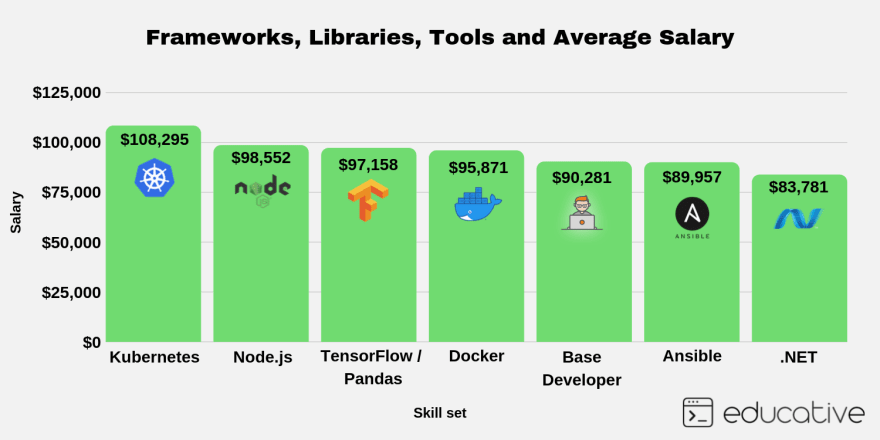
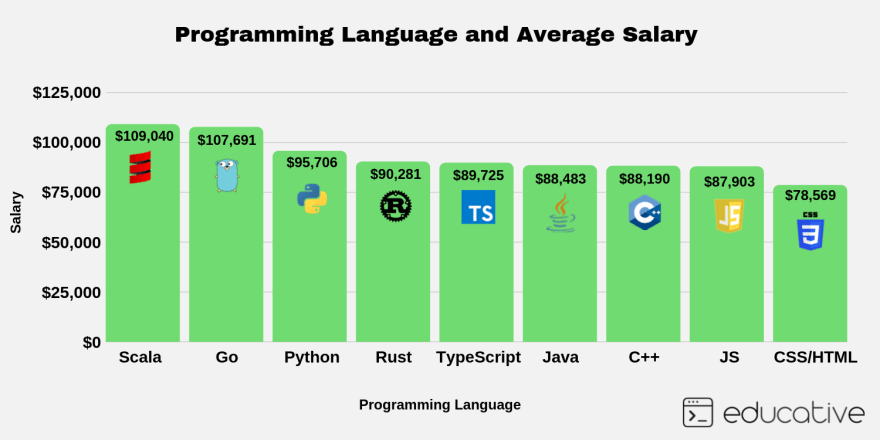
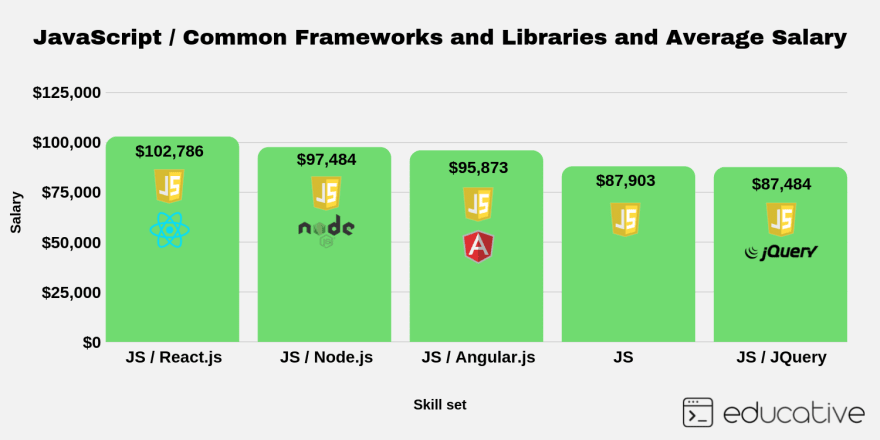
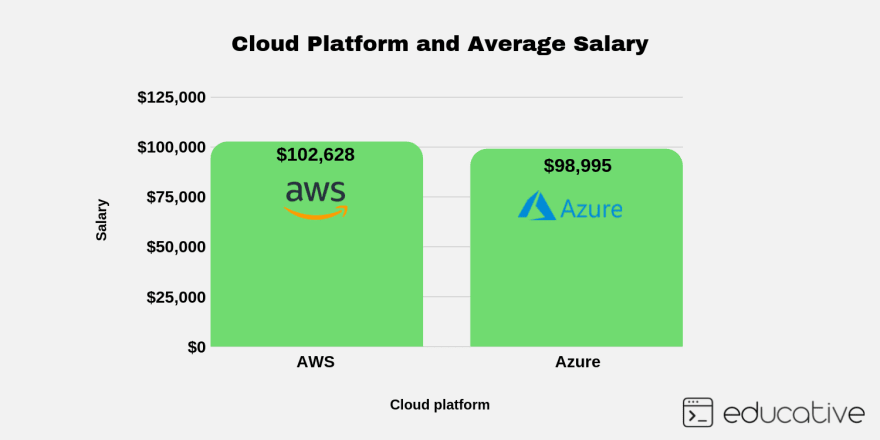
    1. The salary for each profession varies from similar factors. What determines the salary of software developers? After reading this article, I concluded that the greatest role is played by the country in which the developer works. For example, there are countries where developer salaries are much lower, although skills are not inferior. Skills, background and many other points also affect. Enjoy reading!

  10. Feb 2021
    1. Dr Phil Hammond 💙. (2020, December 6). In some parts of the country, 31% of care home staff come from the EU. Some areas already have a 26% vacancy rate. And on January 1, EU recruitment will plummet because workers earn less than the £26,500 threshold. A very predictable recruitment crisis on top of the Covid crisis. [Tweet]. @drphilhammond. https://twitter.com/drphilhammond/status/1335490431837200384

  11. Apr 2020
  12. Mar 2019
  13. Feb 2018