This is true to some extent. According to the Office of Climate Statistics, UK emissions peaked in 1972 but when you take into account imported emissions then UK emissions peaked in 2007. This is because the UK has transitioned from a manufacturing based economy to a services based economy, such as finance, professional services, and information and communication technology.
This is following the Kuznets curve - a theory that increases in GDP result in increased greenhouse emissions but then after a turning point, as an economy transitions to service-based industries the environmental damage gradually falls.
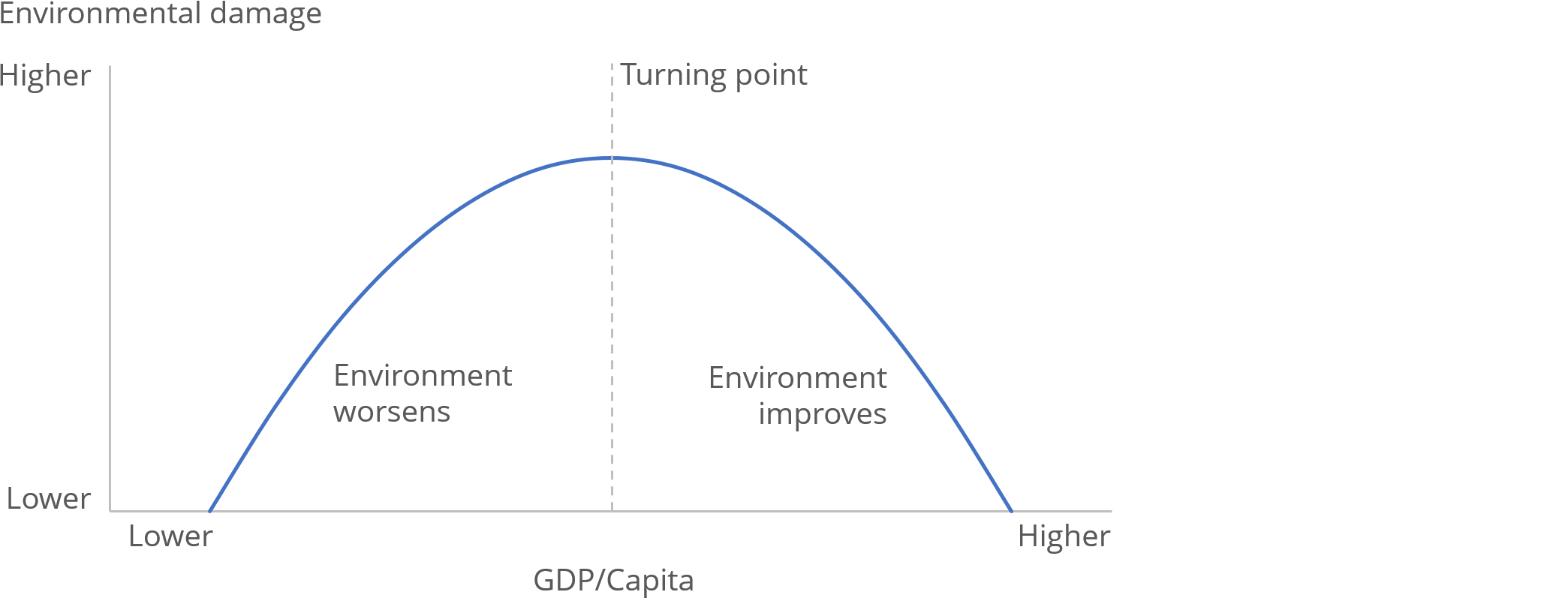
The EKC depicted in Figure 1 highlights the scale effect, which is the initial transition of the economy from agricultural production in rural areas to industrial production in urban areas. As industrial production intensifies, more energy is used, resulting in increased greenhouse gas (GHG) emissions through combustion. However, as the economy develops, there will be a structural change from manufacturing and industrial production to service-based industries. Higher economic development leads to better technology, environmental awareness and enforcement of environmental regulations resulting in the gradual decline of environmental degradation.
This is low emission, but means we import more goods from abroad with our earnings. The UK is the top emitter of CO2 in its imports in the countries they looked at, above even the US.
However our own manufacturing sector and our energy production sector are also following that curve, Even when you take account of the emissions associated with imported goods we have had a reduction since 2007.
Many of our imports are from China which is a large per capita net exporter of CO2 emissions locked into the goods it exports, and the world as a whole is still on its way up in the Kuznets curve. But as China transitions to renewables that part of our imports will also peak.
The UK's peak seems to have been around 1985
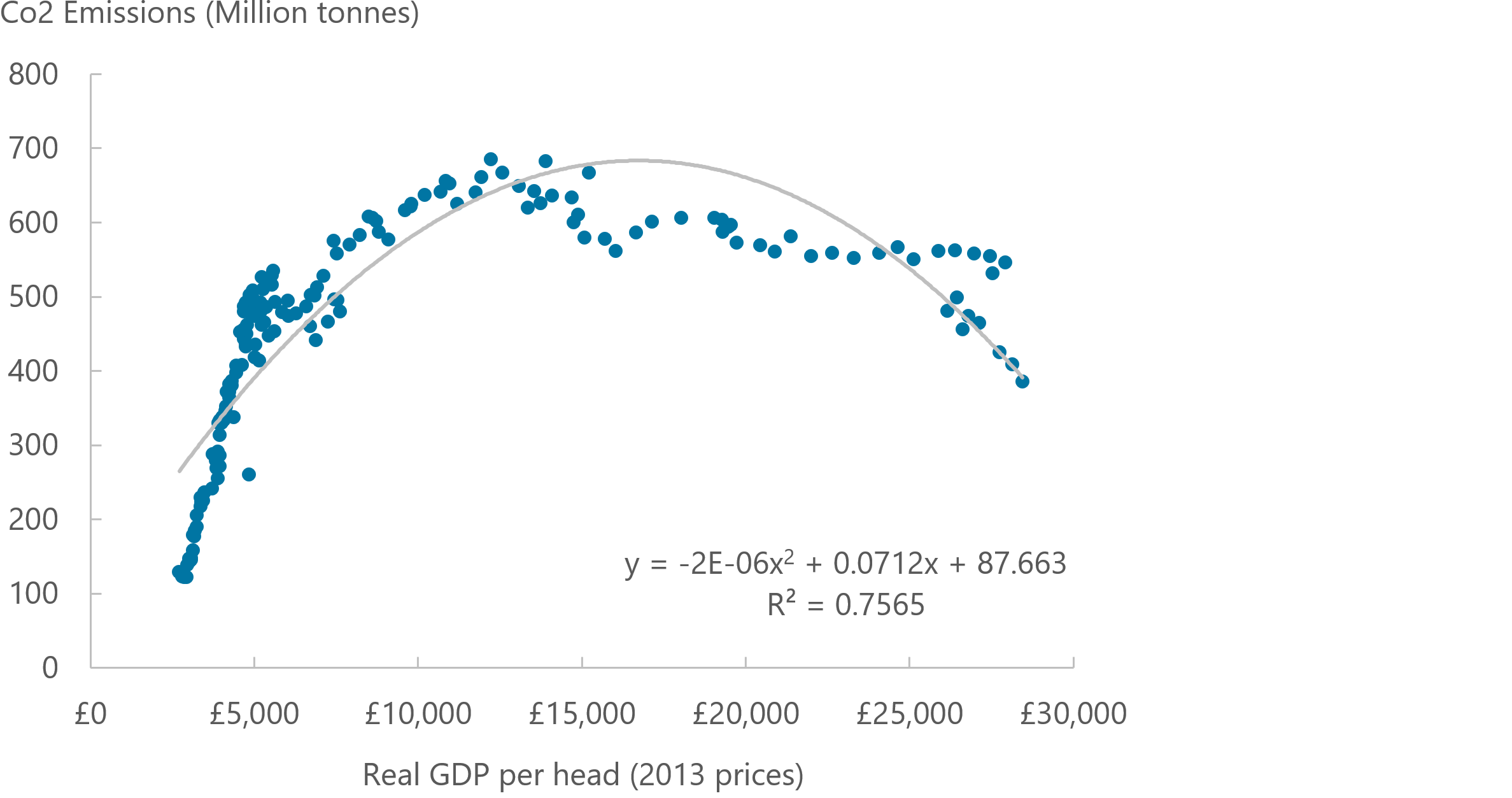
For the UK, the approximate turning point at which the decoupling of GDP per head and carbon dioxide emissions seemed to have happened was in 1985, with a GDP per head of £16,667 and corresponding CO2 emissions of around 586 million tonnes.
In the world as a whole we are still on the way up in the Kuznets curve
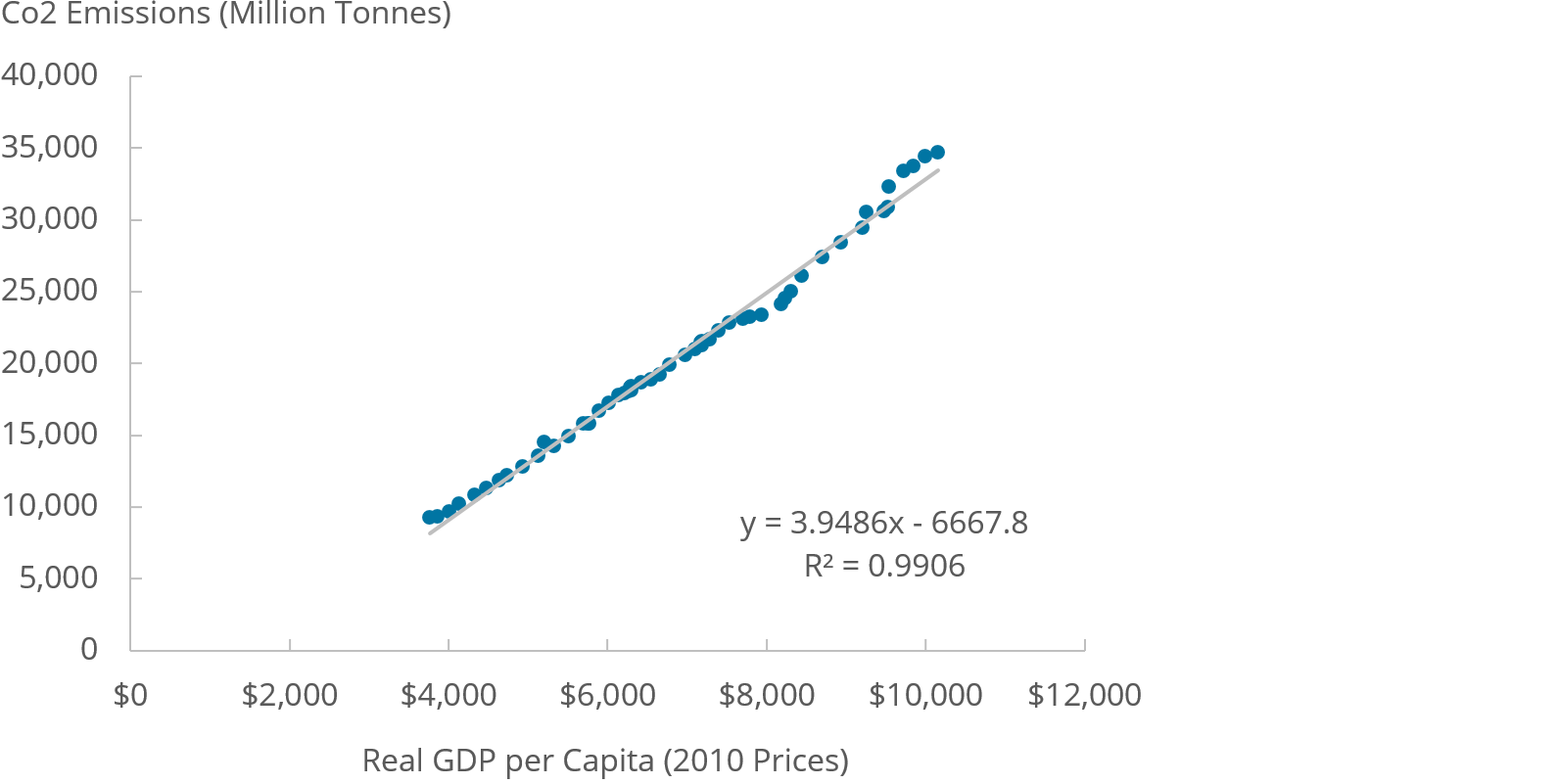
While the UK economy is a good example of Environmental Kuznets Curve theory and has shown signs of absolute decoupling following 1985, Figure 13 demonstrates that this has not been the case when looking at the same comparison globally. There is still a strong coupling between carbon dioxide emissions and real GDP per head.
This can't be turned around globally through transition to services as we still need to manufacture goods so it has to be done by technological change (e.g. transition to renewables) or environmental policies.
They comment that
At a global level, a structural change such as the one witnessed in the UK is unlikely because of the global demand for manufactured goods, therefore any potential global decoupling must be achieved through other factors such as technological change or environmental policies.
The Committee for Climate Change in their plan for zero emissions for the UK for 2050 is well aware of this and they say that it should not be done by offshoring emissions. For instance on electricity:
Our analysis assumes that the UK imports no more electricity than it exports in the future, to offset the risk of importing higher carbon power. Interconnection would still be valuable as a source of flexibility - importing at times of need and exporting at times of surplus.
With respect to emissions accounting, the group agreed that is important to monitor both the UK’s territorial emissions and the emissions associated with the goods and services consumed by the UK (consumption emissions). As Defra’s annual indicator shows, the UK’s consumption emissions are significantly higher than our territorial emissions, though they have also fallen significantly in the last decade
They talk about the importance of working on this together, for instance with imported biofuel.
If the biomass fuel used in UK BECCS plants is imported, there will need to be international agreements about the attribution of such negative emissions – and the extent to which they could be wholly claimed by the UK.
The Paris agreement is based on counting the emissions generated in the country that manufactures the goods - it has to be done this way because otherwise the emissions would be double counted and countries would be responsible for emissions that are not under their control.
The other side of this for industrialized countries is that they need to invest in the Green Climate Fund which is still under funded which helps the developing countries to achieve their climate goals. Most of them have two goals, the most ambitious they can manage by themselves without help and a more ambitious target that they can achieve with help from the Green Climate Fund.
This is one of the most cost effective ways the developing countries can reduce emissions - by contributing to this fund to reduce emissions in developing countries where the money goes further than in developed countries. They can also help them adapt to the changes. That also directly benefits the industrialized countries. For instance if Bangladesh is better adapted to sea and river flooding, it can feed its population more easily, becomes a vigorous economy with exports, and there is much less risk of migration in the future. This is a win for everyone.
See