The left Shift key on the Antares Parva was scratched. I sanded it first with wet-dry sandpaper and then polished it with a cotton pad and toothpaste.
via Tomi Aho at https://www.facebook.com/groups/705152958470148/posts/1375748211410616/
The left Shift key on the Antares Parva was scratched. I sanded it first with wet-dry sandpaper and then polished it with a cotton pad and toothpaste.
via Tomi Aho at https://www.facebook.com/groups/705152958470148/posts/1375748211410616/
Dlaczego RESTART ROUTERA Naprawia Internet?
Routers are specialized computers [00:01:23]
Rebuilding WAN connection state [00:03:08]
Flushing NAT and stateful connection tables [00:05:18]
Resetting local DNS caching [00:06:52]
Rebooting all-in-one hardware components simultaneously [00:08:36]
Diagnosing recurring connection drops [00:10:23]
PRAWDA po roku inwestowania z Investing Pro
Siwe włosy mogą chronić przed rakiem? Naukowcy odkryli zaskakujący mechanizm
Czy margaryna i oleje roślinne wywołują stany lękowe? Dr Tadeusz Oleszczuk [Sekrety Długowieczności]Tap to unmute2xCzy margaryna i oleje roślinne wywołują stany lękowe? Dr Tadeusz Oleszczuk [Sekrety Długowieczności]Sekrety Długowieczności by Expertia Naturals 1,187 views 4 hr agoCopy linkInfoShoppingPlaylist: Sekrety Długowieczności1/58If playback doesn't begin shortly, try restarting your device.•You're signed outVideos that you watch may be added to the TV's watch history and influence TV recommendations. To avoid this, cancel and sign in to YouTube on your computer.CancelConfirmUp nextLiveUpcomingCancelPlay nowSekrety Długowieczności by Expertia NaturalsSubscribeSubscribed„Sekrety Długowieczności by Expertia Naturals” to kanał o zdrowiu, który prowadzi doświadczony lekarz i pasjonat diety - Tadeusz Oleszczuk. Jeśli zależy Ci na poprawie zdrowia i chcesz poznać rzetelną, naukową wiedzę o diecie, suplementach i zdrowym stylu życia, to jesteś we właściwym miejscu! U nas nie ma lania wody – wszystkie tematy przedstawiamy w prosty i przystępny sposób. Obalamy popularne mity i pokazujemy, co naprawdę działa. Z nami dowiesz się, jak żyć zdrowiej, dłużej i mieć więcej energii. Subskrybuj nasz kanał już teraz, bo zdrowie to najważniejsza inwestycja! Twórcą kanału jest Expertia Naturals Tu zamówisz przebadane suplementy diety: 👉 https://expertianaturals.pl Kontakt z nami: 📨 kontakt@expertianaturals.pl ⚠️ Nie kupuj omega-3, zanim tego nie sprawdzisz1:14HideShareInclude playlistAn error occurred while retrieving sharing information. Please try again later.0:020:02 / 9:46Live•Watch full video ON OFF ••1:24Watch the uncensored moment Will Smith smacks Chris Rock on stage at the Oscars, drops F-bombGuardian News145m views • 4 years agoLivePlaylist ()Mix (50+)23:28Jolly Mom Has No Idea Police Are About to Arrest Her 14-Year-Old Son for MurderDellirium 133m views • 3 weeks agoLivePlaylist ()Mix (50+)4:17Spiritbox - Mourning (Official Video)riserecords and 2 more398k views • 18 hours agoLivePlaylist ()Mix (50+)8:50Am I AloneThe PrimeTime501k views • 1 day agoLivePlaylist ()Mix (50+)24:18The Most Dangerous Cave in the World... (Mosdale Cave)Magnus Midtbø2.6m views • 3 weeks agoLivePlaylist ()Mix (50+)33:14Sneaking into Epstein's TempleSideQuest Drew25m views • 4 months agoLivePlaylist ()Mix (50+)19:50How One Mistake Led to a Year of Hell in Thai Prison | Minutes WithLADbible Stories646k views • 2 weeks agoLivePlaylist ()Mix (50+)26:38Jak wyglądają NAJDROŻSZE siłownie w Warszawie? Sprawdziłem!Michał Wrzosek452k views • 2 weeks agoLivePlaylist ()Mix (50+)11:37Mac vs Windows in 2026 - It's Not Even CloseJust Josh666k views • 5 days agoLivePlaylist ()Mix (50+)4:03Resident Evil Veronica - Announcement Trailer | PS5 GamesPlayStation6m views • 3 months agoLivePlaylist ()Mix (50+)46:07Najbardziej BRUTALNY WYŚCIG Na ŚwieciePatecWariatec833k views • 3 weeks agoLivePlaylist ()Mix (50+)12:11I Bought EVERY AI Scam Ad...Mike Off Record7.1m views • 4 months agoLivePlaylist ()Mix (50+) Czy margaryna i oleje roślinne wywołują stany lękowe? Dr Tadeusz Oleszczuk [Sekrety Długowieczności]
Jak bezpiecznie prowadzić firmę w Polsce w 2026 roku? | Monika Salawa
Pierwsza operacja neurochirurgiczna z bezpośrednim udziałem sztucznej inteligencji
Naukowcy obalili koronny argument pracodawców. Upadł mit o pracy zdalnej
Badanie na ponad 7700 pracownikach obaliło tezy, że praca zdalna pogarsza dobrostan psychiczny i współpracę w firmie.
Najwyższy poziom dobrostanu w 5-stopniowej skali deklarowali pracownicy zdalni – średnio 4,22. Wśród pracujących hybrydowo było to 4,12, a stacjonarnie 3,89. Praca zdalna nie wiązała się też z gorszymi relacjami czy współpracą w zespole. Wyniki opublikowano w „Frontiers in Psychology”.
Przełom Komputerów Kwantowych w 2026 roku
Czeka nas WIELKI postęp, kto zarobi na robotach humanoidalnych?
Najzdrowsza kawa świata? Tak ją zrobisz! (99% ludzi to pomija)
Umierasz. Co dzieje się z Twoimi inwestycjami?
31 fałszywych produktów, które co tydzień kupujesz w Biedronce i Lidlu
Mechanizm marży optycznej i iluzji marketingowej [00:01:20]
Przykłady manipulacji i ukrytych kompromisów jakościowych:
Rekomendowane, uczciwe alternatywy [00:14:49]:
5 żelaznych zasad świadomych zakupów [00:20:14]:
Jak wykryć raka, zanim pojawią się objawy? Dr Tadeusz Oleszczuk [Sekrety Długowieczności]
Trzy filary prewencji i wczesnej oceny ryzyka:
Kluczowe badania obrazowe i profilaktyczne:
Istotne parametry z krwi:
Wpływ stylu życia i diety:
Jesteśmy o krok od odwrócenia procesu starzenia? Pierwszy pacjent otrzymał eksperymentalny lek ER-100
Polska jest Bangladeszem programowania? II Jarosław Królewski #73
W CO INWESTUJĘ W 2 połowie 2026? Jak zarządzam portfelem 3,7 mln. PLN, żeby wygrać z S&P 500?
Akcje GPW (Największy udział)
Globalna Technologia / AI (~16% portfela)
REIT-y / Nieruchomości (~10% portfela)
To świetny czas na ZAKUP tej spółki! BigTechy po wynikach
5 spółek, które mogą czekać OGROMNE wzrosty
4-etapowy model prania mózgu stosowany na Tobie. Sekrety agenta KGB [Biznes 2.0]
[ Stage 1: Demoralization ] ---> [ Stage 2: Destabilization ] ---> [ Stage 3: Crisis ] ---> [ Stage 4: Normalization ] (15 - 20 Years) (2 - 5 Years) (Up to 6 Weeks) (Permanent State)
GDZIE SIĘ PODZIAŁY WIRUSY KOMPUTEROWE? KULISY HAKERÓW
Dałem trzem AI 300 złotych na inwestycje. Po miesiącu wynik mnie zaskoczył
Takiej kawy nie pij ⚠️ Powoduje raka żołądka (badanie 2026)
Time of Consumption & Cardiovascular Health
Temperature-Related Cancer Risks
Impact on Sleep Quality
Individual Variations & Metabolic Factors
Empty Stomach Consumption (Fasting)
Blood Pressure Concerns
Brewing Methods & Cholesterol Levels
29 tys. zł miesięcznie? Te zawody należą do najlepiej płatnych
SpaceX czy spółki AI? Gdzie teraz popłynie kapitał?
Nasilenie presji inflacyjnej i zmiana perspektywy stóp procentowych
Analiza fundamentalna Oracle (Wyniki za Q4 i FY2026)
Spektakularne IPO SpaceX i narodziny akronimu "MANGO"
Statystyka historyczna debiutów technologicznych vs. wycena SpaceX
Najbardziej oczywista okazja do zakupu TERAZ poza USA?
Ewolucja finansowa i operacyjna
Logistyka jako bariera wejścia (Moat)
Potęga segmentu fintech (Mercado Pago)
Główne czynniki ryzyka
Perspektywy dalszego wzrostu
Kiedy alkohol to już PROBLEM? 4 sygnały - Rafał Pniewski, psychiatra
Od załamania do wewnętrznej siły – jak jedzeniem uleczyć ciało i emocje? Dr Oleszczuk i A. Antczak
Holistyczne podejście w gabinecie kosmetologicznym [00:08:44]:
Metaboliczne konsekwencje diety i stresu [00:34:04]:
Szczegóły odbudowy trzech warstw jelitowych [00:21:12]:
Diagnostyka laboratoryjna według dr. Oleszczuka [00:11:51], [00:49:38]:
Wpływ ruchu na neuroplastyczność mózgu [00:42:50]:
AI napędzi polską gospodarkę, ale są też koszty. Grubo ponad ćwierć miliona osób może stracić pracę
Bank Światowy prognozuje, że AI może zwiększyć PKB Polski o 12% do 2035 r., ale jednocześnie zmniejszyć zatrudnienie nawet o 350 tys. etatów.
Największe zyski mają dotyczyć IT i budownictwa (wzrost nawet o 25%). Sektor finansowy może rosnąć gospodarczo, ale zatrudnienie w nim może spaść o 25%. Programiści i branża IT także mogą odczuć spadek liczby etatów. Budownictwo może zyskać ok. 20% miejsc pracy.
Jeśli Polacy nie będą chętni do zmiany zawodu, pracę straci nawet 350 tys. osób. Przy dużej mobilności pracowników ubytek etatów ma wynieść wg modeli tylko 3 tys.
Zmiany odczuje budżet państwa – spadną wpływy z PIT i składek ZUS, ale wzrosną z CIT i VAT.
Ile czasu przeciętny Polak spędzi w internecie? Dane z raportu
Przeciętny Polak spędzi w Internecie łącznie ponad 26 lat, czyli 33% swojego życia; tygodniowo 6 h słucha muzyki, 5,5 h ogląda filmy, a na social mediach spędza 5 h.
Łączny wynik jest o 3 lata wyższy niż w 2022 r. Prawie 1/3 badanych nie wyobraża sobie ani 1 dnia bez Internetu.
17 000 USD zysku i 90% w pół roku. Mechanika rewolucji technologicznych. Jak na tym zarabiam?
10 000 zł do zainwestowania? Oto co bym zrobił (i czego NIE zrobił)
SpaceX wchodzi na giełdę! Kupować czy uciekać?
Większość ludzi biega ŹLE. Jak trenować po 40-tce? Adam Kszczot
Jak zadbać o zdrowie skóry i włosów? Dr Tadeusz Oleszczuk [Sekrety Długowieczności]
Przeciążenie organizmu - 10 sygnałów, że organizm nie daje rady. Dr Tadeusz Oleszczuk
KOREA MA PROBLEM Z AI. Jak wygląda OBSESJA Koreańczyków na punkcie SZTUCZNEJ INTELIGENCJI?
Spółki półprzewodnikowe to nowe kryptowaluty? Czy GPW nadal jest atrakcyjna? Zmiana w całym portfelu
Długowieczność to NIE marzenie milionerów - dr Aleksandra Leksińska, lekarz medycyny stylu życia
Współdzielenie Skills i Agents między Codex i Claude Code
ai/), sharing identical configurations across different AI tools through local symbolic links (symlinks)./ai folder, split into /ai/agents (who the model should be—e.g., Architect, Reviewer, Incident Commander) and /ai/skills (how the model performs tasks—e.g., API Review, Security Check, Frontend QA).~/.claude or ~/.codex), local tool-specific directories are generated inside the project (.agents/ for Codex and .claude/ for Claude Code).ln -sfn on macOS/Linux or New-Item -ItemType SymbolicLink on Windows PowerShell), symlinks are established to point both .agents/ and .claude/ folders to the exact same /ai sub-directories.Sauna i morsowanie – dla kogo są i kiedy szkodzą? Dr Tadeusz Oleszczuk [Sekrety Długowieczności]
Czy technologie dają nam szczęście?
Jak wydać książkę – wydawnictwo vs self-publishing
Self-publishing (Wydanie samodzielne)
Klasyczne Wydawnictwo
Wydawnictwo Nieklasyczne (Model hybrydowy/autorski)
Pisanie na zamówienie
Ogólne rekomendacje i wnioski
Chcesz zostać hakerem? Przyda ci się butelka.
Od wersji 2.1.50 nie jest to już konieczne. W Claude Code pojawiła się możliwość skorzystania z wbudowanej opcji --worktree. Wywołanie claude --worktree spowoduje utworzenie nowego worktree o losowej nazwie w lokalizacji ./.claude/worktrees. Jeśli chcemy utworzyć worktree o konkretnej nazwie, możemy podać ją w poleceniu: claude --worktree <worktree_name>. Po zamknięciu sesji Claude automatycznie usuwa utworzone worktree oraz powiązaną gałąź, jeśli nie ma zmian w working directory ani nowych commitów. Jeśli wprowadzono zmiany, Claude zapyta, czy je zachować. Jeśli odrzucimy zmiany, zarówno worktree, jak i powiązana gałąź zostaną usunęte.
Using Git Worktrees in Claude Code
Sarah treated the internal felt of her typewriter by spraying it down with white distilled vinegar. This kills any living molds, etc. Vodka is also good for removing scents on typewriters (and vintage bags).
The variable line spacer is inside the platen of a Hermes 3000.
The carriage of the H3K comes off with the removal of two bolts.
For rust removal Sarah starts with a wire brush then does PB Blaster for more.
Replace rusted springs.
Fingernail polish for a H3K:<br /> - Sally Hansen Insta-Dry line "Time is Money" (discontinued?) - Expressie Essie quick dry "In the Modem" (closest in her opinion) - Sinful Colors Eucalypta - Blank Beauty (color match to Hermes Ambassador) - Orly (meh, too green)
The case doesn't remove intuitively.
Jak działają kody 2FA?
Dieta keto vs. roślinna - jak uniknąć ZAWAŁU? - wyjaśnia kardiolog dr Tomasz Jeżewski
Jak dzięki ODDYCHANIU poprawić sen, obniżyć stres i lepiej trenować — Sandra Osipiuk-Sienkiewicz
Jak pokonać BEZSENNOŚĆ po 40-tce? 3 prawdziwe historie z gabinetu terapeuty - dr Klaudia Tabała
Kto i dlaczego losuje w Polsce rozkład jazdy PKP
I only used Turtle wax on the paint. You can go over the decals provided you don't polish and put too much pressure on them.The nickle was done with a generic metal polish.
via Marty Morren https://www.facebook.com/groups/705152958470148/posts/1190871013231671/
Toksyczne substancje na placach zabaw? Nowe badania granulatu gumowego z recyklingu opon
Czy Azja Wschodnia powstrzyma epidemię krótkowzroczności (Dział Zagraniczny Podcast#252)
The video discusses the growing global crisis of nearsightedness (myopia), with a specific focus on why East Asia has become the epicenter of this health issue.
Tesla Cybertruck na Polskiej Wsi: Czy FSD nas zabije?
Sztuczna inteligencja rozwiąże spory między przedsiębiorcami bez udziału sądu
2026: zmiany dla JDG. Nowe stawki i obowiązki [KALENDARIUM]
Jak obniżyć CHOLESTEROL? Dieta, suplementy czy statyny? — lipidolog Magdalena Kaczan
Guest: Magdalena Kaczan (Lipidologist)
The video provides an extensive overview of cholesterol management, the mechanism of atherosclerosis, and the roles of lifestyle, genetics, and medication in cardiovascular health.
5 zaskakujących LEKÓW długowieczności — w tym… Viagra
1. Study Background & Methodology * The Cohort: The study analyzed data from the UK Biobank, involving 501,169 participants aged 37 to 73, followed over a period of approximately 14 years [00:03:42]. * Prescription Data: Researchers examined nearly 56 million prescriptions issued to roughly 222,000 patients [00:03:58]. * Control Pairing: To determine the effect of a drug, patients taking a specific medication were paired with "control" subjects of similar age, sex, and health status (e.g., matching two diabetic males) who did not take the drug [00:06:46]. * Endpoint: The study used mortality (death) as the primary hard endpoint, as it is the most objective and difficult to manipulate in medical research [00:01:27].
2. Key Risk Factors for Mortality * Smoking: The highest risk factor, with a Hazard Ratio (HR) of 2.0 (doubling the risk of death) [00:04:42]. * Cancer: HR of 1.88 [00:05:00]. * Age: HR of 1.72 [00:06:05]. * Diabetes: HR of 1.65 [00:05:22]. * Sex: Being male carried an HR of 1.64 [00:05:56].
3. The Most Correlated Drugs with Longevity (The "Winners") * SGLT2 Inhibitors (Flozins): The top performer with a 36% reduction in mortality risk (HR 0.64). These drugs cause the body to excrete glucose through urine independently of insulin. They also act as a "weak ketosis," increasing ketones and LDL cholesterol while protecting blood vessels [00:15:50], [00:23:03]. * PDE5 Inhibitors (e.g., Viagra/Sildenafil, Cialis/Tadalafil): * Tadalafil (Cialis): Showed up to a 28% reduction in mortality risk at a 10mg dose (HR 0.72) [00:19:51]. * Sildenafil (Viagra): Showed a 15% reduction at a 50mg dose (HR 0.85) [00:20:19]. * Mechanism: These drugs stabilize Nitric Oxide (NO) levels, maintaining healthy arteries and preventing cardiovascular incidents [00:18:21]. * Estrogens (Hormone Replacement Therapy): Women taking estrogens saw a 24% reduction in mortality risk (HR 0.76). Positive results were seen across various forms, including oral, transdermal, and vaginal [00:13:50]. * Naproxen: A non-steroidal anti-inflammatory drug (NSAID) that showed a 10-11% reduction in mortality risk. Unlike Ibuprofen (2-hour half-life), Naproxen stays in the body for 17 hours, effectively blocking COX enzymes and reducing blood clotting (thromboxane) [00:17:36], [00:25:26]. * Atorvastatin (Statins): While statins as a group had a minimal effect (3% reduction), Atorvastatin specifically showed a 13% reduction at 20mg. However, higher doses (80mg) actually increased the risk of death [00:16:31].
4. Surprising "Losers" or Neutral Drugs * Metformin: Long considered a longevity staple, it showed no significant effect on lifespan in this specific cohort (HR 1.01) [00:11:22]. * ACE Inhibitors: Despite being common for blood pressure, they correlated with an 11% increase in mortality risk [00:10:36]. * Morfine & Opioids: Correlated with a 400%+ increase in mortality risk (HR ~5.5), likely due to the terminal conditions (cancer, post-surgery) for which they are prescribed [00:08:16]. * Paracetamol: Correlated with a 48% increase in mortality risk (HR 1.48) [00:08:50].
5. Critical Insights * Correlation vs. Causation: Most drugs (92% of the 169 significant ones) showed a negative correlation with lifespan, largely because people who need medication are generally in poorer health [00:07:42]. * Flozin Paradox: SGLT2 inhibitors protect the heart and extend life significantly even though they increase LDL cholesterol, challenging the traditional view that lowering cholesterol is the only path to heart health [00:23:13]. * The Role of Nitric Oxide: PDE5 inhibitors are highlighted as "longevity drugs" of the future because they restore physiological arterial regulation [00:19:35].
Jak uczyć się 10x szybciej? Dieta, mózg, pamięć - Bartosz Czekała
1. The Failures of Traditional Learning * The "Sieve" Effect: Traditional learning methods (reading textbooks, filling in blanks) are highly inefficient, resembling an attempt to carry water in a sieve [00:03:48]. * The Forgetting Curve: Based on Ebbinghaus’s research, without deliberate reviews, we lose about 80% of new information within a month [00:05:10]. * Passive vs. Active: Reading and highlighting are "passive encoding" methods that rarely result in long-term retention [00:03:52].
2. The Foundation: Spaced Repetition Systems (SRS) * Algorithms over Intuition: Manual planning of reviews is impossible for large amounts of data. Using software like Anki is essential [00:19:12]. * How it Works: The program calculates the optimal interval for the next review (e.g., 1 day, 3 days, 1 week, 1 month) based on your self-assessment of how well you remembered it [00:13:44]. * Reducing Decision Fatigue: The system makes learning "binary"—you simply open the app and complete whatever tasks are scheduled for that day [00:14:54].
3. Techniques for Creating Effective Flashcards * Atomization: Each flashcard should contain exactly one question and one specific piece of information in the answer [00:26:09]. * Deep Encoding: Creating your own flashcards (rather than using pre-made decks) forces the brain to manipulate information, building stronger neural pathways [00:35:47]. * Contextualization: For language learning, the deepest encoding comes from creating sentences using the new word rather than just memorizing a definition [00:30:13].
4. Language Learning Strategy (Case Study: Czech in One Month) * Pareto Principle: Start with frequency lists—memorize the words used most often in daily communication [00:46:36]. * Reference Points: Use analogies from languages you already know (e.g., using Polish or Russian roots to learn Czech) to drastically speed up the process [00:52:38]. * Self-Talk: Actively producing speech out loud, even to yourself, is the deepest form of active encoding [00:50:27].
5. Diet and Lifestyle for Brain Optimization * The Danger of Sugar: Glucose spikes and high glycemic index meals hinder memory. Chronic high blood sugar can even lead to brain atrophy [00:02:52]. * Intermittent Fasting (16/8): Fasting increases blood flow and oxygen to the prefrontal cortex, enhancing logical thinking and concentration [00:14:10]. * Ketones: Low-carb diets and ketosis stabilize neuronal networks and provide "mental clarity" often missing in high-carb diets [01:13:14].
6. Critique of Supplements and "Nootropics" * False Hopes: Most "smart drugs" provide negligible benefits (around 1%) compared to the massive gains from a proper learning system and diet [01:16:47]. * The Real Nootropic: The best way to learn faster is to accumulate knowledge. The more you know, the easier it is to "attach" new information to your existing mental framework [01:17:34].
Pasywne odtwarzanie informacji — kiedy nauka nie ma sensu i nie pomaga budować wiedzy.
Sposoby by czuć się dobrze i być zdrowym za grosze | Bartosz Czekała
In this deep-dive conversation, Bartosz Czekała explores the intersection of biology, psychology, and lifestyle, providing practical advice on how to optimize health without spending a fortune.
The central takeaway is that health is a result of low inflammation, balanced hormones, and intentional movement. By focusing on biological fundamentals—diagnostics, diet, and environment—one can achieve significant health improvements without relying on expensive supplements or "magic pill" solutions.
KAWA: powolny ubytek mózgu czy neuroprotekcja? Oto co naprawdę pokazuje MRI
Ile NAPRAWDĘ BIEGAĆ po 40? Kardiolog sportowy prof. Łukasz Małek obala największe mity
The Heart of the Active vs. Sedentary Person
Activity and Atherosclerosis
The Optimal Protocol for Heart Health
Non-Training Activity and VO2 Max
Regeneration and Safety
Final Key Message
Jak pokonać problemy ze snem i ocalić zdrowie? Mateusz Majchrzak [Expert w Bentleyu]
Koniec bezpiecznego B2B? Algorytm ZUS wytypuje "fikcyjnych" przedsiębiorców
Atrament z tatuażu trafia do węzłów chłonnych – i zostaje tam do końca życia. Co to robi z odpornością człowieka?
Tattoo ink enters the lymph nodes, where it can remain for life and cause chronic inflammation.
In mice, inflammatory markers were 5 times higher even 2 months after tattooing, and their bodies' response was weaker to mRNA vaccines and stronger to protein vaccines (e.g., influenza).
Macrophages overloaded with ink absorb fewer vaccine components. Studies of human lymph nodes have confirmed that pigment remains in them long after tattooing. Chronic inflammation can weaken the immune system, increasing the risk of infection and cancer.
In Europe, more than 60 million people have tattoos, and the ink may contain high levels of heavy metals that exceed acceptable standards.
"Wieczne chemikalia" z pestycydów wykryto w jedzeniu. Największe stężenie w chlebie i płatkach
Nie przewidzisz następnego krachu na giełdzie
The video discusses the difficulty of predicting stock market crashes and the poor track record of financial experts in this area.
Critique of Market Predictions
Notable "Prophets of Doom"
Why Do People Make Predictions?
Investment Philosophy and Takeaways
Co nas czeka w 2026 roku, XTB podaje zwycięskie TICKERY i sektory
Source and Context
Macroeconomic and Currency Observations
Sectors and the Tech Bubble Comparison
XTB's Top Tickers for 2026
The video mentions CD Project as one of the Top Picks for 2026 identified by the Polish brokerage house mBank [00:11:27].
Here is a summary of all the Polish broker top stock picks mentioned in the video:
Suplementy, które MUSISZ brać, i które ZASZKODZĄ. Ranking 15 🏆Tap to unmute2xSuplementy, które MUSISZ brać, i które ZASZKODZĄ. Ranking 15 🏆Dr Bartek Kulczyński 350,605 views 1 month agoSearchCopy linkInfoShoppingIf playback doesn't begin shortly, try restarting your device.Pull up for precise seekingGroup No. 4Mute5:26Group No. 4•Up nextLiveUpcomingCancelPlay nowYou're signed outVideos that you watch may be added to the TV's watch history and influence TV recommendations. To avoid this, cancel and sign in to YouTube on your computer.CancelConfirmDr Bartek KulczyńskiSubscribeSubscribedTu dietetyk dr Bartek Kulczyński. Na tym kanale opowiadam, jak powinna wyglądać zdrowa dieta, aby zażegnać choroby, zmniejszyć ich ryzyko. Poprzez zdrowy styl życia, włączenie do diety niektórych produktów i wykluczenie takich, które nam nie służą, możemy poprawić swoje zdrowie. Na kanale omawia takie tematy jak cukrzyca typu 2, odchudzanie (jak schudnąć zdrowo), jakie zdrowe produkty warto jeść, jakich produktów unikać i jak radzić sobie z chorobami. Pojawia się też gotowanie i zdrowe przepisy. W dorobku mam 67 publikacji naukowych o zasięgu krajowym i międzynarodowym, w takich wydawnictwach jak Elsevier, Springer czy Taylor & Francis. W latach 2015-2019 byłem redaktorem czasopisma naukowego „Postępy Dietetyki w Geriatrii i Gerontologii”. Napisałem około 300 artykułów popularno-naukowych o dietetyce. Od 2018 jestem zatrudniony przez Uniwersytet Przyrodniczy, gdzie prowadzę zajęcia ze studentami dietetyki i technologii żywności. Stopień doktora mam z technologii żywności i żywienia. Najsilniejszy odtruwacz organizmu. Tak zwiększysz jego poziom w ciele16:03HideShareInclude playlistAn error occurred while retrieving sharing information. Please try again later. 20:2020:20 / 21:43Live (21:20)•Watch full video ON OFF •Group No. 1Group No. 1•1:33:271 Bio-Hacker vs 20 Skeptics (ft. Bryan Johnson) | SurroundedJubilee and Bryan Johnson762k views • 4 days agoLivePlaylist ()Mix (50+)25:18The Matterhorn // Europe's Most DEADLY Mountain... SoloMagnus Midtbø2.5m views • 1 month agoLivePlaylist ()Mix (50+)15:26Gut Microbiome WARRIORS - Fighting Cancer NaturallyDr. Dino Prato Podcast252 views • 10 hours agoLivePlaylist ()Mix (50+)16:45HEAVY is the KILL [EP]KILL17k views • 5 months agoLivePlaylist ()Mix (50+)11:03Najważniejsze suplementy, które powinieneś brać do śniadania 🥗Jakub Mauricz82k views • 3 weeks agoLivePlaylist ()Mix (50+)1:16:26"ILE POWINIEN TRWAĆ SEKS I CO SIĘ DZIEJE GDY JEST ZA KRÓTKI" GINEKOLOG O PROBLEMACH W ŁÓŻKUBez Tajemnic926k views • 6 months agoLivePlaylist ()Mix (50+)19:42I Hired a Rental Japanese BOYFRIEND in Tokyo 💘seerasan831k views • 3 months agoLivePlaylist ()Mix (50+)18:15I taught an octopus piano (It took 6 months)Mattias Krantz5m views • 2 weeks agoLivePlaylist ()Mix (50+)11:58You're More Stressed Than Ever - Let's Change ThatKurzgesagt – In a Nutshell3.1m views • 9 days agoLivePlaylist ()Mix (50+)55:50Niedobór TESTOSTERONU u mężczyzn po 40-tce – prawda o spadku energii i libido – Tomasz WaligóraDzień Dobry Długowieczność78 views • 18 hours agoLivePlaylist ()Mix (50+)25:04Why Mastering Your Communication Will Make You Rich!Vinh Giang90k views • 6 days agoLivePlaylist ()Mix (50+)15:378 suplementów, których nigdy nie kupię ⚠️ Nr 2 wręcz szkodliwyDr Bartek Kulczyński716k views • 2 years agoLivePlaylist ()Mix (50+)Speed: 1.4 Suplementy, które MUSISZ brać, i które ZASZKODZĄ. Ranking 15 🏆
Wprowadzenie: Film przedstawia ranking 15 popularnych suplementów diety, podzielonych na cztery grupy w zależności od ich udowodnionej skuteczności i uniwersalności zastosowania [00:00:40].
GRUPA 1: Warto przyjmować codziennie
GRUPA 2: Szeroki, korzystny wpływ na zdrowie
GRUPA 3: Potwierdzona skuteczność, ale wąskie zastosowanie
GRUPA 4: Znikoma skuteczność działania, niepolecane
Miliony nowych komórek MÓZGU i mniejsze ryzyko DEMENCJI o 50%
KSeF dla Przedsiębiorców: Uprawnienia i certyfikaty w Krajowym Systemie e-Faktur
Możesz już zacząć testować: https://pomoc.infakt.pl/hc/pl/articles/14972316754834-Integracja-z-KSeF-za-pomoc%C4%85-tokenu
Współautorka benchmarku OneRuler: nie pokazaliśmy wcale, że język polski jest najlepszy do promptowania
Zmiany w prawie pracy 2025/2026 – jak przygotować firmę na nową rzeczywistość?
Jawność wynagrodzeń (od 24 grudnia 2025 r.)
Nowe zasady liczenia stażu pracy (od 2026 r.)
Nowe uprawnienia Państwowej Inspekcji Pracy (od 1 stycznia 2026 r.)
Mobbing i dyskryminacja – nowe przepisy
Cyfrowa komunikacja z pracownikami
Płaca minimalna 2026
Polityka AI w organizacji
Podsumowanie działań dla firm
Fulgentin
Fulgentin is a Swedish polishing agent which can be used to polish up a typewriter.
William Ebbink, Tom Hansen, Wayne Bouchard, and Blake Banner swear by this. All seem to like it for metal and plastic, and all seem to like it for paint on typewriters as well.
via https://www.facebook.com/groups/705152958470148/posts/956242590027849
Brak ruchu skraca życie o kilka lat! Tadeusz Oleszczuk [Sekrety Długowieczności]
🦶 10,000 steps a day is the minimum<br /> Regular physical activity, even in the form of a 15–30 minute walk daily, can extend life by 3–5 years. The exact number of steps doesn't matter—what counts is consistent movement.
🔁 Day of effort, day of rest<br /> Daily intense exercise, such as running 10 km, can lead to physiological stress. A recommended rhythm is one day of activity followed by one day of recovery, which supports the creation of new mitochondria.
🌬️ What happens during the break<br /> On the rest day, the body prepares for the next activity: it creates mitochondria, replenishes energy, and regenerates cellular structures.
🧠 Physical activity affects the brain and hormones<br /> Movement reduces cortisol, which increases levels of testosterone and estrogen. This influences libido and overall mood.
💧 Hydration is essential<br /> Activity increases water loss—you should drink at least 1.5–2.5 liters of water daily. Avoid dehydration caused by coffee, alcohol, and tea.
🌲 Best activity is outdoors<br /> Walking in the forest is more beneficial than exercising in the city—better microbiota, fewer toxins, and cleaner air.
Alarmujące dane. Poznaliśmy średnie BMI Polaków
Wybrane dane z raportu:Grupa wiekowa 7-12 lat:Z serwisów społecznościowych i komunikatorów dozwolonych od 13. roku życia aktywnie korzysta znacznie ponad połowa tej grupy wiekowej – aż 1,4 mln dzieci (58%). co trzecie dziecko (760 tys.) (32%) ma regularny dostęp do platformy TikTok, 24% (580 tys.) do Facebooka, zaś 12% (290 tys.) – do Instagrama.Dzieci powszechnie używają komunikatorów: 38% Messengera (900 tys.), a 31% Whatsappa (720 tys.).Najintensywniej korzystają z TikToka – aktywni użytkownicy tej platformy spędzają w aplikacji średnio 2 godziny i 11 minut dziennie i w większości przypadków uruchamiają ją kilkanaście lub kilkadziesiąt razy w ciągu jednego dnia. Można szacować, że ponad dwie godziny dziennie na tej platformie spędza ponad 300 tys. dzieci.Grupa wiekowa 7-14 lat:85% z nich korzysta z internetu (2,7 mln).Spośród nich 96 proc. (2,6 mln) łączy się z siecią poprzez urządzenia mobilne.Najczęściej korzystają z platform społecznościowych i streamingowych. W serwisach społecznościowych spędzają ponad 2 godziny dziennie, zaś na platformach streamingowych blisko 2 godziny. Najczęściej wybieranymi kategoriami tematycznymi są: kultura i rozrywka, edukacja oraz erotyka. Z rozrywki – głównie gier oraz muzyki – korzysta 95 proc internautów z tej grupy, podobny odsetek odwiedziło treści edukacyjne, zaś erotyczne – 51 proc. Do korzystania z serwisów erotycznych najczęściej wykorzystują urządzenia mobilne.
Komornik nie zabierze pieniędzy z konta w Revolut. Ekspert wyjaśnia dlaczego
Revolut accounts are difficult for Polish bailiffs to seize because the bank operates under a Lithuanian license and does not have a branch or headquarters in Poland. It is not part of the OGNIVO system, which facilitates communication between banks and enforcement authorities.
Revolut operates legally in Poland through cross-border services under the "single passport" rule. Deposits are protected up to €100,000 by the Bank of Lithuania, ensuring client security.
Polish IBANs are available through Revolut via cooperation with Aion Bank, enabling users to receive salaries, make transfers, and use payment systems like BLIK.
You guessed it, it's the same machine, after suitable application of Scrubbing Bubbles, Pledge, steel wool, Mother's Mag and Aluminum Polish, and touch-up paint.
Najtańsze chińskie auta w Polsce. Dominuje jedna marka
Chinese cars with record sales growth in Poland, in January 1000% increase in registrations year-on-year (2 thousand), and their market share jumped to 5%; the most popular brand is MG (1 thousand units), ahead of e.g. Fiat, Citroën, Suzuki and Opel.
In the whole of 2024, 11 thousand Chinese cars were registered, and in 2023 only 160.
Prices of the cheapest Chinese cars:
The cheapest hybrid: MG ZS Hybrid+: PLN 99 thousand, 1.5 l engine.
Kwasy tłuszczowe omega-3 wydają się spowalniać procesy starzenia
Daily intake of 1g of omega-3 fatty acids can slow down aging, especially when combined with vitamin D and exercise - as demonstrated by a 3-year study on 777 Swiss seniors[1][2].
Epigenetic clocks were used to measure the pace of aging, showing up to 4 months of biological age reduction[1][3].
Additional benefits included:
Sources of omega-3: fish, seafood, rapeseed and flaxseed oil, walnuts, supplements[7][9]
Citations: [1] https://www.sci.news/medicine/omega-3-supplementation-biological-aging-13635.html [2] https://www.news-medical.net/news/20250204/Omega-3-fatty-acids-and-vitamin-D-slow-biological-aging-in-older-adults.aspx [3] https://www.nature.com/articles/s43587-024-00793-y [4] https://www.medonet.pl/leki-od-a-do-z/witaminy-i-mineraly,wystarczy-gram-dziennie--spowolnisz-starzenie-nawet-o-cztery-miesiace,artykul,86261609.html [5] https://www.eurekalert.org/news-releases/1072552 [6] https://www.national-geographic.pl/nauka/kwasy-omega-3-to-pigulka-mlodosci-zwlaszcza-w-polaczeniu-z-witamina-d/ [7] https://dzienniknaukowy.pl/kwasy-tluszczowe-omega-3-wydaja-sie-spowalniac-procesy-starzenia [8] https://translate.google.com/?prev=_t&hl=pl&ie=UTF-8&eotf=1&sl=en&tl=zh-CN [9] https://www.businessinsider.com/taking-omega-3-supplements-may-slow-down-aging-study-2025-2 [10] https://pubmed.ncbi.nlm.nih.gov/36629088/ [11] https://www.sciencedaily.com/releases/2025/02/250204132423.htm
Zaskakujące odkrycie naukowców: Jak szybki chód działa na zdrowie metaboliczne?
Participants were asked: "Is your walking speed faster than people of your gender and age?" Based on their answers, they were categorized as "fast walkers" or "slow walkers."
The study included:
Summary:
Czy picie kawy wpływa na długość naszego życia?
MENTZEN O PODATKACH #6: Opodatkowanie kryptowalut
Changing tax residency for half a year may help avoid taxes (but it;s complex and rather recommended for very high earnings). You can move for example to: - United Arab Emirates: No crypto tax. - Germany: No tax on crypto sold after holding for 12 months. - Portugal: Similar tax-free policies for holding over a year.
Transactions converting cryptocurrency into fiat currency (e.g., PLN, USD) or purchasing goods like property or pizza with cryptocurrency are taxable. Pure crypto-to-crypto transactions are not taxable.
Calculate the difference between the amount spent to acquire cryptocurrency and the amount earned from its sale. Example: If Bitcoin was bought at $30,000 and sold at $40,000, the taxable income is $10,000.
Tax obligations arise at the moment of converting crypto to fiat or goods, not at the time of withdrawal from an exchange. Keep detailed records to avoid issues during audits or when exchanges request proof of funds.
Tax laws in Poland are comprehensive and offer few loopholes. Engaging tax professionals is strongly advised to ensure compliance and minimize errors.
One strategy involves converting crypto profits into stablecoins at year-end and selling them in the following year to postpone taxation. Below is a detailed breakdown of how the strategy works and its limitations.
Stablecoins are cryptocurrencies pegged to fiat currencies (e.g., USD or EUR) and have stable values. Using stablecoins in Poland offers a way to legally defer tax payments:
End-of-Year Transaction:
Start-of-Year Sale:
Tax Payment Deferral:
Inflation Advantage:
Liquidity Management:
Documentation:
Stablecoin Selection:
Regulatory Changes:
Year 1 (2023):
Year 2 (2024):
Short-Term Transactions:
Exchange Fees:
Regulatory Risks:
This strategy allows you to legally defer cryptocurrency taxes for a significant period, maximizing your financial flexibility and leveraging stablecoin stability. Always consult a tax professional for tailored advice and compliance.
W przeciwieństwie do Czech, kraje takie jak USA czy Włochy wciąż nakładają wysokie podatki na zyski z kryptowalut, sięgające od 15% do nawet 42%. Polska, z kolei, utrzymuje niezmienne zasady opodatkowania, traktując dochody z kryptowalut jako przychody z kapitałów pieniężnych i obciążając je 19% podatkiem.
Czechy zdecydowały się na rewolucyjne zmiany w przepisach dotyczących kryptowalut, które mogą przyciągnąć inwestorów z całej Europy. Premier Petr Fiala ogłosił, że sprzedaż kryptowalut, takich jak Bitcoin, będzie całkowicie zwolniona z podatku, pod warunkiem, że transakcja nastąpi co najmniej trzy lata po zakupie.
Art. 6719
Article about remote work
Cena złota przekroczyła 2700 USD za uncję Od początku tego roku złoto wyceniane w USD podrożało o blisko 32%, a w PLN o niecałe 33%. Metal zmierza do osiągnięcia najlepszego roku notowań od 45 lat.
Gold has risen in price by 33% since the beginning of the year and is now worth PLN 10,780 per ounce. This is almost the best year for this precious metal in 45 years.
Jak wynika z założeń planowanych zmian już niedługo korzystanie z 5% podatku dochodowego przez programistów może zostać ograniczone. Programista, który będzie chciał korzystać z IP BOX będzie musiał zatrudniać przynajmniej trzech pracowników na umowę o pracę przez 300 dni w skali roku. Możliwe będzie zatrudnienie 3 osób na umowę zlecenia, ale pod warunkiem, że miesięczne wynagrodzenie będzie wynosiło 3-krotność minimalnego wynagrodzenia (ok. 24 500 zł miesięcznie). Zmiany mogą zacząć obowiązywać już w 2025 roku, oznacza to, że wielu programistów prowadzących jednoosobowe działalności gospodarcze nie będzie mogło już korzystać z obniżonej 5% stawki podatku dochodowego.
It may be over of IP BOX (5%) in 2025.
Jeśli informatyk świadczy usługi związane z oprogramowaniem, nie ma prawa do 8,5 proc. zryczałtowanego podatku. Musi płacić 12 proc.
This article (which can be viewed using a paywall remover) shows that even if someone does not deal directly with code, the court may think otherwise:
Fiskus i NSA nie pozwalają na niższą stawkę ryczałtu W sprawie, która doszła do NSA, spór ze skarbówką zaczął się od wniosku o interpretację informatyka prowadzącego jednoosobową działalność. Napisał, że zajmuje się projektowaniem i rozwojem technologii informatycznych dla sieci i systemów komputerowych lub ich poszczególnych składowych/komponentów. Świadczy też usługi pomocy technicznej. Szczegółowo opisał wszystkie czynności. Podkreślił też, że do zakresu jego obowiązków nie należy tworzenie oprogramowania. Dlatego uważa, że ma prawo do niższej stawki ryczałtu. Fiskus miał jednak inne zdanie. Uznał, że informatyk powinien płacić 12 proc. ryczałt, ponieważ „okoliczność, że do zakresu obowiązków podatnika nie należy tworzenie oprogramowania komputerowego, nie jest wystarczającą przesłanką do uznania braku związku świadczonych usług z oprogramowaniem”.
Informatyk zaskarżył interpretację, przegrał jednak zarówno w pierwszej, jak i drugiej instancji. Wojewódzki Sąd Administracyjny w Gliwicach zauważył, że z wniosku o interpretację wynika, iż świadczone usługi są związane z rozwojem systemu SAP. Ten system jest oprogramowaniem wspomagającym prowadzenie przedsiębiorstwa. Opisane usługi są więc niewątpliwie związane z oprogramowaniem – uznał gliwicki WSA. Za szerokim rozumieniem pojęcia „usługi związane z oprogramowaniem” opowiedział się też NSA. Podkreślił, że nie chodzi tylko o programowanie, ale również inne czynności. Także te, które wykonuje przedsiębiorca.
Sąd wymienił wszystkie obowiązki informatyka i po prostu stwierdził, że są to usługi związane z oprogramowaniem. Po NSA spodziewałbym się głębszej analizy i dokładnego określenia, które z wymienionych czynności spełniają to kryterium. Miejmy nadzieję, że kolejne orzeczenia będą wnikliwsze. I po głębszych rozważaniach może okaże się, że to jednak podatnicy mają rację – podsumowuje Piotr Sekulski
Niewielkie wzrosty odnotował też marketing i sprzedaż - o 1 proc. czy sektor IT - o 5 proc.
In September, employers in Poland published 12% more job offers y/y (288 thousand).
The increase has been going on for 4 months, and now it has reached the highest level since March 2022. The largest increase in the number of job offers is in medical professions (24%) and manual workers (13%). Decrease among financiers (-15%), HR specialists (-10%) and lawyers (-7%). In IT, the number of offers increased by 5%, and in marketing and sales by 1%.
Regularne spożywanie umiarkowanych ilości kawy i herbaty może chronić przed rozwojem wielu chorób kardiometabolicznych, w tym cukrzycy typu 2, choroby wieńcowej i udaru, tak przynajmniej wynika z nowych badań przeprowadzonych przez szwedzkich oraz chińskich naukowców.
Drinking 3 cups of coffee or 200-300 mg of caffeine a day can halve the risk of diseases such as type 2 diabetes, coronary artery disease and stroke, researchers from Suzhou University in China, in collaboration with Swedish scientists, have shown.
Moderate caffeine consumption may protect cardiovascular health, regardless of age, gender, smoking or diet. The study is based on data from over 300,000 people from the UK Biobank, collected over 11 years.
making custom paint for my typewriters........ by [[Just My Typewriter]]
Color matching typewriter paint with fingernail polish<br /> use phots to match colors
Based on her analysis, ranked:<br /> - Blank Beauty https://www.blankbeauty.com/<br /> - Orly Color Labs https://colorlabs.com/<br /> - Color Club https://colorclub.com/products/the-polish-factory-custom-nail-polish
Physically matching colors in person in a store may be better.
Serbian uses the latin alphabet (most of the time on typewriters) and letters unique to it are "žčćšđ" while Czech adds "" but upsidedown on other letters. Finally Polish can be identified by the 'Ł ł"
Distinguishing some European keyboards on typewriters.
via u/Cevkica at https://www.reddit.com/r/typewriters/comments/1eih25t/finally_got_a_letera_32/lg70tm0/
Polacy ciągle się bogacą. Wzrasta liczba dobrze i bardzo dobrze zarabiających
Infopiguła:
Liczba Polaków zarabiających ponad 10 tys. zł / mc wzrosła w 2022 r. o 51% rdr., do 1,5 mln osób. Na koniec 2022 r. było w Polsce 90 tys. milionerów dolarowych, 10% mniej niż rok wcześniej.
Pensje zarabiających ponad 10 tys. wzrosły o 10% do ok. 375 mld zł. Głównym czynnikiem była wysoka inflacja, ale też napływ Ukraińców z dobrymi zarobkami w korporacjach.
Liczba osób z zarobkami 20-50 tys. zł / mies. wzrosła o 38% do 440 tys., tych z zarobkami między 50 a 83 tys. zł wzrosła o 1% do 84 tys., a osób z zarobkami ponad 83 tys. zł (czyli 1 mln rocznie) spadła o 5% do 35 tys. O prawie 2% wzrosła liczba osób z majątkiem ponad 50 mln $.
Alerty BIK to więcej niż ochrona przed wyłudzeniem
List of reasons (below) why I may be paying for BIK alerts (36 (if extended before 07/2024) or 42 PLN per year, although I used to pay 24 PLN).
I may generally consider it while taking a housing loan.
W cenie 165 euro + podatek (prawie tysiąc złotych) otrzymujemy – teraz nie boję się tego napisać – zabawkę. Fakt, najeżoną techniką, ale zabawkę. W dodatku do jakiegokolwiek działania wymaga ona sporej wiedzy i umiejętności programowania. Niestety w głównej mierze „działająca z pudełka” funkcja tego urządzenia sprowadza się do uniwersalnego pilota telewizyjnego.
We wrześniu 2023 roku w większości badanych zawodów zanotowano spadki liczby ofert pracy rok do roku Największy widoczny jest w branży IT – pracodawcy opublikowali o 52 proc. mniej ofert rok do roku
Commity o treści refactor, added XXX czy cr fixes, to smutna i nudna rzeczywistość.
W aktualnym stanie prawnym działalność nie podlega obowiązkowi rejestracji w przypadku, gdy miesięczny przychód z takiej działalności nie przekracza kwoty 50% minimalnego wynagrodzenia za pracę. Obecnie pensja minimalna wynosi 3010 zł, w związku z czym w 2022 roku wspomniany miesięczny limit jest równy kwocie 1505 zł
Jeżeli masz dylemat czy użyć CMD, czy ENTRYPOINT jako punkt startowy twojego kontenera, odpowiedz sobie na następujące pytanie.Czy zawsze moje polecenie MUSI się wykonać? Jeśli odpowiedź brzmi tak, użyj ENTRYPOINT. Co więcej, jeśli potrzebujesz przekazać dodatkowe parametry, które mogą być nadpisane podczas uruchomienia kontenera — użyj również instrukcji CMD.
How to simply decide if to use CMD or ENTRYPOINT in a Dockerfile
let info, id
let id = response.headers.get("X-Request-ID");
if (id) {
  let info = this._pendingRequests.get(id);
  if (info) {
filter = null
This is unused.
Windows 10 Enterprise LTSC 2021 (tak brzmi pełna, poprawna nazwa wersji 21H2 LTSC) będzie otrzymywał aktualizacje do stycznia 2032.
Windows 10 LTSC
Doświadczeni użytkownicy wiedzieli jednak, że należy czekać na Server. W przypadku Windows 11, wydaje się że należy czekać na wersję LTSC.
You may want to wait for Windows 11 LTSC before updating from Windows 10 which gets LTSC first
Download the file (eg, PDF) that you want to add to your local computer, and calculate the SHA-1 hash of the file using a tool like sha1sum on the command line. If you aren't familiar with command line tools, you can upload to a free online service.
Instead of mentioning sha1sum(1) or linking to some seedy third-party service, dding a button right here to do calculate the SHA-1 for a given file would be trivial...
Dogadać się z firmami z podobnej branży i umieszczać u siebie zdjęcia ich produktów, bez żadnego kodu. Napisać czasem (odpowiednio oznaczony) artykuł sponsorowany. Dodać link do bezpośrednich wpłat na swoje konto. Pomysłów jest multum. Niestety wielu wybrało najłatwiejszą opcję i podpięcie się pod globalne sieci reklamowe. Niekoniecznie zyskują na tym „partnerstwie”. Elementy reklamowe zbierają informacje o użytkownikach nawet jeśli ich nie klikniemy (a zatem i tak nie przyniesiemy zarobków właścicielom stron).
Why it's worth to use ad blockers & how site owners could replace this business model
This query doesn't behave as expected. Consider by way of comparison to a Google search for anything -site:pinterest.com.
connection
Unused. Caller can/should be passing this in so we can handle the quota check internally.
You have 3 posts that aren't synced to your account yet. Sync them now.
What does this mean?
There's nothing really here. We should say so.
The JSON / “prettified” JSON is mostly meant for people who need their posts in a format that’s more easily read by computers. If you’re just creating a backup, the normal “JSON” format should be fine for this.
Polish the UI on this to eliminate the confusion. Communicate that the JSON option is for people who know what JSON is. If you don't know what JSON is, it's not the option you want.
pasting in the Markdown directly won’t work – instead, you’ll want to use the “Insert Image” feature
This is an opportunity to delight the user by intercepting their "bad" behavior and steering them in the right direction.
this.ontokencontent = this.ontokencontent.call(this, result)
The implicitness that this "protocol" pushes into the implementing methods (seemingly odd return values) is undesirable. Make it explicit. The implementing methods should be able to do something like Validator.changeExpectation(this, this.onresource) (which in turn changes the target's ontokencontent handler).
|| minted == hinted
Unnecessary check.
Kochająca Bratowam
Loving sister-in-law
Kochany Bracie Stasiu
Dear brother Stas
dnia 22 maja 62 roku.
on May 22, [19]62
Dziadzia
Americanized term for Polish grandfather.
this._figureElement = this._page.querySelector("script");
Better to use querySelectorAll and then filter based on figure designation (e.g. nodeValue.startsWith(" (Fig. 1) ")).
document
Unused!
(Caller should also probably look more like:
let system = new SystemB(document);
system.attach(document.querySelectorAll("script"))
... where the querySelectorAll return value's role is to act as a list of document figures, for the reasons described elsewhere https://hypothes.is/a/-n-RYt4WEeu5WIejr9cfKA.)
Edit
Why does the Edit link point to /contact/edit, but the Unpin link point to /derp/contact/unpin?
Publicly display the number of users and posts on your About page.
What is this referring to? Can't tell without diving into the source.
Javascript
"JavaScript" (or "JS")
Javascript
"JavaScript" (or "JS")
qo1uj5qae3
For "untitled" posts, this should probably be the post date, or maybe something like "April 20, 2021 (qo1uj5qae3)", where the autogenerated ID is de-emphasized (greyscale or something).
```go package main import “fmt” func main() { fmt.Println(“Hello, world”) }
gaps between lines is off here.
```go
No close fence?
Need to eliminate the overlap between this page and the Development Setup page.
-g
bad hygiene; unnecessary
Need to eliminate the overlap between this page and the Getting Started page.
generate some assets and successfully run an instance
How about a writefreely probe command that performs basic checks for this stuff?
@2:00+ Subscribe widget not shown on index pages. Should be replaced with an inline deep link that addresses the widget on the actual post (shown in the video immediately afterward) by a fragment identifier.
Your data on herp is always free.
Is this the kind of claim we want to be making at the WriteFreely level? Ideally, this statement is true on all instances, but I fear a cavalcade of hacked together versions powering instances where various promises like this get broken.
Try it
This "link" (and the "Make default editor" button) are "broken" (presumably because I don't have a pro account, but there is no clear call-to-action here).
This matrix is confusing. I'm not sure I get it even now. (What's the last line "user + blogs + posts" about?)
Pricing
"Write.as Pricing"
get
"allow"? "enable"?
shortcodes
Link to docs on this.
our guide
"the write.as guide"?
Dates are shown
Inconsistency here between "Dates are shown" and "No dates shown" (and "Latest posts listed first", for that matter).
Only you may read this blog (while you're logged in).
Change the "mood" (?) here for unselected options so that it's quasi-subjunctive(?) so we'd say e.g. "Only you will be able to read this blog [...]". (Should probably also eliminate ambiguity about "while you're logged in qualifier".)
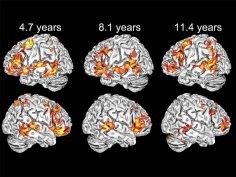
Autorzy najnowszych badań skupili się na języku i odkryli, że dzieci podczas przetwarzania języka mówionego używają obu półkul mózgu.
In comparison, almost all adults use only the left hemisphere of the brain
Towarzystwo mruczącego kota na kolanach jest niezastąpionym lekarstwem na depresję. Kot odwraca uwagę od problemu, dotrzymuje towarzystwa, okazuje uczucia bez względu na stan psychiczny właściciela i pokazuje, że jest on niezastąpiony. Ponadto pomaga człowiekowi w wyrobieniu odpowiedzialnej postawy i rytualnych odruchów, jak regularne karmienie. Co więcej, spokój kotów udziela się także choremu właścicielowi.
Cats help with depression
Obserwowali oni 40 dzieci z autyzmem. Okazało się, że te, które miały w domach zwierzęta, w tym koty, były spokojniejsze i łatwiej się komunikowały z otoczeniem, niż dzieci bez domowych pupili. Owa otwartość u dzieci ma związek ze wzrostem poziomu oksytocyny (hormonu szczęścia), która wydziela się podczas głaskania futra. Pieszczoty wzmacniają też uczucia zaufania i miłości.
Cats help kids with autism to communicate
wystarczy 20 minut oglądania śmiesznych filmów z kotami, by dostatecznie spadł poziom kortyzolu we krwi (hormonu stresu) i poprawiła się pamięć krótkotrwała u osób starszych. Ponadto śmiech wspomaga pracę serca i układu immunologicznego.
Cats are funny (healthy) to watch ;)
O zbawiennym wpływie mruczenia na poziom ciśnienia we krwi i nastrój pisało już wielu naukowców. Co więcej, koty potrafią modulować częstotliwość dźwięków od 20 do 140 Hz, a niektóre rejestry działają na ludzki organizm skuteczniej niż niejedna terapia.
Cats get rid of your stress
Naukowcy zajmujący się chorobami naczyniowymi na Uniwersytecie w Minosocie dowiedli, że właściciele kotów przejawiają mniejsze skłonności do zawałów. Przez 10 lat obserwowali ok. 4,5 tys. osób, spośród których 3/5 było właścicielami futrzaka. Okazało się, że u miłośników kotów ryzyko ataku serca było o 30 proc. niższe niż u ludzi, którzy nie posiadali żadnego zwierzęcia futerkowego.
Cats save your heart
Kiedy zastanawiamy się nad czymś w języku obcym, to albo więcej myślimy, albo mniej czujemy. Moim jednak zdaniem bardziej prawdopodobne jest wytłumaczenie, że w języku obcym wszystko mnie mniej pobudza, w związku z tym emocje mniej mnie rozpraszają w racjonalnym myśleniu
Język obcy - w porównaniu z ojczystym - sprawia więc, że kiedy napotykamy problem, jesteśmy bardziej skłonni, by rozwiązać go w sposób racjonalny. A mniej bierzemy pod uwagę, jakie normy etyczne rozwiązanie to nagina.
Kiedy myślimy w języku, który znamy słabiej, ważniejsze staje się osiągnięcie założonego efektu, a mniej ważny jest wymiar moralny działań
Obiecujący, zwłaszcza w kontekście młodszych pokoleń, wydaje się też właśnie wkraczający do Polski coliving, czyli formuła mieszkania polegająca na dzieleniu się z innymi wszystkim tym, czym podzielić się da. Współlokatorzy mają własne sypialnie z łazienkami, korzystają jednak z przestronnych i funkcjonalnie zaaranżowanych części wspólnych. Zyskują dzięki temu przestrzeń, która umożliwia im integrację i spędzanie wolnego czasu choćby na oglądaniu filmów czy grze w planszówki.
Coliving as a solution to staying alone
Do jeszcze bardziej przytłaczających wniosków doszła Julianne Holt-Lunstad, która, posiłkując się wynikami 70 badań naukowych, ogłosiła, że samotność zwiększa śmiertelność w takim samym stopniu co otyłość czy wypalanie 15 papierosów dziennie. Z kolei Nicole Valtorty z Uniwersytetu Newcastle ustaliła, że prawdopodobieństwo ataku serca u osób osamotnionych rośnie o 29 proc., a zagrożenie udarem – o 32 proc. „To niezależny czynnik przyczyniający się do śmierci. Może cię po prostu zabić. Znajduje się na tej samej liście co choroby serca i rak – twierdzi dr Josh Klapow, psycholog kliniczny z Uniwersytetu Alabamy.
Data on health consequences of being alone
powszechna plaga nie oszczędza młodych. Poczucie izolacji wpływa u nich na sen, zwiększa poziom stresu, powoduje spadek odporności, redukuje funkcje poznawcze, wywołując objawy podobne do otępienia oraz zwiększa ryzyko depresji.
Health consequences of being alone as a young person
Naukowcy odkryli, że samotność ma na nas wyniszczający wpływ, i to już na poziomie komórkowym. Profesor Steve Cole, dyrektor laboratorium UCLA Social Genomics Core dowiódł nawet, że z powodu izolacji społecznej w ludzkim organizmie dochodzi do tworzenia się przewlekłego, niedającego jawnych objawów stanu zapalnego.
Health consequences of being alone
Z danych GUS-u i tych zebranych przez portale randkowe wynika, że w Polsce w ciągu ostatnich 10 lat liczba osób żyjących samotnie wzrosła o 34 proc.
Wśród krajów europejskich w niechlubnym rankingu zwycięża jednak Szwecja, w stolicy której samotnie mieszka aż 58 proc.(!) populacji. Z kolei w Stanach Zjednoczonych odsetek ten wynosi 27 proc. (w Nowym Jorku prawie 50 proc.) i cały czas rośnie – dla porównania w roku 1920 jednoosobowe gospodarstwo domowe prowadziło tam 5 proc. obywateli.
Percentage of people living alone
Wchodziło długo, prawdziwie odurzony byłem po godzinie. Stan, w którym się znalazłem można określić jednym słowem, ale pisanym koniecznie z wielkiej litery: Spokój. Wielki Spokój, jakby nic złego nigdy się nie działo, jakby moje wnętrze było boską harmonią, idealnie zestrojoną z zachwycającym światem wokół. Myślałem i mówiłem bardzo trzeźwo: być może tak trzeźwo, jak nigdy: wyzbyty bowiem byłem z najmniejszych śladów niepewności, wstydu, nerwów, kompleksów... Było tak, jakbym znalazł w umyśle właściwe drzwiczki, tej najwygodniejszy pokój i rozłożył się w nim, delektując się (w nienarcystyczny sposób) sobą, swoim byciem i byciem, które mnie otaczało: świata, przedmiotów, światła, ludzi, Krzyśka, Andrzeja. Wszystko było dobre, a jeśli nie było - nie było godne uwagi. Zdumiewała mnie refleksja nad idiotyzmem wielkiej części moich codziennych zmartwień, wszystkich tych mniejszych i większych narcyzmów, skupienia na naskórku rzeczywistości. Andrzej w międzyczasie znalazł się w bardzo podobnym stanie, tylko, że połączonym z OEVami (opened eyes' visuals), do tego mówił dużo, gestykulując i intonując jak dziecko: "Przecież to wszystko takie proste...! Takie proste! A ludzie się przejmują!".
Mystical experience description detected.