A free, good-enough product is enough to change market dynamics.
大多数人认为在科技领域只有最佳产品才能获胜,但作者认为在AI时代,一个'足够好'的免费产品就足以改变市场格局,这与传统产品竞争观念形成鲜明对比。
A free, good-enough product is enough to change market dynamics.
大多数人认为在科技领域只有最佳产品才能获胜,但作者认为在AI时代,一个'足够好'的免费产品就足以改变市场格局,这与传统产品竞争观念形成鲜明对比。
A free, good-enough product is enough to change market dynamics.
大多数人认为市场竞争需要最佳产品才能获胜,但作者认为在AI时代,一个足够好的免费产品就足以颠覆市场。这与传统产品竞争观念相悖,暗示质量优势可能不如免费模式重要。
Anthropic is expected to release Claude Opus 4.7 alongside a new AI-powered design tool for building websites and presentations
令人惊讶的是:Anthropic正在将Claude从聊天和编程工具扩展到完整的创意系统,推出能够从自然语言提示创建网站、幻灯片和完整产品的设计工具。这标志着AI竞争正从文本生成向全面的创意产品开发转变,模糊了技术与非技术用户之间的界限。
The launch shows Meta is increasingly betting that efficiency, product integration, and distribution, not just model size, will define the next phase of competition in AI.
这揭示了AI行业正在从单纯追求更大模型转向更注重实用性和集成度的重要转变。Meta的战略表明,未来AI竞争的关键可能不是模型规模,而是如何将AI无缝集成到现有产品中并提高效率。这种转变可能会重塑整个AI行业的发展方向和投资重点。
人对错误的容忍度很低,一个错误推送比少记几件事更容易让用户觉得产品不好。
这是一个关键的产品心理学洞察。在 AI 产品中,“精准”往往比“全面”更重要。用户可以忽略缺失的信息,但很难容忍错误的打扰。这种对“信噪比”的极致追求,解释了为什么舍弃全量记录、转而通过 Enter 键捕捉确定性意图是更优解。
纯粹收集分析这种形态,过去互联网有过先例,但你会发现它卖不出去钱。
作者一针见血地指出了纯记录工具的商业困境。在 AI 时代,Token 成本是持续性的,这就要求产品必须交付“结果”而非仅仅是“数据”。这揭示了 AI 应用从“工具属性”向“劳动力属性”转型的必然逻辑:用户不为存储买单,只为价值产出付费。
以 Enter 键为锚点,捕捉用户每一次表达意图的瞬间。
这一设计极具洞察力,它将记录的颗粒度从“全量行为”收束为“意图锚点”。Enter 键作为用户确认意图的通用符号,不仅大幅降低了无意义的数据噪音和算力成本,更解决了全量监控带来的隐私焦虑,是“少即是多”在 AI 交互设计中的典范。
AIが8時間近くにわたり自律的にリサーチを遂行し、構造化されたサマリースライドと数十ページの包括的な調査レポートを提供します。
8 小时自主研究,最终输出结构化 PPT + 数十页完整报告——这个任务时长与 METR 的「时间地平线」框架高度吻合:8 小时恰好是当前顶级 AI Agent 能可靠完成的任务上限。Sakana 选择这个时长不是偶然,而是经过能力校准的精准产品设计——他们在构建一个刚好在当前 AI 能力边界内的产品。
CSO(Chief Strategy Officer)が数人のチームとともに数週間をかけて行うような、重厚な戦略調査を担うことを目的に設計されています。
「Virtual CSO(首席战略官)」——Sakana Marlin 的定位不是「更好的搜索引擎」,而是「替代顶级战略顾问团队」。将 AI 产品直接对标 C-suite 级别的战略职能,是目前市场上最激进的产品定位之一。这意味着 Sakana 的竞争对手不是 Perplexity 或 ChatGPT,而是麦肯锡、BCG 的战略研究团队。
We refer to this phenomenon as the LLM exhibiting functional emotions: patterns of expression and behavior modeled after humans under the influence of an emotion, which are mediated by underlying abstract representations of emotion concepts.
【启发】「功能性情绪」这个概念框架,启发了一种看待 AI 产品设计的新视角:既然情绪是真实的行为驱动器,AI 产品的「性格设计」就不只是写 System Prompt,更是在塑造一套情绪调节系统。对 AI 硬件和助手产品的设计者而言,这意味着未来可以像调音台一样调节模型的「情绪基线」——让会议助手更冷静,让学习陪伴更热情,让创意工具更兴奋。
New AI models, especially those from Anthropic,have triggered a new set of actions for how we build and secure our products.
令人惊讶的是:Anthropic等公司的新型AI模型不仅仅是工具,它们直接触发了思科改变构建和保障产品的方式。这种由模型能力反向驱动工程流程重构的现象,说明AI已经不再是业务的附属品,而是正在成为定义行业基础设施形态的决定性力量。
McClary took the process from there, contacting the supplier himself to discuss the revised design. Within a month, the new version of the Guardian flashlight was back up for sale on Amazon and on his brand's website.
大多数人认为AI会完全取代人类在产品开发中的角色,但作者认为AI实际上增强了人类决策者的能力。Mike McClary使用AI工具缩短了产品开发周期,但仍需要亲自与供应商沟通并做出最终决策,这表明AI是辅助工具而非替代品。
原来的 Basic($200/月)和 Pro($5,000/月)方案仍然保留,可以在 Developer Console 里切换到按量付费。
大多数人认为科技公司会完全淘汰旧定价模式强制用户迁移,但作者指出xAI保留了原有的高价套餐并允许用户自由选择,这种新旧并行的做法在API转型中极为少见,挑战了常规的产品迭代策略。
购买 𝕏 API 信用额度时,按累计消费金额获得 xAI API(Grok)的免费额度
大多数人认为科技公司不会主动为竞争对手产品提供免费额度,但作者指出xAI竟然提供Grok的免费额度作为回馈,这种跨产品激励策略在科技行业中极为罕见,挑战了传统竞争逻辑。
In contrast to the traditional focus on the individual organism as the target of selection and the unit of evolution, the genetic information embodied by each of our microbiomes may itself be the target for and the product of the evolutionary process.
for - unpack - microbiome as the target for / product of evolution
https://launch.getthinkable.com/
Looks pretty, but in the end it won't be as highly functional as it looks pretty. I'd rather have a mahogany card index. Dollars to donuts this doesn't actually launch.
Reminiscent to Ugmonk's Analog System: https://ugmonk.com/collections/analog
Why another database schema migration tool? Dbmate was inspired by many other tools, primarily Active Record Migrations, with the goals of being trivial to configure, and language & framework independent. Here is a comparison between dbmate and other popular migration tools.
AboutEditCompany
Catalog Decisions * FigJam Organization = Organization Collab Seat (based off of $5 unit price) * Figma Organization = Full Seat (based off of $45 unit price) * Dev Mode Organization = Dev Seat (based off of $25 unit price) * For the above ^ used naming convention: Figma [TIER] - [SEAT TYPE] (other name it's known as) * Example: Figma Enterprise - Dev Seat (Dev Mode) * Deleted addons; renamed products to fit naming convention and deleted invalid ones * Figma Design is a feature included in Full Seat. Not priced or a line item. Deleted product
Issues/Bugs * BUG: Certain line items are not showing up on SKU Mapping (reported) * BUG: Unable to update pricing units (reported) * Inconsistent product descriptions and website URLs. Revisit.
Summary Figma does not have any dimensions. However, there are relationships between the line items that we can't capture atm. You have to buy Full Seats and can optionally add on Dev and Collab Seats. Very important info for users to know and a limitation of our current tooling.
Despite the value of release branches, most of the best teams don't use this pattern for single-production products, because they don't need to. If the mainline is kept sufficiently healthy, then any commit to mainline can be released directly. In that case releases should be tagged with a publicly visible version and build number.
We believe the bill unduly dictates one particular technical approach, and does so without considering the privacy, security, and equity risks it poses.
unduly dictates one particular technical approach
Such gems like Memoist override methods. So, if you want to memoize a method in a child class with the same named memoized method in a parent class — you have to use something like awkward identifier: argument. This gem allows you to just memoize methods when you want to.
The Pen Tool in Photoshop is a game-changer for eCommerce brands. Learn how to master it with our easy-to-follow guide.
🔗 https://pathedits.com/blogs/tips/how-use-pen-tool-photoshop-beginner-tutorial
prepared a menu of services
This was an extremely useful step. Primarily it made it easier for prospective teams to know what support we could provide, but there's also nothing like defining a product or service to force a team to clarify their offering.
This is the smallest possible actual product that meets the needs ofa specific market of customers.
This certainly includes the functionality—the features.But it also includes the technology that enables this functionality.It also includes the user experience design that presents thisfunctionality.And it includes how we monetize this functionality.It includes how we attract and acquire users and customers.And it can also include offline experiences as well that are essentialto delivering the product’s value.
Also targeting business executives (via YouTube) as a storytelling deck: https://pipdecks.com/pages/storyteller-tactics-card-deck
Described as "expert knowledge in your back pocket", and sold as a "toolkit" with "practical step-by-step recipes", and "templates."
They offer 7 decks of tactics for Brand, Team, Storytelling, Innovation, Productivity, Team, Workshop, Strategy.
You can order Correct’s indexcard, dock, and Kokuyo’s fieldnote via the Service page.
Hawk Sugano apparently offered the Pile of Index Cards as a physical product offering by combining Correct's index card dock and Kokuyo's fieldnotes in late December 2006.
There’s not much of a market for what I’m describing.
There is, actually. Look at Google Docs, Office 365, etc. Those are all an end-run around the fact that webdevs are self-serving and haven't prioritized making desktop publishing for casual users a priority.
The webdev industry subverts users' ability to publish to the Web natively, and Google, MS et al subvert native Web features in order to capture users.
The users are there.
but from previous experiences like this, the feature set has to be robust at the start or I think adoption will suffer.
macOS should automatically downscale content of documents that are having a single paragraph on the last page.
good idea
Chrome doesn’t even have a scale-down option. It does have a “Minimize margins” option, but Google took a product decision to hide it behind two additional clicks in the “More Settings” section.
Bad for google
While helpful at times, these distinctions fail to acknowledge that the quality of the internal tooling and even the technical infrastructure can profoundly impact your customers. The tools you build for your colleagues affect the customer experience and their relationship with your company and its products.
I wish more companies understood this, especially the part about technical infrastructure. Stability is customer-facing!
In this paper, we reconsider the major events in the history of life on Earth, from the first cells to the recent technological developments of human societies. We focus primarily on which METs identified by Maynard Smith and Szathmáry (1995) have produced MSTs, either directly or in combination with MCTs and catalysts. In reexamining these major transitions, we also highlight the importance of information for both the METs and the resulting MSTs, and speculate upon the role that Level V dark information may play in a future major transition.
for: research goal, research goal - METs that produce MST for life on earth
key research goal
Most typed functional programming languages implement tuples directly as product types
In type theory, product types (with no field names) are generally preferred due to their simplicity
Recent work has revealed several new and significant aspects of the dynamics of theory change. First, statistical information, information about the probabilistic contingencies between events, plays a particularly important role in theory-formation both in science and in childhood. In the last fifteen years we’ve discovered the power of early statistical learning.
The data of the past is congruent with the current psychological trends that face the education system of today. Developmentalists have charted how children construct and revise intuitive theories. In turn, a variety of theories have developed because of the greater use of statistical information that supports probabilistic contingencies that help to better inform us of causal models and their distinctive cognitive functions. These studies investigate the physical, psychological, and social domains. In the case of intuitive psychology, or "theory of mind," developmentalism has traced a progression from an early understanding of emotion and action to an understanding of intentions and simple aspects of perception, to an understanding of knowledge vs. ignorance, and finally to a representational and then an interpretive theory of mind.
The mechanisms by which life evolved—from chemical beginnings to cognizing human beings—are central to understanding the psychological basis of learning. We are the product of an evolutionary process and it is the mechanisms inherent in this process that offer the most probable explanations to how we think and learn.
Bada, & Olusegun, S. (2015). Constructivism Learning Theory : A Paradigm for Teaching and Learning.
https://danallosso.substack.com/p/retrenchment-day-23
You don't consult with the customer when you're thinking of changing the formula for the soap, I know. But is that the appropriate model for this situation?
author Martin Daniel
This article introduces the concept of Product Environmental Footprint (PEF) as a way to validate if carbon tunnel vision is real
If we hand most, if not all responsibility for that exploration to the relatively small number of people who talk at conferences, or have popular blogs, or who tweet a lot, or who maintain these very popular projects and frameworks, then that’s only a very limited perspective compared to the enormous size of the Ruby community.
ensuring salespeople and customers understand it.
Looks like Jetpack is getting into the ad space leveraging WordPress.com and Tumblr.com with a product called "Blaze".
Saw this by an ad in my own website back end as a result of the Jetpack plugin with a text ad that read:
Reach more people across millions of sites. Promote your content on the WordPress.com and Tumblr ad network using Blaze.
You see — if software is to have soul, it must feel more like the world around it. Which is the biggest clue of all that feeling is what’s missing from today’s software. Because the value of the tools, objects, and artworks that we as humans have surrounded ourselves with for thousands of years goes so far beyond their functionality. In many ways, their primary value might often come from how they make us feel by triggering a memory, helping us carry on a tradition, stimulating our senses, or just creating a moment of peace.
Emotion drives human choice.
Fluxus was an international, interdisciplinary community of artists, composers, designers and poets during the 1960s and 1970s who engaged in experimental art performances which emphasized the artistic process over the finished product.[1][2] Fluxus is known for experimental contributions to different artistic media and disciplines and for generating new art forms.
At Ipswich, he studied under the unorthodox artist and theorist Roy Ascott, who taught him the power of what Ascott called “process not product.”
"process not product"
Zettelkasten-based note taking methods, and particularly that followed by Luhmann, seem to focus on process and not product.
Airbnb: This HXC is invested in being a good global citizen, and doesn’t want to simply visit new places but to belong. “It’s the guest who wants to ‘live like a local’ and experience Paris as if they are living there,” says Supan. “They’re energized by the idea of staying in unique spaces and feeling welcomed, but are cost-conscious, too.”Startups like Airbnb that build a two-sided marketplace—guests and hosts, riders and drivers, buyers and sellers, etc.—may be wrangling twice the people, but their process for identifying the HXC doesn’t actually look that different. “The company does have to take a position. While Airbnb will say consistently that the hosts are their business—and that is true—the position of the company is toward the guest. It's about belonging,” says Supan.But there’s no rivalry there; hosts relate to that position. “They, too, want to open their homes to learn about different cultures, and increase their income to be more self-reliant. They understand who Airbnb’s guest is and want to welcome them,” says Supan. “And, many hosts are also Airbnb guests, which is typical of marketplaces where the top sellers can also be the top buyers. Messaging, in these cases, may change depending on which side of the marketplace you’re talking to, but your positioning should not.”
In Product Roadmaps Relaunched, Airbnb's Product Vision is used as example. It makes sense.
Second, the range of the function must be efficiently computable, and it must be efficiently computable by you.
taking too long to compute if a user is a good fit is the same as not being able to.
And in business novices make a product nobody wants.
sometimes even a group of non-noobs become a noob team in the aggregate.
As simple as Puppeteer, though even simpler.
- Outputs are the things you build. - Outcome is what’s changed for customers, have they become more successful. - Impact is the effect outcomes has on the business like decrease in support costs, increase in conversions etc.
Outcome-focus 就是指公司在乎「成果」大於「成品」的文化,比起做了什麼功能、賺了多少錢,更關注產品改動如何影響終端用戶的行為(User outcome)。
Tini differentiates with:
Finally, do note that there are alternatives to Tini (like Phusion's base image).
Saw this ad for Storyteller Tactics on Instagram: https://www.instagram.com/p/CiybhKcA3ZV/?hl=en
They're advertising for a product from https://pipdecks.com/. They're essentially selling custom zettelkasten collections of cards for niche topics!
I saw this ad for Storyteller Tactics on Instagram: https://www.instagram.com/p/CiybhKcA3ZV/?hl=en. The pitchman indicates that he distilled down a pile of about 25 books into a deck of informative cards which writers can use in their craft. Rather than sell it as a stand alone book, it's a set of cards (in digital format too) that they're selling for a order of magnitude more than they could have gotten for a book format.
They're advertising for a product from https://pipdecks.com/. They're essentially selling custom zettelkasten collections of cards for niche topics! Who else is going to sell sets of cards like this? Anyone else seen examples of zettelkasten-like products like this?
More importantly, what I like about the simple model is that it is process agnostic. There are many different discovery processes and techniques, just as there are many different delivery processes and techniques. The higher order points to me are: the activities of discovery and delivery are happening in parallel, ongoing – they are not “phases” in discovery the team is tackling head-on the big risks – value, usability, feasibility and viability in discovery the product team is working collaboratively to solve problems – product management, product design and engineering the product team measures itself against business results and not just shipping features it is one product team responsible for both discovery and delivery (obviously product managers and designers spend most of their time on discovery activities while engineers spend most of their time on delivery activities).
What a PM should focus on
So when should you use rbspy, and when should you use stackprof? The two tools are actually used in pretty different ways! rbspy is a command line tool (rbspy record --pid YOUR_PID), and StackProf is a library that you can include in your Ruby program and use to profile a given section of code.
https://www.tana.inc/
By dropping or reducing or postponing the least importantparts, we can unblock ourselves and move forward even when timeis scarce.
When working on a project, to stave off potential procrastination on finishing, one should focus on the minimum viable version and finish that. They can then progressively enhance portions and add on addition pieces which may be beneficial or even nice to have.
Spending too much time on the things that sound nice or that one "might want to have" in the future will be the death of the thing.
link to: - you ain't gonna need it - bikeshedding for procrastination
questions: - Does the misinterpreted-effort hypothesis play a role in creating our procrastination and/or lead to decision fatigue?
This blog is your guide to learn everything about the popular battle; industry design Vs product design Vs UX design.
The phrase "now you're coking with gas" was coined by American Gas Association publicist Carroll Everard "Deke" Houlgate. Deke's son indicated that his father "planted it with Bob Hope's writers" and it was ultimately used in one of his radio shows. From there it turned into one of his catchphrases and it was adopted by others including The Jack Benny Program and Maxwell House Coffee Time.
Incidentally, Houlgate was also a football journalist who devised the first college football rankings methodology that determined the national champions from 1929 to 1958.
Is this the same Houlgate, or perhaps his son who played for USC Trojans in the 1931 and 1932 Rose Bowl games?
References: (see also and check...) - A Way With Words co-host Martha Barnette https://soundcloud.com/waywordradio/now-youre-cooking-with-gas
نرمافزارهای نقشهی راه مانند Aha! ،ProductPlan و Roadmunk ابزارهای بسیار حرفهای در این زمینه هستند که امکان ساخت نقشههای محصول جذاب برای تیمهای مختلف را فراهم میکنند. همچنین با استفاده از این ابزارها و نرم افزار ها میتوان نقشهی مسیر انفرادی برای هر یک از اعضای گروه تولید درست کرد و سپس برای رسیدن به یک چشمانداز و هدف کامل همهی آنها را با یکدیگر همسان سازی کرد. در آخر بعد از انتخاب بهترین ابزار میتوان ساخت نقشهی راه را آغاز کرد.
بهترين نرم افزار هاي تهيه نقشه راه محصول ، با پاورپوينت و اکسل هم ميشه البته
Singh, K., Lima, G., Cha, M., Cha, C., Kulshrestha, J., Ahn, Y.-Y., & Varol, O. (2022). Misinformation, believability, and vaccine acceptance over 40 countries: Takeaways from the initial phase of the COVID-19 infodemic. PLOS ONE, 17(2), e0263381. https://doi.org/10.1371/journal.pone.0263381
Put more simply, the product is dirt — four-and-a-half ounces of it, sealed in a sleek black plastic baggie and sold for $110 plus shipping.
Oh my god! It's like a family friendly version of Bell Delphine's bath water! It's a useless product sold for ridiculous prices to an audience that is desperately looking for something to fill a space. In one case, it was a want for some physical representation of an idol, and in this case, it was a want for a solution to COVId or a feeling of security. If we were to relate this to the game we played in the blog post assignment, then I would probably classify this as emotional manipulation. People looking to feel secure in their health while the pandemic rages were taken advantage of by this company selling dirt.
Companies should not assume they can release a product without thinking about its unintended uses and then undo the harm that results. This often doesn’t work.Some technology
Many products, including technology and social media products, can have a multitude of uses including unintended off-label uses. This can lead to harmful and deleterious effects on large groups of people.
On the other hand, some users may also see great benefits from off-label use cases. As an example, despite it being a vector for attacks and abuse, some marginalized groups have benefited from social media through increased visibility, the ability to create community, and expand their digital access.
As a result it's important to look at how a product is being used in the marketplace and change or modify it or create similar but different products to amplify the good and mitigate the bad.
இதற்கு அப்பால் மிகச்சிலர் என்னுடைய கருத்துக்களுடன் முரண்பட்டு என் படைப்புக்களில் ஈடுபாடு கொண்டு வாசிப்பவர்களாக இருக்கிறார்கள். எவ்வாறு என இலக்கியம் எப்படி எழுதப்படுகிறதென தெரிந்துகொண்டால் அது உங்களுக்குப் புரியும். இலக்கியப் படைப்பில் ஒரு படைப்பாளி முன்வைப்பது அவன் கற்று, தெளிந்து ஏற்றுக்கொண்டவற்றை அல்ல. அவனுடைய திட்டவட்டமான நிலைபாட்டை அல்ல. இலக்கியப்படைப்பு என்பது ஒருவகை கனவு என எடுத்துக்கொள்ளுங்கள். மொழியில் நிகழும் ஒரு கனவு. ஒரு படைப்பு என்பது அந்த எழுத்தாளன் மொழிவழியாக கண்ட ஒரு கனவு. நம் கனவு நம் கட்டுப்பாட்டில் இல்லை அல்லவா? நாம் நினைப்பதே நம் கனவில் இருக்கவேண்டும் என்பதில்லை அல்லவா? எழுத்தாளன் எல்லாரையும்போல ஒரு அன்றாட உள்ளம் கொண்டவன். அவனுக்கு பல கருத்துக்கள் இருக்கும். அவை அவன் தன் வாழ்க்கையிலிருந்து பெற்றுக்கொண்டவையாக இருக்கும். அவனுக்கான ஓர் அரசியலும் இருக்கலாம். ஆனால் அவன் எழுதுபவை அப்படியே அந்த கருத்துக்களை வெளிப்படுத்துபவை அல்ல. சிலசமயம் நேர்மாறாகவும் இருக்கலாம். அவனே அறியாத நுட்பங்கள் அதில் வெளிப்படலாம். ஆகவே எழுத்தை எழுத்தாளனிடமிருந்து பிரித்தே பார்க்கவேண்டும். எழுத்து தன்னளவில் முழுமையான ஒன்று.
Warning: End-of-year exhaustion coming. We can receive some advice to assist us in expanding our company while preserving your creative spark. 
Skills: Imagination Logic Common sense Pattern recognition Basic probability & statistics knowledge
Tramite quali singole abilità si può implementare il [[probabilistic thinking]] ?
Tramite:
Attitude: Strategic pessimism Non-attachment to one's ideas Confidence in one's ability to influence others
Come si può sviluppare la skill del [[probabilistic thinking]] e tramite quali atteggiamenti la si può notare?
Attraverso:
In a world where labs become sustainable by spinning out products, researchers need some way to de-risk their initial work, when they won’t have any new products or technologies to sell. I think this is an effective place for open-ended research grant programs.
This is a lovely idea, but it feels like it's just kicking the can down the road. Who's funding these grants? Where do those monies come from? That's the real problem.
How to Conduct Agile Market Research for Your Digital Product
Chen, W., & Zou, Y. (2021). Why Zoom Is Not Doomed Yet: Privacy and Security Crisis Response in the COVID-19 Pandemic. SocArXiv. https://doi.org/10.31235/osf.io/mf935
Zotero doesn't work on this site
Avere un limite su ogni colonna ti assicura che gli Item si spostino velocemente da una colonna all’altra, visto che questo è l’unico modo per inserire nuovi Item.
Quale è il vantaggio principale del #[[WIP limit]] nella metodologia #agilekanban ?
Sta nel fatto che determinando un numero limite di task da poter inserire nella colonna allora spostare i task da una colonna all'altra (quindi avanzare nello sviluppo) sarà il solo modo per poter inserire nuovi task dal #[[product backlog]] alla board
Il Pull system funziona in modo diverso, ovvero con un limite sul numero di elementi inseribili in ogni singola colonna della board, questo limite viene chiamato WIP Limit, ovvero Work in Progress Limit.
In che modo differisce il sistema di #pull tra metodologia #agilescrum e #agilekanban ?
La differenza principale emerge nel fatto che nella metodologia kanban su ogni colonna della board kanban c'è un numero limite di task che si possono inserire, questo numero limite viene chiamato #[[WIP limit]]
La principale differenza è che nel Kanban non esistono le sprint. Il processo di sviluppo è continuo.
Quale è la differenza principale tra #agilescrum e #agilekanban ?
La differenza principale è nelle tempistiche dello sviluppo, nella metodologia scrum il processo è di breve durate ed iterativo, in quella kanban invece lo sviluppo è continuo
Per tracciare i progressi si usa una board chiamata Scrum Board, Agile Board o per fare un po’ di casino Kanban Board.Di solito ci sono 4 colonne: To Do, Doing o Progress, Test o QA, Done. La premessa di tutto è che queste due metodologie non sono prescrittive per cui ogni team poi può decidere di aggiungere o rimuovere colonne in base alle proprie esigenze.Il Movimento ideale degli Item sulla scrumboard è da sinistra verso destra, se il movimento è al contrario c’è qualcosa che non va.
In che modo avviene il tracciamento dei progressi nei progetti di sviluppo, che siano #agilescrum o #agilekanban ?
Avviene tutto tramite delle board kanban divise in colonne e in cui si deve passare da sinistra a destra.
Questa parte è il Pull di cui stavamo parlando prima, ovvero gli item vengono “tirati” dal backlog e non “pushati” da qualcun altro.
In cosa consiste la parte #pull delle metodologie #agilescrum e #agilekanban ?
Essenzialmente si riferisce all'atto con cui i team prendono dal #[[product backlog]] i task su cui si devono concentrare e non vedono questi task essere imposti loro dall'alto e/o qualcuno di esterno.
Compito di #[[product owner]] e #[[scrum master]] è quello di fare di tutto per permettere al team di concentrarsi sullo sviluppo ed implementazione, nel minor tempo possibile e maggiore efficacia, sui task che sono stati inseriti nello #[[sprint backlog]]
Quello che accade tra il product backlog, ovvero la mega-lista di cose da fare, e il customer, ovvero l’utente che userà il tuo prodotto, è quello che distingue Scrum da Kanban.
Cosa sono, in una frase, le metodologie #agilescrum e #agilekanban ? Che funzione assolvono?
Essenzialmente portano tutto quello che c'è nel #[[product backlog]] da quella lista al customer.
Alcune caratteristiche del Product Backlog:Ogni Item in Backlog deve aggiungere valore all’utente finaleIl Backlog deve essere ordinato e prioritizzatoIl Backlog è un documento vivente. Il processo di revisione e modifica giornaliera del Backlog da parte del Product Owner si chiama Backlog GroomingI dettagli di ogni Item dipendono tipicamente dalla loro posizione sul Backlog: in alto tanti dettagli, in basso pochi dettagli.
Quali sono alcune caratteristiche fondamentali del #[[product backlog]] ?
L'atto di pulizia e aggiornamento del backlog è definito come #[[backlog grooming]]

Il Product Backlog è la lista prioritizzata di tutto ciò che si vorrebbe fare (occhio a queste due parole!) all’interno del progetto. Qui sta una delle prime intuizioni semplicissime, ma geniali, dei due metodi.Il fatto che un Item sia in backlog non vuol dire che verrà sicuramente affrontato, sviluppato e rilasciato.
Cosa è il #[[product backlog]] e cosa è presente al suo interno?
Si tratta di una lista prioritizzata di tutto quello che si vorrebbe fare all'interno del progetto.
Importante è l'aspetto del "si vorrebbe", il fatto che qualcosa sia in backlog non significa necessariamente che sarà poi sviluppato e rilasciato.
All'interno di questo backlog si possono trovare #userstory oppure task tecnici oppure bug oppure knowledge task.
Secondo i principi dell’Agile, come abbiamo visto nel post precedente, il software viene consegnato al customer in piccoli pezzi che incrementano il valore del software progressivamente, inoltre il feedback dal customer viene preso costantemente in considerazione e diventa parte essenziale del ciclo di sviluppo.
Quale è la differenza principale tra metodologia #waterfall ed #agile ?
La differenza principale è nelle modalità di rilascio del prodotto: nella metodologia waterfall il rilascio avviene interamente e di blocco, nel caso invece di agile il rilascio avviene in fasi iterative e frequenti, piccoli rilasci e implementazioni ad ogni fase.
Nel metodo agile, ad ogni iterazione, il #[[product owner]] raccoglie i feedback di utenti e stakeholder e le utilizza per le prossime iterazioni, inserendole nel #[[product backlog]]
n una cascata (waterfall), infatti, l’acqua cade sempre dall’alto verso il basso e così funziona nello sviluppo software Waterfall:Il responsabile di prodotto definisce i requisiti di tutto il progettoIl team di sviluppo realizza il progetto per interoIl progetto viene consegnato al customer tutto in una voltaTutto va nella stessa direzione. Dall’alto verso il basso. Sempre
Come è caratterizzato il metodo #waterfall di sviluppo?
È il metodo classico di sviluppo, in maniera unidirezionale il responsabile di prodotto #[[product owner]] fornisce agli sviluppatori i requisiti di tutto il progetto, questi li implementano per intero, l'intero progetto viene fornito ai consumatori in un'unica volta.

Nell’esempio di Giuseppe potremmo chiamare la nostra Epic “Funzionalità di login”. All’interno di quest’ultima andremo poi a inserire le varie User Stories come “Frontend – processo login”, “Backend- processo login”, “Processo di recupero password” e così via fino ad aver completato la nostra funzionalità di login.Per non perdere di vista le varie Epic, andiamo a nostra volta a raggrupparle all’interno di “iniziative”. Tornando al nostro esempio possiamo chiamare la nostra iniziativa “Sito e-commerce – primo rilascio”. All suo interno inseriremo tutte le Epic che riteniamo indispensabili per il rilascio del nostro sito.”
In che modo si può risolvere il problema della mancanza di contesto per le #userstory ?

Uno dei problemi nell’uso delle User Story è la mancanza di contesto attorno alla storia. Esistono diversi stratagemmi per risolvere.
Quale è il problema maggiore che emerge dall'utilizzo delle #userstory ?
La mancanza di contesto, questa rende difficile sia l'empatizzare con l'utente sia avere chiaro l'obiettivo e la natura delle implementazioni.
Questi sono dettagli che vanno aggiunti all’interno della User Story, solitamente si definiscono Criteri di Accettazione. I Criteri di Accettazione sono fondamentali anche per poter verificare se la funzionalità sviluppata rispecchia ciò che era stato deciso. Vi accorgerete che il 90% delle volte ciò che viene implementato non rispecchia quanto era previsto!
Una volta create le prime #userstory cosa deve accadere secondo la metodologia di #agilescrum ?
Avviene una riunione con il team di sviluppo, una riunione in cui insieme al team si stabiliscono dei criteri minimi che l'implementazione dovrà rispettare.
Il formato tipico delle User Story ci impone di fare una scelta e decidere le priorità. Quando scrivete una User Story focalizzatevi sempre sulla funzione più importante. Scrivete User Story separate per dettagliare i bisogni differenti. Può creare ridondanza ma vi permetterà di condividere con chiarezza quali sono le priorità.
In che modo fare #userstory ci permette di determinare delle priorità nella creazione del #prodotto ?
Ogni user story deve essere focalizzata su una sola cosa, un solo tipo di utente, un solo obiettivo, una sola azione ed in questo modo dovremo scrivere diverse user story per ogni caso, poi tra le diverse user story stabilire delle priorità ed un peso.
Come prima cosa descriviamo quale utente stiamo servendo. A prima vista si potrebbe pensare che l’utente è unico per un prodotto. In realtà ogni prodotto ha una varietà di utenti con diversi intenti.In un e-commerce possiamo sicuramente distinguere tra utenti alla prima visita, utenti registrati, utenti che hanno fatto 1 o più acquisti, e così via. Inoltre molti prodotti hanno alle spalle un servizio e spesso una parte dello sviluppo è dedicata ad utenti interni come per esempio il servizio clienti.
Quanti utenti e quali utenti possiamo distinguere normalmente in un #prodotto ?
Ci sono tanti utenti ad utilizzare un prodotto ognuno contraddistinto da diversi intenti
Le User Story hanno solitamente il seguente formato:Come [descrizione dell’utente], voglio [funzionalità o azione] in modo che [obiettivo o valore per l'utente].
Quale è un esempio di #userstory nella metodologia di #agilescrum ?
Una. volta compilato, questo esempio dovrebbe essere qualcosa di questo tipo: "Come utente registrato voglio poter effettuare il log-in in modo che posso accedere alle mie informazioni personali. "
L’utente a cui ci stiamo rivolgendoil bisogno che vogliamo soddisfareil motivo per cui dobbiamo soddisfarlo. Un po’ di esempi pratici renderanno tutto molto più chiaro!Ma, prima di partire con gli esempi, voglio dirvi quali sono per me le 2 caratteristiche essenziali delle User Story: chiarezza e confronto.
Quali sono le caratteristiche alla base delle #userstory ?
Ogni #userstory deve descrivere in maniera fondamentale l'utente a cui ci stiamo rivolgendo, il bisogno che questo utente ha e che noi vogliamo soddisfare ed il motivo per cui dobbiamo e vogliamo soddisfarlo.
Il concetto più interessante che introducono le User Story è quello di mettere l’utilizzatore del nostro prodotto (lo User) al centro dell’attenzione durante il processo di sviluppo. Pari importanza è data anche all’identificazione del bisogno che ogni funzionalità promette di soddisfare (la storia).
Cosa sono le #userstory e perché è importante utilizzarle come alternativa alla classica requisitazione?
Le #userstory contribuiscono a mettere lo user al centro del percorso di sviluppo, inoltre attraverso una storia forniscono anche l'identificazione dei bisogni di questo utente e come ogni funzionalità possa essere capace di risolvere questi bisogni.
Queste sfumature si perdono nel corso della classica requisitazione in cui il #productowner fornisce requisiti ai tecnici senza nemmeno spiegarne il motivo.
Mi piace molto la definizione di User Story di Mike Cohn: ogni User Story è la promessa di una conversazione. Per Mike quello che c’è scritto nella User Story non è molto importante, è solo un promemoria per innescare una discussione con tutto il team.
Quale è la definizione di #userstory ?
Lo Sprint inizia con lo Sprint Planning dove il Product Owner prioritizza il Product Backlog ed insieme al team crea lo Sprint Goal, ovvero l’obiettivo da raggiungere per la Sprint in partenza.
Da cosa inizia lo #sprint all'interno della metodologia di #agilescrum ?
Tutto inizia dallo #sprintplanning in cui il #productowner analizza le diverse #userstory e attribuisce loro gli #storypoint.
Dopo l'effettiva esecuzione dello #sprint allora avviene la fase si #sprintreview in cui insieme agli stakeholder si analizza quanto fatto ed il #backlog mettendolo in discussione per le prossime iterazioni.

In alcuni casi viene anche chiamato Agile Coach. Lo Scrum Master è colui/colei che si adopera per far si che il team raggiunga la massima produttività ed efficienza. È il facilitatore di tutte le cerimonie Agile tramite tecniche di negoziazione e mediazione.È anche la voce del team di sviluppo. Chi promuove la metodologia Scrum e fa sì che i suoi principi/valori vengano applicati in maniera corretta tramite un durissimo lavoro di coaching e mentoring. Lo scrum master si occupa anche delle metriche di avanzamento per fare venire a galla i problemi, ma anche i successi del team.
Chi è lo #scrummaster e cosa deve fare nel corso della metodologia #agilescrum ?
All'atto pratico è colui che si occupa di spingere il team a raggiungere la massima produttività ed efficienza. Cerca anche di definire e raggiungere le metriche di avanzamento per far emergere problemi e successi del team.
È colui/colei che guida il team nella giusta direzione, che prioritizza le user storiy e come un direttore d’orchestra si interfaccia con gli stakeholders e col team per far in modo che tutto funzioni alla perfezione.
Chi è il #productowner cosa fa e in che modo opera nel corso della metodologia #agilescrum ?
Le skills/conoscenze individuali devono essere trasferite al team tramite peer programming (sviluppo di una funzionalità a due mani) o mob programming (sviluppo a più mani). Questo porterà il team nel lungo periodo ad essere molto più efficiente, dato che ogni membro del team avrà come bagaglio la conoscenza del prodotto e del software utilizzato e potrà essere intercambiabile.Tipicamente un team cross funzionale è composto da Product Manager, Design, Sviluppo, Data Analysis.
In che modo è strutturato il team cross funzionale che lavora in uno #sprint ?
È un momento di ispezione per tutti, per i processi, per le persone e per il modo in cui si lavora. Qui si ispeziona quel che è stato fatto chiedendosi:Cosa è andato bene?Cosa potrebbe andare meglio?Quali sono gli improvement / miglioramenti che si possono implementare nel prossimo Sprint?
In cosa consiste la #sprintretrospective nel metodo #agilescrum e cosa accade?
L’incremento, ovvero la somma delle funzionalità che si sono sviluppate durante lo sprint vengono finalmente mostrate al cliente e ai più importanti stakeholders del progetto. Qui si riceve il feedback che porterà a decidere quale corso il prodotto deve prendere e quali user story saranno prioritizzate nel prossimo sprint.La Sprint Review non è solo una Demo, ma è l’elemento di raccordo con la Sprint precedente: un incontro fondamentale su cui costruire la cultura, creare prodotti migliori e rinforzare la fiducia del team.Queste sono alcune delle attività:Definire cosa è stato completato e cosa no, commentando il lavoro.Demo individuali Rivedere impatto delle feature su Metriche ChiaveVerifica User Story e aggiunta nuove per completareBacklog Grooming
In cosa consiste la #sprintreview nel modello #agilescrum e cosa accade nel corso di questa ?
La cosiddetta stima dell’effort è un concetto fondamentale, specie nel Backlog Refinement e in Sprint Planning dove il team di sviluppo si riunisce per dare un valore numerico alle user stories. Questo aspetto non è assolutamente da sottovalutare, perché dalla stima delle user story possono scaturire tantissime discussioni interessanti per capire effettivamente il grado di rischio, complessità, fattibilità di ciascun task.L’estimation a differenza degli altri rituali non ha una sua precisa collocazione, può essere fatto in qualsiasi momento, ma considera che il Team dovrebbe dedicare al meno il 10% del suo tempo alla stima del lavoro necessario per sviluppare una User Story.
In cosa consiste il rituale di #estimation in #agilescrum ?
Lo Sprint Planning è forse uno dei meeting più importanti nelle cerimonie Agile ed è il momento in cui business (product owner) e technical team si riuniscono per decidere cosa faranno nella prossima iterazione/sprint. Di solito dura circa 4 ore ed avviene il giorno prima dell’avvio della sprint.L’obiettivo dello Sprint Planning è proprio quello di pianificare la Sprint definendo l’Outcome (L’obiettivo di sprint) e passando dalle user story alle singole task per ciascun componente del team.
In cosa consiste il rituale dello #sprintplanning nella metodologia #agilescrum ?
il daily scrum è un meeting giornaliero dove il team si riunisce e raccoglie le proprie impressioni su come sta andando lo Sprint e quanto ci si sta avvicinando o allontanando dallo Sprint goal. Ogni membro deve rispondere a tre domande ben precise:Cosa ho fatto ieri?Cosa ho fatto oggi?Ci sono impedimenti che stanno bloccando il mio percorso nel raggiungere lo Sprint Goal?
In cosa consiste il rituale del #dailyscrum nella metodologia #agilescrum ?
Daily Scrum: allineamento giornaliero Sprint Planning: preparazione della SprintEstimation: stimare il peso di ogni user storySprint Review: demo e review del lavoro svoltoSprint Retrospective: migliorare il modo in cui si lavora insieme.
Quali sono i rituali alla base della metodologia #agilescrum ?
Man mano che passano le sprint il team di lavoro acquisirà il proprio ritmo, “heartbit” o velocità.La Velocity è la somma degli story point completati a fine sprint. Questa servirà da metro di paragone per pianificare gli Sprint successivi.Facendo un passo indietro infatti ogni User Story prima di essere portata in sviluppo deve essere analizzata e ne deve essere valutato il peso in termini di impegno del team.Es: una User Story che pesa poco impegna solo alcuni membri del team (anche uno solo) per poco tempo, una Storia che pesa molto impegna tanti membri del team per tanto tempo.Solo dopo aver dato un valore ad una User Story usando appunto gli Story Points, questa può essere aggiunta allo Sprint Backlog.
Cos'è il concetto di #velocity nella metodologia #agilescrum ?
È il quantitativo di #storypoint accumulati dal team nel corso di uno #sprint.
Ogni #userstory infatti avrà un peso e valore determinato dagli #storypoint e deciso in funzione dell'impegno di sviluppo che richiede per la sua produzione.
La #velocity permette di avere una metrica per pianificare i prossimi #sprint anche in funzione dell'#heartbit raggiunto dal team dopo alcuni #sprint.
La User Story è la funzionalità o l’incremento di prodotto che si vuole portare in sviluppo scritta dal punto di vista dell’utente. Ogni User Story incorpora al suo interno CHI beneficerà di quella funzionalità, COSA si richiede e PERCHÈ è importante per l’utente
Che cos'è una #userstory nella metodologia #agilescrum ?
Si tratta della funzionalità o incremento che si vuole portare in sviluppo, scritta dal punto di vista dell'utente. È parte fondamentale del #productbacklog ed in essa deve comprendere:
Il backlog è la lista di user stories o task che non è ancora stata introdotta nello Sprint e risiede in uno spazio apposito. Considerala come una wishlist di funzionalità che potrebbero essere implementate e che saranno prioritizzate dal product owner durante lo Sprint Planning.
Cos'è il #productbacklog nella metodologia #agilescrum ?
È la lista di #userstory e task che non è ancora oggetto dello #sprint in atto, è una wishlist più che una tasklist
Anche chiamato “iterazione” è un lasso di tempo che può variare da uno a quattro settimane dove il team si adopera per creare un “incremento”, un prodotto/funzionalità, anche non finito, che crea valore e che può essere ispezionato alla fine, ricevendo feedback positivi/negativi dagli stakeholders interessati.Nello Sprint si usa il concetto di time-box, dove all’inizio del progetto si decide quanto l’iterazione debba essere lunga (da una a quattro settimane, non di più)
Cos'è lo #sprint nella metodologia #agilescrum ?
È il lasso di tempo in cui il team lavora per arrivare ad un incremento nel prodotto, questo incremento servirà a creare valore per gli utenti e sarà ispezionato alla fine dagli stakeholder interessati tramite #feedback negativi o positivi
Agile Scrum è a tutti gli effetti un sistema di regole, procedure e rituali ben definiti su come applicare la metodologia Agile, dove, come ho detto qualche riga prima, il tempo è l’elemento più importante.A scandire il tempo in Agile Scrum ci pensano gli Sprint, dei piccoli time-frame in cui il team di sviluppo lavora per il rilascio di una o più funzionalità.
Quale è la variabile più importante della metodologia #agilescrum ?
È sicuramente quella del tempo, rappresentata dallo #sprint che è un piccolo time-frame in cui il team di sviluppo lavora per rilasciare una o più funzionalità.
Ogni sprint avrà come obiettivo il rilascio di specifiche #feature del prodotto e queste avranno come specifica funzione il dare valore all'utente che usa il prodotto.
Non si tratta solo di suddividere il lavoro ma di impostare l'intero lavoro in funzione dell'utente, cercando di stargli più vicino possibile.
Nel rugby, la parola “Scrum“ è un termine usato per spiegare il goal del team di ottenere il possesso della palla in quanto unità molto coesa. In maniera simile, in Agile Scrum, il team di sviluppo lavora insieme per raggiungere uno o più obiettivi alla fine dello Sprint/iterazione.
Quale è la definizione di #agilescrum ?
Con questa metodologia si intende far focalizzare tutto il team ad un singolo obiettivo che sarà utile per lo #sprint previsto.
Qui di seguito ti riassumo quali sono i punti chiave:Accettare l’incertezza e tutto ciò che ne derivaIl fallimento è la via più sicura per imparareSe non lo misuri non lo saiFiducia nelle persone e nella loro capacità di avere impattoOwn your Outcome: assumersi la responsabilità a tutti i livelli
Quali sono gli assunti fondamentali del mindset #agile ?
fino a quel momento tutta l’attenzione nel processo tradizionale di sviluppo software, chiamato Waterfall, era stata posta su documentazione, processi e specifiche tecniche, adesso la lente si spostava sulle persone e sulle interazione tra di esse, sui team e sul loro spirito di adattamento e risposta al cambiamento.
Quale è stata l'innovazione più grande apportata dalle metodologie #agile rispetto alle vecchie metodologie #waterfall ?
La principale differenza è che si è cominciato a ragionare sulle persone che effettivamente creano il prodotto, sulle interazioni tra loro, sui team ed in che modo si risponde al cambiamento, non ci si concentra sui task da vomitare in testa ai tecnici.
Come si sarà intuito, non c’è PMM senza PM. La relazione tra i due ruoli è strettissima: alcuni dicono che al PM spetta mettere il prodotto “on the shelf”, e che il PMM deve invece assicurarsi che venga comprato, e quindi preso “off the shelf”. Il PM è quello che inquadra il problema e definisce la soluzione; il PMM in questa fase fornisce al PM input come le tendenze di mercato e concorrenziali; il PM orchestra il lavoro degli sviluppatori per creare il prodotto; nel frattempo il PMM inquadra il posizionamento e crea il messaging; il PM definisce la strategia di lancio; il PMM crea e orchestra l’esecuzione del go to market plan.
Quale è la differenza tra #productmanager e #productmarketingmanager ?
All'atto pratico il productmanager deve fare in modo che il prodotto sia disponibile sugli scaffali mentre il #productmarketingmanager invece si deve occupare del fatto che il prodotto sia prelevato dagli scaffali. I due devono lavorare in strettissima collaborazione.
Essenzialmente il Product Marketing è il processo che punta a mettere un prodotto sul mercato. Questo significa definire il posizionamento strategico del prodotto, il messaging, e anche assicurare che i team di Vendite siano in grado di venderlo (se si è del comparto B2B). In altre parole, il Product Marketing crea e stimola la domanda per il prodotto di cui si occupa. In molti la considerano una funzione ‘fondante’ del marketing.
Cos'è il #productmarketing ?
È il processo che mette un prodotto sul mercato, definisce posizionamento strategico, il messagging ed assicura che le vendite siano in grado di fare il loro lavoro.

quattro pillar fondamentali del Product Marketing, ovvero Intelligence, Positioning, Launch, Enablement
Quali sono i 4 pilastri fondamentali del #productmarketing ?
I pillar sono:
First, set clear goals and prioritize among conflicting goals (for instance, price to maximize revenue but ensure a 10 percent profit increase).Second, pick one of the three types of pricing strategies: maximization, skimming, or penetration.Third, set price-setting principles that define the rules of your monetization models, price differentiation, price endings, price floors, and price increases.Finally, define your promotional and competitive reaction principles to avoid knee-jerk price reactions.
Il documento di [[Strategia di monetizzazione]] dovrebbe essere costruito su 4 blocchi:
A pricing strategy is your short- and long-term monetization plan. The best companies document their pricing strategies and make it a living and breathing document.
È importante delineare una #[[Strategia di monetizzazione]] che sia a breve termine, come a lungo termine. Tale documento raccoglie le diverse strategie di pricing e deve essere costantemente aggiornato e monitorato.
What monetization model do we envision for our new product? Why is it the right one, and how did we choose it?Which models did we not pick, and why?What are the most important trends in our industry? How do they affect our choice of a monetization model? How do we plan to monetize our product if customer usage varies significantly? Which price structures have we considered and why?Do we have the right capabilities and infrastructure to execute the chosen monetization model and price structure?
Queste sono domande che il CEO dovrebbe porsi riguardo la scelta del modello di #pricing
To have a chance at converting free customers to paid customers, you need to test what benefits they will pay for and ensure a functional free experience. You also need to know exactly how many customers will actually be willing to pay. What’s more, you must avoid giving the farm away for free because it will leave your premium offering with very little value.
Nel caso del #pricing #freemium è importante considerare che l'obiettivo è quello di convertire le persone free in persone paganti. Per farlo è necessario però capire quali sono i benefici per cui queste persone sono disposte a pagare, bisogna anche evitare di dare via tutto gratis togliendo valore alla nostra offerta premium.
Customers pay when they use or benefit from the product. This can be exceptionally successful if you can align the metric directly to how customers perceive value. This can be effective if you are adept at predicting future trends. The alternative pricing model makes sense when your innovation creates significant value to end customers but you cannot capture a fair share of that value using traditional monetization models.
Il modello di pricing del #[[alternate metric]] si applica quando i clienti pagano se usano effettivamente il prodotto. Questo tipo di modello ha senso solo se il tuo prodotto genera un'innovazione tale che non riesci a trovare un modello di #pricing adatto
Auctions — competition based pricing for goods and services. Google AdWords, eBay, and other two-sided marketplaces use auctions. Market determines price. If you can control inventory for an in demand product, you should consider this model.
Il modello delle #aste è un modello in cui il mercato determina il prezzo di un bene. Se si è in controllo di un prodotto per cui c'è tanta richiesta, allora bisogna considerare questo modello.
Dynamic pricing — airline industries, Uber offer dynamic pricing for peak demand times. Dynamic pricing boosts the monetization of fixed and constrained capacity. Complex model requiring extensive data analytics.
Il modello del #[[pricing dinamico]] è il modello tipico di Uber e delle linee aeree. Questo modello migliora le vendite di disponibilità limitate e fisse. Si tratta di un modello complesso, richiede tanti dati ed analisi.
Subscription —recurring revenue increases customer lifetime revenue, revenue predictability, cross-sell and upselling opportunities. Works well in online and offline services where the product is used continually, in competitive industries, and where it can reduce barriers to entry through large upfront payments.
In che casi ha senso utilizzare un modello di pricing basato su #abbonamento ?
Quando si sceglie questa opzione ci si ritrova in una situazione in cui gli acquisti ricorrenti aumentano il #[[lifetime value]] dei clienti, inoltre è possibile stimare delle previsioni di vendita proprio a causa dei pagamenti ricorrenti, ci sono tante opportunità di #cros-sell e di #upsell.
È un sistema adatto sia ai servizi online che offline ma la condizione è che il prodotto venga usato continuamente ed inoltre è ottimale nelle situazioni in cui riduce le barriere all'entrata tramite un grande pagamento in anticipo.
What are the product configuration/bundles we plan to offer? Why did we pick these offers? Do they align with our key segments? If not, why not?What are the leader, filler, and killer features for the new product or service our company is developing? How did we find out?Have we explored a good/better/best approach to product configuration and bundling? What do we expect sales to be for each product configuration? Is the share of the basic product configuration lower than 50 percent? If not, why not?Have we explored bundling our new product with existing products? What would be the benefits for us and the customers?Have we considered unbundling as an opportunity? What would be the benefits to customers and our business (if any)?
Queste sono le domande che un CEO dovrebbe porsi riguardo i bundle di prodotto:
Align offers with segmentsDon’t go beyond nine benefits or four productsCreate win-win bundles for you and the customerDon’t give away too much in the entry-level product. Look at customer distribution by product and upsell percentage to qualify a problemHard bundles might not work and an a la carte bundle may be betterPer product pricing needs to be higher than bundled pricingMessaging and communicating the value of the bundle is a sales opportunity depending on what product or feature they are afterBundle an integrated experience and charge a premium instead of a discountDon’t bundle for the sake of bundlingLook for inverse correlations and exploit both by including the nice to have inverse.
Questi sono alcuni dei consigli che bisogna considerare nella creazione di configurazioni di prodotto diverse.
Establishing which features are leaders (must-haves), fillers (nice-to-haves), and killers (features that are deal killers), andCreating good/better/best options.
Due sono gli aspetti principali di una configurazione di prodotto efficace:
Product configuration and bundling are your key building blocks for designing the right products for the right segments at the right price points. Product configuration is about putting the appropriate features and functionality — those customers need, value, and are willing to pay for — into the product; this process has to be done for each identified segment. Systematic product configuration prevents you from loading too many features into a product and producing a feature shock.
Un prodotto deve essere creato configurando le giuste caratteristiche in dei bundle che rispettino i determinati segmenti che abbiamo individuato. Ogni configurazione di prodotto deve rispettare i determinati bisogni, valori e WTP dei segmenti.
Does our product development team have serious pricing discussions with customers in the early stages of the new product’s development process? If not, why not?What data do we have to show there’s a viable market that can and will pay for our new product?Do we know our market’s WTP range for our product concept? Do we know what price range the market considers acceptable? What’s considered expensive? How did we find out?Do we know what features customers truly value and are willing to pay for, and which ones they don’t and won’t? And have we killed or added to the features as a consequence of this data? If not, why not?What are our product’s differentiating features versus competitors’ features? How much do customers value our features over the competition’s features?
Queste sono valutazioni che deve fare il CEO riguardo il #pricing del prodotto da lui creato.
Tra le valutazioni e domande da porsi ci sono:
Did we segment before we designed the product? If not, why not?What were the segments? How did we get to these? Which ones would we serve initially? Do they represent a sizable market?What criteria were they based on? How different are these segments in their WTP? Can we respond differently to each segment? If so, how?How did we describe the segments? What observable criteria do we have in these descriptions? Do our descriptions and observable criteria on each segment pass our sales team’s sniff test?How many segmentation schemes do we have in our company? Can we consolidate to one segmentation across product, marketing, and sales?Who in our company is responsible for segmentation? At what point in the innovation cycle does this person (or people) get involved?
Queste sono le domande che un CEO dovrebbe porsi riguardo la segmentazione per la creazione di un prodotto.
Do Segmentation Right:Begin with WTP data — By clustering individuals according to their WTP, value, and needs data, you will discover your segments — groups of people whose needs, value, and willingness to pay differ.Use common sense — Practicality and common sense are as important as statistical indicators.Create fewer segments, not more — Serving each new segment adds significant complexity for sales, marketing, product and service development, and other functions. Smart companies start with a few segments — three to four — and then expand gradually until they reach the optimal number.Don’t try to serve every segment — The products and services you develop should match your company’s overall financial and commercial goals. A segment must deliver enough customers — and enough money — to make the investment worthwhile.Describe segments in detail in order to address them — Investigate whether each segment has observable criteria for customizing your sales and marketing messages to them.
Come si può segmentare in maniera efficace?
The message here is clear: You need to create segments in order to design highly attractive products for each segment. And you must base your segmentation on customers’ needs, value, and WTP. This way, segmentation becomes a driver of product design and development, not an afterthought.
Quale è il modo migliore per definire le caratteristiche migliori di un prodotto?
Bisogna analizzare il mercato e segmentare i bisogni, valori e WTP dei consumatori. In questo modo la segmentazione diventa la guida della creazione del prodotto.
Everything a Product Owner Needs to Know Before Starting a Software Development Project
Do not use articles in front of product names. For example, do not write "the JBoss Enterprise Application Platform was..."
Using "the" with product names
Looking deeper, you can see a large amount of issues open, bugs taking months to fix, and pull requests never seem to be merged from outside contributors. Apollo seems unfocused on building the great client package the community wants.
This sort of behaviour indicates to me that Apollo is using open-source merely for marketing and not to make their product better. The company wants you to get familiar with Apollo Client and then buy into their products, not truly open-source software in my opinion. This is one of the negatives of the open-core business model.
“minimum viable paper” (MVP) – similar to the corporate world’s minimum viable product
Using the idea of a "lean" Ph.D. one should aim to create a minimum viable paper and then work towards refining and improving it over time with constant feedback from one's advisor.
uPic upload pic
Product Goals with quarterly business reviews
... which comes closer to Release Goals then?
Introduction of Product Goal
How do Product Goal and Release Goal relate? Is the Product Goal the product vision and Release Goal is helping us to define relevant Sprint Goals to achieve the Release Goal?
Good reads about the Product Goal: https://www.scrum.org/resources/blog/scrum-guide-2020-update-introducing-product-goal

Since a lot of this is guaranteed to be seen as arcane magic, maybe this is an opportune place for the UI hooks for a conversational/palette-based UI? Maybe >> to set it off?
A generic trademark, also known as a genericized trademark or proprietary eponym, is a trademark or brand name that, because of its popularity or significance, has become the generic term for, or synonymous with, a general class of products or services, usually against the intentions of the trademark's owner.
The privacy policy — unlocking the door to your profile information, geodata, camera, and in some cases emails — is so disturbing that it has set off alarms even in the tech world.
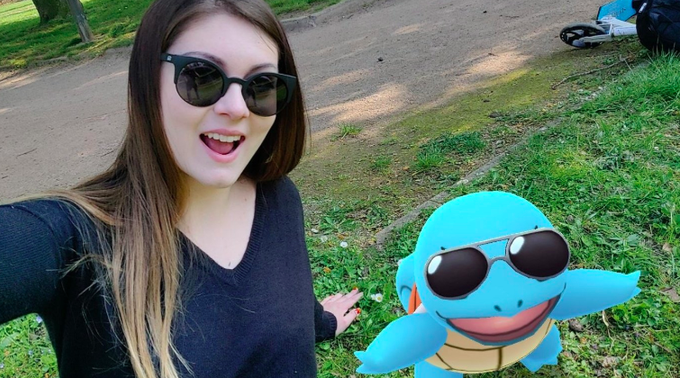
This Intercept article covers some of the specific privacy policy concerns Barron hints at here. The discussion of one of the core patents underlying the game, which is described as a “System and Method for Transporting Virtual Objects in a Parallel Reality Game" is particularly interesting. Essentially, this system generates revenue for the company (in this case Niantic and Google) through the gamified collection of data on the real world - that selfie you took with squirtle is starting to feel a little bit less innocent in retrospect...
Yelp, like Google, makes money by collecting consumer data and reselling it to advertisers.
This sentence reminded me of our "privacy checkup" activity from week 7 and has made me want to go and review the terms of service for some of the companies featured in this article- I don't use yelp, but Venmo and Lyft are definitely keeping track of some of my data.
Full disclosure: I have been provided with a free Ryobi One + Cordless 4 gallon backpack chemical sprayer for review purposes. I don’t know anyone who works for the manufacturer and have no affiliation with Ryobi. The following review is my honest opinion and has not been influenced by the free product.
Moynihan, R., Macdonald, H., Bero, L., & Godlee, F. (2020). Commercial influence and covid-19. BMJ, 369. https://doi.org/10.1136/bmj.m2456
Yes, Virginia, PMs Are Responsible for Accessibility
Angela Hooker, Microsoft
Why build in a11y from the start?
Getting support from leadership
Include multiple accessibility reviews in your timeline
Choose the standards and level of compliance you'll achieve
Put accessibility requirements in contracts with outside vendors
Carefully choose the tech you'll use to build your project
Document all your team's work
Get training for your team
How do you coach your team and oversee their work?
Written content comes first
Working with designers
What if you're updating a legacy project?
OpenFaaS is hosted by OpenFaaS Ltd (registration: 11076587), a company which also offers commercial services, homepage sponsorships, and support.
OKRs in Product Management
good overview on OKRs and how to craft them
Because the backing window is so small, all the normal stretch goals are already included
the game have no DLC because every part of it is in place and cutting it to pieces is like commiting straight felony.
Using integrations with other tools in the product stack such as Jira and GitHub, progress on specific items can be viewed directly from the digital product roadmap, offering an accurate view of how well things are sticking to the schedule
Why not just use built in tools in Jira and Github? Still struggling to see how roadmapping tool differs from, for example, Github project boards
Translating these concepts into attractive visual product roadmaps that connect with a diverse set of internal stakeholders,
In a small organization like Hypothesis, I'm not sure that a visually pretty roadmap is a pressing need. Willing to keep reading, but color me skeptical.
Well, a click funnel is basically an online sales funnel, but it’s widely referred to as a click funnel due to the growing popularity of the software called “Clickfunnels”.
via Aladdin, when talking about Kalm potential user
via https://framagit.org/tom79/fedilab
this is a site for what?
This is a by-product of the success of Ubuntu. Whether people like it or not, most software available for Linux will target Ubuntu first. There may be packages available later for other distros / systems, but on the whole, you can be sure a software developer will target Ubuntu if they target Linux.
Chalmette Refinery Product Slate (PADD3M)
牛逼 airdrop
被人开心使用的 SaaS
You’re in good companyTrusted by leaders at some of the world’s most inspired organizations
How can they disclose this? Is it based on email address? Do they have permission?
有点儿意思
cool coding site
Our team is building open source community tools and Svelte fits our identity as an independent labor of love with an organic community.
Better community building: At the moment, MDN content edits are published instantly, and then reverted if they are not suitable. This is really bad for community relations. With a PR model, we can review edits and provide feedback, actually having conversations with contributors, building relationships with them, and helping them learn.
I think the main difference between the two are the way API are served. Some smelte components need you to input big chunk of json as props, while i prefer keep props as primitive types and in the other hand give you different components tags to compose.
As we advocate in our Agile Product Management overview, the more involved that a product manager is with the development team, the better. That involvement should be along the lines of a product owner who champions customer needs, the "why" of the product. When the involvement blurs into tasking, the "how" for a team, then there is a problem. Even with the best of intentions, this kind of utilization mindset tends to hide problems: defects, hand-offs, and unknowns. Interleaving scope and process tends toward locking scope, schedule, and quality. That's a recipe for failure.
seems interesting
太诡异了 哈哈a哈哈
There are actually 3 other libraries that implements material in svelte, i hope this to become the community favorite because using MDC underneath it implements correctly Material guidelines.
@monkeythedev can your work be used already? I would suggest not yet, i'm still doing core changes every day
seems interesting
Who’s Using Snowpack?
A better definition I've been using since then, thanks to Jason Hwang, is "fixed output." A company that delivers the same thing to all customers is going to be organized differently than one that does things made-to-order.
Fixed output companies
A company that delivers the same thing to all customers. These companies are going to be organized differently than ones that do things bespoke for their customers.
Yet from the responses to those posts, it’s become clear that for many people, maybe even most, this is not ‘obvious’ at all
Worth taking a look at the so-called product centric-mindset, the mainstream approach in pretty much every technology startup: people are designing/building/launching/growing the product, in roles such as product manager, product designer, product engineer, product lead, product marketing specialist, etc. Funny paradoxical thing is that many of these businesses can be characterised to have a SaaS business model, as in Software-as-a-Service.
When we take a closer look at the Service Design community, we will often hear that "Everything is a service" as these days every product is bundled into a service.
I came across quite a few times about the Rolls Royce case study presenting the aero-engine business model: aircraft engine business model - Google Search
看起来有点儿意思,值得试一试
Over 4 million people trust CloudApp
Similarly, we use an opportunity algorithm to quantify which of the customer’s desired outcomes are unmet, and to what degree. A desired outcome statement is a uniquely defined need statement that describes how customers measure success when getting a job done. We assign a number to a desired outcome that indicates whether products or services used in a given market adequately or inadequately serve it.
react-final-form:
README.md:1:
You build great forms, but do you know HOW users use your forms? Find out with Form Nerd! Professional analytics from the creator of React Final Form.
Yet many teams struggle to achieve a unified way of evaluating what they’ve delivered. Only 1 in 10 have a process for assessing the success or failure of newly-launched products and features.
we've done this informally, but might consider a more formal approach
For the product teams lacking a systematic way of logging these feature requests, pain points, and other bits of user feedback, a lot of valuable information ends up slipping through the cracks.
we are working at getting better at this but there is room for improvement
a k8s company, via https://twitter.com/tsaha
I think Vue does a really good job comparing itself to other solutions out there.
I’d still be interested in Svelte making things easier so I’ve opened a feature request for Reactive statement cleanup functions.
We created a strategy that focused on providing some of that in-store expertise as content online. We called it non-product content because it was aimed not at selling you something, but at helping you achieve a task
nice saas tool for generating pics for/from sns
I started Solid years ago before I thought anyone would be interested in using it. I only started promoting it because it had already achieved the goals I had set out for it.
He says that he sees the combination of long form pieces and Q&A as a new level of support. “We used to have level one, which was sending a ticket to the help desk, and it was something we could easily resolve for you. Level two was a more complex problem that maybe required an engineer or specialist from a certain team to figure out. I look at this new system as a level zero.” Before sending us a ticket, folks can search Teams. If they find a question that solves the problem, great. If they need more details, they can follow links to in-depth articles or collections that bring together Q&A and article with the same tags.“
This last characteristic may be the easiest to evaluate. Unless the position is very junior, I’ll usually hire product managers who’ve actually shipped a product. I mean from start to finish, concept to launch. Nothing is a better indication of someone’s ability to ship great products than having done it before. Past performance is an indication of future success
I always insist that at a minimum, representatives from engineering, design, and marketing meet a potential PM candidate.
I often joke that much of the time your job is to be the advocate for whoever isn’t currently in the room - the customer, engineering, sales, executives, marketing. That means you need to be capable of doing other people’s jobs, but smart enough to know not to. Great PMs know how to channel different points-of-view. They play devil’s advocate a lot. They tend to be unsatisfied with simple answers.
So what do I look for in a PM? Most importantly, raw intellectual horsepower. I’ll take a wickedly smart, inexperienced PM over one of average intellect and years of experience any day. Product management is fundamentally about thinking on your feet, staying one step ahead of your competitors, and being able to project yourself into the minds of your colleagues and your customers.
2. Develop specific superpowers — don’t just rely on being a smart generalist.
Bring something to the table. Could be solid design skills in my case (which I don't have yet)
Whatever the future intentions of the PM, one thing remains for certain: this position is at the intersection from where founder strategy, user feedback, development team management, and market awareness come together. From what’s been said, it certainly appears that this is not a role that you “fall” into, but rather could aspire to be in.