10,000 Matching Annotations
  1. Oct 2023
  2. vavaverve.myshopify.com vavaverve.myshopify.com
    1. Our comprehensive multi-nutrient drink combines a wide range of ingredients that work in synergy to provide an easy and convenient way to supercharge your well-being, keep your energy up, immune system strong and gut health balanced. Giving you the entire range of vitamin and minerals your body needs on a daily basis, together with all nine essential amino acids, omega oils, and proteins, Verve is a nutritional powerhouse with over 200 health & wellness benefits. It’s all there in just one scoop.

      auto play the video on focus

    1. Nothing doesn't exist. That is the First Definition of Plex - a scientific phi-losophy whose aim is understanding our understanding of the nature of nature.Plex does not attempt to understand nature itself, but only our understandingof it. We are included in nature as we do "our understanding", both scientificand informal, so we must understand ourselves, as well - not just what we thinkwe are, but as we really are, as integral, natural beings of nature. How one "un-derstand"s and even who "we" are as we do "our understanding" necessarily isleft completely open, for all that must arise naturally from the very nature ofnature.

      I think that Plex is scientific philosophy that aims to understand our understanding of nature, rather than nature itself. It emphasizes that our understanding of nature determines our role in the scheme of things.

      In simpler terms, Plex is about how we perceive and interact with the world around us. It's not about the actual nature of things, but about how we understand and interpret them.

      For example, if a being could only perceive magnetic fields, then anything non-magnetic would be invisible or non-existent to it. That's its understanding of nature, and it would behave accordingly.

      The text also mentions that Plex doesn't have axioms, which are fundamental truths or principles that are accepted without proof. Instead, it only has definitions. This means that Plex doesn't assume anything to be true without defining it first.

      The author also challenges the concept of a "big bang" or a beginning of time, stating that this idea is an artifact of our current scientific understanding, and that Plex offers proofs that there was no beginning.

      Here's a Python analogy to help understand this concept:

      ```python class Being: def init(self, understanding): self.understanding = understanding

      def perceive(self, nature):
          return self.understanding(nature)
      

      def magnetic_understanding(nature): return 'magnetic' in nature

      def non_magnetic_understanding(nature): return 'non-magnetic' in nature

      magnetic_being = Being(magnetic_understanding) non_magnetic_being = Being(non_magnetic_understanding)

      nature = ['magnetic', 'non-magnetic']

      print(magnetic_being.perceive(nature)) # True print(non_magnetic_being.perceive(nature)) # True ```

      In this example, Being represents a being in Plex. Each being has an understanding of nature, which is a function that takes nature as input and returns a perception. The magnetic_understanding and non_magnetic_understanding functions represent different ways of understanding nature. When a being perceives nature, it uses its understanding to interpret it. The magnetic being can perceive magnetic things in nature, while the non-magnetic being can perceive non-magnetic things.

    1. Reviewer #3 (Public Review):

      Summary:<br /> This manuscript looks at the single-cell spike signatures taken from in vivo cerebellar nuclear neurons from awake mice suffering from 3 distinct diseases and uses a sophisticated classifier model to predict disease based on a number of different parameters about the spiking patterns, rather than just one or two. Single read-outs of spike firing patterns did not show significant differences between all 4 groups meaning that you need to analyze multiple parameters of the spike trains to get this information. The results are really satisfying and intriguing, with some diseases separating very well, and others having more overlap. It also represents a significant advancement for the rigor and creativity used for analyzing cerebellar output spike patterns. I really like this paper, it's a clever idea and has been done very well.

      The authors examine multiple distinct forms of different diseases, including different types of ataxia, dystonia, and tremor. While some of the interpretation of this work remains unclear to this reviewer (in particular Figure 2, with ataxia models), I applaud the rigor and sharing of complex data that is not always straightforward to understand.

      Strengths:<br /> The work is technically impressive and the analysis pushes the envelope of how cerebellar dysfunction is classified, which makes it an important paper for the field. It's well written. The approach it is taking is clever. The analysis is thorough, and the authors examine a wide array of different disease models, which is time-consuming, costly, and very challenging to do. It's a very strong manuscript.

      Weaknesses:<br /> Weaknesses are few and quite minor. Some rewriting could be done to make certain sections clearer.

    1. If it requires too many words, you have not seen theunity but a multiplicity.

      How are they defining "multiplicity" here? There seems to be a tacit definition with respect to being in opposition to "unity" (of a work), but not an explicit one. It also seems to be a shaded meaning with respect to the more common one.

      unity: essence, core, coherence, oneness

      They use the word "multiplicity" in the usual sense of large number or multitude on p55: "The multiplicity of the rules indicates the complexity of the one habit to be formed, not a plurality of distinct habits."

      They also revisit it in the upcoming section: "Mastering the Multiplicity: The Art of Outlining a Book" on p88

      Perhaps its just me but there's a linguistic "softness" of the uses of unity and multiplicity here with respect to 2023. Though these two opposites fit the dictionary definitions of their words, is it possible that this softness is the result of a sort of historical linguistic shift I'm feeling in these words? I can't quite put my finger on it, but perhaps it's the relationship of unity to religion? Neither seem to be frequently used these days.

      The Ngram Viewer shows peaks for the use of unity in 1660 and 1960 of almost 75% higher usage compared to a broader historical average. It is generally waning since. Multiplicity has about 1/4 the use of unity and has remained flat over time. What caused the peaks in the use of "unity" during these periods? This 1972 use was on the downslope of the 1960s peak. Was it used in the 1940 version?

      The 20th century increase in the use of unity begins around 1914 and may have been related to political shades of meaning going into WWI with another marked rise in the lead up to WW2.

    1. "It's having an effect on the entire community and the safety of the entire community."

      Although a certain problem is affecting everyone in the area. This problem isn't just a small worry; it's making the place less safe for people. The word "community" being used twice shows that this issue touches everyone, not just a few. It sounds like everyone in the area should work together to fix it, especially since it's about safety. It seems like the problem needs quick attention.

    1. Unfortunately for the challenger, such a promise lacks long-termcredibility.

      However, this is not the key point. The issue is that you cannot discuss it without cost. It's not like a bargain in a free market where you just leave without any negative effect if you fail to make a deal with each other.

    Annotators

    1. Note: This rebuttal was posted by the corresponding author to Review Commons. Content has not been altered except for formatting.

      Learn more at Review Commons


      Reply to the reviewers

      __Reviewer #1 (Evidence, reproducibility and clarity (Required)): __

      The manuscript investigates the role of PAT1 gene family in Arabidopsis thaliana. Though the PAT1 protein has been previously investigated and displayed immune-related and developmental phenotypes, the other two members of the family, PATH1 and PATH2, have not been well studied. The authors set out to understand the role of these proteins in relation to the role of PAT1. They thus generated single, double, and triple mutants of the possible combinations of PAT1 genes and examined their phenotypes. As the study focused on the developmental effects of PAT1, the mutants were generated on the background of the summ2 mutant to avoid phenotypes related to immune response. The authors notice a developmental difference between the pat1 mutant combinations, suggesting that PAT1 acts differently than PATH1 and PATH2 and that the PATH proteins serve a redundant function. They also performed RNA-seq analysis to identify differentially-regulated genes in the mutant combinations. The study is interesting and well-executed, yet I believe some questions should still be addressed:

      __Our response: __We thank the reviewer for acknowledging the significance of our findings. Please see our detailed answers to the reviewer’s suggestions in the following.

      1. The research mainly focuses on the developmental phenotype of pat mutants but also tests the interaction of PATH proteins with RNA decapping enzymes to check their function and localization during different treatments. I found it a bit confusing since Figure 1 also shows the developmental phenotype of the mutants. I think editing the order of the figures would make the overall story more coherent.

      __Our response: __We agree with the reviewer thus we moved old Fig 1C to new Fig 3A, we believe the new figure orders make the overall story more coherent.

      My main concern is the correlation between the developmental phenotype of the mutants and the gene expression. Leaf samples for RNA extraction were taken when the plants were 6 weeks old, and the developmental phenotype is very evident. It is thus not possible to tell whether the differences in gene expression are a cause or effect of the developmental phenotype. I think performing qPCR of selected candidates at earlier developmental times might help solve this issue, as well as the characterization of younger plants for the developmental phenotypes (such as leaf number).

      __Our response: __We followed the reviewer’s suggestions and performed qRT-PCR on IAA19, IAA29, SAUR23 and PIL2 in pats mutants under different developmental stages (Line 162, 169; Fig S4), we also characterized leaf number of pats mutants from younger stages (Line 109; new Fig 3C).

      Overall, the manuscript is missing data regarding replicate numbers in the IP and confocal microscopy experiments.

      __Our response: __We thank the reviewer for pointing this it out, the replicate numbers are provided now in our new figure legends.

      Minor comments:

      1. Figure 1C - the authors should add a picture of Col0 plants as well as the mutants.

      Our response: To be reader friendly, the picture of Col-0 plant is added in Fig S1A. For the reviewer’s information, plant pictures in FigS1A and old Fig1C (new Fig 3A) were taken at the same time. 2.

      Figure 3 - Calculating the leaf-to-petiole ratio in the different mutants would be good.

      Our response: We now calculate PBR (petiole blade ratio) of all pats mutants in Fig3F (Line 121).

      Figure 4 - the details in the figure are very unclear, especially in the PCA. It would be good to display the data in 2D for PC1 and PC3 and change the colors a bit.

      Our response: We agree with the reviewer; thus, we remade the PCA plot from RNA-seq reads data in a 2D style and also changed the colors for each mutant (Fig 4A). We need to point out that the PCs number also changed because the old PCA plot were made by mistake from expression data.

      Reviewer #1 (Significance (Required)): Both PATH proteins have been less investigated than PAT1, and in that sense, the work is novel. However, it seems that most of the phenotype is attributed to PAT1 rather than the other family members, limiting the interest to the broad plant science community.

      Our response: We appreciate the reviewer think our work is novel. We agree that PAT1 plays the main role during plant development (old Line 171), however the pat triple mutant exhibit the most severe dwarfism as well as the most mis-regulated genes compared to any single or double mutants, indicating all 3 PATs are essential for development.

      __Reviewer #2 (Evidence, reproducibility and clarity (Required)): __

      Zuo et al., characterize the role of three cytoplasmic mRNA-decay activator proteins PAT1, PATH1 and PATH2 in the context of plant development and leaf morphology in Arabidopsis thaliana and Nicotiana benthamiana. The authors show that the triple pat mutant displays the most severe dwarfism of all combinatorial mutants. Through treatment with different stimulants the authors found that only IAA treatment induces the three homologues to form condensates (possibly PBs), while PAT1 forms condensates upon every tested stimulus. An extensive RNA seq experiment revealed miss-regulation of several hundred genes in the higher order mutants, several of which were involved in auxin responsive and leaf morphology determinant genes.

      __Our response: __We thank the reviewer for the peer review. Please see our detailed answers to the reviewer’s suggestions in the following.

      Major points: 1.Title is not meaningful as is and, in my opinion, does not reflect the main findings in the manuscript.

      Our response: We now changed our title into “PAT mRNA decapping factors are required for proper development in Arabidopsis”.

      The results section could benefit from improved flow between the paragraphs and more reasoning for the next steps taken to help readers understand the aims of the authors.

      Our response: We followed the reviewer’s suggestion and modified the wording in our result part(Line 79,81,94,146-151).

      L46: "So far little is known about the functions of these three PATs in plant development.", The authors themselves have studied these proteins in the context of seed germination and ABA control, as well as apical hook formation and auxin responses. Should at least be mentioned and the results discussed in this context.

      Our response: We thank the reviewer for noticing our other work and we now included this information in the new introduction and discussion part (Line56&237).

      What are the expression levels and patterns of PATH1 and PATH2 compared to PAT1? Is anything known about spatial or temporal regulation of these proteins?

      Our response: All three PATs are expressed in roots, stems, leaves, flowers, siliques, and seeds during the whole developmental stages, PAT1 has higher expression level in leaves but lower expression levels in petals. (Klepikova et al., 2016;

      https://www.arabidopsis.org/servlets/TairObject?id=138009&type=locus for PAT1; https://www.arabidopsis.org/servlets/TairObject?id=38646&type=locus for PATH1 and https://www.arabidopsis.org/servlets/TairObject?id=128694&type=locus for PATH2).

      Figure 1:

      o I do not agree that the authors have shown that "PATH1 and PATH2 are also mRNA decapping factors", rather that these proteins can co-localize (and possibly interact) with LSM1. Decapping assays for example with the known PAT1 de-capping targets from their previous work and their extensive mutant collection could be used to test this.

      Our response: We thank the reviewer for pointing it out and reminding us about the characterized mRNA decapping target from our previous work, we now include the decapping assays in new Fig5 (Line 197).

      From the BiFC experiment (Figure 1B) it looks like PATs are mostly soluble in the cytoplasm (like LSM1) and might be stress-induced components of PBs (like LSM1). Do PATs co-localize with other canonical PB markers that are more prone to condensation, like DCPs or VCS? BiFC could be performed after IAA treatment to confirm that the cytoplasmic foci are indeed LSM1-positive PBs.

      Our response: We agree with the reviewer that PATs behave more like LSM1. Given time limit of the project, we unfortunately are not able to check the colocalization of PATs with DCPs or VCS. However, we performed BIFC after IAA treatment, and the cytoplasmic foci are indeed LSM1-positive foci (new Fig1B).

      A: please provide uncropped images of all Western blots in supplemental data.

      Our response: To be reader friendly, we decide to show the original western blots here (see in the file named "RC-Full-revision"), instead of in supplemental data. However, we will leave the final decision to the editor.

      I applaud the authors for establishing this great higher order mutant collection that will be very useful for researchers in the field. However, I am confused about the description of these mutants. If I understood it correctly, these mutants were already used in a previous study by the authors, namely “Zuo, Z., et al., Molecular Plant-Microbe Interactions, 35(2), 125-130.” & Zuo, Z., et al., (2021). FEBS letters, 595(2), 253-263.” In this study the authors refer to a BioRxiv “Zuo, Z., et al., (2019).” As the reference for these Arabidopsis lines. Is this current manuscript a continuation of the BioRxiv? Please elaborate whether these lines have been used and described In previous studies.

      Our response: We truly appreciate the reviewer for acknowledging the significance of our work. These pats mutants have been used in the FEBS letters paper (2021), MPMI paper (2022), and the new published paper in Life Science Alliance (2023, but preprinted in BioRxiv 2019 and 2022). However, they have not been fully described or characterized in any of the mentioned published stories. Characterization of these pats mutants were originally only included in preprint 2019 which was cited in FEBS letters paper (2021) and MPMI paper (2022).

      L72: Is the strong developmental phenotype of the higher order mutants persistent under long day conditions? Considering the strong developmental phenotypes of the mutants, the flowering transition and morphology could be an interesting trait to study. Why did you choose short day conditions for this study?

      Our response: The pat triple mutant also has strong developmental phenotype under long day condition and exhibits early flowering phenotype. We are currently preparing a manuscript regarding mRNA decay and flowering. We did not “choose” short day condition, we just started with short day condition and observed phenotypical differences hence we kept this condition.

      L78: This statement is hard to see in Figure 1C and best described for Figure 3A.

      Our response: We now change this statement for Fig 3.

      L82: Please include a reasoning for testing PATs localization after hormone treatment. Do you have any indication that other PB proteins behave similar to either PAT1 or the PATHs after hormone treatment to substantiate that these foci observed are indeed PBs? What is known about PBs after hormone treatment in planta?

      Our response: We were interested in investigating if all three PAT proteins may also form PBs in Arabidopsis thus we tested PATs localization with/without hormone treatment (old Line 84, new line 81). For the reviewer’s interest we also observe LSM1 localization after hormone treatment (Fig 2). PBs have been published to respond to light, cold treatment, PAMPs, ABA, ACC and auxin (Line 39-42).

      Figure 2:

      o How does the localization of LSM1 change under the same treatments? Does ist behave like PAT1 or the homologues?

      Our response: Please see our new Fig 2 for LSM1 localization, and it behaves more like PAT1.

      Which part of the root was imaged for this experiment? Is it possible that the observed foci are ARF-condensates as reported by Jing et al., 2022? Do you observe a gradual change in numbers or morphology along the root?

      Our response: We use root elongation zone for this experiment. We don’t know if the foci are ARF-condensates, but it’s possible to study in the future. If the reviewer is interested, we are happy to share our materials. We do observe more foci in the cell division zone and less in the mature zone.

      How did the authors decide on the concentrations for the stimulant treatments? Have you tried different doses, and could the responses be dose-dependent?

      Our response: We did not try different doses; we searched for and applied the commonly used concentrations for different hormones.

      A representative image is not sufficient for quantitative responses, like RNA granule condensation. Please provide a quantification of stimulant-induced foci after the different treatments.

      Our response: Please see the quantification in our new Fig 2.

      L91: Does that mean that most co-precipitated signal comes from the soluble fraction and not PB-localized? Would an RNAse treatment step eliminate the co-precipitation (optional)?

      Our response: We believe it means LSM1 and PATs are in the same complex regardless of PB localization.

      L92/93: Or alternatively that PAT1 localizes to PBs independent of the stress, while PATHs are signal-specific PB components?

      Our response: We think PAT1 aggregates upon broad stimuli/stress, while PATHs respond to specific/limited stimuli, for example, auxin.

      Figure 3:

      o I wonder if these results fit better in conjunction with Figure 1, either as a combined figure or move before Figure 2.

      Our response: We agree with the reviewer thus we moved old Fig 1C into Fig 3.

      It is interesting that path2/pat1, while being dwarfed, is less serrated compared to pat1 or path1/pat1. Can you find any indications in your RNAseq set which genes might be involved?

      Our response: ANAC016 might be involved, but more research needs to be done to confirm it and this is not the focus of the current project.

      Indicate statistical test used to determine p-value

      Our response: We now indicate the statistic test in Materials and Methods part (Line 369).

      L116/L117: Doesn't the result in Figure 3E indicate that PATH1 and PATH2 are not fully redundant, but that PATs have specific and narrow roles in leaf development? L116 goes against your statement in L150 & L160. What is known about the expression patterns of PAT1, PATH1 and PHATH2?

      Our response: We agree and thus modified our statement (Line 137). All three PATs are expressed in roots, stems, leaves, flowers, siliques, and seeds during the whole developmental stages. Please also see our answer to major comment #4.

      L123: PC3 only explains 0.55% of the variance, so differences along this axis will be overinflated. In my interpretation the pat1/path2 mutant is clustering apart from the other higher order mutants, which is also reflected in the leaf phenotypes. A 2D PCA would be sufficient to describe most of the variation.

      Our response: We agree and thus we changed the PCA plot into a 2D style, please also see our response to reviewer 1 minor comment #3.

      Figure 4: o A: The 3D-PCA inflates the differences between higher order mutants along PC3, even though this axis explains only 0.55% of the variance, maybe a 2D-PCA would more intuitively cluster the samples together?

      Our response: Please see our new PCA plot in Fig4A.

      B: Please explain the scale in the figure legend and which genes were included? Only DEGs between triple mutant and summ2-8 or DEGs that were different in at least one higher order mutant?

      Our response: We now explained more details in the figure legends. The genes which were included in Fig4B were DEGs that were differently expressed in at least one of the pat mutants.

      C: several comparisons are missing from the upset-plot. Please show the complete plot, also is there a white box laid over the second bar in the upper graph? It would help the reader, if the results section would explain the plots and the comparisons took. Which differences are the authors interested in?

      Our response: We covered all the comparisons we wanted to show, but we thank the reviewer for suggesting a more detailed explanation and we therefore explain Fig4C more in detail in Line 146. There is no white box over the second bar, it’s only 1 gene mis-regulated specifically by PATH1 (mis-regulated in plants with path1 mutation).

      From Figure 4B, the triple mutant has an almost inverted expression of mis-regulated genes. High expression genes are now lowly expressed and vice-versa. Has this been reported for other RNA decay mutants before?

      Our response: Our RNA-seq data indicate the pat tripe mutant has more than 1000 mis-regulated genes and based on microarray data on 2-week-old lsm1alsm1b plants (Perea-Resa et al, 2012), more than 600 genes are misregulated in lsm1alsm1b mutant.

      How do you explain that mutants in RNA decay have a large group of repressed transcripts and a large group of enriched transcripts? Wouldn't you suspect a general higher expression in RNA decay mutants or which kind of feedback loop would you propose is happening here? Also, since both kinds of expression changes are recorded in your RNA seq can you speculate on the specificity? Why are some genes up- and others downregulated? Would you suspect that transcription factors are under PATs control?

      Our response: We assume that the mRNA decapping machinery target genes should accumulate in mRNA decapping mutants, pat mutants in our case. On the other hand, the down-regulated genes could be target genes of other mRNA degradation pathways such as exosome pathway (Line 257); We agree with the reviewer that the down regulated genes in pat triple could also be negatively regulated by the mRNA decapping targets which could be transcription factor genes. For example, our previous research indicates the transcription factor gene ASL9/LBD3 is mRNA decapping targets under PATs control.

      Where is the sequencing data deposited? This dataset can be of great value for researchers in the field, but the raw data needs to be made commonly available.

      Our response: We thank the reviewer for acknowledging the significance of our work. The raw data has been submitted to NCBI, accession number is PRJNA1006171(Line 307)

      Minor points:

      1. Check order and nomenclature for protein / gene names in Abstract and Introduction

      Our response: We now carefully double check the order and nomenclature for protein / gene names in abstract and introduction (Line 8,11,14,18,19,24)

      L26 / L83 "aggregate" implies non-functionality, I would use "concentrate", "condensate" or "accumulate".

      Our response: We thank the reviewer for pointing it out, we now use “concentrate” (Line 29&80)

      L35, L45 & L54 all state the same. Maybe remove at least one mention to reduce redundancy?

      Our response: We modified these statements hopefully in a satisfactory way. (Line 56)

      L211: Did you use the same imaging settings for all lines?

      Our response: We used the same settings for all the lines and treatment (Line 284)

      L217: RNA quality "control" word missing?

      Our response: The word “control” is added in Line 296

      L477: Authors should cite the newest version of their BioRxiv: Zuo, Z., Roux, M. E., Chevalier, J. R., Dagdas, Y. F., Yamashino, T., H�jgaard, S. D., ... & Petersen, M. (2022). The mRNA decapping machinery targets LBD3/ASL9 to mediate apical hook and lateral root development in Arabidopsis. bioRxiv, 2022-07.

      Our response: The latest version is cited in our new manuscript (Line 42)

      Figure 3B-F, Figure 4C: check spelling on the axis titles.

      Our response: We carefully checked the spelling on the axis titles in our new manuscript.

      Reviewer #2 (Significance (Required)):

      This manuscript represents a continuation of the author's characterization of the 3 PAT1s in Arabidopsis development after Zuo et al., 2021; Zuo et al., 2022a; Zuo et al., 2022b. The mutants and the corresponding RNA sequencing experiments are of value to the community working on RNA regulation and degradation or plant development. While the initial findings are interesting, the authors do not explore the stimulus-induced condensation differences between the homologues or try to link the extreme differences in expression profiles mechanistically or functionally. I think the manuscript could greatly benefit from contextualizing their work within the frame of their previous studies and what is known about PBs in terms of plant development. While the RNA seq is a comprehensive data set, a closer examination and a better representation of the results would help readers to access the findings.

      __Our response: __We thank the reviewer for the constructive criticism. We hope the reviewer is satisfied by our modified manuscript.

      Reviewer expertise: RNA granule biology, Arabidopsis, molecular biology

      __Reviewer #3 (Evidence, reproducibility and clarity (Required)): __

      Summary:

      In the study "PAT mRNA decapping factors function specifically and redundantly during development in Arabidopsis" authors investigate potential specific functions of Arabidopsis PAT1 orthologs in plant development. Authors observe differences in rosette phenotypes (leaf size, serration and number) of single and multiple mutants of PAT1 gene family, show variation in translocation of the corresponding PAT1 proteins to processing bodies under a set of stress conditions and perform transcriptomics on the established mutants to elucidate the impact of individual PATs on posttranscriptional regulation of plant gene expression. Authors conclude that PAT1 orthologs have both overlapping and specific roles in plant development.

      __Our response: __We thank the reviewer for the peer review. Please see our detailed answers to the reviewer’s suggestions in the following.

      Major comments:

      1. The study contains intersting transcriptomics data that will be of use for the scientific community. However, analysis of the transcriptomics results could be discussed a bit more in depth. Authors could express their opinion about what gene expression changes might be caused by direct degradation via PAT1-dependent decapping mechanism and what changes are more likely to have occurred indirectly via other factors.

      __Our response: __We followed the reviewer’s suggestion and thus we analysed and discussed more in depth about the transcriptomic data (Line145, 220 &232)

      The intersting phenotypic observations are currently poorly linked to the transcriptomics/qPCR data provided, resulting in a somewhat fragmented story flow.

      __Our response: __We appreciate the reviewer thought the pat mutants’ phenotype are interesting, however we disagre with the reviewer on the statement of “poorly linked to the transcriptomics/ qPCR data”. For instance, downregulation of developmental and auxin responsive genes could explain the stunt growth phenotype in the pat triple mutant. Furthermore, the published petiole elongation regulator genes XTR7/XTH15 and PIL2/PIF6 exhibit decreased expression level only in mutants with shorter petioles. Nevertheless, we hope our new data and analysis will satisfy the reviewer.

      The transcriptomics was performed on the 6-weeks old plants. It would be helpful to learn more about authors reasoning for choosing this developmental stage for sampling. Why did authors decide against sampling at the earlier stages, before the observed leaves phenotypes were established?

      __Our response: __The pat mutants growth phenotypes showed bigger difference among each other at the late stage, therefore we performed RNA-seq on these samples. But we agree with the reviewer (also reviewer 1, major comment #2), transcriptomic shift at earlier stage could also be responsible for the observed phenotype, thus we performed qRT-PCR on the pat mutants at earlier stages for certain genes to examine this (Line 162 &169)

      Authors obtained intriguing results on specific translocation of PAT1, PATH1 and PATH2 to processing bodies in the root cells upon various stresses. Perhaps root transcriptomics of single PAT1, PATH1 and PATH2 knockouts under control conditions, treatment that translocate all three proteins to PBs(IAA) and selectively translocate only PAT1 (e.g. cytokinin) could shed more light on the redundancy an specificity of these proteins as the mRNA decapping factors.

      __Our response: __We appreciate the reviewer found our findings interesting. The specific translocation of PAT1, PATH1 and PATH2 to PBs in the root cells upon various stimuli indicates functional specificity and redundancy in cellular level which correlates with mutants’ growth phenotype. However, we agree with the reviewer that root transcriptomic data on pat mutants are very interesting, we are more than willing to share these mutants with peers who want to persue this in more detail.

      Do authors consider PAT1, PATH1 and PATH2 to be localized to different PBs sub-populations? It could be intersting to check co-localization of PAT1, PATH1 and PATH2 under various stress conditions. Could authors elaborate on their view of PBs composition and fate to which different PAT1s are recruited?

      __Our response: __We agree with the reviewer that it’s interesting to check co-localization of PAT1, PATH1 and PATH2. We observed partial localization of CFP-PATH2(in blue) and Venus-PAT1(in yellow) when transiently expressed in Benthmiana. But for permanent lines, we failed at observing separate CFP-PATH2(Blue) signal due to too much signal leakage from Venus-PAT1(Green). Given the fact that PATs function redundantly, we would assume they are partially co-localized in cellular level.

      Could authors speculate what features in the PAT1 protein might cause it being recruited to PBs more efficiently (or better to say, under a broader range of stresses) in comparison to PATH1 and 2?

      __Our response: __The release of ribosome-free mRNPs induces PB formation (Brengues et al., 2005). We suspect PAT1 could bind broader mRNAs compared to PATH1 and PATH2, therefor PAT1-mRNPs could form PBs more efficiently. Moreover, Sachdev et al found yeast PAT1 enhances the condensation of Dhh1 and RNA and PAT1-DHH1 interaction is essential for PB assembly (Sachdev et al., 2019), we assume PAT1 might have better interaction with DHH1 compared to PATH1 and PATH2 thus promote PB formation more efficiently. Please see our discussion part (Line 252)

      Are all three Arabidopsis PAT paralogs co-expressed in the same tissues /developmental stages?

      __Our response: __Please see our response to reviewer 2 major comment #4.

      Could authors elaborate a bit more why the triple pat1 knockout has a much more severe phenotype in comparison to a single pat1 loss-of-function mutant or any of the double pat1 mutants. Do authors observe complementary changes in the PAT1 genes expression in the mutant lines, e.g. is PATH1 expressed at a higher level in the absence of PAT1 and PATH2?

      __Our response: __We now elaborate more about the reason why triple pat1 knockout has the most severe phenotype in the multiple pat mutants (Line 210). We do see higher transcriptional level of PAT1 in path1-4path2-1summ2-8 and also higher transcriptional level of PATH1 in pat1-1path2-1summ2-8 but the same PATH2 transcriptional level in pat1-1path1-4summ2-8 compared to summ2-8 (Fig S1C, Line 104)

      Please provide the name of the used statistical test in all figure legends.

      __Our response: __We now provide the statistical test in “Material and Methods” part (Line 367).

      Minor comments:

      1. Authors might want to reconsider the title as it is somewhat too vague in its current form.

      __Our response: __We now changed our title into “ PAT mRNA decapping factors are required for proper developmental in Arabidopsis

      Line 9: explanation of PAT1 and PATH1 and 2 abbreviations is best placed at the first mentioning of the name.

      __Our response: __We carefully followed the reviewer’s suggestion (Line 10)

      Line 10: mRNA degradation is rather a posttranscriptional regulation of gene expression.

      __Our response: __We agree and changed our statement in the new ms (Line 9).

      Lines 11 and 12: path1 and path2 abbreviation are not explained. Please note that on the Figure 1A the same proteins are labelled as PAT1H1 and PAT1H2

      __Our response: __We thank the reviewer for pointing it out, we now have PATH1 and PATH2 abbreviations explained in Line 10 and also correct the labels in Fig 1A.

      Lines 22-25: Would you be so kind to rephrase or elaborate on what yoPBu mean. LSM1-7/PAT1 complex are known to bind oligoadenylated transcripts indeed and even stabilize their 3' ends, it is not clear what "engage transcripts containing deadenylated tails" means in this context.

      __Our response: __We hope we now rephrase the statement in a clear way (Line 25)

      Line 29: for the sake of clarity, it might be beneficial to list the known activators of the decapping DCP2 enzyme, including the VCS. Generally the introduction could benefit from a bit more in depth review of the decapping mechanism.

      __Our response: __We hope the more detailed introduction will satisfy the reviewer (Line 27).

      Line 51:"other 2 PATs" => "other two PATs". Generally the text is quite well written, but might need a bit of polishing.

      __Our response: __The text is corrected now (Line 64).

      Authors are absolutely correct in their attempt to provide full information about mutant backgrounds. However, for the sake of comprehension, it would be great to grant the double and triple mutants in the summ2 background shorter and more legible names. For example, the pat1-1path1-4path2-1summ2-8 mutant could be named as pat1/h1/h2/s.

      __Our response: __We originally used pat1/h1/h2/s for the triple but a colleague pointed out “h1” or “h2” are not proper gene names and suggested us to rename them. But we agree that the double and triple pat names are comprehensive, to compromise we change the triple pat mutants into pat triple.

      Figure 1B:

      • it would be intersting to have authors opinion on why PBs are formed in this case under non-stress(?) conditions.

      __Our response: __Forming PBs is a dynamic process, and we assume that even under normal conditions, there is still ongoing mRNA decay and translational repression which should be seen as some background level of PBs (Line 85).

      Please note that expressing only the N-terminal part of CFP is a weak negative control for BiFC. No restoration of CFP can occur in such case and thus it is a given that no fluorescence can be observed in these samples. For example, co-expression of nCFP-PAT1 with cCFP-GUS, would be a more rigorous negative control, better aligned with the coIP experiments.

      __Our response: __We had nCFP-Gus with cCFP-LSM1 as real negative control in old Fig 1B (bottom lane). We also agree with the reviewer that only the N-terminal part of CFP is a weak negative control for BiFC, therefore we removed the weak control and only left the rigorous negative control (new Fig 1B).

      Please note that some arrows point at a structure that seems to be not discernible a signal.

      __Our response: __It’s due to the poor quality of the picture from the PDF file, arrows in the original high-resolution figure do point at discernible foci.

      Figure 1C: It might be helpful to also include a Col-0 WT plant

      __Our response: __Col-WT plant is now included in Fig S1A.

      It is not clear how qPCR data and complementation lines help to characterize the established PATH1 and PATH2 loss-of-function mutants. There is no immunodetection of the corresponding proteins in the knockouts, qPCR shows no dramatic decrease in the transcript level of PATH1 and H2 and the phenotypes of complemented lines presented in the Fig S1E at a glance look quite similar to the phenotypes of the corresponding knockout mutants. Complementation lines are not used for any other experiments in this study and it is not clear why authors decided to include this material into the article.

      __Our response: __To characterize the path1 and path2 mutants, we first did qRT-PCR to check the transcriptional level expression, but like the reviewer mentioned, there was no dramatic decrease indicating the mutations of path1-4 and path2-1 did not change PATH1 and PATH2 transcriptional level expression. We also tried to raise antibodies against PATH1 and PATH2, however the antibodies failed to recognize any PAT proteins. Therefore, we used the complementation lines to characterize the mutations in PATH1 and PATH2. Since path1 and path2 single mutants don’t have obvious growth phenotype and the dwarf pat triple is barely possible to transform, we had to complement the pat1path1 and pat1path2 double mutants. If the reviewer takes a closer look, the growth phenotype of the complementation lines Venus-PATH1/ pat1-1path1-4summ2-8 and Venus-PATH2/ pat1-1path2-1summ2-8 are similar to pat1-1summ2-8 but not the background pat double mutants. The complementation lines were also used to study PATH1 and PATH2 cellular localization.

      Figure S1C misses labels indicating what detection of what gene is shown on what chart.

      __Our response: __We thank the reviewer for pointing it out, the gene names are indicated now in new FigS1C.

      Experiments to visualize PBs under various stress stimuli were conducted on roots for the Figure 2 while coIP was performed on the green tissue. Could authors elaborate on whether PB formation could be expected to be the same in different plant organs? Somewhat related to the same topic, Figure 2 contains micrographs obtained on meristematic, transition and elongation root zones, in which epidermal cells are present at various developmental stages. Since PAT proteins are suggested to impact plant development, it might be prudent to obtain observations for all samples at the same developmental stage. Could authors provide their opinion about how representative the provided micrographs are for all root zones? Furthermore, Venus-PATH2 under ACC treatment shows punctate localization only in a single cell out of the three-ish cells visible on the micrograph, potentially indicating differences in PAT2 recruitment to PBs in trichoblasts and atrichoblasts. This in itself could be an intersting observation helpful for elucidating the specific roles of PAT1 orthologs.

      __Our response: __CoIP results from Benthamiana leaves indicate Arabidopsis PATs and LSM1 are in the same complex, and PB visualization in root area suggests PATs respond to different hormone treatments. flg22 treatment has been published to induce PB formation in Arabidopsis root but dissemble PBs in Arabidopsis protoplasts, indicating a tissue specific manner of PB formation. We randomly chose 1 picture/treatment from 9 (3 plants * bio-triplicates) which showed the same. However, we thank the reviewer for pointing out the confocal pictures we chose were not all from elongation zone, we now carefully checked all our confocal pictures and made sure they are from the same developmental stages. We also discuss more of PATH2 localization in response to ACC (Line 251).

      Figure 4C would greatly benefit from a more detailed description in the main text and figure legend of what authors show/conclude.

      __Our response: __We thank the reviewer for the suggestion hence we describe Fig 4C in more detail in our new manuscript (Line 146).

      Figure 5, please avoid using the same color for the bars for the triple pat knockout and the control summ2-8 line

      __Our response: __We changed the colour scheme for all the mutants (new Fig 4E).

      Figure 5B legend should include the name of the statistical test.

      __Our response: __We now include the name of the statistical test in “Material and Methods” (Line 367).

      Figure S2: The coIP experiment is a bit difficult to interpret due to the extremely low protein quantities in some of the input samples. Perhaps a repetition with more balanced input quantities would be beneficial. The figure legend does not contain information on how normalized intensity values were obtained.

      __Our response: __We used the same amount of total protein for each sample (3mg) for each IP, PATH1 and PATH2 don’t express as high as PAT1. The numbers indicate the comparative ratio between PAT-HA protein signal and LSM1-GFP signal, and PAT1-HA/LSM1-GFP under non-treatment condition is normalized as 1.

      Line 130: Fig S2 is referenced but Fig S3 is meant

      __Our response: __We thank the reviewer for pointing out our mistake, the correct figure is now referenced.

      Reviewer #3 (Significance (Required)):

      Strength:

      Regulation of gene expression by mRNA decay is an extremely intersting topic and is highly relevant in plant stress and developmental biology. This study provides a more in depth view on the potential specific roles of the three PAT1 orthologs in Arabidopsis plants. Authors established loss-of-function mutants of the corresponding genes and performed transcriptomics analysis that will be a valuable source for future studies. Furthermore, microscopy analysis of PATH1 and PATH2 translocation to PBs indicates their potential specific roles in plant stress response.

      Weakness: The current version of this study suffers from vague presentation of the results. Starting from the title and ending with discussion authors provide a "general" view on their results and do not go into detailed interpretations. Thus, no mechanistic insight has been derived or at least suggested from the wealth of the transcriptomics, phenotypic and microscopy data.

      The introduction should provide more detailed information on what is known on the PAT1 role in the mRNA decapping pathway and its relevance for plant stress response and development.

      Please note, that the above mentioned suggestion of different sampling for transcriptomics analysis is not meant as a request for this particular study, but rather as an illustration of an expectation a reader would built while following the current version of the text. A thorough description of the strategy for transcriptomics and a more in depth analysis might significantly strengthen the study's coherence and impact.

      Advance:

      At this stage, the study looks more like an incremental advance of the work from the same laboratory performed for the single PAT1 protein. However, as mentioned in the comments above, the study might be made significantly stronger by elaborating the results analysis and highlighting potential discoveries.

      Audience:

      The topic of this study is of a significant interest to a broad audience performing research in plant stress biology and also developmental plant biology.

      __Our response: __We thank the reviewer for acknowledging the significance of our work and the structural criticism. We hope our detailed answers to the reviewer’s suggestions and the additional data we included in the manuscript will satisfy the reviewer.

      Reviewer's and co-reviewer's fields of expertise:

      Molecular Biology, Plant cell biology, Plants Stress response, Autophagy, Stress granules

      __Reviewer #4 (Evidence, reproducibility and clarity (Required)): __

      PAT1 (Protein Associated with Topoisomerase II) are RNA-binding proteins involved in the control of mRNA decay in the cytoplasm. Plants possess multiple PAT1 family members, three in Arabidopsis, PAT1, PATH1 and PATH2. According to the literature, the pat1 mutant shows dwarfism and de-repressed immunity. In this paper, Zou et al. describe the function of PATH1 and PATH2. Two pieces of evidence are consistent with their role in the control of mRNA decay. First, Co-IP and bimolecular Fluorescence Complementation assays in tobacco indicate physical interaction and co-localization of PAT1, PATH1 or PATH2 with LSM1 (Fig. 1), which is a protein present in decapping complexes that form the cytoplasmic foci involved in mRNA decay. Second, PAT1, PATH1 and PATH2 are present in these cytoplasmic Processing Bodies (Fig. 2). Zou et al. generated path1 and path2 mutants, double mutants with pat1 and the triple mutant using independent alleles and the summ2 background to avoid autoimmunity interference. The mutants show leaf growth (Fig. 3) and gene expression (Fig. 4) phenotypes that are not exactly similar among the different family members, but there is significant redundancy revealed by these phenotypes.

      __Our response: __We thank the reviewer for the peer review. Please see our detailed answers to the reviewer’s suggestions in the following.

      1. The conclusions are straight forward and, apparently, well supported by the data. However, the authors should confirm that when they provide the number of replicates (n) in the legends to the figures, this actually refers to the number of biological replicates. The statements should be based on true biological replicates (not technical replicates). The statistical tests should also be explicitly indicated (including that used to identify DEG in the RNAseq experiment).

      __Our response: __We carefully went through our figures and made sure the number of replicates (n) were correctly stated in figure legends and the statistical tests were indicated (Line 367)

      Reviewer #4 (Significance (Required)):

      The results are useful but mainly descriptive. Personally, I am interested in the mechanisms involved in the control of growth and the manuscript does not mechanistically link the action of PAT1, PATH1 and PATH2 to the transcriptome and the latter to the growth patterns.

      __Our response: __We thank the reviewer for acknowledging the significance of our work of characterizing PATs and we hope our new data could satisfy the reviewer in regarding to “mechanistical link”.

    1. Kayley decides that the man is the spitting image of her father. It’s unreal, she argues. “Just look at him,” she mutters, changing the coffee filters in the industrial brewers. “They have the same chin. Same hair. Same everything.”

      This comment left me confused on why she is always thinking about her father. She goes back and forth saying how he was a bad man then she remembers him and what he looks like. Kayley needs to move on and understand her father is never coming back.

    1. I think "dependence" and "dependency" are like "competence" and "competency". Both are nouns. Yet, "dependence" emphasizes the quality of being dependent. So, it may also be abstract. Whereas, "dependency" focuses on the state of being dependent. It is likely to be concrete.

      This seemed reasonable at first, but I'm not convinced it's the best explanation.

      The conclusion at https://oneminuteenglish.org/en/dependence-or-dependency/ was a bit clearer, although mostly the same:

      Just remember that “dependence” is the quality and “dependency” is the state of having to rely on someone or something else.

      https://ell.stackexchange.com/questions/41528/differences-between-dependence-and-dependency/41561#41561 disagrees with the claim that "state" makes it likely to be concrete. And I like how it clarifies state as "state/condition" (condition is a lot clearer to me):

      Dependence and dependency can both be used in the state/condition of being dependent sense. By definition, all words referencing such "states" are abstract nouns, so I don't see any justification for OP's abstract/concrete distinction in that sense.

    1. The idea is the whole thing. If you stay true to the idea, it tells youeverything you need to know, really. You just keep working to make itlook like that idea looked, feel like it felt, sound like it sounded, andbe the way it was. And it’s weird, because when you veer off, yousort of know it. You know when you’re doing something that is notcorrect because it feels incorrect. It says, “No, no; this isn’t like theidea said it was.” And when you’re getting into it the correct way, itfeels correct. It’s an intuition: You feel-think your way through. Youstart one place, and as you go, it gets more and more finely tuned.But all along it’s the idea talking. At some point, it feels correct toyou. And you hope that it feels somewhat correct to others.
    2. An idea is a thought. It’s a thought that holds more than you think itdoes when you receive it. But in that first moment there is a spark. Ina comic strip, if someone gets an idea, a lightbulb goes on. Ithappens in an instant, just as in life.It would be great if the entire film came all at once. But it comes,for me, in fragments. That first fragment is like the Rosetta Stone. It’sthe piece of the puzzle that indicates the rest. It’s a hopeful puzzlepiece.

    Tags

    Annotators

    1. For example

      The idea of censorship reminds me a lot of the red scare and how many great novels we've gotten because of that point in history. We don't read just learn reading and writing, we read to learn history and it's effect on us.

    2. “anti-family,

      Calling something anti-family is the go-to book ban reasoning. It has no meaning at this point because it's used for everything. Are these anti-family books actually saying to leave your family, not start a family, etc.? Or are they just saying that sometimes family is tough to handle? Or nothing to these effects at all and doesn't even bad mouth families?

    3. National Observer: “Right-wing trash with badly reported news.” New York Times: “That thing should be outlawed after printing the Pentagon Papers and helping our country’s enemies.”

      I hate how many of these critiques are just opinion pieces that upset and irrational “adults” lash out with. I’d like to imagine things from their point of view but their view is so fundamentally flawed it’s difficult. I dream of a perfect world where communication with others always goes smoothly, but it’s statements like these that remind me it won’t always be easy.

    1. Note: This preprint has been reviewed by subject experts for Review Commons. Content has not been altered except for formatting.

      Learn more at Review Commons


      Referee #1

      Evidence, reproducibility and clarity

      Summary

      In this study, the authors conducted a multi-omics analysis comparing cells from the long-lived bat, Pteropus alecto, and human cells. Their findings revealed that bat cells express higher levels of mitochondrial complex I components and exhibit a lower rate of oxygen consumption. Moreover, computational modeling suggested that the activity of complex II in bat cells might be low or even reversed, similar to the conditions observed during ischemia. The decrease in central metabolites and the increased ratio of succinate to fumarate in bat cells might indicate an ischemia-like metabolic state. Despite having high mitochondrial ROS levels, bat cells exhibit higher levels of total glutathione and a higher ratio of NADPH to NADP. Additionally, bat cells showed resistance to glucose deprivation and induction of ferroptosis.

      Major comments

      1. Regarding Figure 1A, the authors mention 'n = 3' for a single cell line. Does this refer to three different passages or three independent experiments? Please provide a more detailed description to clarify.
      2. In relation to Figures 1C and 1D, the authors state in the figure legend that the 'GSEA analysis identifies Respiratory electron transport and Cellular response to hypoxia as the top metabolic pathways that are differentially regulated between PaLung and WI-38 cells.' (Lines 140-144). However, the criteria for selecting these terms as the top metabolic pathways is not clear. In the lists in Supplementary Tables 2 and 3, the authors' proposed term, 'Respiratory electron transport,' is ranked 126th, and 'Cellular response to hypoxia' is ranked 79th. Conversely, terms related to the TCA cycle are ranked 66th and 82nd, and another term that seems to be related to hypoxia, 'OXYGEN-DEPENDENT PROLINE HYDROXYLATION OF HYPOXIA-INDUCIBLE FACTOR ALPHA,' is ranked 62nd. Could the authors please provide a clarification for their choice of 'Respiratory electron transport' and 'Cellular response to hypoxia' as the top metabolic pathways?
      3. In the Materials and Methods section (lines 419-421), the authors mention, 'GSEA was run against the complete Gene ontology biological process (GO BP) gene set list (containing 18356 gene sets).' However, they narrow down the gene dataset for analysis (lines 136-138, 'we filtered our gene dataset to contain only genes listed under the Gene ontology category Cellular Metabolic Process (GO ID:0044237), resulting in a truncated list of 4794 genes.'). I'm concerned that this selective approach might introduce bias into the resultant pathways. Is this selective approach commonly employed in this type of analysis? And isn't there a need for adjustments to avoid potential bias?
      4. The authors noted that the number of differentially expressed genes (DEGs) is quite high (6,247 out of 14,986) as per lines 134-135, stating that "The number of differentially expressed genes (6,247) was extremely high, suggesting that multiple pathways are differentially regulated between the two species." However, this large number of DEGs could indicate either an improper correction procedure or a need for a more stringent threshold. The authors should address this issue to avoid potential misinterpretation of the results.
      5. In Figure 2B, the samples labeled as W1 and P1 appear to be outliers. This raises questions about the integrity of the sampling or analysis process. Please describe about this.
      6. Regarding the GSEA analysis of Fig. 2, they are using the full set of GSEA. However, this reviewer is wondering if this is appropriate when analyzing mitochondrial fractions, as I believe using the entire GSEA set could introduce a bias. Is this a common approach? Shouldn't the authors be focusing on mitochondrial-related sets within the GSEA, and then determining the upregulated and downregulated pathways from there?
      7. The authors describe in lines 195-197, "GSEA-flagged upregulation in OxPhos was driven mostly by the upregulation of Complex I subunits, for both the proteomic and transcriptomic data (Figure 2G, Supplementary Figure S1D)." However, within this analysis, the number of genes composing each subgroup of the mitochondrial Complexes are 44 for Complex I, 4 for Complex II, 10 for Complex III, and 19 for Complex IV (https://www.genenames.org/data/genegroup/#!/group/639). The authors mention that the genes of Complex I were dominant in the ETC, but, might this just be reflecting the original difference in the number of genes? As this reviewer believes this could have a significant impact on the authors' current claims, this reviewer suggest the authors to carefully reconsider this point, comparing the actual results with the proportion expected from the difference in gene numbers. (Even in Fig. S1D, it appears to correlate with the number of genes: C1 39.3%, C3 10.7%, C4 10.7%, C2 3.5%)
      8. As pointed out in Major Point 7, if the authors' claim of enrichment in Complex I is indeed due to the large number of genes included in the Complex I subgroup (https://www.genenames.org/data/genegroup/#!/group/639), can the assumption of High Complex I flux truly be considered valid? In that case, this constraints model would become inappropriate, and the validity of the inferred low or reverse activity of Complex II would be diminished. Therefore, a careful re-examination is desirable.
      9. (option, takes about 1-2 months). This reviewer believes that the authors' most important claim, concerning the high activity of Complex I and the low activity of Complex II, lacks strong evidence as no biochemical data of the activities of each mitochondrial complex are presented to substantiate this. Unless additional biochemical experimental data is provided, the assertions should be toned down. While the abstract mentions "complex II activity may be low or reversed," it is stated with certainty in line 108 of the introduction, "associated with the low or reverse activity of Complex II." Based on the present data, this reviewer believes that the claim remains speculative. Therefore, I suggest moderating the overall argument or adding the biochemical data. While the results from metabolomics are supportive, they do not serve as direct evidence.
      10. Regarding Figure 5, the title of the figure states "lower antioxidant response", but it doesn't seem that the data in the figure actually shows a lower antioxidant response.
      11. In lines 109-110 of the Introduction, the authors state, "we confirmed our prediction of ischemic-like basal metabolism in PaLung cells by characterizing the response of bat cells to cellular stresses such as oxidative stress, nutrient deprivation, and a type of cell death related to ischemia, viz. ferroptosis." However, can the assertion that the cells are in an ischemic-like state be confirmed simply because they are resistant to several types of cellular stress?

      Minor points:

      1. The authors mention the use of cufflinks/Tophat for mapping/quantification. However, support for these software programs has ended and the creators of these programs themselves recommend using the successor programs. I recommend re-analysis using a more current pipeline (such as HISAT2/StringTie, STAR/RSEM, etc.). Furthermore, the transcriptomics section of the methods should also include the program used for cleaning and trimming.
      2. As for the Oxygen Consumption Rate (OCR) data presented in Figure 2F, it makes sense that it's low at the basal level. However, it's perplexing that it is also low even under uncoupled conditions, especially considering the high energy demand associated with flight in this species. Could the authors provide their interpretation on this apparent contradiction?
      3. In line 156, the authors mention that 'Profiling detected a total of 1,469 proteins.' Please provide more details in the explanation. Specifically, does this total of 1,469 proteins represent a combined count from both humans and bats, or is this the number of proteins for which orthologs could be identified in both species, just like the authors did with the transcript results.
      4. In Supplementary Table 4, only 127 mitochondrial proteins are listed out of the 405 proteins mentioned in "Of these 405 proteins, we identified 127 to be core mitochondrial proteins (lines 161-163)". As there is no explanation for this within Supplementary Table 4, it would be better to include one.
      5. In line 472, the phrase "GO BB gene set list" is used. Could this potentially be a typographical error, and should it instead be "GO BP gene set list"?
      6. In the volcano plot of Fig. S3B, it appears that the side with lower P/W values generally corresponds with lower p-values. I wonder if there might have been any oversight or mistake in the data analysis process that could explain this observation?
      7. In lines 249-252, it is stated, "The low or negative flux values for Complex II in our PaLung simulations indicate that the electrons obtained from Complex I may accumulate at Complex II or potentially even get consumed by Complex II operating in reverse (bypassing the rest of the ETC) in PaLung cells." However, isn't the basic process of electron transfer done through Complex I-III-IV, independent of Complex II?
      8. Regarding Figure 4F, the authors state, 'PaLung cells displayed higher viability than WI-38 cells after glucose deprivation (Figure 4F).' However, in addition to the cell images, it would be beneficial to perform experimental quantification of cell death to provide more rigorous data. Additionally, the cells appear to be over-confluent, which might influence the results. Also, scale bars should be included in all photos, including Fig. 6.
      9. Regarding Figure 5B, it is stated that 'the expression levels of differentially expressed antioxidant genes' are shown, but it includes those that are not significant. It would be helpful if the authors could clarify how this gene set was selected.
      10. Regarding Figure 6C, the values for total glutathione seem to significantly differ from those in Figure 5C. An explanation for this discrepancy would be appreciated to ensure the consistency and reliability of the data.

      Referees cross-commenting

      I think the comments from the other reviewers are appropriate.

      Significance

      Collectively, these intriguing results from the interspecies comparison provide novel insights into the differences in metabolism and cellular characteristics between bat and human cells. However, the study has some limitations, notably certain weaknesses in the data and potential overstating of certain interpretations. Addressing these issues would enhance the overall quality and robustness of the manuscript. Furthermore, if feasible, conducting a biochemical analysis of each mitochondrial complex activity would solidify the authors' main conclusions.

    1. Note: This preprint has been reviewed by subject experts for Review Commons. Content has not been altered except for formatting.

      Learn more at Review Commons


      Referee #3

      Evidence, reproducibility and clarity

      Summary:

      This paper provides an elegant investigation into the dysmorphology of skeletal structures upon loss of the extracellular Fraser Complex through use of a zebrafish fras1 mutant. The adult phenotypes of this mutant had not been previously explored in detail. The authors use transgenics, histological staining and immunostaining to visualize the morphological defects, then examine Fraser Complex localization and effects on Shh signaling upon loss of Fras1. They analyse both steady state and regeneration contexts. Most importantly, they demonstrate the blistering that has been shown to occur in larval fins, also occurs during regeneration of the adult fins, and that there is a disorganization of the pre-osteoblasts due to basement membrane corruption. This work provides novel investigation into how Fraser Complex leads to skeletal defects.

      Major comments:

      Overall the data presented by the authors is logical and very well presented. They make reasonable claims that are supported by sound experimentation. Statistics are used appropriately and the authors combine different approaches to make their points. For example they draw on previous single cell RNA-seq Data sets to define the cell type expressing Fraser complex components but then also use immunostaining and ins situ hybridisation to localise expression domains. I thought the analysis using the ptch1:kaede line to be particularly elegant and informative.

      My first major question relates to Figure 7. The authors cage their analysis under the impetus of understanding how the distal anomalies and skeletal defects in Fraser Syndrome arise in development. They present convincing images of distal blistering during regeneration. Were similar blisters seen at any stage during adult fin development prior to the full fin formation? The authors might have noted this during their imaging of the ptch1 reporter Figure 6 Supplement 1. Or they might need to look earlier. Figure 7 is informative analysis. It's a shame to limit it to regeneration and not look during adult fin formation which would have direct inferences for human development.

      Secondly, was osteoblast morphology affected as well as their patterning in the fras1 mutants? Perhaps the authors could look at zns-5 antibodies or sp7:egfp line in transverse cryosections to assess if there was a change in osteoblast morphology. Figure 5B' certainly suggests they might be more cuboidal and have lost their flattened shape. This change in osteoblast morphology has been noted in other ECM mutants affecting the lepidotrichia.

      Minor comments:

      I have only a few minor comments.<br /> Line 55 Introduction. For clarity change this sentence to "variable expressivity and incomplete penetrance reminiscent of the variability seen in distal limb defects in humans with Fraser Syndrome."

      Referring to Figure 2, is each fin ray thicker in fras1 mutants than in WT? It appears so but might be just an optical illusion. Would be easy to measure and state in the text.

      Line 242, 243 and Figure 5. The text refers to Fig 5C' and Fig 5D', but I could only find Fig 5C' and Fig 6C'. Do you mean E, F??

      Related you claim that in fras1 mutants, frem2 protein remains intracellular. How do you know that protein signal is intracellular yet in the WT it is extracellular? Please reword this or show more conclusively. This is also repeated on line 360 in the discussion.

      Fig 6B, D are not referred to in the main text.

      I couldn't find details of the Runx2 antibody in the materials and methods

      Significance

      This paper provides novel insights into how loss of Fraser Complex might alter morphology of post-embryonic structures, and gives novel, visual indication of the effect basement membrane disruption has on osteoblast patterning. This will give novel guidance to explaining the basis of skeletal presentations of Fraser Syndrome for basic researchers interested in the importance of osteoblast environment on patterning and clinicians examining similar rare skeletal congenital syndromes.

      It elegantly demonstrates that cellular topology, organisation and morphology is just as important as signalling in defining organ growth and shape. The authors also suggest this model of an indirect disruption of osteoblast patterning might explain why there is such variability in distal skeletal phenotype severity in Fraser patients. This is a valid and reasonable hypothesis.

      My background directly relates to mutant analysis of zebrafish fins

    1. Note: This rebuttal was posted by the corresponding author to Review Commons. Content has not been altered except for formatting.

      Learn more at Review Commons


      Reply to the reviewers

      Reviewer #1 (Evidence, reproducibility and clarity):

      In this study, the authors made a two-component homing modification gene drive in Anopheles coluzii with a different strategy than usual. The final drive itself targets and disrupts the saglin gene that is nonessential for mosquitoes, but important for the malaria parasite. The drive uses several gRNAs, and some of these target the Lp gene where an anti-malaria antibody is added, fused to the native gene (this native gene is also essential, removing nonfunctional resistance alleles at this locus). In general, the system is promising, though imperfect. Some of the gRNAs self-eliminate due to recombination of repetitive elements, and the fusion of the antimalaria gene had a modest fitness cost. Additionally, the zpg promoter was unable to operate at high efficiency, requiring use of the vasa promoter, which suffers from maternal deposition and somatic expression (the latter of which increased fitness costs at the Lp target). The manuscript has already undergone some useful revisions since its earliest iteration, so additional recommended revisions are fairly modest.

      Line 43-45: The target doesn't need to be female sterility. It can be almost any haplosufficient but essential target (female sterility works best, so it has gotten the most study, but others have been studied too).

      --- We agree. However, this paragraph focused on previous achievements in malaria mosquitoes, for which suppression gene drives spreading lethality rather than female sterility have not been reported to our knowledge. Even the targeting of doublesex, which is a sex determination rather than female fertility gene, results in female sterility (Kyrou et al. 2018). However, we inserted the possibility of female killing by X-shredder GD (Simoni et al., 2020).

      Line 69: A quick motivation for studying Anopheles coluzii should be added here (since gambiae is discussed immediately before this).

      ---Thank you for drawing our attention to this point. We modified the sentence to:

      _Here, we present the engineering of the Lipophorin (Lp) essential gene in Anopheles coluzzii, a prominent member of the A. gambiae species complex and a major malaria vector in sub-Saharan Africa.

      _

      Introduction section: It might be helpful to break up the introduction into additional paragraphs, rather than just two.

      --- We followed this suggestion and broke up the introduction into 5 paragraphs to make it more breathable.

      Introduction last part: The last part of the introduction reads more like an abstract or conclusions section. Perhaps a little less detail would fit better here, so the focus can be on introducing the new drive components and targets

      --- We have followed this suggestion and substantially shortened this last part of the introduction.

      Line 207-213: This material could go in the methods section. There are some other examples in the results that could be similarly shortened and rearranged to give a more concise section.

      --- We moved the long description from lines 207-213 to the Methods as suggested, and summarized it simply as:

      Only mosquitoes displaying GFP parasites visible through the cuticle were used to infect mice.

      We emphasize this point because in subsequent experiments using Saglin knockout mosquitoes, this enrichment for infected mosquitoes will probably attenuate the Plasmodium-blocking phenotype caused by Saglin KO, since mosquitoes lacking Saglin tend to be less infected (Klug et al., 2023). Elsewhere in the Results, we still provide detailed descriptions of procedures because we believe they aid understanding and assessing the quality of the experiments.

      Line 283-287: I couldn't find the data for this.

      --- Indeed we only summarized the data about the progeny of the [zpg-Cas9; GFP-RFP] line crossed to WT, as we didn’t judge these results worth detailing. Here is our record from one such cross:

      GFP-RFP females x WT males  486 (50.7%) GFP+ and 472 (49.3%) GFP- larvae

      GFP-RFP males x WT females  1836 (48.9%) GFP+ and 1925 (51.1%) GFP- larvae

      This shows no significant gene drive. However in these progenies, a few GFP+ and non-RFP larvae, and a few RFP+ non-GFP larvae were noted by visual examination under the fluorescence microscope, without counting them precisely. Their existence testified to some weak homing activity mediated by zpg-Cas9 in the Lp locus.

      We modified the sentence as follows to support our conclusion, and we propose to leave these detailed numbers here in our response, which will be published along with the paper.

      In spite of the presence of the zpg-Cas9 and gRNA-encoding cassettes in the GFP-RFP allele, it was inherited in about 50% of male or female progenies, demonstrating little homing activity of the GFP-RFP locus after crosses to WT, except for the appearance of rare GFP-only or RFP-only progeny larvae, …

      Line 291: Replace "lied" with "was".

      ----done.

      Line 356: Homing in the zygote would be considered very unusual and is thus worthy of more attention. While possible (HDR has been shown for resistance alleles in the zygote/early embryo), this would be quite distinct from the mechanism of every other reliable gene drive that has been reported. Is the flow cytometry result definitely accurate? By this, I mean: could the result be explained by just outliers in the group heterozygous for EGFP, or perhaps some larvae that hatched a little earlier and grew faster? Perhaps larvae get stuck together here on occasion or some other artifact? Was this result confirmed by sequencing individual larvae?

      ---- We agree with your skepticism, especially given that the same is not seen in Suppl Fig 2A with a similar genotype setup, i.e., the vasa gene drive at the Lp locus, or in the G1 of populations 6 or 8 at the Saglin locus (Suppl. File 2). Unfortunately, it would take too much time at this point to re-create this line (which has been discarded) to re-examine this issue. Therefore, we acknowledge that another explanation than homing in the zygote may account for this result. Based on our empirical experience COPAS outputs are reliable: such outliers from the heterozygous population are usually not seen, and we always sort neonate larvae a few hours from hatching. Those 6% homozygous-looking larvae may come from a contamination with male pupae when female pupae were manually sorted for the cross to WT males, a human error that we cannot exclude. In this case, the true GFP inheritance would be closer to 79% than to 85%. For these reasons, we must back up from our initial statement as follows:

      The progeny of these triple-transgenic females crossed to WT males showed markedly better homing rates (>79% GFP inheritance)

      And edit the figure legend of Figure 4B to account for the alternative possibility of a contamination with males:

      6% of individuals appeared to be homozygous, revealing either unexpected homing in early embryos due to maternal Cas9 deposition, or accidental contamination of the cross with a few transgenic males.

      Results in general: Why is there no data for crosses with male drive heterozygotes? Even if some targets are X-linked, performance at others is important (or did I miss something and they are all X-linked). I see some description near line 400, but this sort of data is figure-worthy (or at least a table).

      --- For the only example of functioning split gene drive at the Lipophorin locus on chromosome III, we do show homing results from heterozygous GD males in Suppl. Fig. 2A (91.2% homing in males inferred from ((40.7+53.1+1.8)-50)x2). We added this calculation of the homing rates in the figure legend. For full drive constructs in the Saglin locus on chromosome X (our final functional design), in addition to the data described in the text near line 400, male data showing “teleguided” homing at the Lipophorin locus on chromosome II is shown in Suppl. File 2 (see G2 of population 7, showing close to 100% homing at the GFP locus); the same data (less easy to assess) being converted into the G2 point of the graphs in Figure5.

      Lines 362-367: What data (figure/table) does this paragraph refer to?

      --- We apologize for the fact that this sentence was misleading. In this population, the genotype frequencies were not tracked at each generation but measured once after 7 generations. We rephrased (now lines 401-403) and now provide the measured values directly in the text:

      We maintained one mosquito population of Lp::Sc2A10 combined with SagGDzpg (initial allele frequencies: 25% and 33%, respectively) and measured genotype frequencies after 7 generations. This showed an increase in the frequency of both alleles (G7: GFP allelic frequency = 59.2%, phenotypic expression of DsRed in >90% of larvae, n=4282 larvae),

      Lines 405-406: There may be a typo or miscalculation for the DsRed inheritance and homing rate here. Should DsRed inheritance be 90.7%?

      --- Thank you for spotting this. You are right, DsRed inheritance would be 90.7% if the homing rate were 81.4% as we mistakenly wrote. Actually DsRed inheritance was really 80.7% so our mistake was in calculating the homing rate: 61.4% is the correct value ((80.7-50)x2), now corrected in the manuscript.

      Figure 5: The horizontal axis font size for population 8 is a little smaller than the others.

      --- True. Corrected.

      Line 454: In addition to drive conversion only occurring in females and the somatic fitness costs, embryo resistance from the vasa promoter would prevent the daughters of drive females from doing drive conversion. This means that drive conversion would mostly just happen with alleles that alternate between males and females.

      --- We agree with this idea, although the impact of this phenomenon will depend on the extent of resistance allele formation in early embryos. We observed (Fig. 6) that failed homing mutagenesis in Saglin is not that intense, the sequenced non-drive alleles that were exposed 1-4 times to mutagenic activity in females either being mostly wild-type, or carrying mutations that often still left one or two gRNA target sites intact and vulnerable to another round of Cas9 activity. Therefore, alleles passed on from female to female may still undergo drive conversion to a large extent, that future experiments may be able to quantify.

      Line 481: Deletions between gRNAs certainly happen, but I wouldn't necessarily expect this to be the "expectation". In our 2018 PNAS paper, it happened in 1/3 of cases. There were less I think in our Sciences Advances 2020 and G3 2022 paper. All of these were from embryo resistance from maternal Cas9 (likely also the case with your drive due to the vasa promoter). When looking at "germline" resistance alleles, we have recently noticed more large deletions.

      --- We agree that the early embryo with maternally deposited Cas9 is probably the most prominent source of mutations at gRNA target sites. Perhaps naïvely we imagined that it would be easier for cells to repair two closely spaced DNA breaks by eliminating the intervening sequence, rather than stitching each break individually. Given that we sequenced many alleles carrying a single mutation, the lack of larger deletions may be explained by lower rates of Cas9 activity in Saglin, with mostly a single break at a time, due to limiting Cas9 amounts and their partial saturation with Lp gRNAs, and/or lesser accessibility of the Saglin locus compared to Lipophorin… We deleted the phrase “Contrarily to our expectation”.

      Figure 6C: It may be nice to show the wild-type and functional resistance sequence side-by-side.

      --- done

      Lines 642-644: This isn't necessarily the case. At saglin, the nonfunctional resistance alleles may still be able to outcompete the drive allele in the long run. This wasn't tested, but it's likely that the drive allele has at least some small fitness costs.

      --- We agree. We inserted this comment in a parenthesis in the text (now lines 644-645):

      Unlike the first approach, this design may allow Cas9 and gRNA-coding genes to persist indefinitely within the invaded mosquito population (unless nonfunctional resistance alleles outcompete the drive allele in the long run).

      A few comments on references to some of my studies:

      Champer, Liu, et al. 2018a and 2018b citations are the same paper.

      --- Duplicate in our reference library. Corrected.

      For Champer, Kim, et al. 2021 in Molecular Ecology, there was a recent follow-up study in eLife that shows the problem is even worse in a mosquito-specific model (possibly of interest as an alternate or supporting citation): https://elifesciences.org/articles/79121

      --- Citation added (line 68).

      One of my other previous studies was not cited, but is quite relevant to the manuscript: https://www.science.org/doi/10.1126/sciadv.aaz0525<br /> This paper demonstrates multiplexed gRNAs and also models them, showing their advantages and disadvantages in terms of drive performance. Additionally, it models and discusses the strategy of targeting vector genes that are essential for disease spread but not the vectors themselves (the "gene disruption drive"), showing that this can be a favorable strategy if gene knockout has the desired effect (nonfunctional resistance alleles contribute to drive success).

      --- your 2020 study will indeed now be useful to inform the design of multiplex gRNAs for various gene drives designs, in terms of number of gRNAs, distribution of their target sites, necessity to generate loss-of-function rather than functional resistance allele in the target gene (such as our Lp and Saglin pro-parasitic genes)… The notion of Cas9 saturation with increasing gRNA numbers is also important. When we initiated this project in 2018, we only had intuitive notions that multiplex gRNAs could improve the durability of GD and increase the chances of resistance alleles to be loss-of-function. We thus arbitrarily maximized the number of gRNAs for each of the two targets: 3 for each target in one design, 3 and 4 in another, which, according to your modelling, is luckily close to the optimal numbers for each locus. We now cite your paper as a GD design tool in the discussion about pathways to optimizing our system:

      To further optimize GD design, modeling studies can now aid in determining the optimal number of gRNAs in a multiplex, depending on the specific GD design and purpose (Champer et al., 2020)__.

      In addition to this and to the stabilization of multiplex gRNA arrays, other paths to improvement (…)

      This one is less relevant, but is still a "standard" homing modification rescue type drive that could be mentioned (and owes its success to multiplexing): https://www.pnas.org/doi/abs/10.1073/pnas.2004373117<br /> The recoded rescue method was also used in mosquitoes (albeit without gRNA multiplexing) by others, so this may be a better one to mention: https://www.nature.com/articles/s41467-020-19426-0

      --- We added the two references on what is now Line 663:

      Lp::Sc2A10 depends on SagGD for its long-term persistence and spread in a population, and SagGD depends on Lp::Sc2A10 as a rescue allele of the essential Lp target for its survival. This design can be seen as a two-locus variation of rescue-type GDs (Adolfi et al., 2020; Champer et al., 2020)

      Sincerely,<br /> Jackson Champer

      Referees cross-commenting<br /> Other comments look good. One thing that I forgot to mention: for the 7-gRNA construct with tRNAs, the authors mentioned that it was harder to track, but it sounds like they obtained some data for it that showed similar performance. Even if this one is not featured, perhaps they can still report the data in the supplement?

      --- This GD required examination of the mosquitoes at late developmental stages, such as the pupa, to score red fluorescence under control of the OpIE2 promoter, that is unfortunately late-active when expressed from the Lp locus. We precisely scored only the first 128 pupae arising from the progeny of the first obtained G1 [SagGD/+ ; Lp-2A10/+] females crossed to WT males. Among these:

      • 115 were GFP+, DsRed+ (89.8%)

      • 12 were GFP+, DsRed- (9.3%)

      • 1 was GFP-, DsRed- (<1%)

      This allowed us to roughly estimate the homing rates at 98.2% at the Lipophorin locus and 79.7% at the Saglin locus, which is similar to the other construct without tRNA spacers.

      These approximate rates were confirmed by visual examination of progenies in two subsequent generations of [SagGD/+; Lp-2A10/+] males and females backcrossed to WT.

      Reviewer #1 (Significance):

      Overall, this study represents a useful advance. Aside from being the first report for gene drive in A. coluzii, it also is the first that investigates the gene disruption strategy and is the first report of gRNA multiplexing in Anopheles. The study can thus be considered high impact. There are also other aspects of the study that are of high interest to gene drive researchers in particular (several drives were tested with some variations).

      --- We are grateful for your positive, constructive and in-depth analysis of our study!

      Reviewer #2 (Evidence, reproducibility and clarity):

      The authors initially created a transgenic mosquito colony expressing the Sc2A10 antibody fused to the lipid transporter Lipophorin, and tested the transmission-blocking activity of this transgene. Building off of previous findings that the Sc2A10 antibody inhibits sporozoite infectivity when expressed in mosquito salivary glands, the authors showed that found it was also efficient at inhibiting sporozoite infectivity when secreted into the hemolymph expressed under the lipophorin endogenous promoter in An. coluzzii. They then designed and tested two different gene drives utilizing the Sc2A10-Lipophorin fusion protein. In the first, the authors used a recoded allele of Lp-Sc2A10 while simultaneously utilizing gRNAs that targeted endogenous Lp in an effort to select for mosquitoes that expressed transgenic Lp-Sc2A10 due to the essential nature of Lp. However, this drive was unsuccessful because recoded Lp is necessarily heterozygous while the GD is entering the population, and Lp proved to be largely haploinsufficient. Further, the zpg promoter expressing cas9 was not effective in promoting homing of the gRNAs. In the second gene drive that was tested, authors made use of the endogenous Saglin locus, which expresses a natural agonist for Plasmodium, and is thus desirable to target for disruption in a gene drive that aims to reduce vector competence for Plasmodium. This gene drive also uses recoded Lp-Sc2A10 to replace the wild-type Lp allele, thus selecting for Sc2A10 expression, however this drive is not dependent on fitness of individuals with only one functional copy of Lp.<br /> The authors discovered that the efficacy of the zpg promoter to drive homing of cas9 is locus-dependent, limiting the success of their gene drive designs. They do show, however, that the Saglin gene drive succeeds at reaching high frequencies in mosquito populations using instead the vasa promoter to express cas9, and that these transgenic mosquitoes are able to reduce infectivity of sporozoites in a bite-back mouse model. However, they observe gene drive refractory mutations in the Lp gene, despite its highly conserved nature, showcasing the difficulty of avoiding drive resistance even in small populations of mosquitoes, and also observed deletions of gRNAs targeting both Lp and Saglin, further highlighting possible shortcomings in gene drive approaches. Together, these findings are useful to the field in walking the readers through an interesting and promising approach for a novel gene drive, and illustrating the challenges in engineering an efficacious and long-lasting drive.

      Major comments:

      As the authors are able to observe Plasmodium within mosquitoes, it would be useful to have these data in the manuscript pertaining to the prevalence and intensity of infection in mosquitoes prior to bite-back assays. If there are data or images that the authors could include, it would be helpful to show if there is a possibility that infection intensity is a variable that contributes to whether or not mice develop an infection. It would also be interesting to note whether there is a different in infection (oocysts or sporozoites) between transgenic mosquitoes and wild type mosquitoes.

      --- This is a valuable suggestion. Please note that, in order to evaluate the transmission-blocking properties of the Lp-2A10 allele (acting at the sporozoite level), we discarded non-infected mosquitoes prior to bite-back experiments, so that infection prevalence was 100% in the mosquitoes retained for the bite-back. We have not systematically compared parasite loads between transgenic and control mosquitoes. In some experiments comparing Lp-2A10 mosquitoes and their control, we dissected a subset of the mosquito midguts after bite-back to visually ascertain that they showed roughly equivalent oocyst numbers between transgenic and controls. However, we have not precisely recorded these data. It is possible that slightly decreased lipid availability in Lp::2A10 mosquitoes (their lipophorin allele producing slightly less Lp than the WT) negatively affects the parasite, as suggested by previous studies highlighting the role of host lipophorin-derived lipids for parasite development in the mosquito (Costa et al, Nat Commun 2018; Werling et al. Cell 2019; Kelsey et al. PLoS Path 2023).

      In the case of Lp-2A10 mosquitoes additionally containing a GD in Saglin, it is expected that they should carry lower parasite numbers than their controls, an effect of the Saglin knockout mutation alone (Klug et al., PLoS Path 2023). Re-inforcing the transmission blocking effect of the 2A10 antibody by reducing parasite loads via the Saglin KO was indeed our intention. Hence, having selected the most infected mosquitoes for our bite-back experiments likely attenuated this desired effect, but we still observed a 90% transmission decrease when the two modifications were combined, compared to a 70% decrease with Lp-2A10 alone. We do not plan to perform additional infections experiments for the current manuscript on Plasmodium berghei expressing Pf-CSP, but we do intend to record parasite counts in a follow-up study with an optimized SagGD transgene and Plasmodium falciparum infections. This will be of high relevance for potential future applications in malaria control.

      The authors also go into significant detail in the discussion exploring ideas of how to optimize or improve this specific gene drive design. The authors should also stress further the applicability of their discoveries in other gene drive designs, and emphasize the lessons they learned in the difficulties encountered in this study and how these findings could guide others in their decision making process when choosing targets or elements to include in a potential gene drive approach.

      --- We feel that we already emphasized these lessons in the manuscript, in the discussion and when justifying the chosen strategies in the Results section. Lessons for future designs include:

      • inserting an antimalarial factor into an essential endogenous gene, preserving its function, can provide many benefits (high expression level, secretion signal that can be hijacked, endogenous introns can be hijacked to host a marker, inactivation by mutagenesis or epigenetic silencing being more difficult…);

      • a distant-locus gene drive (as here in Saglin) could potentially drive several antimalarial cargoes at the same time, inserted in different loci;

      • non-essential mosquito genes agonistic to Plasmodium are attractive host loci for a GD, an already old idea illustrated here by the case of Saglin;

      • multiplex gRNAs are a viable approach to reduce the formation of GD-resistant alleles in essential genes and/or to increase the frequency of loss-of-function alleles, which will either disappear if the gene is essential or decrease vector competence if the gene is pro-parasitic. Hence gRNAs targeting intron sequences should be avoided in order to preserve this benefit, as illustrated by one of our Lp gRNAs targeting the first intron and that contributed to generate the only Lp viable resistance allele identified in this study;

      • To increase long-term stability of the GD construct, repeats should be minimized in gRNA multiplexes through the use of a single promoter and various spacers (tRNAs, ribozymes?) – it remains to be seen if the 76-nucleotide gRNA constant sequence itself, necessarily repeated, will stimulate unit losses in a gRNA multiplex;

      • The best promoter to restrict Cas9 expression to the germ line may be zpg in some but not all loci; the vasa promoter causing maternal Cas9 deposition may still be envisaged if resistance allele formation can be prevented by other means (targeting hyper-conserved essential sequence, multiplexing the gRNAs against an essential gene…).

      Minor comments:

      Line 44 - female sterility but also female killing approaches to crash pop. like X shredder, if authors would like to expand

      --- Female killing citation of Simoni et al, 2020 added (line 45).

      Lines 48-60 - Authors should add some references from the literature surrounding ethics and ecology studies related to gene drive release

      --- we added: (e.g., National Academies of Science, Engineering, and Medicine, 2016; Courtier-Orgogozo et al., 2017; de Graeff et al., 2021) on lines 49-51.

      Line 114 - Given the only moderate impacts of Saglin's role in Plasmodium invasion, I am not sure this saglin deletion is a convincing benefit for GD as it is probably not impactful enough alone - can the authors soften this statement?

      --- while it’s correct that Saglin KO mosquitoes show a significant decrease only in P. berghei oocyst counts and not in prevalence when mosquitoes are heavily infected, they do show a significant decrease in both counts and prevalence upon infection with P. berghei and, most importantly_, P. falciparum_ when parasite loads are lower —a situation that is more physiological (e.g. prevalence of 65% and 13% in WT and Sag(-)KI mosquitoes, respectively, upon infection with P. falciparum - Klug et al., PLoS Path 2023). Therefore, for human-relevant P. falciparum infections, an impactful decrease in vector competence can be legitimately expected.

      Line 126 -Can the authors provide rationale for expressing Sc2A10 with Lp instead of expressing it from salivary glands?

      --- There are three reasons for this. First, we knew from the cited Isaacs et al. papers that the 2A10 antibody was efficient against transmission when expressed in the fat body, and from unpublished work (Maria Pissarev, Elena Levashina and Eric Marois) that anti-CSP ScFvs expressed in the fat body of transgenic mosquitoes blocked sporozoite transmission as efficiently as when expressed from salivary glands. This is certainly favored by the easy sporozoite accessibility to the antibody when both are in mosquito hemolymph. Of note, the transmission blocking results suggest that the binding of ScFv to CSP withstands the crossing of the salivary gland epithelium by sporozoites. Second, we were looking for a host gene expressed as high as possible to produce high levels of Sc2A10 antibody. Third, the host gene must be essential so that resistance alleles would not be viable.

      We agree that it would also be possible to use a salivary gene instead of Lp as a host for this antimalarial factor. In this case, a same-locus gene drive may have functioned, but the advantages of the host locus being an essential gene would be lost, at least partially, as genetic ablation of the salivary gland, albeit slowing blood uptake, does not prevent mosquito viability and reproduction (Yamamoto et al., PLoS Path 2016).

      Line 140 - Can authors give any comment on why these regions of Lp were chosen to be recoded / targeted with gRNAs?

      --- inserting Sc2A10 just after the cleaved Lp secretion signal, and N-terminally to the rest of the Lp protein, was the goal, so that 2A10 would be secreted together with Lp and separated from both signal peptide and Lp by naturally occurring proteolysis. This constrained the choice of the target site to be at the junction between signal peptide and the remainder of Lp protein. An alternative design could have been to insert it between the two subunits ApoLpI and ApoLpII, with duplication of the protease cleavage site, or on the C-terminal extremity of the protein, but there would have been no intron in the immediate vicinity to knock-in a selection marker at the same time.

      Line 171 - "stoichiometric"

      --- Corrected.

      Line 186 - Can the authors comment or speculate on why the expression levels of the fusion protein are expected to be lower than endogenous Lp?

      --- We did not expect this. It is hard to predict whether and explain how insertion of exogenous sequences in a gene can alter its expression. Possible explanations include: the existence of harder-to-translate mRNA sequences in the Sc2A10 moiety; the addition of seven exogenous amino acids on the N-terminal side of ApoLpII (mentioned in M&M) possibly modifying the stability of the Lp protein; the modification of the intron sequence perturbing efficient intron excision and/or pre-mRNA expression due to the disruption of regulatory elements or to the new presence of the GFP gene in the antisense orientation (albeit expressed in the nervous system and not in the fat body); the presence of the exogenous Tub56D transcription terminator used to arrest GFP transcription possibly possessing bidirectional termination activity and lowering the mRNA level of the Lp allele…

      Line 211 - Why were 6 mosquitoes used for these assays, and 10 mosquitoes used in later assays (Line 223)?

      --- Mice were always exposed to groups of 10 mosquitoes, but not all 10 mosquitoes were necessarily biting the mice. We retained mice bitten by at least 6 mosquitoes for further analysis (M&M, lines 871-873 of the revised file).

      Line 212 - I would also suggest using letters (Suppl. Table 2A,B,C etc) to refer the specific experiments and sections in the Table.

      --- Implemented.

      Line 225- 228 - The authors should mention in the text that homozygotes and heterozygotes do not differ in infection assays.

      --- Added: Therefore, heterozygous mosquitoes showed a transmission blocking activity comparable to that seen in homozygotes.

      Line 249 - Can the author comment on the impacts of population influx / exchange on the idea that the GD cassette need only be transiently in the population?

      --- If Lp::Sc2A10 is fixed in the population and the GD gone, indeed an influx of WT alleles through mosquito immigration will begin to replace the antimalarial factor and drive it to extinction due to its fitness cost. As mentioned in the final paragraph of the discussion, this could be seen as an advantage to restore the original natural state—hopefully after malaria eradication! However, we regard a situation where Lp::2A10 never reaches fixation as more likely, with its spread being re-ignitable by updated GDs (line 741 of the revised file).

      Line 273 - Can the authors comment on why this may have occurred more frequently than the expected integration of the GD cassette?

      --- When a chromosome break is repaired, each side of the cut must recombine with the repair template. A possible explanation for our observation is that one side of the break recombined with the injected repair plasmid, while the other recombined with the intact sister chromosome (physiologically probably the preferred option). Since this situation still leaves truncated chromosomes, another repair event can join the plasmid-bearing chromosome end to the sister chromosome. The observation that complex rearrangement occurred frequently suggests that such events can be very common, but will usually go undetected due to the absence of genetic markers. Here, GFP on the intact sister chromosome served as a genetic marker to betray its unexpected involvement in the repair process.

      Line 314 - Not all fitness costs are apparent through standard laboratory rearing as was performed in Klug et al. Authors could consider "no known fitness cost" instead.

      --- We agree. This is what we meant by “no fitness cost in laboratory mosquitoes”. We changed this to “no fitness cost at least in laboratory conditions (Klug et al., 2023)” to make clear that this was tested.

      Line 407 - don't start new paragraph (same with 409)

      --- we removed these two lines, as we realized they contained an error, and made a correction on line 420 of the revised manuscript.

      Line 408 - I'm not sure it's clear why all these populations were kept for a different number of generations - can the authors clarify?

      --- Populations 1 and 2 were the oldest founder populations, therefore maintained for the longest time. As described in the text, all other populations were derived from populations 1 and 2 later in time by outcrossing a subset of individuals to WT mosquitoes. For these derived populations, we reset the clock of generation counting to 0 as we monitored the homing phenomenon “from scratch” in transgenic males crossed to WT, and in transgenic females crossed to WT. Resetting the clock resulted in an apparent lower number of generations for these derived populations. In addition, some of them were discarded early, usually after reaching a stable state, as it was difficult to maintain so many populations in parallel over a long period of time.

      Line 558 - "10/12 mice" not immediately clear - the authors could be more specific about how data was combined here

      --- Thank you for pointing out this ambiguity. We replaced by: the absence of infection in a total of 10 out of 12 mice showed… (line 561)

      Line 586 - Since there do appear to be some fitness costs associated with the Sc2A10 version of Lp, might it be expected that fitness costs imposed by the transgene itself could lead to selection pressures leading to its loss? Or do the authors think that these fitness costs are prevented from causing selection against Sc2A10 due to the design of the transgene such that its translation is a prerequisite for Lp's translation? Is the fact that its removal occurs more rapidly than Lp's any indication that selection against the persistence of Sc2A10 may occur?

      --- Yes, we believe that Lp::Sc2A10 will progressively disappear, replaced by the WT allele, as shown in Figure 1C, in the absence of a GD stimulating its maintenance and spread. In the Lp::Sc2A10 transgene, translation of Sc2A10 is indeed a prerequisite for Lp translation, imposing a degree of genetic stability of this transgene in terms of sequence integrity, but this does not mean that the locus cannot be outcompeted by the WT under natural selection, so that long-term persistence of Lp::Sc2A10 depends on the presence of the GD, as outlined in lines 669-672. As the GD itself can disappear due to the accumulation of resistance alleles, we expect a progressive lift of its pressure to maintain Lp::Sc2A10 and both loci to be progressively lost, a form of reversibility that may be regarded as desirable (lines 773-776 in v2, 741-743 in v3). Alternatively, both transmission blocking alleles could be maintained by releasing an updated version of the dual GD.

      Line 659 - add some further detail to this - how do you envision this to occur?

      --- We have deleted this paragraph, as it hypothesized that SagGD could frequently be transmitted to the next generation in the absence of Lp::2A10, which is not the case (it would be lethal, and Lp::2A10 homing is anyway extremely efficient). After a putative field release of [SagGD / Y; Lp::2A10/ Lp::2A10] males, both transgenes should rapidly be introgressed in the field’s genetic background.

      Line 635 - Long paragraph, should be broken up or removal of text. Some of these ideas could possibly be made more concise to improve readability. There are many different hypotheticals that are expanded upon in the discussion.

      --- We admit that this paragraph in the discussion was long and dense. We have split it into 4 smaller paragraphs to better separate the concepts that we want to discuss, and have deleted the part mentioned in the above point.

      Line 677 - This scenario seems potentially unrealistic considering the only subtle impacts of Saglin deletion on vector competence, and the potential for population exchange in mosquito populations to dilute out these alleles if the drive begins to fail. Can the author comment or potentially decrease emphasis on such scenarios?

      --- while Saglin KO mosquitoes show a moderate decrease of infection prevalence in the context of high infections, the Saglin KO decreases parasite loads in all cases, and most importantly, also prevalence upon physiological infections with P. falciparum (Klug et al., PLoS Path 2023 and see our response to your comment to line 114 above). This yields a higher proportion of non-infected mosquitoes. Therefore, the impact of Saglin mutations should be stronger for the epidemiology of human infections with P. falciparum than in laboratory models of infections where parasite loads are very high.

      We agree that mosquito migration in natural populations would progressively dilute out the beneficial alleles once the GD effect ceases. The epidemiological impact is difficult to predict and will strongly depend on the durability of the GD and on the intensity of genetic influx from adjacent mosquito populations.

      Line 708 - Can the authors speculate on why zpg is sensitive to local chromatin and elaborate on possible solutions or consequences for other drive ideas? This seems broadly important.

      --- We do not precisely know why the zpg promoter is more sensitive to local influences than the vasa promoter, but this phenomenon seems common for other promoters as well (e.g., the sds3 promoter as opposed to the shu promoter in Aedes aegypti (Anderson et al., Nat Comm 2023)). It is possible that the vasa promoter is better insulated from local repressive influences, perhaps by insulating elements akin to gypsy insulators in Drosophila. Knowledge of genetic insulators active for mosquito genes is lacking as far as we know. Characterization of efficient mosquito insulators, for example if one could be identified within vasa, and their combination with zpg or sds3 promoter elements, could potentially improve the locus-independent activity of such promoters. Alternatively, a natural and ideal promoter may still be found showing both an optimal window of expression of Cas9 in the germline, and little susceptibility to local repression.

      Line 737 - The suggestion of releasing laboratory-selected resistance alleles in the absence of further context may be provocative and unnecessary here.

      --- We didn’t intend to sound provocative, but are interested in the idea of simple resistance alleles with limited sequence alteration that could be selected in the lab, and released to block a gene drive that turned undesirable, so we wanted to share it with the reader. Mutations in the Lp and Saglin loci, preserving their functions, can be limited to one or few nucleotide changes in the gRNA target sites, as illustrated by the mutants we sequenced. Lab population of GD mosquitoes can, therefore, be a source of GD refractory mutants that could be leveraged in recall strategies.

      Line 850 - unnecessary comma

      --- Corrected.

      Line 854 - change to "after infection, moquitoes were "

      --- Changed.

      Figure 1 - Not clear what is intended to be communicated by shapes portraying proteins / subunits - consider more detailed illustration of mosquito fat body cells synthesizing and secreting proteins rather than words in text box with arrow to clearly demonstrate the point of this figure.

      --- We propose a new version of figure 1 to better illustrate the fat body origin of Lp and 2A10. We have also re-worked the graphic design to improve several figures.

      Figure 3 - I recommend rearranging this figure so that B comes before C, visually. The proportions for the design of in B should also match those used for A.

      --- We have followed these recommendations in the new Figure 3, and also used more logical color codes for the gRNAs and their target genes.

      Figure 5 - It is unclear to me why some Populations were maintained for such different lengths of time.

      --- Same point as above for line #408: Populations 1 and 2 are the oldest founder populations, therefore maintained for the longest time. As described in the text, all other populations were derived from populations 1 and 2 later in time by outcrossing to WT mosquitoes, resulting in a lower number of generations for these derived populations. In addition, some of them were discarded earlier, usually after reaching a stable state, as it was not possible to maintain so many populations in parallel for a long period of time.

      Figure 7 - Ladder should be labeled on the gel. It may also be helpful for the author to indicate clearly exactly which mosquitoes were shown by sequencing to have these different deletions, as it is occasionally unclear based on band sizing.

      --- we have added the ladder sizes as well as a numbering of individual mosquitoes on Figure 7. We sequenced 4 gel-purified small -type B- amplicons of Population 1 individually (#1, 2, 4, 6), and a pool of 4 type B amplicons from Population 7 (pooled #2, 4, 5, 6) as well as two samples of several pooled gel-purified large -type A- amplicons from Population 2 (pool of samples #2, 3, 4, 5, 6, 8, 9, 11, 12) and from Population 7 ( pool of #1, 3, 7, 11, 12). This information now also appears in the material and methods section (PCR genotyping of the SagGDvasa gRNA array).

      Line 996 - given that there is a size band on the right line of this gel also, can authors crop the gel image to eliminate unnecessary lanes a and b from this figure without losing information needed to interpret this blot?

      --- we agree that this would make the message easier to understand, but cropping lanes a and b would place WT control and Lp::Sc2A10 homozygotes on two separate images, even if a size marker is present on each. We prefer keeping the raw image to facilitate direct comparison of the band sizes, making clear that this was a single protein gel.

      Line 1070 - 12 out of how many sequenced mosquitoes?

      --- 12 mosquitoes from each of these four populations served as PCR templates to generate figure 7. A subset of amplicons were sequenced individually or pooled, as described above and now in Methods. All sequencing reactions of type A and type B amplicons showed consistent results.

      Line 1078 - Can remove some detail like % of agarose, and replication of results with different polymerase as these are already in methods.

      --- Done.

      Line 1098 - "Unbless"

      --- Corrected

      Reviewer #2 (Significance):

      This study illustrates a wide range of issues pertinent for gene drive implementation for malaria control, and as such is of value to the field of entomologists, genetic engineers, parasitologists and public health professionals. The gene drive designs explored for this study are interesting largely from a basic biology perspective pertinent mostly to specialists in the field of genetic engineering and vector biology, but highlight challenges associated with this technology that could also be of interest to a broader audience. A transmission blocking gene drive has not yet been achieved in malaria mosquitoes, and is thus a novel space for exploration. As a medical entomologist that works predominantly outside of the genetic engineering space, I have appreciated the detail the authors have provided with regard to their rationale and findings, even when these findings were inconsistent with the authors' primary objectives or expectations.

      --- Thank you for your positive assessment and for this in-depth evaluation of our data.

      Reviewer #3 (Evidence, reproducibility and clarity):

      The study by Green et al. generated a gene drive targeting both Saglin and Lipophorin in the Anopheles mosquito, with a view to blocking Plasmodium parasite transmission. This is a highly complex but elegant study, which could significantly contribute to the design of novel strategies to spread antimalarial transgenes in mosquitoes.<br /> Overall, this is a complex study which, for a non-specialist reader gets quite technical and heavy in most parts. Despite this, there are key points showing that suppression gene drive may not be the way forward in this instance. However, I would advise explaining certain elements in more detail for the benefit of the general readers. I only have minor points for the authors to address:<br /> 1) Please point out for the general reader that Anopheles coluzzii belongs to the gambiae complex, since you explain that gambiae are the major malaria spreaders in sub-Saharan Africa.

      --- done in the introduction (lines 71-73) also in response to Rev. 1

      2) The authors pretty much give all results in the last part of the introduction, could the intro be shortened by removing these parts, or just highlighting in a single paragraph the main take home message?

      --- We have condensed this part to highlight the take home messages in the last paragraph, also in response to Rev. 1.

      3) Why is Vg mentioned? It is only mentioned once and doesn't have any other mention through the manuscript.

      --- this introduces the two proteins that are by far the most abundant, and present at similar levels, in the hemolymph of blood-fed females, Vg being also prominent on the Coomassie stained gel of fig.1. We mention Vg also because it represents another excellent candidate locus to host anti-plasmodium factors, as discussed later on lines 600-610 of the Discussion section.

      4) Please make it clearer for non-specialists why Cecropin wasn't used.

      ---On lines 630-636 we explain that we decided to leave out Cecropin to avoid potential additional fitness costs due to expression at all life stages in the fat body, as opposed to solely in the midgut after blood meal (Isaacs et al. PNAS 2012); and to avoid complexifying the anti-Plasmodium Lipophorin locus in a way that could further reduce the functionality of the Lp gene. We also had prior knowledge from unplublished work that Sc2A10 alone was sufficient to block sporozoite infectivity.

      5) Why were homozygous and not heterozygous transgenics transfected if there is such as fitness cost to homozygous mosquitoes?

      --- the fitness cost of homozygous mosquitoes is actually mild, unnoticeable if homozygotes are bred in the absence of competing heterozygotes and wild-types (lines 151-156). Microinjection experiments to obtain the different versions of SagGD were, therefore, performed on either the heterozygous or homozygous line. As for infection assays, the anticipated effect of gene drive is to promote homozygosity at the Lp::Sc2A10 locus. For this reason, it made sense to test the vector competence of homozygotes, in addition to the fact that the Plasmodium-blocking phenotype was expected to be stronger (and thus, easier to document) with two copies of the transgene. Only after obtaining a large dataset from infection assays with homozygotes did we test heterozygotes and found that they actually had a similar phenotype.

      6) Line 211 - what was the average number of infected mosquitoes used per infection for each mosquito strain?

      --- As described in the text (lines 204-206 of v2; 208-212 of the revision) and in the Methods (lines 868-873), non-infected mosquitoes were discarded prior to performing the experiment using 10 infected mosquitoes per mouse, and we discarded mice bitten by fewer than 6 mosquitoes. So at least 6 infected mosquitoes bit each mouse (often 8-9).

      7) Line 219 - please be clearer regarding this being infection detected in the blood.

      --- We replaced « infection » with « detectable parasitemia in the blood »

      8) Line 320 - please clarify why the zpg promoter was used.

      --- The advantages of zpg are mentioned in lines 257-258 and 320-322 (revised file).

      9) Line 375 - what was the rationale for using so many gRNAs?

      --- 3 or 4 gRNAs against Lipophorin and 3 gRNAs against Saglin, amounting to a total of 6 or 7 gRNAs against the two loci. The rationale is explained on lines 249-253 : the goal was to maximize the chance of causing loss-of-function mutations in the essential Lp gene and to favor elimination of GD resistant alleles by natural selection, in case of failed homing. For Saglin which is a non-essential gene, we wanted to ensure loss-of-function of failed homing alleles to achieve a reduction in vector competence, even if GD-resistant alleles accumulate. We sought to make this rationale clearer by adding a sentence on lines 328-332:

      Multiplexing the gRNAs was intended to promote the formation of loss-of-function alleles in case of failed homing at the Lp and Saglin loci: non-functional alleles of the essential Lp gene would be eliminated by natural selection while non-functional Saglin alleles would reduce vector competence.

      Line 555 - please state how long post bite back parasite appears in infected mice.

      --- We changed this sentence to : …two of these six mice developed parasitemia six days after infection<br /> (line 556).

      Reviewer #3 (Significance):

      This is potentially a highly significant study that could provide a vital mechanism for generating efficient gene drives. Although highly technical and complex in most parts, with a little clarification in certain areas this manuscript could be of great value to a general readership.

      --- Thank you for your appreciation and thoughtful evaluation of our manuscript.

      Reviewer #4 (Evidence, reproducibility and clarity):

      The authors hijacked the Anopheles coluzzii Lipophorin gene to express the antibody 2A10, which binds sporozoites of the malaria parasite Plasmodium falciparum. The resulting transgenic mosquitoes showed a reduced ability to transmit Plasmodium.

      The authors also designed and tested several CRISPR-based gene drives. One targets Saglin gene and simultaneously cleaves the wild-type Lipophorin gene, aiming to replace the wildtype version with the Sc2A10 alele while bringing together the Saglin gene drive.

      Drive-resistant alleles were present in population-caged experiments, the Saglin-based gene drive reached high levels in caged mosquito populations though, and simultaneously promoted the spread of the antimalarial Lp::Sc2A10 allele.

      This work contributes to the design of novel strategies to spread antimalarial transgenes in mosquitoes. It also displays issues related to using multiplexing gene-drive designs due to DNA rearrangements that could prevent the efficient spread of the gene drive in the long term.

      This is tremendous work considering how many transgenic lines and genetic crosses are performed using mosquitoes. The conclusions are supported by the data presented, and some modifications regarding the experimental design description through text/figure improvements would facilitate the reading and flow of the paper.

      Here some questions/comments:

      • Line 124-125: Reference?

      --- added

      • Line 133-134: Reference?

      --- added

      • Table 1: It seems the authors have some issues recovering a good amount Sc2A10 from hemolymph samples. Is this a problem of the antibody per se? Is it the Lp endogenous promoter weak? Could this be improved by placing the antibody in a different genomic region? Alternatives could be discussed.

      --- The 2A10 antibody must be initially produced in the same, very high, amounts as the Lp endogenous protein with which it is co-translated. Therefore, its low relative abundance must result from faster turnover or stickiness to tissue, as hypothesised on lines 176-177. We believe that virtually any other endogenous promoter would be weaker than Lp and produce lower Sc2A10 levels.

      • Fig.1B: It would be nice to have a representation of the genome after integration. You could add a B' panel or just another schematic under the current one.

      --- In agreement with this suggestion and that of rev. 3, we added a new panel in 1B.

      • Supplementary Fig.1b: Could the authors explain the origin of the (first) zpg promoter used? Is it from An. Coluzzii? It seems they use a different one in the gene drive designs later (see comments below too).

      --- We initially cloned a PCR-amplified zpg promoter region of the same size as the version published by Kyrou et al., from genomic DNA from our colony of A. coluzzii. The resulting promoter fragment harbored several single nucleotide polymorphisms (SNPs) compared to published sequences, as typically observed when cloning genomic fragments due to high genetic diversity in Anopheles species. Such SNPs are not usually expected to affect promoter activity, but are difficult to distinguish from PCR mutations which, in turn, could decrease or abolish promoter activity if mutating an essential transcription factor binding site. For this reason, our next constructs were based on the validated zpg sequences from Kyrou et al. The first cloning strategy was described in the results section but was missing in the material and method section. This is now corrected (lines 773-779).

      • Fig.3: Please, correct to A, B, C order. Current one is A, C, B.

      --- Done.

      Could the authors include a schematic of the final mosquito genome after integration? I can see they are targeting two different locations (Saglin and Lp). It is unclear though from the figure where the Sc2A10-GFP is coming from. I understand this represents the mosquito genome as you injected heterozygous animals already containing the Sc2A10-GFP. Maybe label the Sc2A10-GFP as mosquito genome or similar? A schematic showing mosquito embryos already carrying this and then the plasmid being injected could help.

      --- Figure 3 does not represent the injection of new transgenic constructs. Instead, it shows the conversion process of chromosomes X and II in a germ cell carrying both transgenes in the heterozygous state, to illustrate how the dual gene drive can spread in a population after WT mosquitoes mated with transgenics carrying both the SagGD and Lp-2A10 alleles. We have re-worked the graphic design of this figure and modified its title to make this more clear.

      • Line 330-331: Do you know the transgenesis efficiency? Did the authors make single or pools for crossing and posterior screening? It would be interesting to know about transgenesis rates to inform the community.

      --- we no longer perform single crosses for transgenesis, as batch crosses ensure higher recovery of transgenics due to the collective reproductive behavior (swarming) in Anopheles. Therefore, we cannot precisely calculate the transgenesis efficiency. However, >60 positive G1s from a pool of 36 G0 males crossed to WT females is indicative of a rather high integration efficiency. We consistently observe high efficiency of transgene integration when using the CRISPR/Cas9 system, that we estimate to be about 5-fold more efficient than docking site transgenesis, and much more efficient than piggyBac mediated transgenesis.

      • Line 357/Fig.4B: Could the authors explain in the text GFP+ vs. GFP++?

      --- GFP++ was meant to indicate higher intensity of GFP fluorescence than GFP+, due to two copies of the transgene versus one, but see our response to reviewer 1’s comment to line 356 about the questionability of homing in the zygote.

      • Line 357: Where is the vasa promoter that made the "rescue" coming from? Is it amplified from Coluzzii? Please, include this explanation for clarification. Why the authors think the zpg from Kyrou et al 2018 works for the cassette integration but not for homing? They discuss positional effects, any references showing that?

      --- We amplified the vasa promoter from A. coluzzii using primers CggtctcaATCCcgatgtagaacgcgagcaaa and CggtctcaCATAttgtttcctttctttattcaccgg (annealing sequence underlined) to have a fragment equivalent to that (vas2) characterized in Papathanos et al, 2009. We have now added this information in the Methods under Plasmid construction. This is the only source of vasa promoter used in this work.

      About zpg promoter activity : we have past experience suggesting that promoters, such as the hsp70 promoter from Drosophila, can be sufficient to express enzymatic activities in embryos injected with helper plasmids, even though the same promoters appear to become inactive once integrated in the genome. This may be due to injected “naked” plasmids being readily accessible to the transcription machinery, unlike organized chromatin. A recent reference showing genomic positional influences on promoter efficiency is Anderson et al., 2023, which we have added on line 710 of the Discussion.

      • Line 362: No reference to figure nor table.

      --- These data (numbers from a COPAS analysis) are provided directly in the text in this sentence (which has been clarified in response to Reviewer 1). See lines 364-369 of the revision.

      • Line 417: The text brings the reader back to Fig.3C. Could the authors move this panel for easier flow of the paper?

      --- We agree that positioning of this panel in Figure 3 is a bit awkward, but this western blot pertains to the characterization of the insertion shown in Fig. 3. Placing it after COPAS analyses would be equally awkward.

      • Line 472-474: How many WT alleles were recovered? It is not stated unless I missed anything, which is possible.

      --- We refrained from providing a quantification of this, and focussed on qualitative results, as we didn't trust the quantitative representativity of our high-throughput amplicon sequencing results in terms of allele frequency in the sampled mosquito population. A large fraction of sequenced reads corresponded to PCR artefacts such as primer dimers and unspecific short amplicons, potentially affecting the relative frequencies of gene-specific amplicons. However, among the sequenced gene-specific amplicons, WT alleles were the majority (lines 474-475).

      • Fig.5. Could the authors discuss why the observed DsRed-gene drive drop in population 1 at ~18 generation? The population gets to the point where only 50% of the population carries the Cas9-DsRed cassette. Considering that the Saglin gene drive only converts through females (inserted into the X chr.), and some indels could be generated by generation 20, how do you explain the great recovery until fully spreading into the population?

      --- We agree that this is somewhat puzzling. We don’t have a satisfactory explanation beyond stochastic effects, possibly promoted by population bottlenecks: although we strived to maintain these populations at a high number of individuals at each generation, we cannot exclude that at a given generation only a relatively small fraction of individuals contributed to the next generation, leading to fluctuations in allelic frequencies. This would be possible particularly for populations 1 and 2, which were not monitored frequently between generations 10 and 18, at which point additional populations 5-8 were established and it was decided that close monitoring of all populations was important.

      It seems to me populations 3-8 are new cage experiments by randomly picking mosquitoes from populations 1 and 2 (at a specific generation) and mixing them with WT individuals. Could the authors explain the reasoning for these experiments? I believe populations 3-8 deserves a different figure (main or supplementary) describing how they were seeded. It is confusing having everything together as these experiments were performed differently way and for a different reason compared to populations 1 and 2. Some cage schematics and drawings would help in understanding the protocol strategy for populations 3-8.

      --- This is correct for populations 3 and 4 that indeed originated from randomly picking mosquitoes from populations 1 and 2 at generation 10 and mixing them with WT individuals. Populations 5, 6, 7 and 8 are crosses between generation 16 transgenic partners of one sex to WT of the other sex, as indicated above the COPAS diagrams provided in Suppl. File 2. We apologize for having insufficiently described how each population was assembled and now provide more details (lines 422-429, in the figure 5 legend, and G0 crosses spelled out on top of each population diagram). In setting up these populations, we wanted to test the effects of various routes by which the transgenes may be introduced into a wild mosquito population: release of unsorted transgenic males + females, or release of one sex only (probably males in the field, but the crosses with transgenic females as with transgenic males also served to re-quantify homing in the second generation of each cross).

      The modified text reads as follows:

      Populations 3 and 4 were established by mixing randomly selected transgenic mosquitoes (both males and females of generation 10) from populations 1 and 2, respectively, with wild-types, to mimic what may occur in a mixed-sex field release. Populations 5-8 were established by crossing single-sex transgenic mosquitoes to WT of the opposite sex, both to mimic a single-sex field release and to re-assess homing efficiency after 16 generations.

      Also, could you add homozygous and heterozygous labels in the figure legend to help understanding the different lines.

      --- As indicated on the side of the figure and in the figure legend, lines don’t represent homozygous vs. heterozygous frequency, but allele frequency (continuous lines), and frequency of mosquitoes carrying the transgene (dotted lines). In the figure legend we now provided the calculation formulas for gene frequency: [ 2 x (number of homozygotes) + (number of heterozygotes)] / 2 x (total number of larvae) for the autosomal Lp::2A10 transgene, and [ 2 x (number of homozygotes) + (number of heterozygotes) ] / 1.5 x (total number of larvae) for the X-linked SagGD transgene.

      • Fig.6: The authors sequenced non-DsRed individuals from generations 3-4. The authors also mentioned they sequenced mosquitoes from generation 32 (Fig.7). Interestingly, they observed that these mosquitoes were missing a piece of the cassette (they contained 2 gRNAs instead of 7). Since the amplicons only cover the gRNA portion, a PCR covering the Zpg-Cas9 portion would be ideal to confirm that only the gRNAs are missing. Sampling DsRed+ mosquitoes from generations 3, 18 and 31 (populations 1 and 2) and carrying out these experiments is recommended. Although unlikely, I would be worried about the Cas9 being deleted due to unexpected DNA rearrangements; in that case, the cassette would contain the DsRed marker alone.

      --- Thank you for this suggestion. We no longer have DNA samples from the earlier generations. Thus, we genotyped 7 DsRed positive male mosquitoes from each of current populations 1, 2 and 7 (generation 41 since transgenesis) for the presence of Cas9. We detected a Cas9-specific amplicon of 1.6 kb in 21/21 sampled DsRed positive mosquitoes, in parallel to the same shortened gRNA arrays detected in earlier generations. This suggests that the Cas9 part of the transgene was not affected by the loss of gRNA units. We made a panel C in Figure 7 showing these results and mentioned them on lines 537-538. Of note, the Cas9 moiety of the gene drive construct shows no repetitive sequence and should therefore not be as unstable as the gRNA multiplex array. The observed excisions of gRNA expression units were strictly due to recombinations between repeated U6 promoter sequences (Fig. 7).

      The authors employ 3 different gRNAs that are 43 and 310 nts apart. It has been shown that only 20 nt lack of homology produces an important reduction on gene drive performance (Lopez del Amo et al 2020, Nat Comms). Also, it has been shown that gRNA multiplexing approaches should be kept with a low number of gRNAs, 2 being maybe the best one depending on the design (Samuel Champer 2020, Sciences Advances). This could be discussed more.

      --- Thank you for this suggestion. These results were not published when this study was initiated, so that our gene drive constructs could only be designed on empirical bases. For gRNA numbers, see the new discussion point and inclusion of a reference to the study by S. Champer et al., on line 700-702. The reduction of drive performance with longer non-homologous stretches is indeed also a very important point, that we now discuss on lines 713-717, citing your study:

      Finally, tighter clustering of gRNA target sites at target homing loci, especially Saglin, should improve gene drive performance by reducing the length of DNA sequences flanking the cut site that bear no homology to the repair template on the sister chromosome and need to be resected by the repair machinery to allow homing (López Del Amo et al., 2020)__.

      Reviewer #4 (Significance):

      There are different novelty aspects from my point of view in this work. While most of the scientists focus on developing CRISPR-based gene drives in An. Stephensi and gambiae, this work employs An. Coluzzii. Some limitations regarding fitness cost associated with the Lp gene were also noted and discussed by the authors.

      --- To be fair, earlier gene drive studies were performed on the G3 laboratory strain, traditionally named A. gambiae, although it is probably itself a hybrid strain from gambiae and coluzzii. Still, the Ngousso strain from Cameroon that was used in this study is thought to be a bona fide A. coluzzii. We have also added a reference to a recent paper (Carballar-Lejarazu et al., 2023) that also describes a population modification GD in A. coluzzii.

      First, they show that An. Coluzzii mosquitoes infect less when containing the antimalarial effector cassette inserted in their genomes. Second, a gene drive is showing super-Mendelian inheritance in An. Coluzzii, which would be the second example of a gene drive in these mosquitoes so far to my knowledge.

      I believe this is the first manuscript experimentally using multiplexing approaches (multiple gRNAs) in mosquitoes (all previous works I saw were performed in flies). While previous gene-drive works employ only one gRNA in mosquitoes, this works explores the use of different gRNAs targeting nearby locations to potentially improve HDR rates and gene drive spread. Although they observe gene drive activity, they also show DNA rearrangements due to the intrinsic nature of multiplexing gene drives that can generate multiple DNA double-strand breaks, impeding proper HDR and clean replacement of the wildtype alleles. This is important from a technical point of view as it shows this approach requires optimization. They included 3 gRNAs targeting the Saglin gene, and trying 2gRNAs instead could be interesting for future investigations.

      --- We now discussed optimization with the help of modeling, in response to Reviewer 1, on lines 701-702.

      This work will be very useful for the CRISPR-based gene drive field, which seeks to develop genome editing tools to control mosquito populations and reduce the impact of vector-borne diseases such as malaria.

      This reviewer intended to understand the work and provide constructive feedback to the best of my abilities. I apologize in advance if I misunderstood anything.

      --- Thank you for your appreciation, insight, and constructive evaluation of our manuscript.
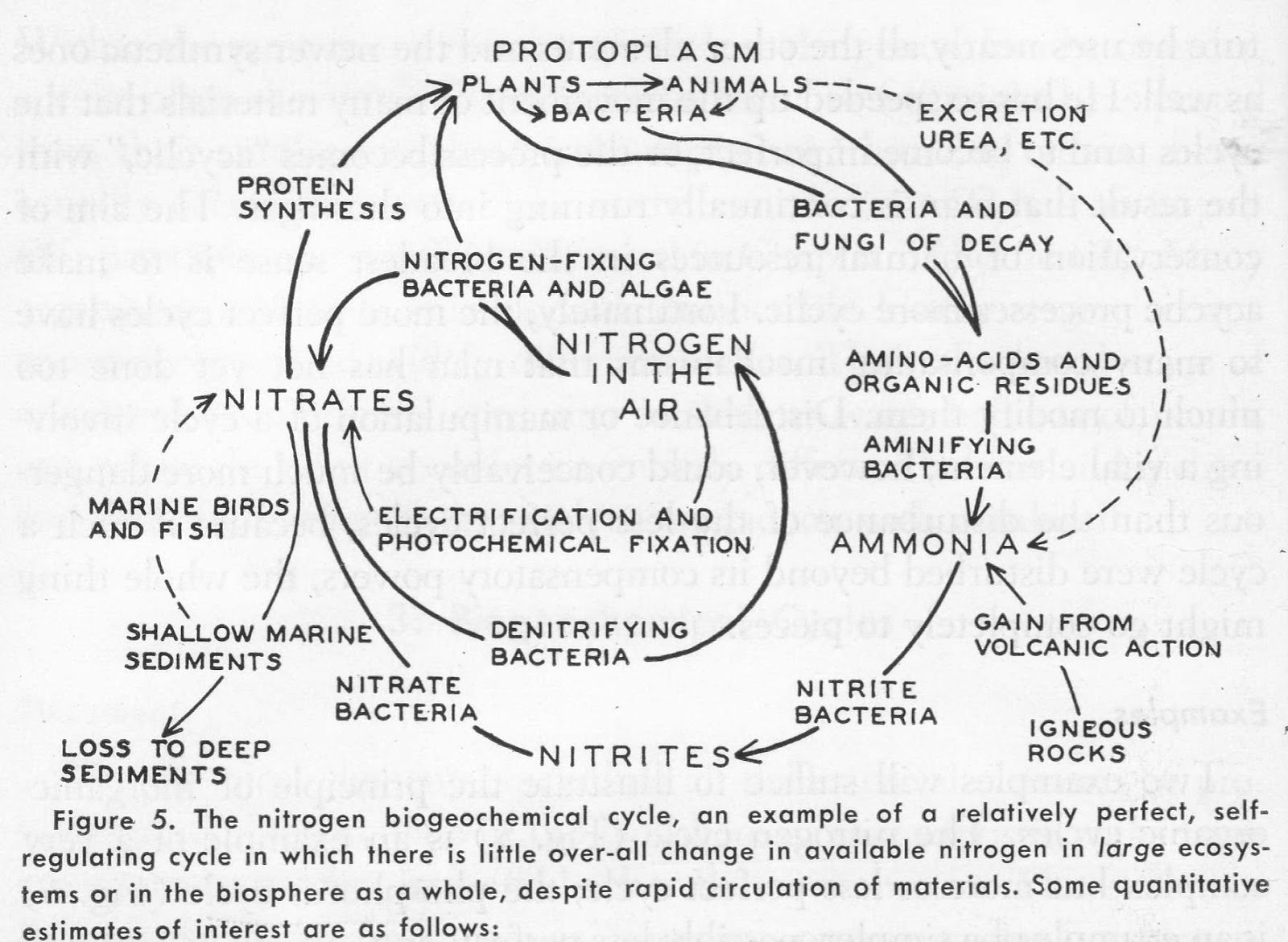
    2. Note: This preprint has been reviewed by subject experts for Review Commons. Content has not been altered except for formatting.

      Learn more at Review Commons


      Referee #1

      Evidence, reproducibility and clarity

      In this study, the authors made a two-component homing modification gene drive in Anopheles coluzii with a different strategy than usual. The final drive itself targets and disrupts the saglin gene that is nonessential for mosquitoes, but important for the malaria parasite. The drive uses several gRNAs, and some of these target the Lp gene where an anti-malaria antibody is added, fused to the native gene (this native gene is also essential, removing nonfunctional resistance alleles at this locus). In general, the system is promising, though imperfect. Some of the gRNAs self-eliminate due to recombination of repetitive elements, and the fusion of the antimalaria gene had a modest fitness cost. Additionally, the zpg promoter was unable to operate at high efficiency, requiring use of the vasa promoter, which suffers from maternal deposition and somatic expression (the latter of which increased fitness costs at the Lp target). The manuscript has already undergone some useful revisions since its earliest iteration, so additional recommended revisions are fairly modest.

      Line 43-45: The target doesn't need to be female sterility. It can be almost any haplosufficient but essential target (female sterility works best, so it has gotten the most study, but others have been studied too).

      Line 69: A quick motivation for studying Anopheles coluzii should be added here (since gambiae is discussed immediately before this).

      Introduction section: It might be helpful to break up the introduction into additional paragraphs, rather than just two.

      Introduction last part: The last part of the introduction reads more like an abstract or conclusions section. Perhaps a little less detail would fit better here, so the focus can be on introducing the new drive components and targets

      Line 207-213: This material could go in the methods section. There are some other examples in the results that could be similarly shortened and rearranged to give a more concise section.

      Line 283-287: I couldn't find the data for this.

      Line 291: Replace "lied" with "was".

      Line 356: Homing in the zygote would be considered very unusual and is thus worthy of more attention. While possible (HDR has been shown for resistance alleles in the zygote/early embryo), this would be quite distinct from the mechanism of every other reliable gene drive that has been reported. Is the flow cytometry result definitely accurate? By this, I mean: could the result be explained by just outliers in the group heterozygous for EGFP, or perhaps some larvae that hatched a little earlier and grew faster? Perhaps larvae get stuck together here on occasion or some other artifact? Was this result confirmed by sequencing individual larvae?

      Results in general: Why is there no data for crosses with male drive heterozygotes? Even if some targets are X-linked, performance at others is important (or did I miss something and they are all X-linked). I see some description near line 400, but this sort of data is figure-worthy (or at least a table).

      Lines 362-367: What data (figure/table) does this paragraph refer to?

      Lines 405-406: There may be a typo or miscalculation for the DsRed inheritance and homing rate here. Should DsRed inheritance be 90.7%?

      Figure 5: The horizontal axis font size for population 8 is a little smaller than the others.

      Line 454: In addition to drive conversion only occurring in females and the somatic fitness costs, embryo resistance from the vasa promoter would prevent the daughters of drive females from doing drive conversion. This means that drive conversion would mostly just happen with alleles that alternate between males and females.

      Line 481: Deletions between gRNAs certainly happen, but I wouldn't necessarily expect this to be the "expectation". In our 2018 PNAS paper, it happened in 1/3 of cases. There were less I think in our Sciences Advances 2020 and G3 2022 paper. All of these were from embryo resistance from maternal Cas9 (likely also the case with your drive due to the vasa promoter). When looking at "germline" resistance alleles, we have recently noticed more large deletions.

      Figure 6C: It may be nice to show the wild-type and functional resistance sequence side-by-side.

      Lines 642-644: This isn't necessarily the case. At saglin, the nonfunctional resistance alleles may still be able to outcompete the drive allele in the long run. This wasn't tested, but it's likely that the drive allele has at least some small fitness costs.

      A few comments on references to some of my studies:

      Champer, Liu, et al. 2018a and 2018b citations are the same paper.

      For Champer, Kim, et al. 2021 in Molecular Ecology, there was a recent follow-up study in eLife that shows the problem is even worse in a mosquito-specific model (possibly of interest as an alternate or supporting citation): https://elifesciences.org/articles/79121

      One of my other previous studies was not cited, but is quite relevant to the manuscript: https://www.science.org/doi/10.1126/sciadv.aaz0525<br /> This paper demonstrates multiplexed gRNAs and also models them, showing their advantages and disadvantages in terms of drive performance. Additionally, it models and discusses the strategy of targeting vector genes that are essential for disease spread but not the vectors themselves (the "gene disruption drive"), showing that this can be a favorable strategy if gene knockout has the desired effect (nonfunctional resistance alleles contribute to drive success).

      This one is less relevant, but is still a "standard" homing modification rescue type drive that could be mentioned (and owes its success to multiplexing): https://www.pnas.org/doi/abs/10.1073/pnas.2004373117<br /> The recoded recuse method was also used in mosquitoes (albeit without gRNA multiplexing) by others, so this may be a better one to mention: https://www.nature.com/articles/s41467-020-19426-0

      Sincerely,<br /> Jackson Champer

      Referees cross-commenting<br /> Other comments look good. One thing that I forgot to mention: for the 7-gRNA construct with tRNAs, the authors mentioned that it was harder to track, but it sounds like they obtained some data for it that showed similar performance. Even if this one is not featured, perhaps they can still report the data in the supplement?

      Significance

      Overall, this study represents a useful advance. Aside from being the first report for gene drive in A. coluzii, it also is the first that investigates the gene disruption strategy and is the first report of gRNA multiplexing in Anopheles. The study can thus be considered high impact. There are also other aspects of the study that are of high interest to gene drive researchers in particular (several drives were tested with some variations).

    1. Author Response

      The following is the authors’ response to the original reviews.

      Summary of changes

      I thank the reviewers for their thorough feedback on this paper and providing me with such a detailed list of recommendations. I have been able to incorporate many of their suggestions, which I believe has greatly improved this paper.

      The most important changes:

      • I added comparisons to the lexicon- and rule-based sentiment algorithms TextBlob and VADER to Supplementary Fig. 4. This shows the superiority of ChatGPT in scoring the sentiment of scientific texts compared to existing and already-validated tools for sentiment analysis based on natural language processing. [Suggestion Reviewer 2]

      • I added the measure intra-class correlation to Fig. 3b, emphasizing the inconsistency in sentiment scores across different reviews of the same paper. [Suggestion Reviewer 3]

      • I added Supplementary Fig. 6, in which I directly propose different experiments to test the causes of the observed gender effects on peer review. [Suggestion Reviewer 3]

      • I further studied the issue of variability in responses by ChatGPT (Supplementary Fig. 2), and learned that this has greatly improved in the latest version of ChatGPT (for Version Aug 3, 2023, R2 values of 0.99 (sentiment) and 0.86 (politeness) were reached). I show these findings in Supplementary Fig. 2. [Suggestions Reviewers 1 and 3]

      • Throughout the manuscript (most notably in the Abstract and Discussion), I emphasize that this is a proof-of-concept study, and make suggestions on how to scale this up across journals and fields. I also toned down certain claims given the relatively small sample size of this study, including in the abstract. I also more prominently and elaborately discuss the limitations of the study in the Discussion section. [Suggestions Reviewers 1, 2 and 3]

      • I made many smaller changes to text, figures and references on the basis of the reviewers’ comments. [Suggestions Reviewers 1, 2 and 3]

      Notably, Reviewer 3 has provided me with a very detailed list of recommendations for follow-up experiments. I appreciate their ideas, and I am currently considering different options for future work. Specifically I am looking to team up with a journal to perform the experiments laid out in Supplementary Fig. 6 of the new paper, to study whether I can find evidence of bias across rejected and accepted papers. As suggested by this reviewer, I am also looking into ways to automate data collection using APIs, and by utilizing the rapidly expanding databases for transparent peer review.

      Based on this preprint, I have received messages from academics that are interested in using generative AI to study scientific texts. By revising this manuscript, I hope to provide them with the tools to concurrently expand the analysis of peer review into different scientific disciplines and journals.

      Reviewer #1 (Public review)

      Strengths:

      The innovative method is the biggest strength of this article. Moreover, the method can be implemented across fields and disciplines. I myself would like to see this method implemented in a grander scale. The author invested a lot of effort in data collection and I especially commend that ChatGPT assessed the reviews twice, to ensure greater objectivity.

      I want to thank this reviewer for commending the innovative methodology of this study. I appreciate that this reviewer would like to see this methodology implemented at a grander scale, which is a view that I share. I initially only included Neuroscience papers, because I was uncertain whether I would be able to properly assess the reviews from different scientific disciplines (and thus judge whether ChatGPT was able to provide plausible scores).

      The reviewers have provided me with a list of potential follow-up experiments, and I am currently considering different options for future work. Specifically I am looking to team up with a journal to perform the experiments laid out in (the new) Supplementary Fig. 6 of the new paper, to study whether I can find evidence of bias across rejected and accepted manuscript of a journal. In addition, as suggested by Reviewer #3, I am looking into ways to automate data collection using APIs, and by utilizing the rapidly expanding databases for transparent peer review. Importantly, based on this preprint, I have received messages from academics that are interested in using generative AI to study scientific texts. By revising this manuscript now, I hope to provide them with the tools to concurrently expand the analysis of peer review into different scientific disciplines and journals.

      The comments I received from the different reviewers made me realize that I did not describe the intent of this paper well enough in the original submission. I rewrote much of the Abstract, to emphasize the proof-of-concept nature of this study, and rewrote the Discussion to focus more on the limitations of the study.

      Weaknesses:

      I have several concerns regarding the methodology of the article. The first relates to the fact that the sample is not random. The selection of journal and inclusion and exclusion criteria do not contribute well to the strength of the evidence.

      Indeed, the inclusion of only accepted manuscript from a single journal is the biggest caveat of this paper. I have re-written much of the Abstract to emphasize that this is a proof-of-concept paper, hoping that other researchers concurrently expand this method to larger and more diverse datasets.

      An important methodological fact is that the correlation between the two assessments of peer reviews was actually lower than we would expect (around 0.72 and 0.3 for the different linguistic characteristics). If the ChatGPT gave such different scores based on two assessments, should it not be sound to do even more assessments and then take the average?

      This was a great recommendation by this reviewer, and a point also raised by Reviewer #3. Based on their suggestion, I looked into how each additional iteration of scoring would reduce the variability of scoring for a subset of papers (thus being able to advice users on an optimal number of iterations).

      Interestingly, I observed that ChatGPT has become significantly more reliable in providing sentiment and politeness scores in recent versions. For the latest version (ChatGPT Aug 3, 2023), R2 = 0.992 for sentiment and R2 = 0.859 for politeness were reached for two subsequent iterations of scoring. Unfortunately, OpenAI does not allow access to previous version of ChatGPT, so the current dataset could not be re-scored. Yet, based on these data, there may no longer be a need for people to perform repeated scoring. I show these data in Supplementary Fig. 2, as I believe this is very useful information for people who are interested in using this tool.

      Reviewer #1 (Recommendations to author)

      I had some difficulties reading the article, so it would maybe help to structure the article more (e.g. In the introduction there are three aims stated, so the Statistical Analysis section could be divided in three sections, and instead of the link to figures, the author could state which variables were analysed in a specific manner) to be easier to comprehend the details. Also, I found on one place that the sample consisted of 572 reviews, and on other that it was 558.

      These are very good points. I re-wrote the statistical analysis for clarity (Page 7 of the manuscript). The 558 reviews was a mistake from my part, as I forgot to include the fourth review for the 14 papers that received four reviews in the histograms of Fig. 2b and the accompanying text. This has been updated.

      For figures 1a and 1b it could be considered to enter the table instead of several figures.

      I thank the reviewer for pointing this out. I tried this suggestion, but I found it to reduce the readability of the paper. As an alternative, I now provide an Excel spreadsheet with all the raw data, so people can find all the characteristics of the included papers.

      99.8% of the reviews analysed were assessed as polite. This is, in my opinion, extremely important finding, which shows that reviewers are still holding to certain degree of standards in communication, and it can be mentioned in the abstract.

      I very much agree with this reviewer; this has now been added to the Abstract.

      In results you state that QS World Ranking is "imperfect" measure. When stating that in the results section, it poses the question why it is used in the study, so maybe it is more suitable for the discussion.

      This point is well taken. Even though the QS World Ranking score is imperfect, I still think it can be useful, as a rough proxy of perceived prestige of an institution. I now removed this “imperfect measure” statement from the Results section, and moved it to the Discussion (Page 5).

      In the Results section, instead of using only p values, please add measures of effect (correlations, mean differences), to make it easier to place in the context.

      For the significant effects of Fig. 4, I have added these to the figure legends. Please note that the used statistical tests are non-parametric, so I reported the Hodges-Lehmann differences (which is the median of all possible pairwise differences between observations from the two groups).

      I think the results interpretation should be softened a bit, or the limitations of the study should be placed as the second paragraph in the discussion, since this was only specific journal with specific subfield.

      I agree with this reviewer that the relatively small sample size of this paper demands more careful wording. Throughout the manuscript, I have toned down claims, and emphasized the “proof of concept” nature of this study (for example in the Abstract). I also moved the limitations section to the second paragraph of the Discussion, and elaborate more on the study’s caveats.

      Methods:

      The measure Review time was assessed from submission to acceptance, but this does not need to be review time since it takes a lot of time sometimes to find reviewers. that needs to be stated as the limitation.

      This point is well taken. I changed this to “Paper acceptance time” in Fig. 3 and the accompanying text.

      Gender name determination methods differed between the assessment of the first authors and the last authors, and that needs stronger explanation.

      I appreciate this reviewer raising this point, which has also been raised by Reviewer #3. For this paper, I have carefully weighed the pros and cons of automated versus manual gender determination. Initially, my intention was to rely only on a programmatic method to identify authors' names. However, I came to realize that there were inaccuracies in senior author gender predictions made by ChatGPT/Genderize. This was evident to me due to my personal familiarity with some of these authors, either because they are famous or through personal interactions. It seemed problematic to me to proceed with this analysis knowing that these misclassifications would introduce unnecessary variability to the dataset.

      The advantage of the relatively small sample size in this study was the opportunity to manually perform this task, rather than being fully dependent on algorithms. While I attempted manual gender identification for the first author as well, this was way more challenging due to their limited online presence. The discrepancy in gender identification accuracy between first and senior authors did not go unnoticed, and I acknowledge the issue it presents. I also recognize that, unlike senior authors, reviewers may not necessarily be familiar with the first authors of the papers they evaluate, as indicated in the original submission of this paper. In light of this, I sought input from several PIs who often serve as reviewers. Their feedback confirmed that they typically possess knowledge of senior authors' identities, for example through conferences, whereas the same is not true for first authors. Yet, this may be different for other scientific disciplines, where the pool of reviewers might be bigger.

      Notably, for future studies I may make a different decision, especially when I use larger datasets that require me to automate the process.

      I also realize that my rationale for the different methods of gender determination was not explained well enough in the original submission; I now explain my reasoning more elaborately on Page 7 on the manuscript.

      For sentiment analysis: Please state based on what the GPT made a decision? Which program? (e.g. for gender it used genderize.io)

      This has been added to Page 7.

      Finally, your entire analysis can be made reproducible (since everything is publicly available). You can share ChatGPT chats as online materials with variables entered with the dataset analysed and the code. This would increase the credibility of the findings.

      I will make the entire raw dataset available through the eLife website, including all reviews and their scores.

      Reviewer #2 (Public review)

      Strengths include:

      1) Given the variability in responses from ChatGPT, the author pooled two scores for each review and demonstrated significant correlation between these two iterations. He confirmed also reasonable scoring by manipulating reviews. Finally, he compared a small subset (7 papers) to human scorers and again demonstrated correlation with sentiment and politeness.

      2) The figures are consistently well presented and informative. Figure 2C nicely plots the scores with example reviews. The supplementary data are also thoughtful and include combination of first/last author genders. It is interesting that first author female last author male has the lowest score.

      3) A series of detailed analysis including breaking down reviews by subfield (interesting to see the wide range of reviewer sentiment/politeness scores in computational papers), institution, and author's name and inferred gender using Genderize. The author suggests that peer review to blind the reviewers to authors' gender may be helpful to mitigating the impoliteness seen.

      Thank you.

      Weaknesses include:

      1) This study does not utilize any of the wide range of Natural Language Processing (NLP) sentiment analysis tools. While the author did have a small subset reviewed by human scorers, the paper would be strengthened by examining all the reviews systematically using some of the freely available tools (for example, many resources are available through Hugging Face [https:// huggingface.co/blog/sentiment-analysis-python ]). These methods have been used in previous examinations of review text analysis (Luo et al. 2022. Quantitative Science Studies 2:1271-1295). Why use ChatGPT rather than these older validated methods? How does ChatGPT compare to these established methods? See also: colab.research.google.com/drive/ 1ZzEe1lqsZIwhiSv1IkMZdOtjPTSTlKwB?usp=sharing

      This was a great recommendation by this reviewer, and I have tested ChatGPT against TextBlob and VADER, the two algorithms also used by the Luo et al. study — see Supplementary Fig. 4. Perhaps unsurprisingly, these algorithms performed very poorly at scoring sentiment of the reviews. Please note that I also tested these two algorithms at scoring individual sentences, Tweets and Amazon reviews, which it did very well (i.e., the software package was working correctly). Thus, ChatGPT is better at scoring scientific texts than TextBlob and VADER, likely because these algorithms struggle with finding where in the review the sentiment is conveyed. I now discuss this on Pages 1, 3 and 4 of the manuscript.

      2) The author's claim in the last paragraph that his study is proof of concept for NLP to analyze peer review fails to take into account the array of literature already done in this domain. The statement in the introduction that past reports (only three citations) have been limited to small dataset sizes is untrue (Ghosal et al. 2022. PLoS One 17:e0259238 contains over 1000 peer review documents, including sentiment analysis) and reflects a lack of review on the topic before examining this question.

      I thank this reviewer for pointing me to this very useful study. I regret missing this one in my initial submission; I now discuss this paper in Pages 1 and 5 of the manuscript.

      3) The author acknowledges the limitation that only papers under neuroscience were evaluated. Why not scale this method up to other fields within Nature Communications? Cross-field analysis of the features of interest would examine if these biases are present in other domains.

      I share this reviewer’s opinion that it would be very interesting to expand this analysis to different subfields. I initially only included Neuroscience papers, because I was uncertain whether I would be able to properly assess the reviews from different scientific disciplines (and thus judge whether ChatGPT was able to provide plausible scores). The different reviewers have provide me with a list of potential follow-up experiments, and I am currently considering different options for future work, including expanding into different fields within Nature Communications. Additionally, I am looking to team up with a journal to perform the experiments laid out in (the new) Supplementary Fig. 6 of the new paper, to study whether I can find evidence of bias across rejected and accepted manuscript papers of a journal. I am also looking into ways to automate data collection using APIs, and by utilizing the rapidly expanding databases for transparent peer review. Yet, based on this preprint, I have received messages from academics that are interested in using generative AI to study scientific texts. By revising this manuscript now, I hope to provide them with the tools to concurrently expand the analysis of peer review into different scientific disciplines and journals.

      The comments I received from the different reviewers made me realize that I did not describe the intent of this paper well enough in the original submission. I rewrote much of the Abstract, to emphasize the proof-of-concept nature of this study, and rewrote the Discussion to focus more on the limitations of the study.

      Reviewer #3 (Public review)

      Strengths:

      On the positive side, I thought the use of ChatGPT to score the sentiment of text was novel and interesting, and I was largely convinced by the parts of the methods which illustrate that the AI provides broadly similar sentiment and politeness scores to humans who were asked to rank a sub-set of the reviews. The paper is mostly clear and well-written, and tackles a question of importance and broad interest (i.e. the potential for bias in the peer review process, and the objectivity of peer review).

      Thank you.

      Weaknesses:

      The sample size and scope of the paper are a bit limited, and I have written a long list of recommendations/critiques covering diverse aspects including statistical/inferential issues, missing references, and suggestions for other material that could be included that would greatly increase the usefulness of the paper. A major limitation is that the paper focuses on published papers, and thus is a biased sample of all the reviews that were written, which prevents the paper properly answering the questions that it sets out to answer (e.g. is peer review repeatable, fair and objective).

      I very much appreciate this reviewer taking the time to provide me with such a detailed list of recommendations. Below, I will respond to this list in a point-by-point manner.

      Reviewer #3 (Recommendations to author)

      My main issues with the paper are that it is not very ambitious, and gave me the impression the aim was to write the first paper using ChatGPT to address this question, rather than to conduct the most thorough and informative investigation that would have been feasible (many obvious questions that could be addressed are not tackled, since the sample size is small and restricted). There are also issues with selection bias, and the statistical analysis, that have possibly led to erroneous inferences and greatly limit what conclusions can be drawn from the analysis. I hope my comments of use in further improving the paper.

      The repeatability of ChatGPT when calculating the two linguistic characteristics is low. Taking the average of multiple assessments is one way to deal with this. To verify that taking the average of, say, 5 scores gives a repeatable score, the author could consider calculating 10 scores for a set of 20-30 reviews, calculating two scores for each review using the first 5 and second 5 ChatGPT ratings, and then calculating repeatability across the 20-30 reviews. It is important to demonstrate that ChatGPT is sufficiently repeatable for this new method to be useful.<br /> Also, it might be possible to automate this process a bit to save time - e.g. the author could change the ChatGPT prompt, like "please rate the politeness of this review from -100 to +100, do it 10 times independently, and print your 10 ratings as well as their average". Hopefully the AI is smart enough to provide 10 independently-computed ratings this way, saving the need to copypaste the prompt into the chat box 10 times per review.

      This was a great recommendation by this reviewer, and a point also raised by Reviewer #1. Based on their suggestion, I looked into how each additional iteration of scoring would reduce the variability of scoring for a subset of papers (thus being able to advice users on an optimal number of iterations). I also tested this Reviewer’s suggestion to ask ChatGPT to score many times, and give separate scores for each iteration — this worked very well.

      Interestingly, I observed that ChatGPT has become significantly more reliable in providing sentiment and politeness scores in recent versions. For the latest version (ChatGPT Aug 3, 2023), R2 = 0.992 for sentiment and R2 = 0.859 for politeness were reached for two subsequent iterations of scoring. Unfortunately, OpenAI does not allow access to previous version of ChatGPT, so the current dataset could not be re-scored. Yet, based on these data, there may no longer be a need for people to perform repeated scoring. I show these data in Supplementary Fig. 2, as I believe this is very useful information for people who are interested in using this tool.

      To my mind, the main reason to use an AI instead of one or more human readers to rank the sentiment/politeness of peer reviews is to save time, and thereby allow this study to have a larger sample size than would be feasible using human readers. With this in mind, why did you choose to download only 200 papers, all from the discipline of Neuroscience, and only from Nature Communications? It seems like it would be relatively easy to download papers from many more journals, fields of research, or time periods if using AI-based methods, and in fact it would have been feasible (though fairly laborious) for one person to read and classify the sentiment of the reviews for 200 papers.

      As well as providing more precise estimates of the parameters you are interested in (e.g. the consistency of reviews, and the size of the difference in reviewer sentiment between author genders), expanding the sample beyond this small set of papers would allow you to address other interesting questions. For example, you could ask whether the patterns observed for neuroscience are similar to those in other research disciplines, whether Nature Comms is representative of all journals (given there are other journals with public reviews), and you could test whether the male-female differences have become greater or smaller over time (e.g. by comparing the male-female differences observed in the past to the effect size observed in 2022-23). Additionally, the main analyses in this paper would have higher statistical power - for example, you only include 53 papers with a female senior author, giving you quite low power/ precision to estimate the gender difference in the average sentiment of reviews (given the high variance in sentiment between papers).

      I want to thank this reviewer for taking the time about possible ways to increase the impact of this work. I agree, these are all great suggestions, and there are many possibilities to apply ChatGPTbased natural language processing to scientific peer review. Respectfully, I chose to continue with publishing this work in the form of a proof-of-concept paper, because I currently do not have the resources to perform this (quite labor intensive) study. Below I will explain my reasoning, that I also shared with Reviewers #1 and #2.

      I initially only included Neuroscience papers, because I was uncertain whether I would be able to properly assess the reviews from different scientific disciplines (and thus judge whether ChatGPT was able to provide plausible scores). The different reviewers have provide me with a list of potential follow-up experiments, and I am currently considering different options for future work, including expanding into different fields within Nature Communications. Additionally, I am looking to team up with a journal to perform the experiments laid out in (the new) Supplementary Fig. 6 of the new paper, to study whether I can find evidence of bias across rejected and accepted manuscript papers of a journal. I am also looking into ways to automate data collection using APIs, and by utilizing the rapidly expanding databases for transparent peer review. Yet, based on this preprint, I have received messages from academics that are interested in using generative AI to study scientific texts. By revising this manuscript now, I hope to provide them with the tools to concurrently expand the analysis of peer review into different scientific disciplines and journals. The comments I received from the different reviewers made me realize that I did not describe the intent of this paper well enough in the original submission. I rewrote much of the Abstract, to emphasize the proof-of-concept nature of this study, and rewrote the Discussion to focus more on the limitations of the study.

      Also, if you could include some reviews of papers that were reviewed double-blind, you could test whether the gender-related differences in peer reviews are ameliorated by double-blind reviewing. Nature Comms (and many other journals with open review) do have some double-blinded papers, and there is evidence that that double-blinding is preferentially selected by authors who think they will experience discrimination in the peer review process (DOI: 10.1186/s41073-018-0049-z), and also that double-blinding does ameliorate bias (DOI: 10.1111/1365-2435.14259), so this seems very relevant to the ideas under study here.

      I note that the PLOS journals allow open peer review, and there is an API for PLOS which one can use to download the reviews for a given paper (e.g. try this query to get to the XML file of a paper which has open peer review: http://journals.plos.org/plosone/article/file?id=10.1371/ journal.pone.0239518&type=manuscript). Using an API could allow this project to be scaled up, because you can programmatically search for the papers with open reviews, download those reviews using the API and some code, and then score them using the same ChatGPT-based methods used for Nature Comms. Also, Publons recently merged with Web of Science (Clarivate), and you can now read all the open peer reviews on Web of Science for papers which had open review (e.g. for this paper: https://www-webofscience-com.napier.idm.oclc.org/wos/woscc/fullrecord/WOS:000615934800001). It would be possible to write to Web of Science, request access to their data or search engine, and programmatically download many thousands of papers and their associated reviews, and then use ChatGPT or a similar AI to score them all (especially if you can pass the reviews to ChatGPT for scoring programmatically, instead of manually copy-pasting the reviews into the chat box one at a time as it appears was done in the present study).

      These are great suggestions, and I have different plans for follow-up studies, including the use of APIs to download large batches of peer reviews. The analyses in this paper have been performed in February of this year, even before the ChatGPT API had been released, which did not let me automate the process at that time. As a result, these analyses have been performed manually. I realize that the field is moving rapidly, and that there are now different options to scale this up quickly.

      I plan on using the suggestions from this Reviewer for follow-up experiment in a next paper, and publish this revision as a proof-of-concept paper. In this way, different researchers can optimally use ChatGPT-based sentiment analyses for similar studies without a delay.

      As you acknowledge, there is a selection bias in this study, since you only include papers that were ultimately published in Nature Comms (missing reviews of papers that were rejected). This is a really big limitation on the usefulness of some of your analyses. For example, you found no relationship between author institutional prestige and reviewer sentiment. This could be evidence of a fair and impartial review process (which seems unlikely!), or it could be a direct result of selection bias (specifically a "collider bias", like the famous example involving height and skill among professional basketball players). The likelihood that a paper is published is positively related both to its quality and the prestige held by the authors, we might expect a flatter (or even negative) correlation between prestige and reviewer sentiment among papers that were published than among the whole set of papers (like how the correlation between height and speed/skill is less positive among NBA players than among the general population, since both height and speed/skill provide advantages in basketball).

      I agree with this reviewer that the selection bias is a major limitation of this study. I rewrote much of the Abstract and Discussion to tone down claims, and more prominently discuss the limitations of this study. I also made several suggestions for follow-up experiments.

      In the section "Consistency across reviewers", you write that there was little similarity between review sentiment scores from different reviewers from the same paper, and then write "This surprising result indicates high levels of disagreement between the reviewers' favorability of a paper, suggesting that the peer review process is subjective." However I disagree with this conclusion for three reasons:

      • Firstly, your dataset only includes papers that were published, and thus there is a selection bias against manuscripts where both/all reviewers disliked the paper - the removal of this (probably large) set of reviews will add a (potentially very strong) downward bias to your estimate of how consistent the review process is (since you are missing all those papers where the reviewers agreed). I think that one cannot properly answer the question "are reviewers consistent in their appraisals" without having access to papers that were rejected as well as those that were accepted.

      I agree with this reviewer that there is a selection bias in this study, which I acknowledged throughout the initial submission of this manuscript. Indeed, having access to reviews of rejected papers will greatly increase my confidence in this finding. However, if there is consistency across reviewers in the entire pool of (post-review rejected+accepted) manuscripts, some of that has to trickle down into the pool of accepted papers. The correlation between sentiment scores of the different reviewers is so strikingly low (or even absent) that I simply cannot envision a way in which there is consistency across reviewers in the pre-editioral decision stage. Yet, I realize that this point is debatable. Therefore, I changed the phrasing of the Discussion section, including the following sentence:

      That being said, the extremely low (or even absent) relation between how different reviewers scored the same paper was striking, at least to this author.

      • Secondly, the method used to assess whether the reviews for each paper tend to be similar (shown in Figure 3b) does not fully utilize the information contained in the data and could be replaced with another method. (In the paper 3 univariate regressions compare the sentiment scores for R1 vs R2, R1 vs R3, and R2 vs R3, which needlessly splits up the data in the case of papers with more than 2 reviewers, reducing power.) You could instead calculate the intraclass correlation coefficient (aka 'repeatability'), to determine what proportion of the variance in sentiment scores is between vs within papers (I suggest using the excellent R package rptR for this). Note that the sentiment scores are not normally distributed, and so regular regression (as you used) or one-way ANOVA (which you might be tempted to use for the ICC calculation) are not ideal - consider using a GLM or transformation (the rptR package automates the tricky calculation of repeatability for generalized models).

      I thank this reviewer for pointing me towards this option. I added this analysis to Fig. 3b, which confirmed the inconsistency in sentiment scores for reviews of the same paper (ICC = 0.055). As suggested by this reviewer, I decided to perform the ICC on log-transformed data, as ICC calculation is very sensitive to non-normally distributed data.

      • Thirdly, an alternative and very plausible hypothesis for this lack of similarity (besides peer review being highly subjective) is that ChatGPT is estimating the "true sentiment" of a review (i.e. what the reviewer intended to say) with some amount of error (e.g. due to limitations/biases in the AI, or reviewers struggling to make themselves understood due to issues such as writing in a second language, typos, or writing under time pressure), which dilutes the similarly in the estimated sentiment of the reviews. In other words, if the true sentiment values are strongly correlated, but there is random error in how those values are estimated by ChatGPT, then the correlation between reviewer scores for each paper will tend to zero as the error tends to infinity. Furthermore a nebulous quality like "sentiment" cannot be fully summarised in a single variable running from -100 to +100, and if you had used a more multi-dimensional classification system for the reviews (or qualitative assessment by human readers) you might have found that there is a bit more correspondence (I'm speculating here, but I think you cannot really exclude this and the paper doesn't mention this limitation).

      This point is well taken. I added caveats to the Discussion section on Page 5. Altogether, after taking these caveats into account, I do believe that this analysis convincingly demonstrates subjectivity in the peer review of this subset of papers. That said, I hope that my re-written discussion and additional analysis have added the necessary nuance to this point.

      In Figure 3C, you write "Contribution of paper scores to review time". This strongly implies to the reader that the sentiment scores inferred for the reviews have a causal effect on the review time. This is imprecise writing (since the scores were calculated by you after the papers were published, and thus cannot be causal - you mean that the actual reviews affected the review time, not the scores), but more importantly you cannot infer any causality here since your dataset is observational/correlational. You could fix this by re-phrasing to emphasise this, e.g. "Statistical associations between paper scores and review time".

      This is a very good point raised by this reviewer. I have corrected the phrasing so it no longer implies causality.

      For the analysis shown in Figure 4d and Figure 4e, I am not certain what you mean by "data split per lowest/median/highest sentiment score". This is ambiguous, and I am also not sure what the purpose of this analysis is or what it shows - I suggest re-writing for greater clarity (and ideally providing the code used in all your analyses) and perhaps revising the analysis. Additionally, an important missing piece of information from this analysis (and most analyses in the paper) is the effect size. For example, you don't report what is the difference in politeness score and sentiment score between male and female authors, and what is the SE and 95% CIs for this difference. From eyeballing the figure, it looks like the difference in politeness is about 4 points on your 200point scale - this is small in absolute terms, but might be quite large in relative terms given that "politeness score" usually hovered around a small part of the full 200-point scale. What is this as a standardised effect size (i.e. in terms of standard deviations, as captured by effect sizes like Cohen's d and Hedges' g)? Calculating this (and its 95% CIs) would allow you to say whether the difference between genders is a "big effect", and give an idea of your confidence in your effect size estimate and any inferences drawn from it. You even discuss the effect size in your discussion, so it would help to calculate the standardised effect size. If you're not familiar with effect size and why it's useful, I found this paper very instructive: https://onlinelibrary.wiley.com/ doi/abs/10.1111/j.1469-185X.2007.00027.x

      I agree with this reviewer that this phrasing was ambiguous. I now rephrased this on Page 4 of the manuscript:

      To study whether these more impolite reviews for female first authors were due to an overall lower politeness score, or due to one or some of the reviewers being more impolite, I split the reviews for each paper by its lowest/median/highest politeness score. I observed that the lower politeness scores for first authors with a female name was driven by significantly lower low and median scores (Fig. 4d, bottom panel). Thus, the least polite reviews a paper received were even more impolite for papers with a female first author.

      I also added effect sizes of the significant effects from Fig. 4 to its figure legend. Please note that the used statistical tests are non-parametric, so I reported the Hodges-Lehmann differences (which is the median of all possible pairwise differences between observations from the two groups).

      "Double-blind peer review has been debated before, but has come under scrutiny for various reasons" - this is vague and unhelpful. I think it's worthwhile to properly engage with the debate and the substantial body of evidence in your paper, given your main focus is on potential bias in the review process based on authors' identities (e.g. gender, institutional prestige).

      I thank the reviewer for pointing this out. I rephrased this sentence to indicate that there is evidence that it helps to remove certain forms of bias (Page 5):

      To address this issue, double-blind peer review, where the authors' names are anonymized, could be implemented. Evidence suggests that this is useful in removing certain forms of bias from reviewing8,9, but has thus far not been widely implemented, perhaps because some studies have cast doubt on its merits21,22.

      I have also added a Supplementary Fig. 6 to this paper, in which I lay out how my tool can be used to study bias by applying it to single- and double-blinded reviews (see also my answer to the other question about this topic below).

      On a related note, in the first paragraph, when discussing the potential of single-blind review to allow reviewers to essentially discriminate against papers by women, there is a key missing citation. This year, the first truly experimental test of this hypothesis was published (DOI: 10.1111/1365-2435.14259); a journal conducted a randomised controlled trial in which submitted manuscripts were reviewed either single- or double-blind. They found no effect of author gender on reviewer ratings or editorial decisions (though there was an effect of review type on success rate of authors from different countries). It would be better to cite this instead of reference 6, which as you acknowledge is methodologically flawed. This paper is also worth a read given your focus on Nature journals: DOI: 10.1186/s41073-018-0049-z.

      This point is well taken. I now cite this paper (citation #8) and rephrased this part of the Introduction (Page 1).

      "Another - arguably more simple - solution [compared to double-blind peer review] could be for reviewers to be more mindful of their language use." Here, you seem to be saying that we don't need to blind author names during peer reviewers, because it would simpler if all reviewers were simply nicer! I object to this because A) double-blind review is easy to implement, and greatly reduces the opportunity to tune the review to the author's identity (and there is some experimental evidence that it works in this regard), and B) it seems like wishful thinking to say that we don't need to implement measures that reduce the scope for bias, because all reviewers could instead stop using impolite language.

      This is a very valuable comment. I rephrased this to emphasize that this is an additional measure.

      "reviewers may want to use ChatGPT to extract a politeness score for their review before submitting" Yes, that's an interesting idea, and I can imagine that some (probably small) proportion of reviewers will be interested in doing this. But I think you should think bigger about wholesale changes to the review system that are possible because of AI like ChatGPT. For example, the submission platforms where reviewers submit their reviewers (e.g. ScholarOne, Manuscript Central) could be updated to use AI to pre-screen draft reviews, and issue a warning to reviewers, like "Our AI assistant has indicated that the writing in this review might be impolite (example phrases here) - would you like to edit your review before you submit it?" Also, reviewcredit platforms like Publons could display not only the number of reviews that someone wrote, but an AI-generated assessment of how constructive, detailed, and polite their reviews are (this would help nudge people into writing better reviews, and also give credit where it's due to careful reviewers, which is part of the aim of Publons and similar platforms). This is just off the top of my head - there are many other good ideas about how AI could transform the peer review process. Indeed, AI is already good enough to generate quite useful peer reviews and constructive criticism of draft papers, and will surely get better at this... this surely has lots of implications for science publishing over the coming decades.

      These are great suggestions for implementation of this tool. I now end the first paragraph of the Discussion (Page 4) with the following sentence:

      Such an automated language analysis of peer reviews can be used in different ways, such as afterthe-fact analyses (as has been done here), providing writing support for reviewers (for example by implementation in the journal submission portal), or by helping editors pick the best papers or most constructive reviewers.

      "Further research is required to investigate the reasons behind this effect and to identify in what level of the academic system these differences emerge." Here you could mention what this research would be - I think you'd need the full sample of reviewed papers, not just those that were accepted. Spell out what analyses would be required to test and falsify the various (very plausible and interesting) competing hypotheses that you mention for the male-female difference in sentiment scores.

      Great point. I added a Supplementary Fig. 6, in which I show a visual depiction of the experiments that can be performed to answer these questions.

      "areas of concern were discovered within the academic publishing system that require immediate attention. One such area is the inconsistency between the reviews of the same paper, highlighting the need for greater standardization in the peer review process." I disagree here. I think it is natural for there to sometimes be differences in how two or more reviewers rate the quality of a paper, even if the peer review process were carefully standardised (e.g. via the use of a detailed "peer review form", which helps guide reviewers to comment on all important aspects of the paper - some journals use these). This is because reviewers differ in their experience, expertise, or interests, and so some reviewers will catch mistakes that others miss, or request stylistic changes that others would not. More broadly, it's often not possible to write a version of the paper that satisfies all possible reviewers.

      I re-phrased part of the Discussion on Page 5 to indicate other sources of inter-reviewer variability. Specifically, I mention that some variability in sentiment can be expected based on the different backgrounds of the reviewers:

      Notably, some level of variability may be expected, for example due to different backgrounds, experiences, and biases of the reviewers. In addition, ChatGPT may not always reliably assess a reviews sentiment, adding some spurious inter-reviewer variability.

      Yet, as also mentioned in my response to one of the previous questions, I still find the the extremely low levels of consistency striking, even after taking these possible sources of interreviewer variability into account.

      "the maximum score an institution could receive was 100 (in 2023 this was Massachusetts Institute of Technology)" - this seems unnecessary information (just mention the score runs from 0-100).

      I agree with this reviewer that this was unnecessary information. This has been removed.

      "reviewers are generally familiar with the senior author of papers they review and thus are likely aware of their gender identity." This seems like a strong assumption, and you don't provide any evidence for it Speaking personally, as a reviewer and journal editor I am often not familiar with the senior author, or I am familiar with the first author - I am not sure how often I know the senior author but not the first author or vice versa. It's also not always the case that the first author is a junior scientist and the last author a senior, famous one, as you imply. I suggest that you use the same approach to score the gender of both author positions, namely inferring their gender programmatically from their name (I agree that generally the important thing for the purposes of this study is the gender that reviewers will infer from the name, not the author's actual gender, and so gender estimation from first names is the correct approach).

      I appreciate this reviewer raising this point, and I have carefully weighed the pros and cons of both approaches. Initially, my intention was to rely only on a programmatic method to identify authors' names. However, I came to realize that there were inaccuracies in senior author gender predictions made by ChatGPT/Genderize. This was evident to me due to my personal familiarity with some of these authors, either because they are famous or through personal interactions. It seemed problematic to me to proceed with this analysis knowing that these misclassifications would introduce unnecessary variability to the dataset.

      The advantage of the relatively small sample size in this study was the opportunity to manually perform this task, rather than being fully dependent on algorithms. While I attempted manual gender identification for the first author as well, this was way more challenging due to their limited online presence. The discrepancy in gender identification accuracy between first and senior authors did not go unnoticed, and I acknowledge the issue it presents. I also recognize that, unlike senior authors, reviewers may not necessarily be familiar with the first authors of the papers they evaluate, as indicated in the original submission of this paper. In light of this, I sought input from several PIs who often serve as reviewers. Their feedback confirmed that they typically possess knowledge of senior authors' identities, for example through conferences, whereas the same is not true for first authors. Yet, this may be different for other scientific disciplines, where the pool of reviewers might be bigger.

      Notably, for future studies I may make a different decision, especially when I use larger datasets that require me to automate the process. I now more elaborately explain why I made this decision on Page 7 of the manuscript.

      In the Abstract, you write "suggesting a gender disparity in academic publishing". This part of the sentence contains no information about what you think is the cause of the male/female difference, and no further interpretation of its ramifications, so I think you can just remove it (because "disparity" just means a difference, so you are effectively saying something redundant like "there was a difference between papers with male and female senior authors, suggesting there is a difference")

      I thank the reviewer for pointing this out. I replaced the latter part of this sentence with “(…) for which I discuss potential causes.”, which I think is better than a short summary of potential causes which may lack the nuance that such a topic deserves.

    1. Advertisements for selling service em­ployed drawings, slogans, and texts designed to make the uses of the telephone-not just the technology-attractive.

      I find it peculiar that people could not figure out what the purpose of the telephone for, and that it necessitated years of advertising and marketing to explain it. However, with original companies pushing away from socialization, I could understand how this marketing would be confusing. If given a phone, and told that it's the newest way to communicate, but you have to communicate with it in a specific way, a person may not be drawn to try it. Their advertisements, utilizing attractiveness as a large factor for users, certainly hold some value, but it seems that the telephone found its footing on its own, specifically in the hands of society. Once people started utilizing the technology as they saw fit, to communicate any ideas, without the restrictions or hand-holding of phone companies, that's when the influence and growth began.

    1. Most people won’t be bored by a brief review, but many people become lost and give up listening if they can’t connect to the information right away or feel it’s over their heads.

      That's why I feel it's best to come up with a topic that you can talk about in an orderly fashion and just enough so that your audience will understand the information given.

    1. Author Response

      The following is the authors’ response to the original reviews.

      First of all, we would like to again thank the reviewers for their work. We appreciate the constructive review comments and useful suggestions to further improve our article. With those comments in mind, we have now revised our manuscript. Please see below for a point-by-point response (our responses in green) to all comments.

      Reviewer #1 (Recommendations For The Authors):

      Sun and colleagues outline structural and mechanistic studies of the bacterial adhesin PrgB, an atypical microbial cell surface-anchored polypeptide that binds DNA. The manuscript includes a crystal structure of the Ig-like domains of PrgB, cryo-EM structures of the majority of the intact polypeptide in DNA-bound and free forms, and an assessment of the phenotypes of E. faecalis strains expressing various PrgB mutants.

      Generally, the study has been conducted with a good level of rigor, and there is consistency in the findings. However, I do have some specific technical concerns relating to the study that necessitate the undertaking of additional experiments. These are summarized as follows:

      1) Recombinant PrgB188-1233 produced in the study purifies as a mixture of monomeric and dimeric species separatable by SEC. There is very limited discussion in the text re. the significance and/or implications of this. Is it feasible that the dimeric form is biologically relevant in the context of the in vivo situation? Or alternatively, is this simply an artifact of protein production?

      Experimental data that we published in 2018 indeed indicates that the dimer is relevant in the in vivo situation. We did not discuss this here since this was discussed in detail in the previous paper: Schmitt et al, 2018. We have now added a bit more information on this in the results section, highlighting this, so that it is clearer to the reader (lines 114-116).

      2) The authors see no evidence of the adhesive domain of PrgB in their PX structure highlighting that this must have been cleaved during crystallisation. Is this claim supported by an inspection of the crystal packing? It could be that this region of the protein is dynamic within the context of the crystal and is thus not observed. This should be clarified in the text either way.

      The crystal packing does not provide any space for the PAD. We have added this to the results section. We have added a sentence describing this in lines 122-124.

      3) The Cryo-EM structures reported are both at ~10-angstrom resolution. Are the authors truly confident in the placement of their crystal structures on these maps? Visual inspection indicates that their positioning of the PrgB domains into the EM envelopes is somewhat questionable. The authors need to provide some quantitative measures of the quality of their domain fitting. The narrative of the manuscript very much hinges on this being correct.

      This is something that the other reviewer also commented on. The fitting of the crystal structures in the maps are indeed not optimal, but was the best we could do with the available data. In line with point #6, we have now constructed new protein variants of the stalk domain (the four Ig-like domains) alone, and have assayed it’s interaction with the PAD in vitro using native gels and size exclusion chromatography. The outcome of these experiments is that the two domains do not interact in any substantial way on their own. Thus, the added experiments do not support the hypothesis that the PAD interacts with the Ig-like domains, at least not without the local high concentration provided by the linker region in the in vivo situation.

      To account for these new experiments, we have moved the cryo-EM structure to the supplement, and rewritten this part of the manuscript to say that the cryo-EM data indicated that there might be an interaction, but that we have not been able to verify this in vitro, indicating that if the interaction at all exists it must have a low affinity and is likely not physiologically relevant. In line with this, we have also further modified the text throughout the manuscript to account for this.

      4) The manuscript would be significantly strengthened if the authors could include confirmatory hydrodynamic data in support of the observed conformational reorganization of PrgB in the presence of DNA. SAXS analysis of the DNA-free and bound complexes would be ideal for this and would also help address the issues raised above in pt 3.

      To analyze PrgB radius with and without DNA, we tried both SEC-MALS and DLS experiments. It proved difficult to obtain precise and reproducible values, but the initial data indicated that no large changes were observed upon DNA binding. As we could also not measure specific interaction between the PAD and the stalk in vitro, we did not perform SAXS experiments. As mentioned in the response to point #3, we have modified the results and discussion regarding the potential interaction of th PAD and Stalk domains.

      5) The authors present binding studies of various PrgB mutant-expressing strains. A number of the mutations generated delete significant portions of the polypeptide. Can the authors confirm that these mutant proteins are correctly folded despite the introduced mutations? It could be that loss of function is simply a consequence of mutation-induced misfolding. I would like to see some confirmatory data (CD, SEC, etc.) in support of the foldedness of the mutant proteins.

      We cannot completely rule out that the folding of some of the variants is affected in E. faecalis. However, CD or SEC experiments would only give indications of the contrary if the overall fold had been majorly affected in an in vitro situation where the protein is not anchored to the E. faecalis cell wall.

      To alleviate this valid concern, we probed if all variants are correctly exported and linked to the cell-wall. Therefore we have now extracted the cell wall of E. faecalis producing wild-type or variant PrgB and performed Western blot . The results of the Western blot with cell wall extract largely matches the whole cell experiments that were in the initial manuscript. If a protein variant was largely misfolded, it would likely not be targeted and linked to the cell-wall, nor would it be stable in vivo. We have added this new data as a new fig 3 – figure supplement 1 and on lines 201-214

      6) The authors suggest a direct interaction between the PAD and the stalk domains in PrgB. The discussion of this is very generic and no evidence to support this is provided other than the 10-angstrom resolution EM map. If they believe this to be the case, then additional evidence should be provided.

      Answer: As mentioned previously, we have now performed additional in vitro experiments to probe this potential interaction, but conclude that this indication from the EM data is likely not a real high affinity interaction. In line with this, we have modified the results and discussion regarding this point, see also response to point #3 and 4.


      Reviewer #2 (Recommendations For The Authors):

      As currently presented, I don't feel that the cryoEM data support the authors' proposed model, largely because the fit of the crystal structures to the EM volumes does not seem entirely reasonable for the apo- dataset and because the EM volume for the ssDNA bound dataset is not even contiguous. For me to believe the model as it is currently built, I would want to see a dataset with the PAD deleted, showing that its proposed density disappears, or a dataset with a PAD-specific antibody as a fiducial marker. It would be nice to see some goodness of fit metric with a comparison to other crystal structures fit such low-resolution data as well. At the very least, the authors must include the standard cryoEM workflow supplementary figure showing representative micrographs, 2Ds, and 3Ds along with particle numbers.

      In line with the comments raised by reviewer #1, we have now added more experiments where we have analyzed the potential interaction between PAD and the stalk domain. From this new data, it looks like they do not interact with any substantial affinity, at least not on their own without any linker region holding them together, and that this interaction if it all exist likely is not physiologically relevant. The cryo-EM data has been moved to the supplement as we agree with both reviewers that the resolution, and the fitted model, is not good enough to draw any hard conclusions. The standard table for the cryoEM workflow was present as supplementary table 2, where eg particle numbers etc are described, but we have now also added a new supplementary fig 2 – figure supplement 2 that shows the EM processing workflow, including representative micrographs, 2D and 3D classes. We debated whether we should remove the EM data, but decided against it in line of transparency and to explain why the interaction studies with the PAD and stalk domains were performed.

      The X-ray crystallographic structure is very nice, but I was a bit surprised by the R factors in Table 1. After downloading the structure factors and coordinates from the PDB (thank you for depositing before submission!) I was able to see quite a few positive peaks in the difference map that could probably use some cleaning up. I realize I may just be a bit of a masochist when it comes to adding/deleting waters and moving around side chains to get things just right, but for such lovely data, I would have liked to see the model polished up a bit more. I was going to say that the isopeptide bond should be modelled, but I can see from a cursory Google that the authors did in fact try to find a way to model this and that it is indeed a bit of a pain.

      The model refinement proved surprisingly recalcitrant with regards to the remaining difference density, so we took the decision to only model what was solidly there (which leads to slightly higher R factors). We did indeed try to model the isopeptide bond, but we did not find a good way to do so (despite trying quite extensively), and ended up determining them as a linker in the PDB file, so that the bond shows up when one opens the structure in eg. Pymol.

      For protein production/purification in general I would have liked to see actual traces for the gel filtration and pure protein on a gel in a supplementary figure. I strongly believe that this type of information is so critical for future researchers looking to replicate or build upon published work so that they have some sense that what they are doing is working in the way it should be.

      We have now added a supplementary figure (as new Fig. 1 – figure supplement 1) that shows SEC and SDS-PAGE for the purification of PrgB188-1233.

      Finally, I think for the in vivo data it only makes sense to show the reader whether any or all the differences measured across your different mutants are statistically significant. Having done the graphing and analysis in GraphPad this should be a simple thing to achieve.

      We have now added statistical test (One way Anova) that show the statistical significance between the mutants, and show that in Fig 3 and Fig 4.

      Overall, I think it's a very nice paper and while I feel that the cryoEM data in its current form doesn't support the model of occlusion from PrgA, I also don't think that removing the cryoEM data and that specific mechanistic idea from the paper detracts from its overall message and impact.

      Thank you for those comments.

    1. Why tests are not a particularly useful way to assess student learning

      I feel like tests don't really asses student learning for a couple of reasons. One could be that it only makes people nervous more so about their grades rather than learning so they just try to cram everything into their head for the exam. AFterwards they gonna just forget everything so It's not truly learning.

    1. And that’s where the more surreal elements came organically out of the story itself. And then with “Playing Metal Gear Solid V,” that just came out of a joke. I was just thinking through, you know, wouldn’t it be funny if this thing happened? And then it just gets deeper and deeper as you begin exploring the idea. But you know, it’s funny, man, I’ve been thinking a lot about my relationship with the idea of magical realism

      He likes to explore the idea of magical realism

    1. riple consciousness3 of not belonging, of being externally labeledas a person of color, and of being invisible, as I reside outside the Black–Whitebinary while also experiencing double silencing. And, mind you, that is justbased on my skin color.

      So this is what it's called... hmmmm... interesting. I have experienced this so much and my daughter experiences more even though she is somewhat darker than me. I am too brown to be light skin, but too caramel to be dark skin. It is a very hard space to navigate among women but even harder to navigate among men. In the work space it hinders us reagrdless and among family it forces us to have nicknames based on our skin color while our lighter skin family members just have something based on theri personality or something they did when they were young.

    1. Even so, officers like Johnston still hoped there was some way to avoid using women.

      This shows just how pervasive sexism was at the time. People were so against the idea of women being in the military that they would for any way to exclude them, even if it was doing civilian work. It's not wonder that sexism still persists today because this was not that long ago. People still assume that women are less fitted for certain professions, simply because they are women. Even if they have the exact same qualifications.

  3. Sep 2023
    1. I Tiresias, though blind, throbbing between two lives, Old man with wrinkled female breasts, can see At the violet hour, the evening hour that strives 220 Homeward, and brings the sailor home from sea,

      The sources regarding Tiresias most intrigued me for multiple reasons. First, they remind me of the hyacinth girl from the first section, who is alluded to go through this similar metamorphosis of gender. I wonder what Eliot is trying to get at through these personages. In his footnotes, he writes that "Tiresias... is yet the most important personage in the poem, uniting all the rest... all the women are one woman, and the two sexes meet in Tiresias." Could he be trying to use such figures to connect distinct themes and images in TWL, as he does so when he incorporates the symbolism of Tiresias in this section full of mundane human activity? It might be possible too that the entirety of TWL is what Tiresias sees. Maybe even Sybil

      Another interesting idea is that Tiresias is an "Old man with wrinkled female breasts". My initial read of this phrase reminded me of Eliot's Gerontion, which he starts with "Here I am, and old man in a dry month, being read to by a boy, waiting for rain." I see a resemblance between TWL's old man and his counterpart in Gerontion, in which they are both waiting for something. In TWL, he "can see... the evening hour that strives / Homewards, and brings the sailor home from sea," While in Gerontion, the old man waits for rain, a body of water that can be see as in relation to a sailor on sea. This may be a far-fetched connection, but I wanted to note this observation. But going back to TWL, Tiresias, "throbbing between two lives" but attempting to unite all personages as Eliot notes, "can see" "though blind". This is worth delving into. It's interesting that even though Tiresias struggles between two sexes, this individual is always one gender at a time, never two at once. Nevertheless, Tiresias has a sense of all-knowingness and affinity as one alone. Does Eliot feel the same, as being one man alone who has knowledge over many different cultures and themes, which he attempts to present in a singular poem?

      Last question/points – Ovid and Lempriere's sources seem to contradict. Juno seems to be a man in Lempriere's but a woman in Ovid's. Just wondering if they refer to the same character. Moreover, the fact Tiresias was cursed because of the statement that women have more satisfaction in sex and marriage over men seems relevant. Misogyny brings about curses, or perhaps misogyny is a curse itself.

    2. The river sweats

      The stanzas that ensue are indented, each line shorter than normal, mimicking a block quote. Perhaps Eliot is citing the lyrics of a song that "crept by me upon the waters" in the stanza above. Now, in a sense, the readers aren't simply reading TWL anymore --- they are listening to it. The importance of sound over sight is seen in many sources, particularly Augustine's Confession, the Sermon on the Mount from the Bible, Fire Sermon Discourse from the Buddha, and Purgatorio. Reflecting on his sins, Augustine writes in Book 10, "But they who know how to praise Thee for it, 'O all-creating Lord,' take it up in Thy hymns, and are not taken up with it in their sleep. Such would I be. These seductions of the eyes I resist..." Here, songs and hymns, perceived using the sense of hearing, can serve as a pathway to conversion. And the necessity to "resist" the "seductions of the eyes" can be elucidated by the Sermon on the Mount: "Blessed are the pure in heart: for they shall see God." Evidently, Augustine is still in the process of demonstrating sorrow for his sins and not yet "pure in heart," just like how the sinners have to ascend from Inferno to Purgatory to the Heaves, where a "vision of God [is] represented by the yellow triangle at the very top." In order to be forgiven for one's sins, then, one needs to first listen and be stripped of sight.

      As we've discussed in class, Eliot's belief in the possibility of a universal religion has allowed for a commonality to be observed between Buddhism and Christianity. In Fire Sermon Discourse, the Buddha preaches also for an "aversion for the eye [and] an aversion for forms," which to me possesses two meanings. The first being an aversion to the perception --- implying sight --- of "forms," or, in other words, using eyes to see objects that make up the tangible world around us. The second being an aversion to "formalities" --- one formality being the act of gift-giving, which is also mentioned in the Bible: "That thine alms may be in secret."

      Thinking about the broader meaning of these song-like stanzas, it's important to note how the Rhine daughters' words --- "Weialala leia" --- repeated in "The Fire Sermon," evokes the tune of an implied song that they dance to while persuading Siegfried to return the ring. Yet, as Siegfried chooses to keep the ring for himself, perhaps the state of "The Fire Sermon" remains in a state of "Burning burning burning burning," never reaching a final state of salvation.

  4. inst-fs-iad-prod.inscloudgate.net inst-fs-iad-prod.inscloudgate.net
    1. “I hate you,” she said to me one afternoon. Her English was flawless.“I really, really hate you.” Call me sensitive, but I couldn’t help but take itpersonally

      Tonia Denny-Zinckey 9/302023

           "Me Talk Pretty One Day" by David Sedaris
      
                 This textual evidence is an example of a quote
      

      because it's someone's (teacher) words towards David

                   This textual evidence is very strong, the way
      

      the teacher expresses her feelings towards a student. As

      a reader I feel hurt for the student. Imagine you just

      started school, the teacher doesn't know you and you

      don't know the teacher and she expresses herself like this

      towards you. As for me as the reader I wouldn't tolerate

      that especially at my age starting back school.

              This part of the writing made me as the reader
      

      imagine things I would have done or say to the teacher if I

      was placed in this position if I was David.

             This textual evidence was effectively incorporated
      

      throughout the essay because the moment the teacher

      entered the classroom, she showed her attitude towards

      her students. You can tell a lot from a person body

      language and the way they speak to you.

    1. Innocence Project database of exonerations includes dozens of people who falsely pleaded guilty. "This isn't just having an effect on those individuals," said Dervan, who co-chaired the task force. "It's having an effect on the entire community and the safety of the entire community."

      People who are falsely pleaded guilty, isn't okay because that means that the person who actually committed the crime is still out there, committing other crimes while someone innocent is serving it's time. People shouldn’t serve time for these people. The prosecutor should own up to what they did.

    2. that cites innocent defendants who agree to falsely plead guilty, sometimes on the advice of their own lawyers

      I feel like people should just stop covering for other peoples mistakes. It's not right for an innocent people to serve multiple years for something they didn't commit.

    1. another incredible study that the same university did right after where they're like okay but can they speak and so they 00:06:42 actually stressed out tobacco plants um they would either like cut them or dehydrate them sort of plant torture um and when they did the more dehydrated that the plants got the more they would emit sound 00:06:55 um these and not quietly it's at the sound of human hearing um just up at 50 or 60 kilohertz

      example, example - communication - plant, tobacco plant communication

    1. Reviewer #1 (Public Review):

      Summary:<br /> The article by Siachisumo, Luzzi and Aldalaquan et al. describes studies of RBMX and its role in maintaining proper splicing of ultra-long exons. They combine CLIP, RNA-seq, and individual example validations with manipulation of RBMX and its family members RBMY and RBMXL2 to show that the RBMX family plays a key role in maintaining proper splicing of these exons.

      Strengths:<br /> I think one of the main strengths of the manuscript is its ability to explore a unique but interesting question (splicing of ultra-long exons), and derive a relatively simple model from the resulting genomics data. The results shown are quite clean, suggesting that RBMX plays an important role in the proper regulation of these exons. The ability of family members to rescue this phenotype (as well as only particular domains) is also quite intriguing and suggests that the mechanisms for keeping these exons properly spliced may be a quite important and highly conserved mechanism.

      Weaknesses:<br /> I think my main critique is that a lot of the conclusions in the text are written with very broad and general claims, but these are often based on either a small number of examples or a non-transcriptome-wide analysis that I think would be necessary for such broad conclusions. For example, pg 5 - "The above data indicated that RBMX has a major role in repressing cryptic splicing patterns in human somatic cells." is based on seeing ~120 exons with a 2:1 ratio of exclusion to inclusion (and doesn't include analysis confirming which of these are cryptic). Similarly, on page 15, line 31 "The above experiments showed that RBMXL2 is able to globally replace RBMX activity" and Fig 5 as well - I think the 'globally' term here is a bit too much with most of the analysis derived from n=3 events.

      Another weakness I think is the lack of context in the paper, where the basic description of how many 'long' and 'ultra-long' exons there are and what percent of those are bound by and/or regulated by RBMX is missing. The text (including the title, which to me is written to imply a general role for ultra-long exons') seems to imply that RBMX maintains proper splicing of ultra-long exons globally (which to me implies a significant percent of them), but I don't think the manuscript succeeds in strongly proving this global role.

      Along those same lines, I think the manuscript claims that the described principles are specific to the RBMX family, but I think the lack of negative examples weakens the strength of this claim. For example, for Figure 2 (D/E/F/G), what I think would make this more powerful is a negative example - if you take CLIP + knockdown/RNA-seq data for a different splicing regulator (RBFOX2, PTBP1, etc.), do you not see this size difference? I think the analysis described here is sufficient to show that there is an overlap for RBMX, but I think this would make it much stronger in confirming it's not just a 'longer genes get more CLIP tags' artifact.

    1. accessibility is a skill set it's not one of those things where you can learn it and then just say hey i'm done i'm now an accessible science communicator my job here is done it's a lifelong process where you need 00:46:29 to continuously learn and seek out material to make sure that the practices still are accessible and that social media and other things are not changing

      this is such an important point. it's a continuous learning process that needs to be practiced. And I appreciate that she also said you can start small and incrementally build it into your practice. it can be overwhelming and impossible to try to get it all right immediately.

    2. stay along one color

      this is something talked about often, but not often enough if scholarly publishing. And scientists who create figures with all different colors even in line graphs make it impossible to read with color blindness, but it's also a bit chaotic even if you can see the full spectrum! However, I just realized that even things like heat maps where different colors make more sense -- this is probably problematic.

    3. medicalize language has a lot of roots in ableism

      This highlights what I was thinking as I was doing the Language, Please exercise earlier -- just how much language is shaped my culture, but then reinforces that culture -- which historically has been perpetuating negative perceptions. And how easily it becomes to unintentionally be demeaning because it's built in. So again makes me think about how important it is to pay attention to our own language and change the language

    4. spectrum or sorry color is a spectrum um so when we think of green blue color blindness when we think of red green red blue color blindness as are the most common ones it's not just those colors

      I found this visual really handy as someone that uses a lot of visual communication. I know I can be more conscious of this in future work.

    5. when you're adding an image you're just really excited to post this beautiful graph you got but you forget so when that happens or if you're a bit newer to using alt text you may want to download a free extension for chrome and it's

      Working in higher ed and regularly giving lectures, I can't believe this is the first time hearing of alt text.

    1. cih ben ein beeliner ...

      class:ifindecasal::er noboloro marl .... sbarro and politburo, you need to make an omniscience thing to automate making sure shit is done properly, that's the gist of the supreme soviet and the related court, veto and "thing called the way things are" that we need to build the Colosseum of the New Colossus for ... it uh; who knows.

      hascubeitocaelush i mean literally thats like try walking to that version of a stream-level-i to .. its the point that has heaven and stylx linking hashemesh to helioses ... well we still ahve to fix it but its the heiroglyph of heirosolyma the uh; issue is you need to do something with "thank jacob, literally."

      just recalling it, you ahve to do something to get out of the one thing and get into the other. its like leave and come back. it happened in NM so im sure it can be done ... ?

      you can coned to general electric to see what a strange looking start of where at&t got its baby bells from ... but for a long time we ... didn't really know that "general" meant purple, as in "created in partnership with the government" google has become that at 4.4.4.4 and around 4.4.8.8 we got 1.1.1.1 and that means something about the internet ....

      it means here the internet is DARPA-C and DODECAHEDRON and SANHEDRIN are like big titlelist (that did something yesterrday) objects that are ... flat and sphereoid and surround or fortify the frame of things like stars, possibly.

      In any case they are not "Octagons" but that's an 8 "sided" one and the Pentagon is named similarly. Gorgons and the fates are the same set of words that mean you, you, it's u, c as before and again. starts with romanus and has torah and sarah suggesting the following of the axis thingy as it moves to cad-hanglican and then to .... well ti appears the protestant reformation actually took place in baptist lutheran america. we have the joseph and adam thing, connecting the hidden hand and the revelation of the "LDS is imho almost exactly the equivalent of Mecca-Temple.

      Pallisades of the look, so that's interesting. is ES what you call waht I was going to call SA or LA? I didnt know ES was "also ground, that's VEGA-scary.

      See I see Israel and that says im a sad fool that doesnt know what heaven looks like to me; to otbhers it looks like you havent finished the Norse-Nostre-sa-le-va-ta-care? Meaning I'm sure, sure sure that nobody was ever meant to understand and fathiom religion and what it says here and not .. you know--do something so gargantuan it gilgal's the "meaning of who and where we are in the galaxy ... like forever,"

      we have to see the stuff coded as c and r .. out of the "central lack of freedom from religion that i see we all are also not happy with. the best way to be not happy with that is to magicae the end of no "tryetholpurbind arcetitleis in c sol dis to our mizzuzah like apperatures."

      try ethanol infused with ambrosia and see if the laudenum and the kava lactones will be useful.

      that does that.

      shangri-la maricopa

      sha'ntogrociring

      acri-sancti-spherein-hicureign ligion needs the ledge until we get past not having "neither this ... " nor an improving wikipedia or news or .... and

    1. In Python, you can add a comment by using the # symbol. Python will ignore everything on a line that comes after the #. But human programmers will often look for the meaning of the program in these comments.

      I think it's pretty interesting that with just a single symbol you can make Python disregard any line of code that you wish. I wonder how code developers were able to dictate the rules that a coding language follows since often times it feels like we're constantly adjusting to the sundry coding rules rather than it being the other way around.

    1. And those who could get a passage boarded ships bound for South Africa. Cape Town was said to be delightful.

      Within these first three italicized paragraphs, this last line about Cape Town is one of the few indicators that we're indeed reading fiction. It's more common for historical fictions to weave their historical detail throughout the narrative, not dump all the background info on you from the beginning. Getting the context early on makes me feel like I'm looking at an exhibit rather than reading a story. Is it a cheap move in the "just get this all out of the way real quick" sense, or is that exhibitionisty tone deliberate? Is this a real, historical document of some sort, like a diary entry?

    1. Kantianism: “Act only according to that maxim whereby you can, at the same time, will that it should become a universal law.”

      The Kantian ethical framework is intriguing because it challenges us to think about whether the moral rules we believe in can apply universally. Furthermore, this notion helps us to consider the implications of our actions and whether they align with a principle that could work for everyone, not just ourselves. It's a thought-provoking concept that adds depth to discussions about ethical frameworks.

    1. 170 followers posted a racist joke tweet

      This shows that no matter who you are, and even if it seems like what you says won't reach very many people or won't make an impact it shows how different social media is from the "real world." Before social media saying things like that might only be heard by a few people and could become like a game of telephone where people go around and some people find out what kind of person that they're friend really is. But with social media not just your friends see, or friends of friends. Once you put something on social media it is sent out into the world for anyone and everyone to see. And once it gets some attention most of the time the attention only grows. Whatever you post on social media could potentially blow up just like this. At the moment people seem to want to blow up like this, but it's not always a good thing. It also shows that anything posted on social media stays there forever, even if you delete it, whatever you post can always come back to haunt you.

    1. Reviewer #2 (Public Review):

      Summary: This paper investigates the role of motor practice and sensory feedback when a motor action returns to a learned or established baseline. Adult male zebra finches perform a stereotyped, learned vocalization (song). It is possible to shift the pitch of particular syllables away from the learned baseline pitch using contingent white noise reinforcement. When the reinforcement is stopped, birds will return to their baseline over time. During the return, they often sing hundreds of renditions of the song. However, whether motor action, sensory feedback, or both during singing is necessary to return to baseline is unknown.

      Previous work has shown that there is covert learning of the pitch shift. If the output of a song plasticity pathway is blocked during learning, there is no change in pitch during the training. However, as soon as the pathway is unblocked, the pitch immediately shifts to the target location, implying that there is learning of the shift even without performance. Here, they ask whether the return to baseline from such a pitch shift also involves covert or overt learning processes. They perform a series of studies to address these questions, using muting and deafening of birds at different time points. learning.

      Strengths: The overall premise is interesting and the use of muting and deafening to manipulate different aspects of motor practice vs. sensory feedback is a solid approach.

      Weaknesses: One of the main conclusions, which stems primarily from birds deafened after being pitch-shifted using white noise (WNd) birds in comparison to birds deafened before being pitch-shifted with light as a reinforcer (LOd), is that recent auditory experience can drive motor plasticity even when an individual is deprived of such experience. While the lack of shift back to baseline pitch in the LOd birds is convincing, the main conclusion hinges on the responses of just a few WNd individuals who are closer to baseline in the early period. Moreover, only 2 WNd individuals reached baseline in the late period, though neither of these were individuals who were closer to baseline in the early phase. Most individuals remain or return toward the reinforced pitch. These data highlight that while it may be possible for previous auditory experience during reinforcement to drive motor plasticity, the effect is very limited. Importantly, it's not clear if there are other explanations for the changes in these birds, for example, whether there are differences in the number of renditions performed or changes to other aspects of syllable structure that could influence measurements of pitch.

      While there are examples where the authors perform direct comparisons between particular manipulations and the controls, many of the statistical analyses test whether each group is above or below a threshold (e.g. baseline) separately and then make qualitative comparisons between those groups. Given the variation within the manipulated groups, it seems especially important to determine not just whether these are different from the threshold, but how they compare to the controls. In particular, a full model with time (early, late), treatment (deafened, muted, etc), and individual ID (random variable) would substantially strengthen the analysis.

      The muted birds seem to take longer to return to baseline than controls even after they are unmuted. Presumably, there is some time required to recover from surgery, however, it's unclear whether muting has longer-term effects on syrinx function or the ability to pass air. In particular, it's possible that the birds still haven't recovered by 4 days after unmuting as a consequence of the muting and unmuting procedure or that the lack of recovery is indicative of an additional effect that muting has on pitch recovery. For example, the methods state that muted birds perform some quiet vocalizations. However, if birds also attempt to sing, but just do so silently, perhaps the aberrant somatosensory or other input from singing while muted has additional effects on the ability to regain pitch. It would also be useful to know if there is a relationship between how long they are muted and how quickly they return to baseline.

    1. I am Joaquín.

      I like the respective use of the title line. It reassures in the readers mine that he can still be himself whilst also being a part of his culture and history. It's not just a one time passing thought, it's who he's always been and always will be.

    1. az140-25-vm0

      might be a good idea to create a folder on the desktop and a folder in the c drive with your name, just so when you finish you can see that it's done something!!

    2. z140-25-vm0 | Connect blade, select Use Bastion.

      you may find that the vm is in a not ready state as it's still finishing deploying so just be patient, even though the bell icon is suggesting it's finished

    1. Hi, I just started to use Zettlr for my thoughts, in stead of just individual txt-files. I find it easy to add tags to notes. But if you read manuals how to use ZettelKasten, most seem to advice to link your notes in a meaningful way (and describe the link). Maybe it's because I just really started, but I don't find immediate links when I have a sudden thought. Sometimes I have 2 ideas in the same line, but they're more like siblings, so tagging with the same keyword is more evident. How do most people do this?

      reply to u/JonasanOniem at https://www.reddit.com/r/Zettelkasten/comments/16ss0yu/linking_new_notes/

      This sort of practice is harder when you start out in most digital apps because there is usually no sense of "closeness" of ideas in digital the way that is implied by physical proximity (or "neighborhood") found in physical cards sitting right next to or around each other. As a result, you have to create more explicit links or rely on using tags (or indexing) when you start. I've not gotten deep into the UI of Zettlr, but some applications allow the numbering (and the way numbered ideas are sorted in the user interface) to allow this affordance by creating a visual sense of proximity for you. As you accumulate more notes, it becomes easier and you can rely less on tags and more on direct links. Eventually you may come to dislike broad categories/tags and prefer direct links from one idea to another as the most explicit tag you could give a note . If you're following a more strict Luhmann-artig practice, you'll find yourself indexing a lot at the beginning, but as you link new ideas to old, you don't need to index (tag) things as heavily because the index points to a card which is directly linked to something in the neighborhood of where you're looking. Over time and through use, you'll come to recognize your neighborhoods and the individual "houses" where the ideas you're working with all live. As an example, Luhmann spent his life working in sociology, but you'll only find a few links from his keyword register/subject index to "sociology" (and this is a good thing, otherwise he'd have had 90,000+ listings there and the index entry for sociology would have been utterly useless.)

      Still, given all this, perhaps as taurusnoises suggests, concrete examples may help more, particularly if you're having any issues with the terminology/concepts or how the specific application affordances are being presented.

    1. Anna: When you think of home right now, what does that make you think of? Norma: Three things: My childhood, that was home. Where | am now, that's home. Wherever we get together, we create home, even if it's virtually on the Zoom. My sisters and |, we share what's going on with our lives, we share jokes, what's the latest movie or the latest book or x whatever you want to share. And that creates home.

      Norma say's that the bonding and the connection between her sister and her is what creates a home and I agree with that. You can have a place to live but not everyone will consider it a home. For me, my home is my family and if they didn’t live with me I don’t think I’d consider calling it a home. It’ll just be a roof over my head.

    2. In fact, some of my colleagues, my coworkers stayed there until they retired 25 years later. When that was happening, | would think, "Gosh, if | had stayed, | would be retiring now. | would be done.” It was amazing to realize that it's one of those change points in my life where a decision makes all the difference.

      It's crazy the fact that this is more common that what we think, I have seen so many peoples telling me I had been for 25 years or more than 30 years just living of a minimum paycheck. I believe this is due to the fact that they feel like they can't do something better or that is the only opportunity that they have in life, the majority of dream and better opportunity that we wish to have we don't have it because we're afraid to try or we just don't care about the life style we're living even though we don't feel comfortable.

    3. The funny thing ts, and you hear people say this all the time, but it's true, | never knew we were poor. | just thought that's how everybody was.

      agree, growing up i was fortune to have a bed and food everyday. I didnt appreciate it until i started to realize that there were people who didnt have anything to eat or even a home.

    4. The funny thing ts, and you hear people say this all the time, but it's true, | never knew we were poor. | just thought that's how everybody was.

      (VIP) Growing up in an environment where you are financially on the edge but you consistently have what you need to survive has an effect on your character. If you are aware of this and you have hard working role models you are more likely to mimic that behavior. If you not aware, you will still be spared the stresses and depression that comes from being poor. Either one creates an environmental for success and even greater possibly to achieve more then the previous generation did.

    5. The funny thing ts, and you hear people say this all the time, but it's true, | never knew we were poor. | just thought that's how everybody was.

      This statement immediately gave me a bittersweet feeling. I believe the feeling is shared widely by people that grew up in poverty. I know it definitely applies for myself. We are often too caught up in the trials of childhood to notice what ends aren't meeting. I think it's beautiful that even children in poverty can just be kids, unburdened by the difficulties of financial stability (although I am aware that not all children living in poverty hold that luxury).

    1. Participants might not know with whom they are speaking or how large istheir audience - or they might have access to a detailed history of their partners’ interactions or to theassessments others have made about them.

      Analyzing, "Participants might not know with whom they are speaking or how large is their audience - or they might have access to a detailed history of their partners' interactions or to the assessments others have made about them." We're wildly unaware of what outreach is of anything we put out on the internet. It's concerning and scary. Many times my friends will even quickly show me something that someone else has sent to them, so the audience goes beyond just directly viewing and into exchanging and showing others. We're constantly being assessed by others with no knowledge of what's being said or done about us.

    1. I agree with Sherman that the show The Outs does challenge the image of same sex relationships. I think we often see relationships of same sex to be all happy and easy, very much Hollywood style but as we can see in this film it's not all glamour. In fact relationships can be very messy as we saw here how it got messy and although in 2012 relationships of the same sex must have been a little harder, but now I feel as people are more accepting of the idea than they did back then. This show did a great job to show how it truly is for people and I think it's important to understand that in a way we all go through some of the same things when it comes to relationships, we saw that some people just want it for sex where as other's truly want something real.

  5. moodle.colgate.edu moodle.colgate.edu
    1. Hyper-columns

      neurons selective for all visual orientations also tile in the cortex - both ocular dominance columns from both eyes combined creates a hyper column - visual field is essentially tiled with hyper-columns - it's a population response: there's the possibility that all of them could respond, it just depends on what orientation input is being taken in'

    1. Americans, always aware of time, became even more conscious of concepts such as “saving time”, having no time”, “running out of time” and being “up with the times”.

      I feel like keeping up is even more important nowadays due to social media. Because majority of people are now constantly on their phones, there almost seems to be no excuse to miss out on important world updates. People used to have to wait for a news reports or hear it through word of mouth, and it's crazy to me that that time isn't so far in the past. I think it's just another example of the rampant pace at which communication has continued to developed since the invention of telegraphy.

    1. These AI jobs are their bizarro twin: work that people want to automate, and often think is already automated, yet still requires a human stand-in. The jobs have a purpose; it’s just that workers often have no idea what it is.

      i feel like if we having AI work for us why do we need a standin to just make sure there doing there job when we can just have us humans just do it, its like a self check out.

    2. It’s difficult and repetitive work. A several-second blip of footage took eight hours to annotate, for which Joe was paid about $10.

      I couldn't imagine having to work 8 hours just to make $10 and not even get your full about of work pay for something that is difficult.

    3. The problem was that it would take decades and millions of dollars for her team of undergrads to label that many photos.

      I never thought about how much money and how long it would take to get that many photos, I just assumed AI stole the photos off of the internet it's self.

    1. These job descriptions are meaningless because the jobs themselves have no meaning.

      ??

      Not sure that Graber's "Bullshit Jobs" is an apt comparison here - he writes of middle management, of 'quiet firing' (a new term outside of the vernacular at the time of that book's publication), of grinding out features and pushing around paperwork.

      It's easy to say that the transformation of journalism as a field into content marketing, corporate strategy, TikTok and social media posting, is silly - but to me nobody knows how to address these marketing jobs because the circumstances change so often over time. The employee will have to adapt to new social media platforms and push new forms of content - it just so happens that the written word was the go-to for so many years.

    1. It’s possible for two different PDFs to contain the same identifier, or for two PDFs without identifiers to contain the same first 1024 bytes. But in practice the fingerprint is likely to be unique almost always.

      Has this been tested, beyond just considering that a set of 1024 bytes has a huge number of possibilities? I am not familiar with the PDF structure but imagine that the first kilobyte can't be uniformly random in distribution and am wondering if more would be necessary (looking to implement something similar here: https://github.com/koreader/koreader/issues/10892).

    1. Reviewer #3 (Public Review):

      It is well established that there is extensive post-transcriptional gene regulation in nervous systems, including the fly brain. For example, dynamic regulation of hundreds of genes during photoreceptor development could only be observed at the level of translated mRNAs, but not the entire transcriptomes. The present study instead addresses the role of differential translational regulation between cell types (or rather classes: neurons and glia, as both are still highly heterogenous groups) in the adult fly brain. By performing bulk RNA-seq and Ribo-seq on the same lysates, the authors are able to compare the translation efficiency (TE) of all transcripts between neurons and glia. Many genes display differential TE, but interestingly, they tend to be the genes that already show strong differences at their mRNA level. The most striking observation is the finding that neuronal transcripts in glia display increased ribosome stalling at their 5' UTR, and in particular at the start codons of short "upstream ORFs". This could suggest that glia specifically employ a mechanism to upregulate upstream ORF translation, enabling them to better suppress the expression of the genes that have them. And neuronal genes tend to have longer 5' UTRs, perhaps to facilitate this type of regulation.

      However, it is difficult to evaluate the functional significance of these differences because the authors provide only one follow-up experiment to their RNA-seq analysis. Venus expressed with the Rh1 UTR sequences may be displaying differential levels between glia and neurons, but I find this image (Fig. 5C) rather unconvincing to support that conclusion. There are no quantifications of colocalization or even sample size information provided for this experiment. And if there is indeed a difference, it would still be difficult to argue this is because of the 5' stalling phenomenon authors observe with Rh1, because they switched both the 5' and 3' UTRs.

      I also find it puzzling that the TE differences between the groups are mostly among the transcripts that are already strongly differentially expressed at the transcriptional level. The authors would like to frame this as a mechanism of 'contrast sharpening'; but it is unclear why that would be needed. Rh1, for instance, is not just differentially expressed between neurons and glia, but it is actually only expressed by a very specific neuronal type (photoreceptors). Thus it's not clear to me why the glia would need this 5' stalling mechanism to fully suppress Rh1 expression, while all the other neurons can apparently do so without it.

    1. I mean, just what I said. If you adapt the zettelkasten to meet knowledge management needs, that’s great. But it does need adapting (as your examples, none of which are conversation-partner zettelkästen but, as syntopicon implies, a collection of information gathered into categories) and is not the best way to do it. (Edit: Ryan Holiday’s system is, by his own admission, not a zettelkästen despite being a bunch of cards with notes on them categorized in a box). Even the source you use about Goitein admits that he was more in the commonplace book tradition, and that other people’s use of his cards is not common to the point of being remarked on here. He doesn’t even call it a zettelkästen, and shouldn’t. There’s not even links or reference numbers, which are integral to the ZK system.It’s not an argument. But as with everything ymmv.(For what it’s worth, my ZK is extremely specific to my individual projects and readings. But I imagine that yes, with time and heavy adaptations, you can make it into little more than a record of my knowledge into broad topics. That you can use it that way does not mean that’s what it is for.)

      reply to u/glugolly at https://www.reddit.com/r/Zettelkasten/comments/16njtfx/comment/k1l8lyk/?utm_source=reddit&utm_medium=web2x&context=3

      How is it that you're defining knowledge management or knowledge management system?

      I would argue that any zettelkasten of any stripe is taking knowledge/ideas from either content or one's own brain and transferring them into some sort of media by which they are managed or structured in some way for later linking, combination, or other reuse. By base definition this is clearly knowledge management. I don't know how one defines it otherwise except by pure denial.

      Your view of zettelkasten seems remarkably narrow. As a small sample the original Maschinen der Phantasie Marbach exhibition in 2013, which broadly prefigured the popularization of zettelkasten (and in particular the launch of zettelkasten.de) which we see today featured six zettelkasten of which Luhmann's was the only one with reference numbers or what we might now consider explicit HTML-like links. Most of the others contained either explicit groupings or implied links, but that doesn't diminish the value they held for their creators for creating a conversation of ideas for them. Incidentally most of the zettelkasten featured there prefigured Luhmann's and only two were roughly contemporaneous with his.

      If you look more closely at Adler, et al. you'll notice that the entire purpose of their enterprise was to create and nurture a conversation between themselves and their readers with texts and authors spanning over 2,500 years, a point which is underlined by the introductory volume which preceded the two volumes of the Syntopicon. Not coincidentally, that first volume of the 54 book series was entitled "The Great Conversation."

      Specifically from Adler's "How to Read a Book", the first edition of which predated the Great Books of the Western World:

      Reading a book should be a conversation between you and the author.

      This is a process which is effectuated by

      Marking a book is literally an expression of your differences or your agreements with the author. It is the highest respect you can pay him.

      and later,

      That is to make notes about the shape of the discussion-the discussion that is engaged in by all of the authors, even if unbeknownst to them. For reasons that will become clear in Part Four, we prefer to call such notes dialectical.

      (As an aside, why aren't more people talking about the nature of dialectical notes, which seem far more important and useful than either fleeting notes and permanent notes?)

      In your link to Holiday, he doesn't say his system isn't a zettelkasten, a word which an English speaker was highly unlikely to have used in 2013 in any case, even when referencing Manfred Kuehn from 2007. It simply indicates that "[Luhmann's] discipline seems to exceed mine because I am a lot less ordered".

      The Goitein source (which I wrote) may use commonplace book as a descriptor but that doesn't mitigate the fact that the entirety of the zettelkasten tradition arises from it (the primary difference being things written (usually) on bound pages versus slips of paper). Before these there was the closely related idea of florilegia stemming from the earlier locus communis (Latin) and tópos koinós (Greek).

    1. we were once just physics all 00:02:27 of us were not just in an evolutionary sense but really in a developmental sense and you can watch it happen in front of your eyes so from that perspective i think developmental biology is is uh you know it's why i switched from doing computation in in sort of silicon medium to computation 00:02:40 and living media but i am fundamentally interested not just in questions of cells and why they do things but in morphogenesis or or pattern formation as an example of the appearance of mind from matter that's really right to me developmental biology is the most 00:02:53 magical process there is because it literally in front of your eyes takes you from from matter to mind you can see it happen
      • for: question, question - hard problem of consciousness, question - Micheal Levin - Michel Bitbol

      • question

        • What would Michel Bitbol think of what Michael Levin claims here?
        • What does Michel Bitbol think about Michael Levin's research and the hard problem of consciousness?
    1. The benefits mature with time. I've begun to appreciate just how much work parents invest in their children, and wives in their husbands; it's only fair for the investor to become a beneficiary.

      I think the matter-of-factness of the narrator and her ultimate realization that the real "business" is the maneuvering of these relationships and the investment of children is what makes this story work so well.

    1. Adjective (Adj) – Adjectives describe (or more precisely, modify) nouns. Adjectives usually appear in the noun phrase before a noun and after any determiners. (the hungry dog, five tired students) but can also appear in the predicate after a linking verb (the dog is hungry, five students seem tired.) Adjectives often have comparative and superlative forms (better, best, colder, coldest). Adjectives do not describe anything that isn’t a noun—if a word is describing a verb, another adjective, or an adverb, it’s an adverb instead. Examples of adjectives: cool, fun, angry, uglier, nicest, complicated, sensible, first, unbelievable, ridiculous, running (in it’s a running gag) Adverb (Adv) – Adverbs are parallel to adjectives, but they modify (and describe) things that aren’t nouns, from verbs, adjectives, and other adverbs, all the way up to entire sentences. Adverbs are kind of the ‘catch-all’ of the parts of speech, and it’s pretty much impossible to give a concise and complete definition of what an adverb is, because different adverbs have different properties. Some are made from adjectives + ly but not all -ly endings are adverbs (lovely and ugly are adjectives, not adverbs). Adverbs generally answer some questions about the things they modify, like ‘how’, ‘when’, and ‘to what extent.’ Adverbs are the only things that can go between auxiliary and main verbs, and if something can move around a lot in the sentence without changing the meaning (especially to the front and back of the sentence) then it’s probably an adverb. Examples of adverbs: yesterday (in we went to the store yesterday) very (in very good) often (in we go to school often), not (in I’m not sorry), just, quickly, and many more.

      Adverbs and adjectives have always proven to be quite challenging for me, often leading to stumbling in my writing. These two linguistic components, adverbs and adjectives, possess a complex nature that frequently throws me off.

    2. Adjective (Adj) – Adjectives describe (or more precisely, modify) nouns. Adjectives usually appear in the noun phrase before a noun and after any determiners. (the hungry dog, five tired students) but can also appear in the predicate after a linking verb (the dog is hungry, five students seem tired.) Adjectives often have comparative and superlative forms (better, best, colder, coldest). Adjectives do not describe anything that isn’t a noun—if a word is describing a verb, another adjective, or an adverb, it’s an adverb instead. Examples of adjectives: cool, fun, angry, uglier, nicest, complicated, sensible, first, unbelievable, ridiculous, running (in it’s a running gag) Adverb (Adv) – Adverbs are parallel to adjectives, but they modify (and describe) things that aren’t nouns, from verbs, adjectives, and other adverbs, all the way up to entire sentences. Adverbs are kind of the ‘catch-all’ of the parts of speech, and it’s pretty much impossible to give a concise and complete definition of what an adverb is, because different adverbs have different properties. Some are made from adjectives + ly but not all -ly endings are adverbs (lovely and ugly are adjectives, not adverbs). Adverbs generally answer some questions about the things they modify, like ‘how’, ‘when’, and ‘to what extent.’ Adverbs are the only things that can go between auxiliary and main verbs, and if something can move around a lot in the sentence without changing the meaning (especially to the front and back of the sentence) then it’s probably an adverb. Examples of adverbs: yesterday (in we went to the store yesterday) very (in very good) often (in we go to school often), not (in I’m not sorry), just, quickly, and many more.

      I would agree with Afinna. Adverbs and adjectives are pretty tricky and are usually what makes me stumble.

    3. You may have forgotten much of the grammar you were taught in school, if you were taught any at all, but most people can remember the parts of speech, at least the major ones. What is a noun? You probably said “a noun is a person, place, or thing.” A verb? It describes an action, right? What about a preposition? You may have had more difficulty here, but perhaps you learned that prepositions tell you what an airplane can do to a cloud (go through, under, into, etc.). All of these definitions are well-entrenched in our educational system, but linguists are happy with none of them. If we scrutinize them, the traditional parts of speech turn out to be problematic. Consider the traditional definitions of noun and verb:

      This is exactly true, as a public school teacher myself and one who is pursuing their license in ESL K-12, being an ESL teacher you play an important role for english language learners to be able to learn how to read, write, speak and listen in a native language, in this case english. As this part of the text highlights, it's very unfortunate that we don't teach grammar at all in schools and this is vital to a person studying a whole new language or just refining their native language skills.

    4. It’s really the implication of the term–its association with old grammar books–that causes some to avoid it. I, however, find it hard to see enough difference between the two terms to justify abandoning so familiar a term as “part of speech.”

      Maybe saying "part of speech" feels more broad in the sense of what this portion of the speech actually works. Where saying catergory has this image of it as a department. Think of all of the catergories that are required for a business. Theres the exceutives, associates, and the essentials. If i were to call these parts you would just see it at its surface. Think of the parts of a tree. You thought of leaves, a trunk, and branches, right? Did you think of everything that they do? Doesn't catergory make you feel like theres more under the hood?

    1. The creator, he said, 00:01:17 wanted to look away from himself. That's why he created the world. You could just revert to the proposition and say, okay, since we are so absolved into the world, we tend to look away from ourselves. And it's exactly what we want to revert now. How can we become of this blind spot? 00:01:40 How can we become aware of the blind spot of science? That's my question
      • for: quote, quote - Nietzsche, duality, nonduality, nondual, non-duality, non-dual

      • quote

        • The creator wanted to look away from himself. That's why he created the world
      • author: Nietzsche, Zarathustra

      • comment

        • Bitbol's work is to invert this and explore how we can become aware of the blind spot of science that creates the objective world to study, whilst ignoring the subject..
    1. In that the foul supplants the fair,

      It's interesting the factual way in which this is said, as if it is just nature that "foul supplants the fair"; it's a pessimistic world view, not even saying that both co-exist, but that foul "supplants"/replaces fairness - to what extent can this be true because at some point if "foul" does indeed "supplant... fair" then eventually there will be no "fair" to "supplant", interesting to consider the limitations or nature & love in this context

    2. In that the foul supplants the fair,

      This actually reminded me of the opening scene of Macbeth: "Fair is Foul, Foul is Fair" and the paradoxical nature of that statement. It's like one cannot exist without the other. In light of the poem, it also reminds me of the saying "Every rose has its thorn." Again, one cannot exist without the other. And rather, something good (rose, fair,) cannot exist without something bad (thorn, foul.) Just the nature of human existence, I suppose. Some interesting external connections to be made from this poem.

    1. food intake and vasoconstriction

      Is this why eating is causing instant sleepiness? Non-digestive vessels vasoconstrict and shut off too much cerebral blood flow, then nerves instantly have reduced firing/waste and CO2 build up/diminished mitochondria output/oxidative buildup/ &or then resultant inflammatory triggering cytokine increase?

      Vessel endothelial enormous surface area, manipulator of blood flow vasoconstrictor system, and cytokine producer/influencer, and high vulnerability sensitivity to viral infection/corruption...and then it's role or adjacent system and the immediate available Google research on COVID affecting> the vascular elastin system and corrupted elevated production of destructive elastases resulting in reduced vascular compliance then resulting too narrow "pulse pressure" band essentially creating arteriosclerosis.

      Also, make sure to be thinking of the entire vascular system not as one system, but subsided by dynamic changing gated sections and inspect signaling creating changing locations and amounts of high/low pressure zones. Also, keep in mind 3 things about BP: 1, when taken with a cuff it is only measuring a reading at the elbow. 2, is a reading from the artery and not giving any direct data from vein part of the system. 3, BP is not the same as blood flow. So I conceive that you could read a good BP, but actual flow could be completely inadequate.

      Remember analogy, vascular system is just like car AC system, or any pressurized hydraulic system, or even actually electric circuits. Meaning that there is a high pressure side, the load component(s), and a low pressure side. Also remember veins act as the reservoir tank, and when they constrict it is injecting more blood into the system to, if functioning correctly, allow higher performance and meet increase load demand. It also, therefore has less direct effect on whole system BP vs artery constriction because it's downstream of the load. Arterial constriction conversely has immediate direct effect on systolic BP as it is essentially putting a wall directly downstream of the heart. Therefore, regardless if diastolic pressure is zero or high, when the heart contacts, the pressure shoots straight up.

      A working theory component: my pulmonary vein is inappropriately constricting too much. That causes high back up pressure at alveoli. Exercise then induces veinous reservoir injection and increased blood volume into the "working system" further increasing pressure. Possibly arterious had already been fully dilated at rest in order to compensate and then when exercise happens, it can't be dilated further to increase blood flow throughout and BP increases further all behind the pulmonary vein "dam". However it doesn't present as right side heart failure like might initially be guessed (with leg and belly edema) because the right side heart is not failing...yet. So it contains any further backflow and the alveoli are the weakest point and taking the most abuse and pressure is relieved as pulmonary edema. And therefore what may be present is if we look for it, we'll find that actual blood throughput output exiting the heart is too low. And this can exist with a normal ejection fraction because the heart is functioning correctly and pumping the right percentage of what is a low starting volume. And also this can support why right ventricle is showing first signs of enlarging because it's being overpressured and stretching out (enlarging). And this can support why normal BP readings are measured at the arm because it can completely handle the abnormally low blood volume being received in the downstream location it's at. And then therefore this further supports why BP is normal but HR is riding the high limit at rest and then instantly jumps on exertion AND why dizziness happens because the artery system was already maxed out dilation at rest and for any amount of exertion, increasing HR because of the immediate too fast rise in tissue hypoxia due to too low blood supply the brain keeps driving up HR to meet demand. Total result upon exercise: supply continues to more and more not meet demand, HR rises faster and faster to try to inadequately compensate, physically become weaker especially after high output anaerobic every supply deleted in 1-3 minutes and there is no aerobic capacity cavalry with it's O2 rushing in to take over and that's when I fall off the cliff> HR spikes even faster, chest pain immediately jumps, lung edema turns on full tilt as the HR spikes and the resulting pressure is forced to "spray out of the gaskets (alveoli), and brain blood O2 supply immediately becomes super inadequate and the dizziness and need to fall over is the instant result effect. And since dysfuntioning cerebral vasoconstriction is likely the cause or highly involved in migraines, this also supports why the headaches come. ... And perhaps this explaining the rest pain and how it increases with dex and exertion because blood flow o2 becomes inadequate. Then causing lactic acid waste and CO2 buildup... (ie pain). And then it, like all body tissues being deprived necessary blood flow trigger cytokine inflammation response. ... And then, fuck it, maybe this IS chronic fatigue syndrome, and IS long covid explaining PEM, explaining why every symptom imaginable in any combination permutation is being shown, is explaining the observed elevated varing soups of cytokinesis, explaining all variety of tissue damage depending on any person's unique amount of total hit and their particular systems vulnerabilities and ultimately how far down they went on the increasing spiralling cascading systems failure towards total shutdown, and explains why measures at addressing the variety of manifestations are all somewhat helpful, but inadequate and varing efficacy from patient to patient because they are all too downstream of the root cause trunk of the symptom tree where the need to relieve vascular over constriction is the root or next to the root of the symptom tree that is common to all patients. If this were all to be accurate, then the seed would be what caused the break in vasoconstrictor system and repairing/killing it, or perhaps it's a PC bootstrap phenomenon where the simple uncomplex virus was just enough bios code to place innocuous wrenches in any of machines of the systems and then those malfunctioning systems took over control in their new malfunctioning patterns and became the new bosses that are infact the disease, you become your disease, and the initial virus seed has long been killed/departed (they're the ultimate down the road end game that is the totally corrupted bcdhhs that will then exist now as a new monstrous organism slowly lingering and depleting itself and eventually all resources at which point it will have finally killed itself after it destroyed the once thriving self sustaining world it lived in. COVID then is the teenage abusive bf or mean drunk father from their past, that put in motion what would become decades and generations of monsters, years and years after they had been long since gone). And maybe this explains the phasing leaving and returning it symptoms. Because when enough if the symptoms start to be reset/repaired, that starts spiraling the spread of the shutdown of the corruption back to health, but if the spiral up isn't strong enough to overcome the consequential reactive spiral down response, the monster returns and the rebellion is quashed. And so explains why the overall, in every system, stronger less vulnerabilities less armor chinks youth are able to quash with ease the spiral down with their incumbent exceptional spiral up response. .... And aside, this explains why dysautonomia has become a top suspect. And explains why POTS has become almost synonymous with long COVID and CFS.

    1. How do we fight against such cognitive dissonance—or, dare I say, ignorance?

      C: this reminded me of the idea of willful ignorance, the author here identifies it as just simple ignorance; however within the context of the rest of this article, I think willful ignorance would have been the more appropriate term to use since they (hegemonic curators) make no effort to recognize or correct their ignorance. This artwork, Willful Ignorance by Jeff Gates, specifically addresses the West's refusal to acknowledge racism because it's deemed a conversation that is too tricky to have, and therefore is better just ignored. https://artsandculture.google.com/asset/willful-ignorance-jeff-gates/QAFYYavFW5LNqQ?hl=en

    1. I saythatbecause I don't know how to reallyexpress the real reason. That's not thereal reason, I am sure. But it's like a fire ,a consuming, nagging, every day andevery moment demand of my soul to justdo it. I am not confused about what Iwantto do,but whatis to bedone-andIam thinking of how to do it. Who, whogets me to do it, I don't know; it's a verypersonal kind of thing.

      I chose this quote by Chavez because of the complexity of his desires and his struggle to articulate his genuine emotions about the unfair working conditions of minorities. Chavez acknowledges the inability to fully express his genuine reasons behind his actions, emphasizing that the explanation is a surface-level response. There is something deeper driving him; he has a persistent force that demands action. While Chavez remains uncertain about his inner drive, he knows what he wants to do. His focus lies in determining the appropriate course of action and how he would achieve his goal of ensuring everyone had better wages and working conditions. The workers were heavily exploited by their employers, living in shacks and receiving no medical or health benefits. Chavez, using “how to do it,” suggested that he had made sure his plan was as thoughtful and deliberate as possible. Chavez also highlights how this movement is personal and meaningful to him, showing that his decision to pursue this ultimately rests on him alone. “Who gets me to do it, I don’t know” implies his sense of autonomy and self-direction. Chavez was grappling with the question of external influences or potential collaborators who could have assisted him during this movement, but he felt the ultimate responsibility lies within himself. Chavez's quote reflects his commitment to social justice. It's a testament to his relentless pursuit of equality, despite the challenges. His introspection and unwavering determination are inspiring. His actions were not just for himself but for the betterment of all workers. This quote is a powerful reminder of his legacy.

    1. Learning analytics as moral practice — focusingnot only on what is effective, but on what is ap-propriate and morally necessary2. Students as agents — to be engaged as collabora-tors and not as mere recipients of interventionsand services3. Student identity and performance as temporalG\QDPLFFRQVWUXFWVØUHFRJQL]LQJWKDWDQDO\WLFVprovides a snapshot view of a learner at a particularWLPHDQGFRQWH[W4. 6WXGHQWVXFFHVVDVDFRPSOH[PXOWLGLPHQVLRQDOphenomenon5. Transparency as important — regarding the pur-poses for which data will be used, under whatconditions, access to data, and the protection ofan individual’s identity That higher education cannot afford not to use dat

      I really like the second point to make sure to keep students engaged as collaborates and not just as the people getting data collected on themselves. It’s also very true that when we are working on and doing analytics that we see this is just a snapshot in time of the data and the students the data are being collected from. We also want to make sure we can be transparent and open about what we are collecting and why this even needs to be collated. Finally we need to collect this data for some reasons like the ones we talked about which are accreditation, teacher feedback and checking in on student learning.

    1. And the secondary, ridiculous as it may seem, is actually just to tell ourselves not to do it. Just tell ourselves to stop. I am not going to do it. It takes a conscious effort.

      This is a very good point that it's almost like your brain can't be going through the motions and you must be focused in order to break bad habits of bias within your brain.

    2. We notice some difference more than others. It's automatic. It's like that. We just notice.

      I know this to be very true in almost the entire population because I have studied magic tricks and slight of hand. The human eye is gullible, easy to fool, its tendencies are known by many people, and they use this to their advantage to perform magic. It's astonishing but our eyes all work the same, and can be fooled quite easily.

    1. On the other hand it is claimed that a “ubiquitous biennale culture” has created a whole generation of independent curators who have adopted experimental modes of handling various forms of display and models of work and who import this attitude to institutions quite independently of artistic practices.[30] The term New Institutionalism is sometimes also used to describe the more recent development that these independent curators have increasingly moved into management positions in art institutions.[31] The close relationship of New Institutionalism to individual curators is linked to what has elsewhere been described as a ‘curatorial turn,’ referring to the phenomenon that the curator increasingly plays a “creative and active part within the production of art itself.”[32]

      CONNECTION: This article reminded me of the conversation around the labels in exhibitions over the last few years. Do exhibits still require them knowing the biases written through history? Can an outsiders description be as insightful as a "expert" Do we leave the work fully open to interpretation? Including different views of interpretation can be seen as another stride towards inclusion but, also provide yet another layer to the work. While ultimately the initial choice of label no label and the information given should be discussed with the artist, I think it's encouraging to think about how this concept expands a curators role and the publics engagement. Conversations within public circles around art are just as important as the ones within art circles so imagine the possible expansion of these conversations if more people are able to see themselves on a truly public level in galleries and museums. Could that not help to engage community and in turn possibly lead to funding of the arts been front of mind. Final thought street art rarely supplies an observer with a definitive explanation. We are left seeking out the information through socials and conversations. The message/impact of some of the work we see can be as impactful to some as what others see inside a gallery. Could this be a bridge towards institutions reflecting on wall labels? on a show to show basis?

      *I am using "labels" in context to the explanation of the work not the materials, date or origin. Museums should still have the responsibility of showing a timeline/history for each acquisition.

      https://www.nytimes.com/2021/11/10/arts/design/art-museum-labeling-new-york-historical-society.html

    1. in a normal distribution, from over here you have the denialists and over here you have the environmental activists. But in between you have a lot of different types of people. And the majority are actually – we know this from opinion polls – they are very supportive of science. They're very supportive of and concerned about climate change. They want climate action. It's just that they live their normal lives, they have many preoccupations in life. 01:01:44 They have their children, their health, their school, their financing, their incomes. You know, many, many things to be worried about. But that's the question: how do we get this majority, the silent majority, to join us? And I don't think that the way to make them join us is to scare them. And I don't think the way to join is to fight with the denialists. I think the way to join... to make them join... is to show that this pathway can get a better life.
      • for: leverage points, quote, quote - Johan Rockstrom, quote - motivating the silent majority, climate change - priority, social tipping point
      • quote
        • In a normal distribution,
          • from over here you have the denialists and
          • over here you have the environmental activists.
        • But in between you have a lot of different types of people.
        • And the majority are actually
          • we know this from opinion polls
        • very supportive of science.
        • They're very supportive of and concerned about climate change.
        • They want climate action.
        • It's just that they live their normal lives, they have many preoccupations in life.They have
          • children,
          • health,
          • school,
          • financing,
          • incomes.
        • You know, many, many things to be worried about.
        • But that's the question:
          • how do we get this majority, the silent majority, to join us?
        • I don't think that the way to make them join us is to
          • scare them and
          • fight with the denialists.
        • I think the way to make them join is to show that this pathway can get a better life.
      • author: Johan Rockstrom
      • date: Sept., 2023

      • comment

        • in other words
        • the silent majority does not yet hold climate change activism to be sufficiently high on their list of priorities yet to warrant the necessary scale of action
    2. if we just make this a big, big, you know, parliament for every citizen in the world, which would be wonderful of course, you know, you wouldn't make much progress. 00:50:06 [KEVIN] No I certainly don't think that it's going to be driven by bottom-up. But I don't think top-down will do it unless it's dragged kicking and screaming by small... it will be small, catalytic, vociferous groups that are bottom-up
      • for: bottom-up action, top-down and bottom-up, TPF
      • comment
        • Kevin Anderson makes a good point. He agrees with Johan that a parliament of 8 billion people is not realistic. However, small vociferous and strategic bottom-up groups are needed to prod the top-down actors into action.
        • He makes the observation that the elite actors, the so called "Davos set" have effectively delayed any real climate action for the past 3 decades and if left to them alone, will do the same thing.
        • Anderson hopes for some kind of partnership between top-down and bottom-up actors to provide guidance to leaders to choose the most appropriate policy.
        • In fact, the last IPCC report actually reports on the important role of bottom-up action from societal actors
    1. Start with the default gemfile: gem "rails", "~>x.x.x" Replace the xes with the actual version of rails that you need. It'll be in config/environment.rb, unless it's a Rails 3 app, in which case you can just put 3.0.0. Start your app, and watch for errors. When there's an error about not being able to load something, add that gem to the gemfile. Eventually, you'll have the whole list. :)
    1. You are alone, you know this, but it doesn’t stop you from looking around to make sure. This thing you are about to do. Well, you would be humiliated if anyone found out. Because you keep thinking about what DarAnne said. Squaw Fantasy and Savage Braves. Because the thing is, being sexy doesn’t disgust you the way it does DarAnne. You’ve never been one of those guys. The star athlete or the cool kid.  It’s tempting to think of all those Tourist women wanting you like that, even if it is just in an Experience.

      Why are they embarrassed to use virtual reality

    2. being sexy doesn’t disgust you the way it does DarAnne. You’ve never been one of those guys. The star athlete or the cool kid.  It’s tempting to think of all those Tourist women wanting you like that, even if it is just in an Experience.

      men and women of color experience different relationships to their sexualities. Existing as sexual beings has different intersectional meanings.

    1. The shareToken is a long DID key that looks something like this

      Sharing keys is not good pattern, I think it's best to make do with some short delegation that will allow to wire up delegatio.

      Also note that just like you can delegate access to your email, you could delegate to friends email. I think it might be a good idea to leverage that in fireproof. something along the lines of

      js if (cx.authorized) { ctx.share(friendsEmail) }

      Now when account authorizes with friendsEmail and pulls down delegations, this one will show up.

    1. It ain’t what you don’t know that gets you into trouble. It’s what you know for sure that just ain’t so. – Mark Twain

      missatribution

    1. brother-Ukrainians

      After all these years it's troubling that they have yet to change from brother Ukrainians. Especially since it's not just men fighting in the war it's women as well, laying down their lives. Perhaps by the end of the war the anthem may change.

    1. Some people with racial identities other than white, including people who are multiracial, use the label person/people of color to indicate solidarity among groups, but it is likely that they still prefer a more specific label when referring to an individual or referencing a specific racial group.

      I feel like this is a specificially American problem. Other countries have racial issues, but Native Americans have become such a minority in America that most people who live here are not Native. To that extent, literally everyone is European-American, African-American, Asian-American, etc. But the only people who don't usually correlate themselves to their ethnicity or home country is white people, because it's not expected of them. They just say 'im white'. Where as if you see someone who isn't white, you sometimes ask "where's your family from?" It's kinda messed up in my opinion and should be an all or nothing scenario. If I ask a hispanic person where they are from, they should be able to ask the same thing of me, and I'd reply "I'm Swiss"

    1. Dr. Tanveer Ahmed, a psychiatrist who mainly treats adolescents told The New York Post that he sees kids every week who are addicted to gaming and he views it as difficult a habit to kick as gambling.

      It's gambling in the sense that when you lose you want to keep playing until you can finally beat that level or mission, thats what make its addicting like gambling. You just cant stop.

    1. Reviewer #1 (Public Review):

      In this work, the authors investigate an important question - under what circumstances should a recurrent neural network optimised to produce motor control signals receive preparatory input before the initiation of a movement, even though it is possible to use inputs to drive activity just-in-time for movement?

      This question is important because many studies across animal models have shown that preparatory activity is widespread in neural populations close to motor output (e.g. motor cortex / M1), but it isn't clear under what circumstances this preparation is advantageous for performance, especially since preparation could cause unwanted motor output during a delay.

      They show that networks optimised under reasonable constraints (speed, accuracy, lack of pre-movement) will use input to seed the state of the network before movement and that these inputs reduce the need for ongoing input during the movement. By examining many different parameters in simplified models they identify a strong connection between the structure of the network and the amount of preparation that is optimal for control - namely, that preparation has the most value when nullspaces are highly observable relative to the readout dimension and when the controllability of readout dimensions is low. They conclude by showing that their model predictions are consistent with the observation in monkey motor cortex that even when a sequence of two movements is known in advance, preparatory activity only arises shortly before movement initiation.

      Overall, this study provides valuable theoretical insight into the role of preparation in neural populations that generate motor output, and by treating input to motor cortex as a signal that is optimised directly this work is able to sidestep many of the problematic questions relating to estimating the potential inputs to motor cortex.

      However, there are a number of issues regarding framing and technical limitations that would be useful for readers to keep in mind when interpreting the conclusions.

      1) It's important to keep in mind that this work involves simplified models of the motor system, and often the terminology for 'motor cortex' and 'models of motor cortex' are used interchangeably, which may mislead some readers. Similarly, the introduction fails in many cases to state what model system is being discussed (e.g. line 14, line 29, line 31), even though these span humans, monkeys, mice, and simulations, which all differ in crucial ways that cannot always be lumped together.<br /> 2) At multiple points in the manuscript thalamic inputs during movement (in mice) is used as a motivation for examining the role of preparation. However, there are other more salient motivations, such as delayed sensory feedback from the limb and vision arriving in motor cortex, as well as ongoing control signals from other areas such as premotor cortex.<br /> 3) Describing the main task in this work as a delayed reaching task is not justified without caveats (by the authors' own admission: line 687), since each network is optimised with a fixed delay period length. Although this is mentioned to the reader, it's not clear enough that the dynamics observed during the delay period will not resemble those in the motor cortex for typical delayed reaching tasks.<br /> 4) A number of simplifications in the model may have crucial consequences for interpretation.<br /> a) Even following the toy examples in Figure 4, all the models in Figure 5 are linear, which may limit the generalisability of the findings.<br /> b) Crucially, there is no delayed sensory feedback in the model from the plant. Although this simplification is in some ways a strength, this decision allows networks to avoid having to deal with delayed feedback, which is a known component of closed-loop motor control and of motor cortex inputs and will have a large impact on the control policy.<br /> 5) A key feature determining the usefulness of preparation is the direction of the readout dimension. However, all readouts had a similar structure (random gaussian initialization). Therefore, it would be useful to have more discussion regarding how the structure of the output connectivity would affect preparation, since the motor cortex certainly does not follow this output scheme.

    1. Author Response

      We thank the reviewers for their helpful comments and suggestions.

      eLife assessment

      This is an important contribution that extends earlier single-unit work on orientation-specific center-surround interactions to the domain of population responses measured with Voltage Sensitive Dye (VSD) imaging and the first to relate these interactions to orientation-specific perceptual effects of masking. The authors provide convincing evidence of a pattern of results in which the initial effect of the mask seems to run counter to the behavioral effects of the mask, a pattern that reversed in the latter phase of the response. It seems likely that the physiological effects of masking reported here can be attributed to previously described signals from the receptive field surround.

      We thank the reviewers for bringing up the relation of our results to findings from previous orientation-specific center-surround interactions studies. In our revision, we will add a paragraph discussing this important issue. Briefly, for multiple reasons, we believe that the majority of the behavioral and neural masking effects that we observe may be from target-mask interactions at the target location rather than from the effect of the mask in the surround. First, in human subjects, perceptual similarity masking effects are almost entirely accounted for by target-mask interactions at the target location and are recapitulated when the mask has the same size and location as the target (Sebastian et al 2017). Second, in our computational model (Fig. 8), the effect of mask orientation on the dynamics of the response are qualitatively the same if the mask is restricted to the size and location of the target. Third, in our model, our results are qualitatively the same when the spatial pooling region for the normalization signal is the same as that for the excitation signal. These points will be elaborated in the revised manuscript and points 2 and 3 will be demonstrated in a supplementary figure.

      We would also like to point out some key differences between the stimuli that we use and the ones used in most previous center-surround studies. First, in our experiments, the target and the mask were additive, while in most previous center-surround studies the target occludes the background. Such studies therefore restrict the mask effect to the surround, while in our study we allow target-mask interactions at the center. Second, most center-surround studies have a sharp-edged target/surround, while in our experiments no sharp edges were present. Unpublished results form our lab suggest that such sharp edges have a large impact on V1 population responses. We will expand on these issues in the revised manuscript. A third key difference is that our stimuli were flashed for a short interval of 250 ms corresponding to a typical duration of a fixation in natural vision, while most previous center-surround studies used either longer-duration drifting stimuli or very short-duration random-order stimuli for reverse-correlation analysis.

      In addition, we would like to emphasize that our results go beyond previous studies in two important ways. First, we study the effect of similarity masking in behaving animals and quantitatively compare the effect of similarity masking on behavior and physiology in the same subjects and at the same time. Second, VSD imaging allows us to capture the dynamics of superficial V1 population responses over the entire population of millions of neurons activated by the target at two important spatial scales. Such results therefore complement electrophysiological studies that examine the activity of a very small subset of the active neurons.

      Reviewer #1 (Public Review):

      This is a clear account of some interesting work. The experiments and analyses seem well done and the data are useful. It is nice to see that VSDI results square well with those from prior extracellular recordings. But the work may be less original than the authors propose, and their overall framing strikes me as odd. Some additional clarifications could make the contribution more clear.

      Please see our reply above regarding the agreement with previous studies and framing.

      My reading is that this is primarily a study of surround suppression with results that follow pretty directly from what we already know from that literature, and although they engage with some of the literature they do not directly mention surround suppression in the text. Their major effect - what they repeatedly describe as a "paradoxical" result in which the responses initially show a stronger response to matched targets and backgrounds and then reverse - seems to pretty clearly match the expected outcome of a stimulus that initially evokes additional excitation due to increased center contrast followed by slightly delayed surround suppression tuned to the same peak orientation. Their dynamics result seems entirely consistent with previous work, e.g. Henry et al 2020, particularly their Fig. 3 https://elifesciences.org/articles/54264, so it seems like a major oversight to not engage with that work at all, and to explain what exactly is new here.

      We thank the reviewer for the pointing out this previous work which we will cite in the revised version of the manuscript. For the reasons discussed above, while this study is interesting and related to our work, we believe that our results are quite distinct.

      • In the discussion (lines 315-316), they state "in order to account for the reduced neural sensitivity with target-background similarity in the second phase of the response, the divisive normalization signal has to be orientation selective." I wonder whether they observed this in their modeling. That is, how robust were the normalization model results to the values of sigma_e and sigma_n? It would be useful to know how critical their various model parameters were for replicating the experimental effects, rather than just showing that a good account is possible.

      Thank you for this suggestion. In the revised manuscript we will include a supplementary figure that will show how the model’s predictions are affected by the orientation tuning and spatial extent of the normalization signal, and by the size of the mask.

      • The majority of their target/background contrast conditions were collected only in one animal. This is a minor limitation for work of this kind, but it might be an issue for some.

      We agree that this is a limitation of the current study. These are challenging experiments and we were unable to collect all target/background contrast combinations from both monkeys. However, in the common conditions, the results appear similar in the two animals, and the key results seem to be robust to the contrast combination in the animal in which a wider range of contrast combinations was tested. We will add these points to the discussion in the revised manuscript.

      • The authors point out (line 193-195) that "Because the first phase of the response is shorter than the second phase, when V1 response is integrated over both phases, the overall response is positively correlated with the behavioral masking effect." I wonder if this could be explored a bit more at the behavioral level - i.e. does the "similarity masking" they are trying to explain show sensitivity to presentation time?

      We agree that testing the effect of stimulus duration on similarity masking is interesting, but unfortunately, it is beyond the scope of the current study. We would also like to point out that the duration of the presentation was selected to match the typical time of fixation during natural behaviors, so much shorter or much longer stimulus durations would be less relevant for natural vision.

      • From Fig. 3 it looks like the imaging ROI may include some opercular V2. If so, it's plausible that something about the retinotopic or columnar windowing they used in analysis may remove V2 signals, but they don't comment. Maybe they could tell us how they ensured they only included V1?

      We thank the reviewer for this comment. As part of our experiments, we extract a detailed retinotopic map for each chamber, so we were able to ensure that the area used for the decoding analysis lays entirely within V1. We will incorporate this information in the revised manuscript.

      • In the discussion (lines 278-283) they say "The positive correlation between the neural and behavioral masking effects occurred earlier and was more robust at the columnar scale than at the retinotopic scale, suggesting that behavioral performance in our task is dominated by columnar scale signals in the second phase of the response. To the best of our knowledge, this is the first demonstration of such decoupling between V1 responses at the retinotopic and columnar scales, and the first demonstration that columnar scale signals are a better predictor of behavioral performance in a detection task." I am having trouble finding where exactly they demonstrate this in the results. Is this just by comparison of Figs. 4E,K and 5E,K? I may just be missing something here, but the argument needs to be made more clearly since much of their claim to originality rests on it.

      We thank the reviewer for this comment. In the revised manuscript we will be more explicit and refer to the relevant figure panels (Fig 4D, E, J, & K vs. Fig 5D, E, J, & K) and report important values to substantiate this key claim.

      Reviewer #2 (Public Review):

      Summary

      In this experiment, Voltage Sensitive Dye Imaging (VSDI) was used to measure neural activity in macaque primary visual cortex in monkeys trained to detect an oriented grating target that was presented either alone or against an oriented mask. Monkeys' ability to detect the target (indicated by a saccade to its location) was impaired by the mask, with the greatest impairment observed when the mask was matched in orientation to the target, as is also the case in human observers. VSDI signals were examined to test the hypothesis that the target-evoked response would be maximally suppressed by the mask when it matched the orientation of the target. In each recording session, fixation trials were used to map out the spatial response profile and orientation domains that would then be used to decode the responses on detection trials. VSDI signals were analyzed at two different scales: a coarse scale of the retinotopic response to the target and a finer scale of orientation domains within the stimulus-evoked response. Responses were recorded in three conditions: target alone, mask alone, and target presented with mask. Analyses were focused on the target evoked response in the presence of the mask, defined to be the difference in response evoked by the mask with target (target present) versus the mask alone (target absent). These were computed across five 50 msec bins (total, 250 msec, which was the duration of the mask (target present trials, 50% of trials) / mask + target (target present trials, 50% of trials). Analyses revealed that in an initial (transient) phase the target evoked response increased with similarity between target and mask orientation. As the authors note, this is surprising given that this was the condition where the mask maximally impaired detection of the target in behavior. Target evoked responses in a later ('sustained') phase fell off with orientation similarity, consistent with the behavioral effect. When analyzed at the coarser scale the target evoked response, integrated over the full 250 msec period showed a very modest dependence on mask orientation. The same pattern held when the data were analyzed on the finer orientation domain scale, with the effect of the mask in the transient phase running counter to the perceptual effect of the mask and the sustained response correlating the perceptual effect. The effect of the mask was more pronounced when analyzed at the scale.

      Strengths

      The work is on the whole very strong. The experiments are thoughtfully designed, the data collection methods are good, and the results are interesting. The separate analyses of data at a coarse scale that aggregates across orientation domains and a more local scale of orientation domains is a strength and it is reassuring that the effects at the more localized scale are more clearly related to behavior, as one would hope and expect. The results are strengthened by modeling work shown in Figure 8, which provides a sensible account of the population dynamics. The analyses of the relationship between VSDI data and behavior are well thought out and the apparent paradox of the anti-correlation between VSDI and behavior in the initial period of response, followed by a positive correlation in the sustained response period is intriguing.

      Points to Consider / Possible Improvements

      The biphasic nature of the relationship between neural and behavioral modulation by the mask and the surprising finding that the two are anticorrelated in the initial phase are left as a mystery. The paper would be more impactful if this mystery could be resolved.

      We thank the reviewer for the positive comments. In our view, while our results are surprising, there may not be a remaining mystery that needs to be resolved. As our model shows, the biphasic nature of V1’s response can be explained by a delayed orientation-tuned gain control. Our results are consistent with the hypothesis that perception is based on columnar-scale V1 signals that are integrated over an approximately 200 ms long period that incorporates both the early and the late phase of the response, since such decoded V1 signals are positively correlated with the behavioral similarity masking effect (Fig. 5D, J). We will explain this more clearly in the discussion of our revised manuscript.

      The finding is based on analyses of the correlation between behavior and neural responses. This appears in the main body of the manuscript and is detailed in Figures S1 and S2, which show the correlation over time between behavior and target response for the retinotopic and columnar scale.

      One possible way of thinking of this transition from anti- to positive correlation with behavior is that it might reflect the dynamics of a competitive interaction between mask and target, with the initial phase reflecting predominantly the mask response, with the target emerging, on some trials, in the latter phase. On trials when the mask response is stronger, the probability of the target emerging in the latter phase, and triggering a hit, might be lower, potentially explaining the anticorrelation in the initial phase. The sustained response may be a mixture of trials on which the target response is or is not strong enough to overcome the effect of the mask sufficiently to trigger target detection.

      It would, I think, be worth examining this by testing whether target dynamics may vary, depending on whether the monkey detected the target (hit trials) or failed to detect the target (miss trials). Unless I missed it I do not think this analysis was done. Consistent with this possibility, the authors do note (lines 226-229) that "The trajectories in the target plus mask conditions are more complex. For example, when mask orientation is at +/- 45 deg to the target, the population response is initially dominated by the mask, but then in mid-flight, the population response changes direction and turns toward the direction of the target orientation." This suggests (to this reviewer, at least) that the emergence of a positive correlation between behavioral and neural effects in the latter phase of the response could reflect either a perceptual decision that the target is present or perhaps deployment of attention to the location of the target.

      It may be that this transition reflected detection, in which it might be more likely on hit trials than miss trials. Given the SNR it would presumably be difficult to do this analysis on a trial-by-trial basis, but the hit and miss trials (which make each make up about 1/2 of all trials) could be averaged separately to see if the mid-flight transition is more prominent on hit trials. If this is so for the +/- 45 degree case it would be good to see the same analysis for other combinations of target and mask. It would also be interesting to separate correct reject trials from false alarms, to determine whether the mid-flight transition tends to occur on false alarm trials.

      If these analyses do not reveal the predicted pattern, they might still merit a supplemental figure, for the sake of completeness.

      We thank the reviewer for suggesting this interesting possibility. The analysis in the manuscript was based on both correct and incorrect trials, raising the possibility that our results reflect some contribution from decision- and/or attention-related signals rather than from low-level nonlinear encoding mechanisms in V1 that we postulate in our model (Fig. 8). To explore this possibility, we re-examined our results while excluding error trials. We found that our key results from Figs 4 and 5 – namely that there is an early transient phase in which the neural and behavioral similarity effects are anti-correlated, and a later sustained phase in which they are positively correlated – hold even for the subset of correct trials, reducing the possibility that decision/attention-related signals play a major role in explaning our results. We will include the results of this analysis as a supplementary figure in the revised manuscript. This analysis, however, does seem to reveal interesting differences between correct and incorrect trials which we will discuss in the revised manuscript. s

      References

      Sebastian S, Abrams J, Geisler WS. 2017. Constrained sampling experiments reveal principles of detection in natural scenes. Proc Natl Acad Sci U S A 114: E5731-e40

    2. Reviewer #1 (Public Review):

      This is a clear account of some interesting work. The experiments and analyses seem well done and the data are useful. It is nice to see that VSDI results square well with those from prior extracellular recordings. But the work may be less original than the authors propose, and their overall framing strikes me as odd. Some additional clarifications could make the contribution more clear.

      My reading is that this is primarily a study of surround suppression with results that follow pretty directly from what we already know from that literature, and although they engage with some of the literature they do not directly mention surround suppression in the text. Their major effect - what they repeatedly describe as a "paradoxical" result in which the responses initially show a stronger response to matched targets and backgrounds and then reverse - seems to pretty clearly match the expected outcome of a stimulus that initially evokes additional excitation due to increased center contrast followed by slightly delayed surround suppression tuned to the same peak orientation. Their dynamics result seems entirely consistent with previous work, e.g. Henry et al 2020, particularly their Fig. 3 https://elifesciences.org/articles/54264, so it seems like a major oversight to not engage with that work at all, and to explain what exactly is new here.

      - In the discussion (lines 315-316), they state "in order to account for the reduced neural sensitivity with target-background similarity in the second phase of the response, the divisive normalization signal has to be orientation selective." I wonder whether they observed this in their modeling. That is, how robust were the normalization model results to the values of sigma_e and sigma_n? It would be useful to know how critical their various model parameters were for replicating the experimental effects, rather than just showing that a good account is possible.

      - The majority of their target/background contrast conditions were collected only in one animal. This is a minor limitation for work of this kind, but it might be an issue for some.

      - The authors point out (line 193-195) that "Because the first phase of the response is shorter than the second phase, when V1 response is integrated over both phases, the overall response is positively correlated with the behavioral masking effect." I wonder if this could be explored a bit more at the behavioral level - i.e. does the "similarity masking" they are trying to explain show sensitivity to presentation time?

      - From Fig. 3 it looks like the imaging ROI may include some opercular V2. If so, it's plausible that something about the retinotopic or columnar windowing they used in analysis may remove V2 signals, but they don't comment. Maybe they could tell us how they ensured they only included V1?

      - In the discussion (lines 278-283) they say "The positive correlation between the neural and behavioral masking effects occurred earlier and was more robust at the columnar scale than at the retinotopic scale, suggesting that behavioral performance in our task is dominated by columnar scale signals in the second phase of the response. To the best of our knowledge, this is the first demonstration of such decoupling between V1 responses at the retinotopic and columnar scales, and the first demonstration that columnar scale signals are a better predictor of behavioral performance in a detection task." I am having trouble finding where exactly they demonstrate this in the results. Is this just by comparison of Figs. 4E,K and 5E,K? I may just be missing something here, but the argument needs to be made more clearly since much of their claim to originality rests on it.

    1. “Like it or not, ChatGPT is here, so deal with it.” It’s a failure of imagination to think that we must learn to live with an A.I. writing tool just because it was built.

      Like I said before, I agree that with the advancements of technology and the continuous future advancements, there is no way that ChatGPT or similar apps would vanish.

    1. your your self isn't 01:13:47 some permanent uh monadic structure that just kind of exists it's an active construction it's a process it's a you know it it's a constant information processing Auto police is that you know 01:13:59 of the mind doesn't stop during embryogenesis it kind of keeps going it has to and um and and it has these it has these interesting implications
      • for: constructing selves, constructing self, reconstructing self
      • comment
        • this is a fascinating insight that gives us deeper nuance on what it means to construct our selves in every moment
        • we obviously know we don't have access to our past and only have access to engrams of the past , so it isn't wrong to say that we are constantly reconstructing ourselves like a Planaria worm does to regenerate its body, all the time.
        • engrams are abstract traces of the past
        • this goes to the heart of constructing the self, in the Buddhist sense, as a kind of illusion
        • Levin says he is somewhere in the middle between the two poles of illusion and solidity of self, the self is a pragmatic useful metaphor, like everything else we construct
    1. thus positioning themselves as objective authorities

      This being true history and something that really did happen is just overall upsetting. People's histories and stories were taken from them, and their own narratives were told by others. These "scholars" really had the audacity to grant themselves with great importance and strong authority. I think it's important to note as well that their findings were definitely biased, and I'm sure they did not look into many things that they weren't personally interested in. I believe this history should be more well-known, and artifacts should be returned.

    1. For many years these young people have been in the preparatory school, in the college and the university, surrounded by conditions which make dead against their power of adaptability.

      When Addams says “conditions which make dead against their power of adaptability.” I can understand why she is saying this because as a college student myself I see why there would be many distractions or interruptions. I believe that college students like me go through many environmental factors and influences that can challenge their ability to adapt to new circumstances. Addams uses the word “decadence”(moral or cultural decline as characterized by excessive indulgence in pleasure or luxury) earlier in the text to express what youth go through when or after attending college. She also talks about how the older men and women “long to see them begin” or “wish them godspeed in their delicate and glorious task” but what they don’t see is the difficulties or obstacles that arise from college life especially when it comes to their religious standards. I have seen similar situations myself, where a very religious friend of mine has so much to deal with already that they can’t attend their weekly church sessions. Not only that but he has no way to get to the church. It just goes to show that what Addams is saying in this passage is true and that college can affect a students life or even morals whether it’s religion or ethics. Addams also speaks of how one’s identity and achievements can be given up on when life takes its toll. Addams speaks of how those who call themselves “Christian” or the people that strive to be a part of adapting Christianity to social needs also need to be prepared to take on this challenge. I can connect both passages because here Addams is saying that “Christians” need to also take part in supporting the youth in order to revive “adaptability” and Christian teachings in social needs.

    1. It’s just a matter of making them aware of problems, having the right tools, and helping agencies coordinate efforts.”

      It's interesting to find out that artificial intelligence is being utilized to measure how accessible a city is to its residents. The task would become simpler and more dependable with AI. In addition, I believe that a manual survey should be carried out as a backup to collect the views of those who are unable to utilize or access the platform.

    1. I assembled her, the wounded captive body in the scene of subjugation, as a reading tool: a tool not in the sense of it being an instrument to be used, not just as a mediator for my desire, but actually a tool that, when it’s applied, does things beyond even what I am asking it to do.

      sula!!

    1. hey need to move away from the take-home essay as a means of doing this, and move on to AI-proof assignments like oral exams, in-class writing, or some new style of schoolwork better suited to the world of artificial intelligence.

      reading this makes me apprehensive and immediately defensive. There are lots of ways we could be cheating and while chat gpt does make it easier I hesitate to agree with the immediate conclusion that the whole format of essay writing needs to change in order to ensure students are coming up with original ideas. Essays are very essential and as a form of educational training they shouldn't be done away with entirely now that it's just easier to cheat. Maybe I just hate the idea of oral exams, but it's the same with homework- you could be cheating on your homework and the teacher would never know. but in the end it shows in your final grade through your lack of real understanding.

    1. I said, how can any one answer who knows,and says that he knows, just nothing; and who, even if he has somefaint notions of his own, is told by a man of authority not to utterthem?

      Here he argues that if a person does know the answer that is provided by others in context, there is nothing wrong with giving that information as you are helping out the one who asked you for the information. It's not as the person is preventing you from giving the information or answer to someone else.

    Annotators

    1. Therefore, because his identity group is racist, he is racist.

      I have no doubt that some people on the extreme left believe this and I agree to an extent. I feel like, just like generational trauma of historically marginalized groups, white people have racial biases that are passed down to them and developed as they grow up. This may not necessarily mean that all white people are racist, but all white people have racial biases whether they know it or not and it's technically their own responsibility to unpack that.

    1. one way for an academic disci-pline to legitimize itself in the culture is to establish its social relevanceby showing that it has something interesting to say a bout culturally sa-lient themes and practical problems-such as, in our culture, communi-cation

      Which means that it's possible that communication has already been covered in so many disciplines just because it's culturally relevant, and not necessarily because it is an inherent part of, say, the study of economics.

    Annotators

  6. viewingblackgirlhood.com viewingblackgirlhood.com
    1. eauty contests projected ideal images of African American women, idealsshaped by a particularly male-dominated black, middle-class worldview. Mid-dle-class black men, as journalists and community leaders, had a greater rolethan women as spokespersons for the race

      Still very unfortunate that the celebration of black women was predominately controlled by what middle class black men considered beautiful. Why is the idea that people of power or people that hold comfortable class position get to be considered "spokespeople" for our race? Do other races have demographics that play vital "spokespeople" roles or is this just mainly common within black communities. I just don't understand how letting one type of people in such a diverse race speak for everyone, when no one is the same. Also who are we speaking to? Because if it's white people then it's on contributing to respectability politics and the racial hierarchy that the Black community wishes to reject.

    1. For instance, one popular way of explaining the domestic sitcoms of the 1950s and 1960s is that they simply reflected the reality of people’s lives during that conservative, family-oriented, rather dull period of history. As postwar baby boom families purchased TV sets for their new suburban living rooms, naturally they wanted to see people just like them on TV.

      I believe that TV has been for the most part of it's existence a form of information spreading, or a form of escapism. And this makes sense for the era discussed here, as many Americans during the 50's and 60's wanted to escape into a reality where things were simple after the toll WWII took on the nation. Whereas nowadays people are looking to escape into an incredibly large variety of things depending on their current lives, interests, and aspirations.

    2. It’s about the intersecting lives of three families in Edwardian England—the romantic, liberal Schlegels; the wealthy, conservative Wilcoxes; and the poor, struggling Basts—who meet by chance and who, through a series of accidents and misunderstandings, find their lives forever altered.

      I feel that a lot of novels and just stories in general from around this time period tend to stick to this formula of establishing clear differences between marginalized groups of people. It is no surprise though, as this formula often produces wonderful stories, conflicts, etc.

    1. In reading a novel, any novel, we have to know perfectly well that the whole thing is nonsense, and then, while reading, believe every word of it. Finally, when we’re done with it, we may find—if it’s a good novel—that we’re a bit different from what we were before we read it, that we have been changed a little, as if by having met a new face, crossed a street we never crossed before. But it’s very hard to say just what we learned, how we were changed.

      This article says that you cannot find truth in fiction. I strongly disagree,fiction is based on our realities; they are the fears and fantasies that we harbor in our minds and can reflect certain aspects of our society. To say that fiction and art are to be taken as lies and just that suggest that we are incapable of understanding and interpreting the metaphor that represents real life. Racism in space is still racism, using current events to try a peek at the future is not going to be accurate. The insite it can provide is however very telling. How the future looks to the individual writing the story and through this we can find the present. The lenses they see through can color the future and this glimpse of life from their perspective is important . Think about all the classic books we read in life. We don't read them for their accuracy, we read them for the insight and thought provoking ideas present.

    1. Author Response

      The following is the authors’ response to the original reviews.

      eLife assessment

      This manuscript analyzes large-scale Neuropixels recordings from visual areas and hippocampus of mice passively viewing repeated clips of a movie and reports that neurons respond with elevated firing activities to specific, continuous sequences of movie frames. The important results support a role of rodent hippocampal neurons in general episode encoding and advance understanding of visual information processing across different brain regions. The strength of evidence for the primary conclusion is solid, but some technical limitations of the study were identified that merit further analyses.

      We thank the editors and reviews for the assessment and reviews. We have provided clarifications and updated the manuscripts to address the seeming technical limitations that are perhaps due to some misunderstanding, please see below. We provide additional results that isolate the contribution of pupil diameter, sharpwave ripple and theta power to show that movie tuning cannot be explained by these nonspecific effects. Nor are these mere time cells or some other internally generated patterns due to many differences highlighted below.

      Reviewer #1 (Public Review):

      Taking advantage of a publicly available dataset, neuronal responses in both the visual and hippocampal areas to passive presentation of a movie are analyzed in this manuscript. Since the visual responses have been described in a number of previous studies (e.g., see Refs. 11-13), the value of this manuscript lies mostly on the hippocampal responses, especially in the context of how hippocampal neurons encode episodic memories. Previous human studies show that hippocampal neurons display selective responses to short (5 s) video clips (e.g. see Gelbard-Sagiv et al, Science 322: 96-101, 2008). The hippocampal responses in head-fixed mice to a longer (30 s) movie as studied in this manuscript could potentially offer important evidence that the rodent hippocampus encodes visual episodes.

      We have now included citations to Gelbard-Sagiv et al. Science 2008 paper and many other references too, thank you for pointing that out. There are major differences between that study and ours.

      a. The movies used in previous study contained very familiar, famous people and famous events, and the experiment was about the patient’s ability to recall those famous movie episodes. In our case the mice had seen this movie clip only in two habituation sessions before.

      b. They did not look at the fine structure of neural responses below half a second whereas we looked at the mega-scale representations from 30ms to 30s.

      c. The movie clips in that study were in full color with audio, we used an isoluminant, black-and-white, silent movie clip.

      d. Their movie clips contained humans and was observed by humans, whereas our study mice observed a movie clip with humans and no mice or other animals.

      The analysis strategy is mostly well designed and executed. A number of factors and controls, including baseline firing, locomotion, frame-to-frame visual content variation, are carefully considered. The inclusion of neuronal responses to scrambled movie frames in the analysis is a powerful method to reveal the modulation of a key element in episodic events, temporal continuity, on the hippocampal activity. The properties of movie fields are comprehensively characterized in the manuscript.

      Thank you.

      Although the hippocampal movie fields appear to be weaker than the visual ones (Fig. 2g, Ext. Fig. 6b), the existence of consistent hippocampal responses to movie frames is supported by the data shown. Interestingly, in my opinion, a strong piece of evidence for this is a "negative" result presented in Ext. Fig. 13c, which shows higher than chance-level correlations in hippocampal responses to same scrambled frames between even and odd trials (and higher than correlations with neighboring scrambled frames). The conclusion that hippocampal movie fields depend on continuous movie frames, rather than a pure visual response to visual contents in individual frames, is supported to some degree by their changed properties after the frame scrambling (Fig. 4).

      Yes, hippocampal selectivity is not entirely abolished with scrambled movie, as we show in several figures (Figure 4d,g and Figure 4- figure supplement 6), but it is greatly reduced, far more than that in the afferent visual cortices. The fraction of tuned cells for scrambled movies dropped to 4.5% in hippocampus, which is close to the chance level of 3%. In contrast, in visual areas selectivity was still above 80%.

      Significant overlap between even and odd trials is to be expected for the tuned cells. Without a significant overlap, i.e. a stable representation, they will not be tuned. Despite this, the correlation between even and odd trials for the (only 4.5% of) tuned cells in the hippocampus was more than 2-fold smaller than (more than 80% of) cells in visual cortices. This strongly supports our hypothesis that unlike visual cortices, hippocampal subfields depended very strongly on the continuity of visual information. We have now clarified this in the main text.

      However, there are two potential issues that could complicate this main conclusion.

      One issue is related to the effect of behavioral variation or brain state. First, although the authors show that the movie fields are still present during low-speed stationary periods, there is a large drop in the movie tuning score (Z), especially in the hippocampal areas, as shown in Ext. Fig. 3b (compared to Ext. Fig. 2d). This result suggests a potentially significant enhancement by active behavior.

      There seems to be some misunderstanding here. There was no major reduction in movie tuning during immobility or active running. As we wrote in the manuscript, the drop in selectivity during purely immobile epochs is because of reduction in the amount of data, not reduction in selectivity per se. Specifically, as the amount data reduces, the statistical strength of tuning (z-scored sparsity) reduces. For example, if we split the total of 60 trials worth of data into two parts, the amount of data reduces to about half in each part, leading to a seeming reduction in selectivity in both halves. Figure 1-figure supplement 4c shows nearly identical tuning in all brain regions during immobility (red bars) and equivalent subsamples (yellow-orange) chosen randomly from the entire data, including mobility and immobility. We also show that the movie tuning persists in sessions with and without prolonged running behavior (Figure 1-figure supplement 7), as well as by splitting the data based on pupil dilation or theta power. Please see below for more details.

      Second, a general, hard-to-tackle concern is that neuronal responses could be greatly affected by changes in arousal or brain state (including drowsy or occasional brief slow-wave sleep state) in head-fixed animals without a task. Without the analysis of pupil size or local field potentials (LFPs), the arousal states during the experiment are difficult to know.

      In the revised manuscript we show that the behavioral state effects cannot explain movie tuning. Specifically:

      a. We compared sessions in which the mouse was mostly immobile versus sessions in which the mouse was mostly running. Movie tuned cells were found in both these cases (Figure 1-figure supplement 7).

      b. We detected and removed all data around sharp-wave ripples (SWR). Movie tuning was unchanged in the remaining data. (Figure 1-figure supplement 6).

      c. As a further control, we quantified arousal by two standard metrics. First within a session, we split the data into two groups, segments with high theta power and segments with low theta power. Significant movie tuning persisted in both.

      d. Finally, pupil dilation is another common method to estimate arousal, so data within a session were split into two parts: those with pupil dilation versus constriction. Movie tuning remained significant in both parts. See the new Figure 1-figure supplement 7.

      Many example movie fields in the presented raw data (e.g., Fig. 1c, Ext. Fig. 4) are broad with low-quality tuning, which could be due to broad changes in brain states. This concern is especially important for hippocampal responses, since the hippocampus can enter an offline mode indicated by the occurrence of LFP sharp-wave ripples (SWRs) while animals simply stay immobile. It is believed that the ripple-associated hippocampal activity is driven mainly by internal processing, not a direct response to external input (e.g., Foster and Wilson, Nature 440: 680, 2006). The "actual" hippocampal movie fields during a true active hippocampal network state, after the removal of SWR time periods, could have different quantifications that impact the main conclusion in the manuscript.

      We included the broadly tuned hippocampal neurons to demonstrate the movie-field broadening compared to those in visual areas. We now include more examples with sharp movie fields in the hippocampal regions (Figure 1a-d right column, 2d and h, Figure 1-figure supplement 5 and Figure 2-figure supplement 1). Further, as stated above, we detected sharp-wave ripples and removed one second of data around SWR. Movie tuning was unchanged in the remaining data. Thus, movie tuning is not generated internally via SWR (Figure 1-figure supplement 6). See also Figure 1-figure supplement 7 and Figure 2-figure supplement 8 and the response above.

      Another issue is related to the relative contribution of direct visual response versus the response to temporal continuity in movie fields. First, the data in Ext. Fig. 8 show that rapid frame-to-frame changes in visual contents contribute largely to hippocampal movie fields (similarly to visual movie fields).

      There seems to be some misunderstanding here. That figure showed that the frame-to-frame changes in the visual content had the highest effect on visual areas MSUA and much weaker in hippocampus (Extended Data Fig. 8, as per previous version, now Figure3-figure supplement 2). For example, the depth of modulation (max – min) / (max + min) for MSUA was 21% and 24% for V1 but below 6% for hippocampal regions. Similarly, the MSUA was more strongly (negatively) correlated with F2F correlation for visual areas (r=0.48 to 0.56) than hippocampal (0.07 to 0.3). Similarly, comparing the number of peaks or their median widths, visual regions showed stronger correlation with F2F, and largest depth of modulation than hippocampal regions, barring handful exceptions (like CA3 correlation between F2F and median peak duration). This strongly supports our claim that visual regions generated far greater response of the frame-to-frame changes in the movie than hippocampal regions.

      Interestingly, the data show that movie-field responses are correlated across all brain areas including the hippocampal ones.

      In Figure 3c we compared the MSUA responses with normalization between brain regions. Amongst the 21 possible brain region pairs, 5 were uncorrelated, 7 were significantly negatively correlated and 9 were significantly positively correlated.

      The changes in population overlap, number and widths of peaks are strongly correlated only between visual areas and some of the hippocampal region pairs. The correlation is much weaker for hippocampal-visual area pairs, but often significantly different from chance. This is quantified explicitly in the revised text Figure 3-figure supplement 2 with an additional correlation matrix at the right.

      This could be due to heightened behavioral arousal caused by the changing frames as mentioned above, or due to enhanced neuronal responses to visual transients, which supports a component of direct visual response in hippocampal movie fields.

      As shown in Figure 1-figure supplements 4,5,6 and 7 and described above, the effect of arousal as quantified by theta power of pupil diameter (or by accounting for running behavior or SWR occurrences) cannot explain the results in hippocampal areas and the correlations in multiunit responses are unrelated across many brain areas.

      Second, the data in Ext. Fig. 13c show a significant correlation in hippocampal responses to same scrambled frames between even and odd trials, which also suggests a significant component of direct visual response.

      This is plausible. The fraction of hippocampal cells which were significantly tuned for the scrambled presentation (4.5%) was close to chance level (3%), and this small subset of cells was used to compute the population overlap between even and odd trials in Figure 4-figure supplement 6 (Ext Fig. 13 with old numbering). As described above, this significant but small amount of tuning could generate significant population overlap, which is to be expected by construction.

      Is there a significant component purely due to the temporal continuity of movie frames in hippocampal movie fields? To support that this is indeed the case, the authors have presented data that hippocampal movie fields largely disappear after movie frames are scrambled. However, this could be caused by the movie-field detection method (it is unclear whether single-frame field could be detected).

      As described in the methods section, the movie-field detection algorithm had a resolution of 3.3ms resolution, which ensured that we could detect single frame fields. As reported, we did find such short movie fields in several cells in the visual areas. The sparsity metric used is agnostic to the ordering of the responses, and hence single frame field, and the resultant significant movie-tuning, if present, can be detected by our methods.

      Another concern in the analysis is that movie-fields are not analyzed on re-arranged neural responses to scrambled movie frames. The raw data in Fig. 4e seem quite convincing. Unfortunately, the quantifications of movie fields in this case are not compared to those with the original movie.

      We saw very few (3.6-4.9%) cells with significant movie tuning for scrambled presentation in the hippocampus. Hence, we did not quantify this earlier. This is now provided in new Figure 4-figure supplement 5. The amount of movie tuning for the scrambled presentation taken as-is, or after rearranging the frames is below 5% for all hippocampal brain regions and not significantly different between the two.

      Reviewer #2 (Public Review):

      Purandare and Mehta investigated the neural activities modulated by continuous and sequential visual stimuli composed of natural images, termed "movie-tuning," measured along the visuo-hippocampal network when the animals passively viewed a movie without any task demand. Neurons selectively responded to some specific parts of the movie, and their activity timescales ranged from tens of milliseconds to seconds and tiled the entire movie with their movie-fields. The movie-tuning was lost in the hippocampus but not in the visual cortices when the image frames were temporally scrambled, implying that the rodent hippocampus encoded the specific sequence of images.

      The authors have concluded that the neurons in the thalamo-cortical visual areas and the hippocampus commonly encode continuous visual stimuli with their firing fields spanning the mega-scale, but they respond to different aspects of the visual stimuli (i.e., visual contents of the image versus a sequence of the images). The conclusion of the study is fairly supported by the data, but some remaining concerns should be addressed.

      1) Care should be taken in interpreting the results since the animal's behavior was not controlled during the physiological recording.

      This was done intentionally since plenty of research shows that task demand (e.g., Aronov and Tank, Nature 2017) can not only modulate hippocampal responses but also dramatically alter them. We have now provided additional figures (Figure 1-figure supplement 6 and 7) where we quantified the effects of the behavioral states (sharp wave ripples, theta power and pupil diameter), as well as the effect of locomotion (Figure 1-figure supplement 4). Movie tuning remained unaffected with these manipulations. Thus, movie tuning cannot be attributed to behavioral effects.

      It has been reported that some hippocampal neuronal activities are modulated by locomotion, which may still contribute to some of the results in the current study. Although the authors claimed that the animal's locomotion did not influence the movie-tuning by showing the unaltered proportion of movie-tuned cells with stationary epochs only, the effects of locomotion should be tested in a more specific way (e.g., comparing changes in the strength of movie-tuning under certain locomotion conditions at the single-cell level).

      Single cell analysis of the effect of locomotion and visual stimulation is underway, and beyond the scope of the current work. As detailed in Figure 1-figure supplement 4, we have ensured that in spite of the removal of running or stationary epochs, as well as removal of sharp wave ripple events (Figure 1-figure supplement 6) movie tuning persists. Further, we now provide examples of strongly tuned cells from sessions with predominantly running or predominantly stationary behavior (Figure 1-figure supplement 7).

      2) The mega-scale spanning of movie-fields needs to be further examined with a more controlled stimulus for reasonable comparison with the traditional place fields. This is because the movie used in the current study consists of a fast-changing first half and a slow-changing second half, and such varying and ununified composition of the movie might have largely affected the formation of movie-fields. According to Fig. 3, the mega-scale spanning appears to be driven by the changes in frame-to-frame correlation within the movie. That is, visual stimuli changing quickly induced several short fields while persisting stimuli with fewer changes elongated the fields.

      Please note that a strong correlation between the speed at which the movie scene changed across frames was correlated with movie-field width in the visual areas, but that correlation was much weaker in the hippocampal areas (correlation values - (LGN +0.61, V1 +0.51, AM-PM +0.55 vs. DG +0.39, CA3 +0.58, CA1 +0.42, SUB +0.24). Please see Figure 3-figure supplement 2 and the quantification of correlation between frame-to-frame changes in the movie and the properties of movie fields.

      The presentation of persisting visual input for a long time is thought to be similar to staying in one place for a long time, and the hippocampal activities have been reported to manifest in different ways between running and standing still (i.e., theta-modulated vs. sharp wave ripple-based). Therefore, it should be further examined whether the broad movie-fields are broadly tuned to the continuous visual inputs or caused by other brain states.

      As shown in Figure 1-figure supplement 6, movie field properties are largely unchanged when SWR are removed from the data, or when the effect of pupil diameter or theta power were factored for (Figure 1-figure supplement 7).

      3) The population activities of the hippocampal movie-tuned cells in Fig. 3a-b look like those of time cells, tiling the movie playback period. It needs to be clarified whether the hippocampal cells are actively coding the visual inputs or just filling the duration.

      Tiling patterns would be observed when the maxima are sorted in any data, even for random numbers. This alone does not make them time cells. The following observations suggest that movie fields cannot be explained as being time cells.

      a. Time cells mostly cluster at the beginning of a running epoch (Pastalkova et al. Science 2008, MacDonald et al. Neuron 2011) and they taper off towards the end. Such large clustering is not visible in these tiling plots for movie tuned cells.

      b. Time fields become wider as the temporal duration progresses (Pastalkova et al. Science 2008, MacDonald et al. Neuron 2011) as the encoded temporal duration increases. This is not evident in any movie fields.

      c. Widths of movie fields in visual areas, and to a smaller extent in the hippocampal areas, were clearly modulated by the visual content, like the change from one frame to the next (F2F correlation, Figure 3-figure supplement 2).

      d. Tiling pattern of movie fields was found in visual areas too, with qualitatively similar pattern as hippocampus. Clearly, visual area responses are not time cells, as shown by the scrambled stimulus experiment. Here, neural selectivity could be recovered by rearranging them based on the visual content of the continuous movie, and not the passage of time.

      The scrambled condition in which the sequence of the images was randomly permutated made the hippocampal neurons totally lose their selective responses, failing to reconstruct the neural responses to the original sequence by rearrangement of the scrambled sequence. This result indirectly addressed that the substantial portion of the hippocampal cells did not just fill the duration but represented the contents and temporal order of the images. However, it should be directly confirmed whether the tiling pattern disappeared with the population activities in the scrambled condition (as shown in Extended Data Fig. 11, but data were not shown for the hippocampus).

      As stated above for the continuous movie, tiling pattern alone does not mean those are time cells. Further, tuning, and tiling pattern remained intact with scrambled movie in the visual cortices but not in hippocampus. We now added a new supplement figure – Figure 4-figure supplement 5 where we compared the movie tuning for scrambled presentation with and without rearranging the frames. Hippocampal tuning remains at chance levels.

      Reviewer #3 (Public Review):

      In their study, Purandare & Mehta analyze large-scale single unit recordings from the visual system (LGN, V1, extrastriate regions AM and PM) and hippocampal system (DG, CA3, CA1 and subiculum) while mice monocularly viewed repeats of a 30s movie clip. The data were part of a larger release of publicly available recordings from the Allen Brian Observatory. The authors found that cells in all regions exhibited tuning to specific segments of the movie (i.e. "movie fields") ranging in duration from 20ms to 20s. The largest fractions of movie-responsive cells were in visual regions, though analyses of scrambled movie frames indicated that visual neurons were driven more strongly by visual features of the movie images themselves. Cells in the hippocampal system, on the other hand, tended to exhibit fewer "movie fields", which on average were a few seconds in duration, but could range from >50ms to as long as 20s. Unlike the visual system "movie fields" in the hippocampal system disappeared when the frames of the movie were scrambled, indicating that the cells encoded more complex (episodic) content, rather than merely passively reading out visual input.

      The paper is conceptually novel since it specifically aims to remove any behavioral or task engagement whatsoever in the head-fixed mice, a setup typically used as an open-loop control condition in virtual reality-based navigational or decision making tasks (e.g. Harvey et al., 2012). Because the study specifically addresses this aspect of encoding (i.e. exploring effects of pure visual content rather than something task-related), and because of the widespread use of video-based virtual reality paradigms in different sub-fields, the paper should be of interest to those studying visual processing as well as those studying visual and spatial coding in the hippocampal system. However, the task-free approach of the experiments (including closely controlling for movement-related effects) presents a Catch-22, since there is no way that the animal subjects can report actually recognizing or remembering any of the visual content we are to believe they do.

      Our claim is that these are movie scene evoked responses. We make no claims about the animal’s ability to recognize or remember the movie content. That would require entirely different set of experiments. Meanwhile, we have shown that these results are not an artifact of brain states such as sharp wave ripples, theta power or pupil diameter (Figure1-figure supplement 6 and 7) or running behavior (Figure 1-figure supplement 4). Please see above for a detailed response.

      We must rely on above-chance-level decoding of movie segments, and the requirement that the movie is played in order rather than scrambled, to indicate that the hippocampal system encodes episodic content of the movie. So the study represents an interesting conceptual advance, and the analyses appear solid and support the conclusion, but there are methodological limitations.

      It is important to emphasize that these responses could constitute episodic responses but does not prove episodic memory, just as place cell responses constitute spatial responses but that does not prove spatial memory. The link between place cells and place memory is not entirely clear. For example, mice lacking NMDA receptors have intact place cells, but are impaired in spatial memory task (McHugh et al. Cell 1996), whereas spatial tuning was virtually destroyed in mice lacking GluR1 receptors, but they could still do various spatial memory tasks (Resnik et al. J. Neuro 2012).

      The experiments about episodic memory would require an entirely different set of experiments that involve task demand and behavioral response, which in turn would modify hippocampal responses substantially, as shown by many studies. Our hypothesis here, is that just like place cells, these episodic responses without task demand would play a role, to be determined, in episodic memory. We have emphasized this point in the main text (Ln 391-393 in the revised manuscript).

      Major concerns:

      1) A lot hinges on hinges on the cells having a z-scored sparsity >2, the cutoff for a cell to be counted as significantly modulated by the movie. What is the justification of this criterion?

      The z-scored sparsity (z>2) corresponds to p<0.03. This would mean that 3% of the results could appear by chance. Hence, z>2 is a standard method used in many publications. Another advantage of z-scored sparsity is that it is relatively insensitive to the number of spikes generated by a neuron (i.e. the mean firing rate of the neuron and the duration of the experiment). In contrast, sparsity is strongly dependent on the number of spikes which makes it difficult to compare across neurons, brain regions and conditions (See Supplement S5 Acharya et al. Cell 2016).

      To further address this point, we compared our z-scored sparsity measure with 2 other commonly used metrics to quantify neural selectivity, depth of modulation and mutual information (Figure 1-figure supplement 3). Comparable movie tuning was obtained from all 3 metrics, upon z-scoring in an identical fashion.

      It should be stated in the Results. Relatedly, it appears the formula used for calculating sparseness in the present study is not the same as that used to calculate lifetime sparseness in de Vries et al. 2020 quoted in the results (see the formula in the Methods of the de Vries 2020 paper immediately under the sentence: "Lifetime sparseness was computed using the definition in Vinje and Gallant").

      The definition of sparsity we used is used commonly by most hippocampal scientists (Treves and Rolls 1991, Skaggs et al. 1996, Ravassard et al. 2013). Lifetime sparseness equation used by de Vries et al. 2020, differs from us by just one constant factor (1-1/N) where N=900 is the number of frames in the movie. This constant factor equals (1-1/900)=0.999. Hence, there is no difference between the sparsity obtained by these two methods. Further, z-scored sparsity is entirely unaffected by such constant factors. We have clarified this in the methods of the revised manuscript.

      To rule out systematic differences between studies beyond differences in neural sampling (single units vs. calcium imaging), it would be nice to see whether calculating lifetime sparseness per de Vries et al. changed the fraction "movie" cells in the visual and hippocampal systems.

      As stated above, the two definitions of sparsity are virtually identical and we obtained similar results using two other commonly used metrics, which are detailed in Figure 1-figure supplement 3.

      2) In Figures 1, 2 and the supplementary figures-the sparseness scores should be reported along with the raw data for each cell, so the readers can be apprised of what types of firing selectivity are associated with which sparseness scores-as would be shown for metrics like gridness or Raleigh vector lengths for head direction cells. It would be helpful to include this wherever there are plots showing spike rasters arranged by frame number & the trial-averaged mean rate.

      As shown in several papers (Aghajan et al Nature Neuroscience 2015, Acharya et al., Cell 2016) raw sparsity (or information content) are strongly dependent on the number of spikes of a neuron. This makes the raw values of these numbers impossible to compare across cells, brain regions and conditions. (Please see Supplement S5 from Acharya et al., Cell 2016 for details). Including the data of sparsity would thus cause undue confusion. Hence, we provide z-scored sparsity. This metric is comparable across cells and brain regions, and now provided above each example cell in Figure 1 and Figure 1-figure supplement 2.

      3) The examples shown on the right in Figures 1b and c are not especially compelling examples of movie-specific tuning; it would be helpful in making the case for "movie" cells if cleaner / more robust cells are shown (like the examples on the left in 1b and c).

      We did not put the most strongly tuned hippocampal neurons in the main figures so that these cells are representative of the ensemble and not the best possible ones, so as to include examples with broad tuning responses. We have clarified in the legend that these cells are some of the best tuned cells. Although not the cleanest looking, the z-scored sparsity mentioned above the panels now indicates how strongly they are modulated compared to chance levels. Additional examples, including those with sharply tuned responses are shown in Figure 1-figure supplement 5 and Figure 2-figure supplement 1.

      4) The scrambled movie condition is an essential control which, along with the stability checks in Supplementary Figure 7, provide the most persuasive evidence that the movie fields reflect more than a passive readout of visual images on a screen. However, in reference to Figure 4c, can the authors offer an explanation as to why V1 is substantially less affected by the movie scrambling than it's main input (LGN) and the cortical areas immediately downstream of it? This seems to defy the interpretation that "movie coding" follows the visual processing hierarchy.

      This is an important point, one that we find very surprising as well. Perhaps this is related to other surprising observations in our manuscript, such as more neurons appeared to be tuned to the movie than the classic stimuli. A direct comparison between movie responses versus fixed images is not possible at this point due to several additional differences such as the duration of image presentations and their temporal history.

      The latency required to rearrange the scrambled responses (60ms for LGN, 74ms for V1, 91ms for AM/PM) supports the anatomical hierarchy. The pattern of movie tuning properties was also broadly consistent between V1 and AM/PM (Figure 2).

      However, all metrics of movie selectivity (Figure 2) to the continuous movie showed a consistent pattern that was the exact opposite pattern of the simple anatomical hierarchy: V1 had stronger movie tuning, higher number of movie fields per cell, narrower movie-field widths, larger mega-scale structure, and better decoding than LGN. V1 was also more robust to the scrambled sequence than LGN. One possible explanation is that there are other sources of inputs to V1, beyond LGN, that contribute significantly to movie tuning. This is an important insight and we have modified the discussion (Ln 315-325) to highlight this.

      Relatedly, the hippocampal data do not quite fit with visual hierarchical ordering either, with CA3 being less sensitive to scrambling than DG. Since the data (especially in V1) seem to defy hierarchical visual processing, why not drop that interpretation? It is not particularly convincing as is.

      The anatomical organization is well established and an important factor. Even when observations do not fit the anatomical hierarchy, it provides important insights about the mechanisms. All properties of movie tuning (Figure 2) –the strength of tuning, number of movie peaks, their width and decoding accuracy firmly put visual areas upstream of hippocampal regions. But, just like visual cortex there are consistent patterns that do not support a simple feed-forward anatomical hierarchy. We have pointed out these patterns so that future work can build upon it.

      5) In the Discussion, the authors argue that the mice encode episodic content from the movie clip as a human or monkey would. This is supported by the (crucial) data from the scrambled movie condition, but is nevertheless difficult to prove empirically since the animals cannot give a behavioral report of recognition and, without some kind of reinforcement, why should a segment from a movie mean anything to a head-fixed, passively viewing mouse?

      We emphasize once again that our claim is about the nature of encoding of the movie across these neurons. We make no claims about whether this forms a memory or whether the mouse is able to recognize the content or remember it. Despite decades of research, similar claims are difficult to prove for place cells, with plenty of counter examples (See the points above). The important point here is that despite any cognitive component, we see remarkably tuned responses in these brain areas. Their role in cognition would take a lot more effort and is beyond the scope of the current work.

      Would the authors also argue that hippocampal cells would exhibit "song" fields if segments of a radio song-equally arbitrary for a mouse-were presented repeatedly? (reminiscent of the study by Aronov et al. 2017, but if sound were presented outside the context of a task). How can one distinguish between mere sequence coding vs. encoding of episodically meaningful content? One or a few sentences on this should be added in the Discussion.

      Aronov et al 2017, found the encoding of an audio sweep in hippocampus when the animals were doing a task (release the lever at a specific frequency to obtain a reward). However, without a task demand they found that hippocampal neurons did not encode the audio sequence beyond chance levels. This is at odds with our findings with the movie where we see strong tuning despite any task demand or reward. These results are consistent with but go far beyond our recent findings that hippocampal (CA1) neurons can encode the position and direction of motion of a revolving bar of light (Purandare et al. Nature 2022). Please see Ln 373-382 for related discussion.

      These responses are unlikely to be mere sequence responses since the scrambled sequence was also fixed sequence that was presented many times and it elicited reliable responses in visual areas, but not in hippocampus. Hence, we hypothesize that hippocampal areas encode temporally related information, i.e. episodic content. We have modified the discussion to address these points.

      Reviewer #1 (Recommendations For The Authors):

      1) Are LFP data available in the data set? If so, can SWRs identified and removed to refine the quantification of movie fields?

      Done, see Figure 1-figure supplement 6.

      2) Can movie fields be analyzed in re-arranged neural responses (Fig. 4e) and compared to those in other cases already shown (Fig. 4b, c)?

      Done, even after rearrangement the strength of movie tuning for the scrambled presentation was low, and below 5% in all hippocampal regions. See Figure 4-figure supplement 5 for details.

      3) It seems the authors are not fully committed to a main conclusion in the present manuscript. The title and abstract seem to emphasize the similar movie responses across visual and hippocampal areas, but the introduction and discussion emphasize the episode encoding of hippocampal neurons. The writing could be more consistent and the main message could be clearer.

      Selective responses to the continuous movie showed similar patterns (prevalence of tuning, multi-peaked nature, relation with frame to frame changes in visual images) between visual and hippocampal regions. But the visual responses to scrambled presentation could be rearranged, and the latency for rearrangement increased from LGN to V1 to AM-PM. On the other hand, selectivity to the scrambled presentation was virtually abolished in hippocampus, and responses could not be rearranged to resemble the continuous movie sequences. To reconcile these differences, we have hypothesized here that the hippocampal responses are episodic in nature, and rely on temporal continuity, whereas the visual regions rely directly on the visual content in the images.

      4) Line #158: "Net movie-field discharges was also comparable across brain areas...". This statement is not supported by Fig. 2g, which shows a wide range of median values across brain areas.

      Thank you for pointing this out. The normalized firing in movie-fields used in that figure are within 3x between V1 and subiculum. We have modified the text to contrast this with the 10x difference between movie-field durations.

      5) Line #253: What the two numbers (87.8%, 10.6%) mean is unclear (mean or median values). These numbers also appear inconsistent with the mean+-se values in Fig. 4 legend.

      The numbers mentioned on Ln253, in the main text reflect the median visual continuity index, combining across cells from hippocampal or visual regions. On the other hand, values reported in the Fig 4 legend are for V1 and subiculum, which are the regions with smallest and largest visual continuity index, respectively. We have re-written the main text, and legends for better clarity.

      6) The Gelbard-Sagiv et al paper (Science 322: 96-101, 2008) could be cited and its relevance to the present study could be discussed.

      Done

      7) Are there neurons recorded from a non-visual sensory or motor cortical area in the same experiment? This may provide a key negative control for the non-specific modulation caused by behavioral states or visual transients.

      Owing to the nature of the experiments where the Allen Institute intended to study visual processing, we could not find any of the recorded brain regions without movie selectivity.

      8) The differences in hippocampal and visual move fields between active and stationary time periods could be explicitly quantified.

      We have shown several raster plots where the responses are quite similar during immobile and moving epochs. Our goal is to show that there is indeed comparable movie tuning when the animals is immobile versus any random state. Doing specific analysis of behavioral dependency is difficult because in many sessions the amount of time the mice ran in many sessions was very little. A thorough analysis overcoming these, and other challenges is beyond the scope of this paper.

      Reviewer #2 (Recommendations For The Authors):

      1) The methods to determine the boundaries of the movie-fields should be clarified, and the detected peaks and boundaries should be indicated in the relevant figures (e.g., Fig. 2c, 2d, and 2h) to help readers clearly understand how the movie-fields were defined and how the shapes of the movie-fields look like.

      Done.

      2) When testing the influence of locomotion on movie-tuning in Extended Data Fig. 3, a single cell-based analysis is further needed. For example, you need to check whether the z-scored sparsity within one cell varies or not depending on locomotion conditions (as in Extended Data Fig. 10a-c). In addition, it is recommended to exclude the cells significantly modulated by locomotion (e.g., running velocity) before defining the movie-tuned cells.

      We now show example cells from sessions with or without prolonged running bouts in Figure 1-figure supplement 7 that have strong movie selectivity. We have also assessed the effects of theta power and pupil dilation on movie tuning in that figure. A more thorough analysis of the combined effects of locomotion and movie tuning is underway, but beyond the scope of the current work.

      3) Regarding the time-cell-related issue raised in the public review, it would be nice if the authors confirm whether the tiling patterns of hippocampal subregions have been weakened by presenting the population activities for the scrambled condition as in the visual cortices in Extended Data Fig. 11a.

      We have clarified in the earlier responses, please see above.

      4) In Fig. 4 and Extended Data Fig. 3, the proportion of movie-tuned cells in the hippocampus seems to drop significantly after only a portion of trials under specific conditions were extracted. Although the authors addressed the stability issue by comparing the neural responses between even and odd trials, the concern about whether the movie-tuning is driven by a certain portion of trials still remains. To avoid such misunderstanding, as mentioned in comment no.2, tracking the changes in the z-scored sparsity of one cell between continuous and scrambled conditions should be provided. In addition, according to the methods, the scrambled condition was divided into two blocks of 10 trials each, possibly causing premature movie-tuned activities. Thus, it should be more appropriate to compare with the first 10 trials of each block in the continuous condition.

      Done.

      5) Explanations related to statistical analysis should be added to the methods sections. In Fig. 2a (and related figures with similar analysis), when comparing three or more groups, the Kruskal-Wallis test should be performed first to check whether there is a difference between the groups, and then pairwise comparisons should follow with adjusted p-values for multiple comparisons. Also, in Fig. 4b (and related figures), it seems that the K-S test was performed to test the changes in cell proportion by combining all brain regions, as far as I understand. However, it would be more appropriate to test the proportional changes by a Chi-square test within each region since the total numbers of cells should differ across the regions.

      Yes, we have used the KS test throughout the analyses, unless otherwise mentioned or appropriate.

      6) The labeling for firing rate is 'FR (sp/sec)' in Fig. 1, 2, and 4, but it is 'Firing rate (Hz)' in Fig. 3.

      This has been fixed now, and only Firing rate (Hz), is used throughout. Thank you for pointing this out.

      7) There is a typo in Extended Data Fig. 11b. "... across all tuned responses from (b)." It should be (a) instead of (b).

      Done

      Reviewer #3 (Recommendations For The Authors):

      While the study presents an interesting dataset and conceptual approach, there are ways in which the manuscript should be strengthened.

      Minor concerns:

      1) Related to point (5) above, what content did the hippocampal "movie fields" encode? It would add a substantive dimension to the paper if the authors included examples of what segments of the movie the cells responded to. Are there "pan left" cells, or "man gets in the car" cells? Or was it more arbitrary than that? What is an example of a movie feature lasting 50ms that is stably encoded by a mouse hippocampal neuron?

      We show example cells with very sharply tuned neural responses (Figure 2h). A thorough analysis of the visual content is in progress but beyond the scope of this paper.

      2) Line 24-seems like it should read "Consistent presentation of the movie..." , with "ly" dropped from "consistent".

      Done

      3) Line 43-seems to be missing the article "a", and should read "...despite strong evidence for A hippocampal role in...".

      We rewrote this sentence for better clarity

      4) Line 54-to clarify, the higher visual areas recorded were the anteromedial (AM) and posterior-medial (PM) areas? The text additionally indicates a "medio-lateral" extrastriate area, but there is no such area. Can the text be revised to clear this up?

      Sorry about this confusion, indeed we meant posterior-medial (PM). Thank you for pointing this out.

      5) Line 84, "rate" should be pluralized to "rates".

      Done

      6) Line 108- the extra "But" at the start of the sentence should be removed.

      Done

      7) Figure 2h-was there any particular arrangement for the cells in this sub-panel? If not, could they be grouped by sub-region (or proximity between sub-regions) so it appears less arbitrary?

      Done

      8) Extended data 2 figure legend for (b) is missing a "that": "Fraction of selective neurons that was significantly above chance.... Ranging from 7.1% in CA

      Done

      9) Line 144-145, there is an extra "and" in the sentence: ".... were typically neither as narrow AND nor as prominent...."

      Done

      10) Line 203-the first word in the line should be "frames" (plural).

      Done, thank you for pointing this out

      11) Line 281-in "...scrambled sequence"-"sequence" should be plural. It looks like the same is true in line 882, in the legend title for Extended Data Fig. 11.

      Since we only showed one scrambled sequence (which was repeated 20 times), we rewrote the relevant lines to be “the scrambled sequence”

      12) Line 923-the first sentence of the legend for Extended Data Fig. 14-to what data or study are the authors referring to in saying that "More than 50% of hippocampal place cells shut down during maze exploration."? This was confusing, please clarify.

      This reference has now been added.

    1. The edge of extinction is not just a metaphor; system collapse is not a thriller. Ask any refugee of any species

      Plays at the ignorance of people. Its been that our society tends to take things lightly if not entertaining or dramatized. It's not a metaphor and it's not a thriller really points to the tiredness of the author to people who don't realize that this is bigger and more than entertainment. Continuously stating that it not only afffects humans but "critters" too.

    1. Author Response

      The following is the authors’ response to the original reviews.

      Reviewer #1 (Public Review):

      Meta-cognition, and difficulty judgments specifically, is an important part of daily decision-making. When facing two competing tasks, individuals often need to make quick judgments on which task they should approach (whether their goal is to complete an easy or a difficult task).

      In the study, subjects face two perceptual tasks on the same screen. Each task is a cloud of dots with a dominating color (yellow or blue), with a varying degree of domination - so each cloud (as a representation of a task where the subject has to judge which color is dominant) can be seen an easy or a difficult task. Observing both, the subject has to decide which one is easier.

      It is well-known that choices and response times in each separate task can be described by a driftdiffusion model, where the decision maker accumulates evidence toward one of the decisions (”blue” or ”yellow”) over time, making a choice when the accumulated evidence reaches a predetermined bound. However, we do not know what happens when an individual has to make two such judgments at the same time, without actually making a choice, but simply deciding which task would have stronger evidence toward one of the options (so would be easier to solve).

      It is clear that the degree of color dominance (”color strength” in the study’s terms) of both clouds should affect the decision on which task is easier, as well as the total decision time. Experiment 1 clearly shows that color strength has a simple cumulative effect on choice: cloud 1 is more likely to be chosen if it is easier and cloud 2 is harder. Response times, however, show a more complex interactive pattern: when cloud 2 is hard, easier cloud 1 produces faster decisions. When cloud 2 is easy, easier cloud 1 produces slower decisions.

      The study explores several models that explain this effect. The best-fitting model (the Difference model is the paper’s terminology) assumes that the decision-maker accumulates evidence in both clouds simultaneously and makes a difficulty judgment as soon as the difference between the values of these decision variables reaches a certain threshold. Another potential model that provides a slightly worse fit to the data is a two-step model. First, the decision maker evaluates the dominant color of each cloud, then judges the difficulty based on this information.

      Thank you for a very good summary of our work.

      Importantly, the study explores an optimal model based on the Markov decision processes approach. This model shows a very similar qualitative pattern in RT predictions but is too complex to fit to the real data. It is hard to judge from the results of the study how the models identified above are specifically related to the optimal model - possibly, the fact that simple approaches such as the Difference model fit the data best could suggest the existence of some cognitive constraints that play a role in difficulty judgments.

      The reviewer asks “how the models identified above are specifically related to the optimal model”. We did fit the four models to simulations of the optimal model and found that the Difference model was the closest. However, we did not fit the parameters of the optimal model to the data (no easy feat given the complexity of the model) as the experiment was not designed to incentivize maximization of the reward rate and fitting would have been computationally laborious. We therefore focused on the qualitative features of the optimal model and how they compare to our models. We now also include the optimal model for the known color dominance RT experiment (line 420). We have also added a new paragraph in the Discussion on the optimal model at line 503 comparing it qualitatively to the Difference model.

      The Difference model produces a well-defined qualitative prediction: if the dominant color of both clouds is known to the decision maker, the overall RT effect (hard-hard trials are slower than easyeasy trials) should disappear. Essentially, that turns the model into the second stage of the twostage model, where the decision maker learns the dominant colors first. The data from Experiment 2 impressively confirms that prediction and provides a good demonstration of how the model can explain the data out-of-sample with a predicted change in context.

      Overall, the study provides a very coherent and clean set of predictions and analyses that advance our understanding of meta-cognition. The field would benefit from further exploration of differences between the models presented and new competing predictions (for instance, exploring how the sequential presentation of stimuli or attentional behavior can impact such judgments). Finally, the study provides a solid foundation for future neuroimaging investigations.

      Thank you for your positive comments and suggestions.

      Reviewer #2 (Public Review):

      Starting from the observation that difficulty estimation lies at the core of human cognition, the authors acknowledge that despite extensive work focusing on the computational mechanisms of decision-making, little is known about how subjective judgments of task difficulty are made. Instantiating the question with a perceptual decision-making task, the authors found that how humans pick the easiest of two stimuli, and how quickly these difficulty judgments are made, are best described by a simple evidence accumulation model. In this model, perceptual evidence of concurrent stimuli is accumulated and difficulty is determined by the difference between the absolute values of decision variables corresponding to each stimulus, combined with a threshold crossing mechanism. Altogether, these results strengthen the success of evidence accumulation models, and more broadly sequential sampling models, in describing human decision-making, now extending it to judgments of difficulty.

      The manuscript addresses a timely question and is very well written, with its goals, methods and findings clearly explained and directly relating to each other. The authors are specialists in evidence accumulation tasks and models. Their modelling of human behaviour within this framework is state-of-the-art. In particular, their model comparison is guided by qualitative signatures which are diagnostic to tease apart the different models (e.g., the RT criss-cross pattern). Human behaviour is then inspected for these signatures, instead of relying exclusively on quantitative comparison of goodness-of-fit metrics. This work will likely have a wide impact in the field of decisionmaking, and this across species. It will echo in particular with many other studies relying on the similar theoretical account of behaviour (evidence accumulation).

      Thank you for these generous comments.

      A few points nevertheless came to my attention while reading the manuscript, which the authors might find useful to answer or address in a new version of their manuscript.

      1) The authors acknowledge that difficulty estimation occurs notably before exploration (e.g., attempting a new recipe) or learning (e.g., learning a new musical piece) situations. Motivated by the fact that naturalistic tasks make difficult the identification of the inference process underlying difficulty judgments, the authors instead chose a simple perceptual decision-making task to address their question. While I generally agree with the authors’s general diagnostic, I am nevertheless concerned so as to whether the task really captures the cognitive process of interest as described in the introduction. As coined by the authors themselves, the main function of prospective difficulty judgment is to select a task which will then ultimately be performed, or reject one which won’t. However, in the task presented here, participants are asked to produce difficulty judgments without those judgements actually impacting the future in the task. A feature thus key to difficulty judgments thus seems lacking from the task. Furthermore, the trial-by-trial feedback provided to participants also likely differ from difficulty judgments made in real world. This comment is probably difficult to address but it might generally be useful to discuss the limitations of the task, in particular in probing the desired cognitive process as described in introduction. Currently, no limitations are discussed.

      We have added a Limitations paragraph to the Discussion and one item we deal with is the generalization of the model to more complex tasks (line 539).

      2) The authors take their findings as the general indication that humans rely on accumulation evidence mechanisms to probe the difficulty of perceptual decisions. I would probably have been slightly more cautious in excluding alternative explanations. First, only accumulation models are compared. It is thus simply not possible to reach a different conclusion. Second, even though it is particularly compelling to see untested predictions from the winning model in experiment #1 to be directly tested, and validated in a second experiment, that second experiment presents data from only 3 participants (1 of which has slightly different behaviour than the 2 others), thereby limiting the generality of the findings. Third, the winning model in experiment #1 (difference model) is the preferred model on 12 participants, out of the 20 tested ones. Fourth, the raw BIC values are compared against each other in absolute terms without relying on significance testing of the differences in model frequency within the sample of participants (e.g., using exceedance probabilities; see Stephan et al., 2009 and Rigoux et al., 2014). Based on these different observations, I would thus have interpreted the results of the study with a bit more caution and avoided concluding too widely about the generality of the findings.

      Thank you for these suggestions.

      i) We have now make it clear in the Results (line 126) that all four models we examine are accumu-lation models. In addition, we have added a paragraph on Limitations (line 530) in the Discussion where we explain why we only consider accumulation models and acknowledge that there are other non-accumulation models.

      ii) Each of three participants in Experiment 2 performed 18 sessions making it a large and valuabledataset necessary to test our hypothesis. We have now included a mention of the the small number of participants in Experiment 2 in a Limitations paragraph in the Discussion (line 539).

      iii) As suggested, we have now calculated exceedance probabilities for the 4 models which gives[0,0.97,0.03,0]. This shows that there is a 0.97 probability of the Difference model being the most frequent and only a 0.03 probability of the two-step model. We have included this in the results on line 237.

      3) Deriving and describing the optimal model of the task was particularly appreciated. It was however a bit disappointing not to see how well the optimal model explains participants behaviour and whether it does so better than the other considered models. Also, it would have been helpful to see how close each of the 4 models compared in Figures 2 & 3 get to the optimal solution. Note however that neither of these comments are needed to support the authors’ claims.

      The reviewer asks how close each of the four models is to the optimal solution. We did fit the four models to simulations of the optimal model and found that the Difference model was the closest. However, we did not fit the parameters of the optimal model to the data (no easy feat given the complexity of the model) as the experiment was not designed to incentivize maximization of the reward rate and fitting would have been computationally laborious. We therefore focused on the qualitative features of the optimal model and how they compare to our models. We now also include the optimal model for the known color dominance RT experiment (line 420). We have also added a new paragraph in the Discussion on the optimal model at line 503 comparing it qualitatively to the Difference model.

      4) The authors compared the difficulty vs. color judgment conditions to conclude that the accumulation process subtending difficulty judgements is partly distinct from the accumulation process leading to perceptual decisions themselves. To do so, they directly compared reaction times obtained in these two conditions (e.g. ”in other cases, the two perceptual decisions are almost certainly completed before the difficulty decision”). However, I find it difficult to directly compare the ’color’ and ’difficulty’ conditions as the latter entails a single stimulus while the former comprises two stimuli. Any reaction-time difference between conditions could thus I believe only follow from asymmetric perceptual/cognitive load between conditions (at least in the sense RT-color < RT-difficulty). One alternative could have been to present two stimuli in the ’color’ condition as well, and asking participants to judge both (or probe which to judge later in the trial). Implementing this now would however require to run a whole new experiment which is likely too demanding. Perhaps the authors could instead also acknowledge that this a critical difference between their conditions, which makes direct comparison difficult.

      We feel we can rule out that participants make color decisions (as in the color task) to make difficulty decisions. For example, making a color choice for 0% color strength takes longer than a difficulty choice for 0:52% color strengths. Thus, the difficulty judgment does not require completion of the color decisions. Therefore, average reaction time for a single color patch (C𝑆1) can be longer than the reaction time for the difficulty task which contains the same coherence (C𝑆1) for one of the patches. This is true despite the difficulty decision requiring monitoring of two patches (which might be expected to be slower than monitoring one patch). We have added this in to the Discussion at line 449.

      Reviewer #3 (Public Review):

      The manuscript presents novel findings regarding the metacognitive judgment of difficulty of perceptual decisions. In the main task, subjects accumulated evidence over time about two patches of random dot motion, and were asked to report for which patch it would be easier to make a decision about its dominant color, while not explicitly making such decision(s). Using 4 models of difficulty decisions, the authors demonstrate that the reaction time of these decisions are not solely governed by the difference in difficulties between patches (i.e., difference in stimulus strength), but (also) by the difference in absolute accumulated evidence for color judgment of the two stimuli. In an additional experiment, the authors eliminated part of the uncertainty by informing participants about the dominant color of the two stimuli. In this case, reaction times were faster compared to the original task, and only depended on the difference between stimulus strength.

      Overall, the paper is very well written, figures and illustrations clearly and adequately accompanied the text, and the method and modeling are rigor.

      The weakness of the paper is that it does not provide sufficient evidence to rule out the possibility that judging the difficulty of a decision may actually be comparing between levels of confidence about the dominant color of each stimulus. One may claim that an observer makes an implicit color decision about each stimulus, and then compares the confidence levels about the correctness of the decisions. This concern is reflected in the paper in several ways:

      We tested a Difference in confidence model (line 315) in the orginal paper and showed it was inferior to the Difference model. We did this for experiment 2, RT task so that we could fit the unknown color condition and try to predict the known color condition. To emphasize this model (which we think the reviewer may have missed) we have moved the supplementary figure to the main results (now Fig. 6) as we think it is very cool that we were able to discard the confidence model.

      When comparing the confidence model to the Difference we found the difference model was pre-Δ ferred with BIC of 38, 56, 47. We are unsure why the reviewer feels this “does not provide sufficient evidence to rule out the possibility that judging the difficulty of a decision may actually be comparing between levels of confidence about the dominant color of each stimulus.” We regard this as strong evidence.

      1) It is not clear what were the actual instructors to the participants, as two different phrasings appear in the methods: one instructs participants to indicate which stimulus is the easier one and the other instructs them to indicate the patch with the stronger color dominance. If both instructions are the same, it can be assumed that knowing the dominant color of each patch is in fact solving the task, and no judgment of difficulty needs to be made (perhaps a confidence estimation). Since this is not a classical perceptual task where subjects need to address a certain feature of the stimuli, but rather to judge their difficulties, it is important to make it clear.

      We now include the precise words used to instruct the participant (line 604): “Your task is to judge which patch has a stronger majority of yellow or blue dots. In other words: For which patch do you find it easier to decide what the dominant color is? It does not matter what the dominant color of the easier patch is (i.e., whether it is yellow or blue). All that matters is whether the left or right patch is easier to decide”.

      Knowing both colors or the dominant color is not sufficient to solve the task. Knowing both are yellow does not tell you which has more yellow which is what you need to estimate to solve the task. Again, we tested a confidence model in the original version of the paper and showed it was a poor model compared to the Difference model.

      2) Two step model: two issues are a bit puzzling in this model. First, if an observer reaches a decision about the dominant color of each patch, does it mean one has made a color decision about the patches? If so, why should more evidence be accumulated? This may also support the possibility that this is a ”post decision” confidence judgment rather than a ”pre decision” difficulty judgment. Second, the authors assume the time it takes to reach a decision about the dominant color for both patches are equal, i.e., the boundaries for the ”mini decision” are symmetrical. However, it would make sense to assume that patches with lower strength would require a longer time to reach the boundaries.

      In the Two-step model we assume a mini decision is made for the color of each stimulus. However, the assumption is that this is made with a low bound so it is not a full decision as in a typical color decision. Again estimating the colors from the mini decision does not tell you which is easier so you need to accumulate more evidence to make this judgment. In fact the Race model is a version of the two step in which no further accumulation is made after the initial decision and this model fits poorly (we now explain this on line 185). We assume for simplicity that the first stimulus to cross a bound triggers both mini color decisions. So although the bounds are equal the one with stronger color dominance is more likely to hit the bound first.

      We have already addressed this concern about the comparison with confidence above.

      3) Experiment 2: the modification of the Difference model to fit the known condition (Figure 5b),can also be conceptualized as the two-step model, excluding the ”mini” color decision time. These two models (Difference model with known color; two-step model) only differ from each other in a way that in the former the color is known in advance, and in the second, the subject has to infer it. One may wonder if the difference in patterns between the two (Figure 3C vs. Figure 6B) is only due to the inaccuracies of inferring the dominant color in the two-step model.

      In Experiment 2 the participant is explicitly informed as to the color dominance of both stimuli. Therefore, assuming the two-step model skips the first step and uses this explicit information in the second step, the difference and two-step model are identical for modeling Experiment 2. We explain this now on line 277.

      As the reviewer suggests, differences in predictions between the Difference and Two-step arise from trials in which there is a mismatch between the inferred dominant colors from the two-step model and the color associated with the final DVs in the Difference model. We now explain this on line 187. We do not see this as a problem of any sort but just defines the difference between the models. Note that the new exceedance analysis now strongly supports the Difference model as the most common model among the participants.

      An additional concern is about the controlled duration task: Why were these specific durations chosen (0.1-1.65 sec; only a single duration was larger than 1sec), given the much longer reaction times in the main task (Experiment 1), which were all larger on average than 1sec? This seems a bit like an odd choice. Additionally, difficulty decision accuracies in this version of the task differ between known and unknown conditions (Figure 7), while in the reaction time version of the same task there were no detectable differences in performance between known and unknown conditions (Figure 6C), just in the reaction times. This discrepancy is not sufficiently explained in the manuscript. Could this be explained by the short trial durations?

      The reviewer asks about the choice of stimulus durations in Experiment 2. First, RTs in Experiment 1 do not only reflect the time needed to make decisions but also contain non-decision times (0.23-0.47 s). So to compare decision time in RT and controlled duration experiment one must subtract the non-decision time from the RTs (the non-decision time is not relevant to the controlled duration experiment). Second, the model specifically predicts that differences in performance between the known and unknown color dominance conditions are largest for short duration stimulus presentation trials (see Fig. 7). We explain this on line 346. For long durations, performance pretty much plateaus, and many decisions have already terminated (Kiani 2008). We sample stimulus durations from a discrete truncated exponential distribution to get roughly equal changes in accuracy between consecutive durations (which we now explain at line 345).

      Group consensus review

      The reviewers have discussed with each other, and they have discussed a series of revisions which, if carried out, would make their evaluation of your paper even more positive. I outline them below in case you would be interested in revising your paper based on these reviews. You will see below that the reviewers share overall a quite positive evaluation of your study. All three limitations described in the Public Reviews could be addressed explicitly in the discussion which for the moment is limited to description and generalization of findings.

      1) The model selection procedure should be amended and strengthened to provide clearer results. As noted by one of the reviewers during the consultation session, ”the Difference model just barely wins over the two-step model, and the two-step model might produce the same prediction for the next experiment.” You will also see below that Reviewer #2 provides guidance to improve the model selection process: ”[...] the second experiment presents data from only 3 participants (1 of which has slightly different behaviour than the 2 others), thereby limiting the generality of the findings. Third, the winning model in experiment #1 (difference model) is the preferred model on 12 participants, out of the 20 tested ones. Fourth, the raw BIC values are compared against each other in absolute terms without relying on significance testing of the differences in model frequency within the sample of participants (e.g., using exceedance probabilities; see Stephan et al., 2009 and Rigoux et al., 2014).” Altogether, model selection appears currently to be the ’weakest’ part of the paper (Difference model vs. Two-step model, model comparison, how to better incorporate the optional model with the other parts). It would be great if you would improve this section of the Results.

      Thank you for these suggestions.

      i) We have now make it clear in the Results (line 126) that all four models we examine are accumu-lation models. In addition, we have added a paragraph on Limitations (line 530) in the Discussion where we explain why we only consider accumulation models and acknowledge that there are other non-accumulation models.

      ii) Each of three participants in Experiment 2 performed 18 session making it a large and valuabledataset necessary to test our hypothesis. We have now included a mention of the the small number of participants in Experiment 2 in a Limitations paragraph in the Discussion (line 539).

      iii) We have now calculated exceedance probabilities for the 4 models which gave [0,0.97,0.03,0]. This shows that there is a 0.97 probability of the Difference model being the most frequent and only a 0.03 probability of the two-step model. We have included this in the results on line 237.

      2) All reviewers have noted that the relation of the optimal model with the human data and theother models should be clarified and discussed in a revised version of the manuscript. You will find their specific comments in their individual reviews, appended below.

      We now include the optimal model for the known color dominance RT experiment (line 420). We have also added a new paragraph in the Discussion on the optimal model at line 503 comparing it to the Difference model.

      3) Finally, the exclusion strategy is also unclear at the moment and should be clarified and discussed explicitly somewhere in a revised version of the manuscript. Reviewers were wondering why so many participants were excluded from Experiment 1, and only 3 participants were included in Experiment 2. This should also be clarified better in the manuscript.

      We have clarified the exclusion criteria in the Methods at line 651 as a new subsection.

      The data quality problem with MTurk is well documented (Chmielewski, M & Kucker SC. 2020. An MTurk Crisis? Shifts in Data Quality and the Impact on Study Results. Social Psychological and Personality Science, 11, 464-473). Given that this was an online experiment on MTurk, it is hard to know exactly why some participants showed low accuracy, but it’s likely that some may have misunderstood the instructions in the difficulty task or they may have been unmotivated to do well in this highly repetitive task. Either reason would be problematic for our model comparisons that are based on choice-RT patterns. Note that the cut-offs we chose for inclusion were purely based on accuracy, whereas the modeling approach considered RTs, which importantly were not used as a inclusion criterion (see revised methods). Moreover, accuracy cut-offs were fairly lenient and mainly aimed to exclude participants who appeared to be guessing/misunderstood instructions (for reference: mean sensitivity of participants who were included was 2x higher than the cut-offs we used).

      Each of three participants in Experiment 2 performed 18 session making it a large and valuable dataset necessary to test our hypothesis. We have now included a mention of the the small number of participants in Experiment 2 in a Limitations paragraph in the Discussion (line 539).

      Reviewer #1 (Recommendations For The Authors):

      Thank you for an excellent paper, I enjoyed reading it a lot. I have a few questions that could potentially clarify some aspects for the reader.

      (1) It seems from the model fit plots (Figure 3) that the RT predictions of the model tend to overshoot in cases where one of the clouds is very easy. Could you include potential interpretations of this effect?

      We assume the reviewer is examining the Difference Model (i.e. the preferred model) panel when commenting on the overshoot. It is true the predictions for the highest coherence (bottom purple line) for RT is above the data but it is barely outside the data errorbars of 1 s.e. To be honest we regard this as a pretty good fit and would not want to over-interpret this small mismatch.

      (2) On page 4, around line 121, the study discusses the ”criss-crossing” effect in the RT data. You mention that the fact that RTs are long in hard-hard trials compared to easy-easy trials could be important here: ”These tendencies lead to a criss-cross pattern..”. It is confusing since, for instance, the race model does not have a criss-cross, but still exhibits the overall effect. I was intrigued bythe criss-crossing, and after some quick simulations, I found that the equation RT2 ∗ = 2 − 2 ∗ Cs12 − Cs22 + 6 ∗ (Cs1 ∗ Cs2)2 can (very roughly) replicate Figure 1d (bottom panel), so it seems that the criss-crossing effect must be produced by some interactive effect of color strengths on RTs. I wonder if you could provide a better explanation of how this interactive effect is generated by the model, given that it is the main interesting finding in the data. I believe at this point the intuition is not well-outlined.

      The criss cross arises through an interaction of the coherences as the reviewer suspects. That is, for the Difference model the RT related to abs(|Coh1|- |Coh2|). If we replace the first abs with a square we get

      |coh1|2 + |coh2|2 − 2|coh1||coh2|

      The larger this is, the smaller the RT so

      RT = constant − coh12 − coh22 + 2|coh1||coh2|

      which is very similar to the formula the reviewer mentions.

      We now supply an intuition as to why the criss-cross arises in the Difference model (line 167). We do not get a criss-cross in the race model, because there the RT is determined by the Race that that reaches a bound first. Because the races are independent, RTs will be fastest when coherence is high for either stimuli.

      (3) Am I wrong in my intuition that the two-step model would produce very similar predictions as the Difference model for Experiment 2? It would be great to discuss that either way since the twostep model seems to produce very close quantitative and pretty much the same qualitative fit to the data of Experiment 1.

      In Experiment 2 the participant is explicitly informed about the color dominance of both stimuli. Therefore, assuming the two-step model skips the first step and uses this explicit information in the second step, the difference and two-step model are identical for modeling Experiment 2. We explain this now on line 277.

      (4) The inclusion of the optimal model is great. It would be beneficial to provide some more connections to the rest of the paper here. Would this model produce similar predictions for Experiment 2, for instance?

      We now include the optimal model for the known color dominance RT experiment (line 420). We have also added a new paragraph in the Discussion on the optimal model at line 503 comparing it to the Difference model.

      (5) In the Methods, it is quite striking that out of 51 original participants, most were excluded and only 20 were studied. It is not easy to trace through this section why and how and who was excluded, so it would be great if this information was organized and presented more clearly.

      We have clarified this in the Methods at line 651 as a new subsection in the Methods. We also explain that exclusion was not made on RT data which is our main focus in the models.

      Reviewer #2 (Recommendations For The Authors):

      • As detailed in the ’public review’, a more cautious discussion, notably delineating the limitations of the study would be appreciated.

      • In their models, the authors assume that participants sequentially allocate attention between the two stimuli, alternating between them. Did the authors test this assumption and did they consider the possibility that participants could sample from both stimuli in parallel? In particular, does the conclusion of the model comparison also holds under this parallel processing assumption?

      Our results are not affected by whether participants sample the stimulus sequentially through alternation or in a parallel manner (Kang et al., 2021). What does change is the parameters of the model (but not their predictions/fits). In the parallel model, information is acquired at twice the rate of the serial model. We can, therefore, obtain the parameters of parallel models (that has serial and parallel models): 𝜅𝑝 = 𝜅𝑠/√2, 𝑢𝑝 = 𝑢𝑠√2, 𝑎𝑝 = 𝑎𝑠/2 and 𝑑𝑝 = 2𝑑𝑠 (Eq. 2). We now explain𝑠 𝑝 identical predictions to the serial model) directly from the parameters of the current sequential models simply by adjusting the parameters that depend on the time scale (subscripts and for this on line 518.

      • I found the small paragraph corresponding to lines 193-196 particularly difficult to understand. If the authors could think of a better way to phrase their claim, it would probably help.

      We have rewritten this paragraph at line 211

      • I found a type on line 122: ”wheres” instead of ”whereas”.

      Corrected

      • I found a type on line 181: ”or” instead of ”of”.

      Yes corrected

      • Figure #2 is extremely useful in understanding the models and their differences, make sure it remains after addressing the reviews!

      Thank you, this figure is retained.

      Reviewer #3 (Recommendations For The Authors):

      All comments are detailed in the public review, with some clarifications here:

      1) The confusing instructions to the participants are detailed here: under ”overview of experimental tasks” in the methods it says: ”They were instructed... to indicate whether the left or right stimulus was the easier one” (line 520), and below it ”they were required to indicate which patch had the stronger color dominance...” (line 524).

      We have clarified the instructions by providing the actual text displayed to participants in the methods and have ensured consistency in the method to talk about judging the easier stimulus (line 604).

      The instructions were “Your task is to judge which patch has a stronger majority of yellow or blue dots. In other words: For which patch do you find it easier to decide what the dominant color is? It does not matter what the dominant color of the easier patch is (i.e., whether it is yellow or blue). All that matters is whether the left or right patch is easier to decide”.

      2) Minor comments: Line 76: ”that” should be ”than”.

      Thanks, corrected

      Line 574: ”variable duration task” means ”controlled duration task”?

      Yes, corrected

      Line 151: ”or” should be ”of”.

      Corrected

      • for: nonduality, non-duality, duality, dualism, hard problem of consciousness, explanatory gap, relativistic theory of consciousness, human INTERbeing, human INTERbeCOMing, Deep Humanity, DH
      • title: A Relativistic Theory of Consciousness
      • author: Nir Lahav, Zahariah A. Neemeh
      • date: May 12, 2022

      • abstract

        • In recent decades, the scientific study of consciousness has significantly increased our understanding of this elusive phenomenon.
        • Yet, despite critical development in our understanding of the functional side of consciousness, we still lack a fundamental theory regarding its phenomenal aspect.
        • There is an “explanatory gap” between
          • our scientific knowledge of functional consciousness and
          • its “subjective,” phenomenal aspects,
        • referred to as the “hard problem” of consciousness.
        • The phenomenal aspect of consciousness is the first-person answer to “what it’s like” question, and
          • it has thus far proved recalcitrant to direct scientific investigation.
        • Naturalistic dualists argue that it is composed of a primitive, private, non-reductive element of reality that is independent from the functional and physical aspects of consciousness.
        • Illusionists, on the other hand, argue that it is merely a cognitive illusion, and that all that exists are ultimately physical, non-phenomenal properties.
        • We contend that both the dualist and illusionist positions are flawed because they tacitly assume consciousness to be an absolute property that doesn’t depend on the observer.
        • We develop a conceptual and a mathematical argument for a relativistic theory of consciousness in which
          • a system either has or doesn’t have phenomenal consciousness with respect to some observer.
        • Phenomenal consciousness is neither private nor delusional, just relativistic.
          • In the frame of reference of the cognitive system, it will be observable (first-person perspective) and
          • in other frame of reference it will not (third-person perspective).
        • These two cognitive frames of reference are both correct,
          • just as in the case of
            • an observer that claims to be at rest
            • while another will claim that the observer has constant velocity.
        • Given that consciousness is a relativistic phenomenon, neither observer position can be privileged,
          • as they both describe the same underlying reality.
        • Based on relativistic phenomena in physics
          • we developed a mathematical formalization for consciousness which bridges the explanatory gap and dissolves the hard problem.
        • Given that the first-person cognitive frame of reference also offers legitimate observations on consciousness,
          • we conclude by arguing that philosophers can usefully contribute to the science of consciousness by collaborating with neuroscientists to explore the neural basis of phenomenal structures.
      • comment

        • This is a promising approach to solving the hard problem of consciosness
    1. Hecan add marginal notes andcomments, taking advantage ofone possible type of dry photog-raphy, and it could even bearranged so that he can do thisby a stylus scheme, such as isnow employed in the telauto-graph seen in railroad waitingrooms, just as though he hadthe physical page before him.

      Understanding and simulating the interaction with a (physical) book an interesting HCI topic. Though we have different designs of document readers, it's still difficult to mimic some interactions such as turning pages quickly and glancing at each page quickly. Our behavior is limited on a single screen that is not super powerful, and we have developed very specific technologies for this scenario. I'm wondering if we have devices supporting more natural interactions, what the hypermedia systems will be like.

    1. every curatorial project necessarily aims to contradict the normative, traditional art-historical narrative embodied by the museum’s permanent collection. If such a contradiction does not take place, the curatorial project loses its legitimation. For the same reason, the next curatorial project should contradict the previous one. A new curator is a new dictator who erases the traces of the previous dictatorship. In this way, contemporary museums continually morph from spaces for permanent collections into stages for temporary curatorial projects—temporary Gesamtkunstwerks. And the main goal of these temporary curatorial dictatorships is to bring art collections into the flow—to make art fluid, to synchronize it with the flow of time.

      SP: The main difference between a traditional exhibition and a contemporary curatorial project is that the traditional exhibition is just eternal artworks placed in a space which can be at any other places, on the other hand, a modern curatorial project tends to inscribe the artworks into the space in order to combine the artworks, the space, the spectators, and every details of the project together as a whole event and convey a common message from the curator, endowing every parts a meaning. A curatorial project is ought to step out the comfort zone of curating, and challenge the norm, the traditional exhibition narrative, and even the previous curatorial projects. It’s a metamorphosis from spaces for permanent artworks into stages for the flow of art events.

    2. In the theater, spectators remain in an outside position vis-à-vis the stage, but in the museum they enter the stage, and find themselves inside the spectacle.

      Question/Connection 4: Is this really true of theatre/music? Couldn't one argue that the audience is integrated into the performance? What about improv that takes it's cues from the audience or Taylor Swift concerts with elaborately decorated stages and bracelets being made and exchanged between the audience along with participation in lyrics (people memorize responses to certain of her songs) or when Tracy Chapman performed "You've got a fast Car" for the first time because Lionel Ritchie had forgotten his disks, abandoned the stage and Chapman was pushed back on with just her guitar and a mic and the audience connected so deeply with her that the song became an instant hit or when audience members are integrated into the opening scene as costumed performers walk in through the aisle, singing the opening song of the broadway musical The Lion King with all the lights and colours. I think this could be Gesantkunstwerk or is curation solely used in the context of the museum?

    1. A new kind of collective voice, moreanonymous than individual, is beginning to emerge. This collective creativevoice reflects a culture that has as its central paradigm the decentered powerstructure of the network and that promotes a more open sharing of ideas,tools, and intellectual property.

      A collective voice might get boring or un inspiring after a while. It can lack a personality. For example when we think of a basket ball team like the NY Nicks or a hero team like the avengers. If they we're all to similar, lacking there own style it will get the whole thing will get boring after some time. Some things don't need to be entreating, just need to be purely functional. So it's just knowing when you need to stick out or stick to the standard

    2. n the early 1900s avant-garde artists like El Lissitzky, AleksandrRodchenko, Herbert Bayer, and László Moholy-Nagy viewed the authoredwork of the old art world as shamefully elitist and ego driven. In their minds,such bourgeois, subjective visions corrupted society.

      I agree with this staminate, It's something that i find very prevalent today in the art world. Many artist focus on image more than the work itself. When artist have to get noticed by making there work stand out the quality of work is much higher than when your story is what carries you work. Sometimes this has value but not when it's just a popularity contest for the cool rich kids.

    1. People live in the present. They plan for and worry about the future.

      I know it's the first line of the text, but I don't think all people live in the present so to speak. I find myself constantly looking back to the past, repeating history in my head as to what I did wrong/what I could've done better. Other people, live in the future, using the present as only a means to reach the reality which they think they deserve. Depending on your mindset, I think you could live in the past, the present, or the future. I just think it's important to note that if someone's past is deeply personal and constantly on their mind, it may merge into their present.

    1. bottom-up

      Ecosystem Ecology, Arthur Tansley

      “Any fact becomes important when it’s connected to another.”

      ― Umberto Eco, Foucault’s Pendulum

      The biggest thing that I’ve learned from nature is the importance of relationships. E.g. an ecosystem isn’t just a list of living things (squirrel, tree, bee, flower); it’s the set of relationships between those living things (the squirrel lives in the tree, the bee pollinates the flower). In terms of organizing, this means that a given social movement isn’t a list of organizations, or campaigns, or even individuals; it’s the set of relationships between organizations, campaigns, individuals, etc.

      Laura Coombs, Laurel Schwulst, Mindy Seu. (Multidimensional Citation. P. 5)

      https://www.are.na/block/23006261

    1. Author Response

      The following is the authors’ response to the original reviews.

      Reviewer #1 (Public Review):

      This article is interested in how butterfly, or more precisely, butterfly wing scale precursor cells, each make precisely patterned ultrastructures made of chitin.

      To do this, the authors sought to use the butterfly Parides eurimedes, a papilionid swallowtail, that carries interesting, unusual structures made of 1) vertical ridges, that lack a typical layered stacking arrangement; and 2) deep honeycomb-like pores. These two features make the organism chosen a good point of comparison with previous studies, including classic papers that relied on electronic microscopy (SEM/TEM), and more recent confocal microscopy studies.

      The article shows good microscopy data, including detailed, dense developmental series of staining in the Parides eurimedes model. The mix of cell membrane staining, chitin precursor, and F-actin staining is well utilized and appropriately documented with the help of 3D-SIM, a microscopy technique considered to provide super-resolution (here needed to visualize sub-cellular processes).

      The key message from this article is that F-actin filaments are later repurposed, in papilionid butterflies, to finish the patterning of the inter-ridge space, elaborating new structures (this was not observed so far in other studies and organisms). The model proposed in Figure 6 summarized these findings well, with F-actin reshaping it itself into a tulip that likely pulls down a chitin disk to form honeycombs. These interpretations of the microscopy data are interesting and novel.

      There are two other points of interest, that deserve future investigation:

      1) The authors performed immunolocalizations of Arp2 and pharmacological inhibitions of Arp2/3, and found some possible effect on honeycomb lattice development. The inter-ridge region of the butterfly Papilio polytes, which lacks these structures, did not seem to be affected by drug treatments. Effects where time- dependent, which makes sense. These data provide circumstantial evidence that Arp2/3 is involved in the late role of F-actin formation or re-organisation.

      2) The authors perform a comparative study in additional papilionids (Fig. 6 in particular). I find these data to be quite limited without a dense sampling, but they are nonetheless interesting and support a second-phase role of F-actin re- organisation.

      The article is dense, well produced and succinctly written. I believe this is an interesting and insightful study on a complex process of cell biology, that inspires us to look at basic phenomena in a broader set of organisms.

      We thank the reviewer for the positive appraisal.

      Reviewer #2 (Public Review):

      The manuscript by Seah and Saranathan investigates the cell-based growth mechanism of so called honeycomb-structures in the upper lamina of papilionid wing scales by investigating a number of different species. The authors chose Parides eurimedes as a focus species with the developmental pathway of five other papilionid as a comparative backup. Through state-of-the-art microscopy images of different developmental steps, the author find that the intricate f-actin filaments reorganise, support cuticular discs that template the air holes that form the honeycomb lattice. The manuscript is well written and easy to follow, yet based on a somewhat limited sample size for their focus species, limiting attempts to suppress expression and alter structure shape.

      The fact that the authors find a novel reorganisation mechanism is exciting and warrants further research, e.g. into the formation of other microscale features or smaller scale structures (e.g. the mentioned gyroid networks).

      We thank the reviewer for the positive appraisal.

      The authors place their results in the discussion in the light of current literature (although the references could be expanded further to include the breadth of the field). However, the mechanistic explanation completely ignores the mechanical properties of the membranes as an origin of some of the observed phenomena (see McDougal's work for example) and places the occurence of some features into Turing patterns and Ostwald ripening, which I find somewhat unlikely and I suggest that the authors discover this aspects further in the discussion.

      We thank the reviewer for these suggestions. We have added more references from the current literature to more accurately reflecting the breadth of the field. McDougal et al. 2021. discuss the nature of biomechanical forces (differential growth and buckling) on the membrane and deposited cuticle shaping the formation of longitudinal ridges. However, here it is the invagination of the plasma membrane bearing the deposited cuticle that is our main concern. Nevertheless, we agree future studies should indeed consider the mechanical properties of the membranes, in addition, to explain some of the observed features. We have clarified this in our discussion.

      I have little concerns regarding the experimental approach beyond the somewhat limited sample size. One thing the authors should more clearly mention are the pupation periods for all investigated species as only the periods for two species are named.

      Yes, unfortunately, we were only able to obtain pupae with pupation dates for two species. We have clarified this point in the methods.

      Reviewer #1 (Recommendations For The Authors):

      Suggestion for improvement.

      I recommend adopting a magenta/green (or orange/azure) color scheme to make the figures accessible to most color vision types. This does not require re-doing the figure and could be processed on the rendered JPG/TIF figures with the following procedure :

      1) open the rendered figures in Photoshop in RGB mode

      2) go to Channel Mixer

      3) Select Output Channel : Blue

      4) set Blue 100%-->0% and Red 0-->100%

      This will change Red to Magenta without affecting luminosity.

      Similar solutions should be available in other software including GIMP.

      Of note this is a late fix and ideally, color encoding could be done upstream in the microscopy file extraction software (e.g. Fiji), but I do not think this heavier solution is needed here.

      We thank the reviewer for this suggestion. In order to be more inclusive, we have redone the figures and videos in a yellow+magenta color scheme.

      Reviewer #2 (Recommendations For The Authors):

      References: Some literature is missing that could be considered by the authors e.g.

      https://doi.org/10.1098/rstb.2020.0505 https://doi.org/10.1101/2023.06.01.542791

      https://doi.org/10.1098/rsfs.2011.0082 https://doi.org/10.1557/mrs.2019.21

      https://iopscience.iop.org/article/10.1088/2040- 8986/aaff39/meta https://doi.org/10.1364/OE.20.008877

      We have added more references as suggested.

      Placing the captions next to the figures, particularly in the SI will help accessibility.

      We agree. We believe this would be done during article production.

      113: chiefly?

      We have replaced ‘chiefly’ with ‘focusing mainly on’.

      160: how do you know the scales are more scletorized already? Just because it's later in development?

      Yes, that is what we are alluding to here. We have made edits to clarify this sentence.

      186: Specify sample size.

      We have specified the sample size ‘(N = 15)’ here.

      309: Multilayered cover scales would be more accurate.

      Thanks for the suggestion. We have changed ‘structurally-colored cover scales’ to ‘multilayered cover scales’ as suggested.

      Please check the literature list again for accurate references.

      Thanks for the suggestion. We have gone through the references and fixed any missing information.

    1. Self-Care Ideas Self-Care For The Mind 1. Start a compliments file. Document the great things people say about you to read later. 2. Scratch off a lurker on your to-do list, something that’s been there for ages and you’ll never do. 3. Change up the way you make decisions. Decide something with your heart if you usually use your head. Or if you tend to go with your heart, decide with your head. 4. Go cloud-watching. Lie on your back, relax, and watch the sky. 5. Take another route to work. Mixing up your routine in small ways creates new neural pathways in the brain to keep it healthy. 6. Pay complete attention to something you usually do on autopilot, perhaps brushing your teeth, driving, eating, or performing your morning routine. 7. Goof around for a bit. Schedule in five minutes of “play” (non-directed activity) several times throughout your day. 8. Create a deliberate habit, and routinize something small in your life by doing it in the same way each day—what you wear on Tuesdays, or picking up the dental floss before you brush. 9. Fix a small annoyance at home that’s been nagging you—a button lost, a drawer that’s stuck, a light bulb that’s gone. 10. Punctuate your day with a mini-meditation with one minute of awareness of your thoughts, feelings, and sensations; one minute of focused attention on breathing; and one minute of awareness of the body as a a whole. 11. Be selfish. Do one thing today just because it makes you happy. 12. Do a mini-declutter. Recycle three things from your wardrobe that you don’t love or regularly wear. 13. Unplug for an hour. Switch everything to airplane mode and free yourself from the constant bings of social media and email. 14. Get out of your comfort zone, even if it’s just talking to a stranger at the bus stop. 15. Edit your social media feeds, and take out any negative people. You can just “mute” them; you don’t have to delete them.   Self-Care For The Body 1.Give your body ten minutes of mindful attention. Use the body scan technique to check in with each part of your body. 2. Oxygenate by taking three deep breaths. Breathe into your abdomen, and let the air puff out your stomach and chest. 3. Get down and boogie. Put on your favorite upbeat record and shake your booty. 4. Stretch out the kinks. If you’re at work, you can always head to the bathroom to avoid strange looks. 5. Run (or walk, depending on your current physical health) for a few minutes. Or go up and down the stairs three times. 6. Narrow your food choices. Pick two healthy breakfasts, lunches, and dinners and rotate for the week. 7. Activate your self-soothing system. Stroke your own arm, or if that feels too weird, moisturize. 8. Get to know yourself intimately. Look lovingly and without judgment at yourself naked. (Use a mirror to make sure you get to know all of you!) 9. Make one small change to your diet for the week. Drink an extra glass of water each day, or have an extra portion of veggies each meal. 10. Give your body a treat. Pick something from your wardrobe that feels great next to your skin. 11. Be still. Sit somewhere green, and be quiet for a few minutes. 12. Get fifteen minutes of sun, especially if you’re in a cold climate. (Use sunscreen if appropriate.) 13. Inhale an upbeat smell. Try peppermint to suppress food cravings and boost mood and motivation. 14. Have a good laugh. Read a couple of comic strips that you enjoy. (For inspiration, try Calvin and Hobbes, Dilbert, or xkcd.) 15. Take a quick nap. Ten to twenty minutes can reduce your sleep debt and leave you ready for action.   Self-Care For The Soul   1. Imagine you’re your best friend. If you were, what would you tell yourself right now? Look in the mirror and say it. 2. Use your commute for a “Beauty Scavenger Hunt.” Find five unexpected beautiful things on your way to work. 3. Help someone. Carry a bag, open a door, or pick up an extra carton of milk for a neighbour. 4. Check in with your emotions. Sit quietly and just name without judgment what you’re feeling. 5. Write out your thoughts. Go for fifteen minutes on anything bothering you. Then let it go as you burn or bin the paper. 6. Choose who you spend your time with today. Hang out with “Radiators” who emit enthusiasm and positivity, and not “Drains” whose pessimism and negativity robs energy. 7. Stroke a pet. If you don’t have one, go to the park and find one. (Ask first!) 8. Get positive feedback. Ask three good friends to tell you what they love about you. 9. Make a small connection. Have a few sentences of conversation with someone in customer service such as a sales assistant or barista. 10. Splurge a little. Buy a small luxury as a way of valuing yourself. 11. Have a self-date. Spend an hour alone doing something that nourishes you (reading, your hobby, visiting a museum or gallery, etc.) 12. Exercise a signature strength. Think about what you’re good at, and find an opportunity for it today. 13. Take a home spa. Have a long bath or shower, sit around in your bathrobe, and read magazines. 14. Ask for help—big or small, but reach out. 15. Plan a two-day holiday for next weekend. Turn off your phone, tell people you’ll be away, and then do something new in your own town.  Source: https://tinybuddha.com/blog/45-simple-self-care-practices-for-a-healthy-mind-body-and-soul/

      Self-Care Ideas Self-Care For The Mind

      1. Start a compliments file. Document the great things people say about you to read later.

      2. Scratch off a lurker on your to-do list, something that’s been there for ages and you’ll never do.

      3. Change up the way you make decisions. Decide something with your heart if you usually use your head. Or if you tend to go with your heart, decide with your head.

      4. Go cloud-watching. Lie on your back, relax, and watch the sky.

      5. Take another route to work. Mixing up your routine in small ways creates new neural pathways in the brain to keep it healthy.

      6. Pay complete attention to something you usually do on autopilot, perhaps brushing your teeth, driving, eating, or performing your morning routine.

      7. Goof around for a bit. Schedule in five minutes of “play” (non-directed activity) several times throughout your day.

      8. Create a deliberate habit, and routinize something small in your life by doing it in the same way each day—what you wear on Tuesdays, or picking up the dental floss before you brush.

      9. Fix a small annoyance at home that’s been nagging you—a button lost, a drawer that’s stuck, a light bulb that’s gone.

      10. Punctuate your day with a mini-meditation with one minute of awareness of your thoughts, feelings, and sensations; one minute of focused attention on breathing; and one minute of awareness of the body as a a whole.

      11. Be selfish. Do one thing today just because it makes you happy.

      12. Do a mini-declutter. Recycle three things from your wardrobe that you don’t love or regularly wear.

      13. Unplug for an hour. Switch everything to airplane mode and free yourself from the constant bings of social media and email.

      14. Get out of your comfort zone, even if it’s just talking to a stranger at the bus stop.

      15. Edit your social media feeds, and take out any negative people. You can just “mute” them; you don’t have to delete them.

      Self-Care For The Body

      1.Give your body ten minutes of mindful attention. Use the body scan technique to check in with each part of your body.

      1. Oxygenate by taking three deep breaths. Breathe into your abdomen, and let the air puff out your stomach and chest.

      2. Get down and boogie. Put on your favorite upbeat record and shake your booty.

      3. Stretch out the kinks. If you’re at work, you can always head to the bathroom to avoid strange looks.

      4. Run (or walk, depending on your current physical health) for a few minutes. Or go up and down the stairs three times.

      5. Narrow your food choices. Pick two healthy breakfasts, lunches, and dinners and rotate for the week.

      6. Activate your self-soothing system. Stroke your own arm, or if that feels too weird, moisturize.

      7. Get to know yourself intimately. Look lovingly and without judgment at yourself naked. (Use a mirror to make sure you get to know all of you!)

      8. Make one small change to your diet for the week. Drink an extra glass of water each day, or have an extra portion of veggies each meal.

      9. Give your body a treat. Pick something from your wardrobe that feels great next to your skin.

      10. Be still. Sit somewhere green, and be quiet for a few minutes.

      11. Get fifteen minutes of sun, especially if you’re in a cold climate. (Use sunscreen if appropriate.)

      12. Inhale an upbeat smell. Try peppermint to suppress food cravings and boost mood and motivation.

      13. Have a good laugh. Read a couple of comic strips that you enjoy. (For inspiration, try Calvin and Hobbes, Dilbert, or xkcd.)

      14. Take a quick nap. Ten to twenty minutes can reduce your sleep debt and leave you ready for action.

    1. there was a shop-worn brotherhood About them

      This reminds me a bit of the veil Du Bois talks about. There's a brotherhood about the clerks now that binds them and in doing so separates them from the young and the rest. They're still "just as human," but the ancient air they wear makes their souls harder to see than when "blood was in their cheeks" and "women called them fair." The author has to remind us that they were just as good, it's not a given that we as readers assume that.

    1. Critical ignoring is more than just not paying attention – it’s about practising mindful and healthy habits in the face of information overabundance.

      In the digital age we are constantly receiving global news from around the world, from our hometowns, etc. It makes it hard when so much is happening in the world, it starts to make people overwhelmed and upset. I have struggled with this myself, I have let the things that I read on the internet consume me and influence my feelings. This article helps provide me with the resources to combat this and not feel guilty for shutting things out. We are human and we were not made to have the entire world at the touch of our fingers.

    2. Critical ignoring is the ability to choose what to ignore and where to invest one’s limited attentional capacities. Critical ignoring is more than just not paying attention – it’s about practising mindful and healthy habits in the face of information overabundance. We understand it as a core competence for all citizens in the digital word. Without it, we will drown in a sea of information that is, at best, distracting and, at worst, misleading and harmful.

      I found this section to have caught my attention the most due to being able to relate to the phrase "critical ignoring." I wasn't really sure what to call it when trying to explain to my parents and grandparents as to why they shouldn't believe everything that they see, read or watch online just because I got them the latest iPhone. They always fell victim to scammers telling them they've gotten a free item and just have to click the link because they lacked critical ignoring skills- due to them being newly introduced to the smartphone world. I think it is very important to teach our older family members about using critical ignoring when it comes to not only misinformation in the media- but also misinformation spread by scammers and hackers.

    3. Critical ignoring is the ability to choose what to ignore and where to invest one’s limited attentional capacities. Critical ignoring is more than just not paying attention – it’s about practising mindful and healthy habits in the face of information overabundance.

      To go further on my previous point inquiring "Why is it bad that we are spending less time on individual Twitter hashtags?" I would also pose the following question: "Wouldn't critical ignoring imply that we would spend less time on a multitude of inane or unimportant Twitter hashtags?"

      I agree with the concept of critical ignoring, but when it comes to data regarding our collective attention spans, I believe it may skew things somewhat.

    4. Critical ignoring is the ability to choose what to ignore and where to invest one’s limited attentional capacities. Critical ignoring is more than just not paying attention – it’s about practising mindful and healthy habits in the face of information overabundance.

      I think it's important to be able to filter out the information that is truly needed and just ignore the rest.

    1. How many times have you, like Mary, wished to say something very sensible, but knew not how?

      I love this because, well all of us have and know what it feels like to want to say something but not know how and man is that not just one of the most frustrating things. It's comments like these that make relating to the characters and seeing things in their prospective so much easier. I also very much agree with the passage that follows, about of course the relatability of the character as I had mentioned.

    Annotators

    1. We all know that people have politics, not things. To discover either virtues or evils in aggre­gates of steel, plastic, transistors, integrated circuits, and chemicals seems just plain wrong, a way of mystifying human artifice and of avoiding the true sources, the human sources of freedom and oppression, justice and injustice. Blaming the hardware appears even more foolish than blaming the victims when it comes to judging conditions of public life.

      I find it quite interesting how the idea that technology itself is neutral is being underscored; after all, it's how people use it that defines its impact on society. It challenges us to stop blaming the "machines" or the "system" and instead examine the human choices that shape these tools and systems, whether they result in justice or oppression.

    1. My main purpose for using note-cards is to form lines of poetry into actual poems. Currently it's specifically erotic poetry that I'm writing, so it seems like there is a limited number of categories that I keep coming back to in regards to content: beauty, fashion, movement, relationship, etc, which I've put on the top of my index cards. This is based off of Ryan Holiday and Robert Greene's index card systems. I've also added subcategories: for example, beauty and myth, beauty and plant associations, etc. Going deeper, I might write B-P-F in the corner for Beauty-Plant-Flower, and then have BPF-1, 2, etc. If I organize these alphabetically with tabs, it seems like it would be easy to find the subject I'm looking for at a glance. One problem might be if I want to start making additional notes about which cards stand out for their structure: rhyme, alliteration, etc. Have various ideas for this.My questions are: what is the benefit of having an alphanumeric indexing system where you label subjects with 1, 2, 3, and then going deeper with 1a, 1a1, etc. when it seems like it would be harder to remember that science is #1 and philosophy is #2 vs. just putting science under S and philosophy under P? Is the Zettelkasten (alphanumeric) method better for creating a wide-ranging general knowledge database in a way I'm not realizing? Would there be any benefit for my narrower writing purpose? Any responses are appreciated.

      reply to u/DunesNSwoon at https://www.reddit.com/r/Zettelkasten/comments/16ad43u/zettelkasten_alphanumeric_method_vs_alphabetical/

      Allow me an iconoclastic view for this subreddit: Given what you've got and your creative use case, I'll recommend you do not do any numbering or ordering at all!

      Instead follow the path of philosopher Raymond Llull and create what is sometimes referred to as a Llullian memory wheel. Search for one of his diagrams from the 11th century. Then sift through your cards for interesting ones and place one of your cards at each of the many letters, numbers, words, images, or "things" on the wheels, which were designed to move around a central axis much like a child's cryptographic decoder wheel based on the Caesar cipher. Then move things about combinatorically until you find interesting patterns, rhymes, rhythms, etc. to compose the poetry you're after.

      Juxtaposing ideas in random (but structured) ways may help accelerate and amplify your creativity in ways you might not expect.

      They meant them to be used on a slower timescale, but Brian Eno and Peter Schmidt's Oblique Strategies are not too dissimilar in their effect. You might find them useful when you're creatively "stuck". As a poet you might also create a mini deck of cards with forms on them (sonnet, rhymed couplets, villanelle, limerick, etc.) to draw from at random and attempt to compose something to fit it. Odd constraints can often be helpful creative tools.

    1. also don't ever give someone an unsolicited code review on Twitter. It's rude.)

      This reminds me of people who have encountered others complaining about/getting involved with something that the speaker has decided "isn't any of their business" (e.g. telling someone without a handicap placard not to park in a handicap space) who then go on and rant about it and demand that others not to tell them what to do.

      In other words:

      Don't ever make unprompted blanket criticism+demands like saying "Don't ever [do something]. It's rude." That's rude.

    1. he researchers began byfinding the habitable zone of the star Gliese 581—specifically, the zone that allowed for

      The authors first wanted to figure out where it's possible for plants to grow around the star Gliese 581. This matters because plants and photosynthesis are important for life. So, they started by finding the area where it's just right for plants to thrive. This helps them check if the planet can support life.

    1. this isn’t some hypothetical situation, dependent on any manner of factors from genes to environment. It’s a mindset.

      This is very true. I relate to this as someone who has moved from home and has been told what was the easier route compared to higher education, it is the mindset. Just a couple of days ago some of my friends from back home who go to community college, had an advisor tell them that going to university will lead you to debt and is a worse option. When I originally decided on my route to higher education and options, I knew what I wanted and tried to get there while I was in high school. Many that I know have gone to Community college because it is more convenient but in my mind, I wanted an environmental change and to grow. It is a mindset that stops an individual from taking risks.

    1. As part of the Emerging Leaders Experiential Program(ELEP) offered by the Centre for Social Impact and Philanthropy(CSIP), I interned atthis upcoming app based NgO platform called, Ek Ka Josh. Interning there for 2 months provided me with a significant insight into the socialsector and what goes on behind creating these platforms that allow and motivate us to direct our actions towards social good. From appdesigning to understanding the psychological motives and reservations behind donating, this internship taught me that social sector is notjust about a good cause, it's about how you put forth the cause and make other people a part of it.
      1. You don't need to say you interned at Ek Ka Josh in the description as it is already mentioned in the title - you can just say you participated in ELEP offered through CSIP>
      2. The second line you can remove entirely, and focus more on what you did in the internship, and learned in terms of skillls.

    Annotators

  7. cqpress-sagepub-com.lmc.idm.oclc.org cqpress-sagepub-com.lmc.idm.oclc.org
    1. “It's not that the whole society fell apart,” he says, “It's just that there are enough people who were already living on the edge, and this pushed them off of it.”

      I completely agree with this statement. Before covid hit, there were people who were struggling economically, facing poverty, battling addiction and so much more. When covid hit, it made their situations even worse than they were before.

    1. Guys and gals, we are selling out our stock and closing the Capturewallet shop. This is just a heads-up that when we shortly are sold out - we will not restock. Thanks for all of you that have bought from us since 2019! It's been a treat to serve the GTD community!

      via u/MortenRovikGTD at https://www.reddit.com/r/gtd/comments/n6g3d2/comment/iv6s0eh/?utm_source=reddit&utm_medium=web2x&context=3

      Capture wallet was a site he ran with his wife as a side project for several years from 2019 to late 2022.

    1. Nonetheless, despite recent increases that some scholars associate with COVID-19 spillovers related to high unemployment and underemployment, violent crime is still much lower than it was three decades ago.

      I wonder what these people that lost jobs due to the pandemic went through mentally while being stuck in their homes for them to become violent. It's almost like something just took over them after being in isolation for so long.

  8. Aug 2023
    1. “In this area, nobody feels too safe,” she said. “We’re all here surviving.” The idea of five days in which police refer 911 calls unsettles her. “It’s like they left us without protection,” she said. “It doesn’t give me peace.”

      Although reading this article sways me to believe neighborhood policing is a possible resolution to current issues, I too would have to agree with Lise Perez. Sometimes, you just need that extra precaution. Sometimes we all need that little extra sense of security. Having a business in a not so great area can be very difficult and scary asa woman.

    1. A text by Johanna Hedva The language of illness is a language of platitudes. Get well soon. Hoping for a quick recovery. Sending love. Take care in this tough time. Adjectives become few: quick, tough. The same verbs are used over and over: get, send, take, hope. The language of revolutions is also one of platitudes. Ain’t no power like the power of the people ’cause the power of the people won’t stop, say what. The people united will never be divided. No no we won’t go. No matter what they are asking for, protesters chant the same chants, their signs shout the slogans of before. When we are desperate for change, as we are both in illness and insurrection, our language drains of complexity, becomes honed to its barest essentials. We feel we cannot waste time with adjectives or similes or hypotaxis. No, we have a message to get across, and it’s crucial and immediate; we can’t afford to risk its meaning getting lost in too many words. As illness and revolution persist, though, the language made in them and about them deepens, lets in more nuance, absorbed in the acutely human experience of encountering one’s limits at the site of the world’s end. Are these my own limits, or are they the limits of the world? As they share a quality of language, illness and revolution both exist in similar kinds of time, the kind that feels crushingly present. The time is now, and it is long. However, the temporality in each can feel quite different, at first. In illness, time slows down so extremely as to become still and unbearably heavy. For the sick person, or someone caring for the sick, time freezes, hardening around the body, locking everything into this new center of gravity. All that can be done is to wait. The future gets further and further away, and the present moment—the one soaked in illness—becomes huge and cruel. In illness, the now feels like punishment. In revolution, when it’s still young and fervent, time froths around the fact that the time is now. No longer will we do what we’ve done in the past, from today forward, we will!—and it doesn’t matter what comes next, its function is the same. The promise of change, the zeal for a new tomorrow, the hope for a different future: these innovate the now, and the now becomes a joyous defiance of fate. At some point, though, the revolutionary now shifts toward the now of illness, wedged into what Arendt called “between past and future,” never-ending, waiting for change to come, waiting, still, waiting. Conversely, as many chronically ill and disabled folks know, the now of illness soon radicalizes, reveals its subversive power, and produces a politic. We tend to place illness and revolution opposite each other on the spectrum of action: illness is on the end of inaction, passivity, and surrender, while revolution is on the end of movement, surging and agitating. But maybe this spectrum is more like an ouroboros: one end feeding the other, transforming into, because of, made of the same stuff as the other. Many thought the revolution, when it came, would look like how it’s looked before: a protest in the streets, some good looting and riots, a coup, a mutiny. The world has been anticipating the fury that’s been building up, in everyone and everything, about everyone and everything, and we’ve ached for it to finally boil over and erupt. Now might be a good time to rethink what a revolution can look like. Perhaps it doesn’t look like a march of angry, abled bodies in the streets. Perhaps it looks something more like the world standing still because all the bodies in it are exhausted—because care has to be prioritized before it’s too late. Those of us for whom sickness is an everyday reality have long known about its revolutionary potential. We’ve known that a revolution can look like a horizontal body in a bed, unable to go to work. We’ve known that it might look like hundreds of thousands of bodies in bed, organizing a rent strike, separating life’s value from capitalist productivity. We’ve known that a revolution can look like the labor of a single nurse, keeping the patients in her ward alive, or the labor of a single friend, helping you buy groceries. We’ve known that it can look like the labor of nursing and care expanded exponentially, all of us reaching out to everyone we know, everyone we know reaching out to theirs. We’ve known that a revolution can look like a community pitching in $5 per person for someone’s medical treatment—we’ve wondered when that community would notice just how revolutionary the act of communal care is. The world has changed into something unrecognizable in these last weeks. The interminable now of illness is upon us, and the world’s ableism has risen forcefully to meet it. The world’s ableism has always been a thing, it’s just now getting closer to those who normally don’t feel it. What we’re watching happen with COVID-19 is what happens when care insists on itself, when the care of others becomes mandatory, when it takes up space and money and labor and energy. See how hard it is to do? The world isn’t built to give care freely and abundantly. It’s trying now, but look how alien a concept this is, how hard it is to make happen.⁣ It will take all of us—it will take all of us operating on the principle that if only some of us are well, none of us are. And that’s exactly why it’s revolutionary. Because care demands that we live as though we are all interconnected—which we are—it invalidates the myth of the individual’s autonomy. In care, we know our limits because they are the places where we meet each other. My limit is where you meet me, yours is where I find you, and, at this meeting place, we are linked, made of the same stuff, transforming into one because of the other. Care so often feels as though it has to be given to you by someone else, and this can also seem how revolution feels. We wait for the change to be given to us by those in control, we hope for those in power to come to their senses. So many activists know that as power can be taken, it can be taken back. As care can be given, we can also take it. I’ve always found solace in the fact that the words caregiver and caretaker mean the same thing. We take care, we give care, and it can be contagious, it can spread. It shows us that the limit of the world is always a place to be exploded, pushed against, transformed. Meet me there, at the end, where there is give and take, and let’s follow each other into the beginning.
  9. cqpress-sagepub-com.lmc.idm.oclc.org cqpress-sagepub-com.lmc.idm.oclc.org
    1. Throughout the COVID-19 pandemic, numerous social indicators have moved in the wrong direction. Suicides, drug overdoses and traffic fatalities have all increased, while school enrollment has plummeted. Many criminologists also believe the pandemic drove up some categories of crime.The pandemic exacerbated many long-standing societal ills, including social divisions, economic inequality and racism, says Jeffrey Butts, director of the Research & Evaluation Center at the John Jay College of Criminal Justice in New York City. “It's not that the whole society fell apart,” he says, “It's just that there are enough people who were already living on the edge, and this pushed them off of it.”Many of the communities that have been hit hardest by increasing crime — often Black and Hispanic communities in major cities — bore not only high rates of unemployment early in the pandemic but also saw a disproportionate number of cases and deaths from COVID-19

      It is interesting to see this information, Some of these details are pretty understandable for covid such as school enrollment, drug use, and suicides. I feel most of the crimes that had increased were already deep rooted in American culture. I feel with more time, and increased social media presents it brought more eyes to things such as racism in our nation.

    2. “It's not that the whole society fell apart,” he says, “It's just that there are enough people who were already living on the edge, and this pushed them off of it.”

      The pandemic drove a lot of people over the edge causing them to commit suicide have drug overdoses. The isolation caused a mental strain and messed with people's mental health.

    3. On May 24, at least 19 children and two adults were killed at an elementary school in Uvalde, Texas, by a teenage gunman. It was the second-worst school shooting in American history and the 27th school shooting in the country this year.2

      It's appalling that those innocent people's lives were taken from them and how the police couldn't prevent those lives from being taken away because 21 lives are too much just from one teenage shooter.

    4. “It's not that the whole society fell apart,” he says, “It's just that there are enough people who were already living on the edge, and this pushed them off of it.”

      This is an interesting perspective. I had never thought of it this way.

    1. Some may not realize it yet, but the shift in technology represented by ChatGPT is just another small evolution in the chain of predictive text with the realms of information theory and corpus linguistics.

      Claude Shannon's work along with Warren Weaver's introduction in The Mathematical Theory of Communication (1948), shows some of the predictive structure of written communication. This is potentially better underlined for the non-mathematician in John R. Pierce's book An Introduction to Information Theory: Symbols, Signals and Noise (1961) in which discusses how one can do a basic analysis of written English to discover that "e" is the most prolific letter or to predict which letters are more likely to come after other letters. The mathematical structures have interesting consequences like the fact that crossword puzzles are only possible because of the repetitive nature of the English language or that one can use the editor's notation "TK" (usually meaning facts or date To Come) in writing their papers to make it easy to find missing information prior to publication because the statistical existence of the letter combination T followed by K is exceptionally rare and the only appearances of it in long documents are almost assuredly areas which need to be double checked for data or accuracy.

      Cell phone manufacturers took advantage of the lower levels of this mathematical predictability to create T9 predictive text in early mobile phone technology. This functionality is still used in current cell phones to help speed up our texting abilities. The difference between then and now is that almost everyone takes the predictive magic for granted.

      As anyone with "fat fingers" can attest, your phone doesn't always type out exactly what you mean which can result in autocorrect mistakes (see: DYAC (Damn You AutoCorrect)) of varying levels of frustration or hilarity. This means that when texting, one needs to carefully double check their work before sending their text or social media posts or risk sending their messages to Grand Master Flash instead of Grandma.

      The evolution in technology effected by larger amounts of storage, faster processing speeds, and more text to study means that we've gone beyond the level of predicting a single word or two ahead of what you intend to text, but now we're predicting whole sentences and even paragraphs which make sense within a context. ChatGPT means that one can generate whole sections of text which will likely make some sense.

      Sadly, as we know from our T9 experience, this massive jump in predictability doesn't mean that ChatGPT or other predictive artificial intelligence tools are "magically" correct! In fact, quite often they're wrong or will predict nonsense, a phenomenon known as AI hallucination. Just as with T9, we need to take even more time and effort to not only spell check the outputs from the machine, but now we may need to check for the appropriateness of style as well as factual substance!

      The bigger near-term problem is one of human understanding and human communication. While the machine may appear to magically communicate (often on our behalf if we're publishing it's words under our names), is it relaying actual meaning? Is the other person reading these words understanding what was meant to have been communicated? Do the words create knowledge? Insight?

      We need to recall that Claude Shannon specifically carved semantics and meaning out of the picture in the second paragraph of his seminal paper:

      Frequently the messages have meaning; that is they refer to or are correlated according to some system with certain physical or conceptual entities. These semantic aspects of communication are irrelevant to the engineering problem.

      So far ChatGPT seems to be accomplishing magic by solving a small part of an engineering problem by being able to explore the adjacent possible. It is far from solving the human semantic problem much less the un-adjacent possibilities (potentially representing wisdom or insight), and we need to take care to be aware of that portion of the unsolved problem. Generative AIs are also just choosing weighted probabilities and spitting out something which is prone to seem possible, but they're not optimizing for which of many potential probabilities is the "best" or the "correct" one. For that, we still need our humanity and faculties for decision making.


      Shannon, Claude E. A Mathematical Theory of Communication. Bell System Technical Journal, 1948.

      Shannon, Claude E., and Warren Weaver. The Mathematical Theory of Communication. University of Illinois Press, 1949.

      Pierce, John Robinson. An Introduction to Information Theory: Symbols, Signals and Noise. Second, Revised. Dover Books on Mathematics. 1961. Reprint, Mineola, N.Y: Dover Publications, Inc., 1980. https://www.amazon.com/Introduction-Information-Theory-Symbols-Mathematics/dp/0486240614.

      Shannon, Claude Elwood. “The Bandwagon.” IEEE Transactions on Information Theory 2, no. 1 (March 1956): 3. https://doi.org/10.1109/TIT.1956.1056774.


      We may also need to explore The Bandwagon, an early effect which Shannon noticed and commented upon. Everyone seems to be piling on the AI bandwagon right now...

    1. young people’

      "young people"!! I like how some people say that it's our generation that is ruining things for everybody (in terms of digital banking options such as ATM, mobile apps, etc)....just a side note!

    2. Young people also increasingly choose to avoid the news, with substantial rises in avoidance among social natives since we last asked this question in 2019. Across all markets, around four in ten under 35s often or sometimes avoid the news now, compared with a third (36%) of those 35 and older

      I wonder how much of young people choosing to avoid the news stems from the burnout of the doom scroll. This is something I've been seeing reflected a bit more in media. Bo Burnham's whole special "Inside" feels sort of related to this desire to not be connected to every news story. Paramore's song "The News" touches on this as well, talking about how there's a war on the other side of the planet "but I worry and I give money and I feel useless behind this computer" with the chorus being "turn off turn off the news." I think young people, just by virtue of being in social spaces where people share their experiences with real-time news events, are simply at their wits end. It's hard to navigate hearing what is important and protecting oneself from all the spiraling emotions that can be associated with it.

    3. As under 35s grew up in the digital age and have been socialised by older generations to be critical of the information they consume

      I think this is an interesting thing to assert because I know personally older generations never taught me to be critical of the information I consume. That is something I had to learn on my own. In fact, I think the older generations are actually much less critical of news than younger generations are and tend to believe what they see more. I just think it's interesting that this article claims that older generations are teaching newer generations to be critical of the information they consume without any proof or quotes to back that statement up.

    1. Right or wrong, social media leaves a trail for others to find. In other words, what are you showing others about your talents and skills through your social media presence?

      It is for the very reason that using social media leaves an irremovable trail for anyone to find that people need to learn more about branding marketing and networking---especially because now more than ever anyone can pick up and advertise a side hustle and what have you, it's just a good thing to have in mind.

    1. The measures which the museum curator takes to present the thing to the public areself-liquidating. The upshot of the curator’s efforts are not that everyone can see theexhibit but that no one can see it. The curator protests: why are they so indifferent?W hy do they even d eface the exhibit? D on’t they know it is theirs? But it is not theirs.It is his, the cura tor’s. By the most exclusive sort of zoning, the museum exhibit, thepark oak tree, is part of an ensemble, a package, which is almost impenetrable to them.The archaeolo gist who p uts his find in a museum so that everyone can see itaccomplishes the reverse of his expectations. The result of his action is that no one cansee it now but the archeologist. He would have done better to kee p it in his pocket andshow it now and then to strangers.

      This makes me think of how history is written and taught, "history is written by the victor" as the saying goes, so when we only are taught or learn that part of history we only get the package that is documented, and therefore don't actually learn the entirety of the history, we just learn one part and we can't fully grasp the situation. It's similar here, the museum is allowing everyone to see the artifacts and exhibits but they can't fully understand them because it's being presented in a carefully manicured way.

    1. Because it’s hard. It takes will and effort, and if you are like me, some days you won’t be able to do it, or you just flat out won’t want to.

      Sometimes being the bigger person, the nicer, kinder, or the positive person can be hard. It can be hard being in good mood after a long stressful day at work and having to drive through crazy obnoxious traffic. But, if you train yourself to think positive through tough times, it will eventually come in easy that you won't even have to think about being positive or not letting things affect you.

    1. Building relationships is key for first-year college students

      I agree with this, It's important to make the most of your first year so you don't feel like you missed out on stuff. At this time in life there are also a bunch of other first year students that want friends but are just to shy to make a move.

    1. n fifteen minutes the championship will be decided. It’s an eating contest.Whoever eats the most grilled-cheese sandwiches in ten minutes wins $3,500. Theprize pot has attracted some of the world’s top competitors—people who eatunder the banner of the International Federation of Competitive Eating, orIFOCE. They consider themselves professional athletes. Guys like Eric“Badlands” Booker, a 420-pound subway conductor, rapper, and world championin the doughnut, corned-beef-hash, and cheesecake disciplines. “Hungry” CharlesHardy, who just half an hour ago had his right biceps tattooed with the initialsIFOCE. Ed “Cookie” Jarvis, a Long Island real-estate agent who embroiders hisnumerous eating titles onto a gargantuan flowing robe with his portrait airbrushedon the front, flanked by a lighting bolt. Rich and Carlene LeFevre, the FirstCouple of competitive eating—a pair of sweetly manic retirees from the outskirtsof Las Vegas. Carlene is a consistent top-five finisher, and Rich, nicknamed theLocust, holds records in Spam (six pounds in twelve minutes), chili (one and ahalf gallons in ten minutes), and corny dogs (eighteen and a half in ten minutes

      The people mentioned in this paragraph are the top competitors or professional eaters that attended the grilled cheese competition.

    2. n fifteen minutes the championship will be decided. It’s an eating contest.Whoever eats the most grilled-cheese sandwiches in ten minutes wins $3,500. Theprize pot has attracted some of the world’s top competitors—people who eatunder the banner of the International Federation of Competitive Eating, orIFOCE. They consider themselves professional athletes. Guys like Eric“Badlands” Booker, a 420-pound subway conductor, rapper, and world championin the doughnut, corned-beef-hash, and cheesecake disciplines. “Hungry” CharlesHardy, who just half an hour ago had his right biceps tattooed with the initialsIFOCE. Ed “Cookie” Jarvis, a Long Island real-estate agent who embroiders hisnumerous eating titles onto a gargantuan flowing robe with his portrait airbrushedon the front, flanked by a lighting bolt. Rich and Carlene LeFevre, the FirstCouple of competitive eating—a pair of sweetly manic retirees from the outskirtsof Las Vegas. Carlene is a consistent top-five finisher, and Rich, nicknamed theLocust, holds records in Spam (six pounds in twelve minutes), chili (one and ahalf gallons in ten minutes), and corny dogs (eighteen and a half in ten minutes).

      This paragraph serves to show the vast field of the top eaters and the main characters that we deal with throughout the story.

  10. onlinelibrary.wiley.com onlinelibrary.wiley.com
    1. apomorphies

      it just occurred to me that I'm actually not quite sure what this word means and it's popping up all over the place and seems pretty important. oops.

      apomorphies: a specialized trait or character that is unique to a group or species

    1. I used to have the view that Scrum is a useless batch of meetings, that sucks the life and productivity out of the dev process.Now, after seeing it from an adjacent (but not subjugated under it) perspective, I think it is a life-sucking batch of meetings that are good for one thing: taking developers who can’t or don’t want to see the overall business/architecture picture and getting useful work out of them.Most of us here are not in that category. I’d wager a majority of HN readers can’t help but to seek out understanding of the business, where this piece fits, what it interacts with. For us, specifying everything upfront is useless. Estimating stuff is irritating because we need the flexibility to make smart decisions during dev. Retro meetings are lies because we can’t say “stop with all this and let me work”.But if you’re trying to make a process than can take junior devs (not junior in tenure, but junior in the qualities above) and produce an output that scales almost-kinda linearly with dev count, it sort of works.I’d argue that you’re way better off hiring 6 devs that can go from business problem -> technical solution in their head, without all the ceremony, instead of 40 devs who can’t and 6 PMs to wrangle them.But I can also see how a company ends up there - go through a tough hiring year, or even just make a few poor hiring decisions, and now you have people on the team who need handholding and supervision. That’s what scrum is; it feels like micromanagement because it is. It forces junior-performing devs into a productive state - maybe 5% of what you’d get out of a senior-performing dev without scrum, but it’s something non-negative.

      A surprisingly positive take on scrum and where it could be useful

    1. This isn’t just a summit for crafters, it is a summit serving crafters who want to use their skills to make handmade gifts for their friends and family. It’s for crafters who need a little hand-holding

      I'd make this section more about the takeaways and that they'll walk away with actual gift ideas complete with instructions so they can make them happen right away, and get a head-start on their handmade xmas gifting journey. Where other summits might give you ideas, this summit takes you through a project from start to finish with the expert guidance of experience crafters.

    1. We consider the underlying fallacy of the plaintiff's argument to consist in the assumption that the enforced separation of the two races stamps the colored race with a badge of inferiority. If this be so, it is not by reason of anything found in the act, but solely because the colored race chooses to put that construction upon it

      The basis for this argument is that, just because the two races are being separated does not mean that one is inferior to the other and they're essentially saying it's the colored race choosing to associate inferiority with being separated. The argument is saying that no one is inferior but African Americans are making it like it is.

    1. Based on this assumption, a woman’s voice alone is viewed by some as having the potential to arouse male lust

      This sentence makes me mad. I find it upsetting that the Turkish women can't even use their own voices just because it might arouse a man. I understand it's their culture, but that limits these women from even talking during a video and I'm wondering if that ever gets really hard for them to abide by these rules or if they're just so used to it.

    2. he number of subscribers to the YouTube channels of the women I contacted ranged from 1,000 to 1 million (with a median of 126 K—see Table 2 in the Appendix).

      One of the questions I had earlier revolved around how the selection process worked- and how high the subscriber count had to be in order for these women to be interviewed. I really like how the author picked women that had a subscriber count ranging from 1000-1 million, I think it's important to include channels that are just starting out.

    3. Making use of prayer in various ways during cooking in their videos, the vloggers cultivate their piety. For example, Mualla believes praying before starting to prepare food renders the food more delicious. While she is leavening any food, she declares “This hand is not mine: it is Mother Fatima’s!” (in reference to the first daughter of the Prophet Mohammad). Because Fatima’s hands are believed to be blessed with healing and purifying properties (Durbilmez, 2013), Muslim women pray to replace their own hands with those of the daughter of Mohammed. Lale also opens her recordings by saying As-salamu alaykum (“Peace be upon you”) and recites Bismillah (“in the name of Allah”) with her rural accent before cooking in the belief that food will become abundant. When she first started vlogging, however, Lale says she hesitated to utter these blessings publicly and did so only quietly. She later tried reciting Bismillah aloud in her videos and continued to do so when she found that people liked it.

      I think it's awful how our culture has come up with the thought that these people of religion are wrong for associating in certain practices for their religion, which has made them scared to post themselves doing things like saying prayers before meals. I think that this has all stemmed from the 911 attacks and Americans automatically thinking that Islams are bad people when in reality it was just that terrorist group years ago that happened to practice that same religion.

    1. These fantasies can hamper our ability to plan for and react to a more realistic scenario.

      This paragraph sets out how we have to move on from the fear of what's to come and to act now to stop that fear from coming to reality. In the movies it's all very overwhelming and things happen quickly, but were not in the movies. We need to take action over many years not just 90 minutes.

    1. "an evasive bugger when it comes to answering questions."

      I think this is fair criticism but I think you could also make a good argument for the fact that Harry Styles has no moral reason to answer these questions. He's claiming to be a popstar not a prophet, and I think you could interpret his lack of attention to the Black Lives Matter signs at his concert as being a way to show support even though he's smart enough to recognize that he doesn't have firsthand experience understanding the struggle of that marginalized group, so he has nothing worthwhile to add to the conversation other than basic support and empathy. I think if it looked at it this way, Styles's approach is actually very mature, and I think something people can learn from as there are ways to support groups in silence as sometimes really paying attention is simply the best thing you can do as opposed to putting your own voice out there, especially if it's about something you don't fully understand or are ignorant too. However, it is always possible the more cynical option exists that he just had those signs up at his concert because his pr manager told him to do so.

    1. first off no there's no hiv no 00:00:45 heavy particles vary on or whatever in the vaccines okay that's the first thing

      It's great that she addresses this concern, however I would have liked for her to at least explain where this idea/notion may have come from and why it's wrong. Yes, I believe that she is a reputable source, but just saying no, these are not present may not be enough to convince some people.

      That way, is she explains how this incorrect information formed, it might strengthen the "no".

    1. Fernand Léger tried to define something of the radical possibilities of the cin-ema. The potential of the new art did not lie in “imitating the movements ofnature” or in “the mistaken path” of its resemblance to theater

      I have never heard of the French painter, Fernand Lager, so I took sometime to look at some of his artwork to better understand the statement "Imitating the movements of nature." One of his works is "The Acrobat and his Partner (1948)" Though the canvas may not be moving, the shape in which the acrobat is and how the colors warp and the white objects, make the art feel like it's moving. To be on the more nature movement side, his cubist painting, "Nudes in the Forest" felt, for me, movement though I am unsure how it got it's title...? Maybe someone sees something that I do not. Lastly, I wanted to share Leger's "Two Women Holding Flowers (1954)" as his usage of color seems to have moved the painting with how the women sit in the space. Just some of his work that caught my eye!


    1. For context, I don't use a traditional Zettelkasten system. It's more of a commonplace book/notecard system similar to Ryan HolidayI recently transitioned to a digital system and have been using Logseq, which I enjoy. It's made organizing my notes and ideas much easier, but I've noticed that I spend a lot of time on organizing my notesSince most of my reading is on Kindle, my process involves reading and highlighting as I read, then exporting those highlights to Markdown and making a page in Logseq. Then I tag every individual highlightThis usually isn't too bad if a book/research article has 20-30 highlights, but, for example, I recently had a book with over 150 highlights, and I spent about half an hour tagging each oneI started wondering if it's overkill to tag each highlight since it can be so time consuming. The advantage is that if I'm looking for passages about a certain idea/topic, I can find it specifically rather than having to go through the whole bookI was also thinking I could just have a set of tags for each book/article that capture what contexts I'd want to find the information in. This would save time, but I'd spend a little more time digging through each document looking for specificsCurious to hear your thoughts, appreciate any suggestions

      reply to m_t_rv_s__n/ at https://www.reddit.com/r/Zettelkasten/comments/164n6qg/is_this_overkill/

      First, your system is historically far more traditional than Luhmann's more specific practice. See: https://boffosocko.com/2022/10/22/the-two-definitions-of-zettelkasten/

      If you're taking all the notes/highlights from a particular book and keeping them in a single file, then it may be far quicker and more productive to do some high level tagging on the entire book/file itself and then relying on and using basic text search to find particular passages you might use at a later date.

      Spending time reviewing over all of your notes and tagging/indexing them individually may be beneficial for some basic review work. But this should be balanced out with your long term needs. If your area is "sociology", for example, and you tag every single idea related to the topic of sociology with #sociology, then it will cease to have any value you to you when you search for it and find thousands of disconnected notes you will need to sift through. Compare this with Luhmann's ZK which only had a few index entries under "sociology". A better long term productive practice, and one which Luhmann used, is indexing one or two key words when he started in a new area and then "tagging" each new idea in that branch or train of though with links to other neighboring ideas. If you forget a particular note, you can search your index for a keyword and know you'll find that idea you need somewhere nearby. Scanning through the neighborhood of notes you find will provide a useful reminder of what you'd been working on and allow you to continue your work in that space or link new things as appropriate.

      If it helps to reframe the long term scaling problem of over-tagging, think of a link from one idea to another as the most specific tag you can put on an idea. To put this important idea into context, if you do a Google search for "tagging" you'll find 240,000,000 results! If you do a search for the entirety of the first sentence in this paragraph, you'll likely only find one very good and very specific result, and the things which are linked to it are going to have tremendous specific value to you by comparison.

      Perhaps the better portions of your time while reviewing notes would be taking the 150 highlights and finding the three to five most important, useful, and (importantly) reusable ones to write out in your own words and begin expanding upon and linking? These are the excerpts you'll want to spend more time on and tag/index for future use rather than the other hundreds. Over time, you may eventually realize that the hundreds are far less useful than the handful (in management spaces this philosophy is known as the Pareto principle), so spending a lot of make work time on them is less beneficial for whatever end goals you may have. (The make work portions are often the number one reason I see people abandoning these practices because they feel overwhelmed working on raw administrivia instead of building something useful and interesting to themselves.) Naturally though, you'll still have those hundreds sitting around in a file if you need to search, review, or use them. You won't have lost them by not working on them, but more importantly you'll have gained loads of extra time to work on the more important pieces. You should notice that the time you save and the value you create will compound over time.

      And as ever, play around with these to see if they work for you and your specific needs. Some may be good and others bad—it will depend on your needs and your goals. Practice, experiment, have fun.

      Meme image from Office Space featuring a crowd of office employees standing in front of a banner on the wall that reads: Is this Good for the Zettelkasten?

    1. https://www.vox.com/energy-and-environment/2017/12/1/16718844/green-consumers-climate-change

      With this source, where it's stated "It’s not that the pro-environmental behaviors chosen by wealthy, eco-conscious people don’t reduce energy use and carbon footprints. They do. Just ... not very much. And what effect they have is swamped by the much larger effects of wealth, age, and status." It's extremely clear that even environemtnally concious people in rich countries cannot fully help the environment becasue of their own lifestyles and national systems, proving this argument's point.

    1. Note: This rebuttal was posted by the corresponding author to Review Commons. Content has not been altered except for formatting.

      Learn more at Review Commons


      Reply to the reviewers

      Reviewer #1 (Evidence, reproducibility and clarity):

      Major comments:

      1. A control group of mice fed chow diet is needed to distinguish the effects of the genotype from those caused by diet. What is the phenotype of regular chow-fed mice in terms of energy metabolism and thermogenesis?

      We are sincerely grateful to Reviewer 1 for raising an important question regarding the need for a control group of mice fed chow diet.

      To address this concern, we have conducted experiments on mice fed a regular chow diet and measured their phenotype in terms of energy metabolism and thermogenesis. In addition to be sure that the phenotype also is present in when we compared littermates we have included as control both to chow-fed CD4-Cre and littermates (MKK3/6f/f). Our findings reveal that MKK3/6CD4-KO mice fed a chow diet presented an increased brown adipose tissue (BAT) thermogenesis compared with CD4-Cre and littermates. This phenotype is similar to the observed in HFD-fed mice. Also, these results indicate that the same phenotype is observed when we compared with littermates including an extra control in the study.

      To further investigate the effect on energy metabolism, we utilized metabolic cages. The data from these experiments align with the increased thermogenesis observed in MKK3/6CD4-KO mice fed a chow diet, as they also demonstrated increased energy expenditure. We thank the reviewer for this suggestion as we believe that these new data strengthen our conclusion significantly.

      We have thoughtfully incorporated these essential findings into in Supplementary Figure 2C-D of the manuscript.

      1. While an increase in BAT temperature (as demonstrated here by infrared imaging) in line with increased thermogenesis, it will be critical to verify this hypothesis by indirect calorimetry. Energy expenditure, food intake, and activity measures should be added for regular and DIO mice. Please follow the guidelines for ANCOVA analysis and measurements explained in PMID: 22205519 and PMID: 21177944.

      We are grateful to Reviewer 1 for bringing up an essential point concerning the need to verify our hypothesis on increased BAT temperature and thermogenesis through indirect calorimetry. We acknowledge the importance of including energy expenditure, food intake, and activity measures for both regular and DIO mice to strengthen our study.

      To address this valuable suggestion, we have taken immediate action. We utilized metabolic cages in mice under chow diet. The data from these experiments align with the increased thermogenesis observed in MKK3/6CD4-KO mice fed a chow diet, as they also demonstrated increased energy expenditure, without differences in food intake or locomotor activity. We thank the reviewer for this suggestion as we believe that these new data strengthen our conclusion significantly. These new data are now in Supplementary Figure 2A-B.

      In addition, we have initiated a new experimental group of age-matched mice on HFD, which we will carefully feed for 8 weeks. Following this dietary period, we will subject the mice to metabolic cage analysis, allowing us to obtain accurate data on energy expenditure, food intake, and activity levels. These additional measurements will provide a comprehensive understanding of the metabolic changes induced by MKK3/6 deficiency in T cells under different dietary conditions.

      1. That the phenotype is still seen at isothermal housing is interesting but should be backed up by direct assessment of thermogenic capacity (see PMID: 21177944). In the end, it could also be increased heat loss, independently of heat production. If the browning is cause or consequence remains unclear, then.

      Thank you for raising this important point. Indeed, it is essential to corroborate the observed phenotype with direct assessments of thermogenic capacity to gain a comprehensive understanding of the underlying mechanisms. The study mentioned in PMID: 21177944 highlights the significance of evaluating thermogenesis directly to support the findings.

      According to your suggestion, we plan to house the animals at 30 ºC for four weeks and subsequently inject norepinephrine to evaluate thermogenesis capacity while measuring brown adipose tissue (BAT) activation. This approach should provide valuable insights into the thermogenic potential of the animals under isothermal conditions.

      However, we will not be able to conduct the experiment in metabolic cages at 30 ºC due to the constraint that our system does not allow 30 ºC temperature. For this reason, we will measure BAT temperature to analyze this experiment.

      1. Regarding the in vitro data, a thermogenic phenotype should be functionally verified by Seahorse analysis.

      We thank Reviewer 1 for raising an important point concerning the need for functional verification of the thermogenic phenotype observed in our in vitro data using Seahorse analysis.

      In response to this valuable suggestion, we performed Seahorse analysis in differentiated adipocytes treated with or without IL-35 for 48 hours. The results demonstrated a slight increase in basal metabolism and a heightened response to isoproterenol (ISO) stimulation of β3 adrenergic receptors in adipocytes after IL-35 treatment. These findings provide functional evidence supporting the thermogenic phenotype induced by IL-35 in adipocytes.

      We have thoughtfully included this essential data in Figure 2 of this revision plan, allowing reviewers and the scientific community to comprehensively evaluate and validate the functional implications of our findings.

      1. Mechanistically, there is epistasis type of experiment that IL-35 influences Ucp1 levels via ATF2 as the data remain associative in nature.

      Thank you for your valuable comment. We agree that to establish a mechanistic link between IL-35 and Ucp1 levels will improve the strength of the manuscript.

      To delve deeper into the mechanism through which IL-35 influences Ucp1 expression, we focused on the role of ATF2, a transcription factor known to be involved in regulating UCP1 levels (PMID: 11369767 and PMID: 15024092). In our investigation, we treated adipocytes with IL-35 both in the presence and absence of an inhibitor targeting the ATF2 pathway. The results were illuminating as we observed a significant reduction in the expression of Ucp1 when the ATF2 pathway was inhibited.

      These findings indicate that ATF2 is indeed a crucial mediator of the effects of IL-35 on Ucp1 levels. By inhibiting the ATF2 pathway, we demonstrate a direct functional link between IL-35 and the expression of Ucp1, providing mechanistic insights into the regulatory role of IL-35 in thermogenesis. We included new results in Figure 7F.

      1. What are other consequences of injecting IL-35? Is it good or bad? What is the therapeutic potential in DIO mice? Also, in these experiments (Fig. 7) indirect calorimetry as described would be supportive of the claims.

      Regarding the consequences of injecting IL-35, we have already performed experiments to analyze its effect. Our findings indicate that IL-35 increases thermogenesis in BAT (Figure 7), suggesting that it may play a role in promoting energy expenditure, which could be beneficial in combating diet-induced obesity (DIO) in mice. Importantly, we did not observe any negative effects of IL-35 in our experiments.

      Based on these promising results, we are expecting the therapeutic potential of IL-35 in DIO mice. By promoting thermogenesis in BAT, IL-35 may offer a novel approach to manage obesity and related metabolic disorders. However, we acknowledge that further comprehensive studies are needed to fully understand its therapeutic benefits and potential side effects.

      In our future works, we plan to evaluate a targeted delivery system for IL-35. We are currently generating IL-35 loaded metal-organic frameworks (MOFs) labeled with adipose tissue-specific peptides. This innovative strategy aims to enhance the delivery of IL-35 to adipose tissue, potentially maximizing its effects in the relevant areas. Our ongoing work with IL-35 loaded MOFs may offer a promising avenue for targeted delivery.

      Minor comments:

      1. The authors claim that their HFD-fed MKK3/6CD4-KO mice are protected against hyperglycemia, but only fasted/fed blood glucose tests are performed. Lower glucose levels could be explained due to a hyperinsulinemic state in response to growing insulin resistance in the presence of HFD. It would be sensible to perform both glucose and insulin tolerance tests to back up your statement.

      Thank you for your insightful comment. We agree that to support our claim of protection against hyperglycemia in HFD-fed MKK3/6CD4-KO mice, further tests are necessary beyond fasted/fed blood glucose measurements.

      In response to your suggestion, we conducted both glucose tolerance tests (GTT) and insulin tolerance tests (ITT) in HFD-fed MKK3/6CD4-KO mice. We did not observed differences in glucose tolerance and but ITT showed significantly enhanced insulin sensitivity compared to control mice. These findings provide evidence that the protection against hyperglycemia in HFD-fed MKK3/6CD4-KO mice is not solely due to a hyperinsulinemic state, but rather indicates genuine improvements in glucose handling and insulin response.

      We have thoughtfully included these crucial data in the revised version of the manuscript, both in the main text and Supplementary Figure 4. We extend our appreciation to the reviewer for this valuable suggestion, which has enhanced the scientific rigor and completeness of our study.

      1. Please provide the loading control for p38 and S6 blots (Figure 6G).

      Thank you for the comment. The loading control we used for P p38 and P S6 blots in Figure 6G is β-actin. Due to the limited amount of sample available, we can only use β-actin as the loading control. The sample amount obtained is very limited, and we can only provide enough lysate to run a couple of blots from the same sample. Running several western blots with the same sample is almost impossible given the constraint of the sample availability. We apologize for this limitation, but it is necessary to avoid using too many mice for ethical reasons, as the samples come from a large number of mice.

      1. Statistical test from Figure 7B should be a t-test, since it is only comparing 2 variables (PBS vs IL-35), and not a 2-way ANOVA as described in the legend.

      We sincerely thank the reviewer for the comment. It was indeed a mistake in the text. While we have performed a t-test, there was an error in the legend that we have now corrected. We apologize for any confusion this may have caused and appreciate the opportunity to rectify the oversight.

      1. Label correctly the panels in the figures -examples: Fig 3, panels C and D are interchanged; reference in the text to Fig S1G even though the figure only as panels A-F; Fig 7 legend referes to the statistical test of panel E when the figure only has A-D.

      We sincerely apologize for any mistakes in our manuscript that may have caused difficulties while reading the article and potentially led to misleading results. We are grateful to Reviewer #1 for bringing these errors to our attention. Thanks to their diligent review, we have been able to identify and rectify the issues in our manuscript. The necessary corrections have been made, ensuring the accuracy and reliability of our research. We greatly appreciate the reviewer's valuable feedback and contribution to improving the quality of our work.

      1. There are several typos along the text, please revise (example: page 4;line 4 -"tremorgenic")

      We apologize for the presence of any typos in the initial version of the article. We have thoroughly revised the manuscript to correct these errors. Thank you for bringing this to our attention and helping us improve the accuracy and clarity of our work.

      Reviewer #1 (Significance):

      The manuscript is well written, and the research conducted properly, even though a thorough analysis of energy metabolism in mice and cells is missing and the mechanistic claims are based on relatively thin data.

      The immune system and inflammation play important roles for obesity and insulin resistance, yet the roles they play in thermogenic adipocytes remains unclear. This work adds novel aspects to this relationship.

      Reviewer #2 (Evidence, reproducibility and clarity):

      This manuscript by Nikolic et al sought to investigate the role of p38 activation in adipose tissue Treg cells and obesity. They found that the expression of p38a, its upstream kinase MKK6, and downstream substrate ATF2 was upregulated specifically in adipose T cells associated with human obesity. They generated T cell-specific knockout MKK3/6 in mice and found these animals were protected from diet-induced obesity as a result of increased BAT thermogenesis. Mechanistically, loss of p38a activation promoted adipose tissue accumulation of Treg cells, leading to elevated IL-35 availability and UCP1 expression.

      Major comments:

      1. They attributed the obesity protection to energy expenditure; however, food intake and intestinal absorption were never tested. Immune cells particularly Treg cells are important modulates of nutrient uptake.

      We are sincerely grateful to Reviewer #2 for this crucial comment, highlighting the importance of assessing not only energy expenditure but also food intake and intestinal absorption in our study.

      In response to this valuable suggestion, we have initiated an HFD experiment to comprehensively examine food intake and intestinal absorption. For food intake analysis, we are employing metabolic cages, which will allow us to monitor and quantify the amount of food consumed by the mice accurately. Additionally, we plan to follow the methodology outlined in the study by Kraus et al. (PMID: 27110587) to measure lipid content in feces, enabling us to evaluate intestinal absorption.

      By conducting these additional experiments, we aim to gain a deeper understanding of the potential role of Treg cells, known immune modulators of nutrient uptake, in our observed obesity protection phenotype.

      1. At thermoneutrality, BAT is inactive even though UCP1 expression is still present (not activated). MKK3/6 deficiency in T cells still confer protection against obesity at thermoneutrality suggests it regulates other energy balance components in addition to BAT thermogenesis.

      Thanks for the comment. We believe that the effects of IL35 on thermogenesis are likely partly mediated by alternative mechanisms, as we did not observe an increase in UCP1 gene expression in BAT in vivo (Figure 3D of the manuscript), and the increase in thermogenesis is still present even at thermoneutrality where UCP1 is inactive (Figure 4E of the manuscript). This suggests that IL35 might regulate other alternative pathways that control BAT thermogenesis.

      While our current findings provide valuable insights, further experiments may be necessary to fully understand the underlying mechanisms. For instance, conducting experiments with transgenic mice expressing IL35 or using IL35 knockout (KO) mice could shed more light on the specific pathways through which IL35 exerts its effects on thermogenesis and energy balance.

      In conclusion, we hypothesize that IL35's effects on thermogenesis are mediated partly by alternative mechanisms beyond UCP1 activation, and its ability to enhance thermogenesis even at thermoneutrality highlights its potential as a regulator of energy balance. We plan to further investigate the specific mechanisms through which IL35 impacts thermogenesis and energy balance. To achieve this, we will consider conducting experiments with transgenic mice expressing IL35 or using IL35 knockout (KO) mice in follow up studies. This is now discussed in our manuscript.

      1. Loss of adipose Treg cells (such as Pparg KO, Foxp3-DTR) did not lead to obvious obesity phenotypes. Gain-of-function Treg cells (such as adoptive transfer, IL-2/IL-2 Ab) did not results in profound obesity protection as observed in MKK3/6 CD4-KO mice. It suggests that MKK3/6 KO in T cells causes other immune defects (besides Tregs).

      We agree with the referee's assessment that the lack of obvious obesity phenotypes in above mentioned animal models. The results we observed in our MKK3/6CD4-KO mice suggest that p38 signaling pathway in T cells may modulate their function, leading to an upregulation of IL35 expression, which could be a contributing factor to the significant obesity protection observed in MKK3/6CD4-KO mice. We believe that IL35's effects on energy balance and thermogenesis are critical components of the observed protection against obesity in this model.

      Regarding the studies with PPAR KO in Treg cells, it is important to note that they did not specifically focus on the effect of thermogenesis. While they observed a general tendency of increased fat deposition when treated with a PPAR agonist in the Treg deficient PPAR KO mice, these findings were not extensively studied in that particular paper. Thus, additional research is necessary to specifically evaluate thermogenesis in these mice and further understand the role of PPAR in Treg-mediated thermogenic processes.

      We also acknowledge the presence of contradictory results from loss-of-function experiments of Treg cells in mice. The observed metabolic changes may be context-dependent, and the impact of Treg cells on metabolism might vary under different physiological conditions. For instance, in lean conditions where adipose tissue inflammation is low, a decrease in VAT Treg cells might not lead to significant metabolic changes. However, under certain circumstances, such as obesity, VAT Treg cells may play a critical role in regulating metabolism. In this context increasing that population that is reduced during obesity could results in improve metabolic performance.

      In conclusion, our findings suggest that the lack of p38 activation in Treg cells may prevent the dramatic down-regulation and loss of function observed in Treg cells during obesity. This preservation of Treg function could be a significant factor driving the observed protection against obesity in MKK3/6CD4-KO mice.

      While further studies are required to elucidate the precise timing and spatial aspects of the specific functions of adipose-resident Treg cells, it is evident that these cells play a crucial role in maintaining immune and metabolic homeostasis. They achieve this, in part, by regulating adipose inflammation, insulin sensitivity, lipolysis, and thermogenesis. This is now discussed in our manuscript.

      1. The increase in IL-35 seemed to be very moderate, compared to the metabolic phenotypes. It raises the question if IL-35 is responsible for BAT activation and reduced weight gain. It is unclear what systemic and local levels of IL-35 were reached after recombinant IL-35 treatment (Fig. 7B). IL-35 antibody blockade experiment in KO mice is recommended.

      Physiological changes in cytokines can indeed have a significant impact on the metabolic profile due to their continuous and intricate interactions. Even minor alterations in the overall cytokine milieu can result in substantial changes in metabolism (doi.org/10.1073/pnas.1215840110). In fact, it is well-established that in humans, small changes in cytokine profiles between genders, in obesity, and during aging can play a critical role in the development of pathology. These cytokines often operate in a chronic manner, exerting long-term effects on various physiological processes (doi.org/10.1038/s41467-020-14396-9).

      In summary, the dynamic interplay of cytokines in metabolism can lead to significant metabolic changes even with subtle alterations in their levels. While the increase in IL-35 may appear moderate, our findings using recombinant IL35 indicate that IL-35 increases thermogenesis in BAT, suggesting that it may play a role in promoting energy expenditure, which could be beneficial in combating diet-induced obesity (DIO) in mice. Importantly, we did not observe any negative effects of IL-35 in our experiments.

      1. IL-35 induced p-ATF2 is acute and transient (Fig. 7D) and it was able to increase BAT temperature in just 4 h (Fig. 7B). However, Ucp1 transcription and translation generally take much longer time (e.g. 2d in Fig. 7C). IL-35 may increase energy expenditure through UCP1-independent mechanisms.

      Thanks for the comment. As previously mentioned, we believe that the effects of IL35 on thermogenesis are might be mediated by alternative mechanisms, as we did not observe an increase in UCP1 gene expression in BAT, and the increase in thermogenesis is still present even at thermoneutrality where UCP1 is inactive. This suggests that IL35 might regulate other alternative pathways that control BAT thermogenesis.

      While our current findings provide valuable insights, further experiments may be necessary to fully understand the underlying mechanisms. For instance, conducting experiments with transgenic mice expressing IL35 or using IL35 knockout (KO) mice could shed more light on the specific pathways through which IL35 exerts its effects on thermogenesis and energy balance. We plan to further investigate the specific mechanisms through which IL35 impacts thermogenesis and energy balance. To achieve this, we will consider conducting experiments with transgenic mice expressing IL35 or using IL35 knockout (KO) mice in follow up studies. This is now discussed in our manuscript.

      Minor comments:

      1. The gating of Treg cells should exclude CD25- cells. Single positive (CD25+ or Foxp3+) cells are progenitors of Tregs. In addition to number, phenotypic activation of Treg cells should also be determined.

      Thank you for the comment. We have reanalyzed our data by excluding CD25- cells and included now in the figure 5A of the manuscript and new supplementary figure 7 of revised manuscript. We also checked CD69+ and KLRG1+ Treg cells and observed no differences between genotypes. We also included figures in this revision plan (Figure 5 and 6).

      1. ATF is also important for adipogenesis, is the adipogenic differentiation of BAT SVF cells affected by MKK3/6 KO or IL-35 treatment?

      We appreciate the reviewer's observation regarding the importance of ATF in adipogenesis. To investigate this aspect further, we performed in vitro differentiation of adipocytes and treated them with IL-35 in the presence or absence of an inhibitor targeting the upstream activator of ATF.

      The results were compelling, as IL-35 treatment led to an increase in the expression of adipogenic markers, including Pparg, Adipoq, Leptin, and Perilipin. In contrast, inhibiting ATF activation resulted in a reduction of these adipogenic markers. These findings provide strong evidence that ATF plays a significant role in mediating the effects of IL-35 on adipogenesis.

      We have thoughtfully included these essential data in Figure 7G of the manuscript. We extend our gratitude to the reviewer for their keen observation, which has enhanced the scientific depth and completeness of our study.

      1. Metabolic cage experiments are desired to determine whole-body energy balance, including food intake, physical activity, and heat production.

      To address this valuable suggestion, we have taken immediate action. We utilized metabolic cages in mice under chow diet. The data from these experiments align with the increased thermogenesis observed in MKK3/6CD4-KO mice fed a chow diet, as they also demonstrated increased energy expenditure, without differences in food intake or locomotor activity. We thank the reviewer for this suggestion as we believe that these new data strengthen our conclusion significantly. The new data are included in Supplementary figure 2 A-B.

      In addition, we have initiated a new experimental group of age-matched mice on HFD, which we will carefully feed for 8 weeks. Following this dietary period, we will subject the mice to metabolic cage analysis, allowing us to obtain accurate data on energy expenditure, food intake, and activity levels. These additional measurements will provide a comprehensive understanding of the metabolic changes induced by MKK3/6 deficiency in T cells under different dietary conditions.

      1. Total UCP1 expression (both RNA and protein) in the whole BAT from an animal should determined (since BAT is smaller in KO mice).

      Thank you for this comment. Yes, we have measured UCP1 expression in the whole BAT from the animals. It is in the figure 3C and 3D and here. Although in vitro studies indicated that IL35 increase UCP1 in adipocytes we were not able to find an increase of this protein in BAT

      We believe that the effects of IL35 on thermogenesis are likely partly mediated by alternative mechanisms, as we did not observe an increase in UCP1 gene expression in BAT in vivo, and the increase in thermogenesis is still present even at thermoneutrality where UCP1 is inactive (Figure 4E of the manuscript). This suggests that IL35 might regulate other alternative pathways that control BAT thermogenesis.

      1. Fig. 6C, IL-35-expressing Treg cells should be quantified from adipose tissue.

      We appreciate the referee's suggestion to quantify IL-35-expressing Treg cells from adipose tissue in Fig. 6C. While we agree that this would be valuable information, we encountered technical challenges that made it impractical to measure IL-35 directly in Treg cells from the visceral adipose tissue (VAT).

      One of the main technical challenges we encountered is the low number of Treg cells present in the adipose tissue, making it difficult to obtain sufficient cell material for accurate quantification of IL-35. Treg cells are relatively rare compared to other immune cell populations in the adipose tissue, and their extraction and analysis can be technically demanding.

      Reviewer #2 (Significance):

      The manuscript is innovative in define the novel role of p38 activation in the T cell compartment and its metabolic regulation. The involvement of Treg cells in adipose tissue homeostasis has been well documented and Treg cell-derived IL-35 has been demonstrated in immune regulation. The authors provided a relatively thorough description of the altered metabolism in these Mkk3/6 CD4-KO mice; however, the reviewer has doubts if Treg cells and IL-35 are primary mechanisms of the observed protection from obesity. The manuscript would be much stronger if the model were Treg cell-specific KO and/or IL-35 deficiency in Treg cells reverses obesity resistance conferred by MKK3/6 deficiency. It also suspected that BAT thermogenesis is not the major reason, as BAT deficiency or UCP1 KO results in much milder phenotypes in mice, even at thermoneutrality.

      Reviewer #3 (Evidence, reproducibility and clarity):

      Specific comments:

      1. It's important to use proper controls for mouse metabolic studies. The authors stated that CD4-Cre and MKK3/6 CD4-KO mice are all in the C57B/6L background. However, it would appear that these two lines were bred separately. The difference in the genetic background, despite minor, can lead to the observed phenotype, notably weight gain. Since the metabolic phenotypes seem to be driven by the weight difference, it is even more critical to include additional controls to validate the findings. For instance, crossing MKK3/6 f/f with one copy of CD4-Cre with MKK3/6 f/f to generate age-matched MKK3/6 CD4-KO and MKK3/6 f/f controls should be used to repeat major in vivo studies similar to those in Fig. 2-4.

      We thank the reviewer for the comment. Although, every control is important using conditional mice, there are several papers indicating that all the cre expression lines have for their own effects that could be important in metabolism and there are several articles that strongly recommended to use cre+ lines as a control. For that reason, we have used the cre expressing line as a control because we really think is the best one (Jonkers and Berns, 2002). In fact, Jackson laboratory recommend to use cre expressing line as a control to avoid side effects that cre overexpression could have in the tissue of interest (https://biokamikazi.files.wordpress.com/2014/07/cre-lox-imp-notes.pdf).

      However, as this reviewer suggested, we checked that similar results were obtained using littermates as controls and we have now included these data in the manuscript (Supplementary Figure 2D).

      1. The assessment of adipose tissue immune cell population in Fig. 5 was conducted after HFD-induced obesity. As mentioned above, the change in Treg and M2 cell percentage could be due to the body weight difference. The experiment should be repeated (with proper controls) in normal chow and after a few weeks of HFD when Treg numbers start to decline.

      Thank you for the comment. We currently performing short HFD experiment to check Treg and M2 cell population in adipose tissue using the littermates as controls.

      In addition, we checked those cell populations in adipose tissue infiltrates in mice fed chow diet and observed no differences in M2 macrophage population between mice, while the percentage of Treg cells was actually lower in MKK3/6CD4-KO mice ND-fed mice (Fig 12 of revision plan). This result suggests that higher accumulation of Treg cells in mice lacking p38 activation in T cells are specific of obese state and strengthen our hypothesis that DIO protection in MKK3/6CD4-KO mice is due to Treg cell population.

      1. Data related to the mechanistic link in Fig. 6/7 are not robust and require a large amount of additional work to substantiate the claim. First of all, the role of IL-35 in BAT thermogenesis remains unclear. It's somewhat surprising to see a single dose of IL-35 i.v. injection is sufficient to increase BAT temperature in Fig. 7B. Minimally, the authors need to demonstrate that IL-35 treatment (perhaps after a few daily doses) is able to increase browning/beiging of fat cells and improve cold tolerance when placing the mice at 4 degree of several hours (and up to 3 days). Serum FGF21 level should also be measured after/during IL-13 treatment. Secondly, ATF2 knockout or knockdown in brown preadipocytes should be employed to demonstrate that IL-35 induced UCP1 and FGF21 expression is ATF2 dependent. Another key experiment is to use IL-35 deficient Treg model to definitively demonstrate the requirement of Treg IL-35 to maintain thermogenesis. However, this can be done in a follow up study.

      We are grateful for all the insightful comment provided by Reviewer #3. We understand the concern, but we have the limitations in performing several sequential i.v. injections in our animal facility due to ethical permissions. In light of this constraint, we have devised an alternative approach to evaluate the role of IL-35 in adaptive thermogenesis.

      To address this, we conducted a cold tolerance test in both control mice and MKK3/6CD4-KO mice, which express higher levels of IL-35. Our findings revealed that MKK3/6CD4-KO mice exposed to cold conditions were able to preserve their body and brown adipose tissue (BAT) temperature, while the temperature of control CD4-Cre mice gradually dropped during the cold challenge.

      The data from this cold tolerance test support our hypothesis and demonstrate the role of IL-35 in promoting adaptive thermogenesis, leading to enhanced temperature maintenance in MKK3/6CD4-KO mice. These observations have been included in Figure 7B of the manuscript, and detailed results are available in Figure 11 of this revision plan.

      We appreciate the reviewer's valuable input, which has encouraged us to explore alternative experimental approaches to address the research question effectively.

      We agree with the reviewer #3 that using IL-35 deficient Treg model would be great approach to confirm our results, but we think that now with the additional experiments we have performed, we strength our findings that IL-35 has a novel role in controlling adipose tissue thermogenesis.

      Reviewer #3 (Significance):

      Dissipating energy as heat through brown or beige adipocyte-mediated thermogenesis is believed to be an effective way to combat obesity. The current study aims to characterize the p38 signaling pathway in T cells as a potential target to modulate browning or beiging of adipose tissues. This would be of interest to the basic biomedical research community, particularly in the area of immunometabolism. A major limitation is the concern of improper controls for the mouse models, which makes data interpretation difficult. In addition, the mechanistic studies lack in depth analyses to support the conclusion.

    1. Note: This preprint has been reviewed by subject experts for Review Commons. Content has not been altered except for formatting.

      Learn more at Review Commons


      Referee #3

      Evidence, reproducibility and clarity

      Review of: "An adapted MS2-MCP system to visualize endogenous cytoplasmic mRNA with live imaging in Caenorhabditis elegans"<br /> Authors: Cristina Tocchini and Susan Mango

      The MS2-MCP imaging platform is an essential imaging system that enables dynamic quantification of mRNA transcription, abundance, location, and turnover in living biological systems. In the last ten or so years, this approach has been used in extremely successful ways in Drosophila embryos to dissect both the regulatory logic underpinning early transcriptional organization and activation with unprecedented resolution and, furthermore, how active mRNA localization outside of the nucleus impacts pattern formation. The authors correctly point out that full implementation of this tool has been suspiciously lacking in the C. elegans community for some time (aside from a few noted implementations).

      In this manuscript, Tocchini and Mango directly approach this deficit in a thoughtful study where many of the salient features of MS2 epitope tagging are systematically measured. Specifically, the authors use CRISPR genomic engineering to tag two separate dosage-sensitive, developmental genes and study the expression and function of these genes within the context of the MS2/MCP-GFP system. The authors demonstrate that the location of the MS2 epitope insertion within the endogenous 3'UTR is an important design consideration for functional, downstream implementation of the imaging system. In both cases, insertion of the MS2 hairpins near the end of the open reading frame of either gene results in overt and specific developmental phenotypes that phenocopy previously characterized loss of function alleles of each gene. The design of these experiments is high in quality in that they measure both the levels of cytoplasmic abundance of the various epitope-tagged mRNAs as well as the protein expression levels for these transgenes (by monitoring the levels of GFP expression (each MS2-tagged gene encodes a functional GFP-tagged allele). In two clear transgene examples, they demonstrate that the loss of function phenotypes of the proximally-tagged (closest to the ORF) transgenes disrupt mRNA levels and expression and reduce the proper localization of these mRNAs. This may be why previous attempts at implementing this important imaging system have failed.

      The authors then characterize the cellular systems that cause the differential expression of MS2-tagged transgenes. The authors note that previous studies on simpler systems and in C. elegans have suggested that the nonsense-mediated mRNA decay (NMD) pathway limits the expression of mRNAs with exceptionally long 3'UTRs. Tocchini and Mango then use C. elegans NMD mutants to demonstrate that ablation of this natural RNA degradation system corrects the developmental and gene expression defects associated with the reduction of function MS2 insertion alleles. These experiments are complete and compelling as they are validated at all levels (GFP expression (via quantification of GFP expression) and mRNA expression, and mRNA localization levels (via in situ hybridization).

      The authors then make the case that the type and expression levels of the MCP-GFP fusion protein are also essential features that need to be optimized for an effective imaging system. The authors suggest that optimal visualization of endogenous genes requires the surprisingly low-level expression of the MCP-GFP fusion protein. The authors use a novel transgene that differs from the conventional system. Specifically, the Tocchini system employs a 2xMCP ORF fused to 2xmCherry ORFs fusion. This transgene lacks the NLS typically used to localize exported mRNAs in the cytoplasm and also encodes two MCPs that may or may not facilitate dimerization on the MS2 hairpins. They demonstrate that endogenous, epitope-tagged transgenes can be visualized in developing embryos and that tethering this 2xMCP fusion to the reporter transcript does not alter RNA expression levels. While the authors demonstrate that visualization is possible with this system, it is hard to tell if this fusion protein dramatically improves over other available systems without a direct comparison. For instance, measuring the signal-to-noise (S/N) ratio of localized 2xMCP-2xmCherry would be a good addition and support the author's claims. If it were an exceptional system, these calculations should exceed the well-characterized and quantified MCP-GFP system described in Lee et al. 2019 ((Lee et al., 2019). It is just too hard to know if this is a dramatic element that should now be included in future RNA localization experiments.

      Minor critiques:

      1. The authors should provide more details in the experimental description of the MS2-tagged alleles (or in the figure images). It needs to be clarified in the main text how many MS2 hairpins there are, though this can be found in the materials and methods. In addition, it would be nice to know if these were any of the variations of MS2 hairpins that have already been optimized in some other way to increase or decrease structure or RNA metabolism defects in other systems. Specifically, are these hairpins the newest versions, V6 or V7, described in manuscripts from the Singer laboratory (e.g., (Tutucci et al., 2018))? For aficionados of this imaging system, it would be important to qualify each of the potential new features that make the results in this manuscript so clear and important.
      2. For people that are colorblind (or have reduced ability to distinguish some colors from others (like me, a reviewer)), it would be nice to have the MS2 illustrations in Figures 1A and B not have that color within the black, normal UTR. It's picky, but I had to ask someone what color that was.

      References:

      Lee, C., Shin, H., and Kimble, J. (2019). Dynamics of Notch-Dependent Transcriptional Bursting in Its Native Context. Dev Cell 50, 426-435 e424.

      Tutucci, E., Vera, M., Biswas, J., Garcia, J., Parker, R., and Singer, R.H. (2018). An improved MS2 system for accurate reporting of the mRNA life cycle. Nat Methods 15, 81-89.

      Significance

      In summary, this is a well-written and critical addition to the literature that will hopefully increase the implementation of this system in C. elegans research. The systematic approach to getting a new experimental platform up and running certainly has a place in the canon. Aside from the missing elements regarding the putative improvements and/or direct comparisons between different MCP fusion proteins, the manuscript is solid, important, and nearly ready to go.

      It is an advance and will, as noted above, likely serve to help implement this system by other C. elegans reserachers.

    1. Note: This rebuttal was posted by the corresponding author to Review Commons. Content has not been altered except for formatting.

      Learn more at Review Commons


      Reply to the reviewers

      Reviewer #1:

      In this paper, authors report that radiation, acidic pH, hypoxia, and drugs that interfere with lipid synthesis, all of which affect lipid droplets (LD), also affect the production of small extracellular vesicles (sEVs). In addition, they also report that LD content and sEV secretion are also modulated in CR-CSCs. Authors conclude that sEV formation and secretion is directly linked to LDs, and that their studies may open the way to new clinical perspectives. However, some important issues need to be addressed before the paper can be considered for publication.

      My main concern is that the notion that LDs and sEVs are linked remains vague. Do cells contain more LDs and secrete more sEVs because these two pathways are selectively up-regulated via some mechanisms that controls both pathways in a concerted manner? Or do cells with more LDs and more sEVs also contain more of everything, perhaps as a result of metabolic activity?

      We appreciate the Reviewer's observations. Indeed, this comment represents the main pillar of the entire manuscript. We have attempted to uncover the molecular mechanism behind this novel and intriguing organelle connection. First of all, we have adapted the manuscript emphasizing that the LD – sEV connection might be direct or indirect. Our omic data suggested that some proteins belonging to the RAB family, mainly Rab18, Rab7a and Rab5c, could play a pivotal role in the LDs-sEVs axis. To strengthen those results, we have performed additional experiments by silencing the expression of the three candidate Rabs. Rab5c seems to be a good candidate to modulate the LD-sEV connection. We believe that Rab5c is not the only contributor to the LD-sEV connection but is part of a whole set of different elements that regulate this axis. However, it is quite challenging to rule out other molecular candidates as co-contributors to this phenomenon, especially when considering cellular metabolic pathways.

      We recognize that external stimuli, such as radiation, pH, and lipid-interfering drugs, may exert their effects on other cellular organelles, even though we have strived to analyze each individual phenomenon rigorously. We are confident that our work lays the foundation for further research in the field.

      A direct corollary of this issue is whether increased sEV secretion reflects more endosomes and lysosomes (e.g. LysoTracker-positive compartments) or whether sEV secretion is selectively up-regulated.

      Thanks to the Reviewer’ suggestion, we have analyzed both the lysosome and endosome contents in our experimental cell systems. These data are now included in the manuscript in Figure S8. We have observed that it is unlikely that lysosomes are directly involved in the LD – sEV connection. However, the expression of Rab7a, a regulator of the late endosomal pathway, correlated with the LD content of the cells and their sEV release. Therefore, the endosomal pathway might be a good candidate to contribute to this LD – sEV connection.

      At one point, authors argue that cells that secrete more sEVs also contain more MVBs, but this issue remains elusive. To what extent is the increase in LDs and sEVS correlated in particular with an increase in endosome-lysosomes, and ER-Golgi (LDs originate from the ER)?

      We thank the Reviewer for this comment. We agree that the analyses of sEVs secreted in the media might not reflect the MVB content in the cells. However, two experiments, one on Panc01 cells and another one on MCF7 cells, showed that the number of MVBs, assessed by confocal microscopy using CD63 staining (MCF7) or CD63 and Alix plasmids (PANC-01), was directly correlated with the number of released sEVs in the media (Figure Fig S3C and 4J).

      In addition, we included additional experiments assessing the lysosome content in HT29 LDHigh and LDLowcells. Hereby, we confirmed that HT29 LDHigh cells showed a higher LD content than HT29 LDLow cells. Inversely, by studying the lysotracker area per cell, we showed that HT29 LDLow population has a higher lysosomal content as compared to their counterpart, HT29 LDHigh cells (test = Wilcoxon rank sum test with continuity correction_ W = 85127, p-value = 7.255e-07 for LDs and W = 49321, p-value = 1.14e-11 for Lysotracker). However, we could not demonstrate a clear correlation between the number of LDs in the cell and the lysotracker signal.

      Finally, we have also studied the expression of GM130, a Golgi-shaping protein (Ref. 1) and Rab7, a late-endocytic protein (Fig S8C). While the expression of Rab7 (endosome) seemed to correlate with the LD and sEV contents, the expression of GM130 (Golgi) gave back no coherent results. Indeed, it was inversely correlated to the LD and sEV amount, in accordance with what was already reported elsewhere (Ref 2 and 3)

      • Nakamura N. Emerging new roles of GM130, a cis-Golgi matrix protein, in higher order cell functions. J Pharmacol Sci. (2010) 112:255–64. Doi: 10.1254/jphs.09R03CR
      • Lydia-Ann L.S. Harris, James R. Skinner, Trevor M. Shew, Nada A. Abumrad, Nathan E. Wolins. _Monoacylglycerol disrupts Golgi structure and perilipin 2 association with lipid droplets.___Doi.org/10.1101/2021.07.09.451829
      • Alvin Kamili, Nuruliza Roslan, Sarah Frost, Laurence C. Cantrill, Dongwei Wang, Austin Della-Franca, Robert K. Bright, Guy E. Groblewski, Beate K. Straub, Andrew J. Hoy, Yuyan Chen, Jennifer A. Byrne; TPD52 expression increases neutral lipid storage within cultured cells. J Cell Sci 1 September 2015; 128 (17): 3223–3238. Doi: 10.1242/jcs.167692

      Authors conclude that the data with lipid inhibitors strengthen the connection between LDs and sEVs (Fig 2 and S2). However, is this regulation selective, or does it merely reflect the general effect of these inhibitors on membrane-related processes? The same comment applies to the role of iron metabolism after knockdown of ferritin heavy chain (Fig 3 and S3), acidic pH and X-ray radiation (Fig 4 and S4).

      We thank the Reviewer for the interesting observation. As previously mentioned, we cannot rule out other potential contributors to the LDs-sEVs connection upon lipid inhibitor treatments and/or the others external stimuli applied to our cell systems.

      The data presented in this manuscript merely represent a novel and unexplored (at least so far) organelle connection, direct or indirect, with a broad clinical implication. As the membrane-related processes (such as Endosomes, Golgi apparatus, Exosome (sEV) pathway, Lysosomes and Autophagosome) are all interconnected, in our opinion, it might be quite challenging to make such a definitive statement.

      Such assertion would require extensive further investigation to relate each organelle to the LDs and/or sEVs. However, with our research, we hope to open the door to a new era of investigations regarding the sEV – LDs connection.

      OTHER COMMENTS

      1) Which cell line is used for sEV analysis (markers vs contaminants (Fig S1B)? In any case, the data should be shown for both cell types.

      Our method to isolate sEVs is a standardized method that was already published by our group and collaborators in 2020 (M. Bordas, et al., Optimized Protocol for Isolation of Small Extracellular Vesicles from Human and Murine Lymphoid Tissues. Int J Mol Sci (2020) https:/doi.org/10.3390/ijms21155586.). This protocol was validated on human and mouse tissues, much more complex samples than cell culture supernatant.

      Figure S1C was modified, as requested by the Reviewer, including new data for HT29, Panc01 and MCF7 cell lines to broaden the panel. Those results confirmed the good purity of sEV samples isolated from cell culture supernatant.

      2) The Tsg101 blot is not impressive (Fig S1B): the difference between cells and sEVs is not easy to see. It would be nice if blots were quantified.

      Indeed, the signal obtained for TSG101 for sEVs derived from Panc01 cell line is quite weak. It is important to remember that not all sEV markers are highly expressed in all cell lines and their derived sEVs. Some cell line-derived sEVs show a low or high expression of the diverse sEV markers. To answer the Reviewer #1’s comment, we quantified the expression of TSG101 in Panc01-derived sEVs. The quantification showed that TSG101 is 6.8 times more expressed on Panc01-dervied sEVs as compared to the cell line. However, since the expression is quite low, this quantification should be taken with some caution.

      In light of the Reviewer ‘comment, we have performed the Western Blot analysis on other cell lines (HT29 and MCF7), and we have replaced TSG101 marker with CD9 marker (Figure S1C).

      3) From Fig 1B it cannot be concluded that the size of sEVs ranges from 30 to 200nm: the micrograph only shows a few structures.

      We appreciate the Reviewer's comment and have attempted to provide more clarity. Firstly, we want to highlight that TEM micrographs of sEVs typically show the donut shape, a unique feature of sEVs imaged with TEM, as well as a size range. In Figure 1B micrograph, the sEV size is approximately 100 nm. The size distribution of LoVo and HT29-derived sEVs can be observed from the NTA size measurements in Figure S1B. Indeed, the peak size is 148 nm for LoVo-derived sEVs and 135 nm for HT29, which aligns with the sEV sizes presented in Figure 1B. We have also included multiple micrographs here under. As the number of Supplementary Figures is already large, we have decided to not include those micrographs in the manuscript. The average size of LoVo-derived sEVs, based on TEM micrograph analysis, was 94 ± 41.10 nm, while the average size of HT29-derived sEVs was 76.41 ± 44.22 nm. The size discrepancy between the two methods (NTA versus TEM) can be ascribed to the dehydration step required for TEM, which results in a reduction of the actual sEV size.

      4) HT29 cells contain far more LDs than LoVo cells (Fig 1A). Similarly, sEV proteins (CD63, CD81, CD9, Hsc-70) are more abundant in HT29 sEVs than in LoVo sEVs (Fig 1D). However, the sEV preparation from HT29 cells contains only approx. 50% more total protein than LoVo sEVs (Fig S1D-E). Are sEVs prepared from LoVo cells far more contaminated with cell debris etc.. than sEV fractions from HT29 cells?

      We are confident that our EV isolation method allows us to achieve high yield and excellent purity. It is possible that a lower number of sEVs in samples may lead to increased protein contamination during ultracentrifugation. However, size exclusion chromatography should minimize this protein contamination. It is important to note that the NTA method is significantly more sensitive and accurate than Qubit protein quantification. Consequently, protein concentration and particle concentration should not be directly compared.

      5) LD staining should be shown for the corresponding populations of cells with high/low CD63 (Fig 1E). Cells in culture can be somewhat heterogeneous, but the difference between low and high CD63 is quite extreme (Fig 1E). Is such high heterogeneity also observed with other proteins of the endocytic and biosynthetic pathways? Authors conclude that cells containing high CD63 levels also contain more MVBs (Fig 1E): are all late endosomal proteins (e.g. LAMP1, RAB7) upregulated in cells with high CD63?

      We thank the Reviewer for this comment, and we totally agree with the Reviewer that it would be better to have the LD and CD63 staining on the same images. Unfortunately, the staining for CD63 on LD540-sorted HT29 cells requires a permeabilization step that interferes with the cellular lipid part and could therefore negatively affect the LD imaging by confocal microscopy. To prove that the HT29 LDHigh and HT29 LDLowcontain high and low LD amount respectively, we sorted HT29 cells based on the LD content and, soon after, we observed them at the confocal microscopy. We thus added new images in Figure S1F, corresponding to the LD fluorescence detection. The readers will also appreciate the explanation regarding the inability of observing both LDs and CD63 staining on the same confocal images under the line 165 – 166:

      As the staining for CD63 required a permeabilization step, and therefore lipid digestion, it was not possible to assess both LDs and CD+MVBs on the same micrographs “.

      In addition, we have added confocal images representing HT29 cells sorted based on their LD content and stained with Hoechst and Lysotracker. A quantification of the Lysotracker fluorescence per cell and the correlation with the number of LDs can also be appreciated in Figure S8A-B.

      Finally, we performed Western Blot analysis to examine Rab7a expression under various conditions described in our manuscript (Figure S8C). In general, Rab7 expression corresponded with LD content, indicating that cells with high LD content exhibited higher Rab7 expression, while cells with low LD amount showed lower Rab7 expression, except for Triacsin-C. The Reviewer can now appreciate the quantification in the graphs provided below (not included in the manuscript).

      Regarding the heterogeneity of LDs, CD63+MVBs, or lysotracker among the cell population, we have indeed noticed heterogeneity observable in these three types of staining in HT29, particularly in the HT29 LDHighpopulation.

      6) Inhibitors of lipid synthesis reduce LD formation (Fig 2B), sEV production and CD63 / CD81/ CD9 secretion (Fig2C-D, Fig S2B). Are the cellular levels of these (and other endosomal) proteins also reduced after inhibitor treatment? Does the stimulation of LD formation with oleic acid also stimulate CD63 synthesis and sEV production?

      We thank the Reviewer for this very interesting comment. To answer this question, we have added a supplementary figure (Figure S2A, S2B) showing the cellular expression of CD63 upon LD inhibition or stimulation.

      During the planning of our experiments, we discussed about the possibility of using oleic acid to induce the formation of Lipid Droplets, which was ultimately not done. This is because the use of oleic acid would have more strongly stimulated the triglyceride pathway, as extensively discussed elsewhere (Mejhert N. et al., The lipid droplet knowledge portal: a resource for systematic analyses of lipid droplet biology, Developmental Cell, 2022). Since Lipid Droplets are made by cholesterol esters and triglycerides, we preferred to use other stimuli (hypoxia, radiation), all of them already discussed in literature, to induce both pathways simultaneously, resulting in the Lipid Droplet formation/induction.

      7) It seems that pH and irradiation increase sEV markers far more significantly (Fig 4 B-C and Fig S4A-E) than FTH1 depletion decreases sEV markers (Fig 3 D-E). In fact, authors mention that they cannot exclude a contamination of sEVs with small apoptotic / autophagic vesicles after irradiation (Fig 4). To facilitate comparison, it would be nice to also show the number of secreted particles per cell (like after FTH1 depletion Fig 3D), as well as the distribution of possible contaminants (e.g. Fig S1). Also, authors state that the increase in the number CD63+ MVBs after irradiation is shown, but this is not the case.

      We apologize to the Reviewer because, in fact, one figure was missing (Figure 4). We have rectified this by increasing the quality of Figure 4 and have added representative images for each acquisition of the number of MVBs, either positive for CD63 or Alix, in transfected Panc01 cells X-ray irradiated (8 Gy) or not (0Gy). In addition, a similar experiment was performed in MCF7 cells transduced with shRNA or shFTH1. CD63+ MVBs were assessed in both cell line and the number of CD63+ puncta (MVBs) were quantified by ImageJ. The results, although not significative, illustrated a trend for MCF7 shFTH1 to contain less CD63+ MVBs than MCF7 shRNA. Furthermore, the quantification of sEVs released in the conditioned media was performed in three independent experiments and demonstrated that significantly less particles (sEVs) were released by MCF7 shFTH1 than MCF7 shRNA.

      8) Are the proteomic data (Fig 6) with LDlow and LDhigh cells obtained after cell sorting, as in Fig 1E? Did authors compare the proteome of LoVo and HT29 sEVs? How do the protein profiles (in particular proteins involved in lipid metabolism) obtained under different conditions compare with each other, in particular after irradiation (Fig4N) and knockdown of ferritin heavy chain (Fig 3, Fig S3)? It would also be interesting to compare these data with the data obtained in CR-CSCs culture under hypoxia (Fig S5). Are common proteins involved in sEV production and LD biosynthesis identified in the analysis of these biological processes? Is there a common set of proteins/genes revealed by this analysis, which may potentially control sEV production and LD biosynthesis?

      We thank the reviewer for this interesting comment.

      Proteomic analyses have been performed on the following conditions:

      • Panc01 (0 Gy – 6 Gy – 8 Gy) for sEV samples
      • MCF7 (shFTH1 and MCF7 shRNA)
      • MCF7 (0 Gy and 6 Gy)
      • MCF7 (Normoxia and Hypoxia)
      • H460 (0 Gy and 6 Gy)
      • H460 (Normoxia and Hypoxia)

      RNA sequencing was performed on the following conditions:

      • CR-CSCs (#4, #8, #21)

      Based on all those data, we have analyzed the sEV pathway and how this pathway was modulated in the conditions with high LD content and low LD content. We therefore came up with several proteins, presented in Figure S7. Based on this analysis, we have decided to further investigate the role of RAB18, RAB5c and RAB7a in the connection between LDs and sEVs. Those additional results can be found in Figure 6 and Figure S7A (originally Figure 6). We have found that RAB5c, but not RAB7a or RAB18, seems to be a good candidate to intervene in the LD – sEV connection.

      Minor comments

      1) Some parts of the text are still a bit rough, and should be read and corrected carefully. For example: i) isn't it obvious that a common source of lipids builds up the membrane of sEVS, much like any other membrane (line 90, p.2); ii) what does this sentence mean: "LD have been considered as mere fat storage organelles for a long time, although important evidence could be traced back to the early 1960's". Important evidence for what? iii) why is the acronym AdExo used? iv) (line 138) the text should probably be "sEVs released during 72h were studied" and not "released sEVs were studied ... 72 h after seeding".

      We apologize to the Reviewer if some parts of the paper were a bit rough. We have re-read the entire manuscript and corrected all the parts that needed revision work.

      2) The captions are far too small in most figures and diagrams (for example X and Y axis in Fig 1C-D, text in Fig 1E; Fig S1; Fig 3C proteins in the heatmap).

      We agree with the Reviewer. All images and their captions were properly revised.

      3) The color code for LoVO and HT29 cells is reversed in Fig S1D-E

      The mistake was corrected.

      4) In Fig 1D, I cannot see CD81 in the LoVo blot.

      In the image below, it is possible to see the LoVo blot.

      5) Wording is not adequate in following sentences: "62.7% of proteins related to the exosomal pathway are downregulated in MCF7 shFTH1 cells" (line 233) and a few lines below: ".. the expression of almost all exosomal markers was downregulated in MCF7 shFTH1 cells" (line 239). Does 62.7% represent all proteins?

      We apologize to the reviewer for the mistake. We rephrased this sentence.

      6) In Fig 3E authors compare sEV markers secreted by cells treated with shFTH1 or control shRNA. The Anx5 and CD63 blots are not very convincing (quantification would be helpful).

      We apologize to the Reviewer for this issue. These Western Blot analyses were performed only once, therefore a quantification in the manuscript would not be relevant. However, we report here the results of the quantification. The expression of Annexin V was 1.58 times higher in MCF7 shRNA than MCF7 shFTH1, while the expression of CD63 was 1.34 time higher in MCF shRNA as compared to MCF7 shFTH1.

      7) The micrographs in Fig 4L are too small: gold particles cannot be seen, even in the high magnification views.

      We thank the Reviewer for her/his comment. We have moved the micrograph and the quantification histogram to the Figure S6. Now, it is possible to discriminate easily gold nanoparticles.

      8) The micrographs showing ALIX and CD63 (Fig 4J) in irradiated and unirradiated Panc01 cells should be shown for comparison.

      We followed the Reviewer’ suggestion as it is possible to note in the Figure below.

      Reviewer #2:

      This manuscript describes a relationship between lipid droplet presence in cells and small EV secretion. First, correlations are done between number of lipid droplets and numbers of EVs secreted. Then chemical inhibitors of lipid droplet biosynthesis pathways were shown to reduce small EV secretion. Then various processes known to target lipid droplets, including iron metabolism, irradiation, hypoxia, low pH are used to show concordant effects on lipid droplets and small EV secretion. Proteomic analysis of EVs and cells subjected to some of the treatments are also performed. Overall, it is an interesting line of investigation and the data overall seem solid. Several flaws exist, which can probably be fixed. These include the use of different cell lines for different experiments. It makes it a bit difficult to connect everything together. It could be fixed by adding some extra cell lines to some experiments - for example taking the MCF7 and Panc-01 cells for which proteomics was performed and redoing some of the correlative and causative experiments from Figs 1 and 2.

      We appreciate the Reviewer's insightful observation. Following her/his suggestion, we have conducted additional experiments on MCF7, H460 and PANC-01 cell lines to enhance data consistency and facilitate a smoother transition between different sections of the paper.

      It also would be good to have some more direct evidence of the connection between lipid droplets and EV secretion - one could argue that this was already done in Fig 2 with the chemical inhibitors, I wonder if there is a genetic way to do it too?

      We totally agree with the Reviewer. Indeed, starting from our proteomic data we highlighted some genes belonging to the RAB family as potential candidates to interfere with the LD – sEV connection. The Reviewer can now appreciate in Figure 6 and Figure S7, the results from the additional experiments we carried out on RAB5c, RAB7a and RAB18 silencing in HT29 cells. The former Figure 6 has been moved in the Supplementary part (Figure S7).

      Some tightening up of the writing (especially the Discussion) and the resolution of the figures would also improve the manuscript.

      We apologize to the Reviewer for this issue. We have now re-prepared all Figures by increasing their resolution, as well as reviewing the entire manuscript with the aim of making the reading smoother and simpler.

      Overall, it is a nice piece of work but there are many minor things to be fixed.<br /> <br /> Specific Comments:

      The sentence in the Introduction: "The non-endosomal pathway generates sEVs devoid of<br /> CD63, CD81 and CD9 or sEVs enriched in ECM and serum-derived factors (7)." is not well-supported and should be removed. The idea that you can classify membrane of origin based on markers has not been proven, but rather assumed.

      We agree with the Reviewer. We have rephrased the sentence.

      We thank the Reviewer for this comment. In response to this, we have generated correlation graphs for several of our experiments:

      • HT29 (CTL – Triacsin-C - PF-06424439) in Figure 2E
      • PANC-01 (CTL – 2 – 4 – 6 – 8 Gy) in Figure 4K
      • CR-CSCs (#4, #8, #21) in Figure 5E

      The Method used for EV purification should be stated in the Results rather than referring to a reference and a Supplemental Figure (S1A) that is too low of a resolution to see.

      Our method to isolate sEVs is a standardized methods that was already published by our group and collaborators in 2020 (M. Bordas, et al., Optimized Protocol for Isolation of Small Extracellular Vesicles from Human and Murine Lymphoid Tissues. Int J Mol Sci (2020) https:/doi.org/10.3390/ijms21155586.). This protocol was validated on human and mouse tissues, much more complex samples than cell culture supernatant.

      In regard to the Reviewer’s comment, we have added a better description of the protocol in the Results part, referring to the Material and Method. For this reason, we decided to keep the sEV protocol in the SI section. We apologize for the low quality of the Figure S1. In agreement with the Reviewer suggestion, we have modified the image by increasing its quality.

      Fig 1B would be better to have an image in which the EVs are not aggregated.

      We thank the Reviewer for this comment and have modified the Figure accordingly.

      Fig 3 is interesting but jumps cell lines. For better continuity, some of the experiments from Figs 1 and 2 should be repeated in the MCF7 cells to connect with the proteomics.

      In agreement with the Reviewer’ comment, we decided to perform additional experiment on MCF7, using Triacsin-C. The Reviewer can now appreciate the results in Figure 2F, Figure 2G and Figure S2E.

      Fig 3C is too low resolution to read, please export at higher resolution.

      We are sorry for the low-quality Figure. We have modified the image accordingly.

      Please provide all the raw proteomics data as a supplementary spreadsheet.

      We have provided all the raw data regarding our proteomic analyses.

      Fig 4 panels are low resolution

      We apologize for the low-resolution Figure. We have modified the figure by increasing the quality.

      Fig 4 again adds new cell lines with H460 and Panc-01

      We thank the reviewer for this comment. In this regard, we have performed additional experiment:

      • Western Blot: comparison cellular and exosomal markers (Figure S1C)
      • MCF7 (CTL - Triacsin) (Figure 2F, Figure 2G and Figure S2E)
      • Western Blot: analysis of RAB7a, GM130

      The images corresponding to 4J should be shown in a Supp Figure somewhere

      We thank the reviewer for pointing out this oversight. We have added the confocal images corresponding to the Figure 4J below the quantification.

      The statements: "In addition, the exosomal nature of Panc01-derived vesicles was demonstrated by an analysis of CD63+ or Alix+ multivesicular bodies (MVBs) in unirradiated (0 Gy) or irradiated (8 Gy) pancreatic cancer cells (Fig 4J). Moreover, we confirmed a clear correlation between cellular LD content and sEV biogenesis, as represented in Fig 4K." are overly conclusive. For 4J, one can make a statement about the MVBs but not the EVs as that's not what was measured there. Likewise for 4K, what was measured was how many EVs were released not how many were formed. While the data are suggestive of alteration of exosome biogenesis, they are not conclusive.

      We agree with the reviewer and have performed the necessary changes in the manuscript. The reviewer can see the changes under the lines 282 – 284:

      “In addition, the analysis of CD63+ or Alix+ multivesicular bodies (MVBs) in unirradiated (0 Gy) or irradiated (8 Gy) pancreatic cancer cells revealed an increased number of MVBs after irradiation (Figure 4J).”

      Western blot is always capitalized by convention - Western not western.

      We have corrected it accordingly.

      Fig 5A is too small and low resolution - suggest eliminating and just put info in methods.

      We are sorry for the low-resolution image. We have followed the Reviewer suggestion. The graphical method has been now moved to the Supplementary Figure S6.

      Fig 5G, many of the genes shown are frequently EV cargoes but most not involved in exosome biogenesis - not sure where the label of Exosome pathway came from but it is not very compelling. Only ANXA2, Arf6, and Rab5C seem related and they are barely elevated.

      We completely agree with the Reviewer's comment. As a result, we have revised the heatmap title to "Exosomal Cargoes and Pathways" instead of "Exosomal Pathway".

      Most main figures and all supplementary figures are extremely low res - please fix.

      We are very sorry for the low-quality figures. We have revised all Figures (main text and SI) by increasing their quality.

      Fig 6 is first mentioned in the Discussion - it should be described in the Results before that (or alternatively removed).

      We agree with the Reviewer. Our initial idea was to mention perspectives of analyses that could be carried ulteriorly. Nevertheless, we have performed additional experiments in order to get insight on the mechanism involved in the LD – sEV connection. Indeed, based on our proteomic data, we have analyzed the sEV pathway and how this pathway was modulated in the conditions with high LD content and low LD content. We therefore came up with several proteins, presented in Figure S7A (originally Figure 6). Based on this analysis, we have decided to further investigate the role of RAB18, RAB5c and RAB7a in the connection between LDs and sEVs. Those additional results can be found in Figure 6 and Figure S7 in the Results section. We have found that RAB5c, but not RAB7a or RAB18, seems to be a good candidate to intervene in the LD – sEV connection.

      Table S1, also first mentioned in the Discussion, is missing. Either describe in the Results section or remove the callout to it.

      Our apologies for that. The Table S1 has been now mentioned in the Results section and has been properly uploaded.

      The discussion is too dense with too many trains of thought, often many different directions in the same paragraph. It needs to be streamlined, with a central thought for each paragraph and good transitions between the paragraphs.

      We apologize to the Reviewer if the Discussion part was a bit confusing. We rewrote the paragraph, streamlining it and making the transitions between its paragraphs smoother.

      Reviewer #2 (Significance (Required)):

      <br /> Strengths of this manuscript are the interesting connection between lipid droplets and exosomes and the number of experiments to address it.

      <br /> Limitations: use of different cell lines for different figures, overall descriptive nature with regard to direct demonstration of connection to lipid droplets -- it's kind of done in Fig 2, but could be possibly bolstered.

    2. Note: This preprint has been reviewed by subject experts for Review Commons. Content has not been altered except for formatting.

      Learn more at Review Commons


      Referee #2

      Evidence, reproducibility and clarity

      This manuscript describes a relationship between lipid droplet presence in cells and small EV secretion. First, correlations are done between number of lipid droplets and numbers of EVs secreted. Then chemical inhibitors of lipid droplet biosynthesis pathways were shown to reduce small EV secretion. Then various processes known to target lipid droplets, including iron metabolism, irradiation, hypoxia, low pH are used to show concordant effects on lipid droplets and small EV secretion. Proteomic analysis of EVs and cells subjected to some of the treatments are also performed. Overall, it is an interesting line of investigation and the data overall seem solid. Several flaws exist, which can probably be fixed. These include the use of different cell lines for different experiments. It makes it a bit difficult to connect everything together. It could be fixed by adding some extra cell lines to some experiments - for example taking the MCF7 and Panc-01 cells for which proteomics was performed and redoing some of the correlative and causative experiments from Figs 1 and 2. It also would be good to have some more direct evidence of the connection between lipid droplets and EV secretion - one could argue that this was already done in Fig 2 with the chemical inhibitors, I wonder if there is a genetic way to do it too? Some tightening up of the writing (especially the Discussion) and the resolution of the figures would also improve the manuscript. Overall, it is a nice piece of work but there are many minor things to be fixed.

      Specific Comments:

      The sentence in the Introduction: "The non-endosomal pathway generates sEVs devoid of<br /> CD63, CD81 and CD9 or sEVs enriched in ECM and serum-derived factors (7)." is not well-supported and should be removed. The idea that you can classify membrane of origin based on markers has not been proven, but rather assumed.

      Fig 1A and B - to better support the idea of a correlation between LD formation and EV release, more than two cell lines should be used and a linear correlation plot with R2 value shown. Likewise, it would be very interesting to see whether there is really a correlation between LD content and CD63-endosome positivity in a similar manner, given the results in Fig 1E. Also, it would be good to see LD and CD63 in the same cells for Fig 1E from the sorted populations.

      The Method used for EV purification should be stated in the Results rather than referring to a reference and a Supplemental Figure (S1A) that is too low of a resolution to see.

      Fig 1B would be better to have an image in which the EVs are not aggregated.

      Fig 3 is interesting but jumps cell lines. For better continuity, some of the experiments from Figs 1 and 2 should be repeated in the MCF7 cells to connect with the proteomics.

      Fig 3C is too low resolution to read, please export at higher resolution.

      Please provide all the raw proteomics data as a supplementary spreadsheet

      Fig 4 panels are low resolution

      Fig 4 again adds new cell lines with H460 and Panc-01

      The images corresponding to 4J should be shown in a Supp Figure somewhere

      The statements: "In addition, the exosomal nature of Panc01-derived vesicles was demonstrated by an analysis of CD63+ or Alix+ multivesicular bodies (MVBs) in unirradiated (0 Gy) or irradiated (8 Gy) pancreatic cancer cells (Fig 4J). Moreover, we confirmed a clear correlation between cellular LD content and sEV biogenesis, as represented in Fig 4K." are overly conclusive. For 4J, one can make a statement about the MVBs but not the EVs as that's not what was measured there. Likewise for 4K, what was measured was how many EVs were released not how many were formed. While the data are suggestive of alteration of exosome biogenesis, they are not conclusive.

      Western blot is always capitalized by convention - Western not western.

      Fig 5A is too small and low resolution - suggest eliminating and just put info in methods.

      Fig 5G, many of the genes shown are frequently EV cargoes but most not involved in exosome biogenesis - not sure where the label of Exosome pathway came from but it is not very compelling. Only ANXA2, Arf6, and Rab5C seem related and they are barely elevated.

      Most main figures and all supplementary figures are extremely low res - please fix.

      Fig 6 is first mentioned in the Discussion - it should be described in the Results before that (or alternatively removed).

      Table S1, also first mentioned in the Discussion, is missing. Either describe in the Results section or remove the callout to it.

      The discussion is too dense with too many trains of thought, often many different directions in the same paragraph. It needs to be streamlined, with a central thought for each paragraph and good transitions between the paragraphs.

      Significance

      Strengths of this manuscript are the interesting connection between lipid droplets and exosomes and the number of experiments to address it.

      Limitations: use of different cell lines for different figures, overall descriptive nature with regard to direct demonstration of connection to lipid droplets -- it's kind of done in Fig 2, but could be possibly bolstered.

    1. Author Response

      Reviewer #1 (Public Review):

      .In the best genetically and biochemically understood model of eukaryotic DNA replication, the budding yeast, Saccharomyces cerevisiae, the genomic locations at which DNA replication initiates are determined by a specific sequence motif. These motifs, or ARS elements, are bound by the origin recognition complex (ORC). ORC is required for loading of the initially inactive MCM helicase during origin licensing in G1. In human cells, ORC does not have a specific sequence binding domain and origin specification is not specified by a defined motif. There have thus been great efforts over many years to try to understand the determinants of DNA replication initiation in human cells using a variety of approaches, which have gradually become more refined over time.

      In this manuscript Tian et al. combine data from multiple previous studies using a range of techniques for identifying sites of replication initiation to identify conserved features of replication origins and to examine the relationship between origins and sites of ORC binding in the human genome. The authors identify a) conserved features of replication origins e.g. association with GC-rich sequences, open chromatin, promoters and CTCF binding sites. These associations have already been described in multiple earlier studies. They also examine the relationship of their determined origins and ORC binding sites and conclude that there is no relationship between sites of ORC binding and DNA replication initiation. While the conclusions concerning genomic features of origins are not novel, if true, a clear lack of colocalization of ORC and origins would be a striking finding.

      Thank you. That is where the novelty of the paper lies.

      However, the majority of the datasets used do not report replication origins, but rather broad zones in which replication origins fire. Rather than refining the localisation of origins, the approach of combining diverse methods that monitor different objects related to DNA replication leads to a base dataset that is highly flawed and cannot support the conclusions that are drawn, as explained in more detail below.

      We are using the narrowly defined SNS-seq peaks as the gold standard origins and making sure to focus in on those that fall within the initiation zones defined by other methods. The objective is to make a list of the most reproducible origins. Unlike what the reviewer states, this actually refines the dataset to focus on the SNS origins that have also been reproduced by the other methods in multiple cell lines. We will change the last box of Fig. 1A to say: Identify reproducible SNS-seq origins that are contained in IZs defined by Repli-seq, OK-seq and Bubble-seq. These are the “shared origins”. This and the Fig. 2B (as it is) will make our strategy clearer.

      Methods to determine sites at which DNA replication is initiated can be divided into two groups based on the genomic resolution at which they operate. Techniques such as bubble-seq, ok-seq can localise zones of replication initiation in the range ~50kb. Such zones may contain many replication origins. Conversely, techniques such as SNS-seq and ini-seq can localise replication origins down to less than 1kb. Indeed, the application of these different approaches has led to a degree of controversy in the field about whether human replication does indeed initiate at discrete sites (origins), or whether it initiates randomly in large zones with no recurrent sites being used. However, more recent work has shown that elements of both models are correct i.e. there are recurrent and efficient sites of replication initiation in the human genome, but these tend to be clustered and correspond to the demonstrated initiation zones (Guilbaud et al., 2022).

      These different scales and methodologies are important when considering the approach of Tian et al. The premise that combining all available data from five techniques will increase accuracy and confidence in identifying the most important origins is flawed for two principal reasons. First, as noted above, of the different techniques combined in this manuscript, only SNS-seq can actually identify origins rather than initiation zones. It is the former that matters when comparing sites of ORC binding with replication origin sites if a conclusion is to be drawn that the two do not co-localise.

      Exactly. So the reviewer should agree that our method of finding SNS-seq peaks that fall within initiation zones actually refines the origins to find the most reproducible origins. We are not losing the spatial precision of the SNS-seq peaks.

      Second, the authors give equal weight to all datasets. Certainly, in the case of SNS-seq, this is not appropriate. The technique has evolved over the years and some earlier versions have significantly different technical designs that may impact the reliability and/or resolution of the results e.g. in Foulk et al. (Foulk et al., 2015), lambda exonuclease was added to single stranded DNA from a total genomic preparation rather than purified nascent strands), which may lead to significantly different digestion patterns (ie underdigestion). Curiously, the authors do not make the best use of the largest SNS-seq dataset (Akerman et al., 2020) by ignoring these authors separation of core and stochastic origins. By blending all data together any separation of signal and noise is lost. Further, I am surprised that the authors have chosen not to use data and analysis from a recent study that provides subsets of the most highly used and efficient origins in the human genome, at high resolution (Guilbaud et al., 2022).

      1) We are using the data from Akerman et al., 2020: Dataset GSE128477 in Supplemental Table 1. We can examine the core origins defined by the authors to check its overlap with ORC binding.

      2) To take into account the refinement of the SNS-seq methods through the years, we actually included in our study only those SNS-seq studies after 2018, well after the lambda exonuclease method was introduced. Indeed, all 66 of SNS-seq datasets we used were obtained after the lambda exonuclease digestion step. To reiterate, we recognize that there may be many false positives in the individual origin mapping datasets. Our focus is on the True positives, the SNS-seq peaks that have some support from multiple SNS-seq studies AND fall within the initiation zones defined by the independent means of origin mapping (described in Fig. 1A and 2B). These True positives are most likely to be real and reproducible origins and should be expected to be near ORC binding sites.

      We will change the last box of Fig. 1A to say: Identify reproducible SNS-seq origins that are contained in IZs defined by Repli-seq, OK-seq and Bubble-seq. These are the “Shared origins”.

      Ini-seq by Torsten Krude and co-workers (Guillbaud, 2022) does NOT use Lambda exonuclease digestion. So using Ini-seq defined origins is at odds with the suggestion above that we focus only on SNS-seq datasets that use Lambda exonuclease. However, Ini-seq identifies a much smaller subset of SNS-seq origins, so we will do the analysis with just that smaller set in the revision of the paper.

      References:

      Akerman I, Kasaai B, Bazarova A, Sang PB, Peiffer I, Artufel M, Derelle R, Smith G, Rodriguez-Martinez M, Romano M, Kinet S, Tino P, Theillet C, Taylor N, Ballester B, Méchali M (2020) A predictable conserved DNA base composition signature defines human core DNA replication origins. Nat Commun, 11: 4826

      Foulk MS, Urban JM, Casella C, Gerbi SA (2015) Characterizing and controlling intrinsic biases of lambda exonuclease in nascent strand sequencing reveals phasing between nucleosomes and G-quadruplex motifs around a subset of human replication origins. Genome Res, 25: 725-735

      Guilbaud G, Murat P, Wilkes HS, Lerner LK, Sale JE, Krude T (2022) Determination of human DNA replication origin position and efficiency reveals principles of initiation zone organisation. Nucleic Acids Res, 50: 7436-7450

      Reviewer #2 (Public Review):

      Tian et al. perform a meta-analysis of 113 genome-wide origin profile datasets in humans to assess the reproducibility of experimental techniques and shared genomics features of origins. Techniques to map DNA replication sites have quickly evolved over the last decade, yet little is known about how these methods fare against each other (pros and cons), nor how consistent their maps are. The authors show that high-confidence origins recapitulate several known features of origins (e.g., correspondence with open chromatin, overlap with transcriptional promoters, CTCF binding sites). However, surprisingly, they find little overlap between ORC/MCM binding sites and origin locations.

      Overall, this meta-analysis provides the field with a good assessment of the current state of experimental techniques and their reproducibility, but I am worried about: (a) whether we've learned any new biology from this analysis; (b) how binding sites and origin locations can be so mismatched, in light of numerous studies that suggest otherwise; and (c) some methodological details described below.

      Major comments:

      Line 26: "0.27% were reproducibly detected by four techniques" -- what does this mean? Does the fragment need to be detected by ALL FOUR techniques to be deemed reproducible?

      If the reproducible SNS-seq peaks are included in the reproducible initiation zones found by the other methods, then we consider it reproducible across datasets. The strategy is to focus our analysis on the most reproducible SNS-seq peaks that happen to be in reproducible initiation zones. It is the best way to confidently identify a very small set of true positive origins.

      And what if the technique detected the fragment is only 1 of N experiments conducted; does that count as "detected"?

      A reproducible SNS-seq origin has been reproduced above a statistical threshold of 20 reproductions. A threshold of reproduction in 20 datasets out of 66 SNS-seq datasets gives an FDR of <0.1. This is explained in Fig. 2a and Supplementary Fig. S2. For the initiation zones, we considered a Zone even if it appears in only 1 of N experiments, because N is usually small. This relaxed method for selecting the initiation zones gives the best chance of finding SNS-seq peaks that are reproduced by the other methods.

      Later in Methods, the authors (line 512) say, "shared origins ... occur in sufficient number of samples" but what does sufficient mean?

      Sufficient means that SNS-seq origin was reproducibly detected in ≥ 20 datasets and was included in any initiation zone defined by three other techniques.

      Then on line 522, they use a threshold of "20" samples, which seems arbitrary to me. How are these parameters set, and how robust are the conclusions to these settings? An alternative to setting these (arbitrary) thresholds and discretizing the data is to analyze the data continuously; i.e., associate with each fragment a continuous confidence score.

      We explained Fig. 2a and Supplementary Fig. S2 in the text as follows: The occupancy score of each origin defined by SNS-seq (Supplementary Fig. 2a) counts the frequency at which a given origin is detected in the datasets under consideration. For the random background, we assumed that the number of origins confirmed by increasing occupancy scores decreases exponentially (see Methods and Supplementary Table 2). Plotting the number of origins with various occupancy scores when all SNS-seq datasets published after 2018 are considered together (the union origins) shows that the experimental curve deviates from the random background at a given occupancy score (Fig. 2a). The threshold occupancy score of 20 is the point where the observed number of origins deviates from the expected background number (with an FDR < 0.1) (Fig. 2a). In the Methods: In other words, the number of observed origins with occupancy score greater than 20 is 10 times more than expected in the background model. This approach is statistically sound and described by us in (Fang et al. 2020).

      Line 20: "50,000 origins" vs "7.5M 300bp chromosomal fragments" -- how do these two numbers relate? How many 300bp fragments would be expected given that there are ~50,000 origins? (i.e., how many fragments are there per origin, on average)? This is an important number to report because it gives some sense of how many of these fragments are likely nonsense/noise. The authors might consider eliminating those fragments significantly above the expected number, since their inclusion may muddle biological interpretation.

      I think we confused the reviewer by the way we wrote the abstract. The 50,000 origins that are mentioned in the abstract is the hypothetical expected number of origins that have to fire to replicate the whole 6x10^9 base diploid genome based on the average inter-origin distance of 10^5 bases (as determined by molecular combing). The 7.5M 300 bp fragments are the genomic regions where the 7.5M union SNS-seq-defined origins are located. Clearly, that is a lot of noise, some because of technical noise and some due to the fact that origins fire stochastically. Which is why our paper focuses on a smaller number of reproducible origins, the 20,250 shared origins. Our analysis is on the 20,250 shared origins, and not on all 7.5M union origins. Thus, we are not including the excess of non-reproducible (stochastic?) origins in our analysis.

      The revised abstract in the revised paper will say: “Based on experimentally determined average inter-origin distances of ~100 kb, DNA replication initiates from ~50,000 origins on human chromosomes in each cell-cycle. The origins are believed to be specified by binding of factors like the Origin Recognition Complex (ORC) or CTCF or other features like G-quadruplexes. We have performed an integrative analysis of 113 genome-wide human origin profiles (from five different techniques) and 5 ORC-binding site datasets to critically evaluate whether the most reproducible origins are specified by these features. Out of ~7.5 million union origins identified by 66 SNS-seq datasets, only 0.27% were reproducibly contained in initiation zones identified by three other techniques (20,250 shared origins), suggesting extensive variability in origin usage and identification in different circumstances.”

      Line 143: I'm not terribly convinced by the PCA clustering analysis, since the variance explained by the first 2 PCs is only ~25%. A more robust analysis of whether origins cluster by cell type, year etc is to simply compute the distribution of pairwise correlations of origin profiles within the same group (cell type, year) vs the correlation distribution between groups. Relatedly, the authors should explain what an "origin profile" is (line 141). Is the matrix (to which PCA is applied) of size 7.5M x 113, with a "1" in the (i,j) position if the ith fragment was detected in the jth dataset?

      The reviewer is correct about how we did the PCA and have now included the description in the Methods. We will also do the pairwise correlations the way the reviewer suggests (a) by techniques, (b) by cell types (SNS-seq), (c) by year of publication (SNS-seq).

      It's not clear to me what new biology (genomic features) has been learned from this meta-analysis. All the major genomic features analyzed have already been found to be associated with origin sites. For example, the correspondence with TSS has been reported before:

      https://www.ncbi.nlm.nih.gov/pmc/articles/PMC6320713/

      https://www.ncbi.nlm.nih.gov/pmc/articles/PMC6547456/

      So what new biology has been discovered from this meta-analysis?

      The new biology can be summarized as: (a) We can identify a set of reproducible (in multiple datasets and in multiple cell lines) SNS-seq origins that also fall within initiation zones identified by completely independent methods. These may be the best origins to study in the midst of the noise created by stochastic origin firing. (b) The overlap of these True Positive origins with known ORC binding sites is tenuous. So either all the origin mapping data, or all the ORC binding data has to be discarded, or this is the new biological reality in mammalian cancer cells: on a genome-wide scale the most reproduced origins are not in close proximity to ORC binding sites, in contrast to the situation in yeast. (c) All the features that have been reported to define origins (CTCF binding sites, G quadruplexes etc.) could simply be from the fact that those features also define transcription start sites (TSS), and origins prefer to be near TSS because of the favorable chromatin state.

      Line 250: The most surprising finding is that there is little overlap between ORC/MCM binding sites and origin locations. The authors speculate that the overlap between ORC1 and ORC2 could be low because they come from different cell types. Equally concerning is the lack of overlap with MCM. If true, these are potentially major discoveries that butts heads with numerous other studies that have suggested otherwise. More needs to be done to convince the reader that such a mis-match is true. Some ideas are below:

      Idea 1) One explanation given is that the ORC1 and ORC2 data come from different cell types. But there must be a dataset where both are mapped in the same cell type. Can the authors check the overlap here? In Fig S4A, I would expect the circles to not only strongly overlap but to also be of roughly the same size, since both ORC's are required in the complex. So something seems off here.

      We agree with the reviewer that there is something “off here”. Either the techniques that report these sites are all wrong, or the biology does not fit into the prevailing hypothesis. One secret in the ORC ChIP field that our lab has struggled with for quite some time is that the various ORC subunits do not necessarily ChiP-seq to the same sites. The poor overlap between the binding sites of subunits of the same complex either suggests that the subunits do not always bind to the chromatin as a six-subunit complex or that all the ChIP-seq data in the Literature is suspect. We provide in the supplementary figure S4A examples of true positive complexes (SMARCA4/ARID1A, SMC1A/SMC3, EZH2/SUZ12), whose subunits ChIP-seq to a large fraction of common sites. As shown in Supplementary Fig. S4C, we do not have ORC1 and ORC2 ChIP-seq data from the same cell-type. We have ORC1 ChIP-seq and SNS-seq data from HeLa cells and ORC2 ChIP seq and origins from K562 cells, and so will add the proximity/overlap of the binding sites to the origins in the same cell-type in the revision.

      Idea 2) Another explanation given is that origins fire stochastically. One way to quantify the role of stochasticity is to quantify the overlap of origin locations performed by the same lab, in the same year, in the same experiment, in the same cell type -- i.e., across replicates -- and then compute the overlap of mapped origins. This would quantify how much mis-match is truly due to stochasticity, and how much may be due to other factors.

      A given lab may have superior reproducibility compared to the entire field. But the notion of stochasticity is well accepted in the field because of this observation: the average inter-origin distance measured by single molecule techniques like molecular combing is ~100 kb, but the average inter-origin distance measure on a population of cells (same cell line) is ~30 kb. The only explanation is that in a population of cells many origins can fire, but in a given cell on a given allele, only one-third of those possible origins fire. This is why we did not worry about the lack of reproducibility between cell-lines, labs etc, but instead focused on those SNS-seq origins that are reproducible over multiple techniques and cell lines.

      Idea 3) A third explanation is that MCMs are loaded further from origin sites in human than in yeast. Is there any evidence of this? How far away does the evidence suggest, and what if this distance is used to define proximity?

      MCMs, of course, have to be loaded at an origin at the time the origin fires because MCMs provide the core of the helicase that starts unwinding the DNA at the origin. Thus, the lack of proximity of MCM binding sites with origins can be because the most detected MCM sites (where MCM spends the most time in a cell-population) does not correspond to where it is first active to initiate origin firing. This has been discussed. MCMs may be loaded far from origin site, but because of their ability to move along the chromatin, they have to move to the origin-site at some point to fire the origin.

      Idea 4) How many individual datasets (i.e., those collected and published together) also demonstrate the feature that ORC/MCM binding locations do not correlate with origins? If there are few, then indeed, the integrative analysis performed here is consistent. But if there are many, then why would individual datasets reveal one thing, but integrative analysis reveal something else?

      We apologize for this oversight. In the revised manuscript we will discuss PMC3530669, PMC7993996, PMC5389698, PMC10366126. None of them have addressed what we are addressing, which is whether the small subset of the most reproducible origins proximal to ORC or MCM binding sites, but the discussion is essential.

      Idea 5) What if you were much more restrictive when defining "high-confidence" origins / binding sites. Does the overlap between origins and binding sites go up with increasing restriction?

      We will make origins more restrictive by selecting those reproduced by 30-60 datasets. The number of origins will of course fall, but we will measure whether the proximity to ORC or MCM-binding sites increases/decreases in a statistically rigorous way.

      Overall, I have the sense that these experimental techniques may be producing a lot of junk. If true, this would be useful for the field to know! But if not, and there are indeed "unexplored mechanisms of origin specification" that would be exciting. But I'm not convinced yet.

      It would be nice in the Discussion for the authors to comment about the trade-offs of different techniques; what are their pros and cons, which should be used when, which should be avoided altogether, and why? This would be a valuable prescription for the field.

      Thanks for the suggestion. We will do what the reviewer suggests: use cell type-specific data wherever origins have been defined by at least two methods in the same cell type, specifically reporting the percent of shared origins amongst the datasets to compare whether some methods correlate better with each other. ORC ChIP-seq and MCM ChIP-seq data do not define origins: they define the binding sites of these proteins. Thus we will discuss why the ChIP-seq sites of these protein complexes should not be used to define origins.

      Reviewer #3 (Public Review):

      Summary: The authors present a thought-provoking and comprehensive re-analysis of previously published human cell genomics data that seeks to understand the relationship between the sites where the Origin Recognition Complex (ORC) binds chromatin, where the replicative helicase (Mcm2-7) is situated on chromatin, and where DNA replication actually beings (origins). The view that these should coincide is influenced by studies in yeast where ORC binds site-specifically to dedicated nucleosome-free origins where Mcm2-7 can be loaded and remains stably positioned for subsequent replication initiation. However, this is most certainly not the case in metazoans where it has already been reported that chromatin bindings sites of ORC, Mcm2-7, and origins do not necessarily overlap, likely because ORC loads the helicase in transcriptionally active regions of the genome and, since Mcm2-7 retains linear mobility (i.e., it can slide), it is displaced from its original position by other chromatin-contextualized processes (for example, see Gros et al., 2015 Mol Cell, Powell et al., 2015 EMBO J, Miotto et al., 2016 PNAS, and Prioleau et al., 2016 G&D amongst others). This study reaches a very similar conclusion: in short, they find a high degree of discordance between ORC, Mcm2-7, and origin positions in human cells.

      Strengths: The strength of this work is its comprehensive and unbiased analysis of all relevant genomics datasets. To my knowledge, this is the first attempt to integrate these observations and the analyses employed were suited for the questions under consideration.

      Thank you for recognizing the comprehensive and unbiased nature of our analysis. The fact that the major weakness is that the comprehensive view fails to move the field forward, is actually a strength. It should be viewed in the light that we cannot even find evidence to support the primary hypothesis: that the most reproducible origins must be near ORC and MCM binding sites. This finding will prevent the unwise adoption of ORC or MCM binding sites as surrogate markers of origins and may perhaps stimulate the field to try and improve methods of identifying ORC or MCM binding until the binding sites are found to be proximal to the most reproducible origins. The last possibility is that there are ORC- or MCM-independent modes of defining origins, but we have no evidence of that.

      Weaknesses: The major weakness of this paper is that this comprehensive view failed to move the field forward from what was already known. Further, a substantial body of relevant prior genomics literature on the subject was neither cited nor discussed. This omission is important given that this group reaches very similar conclusions as studies published a number of years ago. Further, their study seems to present a unique opportunity to evaluate and shape our confidence in the different genomics techniques compared in this study. This, however, was also not discussed.

      We will do what the reviewer suggests: use cell type-specific data wherever origins have been defined by at least two methods in the same cell type, specifically reporting the percent of shared origins amongst the datasets to compare whether some methods correlate better with each other. Thanks for the suggestion. ORC ChIP-seq and MCM ChIP-seq data do not define origins: they define the binding sites of these proteins. Thus, we will discuss why the ChIP-seq sites of these protein complexes should not be used to define origins.

      We do not cite the SNS-seq data before 2018 because of the concerns discussed above about the earlier techniques needing improvement. We will discuss other genomics data that we failed to discuss.

      We will cite the papers the reviewer names:

      Gros, Mol Cell 2015 and Powell, EMBO J. 2015 discuss the movement of MCM2-7 away from ORC in yeast and fliesand will be cited. MCM2-7 binding to sites away from ORC and being loaded in vast excess of ORC was reported earlier on Xenopus chromatin in PMC193934, and will also be cited.

      Miotto, PNAS, 2016: publishes ORC2 ChIP-seq sites in HeLa (data we have used in our analysis), but do not measure ORC1 ChIP-seq sites. They say: “ORC1 and ORC2 recognize similar chromatin states and hence are likely to have similar binding profiles.” This is a conclusion based on the fact that the ChIP seq sites in the two studies are in areas with open chromatin, it is not a direct comparison of binding sites of the two proteins.

      Prioleau, G&D, 2016: This is a review that compared different techniques of origin identification but has no primary data to say that ORC and MCM binding sites overlap with the most reproducible origins.

    1. Maybe you should just do it, so that you know what’s on the other side of that decision. So that your life is larger. More informed. So that you have the experience. So that you know. And so that other people — the people you like, the people you love, or just the people you want to attract or know better — can benefit from the thing you were afraid to give them.

      when I look back, I should have done a lot things differently, should have been bolder, even reckless. consider the risk and return, most of the time it's worth doing it.

    1. What this adds up to is that these language models make me more ambitious with the projects that I’m willing to take on. It used to be that I’d think of a project and think, “You know, that’s going to take me two or three hours of figuring out, and I haven’t got two or three hours, and so I just won’t do that.” But now I can think, “Okay, but if ChatGPT figures out some of the details for me, maybe it can do it in half an hour. And if I can do it in half an hour, I can justify it.”

      100% ! It's one of my favourite things about tools like Copilot!

    1. perhaps the most important single thing you would want to know about a road is where it leads.

      Roads can have it's given name, but it might not always be called that. It can just be called where it's taking and people will still know what you mean either way.

    1. “Real estate is not just large owners and developers,” says Axel-Lute. “It’s also refinancing, foreclosures, modest homeowners, anyone who has a home or wants a home,” she says.

      shows that dif relationships are involved

    1. Given all of the reasons not to engage with social media — the privacy issues, the slippery-slope addiction aspect of it, its role in spreading incivility — do we want to try to put the genie back in the bottle? Can we? Does social media definitely have a future?

      I feel as given all the reasons I am not engaging with social media and knowing that there may be a privacy issue and hacking issues people still tend to use these things, and I know I do because I own a small business so being on social media is apart of my job just like many other people even if they are in this type of industry but I don’t really believe that social media is like a drug because people can stop using it. It’s just a behavioral thing I feel like social media definitely has a future and will not be some things that will end because people like to take this slippery slope

    1. Nothing gives the writer of the following paper courage to present it but the fact that she herself can read with interest the autobiography of anything human. Even this thought is hardly relevant, for an account merely of one's intellectual life can hardly avoid depicting a prig rather than a human being. Nevertheless, the temptation not to be left out of the autobiographical enterprise is irresistible.

      Interesting start to an autobiography, having to write this just because everyone else is doing it. Kind of like it's some sort of social pressure to do so, but told in a light-hearted manner.

    1. Enlightenment, of rationalist secularism, brought with it its own moderndarkness. With the ebbing of religious belief, the suffering which belief in partcomposed did not disappear. Disintegration of paradise: nothing makes fatalitymore arbitrary.

      Here is a deep and interesting idea. Without a God, some would argue, nihilism becomes unavoidable. The individual is minuscule in comparison to the world and negligible in comparison to the universe. Not only is he completely insignificant, but he suffers perpetually. However, God, with his infinite love, cares for you and promises you salvation from your suffering if you follow his commandments. For thousands of years, this prospect gave people purpose and clear morals. After the disintegration of religions during the enlightenment period, that comfort faded while the suffering remained and we all now find ourselves naked and alone in a harsh world when once we felt the warm embrace of a God and the promise of salvation. There is good in this world but there is also bad and the deterioration of religion has allowed you to ask the question; "Is the good worth the bad?". Life, morals, the self has lost much of it's meaning and now the universe has become mere happenstance made up of inanimate particles whizzing around and colliding with each-other. Ignore that love is just a chemical, that you don't really exist as a distinguishable entity and that nothing really matters. You are better off finding something to distract yourself with for the short time between the atoms in your body assemble and disassemble.

    1. If one is at a dinner party in London or New York, one is plunged into an abyss of dullness. There is no subject of general interest; there is no wit; it is like waiting for a train. In London one overcomes one´s environment by drinking a bottle of champagne as quickly as possible; in New York one piles in cocktails. The light wines and beers of Europe, taken in moderate measure, are no good; there is not time to be happy, so one must be excited instead. Dining alone, or with friends, as opposed to a party, one can be quite at ease with Burgundy or Bordeaux. One has all night to be happy, and one does not have to speed. But the regular New Yorker has not time even for a dinner-party! He almost regrets the hour when his office closes. His brain is still busy with his plans. When he wants “pleasure,” he calculates that he can spare just half an hour for it. He has to pour the strongest liquors down his throat at the greatest possible rate. Now imagine this man — or this woman — with time available slightly curtailed. He can no longer waste ten minutes in obtaining “pleasure”; or he dare not drink openly on account of other people. Well, his remedy is simple; he can get immediate action out of cocaine. There is no smell; he can be as secret as any elder of the church can wish. The mischief of civilization is the intensive life, which demands intensive stimulation. Human nature requires pleasure; wholesome pleasures require leisure; we must choose between intoxication and the siesta.

      It's a point!

    1. We all wonder about it, but we don’t like to talk about it because it sounds a bit religious and unscientific, but in truth it’s just mysterious.
      • for: comment, comment - emptiness, emptiness
      • comment
        • in fact, there is a way to talk about these things in a philosophical way by using the concept of emptiness, commonly found in Eastern Religions
        • The interesting thing about the concept of emptiness is that even though there is a strong tradition of it in Eastern religions, it inherently defies all attempts to classify it under any of
        • these categories:
          • religion,
          • spirituality,
          • science,
          • philosophy or
          • language.
        • It is part of all of these, yet does not belong solely to any of them.
        • emptiness can be used as a tool and organizing principle to delve into the unnamable quality of life
    1. where learning is not just about reading information and memorizing it, but where what you get out of this text largely depends on the energy you put back into it

      I agree that learning isn't about memorizing a text and just reading information, it's about understanding what you got from the text.

    1. Your document should be attractive and pleasing to look at. Just as you wouldn't eat a hamburger from a dirty plate, your reader will not be moved by a document that is not carefully designed and professional.

      I agree, readers like myself need something that will catch my attention. If it's not appealing then why would anyone want to continue reading it ?

    1. “They say, ‘We feel more safe. We can walk without feeling anxiety,’” he said. “While they know that we do need police, it’s possible that we can police ourselves.”

      People believe that if police are just going to abuse there power they should just do there jobs themselves instead, so things dont get prejudged.

    1. At least on that Friday, Rachlin said, the alliance “provided a moment of safety.”

      It's nice that they were able to provide safety for someone even if it was only for a moment. People can only be helped if they want to be helped. I just wonder why people might refuse the help when it can be beneficial to them.

    1. A large proportion have it at hand at all times, even whenasleep.

      It's crazy to think that so many people have it on hand even when they've fallen asleep. I wonder if some of those who have it in their hand have used it to the point where they end up falling asleep, or if they just keep it in their hand as a routine in case of an emergency?? idk

    1. “ChatGPT is limited in its size by the power of today’s supercomputers. It’s just not economically viable to train models that are much bigger. Our new technology could make it possible to leapfrog to machine-learning models that otherwise would not be reachable in the near future.”

      Omenijo ChatGPT direktno. Omeni zgodbo Kneron. To pomeni, da bodo vsi trenutni procesorji obsolete?

    1. Public speaking is something that many people fear, or at least don’t enjoy. But, just like group communication, public speaking is an important part of our academic, professional, and civic lives.

      I actually enjoy public speaking; I talk a lot, so I rarely have a problem with presentations or speaking events. I know a lot of people that have immense anxiety when it comes to talking in front of a group, and I used to but one day I just got over it. So many people have to speak publicly, politicians, teachers, singers, cops, judges, and many other positions. Whenever I have to present something, I ask myself, "What is the worst thing that could happen?" I stumble over my words, I mess up a sentence, someone in my class thinks I'm stupid. None of it matters to me, because at the end of the day I'm likely going to be the only person that remembers the topic or the presentation. Many people fear public speaking, " It is precisely this formality and focus on the sender that makes many new and experienced public speakers anxious at the thought of facing an audience." A lot of people don't know how to talk to a group or simply can't, and that's okay. Public speaking can be extremely nerve racking, some people will never be able to, and that's totally fine because it's not really an everyday thing like intrapersonal communication.

    1. 12:3 Those who are wi se[a] will shine like the brightness of the heavens, and those who lead many to righteousness, like the stars for ever and ever. https://www.americamagazine.org/politics-society/2020/05/08/its-time-rethink-electoral-college https://www.npr.org/sections/itsallpolitics/2011/12/20/144016912/we-the-people-npr-readers-would-ratify-four-new-amendments https://www.americamagazine.org/politics-society/2020/05/08/its-time-rethink-electoral-college https://www.npr.org/sections/itsallpolitics/2011/12/20/144016912/we-the-people-npr-readers-would-ratify-four-new-amendments https://constitutioncenter.org/blog/vote-now-an-amendment-to-end-the-electoral-college https://www.nytimes.com/2020/02/09/opinion/letters/electoral-college.html https://www.latimes.com/opinion/readersreact/la-ol-le-electoral-college-20180904-story.html you are offline https://slate.com/news-and-politics/2014/05/amending-the-constitution-is-much-too-hard-blame-the-founders.html we the people rise again https://slate.com/news-and-politics/2012/06/fix-the-constitution-amending-by-national-referendum.html safe souls, safe fu https://slate.com/news-and-politics/2012/06/fixing-the-constitution-protecting-informational-privacy.html https://slate.com/news-and-politics/2020/05/new-reconstruction-constitution-democracy.html We the People of Slate … The U.S. Constitution, as you mighta been, shoulda [“come” on … its someday] rewrϕte it. "Politicians talk about the Constitution as if it were as sacrosanct as the Ten Commandments [interjection: spec. it is actually almost exactly related!]. But the document itself invites change and revision. What if the president served only one six-year term instead two four-year terms? What if your state’s population determined how many senators represent it? What if the Constitution included a right to health care? We asked legal scholars and Slate readers to cross out what they didn’t like in the Constitution and pencil in their hearts’ desires. Here’s what the document would look like with their best ideas." Slate: u_s_constitution as_rewritten by_slate_legal_experts_and_readers 多也了了夕 "with a wand of scheffilara, 并#亦太 he begins … "I am now on the Staff of Menelaus, the Spears of Longinus and Lancelot; and the name "Mosche ex Nashon." Logically the recent mentions of Gilgamesh and the simultaneous 同時 overlaping 場道 of the eventual link between the famous ruling of Solomon on the separation of babies and mothers and waters and land … to a story of many “two cities” that culminates in a cultural or societal or “evolutionary” link to Sodom and Gomorrah and the city-state of Babylon (and it’s Hanging Gardens) and also of course to Paris and Troy and “Masstodon” and city-states [ciudadestado] and perhaps planet-cities; from Cambridge to Cambridge across the “Cable” to see state to “London” … recently I called it “the city of realms” … I started out logically intending to link “game theory” and John Nash to the mathematical story of Sputnik and a revival of American physics; but in my usual way of rambling into the woods [I mean neighborhood] of stream of consciousness … turned into a premonitory discourse of “two cities” and how sometimes even things as obvious as the number of letters in the word “two” don’t do a good enough job of conveying … how and/or why one is simply never enough, and two isn’t much better–but in the end a circle … is drawn; the perfect circle in our imaginary mathematical perfection … I see a parted “line” in the letter pronounced “tea” (and beginning that word); and two “vee” (pron. of “v”) symbols joined together in a word we pronounce as “double-you” … and symbolically because I know “V” is the Roman Numeral for 5 (five) and I know not how to multiply in Roman numerals– It’s important to pause; here. I am going to write a more detailed piece on “the two cities” as I work through this maze like crossroads between “them” and “demo…” … here demorigstrably I am trying to fuse together an evolutionary change in … lit. biological evolution as well as an echelon leap forward in "self-government" … in a place where these two things are unfathomable and unspokenly* connected. https://www.google.com/search?q=prometheuslocke+%2Bsite%3Agodlikeproductions.com “Silence is betrayal” -MLK To a question on the idiom; is Bablyon about “the law” or “of the land of Nod?” “What is democracy” … the song, Metallica’s “ONE” echoes and repeats; as we apparently scrive together the word “THEM” … I question myself … if Babylon were the capital city of some mythical Nation of Time … if it were the central “turning point” of Sheol; ... >|< Can you not see that in this place; in a world that should see and does there is a gigantic message proving that we are not in reality and trying to show us how and why that's the best news since ... ever---that it's as simple as conjoining "the law of the land" with a basic set of rules that automatically turn Hell into something so much closer to Heaven I just do not understand---why we cant stand up together and say "bullets will not kill innocent children" and "snowflakes will not start avalanches ...." that cover or bury or hide the road from Earth to Verital)e .... or from the mythical Valis to Tanis---or from Rigel to Beth-El ... "guess?" ## as "an easy" answer; I'm looking for a fusion of "law and land" that somehow remembers a "jok'er a scene" about "lawn" seats; and "where the girls are green;" It's as simple as night and day; Heaven and Hell ... the difference between survival and--what we are presented with here; it's "doing this right"--that ends the Hell of representative democracy and electoral college--the blindness and darkness of not seeing "EXTINCTION LEVEL EVENT" encoded in these words and in our governments foundation ... by the framers [not just of the USA; but English .. and every language]  ... is literally just as simple as "not caring" or thinking we are at the beginning of some long process--or thinking it will never be done--that special "IT" that's the emancipation of you and I. Here words like "gnosis" and "gaudeamus" pair with my/ur "new ntersanding*" of the difference between Asgard and Medgard and really understanding our purpose here is to end "evil" ... things like "simulating disease and pain" (here, simulating meaning ... intentionally causing, rather than "gamifying away") and successfully linking the "Pillars of Hercules" to Plato's vision of Atlantis and the letter sequences "an" and "as" ... unlock a fusion of religion and mythology and "cryptographic truth" that connects "messianic" and "Christian" to "Roman" ... "Chinese" and "American" ... literally the key to the difference between the phrases "we are" and "we were" .... in "sight" of "silicon" in simulation and Israel, Genesis, and "silence" ... trying to the raising of Asgardian enlightenment ... and seeing "simple cypher" connecting to "Norse" ... and the "I AM THAT" surer than shit ... the intention and design of all religion and creation is to end "simulated reality" and also not seeing "SR" ... in Israel and Norse ... "for instance." https://www.google.com/search?q=%22I+AM%22+%22WE+ARE%22+%2Bsite%3Afromtaws "SOIS" a key--in two languages conjugated literally as both "I AM" and "WE ARE" simultaneously; Search: I know that if I am than so are you ... and it is because we have overcome .... something I truly cannot figure out, fathom, or believe ... was truly here before us--a spiralling series of failures ... speaking: to the heavens; but in secret and in action; "doing everything possible to succeed." It's a simple linguistic concept; the "singularity" and the "plurality" of a simple word--"to be"--but it goes to the heart of everything that we are and everything that is around us. This is a message about understanding and preserving individuality as well as liberty; and literally seeing "ARXIV" and understanding "often" and failing to connect God and prescience to "IV" and the Fourth Amendment ... it's about blindness and ... "curing the blind instantly" ... and fathoming how and why this message has been etched into our entire history and and all religions and myths and music--to help us "to be THAT we" that actually "are responsible" for the end of Hell. I neglected to mention "Har-Wer" and "Tower of Babel" which are both related lingusitically, religiously and topically: "to who ..." and while we're on "four score and [seven years from now]" seeing the fourth "living thing" in Eden and it's (the name, Abel) connection to Babel and Abraham Lincoln; slavery and ... understanding we live in a place where the history of the United States also, like Monoceros and "Neil Armstrong's first step" are a time shifted ... overlayed map to achieving freedom ... it's about becoming a father-race ... and actually "doing" the technological steps required to "emancipate the e's of 'me&e'" and survive in exo-planetary space--- it might be as simple as adding "because we did this" here and now; and having it be something we are truly proud of .... forevermore™ ... for certain in the heart of this story about cyclicality and repetition of error--its not because we did "this" or something over and over again; it's about changing "the problem" and then helping others to also overcome ... "things like time travel ... erasing speech" --- however that happenecl. I also failed to mention that "I am in Hell" ... as in this world is hellacious to me; in an overlay with the Hellenic period and this message that we are in the Trojan Horse ... a small gem .... "planet" truly is the Ark of the Covenant---and it's the simple understanding that "reality is hell" is to "living without air conditioning and plumbing is hell" just as soon as you achieve ... "rediscovering" those things--- I can't figure out why I am the only person screaming "this is Hell." That's also, Hell. ... but recently suggested an old joke about "there being 10 kinds of people in the world (obv an anti-tautology and a tautology simultaneously)" only after that brief bit of singularity and duality mentioning the rest of the joke: "those that understand binary and those that don't know how to base convert between counting with two hands and counting with only an 'on and off.'" It's not obvious if you aren't trying to figure it out, I suppose; but 10 is decimal notation for "kiss" and the "often" without "of" ... and binary notation for the decimal equivalent of "2." A long long time ago in a state that simply non-randomly ties to the heart of the name of our galaxy ... I was again thinking of the "perfect imperfections" of things like saying "three equals one equals one" (which, of course was related to the Holy Trinity and it's "prescient/anachronistic Adamic presence encoded in the name Ab|ra|ha|m" which means "father of a great multitude") ... I brought that one back in the last few months; connecting the letter K and in this "logos-rythmic" tie to the "base of a number system" embellish the truth just a bit and suggest a more accurate rendition of the original [there is no such thing as equality, "is" of separate objects--as in no two snowflakes are the same unless they are literally the same one; true of ancient weights and with the advent of (thinking about) time no two "planets" are the same even if they're the exact same one--unless it's at a fixed moment in time. This name may be viewed either as meaning "father of many" in Hebrew or else as a contraction of ABRAM (1) and הָמוֹן (hamon) meaning "many, multitude". The biblical patriarch Abraham was originally named Abram but God changed his name (see Genesis 17:5). https://en.wikipedia.org/wiki/Yeshua#Yeshua,_Yehoshua,_and_Yeshu_in_the_Talmud K=3:11 ... to a handle on the music, the DHD of the gate and the *ring of David's "sling" ... ---and that's a relationship of "3 is to 11" as [the SAT style "analog]y" as a series of alpha, two mathematic, and two numeric symbols ... may only tie in my mind alone to the books of Genesis and Matthew and the phrase "chapter and verse" and to the stories of Lot and Job ... again in Genesis and the eponymous "Book of Job." So ... "tying up loose ends one 10b [III] iv. " as it appears I've taken it upon myself to call a Job and suggest is my "Lot in life [x]i* [3]" I worry sometimes that important things are missing, or will disappear---for instance Mirriam Webster, which is a "canonical/standard dictionary) should probably have an entry for "lot in life" non-idiomatically as "granny apples to sour apples" as 2 MANY ALSO ICI; 1twoⅱ ... following in Mitnick's bold introductory word steps; the curve and the complement ... the missiles and the canoes; the line and the blank space ... "supposedly two examples of two kinds, which could be three not nothings ... Today I write about something monumental; as if as important as the singularity depicted in Arthur C. Clarke's 2001 "A Space Odyssey" ... and remember a day when I thought it very novel and interesting to see the words "stillborn and yet still born" connected in a single piece of writing to "Stillwater and yet still water" ... today adding in another phrase noting the change wrought only by one magical single "space" (also a single capital letter; and a third phrase): "block chains with a great blockchain." http://www.goodmath.org/blog/2015/07/21/arabic-numerals-have-nothing-to-do-with-angle-counting/ https://gizmodo.com/no-this-viral-image-does-not-explain-the-history-of-ar-1719306568 https://en.wikipedia.org/wiki/Chinese_word_for_%22crisis%22 https://dictionary.hantrainerpro.com/chinese-english/translation-ji_howmany.htm https://dictionary.hantrainerpro.com/chinese-english/translation-duo_many.htm https://en.wikipedia.org/wiki/Euripides, Iphigenia in Aulis or Iphigenia at Aulis[1] (Ancient Greek: Ἰφιγένεια ἐν Αὐλίδι, Iphigeneia en Aulidi; variously translated, including the Latin Iphigenia in Aulide) is the last of the extant works by the playwright Euripides. Written between 408, after Orestes, and 406 BC, the year of Euripides' death, the play was first produced the following year[2] in a trilogy with The Bacchae and Alcmaeon in Corinth by his son or nephew, Euripides the Younger,[3] and won first place at the City Dionysia in Athens. The play revolves around Agamemnon, the leader of the Greek coalition before and during the Trojan War, and his decision to sacrifice his daughter, Iphigenia, to appease the goddess Artemis and allow his troops to set sail to preserve their honour in battle against Troy. The conflict between Agamemnon and Achilles over the fate of the young woman presages a similar conflict between the two at the beginning of the Iliad. In his depiction of the experiences of the main characters, Euripides frequently uses tragic irony for dramatic effect. J.K. Rowling spurred just this past week a series of explanations about just exactly what is a blockchain coin worth ... and why is it so; her final words on the subject (artistic liberty taken, obviously not the last she'll say of this magic moment) "I don't think I trust this." Taken directly from an off the cuff email to ARXM titled: "Slow the S is ... our Hypothes.is" I imagine I'll be adding some wiki/ipfs stuff to it--and try to keep it compatible; the design and layout is almost exactly what I was dreaming about seeing--as a "first rough draft product." Lo, and behold. It's been added to the many places I host my tome; the small compilation of nearly every important email that has gone out ... all the way back to the days of the strange looking Margarita glass ... that now very much resembles the "Cantonese character 'le'" which I've come to associate with a "handle" on multiple corners of a room--something like an automatic coat rack conveyor belt connecting different versions of "what's in the box." I'm planning on using that symbol 了 to denote something like multiple forks of the same page. Obviously I'm thinking forward to things like "the Transhumaist Chain Party" (BDSM, right?)'s version of some particular piece of legislation, let's say everything starts with the sprawling "bulbing" of "Amendment M" ideas and specific verbiage ... and then we'll of course need some kind of new git/subversion/cvs style version control mechanism to merge intelligently into something that might actually .... really should ... make it into that place in history--the first constitutional amendment ratified by a "Continental Congress of All People" ... but you could also see it as an ongoing sort of forking of something like the "wikipedia page" on what some specific term, say "technocracy" means, and how two parties might propagandize and change the meaning of such thing; to suit the more intelligent and wise times we now live in. For instance, we might once have had a "democracy" and a "democractic" party that had some Anarchist Cook Book version of the history of it ending in something like Snipes and Stallone's "DEMOLITION MAN." Just kidding, we all know "democracy" has everything to do with "d is cl ... and not th" ... to be the them that is the heart of the start of the first true democracy. At least the first one I've ever seen, in my old "to a republic" ... style. As it is you can play around with commenting and highlighting and annotating all the stuff I've written and begged and begged for comments on--while I work on layering the backend to to perma-store our ideas and comments on both a blockchain (probably a new one; now that i've worked a little with ethereum) with maybe some key-merkle-tree-walk-search stuff etched into the original Rinkeby ... and then of course distributed data in the "public owned and operated" IPFS. To be clear, I plan on rewriting the backend storage so that we will have a permanent record of all comments; all versions of whatever is being commented on; and changes/revisions to those documents--sort of turning the web into a massive instant "place of collaboration, discussion, and co-authoring" ... if you use the wonderful LEGO pieces that have been handed to us in ideas from places like me, lemma--dissenter, and of course hypothes.is who has brought you and i such a polished and nice to look at "first draft" of something like the living Constitution come repository of all human knowledge. I do sort of secretly wich they would have called this project something like "annotating and reflecting (or real or ...) knowledge" just so the movement could have been called ARK. ... or something .... but whatever join the "calling you a reporter" group or ... "supposedly a scientist?" NOIR INgR .. I CITE SITE OF ENUDRICAM; a rekindling of the dream of a city appearing high above in the sky, now with a boldly emblazened smiling rainbow and upsidown river ... specifically the antithesis of "angel falls," there's a lagoon too--actually a chain of several ponds underneith the floating rock ... and in some versions of this waking dream there are rings around the thing; you might imagine an artificial set of centripetal orbitals something like a fusion of the ring Eslyeum and the "Six-Axis ride" of the JKF Center's "Spacecamp." I write as I dream, and though I cannot for certain explain exactly how; it's become a strong part of my mythology that this spectacular rendition of "what ends the silence" has something to do with the magical delivery of "a book" ... something not of this Earth but an unnatural thing; one I've dreamt of creating many times. This book is something like the DSM-IV and something like a Merck diagnostic manual; but rather than the old antiquated cures of "the Norse Medgard" this spectacle nearly "itsimportant" autoprints itself and lands on something like every doorpost; what it is is a list of reasons why "simply curing all disease" with no explanation and no conversation would be a travesty of morality--how it would render us half-blind to the myriad of new solutions that can come from truly understanding why "ITIS" to me has become a kind of magical marker: an "it is special" as in, it's cure could possibly solve a number of other problems. Through that missing "o," English on the ball, we see a connection between a number of words that shine bright light including Exodus itself which means "let there be light," the word for Holy Fire and the Burning Bush.. .reversed to hSE'Ah, and a story about the Second Coming parting our holy waters. This answer connects the magical Rod's of Aaron in Exodus and the Iron Rod of Jesus Christ to the Sang Rael itself... in a fusion that explains how the Periodic Table element for Iron links not just to Total Recall and Mars, but also to this key my dream of what the first day of the Second Coming might be like; were the Rod of Christ... in the right hands. In a story that also spans the Bible, you might understand better how stone to bread and your input make all the difference in the world between Heaven and Adam's Hand. Once more, what do you think He ....   Since the very earliest days of this story, I have asked for better for you, even than see Nearly all of the original parts of the original "post-origination dream" remain intact; there's a walkway that magically creates new paths and "attractions" based on where you walk, something like an inversion of the artificial intelligence term "a random walk down a binary tree" ... for instance going left might bring you to the Internet Cafetornaseum of the Earl of Sandwich; and going to the right might bring you to the ICIMAX/Auditorium of Science and Discovery--there's a walkway to "Magical GLAS D'elevators" that open a special "instantiation" of the Japan Room of the Potter and the Toolmaker ... complete with a special [second level and hidden staircase] Pool of Bethesdaibo verily delivering something like youth of mind and body ... or at least as close to such a thing as a sip of Holy Water or Ambrosia or a dip in the pool of Coccoon and Ponce De'Leon could instantly bring ... to those that have seen Jupiter Ascending ... the questions of "nature versus nurture" and what it means to be "old and wise" and "young at heart" truly mean--- https://www.youtube.com/watch?v=M8CyN1awWls https://link.springer.com/chapter/10.1057/9780230366688_16 https://www.youtube.com/watch?v=YDo5zvYNn3A Somewhere between the outdoor rafting ride and the level with the special "ballroom of the ancient gallery" ... perhaps now being named or renamed or recalled as something about "Face [of] the Music" lies a magical "mini-maize" ... a look at a mock-up (or #isitit) of Merlink and Harthor's "round table" that displays a series of ... (at least to me) magical appearing holographic displays and controls that my dreams have stolen from Phillip K. Dick's Minority Report and something of what I hope Microsoft's Dynamics/Hololens/Surface will become---a series of short "focus groups" .... to guage and discuss the information in the "CITIES-D5AM-MERCK" ... how to end world hunger and nearly all disease with the press of a magical buzzer--castling churches to something like "political-party-town-hall-meeting centers" and replacing jails and prisons and hospitals with something like the "Hospitalier's PRIDE and DOJOY's I practiced "Kung-fun-dance" ... a fusion of something like a hotel and a school that probably looks very much like a university with classrooms and dorms and dining hall's all fit into a single building. I imagine a series of 2 or 3 "room changes" as in you walk from the one where you get the book and talk about it ... to the one where you talk about "what everyone else said about it" and maybe another one that actually connects you to other people with something like Facebook's Portal; the point of the whole thing to really quickly "rubber stamp" the need for an end to "bars in the sky" nonalcoholic connotation--as in "overcoming the phrase the sky is the limit" and showing us the need for a beacon of glowing hope fulfilled--probably actually the vision of a holographic marker turning into actual rings around the single moon of Earth, the focus of the song annoucing the dawn of the age of Aquarius--- It might lead us also to Ceres; and another set of artificial rings, or to Monoceros and a rehystorical understanding of the birthplace and birthing of the "river roads" that bridge the "space gaps" in the galaxy from our "one giant leap for mankind" linking the Apollo moon landing to the mythological connection to the sun; and connecting how the astrological charts of the ancients might detail a special kind of overlapping--the link between Earth's SOL and something like Proxima or Alpha Centauri; and how that "monostar bridge" might overlap to Orion and from there through Sagitarius and the center of the Milky Way ... all the way to Andromeda and more dreams of being in a place where there's a map to a tri-galactic system in the constellation Cancer and a similar one in Leo ... and just incase you haven't noticed it--a special marker here, I thought to myself it might be cool to "make an acronymic tie to Monoceros" and without even thinking auto-wrote Orion (which was the obvious constellation next to Monoceros, in the charts) and then to Sagitarrius; which is the obvious ... heart of our astrological center and link to "other galaxies." ----I've dreamt or scriven or reguessed numerous times how the Milky Way's map to an "Atlas marked through time by the ages and the ancients" might tie this place and this actual map to the creation of the railways between stars to the beginning and the end of time and of course to this message that links it all to time travel. There's a few "guesses" I've contemplated; that perhaps the Milky Way chart is a metal-cosmic or microcosmic map to the dawn of time in the galactic vision of ... just after the big bang; or it might tie to a map of something like the unthinkable--a civilization that became so powerful it was able to reverse the entropy of "cosmic expansion" and reverse the thing Asimov wrote of in "The Last Question" as the end of life and the ability to survive basically due to "heat loss." "The Last Question." (And if you read two, why not "The Last Answer"?). Find these readings added to our collection, 1,000 Free Audio Books: Download Great Books for Free. https://archive.org/details/texts http://zlibraryexau2g3p.onion.pet/ Looking for free, professionally-read audio books from Audible.com, including ones written by Isaac Asimov? * all "asterisks" in the abovə document denote a sort of Adamic unspoken relationship between notations and meanings; here adding the "Latin word for three" and source of the phrase "t.i.d." (which is doctor/pharmacy latin for "three times a day") where the "t" there is an abbreviation of "ter" ... and suppose the link between K and 11 and 3 noting it's alphanumeric position in the English alphabet as the 11th letter and only linking cognitively to three via the conversion between hex, and binarryy ... aberrative here is the overlapping "hakkasan" style (or ZHIV) lack of mention of the answer in "state of Kansas" and the "citystate of Slovakia" as described in the ICANN document linked [in] the related subsection or slice of the word "binarry" for the state of India. Tetris could be spelled with the addition of only a single letter [in] "tea"---the three letters "ris" are the hearts of the words "Christ" and "wrist" [and arguably of Osiris where you also see the round table character of the solar-system/sun glyph and the chemical element for The Fifth Element (as def. by i) via "Sinbad" and "Superman." The ERIS Free Network should also be mentioned here in connection with the IRC network I associate in the place between skipping stones and sacred hearts defined by "AOL" and "Kdice" in my life. In the lexicon of modern HTML, curly braces are generally relative to "classes" and "major object definitions (javascript/css)" while square brackets generally only take on computer-interpreted meaning in "Markdown" which is clearly (by definition, by this character set "[]") a superset (or at least definately not a subset) of HTML. Dr. Will Caster (Johnny Depp) is a scientist who researches the nature of sapience, including artificial intelligence. He and his team work to create a sentient computer; he predicts that such a computer will create a technological singularity, or in his words "Transcendence". His wife, Evelyn (played by Rebecca Hall), is also a scientist and helps him with his work. Following one of Will's presentations, an anti-technology terrorist group called "Revolutionary Independence From Technology" (R.I.F.T.) shoots Will with a polonium-laced bullet and carries out a series of synchronized attacks on A.I. laboratories across the country. Will is given no more than a month to live. In desperation, Evelyn comes up with a plan to upload Will's consciousness into the quantum computer that the project has developed. His best friend and fellow researcher, Max Waters (Paul Bettany), questions the wisdom of this choice, reasoning that the "uploaded" Just from my general understanding and memory "st" is not ... to me (specifically) an abbreviation of "state" but "ste" is a U.S. Postal code (also "as I understand it") for the name of a special room or set of rooms called a "suite" and in Adamic "connotation" I sometimes read it as "sweet" ... which has several meanings that range from "cool" to "a kind of taste sensation" to "easy to sway or fool." If you asked me though, for instance if "it" was an abbreviation or shorthand notation or acronym for either "a United state" or "saint" ... you'd be sure. While it's clear from studying linguistic cryptography ... (If I studied it a little here and some there, its also from the "universal translator of Star Trek") and the personal understanding that language is a kind of intelligent code, and "any code is crackable" ... that I caution here that "meaning" and "face value" often differ widely and wildly ... even in the same place or among the same group of people ... either varying over time or heritage. Menelaus, in Greek mythology, king of Sparta and younger son of Atreus, king of Mycenae; the abduction of his wife, Helen, led to the Trojan War. During the war Menelaus served under his elder brother Agamemnon, the commander in chief of the Greek forces. When Phrontis, one of his crewmen, was killed, Menelaus delayed his voyage until the man had been buried, thus giving evidence of his strength of character. After the fall of Troy, Menelaus recovered Helen and brought her home. Menelaus was a prominent figure in the Iliad and the Odyssey, where he was promised a place in Elysium after his death because he was married to a daughter of Zeus. The poet Stesichorus (flourished 6th century BCE) introduced a refinement to the story that was used by Euripides in his play Helen: it was a phantom that was taken to Troy, while the real Helen went to Egypt, from where she was rescued by Menelaus after he had been wrecked on his way home from Troy and the phantom Helen had disappeared. https://www.britannica.com/topic/Menelaus-Greek-mythology This article is about the ancient Greek city. For the town of ancient Crete, see Mycenae (Crete). For the hamlet in New York, see Mycenae, New York. Μυκῆναι, Μυκήνη The Lion Gate at Mycenae, the only known monumental sculpture of Bronze Age Greece 37°43′49″N 22°45′27″ECoordinates: 37°43′49″N 22°45′27″E This article contains special characters. Without proper rendering support, you may see question marks, boxes, or other symbols. Mycenae (Ancient Greek: Μυκῆναι or Μυκήνη, Mykēnē) is an archaeological site near Mykines in Argolis, north-eastern Peloponnese, Greece. It is located about 120 kilometres (75 miles) south-west of Athens; 11 kilometres (7 miles) north of Argos; and 48 kilometres (30 miles) south of Corinth. The site is 19 kilometres (12 miles) inland from the Saronic Gulf and built upon a hill rising 900 feet (274 metres) above sea level.[2] In the second millennium BC, Mycenae was one of the major centres of Greek civilization, a military stronghold which dominated much of southern Greece, Crete, the Cyclades and parts of southwest Anatolia. The period of Greek history from about 1600 BC to about 1100 BC is called Mycenaean in reference to Mycenae. At its peak in 1350 BC, the citadel and lower town had a population of 30,000 and an area of 32 hectares.[3] 3. Chew 2000, p. 220; Chapman 2005, p. 94: "...Thebes at 50 hectares, Mycenae at 32 hectares..." https://en.wikipedia.org/wiki/Clymene_(mythology) Melpomene (/mɛlˈpɒmɪniː/; Ancient Greek: Μελπομένη, romanized: Melpoménē, lit. 'to sing' or 'the one that is melodious'), initially the Muse of Chorus, she then became the Muse of Tragedy, for which she is best known now.[1] Her name was derived from the Greek verb melpô or melpomai meaning "to celebrate with dance and song." She is often represented with a tragic mask and wearing the cothurnus, boots traditionally worn by tragic actors. Often, she also holds a knife or club in one hand and the tragic mask in the other. Melpomene is the daughter of Zeus and Mnemosyne. Her sisters include Calliope (muse of epic poetry), Clio (muse of history), Euterpe (muse of lyrical poetry), Terpsichore (muse of dancing), Erato (muse of erotic poetry), Thalia (muse of comedy), Polyhymnia (muse of hymns), and Urania (muse of astronomy). She is also the mother of several of the Sirens, the divine handmaidens of Kore (Persephone/Proserpina) who were cursed by her mother, Demeter/Ceres, when they were unable to prevent the kidnapping of Kore (Persephone/Proserpina) by Hades/Pluto. In Greek and Latin poetry since Horace (d. 8 BCE), it was commonly auspicious to invoke Melpomene.[2] See also [AREXMACHINA] Muses in popular culture The Nine Muses Flagstaff (/ˈflæɡ.stæf/ FLAG-staf;[6] Navajo: Kinłání Dookʼoʼoosłííd Biyaagi, Navajo pronunciation: [kʰɪ̀nɬɑ́nɪ́ tòːkʼòʔòːsɬít pɪ̀jɑ̀ːkɪ̀]) is a city in, and the county seat of, Coconino County in northern Arizona, in the southwestern United States. In 2018, the city's estimated population was 73,964. Flagstaff's combined metropolitan area has an estimated population of 139,097. Flagstaff lies near the southwestern edge of the Colorado Plateau and within the San Francisco volcanic field, along the western side of the largest contiguous ponderosa pine forest in the continental United States. The city sits at around 7,000 feet (2,100 m) and is next to Mount Elden, just south of the San Francisco Peaks, the highest mountain range in the state of Arizona. Humphreys Peak, the highest point in Arizona at 12,633 feet (3,851 m), is about 10 miles (16 km) north of Flagstaff in Kachina Peaks Wilderness. The geology of the Flagstaff area includes exposed rock from the Mesozoic and Paleozoic eras, with Moenkopi Formation red sandstone having once been quarried in the city; many of the historic downtown buildings were constructed with it. The Rio de Flag river runs through the city. Originally settled by the pre-Columbian native Sinagua people, the area of Flagstaff has fertile land from volcanic ash after eruptions in the 11th century. It was first settled as the present-day city in 1876. Local businessmen lobbied for Route 66 to pass through the city, which it did, turning the local industry from lumber to tourism and developing downtown Flagstaff. In 1930, Pluto was discovered from Flagstaff. The city developed further through to the end of the 1960s, with various observatories also used to choose Moon landing sites for the Apollo missions. Through the 1970s and '80s, downtown fell into disrepair, but was revitalized with a major cultural heritage project in the 1990s. The city remains an important distribution hub for companies such as Nestlé Purina PetCare, and is home to the U.S. Naval Observatory Flagstaff Station, the United States Geological Survey Flagstaff Station, and Northern Arizona University. Flagstaff has a strong tourism sector, due to its proximity to Grand Canyon National Park, Oak Creek Canyon, the Arizona Snowbowl, Meteor Crater, and Historic Route 66. #PSANSDISL #LWDISP either without gas or seeing cupidic arroz in "thank you" or "allta, wild" ... pps: a magnanimous decision ... I stand here on the brink of what appears to be total destruction; at least of everything I had hoped and dreamed for ... for the last decade in my life which appears literally to span thousands of years if not more in the eyes of some other beholder. I spent several months in Kentucky telling a story of a post apocalyptic and post-cataclysmic delusion; some world where I was walking around in a "fake plane" something like a holodeck built and constructed around me as I "took a walk around the world" to ... it did anything but ease my troubled mind. Recently a few weeks in Las Vegas, and a similar story; telling as I walked penniless down the streets filled with casino's and anachronistic taxi-cabs ... some kind of vision of the entirety of the heavens or the Earth or the "choir of angels" I think of when I echo the words Elohim and Aesir from mythology ... there with me in one small city in superposition; seeing what was a very well put together and interesting story about a "star port" Nirvane ... a place that could build cities into the face of mountains and half working monorails appearing in the sky---literally right before my eyes. I suppose this is the place "post cataclysm" though I still have trouble understanding what it is that's actually about ... in my mind it connects to the words "we are losing habeas" echo'ed from the streets of Los Angeles in a more clear and more military voice than usual--as I walked block by block trying to evade a series of events that would eventually somehow connect all the way to the "outskirts of Orlando, Florida" in a place called Alhambra. Apparently the name of a castle; though I wasn't aware of that until much later. It doesn't feel at all like a "cataclysm" to me; I see no great rift--only a world filled with silent liars, people who collectively believe themselves to have stolen something--something gigantic--at least that's the best interpretation of the throws and impetus behind the thing that I and mythology together call Jormungandr. With an eye for "mythological connections" you could clearly see that name of the Great Serpent of Revelation connects to something like the Unseelie; the faeries of Gaelic lore. To me though this world seems still somewhat fluid, it's my entire life--moving from Plantation to a place where the whole of it might be Bethlehem and to "clear my throat" it's not hard to see here how that land of "coughs" connects to the Biblical land of Nod and to the "Adamically sieved" Snifleheim ... from just a little twist on the ancient Norse land most probably as close to Hel as anyone ever gets--or so I dream and hope---still today. It all looks so real and so fake at the same time; planned for thousands of generations, the culmination of some grand masterpiece story that certainly ties history and myth and reality into a twisted heap of "one big nothing, one big nothing at all." I've tried to convey to the world how important I believe this place and this time to be--not by some choice of my own ... but through an understanding of the import of our history and the impact of having it be so obviously tuned and geared towards this specific time ... many thousands of years literally all focused on a single moment, on one day or one hour or even just a few years where all of that gets thrown down on the table as if some trump card has been played--and whether or not you fathom the same magnanimous statement or situation or position ... to me, I think it depends on whether or not you grew up in the same kind of way, believing our history to be so fixed and so difficult to change. I don't particularly feel like that's the "zeitgeist" of today; I feel like the children believe it to be some kind of game, and that it is such as easy thing to "sed" away or switch and turn into something else--another story, another purpose ... anyone's personal fantasy land come true. I don't think that's the case at all, it's clearly a personal nightmare; and it's clearly one we've seen time and time again--though not myself--the Jesus Christ that is the same yesterday, today; and once again perhaps echoing "no tomorrow" never remembers or believes that we've "seen it all before" or that we've ever really gotten the point; the thing you present to me as "factual reality" is a sickness, it disgusts me; and I'd do anything to go back to the world "where I was so young, and so innocent" and so filled with starry-eyed hope that we were at the foot of something grand and amazing that would become an empire turned republic of the heavens; filling the stars ... with the kind of love for kindness and fairness that I once associated very strongly with the thing I still believe to be the American Spirit. "Suddenly it changes, violently it changes" ... another song echoes through the ages--like the "words of the prophets dancing ((as light)) through the air" ... and I no longer even have a glimmer of hope that the thing I called the American People still exist; I feel we've been replaced by some broken container of minds, that the sky itself has become corrupt to the point that there's no hope of turning around this thing that I once believed with all my heart and all my mind was so obviously a "designed downward spiral" one that was---again--so obviously something of a joke, intended to be easy to bounce off a false bottom and springboard beyond "escape velocity" and beyond the dark waters of "nearest habitable star systems (being so very far away)" into a place where new words and new ideas would "soar" and "take flight." Here though; I am filled with a kind of lonely sadness ... staring at what appears to be the same mistake(s) happening over and over again; something I've come to call "skipping stones in the pond of reality" and really do liken it to this thing that appears to be the new meaning of "days" and ... a civilization that spends absolutely no love or lust to enter a once sacred and holy place and tarnish it with their sick beliefs and their disgusting desires. You all ... you appear to be some kind of springboard to "bunt" forth yet another age or era of nothingness into the space between this planet and "none worth reaching" and thank God, out of grasp. Today, I'd condemn the entirety of this world simply for it's lack of "oathkeepers" and understanding of what the once hallowed words of Hippocrates meant to ... to the people charged and dharmically required to heal rather than harm. It appears the place and time that was once ... at least destined to be the beginning of Heaven ... has become a "recurring stump" of some future unplanned and tarnished by many previous failed efforts and attempts to overcome this same "lack of conversation or care" for what it meant to be "humane" in a world where that was clearly set high aloft and above "humanity" in the place where they--where we were the best nature had to offer, the sanest, the kindest; the shining last best hope. Today I write almost every day ... secretly thanking "my God" for the disappearance of my tears and the still small but bright hope that "Tearran" will one day connect the Boston Tea Party and the idea that "render to Caesar" and Robin of Loxley ... all have something to do with a re-ordering of society and the worth and import of "money" ... to a place that cares more for freedom from murder than it does ... "freedom from having to allow others to hear me speak." I hold back tears and emotions; not by conscious choice or ability but ... still with that strange kind of lucky awkward smile; and secretly not so far below the surface it's the hope of "a swift death" that ... that really scares me more than the automatons and mechanical responses I see in the faces of many drivers as they pass me on the street--the imagery of connecting it to the serpentine monster of the movie Beetlejuice ... something I just "assume" the world understands and ... doesn't seem to fear (either); as if Churchill had gotten it all wrong and backwards--the only thing you have to fear, is the loss of fear of "loss." Here my crossroads---halfway between the city my son lives in and the city my parents live in--it's on making a decision on whether I should continue at all, or personally work on some kind of software project I've been writing about, or whether I should focus on writing about a "revolution" in government and society that clearly is ... "somewhat underway." In my mind it's obvious these things are all connected; that the software and the governance and the care of whether or not "Babylon" is remembered as a city of great laws and great change or a city of demons and depravity ... that these thi]ngs all hinge and congeal around a change in your hearts; hoping you will chose to be the beginning of a renaissance of "society and civilization" rather than the kings and queens of a sick virtual anarchy ... believing yourselves to have stolen "a throne of God" rather than to literally be the devastating and demoralizing depreciation of "lords and fiefdoms" to something more closely resembled by the time of the Four Horsemen depicted in Highlander. These words intended to be a "forward" to yet another compliment of a ((nother installment of a partial)) chain of emails; whimsically once half-joking ... I called it the Great Chain of Revelation. The software too; part of the great chain, this "idea" that the blockchain revolution will eventually create a distributed and equal governance structure, and a rekindling of monetary value focused on "free and open collaboration" rather than "survival of the most unfit"--something society and civilization seem to have turned the "call of life" from and to ... literally just in the last few years as we were so very close to ... reaching beyond the Heaven(s). I don't think its hard to imagine how a "new set of ground rules" could significantly change the "face of a place" -- make it something shiny and new or even on the other side of the coin, decayed or depraved. It's not hard to connect the kind of change I'm hoping for with "collision protection" and "automatic laws" to the (perhaps new, perhaps ... ancient) Norse creation story of the brothers of Odin: Vili and Ve. It might be hard to see today how a new "kind of spiritual interaction" might be only a few "mouse clicks" away though--how it could change everything literally in a flash of overnight sensation ... or how it might take something like a literal flash of stardom (or ... on the other hand, something like totalitarian or authoritarian "iron fisting") to make a change like this "ubiquitious" or ... something like the (imagined in my mind as ... messianic) "ED" of storming through the cosmos or the heavens and turning something that might appear to be "free and perfect feeling" today into a universe "civlized overnight" and then ... I wonder how long it would take to laud a change like that; for it to be something of a voluntary "reunderstanding" of a process ... to change the meaning of every word or every thought that connects to the process of "civilization" to recognize that something so great and so powerful has happened as to literally change the meaning of the word, to turn a process of civilization into something that had a ... "signta-lamcla☮" of forboding and then a magical staff struck into the heart of a sea and then ... and then the word itself literally changes to introduce a new "mid term" or "halfway point" in which a great singularity or enlightenment or change in perspective or understanding sort of acknowledges ... that some "clear outside" force not only intervened on the behalf of the future and the people of our world but that it was uniquely involved in the whole of-- "waking up" tio a nu def of #Neopoliteran. ^Like the previous notation; the below text comes from an email previously sent; and while i stand behind things like my sanity, my words; and my continued and faithful attempt to speak and convey both a useful and helpful truth to the world---sometimes just a single day can make all the difference in the world. Sometimes it's just a single moment; a flash or a comment about ^th@ blink of an eye" ... and I've literally just "thought up/had/experienced/transitioned thru" that exact moment. The lies standing between "communication" and either "cooperation" or .... some other kind of action have become more defined. More obvious. Because of this clarification; like a kind of "ins^tant* gnosis" ... search high and lo ... the depths all the way to above the heavens ... for a festive divorce ceremonial ritual ... that looks something like a bachelor party ':;] — @amrs@koyu.SPACe ... @suzq@rettiwtkcuf.social (@yitsheyzeus) May 22, 2020 I ... TERON; Gjall are painting me into a corner here; and I don't see around it anymore--I don't see the light, and I don't see the point. I was a happy-go-lucky little kid in my mind; that's not "what I wanted to be" or what I wanted to present, it's who I was. I saw "Ashkenazi" and ... know I am one of those ... and I kind of understood that something horrible might have happened, or might happen here--and I kind of understand that crying smashing feeling of "to ash" that echoes through the ages in the potpourri songs about pockets full of Parker Posey .. and ancient Psalms about "from the ashes of Edom" we have come--and from that you can see the cyclical sickness of this ... place so sure it's "East of Eden" and yet gung-ho on barrelling down the same old path towards ash and towards Edom and towards ... more of Dave's "ashes to ashes dust to dust" and his "smoke clouds roll and symphony of death..." and few words of solace in a song called Recently that I imagine was fleeting and has recently come and gone--people stare, I can't ignore the sick I see. I can't ignore his "... and tomorrow back to being friends" and all but wonder who among us doesn't realize it's "ash" and "gone" and "no memory of today" that's the night between now and ... a "tomorrow with friends" not just for me--but for all of you--for this place that snickers and pantomimes some kind of ... anything but "I'm not done yet" and "there's more ... vendetta ... and retribution to be had, Adam ... please come back in a few more of our faux-days." This is sickness; and happy-go-lucky Himodaveroshalayim really doesn't do much but complain about that word, the "sickle" and the tragic unavoidable ... ash of it all ... these days--you'd think we could "pull out" of this mess, turn another way; smile another day, but it seems there's only one way to get to that avenu in the mind of ... "he who must not know or be me." I have to admit I found some joy in the epiphany that the hidden city of Zion and it's fusion with the Namayim' version of how that "Ha" gels and jives with the name Abraham and the Manna from Heaven and the bath salt and the tina and the "am in e" of amphetamine--maybe a glimmer or a shimmer or a glow of hope at the moment "Nazion" clicked ... and I said ... "no, not me ... I'm nothing like a king, no dreams of authoritarianism at all in the heart of Kish@r;" even as I wrote words that in the spirit of the moment were something of a "tis of a'we" that connected to my country and the first sing-songy "tisME" that I linked to trying to talk in the rhyming spirit of some "first Christ" that probably just like me was one limmerick away from the end of the rainbow and one "Four Non Blondes" song away from tying "or whatever that means" and this land crowned with "brotherhood" (to some personal "of the Bell, and of the bell towers so tall and Crestian") to just one Hopp skip and jump away from the heart of the obvious echoes of a bridge between haiku and Heroku... a few more gears shift into place, a click and and a mechanical turn of the face of the clock's ku-ku striking ... it was the word "Earthene" that was the last "Jesusism" around the post Cimmerian time linking Dionysus and Seuss to that same "su-s" that's belonging to a moment in the city of Uranus--codified and etched in stone as "MCO"--not just for its saucer and warp nacelles and "deflector dish" but for it's underground caverns and it's above ground "Space Mountain" and that great golf ball in the heart of it all. The gears of time and the dawns of civilizequey.org query the missing "here" in our true understanding of what "in the beginning, to hear; to here ... to rue the loss of the Maize from Monoceros to the VEGA system and the tri-galactic origin of ... "some imaginary universal ... Earthene pax" to have dropped the ball and lost it all somewhere between "Avenu Malkaynu" and melaleuca trees--or Yggrasil and Snifleheim--or simply to miss the point and "rue brickell" because of bricks rather than having any kind of love or nostalgia linking to a once cobblestone roadway to the city in the Emerald skies paved in golden "do not return" signs ... to have lost Avenues well after not realizing it was "Heaven'es that were long gone far before I stepped foot on this road once called too Holy for sandals" in a place where that Promised Land and this place of "K'nanites" just loses it's grip on reality when it comes to mentioning the possibility that the original source and story of Ca'anan was literally designed to rid the world of ... "bad nanites" and the mentality of ... vindictiveness that I see behind every smirk. The final hundred nanoseconds on our clock towards doom and gloom cause another bird to fly; another snake to curl up and listen again to the songs designed to charm it into oblivion; whether that's about a club in South Beach or a place not so far from our new "here..." all remains to be seen in my innocent eyes wondering what it truly is that stands between what you are ... and finding "forgiveness not needed--innocent child writes to the mass" ... and the long arm of the minute hand and the short finger of the hour for one brief moment reconcile and move towards "midnight" together; and it's simply idyllic, the Nazarene corner between nil and null you've relegated the history of Terran poast futures into ... "foreves mas" or so they (or you) think. I'm still so far from "Five Finger Death Punch" though; and so far from Rammstein and so far from any kind of sick events that could stand between me and "the eternal" and change my still "casual alternative rock" loving heart to something more death metal; I rue whatever lies between me and there being any kind of Heaven that thinks there could exist a "righteous side" of Hell and it... simultaneously. I still see light here in admonishing the masses and the angels standing against the story and the message God brings us in our history. I still see sparks in siding with the "causticness" of "no holodecks in sight" and the hunger and the pain of simulating ... "the hells of reality" over the story of decades or centuries of silence refusing to see "holography" and "simulated" in the word Holocaust and the horrors of this place that simply doesn't seem to fathom or understand the moments of hunger pangs and the fear of "dark Earth pits" or towers of "it's not Nintendo-DS" linking the Man in the High Castle to an Iron Mask. I rally against being what I clearly am raised high on some pedestal by some force beyond my comprehension and probably beyond that of the "perfect storm in time" that refuses to itself acknowledge what it means to gaze at such an unfathomable loss of innocence at the cost of a "happy and serene future" or even at the glimmer of the Never-Never-Land I'd hoped we would all cherish and love and share ... the games and the newfound freedom that comes not just from "seeing Holodeck" turn into "no bullets" and "no cages" but into a world that grows and flourishes into something that's so far beyond my capability to understand that I'm stuck here; dumbfounded; staring at you refusing to stop car accidents and school shootings ... because "pedestal." For the "fire and the glory" of some night you refuse to see is this one--this place where morality rekindles from ... from what appears tobe one small candle, but truly--if it's not in your heart, and it's not coming from some great force of goodness--fear today and a world of "forever what else may come." Here in a place the Bible calls Penuel at the crossing of a River Jordan ... the Angel of the Lord notes the parallels in time and space between the Potomac and the Rhine--stories of superposition and cities and nation-states that are nothing more than a history of a history of things like the Monoceros "arroz" linking not just to the constellation Orion but to Sagittarius and to Cupid and of course to the Hunter you know so well-- Searching for a Saturday; a sabbath to be made Holy once more ... "at the Rubycon" The Einstein-Rosen Wormhole and the Marshall-Bush-JFKjr Tunnel The waters are called narah, (for) the waters are, indeed, the offspring of Nara; as they were his first residence (ayana), he thence is named Narayana. — Chapter 1, Verse 10[3] In a semi-fit of shameless arexua-self recognition i'm going to mention Amazon's new series "Upload" and connect it to the PKD work that my Martian-in-simulcrum-ciricculum-vitae on "colonization education" ... tying together Transcendance, Total Recall and ... well; to be honest it actually gave me another "uptick" in the upbeat ... maybe i'll stick around until I'm sure there's at least one more copy of me in the ivrtual-invverse ... oh, that reminds me ... Farmer)'s Lord of Opium also touches on this same "mind of God in the computer" subject (which of course leads to Ghost in the Shell and Lucy--thanks Scarlette :). While I'm listing Matrix-intersected pieces of the puzzle to No Jack City, Elon Musk's neuralace and Anderson's Feed are also worth a mention. Also the first link in this paragraph is titled ... "the city of the name of time never spoken after time woke up and stfu'd" (which of course is the primary subject of this ... update to the city Aerosol). The ... "actual original typed dream" included a sort of "roller coaster ride" through space all the way to Mars; where the real purpose of "the thing" I am calling the "Mars Hall" was to display previous victories and failures ... and the introduction of "older or future" culture's suggestions for "the right way" to colonize a new habitat. If it were Epcot Center, this would be something like SpaceMountain taking you to to the foture of "Epcot Countries" as if moving from "countries" to planets were as easy as simply ... "reading backwards." THE SOFTWARE, SINGERS, AND SHIELD(S) OF HEIROSOLYMITHONEYY Thinking just a little bit ahead of myself, but I'm on "Unreal Object/Map Editor within the VR Server" and calling it something like "faux-wet-ware" ... which then of course leads to a similar onomonopeia of "weapons and ..." where-with-all to find a better singer's name to connect the road of "sword" to a Wo'riordan ... but I think that fusion of warrior and woman probably does actually say ... enough of it all; on this road to the living Bright Water that the diety in my son's middle name defines well here, as "waking up," stretching it's tributaries and it's winding wonders and wistfully .... Narayana (Sanskrit: नारायण, IAST: Nārāyaṇa) is known as one who is in yogic slumber on the celestial waters, referring to Lord Maha Vishnu. He is also known as the "Purusha" and is considered the Supreme being in Vaishnavism. andromedic; the ports of call ... to the mediterranean (literally) from the gulf coast; ... ho engages in the creation of 14 worlds within the universe as Brahma when he deliberately accepts rajas guna, himself sustains, maintains and preserves the universe as Vishnu by accepting sattva guna. Narayana himself annihilates the universe at the end of maha-kalp ... . there's no place like home. there's no place like home. there's no place like home. and so it begins ... "f: r e l i g i o n find out what it means to me. faucet, ever single one, stream of purity ... from Fort Myers ... f ... flicks ... Flint. " ^this notation will from this email forward in linear time denote some form of contact method or information related to the context of the message you are reading. This particular one sends me an encrypted email. 5if there is an "@" symbol involved in the "anchor's hypertext reference" (technically an "a href=" in HTML4) your browser should attempt to open an email client to send a message over an anonymous SMTP relay. Understand that "anonymous" in this case may or may not mean your sending email address is hidden or obvuscated--so if you want to receive a reply you must include it in the DATA of your SMTP transmission defined by the RFC5321 attached. In most cases "anonymous" also means that you will not have the recipients direct contact information unless they have made it public---additionally the exact server/system/relay used may or may not be the "Sbroken Berkman Perl Script" linked to in the "hypertext reference" specifically anchored to the words "an anonymous SMTP relay" above. A simple "hat character" (^) and the letter "t" as you see beginning the above paragraph will denote a contact method or form that works over the internet using an HTTP protocol defined in a series of RFC's including (but not limited to) RFC's numbered as 2616, 7230, 7235, 2068 and use a simple language which is based on a definition suggested or proposed currently by an organization called the "W3C Consortium" ---and ... previously set and defined by an organiza^tion located at html.spec.whatwg.org; which appears (to me, for the first time as I write these words) to follow the conceptual spirit of the "living document" defined by the several "Continental Congresses, et alia." I personally now conjoin this document in my head to a procession of patrilineal or matrilnear predecessors to the actual event .... still to be defined ... but related to this specific email, this mailing list; its contributors and readers as well as actual members of the organization (still to be created, defined, or named) that creates a "round table*" of members that is open to the public, to all voters educated enough to understand the specific issue being voted on (up to a standard that; in this place and time appears to be unset and unmet but materially related to reawching the age of 18 years old; growing up in or being born in the United States of America (related spec.* to the Constitution of the United States of America which is officially "self-defined" through a process which includes all three branches of the government which it also "self-defines" and purports to be "of, for, and by the people"--though the general population is only able to contribute through an indirect process (read:the people cannot directly contribute to the constitution without either running for office (like a senator) or being appointed to a specific government position (like a judge or executive branch public servant). The current state of American representative democracy is the highest standard to which I am currently knowledgable of "extant*"--and it is specifically substandard, inferior, and "just not good enough" as a comparison to the process required to vote in the organization being "self-defined" through this process. It is my sincere and clear hope that "this process" will result in a legal and moral amendment to the document shown in the previous link and presented by the Legislative Branch of the United States here. It is my current and faithful belief that anything else would also be significantly below the standards morally required by "this process" which of course includes over 200 years of American citizenship and (other international relations; i.e., e.g, for "iv" example, id est, exemplia gratia) as well as the Sons of Liberty and prior to that contributions from the Crown and the "Parliament and Crown" of the United Kingdom; among others et alea's ifndef: 'swikipedia/et_al.. To note specifically because of lack of personal knowledge and public notoriety (assuming all other requiremnant* achem requirements) alas, babylon. i listened to a man yesterday who was talking about "true heroes" ... he of course noted jesus christ and superman together, suggesting the first was one, and the second just a fiction. he also talked about people like ghandi and "leaders who use non-violent means to "change the world." i at least agree with him on the third, ghandi is a good prototype for some kind of hero. staring at this ... "to be completed" work on tales of two cities, whether from sodom and gomorrah all the way to athens and sparta and perhaps even london and paris--and this particular city, babylon; it stands out as one which truly has no equal or even "mirror" in the history of the world. i suppose i'd add "alexandria" and suggest the library and the laws; something that are fundamental to the ethos of the planet i call "athens." i imagine he did not know "hammurabi's" name; and even today in this place where i ask and do not receive answers; i imagine you still don't connect muhammad or amsterdam ... to this king who in our history is set apart and lifted high on a pedestal of having "codified and written down" laws ... for the very first time. it's almost comical, it took me a paragraph and a sentence to connect "the king and i" to this mirror world, where the bible and the people have most assuredly decided "babylon" is a negative thing or a depraved place. "fallen, fallen, is [the city of] babylon the great" ... just a quote from one of my favorite movies; which of course is re-quoting "dante" and/or "the bible" "a dwelling place [of] (the) demons (say), it has become." www.icann.org/news/blog/the-problem-with-the-seven-keys kauri on IPFS: has-abaslom-and-the-ethos-of-arcadia

      12:3 Those who are wi se[a] will shine like the brightness of the heavens, and those who lead many to righteousness, like the stars for ever and ever.

      you are offline

      we the people rise again

      safe souls, safe fu


      We the People of Slate ...

      The U.S. Constitution, as you [mighta been, shoulda "come" on ... its somedayrewrϕte it.

      "Politicians talk about the Constitution as if it were as sacrosanct as the Ten Commandments [interjection: spec. it is actually almost exactly related!]. But the document itself invites change and revision. What if the president served only one six-year term instead two four-year terms? What if your state's population determined how many senators represent it? What if the Constitution included a right to health care? We asked legal scholars and Slate readers to cross out what they didn't like in the Constitution and pencil in their hearts' desires. Here's what the document would look like with their best ideas."

      多也了了夕 "with a ~~wand~~ of scheffilara, 并#亦太 he begins ... "I am now on the Staff of Menelaus, the Spears of Longinus and Lancelot; and the name "Mosche ex Nashon."

      Logically the recent mentions of Gilgamesh and the simultaneous 同時 overlaping 場道 of the eventual link between the famous ruling of Solomon on the separation of babies and mothers and waters and land ... to a story of many "two cities" that culminates in a cultural or societal or "evolutionary" link to Sodom and Gomorrah and the city-state of Babylon (and it's Hanging Gardens) and also of course to Paris and Troy and "Masstodon" and city-states [ciudadestado] and perhaps planet-cities; from Cambridge to Cambridge across the "Cable" to see state to "London" ... recently I called it "the city of realms" ... I started out logically intending to link "game theory" and John Nash to the mathematical story of Sputnik and a revival of American physics; but in my usual way of rambling into the woods [I mean neighborhood] of stream of consciousness ... turned into a premonitory discourse of "two cities" and how sometimes even things as obvious as the number of letters in the word "two" don't do a good enough job of conveying ... how and/or why one is simply never enough, and two isn't much better--but in the end a circle ... is drawn; the perfect circle in our imaginary mathematical perfection ... I see a parted "line" in the letter pronounced "tea" (and beginning that word); and two "vee" (pron. of "v") symbols joined together in a word we pronounce as "double-you" ... and symbolically because I know "V" is the Roman Numeral for 5 (five) and I know not how to multiply in Roman numerals--

      It's important to pause; here. I am going to write a more detailed piece on "the two cities" as I work through this maze like crossroads between "them" and "demo..." ... here demorigstrably I am trying to fuse together an evolutionary change in ... lit. biological evolution as well as an echelon leap forward in "self-government" ... in a place where these two things are unfathomable and unspokenly* connected.

      To a question on the idiom; is Bablyon about "the law" or "of the land of Nod?"

      "What is democracy" ... the song, Metallica's "ONE" echoes and repeats; as we apparently scrive together the word "THEM" ... I question myself ... if Babylon were the capital city of some mythical Nation of Time ... if it were the central "turning point" of Sheol; ... >|<

      Can you not see that in this place; in a world that should see and does there is a gigantic message proving that we are not in reality and trying to show us how and why that's the best news since ... ever---that it's as simple as conjoining "the law of the land" with a basic set of rules that automatically turn Hell into something so much closer to Heaven I just do not understand---why we cant stand up together and say "bullets will not kill innocent children" and "snowflakes will not start avalanches ...." that cover or bury or hide the road from Earth to Verital)e .... or from the mythical Valis to Tanis---or from Rigel to Beth-El ... "guess?"

      ## as "an easy" answer; I'm looking for a fusion of "law and land" that somehow remembers a "jok'er a scene" about "lawn" seats; and "where the girls are green;"

      It's as simple as night and day; Heaven and Hell ... the difference between survival and--what we are presented with here; it's "doing this right"--that ends the Hell of representative democracy and electoral college--the blindness and darkness of not seeing "EXTINCTION LEVEL EVENT" encoded in these words and in our governments foundation ... *by the framers [not just of the USA; but English .. and every language] *

      ... is literally just as simple as "not caring" or thinking we are at the beginning of some long process--or thinking it will never be done--that special "IT" that's the emancipation of you and I.

      Here words like "gnosis" and "gaudeamus" pair with my/ur "new ntersanding*" of the difference between Asgard and Medgard and really understanding our purpose here is to end "evil" ... things like "simulating disease and pain" (here, simulating meaning ... intentionally causing, rather than "gamifying away") and successfully linking the "Pillars of Hercules" to Plato's vision of Atlantis and the letter sequences "an" and "as" ... unlock a fusion of religion and mythology and "cryptographic truth" that connects "messianic" and "Christian" to "Roman" ... "Chinese" and "American" ... literally the key to the difference between the phrases "we are" and "we were" ....

      in "sight" of "silicon" in simulation and Israel, Genesis, and "silence" ... trying to the raising of Asgardian enlightenment ... and seeing "simple cypher" connecting to "Norse" ...

      and the "I AM THAT" surer than shit ... the intention and design of all religion and creation is to end "simulated reality" and also not seeing "SR" ... in Israel and Norse ... "for instance."

      It's a simple linguistic concept; the "singularity" and the "plurality" of a simple word--"to be"--but it goes to the heart of everything that we are and everything that is around us. This is a message about understanding and preserving individuality as well as liberty; and literally seeing "ARXIV" and understanding "often" and failing to connect God and prescience to "IV" and the Fourth Amendment ... it's about blindness and ... "curing the blind instantly" ... and fathoming how and why this message has been etched into our entire history and and all religions and myths and music--to help us "to be THAT we" that actually "are responsible" for the end of Hell.

      • I neglected to mention "Har-Wer" and "Tower of Babel" which are both related lingusitically, religiously and topically: "to who ..." and while we're on "four score and [seven years from now]" seeing the fourth "living thing" in Eden and it's (the name, Abel) connection to Babel and Abraham Lincoln; slavery and ... understanding we live in a place where the history of the United States also, like Monoceros and "Neil Armstrong's first step" are a time shifted ... overlayed map to achieving freedom ... it's about becoming a father-race ... and actually "doing" the technological steps required to "emancipate the e's of 'me&e'" and survive in exo-planetary space---

      it might be as simple as adding "because we did this" here and now; and having it be something we are truly proud of .... forevermore™ ... for certain in the heart of this story about cyclicality and repetition of error--its not because we did "this" or something over and over again; it's about changing "the problem" and then helping others to also overcome ... "things like time travel ... erasing speech" --- however that happenecl.

      • I also failed to mention that "I am in Hell" ... as in this world is hellacious to me; in an overlay with the Hellenic period and this message that we are in the Trojan Horse ... a small gem .... "planet" truly is the Ark of the Covenant---and it's the simple understanding that "reality is hell" is to "living without air conditioning and plumbing is hell" just as soon as you achieve ... "rediscovering" those things---

      • I can't figure out why I am the only person screaming "this is Hell." That's also, Hell.

      ... but recently suggested an old joke about "there being 10 kinds of people in the world (obv an anti-tautology and a tautology simultaneously)" only after that brief bit of singularity and duality mentioning the rest of the joke: "those that understand binary and those that don't know how to base convert between counting with two hands and counting with only an 'on and off.'" It's not obvious if you aren't trying to figure it out, I suppose; but 10 is decimal notation for "kiss" and the "often" without "of" ... and binary notation for the decimal equivalent of "2." A long long time ago in a state that simply non-randomly ties to the heart of the name of our galaxy ... I was again thinking of the "perfect imperfections" of things like saying "three equals one equals one" (which, of course was related to the Holy Trinity and it's "prescient/anachronistic Adamic presence encoded in the name Ab|ra|ha|m" which means "father of a great multitude") ... I brought that one back in the last few months; connecting the letter K and in this "logos-rythmic" tie to the "base of a number system" embellish the truth just a bit and suggest a more accurate rendition of the original [there is no such thing as equality, "is" of separate objects--as in no two snowflakes are the same unless they are literally the same one; true of ancient weights and with the advent of (thinking about) time no two "planets" are the same even if they're the exact same one--unless it's at a fixed moment in time.

      K=3:11 ... to a handle on the music, the DHD of the gate and the *ring of David's "sling" ...

      ---and that's a relationship of "3 is to 11" as [the SAT style "analogy)]y" as a series of alpha, two mathematic, and two numeric symbols ... may only tie in my mind alone to the books of Genesis and Matthew and the phrase "chapter and verse" and to the stories of Lot and Job ... again in Genesis and the eponymous "Book of Job." So ... "tying up loose ends one 10b [III] iv. " as it appears I've taken it upon myself to call a Job and suggest is my "Lot in life [x]i* [3]"

      • I worry sometimes that important things are missing, or will disappear---for instance Mirriam Webster, which is a "canonical/standard dictionary) should probably have an entry for "lot in life" non-idiomatically as "granny apples to sour apples" as

      2 MANY ALSO ICI; 1two ... following in Mitnick's bold introductory word steps; the curve and the complement ... the missiles and the canoes; the line and the blank space ... "supposedly two examples of two kinds, which could be three not nothings ... Today I write about something monumental; as if as important as the singularity depicted in Arthur C. Clarke's 2001 "A Space Odyssey" ... and remember a day when I thought it very novel and interesting to see the words "stillborn and yet still born" connected in a single piece of writing to "Stillwater and yet still water" ... today adding in another phrase noting the change wrought only by one magical single "space" (also a single capital letter; and a third phrase): "block chains with a great blockchain."

      • https://en.wikipedia.org/wiki/EuripidesIphigenia in Aulis or Iphigenia at Aulis[1] (Ancient Greek: Ἰφιγένεια ἐν Αὐλίδι, Iphigeneia en Aulidi; variously translated, including the Latin Iphigenia in Aulide) is the last of the extant works by the playwright Euripides. Written between 408, after Orestes, and 406 BC, the year of Euripides' death, the play was first produced the following year[2] in a trilogy with The Bacchae and Alcmaeon in Corinth by his son or nephew, Euripides the Younger,[3] and won first place at the City Dionysia in Athens.

      • The play revolves around Agamemnon, the leader of the Greek coalition before and during the Trojan War, and his decision to sacrifice his daughter, Iphigenia, to appease the goddess Artemis and allow his troops to set sail to preserve their honour in battle against Troy. The conflict between Agamemnon and Achilles over the fate of the young woman presages a similar conflict between the two at the beginning of the Iliad. In his depiction of the experiences of the main characters, Euripides frequently uses tragic irony for dramatic effect.

      J.K. Rowling spurred just this past week a series of explanations about just exactly what is a blockchain coin worth ... and why is it so; her final words on the subject (artistic liberty taken, obviously not the last she'll say of this magic moment) "I don't think I trust this."

      Taken directly from an off the cuff email to ARXM titled: "Slow the S is ... our Hypothes.is"

      I imagine I'll be adding some wiki/ipfs stuff to it--and try to keep it compatible; the design and layout is almost exactly what I was dreaming about seeing--as a "first rough draft product." Lo, and behold. It's been added to the many places I host my tome; the small compilation of nearly every important email that has gone out ... all the way back to the days of the strange looking Margarita glass ... that now very much resembles the "Cantonese character 'le'" which I've come to associate with a "handle" on multiple corners of a room--something like an automatic coat rack conveyor belt connecting different versions of "what's in the box." I'm planning on using that symbol 了 to denote something like multiple forks of the same page. Obviously I'm thinking forward to things like "the Transhumaist Chain Party" (BDSM, right?)'s version of some particular piece of legislation, let's say everything starts with the sprawling "bulbing" of "Amendment M" ideas and specific verbiage ... and then we'll of course need some kind of new git/subversion/cvs style version control mechanism to merge intelligently into something that might actually .... really should ... make it into that place in history--the first constitutional amendment ratified by a "Continental Congress of All People" ... but you could also see it as an ongoing sort of forking of something like the "wikipedia page" on what some specific term, say "technocracy" means, and how two parties might propagandize and change the meaning of such thing; to suit the more intelligent and wise times we now live in. For instance, we might once have had a "democracy" and a "democractic" party that had some Anarchist Cook Book version of the history of it ending in something like Snipes and Stallone's "DEMOLITION MAN."

      Just kidding, we all know "democracy" has everything to do with "d is cl ... and not th" ... to be the them that is the heart of the start of the first true democracy. At least the first one I've ever seen, in my old "to a republic" ... style. As it is you can play around with commenting and highlighting and annotating all the stuff I've written and begged and begged for comments on--while I work on layering the backend to to perma-store our ideas and comments on both a blockchain (probably a new one; now that i've worked a little with ethereum) with maybe some key-merkle-tree-walk-search stuff etched into the original Rinkeby ... and then of course distributed data in the "public owned and operated" IPFS. To be clear, I plan on rewriting the backend storage so that we will have a permanent record of all comments; all versions of whatever is being commented on; and changes/revisions to those documents--sort of turning the web into a massive instant "place of collaboration, discussion, and co-authoring" ... if you use the wonderful LEGO pieces that have been handed to us in ideas from places like me, lemma--dissenter, and of course hypothes.is who has brought you and i such a polished and nice to look at "first draft" of something like the living Constitution come repository of all human knowledge. I do sort of secretly wich they would have called this project something like "annotating and reflecting (or real or ...) knowledge" just so the movement could have been called ARK. ... or something .... but whatever join the "calling you a reporter" group or ... "supposedly a scientist?"

      NOIR INgR .. I CITE SITE OF ENUDRICAM; a rekindling of the dream of a city appearing high above in the sky, now with a boldly emblazened smiling rainbow and upsidown river ... specifically the antithesis of "angel falls," there's a lagoon too--actually a chain of several ponds underneith the floating rock ... and in some versions of this waking dream there are rings around the thing; you might imagine an artificial set of centripetal orbitals something like a fusion of the ring Eslyeum and the "Six-Axis ride" of the JKF Center's "Spacecamp." I write as I dream, and though I cannot for certain explain exactly how; it's become a strong part of my mythology that this spectacular rendition of "what ends the silence" has something to do with the magical delivery of "a book" ... something not of this Earth but an unnatural thing; one I've dreamt of creating many times. This book is something like the DSM-IV and something like a Merck diagnostic manual; but rather than the old antiquated cures of "the Norse Medgard" this spectacle nearly "itsimportant" autoprints itself and lands on something like every doorpost; what it is is a list of reasons why "simply curing all disease" with no explanation and no conversation would be a travesty of morality--how it would render us half-blind to the myriad of new solutions that can come from truly understanding why "ITIS" to me has become a kind of magical marker: an "it is special" as in, it's cure could possibly solve a number of other problems.

      Through that missing "o," English on the ball, we see a connection between a number of words that shine bright light including Exodus itself which means "let there be light," the word for Holy Fire and the Burning Bush.. .reversed to hSE'Ah, and a story about the Second Coming parting our holy waters.

      This answer connects the magical Rod's of Aaron in Exodus and the Iron Rod of Jesus Christ to the Sang Rael itself... in a fusion that explains how the Periodic Table element for Iron links not just to Total Recall and Mars, but also to this key

      my dream of what the first day of the Second Coming might be like; were the Rod of Christ... in the right hands. In a story that also spans the Bible, you might understand better how stone to bread and your input make all the difference in the world between Heaven and Adam's Hand. Once more, what do you think He ....

      Since the very earliest days of this story, I have asked for better for you, even than see

      Nearly all of the original parts of the original "post-origination dream" remain intact; there's a walkway that magically creates new paths and "attractions" based on where you walk, something like an inversion of the artificial intelligence term "a random walk down a binary tree" ... for instance going left might bring you to the Internet Cafetornaseum of the Earl of Sandwich; and going to the right might bring you to the ICIMAX/Auditorium of Science and Discovery--there's a walkway to "Magical GLAS D'elevators" that open a special "instantiation" of the Japan Room of the Potter and the Toolmaker ... complete with a special [second level and hidden staircase] Pool of Bethesdaibo verily delivering something like youth of mind and body ... or at least as close to such a thing as a sip of Holy Water or Ambrosia or a dip in the pool of Coccoon and Ponce De'Leon could instantly bring ... to those that have seen Jupiter Ascending ... the questions of "nature versus nurture" and what it means to be "old and wise" and "young at heart" truly mean---

      Somewhere between the outdoor rafting ride and the level with the special "ballroom of the ancient gallery" ... perhaps now being named or renamed or recalled as something about "Face [of] the Music" lies a magical "mini-maize" ... a look at a mock-up (or #isitit) of Merlink and Harthor's "round table" that displays a series of ... (at least to me) magical appearing holographic displays and controls that my dreams have stolen from Phillip K. Dick's Minority Report and something of what I hope Microsoft's Dynamics/Hololens/Surface will become---a series of short "focus groups" .... to guage and discuss the information in the "CITIES-D5AM-MERCK" ... how to end world hunger and nearly all disease with the press of a magical buzzer--castling churches to something like "political-party-town-hall-meeting centers" and replacing jails and prisons and hospitals with something like the "Hospitalier's PRIDE and DOJOY's I practiced "Kung-fun-dance" ... a fusion of something like a hotel and a school that probably looks very much like a university with classrooms and dorms and dining hall's all fit into a single building. I imagine a series of 2 or 3 "room changes" as in you walk from the one where you get the book and talk about it ... to the one where you talk about "what everyone else said about it" and maybe another one that actually connects you to other people with something like Facebook's Portal; the point of the whole thing to really quickly "rubber stamp" the need for an end to "bars in the sky" nonalcoholic connotation--as in "overcoming the phrase the sky is the limit" and showing us the need for a beacon of glowing hope fulfilled--probably actually the vision of a holographic marker turning into actual rings around the single moon of Earth, the focus of the song annoucing the dawn of the age of Aquarius---

      It might lead us also to Ceres; and another set of artificial rings, or to Monoceros and a rehystorical understanding of the birthplace and birthing of the "river roads" that bridge the "space gaps" in the galaxy from our "one giant leap for mankind" linking the Apollo moon landing to the mythological connection to the sun; and connecting how the astrological charts of the ancients might detail a special kind of overlapping--the link between Earth's SOL and something like Proxima or Alpha Centauri; and how that "monostar bridge" might overlap to Orion and from there through Sagitarius and the center of the Milky Way ... all the way to Andromeda and more dreams of being in a place where there's a map to a tri-galactic system in the constellation Cancer and a similar one in Leo ... and just incase you haven't noticed it--a special marker here, I thought to myself it might be cool to "make an acronymic tie to Monoceros" and without even thinking auto-wrote Orion (which was the obvious constellation next to Monoceros, in the charts) and then to Sagitarrius; which is the obvious ... heart of our astrological center and link to "other galaxies."

      ----I've dreamt or scriven or reguessed numerous times how the Milky Way's map to an "Atlas marked through time by the ages and the ancients" might tie this place and this actual map to the creation of the railways between stars to the beginning and the end of time and of course to this message that links it all to time travel. There's a few "guesses" I've contemplated; that perhaps the Milky Way chart is a metal-cosmic or microcosmic map to the dawn of time in the galactic vision of ... just after the big bang; or it might tie to a map of something like the unthinkable--a civilization that became so powerful it was able to reverse the entropy of "cosmic expansion" and reverse the thing Asimov wrote of in "The Last Question" as the end of life and the ability to survive basically due to "heat loss."

      "The Last Question." (And if you read two, why not "The Last Answer"?). Find these readings added to our collection, 1,000 Free Audio Books: Download Great Books for Free.

      Looking for free, professionally-read audio books from Audible.com, including ones written by Isaac Asimov?

      * all "asterisks" in the abovə document denote a sort of Adamic unspoken relationship between notations and meanings; here adding the "Latin word for three" and source of the phrase "t.i.d." (which is doctor/pharmacy latin for "three times a day") where the "t" there is an abbreviation of "ter" ... and suppose the link between K and 11 and 3 noting it's alphanumeric position in the English alphabet as the 11th letter and only linking cognitively to three via the conversion betweehex, and binarryy ... aberrative here is the overlapping "hakkasan" style (or ZHIV) lack of mention of the answer in "state of Kansas" and the "citystate of Slovakia" as described in the ICANN document linked [in] the related subsection or slice of the word "binarry" for the state of India. Tetris could be spelled with the addition of only a single letter [in] "tea"---the three letters "ris" are the hearts of the words "Christ" and "wrist" [and arguably of Osiris where you also see the round table character of the solar-system/sun glyph and the chemical element for The Fifth Element (as def. by i) via "Sinbad" and "Superman." The ERIS Free Network should also be mentioned here in connection with the IRC network I associate in the place between skipping stones and sacred hearts defined by "AOL" and "Kdice" in my life. In the lexicon of modern HTML, curly braces are generally relative to "classes" and "major object definitions (javascript/css)" while square brackets generally only take on computer-interpreted meaning in "Markdown" which is clearly (by definition, by this character set "[]") a superset (or at least definately not a subset) of HTML.

      Dr. Will Caster (Johnny Depp) is a scientist who researches the nature of sapience, including artificial intelligence. He and his team work to create a sentient computer; he predicts that such a computer will create a technological singularity, or in his words "Transcendence". His wife, Evelyn (played by Rebecca Hall), is also a scientist and helps him with his work.

      Following one of Will's presentations, an anti-technology terrorist group called "Revolutionary Independence From Technology" (R.I.F.T.) shoots Will with a polonium-laced bullet and carries out a series of synchronized attacks on A.I. laboratories across the country. Will is given no more than a month to live. In desperation, Evelyn comes up with a plan to upload Will's consciousness into the quantum computer that the project has developed. His best friend and fellow researcher, Max Waters (Paul Bettany), questions the wisdom of this choice, reasoning that the "uploaded"

      Just from my general understanding and memory "st" is not ... to me (specifically) an abbreviation of "state" but "ste" is a U.S. Postal code (also "as I understand it") for the name of a special room or set of rooms called a "suite" and in Adamic "connotation" I sometimes read it as "sweet" ... which has several meanings that range from "cool" to "a kind of taste sensation" to "easy to sway or fool."

      If you asked me though, for instance if "it" was an abbreviation or shorthand notation or acronym for either "a United state" or "saint" ... you'd be sure.

      While it's clear from studying linguistic cryptography ... (If I studied it a little here and some there, its also from the "universal translator of Star Trek") and the personal understanding that language is a kind of intelligent code, and "any code is crackable" ... that I caution here that "meaning" and "face value" often differ widely and wildly ... even in the same place or among the same group of people ... either varying over time or heritage.

      Menelaus, in Greek mythologyking of Sparta and younger son of Atreus, king of Mycenae; the abduction of his wife, Helen, led to the Trojan War. During the war Menelaus served under his elder brother Agamemnon, the commander in chief of the Greek forces. When Phrontis, one of his crewmen, was killed, Menelaus delayed his voyage until the man had been buried, thus giving evidence of his strength of character. After the fall of Troy, Menelaus recovered Helen and brought her home. Menelaus was a prominent figure in the Iliad and the Odyssey, where he was promised a place in Elysium after his death because he was married to a daughter of Zeus. The poet Stesichorus (flourished 6th century BCE) introduced a refinement to the story that was used by Euripides in his play Helen: it was a phantom that was taken to Troy, while the real Helen went to Egypt, from where she was rescued by Menelaus after he had been wrecked on his way home from Troy and the phantom Helen had disappeared.

      This article is about the ancient Greek city. For the town of ancient Crete, see Mycenae (Crete). For the hamlet in New York, see Mycenae, New York.

      Μυκῆναι, Μυκήνη

      Lions-Gate-Mycenae.jpg

      The Lion Gate at Mycenae, the only known monumental sculpture of Bronze Age Greece

      37°43′49"N 22°45′27"ECoordinates37°43′49"N 22°45′27"E

      This article contains special characters. Without proper rendering support, you may see question marks, boxes, or other symbols.

      Mycenae (Ancient Greek: Μυκῆναι or Μυκήνη, Mykēnē) is an archaeological site near Mykines in Argolis, north-eastern PeloponneseGreece. It is located about 120 kilometres (75 miles) south-west of Athens; 11 kilometres (7 miles) north of Argos; and 48 kilometres (30 miles) south of Corinth. The site is 19 kilometres (12 miles) inland from the Saronic Gulf and built upon a hill rising 900 feet (274 metres) above sea level.[2]

      In the second millennium BC, Mycenae was one of the major centres of Greek civilization, a military stronghold which dominated much of southern Greece, Crete, the Cyclades and parts of southwest Anatolia. The period of Greek history from about 1600 BC to about 1100 BC is called Mycenaean in reference to Mycenae. At its peak in 1350 BC, the citadel and lower town had a population of 30,000 and an area of 32 hectares.[3]

      3. Chew 2000, p. 220; Chapman 2005, p. 94: "...Thebes at 50 hectares, Mycenae at 32 hectares..."

      Melpomene (/mɛlˈpɒmɪniː/Ancient GreekΜελπομένηromanizedMelpoménēlit. 'to sing' or 'the one that is melodious'), initially the Muse of Chorus, she then became the Muse of Tragedy, for which she is best known now.[1] Her name was derived from the Greek verb melpô or melpomai meaning "to celebrate with dance and song." She is often represented with a tragic mask and wearing the cothurnus, boots traditionally worn by tragic actors. Often, she also holds a knife or club in one hand and the tragic mask in the other.

      Melpomene is the daughter of Zeus and Mnemosyne. Her sisters include Calliope (muse of epic poetry), Clio (muse of history), Euterpe (muse of lyrical poetry), Terpsichore (muse of dancing), Erato (muse of erotic poetry), Thalia (muse of comedy), Polyhymnia (muse of hymns), and Urania (muse of astronomy). She is also the mother of several of the Sirens, the divine handmaidens of Kore (Persephone/Proserpina) who were cursed by her mother, Demeter/Ceres, when they were unable to prevent the kidnapping of Kore (Persephone/Proserpina) by Hades/Pluto.

      In Greek and Latin poetry since Horace (d. 8 BCE), it was commonly auspicious to invoke Melpomene.[2]

      See also [AREXMACHINA]

      Flagstaff (/ˈflæɡ.stæf/ FLAG-staf;[6] NavajoKinłání Dookʼoʼoosłííd Biyaagi, Navajo pronunciation: [kʰɪ̀nɬɑ́nɪ́ tòːkʼòʔòːsɬít pɪ̀jɑ̀ːkɪ̀]) is a city in, and the county seat of, Coconino County in northern Arizona, in the southwestern United States. In 2018, the city's estimated population was 73,964. Flagstaff's combined metropolitan area has an estimated population of 139,097.

      Flagstaff lies near the southwestern edge of the Colorado Plateau and within the San Francisco volcanic field, along the western side of the largest contiguous ponderosa pine forest in the continental United States. The city sits at around 7,000 feet (2,100 m) and is next to Mount Elden, just south of the San Francisco Peaks, the highest mountain range in the state of Arizona. Humphreys Peak, the highest point in Arizona at 12,633 feet (3,851 m), is about 10 miles (16 km) north of Flagstaff in Kachina Peaks Wilderness. The geology of the Flagstaff area includes exposed rock from the Mesozoic and Paleozoic eras, with Moenkopi Formation red sandstone having once been quarried in the city; many of the historic downtown buildings were constructed with it. The Rio de Flag river runs through the city.

      Originally settled by the pre-Columbian native Sinagua people, the area of Flagstaff has fertile land from volcanic ash after eruptions in the 11th century. It was first settled as the present-day city in 1876. Local businessmen lobbied for Route 66 to pass through the city, which it did, turning the local industry from lumber to tourism and developing downtown Flagstaff. In 1930, Pluto was discovered from Flagstaff. The city developed further through to the end of the 1960s, with various observatories also used to choose Moon landing sites for the Apollo missions. Through the 1970s and '80s, downtown fell into disrepair, but was revitalized with a major cultural heritage project in the 1990s.

      The city remains an important distribution hub for companies such as Nestlé Purina PetCare, and is home to the U.S. Naval Observatory Flagstaff Station, the United States Geological Survey Flagstaff Station, and Northern Arizona University. Flagstaff has a strong tourism sector, due to its proximity to Grand Canyon National ParkOak Creek Canyon, the Arizona SnowbowlMeteor Crater, and Historic Route 66.

      PSANSDISL #LWDISP either without gas or seeing cupidic arroz in "thank you" or "allta, wild" ...

      pps: a magnanimous decision ...

      I stand here on the brink of what appears to be total destruction; at least of everything I had hoped and dreamed for ... for the last decade in my life which appears literally to span thousands of years if not more in the eyes of some other beholder. I spent several months in Kentucky telling a story of a post apocalyptic and post-cataclysmic delusion; some world where I was walking around in a "fake plane" something like a holodeck built and constructed around me as I "took a walk around the world" to ... it did anything but ease my troubled mind.

      Recently a few weeks in Las Vegas, and a similar story; telling as I walked penniless down the streets filled with casino's and anachronistic taxi-cabs ... some kind of vision of the entirety of the heavens or the Earth or the "choir of angels" I think of when I echo the words Elohim and Aesir from mythology ... there with me in one small city in superposition; seeing what was a very well put together and interesting story about a "star port" Nirvane ... a place that could build cities into the face of mountains and half working monorails appearing in the sky---literally right before my eyes.

      I suppose this is the place "post cataclysm" though I still have trouble understanding what it is that's actually about ... in my mind it connects to the words "we are losing habeas" echo'ed from the streets of Los Angeles in a more clear and more military voice than usual--as I walked block by block trying to evade a series of events that would eventually somehow connect all the way to the "outskirts of Orlando, Florida" in a place called Alhambra.

      Apparently the name of a castle; though I wasn't aware of that until much later.

      It doesn't feel at all like a "cataclysm" to me; I see no great rift--only a world filled with silent liars, people who collectively believe themselves to have stolen something--something gigantic--at least that's the best interpretation of the throws and impetus behind the thing that I and mythology together call Jormungandr. With an eye for "mythological connections" you could clearly see that name of the Great Serpent of Revelation connects to something like the Unseelie; the faeries of Gaelic lore. To me though this world seems still somewhat fluid, it's my entire life--moving from Plantation to a place where the whole of it might be Bethlehem and to "clear my throat" it's not hard to see here how that land of "coughs" connects to the Biblical land of Nod and to the "Adamically sieved" Snifleheim ... from just a little twist on the ancient Norse land most probably as close to Hel as anyone ever gets--or so I dream and hope---still today. It all looks so real and so fake at the same time; planned for thousands of generations, the culmination of some grand masterpiece story that certainly ties history and myth and reality into a twisted heap of "one big nothing, one big nothing at all."

      I've tried to convey to the world how important I believe this place and this time to be--not by some choice of my own ... but through an understanding of the import of our history and the impact of having it be so obviously tuned and geared towards this specific time ... many thousands of years literally all focused on a single moment, on one day or one hour or even just a few years where all of that gets thrown down on the table as if some trump card has been played--and whether or not you fathom the same magnanimous statement or situation or position ... to me, I think it depends on whether or not you grew up in the same kind of way, believing our history to be so fixed and so difficult to change. I don't particularly feel like that's the "zeitgeist" of today; I feel like the children believe it to be some kind of game, and that it is such as easy thing to "sed" away or switch and turn into something else--another story, another purpose ... anyone's personal fantasy land come true.

      I don't think that's the case at all, it's clearly a personal nightmare; and it's clearly one we've seen time and time again--though not myself--the Jesus Christ that is the same yesterday, today; and once again perhaps echoing "no tomorrow" never remembers or believes that we've "seen it all before" or that we've ever really gotten the point; the thing you present to me as "factual reality" is a sickness, it disgusts me; and I'd do anything to go back to the world "where I was so young, and so innocent" and so filled with starry-eyed hope that we were at the foot of something grand and amazing that would become an empire turned republic of the heavens; filling the stars ... with the kind of love for kindness and fairness that I once associated very strongly with the thing I still believe to be the American Spirit.


      "Suddenly it changes, violently it changes" ... another song echoes through the ages--like the "words of the prophets dancing ((as light)) through the air" ... and I no longer even have a glimmer of hope that the thing I called the American People still exist; I feel we've been replaced by some broken container of minds, that the sky itself has become corrupt to the point that there's no hope of turning around this thing that I once believed with all my heart and all my mind was so obviously a "designed downward spiral" one that was---again--so obviously something of a joke, intended to be easy to bounce off a false bottom and springboard beyond "escape velocity" and beyond the dark waters of "nearest habitable star systems (being so very far away)" into a place where new words and new ideas would "soar" and "take flight."

      Here though; I am filled with a kind of lonely sadness ... staring at what appears to be the same mistake(s) happening over and over again; something I've come to call "skipping stones in the pond of reality" and really do liken it to this thing that appears to be the new meaning of "days" and ... a civilization that spends absolutely no love or lust to enter a once sacred and holy place and tarnish it with their sick beliefs and their disgusting desires. You all ... you appear to be some kind of springboard to "bunt" forth yet another age or era of nothingness into the space between this planet and "none worth reaching" and thank God, out of grasp. Today, I'd condemn the entirety of this world simply for it's lack of "oathkeepers" and understanding of what the once hallowed words of Hippocrates meant to ... to the people charged and dharmically required to heal rather than harm.

      It appears the place and time that was once ... at least destined to be the beginning of Heaven ... has become a "recurring stump" of some future unplanned and tarnished by many previous failed efforts and attempts to overcome this same "lack of conversation or care" for what it meant to be "humane" in a world where that was clearly set high aloft and above "humanity" in the place where they--where we were the best nature had to offer, the sanest, the kindest; the shining last best hope.


      Today I write almost every day ... secretly thanking "my God" for the disappearance of my tears and the still small but bright hope that "Tearran" will one day connect the Boston Tea Party and the idea that "render to Caesar" and Robin of Loxley ... all have something to do with a re-ordering of society and the worth and import of "money" ... to a place that cares more for freedom from murder than it does ... "freedom from having to allow others to hear me speak." I hold back tears and emotions; not by conscious choice or ability but ... still with that strange kind of lucky awkward smile; and secretly not so far below the surface it's the hope of "a swift death" that ... that really scares me more than the automatons and mechanical responses I see in the faces of many drivers as they pass me on the street--the imagery of connecting it to the serpentine monster of the movie Beetlejuice ... something I just "assume" the world understands and ... doesn't seem to fear (either); as if Churchill had gotten it all wrong and backwards--the only thing you have to fear, is the loss of fear of "loss."


      Here my crossroads---halfway between the city my son lives in and the city my parents live in--it's on making a decision on whether I should continue at all, or personally work on some kind of software project I've been writing about, or whether I should focus on writing about a "revolution" in government and society that clearly is ... "somewhat underway." In my mind it's obvious these things are all connected; that the software and the governance and the care of whether or not "Babylon" is remembered as a city of great laws and great change or a city of demons and depravity ... that these thi]ngs all hinge and congeal around a change in your hearts; hoping you will chose to be the beginning of a renaissance of "society and civilization" rather than the kings and queens of a sick virtual anarchy ... believing yourselves to have stolen "a throne of God" rather than to literally be the devastating and demoralizing depreciation of "lords and fiefdoms" to something more closely resembled by the time of the Four Horsemen depicted in Highlander.

      These words intended to be a "forward" to yet another compliment of a ((nother installment of a partial)) chain of emails; whimsically once half-joking ... I called it the Great Chain of Revelation. The software too; part of the great chain, this "idea" that the blockchain revolution will eventually create a distributed and equal governance structure, and a rekindling of monetary value focused on "free and open collaboration" rather than "survival of the most unfit"--something society and civilization seem to have turned the "call of life" from and to ... literally just in the last few years as we were so very close to ... reaching beyond the Heaven(s).

      I don't think its hard to imagine how a "new set of ground rules" could significantly change the "face of a place" -- make it something shiny and new or even on the other side of the coin, decayed or depraved. It's not hard to connect the kind of change I'm hoping for with "collision protection" and "automatic laws" to the (perhaps new, perhaps ... ancient) Norse creation story of the brothers of Odin: Vili and Ve.

      It might be hard to see today how a new "kind of spiritual interaction" might be only a few "mouse clicks" away though--how it could change everything literally in a flash of overnight sensation ... or how it might take something like a literal flash of stardom (or ... on the other hand, something like totalitarian or authoritarian "iron fisting") to make a change like this "ubiquitious" or ... something like the (imagined in my mind as ... messianic) "ED" of storming through the cosmos or the heavens and turning something that might appear to be "free and perfect feeling" today into a universe "civlized overnight" and then ...

      I wonder how long it would take to laud a change like that; for it to be something of a voluntary "reunderstanding" of a process ... to change the meaning of every word or every thought that connects to the process of "civilization" to recognize that something so great and so powerful has happened as to literally change the meaning of the word, to turn a process of civilization into something that had a ... "signta-lamcla☮" of forboding and then a magical staff struck into the heart of a sea and then ... and then the word itself literally changes to introduce a new "mid term" or "halfway point" in which a great singularity or enlightenment or change in perspective or understanding sort of acknowledges ...

      that some "clear outside" force not only intervened on the behalf of the future and the people of our world but that it was uniquely involved in the whole of--

      "waking up" tio a nu def of #Neopoliteran.

      ^Like the previous notation; the below text comes from an email previously sent; and while i stand behind things like my sanity, my words; and my continued and faithful attempt to speak and convey both a useful and helpful truth to the world---sometimes just a single day can make all the difference in the world.

      Sometimes it's just a single moment; a flash or a comment about ^th@ blink of an eye" ... and I've literally just "thought up/had/experienced/transitioned thru" that exact moment. The lies standing between "communication" and either "cooperation" or .... some other kind of action have become more defined. More obvious. Because of this clarification; like a kind of "ins^tant* gnosis"

      ... search high and lo ... the depths all the way to above the heavens ...\ \ for a festive divorce ceremonial ritual ... that looks something like a bachelor party ':;]

      --- @amrs@koyu.SPACe ... @suzq@rettiwtkcuf.social (@yitsheyzeus) May 22, 2020

      I ... TERON;

      Gjall are painting me into a corner here; and I don't see around it anymore--I don't see the light, and I don't see the point. I was a happy-go-lucky little kid in my mind; that's not "what I wanted to be" or what I wanted to present, it's who I was. I saw "Ashkenazi" and ... know I am one of those ... and I kind of understood that something horrible might have happened, or might happen here--and I kind of understand that crying smashing feeling of "to ash" that echoes through the ages in the potpourri songs about pockets full of Parker Posey .. and ancient Psalms about "from the ashes of Edom" we have come--and from that you can see the cyclical sickness of this ... place so sure it's "East of Eden" and yet gung-ho on barrelling down the same old path towards ash and towards Edom and towards ... more of Dave's "ashes to ashes dust to dust" and his "smoke clouds roll and symphony of death..." and few words of solace in a song called Recently that I imagine was fleeting and has recently come and gone--people stare, I can't ignore the sick I see.

      I can't ignore his "... and tomorrow back to being friends" and all but wonder who among us doesn't realize it's "ash" and "gone" and "no memory of today" that's the night between now and ... a "tomorrow with friends" not just for me--but for all of you--for this place that snickers and pantomimes some kind of ... anything but "I'm not done yet" and "there's more ... vendetta ... and retribution to be had, Adam ... please come back in a few more of our faux-days." This is sickness; and happy-go-lucky Himodaveroshalayim really doesn't do much but complain about that word, the "sickle" and the tragic unavoidable ... ash of it all ... these days--you'd think we could "pull out" of this mess, turn another way; smile another day, but it seems there's only one way to get to that avenu in the mind of ... "he who must not know or be me."


      I have to admit I found some joy in the epiphany that the hidden city of Zion and it's fusion with the Namayim' version of how that "Ha" gels and jives with the name Abraham and the Manna from Heaven and the bath salt and the tina and the "am in e" of amphetamine--maybe a glimmer or a shimmer or a glow of hope at the moment "Nazion" clicked ... and I said ... "no, not me ... I'm nothing like a king, no dreams of authoritarianism at all in the heart of Kish@r;" even as I wrote words that in the spirit of the moment were something of a "tis of a'we" that connected to my country and the first sing-songy "tisME" that I linked to trying to talk in the rhyming spirit of some "first Christ" that probably just like me was one limmerick away from the end of the rainbow and one "Four Non Blondes" song away from tying "or whatever that means" and this land crowned with "brotherhood" (to some personal "of the Bell, and of the bell towers so tall and Crestian") to just one Hopp skip and jump away from the heart of the obvious echoes of a bridge between haiku and Heroku... a few more gears shift into place, a click and and a mechanical turn of the face of the clock's ku-ku striking ... it was the word "Earthene" that was the last "Jesusism" around the post Cimmerian time linking Dionysus and Seuss to that same "su-s" that's belonging to a moment in the city of Uranus--codified and etched in stone as "MCO"--not just for its saucer and warp nacelles and "deflector dish" but for it's underground caverns and it's above ground "Space Mountain" and that great golf ball in the heart of it all.

      The gears of time and the dawns of civilizequey.org query the missing "here" in our true understanding of what "in the beginning, to hear; to here ... to rue the loss of the Maize from Monoceros to the VEGA system and the tri-galactic origin of ... "some imaginary universal ... Earthene pax" to have dropped the ball and lost it all somewhere between "Avenu Malkaynu" and melaleuca trees--or Yggrasil and Snifleheim--or simply to miss the point and "rue brickell" because of bricks rather than having any kind of love or nostalgia linking to a once cobblestone roadway to the city in the Emerald skies paved in golden "do not return" signs ... to have lost Avenues well after not realizing it was "Heaven'es that were long gone far before I stepped foot on this road once called too Holy for sandals" in a place where that Promised Land and this place of "K'nanites" just loses it's grip on reality when it comes to mentioning the possibility that the original source and story of Ca'anan was literally designed to rid the world of ... "bad nanites" and the mentality of ... vindictiveness that I see behind every smirk.

      The final hundred nanoseconds on our clock towards doom and gloom cause another bird to fly; another snake to curl up and listen again to the songs designed to charm it into oblivion; whether that's about a club in South Beach or a place not so far from our new "here..." all remains to be seen in my innocent eyes wondering what it truly is that stands between what you are ... and finding "forgiveness not needed--innocent child writes to the mass" ... and the long arm of the minute hand and the short finger of the hour for one brief moment reconcile and move towards "midnight" together; and it's simply idyllic, the Nazarene corner between nil and null you've relegated the history of Terran poast futures into ... "foreves mas" or so they (or you) think.


      I'm still so far from "Five Finger Death Punch" though; and so far from Rammstein and so far from any kind of sick events that could stand between me and "the eternal" and change my still "casual alternative rock" loving heart to something more death metal; I rue whatever lies between me and there being any kind of Heaven that thinks there could exist a "righteous side" of Hell and it... simultaneously.


      I still see light here in admonishing the masses and the angels standing against the story and the message God brings us in our history. I still see sparks in siding with the "causticness" of "no holodecks in sight" and the hunger and the pain of simulating ... "the hells of reality" over the story of decades or centuries of silence refusing to see "holography" and "simulated" in the word Holocaust and the horrors of this place that simply doesn't seem to fathom or understand the moments of hunger pangs and the fear of "dark Earth pits" or towers of "it's not Nintendo-DS" linking the Man in the High Castle to an Iron Mask.

      I rally against being what I clearly am raised high on some pedestal by some force beyond my comprehension and probably beyond that of the "perfect storm in time" that refuses to itself acknowledge what it means to gaze at such an unfathomable loss of innocence at the cost of a "happy and serene future" or even at the glimmer of the Never-Never-Land I'd hoped we would all cherish and love and share ... the games and the newfound freedom that comes not just from "seeing Holodeck" turn into "no bullets" and "no cages" but into a world that grows and flourishes into something that's so far beyond my capability to understand that I'm stuck here; dumbfounded; staring at you refusing to stop car accidents and school shootings ... because "pedestal." For the "fire and the glory" of some night you refuse to see is this one--this place where morality rekindles from ... from what appears tobe one small candle, but truly--if it's not in your heart, and it's not coming from some great force of goodness--fear today and a world of "forever what else may come."


      Here in a place the Bible calls Penuel at the crossing of a River Jordan ... the Angel of the Lord notes the parallels in time and space between the Potomac and the Rhine--stories of superposition and cities and nation-states that are nothing more than a history of a history of things like the Monoceros "arroz" linking not just to the constellation Orion but to Sagittarius and to Cupid and of course to the Hunter you know so well--

      Searching for a Saturday; a sabbath to be made Holy once more ... "at the Rubycon"

      The Einstein-Rosen Wormhole and the Marshall-Bush-JFKjr Tunnel

      The waters are called narah, (for) the waters are, indeed, the offspring of Nara; as they were his first residence (ayana), he thence is named Narayana.

      --- Chapter 1, Verse 10[3]

      In a semi-fit of shameless arexua-self recognition i'm going to mention Amazon's new series "Upload" and connect it to the PKD work that my Martian-in-simulcrum-ciricculum-vitae on "colonization education" ... tying together Transcendance, Total Recall and ... well; to be honest it actually gave me another "uptick" in the upbeat ... maybe i'll stick around until I'm sure there's at least one more copy of me in the ivrtual-invverse ... oh, that reminds me ... Farmer)'s Lord of Opium also touches on this same "mind of God in the computer" subject (which of course leads to Ghost in the Shell and Lucy--thanks Scarlette :).

      While I'm listing Matrix-intersected pieces of the puzzle to No Jack City, Elon Musk's neuralace and Anderson's Feed are also worth a mention. Also the first link in this paragraph is titled ... "the city of the name of time never spoken after time woke up and stfu'd" (which of course is the primary subject of this ... update to the city Aerosol).

      The ... "actual original typed dream" included a sort of "roller coaster ride" through space all the way to Mars; where the real purpose of "the thing" I am calling the "Mars Hall" was to display previous victories and failures ... and the introduction of "older or future" culture's suggestions for "the right way" to colonize a new habitat. If it were Epcot Center, this would be something like SpaceMountain taking you to to the foture of "Epcot Countries" as if moving from "countries" to planets were as easy as simply ... "reading backwards."

      THE SOFTWARE, SINGERS, AND SHIELD(S)

      OF

      HEIROSOLYMITHONEYY

      Thinking just a little bit ahead of myself, but I'm on "Unreal Object/Map Editor within the VR Server" and calling it something like "faux-wet-ware" ... which then of course leads to a similar onomonopeia of "weapons and ..." where-with-all to find a better singer's name to connect the road of "sword" to a Wo'riordan ... but I think that fusion of warrior and woman probably does actually say ... enough of it all; on this road to the living Bright Water that the diety in my son's middle name defines well here, as "waking up," stretching it's tributaries and it's winding wonders and wistfully ....

      Narayana (Sanskrit: नारायण, IASTNārāyaṇa) is known as one who is in yogic slumber on the celestial waters, referring to Lord Maha Vishnu. He is also known as the "Purusha" and is considered the Supreme being in Vaishnavism.

      andromedic; the ports of call ... to the mediterranean (literally) from the gulf coast;

      ... ho engages in the creation of 14 worlds within the universe as Brahma when he deliberately accepts rajas guna, himself sustains, maintains and preserves the universe as Vishnu by accepting sattva guna. Narayana himself annihilates the universe at the end of maha-kalp ...

      .

      there's no place like home. there's no place like home. there's no place like home.

      and so it begins ... "f:

      r e l i g i o n

      find out what it means to me. faucet, ever single one, stream of purity ...

      from Fort Myers ... f ... flicks ... Flint.

      "

      ^this notation will from this email forward in linear time denote some form of contact method or information related to the context of the message you are reading. This particular one sends me an encrypted email. 5if there is an "@" symbol involved in the "anchor's hypertext reference" (technically an "a href=" in HTML4) your browser should attempt to open an email client to send a message over an anonymous SMTP relay. Understand that "anonymous" in this case may or may not mean your sending email address is hidden or obvuscated--so if you want to receive a reply you must include it in the DATA of your SMTP transmission defined by the RFC5321 attached. In most cases "anonymous" also means that you will not have the recipients direct contact information unless they have made it public---additionally the exact server/system/relay used may or may not be the "Sbroken Berkman Perl Script" linked to in the "hypertext reference" specifically anchored to the words "an anonymous SMTP relay" above.

      A simple "hat character" (^) and the letter "t" as you see beginning the above paragraph will denote a contact method or form that works over the internet using an HTTP protocol defined in a series of RFC's including (but not limited to) RFC's numbered as 2616, 7230, 7235, 2068 and use a simple language which is based on a definition suggested or proposed currently by an organization called the "W3C Consortium"

      ---and ... previously set and defined by an organiza^tion located at html.spec.whatwg.org; which appears (to me, for the first time as I write these words) to follow the conceptual spirit of the "living document" defined by the several "Continental Congresses, et alia." I personally now conjoin this document in my head to a procession of patrilineal or matrilnear predecessors to the actual event .... still to be defined ... but related to this specific email, this mailing list; its contributors and readers as well as actual members of the organization (still to be created, defined, or named) that creates a "round table" of members that is open to the public, to all voters educated enough to understand the specific issue being voted on (up to a standard that; in this place and time appears to be unset and unmet but materially related to reawching the age of 18 years old; growing up in or being born in the United States of America (related spec. to the Constitution of the United States of America which is officially "self-defined" through a process which includes all three branches of the government which it also "self-defines" and purports to be "of, for, and by the people"--though the general population is only able to contribute through an indirect process (read:the people cannot directly contribute to the constitution without either running for office (like a senator) or being appointed to a specific government position (like a judge or executive branch public servant).

      The current state of American representative democracy is the highest standard to which I am currently knowledgable of "extant"--and it is specifically substandard, inferior, and "just not good enough" as a comparison to the process required to vote in the organization being "self-defined" through this process*. It is my sincere and clear hope that "this process" will result in a legal and moral amendment to the document shown in the previous link and presented by the Legislative Branch of the United States here. It is my current and faithful belief that anything else would also be significantly below the standards morally required by "this process" which of course includes over 200 years of American citizenship and (other international relations; i.e.e.gfor "iv" exampleid estexemplia gratia) as well as the Sons of Liberty and prior to that contributions from the Crown and the "Parliament and Crown" of the United Kingdom; among others et alea's ifndef: 'swikipedia/et_al..

      To note specifically because of lack of personal knowledge and public notoriety (assuming all other requiremnant* achem requirements)

      alas, babylon.

      i listened to a man yesterday who was talking about "true heroes" ... he of course noted jesus christ and superman together, suggesting the first was one, and the second just a fiction. he also talked about people like ghandi and "leaders who use non-violent means to "change the world." i at least agree with him on the third, ghandi is a good prototype for some kind of hero. staring at this ... "to be completed" work on tales of two cities, whether from sodom and gomorrah all the way to athens and sparta and perhaps even london and paris--and this particular city, babylon; it stands out as one which truly has no equal or even "mirror" in the history of the world. i suppose i'd add "alexandria" and suggest the library and the laws; something that are fundamental to the ethos of the planet i call "athens."

      i imagine he did not know "hammurabi's" name; and even today in this place where i ask and do not receive answers; i imagine you still don't connect muhammad or amsterdam ... to this king who in our history is set apart and lifted high on a pedestal of having "codified and written down" laws ... for the very first time. it's almost comical, it took me a paragraph and a sentence to connect "the king and i" to this mirror world, where the bible and the people have most assuredly decided "babylon" is a negative thing or a depraved place.

      "fallen, fallen, is [the city of] babylon the great"

      ... just a quote from one of my favorite movies; which of course is re-quoting "dante" and/or "the bible"

      "a dwelling place [of] (the) demons (say), it has become."

    1. It's literally going to take the end of Hell for this line above ... for my eyes to respect the Maker; to become true.  Whether you think that's me or you or civilizations or "one thing" ... see we have a war on stupid, silence, and censorhship ... literally before our eyes.  We are losing by default--by doing nothing.  Here's a place to start; other than "just me" and "just because 911."  If that link doesn't work for you; notify me ... on Twitter or via adam at fromthemachin e-cccdotty org and why.  If you can't see my website; notify me ... if you don't want these emails, click "options" at the end of this one. 

      because 9/11

    1. This post-work world spurred by AI represents the type of Outside Context Problem that Ian Banks wrote about in the 1990s; the kind of problem "most civilizations would encounter just once, and which they tended to encounter rather in the same way a sentence encountered a full stop". By definition it’s something we can’t fully predict until it arrives, but then it will change life as we know it.

      Similar to Black Swan, vampire problem.

    1. If a bibliography does not fulfill thispurpose, if it seems to be missing something or does not challenge those who read it, themotive to read it is undermined.

      I feel this can be true for any type of literature not just that of a bibliography. Whether it's fiction, poetry, drama, or any other genre, the power of literature to evoke emotions, provoke thoughts, and foster empathy remains universal.

  11. inst-fs-iad-prod.inscloudgate.net inst-fs-iad-prod.inscloudgate.net
    1. And a huge majority of thesefolks think feminism is anti-male. Their misunderstanding of femi-nist politics reflects the reality that most folks learn about feminismfrom patriarchal mass media.

      It's true that a lot of people do not know the very definition of feminism and only have an idea of what they think it is. They think it's just a women organization where they band together and hate on men. I think a lot of people should take the time to actually learn and understand what feminism is and think about the equality that we are for, that could be given to us. There could also be waaaayyyy more ads and publications on feminism, rather than just a simple little page in a newspaper that most people will likely skip over. Maybe they could make ads more attention grabbing to get readers interested in learning more about feminism.

    1. When we aren’t just writing for ourselves and people like us, we have to think about that vast intertextuality and write in a way that helps others make meaning and find value in our work, a way that helps them add our story to the array of texts in their mind.

      It's an interesting thought that these ePortfolios aren't for us. I've always know that the ePortfolio was to showcase ourselves to other people but I never really thought of others taking meaning or value from it.

    1. I made quick “bullet journals,” expressing thoughts and feelings whenever they came to me. These written entries ranged from more organized forms such as a “Pros vs. Cons” list, to haphazard chains of a few words expressing some thoughts I felt were pertinent at the time.

      I have many notebooks with similar sentiments but I never really thought of it as journaling because it didn't always make sense or connect using full sentences. It's nice to know that other people have the same thought process and I'm just doing things in a way that works for me.

    1. Author Response

      We would like to thank the reviewers for their positive and constructive comments on the manuscript.

      We are planning the following revisions to both DGRPool and the corresponding manuscript to address the reviewers’ comments:

      1) We agree with reviewer #1 that normalizing the data could potentially improve the GWAS results. Thus, we plan to explore the implementation of this option and assess its impact on the overall results. We will also investigate replacing the ANOVA test with a KRUSKAL test. Instead of upfront data normalization, we will consider using the PLINK –pheno-quantile-normalize option. Both options will be compared on a set of phenotypes where we can analyze the output (i.e., for phenotypes where we expect to find specific variants), to determine whether these strategies enhance the detection power.

      2) We also agree with both reviewers that gene expression information is of interest. However, we recognize that incorporating such information would entail substantial work (as elaborated in our response to comments below). We feel that this extensive work is beyond the current scope of this paper, which primarily focuses on phenotypes and genotype-phenotype associations. Nonetheless, we are committed to enhancing user experience by including more gene-level outlinks to Flybase. Additionally, we will link variants and gene results to Flybase's online genome browser, JBrowse. By following the reviewers' suggestions, we aim to guide DGRPool users to potentially informative genes.

      3) In agreement with reviewer #2, we acknowledge that additional tools could enhance DGRPool's functionality and facilitate meta-analyses for users. Therefore, we are in the process of developing a gene-centric tool that will allow users to query the database based on gene names. Moreover, we intend to integrate ortholog databases into the GWAS results. This feature will enable users to extend Drosophila gene associations to other species if necessary.

      4) Finally, we also concur with both reviewers about making minor edits to the manuscript to address their feedback.

      Reviewer #1 (Public Review):

      This is a technically sound paper focused on a useful resource around the DRGP phenotypes which the authors have curated, pooled, and provided a user-friendly website. This is aimed to be a crowd-sourced resource for this in the future.

      The authors should make sure they coordinate as well as possible with the NC datasets and community and broader fly community. It looks reasonable to me but I am not from that community.

      We thank the reviewer for the positive comments. We are relatively well-connected to the D. melanogaster community and aim to leverage this connection to render the resource as valuable as possible. DGRPool in fact already reflects the input of many potential users and was also inspired by key tools on the DGRP2 website. Furthermore, it also rationalizes why we are often bridging our results with other resources, such as linking out to Flybase, which is the main resource for the Drosophila community at large.

      I have only one major concern which in a more traditional review setting I would be flagging to the editor to insist the authors did on resubmission. I also have some scene setting and coordination suggestions and some minor textual / analysis considerations.

      The major concern is that the authors do not comment on the distribution of the phenotypes; it is assumed it is a continuous metric and well-behaved - broad gaussian. This is likely to be more true of means and medians per line than individual measurements, but not guaranteed, and there could easily be categorical data in the future. The application of ANOVA tests (of the "covariates") is for example fragile for this.

      The simplest recommendation is in the interface to ensure there is an inverse normalisation (rank and then project on a gaussian) function, and also to comment on this for the existing phenotypes in the analysis (presumably the authors are happy). An alternative is to offer a kruskal test (almost the same thing) on covariates, but note PLINK will also work most robustly on a normalised dataset.

      We thank the reviewer for raising this interesting point. Indeed, we did not comment on the distribution of individual phenotypes due to the underlying variability from one phenotype to another, as suggested by the reviewer. Some distributions appear normal, while others are clearly not normally distributed. This information is 'visible' to users by clicking on any phenotype; DGRPool automatically displays its global distribution if the values are continuous/quantitative. We acknowledge the reviewer's concerns regarding the use of ANOVA tests. However, we consider it acceptable to perform linear regression (including ANOVA tests) on non-normally distributed data, as only the prediction errors need to follow a normal distribution.

      Furthermore, the ANOVA test is solely conducted to assess whether any of the potential covariates (such as well-established inversions and symbiont infection status) are associated with the phenotype of interest. PLINK2 automatically corrects for the effects of these covariates during GWAS by considering them as part of the regression model.

      Nevertheless, we concur with the reviewer that normalizing the data could potentially enhance GWAS results. Consequently, we commit to exploring the impact of data normalization on the overall outcomes. Additionally, we will consider replacing the ANOVA test with a KRUSKAL test, and using the PLINK –pheno-quantile-normalize option. We intend to compare both approaches using a set of phenotypes where we can compare the output (i.e., where specific variants are expected to be identified). This comparison will help us determine if either method enhances the detection power.

      Minor points:

      On the introduction, I think the authors would find the extensive set of human GWAS/PheWAS resources useful; widespread examples include the GWAS Catalog, Open Targets PheWAS, MR-base, and the FinnGen portal. The GWAS Catalog also has summary statistics submission guidelines, and I think where possible meta-data harmonisation should be similar (not a big thing). Of course, DRGP has a very different structure (line and individuals) and of course, raw data can be freely shown, so this is not a one-to-one mapping.

      Thank you for the suggestion. We will cite these resources in the Introduction and check the GWAS catalog submission guidelines to compare to the ones we are proposing in this paper.

      For some authors coming from a human genetics background, they will be interpreting correlations of phenotypes more in the genetic variant space (eg LD score regression), rather than a more straightforward correlation between DRGP lines of different individuals. I would encourage explaining this difference somewhere.

      We appreciate this potential issue and we will make this distinction clearer in the manuscript to avoid any confusion.

      This leads to an interesting point that the inbred nature of the DRGP allows for both traditional genetic approaches and leveraging the inbred replication; there is something about looking at phenotype correlations through both these lenses, but this is for another paper I suspect that this harmonised pool of data can help.

      We agree with the reviewer and hope that more meta-analyses will be made possible by leveraging the harmonized data that are made available through DGRPool.

      I was surprised the authors did not crunch the number of transcript/gene expression phenotypes and have them in. Is this because this was better done in other datasets? Or too big and annoying on normalisation? I'd explain the rationale to leave these out.

      This is a very good point raised by the reviewer, and this is in fact something that we initially wanted to do. However, to render the analysis fair and robust, it would require processing all datasets in the same way. This implies cataloging all existing datasets and processing them through the same pipeline. Then, it also requires adding a “cell type” or “tissue” layer, because gene expression data from whole flies is obviously not directly comparable to gene expression data from specific tissues or even specific conditions. This would be key information as phenotypes are often tissue-dependent. So, as implied by the reviewer, we deemed this too big of a challenge beyond the scope of the current paper. Nevertheless, we plan to continue investigating this avenue, especially given the strong transcriptomics background of our lab, in a potential follow-up paper.

      I think 25% FDR is dangerously close to "random chance of being wrong". I'd just redo this section at a higher FDR, even if it makes the results less 'exciting'. This is not the point of the paper anyway.

      We agree with the reviewer that this threshold implies a higher risk of false positive results. However, this is not an uncommonly used threshold (Li et al., PLoS biology, 2008; Bevers et al., Nature Metabolism, 2019; Hwangbo et al, Elife, 2023), and one that seems robust enough in our analysis since similar phenotypes are significant in different studies. Nevertheless, we will revisit these results and explore how a more stringent threshold may impact the results.

      I didn't buy the extreme line piece as being informative. Something has to be on the top and bottom of the ranks; the phenotypes are an opportunity for collection and probably have known (as you show) and cryptic correlations. I think you don't need this section at all for the paper and worry it gives an idea of "super normals" or "true wild types" which ... I just don't think is helpful.

      This section of the paper was intended to investigate anecdotal evidence suggesting that certain DGRP lines consistently rank at the top or bottom when examining fitness-related traits. If accurate, this observation could imply that inbreeding might have made these lines generally weaker, potentially introducing bias into studies aimed at uncovering the genetic basis of complex traits. However, as per the analyses presented, we did not discover support for this phenomenon. Nevertheless, we consider this message important to convey. In response to the reviewer's feedback, we intend to provide a clearer explanation of the reasoning behind this section of the paper and its main conclusion.

      I'd say "well-established inversion genotypes and symbiot levels" rather than generic covariates. Covariates could mean anything. You have specific "covariates" which might actually be the causal thing.

      Thank you. We will update the manuscript accordingly.

      I wouldn't use the adjective tedious about curation. It's a bit of a value judgement and probably places the role of curation in the wrong way. Time-consuming due to lack of standards and best practice?

      Thank you. We will update the manuscript accordingly.

      Reviewer #2 (Public Review):

      Summary:

      In the present study, Gardeux et al provide a web-based tool for curated association mapping results from DRP studies. The tool lets users view association results for phenotypes and compare mean phenotype ~ phenotype correlations between studies. In the manuscript, the authors provide several example utilities associated with this new resource, including pan-study summary statistics for sex, traits, and loci. They highlight cross-trait correlations by comparing studies focused on longevity with phenotypes such as oxphos and activity.

      Strengths:

      -Considerable efforts were dedicated toward curating the many DRG studies provided.

      -Available tools to query large DRP studies are sparse and so new tools present appeal

      Weaknesses:

      The creation of a tool to query these studies for a more detailed understanding of physiologic outcomes seems underdeveloped. These could be improved by enabling usages such as more comprehensive queries of meta-analyses, molecular information to investigate given genes or pathways, and links to other information such as in mouse rat or human associations.

      We appreciate the reviewer's kind comments.

      Regarding the tools, we concur with the reviewer that incorporating additional tools could enhance DGRPool and facilitate users in conducting meta-analyses. Therefore, we intend to introduce a gene-centric tool that enables users to query the database based on gene names. Additionally, we will establish links to ortholog databases within the GWAS results, thereby allowing users to extend fly gene associations to other species, if required.

      Furthermore, we have plans to link out to a 'genome browser-like' view (Flybase’s JBrowse tool) of the GWAS results centered around the affected variants/genes. We are considering integrating this feature into the new gene-centric tool as well.

      Another potential downstream analysis we are considering is gene-set enrichment. This analysis would involve assessing the enrichment of genes in Gene Ontology or other pathway databases directly from the GWAS results page.

    1. Reviewer #1 (Public Review):

      Summary: A well-executed series of experiments that will likely be of immense interest to (a) vector-borne disease researchers and (b) gram-negative sepsis/bacteremia researchers. The study uses comparative transcriptomics to begin probing what makes Peromyscus leucopus a unique host for numerous pathogens. Most issues with the paper are trivial, relating to descriptions of statistical cutoffs. While the paper does not provide mechanistic insight into how P. leucopus restrains its immune response to LPS or other microbial invaders, it is likely that this paper will be frequently consulted by researchers trying to understand that phenomenon.

      Strengths:

      o Use of outbred M. musculus is a commendable choice for the studies here.<br /> o Excellent decision by the authors to use their published dataset (with appropriate statistical normalization) to improve their statistical power to examine sex-biased gene expression. Is it possible to go one step further and briefly incorporate their prior BALB/c data to see how the BALB/c compare to the outbred mice. This could perhaps be just a PCA plot to see if they cluster with the outbred mice and/or Peromyscus, or are separate.<br /> o The correlations and ratios used to try to understand immune cell dynamics are clever and likely reflect interesting biology, but caution should be used when interpreting these indirect measures. As there are no tools for cell separation in P. leucopus, the authors should continue to include these data to stimulate ideas in the field, but readers should understand the "conclusions" are hypotheses due to the nature of the bulk RNAseq.

      Weaknesses:

      o Supplemental Table 1 only lists genes that passed the authors statistical thresholds. The full list of genes detected in their analysis should be included with read counts, statistics, etc. as supplemental information<br /> o While P. leucopus is a critical reservoir for B. burgdorferi, caution should be taken in directly connecting the data presented here and the Lyme disease spirochete. While it's possible that P. leucopus have a universal mechanism for limiting inflammation in response to PAMPs, B. burgdorferi lack LPS and so it is also possible the mechanisms that enable LPS tolerance and B. burgdorferi tolerance may be highly divergent.<br /> o Statistical significance is binary and p-values should not be used as the primary comparator of groups (e.g. once a p-value crosses the deigned threshold for significance, the magnitude of that p-value no longer provides biological information). For instance, in comparing GO-terms, the reason for using of high p-value cutoffs ("None of these were up-regulated gene GO terms with p values < 1011 for M. musculus.") to compare species is unclear. If the authors wish to compare effect sizes, comparing enrichment between terms that pass a cutoff would likely be the better choice. Similarly, comparing DEG expression by p-value cutoff and effect size is more meaningful than analyses based on exclusively on p-value: "Of the top 100 DEGs for each species by ascending FDR p value." Description in later figures (e.g. Figure 4) is favored.<br /> o The ability to use of CD45 to normalize data is unclear. Authors should elaborate both on the use of the method and provide some data how the data change when they are normalized. For instance, do correlations between untreated Mus and Peromyscus gene expression improve? The authors seem to imply this should be a standard for interspecies comparison and so it would be helpful to either provide data to support that or, if applicable, use of the technique in literature should be referenced.<br /> o Regarding the ISG data-is a possible conclusion not that Peromyscus don't upregulate the antiviral response because it's already so high in untreated rodents? It seems untreated Peromyscus have ISG expression roughly equivalent to the LPS mice for some of the genes. This could be compared more clearly if genes were displayed as bar plots/box and whisker plots rather than in scatter plots. It is unclear why the linear regression is the key point here rather than normalized differences in expression.<br /> o Some sections of the discussion are under supported:<br />  The claim that low inflammation contributes to increased lifespan is stated both in the introduction and discussion. Is there justification to support this? Do aged pathogen-free mice show more inflammation than aged Peromyscus?<br />  The claim that reduced Peromyscus responsiveness could lead to increased susceptibility to infection is prominently proposed but not supported by any of the literature cited.<br />  References to B. burgdorferi, which do not have LPS, in the discussion need to ensure that the reader understands this and the potential that responses could be very different.