10,000 Matching Annotations
  1. Jan 2026
    1. Briefing : L'émancipation de l'Éducation nationale face au monopole de Microsoft

      Ce document synthétise les enjeux de la dépendance technologique de l'Éducation nationale française envers Microsoft et l'émergence d'une alternative structurée autour du logiciel libre et de la collaboration enseignante.

      Résumé Exécutif

      L'Éducation nationale française fait face à une dépendance coûteuse et structurelle vis-à-vis des solutions propriétaires, principalement Microsoft.

      Le passage imposé de Windows 10 à Windows 11 illustre cette vulnérabilité : l'obsolescence logicielle pourrait coûter jusqu'à un milliard d'euros à l'échelle nationale pour le renouvellement du parc informatique.

      Face à ce constat, une "guérilla" de l'open source s'organise. Portée par la Direction du numérique pour l'éducation (DNE) et des initiatives comme « La Forge », cette dynamique mobilise désormais 10 000 enseignants-développeurs.

      L'objectif est de substituer aux licences onéreuses des « communs numériques » (Linux, BigBlueButton, NextCloud), garantissant la souveraineté des données, la pérennité des investissements publics et une pédagogie adaptée aux besoins réels du terrain.

      --------------------------------------------------------------------------------

      1. Le constat d'une dépendance critique : Le "cas d'école" Microsoft

      La relation entre l'institution scolaire et Microsoft est décrite comme une forme d'addiction budgétaire et technique.

      Le coût de l'obsolescence imposée

      L'exemple des Hauts-de-France : Suite à une cyberattaque par ransomware, la région a dû envisager la migration vers Windows 11.

      Un membre de la DSI a estimé à 100 millions d'euros le coût pour renouveler 30 000 PC incapables de supporter cette mise à jour.

      Extrapolation nationale : Les Hauts-de-France représentant environ 10 % de l'éducation nationale, le coût total pour la mise à jour forcée du parc (300 000 machines) est estimé à 1 milliard d'euros.

      La vente liée : Le monopole s'appuie sur le mécanisme de la vente liée, où le système d'exploitation est pré-installé sans distinction de prix entre le matériel et le logiciel, imposant une solution "clé en main" qui freine l'adoption d'alternatives.

      Limites des services propriétaires

      Coûts récurrents : Des dizaines de millions d'euros sont versés chaque année en licences.

      Failles systémiques : La crise du Covid-19 a révélé les carences du système numérique éducatif, notamment sa dépendance à des solutions propriétaires onéreuses et son manque de cohérence globale.

      --------------------------------------------------------------------------------

      2. La stratégie de rupture par le Logiciel Libre

      Face au monopole, des solutions basées sur Linux et l'open source prouvent leur viabilité sur le terrain.

      Distributions Linux dédiées à l'éducation

      Il existe des alternatives robustes permettant d'adapter l'ordinateur aux besoins pédagogiques :

      PrimTux : Système d'exploitation spécifique pour les écoles primaires.

      ND (Numérique Inclusif, Responsable et Durable) : Distribution destinée au secondaire.

      Obstacles et leviers d'adoption

      | Obstacle | État des lieux | Perspectives | | --- | --- | --- | | Logiciels métiers | Certains éditeurs (SVT, physique, techno) ne développent que pour Windows. | Pression par la masse : l'augmentation du parc Linux doit forcer les éditeurs à s'adapter. | | Logiciels de vie scolaire | Pronote dispose d'un client Windows complet mais d'une version web dégradée sous Linux. | Nécessité d'une évolution des clients vers des standards interopérables. | | Résilience | En cas d'attaque (ransomware), les systèmes sous Windows ont été paralysés. | Des lycées sous Linux (ex: Lycée Carnot à Bruay-la-Buissière) ont pu proposer leur aide et leurs outils. |

      --------------------------------------------------------------------------------

      3. « La Forge » : L'industrialisation de l'innovation enseignante

      « La Forge » représente un changement de paradigme : passer de l'enseignant "bricoleur" isolé à une communauté structurée de développeurs au sein de l'État.

      Un modèle collaboratif massif

      Effectifs : 10 000 enseignants inscrits.

      Volume : 6 500 projets (dépôts de code) enregistrés.

      Fonctionnement : Outil de travail collaboratif (basé sur le modèle GitHub) permettant de fédérer, tester et partager des codes sources et des ressources pédagogiques.

      Exemples de projets emblématiques

      MindStory : Alternative open source à Minecraft, permettant aux élèves de collaborer sur des constructions sans dépendre d'un compte Microsoft payant.

      Philo GPT : Interface permettant de dialoguer avec des simulations de grands philosophes.

      Execubot : Outil d'apprentissage de la programmation via un robot virtuel.

      Créa-appli : Outil utilisant l'IA pour aider les profs à générer des prototypes d'applications (HTML/JS) via le "vibe coding" (codage par prompt).

      --------------------------------------------------------------------------------

      4. Souveraineté, Communs Numériques et Commande Publique

      L'enjeu n'est pas seulement technique, il est politique et financier : assurer que l'argent public finance des biens publics.

      La notion de "Communs Numériques"

      Un commun numérique repose sur trois piliers : une ressource, une communauté et une gouvernance. L'idée est que l'amélioration d'un logiciel par le ministère bénéficie à tous.

      Les services souverains déjà déployés

      Le ministère opère et héberge ses propres instances de logiciels libres pour s'affranchir des GAFAM :

      BigBlueButton : Alternative à Zoom/Meet pour la visioconférence (participation financière du ministère au développement du projet global).

      Apps.education.fr : Portail regroupant des outils comme Tube (alternative à YouTube basée sur PeerTube) ou NextCloud (alternative à Google Drive).

      Critique du modèle traditionnel de commande publique

      Par le passé, l'État stimulait les start-ups ("EdTech") via des marchés publics sans exiger la propriété intellectuelle :

      1. Les entreprises conservaient le code source et les données.

      2. L'État devait payer des abonnements pour continuer à utiliser ce qu'il avait financé.

      3. Résultat : Aucune capitalisation sur le long terme.

      La nouvelle approche privilégie la pérennité : Investir dans l'open source permet à l'institution de conserver la maîtrise de ses outils, même après la fin d'un contrat avec un prestataire.

      --------------------------------------------------------------------------------

      Citations Clés

      « L'éducation nationale est accro à Microsoft. Chaque année, des dizaines de millions d'euros s'envolent en licences. »

      « Le slogan de la forge c'est : "L'union fait la forge". »

      « On a oublié que nos profs étaient aussi capables de fabriquer leurs propres ressources... On a passé des marchés avec ces EdTech où on n'exigeait rien en termes de propriété intellectuelle. Les boîtes repartaient avec l'ensemble du code. »

      « Un milliard pour faire une mise à jour de système d'exploitation qui était imposée par Microsoft parce que Microsoft a déclaré qu'ils arrêtent le support de Windows 10. »

    1. El rendimiento académico ha representado históricamente uno de los elementos constitutivos de la educación superior, siendo el mejor indicador para medir el logro de los aprendizajes de los estudiantes (Garbanzo Vargas, 2013). En este sentido, las calificaciones otorgan un tipo de credencial a quienes cursan una carrera universitaria al demostrar empíricamente si los contenidos impartidos fueron o no aprehendidos.

      esto lo incorporaría al párrafo 3 actual, y partiría con el 2 actual

    1. To quantitatively access the RNAi efficiency, we performed RT-qPCR experiments to measure mRNA levelsof tissue-specific genes cpr-1 (intestine) 37 , sqt-3 (epidermis) 38 and pat-4 (muscles) 39 , upon corresponding RNAitreatments.

      RT qPCR measures mRNA levels to quantify RNAi efficiency. It uses molecular evidence of tissue specific knockdown and can detect partial reductions that aren't typically visible.

    2. However, theRDE-1 deficiencies were either an E411K missense mutation 3 or a Q825Ochre nonsense mutation4 that is close tothe C terminus of the protein.

      I just wanted to define what a missense mutation was, vs a nonsense mutation. According to google, a missense mution is when one amino acid is changed. A nonsense mutation is a premature stop codon.

    3. Researchers using C. elegans as a model have developed tools to performtissue-specific RNAi experiments 3–10

      These experiments include epidermis, muscle, an intestine specific RNAi strains which are mentioned later in the article.

    4. Researchers using C. elegans as a model have developed tools to performtissue-specific RNAi experiments 3–10 . The strategies usually involve tissue-specific promoters-driving transgenerescue of mutations that are essential for the RNAi machinery. rde-1, which encodes an Argonaute protein, func-tions cell autonomously to ensure RNAi capacity 11 . Therefore, tissue-specific promoters-driving rde-1 rescuestrains will allow RNAi to be effective in a tissue-specific manner

      The strategy is to disable RNAi completely, and then restore the RNAi mechanism in one tissue using a tissue specific promoter;

    Tags

    Annotators

    1. Author response:

      The following is the authors’ response to the original reviews

      Reviewer #1:

      (1) Legionella effectors are often activated by binding to eukaryote-specific host factors, including actin. The authors should test the following: a) whether Lfat1 can fatty acylate small G-proteins in vitro; b) whether this activity is dependent on actin binding; and c) whether expression of the Y240A mutant in mammalian cells affects the fatty acylation of Rac3 (Figure 6B), or other small G-proteins.

      We were not able to express and purify the full-length recombinant Lfat1 to perform fatty acylation of small GTPases in vitro. However, In cellulo overexpression of the Y240A mutant still retained ability to fatty acylate Rac3 and another small GTPase RheB (see Figure 6-figure supplement 2). We postulate that under infection conditions, actin-binding might be required to fatty acylate certain GTPases due to the small amount of effector proteins that secreted into the host cell.

      (2) It should be demonstrated that lysine residues on small G-proteins are indeed targeted by Lfat1. Ideally, the functional consequences of these modifications should also be investigated. For example, does fatty acylation of G-proteins affect GTPase activity or binding to downstream effectors?

      We have mutated K178 on RheB and showed that this mutation abolished its fatty acylation by Lfat1 (see Author response image 1 below). We were not able to test if fatty acylation by Lfat1 affect downstream effector binding.

      Author response image 1.

      (3) Line 138: Can the authors clarify whether the Lfat1 ABD induces bundling of F-actin filaments or promotes actin oligomerization? Does the Lfat1 ABD form multimers that bring multiple filaments together? If Lfat1 induces actin oligomerization, this effect should be experimentally tested and reported. Additionally, the impact of Lfat1 binding on actin filament stability should be assessed. This is particularly important given the proposed use of the ABD as an actin probe.

      The ABD domain does not form oligomer as evidenced by gel filtration profile of the ABD domain. However, we do see F-actin bundling in our in vitro -F-actin polymerization experiment when both actin and ABD are in high concentration (data not shown). Under low concentration of ABD, there is not aggregation/bundling effect of F-actin.

      (4) Line 180: I think it's too premature to refer to the interaction as having "high specificity and affinity." We really don't know what else it's binding to.

      We have revised the text and reworded the sentence by removing "high specificity and affinity."

      (5) The authors should reconsider the color scheme used in the structural figures, particularly in Figures 2D and S4.

      Not sure the comments on the color scheme of the structure figures.

      (6) In Figure 3E, the WT curve fits the data poorly, possibly because the actin concentration exceeds the Kd of the interaction. It might fit better to a quadratic.

      We have performed quadratic fitting and replaced Figure 3E.

      (7) The authors propose that the individual helices of the Lfat1 ABD could be expressed on separate proteins and used to target multi-component biological complexes to F-actin by genetically fusing each component to a split alpha-helix. This is an intriguing idea, but it should be tested as a proof of concept to support its feasibility and potential utility.

      It is a good suggestion. We plan to thoroughly test the feasibility of this idea as one of our future directions.

      (8) The plot in Figure S2D appears cropped on the X-axis or was generated from a ~2× binned map rather than the deposited one (pixel size ~0.83 Å, plot suggests ~1.6 Å). The reported pixel size is inconsistent between the Methods and Table 1-please clarify whether 0.83 Å refers to super-resolution.

      Yes, 0.83 Å is super-resolution.  We have updated in the cryoEM table

      Reviewer #2:

      Weaknesses:

      (1) The authors should use biochemical reactions to analyze the KFAT of Llfat1 on one or two small GTPases shown to be modified by this effector in cellulo. Such reactions may allow them to determine the role of actin binding in its biochemical activity. This notion is particularly relevant in light of recent studies that actin is a co-factor for the activity of LnaB and Ceg14 (PMID: 39009586; PMID: 38776962; PMID: 40394005). In addition, the study should be discussed in the context of these recent findings on the role of actin in the activity of L. pneumophila effectors.

      We have new data showed that Actin binding does not affect Lfat1 enzymatic activity. (see response to Reviewer #1). We have added this new data as Figure S7 to the paper. Accordingly, we also revised the discussion by adding the following paragraph.

      “The discovery of Lfat1 as an F-actin–binding lysine fatty acyl transferase raised the intriguing question of whether its enzymatic activity depends on F-actin binding. Recent studies have shown that other Legionella effectors, such as LnaB and Ceg14, use actin as a co-factor to regulate their activities. For instance, LnaB binds monomeric G-actin to enhance its phosphoryl-AMPylase activity toward phosphorylated residues, resulting in unique ADPylation modifications in host proteins  (Fu et al, 2024; Wang et al, 2024). Similarly, Ceg14 is activated by host actin to convert ATP and dATP into adenosine and deoxyadenosine monophosphate, thereby modulating ATP levels in L. pneumophila–infected cells (He et al, 2025). However, this does not appear to be the case for Lfat1. We found that Lfat1 mutants defective in F-actin binding retained the ability to modify host small GTPases when expressed in cells (Figure S7). These findings suggest that, rather than serving as a co-factor, F-actin may serve to localize Lfat1 via its actin-binding domain (ABD), thereby confining its activity to regions enriched in F-actin and enabling spatial specificity in the modification of host targets.”

      (2) The development of the ABD domain of Llfat1 as an F-actin domain is a nice extension of the biochemical and structural experiments. The authors need to compare the new probe to those currently commonly used ones, such as Lifeact, in labeling of the actin cytoskeleton structure.

      We fully agree with the reviewer’s insightful suggestion. However, a direct comparison of the Lfat1 ABD domain with commonly used actin probes such as Lifeact, as well as evaluation of the split α-helix probe (as suggested by Reviewer #1), would require extensive and technically demanding experiments. These are important directions that we plan to pursue in future studies.

      For all other minors, we have made corrections/changes in our revised text and figures.

    1. Reviewer #2 (Public review):

      Summary:

      This study explores how signals from all sides of a developing limb, front/back and top/bottom, work together to guide the regrowth of a fully patterned limb in axolotls, a type of salamander known for its impressive ability to regenerate limbs. Using a model called the Accessory Limb Model (ALM), the researchers created early staged limb regenerates (called blastemas) with cells from different sides of the limb. They discovered that successful limb regrowth only happens when the blastema contains cells from both the top (dorsal) and bottom (ventral) of the limb. They also found that a key gene involved in front/back limb patterning, called Shh (Sonic hedgehog), is only turned on when cells from both the dorsal and ventral sides come into contact. The study identified two important molecules, Wnt10B and FGF2, that help activate Shh when dorsal and ventral cells interact. Finally, the authors propose a new model that explains how cells from all four sides of a limb, dorsal, ventral, anterior (front), and posterior (back), contribute at both the cellular and molecular level to rebuilding a properly structured limb during regeneration

      Strengths:

      The techniques used in this study, like delicate surgeries, tissue grafting, and implanting tiny beads soaked with growth factors, are extremely difficult, and only a few research groups in the world can do them successfully. These methods are essential for answering important questions about how animals like axolotls regenerate limbs with the correct structure and orientation. To understand how cells from different sides of the limb communicate during regeneration, the researchers used a technique called in situ hybridization, which lets them see where specific genes are active in the developing limb. They clearly showed that the gene Shh, which helps pattern the front and back of the limb, only turns on when cells from both the top (dorsal) and bottom (ventral) sides are present and interacting. The team also took a broad, unbiased approach to figure out which signaling molecules are unique to dorsal and ventral limb cells. They tested these molecules individually and discovered which could substitute for actual dorsal and ventral cells, providing the same necessary signals for proper limb development. Overall, this study makes a major contribution to our understanding of how complex signals guide limb regeneration, showing how different regions of the limb work together at both the cellular and molecular levels to rebuild a fully patterned structure.

      Weaknesses:

      Because the expressional analyses are performed on thin sections of regenerating tissue, in the original manuscript, they provided only a limited view of the gene expression patterns in their experiments, opening the possibility that they could be missing some expression in other regions of the blastema. Additionally, the quantification method of the expressional phenotypes in most of the experiments did not appear to be based on a rigorous methodology. The authors' inclusion of an alternate expression analysis, qRT-PCR, on the entire blastema helped validate that the authors are not missing something in the revised manuscript.

      Overall, the number of replicates per sample group in the original manuscript was quite low (sometimes as low as 3), which was especially risky with challenging techniques like the ones the authors employ. The authors have improved the rigor of the experiment in the revised manuscript by increasing the number of replicates. The authors have not performed a power analysis to calculate the number of animals used in each experiment that is sufficient to identify possible statistical differences between groups. However, the authors have indicated that there was not sufficient preliminary data to appropriately make these quantifications.

      Likewise, in the original manuscript, the authors used an AI-generated algorithm to quantify symmetry on the dorsal/ventral axis, and my concern was that this approach doesn't appear to account for possible biases due to tissue sectioning angles. They also seem to arbitrarily pick locations in each sample group to compare symmetry measurements. There are other methods, which include using specific muscle groups and nerve bundles as dorsal/ventral landmarks, that would more clearly show differences in symmetry. The authors have now sufficiently addressed this concern by including transverse sections of the limbs annd have explained the limitations of using a landmark-based approach in their quantification strategy.

    2. Reviewer #3 (Public review):

      Summary:

      After salamander limb amputation, the cross-section of the stump has two major axes: anterior-posterior and dorsal-ventral. Cells from all axial positions (anterior, posterior, dorsal, ventral) are necessary for regeneration, yet the molecular basis for this requirement has remained unknown. To address this gap, Yamamoto et al. took advantage of the ALM assay, in which defined positional identities can be combined on demand and their effects assessed through the outgrowth of an ectopic limb. They propose a compelling model in which dorsal and ventral cells communicate by secreting Wnt10b and Fgf2 ligands respectively, with this interaction inducing Shh expression in posterior cells. Shh was previously shown to induce limb outgrowth in collaboration with anterior Fgf8 (PMID: 27120163). Thus, this study completes a concept in which four secreted signals from four axial positions interact for limb patterning. Notably, this work firmly places dorsal-ventral interactions upstream of anterior-posterior, which is striking for a field that has been focussed on anterior-posterior communication. The ligands identified (Wnt10b, Fgf2) are different to those implicated in dorsal-ventral patterning in the non-regenerative mouse and chick models. The strength of this study is in the context of ALM/ectopic limb engineering. Although the authors attempt to assay the expression of Wnt10b and Fgf2 during limb regeneration after amputation, they were unable to pinpoint the precise expression domains of these genes beyond 'dorsal' and 'ventral' blastema. Given that experimental perturbations were not performed in regenerating limbs - almost exclusively under ALM conditions - this author finds the title "Dorsoventral-mediated Shh induction is required for axolotl limb regeneration" a little misleading.

      Strengths:

      (1) The ALM and use of GFP grafts for lineage tracing (Figures 1-3) take full advantage of the salamander model's unique ability to outgrow patterned limbs under defined conditions. As far as I am aware, the ALM has not been combined with precise grafts that assay 2 axial positions at once, as performed in Figure 3. The number of ALMs performed in this study deserves special mention, considering the challenging surgery involved.

      (2) The authors identify that posterior Shh is not expressed unless both dorsal and ventral cells are present. This echoes previous work in mouse limb development models (AER/ectoderm-mesoderm interaction) but this link between axes was not known in salamanders. The authors elegantly reconstitute dorsal-ventral communication by grafting, finding that this is sufficient to trigger Shh expression (Figure 3 - although see also section on Weaknesses).

      (3) Impressively, the authors discovered two molecules sufficient to substitute dorsal or ventral cells through electroporation into dorsal- or ventral- depleted ALMs (Figure 5). These molecules did not change the positional identity of target cells. The same group previously identified the ventral factor (Fgf2) to be a nerve-derived factor essential for regeneration. In Figure 6, the authors demonstrate that nerve-derived factors, including Fgf2, are alone sufficient to grow out ectopic limbs from a dorsal wound. Limb induction with a 3-factor cocktail without supplementing with other cells is conceptually important for regenerative engineering.

      (4) The writing style and presentation of results is very clear.

      Overall appraisal:

      This is a logical and well-executed study that creatively uses the axolotl model to advance an important framework for understanding limb patterning. The relevance of the mechanisms to normal limb regeneration are not yet substantiated, in the opinion of this reviewer. Additionally, Wnt10b and Fgf2 should be considered molecules sufficient to substitute dorsal and ventral identity (solely in terms of inducing Shh expression). It is not yet clear whether these molecules are truly necessary (loss of function would address this).

      Comments on revisions:

      Congratulations - I still find this an elegant and easy-to-read study with significant implications for the field! Linking your mechanisms to normal limb regeneration (i.e. regenerating blastema, not ALM), as well as characterising the cell populations involved, will be interesting directions for the future.

    3. Author response:

      The following is the authors’ response to the current reviews.

      Public Reviews:

      Reviewer #1 (Public review):

      Summary:

      The manuscript by Yamamoto et al. presents a model by which the four main axes of the limb are required for limb regeneration to occur in the axolotl. A longstanding question in regeneration biology is how existing positional information is used to regenerate the correct missing elements. The limb provides an accessible experimental system by which to study the involvement of the anteroposterior, dorsoventral, and proximodistal axes in the regenerating limb. Extensive experimentation has been performed in this area using grafting experiments. Yamamoto et al. use the accessory limb model and some molecular tools to address this question. There are some interesting observations in the study. In particular, one strength the potent induction of accessory limbs in the dorsal axis with BMP2+Fgf2+Fgf8 is very interesting. Although interesting, the study makes bold claims about determining the molecular basis of DV positional cues, but the experimental evidence is not definitive and does not take into account the previous work on DV patterning in the amniote limb. Also, testing the hypothesis on blastemas after limb amputation would be needed to support the strong claims in the study.

      Strengths:

      The manuscript presents some novel new phenotypes generated in axolotl limbs due to Wnt signaling. This is generally the first example in which Wnt signaling has provided a gain of function in the axolotl limb model. They also present a potent way of inducing limb patterning in the dorsal axis by the addition of just beads loaded with Bmp2+Fgf8+Fgf2.

      Comments on revised version:

      Re-evaluation: The authors have significantly improved the manuscript and their conclusions reflect the current state of knowledge in DV patterning of tetrapod limbs. My only point of consideration is their claim of mesenchymal and epithelial expression of Wnt10b and the finding that Fgf2 and Wnt10b are lowly expressed. It is based upon the failed ISH, but this doesn't mean they aren't expressed. In interpreting the Li et al. scRNAseq dataset, conclusions depend heavily on how one analyzes and interprets it. The 7DPA sample shows a very low representation of epithelial cells compared to other time points, but this is likely a technical issue. Even the epithelial marker, Krt17, and the CT/fibroblast marker show some expression elsewhere. If other time points are included in the analysis, Wnt10b, would be interpreted as relatively highly expressed almost exclusively in the epithelium. By selecting the 7dpa timepoint, which may or may not represent the MB stage as it wasn't shown in the paper, the conclusions may be based upon incomplete data. I don't expect the authors to do more work, but it is worth mentioning this possibility. The authors have considered and made efforts to resolve previous concerns.

      We are grateful for the constructive comments. As Reviewer #1 suggested, we noted that clearer expression patterns of Wnt10b and Fgf2 may be detectable in scRNA-seq analyses at other stages, and we also clarified that low-level signals of epithelial and CT/fibroblast markers outside their expected clusters may reflect technical bias in the Discussion section. In addition, we agree with the reviewer’s point that our unsuccessful ISH experiments and the low abundance detected by RT-qPCR do not demonstrate absence of expression, and that conclusions from reanalyzing the Li et al. scRNA-seq dataset can depend strongly on analytical choices; therefore, while we focused on the 7 dpa sample because our RT-qPCR data suggested that Wnt10b and Fgf2 may be most enriched around the MB stage (the original study refers to 7 dpa as MB), we explicitly acknowledged that analyzing a single time point—especially one with a low representation of epithelial cells—may yield incomplete or stage-biased interpretations, and that inclusion of additional datasets could reveal clearer and potentially different expression patterns in the Discussion section. We also tempered our wording regarding the inferred cellular sources to avoid over-interpretation based on the current data in the Results section.

      Reviewer #2 (Public review):

      Summary:

      This study explores how signals from all sides of a developing limb, front/back and top/bottom, work together to guide the regrowth of a fully patterned limb in axolotls, a type of salamander known for its impressive ability to regenerate limbs. Using a model called the Accessory Limb Model (ALM), the researchers created early staged limb regenerates (called blastemas) with cells from different sides of the limb. They discovered that successful limb regrowth only happens when the blastema contains cells from both the top (dorsal) and bottom (ventral) of the limb. They also found that a key gene involved in front/back limb patterning, called Shh (Sonic hedgehog), is only turned on when cells from both the dorsal and ventral sides come into contact. The study identified two important molecules, Wnt10B and FGF2, that help activate Shh when dorsal and ventral cells interact. Finally, the authors propose a new model that explains how cells from all four sides of a limb, dorsal, ventral, anterior (front), and posterior (back), contribute at both the cellular and molecular level to rebuilding a properly structured limb during regeneration.

      Strengths:

      The techniques used in this study, like delicate surgeries, tissue grafting, and implanting tiny beads soaked with growth factors, are extremely difficult, and only a few research groups in the world can do them successfully. These methods are essential for answering important questions about how animals like axolotls regenerate limbs with the correct structure and orientation. To understand how cells from different sides of the limb communicate during regeneration, the researchers used a technique called in situ hybridization, which lets them see where specific genes are active in the developing limb. They clearly showed that the gene Shh, which helps pattern the front and back of the limb, only turns on when cells from both the top (dorsal) and bottom (ventral) sides are present and interacting. The team also took a broad, unbiased approach to figure out which signaling molecules are unique to dorsal and ventral limb cells. They tested these molecules individually and discovered which could substitute for actual dorsal and ventral cells, providing the same necessary signals for proper limb development. Overall, this study makes a major contribution to our understanding of how complex signals guide limb regeneration, showing how different regions of the limb work together at both the cellular and molecular levels to rebuild a fully patterned structure.

      Weaknesses:

      Because the expressional analyses are performed on thin sections of regenerating tissue, in the original manuscript, they provided only a limited view of the gene expression patterns in their experiments, opening the possibility that they could be missing some expression in other regions of the blastema. Additionally, the quantification method of the expressional phenotypes in most of the experiments did not appear to be based on a rigorous methodology. The authors' inclusion of an alternate expression analysis, qRT-PCR, on the entire blastema helped validate that the authors are not missing something in the revised manuscript.

      Overall, the number of replicates per sample group in the original manuscript was quite low (sometimes as low as 3), which was especially risky with challenging techniques like the ones the authors employ. The authors have improved the rigor of the experiment in the revised manuscript by increasing the number of replicates. The authors have not performed a power analysis to calculate the number of animals used in each experiment that is sufficient to identify possible statistical differences between groups. However, the authors have indicated that there was not sufficient preliminary data to appropriately make these quantifications.

      Likewise, in the original manuscript, the authors used an AI-generated algorithm to quantify symmetry on the dorsal/ventral axis, and my concern was that this approach doesn't appear to account for possible biases due to tissue sectioning angles. They also seem to arbitrarily pick locations in each sample group to compare symmetry measurements. There are other methods, which include using specific muscle groups and nerve bundles as dorsal/ventral landmarks, that would more clearly show differences in symmetry. The authors have now sufficiently addressed this concern by including transverse sections of the limbs annd have explained the limitations of using a landmark-based approach in their quantification strategy.

      We are grateful for the careful evaluation of the technical rigor and quantification. We have benefited from the reviewer’s earlier feedback, which guided revisions that improved the manuscript’s rigor and presentation.

      Reviewer #3 (Public review):

      Summary:

      After salamander limb amputation, the cross-section of the stump has two major axes: anterior-posterior and dorsal-ventral. Cells from all axial positions (anterior, posterior, dorsal, ventral) are necessary for regeneration, yet the molecular basis for this requirement has remained unknown. To address this gap, Yamamoto et al. took advantage of the ALM assay, in which defined positional identities can be combined on demand and their effects assessed through the outgrowth of an ectopic limb. They propose a compelling model in which dorsal and ventral cells communicate by secreting Wnt10b and Fgf2 ligands respectively, with this interaction inducing Shh expression in posterior cells. Shh was previously shown to induce limb outgrowth in collaboration with anterior Fgf8 (PMID: 27120163). Thus, this study completes a concept in which four secreted signals from four axial positions interact for limb patterning. Notably, this work firmly places dorsal-ventral interactions upstream of anterior-posterior, which is striking for a field that has been focussed on anterior-posterior communication. The ligands identified (Wnt10b, Fgf2) are different to those implicated in dorsal-ventral patterning in the non-regenerative mouse and chick models. The strength of this study is in the context of ALM/ectopic limb engineering. Although the authors attempt to assay the expression of Wnt10b and Fgf2 during limb regeneration after amputation, they were unable to pinpoint the precise expression domains of these genes beyond 'dorsal' and 'ventral' blastema. Given that experimental perturbations were not performed in regenerating limbs - almost exclusively under ALM conditions - this author finds the title "Dorsoventral-mediated Shh induction is required for axolotl limb regeneration" a little misleading.

      Strengths:

      (1) The ALM and use of GFP grafts for lineage tracing (Figures 1-3) take full advantage of the salamander model's unique ability to outgrow patterned limbs under defined conditions. As far as I am aware, the ALM has not been combined with precise grafts that assay 2 axial positions at once, as performed in Figure 3. The number of ALMs performed in this study deserves special mention, considering the challenging surgery involved.

      (2) The authors identify that posterior Shh is not expressed unless both dorsal and ventral cells are present. This echoes previous work in mouse limb development models (AER/ectoderm-mesoderm interaction) but this link between axes was not known in salamanders. The authors elegantly reconstitute dorsal-ventral communication by grafting, finding that this is sufficient to trigger Shh expression (Figure 3 - although see also section on Weaknesses).

      (3) Impressively, the authors discovered two molecules sufficient to substitute dorsal or ventral cells through electroporation into dorsal- or ventral- depleted ALMs (Figure 5). These molecules did not change the positional identity of target cells. The same group previously identified the ventral factor (Fgf2) to be a nerve-derived factor essential for regeneration. In Figure 6, the authors demonstrate that nerve-derived factors, including Fgf2, are alone sufficient to grow out ectopic limbs from a dorsal wound. Limb induction with a 3-factor cocktail without supplementing with other cells is conceptually important for regenerative engineering.

      (4) The writing style and presentation of results is very clear.

      Overall appraisal:

      This is a logical and well-executed study that creatively uses the axolotl model to advance an important framework for understanding limb patterning. The relevance of the mechanisms to normal limb regeneration are not yet substantiated, in the opinion of this reviewer. Additionally, Wnt10b and Fgf2 should be considered molecules sufficient to substitute dorsal and ventral identity (solely in terms of inducing Shh expression). It is not yet clear whether these molecules are truly necessary (loss of function would address this).

      Comments on revisions:

      Congratulations - I still find this an elegant and easy-to-read study with significant implications for the field! Linking your mechanisms to normal limb regeneration (i.e. regenerating blastema, not ALM), as well as characterising the cell populations involved, will be interesting directions for the future.

      We are grateful for the constructive comments. To mitigate the concerns raised by Reviewer #3, we cited a previous study suggesting that ALM was used as the alternative experimental system for studying limb regeneration (Nacu et al., 2016, Nature, PMID: 27120163; Satoh et al., 2007, Developmental Biology, PMID: 17959163) in the Introduction section. We are confident that our ALM-based data provide a reasonable basis for understanding limb regeneration. We agree that there are important remaining questions—such as which cell populations express Wnt10b and Fgf2 and how endogenous WNT10B and FGF2 signals induce Shh expression in normal regeneration—which should be investigated in future studies to deepen our understanding of limb regeneration.


      The following is the authors’ response to the original reviews.

      Recommendations for the authors:

      Reviewing Editor Comments:

      The authors should be commended for addressing this gap - how cues from the DV axis interact with the AP axis during limb regeneration. Overall, the concept presented in this manuscript is extremely interesting and could be of high value to the field. However, the manuscript in its current form is lacking a few important data and resolution to fully support their conclusions, and the following needs to be addressed before publication:

      (1) ISH data on Wnt10b and FGF2 from various regeneration time points are essential to derive the conclusion. Preferably multiplex ISH of Wnt10b/Fgf2/Shh or at least canonical ISH on serial sections to demonstrate their expression in dermis/epidermis and order of gene expression i.e. Shh is only expressed after expression of Wnt10b/FGF2. It would certainly help if this can also be shown in regular blastema.

      We are grateful for the constructive suggestion on assessing Wnt10b and Fgf2 expression during regular regeneration, and we agree that clarifying their expression patterns in regular blastemas is important for strengthening the conclusions of our study. Because we cannot currently ensure sufficient sensitivity with multiplex FISH in our laboratory—partly due to high background—, we conducted conventional ISH on serial sections of regular blastemas at several time points (Fig. S5A). However, the expression patterns of Wnt10b and Fgf2 were not clear. To complement the ISH results, we performed RT-qPCR on microdissected dorsal and ventral halves of regular blastemas at the MB stage (Fig. S5B). We found that Wnt10b and Fgf2 were expressed at significantly higher levels in the dorsal and ventral halves, respectively, compared to the opposite half. This dorsal/ventral biased expression of Wnt10b/Fgf2 is consistent with our RNA-seq data. We further quantified expression levels of Wnt10b, Fgf2, and Shh across stages (intact, EB, MB, LB, and ED) and found that Wnt10b and Fgf2 peaked at the MB stage, whereas Shh peaked at the LB stage—consistent with the editor’s request regarding the order of gene expression (Fig. S5C). This temporal offset in upregulation supports our model. These results are now included in the revised manuscript (Line 294‒306).

      To identify the cell types expressing Wnt10b or Fgf2, we analyzed published single-cell RNA-seq data (7 dpa blastema (MB), Li et al., 2021). As a result, Fgf2 expression was observed in the mesenchymal cluster, whereas Wnt10b expression was observed in both mesenchymal and epithelial clusters (Fig. S6). However, because only a small fraction of cells expressed Wnt10b, the principal cellular source of WNT10B protein remains unclear. The apparent low abundance likely contributes to the weak ISH signals and reflects current technical limitations. In addition, Wnt10b and Fgf2 expression did not follow Lmx1b expression (Fig. S6J, K), and Wnt10b and Fgf2 themselves were not exclusive (Fig. S6L). These results are now included in the revised manuscript (Line 307‒321). Together with the RT-qPCR data (Fig. S5B), these results suggest that Wnt10b and Fgf2 are not exclusively confined to purely dorsal or ventral cells at the single-cell level, even though they show dorsoventral bias when assessed in bulk tissue. These results suggest that Wnt10b/Fgf2 expression is not restricted to dorsal/ventral cells but mediated by dorsal/ventral cells, and co-existence of both signals should provide a permissive environment for Shh induction. Defining the precise spatial patterns of Wnt10b and Fgf2 in regular regeneration will therefore be an important goal for future work.  

      (2) Validation of the absence of gene expression via qRT PCR in the given sample will increase the rigor, as suggested by reviewers.

      We thank for this important suggestion and agree that validation by qRT-PCR increases the rigor of our study. Accordingly, we performed RT-qPCR on AntBL, PostBL, DorBL, and VentBL to corroborate the ISH results. The results are now included in Fig. 2. We also verified by RT-qPCR that Shh expression following electroporation and the quantitative results are now provided in Fig. 5.

      (3) Please increase n for experiments where necessary and mention n values in the figures.

      We thank for this helpful comment and agree on the importance of providing sufficient sample sizes. Accordingly, we increased the n for the relevant experiments and have indicated the n values in the corresponding figure legends.

      (4) Most comments by all three reviewers are constructive and largely focus on improving the tone and language of the manuscript, and I expect that the authors should take care of them.

      We thank the reviewers for their constructive feedback on the tone and language of the manuscript. We have carefully revised the text according to each comment, and we hope these modifications have improved both clarity and readability.

      In addition, in revising the manuscript we also refined the conceptual framework. Our new analysis of Wnt10b and Fgf2 expression during normal regeneration suggests that these genes are not expressed in a strictly dorsal- or ventral-specific manner at the single-cell level. When these observations are considered together with (i) the RNA-seq comparison of dorsally and ventrally induced ALM blastemas, (ii) RT-qPCR of microdissected dorsal and ventral halves of regenerating blastemas, and (iii) the functional electroporation experiments, our interpretation is that Wnt10b and Fgf2 act as dorsal- and ventral-mediated signals, respectively: their production is regulated by dorsal or ventral cells, and the presence of both signals is required to induce Shh expression. Given those, we now think our conclusion might be explained without using the confusing term, “positional cue”. Because the distinction between “positional cue” and “positional information” could be confusing as noted by the reviewers, we rewrote our manuscript without using “positional cue.

      Reviewer #1 (Recommendations for the authors):

      (1) Line 61: More explanation for what a double-half limb means is needed.

      We thank the reviewer for this suggestion. We have revised the manuscript (Line 73‒76). Specifically, we now explain that a double-dorsal limb, for example, is a chimeric limb generated by excising the ventral half and replacing it with a dorsal half from the contralateral limb while preserving the anteroposterior orientation.

      (2) Line 63-65: "Such blastemas form hypomorphic, spike-like structures or fail to regenerate entirely." This statement does not represent the breadth of work on the APDV axis in limb regeneration. The cited Bryant 1976 reference tested only double-posterior and double-anterior newt limbs, demonstrating the importance of disposition along the AP axis, not DV. Others have shown that the regeneration of double-half limbs depends upon the age of the animal and the length of time between the grafting of double-half limbs and amputation. Also, some double-dorsal or double-ventral limbs will regenerate complete AP axes with symmetrical DV duplications (Burton, Holder, and Jesani, 1986). Also, sometimes half dorsal stylopods regenerate half dorsal and half ventral, or regenerate only half ventral, suggesting there are no inductive cues across the DV axis as there are along the AP axis. Considering this is the basis of the study under question, more is needed to convince that the DV axis is necessary for the generation of the AP axis.

      We thank the reviewer for this detailed and constructive comment. We acknowledge that previous studies have reported a range of outcomes for double-half limbs. For example, Burton et al. (1986) described regeneration defects in double-dorsal (DD) and double-ventral (VV) limbs, although limb patterning did occur in some cases (Burton et al., 1986, Table 1). As the reviewer notes, regenerative outcomes depend on variables such as animal age and the interval between construction of the double-half limb and amputation, sometimes called the effect of healing time (Tank and Holder, 1978). Moreover, variability has been reported not only in DD/VV limbs but also in double-anterior (AA) and double-posterior (PP) limbs (e.g., Bryant, 1976; Bryant and Baca, 1978; Burton et al., 1986). In the revised manuscript, we have therefore modified the statement to avoid over-generalization and to emphasize that regeneration can be incomplete under these conditions (Line 76‒82). Importantly, in order to provide the additional evidence requested and to directly re-evaluate whether dorsal and ventral cells are required for limb patterning, we performed the ALM experiments shown in Fig. 1. The ALM system allows us to assess this question in a binary manner (regeneration vs. non-regeneration), thereby strengthening the rationale for our conclusions regarding the necessity of the APDV orientations. We also revised a sentence at the beginning of the Results section to emphasize this point (Line 139‒140).

      (3) Line 71: These findings suggest that specific signals from all four positional domains must be integrated for successful limb patterning, such that the absence of any one of them leads to failure." I was under the impression that half posterior limbs can grow all elements, but half anterior can only grow anterior elements.

      We thank the reviewer for this helpful clarification. As summarized by Stocum, half-limb experiments show that while some digit formation can occur, limb patterning remains incomplete in both anterior-half and posterior-half limbs in some cases (Stocum, 2017). We see this point as closely related to the broader question of whether proper limb patterning requires the integration of signals from all four positional domains. As noted in our response above, our ALM experiments in Fig. 1 were designed to test this point directly, and our data support the interpretation that cells from all four orientations are necessary for correct limb patterning.

      (4) Line 79-81: This is stated later in lines 98-105. I suggest expanding here or removing it here.

      We thank the reviewer for this suggestion. In the original version, lines 79–81 introduced our use of the terms “positional cue” and “positional information,” and this content partially overlapped with what later appeared in lines 98–105. In the revised manuscript, we have substantially rewritten this section (Line 82‒84), including the sentences corresponding to lines 79–81 in the original version, to remove the term “positional cue,” as explained in our response to the Editor’s comment (4); our revision reflects new analyses indicating that Wnt10b and Fgf2 appear not be strictly restricted to dorsal or ventral cell populations, and we now describe these factors as dorsal- or ventral-mediated signals that act across dorsoventral domains to induce Shh expression. Accordingly, we no longer maintain the original use of “positional cue” and “positional information.”

      (5) Line 92 - 93: "Similarly, an ALM blastema can be induced in a position-specific manner along the limb axes. In this case, the induced ALM blastema will lack cells from the opposite side." This sentence is difficult to follow. Isn't it the same thing stated in lines 88-90?

      We thank the reviewer for this comment. We revised the sentence to improve readability and to avoid redundancy with original Lines 88–90 (Line 104‒106).

      (6) Line 107: I think the appropriate reference is McCusker et al., 2014 (Position-specific induction of ectopic limbs in non-regenerating blastemas on axolotl forelimbs), although Vieira et al., 2019 can be included here. In addition, Ludolph et al 1990 should be cited.

      We thank the reviewer for this suggestion. We have added McCusker et al. (2014) and Ludolph et al. (1990) as references in the revised manuscript (Line 120‒121).

      (7) Line 107-109: A missing point is how the ventral information is established in the amniote limb. From what I remember, it is the expression of Engrailed 1, which inhibits the ventral expression of Wnt7a, and hence Lmx1b. This would suggest that there is no secreted ventral cue. This is a relatively large omission in the manuscript.

      We thank the reviewer for this comment. We agree that ventral fate in amniotes is specified by En1 in the ventral ectoderm, which represses Wnt7a and thereby prevents induction of Lmx1b; accordingly, a secreted ventral morphogen analogous to dorsal Wnt7a has not been established. We added this point to the revised Introduction (Line 61‒64).

      By contrast, in axolotl limb regeneration, our previous work on Lmx1b expression suggests that DV identities reflect the original positional identity rather than being re-specified during regeneration (Yamamoto et al., 2022). Within this framework, our original use of the term “ventral positional cue” does not imply a ventral patterning morphogen in the amniote sense; rather, it denotes downstream signals induced by cells bearing ventral identity that are required for the blastema to form a patterned limb. This interpretation is consistent with classic studies on double-half chimeras and ectopic contacts between opposite regions (Iten & Bryant, 1975; Bryant & Iten, 1976; Maden, 1980; Stocum, 1982) as well as with our ALM data (Fig. 1). For this reason, we intentionally used the term “positional cues” to refer to signals provided by cells bearing ventral identity, which can be considered separable from the DV patterning mechanism itself, in the original text. As explained in our response to the Editor’s comment (4), we describe these signals as “signals mediated by dorsal/ventral cells,” rather than “positional cues” in the revised manuscript.

      The necessity of dorsal- and ventral-mediated signals is supported by classic studies on the double-half experiment. In the non-regenerating cases, structural patterns along the anteroposterior axis appear to be lost even though both anterior and posterior cells should, in principle, be present in a blastema induced from a double-dorsal or double-ventral limbs. In limb development of amniotes, Wnt7a/Lmx1b or En-1 mutants show that limbs can exhibit anteroposterior patterning even when tissues are dorsalized or ventralized—that is, in the relative absence of ventral or dorsal cells, respectively (Riddle et al., 1995; Chen et al., 1998; Loomis et al., 1996). Taken together, axolotl limb regeneration, in which the presence of both dorsal and ventral cells plays a role in anteroposterior patterning, should differ from other model organisms. It is reasonable to predict the dorsal- and ventral-mediated signals in axolotl limb regeneration. We included this point in the revised manuscript (Line 82‒89). However, there is no evidence that these signals are secreted molecules. For this reason, we have carefully used the term “dorsal-/ventral-mediated signals” in the Introduction without implying secretion.

      (8) Introduction - In general, the argument is a bit misleading. It is written as if it is known that a ventral cue is necessary, but the evidence from other animal models is lacking, from what I know. I may be wrong, but further argument would strengthen the reasoning for the study.

      We thank the reviewer for this thoughtful comment. We agree that it should not read as if it is known that a ventral cue is necessary. In the revised Introduction, we have addressed this in several ways. First, as described in our response to comment (7), we now explicitly note that in amniote limb development ventral identity is specified by En1-mediated repression of Wnt7a, and that a secreted ventral morphogen equivalent to dorsal Wnt7a has not been established. Second, we removed the term “positional cue” and no longer present “ventral positional cue” as a defined entity. Instead, we use mechanistic phrasing such as “signals mediated by ventral cells” and “signals mediated by dorsal cells,” which does not assume that such signals are secreted morphogens or universally conserved. Third, we have reframed the role of dorsal- and ventral-mediated signals as a working hypothesis specific to axolotl limb regeneration, rather than as a general conclusion across model systems.

      (9) Line 129: Remove "As mentioned before".

      We thank the reviewer for this suggestion. We have removed the phrase “As mentioned before” in the revised manuscript (Line 143).

      (10) Figure 1: Are Lmx1, Fgf8, and Shh mutually exclusive? Multiplexed FISH would provide this information, and is a relatively important question considering the strong claims in the study.

      We thank the reviewer for raising this important point. As noted in our response to the editor’s comment, we cannot currently ensure sufficiently high detection sensitivity with multiplex FISH in our laboratory. However, based on previous reports (Nacu et al., 2016), Fgf8 and Shh should be mutually exclusive. In contrast, with respect to Lmx1b, our analysis suggests that its expression is not mutually exclusive with either Fgf8 or Shh, at least their expression domains. To confirm this, we analyzed the published scRNA-seq data and the results were added to the supplemental figure 6. Fgf8 and Shh were expressed in both Lmx1b-positive and Lmx1b-negative cells (Fig. S6H, I), but Fgf8 and Shh themselves were mutually exclusive (Fig. S6M). This point is now included in the revised manuscript (Line 314‒317).

      (11) Results section and Figure 2: More evidence is needed for the lack of Shh expression ISH in tissue sections. Demonstrating the absence of something needs some qPCR or other validation to make such a claim.

      We thank the reviewer for this suggestion. We performed qRT-PCR on ALM blastemas to complement the ISH data (Fig. 2).

      (12) Line 179: I think they are likely leucistic d/d animals and not wild-type animals based upon the images.

      We thank the reviewer for this observation. In the revised manuscript, we have corrected the description to “leucistic animals” (Line 194).

      (13) Line 183-186: I'm a bit confused about this interpretation. If Shh turns on in just a posterior blastema, wouldn't it turn on in a grafted posterior tissue into a dorsal or ventral region? Isn't this independent of environment, meaning Shh turns on if the cells are posterior, regardless of environment?

      Our interpretation is that only posterior-derived cells possess the competency to express Shh. In other words, whether a cell is capable of expressing Shh depends on its original positional identity (Iwata et al., 2020), but whether it actually expresses Shh depends on the environment in which the cell is placed. The results of Fig. 3E and G indicate that Shh activation is dependent on environment and that the posterior identity is not sufficient to activate Shh expression. We have revised the manuscript to emphasize this distinction more clearly (Line 198‒203).

      (14) Figure 4: Do the limbs have an elbow, or is it just a hand?

      We thank the reviewer for this thoughtful question. From the appearance, an elbow-like structure can occasionally be seen; however, we did not examine the skeletal pattern in detail because all regenerated limbs used for this analysis were sectioned for the purpose of symmetry evaluation, and we therefore cannot state this conclusively. While this is indeed an important point, analyzing proximodistal patterning would require a very large number of additional experiments, which falls outside the main focus of the present study. For this reason, and also to minimize animal use in accordance with ethical considerations, we did not pursue further experiments here. In response to this point, we have added a description of the skeletal morphology of ectopic limbs induced by BMP2+FGF2+FGF8 bead implantation (Fig. 6). In these experiments, multiple ectopic limbs were induced along the same host limb. In most cases, these ectopic limbs did not show fusion with the proximal host skeleton, similar to standard ALM-induced limbs, although in one case we observed fusion at the stylopod level. We now note this observation in the revised manuscript (Line 347‒354).

      We regard the relationship between APDV positional information and proximodistal patterning as an important subject for future investigation.

      (15) Line 203 - 237: I appreciate the symmetry score to estimate the DV axis. Are there landmarks that would better suggest a double-dorsal or double-ventral phenotype, like was done in the original double-half limb papers?

      We thank the reviewer for this thoughtful comment. In most cases, the limbs induced by the ALM exhibit abnormal and highly variable morphologies compared to normal limbs, making it difficult to apply consistent morphological landmarks as used in the original double-half limb studies. For this reason, we focused our analysis on “morphological symmetry” as a quantitative measure of DV axis patterning, and we have added this explanation to the manuscript (Line 232‒235). Additionally, we provided transverse sections along the proximodistal axis as supplemental figures (Figs. S2 and S4). In addition to reporting the symmetry score, we have explicitly stated in the text that symmetry was also assessed by visual inspection of these sections.

      (16) Line 245-247: The experiment was done using bulk sequencing, so both the epithelium and mesenchyme were included in the sample. The posterior (Shh) and anterior (Fgf8) patterning cues are mesenchymally expressed. In amniotes, the dorsal cue has been thought to be Wnt7a from the epithelium. Can ISH, FISH, or previous scRNAseq data be used to identify genes expressed in the mesenchyme versus epithelium? This is very important if the authors want to make the claim for defining "The molecular basis of the dorsal and ventral positional cues" as was stated by the authors.

      We thank the reviewer for highlighting this important point. As the reviewer notes, our bulk RNA-seq data do not distinguish between epithelial and mesenchymal expression domains. As noted in our response to the editor’s comment, we performed ISH and qPCR on regular blastemas. However, these approaches did not provide definitive information regarding the specific cell types expressing Wnt10b and Fgf2. To complement this, we re-analyzed publicly available single-cell RNA-seq data (from Li et al., 2021). As a results, Fgf2 was expressed mainly by the mesenchymal cells, and Wnt10b expression was observed in both mesenchymal and epithelial cells. These results are now included in the revised manuscript (Line 294‒321) and in supplemental figures (Fig. S6, S7).

      (17) Was engrailed 1, lmx1b, or Wnt7a differentially expressed along the DV axis, suggesting similar signaling between? Are these expressed in mesenchyme? Previous work suggests Wnt7a is expressed throughout the mesenchyme, but publicly available scRNAseq suggests that it is expressed in the epithelium.

      We thank the reviewer for this important comment. As noted, the reported expression patterns of DV-related genes are not consistent across studies, which likely reflects the technical difficulty of detecting these genes with high sensitivity. In our own experiments, expression of DV markers other than Lmx1b has been very weak or unclear by ISH. Whether these genes are expressed in the epithelium or mesenchyme also appears to vary depending on the detection method used. In our RNA-seq dataset, Wnt7a expression was detected at very low levels and showed no significant difference along the DV axis, while En1 expression was nearly absent. We have clarified these results in the revised manuscript (Line 437‒441). Our reanalysis of the published scRNA-seq likewise detected Wnt7a in only a very small fraction of cells. Accordingly, we consider it premature to reach a definitive conclusion—such as whether Wnt7a is broadly mesenchymal or restricted to epithelium—as suggested in prior reports. We also note that whether Wnt7a is epithelial or mesenchymal does not affect the conclusions or arguments of the present study. Although the roles of Wnt7a and En1 in axolotl DV patterning are certainly important, we feel that drawing a definitive conclusion on this issue lies beyond the scope of the present study, and we have therefore limited our description to a straightforward presentation of the data.

      (18) Line 247-249: The sentence suggests that all the ligands were tried. This should be included in the supplemental data.

      We thank the reviewer for this clarification. In fact, we tested only Wnt4, Wnt10b, Fgf2, Fgf7, and Tgfb2, and all of these results are presented in the figures. To avoid misunderstanding, we have revised the text to explicitly state that our analysis focused on these five genes (Line 272‒274).

      (19) Line 249: An n =3 seems low and qPCR would be a more sensitive means of measuring gene induction compared to ISH. The ISH would confirm the qPCR results. Figure 5C is also not the most convincing image of Shh induction without support from a secondary method.

      We have increased the sample size for these experiments (Line 277‒280). In addition, to complement the ISH results, we confirmed Shh induction by qPCR following electroporation of Wnt10b and Fgf2 (Fig. 5D, E). In addition, because Shh signal in the Wnt10b-electroporated VentBL images was particularly weak and difficult to discern, we replaced that panel with a representative example in which Shh signal is more clearly visible. These data are now included in the revised manuscript (Line 280‒282).

      (20) Line 253: It is confusing why Wnt10b, but not Wnt4 would work? As far as I know, both are canonical Wnt ligands. Was Wnt7a identified as expressed in the RNAseq, but not dorsally localized? Would electroporation of Wnt7a do the same thing as Wnt10b and hence have the same dorsalizing patterning mechanisms as amniotes?

      We thank the reviewer for raising this challenging but important question. Wnt10b was identified directly from our bulk RNA-seq analysis, as was Wnt4. The difference in the ability of Wnt10b and Wnt4 to induce Shh expression in VentBL may reflect differences in how these ligands activate downstream WNT signaling programs. WNT10B is a potent activator of the canonical WNT/β-catenin pathway (Bennett et al., 2005), although WNT10B has also been reported to trigger a β-catenin–independent pathway (Lin et al., 2021). By contrast, WNT4 can signal through both canonical and non-canonical (β-catenin–independent) pathways, and the balance between these outputs is known to depend on cellular context (Li et al., 2013; Li et al., 2019). Consistent with a requirement for canonical WNT signaling, we found that pharmacological activation of canonical WNT signaling with BIO (a GSK3 inhibitor) was also sufficient to induce Shh expression in VentBL. However, despite this, it is still unclear why Wnt10b, but not Wnt4, was able to induce Shh under our experimental conditions. One possible explanation is that different WNT ligands can engage the same receptors (e.g., Frizzled/LRP6) yet can drive distinct downstream transcriptional programs (This may depend on the state of the responding cells, as Voss et al. predicted), resulting in ligand-specific outputs (Voss et al., 2025). This point is now included in the revised discussion section (Line 402‒412). At present, we cannot distinguish between these possibilities experimentally, and we therefore refrain from making a stronger mechanistic claim.

      With respect to Wnt7a, we detected Wnt7a expression at very low levels, and without a clear dorsoventral bias, in our RNA-seq analysis of ALM blastemas (we describe this point in Line 437‒440). This is consistent with previous work suggesting that axolotl Wnt7a is not restricted to the dorsal region in regeneration. Because of this low and unbiased expression, and because our data already implicated Wnt10b as a dorsal-mediated signal that can act across dorsoventral domains to permit Shh induction, we did not prioritize Wnt7a electroporation in the present study. We therefore cannot conclude whether Wnt7a would behave similarly to Wnt10b in this context.

      Importantly, these uncertainties about ligand-specific mechanisms do not alter our main conclusion. Our data support the idea that a dorsal-mediated WNT signal (represented here by WNT10B and canonical WNT activation) and a ventral-mediated FGF signal (FGF2) must act together to permit Shh induction, and that the coexistence of these dorsal- and ventral-mediated signals is required for patterned limb formation in axolotl limb regeneration.

      (21) Is canonical Wnt signaling induced after electroporation of Wnt10b or Wnt4? qPCR of Lef1 and axin is the most common way of showing this.

      We thank the reviewer for this helpful suggestion. In addition to examining Shh expression, we also assessed canonical WNT signaling by qPCR analysis of Axin2 and Lef1 following Wnt10b electroporation. The data is now included in Fig. 5.

      (22) Line 255-256: qPCR was presented for Figure 5D, but ISH was used for everything else. Is there a technical reason that just qPCR was used for the bead experiments?

      We thank the reviewer for this helpful comment. In the original submission, our goal was to test whether treatment with commercial FGF2 protein or BIO could reproduce the results obtained by electroporation. In the revised manuscript, to avoid confusion between distinct experimental aims, we removed the FGF2–bead data from this section and instead used RT-qPCR to quantitatively corroborate Shh induction after electroporation (Fig. 5D–E). RT-qPCR provided a sensitive, whole-blastema readout and allowed a paired design (left limb: factor; right limb: GFP control) that increased statistical power while minimizing animal use. To address the reviewer’s point more directly, we additionally performed ISH for the BIO treatment and now include those results in Supplementary Figure 3 (Line 287‒288).

      (23) Line 261-263: The authors did not show where Wnt10B or Fgf2 is expressed in the limb as claimed. The RNAseq was bulk, so ISH of these genes is needed to make this claim. Where are Wnt10b and Fgf2 expressed in the amputated limb? Do they show a dorsal (Wnt10b) and ventral (Fgf2) expression pattern?

      We thank the reviewer for raising this important point. As noted in our response to the editor’s comment, we performed ISH on serial sections of regular blastemas at several time points (Fig. S5A). However, the expression patterns of Wnt10b and Fgf2 along the dorsoventral axis were not clear. To complement the ISH results, we performed RT-qPCR on microdissected dorsal and ventral halves of regular blastemas at the MB stage (Fig. S5B). We found that Wnt10b and Fgf2 were expressed at significantly higher levels in the dorsal and ventral halves, respectively, compared to the opposite half. This dorsal/ventral biased expression of Wnt10b/Fgf2 is consistent with our RNA-seq data. To identify the cell types expressing Wnt10b or Fgf2, we analyzed published single-cell RNA-seq data (7 dpa blastema (MB), Li et al., 2021). As a result, Fgf2 expression was observed in the mesenchymal cluster, whereas Wnt10b expression was observed in both mesenchymal and epithelial clusters (Fig. S6). However, because only a small fraction of cells expressed Wnt10b, the principal cellular source of WNT10B protein remains unclear. The apparent low abundance likely contributes to the weak ISH signals and reflects current technical limitations. In addition, Wnt10b and Fgf2 expression did not follow Lmx1b expression (Fig. S6J, K), and Wnt10b and Fgf2 themselves were not exclusive (Fig. S6L). Together with the RT-qPCR data (Fig. S5B), these results suggest that Wnt10b and Fgf2 are not exclusively confined to purely dorsal or ventral cells at the single-cell level, even though they show dorsoventral bias when assessed in bulk tissue, suggesting that Wnt10b/Fgf2 expression is not dorsal-/ventral-specific but mediated by dorsal/ventral cells. Defining the precise spatial patterns of Wnt10b and Fgf2 in regular regeneration will therefore be an important goal for future work. These points are now included in the revised manuscript (Line 485‒501).

      (24) Line 266-288: The formation of multiple limbs is impressive. Do these new limbs correspond to the PD location they are generated?

      We thank the reviewer for this interesting question. Interestingly, from our observations, there does appear to be a tendency for the induced limbs to vary in length depending on their PD location. The skeletal patterns of the induced multiple limbs are now included in Fig. 6. However, as noted earlier, the supernumerary limbs exhibit highly variable morphologies, and a rigorous analysis of PD correlation would require a large number of induced limbs. Since this lies outside the main focus of the present study, we have not pursued this point further in the manuscript.

      (25) Line 288: The minimal requirement for claiming the molecular basis for DV signaling was identified is to ISH or multiplexed FISH for Wnt10b and Fgf2 in amputated limb blastemas to show they are expressed in the mesenchyme or epithelium and are dorsally and ventrally expressed, respectively. In addition, the current understanding of DV patterning through Wnt7a, Lmx1b, and En1 shown not to be important in this model.

      We thank the reviewer for this comment and fully agree with the point raised. We would like to clarify that we are not claiming to have identified the molecular basis of DV patterning. As the reviewer notes, molecules such as Lmx1b, Wnt7a, and En1 are well identified in other animal models as key regulators of DV positional identity. There is no doubt that these molecules play central roles in DV patterning. However, in axolotl limb regeneration, clear DV-specific expression has not been demonstrated for these genes except for Lmx1b. Therefore, further studies will be required to elucidate the molecular basis of DV patterning in axolotls.

      Our focus here is more limited: we aim to identify the molecular basis for the mechanisms in which positional domain-mediated signals (FGF8, SHH, WNT10B, and FGF2) regulate the limb patterning process, rather than the molecular basis of DV patterning. In fact, our results on Wnt10b and Fgf2 suggest that these genes did not affect dorsoventral identities.

      We recognize that this distinction was not sufficiently clear in the original text, and we have revised the manuscript to describe DV patterning mechanisms in other animals and clarify that the dorsal- and ventral-mediated signals are distinct from DV patterning (Line 444‒450). At least, we avoid claiming that the molecular basis for DV signaling was identified.

      (26) Line 335: References are needed for this statement. From what I found, Wnt4 can be canonical or non-canonical.

      We thank the reviewer for this helpful comment. We have revised the manuscript (Line 404‒407). We added these citations at the relevant location and adjusted nearby wording to avoid implying pathway exclusivity, in alignment with our response to comment (20).

      (27) Line 337-338: The authors cannot claim "that canonical, but not non-canonical, WNT signaling contributes to Shh induction" as this was not thoroughly tested is based upon the negative result that Wnt4 electroporation did not induce Shh expression.

      We thank the reviewer for this important clarification. We agree that our data do not allow us to conclude that non-canonical WNT signaling in general does not contribute to Shh induction. Accordingly, we have removed the phrase “but not non-canonical” and revised the text to emphasize that, within the scope of our experiments, Shh induction was not observed following Wnt4 electroporation, whereas it was observed with Wnt10b.

      (28) Line 345: In order to claim "WNT10B via the canonical WNT pathway...appears to regulate Shh expression" needs at least qPCR to show WNT10B induces canonical signaling.

      We thank the reviewer for this comment. As noted in our response to comment (21), we also assessed canonical WNT signaling by qPCR analysis of Axin2 and Lef1 following Wnt10b electroporation (Line 282‒285).

      (29) Lines 361-372: A few studies have been performed on DV patterning of the mouse digit regeneration in regards to Lmx1b and En1. It may be good to discuss how the current study aligns with these findings.

      We appreciate the reviewer’s suggestion. As the reviewer refers, several studies have been performed on dorsoventral (DV) patterning in mouse digit tip regeneration in relation to Lmx1b and En1 (e.g., Johnson et al., 2022; Castilla-Ibeas et al., 2023). In the present study, however, our main conclusion is different in the scope of studies on mouse digit tip regeneration. We show that, in the axolotl, pre-existing dorsal and ventral identities (as reflected by dorsally derived and ventrally derived cells in the ALM blastema) are required together to induce Shh expression, and that this Shh induction in turn supports anteroposterior interaction at the limb level. This mechanism—dorsal-mediated and ventral-mediated signals acting in combination to permit Shh expression—does not have a clear direct counterpart in the mouse digit tip literature. Moreover, even with respect to Lmx1b, the two systems behave differently. In mouse digit tip regeneration, loss of Lmx1b during regeneration does not grossly affect DV morphology of the regenerate (Johnson et al., 2022). By contrast, in our axolotl ALM system, the presence or absence of Lmx1b-positive dorsal tissue correlates with the final dorsoventral organization of the induced limb-like structures (e.g., production of double-dorsal or double-ventral symmetric structures in the absence of appropriate dorsoventral contact). Thus, the role of dorsoventral identity in our model is directly tied to patterned limb outgrowth at the whole-limb scale, whereas in the mouse digit tip it has been reported primarily in the context of digit tip regrowth and bone regeneration competence, not robust DV repatterning (Johnson et al., 2022).

      For these reasons, we believe that an extended discussion of mouse digit tip regeneration would risk implying a mechanistic equivalence between axolotl limb regeneration and mouse digit tip regeneration that is not supported by current data. Because the regenerative contexts differ, and because Lmx1b does not appear to re-establish DV patterning in the mouse regenerates (Johnson et al., 2022), we have chosen not to include an explicit discussion of mouse digit tip regeneration in the main text.

      (30) Line 408-433: Although I appreciate generating a model, this section takes some liberties to tell a narrative that is not entirely supported by previous literature or this study. For example, lines 415-416 state "Wnt10b and Fgf2 are expressed at higher levels in dorsal and the ventral blastemal cells, respectively" which were not shown in the study or other studies.

      We thank the reviewer for this important comment. We agree that the original model based on RNA-seq data overstated the evidence. To address this point experimentally, we examined Wnt10b and Fgf2 expression in regular blastemas (Supplemental Figure 5 and 6). Accordingly, our model is now framed as an inductive mechanism for Shh expression—supported by results in ALM (WNT10B in VentBL; FGF2 in DorBL) and by DV-biased expression. Concretely, the sentence previously paraphrased as “Wnt10b and Fgf2 are expressed at higher levels in dorsal and ventral blastemal cells, respectively” has been replaced with wording that (i) avoids single-cell DV specificity and (ii) emphasizes dorsal-/ventral-mediated regulation and the requirement for both signals to allow Shh induction (Line 510‒511).

      Reviewer #2 (Recommendations for the authors):

      (1) Introduction:

      The authors' definitions of positional cues vs positional information are a little hard to follow, and do not appear to be completely accurate. From my understanding of what the authors explain, "positional information" is defined as a signal that generates positional identities in the regenerating tissue. This is a somewhat different definition than what I previously understood, which is the intrinsic (likely epigenetic) cellular identity associated with specific positional coordinates. On the other hand, the authors define "positional cues" as signals that help organize the cells according to the different axes, but don't actually generate positional identities in the regenerating cells. The authors provide two examples: Wnt7a as an example of positional information, and FGF8 as a positional cue. I think that coording to the authors definitions, FGF8 (and probobly Shh) are bone fide positional cues, since both signals work together to organize the regenerating limb cells - yet do not generate positional identities, because ectopic limbs formed from blastemas where these pathways have been activated do not regenerate (Nacu et al 2016). However, I am not sure Wnt7a constitutes an example of a "positional information" signal, since as far as I know, it has not been shown to generate stable dorsal limb identities (that remain after the signal has stopped) - at least yet. If it has, the authors should cite the paper that showed this. I think that some sort of diagram to help define these visually will be really helpful, especially to people who do not study regenerative patterning.

      We thank the reviewer for this thoughtful comment. We now agree with the reviewer that our use of “positional cue” and “positional information” may have been confusing. In the revision—and as noted in our response to the Editor’s comment (4)—we have removed the term “positional cue” and no longer attempt to contrast it with “positional information.” Instead, we adopt phrasing that reflects our data and hypothesis: during limb patterning, dorsal-mediated signals act on ventral cells and ventral-mediated signals act on dorsal cells to induce Shh expression. This wording avoids implying that these signals specify dorsoventral identity.

      Regarding WNT7A, we agree it has not been shown to generate a stable dorsal identity after signal withdrawal. In the revised Introduction we therefore describe WNT7A in amniote limb development as an extracellular regulator that induces Lmx1b in dorsal mesenchyme (with En1 repressing Wnt7a ventrally), rather than labeling it as “positional information” in a strict, identity-imprinting sense. We highlight this contrast because, in our axolotl experiments, WNT10B and FGF2 did not alter Lmx1b expression or dorsal–ventral limb characteristics when overexpressed, consistent with the idea that they act downstream of DV identity to enable Shh induction, not to establish DV identity.

      (2) Results:

      It would be helpful if the number of replicates per sample group were reported in the figure legends.

      We thank the reviewer for this suggestion. In accordance with the comment, we have added the number of replicates (n) for each sample group in the figure legends.

      Figure 2 shows ISH for A/P and D/V transcripts in different-positioned blastemas without tissue grafts. The images show interesting patterns, including the lack of Shh expression in all blastemas except in posterior-located blastemas, and localization of the dorsal transcript (Lmx1b) to the dorsal half of A or P located blastemas. My only concern about this data is that the expression patterns are described in only a small part of the ectopic blastema (how representative is it?) and the diagrams infer that these expression patterns are reflective of the entire blastema, which can't be determined by the limited field of view. It is okay if the expression patterns are not present in the entire blastema -in fact, that might be an important observation in terms of who is generating (and might be receiving) these signals.

      We thank the reviewer for this insightful comment. Because Fgf8 and Shh expression was detectable only in a limited subset of cells, the original submission included only high-magnification images. In response to the reviewer’s valid concern about representativeness, we have now added low-magnification overviews of the entire blastema as a supplemental figure (Fig. S1) and clarified in the figure legend that these expression patterns can be focal rather than pan-blastemal (Line 795‒796).

      In Figure 3, they look at all of these expression patterns in the grafted blastemas, showing that Shh expression is only visible when both D and V cells are present in the blastema. My only concern about this data is that the number of replicates is very low (some groups having only an N=3), and it is unclear how many sections the authors visualized for each replicate. This is especially important for the sample groups where they report no Shh expression -I agree that it is not observable in the single example sections they provide, but it is uncertain what is happening in other regions of the blastema.

      We thank the reviewer for this important comment. To increase the reliability of the results, we have increased the number of biological replicates in groups where n was previously low. For all samples, we collected serial sections spanning the entire blastema. For blastemas in which Shh expression was observed, we present representative sections showing the signal. For blastemas without detectable Shh expression, we selected a section from the central region that contains GFP-positive cells for the Figure. To make these points explicit, we have added the following clarification to the Fig. 3 legend (Line 811‒815).

      Figure 4: Shh overexpression in A/P/D/V blastemas - expression induces ectopic limbs in A/D/V locations. They analyzed the symmetry of these regenerates (assuming that Do and V located blastemas will exhibit D/V symmetry because they only contain cells from one side of that axis. I am a little concerned about how the symmetry assay is performed, since oblique sections through the digits could look asymmetric, while they are actually symmetric. It is also unclear how the angle of the boxes that the symmetry scores were based on was decided - I imagine that the score would change depending on the angle. It also appears that the authors picked different digits to perform this analysis on the different sample groups. I also admit that the logic of classification scheme that the authors used AI to perform their symmetry scoring analysis (both in Figures 4 and 5) is elusive to me. I think it would have been more informative if the authors leveraged the structural landmarks, like the localization of specific muscle groups. (If this experiment were performed in WT animals, the authors could have used pigment cell localization)... or generate more proximal sections to look at landmarks in the zeugopod.

      We thank the reviewer for these detailed comments regarding the symmetry analysis. Because reliance on a computed symmetry score alone could raise the concerns noted by the reviewer, we now provide transverse sections along the proximodistal axis as supplemental figures (Figs. S2 and S4). These include levels corresponding to the distal end of the zeugopod and the proximal end of the autopod. In addition to reporting the symmetry score, we have explicitly stated in the text that symmetry was also assessed by visual inspection of these sections.

      As also noted in our response to Reviewer #1 (comment 15), ALM-induced limbs frequently exhibit abnormal and highly variable morphologies, which makes it difficult to use consistent anatomical landmarks such as particular digits or muscle groups. For this reason, we focused our analysis on morphological symmetry rather than landmark-based metrics, and we emphasize this rationale in the revised text (Line 232‒235).

      Regarding the use of bounding boxes, this procedure was chosen to minimize the effects of curvature or fixation-induced distortion. For each section, the box angle was adjusted so that the outer contour (epidermal surface) was aligned symmetrically; this procedure was applied uniformly across all conditions to avoid bias. We analyzed multiple biological replicates in each group, which helps mitigate potential artifacts due to oblique sectioning. To further reduce bias, we increased the number of fields included in the analysis to n = 24 per group in the revised version.

      In addition, staining intensity varied among samples, such that a region identified as “muscle” in one sample could be assigned differently in another if classification were based solely on color. To avoid this problem, we used a machine-learning classifier trained separately for each sample, allowing us to group the same tissues consistently within that sample irrespective of intensity differences. In the context of ALM-induced limbs, where stable anatomical landmarks are not available, we consider this strategy the most appropriate. We have added this rationale to the revised manuscript for clarity (Line 239‒247).

      Figure 5: The number of replicates in sample groups is relatively low and is quite variable between groups (ranging between 3 and 7 replicates). Zoom in to visualize Shh expression is small relative to the blastema, and it is difficult to discern why the authors positioned the window where they did, and how they maintained consistency among their different sample groups. In the examples of positive Shh expression - the signal is low and hard to see. Validating these expression patterns using some sort of quantitative transcriptional assay (like qRTPCR) would increase the rigor of this experiment ... especially given that they will be able to analyze gene expression in the entire blastema as opposed to sections that might not capture localized expression.

      We thank the reviewer for this important comment. To increase the rigor of these experiments, we have increased the number of biological replicates in groups where n was previously low. In addition, because Shh signal in the Wnt10b-electroporated VentBL images was particularly weak and difficult to discern, we replaced that panel with a representative example in which Shh signal is more clearly visible. We also validated the Shh expression for Wnt10b–electroporated VentBL and Fgf2–electroporated DorBL by RT-qPCR, which assesses gene expression across the entire blastema. These results are now included in Fig. 5 and Line 280‒282. Finally, we clarified in the figure legend how the “window” for imaging was chosen: for samples with detectable Shh expression, the window was placed in the region where the signal was observed; for conditions without detectable Shh expression, the window was positioned in a comparable region containing GFP-positive cells (Line 836‒839). These revisions are included in the revised manuscript.

      Figure 6: They treat dorsal and ventral wounds with gelatin beads soaked in a combination of BMP2+FGF8 (nerve factors) and FGF2 proposed ventral factor). Remarkably, they observe ectopic limb expression in only dorsal wounds, further supporting the idea that FGF2 provides the "ventral" signal. They show examples of this impressive phenotype on limbs with multiple ectopic structures that formed along the Pr/Di axis. Including images of tubulin staining (as they have in Figures 1 and 2) to ensure that the blastemas (or final regenerates) are devoid of nerves. The authors' whole-mount skeletal staining which shows fusion of the ectopic humerus with the host humerus, is a phenotype associated with deep wounding, which could provide an opportunity for more cellular contribution from different limb axes.

      We thank the reviewer for these constructive comments. As noted in the prior study, when beads are used to induce blastemas without surgical nerve orientation, fine nerve ingrowth can still occur (Makanae et al., 2014), and the induced blastemas are not completely devoid of nerves. While it is still uncertain whether these recruited nerves are functional after blastema induction, it is an important point, and we added sentences about this in the revised manuscript (Line 341‒345).

      Regarding the skeletal phenotype, despite careful implantation to avoid injuring deep tissues, bead-induced ectopic limbs on the dorsal side occasionally displayed fusion of the stylopod with the host humerus—a phenotype associated with deep wounding, as the reviewer notes. This observation suggests that contributions from a broader cellular population cannot be excluded. However, because fusion was observed in only 1 of 16 induced limbs analyzed, and because ectopic limbs induced at the forearm (zeugopod) level did not exhibit such fusion (n=1/6 for stylopod-level inductions; n=0/10 for zeugopod-level inductions), we believe that our main conclusion remains valid. Because fusion is not a typical outcome, we now present representative non-fusion cases—including zeugopod-origin examples—in the figure (Fig. 6L1, L2), and we report the fusion incidence explicitly in the text (Line 350‒354). We also note in the revised manuscript that stylopod fusion can occur in a minority of cases (Line 347‒349).

      Figure 7 nicely summarizes their findings and model for patterning.

      We thank the reviewer for this positive comment.

      The table is cut off in the PDF, so it cannot be evaluated at this time.

      In our copy of the PDF, the table appears in full, so this may have been a formatting issue. We have carefully checked the file and ensured that the table is completely included in the revised submission.

      There is a supplemental figure that doesn't seem to be referenced in the text.

      The supplemental figure (Fig. S1 of the original manuscript) is referenced in the text, but it may have been overlooked. To improve clarity, we have expanded the description in the manuscript so that the supplemental figure is more clearly referenced (Line 285‒291).

      (3) Materials and Methods:

      No power analysis was performed to calculate sample group sizes. The authors have used these experimental techniques in the past and could have easily used past data to inform these calculations.

      We thank the reviewer for this important comment. We did not include a power analysis in the manuscript because this was the first time we compared Shh and other gene expression levels among ALM blastemas of different positional origins using RT-qPCR in our experimental system. As we did not have prior knowledge of the expected variability under these specific conditions, it was difficult to predetermine appropriate sample sizes.

      Reviewer #3 (Recommendations for the authors):

      General:

      Congratulations - I found this an elegant and easy-to-read study with significant implications for the field! If possible, I would urge you to consider adding some more characterisation of Wnt10b and Fgf2- which cell types are they expressed in? If you can link your mechanisms to normal limb regeneration too (i.e., regenerating blastema, not ALM), this would significantly elevate the interest in your study.

      We sincerely thank the reviewer for these encouraging comments. As also noted in our response to the editor’s comment, we have analyzed the expression patterns of Wnt10b and Fgf2 in regular blastemas (Line 294‒306). Although clear specific expression patterns along dorsoventral axis were not detected by ISH, likely due to technical limitations of sensitivity, RT-qPCR revealed significantly higher expression levels of Wnt10b in the dorsal half and Fgf2 in the ventral half of a regular blastema (Fig. S5). In addition, we analyzed published single-cell RNA-seq data (7 dpa blastema, Li et al., 2021) (Line 307‒321). As a result, Fgf2 expression was observed in the mesenchymal clusters, whereasWnt10b expression was observed in both mesenchymal and epithelial clusters (Fig. S6). However, because only a small fraction of cells expressed Wnt10b, the principal cellular source of WNT10B protein remains unclear. Therefore, defining the precise spatial patterns of Wnt10b and Fgf2 in regular regeneration will be an important goal for future work.

      Data availability:

      I assume that the RNA-sequencing data will be deposited at a public repository.

      RNA-seq FASTQ files have been deposited in the DNA Data Bank of Japan (DDBJ; https://www.ddbj.nig.ac.jp/) under BioProject accession PRJDB38065. We have added a Data availability section to the revised manuscript.

      References

      Castilla-Ibeas, A., Zdral, S., Oberg, K. C., & Ros, M. A. (2024). The limb dorsoventral axis: Lmx1b’s role in development, pathology, evolution, and regeneration. Developmental Dynamics, 253(9), 798–814. https://doi.org/10.1002/dvdy.695

      Johnson, G. L., Glasser, M. B., Charles, J. F., Duryea, J., & Lehoczky, J. A. (2022). En1 and Lmx1b do not recapitulate embryonic dorsal-ventral limb patterning functions during mouse digit tip regeneration. Cell Reports, 41(8), 111701. https://doi.org/10.1016/j.celrep.2022.111701

      Stocum, D. (2017). Mechanisms of urodele limb regeneration. Regeneration, 4. https://doi.org/10.1002/reg2.92

      Tank, P. W., & Holder, N. (1978). The effect of healing time on the proximodistal organization of double-half forelimb regenerates in the axolotl, Ambystoma mexicanum. Developmental Biology, 66(1), 72–85. https://doi.org/10.1016/0012-1606(78)90274-9

    1. Reviewer #2 (Public review):

      Summary:

      Membrane transport proteins function by the alternating access model in which a central substrate binding site is alternately exposed to the soluble phase on either side of the membrane. For many members of the ABC transporter family, the transport cycle involves conformational isomerization between an outward-facing V-shaped conformation and an inward-facing Λ-shaped conformation. In the present manuscript, it is hypothesized that the difference in free energy between these conformational states depends on the radius of curvature of the membrane and hence, that transport activity can be modulated by this parameter.

      To test this, BmrA, a multidrug exporter in Bacillus subtilis, was reconstituted into spherical proteoliposomes of different diameters and hence different radii of curvature. By measuring flux through the ATP turnover cycle in an enzymatic assay and conformational isomerization by single-molecule FRET, the authors argue that the activity of BmrA can be experimentally manipulated by altering the radius of curvature of the membrane. Flux through the transport cycle was found to be reduced at high membrane curvature. It is proposed that the potential to modulate transport flux through membrane curvature may allow ABC transporters to act as mechanosensors by analogy to mechanosensitive ion channels such as the Piezo channels and K2P channels.

      Although an interesting methodology is established, additional experimentation and analyses would be required to support the major claims of the manuscript.

      Strengths:

      Mechanosensitivity of proteins is an understudied phenomenon, in part due to a scarcity of methods to study the activity of proteins in response to mechanical stimuli in purified systems. Useful experimental and theoretical frameworks are established to address the hypothesis, which potentially could have implications for a large class of membrane proteins. The tested hypothesis for the mechanosensitivity of the BmrA transporter is intuitive and compelling.

      Weaknesses and comments:

      (1) Although this study may be considered as a purely biophysical investigation of the sensitivity of an ABC transporter to mechanical perturbation of the membrane, the impact would be strengthened if a physiological rationale for this mode of regulation were discussed. Many factors, including temperature, pH, ionic strength, or membrane potential, are likely to affect flux through the transport cycle to some extent, without justifying describing BmrA as a sensor for changes in any of these. Indeed, a much stronger dependence on temperature than on membrane curvature was measured. It is not clear what radii of curvature BmrA would normally be exposed to, and whether this range of curvatures corresponds to the range at which modulation of transport activity could occur. Similarly, it is not clear what biological condition would involve a substantial change to membrane curvature or tension that would necessitate altered BmrA activity.

      (2) The size distributions of vesicles were estimated by cryoEM. However, grid blotting leaves a very thin layer of vitreous ice that could sterically exclude large vesicles, leading to a systematic underestimation of the vesicle size distribution.

      (3) The relative difference in ATP turnover rates for BmrA in small versus large vesicles is modest (~2-fold) and could arise from different success rates of functional reconstitution with the different protocols.

      (4) The conformational state of the NBDs of BmrA was measured by smFRET imaging. Several aspects of these investigations could be improved or clarified. Firstly, the inclusion and exclusion criteria for individual molecules should be more quantitatively described in the methods. Secondly, errors were estimated by bootstrapping. Given the small differences in state occupancies between conditions, true replicates and statistical tests would better establish confidence in their significance. Thirdly, it is concerning that very few convincing dynamic transitions between states were observed. This may in part be due to fast photobleaching compared to the rate of isomerization, but this could be overcome by reducing the imaging frequency and illumination power. Alternatively, several labs have established the ability to exchange solution during imaging to thereby monitor the change in FRET distribution as a ligand is delivered or removed. Visualizing dynamic and reversible responses to ligands would greatly bolster confidence in the condition-dependent changes in FRET distributions. Such pre-steady state experiments would also allow direct comparison of the kinetics of isomerization from the inward-facing to the outward-facing conformation on delivery of ATP between small and large vesicles.

      (5) A key observation is that BmrA was more prone to isomerize ATP- or AMP-PNP-dependently to the outward-facing conformations in large vesicles. Surprisingly, the same was not observed with vanadate-trapping, although the sensitivity of state occupancy to membrane curvature would be predicted to be greatest when state occupancies of both inward- and outward-facing states are close to 50%. It is argued that this was due to irreversibility of vanadate-trapping, but both vanadate and AMP-PNP should work fully reversibly on ABC transporters (see e.g. PMID: 7512348 for vanadate). Further, if trapping were fully irreversible, a quantitative shift to the outward-facing condition would be predicted.

    2. Reviewer #3 (Public review):

      Summary:

      The manuscript explores the dependence of ABC transporter activity on membrane curvature. The underlying concept being analysed here is whether membrane mechanics can regulate the conformation of the protein and thereby its activity.

      Strengths:

      The protein of choice here is BmrA, a bacterial transmembrane ABC transporter. This protein was previously found to exhibit two states: open conformation with Nucleotide Binding domains (NBDs) separated from each other and an ATP-bound closed conformation with dimerised NBDs. The protein was purified and reconstituted into liposomes of varying diameters, largely categorised as Small vesicles (SV) and Large vesicles (LV). The authors find that the activity of the protein is reduced with the changing curvature of the membrane vesicles used to make the proteoliposomes. This could be modulated by making vesicles at different temperatures, LV at high and SV at lower temperature (4 {degree sign}C), following which they perform biochemical measurement of activity or smFRET experiments at HT or RT. They use well-characterized single-molecule FRET-based measurements to assess the change in conformation of the protein during the ATPase cycle. They find that a significant fraction of the protein is in an open (inactive) conformation in vesicles of higher curvature (SVs) at a given temperature. The authors develop a simple yet elegant theoretical model based on the energy of protein configuration states and their coupling to membrane energetics (bending rigidity) and curvature to explain these findings. The model provides a parameter-free fit that predicts the open/closed state distributions as well as the ATPase activity differences between SV and LV. Using experimentally determined values of the protein conicity, the authors to extract reasonable values of membrane rigidity, consistent with available literature.

      The data and theoretical model together convincingly support the claim that membrane mechanics via local curvature modulation may bias membrane protein conformation states and thereby modify the activity of membrane proteins. This is an important and general conclusion that the authors also elaborate on in their discussion.

      Weaknesses:

      The authors say that the protein activity is irreversibly inhibited by orthovanadate, but 50% of the proteins are still in open conformation, while being accessible to the analogue (Table 2). It is unclear what this means in the context of activity vs. conformation.

      The difference in the fraction of proteins in closed conformation is quite similar between LV and SV treated with AMP-PNP at 20 {degree sign}C (Figure 2B), and it is not clear if the difference is significant. The presence of a much higher FRET tail in the plots of smFRET experiment in SVs at 20 {degree sign}C or 33 {degree sign}C in the apo conformation of the protein (Figure 3A-B) is cause of some concern since one would not expect BmrA to access the closed states more frequently in the Apo conformation especially when incorporated in the SV. This is because the subtraction of the higher fraction of closed states in the Apo conformation contributes directly to enhancing the bias between the closed states in SV versus LV membrane bilayers.

    3. Author response:

      Global answer about the ATP analogs (concerns the 3 reviewers)

      We use ATP-Vanadate essentially for detecting the FRET efficiency for the closed state. But these data are not included in our theoretical model. Thus, even if the comments of the reviewers on the observation of a non-negligible fraction of proteins in the open state in the presence of ATP-vanadate are justified, this has no consequence on our conclusions on the effect of curvature on BmrA on the conformational changes with ATP or AMP-PNP.

      We agree with the comments of the reviewers that the binding of vanadate is not irreversible, but the reported lifetime of the closed state is very long compared to our experimental conditions (see (Urbatsch et al. JBC (1995)) on PgP).

      Nevertheless, we will perform new experiments independent of ATP analogs using the E504A BmrA mutant. It has been shown structurally and enzymatically to bind and not hydrolyze ATP and to be 100% in a closed conformation at 5 mM ATP (A. Gobet et al., Nat. Commun. 16, 1745 (2025)). It will clear up all doubts about our experiments.

      We will also add new references:

      I. L. Urbatsch, B. Sankaran, J. Weber, A. E. Senior, J. Biol. Chem. 270, 19383 (1995)

      T. Baukrowitz, T.-C. Hwang, A. C. Nairn, D. C. Gadsby, Neuron 12, 473 (1994)

      A. Gobet et al., Nat. Commun. 16, 1745 (2025)

      Y. Liu, M. Liao, Sci. Adv. 11, eadv9721 (2025) (on the effect of vanadate and temperature on a plant ABC)

      Public Reviews:

      Reviewer #1 (Public review):

      (1) An important aspect of this paper is the difference in mechanism between inhibitors AMP-PNP (a substrate analog) and vanadate (together with ADP, forms a transition state analog inhibitor). The mechanisms and inhibitory constants/binding affinities of these inhibitors are not very well-supported in the current form of the manuscript, either through citations or through experiments. Related to this, the interpretation of the different curvature response of BmrA in the presence of vanadate vs AMPPNP is not very clear.

      See the global answer about ATP-analogs (above)

      (2) Overall, the energetic contribution of the membrane curvature is subtle (less than a kT), so while the principles seem generalizable among membrane proteins, whether these principles impact transport or cell physiology remains to be established.

      This is correct that the effect is limited to high curvature in the case of BmrA. Our theoretical model allows predictions for different protein parameters. The effect is particularly dependent on the protein size and on protein conicity, which can vary over a wide range. We show that larger proteins, such as piezo 1 are in principle expected to display a much stronger curvature dependence than BmrA. But testing our predictions on other proteins and on their physiological function is indeed an exciting perspective but beyond the objective of the current manuscript.

      Reviewer #2 (Public review):

      (1) Although this study may be considered as a purely biophysical investigation of the sensitivity of an ABC transporter to mechanical perturbation of the membrane, the impact would be strengthened if a physiological rationale for this mode of regulation were discussed. Many factors, including temperature, pH, ionic strength, or membrane potential, are likely to affect flux through the transport cycle to some extent, without justifying describing BmrA as a sensor for changes in any of these. Indeed, a much stronger dependence on temperature than on membrane curvature was measured. It is not clear what radii of curvature BmrA would normally be exposed to, and whether this range of curvatures corresponds to the range at which modulation of transport activity could occur. Similarly, it is not clear what biological condition would involve a substantial change to membrane curvature or tension that would necessitate altered BmrA activity.

      Reviewers 1 and 2 both stressed that we showed that activity and conformational changes are mechanosensitive, not that the function of the protein is to be a mechanosensor. This will be corrected.

      Regarding the physiological relevance of the mechanosensitivity of BmrA, we have addressed this point in the manuscript (bottom of page 10 and top of page 11). This discussion was positively appreciated by Reviewer #3. We stress that we have used BmrA as a model system, but considering our results and the theoretical model, we can predict the parameters that are relevant for future studies on the sensitivity of other transmembrane proteins to membrane mechanical properties. And, as stated by the reviewer, "mechanosensitivity of proteins is an understudied phenomenon".

      (2) The size distributions of vesicles were estimated by cryoEM. However, grid blotting leaves a very thin layer of vitreous ice that could sterically exclude large vesicles, leading to a systematic underestimation of the vesicle size distribution.

      We used Lacey carbon grids with large mesh size ranges for our cryoEM images, and we blot on the backside, precisely to measure the largest size range accessible to cryoEM. In our hands, this was not the case when using Quantifoil or C-Flat grids with uniform hole sizes and a large fraction of carbon where the vesicles adhere. With our grids, we are able to image vesicles from 20 to 200 nm diameter and the precision on the diameter is high, but the statistics might not be as good as with DLS or other diffusion-based methods. DLS is an indirect method (as compared to cryoEM) to measure vesicle size distribution, that may overestimate the fraction of large objects and underestimate the small ones. We will perform DLS experiments for comparison purpose.

      (3) The relative difference in ATP turnover rates for BmrA in small versus large vesicles is modest (~2-fold) and could arise from different success rates of functional reconstitution with the different protocols.

      The ATPase activity is sensitive to several parameters. We thus carefully characterized our reconstituted samples, including ATPase activity, yield of incorporation and orientation of proteins that are often reported. In addition, we showed by cryo-EM the unilamellarity of the proteoliposomes and their stability during the experiments, which were never reported. The ATPase activity of our samples reconstituted in liposomes at 20 ° and at 4°C are high, among the highest reported for BmrA, and less sensitive to errors as compared to the low activities in micelles of detergent.

      We would also like to stress that with our protocol, we have prepared the same batch of lipid/protein mixture that we have split it 2 for the reconstitution at 4°C and 20°C conversely. Both preparations contain the same amount of detergent. The only difference is that we include more BioBeads for the preparation at 4°C to account for the difference of absorption of the detergent on the beads at low temperature (D. Lévy, A. Bluzat, M. Seigneuret, J.L. Rigaud Biochim. Biophys. Acta. 179 (1990)), but we also showed that the proteins do not adsorb on the BioBeads (J.-L. Rigaud, B. Pitard, D. Levy, Biochim. Biophys. Acta 1231, 223 (1995)). In addition, the activity of the protein at 37°C is high and comparable to those reported in the literature (E. Steinfels et al., Biochemistry 43, 7491 (2004)., W. Mi et al., Nature 549, 233 (2017).), which speaks for a good functional reconstitution. Finally, our results are consistent between the smFRET where we have only one protein maximum per vesicle and the activity measurements where the amount of protein is higher.

      We also performed reconstitution from molar LPR= 1:13600 to 1:1700 and found the same activity per protein, confirming that the proteins are functional, independently of their surface fraction. We will add these data in the revision.

      Altogether, these data suggest that we correctly estimate the rate of functional reconstitution in our experiments.

      Nevertheless, we will design additional experiments to further compare the activity of the proteins before and after reconstitution.

      (4) The conformational state of the NBDs of BmrA was measured by smFRET imaging. Several aspects of these investigations could be improved or clarified. Firstly, the inclusion and exclusion criteria for individual molecules should be more quantitatively described in the methods. Secondly, errors were estimated by bootstrapping. Given the small differences in state occupancies between conditions, true replicates and statistical tests would better establish confidence in their significance. Thirdly, it is concerning that very few convincing dynamic transitions between states were observed. This may in part be due to fast photobleaching compared to the rate of isomerization, but this could be overcome by reducing the imaging frequency and illumination power. Alternatively, several labs have established the ability to exchange solution during imaging to thereby monitor the change in FRET distribution as a ligand is delivered or removed. Visualizing dynamic and reversible responses to ligands would greatly bolster confidence in the condition-dependent changes in FRET distributions. Such pre-steady state experiments would also allow direct comparison of the kinetics of isomerization from the inward-facing to the outward-facing conformation on delivery of ATP between small and large vesicles.

      (a) We will better detail the inclusion and exclusion criteria.

      (b) For the smFRET, we have performed N=3 true replicates. We will add statistical tests on our graphs.

      (c) We will detail more how we have optimized our illumination protocol, considering the signal to noise ratio and the photobleaching. Practically, we cannot add ATP to our sealed observation chamber on our TIRF system to detect dynamical changes on our immobilized liposomes. The experiment suggested by the reviewer would imply to build a flow chamber to exchange the medium around immobilized liposomes, compatible with TIRF microscopy. This is an excellent idea, which has been achieved only recently (S. N. Lefebvre, M. Nijland, I. Maslov, D. J. Slotboom, Nat. Commun. 16, 4448 (2025)). It will require a full new study to optimize both the flow chamber and the dyes to track the smFRET changes over long periods of time.

      Nevertheless, we would like to stress that our objective is not to study the dynamics of the conformational changes, and that we expect it to be slow for BmrA, even at 33°C.

      (5) A key observation is that BmrA was more prone to isomerize ATP- or AMP-PNP-dependently to the outward-facing conformations in large vesicles. Surprisingly, the same was not observed with vanadate-trapping, although the sensitivity of state occupancy to membrane curvature would be predicted to be greatest when state occupancies of both inward- and outward-facing states are close to 50%. It is argued that this was due to irreversibility of vanadate-trapping, but both vanadate and AMP-PNP should work fully reversibly on ABC transporters (see e.g. PMID: 7512348 for vanadate). Further, if trapping were fully irreversible, a quantitative shift to the outward-facing condition would be predicted.

      See the global answer about ATP-analogs (above)

      Reviewer #3 (Public review):

      (1) The authors say that the protein activity is irreversibly inhibited by orthovanadate, but 50% of the proteins are still in open conformation, while being accessible to the analogue (Table 2). It is unclear what this means in the context of activity vs. conformation.

      See the global answer about ATP-analogs (above)

      (2) The difference in the fraction of proteins in closed conformation is quite similar between LV and SV treated with AMP-PNP at 20 {degree sign}C (Figure 2B), and it is not clear if the difference is significant. The presence of a much higher FRET tail in the plots of smFRET experiment in SVs at 20 {degree sign}C or 33 {degree sign}C in the apo conformation of the protein (Figure 3A-B) is cause of some concern since one would not expect BmrA to access the closed states more frequently in the Apo conformation especially when incorporated in the SV. This is because the subtraction of the higher fraction of closed states in the Apo conformation contributes directly to enhancing the bias between the closed states in SV versus LV membrane bilayers.

      We have consistently observed, both at 20°C and at 33°C, a fraction of proteins with a high FRET signal in our measurements, higher in SV (about 15% and 17%) than in LV (about 10% and 6%). We have quantified the fraction of proteins with NBDs facing inside the liposomes (page 5), 20% in LV and 23.85% in SV. Considering the inverted curvature of the membrane, this orientation could favor the closed conformation, even in the absence of ATP, more for SV than LV. The fraction with inverted orientation could explain our higher fraction of high FRET signal in SV.

      Moreover, for part of it, it can be due to a fraction of proteins with a non-specific labeling that would produce a higher FRET signal. We will add data with Cys-less mutants showing that less than 4% are labeled.

    1. Reviewer #3 (Public review):

      The new results fill a key gap in the logic by strongly supporting the foundational premise that the very quickly reverting paired pulse depression at layer 2/3 synapses is caused by pool depletion. They are particularly critical because a previous study (Dobrunz, Huang, and Stevens, 1997) showed that a similar phenomenon is caused by a completely different category of mechanisms at Schaffer collateral synapses. This does not seem to be a case where the previous study was incorrect because, unlike here, synaptic strength at Schaffer collateral synapses is highly sensitive to extracellular Ca2+. Overall, such a fundamental difference between layer 2/3 and Schaffer synapses is highly noteworthy, given the similarities at the level of morphology and timing, and should be highlighted in the Discussion as an important result of its own. My only hesitation is that the authors do not seem to have done the control experiments, that I suggested, that would have confirmed that the synaptic strength remains stable when switching back to 1.3 mM Ca2+.

    2. Author response:

      The following is the authors’ response to the previous reviews

      Public Reviews:

      Reviewer #3 (Public review):

      To summarize: The authors' overfilling hypothesis depends crucially on the premise that the very quickly reverting paired-pulse depression seen after unusually short rest intervals of << 50 ms is caused by depletion of release sites whereas Dobrunz and Stevens (1997) concluded that the cause was some other mechanism that does not involve depletion on. The authors now include experiments where switching extracellular Ca2+ from 1.2 to 2.5 mM increases synaptic strength on average, but not by as much as at other synapse types. They contend that the result supports the depletion on hypothesis. I didn't agree because the model used to generate the hypothesis had no room for any increase at all, and because a more granular analysis revealed a mixed population with a subset where: (a) synaptic strength increased by as much as at standard synapses; and yet (b) the quickly reverting depression for the subset was the same as the overall population.

      The authors raise the possibility of additional experiments, and I do think this could clarify things if they pre-treat with EGTA as I recommended initially. They've already shown they can do this routinely, and it would allow them to elegantly distinguish between pv and pocc explanations for both the increases in synaptic strength and the decreases in the paired pulse ratio upon switching Ca2+ to 2.5 mM. Plus/minus EGTA pre-treatment trials could be interleaved and done blind with minimal additional effort.

      Showing reversibility would be a great addition too, because, in our experience, this does not always happen in whole-cell recordings in ex-vivo tissue even when electrical properties do not change. If the goal is to show that L2/3 synapses are less sensitive to changes in Ca2+ compared to other synapse types - which is interesting but a bit off point - then I would additionally include a positive control, done by the same person with the same equipment, at one of those other synapse types using the same kind of presynaptic stimulation (i.e. ChRs).

      Specific points (quotations are from the Authors' rebuttal)

      (1) Regarding the Author response image 1, I was instead suggesting a plot of PPR in 1.2 mM Ca2+ versus the relative increase in synaptic strength in 2.5 versus in 1.2 mM. This continues to seem relevant.

      Complying with your suggestion, we studied the effects of external [Ca<sup>2+</sup>] ([Ca<sup>2+</sup>]<sub>o</sub>) after pre-incubating the slice in aCSF containing 50 μM EGTA-AM, and added the results as Figure 3—figure supplement 3C-D. Elevation of ([Ca<sup>2+</sup>]<sub>o</sub>) from 1.3 to 2.5 mM produced no significant change in either baseline EPSC amplitude or PPR, supporting that the p<sub>v</sub> is already saturated at 1.3 mM [Ca<sup>2+</sup>]<sub>o</sub> and implying that the modest Ca<sup>2+</sup> dependence of baseline EPSCs and PPR in the absence of EGTA (Figure 3—figure supplement 3A-B) is mediated by the change in baseline vesicular occupancy of release sites (p<sub>occ</sub>) rather than fusion probability of docked vesicles (p<sub>v</sub>).

      We found some correlation of high Ca<sup>2+</sup>-induced relative increase in synaptic strength with the PPR at low Ca<sup>2+</sup> (Author response image 1-A). But this correlation was abolished by pre-incubating the slices in EGTA-AM too (Author response image 1-B). It should be noted that high PPR does not always mean low p<sub>v</sub>. For example, when the replenishment is equal between high and low baseline p<sub>occ</sub> synapses, the PPR would be higher at low p<sub>occ</sub> synapses than that at high p<sub>occ</sub> synapses, even if p<sub>v</sub> is close to unity. Therefore, high baseline release probability (Pr), whatever it is attributed to high p<sub>v</sub> or high p<sub>occ</sub>, can result in low PPR, considering that Pr = p<sub>occ</sub> x p<sub>v</sub>.

      As we have already mentioned in our previous letter, the relationship of PPR with refilling rate is complicated and can be bidirectional, whereas an increase in p<sub>v</sub> always results in a reduction of PPR. For example, PPR can be reduced by both a decrease and an increase in the refilling rate (Figure 2— figure supplement 1 and Lin et al., 2025). Therefore, the PPR analysis alone is insufficient to differentiate the contributions of p<sub>v</sub> and p<sub>occ</sub> Thanks to your suggestion, we could resolve this ambiguity by the EGTA-AM pre-incubation study (Figure 3—figure supplement 3C-D).

      Author response image 1.

      Plot of PPR at low [Ca<sup>2+</sup>]<sub>o</sub> (1.3 mM) as a function of the baseline EPSC at high [Ca<sup>2+</sup>]<sub>o</sub> (2.5 mM) normalized to that at low [Ca<sup>2+</sup>]<sub>o</sub> measured at recurrent excitatory synapses in L2/3 of the prelimbic cortex under the conditions without EGTA-AM (A) and after pre-incubating the slices in EGTA-AM (50 μM) (B)

      (2) "Could you explain in detail why two-fold increase implies pv < 0.2?"

      (a) start with power((2.5/(1 + (2.5/K1) + 1/2.97)),4) = 2<sup>*</sup>power((1.3/(1 + (1.3/K1) + 1/2.97)),4);

      (b) solve for K1 (this turns out to be 0.48);

      (c) then implement the premise that pv -> 1.0 when Ca2+ is high by calculating Max = power((C/(1 + (C/K1) + 1/2.97)),4) where C is [Ca] -> infinity.

      (d) pv when [Ca] = 1.3. mM must then be power((1.3/(1 + (1.3/K1) + 1/2.97)),4)/Max, which is <0.2. Note that modern updates of Dodge and Rahamimoff typically include a parameter that prevents pv from approaching 1.0; this is the gamma parameter in the versions from Neher group.

      Thank you very much for your kind explanation. This interpretation, however, based on the premise that pv is not saturated at low[Ca<sup>2+</sup>]<sub>o</sub>, and that Pr = p<sub>v</sub>. In the present study, however, we presented multiple convergent lines of evidence supporting that p<sub>v</sub> is already saturated at 1.3 mM [Ca<sup>2+</sup>]<sub>o</sub> as follows: (1) little effect of EGTA-AM on the baseline EPSCs (Figure 2—figure supplement 1); (2) high double failure rates (Figure 3—figure supplement 2); (3) little effect of high [Ca<sup>2+</sup>]<sub>o</sub> on baseline EPSC (Figure 3—figure supplement 3). Therefore, our results suggest that the classical Dodge-Rahamimoff fourth-power relationship can not be applied to estimate p<sub>v</sub> at the L2/3 recurrent excitatory synapses. 

      (3) "If so, we can not understand why depletion-dependent PPD should lead to PPF." When PPD is caused by depletion and pv < 0.2, the number of occupied release sites should not be decreased by more than one-filth at the second stimulus so, without facilitation, PPR should be > 0.8. The EGTA results then indicate there should be strong facilitation, driving PPR to something like 1.2 with conservative assumptions. And yet, a value of < 0.4 is measured, which is a large miss.

      As mentioned above, the framework used for inferring that p<sub>v</sub> < 0.2, the Dodge-Rahamimoff equation, is not applicable to our experimental system. Consequently, the subsequent deduction— that depletion-dependent PPD should logically lead to PPF—is based on a model that does not compatible with aforementioned multiple convergent lines of evidence, which supports high p<sub>v</sub> rather than the low p<sub>v</sub> facilitation model.

      (4) Despite the authors' suggestion to the contrary, I continue to think there is a substantial chance that Ca2+-channel inactivation is the mechanism underlying the very quickly reverting paired-pulse depression. However, this is only one example of a non-depletion mechanism among many, with the main point being that any non-depletion mechanism would undercut the reasoning for overfilling. And, this is what Dobrunz and Stevens claimed to show; that the mechanism - whatever it is - does not involve depletion. The most effective way to address this would be affirmative experiments showing that the quickly reverting depression is caused by depletion after all. Attempting to prove that Ca2+channel inactivation does not occur does not seem like a worthwhile strategy because it would not address the many other possibilities.

      We have systematically ruled out alternative possibilities that may underlie the strong PPD observed at our synapses and demonstrated that it arises from high p<sub>v</sub>-induced vesicle depletion through multiple independent lines of evidence. First, we excluded (1) AMPAR desensitization or saturation (Figure 1—figure supplement 5), (2) Ca<sup>2+</sup> channel inactivation (Figure 2—figure supplement 2), (3) channelrhodopsin inactivation (Figure 1—figure supplement 2), (4) artificial bouton stimulation (Figure 1—figure supplement 4), and (5) transient vesicle undocking (Figure 5; addressed in our previous rebuttal). Second, EGTA-AM experiments (Figure 2, Figure 2—figure supplement 1) revealed that release sites are tightly coupled to Ca<sup>2+</sup>  channels, and that EGTA further exacerbates PPD. Third, we validated high baseline p<sub>v</sub> through analysis of double failure rates (Figure 3—figure supplement 2). Fourth, the minimal increase in baseline EPSCs upon elevation of external [Ca<sup>2+</sup>] (Figure 3—figure supplement 3) further supports that baseline p<sub>v</sub> is already saturated at low [Ca<sup>2+</sup>]<sub>o</sub>. Additionally, to further validate our hypothesis, we performed the specific experiment suggested by the reviewer. We have now added EGTA pre-incubation experiments (Figure 3—figure supplement 3C-D) and have revised the manuscript. Specifically, when slices were pre-incubated with 50 μM EGTA-AM, elevation of extracellular [Ca<sup>2+</sup>] from 1.3 to 2.5 mM produced no significant change in either baseline EPSC amplitude or PPR, strongly supporting that the high [Ca<sup>2+</sup>]<sub>o</sub> effects in the absence of EGTA are primarily mediated by changes in p<sub>occ</sub> rather than p<sub>v</sub>

      (5) True that Kusick et al. observed morphological re-docking, but then vesicles would have to re-prime and Mahfooz et al. (2016) showed that re-priming would have to be slower than 110 ms (at least during heavy use at calyx of Held).

      As previously discussed, Kusick et al. (2020) demonstrated that the transient destabilization of the docked vesicle pool recovers very rapidly within 14 ms after stimulation. This implies that any posts stimulation undocking events are likely recovered before the 20 ms ISI used in our PPR experiments. Consequently, transient undocking/re-docking events are unlikely to significantly influence the PPR measured at this interval. Furthermore, regarding the slow re-priming kinetics (>100 ms) reported by Mahfooz et al. (2016) and Kusick et al., (2020), our 20 ms ISI effectively falls into a me window that avoids the potential confounds of both processes: it is long enough for the rapid morphological recovery (~14 ms) of docked vesicles to occur, yet too short for the slow re-priming process to make a substantial  contribution. Furthermore, Vevea et al. (2021) showed that post-stimulus undocking is facilitated in synaptotagmin-7 (Syt7) knockout synapses. In our study, however, Syt7 knockdown did not affect PPR at 20 ms ISI, suggesting that the undocking process described in Kusick et al. (2020) is not a major contributor to the PPD observed at 20 ms intervals in our experiments. Therefore, we conclude that the 20 ms ISI used in our experiments falls within a me window that is influenced neither by the rapid undocking (<14 ms) reported nor by the slow re-priming process (>100 ms).

    1. revisions. Your peer reviewers represent your audience, so if they experience some misunderstandings in the reading of your narrative, you will want to make changes to clarify your writing.

      This emphasizes that feedback helps writers identify gaps between intention and reader understanding. Peer review is framed as a tool for growth rather than criticism.

    2. fingers. Suddenly I felt a misty consciousness as of something forgotten—a thrill of returning thought; and somehow the mystery of language was revealed to me.

      This moment represents the climax of Keller’s literacy narrative. Literacy in this part is not just learning words, but gaining access to thought, meaning, and identity.

    3. This bread I used to bestow upon the hungry little urchins, who, in return, would give me that more valuable bread of knowledge.

      Douglass uses metaphor “bread of knowledge” to show that literacy is a form of power and survival. His narrative connects literacy learning to social injustice and human dignity

    4. A rhetorical situation occurs every time anyone communicates with anyone else. To

      This reminds writers that every piece of writing is shaped by who is speaking, who is listening, and why. Understanding the rhetorical situation helps writers make intentional choices about tone, language, and content.

    5. In reality, however, the writing process (steps for creating a finished composition) is typically recursive

      This challenges the common myth that good writers produce perfect drafts in one sitting. The idea of a recursive process emphasizes that writing improves through revisiting and revising ideas multiple times.

    1. Reviewer #2 (Public review):

      Summary:

      In this manuscript, the authors examine the mechanisms by which stimulation of the infralimbic cortex (IL) facilitates the retention and retrieval of inhibitory memories. Previous work has shown that optogenetic stimulation of the IL suppresses freezing during extinction but does not improve extinction recall when extinction memory is probed one day later. When stimulation occurs during a second extinction session (following a prior stimulation-free extinction session), freezing is suppressed during the second extinction as well as during the tone test the following day. The current study was designed to further explore the facilitatory role of the IL in inhibitory learning and memory recall. The authors conducted a series of experiments to determine whether recruitment of IL extends to other forms of inhibitory learning (e.g., backward conditioning) and to inhibitory learning involving appetitive conditioning. Further, they assessed whether their effects could be explained by stimulus familiarity. The results of their experiments show that backward conditioning, another form of inhibitory learning, also enabled IL stimulation to enhance fear extinction. This phenomenon was not specific to aversive learning as backward appetitive conditioning similarly allowed IL stimulation to facilitate extinction of aversive memories. Finally, the authors ruled out the possibility that IL facilitated extinction merely because of prior experience with the stimulus (e.g., reducing the novelty of the stimulus). These findings significantly advance our understanding of the contribution of IL to inhibitory learning. Namely, they show that the IL is recruited during various forms of inhibitory learning and its involvement is independent of the motivational value associated with the unconditioned stimulus.

      Strengths to highlight:

      (1) Transparency about the inclusion of both sexes and the representation of data from both sexes in figures.

      (2) Very clear representation of groups and experimental design for each figure.

      (3) The authors were very rigorous in determining the neurobehavioral basis for the effects of IL stimulation on extinction. They considered multiple interpretations and designed experiments to address these possible accounts of their data.

      (4) The rationale for and the design of the experiments in this manuscript are clearly based on a wealth of knowledge about learning theory. The authors leveraged this expertise to narrow down how the IL encodes and retrieves inhibitory memories.

    2. Reviewer #3 (Public review):

      Summary:

      This is a really nice manuscript with different lines of evidence to show that the IL encodes inhibitory memories that can then be manipulated by optogenetic stimulation of these neurons during extinction. The behavioral designs are excellent, with converging evidence using extinction/re-extinction, backwards/forwards aversive conditioning, and backwards appetitive/forwards aversive conditioning. Additional factors, such as nonassociative effects of the CS or US, also are considered, and the authors evaluate the inhibitory properties of the CS with tests of conditioned inhibition. The authors have addressed the prior reviews. I still think it is unfortunate that the groups were not properly balanced in some of the figures (as noted by the authors, they were matched appropriately in real time, but some animals had to be dropped after histology, which caused some balancing issues). I think the overall pattern of results is compelling enough that more subjects do not need to be added, but it would still be nice to see more acknowledgement and statistical analyses of how these pre-existing differences may have impacted test performance.

      Strengths:

      The experimental designs are very rigorous with an unusual level of behavioral sophistication.

      Weaknesses:

      The various group differences in Figure 2 prior to any manipulation are still problematic. There was a reliable effect of subsequent group assignment in Figure 2 (p<0.05, described as "marginal" in multiple places). Then there are differences in extinction (nonsignificant at p=.07). The test difference between ReExt OFF/ON is identical to the difference at the end of extinction and the beginning of Forward 2, in terms of absolute size. I really don't think much can be made of the test result. The authors state in their response that this difference was not evident during the forward phase, but there clearly is a large ordinal difference on the first trial. I think it is appropriate to only focus on test differences when groups are appropriately matched, but when there are pre-existing differences (even when not statistically significant) then they really need to be incorporated into the statistical test somehow.

      The same problem is evident in Figure 4B, but here the large differences in the Same groups are opposite to the test differences. It's hard to say how those large differences ultimately impacted the test results. I suppose it is good that the differences during Forward conditioning did not ultimately predict test differences, but this really should have been addressed with more subjects in these experiments. The authors explore the interactions appropriately but with n=6 in the various subgroups, it's not surprising that some of these effects were not detected statistically.

      It is useful to see the trial-by-trial test data now presented in the supplement. I think the discussion does a good job of addressing the issues of retrieval, but the ideas of Estes about session cues that the authors bring up in their response haven't really held up over the years (e.g., Robbins, 1990, who explicitly tested this; other demonstrations of within-session spontaneous recovery), for what it's worth.

    3. Author response:

      The following is the authors’ response to the current reviews.

      Public Reviews:

      Reviewer #1 (Public review):

      The revised manuscript presents an interesting and technically competent set of experiments exploring the role of the infralimbic cortex (IL) in extinction learning. The inclusion of histological validation in the supplemental material improves the transparency and credibility of the results, and the overall presentation has been clarified. However, several key issues remain that limit the strength of the conclusions.

      We thank the Reviewer for their positive assessment of our revised manuscript. We discussed the issues raised by the Reviewer below.

      The behavioral effects reported are modest, as evident from the trial-by-trial data included in the supplemental figures. Although the authors interpret their findings as evidence that IL stimulation facilitates extinction only after prior inhibitory learning, this conclusion is not directly supported by their data. The experiments do not include a condition in which IL stimulation is delivered during extinction training alone, without prior inhibitory experience. Without this control, the claim that prior inhibitory memory is necessary for facilitation remains speculative.

      The manuscript provides evidence across five experiments (Figures 2-6) that IL stimulation fails to facilitate extinction training in the absence of prior inhibitory experience. We therefore remain confident that the data support our conclusion: prior inhibitory learning enables IL stimulation to facilitate subsequent inhibitory learning.

      The electrophysiological example provided shows that IL stimulation induces a sustained inhibition that outlasts the stimulation period. This prolonged suppression could potentially interfere with consolidation processes following tone presentation rather than facilitating them. The authors should consider and discuss this alternative interpretation in light of their behavioral data.

      The possibility that IL stimulation exerted its effects by interfering with consolidation processes is inconsistent with the literature. Disrupting consolidation processes in the IL impairs extinction learning (1), even when animals have prior inhibitory learning experience (2). Yet our experiments found that IL stimulation failed to interfere with initial extinction learning but instead facilitated subsequent learning. Furthermore, the electrophysiological example demonstrates that the inhibitory effect is transient: the cell returned to firing properties similar to those observed pre-stimulation, making it unlikely that inhibition persists during the consolidation window.

      It is unfortunate that several animals had to be excluded after histological verification, but the resulting mismatch between groups remains a concern. Without a power analysis indicating the number of subjects required to achieve reliable effects, it is difficult to determine whether the modest behavioral differences reflect genuine biological variability or insufficient statistical power. Additional animals may be needed to properly address this imbalance.

      As noted in the revised manuscript, we are confident about the reliability of the findings reported. The manuscript provides evidence across five experiments that IL stimulation fails to facilitate brief extinction in the absence of prior inhibitory experience, replicating previous findings (3, 4). The manuscript also replicates these prior studies by demonstrating that experience with either fear or appetitive extinction enables IL stimulation to facilitate subsequent fear extinction. Furthermore, the present experiments replicate the facilitative effects of IL stimulation following fear or appetitive backward conditioning.

      Overall, while the manuscript is improved in clarity and methodological detail, the behavioral effects remain weak, and the mechanistic interpretation requires stronger experimental support and consideration of alternative explanations.

      We respectfully disagree with the assertion that the reported results are weak. The manuscript replicates all main findings internally or reproduces findings from previously published studies. While alternative explanations cannot be entirely excluded, we are not aware of any competing account that predicts the pattern of results reported here.

      Reviewer #2 (Public review):

      Summary:

      In this manuscript, the authors examine the mechanisms by which stimulation of the infralimbic cortex (IL) facilitates the retention and retrieval of inhibitory memories. Previous work has shown that optogenetic stimulation of the IL suppresses freezing during extinction but does not improve extinction recall when extinction memory is probed one day later. When stimulation occurs during a second extinction session (following a prior stimulation-free extinction session), freezing is suppressed during the second extinction as well as during the tone test the following day. The current study was designed to further explore the facilitatory role of the IL in inhibitory learning and memory recall. The authors conducted a series of experiments to determine whether recruitment of IL extends to other forms of inhibitory learning (e.g., backward conditioning) and to inhibitory learning involving appetitive conditioning. Further, they assessed whether their effects could be explained by stimulus familiarity. The results of their experiments show that backward conditioning, another form of inhibitory learning, also enabled IL stimulation to enhance fear extinction. This phenomenon was not specific to aversive learning as backward appetitive conditioning similarly allowed IL stimulation to facilitate extinction of aversive memories. Finally, the authors ruled out the possibility that IL facilitated extinction merely because of prior experience with the stimulus (e.g., reducing the novelty of the stimulus). These findings significantly advance our understanding of the contribution of IL to inhibitory learning. Namely, they show that the IL is recruited during various forms of inhibitory learning and its involvement is independent of the motivational value associated with the unconditioned stimulus.

      We thank the Reviewer for their positive assessment.

      Strengths to highlight:

      (1) Transparency about the inclusion of both sexes and the representation of data from both sexes in figures

      We thank the Reviewer for their positive assessment.

      (2) Very clear representation of groups and experimental design for each figure

      We thank the Reviewer for their positive assessment.

      (3) The authors were very rigorous in determining the neurobehavioral basis for the effects of IL stimulation on extinction. They considered multiple interpretations and designed experiments to address these possible accounts of their data.

      We thank the Reviewer for their positive assessment.

      (4) The rationale for and the design of the experiments in this manuscript are clearly based on a wealth of knowledge about learning theory. The authors leveraged this expertise to narrow down how the IL encodes and retrieves inhibitory memories.

      We thank the Reviewer for their positive assessment.

      Reviewer #3 (Public review):

      Summary:

      This is a really nice manuscript with different lines of evidence to show that the IL encodes inhibitory memories that can then be manipulated by optogenetic stimulation of these neurons during extinction. The behavioral designs are excellent, with converging evidence using extinction/re-extinction, backwards/forwards aversive conditioning, and backwards appetitive/forwards aversive conditioning. Additional factors, such as nonassociative effects of the CS or US, also are considered, and the authors evaluate the inhibitory properties of the CS with tests of conditioned inhibition. The authors have addressed the prior reviews. I still think it is unfortunate that the groups were not properly balanced in some of the figures (as noted by the authors, they were matched appropriately in real time, but some animals had to be dropped after histology, which caused some balancing issues). I think the overall pattern of results is compelling enough that more subjects do not need to be added, but it would still be nice to see more acknowledgement and statistical analyses of how these pre-existing differences may have impacted test performance.

      We thank the Reviewer for their positive assessment of our revised manuscript. We discussed the comments regarding group balancing below.

      Strengths:

      The experimental designs are very rigorous with an unusual level of behavioral sophistication.

      We thank the Reviewer for their positive assessment

      Weaknesses:

      The various group differences in Figure 2 prior to any manipulation are still problematic. There was a reliable effect of subsequent group assignment in Figure 2 (p<0.05, described as "marginal" in multiple places). Then there are differences in extinction (nonsignificant at p=.07). The test difference between ReExt OFF/ON is identical to the difference at the end of extinction and the beginning of Forward 2, in terms of absolute size. I really don't think much can be made of the test result. The authors state in their response that this difference was not evident during the forward phase, but there clearly is a large ordinal difference on the first trial. I think it is appropriate to only focus on test differences when groups are appropriately matched, but when there are pre-existing differences (even when not statistically significant) then they really need to be incorporated into the statistical test somehow.

      We carefully considered the Reviewer's suggestion, but it is not possible to adjust the statistical analyses at test because these analyses do not directly compare the two ReExt groups. Any scaling of performance would require including the two Ext groups, which is not feasible since these groups did not receive initial extinction. Moreover, the analyses provide no conclusive evidence of pre-existing differences between the two ReExt groups: the difference was not significant during initial extinction and was absent during the Forward 2 stage. We acknowledge that closer performance between the two ReExt groups during initial extinction would have been preferable. However, we remain confident in the results obtained because they replicate previous experiments in which the two ReExt groups displayed identical performance during initial extinction.

      The same problem is evident in Figure 4B, but here the large differences in the Same groups are opposite to the test differences. It's hard to say how those large differences ultimately impacted the test results. I suppose it is good that the differences during Forward conditioning did not ultimately predict test differences, but this really should have been addressed with more subjects in these experiments. The authors explore the interactions appropriately but with n=6 in the various subgroups, it's not surprising that some of these effects were not detected statistically.

      As the Reviewer noted, the unexpected differences in Figure 4B are opposite in direction to the test differences. Importantly, Figure 4B replicates the main findings from Figure 3, which did not show these unexpected differences.

      It is useful to see the trial-by-trial test data now presented in the supplement. I think the discussion does a good job of addressing the issues of retrieval, but the ideas of Estes about session cues that the authors bring up in their response haven't really held up over the years (e.g., Robbins, 1990, who explicitly tested this; other demonstrations of within-session spontaneous recovery), for what it's worth.

      We thank the Reviewer for bringing our attention to Robbins’ work on session cues. We understand that the issue of retrieval is important but as we noted before, our manuscript and its conclusions do not claim to differentiate retrieval from additional learning.

      References

      (1) K. E. Nett, R. T. LaLumiere, Infralimbic cortex functioning across motivated behaviors: Can the differences be reconciled Neurosci Biobehav Rev 131, 704–721 (2021).

      (2) V. Laurent, R. F. Westbrook, Inactivation of the infralimbic but not the prelimbic cortex impairs consolidation and retrieval of fear extinction Learn Mem 16, 520–529 (2009).

      (3) N. W. Lingawi, R. F. Westbrook, V. Laurent, Extinction and Latent Inhibition Involve a Similar Form of Inhibitory Learning that is Stored in and Retrieved from the Infralimbic Cortex Cereb Cortex 27, 5547–5556 (2017).

      (4) N. W. Lingawi, N. M. Holmes, R. F. Westbrook, V. Laurent, The infralimbic cortex encodes inhibition irrespective of motivational significance Neurobiol Learn Mem 150, 64–74 (2018).


      The following is the authors’ response to the original reviews.

      Public Reviews:

      Reviewer #1 (Public review):

      Summary:

      The manuscript reports a series of experiments designed to test whether optogenetic activation of infralimbic (IL) neurons facilitates extinction retrieval and whether this depends on animals' prior experience. In Experiment 1, rats underwent fear conditioning followed by either one or two extinction sessions, with IL stimulation given during the second extinction; stimulation facilitated extinction retrieval only in rats with prior extinction experience. Experiments 2 and 3 examined whether backward conditioning (CS presented after the US) could establish inhibitory properties that allowed IL stimulation to enhance extinction, and whether this effect was specific to the same stimulus or generalized to different stimuli. Experiments 5 - 7 extended this approach to appetitive learning: rats received backward or forward appetitive conditioning followed by extinction, and then fear conditioning, to determine whether IL stimulation could enhance extinction in contexts beyond aversive learning and across conditioning sequences. Across studies, the key claim is that IL activation facilitates extinction retrieval only when animals possess a prior inhibitory memory, and that this effect generalizes across aversive and appetitive paradigms.

      Strengths:

      (1) The design attempts to dissect the role of IL activity as a function of prior learning, which is conceptually valuable.

      We thank the Reviewer for their positive assessment.

      (2) The experimental design of probing different inhibitory learning approaches to probe how IL activation facilitates extinction learning was creative and innovative.

      We thank the Reviewer for their positive assessment.

      Weaknesses:

      (1) Non-specific manipulation.

      ChR2 was expressed in IL without distinction between glutamatergic and GABAergic populations. Without knowing the relative contribution of these cell types or the percentage of neurons affected, the circuit-level interpretation of the results is unclear.

      ChR2 was intentionally expressed in the infralimbic cortex (IL) without distinction between local neuronal populations for two reasons. First, the primary aim of this was to uncover some of the features characterizing the encoding of inhibitory memories in the IL, and this encoding likely engages interactions among various neuronal populations within the IL. Second, the hypotheses tested in the manuscript derived from findings that indiscriminately stimulated the IL using the GABA<sub>A</sub> receptor antagonist picrotoxin, which is best mimicked by the approach taken. We agree that it is also important to determine the respective contributions of distinct IL neuronal populations to inhibitory encoding; however, the global approach implemented in the present experiments represents a necessary initial step. These matters have been incorporated in the Discussion of the revised manuscript.

      (2) Extinction retrieval test conflates processes

      The retrieval test included 8 tones. Averaging across this many tone presentations conflate extinction retrieval/expression (early tones) with further extinction learning (later tones). A more appropriate analysis would focus on the first 2-4 tones to capture retrieval only. As currently presented, the data do not isolate extinction retrieval.

      It is unclear when retrieval of what has been learned across extinction ceases and additional extinction learning occurs. In fact, it is only the first stimulus presentation that unequivocally permits a distinction between retrieval and additional extinction learning, as the conditions for this additional learning have not been fulfilled at that presentation. However, confining evidence for retrieval to the first stimulus presentation introduces concerns that other factors could influence performance. For instance, processing of the stimulus present at the start of the session may differ from that present at the end of the previous session, thereby affecting what is retrieved. Such differences between the stimuli present at the start and end of an extinction session have been long recognized as a potential explanation for spontaneous recovery (Estes, 1955). More importantly, whether the test data presented confound retrieval and additional extinction learning or not, the interpretation remains the same with respect to the effects of a prior history of inhibitory learning on enabling the facilitative effects of IL stimulation. Finally, it is unclear how these facilitative effects could occur in the absence of the subjects retrieving the extinction memory formed under the stimulation. Nevertheless, the revised manuscript now provides the trial-by-trial performance (see Supplemental Figure 3) during the post-extinction retrieval tests and addresses this issue in the Discussion.

      (3) Under-sampling and poor group matching.

      Sample sizes appear small, which may explain why groups are not well matched in several figures (e.g., 2b, 3b, 6b, 6c) and why there are several instances of unexpected interactions (protocol, virus, and period). This baseline mismatch raises concerns about the reliability of group differences.

      Efforts were made to match group performance upon completion of each training stage and before IL stimulation. Unfortunately, these efforts were not completely successful due to exclusions following post-mortem analyses. This has been made explicit in the revised manuscript (Materials and Methods, Subjects section). However, we acknowledge that the unexpected interactions deserve further discussion, and this has been incorporated into the revised manuscript (see also comment from Reviewer 2). Although we cannot exclude the possibility that sample sizes may have contributed to some of these interactions, we remain confident about the reliability of the main findings reported, especially given their replication across the various protocols. Overall, the manuscript provides evidence that IL stimulation does not facilitate brief extinction in the absence of prior inhibitory experience in five different experiments, replicating previous findings (Lingawi et al., 2018; Lingawi et al., 2017). It also replicates these previous findings by showing that prior experience with either fear or appetitive extinction enables IL stimulation to facilitate subsequent fear extinction. Furthermore, the facilitative effects of such stimulation following fear or appetitive backward conditioning are replicated in the present manuscript. This is discussed in the Discussion of the revised manuscript.

      (4) Incomplete presentation of conditioning data

      Figure 3 only shows a single conditioning session despite five days of training. Without the full dataset, it is difficult to evaluate learning dynamics or whether groups were equivalent before testing.

      We apologize, as we incorrectly labeled the X axis for the backward conditioning data in Figures 3B, 4B, 4D and 5B. It should have indicated “Days” instead of “Trials”. This error has been corrected in the revised manuscript (see also second comment from Reviewer 2).

      (5) Interpretation stronger than evidence.

      The authors conclude that IL activation facilitates extinction retrieval only when an inhibitory memory has been formed. However, given the caveats above, the data are insufficient to support such a strong mechanistic claim. The results could reflect nonspecific facilitation or disruption of behavior by broad prefrontal activation. Moreover, there is compelling evidence that optogenetic activation of IL during fear extinction does facilitate subsequent extinction retrieval without prior extinction training (DoMonte et al 2015, Chen et al 2021), which the authors do not directly test in this study.

      As noted above, the interpretations of the main findings stand whether the test data confounds retrieval with additional extinction learning or not. The revised manuscript also clarifies the plotting of the data for the backward conditioning stages. We do agree that further discussion of the unexpected interactions is necessary, and this has been incorporated into the revised manuscript. However, the various replications of the core findings provide strong evidence for their reliability and the interpretations advanced in the original manuscript. The proposal that the results reflect non-specific facilitation or disruption of behavior seems highly unlikely. Indeed, the present experiments and previous findings (Lingawi et al., 2018; Lingawi et al., 2017) provide multiple demonstrations that IL stimulation fails to produce any facilitation in the absence of prior inhibitory experience with the target stimulus. Although these demonstrations appear inconsistent with previous studies (Do-Monte et al., 2015; Chen et al., 2021), this inconsistency is likely explained by the fact that these studies manipulated activity in specific IL neuronal populations. Previous work has already revealed differences between manipulations targeting discrete IL neuronal populations as opposed to general IL activity (Kim et al., 2016). Importantly, as previously noted, the present manuscript aimed to generally explore inhibitory encoding in the IL that is likely to engage several neuronal populations within the IL. Adequate statements on these matters have been included in the Discussion of the revised manuscript.

      Reviewer #2 (Public review):

      Summary:

      In this manuscript, the authors examine the mechanisms by which stimulation of the infralimbic cortex (IL) facilitates the retention and retrieval of inhibitory memories. Previous work has shown that optogenetic stimulation of the IL suppresses freezing during extinction but does not improve extinction recall when extinction memory is probed one day later. When stimulation occurs during a second extinction session (following a prior stimulation-free extinction session), freezing is suppressed during the second extinction as well as during the tone test the following day. The current study was designed to further explore the facilitatory role of the IL in inhibitory learning and memory recall. The authors conducted a series of experiments to determine whether recruitment of IL extends to other forms of inhibitory learning (e.g., backward conditioning) and to inhibitory learning involving appetitive conditioning. Further, they assessed whether their effects could be explained by stimulus familiarity. The results of their experiments show that backward conditioning, another form of inhibitory learning, also enabled IL stimulation to enhance fear extinction. This phenomenon was not specific to aversive learning, as backward appetitive conditioning similarly allowed IL stimulation to facilitate extinction of aversive memories. Finally, the authors ruled out the possibility that IL facilitated extinction merely because of prior experience with the stimulus (e.g., reducing the novelty of the stimulus). These findings significantly advance our understanding of the contribution of IL to inhibitory learning. Namely, they show that the IL is recruited during various forms of inhibitory learning, and its involvement is independent of the motivational value associated with the unconditioned stimulus.

      Strengths:

      (1) Transparency about the inclusion of both sexes and the representation of data from both sexes in figures.

      We thank the Reviewer for their positive assessment.

      (2) Very clear representation of groups and experimental design for each figure.

      We thank the Reviewer for their positive assessment.

      (3) The authors were very rigorous in determining the neurobehavioral basis for the effects of IL stimulation on extinction. They considered multiple interpretations and designed experiments to address these possible accounts of their data.

      We thank the Reviewer for their positive assessment.

      (4) The rationale for and the design of the experiments in this manuscript are clearly based on a wealth of knowledge about learning theory. The authors leveraged this expertise to narrow down how the IL encodes and retrieves inhibitory memories.

      We thank the Reviewer for their positive assessment.

      Weaknesses:

      (1) In Experiment 1, although not statistically significant, it does appear as though the stimulation groups (OFF and ON) differ during Extinction 1. It seems like this may be due to a difference between these groups after the first forward conditioning. Could the authors have prevented this potential group difference in Extinction 1 by re-balancing group assignment after the first forward conditioning session to minimize the differences in fear acquisition (the authors do report a marginally significant effect between the groups that would undergo one vs. two extinction sessions in their freezing during the first conditioning session)?

      Efforts were made daily to match group performance across the training stages, but these efforts were ultimately hampered by the necessary exclusions following postmortem analyses. This has been made explicit in the revised manuscript (Materials and Methods, Subjects section). Regarding freezing during Extinction 1, as noted by the Reviewer, the difference, which was not statistically significant, was absent across trials during the subsequent forward fear conditioning stage. Likewise, the protocol difference observed during the initial forward fear conditioning was absent in subsequent stages. We are therefore confident that these initial differences (significant or not) did not impact the main findings at test. Importantly, these findings replicate previous work using identical protocols in which no differences were present during the training stages. These considerations have been addressed in the revised manuscript (see Results for Experiment 1).

      (2) Across all experiments (except for Experiment 1), the authors state that freezing during the initial conditioning increased across "days". The figures that correspond to this text, however, show that freezing changes across trials. In the methods, the authors report that backward conditioning occurred over 5 days. It would be helpful to understand how these data were analyzed and collated to create the final figures. Was the freezing averaged across the five days for each trial for analyses and figures?

      We apologize, as noted above, for having incorrectly labeled the X axis across the backward conditioning data sets in Figures 3B, 4B, 4D and 5B. It should have indicated “Days” instead of “Trials”. The data shown in these Figures use the average of all trials on a given day. This has been clarified in the methods section of the revised manuscript (Statistical Analyses section). The labeling errors on the Figures have been corrected.

      (3) In Experiment 3, the authors report a significant Protocol X Virus interaction. It would be useful if the authors could conduct post-hoc analyses to determine the source of this interaction. Inspection of Figure 4B suggests that freezing during the two different variants of backward conditioning differs between the virus groups. Did the authors expect to see a difference in backward conditioning depending on the stimulus used in the conditioning procedure (light vs. tone)? The authors don't really address this confounding interaction, but I do think a discussion is warranted.

      We agree with the Reviewer that further discussion of the Protocol x Virus interaction that emerged during the backward conditioning and forward conditioning stages of Experiment 3 is warranted. This discussion has been provided in the revised manuscript (see Results section). Briefly, during both stages, follow-up analyses did not reveal any differences (main effects or interactions) between the two groups trained with the light stimulus (Diff-EYFP and Diff-ChR2). By contrast, the ChR2 group trained with the tone (Back-ChR2) froze more overall than the EYFP group (Back-EYFP), but there were no other significant differences between the two groups. Based on these analyses, the Protocol x Virus interaction appears to be driven by greater freezing in the ChR2 group trained with the tone rather than a difference in the backward conditioning performance based on stimulus identity. Consistent with this, the statistical analyses did not reveal a main effect of Protocol during either the backward conditioning stage or the stimulus trials during the forward conditioning stage. Nevertheless, during this latter stage, a main effect of Protocol emerged during baseline performance, but once again, this seems to be driven by the Back-ChR2 group. Critically, it is unclear how greater stimulus freezing in the Back-ChR2 group during forward conditioning would lead to lower freezing during the post-extinction retrieval test.

      We note that an unexpected Protocol x Period interaction was found during appetitive backward conditioning in Experiment 5. For consistency, we conducted additional analyses to determine the source of this interaction (see Results section). As previously noted, performance during appetitive backward conditioning is noisy and cannot be taken as a failure to generate inhibitory learning. It is therefore unlikely that this interaction implied a difference in such learning.

      (4) In this same experiment, the authors state that freezing decreased during extinction; however, freezing in the Diff-EYFP group at the start of extinction (first bin of trials) doesn't look appreciably different than their freezing at the end of the session. Did this group actually extinguish their fear? Freezing on the tone test day also does not look too different from freezing during the last block of extinction trials.

      We confirm that overall, there was a significant decline in freezing across the extinction session shown in Figure 4B. The Reviewer is correct to point out that this decline was modest (if not negligible) in the Diff-EYFP group, which was receiving its first inhibitory training with the target tone stimulus. It is worth noting that across all experiments, most groups that did not receive infralimbic stimulation displayed a modest decline in freezing during the extinction session since it was relatively brief, involving only 6 or 8 tone alone presentations. This was intentional, as we aimed for the brief extinction session to generate minimal inhibitory learning and thereby to detect any facilitatory effect of infralimbic stimulation. This has been clarified and explained in the revised version of the manuscript (see Results section, description of Experiment 1).

      (5) The Discussion explored the outcomes of the experiments in detail, but it would be useful for the authors to discuss the implications of their findings for our understanding of circuits in which the IL is embedded that are involved in inhibitory learning and memory. It would also be useful for the authors to acknowledge in the Discussion that although they did not have the statistical power to detect sex differences, future work is needed to explore whether IL functions similarly in both sexes.

      In line with the Reviewer’s suggestion (see also Reviewer 3), the Discussion section has been substantially altered in the revised manuscript. Among other things, it does mention that future studies will need to examine the role of additional brain regions in the effects reported and it acknowledges the need to further explore sex differences and IL functions.

      Reviewer #3 (Public review):

      Summary:

      This is a really nice manuscript with different lines of evidence to show that the IL encodes inhibitory memories that can then be manipulated by optogenetic stimulation of these neurons during extinction. The behavioral designs are excellent, with converging evidence using extinction/re-extinction, backwards/forwards aversive conditioning, and backwards appetitive/forwards aversive conditioning. Additional factors, such as nonassociative effects of the CS or US, are also considered, and the authors evaluate the inhibitory properties of the CS with tests of conditioned inhibition.

      Strengths:

      The experimental designs are very rigorous with an unusual level of behavioral sophistication.

      We thank the Reviewer for their positive assessment

      Weaknesses:

      (1) More justification for parametric choices (number of days of backwards vs forwards conditioning) could be provided.

      All experimental parameters were based on previously published experiments showing the capacity of the backward conditioning protocols to generate inhibitory learning and the forward conditioning protocols to produce excitatory learning. Although this was mentioned in the methods section, we acknowledge that further explanation was required to justify the need for multiple days of backward training. This has been provided in the revised manuscript (see Results section and description of the backward parameters.

      (2) The current discussion could be condensed and could focus on broader implications for the literature.

      The discussion has been severely condensed and broader implications have been discussed with respect to the existing literature looking at the neural circuitry underlying inhibitory learning.

      Recommendations for the authors:

      Reviewer #1 (Recommendations for the authors):

      (1) Re-analyze extinction retrieval, focusing only on the first 2-4 tones to capture extinction expression.

      This recommendation corresponds to the second public comment made by the Reviewer, and we have replied to this comment.

      (2) Directly test whether activation of IL during fear extinction is insufficient to facilitate extinction retrieval without prior extinction training.

      The manuscript provides five separate demonstrations that the optogenetic approach to stimulate IL activity did not facilitate the initial brief extinction session. This reproduces what had been found with indiscriminate pharmacological stimulation in our previous research (Lingawi et al., 2018; Lingawi et al., 2017). We appreciate that other work that stimulated specific IL neuronal populations has observed facilitation of extinction but, the present manuscript focuses on the role of all IL neuronal populations in encoding inhibitory memories. The Reviewer’s request would imply contrasting the role of various neuronal populations, which is beyond the scope of this manuscript. Nevertheless, we have modified our discussion to indicate that future research should establish which IL neuronal population(s) contribute to the effects reported here.

      (3) Show the percentage of neurons that exhibit excitatory or inhibitory responses in IL after non-specific optogenetic activation to better understand how this manipulation is affecting IL circuitry.

      All electrophysiological recordings (n = 10 cells) are presented in Figure 1C. ChR2 excitation was substantial and overwhelming. Based on the physiological and morphological characteristics of the recorded cells, one was non-pyramidal and was excited by LED light delivery. The remaining 9 cells were pyramidal. One did not respond to LED delivery, but we cannot exclude the possibility that this was due to a lack of ChR2 expression in the somatic compartment. Another cell showed a mild reduction in activity following LED stimulation, while the remaining 7 cells displayed clear excitation upon LED stimulation. We have modified our manuscript to reflect these observations. We did not include percentages since only 10 recordings are shown.

      (4) Present data from all five conditioning sessions, not just one, to allow evaluation of learning history.

      This recommendation corresponds to the fourth public comment made by the Reviewer, and we have replied to this comment.

      (5) Address the issue of small and poorly matched groups, particularly in Figures 2b, 3b, 6b, and 6c.

      This recommendation corresponds to the third public comment made by the Reviewer, and we have replied to this comment.

      (6) Temper the conclusions to reflect the limitations of sampling, group matching, and the lack of specificity in the manipulation.

      We have modified our Discussion to address potential issues related to sampling and group matching. However, we are unsure how the lack of specificity of the IL stimulation has any impact on the interpretations made, since no statement is made about neuronal specificity. That said, as noted above, “we have modified our discussion to indicate that future research should establish which IL neuronal population(s) contribute to the effects reported here”.

      Reviewer #2 (Recommendations for the authors):

      Nothing additional to include beyond what is written for public view.

      Reviewer #3 (Recommendations for the authors):

      This is a really nice manuscript with different lines of evidence to show that the IL encodes inhibitory memories that can then be manipulated by optogenetic stimulation of these neurons during extinction. The behavioral designs are excellent, with converging evidence using extinction/re-extinction, backwards/forwards aversive conditioning, and backwards appetitive/forwards aversive conditioning. Additional factors, such as nonassociative effects of the CS or US, are also considered, and the authors evaluate the inhibitory properties of the CS with tests of conditioned inhibition. I only have a couple of comments that the authors may want to consider.

      We thank the Reviewer for their positive assessment.

      First, in Figure 2, it is unfortunate that there is a general effect of the LED assignment before the LED experience (p=.07 during that first extinction session). This is in the same direction as the difference during the test, so it is not clear that the test difference really reflects differences due to Extinction 2 treatment or to preexisting differences based on group assignments.

      The Reviewer’s comment is identical to the first public comment of Reviewer 2, which has been addressed.

      Second, it is notable that the backwards fear conditioning phase was conducted over 5 days, but the forward conditioning phase was conducted over one day. The rationale for these differences should be presented. There is an old idea going back to Konorski that backwards conditioning may lead to excitation initially, and it is only after more extensive trials that inhibitory conditioning occurs (a finding supported by Heth, 1976). Some discussion of the potential biphasic nature of backwards conditioning would be useful, especially for people who want to run this type of experiment but with only a single session of backwards conditioning.

      In line with the Reviewer’s suggestion, the revised manuscript (see results section) provide an explanation for conducting backward conditioning across multiple days.

      Third, as written, each paragraph of the discussion is mostly a recapitulation of the findings from each experiment. This could be condensed significantly, and it would be nice to see more integration with the current literature and how these results challenge or suggest nuance in current thinking about IL function.

      We have significantly condensed the recapitulation of our findings in the Discussion of the revised manuscript. The Discussion now dedicates space to address comments from the other Reviewers and integrate the present findings with the current literature.

      References

      Chen, Y.-H., Wu, J.-L., Hu, N.-Y., Zhuang, J.-P., Li, W.-P., Zhang, S.-R., Li, X.-W., Yang, J.-M., & Gao, T.-M. (2021). Distinct projections from the infralimbic cortex exert opposing effects in modulating anxiety and fear. J Clin Invest, 131(14), e145692. https://doi.org/10.1172/JCI145692

      Do-Monte, F. H., Manzano-Nieves, G., Quiñones-Laracuente, K., Ramos-Medina, L., & Quirk, G. J. (2015). Revisiting the role of infralimbic cortex in fear extinction with optogenetics. J Neurosci, 35(8), 3607-3615. https://doi.org/10.1523/JNEUROSCI.3137-14.2015

      Estes, W. K. (1955). Statistical theory of spontaneous recovery and regression. Psychol Rev, 62(3), 145-154. https://doi.org/10.1037/h0048509

      Kim, H.-S., Cho, H.-Y., Augustine, G. J., & Han, J.-H. (2016). Selective Control of Fear Expression by Optogenetic Manipulation of Infralimbic Cortex after Extinction. Neuropsychopharmacology, 41(5), 1261-1273. https://doi.org/10.1038/npp.2015.276

      Lingawi, N. W., Holmes, N. M., Westbrook, R. F., & Laurent, V. (2018). The infralimbic cortex encodes inhibition irrespective of motivational significance. Neurobiol Learn Mem, 150, 64-74. https://doi.org/10.1016/j.nlm.2018.03.001

      Lingawi, N. W., Westbrook, R. F., & Laurent, V. (2017). Extinction and Latent Inhibition Involve a Similar Form of Inhibitory Learning that is Stored in and Retrieved from the Infralimbic Cortex. Cereb Cortex, 27(12), 5547-5556.

      https://doi.org/10.1093/cercor/bhw322.

    1. Reviewer #4 (Public review):

      Summary:

      The authors demonstrate a computational rational design approach for developing RNA aptamers with improved binding to the Receptor Binding Domain (RBD) of the SARS-CoV-2 spike protein. They demonstrate the ability of their approach to improve binding affinity using a previously identified RNA aptamer, RBD-PB6-Ta, which binds to the RBD. They also computationally estimate the binding energies of various RNA aptamers with the RBD and compare against RBD binding energies for a few neutralizing antibodies from the literature. Finally, experimental binding affinities are estimated by electrophoretic mobility shift assays (EMSA) for various RNA aptamers and a single commercially available neutralizing antibody to support the conclusions from computational studies on binding. The authors conclude that their computational framework, CAAMO, can provide reliable structure predictions and effectively support rational design of improved affinity for RNA aptamers towards target proteins. Additionally, they claim that their approach achieved design of high affinity RNA aptamer variants that bind to the RBD as well or better than a commercially available neutralizing antibody.

      Strengths:

      The thorough computational approaches employed in the study provide solid evidence of the value of their approach for computational design of high affinity RNA aptamers. The theoretical analysis using Free Energy Perturbation (FEP) to estimate relative binding energies supports the claimed improvement of affinity for RNA aptamers and provides valuable insight into the binding model for the tested RNA aptamers in comparison to previously studied neutralizing antibodies. The multimodal structure prediction in the early stages of the presented CAAMO framework, combined with the demonstrated outcome of improved affinity using the structural predictions as a starting point for rational design, provide moderate confidence in the structure predictions.

      Weaknesses:

      The experimental characterization of RBD affinities for the antibody and RNA aptamers in this study present serious concerns regarding the methods used and the data presented in the manuscript, which call into question the major conclusions regarding affinity towards the RBD for their aptamers compared to antibodies. The claim that structural predictions from CAAMO are reasonable is rational, but this claim would be significantly strengthened by experimental validation of the structure (i.e. by chemical footprinting or solving the RBD-aptamer complex structure).

      The conclusions in this work are somewhat supported by the data, but there are significant issues with experimental methods that limit the strength of the study's conclusions.

      (1) The EMSA experiments have a number of flaws that limit their interpretability. The uncropped electrophoresis images, which should include molecular size markers and/or positive and negative controls for bound and unbound complex components to support interpretation of mobility shifts, are not presented. In fact, a spliced image can be seen for Figure 4E, which limits interpretation without the full uncropped image. Additionally, he volumes of EMSA mixtures are not presented when a mass is stated (i.e. for the methods used to create Figure 3D), which leaves the reader without the critical parameter, molar concentration, and therefore leaves in question the claim that the tested antibody is high affinity under the tested conditions. Additionally, protein should be visualized in all gels as a control to ensure that lack of shifts is not due to absence/aggregation/degradation of the RBD protein. In the case of Figure 3E, for example, it can be seen that there are degradation products included in the RBD-only lane, introducing a reasonable doubt that the lack of a shift in RNA tests (i.e. Figure 2F) is conclusively due to a lack of binding. Finally, there is no control for nonspecific binding, such as BSA or another non-target protein, which fails to eliminate the possibility of nonspecific interactions between their designed aptamers and proteins in general. A nonspecific binding control should be included in all EMSA experiments.

      (2) The evidence supporting claims of better binding to RBD by the aptamer compared to the commercial antibody is flawed at best. The commercial antibody product page indicates an affinity in low nanomolar range, whereas the fitted values they found for the aptamers in their study are orders of magnitude higher at tens of micromolar. Moreover, the methods section is lacking in the details required to appropriately interpret the competitive binding experiments. With a relatively short 20-minute equilibration time, the order of when the aptamer is added versus the antibody makes a difference in which is apparently bound. The issue with this becomes apparent with the lack of internal consistency in the presented results, namely in comparing Fig 3E (which shows no interference of Ta binding with 5uM antibody) and Fig 5D (which shows interference of Ta binding with 0.67-1.67uM antibody). The discrepancy between these figures calls into question the methods used, and it necessitates more details regarding experimental methods used in this manuscript.

      (3) The utility of the approach for increasing affinity of RNA aptamers for their targets is well supported through computational and experimental techniques demonstrating relative improvements in binding affinity for their G34C variant compared to the starting Ta aptamer. While the EMSA experiments do have significant flaws, the observations of relative relationships in equilibrium binding affinities among the tested aptamer variants can be interpreted with reasonable confidence, given that they were all performed in a consistent manner.

      (4) The claim that the structure of the RBD-Aptamer complex predicted by the CAAMO pipeline is reliable is tenuous. The success of their rational design approach based on the structure predicted by several ensemble approaches supports the interpretation of the predicted structure as reasonable, however, no experimental validation is undertaken to assess the accuracy of the structure. This is not a main focus of the manuscript, given the applied nature of the study to identify Ta variants with improved binding affinity, however the structural accuracy claim is not strongly supported without experimental validation (i.e. chemical footprinting methods).

      (5) Throughout the manuscript, the phrasing of "all tested antibodies" was used, despite there being only one tested antibody in experimental methods and three distinct antibodies in computational methods. While this concern is focused on specific language, the major conclusion that their designed aptamers are as good or better than neutralizing antibodies in general is weakened by only testing only three antibodies through computational binding measurements and a fourth single antibody for experimental testing. The contact residue mapping furthermore lacks clarity in the number of structures that were used, with a vague description of structures from the PDB including no accession numbers provided nor how many distinct antibodies were included for contact residue mapping.

      Overall, the manuscript by Yang et al presents a valuable tool for rational design of improved RNA aptamer binding affinity toward target proteins, which the authors call CAAMO. Notably, the method is not intended for de novo design, but rather as a tool for improving aptamers that have been selected for binding affinity by other methods such as SELEX. While there are significant issues in the conclusions made from experiments in this manuscript, the relative relationships of observed affinities within this study provide solid evidence that the CAAMO framework provides a valuable tool for researchers seeking to use rational design approaches for RNA aptamer affinity maturation.

    2. Author response:

      The following is the authors’ response to the current reviews.

      Reviewer #4 (Public review):

      Summary:

      The authors demonstrate a computational rational design approach for developing RNA aptamers with improved binding to the Receptor Binding Domain (RBD) of the SARS-CoV-2 spike protein. They demonstrate the ability of their approach to improve binding affinity using a previously identified RNA aptamer, RBD-PB6-Ta, which binds to the RBD. They also computationally estimate the binding energies of various RNA aptamers with the RBD and compare against RBD binding energies for a few neutralizing antibodies from the literature. Finally, experimental binding affinities are estimated by electrophoretic mobility shift assays (EMSA) for various RNA aptamers and a single commercially available neutralizing antibody to support the conclusions from computational studies on binding. The authors conclude that their computational framework, CAAMO, can provide reliable structure predictions and effectively support rational design of improved affinity for RNA aptamers towards target proteins. Additionally, they claim that their approach achieved design of high affinity RNA aptamer variants that bind to the RBD as well or better than a commercially available neutralizing antibody.

      Strengths:

      The thorough computational approaches employed in the study provide solid evidence of the value of their approach for computational design of high affinity RNA aptamers. The theoretical analysis using Free Energy Perturbation (FEP) to estimate relative binding energies supports the claimed improvement of affinity for RNA aptamers and provides valuable insight into the binding model for the tested RNA aptamers in comparison to previously studied neutralizing antibodies. The multimodal structure prediction in the early stages of the presented CAAMO framework, combined with the demonstrated outcome of improved affinity using the structural predictions as a starting point for rational design, provide moderate confidence in the structure predictions.

      We thank the reviewer for this accurate summary and for recognizing the strength of our integrated computational–experimental workflow in improving aptamer affinity.

      Weaknesses:

      The experimental characterization of RBD affinities for the antibody and RNA aptamers in this study present serious concerns regarding the methods used and the data presented in the manuscript, which call into question the major conclusions regarding affinity towards the RBD for their aptamers compared to antibodies. The claim that structural predictions from CAAMO are reasonable is rational, but this claim would be significantly strengthened by experimental validation of the structure (i.e. by chemical footprinting or solving the RBD-aptamer complex structure).

      The conclusions in this work are somewhat supported by the data, but there are significant issues with experimental methods that limit the strength of the study's conclusions.

      (1) The EMSA experiments have a number of flaws that limit their interpretability. The uncropped electrophoresis images, which should include molecular size markers and/or positive and negative controls for bound and unbound complex components to support interpretation of mobility shifts, are not presented. In fact, a spliced image can be seen for Figure 4E, which limits interpretation without the full uncropped image.

      Thank you for your valuable comments and careful review.

      In response to your suggestion, we will provide all uncropped electrophoresis raw images corresponding to the results in the main figures and supplementary figures (Figure 2F, 3D, 3E, 4E, S9A and S10 of the original manuscript) in the revised version. Regarding the spliced image in Figure 4E, the uncropped raw gel image clearly shows that the two C23U samples were run on an adjacent lane of the same gel due to the total number of samples exceeding the well capacity of a single lane. All samples were electrophoresed and signal-detected under identical experimental conditions in one single experiment, ensuring the validity of direct signal intensity comparison across all samples. These complete uncropped raw images will be supplemented in the revised manuscript as Figure S12 (also see Author response image 1).

      Author response image 1.

      Uncropped electrophoresis images corresponding to Figures 2F, 3D, 3E, 4E, S9A and S10 of the original manuscript.

      Additionally, he volumes of EMSA mixtures are not presented when a mass is stated (i.e. for the methods used to create Figure 3D), which leaves the reader without the critical parameter, molar concentration, and therefore leaves in question the claim that the tested antibody is high affinity under the tested conditions.

      Thank you for your valuable comment on this oversight.

      For the EMSA assay in Figure 3D, the reaction mixture (10 μL total volume) contained 3 μg of RBD protein and 3 μg of antibody (40592-R001), either individually or in combination, with incubation at room temperature for 20 minutes. Based on the molecular weights (35 kDa for RBD and 150 kDa for the IgG antibody), the corresponding molar concentrations in the mixture were calculated as 8.57 μM for RBD and 2 μM for the antibody. To ensure consistency, clarity and provide the critical molar concentration parameter, we will revise the legend of Figure 3D, replacing the mass values with the calculated molar concentrations as you suggested in the revised manuscript.

      Additionally, protein should be visualized in all gels as a control to ensure that lack of shifts is not due to absence/aggregation/degradation of the RBD protein. In the case of Figure 3E, for example, it can be seen that there are degradation products included in the RBD-only lane, introducing a reasonable doubt that the lack of a shift in RNA tests (i.e. Figure 2F) is conclusively due to a lack of binding.

      We sincerely appreciate your careful evaluation of our work, which helps us further clarify the experimental details and data reliability.

      First, we would like to clarify the nature of the gel electrophoresis in Figure 3E: the RBD protein was separated by native-PAGE rather than denaturing SDS-PAGE. The RBD protein used in all experiments was purchased from HUABIO (Cat. No. HA210064) with guaranteed quality, and its integrity and purity were independently verified in our laboratory via denaturing SDS-PAGE (see Author response image 2), which showed a single, intact band without any degradation products. The ladder-like bands observed in the RBD-only lane of the native-PAGE gel are not a result of protein degradation. Instead, they arise from two well-characterized properties of recombinant SARS-CoV-2 Spike RBD protein expressed in human cells: intrinsic conformational heterogeneity (the RBD domain exists in multiple dynamic conformations due to its structural flexibility) (Cai et al., Science, 2020; Wrapp et al., Science, 2020) and heterogeneity in N-glycosylation modification (variable glycosylation patterns at the conserved N-glycosylation sites of RBD) (Casalino et al., ACS Cent. Sci., 2020; Ives et al., eLife, 2024), both of which could cause distinct migration bands in native-PAGE under non-denaturing conditions.

      Second, to ensure the reliability of the RNA-binding results, the EMSA experiments for determining the binding affinity (K<sub>d</sub>) of RBD to Ta, Tc and Ta variants were performed with three independent biological replicates (the original manuscript includes all replicate data in Figure 2F and S9). Consistent results were obtained across all replicates, which effectively rules out false-negative outcomes caused by accidental absence or loss of functional RBD protein in the reaction system. In addition, our gel images (Figure 2F and S9 in the original manuscript) and uncropped raw images of all EMSA gels (see Author response image 1) show no significant signal accumulation in the sample wells, confirming the absence of RBD protein aggregation in the binding reactions—an issue that would otherwise interfere with RNA-protein interaction and band shift detection.

      New results for RBD analysis by denaturing SDS-PAGE, along with the associated discussion, will be added to the revised manuscript as Figure S10 (also see Author response image 2).

      Author response image 2.

      SDS-PAGE analysis of the SARS-CoV-2 Spike RBD protein, neutralizing antibody (40592-R001) and BSA reference. This gel validates the high purity and structural integrity of the commercially sourced RBD protein and neutralizing antibody used in this study.

      References

      Cai, Y. et al. Distinct conformational states of SARS-CoV-2 spike proteins. Science 369, 1586-1592 (2020).

      Casalino, L. et al. Beyond shielding: the roles of glycans in the SARS-CoV-2 spike protein. ACS Cent. Sci. 6, 1722-1734 (2020).

      Ives, C.M. et al. Role of N343 glycosylation on the SARS-CoV-2 S RBD structure and co-receptor binding across variants of concern. eLife 13, RP95708 (2024).

      Wrapp, D. et al. Cryo-EM structure of the 2019-nCoV spike in the prefusion conformation. Science 367, 1260-1263 (2020).

      Finally, there is no control for nonspecific binding, such as BSA or another non-target protein, which fails to eliminate the possibility of nonspecific interactions between their designed aptamers and proteins in general. A nonspecific binding control should be included in all EMSA experiments.

      Thank you for this constructive comment.

      Following your recommendation, we are currently supplementing the EMSA assays with BSA as a non-target protein control to rigorously exclude potential non-specific binding between our designed aptamers (Ta and Ta variants) and exogenous proteins. These additional experiments are designed to directly assess whether the aptamers exhibit unintended interactions with unrelated proteins and to further validate the protein specificity of the RBD–aptamer interaction observed in our study.

      The resulting nonspecific binding control data will be formally incorporated into the revised manuscript as Figure S11, and the corresponding Results and Discussion sections will be updated accordingly to reflect this critical validation once the experiments are completed.

      (2) The evidence supporting claims of better binding to RBD by the aptamer compared to the commercial antibody is flawed at best. The commercial antibody product page indicates an affinity in low nanomolar range, whereas the fitted values they found for the aptamers in their study are orders of magnitude higher at tens of micromolar. Moreover, the methods section is lacking in the details required to appropriately interpret the competitive binding experiments. With a relatively short 20-minute equilibration time, the order of when the aptamer is added versus the antibody makes a difference in which is apparently bound. The issue with this becomes apparent with the lack of internal consistency in the presented results, namely in comparing Fig 3E (which shows no interference of Ta binding with 5uM antibody) and Fig 5D (which shows interference of Ta binding with 0.67-1.67uM antibody). The discrepancy between these figures calls into question the methods used, and it necessitates more details regarding experimental methods used in this manuscript.

      Thank you for your insightful comments, which have helped us refine the rigor of our study. We address each of your concerns in detail below:

      First, we agree with your observation that the commercial neutralizing antibody (Sino Biological, Cat# 40592-R001) is reported to bind Spike RBD with low nanomolar affinity on its product page. However, this discrepancy in affinity values (nanomolar vs. micromolar) stems from the use of distinct analytical methods. The product page affinity was determined via the Octet RED System, a technique analogous to Surface Plasmon Resonance (SPR) that offers high sensitivity for kinetic and affinity measurements. In contrast, our study employed EMSA, a method primarily optimized for semi-quantitative assessment of binding interactions. The inherent differences in sensitivity and principle between these two techniques—with Octet RED System enabling real-time monitoring of biomolecular interactions and EMSA relying on gel separation—account for the observed variation in affinity values.

      Second, regarding the competitive binding experiments, we appreciate your note on the critical role of reagent addition order and equilibration time. To eliminate potential biases from sequential addition, we clarify that Cy3-labeled RNAs, RBD proteins, and the neutralizing antibody were added simultaneously to the reaction system. We will revise the Methods section in the revised manuscript to provide a detailed protocol for the EMSA experiments, to ensure full reproducibility and appropriate interpretation of the results.

      Third, we acknowledge and apologize for a critical error in the figure legends of Figure 3E: the concentrations reported (5 μM aptamer and antibody 40592-R001) refer to stock solutions, not the final concentrations in the EMSA reaction mixture. The correct final concentrations are 0.5 μM for aptamer Ta, and 0.5 μM for the antibody. This correction resolves the apparent inconsistency between Figure 3E and Figure 5D, as the final antibody concentration in Figure 3E is now consistent with the concentration range used in Figure 5D. We will update the figure legends for Figure 3E and revise the Methods section to explicitly distinguish between stock and final reaction concentrations, ensuring clarity and internal consistency of the results.

      We sincerely thank you for highlighting these issues, which will prompt important revisions to improve the clarity, accuracy, and rigor of our manuscript.

      (3) The utility of the approach for increasing affinity of RNA aptamers for their targets is well supported through computational and experimental techniques demonstrating relative improvements in binding affinity for their G34C variant compared to the starting Ta aptamer. While the EMSA experiments do have significant flaws, the observations of relative relationships in equilibrium binding affinities among the tested aptamer variants can be interpreted with reasonable confidence, given that they were all performed in a consistent manner.

      We sincerely appreciate your valuable concerns and constructive feedback, which have greatly facilitated the improvement of our manuscript. Regarding the flaws of the EMSA experiments you pointed out, we have provided a detailed response to clarify the related issues and supplemented necessary experimental details to enhance the rigor and reproducibility of our work (see corresponding response above). It is worth noting that EMSA remains a classic and widely used technique for studying biomolecular interactions, and its reliability in qualitative and semi-quantitative analysis of binding events has been well recognized in the field. Furthermore, we fully agree with and are grateful for your view that, since all tested aptamer variants were analyzed using a consistent experimental protocol, the observations on the relative relationships of their equilibrium binding affinities can be interpreted with reasonable confidence. This recognition reinforces the validity of the relative affinity improvements we observed for the G34C variant compared to the parental Ta aptamer, which is a key finding of our study.

      (4) The claim that the structure of the RBD-Aptamer complex predicted by the CAAMO pipeline is reliable is tenuous. The success of their rational design approach based on the structure predicted by several ensemble approaches supports the interpretation of the predicted structure as reasonable, however, no experimental validation is undertaken to assess the accuracy of the structure. This is not a main focus of the manuscript, given the applied nature of the study to identify Ta variants with improved binding affinity, however the structural accuracy claim is not strongly supported without experimental validation (i.e. chemical footprinting methods).

      We thank the reviewer for this comment and agree that experimental validation would be required to establish the structural accuracy of the predicted RBD–aptamer complex. We note, however, that the primary aim of this study is not structural determination, but the development of a general computational framework for aptamer affinity maturation. In most practical applications, experimentally resolved structures of aptamer–protein complexes are unavailable. Accordingly, CAAMO is designed to operate under such conditions, using computationally generated binding models as working hypotheses to guide rational optimization rather than as definitive structural descriptions. In this context, the predicted structure is evaluated by its utility for affinity improvement, rather than by direct structural validation. We will revise the manuscript accordingly to further clarify this scope.

      (5) Throughout the manuscript, the phrasing of "all tested antibodies" was used, despite there being only one tested antibody in experimental methods and three distinct antibodies in computational methods. While this concern is focused on specific language, the major conclusion that their designed aptamers are as good or better than neutralizing antibodies in general is weakened by only testing only three antibodies through computational binding measurements and a fourth single antibody for experimental testing. The contact residue mapping furthermore lacks clarity in the number of structures that were used, with a vague description of structures from the PDB including no accession numbers provided nor how many distinct antibodies were included for contact residue mapping.

      We thank the reviewer for this important comment regarding language precision, experimental scope, and clarity of the antibody dataset used in this study. We agree that the phrase “all tested antibodies” was imprecise and could lead to overgeneralization. We will carefully revise the manuscript to use more accurate and explicit wording throughout, clearly distinguishing between experimentally tested antibodies, computationally analyzed antibodies, and antibody structures used for large-scale contact analysis.

      Specifically, the experimental comparison in this study was performed using one commercially available SARS-CoV-2 neutralizing antibody, whereas free energy–based computational analyses were conducted on three representative neutralizing antibodies with available structural data. We will revise the manuscript to explicitly state these distinctions and avoid general statements referring to neutralizing antibodies as a class.

      Importantly, the residue-level contact frequency analysis was not based solely on these individual antibodies. Instead, this analysis leveraged a comprehensive set of experimentally resolved SARS-CoV-2 RBD–antibody complex structures curated from the Coronavirus Antibody Database (CoV-AbDab), a publicly available and actively maintained resource developed by the Oxford Protein Informatics Group. CoV-AbDab aggregates all published coronavirus-binding antibodies with associated PDB structures and provides a systematic and unbiased structural foundation for antibody–RBD interaction analysis. All available high-resolution RBD–antibody complex structures indexed in CoV-AbDab at the time of analysis were included to compute contact residue frequencies across the structural ensemble. We will explicitly state this data source, clarify the number and nature of structures used, and add the appropriate citation (Raybould et al., Bioinformatics, 2021, doi: 10.1093/bioinformatics/btaa739).

      Finally, we will revise the conclusions to avoid claims that extend beyond the scope of the data. The comparison between aptamers and antibodies is now framed in terms of representative antibodies and consensus interaction patterns derived from a large structural ensemble, rather than as a general statement about all neutralizing antibodies. These revisions will improve the clarity, rigor, and reproducibility of the manuscript, while preserving the core conclusion that the CAAMO framework enables effective structure-guided affinity maturation of RNA aptamers.

      Overall, the manuscript by Yang et al presents a valuable tool for rational design of improved RNA aptamer binding affinity toward target proteins, which the authors call CAAMO. Notably, the method is not intended for de novo design, but rather as a tool for improving aptamers that have been selected for binding affinity by other methods such as SELEX. While there are significant issues in the conclusions made from experiments in this manuscript, the relative relationships of observed affinities within this study provide solid evidence that the CAAMO framework provides a valuable tool for researchers seeking to use rational design approaches for RNA aptamer affinity maturation.


      The following is the authors’ response to the original reviews.

      Public Reviews:

      Reviewer #1 (Public review):

      Summary:

      In this study, the authors attempt to devise general rules for aptamer design based on structure and sequence features. The main system they are testing is an aptamer targeting a viral sequence.

      Strengths:

      The method combines a series of well-established protocols, including docking, MD, and a lot of system-specific knowledge, to design several new versions of the Ta aptamer with improved binding affinity.

      We thank the reviewer for this accurate summary and for recognizing the strength of our integrated computational–experimental workflow in improving aptamer affinity.

      Weaknesses:

      The approach requires a lot of existing knowledge and, importantly, an already known aptamer, which presumably was found with SELEX. In addition, although the aptamer may have a stronger binding affinity, it is not clear if any of it has any additional useful properties such as stability, etc.

      Thanks for these critical comments.

      (1) On the reliance on a known aptamer: We agree that our CAAMO framework is designed as a post-SELEX optimization platform rather than a tool for de novo discovery. Its primary utility lies in rationally enhancing the affinity of existing aptamers that may not yet be sequence-optimal, thereby complementing experimental technologies such as SELEX. The following has been added to “Introduction” of the revised manuscript. (Page 5, line 108 in the revised manuscript)

      ‘Rather than serving as a de novo aptamer discovery tool, CAAMO is designed as a post-SELEX optimization platform that rationally improves the binding capability of existing aptamers.’

      (2) On stability and developability: We also appreciate the reviewer’s important reminder that affinity alone is not sufficient for therapeutic development. We acknowledge that the present study has focused mainly on affinity optimization, and properties such as nuclease resistance, structural stability, and overall developability were not evaluated. The following has been added to “Discussion and conclusion” of the revised manuscript. (Page 25, line 595 in the revised manuscript)

      ‘While the present study primarily focused on affinity optimization, we acknowledge that other key developability traits—such as nuclease resistance, structural and thermodynamic stability, and in vivo persistence—are equally critical for advancing aptamers toward therapeutic applications. These properties were not evaluated here but will be systematically addressed in future iterations of the CAAMO framework to enable comprehensive optimization of aptamer candidates.’

      Reviewer #2 (Public review):

      Summary:

      This manuscript proposes a workflow for discovering and optimizing RNA aptamers, with application in the optimization of a SARS-CoV-2 RBD. The authors took a previously identified RNA aptamer, computationally docked it into one specific RBD structure, and searched for variants with higher predicted affinity. The variants were subsequently tested for RBD binding using gel retardation assays and competition with antibodies, and one was found to be a stronger binder by about three-fold than the founding aptamer.

      Overall, this would be an interesting study if it were performed with truly high-affinity aptamers, and specificity was shown for RBD or several RBD variants.

      Strengths:

      The computational workflow appears to mostly correctly find stronger binders, though not de novo binders.

      We thank the reviewer for the clear summary and for acknowledging that our workflow effectively prioritizes stronger binders.

      Weaknesses:

      (1) Antibody competition assays are reported with RBD at 40 µM, aptamer at 5 µM, and a titration of antibody between 0 and 1.2 µg. This approach does not make sense. The antibody concentration should be reported in µM. An estimation of the concentration is 0-8 pmol (from 0-1.2 µg), but that's not a concentration, so it is unknown whether enough antibody molecules were present to saturate all RBD molecules, let alone whether they could have displaced all aptamers.

      Thanks for your insightful comment. We have calculated that 0–1.2 µg antibody corresponds to a final concentration range of 0–1.6 µM (see Author response image 1). In practice, 1.2 µg was the maximum amount of commercial antibody that could be added under the conditions of our assay. In the revised manuscript, all antibody amounts previously reported in µg have been converted to their corresponding molar concentrations in Fig. 1F and Fig. 5D. In addition, the exact antibody concentrations used in the EMSA assays are now explicitly stated in the Materials and Methods section under “EMSA experiments.” The following has been added to “EMSA experiments” of the revised manuscript. (Page 30 in the revised manuscript)

      ‘For competitive binding experiments, 40 μM of RBP proteins, 5 μM of annealed Cy3-labelled RNAs and increasing concentrations of SARS-CoV-2 neutralizing antibody 40592-R001 (0–1.67 μM) were mixed in the EMSA buffer and incubated at room temperature for 20 min.’

      Author response image 1.

      Estimation of antibody concentration. Assuming a molecular weight of 150 kDa, dissolving 1.2 µg of antibody in a 5 µL reaction volume results in a final concentration of 1.6 µM.

      As shown in Figure 5D, the purpose of the antibody–aptamer competition assay was not to achieve full saturation but rather to compare the relative competitive binding of the optimized aptamer (Ta<sup>G34C</sup>) versus the parental aptamer (Ta). Molecular interactions at this scale represent a dynamic equilibrium of binding and dissociation. While the antibody concentration may not have been sufficient to saturate all available RBD molecules, the experimental results clearly reveal the competitive binding behavior that distinguishes the two aptamers. Specifically, two consistent trends emerged:

      (1) Across all antibody concentrations, the free RNA band for Ta was stronger than that of Ta<sup>G34C</sup>, while the RBD–RNA complex band of the latter was significantly stronger, indicating that Ta<sup>G34C</sup> bound more strongly to RBD.

      (2) For Ta, increasing antibody concentration progressively reduced the RBD–RNA complex band, consistent with antibody displacing the aptamer. In contrast, for Ta<sup>G34C</sup>, the RBD–RNA complex band remained largely unchanged across all tested antibody concentrations, suggesting that the antibody was insufficient to displace Ta<sup>G34C</sup> from the complex.

      Together, these observations support the conclusion that Ta<sup>G34C</sup> exhibits markedly stronger binding to RBD than the parental Ta aptamer, in line with the predictions and objectives of our CAAMO optimization framework.

      (2) These are not by any means high-affinity aptamers. The starting sequence has an estimated (not measured, since the titration is incomplete) K<sub>d</sub> of 110 µM. That's really the same as non-specific binding for an interaction between an RNA and a protein. This makes the title of the manuscript misleading. No high-affinity aptamer is presented in this study. If the docking truly presented a bound conformation of an aptamer to a protein, a sub-micromolar K<sub>d</sub> would be expected, based on the number of interactions that they make.

      In fact, our starting sequence (Ta) is a high-affinity aptamer, and then the optimized sequences (such as Ta<sup>G34C</sup>) with enhanced affinity are undoubtedly also high-affinity aptamers. See descriptions below:

      (1) Origin and prior characterization of Ta. The starting aptamer Ta (referred to as RBD-PB6-Ta in the original publication by Valero et al., PNAS 2021, doi:10.1073/pnas.2112942118) was selected through multiple positive rounds of SELEX against SARS-CoV-2 RBD, together with counter-selection steps to eliminate non-specific binders. In that study, Ta was reported to bind RBD with an IC₅₀ of ~200 nM as measured by biolayer interferometry (BLI), supporting its high affinity and specificity. The following has been added to “Introduction” of the revised manuscript. (Page 4 in the revised manuscript)

      ‘This aptamer was originally identified through SELEX and subsequently validated using surface plasmon resonance (SPR) and biolayer interferometry (BLI), which confirmed its high affinity (sub-nanomolar) and high specificity toward the RBD. Therefore, Ta provides a well-characterized and biologically relevant starting point for structure-based optimization.’

      (2) Methodological differences between EMSA and BLI measurements. We acknowledge that the discrepancy between our obtained binding affinity (K<sub>d</sub> = 110 µM) and the previously reported one (IC<sub>50</sub> ~ 200 nM) for the same Ta sequence arises primarily from methodological and experimental differences between EMSA and BLI. Namely, different experimental measurement methods can yield varied binding affinity values. While EMSA may have relatively low measurement precision, its relatively simple procedures were the primary reason for its selection in this study. Particularly, our framework (CAAMO) is designed not as a tool for absolute affinity determination, but as a post-SELEX optimization platform that prioritizes relative changes in binding affinity under a consistent experimental setup. Thus, the central aim of our work is to demonstrate that CAAMO can reliably identify variants, such as Ta<sup>G34C</sup>, that bind more strongly than the parental sequence under identical assay conditions. The following has been added to “Discussion and conclusion” of the revised manuscript. (Page 24 in the revised manuscript)

      ‘Although the absolute K<sub>d</sub> values determined by EMSA cannot be directly compared with surface-based methods such as SPR or BLI, the relative affinity trends remain highly consistent. While EMSA provides semi-quantitative affinity estimates, the close agreement between experimental EMSA trends and FEP-calculated ΔΔG values supports the robustness of the relative affinity changes reported here. In future studies, additional orthogonal biophysical techniques (e.g., filter-binding, SPR, or BLI) will be employed to further validate and refine the protein–aptamer interaction models.’

      (3) Evidence of specific binding in our assays. We emphasize that the binding observed in our EMSA experiments reflects genuine aptamer–protein interactions. As shown in Figure 2G, a control RNA (Tc) exhibited no detectable binding to RBD, whereas Ta produced a clear binding curve, confirming that the interaction is specific rather than non-specific.

      (3) The binding energies estimated from calculations and those obtained from the gel-shift experiments are vastly different, as calculated from the K<sub>d</sub> measurements, making them useless for comparison, except for estimating relative affinities.

      Author Reply: We thank the reviewer for raising this important point. CAAMO was developed as a post-SELEX optimization tool with the explicit goal of predicting relative affinity changes (ΔΔG) rather than absolute binding free energies (ΔG). Empirically, CAAMO correctly predicted the direction of affinity change for 5 out of 6 designed variants (e.g., ΔΔG < 0 indicates enhanced binding free energy relative to WT); such predictive power for relative ranking is highly valuable for prioritizing candidates for experimental testing. Our prior work on RNA–protein interactions likewise supports the reliability of relative affinity predictions (see: Nat Commun 2023, doi:10.1038/s41467-023-39410-8). The following has been added to “Discussion and conclusion” of the revised manuscript. (Page 24 in the revised manuscript)

      ‘While EMSA provides semi-quantitative affinity estimates, the close agreement between experimental EMSA trends and FEP-calculated ΔΔG values supports the robustness of the relative affinity changes reported here.’

      Recommendations for the Authors:

      Reviewer #1 (Recommendations for the authors)

      (1) Overall, the paper is well-written and, in the opinion of this reviewer, could remain as it is.

      We thank the reviewer for the positive evaluation and supportive comments regarding our manuscript. We are grateful for the endorsement of its quality and suitability for publication.

      Reviewer #2 (Recommendations for the authors)

      (1) All molecules present in experiments need to be reported with their final concentrations (not µg).

      We thank the reviewer for raising this important point. In the revised manuscript, all antibody amounts previously reported in µg have been converted to their corresponding molar concentrations in Fig. 1F and Fig. 5D. In addition, the exact antibody concentrations used in the EMSA assays are now explicitly stated in the Materials and Methods section under “EMSA experiments.” The following has been added to “EMSA experiments” of the revised manuscript. (Page 30 in the revised manuscript)

      ‘For competitive binding experiments, 40 μM of RBP proteins, 5 μM of annealed Cy3-labelled RNAs and increasing concentrations of SARS-CoV-2 neutralizing antibody 40592-R001 (0–1.67 μM) were mixed in the EMSA buffer and incubated at room temperature for 20 min.’

      (2) An independent K<sub>d</sub> measurement, for example, using a filter binding assay, would greatly strengthen the results.

      We thank the reviewer for this constructive suggestion and agree that an orthogonal biophysical measurement (e.g., a filter-binding assay, SPR or BLI) would further strengthen confidence in the reported dissociation constants. Unfortunately, all available SARS-CoV-2 RBD protein used in this study has been fully consumed and, due to current supply limitations, we were unable to perform new orthogonal binding experiments for the revised manuscript. We regret this limitation and have documented it in the Discussion as an item for future work.

      Importantly, although we could not perform a new filter-binding experiment at this stage, we have multiple independent lines of evidence that support the reliability of the EMSA-derived affinity trends reported in the manuscript:

      (1) Rigorous EMSA design and reproducibility. All EMSA binding curves reported in the manuscript (e.g., Figs. 2F–G, 4E–F, 5A and Fig. S9) are derived from three independent biological replicates and include standard deviations; the measured binding curves show good reproducibility across replicates.

      (2) Appropriate positive and negative controls. Our gel assays include clear internal controls. The literature-reported strong binder Ta forms a distinct aptamer–RBD complex band under our conditions, whereas the negative-control aptamer Tc shows no detectable binding under identical conditions (see Fig. 2F). These controls demonstrate that the EMSA system discriminates specific from non-binding sequences with high sensitivity.

      (3) Orthogonal computational validation (FEP) that agrees with experiment. The central strength of the CAAMO framework is the integration of rigorous physics-based calculations with experiments. We performed FEP calculations for the selected single-nucleotide mutations and computed ΔΔG values for each mutant. The direction and rank order of binding changes predicted by FEP are in good agreement with the EMSA measurements: five of six FEP-predicted improved mutants (Ta<sup>G34C</sup>, Ta<sup>G34U</sup>, Ta<sup>G34A</sup>, Ta<sup>C23A</sup>, Ta<sup>C23U</sup>) were experimentally confirmed to have stronger apparent affinity than wild-type Ta (see Fig. 4D–F, Table S2), yielding a success rate of 83%. The concordance between an independent, rigorous computational method and our experimental measurements provides strong mutual validation.

      (4) Independent competitive binding experiments. We additionally performed competitive EMSA assays against a commercial neutralizing monoclonal antibody (40592-R001). These competition experiments show that Ta<sup>G34C</sup>–RBD complexes are resistant to antibody displacement under conditions that partially displace the wild-type Ta–RBD complex (see Fig. 5D). This result provides an independent, functionally relevant line of evidence that Ta<sup>G34C</sup> binds RBD with substantially higher affinity and specificity than WT Ta under our assay conditions.

      Given these multiple, independent lines of validation (rigorous EMSA replicates and controls, FEP agreement, and antibody competition assays), we are confident that the relative affinity improvements reported in the manuscript are robust, even though the absolute K<sub>d</sub> values measured by EMSA are not directly comparable to surface-based methods (EMSA typically reports larger apparent K<sub>d</sub> values than SPR/BLI due to methodological differences). The following has been added to “Discussion and conclusion” of the revised manuscript. (Page 24 in the revised manuscript)

      ‘Although the absolute K<sub>d</sub> values determined by EMSA cannot be directly compared with surface-based methods such as SPR or BLI, the relative affinity trends remain highly consistent. While EMSA provides semi-quantitative affinity estimates, the close agreement between experimental EMSA trends and FEP-calculated ΔΔG values supports the robustness of the relative affinity changes reported here. In future studies, additional orthogonal biophysical techniques (e.g., filter-binding, SPR, or BLI) will be employed to further validate and refine the protein–aptamer interaction models.’

      (3) The project would really benefit from a different aptamer-target system. Starting with a 100 µM aptamer is really not adequate.

      We thank the reviewer for this important suggestion and for highlighting the value of testing the CAAMO framework in additional aptamer–target systems.

      First, we wish to clarify the rationale for selecting the Ta–RBD system as the proof-of-concept. The Ta aptamer is not an arbitrary or weak binder: it was originally identified by independent SELEX experiments and subsequently validated by rigorous biophysical assays (SPR and BLI) (see: Proc. Natl. Acad. Sci. 2021, doi: 10.1073/pnas.2112942118). That study confirmed that Ta exhibits high-affinity and high-specificity binding to the SARS-CoV-2 RBD, which is why it serves as a well-characterized and biologically relevant system for method validation and optimization. We have added a brief clarification to the “Introduction” to emphasize these points. The following has been added to “Introduction” of the revised manuscript. (Page 4 in the revised manuscript)

      ‘This aptamer was originally identified through SELEX and subsequently validated using surface plasmon resonance (SPR) and biolayer interferometry (BLI), which confirmed its high affinity and high specificity toward the RBD. Therefore, Ta provides a well-characterized and biologically relevant starting point for structure-based optimization.’

      Second, we agree that apparent discrepancies in absolute K<sub>d</sub> values can arise from different experimental platforms. Surface-based methods (SPR/BLI) and gel-shift assays (EMSA) have distinct measurement principles; EMSA yields semi-quantitative, solution-phase, apparent K<sub>d</sub> values that are not directly comparable in absolute magnitude to surface-based measurements. Crucially, however, our study focuses on relative affinity change. EMSA is well suited for parallel, comparative measurements across multiple variants when all samples are assayed under identical conditions, and thus provides a reliable readout for ranking and validating designed mutations. We have added a short statement in the “Discussion and conclusion”. The following has been added to “Discussion and conclusion” of the revised manuscript. (Page 24 in the revised manuscript)

      ‘Although the absolute K<sub>d</sub> values determined by EMSA cannot be directly compared with surface-based methods such as SPR or BLI, the relative affinity trends remain highly consistent. While EMSA provides semi-quantitative affinity estimates, the close agreement between experimental EMSA trends and FEP-calculated ΔΔG values supports the robustness of the relative affinity changes reported here. In future studies, additional orthogonal biophysical techniques (e.g., filter-binding, SPR, or BLI) will be employed to further validate and refine the protein–aptamer interaction models.’

      Third, and importantly, CAAMO is inherently generalizable. In addition to the Ta–RBD application presented here, we have already begun applying CAAMO to other aptamer–target systems. In particular, we have successfully deployed the framework in preliminary optimization studies of RNA aptamers targeting the epidermal growth factor receptor (EGFR) (see: Gastroenterology 2021, doi: 10.1053/j.gastro.2021.05.055) (see Author response image 2). These preliminary results support the transferability of the CAAMO pipeline beyond the SARS-CoV-2 RBD system. We have added a short statement in the “Discussion and conclusion”. The following has been added to “Discussion and conclusion” of the revised manuscript. (Page 259 in the revised manuscript)

      ‘In addition to the Ta–RBD system, the CAAMO framework itself is inherently generalizable. More work is currently underway to apply CAAMO to optimize aptamers targeting other therapeutically relevant proteins, such as the epidermal growth factor receptor (EGFR) [45], in order to further explore its potential for broader aptamer engineering.’

      Author response image 2.

      Overview of the predicted binding model of the EGFR–aptamer complex generated using the CAAMO framework.

      (4) Several RBD variants should be tested, as well as other proteins, for specificity. At such weak affinities, it is likely that these are non-specific binders.

      We thank the reviewer for this important concern. Below we clarify the basis for selecting Ta and its engineered variants, summarize the experimental controls that address specificity, and present the extensive in silico variant analysis we performed to assess sensitivity and breadth of binding.

      (1) Origin and validation of Ta. As noted in our response to “Comment (3)”, the Ta aptamer was not chosen arbitrarily. Ta was identified by independent SELEX with both positive and negative selection and subsequently validated using surface-based biophysical assays (SPR and BLI), which reported low-nanomolar affinity and high specificity for the SARS-CoV-2 RBD. Thus, Ta is a well-characterized, experimentally validated starting lead for method development and optimization.

      (2) Experimental specificity controls. We appreciate the concern that weak apparent affinities can reflect non-specific binding. As noted in our response to “Comment (2)”, we applied multiple experimental controls that argue against non-specificity: (i) a literature-reported weak binder (Tc) was used as a negative control and produced no detectable complex under identical EMSA conditions (see Figs. 2F–G), demonstrating the assay’s ability to discriminate non-binders from specific binders; (ii) competitive EMSA assays with a commercial neutralizing monoclonal antibody (40592-R001) show that both Ta and Ta<sup>G34C</sup> engage the same or overlapping RBD site as the antibody, and that Ta<sup>G34C</sup> is substantially more resistant to antibody displacement than WT Ta (see Figs. 3D–E, 5D). Together, these wet-lab controls support that the observed aptamer-RBD bands reflect specific interactions rather than general, non-specific adsorption.

      (3) Variant and specificity analysis by rigorous FEP calculations. To address the reviewer’s request to evaluate variant sensitivity, we performed extensive free energy perturbation combined with Hamiltonian replica-exchange molecular dynamics (FEP/HREX) for improved convergence efficiency and increased simulation time to estimate relative binding free energy changes (ΔΔG) of both WT Ta and the optimized Ta<sup>G34C</sup> against a panel of RBD variants. Results are provided in Tables S4 and S5. Representative findings include: For WT Ta versus early lineages, FEP reproduces the experimentally observed trends: Alpha (B.1.1.7; N501Y) yields ΔΔG<sub>FEP</sub> = −0.42 ± 0.07 kcal/mol (ΔΔG<sub>exp</sub> = −0.24), while Beta (B.1.351; K417N/E484K/N501Y) gives ΔΔG<sub>FEP</sub> = 0.64 ± 0.25 kcal/mol (ΔΔG<sub>exp</sub> = 0.36) (see Table S4). The agreement between the computational and experimental results supports the fidelity of our computational model for variant assessment. For the engineered Ta<sup>G34C</sup>, calculations across a broad panel of variants indicate that Ta<sup>G34C</sup> retains or improves binding (ΔΔG < 0) for the majority of tested variants, including Alpha, Beta, Gamma and many Omicron sublineages. Notable examples: BA.1 (ΔΔG = −3.00 ± 0.52 kcal/mol), BA.2 (ΔΔG = −2.54 ± 0.60 kcal/mol), BA.2.75 (ΔΔG = −5.03 ± 0.81 kcal/mol), XBB (ΔΔG = −3.13 ± 0.73 kcal/mol) and XBB.1.5 (ΔΔG = −2.28 ± 0.96 kcal/mol). A minority of other Omicron sublineages (e.g., BA.4 and BA.5) show modest positive ΔΔG values (2.11 ± 0.67 and 2.27 ± 0.68 kcal/mol, respectively), indicating a predicted reduction in affinity for those specific backgrounds. Overall, these data indicate that the designed Ta<sup>G34C</sup> aptamer can maintain its binding ability with most SARS-CoV-2 variants, showing potential for broad-spectrum antiviral activity (see Table S5). The following has been added to “Results” of the revised manuscript. (Page 22 in the revised manuscript)

      ‘2.6 Binding performance of Ta and Ta<sup>G34C</sup> against SARS-CoV-2 RBD variants

      To further evaluate the binding performance and specificity of the designed aptamer Ta<sup>G34C</sup> toward various SARS-CoV-2 variants [39], we conducted extensive free energy perturbation combined with Hamiltonian replica-exchange molecular dynamics (FEP/HREX) [40–42] for both the wild-type aptamer Ta and the optimized Ta<sup>G34C</sup> against a series of RBD mutants. The representative variants include the early Alpha (B.1.1.7) and Beta (B.1.351) lineages, as well as a panel of Omicron sublineages (BA.1–BA.5, BA.2.75, BQ.1, XBB, XBB.1.5, EG.5.1, HK.3, JN.1, and KP.3) carrying multiple mutations within the RBD region (residues 333–527). For each variant, mutations within 5 Å of the bound aptamer were included in the FEP to accurately estimate the relative binding free energy change (ΔΔG).

      For the wild-type Ta aptamer, the FEP-predicted binding affinities toward the Alpha and Beta RBD variants were consistent with the previous experimental results, further validating the reliability of our model (see Table S4). Specifically, Ta maintained comparable or slightly enhanced binding to the Alpha variant and showed only marginally reduced affinity for the Beta variant.

      In contrast, the optimized aptamer Ta<sup>G34C</sup> exhibited markedly improved and broad-spectrum binding capability toward most tested variants (see Table S5). For early variants such as Alpha, Beta, and Gamma, Ta<sup>G34C</sup> maintained enhanced affinities (ΔΔG < 0). Notably, for multiple Omicron sublineages—including BA.1, BA.2, BA.2.12.1, BA.2.75, XBB, XBB.1.5, XBB.1.16, XBB.1.9, XBB.2.3, EG.5.1, XBB.1.5.70, HK.3, BA.2.86, JN.1 and JN.1.11.1—the calculated binding free energy changes ranged from −1.89 to −7.58 kcal/mol relative to the wild-type RBD, indicating substantially stronger interactions despite the accumulation of multiple mutations at the aptamer–RBD interface. Only in a few other Omicron sublineages, such as BA.4, BA.5, and KP.3, a slight reduction in binding affinity was observed (ΔΔG > 0).

      These computational findings demonstrate that the Ta<sup>G34C</sup> aptamer not only preserves high affinity for the RBD but also exhibits improved tolerance to the extensive mutational landscape of SARS-CoV-2. Collectively, our results suggest that Ta<sup>G34C</sup> holds promise as a high-affinity and potentially cross-variant aptamer candidate for targeting diverse SARS-CoV-2 spike protein variants, showing potential for broad-spectrum antiviral activity.’

      The following has been added to “Materials and Methods” of the revised manuscript. (Page 29 in the revised manuscript)

      ‘4.7 FEP/HREX

      To evaluate the binding sensitivity of the optimized aptamer Ta<sup>G34C</sup> toward SARS-CoV-2 RBD variants, we employed free energy perturbation combined with Hamiltonian replica-exchange molecular dynamics (FEP/HREX) simulations for enhanced sampling efficiency and improved convergence. The relative binding free energy changes (ΔΔG) upon RBD mutations were estimated as:

      ΔΔ𝐺 = Δ𝐺<sub>bound</sub> − Δ𝐺<sub>free</sub>

      where ΔG<sub>bound</sub> and ΔG<sub>free</sub> represent the RBD mutations-induced free energy changes in the complexed and unbound states, respectively. All simulations were performed using GROMACS 2021.5 with the Amber ff14SB force field. For each mutation, dual-topology structures were generated in a pmx-like manner, and 32 λ-windows (0.0, 0.01, 0.02, 0.03, 0.06, 0.09, 0.12, 0.16, 0.20, 0.24, 0.28, 0.32, 0.36, 0.40, 0.44, 0.48, 0.52, 0.56, 0.60, 0.64, 0.68, 0.72, 0.76, 0.80, 0.84, 0.88, 0.91, 0.94, 0.97, 0.98, 0.99, 1.0) were distributed uniformly between 0.0 and 1.0. To ensure sufficient sampling, each window was simulated for 5 ns, with five independent replicas initiated from distinct velocity seeds. Replica exchange between adjacent λ states was attempted every 1 ps to enhance phase-space overlap and sampling convergence. The van der Waals and electrostatic transformations were performed simultaneously, employing a soft-core potential (α = 0.3) to avoid singularities. For each RBD variant system, this setup resulted in an accumulated simulation time of approximately 1600 ns (5 ns × 32 windows × 5 replicas × 2 states). The Gromacs bar analysis tool was used to estimate the binding free energy changes.’

      Tables S4 and S5 have been added to Supplementary Information of the revised manuscript.

    1. Synthèse : "Braver l'ombre, nos vies après le harcèlement"

      Synthèse Exécutive

      Ce document analyse les dynamiques complexes du harcèlement scolaire en s'appuyant sur les témoignages croisés d'Anna, une jeune femme victime de harcèlement sévère, et de Zacharie, un ancien harceleur.

      Il explore les motivations profondes derrière les actes de harcèlement, notamment la quête de statut social et la peur d'être soi-même une victime, souvent déclenchés par la perception d'une "différence" chez la cible.

      L'analyse met en lumière les conséquences dévastatrices et durables pour la victime, incluant des traumatismes psychologiques profonds, l'anxiété chronique, des troubles du comportement et une perte d'estime de soi.

      Parallèlement, elle retrace le parcours de l'auteur, de la recherche d'une réputation à une prise de conscience tardive, suivie d'un besoin de réparation.

      Le rôle crucial, et souvent défaillant, des adultes et des institutions scolaires est examiné, soulignant leur incapacité à identifier, comprendre et gérer adéquatement les situations.

      Enfin, le document se conclut sur les thèmes de la reconstruction personnelle et du potentiel de la justice restaurative, incarnée par la rencontre entre Anna et Zacharie, comme voie vers la guérison et la compréhension mutuelle.

      Profils Centraux : La Victime et l'Auteur

      Anna : Le Parcours de la Victime

      Anna est décrite comme une jeune fille initialement « très enjouée » et « curieuse », mais marquée dès l'enfance par une anxiété profonde.

      Cette anxiété, ressentie dès le CM1, la plaçait déjà en décalage avec ses pairs. Son parcours illustre l'escalade et les effets à long terme du harcèlement.

      Nature du harcèlement : Le harcèlement commence par des moqueries dès la 6ème, s'intensifie brutalement en 4ème pour devenir quotidien et violent. Il prend plusieurs formes :

      Psychologique : Moqueries constantes sur son apparence (« castor », « cheval »), sa dentition, son style vestimentaire et son comportement. Insultes quotidiennes : « tu es vraiment moche », « tu pues », « va te pendre », « crève ».  

      Social : Isolement complet, y compris de la part de ses amis qui, par peur, se joignent aux harceleurs.  

      Physique : Elle reçoit un coup de coude violent dans le dos, la faisant s'effondrer en larmes. 

      Institutionnel : Une professeure en 3ème participe activement à son humiliation publique, se moquant de ses problèmes d'anxiété et de sommeil devant toute la classe, provoquant un sentiment d'humiliation constant et une perte totale de repères.

      Conséquences : Les répercussions du harcèlement sur Anna sont profondes et multidimensionnelles.

      Traumatismes : Elle souffre de traumatismes si sévères qu'elle n'a « zéro souvenir » de son année de 5ème. Elle développe une phobie scolaire, décrivant l'entrée au collège comme une « angoisse qui me prenait tellement fort ».  

      Santé mentale et physique : Elle développe des troubles anxieux majeurs, des crises de panique, des troubles du sommeil, des troubles alimentaires et recourt à l'automutilation (« me gratter, à me couper volontairement ou à me brûler ») pour gérer un « surplus d'émotion ».

      Elle exprime avoir perdu toute raison de vivre.   

      Séquelles durables : Adulte, elle vit avec une peur constante du jugement, interprétant le moindre rire dans la rue comme une moquerie dirigée contre elle.

      Elle lutte pour reconstruire son estime de soi et apprend à « s'apprécier sur des petits points ».

      Zacharie : La Trajectoire de l'Auteur

      Zacharie, surnommé « le malaimé » dans son enfance, était un enfant « turbulent » cherchant à se faire remarquer.

      Son parcours révèle comment la quête d'une place dans la hiérarchie sociale peut mener au harcèlement.

      Motivations : Ses actions sont motivées par un désir profond d'exister et d'appartenir aux « classes dominantes de la cour de récréation ».

      Il explique : « Je voulais pas être quelqu'un qui se faisait dominer, je voulais être quelqu'un qui était reconnu ».

      Le harcèlement devient un outil pour se forger une réputation de « mauvais garçon » et s'assurer qu'on ne l'« embête pas ».

      Il admet que le comportement d'un professeur en CM1, qui utilisait l'humiliation, a contribué à normaliser ce type de violence.

      Actes de harcèlement : Il commence à harceler activement à la fin du CM1.

      Ciblage : Il identifie des cibles faciles, des élèves affichant des « normes déviantes », une « forme de fragilité » ou une « marginalité ».   

      Escalade de la violence : Ses actes vont des brimades verbales à la violence physique.

      Un événement particulièrement grave le voit projeter un camarade dans une poubelle en béton, menant à une convocation au commissariat.

      En 5ème, il agresse un autre élève en lui frottant le visage avec une feuille urticante à laquelle il est allergique, ce qui entraîne une intervention des pompiers et son exclusion temporaire.

      Prise de conscience et réparation :

      Conséquences pour lui : Son comportement entraîne une chute drastique de ses résultats scolaires (de 14 à 7 de moyenne), son exclusion et un sentiment d'abandon.  

      Le déclic : Sa prise de conscience s'opère en plusieurs temps : une remarque malheureuse à son petit frère qui lui répond qu'il se suiciderait s'il était homosexuel ; l'apprentissage qu'une de ses victimes souhaitait se venger physiquement ; et ses études en sociologie qui lui permettent de comprendre les mécanismes sociaux à l'œuvre.  

      Démarche de réparation : Il décide de recontacter ses anciennes victimes pour présenter ses excuses, une démarche qu'il juge essentielle.

      Pour lui, témoigner est une manière de « mettre mon expérience à contribution pour faire en sorte que on identifie vraiment les causes du harcèlement ».

      Thèmes et Dynamiques Clés du Harcèlement

      La "Différence" comme Facteur de Risque

      La notion de "différence" est identifiée comme un catalyseur central du harcèlement.

      • Pour Anna, son anxiété, son introversion et son côté « artiste » la singularisent et en font une cible.

      Ses parents lui disent initialement : « tu es un peu différent, un peu bizarre, mets-toi un peu dans les normes et ça ira mieux ».

      • Pour Zacharie, les victimes sont choisies parce qu'elles « affichent des normes déviantes » ou une « fragilité ».

      Il explique que la différence, qu'elle soit due à l'introversion ou l'extraversion, est un « vrai facteur de risque ».

      • Lui-même n'était « pas dans le moule », son comportement turbulent le distinguant et le poussant à trouver une autre manière d'exister.

      Le Rôle Crucial et Ambivalent des Adultes

      Le témoignage met en évidence l'impact déterminant, positif comme négatif, des adultes.

      L'institution Scolaire : L'école apparaît souvent comme une institution défaillante.

      Manque de réaction : Des professeurs sont témoins de moqueries répétées mais « ne disaient rien du tout ».  

      Participation active : Le cas de la professeure d'Anna en 3ème, qui l'humilie publiquement, est l'exemple le plus extrême de la faillite de l'adulte protecteur.  

      Réponses inadaptées : Les sanctions contre Zacharie (convocation à la police, exclusion) ne sont pas accompagnées d'une démarche pédagogique pour l'amener à réfléchir à ses actes.

      Une conseillère d'orientation déclare même à sa mère : « Votre fils madame Zacharie, il est foutu ».  

      Interventions positives : À l'inverse, certaines figures comme la professeure principale d'Anna (qui finit par comprendre), la CPE et l'infirmière, ou la nouvelle équipe enseignante de Zacharie au lycée, montrent qu'un soutien bienveillant peut radicalement changer une trajectoire.

      Les Parents : Les parents sont souvent démunis.

      Incompréhension initiale : Les parents d'Anna ne mesurent pas la gravité de la situation au début, ce qu'elle a ressenti comme un manque d'écoute.  

      Déni : La mère de Zacharie a du mal à accepter la réalité des faits, parlant de « chamaillerie » et se demandant pourquoi les professeurs n'ont pas « mis de mots » sur la situation.  

      Soutien et inquiétude : Une fois la situation comprise, les parents d'Anna deviennent un soutien indéfectible, bien que leur vie soit « beaucoup impactée ». Ils expriment leur inquiétude constante et leur sentiment d'impuissance.

      Les Conséquences à Long Terme

      Les effets du harcèlement s'inscrivent durablement dans la vie des individus concernés.

      | Impact Psychologique | Impact Physique et Comportemental | Impact Social et Relationnel | | --- | --- | --- | | Anxiété chronique et crises d'angoisse | Troubles du sommeil | Isolement et perte des amis | | Traumatismes profonds et amnésie partielle | Troubles du comportement alimentaire | Difficulté à demander de l'aide et à faire confiance | | Perte d'estime de soi (« je vaux quelque chose ») | Automutilation (scarification, brûlures) | Perte de confiance en soi et peur du jugement | | Idées suicidaires (« plus de raison de vivre ») | Phobie scolaire | Difficulté à se reconstruire une identité positive |

      La Reconstruction et la Justice Restaurative

      Chemins de Guérison Individuels

      Pour Anna : La reconstruction passe par un suivi thérapeutique, le soutien familial, et la redécouverte de passions comme les réseaux sociaux (Musical.ly) qui lui ont permis de reprendre confiance.

      Son projet de devenir infirmière est directement lié à son vécu : « je veux être utile dans la vie des gens ».

      Pour Zacharie : Son changement de collège et son orientation en bac professionnel marquent une rupture.

      Il trouve une manière positive d'exister en devenant un bon élève et en aidant ses camarades.

      Ses études en sociologie lui fournissent les outils intellectuels pour analyser son passé. Il choisit de vivre dans un camping-car, symbole d'une quête de « liberté ».

      La Rencontre : Dialogue et Reconnaissance

      La rencontre organisée entre Anna et Zacharie incarne une démarche de justice restaurative.

      Attentes : Anna espère que cette rencontre lui apportera des réponses et l'aidera à « faire le deuil de la période de mon harcèlement ». Zacharie y voit l'opportunité de montrer les « deux côtés d'une même histoire ».

      Déroulement : L'échange leur permet de confronter leurs expériences et leurs ressentis. Zacharie explique ses motivations, tandis qu'Anna décrit la violence de ce qu'elle a subi.

      Impact : La rencontre est un moment de reconnaissance mutuelle. Anna conclut que Zacharie n'est pas « une mauvaise personne parce que tu regrettes ce que tu as fait ».

      Pour Zacharie, présenter ses excuses et montrer qu'il a changé est « beaucoup plus valorisant » que le harcèlement lui-même. Léa, une autre de ses victimes, confirme que sa démarche l'a aidée à « clore un chapitre ».

      Messages et Conclusions

      Les témoignages convergent vers plusieurs messages forts.

      Pour les victimes : Il est crucial de parler et de ne pas s'isoler dans la souffrance. Anna insiste : « c'est pas vous les coupables ». Le harcèlement est une épreuve qui « suit toute sa vie » si elle n'est pas stoppée.

      Pour les auteurs : Zacharie affirme que le harcèlement n'est « pas cool », « pas stylé » et qu'il ne rend pas « plus intéressant ». Il souligne que reconnaître ses torts est une étape difficile mais nécessaire et positive.

      Pour la société : Les témoignages appellent à une plus grande attention et à une prise au sérieux du phénomène.

      Ils rappellent que le harcèlement prend racine dans une souffrance, y compris celle de l'auteur qui ne trouve pas sa place.

      Le dialogue et la reconnaissance du mal causé sont présentés comme des outils puissants pour la réparation et la prévention.

    1. Operability/可观测性建设

      [迁移自旧评论]

      原作者: 尤嘉宁 原时间: 2026-01-29T08:33:48Z

      每个阶段的里程碑要更明确. 比如: 1. 有个平台. 可以只读看到现有的资产 2. 可以纳管资产. 3. 可以做运维的纳管. 4. 可以通过故障演习.

    1. Author response:

      The following is the authors’ response to the original reviews.

      Public Reviews:

      Reviewer #1 (Public review):

      Summary:

      The temporal regulation of neuronal specification and its molecular mechanisms are important problems in developmental neurobiology. This study focuses on Kenyon cells (KCs), which form the mushroom body in Drosophila melanogaster, in order to address this issue. Building on previous findings, the authors examine the role of the transcription factor Eip93F in the development of late-born KCs. The authors revealed that Eip93F controls the activity of flies at night through the expression of the calcium channel Ca-α1T. Thus, the study clarifies the molecular machinery that controls temporal neuronal specification and animal behavior.

      Strengths:

      The convincing results are based on state-of-the-art molecular genetics, imaging, and behavioral analysis.

      Weaknesses:

      Temporal mechanisms of neuronal specification are found in many nervous systems. However, the relationship between the temporal mechanisms identified in this study and those in other systems remains unclear.

      We have discussed the temporal mechanisms between different nervous systems at the beginning of the Discussion section.

      Reviewer #2 (Public review):

      Summary:

      Understanding the mechanisms of neural specification is a central question in neurobiology. In Drosophila, the mushroom body (MB), which is the associative learning region in the brain, consists of three major cell types: γ, α'/β', and α/β kenyon cells. These classes can be further subdivided into seven subtypes, together comprising ~2000 KCs per hemi-brain. Remarkably, all of these neurons are derived from just four neuroblasts in each hemisphere. Therefore, a lot of endeavors are put into understanding how the neuron is specified in the fly MB.

      Over the past decade, studies have revealed that MB neuroblasts employ a temporal patterning mechanism, producing distinct neuronal types at different developmental stages. Temporal identity is conveyed through transcription factor expression in KCs. High levels of Chinmo, a BTB-zinc finger transcription factor, promote γ-cell fate (Zhu et al., Cell, 2006). Reduced Chinmo levels trigger expression of mamo, a zinc finger transcription factor that specifies α'/β' identity (Liu et al., eLife, 2019). However, the specification of α/β neurons remains poorly understood. Some evidence suggests that microRNAs regulate the transition from α'/β' to α/β fate (Wu et al., Dev Cell, 2012; Kucherenko et al., EMBO J, 2012). One hypothesis even proposes that α/β represents a "default" state of MB neurons, which could explain the difficulty in identifying dedicated regulators.

      The study by Chung et al. challenges this hypothesis. By leveraging previously published RNA-seq datasets (Shih et al., G3, 2019), they systematically screened BAC transgenic lines to selectively label MB subtypes. Using these tools, they analyzed the consequences of manipulating E93 expression and found that E93 is required for α/β specification. Furthermore, loss of E93 impairs MB-dependent behaviors, highlighting its functional importance.

      Strengths:

      The authors conducted a thorough analysis of E93 manipulation phenotypes using LexA tools generated from the Janelia Farm and Bloomington collections. They demonstrated that E93 knockdown reduces expression of Ca-α1T, a calcium channel gene identified as an α/β marker. Supporting this conclusion, one LexA line driven by a DNA fragment near EcR (R44E04) showed consistent results. Conversely, overexpression of E93 in γ and α'/β' Kenyon cells led to downregulation of their respective subtype markers.

      Another notable strength is the authors' effort to dissect the genetic epistasis between E93 and previously known regulators. Through MARCM and reporter analyses, they showed that Chinmo and Mamo suppress E93, while E93 itself suppresses Mamo. This work establishes a compelling molecular model for the regulatory network underlying MB cell-type specification.

      Weaknesses:

      The interpretation of E93's role in neuronal specification requires caution. Typically, two criteria are used to establish whether a gene directs neuronal identity:

      (1) gene manipulation shifts the neuronal transcriptome from one subtype to another, and

      (2) gene manipulation alters axonal projection patterns.

      The results presented here only partially satisfy the first criterion. Although markers are affected, it remains possible that the reporter lines and subtype markers used are direct transcriptional targets of E93 in α/β neurons, rather than reflecting broader fate changes. Future studies using single-cell transcriptomics would provide a more comprehensive assessment of neuronal identity following E93 perturbation.

      We do plan conduct multi-omics experiments to provide a more comprehensive assessment of neuronal identity upon loss-of-function of E93. However, omics results take time to be conducted and analyzed, so the result will be summarized in a future manuscript.

      With respect to the second criterion, the evidence is also incomplete. While reporter patterns were altered, the overall morphology of the α/β lobes appeared largely intact after E93 knockdown. Overexpression of E93 in γ neurons produced a small subset of cells with α/β-like projections, but this effect warrants deeper characterization before firm conclusions can be drawn. While the results might be an intrinsic nature of KC types in flies, the interpretation of the reader of the data should be more careful, and the authors should also mention this in their main text.

      We have toned down our description on the effect of E93 (especially in the loss-offunction) in specifying the α/β-specific cell identity and discussed whether unidentified regulators would work together with E93 in α/β neural fate specification.

      Recommendations for the authors:

      Reviewer #1 (Recommendations for the authors):

      (1) Changes in nighttime activity in flies upon knocking down Ca_α1T and Eip93F are interesting (Fig. 2C). However, examining the morphological changes in the mushroom body under these conditions would be essential.

      We did not find the morphological change of mushroom body lobes by examining with the Fas2 staining (shown in Figure S8D).

      (2) Temporal mechanisms of neuronal specification have been identified in various nervous systems, including the embryonic central nervous system (CNS), the optic lobe of Drosophila, and the nervous systems of other organisms. The Discussion section should address the relationship between the temporal mechanisms identified in this study and those identified in other systems.

      We have discussed the temporal mechanisms between different nervous systems at the beginning of the Discussion section.

      (3) Eip93F is an Ecdysone-induced protein. In the Discussion section, the authors should discuss the relationship between the ecdysone signal and the roles of Eip93F.

      We have added the discussion on the relationship between the ecdysone signal and the roles of Eip93F.

      Reviewer #2 (Recommendations for the authors):

      (1) The behavioral effect of Ca-α1T knockdown is pretty interesting. But how the downregulation of Ca-α1T in the mushroom body can affect locomotion is puzzling. Even though the mushroom body is known to suppress locomotion (Matin et al., Learn Mem, 1998), the real results are opposite. Can authors give further explanation in the discussion? Also, the behavioral experiments are hard to interpret, given that Figure 2C(1) and Figure 2C(3) as a control, also vary a lot. Since the behavioral experiments don't affect the main conclusion of the paper, I would suggest removing that part or adding more explanation in the discussion.

      First, we have discussed the puzzling part on the MB influence in locomotion between the previous study using tetanus toxin light chain (TeNT-Ln) and our Ca-α1T knockdown result. It is possible that the different effect is derived from TeNT-Ln’s function in MB axons and Ca-α1T’s function in MB dendrites. Secondly, we have re-conducted the behavioral results using a new α/β driver (13F02-AD/70F05-DBD) to replace our initial behavioral results (using c739-GAL4, which would cause the abnormal wing when drives E93 RNAi expression; see S8C(2) Fig). Current results (now in Fig 2I) are more consistent in control groups.

      (2) In the manuscript, the authors use "subtype" to describe γKC, α'/β'KC and α/βKC in the fly MB. However, in most of the literature, people use "main types" to summarize these three types, and "subtype" is mostly about the difference in γd, γm, α'/β'ap, α'/β'm, α/βp, α/βs and α/βc KC (Shih et al., G3, 2019). Replacing "subtypes" with "main types" will help to increase the clarity.

      We have replaced "KC subtypes" with "main KC types" or just “KC types”.

      (3) The authors have identified a lot of new markers for the KC cell types, and some of them are used in this manuscript. It will be helpful if they can have a figure to summarize the markers they used in this study and what cell types they labeled.

      We have summarized expression patterns of these markers in Supplemental table 1.

      (4) In the method, the authors mentioned that only females were selected for analysis of Ca-α1T-GFSTF. Could the authors explain the reasons in more detail?

      Since homozygous Ca-α1T-GFSTF female flies and hemizygous Ca-α1T-GFSTF male are a bit sick and hard to collect, we therefore used heterozygous Ca-α1T-GFSTF female in our experiments. I have added this description in the Materials and Methods section.

      (5) Figure S1: The legend of magenta fluorescence is missing. Please add which protein is shown in magenta.

      We have added the legend of magenta fluorescence, which is Trio.

      (6) The detailed genotypes of Figure 2C and Figure S7 are missing in Supplementary Table 1. Please include that, so that readers can know the genetic background.

      We have added genotypes of Figure 2I (previously Figure 2C) and Figure S8 (previously as Figure S7) in Supplementary Table 2.

      (7) Figure 2D-G: It will be helpful if the authors can outline the lobe (γ, α'/β', and α/β) in the figure, which will help readers to understand the images.

      We have outlined α, α', β, β' and γ lobes in Figure 2C-F (previously as Figure 2D-G).

    1. https://www.france.tv/france-3/bourgogne-franche-comte/la-france-en-vrai-bourgogne-franche-comte/8089086-braver-l-ombre-nos-vies-apres-le-harcelement.html

      Analyse d'une Rencontre sur le Harcèlement Scolaire

      Résumé Exécutif

      Ce document de synthèse analyse le dialogue entre un ancien harceleur, aujourd'hui sociologue, et une ancienne victime de harcèlement, étudiante infirmière de 22 ans.

      Leur échange met en lumière les mécanismes complexes du harcèlement scolaire, explorant à la fois ses origines et ses conséquences durables.

      Du côté du harceleur, l'acte est présenté comme une stratégie de survie sociale, une quête de statut et d'existence au sein de la hiérarchie de la cour de récréation, souvent initiée par la normalisation de comportements dégradants par des figures d'autorité (un professeur).

      Malgré une conscience sous-jacente du mal infligé, des mécanismes de justification et le déni de l'entourage parental empêchent une remise en question immédiate.

      Pour la victime, l'expérience est définie par la violence psychologique et l'isolement.

      Ciblée pour sa "différence" (timidité, style), elle subit des agressions verbales quotidiennes qui engendrent une souffrance profonde, exacerbée par l'incompréhension de ses parents et l'absence de soutien de ses pairs.

      Les répercussions sont profondes et durables, se manifestant par une phobie scolaire, une anxiété chronique, une peur persistante du jugement et une difficulté à demander de l'aide à l'âge adulte.

      La rencontre souligne l'importance de la reconnaissance et du dialogue.

      Elle conclut sur un double message : un appel à la reconstruction et à l'affirmation de soi pour les victimes, et une mise en garde pour les harceleurs sur l'inutilité et les conséquences négatives de leurs actes, en les encourageant à verbaliser leur propre souffrance.

      Contexte de la Rencontre

      La discussion rassemble deux individus aux parcours de vie marqués par le harcèlement scolaire, mais de côtés opposés du spectre.

      L'ancien harceleur : Un homme au parcours scolaire qualifié de "chaotique".

      Bon élève en primaire, il a connu une "descente abyssale" au collège avant de se réorienter plusieurs fois (bac pro commerce, licence pro en communication, master en sciences politiques et sociologie). Il a commencé à harceler dès le CM2.

      L'ancienne victime : Une femme de 22 ans, étudiante en première année de soins infirmiers.

      Passionnée de cinéma, elle se décrit comme une enfant "renfermée" et très émotive, ce qui a fait d'elle une cible. Le harcèlement à son encontre s'est intensifié en classe de 4ème.

      La Genèse du Harcèlement : Perspective du Harceleur

      L'analyse de son propre comportement révèle plusieurs facteurs déclencheurs et de maintien du harcèlement.

      L'influence d'une figure d'autorité : Il cite l'exemple d'un professeur de CM1 qui avait mis en place des "dispositifs d'humiliation" (surnoms dégradants, moqueries au tableau).

      Ce comportement a été perçu comme une normalisation de la violence verbale, qu'il a ensuite reproduite.

      Une stratégie d'existence sociale : Le harcèlement est décrit comme "une manière d'exister, de trouver une place, de grimper dans la hiérarchie de la cour de récrée".

      Il admet que ce comportement, ainsi que les bêtises en général, lui permettait d'obtenir une reconnaissance de ses pairs.

      La cible : Son premier acte de harcèlement en CM2 visait un élève qui "déviait des normes de genre".

      Les brimades initiales portaient sur sa "féminité apparente" avant de s'intensifier jusqu'à la violence physique.

      La conscience de l'acte et l'auto-justification : Il affirme que "toute personne qui harcèle se rend compte de son acte".

      Cependant, cette conscience est neutralisée par des justifications : "soit il a cherché, soit bah c'est lui ou moi".

      Il explique qu'il ne prenait "pas particulièrement de plaisir" à le faire.

      L'inefficacité des sanctions initiales : Une plainte du directeur de son école primaire a mené à une enquête et une convocation par la police.

      Si l'expérience a été "marquante", il admet qu'elle ne l'a "pas suffisamment marqué" pour qu'il arrête ses agissements.

      Le déni parental : Lorsque, plus tard, il a qualifié ses propres actions de "harcèlement" auprès de sa mère, celle-ci a nié la gravité des faits, parlant de "chamaillerie" et affirmant : "tu n'étais pas un garçon comme ça".

      L'Expérience de la Victime : Violence et Isolement

      Le témoignage de l'ancienne victime met en exergue la violence de l'expérience et le sentiment d'abandon qui l'accompagne.

      La "différence" comme déclencheur : Elle identifie sa nature "renfermée" et sa forte émotivité (pleurer lorsqu'elle était interrogée) comme les "fragilités" exploitées par les harceleurs.

      La nature des agressions : Le harcèlement a débuté en 4ème, initié par une élève populaire.

      Les attaques étaient quotidiennes et verbales, portant sur son physique et son style vestimentaire, avec des insultes telles que "tu es un castor", "regarde le cheval", "tu es vraiment débile", "tu es une merde".

      L'incompréhension familiale : Lorsqu'elle en a parlé à ses parents, leur réaction a été de lui conseiller de s'adapter : "oui bah tu es un peu différent un peu bizarre, mets-toi un peu dans les normes et ça ira mieux".

      Elle souligne l'absurdité de demander à une victime de changer.

      L'absence de soutien des pairs : Elle explique que ses "amis" de l'époque pratiquaient un "harcèlement passif" ou qu'elle n'en avait pas réellement.

      Ce manque de soutien a été un facteur aggravant, car sa souffrance n'a pas été prise en compte.

      Conséquences à Long Terme et Reconstruction

      Les deux intervenants discutent des impacts durables du harcèlement sur leur vie respective.

      Pour la victime : un traumatisme durable

      Santé mentale : Elle a développé une phobie scolaire, des angoisses et une anxiété persistante.

      Elle vivait dans la peur constante du lendemain au collège.  

      Impacts sociaux : L'expérience l'a marquée durablement. Elle explique : "quand quelqu'un rigole dans la rue, pour moi il se moque de moi". Elle vit avec une "peur constante du jugement" et une incapacité à demander de l'aide.  

      Orientation professionnelle : Son vécu a conditionné son choix de devenir infirmière, motivée par le désir "d'être utile dans la vie des gens" et de s'assurer que d'autres puissent être entendus.  

      Reconstruction : Elle a transformé sa "différence" en force, appréciant aujourd'hui son style particulier.

      Pour le harceleur : une prise de conscience tardive

      La reconnaissance de la souffrance de l'autre : Il comprend que ses actes ont engendré un "traumatisme" qui est "resté ancré" chez la victime.  

      L'analyse de ses propres motivations : Il théorise que le harcèlement provient également "d'une forme de souffrance", de questionnements et d'un sentiment de ne pas trouver sa place.  

      L'importance de la remise en question : Il insiste sur la nécessité pour les harceleurs de "questionner ses comportements" et de reconnaître le mal causé, même si c'est une étape difficile.

      Citations Clés

      Le tableau suivant présente des citations marquantes qui illustrent les thèmes principaux de la discussion.

      | Citation | Intervenant | Thème Illustré | | --- | --- | --- | | "J'ai harcelé parce que c'était une manière de d'exister, de trouver une place, de grimper dans la hiérarchie de la cour de récrée." | L'ancien harceleur | La motivation sociale du harcèlement | | "On m'a dit c'est 'oui bah tu es un peu différent un peu bizarre, mets-toi un peu dans les normes et ça ira mieux.'" | L'ancienne victime | L'incompréhension de l'entourage et la culpabilisation de la victime | | "Je pense que les personnes qui m'ont fait subir ça, je pense qu'elles ont oublié en fait. Elles se sont même pas rendu compte de la violence que encore maintenant ça m'impacte." | L'ancienne victime | L'asymétrie de l'impact et la persistance du traumatisme | | "Ma mère m'a dit 'bah non c'est de la chamaillerie, s'est pas passé comme ça, tu étais pas un garçon comme ça.'" | L'ancien harceleur | Le déni parental face au comportement de son enfant | | "Le harcèlement ça vient aussi d'une forme de souffrance \[...\] d'élèves qui trouvent pas leur place." | L'ancien harceleur | L'analyse de l'origine du comportement du harceleur | | "Tu peux te reconstruire après ça et tu peux avancer dans ta vie, tu peux faire quelque chose de ta vie." | L'ancienne victime | Le message d'espoir et de résilience | | "C'est pas cool de harceler. C'est pas stylé et ça va pas te rendre plus intéressant, ça va pas t'aider à avancer dans ta vie." | L'ancien harceleur | Le message de dissuasion adressé aux harceleurs potentiels |

    1. Reviewer #1 (Public review):

      Summary:

      This is a rigorous data-driven modeling study extending the authors' previous model of spinal locomotor central pattern generator (CPG) circuits developed for the mouse spinal cord and adapted here to the rat to explore potential circuit-level changes underlying altered speed-dependent gaits due to asymmetric (lateral) thoracic spinal hemisection and symmetric midline contusion. The model reproduces key features of the rat speed-dependent gait-related experimental data before injury and after recovery from these two different thoracic spinal cord injuries and suggests injury-specific mechanisms of circuit reorganization underlying functional recovery. There is much interest in the mechanisms of locomotor behavior recovery after spinal cord injury, and data-driven behaviorally relevant circuit modeling is an important approach. This study represents an important advance of the authors' previous experimental and modeling work on locomotor circuitry and in the motor control field.

      Strengths:

      (1) The authors use an advanced computational model of spinal locomotor circuitry to investigate potential reorganization of neural connectivity underlying locomotor control following recovery from symmetrical midline thoracic contusion and asymmetrical (lateral) hemisection injuries, based on an extensive dataset for the rat model of spinal cord injury.

      (2) The rat dataset used is from an in vivo experimental paradigm involving challenging animals to perform overground locomotion across the full range of speeds before and after the two distinct spinal cord injury models, enabling the authors to more completely reveal injury-specific deficits in speed-dependent interlimb coordination and locomotor gaits.

      (3) The model reproduces the rat gait-related experimental data before injury and after recovery from these two different thoracic spinal cord injuries, which exhibit roughly comparable functional recovery, and suggests injury-specific, compensatory mechanisms of circuit reorganization underlying recovery.

      (4) The model simulations suggest that recovery after lateral hemisection mechanistically involves partial functional restoration of descending drive and long propriospinal pathways, whereas recovery following midline contusion relies on reorganization of sublesional lumbar circuitry combined with altered descending control of cervical networks.

      (5) These observations suggest that symmetrical (contusion) and asymmetrical (lateral hemisection) injuries induce distinct types of plasticity in different spinal cord regions, suggesting that injury symmetry partly dictates the location and type of neural plasticity supporting recovery.

      (6) The authors suggest therapeutic strategies may be more effective by targeting specific circuits according to injury symmetry.

      Weaknesses:

      (1) The recovery mechanisms implemented in the model involve circuit connectivity/connection weights adjustment based on assumptions about the structures involved and compensatory responses to the injury. As the authors acknowledge, other factors affecting locomotor patterns and compensation, such as somatosensory afferent feedback, neurochemical modulator influences, and limb/body biomechanics, are not considered in the model. The authors have now more adequately discussed the limitations of the modeling and associated implications for functional interpretation.

      Comments on revisions:

      The authors have substantially improved the manuscript by including model parameter sensitivity analyses and by more adequately discussing the limitations of the modeling and associated implications for functional interpretation.

    2. Reviewer #3 (Public review):

      Summary:

      This study describes a computational model of the rat spinal locomotor circuit and how it could be reconfigured after lateral hemisection or contusion injuries to replicate gaits observed experimentally.

      The model suggests the emergence of detour circuits after lateral hemisection whereas after a midline contusion, the model suggests plasticity of left-right and sensory inputs below the injury.

      Strengths:

      The model accurately models many known connections within and between forelimb and hindlimb spinal locomotor circuits.

      The simulation results mirror closely gait parameters observed experimentally. Many gait parameters were studied as well as variability in these parameters in intact versus injured conditions.

      A sensitivity analysis provides some sense of the relative importance of the various modified connectivity after injury in setting the changes in gait seen after the two types of injuries

      Overall, the authors achieved their aims and the model provides solid support for the changes in connectivity after the two types of injuries modelled. This work emphasizes specific changes in connectivity after lateral hemisection or after contusion that could be investigated experimentally. The model is available to be used by the public and could be a tool used to investigate the relative importance of various highlighted or undiscovered changes in connectivity that could underlie the recovery of locomotor function in spinalized rats.

      Comments on revisions:

      The authors addressed the comments made by the reviewers. The sensitivity analysis adds insights to the manuscript

    3. Author response:

      The following is the authors’ response to the original reviews.

      Reviewer #1 (Public review):

      Summary:

      This is a rigorous data-driven modeling study, extending the authors' previous model of spinal locomotor central pattern generator (CPG) circuits developed for the mouse spinal cord and adapted here to the rat to explore potential circuit-level changes underlying altered speeddependent gaits, due to asymmetric (lateral) thoracic spinal hemisection and symmetric midline contusion. The model reproduces key features of the rat speed-dependent gait-related experimental data before injury and after recovery from these two different thoracic spinal cord injuries and suggests injury-specific mechanisms of circuit reorganization underlying functional recovery. There is much interest in the mechanisms of locomotor behavior recovery after spinal cord injury, and data-driven behaviorally relevant circuit modeling is an important approach. This study represents an important advance in the authors' previous experimental and modeling work on locomotor circuitry and in the motor control field.

      Strengths:

      (1) The authors use an advanced computational model of spinal locomotor circuitry to investigate potential reorganization of neural connectivity underlying locomotor control following recovery from symmetrical midline thoracic contusion and asymmetrical (lateral) hemisection injuries, based on an extensive dataset for the rat model of spinal cord injury.

      (2) The rat dataset used is from an in vivo experimental paradigm involving challenging animals to perform overground locomotion across the full range of speeds before and after the two distinct spinal cord injury models, enabling the authors to more completely reveal injury-specific deficits in speed-dependent interlimb coordination and locomotor gaits.

      (3) The model reproduces the rat gait-related experimental data before injury and after recovery from these two different thoracic spinal cord injuries, which exhibit roughly comparable functional recovery, and suggests injury-specific, compensatory mechanisms of circuit reorganization underlying recovery.

      (4) The model simulations suggest that recovery after lateral hemisection mechanistically involves partial functional restoration of descending drive and long propriospinal pathways. In contrast, recovery following midline contusion relies on reorganization of sublesional lumbar circuitry combined with altered descending control of cervical networks.

      (5) These observations suggest that symmetrical (contusion) and asymmetrical (lateral hemisection) injuries induce distinct types of plasticity in different spinal cord regions, suggesting that injury symmetry partly dictates the location and type of neural plasticity supporting recovery.

      (6) The authors suggest that therapeutic strategies may be more effective by targeting specific circuits according to injury symmetry.

      Weaknesses:

      The recovery mechanisms implemented in the model involve circuit connectivity/connection weights adjustment based on assumptions about the structures involved and compensatory responses to the injury. As the authors acknowledge, other factors affecting locomotor patterns and compensation, such as somatosensory afferent feedback, neurochemical modulator influences, and limb/body biomechanics, are not considered in the model.

      We appreciate the positive review and critical comments. We added a dedicate limitation and future direction section (see response recommendations below). Further, we also performed a sensitivity analysis: while the model still relies on a set of hypothesized connectivity changes, this analysis quantifies how robust our conclusions are to these parameter choices and indicates which pathways most strongly affect the recovered locomotor pattern.

      Reviewer #1 (Recommendations for the authors):

      The authors have used an advanced model of rodent spinal locomotor CPG circuits, adapted to the rat spinal cord, which remarkably reproduces the key features of the rat speed-dependent gait-related experimental data before injury and after recovery from the two different thoracic spinal cord injuries studied. Importantly, they have exploited the extensive dataset for the in vivo rat spinal cord injury model involving overground locomotion across the full range of speeds before and after the two distinct spinal cord injuries, enabling the authors to more completely reveal injury-specific deficits in speed-dependent interlimb coordination and locomotor gaits. The paper is well-written and well-illustrated.

      (1) My only general suggestion is that the authors include a section that succinctly summarizes the limitations of the modeling and points to elaborations of the model and experimental data required for future studies. Some important caveats are dispersed throughout the Discussion, but a more consolidated section would be useful.

      We added a dedicated Limitations and future directions section (page XX) that consolidates shortcomings and broadly outlines potential next steps in terms of modeling and experimental data. Specifically, we highlight the issue of lack of afferent feedback connections in the model, lack of consideration of biomechanic mechanisms, and restriction of the model to beneficial plasticity. To resolve these issues, we need neuromechancial models (integration of the neural circuits with a model of the musculoskeletal system), experimental data validating our predictions and data to constrain future models to be able to distinguish between beneficial and maladaptive plasticity.

      (2) Please correct the Figure 11 legend title to indicate recovery after contusion (not hemisection). 

      Done. Thanks for noticing.

      Reviewer #2 (Public review):

      Summary:

      In this paper, the authors present a detailed computational model and experimental data concerning overground locomotion in rats before and after recovery from spinal cord injury. They are able to manually tune the parameters of this physiologically based, detailed model to reproduce many aspects of the observed animals locomotion in the naive case and in two distinct injury cases.

      Strengths:

      The strengths are that the model is driven to closely match clean experimental data, and the model itself has detailed correspondence to proposed anatomical reality. As such, this makes the model more readily applicable to future experimental work. It can make useful suggestions. The model reproduces a large number of conditions across frequencies, and with the model structure changed by injury and recovery. The model is extensive and is driven by known structures, with links to genetic identities, and has been extensively validated across multiple experiments and manipulations over the years. It models a system of critical importance to the field, and the tight coupling to experimental data is a real strength.

      Weaknesses:

      A downside is that, scientifically, here, the only question tackled is one of sufficiency. By manually tuning parameters in a manner that aligns with the field's understanding from experimental work, the detailed model can accurately reproduce the experimental findings. One of the benefits of computational models is that the counterfactual can be tested to provide evidence against alternative hypotheses. That isn't really done here. I'm fairly certain that there are competing theories regarding what happens during recovery from a hemi-section injury and a contusion injury. The model could be used to make predictions for some alternative hypotheses, supporting or rejecting theories of recovery. This may be part of future plans. Here, the focus is on showing that the model is capable of reproducing the experimental results at all, for any set of parameters, however tuned.

      We agree with the reviewer that the present study focuses on sufficiency, and we now explicitly acknowledge this in the revised limitations section. We also added sensitivity analysis (for details see response to reviewer 3) that provides an initial assessment of robustness to the assumed connectivity changes. We note that the model reproduces a broad set of experimentally observed features across the full range of locomotor frequencies (including loss and emergence of specific gaits, reduced maximum stepping frequency, and altered variability of interlimb phase differences) using only a small set of hypothesized circuit reorganizations that have been experimentally observed but previously only correlated with recovery. Our results therefore suggest that this limited set of changes is indeed sufficient to account for the complex pattern of recovered locomotor behavior.

      Finally, although exploring alternative solutions is of interest, we believe such efforts will be most informative once afferent feedback is incorporated, which we see as the logical next step in our studies.

      Reviewer #2 (Recommendations for the authors):

      The paper could be strengthened with some more scientific interpretation and future directions. What are some novel predictions that can be made with the model, now that it has shown sufficiency here, that could guide future experimental work? Does it contradict in any way theories of CPG structure or neuronal plastic recovery?

      The sensitivity analysis that we performed in response to reviewer 3’s suggestion expanded our interpretation/conclusions by showing that, although injury symmetry (contusion vs. lateral hemisection) influences which pathways reorganize, recovered locomotion across injury type depends most strongly on restored activation of lumbar rhythm-generating and strengths of lumbar commissural circuits.

      Interestingly, this sensitivity analysis also showed that variations of strengths of long propriospinal pathways (ascending, descending, spared, injured-and-recovered) have a much smaller, almost negligible effect, when compared to variations of drive to lumbar rhythm generators or lumbar commissural interneuron connection weights in the same range (see Fig 13, 13-supplement 1 and 2). This is in accordance with our initial model suggestions that after contusion LPN connections weight had to be lowered to values substantially lower than what was expected by the severity of the injury. Which is also corroborated by our anatomical findings that in parallel to recovery from contusion, the number of synaptic connections by LAPNs to the cervical enlargement were reduced, and that silencing of LPNs post-contusion improves locomotion. These surprising findings have been extensively discussed in the discussion section.

      Together, these findings suggest that experimental characterization of reorganization of the lumbar circuitry with a specific focus on commissural interneurons and inputs to the lumbar circuitry that could restore activation of sublesional lumbar rhythm generators is a crucial next step for understanding post-injury plasticity and recovery of locomotor function. This is now clearly discussed.

      Finally, we note that a key contribution of this work is that the model demonstrates a plausible mechanistic link between specific circuit reorganizations and recovered locomotor function, a relationship previously supported mainly by correlative evidence.

      Reviewer #3 (Public review):

      Summary:

      This study describes a computational model of the rat spinal locomotor circuit and how it could be reconfigured after lateral hemisection or contusion injuries to replicate gaits observed experimentally.

      The model suggests the emergence of detour circuits after lateral hemisection, whereas after a midline contusion, the model suggests plasticity of left-right and sensory inputs below the injury.

      Strengths:

      The model accurately models many known connections within and between forelimb and hindlimb spinal locomotor circuits.

      The simulation results mirror closely gait parameters observed experimentally. Many gait parameters were studied, as well as variability in these parameters in intact versus injured conditions.

      Weaknesses:

      The study could provide some sense of the relative importance of the various modified connectivities after injury in setting the changes in gait seen after the two types of injuries.

      We performed a local sensitivity analysis of the hemisection and contusion models to identify which connectivity changes most strongly influence post-injury locomotor behavior. Key parameters (descending drive to sublesional rhythm generators and the strength of selected commissural and propriospinal pathways) were perturbed within 80–125% of their baseline values, and for each perturbation we quantified changes in model output using the Earth Mover’s Distance between baseline and perturbed simulations in a 7-dimensional space (six interlimb phase differences plus locomotor frequency). We then trained a surrogate model and computed Sobol first- and total-order sensitivity indices, which quantify how much each parameter and its interactions contribute to variability in this distance measure. This analysis showed that, across both injuries, variations in drive to sublesional lumbar rhythm generators and in lumbar V0/V3 commissural connectivity have the largest impact on recovered gait expression, whereas other pathways had comparatively minor effects within the tested range.

      The sensitivity analysis further refined our conclusions by showing that, although injury symmetry (contusion vs. lateral hemisection) influences which pathways reorganize, effective recovery in both cases depends on re-engaging lumbar rhythm-generating and commissural circuits, highlighting these networks as key therapeutic targets.

      Overall, the authors achieved their aims, and the model provides solid support for the changes in connectivity after the two types of injuries were modelled. This work emphasizes specific changes in connectivity after lateral hemisection or after contusion that could be investigated experimentally. The model is available for public use and could serve as a tool to analyze the relative importance of various highlighted or previously undiscovered changes in connectivity that may underlie the recovery of locomotor function in spinalized rats.

      Reviewer #3 (Recommendations for the authors):

      (1) It would be useful to study the sensitivity of the injured models to small changes in the connectivity changes to determine which ones play a greater role in the gait after injury.

      See response above on the added sensitivity analysis.

      (2) Was there any tissue analysis from the original experiments with the contusion experiments, as contusion experiments can be variable, so it would be good to know the level of variability in the injuries?

      Unfortunately, we were unable to complete tissue analysis of the injury epicenters for these animals because the tissue was not handled appropriately for histology. However, in the past, comparable animals with T10 12.5g-cm contusion injuries delivered by the NYU (MASCIS) Impactor had variability of up to ~30% of the mean (spared white matter, e.g. see Smith et al., 2006). It is also worth noting that spared white matter at the epicenter, at least in our hands, is generally well-correlated with BBB overground locomotor scale scores.

      (3) There is more variability in phase difference in rats than model in the lateral hemisection. Is there any way to figure out which of the connectivity changes is most responsible for that variability? 

      We agree that the variability of phase differences after lateral hemisection is larger in rats than in the model. One possible contributor to this discrepancy is the strength of spared long propriospinal neuron (LPN) pathways, which we kept fixed at pre-injury levels in the model. As an exploratory analysis, we varied the weights of these spared LPN connections and quantified the circular standard deviation of the phase differences (Author response image 1). Decreasing spared LPN weights increased the variability of all phase differences. This suggests that plasticity of spared LPNs (potentially reducing their effective connectivity and partly compensating for the asymmetry introduced by the lesion) could contribute to the higher variability seen in vivo. However, because these results remain speculative, we chose to include them in this response only and not in the main manuscript.

      Author response image 1.

      Variability of phase differences as a function of spared long propriospinal neuron connection weights (hemisection model).

    1. Reviewer #3 (Public review):

      Summary:

      In Monziani et al. paper entitled: "EPB41L4A-AS1 long noncoding RNA acts in both cis- and trans-acting transcriptional regulation and controls nucleolar biology", the authors made some interesting observations that EPB41L4A-AS1 lncRNA can regulate the transcription of both the nearby coding gene and genes on other chromosomes. They started by computationally examining lncRNA-gene pairs by analyzing co-expression, chromatin features of enhancers, TF binding, HiC connectome and eQTLs. They then zoomed in on four pairs of lncRNA-gene pairs and used LNA antisense oligonucleotides to knock down these lncRNAs. This revealed EPB41L4A-AS1 as the only one that can regulate the expression of its cis-gene target EPB41L4A. By RNA-FISH, the authors found this lncRNA to be located in all three parts of a cell: chromatin, nucleoplasm and cytoplasm. RNA-seq after LNA knockdown of EPB41L4A-AS1 showed that this increased >1100 genes and decreased >1250 genes, including both nearby genes and genes on other chromosomes. They later found that EPB41L4A-AS1 may interact with SUB1 protein (an RNA binding protein) to impact the target genes of SUB1. EPB41L4A-AS1 knockdown reduced the mRNA level of SUB1 and altered the nuclear location of SUB1. Later, the authors observed that EPB41L4A-AS1 knockdown caused increase of snRNAs and snoRNAs, likely via disrupted SUB1 function. In the last part of the paper, the authors conducted rescue experiments that suggested that the full-length, intron- and SNORA13-containing EPB41L4A-AS1 is required to partially rescue snoRNA expression. They also conducted SLAM-Seq and showed that the increased abundance of snoRNAs is primarily due to their hosts' increased transcription and stability. They end with data showing that EPB41L4A-AS1 knockdown reduced MCF7 cell proliferation but increased its migration, suggesting a link to breast cancer progression and/or metastasis.

      Strengths:

      The strength of the paper includes: it is overall well-written; the results are overall presented with good technical rigor and appropriate interpretation. The observation that a complex lncRNA EPB41L4A-AS1 regulates both cis and trans target genes, if fully proven, is interesting and important.

      Weaknesses:

      The weakness includes: the paper is a bit disjointed as it started from cis and trans gene regulation, but later it switched to a partially relevant topic of snoRNA metabolism via SUB1; the paper was limited in the mechanisms as to how these trans genes (including SUB1 or NPM1 genes themselves) are affected by EPB41L4A-AS1 knockdown; there are discrepancy of results upon EPB41L4A-AS1 knockdown by LNA versus by CRISPR activation, or by plasmid overexpression of this lncRNA.

      Overall, the data is supportive of a role of this lncRNA in regulating cis and trans target genes, and thereby impacting cellular phenotypes.

    2. Author response:

      The following is the authors’ response to the original reviews.

      Public Reviews:

      Reviewer #1 (Public review):

      Monziani and Ulitsky present a large and exhaustive study on the lncRNA EPB41L4A-AS1 using a variety of genomic methods. They uncover a rather complex picture of an RNA transcript that appears to act via diverse pathways to regulate the expression of large numbers of genes, including many snoRNAs. The activity of EPB41L4A-AS1 seems to be intimately linked with the protein SUB1, via both direct physical interactions and direct/indirect of SUB1 mRNA expression.

      The study is characterised by thoughtful, innovative, integrative genomic analysis. It is shown that EPB41L4A-AS1 interacts with SUB1 protein and that this may lead to extensive changes in SUB1's other RNA partners. Disruption of EPB41L4A-AS1 leads to widespread changes in non-polyA RNA expression, as well as local cis changes. At the clinical level, it is possible that EPB41L4A-AS1 plays disease-relevant roles, although these seem to be somewhat contradictory with evidence supporting both oncogenic and tumour suppressive activities.

      A couple of issues could be better addressed here. Firstly, the copy number of EPB41L4A-AS1 is an important missing piece of the puzzle. It is apparently highly expressed in the FISH experiments. To get an understanding of how EPB41L4A-AS1 regulates SUB1, an abundant protein, we need to know the relative stoichiometry of these two factors. Secondly, while many of the experiments use two independent Gapmers for EPB41L4A-AS1 knockdown, the RNA-sequencing experiments apparently use just one, with one negative control (?). Evidence is emerging that Gapmers produce extensive off-target gene expression effects in cells, potentially exceeding the amount of on-target changes arising through the intended target gene. Therefore, it is important to estimate this through the use of multiple targeting and non-targeting ASOs, if one is to get a true picture of EPB41L4A-AS1 target genes. In this Reviewer's opinion, this casts some doubt over the interpretation of RNA-seq experiments until that work is done. Nonetheless, the Authors have designed thorough experiments, including overexpression rescue constructs, to quite confidently assess the role of EPB41L4A-AS1 in snoRNA expression.

      It is possible that EPB41L4A-AS1 plays roles in cancer, either as an oncogene or a tumour suppressor. However, it will in the future be important to extend these observations to a greater variety of cell contexts.

      This work is valuable in providing an extensive and thorough analysis of the global mechanisms of an important regulatory lncRNA and highlights the complexity of such mechanisms via cis and trans regulation and extensive protein interactions.

      Reviewer #2 (Public review):

      Summary:

      In this manuscript, Monziani et al. identified long noncoding RNAs (lncRNAs) that act in cis and are coregulated with their target genes located in close genomic proximity. The authors mined the GeneHancer database, and this analysis led to the identification of four lncRNA-target pairs. The authors decided to focus on lncRNA EPB41L4A-AS1.

      They thoroughly characterised this lncRNA, demonstrating that it is located in the cytoplasm and the nuclei, and that its expression is altered in response to different stimuli. Furthermore, the authors showed that EPB41L4A-AS1 regulates EPB41L4A transcription, leading to a mild reduction in EPB41L4A protein levels. This was not recapitulated with siRNA-mediated depletion of EPB41L4AAS1. RNA-seq in EPB41L4A-AS1-depleted cells with single LNA revealed 2364 DEGs linked to pathways including the cell cycle, cell adhesion, and inflammatory response. To understand the mechanism of action of EPB41L4A-AS1, the authors mined the ENCODE eCLIP data and identified SUB1 as an lncRNA interactor. The authors also found that the loss of EPB41L4A-AS1 and SUB1 leads to the accumulation of snoRNAs, and that SUB1 localisation changes upon the loss of EPB41L4A-AS1. Finally, the authors showed that EPB41L4A-AS1 deficiency did not change the steady-state levels of SNORA13 nor RNA modification driven by this RNA. The phenotype associated with the loss of EPB41L4A-AS1 is linked to increased invasion and EMT gene signature.

      Overall, this is an interesting and nicely done study on the versatile role of EPB41L4A-AS1 and the multifaceted interplay between SUB1 and this lncRNA, but some conclusions and claims need to be supported with additional experiments. My primary concerns are using a single LNA gapmer for critical experiments, increased invasion, and nucleolar distribution of SUB1- in EPB41L4A-AS1-depleted cells. These experiments need to be validated with orthogonal methods.

      Strengths:

      The authors used complementary tools to dissect the complex role of lncRNA EPB41L4A-AS1 in regulating EPB41L4A, which is highly commendable. There are few papers in the literature on lncRNAs at this standard. They employed LNA gapmers, siRNAs, CRISPRi/a, and exogenous overexpression of EPB41L4A-AS1 to demonstrate that the transcription of EPB41L4A-AS1 acts in cis to promote the expression of EPB41L4A by ensuring spatial proximity between the TAD boundary and the EPB41L4A promoter. At the same time, this lncRNA binds to SUB1 and regulates snoRNA expression and nucleolar biology. Overall, the manuscript is easy to read, and the figures are well presented. The methods are sound, and the expected standards are met.

      Weaknesses:

      The authors should clarify how many lncRNA-target pairs were included in the initial computational screen for cis-acting lncRNAs and why MCF7 was chosen as the cell line of choice. Most of the data uses a single LNA gapmer targeting EPB41L4A-AS1 lncRNA (eg, Fig. 2c, 3B, and RNA-seq), and the critical experiments should be using at least 2 LNA gapmers. The specificity of SUB1 CUT&RUN is lacking, as well as direct binding of SUB1 to lncRNA EPB41L4A-AS1, which should be confirmed by CLIP qPCR in MCF7 cells. Finally, the role of EPB41L4A-AS1 in SUB1 distribution (Figure 5) and cell invasion (Figure 8) needs to be complemented with additional experiments, which should finally demonstrate the role of this lncRNA in nucleolus and cancer-associated pathways. The use of MCF7 as a single cancer cell line is not ideal.

      Reviewer #3 (Public review):

      Summary:

      In this paper, the authors made some interesting observations that EPB41L4A-AS1 lncRNA can regulate the transcription of both the nearby coding gene and genes on other chromosomes. They started by computationally examining lncRNA-gene pairs by analyzing co-expression, chromatin features of enhancers, TF binding, HiC connectome, and eQTLs. They then zoomed in on four pairs of lncRNA-gene pairs and used LNA antisense oligonucleotides to knock down these lncRNAs. This revealed EPB41L4A-AS1 as the only one that can regulate the expression of its cis-gene target EPB41L4A. By RNA-FISH, the authors found this lncRNA to be located in all three parts of a cell: chromatin, nucleoplasm, and cytoplasm. RNA-seq after LNA knockdown of EPB41L4A-AS1 showed that this increased >1100 genes and decreased >1250 genes, including both nearby genes and genes on other chromosomes. They later found that EPB41L4A-AS1 may interact with SUB1 protein (an RNA-binding protein) to impact the target genes of SUB1. EPB41L4A-AS1 knockdown reduced the mRNA level of SUB1 and altered the nuclear location of SUB1. Later, the authors observed that EPB41L4A-AS1 knockdown caused an increase of snRNAs and snoRNAs, likely via disrupted SUB1 function. In the last part of the paper, the authors conducted rescue experiments that suggested that the full-length, intron- and SNORA13-containing EPB41L4A-AS1 is required to partially rescue snoRNA expression. They also conducted SLAM-Seq and showed that the increased abundance of snoRNAs is primarily due to their hosts' increased transcription and stability. They end with data showing that EPB41L4A-AS1 knockdown reduced MCF7 cell proliferation but increased its migration, suggesting a link to breast cancer progression and/or metastasis.

      Strengths:

      Overall, the paper is well-written, and the results are presented with good technical rigor and appropriate interpretation. The observation that a complex lncRNA EPB41L4A-AS1 regulates both cis and trans target genes, if fully proven, is interesting and important.

      Weaknesses:

      The paper is a bit disjointed as it started from cis and trans gene regulation, but later it switched to a partially relevant topic of snoRNA metabolism via SUB1. The paper did not follow up on the interesting observation that there are many potential trans target genes affected by EPB41L4A-AS1 knockdown and there was limited study of the mechanisms as to how these trans genes (including SUB1 or NPM1 genes themselves) are affected by EPB41L4A-AS1 knockdown. There are discrepancies in the results upon EPB41L4A-AS1 knockdown by LNA versus by CRISPR activation, or by plasmid overexpression of this lncRNA.

      Recommendations for the authors:

      Reviewer #1 (Recommendations for the authors):

      (1) Copy number:

      Perhaps I missed it, but it seems that no attempt is made to estimate the number of copies of EPB41L4A-AS1 transcripts per cell. This should be possible given RNAseq and FISH. At least an order of magnitude estimate. This is important for shedding light on the later observations that EPB41L4A-AS1 may interact with SUB1 protein and regulate the expression of thousands of mRNAs.

      We thank the reviewer for the insightful suggestion. We agree that an estimate of EPB41L4A-AS1 copy number might further strengthen the hypotheses presented in the manuscript. Therefore, we analyzed the smFISH images and calculated the copy number per cell of this lncRNA, as well as that of GAPDH as a comparison.

      Because segmenting MCF-7 cells proved to be difficult due to the extent of the cell-cell contacts they establish, we imaged multiple (n = 14) fields of view, extracted the number of EPB41L4A-AS1/GAPDH molecules in each field and divided them by the number of cells (as assessed by DAPI staining, 589 cells in total). We detected an average of 33.37 ± 3.95 EPB41L4A-AS1 molecules per cell, in contrast to 418.27 ± 61.79 GAPDH molecules. As a comparison, within the same qPCR experiment the average of the Ct values of these two RNAs is about  22.3 and 17.5, the FPKMs in the polyA+ RNA-seq are ~ 2479.4 and 35.6, and the FPKMs in the rRNA-depleted RNA-seq are ~ 3549.9 and 19.3, respectively. Thus, our estimates of the EPB41L4A-AS1 copy number in MCF-7 cells fits well into these observations.

      The question whether an average of ~35 molecules per cell is sufficient to affect the expression of thousands of genes is somewhat more difficult to ascertain. As discussed below, it is unlikely that all the genes dysregulated following the KD of EPB41L4A-AS1 are all direct targets of this lncRNA, and indeed SUB1 depletion affects an order of magnitude fewer genes. It has been shown that lncRNAs can affect the behavior of interacting RNAs and proteins in a substoichiometric fashion (Unfried & Ulitsky, 2022), but whether this applies to EPB41L4A-AS1 remains to be addressed in future studies. Nonetheless, this copy number appears to be sufficient for a trans-acting functions for this lncRNA, on top of its cis-regulatory role in regulating EPB41L4A. We added this information in the text as follows:

      “Using single-molecule fluorescence in-situ hybridization (smFISH) and subcellular fractionation we found that EPB41L4A-AS1 is expressed at an average of 33.37 ± 3.95 molecule per cell, and displays both nuclear and cytoplasmic localization in MCF-7 cells (Fig. 1D), with a minor fraction associated with chromatin as well (Fig. 1E).”

      We have updated the methods section as well:

      “To visualize the subcellular localization of EPB41L4A-AS1 in vivo, we performed single-molecule fluorescence in situ hybridization (smFISH) using HCR™ amplifiers. Probe sets (n = 30 unique probes) targeting EPB41L4A-AS1 and GAPDH (positive control) were designed and ordered from Molecular Instruments. We followed the Multiplexed HCR v3.0 protocol with minor modifications. MCF-7 cells were plated in 8-well chambers (Ibidi) and cultured O/N as described above. The next day, cells were fixed with cold 4% PFA in 1X PBS for 10 minutes at RT and then permeabilized O/N in 70% ethanol at -20°C. Following permeabilization, cells were washed twice with 2X SSC buffer and incubated at 37°C for 30 minutes in hybridization buffer (HB). The HB was then replaced with a probe solution containing 1.2 pmol of EPB41L4A-AS1 probes and 0.6 pmol of GAPDH probes in HB. The slides were incubated O/N at 37°C. To remove excess probes, the slides were washed four times with probe wash buffer at 37°C for 5 minutes each, followed by two washes with 5X SSCT at RT for 5 minutes. The samples were then pre-amplified in amplification buffer for 30 minutes at RT and subsequently incubated O/N in the dark at RT in amplification buffer supplemented with 18 pmol of the appropriate hairpins. Finally, excess hairpins were removed by washing the slides five times in 5X SSCT at RT. The slides were mounted with ProLong™ Glass Antifade Mountant (Invitrogen), cured O/N in the dark at RT, and imaged using a Nikon CSU-W1 spinning disk confocal microscope. In order to estimate the RNA copy number, we imaged multiple distinct fields, extracted the number of EPB41L4A-AS1/GAPDH molecules in each field using the “Find Maxima” tool in ImageJ/Fiji, and divided them by the number of cells (as assessed by DAPI staining).”

      (2) Gapmer results:

      Again, it is quite unclear how many and which Gapmer is used in the genomics experiments, particularly the RNA-seq. In our recent experiments, we find very extensive off-target mRNA changes arising from Gapmer treatment. For this reason, it is advisable to use both multiple control and multiple targeting Gapmers, so as to identify truly target-dependent expression changes. While I acknowledge and commend the latter rescue experiments, and experiments using multiple Gapmers, I'd like to get clarification about how many and which Gapmers were used for RNAseq, and the authors' opinion on the need for additional work here.

      We agree with the Reviewer that GapmeRs are prone to off-target and unwanted effects (Lai et al., 2020; Lee & Mendell, 2020; Maranon & Wilusz, 2020). Early in our experiments, we found out that LNA1 triggers a non-specific CDKN1A/p21 activation (Fig. S5A-C), and thus, we have initially performed some experiments such as RNA-seq with only LNA2.

      Nonetheless, other experiments were performed using both GapmeRs, such as multiple RT-qPCRs, UMI-4C, SUB1 and NPM1 imaging, and the in vitro assays, among others, and consistent results were obtained with both LNAs.

      To accommodate the request by this and the other reviewers, we have now performed another round of polyA+ RNA-seq following EPB41L4A-AS1 knockdown using LNA1 or LNA2, as well as the previously used and an additional control GapmeR. The FPKMs of the control samples are highly-correlated both within replicates and between GapmeRs (Fig. S6A). More importantly, the fold-changes to control are highly correlated between the two on-target GapmeRs LNA1 and LNA2, regardless of the GapmeR used for normalization (Fig. S6B), thus showing that the bulk of the response is shared and likely the direct result of the reduction in the levels of EPB41L4A-AS1. Notably, key targets NPM1 and MTREX (see discussion, Fig. S12A-C and comments to Reviewer 3) were found to be downregulated by both LNAs (Fig. S6C).

      However, we acknowledge that some of the dysregulated genes are observed only when using one GapmeR and not the other, likely due to a combination of indirect, secondary and non-specific effects, and as such it is difficult to infer the direct response. Supporting this, LNA2 yielded a total of 1,069 DEGs (617 up and 452 down) and LNA1 2,493 DEGs (1,328 up and 1,287 down), with the latter triggering a stronger response most likely as a result of the previously mentioned CDKN1A/p21 induction. Overall, 45.1% of the upregulated genes following LNA2 transfection were shared with LNA1, in contrast to only the 24.3% of the downregulated ones.

      We have now included these results in the Results section (see below) and in Supplementary Figure (Fig. S6).

      “Most of the consequences of the depletion of EPB41L4A-AS1 are thus not directly explained by changes in EPB41L4A levels. An additional trans-acting function for EPB41L4A-AS1 would therefore be consistent with its high expression levels compared to most lncRNAs detected in MCF-7 (Fig. S5G). To strengthen these findings, we have transfected MCF-7 cells with LNA1 and a second control GapmeR (NT2), as well as the previous one (NT1) and LNA2, and sequenced the polyadenylated RNA fraction as before. Notably, the expression levels (in FPKMs) of the replicates of both control samples are highly correlated with each other (Fig. S6A), and the global transcriptomic changes triggered by the two EPB41L4A-AS1-targeting LNAs are largely concordant (Fig. S6B and S6C). Because of this concordance and the cleaner (i.e., no CDKN1A upregulation) readout in LNA2-transfected cells, we focused mainly on these cells for subsequent analyses.”

      (3) Figure 1E:

      Can the authors comment on the unusual (for a protein-coding mRNA) localisation of EPB41L4A, with a high degree of chromatin enrichment?

      We acknowledge that mRNAs from protein-coding genes displaying nuclear and chromatin localizations are quite unusual. The nuclear and chromatin localization of some mRNAs are often due to their low expression, length, time that it takes to be transcribed, repetitive elements and strong secondary structures (Bahar Halpern et al., 2015; Didiot et al., 2018; Lubelsky & Ulitsky, 2018; Ly et al., 2022).

      We now briefly mention this in the text:

      “In contrast, both EPB41L4A and SNORA13 were mostly found in the chromatin fraction (Fig. 1E), the former possibly due to the length of its pre-mRNA (>250 kb), which would require substantial time to transcribe (Bahar Halpern et al., 2015; Didiot et al., 2018; Lubelsky & Ulitsky, 2018; Ly et al., 2022).”

      Supporting our results, analysis of the ENCODE MCF-7 RNA-seq data of the cytoplasmic, nuclear and total cell fractions indeed shows a nuclear enrichment of the EPB41L4A mRNA (Author response image 1), in line with what we observed in Fig. 1E by RT-qPCR. 

      Author response image 1.

      The EPB41L4A transcript is nuclear-enriched in the MCF-7 ENCODE subcellular RNA-seq dataset. Scatterplot of gene length versus cytoplasm/nucleus ratio (as computed by DESeq2) in MCF-7 cells. Each dot represents an unique gene, color-coded reflecting if their DESeq2 adjusted p-value < 0.05 and absolute log<sub>2</sub>FC > .41 (33% enrichment or depletion).GAPDH and MALAT1 are shown as representative cytoplasmic and nuclear transcripts, respectively. Data from ENCODE.
      (4) Annotation and termini of EPB41L4A-AS1:

      The latest Gencode v47 annotations imply an overlap of the sense and antisense, different from that shown in Figure 1C. The 3' UTR of EPB41L4A is shown to extensively overlap EPB41L4A-AS1. This could shed light on the apparent regulation of the former by the latter that is relevant for this paper. I'd suggest that the authors update their figure of the EPB41L4A-AS1 locus organisation with much more detail, particularly evidence for the true polyA site of both genes. What is more, the authors might consider performing RACE experiments for both RNAs in their cells to definitely establish whether these transcripts contain complementary sequence that could cause their Watson-Crick hybridisation, or whether their two genes might interfere with each other via some kind of polymerase collision.

      We thank the reviewer for pointing this out. Also in previous GENCODE annotations, multiple isoforms were reported with some overlapping the 3’ UTR of EPB41L4A. In the EPB41L4A-AS1 locus image (Fig. 1C), we report at the bottom the different transcripts isoforms currently annotated, and a schematics of the one that is clearly the most abundant in MCF-7 cells based on RNA-seq read coverage. This is supported by both the polyA(+) and ribo(-) RNA-seq data, which are strand-specific, as shown in the figure.

      We now also examined the ENCODE/CSHL MCF-7 RNA-seq data from whole cell, cytoplasm and nucleus fractions, as well as 3P-seq data (Jan et al., 2011) (unpublished data from human cell lines), reported in Author response image 2. All these data support the predominant use of the proximal polyA site in human cell lines. This shorter isoform does not overlap EPB41L4A.

      Author response image 2.

      Most EPB41L4A-AS1 transcripts end before the 3’ end of EPB41L4A. UCSC genome browser view showing tracks from 3P-seq data in different cell lines and neural crest (top, with numbers representing the read counts, i.e. how many times that 3’ end has been detected), and stranded ENCODE subcellular RNA-seq (bottom).
      Based on these data, the large majority of cellular transcripts of EPB41L4A-AS1 terminate at the earlier polyA site and don’t overlap with EPB41L4A. There is a small fraction that appears to be restricted to the nucleus that terminates later at the annotated isoform. 3' RACE experiments are not expected to provide substantially different information beyond what is already available.

      (5) Figure 3C:

      There is an apparent correlation between log2FC upon EPB41L4A-AS1 knockdown, and the number of clip sites for SUB1. However, I expect that the clip signal correlates strongly with the mRNA expression level, and that log2FC may also correlate with the same. Therefore, the authors would be advised to more exhaustively check that there really is a genuine relationship between log2FC and clip sites, after removing any possible confounders of overall expression level.

      As the reviewer suggested, there is a correlation between the baseline expression level and the strength of SUB1 binding in the eCLIP data. To address this issue, we built expression-matched controls for each group of SUB1 interactors and checked the fold-changes following EPB41L4A-AS1 KD, similarly to what we have done in Fig. 3C. The results are presented, and are now part of Supplementary Figure 7 (Fig. S7C). 

      Based on this analysis, while there is a tendency of increased expression with increased SUB1 binding, when controlling for expression levels the effect of down-regulation of SUB1-bound RNAs upon lncRNA knockdown remains, suggesting that it is not merely a confounding effect. We have updated the text as follows:

      “We hypothesized that loss of EPB41L4A-AS1 might affect SUB1, either via the reduction in its expression or by affecting its functions. We stratified SUB1 eCLIP targets into confidence intervals, based on the number, strength and confidence of the reported binding sites. Indeed, eCLIP targets of SUB1 (from HepG2 cells profiled by ENCODE) were significantly downregulated following EPB41L4A-AS1 KD in MCF-7, with more confident targets experiencing stronger downregulation (Fig. 3C). Importantly, this still holds true when controlling for gene expression levels (Fig. S7C), suggesting that this negative trend is not due to differences in their baseline expression.”

      (6) The relation to cancer seems somewhat contradictory, maybe I'm missing something. Could the authors more clearly state which evidence is consistent with either an Oncogene or a Tumour Suppressive function, and discuss this briefly in the Discussion? It is not a problem if the data are contradictory, however, it should be discussed more clearly.

      We acknowledge this apparent contradiction. Cancer cells are characterized by a multitude of hallmarks depending on the cancer type and stage, including high proliferation rates and enhanced invasive capabilities. The notion that cells with reduced EPB41L4A-AS1 levels exhibit lower proliferation, yet increased invasion is compatible with a function as an oncogene. Cells undergoing EMT may reduce or even completely halt proliferation/cell division, until they revert back to an epithelial state (Brabletz et al., 2018; Dongre & Weinberg, 2019). Notably, downregulated genes following EPB41L4A-AS1 KD are enriched in GO terms related to cell proliferation and cell cycle progression (Fig. 2I), whereas those upregulated are enriched for terms linked to EMT processes. Thus, while we cannot rule out a potential function as tumor suppressor gene, our data fit better the notion that EPB41L4A-AS1 promotes invasion, and thus, primarily functions as an oncogene. We now address this in point in the discussion:

      “The notion that cells with reduced EPB41L4A-AS1 levels exhibit lower proliferation (Fig. 8C), yet increased invasion (Fig. 8A and 8B) is compatible with a function as an oncogene by promoting EMT (Fig. 8D and 8E). Cells undergoing this process may reduce or even completely halt proliferation/cell division, until they revert back to an epithelial state (Brabletz et al., 2018; Dongre & Weinberg, 2019). Notably, downregulated genes following EPB41L4A-AS1 KD are enriched in GO terms related to cell proliferation and cell cycle progression (Fig. 2I), whereas those upregulated for terms linked to EMT processes. Thus, while we cannot rule out a potential function as tumor suppressor gene, our data better fits the idea that this lncRNA promotes invasion, and thus, primarily functions as an oncogene.”

      Reviewer #2 (Recommendations for the authors):

      Below are major and minor points to be addressed. We hope the authors find them useful.

      (1) Figure 1:

      Where are LNA gapmers located within the EPB41L4A-AS1 gene? Are they targeting exons or introns of the EPB41L4A-AS1? Please clarify or include in the figure.

      We now report the location of the two GapmeRs in Fig. 1C. LNA1 targets the intronic region between SNORA13 and exon 2, and LNA2 the terminal part of exon 1.

      (2) Figure 2B:

      Why is a single LNA gapmer used for EPB41L4A Western? In addition, are the qPCR data in Figure 2B the same as in Figure 1B? Please clarify.

      The Western Blot was performed after transfecting the cells with either LNA1 or LNA2. We now have replaced Fig. 2C with the full Western Blot image, in order to show both LNAs. With respect to the qPCRs in Fig. 1B and 2B, they represent the results from two independent experiments.

      (3) Figure 2F:

      2364 DEGs for a single LNA is a lot of deregulated genes in RNA-seq data. How do the authors explain such a big number in DEGs? Is that because this LNA was intronic? Additional LNA gapmer would minimise the "real" lncRNA target and any potential off-target effect.

      We agree with the Reviewer that GapmeRs are prone to off-target and unwanted effects (Lai et al.,2020; Lee & Mendell, 2020; Maranon & Wilusz, 2020). Early in our experiments, we found out that LNA1 triggers a non-specific CDKN1A/p21 activation (Fig. S5A-C), and thus, we have initially performed some experiments such as RNA-seq with only LNA2.

      Nonetheless, other experiments were performed using both GapmeRs, such as multiple RT-qPCRs, UMI-4C, SUB1 and NPM1 imaging, and the in vitro assays, among others, and consistent results were obtained with both LNAs.

      To accommodate the request by this and the other reviewers, we have now performed another round of polyA+ RNA-seq following EPB41L4A-AS1 knockdown using LNA1 or LNA2, as well as the previously used and an additional control GapmeR. The FPKMs of the control samples are highly-correlated both within replicates and between GapmeRs (Fig. S6A). More importantly, the fold-changes to control are highly correlated between the two on-target GapmeRs LNA1 and LNA2, regardless of the GapmeR used for normalization (Fig. S6B), thus showing that despite significant GapmeR-specific effects, the bulk of the response is shared and likely the direct result of the reduction in the levels of EPB41L4A-AS1. Notably, key targets NPM1 and MTREX (see discussion, Fig. S12A-C and comments to Reviewer 3) were found to be downregulated by both LNAs (Fig. S6C).

      However, we acknowledge that some of the dysregulated genes are observed only when using one GapmeR and not the other, likely due to a combination of indirect, secondary and non-specific effects, and as such it is difficult to infer the direct response. Supporting this, LNA2 yielded a total of 1,069 DEGs (617 up and 452 down) and LNA1 2,493 DEGs (1,328 up and 1,287 down), with the latter triggering a stronger response most likely as a result of the previously mentioned CDKN1A/p21 induction. Overall, 45.1% of the upregulated genes following LNA2 transfection were shared with LNA1, in contrast to only the 24.3% of the downregulated ones.

      We have now included these results in the Results section (see below) and in Supplementary Figure (Fig. S6).

      “Most of the consequences of the depletion of EPB41L4A-AS1 are thus not directly explained by changes in EPB41L4A levels. An additional trans-acting function for EPB41L4A-AS1 would therefore be consistent with its high expression levels compared to most lncRNAs detected in MCF-7 (Fig. S5G). To strengthen these findings, we have transfected MCF-7 cells with LNA1 and a second control GapmeR (NT2), as well as the previous one (NT1) and LNA2, and sequenced the polyadenylated RNA fraction as before. Notably, the expression levels (in FPKMs) of the replicates of both control samples are highly correlated with each other (Fig. S6A), and the global transcriptomic changes triggered by the two EPB41L4A-AS1-targeting LNAs are largely concordant (Fig. S6B and S6C). Because of this concordance and the cleaner (i.e., no CDKN1A upregulation) readout in LNA2-transfected cells, we focused mainly on these cells for subsequent analyses.”

      (4) Figure 3B: Does downregulation of SUB1 and NPM1 reflect at the protein level with both LNA gapmers? The authors should show a heatmap and metagene profile for SUB1 CUT & RUN. How did the author know that SUB1 binding is specific, since CUT & RUN was not performed in SUB1-depleted cells?

      As requested by both Reviewer #2 and #3, we have performed WB for SUB1, NPM1 and FBL following EPB41L4A-AS1 KD with two targeting (LNA1 and LNA2) and the previous control GapmeRs. Interestingly, we did not detect any significant downregulation of either proteins (Author response image 3), although this might be the result of the high variability observed in the control samples. Moreover, the short timeframe in which the experiments have been conducted━that is, transient transfections for 3 days━might not be sufficient time for the existing proteins to be degraded, and thus, the downregulation is more evident at the RNA (Fig. 3B and Supplementary Figure 6C) rather than protein level.

      Author response image 3.

      EPB41L4A-AS1 KD has only marginal effects on the levels of nucleolar proteins. (A) Western Blots for the indicated proteins after the transfection for 3 days of the control and targeting GapmeRs. (B) Quantification of the protein levels from (A).  All experiments were performed in n=3 biological replicates, with the error bars in the barplots representing the standard deviation. ns - P>0.05; * - P<0.05; ** - P<0.01; *** - P<0.001 (two-sided Student’s t-test).
      Following the suggestion by the Reviewer, we now show both the SUB1 CUT&RUN metagene profile (previously available as Fig. 3F) and the heatmap (now Fig. 3G) around the TSS of all genes, stratified by their expression level. Both graphs are reported.

      We show that the antibody signal is responsive to SUB1 depletion via siRNAs in both WB (Fig. S8F) and IF (Fig. 5E) experiments. As mentioned below, this and the absence of non-specific signals makes us confident in the CUT&RUN data. Performing CUT&RUN in SUB1 depleted cells would be difficult to interpret as perturbations are typically not complete, and so the remaining protein can still bind the same regions. Since there isn’t a clear way to add spike-ins to CUT&RUN experiments, it is very difficult to show specificity of binding by CUT&RUN in siRNA-knockdown cells.

      (5) Figure 3D: The MW for the depicted proteins are lacking. Why is there no SUB1 protein in the input? Please clarify. Since the authors used siRNA to deplete SUB1, it would be good to know if the antibody is specific in their CUT & RUN (see above)

      We apologize for the lack of the MW in Fig. 3D. As shown in Fig. S8F, SUB1 is ~18 kDa and the antibody signal is responsive to SUB1 depletion via siRNAs in both WB (Fig. S8F) and IF (Fig. 5E) experiments. Thus, given its 1) established specificity in those two settings and 2) the lack of generalized signal at most open chromatin regions, which is typical of nonspecific CUT&RUN experiments, we are confident in the specificity of the CUT&RUN results.

      We now mention the MW of SUB1 in Fig. 3D as well and we provide in Author response image 4 the full SUB1 WB picture, enhancing the contrast to highlight the bands. We agree that the SUB1 band in the input is weak, likely reflecting the low abundance in that fraction and the detection difficulty due to its low MW (see Fig. S8F).

      Author response image 4.

      Western blot for SUB1 following RIP using either a SUB1 or IgG antibody. IN - input, SN - supernatant/unbound, B - bound.
      (6) Supplementary Figure 6C:

      The validation of lncRNA EPB41L4A-AS1 binding to SUB1 should be confirmed by CLIP qPCR, since native RIP can lead to reassociation of RNA-protein interactions (PMID: 15388877). Additionally, the eclip data presented in Figure 3a were from a different cell line and not MCF7.

      We acknowledge that the SUB1 eCLIP data was generated in a different cell line, as we mentioned in the text:

      “Indeed, eCLIP targets of SUB1 (from HepG2 cells profiled by ENCODE) were significantly downregulated following EPB41L4A-AS1 KD in MCF-7, with more confident targets experiencing stronger downregulation (Fig. 3C). Importantly, this still holds true when controlling for gene expression levels (Fig. S7C), suggesting that this negative trend is not due to differences in their baseline expression. To obtain SUB1-associated transcripts in MCF-7 cells; we performed a native RNA immunoprecipitation followed by sequencing of polyA+ RNAs (RIP-seq) (Fig. 3D, S7D and S7E).”

      Because of this, we resorted to native RIP, in order to get binding information in our experimental system. As we show independent evidence for binding using both eCLIP and RIP, and the substantial challenge in establishing the CLIP method, which has not been successfully used in our group, we respectfully argue that further validations are out of scope of this study. We nonetheless agree that several genes which are nominally significantly enriched in our RIP data are likely not direct targets of SUB1, especially given that it is difficult to assign the perfect threshold that discriminates between bound and unbound RNAs.

      We now additionally mention this at the beginning of the paragraph as well:

      “In order to identify potential factors that might be associated with EPB41L4A-AS1, we inspected protein-RNA binding data from the ENCODE eCLIP dataset(Van Nostrand et al., 2020). The exons of the EPB41L4A-AS1 lncRNA were densely and strongly bound by SUB1 (also known as PC4) in both HepG2 and K562 cells (Fig. 3A).”

      (7) Figure 3G:

      Can the authors distinguish whether loss of EPB41L4A-AS1 affects SUB1 chromatin binding or its activity as RBP? Please discuss.

      Distinguishing between altered SUB1 chromatin and RNA binding is challenging, as this protein likely does not interact directly with chromatin and exhibits rather promiscuous RNA binding properties (Ray et al., 2023). In particular, SUB1 (also known as PC4) interacts with and regulates the activity of all three RNA polymerases, and was reported to be involved in transcription initiation and elongation, response to DNA damage, chromatin condensation (Conesa & Acker, 2010; Das et al., 2006; Garavís & Calvo, 2017; Hou et al., 2022) and telomere maintenance (Dubois et al., 2025; Salgado et al., 2024).

      Based on our data, genes whose promoters are occupied by SUB1 display marginal, yet highly significant changes in their steady-state expression levels upon lncRNA perturbations. We also show that upon EPB41L4A-AS1 KD, SUB1 acquires a stronger nucleolar localization (Fig. 5A), which likely affects its RNA interactome as well. However, further elucidating these activities would require performing RIP-seq and CUT&RUN in lncRNA-depleted cells, which we argue is out of the scope of the current study. We note that  KD of SUB1 with siRNAs have milder effects than that of EPB41L4A-AS1 (Fig. S8G), suggesting that additional players and effects shape the observed changes. Therefore, it is highly likely that the loss of this lncRNA affects both SUB1 chromatin binding profile and RNA binding activity, with the latter likely resulting in the increased snoRNAs abundance.

      (8) Figure 4: Can the authors show that a specific class of snorna is affected upon depletion of SUB1 and EPB41L4A-AS1? Can they further classify the effect of their depletion on H/ACA box snoRNAs, C/D box snoRNAs, and scaRNAs?

      Such potential distinct effect on the different classes of snoRNAs was considered, and the results are available in Fig. S8B and S8H (boxplots, after EPB41L4A-AS1 and SUB1 depletion), as well as Fig. 4F and S9F (scatterplots between EPB41L4A-AS1 and SUB1 depletion, and EPB41L4A-AS1 and GAS5 depletion, respectively). We see no preferential effect on one group of snoRNAs or the other.

      (9) Figure 5: From the representative images, it looks to me that LNA 2 targeting EPB41L4A-AS1 has a bigger effect on nucleolar staining of SUB1. To claim that EPB41L4A-AS1 depletion "shifts SUB1 to a stronger nucleolar distribution", the authors need to perform IF staining for SUB1 and Fibrillarin, a known nucleolar marker. Also, how does this data fit with their qPCR data shown in Figure 3B? It is instrumental for the authors to demonstrate by IF or Western blotting that SUB1 levels decrease in one fraction and increase specifically in the nucleolus. They could perform Western blot for SUB1 and Fibrillarin in EPB41L4A-AS1-depleted cells and isolate cytoplasmic, nuclear, and nucleolar fractions.This experiment will strengthen their finding. The scale bar is missing for all the images in Figure 5. The authors should also show magnified images of a single representative cell at 100x.

      We apologize for the confusion regarding the scale bars. As mentioned here and elsewhere, the scale bars are present in the top-left image of each panel only, in order to avoid overcrowding the panel. All the images are already at 100X, with the exception of Fig. 5E (IF for SUB1 upon siSUB1 transfection) which is 60X in order to better show the lack of signal. We however acknowledge that the images are sometimes confusing, due to the PNG features once imported into the document. In any case, in the submission we have also provided the original images in high-quality PDF and .ai formats.  The suggested experiment would require establishing a nucleolar fractionation protocol which we currently don’t have available and we argue that it is out of scope of the current study.

      (10) Additionally, is rRNA synthesis affected in SUB1- and EPB41L4A-AS1-depleted cells? The authors could quantify newly synthesised rRNA levels in the nucleoli, which would also strengthen their findings about the role of this lncRNA in nucleolar biology.

      We acknowledge that there are many aspects of the role of EPB41L4A-AS1 in nucleolar biology that remain to be explored, as well as in nucleolar biology itself, but given the extensive experimental data we already provide in this and other subjects, we respectfully suggest that this experiment is out of scope of the current work. We note that a recent study has shown that SUB1 is required for Pol I-mediated rDNA transcription in the nucleolus (Kaypee et al., 2025). In the presence of nucleolar SUB1, rDNA transcription proceeds as expected, but when SUB1 is depleted or its nucleolar localization is affected—by either sodium butyrate treatment or inhibition of KAT5-mediated phosphorylation at its lysine 35 (K35)—the levels of the 47S pre-rRNA are significantly reduced. In our settings, SUB1 enriches into the nucleolus following EPB41L4A-AS1 KD; thus, we might expect to see a slightly increased rDNA transcription or no effect at all, given that SUB1 localizes in the nucleolus in baseline conditions as well. We now mention this novel role of SUB1 both in the results and discussion.

      “SUB1 interacts with all three RNA polymerases and was reported to be involved in transcription initiation and elongation, response to DNA damage, chromatin condensation(Conesa & Acker, 2010; Das et al., 2006; Garavís & Calvo, 2017; Hou et al., 2022), telomere maintenance(Dubois et al., 2025; Salgado et al., 2024) and rDNA transcription(Kaypee et al., 2025). SUB1 normally localizes throughout the nucleus in various cell lines, yet staining experiments show a moderate enrichment for the nucleolus (source: Human Protein Atlas; https://www.proteinatlas.org/ENSG00000113387-SUB1/subcellular)(Kaypee et al., 2025).”

      “Several features of the response to EPB41L4A-AS1 resemble nucleolar stress, including altered distribution of NPM1(Potapova et al., 2023; Yang et al., 2016). SUB1 was shown to be involved in many nuclear processes, including transcription(Conesa & Acker, 2010), DNA damage response(Mortusewicz et al., 2008; Yu et al., 2016), telomere maintenance(Dubois et al., 2025), and nucleolar processes including rRNA biogenesis(Kaypee et al., 2025; Tafforeau et al., 2013). Our results suggest a complex and multi-faceted relationship between EPB41L4A-AS1 and SUB1, as SUB1 mRNA levels are reduced by the transient (72 hours) KD of the lncRNA (Fig. 3B), the distribution of the protein in the nucleus is altered (Fig. 5A and 5C), while the protein itself is the most prominent binder of the mature EPB41L4A-AS1 in ENCODE eCLIP data (Fig. 3A). The most striking connection between EPB41L4A-AS1 and SUB1 is the similar phenotype triggered by their loss (Fig. 4). We note that a recent study has shown that SUB1 is required for Pol I-mediated rDNA transcription in the nucleolus(Kaypee et al., 2025). In the presence of nucleolar SUB1, rDNA transcription proceeds as expected, but when SUB1 is depleted or its nucleolar localization is affected—by either sodium butyrate treatment or inhibition of KAT5-mediated phosphorylation at its lysine 35 (K35)—the levels of the 47S pre-rRNA are significantly reduced. In our settings, SUB1 enriches into the nucleolus following EPB41L4A-AS1 KD; thus, we might expect to see a slightly increased rDNA transcription or no effect at all, given that SUB1 localizes in the nucleolus in baseline conditions as well. It is however difficult to determine which of the connections between these two genes is the most functionally relevant and which may be indirect and/or feedback interactions. For example, it is possible that EPB41L4A-AS1 primarily acts as a transcriptional regulator of SUB1 mRNA, or that its RNA product is required for proper stability and/or localization of the SUB1 protein, or that EPB41L4A-AS1 acts as a scaffold for the formation of protein-protein interactions of SUB1.”

      (11) Figure 8: The scratch assay alone cannot be used as a measure of increased invasion, and this phenotype must be confirmed with a transwell invasion or migration assay. Thus, I highly recommend that the authors conduct this experiment using the Boyden chamber. Do the authors see upregulation of N-cadherin, Vimentin, and downregulation of E-cadherin in their RNA-seq?

      We agree with the reviewer that those phenotypes are complex and normally require multiple in vitro, as well as in vivo assays to be thoroughly characterized. However, we respectfully consider those as out of scope of the current work, which is more focused on RNA biology and the molecular characterization and functions of EPB41L4A-AS1.

      Nevertheless, in Fig. 8D we show that the canonical EMT signature (taken from MSigDB) is upregulated in cells with reduced expression of EPB41L4A-AS1. Notably, EMT has been found to not possess an unique gene expression program, but it rather involves distinct and partially overlapping gene signatures (Youssef et al., 2024). In Fig. 8D, the most upregulated gene is TIMP3, a matrix metallopeptidase inhibitor linked to a particular EMT signature that is less invasive and more profibrotic (EMT-T2, (Youssef et al., 2024)). Interestingly, we observed a strong upregulation of other genes linked to EMT-T2, such as TIMP1, FOSB, SOX9, JUNB, JUN and KLF4, whereas MPP genes (linked to EMT-T1, which is highly proteolytic and invasive) are generally downregulated or not expressed. With regards to N- and E-cadherin, the first does not pass our cutoff to be considered expressed, and the latter is not significantly changing. Vimentin is also not significantly dysregulated. All these examples are reported, which were added as Fig. 8E:

      The text has also been updated accordingly:

      “These findings suggest that proper EPB41L4A-AS1 expression is required for cellular proliferation, whereas its deficiency results in the onset of more aggressive and migratory behavior, likely linked to the increase of the gene signature of epithelial to mesenchymal transition (EMT) (Fig. 8D). Because EMT is not characterized by a unique gene expression program and rather involves distinct and partially overlapping gene signatures (Youssef et al., 2024), we checked the expression level of marker genes linked to different types of EMTs (Fig. 8E). The most upregulated gene in Fig. 8D is TIMP3, a matrix metallopeptidase inhibitor linked to a particular EMT signature that is less invasive and more profibrotic (EMT-T2) (Youssef et al., 2024). Interestingly, we observed a stark upregulation of other genes linked to EMT-T2, such as TIMP1, FOSB, SOX9, JUNB, JUN and KLF4, whereas MPP genes (linked to EMT-T1, which is highly proteolytic and invasive) are generally downregulated or not expressed. This suggests that the downregulation of EPB41L4A-AS1 is primarily linked to a specific EMT program (EMT-T2), and future studies aimed at uncovering the exact mechanisms and relevance will shed light upon a possible therapeutic potential of this lncRNA.”

      (12) Minor points:

      (a) What could be the explanation for why only the EPB41L4A-AS1 locus has an effect on the neighbouring gene?

      There might be multiple reasons why EPB41L4A-AS1 is able to modulate the expression of the neighboring genes. First, it is expressed from a TAD boundary exhibiting physical contacts with several genes in the two flanking TADs (Fig. 1F and 2A), placing it in the right spot to regulate their expression. Second, it is highly expressed when compared to most of the genes nearby, with transcription having been linked to the establishment and maintenance of TAD boundaries (Costea et al., 2023). Accordingly, the (partial) depletion of EPB41L4A-AS1 via GapmeRs transfection slightly reduces the contacts between the lncRNA and EPB41L4A loci (Fig. 2E and S4J), although this effect could also be determined by a premature transcription termination triggered by the GapmeRs. 

      There are a multitude of mechanisms by which lncRNAs with regulatory functions modulate the expression of one or more target genes in cis (Gil & Ulitsky, 2020), and our data do not unequivocally point to one of them. Distinguishing between these possibilities is a major challenge in the field and would be difficult to address in the context of this one study. It could be that the processive RNA polymerases at the EPB41L4A-AS1 locus are recruited to the neighboring loci, facilitated by the close proximity in the 3D space. It could also be possible that chromatin remodeling factors are recruited by the nascent RNA, and then promote and/or sustain the opening of chromatin at the target site. The latter possibility is intriguing, as this mechanism is proposed to be widespread among lncRNAs (Gil & Ulitsky, 2020; Oo et al., 2025) and we observed a significant reduction of H3K27ac levels at the EPB41L4A promoter region (Fig. 2D). Future studies combining chromatin profiling (e.g., CUT&RUN and ATAC-seq) and RNA pulldown experiments will shed light upon the exact mechanisms by which this lncRNA regulates the expression of target genes in cis and its interacting partners.

      (b) The scale bar is missing on all the images in the Supplementary Figures as well.

      The scale bars are present in the top-left figure of each panel. We acknowledge that due to the export as PNG, some figures (including those with microscopy images) display abnormal font sizes and aspect ratio. All images were created using consistent fonts, sizes and ratio, and are provided as high-quality PDF in the current submission.

      (13) Methods:

      The authors should double-check if they used sirn and LNA gapmers at 25 and 50um concentrations, as that is a huge dose. Most papers used these reagents in the range of 5-50nM maximum.

      We apologize for the typo, the text has been fixed. We performed the experiments at 25 and 50nM, respectively, as suggested by the manufacturer’s protocol.

      (14) Discussion:

      Which cell lines were used in reference 27 (Cheng et al., 2024 Cell) to study the role of SNORA13? It may be useful to include this in the discussion.

      We already mentioned the cell system in the discussion, and now we edited to include the specific cell line that was used:

      “A recent study found that SNORA13 negatively regulates ribosome biogenesis in TERT-immortalized human fibroblasts (BJ-HRAS<Sup>G12V</sup>), by decreasing the incorporation of RPL23 into the maturing 60S ribosomal subunits, eventually triggering p53-mediated cellular senescence(Cheng et al., 2024).”

      Reviewer #3 (Recommendations for the authors):

      Major comments on weaknesses:

      (1) The paper is quite disjointed:

      (a) Figures1/2 studied the cis- and potential trans target genes altered by EPB41L4A-AS1 knockdown. They also showed some data about EPB41L4A-AS1 overlaps a strong chromatin boundary.

      (b) Figures3/4/5 studied the role of SUB1 - as it is altered by EPB41L4A-AS1 knockdown - in affecting genes and snoRNAs, which may partially underlie the gene/snoRNA changes after EPB41L4A-AS1 knockdown.

      (c) Figure 6 showed that EPB41L4A-AS1 knockdown did not directly affect SNORA13, the snoRNA located in the intron of EPB41L4A-AS1. Thus, the upregulation of many snoRNAs is not due to SNORA13.

      (d) Figure 7 studied whether the changes of cis genes or snoRNAs are due to transcriptional stability.

      (e) Figure 8 studied cellular phenotypes after EPB41L4A-AS1 knockdown.

      These points are overly spread out and this dilutes the central theme of these results, which this Reviewer considered to be on cis or trans gene regulation by this lncRNA.The title of the paper implies EPB41L4A-AS1 knockdown affected trans target genes, but the paper did not focus on studying cis or trans effects, except briefly mentioning that many genes were changed in Figure 2. The many changes of snoRNAs are suggested to be partially explained by SUB1, but SUB1 itself is affected (>50%, Figure 3B) by EPB41L4A-AS1 knockdown, so it is unclear if these are mostly secondary changes due to SUB1 reduction. Given the current content of the paper, the authors do not have sufficient evidence to support that the changes of trans genes are due to direct effects or indirect effects. And so they are encouraged to revise their title to be more on snoRNA regulation, as this area took the majority of the efforts in this paper.

      We respectfully disagree with the reviewer. We show that the effect on the proximal genes are cis-acting, as they are not rescued by exogenous expression, whereas the majority of the changes observed in the RNA-seq datasets appear to be indirect, and the snoRNA changes, that indeed might be indirect and not necessarily involve direct interaction partners of the lncRNA, such as SUB1, appear to be trans-regulated, as they can be rescued partially by exogenous expression of the lncRNA. We also show that KD of the main cis-regulated gene, EPB41L4A, results in a much milder transcriptional response, further solidifying the contribution of trans-acting effects. While we agree that the snoRNA effects are interesting, we do not consider them to be the main result, as they are accompanied by many additional changes in gene expression, and changes in the subnuclear distribution of the key nucleolar proteins, so it is difficult for us to claim that EPB41L4A-AS1 is specifically relevant to the snoRNAs rather than to the more broad nucleolar biology. Therefore, we prefer not to mention snoRNAs specifically in the title.

      (2) EPB41L4A-AS1 knockdown caused ~2,364 gene changes. This is a very large amount of change on par with some transcriptional factors. It thus needs more scrutiny. First, on Page 9, second paragraph, the authors used|log2Fold-change| >0.41 to select differential genes, which is an unusual cutoff. What is the rationale? Often |log2Fold-change| >1 is more common. How many replicates are used? To examine how many gene changes are likely direct target genes, can the authors show how many of the cist-genes that are changed by EPB41L4A-AS1 knockdown have direct chromatin contacts with EPB41L4A-AS1 in HiC data? Is there any correlation between HiC contact with their fold changes? Without a clear explanation of cis target genes as direct target genes, it is more difficult to establish whether any trans target genes are directly affected by EPB41L4A-AS1 knockdown.

      A |log<sub>2</sub>Fold-change| >0.41 equals a change of 33% or more, which together with an adjusted P < 0.05 is a threshold that has been used in the past. All RNA-seq experiments have been performed in triplicates, in line with the standards in the field. While it is possible that the EPB41L4A-AS1 establishes multiple contacts in trans—a process that has been observed in at least another lncRNA, namely Firre but involving its mature RNA product—we do believe this to be less likely that the alternative, namely that the > 2,000 DEGs are predominantly result from secondary changes rather than genes directly regulated by EPB41L4A-AS1 contacts.

      In any case, we have inspected our UMI-4C data to identify other genes exhibiting higher contact frequencies than background levels, and thus, potentially regulated in cis. To this end, we calculated the UMI-4C coverage in a 10kb window centered around the TSS of the genes located on chromosome 5, which we subsequently normalized based on the distance from EPB41L4A-AS1, in order to account for the intrinsic higher DNA recovery the closer to the target DNA sequence. However, in our UMI-4C experiment we have employed baits targeting three different genes—EPB41L4A-AS1, EPB41L4A and STARD4—and therefore such approach assumes that the lncRNA locus has the most regulatory features in this region. As expected, we detected a strong negative correlation between the normalized coverage and the distance from the EPB41L4A-AS1 locus (⍴ = -0.51, p-value < 2.2e-16), and the genes in the two neighboring TADs exhibited the strongest association with the bait region (Author response image 5). The genes that we see are down-regulated in the adjacent TADs, namely NREP, MCC and MAN2A1 (Fig. 2F) show substantially higher contacts than background with the EPB41L4A-AS1 gene, thus potentially constituting additional cis-regulated targets of this lncRNA. We note that both SUB1 and NPM1 are located on chromosome 5 as well, albeit at distances exceeding 75 and 50 Mb, respectively, and they do not exhibit any striking association with the lncRNA locus.

      Author response image 5.

      UMI-4C coverage over the TSS of the genes located on chromosome 5. (A) Correlation between the normalized UMI-4C coverage over the TSS (± 5kb) of chromosome 5 genes and the absolute distance (in megabases, Mb) from EPB41L4A-AS1. (B) Same as in (A), but with the x axis showing the relative distance from EPB41L4A-AS1. In both cases, the genes in the two flanking TADs are colored in red and their names are reported.
      To increase the confidence in our RNA-seq data, we have now performed another round of polyA+ RNA-seq following EPB41L4A-AS1 knockdown using LNA1 or LNA2, as well as the previously used and an additional control GapmeR. The FPKMs of the control samples are highly-correlated both within replicates and between GapmeRs (Fig. S6A). More importantly, the fold-changes to control are highly correlated between the two on-target GapmeRs LNA1 and LNA2, regardless of the GapmeR used for normalization (Fig. S6B), thus showing that despite significant GapmeR-specific effects, the bulk of the response is shared and likely the direct result of the reduction in the levels of EPB41L4A-AS1. Notably, key targets NPM1 and MTREX (see discussion, Fig. S12A-C and comments to Reviewer 3) were found to be downregulated by both LNAs (Fig. S6C).

      However, we acknowledge that some of the dysregulated genes are observed only when using one GapmeR and not the other, likely due to a combination of indirect, secondary and non-specific effects, and as such it is difficult without short time-course experiments (Much et al., 2024) to infer the direct response. Supporting this, LNA2 yielded a total of 1,069 DEGs (617 up and 452 down) and LNA1 2,493 DEGs (1,328 up and 1,287 down), with the latter triggering a stronger response most likely as a result of the previously mentioned CDKN1A/p21 induction. Overall, 45.1% of the upregulated genes following LNA2 transfection were shared with LNA1, in contrast to only the 24.3% of the downregulated ones.

      We have now included these results in the Results section (see below) and in Supplementary Figure (Fig. S6).

      “Most of the consequences of the depletion of EPB41L4A-AS1 are thus not directly explained by changes in EPB41L4A levels. An additional trans-acting function for EPB41L4A-AS1 would therefore be consistent with its high expression levels compared to most lncRNAs detected in MCF-7 (Fig. S5G). To strengthen these findings, we have transfected MCF-7 cells with LNA1 and a second control GapmeR (NT2), as well as the previous one (NT1) and LNA2, and sequenced the polyadenylated RNA fraction as before. Notably, the expression levels (in FPKMs) of the replicates of both control samples are highly correlated with each other (Fig. S6A), and the global transcriptomic changes triggered by the two EPB41L4A-AS1-targeting LNAs are largely concordant (Fig. S6B and S6C). Because of this concordance and the cleaner (i.e., no CDKN1A upregulation) readout in LNA2-transfected cells, we focused mainly on these cells for subsequent analyses.”

      Figure 3B, SUB1 mRNA is reduced >half by EPB41L4A-AS1 KD. How much did SUB1 protein reduce after EPB41L4A-AS1 KD? Similarly, how much is the NPM1 protein reduced? If these two important proteins were affected by EPB41L4A-AS1 KD simultaneously, it is important to exclude how many of the 2,364 genes that changed after EPB41L4A-AS1 KD are due to the protein changes of these two key proteins. For SUB1, Figures S7E,F,G provided some answers. But NPM1 KD is also needed to fully understand such. Related to this, there are many other proteins perhaps changed in addition to SUB1 and NPM1, this renders it concerning how many of the EPB41L4A-AS1 KD-induced changes are directly caused by this RNA. In addition to the suggested study of cist targets, the alternative mechanism needs to be fully discussed in the paper as it remains difficult to fully conclude direct versus indirect effect due to such changes of key proteins or ncRNAs (such as snoRNAs or histone mRNAs).

      As requested by both Reviewer #2 and #3, we have performed WB for SUB1, NPM1 and FBL following EPB41L4A-AS1 KD with two targeting (LNA1 and LNA2) and the previous control GapmeRs. Interestingly, we did not detect any significant downregulation of either proteins (Author response image 3), although this might be the result of the high variability observed in the control samples. Moreover, the short timeframe in which the experiments have been conducted━that is, transient transfections for 3 days━might not be sufficient time for the existing proteins to be degraded, and thus, the downregulation is more evident at the RNA (Fig. 3B and Supplementary Figure 6C) rather than protein level.

      We acknowledge that many proteins might change simultaneously, and to pinpoint which ones act upstream of the plethora of indirect changes is extremely challenging when considering such large-scale changes in gene expression. In the case of SUB1 and NPM1━which were prioritized for their predicted binding to the lncRNA (Fig. 3A)━we show that the depletion of the former affects the latter in a similar way than that of the lncRNA (Fig. 5F). Moreover, snoRNAs changes are also similarly affected (as the reviewer pointed out, Fig. 4F), suggesting that at least this phenomenon is predominantly mediated by SUB1. Other effects might also be indirect consequences of cellular responses, such as the decrease in histone mRNAs (Fig. 4A) that might reflect the decrease in cellular replication (Fig. 8C) and cell cycle genes (Fig. 2I) (although a link between SUB1 and histone mRNA expression has been described (Brzek et al., 2018)). 

      Supporting the notion that additional proteins might be involved in driving the observed phenotypes, one of the genes that most consistently was affected by EPB41L4A-AS1 KD with GapmeRs is MTREX (also known as MTR4), that becomes downregulated at both the RNA and protein levels (now presented in the main text as Supplementary Figure 12). MTREX it’s part of the NEXT and PAXT complexes (Contreras et al., 2023), that target several short-lived RNAs for degradation, and the depletion of either MTREX or other complex members leads to the upregulation of such RNAs, that include PROMPTs, uaRNAs and eRNAs, among others. Given the lack in our understanding in snoRNA biogenesis from introns in mammalian systems(Monziani & Ulitsky, 2023), it is tempting to hypothesize a role for MTREX-containing complexes in trimming and degrading those introns and release the mature snoRNAs.  

      We updated the discussion section to include these observations:

      “Beyond its site of transcription, EPB41L4A-AS1 associates with SUB1, an abundant protein linked to various functions, and these two players are required for proper distribution of various nuclear proteins. Their dysregulation results in large-scale changes in gene expression, including up-regulation of snoRNA expression, mostly through increased transcription of their hosts, and possibly through a somewhat impaired snoRNA processing and/or stability. To further hinder our efforts in discerning between these two possibilities, the exact molecular pathways involved in snoRNAs biogenesis, maturation and decay are still not completely understood. One of the genes that most consistently was affected by EPB41L4A-AS1 KD with GapmeRs is MTREX (also known as MTR4), that becomes downregulated at both the RNA and protein levels (Fig. S12A-C). Interestingly, MTREX it is part of the NEXT and PAXT complexes(Contreras et al., 2023), that target several short-lived RNAs for degradation, and the depletion of either MTREX or other complex members leads to the upregulation of such RNAs, that include PROMPTs, uaRNAs and eRNAs, among others. It is therefore tempting to hypothesize a role for MTREX-containing complexes in trimming and degrading those introns, and releasing the mature snoRNAs. Future studies specifically aimed at uncovering novel players in mammalian snoRNA biology will both conclusively elucidate whether MTREX is indeed involved in these processes.”

      With regards to the changes in gene expression between the two LNAs, we provide a more detailed answer above and to the other reviewers as well.

      (3) A Strong discrepancy of results by different approaches of knockdown or overexpression:

      (a) CRISPRa versus LNA knockdown: Figure S4 - CRISPRa of EPB41L4A-AS1 did not affect EPB41L4A expression (Figure S4B). The authors should discuss how to interpret this result. Did CRISPRa not work to increase the nuclear/chromatin portion of EPB41L4A-AS1? Did CRISPRa of EPB41L4A-AS1 affect the gene in the upstream, the STARD4? Did CRISPRa of EPB41L4A-AS1 also affect chromatin interactions between EPB41L4A-AS1 and the EPB41L4A gene? If so, this may argue that chromatin interaction is not necessary for cis-gene regulation.

      There are indeed several possible explanations, the most parsimonious is that since the lncRNA is already very highly transcribed, the relatively modest effect of additional transcription mediated by CRISPRa is not sufficient to elicit a measurable effect. For this reason, we did not check by UMI-4C the contact frequency between the lncRNA and EPB41L4A upon CRISPRa.

      CRISPRa augments transcription at target loci, and thus, the nuclear and chromatin retention of EPB41L4A-AS1 are not expected to be affected. We did not check the expression of STARD4, because we focused on EPB41L4A which appears to be the main target locus according to Hi-C (Fig. 2A), UMI-4C (Fig. 2E and S4J) and GeneHancer (Fig. S1). 

      We already provide extensive evidence of a cis-regulation of EPB41L4A-AS1 over EPB41L4A, and show that EPB41L4A is lowly-expressed and likely has a limited role in our experimental settings. Thus, we respectfully propose that an in-deep exploration of the mechanism of action of this regulatory axis is out of scope of the current study, that instead focused more on the global effects of EPB41L4A-AS1 perturbation.

      (b) Related to this, while CRISPRa alone did not show an effect, upon LNA knockdown of EPB41L4A-AS1, CRISPRa of EPB41L4A-AS1 can increase EPB41L4A expression. It is perplexing as to why, upon LNA treatment, CRISPRa will show an effect (Figure S4H)? Actually, Figures S4H and I are very confusing in the way they are currently presented. They will benefit from being separated into two panels (H into 2 and I into two). And for Ectopic expression, please show controls by empty vector versus EPB41L4A-AS1, and for CRISPRa, please show sgRNA pool versus sgRNA control.

      The results are consistent with the parsimonious assumption mentioned above that the high transcription of the lncRNA at baseline is sufficient for maximal positive regulation of EPB41L4A, and that upon KD, the reduced transcription and/or RNA levels are no longer at saturating levels, and so CRISPRa can have an effect. We now mention this interpretation in the text:

      “Levels of EPB41L4A were not affected by increased expression of EPB41L4A-AS1 from the endogenous locus by CRISPR activation (CRISPRa), nor by its exogenous expression from a plasmid (Fig. S4B and S4C). The former suggests that endogenous levels of EPB41L4A-AS1—that are far greater than those of EPB41L4A—are sufficient to sustain the maximal expression of this target gene in MCF7 cells.”

      We apologize for the confusion regarding the control used in the rescue experiments in Fig. S4H and S4I. The “-” in the Ectopic overexpression and CRISPRa correspond to the Empty Vector and sgControl, respectively, and not the absence of any vector. We changed the text in the figure legends:

      “(H) Changes in EPB41L4A-AS1 expression after rescuing EPB41L4A-AS1 with an ectopic plasmid or CRISPRa following its KD with GapmeRs. In both panels (Ectopic OE and CRISPRa) the “-” samples represent those transfected with the Empty Vector or sgControl. Asterisks indicate significance relative to the –/– control (transfected with both the control GapmeR and vector). (I) Same as in (H), but for changes in EPB41L4A expression.”

      (c) siRNA versus LNA knockdown: Figure S3A showed that siRNA KD of EPB41L4A-AS1 does not affect EPB41L4A expression. How to understand this data versus LNA?

      As explained in the text, siRNA-mediated KD presumably affects mostly the cytoplasmic pool of EPB41L4A-AS1 and not the nuclear one, which we assume explains the different effects of the two perturbations, as observed for other lncRNAs (e.g., (Ntini et al., 2018)). However, we acknowledge that we do not know what aspect of the nuclear RNA biology is relevant, let it be the nascent EPB41L4A-AS1 transcription, premature transcriptional termination or even the nuclear pool of this lncRNA, and this can be elucidated further in future studies.

      (d) EPB41L4A-AS1 OE versus LNA knockdown: Figure 6F showed that EPB41L4A-AS1 OE caused reduction of EPB41L4A mRNA, particularly at 24hr. How to interpret that both LNA KD and OE of EPB41L4A-AS1 reduce the expression of EPB41L4A mRNA?

      We do not believe that the OE of EPB41L4A-AS1, and in particular the one elicited by an ectopic plasmid affects EPB41L4A RNA levels. In the experiment in Fig. 6F, EPB41L4A relative expression at 24h is ~0.65 (please note the log<sub>2</sub> scale in the graph), which is significant as reported. However, throughout this study (and as shown in Fig. S4C for the ectopic and Fig. S4B for the CRISPRa overexpression, respectively), we observed no such behavior, suggesting that the effect reported in Fig. 6F is the result of either that particular setting, and unlikely to reflect a general phenomenon.

      (e) Did any of the effects on snoRNAs or trans target genes after EPB41L4A-AS1 knockdown still appear by CRISPRa?

      As mentioned above, we did a limited number of experiments after CRISPRa, prompted by the fact that endogenous levels of EPB41L4A-AS1 are already high enough to sustain its functions. Pushing the expression even higher will likely result in no or artifactual effects, which is why we respectfully propose such experiments are not essential in this current work, which instead mostly relies on loss-of-function experiments.

      For issue 3, extensive data repetition using all these methods may be unrealistic, but key data discrepancy needs to be fully discussed and interpreted.

      Other comments on weakness:

      (1) This manuscript will benefit from having line numbers so comments from Reviewers can be made more specifically.

      We added line numbers as suggested by the reviewer.

      (2) Figure 2G, to distinguish if any effects of EPB41L4A-AS1 come from the cytoplasmic or nuclear portion of EPB41L4A-AS1, an siRNA KD RNA-seq will help to filter out the genes affected by EPB41L4A-AS1 in the cytoplasm, as siRNA likely mainly acts in the cytoplasm.

      This experiment would be difficult to interpret as while the siRNAs mostly deplete the cytoplasmic pool of their target, they can have some effects in the nucleus as well (e.g., (Sarshad et al., 2018)) and so siRNAs knockdown will not necessarily report strictly on the cytoplasmic functions.

      (3) Figure 2H, LNA knockdown of EPB41L4A should check the protein level reduction, is it similar to the change caused by knockdown of EPB41L4A-AS1?

      As suggested by reviewer #2, we have now replaced the EPB41L4A Western Blot that now shows the results with both LNA1 and LNA2. Please note that the previous Fig. 2C was a subset of this, i.e., we have previously cropped the results obtained with LNA1. Unfortunately, we did not have sufficient antibody to check for EPB41L4A protein reduction following LNA KD of EPB41L4A in a timely manner.

      (4) There are two LNA Gapmers used by the paper to knock down EPB41L4A-AS1, but some figures used LNA1, some used LNA2, preventing a consistent interpretation of the results. For example, in Figures 2A-D, LNA2 was used. But in Figures 2E-H, LNA1 was used. How consistent are the two in changing histone H3K27ac (like in Figure 2D) versus gene expression in RNA-seq? The changes in chromatin interaction appear to be weaker by LNA2 (Figure S4J) versus LNA1 (Figure 2E).

      As explained above and in response to Reviewer #1, we now provide more RNA-seq data for LNA1 and LNA2. We note that besides the unwanted and/or off-target effects, these two GapmeRs might be not equally effective in knocking down EPB41L4A-AS1, which could explain why LNA1 seems to have a stronger effect on chromatin than LNA2. Nonetheless, when we have employed both we have obtained similar and consistent results (e.g., Fig. 5A-D and 8A-C), suggesting that these and the other effects are indeed on target effects due to EPB41L4A-AS1 depletion.

      (5) It will be helpful if the authors provide information on how long they conducted EPB41L4A-AS1 knockdown for most experiments to help discern direct or indirect effects.

      The length of all perturbations was indicated in the Methods section, and we now mention them also  in the Results. Unless specified otherwise, they were carried out for 72 hours. We agree with the reviewer that having time course experiments can have added value, but due to the extensive effort that these will require, we suggest that they are out of scope of the current study.

      (6) In Figures 1C and F, the authors showed results about EPB41L4A-AS1 overlapping a strong chromatin boundary. But these are not mentioned anymore in the later part of the paper. Does this imply any mechanism? Does EPB41L4A-AS1 knockdown or OE, or CRISPRa affect the expression of genes near the other interacting site, STARD4? Do genes located in the two adjacent TADs change more strongly as compared to other genes far away?

      We discuss this point in the Discussion section:

      “At the site of its own transcription, which overlaps a strong TAD boundary, EPB41L4A-AS1 is required to maintain expression of several adjacent genes, regulated at the level of transcription. Strikingly, the promoter of EPB41L4A-AS1 ranks in the 99.8th percentile of the strongest TAD boundaries in human H1 embryonic stem cells(Open2C et al., 2024; Salnikov et al., 2024). It features several CTCF binding sites (Fig. 2A), and in MCF-7 cells, we demonstrate that it blocks the propagation of the 4C signal between the two flanking TADSs (Fig. 1F). Future studies will help elucidate how EPB41L4A-AS1 transcription and/or the RNA product regulate this boundary. So far, we found that EPB41L4A-AS1 did not affect CTCF binding to the boundary, and while some peaks in the vicinity of EPB41L4A-AS1 were significantly affected by its loss, they did not appear to be found near genes that were dysregulated by its KD (Fig. S11C). We also found that KD of EPB41L4A-AS1—which depletes the RNA product, but may also affect the nascent RNA transcription(Lai et al., 2020; Lee & Mendell, 2020)—reduces the spatial contacts between the TAD boundary and the EPB41L4A promoter (Fig. 2E). Further elucidation of the exact functional entity needed for the cis-acting regulation will require detailed genetic perturbations of the locus, that are difficult to carry out in the polypoid MCF-7 cells, without affecting other functional elements of this locus or cell survival as we were unable to generate deletion clones despite several attempts.”

      As mentioned in the text (pasted below) and in Fig. 2F, most genes in the two flanking TADs become downregulated following EPB41L4A-AS1 KD. While STARD4 – which was chosen because it had spatial contacts above background with EPB41L4A-AS1 – did not reach statistical significance, others did and are highlighted. Those included NREP, which we also discuss:

      “Consistently with the RT-qPCR data, KD of EPB41L4A-AS1 reduced EPB41L4A expression, and also reduced expression of several, but not all other genes in the TADs flanking the lncRNA (Fig. 2F).Based on these data, EPB41L4A-AS1 is a significant cis-acting activator according to TransCistor (Dhaka et al., 2024) (P=0.005 using the digital mode). The cis-regulated genes reduced by EPB41L4A-AS1 KD included NREP, a gene important for brain development, whose homolog was downregulated by genetic manipulations of regions homologous to the lncRNA locus in mice(Salnikov et al., 2024). Depletion of EPB41L4A-AS1 thus affects several genes in its vicinity.”

      (7) Related to the description of SUB1 regulation of genes are DNA and RNA levels: "Of these genes, transcripts of only 56 genes were also bound by SUB1 at the RNA level, suggesting largely distinct sets of genes targeted by SUB1 at both the DNA and the RNA levels." SUB1 binding to chromatin by Cut&Run only indicates that it is close to DNA/chromatin, and this interaction with chromatin may still likely be mediated by RNAs. The authors used SUB1 binding sites in eCLIP-seq to suggest whether it acts via RNAs, but these binding sites are often from highly expressed gene mRNAs/exons. Standard analysis may not have examined low-abundance RNAs close to the gene promoters, such as promoter antisense RNAs. The authors can examine whether, for the promoters with cut&run peaks of SUB1, SUB1 eCLIP-seq shows binding to the low-abundance nascent RNAs near these promoters.

      In response to a related comment by Reviewer 1, we now show that when considering expression level–matched control genes, knockdown of EPB41L4A-AS1 still significantly affects expression of SUB1 targets over controls. The results are presented in Supplementary Figure 7 (Fig. S7C).

      Based on this analysis, while there is a tendency of increased expression with increased SUB1 binding, when controlling for expression levels the effect of down-regulation of SUB1-bound RNAs upon lncRNA knockdown remains, suggesting that it is not merely a confounding effect. We have updated the text as follows:

      “We hypothesized that loss of EPB41L4A-AS1 might affect SUB1, either via the reduction in its expression or by affecting its functions. We stratified SUB1 eCLIP targets into confidence intervals, based on the number, strength and confidence of the reported binding sites. Indeed, eCLIP targets of SUB1 (from HepG2 cells profiled by ENCODE) were significantly downregulated following. EPB41L4A-AS1 KD in MCF-7, with more confident targets experiencing stronger downregulation (Fig. 3C). Importantly, this still holds true when controlling for gene expression levels (Fig. S7C), suggesting that this negative trend is not due to differences in their baseline expression.”

      (8) Figure 8, the cellular phenotype is interesting. As EPB41L4A-AS1 is quite widely expressed, did it affect the phenotypes similarly in other breast cancer cells? MCF7 is not a particularly relevant metastasis model. Can a similar phenotype be seen in commonly used metastatic cell models such as MDA-MB-231?

      We agree that further expanding the models in which EPB41L4A-AS1 affects cellular proliferation, migration and any other relevant phenotype is of potential interest before considering targeting this lncRNA as a therapeutic approach. However, given that 1) others have already identified similar phenotypes upon the modulation of EPB41L4A-AS1 in a variety of different systems (see Results and Discussion), and 2) we were most interested in the molecular consequences following the loss of this lncRNA, we respectfully suggest that these experiments are out of scope of the current study.

      References

      Bahar Halpern, K., Caspi, I., Lemze, D., Levy, M., Landen, S., Elinav, E., Ulitsky, I., & Itzkovitz, S. (2015). Nuclear Retention of mRNA in Mammalian Tissues. Cell Reports, 13(12), 2653–2662.

      Brabletz, T., Kalluri, R., Nieto, M. A., & Weinberg, R. A. (2018). EMT in cancer. Nature Reviews. Cancer, 18(2), 128–134.

      Brzek, A., Cichocka, M., Dolata, J., Juzwa, W., Schümperli, D., & Raczynska, K. D. (2018). Positive cofactor 4 (PC4) contributes to the regulation of replication-dependent canonical histone gene expression. BMC Molecular Biology, 19(1), 9.

      Cheng, Y., Wang, S., Zhang, H., Lee, J.-S., Ni, C., Guo, J., Chen, E., Wang, S., Acharya, A., Chang, T.-C., Buszczak, M., Zhu, H., & Mendell, J. T. (2024). A non-canonical role for a small nucleolar RNA in ribosome biogenesis and senescence. Cell, 187(17), 4770–4789.e23.

      Conesa, C., & Acker, J. (2010). Sub1/PC4 a chromatin associated protein with multiple functions in transcription. RNA Biology, 7(3), 287–290.

      Contreras, X., Depierre, D., Akkawi, C., Srbic, M., Helsmoortel, M., Nogaret, M., LeHars, M., Salifou, K., Heurteau, A., Cuvier, O., & Kiernan, R. (2023). PAPγ associates with PAXT nuclear exosome to control the abundance of PROMPT ncRNAs. Nature Communications, 14(1), 6745.

      Costea, J., Schoeberl, U. E., Malzl, D., von der Linde, M., Fitz, J., Gupta, A., Makharova, M., Goloborodko, A., & Pavri, R. (2023). A de novo transcription-dependent TAD boundary underpins critical multiway interactions during antibody class switch recombination. Molecular Cell, 83(5), 681–697.e7.

      Das, C., Hizume, K., Batta, K., Kumar, B. R. P., Gadad, S. S., Ganguly, S., Lorain, S., Verreault, A., Sadhale, P. P., Takeyasu, K., & Kundu, T. K. (2006). Transcriptional coactivator PC4, a chromatin-associated protein, induces chromatin condensation. Molecular and Cellular Biology, 26(22), 8303–8315.

      Dhaka, B., Zimmerli, M., Hanhart, D., Moser, M. B., Guillen-Ramirez, H., Mishra, S., Esposito, R., Polidori, T., Widmer, M., García-Pérez, R., Julio, M. K., Pervouchine, D., Melé, M., Chouvardas, P., & Johnson, R. (2024). Functional identification of cis-regulatory long noncoding RNAs at controlled false discovery rates. Nucleic Acids Research, 52(6), 2821–2835.

      Didiot, M.-C., Ferguson, C. M., Ly, S., Coles, A. H., Smith, A. O., Bicknell, A. A., Hall, L. M., Sapp, E., Echeverria, D., Pai, A. A., DiFiglia, M., Moore, M. J., Hayward, L. J., Aronin, N., & Khvorova, A. (2018). Nuclear Localization of Huntingtin mRNA Is Specific to Cells of Neuronal Origin. Cell Reports, 24(10), 2553–2560.e5.

      Dongre, A., & Weinberg, R. A. (2019). New insights into the mechanisms of epithelial-mesenchymal transition and implications for cancer. Nature Reviews. Molecular Cell Biology, 20(2), 69–84.

      Dubois, J.-C., Bonnell, E., Filion, A., Frion, J., Zimmer, S., Riaz Khan, M., Teplitz, G. M., Casimir, L., Méthot, É., Marois, I., Idrissou, M., Jacques, P.-É., Wellinger, R. J., & Maréchal, A. (2025). The single-stranded DNA-binding factor SUB1/PC4 alleviates replication stress at telomeres and is a vulnerability of ALT cancer cells. Proceedings of the National Academy of Sciences of the United States of America, 122(2), e2419712122.

      Garavís, M., & Calvo, O. (2017). Sub1/PC4, a multifaceted factor: from transcription to genome stability. Current Genetics, 63(6), 1023–1035.

      Gil, N., & Ulitsky, I. (2020). Regulation of gene expression by cis-acting long non-coding RNAs. Nature Reviews. Genetics, 21(2), 102–117.

      Hou, Y., Gan, T., Fang, T., Zhao, Y., Luo, Q., Liu, X., Qi, L., Zhang, Y., Jia, F., Han, J., Li, S., Wang, S., & Wang, F. (2022). G-quadruplex inducer/stabilizer pyridostatin targets SUB1 to promote cytotoxicity of a transplatinum complex. Nucleic Acids Research, 50(6), 3070–3082.

      Jan, C. H., Friedman, R. C., Ruby, J. G., & Bartel, D. P. (2011). Formation, regulation and evolution of Caenorhabditis elegans 3’UTRs. Nature, 469(7328), 97–101.

      Kaypee, S., Ochiai, K., Shima, H., Matsumoto, M., Alam, M., Ikura, T., Kundu, T. K., & Igarashi, K. (2025). Positive coactivator PC4 shows dynamic nucleolar distribution required for rDNA transcription and protein synthesis. Cell Communication and Signaling : CCS, 23(1), 283.

      Lai, F., Damle, S. S., Ling, K. K., & Rigo, F. (2020). Directed RNase H Cleavage of Nascent Transcripts Causes Transcription Termination. Molecular Cell, 77(5), 1032–1043.e4.

      Lee, J.-S., & Mendell, J. T. (2020). Antisense-Mediated Transcript Knockdown Triggers Premature Transcription Termination. Molecular Cell, 77(5), 1044–1054.e3.

      Lubelsky, Y., & Ulitsky, I. (2018). Sequences enriched in Alu repeats drive nuclear localization of long RNAs in human cells. Nature, 555(7694), 107–111.

      Ly, S., Didiot, M.-C., Ferguson, C. M., Coles, A. H., Miller, R., Chase, K., Echeverria, D., Wang, F., Sadri-Vakili, G., Aronin, N., & Khvorova, A. (2022). Mutant huntingtin messenger RNA forms neuronal nuclear clusters in rodent and human brains. Brain Communications, 4(6), fcac248.

      Maranon, D. G., & Wilusz, J. (2020). Mind the Gapmer: Implications of Co-transcriptional Cleavage by Antisense Oligonucleotides. Molecular Cell, 77(5), 932–933.

      Monziani, A., & Ulitsky, I. (2023). Noncoding snoRNA host genes are a distinct subclass of long noncoding RNAs. Trends in Genetics : TIG, 39(12), 908–923.

      Mortusewicz, O., Roth, W., Li, N., Cardoso, M. C., Meisterernst, M., & Leonhardt, H. (2008). Recruitment of RNA polymerase II cofactor PC4 to DNA damage sites. The Journal of Cell Biology, 183(5), 769–776.

      Much, C., Lasda, E. L., Pereira, I. T., Vallery, T. K., Ramirez, D., Lewandowski, J. P., Dowell, R. D., Smallegan, M. J., & Rinn, J. L. (2024). The temporal dynamics of lncRNA Firre-mediated epigenetic and transcriptional regulation. Nature Communications, 15(1), 6821.

      Ntini, E., Louloupi, A., Liz, J., Muino, J. M., Marsico, A., & Ørom, U. A. V. (2018). Long ncRNA A-ROD activates its target gene DKK1 at its release from chromatin. Nature Communications, 9(1), 1636.

      Oo, J. A., Warwick, T., Pálfi, K., Lam, F., McNicoll, F., Prieto-Garcia, C., Günther, S., Cao, C., Zhou, YGavrilov, A. A., Razin, S. V., Cabrera-Orefice, A., Wittig, I., Pullamsetti, S. S., Kurian, L., Gilsbach, R., Schulz, M. H., Dikic, I., Müller-McNicoll, M., … Leisegang, M. S. (2025). Long non-coding RNAs direct the SWI/SNF complex to cell type-specific enhancers. Nature Communications, 16(1), 131.

      Open2C, Abdennur, N., Abraham, S., Fudenberg, G., Flyamer, I. M., Galitsyna, A. A., Goloborodko, A., Imakaev, M., Oksuz, B. A., Venev, S. V., & Xiao, Y. (2024). Cooltools: Enabling high-resolution Hi-C analysis in Python. PLoS Computational Biology, 20(5), e1012067.

      Potapova, T. A., Unruh, J. R., Conkright-Fincham, J., Banks, C. A. S., Florens, L., Schneider, D. A., & Gerton, J. L. (2023). Distinct states of nucleolar stress induced by anticancer drugs. https://doi.org/10.7554/eLife.88799.

      Ray, D., Laverty, K. U., Jolma, A., Nie, K., Samson, R., Pour, S. E., Tam, C. L., von Krosigk, N., Nabeel-Shah, S., Albu, M., Zheng, H., Perron, G., Lee, H., Najafabadi, H., Blencowe, B., Greenblatt, J., Morris, Q., & Hughes, T. R. (2023). RNA-binding proteins that lack canonical RNA-binding domains are rarely sequence-specific. Scientific Reports, 13(1), 5238.

      Salgado, S., Abreu, P. L., Moleirinho, B., Guedes, D. S., Larcombe, L., & Azzalin, C. M. (2024). Human PC4 supports telomere stability and viability in cells utilizing the alternative lengthening of telomeres mechanism. EMBO Reports, 25(12), 5294–5315.

      Salnikov, P., Korablev, A., Serova, I., Belokopytova, P., Yan, A., Stepanchuk, Y., Tikhomirov, S., & Fishman, V. (2024). Structural variants in the Epb41l4a locus: TAD disruption and Nrep gene misregulation as hypothetical drivers of neurodevelopmental outcomes. Scientific Reports, 14(1), 5288.

      Sarshad, A. A., Juan, A. H., Muler, A. I. C., Anastasakis, D. G., Wang, X., Genzor, P., Feng, X., Tsai, P.-F., Sun, H.-W., Haase, A. D., Sartorelli, V., & Hafner, M. (2018). Argonaute-miRNA Complexes Silence Target mRNAs in the Nucleus of Mammalian Stem Cells. Molecular Cell, 71(6), 1040–1050.e8.

      Tafforeau, L., Zorbas, C., Langhendries, J.-L., Mullineux, S.-T., Stamatopoulou, V., Mullier, R., Wacheul, L., & Lafontaine, D. L. J. (2013). The complexity of human ribosome biogenesis revealed by systematic nucleolar screening of Pre-rRNA processing factors. Molecular Cell, 51(4), 539–551.

      Unfried, J. P., & Ulitsky, I. (2022). Substoichiometric action of long noncoding RNAs. Nature Cell Biology, 24(5), 608–615.

      Van Nostrand, E. L., Freese, P., Pratt, G. A., Wang, X., Wei, X., Xiao, R., Blue, S. M., Chen, J.-Y.,Cody, N. A. L., Dominguez, D., Olson, S., Sundararaman, B., Zhan, L., Bazile, C., Bouvrette, L. P. B., Bergalet, J., Duff, M. O., Garcia, K. E., Gelboin-Burkhart, C., … Yeo, G. W. (2020). A large-scale binding and functional map of human RNA-binding proteins. Nature, 583(7818), 711–719.

      Yang, K., Wang, M., Zhao, Y., Sun, X., Yang, Y., Li, X., Zhou, A., Chu, H., Zhou, H., Xu, J., Wu, M., Yang, J., & Yi, J. (2016). A redox mechanism underlying nucleolar stress sensing by nucleophosmin. Nature Communications, 7, 13599.

      Youssef, K. K., Narwade, N., Arcas, A., Marquez-Galera, A., Jiménez-Castaño, R., Lopez-Blau, C., Fazilaty, H., García-Gutierrez, D., Cano, A., Galcerán, J., Moreno-Bueno, G., Lopez-Atalaya, J. P., & Nieto, M. A. (2024). Two distinct epithelial-to-mesenchymal transition programs control invasion and inflammation in segregated tumor cell populations. Nature Cancer, 5(11), 1660–1680.

      Yu, L., Ma, H., Ji, X., & Volkert, M. R. (2016). The Sub1 nuclear protein protects DNA from oxidative damage. Molecular and Cellular Biochemistry, 412(1-2), 165–171.
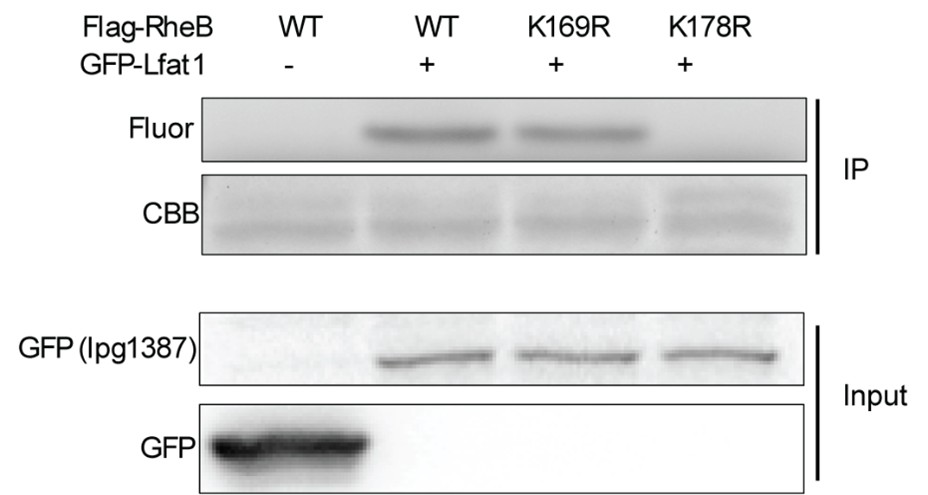
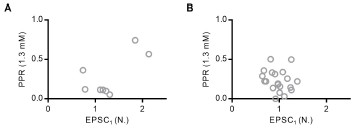
    1. AbstractBackground Large language models (LLMs) have significantly advanced natural language processing in biomedical research, however, their reliance on implicit, statistical representations often results in factual inaccuracies or hallucinations, posing significant concerns in high-stakes biomedical contexts.Results To overcome these limitations, we developed BTE-RAG, a retrieval-augmented generation framework that integrates the reasoning capabilities of advanced language models with explicit mechanistic evidence sourced from BioThings Explorer, an API federation of more than sixty authoritative biomedical knowledge sources. We systematically evaluated BTE-RAG in comparison to traditional LLM-only methods across three benchmark datasets that we created from DrugMechDB. These datasets specifically targeted gene-centric mechanisms (798 questions), metabolite effects (201 questions), and drug–biological process relationships (842 questions). On the gene-centric task, BTE-RAG increased accuracy from 51% to 75.8% for GPT-4o mini and from 69.8% to 78.6% for GPT-4o. In metabolite-focused questions, the proportion of responses with cosine similarity scores of at least 0.90 rose by 82% for GPT-4o mini and 77% for GPT-4o. While overall accuracy was consistent in the drug–biological process benchmark, the retrieval method enhanced response concordance, producing a greater than 10% increase in high-agreement answers (from 129 to 144) using GPT-4o.Conclusion Federated knowledge retrieval provides transparent improvements in accuracy for large language models, establishing BTE-RAG as a valuable and practical tool for mechanistic exploration and translational biomedical research.

      This work has been peer reviewed in GigaScience (see https://doi.org/10.1093/gigascience/giag007), which carries out open, named peer-review. These reviews are published under a CC-BY 4.0 license and were as follows:

      Reviewer 2: Sajib Acharjee Dip

      This paper introduces BTE-RAG, a system that combines large language models with biomedical knowledge from BioThings Explorer. Tested on three benchmarks built from DrugMechDB (genes, metabolites, and drug-process links), it shows clear accuracy gains compared to using LLMs alone.

      Strengths: The work demonstrates that retrieval improves both small and large models, suggesting cost-efficiency and scalability. This paper also curated multi-scale QA datasets (gene, metabolite, drug) from DrugMechDB provide structured, reproducible evaluation.

      Weaknesses: 1. This dual-route design is conceptually sound but too narrow a baseline. A stronger evaluation would compare against other RAG systems (PubMed-based retrieval, BiomedRAG, SPOKE-RAG) instead of just "LLM-only." 2. For Entity Recognition step, using pre-annotated entities in benchmarks artificially simplifies the problem. In real-world biomedical QA, entity recognition itself is a major challenge (e.g., ambiguous drug synonyms, rare disease names). Besides, the zero-shot extraction module is described but not evaluated. The paper should report precision/recall of entity recognition to show feasibility beyond curated inputs. 3. No error analysis of BTE retrieval quality is provided. If BTE returns wrong or noisy triples, how often does this mislead the LLM? Adding experiment to show that would strengthen the study. 4. Though the authors used SOTA LLMs, however, the choice of only OpenAI GPT-4o family is narrow. No comparison with open-source biomedical LLMs (e.g., BioGPT, Meditron, PubMedBERT-RAG). Comparison with these model would increase the generalizability 5. Reliance on one source (DrugMechDB) makes evaluation narrow. The authors should demonstrate performance on at least one independent dataset (e.g., BioASQ, PubMedQA, SPOKE-based tasks) to show broader utility. 6. Cosine similarity ≥0.9 is arbitrary; should provide ROC/AUC or threshold sensitivity. 7. Benchmarks enforce exactly one correct gene, metabolite, or drug per question. Real mechanisms often involve multiple parallel or interacting entities. The single-answer design hides biological complexity and creates an artificial task. 8. Ground truth relies on exact HGNC, CHEBI, or DrugBank IDs. Why the ambiguities (synonyms, deprecated IDs, overlapping terms) are filtered out rather than addressed? This may bias the dataset toward easier, cleaner cases. 9. The paper cited recent biomedical RAG systems such as BiomedRAG, GeneTuring but didn't compare with them (e.g., BiomedRAG). BioRAG (2024) is also highly relevant. These works are highly relevant baselines, showing retrieval from knowledge graphs, APIs, or literature, and including them in comparison would better position BTE-RAG within the current state of the art and highlight its unique contributions.

    2. AbstractBackground Large language models (LLMs) have significantly advanced natural language processing in biomedical research, however, their reliance on implicit, statistical representations often results in factual inaccuracies or hallucinations, posing significant concerns in high-stakes biomedical contexts.Results To overcome these limitations, we developed BTE-RAG, a retrieval-augmented generation framework that integrates the reasoning capabilities of advanced language models with explicit mechanistic evidence sourced from BioThings Explorer, an API federation of more than sixty authoritative biomedical knowledge sources. We systematically evaluated BTE-RAG in comparison to traditional LLM-only methods across three benchmark datasets that we created from DrugMechDB. These datasets specifically targeted gene-centric mechanisms (798 questions), metabolite effects (201 questions), and drug–biological process relationships (842 questions). On the gene-centric task, BTE-RAG increased accuracy from 51% to 75.8% for GPT-4o mini and from 69.8% to 78.6% for GPT-4o. In metabolite-focused questions, the proportion of responses with cosine similarity scores of at least 0.90 rose by 82% for GPT-4o mini and 77% for GPT-4o. While overall accuracy was consistent in the drug–biological process benchmark, the retrieval method enhanced response concordance, producing a greater than 10% increase in high-agreement answers (from 129 to 144) using GPT-4o.Conclusion Federated knowledge retrieval provides transparent improvements in accuracy for large language models, establishing BTE-RAG as a valuable and practical tool for mechanistic exploration and translational biomedical research.

      This work has been peer reviewed in GigaScience (see https://doi.org/10.1093/gigascience/giag007), which carries out open, named peer-review. These reviews are published under a CC-BY 4.0 license and were as follows:

      Reviewer 1: Christopher Tabone

      Dear Authors,

      Thank you for the opportunity to review "Federated Knowledge Retrieval Elevates Large Language Model Performance on Biomedical Benchmarks." The paper tackles a timely and important problem: grounding large language models in mechanistic evidence to reduce unsupported claims. It does so with a thoughtful design that layers BTE-RAG over a federation of approximately 60 biomedical APIs and evaluates three complementary DrugMechDB-derived benchmarks (gene, metabolite, drug to process). The manuscript is clearly written, the technical contribution is meaningful, and the experimental results are promising.

      Recommendation: Major revision.

      Below are concrete, actionable changes that would bring the work in line with GigaScience's standards for FAIR availability, licensing, documentation, testing, and reproducibility. Many are straightforward, but together they matter for long-term reuse and auditability.

      1) Statistical rigor: paired inference, uncertainty, variance The manuscript reports compelling descriptive gains. Because each benchmark item is answered under both conditions (LLM-only and BTE-RAG), the study is a paired design. In paired settings, descriptive plots and point estimates are not sufficient to establish that improvements exceed sampling noise or threshold tuning. Please add paired statistical evidence that quantifies: (i) whether the gains are reliable, (ii) how large they are in practical terms, and (iii) how stable they are under repeated runs or under a fully deterministic pipeline. Gene task (binary): Report McNemar's test on the existing 2×2 tables, along with 95 percent Wilson confidence intervals for each condition and a Newcombe confidence interval for the accuracy difference. Keep the flip counts in the text.

      Metabolite and drug-to-process tasks (similarity): Report paired bootstrap confidence intervals or Wilcoxon signed-rank tests on per-item similarity differences (BTE-RAG minus baseline). Include a nonparametric effect size such as Cliff's delta with its confidence interval.

      Threshold validation: Treat the greater-than-or-equal-to 0.90 "high-fidelity" threshold as a choice that should be validated. Show sensitivity across nearby cutoffs such as 0.85, 0.90, and 0.95, and add a small blinded expert adjudication (about 50 to 100 items) to confirm that the high-cosine band corresponds to acceptable correctness.

      Variance or determinism: Either document end-to-end determinism (frozen retrieval caches, fixed ordering, pinned embeddings) or run at least three replicates and report mean and standard deviation.

      These additions convert the current descriptive story into paired inference with uncertainty and effect sizes and clarify robustness around thresholding and reproducibility.

      2) Benchmark scope and generalizability All three evaluations are derived from DrugMechDB, which makes the study internally consistent but also couples the tasks to a single curation philosophy and evidence distribution. Please acknowledge this limitation explicitly in the Discussion and, ideally, add an external validation on at least one independent source to demonstrate generalizability. Options include CTD (drug-gene-process links), Reactome or GO (pathway and process grounding), DisGeNET (gene-disease associations), or a lightweight question answering set sourced outside DrugMechDB. Even a modest external set of about 100 to 200 items, evaluated with the same paired protocols and identifier-based scoring, would strengthen the claim. If full external validation is not feasible for this revision, please include robustness checks such as a date-based split, entity-family holdouts, and per-source ablations.

      3) Licensing, attribution, and persistent identifiers The project is MIT-licensed and adapts components from BaranziniLab/KG_RAG (Apache-2.0) and SuLab/DrugMechDB (CC0-1.0). To meet license obligations and align with FAIR and the Joint Declaration of Data Citation Principles, please: (i) keep Apache-licensed code under Apache with the upstream LICENSE and NOTICE files, noting any modifications; (ii) include the CC0 dedication text for any DrugMechDB artifacts and note that CC0 provides no patent grant; (iii) archive with DOIs (GigaDB preferred?) the three benchmarks, the exact evaluation caches used in the paper, and a tagged software release of the repository; (iv) license datasets under CC0 or CC BY while keeping the code MIT; (v) add a short Data and Software Availability table listing artifact, DOI or URL, license, and version or date.

      4) Error analysis and degradation cases Please add a brief failure analysis focused on where BTE-RAG reduces accuracy relative to LLM-only. At minimum, report the total number and percent of right-to-wrong flips per task and include a small set of representative cases. For each example, show the input, expected and predicted outputs, the top retrieved evidence with identifiers and timestamps, and a one-line diagnosis of the likely cause (for example normalization mismatch, retrieval coverage gap, ranking or filtering that hid relevant context, or long-context truncation). A short summary that groups the main causes into two or three buckets will make the results more interpretable and point to practical fixes.

      5) Methodological transparency: embedding and scoring models Please add two or three sentences in Methods explaining why S-PubMedBERT-MS-MARCO is used for filtering retrieved context while a BioBERT-based model is used for semantic similarity scoring, and what advantages each provides over plausible alternatives. A brief rationale will strengthen methodological transparency.

      6) Reproducibility workflow and archived caches Because BTE federates live APIs, results can drift as sources update. Please archive the exact retrieval caches used in evaluation with DOIs and minimal provenance if at all possible (query identifier, subject and object identifiers, predicate, source name and version or access date, any confidence score, and a retrieval timestamp).

      In summary, this is a promising and well-motivated study that could make a useful contribution once the statistical evidence, FAIR availability, and reproducibility pieces are tightened as outlined above. I recommend Major Revision and am happy to re-review a revised version.

    1. AbstractAdvances in spatial omics enable measurement of genes (spatial transcriptomics) and peptides, lipids, or N-glycans (mass spectrometry imaging) across thousands of locations within a tissue. While detecting spatially variable molecules is a well-studied problem, robust methods for identifying spatially varying co-expression between molecule pairs remain limited. We introduce SpaceBF, a Bayesian fused modeling framework that estimates co-expression at both local (location-specific) and global (tissue-wide) levels. SpaceBF enforces spatial smoothness via a fused horseshoe prior on the edges of a predefined spatial adjacency graph, allowing large, edge-specific differences to escape shrinkage while preserving overall structure. In extensive simulations, SpaceBF achieves higher specificity and power than commonly used methods that leverage geospatial metrics, including bivariate Moran’s I and Lee’s L. We also benchmark the proposed prior against standard alternatives, such as intrinsic conditional autoregressive (ICAR) and Matérn priors. Applied to spatial transcriptomics and proteomics datasets, SpaceBF reveals cancer-relevant molecular interactions and patterns of cell–cell communication (e.g., ligand–receptor signaling), demonstrating its utility for principled, uncertainty-aware co-expression analysis of spatial omics data.

      This work has been peer reviewed in GigaScience (see https://doi.org/10.1093/gigascience/giag006), which carries out open, named peer-review. These reviews are published under a CC-BY 4.0 license and were as follows:

      Reviewer 2: Daniel Domovic

      Dear authors,

      I read your manuscript "SpaceBF: Spatial coexpression analysis using Bayesian Fused approaches in spatial omics datasets" with interest.

      The manuscript presents SpaceBF, a Bayesian method for detecting spatial co-expression between pairs of molecules in spatial omics data. The topic is relevant since new technologies like spatial transcriptomics, mass spectrometry imaging, and multiplex immunofluorescence produce large data but current tools for co-expression are limited. The authors try to solve this gap with a new model and they also test it on real datasets. The paper is technical, but it also gives biological examples, which is helpful for readers.

      The paper has many strong points. First, the idea to use Bayesian fused horseshoe prior together with MST spatial structure is new and well explained. Second, the authors apply their method on three real datasets and they show interesting biology, for example IGF2-IGF1R relation, keratin isoform consistency, and stromal ECM peptides. Third, I appreciate that the code is open on GitHub. Also, the paper compares with other methods and deals with the common problem of variance-stabilizing transform by modeling UMI counts directly with negative binomial distribution.

      Overall, the work is clear and well organized, but there are some points where more explanation or clarification would help. In my review I give major and minor remarks that I hope will improve the paper.

      Major remarks 1. Were you worried choosing MST may oversimplify spatial relationships, since many meaningful local neighborhoods may be excluded? Would the results of SpaceBF be significantly different if a different spatial graph, such as kNN, Delaunay triangulation, or kernel-based, was used instead of MST? 2. Since MST edges depend a lot on pairwise L2 distances, how stable are the results if spatial coordinates are a little noisy, or if there are tissue registration errors? 3. The model puts one molecule as outcome and the other as predictor. Are the co-expression estimates still the same if you switch roles? 4. In the Results you mention "FDR < 0.1." Can you explain which method you used for FDR? Also, are the discoveries robust if you change the threshold (for example 0.05 vs 0.1)? 5. Do the simulation parameters (lengthscale, slope, dispersion) correspond to realistic biological signal strengths and spatial scales observed in real datasets? Three values of the lengthscale l are considered, l = 3.6, 7.2, 18. Why exactly these values? What does ν=0.75 mean in terms of effect size? How does l=18 compare to real tissue lengthscales? 6. Can you describe runtime and memory for larger datasets, like 10X Visium with 5,000-20,000 spots? Is the current MCMC practical for this scale, or do you think approximate inference (like variational Bayes or INLA) is needed?

      Minor remark 1. How sensitive are the results to the choice of hyperparameters for the Horseshoe prior? 2. In the Results you state that keratins "co-express highly, meaning their binding patterns with any specific type 1 keratin should be similar." Please make clear that SpaceBF measures co-expression, not direct binding, so that conclusions are not overstated. 3. You mention SpatialCorr and Copulacci, but the comparison was not successful. Even if parameters were sensitive, I think one short numerical comparison in the supplement would be helpful. 4. You filter out genes with fewer than ~59 total reads (0.2 x number of spots). Can you justify the choice of this threshold and show if results are stable for other thresholds (for example 0.1x or 0.5x)? Since many ligands and receptors are lowly expressed, is there a risk of losing meaningful biology? Since the dataset has only 293 spots, thresholds can have strong effect.

    2. AbstractAdvances in spatial omics enable measurement of genes (spatial transcriptomics) and peptides, lipids, or N-glycans (mass spectrometry imaging) across thousands of locations within a tissue. While detecting spatially variable molecules is a well-studied problem, robust methods for identifying spatially varying co-expression between molecule pairs remain limited. We introduce SpaceBF, a Bayesian fused modeling framework that estimates co-expression at both local (location-specific) and global (tissue-wide) levels. SpaceBF enforces spatial smoothness via a fused horseshoe prior on the edges of a predefined spatial adjacency graph, allowing large, edge-specific differences to escape shrinkage while preserving overall structure. In extensive simulations, SpaceBF achieves higher specificity and power than commonly used methods that leverage geospatial metrics, including bivariate Moran’s I and Lee’s L. We also benchmark the proposed prior against standard alternatives, such as intrinsic conditional autoregressive (ICAR) and Matérn priors. Applied to spatial transcriptomics and proteomics datasets, SpaceBF reveals cancer-relevant molecular interactions and patterns of cell–cell communication (e.g., ligand–receptor signaling), demonstrating its utility for principled, uncertainty-aware co-expression analysis of spatial omics data.

      This work has been peer reviewed in GigaScience (see https://doi.org/10.1093/gigascience/giag006), which carries out open, named peer-review. These reviews are published under a CC-BY 4.0 license and were as follows:

      Reviewer 1: Satwik Acharyya

      Summary: The manuscript introduces a novel statistical framework for analyzing spa- tially varying molecular co-expression. Leveraging a Bayesian fused modeling approach, SpaceBF estimates both local (location-specific) and global (tissue-wide) co-expression pat- terns, particularly useful for studying cell-cell communication via ligand-receptor interac- tions. The method outperforms traditional geospatial metrics like bivariate Moran's I and Lee's L in terms of specificity and precision. Application of SpaceBF to spatial omics data reveals new insights into molecular interactions across various cancer types, offering a pow- erful tool for spatial omics research. The paper is nicely written, well structured, and great visualizations but I have the following comments.

      1. The authors missed a couple of key references related to co-expression analysis of spatial omics data such as JOBS (Chakrabarti et al., 2024) and SpaceX (Acharyya et al., 2022). The authors are recommended to include these references in the Introduction Section.
      2. A method related figure can be included for visual illustration of the method.
      3. In Melanoma ST data analysis, authors have used the RCTD algorithm (Cable et al., 2022) for cell-type estimation. It seems like the gene expression matrix has been used twice in the whole process: once in case of cell-type estimation and co-expression analysis afterwards. The obtained results can be highly correlated due to multiple uses of the gene expression matrix. It would be great if authors can address this issue.
      4. In the cSCC ST data analysis, BayesSpace (Zhao et al., 2021) algorithm has been used for spatial region identification. In Figure 2C, cluster numbers are provided only and those are not transferred to spatial regions. It is difficult to make spatial region specific inference without such regional annotation of clusters. The gene expression matrix is used multiple times in this case as well (spatial region identification and co-expression analysis).
      5. The spatial omcis datasets are sparse in nature. It possible that some these edges may not exist if the molecules are far apart. Authors are requested to justify the use shrinkage prior such as horseshoe rather than spike-and-slab prior.
      6. While the authors briefly mention about the associated computational costs, it is recommended to include a comparison of the computational costs for different approaches in the simulation studies. This would provide a more comprehensive understanding of the proposed method's efficiency and feasibility. It will be also interesting to see the scalability of the method for large scale datasets.
      7. To ensure the robustness of the proposed methodology, it is requested that the authors include a detailed sensitivity analysis for the selected priors and parameters.
    1. Synthèse de la Conférence sur le Traitement de l'Information Sociale et les Violences Sexuelles

      Résumé Exécutif

      Ce document synthétise la conférence plénière de Massil Ben Bouriche sur le traitement de l'information sociale et les violences sexuelles, présentée lors des 20e journées du Groupe de Réflexion en Psychopathologie Cognitive (Grepaco).

      La présentation met en lumière l'ampleur des violences sexuelles comme un problème de santé publique majeur, soulignant que les données officielles sous-estiment considérablement le phénomène en raison d'un taux d'attrition judiciaire massif (seule une plainte sur dix aboutit à une condamnation).

      L'argument central de la conférence est que les modèles explicatifs dominants de l'agression sexuelle, développés principalement à partir d'échantillons d'auteurs judiciarisés, ont une portée limitée et ne peuvent rendre compte de la majorité des violences commises par des personnes jamais identifiées par les autorités.

      Pour dépasser cette limite, une approche basée sur les modèles de traitement de l'information sociale (TIS) est proposée.

      Ces modèles analysent les violences sexuelles comme le résultat d'une séquence d'opérations mentales (encodage, interprétation, etc.), fortement influencées par des "structures de connaissance" (schémas, mythes sur le viol) issues des expériences individuelles et des normes socioculturelles.

      Les recherches empiriques présentées démontrent que les difficultés cognitives ne sont pas généralisées mais spécifiques.

      Par exemple, les hommes ne présentent pas un déficit global dans la reconnaissance des intentions sexuelles, mais une difficulté particulière à identifier une absence d'intérêt.

      De plus, l'effet de l'alcool sur la perception du consentement n'est significatif que chez les individus qui adhèrent déjà fortement aux mythes du viol.

      Ces constats plaident pour des interventions préventives ciblant les structures de connaissance (stéréotypes de genre, mythes) dès le plus jeune âge, une stratégie dont l'efficacité est soutenue par plusieurs méta-analyses.

      --------------------------------------------------------------------------------

      1. Contexte de la Conférence : 20e Journées du Grepaco

      La conférence s'est déroulée dans le cadre des 20e journées du Groupe de Réflexion en Psychopathologie Cognitive (Grepaco) à Lyon, le 15 mai.

      L'événement, centré sur les interactions sociales et le rôle de la cognition, a été organisé avec le soutien de plusieurs entités, notamment :

      Le centre d'excellence iMIND : Un centre labellisé en 2020 dans le cadre de la stratégie nationale pour les troubles du neurodéveloppement.

      Sa mission est de faire le lien entre la recherche, les usagers et la clinique, en se concentrant spécifiquement sur les problématiques des adultes, souvent "les grands oubliés" des stratégies nationales.

      Ses axes directeurs incluent l'inclusion, la déstigmatisation, l'innovation dans la formation et une recherche translationnelle et participative.

      Le laboratoire EMC, l'Université Lyon 1, le Centre Hospitalier Le Vinatier et d'autres sponsors.

      Joël Billieux, au nom du comité scientifique du Grepaco, a rappelé l'histoire du groupe, qui a évolué de rencontres informelles à un congrès scientifique plus structuré, tout en insistant sur la volonté de maintenir une plateforme pour les ateliers et les projets collaboratifs. Un appel a été lancé pour trouver des lieux d'organisation pour les éditions futures (2026-2028).

      2. La Conférence de Massil Ben Bouriche

      Massil Ben Bouriche, maître de conférences en psychologie et justice à l'Université de Lille, a présenté une conférence plénière intitulée "Information sociale, violences sexuelles et comportements violents".

      2.1. L'Ampleur et la Nature des Violences Sexuelles : Un Problème de Santé Publique

      La présentation a débuté par un rappel contextuel sur l'ampleur et la nature des violences sexuelles, en s'appuyant sur des enquêtes de victimation et de perpétration plutôt que sur des données officielles jugées peu fiables.

      Statistiques Clés :

      | Type de Donnée | Source / Étude | Chiffres Marquants | | --- | --- | --- | | Victimation (Femmes) | Données internationales convergentes | Au moins 1 femme sur 5 à 1 sur 3 sera victime de violence sexuelle au cours de sa vie. | | Victimation (Hommes) | Étude de Briding (USA) | 2 % des hommes sont victimes de viol au cours de leur vie. | | Victimation (Mineurs) | Publication The Lancet (Mai 2024) | 1 femme sur 5 et 1 homme sur 7 sont victimes avant l'âge de 18 ans. | | Perpétration | Données internationales | 20 à 40 % des personnes reconnaissent avoir commis au moins un fait de violence sexuelle non judiciarisé depuis l'âge de 14 ans. | | Perpétration (Étudiants) | Études françaises (Thèse M. Escargel) | En moyenne, 40 % des étudiants et 18 % des étudiantes rapportent avoir commis un fait de violence sexuelle. |

      Stratégies de Perpétrations : Il est souligné que, contrairement aux représentations communes, la force physique ou l'usage d'une arme restent des stratégies peu fréquentes.

      La majorité des violences sexuelles résultent de :

      • Manipulation et pressions verbales.

      • Intoxication de la victime (alcool ou drogues).

      2.2. L'Attrition du Système Judiciaire et la Limite des Modèles Explicatifs

      Un point crucial de la conférence est l'écart massif entre le nombre de violences commises et les condamnations.

      Le "Rapport de 1/10" : La littérature scientifique estime que seule 1 situation de violence sexuelle sur 10 donne lieu à un dépôt de plainte, et que seule 1 plainte sur 10 aboutit à une condamnation.

      Données Françaises (2012-2021) : Un rapport de l'Institut des politiques publiques (2024) révèle que 86 % des plaintes pour violences sexuelles sont classées sans suite.

      Parmi les 14 % de suspects finalement jugés, seuls 13 % sont reconnus coupables.

      Cette réalité a une implication majeure : la grande majorité des auteurs de violences sexuelles ne sont jamais identifiés par les autorités.

      Par conséquent, les modèles théoriques dominants en psychocriminologie, élaborés quasi exclusivement à partir de l'étude d'auteurs condamnés et incarcérés, ne renseignent que sur une minorité très spécifique et probablement non représentative.

      Il existe un risque de postuler à tort qu'une catégorie juridique (l'infraction sexuelle) correspond à un ensemble homogène de processus psychologiques.

      2.3. Le Rôle de la Cognition Sociale

      Dans l'étude des violences sexuelles, la cognition sociale est un élément central. Quatre composantes sont principalement étudiées :

      1. L'empathie et/ou la théorie de l'esprit.

      2. La reconnaissance des émotions.

      3. La régulation émotionnelle et l'autorégulation.

      4. Les distorsions cognitives : Croyances qui servent à rationaliser, minimiser ou justifier l'agression (ex: les mythes sur le viol).

      Cependant, les recherches offrent un portrait nuancé, supportant "partiellement et parfois très partiellement" le rôle de ces cognitions.

      2.4. Le Cadre Théorique du Traitement de l'Information Sociale (TIS)

      Pour mieux comprendre les mécanismes sous-jacents, les modèles de TIS (ex: Crick & Dodge) sont proposés comme un cadre de référence pertinent.

      Ces modèles décrivent tout comportement social comme le résultat d'une séquence de six étapes mentales :

      1. Encodage des indices (internes et externes).

      2. Interprétation des indices (attribution d'intentions).

      3. Clarification des objectifs.

      4. Génération de réponses alternatives.

      5. Évaluation et choix d'une réponse.

      6. Mise en œuvre comportementale.

      Un élément central de ces modèles est le rôle des structures de connaissance (schémas, théories implicites, mythes), qui sont des contenus cognitifs enracinés en mémoire. Issues des expériences de vie et des normes socioculturelles, elles influencent chaque étape du traitement de l'information, notamment via des biais attentionnels et interprétatifs.

      2.5. Résultats des Recherches et Études Empiriques

      La conférence a présenté plusieurs résultats de recherche menées au-delà des seules populations judiciarisées.

      Régulation émotionnelle : La suppression expressive apparaît comme un facteur de risque, tandis que la réévaluation cognitive serait un mécanisme de protection.

      Empathie : Contrairement à une idée reçue, l'empathie n'est généralement pas associée aux violences sexuelles en tant que facteur de risque, mais plutôt comme un facteur de protection (effet tampon ou "buffering").

      Structures de connaissance : L'adhésion aux mythes du viol (croyances erronées sur les victimes, les auteurs et les violences) est un facteur clé.

      Une méta-analyse récente confirme une relation d'effet modérée, stable depuis 30 ans, et qui semble se renforcer avec l'âge si les croyances ne sont pas déconstruites.

      Perception des intentions sexuelles : Une étude utilisant des stimuli vidéo a montré que les hommes ne présentent pas un déficit général, mais une difficulté spécifique à reconnaître une absence d'intérêt.

      Le taux de reconnaissance de cette intention n'est pas statistiquement différent du hasard.

      Effet de l'alcool : Une étude expérimentale a démontré que la consommation d'alcool (jusqu'à 1g/L) dégrade la capacité à percevoir l'absence de consentement uniquement chez les individus qui adhèrent déjà fortement aux mythes du viol.

      L'alcool n'a aucun effet chez ceux qui n'adhèrent pas à ces mythes, remettant en cause son utilisation comme excuse.

      2.6. Implications et Perspectives

      Les résultats présentés ont des implications importantes pour la prévention et la prise en charge.

      1. Nécessité d'une approche globale : Il est crucial d'étendre l'étude de la cognition sociale aux populations non judiciarisées pour comprendre les mécanismes à l'œuvre dans la majorité des cas.

      2. Cibler les structures de connaissance : Les programmes de prévention primaire et secondaire doivent se concentrer sur la déconstruction des structures de connaissance (stéréotypes de genre, mythes sur le viol).

      Ces programmes sont efficaces : une méta-analyse montre une réduction des violences sexuelles de 17 % chez les adolescents.

      3. Prévention précoce : Le travail peut commencer très tôt, avant même de parler de sexualité, en agissant sur les stéréotypes de genre dès l'école primaire.

      4. Évaluation multidimensionnelle : La prise en charge des auteurs doit reposer sur une évaluation fine et multidimensionnelle de la cognition sociale.

      Le programme BOAT, porté par le CHU de Montpellier, est cité comme une initiative ambitieuse adoptant une approche populationnelle pour articuler prévention des violences et promotion de la santé sexuelle.

      3. Synthèse de la Session de Questions-Réponses

      Différence entre "crime" et "violence" : Le terme "violence sexuelle" est utilisé dans la recherche pour inclure les comportements non judiciarisés.

      L'étude des profils psychopathologiques des victimes est également un champ de recherche actif.

      Différences entre auteurs judiciarisés et non judiciarisés :

      L'hypothèse d'une différence se base sur le fait que les cas poursuivis sont souvent ceux où les preuves sont plus fortes ou les faits perçus comme plus graves, ce qui pourrait correspondre à des caractéristiques criminologiques et des profils psychologiques distincts.

      Biais de désirabilité sociale : C'est une limite reconnue des études basées sur des questionnaires autorapportés.

      Ce biais est contrôlé statistiquement, mais la limite demeure. Cependant, le fait que 20 à 40 % des personnes rapportent des actes de perpétration malgré ce biais est en soi significatif.

      Différence entre "mythe du viol" et "culture du viol" : Les deux concepts ont un recouvrement conceptuel très fort. "Mythe du viol" est un terme historiquement utilisé dans le champ de la psychologie, tandis que "culture du viol" est davantage employé en sociologie.

    1. Masculinisme : Synthèse du Péril Sexiste et de ses Enjeux

      Résumé Exécutif

      Ce document de synthèse analyse le phénomène du masculinisme, identifié comme une idéologie politique et sociale structurée, dont la propagation est considérablement amplifiée par les plateformes numériques.

      Défini comme la "mise en pratique concrète de l'antiféminisme", le masculinisme ne se limite pas à des propos sexistes isolés mais constitue un mouvement organisé visant à faire régresser les droits des femmes et des minorités de genre.

      La discussion met en lumière une menace grandissante, illustrée par de multiples tentatives d'attentats déjouées en France ces dernières années, qualifiant ce phénomène de "terrorisme masculiniste".

      Le débat oppose deux visions principales : d'une part, celle qui considère le masculinisme comme une dérive sectaire dangereuse et en pleine expansion, s'appuyant sur des données chiffrées issues du Haut Conseil à l'Égalité ; d'autre part, une perspective plus nuancée qui alerte sur le caractère flou du terme, le risque de généralisation abusive et la nécessité de comprendre les angoisses et les pressions sociales qui pèsent sur certains hommes.

      Face à ce péril, les solutions proposées s'articulent autour d'un double axe : un volet répressif incluant la formation des forces de l'ordre et la régulation des contenus en ligne, et un volet préventif centré sur l'éducation à la vie affective et sexuelle dès l'école.

      --------------------------------------------------------------------------------

      1. Définition et Caractéristiques du Masculinisme

      Une Idéologie Antiféministe Structurée

      Le masculinisme est présenté non pas comme une opinion personnelle mais comme un mouvement politique et social organisé.

      Il est défini par Pauline Ferrari, auditionnée au Sénat, comme "un mouvement social et politique de mise en pratique concrète de l'antiféminisme".

      Il se distingue du sexisme ordinaire par son intention active de "faire régresser les droits des femmes et des minorités de genre, pour tenter de les humilier, pour tenter de les silencier".

      Historiquement, le terme "masculinisme" est presque aussi ancien que celui de "féminisme" et apparaît dès le XIXe siècle comme une réaction directe aux avancées des droits des femmes.

      Céline Piques rappelle que des mouvements masculinistes plus structurés, tels que ceux revendiquant les "droits des pères", ont émergé dans les années 1980, accusant la justice d'être partiale envers les femmes.

      Le Concept de "Sexisme Hostile"

      Le rapport du Haut Conseil à l'Égalité (HCE) distingue deux types de sexisme :

      Le sexisme paternaliste : Moins ouvertement violent, il infériorise les femmes en considérant que l'égalité est atteinte et que chacun doit conserver son rôle traditionnel (sphère domestique pour les femmes, professionnelle pour les hommes).

      Le sexisme hostile : Un sexisme virulent qui légitime la violence contre les femmes et les enfants et réaffirme la suprématie masculine. Le masculinisme est classé dans cette catégorie.

      Typologie des Mouvements Masculinistes

      Le masculinisme est décrit comme une "nébuleuse" regroupant diverses communautés, souvent actives en ligne :

      Les Incels ("célibataires involontaires") : Hommes qui se considèrent célibataires contre leur gré et en rendent les femmes responsables. Ils sont souvent décrits comme étant en détresse psychique et personnelle.

      Les MGTOW ("Men Going Their Own Way") : Prônent le retrait total des relations avec les femmes.

      Les "Mâles Alpha" : Influencés par des coachs en séduction, ils promeuvent un modèle de domination. Leurs techniques sont décrites comme des stratégies de coercition et de mise sous emprise, qualifiées de "stratégie de l'agresseur" par les associations féministes.

      L'influenceur Andrew Tate, poursuivi pour proxénétisme et trafic d'êtres humains, est cité comme un exemple emblématique de ce mouvement.

      2. La Perception Sociétale et les Chiffres Clés

      Le rapport du HCE sur l'état du sexisme en France révèle des chiffres jugés "sidérants" qui témoignent d'une réaction à l'avancée du féminisme, notamment depuis le mouvement #MeToo.

      | Indicateur | Pourcentage d'hommes | Pourcentage de femmes | | --- | --- | --- | | Le féminisme menace la place et le rôle des hommes | 39 % | 25 % | | Les féministes veulent que les femmes aient plus de pouvoir que les hommes | 60 % | \- | | Les féministes ont des demandes exagérées envers les hommes | 60 % | \- | | La justice est plus favorable aux femmes qu'aux hommes | 64 % | \- |

      Ces chiffres sont interprétés comme le reflet d'une "position très victimaire" des masculinistes, qui perçoivent une prise de pouvoir des femmes alors que les féministes revendiquent l'égalité d'accès au pouvoir.

      La Culture du Viol et la Notion de Consentement

      Le rapport met en évidence une mauvaise compréhension de l'autonomie sexuelle des femmes :

      24 % des hommes considèrent normal qu'une femme accepte un rapport sexuel par devoir ou pour faire plaisir.

      15 % des hommes estiment qu'une femme agressée sexuellement peut être en partie responsable.

      26 % des hommes avouent avoir déjà douté du consentement de leur partenaire, bien que 93 % affirment savoir que "non c'est non".

      Ces données illustrent la persistance de l'idée d'un "privilège des hommes à accéder au corps des femmes librement".

      3. L'Amplification par les Plateformes Numériques

      Les réseaux sociaux jouent un rôle crucial dans la croissance et la radicalisation des mouvements masculinistes.

      Propagation rapide : Il ne faudrait que 27 minutes sur une plateforme comme TikTok pour qu'un jeune s'intéressant à des contenus anodins (ex: conseils de drague) soit redirigé par les algorithmes vers des contenus masculinistes.

      Cyberharcèlement ciblé : Les femmes, en particulier les personnalités politiques (comme Sandrine Rousseau) ou les joueuses de jeux vidéo utilisant un pseudo féminin, subissent un cyberharcèlement d'une violence qu'un homme ne subirait pas pour les mêmes propos ou actions.

      Création de communautés : Des documentaires montrent l'existence de communautés en ligne regroupant 2000 à 3000 hommes.

      4. La Dangerosité et le Passage à l'Acte Violent

      Le discours masculiniste est directement lié à des actes de violence extrême, qualifiés de "terrorisme masculiniste".

      Tentatives d'Attentats en France

      Au cours des 14 derniers mois, trois arrestations majeures ont eu lieu en France en lien avec la mouvance masculiniste, toutes concernant des jeunes hommes de 17 à 26 ans :

      Juin 2023 (Saint-Étienne) : Un lycéen de 18 ans, se proclamant masculiniste, est arrêté près de son lycée. Il portait deux couteaux et une liste de prénoms de quatre filles de sa classe. Le Parquet National Antiterroriste (PNAT) s'est saisi de l'affaire.

      2024-2025 (Bordeaux et Ancenis) : Deux jeunes hommes appartenant au groupe des Incels sont arrêtés après des signalements sur la plateforme Pharos, suspectés de vouloir tuer des femmes.

      Attentats Internationaux

      Plusieurs tueries de masse ont été commises par des hommes se réclamant explicitement du masculinisme ou de la communauté Incel :

      1989 (Montréal, Canada) : Marc Lépine tue 14 femmes à l'École Polytechnique, après avoir séparé les hommes des femmes. Dans sa lettre de suicide, il accuse les féministes de lui avoir "gâché la vie".

      2014 (Isla Vista, États-Unis) : Elliot Rodger tue plusieurs personnes après avoir publié un manifeste de 140 pages et une vidéo appelant à tuer les femmes. Il est devenu une figure de référence pour les Incels.

      2021 (Plymouth, Royaume-Uni) : Un jeune homme de 23 ans tue cinq personnes, dont sa mère, avant de se suicider.

      5. Points de Débat et Perspectives Nuancées

      Le débat a également fait émerger des critiques et des mises en garde contre une approche trop univoque du phénomène.

      La Question de la Définition et de la Généralisation

      Peggy Sastre et Jean-Sébastien Ferjou soulignent que le terme "masculinisme" est "flou", "nébuleux" et "mal circonscrit".

      Ils mettent en garde contre le risque d'amalgamer des discours violents avec des critiques légitimes de certaines formes de féminisme.

      La question "le féminisme menace-t-il les hommes ?" serait trop simpliste, la réponse pouvant varier selon que l'on se réfère à Élisabeth Badinter ou à Sandrine Rousseau.

      La Réalité de la "Masculinité Toxique"

      Une étude menée en Nouvelle-Zélande sur plus de 15 800 hommes est citée pour nuancer l'idée d'une toxicité généralisée du masculin :

      • Seulement 3 % des hommes y sont décrits comme "véritablement hostiles et agressifs".

      8 % ont une attitude "bienveillante mais paternaliste".

      89 % (35 % "totalement non toxiques" et 54 % avec des préjugés "modérés") ne relèvent pas de la masculinité destructrice.

      L'étude suggère que les hommes les plus "toxiques" ne sont pas les plus affirmés dans leur masculinité, mais plutôt les hommes fragilisés par le chômage, l'isolement social ou le manque d'éducation.

      Les Pressions Sociales sur les Jeunes Hommes

      Un argument avancé est que les discours masculinistes trouvent un écho car ils résonnent avec des réalités vécues par les jeunes hommes.

      Il existerait une "injonction contradictoire" entre un discours sociétal d'égalité et des comportements sociaux (notamment sur les sites de rencontre) où les femmes continueraient de privilégier les hommes "plus beaux, plus forts et plus riches".

      6. Stratégies de Lutte et de Prévention

      Face à cette menace, deux axes d'action principaux sont envisagés.

      Volet Répressif et Judiciaire

      Formation des forces de l'ordre : Il est jugé nécessaire de former davantage les policiers et les magistrats à la détection du contrôle coercitif, une technique enseignée par les influenceurs masculinistes.

      Bien que cette formation commence, elle n'intègre pas encore systématiquement l'analyse de l'idéologie sous-jacente.

      Surveillance et régulation : La plateforme gouvernementale Pharos est active dans la détection des menaces, mais ses moyens sont jugés insuffisants.

      Une régulation plus stricte du numérique est demandée pour obtenir le retrait des contenus faisant l'apologie de crimes (comme le viol) ou constituant des provocations à la haine, en accord avec les limites de la liberté d'expression.

      Volet Préventif et Éducatif

      Éducation à l'école : L'éducation à la vie affective, relationnelle et sexuelle est considérée comme un levier central de prévention.

      La loi prévoyant trois séances par an dans toutes les classes n'est toujours pas pleinement appliquée.

      Cibler les causes : Il est suggéré de s'attaquer aux racines du mal-être qui rendent les jeunes hommes vulnérables à ces idéologies, notamment en aidant ceux qui sont isolés ou en manque d'éducation, plutôt que d'adopter des discours qui pourraient aliéner la majorité des hommes.

    1. Reviewer #3 (Public review):

      Summary:

      The authors describe a new structural biology framework termed "in extracto cryo-EM," which aims to bridge the gap between single-particle cryo-EM of purified complexes and in situ cryo-electron tomography (cryo-ET). By utilizing high-resolution 2D template matching (2DTM) on mammalian cell lysates, the authors sought to visualize the translational apparatus in a near-native environment while maintaining near-atomic resolution. The study identifies elongation factor 2 (eEF2) as a major hibernation factor bound to both 60S and 80S particles and describes a variety of hibernation scenarios involving factors such as SERBP1, LARP1, and CCDC124.

      Strengths:

      (1) The use of 2DTM effectively overcomes the signal-to-noise challenges posed by the dense and viscous nature of cellular extracts, yielding maps as high as 2.2 Å.

      (2) The discovery of eEF2-GDP as a ubiquitous shield for ribosomal functional centers, particularly its unexpected stabilization on the 60S subunit, provides a compelling model for ribosome preservation during stress.

      Weaknesses:

      (1) Representative nature of cell samples and lower detection limit

      The cells used in this study (MCF-7, BSC-1, and RRL) are either fast-growing cancer cell lines or specialized protein-synthetic systems. For cells with naturally low ribosomal abundance (such as quiescent primary cells), achieving the target concentration (e.g., A260 > 1000 ng/uL) would require an exponentially larger starting cell population.

      Is there a defined lower limit of ribosomal concentration in the raw lysate below which the 2DTM algorithm fails to yield high-resolution classes? In ribosome-sparse lysates, A260 becomes an unreliable proxy for ribosome density due to the high background of other RNA species and proteins. How do the authors estimate specific ribosome abundance in such heterogeneous fields?

      (2) Quantitation in heterogeneous lysates and crowding effects

      The authors utilize A260 as a key quality control measure before grid preparation. However, if extreme physical concentration is required to see enough particles, the background concentration of other cytoplasmic components also increases. This may lead to molecular crowding or sample viscosity that interferes with the formation of optimal thin ice. How do the authors calculate or estimate the specific abundance of ribosomes in the cryo-EM field of view when they represent a much smaller percentage of the total cellular content?

      (3) Optimization of sample preparation

      The authors describe lysates as dense and viscous, requiring multiple blotting steps (2-3 times) for 3-8 seconds. Have the authors tested whether a larger molecular weight cutoff (e.g., 100 kDa) during concentration could improve the ribosome-to-background ratio without losing small factors like eIF5A (approx. 17 kDa)? Could repeated blotting of a concentrated, viscous lysate introduce shearing forces or increased exposure to the air-water interface that perturbs the native conformation of the complexes?

      (4) The regulatory switch and mechanism of eEF2

      The finding that eEF2-GDP occupies dormant ribosomes is striking. What drives eEF2 from its canonical role in translocation to this hibernation state? Is this transition purely driven by stoichiometry (lack of mRNA/tRNA) and the GDP/GTP ratio, or is there a role for post-translational modifications? How do these eEF2-bound dormant ribosomes rapidly re-enter the translation pool upon stress relief?

      (5) Hibernation diversity and LARP1 contextualization

      The study reveals that hibernation strategies vary across cell types. Does the high hibernation rate in RRL reflect a physiological state, or does it hint at "preparation-induced stress" due to resource exhaustion or mRNA degradation in the cell-free system? How do the authors reconcile their discovery of LARP1 on 80S particles with recent 2024 reports that primarily describe LARP1 as an SSU-bound repressor?

    1. Operability/可观测性建设

      每个阶段的里程碑要更明确. 比如: 1. 有个平台. 可以只读看到现有的资产 2. 可以纳管资产. 3. 可以做运维的纳管. 4. 可以通过故障演习.

    1. 중개인이 각 단계별 필수 상태값 변경을 영업일 기준 3일 이상 지연하여 거래 진행에 지장을 준 경우, 운영자는 직권으로 개입할 수 있다.

      아래 내용으로 수정.

      • 중개인이 각 단계별(계약완료/거래완료) 필수 상태값 변경을 영업일 기준 5일 이상 지연하여 거래 진행에 지장을 준 경우, 운영자는 직권으로 상태값 업데이트 및 변경할 할 수 있다.
    2. 8.3 거래 완료 지연

      아래 내용으로 수정.

      • 거래 완료 시점이 계약서 상 잔금일 이전/이후인지에 따라 프로세스가 다르게 처리된다
      • 거래 완료 시점이 계약서 잔금일 이전일 때

      • 중개인은 상태값을 등록하면서 계약서를 재 업로드해야한다


        → 재 업로드한 계약서 내 잔금일이 그대로일 경우(이전 계약서와) 해당 날짜 도래 전까지 캐시백이 불가하다
 <br /> → 지연 사유 입력 값은 선택이다


      • 거래 완료 상태 업데이트가 양 매매자에게 발송된다


      • 2일 내 매매자들에게 별도의 이의제기 없는 경우 ‘거래완료’확정 및 매도자 캐시백 & 중개인 할인 쿠폰 사용 가능 상태가 된다.
    3. 잔금 입금이 확인되면 중개인은 반드시 영업일 기준 3일 내 Contract.status를 COMPLETED로 업데이트해야 한다. 이때 Listing.status도 COMPLETED로 변경된다.

      아래 내용으로 변경 * 잔금 입금이 확인되면 중개인은 반드시 영업일 기준 2일 내 Contract.status를 COMPLETED로 업데이트해야 한다. 이때 Listing.status도 COMPLETED로 변경된다. * completed 이후에도 이의제기 가능

    4. 매수자가 계약 정보 확인을 거부할 경우 운영자가 개입하여 조정

      아래 내용으로 변경

      -3일 내 응답 없음 or 별도 이의제기 없으면 자동 계약 완료 상태로 변경

    5. 3일 초과 시 매수자/매도자는 운영팀에 강제 업데이트를 요청할 수 있으며, 정당 사유가 없을 경우 중개인은 성실지수 감점 및 배정료 환불액 감소 처리된다.

      아래 내용으로 수정.

      • 미입력 시 조치: 5일 초과 시 매수자/매도자는 중개인에게 업데이트 요청할 수 있으며,단, 고객센터로 관련 문의가 오는 경우 운영진이 응대한다.
    1. notetaking and graph databases

      non-linearly named linked notes where the links themsleves have qualifying names in a meta level graph of associative complexes that scale synthesis

      That was WikiNizer

      experimented iwth GraphDatabases but realized that enclosing graphs in a database is a fools errand

      also in 2012 it was clear that despite the practical usefulness the way to go beyond databases and programming is a problem that we need to solve

      Then IPFS was born 3 years later, learned bout it in 2016 Started working iwth it in 2018

      IPFS started to work as expected in November 2025!

      so the time for delivery is NOW

      much more important than to get up and running with a nice earner

      Roam Research demonstrates how difficult it is to sell a

      tool for writing to think

    1. 매도자/매수자 요청: 중개인이 3영업일 이상 상태값을 업데이트하지 않을 경우, 운영자에게 강제 입력 요청 가능

      해당 내용 삭제 (별도 운영측에 요구하는 창구는 없음)

    2. 검증 주기 및 프로세스

      등기부등본 검증 프로세스는 아래처럼 수정 부탁드립니다.

      • 정기 검증 : 매물 등록 후 최초 1개월 되는 시점 소유주 변경에 대한 알림 발송, 매도자가 소유주 변동 여부 응답

      • 소유주 변동 : Y 응답 시 → 매물 비공개 처리 → 매물 관련 활동 후속 조치 (임장 신청 건 환불 조치,가격 제안 건 취소 처리)


      • 소유주 변동 : N 응답 시 → 리스트 노출 순서↑ 혜택 제공


      • 소유주 변동 : 무응답 시 → 운영팀 수기 관리

      비정기 검증 : 동일 단지/동/층에서 실거래 발생 확인된 경우, 운영에서 해당하는 매물들의 등기부등본 열람 → 소유주 변경 확인된 매물은 즉시 비공개 처리 및 매도자 소명 요청 알림 발송 → 3일 내 소명 또는 증빙 확인 시 노출 복구, 소명안된경우 비노출 상태 유지

      **동일단지/층수 실거래가 발생 알림은 어드민에서 확인 필요

    1. In the previous chapters, we covered college writing at CNM and reading strategies

      This reminds me to connect readings to class concepts and take notes so I can use the information in the future

    1. Annotation: 5 pts./each x 4 = 20 pts. Now It’s My Turn (NIMT): 5 pts./each x 4 = 20 pts. Quizam*: 10 pts./each x 3 : 30 pts. [*A hybrid quiz+exam = Quizam] SUPs (Show Up Points): 20 pts. Attendance is mandatory and part of your grade. Out of the 16 weeks of classes, only 20 random lectures will be designated as point-earning attendance. Must submit 2 time-stamped selfies per lecture to receive the point; no 1/2 point. See more notes below. BETs (Be Engaged Tokens): 10 pts. - Discussion section attendance is mandatory and part of your grade (a lower-division course needs 4 contact hours; the discussion section counts as 1 of the 4 required hours). You earn "tokens" (points) by attending and participating, as well as submitting in-class work and peer reviews. Total Points: 100 (A+~A- = >90 pts. / B+~B- = 89~80 pts. and so on. F = >60. No final grade curving.)

      There is only 100 points worth. Quiz/Exams are worth the most (30%) but showing up and other participation is worth up to 20% of my grade. Continue to show up to class and participate to keep a good grade in this class.

    1. R0:

      Reviewer #1: Peer Reviewer’s report for the submission “Reaching the 100 by 2027 target for universal access to rapid diagnostic tests 2 for tuberculosis in Africa: in-sight but out of reach”

      Recommendation: Minor Revisions General Comment: This paper addresses a pertinent global health subject, a WHO priority research gap. The methods are sound and innovative. However, the authors need to improve on the clarity of the paper.

      Abstract: -The authors did a fantastic work summarizing the study with this abstract -Kindly break the abstract into the standard sections: background, methods, results, conclusion -Please clearly designate and state clearly the name of the study design used in this study. Are we an ecological study with mixed methods or what?

      Background -Great job introducing the research gap and pertinence of the research -A brief perspective on funding gaps for diagnostics might strengthen this section -Do not overestimate the knowledge of potential readers on the subject, briefly describe what WRDs are and state list them. Why are they so important?

      Methods -This section of the work is a bit to brief and doesn’t present the work in a way that can be easily reproducible by readers. Use standard sub-headers such as study design, study population, study period, data collection and data analysis for clarity. -Again, I ask what is the study design of this study? -WRD were recommended 10 years ago, what is the rationale behind the period 2021-2023? I think the key landmarks for this are 2015 for End-TB, 2018 for the first UNHLM and 2023 for the second UNHLM. -Line 98-101: How were these cutoffs decided? -Study area is completely absent. It is important to shade more light on the 24 countries. Who are they, what is the burden of TB there, any peculiarities? -Benchmarks which needed a secondary calculation following extraction need to be presented clearly, showing the variables used as denominator and numerator.

      Results -Kindly provide the exact number of cases tested for the different years, prior to providing proportions. A standalone table could resolve this. -Line 151-161, I find it hard to see trends with just 3 years data points. Probably need to increase the years if you want to discuss trends -Did the Table 2 strategies come from the TB staff or the authors? It appears it came from the authors, in which case I don’t agree with their existence in the results. At best in recommendations

      Discussions -The authors did a superb job discussing the available findings of the study -Being a study with policy implications, kindly include a sub-header for Policy implications of the findings and state them clearly -Include sub-headers for strengths and limitations and outline them clearly

      Reviewer #2: Review of Title: Reaching the 100 by 2027 target for universal access to rapid diagnostic tests for tuberculosis in Africa: in-sight but out of reach

      Summary of research and overall impression This is a well-written and researched article reporting on the availability and use of WHO-recommended rapid diagnostics for TB in African countries where there is significant burden. The authors use routinely reported data to assess access to WRDs, and a small survey of programme staff from a subset of countries to identify barriers and facilitators to the inclusion of WRDs in diagnostic algorithms. The paper makes an important contribution to the TB literature by mapping the gaps in terms of access to and usage of WRDs, which is needed to strengthen TB control efforts. There are minor comments for the authors to address to strengthen the paper.

      Methods 1. Include brief details on how/why the 24 countries included in the review were selected. 2. More details are needed to describe the process for the country stakeholder survey. For example:

      • Specify what the questionnaire consisted of, i.e., closed and open-ended questions? What topic areas/sections were included/asked about? How/by whom was the questionnaire designed/developed, using/adapting an existing framework/questionnaire?
      • How were the questionnaires sent out? Were specific people targeted? How many were sent out? What was the timeframe?
      • Provide details of how/why the 6 countries were selected – e.g., 1-2 from each region? Who inputted on these decisions? The authors mention later that these were also selected based on WRD access, which should be mentioned here in methods.

      • It is unclear under ‘statistical analysis’ if this refers to analysis of all data, or just the data review. Suggest revising to clarify analysis for data review, and analysis for the stakeholder survey. Two things to consider: 1) Provide details on the data extracted and the analysis conducted. 2) It is unclear what is meant here: “The first author used topic guides that reflected content areas such as barriers and contextual factors influencing WRD use and the themes that emerged during the review of the survey responses to manually organise the data into thematic codes.” Is this referring to the stakeholder surveys? Suggest revising for clarity on the analysis process. Were any frameworks used in analysis to categorise barriers into categories and develop mitigation strategies? This process needs to be detailed in the methods to lead into the results.

      • Please clarify/confirm the ethics of surveying country stakeholders without a consent process, even if participants (country stakeholders) are not identifiable.

      Results Provide details of how many survey responses were received. Is it only 6 from 6 countries (as in lines 182-186)? How were respondents distributed across the 6 countries? Could they speak to the different country contexts? Later in the text there is mention of 16, suggest clarifying this in the results clearly.

      In lines 163 onwards, when referring to the analysed gaps in the TB diagnostic cascade, please clarify in the text throughout what is meant with ‘countries reported’ – is this a comparison of what is found in the data review with what is reported by country stakeholders?

      As mentioned earlier, the process for categorising the barriers and developing mitigation strategies must be introduced in the methods. “We then distilled the barriers into five categories and developed mitigation strategies 260 (Table 3) to improve the use of WRDs across all 24 LabCoP countries.” Did you use a framework for this to guide at different health system level? Suggest revising the three theme headings as they read more like recommendations statements now than findings, i.e., optimise…, strengthen…. To read as findings of the barriers and facilitators, they should be descriptive of what was found. - Theme 1: ‘optimise WRD capacity’ – clarify what ‘capacity’ is referring to. Under this heading there are multiple aspects included, i.e., policies, guidelines, as well as examples of how access to WRD has been improved, so examples of optimising WRD capacity? - Theme 2: seems to speak to 2 things: sample transportation and access to testing via active case finding. Clarify if/how these are linked. - Theme 3 – insufficient financing, staffing, and infrastructure to implement WRD.

      Discussion Under strengths and limitations, the authors mention that ‘a planned report from our annual meeting will capture responses from all 24 countries’ – lines 362-363. This statement has limited relevance to the article, unless already publicly available and can be referenced. Suggest to delete/remove.

      The authors also mention ‘only reached out to the selected countries’ – line 361. Suggest to phrase this more positively, i.e., we purposively selected a subset of 6 countries from the 24 within the LabCoP network, which may limit…’

      R1:

      Reviewer #2: Well done on an exceptionally well-written and important paper. I do have one pending comment about the number of survey responses, which I do not see reported in the results. It is important to include the number of respondents and how they were distributed across the 6 countries included in the survey.

    1. A source is where information comes from. You get information from sources every day – from teachers, parents and friends to people you’ve never met on news sites, fan channels and social media. You probably have sources you trust and ones you don’t. But why?

      idk you're asking the wrong guy pal.

    1. 소명 결과즉시 공개허위 판정추가 비공개 기간 적용

      소명 결과 중 아래부분 수정 부탁드립니다.

      • before : 소명 미제출 3영업일
      • after : -> 소명 미제출(3영업일) or 허위 판정 -> 허위판정 (유료 열람자에게 무료 열람권 지급(환불 불가) -> 비공개 유지

      • before : 허위 판정 -> 추가 비공개 기간 적용

      • before : 허위 판정 영역 아예 삭제
    2. 3일 후 자동 해제 (자정 기준)

      구체적인 예시 추가) (ex. 월요일 오전 11시 제한 시작이면, 수요일 23:59분까지 제한.목요일 00:01부터 해제)

    1. Although the college uses grades and I’ll have to turn in a final grade for you (as will all yourprofessors), I won’t give you grades in this class. In a process that’s known as ungrading, youwill grade yourself. To do this you will write a one-page cover letter as page one of each paperyou write describing your writing process, how much time you spent on your project, andhow well you think you did, based on a rubric we’ll discuss and in some cases will drafttogether. Your final course grade is made up of 3 components: daily quizzes, 4 major papers,and group leads. Annotations and uizzes are pass/fail. If you come to class and are there ontime, and you complete the full quiz/writing assignment at the beginning of each class, you’llautomatically earn 25 points toward your final grade, which is equal to boosting your classgrade by 2.5 letter grades (from a C to an A- or a B- to an A+). You will give yourself a grade

      With this grading policy in effect does this mean we grade our own homeworks, quizzes, texts etc? Just because I always do want feedback from my teacher to see what i can do better in for my future assignments.

    2. We’ll have 4 units for the semester on 4 big idea topics, each unit lasting 3 weeks.You’ll be in a group with 6 other people, and you’ll choose the group you’re in (or atleast you’ll get your first or second choice of topic/group based on the goal of havingevenly distributed numbers across groups).• Each group will be responsible for leading class during your 3-week unit. For this 3-week unit your group will

      This interests me because, with this in place, we can all share our interests and really do a deep dive into a topic we can connect with and have fun writing a paper on. I also think this approach can make us, as students, more interested in what we are learning, since we're all gonna be supporting one another in class.

    1. One of the major changes in Europe in the early modern period, which we take for granted today, is the beginning of a tendency toward people organizing themselves as nations rather than empires

      This shows a major shift in Europe where shared language, religion, and customs were starting to define political identity rather than loyalty to a single ruler.

    2. It follows, then, that between laymen and priests, princes and bishops, or, as they call it, between 'spiritual' and 'temporal' persons, the only real difference is one of office and function, and not of estate

      In the passage I believe Luther is saying is all people no matter is priest, king, regular person are part if the same class the only difference being there job or duty.

    3. Poor Germans that we are--we have been deceived! We were born to be masters, and we have been compelled to bow the head beneath the yoke of our tyrants, and to become slaves.

      I think this is Luther trying to express the corruption and authority the catholic church by comparing it to slavery.

    4. First, if pressed by the temporal power, they have affirmed and maintained that the temporal power has no jurisdiction over them, but, on the contrary, that the spiritual power is above the temporal.

      I believe the Luther was trying to convey in the debate ore spiritual and temporal power is that wouldn't all Christians be part of the spiritual power not just members of the clergy.

    5. Secondly, if it were proposed to admonish them with the Scriptures, they objected that no one may interpret the Scriptures but the Pope.

      Its shows controversy of authority in Catholic church which believed that Pope was the only person able to interpret the scriptures.

    6. Sugar was such a lucrative cash crop for plantation owners, that they would import enslaved Africans, work them to death in three to five years, and bring in more.

      This revels how much sugar fueled the salve trade which lead to years of suffering and death. A sad price to pay for the greed of others.

    7. In 1516 the Catholic Church began selling indulgences to raise money for the construction of St. Peter’s Basilica in Rome. Indulgences were basically tickets for “time off” in purgatory (the place souls went to be purified before entering heaven)

      I wonder where do you think all that the Catholic church's money going towards than they had to turn to corruption and sell indulgences just so they can raise money.

    8. Constantinople had been the capital of the Eastern Roman Empire (also called the Byzantine Empire) since the Emperor Constantine had moved his government there in 330 CE. The city was strategically important because it controlled the Bosphorus and Dardanelles straits that connected the Mediterranean Sea with the Black Sea.

      I Wonder why did the decided to move the capital to Constantinople when they did. If was so strategically important why did they move it sooner or was more about being closer to the Ottoman's

    1. Is it a cultural observation or a stereotype to say, for example, that Mexicans are more relaxed about time commitments than Americans? (Think a minute before answering. How would you justify and explain your answer if challenged? Could both answers be right in some way?)

      This is a stereotype. This could be argued but it would depend on who is arguing it. If you come from a Mexican family and get to America and make that statement yourself, then it could be a cultural observation. If someone who has met 3 Mexicans and all of them happen to be more relaxed about time that wouldn't be accurate.

    1. We’ll have 4 units for the semester on 4 big idea topics, each unit lasting 3 weeks

      I really like working with groups because it's a great way to share ideas and point of view of something.

    2. We’ll have 4 units for the semester on 4 big idea topics, each unit lasting 3 weeks.You’ll be in a group with 6 other people, and you’ll choose the group you’re in (or atleast you’ll get your first or second choice of topic/group based on the goal of havingevenly distributed numbers across groups).

      I think I'll like this part of the class because it will contain a group activity that will help us understand more about the topics.

    1. But this is the kindof use which was eventually distinguished from realism and which indeedallowed a contrast between realism and other words in this complex, as inSwinburne’s contrast of ‘prosaic realism’ and ‘poetic reality’ (188

      I think it's interesting how one definition of realism (Sense 3) describes "knowing" and or viewing things with a different lens of truth than other observers vs. Sense 4 of seeing things how they actually are (in real life). I can see the difference in Sense 3 and 4 as "what should be (morally/spiritually)" and "what is. I'm using truth not as something opposite to false but an overarching descriptor of beyond logic.

    1. er may make an EPUB 3 publication rich with accessibility features, but if a reader does not have the right device or software program to access those features it is not the publication itself that is

      12345

  2. academic-oup-com.utk.idm.oclc.org academic-oup-com.utk.idm.oclc.org
    1. The process for conducting a five forces analysis is as follows:4Close 1. Define the relevant industry by both its product scope and geographic scope.2. Identify the players constituting each of the five forces; where appropriate, segment them into groups.3.   Assess the underlying drivers of each force. Which are strong? Which are weak? Why?4. Step back and assess the overall industry structure. Which forces control profitability? Which firms are substantially more profitable than industry averages? Why?5. Analyze recent and likely future changes for each force. How are they trending? What might happen in the future?6. How can a firm position itself in relation to the five forces? Is there a position where the forces are weakest? Is it possible to exploit industry change? Can the industry be reshaped to favor a firm?

      good questions to ask when putting together a case for review and figuring out our weaknesses and strengths.

    1. Le Rôle du Pair-Aidant Famille Professionnel en Psychiatrie : Un Maillon Essentiel

      Résumé Exécutif

      Ce document de synthèse analyse le rôle émergent et crucial du Pair-Aidant Famille Professionnel (PAF) dans le paysage de la santé mentale.

      Basé sur les témoignages d'un psychiatre chef de pôle et d'un PAF, il met en lumière comment cette fonction constitue le "maillon manquant" entre les familles des usagers, les patients eux-mêmes et les équipes soignantes.

      Le PAF, recruté pour son savoir expérientiel de la maladie d'un proche et sa connaissance du système de soins, crée un nouvel espace de dialogue et d'alliance.

      Les interventions du PAF, illustrées par des cas concrets, visent principalement à accueillir la souffrance des familles, à rompre leur isolement, à leur redonner espoir et à renforcer leur pouvoir d'agir.

      En partageant leur propre vécu, les PAF établissent une connexion unique qui facilite la communication et la compréhension.

      Leur action a un double impact : elle favorise le rétablissement des familles et, par ricochet, celui des patients en les impliquant davantage dans le parcours de soin.

      De plus, les PAF jouent un rôle d'acculturation auprès des équipes soignantes, les informant et les transformant pour "faire bouger les lignes".

      Malgré leur importance démontrée, un enjeu majeur demeure la reconnaissance de leur statut professionnel, un défi déjà rencontré par les médiateurs de santé-pairs.

      --------------------------------------------------------------------------------

      1. Introduction : Le Constat d'un "Maillon Manquant"

      L'initiative d'intégrer des Pairs-Aidants Famille Professionnels (PAF) est née d'un constat simple mais fondamental, observé dès 2019 lors de groupes de parole pour les familles.

      Le Dr Alain Cantero, psychiatre et chef de pôle en banlieue parisienne, souligne le "désarroi" des familles face à la maladie de leur proche.

      Cette détresse est souvent aggravée par une incompréhension, voire une hostilité, envers les services de psychiatrie et les soignants.

      De leur côté, les professionnels de santé, bien que centrés sur le soin au patient, peuvent être "maladrois", donner l'impression de rejeter les familles ou de ne pas les écouter.

      Ce décalage crée une rupture dans le triptyque essentiel patient-famille-soignant.

      Le PAF a été identifié comme le "maillon manquant" capable de combler ce fossé, en intervenant spécifiquement entre les familles et les équipes soignantes.

      2. Le Pair-Aidant Famille Professionnel (PAF) : Définition et Missions

      Le PAF n'est pas un soignant au sens traditionnel, mais un professionnel dont la légitimité et la compétence reposent sur un savoir expérientiel unique.

      Profil et Compétences Clés

      Les PAF sont recrutés sur la base de compétences spécifiques qui les distinguent des autres acteurs du soin :

      L'expérience vécue de la maladie mentale d'un proche : Ils partagent un vécu commun avec les familles qu'ils accompagnent, ce qui leur confère un "impact plus fort" que le simple témoignage.

      La connaissance des services de psychiatrie : Ils comprennent le fonctionnement interne du système de soins, ses logiques et parfois ses complexités.

      Une distance suffisante : Ayant cheminé dans leur propre parcours, ils peuvent aborder les situations avec recul.

      Une posture non conflictuelle avec la psychiatrie : L'un de leurs atouts majeurs est de "ne pas être fâché avec la psychiatrie", ce qui leur permet de faire le pont efficacement.

      Une formation qualifiante : Les PAF suivent des formations spécifiques (DU, formations avec le Québec, etc.) pour professionnaliser leur pratique.

      Missions Fondamentales

      Le rôle du PAF s'articule autour de trois axes principaux :

      | Axe d'intervention | Description | | --- | --- | | Créer une alliance | Le PAF travaille à établir un lien de confiance essentiel entre le patient, sa famille et l'équipe soignante, créant ainsi un "nouvel espace de dialogue". | | Soutenir les familles | Leur mission centrale est de favoriser le rétablissement des familles en les aidant à surmonter leur souffrance, rompre l'isolement, redonner l'espoir et la confiance. | | Acculturer les équipes | Par leur présence et leurs retours, les PAF "forment, informent et transforment" les équipes soignantes, contribuant à faire évoluer les pratiques et les mentalités. |

      3. L'Intervention du PAF en Pratique : Études de Cas

      Pascal Machelot, PAF, illustre son travail à travers deux situations concrètes, montrant la diversité et la profondeur de ses interventions.

      Cas 1 : Josette, face à une première hospitalisation (Intra-hospitalier)

      Contexte : Josette est la mère de Julie (45 ans), hospitalisée pour la première fois suite à des épisodes délirants.

      Un entretien familial avec le psychiatre a été "houleux", laissant Josette en colère, confuse et avec le sentiment de ne pas avoir été écoutée.

      Actions du PAF :

      1. Accueillir les émotions : La première entrevue est dédiée à l'accueil de la "très grande colère" et du sentiment de culpabilité de Josette, sans aucun jugement.    

      1. Partage d'expérience : Face à la colère montante, le PAF partage son propre souvenir de colère et de désarroi vécu 20 ans plus tôt dans une situation similaire. Ce partage expérientiel désamorce la tension et crée un lien.  

      3. Informer et expliquer : Il répond aux questions pratiques de Josette sur le fonctionnement du service (mixité, politique des portes ouvertes), clarifiant des aspects anxiogènes pour elle.  

      4. Fournir des outils : Sans se substituer au médecin, il utilise des outils de psychoéducation imagés (comme Bipic ou BREF) pour expliquer des concepts comme le modèle vulnérabilité-stress.  

      5. Aider à la compréhension : Il aide Josette à comprendre pourquoi sa fille, lors d'une permission, a préféré rentrer chez elle plutôt que d'assister à une grande fête d'anniversaire, en expliquant la perspective de la personne malade.  

      6. Orienter vers des ressources : Il propose à Josette de suivre le programme de psychoéducation BREF et l'oriente vers le réseau associatif pour l'aider à prendre de la distance et à trouver d'autres soutiens.

      Cas 2 : Lucie, face à la maladie chronique et l'addiction (CMP)

      Contexte : Lucie est la mère de Catherine (35 ans), suivie en Centre Médico-Psychologique (CMP) pour dépression et forte addiction à l'alcool.

      Lucie est "très très triste", submergée par le désespoir et la culpabilité, et ne se sent pas prête à rejoindre un groupe de parole.

      Actions du PAF :

      1. Écouter le désespoir : Le premier rendez-vous individuel consiste à accueillir son "immense désespoir", sa tristesse et sa culpabilité liée au fait d'avoir élevé sa fille seule.  

      2. Renforcer les compétences parentales : Le PAF travaille avec Lucie pour lui rappeler les "choses extraordinaires" qu'elle a faites pour sa fille, compétences qu'elle a oubliées à cause de la souffrance actuelle.  

      3. Assurer une présence dans la crise : Lorsque Catherine est hospitalisée en réanimation, le PAF maintient un contact discret mais régulier ("en pointillé") par SMS pour réconforter Lucie, qui est très isolée.  

      4. Partager des angoisses communes : Le PAF partage son expérience de la peur de perdre un proche et de la difficulté à ne pas "mettre son enfant sous cloche" après une tentative de suicide, ce qui aide Lucie à gérer sa propre angoisse.  

      5. Transmettre des outils de gestion du stress : Ils échangent sur des stratégies concrètes pour gérer l'angoisse (respiration, marche).  

      6. Favoriser la prise de conscience et le soin de soi : Il aide Lucie à réfléchir à sa relation avec sa fille pour favoriser l'autonomie de cette dernière, et surtout à prendre soin d'elle-même, car elle ne "vit pas".  

      7. Créer des ponts vers le collectif : Le PAF invite Lucie à une représentation théâtrale d'un atelier d'écriture pour aidants, dans le but de la "raccrocher vers d'autres parents" et de l'amener progressivement vers le groupe. Cette expérience a permis d'aborder la notion de rétablissement pour la famille.

      4. Impacts et Perspectives

      Le Rétablissement des Familles et l'Empowerment

      L'action du PAF est directement centrée sur le rétablissement des familles. Les objectifs sont clairs :

      Rompre l'isolement en créant un lien individuel puis en facilitant l'accès à des groupes ou des associations.

      Redonner l'espoir en montrant qu'une évolution positive est possible.

      Favoriser le pouvoir d'agir ("empowerment") en renforçant les compétences, en donnant des outils et en aidant les familles à devenir actrices du parcours de soin.

      Synergies et collaborations

      Le rôle du PAF ne se conçoit pas de manière isolée. Il s'intègre dans un écosystème de soin en pleine évolution :

      Pair-aidance croisée : Des collaborations sont mises en place avec les médiatrices de santé-pair (personnes rétablies d'un trouble psychique), permettant une intervention conjointe auprès du patient et de sa famille.

      Open Dialogue : Les PAF, tout comme les médiateurs de santé-pair, sont formés à cette approche qui favorise le dialogue en situation de crise en incluant la famille et le réseau social.

      L'Enjeu du Statut Professionnel

      Un défi majeur demeure la reconnaissance institutionnelle et statutaire de ce métier.

      Le Dr Cantero rappelle que les médiateurs de santé-pairs, dont la fonction existe depuis 2012, n'ont toujours pas de statut officiel au niveau hospitalier en 2024.

      Il exprime l'espoir que l'intégration des PAF soit plus rapide, soulignant l'urgence de pérenniser ce métier en devenir qui transforme en profondeur la psychiatrie.

    1. La Pair-aidance Familiale en Psychiatrie de l'Enfant et de l'Adolescent : Analyse et Retours d'Expérience

      Résumé Exécutif

      Ce document de synthèse analyse le concept et la mise en œuvre de la pair-aidance familiale en psychiatrie de l'enfant et de l'adolescent, en se basant sur le retour d'expérience d'une professionnelle au sein de la Maison de l'Enfant et de la Famille (MEF) à Créteil.

      L'approche centrale est "écosystémique", visant à décentrer la problématique de l'enfant pour considérer l'ensemble de son environnement (famille, école, institutions).

      La paire-aidante familiale agit comme une "traductrice" et une facilitatrice, établissant un pont entre les familles et les équipes soignantes.

      Son rôle est de soutenir les parents, de favoriser leur participation active au processus décisionnel et de veiller à ce que l'enfant soit au centre des soins, en développant son "assentiment" de manière progressive.

      Cette pratique, qui reconnaît et valorise le savoir expérientiel des familles, a des impacts significatifs : elle renforce l'autonomie et les compétences parentales, améliore la communication, et fait évoluer les représentations et les pratiques des professionnels de santé, menant à une collaboration plus efficace et à une meilleure compréhension des réalités familiales.

      --------------------------------------------------------------------------------

      1. Contexte et Cadre d'Intervention : La Maison de l'Enfant et de la Famille (MEF)

      La Maison de l'Enfant et de la Famille, ouverte en janvier 2023 à Créteil, sert de cadre à cette expérience de pair-aidance.

      Elle présente des caractéristiques fondamentales qui façonnent son approche :

      Localisation Stratégique : Située à l'extérieur de l'enceinte hospitalière, elle offre un environnement perçu comme plus accessible et moins stigmatisant, ce qui facilite la venue des familles.

      Mission Intégrée : La MEF réunit plusieurs services de pédopsychiatrie et combine les savoirs thérapeutiques et expérientiels au service du soin, de l'enseignement et de la recherche.

      Partenariat Étendu : L'établissement collabore non seulement avec des soignants (pédopsychiatres, orthophonistes), mais aussi avec des associations, des chercheurs et la municipalité pour offrir un accès global à la santé, incluant les loisirs et les aides sociales.

      2. Le Modèle de Soin : L'Approche Écosystémique

      L'intervention de la MEF repose sur une approche écosystémique, qui consiste à analyser la situation de l'enfant en considérant l'ensemble des systèmes qui l'entourent.

      Diagnostic de Situation : Plutôt que de se focaliser uniquement sur l'enfant, l'objectif est de réaliser un "diagnostic de situation" pour faire travailler toutes les parties prenantes (famille, école, institutions) et sortir d'une problématique individualisée.

      Principes Directeurs :

      Penser l'enfant dans son environnement et considérer l'influence de tous les systèmes sur son bien-être.    ◦ Consolider les mécanismes de résilience en se centrant sur les compétences des systèmes plutôt que sur leurs dysfonctionnements.   

      Favoriser l'accès à une bonne santé globale, où le soin n'est qu'une des composantes.  

      Rétablir un langage commun entre les différents acteurs (parents, enseignants, soignants). La paire-aidante se décrit comme une "traductrice" pour aider les familles à naviguer dans les différents jargons professionnels.

      3. Le Rôle de l'Enfant et des Parents dans le Processus Décisionnel

      L'implication de la famille est un pilier de l'approche, justifiée par les stratégies nationales (2023-2027) et les droits de l'enfant (Charte européenne des enfants hospitalisés, Convention de l'UNICEF).

      3.1. La Participation de l'Enfant : Du Consentement à l'Assentiment

      Bien que légalement le consentement aux soins soit donné par les parents, un concept clé est développé pour l'enfant : l'assentiment.

      Définition : L'assentiment est un processus dynamique et évolutif visant à rendre l'enfant pleinement acteur de sa santé et de son parcours de soin, en adaptant l'information à son âge et à sa capacité de compréhension.

      Objectif : L'opinion de l'enfant doit être recherchée, obtenue et prise en compte.

      L'objectif est de construire progressivement son autonomie et sa capacité décisionnelle, afin que la responsabilité ne lui "tombe pas dessus" à sa majorité.

      Conditions de Réussite : La participation de l'enfant dépend de l'attitude des adultes (soignants et famille), qui doivent créer un "environnement capacitant" où il se sent légitime et libre de s'exprimer.

      3.2. Le Rôle Clé des Parents comme "Premiers Alliés du Soin"

      Les parents sont considérés comme des acteurs essentiels du modèle de décision partagée.

      Nécessité de Soutien : Pour participer activement, les parents doivent être suffisamment informés, responsabilisés et soutenus.

      Rôle Évolutif : Leurs responsabilités et leur degré de contrôle sur le processus de soin diminuent à mesure que l'enfant grandit. Cet accompagnement vers l'autonomie de l'adolescent doit être préparé en amont.

      Facteurs d'Influence : Le niveau de participation des parents varie selon leur vécu, leur milieu culturel, leur niveau d'éducation et leur "littératie en santé".

      Il est primordial de prendre en compte ces facteurs pour comprendre leurs décisions et leurs craintes éventuelles.

      Positionnement : Bien que leur rôle soit crucial, il est rappelé que l'enfant doit rester au centre du processus, être informé directement et inclus dans les discussions.

      4. La Spécificité de la Pair-aidance Familiale en Pédopsychiatrie

      La distinction entre l'usager et l'aidant, claire en psychiatrie adulte, est plus complexe en pédopsychiatrie où l'enfant et la famille sont difficilement dissociables.

      Une Entité Familiale : La pratique s'inscrit dans une vision systémique où la "famille" (au sens large, incluant les structures non biologiques et les enfants confiés à l'Aide Sociale à l'Enfance) représente à la fois l'usager (l'enfant) et l'usager indirect (le parent).

      Profils des Pairs-aidants : Plusieurs profils sont possibles et à explorer en fonction des besoins du service.

      1. Parent d'un enfant actuellement concerné (le cas de l'intervenante).   

      2. Adulte anciennement concerné dans sa propre enfance.   

      3. Personne ayant vécu les deux situations. L'exemple du comité de vigilance des anciens enfants placés illustre la pertinence du second profil pour défendre les droits des enfants actuellement en institution.

      5. Missions et Pratiques de la Paire-aidante Familiale

      La paire-aidante ne remplace aucun professionnel existant mais "rajoute quelque chose de supplémentaire". Ses missions sont variées et adaptatives :

      Disponibilité et Soutien Direct : Assurer une présence physique et à distance (téléphone, mail, SMS), que ce soit à l'hôpital, au domicile des familles ou dans un lieu neutre.

      Accompagnement Institutionnel : Assister les familles lors des réunions de suivi de scolarité, des moments souvent vécus difficilement, pour les aider à comprendre les décisions et à se sentir soutenues.

      Information et Droits : Aider à la compréhension et à l'obtention des droits.

      Interface avec l'Équipe : Participer aux réunions d'équipe (synthèses) pour y faire valoir la parole et la perspective des familles.

      Médiation et Communication : Rediscuter d'un soin ou d'un diagnostic avec les familles, sans jugement, et faire le lien avec le médecin si elles le souhaitent. Adapter les documents d'information selon leurs retours.

      Animation et Réseautage : Animer des groupes de parole et établir des liens avec les partenaires locaux (ex: Conseil Local de Santé Mentale - CLSM, municipalités) pour porter la voix des familles.

      6. Impacts et Bénéfices de la Pair-aidance Familiale

      L'intégration d'une paire-aidante familiale génère des bénéfices concrets et mesurables, tant pour les familles que pour les équipes soignantes.

      | Bénéfices pour les Familles | Bénéfices pour les Équipes Soignantes | | --- | --- | | Soutien et Déstigmatisation : Partage des craintes, aide à la déstigmatisation (ex: peur du regard des autres), sentiment d'être soutenu et de pouvoir se confier. | Meilleure Compréhension : Meilleure perception des freins des familles, dépassant la simple notion de "déni" pour explorer d'autres explications. | | Empowerment et Compétences : Reconnaissance du savoir expérientiel, développement des compétences parentales et de l'autonomie. | Communication Améliorée : Les familles expriment mieux leurs besoins, ce qui facilite l'interdisciplinarité et l'ajustement des soins. | | Accès aux Ressources : Meilleure information sur les droits, les ressources existantes et le réseau associatif. | Connaissance du Terrain : Accès à une connaissance fine des dispositifs associatifs et municipaux, que les équipes n'ont pas toujours le temps d'explorer. | | Rétablissement des Liens : Soutien pour renouer le dialogue avec l'école. | Évolution des Pratiques : Ouverture au savoir expérientiel, encouragement aux bonnes pratiques et changement des représentations sur les familles. | | Source d'Espoir : La présence d'une paire-aidante qui travaille est un modèle positif, montrant qu'un retour à une vie active est possible. | Prise de Conscience Professionnelle : Réflexion sur le langage utilisé et l'impact des propos sur les familles. |

      7. Citations Clés : La Voix des Professionnels

      Les retours des membres de l'équipe soignante illustrent l'impact transformateur de cette collaboration :

      • "Je ne pensais pas que c'était si compliqué. Quand je vois tout ce que tu as à faire, je comprends mieux l'épuisement de certains parents de mes patients."

      • "Depuis que tu es présente aux synthèses, je ne parle plus de la même manière des patients. Je me rends compte que je n'étais pas toujours le plus adapté dans mes propos."

    1. Les Comportements-Défis : Synthèse du Webinaire iMIND #14

      Résumé Exécutif

      Ce document de synthèse analyse les points clés du webinaire iMIND #14, consacré à la gestion des comportements-défis par la mutualisation des compétences professionnelles et familiales.

      Les intervenantes, la Professeure Caroline de Maigret (psychiatre) et Sophie Biet (parente et administratrice associative), ont souligné que les comportements-défis ne sont pas des actes de défiance, mais une forme de communication atypique dont il est crucial de comprendre la fonction.

      L'approche préconisée repose sur une évaluation pluridisciplinaire rigoureuse, débutant systématiquement par un examen médical complet pour écarter une cause somatique, notamment la douleur.

      La réaction de l'environnement est un facteur déterminant : un même comportement peut devenir un "défi" ou non selon la tolérance et la réponse apportées.

      Les familles, souvent isolées et en souffrance, sont des partenaires de soin essentiels et des experts de leur proche, dont l'expérience est une ressource inestimable.

      La collaboration entre professionnels et familles doit s'articuler autour de la confiance, de l'humilité et d'une posture de "détective" pour formuler et tester des hypothèses sans interprétations hâtives.

      Enfin, des stratégies pratiques, telles que la priorisation des comportements à traiter, le remplacement par des compétences adaptées et la remise en question des habitudes institutionnelles ou familiales, sont fondamentales pour améliorer la qualité de vie de la personne et de son entourage.

      1. Définition et Nature des Comportements-Défis

      Le terme "comportement-défi" est une adaptation de l'anglais "challenging behavior".

      Il ne traduit pas une volonté de la personne de défier son entourage, mais plutôt le défi que ce comportement représente pour les familles et les professionnels.

      Fréquence : Ils concernent 10 à 15 % des personnes présentant un trouble du développement intellectuel (TDI) à un moment de leur parcours.

      Définition (2017) : Un comportement-défi est défini par la réaction de l'entourage et ses conséquences :

      Restrictives : La personne ne peut plus accéder à ses activités ou à des services ordinaires.  

      Répulsives : L'entourage ne parvient plus à s'occuper de la personne.  

      Exclusives : En l'absence d'intervention, la personne est exclue des dispositifs d'accompagnement.

      Impact : Ces comportements mettent en danger la sécurité physique de la personne et d'autrui, et engagent son "pronostic social", c'est-à-dire sa capacité à accéder aux soins, aux loisirs et à une vie sociale ordinaire.

      Manifestations : La panoplie des comportements-défis est large et ne se limite pas à l'agressivité. Elle inclut :

      ◦ Hétéro-agressivité (coups, cris).  

      ◦ Auto-mutilation (souvent, la personne se fait du mal à elle-même avant d'en faire à autrui).  

      ◦ Destruction de matériel.  

      ◦ Perturbations antisociales et nuisances.  

      ◦ Troubles alimentaires graves.   

      ◦ Stéréotypies ou autostimulations excessives.

      2. Le Comportement comme Mode de Communication : L'Approche Fonctionnelle

      L'idée centrale est qu'un comportement-défi n'est jamais gratuit. Il est choisi par la personne car il représente un moyen simple et efficace d'obtenir une fonction.

      Aucun comportement ne se maintient s'il n'est pas renforcé, consciemment ou non, par l'environnement.

      L'objectif est donc d'identifier cette fonction pour proposer une réponse plus adaptée.

      | Fonctions Principales | Description | | --- | --- | | Obtenir quelque chose | Le comportement vise à acquérir un élément positif : attention de l'entourage, renforcement sensoriel, un objet, de la nourriture, ou la possibilité de faire un choix (autodétermination). | | Éviter quelque chose | Le comportement vise à échapper à un processus désagréable : douleur physique, émotions négatives, tâches déplaisantes ou exigeantes. |

      Un même comportement peut avoir plusieurs fonctions (ex: l'hétéro-agressivité pour échapper à une tâche ou pour attirer l'attention), et inversement, plusieurs comportements peuvent servir la même fonction (ex: s'auto-mutiler, agresser ou jeter un objet pour refuser une activité).

      3. L'Importance Cruciale de l'Évaluation Pluridisciplinaire

      Pour comprendre la fonction d'un comportement, une évaluation rigoureuse, pluriprofessionnelle et standardisée est indispensable.

      Elle doit être menée "à froid", c'est-à-dire également lorsque la personne va bien, pour établir une base de référence.

      3.1. L'Examen Médical Soigneux

      C'est la toute première étape. De nombreux comportements-défis, surtout ceux d'apparition aiguë, sont liés à une cause médicale non détectée :

      Douleur : Problèmes bucco-dentaires, troubles sévères du transit (fécalome), etc.

      Outils : L'utilisation de grilles d'évaluation de la douleur, simples et accessibles à tous (y compris les non-médecins), est fortement recommandée pour les personnes non-communicantes.

      3.2. L'Évaluation Fonctionnelle et Cognitive

      Lorsque la cause médicale est écartée, une analyse approfondie est nécessaire pour dresser un "profil" de la personne.

      Communication : Évaluer l'écart entre les capacités de compréhension (souvent supérieures) et d'expression.

      Le manque d'outils de communication adaptés (les pictogrammes ne conviennent pas à tout le monde) génère une frustration majeure.

      Fonctions exécutives : Des difficultés à planifier, s'organiser, hiérarchiser et gérer les transitions peuvent provoquer des réactions fortes.

      La réponse de l'entourage est souvent "l'hypostimulation", alors que la personne a surtout besoin d'aide pour passer d'une activité à l'autre.

      Profil sensoriel : Identifier les particularités (hypo ou hyper-sensibilité) et les besoins d'autostimulation.

      Autodétermination : Le comportement-défi peut être la seule manière pour une personne de manifester son envie de faire des choix, surtout dans des environnements institutionnels où tout est décidé pour elle.

      3.3. L'Évaluation de l'Environnement

      L'évaluation ne se centre pas uniquement sur la personne, mais aussi sur son environnement, car la réaction de ce dernier conditionne le maintien ou l'aggravation du comportement.

      Outils standardisés : Des grilles comme la grille FAST permettent d'évaluer de manière objective la réponse de l'entourage (familial ou professionnel) et d'identifier les renforçateurs involontaires.

      Qualité de l'environnement : Un environnement instable (turnover important dans le secteur médico-social, manque de personnel) peut faire émerger des comportements-défis qui n'auraient pas apparu dans un contexte plus stable.

      4. La Place Centrale des Familles : Partenaires et Experts

      Les familles sont les "premières partenaires du soin". Leur implication est indispensable, mais elles sont souvent en grande difficulté.

      4.1. Les Défis des Familles

      Isolement social : Disparition des temps de partage, renoncement aux sorties et à la vie sociale.

      Le pronostic social de toute la famille peut être engagé.

      Sentiment d'incompétence : Les parents peuvent développer un sentiment d'échec, de la colère (parfois contre eux-mêmes) et se sentir dévalorisés.

      Protection de la fratrie : La gestion de l'impact sur les frères et sœurs est un enjeu majeur et sensible.

      4.2. L'Expérience Parentale comme Ressource

      Sophie Biet insiste sur le fait que l'expérience des parents est une ressource précieuse, citant Eric Schopler, concepteur de l'approche TEACCH :

      "Contrairement aux chercheurs, ses parents ne pouvaient pas laisser de côté des questions pour lesquelles aucune méthodologie n'avait été établie.

      Contrairement aux cliniciens, ils ne pouvaient pas transférer l'enfant ailleurs parce qu'il n'était pas formé pour gérer de tels problèmes.

      Et c'est parce qu'ils ont poursuivi leurs études malgré leurs échecs, leurs frustrations et leurs défaites qu'ils sont devenus de si bons enseignants."

      5. Stratégies Pratiques et Postures d'Accompagnement

      La collaboration entre familles et professionnels doit reposer sur une posture partagée.

      5.1. Les Trois Piliers de la Posture

      Sophie Biet identifie trois mots-clés essentiels :

      1. Confiance : Elle se construit en ne réduisant pas la personne à ses comportements et en impliquant régulièrement la famille dans le suivi (pas seulement "entre deux portes").

      2. Détective : Adopter une démarche pragmatique, poser des hypothèses et les vérifier sans interprétations hâtives ("il est frustré", "il ne veut pas").

      3. Humilité : Accepter que, même en mettant tout en œuvre, on n'y arrive pas toujours.

      5.2. Exemples de Stratégies Concrètes

      Prioriser : Il est impossible de tout traiter en même temps. Il faut choisir, en concertation avec la famille, le comportement le plus impactant à travailler en premier (ex: laisser de côté le déchirement de t-shirts pour se concentrer sur des jeux avec les selles).

      Remplacer, ne pas juste supprimer : Lorsqu'un comportement est diminué, il faut le remplacer par un autre, plus adapté, qui remplit la même fonction. (Ex: remplacer le fait de tordre des lunettes par la mise à disposition de fil de fer et de trombones pour créer des formes, transformant le comportement en activité créative).

      Adapter ses propres réactions : Réfléchir à ses propres déclencheurs. (Ex: remplacer le mot "non", qui peut être anxiogène, par le mot "stop").

      Accepter certaines manies : Tolérer des comportements atypiques qui agissent positivement sur l'anxiété et ne sont pas socialement invalidants. (Ex: accepter qu'une personne enlève ses chaussures dans un magasin).

      Remettre en question les habitudes : S'interroger sur les routines qui peuvent être source de tension. (Ex: dans un foyer, les repas collectifs étaient source de conflits.

      La mise en place de repas individuels à des heures choisies a non seulement supprimé les problèmes mais a aussi favorisé l'autonomie et les invitations mutuelles).

      6. Enjeux Spécifiques et Perspectives

      La session de questions-réponses a permis de souligner plusieurs points importants.

      Autisme sans TDI : Le concept de comportement-défi s'applique aussi aux personnes autistes sans trouble du développement intellectuel.

      Des conduites suicidaires à répétition ou des scarifications peuvent relever de cette problématique, qui est largement sous-estimée et mal évaluée en psychiatrie générale adulte et infanto-juvénile.

      La frontière avec le "normal" : La distinction entre un comportement d'enfant et un comportement-défi est parfois floue. C'est la réaction de l'environnement (rejet, exclusion scolaire) et la persistance qui le qualifient comme "défi".

      Formation : Il existe un manque de programmes de formation validés, tant pour les professionnels que pour les familles.

      L'approche la plus efficace reste une évaluation fine et un accompagnement personnalisé plutôt qu'un programme global.

      Pour les professionnels, des initiatives de formation commencent à se développer, comme celle mise en place à Lyon.

    1. Synthèse du Projet de Diplôme Universitaire de Pair-Aidance Familiale

      Résumé Exécutif

      Ce document présente une analyse détaillée du nouveau Diplôme Universitaire (DU) de pair-aidance familiale en neuro-développement et en santé mentale, tel que présenté par le Dr Mélanie Dautrey du Pôle HU-ADIS, CH le Vinatier.

      Le projet vise à professionnaliser le rôle des familles aidantes en s'inspirant du succès de la pair-aidance usager, un modèle qui a démontré une grande efficacité dans l'amélioration des parcours de soins.

      L'objectif central est de former et de rémunérer des pair-aidants familiaux pour qu'ils puissent mettre leur savoir expérientiel au service d'autres familles, notamment celles dont les proches ne peuvent s'auto-représenter (troubles du développement intellectuel sévère, psychiatrie du sujet âgé, jeunes enfants).

      Cette initiative répond directement aux stratégies nationales de soutien aux aidants et d'inclusion, en valorisant la parole des familles et en leur donnant les moyens d'agir.

      Les diplômés auront pour mission d'informer, d'orienter, de co-construire les modalités de soins, de co-animer des programmes de psychoéducation et de lutter contre la stigmatisation.

      La formation, d'une durée de 140 heures, est conçue pour être accessible et met l'accent sur les compétences relationnelles et la connaissance du réseau de soins et d'accompagnement.

      La finalité est la création de postes rémunérés, conférant aux pair-aidants familiaux une légitimité et une place à part entière au sein des équipes soignantes et médico-sociales, une démarche dont l'efficacité est soutenue par la recherche scientifique.

      --------------------------------------------------------------------------------

      1. Genèse et Justification du Projet

      La création de ce diplôme universitaire repose sur un double constat : l'efficacité prouvée de la pair-aidance et un besoin non satisfait pour une large frange des usagers et de leurs familles.

      L'Inspiration de la Pair-Aidance Usager

      Le point de départ du projet est le succès du déploiement de la pair-aidance usager au sein de l'hôpital. Ce modèle, où des personnes rétablies d'un trouble partagent leur expérience, a démontré une "très grande efficacité" pour :

      • Améliorer le vécu du parcours en psychiatrie pour les usagers.

      • Faciliter une meilleure compréhension de leur situation.

      • Adapter le discours entre soignants et usagers, rendant les soins plus efficaces.

      Le Manque Identifié et le Rôle Pivot des Familles

      Un manque important a été identifié pour les usagers qui ne peuvent accéder à cette forme de pair-aidance, notamment les personnes ayant un trouble du développement intellectuel important ou étant non-verbales.

      Pour ces populations, ainsi que pour les jeunes enfants, les adolescents ou les sujets âgés en psychiatrie, les familles sont les "piliers habituels" et les "principales ressources" d'information et de soutien.

      Le projet propose donc d'adapter le modèle de la pair-aidance aux familles pour combler ce vide.

      La Nécessité Pratique de Professionnaliser

      Un besoin concret a également motivé cette démarche : le développement de programmes de psychoéducation familiale, comme le programme BREF. L'efficacité de ces programmes est conditionnée par la participation d'une famille témoin lors de certaines séances, participation jugée "indispensable".

      Cependant, solliciter continuellement des familles sur la base du bénévolat est devenu "gênant" et a limité l'expansion de ces programmes.

      La création d'un panel de pair-aidants familiaux formés et rémunérés est la solution pour garantir la pérennité et le déploiement de ces outils thérapeutiques essentiels.

      2. Alignement avec les Stratégies Nationales

      Le DU s'inscrit pleinement dans les recommandations et les orientations des politiques publiques actuelles, notamment en matière de soutien aux aidants et d'inclusion.

      Stratégie Nationale de Soutien aux Aidants (2020-2022)

      Le programme répond à plusieurs des 17 mesures de cette stratégie nationale :

      Formation et Information : Les premières mesures de la stratégie insistent sur le besoin pour les aidants de bénéficier d'informations claires et de formations adaptées.

      Santé des Aidants : Une attention particulière est portée à la santé physique et psychique des aidants.

      Le projet souligne qu'un pair-aidant familial, de par son vécu, est mieux placé ("dit par les bonnes personnes") qu'un professionnel de santé pour aborder ces sujets sensibles et faire passer des messages de prévention de manière efficace et sans être "mal perçu".

      Stratégie Nationale pour l'Autisme et l'Inclusion

      Le projet valorise la parole des familles, reconnue comme un moteur de changement social.

      Le bilan 2022 de la stratégie autisme montre que des avancées concrètes (formation de la police, procédures d'alerte disparition) ont été obtenues grâce aux "demandes directes des familles".

      En professionnalisant leur savoir expérientiel, le DU vise à renforcer ce "pouvoir des familles" pour faire évoluer les dispositifs et réussir l'inclusion en ville en toute sécurité.

      3. Rôles et Missions du Pair-Aidant Familial Diplômé

      Le diplôme a pour but de former des professionnels capables d'assumer plusieurs missions clés au sein du système de santé et médico-social.

      Informer et Orienter : Fournir aux familles des informations cruciales sur leurs droits (congés, mesures de répit, etc.) et les orienter vers les structures et ressources existantes.

      Améliorer l'Accueil et Co-construire les Soins : En se basant sur leur expérience, les pair-aidants pourront travailler avec les équipes soignantes pour améliorer les modalités d'accueil des familles dans les unités et co-construire de nouvelles approches de soins, notamment la psychoéducation.

      Faciliter la Compréhension du Diagnostic : Intervenir pour réexpliquer des termes médicaux, permettre des temps de pause et de réflexion lors des annonces diagnostiques, assurant ainsi que l'information soit non seulement délivrée mais réellement comprise par les familles.

      Lutter contre la Stigmatisation : En partageant leur expérience et en augmentant la visibilité des familles dans l'espace public, ils contribueront à changer les regards et à encourager l'adaptation des structures sociales.

      Le pouvoir des associations familiales est cité comme le principal levier ayant fait progresser l'inclusion jusqu'à présent.

      4. Modalités du Programme de Formation

      Le programme a été conçu en collaboration avec de nombreuses associations pour être le plus accessible et pertinent possible.

      | Caractéristique | Détails | | --- | --- | | Volume Horaire | Environ 140 heures de formation au total. | | Format Pédagogique | Un format mixte, répondant à une demande des associations pour ne pas gêner la vie personnelle des participants. | | | \- Présentiel : 2 sessions de 3 jours axées sur la "simulation relationnelle" pour la conduite d'entretiens. | | | \- Distanciel : 3 sessions de 3 jours en visioconférence. | | Contenus Clés | \- Une journée de formation pour dispenser le programme de psychoéducation BREF. | | | \- Des visites de lieux ressources associatifs et institutionnels. | | | \- Une semaine de stage pratique. | | Philosophie | Assurer que les diplômés aient une "connaissance énorme de tout le réseau". La majorité des intervenants ne sont pas des hospitaliers mais des acteurs de la "cité" (associations, droit commun, etc.). |

      Partenaires Associatifs et Institutionnels du Projet :

      • Argos 2021 (troubles bipolaires)

      • Autisme Ambition et Avenir

      • Unafam (maladies psychiques)

      • Connexion Familiale (troubles de la personnalité borderline)

      • Génération 22 (microdélétion 22q11)

      • Métropole Aidante (représentant 165 000 aidants sur la métropole)

      • Association Esper (pair-aidance usager)

      5. La Professionnalisation : Un Enjeu Central

      La question de la rémunération et du statut professionnel est au cœur du projet et a été soulignée comme un élément non négociable.

      Du Bénévolat à la Rémunération

      L'objectif est clair : cette formation doit déboucher sur une rémunération.

      Le recours systématique au bénévolat a atteint ses limites ("le bénévolat c'est limite très clairement") et a freiné le développement d'initiatives comme les programmes de psychoéducation.

      Légitimité et Efficacité Prouvée

      La rémunération est perçue comme un facteur essentiel de légitimité. Une personne rémunérée au même titre que les autres professionnels d'une équipe "a sa place de manière aussi plus légitime de fête".

      De plus, l'efficacité de la pair-aidance n'est pas une simple "constatation au doigt mouillé" ; elle a été démontrée par de nombreuses recherches et méta-analyses qui prouvent qu'elle "améliore significativement la qualité des soins".

      Perspectives de Création de Postes

      L'ambition finale est de "s'acheminer vers la création de poste de père et donc familiaux". Ce mouvement est déjà enclenché, avec l'exemple de Bénédicte Chenu qui occupe un poste de pair-aidante familiale au GHU de Paris.

      Le secteur médico-social est également très intéressé, percevant la nécessité du savoir expérientiel pour améliorer les liens avec les familles. Ce diplôme est donc un outil pour "prétendre à l'ouverture de poste" et essaimer ce modèle.

      1. You were not as qualified as the other applicants.

      This is very harsh and direct. You could say, we were impressed with your application, but unfortunately, we can not accept your application this year.

      1. I won't stay late to do that assignment.

      This is a rude way of saying, I am sorry, but tonight I have a lot of things on my plate, but I can get back to it tomorrow.

      1. Parking fees have increased this year.

      This seems this way of saying bad news without giving any follow-up information. I would have said that, due to rising city water bills and road costs, parking fees had to be increased.

      1. We will not authorize any more vacation requests for the month of July.

      This is very direct and seems to have zero wiggle room. I would have said, because July is our busiest month, there will be no more vacation days given out, but I will make it up to you at some other point in the year.

      1. Employees are not allowed to telework on Mondays and Fridays.

      This is very inflexible and rigid for those who might need to have those days done online. There will be a formal sign-up sheet every week with the same number of slots per day, so that the employees can plan out their week in advance.

      1. You are dressed inappropriately for the office.

      This is rude, as they may not have realized it was inappropriate. I would have said your attire is not in compliance with the guidelines put in place by our office dress code.

    1. 1.  How would you react if you were the receiver of these original messages? 2. How would you react if you received one of your revised messages? 3. How do you think people would react to you if you used more positively worded messages?

      I would probably feel defensive or discouraged because the statements sound blunt and critical rather than supportive.

      I would feel more open and understanding since the revised messages explain the situation in a respectful and professional way.

      People would likely see me as more professional and easier to work with, and communication would feel more positive and productive.

    1. Author response:

      The following is the authors’ response to the previous reviews.

      Public Reviews: 

      Reviewer #1 (Public review): 

      Summary: 

      In their previous publication (Dong et al. Cell Reports 2024), the authors showed that citalopram treatment resulted in reduced tumor size by binding to the E380 site of GLUT1 and inhibiting the glycolytic metabolism of HCC cells, instead of the classical citalopram receptor. Given that C5aR1 was also identified as the potential receptors of citalopram in the previous report, the authors focused on exploring the potential of immune-dependent anti-tumor effect of citalopram via C5aR1. C5aR1 was found to be expressed on tumor-associated macrophages (TAMs) and citalopram administration showed potential to improve the stability of C5aR1 in vitro. Through macrophage depletion and adoptive transfer approaches in HCC mouse models, the data demonstrated the potential importance of C5aR1-expressing macrophage in the anti-tumor effect of citalopram in vivo. Mechanistically, their in vitro data suggested that citalopram may regulate the phagocytosis potential and polarization of macrophages through C5aR1. Next, they tried to investigate the direct link between citalopram and CD8+T cells by including an additional MASH-associated HCC mouse model. Their data suggest that citalopram may upregulate the glycolytic metabolism of CD8+T cells, probability via GLUT3 but not GLUT1-mediated glucose uptake. Lastly, as the systemic 5-HT level is down-regulated by citalopram, the authors analyzed the association between a low 5-HT and a superior CD8+T cell function against tumor. Although the data is informative, the rationale for working on additional mechanisms and logical link among different parts are not clear. In addition, some of the conclusion is also not fully supported by the current data. 

      Strengths: 

      The idea of repurposing clinical-in-used drugs showed great potential for immediate clinical translation. The data here suggested that the anti-depression drug, citalopram displayed immune regulatory role on TAM via a new target C5aR1 in HCC. 

      Comments on revised version: 

      The authors have addressed most of my concerns about the paper.

      We thank you the reviewer. We appreciate the reviewer’s constructive suggestions that helped improve the clarity and robustness of the study.

      Reviewer #2 (Public review):

      Summary: 

      Dong et al. present a thorough investigation into the potential of repurposing citalopram, an SSRI, for hepatocellular carcinoma (HCC) therapy. The study highlights the dual mechanisms by which citalopram exerts anti-tumor effects: reprogramming tumor-associated macrophages (TAMs) toward an anti-tumor phenotype via C5aR1 modulation and suppressing cancer cell metabolism through GLUT1 inhibition, while enhancing CD8+ T cell activation. The findings emphasize the potential of drug repurposing strategies and position C5aR1 as a promising immunotherapeutic target.

      Strengths:

      It provides detailed evidence of citalopram's non-canonical action on C5aR1, demonstrating its ability to modulate macrophage behavior and enhance CD8+ T cell cytotoxicity. The use of DARTS assays, in silico docking, and gene signature network analyses offers robust validation of drug-target interactions. Additionally, the dual focus on immune cell reprogramming and metabolic suppression presents a comprehensive strategy for HCC therapy. By highlighting the potential for existing drugs like citalopram to be repurposed, the study also emphasizes the feasibility of translational applications. During revision, the authors experimentally demonstrated that TAM has lower GLUT1, which further strengthens their claim of C5aR1 modulation-dependent TAM improvement for tumor therapy.

      Weaknesses:

      The authors proposed that CD8+ T cells have an TAM-independent role upon Citalopram treatment. However, this claim requires further investigation to confirm that the effect is truly "TAM independent".

      We appreciate the reviewer’s insightful comment regarding the interpretation of CD8<sup>+</sup> T cell roles. In this study, in vitro analyses show that citalopram directly enhances CD8<sup>+</sup>T cell activity, as evidenced by increased CFSE proliferation, upregulation of activation markers, and cytotoxic effector readouts (Figures S10A–E). Accordingly, we infer a TAM-independent CD8<sup>+</sup> T cell activation by citalopram in vitro.

      Our in vivo data indicate that the primary anti-tumor mechanism of citalopram involves targeting C5aR1<sup>+</sup> TAMs, which subsequently enhances CD8<sup>+</sup> T cell immunity. This conclusion is supported by the near-complete ablation of citalopram’s therapeutic effect upon TAM depletion with clodronate liposomes (Figure S5). Additionally, citalopram reduces serum serotonin (5-HT) levels (Figure 4E), recapitulating the serotonergic state of Tph1<sup>−/−</sup> mice. Notably, the anti-tumor effect and CD8<sup>+</sup> T cell activation induced by citalopram exceed those observed in Tph1<sup>−/−</sup> mice (Figures 4G–I), suggesting that 5-HT reduction contributes to CD8<sup>+</sup> T cell activation but operates alongside other mechanisms in vivo, prominently including TAM targeting. As suggested, we further tested CD8<sup>+</sup> T cell activity in the context of macrophage depletion. The result showed that citalopram did not further enhance CD8<sup>+</sup> T cell cytotoxicity after macrophage depletion, indicating that TAM-dependent pathways are central to CD8<sup>+</sup> T cell–mediated anti-tumor immunity and largely underlie the anti-tumor effects of citalopram.

      To accurately reflect our main findings, we had made several revisions to the manuscript. First, we have revised the title to “Citalopram exhibits immune-dependent anti-tumor effects by modulating C5aR1<sup>+</sup> TAMs”. In the Results section, the Conclusions have been updated to: “These data not only corroborate recent reports that SSRIs modulate CD8<sup>+</sup> T cell function via serotonergic-dependent mechanism, but also reveals additional in vivo regulatory avenues by which citalopram affects CD8<sup>+</sup> T cells, such as its ability to reprogram C5aR1<sup>+</sup> TAMs. Notably, in the context of macrophage depletion, CD8<sup>+</sup> T cell cytotoxicity was not further enhanced by citalopram, indicating that TAM-dependent pathways are central to CD8<sup>+</sup> T cell-mediated anti-tumor immunity and largely underlie the anti-tumor effects of citalopram”. In the Discussion part, we have included the following content: “Although citalopram directly stimulates CD8<sup>+</sup> T cells in vitro, the TAM-independent activation is not evident in vivo within the complex TME, as CD8<sup>+</sup> T cell responses are abolished by macrophage depletion, indicating that the in vivo effects of citalopram on CD8<sup>+</sup> T cells and tumor growth are largely TAM-dependent”.

      Recommendations for the authors:

      Reviewer #2 (Recommendations for the authors):

      Fig S5 and Fig 3: To improve clarity regarding the roles of TAMs and CD8+ T cells, can the authors experimentally demonstrate the macrophage-independent function of CD8+ T cells? An experiment in Fig 3J using or not using Clodro-Liposome to deplete TAMs would be more informative.

      We thank the reviewer for the insightful suggestion. In this study, in vitro analyses show that citalopram directly enhances CD8<sup>+</sup> T cell activity, as evidenced by increased CFSE proliferation, upregulation of activation markers, and cytotoxic effector readouts (Figures S10A–E). Therefore, we conclude a TAM-independent CD8<sup>+</sup> T cell activation induced by citalopram. Previously, in Figure S5, we analyzed the therapeutic effect of citalopram after macrophage depletion by clodronate liposomes and also probed the immune profiles. The result showed that CD8<sup>+</sup> T cell cytotoxic activities were not significantly affected by citalopram in this context (Figure S5E), indicating that the TAM-dependent pathway is central to CD8<sup>+</sup> T cell-mediated anti-tumor immunity and to the anti-tumor effects of citalopram. We have incorporated this result into the revised manuscript.

      Fig S4: The figure panel showing sample/treatment annotations is missing.

      Thank you for pointing this out. We have updated Fig. S4 to include explicit sample identifiers, treatment group labels, and drug concentrations.

      Since Glut3 is vital in both TAMs and CD8+ T cells, the authors should discuss the interaction between Glut3 and Citalopram. Additionally, include details about the structural homology between Glut1 and Glut3 in the discussion.

      Thank you for the suggestion. Citalopram was docked into the GLUT1 substrate-binding pocket, with the best poses showing an electrostatic interaction centered on E380 accompanied by hydrophobic contacts within the pocket (Our previous publication, Dong et al. Cell Reports 2024). Although GLUT1 and GLUT3 share a highly conserved core substrate-binding pocket, isoform-specific regulation arises from features outside the canonical site. Structural homology between GLUT1 and GLUT3 is high in the transmembrane core, but regulatory features, such as the cytosolic Sugar Porter (SP) motif network, the conserved A motif, lipid interfaces, and gating dynamics, differ between the two isoforms (PMID: 33536238). These regulatory differences can alter pocket accessibility, coupling to conformational transitions, and allosteric communication with the cytosol, such that a ligand binding GLUT1 in the inward-facing state may not stabilize a GLUT3 conformation that yields appreciable transport inhibition. Consistently, functional experiments have indicated robust GLUT1 engagement in cancer cells (Dong et al. Cell Reports 2024), while equivalent GLUT3 inhibition has not been observed in TAMs (Figure S8), suggesting isoform-selective targeting by citalopram. We have included these discussion in the revised manuscript.

      Fig 3O: Please clarify the statement regarding the requirements of CD8 T cells for the pro-tumor phenotype of C5aR1+ TAMs. Specify whether this relates to a pro- or anti-tumor effect of CD8 T cells.

      Thanks. As suggested, we have improved the statement as follows: “depletion of CD8<sup>+</sup> T cells abrogated the C5aR1<sup>+</sup> TAM-mediated enhancement of tumor growth (Figure 3O), suggesting that the anti-tumor effects of CD8<sup>+</sup> T cells are required for the pro-tumor phenotype of C5aR1<sup>+</sup> TAMs”.

    1. Reviewer #3 (Public review):

      Summary:

      It has been a long time since I enjoyed reviewing a paper as much as this one. In it, the authors generate an unprecedented view of the aboral organ of a 5-day old ctenophore. They proceed to derive numerous insights by reconstructing the populations and connections of cell types, with up to 150 connections from the main Q1-4 neuron.

      Strengths:

      The strengths of the analysis are the sophisticated imaging methods used, the labor-intensive reconstruction of individual neurons and organelles, and especially the mapping of synapses. The synaptic connections to and from the main coordinating neurons allow the authors to created a polarized network diagram for these components of the aboral organ. These connections give insight about the potential functions of the major neurons, which also giving some unexpected results, particularly the lack of connections from the balancer system to the coordinating system.

      Weaknesses:

      There were no significant weaknesses in the paper - only a slate of interesting unanswered questions to motivate future studies.

      Comments on revisions:

      This manuscript was already strong from the start, and I am fully satisfied with the revisions, which corrected a few glitches and points of clarification.

    2. Author response:

      The following is the authors’ response to the original reviews.

      Public Reviews:

      Reviewer #1 (Public review):

      Summary:

      This work presents an interesting circuit dissection of the neural system allowing a ctenophore to keep its balance and orientation in its aquatic environment by using a fascinating structure called the statocyst. By combining serial-section electron microscopy with behavioral recordings, the authors found a population of neurons that exists as a syncytium and could associate these neurons with specific functions related to controlling the beating of cilia located in the statocyst. The type A ANN neurons participate in arresting cilia beating, and the type B ANN neurons participate in resuming cilia beating and increasing their beating frequency.

      Moreover, the authors found that bridge cells are connected with the ANN neurons, giving them the role of rhythmic modulators.

      From these observations, the authors conclude that the control is coordination instead of feedforward sensory-motor function, a hypothesis that had been put forth in the past but could not be validated until now. They also compare it to the circuitry implementing a similar behavior in a species that belongs to a different phylum, where the nervous system is thought to have evolved separately.

      Therefore, this work significantly advances our knowledge of the circuitry implementing the control of the cilia that participate in statocyst function, which ultimately allows the animal to correct its orientation. It represents an example of systems neuroscience explaining how the nervous system allows an animal to solve a specific problem and puts it in an evolutionary perspective, showing a convincing case of convergent evolution.

      Strengths:

      The evidence for how the circuitry is connected is convincing. Pictures of synapses showing the direction of connectivity are clear, and there are good reasons to believe that the diagram inferred is valid, even though we can always expect that some connections are missing.

      The evidence for how the cilia change their beating frequency is also convincing, and the paradigm and recording methods seem pretty robust.

      The authors achieved their aims, and the results support their conclusions. This work impacts its field by presenting a mechanism by which ctenophores correct their balance, which will provide a template for comparison with other sensory systems.

      Thank you very much for these comments.

      Weaknesses:

      The evidence supporting the claim that the neural circuitry presented here controls the cilia beating is more correlational because it only relies on the fact that the location of the two types of ANN neurons coincides with the quadrants that are affected in the behavioral recordings. Discussing ways by which causality could be established might be helpful.

      We have now added additional discussions in a new “Future Directions” section explaining that for example calcium imaging or targeted neuron ablations could be used in future work to establish causality. This would require the development of genetic delivery techniques to e.g. introduce GCaMP calcium sensor or transgenic reporters.

      The explanation of the relevance of this work could be improved. The conclusion that the work hints at coordination instead of feedforward sensory-motor control is explained over only a few lines. The authors could provide a more detailed explanation of how the two models compete (coordination vs feedforward sensory-motor control), and why choosing one option over the other could provide advantages in this context.

      We added a more detailed explanation about the two types of model and why we believe that a coordination model is more compatible with our connectome data.

      “An alternative model for the function of the nerve net would be a feedforward sensory-motor system, in which balancer cells provide mechanosensory input to motor effectors via the nerve net, similar to a reflex arc. None of our observations support such a sensory-motor model. There are no synaptic pathways from balancer cells or any other sensory cells to the nerve net. The only synaptic input to ANNs comes from the bridge cells (discussed below) and from each other. The three synaptically interconnected ANNs may generate endogenous rhythm that controls balancer cilia and is influenced by bridge input. ANNs may also be influenced by neuropeptides secreted by other aboral organ neurons. Such chemical inputs may underlie the flexibility of gravitaxis and its modulation by other cues (e.g. light). Overall, the coordination model parsimoniously explains both the ANN wiring topology and the observed dynamics, whereas a simple feedforward reflex does not.”

      Since the fact that the ANN neurons form a syncytium is an important finding of this study, it would be useful to have additional illustrations of it. For instance, pictures showing anastomosing membranes could typically be added in Figure 2.

      We have now included a movie (Video 3) showing a volumetric reconstruction of a segment of an ANN neuron, which highlights the anastomosing morphology in greater detail than static images.

      “Video 3. Volumetric reconstruction of a single ANN Q1-4 neuron showing syncytial soma (cyan) and nuclei (magenta). The rotating view highlights the anastomosing morphology, although not all fine details could be reconstructed due to data limitations.”

      Also, to better establish the importance of the study, it could be useful to explain why the balancers’ cilia spontaneously beat in the first place (instead of being static and just acting as stretch sensors).

      We have discussed in more detail why it may be important for the balancer cilia to beat.

      “The observation that balancer cilia beat spontaneously, even in the absence of external tilt, suggests that they are active sensory oscillators rather than static stretch sensors. Their spontaneous beating could set a dynamic baseline of sensitivity, which can then be modulated by ANN inputs or sensory changes during tilt. Such a dynamic system may be more sensitive to small deflections and be more responsive [@Lowe1997]. Thus, the regulated beating of balancer cilia should not be seen as noise, but as an adaptive feature that enables flexible and robust graviceptive responses. The ctenophore balancer may thus use active ciliary oscillations for enhanced sensorimotor integration similar to other sensory systems [@Wan_2023].”

      Reviewer #2 (Public review):

      Summary:

      In this manuscript, the authors describe the production of a high-resolution connectome for the statocyst of a ctenophore nervous system. This study is of particular interest because of the apparent independent evolution of the ctenophore nervous system. The statocyst is a component of the aboral organ, which is used by ctenophores to sense gravity and regulate the activity of the organ’s balancer cilia. The EM reconstruction of the aboral organ was carried out on a five-day-old larva of the model ctenophore Mnemiopsis leidyi. To place their connectome data in a functional context, the authors used high-speed imaging of ciliary beating in immobilized larvae. With these data, the authors were able to model the circuitry used for gravity sensing in a ctenophore larva.

      Strengths:

      Because of it apparently being the sister phylum to all other metazoans, Ctenophora is a particularly important group for studies of metazoan evolution. Thus, this work has much to tell us about how animals evolved. Added to that is the apparent independent evolution of the ctenophore nervous system. This study provides the first high-resolution connectomic analysis of a portion of a ctenophore nervous system, extending previous studies of the ctenophore nervous system carried out by Sid Tamm. As such, it establishes the methodology for high-resolution analysis of the ctenophore nervous system. While the generation of a connectome is in and of itself an important accomplishment, the coupling of the connectome data with analysis of the beating frequency of balancer cell cilia provides a functional context for understanding how the organization of the neural circuitry in the aboral organ carries out gravity sensing. In addition, the authors identified a new type of syncytial neuron in  Mnemiopsis. Interestingly, the authors show that the neural circuitry controlling cilia beating in Mnemiopsis shares features with the circuitry that controls ciliary movement in the annelid Platynereis, suggesting convergent evolution of this circuitry in the two organisms. The data in this paper are of high quality, and the analyses have been thoroughly and carefully done.

      Weaknesses:

      The paper has no obvious weaknesses.

      We thank the reviewer for these comments.

      Reviewer #3 (Public review):

      Summary:

      It has been a long time since I enjoyed reviewing a paper as much as this one. In it, the authors generate an unprecedented view of the aboral organ of a 5-day-old ctenophore. They proceed to derive numerous insights by reconstructing the populations and connections of cell types, with up to 150 connections from the main Q1-4 neuron.

      Strengths:

      The strengths of the analysis are the sophisticated imaging methods used, the labor-intensive reconstruction of individual neurons and organelles, and especially the mapping of synapses. The synaptic connections to and from the main coordinating neurons allow the authors to create a polarized network diagram for these components of the aboral organ. These connections give insight into the potential functions of the major neurons. This also gives some unexpected results, particularly the lack of connections from the balancer system to the coordinating system.

      Thank you for these positive comments on the paper.

      Weaknesses:

      There were no significant weaknesses in the paper - only a slate of interesting unanswered questions to motivate future studies.

      Recommendations for the authors:

      Reviewing Editor Comments:

      In consultation, the reviewers recommend that improving the evidence to “exceptional” would require additional perturbation experiments (e.g., ablation of specific neurons), as Reviewer 1 suggests. They also recommend adding a “Future Directions” section to the manuscript, because it opens up so many new experimental directions.

      We have added a new “Future Directions” section at the end of the Discussion. To carry out the proposed perturbation or calcium imaging experiments would require significant additional work and method development. We are actively working in establishing mRNA and DNA injection into ctenophore zygotes to enable live imaging, cell labelling or ablations in the future.

      Reviewer #1 (Recommendations for the authors):

      Suggestions for improved or additional experiments, data, or analyses:

      To establish causality (neurons control balancer cilia), an important experiment would be to manipulate each of these neuronal populations (e.g., by ablating them) and measure the effect of these ablations on the beating frequency of the balancer cilia of the four quadrants. Moreover, direct observation of neuronal activity (e.g., by using calcium imaging) would also provide more compelling evidence for neuronal control.

      We agree with the reviewer that such perturbation experiments would be needed to establish causality. Such experiments are currently still not possible in ctenophoes and would require significant technology development. We discuss such experiments in the “Future directions” section and also place this in the context of the currently available techniques in ctenophores. We are actively working on this but waiting for such technological breakthroughs and new experiments would significantly delay the publication of a version of record of the paper.

      Recommendations for improving the writing and presentation:

      ANN neurons are described in great detail, though SNN neurons are described more loosely. Perhaps a more detailed description of SNN neurons would be helpful.

      We added the information on SNNs to show that these cells are distinct from the ANN neurons. Since our focus is on the aboral organ, we did not aim for a comprehensive reconstruction of SNNs. Several of the processes of the SNNs are also truncated and outside our EM volume. We have nevertheless added additional details about the morphology and connectivity of SNN neurons.

      “Near the perifery of the aboral organ, we identified four further anastomosing nerve-net neurons. These resembled the previously reported syncytial subepithelial nerve net (SNN) neurons in the body wall of Mnemiopsis (Figure 2–figure supplement 1C–G) and were clearly distinct from the ANN neurons (both in location and morphology). SNN neurons show a blebbed morphology and contain dense core vesicles @Burkhardt2023 but no synapses.”

      Minor corrections to the text and figures:

      (1) Figure 2 C): “mitochondia” instead of “mitochondria”.

      corrected

      (2) Figure 3. Title: “balancer and and bridge”.

      corrected

      (3) Figure 3.C) “shown in xxx color”

      corrected

      Reviewer #2 (Recommendations for the authors):

      Clearer usage of the terms statocyst, aboral organ, aboral nerve net, statolith, dome, and lithocytes would be helpful. For readers not familiar with ctenophore anatomy, things can get a bit confusing. A single schematic with all of these terms would be helpful. In Figure 1E, there is a label “dc”. Should this be “do”?

      We have added an annotated schematic to Figure 1, explaining these terms.

      Figure 1C “The statocyst is a cavity-like organ enclosed by the dome cilia (do), which contains the statolith formed by lithocytes (li) and supported by the balancer cilia (bal).”

      Reviewer #3 (Recommendations for the authors):

      My comments are numerous, but mostly minor suggestions for improving the clarity.

      [Suggested insertions/changes are indicated by square brackets]

      (1) [It would be much easier to review this if there were line numbers, or with a double-spaced manuscript that was more accommodating for markup.]

      Thank you for this comment. We have increased the line spacing in the revised version. (We set the CSS line-height property on the html ‘body’ element to 2em).

      (2) The terms statolith, statocyst, and lithocytes can be confusing, so it would be nice to have an upfront definition of how they relate to each other.

      We have now explain these terms in the Introduction and also have improved the annotation of Figure 1.

      Figure1C. “The statocyst is a cavity-like organ enclosed by the dome cilia (do), which contains the statolith formed by lithocytes (li) and supported by the balancer cilia (bal).”

      (3) Statolith is spelled as statolyth in the early pages, but statolith in the later pages. I think -lith is more common, but in any case, these should be standardized.

      corrected to ‘statolith’

      ABSTRACT:

      (1) Differential load[s] on the balancer cilia [lead] to altered

      changed

      (2) We used volume electron microscopy (vEM) to image the aboral organ.

      changed

      (3) also form reciprocal connections with the bridge cells.

      corrected

      INTRODUCTION:

      (1) “identify conserved neuronal markers in ctenophores” - confusing - does this mean conserved across ctenophores, or conserved in ctenophores and other animals?

      changed to “classical neuronal markers”

      (2) “either increase or decrease their [ciliary] activity, indicating” - otherwise it sounds like the balancers are increasing activity.

      changed to “balancer cells may either increase or decrease their ciliary activity”

      (3) after “matches the setup used in high-speed imagine experiments”, it might be nice to add a statement like “Future studies could potentially investigate activity in the inverted orientation, when the statolith is suspended below the cilia, to see if the response differs.”

      In this sentence we referred to the orientation of the animals in our figures. There is a consensus among ctenophore researchers that when depicting ctenophores, the aboral organ should face downwards. However, for this paper we chose the opposite orientation to better match our experiments and help interpreting the results. We changed the text to: “In this study, we represent ctenophores with their aboral organ facing upwards (”balancer-up” posture), as this configuration facilitates intuitive interpretation of balance-like functions and matches the setup used in high-speed imaging experiments. ”

      We added the sentences “Future experiments could also explore how orientation affects the response of balancer cilia. For example, when the statolith is suspended below the cilia (the”balancer-down” posture), ciliary beating patterns may differ from what we observed here in the “balancer-up” configuration.” to the section Future Directions”.

      (4) “abolished by calcium[-]channel inhibitors”

      corrected

      (5) “By functional imaging, we uncovered” - It is not clear what functional imaging is. Maybe a fewword definition here, and be sure to explain in the methods.

      changed to “By high-speed ciliary imaging”. The details of the imaging are explained in the Methods section under “Imaging the Activity of Balancer Cilia”.

      RESULTS:

      (1) “five-day-old” - is it worth saying post-fertilization here?

      Thank you for pointing this out. In accordance with Presnell et al. (2022), we use post-hatching as the reference. We have revised the text in the Materials and Methods section to read: “5-day-old (5 days post-hatching)”

      (2) “We classified these cells into cell types [based on …]” - specify a bit about how you classified them based on morphology, the presence of organelles, etc.

      We added a clarification. “Our classification was based on i) ultrastructural features (e.g. number of cilia), ii) cell morphology (e.g. nerve net or bridge cells), iii) unique organelles (e.g. lamellate body, plumose cells), iv) and similarities to cell types previously described by EM. Our classification agrees with the cell types identified in the 1-day-old larva [@ferraioli2025].”

      (3) “CATMAID only supports [bifurcating] skeleton trees” - Correct?

      yes, a node in CATMAID cannot be fused to another node of the same skeleton to represent anastomoses

      FIGURE 1:

      (1) It is not worth redrawing and renumbering everything, but I wish the lateral view in A matched the rotated aboral view in B, instead of having to do two rotations to get the alignment to coincide. (Rotating panel B 90{degree sign} clockwise would make them match, but then it wouldn’t coincide with all the subsequent figures.)

      Thank you for the suggestion. We have replaced panel A with a lateral view that now matches panel B.

      (2) The labels on Figure 1 are a mix of two typefaces (Helvetica and Myriad?). They should be standardized to all use one typeface (preferably Helvetica).

      we have changed the font to Helvetica

      (3) Panel C legend: arrows are not really arrows. Say “Eye icons” or something like that. Can you show the location of the anal pores in the DIC image?

      Changed to ‘eye icons’. The anal pores are usually closed and only open briefly therefore it is not clear where exactly they would be, so indicating their position would be misleading.

      (4) Panel F, I cannot see the lines mentioned in the legend at all, except for maybe a tiny wisp in a couple of places. Either omit or make visible.

      changed to “The spheres indicate the position of nuclei in the reconstructed cells.”

      (5) Panel G. “Cells are color coded according to quadrants”… but unfortunately, the color scale is 90{degree sign} off of what is presented in the rest of the panels and the paper. Q1 and Q3 have been blue, but now Q2+4 are blue/purple, while Q1+3 are orange/yellow. Again, it seems like too much work to recolor panel G, but in future, it would be nice to maintain that consistency, especially since other panels specifically mention the consistent colors.

      We have changed the color code in panels B, C and E to match G and the subsequent panels/figures.

      RESULTS: Aboral synaptic nerve net

      (1)“We reconstructed three aboral nerve-net (ANN) neurons” - out of how many total? Were these three just the first ones traced, or are they likely to be all of the multi-domain neurons? One can’t tell if these are the top 3 (out of X), or if there are other multi-quad neurons that were not traced. Are there any Q1Q4 or Q2Q3 neurona? Specify overall composition.

      There are only three ANN neurons in the aboral organ. These are all completely reconstructed and contained within the volume. We have clarified this in the text. “We identified and reconstructed three aboral nerve-net (ANN) neurons, each exhibiting a syncytial morphology characterized by anastomosing membranes and multiple nuclei (ranging from two to five) (Figure 2A and B, Figure 2–figure supplement 1C). These three neurons are the only fully reconstructed ANN neurons contained within the volume. Several small ANN-like fragments were also observed at the periphery of the aboral organ, but their connectivity to the main ANN remains uncertain.”

      FIGURE 2:

      (1) Panel C: “N > 2 cells for each cell type” - is that supposed to say “N > 2 mitochondria”? More than 2 cells in all the types shown in the graph.

      It is number of cells for each cell type

      (2) Panel D: Is this the wrong caption? I can only see green and black circles, not red, yellow, or blue. Make them larger or “flat” (circled, not shaded spheres) if they are supposed to be visible

      Thank you for pointing this out. The caption was incorrect and has been corrected to match the figure.

      (3) Panel E: Amazing to see the cross-network connections!

      Thank you

      (4) Again, it is great to see the three ANN mapped out, but … are there other connections that weren’t mapped in this study? Other high-level coordinating neurons? ANN_Q1Q4 or Q2Q3?

      The reconstruction is complete and there are no other neurons or connections. Given the large size of ctenophore synapses, we are confident that we identified all or most synapses and their connections.

      RESULTS: Synaptic connectome

      (1) “displaying rotational symmetry” - This is one of the things I am most curious about. Where is the evidence of rotational symmetry in the network diagram? Is it the larger number of connections to Q2 and Q4? Any evidence of rotational symmetry, like Q1 and Q3 connect to Q2 and Q4 respectively, but not the other way around?

      changed to “displaying biradial symmetry”, we do not consider the slight difference in synapse number from ANN Q1-4 to the Q1-Q3 vs. Q2-Q4 balancers as significant or strong enough evidence for a single rotational symmetry (i.e. 180 degrees rotation)

      (2) “Surprisingly” - this *was* really surprising. There have to be some afferent neurons connecting from the balancers, don’t there? I can’t remember the connections to the SNN, but is there a tertiary set of ANNs that connect between the balancers and the top 3 ANNs? I would like a little more discussion about this.

      Indeed, this is why this is so surprising. Most people would have expected some output connections from the balancer to the nerve net or elsewhere. There are none. We have the complete balancer network and all balancer cells are ‘sink nodes’ (inputs only)(Figure3–figure supplement 1).

      we added a short statement in the beginning of the Bridge Cells as Feedback Regulators of Ciliary Rhythms section noting that no direct connections from the balancers to the ANN were found and that all balancer cells act as sink nodes (inputs only; Figure 3–figure supplement 1). This highlights that bridge cells are indeed the sole neuronal input to the ANN circuit.

      Figure 3:

      (1) As you know, during development, the diagonally opposite cells have a shared heritage and shared functionality. Are there neuronal signatures that correspond to the rotational symmetry that we see, for example, in the position of the anal pores?

      We did not find any evidence in neuronal complement for a diagonal symmetry, suggesting that neuronal organization does not simply mirror the organism’s rotational body symmetry.

      (2) Do you have the information to say whether there are any diagonal or asymmetric connections? Can’t tell if those would have shown up in the mapping efforts or if you focused on the major ones only.

      Based on our complete mapping, we did not find evidence for a diagonal pattern. The connectivity instead shows a biradial organization.

      (3) “extending across opposite quadrant regions” - to me, opposite would be diagonally opposite, but this looks like a set of cells between Q1 and Q2 is connecting to a sister-set in Q3+Q4. I wonder if, in a more detailed view, you could see whether this is a rotational correspondence, rather than a reflection. There are some subtle hints of this in the aboral view, with some cells on the right of the blue cluster and the left of the magenta cluster.

      changed to “extending across tentacular-axis-symmetric quadrant regions” for clarity

      (4) As with Figure 2, I do not see any circles/spheres that are yellow, red, or blue! There are some traces of what appear to be other neurons that have these colors, but nothing that would suggest the localization of mitochondria.

      Thank you for pointing this out. We have corrected the caption to match the figure, as in the previous item.

      (5) The connectivity map is very cool, but the caption does not seem to correspond to the version included in the manuscript. I don’t see any hexagons; all arrows seem to have the same thickness.

      changed to: “Complete connectivity map of the gravity-sensing neural circuit. Cells belonging to the same group are shown as diamonds, and the number of cells is added to their labels. The number of synapses is shown on the arrows.”

      RESULTS: Dynamics of balancer cilia

      (1) The orientation of the stage+larvae is a bit hard to follow. Maybe say the sagittal or tentacular plane is parallel to the sample stage and the gravity vector?

      we added “Larvae were oriented with their sagittal or tentacular plane parallel to the sample stage.”

      (2) “We could simultaneously image Q1(3) and Q2(4). The meaning of the numbers in () is not clear. Either way that I try to interpret it does not match the diagrams. Should this say viewing the tentacular plane, you can image Q1 and 4 or Q2 and 3?

      Thank you for spotting this mistake, we have changed to: “In larvae with their sagittal plane facing the objective, we could compare balancer-cilia movements between Q1 vs. Q2 or Q3 vs. Q4. In other larvae oriented in the tentacular plane, we could simultaneously image Q1 and Q4 or Q2 and Q3.”

      (3) Typo: episod[e]s were excluded

      Corrected

      DISCUSSION:

      This section is quite clean. Maybe mention some future directions:

      We have added a “Future Directions” section

      (1) Do these networks change during development? Five-days-old is still quite undeveloped - what would it look like in an adult specimen? Would you expect a larger version of the same or more diverse connections?

      As far as we know from work on aboral organs in adult ctenophores, the same structures and cells can be found. We do not know how the network will develop. We know that at 5 days the balancer is fully functional and the animals can orient and their behaviour is coordinated. So the wiring may not change extensively later in development. In the 1-day-old larva, Ferraioli et al. did not distinguish ANN neurons as a separate population, as these were merged with SNNs in their dataset. This suggests that significant cellular and circuit maturation likely occurs between 1 and 5 days.

      METHODS: Imaging the Activity of Balancer Cilia

      (1) “we selected only larvae whose aboral-oral axis was oriented nearly perpendicular to the gravitational vector”. Shouldn’t this be “nearly parallel to the gravity vector” not perpendicular?

      Thank you for spotting this, corrected.

    1. Reviewer #3 (Public review):

      Summary:

      This study investigated the role of AHL15 in the regulation of gene expression using AHL15 overexpression lines. Their results do show that more genes are downregulated when AHL15 is upregulated, and its binding does not affect the chromatin accessibility. Further, they investigated AHL15 binds in regions depleted in histone modifications and other epigenetic signatures. Subsequently, they investigated the presence of AHL15 in the gene chromatin loops. They found overlaps with both upregulated and downregulated genes. The methods are appropriately described, but could be improved to include the analysis of self-looping gene boundaries.

      Strengths:

      Their study clearly showed a lack of any specific sequence enrichment in the AHL15 binding sites, other than these being AT-rich, suggesting that AHL proteins do not recognize a specific DNA sequence but are recruited to their AT-rich target sites in another way. The study does suggest significant enrichment of AHL15 binding sites at TSS and TES, and AHL15 sites are depleted of any histone marks. They also identified that AHL15 binding sites overlap with self-looping gene boundaries.

      Weaknesses:

      The claim that AHL15 acts as a repressor and genes regulated by it are downregulated needs to be investigated based on AHL15 binding sites, to show enrichment/ depletion of AHL15 binding sites in overexpressing genes and repressed genes. The authors should provide data to support plant longevity with AHL15 overexpression using the DEX-induced system to support the claims in the title. Calculation of the enrichment score of AHL15 peaks in the self-looping genes that are upregulated or downregulated, and discussion about the different effects of AHL15 binding on self-looping regions to regulate gene expression may be helpful to understand the significance of the study. Motif enrichment in upregulated and downregulated genes separately to identify binding sequence preferences may be useful. It is not clear how the overlap of AHL15 peaks with self-looping genes has been carried out.

    2. Author response:

      Public Reviews:

      Reviewer #1 (Public review):

      The study by Luden et al. seeks to elucidate the molecular functions of AHL15, a member of the AT-HOOK MOTIF NUCLEAR LOCALIZED (AHL) protein family, whose overexpression has been shown to extend plant longevity in Arabidopsis. To address this question, the authors conducted genome-wide ChIP-sequencing analyses to identify AHL15 binding sites. They further integrated these data with RNA-sequencing and ATAC-sequencing analyses to compare directly bound AHL15 targets with genes exhibiting altered expression and chromatin accessibility upon ectopic AHL15 overexpression.

      The analyses indicate that AHL15 preferentially associates with regions near transcription start sites (TSS) and transcription end sites (TES). Notably, no clear consensus DNA-binding motif was identified, suggesting that AHL15 binding may be mediated through interactions with other regulatory factors rather than through direct sequence recognition. The authors further show that AHL15 predominantly represses its direct target genes; however, this repression appears to be largely independent of detectable changes in chromatin accessibility.

      In addition to the AHL protein family, the globular H1 domain-containing high-mobility group A (GH1-HMGA) protein family also harbors AT-hook DNA-binding domains. Recent studies have shown that GH1-HMGA proteins repress FLC, a key regulator of flowering time, by interfering with gene-loop formation. The observed enrichment of AHL15 at both TSS and TES regions, therefore, raises the intriguing possibility that AHL15 may also participate in regulating gene-loop architecture. Consistent with this idea, the authors report that several direct AHL15 target genes are known to form gene loops.

      Overall, the conclusions of this study are well supported by the presented data and provide new mechanistic insights into how AHL family proteins may regulate gene expression.

      However, it is important to note that the genome-wide analyses in this study rely predominantly on ectopic overexpression of AHL15 at developmental stages when the gene is not usually expressed. Moreover, loss-of-function phenotypes for AHL15 have not been reported, leaving unresolved whether AHL15 plays a physiological role in regulating plant longevity under native conditions. It therefore remains possible that longevity control is mediated by other AHL family members rather than by AHL15 itself. In this regard, the manuscript's title would benefit from more accurately reflecting this broader implication.

      The ahl15 loss-of-function phenotype has previously been described in Karami et al., 2020 (Nat. Plants), Rahimi et al., 2022a (New Phyt.), and Rahimi et al., 2022b (Curr. Biol.), showing that ahl15 loss-of-function among others results in accelerated vegetative phase change and flowering, a reduced number of leaves produced by axillary meristems in short day grown plants and reduced secondary growth in the inflorescence stem. The dominant-negative ahl15 delta-G allele, expressing a mutant protein lacking the conserved G motif in the PPC domain, shows these phenotypes more clearly in the heterozygous ahl15 +/- background, and is embryo lethal in the homozygous ahl15 background (Karami et al., 2021, Nature Comm.). In addition, we recently show that leaf senescence is significantly accelerated in the ahl15 loss-of-function mutant (Luden et al., 2025, BioRxiv). These results show that AHL15 is involved in several aspects of ageing in Arabidopsis, and we will adjust the introduction to discuss these previous findings more explicitly.

      I agree with reviewer 1 on the possibility that multiple AHLs could have an effect on longevity, which is partially supported by the delayed flowering time observed in the AHL20, AHL27, or AHL29 overexpression lines (Karami et al., 2020, Street et al., 2008). However, the induction of the AHL15-GR fusion alone by DEX shows a clear delay of developmental phase transitions and the aging process in general, indicating that AHL15 by itself is able to extend longevity as other AHLs are not affected by DEX treatment (proven by the fact that their expression is not significantly changed in our RNA-seq analysis of DEX-treated 35S:AHL15-GR seedlings).

      Reviewer #2 (Public review):

      Summary:

      The manuscript by Luden et al. investigates the molecular function and DNA-binding modes of AHL15, a transcription factor with pleiotropic effects on plant development. The results contribute to our understanding of AHL15 function in development, specifically, and transcriptional regulation in plants, more broadly.

      Strengths:

      The authors developed a set of genetic tools for high-resolution profiling of AHL15 DNA binding and provided exploratory analyses of chromatin accessibility changes upon AHL15 overexpression. The generated data (CHiP-Seq, ATAC-Seq and RNA-Seq is a valuable resource for further studies. The data suggest that AHL15 does not operate as a pioneer TF, but is likely involved in gene looping.

      Weaknesses:

      While the overall message is conveyed clearly and convincingly, I see one major issue concerning motif discovery and interpretation. The authors state that because HOMER detected highly enriched motifs at frequencies below 1%, they conclude that "a true DNA binding motif would be present in a large portion of the AHL15 peaks (targets) and would be rare in other regions of the genome (background)."

      I agree that the frequency below 1% is unexpectedly low; however, this more likely reflects problems in data preprocessing or motif discovery rather than intrinsic biological properties of the transcriptional factor that possesses a DNA-binding domain and is known to bind AT_rich motifs. As it is, Figure 2 cannot serve as a main figure in the manuscript: it rather suggests that the generated CHiP-Seq peakset is dominated by noise (or motif discovery was done improperly) than that AHL15 binds nonspecifically.

      Since key methodological details on the HOMER workflow are missing in the M&M section, it is not possible to determine what went wrong. Looking at other results, i.e. the reasonably structured peak distribution around TSS/TTS and consistent overlap of the peaks between the replicas, I assume that the motif discovery step was done improperly.

      Therefore, I recommend redoing the motif analysis, for example, by restricting the search to the top-ranked peaks (e.g. TOP1000) and by using an appropriate background set (HOMER can generate good backgrounds, but it was not documented in the manuscript how the authors did it). If HOMER remains unsuccessful, the authors should consider complementary methods such as STREME or MEME, similar to the approach used for GH1-HMGA (https://pmc.ncbi.nlm.nih.gov/). If the peakset is of good quality, I would expect the analysis to identify an AT-rich motif with a frequency substantially higher than 1%-more likely in the range of at least 30%. If such a motif is detected, it should be reported clearly, ideally with positional enrichment information relative to TSS or TTS. It would also be informative to compare the recovered motif with known GH1-HMGA motifs.

      If de novo motif discovery remains inconclusive, the authors should, at a minimum, assess enrichment of known AHL binding motifs using available PWMs (e.g. from JASPAR). As it stands, the claim that "our ChIP-seq data show that AHL15 binds to AT-rich DNA throughout the Arabidopsis genome with limited sequence specificity (Figure 2A, Figure S2-S4)" is not convincingly supported.

      Another point concerns the authors' hypothesis regarding the role of AHL15 in gene looping. While I like this hypothesis and it is good to discuss it in the discussion section, the data presented are not sufficient to support the claim, stated in the abstract, that AHL15 "regulates 3D genome organization," as such a conclusion would require additional, dedicated experiments.

      The motifs discovered by HOMER are ranked by their enrichment over background, of which the highest-scoring motifs are very rare in the AHL15-bound targets, but even rarer in the background, which is why they score highly on the percent enrichment score. As expected by reviewer 2, we identified AT-rich motifs that were present in a larger percentage of AHL15 targets (found in 3-18% of targets, depending on the motif, see for example motif #5 in figure S4A), which can be seen at the right tail of the histograms shown in figures 2B-C and figures S2-S4B-C. However, these motifs were also common in the background and were therefore not considered as significantly enriched in the AHL15-bound regions, with a target:background ratio of <2. As most of these motifs were flagged by HOMER as possible false-positives, and to limit the size of the (supplemental) figures, we did not show each of the motifs identified by HOMER in table form. We can include the full tables of de novo motifs identified by HOMER, including possible false-positive results for clarification.

      Although the identification of AT-rich motifs shows that AHL15 (and very likely most other AHL proteins as well) binds AT-rich regions, it does not sufficiently explain the binding of AHL15 to its target genes, as these motifs are found at almost equal frequencies in non-AHL15-bound regions.  In addition, a sequence found at this frequency in the genomic background is, in our view, too unspecific to be considered as a transcription factor binding site. Based on this, we concluded that AHL15 lacks a specific binding motif that can define the genes it binds.

      We will update the methods section to include more details on the HOMER analysis, and will also run the analysis in the top1000 shared peaks as suggested by reviewer 2.

      Reviewer #3 (Public review):

      Summary:

      This study investigated the role of AHL15 in the regulation of gene expression using AHL15 overexpression lines. Their results do show that more genes are downregulated when AHL15 is upregulated, and its binding does not affect the chromatin accessibility. Further, they investigated AHL15 binds in regions depleted in histone modifications and other epigenetic signatures. Subsequently, they investigated the presence of AHL15 in the gene chromatin loops. They found overlaps with both upregulated and downregulated genes. The methods are appropriately described, but could be improved to include the analysis of self-looping gene boundaries.

      Strengths:

      Their study clearly showed a lack of any specific sequence enrichment in the AHL15 binding sites, other than these being AT-rich, suggesting that AHL proteins do not recognize a specific DNA sequence but are recruited to their AT-rich target sites in another way. The study does suggest significant enrichment of AHL15 binding sites at TSS and TES, and AHL15 sites are depleted of any histone marks. They also identified that AHL15 binding sites overlap with self-looping gene boundaries.

      Weaknesses:

      The claim that AHL15 acts as a repressor and genes regulated by it are downregulated needs to be investigated based on AHL15 binding sites, to show enrichment/ depletion of AHL15 binding sites in overexpressing genes and repressed genes. The authors should provide data to support plant longevity with AHL15 overexpression using the DEX-induced system to support the claims in the title. Calculation of the enrichment score of AHL15 peaks in the self-looping genes that are upregulated or downregulated, and discussion about the different effects of AHL15 binding on self-looping regions to regulate gene expression may be helpful to understand the significance of the study. Motif enrichment in upregulated and downregulated genes separately to identify binding sequence preferences may be useful. It is not clear how the overlap of AHL15 peaks with self-looping genes has been carried out.

      A metagenome plot of AHL15 binding around genes that are differentially expressed upon DEX treatment can be found in Figure 3F. This analysis shows that AHL15 binding near differentially expressed genes is more pronounced compared to all AHL15-bound genes, and that AHL15 binding near the TSS is especially enriched for upregulated genes.

      As also suggested by reviewer 2, we will run a motif enrichment analysis on the differentially expressed genes that are bound by AHL15 to see if any motifs are enriched compared to the background and overrepresented in the AHL15-bound genes.

      Plant longevity in 35S:AHL15-GR plants treated with DEX has been shown by Karami et al. (2020; Nature Plants). DEX treatment extended vegetative development after flowering in Arabidopsis and tobacco, enhanced overall biomass in Arabidopsis and tobacco, re-initiation of vegetative growth in senescent tobacco) and recently we showed that it delays leaf senescence in Arabidopsis (Luden et al., 2025, bioRxiv). All these observations will be discussed in more detail in the text. In addition, we show that 35S:AHL15-GR plants treated a single time with DEX at 10 days after germination show a significantly delayed flowering time in figure 4C-D of this manuscript.

      The enrichment of AHL15 ChIP-seq peaks in self-looping genes will be analyzed as suggested and compared to a random set of genes as a control, and the methods section will be updated to clarify how the analyses on self-looping genes were carried out.

    1. 3) De gemengde rechtsleer De gemengde rechtsleer zegt veel over de toepasselijkheid van privaatrechtelijke regels in rechtsverhoudingen met de overheid, maar vrij weinig over de toepasselijkheid van publiekrechtelijke rechtsnormen. Daarvoor moeten we bij de gemengde rechtsleer zijn. Volgens de gemengde rechtsleer kunnen in één rechtsverhouding zowel normen van publiekrechtelijke als privaatrechtelijke herkomst van toepassing zijn. De gemengde rechtsleer neemt dus niet meer het privaatrecht als uitgangspunt en het publiekrecht als uitzonderingsrecht, maar geeft de beide rechtsgebieden evenveel gewicht.

      Hi! Hier klopt iets toch niet helemaal? Als de gemengde leer veel zegt over de toepasselijkheid van privaatrechtelijke regels in de rechtsverhoudingen met de overheid, maar vrij weinig over de toepasselijkheid van publiekrechtelijke rechtsnormen, dan moet je dan toch juist NIET bij de gemengde leer komen?

    1. Author response:

      The following is the authors’ response to the previous reviews

      Public Reviews:

      Reviewer #1 (Public review):

      The authors present exciting new experimental data on the antigenic recognition of 78 H3N2 strains (from the beginning of the 2023 Northern Hemisphere season) against a set of 150 serum samples. The authors compare protection profiles of individual sera and find that the antigenic effect of amino acid substitutions at specific sites depends on the immune class of the sera, differentiating between children and adults. Person-to-person heterogeneity in the measured titers is strong, specifically in the group of children's sera. The authors find that the fraction of sera with low titers correlates with the inferred growth rate using maximum likelihood regression (MLR), a correlation that does not hold for pooled sera. The authors then measure the protection profile of the sera against historical vaccine strains and find that it can be explained by birth cohort for children. Finally, the authors present data comparing pre- and post- vaccination protection profiles for 39 (USA) and 8 (Australia) adults. The data shows a cohort-specific vaccination effect as measured by the average titer increase, and also a virus-specific vaccination effect for the historical vaccine strains. The generated data is shared by the authors and they also note that these methods can be applied to inform the bi-annual vaccine composition meetings, which could be highly valuable.

      We appreciate the reviewer’s clear summary of our work.

      Thanks to the authors for the revised version of the manuscript. A few concerns remain after the revision:

      (1) We appreciate the additional computational analysis the authors have performed on normalizing the titers with the geometric mean titer for each individual, as shown in the new Supplemental Figure 6. We agree with the authors statement that, after averaging again within specific age groups, "there are no obvious age group-specific patterns." A discussion of this should be added to the revised manuscript, for example in the section "Pooled sera fail to capture the heterogeneity of individual sera," referring to the new Supplemental Figure 6.

      However, we also suggested that after this normalization, patterns might emerge that are not necessarily defined by birth cohort. This possibility remains unexplored and could provide an interesting addition to support potential effects of substitutions at sites 145 and 275/276 in individuals with specific titer profiles, which as stated above do not necessarily follow birth cohort patterns.

      The reviewer is correct that there remains heterogeneity among the serum titers to different strains that we cannot easily explain via age group, and suggests that additional patterns could emerge. We certainly agree that explaining this heterogeneity remains an interesting goal, but as described in the manuscript we have analyzed the possible causes of the heterogeneity as exhaustively as possible given the available metadata. At this point, the most we can say is that the strain-specific neutralization titers are highly heterogeneous in a way that cannot be completely explained by birth cohort. We agree that further analysis of the cause is an area for future work, and have made all of our data available so that others can continue to explore additional hypotheses. It may be that these questions can only be answered by experiments on sera from newer cohorts where more detailed metadata on infection and vaccination history are available.

      (2) Thank you for elaborating further on the method used to estimate growth rates in your reply to the reviewers. To clarify: the reason that we infer from Fig. 5a that A/Massachusetts has a higher fitness than A/Sydney is not because it reaches a higher maximum frequency, but because it seems to have a higher slope. The discrepancy between this plot and the MLR inferred fitness could be clarified by plotting the frequency trajectories on a log-scale.

      For the MLR, we understand that the initial frequency matters in assessing a variant's growth. However, when starting points of two clades differ in time (i.e., in different contexts of competing clades), this affects comparability, particularly between A/Massachusetts and A/Ontario, as well as for other strains. We still think that mentioning these time-dependent effects, which are not captured by the MLR analysis, would be appropriate. To support this, it could be helpful to include the MLR fits as an appendix figure, showing the different starting and/or time points used.

      Multinomial logistic regression is a widely used technique to estimate viral growth rates from sequencing counts (PLoS Computational Biology, 20:e1012443; Nature, 597:703-708; Science, 376:1327-1332). As the reviewer points out, it does assume that the relative viral growth rates are constant over the time period analyzed. However, most of the patterns mentioned by the reviewer are not deviations from this assumption, but rather just due to the fact that frequencies are plotted on a linear scale. More specifically, our multinomial logistic regression implementation defines two parameters per variant: the initial frequency and the growth rate. The absolute variant growth rate is effectively the slope of the logit-transformed variant frequencies. Each variant's relative fitness depends on that variant's growth rate relative to a predefined baseline variant. Plotting frequencies on a logit scale does help emphasize the importance of the slope by showing exponential growth as a linear trajectory. We have added a new Supplemental Figure 9 that plots the frequencies from Figure 5A on a logit scale. As can be seen the frequency trajectories are closer to linear on the logit scale.

      We have updated the results text to clarify the nature of the fixed relative growth rates per strain and to refer to this new supplemental figure as follows:

      To estimate the evolutionary success of different human H3N2 influenza strains during 2023, we used multinomial logistic regression, which uses sequence counts to estimate fixed strain growth rates relative to a baseline strain for the entire analysis time period (in this case, 2023) [50–52]. Relative growth rates estimated by multinomial logistic regression represent relative fitnesses of strains over that time period. There were sufficient sequencing counts to reliably estimate growth rates in 2023 for 12 of the HAs for which we measured titers using our sequencing-based neutralization assay libraries (Figure 5a,b and Supplemental Figure 9). We estimated strain growth rates relative to the baseline strain of A/Massachusetts/18/2022. Note that these growth rates estimate how rapidly each strain grows relative to the baseline strain, rather than the absolute highest frequency reached by each strain. Each strain’s absolute growth rate corresponds to the slope of the strain’s logit-transformed frequencies at the end of the analysis time period (Supplemental Figure 9).

      As the reviewer notes, the multinomial logistic regression implementation assumes a fixed growth rate for each strain over the time period being analyzed. This limitation causes the inferred growth rates to emphasize the latest trends in the analysis time period. For example, at the end of December 2023 in Figure 5A, the A/Ontario/RV00796/2023 strain is growing rapidly and replacing all other variants. Correspondingly, the multinomial logistic regression infers a high growth rate for that Ontario strain relative to the A/Massachusetts/18/2022 baseline strain. However, the A/Massachusetts/18/2022 strain was growing relative to other strains in the first half of 2023 since it has a higher growth rate than they do. However, there are modest deviations from linearity on the logit scale shown in the added supplementary figure likely because the assumption of a fixed set of relative growth rates over the analyzed time period is an approximation.

      We have added the following text to the discussion to highlight this limitation of the multinomial logistic regression:

      Our comparisons of the neutralization titers to the growth rates of different H3N2 strains was limited by the fact that only a modest number of strains had adequate sequence data to estimate their growth rates. Strains with more sequencing counts tend to be those with moderate-to-high fitness, which therefore limited the dynamic range of growth rates across strains we were able to analyze. Relatedly, the multinomial logistic regression infers a single fixed growth rate per strain for the entire analysis time period of 2023, and cannot represent changes in relative fitness of strains over that relatively short time period. Additionally, because the strains for which we estimated growth rates are phylogenetically related it is difficult to assess the statistical significance of the correlation [53], so it will be important for future work to reassess the correlations with new neutralization data against the dominant strains in future years.

      (3) Regarding my previous suggestion to test an older vaccine strain than A/Texas/50/2012 to assess whether the observed peak in titer measurements is virus-specific: We understand that the authors want to focus the scope of this paper on the relative fitness of contemporary strains, and that this additional experimental effort would go beyond the main objectives outlined in this manuscript. However, the authors explicitly note that "Adults across age groups also have their highest titers to the oldest vaccine strain tested, consistent with the fact that these adults were first imprinted by exposure to an older strain." This statement gives the impression that imprinting effects increase titers for older strains, whereas this does not seem to be true from their results, but only true for A/Texas. It should be modified accordingly.

      We agree with the reviewer’s suggestion that the specific language describing the potential trend of adults having the highest titers to the oldest strain tested could be further caveated. To this end, we have made the following edits to the portion of the main text that they highlighted:

      Adults across age groups also have their highest titers to the oldest vaccine strain tested (Figure 6), consistent with the fact that these adults were likely first imprinted by exposure to an older strain more antigenically similar to A/Texas/50/2012 (the oldest strain tested here) than more recent strains. Note that a similar trend towards adult sera having higher titers to older vaccine strains was also observed in a more recent study we have performed using the same methodology described here [60].

      Notably, this trend of adults across age groups having the highest titers to the oldest vaccine strains tested has held true in subsequent work we’ve performed with H1N1 viruses (Kikawa et al., 2025 Virus Evolution, DOI: https://doi.org/10.1093/ve/veaf086). In that more recent study, we again saw that adults (cohorts EPIHK, NIID, and UWMC) tended to have their highest titers to the oldest cell-passaged strain tested (A/California/07/2009), whereas children (cohort SCH) had more similar neutralization titers across strains.  These additional data therefore support the idea that adults tend to have their highest titers to older vaccine strains, a finding that is also consistent with substantial prior work (eg, Science, 346:996-1000).

      Reviewer #2 (Public review):

      This is an excellent paper. The ability to measure the immune response to multiple viruses in parallel is a major advancement for the field, that will be relevant across pathogens (assuming the assay can be appropriately adapted). I only had a few comments, focused on maximising the information provided by the sera. These concerns were all addressed in the revised paper.

      We thank this reviewer for the summary of our work and their helpful comments in the first revision.

      Reviewer #3 (Public review):

      The authors use high throughput neutralisation data to explore how different summary statistics for population immune responses relate to strain success, as measured by growth rate during the 2023 season. The question of how serological measurements relate to epidemic growth is an important one, and I thought the authors present a thoughtful analysis tackling this question, with some clear figures. In particular, they found that stratifying the population based on the magnitude of their antibody titres correlates more with strain growth than using measurements derived from pooled serum data. The updated manuscript has a stronger motivation, and there is substantial potential to build on this work in future research.

      Comments on revisions:

      I have no additional recommendations. There are several areas where the work could be further developed, which were not addressed in detail in the responses, but given this is a strong manuscript as it stands, it is fine that these aspects are for consideration only at this point.

      We appreciate this reviewer’s summary of our work, and we are glad they feel the motivation is stronger in the revised manuscript.

    1. Analyse Clinique et Psychosociale : Cooccurrence et Confusions entre TSA et TDAH

      Résumé Exécutif

      Ce document propose une synthèse des enjeux cliniques et psychosociaux liés au Trouble du Spectre de l'Autisme (TSA) et au Trouble Déficit de l'Attention avec ou sans Hyperactivité (TDAH).

      L'analyse met en lumière un décalage significatif entre les représentations médiatiques — souvent simplistes et basées sur des oppositions binaires — et la réalité clinique complexe de ces troubles, particulièrement lorsqu'ils coexistent.

      Les points clés incluent :

      La déconstruction des clichés : Contrairement aux idées reçues, les symptômes ne se compensent pas mais s'intensifient en cas de cooccurrence, rendant le quotidien plus difficile.

      Les risques identitaires : L'investissement massif du diagnostic comme socle identitaire ("Je suis TDAH") présente des risques pour l'estime de soi en cas de révision diagnostique ou d'évolution des classifications.

      L'impératif du diagnostic différentiel : La transversalité des symptômes impose une rigueur accrue pour éviter les erreurs de diagnostic et le délaissement d'autres troubles psychiatriques.

      Une vision épistémologique : Les diagnostics doivent être perçus comme des outils utilitaires et évolutifs plutôt que comme des entités biologiques figées.

      --------------------------------------------------------------------------------

      1. Déconstruction des Mythes et Confrontation aux Réalités Cliniques

      Les représentations diffusées sur les réseaux sociaux et parfois relayées par certains cliniciens reposent fréquemment sur une vision dichotomique erronée.

      Le tableau suivant synthétise les contradictions entre les clichés populaires et les observations cliniques étayées.

      Comparaison des Clichés vs Réalités Cliniques

      | Thématique | Cliché / Idée Reçue | Réalité Clinique et Scientifique | | --- | --- | --- | | Cooccurrence (TSA+TDAH) | Les symptômes des deux troubles se masquent ou se compensent réciproquement. | La littérature montre que les symptômes de l'autisme sont plus marqués et le quotidien plus difficile en cas de cooccurrence. | | Flexibilité | Les personnes TDAH sont hyper-flexibles, détestent la routine et ont besoin de changement. | La flexibilité cognitive est l'une des fonctions exécutives les plus fragilisées chez les personnes TDAH. | | Sensorialité | L'hypersensorialité est une caractéristique exclusive du TSA. | L'hypersensorialité se retrouve dans le TDAH, ainsi que dans divers autres troubles psychiatriques. | | Sociabilité | Le TSA empêche la connexion aux autres, tandis que le TDAH pousse à une recherche ardente d'interactions. | Les personnes TDAH peuvent être introverties, souffrir de phobie sociale ou avoir peu d'attrait pour les relations. | | Organisation | Les personnes TDAH sont systématiquement désorganisées. | Beaucoup développent des stratégies de compensation extrêmes (perfectionnisme, planification rigide) pour contrer l'anxiété. | | Intérêts | Intérêts spéciaux durables pour le TSA vs hyperfixations passagères pour le TDAH. | Les personnes TDAH peuvent également présenter des passions uniques et durables sur toute une vie. |

      --------------------------------------------------------------------------------

      2. L'Influence des Médias Sociaux et la Dimension Identitaire

      La visibilité accrue du TSA et du TDAH sur les réseaux sociaux génère une dynamique complexe, oscillant entre bénéfices de sensibilisation et dérives simplificatrices.

      La montée des "diagnostics désirables"

      Dans un contexte de surexposition numérique, le TSA et le TDAH sont devenus, pour les jeunes générations, des diagnostics plus "assumables" ou "désirables" que d'autres troubles psychiatriques.

      Cette tendance crée une forme de hiérarchie implicite des diagnostics, où l'autisme et le TDAH sont perçus comme plus légitimes, au détriment d'autres pathologies qui subissent un rejet ou une stigmatisation accrue.

      Les risques de la fusion identitaire

      L'expression "Je suis TDAH" témoigne d'une fusion entre l'individu et son diagnostic. Cette cristallisation identitaire comporte des risques majeurs :

      Limitation de l'évolution : Fixer son identité autour d'un diagnostic peut entraver la progression personnelle et la flexibilité du parcours de vie.

      Fragilisation de l'estime de soi : En cas d'erreur diagnostique ou d'évolution des critères cliniques (inévitables dans l'histoire de la psychiatrie), la personne peut subir une perte de repères et une rupture dans son récit personnel.

      Réduction des symptômes à des traits de caractère : La simplification médiatique tend à transformer des différences cliniques marquées en simples "traits de personnalité".

      --------------------------------------------------------------------------------

      3. Enjeux du Diagnostic et Prise en Charge

      Le diagnostic ne doit pas être une fin en soi, mais un outil permettant d'accéder à un accompagnement adapté.

      La transversalité des symptômes

      De nombreux symptômes attribués au TSA ou au TDAH se retrouvent dans diverses affections physiologiques ou troubles psychiatriques.

      Cette transversalité souligne l'importance cruciale du diagnostic différentiel.

      Se baser uniquement sur la présence de symptômes concomitants est insuffisant pour poser un diagnostic de TND (Trouble du Neurodéveloppement).

      Les lacunes de la formation clinique

      Deux problématiques majeures coexistent :

      1. Le sous-diagnostic des TND : Le manque de formation de certains cliniciens entraîne des années d'errance diagnostique et de souffrance pour les patients.

      2. Le sur-diagnostic ou l'oubli de comorbidités : À l'inverse, l'accent mis exclusivement sur le TSA/TDAH peut conduire à négliger d'autres troubles psychiatriques, résultant en des prises en charge incomplètes ou inadaptées.

      --------------------------------------------------------------------------------

      4. Perspectives Épistémologiques : Vers une Psychiatrie de Précision

      L'analyse invite à une nécessaire humilité face aux classifications actuelles.

      Diagnostics comme constructions sociales : Les catégories diagnostiques sont des abstractions statistiques et utilitaires créées pour normaliser les soins.

      Elles ne représentent pas des entités biologiques figées.

      Unicité neurobiologique : Il n'existe pas deux cerveaux identiques. Des symptômes similaires peuvent avoir des origines différentes d'un individu à l'autre, nécessitant des besoins spécifiques.

      Priorité aux besoins plutôt qu'aux étiquettes : L'essentiel demeure l'accès à un accompagnement personnalisé.

      L'approche catégorielle ne doit pas entraver la compréhension du fonctionnement unique de chaque personne.

      En conclusion, si le diagnostic apporte souvent un soulagement et un sens au parcours de vie, il doit être manipulé avec une prévention rigoureuse pour éviter qu'il ne devienne une impasse identitaire.

      La priorité doit rester la réponse aux besoins de soutien de l'individu, au-delà de la simple classification.

    1. Briefing : Principaux Enjeux et Découvertes des Actualités Scientifiques

      Résumé

      Ce document de synthèse présente les principales conclusions tirées d'une analyse approfondie de plusieurs actualités scientifiques. Les points essentiels sont les suivants :

      https://www.youtube.com/watch?v=vfuck6aLAUw&t=54s (à 0:54)

      1. Inoculation Psychologique contre la Désinformation : Des recherches menées aux États-Unis et au Brésil démontrent l'efficacité de stratégies de "pré-bunking" (ou inoculation psychologique) pour renforcer la confiance dans les processus démocratiques.

      Ces méthodes, qui consistent à exposer les individus à des informations factuelles sur la sécurité des élections avant qu'ils ne soient confrontés à des rumeurs, se sont avérées particulièrement efficaces sur les publics les plus sceptiques.

      La communication directe de faits semble plus performante qu'un simple avertissement préalable, qui pourrait être perçu comme infantilisant.

      https://www.youtube.com/watch?v=vfuck6aLAUw&t=54s (à 0:54)

      1. L'Inoculation Psychologique contre la Désinformation Démocratique

      Une étude majeure a exploré l'efficacité du "pré-bunking", ou inoculation psychologique, comme un "vaccin" pour protéger les démocraties contre les fausses informations, notamment en période électorale.

      Contexte et Objectifs de l'Étude

      La recherche s'est appuyée sur des événements récents où la désinformation a directement menacé les processus démocratiques, tels que l'invasion du Capitole à Washington en janvier 2021 et celle du Congrès à Brasilia en janvier 2023.

      L'objectif était de tester des stratégies pour :

      • Prévenir l'érosion de la confiance dans les élections.

      • Renforcer la confiance des individus déjà sceptiques, qui sont les plus difficiles à convaincre.

      Méthodologie Expérimentale

      Des études en ligne ont été menées auprès de plus de 5 500 participants aux États-Unis et au Brésil.

      L'expérience principale, menée juste avant les élections de mi-mandat de 2022 aux États-Unis, a réparti les participants en trois groupes :

      Groupe

      Traitement Reçu

      Groupe Témoin

      Aucune information spécifique.

      Groupe "Source Crédible"

      Des informations factuelles et véridiques (par ex. la légitimité des élections) provenant de représentants de leur propre bord politique (par ex. des juges ou fonctionnaires républicains pour les électeurs républicains).

      Groupe "Vaccin" (Inoculation)

      Un avertissement sur les rumeurs de fraude suivi d'informations factuelles détaillées sur les mesures de sécurité électorale (test des machines, vérification des bulletins, etc.).

      Pour s'assurer de l'assimilation du contenu, les participants devaient passer au minimum 10 secondes sur chacun des cinq articles présentés et répondre correctement à une question de compréhension pour chaque article.

      Résultats Clés

      Résultats Globaux (Toutes tendances politiques confondues)

      L'acceptation de la légitimité de la victoire de Joe Biden en 2020 a montré une augmentation statistiquement significative dans les deux groupes de traitement par rapport au groupe témoin.

      Groupe

      Pourcentage d'acceptation

      Augmentation vs Témoin

      Témoin

      72 %

      -

      Vaccin

      75 %

      +3 points

      Source Crédible

      76 %

      +4 points

      Bien que modestes, ces augmentations sont considérées comme significatives compte tenu de la "faible dose" de l'intervention (cinq courts articles).

      Résultats chez les Électeurs Républicains

      C'est sur ce segment, le plus sceptique au départ, que les effets sont les plus notables. La croyance que Joe Biden était le vainqueur légitime a fortement augmenté.

      Groupe

      Pourcentage de Croyance

      Augmentation vs Témoin

      Témoin

      33 %

      -

      Vaccin

      39 %

      +6 points

      Source Crédible

      44 %

      +11 points

      Ces résultats suggèrent que ces techniques sont prometteuses pour toucher les individus ayant des positions déjà très ancrées.

      Il est cependant noté que même après inoculation, le niveau de croyance reste inférieur à 50 %.

      Spécificités par Pays

      Au Brésil, les résultats ont montré une tendance inverse à celle des États-Unis : la stratégie du "vaccin" s'est avérée plus efficace que celle de la "source crédible" pour augmenter la confiance électorale.

      Cela indique que l'efficacité des stratégies dépend fortement du contexte politique, culturel et psychologique local.

      Analyse de l'Avertissement Préalable ("Forewarning")

      Une autre expérience a cherché à isoler l'effet de l'avertissement préalable.

      Des participants républicains ont été répartis en trois groupes : témoin, "vaccin" avec avertissement, et "vaccin" sans avertissement.

      Groupe Témoin : 41 % de croyance dans les fausses allégations.

      Vaccin avec avertissement : 24 % de croyance.

      Vaccin sans avertissement : 19 % de croyance.

      De manière contre-intuitive, l'inoculation factuelle sans avertissement préalable a été la plus efficace pour réduire la croyance dans les fausses informations.

      L'interprétation avancée est que l'avertissement peut être perçu comme une tentative d'infantilisation, tandis que la présentation directe des faits est plus persuasive.

      Perspectives et Débats

      Intelligence Artificielle : Les auteurs de l'étude suggèrent que l'IA, bien qu'étant un outil de création massive de désinformation, pourrait également être utilisée pour générer rapidement des contenus de "pré-bunking" automatisés afin d'anticiper et de contrer les vagues de fausses nouvelles.

      Financement de la Recherche : L'importance de ces recherches est soulignée dans un contexte où le financement public de la recherche sur la désinformation a été réduit, notamment par l'administration Trump, qui la jugeait politiquement biaisée.

      Débat Éthique : La forte efficacité de la stratégie "source crédible" soulève des questions éthiques, notamment sur l'utilisation potentielle de technologies comme les deepfakes pour faire prononcer à des figures politiques des messages validant des faits, même si cela va à l'encontre de leurs déclarations publiques.

      2. Une Nouvelle Ère pour les Antibiotiques grâce aux Archées et à l'IA

      Une avancée majeure offre un nouvel espoir dans la lutte contre l'antibiorésistance, un enjeu de santé publique mondial.

      Contexte : La Crise de l'Antibiorésistance

      La surconsommation et la mauvaise utilisation des antibiotiques ont conduit à l'émergence de bactéries pathogènes résistantes, contre lesquelles les traitements actuels deviennent inefficaces.

      Cela entraîne une augmentation de la mortalité et constitue une menace sanitaire majeure.

      La Piste des Archées

      Des chercheurs de Pennsylvanie se sont tournés vers une troisième catégorie du vivant, les archées.

      Longtemps confondues avec les bactéries, ces micro-organismes ont une biologie unique et survivent dans des milieux extrêmes (sources chaudes, environnements ultra-salés, intestins).

      Pour défendre leur territoire, elles produisent des peptides (fragments de protéines) qui agissent comme des armes chimiques.

      L'idée est de s'inspirer de cet arsenal naturel pour créer de nouveaux antibiotiques.

      Résultats de la Recherche

      1. Identification par l'IA : Un modèle d'apprentissage profond a analysé le génome de 233 espèces d'archées, identifiant plus de 12 600 candidats potentiels pour de nouveaux antibiotiques.

      2. Validation en Laboratoire : Sur 80 de ces candidats synthétisés en laboratoire, 93 % ont montré une activité antibactérienne contre des pathogènes humains dangereux comme le Staphylococcus aureus (staphylocoque doré) et Escherichia coli.

      3. Un Mécanisme d'Action Inédit : Contrairement aux antibiotiques classiques qui perforent la membrane externe des bactéries, ces nouveaux peptides ciblent la membrane interne via un mécanisme de dépolarisation.

      Cette nouvelle stratégie pourrait contourner les résistances existantes.

      4. Tests In Vivo : Une des molécules, l'arcaisine 73, a été testée sur des souris infectées par une bactérie pathogène humaine.

      Elle a réussi à réduire la charge bactérienne avec une efficacité comparable à celle d'un antibiotique de dernier recours, la polymixine B.

      5. Potentiel de Synergie : Les chercheurs ont observé que la combinaison de certaines de ces molécules renforçait leur efficacité, ouvrant la voie à de futures thérapies combinées.

      Bien que le chemin vers une application clinique soit encore long, cette découverte ouvre une nouvelle "boîte à outils" pour combattre les infections bactériennes.

      3. Le Mystère du Noyau de Mars : Solide ou Liquide ?

      L'analyse continue des données de la sonde InSight de la NASA, bien qu'officiellement inactive, remet en question les connaissances sur la structure interne de Mars.

      L'Origine des Données : La Sonde InSight

      Entre 2018 et 2022, le sismomètre ultra-sensible de la sonde InSight a enregistré une vingtaine de "Marsquakes" (séismes martiens).

      L'étude de la propagation de ces ondes sismiques à travers la planète permet aux scientifiques de déduire la composition de ses couches internes, à la manière d'une échographie planétaire.

      Le Débat Scientifique en Cours

      Une nouvelle analyse des données par une équipe chinoise contredit les conclusions d'une étude précédente.

      Hypothèse de 2021 : Le noyau de Mars était considéré comme entièrement liquide, maintenu dans cet état par une sorte de "couverture chauffante" l'empêchant de se solidifier.

      Nouvelle Hypothèse : Les chercheurs ont détecté un décalage de 50 à 200 secondes dans la vitesse de propagation des ondes sismiques par rapport aux modèles basés sur un noyau liquide.

      L'explication la plus plausible serait l'existence d'un noyau interne dense et solide de 600 km de rayon, composé de fer, soufre, oxygène et carbone.

      Actuellement, aucune des deux hypothèses n'est irréfutable. La communauté scientifique est divisée et attend de nouvelles données pour trancher.

      Découvertes sur le Manteau Martien

      La même étude a révélé que le manteau de Mars, contrairement à celui de la Terre, n'est pas homogène.

      Il est traversé par de petites hétérogénéités (1 à 4 km), qui seraient des vestiges d'anciens impacts d'astéroïdes ou d'océans de magma.

      Mars, n'ayant pas de plaques tectoniques, aurait ainsi conservé une "mémoire" de son passé géologique.

      4. La Première Truffe d'Écosse Insulaire : Un Indicateur Climatique

      L'actualité "mystère" du jour, un chiffre de 4,45 g, correspond à la masse de la première truffe cultivée sur l'île de Bute, en Écosse, découverte le 30 juillet par un chien nommé Rou.

      La Découverte et sa Signification

      Il s'agit d'une truffe d'été (ou truffe de Bourgogne) qui, bien que n'étant pas une première pour le Royaume-Uni, est la première à être cultivée avec succès sur une de ses îles.

      Le Lien avec le Changement Climatique

      Cette découverte est une manifestation concrète des effets du changement climatique.

      • Une étude de 2019 prédisait une baisse de 78 à 100 % de la production de truffes dans les régions traditionnelles européennes (Espagne, Italie) en raison de l'assèchement des climats.

      • Inversement, des régions comme l'Écosse, avec un climat devenant plus doux et humide, offrent des conditions de plus en plus favorables à la croissance du champignon.

      Implications Économiques et Scientifiques

      Économiques : La truffe de Bourgogne pouvant se vendre jusqu'à 1 000 € le kilo, cette nouvelle culture représente une opportunité économique et touristique significative pour une région comme l'île de Bute.

      Scientifiques : La truffe a été obtenue 5 ans après qu'un chercheur a planté des noisetiers dont les racines avaient été inoculées avec le champignon truffier, validant ainsi la technique.

      Une autre étude du même groupe a démontré que l'alchimie entre le chien et son maître est un facteur clé pour obtenir une meilleure récolte, tant en quantité qu'en qualité.

    1. Reviewer #2 (Public review):

      Summary:

      The authors test how sample size and demographic balance of reference cohorts affect the reliability of normative models in ageing and Alzheimer's disease. Using OASIS-3 and replicating in AIBL, they change age and sex distributions and number of samples and show that age alignment is more important than overall sample size. They also demonstrate that models adapted from a large dataset (UK Biobank) can achieve stable performance with fewer samples. The results suggest that moderately sized but demographically well-balanced cohorts can provide robust performance.

      Strengths:

      The study is thorough and systematic, varying sample size, age, and sex distributions in a controlled way. Results are replicated in two independent datasets with relatively large sample sizes, thereby strengthening confidence in the findings. The analyses are clearly presented and use widely applied evaluation metrics. Clinical validation (outlier detection, classification) adds relevance beyond technical benchmarks.The comparison between within-cohort training and adaptation from a large dataset is valuable for real-world applications.

      The work convincingly shows that age alignment is crucial and that adapted models can reach good performance with fewer samples.

    2. Author response:

      The following is the authors’ response to the original reviews

      Reviewer #1:

      Summary: 

      Overall, this is a well-designed and carefully executed study that delivers clear and actionable guidance on the sample size and representative demographic requirements for robust normative modelling in neuroimaging. The central claims are convincingly supported. 

      Strengths: 

      The study has multiple strengths. First, it offers a comprehensive and methodologically rigorous analysis of sample size and age distribution, supported by multiple complementary fit indices. Second, the learning-curve results are compelling and reproducible and will be of immediate utility to researchers planning normative modelling projects. Third, the study includes both replication in an independent dataset and an adaptive transfer analysis from UK Biobank, highlighting both the robustness of the results and the practical advantages of transfer learning for smaller clinical cohorts. Finally, the clinical validation ties the methodological work back to clinical application.  

      We are grateful for the reviewer’s positive overall evaluation and for the constructive feedback, which has helped us refine and clarify the manuscript.

      Weaknesses: 

      There are two minor points for consideration: 

      (1) Calibration of percentile estimates could be shown for the main evaluation (similar to that done in Figure 4E). Because the clinical utility of normative models often hinges on identifying individuals outside the 5th or 95th percentiles, readers would benefit from visual overlays of model-derived percentile curves on the curves from the full training data and simple reporting of the proportion of healthy controls falling outside these bounds for the main analyses (i.e., 2.1. Model fit evaluation). 

      We thank the reviewer for this helpful point. To address this, we implemented two complementary analyses that evaluate the accuracy of percentile estimates in the main evaluation (Section 2.1, Model fit evaluation).

      (a) Percentage of healthy controls (HC) outside the extreme centiles (added to the main figure)

      For each sampling strategy and sample size, we now report the proportion of healthy controls falling outside the predicted 2.5th and 97.5th percentiles, to remain consistent with the 1.96 threshold used throughout the study. Under perfect calibration, this proportion should be close to 2.5%. This metric was computed for every ROI, model run, sample size, and sampling condition. The results are now shown in the main model-fit figure alongside MSLL, EV, Rho, SMSE, and ICC, and the corresponding statistics have been added throughout. This directly quantifies how well the centile estimates capture tail behavior, which is essential for the clinical interpretation of normative deviations. See the added plots to Figure 2 and Figure 3 (see also Table 2-3 in the revised main manuscript and replication in AIBL and transfer leaning experiments in Supplementary Materials Figure S1, S10-11, S18-19, S2829, Table S1-2, S5-6, S9-10). 

      (b) Centile curve overlays (added to the Supplementary Figures)

      To visually demonstrate calibration, we now include additional overlays of model-derived percentile curves against those obtained using the full training set. These are shown for key ROIs, multiple sample sizes and different sampling strategies in Supplementary Materials (Figure S9 and S27). These overlays illustrate where centile estimation diverges, particularly at age extremes. 

      Together, these additions provide both quantitative and qualitative evidence of percentile calibration across sampling regimes and sample sizes.

      (2) The larger negative effect of left-skewed sampling likely reflects a mismatch between the younger training set and the older test set; accounting explicitly for this mismatch would make the conclusions more generalizable. 

      We agree with the reviewer that the large negative effect of left-skewed training reflects a mismatch between the training and test age distributions. 

      To characterize the expected age distributions produced by each sampling strategy, we simulated the procedures used in the main analyses by repeatedly drawing training samples under all sampling conditions (representative, left-skewed, right-skewed, and the predefined sex-ratio settings). Simulations were performed at a fixed sample size (n = 200), generating 1000 samples per condition, and the resulting age distributions were summarized separately for males and females (Supplementary Materials section 5.1). These simulated distributions show that left-skewed sampling produces a more pronounced shift toward younger ages than the corresponding shift toward older ages under rightskewed sampling, particularly in OASIS-3, with smaller differences observed in AIBL (Tables S14– S15).

      To further quantify how these sampling-induced age profiles align with the empirical age structure of the test cohorts, we computed an age-bin coverage metric based on distribution intersection. Age was discretized into 20 quantile-based bins using the full training set of each dataset (OASIS-3 and AIBL) as reference.

      For each sampling strategy (Representative, Left-skewed, Right-skewed), sample size, and dataset, we generated 1000 independent training samples using the same sampling procedures as in the main analyses. For each sampled training set, age-bin count distributions were computed and compared to the corresponding HC test-set age-bin counts.

      Coverage was defined as:

      where, 𝑖 indexes age bins, 𝑛<sub>train</sub> and 𝑛<sub>test</sub> are the numbers of individuals in bin i in the sampled training set and HC test set, respectively. This metric quantifies the fraction of the test-set age distribution that is “covered” by the sampled training set and ranges from 0 (no test-set ages covered) to 1 (complete coverage of the test-set age distribution). For each condition, the mean and standard deviation of the coverage across repetitions were computed.

      We show that under left-skewed sampling, age coverage remains markedly reduced across all sample sizes in OASIS-3 in comparison with AIBL dataset (see Figures S37). This suggests that the poorer performance observed with left-skewed training may stem from a reduced coverage of the test age range. We added the following in the Discussion (page 27):

      “The left-skewed sampling had overall a greater effect than right-skewed sampling in both model evaluation and clinical validation, likely due to (1) the dataset’s original bias toward older individuals, making younger-skewed samples less representative, and (2) the older age structure of the AD population, which exacerbates mismatch when younger HC are used to calibrate models in the clinical population. This asymmetry is also reflected in the coverage analysis, where left-skewed sampling resulted in poorer age coverage of the target population at the same sample size (Supplementary Materials section 5.4.)”

      Reviewer #2:

      Summary: 

      The authors test how sample size and demographic balance of reference cohorts affect the reliability of normative models in ageing and Alzheimer's disease. Using OASIS-3 and replicating in AIBL, they change age and sex distributions and number of samples and show that age alignment is more important than overall sample size. They also demonstrate that models adapted from a large dataset (UK Biobank) can achieve stable performance with fewer samples. The results suggest that moderately sized but demographically well-balanced cohorts can provide robust performance. 

      Strengths: 

      The study is thorough and systematic, varying sample size, age, and sex distributions in a controlled way. Results are replicated in two independent datasets with relatively large sample sizes, thereby strengthening confidence in the findings. The analyses are clearly presented and use widely applied evaluation metrics. Clinical validation (outlier detection, classification) adds relevance beyond technical benchmarks. The comparison between within-cohort training and adaptation from a large dataset is valuable for real-world applications. 

      The work convincingly shows that age alignment is crucial and that adapted models can reach good performance with fewer samples. However, some dataset-specific patterns (noted above) should be acknowledged more directly, and the practical guidance could be sharper. 

      We are grateful for the reviewer’s positive overall evaluation and for the constructive comments that guided our revisions strengthened the manuscript.

      Weaknesses: 

      The paper uses a simple regression framework, which is understandable for scalability, but limits generalization to multi-site settings where a hierarchical approach could better account for site differences. This limitation is acknowledged; a brief sensitivity analysis (or a clearer discussion) would help readers weigh trade-offs. 

      We thank the reviewer for this insightful point. We agree that hierarchical Bayesian regression provides clear advantages in multi-site settings, particularly when site-level variability is substantial or when federated learning is required. In our case, both OASIS-3 and AIBL include only a small number of sites, and the primary aim of the study was to isolate the effects of sample size and covariate composition rather than to model site-related structure. For these reasons, implementing HBR was beyond the scope of the present work, but we fully acknowledge its relevance for studies with larger or more heterogeneous site configurations. To clarify this distinction, we added a dedicated paragraph in the Discussion (page 28) that situates warped BLR and HBR within different data scenarios and outlines the circumstances under which each approach is preferable.

      “From a methodological perspective, the choice between warped BLR and HBR should primarily be guided by the structure of site effects and by computational constraints. HBR explicitly models sitelevel variation through hierarchical random effects, enabling information sharing across sites and supporting federated-learning implementations in which site-specific updates can be combined without sharing raw data (Bayer et al., 2022; Kia et al., 2021; Maccioni et al., 2025). This structure provides more stable estimates when site-specific sample sizes are small or acquisition differences are substantial. In contrast, wrapped BLR treats site as a fixed-effect covariate when site adjustment is required and does not implement hierarchical pooling, but offers simpler inference and substantially lower computational cost while accommodating non-Gaussian data distributions through the warping transformation (C. J. Fraza et al., 2021). These properties make wrapped BLR practical in settings where site heterogeneity is limited or adequately controlled, whereas HBR may be preferable in strongly multisite contexts or when federated learning is required for privacy-preserving data integration.”

      Other than that, there are some points that are not fully explained in the paper: 

      (1) The replication in AIBL does not fully match the OASIS results. In AIBL, left-skewed age sampling converges with other strategies as sample size grows, unlike in OASIS. This suggests that skew effects depend on where variability lies across the age span. 

      Recommendation: Replication differences across datasets (age skew): 

      In OASIS, left-skewed (younger-heavy) training harms performance and does not fully recover with more data; in AIBL, performance under left-skew appears to converge toward the other conditions as training size grows. Given AIBL's smaller size and older age range, please explain this discrepancy. Does this imply that the effect of skew depends on where biological variability is highest across the age span (e.g., more variability from ~45-60 in OASIS vs {greater than or equal to}60 in AIBL), rather than on "skew" per se? If so, the paper should say explicitly that skewness must be interpreted relative to the age-variability profile of the target population, not just counts. 

      We thank the reviewer for this thoughtful comment. To examine whether differences in age-related variability could explain the replication patterns, we quantified how regional variance changed with age by computing age-binned variance profiles in the HC training sets of OASIS-3 and AIBL. Age was discretized into 10 quantile-based bins for each dataset separately. For each ROI and each age bin, we calculated the sample variance of the ROI values within that bin. The bin center was defined as the mean age of individuals in the corresponding bin. We then summarized variance across ROIs by computing, for each age bin, the median variance and its interquartile range (25th–75th percentile). These summary profiles (median and IQR across ROIs as a function of bin-centered age) are shown in Author response image 1. As shown in this plot, OASIS-3 and AIBL display comparable levels of variance across their respective age ranges, and the profiles do not suggest pronounced shifts in variability that would account for the divergent behavior of the left-skewed models.

      Author response image 1.

      Median ROI variance across age bins for OASIS-3 and AIBL. Shaded areas represent variability across regions within each age bin.

      Instead, the coverage analysis recommended by the reviewer in comment #5 and introduced in our response to Reviewer 1, comment #2 indicates that the replication differences between OASIS-3 and AIBL are primarily driven by the age coverage of the sampled training sets relative to the test cohorts. In AIBL, which has a narrower and predominantly older age range, left-skewed sampling shows slightly lower coverage than right-skewed sampling, but coverage increases steadily with sample size, and the strategies converge as n grows. In contrast, OASIS-3 spans a broader lifespan and is itself skewed toward older ages; under left-skewed sampling, coverage of the test-set age range increases more slowly and remains comparatively lower even at large n. This slower recovery of age coverage explains why leftskewed performance does not recover in OASIS-3 and why the discrepancies between left- and rightskewed sampling are more pronounced in this dataset. The corresponding age-coverage curves are reported in Supplementary Figures S37. 

      Furthermore, this difference is also reflected in the expected age distributions obtained from repeated simulations of the sampling procedures (Supplementary Materials section 5.1. Tables S14–S15), where left-skewed sampling induces a larger shift toward younger ages than right-skewed sampling induces toward older ages, especially in OASIS-3, with smaller differences observed in AIBL. 

      For more details on both analyses see also our response to Reviewer 1, comment #2.

      (2) Sex imbalance effects are difficult to interpret, since sex is included only as a fixed effect, and residual age differences may drive some errors. 

      Recommendation: Sex effects may be confounded with age:

      Because sex is treated only as a fixed effect, it is unclear whether errors under sex-imbalance scenarios partly reflect residual age differences between female and male subsets. Please report (or control for) age distributions within each sex-imbalance condition, and clarify whether the observed error changes are truly attributable to sex composition rather than age composition. 

      To address the concern that sex-imbalance effects could be driven by residual age differences we now explicitly report the age distributions by sex for the original training and test datasets, as well as the expected age distributions induced by each sampling condition, obtained by repeated simulation of the sampling procedure (Supplementary Materials section 5.1, Tables S13-15). Table S13 shows very similar distributions of age for HC train and test sets across sexes within each dataset. Tables S14–S15 further show that, within each sampling strategy, the age distributions of females and males are highly similar, including under sex-imbalanced conditions. These summaries confirm that the sampling procedures do not introduce systematic age-structure differences between sexes.

      In addition, we extended the statistical models for tOC and MSE to explicitly include age, sex, and all higher-order interactions with the diagnosis, sample size, and sex-ratio sampling (Supplementary Materials section 5.2., Tables S17 for direct training, and S19 for transferred models). For completion we also included age and sex for age samplings models (Supplementary Tables S16 for direct training, S18 for transferred models). These analyses revealed no significant main effects of age under seximbalanced sampling and only very small effect sizes in isolated higher-order interactions. Together, these results indicate that age did not introduce residual confounding in our analyses.

      We now report in the Results section (page 15) the following: 

      “Supplementary analysis (Tables S17,19) also showed that main effect of age was not significant for either MSE or tOC, and no significant age × sex-ratio interactions were observed. While some higherorder interactions involving age, diagnosis, and sex-ratio reached statistical significance, all associated effect sizes were very small and inconsistent across outcomes, indicating that the observed error changes are not driven by residual age confounding.”

      And in the Methods section (page 36): 

      “Age distributions were summarized separately for males and females in the original training and test sets (Supplementary Table S13) and the expected age distributions resulting from the skewed-age sampling and the sex-imbalance sampling procedures were obtained by repeated simulations at a fixed sample size and are reported in Supplementary Tables S14–S15.”

      (3) In Figure 3, performance drops around n≈300 across conditions. This consistent pattern raises the question of sensitivity to individual samples or sub-sampling strategy. 

      Recommendation: Instability around n ≈ 300 (Figure 3):

      Several panels show a consistent dip in performance near n=300. What drives this? Is the model sensitive to particular individuals being included/excluded at that size, or does it reflect an interaction with the binning/selection scheme? A brief ablation (e.g., alternative sub-sampling seeds or bins) would help rule out artefacts. 

      We thank the reviewer for highlighting this point. To assess whether the observed dip at n=300 reflected sensitivity to the specific individuals selected or to the sub-sampling scheme, we re-ran the analysis at n = 300 using 20 independent random seeds (Supplementary Materials sections 5.3.). This ablation showed no systematic decrease in performance across repetitions, indicating that the original effect was driven by stochastic sampling variability rather than a stable model instability or binning interaction. We now report this control analysis in the Supplementary Materials (Figure S36). We have clarified this point in the Results page 10:

      “A consistent dip in performance was observed around n = 300 for the left-skewed sampling condition in the original analysis (Figure 3). To assess whether this reflected sensitivity to the specific subsampling or stochastic sampling variability, we repeated the analysis for this specific sample using 20 independent random seeds (Figure S36); the absence of a consistent effect across repetitions indicates that the original pattern was driven by sampling variability rather than a systematic model artifact.”

      (4) The total outlier count (tOC) analysis is interesting but hard to generalize. For example, in AIBL, left-skew sometimes performs slightly better despite a weaker model fit. Clearer guidance on how to weigh model fit versus outlier detection would strengthen the practical message. 

      Recommendation: Interpreting total outlier count (tOC): 

      The tOC findings are interesting but hard to operationalize. In AIBL, even for n>40, left-skewed training sometimes yields slightly better tOC discrimination and other strategies plateau. Does this mean that a better model fit on the reference cohort does not necessarily produce better outlier-based case separation? Please add a short practical rule-set: e.g., when optimizing for deviation mapping/outlier detection, prioritize coverage of the patient-relevant age band over global fit metrics; report both fit and tOC sensitivity to training-set age coverage. 

      We thank the reviewer for this important point. Apparent improvements in tOC-based separation under left-skewed training should not be interpreted as indicating a better model or superior deviation mapping. In particular, in AIBL, left-skew can sometimes yield slightly larger group differences in tOC despite weaker overall model fit. This reflects an inflation of deviation magnitude in AD rather than improved separation per se. Crucially, relative ranking between HC and AD remains preserved across sampling strategies, as shown by the classification analysis in the main manuscript (Figure 5C), indicating that enhanced tOC contrast under left-skew does not translate into improved case discrimination. Instead, it reflects a systematic shift in deviation scale due to age-mismatched training.

      We now clarify this distinction in the Discussion of the main manuscript on page 26:

      “Importantly, apparent increases in HC–AD separation in total outlier count should not be interpreted as evidence of superior model quality. Age-mismatched training can rescale deviation magnitudes and inflate tOC in specific subgroups without improving true case–control separability, as shown by classification task (Figure 5C). Model fit metrics and outlier-based measures, therefore capture complementary but distinct aspects of normative model behavior and should be interpreted jointly rather than in isolation.”

      (5) The suggested plateau at n≈200 seems context dependent. It may be better to frame sample size targets in relation to coverage across age bins rather than as an absolute number. 

      Recommendation: "n≈200" as a plateau is context-dependent: 

      The suggested threshold for stable fits (about 200 people) likely depends on how variable the brain features are across the covered ages. Rather than an absolute number, consider reporting a coverageaware target, such as a minimum per-age-bin coverage or an effective sample size relative to the age range. This would make the guidance transferable to cohorts with different age spans. 

      We agree that the observed performance plateau around n≈200 is context dependent and may shift with the covered age range, anatomical variability, and feature of interest. In the present study, this stabilization was evaluated within the specific datasets and age spans considered and extending it to broader lifespan or different biological contexts will require dedicated future work.

      To clarify this point, we added an explicit age-coverage analysis in the Supplementary Materials (section 5.4.) as introduced in response to reviewer 1 on comment #2. This analysis shows that, under representative sampling, the point at which age coverage becomes complete closely coincides with the saturation of model fit and stability metrics. At the same time, we note that normative models operate in continuous covariate space, such that reliable interpolation can still be achieved even when intermediate age ranges are less densely sampled, provided that surrounding age ranges are sufficiently represented. This makes rigid minimum per-bin requirements difficult to define in a generalizable way.

      Rather than proposing a universal sample-size threshold, we now emphasize that both learning-curve analyses and age-coverage assessments offer a more transferable way to identify when performance approaches saturation for a given dataset. This clarification is now included in the Discussion on page 25:

      “This is further supported by the coverage analysis reported in the Supplementary Materials (section 5.4), which shows that under representative sampling, the point of full age coverage closely coincides with the saturation of model fit and stability metrics. Rather than proposing a universal sample size threshold, we therefore encourage readers to perform learning-curve analyses, complemented by age coverage assessments, in their own datasets to empirically assess when performance approaches saturation for their specific age range and population.”

      And we also address it in the limitations page 29: 

      “In addition, the observed stabilization of model performance around 200–300 participants was evaluated within the specific age ranges and cohorts examined here and may shift in broader lifespan settings or in populations with different sources of biological variability.”

      (5) Minor inconsistency in training-set size: 

      The manuscript mentions 691 in Methods, but the figures/scripts label is 692. Please correct for consistency. 

      Thank you for pointing out this inconsistency, the error in the methods section has been corrected.

    1. Author response:

      The following is the authors’ response to the original reviews.

      eLife Assessment

      This valuable study provides insights into the role of Pten mutations in SHH-medulloblastoma, by using mouse models to resolve the effects of heterozygous vs homozygous mutations on proliferation and cell death throughout tumorigenesis. The experiments presented are convincing, with rigorous quantifications and orthogonal experimentation provided throughout, and the models employing sporadic oncogene induction, rather than EGL-wide genetic modifications, represent an advancement in experimental design. However, the study remains incomplete, such that the biological conclusions do not extend greatly from those in the extant literature; this could be addressed with additional experimentation focused on cell cycle kinetic changes at early stages, as well as greater characterization of macrophage phenotypes (e.g., microglia vs circulating monocytes). The work will be of interest to medical biologists studying general cancer mechanisms, as the function of Pten may be similar across tumor types.

      We appreciate the summary of the importance of our work and agree that it provides a foundation for future experiments addressing underlying mechanisms including the role of macrophages in tumor progression/regression

      Public Reviews:

      Reviewer #1 (Public review):

      Summary:

      This paper investigates how Pten loss influences the development of medulloblastoma using mouse models of Shh-driven MB. Previous studies have shown that Pten heterozygosity can accelerate tumorigenesis in models where the entire GNP compartment has MB-promoting mutations, raising questions about how Pten levels and context interact, especially when cancer-causing mutations are more sporadic. Here, the authors create an allelic series combining sporadic, cell-autonomous induction of SmoM2 with Pten loss in granule neuron progenitors. In their models, Pten heterozygosity does not significantly impact tumor development, whereas complete Pten loss accelerates tumour onset. Notably, Pten-deficient tumours accumulate differentiated cells, reduced cell death, and decreased macrophage infiltration. At early stages, before tumour establishment, they observe EGL hyperplasia and more pre-tumour cells in S phase, leading them to suggest that Pten loss initially drives proliferation but later shifts towards differentiation and accumulation of death-resistant, postmitotic cells. Overall, this is a well-executed and technically elegant study that confirms and extends earlier findings with more refined models. The phenotyping is strong, but the mechanistic insight is limited, especially with respect to dosage effects and macrophage biology.

      Strengths:

      The work is carefully executed, and the models-using sporadic oncogene induction rather than EGL-wide genetic manipulations-represent an advance in experimental design. The deeper phenotyping, including singlecell RNA-seq and target validation, adds rigor.

      Weaknesses:

      The biological conclusions largely confirm findings from previous studies (Castellino et al, 2010; Metcalf et al, 2013), showing that germline or conditional Pten heterozygosity accelerates tumorigenesis, generates tumors with a very similar phenotype, including abundant postmitotic cells, and reduced cell death.

      We respectfully would like to point out that we have added new insights not covered in the previous more abbreviated studies. First, we are the first to show that in a sporadic model, heterozygous loss of Pten does not lead to accelerated or more aggressive disease. This is an important finding, since this is the case for many patients and only germline PTEN mutant humans are likely to have more aggressive tumors. Also, the previous studies did not examine tumor progress by analyzing neonatal stages or analyze spinal cord metastasis. We found a different phenotype at some early stages then at end stage, thus they provide new insights. Our study also is the only one to apply a mosaic analysis to study cell behaviors at early stages of progression, including proliferation and differentiation/survival. We are also the first to demonstrate a reduction in macrophages in Pten mutant SHH-MB.

      The second stated goal - to understand why Pten dosage might matter - remains underdeveloped. The difference between earlier models using EGL-wide SmoA1 or Ptch loss versus sporadic cell-autonomous SmoM2 induction and Pten loss in this study could reflect model-specific effects or non-cell-autonomous contributions from Pten-deficient neighbouring cells in the EGL, for example. However, the study does not explore these possibilities. For instance, examining germline Pten loss in the sporadic SmoM2 context could have provided insight into whether dosage effects are cell-autonomous or dependent on the context.

      We thank the reviewer for suggesting this experiment and agree it would be an informative one for other groups to perform as a follow up to our work to allow a direct comparison in the same sporadic SHH-MB model of mosaic vs germline loss of Pten. Also, we would like to point out that we do show a dosage effect of lowering vs removing Pten when only sporadic GCPs also have an activating mutation in SMO. Please see above comments for additional new mechanistic insight we have provided.

      The observations on macrophages are intriguing but preliminary. The reduction in Iba1+ cells could reflect changes in microglia, barrier-associated macrophages, or infiltrating peripheral macrophages, but these populations are not distinguished. Moreover, the functional relevance of these immune changes for tumor initiation or progression remains unexplored.

      We agree, further studies of the influence of Pten mutations on macrophage phenotypes will be interesting.

      Reviewer #2 (Public review):

      The authors sought to answer several questions about the role of the tumor suppressor PTEN in SHHmedulloblastoma formation. Namely, whether Pten loss increases metastasis, understanding why Pten loss accelerates tumor growth, and the effect of single-copy vs double-copy loss on tumorigenesis. Using an elegant mouse model, the authors found that Pten mutations do not increase metastasis in a SmoD2-driven SHH-medulloblastoma mouse model, based on extensive characterization of the presence of spinal cord metastases. Upon examining the cellular phenotype of Pten-null tumors in the cerebellum, the authors made the interesting and puzzling observation that Pten loss increased the differentiation state of the tumor, with fewer cycling cells, seemingly in contrast to the higher penetrance and decreased latency of tumor growth.

      The authors then examined the rate of cell death in the tumor. Interestingly, Pten-null tumors had fewer dying cells, as assessed by TUNEL. In addition, the tumors expressed differentiation markers NeuN and SyP, which are rare in SHH-MB mouse models. This reduction in dying cells is also evident at earlier stages of tumor growth. By looking shortly after Pten-loss induction, the authors found that Pten loss had an immediate impact on increasing the proliferative state of GCPs, followed by enhancing the survival of differentiated cells. These two pro-tumor features together account for the increased penetrance and decreased latency of the model. While heterozygous loss of Pten also promoted proliferation, it did not protect against cell death.

      Interestingly, loss of Pten alone in GCPs caused an increase in cerebellar size throughout development. The authors suggest that Pten normally constrains GCP proliferation, although they did not check whether reduced cell death is also contributing to cerebellum size.

      Lastly, the authors examined macrophage infiltration and found that there was less macrophage infiltration in the Pten-null tumors. Using scRNA-seq, they suggest that the observed reduction in macrophages might be due to an immunosuppressive tumor microenvironment.

      This mouse model will be of high relevance to the medulloblastoma community, as current models do not reflect the heterogeneity of the disease. In addition, the elegant experimentation into Pten function may be relevant to cancer biologists outside of the medulloblastoma field.

      Strengths:

      The in-depth characterisation of the mouse model is a major strength of the study, including multiple time points and quantifications. The single-cell sequencing adds a nice molecular feature, and this dataset may be relevant to other researchers with specific questions of Pten function.

      Weaknesses:

      One weakness of the study was the examination of the macrophage phenotype, which did not include quantification (only single images), so it is difficult to assess whether this reduction of macrophages holds true across multiple samples. Future studies will also be needed to assess whether Pten-mutated patient medulloblastomas also have a differentiation phenotype, but this is difficult to assess given the low number of samples worldwide.

      We thank the reviewer for highlighting the importance of our sporadic mutant approach and new findings. As stated above, we agree, further studies of the influence of Pten mutations on macrophage phenotypes will be interesting as well as of human samples once large numbers can be obtained. All conclusions about macrophages are based on analyzing 3 independent tumors/genotype, which was stated in the Figure legends, and for all end stage tumors the sections were collected from one lateral edge of the tumor to the midline and for earlier stage from one side of the brain to the other, thus we believe the reported phenotypes are consistent within tumor and stages

      Recommendations for the authors:

      Reviewer #1 (Recommendations for the authors):

      Minor points 

      (1) The authors should state explicitly that early EGL analyses sample the same cerebellar region across animals (e.g., matched lobule or distance from the midline) because position-dependent effects are possible. 

      We agree this is an important aspect of the rigor of the study and are sorry this was not clear enough. We had stated in the legends to Figures 4 and 5 that midline sections were analyzed and when it was not the entire EGL quantified the region analyzed was shown, but we now include more details in all relevant Figure legends and in the Methods section. 

      (2) It is not clear from Figure 3i-k that TUNEL density in Syp-high regions differs between Pten+/- and Pten-/- tumors. 

      We have added a new graph as Figure 3 Supplemental Figure 1D with this direct comparison. Indeed, there is no difference between the Syp-high regions of Pten+/- and Pten-/- tumors as these regions of Pten+/- tumors have no detectable PTEN protein and thus have the same behavior as Pten-/- tumors (reduced cell death).

      (3) The authors interpret the increase in the %EdU+ GFP+ cells in the EGL as evidence of a faster cell cycle. However, EdU labeling alone does not demonstrate altered cell cycle kinetics; this would require a dedicated assay. It would also be informative to combine EdU with Ki67 staining. This could clarify whether the effect reflects changes in differentiation - for example, if a higher proportion of GFP+ pre-tumor cells remain Ki67+-or whether the increase in EdU simply reflects a greater fraction of cells being in cycle. Such an analysis might even reveal no change in cycling if the proliferation index in controls is lower. 

      We are sorry we did not make our analysis sufficiently clear in Figure 5 and Figure 6. The quantification of EdU+ cells was restricted to the outer EGL (region defined by containing GFP+ and EdU+ cells) where all cells should be Ki67+.  We cannot perform co-staining of Ki67 and GFP, since antigen retrieval for Ki67 removes the epitope for our GFP antibody. We have revised the wording in the figure legends and results sections.  

      (4) Some of the stains are unconvincing - for example, Figure 2 E,F, the p27 staining is difficult to distinguish from the background, Figure 7G,E- CD31+ blood vessels are difficult to see. 

      As requested, in Fig. 2 we adjusted the level of the green color for P27 to reduce the background in A, B, E , F using Photoshop. In Fig. 7G, H we adjusted the level of the green color for CD31 to reduce the background.  

      (5) Line 158: "unlike a SmoA2 model with germline or broad deletion of Pten in the cerebellum, where heterozygous deletion is sufficient..." That paper refers to the Neuro-D2SmoA1 mouse model. So this statement should be clarified.  

      We have made this edit.

      Reviewer #2 (Recommendations for the authors): 

      (1) I find the final discussion paragraph about Kmt2d does not add much to the study, as it seems obvious that the mechanisms of tumor formation would differ between two different tumor suppressor genes, but this is only my opinion. 

      We respectfully think it is interesting, even if expected, so have left it in the Discussion.

      (2) There is also a typo on line 342 that changes the meaning of the sentence: mTORC1 signaling is significantly 'unregulated'; 

      We thank the reviewer for noticing this mistake. We have changed 'unregulated' to ‘upregulated’.

      (3) Figure 9Q,R mislabeled: not mTORC1, but instead UPR  

      Asns is included in the mTOR pathway in Hallmark MTOR1 signaling as well as in the Unfolded Protein Response gene list. We have made a note of this in the Figure legend.

    1. Have you witnessed different responses to trolling? What happened in those cases? What do you think is the best way to deal with trolling?

      I actually have seen different responses to trolling that have worked. I saw a video a woman made on Tiktok recently where she had received comments from a user on her videos harrassing her, and when she had realized that he lived around 3 hours from her, she went to his place of work and recorded herself confronting him. When she confronted him she told him if he didn't apologize she'd tell his wife about the Grindr account he had. He then ended up apologizing and saying he wouldn't do it again. One of my favorite quotes from her was "You dont know me, I dont know you, but I was the person you left that comment under, but I just wanted you to know, you see how easy i found you?". An absolutely deserved consequence for his actions. **

  3. drive.google.com drive.google.com
    1. (1)unlike the traditional view that construal and inference (i.e., going beyond theavailable data) occurs after assigning category membership, DIVA uses theprocess of feature prediction and construal as the basis for making a classifica-tion decision; (2) unlike the traditional use of error-driven learning to adjustitem->class weights or feature->class weights, DIVA uses error-driven learningto adjust the recoding and decoding weights that comprise knowledge of within-category inter-feature relationships, so learning is not driven by classificationerrors but by construal errors along the correct category channel; and (3) thedifficulty of a classification problem is driven not so much by between-categoryconfusability (as follows from stimulus generalization theory) but by within-category coherence which can be operationalized in terms of the ease withwhich each feature of a category member can
      1. predict missing information
      2. construal errors: predicting other features in the category and seeing if they are correct/work with the other features
      3. how things work together
    1. how to create “a new learning environment consistent with the cognitive and expressive demands of the 21st century.”3

      I have had this thought a lot as I get closer to teaching and graduating. How do we grow and teach in an ever-changing world? Has dowe as t5eachers acheve this?

    1. So, what does it really mean to do research? Research is a three-stage process: (1) seeking information that is new to the researcher,(2) interpreting, evaluating, and organizing that information, and(3) reporting that information to others to affect some action.Richard Larson emphasizes that the nature of research is active.The researcher—whether student, academic, or professional—takes an active role in seeking.

      The author explains that research is a three-step process. first being, seeking the information, second interpreting the information, and lastly reports the information to others. I think a lot of students and adults don't realize we use this process a lot in our school and careers every day.

    1. What learning strategies are the most effective?

      I like the learning strategies the most as it personal to me and assists me with having more confidence in/with the way that I learn. They also assist me in creating better habits for learning. I found in this chapter, four(4) learning strategies that are most effective. 1- Motivation: its the key for learning and balancing studying and classes 2-Deliberate, Focused Effort: being the Master of your efforts, taking ownership and determination to get the work done. 3- Time & Task Management : Having a planner, using apps and taking time to plan out and block out study times will aid in the learning process. 4-Progress tracking: keeping track and monitoring what is learned , what is completed and the quality of the assignment is another strategy that I will incorporate daily.

    1. Cite this articleCarley, S., Baldwin, E., MacLean, L.M. et al. Global Expansion of Renewable Energy Generation: An Analysis of Policy Instruments. Environ Resource Econ 68, 397–440 (2017). https://doi.org/10.1007/s10640-016-0025-3Download citationAccepted: 04 May 2016Published: 23 May 2016Issue date: October 2017

      The accepted date of 4 May 2016 and a published date of 23 May 2016 means that this article was peer reviewed. I could not find anything in this article to suggest bias.

    2. The study sample includes data on 164 countries between 1990 and 2010, the years that capture the majority of RE policy activity. The data are unbalanced; although a balanced panel is desirable, balancing the data would require us to omit a large number of countries that are missing variables in one or more years, including most of Eastern Europe and all former Soviet Union countries. All RPS and FIT policies included in this evaluation were adopted after 1990. While our initial dataset included 213 countries, 49 countries dropped out of the analysis due to missing data on key variables. 31 of these are small island nations whose basic demographics are not consistently tracked by the World Bank, such as American Samoa and the U.S. Virgin Islands; others, such as Myanmar and Timor-Leste, experienced destabilizing regime changes or civil wars during the study period. The final sample of 164 countries is representative of the world at large. Based on 2010 UN Human Development Index (HDI) ratings, the final sample comprises 35 very high HDI countries, 39 high HDI countries, 37 medium HDI countries, and 53 low HDI countries. Table 1 presents the countries included and excluded from the analysis, ranked by 2010 UN HDI category; this table demonstrates that we do not disproportionately lose countries from any specific HDI level. It also demonstrates that the resulting sample is representative of the global population. Not only is the study conducted on a sample that is as close to the entire population of countries as possible, it is a sample that sufficiently represents countries from across the full spectrum of economic conditions. This larger sample also allows us to include a greater amount of renewable energy development and instances of policy implementation than any previous study.

      This would suggest that the study contained a varied set of countries to ensure that it represents the full spectrum of economic conditions.

    3. The results of this study provide four important insights to the literature on RE policy effects and effectiveness. First, results reveal that national level policies are a primary driver of renewable energy markets. Second, these strong policy effects persist regardless of whether RE is defined as including or excluding hydroelectricity, or when we use other approaches to operationalize RE markets. Third, the factors that drive RE development differ somewhat from those that increase national reliance on RE as a percentage of total energy generation. This means that simply increasing RE generation does not necessarily decrease reliance on fossil fuels nor help countries make the transition to a clean energy economy. Finally, it remains inconclusive whether FIT policies produce anticipatory market effects in the years immediately before policy adoption or whether the FIT policy variable suffers from endogeneity and thus compromises estimates of policy effects.

      This states everything this article is trying to do.

    4. Besides the prominent role of these policies, results reveal that factors related to annual increases in renewable energy differ from those related to an overall transition toward greater reliance on renewable energy. This suggests that simply increasing renewable generation does not necessarily decrease reliance on fossil fuels or help countries make the shift to a clean energy economy.

      This suggests that increasing renewable generation alone won't reduce reliance on fossil fuels, which would be useful for energy conservation papers.

    5. This study analyzes the degree to which renewable energy policies, in particular feed-in tariffs and renewable portfolio standards, facilitate renewable energy generation growth across a wide range of countries using an original cross-national dataset of 164 countries between 1990 and 2010

      This is what this study covers, which might be useful as a source.

    1. L’Implication Affective des Enseignants : Analyse des Dynamiques de l’Attachement et de l’Engagement Relationnel

      Synthèse

      Ce document de synthèse analyse les recherches de Maël Virat concernant la dimension affective de la relation enseignant-élève.

      S'appuyant sur la théorie de l'attachement, l'analyse démontre que la sécurité affective fournie par l'enseignant est un moteur essentiel de l'exploration cognitive et de la persévérance scolaire.

      Le concept central d'« amour compassionnel » est proposé pour qualifier l'investissement de l'enseignant, un sentiment altruiste centré sur le bien-être de l'élève.

      Les données indiquent que si les relations positives expliquent environ 10 % de l'engagement des élèves, cet impact est particulièrement crucial pour les profils les plus vulnérables.

      Enfin, l'implication affective n'est pas une donnée arbitraire mais résulte de croyances professionnelles, de la formation et du soutien institutionnel reçu par l'enseignant lui-même.

      --------------------------------------------------------------------------------

      ## 1. Le Cadre Théorique : De l'Attachement à l'Exploration

      La relation enseignant-élève est ici analysée à travers le prisme de la théorie de l'attachement, qui postule un lien intrinsèque entre le sentiment de sécurité et la capacité d'exploration.

      Dynamique Sécurisation-Exploration : La sécurité affective n'est pas une fin en soi, mais un levier.

      Plus un individu (enfant ou adulte) se sent en sécurité, plus il est capable de mobiliser son système exploratoire pour faire face à des tâches complexes ou inconnues.

      Universalité du besoin : Bien que souvent associée à la petite enfance, cette dynamique fonctionne tout au long de la vie.

      Des études sur des couples mariés montrent que le soutien émotionnel du partenaire augmente la persistance face à des tâches impossibles, exactement comme chez le jeune enfant.

      L’enseignant comme « base de sécurité » : En milieu scolaire, l’enseignant peut remplir le rôle de figure d’attachement temporaire, offrant une base sécurisante qui permet à l'élève de se concentrer sur ses apprentissages sans être entravé par le stress ou l'anxiété.

      --------------------------------------------------------------------------------

      2. Preuves Expérimentales de l'Impact Relationnel

      Les recherches présentées fournissent des preuves quantitatives de l'influence du climat affectif sur la performance cognitive.

      La Persistance face à l'échec

      Une étude menée auprès d'adolescents israéliens montre que la visualisation de l'enseignant comme base de sécurité a un effet compensateur majeur :

      • Les élèves de style « anxieux » voient leur persévérance augmenter au niveau des élèves « sécures » lorsqu'ils sont amorcés par l'image ou le visage de leur enseignant.

      • L'effet est particulièrement marqué lors de la confrontation à des exercices truqués (insolubles), où le délai avant le découragement est significativement plus long.

      La Performance Subliminale

      Des expériences utilisant l'amorçage subliminal (présentation d'une photo de l'enseignant durant 20 à 40 millisecondes) révèlent que :

      • La simple évocation non consciente de l'enseignant améliore les résultats à des tests psychotechniques.

      Condition critique : Cette amélioration ne se produit que si la relation préalable entre l'enseignant et l'élève est qualifiée de « chaleureuse et sécurisante ».

      --------------------------------------------------------------------------------

      3. L'Engagement Affectif : Le Concept d'Amour Compassionnel

      Pour définir l'implication de l'enseignant, Maël Virat privilégie le terme d'amour compassionnel au détriment de concepts comme la bienveillance ou l'empathy, jugés parfois trop vagues ou utilitaires.

      Définition et Dimensions

      L'amour compassionnel est une attitude centrée sur la croissance et le bien-être de l'autre. Il se décompose en trois dimensions :

      | Dimension | Description | | --- | --- | | Cognitive | Attention soutenue à l'autre, efforts pour comprendre sa perspective et sa situation. | | Comportementale | Actes concrets d'aide, de soutien et de dévouement. | | Affective | Sensibilité émotionnelle, plaisir lors de la réussite de l'élève, et peine lors de ses difficultés. |

      Caractéristiques de cet engagement

      Altruisme : Contrairement à l'amour-amitié, il n'attend pas de réciprocité et ne vise pas le partage d'activités sociales.

      Inconditionnalité : Les élèves sont sensibles au caractère inconditionnel du soutien. Ils perçoivent si l'enseignant est investi pour leur personne ou seulement pour leurs résultats.

      Permanence : Ce lien, une fois construit, persiste dans le temps (plaisir de revoir un élève des années après).

      --------------------------------------------------------------------------------

      4. Données Statistiques et Réalité du Terrain

      L'analyse s'appuie sur des méta-analyses massives (notamment celle de Débora Rovda portant sur 250 000 élèves) pour quantifier ces liens.

      Engagement Scolaire : Environ 10 % de la variation de l'engagement des élèves est directement explicable par la qualité de la relation positive avec l'enseignant. Dans le domaine de la psychologie, ce chiffre est considéré comme une variable prédictive importante.

      Réussite Scolaire : Il existe un lien statistique modéré (0.17) entre relation affective et réussite.

      L'effet de la relation sur la réussite est médié par l'engagement : la relation favorise la motivation, qui elle-même favorise les résultats.

      Le vide sécuritaire : Un constat alarmant émerge d'enquêtes de terrain : 50 % des élèves interrogés déclarent ne disposer d'aucune personne sécurisante au sein de leur établissement scolaire.

      --------------------------------------------------------------------------------

      5. Déterminants de l'Implication de l'Enseignant

      Pourquoi certains enseignants s'impliquent-ils plus que d'autres ?

      L'étude de Maël Virat utilise la théorie du comportement planifié pour identifier les leviers d'action.

      Les trois piliers de l'intention d'agir

      1. L'Attitude : Les enseignants s'impliquent davantage s'ils croient que cela augmentera leur propre plaisir au travail. Les arguments centrés uniquement sur le bénéfice pour l'élève sont moins motivants.

      2. Le Sentiment de Contrôle : L'enseignant doit se sentir capable d'apporter ce soutien.

      Ce sentiment est renforcé par la formation et par la conviction que cette mission fait partie intégrante de son métier.

      3. La Norme Sociale : La perception de ce que font les collègues et de ce que l'institution attend influence l'investissement, bien que de manière moins forte que l'attitude personnelle.

      Facteurs contextuels

      Soutien des pairs : Plus un enseignant se sent soutenu par ses collègues, plus il est capable de fournir de l'amour compassionnel à ses élèves.

      Le système de caregiving de l'enseignant doit lui-même être sécurisé.

      Taille de l'école : Les établissements de petite taille favorisent de meilleures relations (effet léger mais réel).

      Comportement des élèves : C'est le facteur externe le plus pesant ; les problèmes de comportement sont le principal obstacle à la construction d'une relation de qualité.

      --------------------------------------------------------------------------------

      6. Nuances et Limites Professionnelles

      L'implication affective ne doit pas être confondue avec une absence de cadre ou une confusion des rôles.

      Manifestations physiques : Si les gestes de tendresse peuvent être acceptables et nécessaires avec les très jeunes enfants (3 ans), ils deviennent plus sensibles après la puberté.

      L'essentiel réside dans l'attention et la sensibilité plutôt que dans le contact physique.

      Langage et Posture : L'usage de termes affectifs ou l'expression de la fierté (« Je suis fier de toi ») sont des marqueurs d'implication.

      La fierté indique à l'élève que sa réussite touche personnellement l'enseignant, ce qui renforce le lien.

      La Neutralité comme Risque : Vouloir paraître totalement neutre ou insensible peut être « insécurisant » pour l'élève.

      La reconnaissance du sentiment affectif par l'enseignant est souvent préférable au déni ou aux mécanismes de défense.

      En conclusion, l'implication affective n'est pas une option facultative mais un élément constitutif de l'acte d'enseigner, agissant comme un catalyseur du développement global de l'élève, bien au-delà de la simple transmission de savoirs.

    1. Le Parrainage de Proximité : Analyse d'un Témoignage sur le Lien Enseignant-Élève

      Résumé Exécutif

      Ce document de synthèse analyse les enjeux et les mécanismes du parrainage de proximité, une forme d'engagement de la société civile dans le champ de la protection de l'enfance.

      S'appuyant sur des témoignages d'acteurs de l'association France Parrainage, il met en lumière le processus de création d'un lien durable et non-professionnel entre un adulte bénévole et un enfant protégé.

      Le point central est l'étude du cas de Florian Merlin, un enseignant, et de son ancien élève de CP, Dylan, un enfant placé en famille d'accueil.

      Leur relation, initialement scolaire, a évolué vers un parrainage formalisé, illustrant la notion de "parrainage ciblé" où un lien préexiste.

      Le témoignage souligne la force de l'attachement, la démarche émotionnelle et administrative de l'enseignant, et l'importance de ce lien pour l'enfant.

      L'analyse détaille le processus de sélection et de validation des parrains par France Parrainage, un cadre rigoureux qui inclut des entretiens, des visites à domicile et des vérifications de sécurité, tout en insistant sur le consentement indispensable de l'enfant et de ses parents.

      Le document explore également la dynamique relationnelle complexe entre le parrain, l'enfant, la famille d'accueil et les services sociaux, en insistant sur la nécessité de clarifier les rôles pour ne pas créer de confusion pour l'enfant.

      Enfin, le parrainage de proximité est présenté comme une des modalités d'accompagnement alternatives et souples (aux côtés du mentorat ou des "tiers dignes de confiance") qui se développent dans le secteur de la protection de l'enfance, visant à offrir à l'enfant des expériences de vie "normales" et des repères affectifs stables en dehors du cadre institutionnel.

      --------------------------------------------------------------------------------

      1. Contexte de la Discussion

      La discussion, animée par le responsable de l'Observatoire Départemental de la Protection de l'Enfance et de lutte contre les violences intrafamiliales (ODPE vif) du département du Nord, s'inscrit dans une réflexion plus large sur la mobilisation de la société civile dans le domaine de la protection de l'enfance.

      L'objectif est de valoriser le rôle que peuvent jouer des personnes non-professionnelles dans le parcours de vie des enfants protégés.

      Le témoignage central met en lumière "les liens d'attachement à l'école" à travers la rencontre entre un enseignant et un élève, qui a évolué vers une relation de parrainage.

      Les savoirs abordés sont qualifiés "d'issus de l'expérience", venant compléter les savoirs scientifiques et professionnels pour mieux comprendre les enjeux du parrainage.

      Intervenants :

      Rachel Lerou : Éducatrice spécialisée et référente parrainage chez France Parrainage (antenne du Pas-de-Calais).

      Florian Merlin : Professeur des écoles et parrain chez France Parrainage.

      Il a été décidé de ne pas faire témoigner l'enfant concerné, Dylan, âgé de 8 ans, afin de le préserver d'une situation jugée potentiellement impressionnante et complexe pour son âge.

      2. Le Parrainage de Proximité selon France Parrainage

      France Parrainage, association de protection de l'enfance fondée en 1947, opère sur deux pôles distincts :

      Le pôle international : Soutien financier à des enfants à l'étranger (scolarité, vêtements, frais médicaux).

      Le pôle de proximité : Soutien à un enfant en France par la création d'un lien affectif et durable.

      Le parrainage de proximité vise à soutenir un enfant dans la création de liens avec une personne ou une famille bénévole en dehors du cadre professionnel.

      L'objectif principal est que l'enfant comprenne "qu'il compte pour quelqu'un", particulièrement pour les pupilles de l'État pour qui les parrains sont parfois les seules figures non-professionnelles dans leur vie.

      Principes clés :

      Durée : La relation est conçue pour être la plus longue possible. "On sait à quel moment on commence, on sait pas à quel moment on finira".

      Public : L'accompagnement concerne les enfants de 2 à 18 ans, avec une possibilité de suivi jusqu'à 21 ans, après quoi la relation est considérée comme étant d'adulte à adulte.

      Statistiques locales : L'antenne du Pas-de-Calais, basée à Arras, accompagne actuellement 115 parrainages.

      3. Étude de Cas : Le Parrainage de Florian et Dylan

      Le témoignage de Florian Merlin, professeur des écoles depuis 10 ans, constitue le cœur de la discussion. Il illustre concrètement la naissance et la mise en place d'un "parrainage ciblé".

      3.1. La Rencontre à l'École

      Florian a été l'enseignant de Dylan en classe de CP durant l'année scolaire 2023-2024. Dylan est un enfant placé en famille d'accueil. Un lien d'attachement fort et naturel s'est rapidement créé.

      Manifestations de l'attachement : Dylan venait lui faire un câlin tous les jours, lui racontait sa vie et lui tenait la main sans le lâcher lors des sorties scolaires.

      Une relation singulière : Florian décrit ce lien comme étant "plus qu'entre élève et enseignant". Un souvenir marquant est celui d'une sortie au cinéma où Dylan, face au stand de friandises, a lui-même conclu : "Mais non c'est pas possible, on est avec l'école".

      3.2. Le Point de Rupture et la Prise de Contact

      À la fin de l'année scolaire, Florian apprend que Dylan va changer de famille d'accueil. Cette nouvelle rend "impensable pour [lui] de ne plus avoir de ses nouvelles".

      La démarche : En août 2024, il contacte la Maison Départementale de la Solidarité (MDS) de Calais pour prendre des nouvelles de l'enfant.

      L'orientation : Une interlocutrice de la MDS lui suggère l'existence de solutions comme le parrainage et lui fournit les coordonnées de France Parrainage, qu'il note sur "un petit morceau d'essuie-tout".

      3.3. La Décision de S'engager

      Après une période d'hésitation de plusieurs mois (août à janvier), craignant d'imposer une situation "compliquée" à son couple, Florian est rattrapé par ses pensées pour Dylan.

      Le déclencheur : Le jour de l'anniversaire de Dylan, le 15 janvier 2024, il se dit : "C'est pas possible, je peux pas laisser ce petit comme ça".

      L'action : Il contacte France Parrainage le jour même, et les démarches administratives débutent en mars.

      4. Le Processus pour Devenir Parrain ou Marraine

      Rachel Lerou détaille les étapes concrètes pour devenir bénévole. Il est important de distinguer deux types de situations :

      Le parrainage "classique" : La majorité des candidats souhaitent passer du temps avec un enfant qu'ils ne connaissent pas.

      Le parrainage "ciblé" : Comme dans le cas de Florian et Dylan, le parrain et l'enfant se connaissent déjà et souhaitent formaliser leur lien dans un autre cadre.

      Le processus de validation, qui dure en moyenne deux mois, se déroule comme suit :

      | Étape | Description | | --- | --- | | 1\. Réunion d'information | Présentation générale du dispositif et de ses implications. | | 2\. Formulaire de demande | Officialisation de la candidature après la réunion d'information. | | 3\. Premier entretien | Évaluation des motivations, du projet et du sens donné au parrainage par le candidat. | | 4\. Deuxième entretien | Se déroule au domicile du candidat pour vérifier que l'enfant sera accueilli dans de bonnes conditions. Cette étape valide le domicile, même si des nuitées ne sont pas prévues initialement. | | 5\. Commission de validation | Échange collégial sur le projet du candidat avant la validation finale. | | 6\. Vérifications de sécurité | Un intervenant du public précise que le processus inclut toutes les sécurités nécessaires (vérifications) pour s'assurer de ne pas confier un enfant à un adulte qui pourrait lui nuire. |

      Le consentement de l'enfant est primordial. Sa parole est sollicitée et entendue. De même, l'accord des parents est indispensable.

      Dans le cas de Dylan, sa mère n'était pas opposée au parrainage.

      5. Les Enjeux et la Dynamique du Parrainage en Pratique

      5.1. Intégration et Fréquence des Rencontres

      Le parrainage de Florian et Dylan est effectif depuis septembre.

      Fréquence : Les rencontres ont lieu environ deux fois par mois, le week-end.

      Cadre initial : Une période "test" de trois mois, initialement sans nuitées, précède un bilan formel (prévu le 10 décembre).

      Si le bilan est positif, le parrainage se poursuivra avec des nuitées et des vacances.

      Intégration : Dylan s'est intégré très naturellement dans la vie de famille et amicale de Florian, tout en demandant aussi des moments calmes à trois.

      5.2. Articulation avec les Autres Acteurs

      La famille d'accueil : Les relations sont très positives.

      La famille d'accueil est qualifiée de "très ouverte" et favorise le parrainage. Des échanges de 15-20 minutes ont lieu à chaque transition.

      Clarification des rôles : Il est crucial que l'enfant ne fasse pas d'amalgame et ne voie pas le parrainage comme une étape vers un placement à long terme.

      La fréquence de deux accueils par mois est favorisée pour que Dylan comprenne que son lieu de vie principal reste la famille d'accueil.

      5.3. La Place de la Scolarité

      Florian a clairement établi avec Dylan qu'il n'est pas son parrain pour lui faire faire ses devoirs. Bien qu'il lui rappelle l'importance de l'école, ce temps est dédié à d'autres activités.

      La famille d'accueil gère les devoirs, mais il arrive que Dylan récite spontanément une poésie.

      6. Perspectives et Évolution de la Protection de l'Enfance

      Le parrainage est présenté comme un exemple de l'évolution actuelle du secteur, qui tend vers des solutions plus diversifiées et souples.

      Profil des parrains : Il est noté qu'un grand nombre de parrains et marraines sont des enseignants ou des travailleurs sociaux.

      Mobilisation de la société civile : Le parrainage s'inscrit dans un mouvement plus large incluant le mentorat, les tiers dignes de confiance et l'accueil durable et bénévole.

      Porosité des solutions : Contrairement aux placements traditionnels (assistants familiaux, MECS), ces nouvelles modalités offrent plus de flexibilité. Un parrain peut parfois devenir un tiers digne de confiance.

      Objectif : Ces dispositifs visent à "remettre l'enfant dans des choses qui relèvent un peu de la normalité" en lui permettant de vivre des moments de vie simples (sorties, vie de famille) qu'il ne peut pas toujours expérimenter dans son lieu d'accueil.

      Limites : Il est souligné que ces solutions ne sont pas adaptées à tous les enfants. Certains n'ont pas "l'énergie affective" nécessaire pour s'engager dans une telle relation.

      Concernant les retours à long terme, l'antenne du Pas-de-Calais, âgée de 5 ans, manque de recul.

      Cependant, l'antenne de Picardie (30 ans) rapporte de nombreux retours positifs de parrainages qui se poursuivent à l'âge adulte sous forme de relations durables (SMS, appels, présentation des petits-enfants).

    1. Figures d'Attachement au Sein de la Communauté Éducative : Synthèse de la Table Ronde

      Résumé Exécutif

      Ce document de synthèse analyse les interventions d'une table ronde consacrée aux figures d'attachement au sein de la communauté éducative, au-delà du corps enseignant.

      Il ressort que les personnels non-enseignants — infirmiers, conseillers principaux d'éducation (CPE), assistants sociaux, agents de service — jouent un rôle fondamental et souvent méconnu dans le bien-être et le développement des élèves.

      Les discussions soulignent l'importance cruciale des "lieux en marge" (infirmerie, bureau du CPE, cantine), des espaces non formellement éducatifs où des relations de confiance individuelles peuvent se nouer, à l'abri des pressions de la salle de classe.

      L'établissement d'un lien basé sur l'empathie, l'écoute active et le non-jugement est identifié comme une condition sine qua non pour accompagner efficacement les élèves, particulièrement ceux en situation de grande vulnérabilité (protection de l'enfance, décrochage scolaire).

      Les intervenants partagent des stratégies concrètes pour créer ce lien, allant de l'utilisation d'outils de médiation à l'adoption d'une posture bienveillante et transparente, même lors de la gestion de situations délicates comme la rupture de confiance suite à une sanction ou un signalement.

      1. Introduction : L'Importance des Espaces et des Relations en Marge

      La table ronde s'ouvre sur une référence aux travaux du psychologue Paul Fustier, qui, dans les années 1960-70, mettait en lumière l'intérêt des "lieux en marge" au sein des internats.

      Ces espaces, tels que la cuisine ou la lingerie, bien que non officiellement éducatifs, se révélaient être des lieux accueillants et chaleureux où les enfants s'autorisaient à dire et à faire des choses qu'ils n'osaient pas ailleurs.

      L'objectif de la rencontre est de transposer cette analyse à l'école contemporaine. L'école ne se résume pas à la salle de classe ; de multiples autres lieux existent où se tissent des relations significatives.

      Ces relations, souvent individuelles ("duales"), offrent une alternative aux dynamiques de groupe complexes gérées par les enseignants et permettent des interactions moins contraignantes et plus authentiques.

      La parole est ainsi donnée à des professionnels qui exercent une fonction éducative "décalée" par rapport à celle des enseignants.

      2. Le Rôle Central des Acteurs Non-Enseignants comme Figures de Référence

      Chaque intervenant a présenté son rôle spécifique, illustrant comment sa position unique au sein de l'établissement lui permet de nouer des liens particuliers avec les élèves.

      Les Infirmiers Scolaires : Un Refuge et un Point d'Écoute Privilégié

      Intervenante : Catherine Julien, Infirmière conseillère technique.

      Missions : Définies par le bulletin officiel de novembre 2015, les missions sont nombreuses. Mme Julien met l'accent sur le "dépistage infirmier" et la "consultation infirmière" comme des temps privilégiés pour créer un lien de confiance avec l'enfant.

      Ces moments permettent d'aborder le contexte de vie de l'élève et de déceler d'éventuelles situations de mal-être ou de danger.

      Portée : Les infirmiers voient 80 % des enfants de CP et 100 % des élèves de 6ème en consultation, en plus des passages quotidiens à l'infirmerie.

      Stabilité : La longévité des infirmiers sur leur poste (souvent plusieurs années) leur permet un suivi longitudinal des élèves (du CP à la fin du collège) et une connaissance fine du contexte familial et des fratries.

      Posture professionnelle : L'approche est basée sur l'empathie, l'écoute active, l'accompagnement et le non-jugement.

      Fonction de l'infirmerie : Elle est décrite comme un "lieu privilégié" et un "refuge" pour l'élève en difficulté, propice aux confidences et à la révélation de problèmes. Les signes somatiques sont souvent des indicateurs de craintes ou de difficultés plus profondes, alertant les personnels.

      Les Conseillers Principaux d'Éducation (CPE) et les Assistants d'Éducation (AE)

      Intervenant : Nicolas Seradin, CPE en collège REP.

      Dépasser le stéréotype : Le métier de CPE est souvent réduit à l'image du "surveillant général" qui sanctionne. Or, ses missions sont bien plus larges :

      1. Suivi des élèves : Accompagnement scolaire et personnel, en lien avec tous les acteurs (professeurs, personnel médico-social, direction, familles).   

      2. Organisation de la vie scolaire : Gestion des temps hors-classe (permanence, self) avec les assistants d'éducation (AE).  

      3. Formation à la citoyenneté : Animation d'instances comme le Conseil de la Vie Collégienne (CVC).

      Présence et accessibilité : Le CPE et les AE sont des figures facilement identifiables et constamment présentes tout au long de la journée (accueil, récréations, demi-pension). Cette omniprésence favorise les rencontres informelles ("le petit bonjour du matin").

      Le bureau du CPE : C'est un lieu qui favorise la rencontre, où les élèves (surtout les plus jeunes) viennent pour des motifs anodins (dire bonjour, annoncer leur anniversaire) qui créent du lien, mais aussi pour exprimer des émotions fortes ("exploser") face à des situations difficiles (audience au tribunal, manque de la famille).

      Le rôle du CPE est alors d'écouter et d'aider à la régulation émotionnelle.

      Le statut particulier des AE : Les assistants d'éducation occupent une position intermédiaire, n'étant "pas tout à fait des adultes" mais n'étant "plus véritablement des élèves".

      Ce statut, ainsi que leur jeunesse, les rend particulièrement accessibles. Ils sont souvent les premiers visages que les élèves voient le matin, offrant "le premier sourire".

      Les Assistants Sociaux Scolaires : Soutien et Développement des Compétences

      Intervenante : Joséphine Magundou, Conseillère technique territoriale pour le service social.

      Quatre priorités académiques :

      1. Prévention du décrochage scolaire et de l'absentéisme.  

      2. Contribution à la protection de l'enfance.  

      3. Prévention des violences et du harcèlement.  

      4. Soutien à la parentalité et accès aux droits.

      Offrir un espace pour être : Le premier rôle est d'offrir aux jeunes un lieu où ils se sentent "entendus, accueillis et rassurés", surtout lorsque la confiance en l'école a été abîmée.

      Outils concrets :

      En individuel : Utilisation de "cartes des émotions et des besoins" pour aider les jeunes à mettre des mots sur leur ressenti, et de "Fidget Toys" pour apaiser l'agitation.  

      En collectif : Mise en place de projets axés sur les compétences psychosociales, comme la "carte d'identité de l'estime de soi", qui vise à créer un pont entre l'élève et la communauté éducative en valorisant les qualités reconnues par les pairs et les adultes.

      Les Agents de Service et de Restauration : La Bienveillance au Quotidien

      Intervenante : Pascal Raison, Agent de service restauration ("la dame de la cantine").

      Un rôle éducatif éminent : Bien que la plus éloignée de la relation d'enseignement formelle, sa relation est qualifiée d'"éminemment éducative".

      Posture : Accueille 505 élèves chaque jour "avec le sourire", en essayant d'être bienveillante et à l'écoute.

      Confidente et alerte : Les élèves lui confient des "petits secrets".

      Elle agit comme une gardienne de ces confidences, mais n'hésite pas à alerter le CPE, l'infirmière ou l'assistante sociale si elle perçoit un élève en danger, refusant de "quitter le collège avec un souci comme ça au fond de [d'elle]".

      Créer un climat positif : L'animateur de la table ronde renforce ce point avec une anecdote personnelle sur un cuisinier qui préparait des attentions particulières pour les professeurs, créant une "situation de confort et de bienveillance" qui rendait les personnels "heureux de travailler", avec un effet d'entraînement positif sur les élèves.

      3. Stratégies d'Accompagnement pour les Élèves en Grande Difficulté

      Une attention particulière est portée aux élèves au parcours complexe, notamment ceux suivis par la protection de l'enfance ou en situation de décrochage.

      Le Cas des Élèves Protégés

      • Pour ces élèves (placés en MECS ou en famille d'accueil), souvent fragilisés psychologiquement et émotionnellement, l'école représente parfois le "seul point stable de la semaine".

      • Ils sont en forte recherche de l'adulte référent, mais leur parcours est marqué par l'instabilité (un jeune peut rencontrer une dizaine d'adultes différents du lever au coucher) et un fort turnover des éducateurs.

      • Le besoin d'être rassuré est primordial. La posture de l'adulte doit être celle d'une "présence proche" (selon la formule de Fernand Deligny) : être disponible et accessible, mais sans être intrusif.

      Le Défi des Élèves en Décrochage

      Intervenante : Saida Ben Daoud, Enseignante spécialisée dans un service d'accompagnement.

      La posture de l'enseignante : Pour ces jeunes qui rejettent l'institution scolaire, l'enseignante représente "l'échec" et une "difficulté face au savoir". Le premier contact est souvent difficile.

      Stratégies de contournement : Pour établir le lien, elle passe par des détours :

      Utiliser d'autres lieux et activités : La cuisine, un atelier de menuiserie, un projet photographique.

      L'objectif est d'ancrer les apprentissages dans la réalité (création d'une mini-entreprise) pour leur donner du sens.  

      Désacraliser le savoir et l'erreur : Travailler sur les neurosciences pour expliquer la plasticité cérébrale et leur montrer qu'ils peuvent évoluer.

      L'erreur est dédramatisée.  

      Adopter une temporalité différente : Prendre le temps de créer une relation de confiance, car "s'il n'y a pas de relation de confiance, c'est mort". La qualité prime sur la quantité du programme.  

      Construire une relation authentique : Utilisation de l'humour, du tutoiement (pour ne pas créer de distance avec les autres éducateurs), et d'une posture de non-jugement absolue, même face à des provocations ou des récits de conduites à risques.

      Le gage de réussite : Le fait que ces jeunes, en situation de déscolarisation, viennent tous les jours est la preuve que la stratégie fonctionne.

      Le fait de leur dire "je suis fière de vous" est également un levier puissant pour des jeunes qui l'entendent rarement.

      4. La Gestion de la Rupture de Confiance

      Une question de l'auditoire porte sur la manière de gérer la rupture du lien lorsqu'un professionnel doit imposer une sanction ou effectuer un signalement.

      Pas de procédure formelle : Il n'existe pas de protocole unique. La gestion se fait au cas par cas, mais repose sur des principes partagés.

      L'importance de l'explication et de la transparence : Il est crucial de prendre le temps d'expliquer au jeune les raisons de la décision.

      L'honnêteté est essentielle. Il faut également poser le cadre dès le début de la relation : "il faut qu'il sache qu'une partie des choses qu'il va me dire, si ça tombe sous le coup de la loi, forcément ça devra sortir du bureau".

      Le travail d'équipe : Le relais peut être passé à un autre collègue (un autre CPE, l'assistante sociale) pour maintenir un lien avec l'institution et permettre à l'élève de s'exprimer auprès d'une autre personne de confiance.

      La résilience du lien : Souvent, l'élève "finit toujours par revenir". Une intervenante témoigne d'une élève qui, des années après un signalement difficile, est revenue la remercier.

      L'humilité professionnelle : Il faut accepter que parfois la confiance est rompue et ne peut être rétablie.

      La priorité reste la mise en sécurité de l'enfant. Les professionnels ne sont "pas des sauveurs".

    1. L'Attachement à l'École : Synthèse de l'Intervention du Docteur Anne Raynaud

      Résumé Exécutif

      Ce document synthétise les points clés de l'intervention du Docteur Anne Raynaud, médecin psychiatre, sur l'application de la théorie de l'attachement dans le contexte scolaire.

      Face à une crise sans précédent de la santé mentale infantile, marquée par une augmentation des idées suicidaires chez de très jeunes enfants et une pression croissante sur le système éducatif, la théorie de l'attachement offre une grille de lecture et d'action essentielle.

      L'argument central est que la sécurité émotionnelle est le prérequis biologique à tout apprentissage.

      Le "système d'attachement" d'un enfant, activé par la peur ou le stress (provoqués par l'imprévisibilité, l'instabilité ou le manque de chaleur), désactive biologiquement son "système d'exploration", qui régit la curiosité, la socialisation et les apprentissages scolaires.

      Par conséquent, de nombreux comportements perturbateurs (agitation, opposition, agressivité) ne sont pas des actes de défiance mais des "comportements d'attachement aversifs", c'est-à-dire des signaux de détresse envoyés par un enfant en état d'insécurité.

      L'intervention souligne la responsabilité partagée de tous les adultes dans l'environnement de l'enfant (parents, enseignants, professionnels du soin et de la justice) de devenir des figures d'attachement fiables, ou des "porte-avions", capables d'offrir cette sécurité.

      Cela implique un changement de paradigme : passer d'une focalisation sur le comportement visible à une compréhension de la peur sous-jacente.

      Pour les professionnels, cela nécessite de développer une culture commune basée sur la collaboration interinstitutionnelle, de briser les fonctionnements en silo et de reconnaître l'impact de leurs propres postures et stratégies d'attachement sur les enfants et leurs familles.

      --------------------------------------------------------------------------------

      1. Constat sur l'État Actuel de l'École et de l'Enfance

      Le Dr Raynaud dresse un tableau alarmant de la situation actuelle, soulignant une convergence de crises qui impacte directement les enfants, les familles et le personnel éducatif.

      L'École comme Réceptacle des Crises Sociétales : L'école est devenue un "espace réceptacle de toutes les difficultés des familles".

      On attend d'elle qu'elle gère non seulement l'éducation, mais aussi des questions sociales, sociétales, de genre, de laïcité, accumulant les missions en un "mille-feuille" complexe sans que d'autres ne soient retirées.

      Pression sur les Enseignants : Le personnel enseignant est pris entre des "prescrits" nationaux (programmes, plans) et la réalité du terrain, créant des "injonctions paradoxales".

      Ils font face à des groupes-classes de plus en plus difficiles et hétérogènes.

      Détresse Psychologique Croissante des Enfants : Une augmentation massive et préoccupante de la détresse est observée.

      Citation clé : "J'ai jamais vécu une rentrée scolaire aussi douloureuse. J'ai jamais vu autant d'enfants avec des idées suicidaires."  

      ◦ Des enfants de 4 ou 5 ans expriment des scénarios suicidaires détaillés, motivés par un désir "d'être en paix" face à la pression (évaluations, cris des adultes).   

      ◦ Les exigences académiques du "plan maternel" dès 3 ans sont en décalage avec la maturité émotionnelle et développementale des enfants.

      Dysfonctionnements Systémiques :

      ◦ Une "flambée" des informations préoccupantes (IP), notamment en maternelle, submerge les services de protection de l'enfance (Crips).  

      ◦ La collaboration entre les institutions (école, soin, justice, social) est entravée par la méconnaissance mutuelle, des représentations défensives et un fonctionnement "en couloirs de nage".  

      ◦ Une tendance à la "causalité externe" ("c'est la faute de l'autre") empêche une remise en question collective et individuelle.   

      ◦ Le système lui-même peut devenir iatrogène, créant des traumatismes par son manque de cohérence, comme l'illustre le cas d'une élève ayant connu 11 familles d'accueil en 3 mois.

      2. La Théorie de l'Attachement comme Grille de Lecture

      Face à ce constat, la théorie de l'attachement, développée par le pédopsychiatre John Bowlby, est présentée comme une "culture commune" essentielle pour décoder les comportements et guider les interventions.

      Un Fondement Scientifique Solide : C'est une théorie robuste, validée par de nombreuses publications internationales et déjà intégrée depuis des décennies dans les politiques de l'enfance au Québec et dans les pays nordiques.

      Le Méta-besoin de Sécurité : La théorie se concentre sur le besoin fondamental de sécurité émotionnelle de l'enfant. Elle explique comment ce besoin se construit et comment l'insécurité s'exprime.

      Confusion Sémantique : Le terme anglais "attachment" a été traduit par "attachement", qui en français est souvent synonyme d'amour ou d'affection.

      Or, la théorie de l'attachement de Bowlby est fondamentalement liée à la gestion de la détresse, de la peur et au besoin d'apaisement. C'est un système de survie biologique.

      3. Les Systèmes Motivationnels Fondamentaux

      La théorie repose sur l'interaction de trois systèmes biologiques innés.

      La découverte majeure est que certains de ces systèmes sont mutuellement exclusifs : l'activation de l'un entraîne la désactivation de l'autre.

      | Système | Description | Déclencheur | Conséquence Biologique | | --- | --- | --- | --- | | Système d'Attachement | Système d'alerte et de survie ("gyrophare"). Son but est d'obtenir protection et réconfort. | Perception d'une menace, d'un danger, d'un manque de cohérence, prévisibilité, stabilité ou chaleur. | Activation de stratégies de gestion de la peur (fuir, attaquer, se figer). Désactive le système d'exploration. | | Système d'Exploration | Moteur du développement. Pousse l'individu à découvrir son environnement, à apprendre et à interagir. | Un état de sécurité émotionnelle. Lorsque le système d'attachement est apaisé. | Permet l'apprentissage, la curiosité, la motivation, le développement du langage, les interactions sociales, la régulation du sommeil. | | Système de Caregiving | Pousse un individu à apporter protection et réconfort à un autre perçu comme vulnérable. | Perception de la détresse ou de la vulnérabilité d'autrui. | Mobilise la sensibilité et les comportements de soin. Peut être désactivé si le propre système d'attachement de l'individu est sur-activé. |

      Implication cruciale : Un enfant dont le système d'attachement est activé par la peur ne peut biologiquement pas mobiliser son système d'exploration. Il n'est donc pas disponible pour les apprentissages. De même, un parent ou un professionnel submergé par son propre stress ne peut plus mobiliser efficacement son système de caregiving.

      4. Les Stratégies d'Attachement et leurs Manifestations

      En fonction de la réponse de son environnement (le "porte-avion"), l'enfant (le "petit avion") développe différentes stratégies pour gérer sa sécurité et son exploration.

      | Stratégie d'Attachement | Comportement du "Porte-Avion" (Figure d'attachement) | Comportement de l'Enfant ("Avion") | Manifestations à l'École | | --- | --- | --- | --- | | Sécure (60-65%) | Disponible, sensible et cohérent (au moins 50% du temps). Offre une base de sécurité fiable. | Explore l'environnement, sait qu'il peut revenir chercher du réconfort en cas de besoin. Demande de l'aide si nécessaire. | Curieux, engagé dans les apprentissages, socialement compétent, bonne estime de soi. | | Évitant / Détaché (15-20%) | Indisponible, distant, rejette les demandes de réconfort. | Apprend à ne pas solliciter d'aide et à s'autonomiser de manière précoce. Met ses émotions "sous le tapis". | En retrait, trop sage, isolé. Peut mimer des traits autistiques. Difficulté à évaluer ses compétences. N'attire pas l'attention. | | Ambivalent / Préoccupé ("Attachiant") | Incohérent, tantôt disponible, tantôt non, de manière imprévisible. | Maximise les signaux de détresse pour s'assurer une réponse. Adopte des comportements aversifs (colère, opposition, agitation) pour rester proche. | Agité, opposant, provocateur, très exigeant sur le plan relationnel. Peut mimer un TDAH. Anxiété massive face aux difficultés. | | Désorganisé | Source de menace et de peur (violence, humiliation, négligence grave). Le "porte-avion tire sur l'avion". | Perdu, sans stratégie cohérente. Peut alterner entre des attitudes contrôlantes (punitives ou "parentifiées") et/ou présenter une hypersexualisation de la relation. | Comportements inadaptés, erratiques. Difficulté à comprendre les règles sociales. Évolution fréquente vers des psychopathologies. |

      5. Application Pratique : L'Étude de Cas d'Olivier

      Olivier, 7 ans, présente une agitation et une opposition massives à l'école, conduisant à une IP. L'analyse via les "lunettes de l'attachement" change la perspective :

      1. Comprendre le comportement d'Olivier : Son père est hospitalisé, il intègre un nouvel établissement (ITEP), sa mère est inquiète.

      Ces facteurs activent massivement son système d'attachement. Son agitation et son opposition sont des comportements d'attachement aversifs : des signaux de peur.

      Son désintérêt pour les apprentissages et ses troubles du sommeil montrent que son système d'exploration est désactivé. L'hypothèse est une insécurité de type "attachiant".

      2. Collaborer avec les parents (Quentin et Vanessa) : Affirmer qu'ils sont "trop en difficulté" pour collaborer est une erreur.

      Leur propre système d'attachement est activé.

      Pour les mobiliser, il faut d'abord les sécuriser en utilisant le "confetti positif" (commencer par valoriser ce qui fonctionne) afin de ne pas les menacer et de leur permettre d'explorer l'aide proposée.

      3. La place de l'enseignante (Elodie) : Les stratégies d'attachement de l'enseignant influencent directement la scolarité. L'enseignant est aussi un "porte-avion".

      Si Elodie est elle-même de type anxieux/préoccupé, sa pression sur les apprentissages peut entrer en collision avec le besoin de sécurité d'Olivier, créant un cercle vicieux. La relation est une "rencontre" co-construite.

      6. Le Rôle Crucial des Professionnels et les Enjeux Systémiques

      Responsabilité Professionnelle : Les enseignants et autres professionnels sont des figures d'attachement potentielles, surtout pour les enfants les plus vulnérables.

      Leur sensibilité et leur capacité à offrir un "havre de sécurité" sont déterminantes. Une formation sur cette dimension relationnelle est indispensable.

      Lutter contre la Violence Institutionnelle : Le système actuel, par son cloisonnement et son manque de cohérence, peut "détruire" des enfants déjà fragilisés.

      La priorité doit être de construire des "chaînes de sécurité" : une collaboration fluide et une communication constante entre tous les acteurs (école, ITEP, pédopsychiatrie, justice, etc.) autour de l'enfant.

      Changer de Paradigme à Moyens Constants : Des changements significatifs ne sont pas toujours une question de moyens financiers, mais de "prise de conscience et d'adaptation".

      L'exemple des bulletins scolaires en Guyane, réécrits pour commencer par le "confetti positif", montre comment un changement de posture peut transformer la relation avec les familles et restaurer la confiance, sans coût supplémentaire.

      L'Image de l'Iceberg : Il est impératif de ne pas s'arrêter au comportement visible (la pointe de l'iceberg) mais de toujours chercher à comprendre la peur et les besoins émotionnels sous-jacents qui en sont la cause.

    1. They enjoy excitement and new experiences, but they often struggle to set limits and think things through carefully.
      1. I have something to say about this
    2. Since boys have only one X chromosome, any problems with this gene show up more strongly in them. This can lead to behaviors like starting drug use early and having trouble controlling impulses
      1. I would like to hear someone's take on this
    1. But the navigational software designed specifically for this purpose and celebrated by many proponents of literary hypertext is anything but empowering to the reader, even in comparison to the earliest Web browsers.3 For instance, it offers the navigating reader no way to mark links as having been already taken, and no way to mark a lexia so it can be easily jumped back to. Many of the stories written in this framework do not even mark which words are hot links within the lexia text. Instead, the reader has to click on a pop-up display of cryptic link names.

      This represents the conflict between narratives and functionality that interactive games face. While the inderterminate text was created to free the reader from narrative, it may make it even harder for them to get any meaning from a story because it lacks any clear direction. Because of this, I think it is generally helpful for stories to have a clear narrative that give readers a way to start looking for meaning.

    1. Audience. Narratives are designed to appeal to specific audiences; authors choose storytelling elements, details, and

      Audience plays a big role in your paper because a bad audience makes the story teller think they arent good enough

    2. The truth is that people speak and write in different ways for different rhetorical situation, or instances of communication. People in different communities and professions employ distinct kinds of English.

      For what particular reason do people think that there is only one "correct" form of English, when literacy is defined by identity. When they all should be equally valuable.

    3. Taliban gunman shot her in the head because she had spoken publicly in favor of girls’ right to education.

      this just goes to show that freedom of speech isnt all over the world and people die everyday for what they say

    4. You may have heard the term genre in reference to publishing categories, such as novels or memoirs, but the term can refer to any type of writing that conforms to specific forms and benchmarks.

      I feel like I always misinterpreted the meaning of genre and this cleared that up for me

    5. Because people write in many different settings for many reasons, no particular English variety is appropriate for all writing tasks.

      I think there are many ways of writing and speaking in the same language as others but with deeper meaning

    6. as you progress through college and into your career, you will learn the language expectations for the rhetorical situations you will encounter in those spaces. In learning these expectations, you will gain new identities.

      I feel like im starting to experience this right now in college with the clases im in

    7. everyone should recognize and respect these personal ways of communicating, which are integral to a shared human experience.

      No matter how someone speaks or what they say or the way they say it you should always respect them

    8. Every time you communicate, you signal some aspect of your identity.

      I believe that the way you present yourself is the most important thing when it comes to who you are

    9. Like others, you generally speak differently with friends than you do with elders.

      I feel that this is very true and I could relate to this.I always change the way I speak around elders and my friends

    10. You may also want to consider reimagining your literacy narrative in the form of a podcast or a TED Talk–type video.

      I think if I wanted to reimagine my narrative, it would be in a unique format like maybe through marionettes or a puppet show. Though, it depends.

    11. “showing, not telling.”

      While 'showing' is important, it does not mean 'telling' is not important. Sometimes, exposition is needed for a reader to understand what is being shown to them at all.

    12. The events in the story happen to characters, or individuals who are part of the story. In nonfiction, these characters are usually real people. The audience should feel a connection to the main character or characters. Readers may like or dislike characters, blame them or feel sorry for them, identify with them or not. Skilled writers portray characters through the use of dialogue, actions or behavior, and thoughts so that readers can understand what these individuals are like.

      Character diveristy helps create an engaging story

    13. Plot. Authors of narratives tell about one or more events. In fiction, the plot is the sequence of those events. In nonfiction, a plot is often referred to simply as the events, but nonfiction texts follow similar plot patterns, including exposition or introduction, a series of events leading to a climax or discovery, and events following the climax or discovery.

      I'd say the plot is the most important part of a narrative, it being the reason of 'what' the narrative trying to say.

    14. Engaging Language: Sentence structure and word choices, including tone (vocal attitude of the narrator or characters), diction (language used by the narrator or characters), and varied constructions (different kinds of sentences), that provide specific, clear, and compelling information for the audience.

      the language used in a narrative also helps keep the reader engaged. Using different techniques and methods helps.

    15. Story Arc. Most narratives have a story arc—a beginning, a middle, and an end—but not necessarily in that order. The story arc, or order of events, may occur chronologically, or the story may begin in the middle of the action and explain earlier events later in the sequence.

      Story arcs thoguhout a writitng help in keeping the reader invested and draw their attention to the narrative

    16. In learning these expectations, you will gain new identities.

      I agree in that these experiences shape you as a person, and also provide insight in what kind of person you could choose to be as your identity.

    17. For example, speakers of some southern U.S. English varieties are often judged as “poor” or “unintelligent.”

      This is due to perception. But for a question, what actually does define an unintelligent speaker?

    18. You usually use different types of language when texting on your phone than when writing a professional email. As you make these communication choices based on different settings and audiences, you signal your identity and culture through word choice, sentence structure, and use of language in specific situations. For example, when speaking with friends, you may engage in wordplay to show identification with the group. On the other hand, you may speak with respect to elders to show an identity as a well-mannered younger relative, and you may use a standard email format to show a professional identity.

      Texts have developed a sort of "new language", using acronyms to make texting easier and giving some more confidence

    19. You likely express your identity, or ideas about who you are, through language. The language you use also signals the ways in which you are rooted in specific culture, or groups of people who share common beliefs and lived experiences. Because

      A lot can be discovred about a person based on the way rhey speak and the langauge they use.

    20. You already use different varieties of English in different parts of your life;

      This is something I noticed more prevalently when i got to college since there are so many people from so many different places. Even people from different parts of New Jersey have different phrases and accents and ways of speaking english.

    21. Every time you communicate, you signal some aspect of your identity.

      I completely agree with this statement. No matter what you are saying or if you are speaking at all, every single piece of communication you make is rooted in what you have learned and your past experiences.

    22. idiolect

      I had never heard of this word before, but I think it is interesting. Everyone has their own idiolect without even realizing it or knowing what the word means.

    23. Most importantly, the audience must feel that the story has some significance. While the author’s main point may only be implied, rather than stated outright as in a conventional academic essay, readers should understand the point of the story and believe that it matters.

      Everyones able to just read to read or write to write, but understanding what your reading and/or writing allows you to process whats going on.

    24. An archive is a collection of artifacts, often historical, that serve to document a time period, location, or group of people.

      Archives are a key in our history. Without archives we wouldnt know half of what we do today.

    25. Every time you communicate, you signal some aspect of your identity.

      this is incredibly true, everyone is their own person with their own personality/identity. You will let out your personality no matter who your around because that is our human nature.

    26. The language you use also signals the ways in which you are rooted in specific culture, or groups of people who share common beliefs and lived experiences.

      as much as people don't like it, people fit the stereotypes wether they notice it or not.

    27. Vivid portrayal of the events in the story. Writers often use short sentences and strong verbs to indicate physical or mental action.

      Action words and sentences can be very effective in helping the audience visualize the story you are telling.

    28. Authors may tell stories for different reasons: to entertain, to reinforce cultural norms, to educate, or to strengthen social ties. The same story may, and often does, fulfill more than one purpose.

      I think this bullet is very important to keep in mind throughout the entire writing process. You should almost always have an idea about the purpose of your writing before you begin to write. I'll take this advice and use it for our assignments.

    29. Because people write in many different settings for many reasons, no particular English variety is appropriate for all writing tasks.

      It is important to have different writing voices. You should have variety because otherwise your work can sound repetitive and boring, and your personality will not show through your writing.

    30. You already use different varieties of English in different parts of your life;

      I interpret this as knowing about the importance of "code-switching." Most people learn early in their lives to change their vocabulary, tone, and overall vibe depending on who they are talking to, whether it's a close friend, loved one, or authority figure.

    31. people who speak English with the accent of another language may be incorrectly assumed to be illiterate.

      This notion is very harmful, and it is personal to me since I have family members who speak with an accent. Racism is still very prevalent in this country, especially in the current political climate. It is important to understand that there is not any one "correct" way of speaking or writing English.

    1. 2:50 kapitalismus != industrie<br /> 3:10 "kapitalismus erzeugt wachstum" -- nein, pazifismus erzeugt wachstum, übervölkerung, umweltzerstörung, rohstoffmangel<br /> 6:50 schrumpfung bringt "rechtsextreme" diktatoren<br /> 9:30 nur 5% "klimaneutrale" energie (solar und wind)<br /> 10:00 deutschland muss bis 2035 "klimaneutral" sein (warum?)<br /> 10:50 "ökoenergie" speichern in batterien und wasserstoff ist teuer<br /> 11:20 "ökoenergie" wird immer teuer sein<br /> 11:40 kein grünes wachstum, sondern grünes schrumpfen<br /> 12:10 kapitalismus braucht wachstum, also der kapitalismus muss weg<br /> 12:30 "ökoenergie" wird nicht reichen für: flugzeuge, autos, banken (weil kein wachstum), lebensversicherungen (weil kein wachstum)<br /> 15:20 klimaschutz ist ein totaler umbau (betrifft alle menschen, alle arbeitsplätze)<br /> 15:50 ökolandbau, weil industrielle landwirtschaft hat keine zukunft<br /> 16:40 ziel: kreislaufwirtschaft, viel kleiner<br /> 18:00 vorbild: britische kriegswirtschaft im zweiten weltkrieg, friedenswirtschaft schrumpfen<br /> 19:00 private planwirtschaft<br /> 19:40 rationierungen, jeder kriegt die gleichen mengen an grundnahrungsmitteln, populär bei armen menschen

      sie redet 20 minuten lang vorbei am thema pazifismus und übervölkerung

    1. Guide Méthodologique : Conduire un Atelier Participatif avec les Parents et les Collectivités

      Ce document détaille la structure, les objectifs et les modalités opérationnelles d'un atelier participatif visant à associer les parents d'élèves et les collectivités territoriales à la réflexion éducative.

      Fondée sur une démarche structurée en six temps, cette méthodologie favorise l'émergence d'actions concrètes et réalisables.

      Synthèse de Direction

      L'atelier participatif est conçu comme un dispositif de concertation dynamique d'une durée totale d'environ 2 heures 45 minutes.

      Il repose sur trois piliers fondamentaux de la politique éducative : l'excellence, l'égalité et le bien-être.

      La force de cette approche réside dans sa capacité à transformer des échanges informels en solutions opérationnelles grâce à une gestion rigoureuse du temps, une facilitation active et un système d'évaluation par les pairs.

      Le processus mène les participants de l'expression des défis individuels à la co-construction d'un plan d'action validé collectivement.

      --------------------------------------------------------------------------------

      Cadre Organisationnel et Rôles

      Le succès de l'atelier dépend d'une organisation logistique et humaine précise :

      Composition des groupes : Des groupes de 20 personnes sont constitués (en amont ou le jour même).

      Encadrement : Chaque groupe est animé par un facilitateur.

      Ce dernier peut également assurer les rôles de secrétaire et de gardien du temps, à moins que ces fonctions ne soient déléguées à des participants.

      Sous-groupes : Le groupe de 20 est divisé en 4 ou 5 équipes (sous-groupes) de 4 à 5 personnes pour approfondir des problématiques spécifiques.

      Climat de travail : Les échanges sont régis par des consignes de confiance, d'écoute active, de bienveillance et de respect de la parole de chacun.

      --------------------------------------------------------------------------------

      Structure Chronologique de l'Atelier

      L'atelier se déroule selon une séquence linéaire de six phases distinctes :

      | Temps | Phase | Durée | Objectif Principal | | --- | --- | --- | --- | | 1 | Accueil et Présentation | 20 min | Présenter les enjeux et les trois axes (Excellence, Égalité, Bien-être). | | 2 | Connexion au sujet | 25 min | Faire connaissance et identifier les défis via des échanges en binômes. | | 3 | Échanges en sous-groupes | 1 h 00 | Faire émerger des solutions via la méthode des enveloppes. | | 4 | Évaluation et Mise en commun | 30 min | Prioriser les solutions selon des critères définis. | | 5 | Synthèse en plénière | 20 min | Présenter les solutions retenues par chaque groupe. | | 6 | Conclusion et Clôture | 10 min | Fixer les perspectives de travail futures. |

      --------------------------------------------------------------------------------

      Analyse Détaillée des Phases Clés

      Temps 2 : Connexion et Défis (25 minutes)

      Cette phase utilise une technique de rotation rapide en binômes pour briser la glace et s'imprégner du sujet.

      Modalités : Trois tours de discussion de 4 minutes chacun. Les binômes changent à chaque tour.

      Questions directrices :

      1. Qui êtes-vous ?   

      2. Pourquoi êtes-vous présent aujourd'hui ?   

      3. Quel défi pouvons-nous porter collectivement sur ces problématiques ?   

      4. Comment comptez-vous contribuer à ce défi ?

      Temps 3 : Production de Solutions (1 heure)

      C'est le cœur de l'atelier, utilisant la "méthode des enveloppes" pour favoriser le consensus.

      1. Cadrage : Chaque sous-groupe reçoit une enveloppe avec une problématique.

      2. Critères d'évaluation : Avant de chercher des solutions, les participants définissent des critères (ex: coût, réalisme, facilité de mise en œuvre, originalité). Ces critères sont mis de côté pour la fin de l'exercice.

      3. Rotation des enveloppes : Toutes les 10 minutes, les enveloppes circulent d'un sous-groupe à l'autre. Chaque sous-groupe étudie la problématique et insère une proposition de solution acceptable dans l'enveloppe.

      4. Consensus : Le facilitateur veille à ce que chaque proposition résulte d'un accord collectif.

      Temps 4 : Évaluation et Sélection (30 minutes)

      Une phase rigoureuse de sélection des idées les plus pertinentes.

      Lecture et Notation : Chaque sous-groupe récupère une enveloppe, lit toutes les solutions proposées par les autres et distribue un total de 100 points entre elles, en fonction des critères établis au début.

      Classement : Un rapporteur présente les solutions par ordre croissant de points, en terminant par la plus plébiscitée.

      Les meilleures solutions sont consignées sur une feuille commune au format A3.

      --------------------------------------------------------------------------------

      Conclusion et Perspectives

      L'atelier se clôture par une intervention de la direction (chef d'établissement ou directeur) qui synthétise les travaux.

      L'objectif ultime est d'assurer que les actions identifiées comme étant les plus pertinentes (le score le plus élevé par rapport aux critères de réalisme et de coût) soient effectivement mises en œuvre.

      Ce temps de clôture permet de définir l'agenda et la suite opérationnelle à donner aux réflexions menées collectivement.

    1. The Russian Empire grew out of resistance to Mongol rule and was accelerated by the fall of Constantinople. A ruler of the Grand Duchy of Moscow named Ivan III (later called Ivan the Great) refused to pay tribute to the Golden Horde and after the death of the last Greek Orthodox Christian emperor, Ivan decided his kingdom should become the new Rome.

      This shows the role that religion played in being responsible for the formation of the Russian empire and inspiration to become the new Rome empire after the fall of Constantinople.

  4. mssu.blackboard.com mssu.blackboard.com
    1. "The mutations reduce the potency of LPI by 3- to 5- fold but did not affect efficacy or basal receptor activation, indicating that bulkier amino acids at this position can provide a significant steric hindrance without completely abolishing LPI activity."

    1. Reviewer #1 (Public review):

      This manuscript investigates how dentate gyrus (DG) granule cell subregions, specifically suprapyramidal (SB) and infrapyramidal (IB) blades, are differentially recruited during a high cognitive demand pattern separation task. The authors combine TRAP2 activity labeling, touchscreen-based TUNL behavior, and chemogenetic inhibition of adult-born dentate granule cells (abDGCs) or mature granule cells (mGCs) to dissect circuit contributions.

      This manuscript presents an interesting and well-designed investigation into DG activity patterns under varying cognitive demands and the role of abDGCs in shaping mGC activity. The integration of TRAP2-based activity labeling, chemogenetic manipulation, and behavioral assays provides valuable insight into DG subregional organization and functional recruitment. However, several methodological and quantitative issues limit the interpretability of the findings. Addressing the concerns below will greatly strengthen the rigor and clarity of the study.

      Major points:

      (1) Quantification methods for TRAP+ cells are not applied consistently across panels in Figure 1, making interpretation difficult. Specifically, Figure 1F reports TRAP+ mGCs as density, whereas Figure 1G reports TRAP+ abDGCs as a percentage, hindering direct comparison. Additionally, Figure 1H presents reactivation analysis only for mGCs; a parallel analysis for abDGCs is needed for comparison across cell types.

      (2) The anatomical distribution of TRAP+ cells is different between low- and high-cognitive demand conditions (Figure 2). Are these sections from dorsal or ventral DG? Is this specific to dorsal DG, as itis preferentially involved in cognitive function? What happens in ventral DG?

      (3) The activity manipulation using chemogenetic inhibition of abDGCs in AsclCreER; hM4 mice was performed; however, because tamoxifen chow was administered for 4 or 7 weeks, the labeled abDGC population was not properly birth-dated. Instead, it consisted of a heterogeneous cohort of cells ranging from 0 to 5-7 weeks old. Thus, caution should be taken when interpreting these results, and the limitations of this approach should be acknowledged.

      (4) There is a major issue related to the quantification of the DREADD experiments in Figure 4, Figure 5, Figure 6, and Figure 7. The hM4 mouse line used in this study should be quantified using HA, rather than mCitrine, to reliably identify cells derived from the Ascl lineage. mCitrine expression in this mouse line is not specific to adult-born neurons (off-targets), and its expression does not accurately reflect hM4 expression.

      (5) Key markers needed to assess the maturation state of abDGCs are missing from the quantification. Incorporating DCX and NeuN into the analysis would provide essential information about the developmental stage of these cells.

      Minor points:

      (1) The labeling (Distance from the hilus) in Figure 2B is misleading. Is that the same location as the subgranular zone (SGZ)? If so, it's better to use the term SGZ to avoid confusion.

      (2) Cell number information is missing from Figures 2B and 2C; please include this data.

      (3) Sample DG images should clearly delineate the borders between the dentate gyrus and the hilus. In several images, this boundary is difficult to discern.

      (4) In Figure 6, it is not clear how tamoxifen was administered to selectively inhibit the more mature 6-7-week-old abDGC population, nor how this paradigm differs from the chow-based approach. Please clarify the tamoxifen administration protocol and the rationale for its specificity.

    2. Reviewer #2 (Public review):

      Summary

      In this manuscript, the authors combine an automated touchscreen-based trial-unique nonmatching-to-location (TUNL) task with activity-dependent labeling (TRAP/c-Fos) and birth-dating of adult-born dentate granule cells (abDGCs) to examine how cognitive demand modulates dentate gyrus (DG) activity patterns. By varying spatial separation between sample and choice locations, the authors operationally increase task difficulty and show that higher demand is associated with increased mature granule cell (mGC) activity and an amplified suprapyramidal (SB) versus infrapyramidal (IB) blade bias. Using chemogenetic inhibition, they further demonstrate dissociable contributions of abDGCs and mGCs to task performance and DG activation patterns.

      The combination of behavioral manipulation, spatially resolved activity tagging, and temporally defined abDGC perturbations is a strength of the study and provides a novel circuit-level perspective on how adult neurogenesis modulates DG function. In particular, the comparison across different abDGC maturation windows is well designed and narrows the functionally relevant population to neurons within the critical period (~4-7 weeks). The finding that overall mGC activity levels, in addition to spatially biased activation patterns, are required for successful performance under high cognitive demand is intriguing.

      Major Comments

      (1) Individual variability and the relationship between performance and DG activation.

      The manuscript reports substantial inter-animal variability in the number of days required to reach the criterion, particularly during large-separation training. Given this variability, it would be informative to examine whether individual differences in performance correlate with TRAP+ or c-Fos+ density and/or spatial bias metrics. While the authors report no correlation between success and TRAP+ density in some analyses, a more systematic correlation across learning rate, final performance, and DG activation patterns (mGC vs abDGC, SB vs IB) could strengthen the interpretation that DG activity reflects task engagement rather than performance only.

      (2) Operational definition of "cognitive demand".

      The distinction between low (large separation) and high (small separation) cognitive demand is central to the manuscript, yet the definition remains somewhat broad. Reduced spatial separation likely alters multiple behavioral variables beyond cognitive load, including reward expectation, attentional demands, confidence, engagement, and potentially motivation. The authors should more explicitly acknowledge these alternative interpretations and clarify whether "cognitive demand" is intended as a composite construct rather than a strictly defined cognitive operation.

      (3) Potential effects of task engagement on neurogenesis.

      Given the extensive behavioral training and known effects of experience on adult neurogenesis, it remains unclear whether the task itself alters the size or maturation state of the abDGC population. Although the focus is on activity and function rather than cell number, it would be useful to clarify whether neurogenesis rates were assessed or controlled for, or to explicitly state this as a limitation.

      (4) Temporal resolution of activity tagging.

      TRAP and c-Fos labeling provide a snapshot of neural activity integrated over a temporal window, making it difficult to determine which task epochs or trial types drive the observed activation patterns. This limitation is partially acknowledged, but the conclusions occasionally imply trial-specific or demand-specific encoding. The authors should more clearly distinguish between sustained task engagement and moment-to-moment trial processing, and temper interpretations accordingly. While beyond the scope of the current study, this also motivates future experiments using in vivo recording approaches.

      (5) Interpretation of altered spatial patterns following abDGC inhibition.

      In the abDGC inhibition experiments, Cre+ DCZ animals show delayed learning relative to controls. As a result, when animals are sacrificed, they may be at an intermediate learning stage rather than at an equivalent behavioral endpoint. This raises the possibility that altered DG activation patterns reflect the learning stage rather than a direct circuit effect of abDGC inhibition. Additional clarification or analysis controlling for the learning stage would strengthen the causal interpretation.

      (6) Relationship between c-Fos density and behavioral performance.

      The study reports that abDGC inhibition increases c-Fos density while impairing performance, whereas mGC inhibition decreases c-Fos density and also impairs performance. This raises an important conceptual question regarding the relationship between overall activity levels and task success. The authors suggest that both sufficient activity and appropriate spatial patterning are required, but the manuscript would benefit from a more explicit discussion of how different perturbations may shift the identity, composition, or coordination of the active neuronal ensemble rather than simply altering total activity levels.

    3. Reviewer #3 (Public review):

      Summary:

      The authors used genetic models and immunohistochemistry to identify how training in a spatial discrimination working memory task influences activity in the dentate gyrus subregion of the hippocampus. Finding that more cognitively challenging variants of the task evoked more and distinct patterns of activity, they then investigated whether newborn neurons in particular were important for learning this task and regulating the spatial activity patterns.

      Strengths:

      The focus on precise anatomical locations of activity is relatively novel and potentially important, given that little is known about how DG subregions contribute to behavior. The authors also use a task that is known to depend on this memory-related part of the brain.

      Weaknesses:

      Statistical rigor is insufficient. Many statistical results are not stated, inappropriate tests are used, and sample sizes differ across experiments (which appear to potentially underlie null results). The chemogenetic approach to inhibit adult-born neurons also does not appear to be targeting these neurons, as judged by their location in the DG.

    1. Note: This response was posted by the corresponding author to Review Commons. The content has not been altered except for formatting.

      Learn more at Review Commons


      Reply to the reviewers

      1. General Statements [optional]

      We thank all three Reviewers for appreciating our work and for sharing constructive feedback to further enhance the quality of our study. It is really gratifying to read that the Reviewers believe that this work is interesting, novel and of interest to broad audience. Therefore, we believe that it will be suitable for a high profile journal. Further, the experiments suggested by the reviewers have added value to the work and have substantiated our findings. It is important to highlight that we have performed all the suggested experiments. Please find below the detailed point by point response to Reviewer’s Comments.

      2. Point-by-point description of the revisions

      Reviewer #1 (Evidence, reproducibility and clarity (Required):

      • The manuscript entitled, "IP3R2 mediated inter-organelle Ca2+ signaling orchestrates melanophagy" is a rather diffuse study of the relationship between IP3R2 and melanin production. While this is an interesting and understudied area, the study lacks a clear focus. The model seems to be that IP3R2 is essential for mitochondrial calcium loading. And that its absence increases lysosomal calcium loading. There are also a number of incomplete and/or unconvincing links to autophagy/melanophagy, TMEM165, TRPML1 and even gene transcription. In this kind of diffuse study, each step needs to be convincing to get to the next one, which is not the case here. There are also references to altered proteasome function, despite the total absence of any direct data on the proteasome. Finally, I felt it was sometimes unclear whether the authors were referring to melanosomes or lysosomes at various points throughout the study.*

      While I suspect that, somewhere in here, there are some novel relationships worthy of further investigation, this is a case where the many parts make the overall product less convincing. What effects here are directly relevant to IP3R2? This study should stop there, leaving investigations of peripheral factors for future investigations, as the further you get from where you start, the less clear what you are studying becomes. And the less direct.

      Response: We thank the Reviewer for finding our study interesting and recognizing that this is an understudied area. Further, we appreciate the constructive feedback given by the Reviewer. We have addressed all the Reviewer’s comments. Please find below point-wise responses to the comments.

      Specific Comments:

      __ Comment 1.__ The separation of Figures 1F and 1J makes it impossible to assess the effect of αMSH on IP3R2 expression. This presentation makes interpretation difficult; a simple 4 lane Western would be more informative.

      Response: We apologize to the Reviewer for not being very clear. Actually, we have separated these data sets because these are two independent experimental conditions. The Figure 1F illustrates data from the LD-based pigmentation model, whereas Supplementary Figure 1K (Previously Fig 1J) depicts data from α-MSH–induced pigmentation model.

      Comment 2. One of the most attractive points made by this study is that there is a specific link between IP3R2 and melanin production. In my opinion, the null hypothesis is that this is just about the amount of IP3Rs expressed per cell. To reject this concept, the authors should show data demonstrating the relative expression of all 3 IP3Rs. Without this information, the null hypothesis that IP3R2 is the most expressed IP3R isoform and that's why its knockdown has the most dramatic effect cannot be rejected It would also be helpful to show where the different IP3Rs are expressed within the cell.

      Response: We thank the Reviewer for raising this interesting point and for the constructive comment. As suggested, we would like to clarify that the relative expression of all three IP₃R isoforms has already been analyzed in our study. Specifically, in Figure 1B, we demonstrate the expression pattern of IP₃R isoforms in our experimental system, where IP₃R2 shows the highest expression level, followed by IP₃R3 and IP₃R1 (IP₃R2 > IP₃R3 > IP₃R1). Further, in the revised manuscript, we additionally analyzed publicly available datasets for IP₃Rs expression. “The Human Protein Atlas” reports a higher expression of IP₃R2 in melanocytes compared to the other IP₃R isoforms (Supplementary Fig 1A). Therefore, we agree with the Reviewer’s proposed concept that the relatively higher expression of IP₃R2 can be one of the important factors that regulate pigmentation levels. Indeed, our analysis of microarray dataset from African vs Caucasian skin revealed a greater IP₃R2 expression in African skin compared to Caucasian skin (__Figure 1L). __

      With respect to subcellular localization, all three IP₃R isoforms are predominantly localized to the endoplasmic reticulum, consistent with their established role as ER-resident Ca²⁺ release channels. However, their expression levels are known to be highly cell and tissue specific (Bartok et al., Nature Communications 2019), supporting the idea that higher IP₃R2 levels play a functionally specialized role in melanogenesis.

      Comment 3. It would be helpful to label Figs 3F-I with the conditions used. The description in the text is of increased LC3II levels, however, the ratio of LC3I to LC3II might be more meaningful. Irrespective, although the graph shows an increase in LC3II, the Western really doesn't show much. As a standalone finding, I don't find this figure to be very convincing; there are better options to demonstrate this proposed relationship between IP3R2 and autophagy than what is shown.

      Response: We sincerely thank the Reviewer for this thoughtful and critical evaluation, which has helped us improve the clarity and precision of this analysis. To address this concern, in the revised manuscript, we have now labeled ‘LD’ in the Supplementary Fig 2A-B (Previously, Fig 4F-I) with the corresponding experimental conditions for clarity. In addition, we reanalyzed the data by calculating the LC3II/LC3I ratio in all the figures of the revised manuscript that include LC3II expression, which provides a more meaningful and robust assessment of autophagic flux. This revised analysis yields a clearer representation of LC3 dynamics and strengthens the interpretation of the western blotting data in support of the relationship between IP₃R2 and autophagy. Further, we have shown by confocal imaging that IP3R2 silencing significantly reduced GFP/RFP ratio of the pMRX-IP-GFP-LC3-RFP reporter system in comparison to control condition in Fig 4M-N to demonstrate the relationship between IP3R2 and autophagy. Collectively, these autophagy flux assays and biochemical experiments clearly demonstrate a direct relationship between IP3R2 and autophagy.

      Comment 4. The following statement at the beginning of page 22 "We observed an impaired proteasomal degradation of critical melanogenic proteins localized on melanosomes in the IP3R2 knockdown condition" is insufficiently supported by data to be made. Even if I was convinced that autophagy was enhanced, there is no data of any kind about the proteasome in this manuscript.

      Response: We appreciate the Reviewer’s careful scrutiny of this statement and the opportunity to clarify and strengthen our interpretation. To directly address the concern regarding proteasomal involvement, in the revised manuscript, we performed additional experiments using MG132, a well-established inhibitor of proteasomal degradation. These experiments were designed to assess whether the altered stability of melanogenic proteins observed upon IP₃R2 knockdown could be attributed to changes in proteasome-mediated turnover.

      In the revised manuscript, our new data show that treatment with MG132 leads to a marked reduction in the levels of melanosome-associated melanogenic proteins, including GP100 and DCT, compared to the DMSO control (Fig. 4A–D). This response contrasts with that of non-melanosomal proteins, such as IP₃R2 and Calnexin, which are localized to the endoplasmic reticulum and exhibits increased accumulation upon MG132 treatment (Fig. 4E–H), consistent with canonical proteasomal inhibition. These differential outcomes suggest that melanosome-resident proteins respond distinctly to proteasomal blockade, likely due to their compartmentalized localization on melanosomes.

      Previous studies have shown that impairment of proteasomal function can activate autophagy as a compensatory, cytoprotective mechanism (Williams et al, 2013; Li et al, 2019; Su & Wang, 2020; Pan et al, 2020). Indeed, we observed a significant increase in LC3II/LC3I levels in IP3R2 knockdown plus MG132 treatment condition in comparison to IP3R2 knockdown plus the DMSO control (Fig. 4I–J).

      To investigate whether impairment of proteasomal degradation upon IP3R2 silencing alone or together with MG132 selectively triggers melanophagy, we assessed melanophagy using melanophagy reporter, mCherry-Tyrosinase-eGFP following IP3R2 silencing along with MG132 treatment. Our observations revealed an increase in melanophagy flux with IP3R2 silencing and MG132 treatment compared to siNT with DMSO control (Fig 5K-L). This suggests that IP3R2 silencing induced inhibition of proteasomal degradation activates melanophagy. Taken together, these findings indicate that compromised proteasomal degradation engages the autophagy machinery, providing a mechanistic link between proteasome dysfunction, enhanced autophagy, and altered melanogenic protein turnover.

      Comment 5. In figure 5, the authors create a new ratiometric dye to detect melanosome stability based on the principle that tyrosinase is exclusively found in melanosomes. Unfortunately, there is no validation that this new construct is found exclusively in melanosomes upon expression. In addition, there is discussion about the pH of lysosomes, but not of melanosomes. Ultimately, this data cannot be considered at face value without any type of validation; I also note that the pictures lack sufficient detail to support identification of these structures as melanosomes. * While I maintain the above concerns, I note that, the data in supplemental figure 3 is MUCH more convincing than what is in the figure. Both the writing and the figure design should be rethought.*

      Response: We appreciate the Reviewer’s thorough evaluation and constructive critique of Figure 5, which has helped us to better clarify and validate this aspect of the study. In the revised manuscript, we directly address the concern regarding the subcellular specificity of the ratiometric probes, we performed detailed colocalization analysis using established melanosome markers. Specifically, we assessed the localization of the melanophagy detection probes mCherry–Tyr–eGFP and tyrosinase–mKeimaN1 with the melanosome-resident protein GP100 detected by anti-HMB45 (Supplementary Fig 2E-F and 2K-L). These analyses revealed a very high degree of colocalization, reflected by strong Pearson’s correlation and overlap coefficients, thereby validating that the expressed probes are predominantly localized to melanosomes.

      Regarding Lysosome/Melanosomal pH considerations, our melanophagy detection ratiometric probes: mCherry–Tyrosinase–eGFP (sensitive to acidic pH via eGFP) and tyrosinase mKeimaN1 (sensitive to acidic pH via Keima) are specifically designed to identify melanosome degradation, which happens upon melanosome fusion with lysosome. Consequently, the observed signal shifts indicate melanosome turnover rather than merely reflecting the lysosomal pH.

      To further corroborate the microscopic observations, we performed biochemical assays to study melanophagy flux upon IP3R2 silencing. We employed Bafilomycin A1, an inhibitor of autophagosome-lysosome fusion, to examine melanosomal protein accumulation. Upon Bafilomycin A1 treatment, IP3R2 silenced cells showed enhanced accumulation of melanosomes, as indicated by elevated tyrosinase levels compared with siNT controls (Supplementary Fig 3C-D), indicating elevated melanophagy flux upon IP3R2 knockdown. In the revised manuscript, we employed additional melanophagy detection strategies to further strengthen our findings. Specifically, we used Retagliptin phosphate (RTG), a well-established selective inducer of melanophagy, and observed a marked increase in melanophagy using the mCherry–Tyrosinase–eGFP melanophagy probe (Supplementary Fig 2G-H). Additionally, we performed independent validation by assessing colocalization of the melanosome (recognized by anti-HMB45 ab that identifies melanosomal structural protein GP100) with LC3 (Supplementary Fig 3A-B). This analysis revealed a significant increase in melanosomes colocalization with LC3 upon IP₃R2 silencing compared to control conditions.

      Collectively, these independent approaches clearly demonstrate that the melanophagy probes localize to melanosomes and detect melanophagy (by responding to melanosome fusion to lysosomes).

      Comment 6. Given the increase in ER Ca2+ content after IP3R2 knockdown, ER calcium content should be emptied before attempting to estimate lysosomal Ca2+ content with GPN or Bafilomycin. Otherwise, the source of calcium is less than clear.

      Response____: We appreciate the Reviewer’s careful consideration of Ca²⁺ source, which is critical for accurate interpretation of these experiments. Therefore, as suggested, in the revised manuscript, we conducted experiments involving Thapsigargin (Tg) pre-treatment to deplete ER Ca²⁺ reserves before examining lysosomal Ca²⁺ release using GPN or Bafilomycin (Supplementary Fig 6I-N). Even under these conditions, we noted increased lysosomal Ca²⁺ release in IP₃R2 knockdown cells, thus confirming that the observed Ca²⁺ signals originate from lysosomes rather than any remaining ER Ca²⁺. Importantly, this approach allowed us to minimize ER-derived Ca²⁺ contributions to changes in the lysosomal Ca²⁺ release.


      Reviewer #1 (Significance (Required)):

      The manuscript entitled, "IP3R2 mediated inter-organelle Ca2+ signaling orchestrates melanophagy" is a rather diffuse study of the relationship between IP3R2 and melanin production. While this is an interesting and understudied area, the study lacks a clear focus. The model seems to be that IP3R2 is essential for mitochondrial calcium loading. And that its absence increases lysosomal calcium loading. There are also a number of incomplete and/or unconvincing links to autophagy/melanophagy, TMEM165, TRPML1 and even gene transcription. In this kind of diffuse study, each step needs to be convincing to get to the next one, which is not the case here. There are also references to altered proteasome function, despite the total absence of any direct data on the proteasome. Finally, I felt it was sometimes unclear whether the authors were referring to melanosomes or lysosomes at various points throughout the study.

      Response____: We thank the Reviewer for finding our work interesting and appreciating that this is an understudied field. Further, we thank him/her for the constructive feedback on our study. We have performed several additional experiments and significantly revised the manuscript to address all the comments of the Reviewer.

      Reviewer #2 (Evidence, reproducibility and clarity (Required)):

      In the present manuscript, Saurav et al. identify IP3R2-mediated ER calcium release as a key suppressor of melanophagy, thereby sustaining pigmentation in melanocytes. Using in vitro (B16 murine melanoma cells, primary human melanocytes) and in vivo (zebrafish) models, the authors report that IP3R2 expression is positively correlated with pigmentation. They then investigate the impact of IP3R2 knockdown and find that IP3R2 silencing enhances the stability of melanogenic proteins, while also inducing autophagic degradation of melanosomes (i.e., melanophagy). Concomitantly, they find that IP3R2 silencing decreases mitochondrial calcium uptake, increases lysosomal calcium loading, and lowers lysosomal pH. They propose a pathway wherein in IP3R2 knockdown cells impaired mitochondrial calcium uptake induces the activation of AMPK-ULK1, and increased lysosomal calcium activates TRPML1 via TMEM165 and closer proximity interactions between ER and lysosomes, TFEB nuclear translocation, and upregulation of melanophagy-related genes, namely OPTN and RCHY1. The work is placed within the context of emerging roles of organelle calcium signaling in pigmentation biology, where extracellular calcium influx pathways are known regulators, but the contribution of ER-mitochondria-lysosome crosstalk to melanosome turnover remains largely unknown.

      Response____: We thank the Reviewer for appreciating our work and highlighting that the contribution of ER-mitochondria-lysosome crosstalk to melanosome turnover remains largely unappreciated.

      Major comments:

      Comment 1- The central finding is that IP3R2 knockdown induces melanophagy and reduces pigmentation. However, the manuscript does not identify any physiological or pathological context in which IP3R2 expression or activity is naturally downregulated in melanocytes. Without such context, the knockdown may represent an artificial perturbation that broadly alters ER calcium handling and triggers melanophagy as part of a general stress-induced autophagy response. This raises uncertainty about whether the pathway operates in vivo under normal or disease conditions. It would strengthen the study to identify upstream cues that reduce IP3R2 function and to test whether these also trigger melanophagy through the proposed mechanism.


      Response____: We thank the Reviewer for asking such an important question. The Reviewer asked to identify any physiological or pathological context in which IP3R2 expression is naturally downregulated in melanocytes. To address this question, in the revised manuscript, we analyzed publicly available microarray datasets comparing skin samples from Caucasian and African populations (Yin et al., Experimental Dermatology 2014). This unbiased analysis revealed considerably lower IP₃R2 expression in the Caucasian skin as compared to African skin (Fig. 1L). This data support a physiological correlation between IP₃R2 expression and pigmentation level, reinforcing the physiological relevance of the proposed pathway.


      Comment 2- While the data link IP3R2 knockdown to decreased pigmentation and increased melanophagy, the causality between altered organelle calcium dynamics and the melanophagy induction is inferred from correlation and partial rescue experiments. More direct interventions in the proposed downstream pathways (e.g., acute mitochondrial calcium uptake restoration, lysosomal calcium buffering) would strengthen mechanistic claims.

      Response____: We appreciate the Reviewer’s recommendation on strengthening the mechanistic causality between organelle Ca²⁺ dynamics and melanophagy. As suggested, in the revised manuscript, we restored acute mitochondrial Ca²⁺ uptake by MCU over-expression in the IP₃R2 knockdown background, which resulted in a marked reduction in melanophagy along with increased mitochondrial Ca²⁺ uptake in comparison to control (Fig 6I-L). This data clearly demonstrates that downstream of IP₃R2 silencing mitochondrial Ca²⁺ restoration rescues the melanophagy phenotype thereby revealing a mechanistic causality between mitochondrial Ca²⁺ dynamics and melanophagy.

      Similarly, to assess the causality between lysosomal Ca²⁺ dynamics and melanophagy, we silenced TMEM165 in the IP₃R2 knockdown background. Excitingly, upon TMEM165 knockdown we observed reduction in melanophagy, concomitant with decrease in lysosomal Ca²⁺ levels under IP₃R2 silencing conditions (Supplementary Fig 7I-L). Together, these direct manipulations support a causal role for altered organelle Ca²⁺ dynamics in driving melanophagy.


      We believe that these experiments would have addressed the concern of the Reviewer. However, if there are any other specific experiments that the Reviewer would like us to perform, we would be happy to carry out them as well.

      __Comment 3____- __Zebrafish assays convincingly show altered pigmentation with altered IP3R2 levels, but do not connect this to in vivo melanophagy measurements or TRPML1/TFEB activity, which would link the cell biology to organismal phenotype more directly.

      Response____: We thank the Reviewer for appreciating our in vivo zenrafish experiments. Futher, we acknowledge the Reviewer’s point of linking the cellular mechanisms to organismal phenotypes in vivo. Therefore, as suggested, we activated TRPML1 in the zebrafish model system. In the revised manuscript, we investigated role of the TRPML1–TFEB axis in pigmentation in vivo by pharmacological activation of TRPML channels with MLSA1. The MLSA1 treatment resulted in a marked reduction in zebrafish pigmentation compared to vehicle-treated controls (Fig. 8M). This phenotypic change was further substantiated by quantitative melanin content assays, which confirmed a significant decrease in melanin levels following MLSA1 treatment (Fig. 8M–N). These in vivo findings support the involvement of TRPML1-mediated lysosomal signaling in pigmentation regulation.

      Comment 4- The work suggests therapeutic potential for pigmentary disorders, but no disease models are tested. It is unclear whether the observed mechanisms operate under physiological stressors.

      Response____: We appreciate the Reviewer’s comment regarding physiological relevance and disease context. As addressed in Comment 1, we examined publicly available human skin microarray datasets for IP₃R2 expression in Caucasian and African population. This analysis revealed a positive correlation between IP₃R2 expression and human skin pigmentation, supporting that modulation of IP₃R2 occurs under physiological conditions rather than representing an artificial perturbation.

      While formal pigmentary disease models were not examined in this study, the observed correlation between IP₃R2 expression and physiological pigmentation differences along with our robust in vivo zebrafish data suggests that IP₃R2 plays an important role in physiological pigmentation. As highlighted by Reviewer 1 and Reviewer 3, the manuscript is already too long. Therefore, we plan to delineate the precise role of IP₃R2 in pigmentary disorders as an independent study.

      Comment 5- The paradox between the observed enhanced stability of melanogenic proteins and increased melanophagy is insufficiently addressed. DCT, Tyrosinase and GP100 are all melanosome-associated and their stability or degradation is in prior literature often interpreted as reflecting melanosome biogenesis and turnover. This discrepancy needs to be resolved, as it complicates interpretation of melanophagy assays.

      Response____: We appreciate the Reviewer’s careful consideration of this apparent paradox. This point was also raised by Reviewer 1. We have addressed the query in detail in response to Comment 4 of Reviewer 1. Briefly, the enhanced stability of melanosome-associated proteins reflects impaired proteasomal degradation and prolonged protein half-life, while the concurrent increase in melanophagy represents a compensatory turnover mechanism for degrading such dysfunctional melanosomes.

      Thus, increased melanophagy and apparent stabilization of melanogenic proteins are not contradictory but instead represent parallel outcomes of disrupted proteostasis. This interpretation is supported by our proteasomal inhibition experiments (Fig 4A-H) and autophagy analyses (Fig 4I-P), which collectively reconcile the observed protein stability with enhanced melanosome turnover.


      Comment 6- The authors propose that mitophagy and ER-phagy are reduced in IP3R2 knockdown cells, suggesting specific induction of melanophagy, but the rationale for why increased autophagic flux only targets melanosomes is insufficiently addressed. Also, these conclusions are solely based on Keima assays, and positive controls for mitophagy and ER-phagy are lacking.

      Response: We appreciate the Reviewer’s critical assessment of the specificity of autophagic targeting in the IP₃R2 knockdown condition and the need for appropriate validation controls. In the revised manuscript, we have repeated both the mitophagy and ER-phagy assays with well-established positive controls. Carbonyl cyanide-p-trifluoromethoxyphenylhydrazone (FCCP) was employed as a positive control to robustly induce mitophagy (Supplementary Fig 4E-F), while 4-phenylbutyric acid (4PBA) was used as a positive control for ER-phagy/reticulophagy (Supplementary Fig 4G-H). Secondly, we have validated the microscopy data with biochemical assays by examining levels of ER (Fig 4E-H) and mitochondria resident protein MCU.

      To provide a mechanistic rationale for the specific induction of melanophagy, we examined recently identified regulators of melanophagy, RCHY1 and OPTN (Lee et al., PNAS 2024). Bioinformatic analysis identified multiple TFEB binding sites on the promoters of both genes, which was supported by increased RCHY1 and OPTN expression following IP₃R2 knockdown. Further, in the revised manuscript, we performed additional loss-of-function experiments to demonstrate that co-silencing IP3R2 along with RCHY1 or OPTN significantly reduced melanophagy flux compared to IP₃R2 knockdown alone (Fig. 9H–K). Taken together, these data explain why enhanced autophagic flux downstream of IP₃R2 silencing is preferentially directed toward melanosomes.

      Comment 7- The melanophagy probes are novel and validated with rapamycin/bafilomycin, but quantitative calibration of GFP/mCherry or Keima signal to actual lysosomal delivery rates is missing; photobleaching, pH heterogeneity (incl., observed decrease in lysosomal pH), and melanin autofluorescence (see below) could confound ratios. Also, side-by-side comparison with other melanophagy detection approaches (e.g., colocalization of melanosomes with LC3) is lacking.

      __Response____: __We appreciate the Reviewer’s careful evaluation of the melanophagy probes and the potential technical confounders. In the revised manuscript, we have performed a variety of experiments to further characterize and validate the probes. First of all, the melanophagy detection ratiometric probes (mCherry–Tyrosinase–eGFP and tyrosinase mKeimaN1) are built on well-established and extensively validated backbones. Further, we used appropriate controls (empty vectors/non-targeting siRNAs/vehicle controls) in all experiments to analyze the relative fluorescence changes in the test condition v/s control. The confounding factors, if any, should be present for both test and control. Therefore, we initially did not perform side-by-side comparison with other melanophagy detection approaches.

      In the revised manuscript, as suggested by the reviewer, we employed additional melanophagy detection strategies to further strengthen our findings. Specifically, we used Retagliptin phosphate (RTG), a well-established selective inducer of melanophagy, and observed a marked increase in melanophagy using the mCherry–Tyrosinase–eGFP melanophagy probe (Supplementary Fig 2G-H). Additionally, we performed independent validation by assessing colocalization of the melanosome (recognized by anti-HMB45 ab that identifies melanosomal structural protein GP100) with LC3 (Supplementary Fig 3A-B). This analysis revealed a significant increase in melanosomes colocalization with LC3 upon IP₃R2 silencing compared to control conditions. Further, to minimize the contribution of melanin autofluorescence, non-transfected cells were imaged under identical settings, and background signals obtained from these cells were subtracted during fluorescence quantitation from all acquired images. Potential effects of photobleaching and pH heterogeneity were minimized by uniform acquisition parameters and ratiometric analysis. Taken together, we believe these complementary approaches address the Reviewer’s concerns and reinforce the robustness of our melanophagy measurements.

      Comment 8- Melanosomes exhibit broad autofluorescence, particularly upon excitation at 405-488 nm and extending into the red channel. This signal can overlap with the detection ranges for GFP, mCherry, and mKeima reporters, potentially confounding quantitative readouts unless appropriate controls (e.g., untransfected cells, spectral unmixing) are used. Throughout this manuscript, it is not addressed how melanosome autofluorescence was controlled for or excluded in the reported fluorescence measurements.

      __Response____: __We apologize to the Reviewer for not clearly stating that melanosome autofluorescence was controlled by imaging non-transfected cells under identical settings, and these background signals were subtracted during quantitation from the acquired images. Specifically, to rigorously control this issue, autofluorescence was systematically evaluated using non-transfected control cells imaged under identical excitation and emission settings used for GFP, mCherry, and mKeima reporters. These controls allowed us to define the baseline autofluorescence profile arising from melanosomes across the relevant spectral ranges. These details are included in the methods section.

      Comment 9- While OPTN and RCHY1 expression is elevated upon IP3R2 knockdown, functional engagement (e.g., OPTN localization to melanosomes, melanosome ubiquitination by RCHY1), or necessity (e.g., siRNA knockdown of these in the IP3R2-deficient background), are not tested.

      Response: We appreciate the Reviewer’s point on establishing necessity of OPTN and RCHY1 in IP₃R2 knockdown–induced melanophagy. In the revised manuscript, we performed targeted loss of function analyses for both OPTN and RCHY1 in the IP₃R2-deficient background. We assessed melanophagy using the mCherry–Tyrosinase–eGFP melanophagy probe following co-silencing of IP₃R2 with either OPTN or RCHY1. Quantitative analysis revealed a significant reduction in melanophagy flux upon co-silencing of either gene compared to IP₃R2 silencing alone (Fig. 9H–K). These findings establish the functional requirement of OPTN and RCHY1 downstream of IP₃R2 loss to drive melanophagy. Since functional engagement of OPTN and RCHY1 on melanosomes is already well-established (Lee et al. PNAS 2024 and Park et al. Autophagy 2024), we have not repeated these experiments. Taken together, our data demonstrates that OPTN and RCHY1 are not only overexpressed but also act as critical mediators of melanophagy downstream of IP₃R2 silencing.

      __Comment 10- __While siRNA/shRNA efficacy is shown, functional rescue with pore-dead mutants sometimes fails to return to control values. The possibility of partial off-target or compensatory effects is not fully excluded.

      Response: We thank the Reviewer for raising for this point. In this study, we employed pore-dead mutants of IP₃R2 (IP₃R2-M) and TRPML1 (TRPML1-M), both of them are well characterized, widely validated and extensively used by a number of leading groups in the field. Upon meticulous literature analysis, we came across multiple studies wherein partial rescue effect was reported with these pore-dead mutants. Therefore, we believe it is not surprising that we are also observing partial rescue in some of our assays.

      Actually, it is important to note that we observe rescue of the function and phenotype in every single experiment carried out with the mutants. We agree with the Reviewer that the extent of rescue is not up to control levels in few experiments. This can be attributed to the differences in the extend of expression of mutants across different experiments. However, we have validated the results with multiple independent approaches. Collectively, the use of multiple independent approaches along with genetic silencing, pharmacological inhibition/activation supports the specificity of the observed phenotypes.

      Comment 11- The mitochondrial and lysosomal calcium measurements are largely endpoint peak quantifications; kinetic analyses and buffering capacity measurements would provide more mechanistic depth, especially for the TMEM165 contribution. Also, TMEM165 necessity for melanophagy induction upon IP3R2 knockdown has not been directly addressed.

      Response: We appreciate the Reviewer’s request for greater mechanistic depth regarding organelle Ca²⁺ dynamics and the specific contribution of TMEM165. Consistent with this, we had previously demonstrated that TMEM165 silencing decreases lysosomal Ca²⁺ levels using Oregon BAPTA–dextran–based measurements (Supplementary Fig 7C-D), establishing its role in regulating lysosomal Ca²⁺ buffering. Building on this, in the revised manuscript, we performed kinetic analyses of lysosomal Ca²⁺ levels following IP₃R2 and TMEM165 silencing. These kinetic analyses validated our end point measurements that IP₃R2 knockdown leads to increase in lysosomal Ca²⁺ levels, whereas TMEM165 silencing results in decrease in lysosomal Ca²⁺ content in comparison to control. Therefore, highlighting distinct and opposing effects of IP₃R2 and TMEM165 on lysosomal Ca²⁺ kinetics.

      Further, we directly evaluated the necessity of TMEM165 for melanophagy induction in the IP₃R2-deficient background. TMEM165 knockdown alone resulted in a significant reduction in melanophagy (Supplementary Fig 7G-H). Further, co-silencing of TMEM165 with IP₃R2 also attenuated melanophagy compared to IP₃R2 knockdown alone (Supplementary Fig 7K-L). Collectively, these kinetic Ca²⁺ assays and genetic loss-of-function analyses provide mechanistic depth to the organelle Ca²⁺ measurements and establish TMEM165 as a critical regulator of melanophagy downstream of IP₃R2 silencing.

      Comment 12- The proximity ligation assay between VAP-A and LAMP1 is interpreted as showing increased ER-lysosome contacts in IP3R2 knockdown cells. However, additional controls are needed and quantitative TEM should be included to substantiate changes in organelle contact frequency and distance.

      Response: We thank the Reviewer’s for his/her emphasis on strengthening the validation of the proximity ligation assay (PLA) findings and on providing ultrastructural evidence to support altered organelle interactions. The PLA data revealed a significant increase in VAP-A–LAMP1 interaction signals in IP₃R2-silenced cells compared to control conditions (Fig. 7L–M). In the revised manuscript, this increase was not observed upon treatment with bafilomycin A1, a specific inhibitor of lysosomal acidification, or when one of the primary antibodies was omitted, confirming the specificity of the PLA signal (Fig. 7L–M). These controls support the interpretation that IP₃R2 downregulation enhances ER–lysosome interactions.

      To further substantiate the changes in organelle contact frequency and distance, we performed ultrastructural analyses using transmission electron microscopy (TEM). The quantitative TEM measurements revealed no significant change in the frequency of ER–mitochondria or ER–lysosome contacts upon IP₃R2 silencing (Fig. 7N–P). Similarly, ER–mitochondria distances remained unchanged. However, we observed a significant reduction in the distance between the ER and lysosomes in IP₃R2 knockdown cells compared to control (Fig. 7N, 7Q–R). Together, these complementary approaches demonstrate that IP₃R2 silencing specifically increases ER–lysosome proximity without altering overall contact frequency, thereby strengthening the conclusion that IP₃R2 regulates ER–lysosome coupling.

      Comment 13- Some assays report small biological n (e.g., three independent experiments with relatively small per-condition cell counts).

      __Response:____ __We appreciate the Reviewer’s comment regarding sample size. All experiments were performed with a minimum of three independent biological replicates, which is consistent with standard practice in the field. For imaging-based assays, multiple fields of view and cells were analyzed per condition in each independent experiment, and quantitative analyses were performed on pooled data across replicates. As suggested by the Reviewer, we have increased the cell numbers in some experiments. The detailed information on biological replicates and cell numbers analyzed is provided in the respective figure legends.

      Minor comments:

      • Comment 1- The title "IP3R2-mediated inter-organelle Ca2+ signaling orchestrates melanophagy" could be misread as indicating IP3R2 'promotes' melanophagy; consider rewording to make clear that IP3R2 suppresses melanophagy to maintain pigmentation. Similarly, the running title "IP3R2 negatively regulates melanophagy" would be clearer as "IP3R2 suppresses melanophagy".*

      __Response____: __As suggested by the Reviewer, we have modified the title and running title in the revised manuscript.

      Comment 2- Unify the framing of "positively regulates pigmentation" vs. "negatively regulates melanophagy" in the Introduction/Discussion.

      Response: As recommended, we have unified the framing in the suggested sections.

      Comment 3- Adding schematic flow diagrams summarizing each pathway at the end of relevant results (figure) sections could help accessibility.

      Response____: __We appreciate the Reviewer’s suggestion to improve accessibility of the presented pathways. Accordingly, we have included schematic diagrams at the end of the relevant figures. These schematics summarize: (i) ER–mitochondria interactions in the context of melanophagy (__Fig. 6P); (ii) differences in Ca²⁺ and pH regulation between wild-type and IP₃R2-silenced cells (Fig. 7S); and (iii) TRPML1-mediated Ca²⁺ release driving melanophagy via TFEB translocation (Fig. 9L). Together, these diagrams provide a concise visual overview of the key mechanistic pathways described in the study.

      Comment 4- While the introduction summarizes extracellular calcium signaling in pigmentation, there is less coverage of recent work on selective autophagy of other lysosome-related organelles (e.g., platelet dense granules, lytic granules), which could provide broader mechanistic context.

      __Response____: __As suggested by the Reviewer, we have discussed selective autophagy of other lysosome-related organelles in the introduction.

      Reviewer #2 (Significance (Required)):

      This study addresses an important gap in pigmentation biology by identifying IP3R2-mediated ER calcium release as a suppressor of melanophagy and a positive regulator of pigmentation. The strongest aspects are the integration of in vitro and in vivo models, the multi-faceted mechanistic exploration linking altered organelle calcium dynamics to selective melanosome turnover, and the development of novel ratiometric fluorescent probes for live-cell melanophagy measurement. Conceptually, the work extends prior literature that has focused on extracellular calcium influx and melanosome biogenesis, revealing a new inter-organelle calcium signaling module that controls melanosome degradation via AMPK-ULK1 and TMEM165-TRPML1-TFEB pathways.

      • However, several limitations reduce the strength of the mechanistic claims. Some key pathway steps are inferred from correlation and partial rescue rather than direct necessity/sufficiency tests (e.g., mitochondrial calcium uptake restoration, lysosomal calcium buffering). The paradoxical observation that IP3R2 knockdown both increases melanophagy and stabilizes melanosome-resident protein (DCT, Tyrosinase, GP100) is not resolved, complicating interpretation of the melanophagy assays. The specificity for melanophagy over other selective autophagy pathways is asserted but not fully explained mechanistically, and positive controls for mitophagy/ER-phagy are missing. Potential technical confounds, such as melanin autofluorescence in the detection ranges of GFP, mCherry, and mKeima, are not explicitly addressed and alternative assays for these key data were insufficiently employed. In vivo results do not yet connect altered pigmentation to melanophagy readouts or downstream TRPML1/TFEB activation. Importantly, the study does not identify any physiological or pathological scenario in which IP3R2 expression or activity is naturally reduced in melanocytes. In the absence of such upstream cues, IP3R2 knockdown may represent an artificial perturbation that triggers melanophagy as part of a broader stress-induced autophagy response, raising questions about the in vivo relevance of the proposed pathway.*

      • The work's primary audience is specialized, cell biologists, autophagy researchers, and pigmentation/skin biology specialists, but the mechanistic framework on organelle crosstalk and selective autophagy will interest a broader basic research readership, including those studying lysosome-related organelles in other systems. The ratiometric probes could be adapted for future melanophagy research, and the pathway insights may guide translational studies in pigmentary disorders or melanoma. My expertise is in mitochondrial and lysosomal calcium signaling, autophagy, and microscopy-based functional assays; I do not have detailed expertise in zebrafish developmental genetics, though the phenotypic analysis appears sound.*

      Response____: We thank the Reviewer for appreciating our work and stating that our study “addresses an important gap in pigmentation biology”. Further, we thank him/her for believing that this work will be of interest to a broad basic research readership. Moreover, we thank him/her for valuing the importance and potential significance of the ratio-metric melanophagy probes generated in this study. Finally, we acknowledge the Reviewer’s constructive feedback on our study, which has helped us in enhancing the quality of our manuscript. We have performed variety of additional in vitro experiments, in vivo zebrafish studies and have significantly revised the manuscript to address all the comments of the Reviewer.

      Reviewer #3 (Evidence, reproducibility and clarity (Required)):

      This is a robust and extensive study showing that IP3R2 selectively initiates a calcium signalling pathway leading to melanophagy, that is the degradation of melanosomes. This reduces pigmentation and UV light protection. A strength of the paper is that it combines detailed cellular studies with in viva studies in the zebrafish model. They show that knockdown of IP3R2 reverses this process perhaps leading to a strategy to enhance melanosome number and hence to afford protection from UV irradiation. The authors use a battery of fluorescent probes (mainly genetically encoded reporters) in investigate the signalling cascade leading to melanophagy or its reduction. This involves reports for a number of different organelles involved in this process. The experiments are generally well performed with clear controls for the probes in many cases. My main issue is the panels contain too much data which may obscure the message, and a good deal could be moved to supplementary data. The manuscript investigates many mechanisms in distinct organelles which is remarkable for a two author paper. Particularly interesting was the design of novel fluorescent protein reporters for melanophagy itself. One area not explored is ion fluxes across melanosomes themselves which are lysosome-related organelles and may exhibit similar properties and signalsomes of lysosomes.

      Specifically, the authors show that a REDUCTION of IP3R2-mediated calcium release leads to a calcium flux from the ER by a different mechanism (possibly via TMBIM6). This increases calcium loading of the lysosome via TMEM165, at the expense of calcium transfer to mitochondria, and an acidification.

      • This leads to TRPML1 activation and the lysosomal calcium release activates TFEB translocation to the nucleus increases the transcription of autophagy/melanophagy genes and activation of the AMPK-ULK1 pathway (rather than mTOR). This is a complex pathway and evidence is presented for many of the steps involved.*

      • This is a tour de force investigating organelle communication during the process of melanophagy, that is little understood. It highlights many important organelle ion transport events that are important findings in their own right. For example, the importance of TMEM165 in calcium filling of lysosomes.*

      Response____: We thank the Reviewer for appreciating our study and thinking that it is a robust and extensive study in a highly understudied area. We appreciate the Reviewer’s acknowledgement that our manuscript combines detailed cellular studies with in vivo studies in the zebrafish model. Further, we thank the Reviewer for his/her constructive feedback on our work.

      __ Major points:__

      Comment 1- The authors state that TPC activation does not activate TFEB translocation the nucleus. This is now not the case and should be at least looked at. What is the role of endolysosomal channels on the melanosomes themselves in melanophagy.

      Response____: We appreciate the Reviewer’s comment regarding the potential contribution of TPC channels to TFEB activation and melanophagy. In the revised manuscript, we assessed Ca²⁺ release from TPC2 under IP₃R2 knockdown conditions using the selective TPC2 agonist TPC2-A1-N (Supplementary Fig 9G-H). Additionally, we evaluated TFEB nuclear translocation following TPC2-mediated Ca²⁺ release using TPC2-A1-N (Supplementary Fig 9I-J). Our analyses revealed no significant differences in TPC2 activity or TFEB nuclear translocation upon IP₃R2 silencing compared to control conditions. These findings suggest that, in our system, TPC2-mediated Ca²⁺ signaling does not contribute significantly to TFEB activation or melanophagy downstream of IP₃R2 silencing, indicating a more prominent role for TRPML1-dependent Ca²⁺ signaling in this context.

      Comment 2- How does reduction in IP3R2 mediated calcium fluxes enhance lysosomal acidity?

      Response____: We thank the Reviewer’s question regarding the mechanistic link between reduced IP₃R2-mediated Ca²⁺ flux and enhanced lysosomal acidity. In the revised manuscript, we show that IP₃R2 silencing results in a significant upregulation of the lysosomal proton pump H⁺-ATPase subunits: ATPV0D1 and ATP6V1H (Supplementary Fig 6E-F). Increased H⁺-ATPase expression is expected to promote proton influx into the lysosomal lumen, thereby enhancing lysosomal acidification. These findings provide a mechanistic basis for how IP₃R2 silencing can drive increased lysosomal acidity.

      Comment 3- What mediates the ER source for calcium filling of lysosomes?

      Response____: We appreciate the Reviewer’s interest in the mechanism underlying ER to lysosome Ca²⁺ transfer. Recently, an independent study also reported that IP₃R2 silencing enhances lysosomal Ca²⁺ levels and lysosomal Ca²⁺ release (Zheng et al. Cell 2022). Literature suggests that lysosomal Ca²⁺ refilling is depend on Ca²⁺ fluxes originating from the endoplasmic reticulum, particularly through ER Ca²⁺ leak pathways at ER–lysosome contact sites. In this context, ER-resident Ca²⁺ leak channels such as TMBIM6 (also known as Bax inhibitor-1) play an important role in maintaining basal cytosolic Ca²⁺ levels that can be subsequently taken up by lysosomes (Kim et al. Autophagy 2020). TMBIM6-mediated Ca²⁺ leak from the ER provides a continuous, low-level Ca²⁺ source that supports lysosomal Ca²⁺ loading, (Kim et al. Autophagy 2020). This mechanism allows lysosomes to replenish their Ca²⁺ stores via Ca²⁺ uptake systems operating at ER–lysosome contact sites. Thus, ER Ca²⁺ leak channels represent a key conduit linking ER Ca²⁺ homeostasis to lysosomal Ca²⁺ filling and function.

      Recently, lysosome localized TMEM165 was identified to play an important role in Ca²⁺ filling of lysosomes (Zajac et al. Science Advances 2024). Here, in our study, we observe that TMEM165 drives lysosomal Ca²⁺ influx in melanocytes.

      Comment 4- Oregon-green-dextran is not a great probe for lysosomal calcium. Its Kd is 170nM and even in the acidic environment this may be lowered to low micromolar which may not be great for measuring changes around luminal concentrations of around 500uM. Additionally, it is usual to correct for pH effects simultaneously since the dye is also a pH reporter and has been used as such. However, I take the point that they still see an increase in fluorescence whilst pH falls probably indicating an increase in luminal lysosomal calcium confirmed by increased perilysosomal calcium.

      Response____: We thank the Reviewer for the careful and balanced assessment of the Oregon Green–dextran measurements. We appreciate the acknowledgment that, despite the known limitations of this probe and its pH sensitivity, the observed increase in fluorescence concurrent with reduced lysosomal pH is consistent with elevated luminal lysosomal Ca²⁺ levels. We are grateful for this positive interpretation, which strengthens our conclusions when considered alongside the large amount of supporting data.

      Comment 5- The major point is to reduce the number of main data panels with consigment of some controls perhaps to supplementary. This would increase the comprehensibility of the paper.

      Response____: We thank the Reviewer for this constructive and positive suggestion. We appreciate the emphasis on reducing the data in the main figures. Therefore, as suggested, we have moved considerable data to the supplementary figures. However, due to the additional experiments performed to address the concerns of other Reviewers, the main data panels may still look little busy. We sincerely think that the Reviewer would understand our situation.

      Minor points

      Comment 1- Fig 10 needs a clear legend with symbols in the diagram explained. eg ER calcium release proteins.

      Response____: We thank the Reviewer for this helpful and constructive comment. Therefore, we have revised the Figure 10 legend to clearly explain all symbols used in the schematic illustration.

      Reviewer #3 (Significance (Required)):

      This is a tour de force investigating organelle communication during the process of melanophagy, that is little understood. It highlights many important organelle ion transport events that are important findings in their own right. For example, the importance of TMEM165 in calcium filling of lysosomes.

      Response____: We sincerely thank the Reviewer for considering our work as “a tour de force investigation” and appreciating that our study presents several important organelle ion transport events.