The Crying Child framework is particularly useful in evaluating these concerns. The article asks us to consider three key questions: What does it mean for an archive or collection to provide open digital access to materials representing violated subjects who did not necessarily consent to being documented? To what extent are institutions taking non-European perspectives on looking at, or engaging with, ancestors remain? And how can we extend concepts of caretaking and custodianship beyond institutions toward reparative strategies proposed by artists, activists, and other agents of change?
These are the questions that establish the framework through which the analysis is conducted.
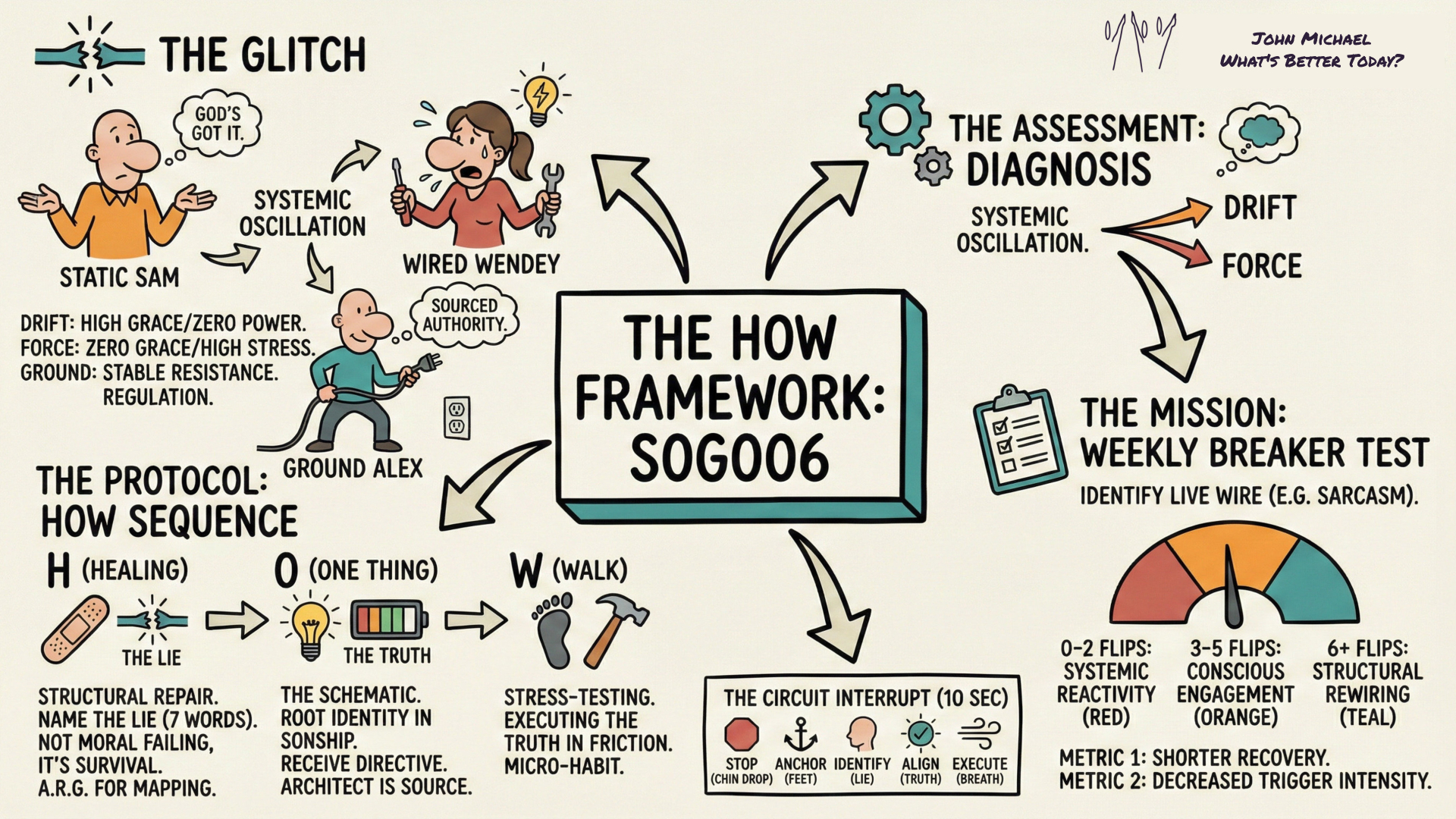 Download this SketchNote of the HOW Framework for your own notes and to share.

